America 250



The Inquirer and Mirror
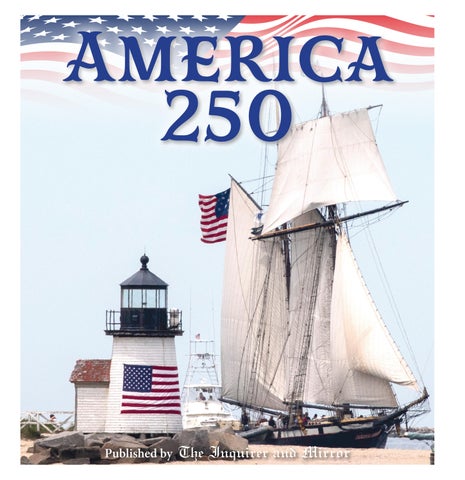
has covered more than 200 of America’s 250 years: the wars and recoveries, the arrivals and departures, the rhythms of an island that knows how to endure.
has covered more than 200 of America’s 250 years: the wars and recoveries, the arrivals and departures, the rhythms of an island that knows how to endure.
Published by The Inquirer and Mirror
1 Old South Road Nantucket, MA 02554
508 228-0001 www.ack.net
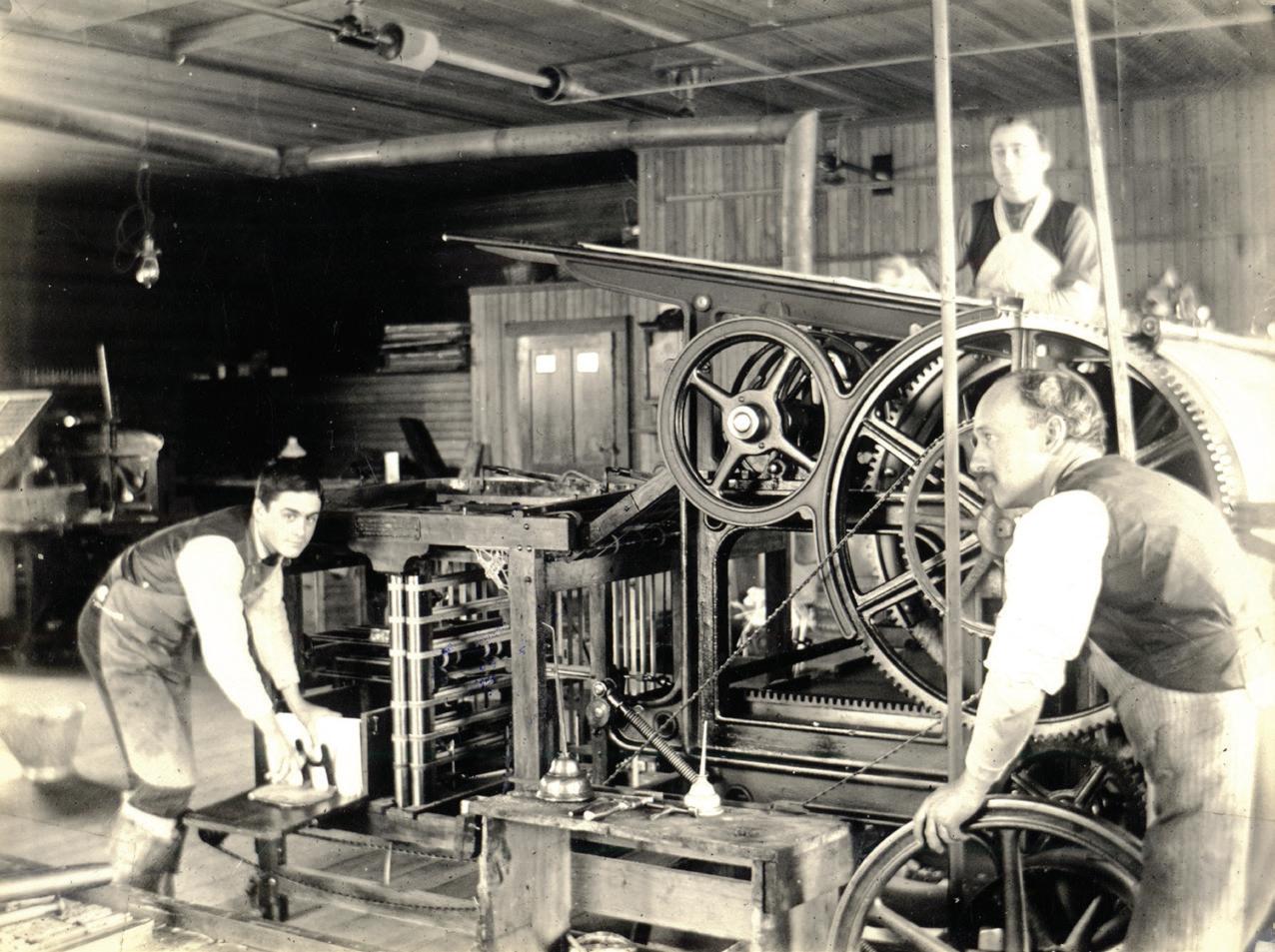
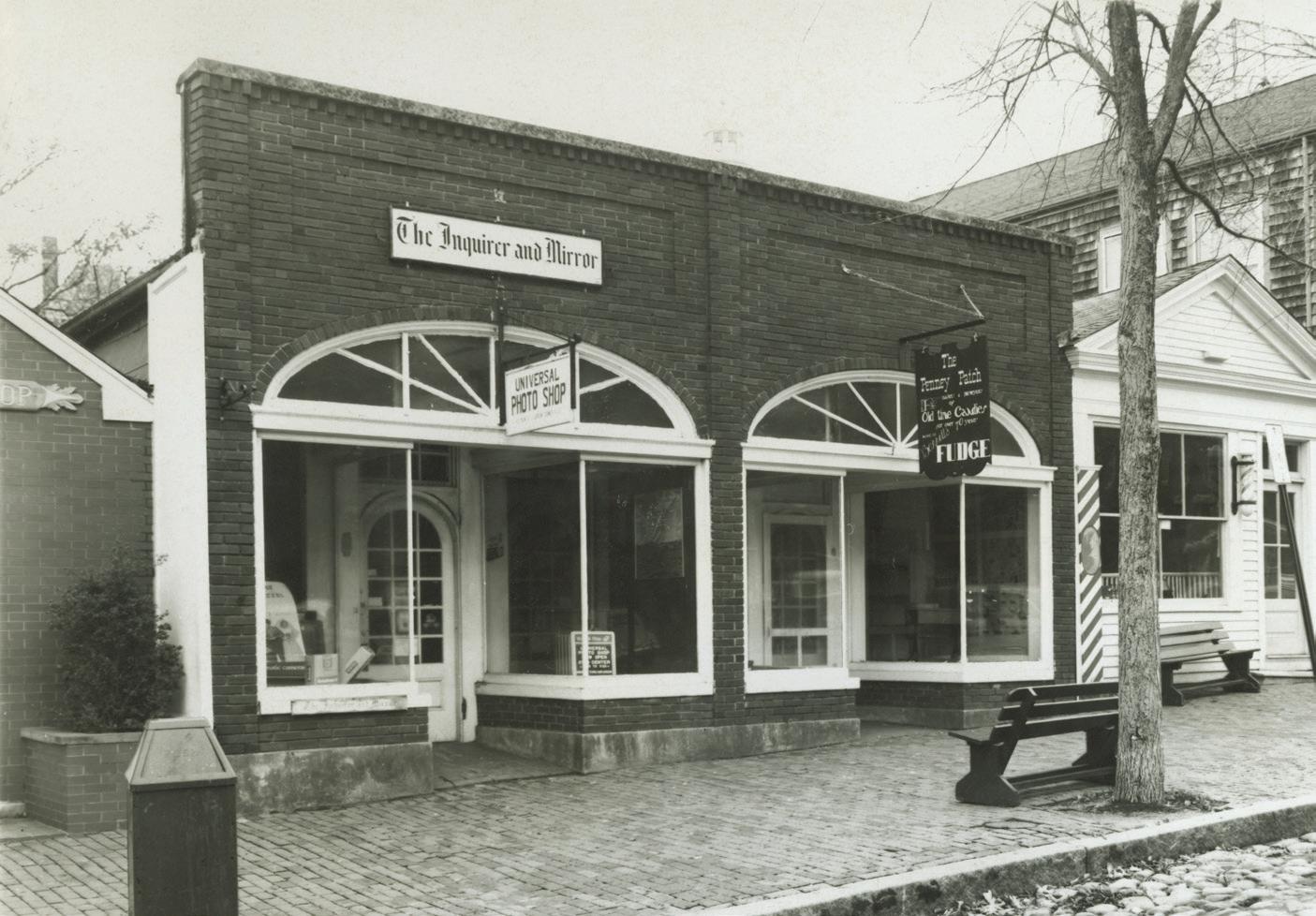
On this 250th Anniversary, we are honored to be Nantucket’s Trusted News Source Since 1821. To Subscribe visit
Publisher Robert Saurer rsaurer@inkym.com
Production Meghan Luksic mluksic@inkym.com
Advertising Director Mary Sharpe msharpe@inkym.com
Editor Joshua H. Balling jballing@inkym.com
Circulation Karen Orlando korlando@inkym.com
Advertising Sales Alexandro Sforza asforza@inkym.com
Contributing Writers & Photographers
Lucy Apthorp Leske
Mary Longacre
Sarah Roberts Margaret Viano
Contents
Little Voices, Big Flag Page 4
Liberty Tree Dedication Page 6
250 Years of Nantucket Gardens Page 8
DAR Keeping Local History Alive Page 10
Fourth Photo Gallery Page 16
© Nantucket Media Group. 2026 All rights reserved. America 250 is published by The Inquirer and Mirror Inc. For customer service regarding subscriptions, call 508 228-0001, ext. 10. All rights reserved. Reproduction of any part of this publication in any way is prohibited without written permission from the publisher. Printed in the USA.
By Sarah Roberts sroberts@inkym.com
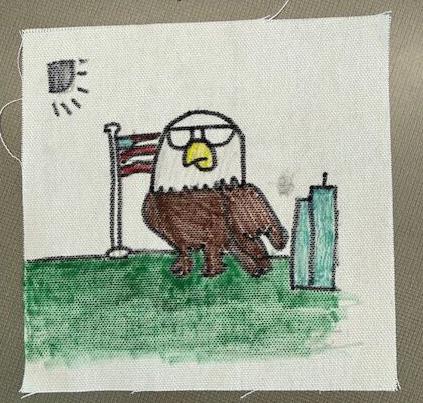
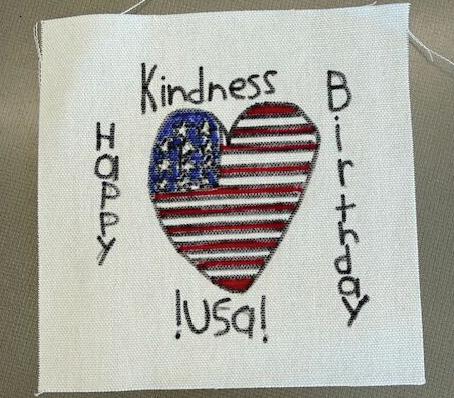
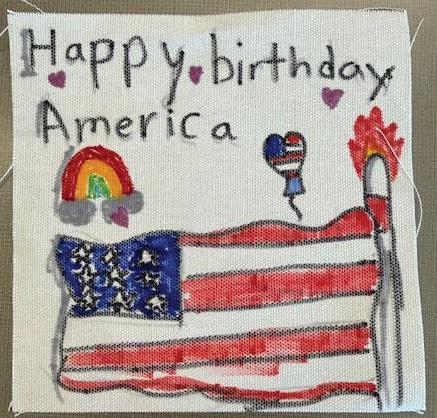
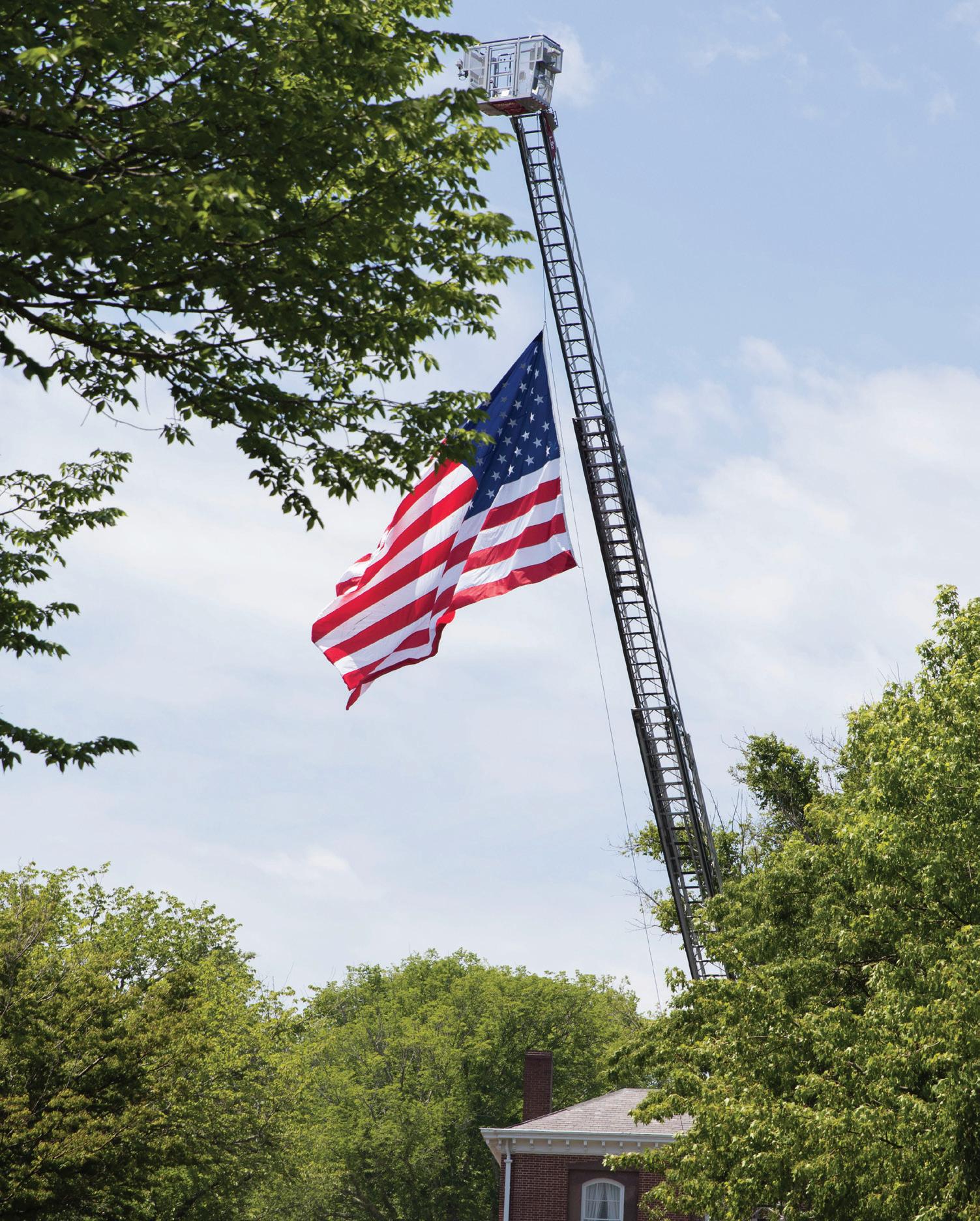
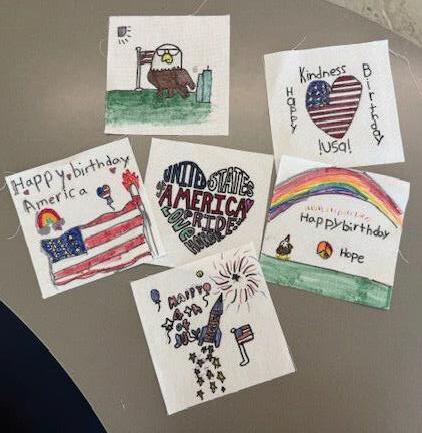
A group of fourth graders from the Nantucket Intermediate School are contributing to a nationwide civic engagement campaign called the “My America” project, whose founder hopes will break a world record with its size.
The project includes giving each student a tile – red, white or blue – to decorate as they please, with a focus on America’s 250th birthday this July. The tiles will then be sewn together, creating a large American flag.
“I gave them the options of America, or they could use words like freedom, peace, love, hope, democracy, anything they really could think of was allowed, just being inspirational from one kid to another kid, and just their little voices to America,” NIS teacher Lauren Gabriel said.
The My America project took inspiration from a project that originated in Massachusetts after the Sept. 11, 2001 terrorist attack in New York City. Its founder, Rick Rendon, wanted to provide a way for America’s youth to contribute to the support and healing that was needed during that time.
“We realized adults could respond to the terrorist attacks by giving time, blood or money, but what could young people do?
So we came up with the idea back then. We reached out to schools in Massachusetts, and you know, tens of thousands of kids created tiles, and so going into the 250 I said to our team, we should do what we did way back when, but let’s do it with a focus on the United States and make it national,” Rendon said.
Gabriel said she emphasized the project’s origin story to her students and explained how a negative moment in history can later turn into a campaign with a positive message.
“Teachers just kind of wanted to give the children a voice after such a huge tragedy to help inspire other kids to stay positive and be hopeful and happy, and it was ginormous, and it went on the Boston Common for a while, and then it moved on to Washington,” Gabriel said of the original Sept. 11 flag. Rendon, co-founder of The Rendon Group, said he wanted to bring back a version of the project that took place in 2001 in honor of America’s 250th birthday.
AMERICA, PAGE 22


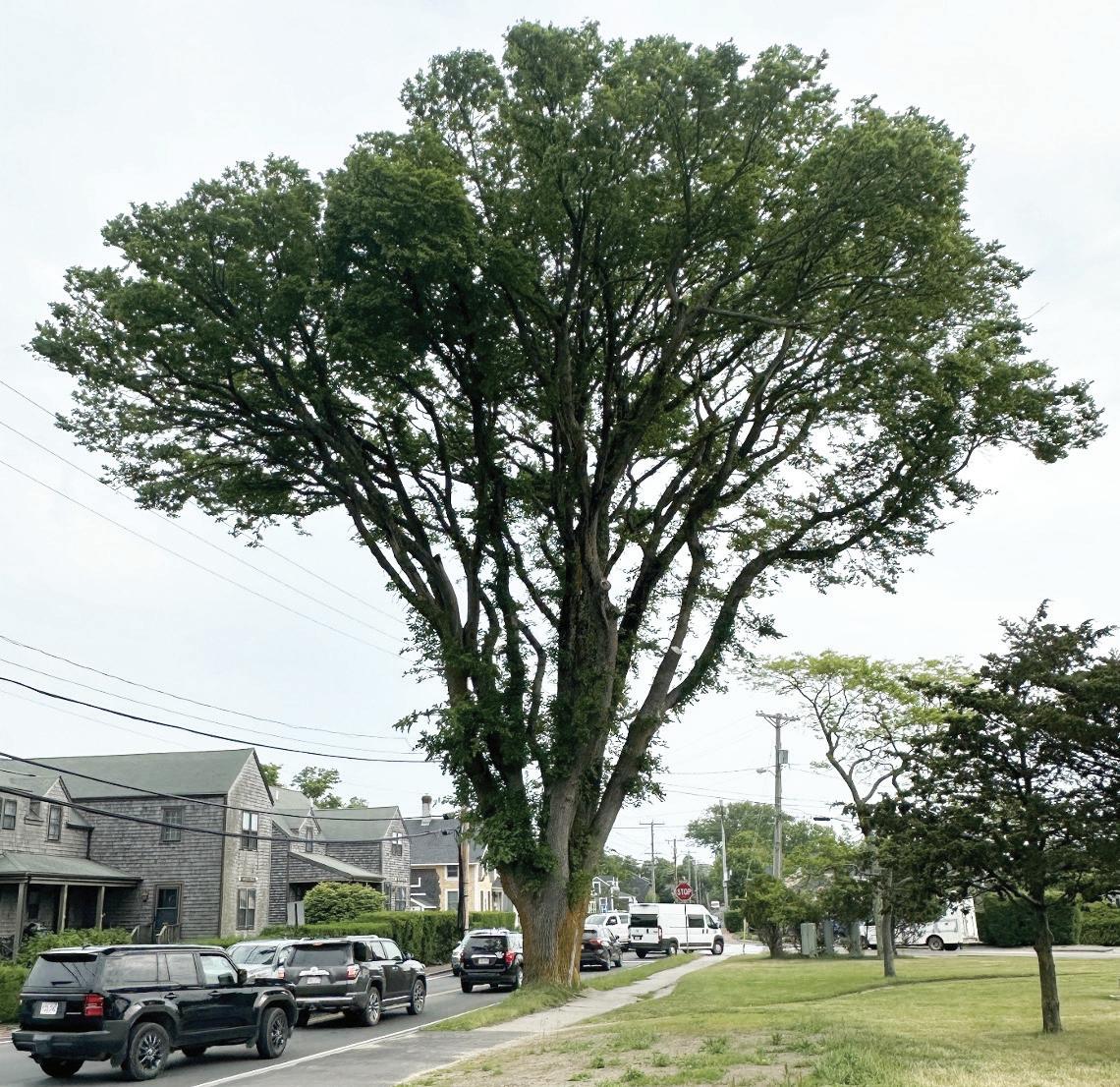
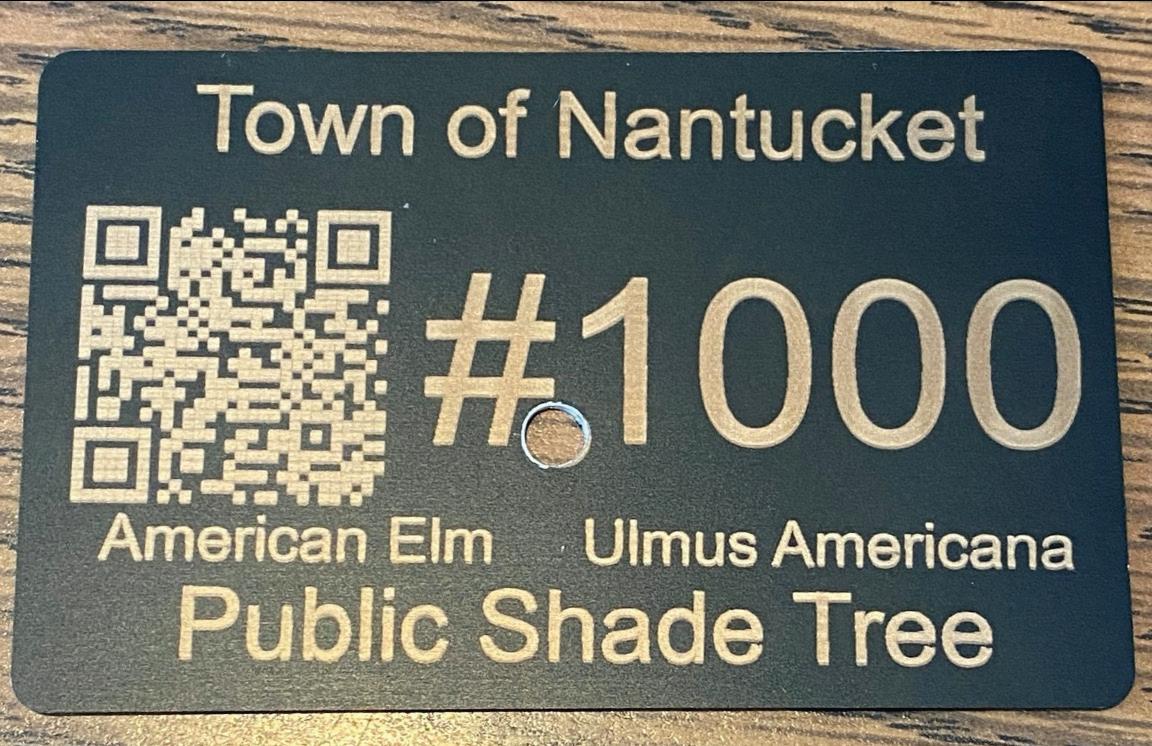
The Town of Nantucket will install a bench and boulder with a plaque designating the elm tree at 10 Surfside Road by the Nantucket High School pool parking lot a “Liberty Tree,” commemorating the 250th anniversary of the signing of the Declaration of Independence, at 6:16 p.m. Thursday, July 2.
The public is invited to attend the ceremony, which will feature brief remarks from Tree Advisory Committee member Mary Longacre, who spearheaded the project.
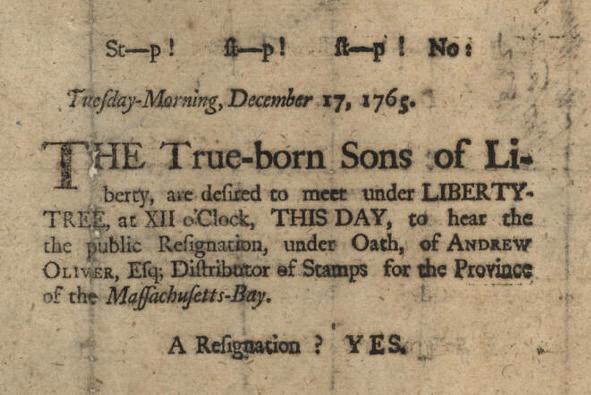
The original Liberty Tree was an elm on the Boston Common under which the colonists, who became known as “The Sons of Liberty,” met to plan resistance to British rule that led to the American Revolution.
The name originates from a February 1765 speech by Isaac Barré, a politician of Irish heritage, in the British House of Commons.
During a debate on the Stamp Act, Barré, in support of the colonists, advocated for colonial independence, and described Patriots who resisted British overreach as “sons of liberty.”
The Sons of Liberty were responsible for the Boston Tea Party in 1773, when chests of tea were thrown overboard from ships including Dartmouth and Beaver , owned by Nantucket merchant William Rotch. The British cut down the elm in 1775 in an attempt to disrupt the revolutionaries.
The text of the plaque reads:
LIBERTY TREE
DEDICATED ON THIS DATE, JULY 4, 2026
THE TOWN OF NANTUCKET, IN COMMEMORATION OF THIS NATION’S
250TH ANNIVERSARY OF INDEPENDENCE,
HEREBY DESIGNATES THIS AMERICAN ELM
PLANTED IN 1852 A LIBERTY TREE. “LIFE, LIBERTY, AND THE PURSUIT OF HAPPINESS”
This designation is part of a national project created by the Piedmont chapter of the Sons of the American Revolution.
In addition to the dedication of a Liberty Tree as part of the 250th Independence Day celebration, the Town of Nantucket will be planting elm trees along Liberty and North Liberty streets at a more favorable time for their survival.
Homeowners on those streets who might wish to provide a streetside planting space on their property for a town tree are encouraged to reach out to the Tree Advisory Committee through town tree warden Dave Champoux by e-mail dcland02584@gmail. com
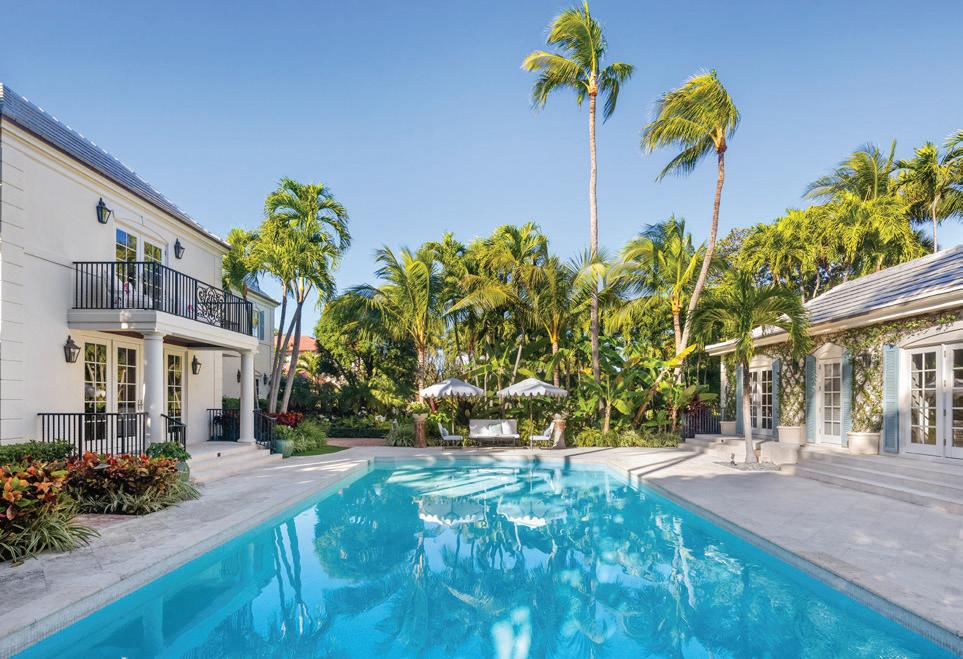
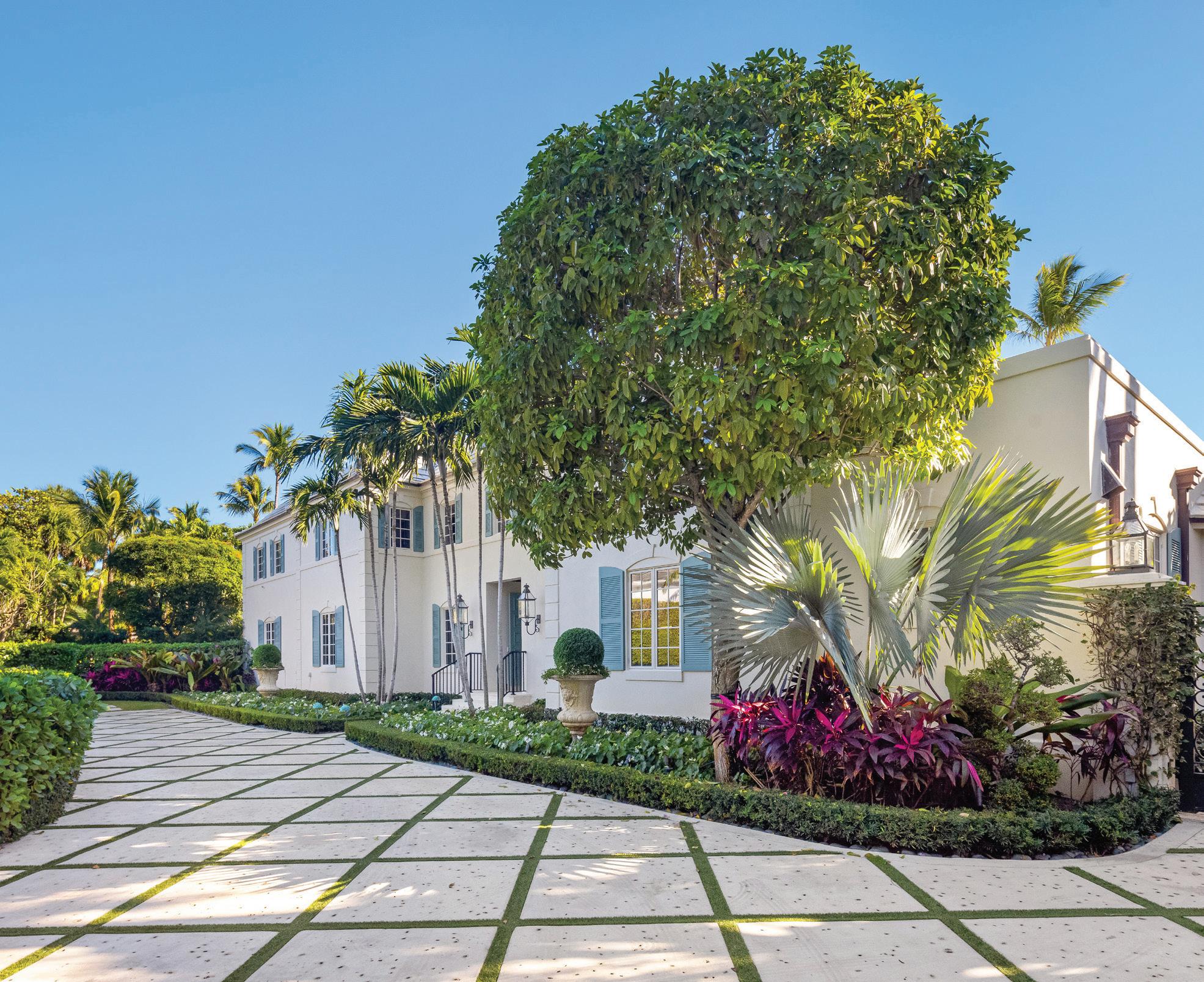
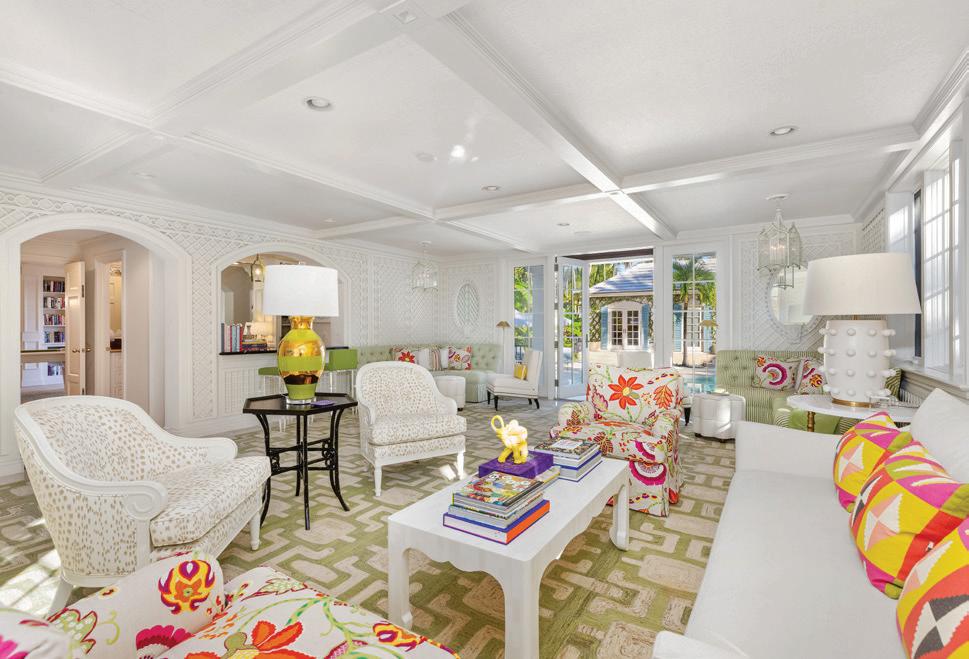
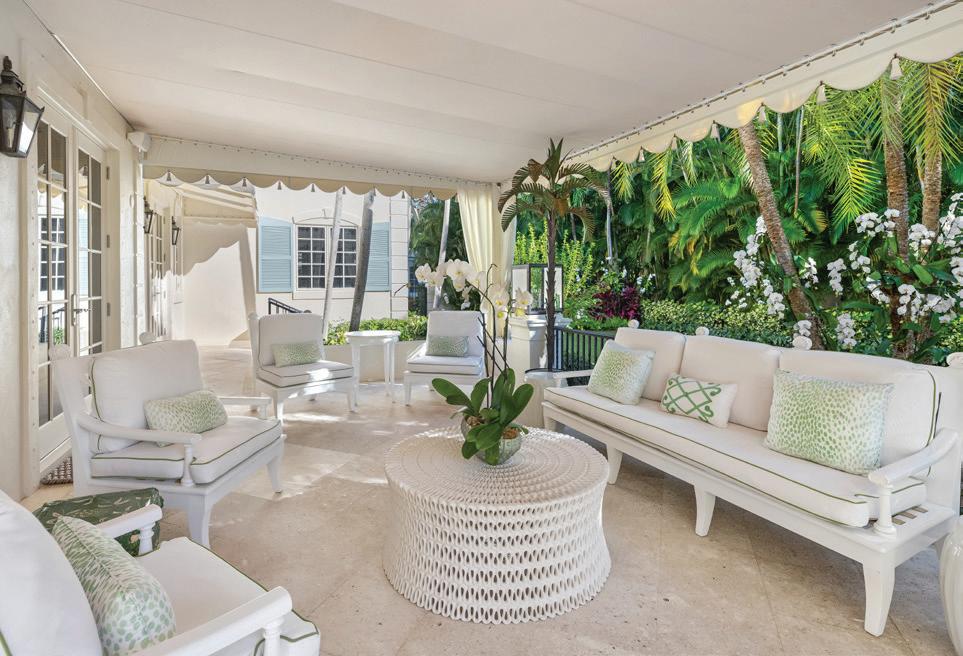
Stunning Estate Section residence set on an approximately 0.76-acre lot on the desirable south side of the street. Featured in LUXE Magazine, this quintessential Palm Beach Estate has been beautifully restored and features a phenomenal floor plan designed for grand indoor and outdoor entertaining. The light-filled interiors showcase refined Kemble Interiors design throughout combining traditional elements with bold, contemporary details. Additional living spaces include a fabulous billiards room, piano room, and expansive living room with wet bar and stunning lattice-lined walls. Separate guest house features 3BR/3BA, a full kitchen, and great room.


By Lucy Apthorp Leske I&M Columnist
This week we celebrate the 250th birthday of our nation. Nantucket was here long before colonists touched our shores, but when they finally did in 1659, they set about making a home for themselves on this exposed, windswept, sandy spot.
That meant finding means to sustain themselves which, of course, included farming and gardening. The island’s history is, in fact, more closely linked to a history of tending to plants than it is to the short-lived whale fishery. In other words, since the nation’s founding if not before, Nantucket has always had gardens, farms or some combination.
In honor of Independence Day, here follows a brief timeline of Nantucket’s garden history for the last 250 years, compiled from numerous sources including Nantucket Historical Association records and archives, The Inquirer and Mirror, Yesterday’s Island, The New York Times, Ann Leighton’s “American Gardens in the Eighteenth Century” (1976), “The History of Nantucket” by Obed Macy (1880), Barbara White, “Town Farms & Country Commons: Farming on Nantucket” by Debra McManis (2010) and “Nantucket Gardens and Houses” by Virginia Scott Heart and Taylor Lewis (1990).
• 530 houses
• 4,500 residents
When the U.S. was founded, Nantucket was still trying to establish itself as a sustainable, thriving community, its residents busily dividing land among themselves into lots for homes and farms.
In his 1787 “Letters from an American Farmer,” J. Hector St. John De Crèvecoeur wrote a friend in England about his visit to Nantucket: “There are but few gardens and arable fields in the neighbourhood of the town, for nothing can be more sterile and sandy than this part of the island . . .”
After colonists arrived in the late 17th century, early attempts at farming had all
but stripped the landscape of its vegetation and proved that the sandy soil was not suited for producing in similar abundance to the rest of New England.
By the American Revolution, residents had turned to sheep farming as the best use of the land, yet they still had to eat. Like most of colonial America, Nantucket was planted in the manner and custom of what colonists knew and brought with them from Europe.
Diaries and letters from the period mention residents raising “common culinary vegetables,” storage crops to keep for long winters, fruit trees, berries, grains and field crops for livestock, medicinal plants and herbs, and occasionally some flowers. Most Nantucket gardening at the time was aimed at feeding people, not aesthetics.
This independence Day, Cape & Islands Kia proudly salutes a quarter-millennium of American freedom - and the road ahead

Huge selection of new Kia Tellurides, Sportages, Sorentos, and more
Competitive pricing and top value for your trade
Family-owned community-driven service you can trust
See why Cape & Islands Kia is worth the short trip from Nantucket
By Margaret Viano mviano@inkym.com
For over a century, the Abiah Folger Franklin chapter of the Daughters of the American Revolution on Nantucket has worked to preserve local history, support education and keep patriotic traditions alive, even as the island and the organization have changed around it.
In a conversation with Susan Sylvia, the regent of the chapter, and Beth Maury, the vice-regent, the story of how the group began, how membership works and the chapter’s present challenges and community efforts came into focus.
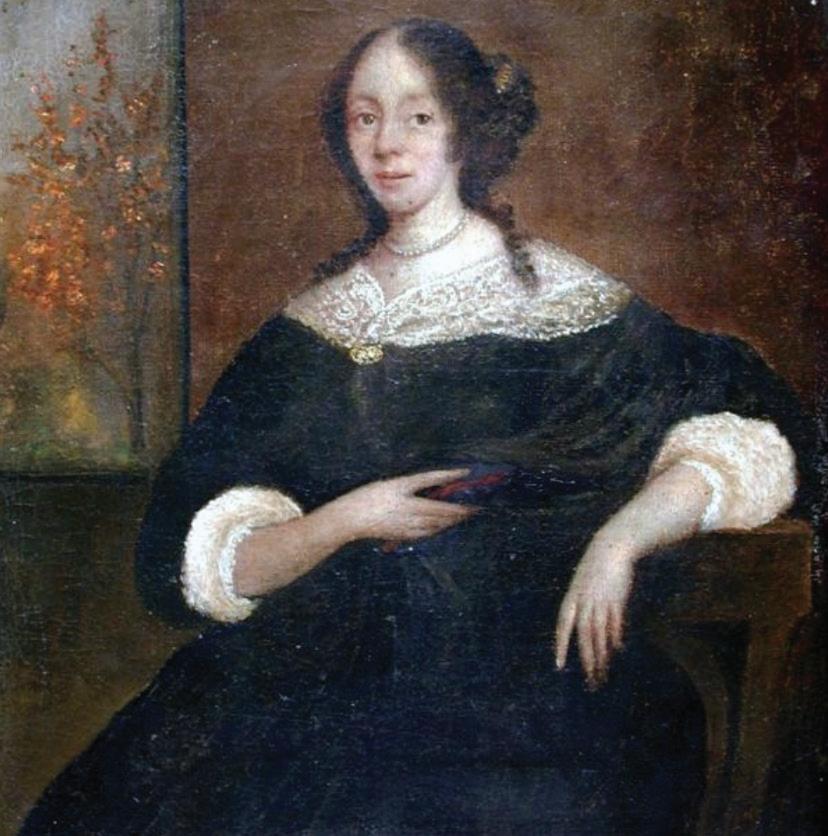
Chartered in 1897 by Sarah Winthrop Smith, the chapter carries the name of Abiah Folger Franklin, the Nantucket-born mother of Benjamin Franklin.
The original members chose the name under the idea that “distinguished men always have superior mothers.”
Since, the choice of name has honored not only Abiah, but her family’s local legacy: Peter Folger, Abiah’s father, is remembered as one of Nantucket’s founding figures. While Abiah herself left little documentary trace beyond family ties, her name connects the chapter directly to the island’s rich Revolutionary history.
With the 250th anniversary of the Declaration of Independence nearing, the Abiah Folger Franklin chapter looks forward to honoring the foundation of the country.
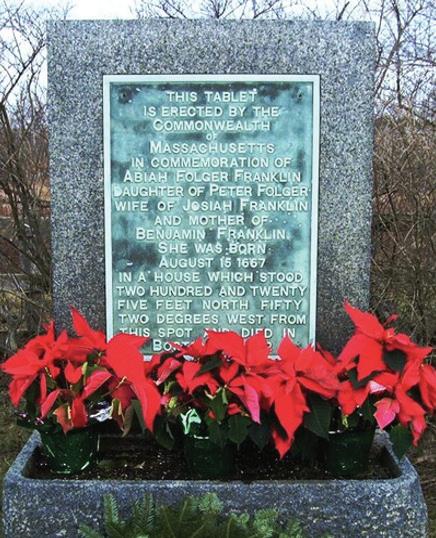
A tradition, Sylvia notes, is to mow the lawn surrounding the Abiah Folger Franklin Memorial, located on Madaket Road, and decorate it with festive items relating to a given holiday. This custom both gives members a chance to celebrate each holiday together and honors the namesake of the chapter.
As with all DAR chapters, Nantucket’s chapter follows the three pillars of the national organization: history, education and patriotism.
“Helping strengthen these values in our community is the primary reason behind our activities,” Sylvia said.
From a student essay competition to preservation work, those three pillars are the purpose with which they serve the community.
Outreach efforts focus on supporting schools, funding scholarships and engaging in community service. Notably, the DAR Good Citizen award annually honors one “excellent” high school senior, selected by teachers, who is “dependable, community-oriented, dedicated and patriotic.”
The geography of the island makes it more difficult for members to visit other local chapters or state societies, but they still find ways to align themselves with the greater organization by participating in the same traditions from afar.
Membership requires a direct ancestor who was a recognized patriot during the revolution, with genealogists verifying lineage through documented relatives. With this requirement comes practical challenges, but Maury emphasized, “You only need one qualifying ancestor to join, but the relationship must be through a grandparent, great-grandparent and onwards.”
The national organization applies strict standards to the membership process, evoking both pride and frustration in Sylvia and Maury as they remembered their own experiences.
Sylvia’s relation to Gideon Worth, a Nantucket sailor held prisoner on a British ship, was approved for her and her sisters, but not for other family members trying to join the DAR.
One of Maury’s Rhode Island-based ancestors was approved by the national organization, but not her Nantucket-native ancestor.
“I would really like to get my family that were here,” she said.
Largely, these contested cases occur as a result of a lack of proper records and Nan-
tucket’s history of “pacifism” during the Revolutionary War, as Sylvia describes it. Nantucket considered itself neutral during the war, with many islanders actually loyal to the British.
Maury noted that modern technological advancements have made the process of obtaining archival materials easier, but national requirements remain rigorous.
Nantucket’s chapter has seen membership decline in the past several decades.
Once numbering around 50 in the 2000s, the group now consists of roughly 30-40 members.
The loss of long-time members to age and the island’s seasonal population patterns have reduced active participation.
Maury also described a broader public misconception about the DAR: that it is political-oriented or exclusionary.
“The organization is strictly not politically affiliated and open to all who want to join,” she stressed, as long as they can meet the qualification requirements.
Instead of getting involved in politics, it is focused on education and historical aims.
The DAR is not “just a group of old women waving flags,” Maury and Sylvia stressed, but a civic organization that aims to support all members of the community.
The local chapter has also struggled with younger women’s participation in history DAR, PAGE 22

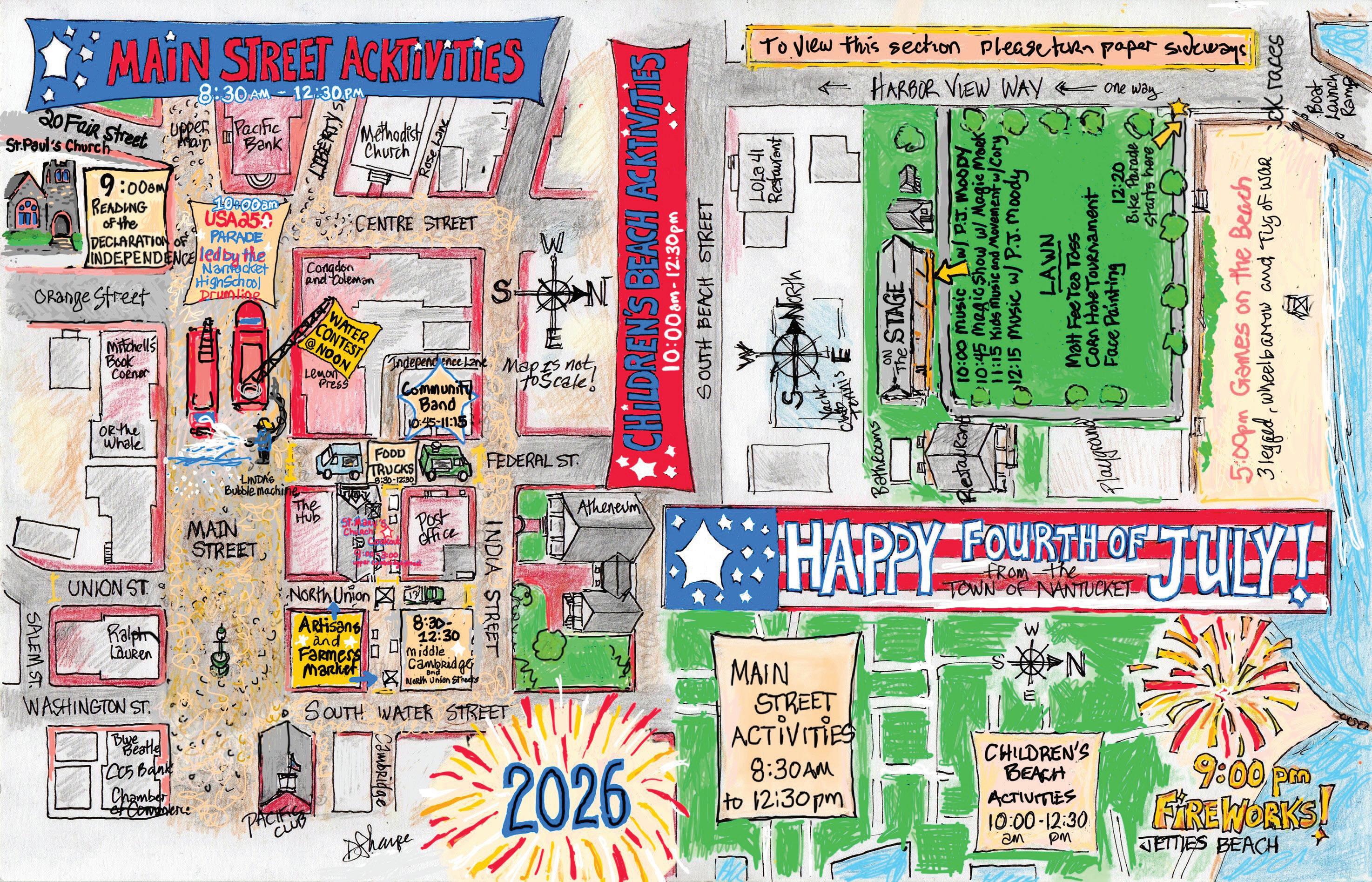
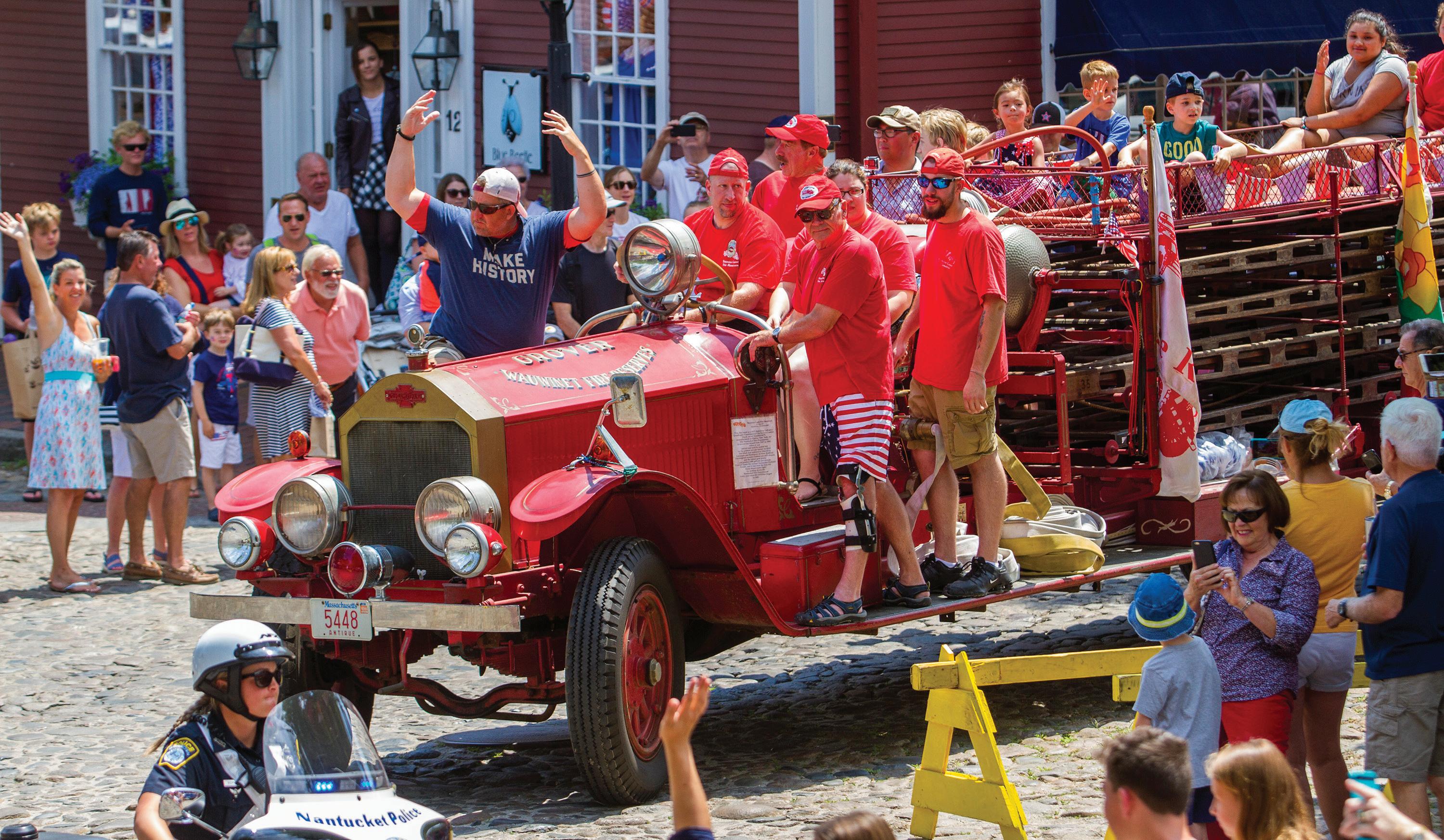
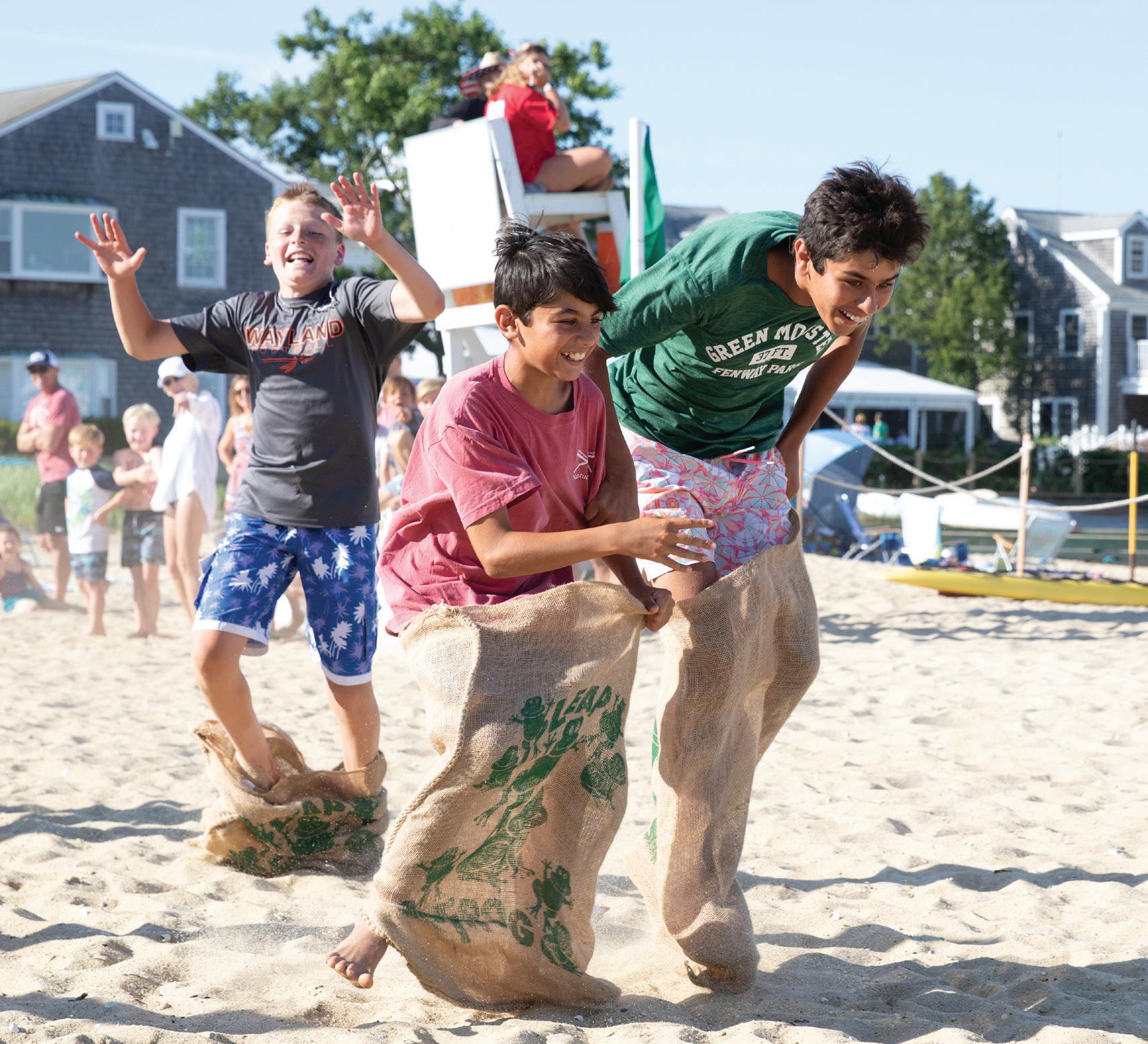
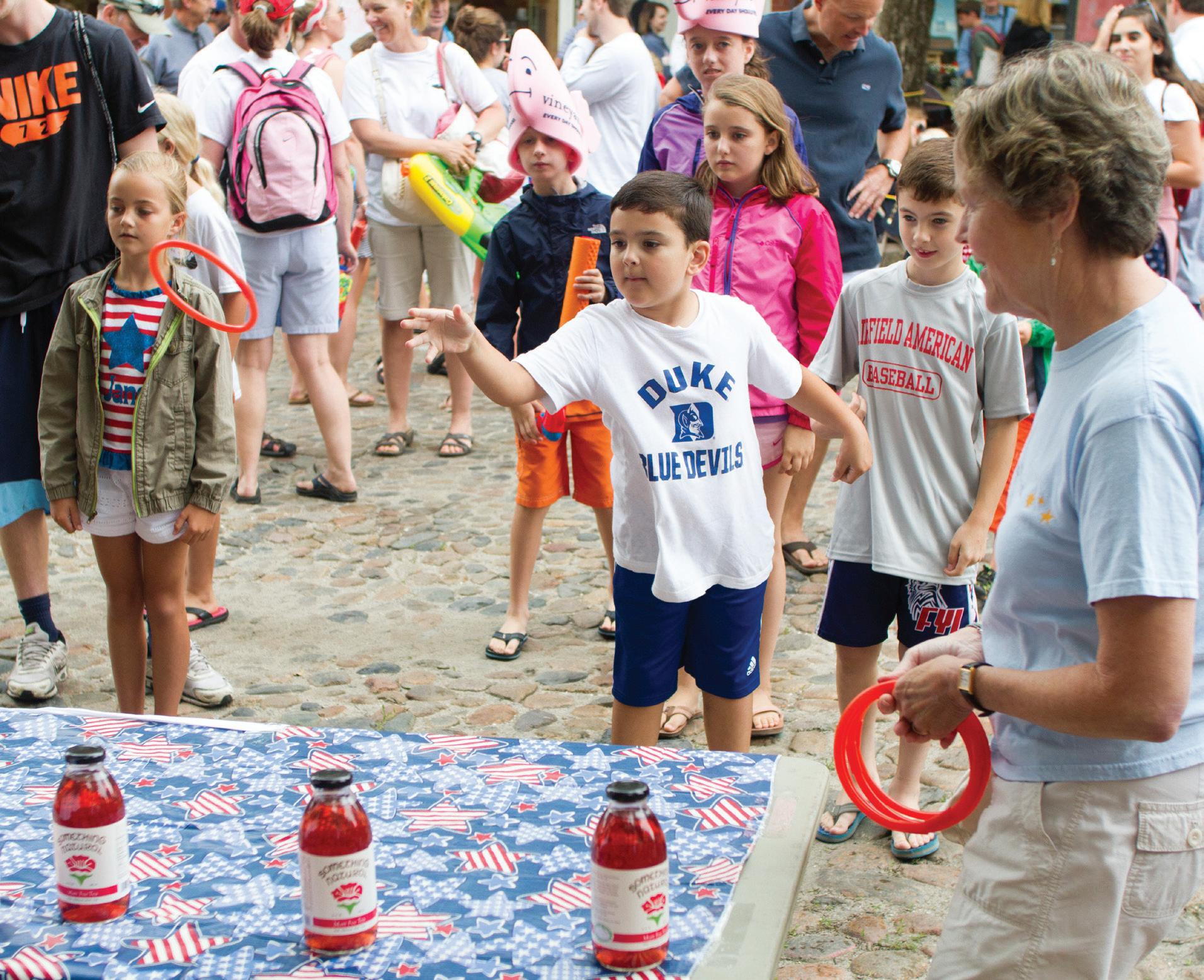
On Saturday, July 4th, the Town of Nantucket will offer activities all day long to celebrate the nation’s Independence Day. Locations include the Main Street area, Children’s Beach, and Jetties Beach.
Main Street Area
Sustainable Nantucket’s Farmer’s Market
8:30 am to 12:30 p.m.,
Cambridge Street between North Union and South Water Streets
Food Trucks
8:30 a.m. -12:30 p.m., Federal Street between Main and India Street
27th Anniversary Reading of the Declaration of Independence
9:00 a.m., St. Paul’s Church, 20 Fair Street
USA 250th Nantucket High School Drumline Parade
10:00 a.m. - 10:30 a.m., Main Street
Community Band Performance
10:45 a.m. - 11:15 a.m., Federal Street between Main and India Street
Annual Water Contest
Noon - 12:30 p.m., Main Street
Children’s Beach
P.J. Moody Sings the National Anthem & Other Patriotic Music
10:00 a.m. - 10:30 a.m., Children’s Beach bandstand
Matt Fee Tea Toss, Cornhole Tournament & Other Family-friendly Games
10:00 a.m. - Noon, Lawn in front of bandstand
Face Painting
10:00 a.m. - Noon, Corner lawn near boat ramp
Magic Show with Magic Mark
10:45 a.m. - 11:30 a.m., Children’s Beach bandstand
Kids Music & Movement with Cory Morgan
11:45 a.m. - 12:15 p.m.
Children’s Beach bandstand
P.J. Moody
12:15 p.m.- 12:45 p.m., Children’s Beach bandstand
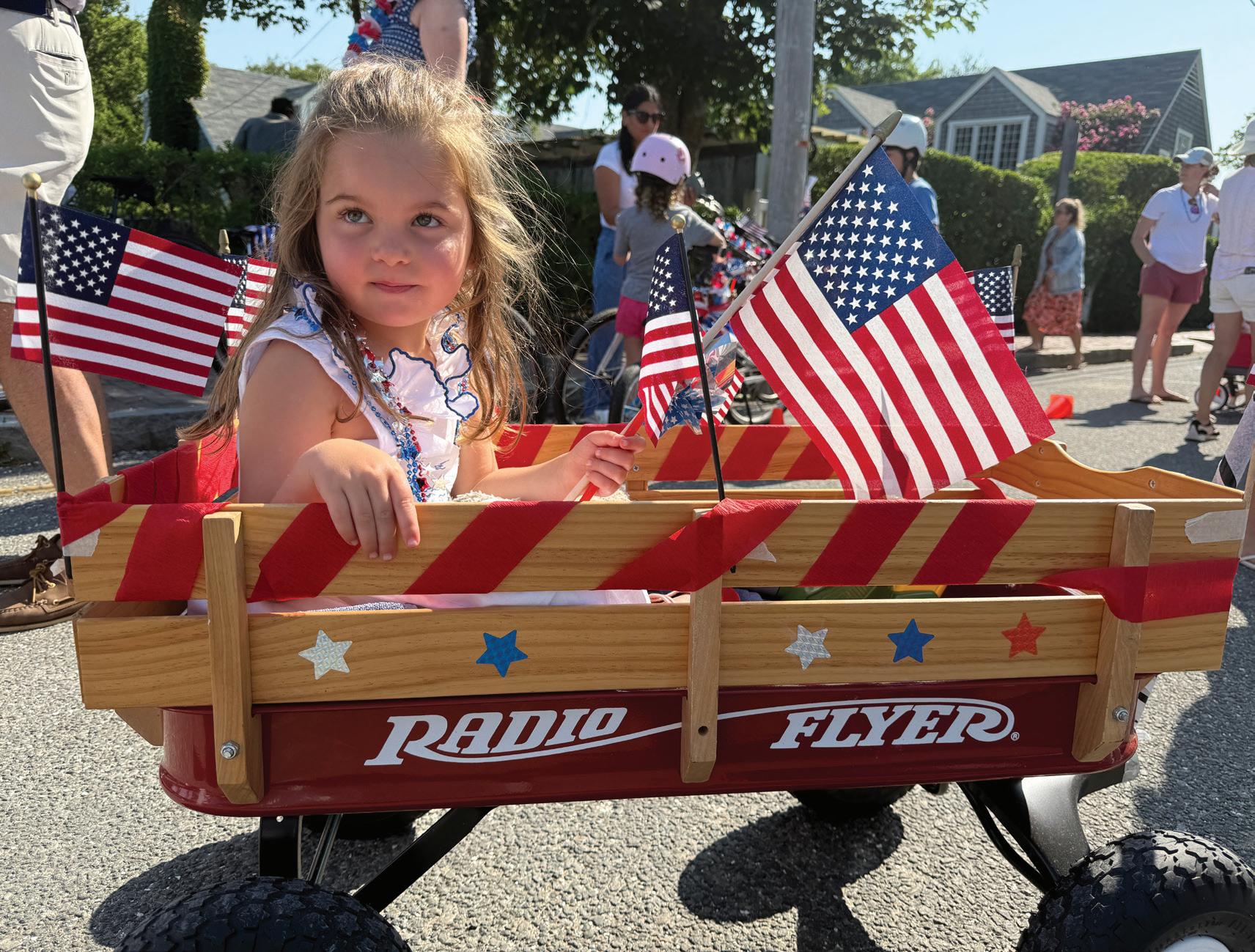
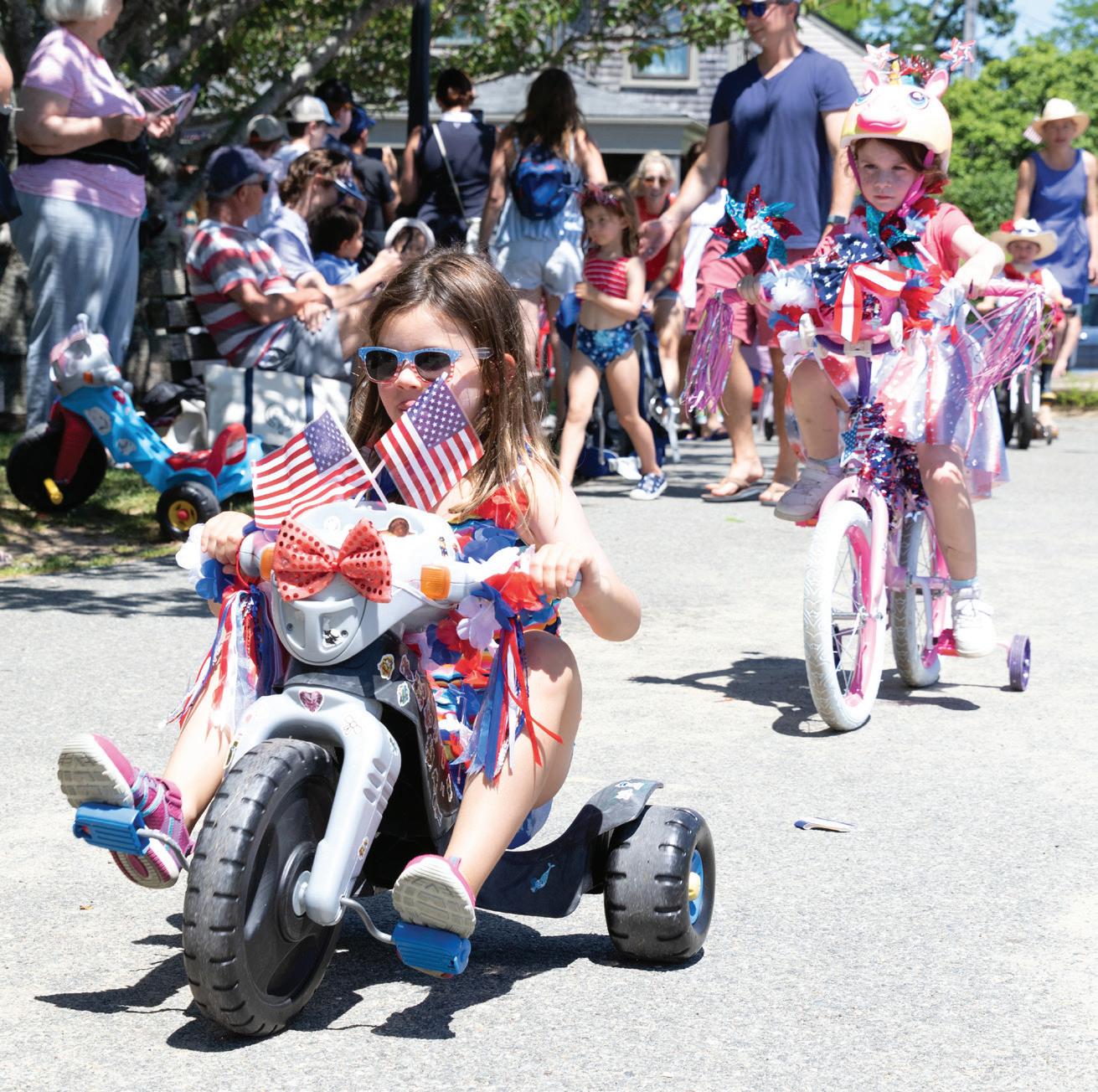
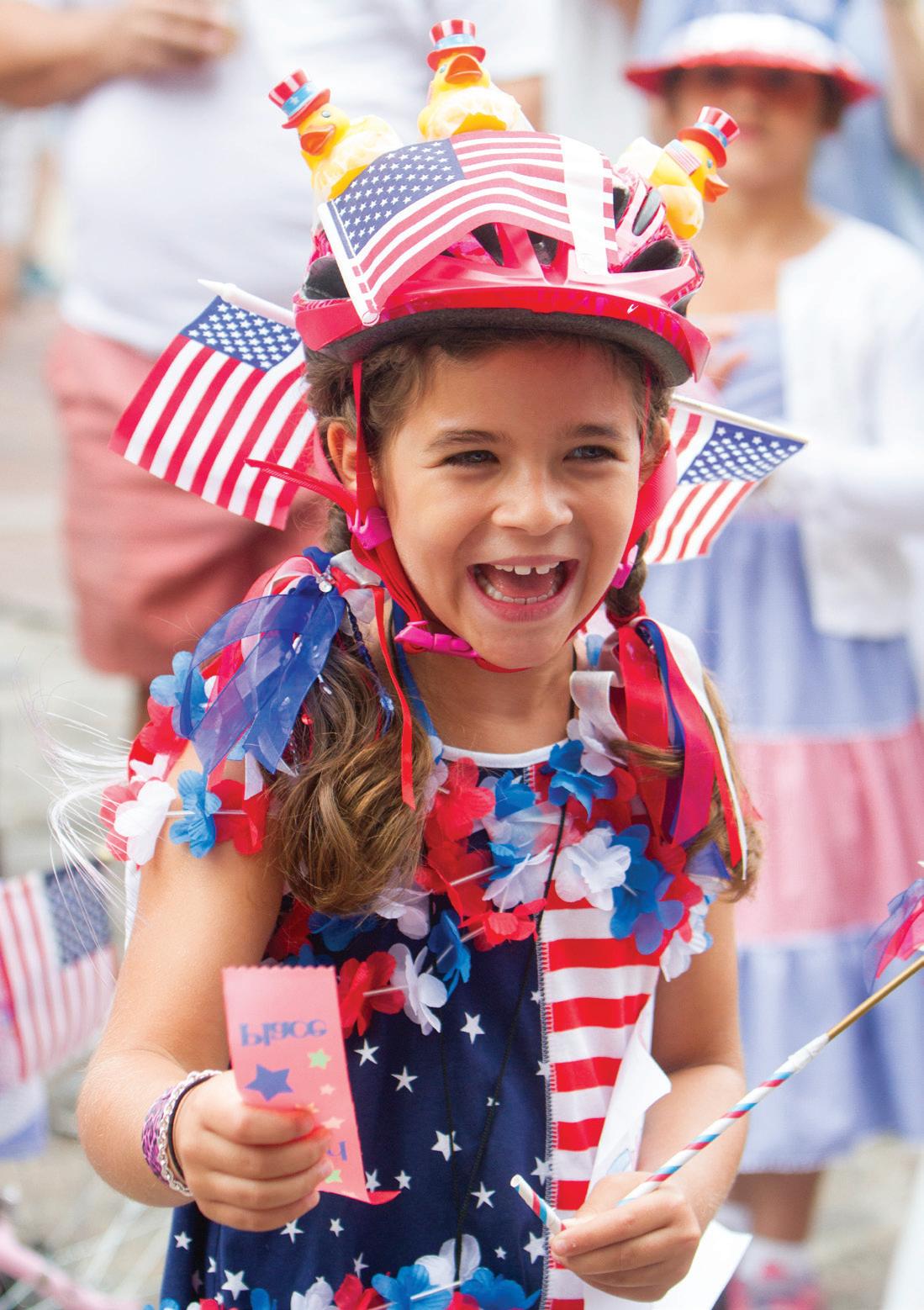
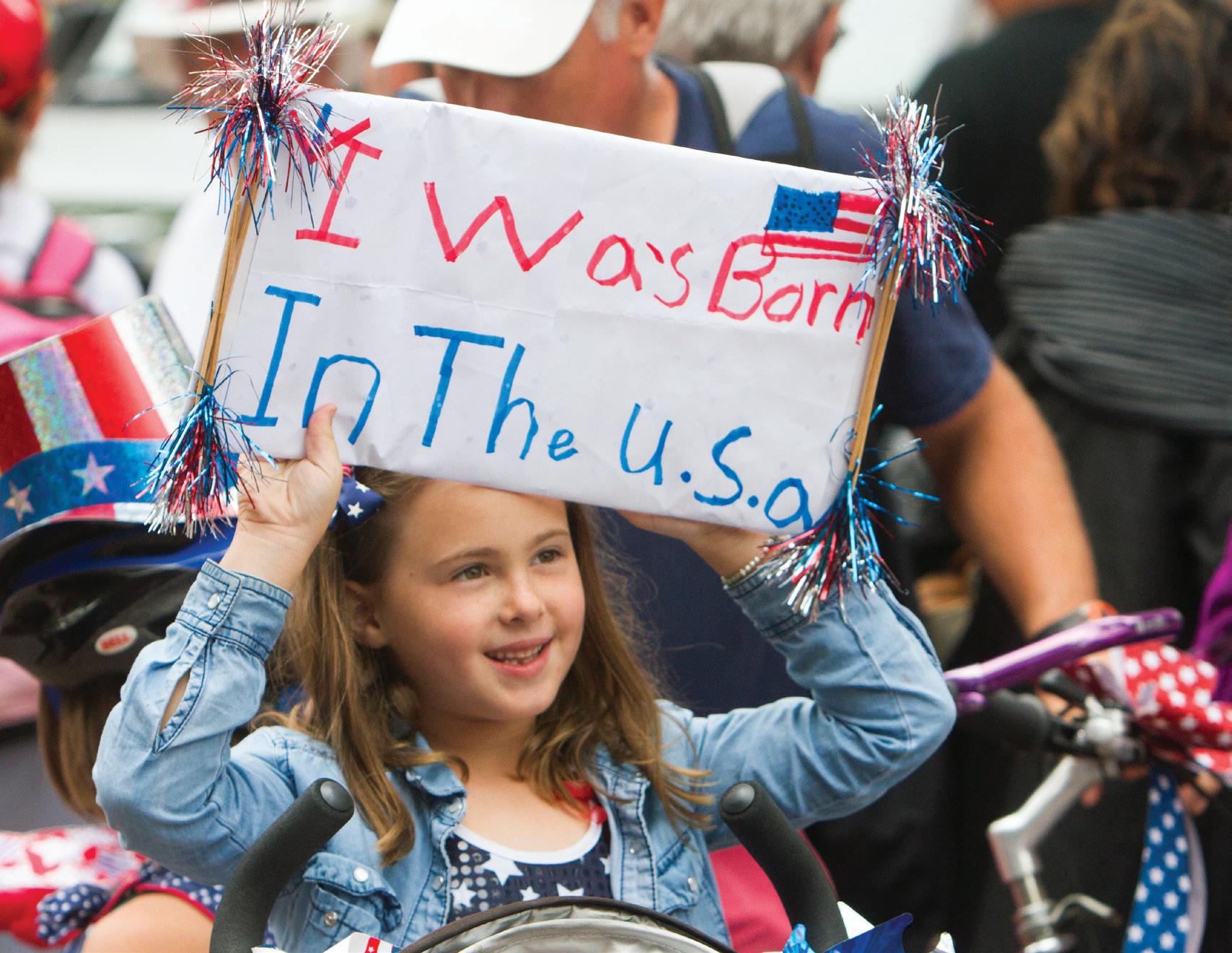
Bike Parade
12:20 p.m.- 12:30 p.m.
Family Games
5:00 p.m, on the beach
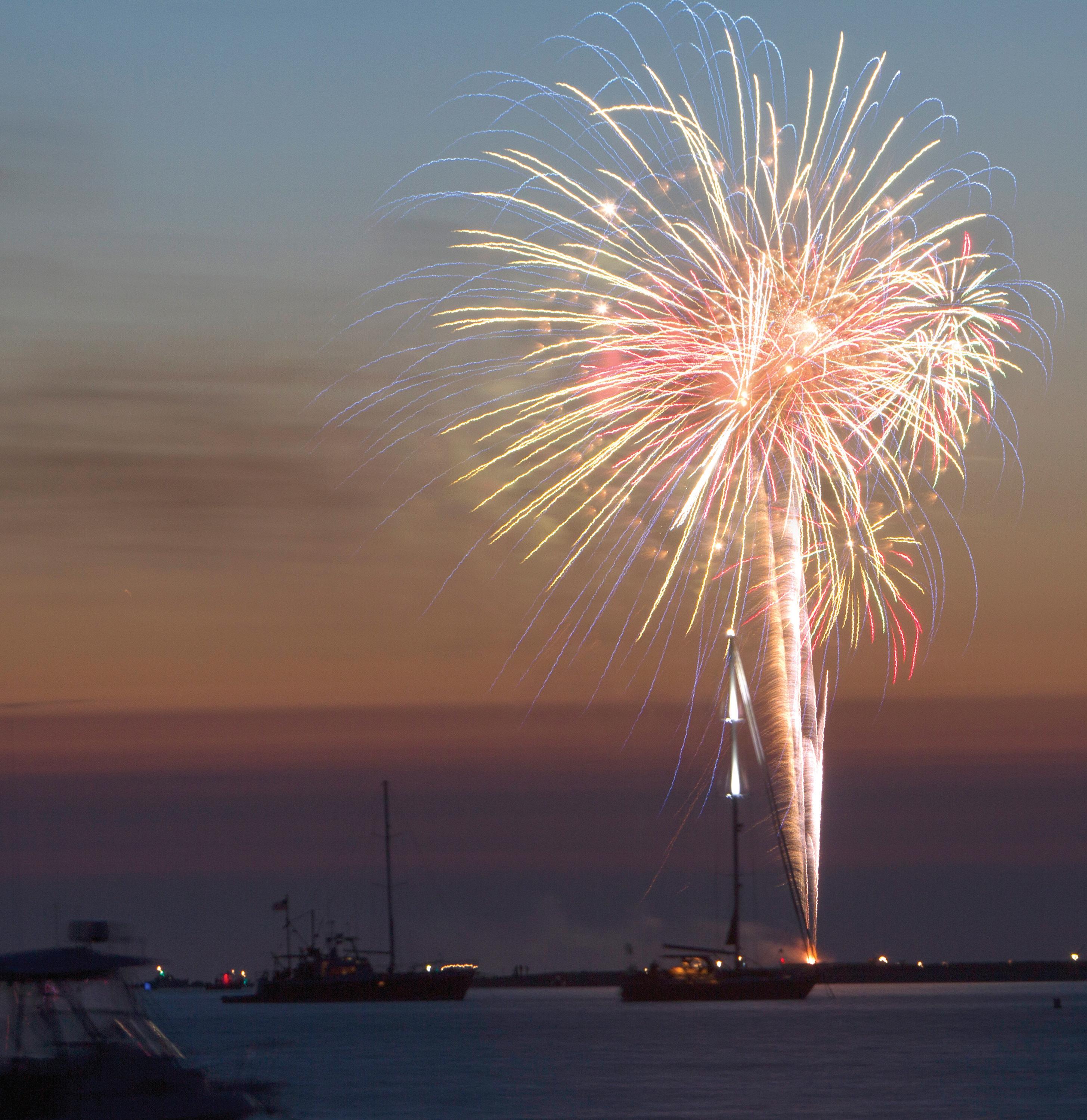
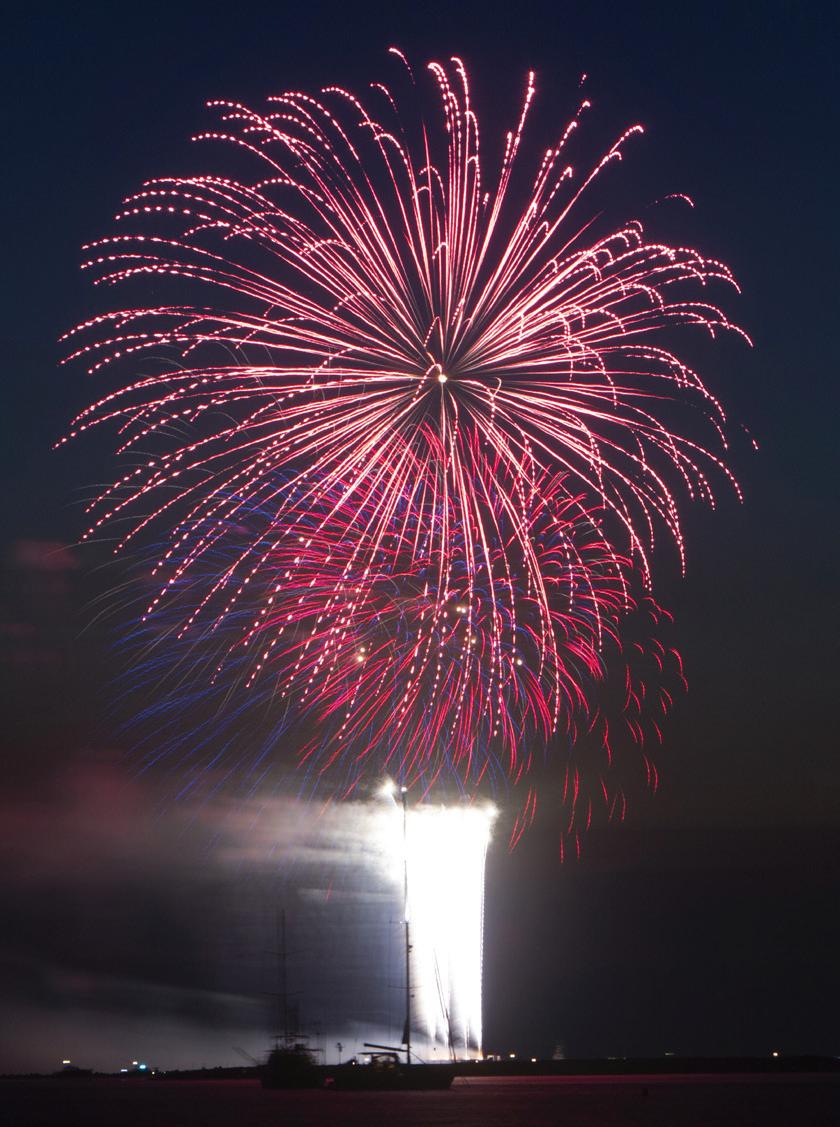
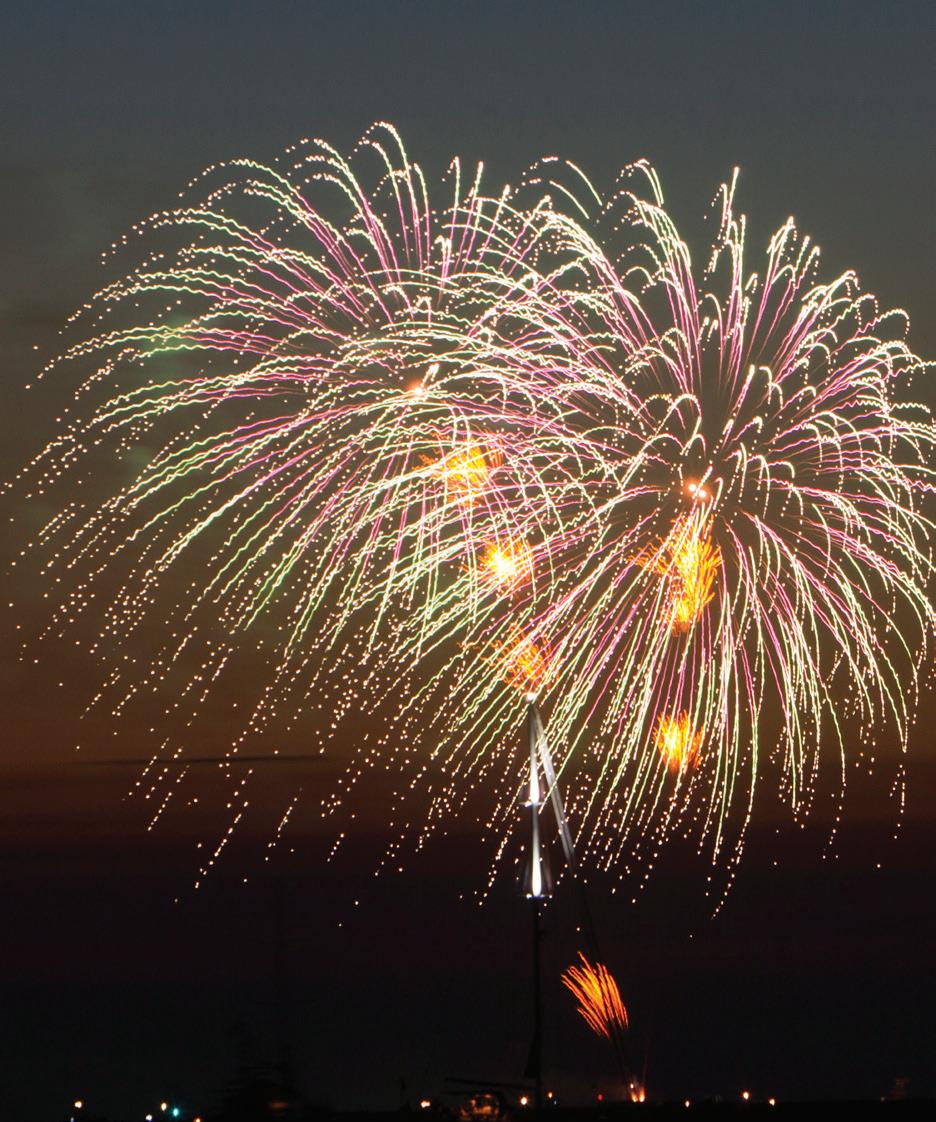
The show lasts approximately 25-27 minutes and is shot from a barge just offshore.
Starting at 6:00 p.m., NRTA Wave buses will depart from in front of The Whaling Museum on Broad Street every 10-15 minutes and will return from Jetties Beach after the fireworks up to 10:30 p.m.
is proud to support our community with media sponsorships and contributions to many island institutions and events. Over the last year we have provided more than $130,000 of media sponsorships to include:














Help us support local journalism and the community by subscribing or advertising. Mary Sharpe msharpe@inkym.com
508-228-0001 Ext. 27
Sforza asforza@inkym.com 508-228-0001 Ext. 38 For advertising needs please contact To subscribe visit






(Continued from page 8)
1826: 50th birthday
• 800-1000 houses
• 100 farms
• 7,200 residents
• 15,000 sheep
• 1816: The Bartlett family began farming the land they still own today
• 1829: Moors End on Pleasant Street begins construction
By this time, the island had experienced a significant population boom. Nationally and locally, interest in botany and horticulture including collecting and introducing non-native plants was on the rise.
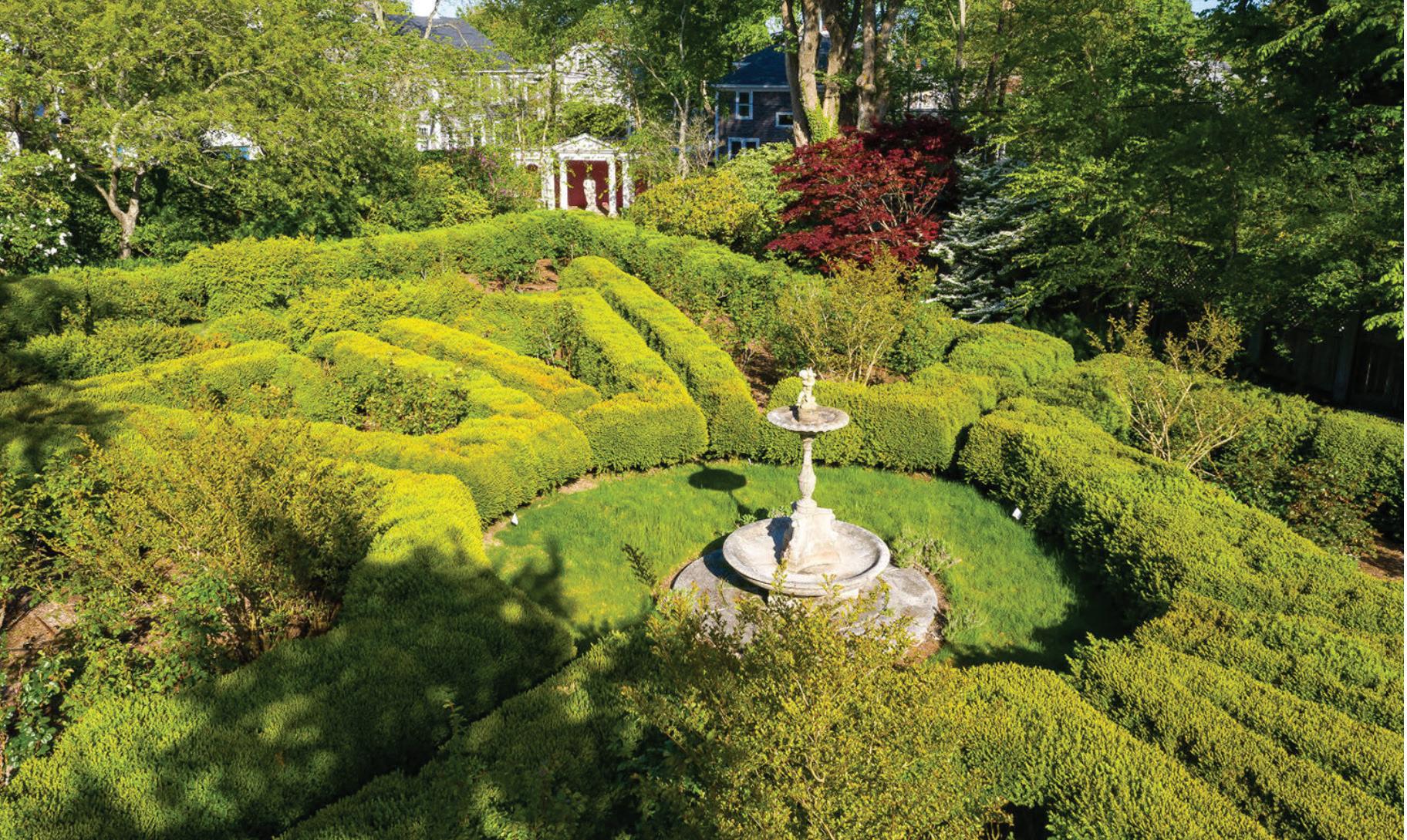
Records indicate wealthier owners in town established gardens laid out in formal beds, bordered by boxwood hedges, filled with perennials or vegetables, sometimes including lawns.
People began planting ornamental plants shipped from or originally in Europe and Asia like lilacs and roses, also grapes and fruit trees, as well as shade trees.
The War of 1812, however, caused all kinds of shortages and shipping blockades, so residents continued to rely on each other to produce food in their own back yards for which they often bartered with each other.

1876: 100th birthday
• 800-1,000 houses
• 3,700 residents (after a precipitous rise to over 10,000 and subsequent fall around the short-lived whaling era)
• 44 farms
• 1846: Great Fire
• 1847: First pitch pine planted by Josiah Sturgis
• 1848: Planting of the Liberty Elm at what is now Surfside Road plus hundreds of shade trees in town
• 1856: First Nantucket Agricultural Fair
• 1857: First commercial cranberry operation established
• 1878-1879: Botanical Society of Nantucket founded by Catherine Starbuck
• 1899: Rosa rugosa introduced to Nantucket
When the Nantucket economy tanked after the whaling era ended, town leaders encouraged community members to take up agriculture to fill in the gap, hoping to revive the economy.
Farming and back-yard gardening was encouraged. Photos from the era show even in-town gardens containing food crops and livestock.
The Nantucket Agricultural Society was launched to both build a social network around farming, share best practices and build a market for goods.
Gradually, agriculture as an economic driver was replaced by tourism, and summer people brought with them the desire for pret-
ty gardens. Flowers took over the scenery. Rambling roses were introduced to Sconset.
1926: 150th birthday
• 1,000-1,300 houses
• 3,000-3,500 year-round residents
• 10,000 residents summer peak
• 30 farms
• 1922: First deer introduced to Nantucket
• 1929: Monaghan Sisters purchase Greater Light
The early 20th century saw continued emphasis on ornamental gardens, as well as fullscale efforts to control and/or beat back nature.
Ragweed and poison ivy control was a civic priority. At the same time, the introduction of so many non-native plants started to have consequences.
The great Hurricane of 1938 hit New England hard and spread the dreaded chestnut blight northward. Pitch pine brought with it beetles. Invasive weeds moved into fields and yards.
Native plants like sea lavender were nearly wiped out from over-picking. Bird’s foot violet became extant. The Nantucket aesthetic of cottage gardens filled with roses, daylilies, hollyhocks, lilies, hydrangeas and other perennials and flowering shrubs, bordered by white picket fences and arbors, surrounding emerald green lawns took hold.
1976: 200th birthday
• 4,300-4,600 houses
• 5,300 year-round residents
• 15,000-20,000 residents summer peak
• 1941-45: World War II victory gardens
• 1959 Nantucket Garden Club incorporated
• 1963 Walter Beinecke Jr., founds Sherburne Associates
• 1975 Hadwen House garden restoration by Nantucket Garden Club
Mid-century Nantucket was heavily populated by farms and vegetable gardens, especially during the war years. As recalled by the late Donald Visco in an oral history recorded by Mary Miles in 2003, the war years were tough.
“Everybody had a victory garden and everybody had animals and there were farms everywhere,” he said.
People once again relied on each other for food. Bartering returned. Yet a short three decades later by our 200th birthday, Nantucket was a thriving tourist destination, in no small way due to the influence of Walter Beinecke, whose company Sherburne Associates bought and renovated many Nantucket commercial properties and introduced a standard garden “look” that persists to this day: flower-filled window boxes hanging on shingled exterior walls, lush flowering roses and hydrangeas lining the streets, neatly trimmed privet hedges and perfectly coiffed lawns.
Garden designers, nurseries and landscape companies flourished, expanding and repeating the aesthetic to complement the Historic District Commission’s architectural guidelines. Sad stories also abounded with the prolif-
eration of non-native plants, including the spread of giant reed, Japanese knotweed and Dutch elm disease.
• 12,500 houses on 9,700 unique properties
• 17,000-20,000 year-round residents
• 80,000 residents/visitors summer peak
• 2000: Sustainable Nantucket founded
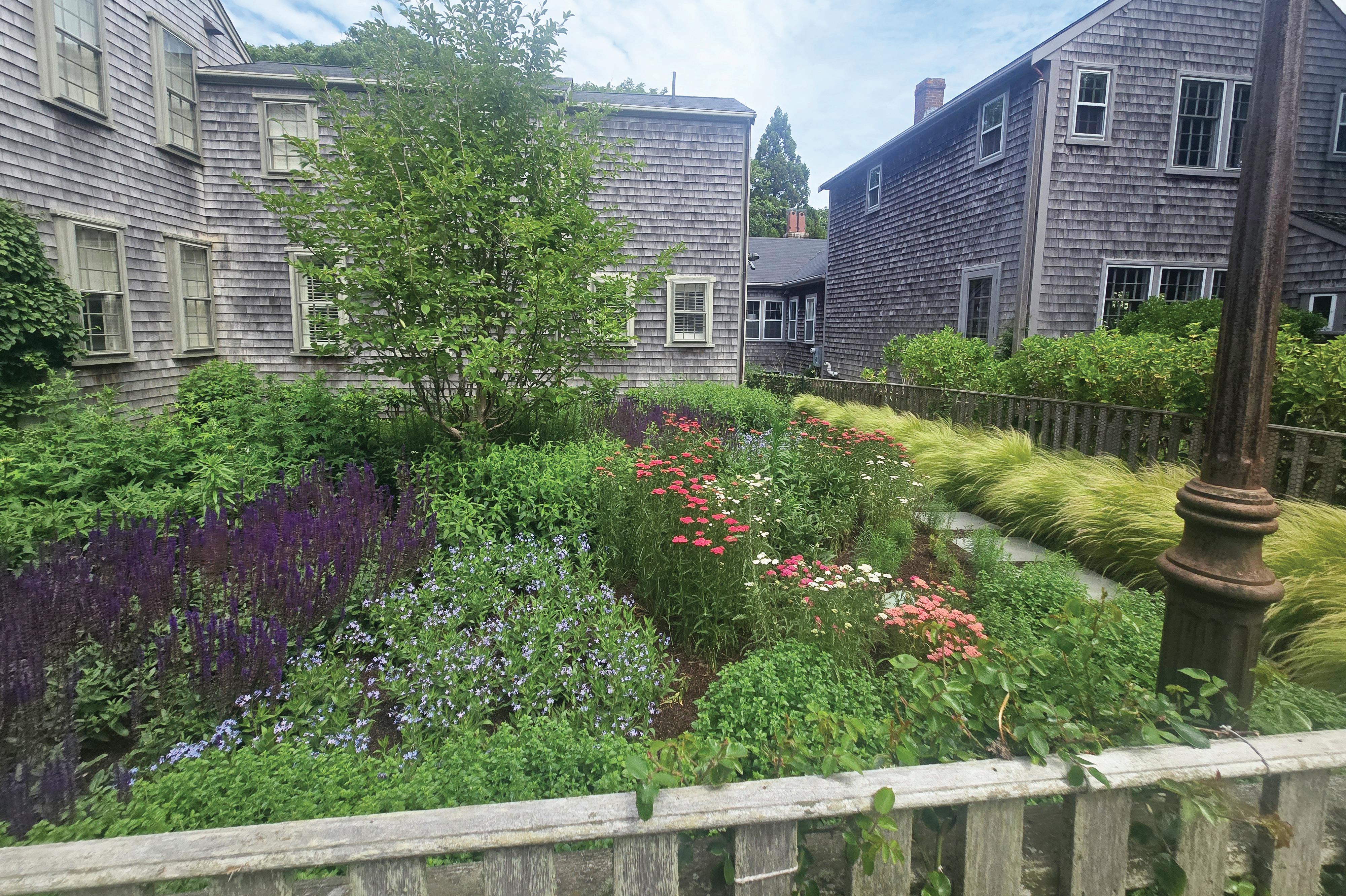
Today, there is no arguing that Nantucket’s gardens are beautiful and run the gamut from simple back-yard plots to large, elaborate landscapes that include pools and curated tableaus of exotic plants.
There is a growing trend, however, to come full circle, back to our roots, to the plants and landscape look that were here at the start of our shared U.S. history. Chemical fertilizer and pesticide use is discouraged in favor of natural remedies and organic solutions.
Local farming is on the rebound. People are restoring gardens to include native plants and grasses, rescuing endangered species and establishing pollinator gardens to support diverse ecosystems, eliminating invasives and otherwise adapting their gardens to a changing climate, one that will require botanical and human resilience.
There is no doubt that Nantucket will always have gardens. What will be here on the 300th anniversary of our country remains to be seen.




(Continued from page 11)
contests and outreach events.
Sylvia attributed this to “school pressures” and “busy schedules.”
The two women also worry that many younger potential members are balancing work and family commitments, making regular meeting attendance difficult.
Despite this, several younger local individuals have won DAR awards for upholding the three pillars, showing that the positive impact of the chapter is present on the is -
land.
Because of Nantucket’s maritime past and modern genealogy technology, the chapter sometimes interacts with members from all over the world.
Sylvia shared an example of a prospective member in Australia tracing ancestry to a Nantucket-based whaling captain.
“Her relative was a whaling captain who stopped there and never came back,” she said.
Computerized archives and more open records have broadened the potential pool of
people who qualify and who wish to connect with the island’s history.
Above all, Sylvia and Maury expressed a clear hope for the future: that more islanders and visitors appreciate the DAR’s community-oriented mission of providing support for local scholars and preserving historical sites.
“I think that if they’re interested in their family and history, then they should contact us, or they should at least find out what it’s all about, because I think we’re very misrepresented,” Maury noted.
They hope to boost outreach, correct common misconceptions and invite those who suspect they are eligible to contact the chapter.
The Abiah Folger Franklin chapter of the Daughters of the American Revolution is dedicated to keeping the memory of local patriots alive.
For more information or to apply for entry to the DAR, visit www.massdar.org/abiah-folger-franklin-chapter.html
(Continued from page 4)
“These are challenging times for our country, and we thought this would be a great way to bring everybody together on common ground,” he said.
The Rendon Group is a communications company that creates campaigns all over the world, with a large focus on making innovative ways to engage the next generation.
The My America project is not a political movement, it’s an initiative specifically focused on the next generation expressing their visions of the United States, Rendon said.
“We should all, despite maybe our political differences, appreciate the fact we live in the world’s greatest experiment, the United States of America, with democracy and freedom, and appreciate that. And I personally think young people can probably be the best messengers to remind all of us what brings us together more than what separates us,” he said.
Students from all 50 states and five United States territories are participating in the project. More than 111,000 tiles have been returned and with an Oct. 1 deadline to return them, the flag is going to take up a good portion of a Boston venue in December when it’s unveiled.
Rendon hopes enough tiles will be returned to make a new world record for the largest American flag mosaic.
“I think they get a sense of civic engagement, they get a sense of what can be accom-
plished when everybody works and rises in the right direction together. The fact that the young person in Massachusetts is creating something that the young person in Idaho is also creating, and in Alaska, American Samoa, Guam, I think is a great thing, and they can see if you work as a team what you can accomplish together,” Rendon said.
Rendon said he already has seven boxes of white tiles, eight boxes of red tiles and four boxes of blue tiles sitting in his office.
“Some of these tiles are absolutely amazing,” he said.
Gabriel reflected on watching her students create their designs, and how much care they put into them, especially when it came to their final drafts.
“I love seeing the finished product and seeing how proud they get, the detail and the attention that most kids were giving it, and the excitement about being part of the big project, that just gets me excited,” she said.
She also touched on the importance of big experiences for kids at the elementary-school level and how she saw that shine through in this national project.
“I think it was the idea of just being part of something so much bigger than them, or even their town, or their school. And at this point, the state. They have tiles from every single state in the United States and some territories. I don’t know if 9- and 10-yearolds really get a chance to be part of something that’s so much bigger than them,” Gabriel said.


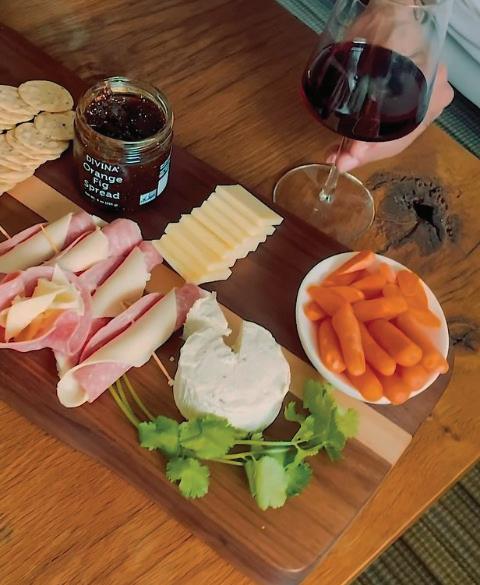
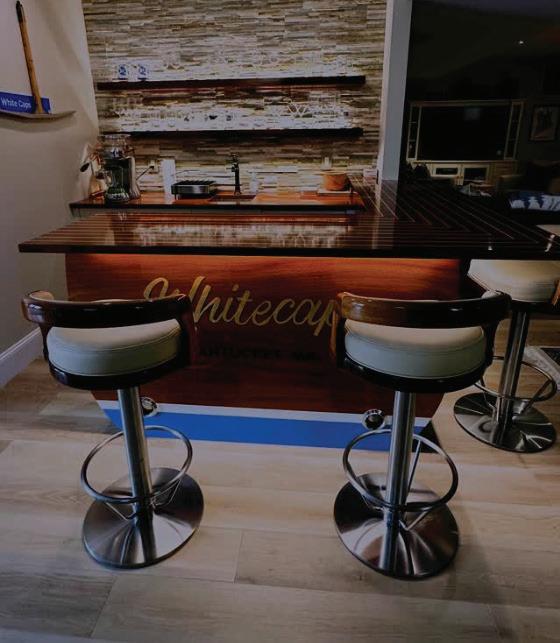
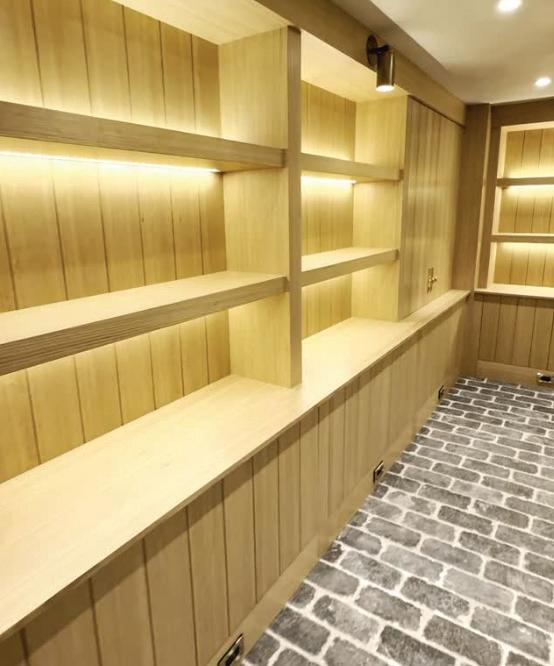


OUR PHILOSOPHY IS SIMPLE: HOME + LOVE = DREAMS AND WE BRING THAT TO EVERYTHING WE DO.


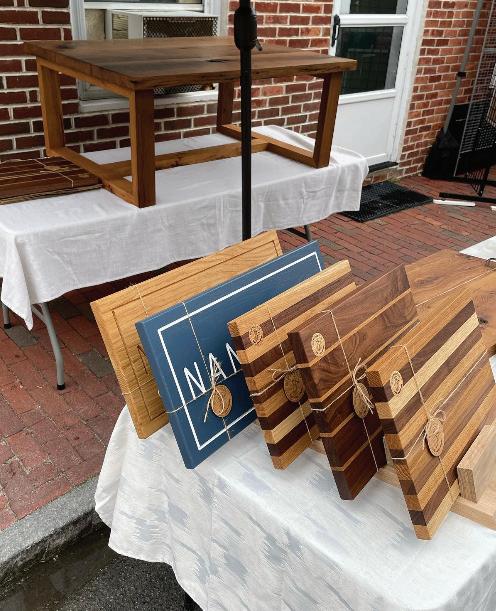
CUSTOM SERVICES
■ Bespoke carpentry for both indoor and outdoor spaces.
■ Custom-built porches, architectural staircases, handcrafted doors, and decorative moldings that elevate any room.
■ Unique architectural finishes that add character to every property.
■ On-site design and installation, right here on Nantucket.