What Documents Do You Need to File a Car Insurance Claim
What Documents Do You Need to File a Car Insurance Claim?
Your car's just been in a minor accident in Jaipur, you're stressed, and now someone's asking for five different documents you weren't expecting to need Knowing this list before it happens saves a lot of scrambling later
Claim documentation isn't complicated, but missing even one piece can delay the whole process Here's exactly what you need, and why each one matters
The Core Documents Every Claim Needs
Regardless of claim type, these form the baseline.
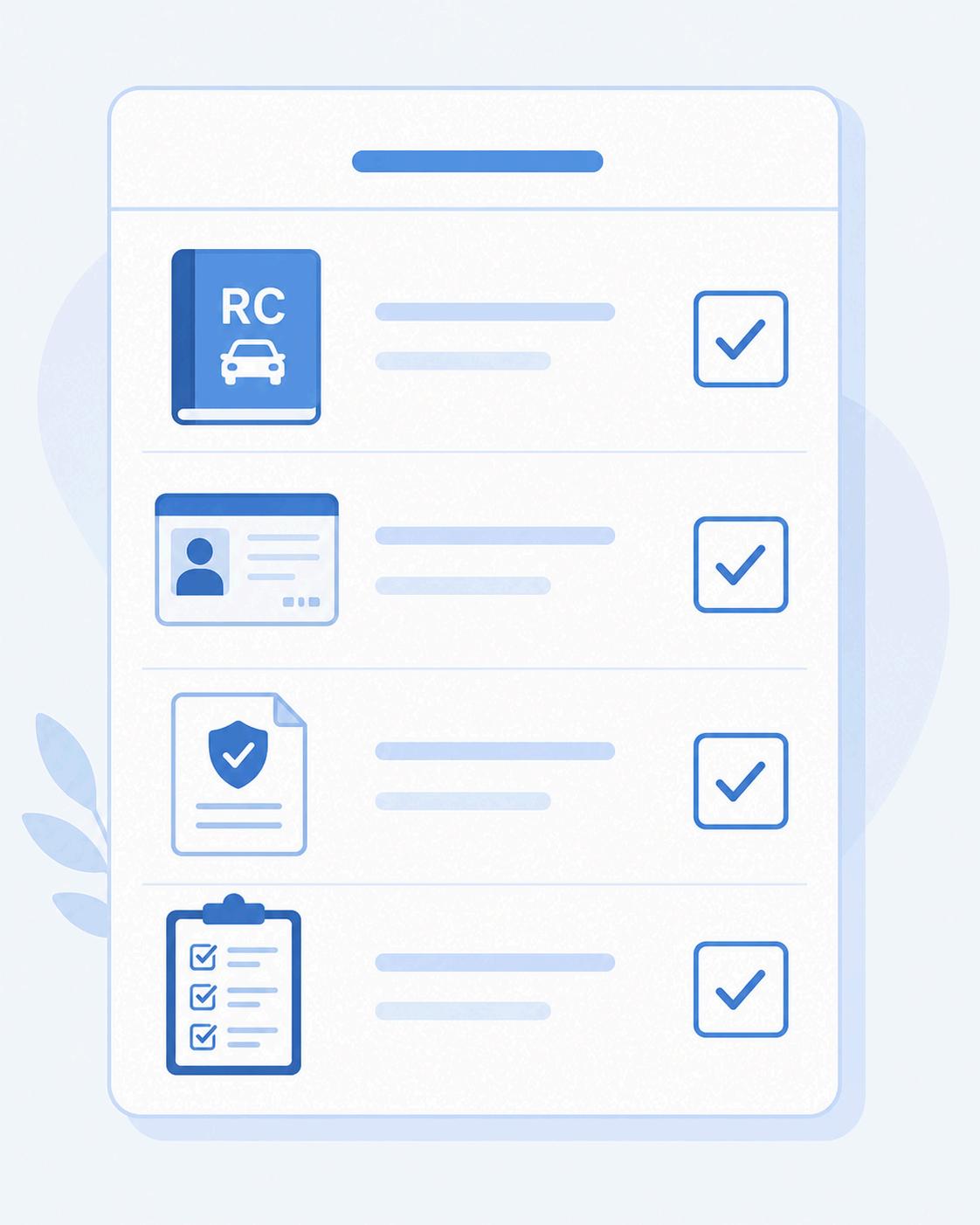
● RC book copy, proves vehicle ownership and registration details
● Valid driving license, confirms you were legally permitted to drive at the time
● Policy document or policy number, links the claim to your active coverage
● Duly filled claim form, provided by your insurer, either physically or through their app
Keep digital copies of all four saved somewhere accessible, not buried in an old email or a physical folder you can't locate quickly
Additional Documents Depending on Claim Type
For accidents involving another vehicle or third party:
● FIR copy, if the incident involved injury, significant dispute, or third-party damage
● Details of the other party's vehicle and insurance, if available
● Photos of the accident scene and damage, taken as soon as possible
For theft claims:
● FIR copy, mandatory for theft, and needed quickly since most insurers have a strict reporting window
● Non-traceable report from the police, issued after investigation
● Original RC and both sets of keys, if available
For fire or natural calamity damage:
● Fire brigade report, for fire-related claims
● Photos and videos of the damage, ideally before any cleanup or repair begins
For total loss or write-off claims:
● Vehicle valuation report
● Form 35, if there's a hypothecation or loan on the vehicle
● No Objection Certificate from your financier, if the car was under loan
Why Photos Matter More Than People Realize
This is one part of documentation that's genuinely within your control and easy to get right.
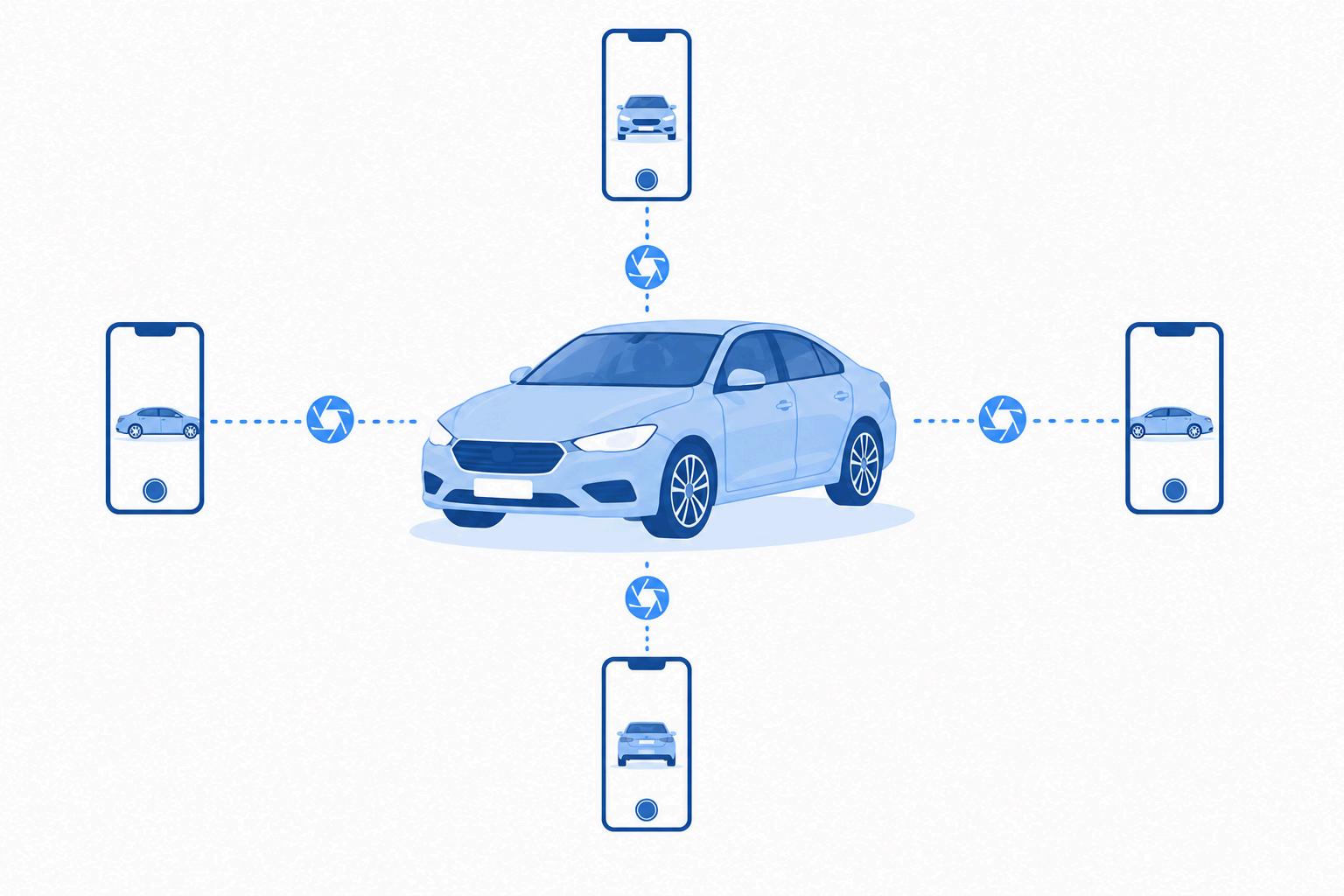
● Take photos immediately, before the car is moved if it's safe to do so
● Capture multiple angles of the damage, not just one shot
● Include wider shots showing the overall scene, not just close-ups
● Photograph any other vehicles involved and their number plates
Good photo documentation reduces disputes later about what actually happened, and speeds up the survey process since the assessor already has visual context
Common Documentation Mistakes That Cause Delays
● Submitting blurry or incomplete photos
● Missing the FIR filing window for theft claims, some insurers require this within days
● Forgetting to include the financier's NOC on a financed vehicle
● Submitting a claim form with inconsistent details compared to the FIR or police report
● Waiting too long to gather documents, letting the intimation window pass in the meantime
Most of these are avoidable with a little preparation, not because the process is unreasonable, but because these steps genuinely matter for verification
How Digital Tools Have Simplified This
Document collection used to mean physical photocopies submitted in person That's changed significantly for insurers with a genuinely digital claims process
Kiwi General Insurance's 4-in-1 app lets customers upload documents directly through the app, alongside raising the claim itself in under 2 minutes, rather than requiring a separate physical submission step afterward For something like an FIR copy or accident photos, being able to upload them the moment you have them, right from your phone at the scene, removes a step that used to add real delay to the process
A Ready-Reference Checklist
● RC book copy
● Driving license
● Policy number or document
● Claim form
● FIR copy, if applicable
● Photos and videos of damage
● Financier NOC, if the car is under loan
● Other party's details, if a third party is involved
Save this list somewhere you'll actually remember, a notes app, a folder, wherever you'll find it fast under stress
Bottom Line
Most claim delays tied to documentation come down to not knowing what's needed until you're already in the middle of a stressful situation Keep the core four documents ready at all times, know what additional paperwork your specific claim type needs, and take photos immediately when something happens. It's a small amount of preparation that pays off exactly when you need it most