Council’s Delivery Program 2025-29, outlines our commitment to achieving 3 key values our community has told us will improve The Hills as a place to live, work and visit over the next 4 years. It also details how we will measure our performance to ensure we deliver the right services in the best possible way.
We will report publicly on our progress against this program every quarter to ensure we stay on track. For information on the budget and specific actions and projects planned for FY2025-26, please refer to our FY2025-26 Operational Plan.






















We acknowledge the Darug people as the original custodians of the land on which The Hills Shire is located and where we conduct our business. We pay our respects to ancestors and Elders, past and present.
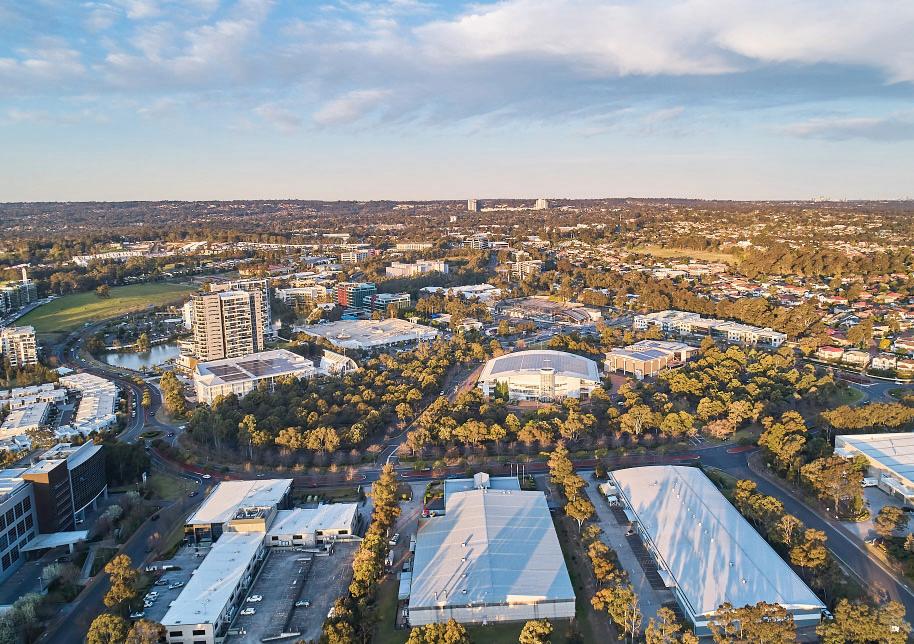










The Hills Shire is in the north west of Greater Sydney. While connected to the Central River City, centred around Parramatta, The Hills has strong links to the Eastern Harbour City and will grow connections to the future Western Parkland City and the Aerotropolis.
The Hills S west Whi Central arou Hills has Eastern Ha grow future Wes an

The Hills Shire has been one of Australia’s fastest-growing Local Government Areas for decades
I am pleased to present The Hills Shire Council’s Delivery Program 2025-2029. This document shows how Council is working towards achieving the longterm vision set out in the Community Strategic Plan – Towards Hills 2050. This vision aims to ensure that The Hills Shire is a vibrant community, with a valued and nurtured environment, a growing shire and economy, timely provision and maintenance of infrastructure, and proactive leadership.
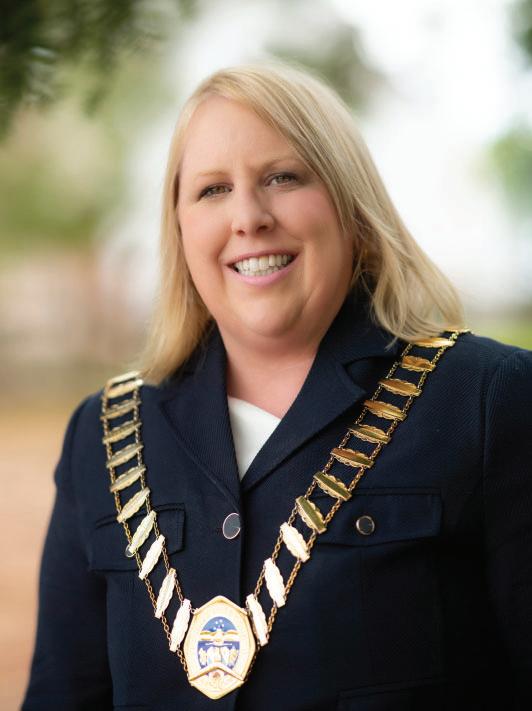
The Hills Shire has been one of Australia’s fastest-growing Local Government Areas (LGA) for decades. Council has proactively planned for sustainable growth by delivering infrastructure to support both current and future residents.
In 2025 our population is estimated at 218,264 residents and continues to grow rapidly. Our population growth rate of 4.36% surpasses the Greater Sydney average of 2.77%, and we are expected to have 326,725 residents by 2046.
The Delivery Program ensures we capitalise on the opportunities presented by our burgeoning community and to provide a strong foundation for its development. Our Hills Shire Plan places a continued emphasis on financial sustainability. This focus is essential for ensuring that we can shape our own future and maintain our strategic capacity. It’s encouraging to note that the NSW Auditor General has assessed our Council as one of the most financially liquid councils, which is a point of pride for us all.
Some of our key priorities for this term is to focus significantly on traffic and transport. We aim to complete an assessment of existing bus services, emphasising connections to Metro stations and advocating for improvements as necessary.

Additionally, we will develop a concept plan and cost estimates for the future transport connection between Windsor Road and Carrington Road, in line with Council’s adopted Norwest Precinct Plan. This will assist us in advocating to Transport for NSW (TfNSW) for funding and applying for relevant grants.
Furthermore, Council’s Integrated Transport and Land Use Strategy will be updated as part of the Local Strategic Planning Statement. This review will include strategies to encourage a shift in transportation modes, improve walkable areas, enhance connections to transport nodes and prioritise public transport improvements.
While Council recognises the need for more housing, we insist that any growth must be accompanied by the necessary infrastructure and services. We will continue to advocate for the NSW Government to prioritise funding for roads, schools, parks, playgrounds, and other essential facilities, especially in high-growth areas like Bella Vista, Kellyville, North Kellyville, and Box Hill. The Box Hill area needs critical government investment. Council will continue advocating for solutions to address the Box Hill Contribution Plan funding gap so we can deliver vital infrastructure.
We all have a role to play in building a better Shire and I invite your feedback on the plans. Please see thehills.nsw.gov.au.
By working together, we can achieve more for our community.
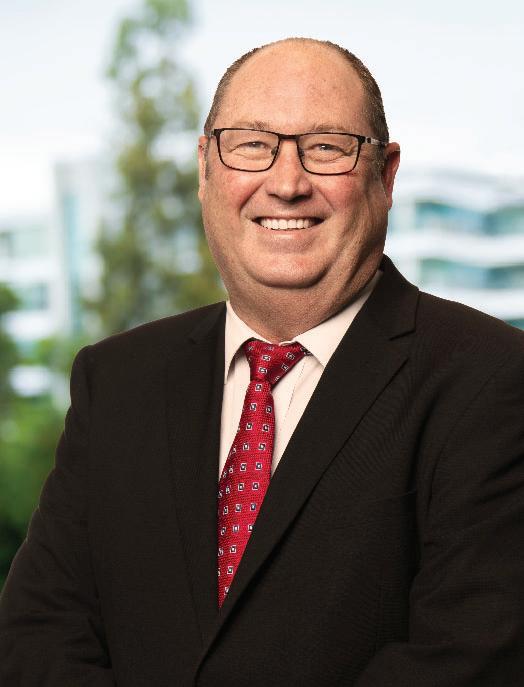
Dr Michelle Byrne Mayor mayor.byrne@thehills.nsw.gov.au
April 2025
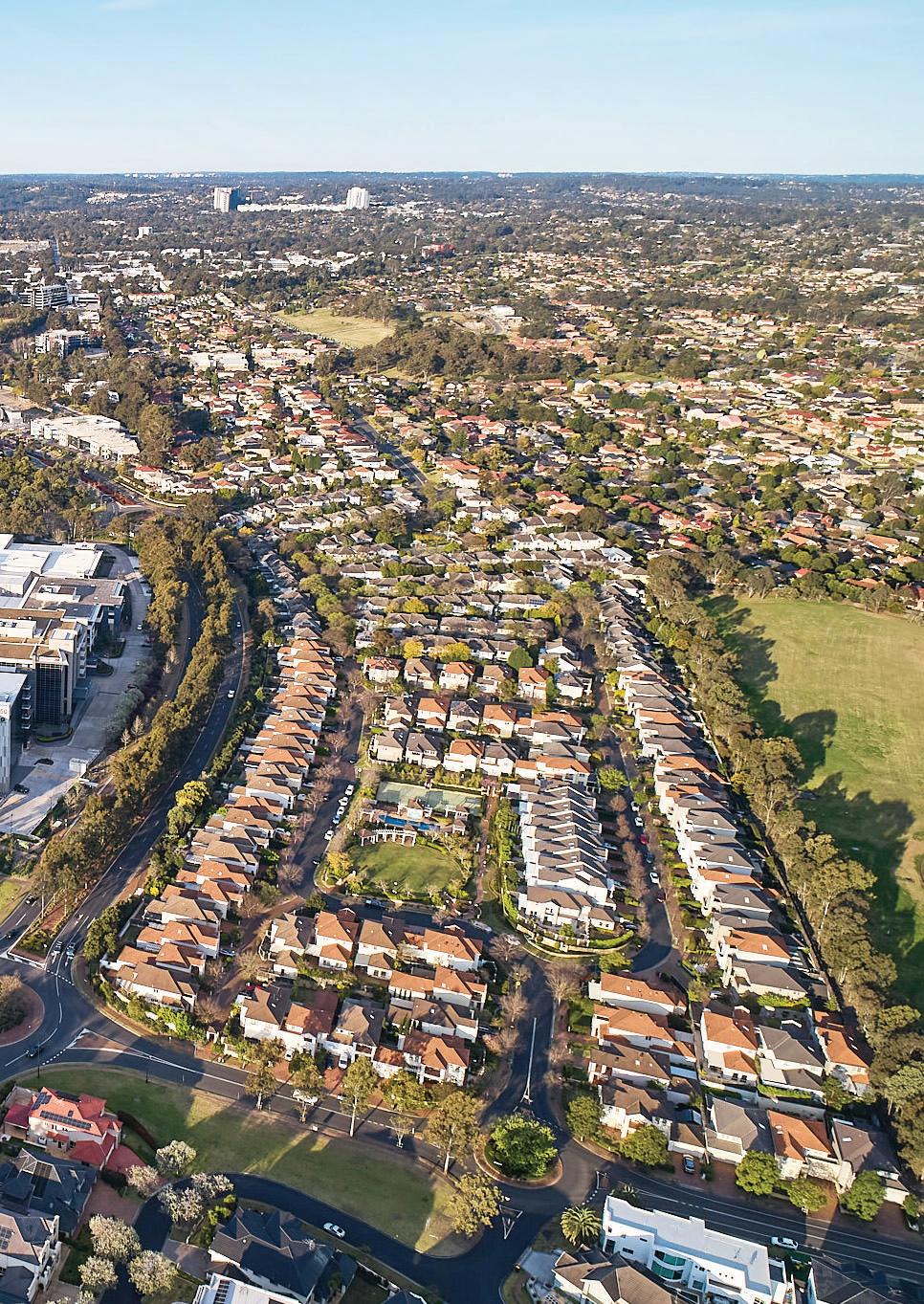
Enriched lifestyles, connected people and places and proactive leadership and governance are the values of our residents
The Council’s Delivery Program 2025-2029. It is our short-term efforts to help achieve our Towards Hills 2050 vision.
It’s an exciting time to be in The Hills. I’m proud to lead an organisation that is actively delivering projects and programs that will transform our growing Shire in a balanced and considered way. Our vision for The Hills is to create a place where people can connect. Our community spirit is enriched by a variety of spaces and things to do, that serve as the foundation for a fulfilling life and opportunities for everyone. We are dedicated to planning proactively for the next generation, collaborating with our community and partners to make the best decisions for The Hills, guided by our values.
This plan is focused on the future, and there is cause for optimism about what that future holds. While world events are affecting us, our geographical location works in our favour.
Locally, I know it will continue to be a challenge to address significant issues such as traffic and transport and to facilitate the speed and scale of growth in our Shire. These are challenges, that Council will continue to address. While Council can act on some of these matters, we will need the support of other levels of government and sections of the community.
Council will continue to advocate strongly for our share of state and federal funding to deliver critical infrastructure including road upgrades, footpaths, cycleways, open space, sporting fields, schools, public transport and community amenities to support our growing population.
Our Community Strategic Plan includes 5 strategic directions that reflect the kind of future The Hills Shire residents envision and that we will help shape and deliver. These strategic directions focus on what’s important to our community - a vibrant community, a valued and nurtured environment, a growing shire and economy, timely provision and maintenance of infrastructure and proactive leadership.
We already have many transformative projects underway to enrich our lifestyles. These include the construction of the community facility and sporting reserve at Anthony Skarratt Reserve, Box Hill and major road upgrades such as the widening of Annangrove Road from Edwards Road to Windsor Road, Box Hill.
The framework established through our vision, values and strategic directions will serve as the foundation for the services we deliver, the facilities we provide, the partnerships we form, and the advocacy we pursue over the coming years. Not every decision made by Council will be universally popular, but we will always approach our work with the best interests of the broader community in mind.
We look forward to working with the community in the years ahead to secure the best possible future for The Hills Shire.
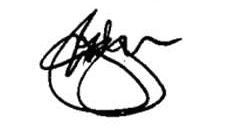
Michael Edgar
General Manager
Toward Hills 2050 is a shared vision for moving toward a more equitable and sustainable future:
• a future that makes sensible use of resources to strengthen economic, social and environmental performance
• a future that puts us in a position to be able to respond to a changing environment and other risks as they exist and emerge
• a future that protects the fundamentals of our quality of life: clean air, water, health, life expectancy, things to do, education and access to meaningful employment
• a future that connects people physically and in other ways within and beyond The Shire
• a future that protects The Garden Shire, a constant reminder of how we value our surroundings
• a future that embraces a well governed, safe and thriving community that can meet its needs for a healthy long life.
VisionWe will work hard but can only achieve this vision through strong collaboration across government and the private sector. We are already clearly advocating for our ambitions, both in person and through our local strategic planning statement, supporting strategies, precinct plans, infrastructure plans and those to come, such as the arts and culture strategy.
Towards Hills 2050 brings these together into a single, cohesive vision to support all the work we do.





This value is at the heart of who we are and why we invite everyone to participate in the community life of The Hills Shire. By finding common ground through shared stories, cultures, histories and interests, we can foster a more connected and inclusive community.
Our natural and green spaces shape the built environment and how The Shire will grow.
High quality, affordable community facilities and spaces are where people form community connections.
People feel safe living in The Hills and connected to others. We invest in our people, businesses, facilities and spaces to support active lifestyles no matter people’s age or circumstance.
Strategic directions:
EL1. A vibrant community
EL2. A valued and nurtured environment
The Hills Shire is a place where people can work near where they live and have plenty of things to do, helping to make both personal and economic connections.
Thriving local businesses are the backbone of a productive economy and more people can work locally with a greater diversity of jobs across both traditional and emerging industries. Through our Economic Growth Plan we will continue to create economic opportunities for more people.
People have plenty of options other than their car – public transport, cycling and walking paths – to connect them to schools, jobs and services, locally and across Greater Sydney. We will continue to advocate for state-led solutions such as motorways to remove through-traffic from our local roads.
Strategic directions:
CPP1. A growing shire and economy
CPP2. Timely provision and maintenance of infrastructure
This value defines how we plan, act and are accountable for our decisions.
Our long-term resilience relies on being proactive and responsive about how our community and the LGA changes. We listen, engage and advocate with respect, honesty and fairness. We always prioritise our resources to meet the needs of the community and improve their quality of life.
Our financial sustainability is paramount. We will continue to understand the lessons of the past to maintain a strong financial discipline. As a well resourced council we have the strategic and operational capacity to provide essential local government services that match community need.
Strategic direction:
PLG1. Proactive leadership
We are the closest level of government to the community
As the third tier of government, local government is responsible for ensuring local communities run as smoothly and efficiently as possible, with citizens able to access the services and programs they need to live safe and healthy lives.
In The Hills 91% of people agree that The Hills Shire Council is doing a good job. In NSW as a whole, 57% of people agree their local council is doing a good job, compared with 47% for the state government and just 39% for the commonwealth. (Resolve Political Monitor survey for the Herald)
We manage and maintain:
• nearly 1,056 km of roads across 386 square kilometres
• 836 km of footpaths and cycleways
• 338 parks and reserves and 98 playing fields, 170 playgrounds, 11 off-leash dog parks
• 45 tennis courts
• 60 community venues
• 2 cemeteries
We regulate and provide services:
• to 110,545 active library members
• 1,800 clients utilise Hills Community Care services
• 21,000 meals distributed through Meals on Wheels
We engage with our customers:
• 181,208 customer interactions across the contact centre and venue bookings
• 193,540 pieces of outgoing mail processed
• 7,204 applications received, receipted and lodged
• 6 'Have Your Say' e-newsletters were sent to our 2,600 subscribers
We are one of the fastest growing local government areas in Australia:
• The Hills has been selected by successive state governments to accommodate much of Sydney’s housing growth
• over the last 10 years, more than 30,000 dwellings have been approved in The Hills Shire with 3,557 approved in 2023-24
Our job is to represent the interests of The Hills community and deliver essential local services and infrastructure.
From the roads you use and the footpaths you walk on, to the household waste you produce and the open spaces you visit, Council provides an enormous range of services, as well as managing billions of dollars worth of infrastructure and public assets in your community.
West Ward

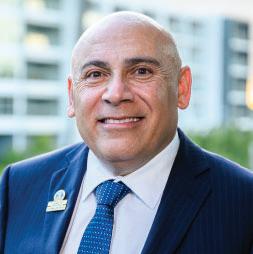
Clr Frank De Masi
Deputy Mayor clr.demasi@thehills.nsw.gov.au
North Ward
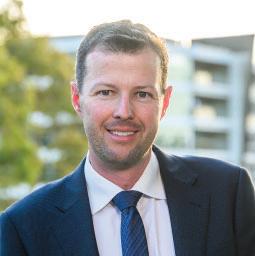
Clr Mitchell Blue clr.blue@thehills.nsw.gov.au
Central Ward
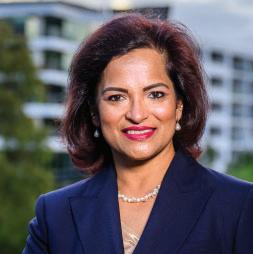
Clr Reena Jethi clr.jethi@thehills.nsw.gov.au
East Ward
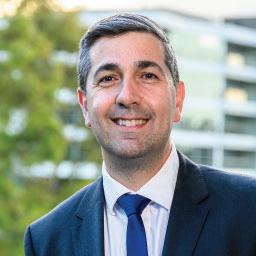
Clr Samuel Uno
clr.uno@thehills.nsw.gov.au
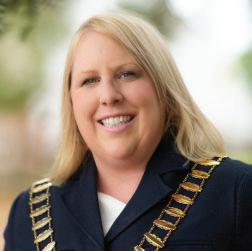
Dr Michelle Byrne Mayor mayor.byrne@thehills.nsw.gov.au
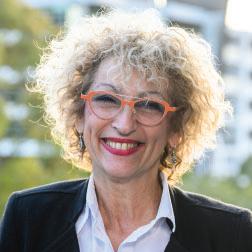
Clr Rosemarie Boneham
clr.boneham@thehills.nsw.gov.au
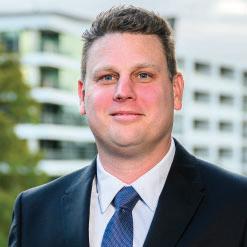
Clr Jacob Jackson PSM
clr.jackson@thehills.nsw.gov.au
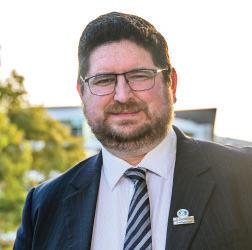
Clr Jerome Cox
clr.cox@thehills.nsw.gov.au
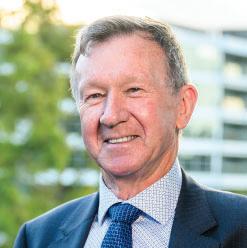
Clr Alan Haselden
clr.haselden@thehills.nsw.gov.au
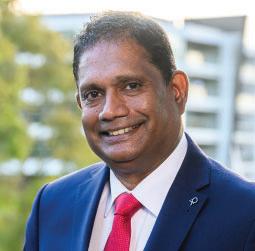
Clr Immanuel Selvaraj
clr.selvaraj@thehills.nsw.gov.au
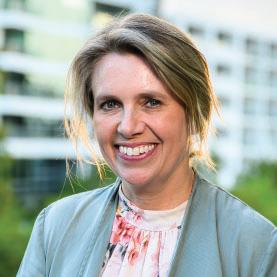
Clr Dr Mila Kasby clr.kasby@thehills.nsw.gov.au
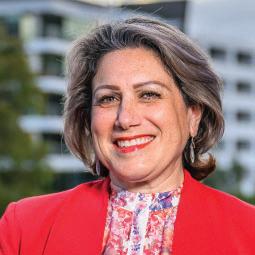
Clr Tina Cartwright clr.cartwright@thehills.nsw.gov.au
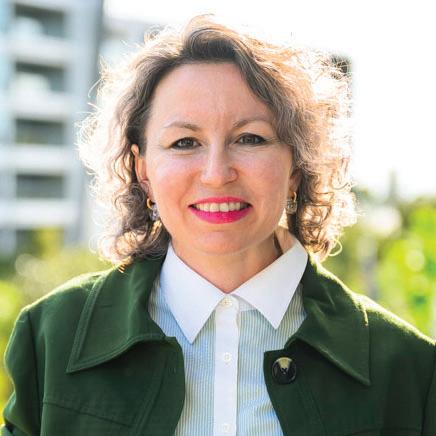
Clr Jane Grevtseva
clr.grevtseva@thehills.nsw.gov.au
The Hills Shire Council exists to serve the community and its residents. Council is committed to engaging with stakeholders by responding to requests for information and services; conducting community engagement activities and building relationships with the community. See the table below:
• public meetings
• publications
• website
Residents and ratepayers
• social media
• rates notices
• community meetings
Business
Community groups and volunteers
Visitors
Customers
Employees and their representatives
Partners –regional and national
Other levels of government
Suppliers
Media
• information display or kiosk
• public exhibition
• annual report
• phone surveys
• focus groups and workshops
• publications
• website
• social media
• focus groups and workshops
• committees
• events
• website www.thehills.nsw.gov.au
• published information
• customer satisfaction measurements
• customer care and service
• staff portal
• staff briefings and onsite meetings
• employee survey
• website
• publications
• fact sheets
• feedback forms
• exit surveys
• interviews
• emails
• newsletters
• contract management – account management relationships
• regular engagement through site visits
• formal meetings
• briefings
• networks
• correspondence
• one-on-one meetings
• contract management – account management relationships
• media releases
• briefings
• interviews
• social media
Why our stakeholders are important
Provide guidance on values, engagement and feedback
Build capacity and drive the local economy
Build trust and bridges to local communities through services
Provide economic benefit, generate employment opportunities and financial viability
Provide us with feedback and utilise the services and products
Central to the success of our business by providing valuable knowledge, skills and labour
Provide shared knowledge, cultural experiences, knowledge and resources
Provide funding opportunities, services, planning direction, legislation and networks
Provide good value and quality products and services
Build and protect reputation and raise awareness of our services and facilities
Why we are important to our stakeholders
Provide civic leadership representation, services and facilities. Generate sustainable growth and return to the community
Provide and promote business
Provide support and partnerships
Provide products, services and facilities
Provide products and services at good value and quality
Provide a fair, engaging and enriching work experience with career development and flexible work arrangements
Provide advocacy, leadership, cultural vibrancy, and resources in line with policy and legislation
Provide local strategies, partnerships and networks
Provide fair access to business opportunities in line with policy and legislation
Provide trend data as well as social, environmental, economic and governance information
Council is dedicated to continuously reviewing and improving service delivery for our community. Our service review program enables us to monitor and adjust service levels and resources to ensure that our services are sustainable, relevant, contemporary, affordable, and aligned with community expectations and values.
This service review program builds on our culture of continuous improvement and customer focus, engaging team members to share their expertise in order to enhance the efficiency and effectiveness of the services they provide.
Meaningful engagement with the community and stakeholders helps shape the strategic direction of our Shire, as well as inform the various policies, plans, and programs that support this vision. The review draws on information from recent community and stakeholder engagement activities, including the 2023 Australian Liveability Census and our Community Satisfaction Survey results. We are committed to implementing best practice engagement based on our principles of engagement and guided by the International Association of Public Participation.
Each service review will result in an improvement plan when adjustments to service levels are necessary or efficiency opportunities are identified. The outcomes of our reviews will be presented in our Annual Report each year.
Council has identified the following services for review in 2025-2029:
• Child Care
• Hills Community Care
• Parks and Reserves
• Property and rating system implementation (this will involve the reconfiguration and reengineering of more than 300 business processes) including the following:
• Development Assessment
• Development Monitoring
• Subdivision
• Compliance
• Health and Environment
• Rates and Waste Management
• Land Information Services
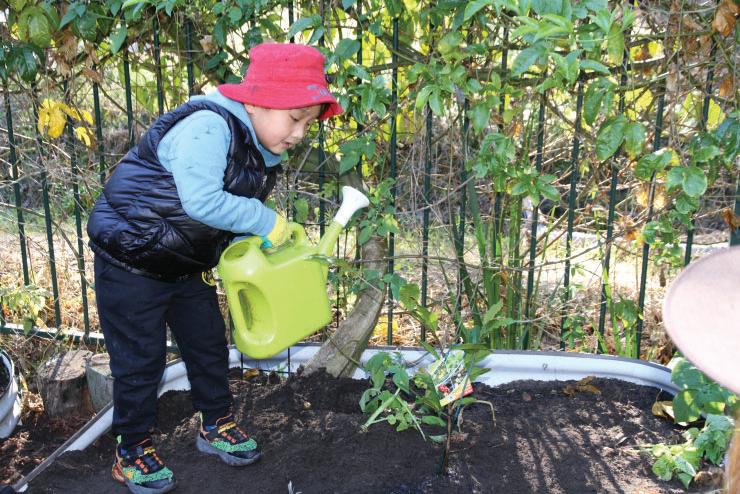
Focused on best practice financial management and longterm financial sustainability to achieve intergenerational equity


More information about Council’s finances can be found in the Long Term Financial Plan (part of The Resourcing Strategy). Details regarding budgets are included in the Operational Plan.
Council’s FY2026-27 budget and Long-Term Financial Plan positions Council to continue delivering high quality services and essential infrastructure for a growing and evolving community. Aligned with the Community Strategic Plan, the budget is guided by the legislated Principles of Sound Financial Management (Section 8B Local Government Act 1993) and supported by Council’s Financial Charter Policy. Together these frameworks ensure responsible expenditure, sustainable asset management, and a long term focus on intergenerational equity.
The FY2026-27 budget forecasts total expenditure of $268 million including capital works and an operating surplus before transfers to reserves of $23 million. Consistent with best practice financial management, Council allocates funding equivalent to depreciation to help renew and maintain its extensive $6.2 billion asset base, which includes buildings, roads, parks, land and stormwater infrastructure. These assets must be maintained to appropriate standards for our community. Funding must also be allocated each year for other known commitments.
This year, Council carried out a comprehensive review of its rating structure to ensure rates remain fair and financially sustainable as the Shire transitions from a growth focused to a maintenance focused community and experiences significant increases in multi unit housing. This review is a proactive measure to ensure financial resilience and to ensure Council can continue to provide the essential services our community needs.
Council consulted with the community and explained what’s changing, why it’s needed, and how it will keep our Shire financially sustainable into the future. This approach will enable Council to generate additional sufficient revenue in the long term to meet the demands of a growing population, alleviate sector wide cost pressures, and potentially avoid the need for a future special rate variation.
The new rating structure effective from 1 July 2026, combining legislated minimums, ad valorem rates,
and a new Infrastructure Renewal Rate, delivers a more equitable outcome across residential, business, and farmland categories. Under this approach, most single unit dwellings will see a reduction in rates, while many multi unit dwellings will contribute more in line with their share of infrastructure demand. The model maintains revenue neutrality across categories while improving fairness within them.
An independent review confirmed the proposal’s compliance with legislation and alignment with Council’s long term financial sustainability goals. The review also found that the new structure supports Council’s goals of equity, affordability, and sustainability, particularly considering projected growth in multi-unit residential developments.
The Hills Shire Council, and its ratepayers, can take some comfort in having one of the lowest average rates when compared to other Metropolitan Councils. The Council has over decades never sought a special rate variation to increase rates beyond the rate peg, unlike many other NSW Councils. With the exceptional growth, Council must be well resourced and able to meet our challenges and create opportunities. Financial sustainability is paramount, and the lessons of the past have cemented our focus on maintaining a strong financial discipline.
Council remains committed to maintaining strict control over its financial position and performance, an achievement consistently demonstrated through strong operating results over the past 24 years.
Supporting documents, the Operational Plan, Resourcing Strategy, and Long Term Financial Plan, provide detailed insights into operational budgets, capital works, and 10 year financial projections, enabling Council to consider the long term impacts of today’s decisions on future financial sustainability.
Aneesh Zahra Chief Financial Officer Aneesh Zahra
Recurrent operations
(230,507)Income(246,116)(259,556)(264,908)(277,296)(288,809) 179,535Expenditure (excluding depreciation)201,420204,031208,351216,021220,071 (50,972)Operating result(44,696)(55,524)(56,557)(61,275)(68,737) 48,463Transfer to/(from) reserves44,95655,47456,50761,22568,687 (545)Transfer to/(from) prior year income & Section 7.11(315)0000 (3,054)Net result (surplus) / deficit(55)(50)(50)(50)(50)
Recurrent operations are income and expenditure on providing Council’s core businesses on an ongoing basis.
Capital purchases
7,023Capital purchases6,6884,5644,1015,9605,313 Funded by: (3,209)Transfer to/(from) reserve & Section 7.11(3,440)(3,251)(2,669)(4,301)(3,500) (3,814)Sale of assets(3,247)(1,313)(1,432)(1,659)(1,813) (0)00000
Capital purchases are plant purchases and plant sales as per plant replacement program. Capital works 49,641Capital
Funded by: (26,242)Grants and contributions(93,585)(2,937)(2,270)(2,270)(2,270) (21,845)Capital works
The Community Strategic Plan (CSP)the community’s plan for its future
The CSP is the highest level of strategic planning carried out by Council and describes the community’s vision and aspirations for a period of 10 or more years. The plan is a result of community consultation and provides a clear set of measurable outcomes to achieve the community’s vision. The outcomes provide the framework for how Council organises its activities and the benefits it provides to the community.

The CSP is organised under 3 values or key focus areas that reflect the community’s vision and values. The Delivery Program and Operational Plan use the same 3 key focus areas. These key focus areas provide clear strategic alignment between Council’s long-term, mid-term and annual planning and reporting.
The CSP addresses 4 key questions for the community:
• Where are we now? - community profile/Council resources
• Where do we want to be in 10 years’ time? - community vision - outcome
• How will we get there? - strategic objectives, inputs and actions
• How will we know when we have arrived? - reporting processes, CSP indicators – high level.
The Delivery Program is a plan that covers the term of an elected council (4 years). To create the program, we look at the Community Strategic Plan and ask what strategies we can achieve over the coming term to bring us closer to the community’s vision and values, using the resources identified in the Resourcing Strategy.
To encourage continuous improvement the Delivery Plan identifies areas of service that Council will review during its term and consider the service levels expected by the community.
Council’s Delivery Program provides an overview of the core services, activities and projects Council will deliver in order to meet the needs of a changing and growing community, within the resources available under the Resourcing Strategy.
This strategic direction was reviewed in 2022 and again following the Council election in September 2024.
Our Integrated Planning and Reporting Framework brings together all of Council’s plans. These interrelated plans reflect the community’s vision and guides Council to make the best-value decisions. It allows Council to draw its various plans together, understand how they interact and get the maximum leverage from their efforts by planning holistically and sustainably for the future.
Our 3 themes, which encompass 5 strategic directions, provide the framework for how Council organises its activities and the benefits provided to the community.
This strategic direction drives our ambitions over the next 10 years and beyond to build a Shire that is inclusive, connected and healthy. People will be able to visit or live in vibrant and prosperous places that offer a diversity of services, entertainment, retail and jobs.
This strategic direction drives our ambitions over the next 10 years and beyond so that more people can enjoy and connect with a nurtured natural environment. We want to optimise green spaces to help alleviate urban heat and maintain our Garden Shire values. We want to help residents and businesses to minimise waste and energy use.
This value is at the heart of who we are and why we invite everyone to participate in the community life of The Hills Shire. By finding common ground through shared stories, cultures, histories and interests, we can foster a more connected and inclusive community.
We invest in our people, businesses, facilities and spaces to support active lifestyles no matter people’s age or circumstance.
We know that people love living here –community surveys show us that 95% of residents agree that the Hills Shire is a good place to live.
• Local community groups and service providers
• Local sporting groups and clubs
• School communities
• Adjoining councils
• Create NSW
• Office of the 24-Hour Economy Commissioner
• NSW Department of Education
• Multicultural NSW
• NSW State Emergency Service
• NSW Rural Fire Service
• Fire and Rescue NSW
Our guiding strategies and plans
The following Council strategies and plans provide additional guidance and activities in assisting Council to deliver on this community outcome:
• Community Participation Plan
• Community Engagement Strategy
• Disability Inclusion Action Plan (DIAP)
• Cultural Action Plan
• Positive Ageing Strategy
• Library Services Strategy
• Community Safety Plan
• Child Safe Policy
• Development control plans
• Environment Strategy
• Resource Recovery Delivery Program
• NSW Reconstruction Authority
• NSW Department of Health
• Aboriginal land groups and organisations
• NSW Environment and Heritage
• NSW Department of Planning, Housing and Infrastructure
• NSW Department of Communities and Justice
• NSW Police Force
• Multicultural NSW
• NSW Office of Sport
• NSW Department of Climate Change, Energy, the Environment and Water
• NSW Environment Protection Authority
• NSW Food Authority
• Hawkesbury-Nepean
River System Coastal Management Program (Steering Committee)
• Resilient Sydney
• Sydney Water
• Electricity providers
• Office of Local Government
Hills Shire Plan strategic direction EL1 A vibrant community
TARGETQUALITY OF LIFE INDICATOR MEASURES
• % of people who rate the library collection as good or very good
• Number of participants in library events and programs
• Community satisfaction with children and youth services and facilities
• Community satisfaction with services and facilities for older people
• Community satisfaction with support for volunteer organisations
• Per capita voluntary participation
How will we measure success?
Increased use of Council services and facilities
Cultural asset utilisation rates
Increased community satisfaction with Council services and facilities
Less crowded primary and secondary schools
Increase in people feeling they can access those services
STRATEGIES
What will we do to get there?
EL1.1 Promote accessible and inclusive community services and access to a network of quality recreational spaces and facilities to support leisure, arts, cultural and educational opportunities for people of all abilities, ages and cultural backgrounds
• Number of identified neighbourhood safer places
• Community satisfaction with emergency services
Increased number of identified neighbourhood safer places
Bushfire mitigation plan implemented
Increase in people who say they are aware of natural hazards and responses
EL1.2 Improve community resilience to shocks and stresses such as floods, bushfire and urban heat
ACTIONS - the principal activities Council plans to deliver over the next 4 years 25-2626-2727-2828-29
EL1.1.1Continue to evolve libraries by offering a wide array of services that support lifelong learning, multimedia access, and exceptional customer service, with an emphasis on integrating cutting-edge technologies to enhance engagement and improve operational efficiency
EL1.1.2Provide quality, cost effective long day care services for children, at no cost to Council
EL1.1.3Enhance the delivery of the Council’s communication to the community by leveraging emerging platforms and advanced technologies and community engagement
EL1.1.4Continue to manage state and federal funding to provide quality, cost effective services for frail aged through the Home and Community Care Program, at no cost to Council
EL1.1.5Provide quality aquatic centre operations that incorporate a mix of customer satisfactions, safety and financial sustainability
EL1.1.6Provide community development initiatives that focus on long term sustainability, inclusivity, and participation for community, volunteer and not-for-profit groups
EL1.1.7Provide annual grants for organisations that connect the community and drive community participation with a focus on maximising the impact of funds and ensuring transparency, inclusivity and long term community outcomes
EL1.1.8Continue to ensure Council’s cemeteries comply with Interment Industry licence conditions
EL1.1.9Provide all members of the community with equitable access to a range of quality meeting, gathering and activity spaces to strengthen community life, social connectedness and wellbeing
EL1.1.10Continue to apply the Community Engagement Strategy
EL1.1.11Provide a briefing to councillors on more options to engage with young people in the Shire by working with youth stakeholders and Hills PAC along with any financial impacts
EL1.1.12Investigate locations for a new library, funding model and update Council’s Library Strategy and provide a briefing to Council
EL1.1.13Undertake a review of Waves Fitness and Aquatic Centre operations and provide a briefing to councillors
EL1.2.1Provide and maintain support for emergency services and bush fire services in order to respond effectively to any type of emergency
EL1.2.2Investigate emergency dashboard requirements and functionalities for an emergency dashboard, analyse costs and benefits, and provide a briefing to Council
Hills Shire Plan strategic direction EL1 A vibrant community (continued)
TARGETQUALITY OF LIFE INDICATOR MEASURES
• Community satisfaction for provision of community events
• % people who agree or strongly agree that they have easy access to entertainment/cultural facilities
• Community satisfaction - heritage buildings - protection of heritage values and buildings
• % of number of crimes reported per 100,000 people - malicious damage to property
• % of people who feel safe in public places during the day
How will we measure success?
Increased community participation in cultural events
Increased community satisfaction with heritage assets
Increased percentage of residents who feel safe in public spaces
Reduced rates of crime per capita
STRATEGIES
What will we do to get there?
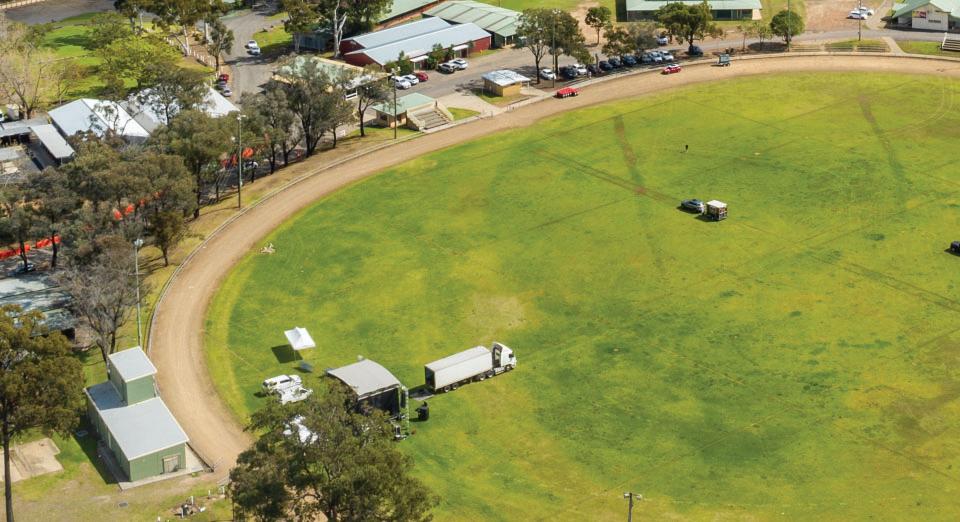
EL1.3 Recognise and value our community’s local heritage and culture
EL1.4 Create places and programs that support a safe community
ACTIONS - the principal activities Council plans to deliver over the next 4 years 25-2626-2727-2828-29
EL1.3.1Collaborate with local stakeholders to showcase and promote regional heritage and culture through diverse and multifaceted platforms
EL1.4.1Provide annual grants for organisations and support the Disability Inclusion Action Plan (DIAP) that connect the community and drive community participation in key priority areas such as domestic violence, youth, disability and mental health with a focus on maximising the impact of funds, ensuring transparency and long term community outcomes
EL1.4.2 Review of the Purple Flag program and if applicable to areas within the Shire, present findings to a councillor workshop
EL1.4.3Review the current CCTV network and coverage and partner with local policing authority to impplement a CCTV surveillance network around high traffic areas such as metro stations and shopping centres
EL1.4.4Undertake a review and update of the Sackville Cemetery Master Plan, and establish the future direction for cemeteries across the Shire
EL1.4.5Deliver a Box Hill focused component of the Fight for a Fairer Hills campaign to support communication and engagement with residents
EL1.4.6Investigate and implement opportunities to enhance the night-time economy by assessing the Purple Flag accreditation program and developing safe, vibrant, and well-managed night-time precincts
TARGETQUALITY OF LIFE INDICATOR
• Implementation of regulatory activities that are carried out in a consistent manner
• Number of air complaints received by Council
• Number of noise complaints received by Council
• Number of water pollution complaints received and actioned by Council
• Total direct and indirect greenhouse gas from Council (CO2-e tonnes)
• Total energy consumption by Council (gigajoules) including street lights
• Total water consumption by Council (kL)
• Number of threatened species known in the Shire
• Total potable water consumption for the entire Shire (kL)
• Implementation and adaptation actions to reduce risk rating of identified climate risks
MEASURES
How will measure success?
Increased community satisfaction with how Council responds to public health and environmental compliance matters
General absence of adverse fines or findings against Council
Performance against a suite of sustainability measures
Improved waterway health to maintain a swimmable Hawkesbury-Nepean River
STRATEGIES What will we do to get there?
EL2.1 Use effective regulatory strategies, local laws and compliance programs to manage public health, public safety and any negative impacts of development on the community
EL2.2 Nurture and improve the quality of green spaces, natural built surroundings and waterways
• Net median determination time for occupation certificates
• Net median determination time for subdivision and small lot housing development applications
• % of advice on development applications (part files) processed within 21 days
Better consideration of climate and hazards in planning for infrastructure and services
Increased urban tree canopy cover (includes bushland, street trees and trees on private property)
Increased use of smart technology to monitor the environment
Ongoing improvement to development controls and approval processes to meet regulatory requirements and community expectations around environmental performance
EL2.3 Embed resilience and adaptation by preparing for increased hazard risks such as flooding, bushfire and urban heat
EL2.4 Embed sound governance and operational frameworks to manage new and existing development with robust policies, plans and processes that meets community needs and expectations
ACTIONS - the principal activities Council plans to deliver over the next 4 years
EL2.1.1Manage public safety and environmental health through implementation of education, encouragement and enforcement policies and actions
EL2.1.2Implement the Shire’s regulatory building, development control, tree management, fire safety and animal control functions
EL2.1.3Deliver a range of environmental learning opportunities for the diverse groups within the Shire
EL2.2.1Enhance green spaces to ensure equitable access to improve the community’s wellbeing
EL2.2.2Implement initiatives to look after our biodiversity (flora and fauna) throughout the delivery of Council services subject to funding availability
EL2.2.3Investigate and report to Council a water quality monitoring and testing program for waterways in The Shire
EL2.2.4Investigate and report to Council on a biodiversity strategy to guide and enable strategic growth and development while conserving biodiversity values
EL2.2.5Review the current Environment Strategy (2019) and incorporate biodiversity conservation, climate adaptation, environmental education, and water quality
EL2.3.1Embed climate change risk assessment in procedures across Council and develop an adaptation plan to mitigate risk
EL2.3.2Align to the NSW State Government Climate Change (Net Zero Future) Act 2023 as required and in a manner that makes financial sense
EL2.3.3Implement initiatives to decrease the energy and water use by Council’s infrastructure and reduce greenhouse gas emissions from our operations subject to funding availability
EL2.3.4Implement proactive measures to minimise the impacts of a changing climate on Council infrastructure and services, as well as the community subject to funding availability
EL2.4.1Ensure the subdivision of new land meets all regulatory and policy requirements and enhances The Garden Shire image
EL2.4.2Determine development applications and land use applications in an efficient and effective manner
Hills Shire Plan strategic direction EL2 A valued and nurtured environment (continued)
TARGETQUALITY OF LIFE INDICATOR
• Average amount of waste generated per household per week (kg)
• Average amount of recyclables generated per household per week (kg)
• Average amount of garden organics generated per household per week (kg)
• Community satisfaction - domestic garbage collection
MEASURES How will measure success?
Increased performance against suite of domestic waste measures
Increased volume of domestic waste diverted from landfill
Decreased consumption of electricity, gas and water (Council operations)
STRATEGIES What will we do to get there?
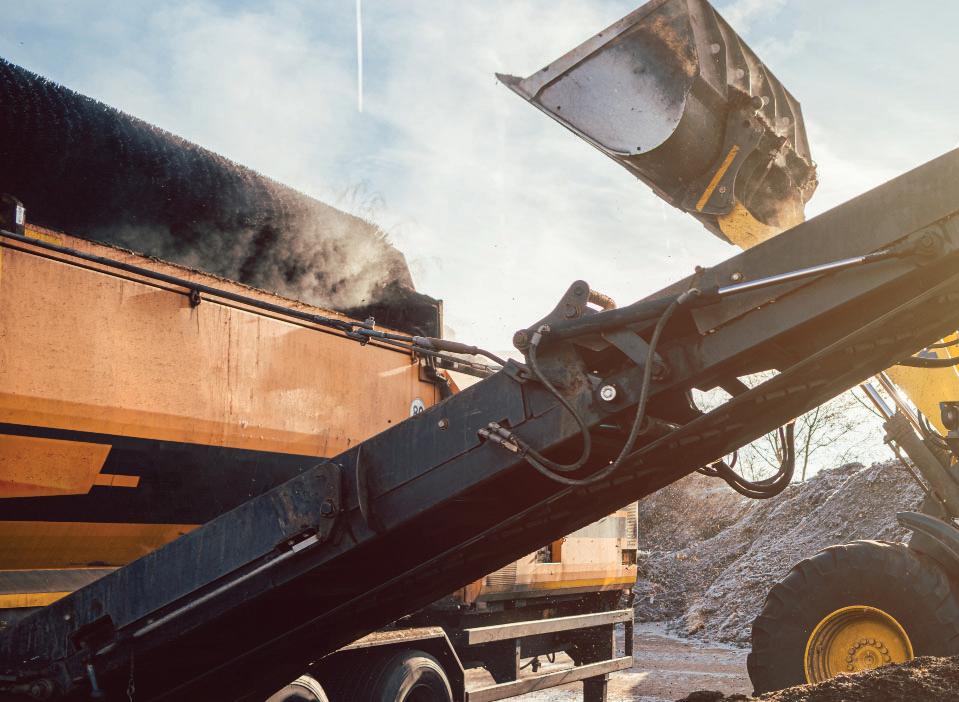
EL2.5 Promote sustainable waste management and resource recovery
ACTIONS - the principal activities Council plans to deliver over the next 4 years
EL2.5.1Deliver safe, efficient, and cost effective waste, recycling, organics and clean up services
EL2.5.2Continue to provide drop off days and services for hazardous and problematic waste to minimise environmental harm
EL2.5.3Continue to work regionally to address common waste and resource recovery challenges across the region
EL2.5.4Provide innovative education and communication programs that encourage community behaviour change to conserve resources and reduce waste generation
EL2.5.5Develop and implement a Resource Recovery Strategy
EL2.5.6Commence a Food Organics and Garden Organics (FOGO) service to be facilitated in the next waste contracts beginning 1 October 2027 and prior to July 2030
EL2.5.7Investigate a potential grant funded project along with neighbouring councils to support a reuse, repair, redesign, and recycling hub for the region at Hawkesbury’s Waste Management Facility and provide a briefing to a future councillor workshop

Where do we want to be?
Strategic direction: CPP1 A growing shire and economy
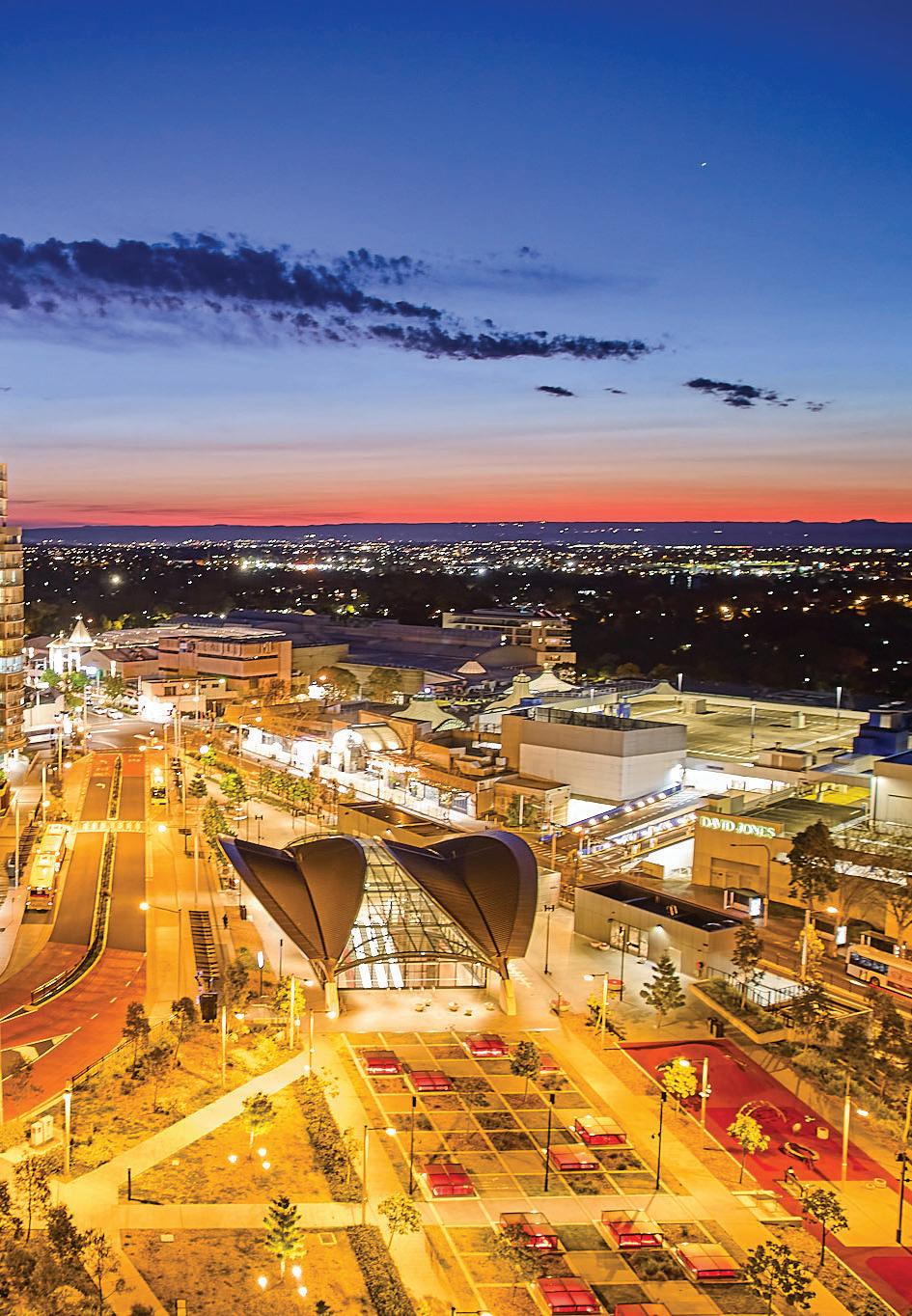
This strategic direction drives our ambitions over the next 10 years and beyond to implement good growth planning that creates desirable places for people to live in, work in and visit. As we plan for different housing types and densities, we’ll also be planning for the new jobs that match people’s skills and abilities.
Strategic direction: CPP2 Timely provision and maintenance of infrastructure
This strategic direction drives our ambitions over the next 10 years and beyond to plan for, operate, renew or maintain the infrastructure, services and public spaces that support the health and wellbeing of this growing and changing community.
As we plan for an increase in population numbers, we will require a greater diversity of housing, meeting our targets in a way that matches what the community wants. Given its role, the NSW Government needs to plan for higher density housing in the right locations, creating great places with plenty of activity and opportunities to connect and have access to transport and services.
The following Council strategies and plans provide additional guidance and activities in assisting Council to deliver on this community outcome:
• Bike Plan
• Footpath Strategy
• Local Environment Plan 2019
• Local Strategic Planning Statement
• Housing Strategy
• Recreation Strategy
• Productivity and Centres Strategy
• Integrated Transport and Land Use Strategy
• Environment Strategy
• Rural Strategy
• Economic Growth Plan
• Smart Places Strategic Framework
• Castle Hill Precinct Plan
• Norwest Precinct Plan
• Rouse Hill Precinct Plan
• Public Domain Strategy
• Development Control Plans
• Plans of Management
• Asset Management Strategy
Our major centres - Norwest, Castle Hill and Rouse Hill - will provide a mix of jobs in industries of the future, so fewer people have to travel out of the area for work. Other employment areas that offer a mix of jobs include Annangrove Road Employment Area and Box Hill Business Park.
• Local businesses and chambers of commerce
• Western Sydney Business Connection
• Development industry
• Universities and education providers
• NSW Department of Planning, Housing and Infrastructure
• Office of the 24-Hour Economy Commissioner
• Universities, education providers and school communities
• Investment NSW
• Destination NSW
• Development industry
• Adjoining councils
• NSW Department of Planning, Housing and Infrastructure
• Housing Delivery Authority
• Homes NSW
• Transport for NSW
• Local community groups
• Development industry
• NSW Department of Education
• NSW Department of Health
• Create NSW
• Office of the 24-Hour Economy Commissioner
• Local sporting groups and clubs
• NSW Office of Sport
Hills Shire Plan strategic direction CPP1 A growing shire and economy
TARGETQUALITY OF LIFE INDICATOR
• Number of businesses
• Number of jobs
• > 120 businesses per annum with 85% + satisfaction
• Gross regional product
• Total output sales
• Number of visitors to The Sydney Hills
• % population living and working in The Hills Shire
MEASURES
How will measure success?
Increased community satisfaction with Council’s business partnerships and economic development initiatives
Increase in the no. of business ABNs to Council
STRATEGIES
What will we do to get there?
CPP1.1 Support the development, growth and retention of business and industry, employment land and strategic centres
• Community satisfaction - range of shopping facilities
• % people who agree or strongly agree they have easy access to local shops
• % people who agree or strongly agree they have easy access to major shopping centres
• Community satisfaction - low density housing development
• Community satisfaction - medium density housing development
Percentage increase in gross regional product for the Hills Shire
Increased proportion of residents working in the Hills Shire
Increased employment in priority industry sectors (health care and social assistance; professional, scientific and technical services; manufacturing; education and training)
Increased satisfaction with access to a range of shopping and community services
Planning capacity available to meet or exceed NSW Government housing targets
Increased mix of housing types including larger apartments and lot sizes as a percentage of developments
Increased housing in strategic locations such as around Metro stations
Increased level of community satisfaction with the quality of new development
CPP1.2 Support priority growth sectors including the visitor economy, advanced manufacturing, health and education so that more people live near quality jobs
CPP1.3 Create capacity for a diverse range of housing in connected, vibrant, healthy places
ACTIONS - the principal activities Council plans to deliver over the next 4 years 25-2626-2727-2828-29
CPP1.1.1Continue with the completion of actions set out in Council’s Economic Growth Plan which aim to promote The Hills as an attractive destination for business and investment, including key employment locations and precincts
CPP1.1.2Provide business tools and economic information to existing and potential businesses to better enable them to prepare business plans
CPP1.1.3Provide educational, informational and connective services for business to better prepare them for opportunities and innovation
CPP1.1.4Continue with the completion of actions set out in Council’s Economic Growth Plan which aim to support existing local businesses and new businesses
CPP1.2.1Continue with the completion of actions set out in Council’s Economic Growth Plan which aim to support the visitor economy and promote The Hills as an attractive destination for nature based and agritourism opportunities
CPP1.3.1Development proposals are assessed and respond to Council’s strategic policy as contained with LEP and DCP
CPP1.3.2Update the Local Strategy to ensure our land use framework remains capable of delivering homes and job growth while reflecting our natural environment
CPP1.3.3Consider options for the administration of affordable housing contributions received by Council, for the provision and management of affordable housing within the Shire
Hills Shire Plan strategic direction CPP1 A growing shire and economy (continued)
TARGETQUALITY OF LIFE INDICATOR MEASURES
• Population who walk, cycle or use public transport to get to work
• % people who agree or strongly agree they have easy access to work
• Kilometres of dedicated walking and cycling trails constructed per year
• Road traffic major injuries per 100,000
• Population pedestrian injuries and fatalities, per 100,000 population
How will measure success? STRATEGIES
Increased in public transport use for journey to work
What will we do to get there?
CPP1.4 Support, promote and plan safe, efficient and resilient, transport options and travel behaviour, including walking and cycling, and better public transport and road connections
ACTIONS - the principal activities Council plans to deliver over the next 4 years 25-2626-2727-2828-29
CPP1.4.1Continue to implement the identified actions in the adopted Bike Plan
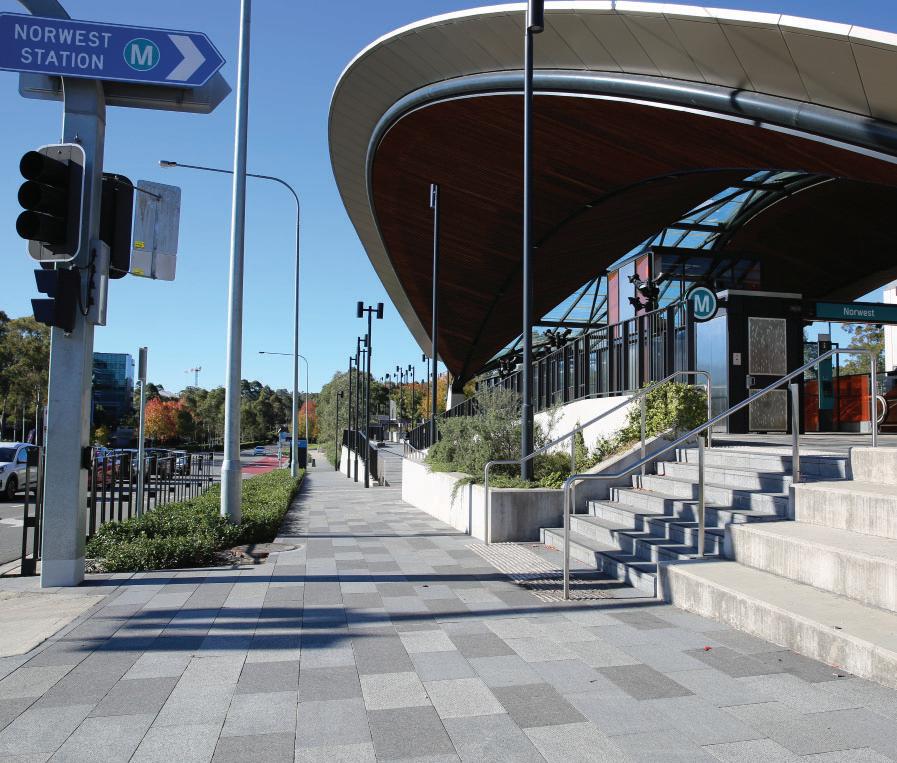
CPP1.4.2Undertake assessment of existing bus services, focusing on linkages to Metro Stations and advocate as appropriate
CPP1.4.3Council to advocate to the NSW State Government to plan the road corridor between Richmond Road and the Central Coast with a commitment to fund this project in the short to medium term
CPP1.4.4Prepare a concept plan and cost estimates for the future transport connection between Windsor Road and Carrington Road, in accordance with Council's adopted Norwest Precinct Plan, to assist with advocating TfNSW for funding as well as applying for relevant grants and provide a briefing to councillors
CPP1.4.5Review and update Council’s Integrated Transport and Land Use Strategy as part of the Local Strategic Planning Statement. The review of the statement should also include strategies to encourage modal shift and improve walkable catchments, connections to transport nodes and enhanced public transport priorities and provide a briefing to councillors
CPP1.4.6Advocate for government commitment to the funding and delivery of regional road upgrades, including existing State Infrastructure Contribution (SIC) items in greenfield areas and upgrades to the regional road network identified within the Regional Traffic Modelling for Norwest and Castle Hill Strategic Centres
CPP1.4.7Develop a project plan, underlying resource plan and timeframe for critical road projects for new release and older urban areas
CPP1.4.8Work with the NSW State Government to finalise the timeframe for the major road arterial upgrade
CPP1.4.9 Prepare asset management plans for all classes of assets in order to maintain a satisfactory condition
CPP1.4.10Develop and maintain an up-to-date asset systems for effective asset management of all infrastructure assets
CPP1.4.11Council will advocate to the NSW Government for better Metro station access and capacity solutions, improved public bus connections, and the reinstatement or expansion of on-demand shuttle bus services to Metro stations
Hills Shire Plan strategic direction CPP1 A growing shire and economy (continued)
TARGETQUALITY OF LIFE INDICATOR MEASURES
• Community satisfaction - built environment - overall zoning and presentation of the Shire
• % people who agree or strongly agree their neighbourhood has a friendly atmosphere
• % people who agree or strongly agree they have easy access to health and medical services
• % people who agree or strongly agree they have easy access to schools
• Community satisfaction - streetscape appearance
How will measure success? STRATEGIES
Increased satisfaction with the quality of the public domain
• Community satisfaction with ovals and sporting facilities
• Increase in space for parks under Council’s care and control, calculated per m2 on an annual basis
• % of park asset infrastructure rated satisfactory
Reduced community complaints relating to maintenance, cleanliness and graffiti
What will we do to get there?
CPP1.5 Prioritise place making in neighbourhoods to create quality places for people
Meet or exceed Council’s benchmarks for the provision of open space and recreation such as playing fields, courts and indoor facilities
Increased proportion of homes in urban areas within 400 m of open space
Increased use of local open space
Higher ratio of active recreation space per head of population
CPP1.6 Plan for recreation and open space to meet the needs of a growing community
ACTIONS - the principal activities Council plans to deliver over the next 4 years 25-2626-2727-2828-29
CPP1.5.1Initiate amendments to the planning framework to facilitate the vision for Terminus Street site as articulated within Council’s Castle Hill Precinct Plan
CPP1.5.2Implement and update developer contributions plans that adequately provide services and facilities to support our growing population
CPP1.5.3Continue to give effect to the principles and objectives for public domain areas within The Hills, as set out in Council’s Public Domain Strategy and Public Domain Plans for specific locations
CPP1.5.4Advocate for solutions to address the Box Hill Contribution Plan funding gap
CPP1.5.5Investigate the feasibility of establishing a new cemetery site within the Shire
CPP1.5.6Investigate using the Castle Mall Air Bridge as a pop-up stall space for Councillors and community groups to support communication and engagement with local residents
CPP1.5.7Determine a new site and design for an SES headquarters, and present Council’s delivery strategy and recommended approach at a future Councillor Workshop
CPP1.6.1Plan, update and encourage understanding of existing master plans for major open space areas and sports grounds by partnering with the broader community, users and sporting groups
CPP1.6.2Include a review of parking needs and requirements in the Bella Vista Master Plan update and provide a briefing to councillors
CPP1.6.3Council to prepare a signage strategy addressing potential advertising opportunities, including sponsorship advertising signage by clubs and Council on open space land
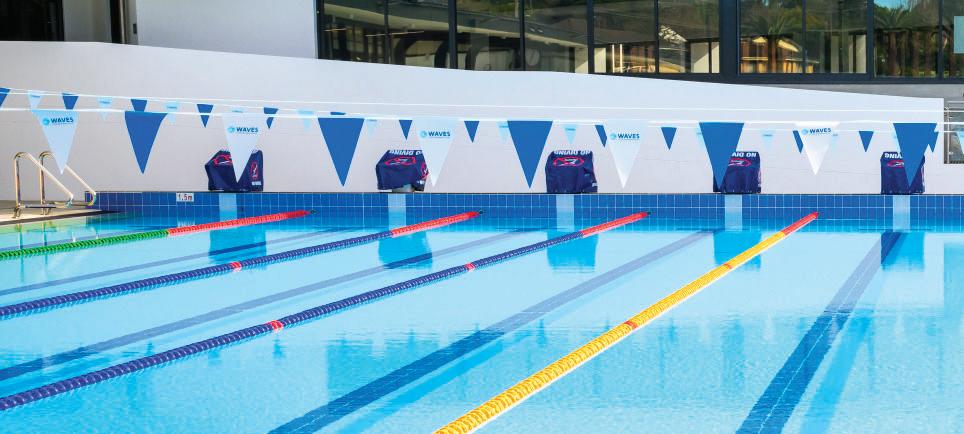
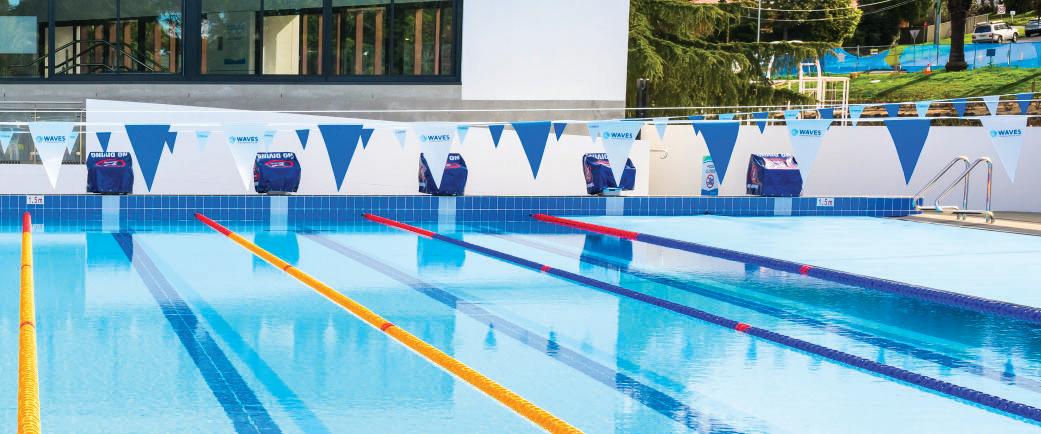
CPP1.6.4Undertake a feasibility analysis on enclosing the 25-metre outdoor pool at Waves
Hills Shire Plan strategic direction CPP2 Timely provision and maintenance of infrastructure
TARGETQUALITY OF LIFE INDICATOR
• Community satisfaction - people satisfied with condition of residential roads surfaces
• Community satisfaction with public toilets
• Community satisfaction with quality of parks and gardens
• Community satisfaction with playgrounds and play equipment
• Community satisfaction with community centres and halls
• % of people who agree or strongly agree they have easy access to sporting facilities
• Community satisfaction - lighting of public areas
• % constructed stormwater system rated satisfactory
• % of natural waterways rated satisfactory
• Road assets rated in satisfactory condition
• Community satisfaction with footpaths/ cycleways
• Footpaths rated in satisfactory condition
• Buildings rated in satisfactory condition
MEASURES How will measure success?
Maintain or increase community satisfaction with condition of civic spaces, buildings and public open spaces
STRATEGIES What will we do to get there?
CPP2.1 Manage and maintain an inclusive, attractive safe diverse range of sustainable road corridors and other infrastructure and services
Increased community satisfaction with infrastructure keeping up with demand
CPP2.2 Provide new and renovate or renew infrastructure in a timely manner that meets the needs of our growing Shire
ACTIONS - the principal activities Council plans to deliver over the next 4 years 25-2626-2727-2828-29
CPP2.1.1 Maintain The Hills Shire civil infrastructure including roads, footpaths, drainage, bridges and traffic facilities to agreed standards as set out in asset management plans
CPP2.1.2 Our community buildings, parks, gardens and bushland are safe and maintained to agreed standards
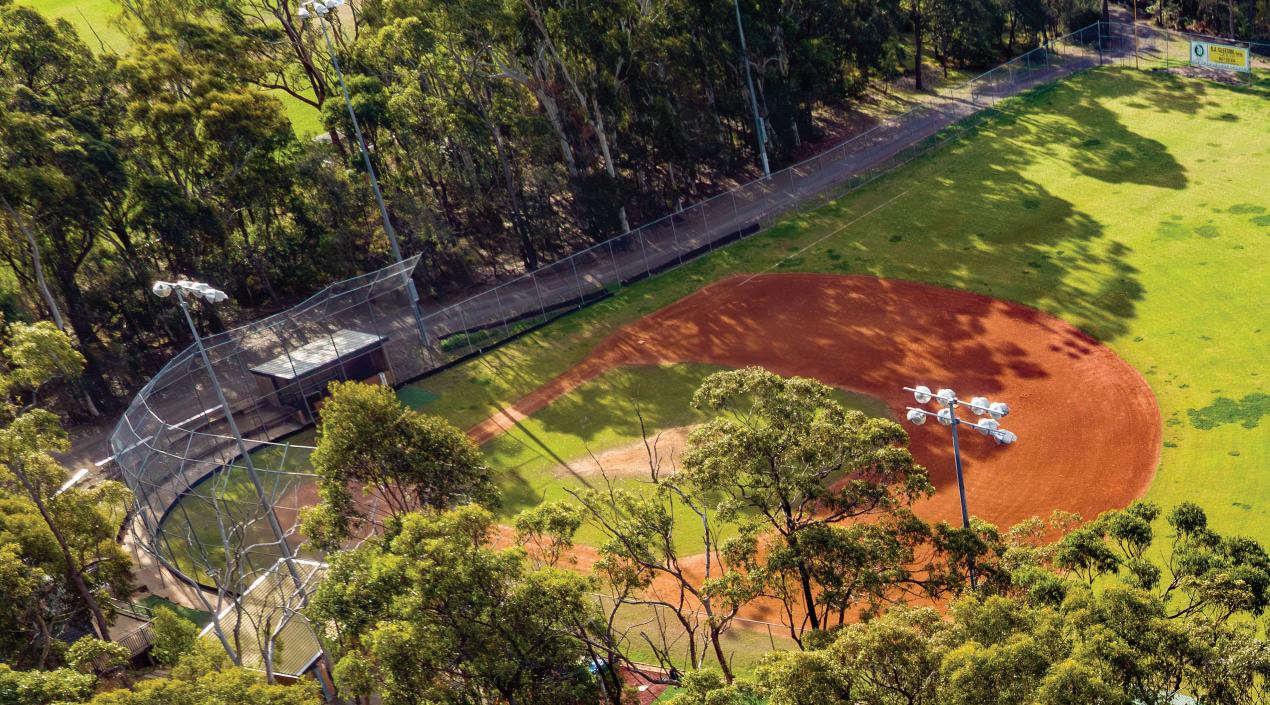
CPP2.1.3 Effectively manage the usage of sports fields in relation to their carrying capacity to facilitate sustainability
CPP2.2.1 Deliver 10 year capital works for civil infrastructure, parks, buildings and stormwater
Where do we want to be?
Strategic direction: PLG1 Proactive leadership
This strategic direction drives our ambitions over the next 10 years and beyond to shape the way we work. We will be proactive, accountable and transparent, working every day towards the betterment of our residents while being financially responsible and sustainable.
To Council, proactive leadership is about professional conduct; good communication with our residents, local businesses and partners across government; giving people access to information; making the right financial decisions; and undertaking the highest quality long-term planning and engagement.
Our disciplined financial performance ensures we remain fit for the future, with the ability to invest in strategic initiatives that respond to evolving community needs. We will continue to make efficient use of the resources we have and keep costs as low as possible including rates and other taxes.
Key partners
• Local community groups and service providers
• Local businesses and chambers of commerce
• NSW Office of Local Government
• NSW Department of Planning, Housing and Infrastructure
• Development industry
• Adjoining councils
Our guiding strategies and plans
The following Council strategies and plans provide additional guidance and activities in assisting Council to deliver on this community outcome:
• Community Engagement Strategy
• Internal Audit Plan
• WH&S Management Plan
• Communications and Marketing Strategy
• Workforce Management Plan
• Long Term Financial Plan
• Asset Management Strategies
• Western Sydney Regional Organisation of Councils
• Australian Government
• NSW Premier’s Department and Cabinet Office
• NSW Office of Local Government
• Transport for NSW
• Local Government NSW
• NSW Independent Pricing and Regulatory Tribunal
• NSW Department of Customer Service
• NSW Information and Privacy Commission
• NSW Electoral Commission
• NSW Ombudsman
TARGETQUALITY OF LIFE INDICATOR
• Community satisfaction - people who agree there are opportunities to have a ‘real say’ on issues
• Community satisfaction - level of communication and access to information
How will measure success?
Increased satisfaction with the opportunities to have a ‘real say’ on issues and to access planning information
Number of responses to engagement activities
STRATEGIES What will we do to get there?
PLG1.1 Facilitate strong 2-way relationships and partnerships with the community, empowering local community involvement in planning and decisionmaking
• Community satisfaction with Council’s decision making
• Community satisfaction with Council’s overall performance
• % customer requests actioned within agreed service standards
Increased satisfaction with Council’s advocacy performance on local issues
Grant funding applied for and received
Increased satisfaction with Council customer service performance
Customer issues resolved at first contact
PLG1.2 Collaborate and advocate across government and with the private sector to achieve local priorities
PLG1.3 Promote excellent customer service through prompt, friendly and helpful advice and information to the community and meet service standards for all requests by leveraging on advanced technologies, business improvement and innovation
• Community satisfaction with Council’s professional conduct
• Council’s rating on the Governance Health Check
• % standards achieved in Operations Plan
• % actions achieved in Hills Delivery Program
• Days lost due to workplace injuries
• Risk Management plans in place for all key and high priority risks
Higher Governance Health Check rating
Number of ARIC meetings held annually
PLG1.4 Embed sound governance and operational frameworks that ensure accountability to the community and meet legislative requirements
Increased staff job satisfaction
Lost time injury frequency rate
Increased average number of training hours per employee per year
PLG1.5 Create a safe and skilled workforce that delivers quality services that meet Council’s strategic direction and goals
ACTIONS - the principal activities Council plans to deliver over the next 4 years
PLG1.1.1Provide effective civic leadership to the local community by ensuring Council’s financial sustainability and adherence to the principles outlined in the Local Government Act, as well as Council’s plans, programs, strategies and polices
PLG1.1.2Manage the daily operations of Council in accordance with its strategic plans, programs, strategies, and policies, and provide advice to the mayor and governing body on their development and implementation
PLG1.2.1Advocate for public and private investment and grants to achieve local priorities
PLG1.3.1Provide integrated technologies to improve customer services and experiences across the organisation and to the community by leveraging on advanced and secured technologies
PLG1.3.2Manage business information and Council records as an asset to enable Council to carry out its civic functions and comply with relevant legislation
PLG1.3.3Ensure councillors have access to relevant information and assistance to enable them to fulfill their obligations to lead, govern and serve the community
PLG1.3.4Investigate and provide a briefing to councillors on future new website solutions, along with the viability and financial implications of developing a Council App
PLG1.4.1Implement, manage and review the IP&R Framework, provide regular progress updates of The Hills Shire Plan and provide quality services and operations that meet all legislative requirements and statutory responsibilities to support the delivery of this plan
PLG1.4.2Review and maintain an effective risk management framework and strategy reflecting AS ISO 31000:2018 and the OLG guidelines
PLG1.4.3Implement an internal audit strategic and annual program reflecting the current IIA standards and the OLG Guidelines
PLG1.4.4Implement effective contract management and procurement practices
PLG1.4.5Provide legal support and advice to the organisation, represent Council in legal matters and effectively manage the use of external legal providers ensuring value for money
PLG1.5.1Develop and implement people management strategies to support all groups to deliver community outcomes
PLG1.5.2Provide a safe and healthy environment for staff, contractors and the community
Hills Shire Plan strategic direction PLG1 Proactive leadership (continued)
MEASURES
TARGETQUALITY OF LIFE INDICATOR
• Community satisfaction with long term financial planning for The Hills Shire
• Unrestricted current ratio
• Debt service ratio
• Building and infrastructure renewal ratio
How will measure success?
Financial sustainability benchmarks met or exceeded
STRATEGIES What will we do to get there?
PLG1.6 Maintain a strong financial position to support services and strategies and achieve long-term financial sustainability
ACTIONS - the principal activities Council plans to deliver over the next 4 years
PLG1.6.1Manage Council finances, provide financial services and undertake long term financial planning that supports Council’s achievement of goals identified in the Community Strategic Plan, Delivery Program, Resourcing Strategy and Operational Plan to ensure long term financial sustainability and overall performance
PLG1.6.2Identify potential property related activities such as, development, divestment and acquisition opportunities to generate additional income to support service delivery and improve financial sustainability
PLG1.6.3Manage the property leasing activities for Council’s existing property portfolio to generate net returns to Council
PLG1.6.4Foster public and private investment to deliver major infrastructure to support the growth of the Shire
PLG1.6.5Provide a report to Council on changing Council’s rating structure for consideration to implement by July 2026
Action A resourced critical project or action that will be completed in a 1-2 year timeframe. Actions form part of the annual Operational Plan.
Ad valorem The method of calculating the amount payable by multiplying the value of the land by a rate in the dollar.
ARIC Audit, Risk and Improvement Committeean advisory committee to Council. It was formerly known as the Internal Audit Committee.
Capital budget Council’s planned expenditure on purchase, sale or construction of items that will provide benefits in future years.
Capital projects A project that helps maintain or improve a civil asset, often called infrastructure.
Capital works Projects to either renew, upgrade, or construct assets owned by The Hills Shire community.
Civil assets Includes roads, drainage systems, bridges, traffic facilities, footpaths, cycleways, signs and street furniture.
Community Strategic Plan (CSP) Identifies the long-term aspirations our community want to see delivered in The Hills Shire over the next 20 years. As the ‘big picture’ plan for the Shire, the CSP identifies some outcomes that are beyond Council’s responsibilities. The CSP recognises that others in our community (individuals, businesses, governments and agencies) also contribute to future outcomes.
Community outcomes The community outcomes are high level objectives or aspirations of the community for the future of our Shire – the things that define more specifically what the long-term vision for our Shire will look like. The outcomes are established by the community, through community engagement and feedback on their aspirations for the future of the Shire.
Community Engagement Strategy Outlines how Council plans to and maintains regular engagement and discussions with its community and partners.
DA Development Application- a formal application submitted to Council for permission to carry out a new development.
DCP Development Control Plan - provides detailed planning and design guidelines to support the planning controls in the LEP.
Delivery Program A strategic document with a minimum 4-year outlook, which outlines the key strategies the organisation will undertake to achieve the desired outcomes in the Community Strategic Plan.
DIAP Disability Inclusion Action Plan - identifies strategies and actions to help make The Hills Shire more accessible and inclusive as required by the Disability Inclusion Act 2014 (NSW)
EEO Equal Employment Opportunity is the principle that everyone should have equal access to employment opportunities based on merit
Function A team within a department that undertakes a particular set of activities. Departments may have one or more functions.
Integrated Planning and Reporting Legislation and Framework (IP&R) The IP&R framework for Local Government was introduced in 2009 as an amendment to the Local Government Act 1993. The IP&R framework consists of a hierarchy of documents including a long-term Community Strategic Plan, a Community Engagement Strategy, a Resource Strategy, a Delivery Program, and an Operational Plan for each elected council term. The IP&R framework was developed to assist councils to improve their long term community, financial and asset planning.
LEP Local Environment Plan - shows the different development zones indicating where different types of development can occur within the Shire.
LSPS Local Strategic Planning Statement - sets out the 20-year vision for land use in The Hills Shire Local Government Area (LGA). The LSPS recognises the special characteristics which contribute to The Hill’s local identity and how growth and change will be managed in the future.
LTFP The purpose of the LTFP (Long-Term Financial Plan) is to express in financial terms the activities that Council proposes to undertake over the medium to longer term to help guide Council’s future actions depending on the longer-term revenue and expenditure proposals.
Operating budget A record of annual transactions that are not capital (see capital budget).
WHS Work, Health and Safety involves the management of risks to the health and safety of everyone in the workplace.
www.thehills.nsw.gov.au
3 Columbia Court Norwest NSW 2153 PO Box 7064, Norwest 2153 P +61 2 9843 0555 E council@thehills.nsw.gov.au
If you do not speak English and need an interpreter, contact the Translating and Interpreting Service on 131 450 and ask them to call Council on 9843 0555.