Potential limits threaten pickleball courts


AP world language changes are a fumble





Potential limits threaten pickleball courts
AP world language changes are a fumble
Earth Week promotes sustainability awareness among students
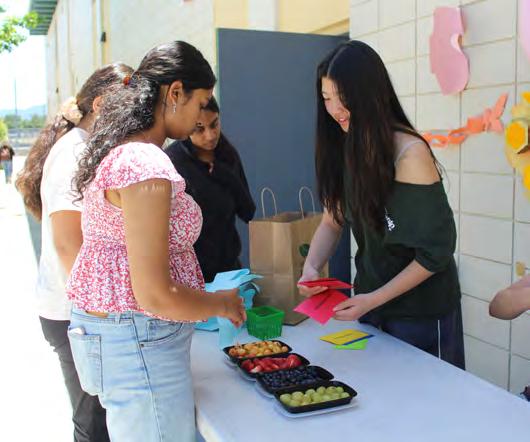
ASB sustainability commissioners, sophomore Cynthia Li and junior Sravika Nemani, introduced Earth Week, a new spirit week held from May 18 to May 22. Students participated in several activities, including patchwork and bike races, all of which aimed to educate them about sustainability, Cynthia Li said.
“We want to show students that climate work can be fun,” Cynthia Li said. “That’s why we’re implementing a lot of interactive activities with the ultimate goal of teaching students that their voice is the loudest when they talk about climate.
to happen. They’re going out there and saying, ‘We want to do this thing’. Perfect, then let’s do it. Let’s gather the needed resources.”
Deciding on a date for the week proved challenging, as they had to consider the other end of the year events and rallies that would be occurring, Nemani said.
With the thrift store event from last semester attracting students and making profitable sales, Nemani said they aimedto create another successful event for this semester.
“I hope [students] start to understand that there are sustainability initiatives on campus, and they are more active in joining and helping out,” Nemani said.
We want to show students that climate work can be fun. Their voice is the loudest when they talk about climate.
-Cynthia
Students are busy, and when busy people make time to talk about important issues, it’s a lot more prevalent and loud.”
Beginning planning in January, Cynthia Li and Nemani were able to successfully execute their vision due to their dedication to sustainability activism, Almendarez said.
“Any of the growth that has happened this year has been because of the commissioners,” Almendarez said. “They’ve done a fantastic job with being proactive rather than just hanging back and waiting for things
“It seems so daunting, this giant thing of climate change and plastic, like it seems almost inevitable that we’re doomed. But really, there are things that we can be doing to make an im pact.”
Li (10)
The patchwork event, where students guessed which popular brands are fast fashion, allowed students to learn about the negative effects it has on the environment, junior Lily Li said.
“Everyone should thrift be cause it’s way better for the en vironment, and all those clothes would be in a landfill otherwise,” Lily Li said. “But [at a thrift store] you can find clothes that are no lon
ger made or different from the styles that you find in the malls, a lot of unique pieces and I think it usually tends to be cheaper.”
With many other events, like dances and rallies wasting lots of materials, Almendarez said the sustainability section of ASB will likely grow and continue to implement more ways the school can be conscious with its resources.
“Looking forward, I think [the sustainability commissioners] will make these things a regular part of HHS’s culture. We’re going to have this thrift store, [and] we’re going to have these sustainability events,”
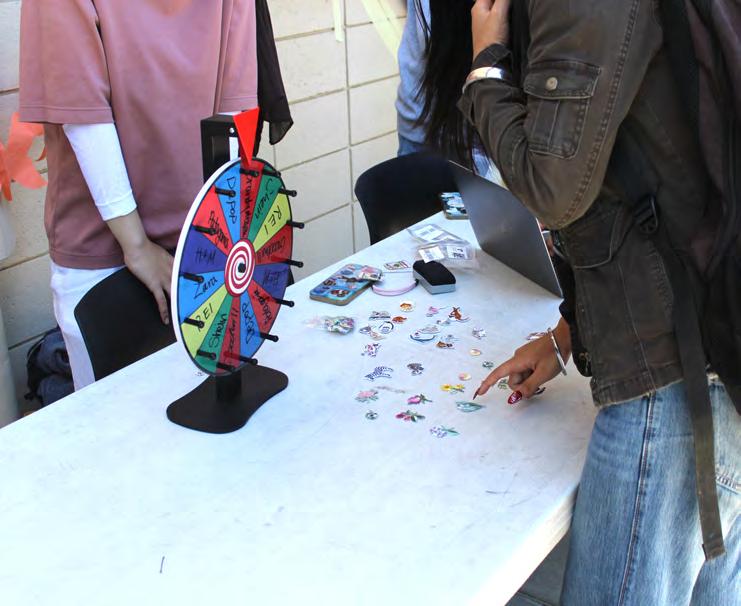
to implement events and activities that students can participate in to promote sustainability.

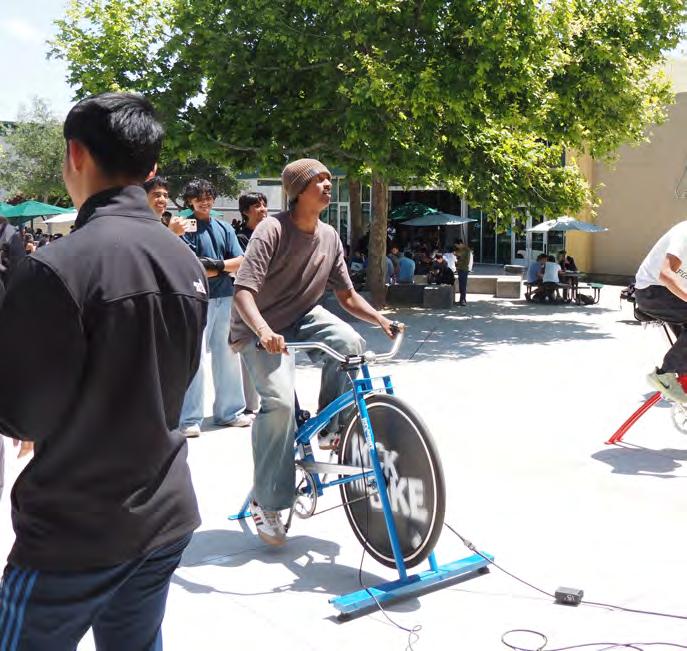
Sanjeet Jayaseelan and Advay Ranade
Students find success through rigorous testing tro said. “[Passing means] the student is fully immersed in the English language and has passed most of the classes with a good grade. It’s a big accomplishment for students, administration and teachers.”
After months of studying, English Language Department students demonstrated their English fluency through a multistep reclassification process, ELD teacher Adrian Buenrostro said.
“ELD reclassification is a big event for ELD and for HHS, because it takes so many years for several of our students to be able to be reclassified in school,” Buenros-
In November and December, the school received the scores for the students’ Summative English Language Proficiency Assessments for California, which were taken last spring, ELD site coordinator Grace Henson said.
See EL reclassification, page 2
Class structure, student schedules to be adjusted simultaneously, like previous years, and one section taught by one teacher at a time, similar to a standard class, Aguirre said.
Natasha Bandil and Sanjeet Jayaseelan
Enrollment in American Studies, a cotaught English and history course, has significantly dropped from 120 students to 90 for the upcoming 2026-2027 school year, English department lead James Aguirre said.
To accommodate fewer students, the course will be restructured with one AMSTUD section co-taught by two teachers
“It’ll still be the AMSTUD curriculum, and both teachers will still incorporate all of their lessons,” Aguirre said, “We’re just changing the structure of one class a little bit to give students their first preference. It’s still the same level of support, just a different kind of environment.”
Ethan Xue
Local: Bay to Breakers celebrates 113th costumed race
A sea of runners lined San Francisco’s streets in the 113th annual Bay to Breakers 7.5-mile footrace on May 17, according to the San Francisco Standard. During the world-famous race, athletes wore colorful costumes, which ranged from movie characters and butterflies to even Cheetos bags, according to the San Francisco Standard.
Although the weather was sunny, high winds prevented runners from their planned ocean plunge at the end of the race, according to the San Francisco Chronicle.
A surprise participant, BTS rapper Suga, made a secret entrance in the race, according to San Francisco Chronicle.
As the longest-running annual footrace in the world, this year’s Bay to Breakers attracted over 30,000 participants in total, according to NBC.
Regional: Wildfires hit multiple cities in southern California
Due to high heat and dry conditions, over eight wildfires are burning across southern California as of May 21, according to The Guardian.
As a result, close to 40,000 residents have been evacuated from affected areas where homes are being destroyed, according to KTLA.
In coming days, firefighters will continue containment efforts to ensure that winds do not spread the damage to neighboring areas, according to Los Angeles Times.
For more information on the location and progression of each fire, visit fire.ca.gov/incidents.
National: Trump exempted from IRS, diverts billions to compensation fund
For nearly four months, president Donald Trump has pursued a $10 billion lawsuit against the Internal Revenue Service over a leak of his tax returns in previous years, according to PBS.
In return for dropping the lawsuit, acting attorney general Todd Blanche signed a Justice Department document on May 19, stating that the IRS will exempt Trump, his family and his businesses from any existing financial audits, according to Politico.
This decision comes a day after Trump’s administration announced the creation of a $1.776 billion “anti-weaponization” fund for individuals deemed unfairly targeted by government actions, according to BBC. The fund uses money from the
Courts face reduced hours, students lead protests
Olivia Levesque Ouellette and Selina Wang
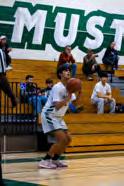
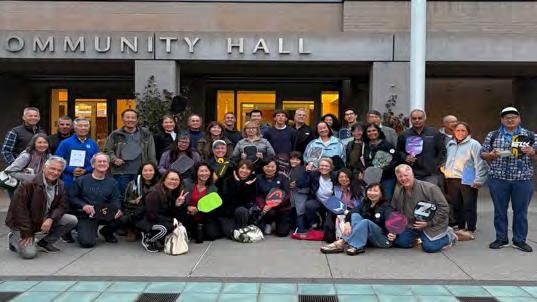
To address recurring noise complaints from surrounding residents, the pickleball courts at Memorial Park in Cupertino are facing potential restrictions that would reduce playing hours and request players to purchase quiet equipment, Cupertino Pickleball Club leader Catherine Chiu said.
This trial would reduce accessible hours for students.
Memorial part is one of the only parks that is nearby and free of cost, pickleball club secretary, senior Rohan Bedekar said.
Students are already limited in terms of when they can use the courts since they’re in school from 8:30 to 4 pm. Restricting the time would mean
Continued from page 1
Students who scored above a four out of five and had a C or above in all of their core academic classes in the fall semester then took either the Gates-MacGinitie Reading Test and AR STAR test, Henson said.
After achieving a passing grade on the exam and a writing test, EL students are transferred out of the program.
“[Completing the test] means they have finally accomplished their goal of mastering the English language, and it’s good to see the growth,” Henson said. “They started out not knowing a lot, and then at the end, they have fulfilled all the requirements, and they would be okay in any English course.”
This year, 23 students successfully passed every test and reclassified, making them eligible to take courses without any English language aid, Henson said.
On the other hand, students who did not meet the requirements were transferred to a higher level within the EL program, allowing them to receive additional support and resources to continue improving their scores and retest next year, Buenrostro said.
In preparation for the examination process, Buenrostro said
fewer available hours for students to play outside of school, pickleball club president, senior Adam Orrin said.
Chiu said her club organized a protest against the trial at the city council meeting on May 5, with members and an HHS student delivering speeches in opposition to the trial.
“We had a kid [who is] eight years old, who spoke about playing there, and we had a lady who is over 80 years old who spoke and said she played there,” Chiu said. “I know we have people who have lost loved ones who play there because they want to plug in, they want to be active [and] they find that community really mentally supportive and socially healthy for them.”
Not only does this trial harm members of the Cupertino Pickleball club, but it also harms students, Orrin said.
“We have one of the fastest
between students and teachers.
Beyond standard classwork, students practiced independently to workshop individual challenges, such as reading and writing, junior Angel Gabriel said.
“When I came here, I wasn’t able to speak clearly or even read stuff,” Gabriel said. “ELD [helped] a lot with writing, especially with the essays, activities [and] spelling. The other [part is] my relationship with people from outside school or video games. I do speak a little bit of English with people around that area.”
Although the preparation process was lengthy and challenging, Buenrostro said watching students meet the exam standards before the ELD graduation was gratifying and reflected their dedication to passing.
“As a teacher, it means a lot to me because I get to see the students progress successfully. Meeting those standards and ultimately reclassifying before graduation is really important to me because it speaks about the great work they did in high school and all that effort they have put into this,” Buenrostro said. “Because the assessments are not easy, the ELPAC is like the AP English test, it’s not easy for a lot of our students. [I am] definitely very proud of [them].”

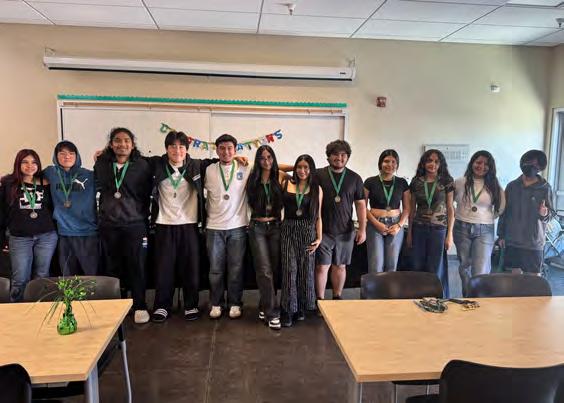
growing and newest clubs at HHS, and because students don’t have access to pickleball courts, the only and the most convenient and accessible way for them to access that for free is Memorial Park,” Orrin said. “These restrictions will limit the accessibility of the courts to students who already have full schedules.”
Moreover, there have already been multiple restrictions put in place by the Cupertino Pickleball Club in an attempt to satisfy both the neighbors and the players, Bedekar said.
Though many spoke at the meeting, Orrin, who attended the event, said he felt as if their opinions were disregarded by the council.
“If you have a great public service and people are coming from far away to visit, coming to your city to use your service, that’s something really beautiful, and something you should be proud of, not something you should try and gatekeep,” Orrin said.
The Epitaph has reached out to the city, but was unable to receive a statement from them.
Continued from page 1
On the other hand, AP U.S. History and Honors American Literature will increase in sections, principal Denae Nurnberg said.
With fewer sections of the class running next year, AMSTUD teachers will need to take on other courses to maintain full-time status, Aguirre said.
“The teachers who have been teaching it have been teaching it for a long time, and they love it,” Aguirre said. “It is a challenge when suddenly you have to go teach a new class, or a class you haven’t taught in a really long time.”
AMSTUD combines both subjects into a single course, junior Zainab Baig said. Literature often receives more dedicated time and attention compared to history, Baig said.
“It’s a lot of collaborative [work, and] a lot of talking with peers,” Baig said. “For example, for history we had quite a few presentations throughout the school year, and even for [English]. Right now, there’s just presentations going around, so the class schedule is a lot of

presentations and just working with our groups.”
Looking to take APUSH for the upcoming year, sophomore Nikith Janjanam said decrease in AMSTUD enrollment may be driven by students choosing more AP classes to strengthen their college applications.
“When I’m scrolling through Instagram, I’ll see a reel about some student with all these insane APs and not getting into good schools,” Janjanam said. “It makes me feel like I need to do better than them.”
Despite lower enrollment, AMSTUD will remain one of the most personalized English and history courses on campus, Aguirre said.
“I don’t think it’s a worse version, it’s just a different kind of fish tank that we’re doing it in, but we’re also trying to make sure that people have their first choice class that they signed up for,” Aguirre said. “There is no other English or history class on campus that is as one-on-one-based as AMSTUD is, and it’s going to be a great year.”
What’s in the future for AMSTUD?
New Class Structure:
Section 1: Co-taught by English teacher Lisa Clausnitzer and social studies teacher Marc Gon zalez simultaneously
Teaching changes: AMSTUD teachers will take on new courses to maintain full-time status.

Overall: Total students in all classes decreases from 120 to 90 students.
As a student newspaper, The Epitaph is responsible for reflecting student voices. After conducting our first diversity audit last year and gauging the disparities of race, gender and grade level between Epitaph sourcing and the student body, we have once again evaluated to continue working toward diverse representation.
The goal of this audit is to analyze the success of actions taken from last year’s evaluation and makes changes for the future.
This year, we studied race, gender and grade level disparities within The Epitaph’s sourcing using methods similar to last year. Although we have shown some progress, there is still a ways go before our sourcing accurately represents HHS.
Race:
Exemplifying this, The Epitaph’s sourcing still does not adequately represent the racial demographic on campus. This year, we continued to misrepresent Asian and Hispanic/Latino students.
Asian students account for 43% of the student body, but 53% of our interviewees are Asian students, an over-representation of 10%. Even so, we did improve from last year, lowering our exorbitant Asian representation by 6%.
Hispanic/Latino students were conversely underrepresented than last year, but to a slightly lesser degree. They account for 11% of students that we interview despite being 21% of the student body, averaging a minimal improvement of 2%.
By contrast, white and biracial students were both represented nearly perfectly, a large improvement from last year.
Having diversity in race for our sources, is essential to capture a wide
range of perspectives and lifestyles from the entire school. By not evenly representing all races, the data we collect and articles we write do not accurately reflect our school as a whole.
Gender:
Our gender data also shows a large disparity between our sourcing and the student body.
Female students make up 57% of our sources, yet they are only 48% of the students on campus. Conversely, male students are underrepresent ed, making up 42% of sources compared to 52% of students.
This is a decline in represen tation accuracy from last year, where 56% of our sources were female and 44% were male. Com pared to last year, a vast majori ty of Epitaph staffers are females, which sourcing disparity could be a contributing factor to this. Consequently, male representation decreases within our sourcing, poten tially devaluing the opinions and ideas of another large group.
Grade Level:

Contrasting gender and race, grade level representation is an area where we sizably improved.
While freshmen have still been underrepresented this year, making up only 14% of sources while being 22% of the student body, their interview percentage increased by 7.1%. Even so, there was still a small discrepancy in underclassman representation, with sophomores making up 22% of sources while accounting for 26% of students on campus.

Similar to the graph concerning race, the graph shows the difference in the proportion of each gender in the student body and Epitaph sourcing while also comparing to last year.
Diversity Progress Bar
Underclassmen and upperclassmen may differ heavily in opinion due to age differences, so equal representation is es-
Keeping this in mind, seniors were still overrepresented at 36% while making up 26% of the school population.
This pattern is directly correlated with The Epitaph’s larger upperclassman representation.
Underclassmen make up just as much of the community as upperclassmen, so we must continue this
To make our coverage more representative, The Epitaph must strengthen how we track and source information.
Primarily, we must consistently update our source tracking spreadsheet to ensure all sources are included.
The source tracking spreadsheet was a new system created this year for reporters to improve diversity, but was not updated consistently. To rectify this, section editors will be required next year to
percentages on the graph show the difference in the proportion of each race in the student body and The Epitaph’s sourcing. Using these differences, we can see how close we were to achieving full diversity in specific races. Each group contains two bars which compare the results of the audits across last year and this year.
check the sheet at the end of each newspaper cycle to ensure reporters accurately record sources.
Additionally, staff members require more outreach training and journalism curriculum should include teaching reporters how to talk to a wider range of students.
This can be implemented through specific instructions for reporters on how to find sources that are new to The Epitaph, which will be taught at the beginning of each year to establish a foundation.
Furthermore, we will expand our coverage of ethnic clubs. Currently, only one person is obligated to cover ethnic clubs, limiting the attention to equal representation.
Since there are more ethnic clubs than are possible for a single person to cover, we will require a second reporter to cover additional clubs each cycle. This will allow more clubs and students to be represented while also including diverse voices in our coverage as a paper.
This diversity audit is meant to hold us accountable to accurate representation at HHS. The Epitaph has made some progress since last year, but we hope to return next year with even more growth.
The Epitaph Editorial Board voted unanimously, 11-0 on this stance.
The following progress bar aggregates differences in percentages shown on above graphs across race, gender and grade level to show the total accuracy of the Epitaph’s sourcing throughout the year. The graph shows an 8% increase in accuracy.
The Epitaph is a non-profit publication at Homestead High School, 21370 Homestead Rd., Cupertino, CA 95014. The Epitaph is a designated forum for student expression and not subject to prior review, in accordance to Education Code 49807. The staff is comprised of HHS Journalism students. Views expressed do not necessarily represent views of the school, its staff or the district. Editorials are opinions of the editorial board. The Epitaph welcomes letters to the editor but reserves the right to edit submissions. Letters should be limited to 300 words. Include contact information. Unsigned letters cannot be published, but names will be withheld upon request. Send via homestead.epitaph@gmail.com, or drop letters in the newsroom or the office mailbox.
If The Epitaph has made an error, please send corrections to homestead.epitaph@gmail.com. The corrections will be published in the corrections box for the next issue.
To reach the Epitaph in C102, call (408) 522-2572.
Advertising
One email and you can reach over 2,400 students, teachers, administrators and community members from Northern Sunnyvale to Southern Los Altos. If your target market is between ages 14 to 18, contact The Epitaph at epitaph.ads@gmail.com, and we can make it happen.
Thank You to Our Donors & Supporters FUHS Foundation Homestead PTSA
Sachin Chandran
COLUMN—In 1965, the Voting Rights Act was instituted, guaranteeing equal representation for African Americans after 200 years of segregation and oppression. In 2026, after 60 years of “progress,” the Supreme Court stripped this fundamental necessity away from those who need it most.
By a vote of 6-3 in favor of the conservative majority, the highest court in America ruled against a congressional district map drawn up to create a second majority Black American district in Louisiana. Their rationale states it was divided unfairly based on race, rendering it unconstitutional, according to CBS.
This ruling strips away the voting power of minorities living outside of the current majority Black district, allowing them to be suppressed and trampled by those in government who wish to silence them.
To rectify this, U.S. residents must protest against this mistake, and the Supreme Court must revise or repeal its decision.
Essentially, the ruling prevents states from creating maps based on race, which undermines enforcement of the Voting Rights Act, as states must be able to create racial maps to platform minority voters, according to The New Yorker.
By deciding to hide race as a factor in map creation, the court has inadvertently increased the racial divide. If the Voting Rights Act cannot be upheld, then representation for minority groups will decrease in the future, as maps will be drawn up to eliminate the equality they are entitled to.
To combat this, the American public must voice their opposition to the court’s decision. Without the support of citizens, there will be little pressure on the court to right their wrongs in the future.
However, it should not take the American public’s outrage for the court to rethink their decision. In future cases relating to voting rights, they must take every possible measure to re-enfranchise minorities or else our country will continue to divide and silence those who deserve a voice.

Elina Li
A rush of panic and adrenaline hits me as the prompt for the cultural presentation, the final free-response question on the AP Chinese test, is unveiled. Recording starts after minimal preparation time, and ready or not you must speak, trying your best to construct sentences and keep up with your own train of thought.
Currently, every AP language test taker faces the daunting task of the surprise speaking prompt. Next year, though, College Board will replace the speaking portion with a course project that students complete over four months.
By implementing these changes, they lower the bar for students to be considered highly proficient. These shifts should be reworked to have more balanced, rigorous requirements that put both language use and conversational skills to the test.
For the new project, stu-
dents will research a prompt released in January to create a three-minute presentation delivered live on exam day. The essential simulated conversation will be replaced with a four-question Q&A about the project.
Removing the impromptu speaking aspect of AP language tests leaves out an immensely useful metric for evaluating speaking skills.
In real scenarios, people normally use languages without prior preparation. Therefore, the impromptu section efficiently separates students who are competent speakers from those who can only operate in classroom environments.
The change was made to better align with college-level courses, according to College Board. However, since college language classes are more verbally demanding than those at the high school level, the new project culminates in a failure to hold students at a high standard as intended.
Currently, a group presentation for a Japanese project at HHS would take up to a month to complete, Japanese teacher
Guidelines must be revised to ensure equality
Kanmani Raguraman
As we unveil our recently graded assignments, my teammates cheer in excitement to see the letter ‘A’ appear on the screen. However, instead of sharing that excitement, I feel overlooked as they show off their success on a project where I did most of the work.
Currently, most group projects are unfair for students, as they are given overall grades without consideration of the individual work each member actually did. By assigning roles for each student, teachers can take the weight off of those who tend to pick up extra work for a good grade.
A successful group’s most important factor is coordination, which includes figuring out schedules, making decisions together and most importantly, splitting up the work, according to a Carnegie Mellon study.
based on individual contributions. Therefore, students receive grades based on what they complete, increasing individual responsibility.
In my biology class, each student in a group had to independently work on a poster related to a subtopic provided to them. Thus, my teacher was able to score them based on individual efforts while also giving us opportunities to work collaboratively during sections of the project.
It is possible to have a group that can evenly split work and still collaborate. All departments on campus should learn from this system and implement similar guidelines to bolster fairness and encourage student effort.
Another way that teachers could more effectively assign projects is by requiring group members to anonymously grade each other based on peer reflections.

Teachers would factor the students’ input into their actual grade, providing them with more awareness of their own efforts throughout the project.
Junko Birdsong said. Therefore, the new three minute presentation that provides students with ample time to prepare provides no challenge.
Additionally, the revised speaking section lacks a surprise factor, as the project Q&A can be anticipated ahead of time, as well. In this way, the test gives students too much preparation time, unlike impromptu formats, where their skills are put on display.
Languages are mostly used to communicate with fellow speakers, and a vital part of that is reacting to unexpected conversations and quickly deciding how to respond best.
An AP language test should not negate the skill of spontaneity in the target language.
If College Board wants to simulate a college workload, they should increase the time pressure
Subsequently, if groups are not assigned specific tasks, they will suffer from a lack of coordination, leading to an unequal distribution of work.
Personally, the clear inequity of past group projects at school has constantly left both me and my friends stressed and exhausted over work that could have easily been split among teammates.
To fix this problem, teachers should assign clear tasks to each team member and grade them
Apart from these reflections, teachers can also support students by checking in with group members to see what work is getting done and talking to the group to adjust the workload.
This will make students more productive and active during class, as they are consistently being held responsible for their own grade.
Group projects are a great way to show collaboration, and students must be graded based on the work they personally complete.
on students to complete the project by reducing the process to two months. Additionally, to keep a part of the speaking section a surprise, they should leave the current conversation unchanged so that one part tests cultural knowledge and the other evaluates raw speaking skills.
However the changes unfold, teachers should make sure they continue to incorporate more conversational emphasis in class. Students must be held accountable to learn a language to its fullest, even if the official AP test does not require it.

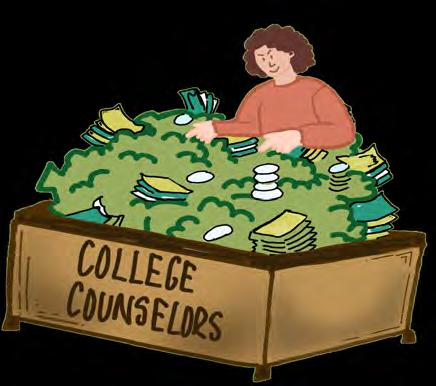
In an area where college admissions may feel overwhelming, many students believe that private counseling is a required step in the process, holding the same importance as AP courses, SAT prep and extracurriculars.
However, even though hiring private counselors is common, it is unnecessary for a student’s success in college applications. There are other comparable resources available to everyone that are also free of cost.
Private college counselors are expensive, and for most students, they are definitely not worth the high costs. Many pay thousands of dollars for one-on-one guidance for college lists, essay editing and application strategy, according to Ivy Coach.
While affluent families can afford to overlook this bloated pricing, it is unrealistic for the average person to spend such an exorbitant amount. Stu
money for tuition rather than gambling it on a consultant who may leave them disappointed.
To level the playing field of college applications for all students, the college and career center should better organize and share resources on essays, deadlines, testing and application planning.
By organizing resources on the school website and making announcements, the center can ensure it is benefiting students who feel uncertain and confused about the application process.
Apart from the college and career center, students can also utilize online resources created by the Common App. This service offers free guidance for those applying to multiple colleges, including explanations of respective application processes and essay sections.
Additionally, corporations like Questbridge provide free articles for all students and cheaper resources for high-achieving juniors from low-income backgrounds. Instead of paying thousands for private counseling, students can utilize free, accessible resources to attend a college of their choosing. If HHS provides more application-focused resources and if students utilize online resources, they can face college applications with confidence and equal opportunity with others.


Next stop: memory lane, Page 2
Post-secondary plans, Page 4-5
Hungry for success, Page 7
Giving back to ‘The Giving Tree,’ Page 3
The world of adventure, trust and pixie dust, Page 6
Senior superlatives, Page 8
Seniors, settle down for one last storytime as we revisit our favorite children’s books, featuring elements of the class of 2026’s high school experience alongside memorable titles, from an adventurous school bus to an ambitious caterpillar.
As characters in











Hop aboard as seniors reminisce on cherished destinations and campus moments
activity?
“This past winter season for Winter guard, we won our local circuit championship for the first time in 10 years. I’m really going to miss the people and the coaches. I’ve formed close bonds with these people, and a lot of them are really good friends of mine. I might continue in college, but it’s never going to be the same as high school.”

What

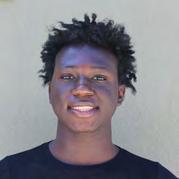










“During BOTC this year, we bought shirts from Michaels. We painted our hand prints on them and our own little designs. I’m gonna miss being able to hang out with my friend because both of us are going to colleges that are far away from where we live now, and it was special because I got to hang out with her.”
“The senior walk-in at the start of the year was fun and is one of my favorite memories. We ran in, and my friend ran in, and he fell over, and then everyone tripped over him.”
was your go-to, off-campus destination?
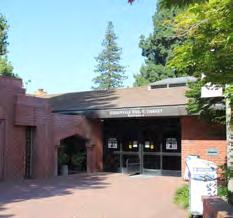
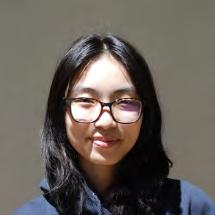
Sunnyvale Public Library:
“I would often go there to study for major exams, or when I felt like it would be nice to study with friends. When I enter the library, all my thoughts drown out. I can focus on whatever task I brought to accomplish at the library.”
Starbucks on Fremont Avenue and Mary Avenue in Sunnyvale:
“I've spent so much time there studying, and then a lot of times during lunch, my friend group also goes there. In general, especially junior year, it was always a place I could go, so I could focus and do all my work.”

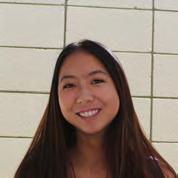
Where have you made the most memories on campus?
“The cafeteria is a good open space to be in with my friends, and we established it sophomore year. It’s been where we all come to hang out, and it’s near all the food places too, so it’s an rson Chang



Chipotle on Homestead Road in Cupertino:
Rancho San Antonio:
“I like going hiking in Rancho San Antonio. It's just very peaceful. I like going to the farm that they have, and one time I got to work on the farm with my brothers. It was a really fun and memorable experience.”
“I've had so many memories with all my good friends there. I love the food, but also the vibe of the place, next to school, is special. You'll go and you'll see people from school. Also, there's a bunch of windows, and you're sitting on the bar. There's sunlight, people are talking, things are moving. It’s a good vibe.”



“[Social studies teacher Greg Russo’s tutorial] is fun because we don’t even have to text ‘Where are you going?’ anymore in the group chat. For senior year, I wanted to have a place to just go and not have to think about work. I have always hated tutorial, because I find it a waste of my time, but now I look forward to hanging out with my friends.”
“I’m going to miss the band room [and] being surrounded by music and musicians, finding my community at school, being surrounded by like-minded people and talking about our passions. I'm gonna miss the environment there with all my friends.”


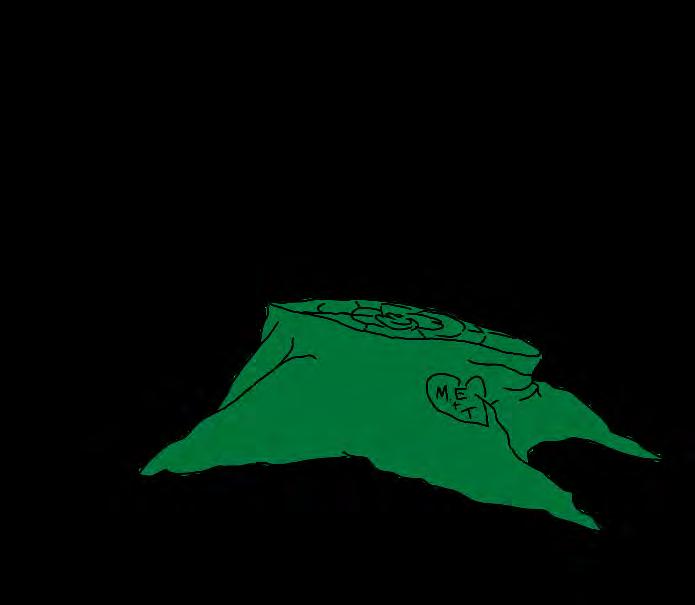
“The Giving Tree” by Shel Silverstein taught us that to avoid exploitive selfishness, we must give what we get. Seniors reflect on giving back, from local projects to advice for underclassmen.
Whether it’s sharing talents or raising medical awareness, students are able to contribute to our community in many creative and impactful ways. These two seniors share the significance of making a difference through events they organized.

Archit Gunhal, emcee and director of Homstead’s Got Talent
“With Homestead’s Got Talent, what I was able to do? I was able to create my own jokes. No matter how bad they might have been, no matter how corny they might have been, I was able to put my humor out there. It got reciprocated in a way that just made me feel so good, because the feeling when you’re stepping on stage and you’re looking at the crowd, the cheers that [the audience] has for you and the laughter that they that they laugh from the bottom of their hearts. It’s the best feeling in the world. And Homestead’s Got Talent gave that to me. I’ll be forever grateful.”
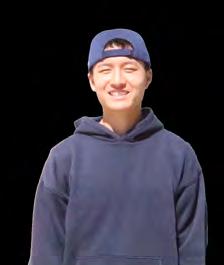
Ryan Chian, cardiac arrest survivor and campus Heart Screening organizer
“My mom and I helped contact one of the doctors that we knew when we did [the heart screening] at HHS. I would say it’s something that is important to me, especially because at the heart screening last year, there were some people who were found with abnormal heartbeats or heart conditions. That’s important, because it’s kind of something that people don’t think about. They think [heart disease is] something only for older people, but it actually happens to everyone.”

Three seniors discuss motivations, future aspirations regarding pursuit of community-based occupations
From the school-based therapist to passionate teachers, school and societal systems help students progress in many ways beyond academics. Several seniors, molded by their personal experiences, have decided to pursue these social efforts professionally.
Imaan Syed, occupational therapy:
Imaan Syed said she wants to be an occupational therapist, which would allow her to help patients build independence through physical, recreational and other forms of therapy.
Syed said one of her motivations for becoming an occupational therapist was observing the difficulties faced by her relatives, such as her grandmother who has dementia.
“I’ve watched [my cousin] rely on my aunt and uncle for everything, and he himself has told me that he feels embarrassed that he has to rely on his mom and dad,” Syed said. “After hearing that, it genuinely broke me. I was just trying to think, ‘What can I
do to help people preserve their independence?’”
Beyond what she’s observed about those around her, Syed said the support she received as a part of the foster care system makes her want to continue the cycle of support.
“For me, it’s not about money,” Syed said. “It’s just about being able to make a positive impact on people’s lives. It would bring me the fulfillment of being able to know, ‘Today, I was able to help a kid improve their motor skills,’ or ‘Hey, I helped this kid learn how to brush their teeth on their own.’ Being able to see the little steps of people progressing, there wouldn’t be anything better than that.”
Luna Cheng, teaching: Luna Cheng, who currently works with children as a gymnastics coach at Gold Star Gymnastics, said she wants to have a job that allows her to continue teaching kids, with her particular interest being in mentoring students aged around three to six.
“I’ve always really liked working with kids,” Cheng said. “Teaching is definitely one of the paths I’m considering, just because I want to be in a job where I’m always interacting with youth and making a really strong impact on them.”
Cheng said her time teaching young students, mentoring her siblings and AVID tutoring has not only amplified her passion for teaching, but also changed who she is and how she wants to use her skills to influence the students of the future.
“As a teacher, I could be one of the first adult role models in [a student’s] life beside their parents,” Cheng said. “That’s really important to me, because I want to help them be good people rather than just good students. If I’m teaching in a school setting, the most important thing that I want to teach is behavioral skills. How to be kind, how to make friends [and] how to be respectful [are the] type of things that they’re going to carry with them throughout life, beyond learning their ABCs.
Shaurya Prayag, social work: Shaurya Prayag said she sees an expectation for students to pursue science-based careers. This often excludes options like social work, which Prayag said she intends to pursue.
Prayag said one of the things that drives her to pursue a Master’s in Social Work is the childhood abuse she faced. Through this path, she said she intends to become a child advocate, someone who speaks for children and their rights in legal battles.
“When I was a kid, I wanted someone who would protect me. Ultimately, there wasn’t really any support I was given for that,” Prayag said. “Now, as a high schooler [and] as an adult, I really want to use that experience to help other people and other children.”
One of the con-
cerns Prayag said she has is the lack of prioritization for people and resources that help families, like social workers and teachers.
“The fact that [teachers and social workers] are not being paid well, and they’re kind of being overlooked by both the government and the public is kind of frightening,” Prayag said. “I think that’ll mean that going forward, there won’t be as many people in those fields when we really need them.”
“Be open to making friends, because there’s a lot of people at HHS. If you’re just open with the people in your classes, you might find someone that you really enjoy talking to, and then you take that friendship into the next years of your high school career. It’s really nice to have that person that you’ve known that whole time, but also it’s easier, because then you get along better with people in your classes. You want to make sure you have a community in all of your classes so that if you need help, you can ask those people outside of class.”

Seniors offer up four years of experience to the mustangs still continuing their high school journey.
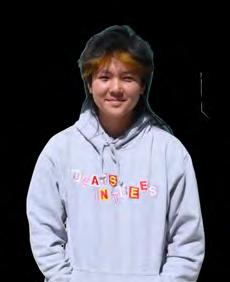
“A less conventional piece of advice I have is to overcommunicate. It’s way better than undercommunicating. Be annoy ing, email that teacher, ask every question until they get tired of you. If you’re in any group project, especially like a long-term one [like in yearbook], text them, just go overboard. I don’t think it’s going to backfire, other than people being annoyed at you. It’s really gonna help you, rather than keeping people in the dark.”
- Melanie Ochoa
- Trey Kwon
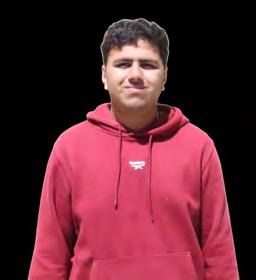
“For incoming freshmen, my advice is try to participate in many activ ities, like extracurricular activities and clubs. Join as many clubs as you can. Don’t focus a lot on your studies, because it’s pretty basic. The thing about freshman year is you have got to feel some experience at Homestead, and then freshman year onwards, that’s where you can lock in on your academics.”
- Anant Gupta
While the rambunctious nature of calvin and hobbes may reflect much of the class of duo, we must venture forward with an unbounded imagination. here’s a list of where students
Arizona State University
Luka Bulovic
California
Berkeley City College
Melany Lopez
Cal Poly Humboldt
Macie Bond
Cal Poly San Luis Obispo
Danielle Feldsher
Adrian Lang
Ren Ohara
Noa Simhon
Max Vissers
Sabrina Wong
California Baptist University
Mariko Brunemeier
CSU, Fullerton
Trey Javier
CSU, San Marcos
Melanie Ochoa
Chabot College
Ryleigh Spicer
Chapman University
Sarika Khanna
Jessica Lwin
Chico State University
Nicholas Aguilera
City College of San Francisco
Andrew Horikiri
Claremont McKenna
College
Rohan Bedekar
Supra Malepati
Aryaa Vijayakar
De Anza College
Toulouse Accola
Hector Alegria
Julia Balingit
James Bratton
Selene Bruyere
Axel Cárdenas Landa
Leo Castillo Cortez
Jennifer Castillo Garcia
Lucas Diniz Hernandez
Dario Esmailzadeh
Keyla Gallegos
Fatima Galvez
Joaquin Garcia Tuesta
Owen Gibbs
Maria Haro
Thanormporn Inthon
Leona Kovaci
Sotaro Koyama
Aditya Kumar
Trey Kwon
Samuel Lee
Sujie Liu
Erick Magana Moreno
Yareli Melchor Sotelo
Alana Medeiros
Joshua Monzon
Joyce Nicolas
Mình Đăng Nguyễn (Jerry)
Ashkan Nikan Pour
Isabel Pacheco
Amshika Paudyal
Matthew Raybon
Karime Reyes
Patricia Salazar
Emily Serrano Alas
Yahir Sayago
Vanessa Shelton
Heorhii Stepchenko
Angoliet Tomassetti
De Anza College
Toby Tran
Erick Nino Vizcarra
Jonathan Yamanaka
Nagisa Yoshida
Dominican University of California
Alaina Harlow
Foothill College
Samantha Bonet Pina
Jamie Bowles
Elora Fulcher
Bridget Hunt
Emilia Loke
Anna Lopes
Ian Graham
Anthony Greco
Jazmin Parra Cardoza
Airlyn Salcedo
Brian Sanchez
Amit Shorer
Laney College
Alexander Solis Cabrera
Loyola Marymount
University
Natalie Chen
Shantha Jayaraman
Myley Markley
Aarkan Singhal
Mission College
Katelynn Sedano
Occidental College
Diego Segovia
Otis College of Art and Design
Finn Fiedler
Pomona College
Nora Steel
Saint Mary’s College of California
Colton Nicholas
San Diego State University
Brooklyn Borges
Nathaniel Cohen
Nathan Krimsley
Kyle McDivitt
San Francisco
Conservatory of Music
Charles Wang
San Francisco State
University
Allison Hernandez
San Jose City College
Dyanne Arreola
San Jose State University
Romila Bulbule
Santiago Cardenas
Miriam Carranza
Tyler Dillon
Olivia Escalante
Nate Florentin
Camille Gan
Laxmi Kurella
Alicia Liste
Adrienne Malang
Samantha Tejeda Moreno
Adam Orrin
Aleksandra Plotnikova
Vartika Shukla
Isabelle Souza
Russell Wong
Lahari Yerragunta
Santa Clara University
Jacob Graff
Eden Rademacher
Natalia Sysak
Santa Clara University
Jessa Yang
Stanford University
Evangeline Park
UC Berkeley
Yara Abu Saude
Julia Bouron
Garrett Cai
Robin Decasper
Aayush Gaywala
Athan Kong
Matthew Leung
Orion Phan
Ryan Park
Mugdha Shinde
Chloe Wang
Jaden Yang
UC Davis
Anna Chong
Joshua Cho
Melisa Clarke
Jose Gonzalez Alliende
Yujin Jeon
Grace (Haeun) Lee
Chetana Maram
Uta Sasada
UC Irvine
Teresa Banaag
Vibha Bengani
Ohm Bhakta
Sarina Chan
Parth Dhaulakhandi
Kedar Haldar
Shannon Kunz
Megan Lee
Eric Rugina
Evan Wescott
Shannon Wu
UC Los Angeles
Mirabelle Brathwaite
Luna Cheng
Fiona Lue
Sarah Meier
Ria Nabar
Sofia Tedesco
Sophie Xing
Kaylee Yoshida
Sophia Zhong
UC Merced
Adolfo Sagrero Gonzalez
UC Riverside
Spencer Jones
Johanna Lee
Omkar Nayak
Jaden Ouyang
Alex Regidor
Aubrey White
Theo Wuo
Johnny Zheng
UC San Diego
Nathaniel Chan
Aditi Kattuparambil
Alyssa Lee
Caroline Lee
Valerie Leung
Brandon Pang
Samantha Tang
Chijul Tripathy
Lila Tsao
Melissa Wu
UC Santa Barbara
Agampreet Singh Bhatia
Boon Chew
Adrian Matta
Monty Morrison
Madelyn Chen
Timothy Rosset
Ishani Singh
UC Santa Cruz
Halves Beyer
William Chen
UC Santa Cruz
Vincent Eikenberg
Molly George
Nikunj Govil
Anant Gupta
Keshav Gupta
Nick Kamradt
Srinish Kollipara
Andrew Kwok
Parker Lin
Vittoria McClean
Iran Miranda
Peter Qian
Ruhi Shahane
Sonali Wake
Ashna Yadav
University of the Pacific
Amanda Boles
Mina Kil
Elena Shim
University of San Francisco
Cameron Chan
Vedhikaa Medampalli
University of Southern California
Mahir Bhatt
Ryan Chian
Jason Lai
Armaan Malkani
Talya Nir
Aya Piekarz
Danielle Sedillo
Aarav Shah
Jemma Yang
West Valley College
Sparsh Gupta
Franchesco Sanchez
Kamila Ramirez Sandoval
Alayah Young
University of Colorado
Boulder
Krishna Arvind
Alyssa Kolin
Eric Larkins
University of Florida
Joshua Lee
Emory University
Alisa Huang
Savannah College of Art and Design
Ila Ruggles
University of Hawaii at Manoa
Gwyneth Romero
Illinois Institute of Technology
Jay Levenson
University of Chicago
Gabriel Nelson
University of Illinois
Urbana-Champaign
Claire Lee
Dorie Lee
Joseph Liu
Kaden Poon
Smyan Shanbhag
Dhruv Solanki
of 2026’s tomfoolery, just like the iconic students will begin their next story.
University of Illinois
Urbana-Champaign
Kaitlyn Sun
Aiden Wang
Suri Yau
Edward Yu
Rachel Yu
Northwestern University
Henry Hu
Alyssa Miyai
Thomas Ogi
Catherine Yang
Indiana University
Joseph Han
Kavya Krishnan
Parker Levy
Kulsum Shaik
Purdue University
Howard Cheng
Jonathan Kapuya
Anesh Lokesh
Malar Raguraman
Nyah Shrivastava
Aaron Tsang
Louisiana
Tulane University
Samyukta Rao
Maine
Bowdoin College
Agnes Ko
Maryland
University of Maryland
Noah Graff
Sravya Varanasi
Massachusetts
Boston University
Maxwell Lin
Madison Palermo
Shakthi Stalin
Northeastern University
Raashi Mishra
Emma Moser
Reesie Zhang
Williams College
Archit Gunhal
Michigan
University of Michigan, Ann Arbor
Anya Rastogi
Alex Tsang
Minnesota
Macalester College
Lova Bockert
St. Olaf College
Cash Marquez
University of Minnesota Twin Cities
Allison Brown
Conner Olesek
Washington University in St. Louis
Drew Hamburger
Will Hamburger
Jane Ser
University of Nevada, Reno
Amanda Brownson
Rutgers University, New Brunswick Ian Dodson
Cornell University
Ezra Chan
Ojas Khandelwal
New York University
Karis Lin
Akhil Puttar
Meredith Tan
Vassar College Jayden Duong
Case Western Reserve University
Sejal Singh
Neil Verma
Oberlin College Aashka Nagarkar
Ohio State University
Ronen Desai
Aditya Kamath
Tanush Patil
Shaurya Prayag
Shaaketh Sivakumar
Oregon State University
Carl Chiu
Josephine Cline
Anya Klingner
Nadav Zelenko
University of Oregon
Allison Gonzalez
Emi Hirabayashi
Tyler Chen
Carnegie Mellon University
Vivek Athavale
Dhruv Jain
Yujun Lee
Alexander Petcu
Ranya Zhang
Lehigh University
Megan O’Dell
Nathan Saputra
Texas Christian University
Ryan Moyer
University of Texas at
Austin
William Hsu
Josh Lim
Varun Narayanan
Brigham Young University
Sarah Nelson
Seattle University
Linnaea Moore
University of Washington
Amelie Ettenger
Tristan Le
Julia Ouyang
Georgetown University
Annika Abraham
The George Washington University
Maya Dutt
Iliana Genna
University of Wisconsin–Madison
Zoe Gardner
Bharath Jayadev
Eindhoven University of Technology (Netherlands)
Hania Nakano
Erasmus University
Rotterdam (Netherlands)
Zsofi Timar
McGill University (Canada)
Kenzie Murray
Sagami Women’s University (Japan)
Himari Kato
Temple University (Japan)
Sana Suzuki
University of Exeter (United Kingdom)
Emma Gove
Rotem Alon
Sebastian Camargo
Naomi Darom Ben Dror
Ori Ben Haim
Rani Joseph Hangyeol Kim
Rinat Keyserman
Clara Lang
Noga Levinson
Kaylei Rodriguez
Justine Skov
Brock Sundland
Coast Guard Reserves
Aidan Murphy
Marine Corps
Neftalí Nuno Caravez
Diego Rodriguez
Weston Derham
William Derham

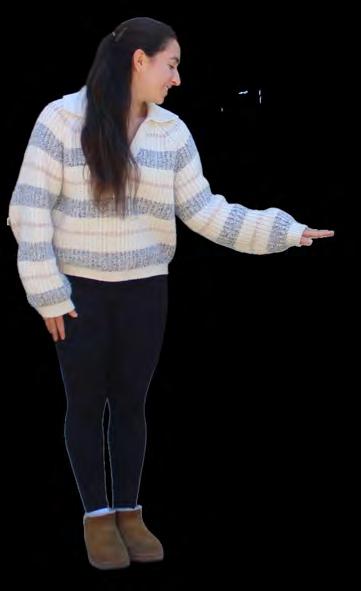
Alon will take a gap year to attend an Israeli residential program where participants help troubled youth, care for seniors citizens and assist a local hospital and school. Beyond volunteering, the language immersion will help Alon to improve her Hebrew skills, as instruction is split between English and Hebrew, Alon said.
“I can get by with my Hebrew,” Alon said. “I definitely have to improve to communicate in the slang that people [use], and that makes me nervous.”
Alon said she first heard of this program from friends in the Israeli scouts and her parents’ friends. The application process consisted of essays about herself alongside interviews with a previous student and the program director. Upon acceptance, she chose to attend, as it was an opportunity for a new experience that simultaneously helped a community.
“I haven’t lived [in Israel] since I was five, so this is definitely going to be different,” Alon said. “I’m definitely excited to work on my Hebrew skills, to live away from home for the first time and help a community that I don’t spend that much time with.”
Just as the Darling children explore the magical world of Neverland in “Peter Pan” by J.M. Barrie, seniors explore paths after high school that do not involve attending a 4-year college or university in the United States.


After graduating, Derham will serve a 24-month mission for the Church of Jesus Christ of Latter-day Saints in Cincinnati, Ohio. As part of his mission, his goal is to educate people about the church and help local community members. He will room with a companion and have limited contact with his parents, which helps in closing his heart to more material things so that he can focus on the church and his role as a missionary, Derham said. His parents left the decision of whether to serve this mission up to him and are supportive of his choice.
“I’m looking forward to being able to serve the people of Cincinnati, get to know them, hopefully bring them to Jesus Christ and to have them feel what many members of my church feel: the joy it has brought to their lives,” Derham said.
After finishing his service, Derham said he plans to attend college, currently considering the medical field.
Sebastian Camago will attend high school in Taiwan through the Rotary Youth Exchange Program, a free, international immersion program.

The application process consisted of essays about himself and his motivations to study abroad, Camago said. After he was accepted, he was matched with a host family, which he will stay with while attending school.
Camago said he was inspired to learn Mandarin because of his father, who is trilingual. His father also did the same exchange program in the United States while he was attending high school in Venezuela.
“[My father] would refer back to that year as one of the best years

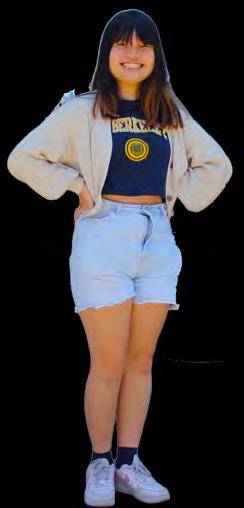
Sana Suzuki: International
Suzuki will attend Temple University in Tokyo, Japan, majoring in tourism, hospitality and event management. She made this decision both to be closer to her family and to make use of her Japanese and English skills in the tourism industry.
“Since I came here from Japan, I noticed how I love to talk about Japanese culture or traditions, and spread that [knowledge] to non-Japanese people,” Suzuki said. “I have a passion for it, so I think this major is going to be helpful.”
Though Suzuki said she believes going to university in the United States would bring more opportunities, she missed Japan and wanted to go back.
“I missed the food and all of my friends in Japan, and I also like to visit Japanese sites,” Suzuki said. “I’d like to stay here, [but] Japan is my home country, so I feel more comfortable learning there.”


Villegas will join the United States Navy with an initial four-year con tract. SWCC operate small crafts for special operations missions alongside Navy SEALS.
After graduation, Villegas will undergo three months of basic training in Georgia, then 11 more weeks of training for his military occupational specialty in Naval Amphibious Base Coronado, near San Diego.
“It’s mainly drill and ceremony, just getting adapted to the military lifestyle,” Villegas said. “It’s all about showing the discipline, integrity and morals that all military personnel go through.”
Villegas added that his parents have been supportive throughout the entire process because it has been his dream since he was little, but they are also worried.
“I am the youngest in the family, so they’re a little nervous about seeing their baby go away,” Villegas said.
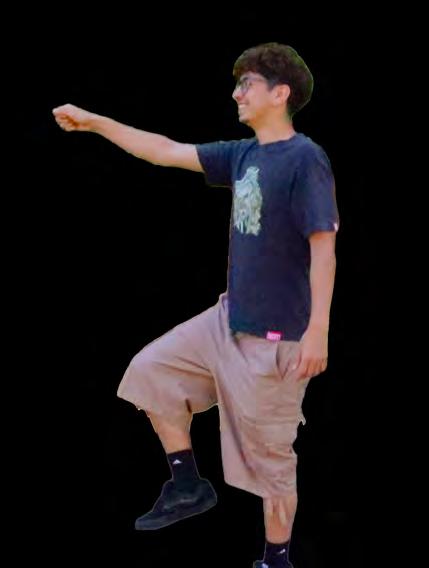


After the Navy, Villegas said he hopes to become a therapist for vet erans, especially those with conditions common to the military like post traumatic stress disorder.

Question: What are you going to miss the most about AVID after graduating?
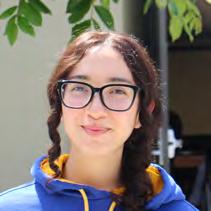
Answer: “The one thing I’ll miss the most is being in the same classroom with the same people for a certain amount of time. You get to grow and bond with them. So, I’m definitely going to miss that in college because I’m not going to have that [community]. I’m not going to talk to the same people I’ve talked to for the past couple of years, and that has just become such a big part of my routine at school.”
— Miriam Carranza

Q: How have people that you have met through AVID influenced you on your path toward graduation?
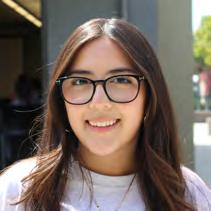
A: “They were all very warm, and really encouraging, especially [AVID 12 teacher Jessica] Wakefield. She believed in all of us and was there to support us, emotionally and with academics or personal situations. So, it really helped all of us to really connect with one another.”
—
Allison Gonzalez
Former, current ELD students unpack their experiences
From overcoming language worries to encountering nurturing teachers, three students who passed through the English Language Development program discuss their experiences adjusting to life in America.
Nagisa Yoshida:
After arriving in the United States from Japan in eighth grade, senior Nagisa Yoshida said she spoke little English and struggled to make friends.
“I was scared and nervous,” Yoshida said. “I spent about half a year at Cupertino Middle School, but I didn’t have many fun experiences and memories. I was so scared, but HHS was more kind [than] I expected.”
welcoming community helped her develop a sense of belonging on campus, in addition to English language skills.
“It’s not just about any single country,” Arteaga said. “Even though we come from completely different backgrounds, we’re all going through this experience together. You get to know and understand other people, and that serves as a huge support system that helps you keep going.”
Since reclassifying out of the ELD program two years ago, Arteaga said she grew to find her voice in mainstream classes.
I didn’t let this new language stop me from continuing to study,” Martinez. “More than anything I learned patience and perseverance. I realized that if I gave up, I wouldn’t achieve everything I had always sought or everything I had been dreaming of. I couldn’t let English be an obstacle to achieving my dreams.”
Martinez said connecting with fellow Latinos on campus, including through the Latino Student Union, also eased all the feelings of out-of-placeness.

Being in an ELD class allowed her to adapt to the language and new academic environment, Yoshida said. After graduation, Yoshida said she will especially miss her teachers, who provided warm responses to her questions.
“The ELD class was so important to me because I didn’t have confidence, and I didn’t have English skills,” Yoshida said. “It was so helpful for me to improve myself. Also, I learned how to be a more confident student.”
Gianella Arteaga:
Without participating in the ELD program, senior Gianella Arteaga said her experience adapting to American life would have been drastically different. Arteaga, who arrived in the United States from Peru in 2021, said the program’s
“You do feel a bit shy to speak up in front of everyone and interact with other people,” Arteaga said. “But eventually, as you practice more, you reach a point where you don’t really care anymore whether you say things perfectly or not. Because, in the end, they understand you just the same.”
Mishell Stephania Martinez:
Upon her arrival in the United States from Mexico three years ago, senior Mishell Stephania Martinez said she felt most daunted by the prospect of being unable to understand her teachers.
Despite having to take classes below her academic level due to the language barrier, Martinez said she has made strong progress throughout her time in ELD.
“I have always loved school, and
“[EL Program Assistant] Rocio Stavoli and [Adrian] Buenrostro were always there to lend a helping hand, teach me new things and look out for my sister and I,” Martinez said. “Meeting them was the single most helpful thing in terms of adapting to the school and settling into this whole new community.”
Editor’s note: Arteaga and Martinez’s quotations have been translated from Spanish.
“The Very Hungry Caterpillar” by Eric Carle epitomizes Mustangs’ ravenous attitude towards academic excellence, as they blossom into adulthood.
Q: What lesson learned through AVID will you take with you into the future?
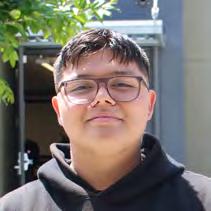
A: “Sometimes you have to differentiate between what’s good for you and what isn’t. It could be with people, it could be with classes, [or] it could be with tasks you’ve got to do. You have to know what you can take and what you can’t, and then move forward.”
Students reflect on inspirational teachers
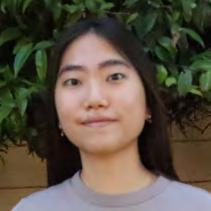
“[English teacher James Aguirre] showed me that the world is limitless and that there are different paths to take. The story I’ve been told for a long time was you should just focus on your stud ies, and then things will come. He helped me realize that you have to look for those things.”
— Jane Ser


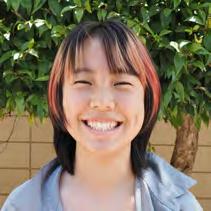

“[Art teacher Tyler] Cripe makes art of things you wouldn’t imagine making art out of, like horses. He just makes art out of everything. I get inspired because I realize that I can also just pick something random and draw it. And, it’s still art.”
— Sherry Li
“[SocialstudiesteacherChrissyHeaton]wantsustogrowupwithknowledgeofthegovernmentsowecanlive inacountrythatmanagestogetoutto vote.She’snotforcingustodoany ofthisoragreewithherperspectives.Shegivesusallofthetools needed for us to make our own conclusionsinawaythatIfind veryinteresting.”

— Yusuf Adel

From professional pursuits to charming pals, here are this year’s senior superlatives.
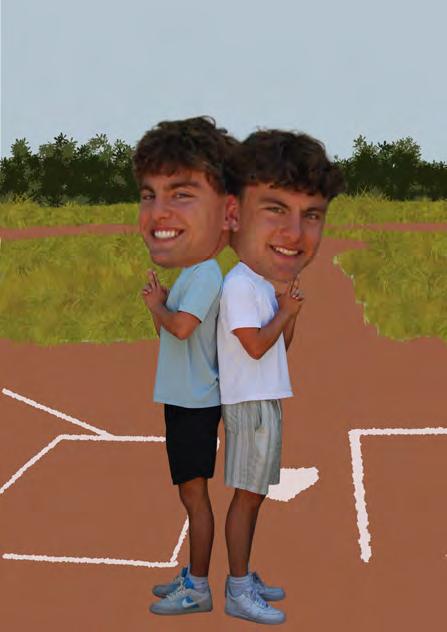
Who was the best duo?
Who was Best
The “Who Was...?” book series inspired us to follow in the footsteps of influential trailblazers. Who
Who is most likely to be a famous author?
Who is
likely
a
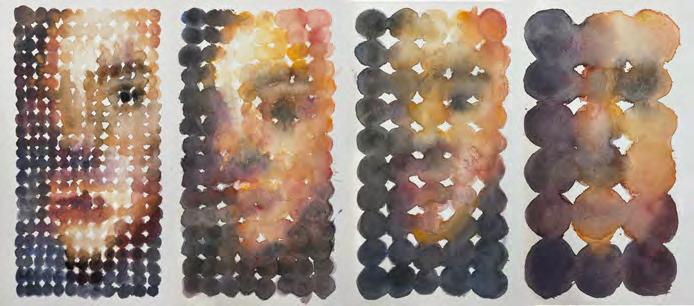
As AP art students worked to create 20 pieces of original artwork during the school year, their portfolios were finally submitted on May 8. Students chose a topic to dive deeper into, eventually curating a theme for their creations, art teacher Tyler Cripe said.
“The creative part, that is different for the AP art portfolio than it would be with class projects is that [the art pieces] have to connect over months, and you have to develop that theme like putting together a show,” Cripe said.
Experimenting with different mediums throughout the process, such as acrylics, watercolor and graphite, junior Chloe Dahl said her portfolio focused on inner conflicts with her identity.
“I chose to interweave [my illustrations] because I wanted to experiment to show inner conflicts between [my] younger and older self,” Dahl said. “I tried the pixelation, or cutting and pasting back together [to] show frustration, because the original piece is someone yelling like they’re being compressed and don’t know what their own identity is.”
Interested in the effects of climate change, sophomore Cynthia Li said she was inspired to cre-
ate a portfolio related to how humans interact with the environment and her critiques on the human impact on nature.
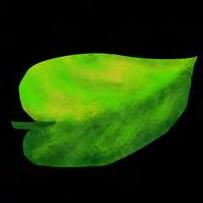
“I take the feeling you get when you look at leaves in the sun [and put it] into my art [to] show how similar being in nature and drawing makes you feel,” Li said. “It’s like a crossover, and I love to connect my knowledge and interest in the environment [with] my passion in art.”
For junior Alina Liu, her portfolio explored various kinds of mental health struggles, such as her own anxiety, which is often caused by stress, Liu said.
“One of my pieces is this girl leaning over a mirror.
The subject of that one is the control of ideas, because there’s a thought bubble, and it’s tied up with ropes. It’s colorful, and then she’s kind of scribbling it out,” Liu said. As she
continued to develop her portfolio, Liu said she began to emphasize self-expression in her art and utilize different kinds of drawing methods for her portfolio.
“Before this year, I would get stressed out if [my art piece] wasn’t planned out very well and if it used different materials other than acrylic,” Liu said. “This year, I found out it was more fun to let myself not be restricted by certain mediums or just what I’m comfortable with. That’s where the control thing comes from, if you try to control your art, then it’s not really a full expression of yourself.”

Students learn, appreciate culture at Noche Hispana
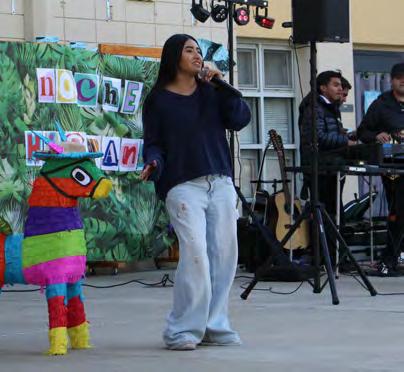
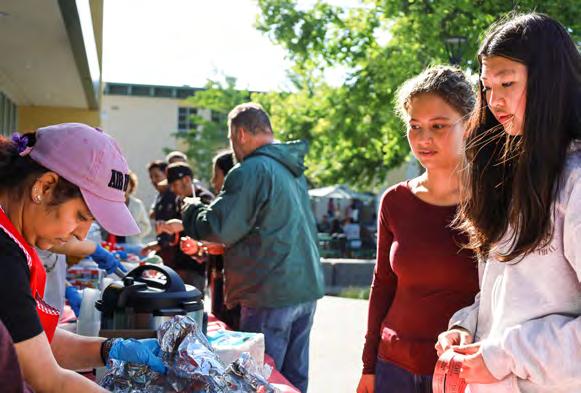
With colorful decorations and energetic music filling the quad, the Spanish department, along with Spanish National Honor Society and the Latinx Student Union, hosted the inaugural Noche Hispana event on May 1 from 5 to 7 p.m., Spanish teacher Adrian Buenrostro said.
“This event meant the world to me,” Buenrostro said. “Here in HHS, this is my third year [teaching]. I’ve been pushing year after year to have it, so finally, we made it happen.”
Beyond the performances and food, students in Spanish classes presented cultural information on various Hispanic countries, including traditions, notable inventions and history, junior Camila Reyes said.
“My presentation was about the gastronomy of El Salvador,” Reyes said. “As an El Salvadoran,
food for me is something really representative of my country.
Not only did I get to express my country’s [culture], but also, the people who were not Latin could learn about these countries.”
Throughout the event, performers danced on the quad stage, and cultural foods and drinks, like quesadillas and agua frescas were sold in front of the cafeteria, Buenrostro said.
“It felt surreal seeing the students walking with Mexican or Latino dishes in their hands or learning about Spanish-speaking countries from presentations made by students and led by students,” Buenrostro said.
Sophomore Ahmed Kandil said Noche Hispana’s presentations allowed students to interactively connect with cultures than a typical classroom lesson could.
“Other people that aren’t very Hispanic came to explore different cultures, and by doing that, we were able to unite these people and share common ground,” Kandil said. “They may find similarities with their cul-
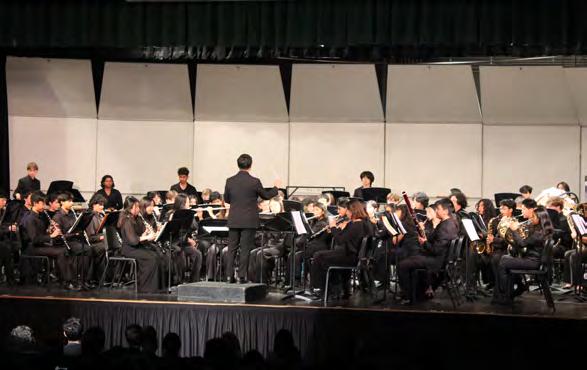
After four eventful years filled with music, this year’s seniors will part ways with the band department, leaving a lasting impact on next year’s musicians, assistant band director Mark Lee said.
“We have a lot of really good musicians [who have] naturally become leaders and good role models for the people below them that are younger, especially in the marching band,” Lee said. “A lot of leadership are seniors who have been in the department for all four years.”
Flutist, freshman Amy Saputra said she decided to join Concert Band as a result of her brother, saxophonist, senior Nathan Saputra’s encouragement.
“[Nathan is] in marching band, so we watch each other perform during halftime [at football games],” Saputra said. “It was really fun to see him cheering me on, and I found it really fun to watch him do his drum major duties.”
Forming a close relationship with the seniors in the Wind Ensembles, euphonium player, sophomore Shourya Batra said he has received large amounts of musical advice from the seniors, ultimately enhancing his career.
“Catherine [Li] plays euphonium. I feel like she’s had a big
influence, because she’s played the same instrument with me. In the County Band, we sat next to each other, and she gave me a lot of advice,” Batra said. “Also, Ezra [Chan], he plays saxophone in Wind 1, and he’s one of the greatest players I’ve ever seen. He’s always been giving good advice to everyone, and he knows how to help people.”
Reflecting on his time with the senior class, Batra said he will miss their presence, but will continue to pass on their knowledge and impact with incoming students.
“The seniors have a really different approach when it comes to band, because they’ve had the most experience,” Batra said. “Some of them, they’ve been playing since third grade, and that is eight years. They know how to mentor all the other students within their sections and even outside their sections to make the band as best as possible.”
As a first-year teacher and alumni, Lee said he has seen both personal and musical growth within seniors, making it a melancholic experience to see them leave.
“[The seniors] really showed me a lot about what this generation of HHS looks like,” Lee said. “Seeing them step up and be a different style of leader and interact with the [other students] in a different way was really special and I’ll definitely miss them.”
tures, and that diversity is a really good place for connections to thrive.”
Beyond its activities, FUHSD trustee Pat Carpio-Aguilar, who delivered a welcoming speech at the event, said Noche Hispana created a unique environment where the entire community could bond.
“My presentation was in Spanish and English to envelope and welcome everybody,” Carpio-Aguilar said. “People connected to the food and the images, and they were taking selfies. This means a lot, and I know we’ve had other demonstrations of culture, [but] this is the first one with a Spanish-speaking background and heritage.”
For future iterations of Noche Hispana, Kandil said he hopes to see even more non-Hispanic attendance.
“Most people were coming because they’re really interested in this stuff, and that could reinforce what they already know,” Kandil said. “But to reach more people, having it during lunch or right after
school would grab the attention of more.”
With months of preparation culminating in the vibrant night, Buenrostro said the first Noche Hispana ended up being a major hit, inspiring club officers and Spanish class students alike.
“I did it in San Jose for over eight years, so I definitely know
how it can look over the years, but for being the first year, it was extremely successful,” Buenrostro said. “We did a survey in class, and students were really happy about interacting with other people, making new relationships with people they didn’t know [and] practicing their language outside of class.”
‘ICEMAN’ blends pain, vengeance on industry artists
For years, Drake was widely known as the king of the hip hop industry. From albums like “Take Care” to “For All the Dogs,” he dominated charts and culture, capturing the attention of fans in various genres.
However, Drake’s reputation was shattered due to his public feud with Kendrick Lamar in 2024. Tracks like “meet the grahams” and “Not Like Us” spread derogatory allegations regarding Drake’s personal life and caused him to take legal actions against Lamar and Universal Music Group, his own label.
Then came “ICEMAN,” released May 15, reminding the world of exactly why Drake became one of the most popular rappers alive. This project delivers vengeance
while also presenting emotional honesty, making it one-of-akind within his catalogue of music available to fans.
In the emotional opener, “Make Them Cry,” Drake opens up about his father’s battle with cancer, also discussing his fractured friendships and the mental toll it takes to watch former friends celebrate his downfall.
“Make Them Cry” is one of the first Drake songs that tells a unique story about his life, moving me to tears due to its sophisticated, emotional storytelling.
Aside from “Make Them Cry,” other tracks on the album also provide immersive experiences for the message he conveys.
An example of this is “Janice STFU,” where he uses “Janice” as an analogy for the media and fans who dig deep into his private life and create negative generalizations about him.
This track is the first time Drake speaks against his fans
and the industry at large, allowing the listener to view these struggles through his eyes. Providing the public with a glimpse into his struggle makes the album feel more genuine, further immersing us in the frigid environment he hopes to cultivate with this album.
Despite this cohesive message, “ICEMAN” fails to effectively integrate featured artists into the flow of tracks, decreasing the project’s quality.
For example, while 21 Savage and Drake have previously delivered strong content as a pair, his feature on the track “B’s on the Table” is riddled with shallow, repetitive lyrical content and goes against the overall flow of the song.
Additionally, “ICEMAN” loses momentum in the latter half of the album. Songs like “Firm Friends,” “Little Birdie” and “Don’t Worry” drift away from the album’s core message of re-
silience and outlasting industry pressure. They also see Drake take on a defensive attitude, counteracting the cold image he looks to present.
After stretches of focused, emotionally charged tracks, these songs feel like filler in an otherwise cohesive project. An album with only 13-14 tracks could have served fans a lot better.
Despite these shortcomings, the core ideas covered in “ICEMAN” showcase Drake’s growth hoping for a shot back to the top.
The project showcases a side of Drake that we have never seen before, using his personal stories and hunger for vengeance to produce an album that gives off cold, dark vibes while simultaneously opening Drake’s
Ultra-wealthy attendees disrupt fashion gala to flaunt wealth, not art
Emma Chang
The Met Gala has long been regarded as one of the fashion scene’s most culturally significant events, showcasing designers’ most abstract creative works, uniting celebrities and artists to celebrate self expression and innovation.
Every year, attendees interpret themes through unique outfits intended to express thoughtful design. But the event has recently shifted gears into an outlet for the wealthy to display their status and influence.
Exorbitantly wealthy people showing up too lazy to follow the theme is unacceptable and ruins the gala’s appeal.
This year’s outfit theme was “Costume Art,” which can be interpreted to recognize the fundamental connection between fashion and human anatomy.
Unfortunately, billionaires such as Meta CEO Mark Zuckerberg and Google co-founder Sergey Brin attended this year’s event dressed with little align ment to the theme, disrupting the harmony of the event.
Additionally, Amazon founder Jeff Bezos and his wife, Lauren Sánchez Bezos were co-sponsors of the event, shifting the spotlight away from cultural representa tion superfluously. Sponsorships like this are lavish and unneces sary to the gala.
Designers spend months visu alizing unique, concept-driv en outfits, and celebri ties set time aside in their busy sched ules to attend the gala. Despite this meticulous preparation, creators are overshadowed by
billionaires that have no regard for artistic talent.
Moreover, several influential
heart, mind and soul to all of his audience.
After two years of silence, Drake stopped the industry in its tracks with “ICEMAN.” This album does not just rehabilitate his image as a top-tier hip hop and R&B artist, it puts the rest of the hip hop business on thin ice.
Album: ICEMAN
Grade: B+
Artist: Drake

tial figures frown upon billionaires’ attending in inappropriate attire, further proving their in-

A stylish legacy continues with ‘The Devil Wears Prada 2’
Returning once again as the most iconic film in the fashion realm, “The Devil Wears Prada 2” strutted into theaters on May 1 with class, extravagance and a new challenge to conquer: the modern world.
As someone who counted down the days until this film was released, I am ecstatic to say that it exceeded my expectations. From lively characters and plot development to rich and extravagant visuals, the film reflected today’s media-centered world while still remaining true to fashion.
20 years have passed, and Runway magazine now suffers from a rapid decline in print sales as they fight to remain relevant in the new, digital world. After unfortunate events, protagonist Andy Sachs, played by Anne Hathaway, is shockingly reunited with a now-leaden Miranda Priestly.
As an effective production change, the movie showcased powerful fashion looks for each character, staying true to their personalities while also showing their personal evolution over time.
This can be observed particularly with the characters’ previous vintage clothing to their now more refined style. This aspect helped the film stay true to its fashion-based roots while still taking on a fresh perspective, showing a
more realistic portrayal of a business that grows and evolves.
Although the previous movie focused on Andy’s personal development, “The Devil Wears Prada 2” zoned in more on Miranda’s vulnerability, while still keeping her strong boss energy.
Portrayed by Meryl Streep, Miranda is the beating heart of both Runway and the film itself. As Editor-in-Chief of the magazine, she leads with a sharp, fierce confidence and ambition. However, a new side to her is revealed as she comes to the realization that the fashion industry is moving past her.
In an emotional climax, we see the ambitious boss fall to despair, much different from her usual demeanor. Through this experience, Miranda realizes that moderniza-
tion within the fashion business was an opportunity to innovate.
This theme made the movie feel more personal, and it gave me perspective on how the digital world impacts art and businesses.
“The Devil Wears Prada 2” went beyond feelgood 2000s vibes, incorporating a relevant issue while still maintaining engagement and plot integrity.
The film did not speak solely to aesthetics, but also to the future of fashion, journalism and the arts. It served as an ambassador for creatives in modern society, showing that
these mediums always will be significant.
Movie: The Devil Wears Prada 2
Grade: A+ Watch in theaters.

Zorez Syed, Leonardo Gonzalez reflect on journeys
Advay Ranade and Alan Zhang
Various students play sports across several seasons, showcasing their abilities and dedication, athletic director Chris Grossman said. Sophomore Zorez Syed and freshman Leonardo Gonzalez explain their experiences on different sports teams and how they navigate through conflicting schedules, styles of play and time management.
Zorez Syed (Water Polo, Basketball, Swimming)
As a member of the
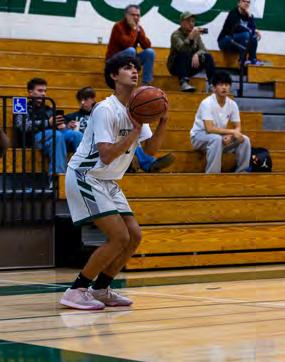
varsity water polo, JV basketball and JV swimming teams, Syed said sports were an essential part of his upbringing.
“The reason I got into water polo was because of my uncle. He was my main motivation [and] made me go to practice every day,” Syed said. “I really enjoyed basketball since I was a little kid, and that passion just continued through high school.”
Since being on multiple sports teams, Syed said his time management has improved due to his commitment to both maintaining a strong academic standing and being present at sport practices.
Depending on the sport he is playing, Syed said he has needed to adjust his mindset to play appropriately based on the level of experience on each team, while also making new connections
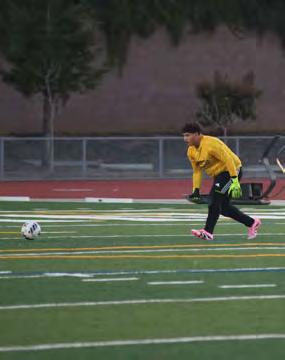
playing on these sports teams.
“If you do multiple sports, then you also meet a lot of different people, and that in itself I really enjoy,” Syed said. “You get to know more people, learn more about their experiences and get more people to hang out with. If you’re okay at time management, I’d highly recommend it.”
Leonardo Gonzalez (Football, Soccer)
Playing on both the JV football and JV soccer teams, Gonzalez said he chose these sports because he enjoyed the play styles they offer.
By taking part in both sports, Gonzalez said he has learned versatile skills such as leadership, teamwork and resilience, which he has been able to apply to both sports teams.
“Football helped me to get more in shape for both of my sports seasons,” Gonzalez said. “Since I have sports the entire year, for football, I need to bulk more, and I need to be leaner for soccer. I need to cycle through bulking and cutting, and that is a struggle sometimes.”
Gonzalez said sports have allowed him to make many unforgettable memories.
“Our football team was against Fremont. Playing both offense and defense, it was a very nice moment,” Gonzalez said. “For soccer, [getting] moved up to varsity and just vibing with all the seniors was a good moment.”
Freshman’s hitting talent helps him stand out
Natasha Bandil
Joining the varsity baseball team as a freshman this year, Ivan Hwang, who is designated hitter and third baseman has made an impact to the team, bringing a refreshing confident and youthful energy to the field, coach Travis Sunseri said.
“When I first met Ivan, I saw a lot of potential in him from the first day of practice,” Sunseri said. “I called him up to be on the varsity roster, and he’s contributed since day one.”
Hwang said his connection with baseball began when he was 10 years old, starting with playing as a hobby to being a significant aspect of his life.
Putting his practice into action, one of Hwang’s proudest moments came in a non-league game against Pioneer High School, where he hit his first home run of the season, Sunseri said.
“We played at Pioneer High School,” Sunseri said. “And he hit his first home run, which was pretty impressive. He hit it to deep left center field, and at that moment I was like, ‘Okay, this kid can hit the baseball.’.
Hwang’s teammates have also seen his influence firsthand, catcher, sophomore Joshua Fraleigh said.

“Sometimes we’re down, then he’ll hit a home run, and we’ll be back in the game,” Fraleigh said. “Anytime he’s up to bat, we’re motivated because he might just hit a home run and tie up the game.”
For Hwang, success at the plate comes from treating each turn at bat as a chance to take control and set the tone against the pitcher.
“When you’re in the box and about to hit, you gotta get in the zone, and have the mindset of, you gotta show this pitcher who’s the boss around here,” Hwang said. “That’s the mindset I’ve had all year. I think especially last month, it started to work.”
Looking ahead, Sunseri said Hwang’s ability to perform under pressure has allowed him to be successful during the season.
“I think Hwang has the ability to succeed in those,” Sunseri said. “He’s still young, [and] has a lot of room to grow. I think that he can stand out when handling tough situations, because he’s a gowith-the-flow kind of guy.”

Hwang works hard at practice,
As summer nears and sports seasons end, athletes look back on the school year, cherishing the unforgettable memories they wish they could experience again.
“The

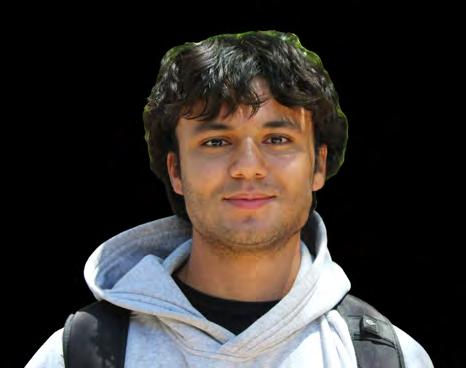
“One moment from the season I wish I could relive would be the trip we took to LA for the All American tournament. We went there for a weekend, and we had a really great time. It was a great time to know my teammates a lot better.”
— Sebastian Camargo (12)

“In the tournaments we didn’t play with our team, we played with a different team, with one person from our team, and it was kind of nice getting to know the people from those teams and just getting to know everyone. Seeing how everyone else plays and how the schools are was really cool. Everyone was friends and nice to each other, so that was one of the highlights of my season.”
— Caleb Swineford (9)


“I think it would be our last game. I definitely made a lot more friends from Wilcox, and even from our team, and I think that’s the day where everyone really bonded with each other.”
— Zainab Baig (11)

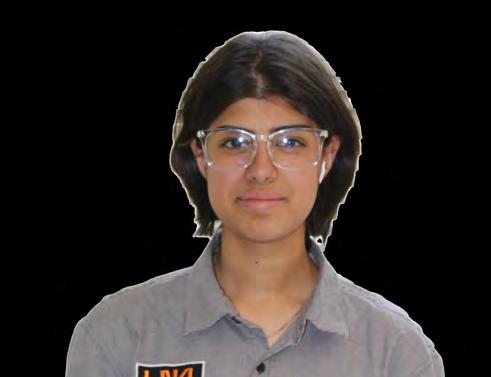
Whether to record precious memories or express artistic visions, visual art can be seen in various aspects of life. Students photographers shed light on their connection with photography and videography.
Photography features different photo styles that allow students to each portray different pieces of the world. Freshman Zoe Castaneda, senior Elena Shim and sophomore Ahmed Kandil showcase unique facets of their favorite styles.

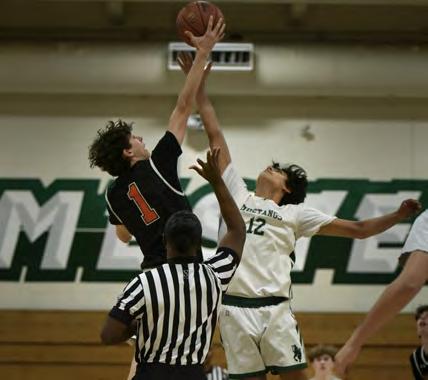
“In sports photography, you get a really cool connection with the players, especially if you’re friends with them. It’s the best feeling.”

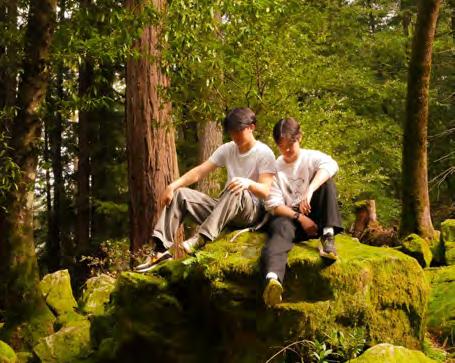
“I like portrait photography because I can capture the memory as how I remembered it. I get to cherish a lot of small moments. I get to pick out details that might not matter, but photography makes me notice a lot of things I wouldn't notice if I weren't taking photos.”

- Elena Shim (12)

“Nature photography is honestly just about being at the right place at the right time. You could go out with the perfect camera and perfect settings, but if the light is not hitting right or the animal just walks away, there is nothing you can do about it.”
Bringing the vision to life, video editors junior James Pablo and sophomore Ivaan Kawade share their interests and illustrate their process of artistic vision.
“Whenever I edit, I always start with a specific song because it gives me a framework and structure for what I want it to feel like. Then, I use CapCut to manipulate certain things to make the video look the way I want it to. I make videos of video game characters and fandoms I’m a part of, and I believe I could do it better than a lot of the low-effort videos
“I realized that I actually like taking videos more, and that worked really well with the environments of photographers at HHS. I like to have really good transitions [in editing], or hard cuts that go with the beat. There’s [also] stuff like audio design [where] you’re able to visualize the beats, which helps a lot with color grading, and makes the video look really nice.”
- Ivaan Kawade (10)

Taking his work beyond Yearbook, junior Timothy Basler narrates his journey as a part-time student photographer.
From borrowing a 15-year-old camera to shooting film sets in San Francisco, junior Timothy Basler has turned a yearbook hobby into a growing photography hustle.
“One of my friends was directing a show outside of school, and they wanted photos of their dress rehearsal, so she reached out to take photos,” Basler said. “[This] got me into the whole theater photography. Through that, I have met a bunch of new people who have then kind of of fered me more gigs outside of school.”
One of his standout moments was at the Bell Game, where he captured HHS’s 40-0 victory, Basler said. The excited energy after the game made it one of the best shooting experiences he has had.
“I started taking photos of the football team during their season, and that really started spurring me on, and it brought me to where I am today,” Basler said. “At the Bell game, I got a very good photo of Raul De Los Santos, the emotion on his face was unbelievable.”

Lights! Camera! Action! HHS drama brings a performance to HHS, showcasing the work that they have perfected throughout the year.
The film festival, open to all students, will
by each group this Friday, May 29.
Films will also be available to watch afterward on the club's You- Tube channel, Homestead Studios.

While each group brings its own creative focus, whether editing, color, or storytelling, the club as a whole emphasizes technical filmmaking skills.