Dr. Jonathan Griffiths, a molecular plant virologist, uses an unusual source of labour to assist his research: the enigmatic honeybee. A respected contributor to berry, tree fruit, grape, and tomato research, he is using bees as sentinels for the early detection of plant-based viruses.
As an Agriculture and Agri-Food Canada (AAFC) researcher, Dr. Griffiths has discovered that as honeybees pollinate fruit trees and berry crops, they can gather plant viruses along with the pollen that’s carried back to the hive. Members of his team working at Vineland and London then analyze the pollen by extracting the ribonucleic acid (RNA) to identify any viruses that may be present. Their research also includes analyzing how flowering timelines and bee pollination behaviour affect
virus transmission within and between various crops.
Seconding bees as an early warning network to identify plant viruses is an ingenious, effective way to advance crop protection. Blueberry Knoll Berry Farm near Lowbanks, Ontario serves as Griffith’s field laboratory where farmer Brian Young welcomes the research and is excited by its many potential applications. His berry farm has proved to be helpful in analyzing the links between pollinators and transmission of plant viruses. Beyond that site, Dr. Griffiths’ work includes monitoring peach, cherry, apples, strawberry, and raspberry viruses. This research also has the potential to help greenhouse growers manage the devastating effects of tomato brown rugose fruit virus.
The apparent success of this innovative work aside, big questions hang over the effectiveness of research priority setting and funding for the broader horticultural industry. It’s a perennially thorny issue for growers that’s even more
problematic as dwindling government and private sector budgets become the norm. Prioritizing research to target the biggest pay back for 120-plus horticultural crops requires the wisdom of a modern-day Solomon. Questions such as who is funding, who controls spending, who gets money, and when do growers get a say all deserve to be answered up front.
The Sustainable Canadian Agricultural Partnership (SCAP), in place since 2023, is up for renewal in 2028. The sustainable CAP program matches industryprioritized research spending with federal funding to promote grower-focused research. But matching cutting-edge research with grower needs, and producing on-farm improvements, can still be a challenging prospect.
Continued on page 3
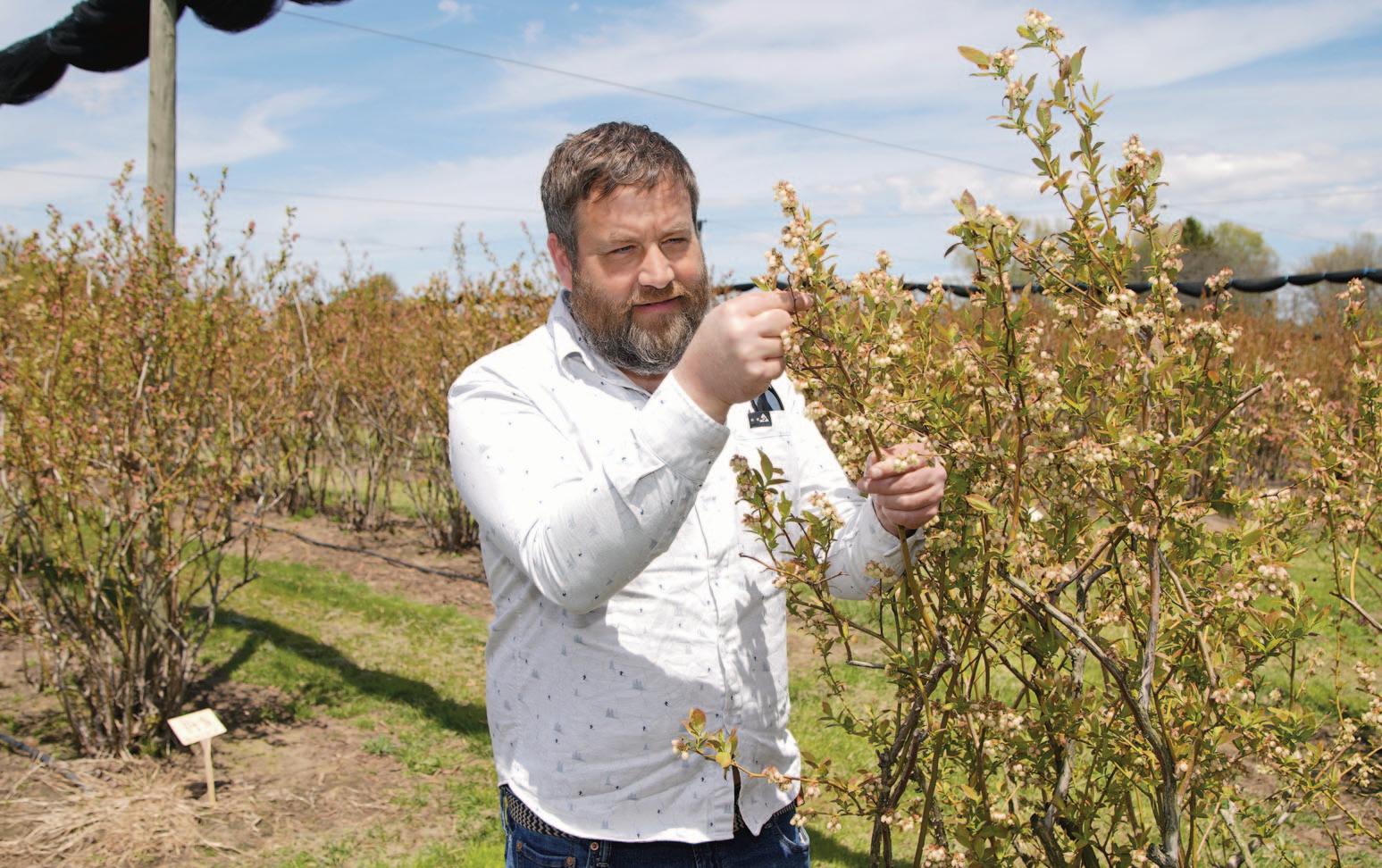
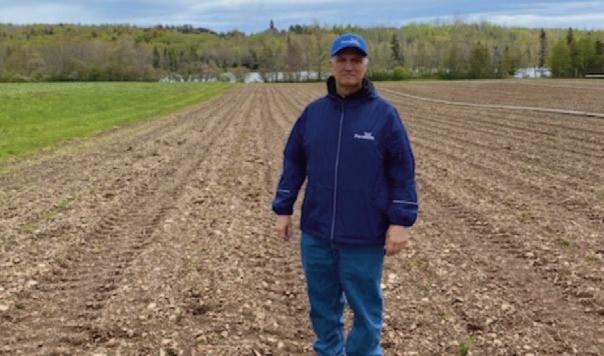
On the first warm-ish day of spring 2026, Dr. Jonathan Griffiths inspected bee pollination activity at Blueberry Knoll Berry Farm near Lowbanks, Ontario. The Agriculture and Agri-Food Canada researcher is collaborating with the farm owner Brian Young on bee behaviour. As the bees pollinate, they bring back plant viruses to the hive. From their pollen, Griffiths and his team can identify pollen-associated or bee viruses in the area. What a novel concept to use bees as sentinels for plant viruses! Photo by Jeff Tribe.
AT PRESS TIME…
PM announces $3B food security strategy
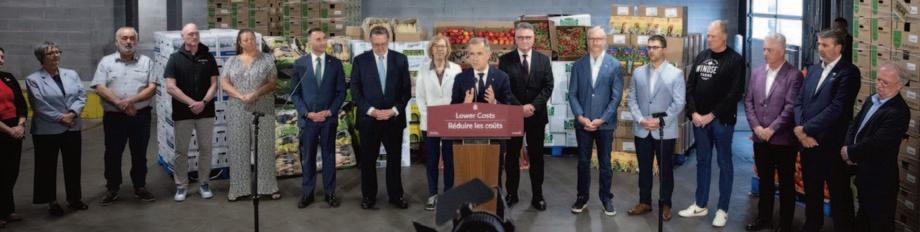
With the Ontario Food Terminal as a backdrop, Prime Minister Mark Carney announced Canada’s first-ever National Food Security Strategy on June 11. Backed by more than $3 billion in investments over 10 years, he says the strategy will break open the market for independent retailers, boost domestic food production, and build a stronger, more independent, and more affordable food system for all Canadians.
While Canada is one of the largest exporters of agri-food products in the world, Carney said that Canadians continue to face some of the highest grocery costs in the G7. “There is not enough competition between grocery retailers, we are not harnessing enough technology in our agri-food sectors, and our food chains rely too heavily on foreign suppliers,” he said. “We need a new strategy – for more choice, more control, and more Canada.
The strategy has four objectives:
1. Spur grocery store competition and create more
choice for Canadians
• Invest $1 billion in food infrastructure to build new and expanded food terminals and hubs – helping independent grocers buy and move competitively priced products without relying on large retail chains.
• Provide the Competition Bureau and Competition Tribunal with nearly $130 million to investigate, prevent, and combat anti-competitive business practices.
2. Boost domestic food production across Canada
• Launch a new $1 billion Agri-food Project Finance Fund through Farm Credit Canada (FCC) to provide seed capital financing for businesses to expand food processing capacity.
• Establish a $150 million Food Security Fund to help small and medium-sized businesses upgrade their equipment to grow, produce, and process more food in Canada.
• Create a $100 million Collaborative Food Innovation Fund to help producers expand agri-food processing.
3. Grow fruits and vegetables year-round
• Invest $750 million to
drastically expand year-round Canadian production of fruits and vegetables, including through greenhouses, vertical farms, and other enclosed growing spaces.
4. Cut red tape across the agricultural supply chain
• Modernize key regulations; speed up approvals for seeds, feed, fertilizers, and veterinary products; and reduce backlogs that slow down the system to reduce the regulatory burden on farmers and producers.
• Help provincially licensed food businesses meet federal requirements so that a Canadian product made in one province or territory can more easily reach a shelf in another.
“A country’s sovereignty depends on its ability to feed itself, fuel itself, and defend itself,” said Carney. “Canada’s new National Food Security Strategy puts Canadians back in control of what we grow, of what we buy, and of what we put on our tables. Together, we are building a stronger, more resilient, and more affordable food system for all Canadians.”
Source: Prime Minister’s Office June 11, 2026 news release
Photo by Daniel Pereira/Office of the Prime Minister of Canada
NEWSMAKERS
The Canadian Produce Marketing Association (CPMA) has announced that David Dubé is the 2026-2027 chair. He is known by many in the produce industry for his leadership of Krown Produce, Krown Imports and The LID Company which fall under the umbrella of parent company, Concorde Group Corp, a company he purchased in 1996. He has served numerous boards across the for-profit and not-for-profit world, including serving the industry on CPMA’s Board for years and on several committees such as the Executive Committee, Human Resources Committee, CPMA GovernmentIssue Management. He continues to actively mentor emerging industry leaders through CPMA’s Passion for Produce program. In addition, he has chaired the Destination Inspection Service Advisory board for Western Canada for several years.
Patrice Léger Bourgoin is running for the Liberal party in the riding of Saint-Jean in the upcoming Québec provincial election. He announced his candidacy in late May. He is the general manager of the Association des producteurs maraîchers du Québec. That’s the association that represents field vegetable growers and market gardeners. While he campaigns, Catherine Lessard will be interim general manager.
Amanda Brodhagen, formerly deputy chief of staff and director of communications, Ontario Ministry of Environment, Conservation and Parks, has joined the Canadian Agri-food Policy Institute as director of communications.
Metro Inc. has announced that Eric La Flèche will retire as president and CEO at the end of the 2026 fiscal year after more than 18 years at the helm of the company. The Board of Directors will appoint Marc Giroux, currently chief operating officer, to succeed him as president and CEO effective September 27, 2026. In order to support a smooth and orderly transition, the Board will appoint Mr. La Flèche as chair of the Board of Directors and Pierre Boivin, currently chair, will be appointed vice-chair and lead director, also effective on September 27, 2026.
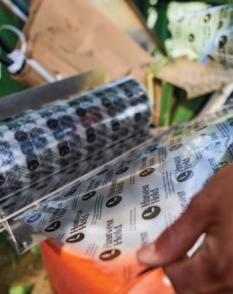
The Retail Council of Canada has honoured Sobeys for its environmental leadership, one of 12 winners of the 2026 Excellence in Retailing Awards. The award is given to a retailer who demonstrates a new sustainability initiative. In this case, Sobeys convinced Québec growers to pack a sheet containing 1-MCP at the bottom of each box of harvested broccoli to slow down the respiration rate, eliminating the need for ice from the field to the distribution centre to the store. The introduction of Verdant Technology’s HarvestHold was reported in The Grower’s September 2024 cover story, Broccoli, straight up -no ice!
Effective June 12, Caroline Bédard retired as provincial minor use coordinator for British Columbia after more than 19 years in the role. Best wishes!
The Crop Science division of Bayer has welcomed Kacy Perry as the new country division head for Canada effective July 1. She currently serves as North America soybean business lead, after a multi-year career with the company. She and her family are relocating to Calgary, Alberta this summer.
Five individuals will be honoured for their lasting contributions as the 2026 inductees into the Canadian Agricultural Hall of Fame Association. Dr. Brian Rossnagel, Ken Forth, Guy Charbonneau, Gary Bowers and Dr. David Bailey will be formally inducted at a special ceremony on Saturday, November 7 in Laval, Québec. Broccoli grower Ken Forth, Lynden, Ontario has been a strong advocate for issues ranging from trade, farm support programs and agricultural safety to the Seasonal Agricultural Worker Program (SAWP).
David Dubé
Growers want earlier input to research priorities
Continued from page 1
In Ontario, Dave Hope, chair of the Ontario Processing Vegetable Growers (OPVG), is advocating for more research dedicated to the $162 million sector that produces the raw ingredients for canning, freezing and pickling.
“What we would like to see is a Centre of Excellence for Vegetable Research at Ridgetown,” explains Hope. “Ridgetown has been a major contributor to the agriculture and food economic powerhouse in southwestern Ontario. Future success depends on innovation. To cut to the chase, farmers depend on having researchers who are focused on solving problems on the farm. A commitment by government to partner with the industry and the research community is key to be competitive. Farmers are willing to do their share and they are actively partnering with the processor community.”
OPVG has pledged $278,000 for specific projects in 2026. Examples include phytophthora research in processing tomatoes and downy mildew control and monitoring in cucumbers.
Producer-facing research
Right now, Hope is acutely aware of negotiations between the Ontario Ministry of Agriculture, Food and Agribusiness (OMAFA) and the University of Guelph to renew an alliance that is funding and executing $343 million of research under a five-year agreement ending March 31, 2028. It’s Hope’s view that creating a new Centre of Excellence would refocus “crystal ball research planning” toward a more producer-facing horizon. At present, he says that Ridgetown is an academic-facing component of the University of Guelph satellite
ecosystem.
Some agricultural sectors, such as grains or dairy, can laser-focus their research by anteing up a million dollars for a research chair at the university. But for horticulture, it’s entirely different given that funding streams become scattered when serving many interests. The result: from apples to asparagus, hops to hazelnuts, all groups go begging, much like Oliver in the Dickens novel: “Please, sir, I need some more.”
Research in Alberta
In 2020, the Alberta government established a different funding model, Results Driven Agricultural Research (RDAR), along with its commitment of $380 million over 10 years. At first glance, this is an impressive amount but less so when compared to the province’s $25B farm receipts in 2024. RDAR is an arms-length nonprofit organization that works with industry advisory groups to evaluate research proposals and then administer federal and provincial funding.
“Without profits, we’re not sustainable,” writes Dr. Mark Redmond, CEO for RDAR. “We challenge each project to show economic benefit for the agri-food value chain before we invest . . . We collaborate with various stakeholders and encourage collaboration within projects. Ideally, each project will include a producer or processor, so that results are realistic and may be adopted.”
Five years on, at its annual roundup conference in June 2026, RDAR reported that of the $355 million portfolio and 610 projects, 55 per cent of the research results were reaching the farm within three years. And that $130 million in funding was being leveraged 3.2 times by public and private partners. The
transparency in reporting such funding matters.
He goes on to say, “In Canada, we don’t have an innovation problem but rather an adoption and scaling problem. Research needs to be more closely aligned with producer feedback loops.”
The Manitoba model
Two provinces over in Manitoba, Leanne Koroscil sings from the same page. She’s the Innovation Farms manager for EMILI, a memorable acronym for Enterprise Machine Intelligence Learning Initiative. Since 2016, EMILI’s founders have been guided by three strategic priorities: enable farmer-centric innovation, advance sustainable technologies and techniques, and increase digital agricultural skills and knowledge. Their exemplary vision holds true today with AIpowered BioScout in trials to detect early blight spores in potatoes, and with Cellar Insights in trials to extend long-term, post-harvest storage of potatoes.
As Koroscil explains, Innovation Farms operates at two Manitoba locations: Rutherford Farms, a 5,500+ acre seed farm in Grosse Isle, and J.P. Wiebe Ltd., a 10,000-acre farm with approximately 3,000 acres dedicated to potatoes in MacGregor. Working alongside these farmers, EMILI creates a closed feedback loop with the ability to quickly evaluate ROI on new agriculture technology in real-world commercial farm settings.
In 2025, Sheldon Wiebe signed on to become part of EMILI’s Innovation Farms for his family’s processing potato operation.
“Quality is always top of mind,” he explains. “If we can use technology to replace people who are constantly checking the
crop and the storages, then I’m on board.”
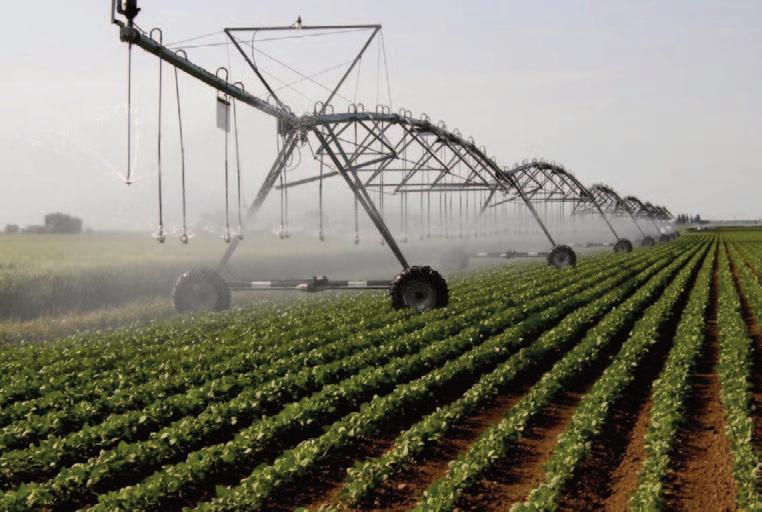
Wiebe is currently pumped about using Autonomous Pivot, an irrigation company based in Kansas that provides more than just irrigation. Their equipment integrates on-board cameras and sensors to measure soil moisture and crop health within the pivot’s coverage area. The system optimizes irrigation in real time and occasionally assists with early identification of pest infestations.
He’s also anticipating benefits from the first chair in potato sustainability at University of Manitoba. Between the university, the Manitoba Horticulture Productivity Enhancement Centre (MHPEC) and support from Keystone Potato Producers, a series of inter-related research projects have been started. These include projects with food processors –J.R. Simplot and McCain Foods – who give immediate feedback on research to solve storage issues.
“We’re trying to be more forward-looking in the research process,” says Wiebe. “With soil-borne diseases such as potato mop-top virus, we need to change the research trajectory much faster. The biggest challenge is to
find the researchers who will live and work in our rural communities.”
Last mile
The notion of national collaboration has been repeated often by Prime Minister Mark Carney. That agricultural research is the cornerstone of food production innovation in Canada should not be forgotten as the country unites to “Build Strong.”
Simply put, growers need a research ecosystem that is nimbler in providing rapid responses to emerging threats such as fungi, insects, weeds . . . and viruses. One that is faster in delivering workable commercialization support. One that is flexible in collaborating across federal, provincial, and industry research stakeholders. Yes, the need is cumbersome: basic research, applied research, last-mile research. And the question is complicated: continuous needs, many players, not enough money. But whatever the eventual answer, one thing is certain. Growers need to be at the table right from the get-go.
Results-Driven Agricultural Research has showcased one study done by Lethbridge College. Title: Harmful algal blooms and associated cyanotoxins in Alberta’s irrigation districts: implications for irrigated crops.
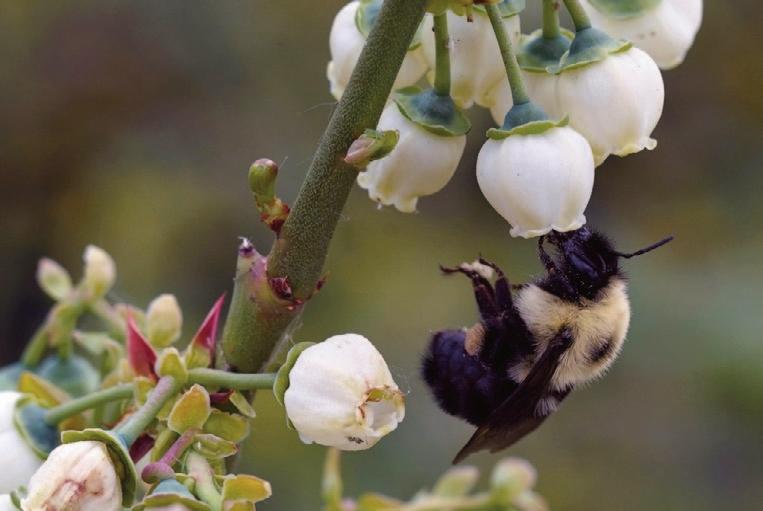
Nose first, this bee is foraging for nectar in blueberries. Photo by Jeff Tribe.
Sheldon Wiebe is participating in the EMILI project on 3,000 acres of processing potatoes at his J.P. Wiebe Ltd farm near MacGregor, Manitoba.
BRITISH COLUMBIA
New raspberry promises fruit quality and storability
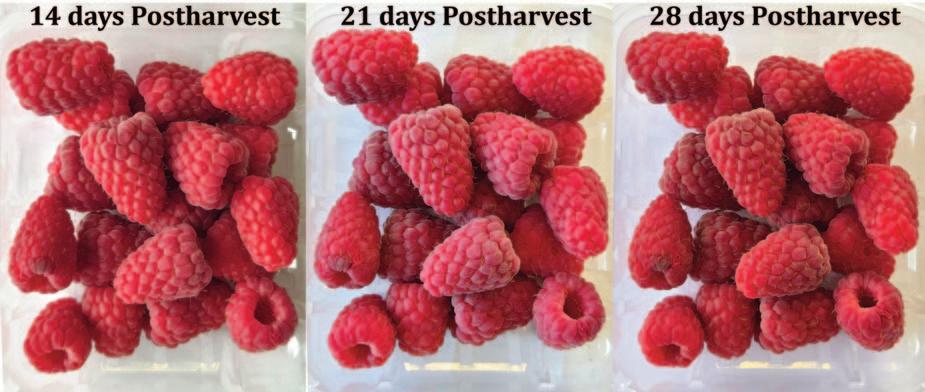
Here is a six-ounce clamshell of fruit stored in the research station refrigerator showing the shelf life potential.
Based in Abbotsford, British Columbia, the Raspberry Industry Development Council has announced the release of a new variety: AbbyRaz Celebration.
It’s the result of breeding work by Dr. Michael Dossett who describes the variety as a mid-late season floricane fruiting variety with exceptional firmness and fruit quality. It is a very vigorous and strong grower, which is nice for establishment, but can also be a challenge as managing the plants for shorter internode length will improve its
yield potential. It tends to have long laterals, but they are attached well and the fruit has machine-harvested well with higher yields than other varieties being grown for machine harvest in British Columbia.
“We have not seen broken laterals due to machine-harvester action yet, but it is something for growers to watch for if they intend to grow this as a machineharvest variety,” explains Dossett. “To date, minimal symptoms of root rot have been observed in field plantings, and we believe that it has a moderate level of
root rot tolerance.”
The new raspberry checks all of the boxes and excels in several areas, but what truly sets it apart is its fruit quality. AbbyRaz Celebration sets a new benchmark for fruit firmness and also has a strong skin, which prevents leaking/bleeding of the fruit. The net result is that the fruit stays firm, even in hot weather, and through post-harvest storage, with extended shelf life potential. AbbyRaz Celebration is being managed by Summerland Varieties and is currently available for Canadian growers
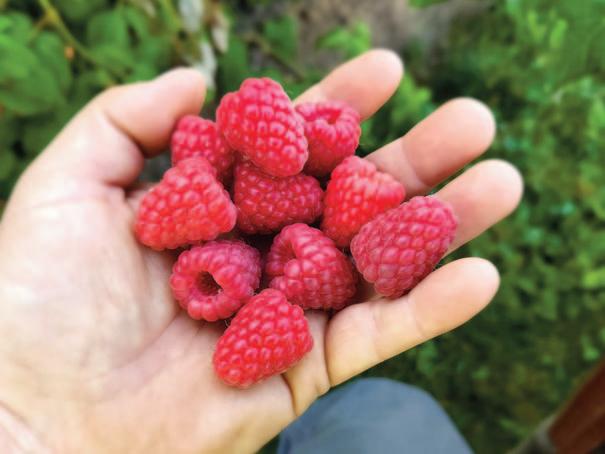
Dr. Dossett received this photo from a grower who was trialing AbbyRaz Celebration. Following three days of heat (30°, 32°, and 36° C) in late July, the grower said that after the heat it was the only raspberry left in the field worth picking.
to order for spring 2027.
“We’re excited for the release of AbbyRaz Celebration, a floricane red raspberry that harvests mid-late season with incredible storage potential,” says Nick Ibuki, business development manager, Summerland Varieties Corp. “In these variable weather years, the variety has really stood out during the heat wave events where firmness has been maintained, despite the
EMILI hosts technology demonstrations at Grosse Isle site
If you’re in Manitoba – or visiting – mark July 15 for a technology demonstration.
As EMILI celebrates 10 years of driving agriculture innovation, the organization announces 33 unique projects taking place on Innovation Farms powered by AgExpert in 2026.
This includes commercial and pre-commercial solutions that EMILI is testing and demonstrating in crops and storage bins across 10,000 acres
on its two Innovation Farms sites in Grosse Isle and MacGregor, Manitoba.
“As EMILI celebrates its first decade this year, I am proud of how far we’ve come in being able to deliver high-impact results to drive agriculture innovation,” said EMILI managing director Jacqueline Keena. “By testing and validating innovative technology and equipment in real-world commercial farm settings, we are able to evaluate
what actually works in a Manitoba context for Canadian farmers.”
As an industry-led non-profit, EMILI is in a unique position to provide innovators with access to leading-edge equipment, technology, and production practices along with unbiased feedback on how their innovation works on a full-scale farm. This is more important than ever, as Canada’s agriculture sector navigates climate volatility, global tensions that cause transportation and storage constraints, price instability, and shifting consumer expectations.
“Technology is evolving and reshaping the industry at a rapid pace, allowing producers to do more, and in a more productive and sustainable way. But producers can’t be expected to take on the risk of unproven solutions,” said Keena. “I am proud of the work EMILI does to support agtech innovators and give producers confidence prior to adopting new tools on their farm.”
Technology demonstrations will be hosted at EMILI’s Grosse Isle site on Wednesday, July 15, 2026 and Innovation Demo Day on Thursday, August 6, 2026. EMILI’s 2026 Projects include:
• working with innovative equipment manufacturers
including Bushel Plus (BranValt)’s MAD Concave, and SmartPan System™, Duck Foot Parts’ Header Paddle Tines, Elmer’s Manufacturing’s HaulMaster 2300 Grain Cart and Super 7 Harrow Bar, John Deere’s HarvestLab™ 3000, and MacDon.
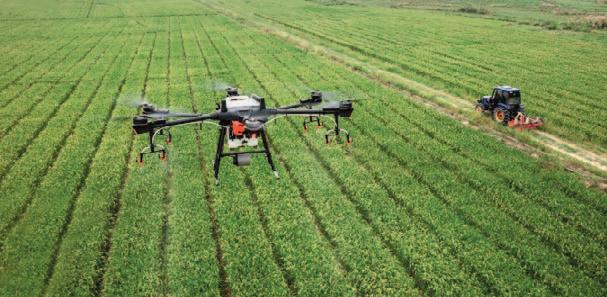
• collaborating with researchers at Corteva Agriscience for another season of spray drone trials to understand if fungicides applied by spray drone deliver similar efficacy compared with ground-based application.
• demonstrating on-farm hardware and software solutions such as AgExpert Field, Agi3 Crop Sentry, Alterra Innovation Grain Tracker, BASF xarvio FIELD MANAGER, Cellar Insights Smart Storage, Crop Intelligence Farming Ultra, Geco Strategic Weed Management AI Tool, GrainFox Sinoa, OpticAg Connected Farm, Picketa Systems LENS™, TerraWave Inventory Management, and Ukko Agro ForeSite.
• supporting student researchers on University of Toronto’s Aerospace Team by ground truthing a hyperspectral satellite that maps crop and soil residues. EMILI’s support has allowed companies to attract more than $3,105,000 in private sector investment since 2024.
challenging conditions. Yield, fruit size and firmness have really stood out which is a huge benefit to the growers.”
Summerland Varieties Corp is in the process of lining up nurseries. The raspberry variety is being tested in commercial growing areas across Canada such as Ontario, Québec, and Nova Scotia.
Events such as Innovation Demo Day showcase cutting-edge agtech and connect innovators, funders, and investors. This allows entrepreneurs such as Alterra Innovations, Bushel Plus, Geco Strategic Weed Management (Geco), and Cellar Insights to not only test their technology on EMILI’s Innovation Farms but also make vital connections and attract investment. Each of these companies had pre-commercial technology advance to a commercial product while being tested and demonstrated on EMILI’s Innovation Farms. Each year, EMILI publishes a series of project summaries that highlight key learnings. Anyone interested can view individual project pages or download EMLI’s 2025 Project Summary Report.
CROSS COUNTRY DIGEST
NOVA SCOTIA
High-density peaches planted in the Annapolis Valley
KAREN DAVIDSON
Cassian Ferlatte and the team at Lutz Family Farm are taking a calculated risk that high-density peaches will fill a niche in their operation near Rockland, Nova Scotia. With 180 acres of tree fruit ranging from plums to apples, he says the work load can be balanced with peach harvest in August.
“My father-in-law, Larry Lutz, has had a test orchard of stone fruit of various varieties for years,” explains Ferlatte. “Most of our peach orchard is at the highest altitudes of our property so that we avoid frosts on the valley floor.”
To date, Red Haven, Coral Star and Canadian Harmony have been the peach varieties in the mix, but now six acres of Harrow Diamond, Vivid, Garnet Beauty and others have been planted after a successful 2025
trial of high-density Veeblush.
The venture was undertaken after seeing a high-density peach orchard on an International Tree Fruit Association tour in the U.S.
“Our thinking is that more production of a higher quality can been gained with a highdensity planting, trees planted 12 feet between rows and five feet between trees,” says Ferlatte. “That’s very narrow for peaches, but if you can get light into all of the canopy, then you’re harvesting from knee-high to 11 feet in height.”
Peaches make a lot of sense to a pome grower. While the re-entry interval is observed after spraying apples, workers can move to peaches and fill the gap through the season. “It’s nice to have something to harvest in August and lead us into our apple harvest,” says Ferlatte.
As an apple grower, all the equipment for hedging and string thinning is on site. While there is
no chemical thinning registered for peaches, Ferlatte is looking forward to the expected launch of Accede in Canada. With these tools in hand, he estimates major labour savings and production increases to about 33 to 50 per cent more per acre than with traditional systems.
He’s also counting on reducing the number of picks from three to two per harvest season. All of their harvest goes to Scotian Gold, a grower-owned cooperative based in Coldbrook. While the cooperative is accustomed to selling apples for export, the peach crop is sold to the local Maritimes market.
“We’re not Georgia, but we can certainly grow high-quality peaches for consumers craving local produce,” concludes Ferlatte.
The annual orchard tour of the Nova Scotia Fruit Growers’ Association is scheduled for August 5, 2026. Topics will
Perennia announces new berry specialist
Nova Scotia’s Food Development Agency, Perennia, provides extension services to growers from its base in Kentville. On June 1, Perennia announced that Hector Jaldo is the new berry specialist.
As background, he came to Nova Scotia from Argentina 13 years ago to work for a local company to develop substrate production for strawberries,
raspberries, and blackberries. Prior to that, he used to collaborate with his family on a lemon and boysenberry farm. His career focussed on pest control to help the farm with day-to-day problems. Later on, he worked in different institutions doing research and extension, focusing on IPM first and to become a berry specialist later.
“I’m keen to see how things
are going in the fields so far this season,” he says.
“If you have a problem, please reach out, send me some pictures by email hjaldo@perennia.ca or text 902-599-7027.”
include: drought recovery and the impacts of the 2025 dry season, different styles of irrigation systems, soil health, nutrient management and crop
Investing in tomorrow’s potato research
where we are today. Right now, research teams across the potato sector are preparing and submitting funding applications for projects that will begin in 2027, building on current findings to address the next set of industry challenges.”
To help guide that work, the Alberta Potato Investment Fund and the PGA Grower Committee update their research priorities every year. These priorities are designed to reflect the most pressing needs of the industry and ensure applicants have clear, relevant direction when developing proposals. Projects must demonstrate tangible value to Alberta growers, whether that’s improving yield, quality, and storability, reducing risk, or supporting better on-farm decision-making.
and post-harvest quality.
Together, they help ensure that new research investments stay
aligned with real-world challenges across seed, fresh, and processing potato production.
Ashley Wagenaar, ag relations director for Potato Growers of Alberta, recently reported in the association’s monthly newsletter.
“In research, we’re always working at least a year ahead of
Priority areas also include soil health and resilient production systems, input and resource use efficiency, integrated pest and disease management, and storage
load management of droughtstricken trees.
Here’s the trellis system for high-density peaches in the Annapolis Valley, Nova Scotia.
Tara Sawyer (L), the new Alberta minister of agriculture and irrigation, is pictured with Alison Davie, chair, Potato Growers of Alberta, at the Western Premiers Conference Reception.
GREENHOUSE GROWER
Kingsville and Chatham-Kent communities support greenhouse sector
New community research shows overwhelming public support for the southwestern Ontario greenhouse vegetable sector across Kingsville and Chatham-Kent.
According to a recent survey conducted by Campaign Research (April 9 - 17, 2026), more than nine in 10 residents (91% in Chatham-Kent and 92% in Kingsville) agree the greenhouse sector is a net benefit in their community. In addition, 88 per cent of residents support continued job creation and investment from the sector, reflecting strong public backing for its economic role.
While support is clear, residents also expressed expectations for how the sector participates in their communities.
With 92 per cent of respondents calling for local governments to actively guide and support greenhouse and agricultural development, the findings underscore the central role they play in shaping responsible growth and responding to community expectations.
“The greenhouse sector is not just an agricultural sector — it is one of the economic engines that helps sustain local families, businesses, and community services across the region. As the greenhouse sector continues to expand, we recognize that growth must go hand in hand with community dialogue and responsible planning,” said Richard Lee, executive director, Ontario Greenhouse Vegetable Growers (OGVG).
“Residents value the jobs, food
production and economic activity our sector creates, but they also expect thoughtful planning to address local priorities that include infrastructure, environmental stewardship, and community investment. We share that responsibility.”
The research confirms that residents recognize the sector’s contributions to both local and provincial economies:
• 9 in 10 residents agree the greenhouse sector creates meaningful employment
• 92% say the sector is important to the long-term future of their community
• 97% support Ontario/Canadian-grown produce, reinforcing the importance of local food production
In Ontario, the greenhouse vegetable sector supports more than 37,000 jobs across the value chain and continues to be a major contributor to year-round food
production, economic resilience, and regional development.
The study also provides important insight into community concerns and expectations, which will inform future collaboration between the sector and municipalities:
• 30% of residents identified environment, pollution, and resource use as their top concern
• Other concerns included jobs and economic impacts (14%) and labour-related issues (8%)
Residents also highlighted expectations for the sector to:
• Continue creating jobs (97%)
• Increase community investment through support for youth programs, parks, local initiatives
“These findings reinforce that support for greenhouse agriculture comes with an
expectation of accountability,” added Lee.
“We are committed to listening, improving, and working collaboratively with communities to ensure our growth reflects local values.”
With municipal elections approaching, the research highlights a clear opportunity for local leaders and candidates to:
• Recognize the broad public support for the greenhouse sector
• Incorporate balanced, forward-looking policies that support both growth and community priorities
• Engage constructively with industry to ensure responsible, sustainable development
As communities look ahead, the results underscore the greenhouse sector’s importance as a key economic driver, backed by strong public support and recognized as essential to the region’s continued growth and prosperity.
About the research
The study was conducted by Campaign Research between April 9 and April 17, 2026, across Kingsville and ChathamKent.
• Margin of error of +/- 4.6%, 19 times out of 20
• Results weighted by age, gender, and region based on Statistics Canada data
Source: Ontario Greenhouse Vegetable Growers June 16, 2026 news release
GREENHOUSE GROWER
Three winners announced at GreenTech Innovation Awards 2026
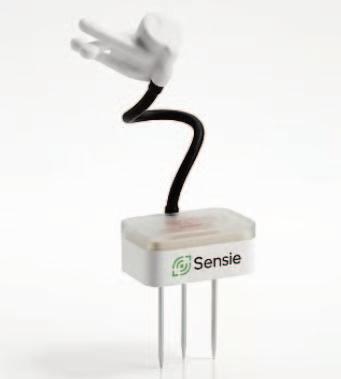
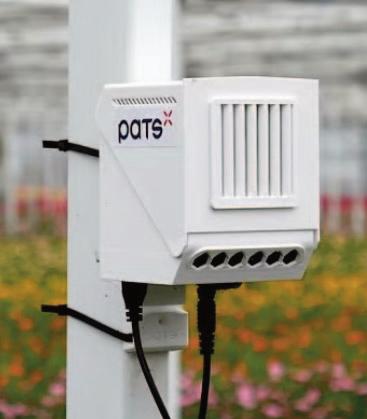
The winners of the GreenTech Innovation Awards were announced at the opening of GreenTech Amsterdam 2026. Sensie won the Innovation Award for its product, Sensie Omni. MANNA CEA won the Concept Award for MESH: AI Greenhouse Automation & Management. And PATS won the newly launched Impact Award for its product, PATS-C.
The GreenTech Innovation Award goes to: Sensie (Belgium)
Product: Sensie Omni
Product description: Sensie Omni is a wireless plant wearable that translates real-time root, climate, and plant signals into proactive growing strategies.
Egon Janssen (chair jury): “One of the biggest challenges in horticulture is to put the plant truly in control. Sensie offers a simple and robust way to do exactly that. By bringing plant-based sensing from the scientific domain into everyday growing practice, this innovation has the potential to make a new generation of data-driven cultivation accessible to many more growers."
The GreenTech Concept Award goes to: MANNA CEA (Republic of Korea)
Product: MESH: AI Greenhouse Automation & Management
Product description: MESH is a modular AI greenhouse control ecosystem
combining BLE Mesh, actuator-level modules, and edge intelligence for broader farm adoption.
Egon Janssen explains: “The jury sees MANNA’s concept as a highly scalable innovation with strong relevance for the large group of mid-tech greenhouses worldwide. By making advanced greenhouse automation more accessible, it opens clear opportunities to increase production while reducing the use of water, energy, and other resources. That combination of practicality, scalability, and impact made this concept stand out.”
The GreenTech Impact Award goes to: PATS (the Netherlands) Product: PATS-C
Product description: PATS-C is fully automated monitoring for moth pests that predicts caterpillars and helps growers prevent outbreaks, time interventions perfectly, and unlock biocontrol: Getting it right before they bite.
Egon Janssen explains: “What impressed the jury is how PATS has successfully scaled up by pivoting from catching caterpillars with drones to measuring and predicting the life cycle of the caterpillar. This gives growers the information they need to deploy natural predators at the right moment. In doing so, PATS delivers a practical and no-regret step forward for biological pest control.”
Why a new ‘Impact’ category?
The purpose of this new category is to recognize organizations that have achieved significant real world impact with an existing product, with at least two years of market presence and proven high impact on sustainability and revenue growth.
Jury
The jury of the GreenTech Innovation Awards 2026 consists of:
• Chairman: Egon Janssen, TNO
• Karin van der Eijk, VDE Plant
• Roel Vanderbruggen, Proefcentrum Hoogstraten
• Bart van Meurs, Division Q
• Rick van de Zedde, Wageningen University & Research
• Tijl Hoefnagels, Rubio
• Jacco Strating, KAS Media
The jury’s advisory committee consists of:
• Brian Sparks, Greenhouse Grower (USA)
• Leonardo Capitanio, Vivai Capitanio (Italy)
• Enrico Verhoef, Total Greenhouse Service (Mexico)
More information at: www.greentech.nl/amsterdam/.
How to simplify growing
In a post-show reflection shared on LinkedIn, GreenTech director Mariska Dreschler pointed to the energy created over three days, with 530 exhibitors, visitors from around the world, and conversations focused on innovation, global challenges and new solutions.
For professional horticultural producers, the strongest message was clear: the greenhouse of the future must be smarter, more resource-secure, better connected, and easier for growers to trust in practice. GreenTech 2026 did not simply showcase more technology. It showed how the sector is moving towards production systems that can respond to labour shortages, rising energy costs, water pressure, climate volatility and increasing expectations around sustainability.
A key question dominated the event: how to simplify growing, not make it more complex. While AI, robotics, and data platforms filled the show, the most valued discussions centred on tools that help growers act sooner, cut waste, safeguard crops, and manage risks, without over loading professional growers with information. Innovations were strongest when they turned complexity into workable clarity.
Source: GreenTech Amsterdam June 9, 2026
From field to pot: the future of berry farming in Canada
AMANDA DISHER & SARAH PAPP
Long-cane raspberry production under semi-protected environments is an innovative system gaining traction across Canada. This approach enables growers to produce consistent, high-quality fruit while extending the harvest season, allowing staggered plantings over a 12-week period compared to the traditional four-week window seen in field systems (Plaskett et al., 2023).
Grown in substrate-filled pots under outdoor protective structures, long-cane raspberries provide growers with greater control while maintaining a natural growing environment. This system reduces soil-related diseases, simplifies crop rotation, and protects fruit from weather damage. As a result, growers can achieve healthier plants and improved fruit quality. The protective structures also buffer plants from harsh weather conditions and allow earlier crop establishment in the season.
Funded through Agriculture and Agri-Food Canada’s AgriScience Program, Vineland Research and Innovation Centre (Vineland) is currently in year two of a four-year program to boost Canada’s berry
production through season extension. Vineland’s researchers are developing innovative production systems and sustainable substrates for blueberries and raspberries while evaluating varieties for quality and yield.
In collaboration with Freeman Herbs, the Vineland team is also exploring offseason blueberry production, including the use of energy-generating solar greenhouse films to reduce energy dependence. Supported by provincial crop specialists and national and regional grower organizations, this work aims to provide growers with tools to increase production sustainably while strengthening Canada’s domestic food supply.
In addition to production systems, Vineland researchers are also evaluating sustainable substrate alternatives to reduce reliance on coco coir and peat. Working with industry partners Grodan and Gro-Bark (a Walker brand), the team is testing blends made from materials such as wood fibre and recycled stone wool.
Researchers are assessing how these substrates retain water and nutrients, support plant growth, and influence irrigation requirements. Early results from Year 1 trials showed that wood fibre blends produced yields comparable to the
industry standard, coco coir. Building on these findings, Year 2 research is evaluating recycled stone wool and its potential role in sustainable berry systems. This work will provide growers with evidence-based information on alternative substrates and support the development of irrigation management tools tailored to different growing media.
Beyond production methods, harvest timing is a key advantage of long-cane systems. Traditionally, raspberries are harvested from July through October, resulting in a relatively short production window in most regions. Long-cane production extends that timeline. Canes are stored in cold conditions to maintain dormancy until planting, allowing growers to stagger plantings and extend harvest periods. Under protected growing conditions, long-cane raspberries can be harvested three to four weeks earlier than field-grown berries and can produce two to three times more fruit than traditional field systems (Demchak, 2023).
Growers can purchase new canes each year from Canadian commercial propagators such as Fenwick Berry Farm, a key collaborator in Vineland’s research. Fenwick Berry Farm is a first-generation family operation with 26 years of
July referendum planned for U.S. Highbush Blueberry research and promotion order
The U.S. Department of Agriculture’s (USDA) Agricultural Marketing Service (AMS) announced it will conduct a referendum among eligible domestic producers and importers of highbush blueberries July 13-24, 2026, to decide whether to continue their research and promotion order.
USDA would continue the blueberry program if continuance is favoured by a majority of producers and importers voting in the referendum, who also represent a majority of the volume of blueberries represented in the referendum. To vote, producers and importers must have produced or imported 2,000 pounds or more of highbush blueberries during the representative period Jan. 1 through Dec. 31, 2025, paid assessments during that period, and must be current producers or importers subject to assessment under the program.
The Blueberry Referendum notice was published in the Federal Register on May 13, 2026. More information about the research and promotion program is available on the U.S. Highbush Blueberry Council web page.
Some background
On Oct. 20, 2025, the USHBC Council approved a steering committee recommendation to increase assessment rates to $36/ton for fresh and $30/ton for processed blueberries.
The U.S. Department of Agriculture (USDA) is now reviewing the proposal, moving through a multi-stage process of public input and final decision-making. The process will take approximately two years, with potential implementation for domestic growers by the 2028 crop year.
“Over the course of two years, we had multiple inperson and virtual meetings in all growing states, participated in hundreds of one-on-one conversations, and shared an abundance of data and details relevant to rising supply concerns and the assessment discussion,” said Bryan Sakuma, USHBC chair. “Tough questions were asked and answered, and compromises were agreed upon. Ultimately, the USHBC Council concluded more resources are needed to allow USHBC to do what the industry created it to do – grow the entire category and
experience in cane production. Using sustainable agricultural practices, the farm manages 150 acres and grows a variety of plants and berries in both potted substrates and field systems.
Drawing on this expertise, Vineland is comparing potted and field production systems by measuring plant growth, nutrient levels, pest management requirements, and environmental impacts such as energy use, water consumption, and greenhouse gas emissions. The goal is to develop production systems that extend Canada’s berry harvest season across regions and growing conditions.
An interactive demonstration event is planned for Summer 2027.
Vineland is funded in part by the Sustainable Canadian Agricultural Partnership (Sustainable CAP), a five-year federal–provincial–territorial initiative, and operates on property and in buildings owned by Agricultural Research and Innovation Ontario (ARIO), an agency of the Government of Ontario.
Amanda Disher is research technician and Sarah Papp is research scientist, Vineland.
make bigger opportunities possible for all of us.”
Since 1966, the U.S. Congress has authorized the development of industry-funded research and promotion boards to provide a framework for agricultural industries to pool their resources and combine efforts to develop new markets, strengthen existing markets and conduct important research and promotion activities. AMS provides oversight of 21 boards, paid for by industry assessments, which helps ensure fiscal accountability and program integrity.
Thanks to decades of USHBC marketing informed by health research, U.S. consumers know blueberries are good for them. And for the first time in modern history, they want – and expect – them year-round. And there’s still room for growth, because health benefits are where the opportunities begin, not end.
Health research has been foundational to USHBC’s work from the beginning. Over the last 26 years, the council spent $17 million on health research, which includes $4.4 million in the last five years.
Source: USDA May 13, 2026 posting
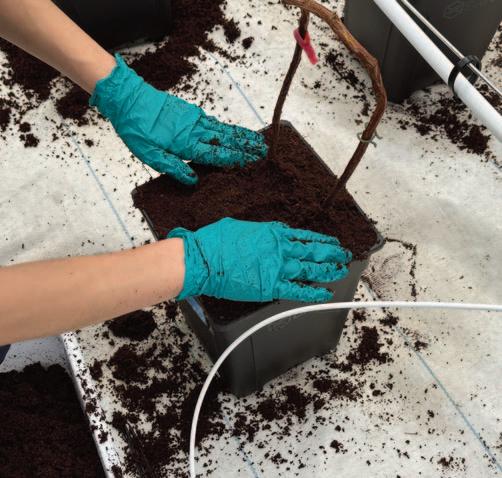
Developing raspberries at Vineland Research, 2025. Transplanting Fenwick long-cane raspberries into 7L coco coir pots.
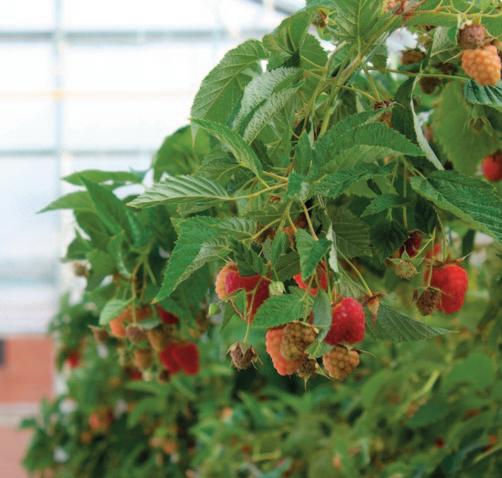
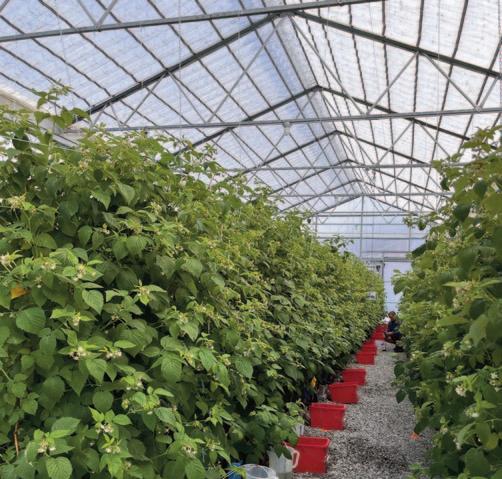
Raspberries growing in Vineland’s Cravo protected structure, 2025.
INTERNATIONAL
USDA announces how $1.625B will be distributed to specialty growers
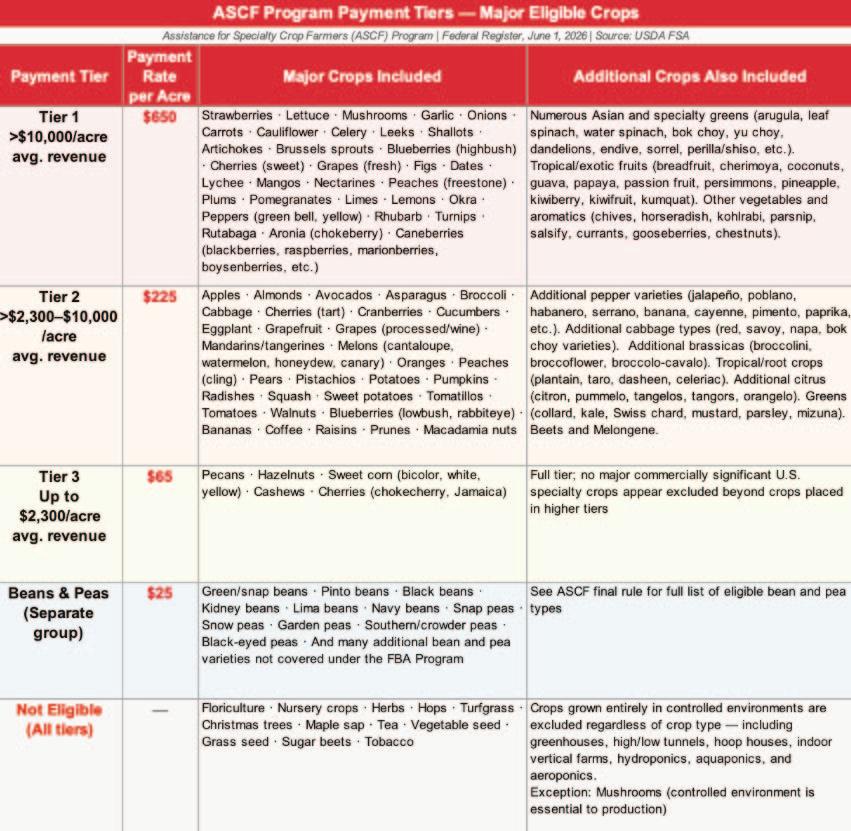
The U.S. Department of Agriculture (USDA) has made a long-awaited announcement on how $1.625 billion will be delivered to eligible specialty crop producers. Note that the amount is $625 million more than initially announced in bridge payments.
According to USDA, the Assistance for Specialty Crops Farmers (ASCF) program is in response to elevated input costs and market disruptions in 2025 resulting from foreign competitors engaging in unfair trade practices that impeded specialty crop exports.
For a list of eligible specialty crops visit fsa.usda.gov/ascf.
Specialty crops grown in a controlled environment are not eligible, except for mushrooms.
Government staff used national average revenue per crop as a metric for developing the ASCF program payment categories and payment rates listed below. For a full list of eligible crops under each category, visit fsa.usda.gov/ascf.
• Tier 1 - $650 per acre
Includes eligible specialty crops with an average annual revenue of more than $10,000 per acre.
• Tier 2 - $225 per acre
Includes eligible specialty crops with an average annual revenue of more than $2,300 per acre and up to $10,000 per acre.
• Tier 3 - $65 per acre
Includes eligible specialty crops with an average annual revenue of up to $2,300 per acre.
• Beans and Peas - $25 per acre
Includes all types of beans and peas that were not eligible for the FBA program.
For more information on how revenue per acre was calculated, visit fsa.usda.gov/ascf.
The ASCF payment limitation is $250,000.
The American Farm Bureau Federation concluded: “The May 29 announcement closes a ques-
tion left unresolved when USDA unveiled the broader Farmer Bridge Assistance (FBA) Program earlier this year. At the time, $11 billion was immediately directed to producers of covered commodities, while USDA
Source: American Farm Bureau Federation
indicated an additional $1 billion would be reserved for specialty crop and sugar producers pending further analysis.
This assistance is much needed as specialty crop farmers continue to navigate weak
returns, elevated labour expenses, high borrowing costs and increasing import competition.
The final rule provides that clarity, but also highlights a broader challenge: specialty crop agriculture remains significantly
harder to evaluate through traditional economic safety-net frameworks than most row crop sectors.”
Source: USDA May 29, 2026 news release
U.S. Senator Adam Schiff lobbies for more specialty crops support
U.S. Senator Adam Schiff has introduced six bills aimed at expanding support and market access for specialty crop growers ahead of Senate Agriculture Committee discussions on the next Farm Bill.
"California continues to lead the way in specialty crops, growing nearly half of the nation’s vegetables and over three-quarters of the country’s fruits and nuts,” said Schiff. “As California’s first senator to serve on the Senate Agriculture Committee in over 30 years, I’m fighting to address the needs of specialty crop farmers, which are very different than those of the commodity crops of the Midwest and the South. I’m proud to introduce these bills to expand federal funding and bolster programs to better serve farmers in the Golden State. These proposals were formed based on ongoing feedback I’ve gathered during my
visits to farms up and down the state, speaking with farmers, farmworkers, and other producers. I will continue to push for these policies as the Senate considers the Farm Bill," said Schiff.
The Economic Relief for Specialty Crops Act would provide US$5 billion in economic assistance for specialty crop producers.
The Improving Pest and Disease Preparedness for Specialty Crops Act would increase funding for USDA pest and disease programs, support prevention efforts in high-risk states, and expand funding for the National Clean Plant Network.
The Increasing Insurance Access for Specialty Crops Act would establish a Specialty Crop Advisory Committee for Crop Insurance at USDA. The measure is co-led by Senator Ben Ray Luján.
The Advancing Automation Research and Development in Agriculture Act would allocate US$30 million annually from USDA research funding for specialty crop mechanisation and automation research and development.
The Ensuring Disaster Recovery and Resilience for Specialty Crops Act would create a permanent disaster assistance program for specialty crop growers. The bill is co-led by Senator Alex Padilla.
The Expanding Market Access Act would support access to export markets through technical assistance, a report on specialty crop competitiveness, and increased funding for the Market Access Program, which supports overseas promotion of U.S. agricultural products.
The Senate Agriculture Committee is expected to consider the Farm Bill in the coming weeks.
OFVGA focused on preserving successful labour program elements
As Ontario fruit and vegetable growers move into another busy growing season, the federal government’s redesign of Canada’s temporary foreign worker programs remains one of the most important policy files facing our sector.
The process has been underway for some time now, and while many details are still being worked through, one thing remains clear: growers need a reliable, experienced seasonal workforce if we are going to continue producing food here in Canada.
That message has been at the centre of the Ontario Fruit and Vegetable Growers’ Association’s (OFVGA) discussions with federal officials, and it will continue to guide our advocacy as the redesign process moves forward.
This year also marks the 60th anniversary of the Seasonal Agricultural Worker Program (SAWP), a milestone that offers an important reminder as governments consider future changes. The program has evolved considerably since the first group of Jamaican workers arrived in Ontario in 1966 to help harvest apples.
Today, it is one of Canada’s longest-running international labour partnerships and a critical component of our food production system. More importantly, it is a program that has demonstrated its value over six decades.
Every year, thousands of workers from Jamaica, Mexico, Trinidad and Tobago, Barbados and the Eastern Caribbean travel to Canada through SAWP. Thousands more come through other agricultural streams of the
Temporary Foreign Worker Program. Together, they help plant, grow, harvest, pack and ship the fruits and vegetables Canadians rely on.
For many farms, these workers are not simply seasonal employees. They are highly skilled members of the farm team who return year after year, bringing valuable experience and knowledge that cannot easily be replaced.
As the federal government examines how agricultural labour programs should operate in the future, OFVGA has been emphasizing the importance of preserving SAWP, and the features that have made it so successful.
One of those strengths is the government-to-government structure that brings together employers, workers and officials from workers’ home countries. That framework creates clear accountability and provides mechanisms to address concerns when they arise.
Another key feature is worker mobility. The ability for workers to move between farms when
circumstances change helps ensure workers remain employed while giving growers flexibility to respond to changing labour needs throughout the season.
Equally important is the annual review process that has allowed the program to evolve over time. Few labour programs have benefited from the same level of continuous collaboration among governments, employers and worker representatives.
That does not mean the program cannot be improved. Like any system, there are always opportunities to strengthen supports, improve administration and reduce unnecessary burden for both workers and employers. But improvements should build on what works rather than discard it.
That principle is particularly important as governments consider broader labour market pressures and public debates around temporary foreign workers. Agricultural labour needs are fundamentally different from many other sectors. Crops cannot wait until workers become available. Planting, pruning,
harvesting and packing must happen when the crop is ready.
Despite ongoing recruitment efforts, these remain positions that employers consistently struggle to fill domestically. The reality is that without seasonal international workers, much of Canada’s fruit and vegetable production would simply not occur.
That has implications far beyond individual farms, and the federal government has just announced a national food security strategy that highlights how important it is that we have the ability to grow as much of our own food as possible here at home.
SAWP shows what success can look like and OFVGA will continue to engage closely with the federal government to advocate for the protection of such a longstanding and successful program.
Bill George is a grape grower and chair of the Labour Committee at the Ontario Fruit and Vegetable Growers’ Association.
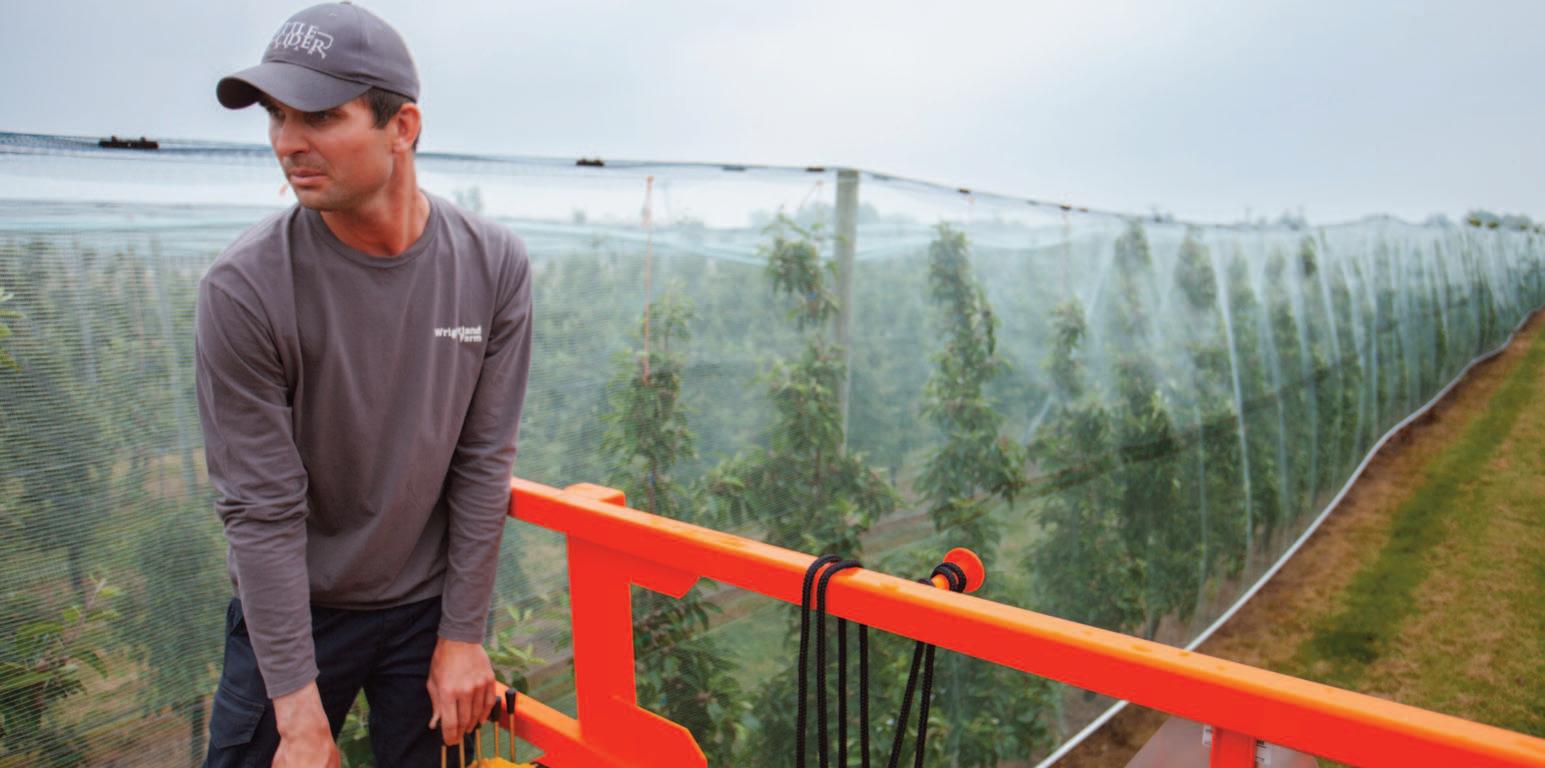
Sixth-generation apple grower David Wright inspects hail netting at the family farm near Harrow, Ontario. All growers remind the federal agriculture minister and all provincial-territorial agriculture ministers meeting in Halifax, Nova Scotia on July 16, 2026 how vital business risk management programs are to horticulture. Photo by Dax Melmer.
BILL GEORGE
Researcher: National extension strategy needed for “$150-billion blind spot”
A University of Guelph researcher is calling for a national agricultural extension strategy, to address what he calls the “$150billion blind spot” holding back sustainability and progress.
Prof. Ataharul Chowdhury, School of Environmental Design and Rural Development, describes himself as a believer in sustainable change. “Through research, teaching and service, I strive for enhancing or creating capacity that supports social and technological innovation,” he says.
And over the next five years, one change he’d like to see is the way extension in Canada is coordinated. Chowdhury believes extension – that is, applying research and knowledge to agricultural practices, through farmer education -- is an essential element of change.
“It’s all about guiding farmers towards better results,” he says. In practice, when researchers learn something new and helpful through their studies, they extend or disseminate this new knowledge to farmers through traditional avenues such as meetings and reports, or through virtual means including social media and websites.
Ideally, this approach results in farmers trying to implement the researchers’ suggestions, then
provide feedback with their perspectives. In that way, impact can be measured.
Today, pockets of agricultural extension are active and popular across the country. Provincial governments, universities, colleges, private industry and private individuals hold grower days and conferences, and engage in e-communication to pass on their latest findings and discuss them with growers.
But a formal, national coordination effort does not exist, like it does in other countries –most notably, the U.S. Studies show that farmers who use advisory services see their profits typically grow 10-20 per cent, and the return on public investment is $9 for every $1 spent on extension.
Here though, research dissemination is fragmented, disconnected and unequally accessible. A landmark article in 2010, published in the Journal of Extension, argued that Canadian extension was already on life support. At that point, publicly funded extension had been chipped away for 20 years or so, they said, to the point where it had become moribund. Without a complete overhaul, the researchers believed extension was sunk.
Now, 16 years later, Chowdhury says not much has changed. Fortunately, extension didn’t sink, but he thinks it’s teetering. A national strategy could change that, he says, and take better advantage of the knowledge percolating in research communities and connect it with growers.
Chowdhury believes improved extension coordination is especially important now that Canada is taking a fresh look at markets, sustainability and support for agriculture. It could also help agriculture join together
with AI increasingly taking hold as an information – or disinformation – tool. Canada’s fledgling AI strategy is still wet behind the ears; how it will affect agriculture is a huge question.
Then there’s the matter of succession. Training for the next generation of agricultural extensionists is almost nonexistent. Guelph has one of the few academic programs in the country dedicated to extension. The consequences seem obvious, but for a $150-billion sector such
as agriculture that’s so consumed with numbers and research, direction is strangely lacking.
At what was billed as the first Canadian Conference on Agrifood, Rural Advisory, Extension and Education, a conference he and his team led last fall at the university, Chowdhury got the ball rolling by introducing a new academic journal. Its goal is to help enhance awareness, visibility, and collaboration among the various research, education, advisory, and community
engagement activities happening across Canada.
“Farmers are isolated from each other, but they don’t work in isolation from the environment, community development, health and wellbeing and technology,” he says. “System change begins when we invest not only in activities, but in the people, organizations, partnerships, education, research and policies that allow extension and advisory systems to adapt, collaborate, and create lasting impact.”
OWEN ROBERTS
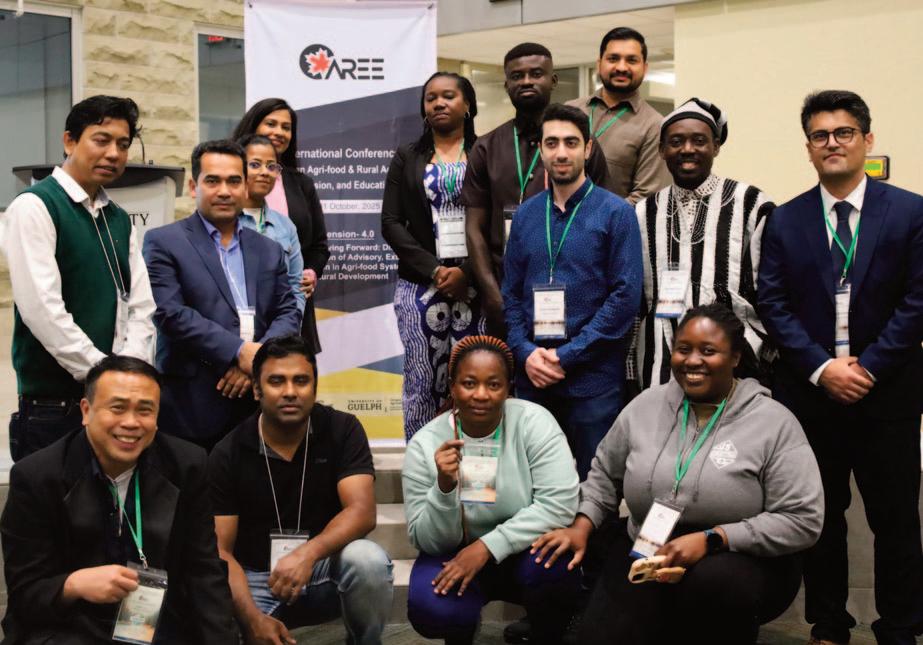
University of Guelph professor Ataharul Chowdhury (middle row, second from left) joined his students for this photo during the first Canadian Conference on Agri-food, Rural Advisory, Extension and Education at the university last fall. Photo courtesy of Ataharul Chowdhury.
Horticulture looks for implementation details for
its $9.5 billion
sector
KAREN DAVIDSON
Prime Minister Mark Carney launched a $3 billion National Food Security Strategy on June 11. Here is a broader report of responses from across the horticultural sector which had a 2025 farmgate value of $9.5 billion.
Canadian Federation of Agriculture
Canada’s agriculture and agri-food sector is a cornerstone of the national economy, contributing nearly $150 billion annually to GDP and supporting more than 2.3 million jobs.
“We’re seeing some really positive developments in this strategy, but success will depend on how it is implemented,” said Keith Currie, president, Canadian Federation of Agriculture. “It must meaningfully involve farmers and the broader agricultural sector to achieve the best results.”
At the same time, CFA believes there are important areas where additional clarity and action will be needed to fully realize the strategy’s potential. Continued attention to rising input costs and labour shortages will be essential to deliver on the objectives. This requires a coordinated, whole-ofgovernment approach that aligns policies across transportation, trade, environment, innovation, labour and finance to support a resilient and competitive agri-food sector.
Canadian Produce Marketing Association
“The commitments announced by the federal government today (June 11), represent the highest investment in the fresh produce sector in recent history,” said Ron Lemaire, president, Canadian Produce Marketing Association. “The National Food Security Strategy will help fuel a sector that is not only a significant economic engine but is also critical to the health and wellbeing of Canadians.”
“In this time of trade and geopolitical volatility, it has never
been more important for the government to prioritize agriculture and food production as a strategic cornerstone of our Build Canada strategy.”
Fruit and Vegetable Growers of Canada
“Food security starts with the ability to grow food here at home,” said Marcus Janzen, president, Fruit and Vegetable Growers of Canada. “Canada’s fruit and vegetable growers are facing immense pressure from rising fertilizer and fuel costs and labour challenges to extreme weather, pests, disease and market uncertainty.”
“The strategy’s focus on grocery competition is also an important step for growers,” continued Janzen. “A stronger, fairer and more competitive grocery sector is essential to ensure growers can remain financially viable while Canadians continue to have access to fresh, affordable produce.”
“FVGC urges Members of Parliament to pass Bill C-30 and move forward with important regulatory changes that apply a stronger food lens to federal decision-making, including consideration of food production and food security,” added Janzen.
Canadian Potato Council
“Potatoes are grown across Canada, feed families in every region, and support an important domestic processing sector,” said Bill Zylmans, chair, Canadian Potato Council. “We are pleased to see the strategy recognize the importance of potato production and the pressures growers are facing, including rising costs of fertilizer, fuel, crop protection products and other essential inputs.”
Greenhouse Produce Alliance of Canada
The Greenhouse Produce Alliance of Canada (GPAC) has identified strategic priorities through its Greenhouse Investment Roadmap that align closely with the objectives of the National Food Security Strategy. These priorities focus on
economic competitiveness and trade resilience, food security and business risk management, and powering climate-smart agriculture and innovation.
“Today’s greenhouse projects require two to three years of planning and approximately $1-2 million per acre in private capital investment for new construction,” said George Gilvesy, chair, GPAC. “But the investment doesn’t stop there.”
Expanding crop production in the greenhouse from eight months to year-round production requires access to affordable and reliable energy, additional investments in supplemental lighting, and on-farm energy assets. Investments in automation, robotics and AI allow for less hand-labour, and more Canadian jobs.
The Alliance also welcomes the commitment to modern, science-based regulatory systems. When harmonized between Canada and our largest trading partners, this strategy can remove red tape and improve access to new crop varieties, crop inputs, and innovative technology that protect crops from emerging insect pests and plant disease pressures.
Ontario Greenhouse Vegetable Growers
The Ontario Greenhouse Vegetable Growers (OGVG) is particularly encouraged by the federal commitment of $750 million for controlled environment agriculture, which will support the expansion of year-round fruit and vegetable production across the country. This funding will help greenhouse growers continue to invest in advanced technologies, improve energy efficiency, and expand production capacity.
“With the support outlined in this Strategy, the greenhouse sector will be able to grow more food, more efficiently, and at a lower cost,” stated Richard Lee, executive director, OGVG. “This benefits not only our farmers, but also Canadian families who are looking for affordable, locally grown food options, year-round.”
COMING EVENTS 2026
July 9 Potato Growers of Alberta Annual Golf Tournament, Taber Golf Club, Taber, AB
July 9 Ontario Ginseng Growers Golf Tournament, Greens at Renton, Simcoe, ON
July 11 Saskatoon Berry Day, University of Saskatchewan Campus, Saskatoon, SK
July 15-17 Potato Sustainability Alliance Summer Symposium, Plover, WI
July 16 Federal-Provincial-Territorial Agriculture Ministers’ Meeting, Halifax, NS
July 16 Strawberry Grower Day, Ed Zamecnik Berry Trial Centre, EZ Grow Farms, Langton, ON
July 19-22 International Fruit Tree Association Summer Study Tour, Hudson Valley, NY
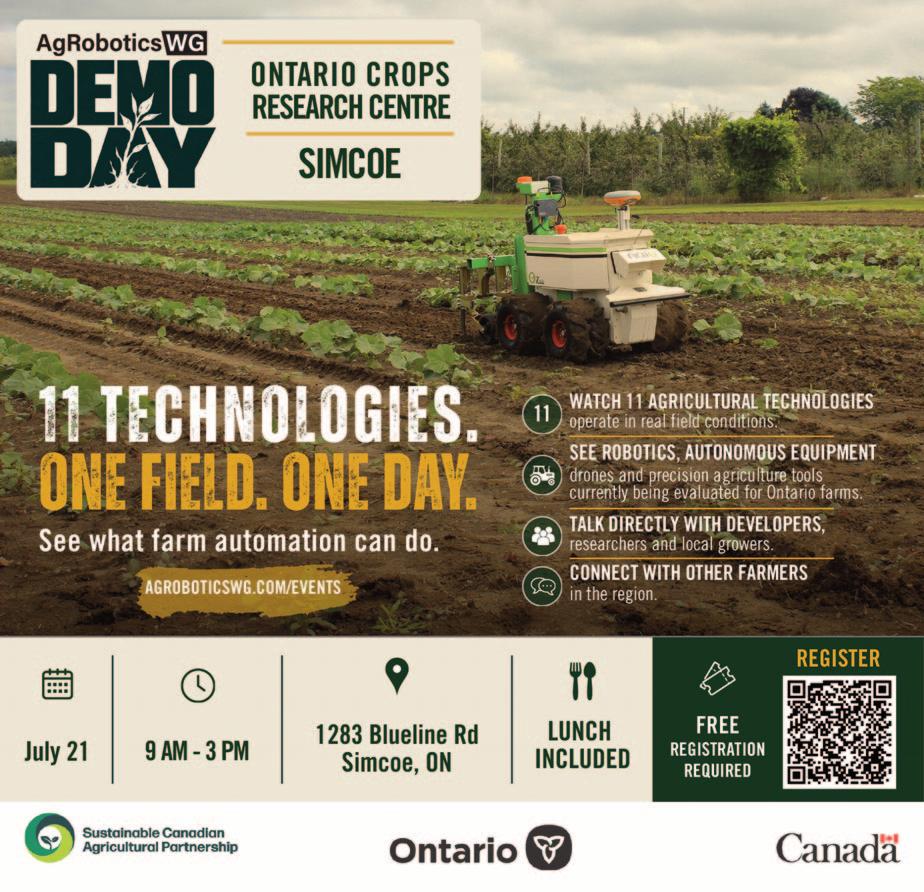
July 21 AgRobotics Working Group Demo Day, Simcoe, ON
July 25 Breakfast on the Farm, Cranbrook Farms, Brussels, ON
July 26 60th Anniversary of Jamaican TFWs, Strawberry Tyme, Simcoe, ON
Aug 1 Food Day Canada
Aug 5 Nova Scotia Fruit Growers’ Association Summer Orchard Tour, Kentville, NS
Aug 11-12 North American Strawberry Growers’ Association Summer Tour, Spokane, Washington
Aug 18 Innovation Farms Ontario and AIVA Demo, Bothwell, ON
Aug 19 Potato Research Open Field Day, Elora Research Station, Elora, ON
Aug 19-21 US Apple Outlook Conference, Chicago, IL
Aug 20 Ontario Potato Field Day, HJV Equipment, Alliston, ON
Aug 20-22 Québec Produce Marketing Association Convention, La Malbaie, QC
Aug 22
Budding and Grafting Workshop, USask Horticultural Field Lab, University of Saskatchewan, Saskatoon, SK
Sept 10-11 Great Lakes Tex Flex, Michigan State University Southwest Research and Extension Center, Benton Harbour, MI
Sept 23 Ontario Produce Marketing Association Golf Tournament, Lionhead Golf and Country Club, Brampton, ON
Sept 23-24 GreenTech North America, Philadelphia Convention Center, Philadelphia, PA
Sept 28-Oct 1 Tri-National Agricultural Accord, Calgary, AB
Oct 6-7 Canadian Agri-Food Policy Institute, Exchange Conference, National Arts Centre, Ottawa, ON
Oct 6-7 Public Trust Summit, Westin Toronto Airport Hotel, Toronto, ON
Oct 6-8 Fruit Attraction, IFEMA Trade Fair Centre, Madrid
Oct 7-8 Canadian Greenhouse Conference, Niagara Falls Convention Centre, Niagara Falls, ON
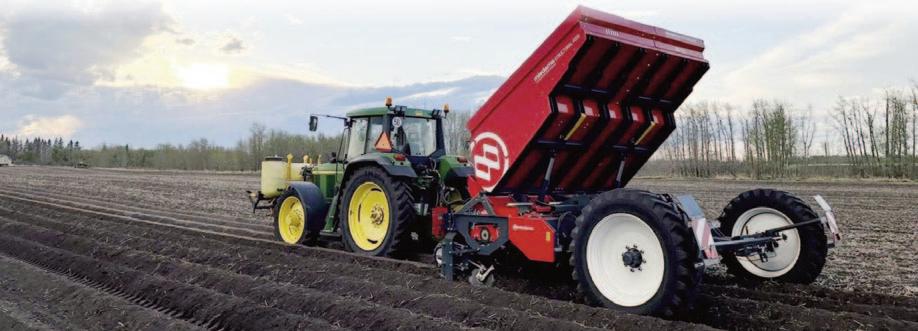
Farmgate sales of potatoes in 2025 were valued at $2B + — a significant contribution to the horticultural sector
FOCUS: FARM BUSINESS MANAGEMENT
Canadian farms must prep for cyberattacks
In 2019, a farmer called cybersecurity professor Dr. Ali Dehghantanha after a strange message popped up on his screen.
“Don’t touch anything,” said Dehghantanha, Canada Research Chair in Cybersecurity and Threat Intelligence, warned. “I’m coming over to help.”
In some industries, a cybersecurity professional has about an hour to prevent significant business damage. Farmers, however, might have just 15 minutes, Dehghantanha has learned.
“We found if we are not responding within that time,” he says, “hackers could cause a power outage in the farm, which could cause livestock to die.”
The farmer had been attacked with ransomware, a hacking that locks files and demands payment to return them. But hackers have threatened worse, reminding Dehghantanha just how vulnerable agricultural systems are. He’s since dealt with out-ofstate actors from Russia and China who gain control of power systems and threaten the welfare of chickens, cattle and more.
Profit is one motive for these attacks, but the Canadian Centre for Cyber Security has warned about foreign hackers gaining remote access to food and water infrastructure in order to discredit food producer groups and undermine Canada’s reputation.
To find solutions, the University of Guelph’s Cyber Science Lab (CSL) where Dehghantanha is the founding director, has become the only lab of its kind that tackles cybersecurity in agri-food
DID YOU KNOW?
industries.
“When we talk with farmers, we always hear, ‘No one knows me. I won’t be targeted,” he says. “But it is not just about you being a small farmer. It is more about there being hacking groups whose full-time job is to attack the agri-food sector. They have the customized tools, techniques and skills. They’re out there.”
Cybersecurity ‘low or non-existent’ in Canadian agri-food
A research technician reviews data on a computer in a field.
As experts tie food security to national security, Canada is at risk of losing crops, food and competitiveness on the global market without the skills to go up against hackers – groups who are continually evolving and can destroy entire systems with a piece of code.
And yet, as a 2025 study from Dehghantanha and several U of G co-authors found, farmers generally view cybersecurity as a low priority. Many see themselves as too small to be of interest to hackers. And yet, small and medium-sized farms tend to be easy targets as they tend not to invest heavily in cybersecurity, falling below what Dehghantanha calls the “cyber poverty line.”
“The agri-food sector is the soft underbelly of Canada’s cyber posture,” says the professor in the School of Computer Science.
“The level of cybersecurity in this industry is very low, or nonexistent.”
This, even as internetconnected technologies spread
across farm work, from drones that monitor fields to precision livestock feeders, ventilation systems and more.
Many of these systems run on what’s called the Internet of things (IoT) networks: dozens of connected farm sensors and devices that communicate with one another. While these systems streamline the efficiency of daily farm tasks, they also present multiple entry points for hackers.
The CSL has been helping to address the issue by training cybersecurity professionals who take their learning to the farm, offering free incident response to agriculture groups in Ontario.
They’ve made other tools available for farmers on their website, including security video guides to potential vulnerabilities, and exercises to simulate a cyberattack.
Last year, Dehghantanha dealt with dozens of attack incidents in southern Ontario alone. His team receives about a call a week from farmers in the area asking for help. During some windows of opportunity, such as a big system update, the phone might be ringing all day.
Grad program training next generation of cybersecurity professionals
At the CSL, a six-year graduate training program known as SECURE-AGRO funded by an NSERC CREATE grant is preparing the next generation of highly qualified personnel who understand both cybersecurity and agri-food. Trainees are paired with mentors, answer calls,
2025 farmgate value of Canadian horticulture
attend hackathons and work on research projects ranging from AI security to deepfake forensics.
Graduate students might be computer engineers who see the needs of the agri-food industry, or they might come from agri-food already, wanting to get up to speed on how they can protect their farms.
All of it supports U of G as a growing hub for cybersecurity and threat response. The University houses Canada’s only Master of Cybersecurity and Threat Intelligence program, which similarly trains about 60
graduates every year, while the Canada Cyber Foundry conducts further cybersecurity research and development.
“There are so many gaps,” Dehghantanha says, “in terms of awareness, in terms of tools and techniques and in terms of understanding the impact of cyberattacks. This program tries to build the resilience Canada needs. We hope to expand it to all universities in the coming years.”
Source: University of Guelph news release
Dr. Ali Dehghantanha
FOCUS:
Modernizing Canada’s Business Risk Management framework: balancing evolution with stability
AJ GILL
As discussions around Business Risk Management (BRM) modernization continue at the federal, provincial, and territorial levels, it’s useful to revisit the purpose these programs are designed to serve.
At their core, BRM programs exist to support the stability, resilience, and long-term competitiveness of Canada’s agriculture sector in the face of increasing volatility – from climate pressures to market disruptions and rising input costs. This mandate is grounded in a consistent set of public policy principles that have guided program design over time. These include a focus on catastrophic support rather than routine income stabilization, national consistency across regions and commodities, and shared responsibility between governments and producers.
Programs are also designed to complement one another within a broader risk management system, while maintaining compliance with international trade obligations.
Together, these principles have shaped an approach that is both structured and adaptable –two qualities that will remain essential as the sector evolves.
A layered system that reflects diverse risk profiles
Canada’s current BRM framework reflects these principles through a layered approach to risk mitigation. Production insurance, margin protection programs, disaster response measures, and savings-
based tools each play distinct roles within that system.
Within this suite, AgriStability remains a key component. Unlike production-focused programs, it is designed to address significant whole-farm income margin declines – helping producers navigate financial stress that cannot be captured through yield or price-based insurance alone.
While the overall design of the BRM framework remains sound, there is growing recognition that modernization efforts should focus less on structural overhaul and more on improving how programs are delivered, particularly with respect to timelines and predictability. Reliable, responsive programming is critical not only for producers, but also for lenders and other stakeholders who depend on consistent signals during periods of financial stress.
Evaluating the shift toward revenue-based insurance
Recent policy discussions have explored the potential transition toward broader revenue-based insurance models as a replacement for AgriStability. While these models can potentially offer greater simplicity and predictability, they also bring a new set of challenges. A basic premise of insurance is the insured and the insurer must have equal knowledge on the probability of loss. To be an actuarily sound insurance program coverage must be based on a predicted future price not a known historic price. This brings many administrative challenges with it especially in commodities without an observable futures market.
AgriStability is not insurance. Shifting to revenue insurance means producers lose the time afforded by AgriStability to adapt to changing market conditions. Once future prices are forecast to be lower, farmers are not protected against the predicted price decline. Another key limitation is that revenue insurance primarily focuses on gross revenue declines, which may not reflect underlying profitability challenges. Rising input costs – including feed, fertilizer, fuel, labour, and interest – can significantly erode margins even when revenues remain stable, leaving producers exposed to financial strain not captured by revenue-based models.
Applicability is another concern. Revenue insurance tends to perform best in sectors with standardized production cycles and robust actuarial datasets. In more diverse or complex sectors –such as mixed farming, livestock, horticulture, or emerging commodities – outcomes may be less predictable or equitable.
There are also broader fiscal and systemic implications to consider. Large loss years will result in rising premiums creating affordability challenges for producers. In addition, overly broad coverage may reduce incentives for private risk management strategies, including diversification, forward contracting, and participation in private insurance markets.
From a policy standpoint, alignment with international trade obligations remains critical. Programs perceived as marketdistorting could attract scrutiny, particularly where guarantees influence production or pricing behaviour. Programs based on
forecasts rather than historical data are considered differently under trade agreements.
Finally, shifting to revenuebased models could introduce new regional disparities, depending on commodity mix and delivery capacity across provinces, potentially undermining the national consistency that has long been a hallmark of Canada’s BRM system.
Guiding principles for future modernization
Taken together, these considerations point to the need for a measured and balanced approach to BRM modernization. Rather than replacing existing tools outright, future reforms should build on the strengths of the current framework while addressing its operational gaps.
Several priorities emerge:
• Preserve the layered structure that reflects different categories of risk, ensuring programs continue to complement rather than duplicate one another
• Enhance AgriStability’s effectiveness by improving timeliness, administrative simplicity, and predictability
• Explore targeted revenue insurance solutions where actuarially appropriate, rather than adopting a universal model
• Anchor reforms in core policy principles, including affordability, equity transparency, and trade compliance
• Invest in data and analytics capabilities to strengthen responsiveness and program integrity
• Maintain ongoing engagement with producers and stakeholders
to ensure practical implementation
This approach supports gradual evolution without compromising program effectiveness or producer confidence.
Looking ahead: Managing risk in a more complex environment
The operating environment for Canadian agriculture continues to grow more complex. Climate variability, geopolitical uncertainty, and sustained input cost pressures are reshaping the risk landscape and increasing the importance of effective BRM programming.
Modernization efforts will be essential – but they should be approached with care. Changes that appear to simplify programming in the short term may introduce unintended consequences over the longer term, including reduced coverage effectiveness, increased financial pressure, or diminished confidence in the system.
A thoughtful, principles-based approach, grounded in both policy objectives and real-world application, will be key to ensuring Canada’s BRM framework remains resilient, relevant, and responsive in the years ahead.
To learn more, contact AJ Gill, National Leader, Ag Risk Management Resources, at aj.gill@mnp.ca
AJ Gill is national leader, Ag Risk Management Resources at MNP.
From tree fruit flooding in British Columbia to wind damage in Prince Edward Island, growers are facing more variability in weather patterns.
FOCUS: FARM BUSINESS MANAGEMENT
DRC explains the implications of dealing with the wrong legal entity
A recent arbitration case highlighted an important but often overlooked issue: ensuring that the legal entity named in a contract is the same legal entity that holds a membership with the Fruit and Vegetable Dispute Resolution Corporation (DRC). In this case, both the claimant and the respondent were DRC members. However, the written contract identified the claimant using a company name that did not match the claimant’s legal name registered with DRC. Although the ownership and personnel behind both names were the same, the contract itself referred to a different legal entity.
The claimant argued that DRC should still have jurisdiction because the respondent “knew” they were dealing with a DRC
member and that the incorrect name in the contract was merely an oversight.
The arbitrator disagreed. DRC By-laws and Dispute Resolution Rules clearly state that jurisdiction applies only to disputes between DRC members. It is the responsibility of the parties to ensure that the legal entity named in the contract is a member of the DRC. The contract also lacked a DRC arbitration clause, which could have extended jurisdiction to a non-member entity. As a result, the arbitrator found that DRC had no jurisdiction over the dispute.
While this is only a summary of the case, it underscores a critical point: DRC membership applies strictly to the legal entity that has been accepted as a
member. Membership rights are not transferable, and members must keep their information current.
Key membership obligations
DRC By-laws require that:
• Membership covers only the specific legal entity approved by DRC.
• Membership rights cannot be transferred to another legal entity, even if ownership is the same.
• Members must update their membership information promptly when changes occur.
Recommendations for members
To avoid jurisdictional issues and ensure your transactions are
Protecting your business in the age of fraud
Editors’ note: This is an excerpt from A Guide: Fraud Prevention in Produce which was published in October 2025. It was created by a task force comprising: Dispute Resolution Corporation, Blue Book, Texas International Produce Association, International Fresh Produce Association, Kings River Packing, and The Fresh Connection.
While fraud is not new, over the last several years fraud has evolved and escalated across industries becoming very blatant and aggressive. As examples, the U.S.-based Federal Trade Commission (FTC) reported impersonation fraud is up four-fold in the past year and earlier in 2025, the Transportation Intermediaries Association (TIA) documented a 68 per cent increase in fraud in just six months. Although this report will focus on impersonation and ghost company fraud due to its prevalence in the industry, fraud comes in a wide variety of different flavours and evolves as the industry gets wise to specific tactics – including double brokering, hacking, cyber theft, ransomware, business email compromise, outright theft of property, etc.
The specialty produce industry is experiencing similar pressures. Bad actors target the produce industry’s core strengths – speed, relationship-driven deals, and quick decision-making on perishable products.
Strengthen verification protocols
Implementing multistep, multisource verification before approving new buyers or representatives is one of the best ways to prevent fraud.
Blue Book’s review of fraud cases in the produce industry suggests verifying prospective
trading partner identities through multiple sources and channels significantly lowers risk. It is highly recommended sellers incorporate these verification channels when evaluating trading partners:
• Trusted third parties: verify buyer identity through multiple trusted sources, such as Blue Book Services, PACA, and DRC
• Independent verification: validate the published business mailing address, website, email domain (e.g., jdoe@acmefruit.com à www.acme-fruit.com), phone numbers and/or work history – don’t just take the information provided by the subject person or company at face value. This validation can be accomplished through (1) calling another person at the subject company and asking them to confirm the legitimacy of your contact or (2) through Google, LinkedIn and social media searches to validate their identity and tenure
• Credit check: require a credit application, whether your own application or through Blue Book’s Credit Application Check service. The credit application should request information that cannot be obtained publicly, a personal guarantee (optional), a copy of a government ID and the requested credit limit (look out for unusually high limits). Confirm bank name and that the bank account belongs to the subject company.
• Supporting documentation: request supporting documents such as utility bills, lease agreements, and tax IDs for proof of operations.
• Online maps and building images: cross-check listed addresses with maps, online photos, or utility data (shell
properly covered, consider the following:
• Multiple legal entities: If you own more than one company and use each for trading, ensure each entity has its own DRC membership.
• Name or ownership changes: Report any legal name changes, amalgamations, or changes in ownership to DRC’s membership department.
• Sister companies: Many organizations operate multiple related companies. Some may be DRC members while others are not. Transactions with nonmembers are not covered. Always confirm the correct legal entity.
• Shared ownership does not equal shared membership: Common or similar ownership does not extend DRC
membership rights across entities.
• Contracts and marketing agreements: Always verify that the legal names appearing in any written agreement accurately reflect the DRC member entities involved.
This case underscores the importance of correctly identifying legal entities in contractual agreements and keeping your DRC records up to date. Taking these steps can help avoid jurisdictional issues and preserve access to the DRC dispute resolution system.
Source: Dispute Resolution Corporation June 5, 2026 newsletter
companies often hide behind PO boxes).
verifiable references, beware.
Red Flag = look for small differences: misspellings or differences in email addresses, delivery addresses with non-produce names, phone numbers that are different from headquarters (look at the first 3 digits, etc).
Red Flag = if a subject company “fails” in one or more of these sources or they are reluctant to provide
Key point: Don’t take an inquiry at face value, even if it is from a reliable firm.
Recent history has shown that even the most seasoned industry veteran can be susceptible to fraud. Bad actors only need you to be too trusting or to make one mistake. Reducing exposure requires a layered defense – one that blends strong identity checks, secure communication tools, transactional controls, staff vigilance, and shared intelligence across the industry.
By working together and maintaining consistent oversight, businesses can close the gaps fraudsters rely on, building a stronger, more trustworthy marketplace.
For more detailed information, link to: fvdrc.com/wp-content/ uploads/ 2025/10/A-Guide-toFraud-Prevention.pdf
Fungicide resistance in Botrytis cinerea is widespread in Ontario strawberries
Figure 3. Average percentage of Botrytis cinerea spores that germinated in the presence of different concentrations of fungicides registered for control of grey mould in strawberries average of 78 swabs). n.t.=not tested, boscalid at 3.3ppm was only tested in 2024 (22 swabs) and pydiflumetofen at 1ppm was only tested in 2025 (56 swabs).
ERICA PATE, KATIE GOLDENHAR, JASON LEMAY, VICTORIA BUMA
Grey mould, or Botrytis grey mould, is a widespread fungal disease affecting strawberries in Ontario. Grey mould causes blooms to turn brown and fruit to develop small, firm brown lesions, which will eventually soften and develop a grey, fuzzy mould (Figure 1). Infected berries eventually become dried and mummified.
Grey mould in strawberries can be caused by multiple Botrytis species (spp.), with B. cinerea being the dominant species infecting strawberry in eastern North America. Botrytis cinerea has a very large host range affecting more than 200 crop hosts along with many weed species. Botrytis fragariae is a recently identified species in U.S. strawberries with a narrower host range but has not yet been identified in Ontario. These species differ in their sensitivity to fungicides (Dowling et al., 2018).
Botrytis cinerea resistance to several fungicides has been documented including thiophanate-methyl, pyraclostrobin, fenhexamid, boscalid, fluopyram and cyprodinil in several areas of the United States (Fernández-Ortuño et al., 2013; Fernández-Ortuño et al., 2014; Dowling et al., 2018; Hu et al., 2016).
Ontario Strawberry Botrytis Grey Mould Survey
In 2024 and 2025, five and 12 strawberry farms, respectively, were sampled for infected fruit.
Each sample was one cotton swab which consisted of five infected berries (Figure 2). The swab samples were sealed and shipped to Phytodata (Sherrington, Quebec) where they isolated Botrytis species from the swabs, identified the species via PCR (based on Dowling et al., 2017) and screened conidia from the collected isolates for sensitivity to six active ingredients in 2024 and seven active ingredients in 2025:
• boscalid (group 7: Cantus, ½ of Pristine)
• fluopyram (group 7: ½ of Luna Tranquility and Luna Sensation)
• pydiflumetofen (group 7: ½ of Miravis Prime) – 2025 only
• cyprodinil (group 9: ½ of Switch and Inspire Super)
• pyrimethanil (group 9: Impala, Scala)
• trifloxystrobin (group 11: Flint Extra, ½ of Luna Sensation)
• fenhexamid (group 17: Elevate)
Methodology for fungicide screening was used from Walker et al., 2013. Briefly, media were amended with discriminatory doses of selected fungicides. The percentage of spores (100 conidia per plate) that germinated when exposed to the discriminatory dose(s) of an active ingredient was
measured. An isolate is considered resistant when the germ tube is greater that 50 per cent of the length of the spore. For fenhexamid and boscalid (multiple rates in 2024 samples only), the lower dose is representative of moderately resistant isolates and the high dose differentiates highly resistant isolates.
Survey results
A total from 2024 and 2025 of 78 swabs were successful in Botrytis spp. recovery, representing 390 infected strawberries. All isolates were B. cinerea, there were no detections of B. fragariae in our survey.
On average, more than 70 per cent of spores were able to germinate in the presence of boscalid (low dose), fluopyram, cyprodinil, pyrimethanil, trifloxystrobin and fenhexamid (both doses) (Figure 3), and these active ingredients may not provide expected levels of control for grey mould. If you have consistently relied upon these fungicides, ensure you are monitoring fields after application to see if you are experiencing less than expected disease control. Boscalid at the higher concentration resulted in fewer spores germinated (~40%). Reduced use of this fungicide is recommended and when used, use the highest labelled rate. Pydiflumetofen should be used with strict fungicide resistance
Key Messages:
• Botrytis fragariae has not been detected in Ontario.
• Fungicide resistance is present to multiple FRAC groups (7, 9, 11, 17).
• Reducing the number of applications is key to prolonged efficacy of fungicides.
• Use a prediction model to determine your risk of disease for judicious use of fungicides in a Strawberry Disease Decision Support System
management strategies, as resistance levels are currently low (~11%), but can quickly change with increased use of the product.
In 2024, the known mutation for group 11 resistance was screened in the samples. Of the 22 swabs, 21 had positive detections for the G143A mutation. All group 11s should be considered cross resistant and are not recommended for grey mould management.
Management recommendations for Ontario growers
These results are similar to findings from other regions in the northeast and elsewhere in Europe and North America. In addition to the fungicides tested,
group 1 fungicides are likely ineffective, as widespread resistance has been documented in the U.S. Management recommendations for grey mould include using multiple approaches to reduce the amount of inoculum and minimize favourable environmental conditions to prolong the use of fungicides in your toolbox. Cultural control strategies for grey mould should focus on minimizing humidity and leaf wetness duration, which can include avoiding dense canopies, weed control, wider row spacing, avoiding planting near woodlots and irrigation management.
Continued on next page
Figure 1. Grey mould caused by Botrytis cinerea on field strawberries
Figure 2. Swab sample collection for Botrytis spp. in strawberry
Fungicide resistance in Botrytis cinerea is widespread in Ontario strawberries
Continued from page 16
Reducing pathogen presence can be challenging due to the wide host range of Botrytis cinerea but reducing the pathogen inoculum in your crop can be achieved through harvesting frequently, removing infected plant material and careful fruit handling to reduce losses in storage.
For chemical applications, use the FREE, ONfruit.ca resource Strawberry Disease Decision Support System to time grey mould fungicide applications before conditions are favourable for disease development. While in Ontario we often have high risk during bloom period(s), this tool can help time the applications for maximum efficiency and potentially reduce or delay applications under predicted low risk periods.
Use broad spectrum, multi-site fungicides which include chlorothalonil, folpet and captan, where permitted. Consider tank mixing biological fungicides that provide control or suppression of grey mould. These can be
BITS & BITES
considered alone when the risk is predicted to be low to medium but should not be relied upon when risk is high. Use multiple FRAC groups that are active on grey mould in one application when possible. Rotate fungicides between different FRAC groups and limit the number of applications of a FRAC group per season.
Fitness cost (the reduced ability for resistant strains to compete with the wild type strains of the pathogen) for multi-drug resistant isolates is variable between studies. Frequency of isolates with multi-drug resistance has been shown to increase throughout the season with selection pressure, with higher frequencies after fungicide applications (Chen et al., 2016; Cosseboom et al., 2019; Weber & Petridis, 2023). Given that most samples from this study were taken at the end of the season (late summer into fall), resistance may be lower early in the season and increase as fungicides are selecting for resistant isolates but more research is needed.
This study represents a small
percentage of the B. cinerea population in Ontario strawberries but is consistent with the findings in the U.S. and elsewhere. Fungicide resistance profiles have shown to differ between and within farms; testing for fungicide resistance will help individual growers choose effective fungicides. If interested in testing your own farm, the same service is available with Phytodata Inc at your own cost. Contact Phytodata directly (labo@prisme.ca) or Katie Goldenhar (katie.goldenhar@ ontario.ca) for more information.
This project was funded by Berry Growers of Ontario through the Ontario Agri-Food Research Initiative.
References: Cosseboom, S. D., Ivors, K. L., Schnabel, G., Bryson, P. K., & Holmes, G. J. (2019). Within-Season Shift in Fungicide Resistance Profiles of Botrytis cinerea in California Strawberry Fields. Plant Disease, 103(1), 59–64. https://doi.org/10.1094/PDIS-0318-0406-RE
Chen, S. N., Luo, C. X., Hu, M. J.,
& Schnabel, G. (2016). Fitness and Competitive Ability of Botrytis cinerea Isolates with Resistance to Multiple Chemical Classes of Fungicides. Phytopathology, 106(9), 997–1005. https://doi.org/10.1094/PHYTO-0216-0061-R
Dowling, M.D., M.-J. Hu, and G. Schnabel. 2017. Identification and characterization of Botrytis fragariae isolates on strawberry in the United States. Plant Disease. 101:1769–1773.
Dowling, M.D., M.-J. Hu, and G. Schnabel. 2018. Fungicide resistance in Botrytis fragariae and species prevalence in the Mit-Atlantic United States. Plant Disease. 101(5): 964–969.
Fernández-Ortuño, D., F. Chen, and G. Schnabel. 2013. Resistance to cyprodinil and lack of fludioxonil resistance in Botrytis cinerea isolates from strawberry in North and South Carolina. Plant disease. 97 (1): 81–85.
Fernández-Ortuño, D., A. Grabke, P.K. Bryson, A. Amiri, N.A. Peres, and G. Schnabel. 2014. Fungicide
resistance profiles in Botrytis cinerea from strawberry fields of seven southern U.S. states. Plant disease. 98 (6): 825–833.
Hu, M.-J., K. Cox, and G. Schnabel. 2016. Resistance to increasing chemical classes of fungicides by virtue of ‘selection by association’ in Botrytis cinerea. Phytopathology. 106 (12): 1513–1520.
Walker, A.S., Micoud, A., Rémuson, F., Grosman, J., Gredt, M. and Leroux, P., 2013. French vineyards provide information that opens ways for effective resistance management of Botrytis cinerea (grey mould). Pest Management Science, 69(6), pp.667678.
Weber, R. W. S., & Petridis, A. (2023). Fungicide Resistance in Botrytis spp. and Regional Strategies for Its Management in Northern European Strawberry Production. Biotech (Basel), 12(4), 64. https://doi.org/10.3390/biotech1204 0064
Grocery Sector Code of Conduct identifies common concerns in first report
After five months of operation starting on January 1, 2026, the Office of the Grocery Sector Code of Conduct (OGSCC) has released its first public report. The most common concerns involved unilateral changes to commercial arrangements, notice periods, disputed deductions, administrative fees, and questions relating to good-faith negotiations and communication between parties.
“This report provides the first public snapshot of the issues, concerns and implementation trends emerging under the Canada Grocery Code in the first five months,” said Karen Proud, president and adjudicator of the OGSCC. “While implementation remains in its early stages, the report also demonstrates the broadbased support that exists for the objectives of the Canada Grocery Code and provides encouraging early indications that the Code can be used to support constructive discussions and resolution of concerns between parties.”
“The Canada Grocery Code is helping to build momentum toward greater trust and transparency within our grocery
supply chain,” said the Honourable Heath MacDonald, Minister of Agriculture and Agri-Food. “As awareness of the Code continues to grow, we look forward to seeing its positive impact for all those across the sector.”
“The Canada Grocery Code is a practical tool for building fairer, more transparent and more predictable commercial relationships. I commend everyone who has played a role in bringing the Code into practice. We must now keep up our efforts to raise awareness of the Code and ensure everyone feels confident using it,” said Donald Martel, Quebec Minister of Agriculture, Fisheries and Food.
The report identifies several early implementation themes emerging across the grocery supply chain, including hesitation among some members to raise concerns with commercial counterparts or through formal reporting channels, ongoing misconceptions regarding the role of the OGSCC’s confidential Issue Centre, and the need for greater familiarity with commercial agreements.
Looking ahead, the OGSCC will
continue to focus on education, outreach, member recruitment, and compliancesupport activities aimed at strengthening confidence in the Code and supporting its consistent implementation across the sector.
Key findings and activities highlighted in the report include:
• Nine issues submitted through the OGSCC’s confidential Issue Centre during the first five months of 2026, providing early insight into how the Code is operating in practice across the grocery supply chain;
• The most common concerns involved unilateral changes to commercial arrangements, notice periods, disputed deductions, administrative fees, and questions relating to good-faith negotiations and communication between parties;
• The OGSCC’s first sector-wide information-gathering exercise, which received 62 responses from members. The exercise found that 82% of respondents had encountered click-to-accept agreement processes and 73% had encountered unilateral amendment clauses;
Fairfax buys wine producer Andrew Peller Ltd
Fairfax Financial Holdings Ltd. is buying Andrew Peller Ltd., a Canadian success story that spans British Columbia, Ontario and Nova Scotia over several family generations. The offer puts an enterprise value of $579 million on the company.
“This agreement represents a compelling outcome for our shareholders, delivering immediate value and certainty while reflecting the strength of Andrew Peller’s portfolio and market position,” says
Paul Dubkowski, CEO of Andrew Peller.
“Importantly, we believe Fairfax is the right long-term partner for the Company. Their investment approach, financial strength and long-term orientation provide a strong foundation to continue building our business and supporting the ongoing growth of the Canadian wine industry. With more than 65 years of heritage, Andrew Peller has remained focused on quality and innovation, and we are confident that legacy will continue under
Fairfax’s ownership.”
Chief executive officer Paul Dubkowski took over as CEO from John Peller in July 2024. Dubkowski and chief financial officer Renee Cauchi are expected to remain in their current roles once the deal is complete in the third quarter of 2026.
Source: Andrew Peller Ltd June 15, 2026 news release
• The publication of the OGSCC’s first formal guidance documents addressing click-to-accept practices and unilateral amendments to agreements, providing greater clarity regarding expectations under the Code; and
• The introduction of a fully anonymous reporting option within the Issue Centre to support greater confidence and participation in issue reporting.
What happens next?
The OGSCC will continue to monitor implementation trends, provide education and guidance to participants, and support dispute resolution where required. Later this summer, the newly appointed Code Advisory Group will begin the mandatory annual review of both the Canada Grocery Code and the Dispute Resolution Management Process.
The full report is available at www.canadacode.org.
Source: Office of the Grocery Sector Code of Conduct June 16, 2026 news release
Report from the 24th Annual National Pest Management Priority Setting Workshop
Under continued joint collaboration between the Fruit and Vegetable Growers of Canada (FVGC), Ontario Fruit and Vegetable Growers’ Association (OFVGA), and Agriculture and Agri-Food Canada’s Pest Management Centre (AAFC-PMC), the 24th Annual National Pest Management Priority Setting Workshop was held in Gatineau, Québec on March 24 – 25, 2026. Continuing this year, the two-day workshop was first introduced in 2024 as opposed to the historical three-day format, which saw entomology, pathology, and weed science priorities elevated over the course of both workshop days. The goal of the workshops was to nominate ‘B’ priorities in all disciplines on Day 1, and to nominate ‘A’ priorities from the ‘B’ list for all disciplines on Day 2. The meetings brought together a wide range of participants from across North America. Participants included, but were not limited to university and federal researchers, crop extension specialists, private consultants, provincial specialists, provincial minor use coordinators (PMUCs), registrant representatives, Pesticides Regulatory Directorate (PRD) formerly known as the Pest Management Regulatory Agency (PMRA) and AAFC-PMC staff, growers, grower organization representatives, and delegates from the US IR-4 project, Brazilian Health Regulatory Agency, and Global Minor Use Foundation (Costa Rica).
Continued on next page
Table 1: Selected ‘A’ priorities from the 2026 National Priority Setting workshop. Lines that are bolded will move forward as PMC projects in 2026 while italicized lines were chosen as an ‘A’ priority but will not move forward at this time.
ENTOMOLOGY PRIORITIES (10 of 10 selected, 4 final)
Coriander, Seeds (Pathology)Seed and soil borne diseases Rootshield HC Trichoderma harzianum rifai Bioworks Inc. Caraway, Seeds (Pathology) Seed and soil borne diseases Rootshield HC Trichoderma harzianum rifai Bioworks Inc.
A PRIORITY WITHOUT SOLUTION (APWS) (1 of 6 selected, 1 final)
Greenhouse Strawberry Neopestalotiopsis sp.
Report from the 24th Annual National Pest Management Priority Setting Workshop
Continued from page 18
The meetings were held to review the top priorities identified by each of the provinces’ horticultural and ornamental crop industries to establish the top national priorities for the minor and specialty crops sectors. Project priorities resulting from the workshop will guide AAFC-PMC’s field research program for the 2027 season and beyond which will support future minor use label expansion submissions to the PRD. Continued into the 2026 workshops from 2025 was the re-introduction of capacity for an ‘A’ Priority Without Solution (APWS) project; projects which screen several potential product solutions prior to selection of one final solution for further supporting data generation. Thus, the goal of this year’s workshop was to nominate 47 ‘A’ priorities for capacity analysis consideration, including 10 mainstream and two organic projects per discipline, two APWS projects per discipline, plus five regional selections. Ultimately, a total of 37 projects were elevated to an ‘A’ priority after three of six organic priorities, and one of six APWS priorities were nominated.
The first day of the workshop was focused on ‘B’ nominations, and began with participant introductions, opening remarks from AAFC-PMC’s executive director Marcos Alvarez as well as from Chris Duyvelshoff on behalf of FVGC and OFVGA. Jean-François Dubuc of PRD provided an overview of how the PRD determines the suitability of alternative products in situations where pesticide uses are removed during post-market reviews (Special Reviews or cyclical re-evaluations) followed by Alice Axtell and Josh Kindel from the US IR-4 program delivering an update to attendees. After a brief break, Veronica Picado from the Global Minor Use Foundation provided an update before selection of the 2026 ‘B’ nominations began. By midafternoon, ‘B’ nominations
Greenhouse strawberries have been selected as a priority without a solution for Neopestalotiopsis sp
were completed within the targeted range of approximately 100 nominations per discipline and the day’s agenda completed ahead of schedule.
Day two focused on ‘A’ nominations and began with AAFC-PMC’s associate director of research, development and technology, Jennifer Ballantine providing an overview of the PMC resource allocation process and PRD’s David Courcelles presented an overview of Emergency Use Registrations to the Directorate in recent years with statistics, policy changes, and recent trends. Officials from Brazil’s Health Regulatory Agency (Agência Nacional de Vigilância Sanitária – ANVISA) provided an update on Brazil’s Regulatory Framework for Pesticides in Minor Crops. Prior to a health break, British Columbia’s longstanding outgoing provincial minor use coordinator, Caroline Bédard and Ontario’s horticultural entomologist, Hannah Fraser, were both recognized for their years of service and successful careers prior to their respective
retirements later this spring.
The ‘A’ project nominations began shortly thereafter. As the workshop progressed through the day, 30 mainstream, three organic, five regional selections, and one APWS nomination were selected as ‘A’ priorities shortly after 3:00 p.m. The next workshop will be held at the same venue for March 23 – 24, 2027.
Continuing from previous years, the capacity analysis process first introduced by PMC in the 2022 Priority Setting Workshop occurred over the course of April-early May. This process was implemented to ensure projects can be completed in an efficient, and timely manner in the coming years according to several factors including: staffing and site resources, the number of ongoing projects already underway for a particular crop, crop availability in residue crop zones across Canada, whether a selection would support a crop group registration, selected solution product availability, selected pest
Copper 53 W label updated for use on vinifera grapes
WENDY McFADDEN-SMITH
Until recently, the Copper 53 W label indicated a warning “Do not use on vinifera varieties.” This caused some consternation for grape growers as it had routinely been used on vinifera grapevines worldwide for decades without issue. To address this, the label was updated April 2026 to read “Copper 53W Wettable
Powder should be used with caution on vinifera varieties.”
Caution should be used with almost all copper fungicides. If the copper ions stay in solution for an extended period of time (i.e. under slow dying conditions) more of them will be able to pass through the cuticle and burn leaves.
For more information on copper, check out Clearing the Cobwebs: Copper Use for Grape
and Stone Fruit Diseases ONFruit.
Wendy McFadden-Smith is tender fruit and grape IPM specialist, Ontario Ministry of Agriculture, Food & Agribusiness
Source: ONFruit June 10, 2026
pressure, registrant support conditions, new, invasive, or emerging pest status, whether or not the priority was selected as an ‘A’ priority but not taken on in previous years, re-occurring emergency use requests and ‘category A’ new product submission status(es).
Following this capacity analysis process, a total of 21 projects were selected as final 2026 projects to move forward into the 2027 field research season, broken into 13 mainstream projects, two organic projects, one APWS and five regional selections. A further six to seven food use projects are expected to be selected as joint projects between the U.S. IR-4 project and AAFCPMC following the IR-4 Food Use Workshop currently planned for September 15–17 2026 in Austin, Texas. Projects which were not initially selected through capacity analysis as a final project this spring may still become selected as a joint project this fall should selections align between both organizations, or if the target number of joint projects is unattainable. In total, it is anticipated that 26-30 projects will be undertaken for 2026. Project capacity for the 2026 workshop is expected to be confirmed in late fall 2026.
The adjacent table summarizes the projects agreed upon as ‘A’ priorities for the 2026 workshop. Lines which are bolded indicate projects which will move forward as AAFC-PMC projects in 2027. Lines which are italicized were not selected as part of the capacity analysis process. Ideally, the projects selected this year will have their data requirements completed and submitted to the PRD with a target submission timeline of about 2031. Subsequent registration decisions for these submissions are expected from PRD one to two years following submittal.
Josh Mosiondz is provincial minor use coordinator, Ontario Ministry of Agriculture, Food and Agribusiness based in Guelph, Ontario.
MARKETPLACE WORKS
Wholesale Produce Auction
BUY OR SELL
Local Produce & Flowers
Summer sales are every Monday, Wednesday and Friday at 3:00 pm ~ May ‘til Thanksgiving