Dedicated to the Architectural, Construction and Building Industry
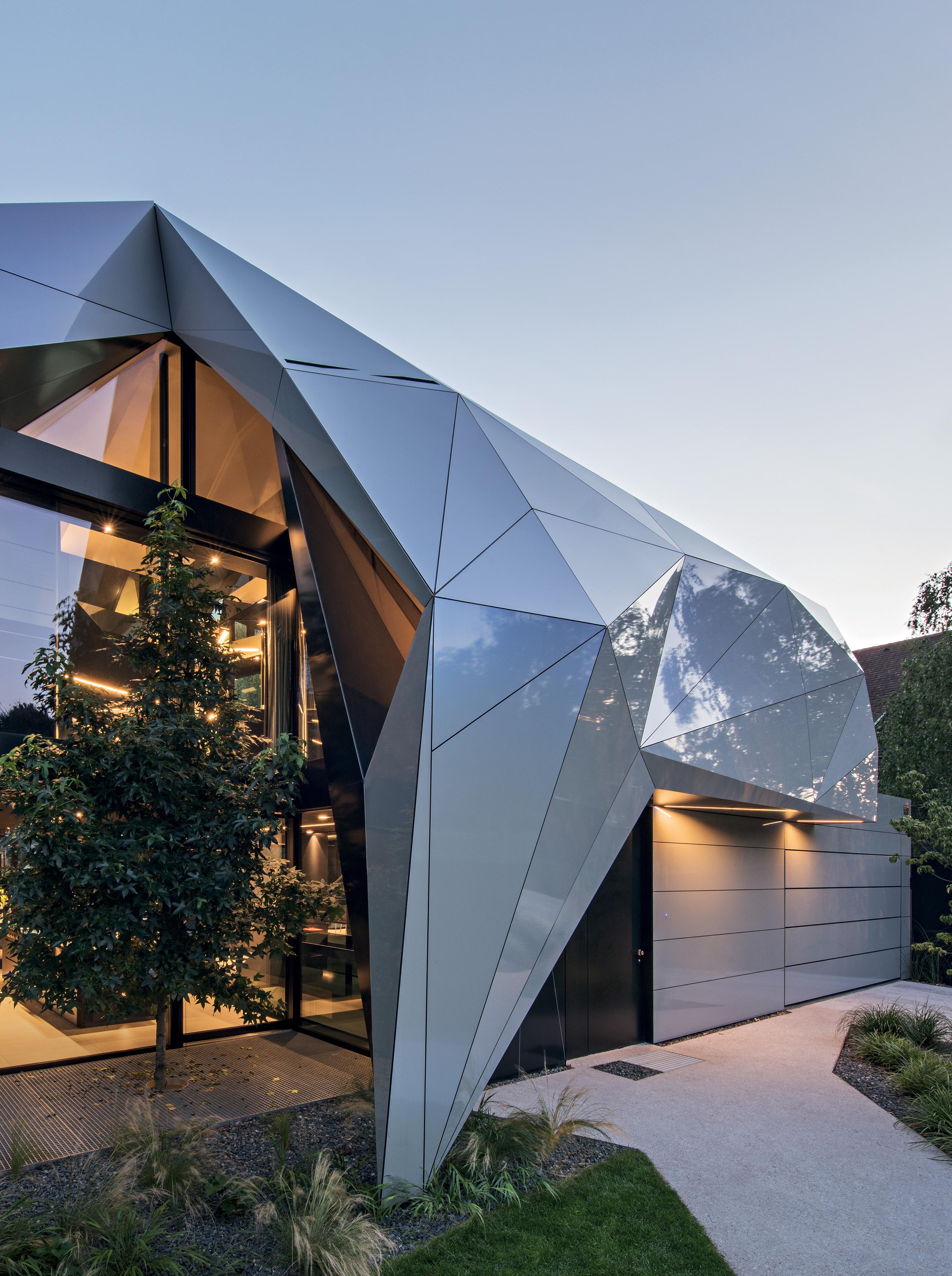
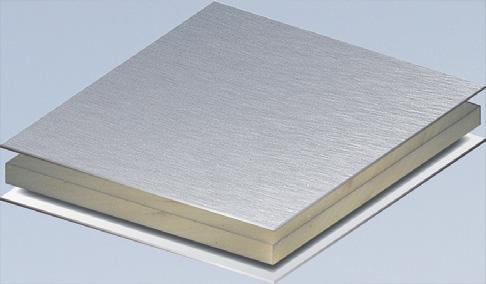
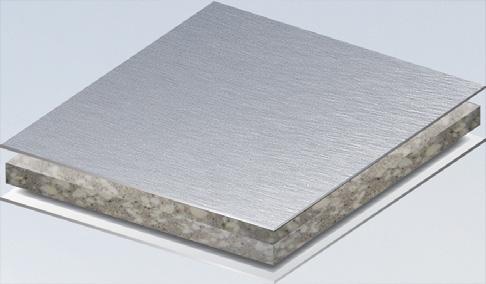
ALUCOBOND® is a composite panel consisting of two aluminium cover sheets and a fire-retardant or non-combustible mineral-filled core that stands for sustainable construction quality and the highest creative standards. The façade material is distinguished by its outstanding product attributes such as precise flatness, variety of surfaces and colours as well as excellent formability.
0,5mm
EDITORIAL
Royston Lamond
EXPANDING THE GREEN AGENDA
Every twist of the kaleidoscope shapes the way we do things. Russia’s savage land-grab of Ukraine; plastic waste littering the oceans; Eskom collapsing on a daily basis; a water crisis in a dry country; carbon emissions raising air temperature; glaciers melting; unprecedented heatwaves; bush fires; floods; droughts and famine; a covid lockdown and a re-emergence.
As we build better, the direction is for more sustainable environments and the use of smart building materials. Without compromising on our needs of a home that functions better and more comfortably with eye pleasing simplicity and design elegance and office space that stimulates thought and interaction, we now are taking big steps into our newly built environment.
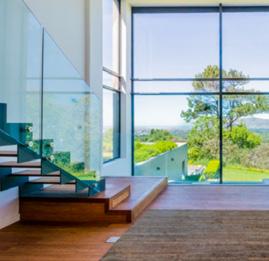
In this issue we look at the new directions of private housing design in a home set in a fynbos garden retreat in Constantia, Cape Town; a home that consciously cuts down on water consumption and reduces electricity without compromising on quality of lifestyle
We also look at drawing less power from the national grid while giving longer days of warm water swimming pools. As for building material, that genius invention of concrete that allowed the ancient Romans to build the Colosseum, Pantheon and magnificent aqueducts, has improved itself out of sight that gives builders the most durable, flexible and convenient cement to make dreams come true to life.
To a healthier, better, more sustainable way of life we will keep pushing the boundaries of our Green Agenda.
Nothing on earth perfects water temperatures and heats water as easily, affordably or efficiently as an Alliance heat pump.
Available in a range of sizes for diverse applications, Alliance residential and commercial heat pumps successfully heat water in geysers, jacuzzis, swimming pools and fish tanks for a fraction of the cost compared to conventional elemental heating appliances. Whether in homes or hotels, Alliance ensures that every household and formal accommodation facility meets its 24-hour water-heating needs while using less power from the national grid and reducing monthly electric bills.
Experience the Alliance difference today
Contact Us
Phone: +27 11 704 6320
Email: info@allianceafrica.co.za
NEWS PRODUCTS • HAPPENINGS • EVENTS
PRESIDENT CYRIL RAMAPHOSA OPENS COROBRIK’S KWASTINA FACTORY
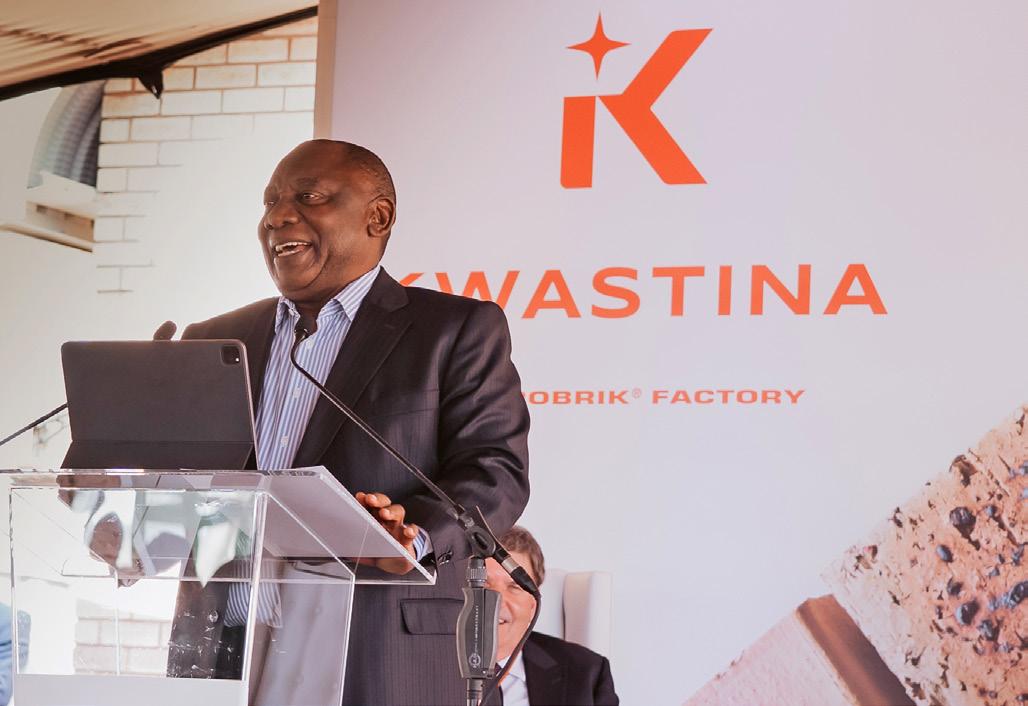
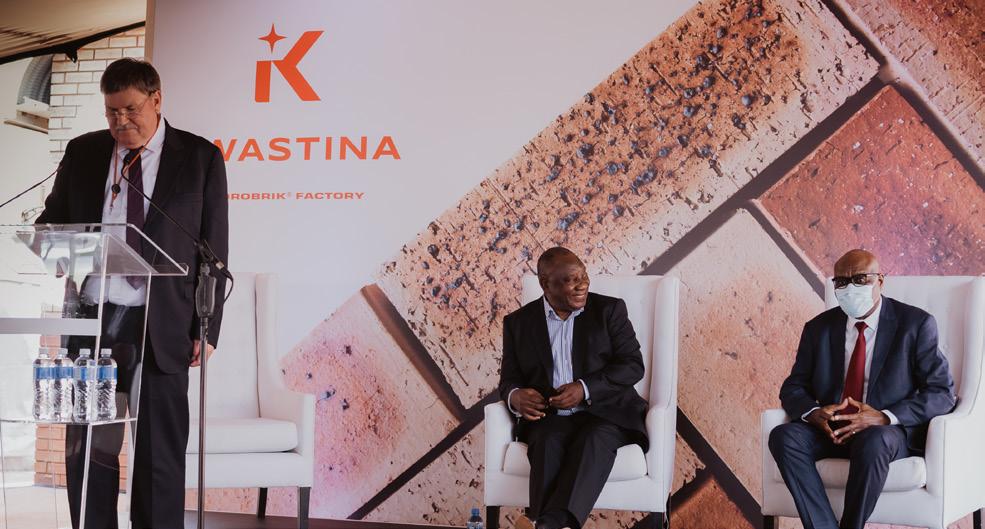
5 May 2022: President Cyril Ramaphosa says the public sector and private business can come together to form productive partnerships which can accelerate South Africa’s economy and create jobs. The President was speaking at the opening of the Corobrik Kwastina brick manufacturing factory at Driefontein, in Gauteng, on Tuesday 3 May.
Corobrik’s new R800 million Kwastina (‘Home of the Brick’) factory is the most technologically advanced and environment friendly brick-manufacturing plant in Africa. “Kwastina is testament to our commitment to constantly innovate. It is an acknowledgement on our part that we need to progress and make those step changes to keep us relevant for the next 100 years,” said Corobrik CEO Nick Booth.
The President highlighted the fact that the company is a local one that supports government efforts to empower and support local enterprises. “Corobrik has made a significant contribution to our efforts to extract greater value from our natural resources, by making its bricks from raw materials extracted from South African soil. This is an important part of government’s efforts to support localisation, supplier and enterprise development, as well as empowerment.
“As we proceed with the implementation of our infrastructure plan, the demand for building materials will grow substantially. It is our intention that as much of these materials as is possible should be sourced locally,” said President Ramaphosa.
The President hailed the local company for doing well despite the devastating and detrimental impact COVID-19 has had on the South African economy.
“We are an economy that was devastated by COVID-19. Much as we sought to manage COVID-19 and navigate our way around its dangerous paths, we still lost two million jobs. For an economy like ours which was
precariously positioned over a number of years to lose two million jobs in just a twelve-month period is quite a devastation.
“And we are very pleased that as we begin to recover, we have companies like Corobrik who are living up to the commitments they made and are creating jobs and making sure that our economy moves forward. Corobrik is making a vital contribution – in a very literal sense – to rebuilding South Africa’s economy,” said President Ramaphosa.
The hi-tech facility is fully automated, from mixing the raw materials to the end product. Capable of producing 100 million bricks a year, the new factory will easily be able to meet largervolume orders. In a first for the South African market, Kwastina will be flexible enough to produce small quantities of bespoke products for the architectural market.
Kwastina is not only one of the largest brick manufacturing plants in sub-Saharan Africa, but also one of the most modern and energy-efficient in the world. After a comprehensive analysis of Corobrik’s existing manufacturing process, the Greenfield project resulted in a new shaping plant, a new fully automatic wet side, a setting plant for direct setting, two tunnel dryers and two tunnel kilns, and a new unloading and packaging plant for dispatch packs without pallets.
“What makes this factory so exciting is that it allows us to compete anywhere in Southern Africa, landing product in regions traditionally not in Driefontein’s market as the new factory is more cost-effective,” says Booth. “It is going to give us an advantage in the market, not just in terms of technology, but also in quality and consistency, which are critical for specifications involving tight tolerances.”
The Southern African Vinyls Association (SAVA) is the voluntary industry association representing the entire value chain of the local PVC industry. With the help of its members, SAVA is creating a dynamic, sustainable and responsible vinyls industry in the sub-Saharan region. With a mandate to grow and protect the industry, the non-profit association is pro-actively working to expand key markets, identify barriers to growth and stimulate innovation.
Polyvinyl chloride (often simply referred to as PVC or vinyl) is the third-most produced plastic in the world Although it is known as “the building plastic” - owing to the fact that it is used to manufacture products that have long lifespans of 20 to 50 years or more, such as water pipes and plumbing accessories, floors, window and door profiles - it is also widely used in sports equipment, furniture, lifesaving medical devices, shoes and fashion accessories, packaging etc
Only approximately 12 000 tonnes (or 9 %) of the locally consumed PVC goes into packaging such as bottles, thermoformed punnets, blister packs, clingfilm and other flexible packaging. Although a small volume polymer packaging material, it has very specific and necessary application values. All of these vinyl products are recyclable, in high demand by recyclers and help to reduce the amount of energy and raw materials needed to produce new products
Since its inception in 2011, SAVA has been working tirelessly to assist its members, relevant authorities and experts to understand, characterise and address issues associated with the life cycle of vinyl products through its Product Stewardship Commitment (PSC).
The Southern African Vinyls Association is the voluntary industry association representing the entire PVC value chain.
The Product Stewardship Commitment forms the cornerstone of SAVA’s focus and activities and is based on international health and safety standards and best practice models. It specifies requirements with regards to sustainable manufacturing processes, the sustainable use of additives, sustainability awareness and a closed loop management system SAVA members are obliged commit to adhering to these guidelines as a means to improving the reputation and health and safety credentials of the industry.
SAVA has recently signed a Memorandum of Understanding (MOU) with Proudly South Africa This partnership will offer significant benefits and exposure to our members and their locally produced PVC products. In addition, SAVA has also registered as a PRO with the Department of Forestry, Fisheries and the Environment (DFFE) in order to represent the interest of the PVC packaging sector as they demonstrate Extended Producer Responsibility
In difficult times like the COVID-19 crisis, membership of a professional body like SAVA is especially important as it offers members a platform to connect, to discuss challenges and share knowledge and learnings, as well as crucial support, stability and a sense of community through the uncertainty.
For more information about SAVA membership benefits, new structure and fees, please email Admin@savinyls.co.za.
SAVA strives to create a dynamic, sustainable and responsible vinyls industry in the sub-Saharan region by growing the industry and protecting its stature through communicating the latest, scientifically-based and researched information. SAVA also represents South Africa on the global stage as a member of the Global Vinyl Council www.savinyls.co.za
Look out for SAVA's new Green Tick product label. Safe, responsible. sustainable PVC.
Corobrik is already hard at work extending its product range, with various new products being introduced already. Current trials are being carried out with brick glazing for bespoke projects, as well as the clay raw material to produce different colours to give Kwastina a unique footprint in the country.
Booth concluded that the commissioning process went smoothly, with no major hiccups in the process. “It was a privilege to see Kwastina through to fruition.” He ascribes the success of the project to detailed planning and the fact that tried-and-tested technology has been used, mainly from German suppliers. Hi-tech innovation at Kwastina
Dryer plant
The dryer system consists of two separate tunnel dryers based on latest advances in air circulation technology. This means air in the individual zones is circulated by radial fans without housing, installed in an intermediate ceiling and operated via external drives. Adjustable injection openings ensure an optimal drying process.
Kiln plant
The kiln system consists of two separate tunnel kilns coated with PTFE on the inside for sealing purposes. To optimise energy consumption, the kilns feature a preheated combustion air supply and systematic wheel cooling in the undercar area. The burner system with pulse control and flashing device, combined with a kiln control system, ensures an optimal firing result to produce a variety of fired products.
Unloading and packaging
The kiln car handling is fully automated. The tunnel kiln cars are transported to the unloading position, where finished firing packs are unloaded from the kiln car deck. The firing packs are placed carefully on a belt conveyor and delivered to the dehacking robots. Two industrial robots form a complete dispatch pack on each line and feed it to the packaging plant.
Kiln car cleaning system
For an optimum cleaning result, both the bottom draught blocks and kiln car deck are completely cleaned according to the ‘topbottom’ system.
Visit our newly launched website for more information at www.corobrik.co.za.
PLASCON DOUBLE VELVET PURE
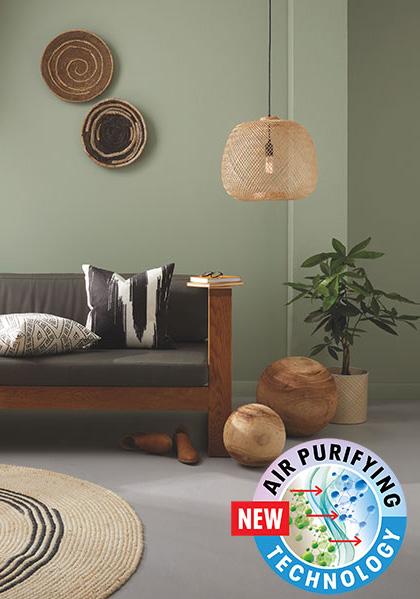
The next-generation Plascon Double Velvet Pure drastically improves indoor air quality by incorporating new air purifying technology to reduce harmful formaldehyde. This pioneering formaldehyde abatement technology is the first on the South African market! This means that Plascon Double Velvet Pure is now even more relevant to architects and interior designers working on green building projects. The paint provides a viable means of helping to combat “sick building syndrome”.
Formaldehyde is a Volatile Organic Compound (VOC) that is used as a binding agent in many composite building materials like chipboard, textiles and furniture, as well as several other products such as detergents and pesticides. These items are most commonly found in office and home settings where people spend 90% of their time. Formaldehyde is released into the air from these sources and, although it is not the only culprit, it is one of the major contributors to making indoor air five times more polluted than the air outside
The formaldehyde abatement technology present in Plascon Double Velvet Pure absorbs formaldehyde particles emitted from fabrics, woods, building materials and furniture in the surrounding
environment and by reacting with specific compounds present in the paint, irreversibly converts the formaldehyde compound into harmless water vapour that is safe for breathing.
The reengineered premium product will retain all of its quality, strength and elegance as well as its existing technologies such as the Stain BarrierTM, Silver ProtectTM and BreatheasyTM. Plascon Double Velvet Pure’s unique Stain BarrierTM forms a multilayered protective coating that prevents dirt from penetrating the coating. The BreatheasyTM Technology contains zero VOCs, allowing the product to be virtually odourless and making it ideal for enclosed interior spaces. No emission VOCs mean cleaner, more breathable air. Plascon Double Velvet Pure is highly stain-resistant as it is reinforced with Silver ProtectTM Technology, offering users a luxurious finish that is easy to maintain. This technology also inhibits mould and bacterial growth.
The reinvented Plascon Double Velvet Pure is the obvious choice for trade professionals who are active in the eco architecture and interiors space, or who are working with clients who want to put the wellness of a building’s occupants first, whilst experiencing the premium, luxurious quality for which Plascon Double Velvet has always been known.
DECOREX CAPE TOWN WINNERS
Lana Fredericks (Curator of 100% Radical Transparency) Alderman James Vos (City of Cape Town, Mayoral Committee Member for Economic Growth)
Turning out in force to welcome the return of Decorex Cape Town after a two-year break, a significant crowd of VIP guests - including guest speaker Alderman James Vos of the City of Cape Town, who is the Mayoral Committee Member for Economic Growth - gathered for the official opening of the Mother’s City’s leading decor and design show on the evening of 16 June 2022. The evening was crowned with the announcement of several new industry awards, in keeping with the show’s reimagined approach.
The Decorex Cape Town 2022 awards celebrate the designers and businesses that are reimagining the future of the industry. These awards promote the appreciation of excellence, by paying tribute to the stands, products, services and people that are driving innovation.
The judging process was facilitated by Sisipho Graham of House and Leisure and the panel of independent judges included Laurence Brick, Managing Director of award-winning agency Platform Creative; respected interior designer Liam Mooney; Johanna VDMBrouwer, owner and creative lead at The Sourcing Lab; and Anja Joubert, the Trend Director at Superbalist.com.
The judges recognised excellence in the following new award categories this year, namely: BUILD, KITCHEN, REIMAGINATION, COLLABORATION, NEW TALENT, SUSTAINABILITY, DESIGNER OF THE YEAR, and BEST STAND.
The BUILD AWARD is for the exhibitor who has dramatically realised the potential of architectural materials, and spatial orientation in a design scheme. The judges chose Arc Modular as the winner because the concept executes compact living well, through refined finishes and collaborative furniture pieces that serve to elevate the space.
The KITCHEN AWARD is for the exhibitor who has incorporated functionality, sustainability, aesthetics and innovation into this hard-working heart of the home. SPECIAL MENTION in this category went to Caesarstone for its recent addition of outdoor surfaces that usefully extends the indoor range. The judges chose
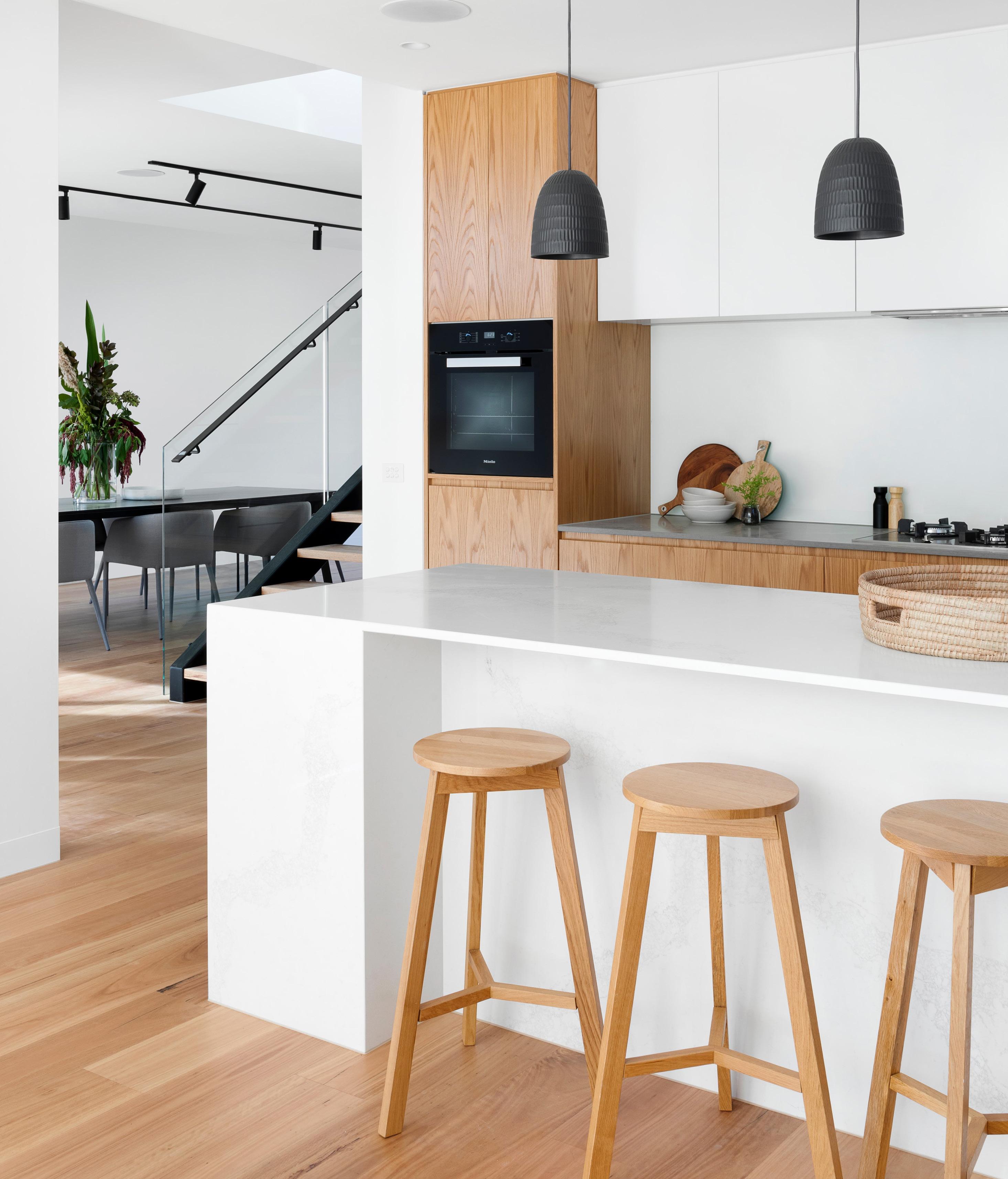
The Trend Kitchen by Cosentino and Numu Kitchens as the winner because of the stand’s modern lines and slick finishes that elegantly incorporate oak and greenery.
The REIMAGINATION AWARD is for the exhibitor who has most holistically encapsulated this year’s theme of reimagination and has demonstrated what it means to adapt, rethink and redefine the future of design. The judges were looking for ethical design practices and a designer who is creating meaningful change.
The judges chose Her Perspective as the winner, not only because of the interesting way in which the stand was designed, but because the content shares a wonderful revisionist approach that serves to highlight female architects. “It changes your focus,” was the assessment the judges made.
The COLLABORATION AWARD is for the most successful example of co-creation and this is awarded to the team that has best realised the creation of space for the ideas of others. This is about working together, sharing the same vision, collaborative values and execution, and their co-achievement in transdisciplinary exploration.
A SPECIAL MENTION went to Okra Candles, for a reimagined product range and an innovative use of wax on 100% Chair in collaboration with THEFOURTH, as well as the room divider on 100% Weave.
The judges chose Clout/SA as the winner because the entire stand is a collaboration between many designers and the products showcased are also produced collaboratively, in a way that allows rising young designers to advance their careers and access the market.
The NEW TALENT award goes to the most prominent new voice in the design world. It recognises an emerging designer’s vision, tenacity and potential to contribute to the industry in a positive way.
Siviwe Jali from Clout/SA was chosen as the winner because his aesthetic approach is fresh and unique, with a promising sense of scale and proportion. “His lights in particular are beautifully realised,” commented Brick.
The SUSTAINABILITY AWARD recognises significant advancements in the use of low-impact materials in both manufacturing and further consumption. The award was given to the Garage of the Future, Progressed by Audi, for the Audi E-tron electric car itself, to all the materials and furniture pieces used on the stand, which were sourced by Donald Nxumalo.
The DESIGNER OF THE YEAR award goes to the designer
who has produced consistently outstanding, original and impactful work. This designer understands the demands and culture of our time and is designing for now, next, and when we are gone.
SPECIAL MENTION was given to Haldane Martin for his consistent excellence, quality and strength of vision – he is a leading light for many in the industry.
Alderman James Vos (City of Cape Town, Mayoral Committee Member for Economic Growth) Nokuzola Jenness (Yellowwoods Ventures Investments) Siviwe Jali (Designer at Clout/ SA) Khosi Leteba (Designer at Clout/SA) Tracy Lee Lynch (Creative Director at Clout/SA) Katlego Tshuma (Designer at Clout/SA) Bonolo Helen Chepape (Designer at Clout/SA) Candice Lawrence (Designer at Clout/SA)
The winner is Thabisa Mjo. She is the only south African designer to have had pieces included in the permanent collection of the Museum of Design in Paris and she is consistently one of the largest exporters of South African design through the Nando’s Portal to Africa, facilitated by Clout/SA. Very recently, in mid-June 2022 the renowned Pompidou Centre in Paris acquired Mjo’s Hlabisa Bench, a collaboration between the designer, Houtlander, and master weaver Beauty Ngxongo.
The BEST STAND award pays tribute to the stand that has displayed the most innovative, interactive, and communicative potential. This award goes to the stand that has most successfully invited conversation and participation through its design. The judges were looking for the most inspiring installation that adheres to good design principles.
SPECIAL MENTION went to the Njano Restaurant by Cassandra Twala of moea design Studio for scaling beadwork to give contemporary impact. The restaurant’s bold colour palette was supplied by Plascon.
The judges chose 100% Radical Transparency curated by Lana Fredericks as the winning stand because it transports the viewer into a contained world, and intrigues them when there, by showcasing inspiring products from a range of top local glass designers, artisans and artists. The intention behind the display is to spark conversations about transparency in the design industry.
Decorex Joburg comes to the Sandton Convention Centre from 2831 July. Get the inside track via decorex.co.za.
AN ECO-FRIENDLY, MODERN HOUSE
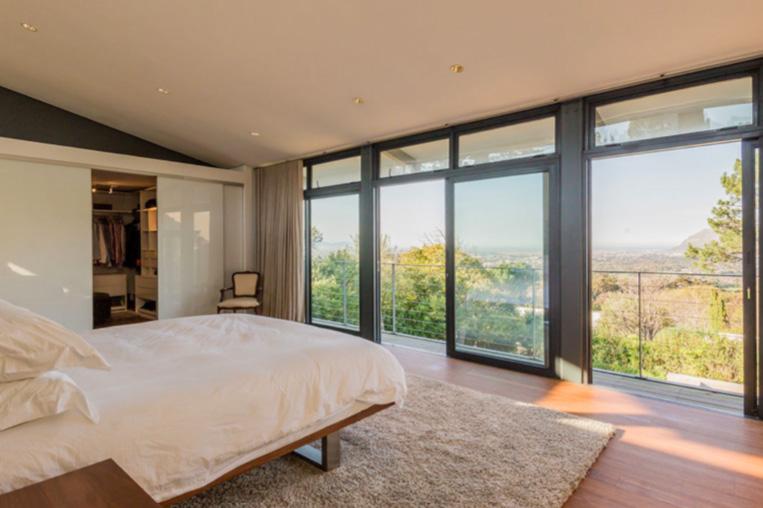
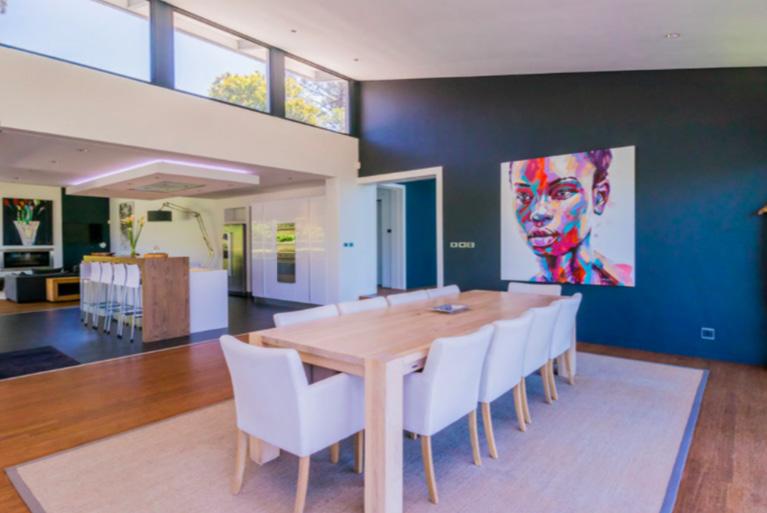
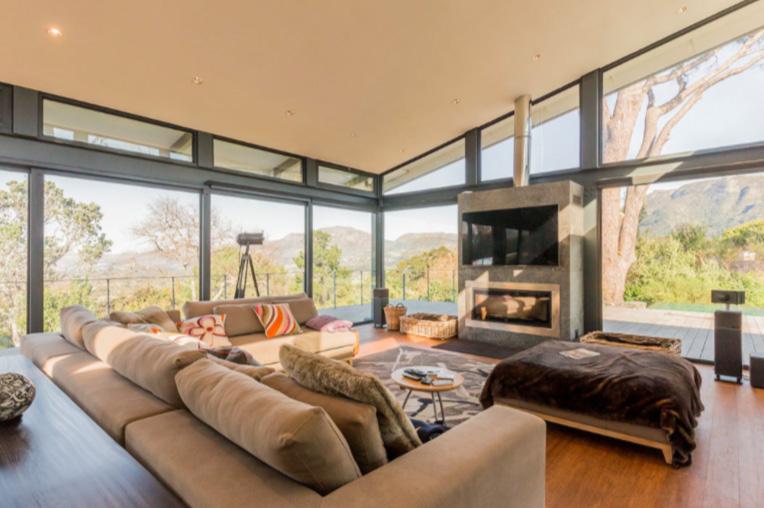
An Eco-Friendly, Modern House –With Impressive Views –Outside Cape Town.
The home has a photovoltaic home-automation system, which operates everything from the lights, security and irrigation systems to the home’s underfloor heating.
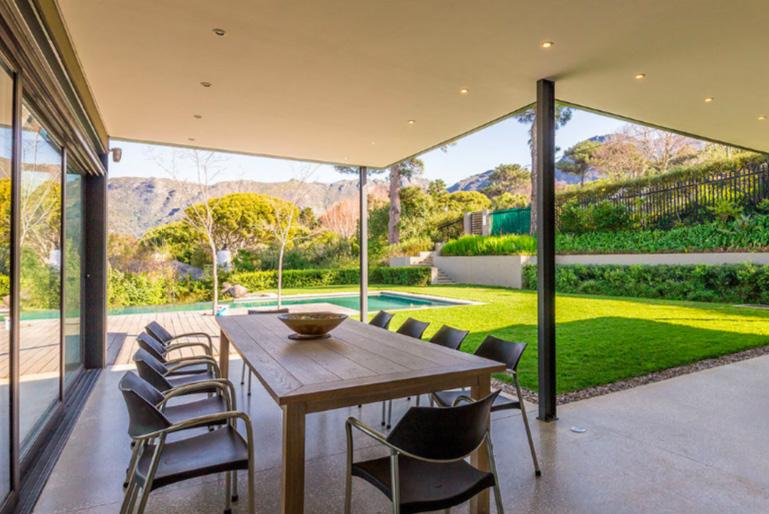
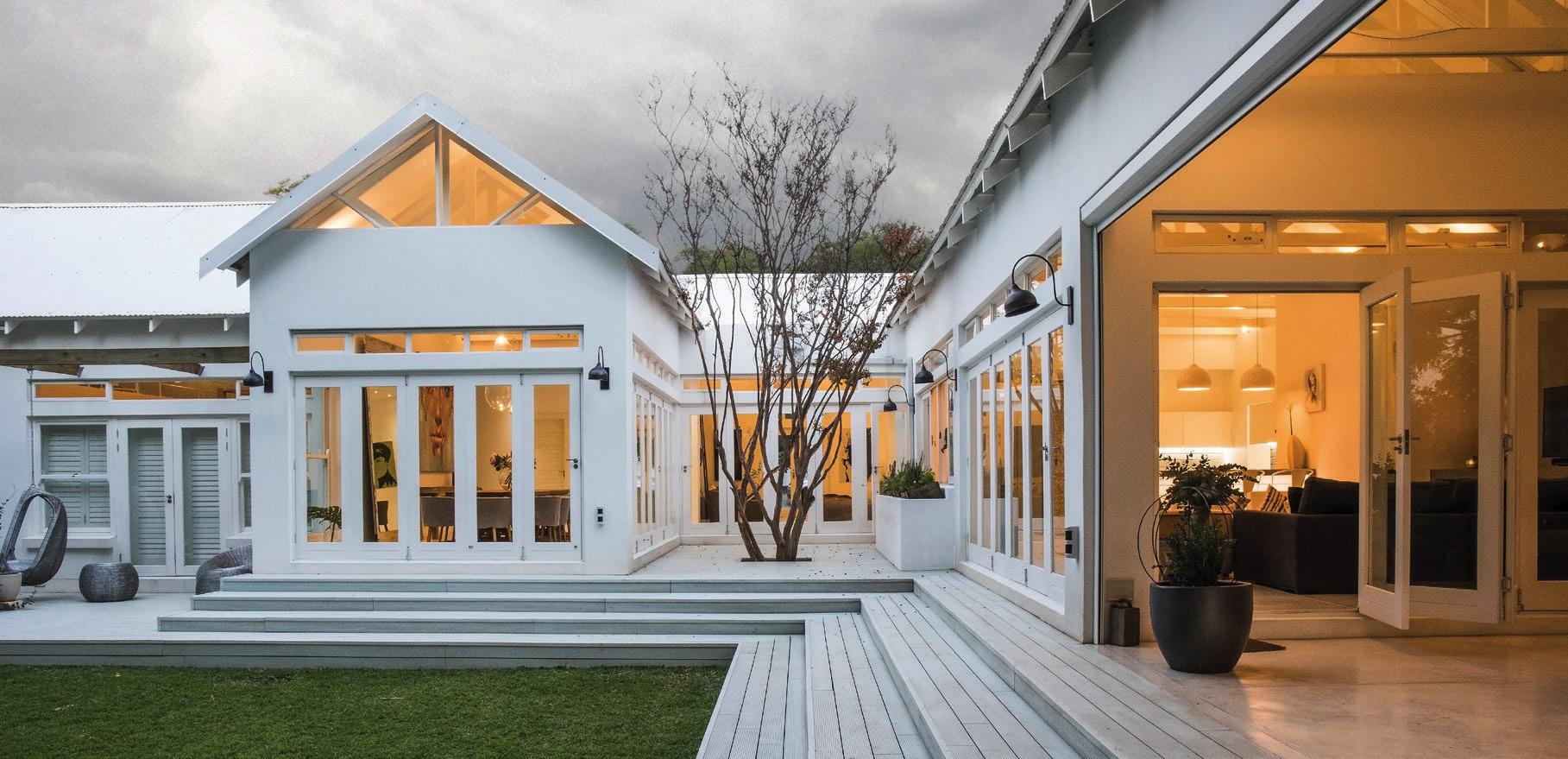
This contemporary house, nestled in the beautiful Constantina Valley, sits on over an acre of native South African Fynbos garden.
Described by the home’s agent, Barbara Manning, as a “private nature reserve,” the property is surrounded by mature ironwood trees, and offers panoramic views across the valley toward the mountains from Devil’s Peak to Constantina Nek and Silvermine, and out over the glistening False Bay.
The home is both stylish and eco-friendly.
The airiness of the open-plan home is balanced by the warmth of Italian wood-burning fireplaces. Floating furnishings such as worktops and beds are in-keeping with the home’s economic design, while a solar and wind powered home automation system affords the greener lifestyle that many buyers seek.
The stylish home boast a highly eco-friendly, 10KW photovoltaic homeautomation system, which operates everything from the lights, the security and irrigation systems and the pool pump to the interior blinds and shutters and underfloor heating. The system is solar powered by day and wind turbine powered by night.
A heated and oxygenated, marbelite, L-shaped pool and spa hugs the back garden patio, and its infinity edge looks out upon a vista of lush greenery and mountains. The home also features garage space for three cars and a private wine cellar.
Cape Town is considered the cosmopolitan capital of South Africa, combining a vibrant, multicultural metropolis with stunning wild nature
Designer savings that start on the drawing board
In the luxury home sector, saving often begins at the drawing board with astute developers, architects and homeowners agreeing on the following most common sustainability investments.
Locally-produced building materials: these produce a lower carbon footprint as opposed to imported options that travel great distances to find their final homes.
Designing with climates in mind: high ceilings are dictating ceiling volume, not only as a statement of luxury, but as a natural way to keep buildings cool in hotter climates.
Solar interventions to replace geysers: an intervention like a solar water heater can take up to six years to pay for itself, but can also save up to 60% of the electricity bill for most of the year when the sun is doing the work, at no cost.
Heating for homes in the shade: heat pumps for water are also a worthwhile consideration and use less than half the electricity of the average geyser, generally paying for themselves within 24 months.
Temperature controls: astute developers are planning for temperature control upfront with ceiling insulation that serves homeowners through both warmer and cooler seasons, closed combustion fireplaces, and ceiling fans instead of air conditioners.
Energy-efficient appliances: dual-flushing toilets and gas stoves are fast becoming favoured options.
Smart technology: finally, switch off and turn down from anywhere in the world, by simply using your phone – this must be one of the ultimate eco-friendly luxuries.
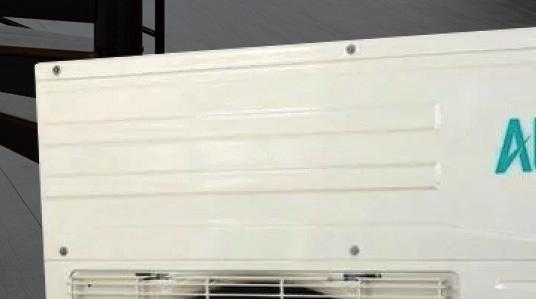
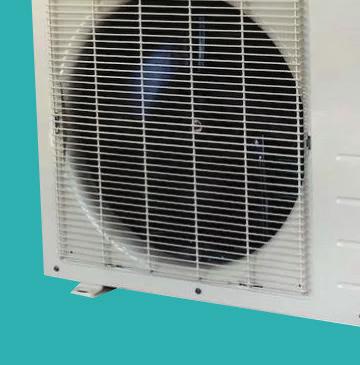
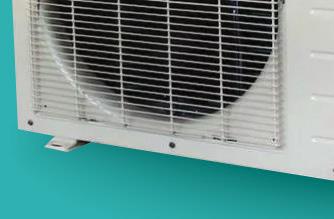
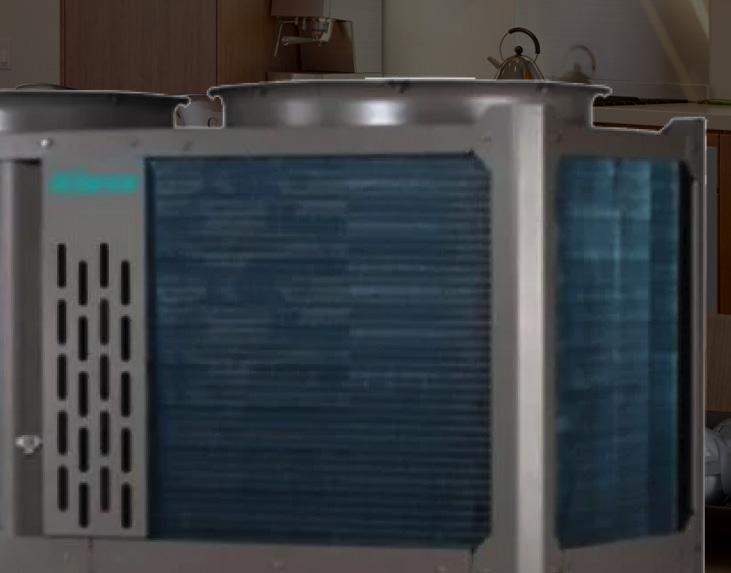
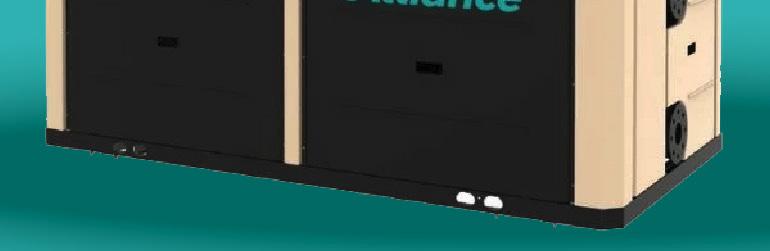
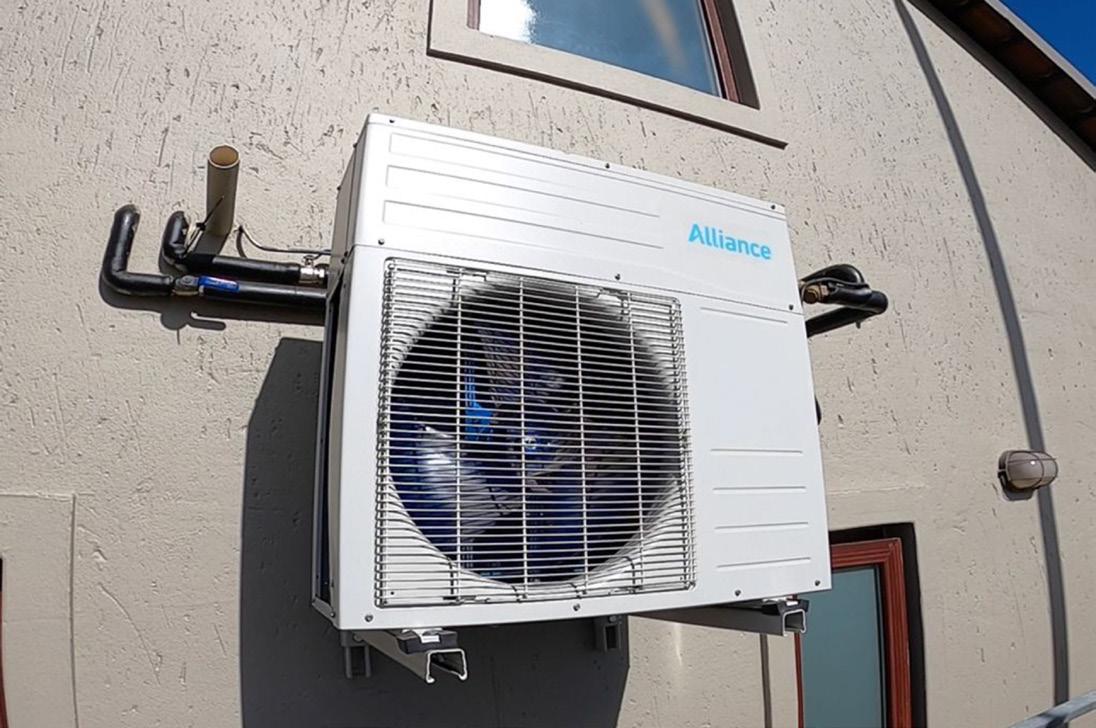
Alliance Heat Pumps work on the same principle as air conditioners, extracting ambient heat from the atmosphere but, instead, transferring it to water.
‘ ‘
HEAT YOUR HOME WITH ALLIANCE Eco-friendly
and
cost-saving water heating solutions
In a typical South African home, it is estimated that approximately 50-60% of electricity consumed is used to heat water. The biggest culprit is your good old geyser. Now that it’s winter, everyone is taking longer, hotter showers and heating their homes electrically in a bid to keep warm. Naturally, this translates to greater electricity usage and a more expensive power bill at the end of each month.
In 2022, the cost of electricity is increasing by 25%. This means your energy-guzzling geyser is costing 25% more to run than in 2021. With no end to price hikes seemingly in sight, many consumers are switching to cost-effective, modern energy-efficient technologies from Alliance for solutions to their residential and commercial water heating woes. This was the case for a private residential homeowner earlier this year.
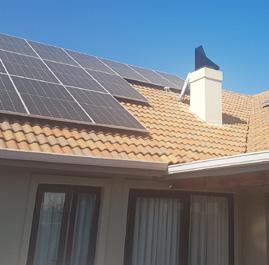
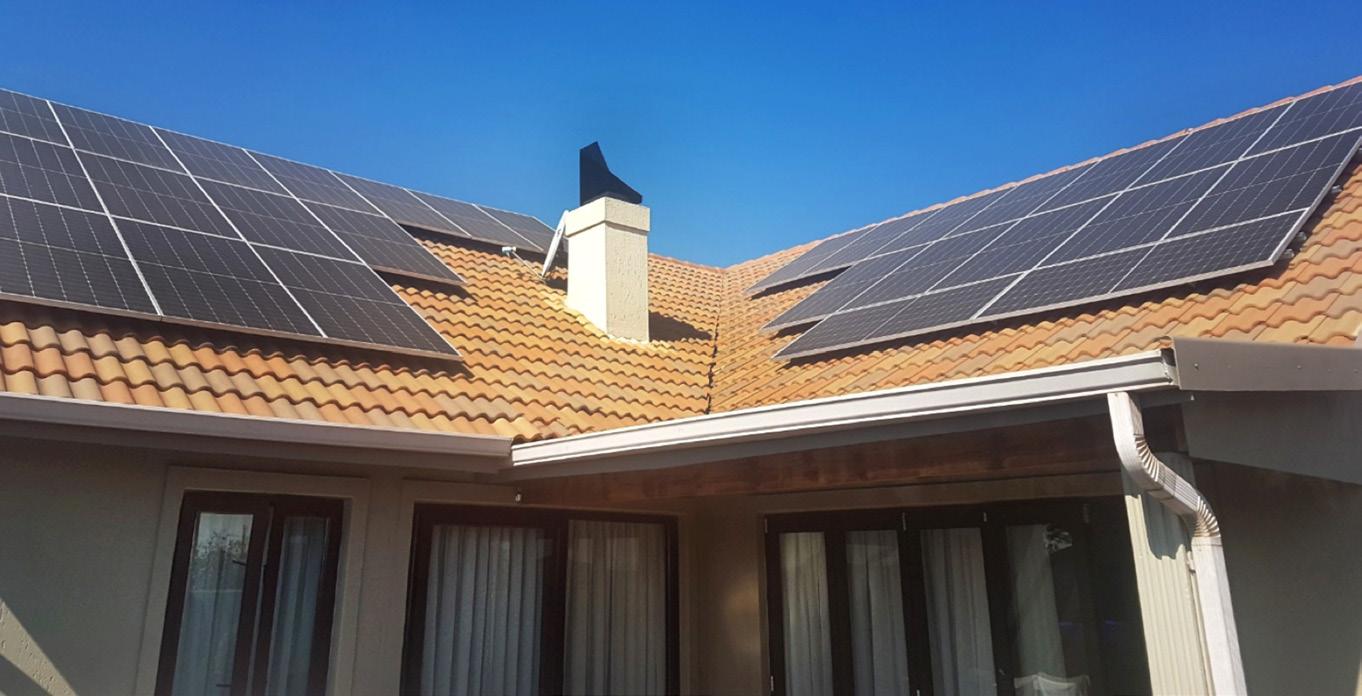
The client’s home was disconnected from the national energy grid and installed with a 7kWh solar photovoltaic system (PVS) that uses 28 x 250-watt photovoltaic solar panels to generate electricity. Installation was expertly done by Eco Simply Solar.
To reduce the size of the PVS required for the property, Fourways Group supplied an Alliance 5kW hot water heat pump that was installed onto an existing 200-litre geyser. Traditionally, a 200-litre geyser requires a 4kWh electrical element for full efficiency. This is not practical with a PV system as the geyser’s element would require a much larger solar array. Its 4kWh element would take 2.9 hours to heat the water inside and consume an electricity total of 11.6kWh. At a tariff of R2.10 per kWh, it would cost R24.36 per heating cycle to heat the water within.
Alternatively, an Alliance Retrofit Heat Pump only has an input power of 1.2kWh. At 20°C ambient, it heats the 200L geyser from 10 - 60°C in 2.3 hours and uses only 2.76 kWh at R2.10 per kWh. The Alliance Retrofit Heat Pump would cost R5.80 to heat the water, saving consumers R18.56 each month. This represents massive savings over a 10-year cycle, which would cost R88 914 for a 4kW element to heat geyser water whereas the Alliance water heat pump would cost just R21 170, saving end-users an incredible R67,744. Whether in homes or hotels, hot water heat pumps help every household and formal accommodation facilities such as hotels reduce rapidly increasing electricity costs.
These Alliance Heat Pumps work on the same principle as air conditioners, extracting ambient heat from the atmosphere but, instead, transferring it to water. Thus in a normal geyser, 1 kW of electrical energy produces just 1 kW of heat energy, with an Alliance Heat Pump, 1 kW of electrical energy produces approximately 3 kW of heat energy. The result is water heated for only approximately one-third of the electrical usage of a normal household geyser, saving consumers two-thirds on water-heating costs.
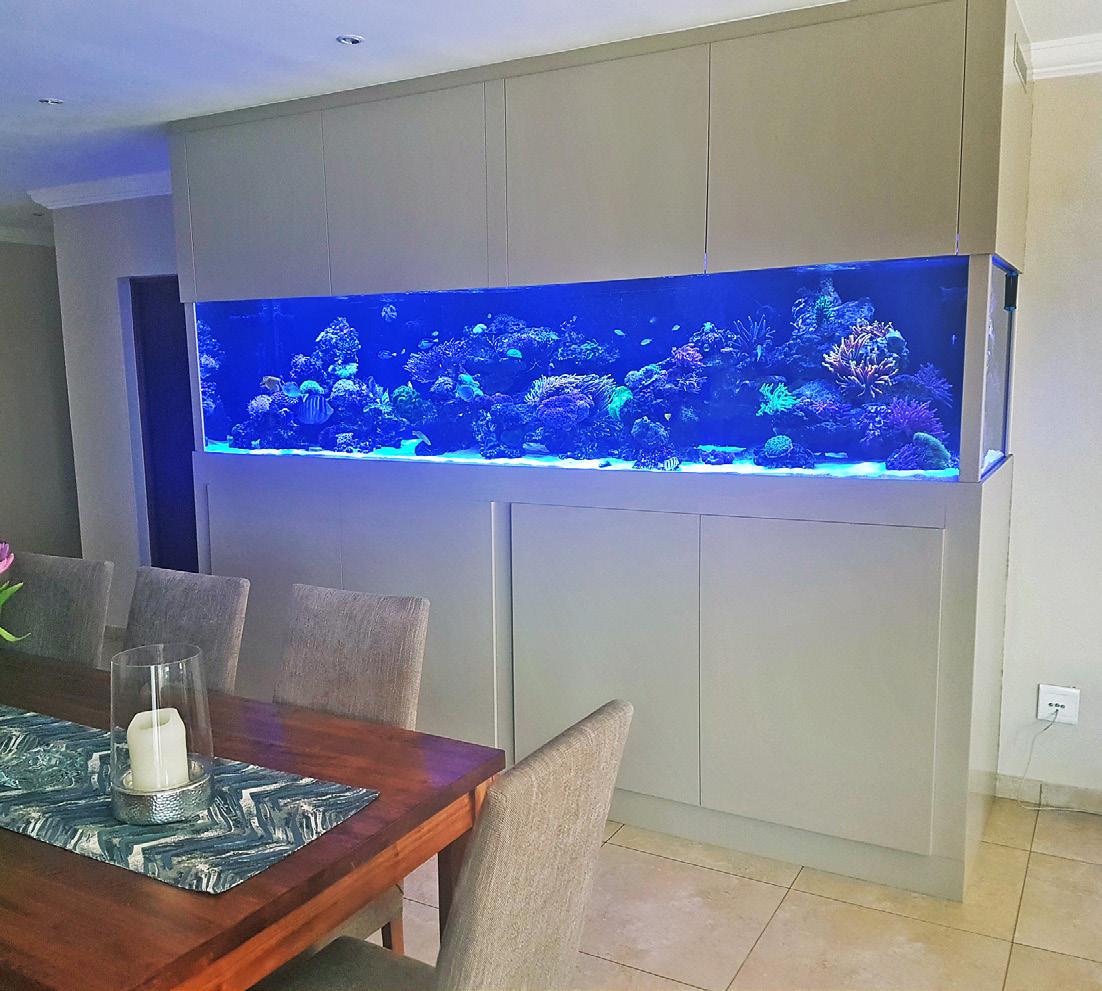
Domestic Alliance units comfortably heat from 100 litres to 500 litres of water. For commercial use, as a result of the modularity of Alliance Heat Pumps, many units can be linked together to supply thousands of litres of hot water per hour. Water temperature, as well as heating periods, can be adjusted via a wired controller to meet specific hot water demands. An additional technical challenge for Eco Simply Solar was to figure out how to heat the private client’s 3000 litre marine fish tank that boasts R200 000 worth of live coral and exotic fish at a maintained water temperature of 26°C. Experts at Alliance recommended an Alliance 5.4kW swimming pool heat pump which has a titanium heat exchanger that is resistant to the saltwater of the marine tank. The 5.4kW pool heat pump operates for three hours each day to maintain the perfect 26°C water temperature while consuming 3.2kW per day. This was the first time a swimming pool heat pump was designed for a system like this and a great accomplishment to see how Alliance water heat pumps can be used successfully for different types of water-heating applications. Apart from saving electricity, saving homeowners money and reducing the load on Eskom, Alliance units also operate on eco-friendly R410A gas. This gas has replaced R22 Refrigerant as the preferred refrigerant for residential and commercial air conditioners in South Africa as it does not contribute to ozone depletion. In the context of climate change, this new generation of eco-friendly heat pump water heaters will reduce your home’s emissions and carbon footprint. R410A gas also functions at a higher pressure than R22, thus new compressors are built to withstand greater stresses, reducing the chance of cracking.
South Africa’s national electricity grid is under extreme pressure as the limited supply struggles to keep up with growing demand. The more energy-efficient buildings become, the more they contribute to minimising electricity supply pressure on the national grid. By law,
a minimum of 50% of a building’s hot water must be heated by an energy source other than electric element heating. Alliance heat pumps and pool heat pumps make it possible by extracting ambient heat from the atmosphere and then transferring that heat to water. The result is an eco-friendlier building that burns less fossil-fuel-based energy and reduces its greenhouse gas production, an objective of the SANS 204 Energy Efficiency in Buildings regulation.
With soaring energy prices and a strong probability of more to come, Alliance heat pumps in residential properties and the likes schools and hotels have become the go-to energy-saving solution for consumers to trim their monthly electricity costs. The agreement is widespread –Alliance heat pumps are the most economically and ecologically valuable solutions in the water-heating industry, proving a friend to finances, buildings and the environment.
MULTI-LEVEL SYSTEM FOR VINYL INSTALLATIONS FROM TAL
There is no question that the look and performance of a floor covering is largely dependent on what lies beneath it. TAL has therefore developed their TAL Floor Levelling system, as showcased at the Big 5 Construct Africa in June of this year.
“Installation of vinyl flooring systems require careful preparation and a system of compatible products to ensure a successful installation” explains Marius Botha, TAL Senior Operations Manager. “The TAL Floor Levelling System aims to safeguard the final finish, which is most often vinyl sheeting, LVTs or PVC-backed vinyl tiles.”
The company’s approach is focussed on two things; providing a practical, easy to use flooring system, and knowledge sharing with flooring professionals and installers on key issues such as understanding the substrates that they are working with, selection of products and using the correct tools for a professional installation.
“Our R&D team have taken feedback from our customers regarding challenges they experience on site and have developed this system in response to that information, and to be effective in our local conditions,” says Botha.
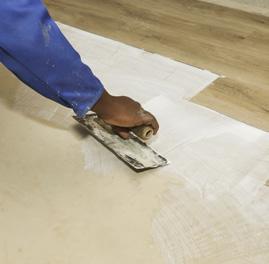
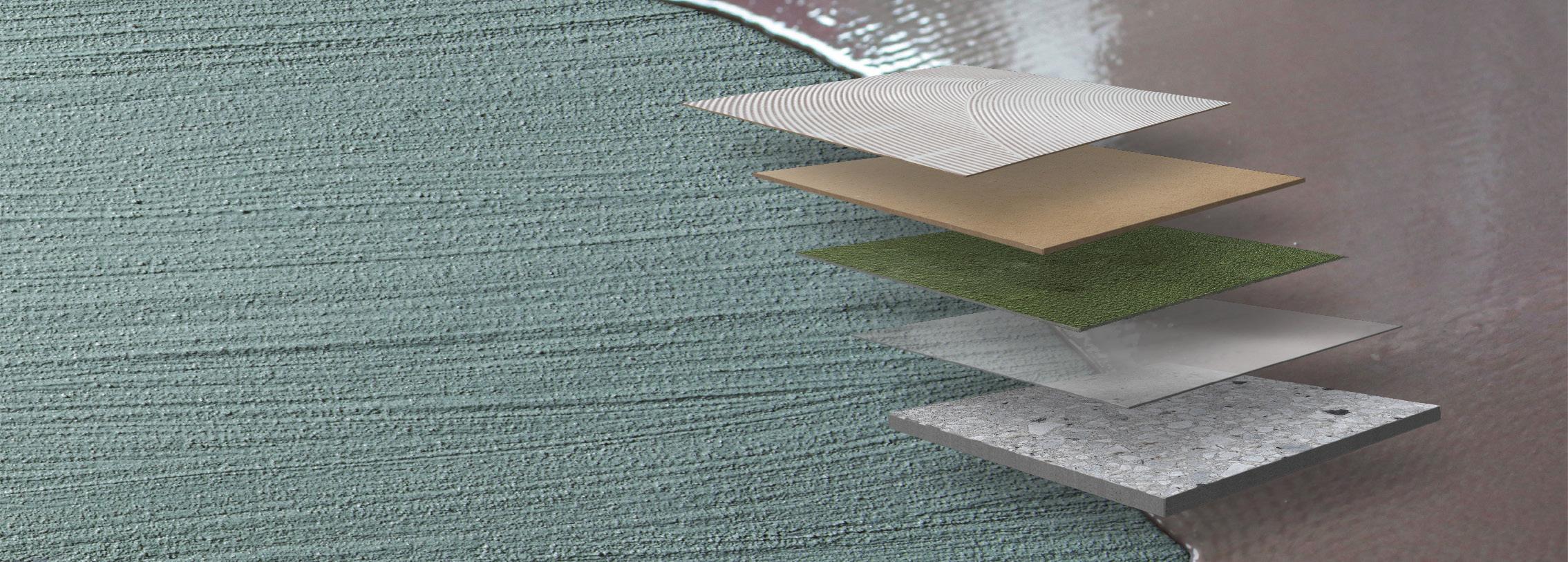
As vinyl floor coverings are very sensitive to high rates of moisture in the substrate, or high moisture vapour emission rates (MVER), TAL recommends the use of their easy application, roller-applied water-based epoxy vapour barrier, TAL Vapourscreen WB, to reduce the risk of debonding of floor coverings. TAL Primercoat, a ready-mix primer slurry, is then applied onto the vapour barrier so that the self-levelling screed can key onto the prepared surface, creating a strong bond. TAL Screedmaster, a rapid-setting self-levelling screed gives installers the smooth and level surface required to install vinyl floor coverings. The final level of the TAL floor levelling system is a selection of acrylic-based adhesives designed for soft floor coverings
including vinyl sheeting, luxury vinyl tiles or PVC-backed vinyl tiles.
“We believe that supplying our customers with a full range of products that are compatible with one another, on site technical support and product training is the key to helping our customers deliver a professional vinyl flooring installation” says Botha.
For more installation information visit talscreedmaster.co.za or contact the TAL Technical Advice Centre. For more information on TAL, visit tal.co.za.
About TAL
TAL, a division of Norcros SA, has been a trusted manufacturer and supplier of the highest quality materials to the construction industry for more than 50 years. Their trusted range of tile adhesives, grout and waterproofing materials, as well as their range of specialised functional and decorative floor coatings and construction chemicals are manufactured and tested in accordance with the most stringent standards of quality and performance. In combination with a commitment to exceptional customer service, encompassing pre-sales advice and after-sales support, this constant pursuit of excellence means that TAL is there for you at every level, creating beautiful spaces – from conception to completion.
TAL products are manufactured and tested to TAL procedures which are maintained in accordance with Quality System Standard ISO 9001:2015, Environmental Management System ISO 14001:2015 and Occupational Health and Safety Management System ISO 45001:2018. The TAL laboratory is an ISO 17025:2017 accredited testing facility for 1348 (Tensile Adhesive Strength of Cementitious Adhesives).
TAL Contact Details
Gela Ohl • TAL Marketing Manager
Tel: (011) 206 9700 • Web: www.tal.co.za
SMART WATER HEATING COULD HELP IN SOUTH AFRICA’S ENERGY CRISIS
South Africa’s energy crisis has many dimensions, from political and economic to technical and environmental. Recently, the country’s power utility, Eskom, has been generating only about 60% of its capacity and has had to restrict usage to prevent a regional blackout.
Eskom’s new chief executive officer has affirmed the importance of demand management to handle the crisis. But his approach of merely “subsidising energy-efficient lightbulbs” won’t cut it. The country needs drastic interventions – and the elements of the fourth industrial revolution are available to make this possible. These are: wireless connectivity, the internet of things, big data analysis, machine learning, artificial intelligence and intelligent centralised control.
One of the biggest consumers of energy in South Africa is the electric water heater, or “geyser”. The estimated 5.4 million electric water heaters in South African homes and public buildings use around 40 GWh of energy per day, draining more than 4 GW, 12% of operational capacity from the electricity grid at peak times.
What tends to be overlooked is that these water heaters are perfect
for storing thermal energy. They absorb electrical energy when heating water, and discharge thermal energy later when the hot water is used, with little loss in between. This makes them well suited for flattening the grid’s morning and evening demand peaks. Centrally switching them on during off-peak times would distribute demand for electricity more evenly through the day.
Two thorny issues compete with demand and energy management in water heating. One is customer satisfaction. The most energyefficient and demand-optimal water heater is one that is never turned on, but who wants a cold shower?The benefits of scheduling heaters don’t stop there though. Our research has shown that the energy they guzzle, and the resulting emissions, can be significantly reduced too by applying optimal scheduling – also see our helpful online calculator.
The other is customer safety. A water heater running at a low temperature can promote the growth of harmful bacteria. We have detected potentially lethal Legionella bacteria in water heaters and downstream pipes, and even in heaters that are set to high temperatures.
What needs to be done
The bulk switching off of water heaters, called “ripple control”, has been used to do demand management for decades. But this unidirectional approach is not enough to ensure energy savings, and could lead to unhappy users.
The problem can be overcome using the tools of the fourth industrial revolution. They can reduce the amount of energy that customers use to heat water, and thus the aggregate load on the grid, without sacrificing user satisfaction or encouraging disease. We have demonstrated this in our recently published paper on comfort, peak load and energy.
A network of smart water heaters is required to realise the full benefits of scheduling water heaters. These measure and report water and energy usage, remotely control the heating schedule and temperature of each water heater and can learn the user’s behavioural patterns.
Individual water heaters could be switched on and off centrally at times that would distribute demand for electricity more evenly through the day while ensuring optimal energy savings for all. We developed and used such a network in our research and demonstrated the efficacy of such a solution.
By introducing individualised optimal temperature-schedule control, we showed that energy savings ranging from 8% to 18% are realistic. This is without taking into account the additional savings that’ll result because unintentional hot water use will be at lower temperatures.
It also excludes the savings achieved through high-resolution smart-meter information leading to behavioural change. Taking these extras into account we observed energy savings of 29%, albeit in a small sample.
The ripple effect
This technology has the potential to curb South Africa’s costly diesel habit, reduce the country’s CO₂ footprint and reduce the triggering threshold for rolling blackouts by at least 2 GW.
Also, with the increased introduction of and dependence on unpredictable solar and wind power, a network of delay-tolerant smart water heaters could help stabilise the grid.
Insurers are likely to play intermediaries between the user and the utility, since smart water heaters limit damage that results from mechanical failures. With thousands of heaters under their control, they could then sell large-scale demand management as a service to the struggling utility, while providing a value-add service to customers. What’s more, retrofitting existing water heaters will create jobs for installers and stimulate local manufacturing. Given the multidimensional impact of blackouts, all new water heaters should be smart from the outset.
MJ (Thinus) Booysen is Associate Professor at the Electrical & Electronic Engineering Department, Stellenbosch University. This article first appeared on The Conversation
TIER flooring has changed the game through the brand’s Visualiser App, which uses powerful digital imaging technology to show what a colour and design selection would look like in any room in your home by simply uploading a photo.
‘
HOME DECOR
TIER flooring has infused home decor with incredible technology
When we think of advanced technology in our homes, the floors under our feet are probably the last thing that come to mind. From ceramic tiles to carpets and even hardwoods, flooring materials tend to be taken for granted in doing their mundane jobs. TIER flooring has come out and smashed these preconceptions by introducing building materials that are packed with leading technology – literally wall to wall.
Even before purchase, TIER flooring has changed the game through the brand’s Visualiser App, which uses powerful digital imaging technology to show what a colour and design selection would look like in any room in your home by simply uploading a photo.
Whether it is a kitchen, lounge or bedroom, the app seamlessly overlays selected colour schemes so that you can find the ideal match for your room. Ready-made arrangements for typical room setups are also available – especially helpful to put together a perfect look if there is no existing furniture or fittings to match with. Room views can be rotated and lay patterns can be altered and you can generate a quote at a single click once the perfect colour scheme is chosen.
“The Visualiser App introduces incredible convenience for anyone wanting to restyle their home. The risk of making a mistake in a significant purchase – both from a financial and aesthetic point of view – is all but eliminated when homeowners can literally swap out the floors beneath their feet until they are perfectly happy with their choice. It also significantly reduces time taken to consider and compare arrangements and finishes,” says Shelley Galliver, Marketing Director at Eva-Last, the building products group behind TIER flooring.
The Visualiser App is available on TIER’s website at www.tierflooring.co.za/colour-visualiser. Users simply take a picture of the room that needs a makeover or upload it from a device and start selecting from the broad range of Tier flooring collections which come standard with five-year light industrial warranty, 10-year heavy commercial warranty and 30-year heavy domestic warranty.
The Benefits of TIER flooring
TIER flooring is highly engineered to be more durable, low-maintenance and eco-friendly than other flooring materials. From its production, which makes use of solar power, to the use of stone polymer composites which completely eliminates the use of endangered hardwood species, TIER flooring has set a new benchmark for flooring performance.
Its transparent embossed wear layer provides a strong, durable, scratch and UV-resistant surface, beneath which is a print layer with photographic-quality natural wood features which allows for a diverse offering in the TIER flooring range. Homeowners can enjoy a range of colours and patterns that offers the hardwood flooring aesthetic without any of the drawbacks, while protecting our natural resources.
“The secret behind TIER’s durability, rigidity and safety lies in its rigid CarbideCore technology, which is designed to ensure the product is rigid and stable, heat-resistant, water-resistant and free of any adhesives or harmful chemical compounds,” says Galliver.
The Euroclass Bfl–S1 fire resistance rating makes TIER flooring products a safe and reliable option for both commercial and residential installations and places TIER flooring’s use cases well beyond that of natural wood.
“Although TIER flooring is hardy and strong, the bottom layer of soft foam IXPE underlay provides a satisfying underfoot experience and keeps noise to a minimum,” says Galliver
What’s more, the TIER IXPE foam underlay is coated using an antimicrobial spray, which inhibits the growth of a wide range of micro-organisms, which helps alleviate allergies while creating a safe living space. This is the reason FloorScore – the world’s top accreditor for indoor air quality –has recognised and accredited TIER flooring.
While tiles, carpets, wooden flooring and even synthetic flooring can be expensive and time-consuming to install, TIER flooring is designed to clip together in a tongue-and-groove system to achieve quick, easy and stable installation.
MATERIALS THERMAL & MOISTURE BUILDING INSULATION
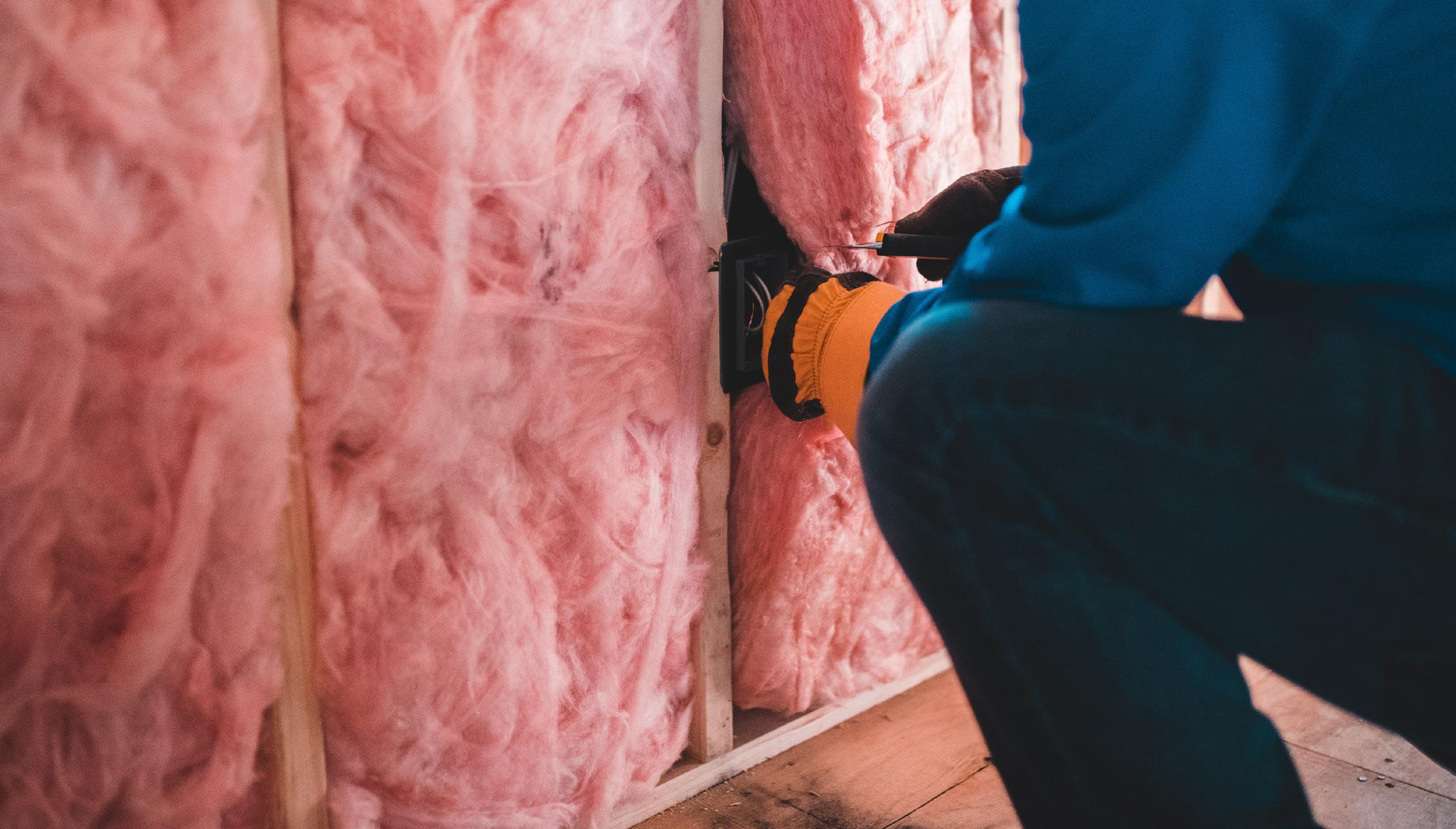
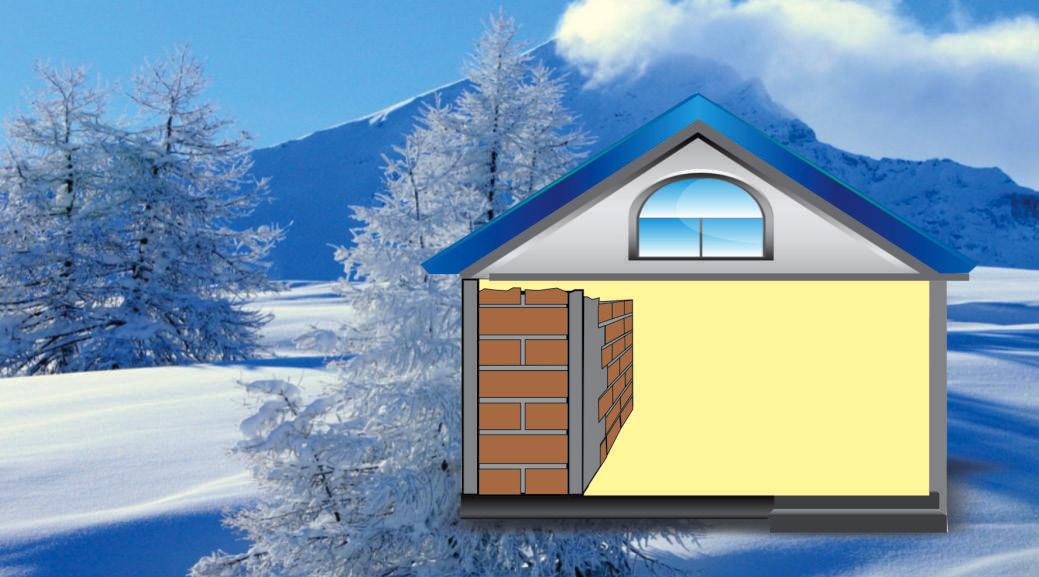
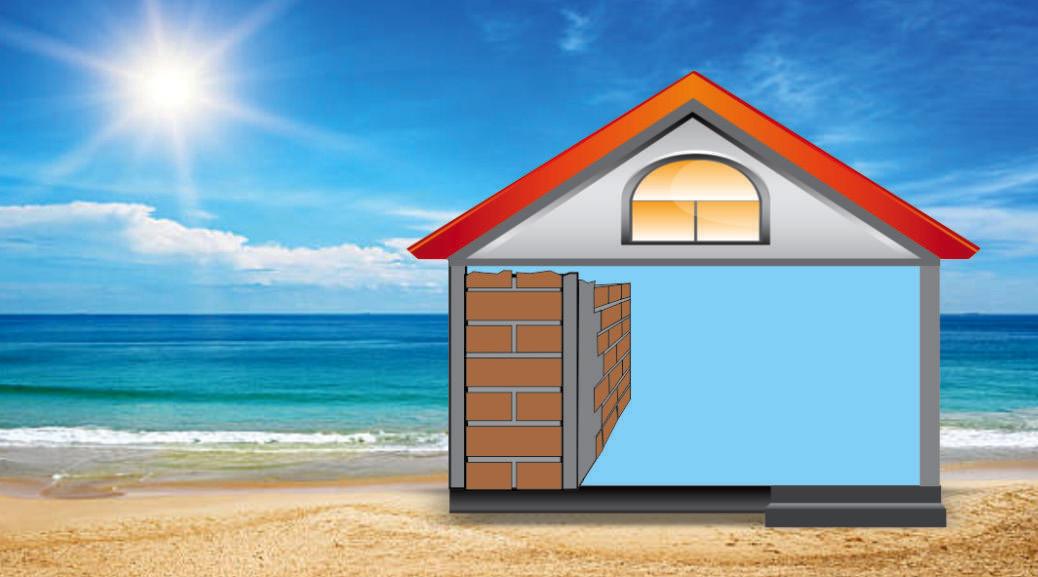
In building construction, various forms of insulation are included as a means of reducing the transmission of thermal energy through walls, ceilings, and floors. In simple terms, this helps keep heated interior space warmer in the winter, and air-conditioned spaces cooler in the summer. Reducing the transmission of thermal energy not only makes spaces more comfortable, but it is also essential to controlling energy costs.
All building materials have an inherent insulating property, usually measured on a scale known as R-value, but additional materials are integrated into the building construction specifically to add insulating value to the walls, floors, and ceilings. Historically, many different materials have been used as insulation, and many of these have now been abandoned in favor of more modern and efficient materials. The type of insulation you select when designing and constructing a space will depend on your climate and the R-value you seek.
Blanket and Batt Insulation
By far the most common type of insulation consists of a “blanket” of rolls or batts of insulation used to fill the cavities between framing members in walls, ceilings, and floors. Batts can also be laid in a blanket across attic floors in to insulate the spaces below.
Batts and rolls consist of flexible fibers woven together in strips of varying widths and thicknesses for different applications. Most commonly, batt
insulation uses fiberglass fibers, but it can also be made using mineral fibers, plastic fibers, or natural fibers such as wool or cotton.
Blanket insulation can offer R-values ranging from R-11 (for 3.5-inchthick batts) to 38 (for 12-inch-thick batts). Batt insulation is one of the most inexpensive forms of insulation, and one of the easiest to install.
Foam Board Insulation
Polystyrene or polyurethane foam boards provide superior insulating R-values for relatively little thickness. They can be used for nearly any part of a building and are especially effective for insulating exterior wall sheathing, interior sheathing for basement walls, and in special applications such as attic hatches or air gaps where floor joists meet foundations. They offer a good way to insulate the spaces between roof rafters in unvented attics.
When used on interior wall applications, foam panels must be covered with half-inch-thick gypsum board panels or another approved building material.
Foam board provides excellent thermal resistance, as much as twice that for other materials of the same thickness. They can easily be trimmed to size for various applications.
Photo
Liquid Foam
Liquid foam insulation consists of cementitious or polyurethane materials that are sprayed, injected, or poured into walls or under floors, where it then hardens into an excellent insulating material. It is ideal for irregularly shaped areas and around obstructions, or it can be used to add insulation over existing finished areas. It is a good option for insulating existing walls, as it can be injected into them without removing the wall surfaces.
Liquid foam may allow you to achieve higher R-values than with traditional batt insulation, and it has the advantage of being able to fill the smallest holes to reduce air gaps around pipes, door and window frames, and plumbing and electrical lines.
Spray foam is available in many forms. It can be applied professionally to large areas by contractors using specialized machines or applied to small air gaps using simple spray cans available at home improvement centers.
Loose-Fill Insulation
Loose-fill and blown-in insulation, usually consisting of cellulose, fiberglass, or mineral wool, can be blown or poured into the joist cavities on attic floors or in the joist cavities of walls.
R-values vary depending on material and loose fill insulation has a tendency to settle over time, reducing its R-value. But it is relatively inexpensive and is considered a “green” option since these materials are created from recycled waste materials. Cellulose insulation is made mostly from recycled newsprint, most fiberglass insulation is made from 40 to 60 percent recycled glass, and mineral wool contains about 75 percent recycled material.
Concrete Block Insulation
Concrete and concrete block walls can be insulated in a number of ways.
Concrete block can be insulated by applying rigid foam board to either the outside of the walls (on new construction) or the interior walls (on existing homes).
An additional method of insulating concrete blocks involves the use of blocks consisting of autoclaved aerated concrete (AAC) or autoclaved cellular concrete (ACC). These materials contain about 80 percent air by volume and have about 10 times the insulating value of traditional concrete blocks. Precast ACC blocks use fly ash instead of the high-silica sand used in AAC blocks. Autoclaved blocks easily absorb moisture, so they must be protected from water, but they are lightweight and easy to install.
In poured concrete foundations, beads of polystyrene foam can also be incorporated into the concrete mix to increase their R-value. This method can increase the R-value 10-fold over standard poured concrete.
Radiant Barriers and Reflective Insulation
While most insulations work by resisting conductive and convective heat flow, reflective insulation works by actually reflecting back radiant heat.
These insulations incorporate a radiant material—usually shiny aluminum foil—applied to a layer of traditional insulation that also
has some form of backing—kraft paper, plastic film, or cardboard. It is most commonly used in attics to reduce summer heat gain and to lower cooling costs. It is one of the best types of insulation for preventing downward heat flow.
Reflective insulation forms a radiant barrier that lessens heat transfer from roofs down into an attic space. It must face an air space in order to be effective. They are most effective in hot climates, where they can lower cooling costs by 5 to 10 percent. However, in cooler climates, traditional thermal insulation is a better choice.
Rigid Fiberboard Insulation
Rigid fiberboard made from either fiberglass or mineral wool is normally used in places that will be affected by high temperatures such as the ductwork for HVAC systems. One of the advantages of this type of insulation is that it can be preinstalled on ductwork at shops or custom-fabricated at the job sites. The panels come in a range of thicknesses, from 1 to 2.5 inches. Both faced and unfaced boards are available.
Fiberboard insulation is usually installed by HVAC contractors, who apply it to exterior duct surfaces with a system of pins or clips. When unfaced boards are used, the outer surfaces are finished with an insulating cement or canvas. With faced boards, the joints between panels are sealed with tape or mastic.
Structural Insulated Panels (SIPs)
An entirely different method of insulating a building can be achieved with the use of structural insulated panels (SIPs) instead of traditional stud framing. SIPs are large prefabricated panels that include a 4- to 8-inch thick foam board insulating material (usually polystyrene or polyisocyanurate) sandwiched between strong facing materials, such as oriented strand board (OSB). A SIP-constructed building can be as much as 12 to 14 percent more energy efficient than a traditional “stick-frame” home. A SIP building will also be more airtight and quieter.
SIPs are not an option for insulating existing buildings but can be considered when planning a new building or major addition. In addition to offering excellent insulating value, SIPs are structurally stronger and more stable than traditional framing.
Insulating Concrete Forms (ICFs)
Insulating concrete forms (ICFs) are prefabricated forms for poured concrete walls that remain as part of the wall assembly. The system consists of foam boards or interlocking foam insulation blocks joined together with plastic ties. When concrete is poured into the foams, the resulting walls achieve an insulating value of about R-20.
ICFs can be used for foundation construction alone in buildings with basements, or they can form the above-ground walls as well. Structures built from ICFs still resemble traditional framed structures.
Installing an ICF system is a highly specialized skill that requires an experienced contractor. Especially critical is making sure the walls are insect- and waterproof.
Juan Rodriguez
Exterior Wall Materials Used In Building Construction
Exterior walls can be finished with a wide array of materials and techniques. Exterior wall finishes can produce significant savings for the contractor and building occupant alike, and many options are available to protect from fire, extreme heat and cold. Browse through all of these options featuring advantages, tips, benefits and cost-saving solutions for materials used in building construction.
Walls on Wildfire Zones
When an exterior wall ignites, the fire can spread to the roof, windows, doors, and other building components resulting in substantial damage or total loss of the structure. The resistance of exterior walls to burning and decay is directly related to the material used and the amount of fire ignition components in the surrounding areas.
Gypsum Area Separation Walls
Gypsum separation walls provide a 2-hour fire protection and serve well as noise reduction between neighboring units in multi-unit buildings. These walls can be used on constructions up to four stories in height and are compatible with standard floor to ceiling heights.
Insulated Vinyl Siding
Insulated vinyl siding offers a good, low-cost alternative to consider when planning your next construction project.
Tilt-Up Walls
Tilt-Up wall construction is one of the fastest-growing industries in the United States.The methodology enables walls to be constructed elsewhere and transported to any project site, or to be built onsite,
Photo
reducing labor conflicts and logistics. The process is aimed at reducing construction costs, speed the project and reduce labor congestion on site.
OVE Framing
Builders and contractors are starting to use this technique, which might require special training so can result in a decrease in framing speed until they become familiar with the system. The main idea behind Optimum Value Engineering is to maximize material usage while still meeting stringent code regulations and structural requirements.
ICF Walls
Insulated Concrete forms are a new method being used by contractors to qualify for energy credit and other types of ratings. Many home builders are using the most obvious and currently most popular alternative: Insulating Concrete Forms (ICFs).
House Wrap Installation Tips
House wrap is defined as all synthetic materials replacing sheathing paper. House wraps are a lightweight material wider than asphalt designs, allowing a faster installation procedure by builders and contractors.
Common Cladding Alternatives
Cladding has become one of the most popular alternatives for renovating the exterior of existing buildings. This solution provides a new look and new life to an old and weathered building, and can effectively generate savings in electricity when thermal and insulation issues are addressed. Cladding benefits are greatest when dealing with high story buildings, or buildings confined in a small site, where the demolishing process is deemed too difficult or infeasible.
Brick Walls
Brick is one of the most widely used materials in the construction and housing industry. Working with brickscan be a little tricky and confusing. Some contractors have paid the price for failing to execute a few simple steps, with costly reparations after the job has been completed.
Juan Rodriguez
Photo credit: josh-wilburne
INSIGHTS
Lifespan creates the framework for new architectural possibilities
We live in an age where technological advancements have revolutionised architecture from design to construction. Whether it is 3D printing models to prove design concepts, developing highly engineered materials fit for purpose or adopting modular building as the next step in efficiency, the built world around us is becoming more creative and flexible.
Modern buildings need to meet a variety of criteria that were not concerns, historically: from stringent safety standards to environmental friendliness and low energy requirements, the key is not simply in design but in the application of new materials that meet these diverse needs.
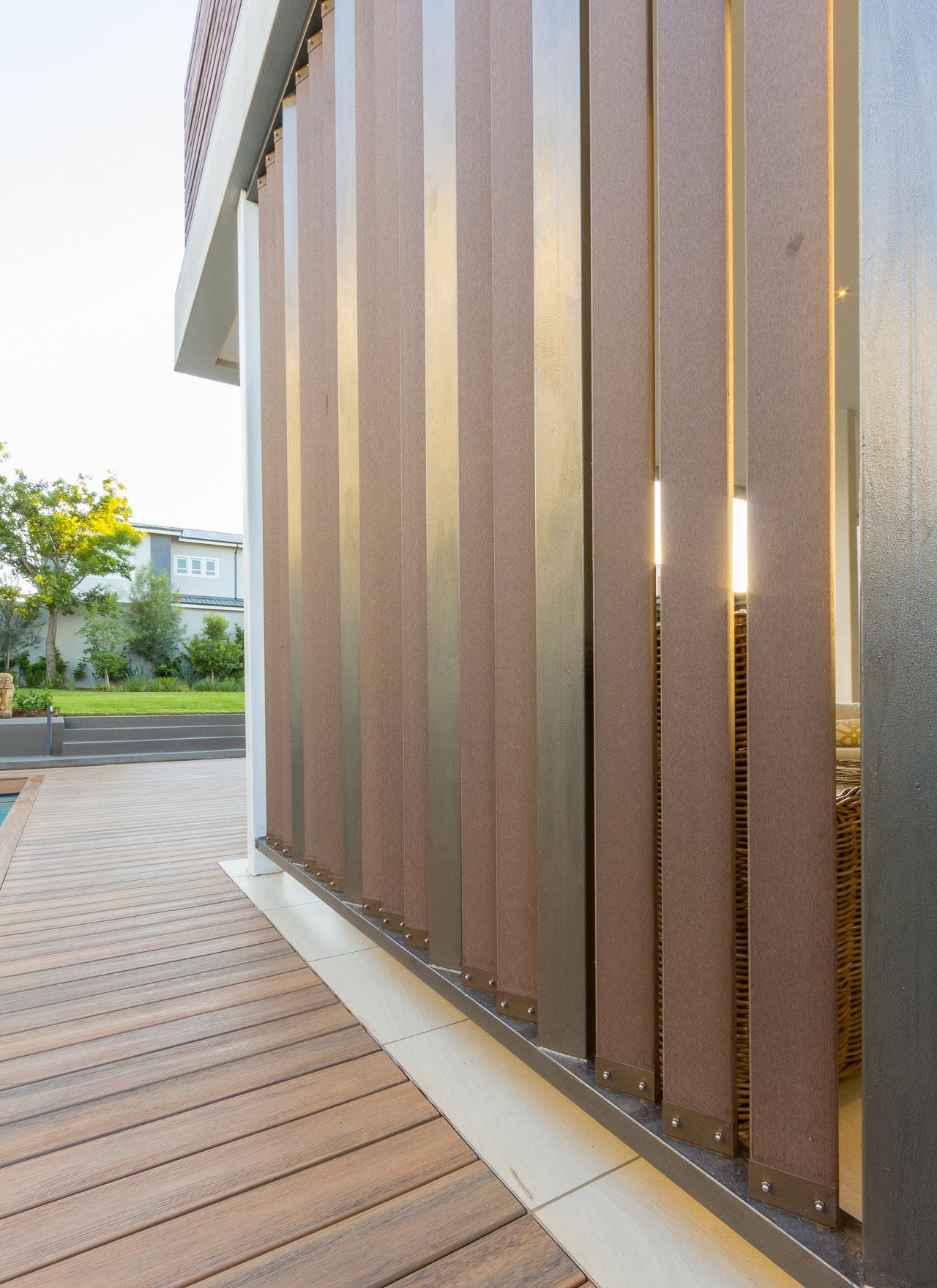
Eva-Last’s Lifespan hybrid aluminium architectural beams are an example of a highly engineered building material that meets all traditional norms while allowing for a diverse range of aesthetic applications. Featuring a specialised aluminium core for easier installation at height and which is resistant to biodegradation, UV exposure fading, corrosion, biological pests (such as termites, fungi and bacteria) and even the harshest weather, Lifespan provides the look of timber beams without the upkeep of wood or susceptibility to the elements of alternative metal options.
Lifespan’s reinforced bamboo composite beam (Triextruded lightweight aluminium 6063-T5 core and cellulose–polymer composite cap), forms the basis of its extreme versatility and durability. With increased span capability, Lifespan is ideal for decorative architecture of all types, including pergolas, privacy screens, shutters, facades, gates, cladding and soffits.
Shaun Erasmus, Director: In-Market Technical Support for Eva-Last, says the range of profiles – some weighing as little as 0.78 kg per metre – makes Lifespan suitable for every application from lightweight non-structural features such as balusters and railing to decorative trussing and oversized pergolas. “Lifespan posts can
even be used to create durable vertical railing and showstopping outdoor features requiring a high degree of tensile strength.”
A benefit which is often unnoticed by casual observers is that Lifespan’s colourmatching end caps provide a finished look while protecting the hollow chambers of the aluminium core. “Lifespan allows for greater design creativity than traditional materials like wood, and even where there are joins, no brackets are required,” says Erasmus.
The Lifespan range is available in the full Eva-Tech colour palette, offering classic and timeless natural colours in a matte finish to suit any design and colour scheme. Each colour evokes the essence of a particular timber application, in a neat, brushed finish that is both sleek and understated.
Unlike the timber its external appearance imitates, Lifespan is an environmentally friendly and sustainable alternative to wooden beams, requiring none of the maintenance associated with wood and features flexural stability that far surpasses equivalent timber profiles at reduced mass and weight. (Modulus of rupture (MOR): 60.0 MPa; Modulus of elasticity (MOE): 1.1 GPa.)
The manufacturing process includes the use of solar energy, further cementing it as a sustainable building product.
“Lifespan’s light weight construction prevents deflection, for aesthetic and structural benefits, and eliminates the need for timber sourced from old-growth trees that would be required to span similar distances.
This durable stability means no warping or flexing associated with timber alternatives, as well as unprecedented longevity of performance. Lifespan remains reliably true to its original specified profile and features a warranty of 10 years in all outdoor environmental conditions,” says Erasmus.
Lifespan’s beautiful durability belies its safety credentials, with a high degree of fire resistance that far outstrip those of traditional timber products.
“The application possibilities of Lifespan are almost endless. We have seen creative implementation of Lifespan in applications as diverse as the unique façade of the Protea Hotel in Pretoria, a feature wall at the South African head office of Leroy Merlin and for screening and cladding at the University of Pretoria’s engineering department building. In every case Lifespan has met a structural need with aplomb and created a design style statement while doing so,” Erasmus says.
SMART MATERIALS
COMING TO A BUILDING NEAR YOU
The future of the construction industry has arrived as the use of ‘smart building materials’ continues to grow and provide solutions to issues that are inherent to the sector, including the high cost of materials and the impact on the environment.
Products such as self-healing concrete, pollution-absorbing bricks and self-assembling structures which change their shapes to meet their functions are already being integrated on limited scales in the northern hemisphere. Such solutions add value to the entire life cycle of projects, from pre-design to construction to long-term maintenance.
Given the importance of the construction sector to the South African economy – and our industry’s reputation for innovation – we should expect these trends to soon become part of mainstream design and construction locally.
Construction sector’s ecological footprint
Concerns about the construction sector’s contribution to global greenhouse emissions and pollution are well documented. At the recent COP26 climate conference in Glasgow it was again noted that the high levels of carbon emissions should be addressed through higher levels of utilisation of renewable products and energy efficiency. Put simply, our industry must change the way in which we produce and consume.
To reduce its ecological footprint the construction sector must move from a linear to a circular approach. For centuries the process has been linear. We extract natural resources, we process them, we turn them into construction products, and when they are no longer needed, we discard them. This is often referred to as “take, make, and dispose”.
In a circular economy, extraction and waste are kept to a minimum and materials are used – and reused – as long as possible. This keeps construction materials in a closed loop to retain their maximum value.
By adopting these solutions, industry can extend the life cycle of products, recover waste to give it a second purpose as new products and, thus, ensure a more
Bongani Dladla - cidb CEO
sustainable production model. Old buildings are being converted for new usages and when they are demolished, the materials are being reused in the construction of new buildings.
In addition, clients, consultants, and contractors are increasingly making smart choices by incorporating energy-efficient features in both the design and construction stages to ensure higher levels of recycling of waste generated during the building process. However, it is often difficult to decarbonise many of the materials used in construction because greenhouse gas emissions are created in the production of materials such as concrete.
New generation of building materials
Thus, many companies are coming up with innovative solutions to bring a new generation of building materials to the market and introduce such products into the mainstream of construction. Such materials are engineered to be stronger, ‘smarter’, self-sustaining, and kinder on the environment.
One such innovation is self-healing concrete which is achieved by adding bacteria to the concrete which then produce limestone when exposed to water and air. The limestone seals the cracks and prolongs the lifetime of the concrete structures. “Breathing bricks” are already used in which the material acts as a vacuum cleaner to separate polluting particles and deposit them in containers at the base.
Much research has been conducted in the field of structures that are 3D printed and then self-assemble into a pre-defined structure. Such components then change their shape when exposed to heat, light or water.
Many of these practices and projects are still in the initial stages of applications and may only be used by larger and resource-rich companies. But the rapid advances in innovation experienced in recent years indicate that they will soon become part of mainstream construction, also in South Africa.
Photo credit: Nathan Waters
We know that building today only matters if we have a tomorrow to look forward to. As leaders in sustainability, we’ve undertaken significant initiatives in the areas of energy optimisation and emission reduction, including the rehabilitation of mines, optimally using resources and holistically reducing our carbon footprint. Our responsible attitude towards the environment informs everything we do in order to sustain life for future generations. Ask for AfriSam
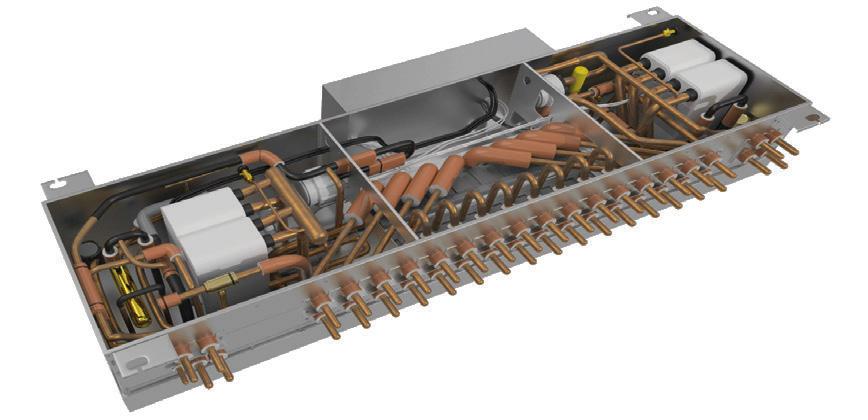
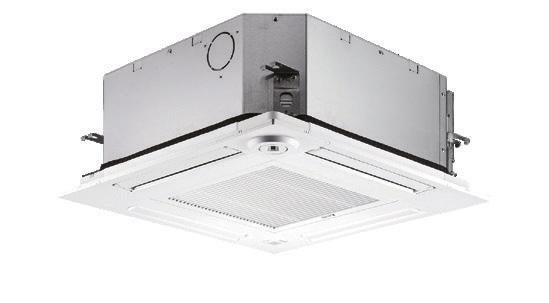
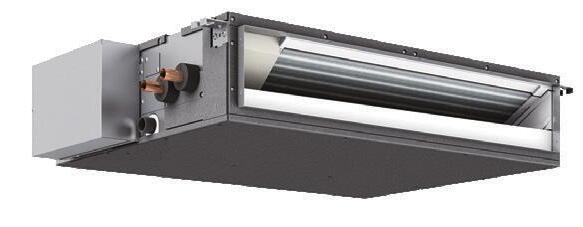
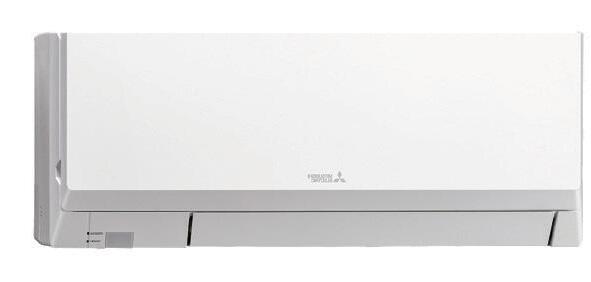
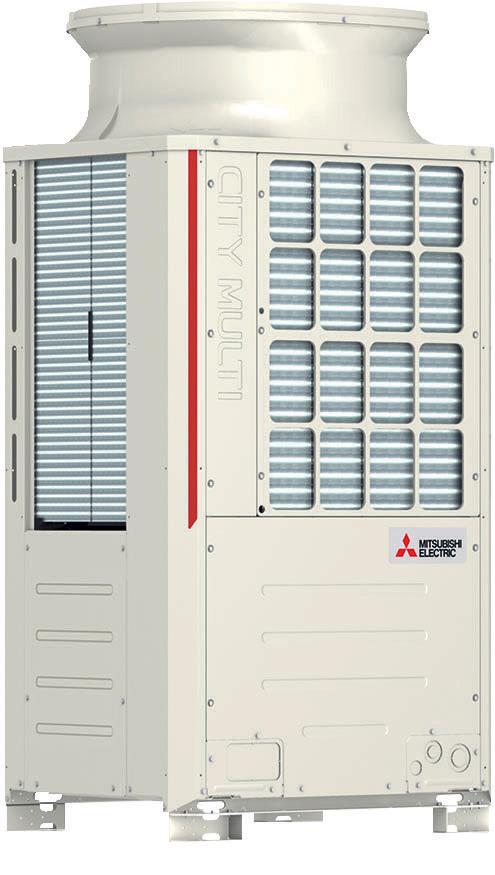
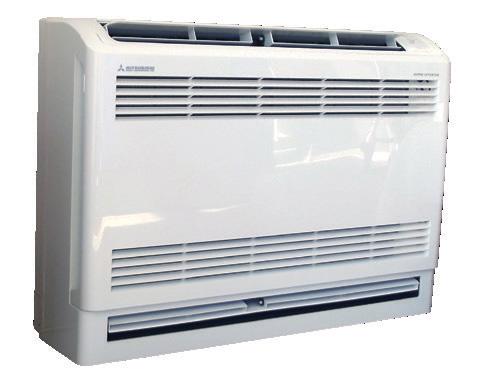
Replacing refrigerant with water between HBC and indoor units