All about wolves
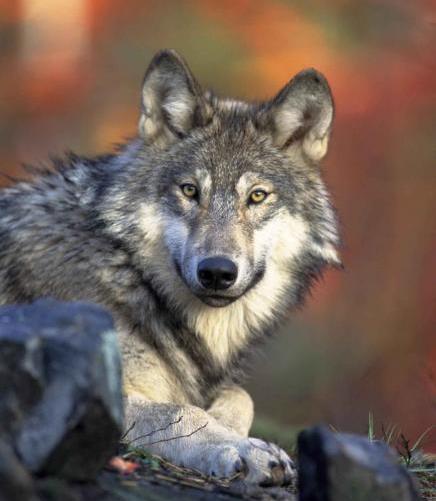
1. Wolves are born to hunt
Are wolves endangered? 3. Wolves are fierce predators. 4. Wolfs habitats 5. Wolves communicate in unique ways 6. Wolf pack behaviors
7. Fun facts
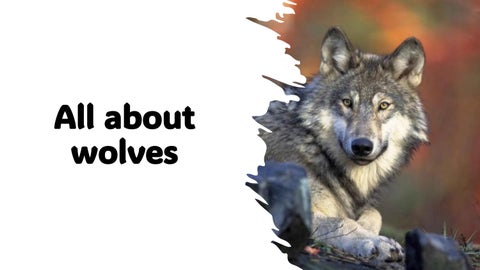
• Wolves are fierce hunters and rely on their senses to help them hunt.
• Their sharp eyes can notice small movements. Their eyes are especially good at night because helps them to see in the dark when hunting.
• They can spot their prey or threats from more than a mile away.
• Wolfs have a powerful sense of small. They also use their sense of smell to find prey and avoid danger.
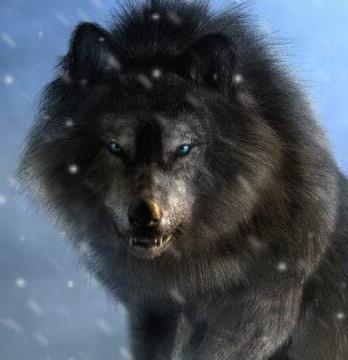

• Wolves can survive in almost any habitat.
• They can survive divine in cold Arctic tundra and hot deserts.
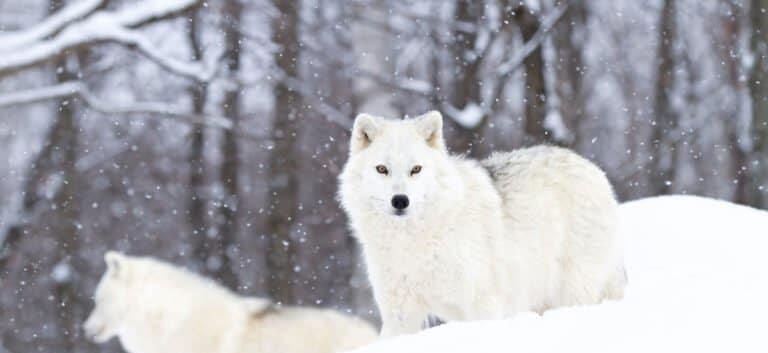
• Some wolf's habitats can include forests, mountains, grasslands, snowy tundras, Europe, North America, and Asia.
• Wolves prefer to be remote wilderness areas because it is away from people.
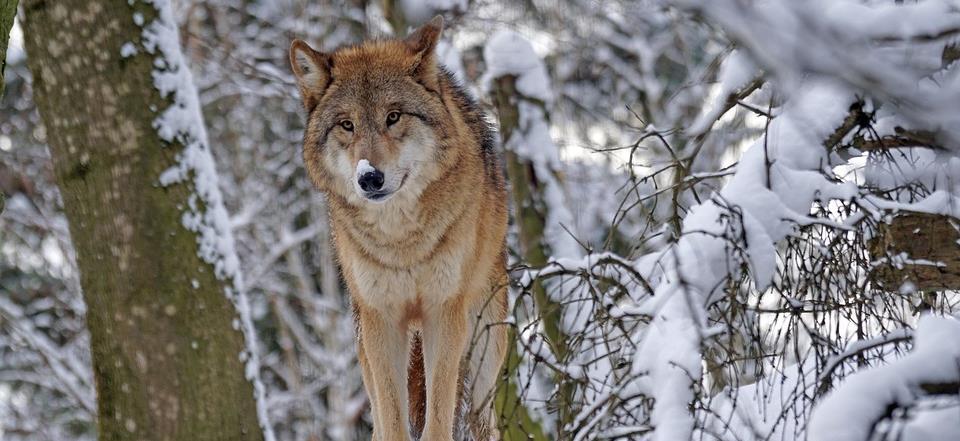
• Wolves talk to each other in special way.
• Wolfs may snarl, whimper, bark, growl, but they are most famous for howling.
• Wolves can send messages over long distances and others often join in.
• Sometimes wolves just like to sing and make music
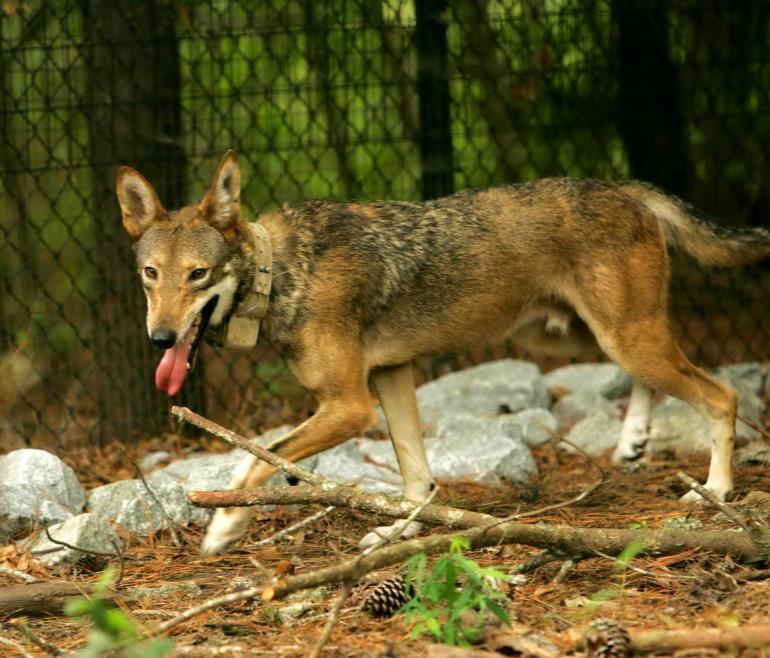
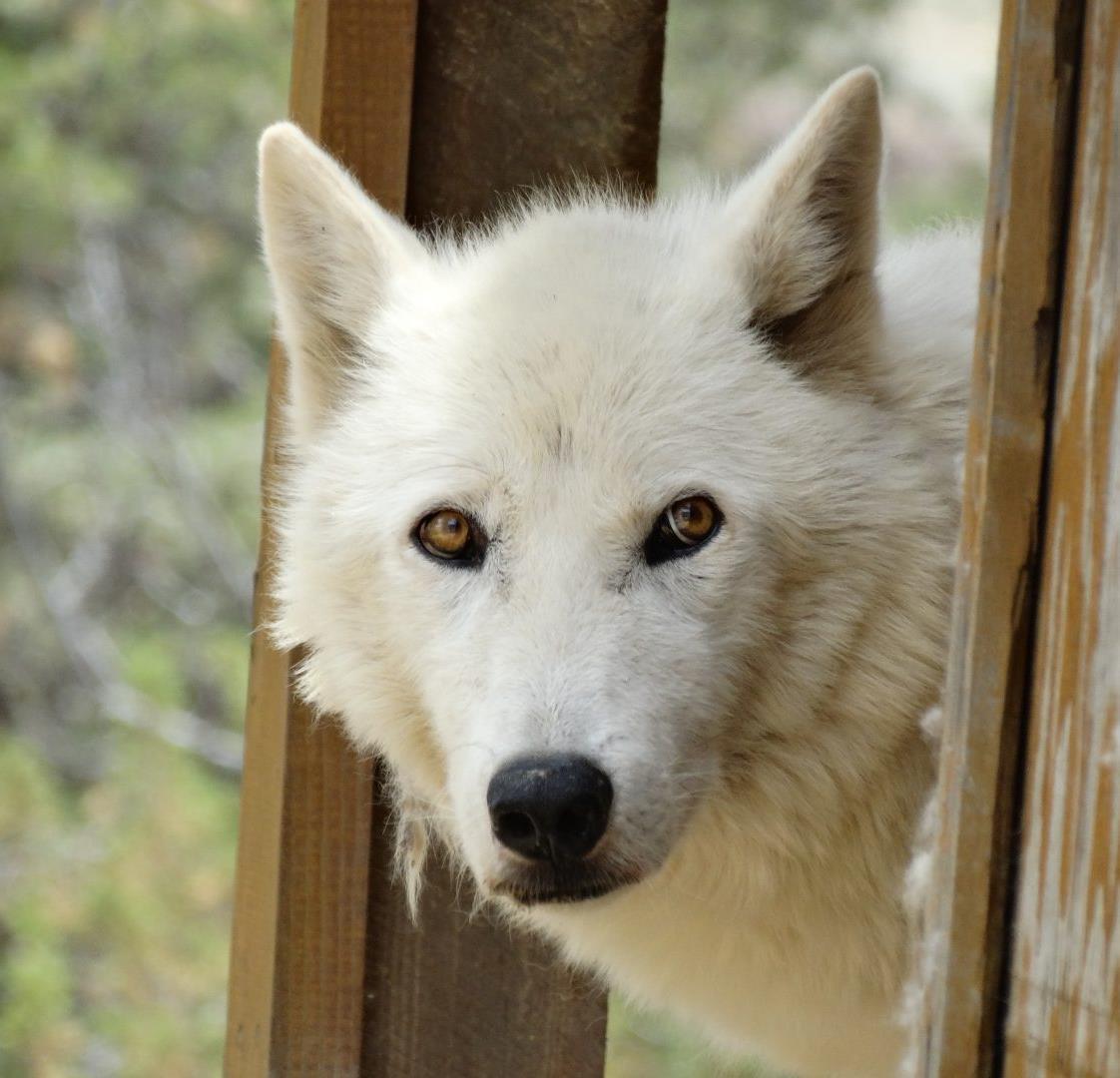
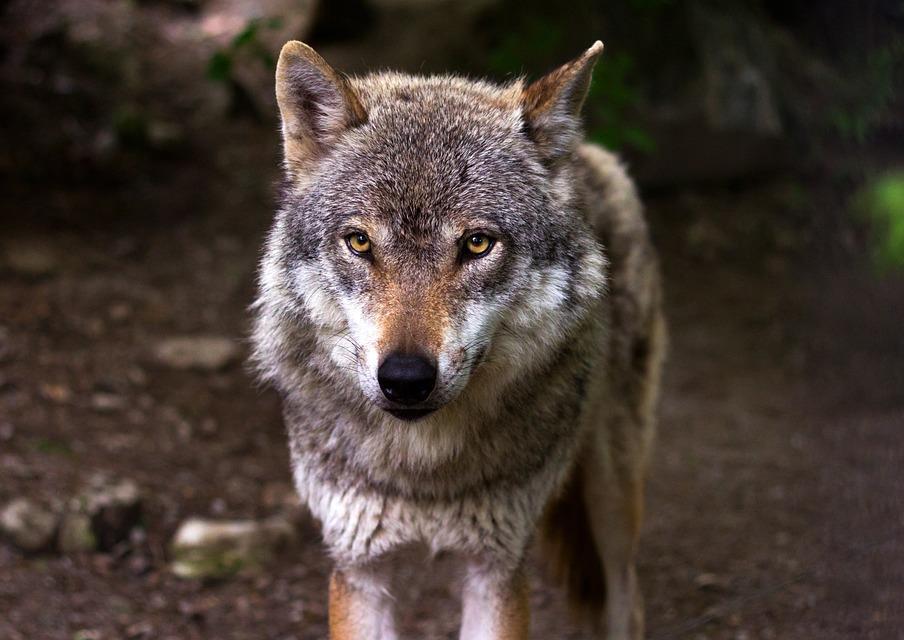
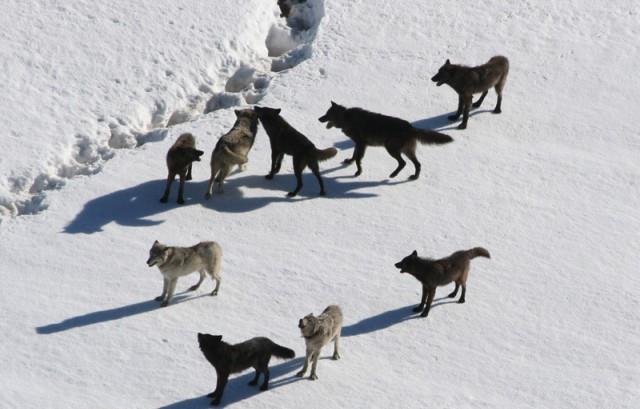
• The alpha male leads the pack with the strongest, healthiest female. She is called the alpha female. They are both the most dominant wolves in the pack.
• All wolves in pack help to care for the pups. The babysitter is one adult who stays behind and protects the pups. The pups leave the den when they are about 2 months.
• The wolves also work together to hunt. The alpha male makes the decisions on when when and where to hunt. He also guides the pack when they are searching an area for food and water.
• Wolves howl to alert the rest of the pack when they see or smell prey.
• Wolves that live in colder climates often have lighter fur to help them blend in with the snow.
• Large paws act like snowshoes.
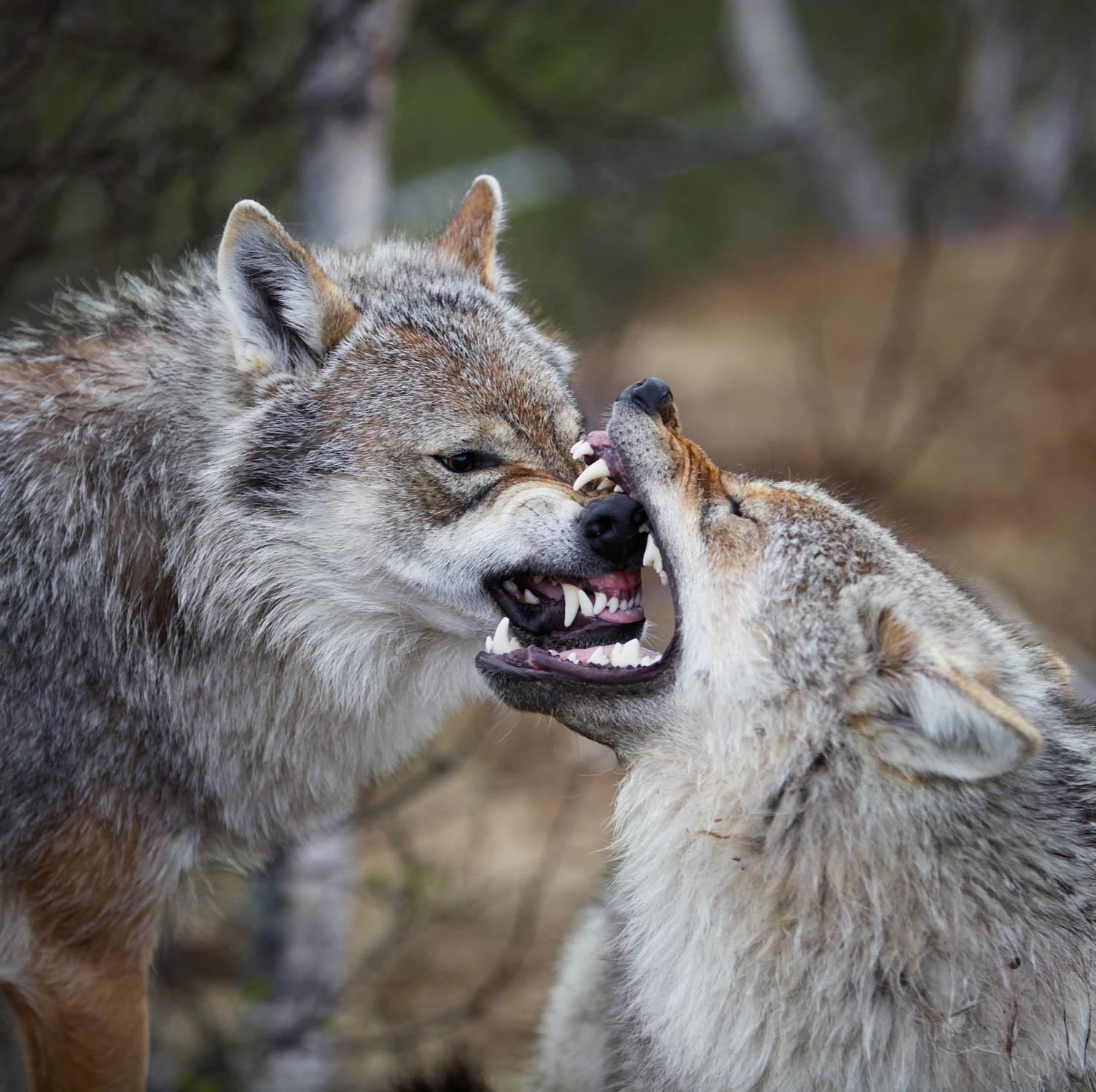
• Wolves show off their teeth to threaten other wolves.
• Wolves can see at night much better than humans can.
• A pack of wolves can quickly finish eating a large animal such as a deer.
I am a second-grade author from Upper Dublin. I love writing creative stories. When I’m not writing, I enjoy going to the pool and playing with my cousin. Some of my favorite books are Smile, graphic novels and Daisy Dreamer. I was inspired to write this book because of my personal experience with wolves. One fun fact about me is that I travel to Texas every year to see my family. I am dedicating this book to my family.

I am dedicating this book to my family