GOLDSMITHS' FOUNDATION IMPACT REPORT


CONTENTS:
6. Introduction
12. Landmark Programme Overview
30. Open Grants Programme
42. Major Partnerships
58. Celebrating Talent
64. The City of London
70. Legacy Commitments
76. Looking to 2027

6. Introduction
12. Landmark Programme Overview
30. Open Grants Programme
42. Major Partnerships
58. Celebrating Talent
64. The City of London
70. Legacy Commitments
76. Looking to 2027
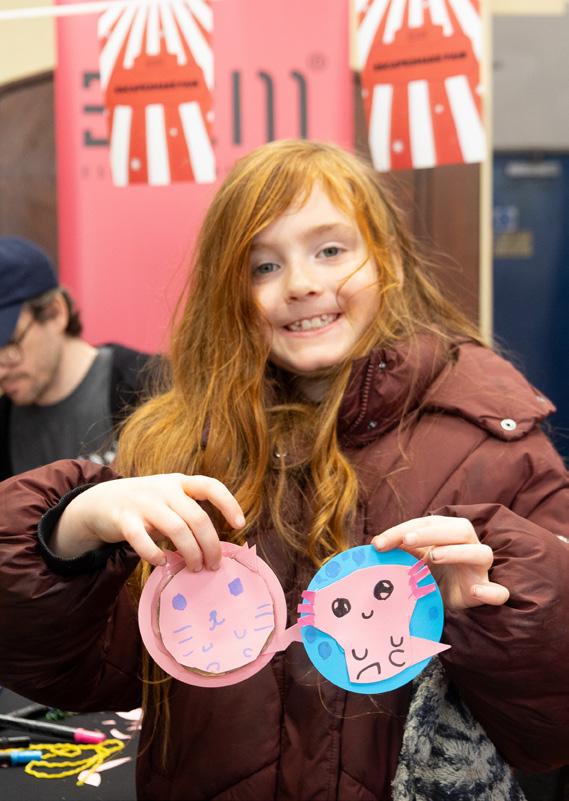
Look across the pages of this report and you will find something remarkable. A young person in Birmingham imagining a career in the jewellery industry. A nine-yearold in Bradford, visiting a cultural venue for the first time, finding her own words to describe what she sees. A maker in Cornwall generating his first wholesale sales. An apprentice stonemason learning the craft of restoring a cathedral that has stood for over 300 years. A learning-disabled artist in London showing her work in a public exhibition seen by tens of thousands of visitors. A person in prison developing needlework skills that bring purpose, progression and, for some, a route into work on release.
At first glance, these stories seem entirely unconnected. But they are all part of the same story about what becomes possible when dedicated, specialist organisations are given support to nurture a thriving creative ecosystem fuelled by skills that create opportunities for the next generation of makers.
This report covers a significant year for the Goldsmiths’ Foundation: the second year of the Landmark programme, the first full year of our open grant-making and the conclusion of our three year partnership with justice organisations. The breadth is striking – from Cornwall studios and Bradford classrooms to the flagship Goldsmiths’ Centre. So too is the depth. These are not organisations simply delivering services. They are bringing people together, changing practice and building places and spaces through the power of craft and creativity.
One year on from establishing the Foundation, we couldn’t be prouder of the impact our partners achieve.
Annie Warburton Clerk and CEO, Goldsmiths’ Company
It’s wonderful to see the impact that our Landmark Programme Partners are starting to have. The Goldsmiths’ Foundation is particularly encouraged by how enthusiastic our Partners are about learning from each other and this should stand us in good stead as we look forward to launching the next phase in the Landmark Grants programme in 2027, the Goldsmiths’ Company’s 700th Anniversary year.
Michael Prideaux
Interim Chair, Goldsmiths' Foundation
Our vision is a thriving creative ecosystem fuelled by skills where traditional craft, manufacturing excellence and technical innovation create exceptional opportunities for the next generation of makers.
This report is early evidence of what pursuing that vision looks like in practice, already reaching communities across the UK, building training pathways that didn't previously exist, opening spaces where creativity can take root, and placing investment in organisations to shift not just their reach but the systems around them.
We measure our success by the change our partners collectively achieve. By that measure, this has been a year to be proud of and the foundations for what comes next are firmly in place.
Michelle O'Brien Foundation Director, Goldsmiths' Foundation
46 Grants supported £750k+
Across the Foundation’s 18 inaugural Open Grants
4 Landmark partners
22,370
People reached directly*

£10m

54
72,223
People reached indirectly*
125
London Museum contribution National Saturday Clubs Nationwide Makers & businesses at Goldsmiths’ Centre
*The figures presented here should be considered a significant underestimate, as some partners are only halfway through their delivery year and, as the Foundation's first Impact Report, this baseline captures just the beginning of our cumulative reach.
A thriving creative ecosystem fuelled by skills, where traditional craft, manufacturing excellence and technical innovation create exceptional opportunities for the next generation of makers.
Our mission is to equip people with exceptional craft and manufacturing skills in silversmithing, jewellery, and across the wider creative industries. We fund, connect, and champion the organisations delivering this vital work.
The impact we seek is measured across People, Practice and Places.

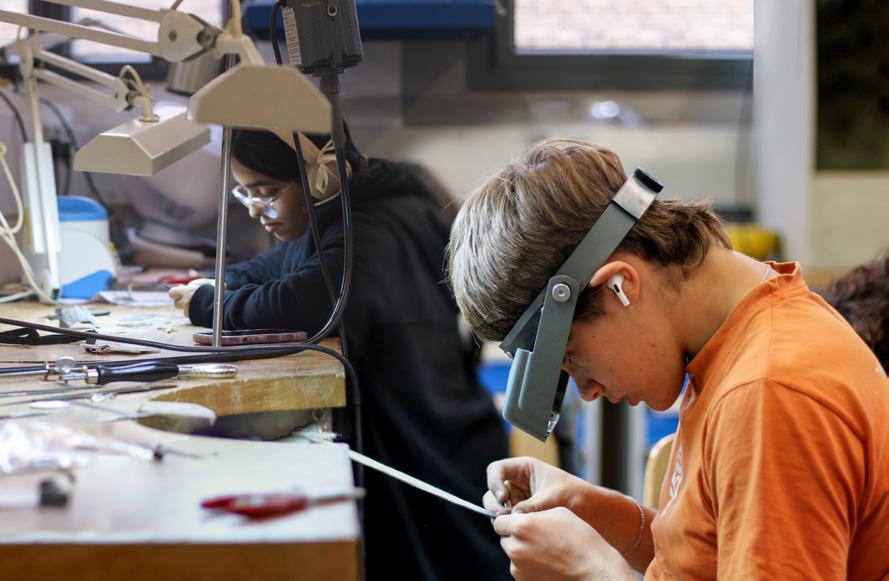
Goldsmiths’ Foundation grants reached at least 22,370 people directly, with a further 72,223 people reached indirectly through audiences, schools, families and communities.
The thousands of individuals helped across the portfolio have benefited through:
Greater aspiration and clearer futures
More employable and specialist skills
Improved wellbeing and confidence
Inclusion and belonging
Stronger communities and public spaces
Goldsmiths’ Foundation funding strengthens practice by investing in the people, knowledge and infrastructure that sustain creativity and specialist skills.
This year funding helped:
endangered craft skills
Improve teaching and training models
Support research and innovation
Celebrate excellence and talent
Create stronger routes into employment
Strengthen partners’ resilience and leverage further funding
This includes new qualifications through the Goldsmiths’ Institute, specialist apprenticeships and technical training through the Goldsmiths’ Centre, national recognition of excellence through the Craft & Design Council, and research into historic metal analysis through the University of Cambridge. Elsewhere, teachers, prison peer advisors, tutors and cultural organisations are improving their own practice through funded programmes that spread expertise beyond direct participants.
The evidence suggests the Foundation is not only funding activity, but helping shape stronger systems through which skills are taught, valued and sustained.
Furthermore, partners report that funding from the Goldsmiths’ Foundation is critical leverage in their search and application for further funding, and that together with its openness to support core costs, is helping to build the capability and capacity of partners to sustain programmes over the long term.
Goldsmiths' Foundation funding reaches communities across the UK, from Cornwall to Scotland, Bradford to Birmingham, and the City of London to rural communities. Across the portfolio, access to well-resourced, dedicated space emerges as a consistent enabler of participation, skill development and community connection, particularly for those who face the greatest barriers to engagement.
This year funding helped create and sustain:
Affordable workspace for makers and businesses
Civic spaces for heritage, creativity and public engagement
A physical home for jewellery education and industry connection
Dedicated space for heritage craft knowledge and conservation practice
Regular, local creative bases for young people
Studios where the space itself is the intervention
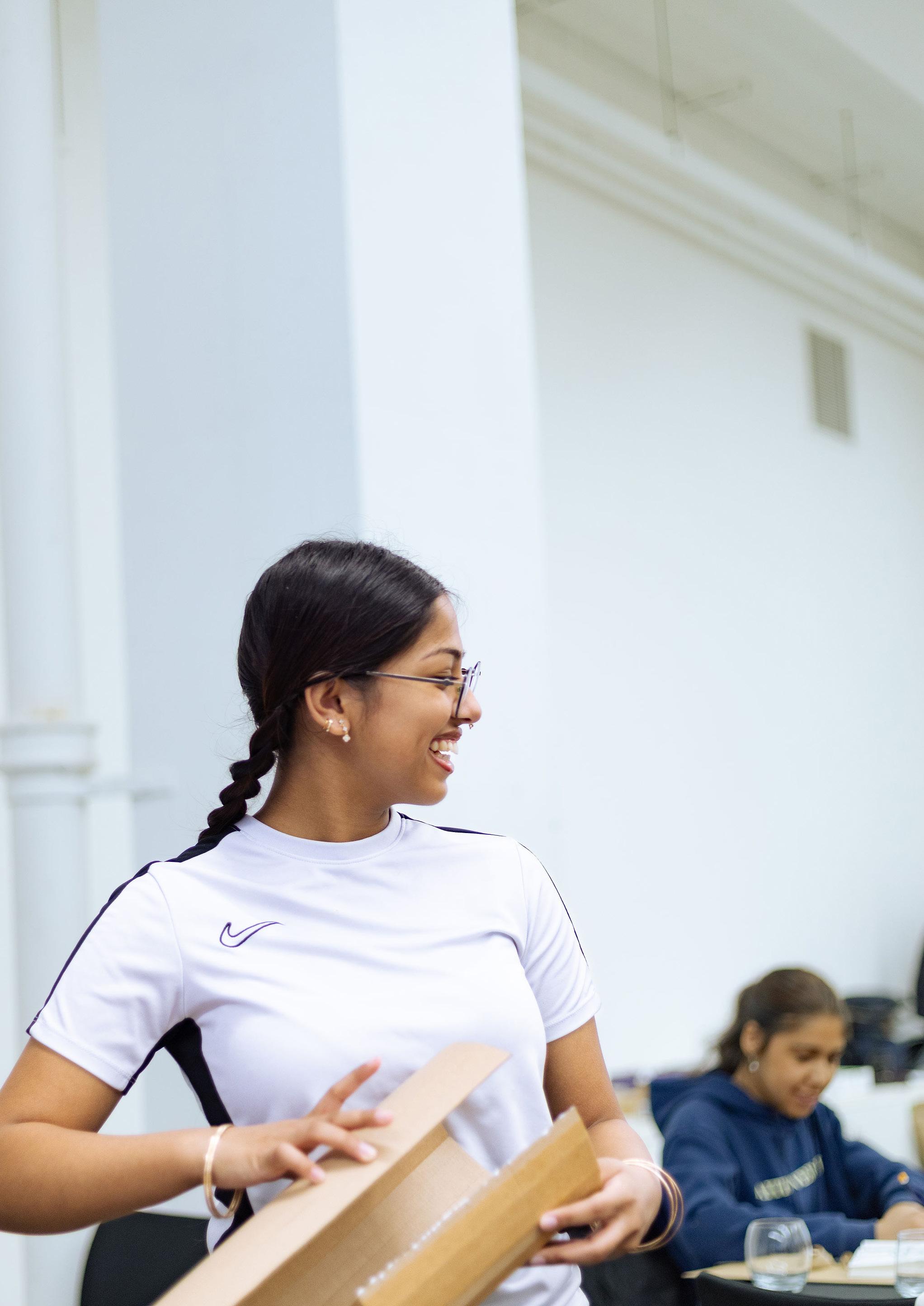
Through the Landmark Programme, the Goldsmiths’ Foundation backs bold, multi-year partnerships that create lasting change. The first four Landmark grants are helping organisations to test new approaches, build pathways into opportunity, preserve specialist skills and create spaces where talent can thrive.
Skills and progression for people
2,192
Individuals directly supported through skills development
16,828
Students reached through jewellery careers guidance
7,000
Prisoners supported by St Giles peer advisors
4,000
Prisoners reached through peer advisors this year
2,100
Original student engagement target successfully exceeded
Developing new practices & skills development
5
Custodial sites embedding pathways into employment
500
Writers connecting schools with cultural venues
literacy model strengthening cultural learning links NEW
Creating change in places and communities
64
Places and communities supported through Landmark projects
4
Landmark partners developing long-term creative spaces
projects strengthening skills, creativity and progress
St Paul’s restoration planning now underway
spaces supporting creativity and community growth
fundraising appeal supported through project planning
projects creating spaces for long-term opportunity
Landmark support enabled work that would not otherwise have happened, from a national T-Level qualification to a major heritage fundraising campaign.
Partners also launched a longitudinal literacy study and trained peer evaluators with lived experience, creating new pathways and models of practice.
Schools, employers, prison education teams, cultural venues and the Goldsmiths’ Company are all active collaborators across the programme.
These partnerships are shaping organisational ambition and capacity, strengthening delivery while widening opportunity across sectors and the wider communities.
Programmes are generating wider change within their communities and institutions, far beyond those directly taking part.
This includes safer prison wings, stronger cultural education offers, jewellery embedded into DT curricula and growing civic pride around heritage restoration.
GOLDSMITHS' ADDS MORE THAN FUNDING ALONE
Partners report that Goldsmiths’ support extends beyond the grant, opening industry doors and lending credibility with funders and governors.
The 2nd Annual Partners Meeting brought together partners, trustees and staff to share learning, strengthen relationships and convene across sectors.
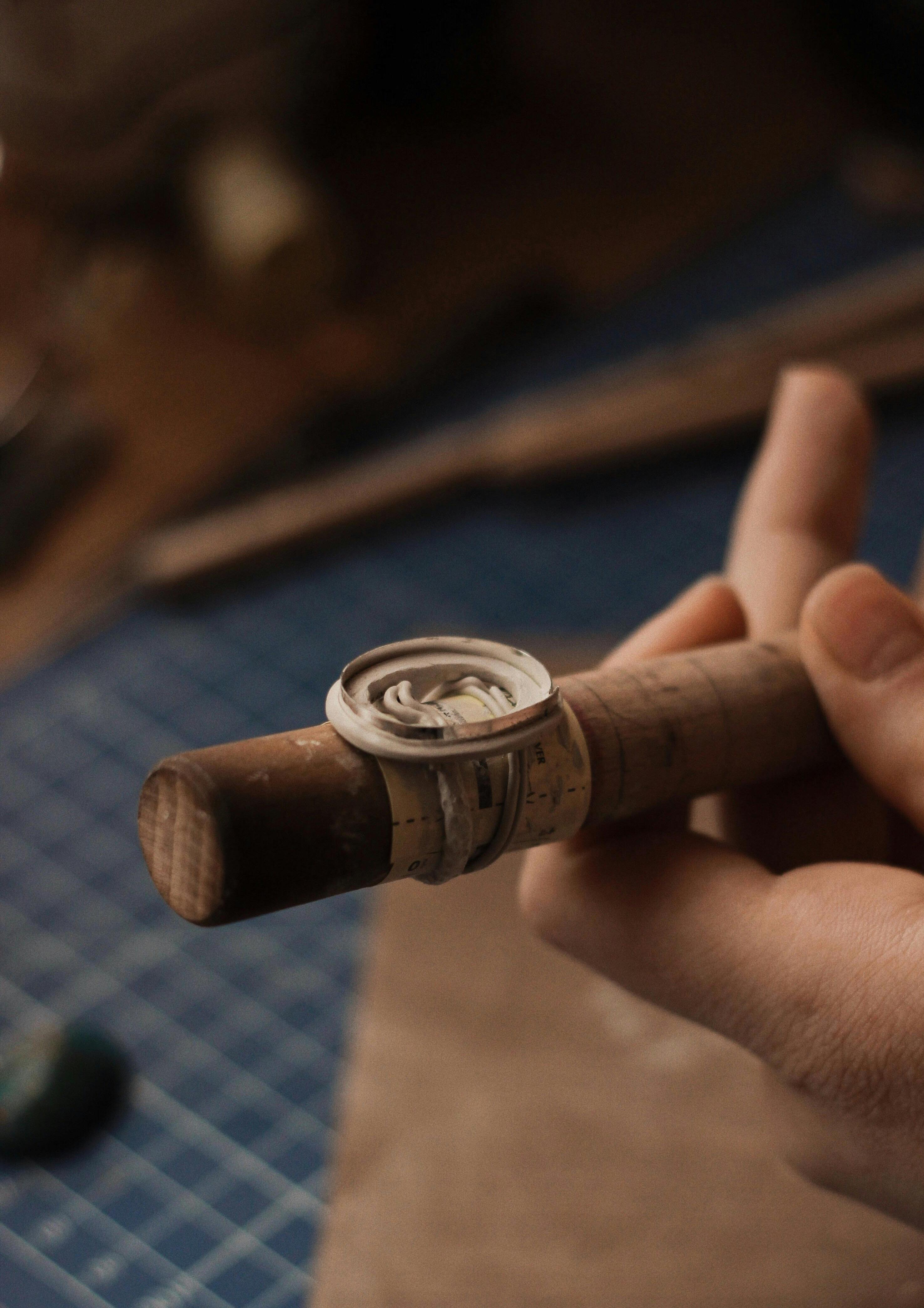
Landmark partnerships are designed to back organisations with the ambition to influence systems, not only deliver programmes. Across four very different partnerships, common themes are emerging around collaboration, innovation and long-term impact.
Together, these partnerships show how sustained investment can strengthen organisations, create opportunity and influence wider systems across education, heritage, justice and culture.

Goldsmiths’ Foundation’s lead grant has launched the major conservation of the Dome, Cupola, Ball and Cross at St Paul’s Cathedral, and alongside the creation of the Wren International Centre of Excellence. The project will preserve and re-invigorate this national institution, while creating spaces for heritage craft experts to work and share expertise with others.

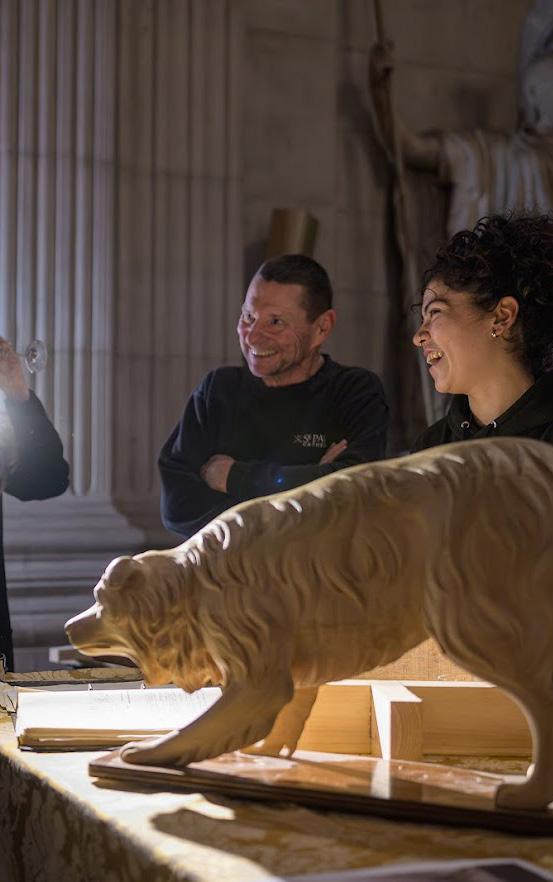

Landmark funding enabled the completion of RIBA Stages 1 & 2 and progression to RIBA Stage 3. This has been critical to securing further funding for the ambitious project.
Plans have been developed to improve the visitor journey from the Stone Gallery to the Golden Gallery through safer access, better way-finding and enhanced interpretation.
The first two apprentices have been recruited. The stonemason and carpenter are combining college training with hands-on learning alongside specialist craftspeople.
An inspirational and creative design for the Wren Centre of Excellence workspace has been submitted for planning approval.
St Paul’s is overjoyed to be a recipient of the Goldsmiths' Landmark Grant. The funding has been transformational in supporting our development plans for The Wren International Centre of Excellence to increase heritage craft skills, and helping us to plan the repair and conservation of the dome, ball and cross. The collegiate approach has been inspirational.
Rebecca Thompson Director of Property
• Project Initiation Document Complete.
• Identified 35 areas for research, investigation and analysis.
• Partnerships of experts, staff and craftspeople.
• Project brief, design options, scale of work, and priorities developed and identified.
• Surveyed deterioration to most elements of the Dome, Cupola, Ball and Cross.
• Need for improved visitor experience identified. Access, fire safety, security, and design of views to the Ornamental Gallery assessed.
• Detailed design and technical coordination underway.
• Costed scope being refined across architectural, structural and specialist disciplines.
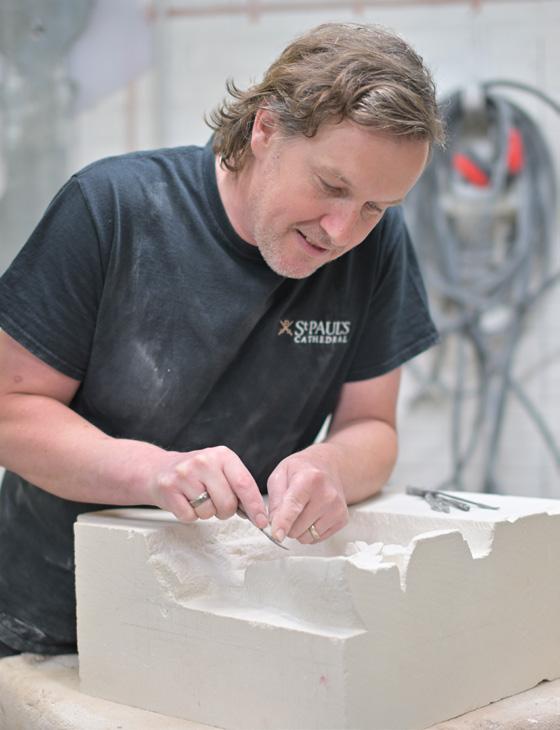


While renewing a symbol that has stood for faith, hope and resilience for over 300 years, the project goes far beyond restoration, creating opportunities to support heritage craft skills, apprenticeships and public engagement.
The project will preserve and re-invigorate this national institution while creating spaces for heritage craft |experts to work and share expertise with others.
The project has brought together specialist experts, with the next phase including the Goldsmiths’ Company, to explore how gold is ethically and sustainably sourced and applied as part of the restoration process.
Alongside preserving traditional gilding knowledge and techniques, the project is helping develop new approaches to conservation practice and heritage restoration.
Through apprenticeships, a stonemason and carpenter are developing specialist heritage craft skills through college training and hands-on learning alongside expert craftspeople.
The Wren International Centre of Excellence will elevate knowledge-sharing and increase public engagement by making these skills, processes and the history of the Cathedral more visible and accessible.
Learning to Advise is a City & Guilds-assured programme, training people in custody to provide information, advice and guidance to their peers. Participants can progress from the Learning to Advise course to the Level 3 Certificate in Advice & Guidance, creating a structured pathway from first enrolment to qualification and, for many, into employment on release.

With Landmark support, St Giles has built a progression route that did not previously exist. The qualification is the highest level available to people in custody, and for many a first qualification of any kind. HMP Wealstun & Foston Hall have developed structured routes from Level 1 Mentoring through to qualification and paid and voluntary roles on release.
Peer Advisor roles have changed day-to-day custodial life and have become embedded within prison environments. Formal violence reduction roles have been taken on by women for the first time, with ‘Peacekeeper Representatives’ directly inspired by the programme. Structured peer support roles are helping strengthen trust, confidence and leadership across participating custodial sites.

Prisons are calmer, safer environments. The programme is improving prison culture through peer-led conflict reduction and trusted support. The impact of 116 trained peers is positively changing the lives of the 7,000 prisoners living across the participating sites, while strengthening relationships, reducing tensions and creating more supportive custodial environments.
Evidence to leverage further funding. Systemic change in these prisons provides proof of concept for commissioners and other funders. The programme evaluation has been peer-led, an innovative model in which people with lived experience evaluate the programme itself, informing future delivery models and strengthening the approach across St Giles.
7,000 Reached through peer advice, mentoring and support networks
116
In custody trained through Learning to Advise programmes
34
Progressed to complete the Level 3 Advice & Guidance qualification
5
16
8
Custodial sites embedding structured pathways into employment ROTL placements supporting pathways into employment People employed through release and resettlement pathways
Peer Mentors are often the first to notice early signs of distress, enabling staff to act proactively rather than reactively.
Head of Learning & Skills
HMP Foston Hall
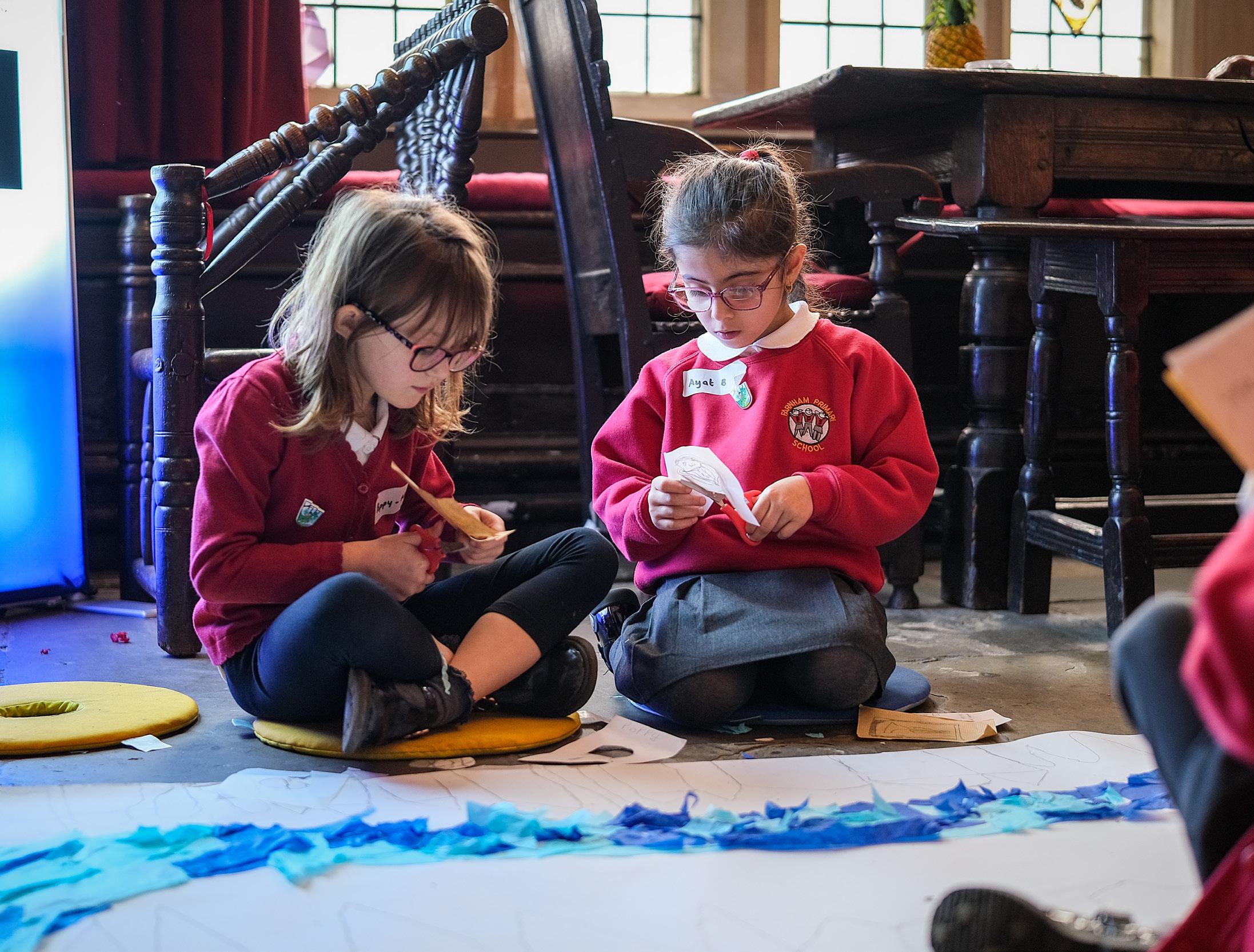
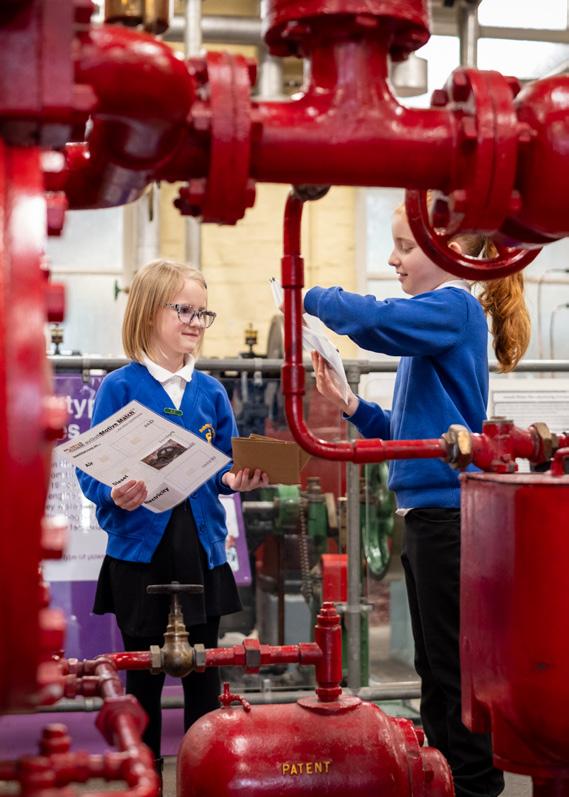
Improving Literacy Through Culture and Place: Goldsmiths’ 500 Writers is helping Bradford children develop reading, writing and confidence through visits to cultural venues combined with teacher development. Its three-year longitudinal design is also generating evidence on what works in literacy improvement.

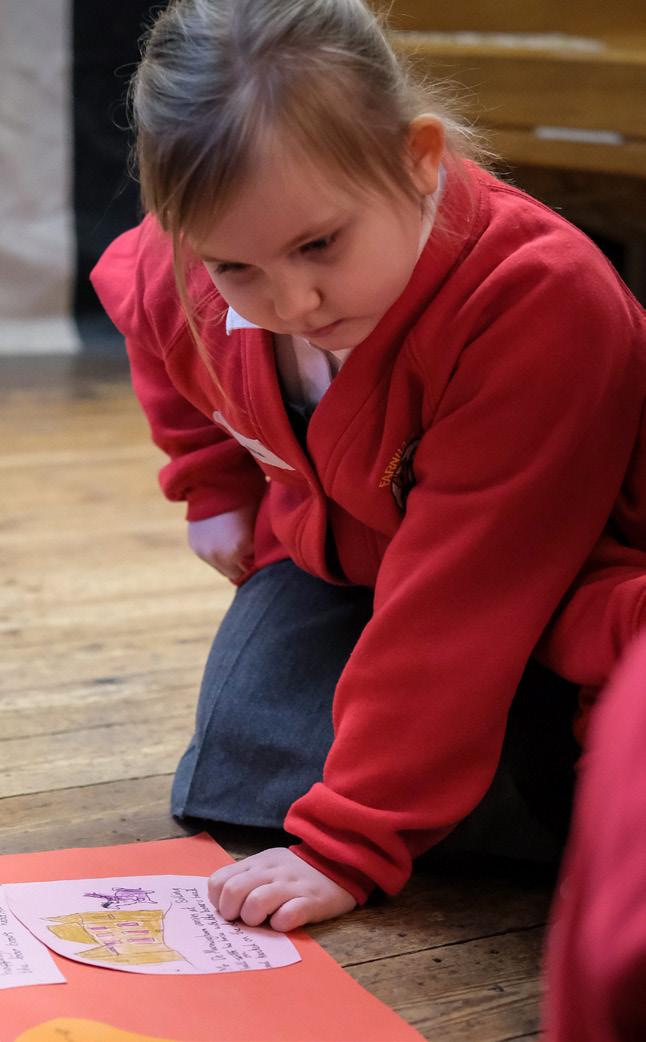
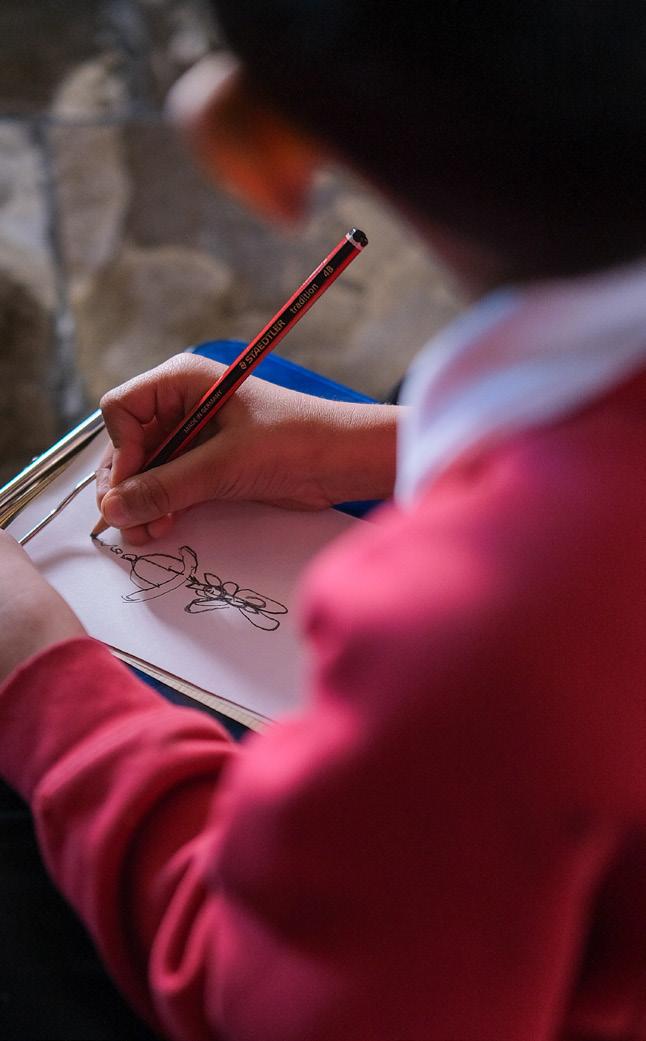
1,001 pupils continue to take part in Goldsmiths’ 500 Writers during the second year of the programme, supporting reading, writing and confidence at a critical transition point between KS1 and KS2.
The programme’s unique longitudinal design works with the same group of children over three years, helping sustain literacy progress during a stage where development can often stall.
102 teachers across 21 schools have been equipped with new approaches, resources and confidence to strengthen writing and reading provision within their classrooms.
In year two, the benefits of working with the same schools over time are becoming clear, with teachers building a collaborative professional network and sharing best practice across Bradford.
Nine cultural venues have strengthened their capability and capacity to deliver high-quality literacy experiences linked to culture, creativity and place.
These organisations are creating more accessible and engaging opportunities for children to connect with their city, while fostering a wider commitment to educational equity across Bradford.
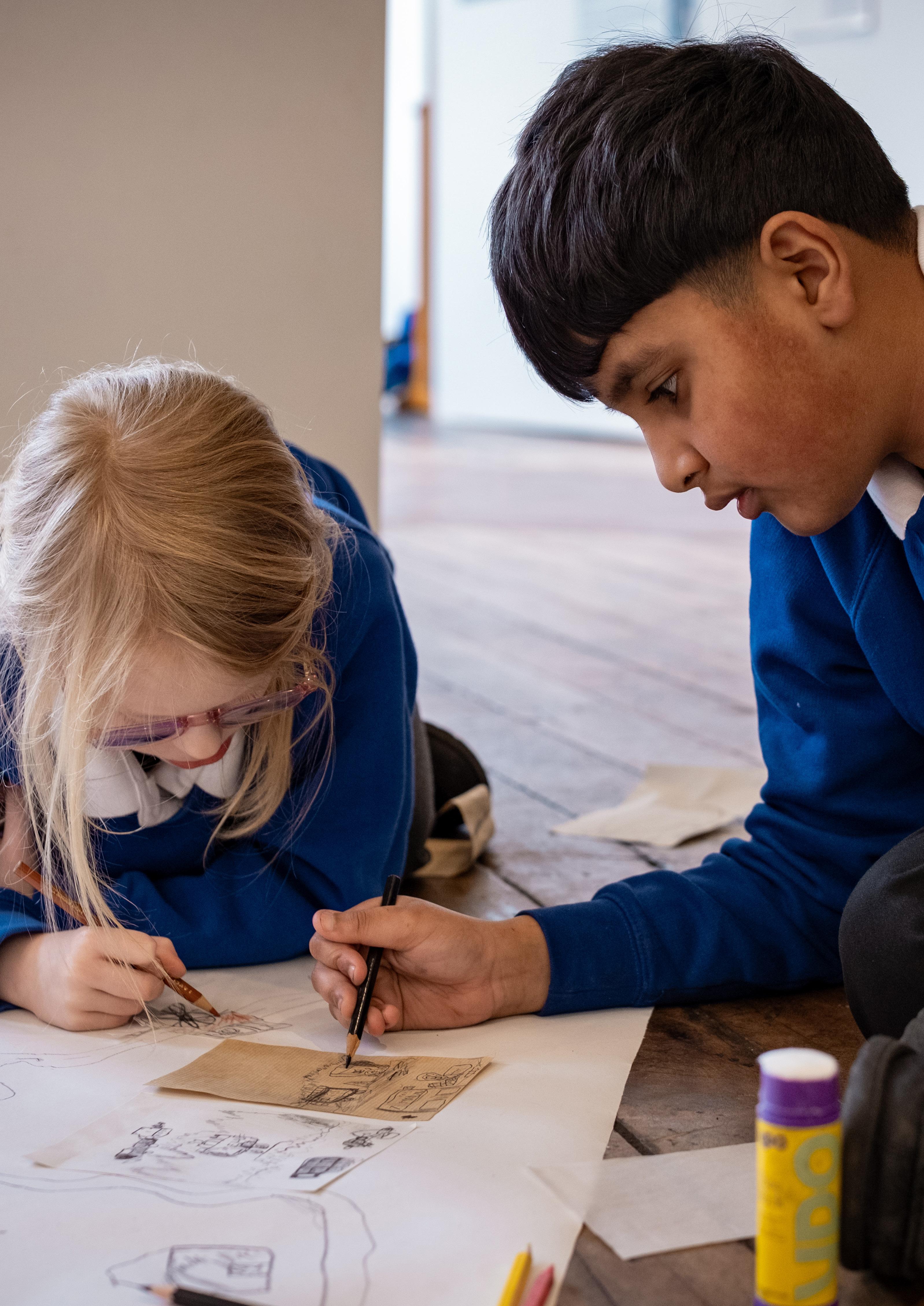
The Goldsmiths’ 500 Writers programme has made a real difference in our school. Funded books have given pupils access to high-quality stories they may not otherwise experience, while trips have brought learning to life through new cultural experiences. These opportunities have raised confidence, inspired creativity and shown children that their ideas and voices matter, leaving a lasting impact across our school community.
Assistant Headteacher
St. Joseph’s Catholic Primary School
Rebuilding Birmingham’s Jewellery Talent Pipeline - The Goldsmiths Institute at AUEA is creating a route from first awareness to employment in jewellery careers, helping revive skills linked to the Jewellery Quarter. This pathway has not existed for over a decade.
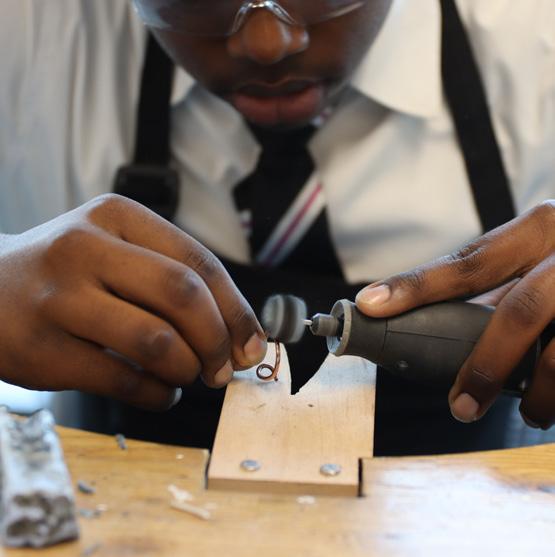
Changing teaching provision and practice. 102 teachers have been up-skilled to deliver jewellery projects. Three secondary schools have now incorporated jewellery into the DT curriculum. The programme is helping strengthen creative learning while introducing students to jewellery-making pathways.
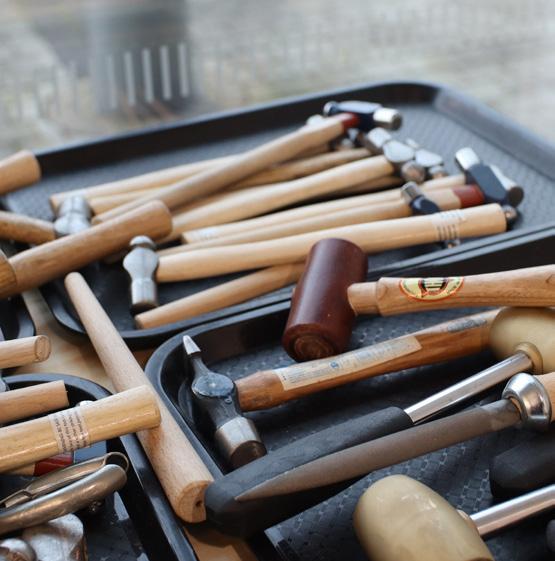
The programme is not only creating an educational route but challenging perceptions amongst students and, crucially, their parents of jewellery as a career. While widening access for underrepresented students, the programme is changing who enters the industry and broadening pathways into jewellery careers.
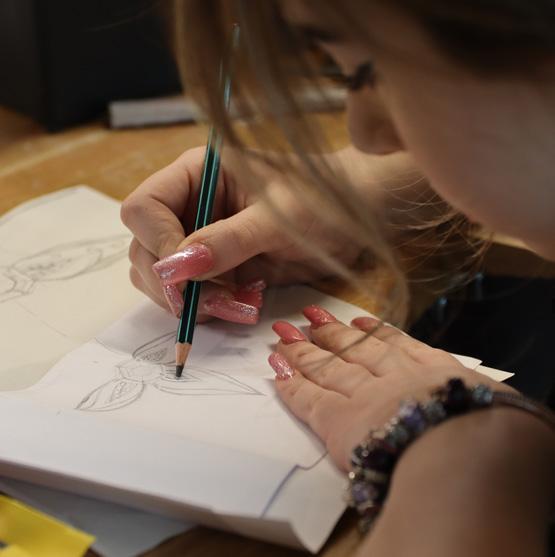
Although still in a temporary site, The Goldsmiths Institute is being established as a physical and cultural anchor for skills, training and jewellery sector growth. The programme is helping create stronger pathways into jewellery careers while supporting long-term sector growth across Birmingham.
16,828
Students reached through jewellery careers advice and guidance, exceeding the 2,100 target.
733
Students in UTCs, Primary & Secondary schools participated in jewellery projects.
292
AUEA students participated in jewellery programmes & projects both in- and extra-curriculum.
26 work placements completed, with a network of 15 engaged businesses.
3
students in the second cohort bring the total to 8 T Level students developing specialist hand-making and design skills for careers in jewellery.
5
graduates of the UK's first cohort of Craft & Design T Level.
The Goldsmiths’ Foundation shared our vision of bringing jewellery education into schools. Their support is helping to inspire future generations, create pathways into the industry and secure the long-term future of jewellery making in Birmingham.
Collette Waudby Goldsmiths Institute Project Manager & T Level Teacher
In its first open grants programme, Goldsmiths’ Foundation awarded more than £750,000 to 18 organisations across the UK. These partners use creativity, making and practical skills to widen opportunity, strengthen communities and support future talent.
From theatre workshops and architecture mentoring to ceramics studios, heritage crafts and inclusive arts practice, the grants are helping partners turn ideas into action and open doors for people who are too often excluded from traditional pathways. While many grants are still in their early stages, evidence is building across the portfolio, of increased confidence, skills, access and stronger foundations for long-term change.


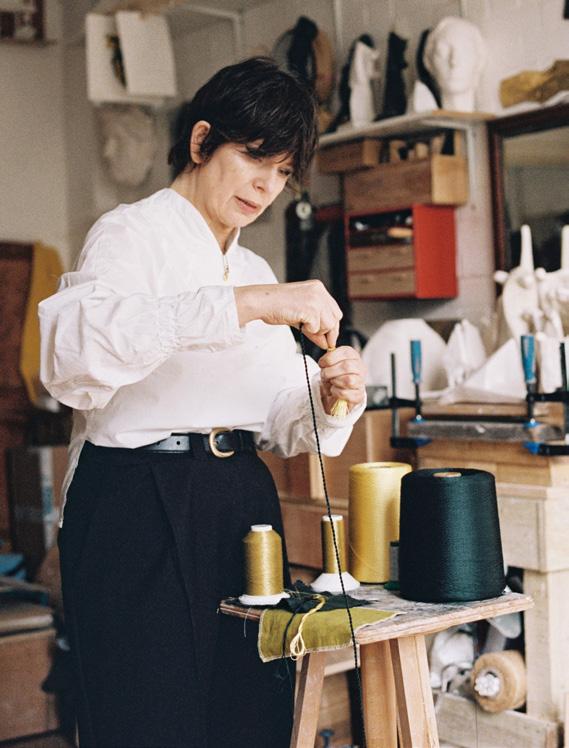



1,439 PEOPLE SUPPORTED
196 EDUCATORS, STAFF & VOLUNTEERS STRENGTHENED
47,845 PUBLIC VISITORS
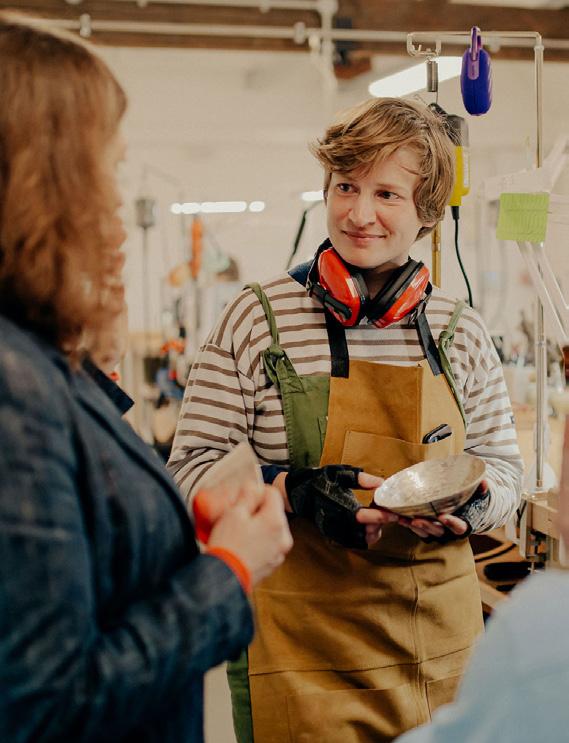
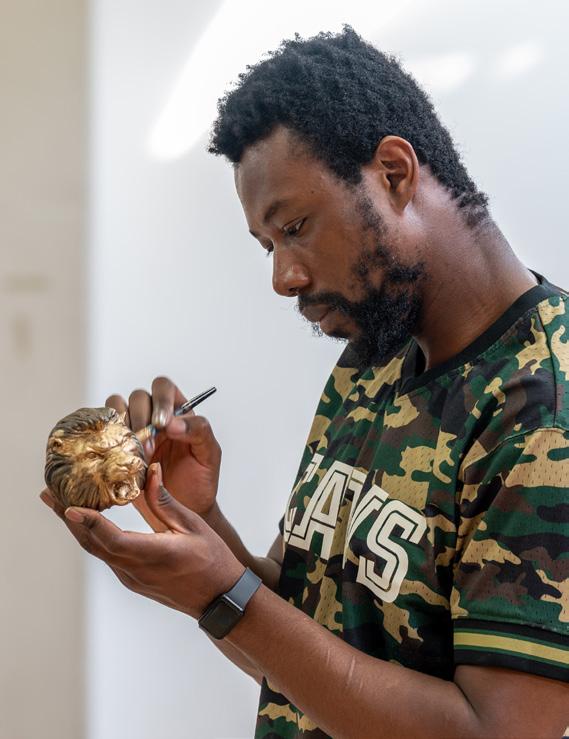
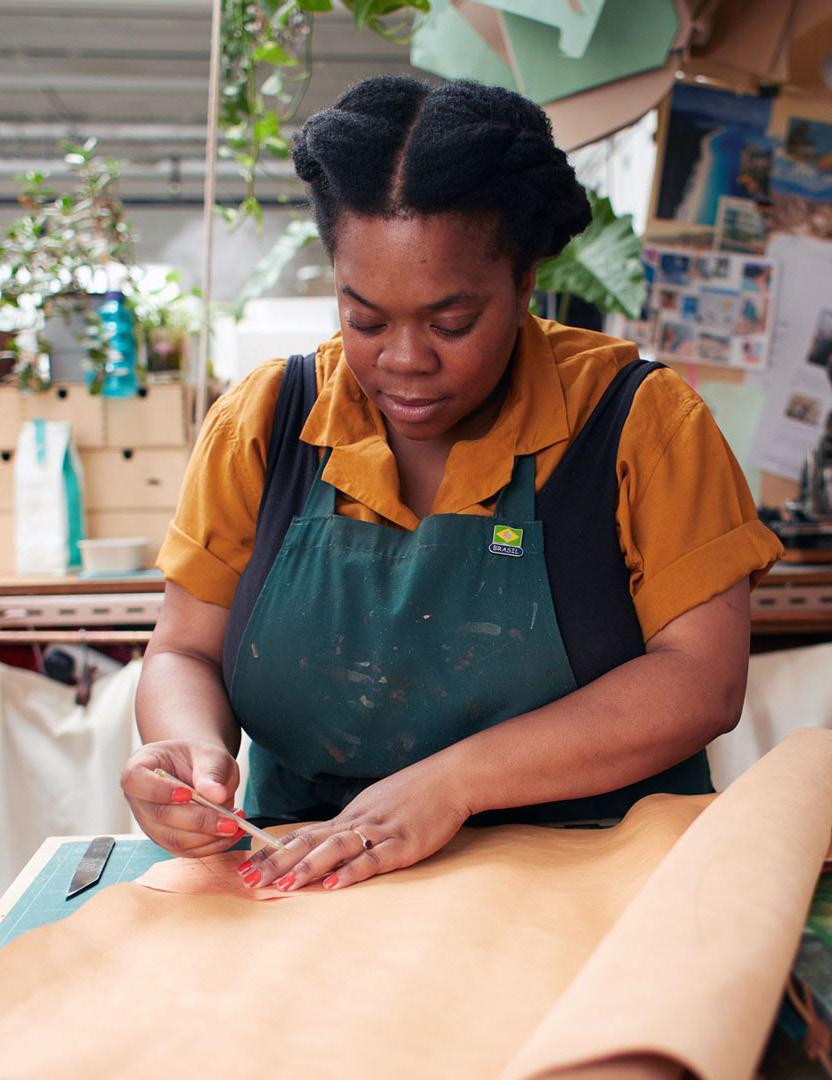
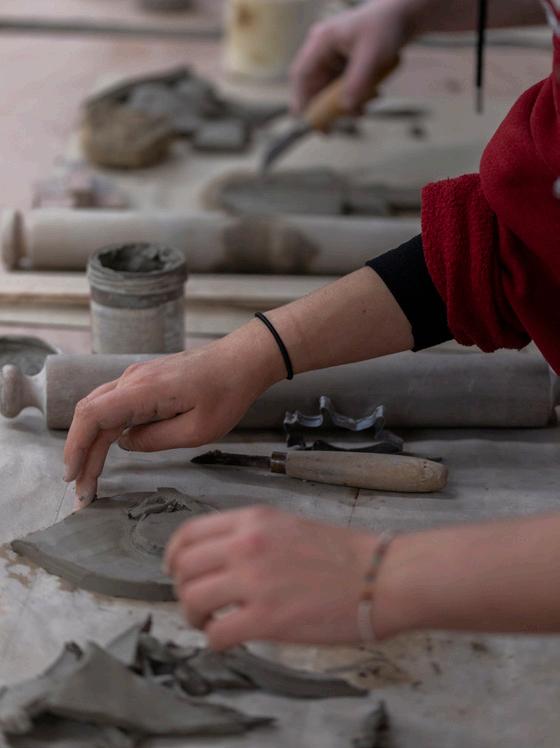
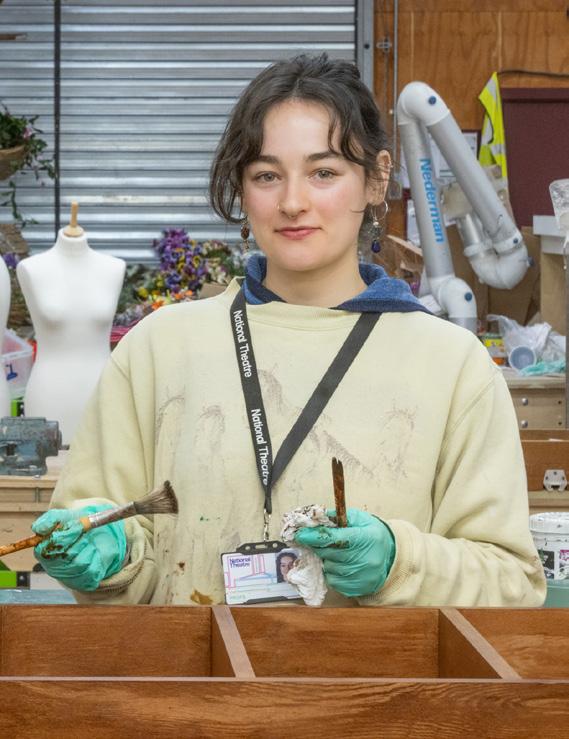
Talent is widespread, but access to creative careers is not always equal. This funding is helping people gain experience, confidence and industry exposure, developing pathways into creative careers and widening access to opportunities across the creative industries.


£9,000 in sales generated

84% increased career confidence

9 new specialist workshops

First workshops fully booked

The National Theatre has engaged 22 young people through two courses in specialist backstage craft and design training. Yasmin Miguel has been selected, from a pool of 268 applications, for the Wigs, Hair and Make Up and Prosthetics (WHAM) Apprenticeship, a paid 2-year apprenticeship giving her the opportunity to deepen her experience and skills within one of the UK’s leading theatre training environments.
Open City has launched its Birmingham programme, recruiting 20 young people from underrepresented backgrounds to explore careers in architecture and the built environment. 90% of the young people are from global majority backgrounds; 55% have been eligible for Free School Meals; 55% are the first in their family to go to university; 15% currently live in social housing; 15% speak English as their second language; 10% are currently in care. Early signs of success include high attendance, growing confidence and stronger willingness to present ideas and collaborate.
Creative Kernow provides a wide range of creative programmes and activities, working towards a thriving Cornwall powered by creativity. Goldsmiths’ Foundation funding has supported 15 makers across Cornwall in its Preparing for Wholesale programmes and a further 12 participants in its jewellery programme. Programmes have been highly effective in reaching lower income individuals. Early results include £9,000 in sales generated, a 96% increase in confidence among one cohort, and strong evidence of peer networks continuing beyond the formal programme.
Blueprint for All has engaged leading industry partners to co-deliver vocational, technical skills workshops aligned to the built environment and architecture sector. 41 university students participated in industry-led workshops and 10 participants were matched with mentors. Early outcomes include 80% of participants reporting improved vocational, industry-ready skills and being more aware of alternative career routes within the built environment and 84% increased confidence in their future career pathways.
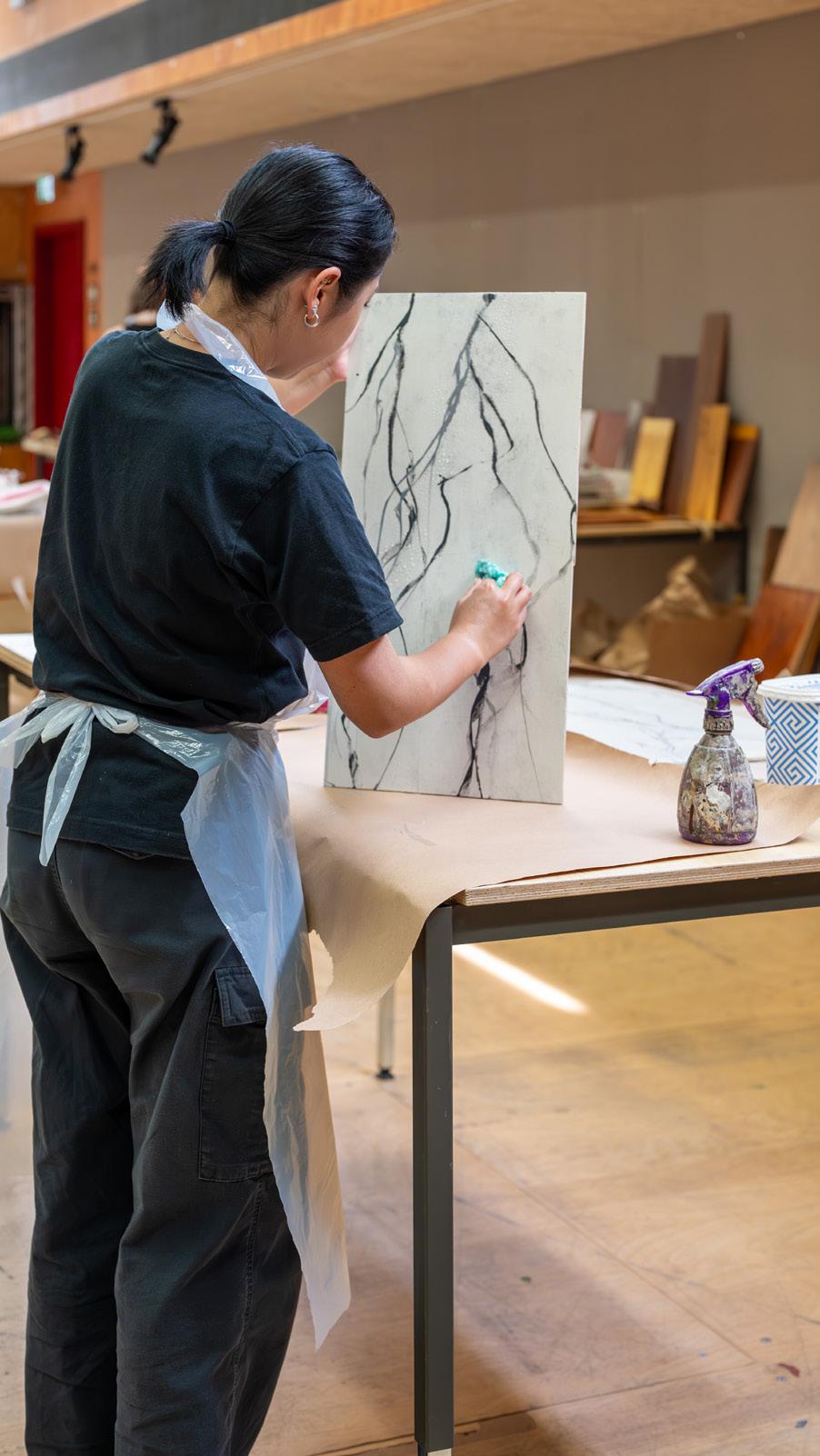
The Creative Dimension Trust provides free, high-quality workshops and work experience that develop hand skills, confidence and career pathways for talented young people, led by world-class craft specialists. Goldsmiths’ Foundation funding has created more opportunities for students from disadvantaged backgrounds, with nine new subject workshops and multiple Insight Days planned this year. Courses span skills from stump work embroidery and butchery to calligraphy, with two workshops already supporting at least 20 young people into wider creative opportunities.
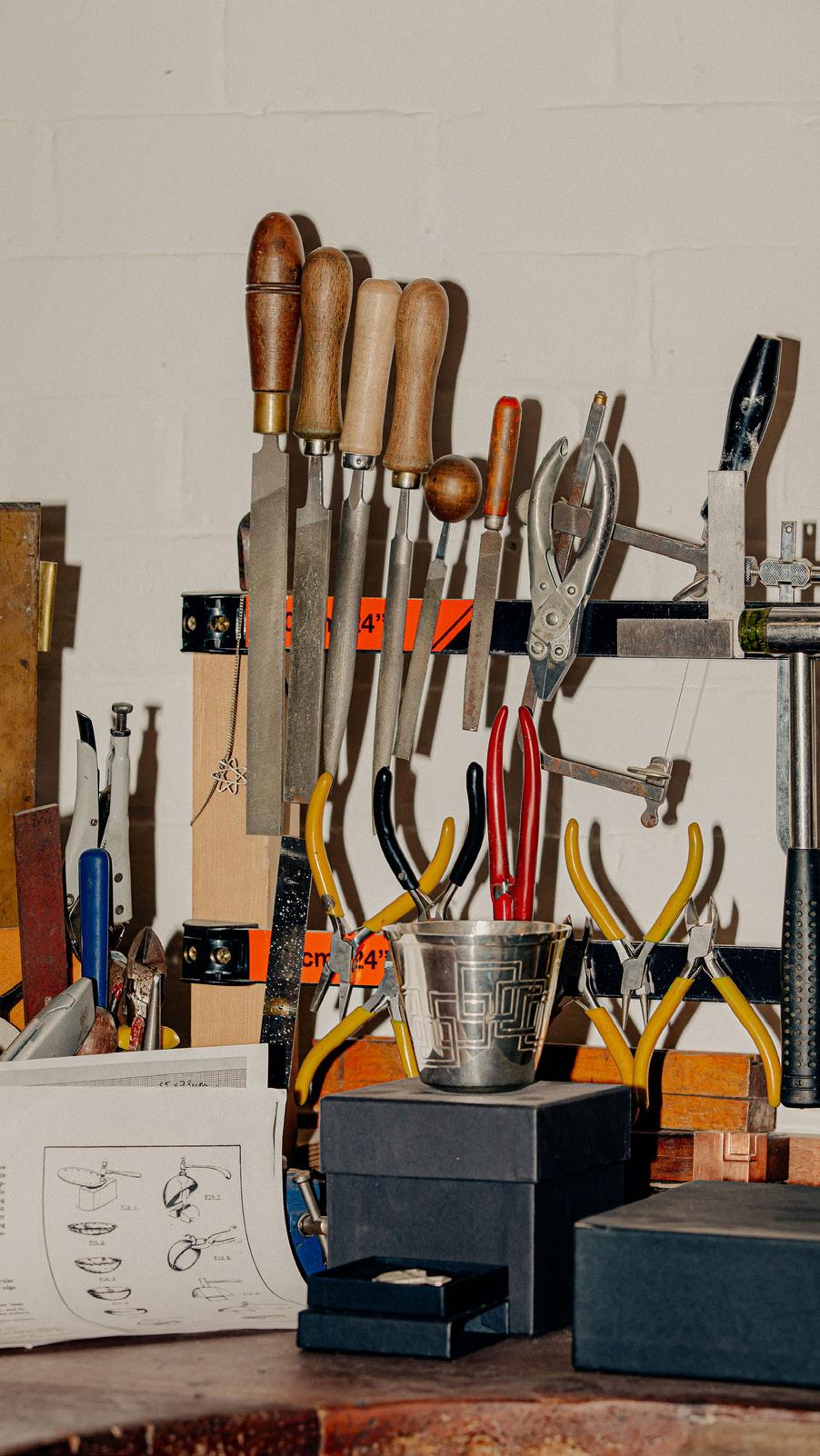
Bishopsland has developed and started recruiting for a specialist silversmithing taster programme for students, with its first workshops fully booked and a waiting list in place. Demand highlights strong interest in hands-on craft pathways and specialist making careers. The programme includes a creative and unique silversmithing activity to engage and inspire attendees and showcase the potential which a career in silversmithing offers.
Goldsmiths’ Foundation’s heritage and identity are reflected in grants that protect specialist skills and pass them on to future generations. These programmes ensure valuable craft knowledge, traditional skills and making excellence are not lost, while supporting new pathways for learning, training and long-term preservation.
Protecting three endangered crafts

Heritage Crafts is the national charity dedicated to safeguarding traditional craft skills at risk of disappearing across the UK. Funding has supported three practitioners to pass on specialist knowledge through film and training resources before retirement. Three craftspeople — a polisher, passementier and ceramic painter — alongside three interlocutors, have begun documenting and communicating the core skills and techniques they believe must be safeguarded and transmitted to future generations. The project forms part of wider efforts to protect endangered heritage crafts and preserve specialist making knowledge for the future.
Preserving Scotland’s traditional craft skills

The Scottish Crannog Centre is a living history museum and heritage site on Loch Tay that brings Scotland’s Iron Age past to life through reconstructed dwellings, traditional crafts, archaeology and hands-on learning. As the centre recovers from a devastating fire, it has used the grant to support two traineeships, volunteer skills days and traditional skills development (four crafts people, including three receiving thatching repair training) linked to its new site and the opening of the Crannog in May 2026. The funding is helping build the infrastructure, workforce and momentum needed for longterm preservation of traditional skills and the Crannog story.
Advanced Goldsmith Scholarship Awarded
QEST has used the grant to fund a new scholarship in advanced goldsmith training for emerging maker Huimin Zhang, a London-based goldsmith and gold artist. With financial support and access to QEST’s professional network, Huimin is continuing specialist training with master goldsmith Giovanni Corvaja to deepen her expertise in gold wire production and expand the creative and technical boundaries of her work within contemporary goldsmithing practice.
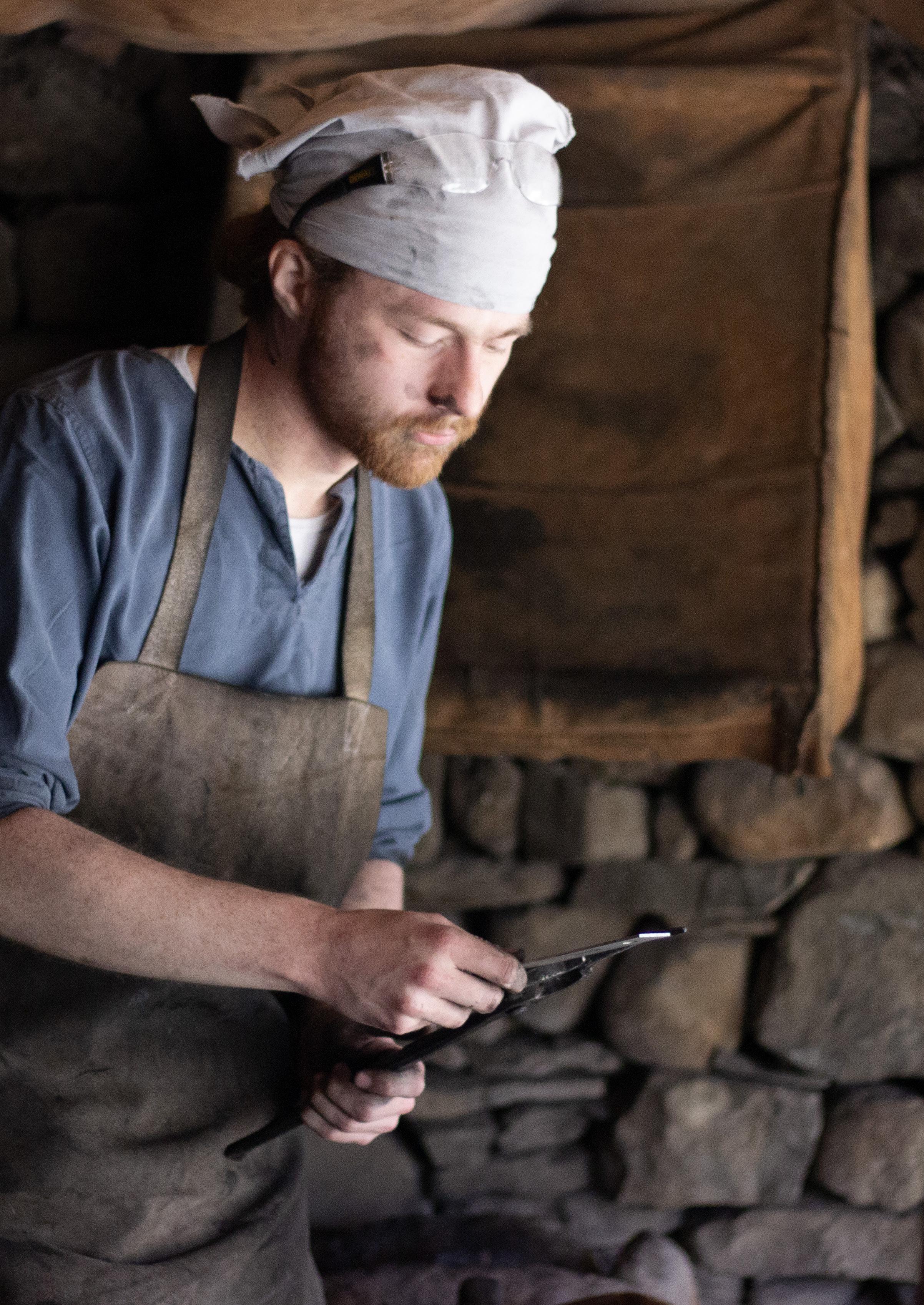
Creative spaces can build confidence, reduce isolation and help people feel seen, valued and able to grow. These grants are supporting inclusive creative environments that strengthen wellbeing, connection and confidence through shared participation, creativity and long-term support.

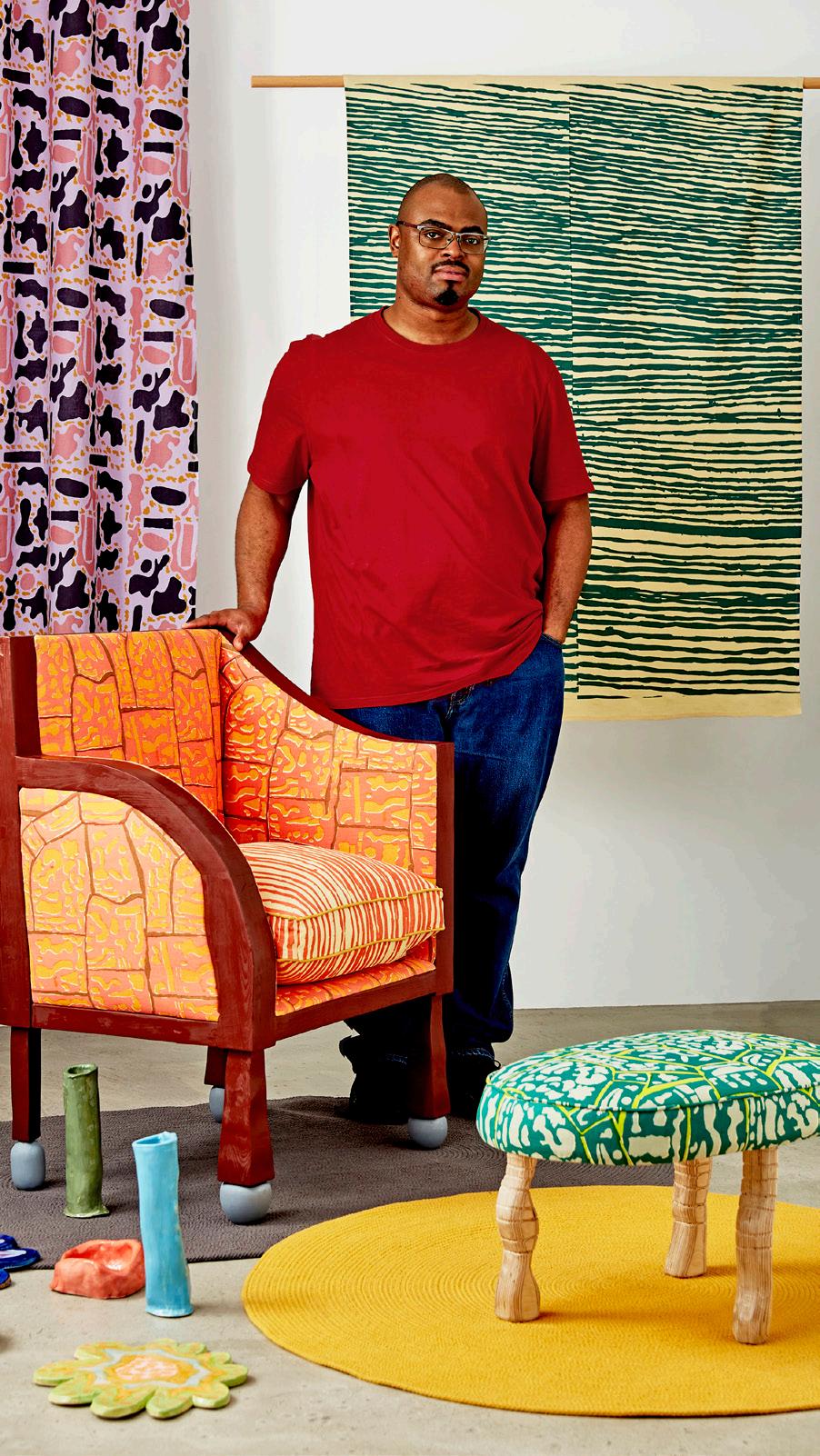

46,000 unique exhibition visitors

AT The Bus provides transformational, school-based art as therapy to children and young people aged 5-16 who are struggling with their mental wellbeing. 193 art-as-therapy programmes have been delivered in 16 schools, reaching 720 children and young people. The funding has also supported staff development for 85 staff and teachers, new partnerships and stronger evidence systems, helping deepen therapeutic practice and broaden impact.
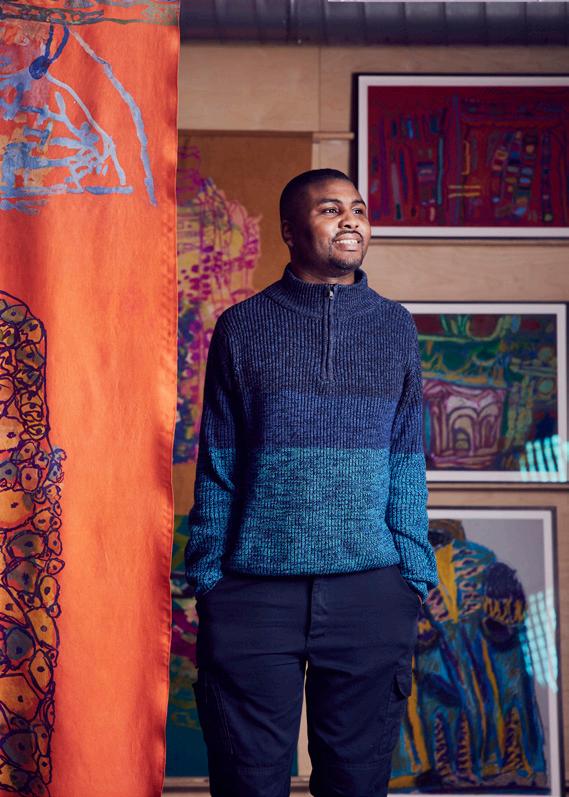
Intoart is an alternative art school and pioneering studio programme which champions equity, leadership and visibility of learning disabled and autistic artists, designers and makers. Funding has supported its core studio programme for 26 learning disabled artists while supporting new entrants and progression into advanced opportunities. A further 25 learning disabled young people from three partner specialist schools and colleges have developed new creative skills. The organisation has also presented major public exhibitions reaching 46,000 visitors, increasing visibility for artists and showcasing inclusive artistic excellence.

Artbox London is a supported art studio where learning disabled and otherwise neurodivergent artists come together to create, connect, and grow. Funding has supported operations and development, investing in artist feedback, staff development and more personalised support for learning disabled and autistic artists. Early learning points to stronger team culture, more ambitious artist-led practice and renewed confidence and creative independence among participants.
100 young people engaged

Escape2Make is a charity dedicated to helping 11–18-year-olds in the Lancaster and Morecambe area build confidence, creativity and connection beyond the pressures of school, home and social media. Funding has strengthened staff capacity and expanded outreach to engage more young people. The hiring of an additional staff member has allowed for the production of a massive project that will engage with up to 100 local 11–18 year olds, including those outside mainstream education, with 17% of people engaging with E2M either home-schooled or not in full-time education. Extra capacity within the team has also allowed space to explore further fundraising options, strengthening the organisation beyond the grant period.
£190,284 in prisonmade products sold

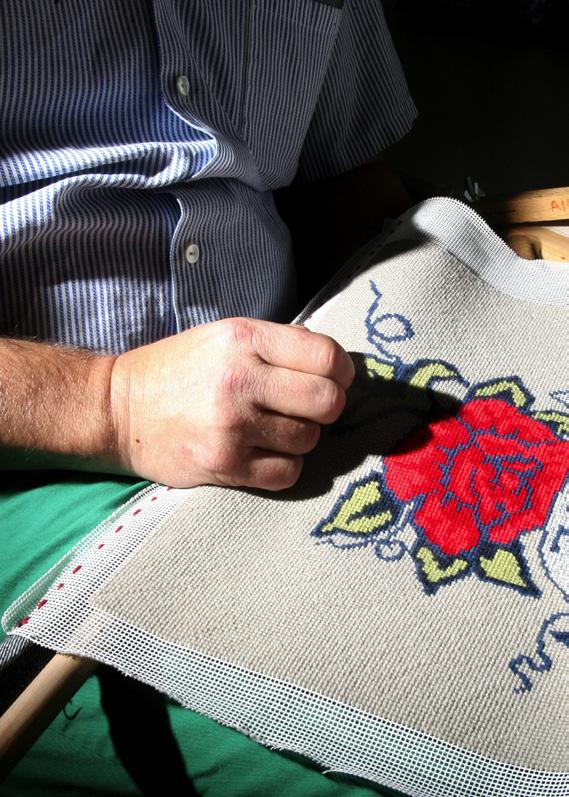
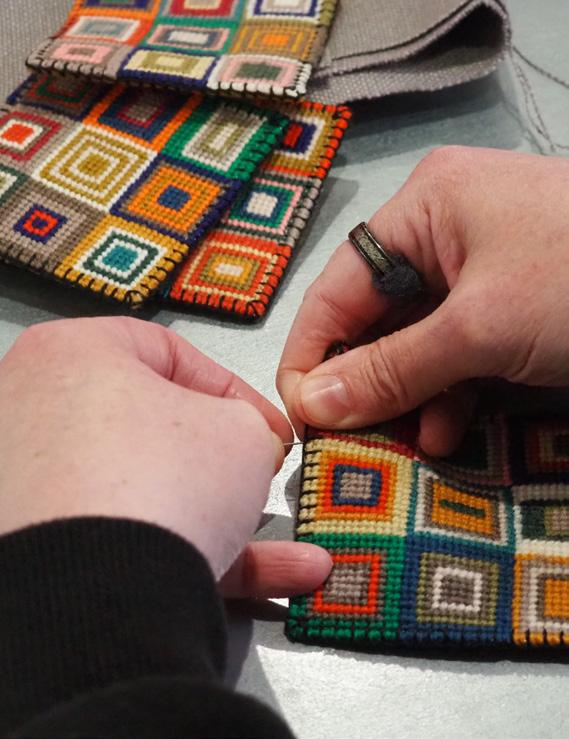
Fine Cell Work has supported 348 people in prison through high-quality needlework training and paid in prison work. Additionally, 20 prison leavers have been trained at its London Hub, and 111 volunteers have been supported to teach and mentor prisoners and prison-leavers.
Evidence points to increased confidence, purpose, creativity and progression, with three people moving into work and two into further training. £190,284 of prison-made products have been sold.
When rooted in local places, creativity can strengthen identity, connection and opportunity. These grants are supporting spaces where communities can make, learn and belong, while strengthening local creative networks, participation and access to opportunities through culture and creativity.
28 participants in masterclasses
Free public access protected

3 Creative Access Programmes

1,845 public visitors engaged

Govanhill Baths Ceramics is part of the Govanhill Baths Community Trust which runs wide-ranging community wellbeing activities, as well as education and training. Funding has been used specifically to recruit a dedicated project administrator and begin planning Heritage Tile Workshops in collaboration with heritage tile artist Joanne Dawson, support subsidised masterclasses for 28 participants, including two Kintsugi masterclasses with Dave ‘Kintsugi’ Jones and two “Throwing Bigger” classes with Moray Miller, and recruit the first, of two, paid interns.
The Institute of International Visual Arts, iniva is a Pimlico-based charity founded to challenge inequalities in the visual arts and expand the visibility of Black and Global Majority artists and communities. Goldsmiths’ Foundation funding has sustained its core artistic, archive and public programme while preparing for major new projects. The support has helped protect staff capacity, maintain free public access to the Stuart Hall Library and archive, and strengthen long-term organisational resilience.
Peckham Platform is a creative and educational charity bringing local community and leading artists together. Goldsmiths’ Foundation funding has supported workshops for young people in South London exploring screen-printing, illustration, creative writing and textile techniques through two Creative Access Programmes. A third programme is delivering Arts Awards at Highshore School, a complex mixed needs special secondary school. Early feedback suggests growing confidence, technical skills and stronger connections to creative opportunities.
Hypha Studios has delivered, through The Drawing Shop, its first creative workshops to two local school groups, reaching 50 students aged 9–10, each receiving 12 hours of creative sessions. Goldsmiths’ Foundation funding has also supported 1,845 public visitors, who enjoyed 231 hours of free creative time and materials. Early feedback points to high levels of engagement, repeat visits and positive wellbeing benefits for children and adults alike, while helping create more accessible creative opportunities within the local community.
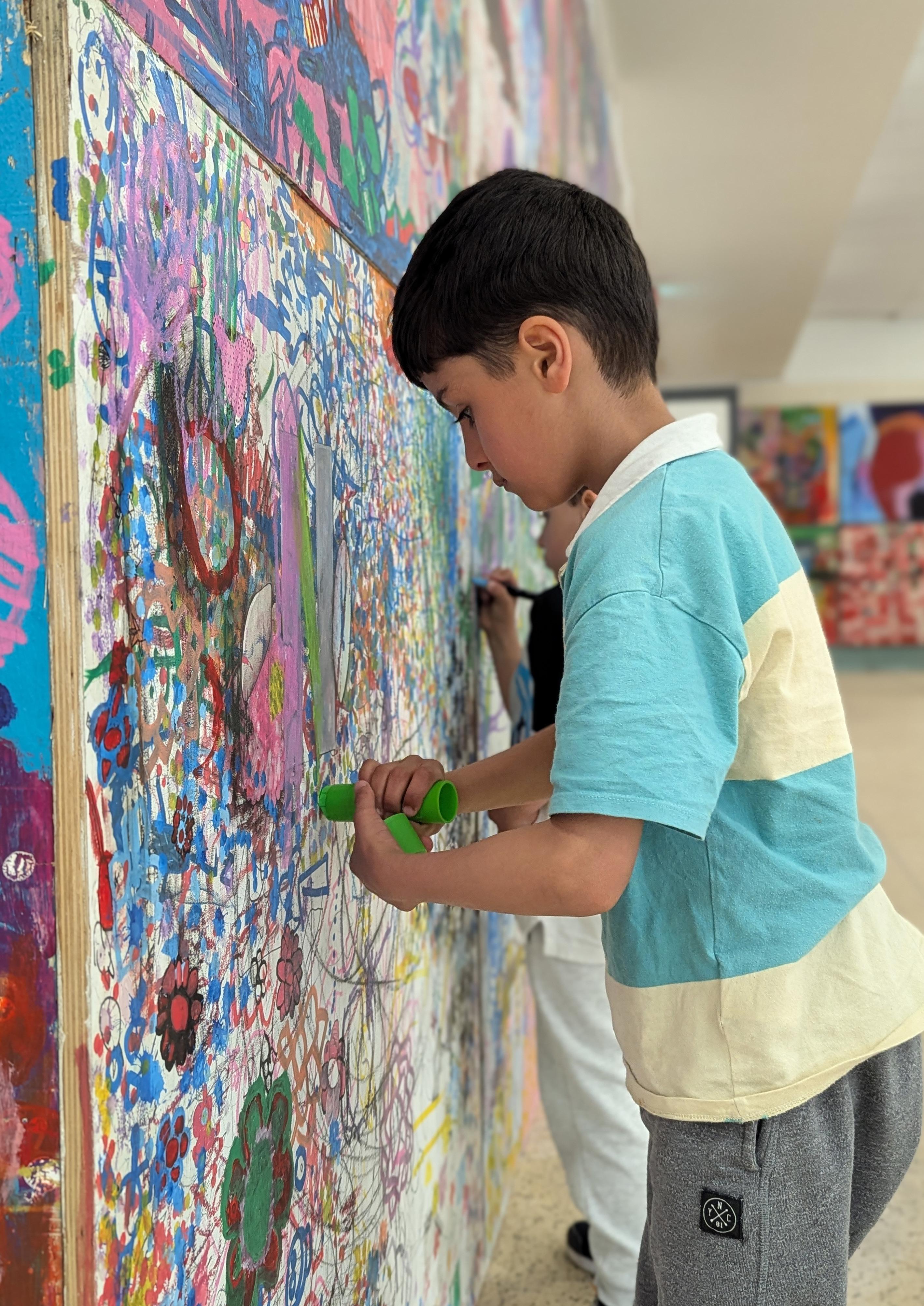
Alongside wider grant-making, Goldsmiths’ Foundation has developed three flagship partnerships that bring its mission to life through long-term investment in people, practice and place.
Together, these partnerships show how targeted investment can create opportunity, sustain excellence and strengthen the cultural fabric of communities.
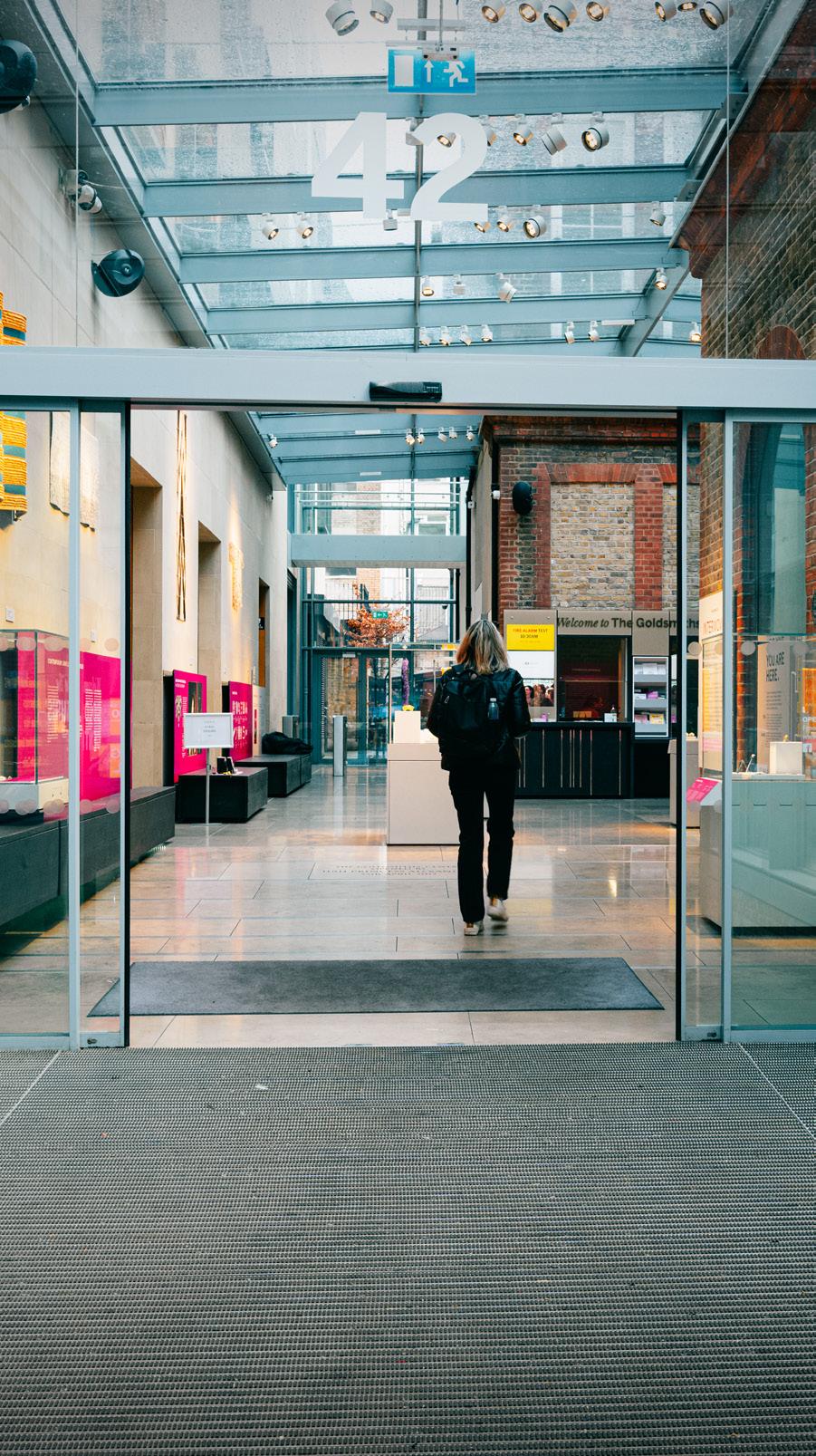

Strengthens skills, enterprise and sector excellence through training, apprenticeships and professional development.
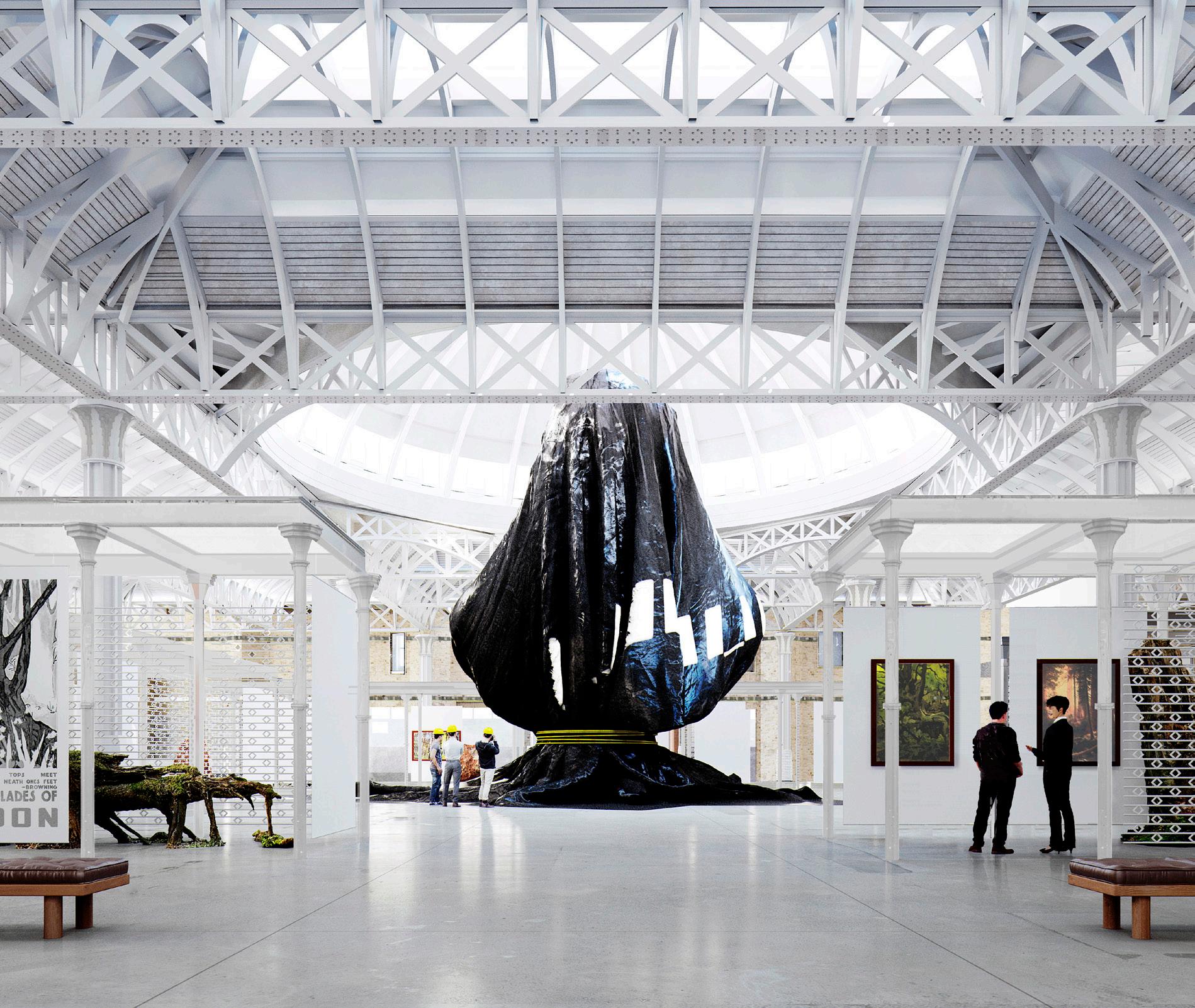
Helps create a major civic space where heritage, creativity and public engagement come together in the heart of the capital.
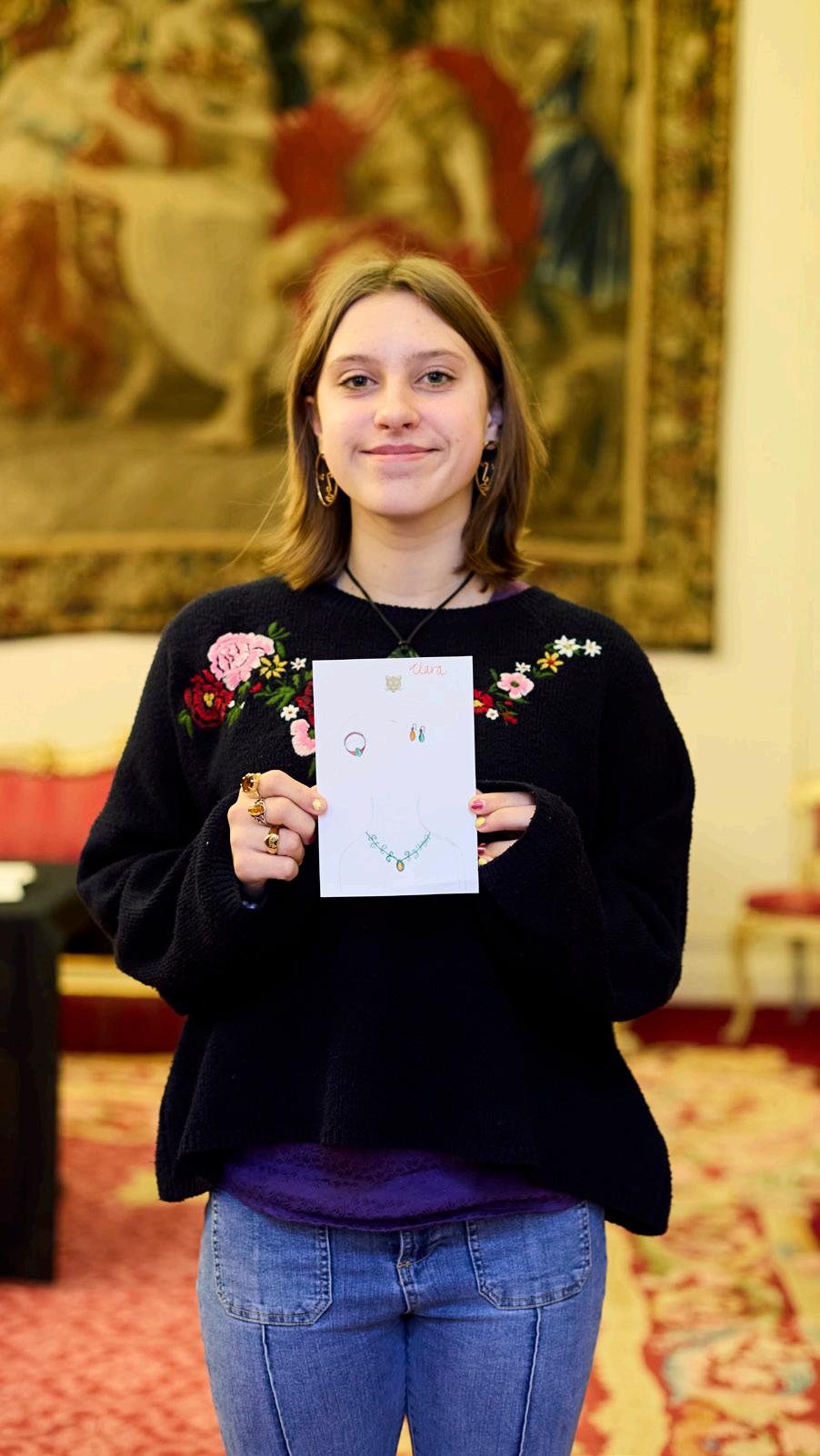
Supported by Members’ Giving, widens access to creative learning and future pathways for young people across the UK.
Sustaining excellence in UK jewellery and silversmithing.
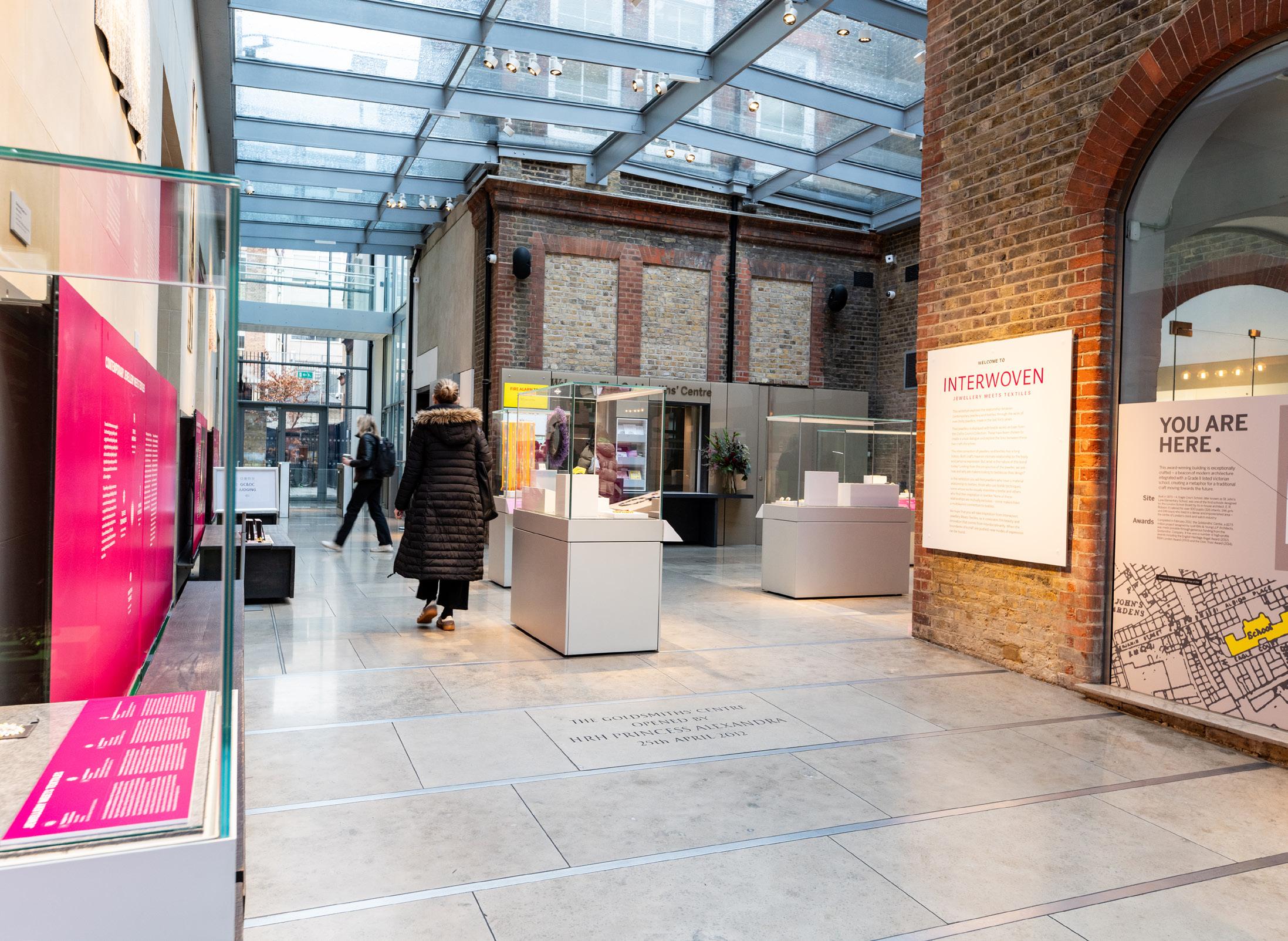
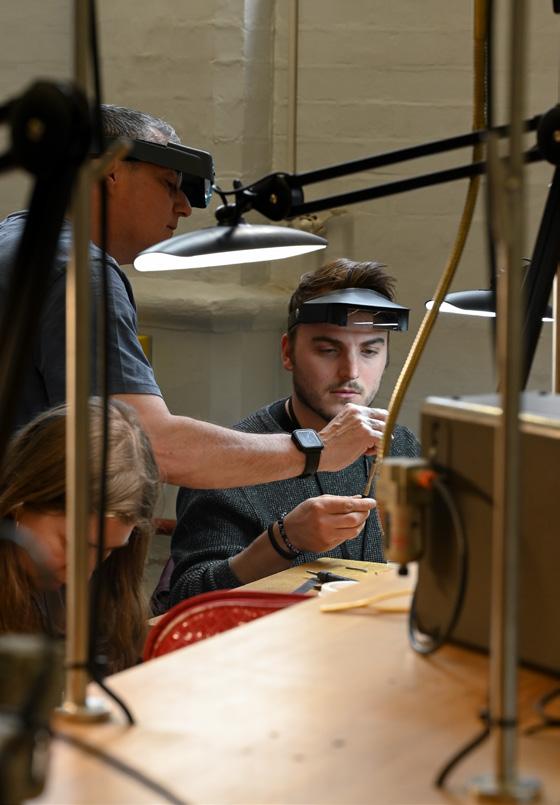
The Goldsmiths’ Centre is dedicated to strengthening the UK jewellery, silversmithing and allied industries through skills training, business support, affordable workspace, widening access and environmental leadership.
£2.2 MILLION
Goldsmiths’ Foundation is the Centre’s principal strategic funder, providing £2.2 million this year towards operations.
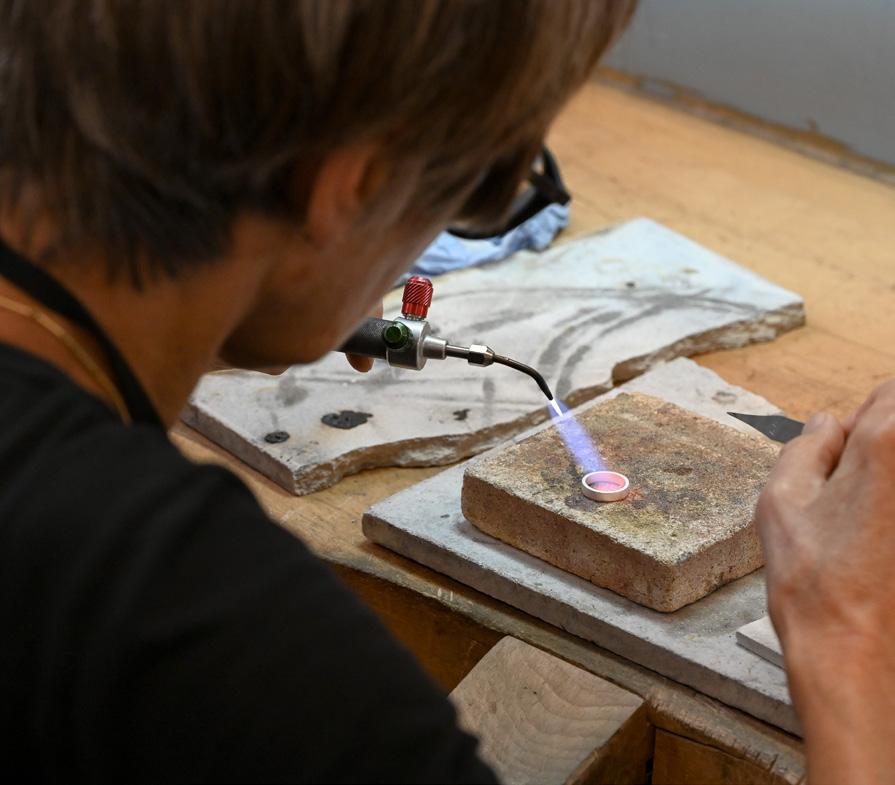
Home to 125 makers and businesses, the Centre is a teaching-focused space for designing, making, crafting and finishing, supporting over 1,500 learners at every stage of their journey.
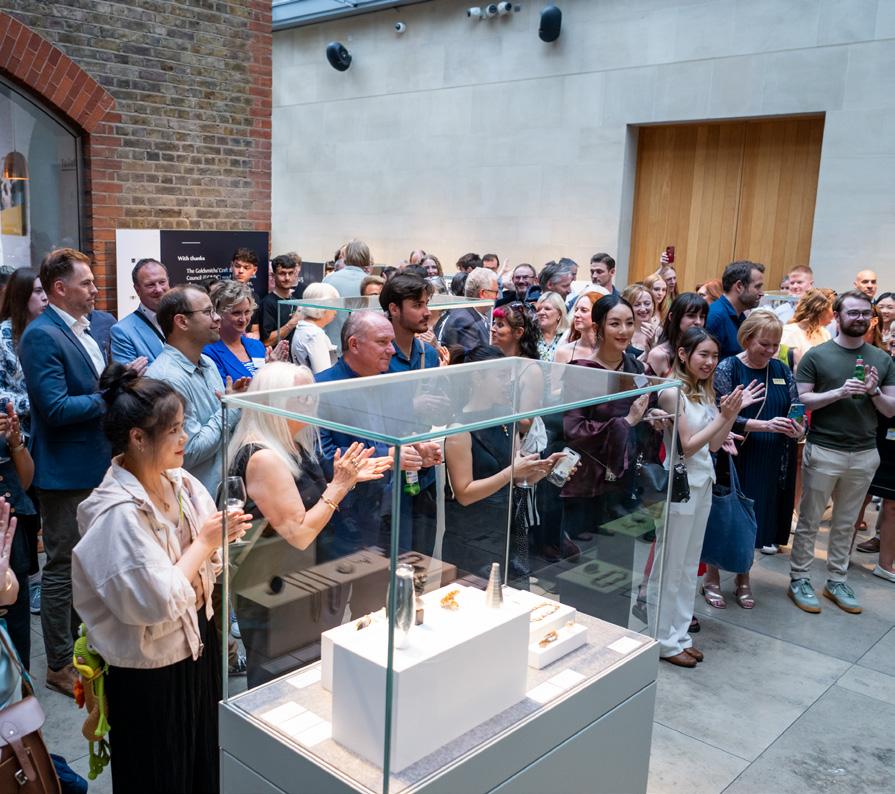
The Goldsmiths’ Centre now operates as a national hub for craft skills, enterprise growth, inclusion and sector renewal, helping protect specialist skills, create career pathways, strengthen creative businesses and open the industry to a broader range of people.
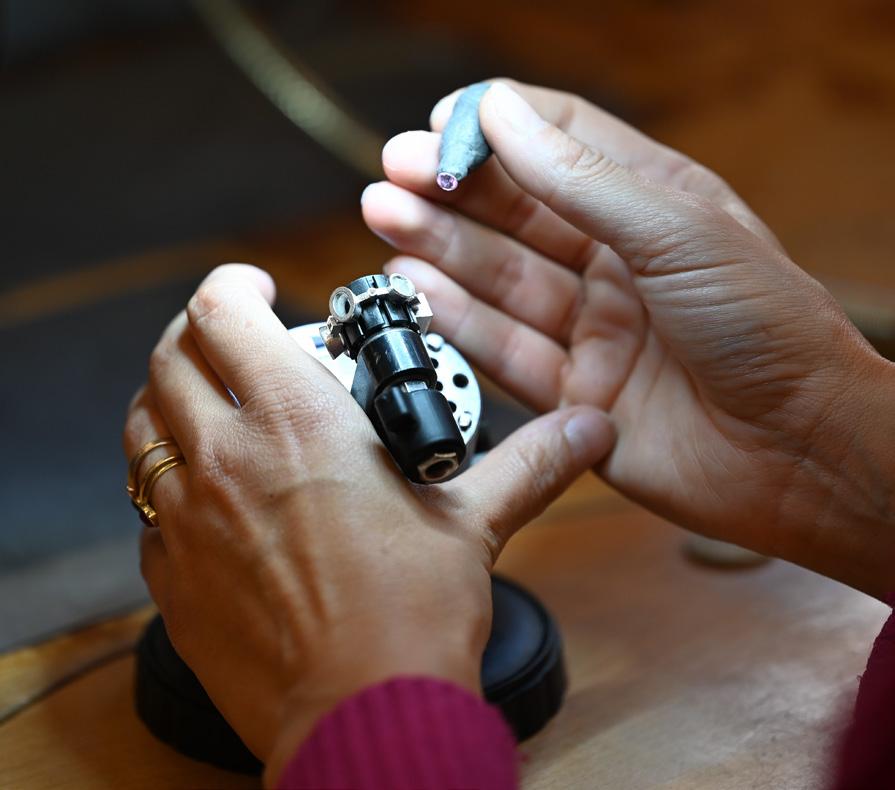
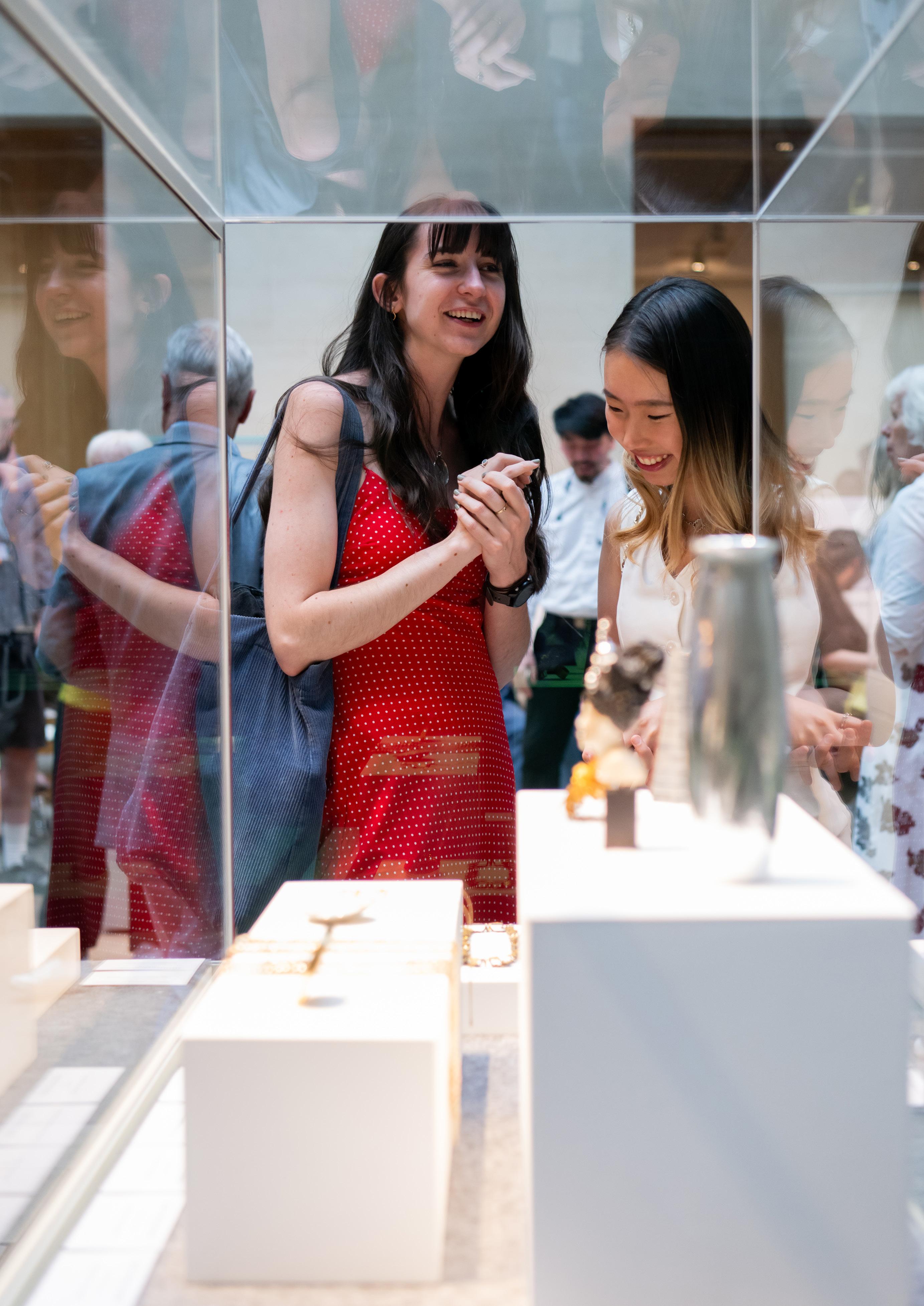
The Goldsmiths’ Foundation’s funding enables the Goldsmiths’ Centre to create impact across skills, enterprise, inclusion and sustainability.
Sustaining the UK talent pipeline in jewellery & silversmithing
Jewellery Foundation Programme
Redesigned to meet industry needs, providing 1,146 hours of training for 10 new entrants
Supported through 3,120 hours of apprenticeship training
253 participants
31 apprentices Engaged across technical courses in 23 specialist topics
28 Access grants
Providing free training for those facing financial hardship
Helping makers become sustainable businesses, including:
109 emerging businesses
Supported through Getting Started Online and Shine
584 creative businesses
Built connections, business and design skills through Creative Links and Creative Inspiration Workshops
30 makers
Supported through business mentoring and diagnostic advice
Supporting investment in tools, training and commercial growth
Partnerships with organisations supporting groups underrepresented in the sector ensure that funding supports widening access and inclusion.
The Centre acts as a convenor and partner for the wider industry through public exhibitions and talks, conferences and community and networking events linking makers, buyers, educators and employers.
This year a significant Goldsmiths’ Foundation investment also supported heating, ventilation and cooling upgrades to the building, alongside environmental strategy work, building long-term sustainability for the Centre.
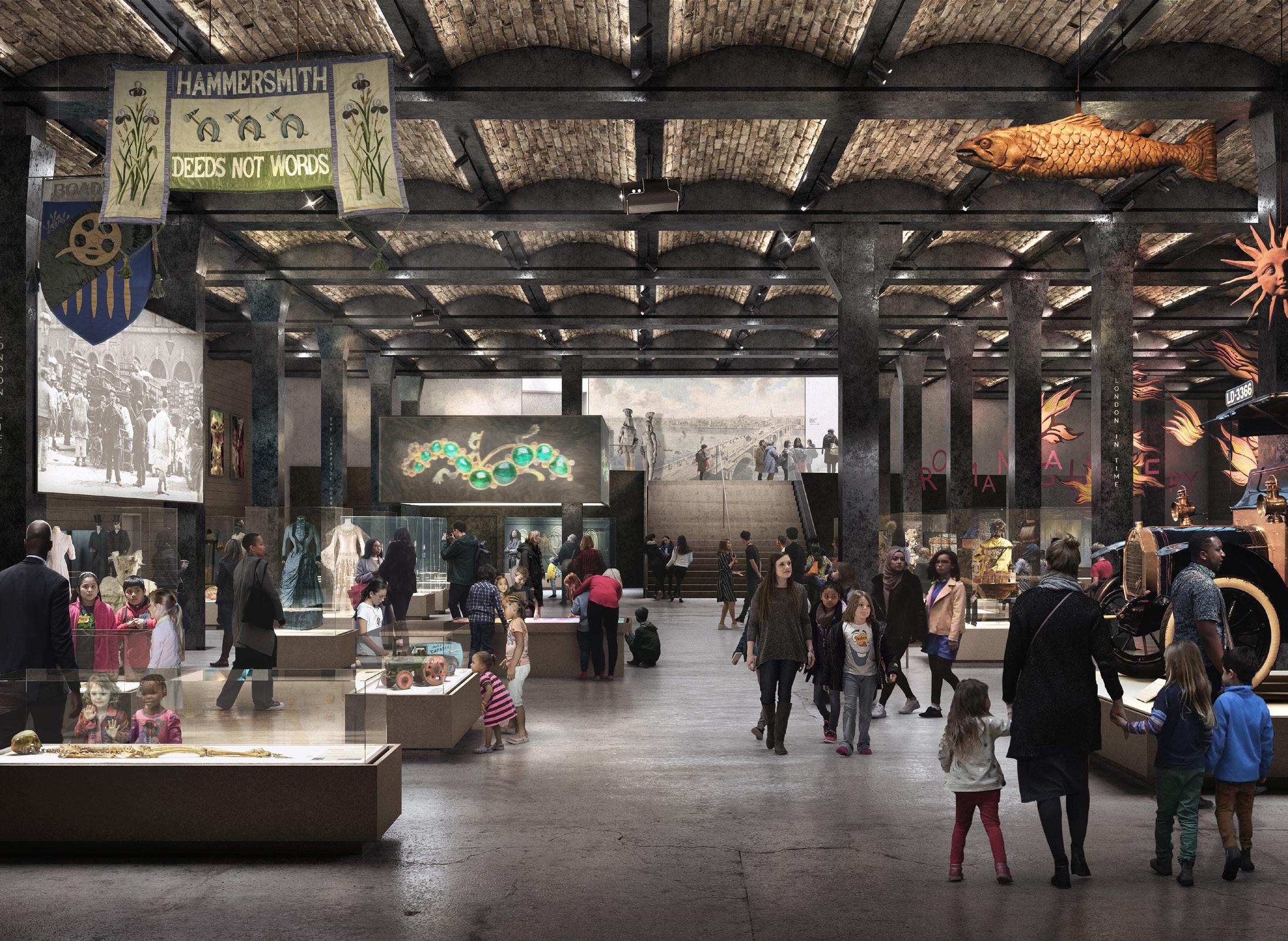
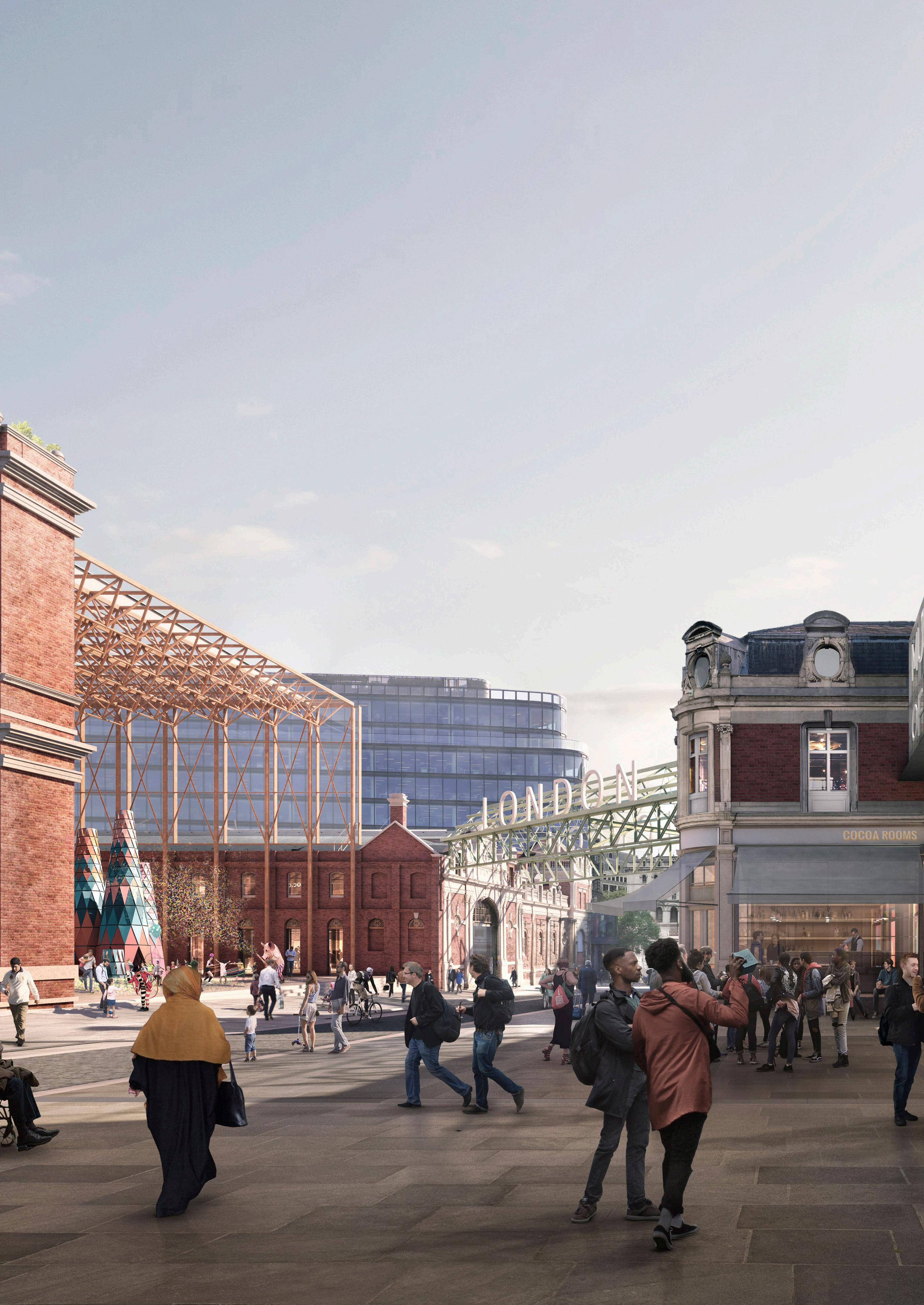
Goldsmiths’ Foundation’s £10 million contribution is helping shape one of London’s most significant cultural locations: the new London Museum at Smithfield.

New jewellery commissions supporting contemporary makers NEW
As the new London Museum project (a £437m capital appeal) progresses towards launch, Goldsmiths’ Foundation funding has enabled distinctive elements that deepen the museum’s connection to craft, design and the Goldsmiths’ heritage.
The development of the Goldsmiths’ Gallery within the museum. This dedicated space will showcase important objects on loan from The Goldsmiths’ Company alongside the museum’s renowned Cheapside Hoard collection. Recent upgrades to display cases, following a joint security review with Arts Council England, have ensured these significant items can be displayed to the highest standards of protection and conservation. This partnership has supported the inclusion of collections and interpretation that may otherwise have been more limited in scope or ambition.
More broadly, the Goldsmiths’ Company is also helping to bring Goldsmiths’ heritage and contemporary creativity into the wider visitor experience, with work underway to commission jewellery lines for the museum shop from makers, creating opportunities for contemporary craftspeople while linking today’s practice with London’s historic goldsmithing traditions.
Beyond the gallery, plans for collaborative learning and engagement resources for schools are being developed with the museum’s learning team, including events at Goldsmiths’ Centre.
Our partnership with the Goldsmiths’ Foundation has been hugely rewarding: rich in creativity, collaboration and shared endeavour. After so many years of intense planning, we are looking forward to finally opening the museum’s doors this year, and seeing all of that extraordinary work come to life.
Sharon Ament Director of the London Museum
Broadening access to creative futures: Funded through Goldsmiths’ Giving (the Goldsmiths’ Company’s member philanthropy appeal) support is helping grow free Art & Design Saturday Clubs for 13 to 16-year-olds across the UK. As the headline Art & Design subject partner, the contribution of £600,000 over three years will widen access to high-quality creative learning and future pathways into the sector.
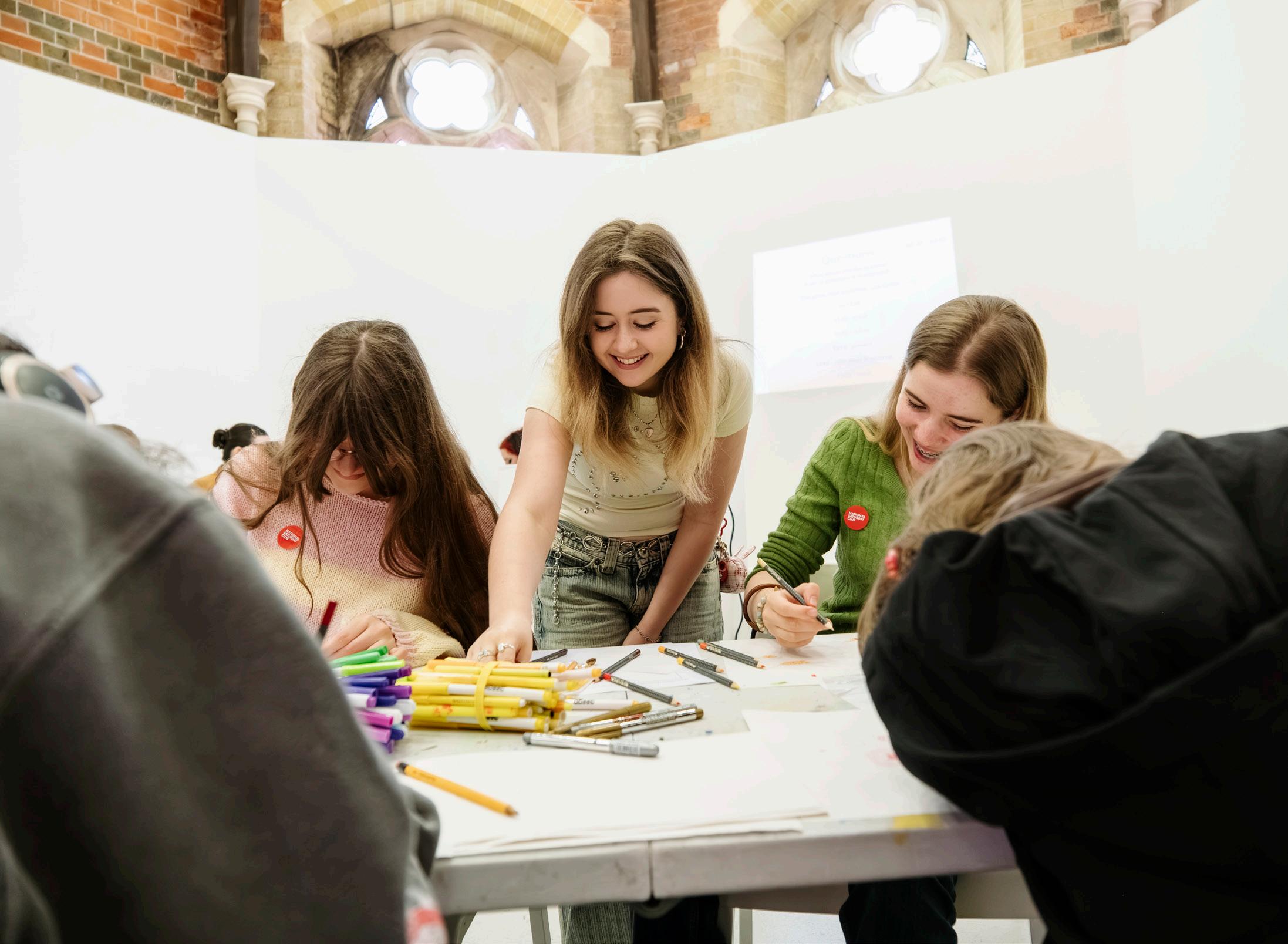
Clubs operating nationwide, reaching approximately 1,000 young people annually.
At the halfway point of the first funded year, club targets have been exceeded, making Art&Design the largest subject area within the wider Saturday Club network of 129 clubs.
This expanded reach means more young people are accessing regular, high-quality creative opportunities in their local area through host partners including universities, further education colleges and museums.
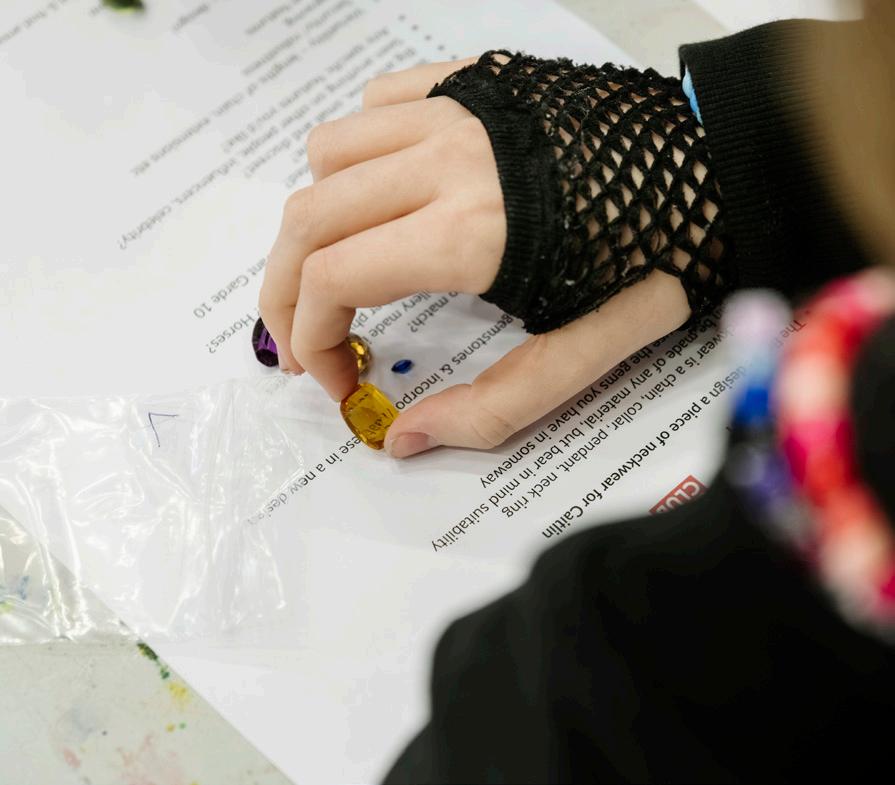
Art&Design club members from widening participation backgrounds nationally.
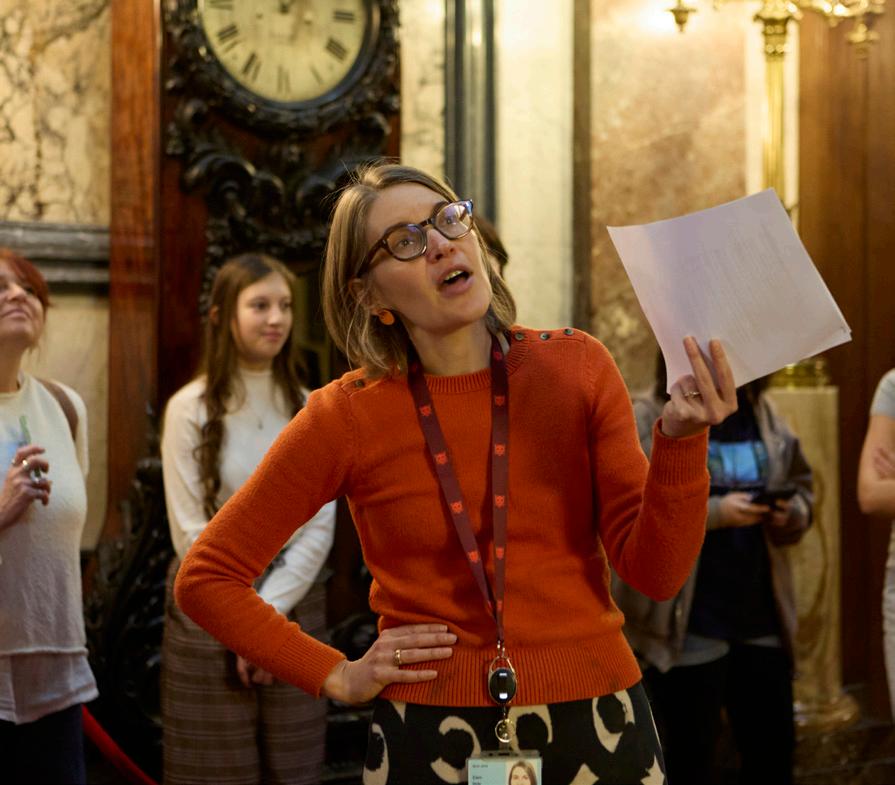
More than weekly clubs, the partnership also creates national experiences, peer networks and tutor development that raise aspiration and improve teaching quality.
Creating inspiring opportunities
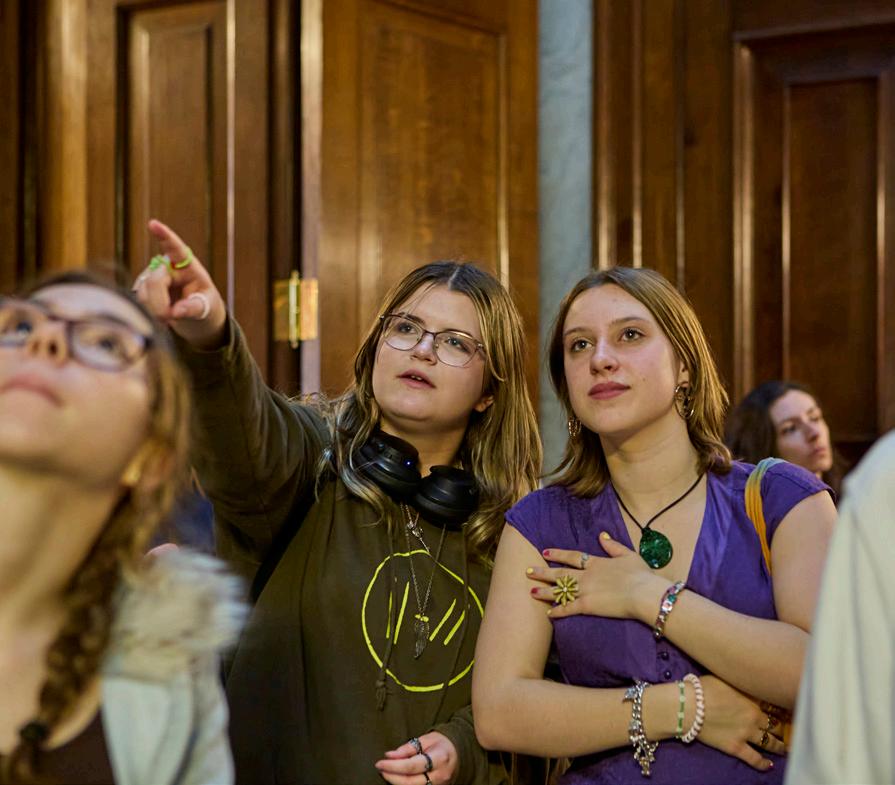
The Visit delivered in 4 UK locations enabled Club members to come together in inspiring cultural environments for activities and inspiring talks.
Central Saint Martins, London Factory International, Manchester Arts University Plymouth, Plymouth
National Galleries Scotland, Edinburgh
The Visit will expand this year to 26 cultural partners, giving young people access to leading cultural institutions, often for the first time, helping to build confidence, aspiration and a sense of belonging within creative and cultural spaces through shared national experiences.
First encounter with their Visit location
Said The Visit is a valuable experience
26 cultural partners joined the programme
80 Industry Masterclasses delivered to connect young people with creative professionals and real career pathways. Leading industry professionals and organisations shared their journeys and showcased how creative skills developed at the weekly Saturday Clubs can be applied in the real world. This year, Goldsmiths’ Company member, Adam Jacobs, ran a jewellery-making Masterclass for young people in Andover.
80 masterclasses delivered nationwide
For Tutors: enhancing delivery quality and strengthening a connected national network
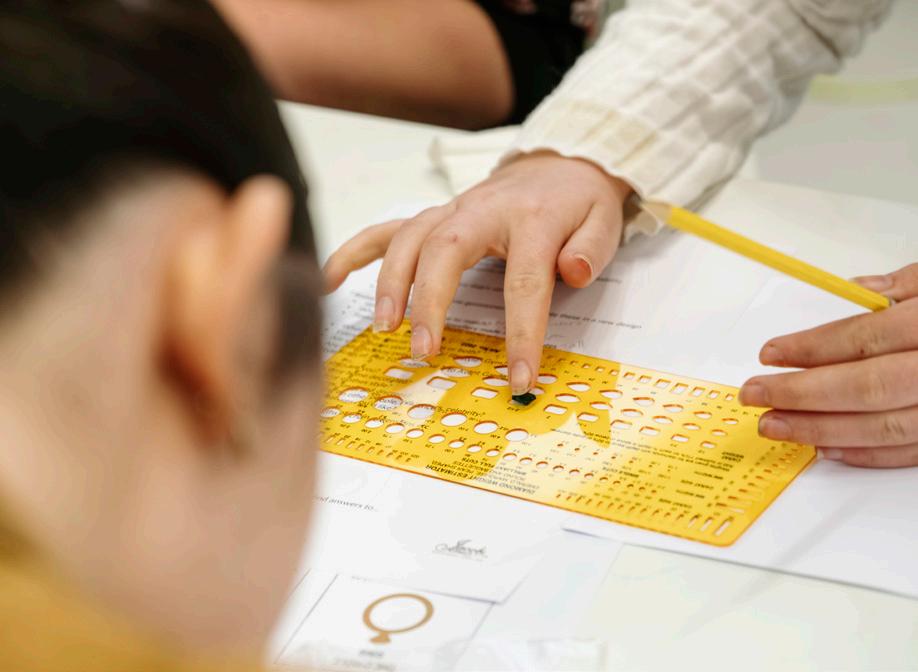
Hosted at Thinktank Birmingham Science Museum, brought together tutors and coordinators from across the UK to share practice, build networks, and engage with leading voices in creative education. A core professional development opportunity designed to strengthen programme quality nationally.
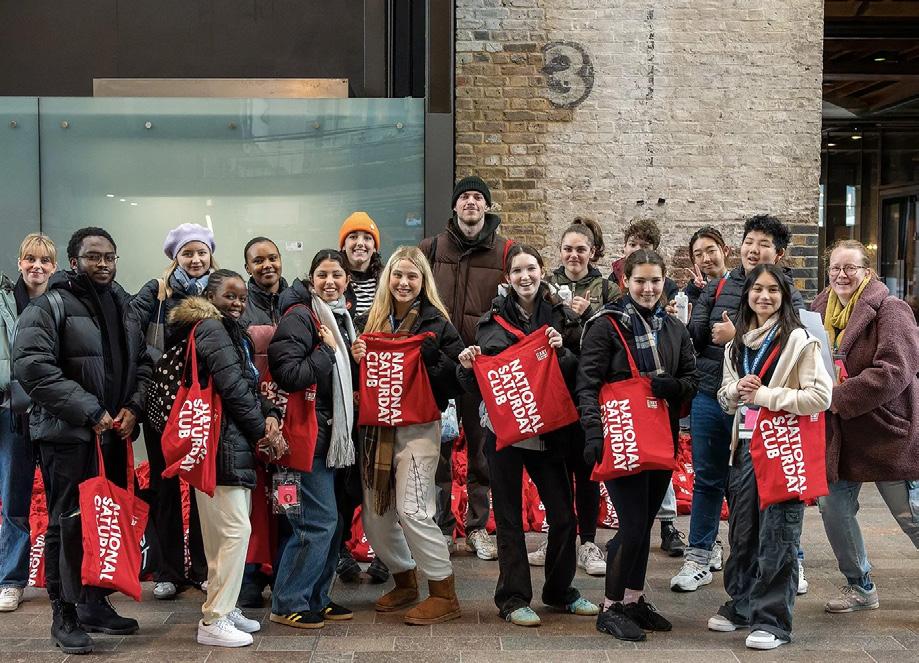
Tutors’ Area Meet-ups Create regional peer learning spaces where partners from higher education, further education and the cultural sector can problem solve, share ideas and support newer clubs. In February 2026, Club tutors from across the network came together with the National Saturday Club team, helping to ensure consistently high-quality programme delivery and continuous sector- wide learning.
This partnership reflects a shared belief in the long-term value of creative education – not only for the creative industries, but for society as a whole.
Lucy Kennedy Chief Executive, National Saturday Club
The Foundation supports awards, exhibitions and sector events that raise the visibility of outstanding makers, researchers and emerging talent. These investments celebrate excellence while strengthening the future pipeline of skills and creativity.
My time at the Department of Materials Science & Metallurgy in Cambridge has been a pleasure and I’ve thoroughly enjoyed developing my skills as a Materials Scientist over the past four years. I’m delighted to have received this award and would like to thank the Goldsmiths’ Foundation for their generous support.
Kitty Joyce
The 2025 recipient
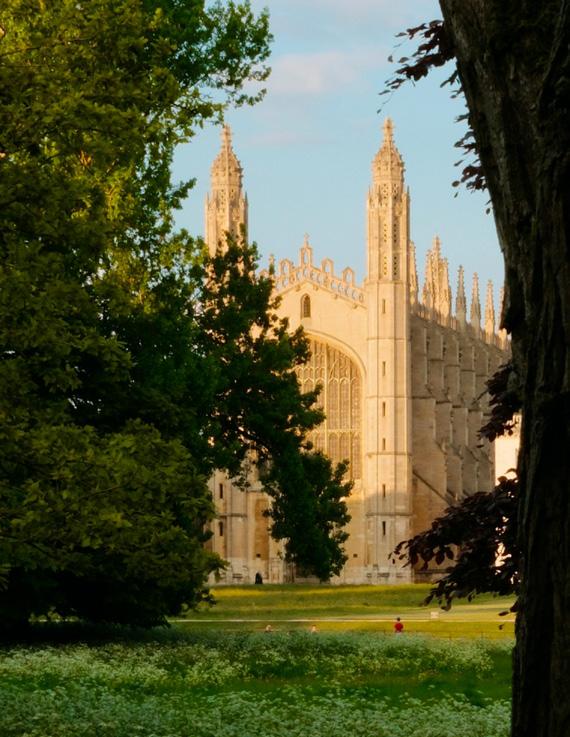
Goldsmiths’ Medal and Prize in Materials Science (University of Cambridge)
The Goldsmiths’ Medal and Prize in Materials Science is awarded annually to students in the Department of Materials Science and Metallurgy at the University of Cambridge in recognition of excellence in materials science and metallurgy.
Alongside the prize, funding is supporting a PhD studentship on historic metal analysis, exploring scientific techniques to uncover the provenance and authenticity of silver artefacts and strengthening future hallmarking and verification practices.
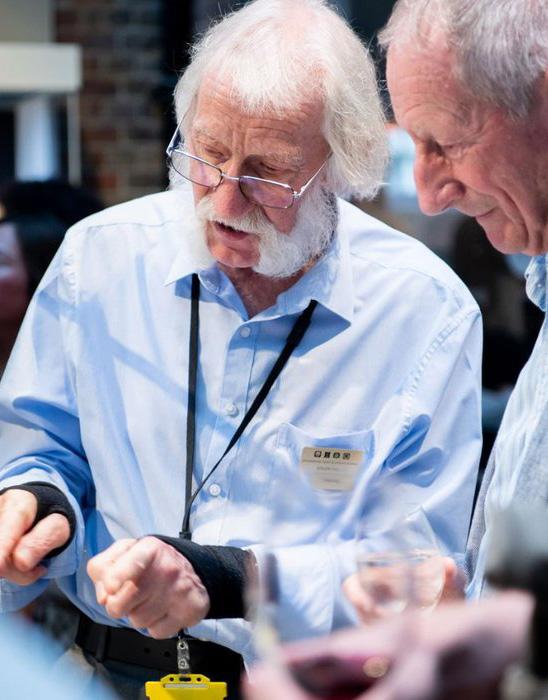
The Goldsmiths’ Craft & Design Council promotes excellence in jewellery, silversmithing and allied trades through its prestigious annual competition and awards programme. Funding supported the Council’s core administration and governance, enabling delivery of the annual competition, exhibition and awards. During the year, the Council refined competition briefs to better reflect contemporary industry practice, strengthened engagement with colleges and independent makers, and increased the visibility of winners through coordinated communications and digital activity.
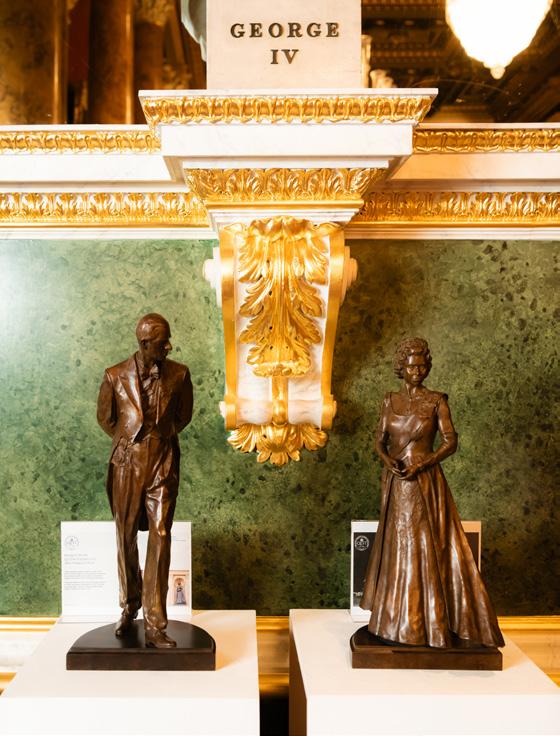
The Queen Elizabeth Scholarship Trust (QEST) supports talented and aspiring makers by funding training and education, creating pathways to excellence and strengthening the future of the UK’s craft sector. The grant contributed towards QEST’s 35th Anniversary reception at Goldsmiths’ Hall, attended by around 300 guests including scholars and alumni, and showcasing the work of around 20 makers across a range of crafts, including recipients of QEST’s Award for Excellence.

Goldsmiths North is a contemporary jewellery and silver fair that showcased 53 established and emerging makers from across the UK, attracting 1,973 visitors. The grant supported efforts to subsidise exhibition opportunities for early-career makers, helping them gain exposure, build networks and access new audiences within the jewellery and design sector.
The Foundation supports organisations that help practitioners facing financial hardship while investing in future talent and endangered craft skills.
Bishopsland has been integral to my development as a maker, I have developed new skills, become more confident and developed important connections that will help me on my way in the future. This has all been made possible by The Benevolent Society.”
Aimee Mackay
The Benevolent Society Bursary Recipient
Hardship grants for jewellers
18 training bursaries awarded

The Silversmiths & Jewellers Charity used Goldsmiths’ Foundation funding towards hardship grants for people in the silversmithing and jewellery sector, including regular financial support, emergency payments and seasonal assistance. The funding helped improve financial stability while reducing stress and isolation for individuals working across the trade, while continuing the charity’s long-standing support for jewellers, silversmiths and their families during periods of hardship and financial uncertainty.
The Benevolent Society used Goldsmiths’ Foundation funding to contribute towards 18 bursaries for individuals wishing to gain and develop new skills through training and education within the British Allied Trades Federation (BATF). Funding supported seven education and training providers including NAJ courses, Bishopsland, Birmingham City University School of Jewellery, University of the Arts, Vanilla Ink, the British Academy of Jewellery and K2 Academy, helping widen access to specialist industry training.
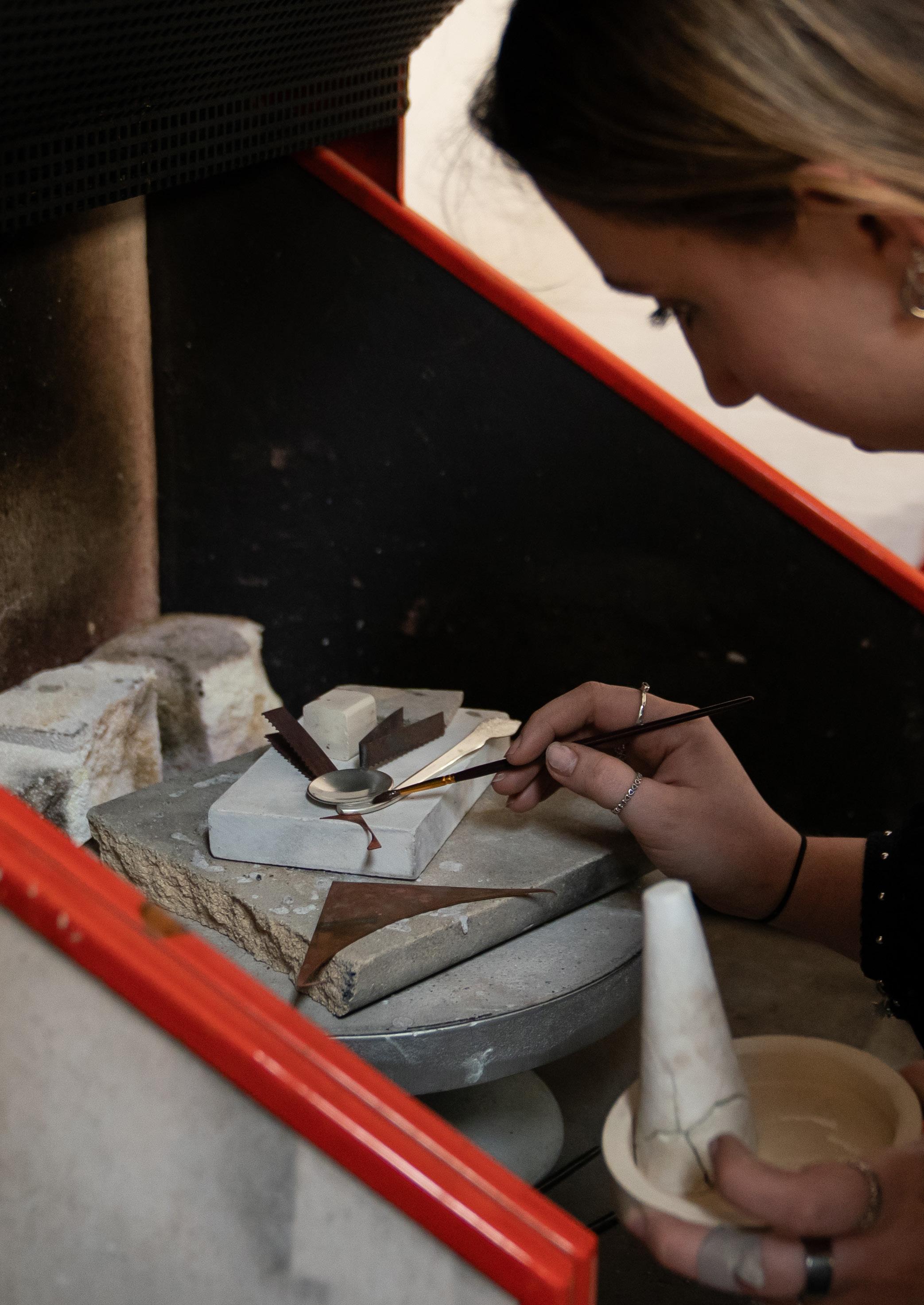
As part of the City of London, Goldsmiths’ Foundation contributes to initiatives that help the City thrive for those who live, work and visit. Alongside its investment in creative, technical and vocational skills, the Foundation supports programmes and partnerships that strengthen civic life, widen opportunity and celebrate the people, institutions and traditions that shape the City’s identity.


Funding for The Lord Mayor’s Appeal has contributed to programmes supporting City workers and people facing significant barriers, helping advance its mission to create A Better City for All. Through Goldsmiths’ Foundation support, the Appeal has delivered learning and engagement opportunities for over 2,000 people focused on inclusion, mental health and employability across the City of London.
Goldsmiths’ has also supported The Lord Mayor’s Big Curry Lunch, which brings together more than 1,650 leaders and decision makers from across the City of London to raise funds for military and veterans’ charities while strengthening civic and charitable partnerships.
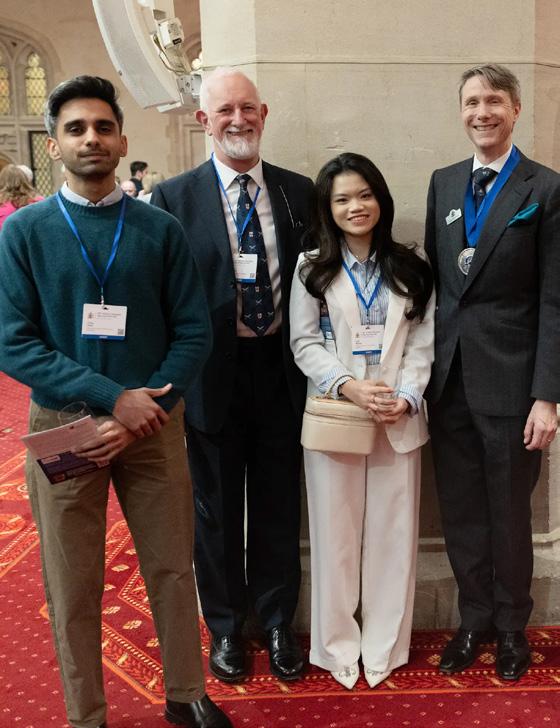
The Foundation has contributed towards scholarships through the Mansion House Scholarship Scheme, supporting talented young people to access education and professional opportunity within the City of London. This year, the Scholars came from Brazil, Chile, Egypt, Greece, Laos, Nepal and Pakistan, reflecting the Mansion House Scholarship Scheme’s international reach and the City of London’s continuing commitment to strengthening its connections as a global centre for business.
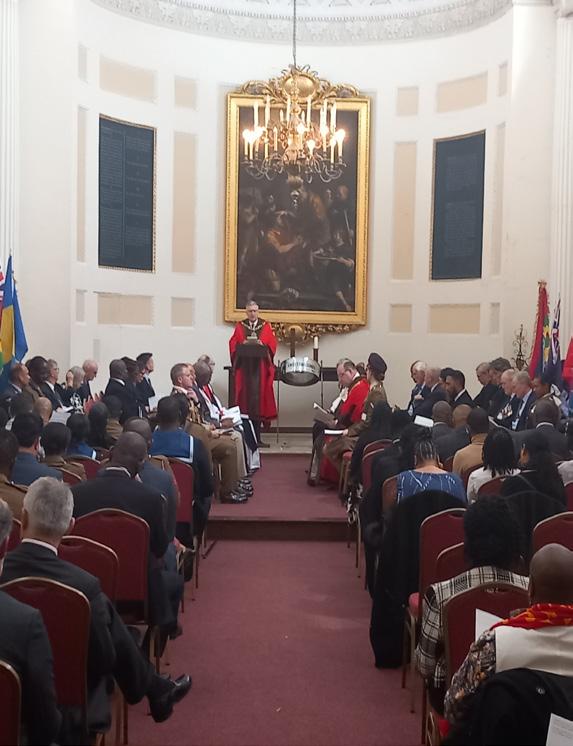
Support for the first Service of Thanksgiving for Caribbean Military Personnel, at All Hallows-on-the-Wall, an historic 18th-century church still in use by members of the Armed Forces in the City.
This year the Foundation has contributed towards the restoration and repairs of the St Vedast organ. St Vedast is the official church of the Goldsmiths' Company, in the heart of the City of London.
Our partnership with the Goldsmiths’ Foundation is greatly appreciated by all of us at The Lord Mayor's Appeal. Their long-standing commitment to supporting people to develop their skills and access opportunities, especially young people, could not be more important than at the current time.
David Johnston OBE Chief Executive of The Lord Mayor's Appeal
Supporting new St Paul’s choristers
687 people engaged

Emergency grant support

1,066 young people engaged

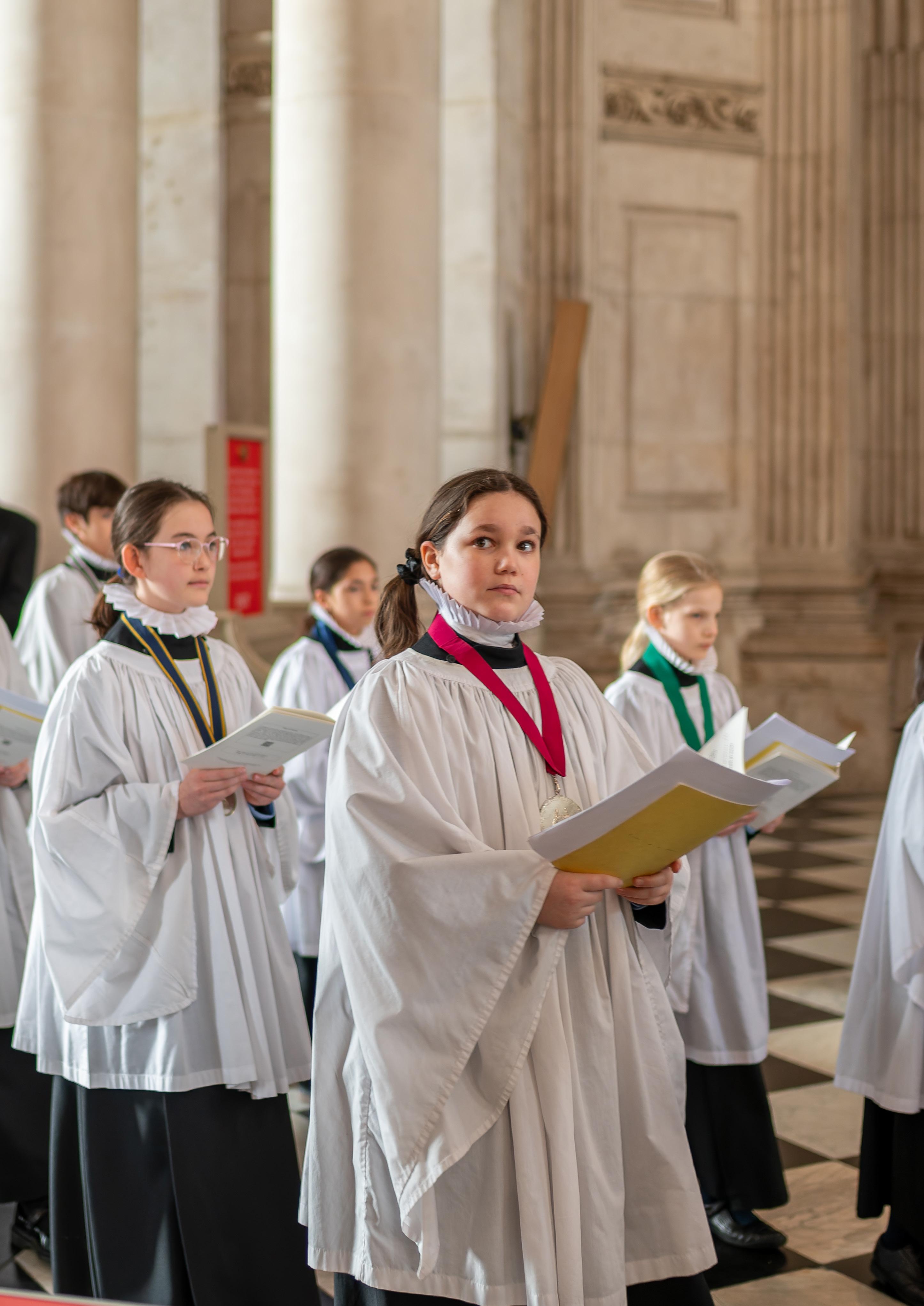
St Paul’s Cathedral expanded its Chorister programme to admit girls, with Goldsmiths’ Foundation support for Karl Paterson and Beatrix Stevens helping widen access and champion equal opportunities for talented young people from all backgrounds. The scholarships provided outstanding education and world-class musical training, helping both choristers grow in confidence, maturity and musicianship while gaining performance experience and mentoring younger choir members.
No Going Back delivers mentoring and practical resettlement support for people leaving prison, helping individuals rebuild their lives through employment pathways, community connections and ongoing guidance. Goldsmiths’ funding supported core delivery and helped redesign the organisation’s support model. In 2025, NGB engaged 687 people, worked intensively with 167 towards employment, supported participants from all 32 London boroughs, and saw 31 people start jobs, with 26 sustaining employment so far.
Sheriffs’ and Recorder’s Fund supports the rehabilitation of prison leavers and their families through individual grants that help address immediate financial pressures and barriers to resettlement. Goldsmiths’ contributes annually to the fund, supporting practical assistance for individuals and families affected by the criminal justice system while helping people access stability, wellbeing and opportunities as they rebuild their lives after custody.
Snow-Camp uses snowsports accredited training programmes to engage young people facing disadvantage or at risk of offending, helping them develop confidence, life skills and pathways into employment. Goldsmiths’ support funded bursaries enabling young people to access Snow Camp’s snowsports and life skills programmes. In 2025/26, Snow Camp worked with 1,066 young people nationally, with 201 progressing to the Graduate Programme and 82 moving into the instructor pathway, Excel.
These charities, whose work sits outside the Foundation's current strategy, receive ongoing support through grant commitments we are proud to honour in full.
From classrooms to scholarships, these grants widen access to education, confidence and talent development. Across schools, theatres and cultural institutions, the programmes are helping young people build skills, grow in confidence and access opportunities that support long-term learning, creativity and personal development.
Maths leadership across three schools

5 years of support & opportunity
Blackpool children building oracy skills

North East Maths Project funding has enabled the appointment of a specialist Maths Teacher for four years, led by Wingate Primary School. Working across three schools in Durham, the project is strengthening maths teaching, building staff confidence and improving pupil outcomes through shared expertise and consistent support. The programme is creating a collaborative model of maths development designed to raise attainment and embed long-term improvement across participating schools and beyond.
Royal National Children’s SpringBoard funding is supporting a young person through a five-year school placement, creating access to longterm educational opportunity and stability. The programme helps remove financial barriers to independent education while supporting confidence, wellbeing and academic development. Through sustained support over five years, the funding aims to improve outcomes, widen future opportunities and provide a strong foundation for long-term personal progress.
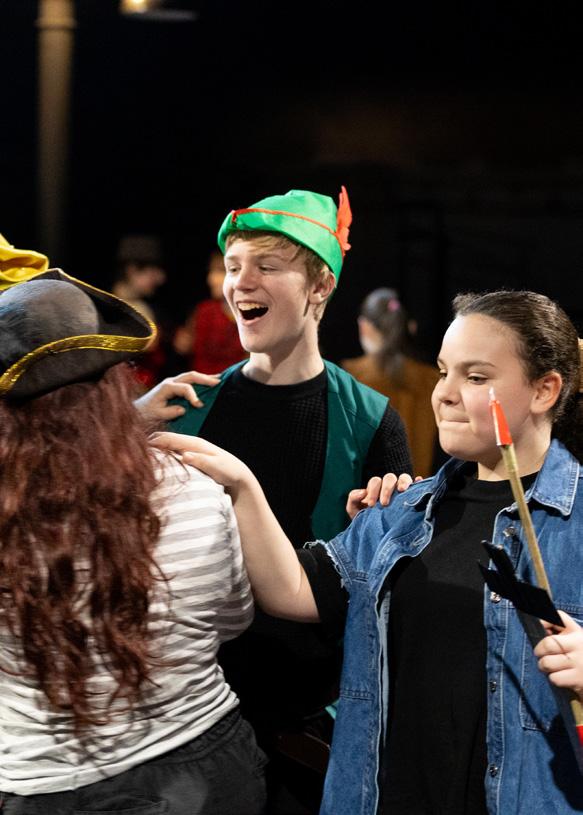
The Grand Theatre Blackpool supported the Tales Retold Project, with over 400 Blackpool children taking part in 18 drama, dance and voice workshops to build oracy and resilience skills before performing on the Grand Theatre stage. Drawing on themes from The Boy at the Back of the Class and Pig Heart Boy, the programme also included ‘Drama for Oracy’ training for 12 teachers, helping embed creative approaches to confidence, communication and classroom learning.

Over three years, Goldsmiths’ Foundation supported six organisations helping people in prison, after release, or at risk of entering the justice system. Funding has strengthened the capacity of specialist partners delivering mentoring, literacy, skills, employment and personal development support.
More than 14,119 people reached in a year
Evidence of employment and sustained jobs
Improved wellbeing and confidence
Reduced reoffending outcomes
This historical commitment to support those with experience of the justice system continues with the new grant for Fine Cell Work and the third year of support for St Giles.
300 women supported
11,380 learners in prison
Reoffending below 6%

2,500 women supported
114 officers trained

106 people supported

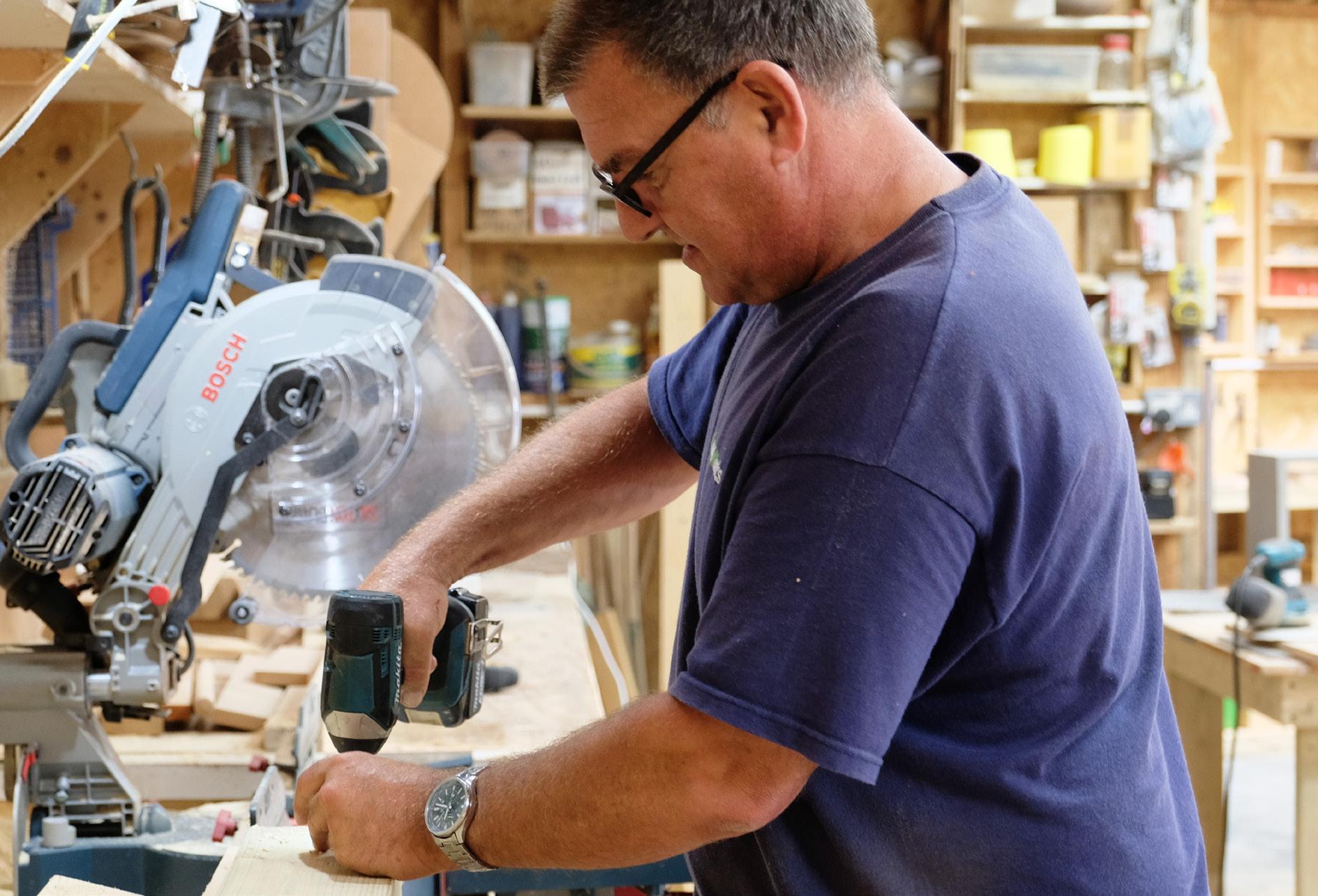
Not Beyond Redemption provides intensive mentoring and personal development programmes for people in prison, helping participants build self-worth, accountability and life skills that support long-term rehabilitation and reintegration. Funding helped provide free family law advice and representation to mothers in prison, supporting women to understand their rights and rebuild or maintain contact with their children. The organisation supported 300 women and 250 facilitators, while also expanding into new prisons through the recruitment of an additional staff member.
Shannon Trust improves literacy in prisons through peer-to-peer learning, enabling people in prison to teach others to read while building essential skills that support rehabilitation and reduce reoffending. Goldsmiths’ funding strengthened the organisation’s infrastructure, with a particular focus on evaluation, contributing to improved practice in reading, numeracy, confidence and wellbeing, while supporting progression and wider learning opportunities across prison settings. Shannon Trust worked with 11,380 learners in prison this year.
LandWorks offers horticulture-based therapeutic support for people leaving prison, providing structured work experience, wellbeing support and pathways into employment. Funding supported core costs and helped develop its resettlement, health and wellbeing provision. Across the period, LandWorks supported 95 trainees and 128 graduates, reporting improved wellbeing, self-worth and reduced isolation, while maintaining reoffending rates at below 6% through long-term, community-based rehabilitation support.
Hibiscus provides specialist advocacy and support for Black and minoritised migrant women affected by the criminal justice system, addressing the distinct legal, social and welfare challenges they face during and after custody. Funding contributed to core organisational capacity during a period of transition, helping sustain trauma-informed, rights-based support. During the period, Hibiscus reached an estimated 2,500 women while continuing to strengthen advocacy, wellbeing and resettlement support services.
Unlocked Graduates recruits and trains high-potential graduates to become prison officers and future justice leaders, aiming to drive systemic change in prisons and improve outcomes for people in custody. Goldsmiths’ funding supported the 2024 cohort, including 114 prison officers undertaking frontline leadership and training within prison settings. The programme combines practical custodial experience with leadership development, helping strengthen future leadership across the criminal justice system.
2makeit runs creative arts programmes in prisons, using music, art and collaborative creative practice to build confidence, communication skills and positive identity among people in custody. The grant funded a new Community Rehabilitation Coordinator post, expanding 2makeit’s through-the-gate and community-based rehabilitation work. During the period, 2makeit supported 106 people, with only one recall to prison, while reporting improvements in confidence, wellbeing, creative skills and progression into employment.
Our vision is a thriving creative ecosystem fuelled by skills where traditional craft, manufacturing excellence and technical innovation create exceptional opportunities for the next generation of makers.
Craft skills are under serious pressure. Vocational and creative education has been progressively hollowed out. Arts funding has contracted sharply, with major funders pausing grant-making altogether. And we have a generation of master makers whose knowledge is genuinely at risk of not being passed on.
At the same time, we are seeing something encouraging: a growing market that values hand skills, ethical production, and provenance. There is appetite for what our sector offers. The challenge is building the infrastructure to meet it — the training pathways, the institutions, the pipelines of skilled talent.
Our new five year strategy positions the Goldsmiths' Foundation as more than a grant-maker, we aim to be a catalyst for sector-wide change. By combining open grant funding with strategic research, fostering genuine partnership and maintaining rigorous evaluation, we will create lasting impact that extends far beyond organisational grants. However, we remain committed to adaptive management: as we learn, as the sector evolves, and as new opportunities emerge, we will adjust our approach while staying true to our core mission of advancing creative, technical and vocational skills in creative industries across the UK.
Our success will ultimately be measured not in the grants we award, but in the makers we empower, the pathways we create, and the vibrant, inclusive craft ecosystem we help to build for generations to come
With thanks to Bean Research
Foundation,
The Goldsmiths’ Foundation is a charity registered with the Charity Commission for England and Wales with number 1175593. It is a company limited by guarantee and registered in England and Wales with company number 11048746.