
THE GIVER’SGUIDE
DISPARITIESINEDUCATION
TABLE OF CONTENTS
By Finley Maynard
By Ashley Ho
By Evianna Branch
By Sarah Huang
By Adeline Ho
By Claire Kim
By Kian Khazei
THEBIASONEDUCATION:NUMEROUSFACTORS CONTRIBUTINGTOAMAJORDEFICIT
Fordecades,leadersoftheUnitedStateshavemade claimsemphasizingthegreatnessofourcountry’s “meltingpot.”
Millions of immigrants from nations across the globe chose to fulfill their renowned “American Dream,” only to face limitations from Americanistic ideologies: a leading one being discrimination. This blatant discrimination dished out by nationalist Americans has no limit, especially concerning education.Aconstitutionallyprotected,guaranteedAmericanright,freedomof education–fordecades–hasnotbeensoeasilyobtained.SouthernCaliforniais noexceptiontothisfaultinoursystem.Datingbacktothe1940sinCalifornia, theMendezv WestminsterCourtCasebroughttolightthecurrentsegregation andimbalancesinaccesstoeducation.

BYFINLEYMAYNARD

Thiscase,broughtbyGonzaloandFelicitasMendez,challenged17thStreetSchool,a white-only school in Westminster, California. The Mendez’s children were forced to attend an inferior Hoover Elementary School because of their Mexican heritage. Althoughtheyoriginallyfocusedononeschool,thiscaseeventuallyquestionedschools acrossSantaAna,ElModena,andGardenGrove.Ultimately,thecourtruledthatthe segregation of Mexican-American students was unconstitutional, setting new precedentsagainstallowingracialsegregationineducationalsettings Thoughracially segregatedschoolsweredeemedunconstitutionalfollowingthislandmarkcaseandthe notableBrownv BoardofEducationdecision,today’slargestcontributortoeducational disparitiesisbiasfacedbylow-incomefamilies
TheCOVID-19Impact
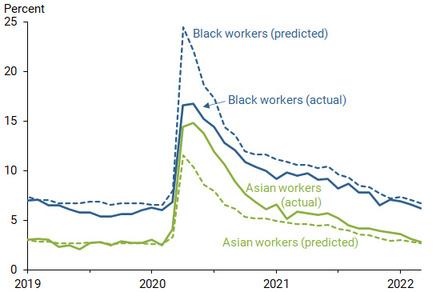
COVID-19andthesubsequentrecessionrecentlysparkednewcomplicationsinthese economic-induced disparities. The pandemic worsened the economic and social fallaciesalreadydealtwithbylow-incomefamilies,increasingthenumbersofaffected students.
AstudyconductedbytheUniversityofCalifornia,Davis,revealed that “the COVID-19 pandemic caused reverberations throughout theeducationalsystemthatdisproportionatelyimpactedstudents of color and those from lower socioeconomic backgrounds.” Economic recession during COVID-19 resulted in a historic unemployment rate of 14.8%, disproportionately detrimental to African-Americans and Hispanics. An intense lack of economic opportunity diminished educational opportunities for children withoutaccessto,aboveall,technologyforremotelearningand parental support Because thousands of low-income students couldnotreceiveadequateeducationforanintegralpartoftheir educationalexperience,especiallyforthoseagedbetween4and11 years,theycouldn’texperienceatypicalelementaryschool,lacking optimalacademicpreparationandsatisfactionofdevelopmental milestones
While wealthy families possess every opportunity to find their children adequate help, families in poverty do not exercise that luxury and, unfairly, they cannot receive the educational,emotional,anddevelopmentalhelptheyneed
SubsequentFederalFunding
The Vicious Cycle Connecting Low-Income Families and EducationalDisparity
Achieving developmental milestones is the first step in a child’s educational and functional growth; per the Centers for Disease Control and Prevention (CDC), important signs of development between a child’s birth and fifth birthday have changed substantially.AsstatedbyPediatrics,apublicationassociatedwith theAmericanAcademyofPediatrics,since2022,“one-thirdofthe retained[developmental]milestones,”aspublishedbytheCDCin 2004,“weretransferredtodifferentages…67.7%[ofwhich]were movedtoolderages.”Thesediscrepancieshavebeenworsenedby thelackofaccesstoaspectrumofearlychildhoodtherapiesby millions of American families. An article written by pediatrician Rebecca Butterfield in the Times Union states, “[her] patients in poverty…face higher rates of chronic illnesses, mental health challenges,anddevelopmentaldelays.”Childreninpovertyalsoare moresusceptibleto“delayedlanguage,cognitiveandmotorskills” becauseof“limitedaccesstoqualityearlyeducation”amongother lacking opportunities. Butterfield, noticing a clear difference betweenpatientsbasedonfinancialwellbeing,statesthatvoicing solutionsfeelpointlesswhen“systemicbarriersandresourcegaps makeactionimpossible”
Federal funding of education–or the lack thereof–was a controversialtopicinresponsetothesecomplicationswith access to education. While some appreciated the government’sefforts,otherscriticizedthecontentsofthese policiesduetotheiradequacyandpunctuality.Somefederal policiesprovidingfinancialsupportforacademicinstitutions duringCOVIDincludetheElementaryandSecondarySchool Relief Fund, which focused on identifying students’ schooling,social,andemotionalneedswhilesimultaneously expandingtechnologicallytobetteraccommodatestudents. At the time, ESSER was an excellent policy that provided numerous opportunities to lesser-fortunate student populations to better adapt to the unprecedented COVID policies It provided incredible assistance to students and families who could not provide adequate education by themselves However,asstatedbyRichardBesser,President of the Robert Wood Johnson Foundation, “while federal economicassistance[had]helpedmillionsoffamilies[during COVID], short-term [was] not enough to solve deeply entrenched inequities,” signifying a long-time financial deficitforthousandsofmarginalizedfamilies.
Solutions
Theultimategoalofraisingawarenessaboutthebiaslowincomestudentsfaceineducationistodrivethesearchfor long-termsolutions.Whileshort-termefforts,suchasthose triggeredbytheCOVID-19pandemic,haveprovidedsome relief,theonlywaytoaddressthissystemicissueisthrough permanent,unbiasedreforms.Acriticalsteptowardthisgoal wouldbesecuringconsistentfederalfundingforlow-income students.Whilethisprocesswouldbedifficult,itisessential forensuringequaleducationalopportunitiesforallstudents, regardless of their financial status. To achieve this, the government must come to a mutual agreement on improving policies and financial support for low-income families,thusfosteringamoreequitablefutureforAmerica’s nextgeneration.
AGLOBALPERSPECTIVEON AGLOBALPERSPECTIVEON AGLOBALPERSPECTIVEON EEDUCATIONSYSTEMS
EDUCATIONSYSTEMS DUCATIONSYSTEMS

ByEviannaBranch ByEviannaBranch ByEviannaBranch
The United States has long been a leader in innovation, research, and higher education, producing some of the world’s greatest minds and schools.
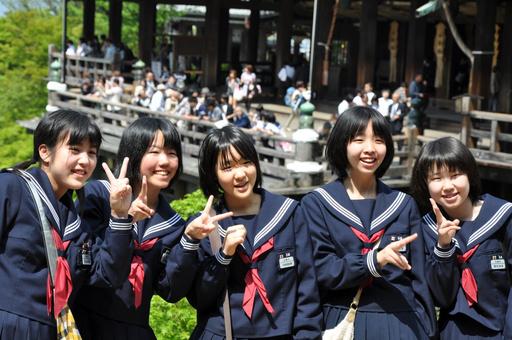
Though The United States is often recognized for its strong academic institutions,itsK-12systemfacespersistent challenges that hinder student success Issues such as unequal school funding, disciplinary approaches, socioeconomic academic disparities, and the controversial role of standardized testing continue to createbarrierstojustlearningopportunities. Whilethenation’sglobaleducationranking fluctuates,topperformingcountriessuchas Finland and Japan have had consistent success in their innovative approaches on learning While Finland’s education system isknowntoprioritizeeducationalequityand studentmentalhealth,Japanfindssuccess inacademicrigoranddiscipline TheUS is weaker in these areas and would benefit fromtheintegrationofthesestructuresinto itsownsystem.
Finlandisoneoftheninecountriesintheworldwithan impeccable100%literacyrateasof2024,andhasheldits percentageabove99%sincethe1980s.Additionally,45% of Finnish students were among the most advantaged studentsonasocioeconomicscalewhotooktheProgramme for International Students Assessment (PISA), a program thatevaluateseducationalsystemsbymeasuring15-year-old students' performances in reading, mathematics, and scienceliteracy.Theymeasurethisona1000pointscale,and their average score in mathematics is an above average of 517 score points Socio-economic advantaged students outperformeddisadvantagedstudentsby83scorepointson thePISA,whichislessthantheaverage93pointdifference acrossthe38othercountries,includingGermanyandFrance, from the Organization for Economic Cooperation and Development(OECD). RecognitionofFinland’ssuccessinits educationsystembeganin2001whenFinnishstudentswere ranked top in PISA. This embodies their shift to a more progressivelydevelopedschoolsystem,whichwaspartlydue totheBasicEducationActthatwaspassedinthelate1960s, allowingforanationalcurriculumthatconsistedofa9-year comprehensiveschoolsystem
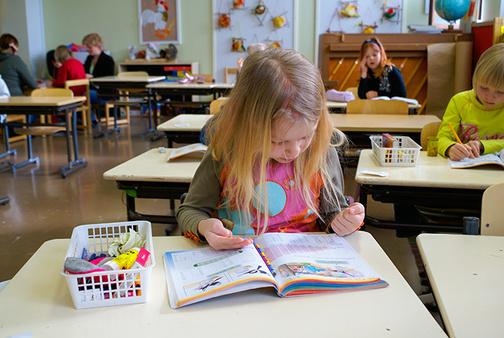
DREAMSTIME THELESSONOFMATHEMATICSATPRMARYSCHOOL
UnliketheUnitedState’s12-yearschoolinstitutions,Finland’s approachincludesdaycarefromages2-7,whichhasnoofficial curriculum,primaryschoolfromages7-13,inwhichprivateand public schools don't differ, a lower-secondary from 13-16 that doesnotincludeanyformalexams,andtheirhighschoolfrom 16-18 where students either study the regular Finnish curriculumortheInternationalBaccalaureate,thisdependson theschool.Thisenablesallchildrentoattendthesametypeof school, regardless of background, with establishing students’ rights to fundamental education and further promoting social mobility. Finland has a holistic education that starts from age seven,whereplay-basedlearning,emphasizinggroupworkand hands-on experiences, is central to early child-hood development These diverse play techniques, such as imaginativeplay,sensoryplay,andoutdoorplay,eachsupport children's development by encouraging cognitive growth through role-playing, tactile exploration, and active engagement with nature. In middle school and highschool, Finland’seducationtransitionsfromplay-basedlearning,toan inquiry driven and collaborative attitude where students engageinproject-basedwork,criticaldiscussions,andfocuson howtoapplytheirknowledgetotherealworld.Standardized testingisalsoextremelyminimal
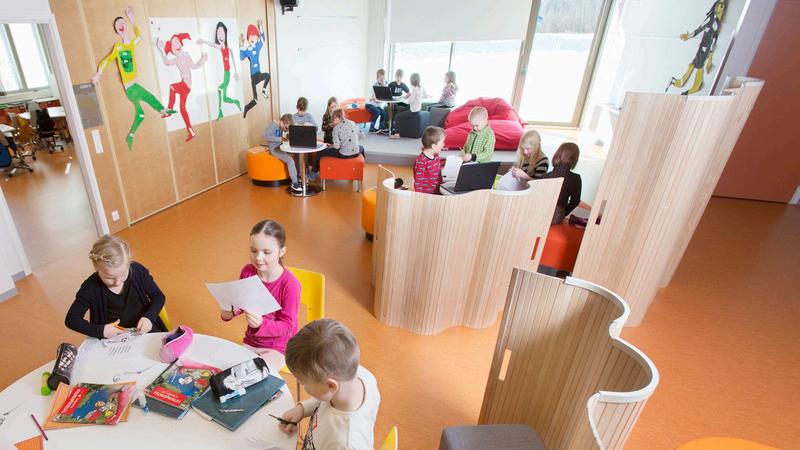
Finnishstudentsareonlyrequiredtotakeonestandardizedtest calledthenationalMatriculationExaminationwhichistakenat the end of upper secondary school to determine college readiness This ensures that students are graded based on personal abilities, and acknowledges that every kid learns at theirownpace Furthermore,learninginstructorsconductearly diagnosing to better understand students' individual visual needs, most kids being diagnosed with any specific learning disordersbyage10.
Japanisnotedforitsdistincteducationsystemthatstresses theneedforhighacademicrigoranddiscipline.Theircontrol over children's behavior has been criticized in the past, and thereforeinresponsetheCentralCouncilofEducation
constructedareportonsuggestedreforms to the Japanese schooling system. Throughthisguidance,Japanhasformed a consistent and formidable education system with its students surpassing the OECDaverageinyearlyPISAassessments Teachers operate with limited autonomy over curriculum, instruction, and assessments, a structured approach that has been linked to consistently high performance in science, reading, and mathematics, outperforming many Western nations For instance, in 2022 Japanrankedthirdinreadingliteracy,with an average score of 547 So does the extensive discipline put upon Japanese students work? To an extent, yes. Over 96% of students in Japan graduate highschool, which is 9% higher than the average U.S. student. Which shows the success of their stricter educational structure. However, their more constructive approach leads to lack of student individuality through their strict uniformsandrigidclassroomrules Italso impedes on the kids well-being, with nearly one third of students experiencing symptoms of depression. It was recorded asof2023thatoneintenofthesestudents experiencethesesymptomsfromtheages of twelve to eighteen. The U.S. education system has undergone significant transformations thanks to reforms in the 19th early 20th century The Common School Movement (1830s-1850s) led by Horace Mann advocated for the free, publiclyfundededucationforchildrenthat wehavetoday.InresponsetotheNoChild LeftBehindAct(2002).Thepurposeofthis act was to enhance student performance through mandated standardized testing, whichfacedmajorcriticismfornarrowing curricula and disproportionately affecting underfunded schools The Common Core State Standards (2010) emerged as a responsetotheshortcomingsofNoChild
Left Behind, and it sought to create a national benchmark for student learning.
This consisted of certain academic expectations in Math and English that identified what students should know at each individual grade level. This was importantbecauseitgraduallyhelpedkids prepare for college, however it sparked debate over federal overreach and implementation difficulties While the National Governors Association and the CouncilofChiefStateSchoolOfficerswere pressing for these standards to be implemented nationally, states such as Arizona, Oklahoma, South Carolina, and Floridaabandonedit.
The education systems in Finland, Japan, and the U.S. highlight different priorities, yet the U.S. falls behind in several key areas that directly impact student success. While Finland ensures thatallschoolsreceiveequalgovernment fundingregardlessoflocation,U.S.schools rely on local property taxes, leading to a per-student funding gap of over $6,000 betweenwealthyandlow-incomedistricts.
In contrast, Finland’s education system is publicallyfundedatalllevels,withprivate funding accounting for only 26% of total educationalexpenditure,ensuringamore equitable distribution of resources across schools. Another critical difference found between the U.S. and Finland is student evaluation approaches. While Finnish students take virtually no standardized tests, with the exception of the National Matriculation Exam in their last year of high school, US students take over 112 standardized tests by graduation on average, often at the expense of deeper learning.A2020studyfromtheUniversity of Chicago found that students in test heavy environments showed a 30% decline in long-term retention of material compared to students in systems with fewer standardized tests, like Finland, where assessments focus on applied knowledgeratherthanrotememorization This suggests that reducing excessive testing and shifting toward Finland’s model of teacher-led assessments could improve critical thinking and problemsolvingskills.Furthermore,teacherquality andautonomyp
play a crucial role in student performance While Japan enforces strict national curriculum standards to maintain education quality and training teachers through a 4 year program,U.S.teachertrainingvarieswidelybystate,andnearly 44%ofnewteachersleavetheprofessionwithinfiveyearsdue tolowpayandlackofinstitutionalsupport.Increasingteacher salaries and offering more professional development opportunitieswouldhelpretainhigh-qualityeducators,similar to Finland’s approach. A teacher’s salary in Finland is about $54,000inUS dollars,whileateacher’ssalaryintheUS fallsat about$43,000peryear
Conducting a short and a long term plan for the U.S. education system will assist improvements h in its education system. To lay the foundation for academic excellence, the U.S. could adapt Finland's 5-year induction systemthatrequiresuniversalmentorshipprogrammesfornew teacherswhichwouldhelpwithqualityineducation.Inthelong term,theU.S.canalsoworktoimprovestudentmentalhealth by requiring every K-12 school to have one licensed health counselor per 250 students, compared to its average one per 408 student ratio This would be impactful given that about a thirdofstudentsdon'tgototheirschool’scounselorbecauseof fearofjudgmentornotbeingopentosharing Havingalicensed counselorwhospecializesinthenervesofseekinghelpwould result in a smoother approach to addressing mental health issuesinstudents.
Finland and Japan exemplify two contrasting yet highly effectiveeducationmodels onecenteredonequityandwellbeing,theotheronrigoranddiscipline.Acloserexaminationof these systems offers the US an opportunity to craft a more balanced approach, integrating the strengths of both holistic and structured learning to enhance educational outcomes Movingforward,embracinggloballyacclaimedpracticeswillbe essentialinshapingpoliciesthatprovideallstudentswiththe resourcesandopportunitiestheyneed.
Comparison ofUnited States Elementary Schools
BYADELINEHO

STATISTICS:
According to the National Center for Education Statistics (NCES), approximately 50 6 million students were enrolled in public schools in the U.S. as of 2023.

STATISTICS:
As of 2023, approximately 4.7 million students were enrolled in private schools in the U S (NCES)
FUNDING:
Public schools are funded primarily by local, state, and federal government sources According to the Peter G Peterson Foundation, state and local governments contribute approximately 86% of all public school funding, with the federal government covering the remaining portion. Schools in wealthier areas tend to receive more funding due to property tax-based revenue structures, leading to disparities in resources between districts
ADMISSION:
Public schools are open to all students within designated school district boundaries. They do not require entrance exams, tuition, or applications beyond basic residency verification.
CURRICULUM & GOVERNANCE:
Public schools follow state-mandated curricula and educational standards, often including standardized testing requirements such as those set by the Common Core State Standards Initiative They are managed by school districts, which are overseen by elected school boards.
FUNDING:
Private schools rely on tuition paid by families, donations, and endowments. Tuition varies widely, with the national average for K-12 private school tuition at around $12,350 per year, though elite institutions may charge significantly more Many private schools offer financial aid or scholarships to make education more accessible.
ADMISSION:
Unlike public schools, private schools have selective admissions processes that may include entrance exams, interviews, or religious requirements They are not bound by geographic districts and can accept students from any location
CURRICULUM & GOVERNANCE:
Private schools have more freedom in curriculum design, often following specialized or faith-based educational models. They are independently governed, typically by a board of trustees rather than a government entity.

STATISTICS:
As of 2023, around 3 7 million students were enrolled in charter schools across 45 states and the District of Columbia (National Alliance for Public Charter Schools). Some states, such as Montana and Nebraska, do not allow charter schools


STATISTICS:
According to the U S Department of Education, there are approximately 4,300 magnet schools in the U.S., serving over 3.5 million students.
FUNDING:
Charter schools are publicly funded but independently operated They receive funding from federal, state, and local government sources, as well as private donations. They do not charge tuition, making them accessible like public schools.
Admission: Charter schools typically use a lottery system if there are more applicants than available spots. They do not have district-based restrictions, allowing students from different areas to apply
ADMISSION:
Charter schools typically use a lottery system if there are more applicants than available spots. They do not have district-based restrictions, allowing students from different areas to apply.
CURRICULUM & GOVERNANCE:
Charter schools have more flexibility in curriculum and teaching methods than traditional public schools However, they must meet performance-based accountability standards outlined in their charter agreements. They are managed by independent boards, nonprofit organizations, or educational management companies.
FUNDING:
Magnet schools, a type of public school, receive funding through local and state tax revenue. They also receive federal grants, such as those from the Magnet Schools Assistance Program (MSAP), to support specialized programs
ADMISSION:
Magnet schools often have selective admissions based on academic performance, standardized test scores, or an application process They are designed to attract students from diverse backgrounds and may require additional criteria beyond residency.

CURRICULUM & GOVERNANCE:
Magnet schools offer specialized programs focused on subjects like STEM (Science, Technology, Engineering, and Math), the arts, or humanities. They follow state education standards but have more specialized coursework They are governed by public school districts but often have additional advisory boards
Censorship & Discrimination of LGBTQIA+ in Schools
By Ashley Ho
“To single someone out for something that is not under theircontrolisdiscriminationof theworstkind,”
Dr. Feland, World Languages Department Chair, Latin Teacher, and LGBTQIA+ Affinity Group Advisor, told The Giver’s Guide on March 20. We spoke amid the respectful murmurs of Latin students, quietly studying in room H108 at Sage Hill School. Composed, friendly, and engaging, Dr. Feland offered his perspective on recent LGBTQIA+ legislation and discrimination with the United State’s schools systems.
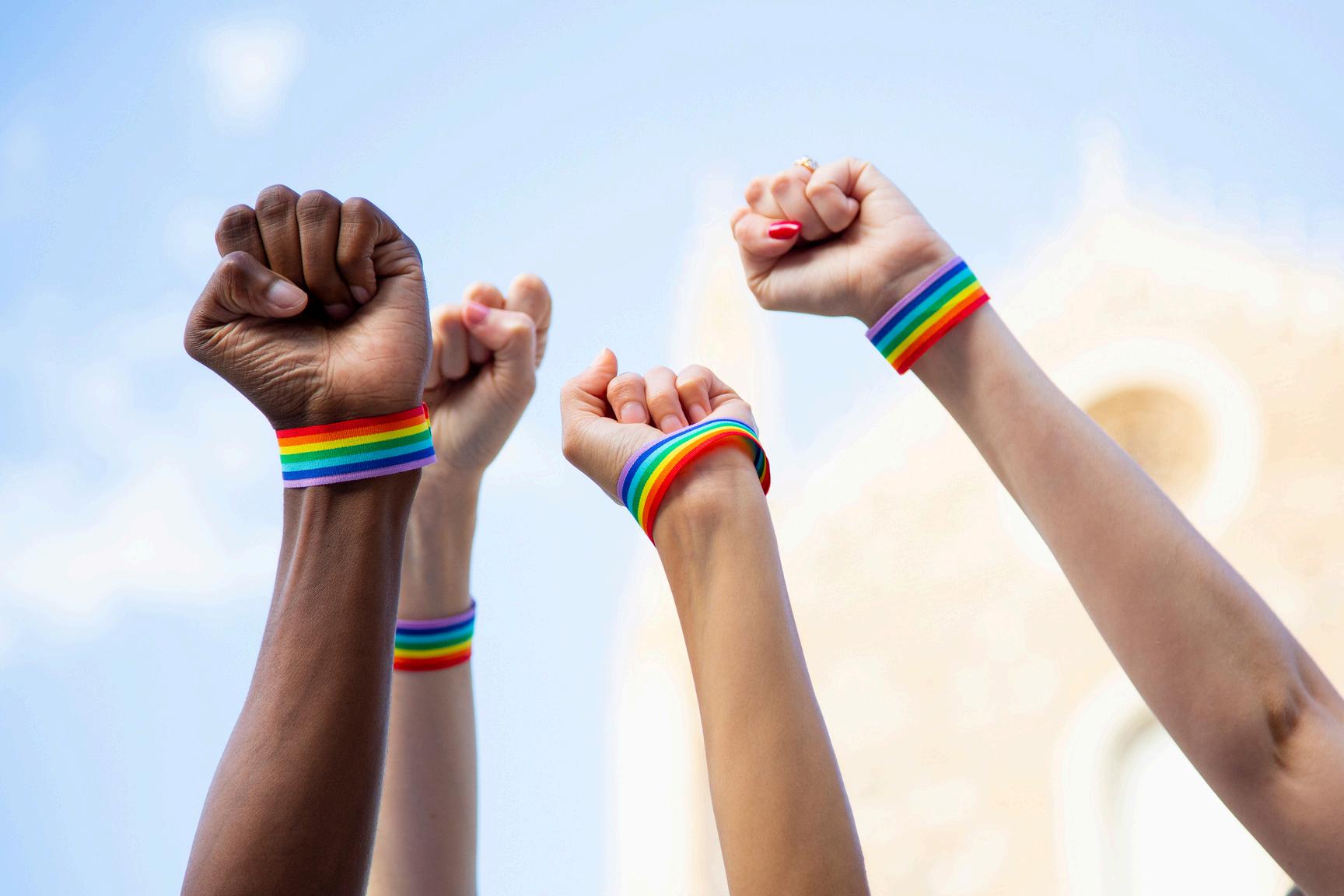
Despite progress in advocating for LGBTQIA+ rights, discrimination remains a persistent issue within K -12 schools. In 2024, The Human Rights Campaign Foundation (HRC)’s 2024 State Equality Index, reports that U.S. state legislatures introduced approximately 487 antiLGBTQIA+ bills, 300 of which specifically target youth and education.
“California in particular, has a lot of laws that help students have ownership and control over their own identities and how their names and pronouns are recorded in their school records, even apart from parental knowledge and consent,” Feland noted.
California, one of seven states that explicitly requires LGBTQIA+ inclusion in state curricula, attempts to promote an atmosphere of inclusivity under the Fair, Accurate, Inclusive, and Respectful (FAIR) Education Act which mandates the teaching of LGBTQIA+ history . Mandatory sex education addressing sexual orientation and gender identity, usage of chosen names and pronouns, support of student-led Gay-Straight Alliances (GSAs), and gender identity protections are all in place to prohibit discrimination for LGBTQIA+ members of the student bodies.
Yet, even in a state which values the protection of marginalized groups, LGBTQIA+ students still frequently experience harassment, bullying, and discrimination based on their sexual orientation or gender identities. According to the 2024 California Department of Justice State of Pride Report, between 2022 and 2023, LGBTQIA+ hate crimes in California increased: 405 hate crime events motivated by sexual orientation bias (an increase of 4.1% from the previous year), 76 hate crime events motivated by anti-transgender or antigender-nonconforming bias (an increase
of 7% from the previous year), and 151 hate crime events motivated by antiLGBTQ+ (an increase of 86.4% from the previous year). Despite being one of the most progressive states in the nation, California’s increase in hate crimes relating to sexual orientation and gender identity no doubt carried over to its school climates.
The LGBTQIA+ community has also borne the brunt of debate over censorship and discussion in school systems. Laws prohibiting the discussion and recognition of LGBTQIA+ related topics in schools have been instituted in states, often called “Don't Say Gay” laws for their stigmatizing of sexual orientation.
“Peoplethatliveonthe LGBTQIA+spectrumarenot anewphenomenon.They're notsomethingthatisgoingto goawayjustbecauseyoustop talkingaboutit.Ifanything, youjustcreateanunsafe situation,”Dr.Feland explainedhisviewpointon suchlaws.
Feland alludes to the psychological impact of underrepresentation, discrimination, and lack of support in the classroom. Research published by the National Library of Medicine highlights that LGBTQIA+ youth are at a higher risk of experiencing anxiety and depression due to school-based discrimination. The lack of representation in curricula and limited access to affirming resources such as gender-inclusive restrooms and LGBTQIA+ student organizations further alienate these students.
California Department of Justice. Similar laws put educators in uncomfortable positions. Teachers become required to actively participate and contribute to discriminatory policies.
harmtothoseindividuals.I thinkitgoeshandinhand withissuesofabuse,issuesof selfharm,suiciderates,even longerlastingtraumainto adulthood,”Dr.Felandsaid, onasincerenote.
Meanwhile, arguments against inclusivity, such as those presented by the Ruth Institute, claim that promoting gender diversity in schools is a form of activism rather than education. Additionally, efforts toward inclusivity policies face backlash from parents, fostering fear and hesitancy for educators. In 2023, United States state legislators saw the introduction of 21 bills requiring forced outing in schools by teachers and school staff, according to the “Youdoalotofpsychological
As an educator at a private institution in California, Dr. Feland expressed clearly that he himself has thankfully never been put into a position like this. However he did comment on the instances of other teachers: “From stories that I have heard and read about, those teachers primarily fear for their jobs. They fear a lot of parent backlash, a lot of even just general community backlash in supporting their students.”
Beyond curricular censorship, many states also restrict the ability of students to use their preferred pronouns and gender identities in schools. Several states, including Iowa and Arkansas, have passed laws that prevent teachers and administrators from recognizing students by names or pronouns that differ from their assigned sex at birth without parental consent. In contrast, states like California and New York have enacted comprehensive protections, ensuring that schools respect students' gender identities and provide access to gender-affirming facilities, such as bathrooms and locker rooms. The disparities in state policies highlight the ongoing national divide in LGBTQIA+ rights within the education system, with some regions fostering inclusivity while others continue to enforce exclusionary measures that put queer students at risk.
RACIALBARRIERS THROUGHAFFIRMATIVEACTION
BYSARAHHUANG
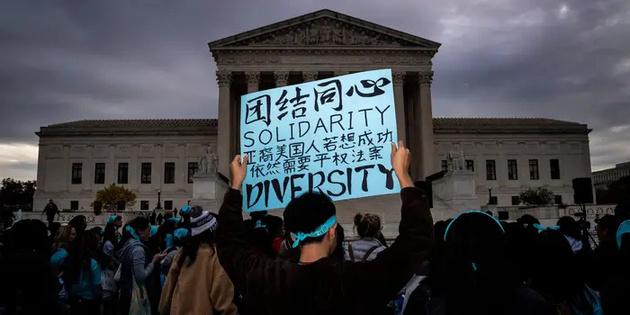
InJune2023, theSupremeCourtissuedalandmarkdecisionthat terminated a long-standing practice in college admissions and changedthelandscapeofhighereducationadmissionsinAmerica. The ruling banned race-conscious admissions policies, or affirmative action,inAmericanuniversities.Thisdecisionmarkedasignificantshiftin how institutions of higher learning could pursue diversity and address historicalinequalities.Butwhatexactlyisaffirmativeactionandwhyhasit becomesocontroversialovertheyears?
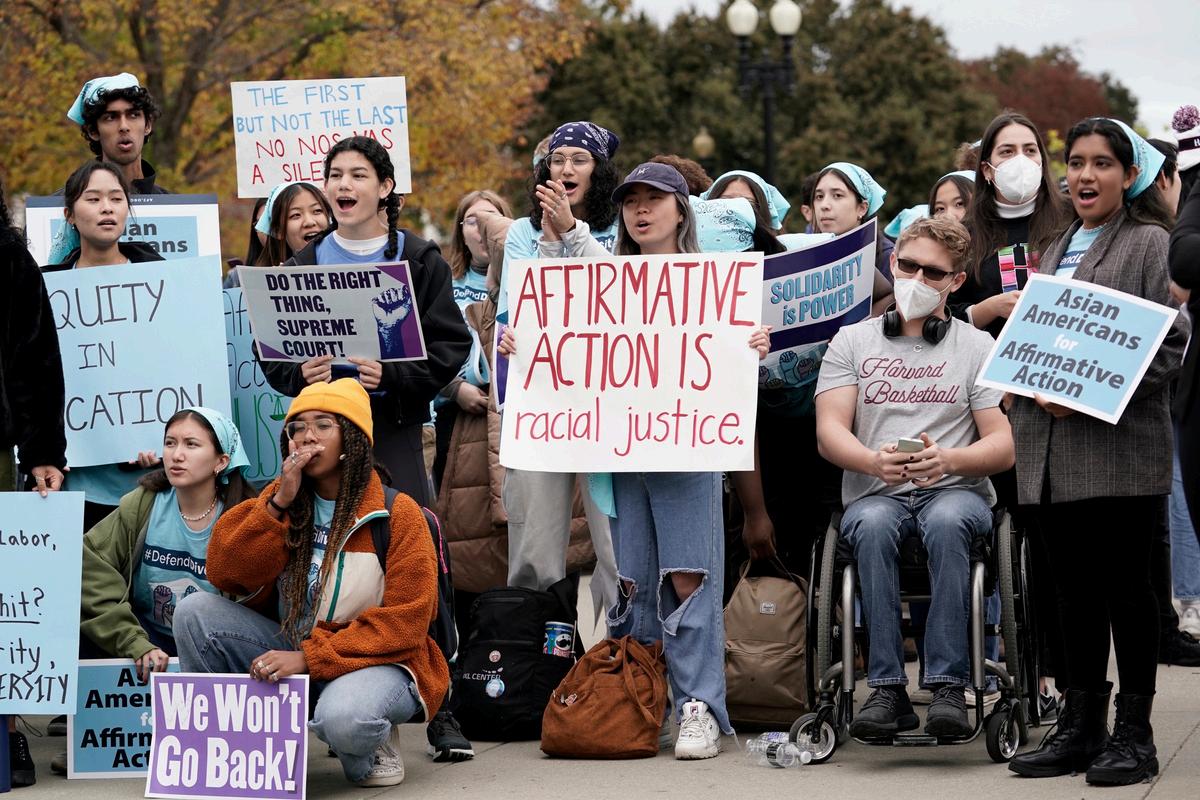

Startingin1961withPresidentJohnF.Kennedy’sexecutiveorder,the government has issued decrees to prevent discrimination in the workplaceandineducation,taking“affirmativeaction”toensureequal opportunityforall.In1978,intheSupremeCourtcaseRegentsofthe UniversityofCaliforniav.Bakke,thepracticeofconsideringraceasafactor incollegeadmissiondecisionswasfirstestablished.Designedtoincrease representationofminoritygroupsinhighereducation,thesepoliciestried to minimize the socioeconomic gap from systemic racial inequality in Americansociety.Theyaimedtocreateamorediversestudentbodythat reflectsthedemographicmakeupofthecountryandreducebarriersto qualityeducationfordisadvantagedgroups.
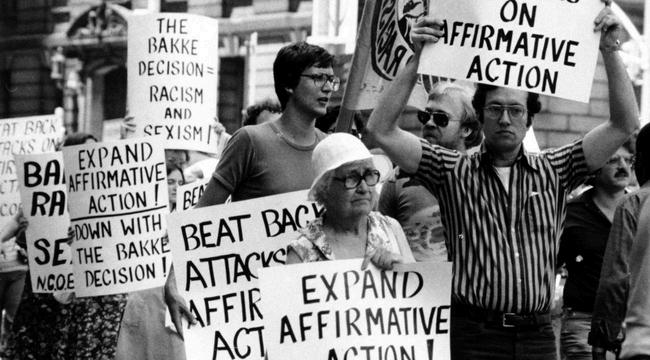
Although well-meaning in its goals, affirmative action also faced many attacks and backlash. Critics often focus on the idea of reverse discrimination,where,byprioritizingminoritygroups,institutionsunfairly discriminateagainstmembersofmajoritygroups.Manyalsocriticizeitfor unfairpreferenceforraceovermeritanddemeaningtheachievementsof minorities. This discontent culminated in the Supreme Court case of StudentsforFairAdmissionsv.HarvardinJune2023,wheretheCourt ruledthataffirmativeactionviolatedtheEqualProtectionClauseofthe 14thAmendment.TheCourtbasicallydecidedthatthemeansusedby universitiestoachievediversitywere,inthemselves,discriminatory.
To have a comprehensive understanding of the pros and cons of affirmativeaction,itisimportanttofirsttakealookatwhyitevenemerged inthefirstplace.Eversincethelandmark1954rulingofBrownv.Boardof Education,segregationinschoolshasbeenunconstitutional,butevenby 2019, over 50% of American schoolchildren remain in racially concentrated districts, with schools serving predominantly non-White childrenreceiving$23billionlessinfunding.
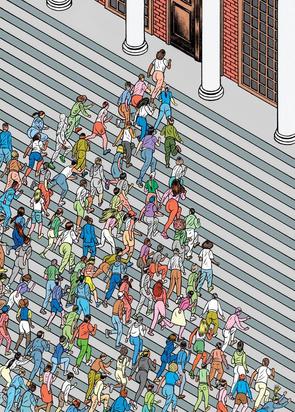
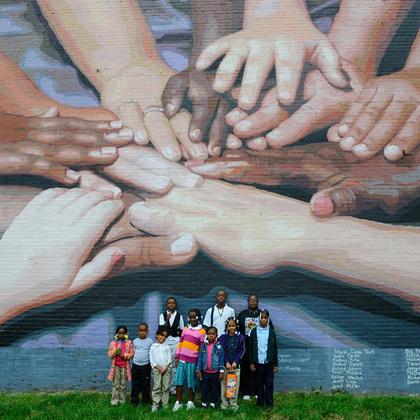

This de facto segregation has led to a significant disparity in access to resources, from reduced preparedness for standardized tests like the SATs and APs to general lack of collegecounselingguidance.In2023,anationalsurveyshowed thatonly26.2%ofAfricanAmericansand23%ofHispanicshold abachelor’sdegreeorhigher,comparedtothenationalaverage of34.8%.
However,thebigquestionis,wasaffirmativeactionthebestway forcollegestocreateracialequalityineducation?From2010to 2023,themakeupofBlackstudentshasclimbedfromunder6% to over 7%. For Hispanic students, the numbers were more drastic, from less than 10% to 14%. The prestige of the institutionisonlyaminorgoal,whatwasmoreimportantwas thatmoreminoritystudentsgainedaccesstothenetworksand resourcesthatpavedthewayforbettercareeropportunities, breaking the cycle of poverty. After affirmative action was banned,thepercentageofBlackandHispanicstudentseach dropped by 1% for the 2024-2025 academic year. And consideringthatthisisthefirstapplicationcyclewherethisnew rulingapplied,theremaybemorechangesinthecomingyears.
Nonetheless,affirmativeactionstillhasmanyflaws.Itfailsto addressmanyofthefundamentaldisparitiesthatexistinK-12 education, under-preparing students for college courses and careerreadiness.Italsofailstoconsiderthat,ultimately,classis notrace.InM.I.Tthisyear,evenasHispanicandBlackstudent percentages dropped significantly, low-income students increased.Whilesocialclassandracearecloselyintertwineddue toalonghistoryofdiscrimination,therearestillmanynuances tothetwocategories.
"ELIMINATINGRACIALDISCRIMINATIONMEANS ELIMINATINGALLOFIT."
-CHIEFJUSTICEJOHNROBERTS
AFinalThought:
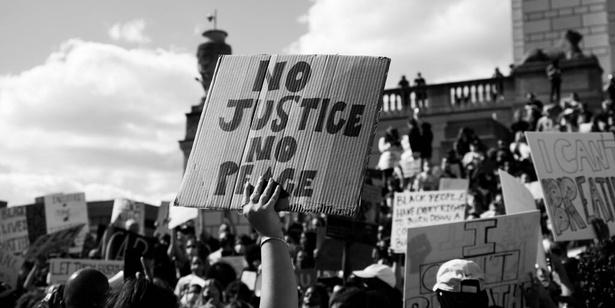
Thebanonaffirmativeactionisjustthebeginning.InJanuary 2025,anexecutiveorderbyPresidentDonaldTrumprestricted diversity, equity, and inclusion (DEI) programs in federal agenciesandcontractorshasonlyfurtherunderminedeffortsto addressracialdisparitiesineducation.Asinstitutionsnavigate thisnewlandscape,Americansmustgrapplewithfundamental questions about opportunity, merit, and justice. Whether throughrace-neutralpoliciesornewinnovativeapproaches,the goalofcreatingamoreinclusiveeducationalsystemremainsas worthwhileaseverinAmerica'songoingstruggletoliveuptoits coreideals.
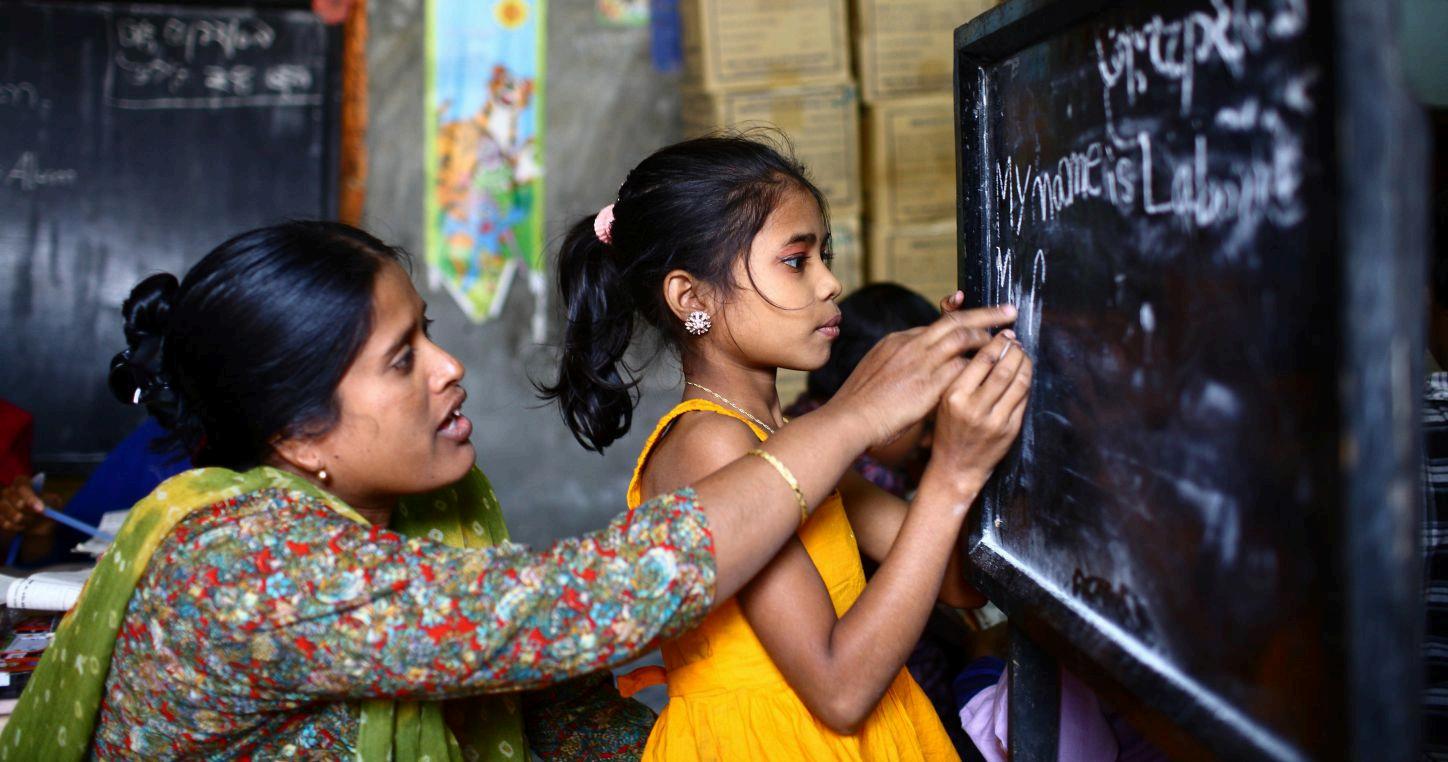
SCHOOLS OPENED THEIR DOORS TO WOMEN.
DID THEY EVER LET THEM IN?
BYCLAIREYURAKIM
Sincethe19thcentury,womenhaveactivelyparticipated in the education system, though with considerable obstacles.Untilthecivilwar,theideaof‘co-education’was foreignandgenerallyunpopularamongstthepublic Yet,girls slowlybeganenrollinginpublicelementaryschoolsinthe late1800sasmorepeopleopeneduptofemaleeducation. Soon after, secondary education programs developed alongsidetheacademymovement.Theacademymovement played an indispensable role in increasing women’s educationopportunitiesandofferingdiversecourses Bythe late 1900s, most public secondary schools, colleges, and universitieswereco-ed,whichdrasticallyandpermanently transformedgenderdynamicswithinAmericansociety.
Today, females’ education paths look much brighter than they had before, at least in the United States Public and privateschoolshaveimplementedgender-equitypoliciesto bringfemalestudentstheeducationtheydeserve.Teachers, adults,andemployershavemadepromisingeffortstogive equalrespectandopportunitiesforfemalesastheydoto males. However, it is still questionable whether gender accountability policies resolved the deep-rooted gender discriminationintheAmericaneducationsystem Mostofthe remainingproblemsstemfrompersonalsocialattitudesand beliefs towards girls’ and boys’ intellectual capacities and motivation. Policies alone, no matter how thorough and ingenious, are no panacea to systemic inequalities in everyday life it is wholly up to people’s willingness to changetheirthoughtsandpayattentiontosubtlyharmful behaviors
Decadesago,mostwouldthinkgenderdiscriminationonly happens in STEM fields. However, there is evidence that womenfaceunequaltreatmentacrossdiversemajors,from social sciences, humanities, to business. Still, a greater numberofstudieshighlightthattheSTEMfieldsarewhere themostinstancesofgender-baseddiscriminationoccur A majority of elementary school teachers believe boys are naturallymoremathematicallycompetentcomparedtogirls. Forgirlstobeseenas‘smart’bytheirinstructors,theymust putindoubletheeffortintotheirstudiescomparedtotheir male counterparts. Even when girls do succeed, teachers tendtoattributetheiraccomplishmentstohardworkrather than inherent talent and intellectual capability Teachers’ biases negatively affect female students’ emotional health andrealacademicoutput;numerousfindingshighlighthow teachers’unfairtreatmenttowardsgirlsdirectlycontributes to a larger gender achievement gap. By adopting discriminatory beliefs towards female kindergarteners and elementaryschoolers,educatorsunderminegirls’confidence and limit them from pursuing their interests. Indeed, regardlessofhowmuchpeertopeersupportgirlsreceive fromoneanother(includingmalestudents),teachersarethe ones responsible for nurturing students without letting prejudicesdominatetheclassroomenvironment.
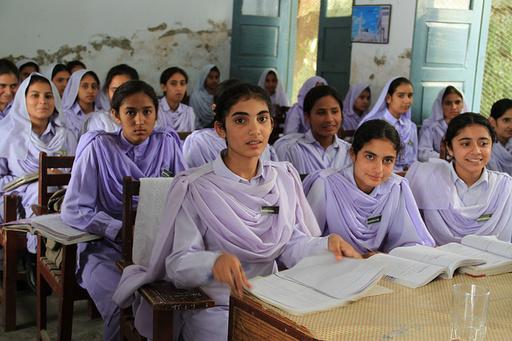
After all, students seek the most respect, validation, and support from their teachers, as their opinions matter significantlyindeterminingtheirfutureacademicendeavors. Whengenderdisparitiesinprimaryandsecondaryeducation perpetuate, they haunt women in real workplace settings wherethereissalientdiscriminationandsocietaljudgment. Once again, these disparities reach beyond STEM professions, affecting female workers involved in a wide rangeofoccupationsandpositions.Similartohowteachers play a decisive role in dismantling gender stereotypes, companiesandemployersareresponsiblefornurturingan equitable atmosphere. Yet, to this day, companies and employers give less credit and recognition to female employeesthantomales.Therearemanyreasonsastowhy thisis,includingfirms’tendencytohirebasedonwomen’s physicalappearanceandmisogynisticperceptionsclaiming thatfemaleworkersareinherentlyinferiortomen Dueto continued gender-based discrimination in the workplace worldwide,womenwanttomajorinfieldswheretheyare leastlikelytoencountermistreatment.Thismeanstheymay havetosacrificeapassionorinterestsolelybecauseoftheir fear of being seen as less competent and deserving comparedtotheoppositesex
At the end of the day, the main issue is that people are unaware of gender inequality in schools and workplaces. Even though individual students and workers feel and witness it, no one talks about it because it seems like an unimportant, sensitive topic. Moving forward, the optimal way to gradually ameliorate gender discrimination in classroomandprofessionalsettingsistostartbringingitupin everyday conversations. Once enough people teachers, parents, firms, employers, friends, and colleagues– realize howpersonalbiasesaredegradingwomen’seducationand careers,itismorelikelythatindividualswillpayattentionto how their unconscious thoughts and actions discourage females’opportunities

IMAGEFROMTHEGLOBALBUSINESS COALITIONFOREDUCATION
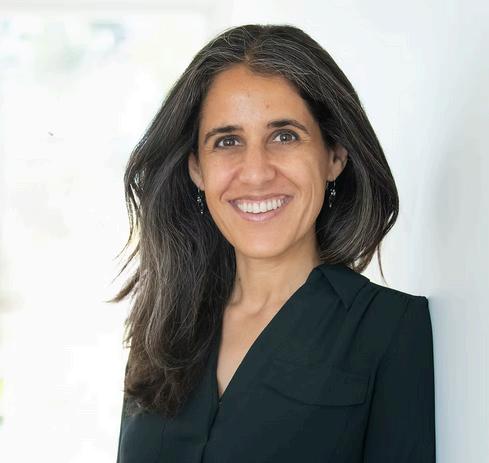
AGUSTINA S. PAGLAYAN
Paglayan is an assistant professor at UCSD’s Department of Political Science and School of Global Policy and Strategy, as well as a social scientist and author. She is the author of Raised to Obey: The Rise and Spread of Mass Education (Princeton University Press, 2024). Paglayan is also a nonresident fellow at the Center for Global Development and has received multiple awards from the American Political Science Association (APSA) for her research at the intersection of politicsandeducation.
Her book Raised to Obey argues that primary education was historically established not to promote democracy or literacy but to instill obedience in lower-class children. Using evidence from two centuries across Europe and the Americas, she demonstrates that governments expanded schooling in response to internal threats and fears of mass violence rather than a commitment to democratic ideals. As she explains, “Education systems didn’t emerge with the goal of human capital development; they emerged as an internalsecuritypolicytopromotesocialorder.”

Paglayan’s research also explores inequalities in education In a recent interview with The Giver’s Guide (March 2024), she highlighted the sharp disparities in educational outcomes across socioeconomic lines: “In every school district in the United States, high-income students have better learning outcomes than low-income students” She further noted that “The US has one of the highest achievement gaps between high- and low-income students in all developed nationsintheworld”
Her work emphasizes the impact of education funding, teacher recruitment, and curriculum control on student learning She argues that “money does matter” and that “one of the most effective ways to improve student learning is to increase education expenditure” She also points out that “many school districts serving lowincome students struggle to recruit teachers, and increasing teacher salaries can help attract talented educators.” According to her, research has confirmed that “reducing class sizes and increasing teacher pay significantly improve studentlearning.”
Beyond funding, Paglayan critiques the role of political influence over education, warning that “each country is using education to instill a specific set of beliefs, instead of encouraging students to think critically and come to their own conclusions.” She underscores the political stakes involved, noting that “there is a fight between politicians over the curriculum because they all agree that whoever controls the curriculum controlslong-termpoliticalattitudes.”
As a social scientist, Paglayan values neutrality and inquiry, while deeply caring about the realworld implications of her research. Her work continues to shape conversations on education policy, political influence in schooling, and strategies to address inequality in learning outcomes.
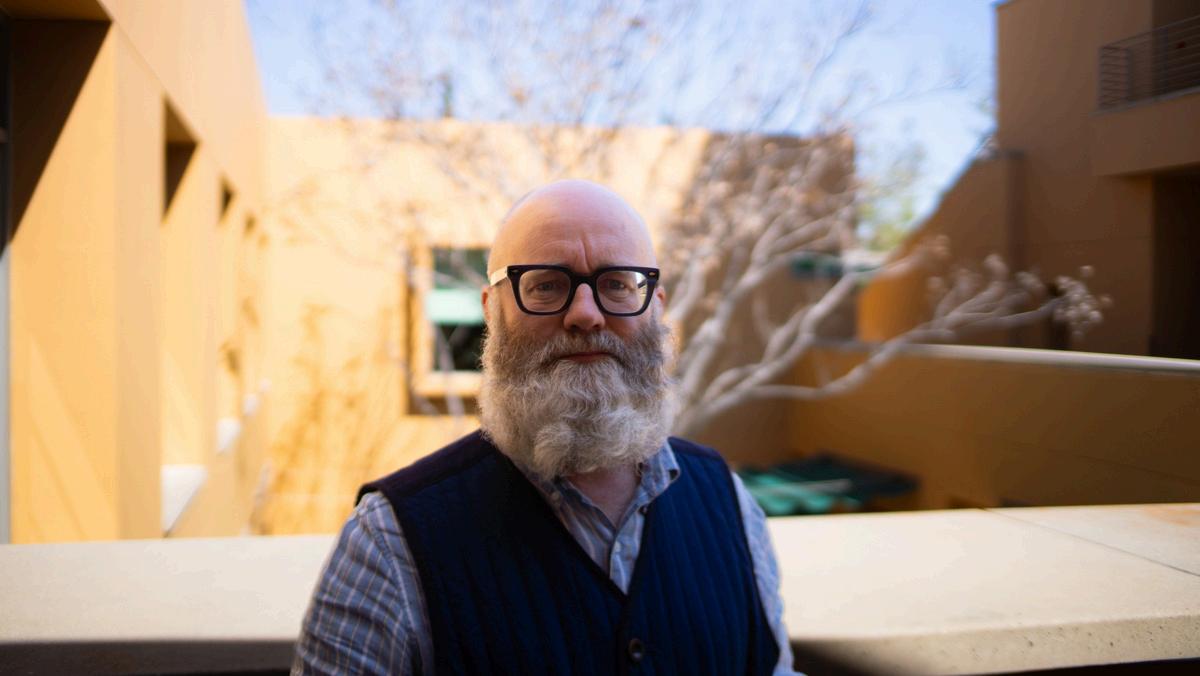
CHRISTOPHER FARRISH
Dr Christopher Farish joined Sage Hill’s History Department in 2016 Before that, he taught American Studies at California State University, Fullerton, and History at Bard College MAT, Los Angeles He has published scholarly research in race,labor,andfoodhistory
In an interview with The Giver's Guide on educational inequality, he emphasized the role of equality in democracy and highlighted racial and economic disparities in the education system. His own experiences as both a strong and struggling student shaped his empathetic teaching style. Dr. Farish stressed the need for quality public education to create a more equitable society. He also shared effective teaching strategies, such as fostering critical thinking and writing skills, while encouraging teachers to empower students to questionandtakeownershipoftheirworldviews.
He identified equality as a key part of U.S. history and democracy, arguing that a failing public school system endangers the entire system. He suggested that if every school in the country matched the quality of the one he teaches at, society and politics would look vastly different Dr Farish also noted that racial disparities are closely tied to economic inequalities, as privileged and underprivileged areas oftenoverlap
Even if only a small percentage of his students take action against racial disparities, he considers it a meaningful victory. He also stressed the importance of teachers acknowledging their own biases, and encouraging students to understand and take ownershipoftheirperspectives.
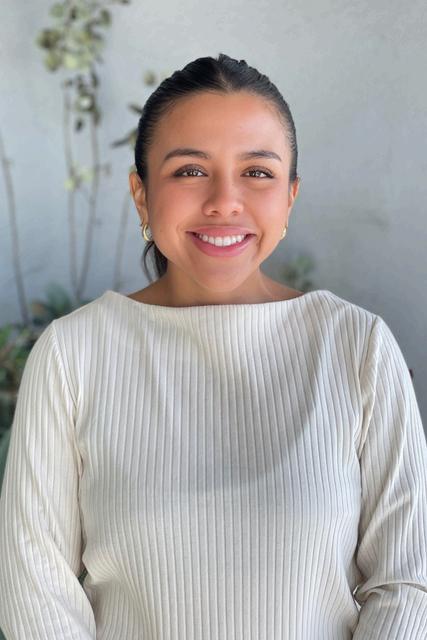
CATHERINE BALDERRAMA
Catherine Balderrama has dedicated her career to addressing educational inequalities and advocating for underserved communities As a Case Manager at Project Hope Alliance (PHA) since the summer of 2022, Catherine works directly with youth experiencing homelessness, ensuring they have the resources and support needed to break the cycle of povertyandachieveacademicsuccess
With a Child and Family Development degree from San Diego State University, Catherine deeply understands the challenges children face in accessing quality education. She is currently advancing her expertise by pursuing a Master’s degree in Social Work at Boston University, furtherstrengtheningherabilitytoexecutechange.
Before joining PHA, Catherine served as a Social Worker at a Skilled Nursing Facility, where she advocated for the elderly, ensuring they received thecareandresourcestheydeserved.
At PHA, Catherine’s role extends beyond a case manager, she is a mentor, advocate, and role model for students facing significant educational barriers. She provides direct support, connects families with essential resources, and empowers youth to aspire toward higher education and career goals
Catherine advocates for a world where every child regardless of socioeconomic status should have the opportunitytosucceedandgrow
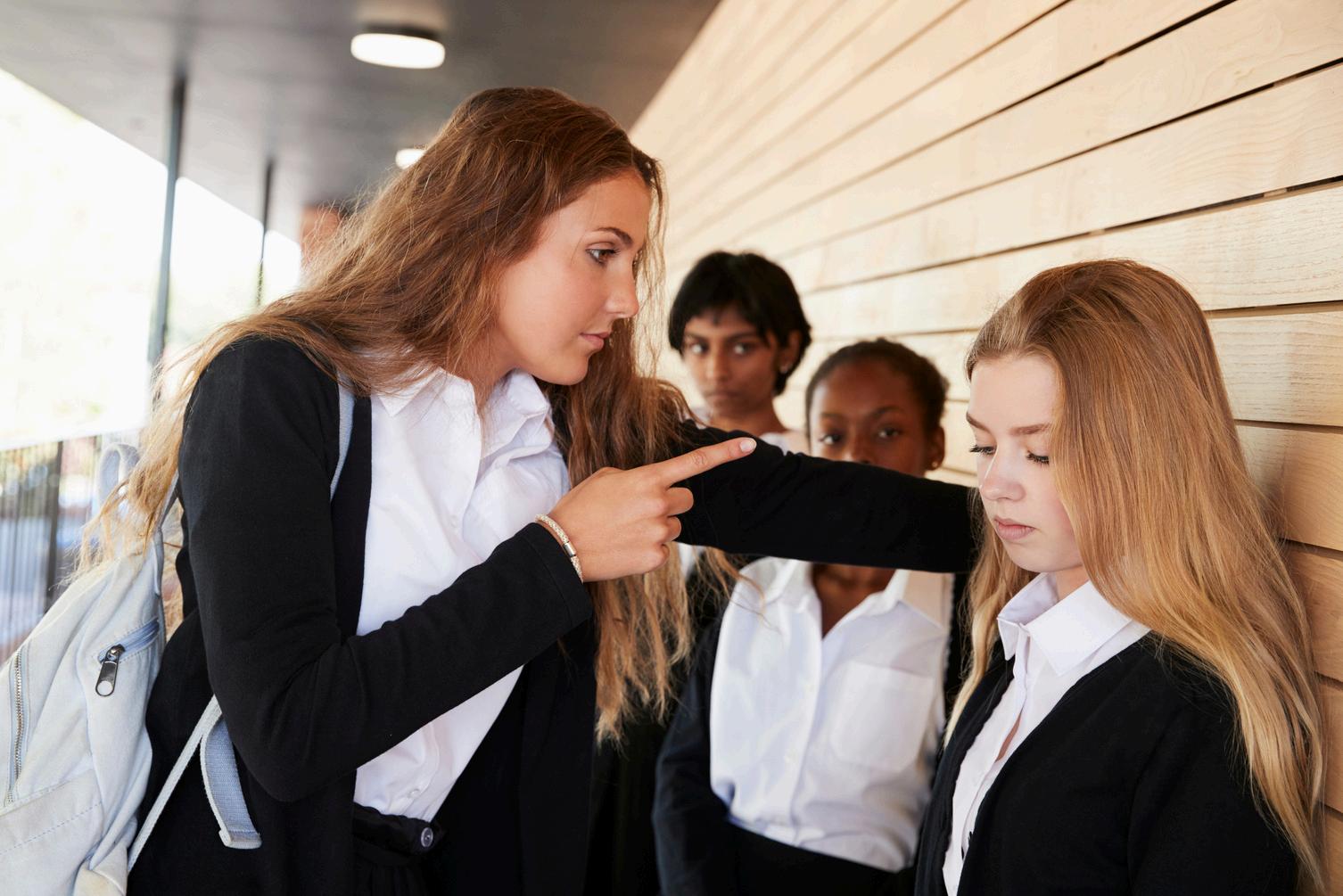
THE COST OF BELONGING: BULLYING, GENDER, AND POWER IN SCHOOL SOCIAL CIRCLES
NAMES OF SUBJECTS, CONTRIBUTORS, AND IDENTIFYING DETAILS HAVE BEEN CHANGED OR HIDDEN TO PROTECT THE PRIVACY
OF THOSE INVOLVED
It was 2019. I was a seventh grader in a small, Jewish private school when I first met Cassandra. She was a transfer student one year older than me, arriving in the middle of the school year At the time, I had no idea that Cassandra’s brief tenure at our school would unravel a deeper truth about the institutions we trusted about who gets to belong, and at what cost
Cassandra was different She was tall, blonde, extremely intelligent, and carried herself with an ease that seemed foreign in our insular world She introduced herself with the practiced charm of someone who had navigated new spaces before, explaining that she had spent most of her life in public school, where friend groups were large and constantly shifting Her arrival at our tight-knit private school, where most of us had known each other since kindergarten, was an intrusion into a social ecosystem that had long been settled. The girls were skeptical. The boys were intrigued.
At first, it seemed as though she was welcomed. The boys, drawn in by her novelty, pulled her into their group. She was invited to parties, included in conversations.
But there were rules rules unspoken, expectations silent but absolute.
One night, at a party she had been so eager to attend, Cassandra found herself in a room with one of the boys who had been the most persistent in his attention toward her He was drunk, his words slurred, his hands careless and insistent He made comments about her body, brushed against her skin as though it belonged to him She tried to move away He pulled her closer His hand trailed up her leg, past the point where discomfort turns to fear She froze The room continued to buzz around her, music and laughter undisturbed by her silence When he leaned in to kiss her, she pushed him away He laughed
Later that night, she sent a message to a friend one of the only people she trusted looking for reassurance, for understanding. By morning, the story was no longer hers.
The boys had rewritten it. Cassandra had exaggerated, they said. She had lied, accused him of things that never happened. The boy, popular and well-connected, denied it all. His friends defended him.
The girls distanced themselves, wary of getting involved in something they didn’t fully understand Cassandra tried to correct the narrative, to explain that she had only said she was uncomfortable, that she had never accused him of anything worse. But the words had already spread, reshaped, sharpened against her. She had become something else: dramatic, attention-seeking, unstable.Agirlwhocouldnotbetrusted.
She did not stand a chance The school was too small for stories to be forgotten Thewhispersfollowedherdownhallways, found her in classrooms, settled into the spaces between glances exchanged over her head Lunchtimes spent alone Looks thatsliceddeeperthanwords

Degrading words purposefully spoken loud for her to hear. Cassandra stopped attending school, withdrawing from any classwhereherbullieswerepresent.
The relentless harassment shattered her focus, making it impossible to keep up with her studies For nearly a year, she lived in the periphery of a world that had once held promise, each day a slow erosion of the self. By the time she left, the damage was irreversible. Her grades and absences hindered any chance of regaining academic stability, closing doors to the future she once envisioned. By the age of 15, she had been diagnosed with depression, struggling with relentless emptiness, self-doubt, and an overwhelming fear of isolation that turned her high school years into a living hell.
I think about her often. About how something that began as a single moment of discomfort, a quiet attempt to be heard, turned into the destruction of a person’s sense of worth. I think about how exclusion is not always loud, not always obvious. Sometimes, it is silent. A chair left empty at the lunch table. A message ignored. A story told enough times that it no longer needs to be questioned
Cassandra was not the first She was not the last But she was the one who showed me the cost of belonging
And I wonder, when we talk about inequalities in education, if we forget that they are not always measured in access to resources or academic opportunity Sometimes, they are written in the spaces where a student is made to feel small, in the moments where a voice is taken away Sometimes, they look like a girl sitting alone in a cafeteria, waiting for a version of the story that will never come
TheEconomicsofAn Education:Student Loans,Debt,and Freedom
ByTaiteNicholson
“Education is the most powerful weapon which you can use to change the world.”
–Nelson Mandela
The rhetoric around the role of education in social mobility and personal advancement is pervasive. From contemporary world leaders and activists to ancient philosophers, a longstanding consensus persists on the magnitude of impact that higher education offers to those who are granted such opportunities Yet, substantial hurdles barricade access to the fruits of the idolized “higher education,” which has increasingly become a prerequisite in modern high-paying job markets. Tuitions have risen abruptly in the last 20 years while the increase in average household income has risen at a comparatively slow rate. Acknowledging the efforts of colleges and universities, nonprofits, and sponsors to offer financial aid, scholarships, and other forms of funding, students across the United States are still far too often burdened with a hefty financial responsibility fresh out of high school: student debt.
According to United States News Reports, tuition and fees adjusted for inflation at National Universities have risen at an average of 39 percent (varying based on instate/out-of-state and private/public criteria) over the past two decades. Disportionately impacting underprivileged and minority students, increases in tuition prices force those unable to afford their education to enter loan contracts that accumulate interest, creating a burden for students as they enter into adulthood, oftentimes with no stable or significant source of income. Best Colleges reports that 20 percent of student loan borrowers are over the age of 50. A loan, a temporary solution to the steep investment of education, can loom over the lives of borrowers well into adulthood.
“Education is the key to unlock the golden door of freedom.”
–George Washington
The idea of education enabling “freedom” creates the expectation that hard work, determination, and years of one’s life will pay off. But instead, students are the one’s stuck paying The United States educational systems are further distanced from freedom by the way the financial burdens of higher education disproportionately affect minority groups. The Education Data Initiative reports Black and African American college graduates owe an average of $25,000 more in student loan debt than white college students. Clearly a reflection of socioeconomic factors due to historical inequality, the financial discouragement specifically of minority groups to pursue higher education harms diversification efforts in the workforce and at universities
Political decisions are a driving force in the affordability of education. Recent movements by the Trump administration have created further barriers. The administration has closed applications for income based repayment plans, and in addition, decreased eligibility for public service loan forgiveness. Additionally, Trump immediately began a campaign to close the Education Department. The gap of economic and racial inequality in higher education will continue to expand on this trajectory.
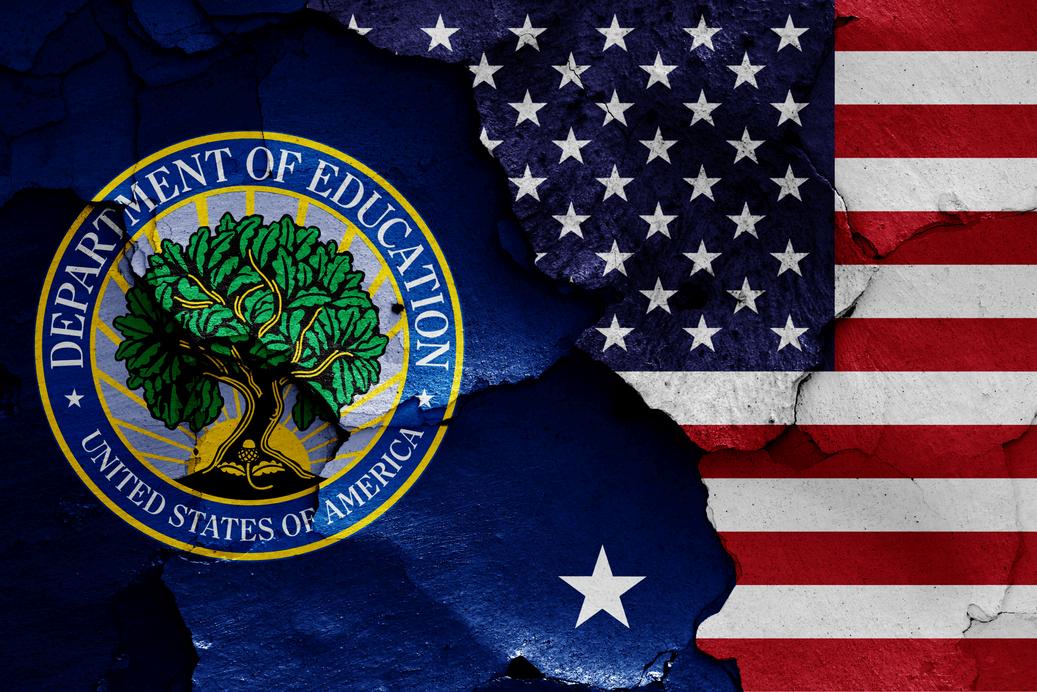
United States Department of Education Emblem
“Education is not the filling of a pail, but the lighting of a fire.”
–W.B. Yeats
As access to higher education becomes increasingly limited, the repercussions affect the health of the United States collectively, not just individual borrowers When education is a granted freedom, artistry and human productivity flourish. Students may pursue careers in any field they desire without a sense of financial doom. The pressure of loans may force borrowing students to choose majors that offer guaranteed financial security after graduation and to neglect what they might actually wish to study. Suppressed passion, talent, and skill suffers a greedy, mercenary society. Student loans are not only a financial burden, but a cultural burden for the United States. Debt disincentivizes the “lighting of a fire” and exploration of natural skill in fields which don't guarantee high salaries.
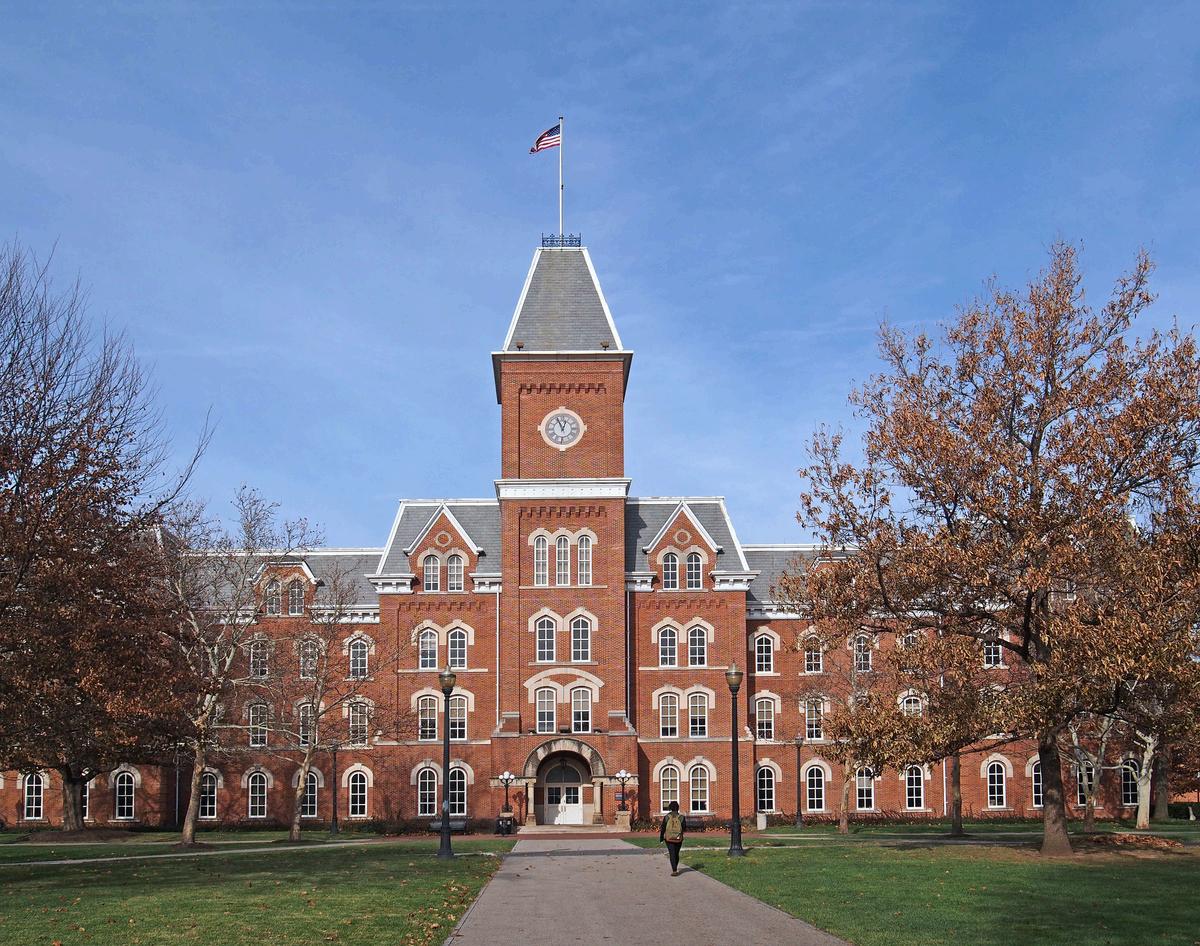
As college tuition rises and students become cynical about the future of their finances, repercussions are bound to extend past just economic decisions, invading students’ sense of security in pursuing their desired career paths. With significant declines in humanities majors in the past decade globally, monetary priorities are superseding academic interests as students are forced to make practical decisions to “make the most” out of their education As students across the United States enter the workforce with what has now become the burden of an education looming on loan repayment statements, culture, policy, and finances will all feel the weight of student debt.
College Campus in fall Getty Images

DIRECT ANSWERS FROM AN EDUCATOR’S
DIRECT ANSWERS FROM AN EDUCATOR’S
PERSPECTIVE
PERSPECTIVE
AN INTERVIEW WITH TERYN BENTLEY, SAGE HILL SCHOOL ECONOMICS TEACHER
In your view, are there long-term economic consequences for individuals who begin adulthood in significant debt?
Absolutely It's like a race with different starting lines There is evidence showing that young adults will forego other economic decisions like getting married and have children when they are carrying significant debt
What do you wish more people understood about student debt and those who carry it?
Don't count on the government to pay off your loans
The interest rates are typically not competitive (consider refinancing) Student loans can be a great way to access opportunities that were otherwise out of reach, but the price tag for many universities is absurd Make sure to study/acquire skills that will actually translate to a specific job, or find a more affordable way to enter the job market (start at a junior college for example).
What are your thoughts on the current national conversation around student loan forgiveness?
The government footing the bill for college education is problematic because by subsidizing a part of the population that usually becomes middle class (due to college education) it neglects those living in poverty without as many opportunities for earning higher wages It's inherently inappropriate use of taxpayers funds
From an economic perspective, what do you see as the root causes of the student loan crisis in America?
The high cost of university coupled with the desirability of a "name brand" school. The education system and systematic racism in general are the real root problems.
What role should educators play in helping shape the next generation’s relationship with money and debt?
Actual personal finance courses as a graduation requirement
What policies or reforms do you believe could make the biggest difference in addressing student loan debt nationally?
Personal finance education for all! And Competition in the loan market? For example allow credit unions to offer more competitive rates
Suffocating D ow i Not r n
n g
Gasping for air
Wheezing and heaving
The sinkhole appeared, limitless
Unavoidable, intentional, cruel, Nothing to hold, nothing to grab on to,
Just the enveloping pit devouring my world, The fall is long and dark, With a thud I cease the terrible flight, Above me the hole fills, like a fly in honey my existence is wrought,
To a singular point for the rest of my life,
No one blames the hole because it is solid, Unchanging, Has no flow, I can’t swim out of dirt and rock, I can’t manipulate the earth, Dirt fills my lungs, My whole life in the hole.
by kian khazei
With this poem, I wanted to capture the overwhelming and inescapable burden of student debt the financial sinkhole that many fall into after pursuing higher education The imagery of suffocation and entrapment reflects the way debt can consume a person’s future, leaving them with no way out
The process of writing this poem took nearly a month of thought and revision I spoke with individuals in my family who have faced the crushing reality of student loans, trying to better understand the emotional and financial weight it carries
The final inspiration came while listening to Dirt by Alice in Chains. Many songs on the album evoke feelings of suffocation, which led me to consider the difference between drowning and being buried alive. Unlike drowning, where movement is still possible, suffocation under debt is like being trapped in an unyielding, inescapable mass unable to move forward, unable to breathe. This idea became the foundation for the poem’s imagery and message -Kian K
THE FUTURE OF EDUCATION
BY DOYOUNG LEE
Despite significant increases in education funding over the last few years, California’s K12 system continues to fall short in adequately preparing students for the future Proposition 98, a constitutional amendment adopted in California in 1988, establishes a minimum funding requirement for K-12 education based on the state’s total budget. In this school year, the funding from Proposition 98 is estimated to be around $115 3 billion, a 17 1% increase from last year
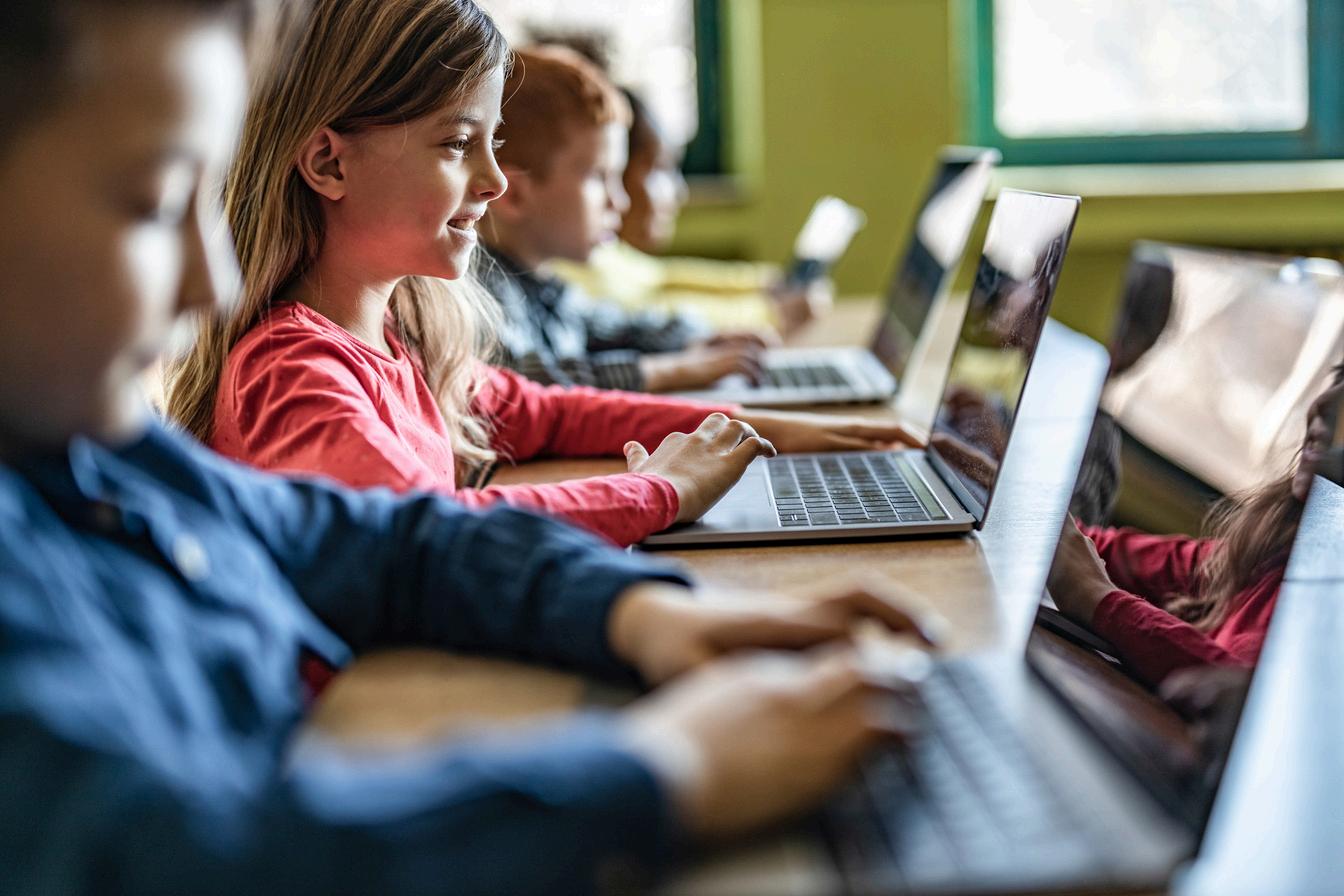
Although there have been massive increases in taxpayer money allocated to education, students still struggle to meet basic proficiency levels in math and reading In 2022, only 31% of fourth-graders in California met the national grade-level standards in reading. This isn’t just California: national fourth-grade reading proficiency was only 33%. The alarming shortage of teachers and support for students, predominantly in low-income areas, contributes heavily to this statistic During the 2023-2024 school year, 45% of all public schools reported feeling understaffed.
Nevertheless, this struggle has given space for non-profit organizations to bridge educational gaps and educate future generations Nonprofit organizations operate independently from the school system and therefore have substantial autonomy and flexibility in their actions. New technology like AI will potentially ameliorate these disparities, where nonprofits like Khan Academy and India’s Rocket Learning pioneer the use of large language models (LLMs) to offer personalized tutoring for students. By contrast, state education departments are slow to respond and integrate AI into their curriculums: only 15 states have provided initial guidance on the safe and responsible use of AI as of June 2024.
Dr. Hal Abelson, a professor of computer science and engineering at MIT, stresses the impact of AI on underprivileged communities. In his model, known as computational action, Abelson aims to empower children to use AI and technology to create meaningful impacts in their communities. To prove the efficacy of this model, Abelson cited high schoolers in Moldova who tackled a national resource shortage by creating an app where users could share and rate clean water sources on a shared map. To further uplift communities globally, future technology needs to remain ethical and accessible to everyone. To this end, AI should be open-sourced to prevent the monopolization of AI by a few companies and ensure accessibility to all Furthermore, open source AI holds developers accountable to ensure their systems are free from hidden biases. Unfortunately, independent nonprofits and efforts to modernize and revise the education system are inherently limited in their scope
To create meaningful impact, policymakers and education leaders must revisit and edit their policies more frequently.
While research has proven the benefits of holistic and forms of education, Dr Ulcca Joshia Hansen modifies this argument “Current systems are not designed to support human-centered education, so when schools try and do something different, they are brought back through accountability,” she said. Legislators not only need to support research groups and nonprofits in finding solutions, but also create systems to implement them. In New Hampshire, Performance Assessment of Competency Education (PACE) is a novel assessment system that uses performance assessments instead of state-standardized testing Specifically, schools can administer their own assessments and advance students based on their mastery rather than fixed time spent in a classroom. Despite initial, unfounded concerns that a decentralized system would weaken educational performance and accountability, the PACE system stands as proof that competency-based learning can improve student engagement and better prepare students for the real world.
The future of education cannot rely solely on increased funding; it must be based on bold, systemic reform AI-driven learning, competency-based learning, and nonprofit initiatives have already shown what’s possible when we think beyond outdated models. Now, it’s up to policymakers to break free from failing precedents and implement reforms that truly serve students The question is no longer whether change is needed, but whether we have the courage to make it happen.
Meet
Our Team
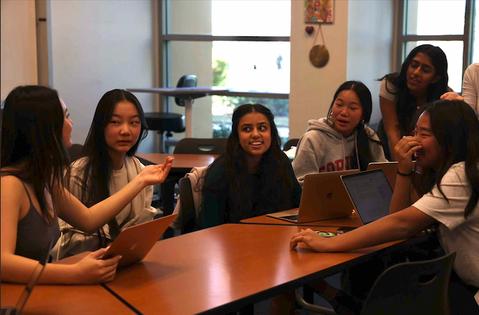
Editors-in-Chief
Managing Editors
Creative Director
Meilin Shen
Taite Nicholson
Junior Editors
Adeline Ho
Ashley Ho
Finely Maynard
Mei Mahon
Photography
Directors
Dylan Han
Brady Lee
Margie Gao
Writers
Kian Khazei, Claire Kim, Doyoung Lee, Kamilia Motahari, Saffiya Sarwono, Annika Shah, Amber Wang, Eric Zhang, Sarah Huang, Evianna Branch, Mei Mahon
Join

An online and print magazine highlighting nonprofits and investigating societal issues
Calling for students interested in writing, illustrating, designing, researching, and more
Gain volunteer hours, get your work published, and win awards in competitions!

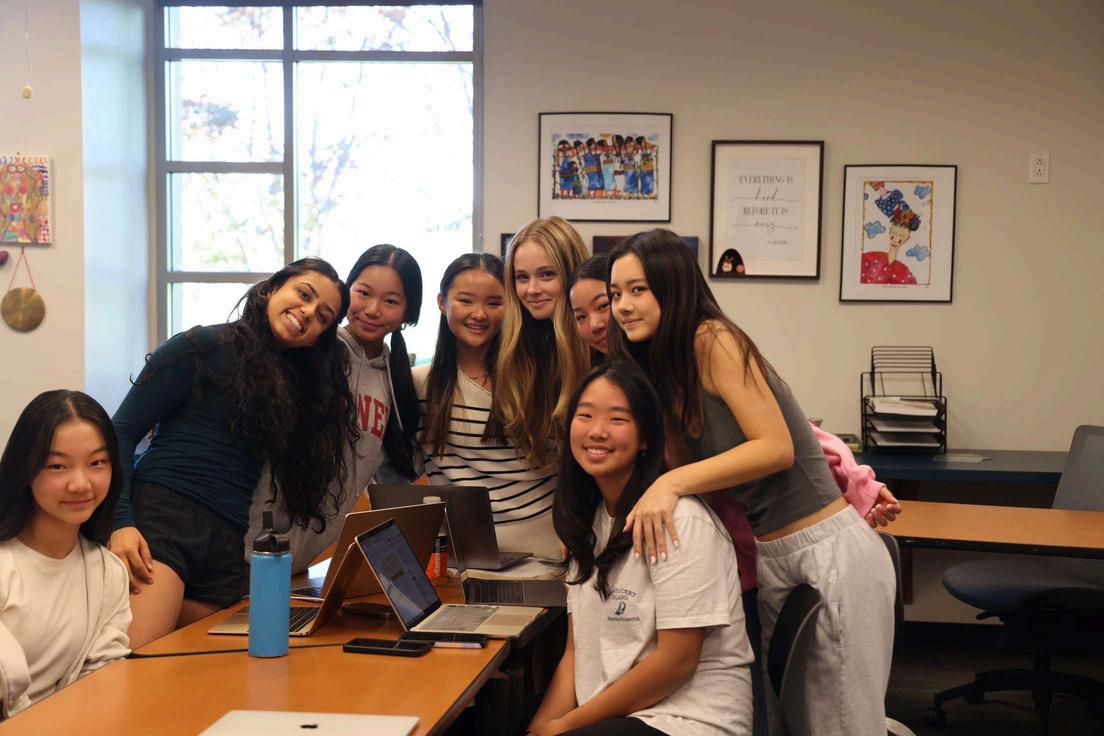
LEFTTORIGHT:TAITENICHOLSON,MEILINSHEN
ALETTER FROMTHE EDITORS
A magazine is unlike a book, a movie, or a TV show With just enough words and images, its pages bring together many forms of storytelling Fiction, journalism, poetry, photography, and interviews all find a place here Through the creativity and dedication of high school students, The Giver’s Guide has become a space to explore the issues we care about most. In past editions, we have written about gun violence and housing insecurity. This season, we focus on education and the disparities that shape who has access to support, opportunity, and success.
As student journalists, we are uniquely positioned to write about these challenges. We are part of the system we are analyzing. We experience the effects of standardized testing, GPA pressure, and unequal access to resources every day. At the same time, we are aware of the advantages we have. Our magazine encourages inquiry and gives us the tools to speak out. That dual perspective helps us ask better questions, reflect more deeply, and offer insights grounded in lived experience.
Each article in this edition examines educational inequality from a different angle. Some writers explore racial and economic gaps in admissions Others look at gender bias, curriculum exclusion, and the erasure of LGBTQIA+ identities in schools Several examine international models of education to imagine what is possible beyond our own system Together, these stories challenge the idea that education is a great equalizer when so many barriers still exist
OURWRITINGISROOTEDIN
ACCURACY,AIMINGTOIGNITEOUR READERSWITHTHEDRIVEFOR IMPACTFULCHANGETHATOURTEAM EMBODIES.
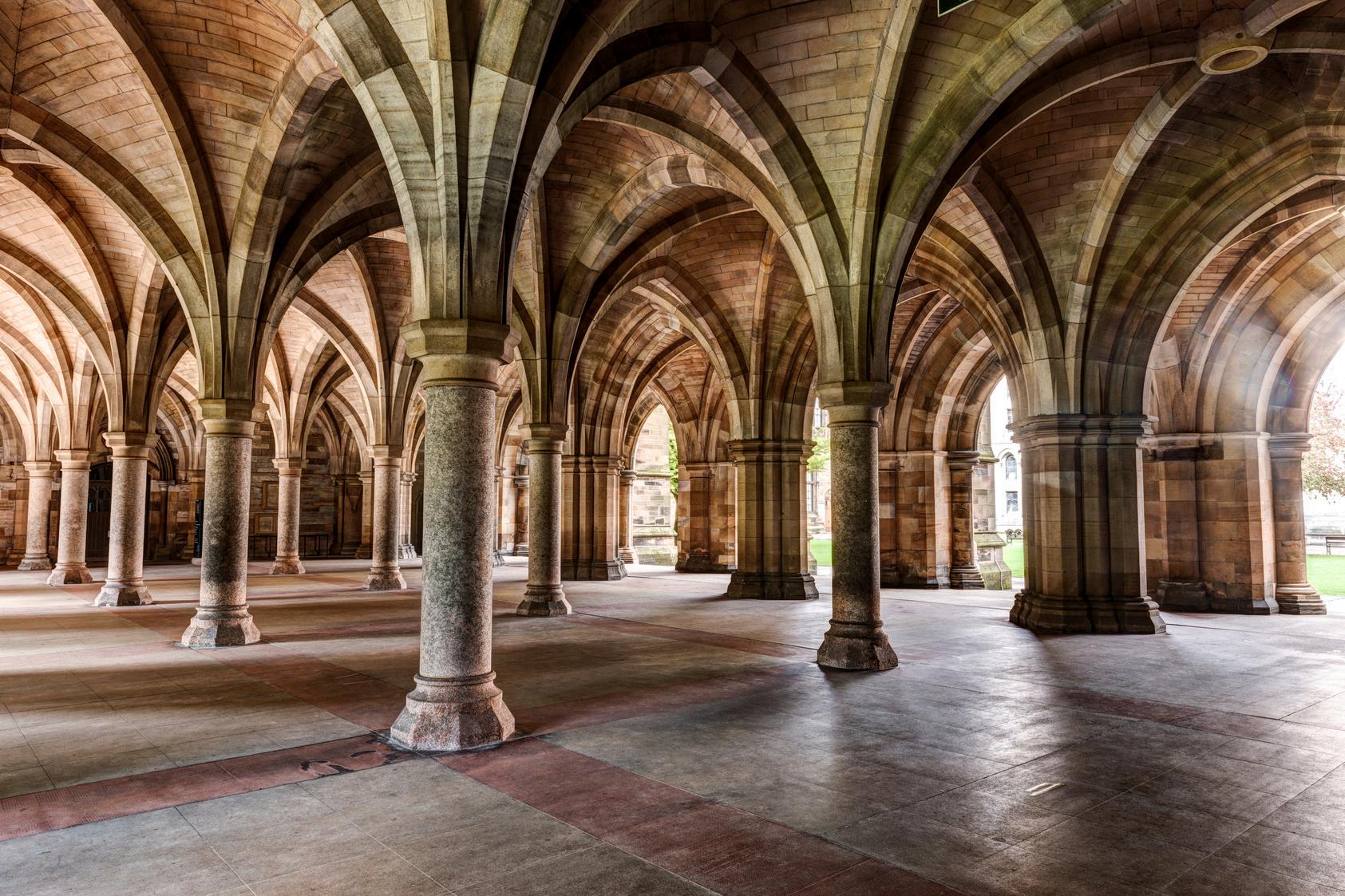
In the process of creating this issue, we spoke with leaders in education and school systems who offered honest and thoughtful reflections on the limitations of our current structures and the ways change can begin. We are especially grateful to Dr. Farrish, Dr. Feland, and Ms. Bentley, whose stories helped us better understand how equity, representation, and access are shaped inside the classroom.
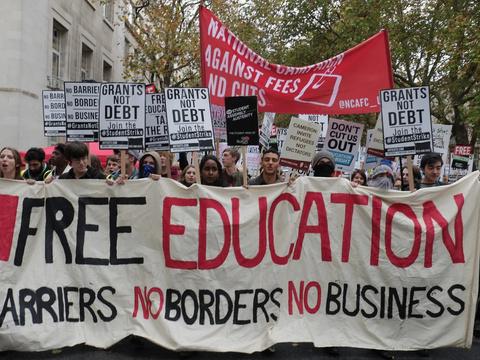
This edition would not have been possible without the commitment of our editors and creative director. Their attention to detail and care for each piece brought the entire issue to life. We hope that the stories you read here offer a more honest look at education in our communities. More importantly, we hope they inspire new conversations and a shared commitment to creating learning environments where all students are supported, seen, and heard.
Meilin Shen & Taite Nicholson