


Because ferti•lome® is dedicated to making products that allow everyone to feel good about their lawn and garden choices, we are continuing to expand our natural and organic product line.






®
RJoyce Bruno & Robert Weaver
Publisher and Editor
Robert Weaver
Columnists
Abby Lapides
Sugar Creek Gardens
Steffie Littlefield
Edg-Clif Winery
Scott Woodbury
Cacalia Native Garden Design and Wilding
Samantha Zale Greenscape Gardens
Printing: Breese Publishing, Breese, IL
The Gateway Gardener® is published 7 times/year by Double Dig Communications, Inc. to promote enjoyable, successful gardening and livable landscapes in the St. Louis greater metropolitan area. The magazine is distributed free to the public at designated garden centers, nurseries, garden gift shops, lawn equipment rental, repair and sales establishments, and other locations supporting sound gardening, lawn and landscaping practices.
Please send letters-to-the-editor, questions, event announcements, editorial suggestions and contributions, photos, advertising inquiries and materials, and any other correspondence to:
The Gateway Gardener Magazine® PO Box 220853 St. Louis, MO 63122 Phone: (314) 968-3740
info@gatewaygardener.com www.gatewaygardener.com
ecently, Mary and I extended the Gateway Gardener’s reach by roughly 6,125 km, or approximately 3,800 miles, when we took a copy of the May issue to Ireland for a 10-day group tour. It was a first overseas trip for either of us, and it did not disappoint.
The Emerald Isle was, of course, lusciously green, and beauty abounds, especially in miniature befitting the small island nation. Stone, of course, is everywhere in Ireland from the rocky fields to the stone walls that divide them to the ancient ruins of castles, churches and fortresses, and wherever there was stone, there were tiny flowering plants and lichens growing from the nooks and crannies. Sedums and worts and rockfoils that are probably familiar to rock gardeners here, but to me were as alien as the Gaelic words posted on every street sign in the country. In an early attempt to exercise my education, I told someone a purple tiny flowering plant looked like a miniature verbena of sorts. It was, iPhone told me, Erinus alpinus, fairy foxglove. That wouldn’t be my first
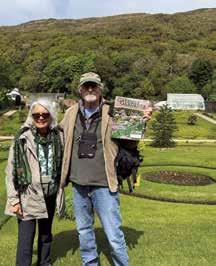
The Gateway Gardener traveled 3800 miles to the rolling gardens at Kylemore Abbey in the Republic of Ireland.
swing and miss. So many trees and shrubs looked vaguely familiar enough to possibly be a genus of a tree known to me in the States, but just off enough to perhaps be a distant cousin. What I thought was a spruce was a cedar. A whiteflowering shrub that grew from every hedgerow we passed looked at 60 miles an hour like spirea. (In my defense, I doubted it was, but that’s what it looked like.) Up close, it revealed itself as whitethorn, a common native hawthorn. Known to our travel partners as the horticulturist in the group, I
batted below the Mendoza line (.200) when asked to identify this or that plant. People soon quit asking.
I did, however, score one small success. While touring an Irish whiskey distillery, we came to the room where hundreds of aging barrels of whiskey were stored. The question arose as to where the barrels came from.
Missouri, I quietly thought to myself--remembering a Gateway Gardener advertiser for many years, Missouri Mulch, which sold high quality mulch made from the shavings of its parent company’s barrel stave-making business--White oak, I thought to myself.
“Missouri white oak,” said the tour guide. No one heard me, of course. But, even 3800 miles away, I knew that one.
Apologies for this departure from my usual introduction to the highlights of the magazine. The table of contents will have to suffice. Happy Perennial Plant Month, and…



Text and Photos by Abby Lapides
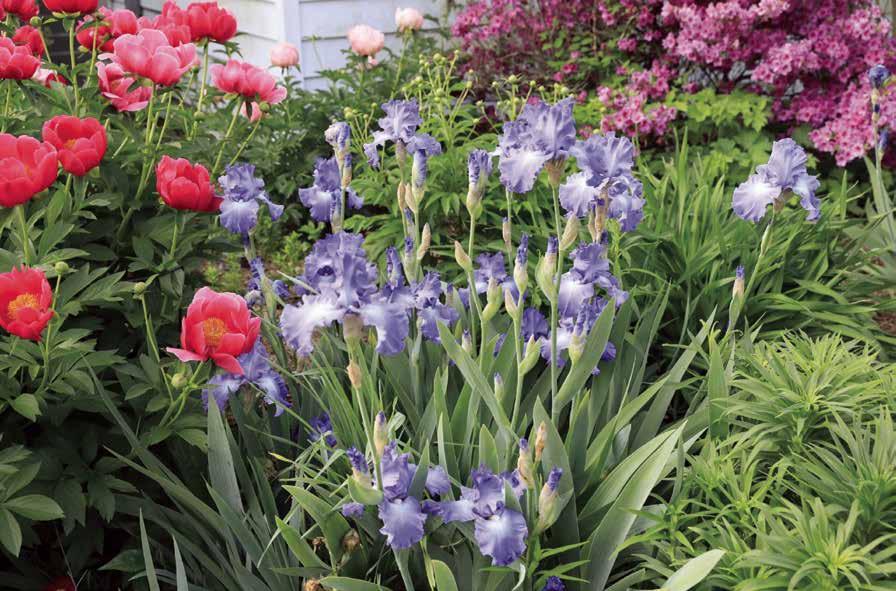
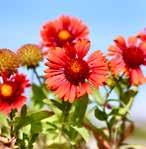
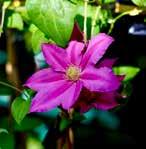

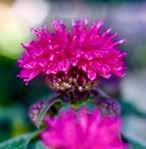
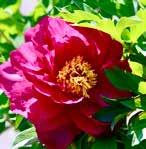
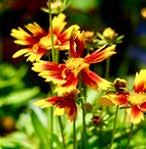
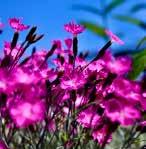
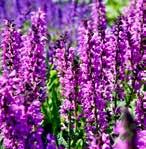
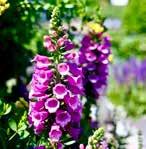

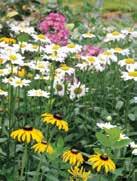
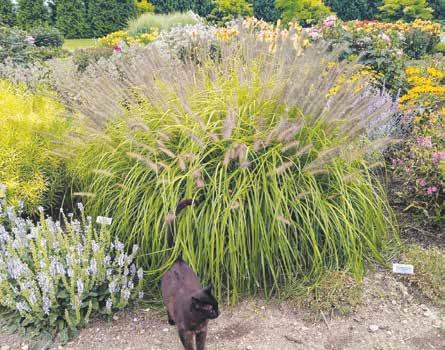
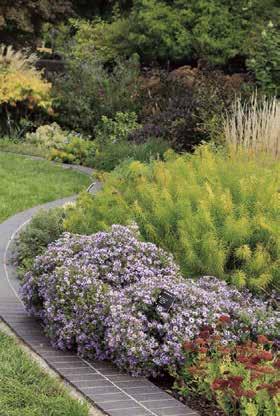
Perennial gardening delights with a landscape that returns year after year, offering a rhythm and reliability that many gardeners come to treasure. With a little planning and good plant choices, a garden fills with color, fragrance, texture, and the lively movement of our favorite pollinators and birds. Many beginners feel surprised by how approachable perennial gardening becomes once the fundamentals fall into place. Starting small, matching plants to your conditions, and allowing the garden to grow naturally over time often leads to the most

rewarding results.
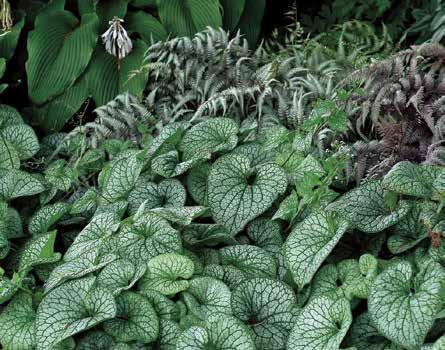
Before planting, spend a full day observing your chosen spot. Sunlight patterns shift more than many people expect and understanding them helps guide plant choice. Full sun, part sun, part shade, and deep shade each support different plant groups. Most flowering sun lovers need at least six hours of direct light, while hostas, ferns, and coral bells flourish in cooler, shaded pockets.
Soil texture also plays a major role in plant success. Loosen compacted areas and blend in compost to create a rich, welcoming foundation for roots. Healthy soil encourages strong growth, steadier moisture levels, and longterm plant vigor.
A first garden bed often works best when kept small— something like a 4-by-8-foot rectangle or a slim border along a walkway. Smaller spaces allow easier planting, watering, and weeding, and they offer a chance to learn what thrives before expanding. A modest bed also helps new gardeners focus on plant combinations, spacing, and maintenance without feeling overwhelmed.
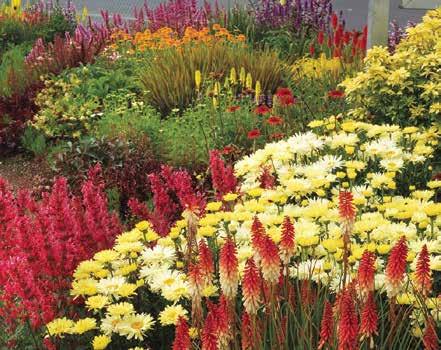
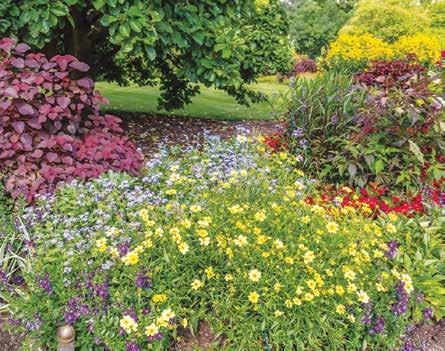
Once your space feels ready, build a plant list filled with dependable, easy-care choices. Coneflowers, blackeyed Susan, sage, catmint, daylily, hosta, sedum, bee balm, tickseed, ornamental onion, yarrow, and ornamental grasses all fill that easycare but beautiful niche. These plants bring longlasting color cont’d. on next page
Abby Lapides is owner and a speaker at Sugar Creek Gardens Nursery. She has degrees from the University of Missouri, and is a member of the Landscape and Nursery Association of Greater St. Louis. You can reach her at (314) 965-3070.


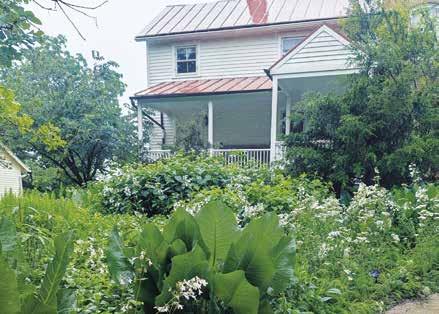
or texture, and many support bees, butterflies, and hummingbirds. Their forgiving nature helps beginners gain confidence while still enjoying a garden that looks full and lively.
Plant varieties in odd-numbered groups. Clumps of three, five, or seven create a natural flow and help the eye move comfortably through the space. Mix early, mid, and late season bloomers so your garden carries color from spring through fall. Repetition of varieties or colors throughout the garden adds structure and creates a cohesive, intentional design. Foliage plants also play a crucial role, ornamental grasses, hostas, and shrubbery add interest and shape even when flowers take a break.
After planting, water deeply and consistently during the first growing season. Deep watering encourages strong root growth and helps plants settle into their new home. Water at the base of each plant and allow the soil to dry slightly before watering again. A thick layer of mulch helps conserve moisture, reduce weeds, and protect roots. Keep mulch pulled back from the crown to prevent rot and allow air circulation.
Most perennials follow a familiar growth pattern from transplant: first year they sleep, second year they creep, third year they leap. Patience pays off, and by the third year, a mature garden will burst with flowers, texture, and movement.





Text and Photos by Scott Woodbury

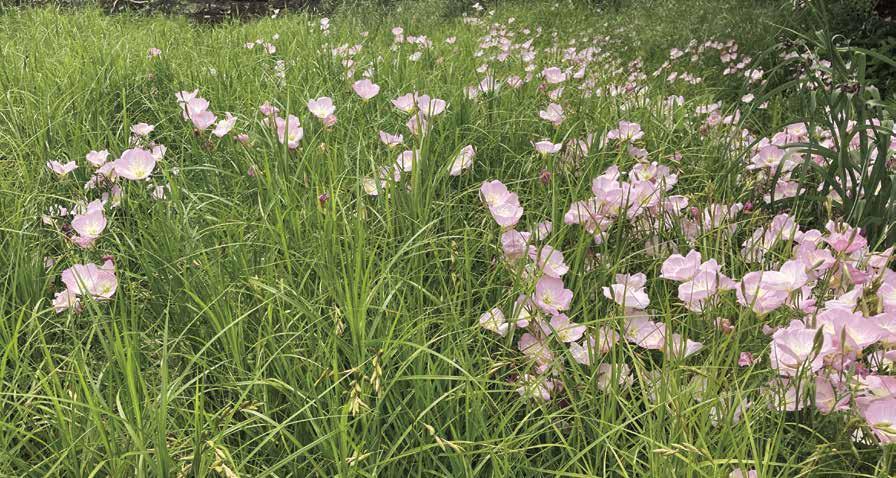
Showy evening primrose (Oenothera speciosa) is often found in naturally disturbed areas such as those that once might have been sites of buffalo wallows.
“Ifelt a great disturbance in the force…” is perhaps the most well-known quote from the Star Wars film series, signifying a sudden change and surge in darkside energy. As devastating as disturbances can be in galaxies far, far away, and for life on Earth, natural disturbances are often the source of survival and diversity on our planet.
Take blue-eyed Mary (Collinsia verna), for instance. This winter annual exists in wooded floodplains, yet its seeds can’t germinate through a layer of leaf litter. They depend on winter floods to wash away leaf litter, clearing the way for good germination.
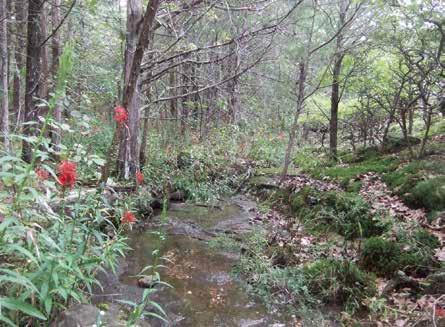
Cardinal flower (Lobelia cardinalis) is much the same, existing as a short-lived perennial wildflower along shady creeks. In the garden, it germinates in disturbed areas (e.g., places where weeds have been pulled, exposing bare soil). Some gardeners even create intentional disturbances (with a cultivator) in the vicinity of cardinal flower plants to encourage their spread, year after year.
Shifting to geological disturbances, glaciers cause dramatic impacts on anything in their path. Where I sit in St. Louis, 15,000 years ago, the landscape here was a conifer forest, due to a glacier that crept down from the north, cooling the
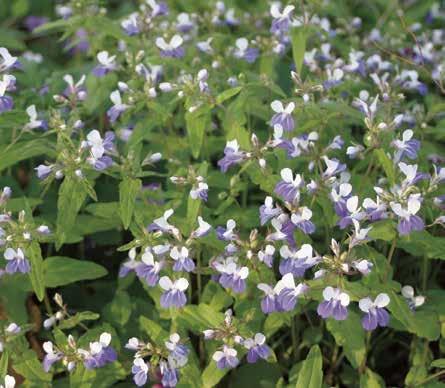
Blue-eyed Mary (Collinsia verna) is a winter annual that relies on spring flooding to remove leaf litter and expose ground for its seeds to germinate.
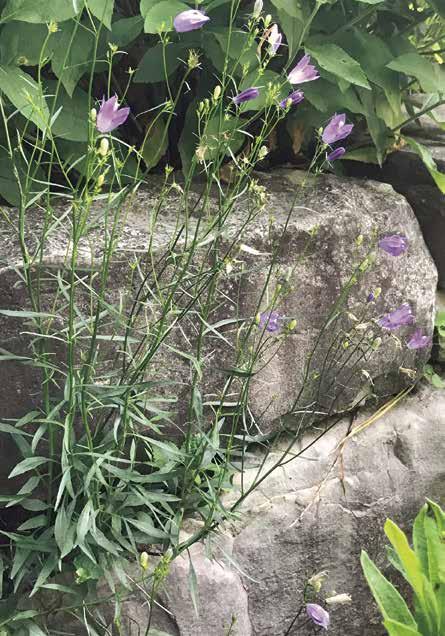
environment and pushing warmer-climate plants southward. When the glacier receded, an interesting thing happened. Some northern species found refuge in cool nooks and crannies in the Ozarks, especially on north-facing bluffs and deep sinkholes. Harebell (Campanula rotundifolia) is one of those plants, sometimes referred to as a glacial relict. In the Ozarks, it clings to rocky bluffs along the Jacks Fork River. It also grows on rock bluffs in Wisconsin and Minnesota.
Another noteworthy disturbance that is hard to imagine today is the impact of bison. In some parts of the Great Plains, bison herds numbered in the millions. While their historic numbers in Missouri are unknown, in many parts of their range, their presence and power were immense. Bison fed millions of Native American people and co-evolved with native grasses, helping to sustain and expand a vast grassland that extended from Colorado eastward, into parts of New England. Running buffalo clover (Trifolium stoloniferum), which evolved to become dependent upon bison trails, where it grew, is now a plant of conservation concern.
cont’d. on next pg.

Scott Woodbury is the owner of Cacalia: Native Garden Design and Wilding, and he is a Grow Native! professional member. Find suppliers of native plants and seed, as well as landscaping services, at grownative.org.

9814 Pleasant Hill Rd Jefferson City MO 65109 www.mowildflowers.net mowldflrs@socket.net 573-496-3492, fax: 573-496-3003
How to move a plant that’s on your property or share it with a friend when it’s actively growing. This particularly applies to plants with big tops and deep roots. Digging plants from the wild is frowned upon.
1. Cut the top of the plant off, leaving a leaf or node down low for new growth.
2. Dig eight to twelve inches of root.
3. Have a bucket of water ready to put the plant in if most of the dirt falls off the roots.
4. Dig a hole large enough for the plant. Hopefully the soil that’s removed, is dry enough that it crumbles into small particles.
5. Position the plant in the hole and fill in with loose soil.
6. Water immediately to settle the soil around the roots. Don’t press on the soil after watering. The roots need small air spaces so they can get oxygen and carry on respiration.
7. If the soil is too moist to break into small particles, fill in around the plant with loose soil from another location, or use commercial potting soil.
Shop at our Nursery in Brazito, MO and Save 12 to 14 percent!
Also, bison are known to gather in seasonal wallows, where they roll in the dirt and dust to control parasites and cool down. Showy evening primrose (Oenothera speciosa) is a plant that is known to exist around wallows, even ancient remnant wallows that are still visible hundreds of years later. While land conversion by people has exacerbated runoff to rivers and other streams, as well as contributed to severe flooding, lower-intensity flooding is a natural disturbance. Sand and gravel along riverbanks, deposited by flooding, can rise and fall many feet from a single flood. Many plants are accustomed to shifting floodplain deposits. For example, sandbar willow (Salix interior) doesn’t mind being buried in new gravel. It simply sprouts new roots from buried stems and sheds millions of fluffy airborne seeds that land in moist sand bars, regenerating new colonies.
People today, of course, are responsible for most of the dramatic and very often detrimental changes to the current landscapes in which we live. However, people have caused changes in plant communities on varying levels well before
Euro-American settlement in Missouri. For instance, Native Americans moved Kentucky coffee tree (Gymnocladus dioicus) around the Midwest because they used the seeds for jewelry and games. The seed was passed along from settlement to settlement across the upper Midwest (Illinois, Iowa, Wisconsin, and Minnesota). Many of these historic settlements still have Kentucky coffee trees growing in the vicinity, which has aided archaeologists in locating these historic sites.
As I write this article on Star Wars Day (May the 4th), my perspective on floods, stampedes, glaciers, weeding, and human migration has evolved. I wish the same for you. May the force be with you!








By Stephanie Littlefield
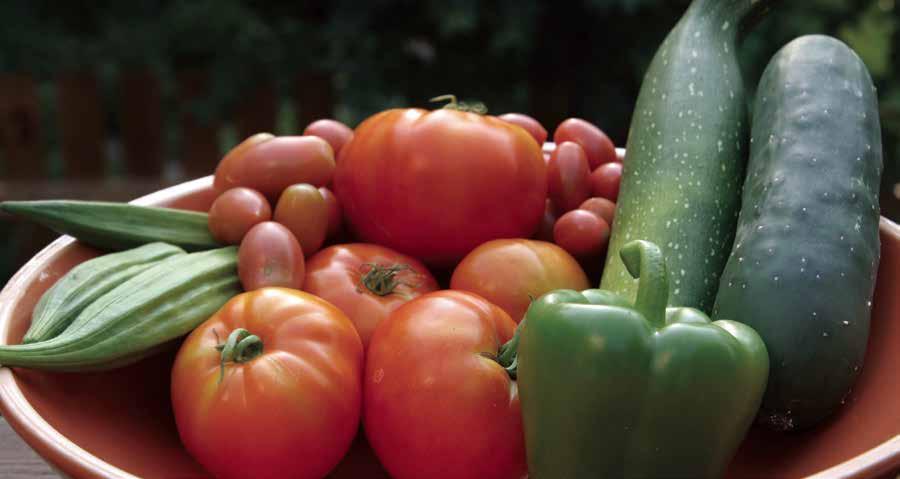
One of the most important reasons to grow vegetables in your own garden is to have varieties you cannot find in other places. This brings to mind our great local Farmer’s Markets, but do they have those luscious black, green or orange tomatoes with the amazing flavor that only fresh picked tomatoes possess. Or can you really find unusual peppers for your own pickled pepper recipes. One of my go-to veggies from my own garden is white eggplant, which is impossible to find at the grocer’s.
Now let’s talk about all the gorgeous fresh beans you can grow and serve within an hour of picking them in the garden. Nothing can compare. Same with fresh lettuces: bibs, leaf, reds, escarole, tender romaine and heirloom varieties that are just not easy to come by and certainly not the minute you want to fix a last-minute salad for those neighbors that stopped by for a glass of wine. There’s nothing as satisfying as walking out to the garden harvesting fresh veggies for the dinner table tonight. It’s such a treat and so easy.

My garden is very big because I cannot imagine not having something on my table almost every night that was just picked in the garden. My weekend guests are not always anticipated in advance so that I
can plan to shop for everything I want to serve for dinner. When one of my daughters says “we are on our way,” I’m thrilled to have the company and see the children, so I just say, “we have lots to harvest in the garden this week”. It’s truly magical to see the grandchildren run through the garden discovering loads of fresh things in the garden. Like a scavenger hunt they enjoy experiencing because it’s something they can eat. We all enjoy this activity. “Where are the cherry tomatoes?” Right up front for them to find. “Where are the strawberries?” Right next to the herbs inside the gate. “Children can you help me pull up radishes or beets?” They are right in the next raised bed.
Back to the topic, the most important vegetables to grow are the ones you will enjoy harvesting, serving and eating. For me that is a long list but for others it can be just cherry tomatoes in a pot on your balcony, like my sister -in-law, or herbs in pots on the porch, like my sister. Just remember if you don’t plant them, you cannot pick them. It’s not too late in the season to find an unusual heirloom tomato like Golden Jubilee, Mortgage Lifter or Hungarian Heart. These gorgeous tomatoes are some of my favorites. Peppers are so reliable and easy to grow everyone should try them. Gypsy peppers, Habanero, Cubanelle or Poblano are wonderful for cooking, drying, freezing or pickling. You know your homegrown produce makes the best gifts. My family would be so disappointed if I didn’t grow those slender French filet beans, purple podded beans or the pretty yellow wax beans for the summer dinner table. They are so prolific that I take baskets of them to their houses most of the summer so the grandchildren can eat really fresh foods. I do love pickling green beans for the fall and winter holiday feasts.
Yes, my obsession with white eggplant is real and I cannot rest until I have at least three plants growing in the garden to use in soups, gilled veggie dishes and Baba Ganoush. Why am I so adamant? Because the white skin is not bitter and can be left on in cooking and serving.
I don’t need to explain the value of growing your own greens...do I? Fresh is really the key factor here and availability, being able to walk out to the garden and come back with an arm load in minutes is priceless!
My point is; it’s not too late in the season, it’s worth the effort and everyone needs something daily that gives them satisfaction. I suggest this to you as my gift to my community of friends and readers. Plant something and enjoy your harvest! Cheers!

Steffie Littlefield is a St Louis area horticulturist and garden designer. She has degrees from St. Louis Community College at Meramec and Southeast Missouri State and is a member of Gateway Professional Horticultural Association, Missouri Botanical Garden Members Board and past president of the Horticulture Co-op of Metropolitan St. Louis. She is part-owner of Edg-Clif Winery, Potosi, MO. www.EdgClif.com, and teaches a class on viticulture at SLCC-Meramec.

By Samantha Zale
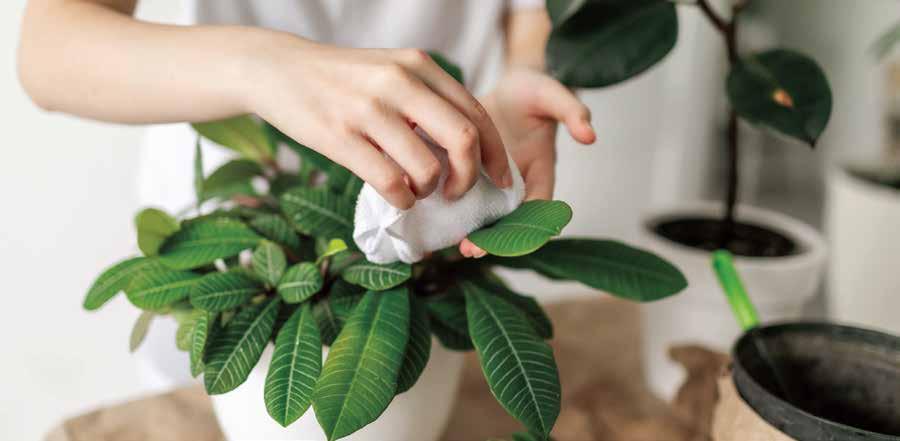
Houseplant pests are common, even in clean homes. Early identification and consistent treatment make infestations manageable rather than overwhelming. In this article we will discuss how to identify these pests and
what to do about them!
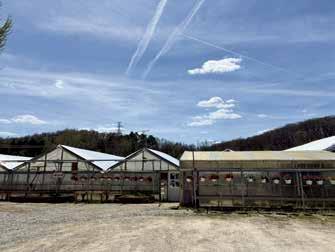
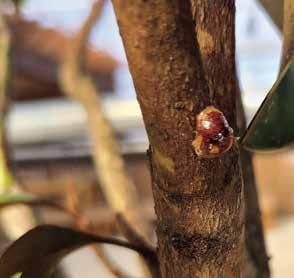
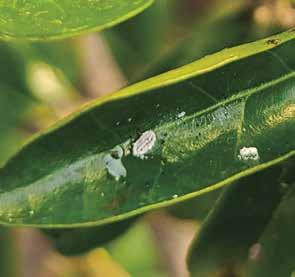
Beginners should learn to recognize common pests: fungus gnats (small flying insects near soil), spider mites (fine webbing and speckled leaves), mealybugs (white cottony clusters), aphids (brown, black, yellow, green mobile bugs) and scale (small brown bumps on stems). Mealybugs, aphids & scale also produce something called honeydew, which is a sticky type of substance that can be found below where these critters are hiding. Most infestations start when new plants are introduced or plants are stressed.
Isolating new plants for a short

quarantine period can prevent widespread issues. Regular leaf inspection—especially undersides and crevices—helps catch problems early. Honeydew is another clear sign that there is an issue that can be easily alleviated.
Advanced plant parents focus on pest life cycles. Many pests require repeated treatments because eggs hatch after initial removal. Consistency matters more than aggressive chemicals.
Treatment options range from mechanical (rinsing leaves, wiping pests off) to organic (insecticidal soap, neem oil) to synthetic chemical solutions for severe cases.
A systemic pesticide is something usually applied as a soil drench or a granular product sprinkled on the soil and thus works from the root system up through the rest of the plant, i.e. the entire system of the plant. It kills the insects as they ingest it while dining on your plants.
Other products are contact treatments, and must come in contact with the insects,

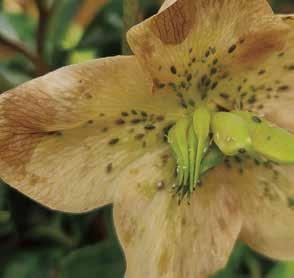
either directly when applied, or as they roam across the leaves and stems.
Isopropyl alcohol is a commonly used chemical contact treatment, and is a very cost-effective tool to have in your tool kit, especially for mild infestations. You simply wipe the leaves where pests are found. Mild soapy water is also often used in the same way. Matching the method to the pest and infestation level is critical. Most pesticide sprays are also contact treatments.
With any product applied, it is important to check the label to ensure it is safe for use
indoors and on your type of plant.
Healthy plants resist pests better. Proper light, watering, and airflow reduce vulnerability. Pests often indicate underlying stress rather than poor hygiene. On this note, if you start seeing a lot of fungus gnats, you should double check your soil. These pests often indicate that the soil is remaining too wet. This could be due to the container not having drainage holes or the soil itself not being able to dry out in between waterings. In addition to allowing the soil to dry between waterings, mosquito dunks and granular bits are an


effective product for eliminating the eggs and larvae. Though it won’t kill the adult flying gnats, they are short lived and will soon be gone.
Managing pests is part of plant ownership! With patience and routine care, infestations become learning experiences rather than disasters. If you have further questions on this topic, please swing by your local garden center to talk with those folks. A quick conversation can make all the difference!
Happy Gardening!
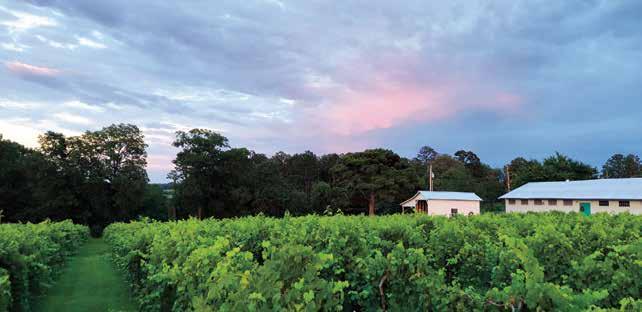
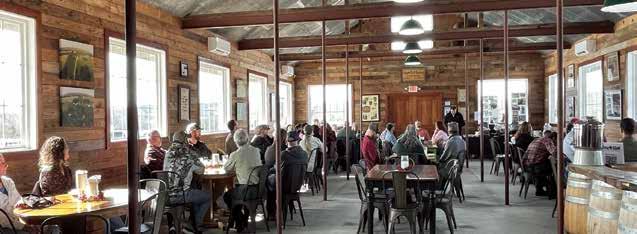


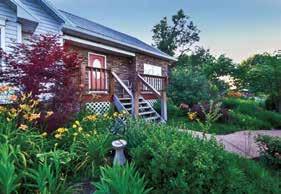
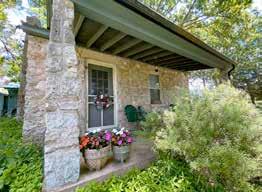

Typically, features included in our ongoing series, “St. Louis Hort History”, have highlighted the stories of area garden centers or long-lived organizations that have contributed to the history of St. Louis horticulture. This is the first that features a plant.
Since its commercial introduction in the 1960s, the ‘Annabelle’ smooth hydrangea variety has grown to become a ubiquitous member of cultivated landscapes nationwide. Though, in recent years it has been replaced in garden stature by improved varieties and cultivars (more on that in a bit), for decades in the latter 20th century, ‘Annabelle’ ruled as the queen of many home, public and commercial landscapes. Yet few people know that ‘Annabelle’ had her roots just a couple hours drive south of St. Louis.
‘The story began in 1910 when Harriet
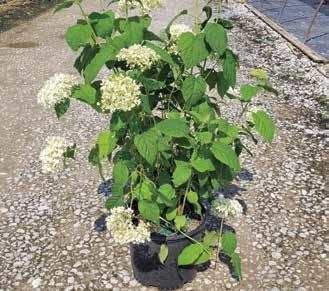
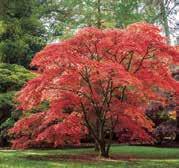
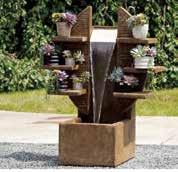


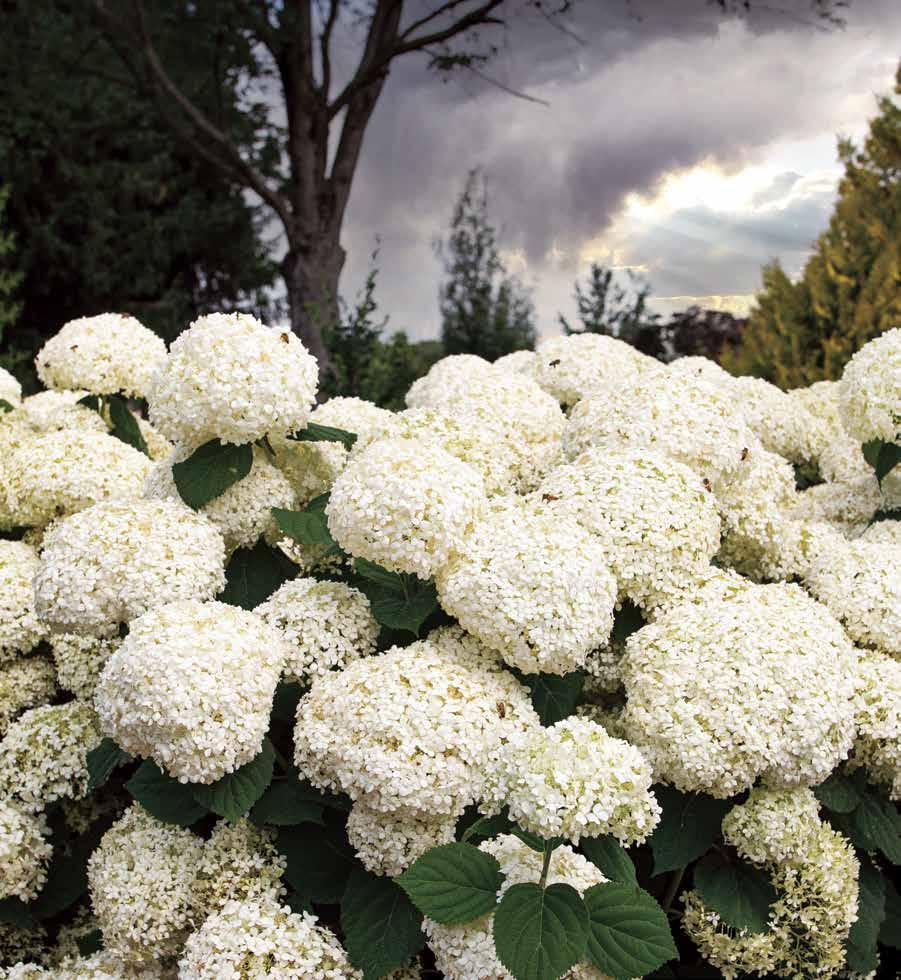
Kirkpatrick, a resident of southern Illinois near Anna, was horseback riding when she came upon an unusually striking smooth hydrangea (Hydrangea arborescens). The plant caught her attention because, unlike most smooth hydrangeas with lace-cap type flowers—that is, green, insignificant fertile inflorescences surrounded by a few infertile showy white petals—the specimen that caught Harriet’s eyes was adorned with large white balls of flowers.
Harriet returned later with her sister-inlaw, dug up the plant and replanted it in her garden. (Incidentally, such a practice these days is not only highly frowned upon by conservationists, but is actually illegal in most states, including Missouri and Illinois.) At any rate, the plant thrived, and its beauty caught the eyes of Harriet’s family, friends and community members, and quickly became a favorite passalong plant in the region, as Harriet was generous with clippings.
The plant’s progeny continued to spread through the region, popular not only for its beauty but for its ease of propagation and hardiness. It remained unnamed until it made its way to Urbana, Illinois and a University of Illinois professor, Dr. Joseph C. McDaniel. McDaniel noticed its use in cultivation around town and traced its origins back to Anna. He collected samples, propagated plants and eventually released them for commercial

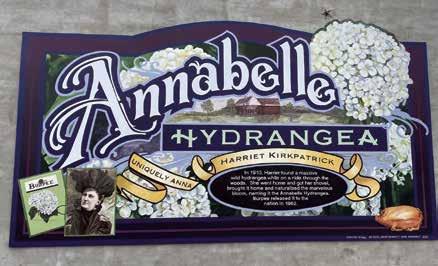
production by Burpee Seed Co. in 1962. He named the variety ‘Annabelle’ after the “belles” of Anna that first discovered it.
(Harriet had approached Burpee Seed Company years earlier to inquire about interest in developing the plant commercially, but discovered that a similar H. arborescens had been put into production as early as 1906. That variety is still in production today, known as ‘Snow Hill’ and sometimes sold interchangeably as ‘Annabelle’, though it’s said to have smaller inflorescences and bloom earlier.)
Today, ‘Annabelle’ is still in production and remains a popular variety of native smooth hydrangea, appearing throughout the eastern U.S. in landscapes from zones 3 to 9. Despite the beauty
of its flowers, ‘Annabelle’ proved to have a fatal flaw. Its flowers were so big that its relatively spindly branches could not support the weight of the blossoms after a rainfall. As a result, the flower stems would “flop” after a rain (or sprinkler soaking), and often would not return upright even after drying out.
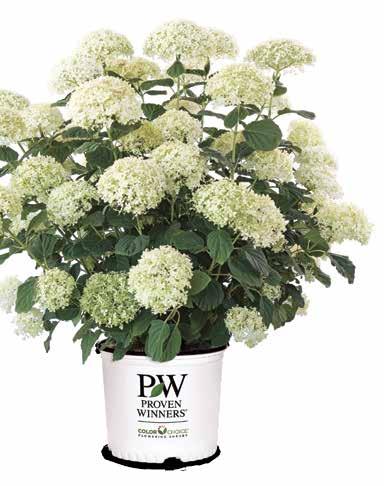
That said, ‘Annabelle’s place of importance in modern day horticulture is still secure, given its role in the parentage of many improved cultivars of smooth hydrangea. Spring Meadows Nursery started the ball rolling, pardon the pun, with an ‘Annabelle’ seedling that would go on to become Proven Winners® Incrediball® smooth hydrangea. Incrediball was the first improved smooth hydrangea from the Annabelle lineage that not only offered even bigger snowball blossoms, but also provided beefed up branches capable of supporting them upright even when soaked! Since then, Spring Meadows and Proven Winners have continued creating other smooth hydrangea cultivars with Annabelle genes, including a pink Incrediball Spirit® and more recently, a more compact shrub in Incrediball Storm Proof.
So, next time you see in a landscape or buy for your garden a beautiful snowball hydrangea, take a bit of pride in knowing that it all began just a short drive from the gateway region!
Thank you to Home Nursery, a wholesale shrub grower in Albers, Illinois, for bringing this bit of St. Louis Hort History to our attention, and to University of Illinois Extension for providing some additional information. Photos courtesy Home Nursery.

By Shawn Pohlman
Most of my life, I have marveled at beautiful statues of great blue herons adorning water features. The fact that herons are depicted near water is natural and predictable; after all, these amazing majestic tall beauties live near lakes and ponds, often yearround, in Missouri. In addition, the great blue heron is my family bird: the house I lived in for over 30 years “happened” to be on Heron Woods Drive; both my daughters have heron tattoos; and temperamentally, I am much more like a heron than an eagle. As it turns out, the blue heron is a great exemplar for a concept I just recently learned about: “soft fascination.” Blue herons share many characteristics with that concept—“intentional noticing,” quiet solitary contemplation, and patience. For example, herons are masterful in the art of observation—they have to be—it’s their livelihood. They tend to be solitary birds, who stand motionless in shallow waters, gazing downward and intensely listening in the hope that a fish will swim by. Herons are enormously patient creatures; they wait up to an hour for fish to come close versus active pursuit—an important distinction—as rushing would certainly backfire. When I observe blue herons, I am indeed softly fascinated!
So, what is soft fascination? Take, for instance, a waterfall: the sights and sounds of water capture our involuntary attention, but in a softly fascinating way. “Our minds are allowed to drift, gaze, wonder, and be immersed in the moment. Instead of working hard to filter out thoughts and feelings in the name of productivity, a wondering mind effortlessly experiences the world using multiple senses—sounds, sights, smells, and sensations.” In sharp contrast, a cell phone is a great example of a harshly fascinating device. When a message arrives, our involuntary attention is captured,
but in a harsh and directed way—requiring constant vigilance. The result: our brains have no room to think about anything else. When our brains are constantly bombarded with our use of cell phones, computers, and other inputs (TV, radio, YouTube, social media, podcasts, audiobooks), our brains are unable to relax, and instead become stressed—not a recipe for well-being. The good news is that nature provides a simple and easy remedy—if we act more like the heron and less like a passerby. Softly fascinating moments are all around us if we stop, watch, and listen: clouds drifting by in the sky; trees swaying in the wind; leaves dancing towards the ground in the fall; waves splashing to shore; and running water flowing through rocks and crevices of a stream. Being around water, in particular, triggers the “rest and digest” reflex in our bodies, leading to many positive effects: decreased heart rate; lowered blood pressure; improved digestion; and enhanced feelings of relaxation. Since a trip to the sea shore or a meandering stream is not feasible for all; there is another alternative much closer to home, less expensive (depending), and fairly easy to maintain: a landscape water feature.
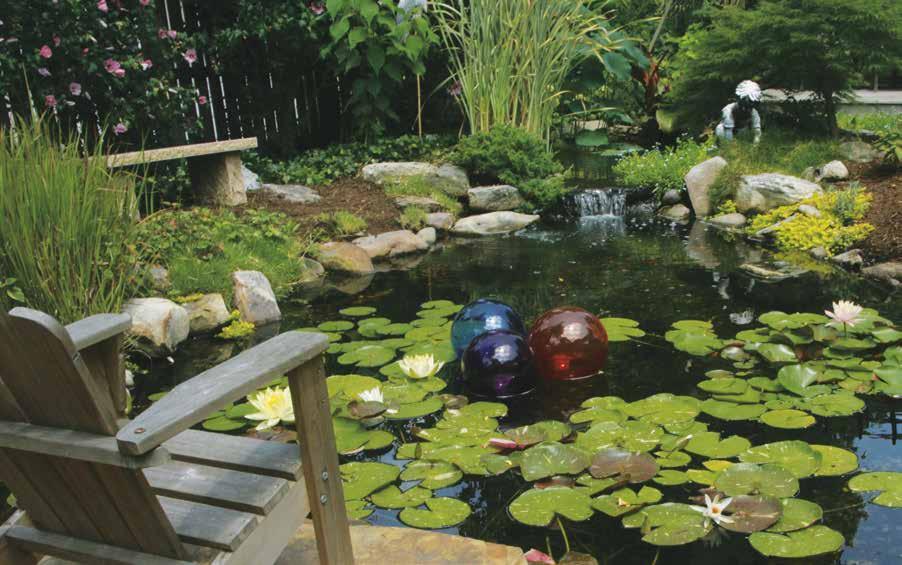
In addition to the “rest and relax” reflex, water features offer additional benefits: quieting the mind, calming our senses, drowning out unwanted noise (if there is a moving water component), and supporting native wildlife. Five years ago, I put a medium-sized water fountain (4ft x3ft x2ft) near my patio in a small space, which has provided hours and hours of simple enjoyment and mind-wondering moments—soft fascination in a package. There are many types of water features in all shapes and sizes, ranging from larger shallow pools with cascading waterfalls, to single 3-4 foot ponds that support water gardens,
to half-wooden barrels or containers, to fountains, and finally, to bird baths. There are many great online resources to check out if you want more information about adding a water feature. An excellent article on water gardening, which includes step-by-step instructions on building a shallow cascading pool, is located on the Missouri Botanical Garden website: www.gardeninghelp.org. Another bonus: water features are bird magnets! One important consideration if you install a water feature with the intention of attracting birds is to ensure that water levels are shallow (up to 3 inches) to keep them safe. You will be handsomely rewarded with their hilarious antics! I never tire of watching robins, mockingbirds, sparrows, and others splish splash in my fountain. I smile and giggle each and every time. If you purchase a bird bath without running water, you can easily add a battery or solar-operated bubbler—birds are drawn to moving water. I would be remiss if I didn’t share another important nugget when it comes to birds: bring them close, and you will be delighted with bird songs, which have been proven to boost mental health. I summarized some of that research in a May 2024 publication in The Gateway Gardener: Bird Songs and Mental Health: Whoo. Whoo, Who Would Have Known?!” available online at: issuu. com/thegatewaygardener.
Although many of us believe, and rightfully so, that nature is good for us, the scientific proof has been lacking—up until now. A new field of science, “environmental neuroscience,” is focused on the connections between the mind, the body, and the environment. Recently, a groundbreaking book, Nature and the Mind, was published; the aim of the book was to answer this important question: What elements of a “nature prescription” can boost energy, restore attention, change mood, and increase our mental and physical health? Here are some of the research findings documented in the book:
• When college students were equally divided into 2 groups and asked to take a two-mile walk (one group in nature; the other in a downtown setting) followed by various cognitive tests, the results were significant: Walking in nature boosted memory and attention performance by 20%.
• In a similarly designed study that examined clinically depressed patients, the benefits of walking in nature were five times greater than those who took a stroll downtown.
• Another study revealed that having just 11 more trees on a neighborhood block was significantly associated with fewer metabolic diseases like stroke, diabetes, and heart disease.
• More green space around schools and homes was significantly related to better school performance, decreased crime, and improvement in working memory.
• You don’t have to like nature to experience these positive effects, but it helps: enjoying nature overall was associated with increased happiness and mood.
• Nature walks will have a more positive impact if you refrain from listening to music, or audiobooks, or podcasts—basically anything that requires directed attention.
Although environmental science is in its infancy, researchers agree that being around nature and becoming softy fascinated by it is beneficial for our health. As noted earlier, the great blue heron, in particular, is a great metaphor for soft fascination—a
bird whose very presence prompts us to slow down, become quiet, watch, and wait—patiently. Recently, I stumbled onto a memoir that resonated deeply: Something in the Woods Loves You. Here is a golden nugget from the first chapter: “Paying attention is about intentional noticing, participating in making meaning to lend new weight to our world. An acorn. The geometry of a beehive. The complexity of whale song. The perfect slowness of a heron.”
In closing, I urge you to seek out nature elements that resonate to add softly fascinating moments into your life—your brain will thank you. Water features are one option, and they offer this nice perk—proximity to home; however, blue herons are closer to you than you might know!
Hotspots for viewing around St. Louis include: O’Fallon Park (nesting area); Forest Park; and along the many riverfronts, lakes, and ponds scattered about our own hometown. Enjoy!
Shawn Pohlman is an avid gardener and bird enthusiast. She is a Master Gardener at the Missouri Botanical Garden, working in the Kemper Center for Home Gardening as a plant doctor. Shawn has three degrees in nursing (BSN, MSN, PhD) and spent her career in NICU. Shawn has always been drawn to caring for all creatures, great and small.

Growers of dwarf and unusual conifers, Japanese Maples and much more!
• Plants fully acclimated to St. Louis
• From 1 to 30 gallon sizes
Open to the public 9-5 Wednesday thru Sunday Cash or check only. For more information and a price list call Chris @ 314-283-8007
2920 S. Missouri 94 Defiance, MO (formerly Femme Osage Valley Nursery)

by Wendell Phillips Berwick
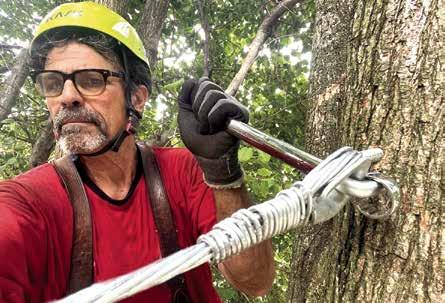
The urgency for an article on the value of cabling trees has arrived as surely as straight line winds. Many of us human beings are ‘held together’ with pins, plates, wires and tubes installed in our bodies. There are instances in a tree’s life span that support systems are also a viable preservation procedure.
Arborists began installing seven-strand galvanized steel wire to prevent trees and branches from splitting in North
Don’t have a convenient pickup spot near you, or the rack is empty when you get there? Just complete this form and mail it with $24 for postage and handling to the address below. You will receive 7 issues (a one-year subscription) beginning with the next issue.
To:
Address:
City, State & Zip:
Phone (opt.):
Email (opt.):
Please make your check payable to The Gateway Gardener and mail it with this form to:
Gateway Gardener • PO Box 220853
America in the early 1900s. Nowadays, aircraft grade steel cable is used. From the ground, a cabling system looks like a clothesl line up in the tree, but up close its several thousand pounds of holding strength, that can be the difference between a tree breaking apart or holding fast. The practice and methods are officially standardized by the American National Standards Institute (ANSI) and the International Society of Arboriculture. (ANSI A300 standards). Modern dynamic cabling systems offer shockabsorbing features that are less taxing on the anchors attached to the limbs, but we have found squirrels have taken to chewing the synthetic cables. So, in our business, we have gone back to static steel cabling. Once in a while a screw rod through the trunk has been incorporated with cabling.
A tree’s potential for failure at the ground or splitting up above is unique to the growing pattern of the tree and to the species of the tree. A yearly or bi-yearly inspection is warranted. Suspect locations in a tree to take note of are tight V-shaped crotches. These are weak junctures that have less attachment wood than needed to hold long term on their own and are susceptible to breaking apart with ‘assistance’ from heavy growth, combined with wind. Pressure builds between limbs as each stem expands in diameter, hence pressing against each other. Long lateral limbs that don’t have enough diameter strength to hold up under weight and gravity can also lead to limb failure. Last summer, after a spring of a blessing of soaking rain, there was accelerated growth in lateral (horizontal) limbs, especially in pin oaks and sweetgums, whereas the diameter growth did not keep up with the longitudinal growth. Large lateral pin oak limbs were breaking halfway or all the way back to the trunks. And sweetgum trees’ horizontal limbs, when combined with heavy crops of foliage and sweetgum balls were also failing. We have begun advising our clients in cable installation in heavy lateral limbs such as these, combined with trimming back, to reduce the dangerous cantilever weight from the end of the limbs. If oaks must be trimmed of living tissue during growing season, the open pruning wounds should be painted so as to not attract insect carriers of the deadly oak wilt fungus.
I would be remiss not to suggest a lightning protection system for especially important trees in the landscape. Every time a thunderclap is seen and heard from sky to ground, most likely a tree has been hit. The wounds fester even under the bark, where years later a structurally weakened tree is revealed. I will write about this in more detail in a future Gateway Gardener tree care article.
Wendell Phillips Berwick is an ISA certified Tree Surgeon/ Arborist/Consultant, and owner of Living Tree Care Inc.

By Jerry Bennes

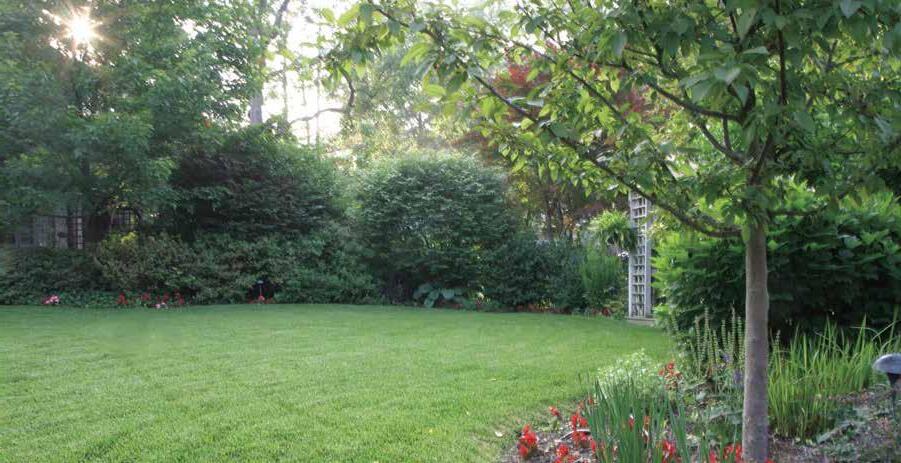
Let’s be honest about what happens to a St. Louis lawn in July. The fescue that looked like a putting green in May is now staging a slow-motion surrender to 95-degree afternoons, and the sprinkler is running three times a week just to keep it from turning to straw.
There’s a better way — and it starts with letting your lawn hit the snooze button.
Cool-season grasses like tall fescue and Kentucky bluegrass didn’t evolve for our Midwestern summers. When soil temperatures climb past 80 degrees, these grasses naturally enter a semi-dormant state: growth slows, root activity pulls back, and the plant conserves energy until conditions improve. Fighting this cycle with heavy watering and frequent mowing works against the grass’s biology — and it costs you time, money, and water.
Raising your mowing height is the simplest adjustment you can make. Set your deck to three and a half or even four inches instead of the standard three. Taller blades shade the soil, keeping it measurably cooler and reducing evaporation. They also crowd out summer weeds like crabgrass that thrive on open, exposed ground. You won’t need to mow as often either — semi-dormant fescue grows maybe half as fast in July as it does in May, so you’re looking at every 10 to 14 days instead of every five.
Watering deeply but infrequently is the second piece. Instead of light daily sprinkling (which encourages shallow
Jerry Bennes is the founder of Midwest Lawn Care, a company that connects St. Charles County homeowners with lawn care businesses providing professional services for their needs. Learn more at midwestlawncare.info.

roots and evaporation loss), give the lawn one good soaking per week — about an inch of water. The goal is to wet the soil six to eight inches down, where roots can reach moisture that doesn’t vanish by noon. Skip a week if we get a good rain. Skip two if the lawn is staying green-ish. The grass will tell you when it’s actually thirsty: footprints that stay visible in the turf for more than an hour are a better gauge than any calendar schedule.
The semi-dormant approach means the lawn won’t be a deep green all summer. It’ll be a lighter, slightly muted shade — and that’s fine. The green returns quickly when September rains and cooler nights arrive. Your lawn isn’t dying; it’s resting. Going with this natural rhythm instead of against it means less water, fewer mowings, lower fertilizer bills, and a lawn that bounces back stronger in fall without the summer wear-and-tear.
In a region where July humidity is a given but water restrictions aren’t out of the question, letting your turf nap through the worst of the heat is the lowest-input decision that works with our climate — not against it.


Updates to this information are often posted on our online events calendar at www. GatewayGardener.com, so check there for the latest details. Give us the details of your upcoming gardening, lawn or landscaping event and we’ll add it to our website and include it in our next issue. Deadline for printing in the September issue is August 1st.
June 6th
9am—Children’s Garden Club. Wind Chimes. FREE. Queeny Park – CGC Nursery, 1675 S. Mason Rd. (Queeny Park East Entrance), St. Louis 63131. FREE. Pre-registration is required on the St. Louis County website at https://tinyurl.com/yc3v3pfj or by calling 314-615-4386.
August 1st
9am—Children’s Garden Club. Summer Harvest. GC Nursery, 1675 S. Mason Rd. (Queeny Park East Entrance), St. Louis 63131. FREE. Pre-registration is required on the St. Louis County website at https://tinyurl.com/yc3v3pfj or by calling 314-615-4386.
Sept. 5th
9am—Children’s Garden Club. Gratitude in the Garden. FREE. Greenscape Gardens, 2832 Barrett Station Rd., Manchester, MO 63021. FREE. Pre-registration is required on the St. Louis County website at https://tinyurl.com/yc3v3pfj or by calling 314-615-4386.
June 6th
11am—Tomato Companion Planter. Plant a tomato plant and its companions marigold and basil together in a container to take home. $45. Hoffmann Hillermann Nursery & Florist, 636-239-6729,
June 6th and 7th
10am—31st Annual Town and Country Garden Tour The 31st Annual Garden Tour includes both a walking tour of gardens in downtown historic Hermann and a driving tour to country gardens. The $20 ticket price includes visits to at least five private gardens both in town and in the country, including a traditional four-square garden, vegetable gardens, a walled garden with a greenhouse, a lavender farm, and of course flower gardens. Garden Tour visits may be spread over Saturday and Sunday. Tickets will be sold online before the tour at Eventeny www.eventeny. com/events/hermann-gardentours-2026-21861/ Tickets are available now online, and will also be sold during the tour at Topiaries (138 E 4th) in downtown Hermann from 10-5 on Saturday and 10-3 on Sunday. A self-guiding map to the tour gardens will be provided starting on Saturday June 6th at Topiaries, the Ticket Sale Site; those who pre-purchase tickets will pick up the map at that time as well. The Hermann Garden Club’s website www. hermanngardentours.com provides up-to-date events, ticket prices, links to the online ticket sale site, a contact email, and photographs and descriptions of past tour gardens. Visit the FAQS page on the website for answers to all your questions. “Like” us on Facebook at “Hermann Garden Tours.” Go to www. visithermann.com for information
about lodging and dining.
June 12th-13th
Madison County Garden Tour
Six beautiful, private residential gardens in Glen Carbon will be featured on the Madison County Garden Tour. A raffle of exceptional container gardens, assembled by area retailers and Master Gardeners, will be held at the Yanda Cabin in Glen Carbon. Raffle tickets are $1.00 each or 6 tickets for $5.00. The Garden Tour, sponsored by University of Illinois Extension Master Gardeners, benefits the Madison County Extension Education Foundation. Tickets are $15.00; children 10 and under are free. Tickets are available at the following locations: Creekside Gardens, Collinsville; Edwardsville Public Library; Glen Carbon Centennial Library; Market Basket, Edwardsville, Godfrey and Troy; and University of Illinois Extension offices, 901 Illinois Avenue, Waterloo and 900 Hillsboro Avenue, Edwardsville and on https://givebutter.com/ MCEEF2026GardenTour. Tickets may also be purchased the day of the tour at the Yanda Cabin in Glen Carbon. For more information, visit the MadisonMonroe-St. Clair Unit website at https://givebutter.com/ MCEEF2026GardenTour or call (618) 344-4230.
June 13th
11am—Closed Terrarium Create your own closed terrarium using leafy, green plants. A discussion on care tips for your new terrarium will be included. $40.00. Event location and registration: Hoffmann Hillermann Nursery & Florist, 636-239-6729, www. hoffmannhillermann.com
June 20th
11am—Pollinator Container Garden. Create a beautiful combination planter that will attract and support beneficial pollinators. Butterflies,
hummingbirds, bees, moths and more are some of the visitors you may see at your pollinator garden. $35.00. Hoffmann Hillermann Nursery & Florist, 636-2396729,
June 20th
9am-5pm—St. Louis Carnivorous Plant Society Annual Show and Sale. Missouri Botanical Garden. Open to the public unless sold out early. Proceeds go to organizations and preserves in the United States to help promote education and protect the habitat of carnivorous plants. We will have an educational section with show plants and members available to answer questions. The Orchid Society, MASI, and Gesneriad Society, Flytrap Store, Danger Lettuce and The Ping Guy will all have sale tables as well.
June 27th
11am—Succulent Tower. Create a unique succulent tower using 2 terracotta pots. A discussion on care tips for your succulent tower will be included. Hoffmann Hillermann Nursery & Florist, 636-239-6729,
June 27th
9am-5pm—Annual Kimmswick Day Lily Sale Sale to be held at the state inspected garden of Mr. Carrol Wrather, #6005 4th Street, Kimmswick, MO 63053. Offering over 1300 freshly dug & bagged plants, featuring over 95 different varieties. This is a great opportunity to purchase new and older varieties not available in nurseries or garden centers. The sale often sells out, so be sure to arrive early for best selection. Early Bird Specials are in short supply. Proceeds benefit the Kimmswick Visitor Center. For information call (636) 464-6464.
June 27th-28th
8am-noon—Karen’s Garden Tour. Beautiful daylilies, hostas, hydrangeas, water feature and more. 2 Bridgers Pass Court, St. Peters, MO 63376.
June 27th-28th
Pondorama Garden Tour. The St. Louis Water Garden Society (SLWGS) celebrates 36 years of fostering water gardening through education, community service, and resource sharing. This year, the tour presents a unique opportunity to explore 23 of the region’s most captivating private water gardens on a self-guided tour, with different gardens featured each day, 11 on Saturday and 12 on Sunday, organized by geographic location throughout the St. Louis metropolitan area. Discover gardens ranging from intimate backyard retreats to expansive landscapes. Each garden is unique—some are newly created, while others have matured over years, showcasing the evolution of water gardening in St. Louis.
See koi and goldfish ponds of all sizes, from small bubbling pools to large, multi-level water habitats. Experience the soothing sounds and sights of cascading waterfalls, gentle streams, and bubbling brooks integrated into lush plantings. Walk over charming bridges and relax in gazebos nestled among flowering aquatic plants and vibrant greenery. Admire artistic touches—statues, fountains, and ornamental features that add character and whimsy to each garden. Explore gardens certified by the Audubon Society’s Bring Conservation Home program, featuring native Missouri plants alongside exotic water lilies, lotus, and rare aquatic specimens. Many gardens are designed to attract birds, butterflies, and beneficial insects, creating thriving habitats for local wildlife. And finally, meet hosts who are Master Gardeners, conservation advocates, and passionate water garden designers. Many have been featured in St. Louis Homes and Lifestyle magazine and local
publications. They are eager to share their expertise, answer questions, and offer tips for creating your own water feature. Tickets include a full-color guidebook with photos, garden descriptions, directions, accessibility notes, and QR codes for easy navigation. Whether you’re a seasoned gardener or just beginning, you’ll find inspiration and practical ideas for every space and budget.
July 25th-26th
9am-4pm both days—Henry Shaw Cactus and Succulent Society Annual Cactus and Succulent Sale and Show Don’t miss the largest cactus and succulent event in the Midwest! Multiple vendors will offer an unmatched selection of thousands of plants and pots for sale in a range of prices. Novice gardeners can start with small, easy-togrow plants, while collectors and serious plant enthusiasts will find unusual and hard-to-find cacti and succulents. HSCSS members will be on hand to answer questions. Before you leave, be sure to check out the show, where HSCSS members will stage their best specimens to share with visitors. These plants will include strange shapes, odd textures, varied colors and other surprising features that cacti and succulents have developed to address their arid natural environments. FREE admission and FREE Kids Corner. Jost Event Center. I-170 Business Center, 8195 Lackland, 63114. Visit hscactus.org/ for more information.
August 29th
Annual Harvest and Home Marketplace and Home Grown Farm Tour. Activities include Farmers Market, Vendors, Food Trucks and self-paced farm tours with maps (Free entry). Potosi Town Square, Potosi, MO 63664. Free self-guided tour 10am-noon of 12 farms, ranches and venues in Washington County, each showcasing the region’s diverse agricultural practices, stunning landscapes and dedication to sustainability. Enjoy hands
on experiences, learn about farming techniques and connect with passionate growers and producers. The Harvest and Home marketplace takes place from 8amnoon, featuring local vendors offering fresh produce, homemade goods and handcrafted items. The Farm-of Field self-guided tours take place from 10-4. And a Field Dinner follows, featuring locally sourced ingredients served family style in a picturesque vineyard setting. Visit washcomochamber.com/farm-tour for more information.
24th Annual Northern Midwest ZNA Koi Show & Pond Expo. Hosted by The Gateway Koi and Pond Club of St. Louis The event will be held at Timberwinds Nursery in Ellisville, MO and is open to the public with free admission. Hours are Friday 3-5pm, Saturday 9am-5pm and Sunday 10am-2pm. There will be raffles, attendance prizes, koi judging and speakers on various topics of ponding and gardening Saturday, along with the judges’ talk and tour of the

winners’ tanks on Sunday. Show koi will be removed from tanks for transport home on Sunday at noon. Koi, goldfish and pond & garden-related vendors will be open all three days. Timberwinds Nursery carries a wide variety of high-quality plants, shrubs and trees along with decorative garden and gift items. Show schedule is available on www. gatewaykoiandpondclub. org and www.nmzna.net. Come enjoy the beautiful living jewels of Japan! Fun for the whole family! Outdoor event-rain or shine! Gateway Koi and Pond Club hosts monthly educational meetings and fun pond and garden events. Check us out on our website above and on Facebook! Contact Pamela Jokerst at 314-276-9461.