The Preamble
So, you have stumbled across The Gamer Guide and you are wondering, “Why do I need a guide to gaming?” Well, we will not guide you on how to game, but we will keep you informed as to what the gaming industry has to offer to get you the best gaming experience! Now, the second thing you are probably wondering is, “How did The Gamer Guide start?” Well, it can be a slightly long story. However, the shortened version is that the journey of three Twitch streamers brought them together, and with their passion for gaming, their experiences of streaming, and their love for everything within the world of entertainment… The Gamer Guide was born.
But what exactly is The Gamer Guide? The Gamer Guide is a digital magazine that focuses on everything gaming and streaming. This includes the latest/upcoming releases, reviews on gaming accessories, streaming tips, and even interviews with streamers and industry professionals from across the globe. Our readership is predominantly other gamers and streamers, just like us! We understand that the love and passion for gaming extends far beyond just playing a game, and that is what we are all about!
So, who are the people behind this magazine?
Brandon Sawyer - Content Director
Brandon who goes by the name of Sawyer is the Co Owner & Content Director of The Gamer Guide. Predominantly Sawyer is an Xbox Gamer where he mostly plays his Xbox Series X but also has a Gaming PC, a Nintendo Switch, and even a Playstation 5, with a variety of platforms this gives Sawyer the ability to review the latest games for TGG. Sawyers main gaming love is Gears of war and RPGs because who doesn’t love an adventure or some chainsaw slaying with a cheeky blind fire or wall bounce. Due to Sawyers vast knowledge and background within the industry he came together with Emily to form The Gamer Guide.
Emily Welfare - Creative Director
Emily, also known as CreativeTrashGaming, came together with Sawyer to form the Gamer Guide, bringing her creative knowledge. Her favourite types of games are those with a compelling story, or those that just make her inner Fantasy Nerd go ballistic. She also likes spooky stuff, not just in the gaming realm but in general, and has a podcast with her two sisters where they discuss all things horror. Emily loves to dabble in the art world often, creating digital art pieces and learning new crafts. A graphics designer in her full time job, Emily is an integral part of the team whom designs the entire layout of our magazines from top to bottom!




Elgato 4K X Review – The Ultimate Capture Card for PlayStation 5 Pro, Xbox Series X, Nintendo
Switch 2 and GTA VI
Reviewed by: Brandon Sawyer
The countdown to GTA VI has officially begun. With Rockstar confirming the biggest gaming launch in years is arriving on consoles first, content creators are already preparing for what will undoubtedly become one of the most streamed, recorded, and shared games of the decade. Whether you're planning cinematic walkthroughs, livestreams, TikTok clips, YouTube content or simply want to archive your own adventures through Vice City, your capture setup has never been more important.
That's exactly where the Elgato 4K X comes in. After spending several weeks testing it across the PlayStation 5 Pro, Xbox Series X and the brand-new Nintendo Switch 2, it's become incredibly clear that Elgato hasn't just built another capture card—they've built what feels like the definitive external capture solution for modern console gaming. Fast, reliable, incredibly easy to use and packed with future-ready features, the 4K X is everything today's console creators need. And with GTA VI just around the corner, there's never been a better time to upgrade.
Price & Availability
The Elgato 4K X sits firmly in the premium end of the capture card market, but it's priced exactly where you'd expect for a device aimed at serious content creators who demand the very best. In the UK, the official retail price is £229.99, while in the United States it carries an MSRP of $229.99, although you'll occasionally find it discounted through retailers during major sales events.
At first glance, that may seem like a significant investment compared to entry-level capture cards, but the 4K X isn't competing with budget hardware. It's designed for creators who want uncompromising HDMI 2.1 support, ultra-low latency passthrough, high refresh rate capture, and compatibility with the latest generation of consoles.

With GTA VI poised to become one of the biggest content creation opportunities gaming has ever seen, investing in a capture card that won't become obsolete after your next console upgrade feels like a smart decision rather than an expensive one. Whether you're creating content on a PlayStation 5 Pro, Xbox Series X or Nintendo Switch 2, the 4K X is built to handle today's hardware and tomorrow's biggest releases with ease.
First Impressions – Premium Inside and Out
Elgato has always understood that creators want hardware that simply works. The 4K X continues that philosophy perfectly. The compact aluminium enclosure feels incredibly well-built, remaining cool even during long recording sessions, while the minimalist design looks right at home alongside any gaming setup.
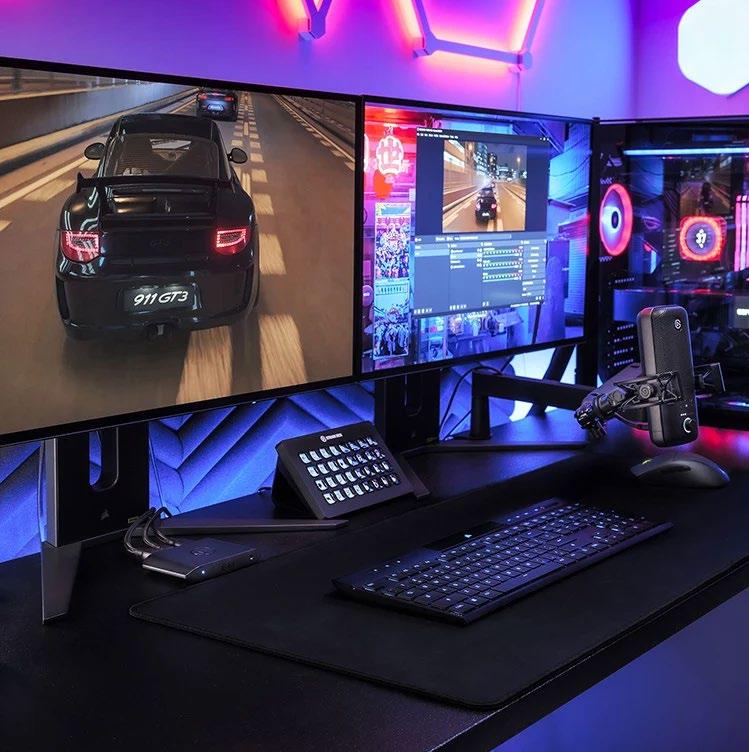
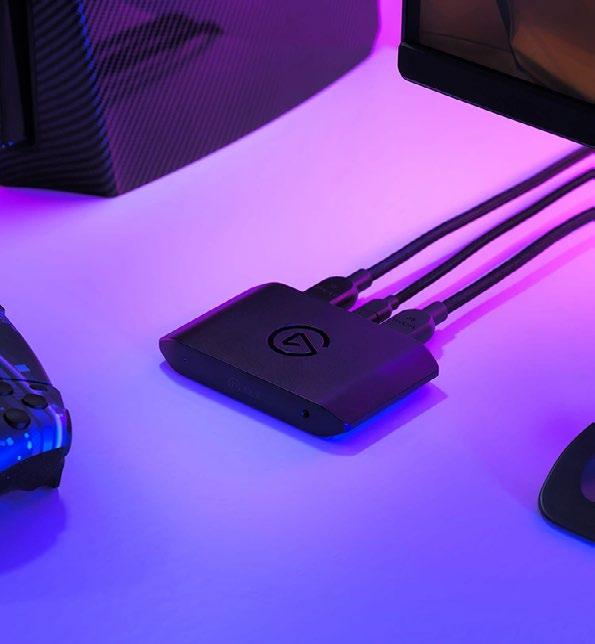
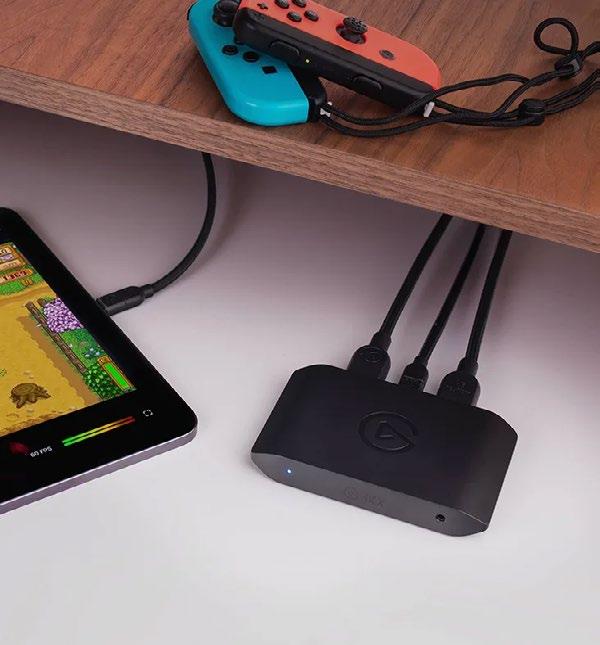


Setup couldn't be easier. Connect your console. Connect your PC. Open your preferred recording software. You're ready to create.
There are no confusing workarounds or frustrating driver issues. Everything feels polished from the moment you plug it in. That's exactly what you'd expect from one of the industry's biggest names.
Built For The New Generation Of Consoles
One of the biggest strengths of the 4K X is just how versatile it is.
Whether you're gaming on:
• PlayStation 5 Pro
• Xbox Series X
• Nintendo Switch 2
…the capture experience remains consistently excellent.
With support for high-resolution capture alongside ultra-smooth passthrough, you never feel like you're sacrificing gameplay performance simply because you're recording. For competitive titles, responsiveness remains excellent. For cinematic single-player games, image quality is absolutely stunning. And that's going to matter enormously when GTA VI launches. Every neon reflection, every sunset over Vice City, every chaotic police chase deserves to be captured exactly as you experienced it. The 4K X delivers that.
GTA VI Could Be The Biggest Content Opportunity In Years
It's difficult to overstate just how significant GTA VI is likely to become. Millions of players will be uploading gameplay from day one. Thousands of creators will be racing to publish guides, easter eggs, livestreams, funny moments and cinematic showcases. Video quality will matter. Audio quality will matter. Reliability will matter.
The last thing anyone wants is dropped frames, poor colour reproduction or unstable recordings when capturing one of gaming's biggest launches. The Elgato 4K X feels purpose-built for moments exactly like this. Whether you're uploading to YouTube, streaming to Twitch or clipping highlights for TikTok, the capture quality is consistently superb.
PlayStation 5 Pro Performance
The PlayStation 5 Pro produces some of the bestlooking console games available today, making it the perfect partner for the 4K X. Games retain their incredible visual clarity while passthrough remains smooth and responsive. HDR content looks fantastic, colours remain vibrant, and fastpaced gameplay never feels compromised while recording. Whether exploring massive open worlds or playing competitive multiplayer titles, the experience remains seamless.
If PS5 Pro is your primary platform, you'll struggle to find a better external capture solution. Xbox Series X Performance Xbox players are equally well served. Testing across multiple genres showed consistently stable recordings with excellent image quality. Fast shooters remained smooth. Racing games looked spectacular. Large open-world adventures retained impressive detail throughout. ,Perhaps more importantly, gameplay never felt impacted by the capture process itself. That's exactly how it should be.
Nintendo Switch 2 Finally Gets The Capture Card It Deserves
The Nintendo Switch 2 has quickly become one of the most exciting consoles on the market, delivering noticeably improved visuals and performance over its predecessor. Naturally, creators want to showcase those improvements. The 4K X handles Switch 2 beautifully. Games look crisp, colours remain vibrant, and recording is incredibly straightforward. Whether you're covering first-party Nintendo releases, indie gems or multiplayer favourites, footage looks clean and professional with very little effort. For creators who cover multiple platforms, this level of compatibility is a huge advantage.
Recording & Streaming
The beauty of the 4K X isn't simply its image quality. It's consistency. Across lengthy recording sessions, livestreams and repeated console switching, the capture card remained dependable throughout testing. Audio stayed perfectly synchronised. Recordings remained stable. Software integration with OBS Studio and Elgato's own utilities was smooth, making the entire workflow refreshingly stress-free. When you're producing content regularly, reliability becomes every bit as valuable as raw specifications.

Designed For Modern Creators
Today's creators rarely stick to one platform. You might stream on Twitch. Upload long-form content to YouTube. Create Shorts. Post TikToks. Share clips on X. The 4K X fits comfortably into that workflow. Whether you're producing cinematic reviews or fast-paced highlight reels, it delivers professional-quality footage that's ready for editing immediately. It's one of those products that quietly removes technical barriers and lets you focus on creating.
Specifications
The Elgato 4K X has been engineered with current and next-generation console creators in mind. Rather than simply matching the competition, it pushes the boundaries of what's possible from an external capture card by embracing HDMI 2.1, ultra-high refresh rates and HDR capture without compromising your gaming experience.
• HDMI 2.1 Input & Output
• Capture up to 4K at 144 FPS (supported resolutions and systems)
• Passthrough up to 4K 144Hz HDR
• 1080p passthrough up to 240Hz
• 1440p passthrough up to 240Hz
• HDR10 Capture Support
• Variable Refresh Rate (VRR) Passthrough
• USB 3.2 Gen 2 (USB-C) Connectivity
• Ultra-low latency architecture
• UVC (USB Video Class) support for plug-andplay compatibility
• Compatible with OBS Studio, Streamlabs, XSplit and Elgato Studio
• Windows and macOS compatible
• Supports PlayStation 5 Pro, PlayStation 5, Xbox Series X, Xbox Series S and Nintendo Switch 2
Looking at the specification sheet alone, it's easy to see why the 4K X sits at the top of Elgato's capture card lineup. These aren't features included purely for marketing purposes—they're features that genuinely improve the experience for anyone recording or livestreaming modern console games. During testing across PlayStation 5 Pro, Xbox Series X and Nintendo Switch 2, the 4K X consistently delivered smooth passthrough, razorsharp image quality and dependable recordings, all while letting each console perform exactly as intended.
With GTA VI expected to become one of the biggest console launches in gaming history, investing in hardware capable of handling high refresh rates, HDR and HDMI 2.1 isn't simply future-proofing your setup, it's ensuring your content looks every bit as impressive as the game itself.
Why The Elgato 4K X Stands Above The Competition
Specifications only tell part of the story. What separates the Elgato 4K X from many competing capture cards is how those features translate into everyday use.
HDMI 2.1 Ready
As more gamers move towards HDMI 2.1 displays and current-generation consoles continue pushing graphical fidelity, the 4K X is already prepared. Unlike older HDMI 2.0 capture cards that can become a bottleneck, the 4K X allows you to enjoy the full capabilities of your PlayStation 5 Pro, Xbox Series X or Nintendo Switch 2 while simultaneously capturing professional-quality footage.
High Refresh Rate Passthrough
Competitive players don't want to sacrifice responsiveness simply because they're recording gameplay. With support for up to 4K 144Hz, 1440p 240Hz and 1080p 240Hz passthrough, the 4K X lets you enjoy incredibly smooth gameplay while your audience receives crystal-clear footage. Whether you're grinding ranked multiplayer or exploring the streets of Vice City in GTA VI, gameplay remains fluid and responsive.
HDR That Actually Looks Right
HDR implementation can often be a weak point for capture hardware, but Elgato has done an excellent job preserving vibrant colours, deep contrast and bright highlights. The result is footage that more accurately reflects what you're actually seeing on your display, requiring far less correction during editing.
Variable Refresh Rate Support
VRR has become one of the defining features of modern gaming, helping eliminate screen tearing and smoothing out fluctuating frame rates. The 4K X supports VRR passthrough, allowing you
to keep one of the biggest visual advantages of current-generation consoles without sacrificing capture quality.
Built For Every Major Streaming Platform
Whether you're creating long-form YouTube videos, livestreaming on Twitch, uploading Shorts, producing TikToks or sharing clips across social media, the 4K X integrates effortlessly with today's most popular broadcasting software. Its plug-andplay UVC compatibility makes setup refreshingly simple, while OBS Studio recognised the device instantly during testing.
One Capture Card For Every Console
Perhaps the biggest strength of the 4K X is its versatility. Instead of needing different solutions for different platforms, one device comfortably handles PlayStation 5 Pro, Xbox Series X and Nintendo Switch 2 with minimal effort. For creators covering multiple consoles, that flexibility is invaluable. With GTA VI launching exclusively on consoles before any potential PC release, and Nintendo Switch 2 already attracting huge interest from creators, the Elgato 4K X feels perfectly positioned to become the capture card of choice throughout 2026 and beyond.
What We Loved
• Outstanding image quality
• Excellent compatibility across PS5 Pro, Xbox Series X and Nintendo Switch 2
• Perfect timing ahead of GTA VI
• Smooth, low latency passthrough
• Reliable long recording sessions
• Premium build quality
• Simple plug-and-play setup
• Fantastic software support
• Ideal for livestreaming and content creation
What Could Be Better
• Premium pricing compared to entry-level capture cards
• Requires a capable PC to get the very best recording performance
• Some advanced features may be unnecessary for casual users
Is It Worth Buying?
If you only record the occasional gameplay
clip, there are certainly cheaper capture cards available. But if you're serious about content creation—or you're preparing for the biggest console launch of the decade, the Elgato 4K X easily justifies its price. The combination of exceptional image quality, dependable performance, broad console compatibility and effortless usability makes it one of the strongest capture cards currently available. With GTA VI expected to dominate YouTube, Twitch and social media for months, investing in quality hardware now simply makes sense.
Why the Elgato 4K X Is the Best Capture Card for GTA VI
There are very few game launches capable of redefining the content creation landscape overnight. GTA VI is one of them. When Rockstar finally opens the doors to Vice City, millions of players will be exploring every corner of its sprawling world, while creators race to publish walkthroughs, hidden secrets, cinematic showcases, online gameplay, livestreams and short-form content across YouTube, Twitch, TikTok and social media. The first few weeks after launch will be incredibly competitive, and the quality of your content could make all the difference. That's exactly why the Elgato 4K X feels like such an important piece of hardware.
Unlike older HDMI 2.0 capture cards that can force compromises in refresh rate or display features, the 4K X has been designed around the capabilities of today's consoles. With HDMI 2.1 support, high refresh rate passthrough, HDR recording and Variable Refresh Rate compatibility, you're able to enjoy GTA VI exactly as Rockstar intended while simultaneously capturing professional-quality footage. If you're playing on a PlayStation 5 Pro, you'll benefit from exceptional image clarity and smooth HDR gameplay without sacrificing your recording quality. Xbox Series X players receive the same premium experience, with responsive passthrough and reliable capture that keeps pace with even the most chaotic action sequences.
Meanwhile, Nintendo Switch 2 owners can take advantage of the 4K X's outstanding compatibility to showcase Nintendo's latest hardware with vibrant colours, crisp detail and dependable recordings that require very little post-production work. Perhaps the biggest advantage, however, is future proofing.
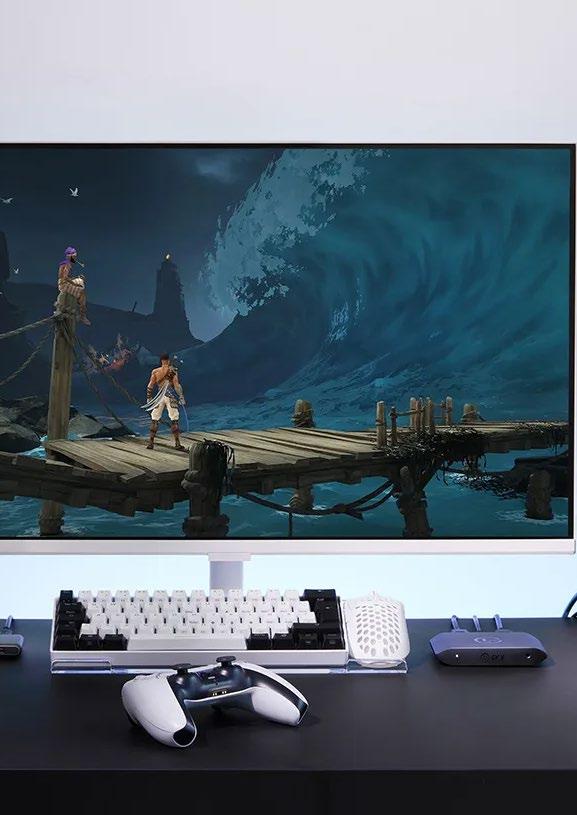
Many creators are still using older capture cards that were designed around the previous generation of consoles. They work, but often require compromises, whether that's lower refresh rates, limited HDR support or outdated connectivity standards. The Elgato 4K X removes those limitations. Whether you're recording lengthy story missions, streaming online multiplayer sessions, capturing cinematic B-roll or creating quick social media clips, the 4K X provides the flexibility to produce content that looks every bit as polished as the gameplay itself.
GTA VI is expected to dominate gaming conversations for months, if not years and the creators producing the highest-quality content from day one will have a significant advantage. If there's one game that justifies investing in premium capture hardware, this is it.
Final Verdict
The Elgato 4K X represents everything a modern capture card should be. It combines cuttingedge HDMI 2.1 technology, exceptional image quality, high refresh rate passthrough and rocksolid reliability into a compact device that's incredibly easy to integrate into any streaming or recording setup. Whether you're creating longform YouTube videos, livestreaming on Twitch or clipping highlights for TikTok and Shorts, it consistently delivers professional-quality results. Across weeks of testing on the PlayStation 5 Pro, Xbox Series X and Nintendo Switch 2, the 4K X never once felt like the weak link in the setup. It simply got on with the job, preserving the visual fidelity and responsiveness of each console while capturing footage that was crisp, vibrant and ready for editing.
With GTA VI set to become one of the biggest console launches in gaming history, there's every reason to expect a surge in demand for high-quality gameplay content. Creators who are equipped with reliable, future-ready hardware will be in the best position to take advantage of that opportunity from day one. That's where the Elgato 4K X truly shines. It isn't just built for today's games; it's built for the next generation of console content creation.
If you're looking for a capture card that can handle PlayStation 5 Pro, Xbox Series X and Nintendo Switch 2 without compromise, while remaining ready for blockbuster releases like GTA VI, the
Elgato 4K X is one of the strongest investments you can make.
Overall Rating: 9.8 / 10
Pros
Outstanding 4K HDR capture quality
HDMI 2.1 with ultra-smooth high refresh rate
passthrough
Excellent compatibility with PlayStation 5 Pro, Xbox Series X and Nintendo Switch 2
Reliable, low-latency performance
Premium build quality
Plug-and-play setup with excellent software support
Built to meet the demands of modern console content creation
Premium price point may be difficult to justify for casual users
Requires a capable PC to take full advantage of its highest-end capture modes
For creators serious about producing the highestquality console content, the Elgato 4K X sets a benchmark that's difficult to ignore. It combines premium hardware, intuitive software and exceptional performance into a package that feels ready not only for today's games, but also for the biggest releases still to come.
A huge thank you to Elgato for providing the 4K X for hands-on testing and evaluation. As always, receiving a review sample has no influence over our opinions or final verdict. Every conclusion in this review is based on real-world testing across multiple consoles, recording scenarios and streaming workflows to ensure an honest and balanced assessment.
The Elgato 4K X proves that premium hardware still makes a genuine difference. Reliable, futureready and built with creators in mind, it's an easy recommendation for anyone wanting to produce professional-quality console content today and especially for those preparing for the arrival of GTA VI.
So make sure to check out Elgato at their webpage below.
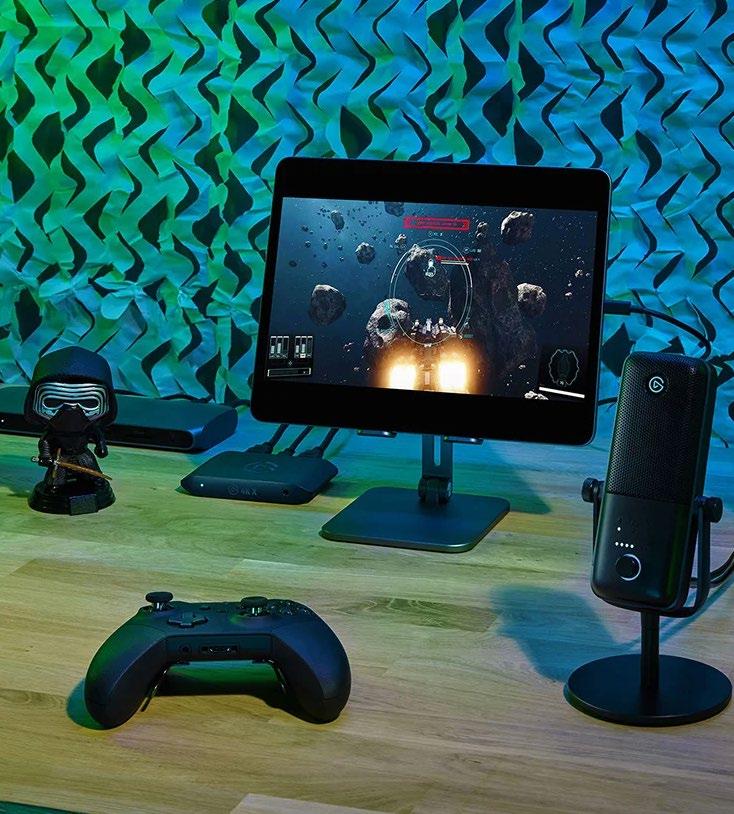

Streamlabs Ultra
The Creator Toolkit That Wants to Do It All A Deep Dive Into Streamlabs' Premium Subscription After Going Hands-On at TwitchCon Europe and Beyond
Reviewed by: Brandon Sawyer
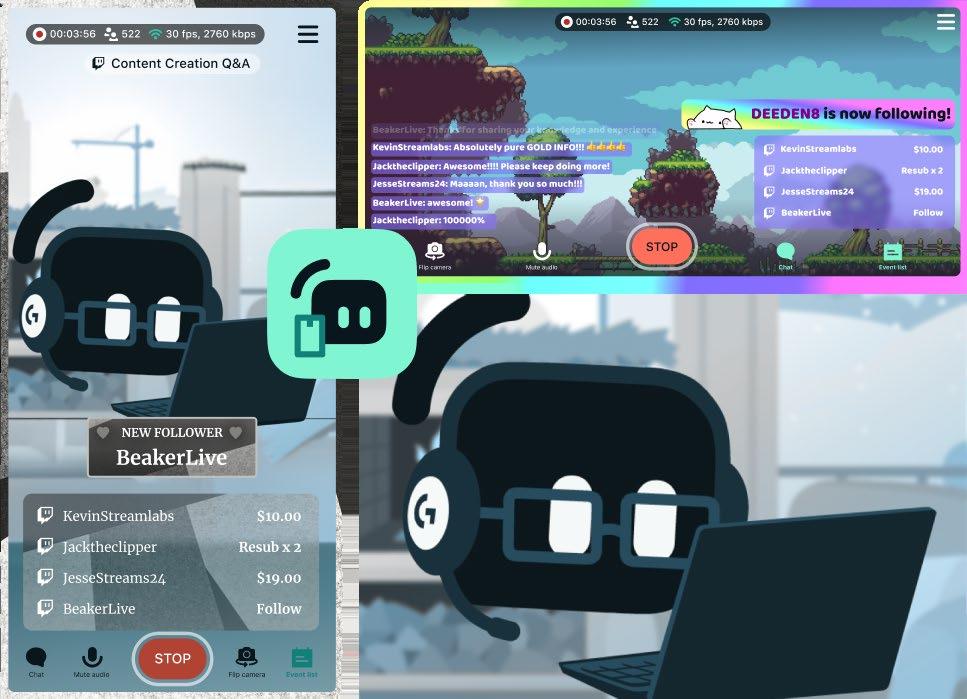
For many creators, streaming begins with a simple idea. Download some software. Connect a microphone. Go live. But as content creation evolves, so do the demands placed upon creators. Suddenly you're juggling overlays, alerts, sponsorships, multistreaming, video editing, thumbnails, social media clips, AI tools, merch integration, analytics, branding, cloud storage, and audience engagement, all while trying to actually create content. It's no surprise that many creators eventually find themselves buried under a mountain of subscriptions and disconnected tools. At TwitchCon Europe in Rotterdam, we had the opportunity to sit down with the Streamlabs team to discuss exactly that challenge. What followed was one of the most insightful conversations we've had with a platform provider in quite some time. Rather than simply showing off new features, the team walked us through their broader vision for modern content creation and how Streamlabs Ultra is designed to bring multiple creator tools together under one ecosystem.
However, conversations and demonstrations only tell part of the story. Following TwitchCon, we spent considerable time integrating Streamlabs Ultra into our own content creation workflow, exploring the platform's premium features across streaming, branding, content repurposing, analytics, and multi-platform publishing. That extended hands-on experience ultimately revealed something important. Streamlabs isn't simply trying to be streaming software anymore. It's attempting to become a complete creator platform. And after extensive testing, it's getting remarkably close.
TwitchCon Europe Rotterdam – Meeting The Team Behind The Platform
Walking the show floor at TwitchCon Europe in Rotterdam is always an incredible experience. Thousands of creators. Brands showcasing new technology. Networking opportunities around every corner. But one of our standout meetings came courtesy of the Streamlabs team. What immediately stood out wasn't just their enthusiasm for the platform, but how focused they were on solving real-world creator problems.

Throughout the demonstration, we were shown several upcoming improvements, workflow enhancements, and creator-focused features currently being developed or expanded. The conversation wasn't centred around flashy marketing buzzwords. Instead, the team discussed practical challenges creators face every day:
• Discoverability
• Content repurposing
• Viewer retention


• Stream management
• Multi-platform growth
• Production efficiency
• Monetisation
What became obvious very quickly is that Streamlabs understands a reality many creators experience daily:
The biggest challenge isn't necessarily creating content. It's managing everything surrounding content creation. That's where Ultra enters the picture.
What Is Streamlabs Ultra?
At its core, Streamlabs Ultra is Streamlabs' premium subscription service designed to unlock the platform's full creator ecosystem. Rather than offering one standalone feature, Ultra combines a collection of creator-focused tools intended to streamline nearly every aspect of content production. Think of it as moving beyond traditional streaming software. Instead of simply helping you go live, Ultra aims to support:
• Streaming
• Branding
• Video creation
• Editing
• Cross-platform publishing
• Analytics
• Growth
• Audience engagement
under one subscription. For newer creators, that can significantly reduce the number of services required to build a professional setup. For established creators, it offers workflow efficiencies that quickly become difficult to ignore.
Going Beyond TwitchCon: Putting Ultra Through Daily Use
While our conversations with the Streamlabs team at TwitchCon Europe provided valuable insight into the company's vision, we wanted to understand how those promises translated into real-world creator workflows. Over the weeks following TwitchCon, we integrated Streamlabs Ultra into our own content creation process and tested the platform across multiple use cases, including live streaming, content clipping, branding updates, multistreaming, analytics tracking, and short-form content production.
This hands-on experience provided a much clearer picture of where Ultra genuinely excels, where it saves time, and which features creators are most likely to use on a regular basis. The difference between seeing features demonstrated on a convention floor and relying on them during everyday content creation is significant. Fortunately, many of Ultra's strengths became even more apparent during extended use. Rather than feeling like a collection of disconnected premium features, the platform increasingly felt like a unified ecosystem built around reducing creator workload. And in today's content landscape, efficiency is often every bit as valuable as creativity.
The Features That Matter Most
Premium Themes & Professional Branding
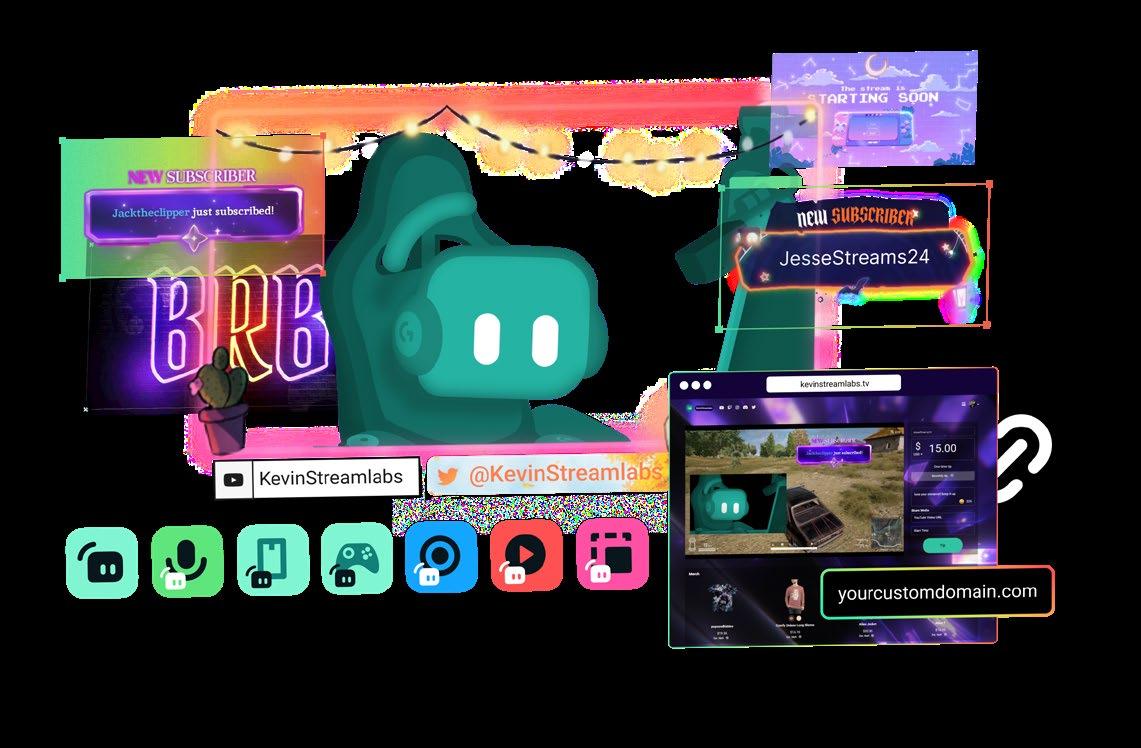
First impressions matter. Whether viewers discover you through Twitch, YouTube, Kick, or TikTok, branding plays a huge role in audience perception. Ultra unlocks access to a vast library of premium themes, overlays, widgets, transitions, and alert packages. These aren't simply colour swaps. Many of the available designs feel genuinely premium and professionally produced. During our testing, one of the immediate advantages was how quickly stream visuals could be refreshed without requiring external design work. For creators looking to elevate production quality without hiring a graphic designer, this alone can save both time and money. The breadth of available assets also means creators can experiment with different branding styles as their channels evolve.
Multistreaming
One of the most powerful Ultra features remains multistreaming. Creators can broadcast simultaneously to multiple platforms including:
• Twitch
• YouTube
• Kick and other supported destinations.
For creators attempting to grow an audience across multiple platforms, this feature alone can dramatically expand reach without requiring multiple streaming setups.

The ability to manage everything from a single dashboard makes the process far less stressful than traditional multi-platform workflows. During our testing, the convenience factor became increasingly apparent. Instead of focusing on platform logistics, creators can focus on content while Streamlabs handles much of the heavy lifting behind the scenes. For creators still building an audience, expanding visibility across several platforms simultaneously can be a significant advantage.
AI-Powered Content Tools
One of the most interesting discussions we had with the Streamlabs team revolved around AI integration. While AI is becoming increasingly common throughout the creator space, Streamlabs appears focused on practical implementation rather than gimmicks. Several Ultra tools leverage AI to help streamline content production and reduce repetitive tasks. For creators balancing streaming, editing, and content distribution, these tools can provide meaningful time savings over the course of a week.
And as anyone who creates content regularly knows:
Time is often the most valuable resource you have.
The AI integrations won't replace creativity, but they can help remove some of the repetitive administrative tasks that often consume valuable production time.
Cross Clip – Turning Streams Into Discoverability
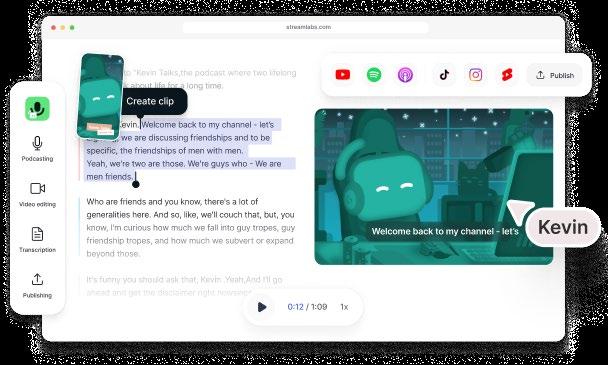
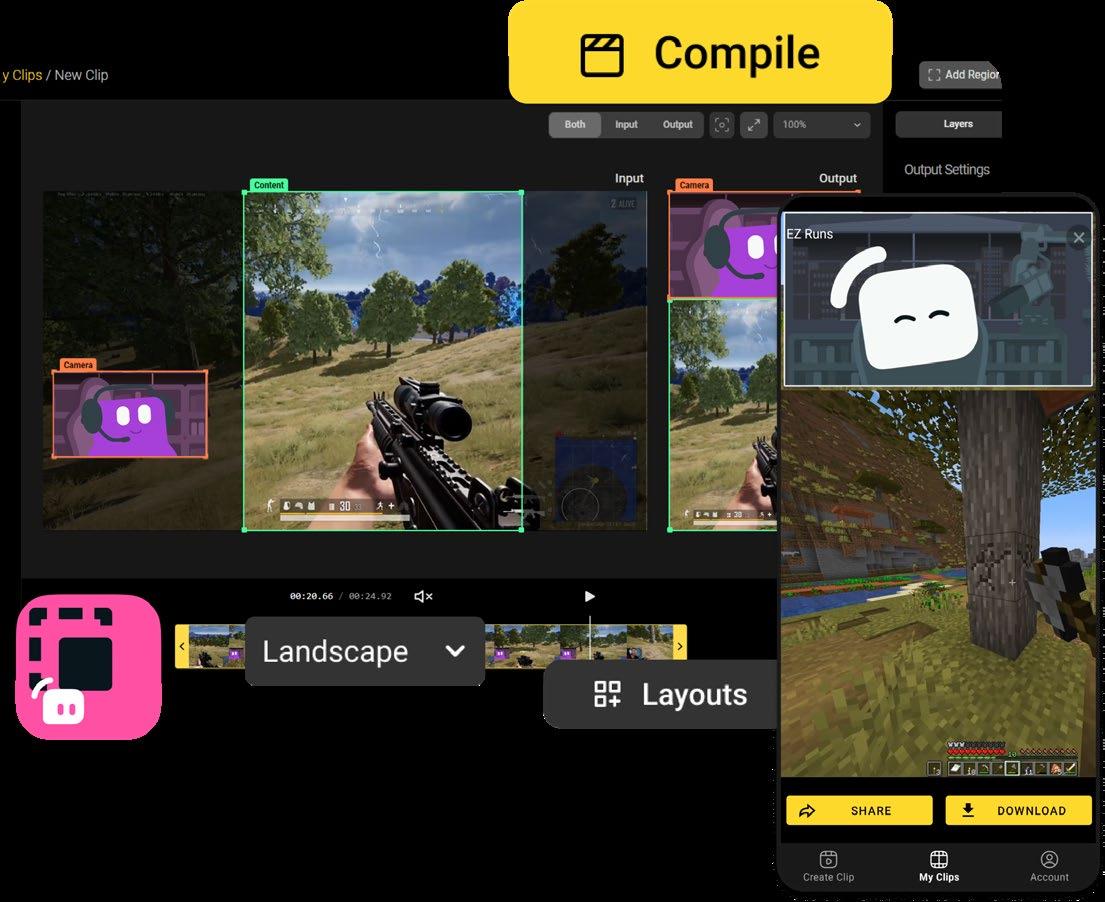
Of all the Ultra features we explored, Cross Clip quickly became one of the tools we returned to most often. Creating short-form content consistently is one of the biggest challenges facing modern creators. Livestreams can run for several hours, but platforms such as TikTok, Instagram Reels, and YouTube Shorts often become the primary source of discoverability. Traditionally, converting livestream moments into vertical content requires:
• Downloading footage
• Importing into editing software
• Reframing content
• Adjusting layouts
• Exporting multiple versions
Cross Clip dramatically reduces that workflow. During our testing, we repeatedly used the tool to convert livestream moments into short-form content for social platforms. The process proved remarkably straightforward and significantly faster than traditional editing workflows. What impressed us most wasn't necessarily the technology itself. It was the time saved. For creators attempting to maintain a consistent content pipeline across multiple platforms, those saved minutes quickly become saved hours over the course of a month. It's easy to see why Cross Clip has become one of Streamlabs' most popular creator tools.
Streamlabs Console
Console creators haven't been forgotten either. The Streamlabs Console ecosystem continues to evolve and offers a significantly more streamlined streaming experience for creators on Xbox and PlayStation. For creators who don't necessarily want a dedicated streaming PC, the platform provides a surprisingly capable alternative. The simplicity is one of its biggest strengths. Not every creator wants to build a complex dual-PC setup. For console-focused streamers, Streamlabs Console removes many technical barriers while still providing professional presentation options.
Intelligent Analytics
Knowing what content performs well is just as important as creating it. Ultra provides access to enhanced analytics that allow creators to better understand:
• Audience behaviour
• Viewer retention
• Engagement
• Performance trends
Data is only useful if it's actionable. Fortunately, Streamlabs presents information in a way that's approachable even for newer creators. Throughout our review period, the analytics tools provided useful insights without overwhelming users with unnecessary complexity. For creators looking to improve content strategy over time, having this information accessible within the broader Streamlabs ecosystem is a welcome addition.
The Biggest Surprise: Workflow Consolidation
One observation that became increasingly clear during our review period was how much time is
normally lost switching between different creator tools. Many content creators operate with a patchwork workflow involving:
• Streaming software
• Separate clipping tools
• Graphic design platforms
• Analytics dashboards
• Cloud storage solutions
• Publishing tools
Individually these services work well. Collectively they create friction. After several weeks of using Ultra, one of its biggest strengths wasn't necessarily any single feature but rather how many routine creator tasks could be handled within a connected ecosystem. That reduction in context switching may sound minor on paper, but creators juggling livestreams, videos, social content, sponsorships, and community management will likely appreciate the difference. The more we used the platform, the more apparent this became. Ultra's strongest feature may ultimately be the convenience of bringing so many creator tools together under one roof.
The Features We Kept Returning To
Whenever we evaluate creator software, one question matters more than feature lists:
What did we continue using after the initial testing period?
In Ultra's case, several tools quickly became part of our regular workflow:
• Cross Clip for short-form content creation
• Premium overlays and branding assets
• Multistreaming management
• Enhanced analytics
• Cloud-based creator tools
While some features were explored occasionally, these became the tools we consistently relied on throughout our testing. That speaks volumes about where Ultra delivers the most practical value. Features that save time tend to become habits. And many of Ultra's tools fall squarely into that category.
The Real Value Of Ultra
One thing that became increasingly apparent during our deep dive is that Ultra's value isn't
necessarily found in a single feature. Instead, it comes from the combination of everything working together. Many creators currently pay separately for:
• Overlay services
• Editing software
• Thumbnail resources
• Multistreaming tools
• Cloud storage
• Clip conversion tools
• Branding assets
Ultra consolidates many of those requirements into a single ecosystem. That consolidation creates genuine value for creators who are already investing in multiple services. For creators actively building content businesses, the ability to centralise workflows may ultimately become more valuable than any individual feature.
Areas That Won't Matter To Every Creator
Despite the strengths of Ultra, it's important to recognise that not every feature will appeal to every creator. Newer streamers who primarily broadcast on a single platform may find certain premium tools difficult to justify immediately. Likewise, creators who already subscribe to dedicated editing suites or have deeply established workflows built around alternative services may experience some overlap with tools they already use. The value proposition becomes strongest when creators actively utilise multiple aspects of the Streamlabs ecosystem rather than relying on a single feature. This doesn't diminish the platform's strengths, but it is worth considering before subscribing. As with any creator investment, the return ultimately depends on how extensively the tools are incorporated into your workflow.
Pricing
At the time of writing, Streamlabs Ultra is available through multiple subscription options. Pricing can vary slightly depending on promotions and region, but generally includes:
• Monthly Subscription: Approximately $27.99 USD / £21.99 GBP
• Annual Subscription: Approximately $189 USD / £149 GBP, offering significant savings compared to paying monthly
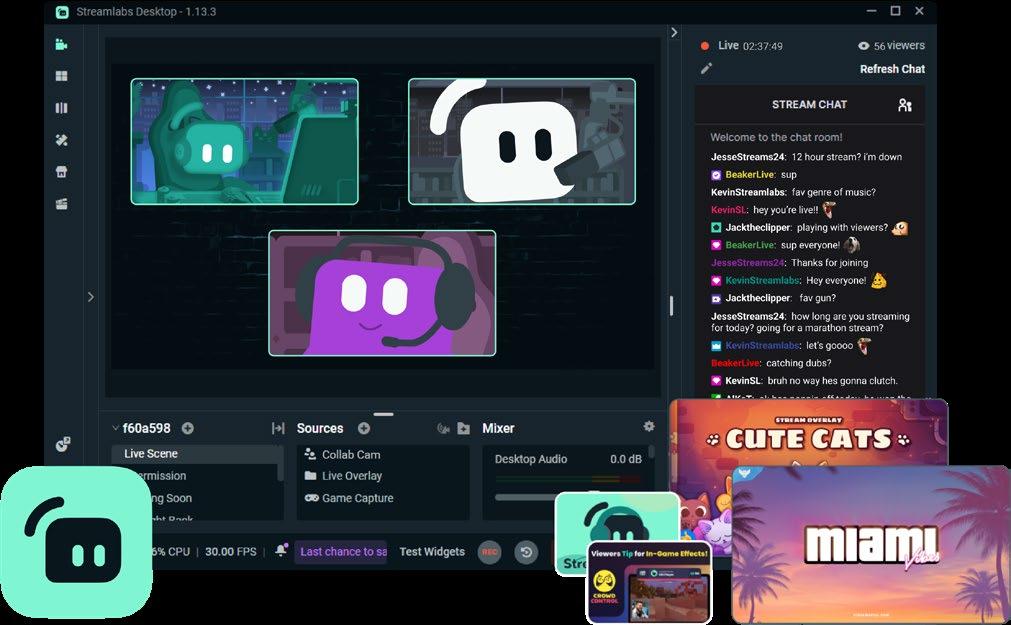
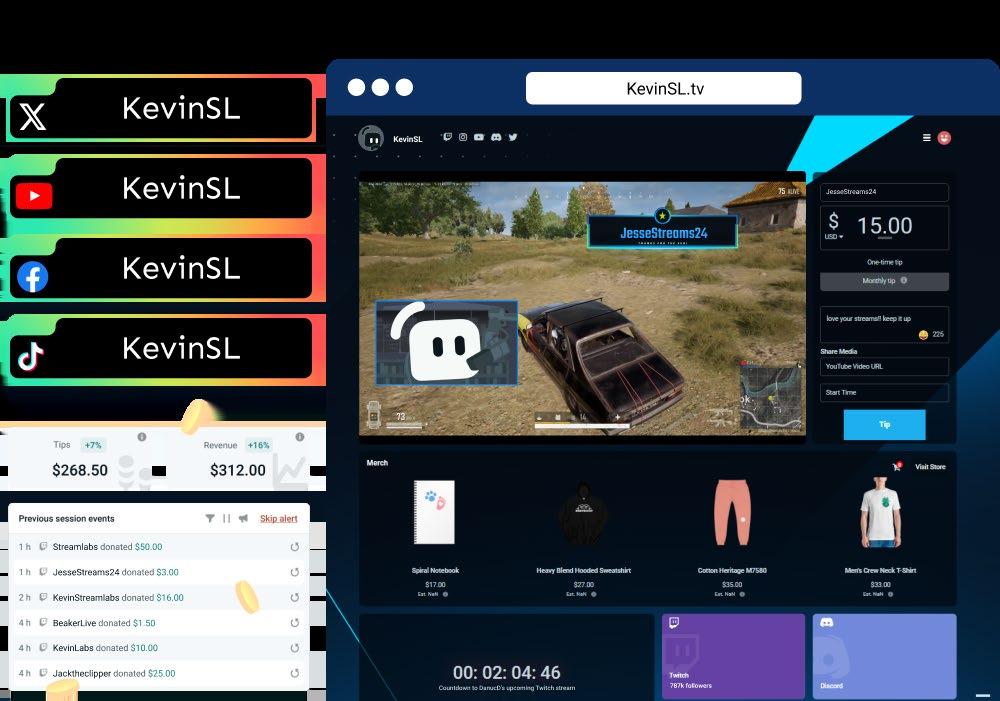
For full pricing details and current promotions, creators should always check the official Streamlabs website directly. While Ultra certainly sits within premium territory, the value proposition becomes considerably stronger when compared against paying for several standalone creator tools separately.
Who Is Streamlabs Ultra For?
Ultra won't be necessary for everyone. If you're an occasional hobby streamer who only broadcasts once every few weeks, the free version may be more than sufficient. However, Ultra becomes considerably more appealing if you:
• Stream multiple times per week
• Create content across several platforms
• Want professional branding
• Need multistreaming capabilities
• Produce short-form content regularly
• Value workflow efficiency
• Are actively growing a creator business
In those scenarios, the subscription starts to make a lot of sense.
Final Verdict
After meeting the Streamlabs team at TwitchCon Europe and then spending several weeks integrating Ultra into our day-to-day content creation workflow, we came away with a far deeper understanding of what the platform is trying to achieve. The convention demonstrations highlighted the vision. Real-world use revealed the execution. Throughout our testing, Ultra consistently proved most valuable when viewed as an ecosystem rather than a collection of individual tools. Features such as Cross Clip, multistreaming, premium branding assets, analytics, and creator workflow integrations work together to reduce
friction across the content creation process. No platform is perfect, and not every creator will need every feature included in the subscription. However, for serious streamers and content creators looking to centralise workflows, save time, and manage multiple aspects of content production from a single platform, Streamlabs Ultra presents one of the most comprehensive creator toolkits currently available. It's not simply streaming software anymore. It's a creator ecosystem. And one that continues to evolve in
A Special Thank You
A huge thank you to the team at Streamlabs for taking the time to meet with us at TwitchCon Europe in Rotterdam and for providing us with a Streamlabs Ultra membership to thoroughly explore everything the platform has to offer. Having full access allowed us to go beyond first impressions and genuinely immerse ourselves in the creator ecosystem, testing the tools, features, workflows, and integrations that creators rely on every day. It also allowed us to bring this deep dive directly to our readers, streamers, content creators, and community members who are always looking for ways to improve their content, grow their audience, and streamline their workflows.
The passion shown by the Streamlabs team throughout our conversations was evident, and it's exciting to see how committed they remain to helping creators succeed in an increasingly competitive landscape. Whether you're just starting your streaming journey or managing a growing content operation, Streamlabs Ultra offers one of the most comprehensive creator ecosystems available today. For those looking to learn more about Streamlabs Ultra and explore the full suite of creator tools available, visit the official Streamlabs website below.

Streamlabs Network Boost: The Feature That Could Finally Make IRL Streaming Truly Reliable
Following our hands-on time with Streamlabs' latest innovations, one feature stands out as a genuine leap forward for creators who stream outside the studio. While our review explored the overall experience, Network Boost deserves its own spotlight because of what it brings to one of the biggest frustrations in live content creation— maintaining a stable connection.
For years, professional IRL streaming has often required expensive networking equipment capable of combining multiple internet connections into a single reliable stream. These hardware solutions have traditionally been reserved for larger creators and production teams due to their cost and complexity. Network Boost changes that equation.
Turning Existing Devices into Professional Streaming Tools
Rather than asking creators to invest in dedicated bonding hardware costing hundreds or even thousands of pounds, Streamlabs has built Network Boost around something most creators already own, a second smartphone. The system allows a creator's primary streaming device to work alongside another phone running the Streamlabs Controller app. Together, the devices intelligently combine available network connections, including mobile data and Wi-Fi, providing redundancy if one connection begins to fail. The result is a much more resilient livestream without requiring additional specialist equipment. For anyone who's ever watched their bitrate plummet during a convention, festival or busy city centre stream, that alone is a compelling reason to pay attention.
Built for Modern Content Creators
The timing couldn't be better. IRL streaming has exploded in popularity, with creators taking audiences to gaming conventions, esports tournaments, festivals, travel destinations and community events around the world. However, these are often the exact environments where mobile networks become congested and unreliable.
Instead of relying on a single cellular connection that could disappear at any moment, Network Boost creates an extra layer of protection using devices creators already carry every day. Streamlabs says the goal is to reduce disconnects without the financial burden traditionally associated with professional bonding hardware.
Perfect for Event Coverage
From our perspective at The Gamer Guide Magazine, this is especially exciting. Much of our coverage takes place away from the office, whether that's Games, anime conventions, expos, esports tournaments or international events like Tokyo Game Show. Stable connectivity has always been one of the biggest technical challenges when broadcasting live from crowded venues. Features like Network Boost have the potential to remove one of those obstacles, allowing creators and media teams to focus more on producing engaging content instead of constantly worrying about signal drops.
Working Alongside Stream Shift
Network Boost also complements Stream Shift, another recent Streamlabs feature that allows creators to transition between desktop and mobile streaming without ending a live broadcast. Together, the two features create a far more flexible streaming ecosystem for creators who move between studio and on-location production throughout the day.
Lowering the Barrier to Entry
Perhaps the biggest takeaway isn't just the technology itself, it's accessibility. Professionalquality livestreaming has traditionally come with professional-level costs. By making advanced connection management available through software and devices creators already own, Streamlabs is lowering the barrier for aspiring streamers, journalists, creators and event coverage teams alike. If the technology performs as promised in real-world conditions, it could become one of the most significant quality-of-life
improvements we've seen for mobile streaming in recent years. As livestreaming continues to evolve beyond the desk setup and into real-world experiences, innovations like Network Boost demonstrate where the future of creator tools is heading: smarter software, fewer hardware requirements, and more freedom to create from anywhere.
Can Network Boost Keep You Live? Ashray Urs Explains
One of the questions I put to Ashray Urs, Head of Streamlabs, was how Network Boost would hold up in the demanding conditions of major gaming events, particularly as I prepare to use it while covering Tokyo and the Tokyo Game Show later this year. Urs explained that this is exactly the type of environment Network Boost was built to handle. Instead of relying on a single internet connection, the technology can intelligently combine connections from up to five devices, providing multiple pathways to the internet and helping maintain a stable live stream even when mobile networks become heavily congested. To back up these claims, Streamlabs tested Network Boost extensively at TwitchCon Europe during both event setup and throughout the convention, where thousands of attendees were sharing the same mobile infrastructure. According to Urs, devices using Network Boost consistently outperformed a control device that relied on a single connection, giving the team confidence that creators can
expect a more reliable streaming experience in busy convention environments. With Tokyo Game Show presenting many of the same connectivity challenges, I'm looking forward to putting Network Boost through its paces in one of the world's busiest gaming event settings.
Final Thoughts
After spending time with Streamlabs' latest mobile innovations, it's clear that Network Boost isn't simply another feature added to a changelog, it's a practical solution to a problem creators have faced for years. By removing the need for costly specialist hardware and making reliable IRL streaming more accessible, Streamlabs is helping level the playing field for creators of all sizes.
As more content moves away from traditional desk setups and into conventions, gaming expos, festivals, and real-world experiences, reliable connectivity is becoming just as important as camera quality or audio. If Network Boost delivers on its promise in everyday use, it could quickly become an essential tool for mobile creators looking to stream with greater confidence.
We'll be putting Network Boost through its paces over the coming months at a variety of live events to see how it performs in demanding real-world environments, so stay tuned to The Gamer Guide Magazine for our long-term impressions, handson coverage, and future creator-focused insights.

Logitech G PRO X2 SUPERSTRIKE Review Redefining the Competitive Gaming Mouse
The competitive gaming mouse market has never been more competitive. Every year manufacturers promise lighter designs, faster sensors, lower latency and improved ergonomics, all with the goal of helping players gain even the slightest competitive edge. While many gaming mice continue to refine existing technology, Logitech G has taken a genuinely different approach with the PRO X2 SUPERSTRIKE. Rather than simply reducing weight or increasing DPI figures, Logitech has focused on one of the most important aspects of competitive play, the click itself.
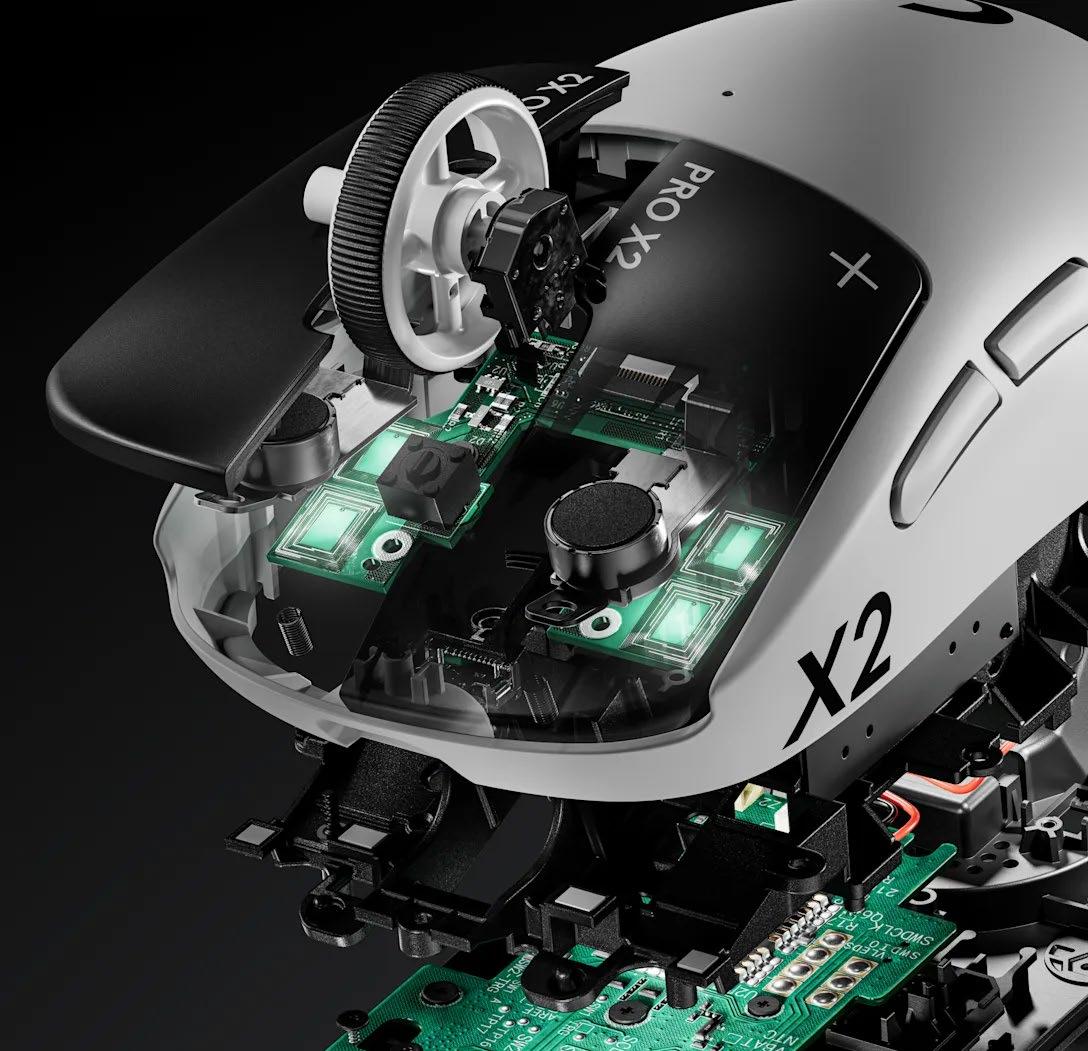
With its brand-new HITS (Haptic Inductive Trigger System) technology, Rapid Trigger functionality, HERO 2 sensor and an incredibly lightweight 61g chassis, the PRO X2 SUPERSTRIKE has been designed from the ground up for players who demand absolute precision. After spending several weeks using the mouse across a wide variety of competitive shooters including Counter-Strike 2, VALORANT, Call of Duty, Apex Legends, Rainbow Six Siege and Marvel Rivals, it quickly became apparent that this isn't simply another refresh of Logitech's legendary PRO lineup. It feels like the next evolution. Whether grinding ranked ladders, practicing aim training or competing in long evening sessions, the PRO X2 SUPERSTRIKE consistently delivered one of the most responsive gaming experiences I've had from a wireless mouse.
Price & Availability
The Logitech G PRO X2 SUPERSTRIKE launches at £159.99, placing it firmly within the premium end of the esports mouse market. At first glance, that price may seem high, especially when compared to more traditional gaming mice. However, Logitech isn't targeting casual players looking for RGB lighting or dozens of programmable buttons. This mouse has been built specifically for competitive gamers.
Its closest competitors include:
• Logitech G PRO X SUPERLIGHT 2
• Razer Viper V4 Pro
• HyperX Pulsefire Haste 2 Pro
• Corsair Sabre V2 Pro
Each of these mice excels in different areas, but the PRO X2 SUPERSTRIKE introduces technology that genuinely feels fresh rather than iterative.

For players who compete regularly in FPS titles, the investment becomes much easier to justify.
First Impressions
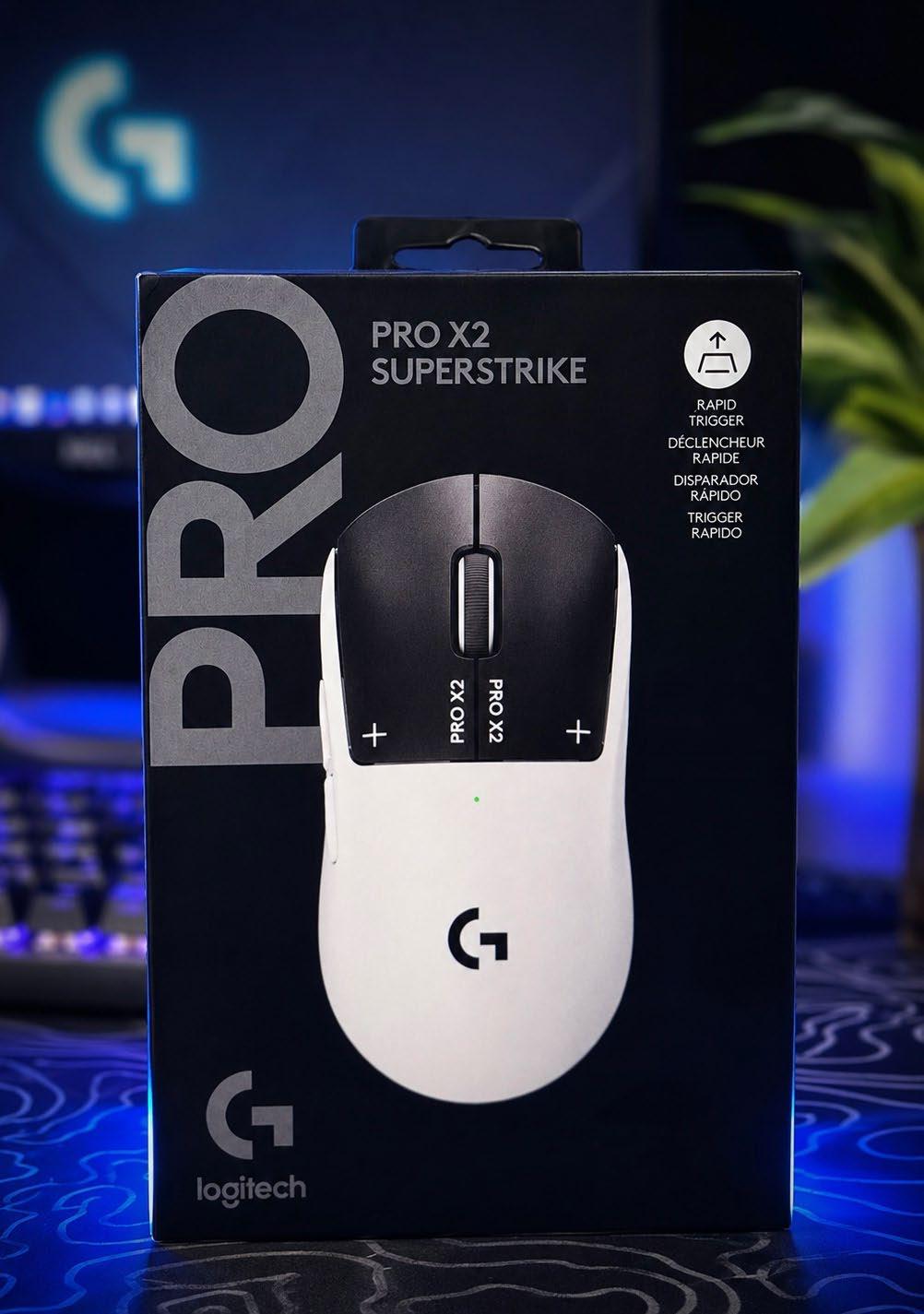
Straight out of the box, Logitech's experience in designing esports peripherals becomes immediately obvious. The mouse doesn't scream for attention. There's no excessive RGB. No unnecessary styling. No gimmicks. Instead, everything feels purposeful. The matte finish provides excellent grip without becoming slippery during longer sessions, while the overall construction feels incredibly solid despite weighing just 61 grams.
That low weight becomes noticeable almost immediately. Unlike some ultralight mice that can feel almost toy-like, the PRO X2 SUPERSTRIKE maintains a reassuring premium feel while remaining exceptionally agile. It's one of those products where you stop thinking about the hardware after only a few minutes.
Reviewed by: Brandon Sawyer

And that's exactly what great peripherals should do.
Designed For Competitive Players
This isn't a mouse designed for MMO players requiring dozens of macros. Nor is it aimed at office productivity. Everything about the SUPERSTRIKE has been engineered around competitive gaming. Fast flicks. Micro adjustments. Pixel-perfect tracking. Repeated clicks under pressure. Split-second reactions. Every design decision feels focused on helping players perform consistently during highpressure moments. Whether you're holding an angle in Counter-Strike 2, taking precision shots in VALORANT or tracking fast-moving targets in Apex Legends, the mouse always feels incredibly composed.
My Hands-On Experience
Over several weeks I rotated the SUPERSTRIKE into my daily setup, replacing several mice I've relied on for years. Most of my testing focused on competitive shooters where mouse performance genuinely matters. Counter-Strike 2 immediately highlighted just how effortless tracking feels. Tiny corrections while holding angles became easier, while quick flick shots felt natural thanks to the incredibly balanced weight distribution.
VALORANT particularly benefited from the adjustable actuation. Rapid Trigger allowed movement corrections to feel incredibly responsive, making counter-strafing feel almost instantaneous. Call of Duty showcased another strength entirely. Fast-paced multiplayer requires continuous movement combined with aggressive target switching. Even during lengthy sessions, the lightweight design never became fatiguing. Marvel Rivals also proved surprisingly enjoyable. Despite the chaotic abilities constantly filling the screen, target acquisition remained exceptionally smooth.
Across every title I tested, one thing remained consistent. The mouse simply disappeared beneath my hand. Instead of consciously thinking about the hardware, I found myself focusing entirely on gameplay. That's perhaps the biggest compliment any competitive mouse can receive.
HITS Technology Changes Everything
The biggest talking point is undoubtedly
Logitech's new HITS (Haptic Inductive Trigger System). Unlike conventional mechanical switches that rely on physical contacts wearing over time, HITS uses inductive sensing technology combined with configurable actuation. The result is remarkable. Clicks feel crisp. Immediate. Consistent. There's virtually no hesitation between intention and execution. Even after thousands of clicks during marathon gaming sessions, each press felt identical.
That consistency becomes incredibly important in competitive gaming where muscle memory is everything. Rather than simply feeling like another optical switch implementation, HITS genuinely feels like its own technology. It delivers tactile feedback while remaining incredibly fast, providing confidence every single time you click. It's honestly one of the most satisfying click implementations I've experienced on a gaming mouse.
Rapid Trigger Is A Genuine Game Changer
Rapid Trigger has become one of the biggest trends in competitive gaming. Once you've experienced it properly, it's difficult to return to traditional inputs. Logitech's implementation works exceptionally well. Rather than waiting for the switch to fully reset before registering another input, Rapid Trigger dynamically resets activation based on movement, allowing repeated inputs to happen significantly faster. During Counter-Strike and VALORANT, movement immediately felt sharper.
Counter-strafing became more consistent. Peeking corners felt cleaner. Returning to cover happened almost instinctively. Technology isn't magic. It won't suddenly make someone professional overnight. But for experienced players who already possess strong mechanics, Rapid Trigger absolutely enhances consistency. It's one of those features that quietly improves every match.
HERO 2 Sensor Performance
Logitech's HERO sensors have already built an outstanding reputation. The HERO 2 somehow raises the bar again. Offering tracking speeds up to 888 IPS, acceleration up to 88G and sensitivity reaching 44,000 DPI, the sensor feels virtually flawless. Across every game I tested, tracking remained perfectly stable. No spin-outs. No inconsistencies. No unexpected acceleration. Whether performing tiny wrist adjustments or sweeping arm movements
across the mousepad, the cursor remained exactly where I expected. Professional players often say confidence comes from consistency. The HERO 2 delivers exactly that.
Comfort During Long Sessions
One concern with ultralight mice is durability or comfort. Thankfully, neither became an issue. The 61g weight quickly becomes almost invisible during gameplay. Hours into ranked sessions, wrist fatigue was noticeably reduced compared to several heavier competitors. The shape also deserves praise. It comfortably accommodates claw grip, fingertip grip and relaxed palm grip without forcing awkward hand positioning. Long gaming nights simply became more comfortable.
Battery Life
Battery anxiety simply wasn't something I experienced. Logitech rates the PRO X2 SUPERSTRIKE for up to 90 hours of continuous gameplay. In real-world use, battery performance proved excellent. Even after multiple evenings of competitive gaming, I rarely found myself thinking about charging. Combined with LIGHTSPEED wireless technology, the mouse delivered wired-like responsiveness while maintaining exceptional endurance. For tournament players or frequent travellers, that's a significant advantage.
Logitech G HUB
G HUB continues to improve with every update. Configuration is straightforward.
Players can customise:
• DPI profiles
• Polling rates up to 8000Hz
• HITS actuation points
• Rapid Trigger settings
• Onboard profiles
Everything syncs quickly and once configured the mouse simply remembers your preferences. It's software that stays out of the way, which is exactly how peripheral software should behave.
Specifications
Weight: 61g
Sensor: HERO 2 Optical Sensor
Maximum DPI: 44,000
Tracking Speed: 888 IPS
Maximum Acceleration: 88G
Polling Rate: Up to 8000Hz LIGHTSPEED
Wireless
Click Technology: HITS (Haptic Inductive Trigger System)
Rapid Trigger: Yes
Battery Life: Up to 90 Hours
Connectivity: LIGHTSPEED Wireless / USB-C
Onboard Memory: Yes
Software: Logitech G HUB
Competition
I've also spent considerable time using several of the PRO X2 SUPERSTRIKE's biggest competitors. The Razer Viper V4 Pro remains incredibly fast and offers excellent optical switches. The PRO X SUPERLIGHT 2 is still one of the best wireless mice available. The HyperX Pulsefire Haste 2 Pro offers tremendous value. The Corsair Sabre V2 Pro delivers excellent ergonomics. Yet after rotating between them, I consistently found myself returning to the SUPERSTRIKE. The combination of HITS technology, Rapid Trigger, HERO 2 tracking and the exceptionally lightweight chassis creates an experience that feels more refined. None of the competitors felt poor. The SUPERSTRIKE simply felt better.
What We Loved
• Outstanding HITS click technology
• Rapid Trigger implementation is genuinely useful
• Incredible HERO 2 sensor
• Featherweight 61g design
• Exceptional battery life
• Premium construction
• Comfortable for marathon gaming
• Fantastic wireless performance
• Excellent software customisation
• Built specifically for competitive gaming
What Could Be Better
£159.99 places it firmly in the premium category
Casual gamers may never utilise every competitive feature
Traditional mechanical switch enthusiasts may prefer a more familiar click feel
Is It Worth Buying?
If your gaming consists primarily of casual singleplayer adventures or occasional multiplayer matches, there are certainly cheaper options available. However, if you spend hours climbing ranked ladders in Counter-Strike 2, VALORANT, Rainbow Six Siege, Apex Legends or Call of Duty, the PRO X2 SUPERSTRIKE offers tangible advantages. Its combination of cutting-edge switch technology, incredibly responsive tracking and exceptional wireless performance creates one of the most complete esports mice currently available.
Rather than chasing marketing buzzwords, Logitech has focused on meaningful innovations that directly benefit competitive players. That makes a huge difference.
Final Verdict
The Logitech G PRO X2 SUPERSTRIKE represents one of the biggest innovations we've seen in competitive gaming mice in years. Instead of simply making an existing design lighter or increasing DPI numbers for the sake of marketing, Logitech has fundamentally rethought one of the most important interactions players have with a mouse, the click itself. The introduction of HITS technology and Rapid Trigger isn't just a feature checklist addition.
During testing, both genuinely improved responsiveness, consistency and overall confidence across a wide range of competitive shooters. Combined with the flawless HERO 2 sensor, outstanding LIGHTSPEED wireless performance, an incredibly comfortable 61g chassis and excellent battery life, the PRO X2 SUPERSTRIKE feels purpose-built for players who demand the very best from their hardware. After extensive use across Counter-Strike 2, VALORANT, Call of Duty, Apex Legends, Rainbow Six Siege and Marvel Rivals, it became the mouse I consistently reached for. It simply delivers a level of responsiveness and refinement that makes it difficult to go back to older designs.
At £159.99, it undoubtedly represents a premium
investment, but for serious esports players and competitive FPS enthusiasts, it earns that price through innovation rather than branding alone.
This isn't just another excellent gaming mouse. It feels like the direction competitive gaming mice are heading.
Overall Rating: 9.5 / 10

Pros
• Revolutionary HITS click technology
• Excellent Rapid Trigger implementation
• Exceptional HERO 2 sensor
• Outstanding wireless performance
• Lightweight yet premium construction
• Fantastic battery life
• Comfortable for extended sessions
• Designed with esports in mind
Cons
• Premium pricing
• Some advanced features are unnecessary for casual players
• Learning curve for players accustomed to traditional mechanical switches
A huge thank you to Logitech G for providing the PRO X2 SUPERSTRIKE for hands-on evaluation. As always, receiving a review sample has no influence over our conclusions. Every opinion expressed in this review is based on extensive real-world testing across multiple competitive titles and reflects our honest experience with the product.
Learn More
The Logitech G PRO X2 SUPERSTRIKE showcases exactly what can be achieved when cutting-edge technology is paired with years of esports expertise. From its revolutionary HITS switch technology and Rapid Trigger functionality to the outstanding HERO 2 sensor and ultra-lightweight design, it's a mouse built for players who refuse to compromise on performance. If you'd like to explore the PRO
X2 SUPERSTRIKE in more detail, view the full technical specifications, or discover the rest of Logitech G's award-winning gaming lineup, be sure to visit the official Logitech G website. Whether you're a seasoned esports competitor or simply looking to take your gameplay to the next level, there's plenty more to discover.
Find out more by heading to the website below.
www.logitechg.com
Facebook: @LogitechG
Instagram: @logitechg
X: @LogitechG
YouTube: @logitechg


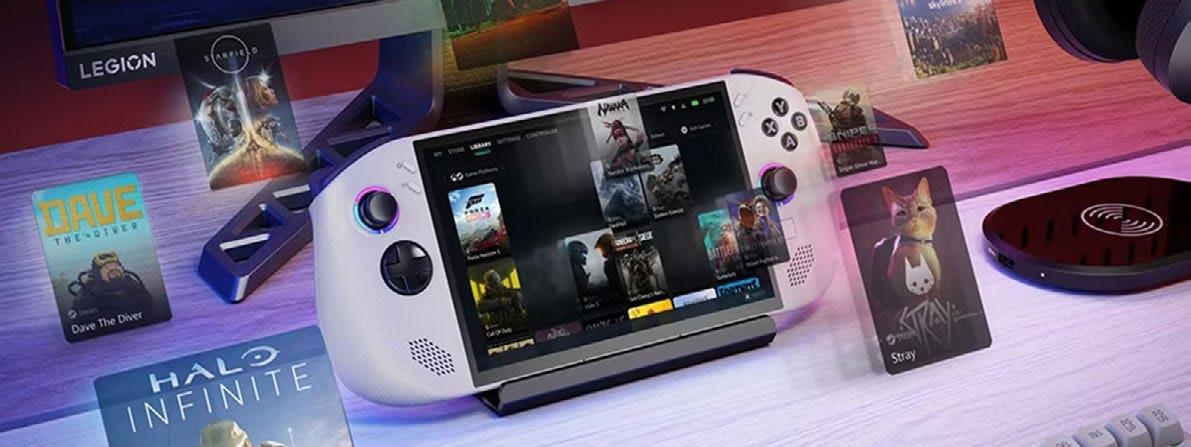
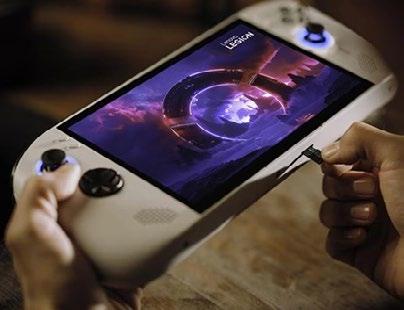
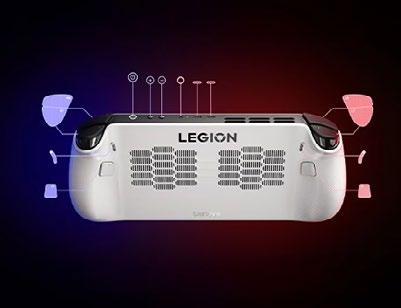
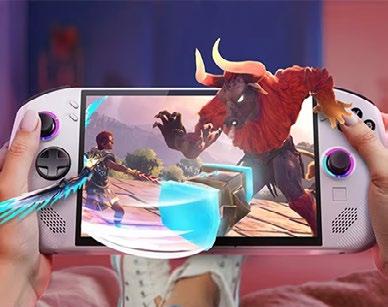
Lenovo Legion Go S (Z1 Extreme) Review
The Sweet Spot Between Power, Comfort, and Portability
Reviewed by: Brandon Sawyer
The handheld gaming market has become one of the most exciting areas in PC gaming. What was once a niche category has evolved into a genuine alternative to traditional gaming laptops and consoles, with devices capable of running modern AAA titles almost anywhere. The challenge has always been balance. Some handhelds prioritise raw performance at the expense of battery life. Others focus on portability but struggle when faced with demanding games. A few try to do everything and end up feeling compromised. The Lenovo Legion Go S with AMD's Ryzen Z1 Extreme processor feels like one of the first handhelds to genuinely strike the right balance.
After spending several weeks using the Legion Go S for gaming, media consumption, productivity, and content creation, it's clear Lenovo has learned valuable lessons from the original Legion Go. Rather than trying to reinvent the handheld formula, the company has focused on refining it. The result is a handheld gaming PC that feels more mature, more comfortable, and arguably more practical than many of its rivals. It's not perfect. But it's one of the easiest handheld gaming PCs to recommend.
Price & Availability
The Legion Go S Z1 Extreme sits firmly within the premium handheld category. Depending on region and retailer, pricing generally falls between £699–£799 in the UK and around $729–$829 in the United States. That places it directly alongside devices like the ASUS ROG Ally X, Steam Deck OLED, and other premium handheld gaming PCs. While it isn't cheap, the combination of powerful AMD hardware, a premium display, and excellent ergonomics helps justify the investment. For gamers looking for a genuine portable gaming PC rather than a simple streaming device, the value proposition is strong.
First Impressions – Lenovo Focuses on What Matters
The original Legion Go was ambitious. The Legion Go S feels focused. The moment I picked it up; the first thing I noticed was the comfort. The redesigned chassis feels fantastic in the hands. The grips are deeper, the weight distribution is better balanced, and the overall
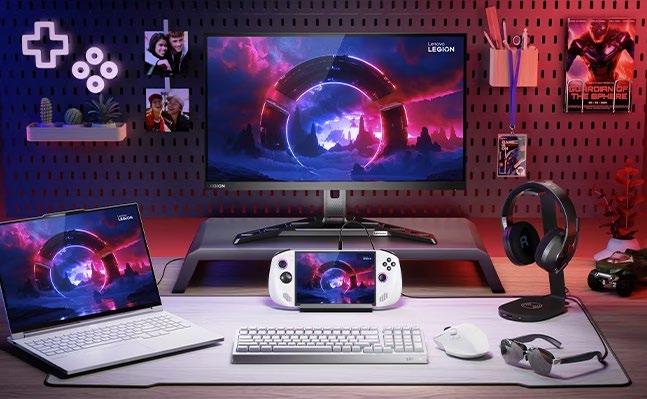
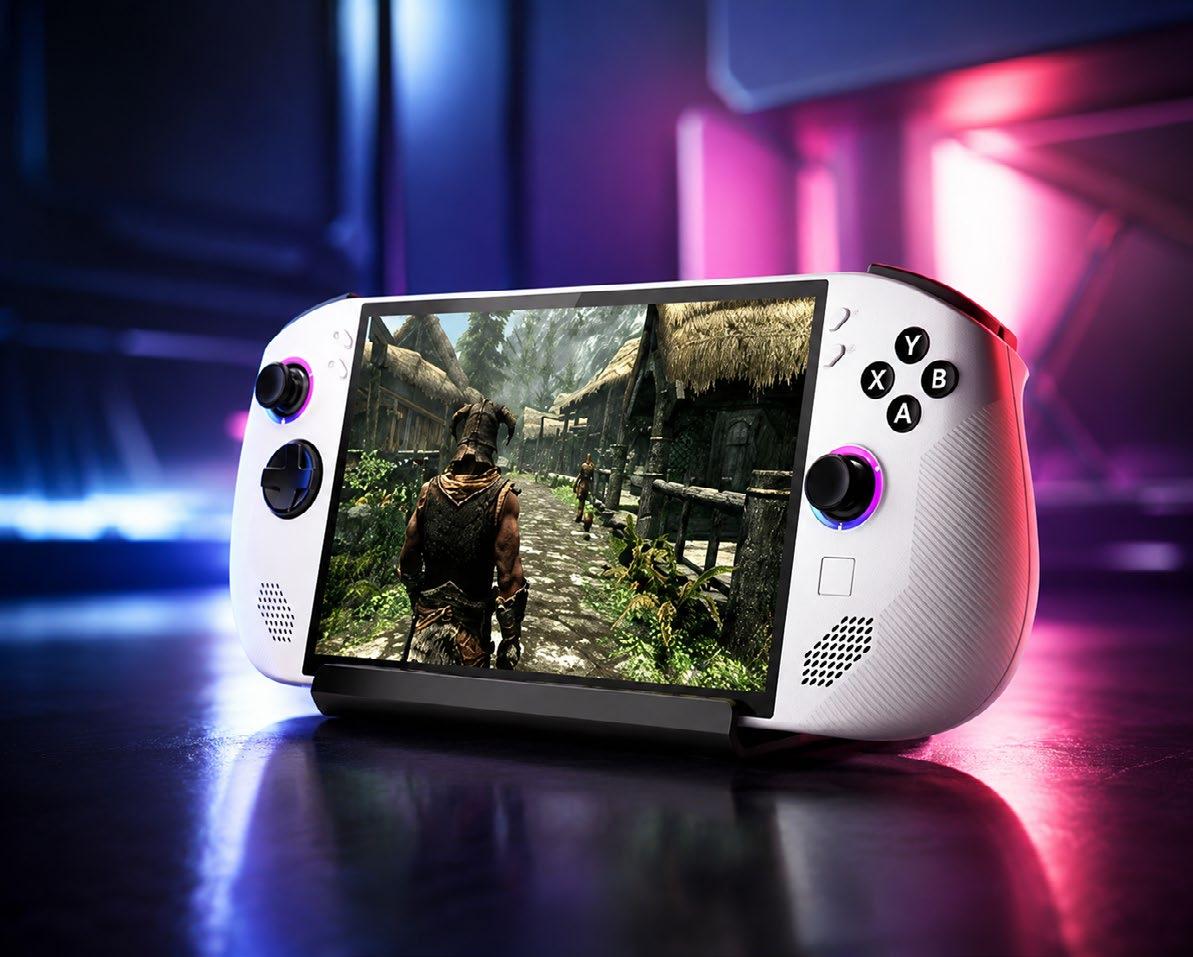
design feels more natural during extended gaming sessions. Whether I was spending hours exploring Night City, battling demons in Sanctuary, or racing across Japan in Forza Horizon 6, the Legion Go S remained comfortable throughout. Unlike some handhelds that can feel awkward after an hour or two, Lenovo's design encourages longer gaming sessions without discomfort. The build quality is equally impressive. Buttons feel tactile, triggers have excellent travel, and the entire device feels solid and premium. Nothing rattles. Nothing creaks. Everything feels exactly as it should on a premium gaming handheld.
Specifications
• The Ryzen Z1 Extreme model is where the Legion Go S truly shines.
• My review unit featured:
• AMD Ryzen Z1 Extreme Processor
• AMD RDNA 3 Graphics
• 16GB LPDDR5X Memory
• 1TB NVMe SSD

• 8-inch WUXGA IPS Display
• 1920 x 1200 Resolution
• 120Hz Refresh Rate
• Variable Refresh Rate (VRR)
• Wi-Fi 6E Connectivity
• Bluetooth 5.3
• Dual USB-C Ports
• Windows 11
• 55.5Wh Battery
Even by modern handheld standards, this remains a highly capable specification sheet. The Z1 Extreme continues to be one of the strongest gaming-focused APUs available in a handheld device, delivering impressive performance across a wide range of games.
Display – Big, Bright, and Beautiful
The Legion Go S features one of the best displays currently available in a gaming handheld. The 8-inch screen provides significantly more immersion than smaller competitors without making the device feel oversized. The 1920x1200 resolution hits a sweet spot between visual clarity and gaming performance, while the 120Hz refresh rate keeps everything feeling responsive and fluid. Colours look vibrant, viewing angles are excellent, and brightness levels are more than sufficient for indoor and travel use. Whether I was playing games, editing content, watching YouTube, or browsing the web, the display was consistently impressive. For creators especially, the additional screen real estate makes a noticeable difference when editing photos, writing articles, or managing content on the move.
Gaming Performance – Where The Z1 Extreme Delivers
The Ryzen Z1 Extreme remains one of the best processors available for handheld gaming. Combined with Lenovo's optimisations, the Legion Go S consistently delivers impressive results.
Cyberpunk 2077
Cyberpunk remains one of the most demanding games available for handheld hardware. Running a mixture of Medium settings with AMD FSR enabled, the Legion Go S delivered surprisingly smooth gameplay while maintaining impressive image quality. Night City looked fantastic on the 8-inch display, and performance remained
stable during firefights, exploration, and vehicle chases. It's exactly the type of experience that showcases how far handheld gaming has come.
Forza Horizon 6
Forza Horizon 6 quickly became one of my favourite games to play on the Legion Go S. The game's vibrant environments, detailed vehicle models, and fast-paced racing perfectly complement the handheld's display. Using a mix of Medium and High settings, performance remained smooth while still delivering impressive visual quality. The large display and responsive controls made every race feel immersive, whether I was exploring open roads or competing online. Forza Horizon 6 is exactly the kind of showcase title that demonstrates the strengths of AMD's Z1 Extreme architecture.
Call of Duty: Warzone
Competitive shooters are often the toughest challenge for handheld gaming PCs. Warzone performed surprisingly well on the Legion Go S. By lowering a few settings and utilising AMD upscaling technologies, frame rates remained smooth enough to stay competitive while maintaining respectable visual quality. The 120Hz display also helps make aiming and movement feel more responsive. While a desktop setup will always offer advantages, the Legion Go S remains more than capable for portable multiplayer gaming.
Diablo IV
Diablo IV proved to be one of the standout experiences during testing. The game's controller-focused design feels perfectly suited to handheld gaming. Performance remained consistently smooth, while battery life proved significantly better than more demanding AAA titles. Hours disappeared while farming loot and exploring dungeons. That's always a good sign.
Hades II
Hades II continues to prove why indie games are such a perfect fit for handheld systems. Performance was flawless throughout testing. Fast load times, excellent battery efficiency, and silky-smooth gameplay made it one of the easiest recommendations for Legion Go S owners.
Battery Life – Respectable for the Performance on Offer
Battery life remains one of the biggest challenges
facing handheld gaming devices. The Legion Go S performs admirably considering the power available from the Z1 Extreme processor.
During testing, I typically achieved:
• 2.5–4 hours in demanding AAA games
• 4–5 hours in mixed gaming sessions
• 5–7 hours in indie and less demanding titles
• Up to 8 hours for media consumption and productivity
Battery life will always vary depending on power settings, brightness levels, and game choice. However, I rarely found myself frustrated by the battery performance. For a handheld delivering this level of gaming capability, the results are more than respectable.
Thermals & Noise
Performance means little if a handheld sounds like a jet engine. Thankfully, Lenovo's cooling solution performs admirably. Even under heavy gaming workloads, fan noise remained controlled and largely unobtrusive. The system becomes warm during extended sessions but never uncomfortable to hold. More importantly, performance remained consistent throughout longer gaming sessions without any noticeable thermal throttling. That's exactly what enthusiasts want to see.
Content Creation & Productivity
Like most Windows-based handhelds, the Legion Go S is far more than a gaming device. Connect it to a monitor, keyboard, and mouse, and it transforms into a capable compact PC.
During testing I used the device for:
• Writing articles
• Editing images
• Managing websites
• Creating thumbnails
• Social media scheduling
• Light video editing
The Ryzen Z1 Extreme handled these tasks surprisingly well. No, it won't replace a dedicated editing workstation. But for travelling creators or those needing a compact secondary machine, it offers far more flexibility than a traditional gaming handheld.
Software Experience
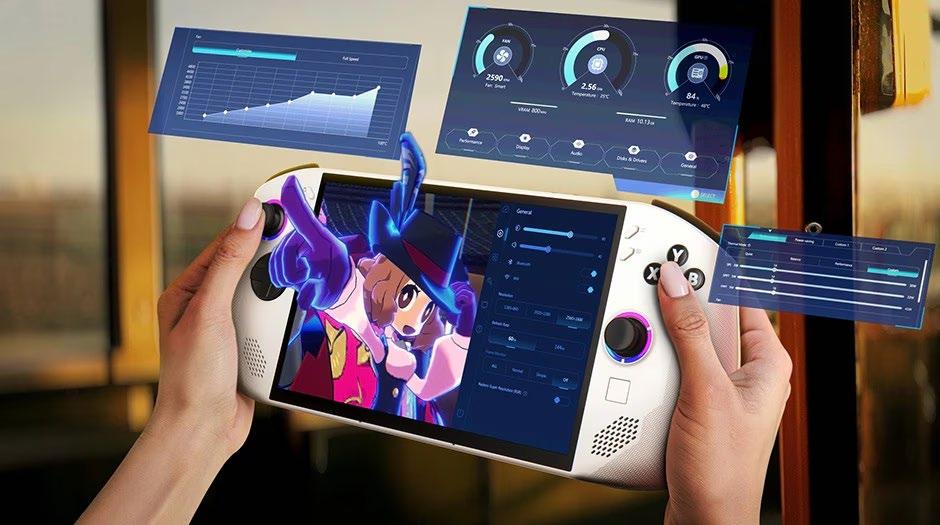
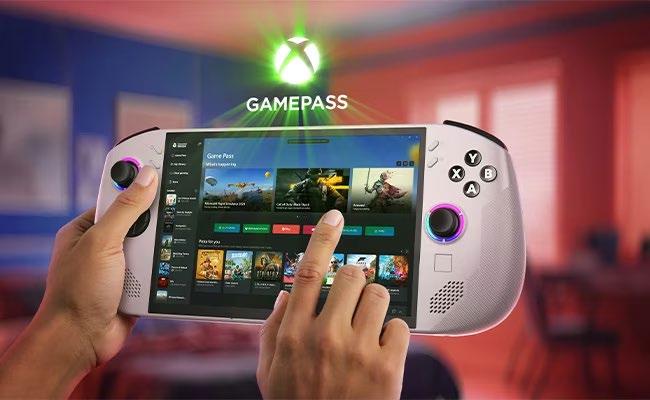
Windows 11 remains both the platform's greatest strength and biggest weakness. Every launcher works. Every storefront works. Steam, Xbox Game Pass, Battle.net, Epic Games Store, Ubisoft Connect and more are all available without restrictions. The downside remains Windows itself. Occasionally navigating menus with thumbsticks still feels clunky. Lenovo's Legion Space software helps simplify the experience, but some Windows quirks remain unavoidable. Fortunately, the overall experience is polished enough that these frustrations rarely become major issues.
What We Loved
• Excellent Ryzen Z1 Extreme performance
• Fantastic ergonomics
• Beautiful 8-inch 120Hz display
• Strong AAA gaming capability
• Comfortable for long gaming sessions
• Premium build quality
• Effective cooling system
• Great Windows flexibility
• Solid battery life
• Excellent creator and productivity potential
What Could Be Better
• Windows still isn't perfectly optimised for handhelds
• Battery life varies heavily depending on workload
• Premium pricing
• Speakers could offer more bass and depth
• Some demanding games still benefit greatly from FSR
Is It Worth Buying?
If you're looking for the absolute cheapest handheld gaming PC, there are better options. If you want the most powerful handheld available regardless of price, you may be tempted by higher-end alternatives.
However, if you're searching for:
• Excellent gaming performance
• Comfortable ergonomics
• A premium display
• Strong battery life
• Windows versatility
• Genuine productivity potential
The Legion Go S Z1 Extreme makes an incredibly compelling argument for itself. It feels like one of the most complete handheld gaming packages currently available.
Final Verdict
The Lenovo Legion Go S Z1 Extreme succeeds because it understands what most gamers actually want from a handheld. Comfort. Performance. Portability. Reliability. Rather than chasing flashy features, Lenovo has focused on refining the overall experience, and the results speak for themselves. For gamers, it delivers excellent performance across both AAA and indie titles. For creators, it offers a surprisingly capable portable workstation. For tech enthusiasts, it's one of the most polished examples of modern handheld gaming hardware available today. It may not be the most revolutionary handheld ever released, but it is one of the most enjoyable to use.
Overall
Rating: 9 / 10
A superbly balanced handheld gaming PC that combines the excellent Ryzen Z1 Extreme processor with a gorgeous 8-inch display, comfortable ergonomics, and strong all-round performance. Whether you're gaming, creating content, or simply looking for a versatile portable Windows machine, the Legion Go S delivers one of the most complete handheld experiences currently available. A huge thank you to Lenovo for providing the Legion Go S Z1 Extreme for hands-on testing and evaluation. As always, receiving a review sample does not influence our opinions, scoring, or final verdict. Every observation in this review is based on extensive real-world testing across gaming, productivity, media consumption, and day-today usage scenarios.
The Legion Go S demonstrates that Lenovo has listened to feedback from gamers and refined its handheld formula into something genuinely special. Combining the excellent Ryzen Z1 Extreme processor with a beautiful display, premium build quality, strong battery life, and impressive versatility, it stands as one of the best handheld gaming PCs currently available. For more information, full specifications, pricing, and current availability, visit Lenovo's official product page and website below.

Samsung T9 MicroSDXC 512GB Review – The Premium Storage Upgrade Built For Gamers, Creators, And Portable Power Users
Storage has quietly become one of the most important parts of modern technology. While processors, displays, graphics performance, and camera systems often dominate conversations, none of these experiences matter if your device constantly runs out of space or your storage cannot keep up with demanding workloads. Games continue to become larger. Modern cameras are capturing incredible levels of detail. Creators are producing more video content than ever before. And with the rise of handheld gaming PCs, portable storage has transformed from a simple convenience into an essential upgrade. The challenge is finding storage that can genuinely keep pace.
A standard memory card may provide additional capacity, but slower performance can lead to frustrating transfer speeds, longer loading times, recording limitations, and unreliable experiences when handling large files. This is where the Samsung T9 MicroSDXC 512GB enters the conversation. Designed for users who demand speed, reliability, and flexibility, Samsung’s latest high-performance MicroSDXC card delivers impressive performance with up to 200MB/s read speeds and 200MB/s write speeds. This is not simply a card designed for storing photos or documents. It is built for the modern digital lifestyle. Whether you are expanding your Nintendo Switch 2 library, upgrading your Steam Deck, installing games on an ASUS ROG Ally, capturing professional-quality footage, or managing creative projects while travelling, the Samsung T9 MicroSDXC aims to provide the performance needed for today’s devices. After extensive testing across gaming, photography, video workflows, and everyday portable use, it became clear that this is one of Samsung’s most ambitious MicroSDXC products yet.
Price & Availability – A Premium Investment
The Samsung T9 MicroSDXC 512GB sits firmly within the premium end of the MicroSDXC market. With an approximate UK price of £145, this is not positioned as a budget storage upgrade. Instead, Samsung is targeting enthusiasts and professionals who require dependable, high-performance storage. At this price point, buyers are not simply paying for capacity. They are investing in speed, reliability, durability, and long-term confidence. There are certainly cheaper 512GB MicroSDXC cards available, but Samsung’s approach is different. The T9 MicroSDXC is designed for users who regularly push their hardware.

For gamers, that means storing large modern titles. For creators, that means handling highresolution video footage. For photographers, that means protecting important images captured during shoots. When storage becomes responsible for holding hundreds of gigabytes of important data, reliability becomes just as important as price. The Samsung T9 MicroSDXC is a premium product, and its pricing reflects that.
First Impressions – Tiny Storage, Serious Capability
The first thing that stands out about the
Reviewed by: Brandon Sawyer
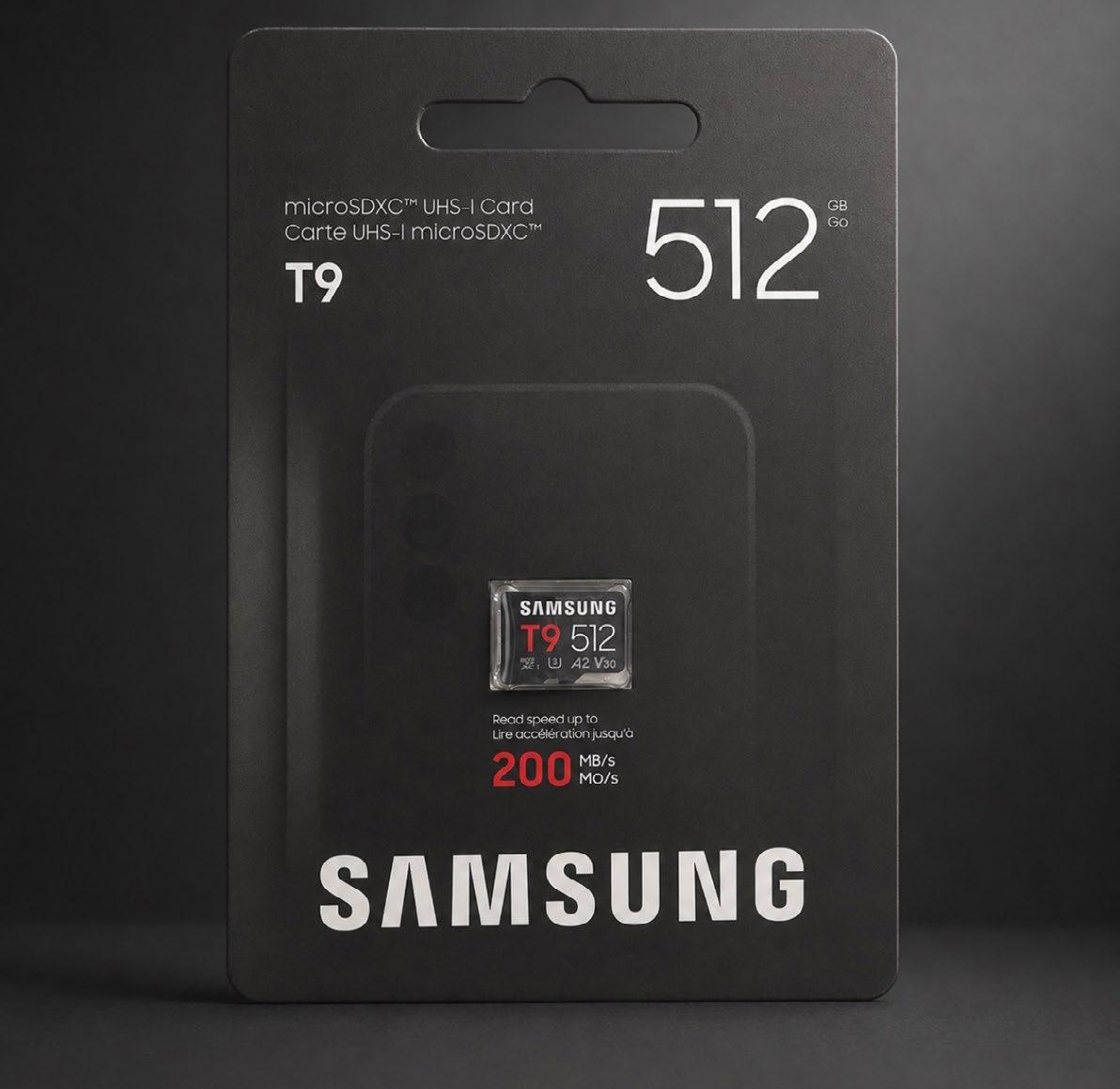


Samsung T9 MicroSDXC 512GB is how much technology Samsung has managed to fit into such a small device. MicroSD cards have always been impressive because of their size, but modern storage technology has reached a point where something smaller than a fingernail can now hold hundreds of gigabytes while delivering speeds that were once reserved for larger storage solutions.
The design is simple and practical. The included adapter also improves compatibility, allowing the card to work across a wider range of devices including cameras, laptops, and other hardware that supports full-size SD storage. Samsung has built a strong reputation for creating durable storage products, and the T9 MicroSDXC continues that tradition. It is designed to withstand the challenges of everyday use, including:
• Water exposure
• Extreme temperatures
• Magnetic interference
• X-ray damage
• Accidental drops
• General wear from repeated use
For creators and travellers, this durability is incredibly important. A memory card often carries irreplaceable moments, holiday footage, professional photography, important projects, or personal memories. Knowing your storage is designed to handle real-world conditions provides valuable peace of mind.
Specifications
The Samsung T9 MicroSDXC 512GB delivers an impressive specification list for such a compact product.
Key features include:
• 512GB storage capacity
• Up to 200MB/s read speeds
• Up to 200MB/s write speeds
• UHS-I interface
• U3 speed class
• V30 video speed rating
• A2 application performance rating
• 4K UHD video support
These specifications immediately highlight the versatility of the product. The A2 application rating is particularly important for gaming devices, helping applications and games perform efficiently. Meanwhile, the V30 certification makes the card suitable for high-resolution video recording, including demanding creator workflows. The biggest advantage is flexibility. This is one storage solution that can comfortably move between gaming, photography, video production, and everyday productivity.
Performance – Where The Samsung T9 MicroSDXC Separates Itself
Storage performance is something many users only notice when it becomes a problem. Slow transfer speeds. Long loading times. Interrupted recordings. Large files taking forever to move. The Samsung T9 MicroSDXC 512GB is designed to remove those frustrations. The headline figures of 200MB/s read and write speeds are impressive, but the real benefit comes from everyday use. Large game installations transfer faster. Video files move more efficiently. Photography libraries become easier to manage. Creative projects can be accessed without constantly waiting. The biggest compliment you can give storage is that it disappears into the background. The Samsung T9 MicroSDXC simply works.
Gaming Performance – The Perfect Companion For The Handheld Generation
The gaming industry has changed dramatically. Portable gaming is no longer limited to smaller experiences. Devices like the Nintendo Switch 2, Steam Deck, ASUS ROG Ally, and Lenovo Legion Go have proven that full gaming experiences can now be enjoyed anywhere. However, these devices share one common challenge. Storage. Modern games are enormous. AAA releases can easily exceed 100GB, meaning even devices with larger internal storage can quickly become restrictive. The Samsung T9 MicroSDXC 512GB provides a simple solution.
Nintendo Switch 2 – Expanding Your Portable Library
Nintendo’s handheld platforms have always benefited from expandable storage, and the Samsung T9 MicroSDXC feels perfectly suited to the Switch 2 generation.

A 512GB expansion gives players the freedom to build a much larger digital library without constantly deleting games. For frequent travellers, this is a huge advantage. Having dozens of games ready to play without needing internet access transforms the handheld experience. Whether enjoying first-party adventures, indie favourites, or larger third-party releases, the Samsung T9 MicroSDXC provides the flexibility modern players need.
Steam Deck, ASUS ROG Ally & Legion Go –Portable PC Gaming Without Limits
The Steam Deck changed expectations around portable gaming, proving that PC gaming could successfully move away from the desktop. However, PC games are among the largest storage consumers. The Samsung T9 MicroSDXC 512GB gives Steam Deck owners an easy way to expand their library without replacing internal components. The same applies to Windows-based handhelds such as the ASUS ROG Ally and Lenovo Legion Go.
With access to multiple storefronts including Steam, Xbox Game Pass, Epic Games Store, and more, storage fills quickly. The Samsung T9 MicroSDXC allows these devices to become genuine portable gaming systems. Instead of deciding which games to remove, players can simply enjoy more of their collection.
Creator Experience – A Professional Tool In Your Pocket
While gaming is a major selling point, creators may benefit even more from the Samsung T9 MicroSDXC. The modern creator workflow is mobile. Photographers shoot away from studios. Videographers capture content on location. Social media creators edit wherever inspiration strikes. Fast, reliable storage is essential. The Samsung T9 MicroSDXC 512GB provides the performance needed for modern creative work.
Photography & Video – Built For HighResolution Content
Modern cameras generate enormous amounts of data. RAW photographs, burst shooting, and 4K video can quickly consume storage. The Samsung T9 MicroSDXC provides enough
capacity for serious creative sessions while maintaining the speed required for demanding workflows. The V30 video rating makes it suitable for high-resolution recording, while the fast transfer speeds reduce downtime when moving footage between devices. For photographers, filmmakers, and content creators, this means one thing: More time creating. Less time waiting.
What We Loved
• Excellent 200MB/s read and write speeds
• Premium Samsung reliability
• Perfect for handheld gaming expansion
• Excellent Switch 2, Steam Deck and ROG Ally companion
• Great for creators and photographers
• V30 support for video workflows
• Compact and incredibly portable
• 512GB capacity provides excellent flexibility
What Could Be Better
• Premium £145 price point
• Overkill for casual users
• Some professional workflows may require larger dedicated storage solutions
Final Verdict – Samsung T9 MicroSDXC 512GB Review
The Samsung T9 MicroSDXC 512GB is not a memory card designed for everyone. At around £145, it represents a serious investment. However, for the users it is designed for, it delivers exactly what matters most. Speed. Reliability. Flexibility.For gamers, it provides the additional storage needed to make handheld gaming devices feel truly portable. For creators, it delivers dependable performance for photography and video workflows. For everyday users who demand the best, it offers premium storage that can travel anywhere. ,The Samsung T9 MicroSDXC 512GB proves that even the smallest accessories can have a huge impact on how we use technology. It may be tiny, but it delivers a massive upgrade.
Overall Rating: 8.5 / 10
A premium MicroSDXC card offering exceptional speed, reliability, and versatility. Expensive compared to standard alternatives, but for
gamers, creators, and professionals who need dependable high-performance storage, the Samsung T9 MicroSDXC 512GB is one of the best options available.
A huge thank you to Samsung for providing the Samsung T9 MicroSDXC 512GB for hands-on testing and evaluation. Receiving a review sample does not influence opinions, scoring, or final verdict. This review is based on real-world testing across gaming, creator workflows, photography, video storage, and everyday portable usage scenarios.
For more information, full specifications, pricing, and availability, visit Samsung’s official website below:
www.samsung.com
Facebook: @SamsungUK
Instagram: @samsunguk
Twitter: @samsunguk
YouTube: @samsunguk
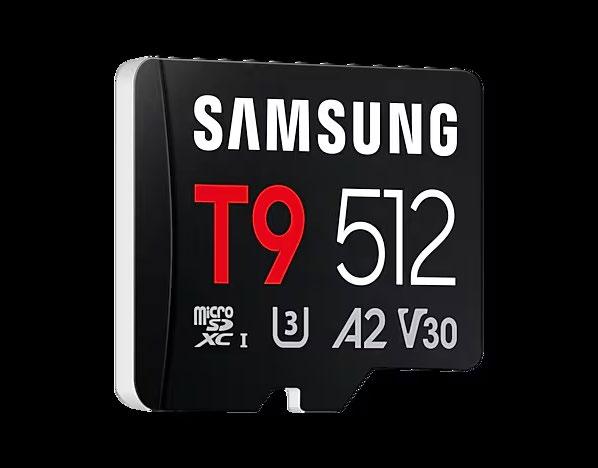


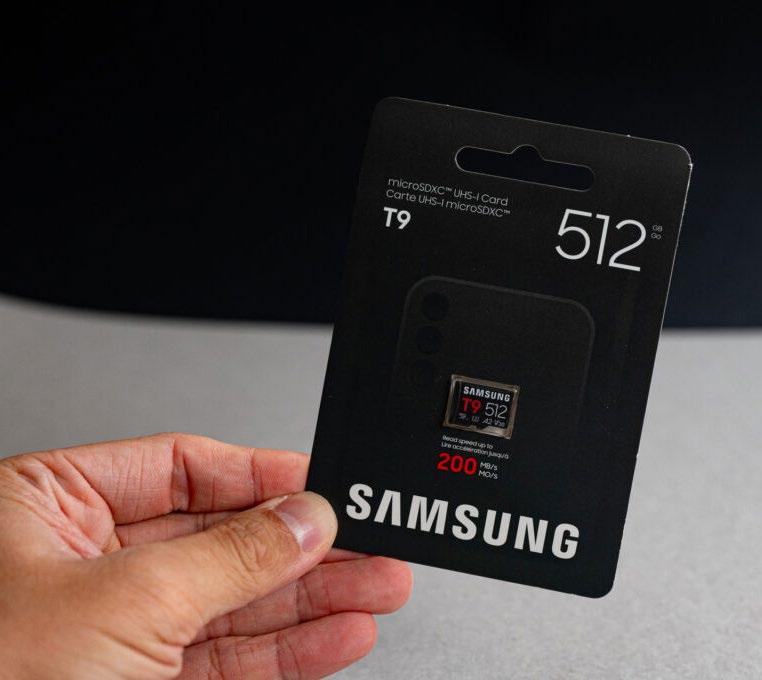


Marvo Titan & Duke Series Review – Budget Gaming Gear That Doesn't Feel Budget
Reviewed by: Brandon Sawyer
For years, there has been a common belief within the PC gaming community that premium performance requires a premium price tag. Spend enough time looking through enthusiast forums, watching hardware reviews, or browsing gaming setups online, and you will quickly find yourself surrounded by mechanical keyboards costing hundreds of pounds, gaming mice pushing into flagship territory, and accessories that, while undeniably impressive, are simply too expensive for many players. However, the gaming hardware landscape has changed dramatically. Over recent years, affordable manufacturers have started challenging that perception by introducing features that were once exclusive to highend enthusiast products. Hot-swappable switches, premium keycaps, wireless connectivity, advanced mechanical designs, and performance-focused gaming mice are no longer limited to the biggest brands in the industry.
One company that represents this evolution particularly well is Marvo. Known for creating accessible gaming peripherals, Marvo has continued to expand its approach beyond simply producing affordable alternatives. The company’s latest lineup focuses on delivering practical features, reliable performance, and hardware designed to fit into the everyday lives of gamers and creators.
The Marvo Titan 75, Titan 98, Duke50, and Duke50W showcase that philosophy perfectly. Over the course of two weeks, I replaced my usual keyboard and mouse setup with Marvo’s latest hardware, using these products as my primary tools for both gaming and productivity. This was not a quick test session or a short hands-on period focused purely on specifications; these peripherals became part of my daily workflow. Every article written for The Gamer Guide Magazine, every image edited in Photoshop, every video timeline worked through, every email answered, and every evening spent playing competitive first-person shooters was completed using Marvo’s latest lineup.

The goal was simple: to see whether affordable gaming hardware could genuinely compete as everyday equipment. After two weeks of real-world use, one thing became clear. Marvo is not simply trying to make cheaper gaming accessories; it is proving that affordable hardware does not have to feel like a compromise.
First Impressions
Before testing began, the first thing that stood out was how different the Marvo lineup felt compared to many budget peripherals. Affordable gaming hardware often comes with obvious compromises: lightweight plastics, questionable build quality, overly aggressive designs, and RGB lighting that feels more like a distraction than a feature. The Titan and Duke range takes a different approach. The keyboards immediately feel solid and well-constructed, while the mice avoid unnecessary styling choices in favour of a cleaner, more mature design. RGB lighting is present, but it has been implemented with restraint. It enhances the setup rather than becoming the entire identity of the product.
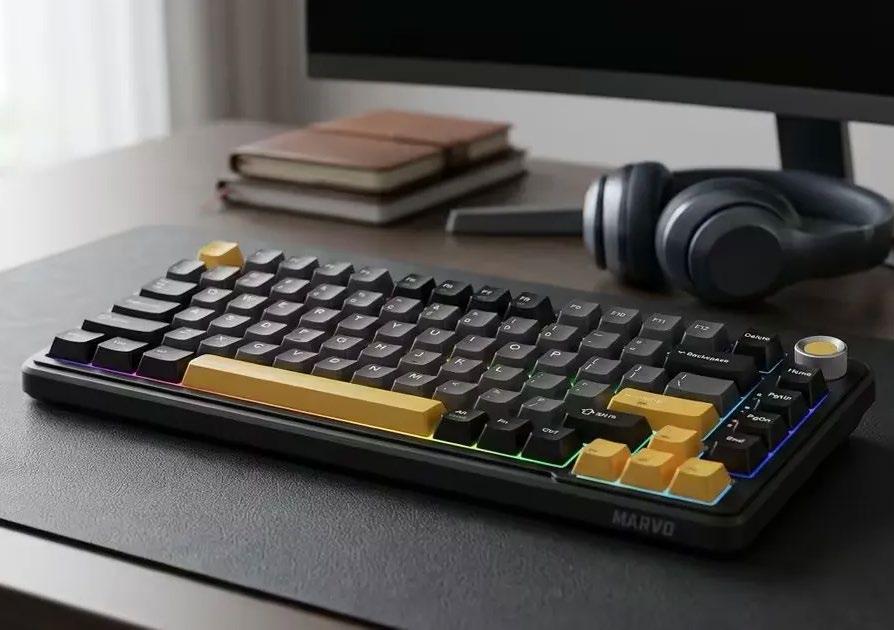


From the moment everything was connected, there was a feeling that Marvo had focused on creating hardware designed for long-term use rather than simply achieving the lowest possible price point. That first impression only improved throughout testing.
Marvo Titan 75 Review – Small Footprint, Big Ambitions
Compact keyboards have become increasingly popular among PC gamers, especially those who want additional desk space for mouse movement without sacrificing the benefits of mechanical switches. The Titan 75 embraces this perfectly. Its 75% layout reduces the overall footprint while maintaining important functionality, including dedicated arrow keys and navigation controls. For competitive firstperson shooters, where wide mouse movements can make a genuine difference, the smaller design immediately feels beneficial.
As someone who spends just as much time writing as gaming, I was initially unsure whether moving to a smaller layout would impact my workflow. Thankfully, that concern disappeared quickly. After a short adjustment period, the Titan 75 felt completely natural. The reduced size gave me more room on my desk, while the layout still provided everything I needed for everyday use. Despite being smaller than a traditional keyboard, I never found myself constantly searching for missing keys or feeling restricted. It achieves exactly what a compact keyboard should do: remove unnecessary space without removing functionality.
Premium Features Where They Matter
One of the biggest misconceptions surrounding affordable mechanical keyboards is that manufacturers have to remove premium features to reach a lower price point. With the Titan 75, that compromise is difficult to find. Marvo has equipped the keyboard with a feature set that would traditionally be associated with more expensive enthusiast models:
• Tri-mode connectivity via USB-C, Bluetooth, and 2.4GHz wireless
• 4,000mAh rechargeable battery
• Up to 200 hours of battery life with RGB disabled
• 1,000Hz polling rate
• Hot-swappable 3-pin and 5-pin switch support
• Pre-lubed Banana Crystal linear switches
• Double-shot PBT keycaps
• Gasket-mounted construction
• Five-layer sound dampening
• RGB lighting customisation
• Multimedia control knob
• N-Key rollover and anti-ghosting support
Individually, these features are impressive; together, they create a keyboard experience that feels far beyond what many people would expect from an affordable gaming product. The inclusion of gasket mounting and hotswappable switches especially adds long-term value, allowing users to customise and adapt their keyboard over time.
Typing Experience
For me, reviewing a keyboard is about far more than gaming performance. A huge part of my daily routine involves writing thousands of words, editing articles, and managing content, meaning typing comfort is just as important as responsiveness. This is where the Titan 75 impressed me most.
The pre-lubed Banana Crystal switches provide a smooth and consistent typing experience straight out of the box. There is no distracting scratchiness, excessive spring noise, or hollow sound that can often affect more affordable mechanical keyboards. Combined with the gasket-mounted design and internal dampening, every keypress feels controlled and comfortable. During my two weeks with the keyboard, I used it for writing features, responding to emails, editing magazine content, and researching upcoming reviews. Even during longer sessions, it remained comfortable. The sound profile is another highlight: rather than producing the sharp, empty sound often associated with budget mechanical keyboards, the Titan 75 delivers a deeper and more refined acoustic experience. It is a small detail, but these are the things that become increasingly noticeable when hardware is used every day.
•

Gaming Performance
A gaming keyboard ultimately needs to perform when it matters. Throughout testing, I focused heavily on competitive first-person shooters, where responsiveness and reliability are essential. The 1,000Hz polling rate ensured inputs felt immediate, while the Banana Crystal switches offered fast and predictable actuation. Movement combinations, rapid key presses, and repeated inputs all felt natural.
The tri-mode connectivity was equally impressive. I switched between wired USB-C and 2.4GHz wireless throughout testing and struggled to notice any meaningful difference between the two. That is exactly what modern wireless gaming should feel like. The technology disappears: you are not thinking about connection modes or latency, you are simply playing. The Titan 75 became a keyboard that allowed me to focus on the game rather than the hardware beneath my hands. However, despite how impressed I was with the Titan 75, it was not the keyboard that eventually became my personal favourite. That title belonged to the larger sibling in the lineup: the Titan 98.
Marvo Titan 98 Review – The Best Of Both Worlds
If the Titan 75 represents Marvo’s answer to the modern competitive gaming setup, then the Titan 98 feels like the keyboard designed for users who need their hardware to do more. Personally, I have always preferred larger keyboards. That preference comes down to how I use my PC: my day does not begin with gaming; it begins with writing, editing, planning content, managing magazine work, and handling creative tasks. Having access to a full set of keys, including a dedicated number pad, has always been something I naturally rely on. That became even clearer during my time with the Titan 98. While the Titan 75 impressed me with its compact design and gaming-focused approach, the Titan 98 quickly became the keyboard I naturally reached for every morning. Not because it was objectively better, but simply because it suited the way I work.
A Full-Size Experience Without The Bulk
Traditionally, choosing a full-sized keyboard
meant accepting a larger footprint. The Titan 98 challenges that idea. Using a 98% layout, Marvo has managed to retain the functionality users expect from a full-size keyboard while reducing unnecessary space.
The result is a design that feels instantly familiar. The number pad remains, navigation keys remain, and function keys remain. Everything is exactly where your hands expect it to be. However, the overall footprint is noticeably smaller than traditional full-size keyboards. It genuinely feels like the best of both worlds: you get the productivity benefits of a larger keyboard while still maintaining a cleaner, more efficient desk setup.
The Same Premium Experience
One of the strongest aspects of Marvo’s Titan range is consistency. Too often, manufacturers create different versions of a product and remove features from one model to justify separating the price points. That is not the case here. The Titan 98 receives the same premium treatment as the Titan 75. It includes:
• Tri-mode connectivity through USB-C, Bluetooth, and 2.4GHz wireless
• 4,000mAh rechargeable battery
• Up to 200 hours of battery life with RGB disabled
• Gasket-mounted internal construction
• Five-layer acoustic dampening
• Pre-lubed Banana Crystal linear switches
• Hot-swappable switch support
• Double-shot PBT keycaps
• Full RGB lighting
• Multimedia control knob
• Software customisation
• 1,000Hz polling rate
Nothing feels like it has been sacrificed. Instead, Marvo gives users the freedom to choose the layout that fits their lifestyle without forcing them to compromise on performance. That is something more manufacturers should consider.
Living With The Titan 98
One of the biggest compliments I can give any piece of hardware is that eventually I stop noticing it. That is exactly what happened with

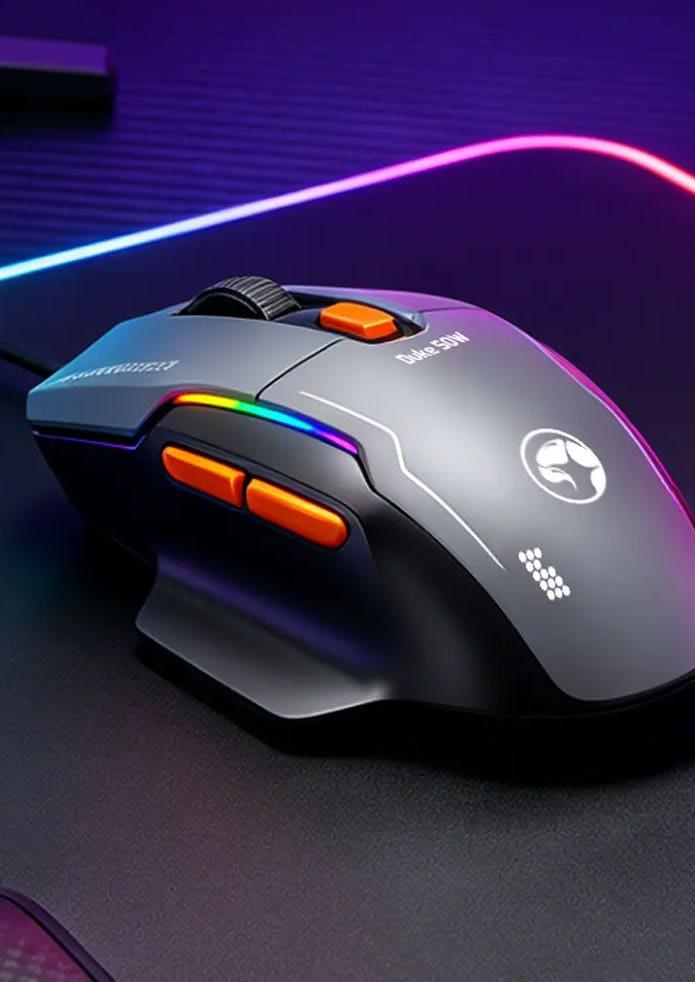

the Titan 98. After the first few days of testing, it simply became part of my setup.
Every morning I would sit down and begin working writing magazine features, editing interviews, planning upcoming content, responding to PR emails, and organising projects. The Titan 98 handled everything effortlessly. The additional number pad proved more useful than I initially expected. While some gamers consider it unnecessary, anyone who works creatively or professionally knows how valuable those extra keys can become when entering numbers, managing files, working with spreadsheets, or using shortcuts in creative applications. Small improvements like these add up over time, and for my workflow, the Titan 98 made everyday tasks easier.
That said, the Titan 75 still has a clear purpose. For competitive gamers who prioritise maximum desk space and mouse movement, the smaller design makes perfect sense. The choice ultimately comes down to personal preference.
Typing For Hours & Gaming Performance
During my review period, the Titan 98 became the keyboard I spent the most time using. Thousands of words were written on it across articles, reviews, emails, planning documents, and social posts. That alone shows how comfortable it became. The Banana Crystal switches continued to impress. They are smooth without feeling soft, responsive without becoming overly sensitive, and satisfying without becoming distracting.
The five-layer dampening system also deserves praise. Many budget mechanical keyboards produce a hollow sound that quickly becomes noticeable during long sessions. The Titan 98 avoids this. Each keypress has a deeper and more refined sound profile, making extended typing sessions more enjoyable. It is a detail that might not stand out immediately, but after hours of daily use, it makes a genuine difference. When the working day ended, the Titan 98 transitioned naturally into a gaming keyboard. Much like the Titan 75, I focused primarily on competitive first-person shooters during testing. Fast reactions, rapid movement, repeated
key combinations, and quick communication were handled with consistent responsiveness. The 1,000Hz polling rate ensured every input felt instant, while the wireless performance remained dependable throughout. I regularly switched between wired USB-C and the 2.4GHz wireless receiver, and the biggest compliment I can give the Titan 98 is that I quickly forgot which connection mode I was using. There was no noticeable delay, no interruptions, and no feeling that wireless performance was holding me back.
RGB Done Right
RGB lighting has become almost unavoidable in gaming hardware. However, there is a difference between adding lighting and using it effectively. Thankfully, Marvo takes a balanced approach. The lighting is bright and customisable without becoming distracting, looking impressive while maintaining a clean aesthetic. Personally, I prefer a more subtle setup, and the Titan keyboards fit perfectly alongside the rest of my desk. For users who want maximum battery life, disabling RGB also extends wireless performance significantly—a practical option rather than simply an aesthetic feature.
Marvo Duke50 Review – Simplicity Executed Well
After spending considerable time with both keyboards, I moved onto Marvo’s latest gaming mice. The Duke50 follows a philosophy that more manufacturers should embrace keeping things simple. Rather than adding unnecessary buttons or exaggerated designs, Marvo focuses on the fundamentals that actually matter: comfort, control, precision, and reliability. Sometimes that is exactly what gamers need.
Comfort First & Performance Where It Counts
The first thing I noticed with the Duke50 was how naturally it fit in the hand. There was no adjustment period required; the shape felt comfortable immediately, and even after longer gaming sessions or extended editing work, fatigue was never an issue. That is something many affordable mice struggle with. A mouse can have impressive specifications, but if the shape is uncomfortable, those features quickly become irrelevant.
The Duke50’s balanced design allowed smooth movement whether I was making precise adjustments in Photoshop or tracking opponents during competitive shooters. It felt predictable, and predictability is one of the most important qualities a gaming mouse can have. Throughout testing, the Duke50 delivered reliable performance. Quick flicks, small adjustments, and large movements across the mouse mat all felt controlled. The clicks provided satisfying feedback without feeling overly stiff, while the scroll wheel remained comfortable for both gaming and everyday browsing.
What impressed me most was how versatile the Duke50 became. Over the two-week testing period, it was used for far more than gaming: Photoshop editing, video timelines, research, writing, and general desktop work. It handled everything comfortably. At this stage of testing, one thing became obvious: Marvo was not simply creating peripherals that looked good on a product page; it was creating hardware capable of replacing everyday equipment. And then came the Duke50W.
Marvo Duke50W Review – Wireless Freedom Without The Premium Price
After spending time with the wired Duke50, I had a clear understanding of what Marvo was trying to achieve with its latest gaming mouse range: focus on the essentials, create a comfortable design, deliver dependable performance, and avoid unnecessary complexity. The Duke50W takes that same philosophy and adds one of the biggest quality-of-life improvements in modern gaming setups: wireless freedom.
Gaming mice have changed dramatically over the years. There was once a time when competitive players avoided wireless hardware completely due to concerns around latency, reliability, and battery life. Today, a well-designed wireless mouse can deliver the same confidence as a wired alternative while offering the added benefits of a cleaner setup and unrestricted movement.
The Duke50W represents Marvo embracing that evolution. After using it throughout my testing period, it quickly became my preferred mouse.
Not because the Duke50 was lacking, but simply because once you experience a reliable wireless mouse, returning to a cable becomes difficult.
Gaming Without Restrictions & A True Everyday Mouse
The biggest compliment I can give the Duke50W is that it disappeared into my setup. During testing, it became part of everything I did: competitive first-person shooters, Photoshop work, video editing, and general productivity. The mouse never felt like a compromise. A great gaming peripheral should not constantly remind you that it exists; it should simply respond when required. That is exactly what the Duke50W delivered. Movement felt controlled, clicks felt consistent, and the wireless connection remained dependable. Whether I was making quick movements during FPS gameplay or carefully adjusting images during creative work, the mouse always felt reliable.
What surprised me most about the Duke50W was how easily it transitioned between different tasks. Modern PC users rarely have separate setups for work and gaming anymore; the same desk handles everything, which means peripherals need to be flexible. During the day, the Duke50W became a productivity tool; in the evening, it became a gaming accessory. There was never a moment where it felt like I was using a cheaper alternative. That versatility is where Marvo’s approach makes the most sense. A good peripheral does not need to be the most expensive option available; it simply needs to perform when it matters.
Titan 75 vs. Titan 98 – Which Keyboard Should You Choose?
After spending significant time with both keyboards, the decision ultimately comes down to one question: what type of user are you?
The Titan 75 is the ideal choice for gamers who value desk space and a cleaner setup. Its compact design makes it particularly appealing for competitive FPS players who want more room for mouse movement. It feels modern, efficient, and minimal.
The Titan 98, however, became my personal favourite. That comes entirely down to how I use my PC. As someone who balances gaming with writing, editing, and content creation, the additional functionality of the larger layout made a noticeable difference. The number pad became valuable during everyday tasks, and the familiar layout made long work sessions feel more natural.
Neither keyboard is better; they simply serve different audiences.
Choose the Titan 73 if you:
• Prefer compact layouts
• Play competitive shooters regularly
• Want more desk space
• Like a minimalist setup
Choose the Titan 98 if you:
• Prefer a larger keyboard
• Work as well as game
• Use creative software
• Need additional functionality (numpad)
The biggest success is that both models provide the same premium experience. You are choosing the layout, not sacrificing features.
Duke50 vs. Duke50W – Wired Or Wireless?
The same philosophy applies to Marvo’s mice. The Duke50 delivers exactly what many gamers need: reliable performance, comfortable ergonomics, responsive controls, and a straightforward experience. For anyone building their first gaming setup or looking for maximum value, the wired version remains an excellent option. However, the Duke50W became my daily driver. Wireless suited my workflow better. Removing cable drag, creating a cleaner desk, and having complete freedom of movement made a noticeable difference. Sometimes the smallest improvements become the ones you appreciate most.
Creator Workflow – More Than Gaming Hardware
One of the biggest things I discovered during
testing is that Marvo’s latest products are not only designed for gamers; they are designed for modern PC users. The traditional idea of a gaming setup has changed. Many people now use the same desk for everything: gaming, streaming, writing, editing, and design work.
That was exactly how I tested the Titan and Duke range. During the day, these peripherals became productivity tools: the Titan 98 handled long writing sessions comfortably, the Titan 75 provided a cleaner, more compact alternative, and the Duke50W made editing, navigation, and general PC use effortless. Then, when the work was finished, the same hardware transitioned seamlessly into gaming. That flexibility is incredibly valuable. A product does not have to be the most expensive choice on the market; it simply needs to deliver where it matters. And that is exactly what Marvo has achieved.
What We Loved
The biggest achievement of the Titan and Duke series is how much value Marvo has packed into the lineup. Features that were once reserved for much more expensive hardware are now available to a much wider audience. The Titan keyboards deliver hot-swappable switches, gasket-mounted construction, PBT keycaps, tri-mode connectivity, 1,000Hz polling, wireless gaming capability, and RGB customisation. These are not features included simply to improve a marketing sheet; they genuinely improve the user experience.
Excellent Build Quality
The biggest surprise throughout testing was how little these products felt like budget alternatives. The keyboards feel substantial, the switches feel refined, and the mice feel comfortable and reliable. At no point did I feel like I was using hardware that had been compromised because of its price. Marvo has focused on the areas that matter most: comfort, performance, and reliability.
Something For Everyone
The strength of this lineup is choice. Competitive gamers may prefer the Titan 75, creators and
professionals may gravitate towards the Titan 98, players wanting simplicity may choose the Duke50, and those wanting wireless freedom will likely prefer the Duke50W. Whether you are a competitive FPS player, a casual gamer, a student, a content creator, or someone building their first gaming setup, there is something here that fits.
What Could Be Better
It is difficult to criticise the Marvo lineup without considering its price position. There will always be premium alternatives offering deeper software ecosystems, more advanced customisation options, or enthusiast-level features. However, those products also cost considerably more. Marvo is not attempting to replace every flagship product on the market. Instead, it focuses on delivering the features most gamers actually use. For the majority of players, there are very few genuine weaknesses. The only limitations are likely to come from enthusiasts searching for extreme levels of customisation. For everyone else, these peripherals provide an excellent experience.
Final Verdict & Scores
The biggest compliment I can give Marvo’s Titan and Duke series is simple: I didn’t feel like I was using budget hardware. After two weeks of replacing my usual setup with these peripherals, they became part of my everyday workflow. The Titan 75 impressed me with its compact design, premium construction, and competitive gaming focus. The Titan 98 became my personal favourite thanks to its larger layout and additional functionality, perfectly matching the way I balance gaming with content creation. The Duke50 delivered dependable wired performance, comfortable design, and reliable accuracy. The Duke50W quickly became my daily driver thanks to the freedom and convenience wireless gaming provides.
Marvo has achieved something increasingly rare: it has created affordable hardware that does not feel like a compromise. Instead of stripping features away to reach a price point, the company has focused on including
the things gamers genuinely care about. The result is a lineup that can handle competitive gaming, professional workloads, and creative projects without breaking the bank. For anyone looking to upgrade their setup without spending flagship money, the Marvo Titan and Duke series deserves serious consideration. This is proof that great gaming hardware does not always need a premium price tag.
Marvo Titan 75
9/10
Marvo Titan 98
9.5/10
Marvo Duke50
8.5/10
Marvo Duke50W
9/10
Overall Marvo Titan & Duke Series Rating 9/10
Final Thoughts
Marvo’s latest lineup represents exactly where affordable gaming hardware should be heading. The Titan keyboards prove that premium mechanical features are no longer limited to expensive enthusiast products, while the Duke mice demonstrate that reliable gaming performance does not require a flagship price tag. Across gaming, writing, editing, and everyday productivity, these peripherals consistently delivered. They are not trying to be the most expensive products on the market—they are doing something arguably more important by giving more gamers access to a genuinely highquality experience. Marvo has created a lineup that proves budget does not have to mean basic. For more information on the full range of Marvo gaming peripherals, visit the official Marvo website below.
www.marvo.pro
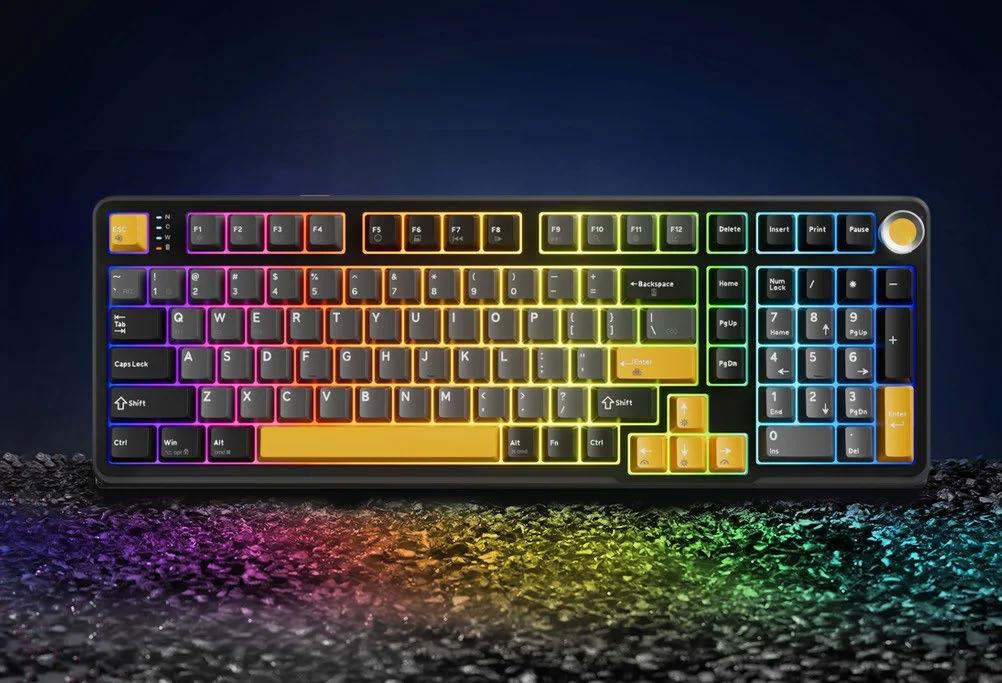
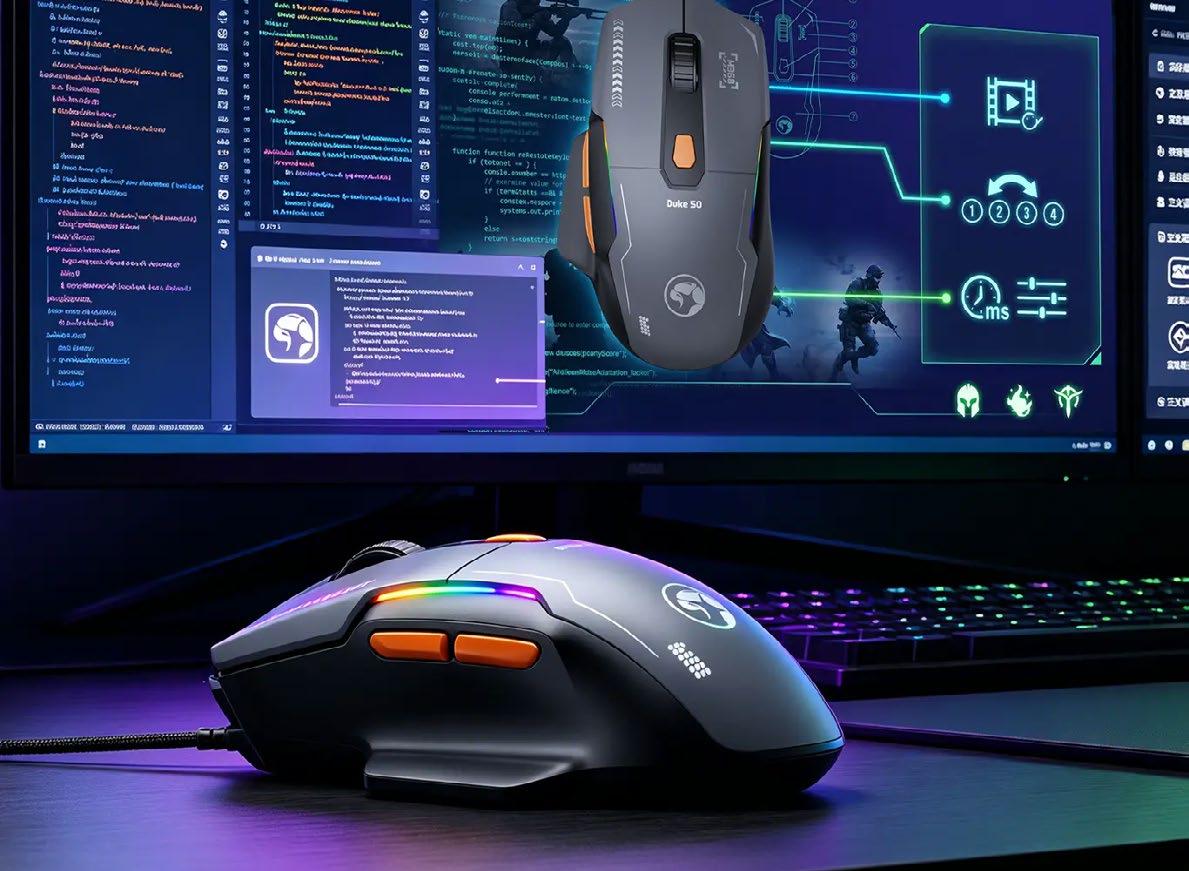
GUNNAR Cyberpunk Militech Sun Edition Review
The
Ultimate
Gaming Glasses for Night City and
Beyond
Reviewed by: Brandon Sawyer
Gaming accessories have evolved far beyond flashy RGB lighting and oversized branding. Today, some of the most valuable additions to any gaming setup are the ones that quietly improve your overall experience without demanding attention. A quality mechanical keyboard, a responsive gaming mouse, a comfortable chair, and increasingly, a pair of premium blue light glasses have all become staples for gamers who spend countless hours in front of a screen.
As someone who spends the majority of the day gaming, writing reviews, editing photography and video, and creating content across multiple platforms, screen time quickly adds up. Between marathon gaming sessions, deadlines for reviews, late-night editing, and everyday browsing, it's not uncommon for me to spend well over ten hours looking at monitors, laptops, handheld gaming devices, and smartphones. While modern displays continue to improve, eye fatigue is still something many gamers and creators experience, particularly after extended sessions.
That's where GUNNAR has built its reputation. For years, the company has been one of the leading names in gaming eyewear, combining premium frame designs with lens technology specifically developed to reduce blue light exposure and make prolonged screen use far more comfortable. Rather than simply producing fashionable glasses with gaming logos attached, GUNNAR has consistently focused on creating products that deliver genuine everyday benefits.
Its latest collaboration takes inspiration from one of gaming's most visually striking universes. Cyberpunk 2077 has become synonymous with futuristic design, advanced technology, and the unmistakable corporate identity of Night City's most powerful megacorporations. Among them, Militech stands as one of the most recognisable names in the game's world, representing military-grade hardware, cutting-edge engineering, and uncompromising performance. Translating that identity into a wearable accessory could easily have become a novelty exercise, but GUNNAR has instead created something that feels both premium and practical.
Over the past several weeks I've been wearing the Cyberpunk Militech Sun Edition throughout my everyday routine. From competitive multiplayer sessions and lengthy RPG adventures to editing photographs, producing videos, writing articles, travelling to events, and even spending time outdoors, these glasses have become part of my daily carry. The result is a pair of gaming glasses that feel just as comfortable in front of a gaming monitor as they do walking through town on a sunny afternoon. More importantly, they've become one of those accessories I instinctively reach for before switching on my PC.
Price & Availability
The Cyberpunk Militech Sun Edition sits comfortably within GUNNAR's premium licensed collection, reflecting both the quality of the frame cons truction and the specialised Sun-Shift lens technology included as standard. Retailing at around £99.99 in the UK, they naturally cost more than the countless generic blue light glasses available online. At first glance that price may seem difficult to justify if you've never owned a premium pair of gaming glasses before.
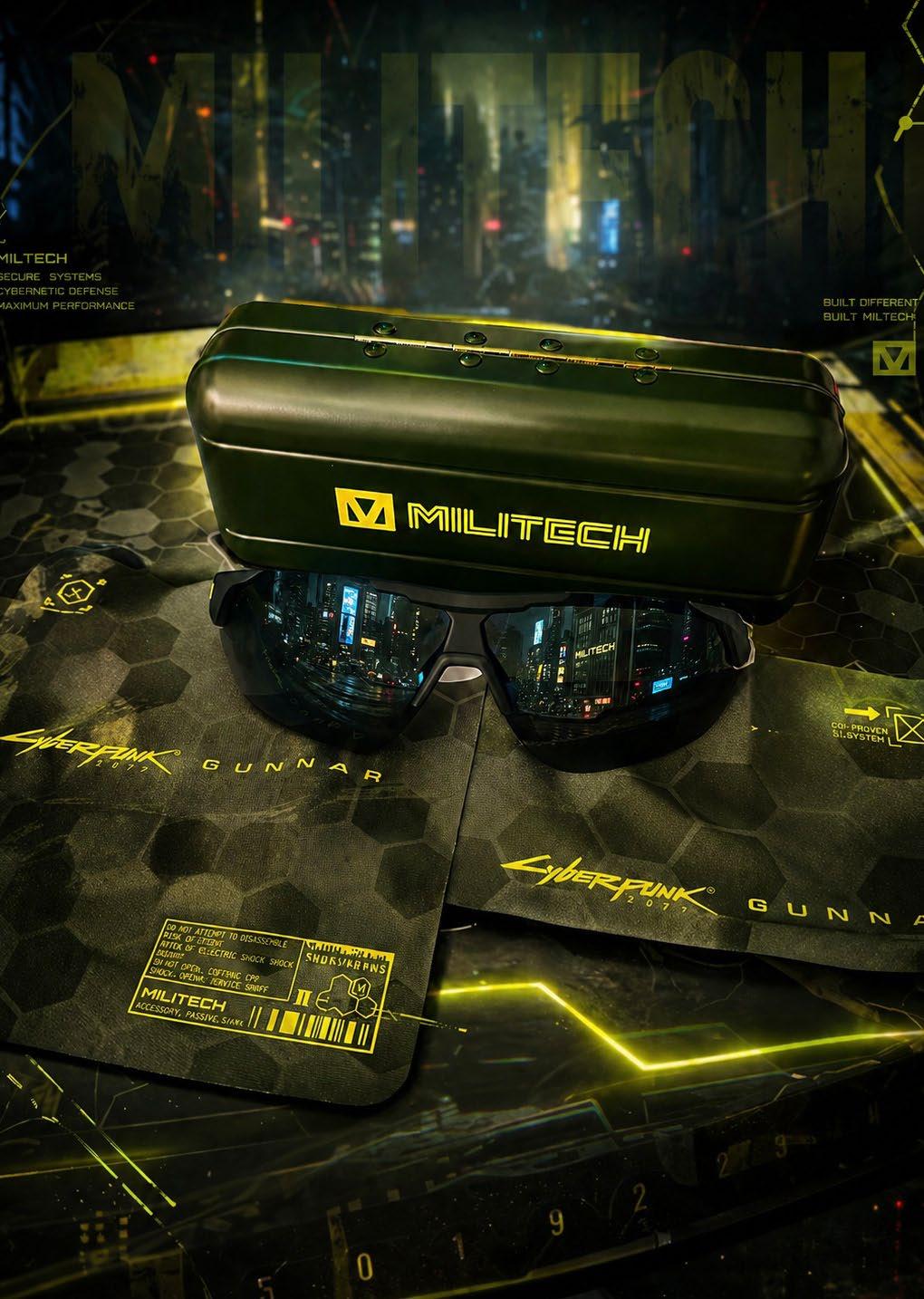
However, comparing these to budget alternatives is rather like comparing a mechanical gaming keyboard to a membrane office keyboard. They may perform a similar basic function, but the overall experience is worlds apart. With the Cyberpunk Militech Sun Edition you're investing in precision-engineered frames, highquality optics, advanced blue light filtering, UV protection, premium coatings, and official Cyberpunk licensing that has clearly been treated with care rather than simply stamped onto an existing product.
For gamers, creators, streamers, remote workers and anyone who spends several hours each day looking at digital displays, they quickly begin to feel like an investment in comfort rather than an impulse purchase.
First Impressions – Premium Without Being Overstated
One thing GUNNAR consistently gets right is presentation, and the Cyberpunk Militech Sun Edition continues that tradition beautifully. Opening the box immediately gives the impression you're dealing with a premium piece of gaming hardware rather than a simple accessory. Every detail feels carefully considered, from the packaging itself through to the protective case and included accessories. The Cyberpunk branding immediately catches your eye, yet it never feels excessive.
Instead of covering every surface with bright yellow graphics or oversized game logos, GUNNAR has adopted a far more restrained approach. Fans of Cyberpunk 2077 will instantly recognise the inspiration, while everyone else simply sees a sophisticated pair of modern glasses. That subtlety works incredibly well. Licensed gaming products often struggle to balance collectability with everyday practicality, but these avoid that trap entirely. They celebrate the Cyberpunk universe without becoming costume pieces, making them just as suitable for commuting, working in the office, or attending gaming events as they are for sitting behind a gaming setup.
The moment I picked them up, the overall build quality stood out.
The frames feel reassuringly solid without becoming heavy, the hinges operate with confidence, and every component gives the impression it has been designed for longterm use rather than occasional wear. Nothing rattles. Nothing feels fragile. Everything about them communicates quality.
Inspired by Militech
While many officially licensed products simply borrow a logo, the Militech Sun Edition genuinely feels influenced by the corporation's design philosophy within Cyberpunk 2077. Militech represents precision, military-grade engineering and functional performance over unnecessary decoration, and those characteristics have clearly influenced the overall aesthetic. The frame design is clean, modern and purposeful. Sharp lines combine with subtle detailing to create glasses that look contemporary without chasing trends, allowing them to fit naturally into everyday life rather than feeling tied exclusively to the gaming world.
It's an understated design that actually becomes more impressive the longer you wear them. Friends who knew nothing about Cyberpunk simply commented that they looked stylish. Those familiar with Night City immediately recognised the inspiration. That balance is exactly what a licensed collaboration should strive for. Unlike some gaming merchandise that feels difficult to wear outside conventions or gaming events, these comfortably cross into everyday fashion. Whether I was working from home, visiting coffee shops, travelling between meetings or attending creator events, they never felt out of place. In many ways, that's one of the highest compliments I can give them. They're gaming glasses that don't look like stereotypical gaming glasses. Instead, they simply look like premium eyewear with an identity that fans will appreciate.
Blue Light Protection That Actually Makes a Difference
Blue light glasses remain a surprisingly divisive topic within the gaming community. Some people swear by them.
Others assume they're little more than an expensive fashion accessory. Having now used various GUNNAR products over extended periods, I've found myself firmly in the first camp. No, they aren't going to transform your eyesight overnight or magically solve every issue associated with spending long hours looking at digital displays. What they do exceptionally well is improve overall viewing comfort. That distinction is important. Over the course of several weeks I wore the Cyberpunk Militech Sun Edition while reviewing games, editing thousands of photographs, producing YouTube content, answering emails, browsing social media and spending evenings immersed in some of this year's biggest releases.
Titles like Cyberpunk 2077, Forza Horizon 6, Call of Duty: Black Ops 7, Clair Obscur: Expedition 33, and DOOM: The Dark Ages all became part of my regular testing routine, alongside countless hours of productivity work. By the end of each day I consistently noticed my eyes felt fresher compared to working without them. The biggest improvement came during late-night sessions.
After spending an entire day in front of displays, your eyes naturally begin to tire. Normally that's when dry eyes, frequent blinking and general visual fatigue start creeping in. Wearing the Militech Sun Edition noticeably reduced that feeling. It's not dramatic enough that you'll immediately think something has changed. Instead, the benefits become obvious when you stop wearing them. After several weeks of daily use I intentionally spent a few evenings gaming without them. The difference was immediately noticeable. My eyes simply felt more tired by the end of the night. That's perhaps the biggest compliment I can give these glasses. They quietly improve the experience without constantly reminding you they're doing it.
Crystal Clear Without Sacrificing Image Quality
One concern many gamers have before buying blue light glasses is whether they'll affect colour accuracy. As someone who regularly edits product photography and video content, this was something I paid close attention to. Thankfully, the Militech Sun Edition performs extremely well. Unlike stronger, amber-tinted
gaming lenses, the Sun-Shift lenses maintain a far more neutral viewing experience indoors. Colours remain vibrant, contrast stays sharp, and games still look exactly as developers intended. Night City's neon-soaked skyline in Cyberpunk 2077 continued to look absolutely stunning, while vibrant racers like Forza Horizon 6 retained all of their rich colour and detail.
Likewise, photo editing remained perfectly comfortable, allowing me to confidently work on images without constantly questioning colour balance. That balance between protection and colour fidelity makes these particularly appealing for creators. Gamers may spend several hours playing their favourite titles, but content creators often move straight into editing footage, producing thumbnails or retouching photographs afterwards. Having one pair of glasses capable of comfortably handling both scenarios is a significant advantage.
Built for Marathon Gaming Sessions
If there's one area where GUNNAR continues to impress, it's long-term comfort. Gaming glasses aren't something you wear for ten minutes. They're designed for the evenings where one more mission somehow becomes another three hours. They're for launch weekends, review deadlines and those occasions where you've suddenly realised midnight turned into three o'clock in the morning. Fortunately, the Militech Sun Edition feels exceptionally comfortable throughout those longer sessions.
The lightweight frame distributes its weight evenly, avoiding the pressure points that cheaper glasses often create around the ears or bridge of the nose.
During testing I regularly wore them continuously for six to eight hours at a time without ever feeling the need to remove them. Even during particularly intensive review periods where I alternated between gaming, writing and video editing throughout the day, they remained comfortable from morning until evening. The nose pads provide a secure fit without digging into the skin, while the frame itself remains stable enough that constant adjustments simply aren't necessary.
That might sound like a small detail, but it makes a huge difference over extended use. Poorly balanced glasses quickly become distracting. ,These simply disappear once you're wearing them. That's exactly how good eyewear should feel.
Gaming Performance – Comfort That Lasts as Long as You Do
Gaming glasses aren't designed to improve your K/D ratio, increase your frame rate or magically sharpen your reactions. What they can do is make spending hours in front of a screen significantly more comfortable, and that's exactly where the Cyberpunk Militech Sun Edition excels. Over the course of my testing, these glasses became a permanent part of my gaming setup. Before powering on my PC or handheld, I'd instinctively reach for them in the same way I'd grab my headset or controller.
That alone says a lot. I tested them across a wide variety of genres to see how they performed in different visual environments. Fast-paced competitive shooters, colourful open-world racers, cinematic RPGs and slower strategy titles all place different demands on your eyes. Whether I was exploring the neon-lit streets of Cyberpunk 2077, racing through Mexico in Forza Horizon 6, surviving brutal encounters in DOOM: The Dark Ages, enjoying lengthy RPG sessions in The Elder Scrolls IV: Oblivion Remastered, or relaxing with my Nintendo Switch 2, the experience remained consistently comfortable. After several hours of uninterrupted gameplay, my eyes simply felt less fatigued than they normally would.
It's a subtle improvement while you're playing, but a significant one when you finally step away from the screen. Anyone who regularly spends evenings gaming will know the feeling of tired, dry eyes after an extended session. The Militech Sun Edition noticeably reduces that sensation. While every individual experiences screen fatigue differently, I found that longer sessions became easier on my eyes, particularly during late evenings when I'd already spent most of the day working at my desk.
As both a gamer and content creator, that extra
comfort quickly became something I didn't want to lose.
Perfect for Creators as Well as Gamers
Although GUNNAR naturally markets its products towards gamers, I actually think the Cyberpunk Militech Sun Edition is just as valuable for content creators. Gaming might only account for half of my daily screen time. The rest is spent editing RAW photographs, colour correcting videos, writing reviews, replying to emails, managing social media, designing graphics and planning future content. Some days involve twelve hours or more split across multiple displays. That's where these glasses really prove their worth.
Rather than being something I only wear during gaming sessions, they became an all-day accessory. The neutral lens keeps everything looking crisp while still providing the visual comfort GUNNAR has become known for. Whether I was editing 4K footage, organising photographs from recent events, preparing magazine features or simply catching up on emails, the experience remained consistently comfortable. For anyone working remotely, streaming on Twitch, producing YouTube content or spending their career in front of a monitor, these are every bit as beneficial as they are for gaming
From Gaming Room to Everyday Life
One of the biggest surprises throughout my testing was just how often I continued wearing the Militech Sun Edition after leaving my desk. Traditional gaming glasses usually stay beside the monitor. These don't. Thanks to the Sun-Shift technology, I found myself wearing them while driving, walking around town, travelling between meetings and attending gaming events. The transition between indoor gaming glasses and outdoor sunglasses happens naturally as lighting conditions change. There's no need to swap glasses or carry an additional case.
That convenience sounds minor, but over several weeks it genuinely changed how often I wore them. Instead of being reserved purely for gaming sessions, they became part of my everyday routine. For creators constantly
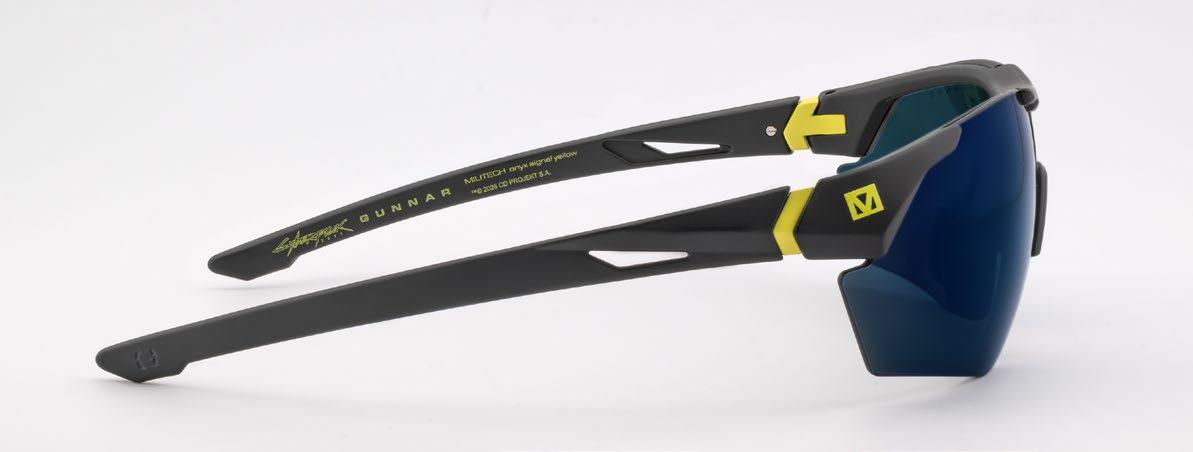
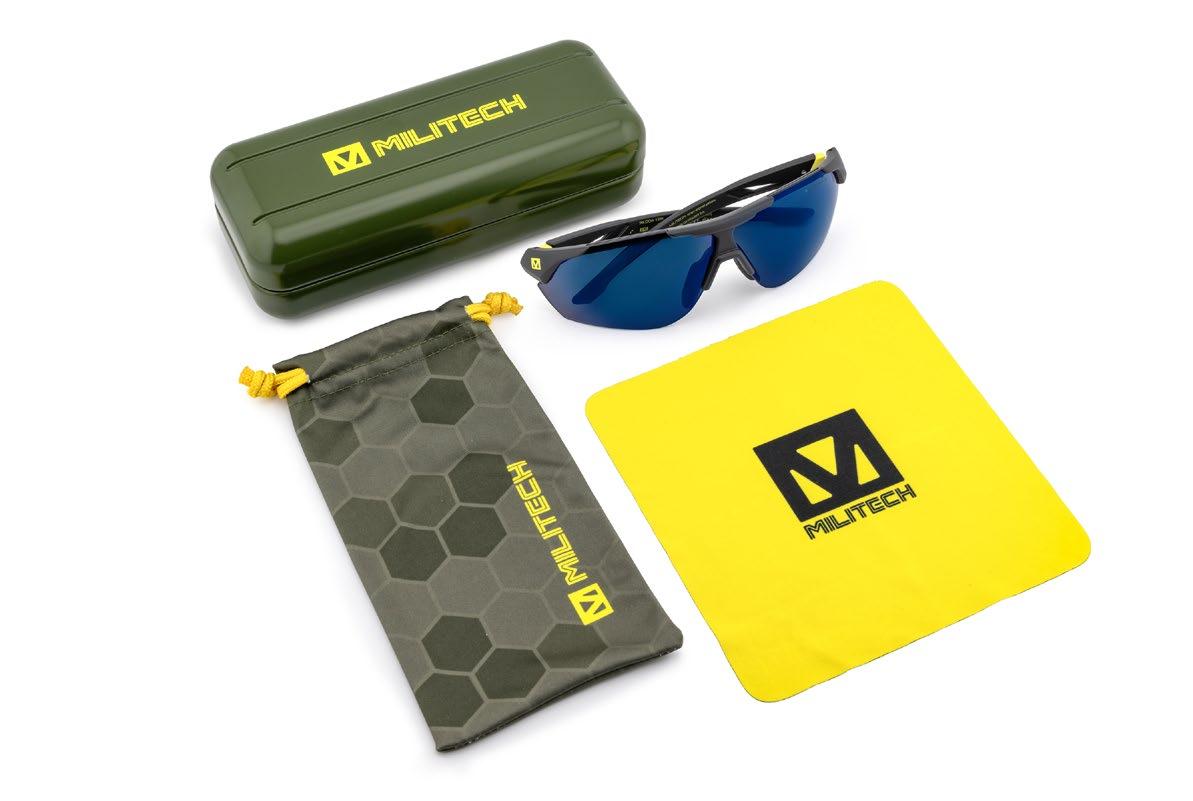
travelling with cameras, laptops and handheld gaming devices already filling their bags, removing one extra item makes a surprising difference. It's one less thing to remember. One less thing to carry. One less thing to worry about.
Build Quality – Exactly What You'd Expect from GUNNAR
Considering the Cyberpunk Militech Sun Edition sits within GUNNAR's premium licensed collection, expectations are understandably high. Thankfully, it delivers. Everything about these glasses feels exceptionally well made. The hinges operate smoothly with reassuring resistance, the frame feels durable without becoming overly rigid, and the overall finish is immaculate.
After weeks of daily use, travelling in backpacks, being repeatedly removed, cleaned and worn throughout the day, they still look almost brand new. That's exactly what you'd hope for from eyewear at this price point. Nothing feels fragile or cheaply assembled. Instead, there's a reassuring confidence to the entire construction that suggests these glasses have been built for years of regular use rather than occasional novelty wear.
Even the finer details deserve praise. The Cyberpunk branding has been tastefully integrated without becoming overwhelming, while the premium finish gives the glasses a refined appearance that wouldn't look out of place in either a gaming setup or a professional office. It's another example of GUNNAR understanding that gaming accessories don't need to look childish to celebrate gaming culture.
What I Loved
• Outstanding Cyberpunk-inspired Militech design
• Premium build quality throughout
• Sun-Shift technology adds genuine everyday versatility
• Excellent comfort during long gaming and work sessions
• Noticeably reduces screen fatigue during extended use
• Neutral lens maintains impressive colour accuracy
• Comfortable enough for all-day wear
• Stylish enough for everyday use beyond gaming
• Official Cyberpunk collaboration handled with care
• Perfect for gamers, creators and professionals alike
What Could Be Better
Premium pricing may put off casual users
Photochromic lenses naturally take a short moment to fully adapt outdoors Official licensed editions can occasionally become difficult to find once stock sells through
Are They Worth Buying?
If you're looking for the cheapest pair of blue light glasses available online, there are plenty of alternatives costing a fraction of the price. However, that's missing the point entirely. The Cyberpunk Militech Sun Edition isn't trying to compete with generic eyewear.
It's designed for people who spend hours every day in front of digital displays and want something that combines premium optics, everyday comfort, stylish design and genuine versatility. After several weeks of use, I can confidently say they've become one of my favourite pieces of gaming equipment. Not because they're flashy. Not because they're officially licensed. But because they've quietly improved my daily routine.
The ability to move seamlessly between gaming, work and everyday life without changing glasses is something I didn't realise I'd appreciate so much until I experienced it. For gamers, streamers, content creators, photographers, editors, remote workers and Cyberpunk fans alike, they're an investment that's easy to recommend.
Final Verdict
The GUNNAR Cyberpunk Militech Sun Edition perfectly demonstrates why GUNNAR continues to lead the gaming eyewear market. Rather than
relying solely on the popularity of Cyberpunk 2077, the company has created a genuinely premium pair of glasses that successfully blends futuristic styling with practical everyday performance.
The Militech-inspired design captures the spirit of Night City's powerful corporation without becoming overbearing, while the Sun-Shift technology transforms these from excellent gaming glasses into eyewear you'll happily wear throughout the entire day. Most importantly, they deliver where it matters. Long gaming sessions become more comfortable, extended editing projects place less strain on your eyes, and the transition between indoor productivity and outdoor life couldn't be easier.
In an era where many gaming collaborations prioritise appearance over functionality, the Cyberpunk Militech Sun Edition manages to excel at both. Whether you're exploring Night City, creating your next YouTube video, editing
photographs or simply tackling another day in front of multiple screens, these glasses quickly prove they're far more than just another licensed accessory. They're an everyday essential.
Overall Rating: 9 / 10
A superb collaboration that combines premium lens technology, outstanding comfort and one of gaming's most stylish aesthetics into a pair of glasses you'll genuinely use every day. The Cyberpunk Militech Sun Edition isn't just for fans of Night City; it's for anyone serious about protecting their eyes without compromising on style or performance. A huge thank you to GUNNAR Optiks for providing the Cyberpunk Militech Sun Edition for hands-on testing and evaluation. Receiving a review sample never influences our opinions, scoring or final verdict. Every observation in this review is based on extensive real-world use across gaming, content creation, productivity, travel and everyday wear.

GUNNAR Fallout Gaming Glasses Review – Stylish Eye Protection for Gamers, Creators, and Wasteland Survivors
There are certain gaming accessories that feel optional until you've actually used them. Mechanical keyboards. High-refresh-rate monitors. Quality gaming headsets. Blue light gaming glasses fall firmly into that category. For years, I've spent countless hours in front of monitors, televisions, laptops, handheld gaming PCs, and smartphones. Long gaming sessions, late-night content creation, endless editing projects, and marathon review periods can all take their toll on your eyes.
That's where GUNNAR has built its reputation. Known throughout the gaming industry for producing premium gaming eyewear, GUNNAR has become one of the most recognisable names in blue light protection. Their latest Falloutthemed collaborations bring together two things I genuinely enjoy: gaming accessories and one of the most iconic RPG franchises ever created. Over the past several weeks, I've been testing both the Fallout Lucky 38 Casino Edition and the Fallout Brotherhood of Steel Edition, using GUNNAR's traditional Amber lenses alongside their innovative Amber Sun-Shift technology. The result?
Some of the best gaming glasses I've tested to date. And unlike many gaming accessories, they're something I've continued using long after the review period ended.
Price & Availability
The Fallout collection sits within GUNNAR's premium licensed range. Pricing generally varies depending on frame style and lens option, with most models landing between £79 and £129. That places them firmly above budget blue light glasses commonly found online. However, GUNNAR isn't competing with generic eyewear. These are officially licensed collector pieces backed by years of optical development and gaming-specific lens technology. For dedicated gamers, content creators, remote workers, and Fallout fans, the investment feels justified.
First Impressions – Fallout Fans Are Going to Love These
The moment the packaging arrived, it was obvious these weren't generic gaming glasses with a Fallout logo slapped onto the side. GUNNAR has clearly put genuine effort into capturing the Fallout aesthetic. Both models feel premium straight out of the box. The included cases, detailing, branding, and presentation immediately appeal to collectors while still feeling mature enough for everyday use. Importantly, they don't scream "gaming merchandise."
Instead, they feel like legitimate eyewear first and collector items second. That's exactly how it should be.
Fallout Lucky 38 Casino Edition – New Vegas Fans, This One's For You
For Fallout: New Vegas fans, the Lucky 38 Casino Edition is easily one of the most appealing gaming eyewear collaborations currently available. Inspired by the legendary Lucky 38 casino overlooking the New Vegas skyline, these glasses perfectly capture the premium retro-futuristic aesthetic that made New Vegas such a beloved setting. The design feels sleek and sophisticated while still containing enough Fallout DNA to make fans smile. After wearing them throughout multiple workdays, gaming sessions, and content creation projects, I found them surprisingly versatile. They're stylish enough to wear outside gaming environments while still serving as an unmistakable nod to one of gaming's greatest RPGs. For New Vegas enthusiasts, they're arguably among the best Fallout collectibles currently available that also happen to be genuinely useful.
Fallout Brotherhood of Steel Edition – Rugged, Practical, and Instantly Recognisable
Where the Lucky 38 model embraces sophistication, the Brotherhood of Steel edition

takes a more robust approach. Inspired by one of Fallout's most iconic factions, these glasses feature a design language that feels appropriately tactical and durable. The frame design immediately stood out during testing. They're comfortable without feeling delicate, and they provide an excellent balance between gaming functionality and everyday wearability. Like the Brotherhood itself, they're practical, dependable, and built for long-term use. Whether I was gaming, writing articles, editing videos, or simply browsing online, they quickly became a regular part of my daily setup.
The Amber Lens Experience – Why Gamers Love GUNNAR
The heart of any GUNNAR product is the lens technology. The traditional Amber lenses remain the company's most recognised offering. If you've never used amber gaming glasses before, the difference is noticeable almost immediately. The lenses apply a warm tint to your display that helps reduce harsh blue light exposure while enhancing perceived contrast and visual comfort.
During lengthy gaming sessions involving:
• Call of Duty
• Diablo IV
• Fallout 76
• Cyberpunk 2077
• Hades II
I consistently experienced less eye fatigue compared to gaming without them. Late-night sessions felt more comfortable, and I found myself less prone to the dry-eye sensation that often accompanies extended monitor use. The colour shift does take a short adjustment period. However, after a few hours, I genuinely stopped noticing it. Instead, I simply appreciated the reduced strain. For gamers spending several hours a day in front of screens, the Amber lenses remain GUNNAR's standout feature.
Amber Sun-Shift – The Best of Both Worlds
The real star of this collection may actually be the Amber Sun-Shift lenses. This technology combines GUNNAR's traditional amber, blue-
light filtering indoors with photochromic lens technology outdoors.
In simple terms:
Inside, they're your standard GUNNAR gaming glasses. Step outside into sunlight, and they automatically darken into sunglasses. It's one of those features that sounds convenient on paper but becomes genuinely useful in practice. As someone who regularly moves between gaming setups, meetings, travel, events, and everyday errands, I found myself reaching for the SunShift models more than the standard Amber versions. Instead of carrying separate gaming glasses and sunglasses, one pair handled both jobs effortlessly.
For creators, remote workers, and gamers constantly moving between environments, it's a fantastic solution.
Comfort During Extended Sessions
Gaming glasses live or die by comfort. Thankfully, both Fallout models excel here. During testing I regularly wore them for:
• Six-to-eight-hour gaming sessions
• Full workdays
• Video editing projects
• Writing reviews
• Streaming content
• Travel
At no point did they become uncomfortable. The lightweight frames sit securely without applying excessive pressure, while the nose support remains comfortable even during longer sessions. This may sound minor, but uncomfortable glasses quickly become unused glasses. That isn't an issue here.
Gaming Performance – Do They Actually Help?
The answer is surprisingly simple. Yes. No, they're not going to make you a better Call of Duty player. They won't magically improve reaction times or increase your frame rate. What they do improve is comfort. And comfort matters. After multiple weeks of use, I found myself experiencing noticeably less eye fatigue
during marathon gaming sessions. The difference becomes especially apparent during evening gaming when your eyes have already spent a full day staring at screens. For gamers who regularly play for several hours at a time, the benefit is easy to appreciate.
Build Quality
GUNNAR's reputation for quality remains well deserved. Both Fallout models feel durable and premium. The hinges feel sturdy, the frames inspire confidence, and everything feels built for long-term use rather than short-term novelty. Considering how often gaming glasses are removed, adjusted, transported, and worn, build quality is essential. Thankfully, these feel every bit as premium as their price suggests.
What We Loved
• Fantastic Fallout-themed designs
• Excellent blue light filtering
• Amber lenses genuinely reduce eye strain
• Amber Sun-Shift technology is incredibly useful
• Comfortable for all-day wear
• Premium build quality
• Great presentation and collector appeal
• Suitable for gaming and professional use
• High-quality lens clarity
• Official Fallout licensing done right
What Could Be Better
• Premium pricing compared to generic blue light glasses
• Amber tint requires a short adjustment period
• Some users may prefer a more neutral lens option
• Limited availability on certain Fallout editions
Are They Worth Buying?
If you're simply searching for the cheapest blue light glasses available, there are countless alternatives online.
But if you're looking for:
• Premium gaming eyewear
• Genuine blue light protection
• Long-session comfort
• Excellent build quality
• Fallout collector appeal
• Versatility for gaming and everyday life
Then these glasses make a compelling case for themselves. The Amber lenses remain fantastic for dedicated gaming setups, while the Amber Sun-Shift variants add enough versatility to justify their premium positioning.
Final Verdict
The Fallout Lucky 38 Casino Edition and Brotherhood of Steel Edition showcase exactly why GUNNAR continues to dominate the gaming eyewear market. They successfully combine practical eye protection with genuine collector appeal while delivering the comfort and lens quality gamers expect from the brand. The Amber lenses remain an excellent choice for dedicated gaming environments, helping reduce eye fatigue during extended sessions. Meanwhile, the Amber Sun-Shift lenses may be the most versatile option GUNNAR currently offers, effortlessly transitioning from indoor gaming glasses to outdoor sunglasses. For gamers, creators, remote workers, and Fallout fans, these glasses offer far more than simple merchandise. They're accessories you'll actually use every day.
Overall Rating: 9 / 10
A fantastic collaboration between Fallout and GUNNAR that delivers premium build quality, genuine eye comfort benefits, and some of the most stylish gaming eyewear currently available. Whether you choose the Lucky 38 Casino Edition or the Brotherhood of Steel model, both prove that gaming glasses can be practical, comfortable, and genuinely collectible. A huge thank you to GUNNAR Optiks for providing the Fallout Lucky 38 Casino Edition and Fallout Brotherhood of Steel Edition glasses for handson testing and evaluation. Receiving review samples never influences our opinions, scoring, or final verdict. Every observation in this review is based on extensive real-world use across gaming, content creation, productivity, media consumption, and everyday wear.
The Fallout collection demonstrates why GUNNAR remains one of the most respected names in gaming eyewear. By combining premium lens technology with one of gaming's most beloved franchises, the company has created glasses that appeal equally to gamers, creators, professionals, and collectors. For more information, full specifications, lens options, and current availability, visit GUNNAR's official website below.
www.gunnar.com
Facebook: @GUNNAROptiks | Twitter: @GUNNAROptiks
Instagram: @gunnaroptiks | YouTube: @gunnaroptiks



Amaran Ace 25c & Amaran Go Feature – The Ultimate
On-the-Go Lighting Duo for Modern Content Creators
Reviewed by: Brandon Sawyer
Content creation has changed dramatically over the past few years. Gone are the days when creating professional-looking content required a dedicated studio, multiple lighting rigs, and thousands of pounds worth of equipment. Today's creators are mobile. They're filming on trains. Editing in coffee shops. Streaming from hotel rooms. Capturing social media content while travelling. Shooting product photography from almost anywhere. The challenge isn't creativity. It's being consistent.
No matter how good your camera is, poor lighting can instantly make content look amateur. That's where Amaran continues to impress. Known for producing creator-focused lighting solutions that combine professional performance with accessible pricing, Amaran has become one of the most trusted names among content creators, photographers, filmmakers, streamers, and influencers. Recently, I've been testing two products that perfectly represent where creator gear is heading. The Amaran Ace 25c and the Amaran Go. Individually, they're impressive. Together, they form one of the most versatile portable lighting combinations currently available for creators on the move. Whether you're filming TikToks, creating YouTube content, capturing product photography, vlogging, livestreaming, or simply improving your everyday video calls, this duo deserves serious attention.
Why Portable Lighting Matters More Than Ever
Ask any experienced creator what's more important than the camera itself. Many will answer lighting. Modern smartphones can shoot incredible video. Mirrorless cameras continue to evolve. Even action cameras produce stunning footage. But none of them can overcome poor lighting. The ability to quickly add controlled, professional illumination anywhere can completely transform content quality. The Ace 25c and Amaran Go have been designed around exactly that principle.
Professional lighting without the bulk. Professional results without the complexity. Professional flexibility wherever inspiration strikes.
First Impressions – Creator-Focused From The Start
Both products immediately showcase Amaran's

understanding of modern content creators. Everything feels purposeful. Compact. Portable. Practical. Everything feels purposeful. Compact. Portable. Practical. Unlike traditional lighting equipment that often feels intimidating or overly technical, both the Ace 25c and Amaran Go feel approachable from the moment you unbox them. More importantly, they're designed for creators who are constantly moving. These aren't lights destined to remain permanently mounted inside a studio. They're built to travel. And that's exactly where they excel.
Amaran Ace 25c – Pocket-Sized Lighting With Professional Ambitions
The Ace 25c may be compact, but don't let its size fool you. This small RGB LED light punches well above its weight. Designed specifically for creators who need professional lighting in a portable form factor, the Ace 25c quickly became one of the most useful pieces of gear in my camera bag.


Design & Build Quality
The first thing I noticed was how premium the Ace 25c feels. It's compact enough to fit comfortably into a pocket or camera pouch, yet substantial enough to inspire confidence. The construction feels robust without adding unnecessary weight. For travelling creators, that's a huge advantage. Every gram matters when you're carrying cameras, lenses, microphones, batteries, and accessories. The Ace 25c earns its place without becoming a burden.
Performance – Small Light, Big Results
The Ace 25c produces impressive output for its size. Whether I was filming product close-ups, recording talking-head segments, capturing B-roll footage, or photographing review samples, the results consistently exceeded expectations. The RGB functionality opens up endless creative possibilities. Need natural white light? No problem. Want colourful accent lighting for a gaming setup? Easy. Creating cinematic background effects? The Ace 25c handles it effortlessly. The ability to instantly switch between practical lighting and creative lighting makes it incredibly versatile.
Perfect For
• Product photography
• YouTube content
• TikTok videos
• Instagram Reels
• Travel vlogging
• Gaming setup content
• Event coverage
• Creative photography
For creators constantly working in changing environments, that flexibility is invaluable.
Amaran Go – The Everyday Creator's Best Friend
If the Ace 25c is the creative powerhouse, the Amaran Go is the ultimate convenience tool. Designed specifically around smartphone creators and mobile workflows, the Amaran Go feels perfectly suited to today's content landscape. This is lighting designed for creators
who want professional results without carrying a dedicated production kit.
Designed For Modern Creation
The Amaran Go immediately impressed me with its simplicity. Setup takes seconds. Operation is intuitive. And the improvement in video quality is immediately noticeable. Whether I was recording social media content, jumping into video calls, filming behind-the-scenes clips, or capturing quick product updates, the Go transformed footage that would otherwise have relied on inconsistent ambient lighting. That's where it shines. Consistency. No matter where you're creating, the Go helps ensure your content maintains a professional appearance.
Everyday Usability
Throughout testing, I found myself reaching for the Amaran Go far more often than expected. Not because it replaced larger lighting equipment. But because it eliminated excuses. Need to film quickly? Use the Go. Need better lighting for a video call? Use the Go. Creating social media content while travelling? Use the Go. Its convenience factor makes it one of those products that quietly becomes part of your daily workflow. And honestly, those are often the most valuable tools creators own.
Perfect For
• Smartphone content creators
• TikTok creators
• Instagram creators
• Mobile filmmakers
• Remote workers
• Video conferencing
• Vlogging
• Livestreaming
For creators building audiences primarily through mobile platforms, the Go feels almost essential.
Together – The Ultimate Portable Creator Kit
While both products are excellent individually, using them together reveals their true strength. The Ace 25c provides creative flexibility and professional-grade lighting control.

The Go delivers instant convenience and everyday usability. Together, they create a portable lighting ecosystem capable of handling virtually any content creation scenario.
During testing I used them for:
• Product reviews
• YouTube videos
• Instagram content
• TikTok content
• Event coverage
• Gaming setup photography
• Video calls
• Livestreaming
• Travel content
• Social media campaigns
The combination proved remarkably versatile. Few creator tools deliver this level of flexibility while remaining so compact and travel friendly.
Battery Life & Portability
Portable creator gear is only useful if it can keep up with real-world workflows. Thankfully, both products perform admirably. Battery performance remained reliable throughout testing, while their compact designs made carrying them effortless. Whether travelling to events, covering conventions, attending product launches, or simply moving between filming locations, neither product felt cumbersome. That's exactly what modern creators need. Gear that enables creativity rather than slowing it down.
Who Are These Products For?
The answer is surprisingly broad. These products are ideal for:
• YouTubers
• TikTok creators
• Instagram creators
• Twitch streamers
• Product reviewers
• Photographers
• Remote workers
• Vloggers
• Journalists
• Content agencies
• Social media managers
If creating content forms any part of your workflow, these lights have something to offer.
What We Loved
• Extremely portable designs
• Excellent creator-focused functionality
• Impressive lighting performance
• Easy setup and operation
• Great battery performance
• Fantastic RGB flexibility on the Ace 25c
• Perfect for smartphone and camera creators
• Ideal for travel workflows
• Professional results without studio equipment Excellent value for creators
What Could Be Better
• Power users may still require larger studio lighting
• RGB features may have a learning curve for beginners
• Frequent creators may eventually want multiple units
• Some advanced controls require app familiarity
Are They Worth Buying?
Absolutely. The creator market is flooded with accessories promising professional results. Many fail to deliver. The Ace 25c and Amaran Go succeed because they solve real problems. They make lighting easier. They make content creation faster. And they make professionallooking results more accessible. For creators constantly on the move, that's incredibly valuable.
Final Verdict
The Amaran Ace 25c and Amaran Go perfectly represent the future of creator technology. Compact. Portable. Powerful. Accessible. The Ace 25c delivers impressive creative lighting flexibility in an incredibly compact package, while the Go provides instant, everyday lighting improvements for mobile-first creators. Together, they create one of the most compelling portable lighting solutions currently available. For gamers creating content, influencers building audiences, photographers capturing products, vloggers documenting adventures,
or professionals improving remote workflows, this duo offers an impressive combination of convenience and capability. Most importantly, they help creators focus less on technical limitations and more on creating.
Overall Rating: 9.5 / 10
A fantastic creator-focused lighting combination that delivers professional-quality illumination in highly portable packages. The Amaran Ace 25c and Amaran Go complement each other brilliantly, making them one of the strongest on-the-go lighting solutions currently available for content creators, streamers, photographers, vloggers, and social media professionals.
A huge thank you to Amaran for providing the Ace 25c and Amaran Go for hands-on testing
and evaluation. Receiving products for review or feature coverage never influences our opinions, conclusions, or recommendations. Every observation in this feature is based on extensive real-world use across content creation, photography, video production, livestreaming, travel, and everyday workflows.
The Ace 25c and Amaran Go showcase exactly why Amaran has become one of the most respected names in creator lighting. By focusing on portability, usability, and professional-level results, the company has developed tools that genuinely empower creators to produce better content wherever inspiration strikes.
For more information, full specifications, and current availability, visit the official Amaran website below.
Facebook: @amarancreators
Instagram: @amarancreators
TikTok: @amarancreators
YouTube: @amarancreators

JUNE 2026 PlayStation State of Play
SONY FIRES ON ALL CYLINDERS
For years, PlayStation showcases have carried a certain expectation. Fans tune in hoping for that one moment, the reveal that makes social media explode, the trailer everyone talks about for weeks, the game that suddenly becomes the industry's most anticipated release. This year's June State of Play delivered several of those moments.
Running for over an hour, Sony's latest presentation balanced blockbuster first-party reveals, long-awaited gameplay debuts, horror surprises, and enough release dates to make 2026 one of the most stacked years in recent memory. From the brutal first gameplay of Marvel's Wolverine to the shock announcement of God of War: Laufey, this was a showcase built around momentum. Nearly every segment felt designed to answer a question fans had been asking for years. And for once, Sony actually had the answers.
Wolverine Finally Steps Into the Spotlight
The showcase opened with the game many fans had almost convinced themselves didn't exist anymore. After years of silence, Insomniac Games finally unveiled an extensive gameplay demonstration for Marvel's Wolverine, and it immediately justified the wait. The footage showcased a version of Logan that felt far removed from Spider-Man's acrobatic heroics. Combat was vicious, fast, and unapologetically brutal. Enemies were torn apart by claw attacks, stealth takedowns were savage, and Logan's regenerative abilities played a central role in both gameplay and storytelling.
The trailer also hinted at a larger X-Men universe, featuring familiar faces and longtime Wolverine villains. By the time the release date appeared on screen, Sony had already secured one of the biggest wins of the entire event.
The Show's Biggest Surprise: God of
War Changes Direction
If Wolverine was the expected blockbuster, God o
of War: Laufey was the bombshell nobody saw coming. Rather than continuing Kratos' journey, Santa Monica Studio is shifting focus to Faye—the mysterious warrior who has remained one of the most important yet least explored characters in the Norse saga. The reveal trailer painted a picture of a younger, fiercely independent hero navigating conflicts long before the events of God of War (2018). Early footage suggested a blend of familiar combat mechanics and entirely new mythology, with strong hints that the franchise may be expanding beyond the Norse realms.
Few reveals generated as much excitement, and by the end of the show, God of War: Laufey had instantly become one of PlayStation's most anticipated future exclusives.
Control Returns and the Remedy Universe Expands
Remedy Entertainment also made a major appearance with Control: Resonant. The sequel appears larger, stranger, and far more ambitious than its predecessor. Jesse Faden returns with an expanded arsenal of supernatural abilities, while reality itself once again seems determined to break apart around her. The footage leaned heavily into Remedy's signature blend of mystery, surrealism, and action. Fans of Control and Alan Wake left the showcase with plenty of reasons to speculate about how deeply the studio's connected universe might evolve in the years ahead.
Horror Had a Huge Night
The horror genre arguably enjoyed its strongest PlayStation showcase in years. Silent Hill: Townfall returned with a substantial new trailer, finally providing a clearer look at its unsettling world and psychological storytelling. The game continues to distinguish itself from previous Silent Hill entries through its unique atmosphere and experimental presentation.
Then came ILL. The debut footage for the first-person horror title was easily among the most disturbing material shown all evening. Grotesque creature designs, realistic body deformation, and an oppressive sense of dread gave the game an identity that immediately stood out. As if that wasn't enough, Sony closed the horror segment with the surprise reveal of Until Dawn 2, bringing back the choice-driven formula that made the original a cult classic. For horror fans, the showcase felt like a feast.
Phantom Blade Zero Continues to Impress
Every time Phantom Blade Zero appears, it seems determined to remind players why it has become one of the industry's most closely watched action games. The latest gameplay footage delivered another showcase of lightning-fast swordplay, spectacular animations, and boss encounters that looked ripped from an epic martial arts film. The game's blend of traditional wuxia influences and modern action design continues to make it one of the most visually striking titles in development.
If there was a game that consistently generated "That looks incredible" reactions throughout the presentation, this was probably it.
A Revival for Legendary Franchises
Several classic series also made notable appearances.
Onimusha: Way of the Sword continued its impressive comeback with new gameplay and a surprise demo release.
Ace Combat 8 finally took flight, delivering a glimpse at massive aerial battles powered by modern hardware.
Meanwhile, Rayman Legends Retold emerged as one of the night's unexpected crowdpleasers, reimagining Ubisoft's beloved platforming franchise for a new generation.
The message was clear: PlayStation's future isn't only about brand-new worlds. Some beloved franchises are finally returning after years away.
Marvel Tōkon Keeps Building Momentum
Arc System Works returned with another look at Marvel Tōkon: Fighting Souls.
The anime-inspired fighter continues to look like one of the most exciting projects in the competitive fighting game scene. New character reveals expanded the roster while story details suggested a surprisingly ambitious singleplayer experience.
For fighting game fans, it increasingly looks like a genuine contender to become the next major esports phenomenon.
The Overall Verdict
What made this State of Play successful wasn't simply the number of games shown. It was the pacing. Sony moved quickly, revealed meaningful gameplay, announced concrete release dates, and avoided relying too heavily on cinematic teasers. Nearly every major title left viewers with a stronger understanding of what it actually is and when they can play it.
Most importantly, the showcase felt confident. Marvel's Wolverine proved that PlayStation still has blockbuster exclusives capable of dominating the conversation. God of War: Laufey demonstrated a willingness to take risks with one of gaming's biggest franchises. Horror fans, RPG fans, action fans, and fighting game enthusiasts all had something substantial to walk away with. By the end of the broadcast, one thing felt obvious: PlayStation isn't spending 2026 playing defence. It's preparing for one of its strongest software lineups in years.
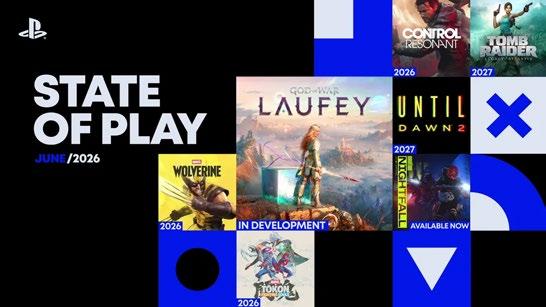
Xbox Games Showcase 2026 Recap – Halo
Returns, Gears Leads the Charge, and Xbox Celebrates 25 Years in Style
Microsoft entered Summer Game Fest 2026 with enormous expectations on its shoulders. With Xbox celebrating its 25th anniversary, fans were hoping for a showcase packed with blockbuster reveals, long-awaited updates, major exclusives, and a clear vision of where the platform is heading next. By the time the Xbox Games Showcase and the dedicated Gears of War: E-Day Direct concluded, Microsoft had delivered one of its strongest presentations in years.
From the surprise return of Halo and the reveal of Persona 6 to major updates on Fable, State of Decay 3, Clockwork Revolution, and an extensive deep dive into Gears of War: E-Day, the showcase provided a compelling look at the future of Xbox across 2026, 2027, and beyond. Here's everything announced from start to finish.
Gears of War: E-Day Opens the Show
Xbox wasted no time by opening the showcase with arguably its biggest first-party title. Serving as a major Xbox console exclusive, Gears of War: E-Day immediately established the tone for the entire event. Developed by The Coalition, the highly anticipated prequel takes players back to Emergence Day, the catastrophic moment the Locust Horde first erupted from beneath the surface of Sera and plunged humanity into chaos.
The new gameplay footage showcased younger versions of Marcus Fenix and Dominic Santiago as they experience the opening hours of the invasion. Entire city blocks collapse, civilians flee in terror, and the sheer scale of the Locust threat feels more terrifying than ever before. Powered by Unreal Engine 5, E-Day looks every bit like the next evolution of Xbox's flagship shooter franchise. The trailer highlighted brutal close-quarters combat, large-scale destruction, stunning visual fidelity, and a darker atmosphere that recalls the horror-inspired tone of the
original trilogy. Launching exclusively on Xbox Series X|S, PC, and Game Pass on October 6th, 2026, Gears of War: E-Day stands as one of Xbox's most important first-party releases and was unquestionably one of the biggest highlights of the entire showcase.
Halo: Campaign Evolved Is Real
One of the biggest surprises of the showcase came with the reveal of Halo: Campaign Evolved. Rather than being a simple remaster, Xbox presented the project as a complete reimagining of the original Halo campaign. Master Chief's legendary debut has been rebuilt with modern visuals, expanded gameplay systems, enhanced missions, and new set-piece moments designed to introduce the classic story to a new generation.
The announcement instantly became one of the show's most talked-about reveals and further reinforced Xbox's desire to celebrate its greatest franchises during its 25th anniversary year.
Fable Finally Gets a Release Date
Playground Games returned with another extended look at Fable. The latest gameplay showcased the game's trademark British humour, magical creatures, vibrant open world, and player-driven choices. The footage offered a deeper look at combat, exploration, and several of the eccentric characters players will encounter throughout Albion. After years of anticipation, Xbox finally confirmed that Fable is scheduled to launch in February 2027.
State of Decay 3 Emerges Again
Undead Labs finally resurfaced with a substantial update on State of Decay 3. The new footage highlighted larger zombie hordes, deeper survival mechanics, expanded base-building systems, and a more detailed open world. The game appears to be taking a significant leap forward
compared to previous entries while maintaining the player-driven survival experience that made the series popular. Although a release date remains unconfirmed, the project continues to be one of Xbox's most anticipated first-party titles.
Persona Fans Have Two Reasons to Celebrate
Atlus delivered one of the strongest moments of the showcase. The publisher first unveiled Persona 4 Revival, a full remake of the beloved RPG classic that introduces modern visuals and gameplay improvements while preserving the heart of the original adventure. Moments later came the reveal fans have been waiting years for: Persona 6. While details remain limited, the teaser alone was enough to send social media into overdrive and instantly become one of the showcase's most exciting announcements.
Clockwork Revolution Returns
After a lengthy absence, inXile Entertainment finally returned with another substantial look at Clockwork Revolution, one of Xbox's most ambitious upcoming projects and a major Xbox console exclusive. The time-bending RPG continues to impress with its unique blend of first-person action, deep role-playing systems, and player-driven storytelling. Set within a richly detailed steampunk-inspired world, the game allows players to manipulate the past in order to dramatically reshape the future, creating meaningful consequences that ripple throughout the narrative.
The latest footage provided a deeper look at the game's world, characters, combat, and time-manipulation mechanics, while further highlighting the incredible level of detail in its environments. The visual design remains one of the most distinctive shown during the showcase, helping the game stand apart from other RPGs currently in development. With Fable representing traditional fantasy and Gears of War: E-Day delivering blockbuster action, Clockwork Revolution continues to position itself as one of Xbox's most intriguing exclusives. The project feels like a cornerstone of Microsoft's next wave of first-party releases and remains one of the most anticipated Xbox console exclusives currently in development.
Metro 2039 Revealed
The acclaimed post-apocalyptic franchise made its return with Metro 2039. The new entry promises another atmospheric journey through a devastated future, blending survival horror, narrative storytelling, exploration, and tense firstperson combat. Fans of the series were treated to a cinematic reveal that offered a glimpse at the dark and dangerous world awaiting players when the game launches in 2027.
Spyro Makes a Surprise Return
Another beloved franchise returned during the showcase. Spyro: A Realm Beyond marks the purple dragon's first brand-new adventure in years and introduces entirely new worlds, expanded movement abilities, and a fresh visual direction while maintaining the charm that made the series so beloved. The announcement quickly became one of the most celebrated reveals of the event.
Sea of Thieves Charts New Waters
Rare continued supporting its pirate adventure with the announcement of Sea of Thieves Season 20. The headline feature, Custom Seas, gives players unprecedented control over their own adventures, opening new possibilities for private servers, community events, and personalised experiences.
DOOM, Fallout and Age of Empires Receive New Content
Several established Xbox franchises also received major updates. DOOM: The Dark Ages received a new trailer for its upcoming Revelations expansion. Fallout 76 showcased its latest content update while Age of Empires IV introduced the Raiders of the North expansion, continuing support for one of Microsoft's most successful strategy franchises.
New IP Steps Into the Spotlight
Alongside established franchises, Xbox also highlighted several entirely new projects. Among the most notable were Magicians: The Devil's Deal, Valor Mortis, Bad Magpie, and Vivarium. These projects helped demonstrate Microsoft's
continued commitment to supporting both large-scale productions and more experimental creative experiences.
Castlevania Returns
Konami surprised fans with the announcement of Castlevania: Belmont's Curse. The new entry appears to blend classic side-scrolling action with modern production values and immediately generated excitement among long-time fans of the legendary series.
Xbox Celebrates 25 Years
To commemorate its anniversary, Xbox unveiled a special translucent green Xbox Series X console and matching controller inspired by the original Xbox hardware. The limitededition hardware serves as a celebration of the platform's history and instantly became one of the showcase's most memorable non-game announcements.
A Showcase Packed with Third-Party Support
Beyond first-party titles, the presentation featured an impressive range of third-party announcements.
Highlights included:
• Persona 6
• Persona 4 Revival
• Metro 2039
• Spyro: A Realm Beyond
• Castlevania: Belmont's Curse
• DOOM: The Dark Ages – Revelations
• Age of Empires IV: Raiders of the North
• Fallout 76: Infestations
• Various new independent titles and Game Pass additions
The variety on display reinforced Microsoft's commitment to making Xbox and Game Pass home to a broad range of experiences across every genre.
Gears of War: E-Day Direct – The Coalition Steals the Show
While the Xbox Games Showcase itself was
impressive, the dedicated Gears of War: E-Day Direct proved to be the true centrepiece of the evening. For nearly an hour, The Coalition provided the deepest look yet at the franchise's future, revealing new gameplay systems, technical innovations, story details, and the philosophy behind returning to the most important event in Gears history.
Returning to Emergence Day
Rather than continuing the modern timeline, E-Day takes players back to the very beginning. The Coalition explained that revisiting Emergence Day allows the team to tell a more personal and emotional story centred on Marcus Fenix and Dominic Santiago before they became legendary soldiers. Players will witness humanity's first encounters with the Locust Horde as entire cities collapse around them and civilization begins to unravel. The tone feels darker, more grounded, and more horrorfocused than recent entries.
Unreal Engine 5 Pushes Gears Forward
Visually, E-Day may be the most impressive Xbox console exclusive currently in development. The Coalition demonstrated extensive use of Unreal Engine 5 technology, showcasing advanced lighting systems, highly detailed character models, realistic destruction, and cinematic presentation throughout the campaign. Every environment shown during the Direct felt alive, chaotic, and densely detailed, helping sell the scale of the catastrophe unfolding across Sera.
Combat Evolves While Respecting Tradition
The Direct also revealed numerous gameplay improvements. Movement has been expanded significantly, offering smoother traversal, improved cover transitions, enhanced mobility, and more fluid combat encounters. Perhaps the biggest change comes from destructible cover. Many forms of cover can now be destroyed under sustained fire, forcing players to constantly reposition and adapt rather than relying on static defensive positions.
The change appears to fundamentally evolve the franchise's iconic cover-based combat without sacrificing its identity.
Horror
Returns to Gears
One of the most exciting aspects of the Direct was the renewed focus on horror. The Locust once again feel terrifying and unpredictable. The early hours of the invasion are portrayed as a desperate fight for survival rather than a power fantasy. The Coalition repeatedly emphasised its desire to capture the fear, uncertainty, and emotional intensity that defined the original game.
New Multiplayer Ambitions
The studio also teased an all-new large-scale PvE experience designed around cooperative survival against overwhelming Locust forces. While details remain limited, the mode appears to build upon Horde concepts while introducing larger encounters and new objectives.
Why E-Day Feels So Important
By the end of the Direct, it became clear that E-Day represents far more than another sequel. It feels like a deliberate effort to reconnect Gears of War with the elements that originally made it an Xbox icon: brotherhood, survival, horror, emotional storytelling, and brutal combat.
For longtime fans, the project looks like a return to everything they loved about the franchise. For newer players, it offers the perfect entry point into one of gaming's most influential shooter series.
Final Thoughts
The Xbox Games Showcase 2026 delivered exactly what Xbox fans were hoping for.
Major first-party exclusives, long-awaited franchise returns, huge RPG reveals, and strong third-party support combined to create one of Microsoft's most confident presentations in years.
Another major takeaway from the showcase was the growing strength of Xbox's exclusive lineup. While Microsoft continues to embrace a broader ecosystem strategy, titles such as Gears of War: E-Day, Clockwork Revolution, Fable, and State of Decay 3 demonstrated that Xbox Game Studios still has a powerful slate of experiences designed specifically to showcase the Xbox platform. Among them, Gears of War: E-Day and Clockwork Revolution stood out as the clearest examples of the ambitious firstparty future Microsoft has spent years building toward.
Yet despite announcements such as Halo: Campaign Evolved, Persona 6, Spyro: A Realm Beyond, Metro 2039, and Fable, the lasting image of the evening was undoubtedly Gears of War: E-Day.
For Xbox's 25th anniversary, Microsoft reminded players exactly why its biggest franchises continue to define the platform and why the future of Xbox remains brighter than ever.
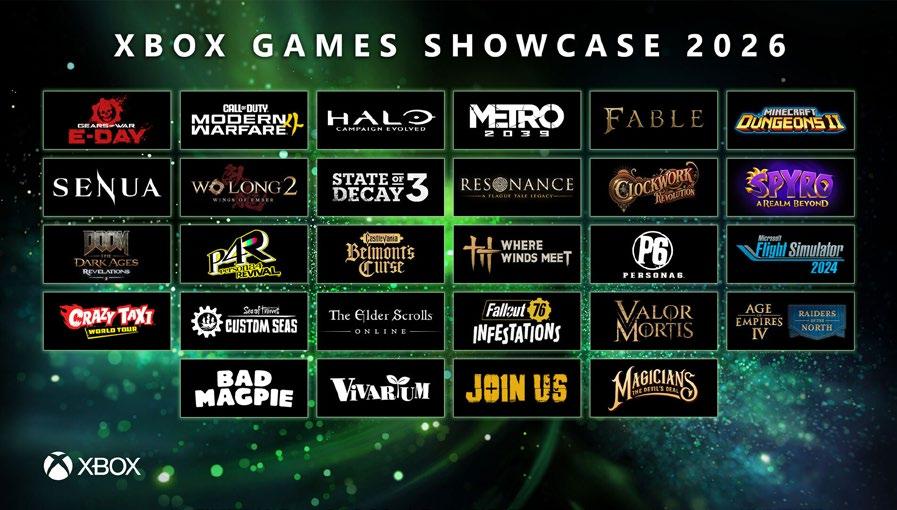

Summer Game Fest 2026: The Night Gaming
Took Back the Spotlight
For years, Summer Game Fest has carried an impossible burden. It wasn't just trying to be another gaming showcase. It was trying to fill the void left behind by E3. a stage that once served as the industry's biggest annual celebration. Some years came close. Others delivered memorable announcements but lacked the defining moments that made E3 legendary. Summer Game Fest 2026 changed that.
This wasn't simply a collection of trailers and release dates. It was two hours of constant momentum, packed with major franchise revivals, long-awaited sequels, blockbuster surprises, celebrity appearances, new studio debuts, and enough genuine shock moments to dominate gaming conversations for the entire weekend. From Resident Evil's triumphant return to the unexpected appearance of Snoop Dogg discussing Tupac Shakur's role in a video game, this was a showcase that constantly found new ways to surprise. By the end of the night, one thing was clear: Summer Game Fest had delivered its strongest show yet.
Stranger Than Heaven Becomes the Most Talked-About Game of the Show
Every great showcase has a game that people can't stop talking about. For Summer Game Fest 2026, that game was Stranger Than Heaven. The latest project from the creators of the Like a Dragon series returned with an expansive new trailer that offered a deeper look at its world, characters, and themes. The footage showcased the studio's trademark blend of emotional storytelling, larger-than-life personalities, and cinematic action. Then came the moment nobody expected.
The trailer revealed that legendary rapper Tupac Shakur would appear in the game as a character named Amaru, developed in collaboration with his estate. Moments later, Snoop Dogg walked onto the Summer Game Fest stage to discuss his involvement in the project, confirming that
both he and his son Cordell Broadus would appear in the game. The soundtrack will feature contributions from Snoop Dogg alongside several prominent international artists, creating one of the most unusual and ambitious crossovers gaming has seen in years. Only RGG Studio could unveil a game involving historical drama, organized crime, celebrity appearances, and philosophical storytelling and somehow make it feel perfectly natural.
Resident Evil Finally Gives Fans What They've Wanted for Years
Capcom arrived at Summer Game Fest carrying one of the industry's worst-kept secrets. After years of fan requests, speculation, and rumours, Resident Evil: Veronica was officially revealed and coming in 2027. The complete reimagining of Code Veronica instantly became one of the defining moments of the entire showcase. The trailer featured Claire Redfield's return, a terrifying new vision of Rockfort Island, and the kind of visual overhaul that has become synonymous with Capcom's recent remake efforts.
What makes this reveal significant isn't simply the fact that another Resident Evil remake exists. Code Veronica has long been considered the missing piece in Capcom's remake strategy. For many longtime fans, this was the remake they wanted more than any other. And judging by the reaction online, Capcom knew exactly what it was doing.
Final Fantasy VII's Story Continues
Square Enix wasn't about to let Resident Evil dominate the conversation for long. The company officially unveiled Final Fantasy VII: Revelation, the next chapter in its ambitious reimagining of one of gaming's most beloved stories. The trailer was intentionally mysterious, offering glimpses of familiar faces alongside scenes that immediately sparked fresh debates about the remake trilogy's evolving narrative.

Cloud, Sephiroth, Zack, and Aerith all appeared in footage that suggested the story may continue diverging dramatically from the original game. For RPG fans, the reveal wasn't just exciting. It was the beginning of years of new theories.
Alien: Isolation Finally Gets a Sequel
Few announcements generated louder reactions than Alien: Isolation 2. For over a decade, fans have been hoping Creative Assembly would revisit what many consider one of the greatest horror games ever made. Now it finally has. The trailer introduced a new protagonist trapped on a hostile colony world while being stalked by a relentless Xenomorph. The atmosphere looked every bit as oppressive and nerve-racking as the original game, with stealth, survival, and psychological tension once again taking centre stage. For horror fans, this wasn't simply another sequel announcement. It was a dream finally becoming reality.
Paramount Enters AAA Gaming With TMNT: The Last Ronin
One of the night's biggest surprises wasn't a game. It was the announcement of an entirely new publisher. Paramount officially unveiled Paramount Games Studios before revealing its debut AAA project: Teenage Mutant Ninja Turtles: The Last Ronin Based on the acclaimed comic storyline, The Last Ronin follows the sole surviving Ninja Turtle on a dark and emotional quest for revenge. Then came the second surprise. The game is being developed by PlatinumGames. The combination of one of the industry's most respected action developers and one of TMNT's most beloved stories immediately elevated The Last Ronin into the upper tier of anticipated upcoming games.
That's No Moon Finally Reveals Crossfire
Since its formation, That's No Moon has been one of the industry's most intriguing studios. Founded by veterans of Naughty Dog, Infinity Ward, and Sony Santa Monica, the team quickly earned attention thanks to the pedigree of its staff. Summer Game Fest finally answered the question everyone had been asking: What are they making? The answer is Crossfire,
a cinematic action-adventure built around narrative storytelling, blockbuster set pieces, and ambitious world-building. The reveal was relatively brief, but the combination of talent involved, and the game's cinematic presentation immediately made it one of the showcase's most intriguing announcements.
Star Wars Had One of Its Biggest Showcase Appearances in Years
The galaxy far, far away was impossible to ignore. Not because of one game. Because of two.
Star Wars: Zero Company
Developed by Bit Reactor in collaboration with Respawn Entertainment, Zero Company finally received an extensive gameplay presentation. Set during the Clone Wars, the game combines squad-based tactical combat, character customization, relationship systems, and strategic decision-making. The influence of XCOM is obvious, but the Star Wars setting gives the formula a unique identity. For strategy fans, this may be one of the most exciting Star Wars projects in years.
Star Wars: Galactic Racer
Perhaps the most unexpected Star Wars announcement of the entire showcase. Galactic Racer embraces pure fun, combining arcade racing, iconic Star Wars vehicles, and colourful tracks inspired by locations throughout the galaxy. The project feels refreshingly different from modern Star Wars games and could become one of the franchise's most accessible experiences.
The Future of Star Wars Gaming Looks Bright
Together, Zero Company and Galactic Racer highlighted something important. Lucasfilm Games is finally willing to experiment again. The Star Wars catalogue is expanding beyond action-adventure games into strategy, racing, and entirely new genres, giving fans more variety than ever before.
Assassin's Creed Black Flag Returns
If there was one Ubisoft announcement fans have been requesting for years, this was it.
Black Flag Resynced brings Edward Kenway's legendary pirate adventure into the modern era with rebuilt visuals, enhanced naval combat, updated stealth systems, and expanded exploration mechanics. The Caribbean has never looked better. And judging by audience reaction, Ubisoft knows exactly how much affection players still have for Black Flag.
Guild Wars 3 Finally Becomes Reality
After more than a decade without a numbered sequel, ArenaNet officially revealed Guild Wars 3. The announcement immediately became one of the biggest MMO stories of the year and signals a major new chapter for one of the genre's most respected franchises. For MMORPG fans, this was every bit as important as Resident Evil was for horror fans.
Virtua Fighter Crossroads Revives a Fighting Game Legend
SEGA finally pulled back the curtain on the future of Virtua Fighter. Crossroads represents the franchise's first major new entry in years and aims to modernize one of fighting gaming's most influential series. Developed by the team behind Like a Dragon, the game features dramatically upgraded visuals, cinematic presentation, and new systems designed to bring Virtua Fighter into a modern competitive landscape. The fighting game community has been asking for this comeback for years. Now it's finally happening.
New Worlds and New Universes
Summer Game Fest wasn't built entirely on nostalgia. Several original projects made powerful first impressions.
Blood Message
One of the most visually impressive reveals of the night, Blood Message showcased cinematic action, stunning environments, and a dramatic story set against a richly detailed historical backdrop.
gen ATLAS
The latest project from visionary creator
Fumito Ueda remains mysterious, but its dreamlike atmosphere and breathtaking scale immediately captured attention. The trailer left viewers with more questions than answers— which may have been exactly the point.
Soulslikes Continue Their Dominance
The action RPG genre continues to thrive.
Lords of the Fallen II
A new gameplay trailer showcased larger environments, terrifying bosses, and expanded combat options.
Mortal Shell 2
The sequel received another impressive gameplay showing, accompanied by the announcement of a public beta. Both titles reinforced the continued popularity of challenging action RPG experiences.
Why This Show Worked
What separated Summer Game Fest 2026 from many recent showcases wasn't simply the quality of its games. It was the consistency. Every ten minutes there was another major announcement. Resident Evil. Final Fantasy. Alien. Guild Wars. Star Wars. TMNT. Virtua Fighter. Crossfire. Stranger Than Heaven. The show rarely paused long enough for viewers to catch their breath before another headline arrived.
Most importantly, the reveals felt meaningful. They weren't just teasers. They were substantial updates, gameplay demonstrations, and longawaited answers to questions fans had been asking for years.
Final Verdict
Show Rating: 8/10
Best Announcements
• Stranger Than Heaven
• Resident Evil: Veronica
• TMNT: The Last Ronin
• Final Fantasy VII: Revelation
• Alien: Isolation 2
• Crossfire
• Star Wars: Zero Company
• Virtua Fighter Crossroads
• Guild Wars 3
• Assassin's Creed Black Flag Resynced
Biggest Surprise Tupac Shakur appearing in Stranger Than Heaven
Best New IP Crossfire
Most Anticipated Game Stranger Than Heaven
Biggest Winner SEGA
Summer Game Fest 2026 succeeded because it delivered something increasingly rare in modern gaming showcases:
Genuine surprises. Not just updates. Not just release dates. Actual moments that nobody saw coming.By the time the credits rolled, Geoff Keighley had achieved something Summer Game Fest had spent years chasing, a showcase that felt essential viewing. One packed with enough reveals, excitement, and conversationstarting moments to stand alongside the greatest gaming presentations of the E3 era. For the first time, Summer Game Fest didn't feel like E3's successor. It felt like its equal. www.summergamefest.com

Xbox Is Tearing Itself Apart to Save Itself
Inside the biggest restructuring in Xbox history and why one email may define the company's next decade. There are corporate restructuring announcements, and then there are documents that mark the end of an era. The memo sent to Xbox employees by President Asha belongs firmly in the second category. Spanning strategy, finance, leadership, and culture, the message outlines the most sweeping transformation in Xbox's history. Approximately 3,200 employees will leave over the course of fiscal year 2027. Four studios will exit Xbox ownership. Layers of management will disappear. A new Chief Operating Officer will assume responsibility for the company's entire profit-and-loss operation. And perhaps most importantly, Xbox is abandoning many of the assumptions that shaped the last seven years. The email doesn't frame these changes as a response to a bad quarter or a temporary downturn. Instead, it argues that Xbox itself became too complicated, too expensive, and too slow to compete in a games industry that has fundamentally changed. If Phil Spencer's Xbox was built around expansion, Asha's Xbox is being built around subtraction.
The Expansion Strategy Reaches Its Limit
From 2018 onward, Xbox pursued one of the most aggressive growth campaigns the games industry has ever seen. Microsoft purchased studios at an unprecedented pace. The company invested billions in content. Xbox Game Pass became the centrepiece of its strategy, promising a future where subscriptions, not consoles, would define success. The plan wasn't irrational. Sony continued to dominate console sales, Nintendo operated in a market of its own, and Microsoft's financial strength allowed Xbox to think beyond traditional hardware cycles.
But Asha's email delivers a rare admission from the head of a major gaming platform: growth in scale did not translate into growth in performance. According to the memo, Xbox's operating margins now sit between three and ten times lower than comparable platform and publishing businesses. Despite increasing investment across nearly every area of the company, Game Pass, multiplatform publishing, and a vastly expanded studio portfolio failed
to grow quickly enough to offset rising costs. Rather than reducing spending when those trends became clear, Xbox continued adding people, projects, and management. The email describes that approach with unusual candour. The company kept investing in the hope that stronger results would eventually arrive. Instead, costs continued climbing while the industry entered what Asha calls "the most severe hardware crisis in its history." That sentence is more revealing than it first appears. For years, Xbox executives publicly emphasized player growth over console sales. The memo suggests the economics of hardware still matter far more than many outside the company assumed.
Owning Everything Was Never Sustainable
Perhaps the most symbolic shift concerns Xbox's studio portfolio. The acquisition era appears to be ending, not because Microsoft lacks the resources to continue buying studios, but because leadership no longer believes ownership is always the best solution. Compulsion Games and Double Fine Productions will regain their independence, taking their intellectual property and publishing catalogues with them. Ninja Theory and Undead Labs are expected to transition to new ownership while completing their flagship projects. Arkane's future remains under consultation in France. None of these studios are described as failures. In fact, the memo argues the opposite. Xbox simply concluded that creative independence can sometimes produce better outcomes than corporate integration. That represents a remarkable philosophical reversal for a company that spent years convincing the industry bigger was better. The message isn't that acquisitions were mistakes. It's that acquisitions stopped being the answer.
Bureaucracy Became the Product
The most striking passages in the memo aren't about studios. They're about management. According to Asha, work inside Xbox can pass through as many as fourteen layers before decisions are made. Meanwhile, platform teams have grown by roughly forty percent during the current console generation, even as overall player engagement has declined. The
implication is difficult to ignore. Xbox didn't simply become larger. It became slower. The restructuring attempts to reverse that trend by eliminating management layers until most organizations contain no more than five levels and, where possible, just three. The new organizational model revolves around three roles:
Makers, who spend their time creating products rather than managing processes. Player-coaches, leaders expected to remain deeply involved in day-to-day work instead of operating solely as administrators. Directly Responsible Individuals (DRIs), a concept borrowed from engineering organizations that assigns clear ownership over major decisions. It's a vocabulary that feels closer to modern software companies than traditional corporate hierarchies. Whether that cultural shift succeeds will likely matter as much as the financial restructuring itself.
One Company Instead of Many
Another quiet but significant change sits halfway through the email. For the first time, Xbox will appoint a Chief Operating Officer responsible for content, hardware, platform, and services under a single profit-and-loss structure. Helen Chiang assumes that role after nearly two decades helping build Xbox Live and later leading Mojang. While executive appointments rarely capture headlines, this one changes how Xbox is managed. Historically, Xbox often resembled several successful companies sharing the same logo. Xbox Game Studios. Bethesda. Activision. Blizzard. King. Mojang. Hardware. Cloud. Each operated with considerable independence. The new structure suggests Microsoft wants every part of Xbox making decisions against the same financial and strategic objectives. That's less a reshuffle than a redesign.
Minecraft and Candy Crush Aren't Just Games Anymore
One of the more subtle announcements involves reporting lines. Mojang and King will now report directly to Asha. The explanation offered is telling. Rather than referring to them primarily as development studios, the memo describes both businesses as "platforms." It's
an acknowledgement that Minecraft and Candy Crush have evolved beyond traditional games. Each serves hundreds of millions of players, spans multiple devices, and generates longterm engagement in ways few entertainment properties can match. Their elevation signals where Xbox increasingly sees its future. Not merely in launching successful games, but in operating ecosystems that persist for decades.
A Different Kind of Corporate Memo
Most restructuring announcements follow a familiar script. They speak vaguely about efficiency. They reference macroeconomic uncertainty. They avoid discussing strategic mistakes. Asha's memo does something unusual. It accepts responsibility. The email openly acknowledges that Xbox over-expanded, accumulated excessive management, and failed to generate sufficient returns from its investments. That level of institutional selfcriticism is rare among companies of Microsoft's size. Whether employees find it reassuring is another question entirely. Thousands of jobs are still disappearing. Studios are still leaving. Entire teams will be reshaped over the coming year. But understanding why leadership believes those decisions became necessary may ultimately make this memo one of the more significant internal documents in Xbox's modern history.
The End of One Xbox and the Beginning of Another
For much of the past decade, Xbox measured ambition by scale. More studios. More subscriptions. More employees. More platforms. More investment. This restructuring suggests the next decade will be measured differently. Fewer management layers. Fewer competing priorities. Sharper financial discipline. Clearer accountability. It's a dramatic reversal for a company that spent years convincing the industry that growth itself was the strategy. Now Xbox is making a different argument: growth without focus is simply another form of decline. Whether history remembers this moment as the beginning of Xbox's recovery, or as the acknowledgement that its previous vision had reached its limits, will depend on what comes after the restructuring.
But one thing is already clear. This isn't simply another round of layoffs. It's Xbox attempting to redefine what the company actually is.

The New Advertising Era? Why EA's Latest Move Could Change Sports Games Forever
For decades, sports games have prided themselves on authenticity. Every season brings updated player likenesses, improved stadium recreations, realistic broadcast packages and television-style presentation designed to blur the line between virtual and real-world sport. From the chants echoing around Old Trafford in EA Sports FC to the floodlights illuminating Lambeau Field in Madden NFL, realism has become one of Electronic Arts' biggest selling points. Now EA wants to take that realism one step further.
Last month, the publisher officially announced EA Advertising, a dedicated business designed to connect global brands directly with its games through dynamic, interactive advertising experiences. Rather than relying on static sponsor boards baked into a game's launch build, advertisers can now update campaigns in real time across EA's biggest franchises, particularly its sports portfolio. For EA, it's the next evolution of sports simulation. For many players, it's the beginning of an uncomfortable conversation.
A Stadium That Never Stops Changing
Advertising has always existed inside sports games. Anyone who's spent hundreds of hours in EA Sports FC has become accustomed to seeing Adidas, Nike and Coca-Cola lining the touchlines. Formula 1 titles faithfully recreate every sponsor plastered across a car, while basketball arenas have long featured courtside advertising and branded scoreboards. None of that feels particularly controversial. It reflects reality. The difference now is that those advertisements are no longer fixed. Through EA Advertising, stadium boards, broadcast graphics, in-game challenges and branded experiences can all be updated dynamically after release. If a company launches a new product or begins sponsoring a tournament, EA can mirror that campaign almost instantly inside the game without waiting for next year's release. From a technological standpoint, it's an impressive achievement.
From a commercial standpoint, it's even more significant. EA isn't simply selling games anymore. It's selling access to one of the largest digital sporting audiences in the world. According to the publisher, more than 120 million players engage with EA titles every month across console, PC and mobile. That's an audience many broadcasters would envy, and one advertisers are eager to reach.
The Business Makes Perfect Sense
Viewed purely through a business lens, the decision is logical. AAA game development has become dramatically more expensive over the past decade. Modern sports titles require massive licensing agreements with leagues, clubs, athletes and governing bodies, alongside annual engine upgrades, motion capture, live-service support and increasingly sophisticated online infrastructure. At the same time, publishers face growing pressure from shareholders to find new sources of revenue. Traditional game sales alone are no longer enough. That's why Ultimate Team exists. It's why season passes have become commonplace. It's why deluxe editions continue to grow in price.
Advertising represents another opportunity to generate revenue without necessarily increasing the retail cost of the game itself. EA has been careful to position the initiative as an enhancement rather than a disruption, saying the goal is to integrate brands where they naturally belong and create experiences that feel authentic to sport. Early partners include household names such as Visa, Red Bull, Mountain Dew, Lowe's, Peacock and Xfinity. On paper, it's difficult to argue against realism. Football stadiums are covered in sponsorship. NFL broadcasts are saturated with branding. Motorsport is practically built upon commercial partnerships. If those same brands appear inside a virtual recreation, is that really any different?
Where Players Begin to Worry
The concern isn't today's advertising. It's

tomorrows. Gamers have watched monetisation evolve over the past fifteen years. Downloadable content became cosmetic stores. Cosmetic stores became battle passes. Battle passes evolved into premium subscriptions and multiple seasonal currencies. Each step was presented as relatively small. Each gradually became normal. That's why many players are looking at EA Advertising with scepticism. Today's announcement focuses on realistic stadium integration. But where does it stop? Could halftime shows become sponsored experiences? Could Ultimate Team objectives revolve around corporate campaigns? Could menus become populated with rotating promotional content? Could Career Mode eventually feature sponsored rewards?
EA has made no indication that these features are planned, and its current messaging emphasises authentic, non-disruptive advertising that reflects real-world sports presentation. Even so, history has taught players to remain cautious whenever publishers introduce new monetisation platforms.
Sports Games Are a Unique Case
It's important to separate sports titles from the wider gaming industry. Nobody wants to see Coca-Cola billboards scattered across a medieval fantasy RPG. Likewise, few players would welcome branded advertisements appearing during emotional story moments in narrative adventures. Sports games operate under different expectations. Commercial sponsorship is part of the sport itself. Removing every advertisement from a Premier League stadium would arguably make the experience feel less authentic.
That creates an interesting balancing act. Done well, dynamic advertising could genuinely improve immersion. Imagine playing a Champions League final where the pitch-side sponsors reflect those currently airing during the real tournament. Or logging into Madden NFL during the Super Bowl weekend and seeing stadium branding match the real broadcast presentation. Those details could enhance realism rather than detract from it. The danger lies in crossing the invisible line between immersion and monetisation. Players know exactly when that line has been crossed.
The Industry Has Been Heading This Way
EA isn't operating in isolation. Across the gaming industry, publishers have been searching for sustainable revenue streams as production costs continue to rise. Live-service games generate income through cosmetics. Subscription services compete for long-term engagement. Publishers increasingly talk about "ecosystems" rather than standalone releases. Advertising was perhaps the next logical step. The difference is that EA has built an entire platform around it. Instead of negotiating oneoff sponsorships, EA Advertising provides brands with a scalable infrastructure capable of delivering campaigns across multiple games and live events throughout the year.
That represents a much larger ambition than simply placing logos around football pitches.
It's a long-term advertising business.
Community Reaction Has Been Predictably Divided
The online response has been exactly what you'd expect. Some players have welcomed the move, arguing that realistic advertising has existed in sports for generations and that updating sponsor boards simply mirrors real broadcasts. Others see it as yet another monetisation layer arriving in games that already cost £70 while offering premium editions, microtransactions and Ultimate Team purchases. Recent events surrounding College Football 27 demonstrate just how sensitive players have become to additional monetisation. EA recently reversed course on newly introduced microtransactions after widespread community backlash, showing that player opinion can still influence the company's decisions. That episode serves as a reminder that while publishers are eager to diversify revenue, gamers remain highly protective of the value they receive from premium-priced releases.
The Road Ahead
EA Advertising isn't simply about placing more logos inside football stadiums. It's about redefining what sports games become over the next decade. If EA can keep advertising subtle, authentic and true to the sports it recreates,
many players may barely notice the transition. Dynamic sponsor boards, updated branding and live event integrations could simply become another part of the presentation package.
But if advertising begins expanding into menus, gameplay systems, progression mechanics or premium content, the conversation will change rapidly. Gamers have accepted many forms of monetisation over the years. Acceptance, however, has always depended on trust. EA's
latest initiative is, in many ways, a test of that trust.
The technology is impressive. The business strategy is understandable. The commercial opportunity is enormous. Whether players embrace it or reject it won't depend on the advertisements themselves. It will depend on whether EA remembers a simple principle that has defined successful sports games for decades: the match should always remain the main event, not the marketing around it.


Few games have left a mark on the Assassin's Creed franchise quite like Assassin's Creed IV: Black Flag. Originally released in 2013, it redefined the series by shifting the focus from crowded cities to the vast Caribbean Sea, delivering an unforgettable pirate adventure that many still consider the pinnacle of Ubisoft's long-running franchise. More than a decade later, Assassin's Creed Black Flag: Resynced arrives on Xbox as a complete modern reimagining, rebuilding one of gaming's greatest adventures for a new generation while preserving everything that made the original so special.
After spending well over forty hours sailing the Caribbean, uncovering hidden treasures, upgrading the Jackdaw, completing side contracts and experiencing Edward Kenway's incredible journey once again, it's clear this isn't simply a visual upgrade. Resynced feels like the version many fans have imagined for years. From breathtaking tropical islands to thunderous naval battles that shake the screen, Black Flag: Resynced captures the magic of the original while delivering meaningful improvements across nearly every aspect of the experience. This is far more than nostalgia. It's one of the finest ways to experience Assassin's Creed.
A Story That Still Stands Among Ubisoft's Best
Edward Kenway remains one of the franchise's strongest protagonists. Unlike many Assassins who begin their journeys devoted to the Brotherhood, Edward starts as a selfish pirate
motivated purely by wealth and personal glory. Watching his transformation throughout the campaign remains every bit as compelling today, gradually evolving into a deeply emotional story about ambition, loyalty, sacrifice and redemption. The supporting cast is equally memorable. Historical figures including Blackbeard, Charles Vane, Anne Bonny and Mary Read all receive expanded cinematic presentation thanks to the new motion capture and facial animation technology, making conversations far more expressive than ever before.
Even players familiar with every twist will find themselves appreciating the improved storytelling presentation. It's a narrative that balances blockbuster action with surprisingly emotional moments that continue to resonate long after the credits roll.
Naval Combat Remains the Crown Jewel
While Assassin's Creed has evolved significantly over the years, Black Flag's naval gameplay remains one of Ubisoft's greatest achievements. Commanding the Jackdaw has never felt better. The improved water physics, dynamic weather systems and enhanced ship destruction transform every encounter into a spectacular battle across the Caribbean. Cannon fire carries incredible weight, boarding enemy vessels feels more cinematic than ever, and every successful engagement rewards careful positioning rather than simple firepower. Storms now create genuinely dangerous encounters, forcing players to constantly adapt while massive rogue waves threaten to overwhelm even the strongest ships.
Upgrading the Jackdaw continues to provide a rewarding sense of progression, encouraging exploration and resource gathering throughout the open world. Every naval encounter feels exciting regardless of whether you're attacking merchant ships, battling legendary vessels or defending yourself from relentless naval hunters.
Parkour and Stealth Feel Smoother Than Ever
Movement has received significant refinement without altering the identity of the original game. Edward flows naturally across rooftops, climbs structures with improved animation blending and transitions between buildings far more fluidly than before. Free running feels noticeably more responsive while maintaining the satisfying simplicity that defined earlier Assassin's Creed titles. Stealth also benefits from numerous modern improvements.
Enemy awareness feels more consistent, foliage provides better concealment and assassination animations seamlessly transition into combat when situations escalate. The hidden blade remains as satisfying as ever, rewarding patience and precision throughout the campaign. Whether infiltrating Spanish forts or stalking Templar targets through bustling settlements, stealth remains one of the game's greatest strengths.
The Caribbean Has Never Looked Better
Exploration has always been central to Black Flag's appeal, and Resynced elevates every island, beach and hidden cove to remarkable new heights. Dense jungles feel alive with wildlife, crystal-clear oceans stretch endlessly across the horizon and vibrant colonial towns burst with activity. Sunsets reflect beautifully across the water while tropical storms dramatically transform familiar locations into dangerous battlegrounds. Underwater diving sequences also receive major visual upgrades, making shipwreck exploration feel more atmospheric than ever before.
Whether hunting buried treasure, discovering Mayan ruins or simply sailing between islands while your crew sings sea shanties, exploration constantly rewards curiosity. Few open worlds remain this enjoyable simply to exist within.
Xbox Performance That Does Justice to the Adventure
Black Flag: Resynced performs exceptionally well on Xbox. Throughout my playthrough the game maintained consistently smooth performance, rapid loading times and remarkably stable frame rates, even during large-scale naval conflicts involving multiple ships, heavy storms and extensive particle effects. Visual improvements include significantly enhanced lighting, detailed environmental textures, improved character models and realistic water simulation that constantly draws your attention without distracting from gameplay. Whether playing on a large 4K display or a high-refresh gaming monitor, the presentation remains consistently impressive from beginning to end.
Sound Design Worthy of the High Seas
The soundtrack perfectly complements every stage of Edward's adventure. Powerful orchestral compositions accompany major story moments while quieter musical pieces enhance exploration across the Caribbean. Combat themes escalate naturally during intense naval battles before settling back into peaceful ambient melodies while sailing between islands. The crew's sea shanties remain one of the game's defining features. Hearing your crew sing together while travelling across open waters never loses its charm and adds an incredible sense of authenticity to every voyage. Weapon effects, crashing waves, creaking ships and bustling ports combine to create an immersive soundscape that constantly reinforces the feeling of living life as a pirate.
My Experience
Returning to Black Flag after so many years reminded me why it remains such a beloved entry in the Assassin's Creed series. What surprised me most wasn't simply how well the original gameplay still holds up, it was how naturally the modern enhancements fit around it. Every improvement feels respectful rather than unnecessary. I found myself spending countless hours ignoring the main campaign simply because sailing across the Caribbean remained so enjoyable. Hunting legendary ships, searching for hidden islands, collecting
sea shanties and fully upgrading the Jackdaw became just as addictive as progressing Edward's story. Even familiar missions felt fresh thanks to the updated visuals and smoother gameplay systems. Every time I planned to complete one final objective before logging off, another treasure map, naval contract or mysterious island appeared on the horizon. The world constantly encouraged exploration, and I happily gave in every single time. That's the sign of an exceptional open-world game.
The Definitive Way to Experience Black Flag
Assassin's Creed Black Flag: Resynced succeeds because it understands exactly why players fell in love with the original. Rather than dramatically reinventing a classic, Ubisoft has carefully modernised every aspect while
preserving the freedom, atmosphere and unforgettable pirate fantasy that made Black Flag legendary. Its stunning presentation, refined gameplay, exceptional naval combat and emotionally satisfying story combine to create one of the strongest Assassin's Creed experiences available on Xbox.
Whether you're returning after more than a decade or stepping aboard the Jackdaw for the very first time, Black Flag: Resynced delivers an adventure that's every bit as captivating today as it was all those years ago. Some classics deserve to remain untouched. Others simply deserve to be rebuilt properly. Black Flag: Resynced proves exactly why this game continues to be remembered as one of Ubisoft's greatest achievements.
Overall TGG Rating
Assassin's Creed Black Flag: Resynced delivers the definitive version of one of Ubisoft's finest games. Beautifully modernised visuals, smoother traversal, refined stealth mechanics and spectacular naval combat all combine to create an open-world adventure that feels remarkably fresh despite its legendary status. Edward Kenway's unforgettable journey remains one of the franchise's strongest stories, while the Caribbean continues to be one of gaming's most rewarding worlds to explore. Every voyage across the ocean, every successful boarding sequence and every hidden island discovered reminded me why Black Flag has remained a fan favourite for over a decade. Ubisoft has modernised the experience without sacrificing its soul, resulting in a remake that feels both respectful and essential. For Assassin's Creed fans, open-world enthusiasts and anyone searching for one of the greatest pirate adventures ever created, this is an easy recommendation.
9/10 Audio 9/10
An outstanding orchestral soundtrack, authentic sea shanties and immersive environmental effects create one of the strongest audio experiences in the Assassin's Creed franchise.
Visuals 9/10
A breathtaking reconstruction of the Caribbean featuring stunning lighting, highly detailed environments, realistic oceans and beautifully modernised character models throughout.
Playability
9/10
Responsive controls, refined parkour, rewarding stealth mechanics and endlessly satisfying naval combat make every hour genuinely enjoyable.
Delivery 9/10
Excellent optimisation, smooth Xbox performance, fast loading times and polished technical presentation make Black Flag: Resynced the definitive way to experience this modern classic.
Version tested: Xbox Series X
Reviewed by: Brandon Sawyer

There are very few games that can genuinely claim to have changed the gaming industry forever, but Halo: Combat Evolved is one of them. It introduced millions of players to Master Chief, redefined console first-person shooters, and laid the foundations for one of gaming's most iconic franchises. Years later, Halo: Campaign Evolved arrives not simply as another remaster, but as the ultimate celebration of everything fans have loved for decades.
After spending countless hours replaying every iconic mission, tackling three completely new campaign chapters, charging into battle alongside Sergeant Avery Johnson, unlocking new Skulls, experimenting with the newly implemented Sprint ability and experiencing beautifully reworked cinematics, one thing became abundantly clear. This isn't just Halo with a fresh coat of paint. This is the Halo campaign fans have always dreamed of.
Campaign Evolved respects everything that made the original legendary while introducing meaningful additions that make revisiting Installation 04 feel exciting all over again. New story moments seamlessly bridge gaps in the original narrative, enhanced cutscenes add emotional depth to familiar characters, and every environment has been transformed with modern lighting, textures and effects that breathe new life into Bungie's timeless masterpiece. Whether you're a lifelong Spartan or someone experiencing Halo for the very first time, Campaign Evolved feels like the definitive way to experience one of gaming's greatest adventures.
A Campaign That Still Defines Greatness
Even after all these years, Halo's campaign remains one of the finest stories ever told in the FPS genre.
Master Chief's mysterious arrival on Halo, the desperate fight against the Covenant and the terrifying discovery of the Flood continue to deliver unforgettable moments that have stood the test of time. Campaign Evolved enhances that experience beautifully.
The newly created cinematic sequences add greater emotion without disrupting the pacing of the original story. Characters feel more expressive, dialogue carries greater weight and the added scenes help flesh out key moments that longtime fans have imagined for years. The writing remains faithful to the source material while making the entire journey feel more cinematic than ever before. It's nostalgic. It's exciting. Most importantly, it still reminds us why Halo became a global phenomenon.
Familiar Missions Feel Fresh Again
One of the biggest surprises throughout my playthrough was just how much the additional content transforms an already legendary campaign. Rather than simply polishing the original levels, Campaign Evolved introduces three completely brand-new missions, each feeling like a natural extension of Bungie's original vision. They don't feel bolted on for the sake of marketing—they genuinely expand the story while giving longtime fans something they've never experienced before.
The standout moment for me was undoubtedly fighting alongside Sergeant Avery Johnson during one of these new missions. Charging into battle shoulder-to-shoulder with one of Halo's greatest characters was everything I hoped it would be. Johnson's larger-thanlife personality, unforgettable one-liners and relentless determination made every firefight an absolute joy. It was one of those rare gaming moments where you simply couldn't stop smiling.
Returning to iconic locations like Silent Cartographer, Assault on the Control Room and The Maw also feels fresh thanks to expanded combat encounters, hidden objectives and additional lore that rewards players willing to explore every corner of Installation 04. It feels familiar. Yet somehow, it constantly surprises you. That's an incredibly difficult balance to achieve, and Campaign Evolved nails it.
Combat Evolves Without Losing Its Identity
Halo's legendary combat sandbox remains every bit as satisfying as fans remember, but Campaign Evolved introduces several meaningful gameplay additions that modernise the experience without compromising what made Combat Evolved so iconic. Perhaps the biggest gameplay addition is the longawaited Sprint ability. While Halo has evolved considerably over the years, seeing Sprint seamlessly integrated into the original campaign feels surprisingly natural. It speeds up traversal across Halo's massive environments, creates new tactical opportunities during firefights and makes returning to familiar missions feel noticeably more dynamic.
Combat is also given a fresh layer of replayability through the inclusion of additional Skulls. Whether you're looking to increase the challenge, experiment with unique gameplay modifiers or simply create complete chaos, the expanded selection encourages multiple playthroughs long after the credits roll. Veteran players will particularly appreciate discovering and collecting every Skull hidden throughout the campaign. The gunplay itself remains phenomenal. The assault rifle still tears through Grunts. The plasma pistol continues to strip Elite shields with satisfying efficiency. The Magnum remains gloriously powerful. And every grenade throw, Warthog run and desperate stand against the Flood still delivers the adrenaline rush that made Halo a masterpiece over twenty years ago. Campaign Evolved doesn't reinvent Halo's combat. It simply gives players even more reasons to experience it again.
A Visual Overhaul Worthy of a Spartan
The graphical improvements are immediately noticeable. Installation 04 has never looked
this beautiful. Dense forests feel alive with dynamic lighting, towering Forerunner structures possess incredible detail, and the vast landscapes finally capture the immense scale Bungie originally envisioned. Weapon models have received significant upgrades while remaining faithful to their iconic designs. Character models look sharper. Enemy animations appear smoother. Explosions are larger. Particle effects fill every battlefield. The enhanced lighting completely transforms many familiar environments, especially during darker Flood missions where tension reaches entirely new heights. Campaign Evolved constantly reminds you that this isn't simply the Halo you remember. It's the Halo your memories always imagined.
New Skins Add Even More Replayability
One welcome addition is the impressive collection of unlockable cosmetic rewards. New Master Chief armour variants, classic multiplayer-inspired skins and special rewards for completing campaign challenges give players genuine reasons to replay missions. While cosmetic additions never distract from the campaign itself, they provide enjoyable incentives for completionists looking to experience everything Campaign Evolved has to offer. It's fan service done properly. Nothing feels forced. Everything feels earned.
My Experience
As someone who has played Halo more times than I can count, I honestly expected this to be a nostalgic trip down memory lane. Instead, Campaign Evolved constantly surprised me. The graphical overhaul immediately grabbed my attention, but it was the new missions, expanded cinematics, Sprint mechanic, additional Skulls and countless quality-of-life improvements that kept me invested from beginning to end. Running into battle alongside Sergeant Johnson during one of the brandnew missions genuinely became one of my favourite Halo moments of all time. It felt like something we'd somehow missed from the original release, and it fit so naturally within the story that I forgot it hadn't always been there. Every mission reminded me why Halo became one of gaming's defining franchises, while
every new addition proved there's still room to improve perfection. Campaign Evolved isn't simply a remaster. It feels like a love letter to every Halo fan who's ever stepped onto Installation 04. By the time the credits rolled, I wasn't thinking about what had changed. I was thinking about how incredible it felt to experience Halo all over again.
The Definitive Halo Campaign
Halo: Combat Evolved Campaign Evolved succeeds because it understands exactly what fans wanted. It doesn't attempt to rewrite history. Instead, it celebrates it. Every
visual improvement, every new mission, every cinematic sequence and every unlockable reward feels designed by people who genuinely understand why Halo remains one of the greatest games ever created. It respects the past while embracing modern technology to deliver an experience that feels fresh without ever losing its identity.
Whether you're returning after years away or introducing someone to Halo for the first time, this is undoubtedly the best way to experience Master Chief's first adventure. Some legends fade with time. Halo never did. Campaign Evolved simply reminds us why.
Overall TGG Rating
Halo: Combat Evolved Campaign Evolved delivers the definitive version of one of gaming's greatest first-person shooters. Three outstanding brand-new missions, expanded cinematics, the welcome addition of Sprint, extra collectible Skulls, unlockable cosmetic rewards and a stunning graphical overhaul combine with Halo's timeless gameplay to create the ultimate way to experience Master Chief's first adventure. Every iconic battle, every unforgettable soundtrack and every moment alongside Cortana reminded me why Halo continues to inspire generations of players. The developers have respected Bungie's masterpiece while adding enough meaningful improvements to make this feel like the complete celebration fans have waited years for.
For Halo veterans and newcomers alike, Campaign Evolved is an essential experience and one of the finest ways to celebrate one of gaming's greatest franchises.
9/10
Audio 9/10
An unforgettable soundtrack paired with enhanced environmental audio, impactful weapon effects and outstanding voice performances creates an exceptional audio experience.
Visuals 9/10
A stunning visual overhaul featuring modern lighting, beautifully recreated environments, enhanced character models and breathtaking cinematic presentation.
Playability
9/10
Halo's timeless combat remains as addictive as ever, with expanded missions, rewarding exploration and new unlockables adding even more reasons to replay.
Delivery
9/10
An expertly crafted modernisation that honours the original while delivering meaningful improvements across visuals, storytelling and overall presentation.
Version tested:Xbox Series X/Xbox PC
Reviewed by: Brandon Sawyer
THE NINTENDO
NINTENDO CORNER

NINTENDO DIRECT JUNE 2026
Nintendo's latest Direct was one of the biggest showcases yet for Nintendo Switch 2, delivering a packed presentation filled with long-awaited reveals, surprise announcements, major thirdparty support, and a glimpse at Nintendo's plans stretching all the way into 2027. From the stunning return of The Legend of Zelda: Ocarina of Time to the long-awaited arrival of Kingdom Hearts IV, alongside brand-new entries in beloved franchises such as Xenoblade, Fire Emblem, Star Fox, and Splatoon, this Direct offered something for almost every type of Nintendo fan. Here's everything that stood out.
The Legend of Zelda: Ocarina of Time Returns
The biggest announcement of the show came right at the start. Nintendo officially revealed a complete rebirth of The Legend of Zelda: Ocarina of Time for Nintendo Switch 2. Widely regarded as one of the greatest games ever made, the Nintendo 64 classic is being rebuilt for a new generation of players. While gameplay details remain limited, the reveal alone instantly became one of the most talked-about moments of the presentation and positions Ocarina of Time as one of Nintendo Switch 2's most anticipated releases.
Kingdom Hearts Finally Comes to Nintendo Switch 2
After years of uncertainty surrounding the series on Nintendo hardware, Square Enix delivered a huge surprise. KINGDOM HEARTS IV is officially coming to Nintendo Switch 2, with Sora's next adventure taking players into the mysterious city of Quadratum while introducing new worlds, characters, and abilities. Even better for fans looking to catch up, the entire saga is arriving through KINGDOM HEARTS Collection [I~III], which launches on October 8th and includes every major entry leading up to Kingdom Hearts IV.
For Nintendo fans, this marks the first time the complete Kingdom Hearts experience will be available natively on a Nintendo platform.
Xenoblade's Future Is Revealed
Monolith Soft had two major announcements. The first was Xenoblade Genesis, a completely new beginning for the Xenoblade franchise scheduled for 2027. The second was the surprise launch of Xenoblade Chronicles: Definitive Edition – Nintendo Switch 2 Edition, featuring enhanced visuals, 60fps gameplay, new traversal options, racing content, additional voice work, and upgrade paths for existing owners. Nintendo also confirmed enhanced Nintendo Switch 2 Editions of Xenoblade Chronicles 2 and Xenoblade Chronicles 3 later this year, making the entire trilogy playable in upgraded form on the new hardware.
Nintendo Switch Sports Returns to Wuhu Island
One of the most nostalgic reveals came with Nintendo Switch Sports Resort. Returning players to the iconic Wuhu Island, the new sports title introduces twelve sporting activities including Tennis, Golf, Volleyball, Basketball, Boxing, Archery, Bowling, Table Tennis, and even Thumb Wrestling. New leisure activities such as Skateboarding, Power Cruising, and Prop Plane make full use of the Switch 2's expanded controller functionality. The game launches October 22nd exclusively for Nintendo Switch 2.
Fire Emblem Takes a New Direction
Nintendo also unveiled Fire Emblem: Fortune's Weave. The tactical RPG introduces four new protagonists and a tournament-inspired structure centred around the Heroic Games. Between battles, players can explore the capital city of Dagsion, recruit allies, strengthen relationships, and develop their army through training and exploration. The game launches September 17th alongside a special collector's edition packed with physical extras.
Star Fox Makes Its Triumphant Return
After years of waiting, Fox McCloud is back. Nintendo revealed a cinematic reimagining
of Star Fox featuring fully voiced dialogue, overhauled visuals, orchestral music, optional mouse-style targeting controls, online multiplayer, and a brand-new cockpit-focused GameChat experience. The game launched on June 25th, making it one of the first major exclusives arriving on Nintendo Switch 2.
Splatoon Raiders Expands the Inkling Universe
Nintendo offered a closer look at Splatoon Raiders, a new single-player focused adventure starring Deep Cut. Players will explore the mysterious Spirhalite Islands, battle Salmonid enemies, discover treasure, customise gear, and tackle raids alongside AI companions. The game launched on July 23rd and received its own dedicated Splatoon Raiders Direct in June.
Pokémon Pokopia Heads Underwater
Pokémon Pokopia continues to grow with a major free update and the newly announced Expansion Pass. The free update introduces underwater exploration through the Dive ability, allowing players to build towns and customise communities beneath the ocean. The Expansion Pass begins with Bubbly Basin, adding new Pokémon, furniture, outfits, and locations this August.
The Duskbloods Shows More of FromSoftware's Multiplayer Vision
FromSoftware's mysterious multiplayer action title The Duskbloods received another showcase. Players assume the role of the Bloodsworn and battle alongside or against seven other players using unique weapons and supernatural blood-based abilities. Nintendo also confirmed a closed network test arriving later this summer.
Massive Third-Party Support Continues
Nintendo Switch 2's growing third-party lineup received a huge boost throughout the presentation. Highlights included:
• Onimusha: Way of the Sword
• Devil May Cry 5 Devil Hunter Edition
• Dragon's Dogma 2: Dark Arisen
• Metaphor: ReFantazio
• Stellar Blade
• Lies of P: Complete Edition
• Lords of the Fallen II
• RuneScape: Dragonwilds
• Warhammer 40,000: Space Marine 2
• FINAL FANTASY XIV Online
• FINAL FANTASY RESONANCE
• METAL GEAR SOLID: MASTER COLLECTION Vol. 2
• Rise of the Tomb Raider: 20 Year Celebration
The breadth of support continues to demonstrate Nintendo's commitment to positioning Switch 2 as a destination for major AAA releases.
New Surprises and Unexpected Reveals
The Direct also featured a number of unexpected announcements that quickly generated excitement. Among them were:
• Rayman Legends Retold
• Pikuniku 2
• Ninjala 2: The Uncharted Planet
• Muramasa: Revenant Blades
• ONE PIECE: Grand Gourmet
• Hello Kitty Party Land
• Big Walk
• JUJUTSU KAISEN RUMBLE: SURVIVATON
• Orbitals
These titles showcased Nintendo's continued willingness to support a wide range of genres and audiences.
Rhythm, Monsters and More
Other notable reveals included:
• Rhythm Paradise Groove launched July 2nd with over 110 rhythm games and multiplayer modes.
• DELTARUNE Chapter 5 arrived on June 24th as a free update.
• DRAGON QUEST MONSTERS: The Withered World launching December 3rd.
• Minecraft receiving enhanced Nintendo Switch 2 visuals and content upgrades.
• A major Donkey Kong celebration event across Nintendo Switch Online and Donkey Kong Bananza.
Final Thoughts
The June 2026 Nintendo Direct may ultimately be remembered as the presentation that truly showcased Nintendo Switch 2's future. Nintendo delivered blockbuster first-party announcements, long-awaited franchise returns, major RPG reveals, extensive third-party support, and several entirely new experiences spanning the next two years.
The reveal of The Legend of Zelda: Ocarina of Time alone would have made headlines, but when combined with Kingdom Hearts IV, Xenoblade Genesis, Fire Emblem: Fortune's Weave, Star Fox, Splatoon Raiders, Nintendo Switch Sports Resort, and dozens of third-party announcements, the result was one of the most content-rich Nintendo Direct presentations in recent memory. For Nintendo fans, the future of Switch 2 has never looked brighter.
For over a decade, fans have hoped Nintendo would finally bring back one of its most delightfully bizarre rhythm franchises. Rhythm Paradise Groove on Nintendo Switch 2 doesn't simply revive the series, it reminds everyone why these wonderfully eccentric rhythm games have remained so beloved. Packed with infectious music, imaginative minigames and that unmistakable Nintendo charm, Groove is an irresistible celebration of timing, creativity and pure fun.
From the very first beat, it's clear that Rhythm Paradise Groove understands exactly what has always made the series special. The gameplay remains incredibly simple to understand yet remarkably difficult to master, constantly introducing fresh ideas before moving on to something completely different. Every stage feels like its own miniature performance, keeping the experience unpredictable from beginning to end.
After spending countless hours chasing Perfect rankings, unlocking bonus content and replaying favourite songs to improve my timing, I found myself smiling almost every time I picked up the controller. Rhythm Paradise Groove delivers the addictive "just one more game" feeling that only a handful of rhythm titles manage to achieve. On Nintendo Switch 2, the series feels more polished, vibrant and accessible than ever before.
Familiar Simplicity with Endless Creativity
Rhythm Paradise has never relied on complicated mechanics, and Groove proudly continues that philosophy.
Rather than overwhelming players with button combinations or elaborate scoring systems, every challenge revolves around carefully listening to the music and reacting at precisely the right moment. Whether you're helping vegetables march in perfect formation, performing alongside a quirky band or participating in one of the game's many wonderfully absurd activities, every rhythm challenge introduces its own distinct personality.
The brilliance lies in how Nintendo constantly reinvents such a straightforward concept. Just as you become comfortable with one rhythm, the game effortlessly surprises you with another completely different scenario. The result is a campaign that rarely feels repetitive despite featuring dozens of individual performances.
Music That Refuses to Leave Your Head
As expected, the soundtrack is the true star of the experience. Groove offers an excellent variety of musical styles, ranging from upbeat pop tracks and energetic electronic beats to jazz-inspired performances, playful orchestral arrangements and catchy vocal themes that
linger in your mind long after you've stopped playing. Every song feels carefully designed around its corresponding gameplay rather than existing as background music. The rhythm isn't simply something you hear, it's something you instinctively begin to feel. Many tracks became instant favourites that I happily replayed long after earning the highest rankings.
Nintendo's Signature Charm Is Everywhere
Few developers embrace quirky humour quite like Nintendo, and Rhythm Paradise Groove fully embraces its wonderfully strange identity. Every minigame introduces memorable characters with exaggerated animations, amusing visual gags and situations that somehow become even funnier because they're perfectly synchronised with the music. Whether it's the expressive facial animations, unexpected comedic timing or surreal scenarios unfolding around each performance, Groove constantly delivers moments that are impossible not to smile at. Despite having almost no traditional story, every stage feels packed with personality.
Precision That Rewards Practice
Although Groove welcomes newcomers with approachable controls, there's surprising depth beneath its cheerful presentation. Earning standard completions rarely proves too demanding, but achieving Perfect scores requires excellent concentration and impeccable timing. Missing even a handful of beats can be the difference between success and failure, making every replay feel meaningful rather than frustrating. The game's subtle feedback helps players improve naturally without ever becoming overly punishing. By the time I reached the later challenges, I found myself listening far more carefully than watching the screen, a testament to just how well the rhythm design works.
A Fantastic Showcase for Nintendo Switch 2
Visually, Rhythm Paradise Groove is bursting with colour. Every performance features beautifully crisp animations, expressive character designs and wonderfully clean presentation that ensures the action remains easy to follow regardless of how chaotic the
stage becomes. Nintendo has clearly taken advantage of Switch 2's additional horsepower, delivering silky smooth animation, sharper visuals and faster transitions between songs without compromising the clean art style that defines the series. Whether playing docked or handheld, everything remains vibrant, responsive and consistently charming.
Smooth Performance Throughout
Rhythm games live or die by responsiveness, and Groove performs exceptionally well. Throughout my entire playthrough, inputs felt immediate, loading times were impressively short and every rhythm challenge maintained flawless consistency. Precision is everything in games like this, and I never experienced any technical issues that interrupted the flow of gameplay. The polished optimization allows players to focus entirely on keeping time rather than worrying about performance.
Audio Excellence from Start to Finish
While the soundtrack naturally takes centre stage, the overall audio design deserves equal praise. Every clap, drumbeat, vocal cue and sound effect is perfectly mixed, making it easy to identify important rhythm prompts without overwhelming the music itself. The sound design reinforces every successful input with satisfying feedback, creating an incredibly rewarding gameplay loop. Whether using speakers or headphones, Groove sounds absolutely fantastic.
My Experience
Going into Rhythm Paradise Groove, I expected another collection of entertaining rhythm minigames. What I didn't expect was just how difficult it would be to stop playing. I regularly found myself intending to complete one or two songs before moving on to something else, only to lose another hour chasing Perfect scores or replaying favourite performances simply because they were so enjoyable. Several of the later songs demanded genuine concentration, but overcoming those tougher challenges made finally achieving a flawless run incredibly satisfying.
The constant stream of new ideas means the campaign never loses momentum, and the humour throughout keeps every session feeling light-hearted and entertaining. Even after finishing the main content, I continued returning simply because few games are this immediately enjoyable to play.
A Worthy Return for One of Nintendo's Most Unique Series
Rhythm Paradise Groove succeeds by remaining completely confident in its identity. It doesn't attempt to imitate larger rhythm
franchises or overload players with unnecessary complexity. Instead, it focuses on perfectly executed rhythm gameplay, infectious music and imaginative presentation that consistently keeps players engaged. Nintendo has refined every aspect of the formula while preserving the charm that made previous entries so memorable. Whether you're a returning fan or discovering the series for the first time, Groove delivers one of the most entertaining rhythm experiences currently available.
Nintendo hasn't simply brought Rhythm Paradise back. They've reminded us why we've missed it for so long.
Overall TGG Rating
Rhythm Paradise Groove is a joyful return for one of Nintendo's most creative franchises. With an outstanding soundtrack, endlessly inventive rhythm challenges and wonderfully eccentric presentation, it delivers an experience that's both welcoming for newcomers and rewarding for dedicated players seeking perfection. Exceptional responsiveness, beautiful visuals and addictive replayability make this one of Nintendo Switch 2's standout exclusives. Few games capture pure fun quite as effortlessly as Rhythm Paradise Groove. Every performance introduces something fresh, every song leaves an impression, and every Perfect rank encourages one more attempt. It's a celebration of music, rhythm and Nintendo's unmistakable creativity that deserves a place in every Switch 2 library.
9/10
Audio
9/10
An outstanding soundtrack packed with memorable melodies, perfectly timed sound design and infectious rhythms that stay with you long after each session.
Visuals 9/10
Bright, colourful animation and charming character designs create a presentation that's full of personality while remaining wonderfully clear during gameplay.
Playability 9/10
Simple controls, impeccable responsiveness and endlessly inventive rhythm challenges make every replay just as enjoyable as the first.
Delivery 9/10
Excellent optimisation, consistently smooth performance and rapid loading ensure Groove feels polished from beginning to end.
Reviewed by: Brandon Sawyer
Version tested: Nintendo Switch 2

Nintendo has always known how to create platforming adventures that appeal to players of all ages, but Yoshi and the Mysterious Book feels particularly special. Taking the beloved green dinosaur into an entirely new storybookinspired world, this latest adventure combines creative level design, charming visuals, clever puzzles, and accessible gameplay into one of Yoshi's most delightful outings in years.
What begins as a simple journey through the pages of a magical book quickly evolves into a colourful adventure packed with surprises, hidden secrets, and imaginative worlds that constantly reinvent themselves. Rather than relying solely on familiar mechanics, Yoshi and the Mysterious Book introduces fresh gameplay ideas that make every chapter feel unique while still retaining the approachable charm the series is known for.
On Nintendo Switch 2, the game feels perfectly suited to the hardware. The vibrant art direction benefits enormously from the upgraded display, while smooth performance and near-instant loading help maintain the adventure's steady pacing whether playing docked or handheld. From the opening pages, Yoshi and the Mysterious Book immediately captures the sense of wonder and discovery that defines Nintendo's best family-friendly adventures.
A Storybook World Bursting with Creativity
The greatest strength of Yoshi and the

Mysterious Book is its imagination. Each chapter transports players into a different section of the magical book, with every world introducing new visual themes, gameplay mechanics, and environmental puzzles. From enchanted forests and floating kingdoms to clockwork castles and mysterious dreamscapes, the game constantly finds ways to surprise players.
The storybook presentation gives every environment a handcrafted appearance. Pages fold, illustrations come to life, and entire levels transform before your eyes as Yoshi progresses through the adventure.
On Nintendo Switch 2, these visual flourishes shine beautifully. Lighting effects add depth to the paper-crafted environments, animations remain smooth throughout, and the colourful art style looks stunning on both television and handheld screens. Every chapter feels like stepping into a living children's storybook. Platforming That Balances Accessibility and Challenge At its core, Yoshi and the Mysterious Book remains a classic platforming adventure. Yoshi's familiar abilities return, including egg throwing, flutter jumps, enemy swallowing, and puzzle-solving mechanics that have defined the series for years. However, the game introduces several new abilities tied directly to the magical book itself.
Certain pages allow Yoshi to manipulate the environment, revealing hidden pathways, rotating sections of levels, or transforming

obstacles into helpful platforms. These mechanics continually evolve throughout the game, ensuring new ideas are introduced at a satisfying pace. The platforming feels precise and responsive, making exploration enjoyable while remaining accessible to younger players. Optional collectibles and secret objectives provide additional challenge for completionists without overwhelming newcomers. The result is a game that welcomes players of all skill levels while still rewarding those who want to uncover every hidden secret.
Exploration That Encourages Curiosity
One of the most enjoyable aspects of Yoshi and the Mysterious Book is how much it rewards exploration. Hidden collectibles, secret rooms, bonus challenges, and optional objectives are scattered throughout every chapter. Many require players to revisit levels with newly unlocked abilities, creating a satisfying sense of progression and discovery. Finding every hidden item never feels like a chore thanks to the game's thoughtful level design. Visual clues, environmental storytelling, and clever puzzle placement encourage players to experiment and investigate every corner of the world. The sense of curiosity the game creates becomes surprisingly addictive. Every page seems to hide another secret waiting to be uncovered.
Creative Boss Encounters
Boss battles are another highlight of the adventure. Rather than relying purely on traditional platforming challenges, each boss encounter introduces unique mechanics that tie directly into the storybook theme. Players must solve environmental puzzles, manipulate pages, or use newly learned abilities to overcome increasingly inventive enemies. The encounters are visually memorable and consistently entertaining, serving as satisfying climaxes to each chapter. Nintendo's trademark creativity is on full display throughout these moments.
How It Performs on Nintendo Switch 2
Yoshi and the Mysterious Book feels exceptionally polished on Nintendo Switch 2. Performance remains consistently smooth
throughout gameplay, even during busier set pieces featuring large environments, multiple enemies, and dynamic visual effects. Loading times are minimal, helping maintain immersion as players move between chapters and storybook worlds. Handheld play is particularly impressive thanks to the vibrant screen and excellent battery performance, making the game ideal for both short sessions and extended adventures. The game feels tailor-made for Nintendo's latest hardware.
Sound Design and Presentation
The soundtrack perfectly complements the game's whimsical atmosphere. Each chapter introduces new musical themes that reflect its setting, ranging from cheerful orchestral melodies to softer, more magical arrangements during exploration and puzzle sections.
Sound effects add further charm to every interaction. Yoshi's familiar vocalizations remain as lovable as ever, while environmental audio helps bring the storybook world to life. Presentation throughout the game is consistently polished. Menus are clean and easy to navigate, animations are expressive, and the overall production quality feels remarkably cohesive from beginning to end.
A Perfect Blend of Familiar and New
What makes Yoshi and the Mysterious Book so successful is how well it balances nostalgia with innovation.
Longtime fans will immediately recognize the series' trademark charm, approachable gameplay, and lovable protagonist. At the same time, the storybook mechanics, imaginative level design, and expanded puzzle elements help the adventure feel fresh rather than repetitive.
The game never loses sight of what makes Yoshi special.
It remains a warm, welcoming adventure built around creativity, exploration, and simple fun. That combination makes it one of the most enjoyable platforming experiences currently available on Nintendo Switch 2.

Overall TGG Rating
Yoshi and the Mysterious Book on Nintendo Switch 2 is a delightful platforming adventure that combines imaginative world design, clever gameplay mechanics, and classic Nintendo charm into a consistently enjoyable experience. Its storybook-inspired presentation, rewarding exploration, creative puzzles, and accessible gameplay make it an excellent choice for players of all ages. The Nintendo Switch 2 version delivers smooth performance, vibrant visuals, and excellent portability, enhancing every aspect of the adventure. While some veteran platforming fans may wish for a greater level of difficulty in certain sections, the game's creativity, charm, and sense of wonder make it easy to recommend. For fans of family-friendly platformers and imaginative adventures, Yoshi and the Mysterious Book is another memorable addition to Yoshi's long-running legacy.
9/10
Audio
8/10
A charming soundtrack filled with whimsical melodies and memorable themes. Sound effects and character audio add warmth and personality throughout the adventure.
Visuals
9/10
Beautiful storybook-inspired environments, expressive animations, and vibrant colours make this one of Yoshi's most visually appealing adventures to date on Nintendo Switch 2.
Playability
9/10
Responsive controls, creative mechanics, rewarding exploration, and accessible difficulty create a gameplay experience that remains consistently enjoyable from start to finish.
Delivery
9/10
Excellent performance, fast loading times, polished presentation, and superb handheld play make Yoshi and the Mysterious Book a perfect fit for Nintendo Switch 2.
Version tested: Nintendo Switch 2
Reviewed by: Brandon Sawyer

For years, Splatoon fans have been dying for Nintendo to give us a proper, full-scale adventure spin-off. We have always had little side pieces of PVE content such as Campaign, Salmon Run and the most recently the Side Order DLC which was a roguelike experience that many enjoyed and wanted more. Whilst the core multiplayer games are absolute bangers the skill ceiling is very high due to their ranking systems but Splatoon Raiders on the Switch 2 is finally the expanded campaign a lot of us have been crossing our fingers for. It takes that classic, fast paced ink action and pairs it with open exploration, a legit story, customisation which provide a ton of reasons to keep coming back. It allows new eyes on the franchise or those who might find the thought of Splatoon a bit too daunting. Personally, this easily stands as one of Nintendo’s best action games in years.
Splatoon Raiders rarely takes a break, it’s constantly on the move and you are put into the craziest scenarios but that is the entire charm of this franchise. It hits that sweet spot of feeling nostalgic for long-time players while bringing plenty of new tricks to the table so it never feels stale. Swapping the neon colourful drenched suburbs to unfamiliar territory sailing the seas trying to discover what is happening around you in real time. I had already sunk dozens of hours into collecting parts for upgrades, hunting down hidden collectibles, and testing out alternate weapons to get
quicker times. I’m genuinely blown away by how well Nintendo pulled this off. On the Switch 2, it feels like this series finally has the hardware horsepower to do what it’s always wanted to do and feels super snappy and responsive when using the motion controls to navigate throughout.
Instead of just re-treading the usual rivalries, Raiders throws us into a brand new story with a massive threat looming over throughout the entirety of the campaign. Our crew of raiders is going fin to fin with a wild new adventure, and while there are plenty of fun cameos and lore nods for veterans, you can jump in totally blind and still have a blast which I think is absolutely important when it comes to getting new eyes on the crowd and hopefully people going back and checking out the franchise after being engrossed by its charm.
What really grabbed me was how much love the team of Raiders gets in this campaign. People familiar to the games will know and already love Deep Cut who are a rag tag bunch. Filled with plenty of nods to the previous games and banter feels super natural, character arcs actually pay off and it’s exciting to see a bit more into their lives outside the big city and in a much more dangerous setting. Everyone on the crew contributes to both the gameplay and the story allowing you to team up with each of them that provide special abilities to help you out in a pinch.
Ink Combat and Movement Feel Incredible
At its core, Splatoon lives and dies by its movement, and Raiders nails it. Diving, swimming through ink, and pulling off rapid ink dashes feel ridiculously snappy whether you're dodging heavy fire, scaling a wall to avoid being swarmed or popping out of hiding to unleash a special move. The controls are super easy to pick up, but there’s plenty of room for high skill plays like squid rolls and taking advantage of the motion controls if you really want to flex. The game naturally progresses in difficulty using upgrade points, gear score and player levels as the main driving factor. This means managing your style of ink tank, abilities and weapon choices and there is plenty of customisation here to be had, some levels are more challenge based having to deal with certain enemies so your current loadout might not be as effective under time pressure forcing you to adapt and figure out what works. This is great for people who want to check out what weapons Splatoon Raiders has to offer and potentially use stuff they never thought about and fall in love with them. The balance between easy to learn and hard to master is spot on. Every time I finished a level, I immediately wanted to jump back in to clean up my run or chase a better time with another weapon.
Missions Keep Things Fresh
The biggest upgrade here is definitely variety in missions. While classic, corridor style ink shooting is still standard fare, plenty of levels let you step outside the tight arenas and tackle huge open zones. You get to use Raider gear more frequently to grind out more levels and upgrades whilst still tackling objectives that completely change up the pace. There still are plenty of singular missions that are curated missions that help you understand how bigger salmonids operate or put you under intense time pressure to accumulate power eggs before time runs out. All these different styles of missions never drag on too long, break up the chaos and actually help pace the game very well whilst offering side missions to collect rewards and upgrades.
Branching Routes Mean Serious Replay ability Replay value is huge here. Depending on how
well you play, what secrets you discover, and decisions you make, you’ll unlock more content and skill points. There are also modes called Spicy which is just a harder variant of the original level that offers more challenge and XP to level up. I found myself going back through multiple levels to check out or get closer to the recommended levels of the later game. I was surprised at the number of levels, how much variety each had, and story tweaks. I went back through multiple levels just to see what alternate paths I missed, and I was genuinely surprised by how many unique boss fights, story tweaks, and entirely new stages Nintendo hid away. If you’re a completionist, you’re going to be eating well with this one. Not to mention this game is either entirely solo OR offers the option to play along with friends and others using Nintendo Online that allows you to team up if things get tough or you want to split the work load.
A True Visual Showcase for Switch 2
Visually, Splatoon Raiders is easily one of the prettiest games, the franchise itself is absolute eye candy with the bright ink splatters, dynamic lighting, particle effects flying everywhere. The Splatoon franchise is known for just being loud and colourful and ingrained with visual culture and references but it really elevates the Switch 2. The lore and shift in environments really show the Switch 2’s muscle offering so many different areas, biomes and backdrops oozing with the DNA you would be familiar with in the Splatoon franchise. Seeing the character models and animation with simple things like light bouncing off them or their expressions and quirkiness in cutscenes it really does put a smile on your face, whether you opt to play docked or handheld I was really impressed.
The Soundtrack Hits Hard
We got to need a small honourable talk about the audio, because the soundtrack is no joke when it comes to Splatoon. Nintendo have knocked it out the park again instead of the usual high energy in your face they have toned it down with more of a tropical adventure vibe. The lore of Deep Cut being artists themselves you do get cool nods to their original work seen in previous games as well as a calmer version
of some original tracks seen in previous games. With their usual gibberish voice and character sounds it really does know how to build an image with music by being its usual charming self or adding energy and tension during cutscenes and battles.
The Verdict
Going into Splatoon Raiders, as a long term fan of the franchise I was just hoping for a fun little side adventure that opens up the doors to many who haven’t seen much or enjoyed the competitive nature. What we actually got was a massive, ambitious action game that I couldn't

put down and I am rocking to get back into the adventure once more. I spent countless hours replaying stages, testing out different weapon loadouts to beat times, and hunting down everything we can. The gameplay loop is insanely addictive, you’ll finish a mission, notice a missed objective or something needs levelling on the screen, and immediately hit "replay" before you even realise it.
Nintendo didn't just give us a cool spin-off, they honestly made one of the best games on the platform. If you love fast action, slick movement, and top tier design filled to the brim with lore and charm, this is a total no brainer.
Overall TGG Rating
9/10
Audio
9/10
The beating heart of the Splatoon franchise once again delivers. From energetic battle themes to catchy hub music, every track is packed with personality. The fantastic remixes of classic Splatoon favourites blend seamlessly with new compositions, creating a soundtrack that perfectly complements the game's fast-paced action and quirky world.
Visuals
9/10
Splatoon Raiders is bursting with colour from the very first moment. Vibrant environments, expressive character animations, and bold visual effects make every encounter a joy to watch. Its distinctive art style remains one of Nintendo's strongest, giving the game an identity that instantly stands out from the crowd.
Playability
9/10
Movement feels incredibly fluid, combat is responsive and rewarding, and exploring the world never loses its appeal. The satisfying gameplay loop constantly encourages you to take on "just one more" mission, with progression systems that make grinding feel worthwhile rather than repetitive.
Delivery 9/10
Nintendo has polished Splatoon Raiders to an impressive standard. Performance remains consistently smooth, loading screens are kept to a minimum, and the entire experience is wrapped in the charm and attention to detail fans have come to expect from the series. It's a polished adventure that's as technically sound as it is fun to play.
Version tested: Nintendo Switch 2
Reviewed by: Brandon Sawyer



For years, Star Fox fans have been waiting for Nintendo to give Fox McCloud and his team the modern revival they deserve. While the series has seen its share of highs and lows over the decades, Star Fox (2026) on Nintendo Switch 2 finally delivers the sequel many of us have been hoping for. Combining exhilarating arcadestyle space combat with expanded planetary exploration, cinematic storytelling, and meaningful replayability, this latest adventure confidently re-establishes Star Fox as one of Nintendo's premier action franchises.
From the opening assault on Corneria to the explosive final confrontation deep within the Lylat System, Star Fox constantly delivers exciting set pieces, memorable missions, and satisfying combat that never loses momentum. The game respects the fast-paced foundations laid by the Nintendo 64 classic while introducing enough modern ideas to ensure it feels fresh throughout.
After spending dozens of hours exploring multiple routes, chasing higher medal scores, unlocking hidden missions, and replaying stages to perfect my performance, I came away genuinely impressed by how well Nintendo has modernised the series without sacrificing its identity. On Nintendo Switch 2, Star Fox feels like it has finally found the hardware capable of showcasing its full potential.
A Story That Gives Team Star Fox Room to Shine
Rather than simply retelling familiar events, Star Fox introduces an entirely new conflict
that threatens every corner of the Lylat System. Fox McCloud once again leads Falco Lombardi, Peppy Hare and Slippy Toad against a powerful new military faction whose ambitions extend far beyond Corneria. While longtime fans will appreciate returning faces and references to previous games, newcomers can comfortably jump into the story without feeling lost. What impressed me most was how much more attention each member of the team receives. Conversations during missions feel natural, relationships develop throughout the campaign, and every pilot contributes meaningfully to both gameplay and the overall narrative.
There are several genuinely emotional moments that give Fox greater depth than we've previously seen, making this one of the strongest stories the franchise has delivered.
Space Combat That Feels Better Than Ever
The heart of Star Fox has always been its exhilarating aerial combat, and this latest entry absolutely delivers. The Arwing feels incredibly responsive whether weaving through asteroid fields, performing tight barrel rolls, or locking onto multiple enemy fighters before unleashing devastating laser barrages. Controls remain intuitive while offering enough depth for experienced players to master advanced manoeuvres.
Boost management, precision aiming, evasive flying and perfectly timed U-turns all become essential on higher difficulties, rewarding skill without ever feeling overwhelming. The combat strikes an excellent balance between accessibility and mastery. Every successful
mission left me wanting to immediately replay it in search of a higher score or cleaner run.
Planetary Missions Add Welcome Variety
One of the game's biggest improvements comes from its expanded planetary missions. While classic on-rails shooting remains central to the experience, several planets allow Fox to leave the cockpit and tackle larger combat zones using the Landmaster, on-foot combat sections and exploration-focused objectives. These moments never overstay their welcome and help vary the pacing between the game's more intense aerial battles. Some optional side objectives reveal hidden upgrades, alternate mission paths and additional story moments that encourage experimentation throughout the campaign. The result is a much richer adventure than previous entries.
Branching Routes Make Every Playthrough Different
Replayability has always been part of Star Fox's DNA, and this new adventure embraces that philosophy completely. Mission performance, hidden objectives and key player decisions unlock entirely different routes across the Lylat System. During my playthrough I deliberately revisited several stages simply to discover alternative paths, and I was surprised by just how many unique encounters, bosses and story variations Nintendo had included. Some routes introduce completely different environments, while others dramatically change later missions depending on earlier successes or failures. Completionists will spend many hours uncovering everything the game has to offer.
A Visual Showcase for Nintendo Switch 2
Star Fox is easily one of the most visually impressive Nintendo titles currently available on Switch 2. Space battles are packed with dynamic lighting, dense debris fields, spectacular explosions and beautifully detailed planetary backdrops that constantly draw your attention without affecting gameplay clarity. Planetary environments showcase incredible variety, ranging from lush forests and frozen military installations to volcanic worlds and
sprawling orbital stations. Character models feature expressive animations during cinematic sequences, while cockpit interiors and vehicle details display an impressive level of polish. Whether I played docked on a large television or handheld during shorter sessions, the presentation remained consistently impressive.
Performance That Never Misses a Beat
Fast-paced action demands smooth performance, and Star Fox consistently delivers. Throughout my time with the game I experienced stable frame rates, extremely fast loading times and responsive controls that kept every encounter feeling fluid. Even the largest battles involving dozens of enemy fighters, capital ships and heavy visual effects remained smooth throughout. Switch 2's hardware allows the action to unfold exactly as it should, fast, responsive and visually spectacular.
Audio That Perfectly Complements the Action
The soundtrack deserves special recognition. Nintendo has blended memorable orchestral arrangements with energetic electronic influences that perfectly complement each mission. Battle themes build tension beautifully while quieter moments allow the emotional side of the story to breathe. Voice acting is another major improvement, with Fox, Falco, Slippy and Peppy all delivering performances that feel authentic to their established personalities while adding new emotional weight throughout the campaign. Weapon effects, radio chatter and environmental audio complete an excellent soundscape that constantly immerses players in the action.
My Experience
Going into Star Fox, I was hoping Nintendo would simply recapture the magic of Star Fox 64. Instead, I found myself playing something that feels far more ambitious. I spent most of my time replaying missions to unlock alternate routes, improving medal rankings and experimenting with different combat strategies. Certain boss encounters genuinely surprised me, and several hidden paths rewarded careful
exploration rather than simply fast reactions. What stood out most was how addictive the gameplay loop became. I'd finish a mission convinced I was done, only to jump straight back in after noticing another branching objective or spotting a hidden opportunity I'd previously missed. The pacing rarely slows, and there's a constant sense of progression that kept me invested from beginning to end. By the time the credits rolled, I immediately wanted to begin another run to see everything I had missed. That's perhaps the highest compliment I can give Star Fox.
A Brilliant Return for a Legendary Franchise
Star Fox succeeds because it understands
exactly what made the series special while confidently pushing it forward. It’s exhilarating combat, rewarding replayability, impressive presentation and polished gameplay combine to create one of Nintendo's strongest action games on Switch 2.
Whether you're a lifelong fan returning to the cockpit or experiencing Star Fox for the very first time, there's something here that captures the excitement, charm and spectacle that has always defined Fox McCloud's adventures. Nintendo hasn't simply revived Star Fox. They've reminded everyone why the series deserved to return.
Overall TGG Rating
Star Fox (2026) is everything longtime fans have been waiting for. It successfully modernises the franchise without abandoning the arcade-style gameplay that made it a classic, while introducing meaningful exploration, branching missions and expanded storytelling that elevate the experience beyond nostalgia. Outstanding visuals, exceptional performance and endlessly replayable mission design make it one of the standout exclusives on Nintendo Switch 2.
Few games this year have kept me coming back quite like Star Fox, and every additional playthrough revealed something new. For fans of fast-paced action, cinematic space combat and Nintendo's legendary first-party quality, this is an easy recommendation.
9/10
Audio 9/10
A soaring orchestral soundtrack, excellent voice performances and impactful sound effects create an immersive audio experience that perfectly complements every battle.
Visuals
9/10
A stunning showcase for Nintendo Switch 2, featuring beautifully detailed environments, cinematic effects and spectacular space battles from beginning to end.
Playability
9/10
Responsive controls, addictive combat, branching missions and rewarding replayability ensure Star Fox remains enjoyable long after the credits roll.
Delivery
9/10
Excellent optimisation, consistently smooth performance, rapid loading times and polished presentation make this one of the finest technical showcases currently available on Nintendo Switch 2.
Version tested: Nintendo Switch 2
Reviewed by: Brandon Sawyer
When Xenoblade Chronicles 2 originally launched on Nintendo Switch in 2017, it quickly became one of the console's defining roleplaying games. Nearly a decade later, Nintendo has brought Monolith Soft's masterpiece to Nintendo Switch 2, and while the core adventure remains every bit as unforgettable as fans remember, this enhanced release finally allows the game to realise its full technical potential. Whether you're stepping into Alrest for the very first time or returning to accompany Rex, Pyra and Mythra once again, Xenoblade Chronicles 2 feels more refined, smoother and more immersive than ever before. Improved visual fidelity, dramatically faster loading times, sharper textures, enhanced frame rates and numerous quality-of-life improvements combine to create what is unquestionably the definitive version of one of Nintendo's greatest RPGs.
After spending well over 70 hours revisiting the journey, completing side quests, hunting Rare Blades, exploring every Titan and challenging super bosses, I found myself falling in love with Xenoblade Chronicles 2 all over again. Some games simply refuse to age. Xenoblade Chronicles 2 is one of them.
A Story That Still Ranks Among Nintendo's Finest
Few RPGs manage to balance grand worldbuilding with deeply personal storytelling quite like Xenoblade Chronicles 2. Set in the breathtaking world of Alrest, humanity survives atop gigantic living Titans drifting across an endless sea of clouds. Players follow Rex, an optimistic young salvager whose chance encounter with the legendary Blade Pyra changes his life forever.
Together they begin an emotional journey towards Elysium, a mythical paradise said to sit atop the World Tree. What begins as a relatively straightforward adventure steadily evolves into a beautifully written tale exploring identity, sacrifice, friendship, loss and hope. Every major character receives meaningful development throughout the campaign, with relationships naturally growing as the story unfolds. Pyra and Mythra remain among Nintendo's most memorable protagonists, while companions including Nia, Tora, Morag and Zeke continually inject humour, heart and personality into the adventure.
Even nearly ten years after its original release, many of the game's biggest story moments still carry tremendous emotional weight. Without spoiling anything, Xenoblade Chronicles 2 continues to deliver one of the strongest narratives available on Nintendo Switch 2.
A Combat System That Rewards Patience and Mastery
Xenoblade Chronicles 2 has always featured one of the deepest combat systems in the genre, and on Switch 2 its improved responsiveness makes every encounter feel smoother than ever. Battles initially appear straightforward but gradually reveal remarkable complexity. Positioning, Driver Arts, Blade Specials, elemental combos, Driver Combos, Fusion Combos, Chain Attacks and Blade switching all intertwine to create an incredibly rewarding system that constantly encourages experimentation.
Unlocking increasingly powerful Blades opens entirely new tactical opportunities, while

building the perfect party composition becomes an addictive pursuit throughout the campaign. Early battles remain accessible for newcomers, but later encounters demand careful planning and efficient execution. The satisfaction of perfectly chaining elemental combos before unleashing a devastating Full Burst remains one of the most enjoyable combat mechanics I've experienced in any JRPG.
It's strategic without becoming overwhelming, rewarding patience and knowledge rather than button mashing.
Alrest Remains One of Gaming's Most Beautiful Worlds
One of Xenoblade Chronicles 2's greatest strengths has always been its incredible world design. Every Titan feels like its own living ecosystem, complete with unique architecture, wildlife, climates and cultures. The lush plains of Gormott, the frozen beauty of Tantal, the industrial landscapes of Mor Ardain and the mystical atmosphere of Leftheria all showcase Monolith Soft's exceptional environmental design. Exploration constantly rewards curiosity. Hidden caves, towering cliffs, optional bosses, secret treasure, collectible Core Crystals and dozens of memorable side quests ensure there's always another reason to venture off the main path. The enhanced Switch 2 presentation makes these locations even more spectacular.
Improved draw distances, cleaner image quality and more stable performance allow Alrest to feel larger and more alive than ever before. Every Titan feels like somewhere you genuinely want to explore.
Rare Blades Continue to Add Endless Variety
One mechanic that still feels refreshingly unique is the Blade system. Rather than relying solely on traditional equipment progression, players awaken Core Crystals to discover powerful companions, each with their own personalities, weapon classes, quests and abilities. The excitement of revealing a new Rare Blade never really disappears. Some become invaluable combat partners.
Others unlock entirely new exploration opportunities through Field Skills. Many feature fully voiced side stories that significantly expand the world and provide additional character development beyond the main narrative. Collecting them all remains surprisingly addictive and dramatically increases replay value long after the main story concludes.
Built for Nintendo Switch 2
While Xenoblade Chronicles 2 was already an outstanding game, Switch 2 finally gives it the hardware it always deserved. Image quality is dramatically sharper in both handheld and docked modes, greatly improving environmental detail and character models. Performance feels considerably more consistent during large-scale combat encounters, while loading between areas is almost instantaneous compared to the original release.
Menu navigation is quicker, fast travel feels seamless, and overall responsiveness has noticeably improved throughout the experience. These aren't revolutionary gameplay changes. Instead, they're the kinds of refinements that quietly remove the technical frustrations some players experienced on the original hardware. The result is a smoother, cleaner and more immersive adventure from beginning to end.
A Soundtrack That Remains Absolutely Exceptional
Few Nintendo soundtracks reach the heights achieved by Xenoblade Chronicles 2. The orchestral score remains breathtaking. From peaceful exploration themes to emotionally charged story moments and adrenaline-fuelled battle music, every composition perfectly captures the atmosphere of its surroundings. Tracks such as Counterattack, Drifting Soul and Tomorrow With You remain among the finest pieces of music ever composed for a Nintendo RPG. Voice acting also deserves praise.
Both the English and Japanese performances deliver memorable characterisation, while battle dialogue and heart-to-heart conversations help strengthen relationships across the entire cast. Combined with impressive environmental
audio and impactful combat effects, Xenoblade Chronicles 2 remains an absolute joy to listen to.
My Experience
Returning to Xenoblade Chronicles 2 reminded me why it has remained one of my favourite JRPGs. Even knowing many of the story's biggest moments, I found myself completely invested all over again. The improved performance on Switch 2 made exploration far more enjoyable, fast travel became effortless, and lengthy play sessions felt significantly smoother than I remembered. I spent countless hours hunting Rare Blades, completing affinity charts, discovering hidden landmarks and tackling optional superbosses long after the credits rolled. What surprised me most wasn't simply how well the game holds up. It was how modern it still feels.
The enormous world layered progression systems and emotional storytelling continue to rival many RPGs released years later. Very few role-playing games offer this much content
without sacrificing quality. By the time I finished my latest playthrough, I immediately wanted to begin New Game Plus once again. That's the hallmark of a truly special RPG.
The Definitive Way to Experience a Nintendo Classic
Xenoblade Chronicles 2 remains one of the greatest JRPGs Nintendo has ever published, and this enhanced Nintendo Switch 2 release finally presents the adventure exactly as it deserves to be experienced. Its unforgettable world, exceptional cast, rewarding combat system and breathtaking soundtrack have stood the test of time remarkably well, while Switch 2's technical enhancements elevate every aspect of the experience. Whether you're discovering Alrest for the first time or returning after years away, this remains one of the most rewarding adventures available on Nintendo's newest console. Some games become classics through nostalgia. Xenoblade Chronicles 2 earns that status through outstanding design. Years later, it still feels every bit as magical.
Overall TGG Rating
Xenoblade Chronicles 2 makes a triumphant debut on Nintendo Switch 2, proving that one of Nintendo's finest JRPGs has lost none of its magic. Monolith Soft has crafted a world that feels truly alive, filled with unforgettable characters, breathtaking environments and an emotionally driven narrative that continues to stand among the best stories available on any Nintendo platform. The enhancements brought by Nintendo Switch 2 elevate the experience considerably, with improved visual clarity, smoother performance and significantly faster loading times allowing players to become even more immersed in the vast world of Alrest. Its layered combat system remains one of the deepest and most rewarding in the genre, offering incredible satisfaction once every mechanic begins to fall into place. Exploration is constantly rewarding, the soundtrack remains nothing short of phenomenal, and the sheer amount of meaningful content available makes this an adventure capable of lasting well beyond one hundred hours for completionists.
It isn't completely flawless. The opening chapters still require patience before the combat reaches its full potential, some tutorials remain difficult to revisit for newer players, and the random nature of unlocking certain Rare Blades can occasionally become frustrating. However, these minor shortcomings do little to diminish what is otherwise an extraordinary role-playing experience. Whether you're discovering Rex and Pyra's journey for the very first time or returning to one of Nintendo's most beloved adventures, Xenoblade Chronicles 2 on Nintendo Switch 2 is unquestionably the definitive way to experience this modern classic. It's a game that rewards exploration, investment and curiosity at every opportunity, delivering an unforgettable adventure that continues to deserve its place among the greatest JRPGs Nintendo has ever published.

9/10
Audio
9/10
Few Nintendo soundtracks leave a lasting impression quite like Xenoblade Chronicles 2. Its sweeping orchestral score, emotional vocal themes and adrenaline-fuelled battle music elevate every major moment throughout the adventure. Combined with strong English and Japanese voice performances, memorable character interactions and excellent environmental audio, the sound design constantly reinforces both the emotional storytelling and spectacular scale of Alrest. While a handful of repeated battle lines can become familiar during longer sessions, the overall audio package remains among the very best on Nintendo Switch 2.
Visuals
9/10
Nintendo Switch 2 finally allows Xenoblade Chronicles 2's incredible artistic vision to shine with the clarity it always deserved. Sharper image quality improved environmental detail, more consistent performance and dramatically reduced loading times breathe new life into every Titan and every sprawling landscape. Character models, cinematic cutscenes and expansive vistas look more impressive than ever before. While the game still shows its 2017 foundations in some textures and facial animations, its outstanding art direction ensures it remains one of Nintendo's most visually captivating role-playing adventures.
Playability
9/10
Once its mechanics fully unfold, Xenoblade Chronicles 2 delivers one of the deepest and most rewarding combat systems available in any modern JRPG. Mastering Driver Combos, Blade Specials, Chain Attacks and elemental strategies creates battles that remain engaging from beginning to end, while exploration, side quests and Rare Blade collection provide hundreds of hours of meaningful content. The slower opening chapters and occasionally overwhelming tutorials prevent it from being instantly accessible to everyone, but those willing to invest their time will be rewarded with an incredibly satisfying and endlessly addictive gameplay experience.
Delivery
9/10
The transition to Nintendo Switch 2 transforms the overall experience through smoother frame rates, noticeably faster loading, cleaner visuals and far greater technical consistency across the entire adventure. Fast travel feels almost instantaneous, exploration flows naturally and large-scale battles perform significantly better than on the original hardware. Although this isn't a full remake and some legacy design choices naturally remain intact, the enhancements are substantial enough to make this the definitive version of one of Nintendo's greatest role-playing games.
Version tested: Nintendo Switch 2
Reviewed by: Brandon Sawyer

There aren't many games that genuinely make you look forward to breaking a sweat, but Fitness Boxing 3 on Nintendo Switch 2 manages to do exactly that. As someone who spends plenty of time both in the gym and gaming, this is one of those rare titles that effortlessly combines two passions into one enjoyable experience. Instead of forcing yourself through another repetitive cardio session, Fitness Boxing 3 transforms exercise into something entertaining, rewarding and surprisingly addictive.
Whether you're looking to improve your fitness, stay active between gym sessions or simply find a fun alternative to traditional workouts, Fitness Boxing 3 proves that exercise doesn't have to feel like a chore. Nintendo has taken an already successful formula and refined it in almost every area, delivering the strongest entry the series has seen. After several weeks of daily workouts, trying different routines and pushing through increasingly challenging sessions, I found myself reaching for my JoyCon almost as often as my training gloves. It's the perfect reminder that gaming and fitness can work together remarkably well.
A Workout That Doesn't Feel Like One
One of Fitness Boxing 3's biggest strengths is how approachable it is. Rather than overwhelming players with complicated workout plans or intimidating fitness jargon, the game introduces simple boxing combinations

that gradually become more advanced as your confidence grows. Jabs, hooks, uppercuts, ducks and sidesteps all flow naturally together, creating routines that genuinely elevate your heart rate without becoming frustrating.
As someone who regularly trains in the gym, I appreciated how the game encourages movement, coordination and endurance rather than simply asking players to wave the controllers around randomly. Good form is rewarded, while consistency becomes the key to improving your overall performance. Every completed workout feels like you've genuinely earned it.
Bringing Two Worlds Together
Gaming has always been my way to relax, while fitness is something I've committed to for years. Fitness Boxing 3 is one of the few titles that genuinely bridges those two hobbies. There were evenings where I didn't quite feel motivated enough for another cardio session, yet completing a 30-minute workout in Fitness Boxing 3 felt far more enjoyable than staring at a treadmill. Before long, I'd finished a full session without even noticing how much exercise I'd actually done.
It's an excellent option for anyone who enjoys gaming but wants to become more active, while fitness enthusiasts can use it as an enjoyable supplement to their existing routine. It doesn't replace the gym, but it certainly complements it.

Personal Trainers That Keep You Motivated
The virtual instructors once again play a major role in keeping sessions engaging. Each trainer brings their own personality, encouragement and coaching style throughout every workout. Rather than feeling robotic, they provide useful motivation that makes daily sessions feel welcoming regardless of your fitness level. The game also tracks your progress, celebrates milestones and encourages consistency without making you feel pressured. Whether you're aiming to burn calories, improve stamina or simply stay active, there's always another goal waiting. Those small motivational touches make returning each day surprisingly easy.
More Variety Than Ever
Fitness Boxing 3 introduces an impressive selection of workout routines that prevent sessions from becoming repetitive. Daily workouts, custom training plans, stretching exercises and targeted routines all provide plenty of flexibility depending on how much time you have available. Some days I wanted a quick 15-minute session after work, while other days I challenged myself with much longer routines that genuinely left me out of breath. The increasing complexity of combinations also helps keep your mind engaged alongside your body. It's exercise that constantly asks you to think as well as move.
Excellent Music Keeps You Moving
No workout is complete without a great playlist, and Fitness Boxing 3 delivers an energetic soundtrack that keeps every punch feeling satisfying. The music provides a steady rhythm throughout each workout, helping maintain timing while adding plenty of energy to every routine. Combined with clear voice coaching and satisfying punch effects, the overall audio design makes each session feel lively from start to finish. I often found myself matching the beat naturally, making the workouts feel almost like a rhythm game at times.
Nintendo Switch 2 Is The Perfect Platform
Fitness Boxing 3 feels completely at home on Nintendo Switch 2. Whether playing docked in the living room or taking the system elsewhere,
the flexibility of Nintendo's hybrid console suits the game perfectly. Motion tracking feels responsive; menus load quickly and workouts transition smoothly without unnecessary interruptions. Visually, the presentation is clean, colourful and polished. While realism isn't the focus, everything feels crisp and easy to follow, allowing players to concentrate entirely on their workout. The improved responsiveness on Switch 2 also makes combinations register consistently, helping workouts feel smooth and accurate.
A Surprisingly Addictive Daily Routine
Perhaps the biggest compliment I can give Fitness Boxing 3 is that it became part of my daily schedule. Even after completing my regular gym sessions, I'd often return home and load up the game for an additional light cardio workout simply because it was enjoyable. On rest days, it became an easy way to stay active without putting unnecessary strain on my body. That balance between fun and fitness is something very few games manage to achieve successfully. Instead of counting down the minutes until a workout ends, I frequently found myself extending sessions because I genuinely wanted to keep going.
My Experience
Going into Fitness Boxing 3, I expected another solid fitness game. What I discovered was one of the most enjoyable ways to stay active on Nintendo Switch 2. As someone passionate about both gaming and fitness, this game feels like it was designed specifically for people like me. It encourages movement without becoming overwhelming, delivers satisfying progression and somehow manages to make cardio genuinely entertaining. I found myself fitting workouts around my gaming sessions rather than replacing them, creating a routine that felt both productive and enjoyable. Whether I had twenty minutes to spare or wanted a longer session after work, Fitness Boxing 3 always gave me a reason to pick up the Joy-Con.
It's approachable for beginners yet engaging enough to keep experienced fitness enthusiasts coming back.
The Perfect Fitness Companion for Nintendo Switch 2
Fitness Boxing 3 succeeds because it understands that staying active should be enjoyable. Rather than trying to replace traditional exercise, it offers a fun, motivating alternative that keeps players moving while delivering all the satisfaction of progressing through a game. Nintendo has refined every aspect of the experience, creating a fitness title

that's welcoming, polished and genuinely rewarding to return to each day. Whether you're looking to begin your fitness journey, maintain an active lifestyle or simply combine your love of gaming with exercise, Fitness Boxing 3 delivers one of the best fitness experiences currently available on Nintendo Switch 2.
Sometimes the hardest part of working out is simply getting started. Fitness Boxing 3 makes that first step incredibly easy.
Overall TGG Rating
Fitness Boxing 3 is a fantastic evolution of Nintendo's fitness series, blending engaging boxing workouts with the accessibility and charm that makes it easy to return to day after day. Responsive controls, varied workout options and excellent progression systems create an experience that's equally rewarding for newcomers and seasoned fitness enthusiasts.
As someone who genuinely enjoys both gaming and training, this is one of the few titles that successfully brings those worlds together. Whether you're chasing fitness goals, looking to stay active or simply want an entertaining alternative to traditional cardio, Fitness Boxing 3 is a knockout addition to the Nintendo Switch 2 library.
8.5/10
Audio 9/10
Energetic workout music, encouraging voice coaching and satisfying sound effects help maintain motivation throughout every session.
Visuals 8/10
Clean, colourful presentation with polished animations and an interface that's easy to navigate while exercising.
Playability 9/10
Responsive motion controls, varied workouts and addictive progression make every session enjoyable while encouraging players to stay active.
Delivery 8/10
Smooth performance, quick loading and reliable tracking ensure workouts remain consistent whether playing docked or handheld.
Version tested: Nintendo Switch 2
Reviewed by: Brandon Sawyer

STREAMER

SPOTLIGHT
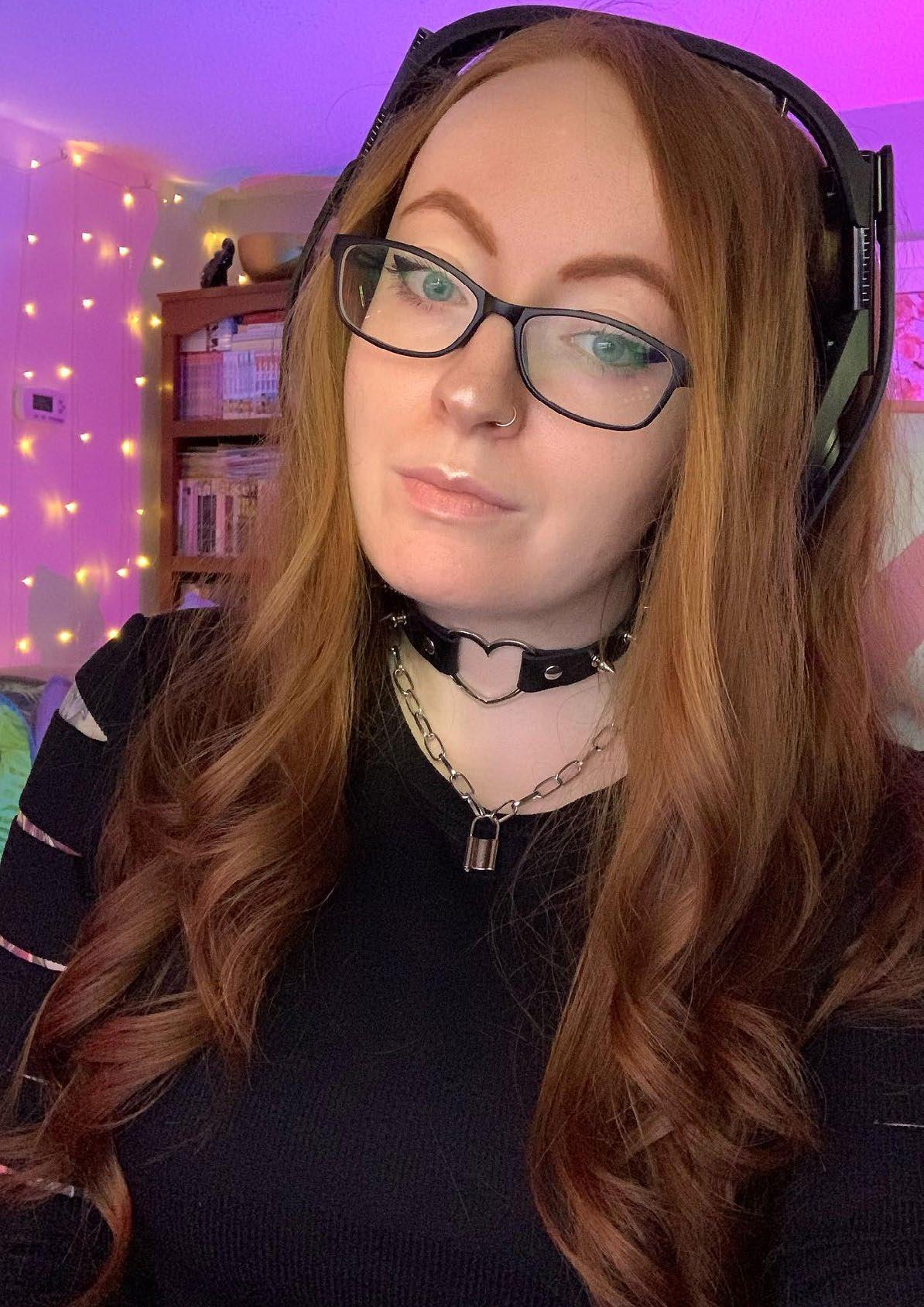
REDMXRCY
Some creators entertain. Others educate. A select few have the remarkable ability to make you feel as though you're sitting beside them, experiencing every victory, heartbreak and unforgettable twist together. RedMxrcy belongs firmly in that final category. In a digital landscape where attention spans are constantly shrinking and content often prioritises speed over substance, Red has carved out a space by doing the exact opposite. Her streams and videos celebrate the journey rather than the destination, encouraging viewers to slow down, immerse themselves in rich storytelling and appreciate the emotional moments that make role-playing games so unforgettable. Whether she's exploring the vast landscapes of The Elder Scrolls Online, reliving the emotional highs and lows of The Witcher 3, or discovering a brand-new RPG for the very first time, every reaction is genuine, every conversation is meaningful, and every adventure is shared with a community that feels more like a family.
But behind the vibrant personality, infectious humour and unmistakable passion for gaming is a story of resilience. Before becoming a full-time content creator, Red spent two decades working as a professional chef, building a career in fast-paced kitchens before life took an unexpected turn. After a devastating hurricane destroyed her apartment in Florida, she made the life-changing decision to leave everything behind and begin a completely new chapter in the United Kingdom. It was a leap into the unknown that would ultimately help shape both the creator and the community she has become known for today. Throughout our conversation, we explored far more than favourite games and unforgettable characters. We spoke about the power of storytelling, the friendships forged through MMORPGs, the realities of content creation, and why authenticity continues to be the foundation of everything she does online. We also discovered why thousands of players continue to call Tamriel home, why emotional endings are often the most memorable, and how creating a welcoming space for others has become just as important as the games themselves.
So, grab a coffee, settle in and prepare for a conversation filled with passion, laughter, nostalgia and plenty of RPG discussion as The Gamer Guide Magazine sits down with one of gaming's most genuine storytellers. This is our Creator Spotlight with RedMxrcy.
For readers who might be discovering your content for the first time, who is RedMxrcy?
I am a golden retriever, high energy, goth girl, gamer of rpgs and mmos and lover of emo/ pop punk music. My content focuses on story telling in rpgs and fostering a silly community. I’ve been a chef for 20 years, working in hotels and fine dining restaurants to then owning a personal chef business.
I moved to the UK 2 years ago after a hurricane in Florida flooded my apartment and left me with the task of: do I start over and rebuild in Florida? Or just move across the world.
That's quite the introduction. I don't think many people can say their journey into content creation included rebuilding life after a hurricane and moving across the world. It also explains why your content has such an infectious energy behind it. There's a real sense that you've embraced every opportunity life has thrown at you. Of course, gaming has clearly been a huge part of that journey. Your content focuses heavily on RPGs and MMOs. What first attracted you to those genres?
RPGs have been the foundation of my gaming experience growing up. Maybe because playing things like Super Mario Brothers was too rage inducing. I love experiencing the story of an rpg,

the twists and the betrayals. If the game makes me cry, then even better. I first started playing mmos in college with some friends. We would bring our laptops down to the common area and play Guild Wars. I love the sense of community and open world exploring that mmos have. Once I started playing Elder Scrolls Online 12 years ago, I became obsessed. There's always a task or event to do and the ability to create the perfect character to get fully immersed. I’m even still friends with some people I met on eso 10 years later.
I love that answer because it immediately highlights something that's become a recurring theme throughout your content, it's never just about playing a game; it's about living inside its world. Whether it's the emotional storytelling of an RPG or the friendships built through an MMO, you're clearly chasing experiences rather than simply ticking games off a list. That passion has obviously been there from a young age. Do you remember the first RPG that truly made you fall in love with storytelling in games?
Pokémon and Zelda were big in my early childhood years, but I think one classic jrpg that changed my brain was Legend of Dragoon on the ps1. It has cinematic cut scenes, and the characters can transform into “sailor moon wearing dragon armour” Like most jrpgs the ending is sad and beautiful and the drama is unmatched. Even when I played games like Harvest Moon, which doesn't have a super deep storyline, I would create back stories and lore in my head for all the people in town.
That's such a great example of how powerful games can be during childhood. What's particularly interesting is that, even in games where the developers hadn't written deep lore, you were creating your own. It sounds like storytelling has always been something your imagination naturally gravitated towards, long before you ever thought about becoming a content creator. Before sharing those experiences online, were you always the type of gamer who paid close attention to lore and character development?
Yes, for sure! I have an older sister who would play most of the rpgs first, we would sit together
in front of the tv, and I would watch her play for hours. My job would be to remember previous conversations, remember quests and check the handguides. I still remember playing through Tales of Symphonia on my own, without my older sister and that story had so many twists and drama. I actually felt sad for a few days after beating it.
I think that's something many RPG fans can relate to. Finishing a truly great story almost feels like saying goodbye to a group of friends, and there's always that strange emptiness afterwards while you're deciding what to play next. It's also lovely hearing how those early memories with your sister became such an important part of your relationship with gaming. At some point, though, simply experiencing these stories wasn't enough, you decided to start sharing them with other people. What inspired you to begin creating content?
About 12 years ago I used to watch a sims let’s play youtuber, She went by LifeSimmer. Her videos were so silly and quirky that she truly inspired me to try for myself. So I bought a cheap microphone and tried to record a youtube video on the sims. I was SO awkward and soft spoken and shy that I immediately deleted the video and hid the microphone away. Many years later in 2021 I decided to finally start again. Twitch was becoming more popular, I just got a new pc and decided to start live streaming on twitch. I was still shy and awkward but after a lot of experience, the content became an exciting and comfortable place.
I think that's a story so many creators will recognise. Very few people begin their journey full of confidence. Most of us look back at those first attempts and cringe a little. The important part is that you came back. Instead of letting those nerves define you, you gave yourself another chance years later, and that's ultimately what led you here today. Was there a moment when you realised this had become something much bigger than just a hobby?
I think it was early on, when viewers started to return, when they asked when I’d be live next,
when I would swap games and they would stick around for a new journey. I realized that the community was building. When I built a schedule and showed up consistently, I had a community that showed up every time and getting to be a part of someone's day is a privilege in content creation. These moments made me realize that this was something I was meant to do.
That's such an important distinction. Success isn't always about a viral moment or a huge spike in numbers. Sometimes it's simply recognising familiar names returning stream after stream because they've chosen to spend part of their day with you. That consistency and connection are often far more rewarding than any statistic. Throughout this conversation you've already mentioned the community several times, and I have a feeling that's going to be a recurring theme as we continue.
Every creator has a story behind their online identity. Sometimes it's carefully planned, other times it simply evolves over the years. Where did the name "RedMxrcy" come from?
RedMxrcy is a “newer” name for me in the online world, I’ve always gone by a few variations of Red before. I almost went with my real name for content creation but just stuck with my twitch username I already had.
It's funny how often that happens. A name that's originally chosen without too much thought gradually becomes a personal brand recognised by thousands of people. Looking back though, I imagine there have been quite a few usernames before you eventually settled on RedMxrcy. Was this always going to be your online identity?
Oh boy were there. Directly before RedMxrcy I used to go by RedGirl41. For years on psn you couldn't change your username and in competitive pvp having a “girl” username obviously came with its challenges. Once psn allowed us to change our names I decided on RedMxrcy. The correct spelling was already taken and because I’m an edgy elder emo, I just added an “x” instead. Now my difficult to spell username is my full branding for the past
5 years. The bot tts on my stream reads my name aloud as “RedMixer”, so of course my community teases me about that as well. But back in the day, back in my Gaia Online era, I was lurking around forums and aol instant messenger as LucifersAngel. No it was never just a phase.
I had a feeling there would be at least one classic early internet username in there somewhere. I think anyone who grew up during that era has a name they'd rather forget. It's also interesting hearing how something as simple as adding an "x" has become such a recognisable part of your branding today, even if your community still insists on calling you "RedMixer" from time to time. Looking back now, does the name still represent who you are as a creator?
Yes, I still love the name, I think most people in life call me Red now. I do wish it was a bit easier to spell, the ‘x’ throws people off. But once an edgy emo kid is always an edgy emo kid.
I think that's probably the best way to describe a successful creator brand, it becomes part of who you are rather than just a username on a screen. Hearing everyone simply call you "Red" says everything. It's authentic, memorable and completely yours.
Throughout this conversation, one thing has already become incredibly clear: for you, games have always been about far more than mechanics or combat. It's the characters, the worlds and the stories that stay with you long after the credits roll. In an industry that's increasingly focused on multiplayer competition and live-service experiences, storytelling remains the heart of what you do. Why do you think story-driven games continue to resonate so strongly with players?
To me story telling is such an artform. It allows us gamers to get immersed into a world, forget about things around us and get invested in the struggles the characters are going through. Even in a high fantasy game sometimes the story will connect directly to your own life and experiences, giving a deep emotional connection. I love how a story can make the
player feel represented, heard, supported and even a part of the world.
I couldn't agree more. Some of gaming's greatest stories stay with us because they reflect real emotions beneath the fantasy. Whether it's loss, hope, sacrifice or redemption, the setting may be fictional, but the feelings are incredibly real. Of course, not every RPG manages to leave that lasting impression. What do you think separates a good RPG story from one that's genuinely unforgettable?
A good rpg has classic tropes like betrayal, wars, secret family members, ocean monsters, all great things but I think an unforgettable story is one that isn't afraid to hurt the player, maybe the ending is vague, maybe the main character dies, they aren't afraid to deny the player of the classic happy ending. If you play a lot of rpgs sometimes you can predict how the story will go, but an unforgettable one will just push with the twists and turns.
That's such an interesting perspective because so many of the stories we remember most are the ones that dared to make us uncomfortable. The safest endings are often forgotten, whereas the ones that challenge us emotionally become the games we're still talking about years later. It's clear you're someone who embraces those difficult moments rather than avoids them, which probably explains why your content spends so much time exploring the finer details. You often dive into lore, character motivations and emotional scenes. What draws you towards those particular aspects of a game?
I think games that have these qualities are like great art. It’s supposed to make us feel things, question everything. In games like the Witcher you have to make decisions and most of the time it's the lesser of two evils. You have to continuously question your morals or put yourself into that universe to make the choice. I love experiencing art through games. Sometimes you get so connected to characters that you see them as your friends, which hurts even worse when the ending isn't perfect. Connecting with a game's lore can explain even the tiniest moments in a conversation between characters, furthering the depth of the game.
I really like how you describe games as art because that's exactly what they become when every decision carries emotional weight. Great storytelling doesn't simply entertain us, it asks questions, forces difficult choices and sometimes even changes the way we think. It's one of the reasons RPGs continue to have such passionate communities’ years after release. Speaking of emotional investment, has there ever been a game that stayed with you long after you finished playing it?
Oh absolutely. After scenes in Witcher 3 I literally sat and cried. When I played Red Dead Redemption 2, I ended my playthrough with very high honour for Arthur Morgan, seeing him go from cowboy bandit to a man questioning everything he once knew (and hugging his horse goodbye) has haunted me. Not only are these stories deep and emotional but after spending 70+ hours with these characters it can be sad to just “move on” to the next game when you spend so much time connecting with a world.
I think every RPG fan knows that feeling. You spend dozens, sometimes hundreds, of hours alongside these characters, and by the time the credits roll they almost feel like old friends. Walking away from that world can genuinely feel like losing something. Arthur Morgan is certainly one of those characters who's left a lasting mark on gaming, but I'm curious, are there any RPG characters you think deserve far more recognition than they receive?
I really loved a villain from one of the DLCs in Wither 3, Gaunter O’Dimm. He had such a calm and eerie way of speaking that every word felt impactful. He would twist words and mix cheeky jokes into dark moments.
That's a brilliant choice. Some of the most memorable villains aren't the loudest or most intimidating, they're the ones who quietly command every scene they're in. Characters who make your skin crawl with a single sentence often leave a far bigger impression than someone shouting threats every five minutes. If you could wipe your memory completely and experience one RPG for the very first time again, which game would you choose?
I think there is a universal feeling of watching to relive The Witcher 3. I plan to go back and play 1 and 2 as well because I just can’t get enough of all the lore. Runner up might have to be Red Dead Redemption 2. I didn’t think a cowboy game would make me fall so deeply in love with all the characters, but I was crying at the end so bad I could barely see.
That's probably one of the highest compliments you can pay a game. We all have that one title we'd love to experience again without knowing what's around the next corner. The Witcher 3 and Red Dead Redemption 2 have become benchmarks for storytelling for exactly that reason, they leave an emotional impact that's incredibly difficult to recreate.
Of course, if you can't replay those stories for the first time again, perhaps the next best thing would be living inside one of those worlds. If you could spend a day in any RPG or MMO universe, where would you choose?
I would have to say Elder Scrolls Online. I’ve played that game since its release, 12 years ago and easily have over 21,000 hours played. It's the perfect mix of medieval and fantasy. I would probably be a dragonknight, wasn't my first character but I love all the fire abilities.
I had a feeling Tamriel was going to make an appearance. Twenty-one thousand hours is an astonishing amount of time to spend in any game, and it says everything about the impact ESO has had on your life. While RPGs often deliver unforgettable stories, MMOs create something slightly different, they become places people return to year after year. You've spent a huge amount of time in those worlds. What keeps drawing you back?
The beauty and the struggle of an MMO is you are never truly done. There is always something new to unlock or experience. For years I pvped in Elder Scrolls Online every single night with my guild. I’ve been friends with these “internet strangers” for years now and the weird little communities you form definitely are a reason to return to mmos. I also love that after playing for years your character just looks like they’ve been through it all, Cool armor, achievements and titles, collectables.
That's something MMOs do exceptionally well. Your character becomes a visual timeline of everything you've achieved, from the armour you've earned to the titles you've collected. But perhaps even more importantly, those worlds become home to friendships that can last for years. You've already mentioned Elder Scrolls Online several times today, so let's focus on that specifically. What makes ESO such a special game for you?
Eso was a place I made lifelong friends. It kept me company when I lived in a state with no family nearby. When life was tough, I always had a group and sense of place in Tamriel. When I first started content creation, I wasn't streaming eso, For the first 3 years of my content journey I played cozier games and rpgs. My community knew I had a deep love for elder scrolls and thousands of hours played. They really wanted to see what I loved so much. So two years ago we started a brand new account on pc and began the mmo journey together from the beginning. I love getting to show new players something that I care for so dearly, and offer a welcoming, casual space in the mmo world for people to hang out together. Sometimes mmos can feel overwhelming to new players or that they are too far behind to start, and I try to show them all sides of the game and community.
I think that's one of the reasons your content resonates so well with MMO fans. You're not simply showcasing endgame builds or chasing the latest meta, you're introducing people to a world that's had a meaningful impact on your own life. That passion is impossible to fake, and it's probably why so many newcomers feel comfortable joining you on that journey.
MMOs have always offered something that single-player games simply can't replicate. In your opinion, what makes those experiences so unique?
I love when you are out adventuring or heading to town to buy some goods and you just see tons of people running around, being the hero of their own world. It gives everything so much more life. Recently eso had a slightly broken quest and players made a long line to wait in so each person could complete it. People have
gathered together in support of dev layoffs. The sense of home is so strong with other people around. I’ve had countless nights of being in guild chat with friends, laughing and learning a new trial together. Even if you play eso totally alone, you still have a sense of comfort and connection with people just being nearby.
I love that example because it perfectly captures what makes MMO communities so special. Despite all the stereotypes surrounding online gaming, moments like players forming orderly queues to help complete a quest remind us that these worlds are often built on kindness as much as competition. It's those unexpected moments of humanity that transform a virtual world into somewhere people genuinely feel at home.
Thinking back over your years in MMOs, what's been the single most memorable moment you've experienced, whether on stream or away from the camera?
Some big moments in eso would be when I’ve hit the highest rank in pvp. This can take months to do, and it feels like such an achievement to grind for so long, learning a new class and struggling through its ups and downs. When a friend decides to push for emperor in PvP we would plan our real lives around this moment, meal prep, do our chores and set alarms to all wake up together in support.
I also think right now will be a memorable moment in time, the fact that I can get on stream and talk about elder scrolls for hours to some people who don't even play the game but are still intrigued. That feels big to me.
That's such a brilliant way to measure success. Of course, reaching the highest PvP ranks is an incredible achievement, but hearing you say that people enjoy listening to you talk about Elder Scrolls, even if they've never played it themselves, might be an even bigger compliment. It shows that your passion has become just as entertaining as the game itself. The MMO genre has changed dramatically over the years, yet many of the biggest titles continue to thrive. Do you think we're currently in a great era for MMORPGs, or do you feel the genre is due for another major evolution?
I think the classics are all doing so well. WoW, Final Fantasy 14, Guild wars 2 and Elder Scrolls Online are all working hard to keep their players happy. I think if these games focus on how to make it accessible for new players to join, they won’t need a big evolution. You are never too late to join in any of these OG mmos. I’m always interested when a new one comes out but I’ll always return to eso. However I’m very excited to see Guild Wars 3, curious to see what mmo boundaries they push.
It's refreshing to hear that perspective because there's often a tendency to assume every genre constantly needs reinventing. Sometimes it's less about creating something completely new and more about ensuring new players feel welcome enough to experience what's already there. Accessibility may prove just as important as innovation over the next decade.
One thing that really stands out about your content is how unapologetically it slows things down. In an era where creators are often encouraged to skip dialogue, rush to the action and constantly chase shorter attention spans, your approach feels almost like the opposite. You encourage viewers to settle into the journey rather than race towards the destination. Was that a conscious decision from the very beginning?
Yes. I think it's a choice for myself and the response from my community. Some viewers love rpgs but struggle playing it themselves or speed through the dialog. I love taking the time to read conversations out loud, read journals, and verbally work through the plot and what we are experiencing. I think the viewer gets a better experience and gets more attached to the story this way. I also find it to be comforting to slow down and take our time.
I think that's exactly what separates your content from so much of what we see online today. You're not simply showing people a game—you're inviting them to experience it alongside you. By slowing down and giving every conversation, journal and emotional moment the attention it deserves, you're creating something that feels much closer to


sharing a great book than rushing through a checklist of objectives. If someone asked you to describe the philosophy behind your content in just a few words, what would you tell them?
Genuine. I want people to see my content and see the most authentic version of me. Over the years of content creation I’ve realized that I just want to make people laugh and give them a community to come home to. I strive to produce a variety of content each week, I very much treat it like a job. I want people to show up for me and the game be the cherry on top.
I really like that phrase, "the game is the cherry on top." It's a reminder that while games may introduce people to your channel, it's ultimately your personality that keeps them coming back. That's a philosophy shared by many of the creators we've spoken to over the years. Technology changes, games come and go, but genuine personalities always endure. With that in mind, what does a typical week look like behind the scenes for RedMxrcy?
I stream 3 times a week on Twitch along with dual streams on TikTok or YouTube. The schedule is firmly set; this builds a strong relationship with the community. Currently long form videos are a few times a month and shortform is weekly/bi weekly but I’m reorganizing to find that perfect balance of work, real life and content. As for the process I will typically batch film a couple long form episodes on the weekends so during the work week I can hop on and edit a little at a time. On a weekly schedule I go through clips, clear out bad ones and download funny moments to set up for editing. The weekends are dedicated to filming and batch editing as much as I can. While at my day job I use my free time to scribble down ideas or plans on paper for content to be made later.
I think that's one of the biggest misconceptions surrounding content creation. Viewers see a stream or a YouTube video, but they rarely see everything happening behind the scenes. Planning, filming, editing, scheduling social media, organising clips, it's a full-time workload before you've even pressed the "Go Live" button. Add in a demanding career as
a chef and it's remarkable how much you manage to fit into a week. When you're preparing for a new RPG playthrough, especially one built around story and lore, how much research goes into it beforehand?
My prep for new games is no prep. I want my reactions to events, music, story etc to all be real and genuine. I posted a clip reacting to Expedition 33 music, I had no idea it was THE song everyone talked about. My clip ended up going rather viral. If it’s a popular game, then I have to actively mute words on twitter to avoid spoilers. Trying to play Expedition 33 when it first came out was a nightmare for spoilers. As streams/long form videos progress through the game I do recap what's already happened so that I’m freshly updated for the next session.
That's fascinating because so many creators spend hours researching before they even start recording. For you, preserving that genuine first reaction is far more important than knowing what's coming next. It also explains why your emotional responses resonate so strongly, they're completely authentic, and viewers can tell the difference. Long-form gaming content has faced plenty of criticism over the years, particularly with the rise of short-form platforms. Do you ever worry that audiences simply don't have the patience for longer playthroughs anymore?
Yes. I know Let’s play style videos can be oversaturated or just too long, but I know there is still an audience for it. I focus on trying to really absorb all the story while also keeping my personality in the footage. I don’t often edit out when I struggle or when I’m confused because that's all a part of the journey. I think people that would watch longer content also want some personality to keep it engaging.
I think that's a really important point. Long-form content hasn't disappeared, it simply demands a stronger connection between creator and audience. If viewers enjoy spending time with you, they're more than happy to settle in for an hour-long adventure. In many ways, personality has become more important than ever. Looking back over everything you've created so far, what piece of content are you most proud of?
I think it would be my Witcher 3 let’s play series over all. It was my first YouTube video that blew up and I’ve grown so much since episode one. I had endless tech issues, blurry game play, muted mics, awkward voice overs, but I really learned a lot about YouTube and how to edit.
I love hearing creators say that because it's proof that success rarely arrives fully formed. Those early videos might not have been technically perfect, but they're milestones that document your growth as both a creator and storyteller. Looking back now, those imperfections have become part of the journey.
Throughout our conversation, there's one word you've come back to again and again: community. It's clearly much more than a buzzword to you. Whether you're talking about Elder Scrolls Online, your streams or your viewers, people always seem to come first. What does community actually mean to you?
Fostering a community is genuinely an honour. It is my favourite part about creating content. I could play these games alone, but when I get to react to a dramatic scene with my viewers it becomes a shared experience and we all connect over it. I get to be a part of people's lives, knowing they plan their day around when I go live is a very humbling experience. As an elder emo I think all we want is to be heard, so it's my job and privilege to offer a place to belong. I couldn't do it without them.
That's such a heartfelt answer, and I think it perfectly sums up why your community has continued to grow. It's never sounded like you're chasing numbers or statistics, you're building relationships. The games might bring everyone together initially, but it's that sense of belonging that keeps people returning week after week. When someone joins one of your streams for the first time, what kind of atmosphere do you hope they experience?
I'd say fun, my community might say ADHD manic fuelled. I try to create a fun and silly environment every time I post or go live. I very much have a “we live on a floating rock” mentality and if I can make one person have
a better day then my job has been a success. We talk about our lives, 90s nostalgia, emo music that definitely isn't 20 years old now and don’t take games too seriously (unless the lore demands tears). I want people to feel a sense of relief and genuine energy when they come to spend their time with me.
I have a feeling your community would definitely lean towards "ADHD manic fuelled." But underneath all the chaos there's something genuinely comforting about the environment you've created. It feels like somewhere people can forget about everything else for a few hours, have a laugh and simply enjoy being around like-minded people. Have there been any moments with your audience that have genuinely surprised or inspired you?
Some of my viewers have been around for years, as a variety streamer that is rather rare. Some have joined when I played more cozy games and now still hang around even if the game isn't their favourite. I’ve had viewers where we talked about their first dates, and now they are married and inviting me to their wedding. I’m also always surprised and proud of how so many people from different places around the world can all get together and mesh so well. Everyone gets along and teases me. It's great.
Those are the moments that really put everything into perspective. A creator might remember subscriber milestones or viral clips but being invited to someone's wedding because you've been part of their life for years—that's something truly special. It's a reminder that content creation is ultimately about people, not platforms. After spending so much time streaming and interacting with viewers, what's the biggest lesson you've learned about people?
People want to connect. I’ve always done a bit of “Just Chatting” at the beginning of my streams, usually 20-30 minutes. These days it can be up to 2.5 hours of just talking. If you are genuinely yourself, I find that people just want to spend time together. They want a place to belong to and to share stories. I’ve also learned that having to punish someone for being off or
rude never gets easier, but I’ve learned to just call them out point blank. Either they apologize and act normally or they just leave. Never argue with the hate comments, instead copy paste random facts to them as a reply.
I think that's one of the biggest truths in modern content creation. People often assume viewers only turn up for gameplay, but increasingly they're searching for connection. Whether it's sharing stories, laughing together or simply feeling like part of a community, that's what keeps people coming back. It also takes confidence to protect the environment you've built, and it's clear that's something you take seriously. Finally, if your community had to describe you in three words, what do you think they'd choose?
I would choose: Silly, Genuine, Nostalgic. I’m sure they would say: ADHD, sweet, funny
Somehow, I think both answers are probably accurate. After everything we've talked about today, I'd say "genuine" is certainly one word that deserves to stay. The gaming industry never stands still. New RPGs are constantly on the horizon, MMOs continue to evolve and your own content keeps growing alongside them. Looking towards the future, what excites you most over the next few years?
I’m really excited for Witcher 4, Elder Scrolls 6 (hopefully before retirement), Guild Wars 3 and whatever incredible RPG surprises we get along the way. There are so many amazing stories still waiting to be told and I can't wait to experience them with my community.
I think everyone reading this is hoping The Elder Scrolls VI arrives before retirement. It's one of those games that almost feels mythical at this point. Still, knowing how passionate you are about storytelling, I have no doubt there will be plenty of unforgettable adventures to keep you busy in the meantime. Outside of specific games, are there any personal goals you'd love to achieve as a creator?
I’d love to continue growing YouTube while still maintaining the close-knit feeling my
community has. I want to keep making people laugh, hopefully travel more through content creation and continue proving that story driven content still has a place online.
That's such a refreshing goal because it's centred around people rather than numbers. Growth is wonderful, but preserving the community you've spent years building is just as important. Finding that balance is something many creators struggle with, and it's clear you've thought carefully about what success actually means to you. If someone reading this interview has been thinking about starting their own content creation journey, what advice would you give them?
Just start. Your first videos will probably be awkward. Your microphone might sound bad. You'll make mistakes and cringe looking back on old content but that's part of the process. Nobody starts out perfect. Stay genuine, keep learning and don't compare your chapter one to someone else's chapter twenty.
I think that's some of the best advice anyone could give. Every creator we've spoken to has looked back and laughed at their earliest content, but the common thread is that they all started somewhere. Perfection has never been the requirement, consistency and authenticity are what truly make the difference.
Before we wrap things up, let's finish with a few quick-fire questions so our readers can get to know you just a little bit better. Favourite RPG of all time?
The Witcher 3.
Favourite MMO?
Elder Scrolls Online.
One game everyone should experience at least once?
Red Dead Redemption 2.
Favourite gaming snack?
Coffee... does coffee count?
We'll absolutely allow coffee.
Closing Thoughts
Over the course of this conversation, we've spoken about unforgettable RPGs, years spent exploring Tamriel, the challenges of moving across the world, and the community you've built through simply being yourself. The one thing that ties all of those experiences together is authenticity. Whether you're laughing through a stream, crying at the ending of a game or sharing your favourite piece of Elder Scrolls lore, everything comes from a place of genuine passion. In an online world that's often driven by algorithms and trends, it's refreshing to meet someone who still believes in slowing down, appreciating a great story and creating a welcoming place where people feel like they belong. That's something your community clearly recognises, and after spending this time talking with you, it's easy to understand why so many people continue to return stream after stream. On behalf of everyone here at The Gamer Guide Magazine, thank you for taking the time to share your story with us. We can't wait to see where your journey takes you next, whether that's another thousand hours in Tamriel, discovering the next unforgettable RPG, or finally getting our hands on The Elder Scrolls VI. Until then, we'll see you in the next adventure.

Stay Connected with RedMxrcy
If you'd like to keep up with RedMxrcy's adventures, story-driven playthroughs and welcoming community, be sure to check out her channels and join her on the next journey.
Twitch: @redmxrcy
YouTube: @redmxrcy
TikTok: @redmxrcy
X (Twitter): @redmxrcy

BROPHERS
The gaming content creation space has never been more competitive. Every day, thousands of creators upload videos, go live on stream, and compete for the attention of audiences across YouTube, Twitch and social media. Yet, every so often, a creator comes along who proves that success isn't just measured in views or subscriber counts, it's built on personality, consistency and the community you create along the way. Brophers is one of those creators. Whether he's streaming competitive titles like Marvel Rivals and Valorant, producing gaming and hardware content, or simply sharing a laugh with his audience, Brophers has steadily built a reputation for high production values, authenticity and a welcoming community that continues to grow.
When we sat down to chat, it quickly became clear that his journey hasn't been an overnight success. It's been years of experimentation, learning, overcoming self-doubt and constantly striving to improve. From humble beginnings with complicated streaming setups to aspirations in voice acting and major hardware collaborations, Brophers' story is one that many aspiring creators will recognise. We caught up with him to discuss where it all began, the story behind the Brophers name, life as a creator, and why he believes personality will always matter more than perfect gameplay.
For readers who might be discovering your content for the first time, tell us a little about yourself and what kind of content you create.
So, I’m Brophers. A 41 year old creator in the UK. I’m a father of 3 and partner to my lovely lady Emma. When I’m not doing content, I work in the IT Field. Obviously, a big gamer and have been since the days of the Commodore64. I blame my dad for this. I spent so many nights watching him play the original The Bards Tale, he got me fully hooked into the world of gaming. I think I always knew gaming would be at the heart of the content I make no matter what grew alongside it. While I’m now streaming competitive games like Marvel Rivals and Valorant. I’m also trying to make entertaining video content covering gaming, hardware and software. Originally though. I did try my hand at doing some podcasting and I ran an online gaming publication with a couple of friends. Those things were stepping stones to here though.
It's funny how so many creators can trace their passion back to a single moment growing up, and for you it sounds like watching your dad play The Bard's Tale planted that seed very

early on. It's also interesting to hear how podcasting and even running your own gaming publication helped shape the creator you've become today. What first sparked your interest in becoming a content creator rather than simply playing games for fun?
I’ve always had a want to entertain, from considering theatre work, to wanting to be in a band and finally landing on content creation and streaming. It seemed like the right choice, it ticked those boxes and allowed me to share things I am passionate about with others.
That passion for entertaining people really comes across, and it's clear gaming simply became the vehicle for doing exactly that. Plenty of people love games, but not everyone has that drive to put themselves out there in front of an audience. Looking back at your earliest content, what was your mindset when you first started?
I think from day one, I was hit with imposter syndrome. I saw so many people out there doing amazing work with YouTube and honestly had no idea how I was going to fit into that. Luckily, my drive to do it overshadowed that 99% of

the time and I kept moving forward, building my setup, improving my quality and trying new things to see what worked.
I think that's something a lot of creators, whether they're just starting out or have been doing this for years, can relate to. Imposter syndrome has a way of creeping in when you're comparing yourself to people who've already found their audience. The important thing is that you kept pushing forward instead of letting it stop you. Was there a particular creator who inspired you to take the leap into content creation?
I think the first videos I saw that really sparked my interest were the Battlefield 3 Funny Moments with the ASDFs. It was just compilations of stupid moments with a friend group, but it had me in stitches. I wanted to bring that to the world too, I wanted to make people smile, laugh and be entertained.
It's interesting that it wasn't flashy production or massive creators that inspired you, it was simply a group of friends having fun together. Sometimes those are the moments that leave the biggest impression because they remind us why we fell in love with gaming in the first place. Everyone starts somewhere. What were some of the biggest challenges you faced during your first year as a creator?
The first thing that really caused me a problem was my internet speeds. I had no chance of streaming originally which is why I opted for trying to make YouTube content. Back when I started though it wasn’t easy to put a setup together, especially as I was a console gamer then. Having to rig up capture cards and audio mixers to try and capture what I wanted was a chore. It taught me a lot though and is likely why I can’t help tinkering with my current setup all the time.
It's amazing how much easier it is for new creators to get started today compared to even a few years ago. Hearing about capture cards, audio mixers and fighting with slow internet is a reminder that there was a time when simply creating content was a technical challenge in itself. Looking back, those hurdles probably
gave you a much deeper understanding of your setup than many creators have today. Was there a specific moment where you realised this was becoming more than just a hobby?
I think for me, I always wanted it to be more than a hobby. It was a gradual process from hobby to job, but when I became a sole trader in my main job, it had already started to feel like a second job, now it just meant I put everything under the same banner. I like to keep myself busy!
That's an interesting way of looking at it because, for many creators, there's one defining moment where everything suddenly changes. For you, it sounds like it was less of a switch being flipped and more of a steady evolution into something that naturally became part of your professional life. That entrepreneurial mindset also leads nicely into something many people recognise immediately when they discover your content...
One of the most obvious questions has to be about the name itself. Where did the name "Brophers" come from?
Honestly, that name has been with me for as long as I can remember. It isn't the most creative name and is actually a play on my surname. It’s pretty unique too, so it always stands out nicely.
Sometimes the simplest ideas end up becoming the strongest brands. It's memorable, distinctive and, more importantly, it feels authentic to you rather than something manufactured to fit an algorithm. That naturally brings us onto branding itself, because it's become such a huge part of content creation today. How important do you think branding is for creators in today's content landscape?
I think branding is super important, like I mentioned before content creation is a business, no matter how small, but the name you go with becomes your company. It took me a while to lock in as just “Brophers” as when everything first started, the brand was “The Brophers Grimm”, obviously a play on The Brothers Grimm. We were a collective of a few

people looking to do videos and a podcast, but times changed and eventually I was solo. Finally, just being “Brophers” never felt better and I wish I had locked it in sooner.
It's interesting hearing how the brand evolved alongside your journey. Many creators start as part of a group before eventually finding their own identity, and it sounds like simplifying everything down to just "Brophers" helped define exactly who you wanted to be. If you were starting from scratch today, would you still choose the name Brophers?
Oh absolutely, and like I said above, I would have locked that in from day one. I feel it’s a name that you remember that rolls off the tongue. It’s also fully everything I am.
There's something to be said for having complete confidence in your identity as a creator. Plenty of people spend years secondguessing their branding, whereas you sound like you've found something that genuinely represents you. What do you hope people think of when they hear the name Brophers?
Well, I hope when people hear the name they think of that positive ginger dude with the really awesome beard and not “Hey, isn’t that the bearded dude who wears the bunny outfit on stream”. Yes, that happened, more than once. The things we do to entertain our viewers.
I had a feeling there was going to be a story behind that one. In fairness, those unexpected moments are often the ones communities remember the most, even if they're slightly embarrassing in hindsight. Jokes aside, it's clear that positivity is at the heart of what you're building, and that's probably why your audience has connected with you over the years.Of course, a recognizable brand is only part of the equation. Once people click on a stream or a video, it's the content itself that keeps them coming back. So let's talk about how you've developed your style as a creator.
Your content has developed its own style over time. How would you describe your content to someone who has never watched one of your videos or streams?
This is such a toughie to answer, especially as a game streamer as at the end of the day, I am just a dude playing games to entertain, but I will say. I try to make sure that I stand out with my production value in video, audio and the quality the viewer gets. I’m forever trying to improve and add more into the “show” without there being too much clutter. Simple but effective.
I like that answer because it's refreshingly honest. A lot of creators try to reinvent the wheel, but sometimes it's about refining the experience rather than overcomplicating it. Anyone can hit the 'Go Live' button but creating a show people genuinely want to come back to is a completely different challenge. You mentioned production value there, but I imagine there's another ingredient that's just as important. What do you think separates good gaming content from great gaming content?
Personality all day long. You can be the best player of a game, but that will only get you so far, I think these days, people want to know the person, not just see a skill set. Luckily for me, I’m not that skilled at most of the games I play, so I really rely on my personality.
I couldn't agree more. We've all seen incredibly talented players who struggle to hold an audience, while others become household names simply because they're entertaining to watch. Skill might bring someone through the door once, but personality is what convinces them to stay. When you're creating content, what's more important to you: entertaining viewers, showcasing gameplay, or building community engagement?
Entertaining viewers will always come first for me and that usually works into building community engagement. When people feel entertained and part of the content, they want to get involved in the show more.
That's a really interesting philosophy because, for you, community isn't something you chase, it's something that naturally grows when people enjoy spending time with you. Instead of forcing engagement, you're creating an environment where viewers want to be

involved, and that's a much healthier approach. Of course, what viewers see on screen is only part of the story. How much preparation goes into a typical stream or video that viewers might not realise?
So much more than people ever see. For the streams, I have to make sure everything is working in my setup, there is a lot to mine. Get my thumbnails created, my social posts ready and then I slap on some hype tracks before hitting Go Live. With videos, like most creators I do everything myself, so I have to plan the video, record the content, find all the images, music sounds I need for the edit. Make thumbnails and let’s not forget editing the actual footage. I need more hours in the day.
I think that's one of the biggest misconceptions people have about content creation. They see a three-hour stream or a ten-minute YouTube video, but they don't see the hours of preparation beforehand or the editing afterwards. In many ways, the camera is only switched on for a small percentage of the actual work. Are you someone who plans content weeks in advance, or do you prefer to create more organically?
I wish I had the head space to plan my videos that far in advance. Usually once I’ve created a video it needs to be posted asap or I start hating it or think I could do something better in that time to post instead. I have so much respect for people who plan that far ahead.
I think a lot of creatives will understand that feeling. Sometimes if you sit on a project for too long you start over-analysing every little detail until you're tempted to start again. There's definitely something to be said for trusting your instincts and getting your work out into the world. How do you decide whether a game is worth creating content around?
It’s a tough mix, especially on streams. You want to find games that you know you will really enjoy but also know your community will want to watch too. Changing up games for content has had both positive and negative experiences for me in terms of viewership. I’ve started trying to mix in new games either on
separate stream days or by making videos on them, to test the water. At the end of the day, if you’re not enjoying something. It’s going to show.
That's one of the biggest balancing acts for any gaming creator. You can chase the numbers and lose your passion, or you can only play what you love and risk your audience not following you. Finding that middle ground is easier said than done, especially when your livelihood can depend on those decisions. Have there been any games that surprised you by performing much better than expected?
Windrose actually. When it was still in the Beta phase, I played a couple of times on stream and people loved it. When my usual games had been Apex Legends and Marvel Rivals, it was a big change of genre. It might have been a good hit due to it being in Beta still, but I just wanted to be a pirate. It’s a good reminder to test things out sometimes and see if change works.
That's a great example of why creators shouldn't be afraid to experiment. Sometimes it's the content you least expect that resonates most with your audience, and trying something completely different can breathe new life into both your channel and your own enjoyment. Plus, who doesn't want to live out their pirate fantasy every now and then? What has been your favourite game to create content around so far?
As much as I don’t play it these days. Apex Legends was a huge game for me over the years. It’s where I really found my footing, built my original community and made some amazing friends. There was so much passion for that game from all sides. It will forever hold some of the best memories for me even though I’ve moved on to new games.
It's funny how every creator seems to have that one game they'll always associate with a defining chapter of their journey. Even when you've moved on, the friendships, the memories and the community you've built around it never really disappear. It sounds like Apex Legends will always hold that place for you.

Speaking of community, you've mentioned it several times already throughout our conversation, and it's clearly something that means far more to you than just viewer numbers or follower counts. So let's dive into that side of content creation.
Many creators talk about community being important, but what does community actually mean to you?
Community is very much every person that turns up, gets involved and becomes part of your journey in content. I’ve shared some of my communities’ highest highs and lowest lows. To be a place where people come and want to share their world with you is quite the hell of a feeling. I’ve also made some of my closest friends doing content creation and they themselves are a huge part of my community too. I wouldn’t be without them.
I really like that perspective because it's easy to look at a community as numbers on a dashboard, followers, subscribers or concurrent viewers—but you've described something much more personal. It's about people choosing to spend part of their day with you and trusting you enough to share pieces of their own lives. That's something statistics can never truly measure. If you had to sum up the people who make up that community, how would you describe your audience in three words?
Spicy, Supportive and Inspiring
"Spicy" is definitely one I don't hear very often, but somehow, I can already picture exactly the kind of chat you're talking about. The fact you also chose "supportive" and "inspiring" says a lot about the environment you've built around your content. What's the most rewarding part of interacting with your viewers?
Like I said above, getting to be a part of their stories is such a feeling. Not only do these people take time out of their day to hangout or watch your videos, but they want to share their world with you. Having people come into a stream exciting to tell you of something cool that’s happened in their lives is honestly
amazing. I’m glad I can be a place for people to share, laugh and unwind.
That's one of the unique things about live content. You're not just entertaining people; over time you become a familiar part of their routine. It's a responsibility that many viewers probably don't even realise creators carry, and it's clear you don't take that for granted. Have there been any community moments that genuinely surprised or moved you?
To this day, one of the most wholesome moments I had was walking through a town near me and someone stopping me to ask if I was “Brophers” It appears this dude had watched my content for the longest time, never commented or spoke in chat, but loved watching. We had an awesome chat, and he thanked me for doing what I do. It actually blew my mind to be noticed out in the world and was a reminder on the impact we have towards people, even those awesome lurkers.
That's such a brilliant story because it highlights something every creator eventually learns, you never truly know who's watching. Some of the people who support you the most might never send a message in chat or leave a comment, but they're still there, quietly following your journey. Moments like that must really put everything into perspective. Do viewers influence the direction of your content, or do you try to stick to your own creative vision?
For a long while I think they did, especially with Apex Legends. Even when I was starting to get burnt out and lose my passion for the game, I kept at it, mainly to keep people happy. It wasn't my best move, and it had its impact on me. Going forward I try to make sure I keep changes coming in the games I play even if the focus has a main one. Since doing that, I have been feeling much happier in myself and my content.
I really appreciate your honesty there because I think a lot of creators struggle with that exact dilemma. You naturally want to give your audience what they enjoy, but if you're no longer enjoying it yourself, eventually they'll
notice too. It's a reminder that looking after your own creativity isn't selfish, it's essential if you want to keep producing content you're genuinely proud of. What makes your community unique compared to others you've seen online?
Oh that’s easy they are mine! I have such a mixed community of awesome people which because I stream so often with friends has now become a really mixed bag of multicommunity. They are mental, funny and just all round amazing.
I had a feeling that was going to be your answer. But that's probably the best compliment you can give your viewers. Every creator hopes to build a community that reflects who they are, and it sounds like yours has become exactly that, a place full of humour, friendship and people who simply enjoy spending time together. Of course, while viewers see the finished streams and polished videos, they rarely get to see everything happening behind the scenes. From planning and editing to balancing work, family and content creation, there's an entirely different side to being a creator that often goes unnoticed.
People often see the finished product but not the work behind it. What does a typical day look like for you as a creator?
Oh man, I don’t think there is a typical day, but my days are a mix of doing my IT work (The actual paying work), recording, editing, planning out streams. Mixed in with that you have the other side of the business of speaking to your contacts, working on collabs, looking at how to improve your stream, content, editing. Then there’s the afterhours where I’ve either streaming, spending some time with my lovely lady (who thankfully leads as busy a life as me) or just enjoying some awesome family time. It’s a lot, but I wouldn’t change it at all.
It's a schedule that probably sounds exhausting to anyone looking in from the outside, but it perfectly illustrates what modern content creation has become. You're wearing the hats of presenter, producer, editor, social media manager, business owner and marketer, often
all before you've even gone live. It's easy to forget that the stream itself is only a small part of the working day. What's the biggest misconception people have about being a content creator?
That it’s easy to do, too many people think it’s just clicking go live, but the amount of work that goes on behind the camera is insane. Even being able to be live for multiple hours and keep people entertained. Most live tv shows can’t keep that going for more than a couple of hours. Content creators do EVERYTHING all the time, even when they are not creating, I guarantee their mind is thinking about it.
I think that's one of the biggest myths surrounding this industry. People often compare streaming to simply playing games, when in reality it's closer to hosting a live television show while simultaneously directing it, producing it and making sure the audience stays engaged for hours at a time. Then, when the stream ends, the work often carries on long into the evening. With that kind of workload, how do you avoid burnout while balancing content creation, streaming, editing, and community management?
I’m still learning how to conquer this honestly. Burnout is something I still get hit with plenty. I do find the things that help me is scheduled downtime which sounds weird, but Tuesday and Thursday are date nights in the house, even if that’s just us relaxing watching a great show or going out, or something like that. It’s a dedicated break for us both and obviously some great time together. Same with Sundays, full on day off! I know everyone’s situation is different, but having some dedicated downtime where you step away from everything can do you the world of good. Communication too, especially for those with partners. My schedule and everything else is built around communication with my other half and what works for us both best. Team work all the way. If you can find yourself a good circle of creators to have around you too, it makes a huge difference, you’re all going through the same things and it’s much easier to offload those stresses and chat about it with others who are in that same space. I don’t know what I’d do without my support honestly.
That's probably one of the most honest answers you've given today, and I think it's something many creators will appreciate reading. Burnout is often spoken about as if it's something you overcome once, but the reality is it's something you continually have to manage. I also love the emphasis you've put on communication and making time for family because it's easy to become consumed by chasing the next upload or stream. Sometimes stepping away from the screen is exactly what allows you to come back stronger. What's one thing you've learned about yourself through content creation?
Not sure I’d say so much I’ve learned about myself as much as I’ve grown as a person through content creation. My confidence has flourished in so many ways and that keeps driving me to do more. I used to struggle so much with things like public speaking and streaming has changed that so much. Now I’m here trying to get into voice acting. I would never have had the confidence for that when I started out.
That's a fantastic example of how content creation can change someone beyond the numbers or career opportunities. It's not just about building an audience, it's about building confidence, developing skills and discovering opportunities you might never have imagined pursuing before. Hearing you mention voice acting feels like a natural progression rather than a complete change in direction. Has creating content changed the way you play games?
Yeah, I rarely get time to play games for fun these days. Most of my gaming time is when I’m making content. I’ve got myself a Switch 2 recently so I can fit some gaming for fun when travelling or taking some time out.
That's probably the biggest trade-off many gaming creators never expect. The hobby that started everything gradually becomes your profession, and suddenly you're analysing games through the lens of content rather than simply enjoying them. It's nice to hear you've found ways to switch off again, even if it's just picking up the Switch 2 while travelling or
taking some well-earned downtime.
Throughout our conversation, you've mentioned how much the creator landscape has evolved since you first started. The tools have changed, audiences have changed and the industry itself moves at an incredible pace, so it seems like the perfect time to look at where content creation is today and where it's heading next.
The gaming content space changes incredibly quickly. What's the biggest difference between content creation today and when you first started?
Honestly, I think the tools creators have available to make content. There is so much software and budget hardware not available to help people get started and while it might not always be the best, it's gotten them out there. When I started it was such a mess of cables and high skill bars in software.
It's remarkable how much the barrier to entry has changed. Years ago, just getting a stream online felt like a technical project in itself, whereas today someone can download a few pieces of software and be creating content within an afternoon. That accessibility has opened the door for countless new creators, but it's also made standing out more challenging than ever. What trends in gaming content do you enjoy seeing right now?
As I’m heavily back into Marvel Rivals now, seeing people's creativity in making character skits always has me laughing. The community around that game are amazing.
That's one of the things I love about gaming communities, they often go far beyond the game itself. Whether it's fan art, skits, edits or role-playing, the creativity on display can sometimes be just as entertaining as the gameplay. It's proof that communities thrive when people are encouraged to have fun with the worlds they're passionate about. Are there any trends you think creators rely on too heavily?
Not so much a trend, but these super quick
short form videos. Too many people post the worst brain rot, and I might be just showing my age, but I think it’s taken away from the creativity of video editing. I see people post amazing in-depth edits and they get lost in the latest meme trend.
It's an interesting point because short-form content has undoubtedly helped creators grow, but it has also shifted attention spans. There's still something incredibly rewarding about sitting down to watch a well-crafted video where you can tell the creator has invested hours into the storytelling, editing and production. Hopefully there's always room for both styles to coexist. What advice would you give to someone who wants to start creating gaming content in 2026?
Don’t overthink it! You are going to hate your content when you start out but that’s what will keep driving you to improve. Keep posting videos, keep learning new skills and just enjoy the steps forward. While you can learn from others, do not compare your content. No one is supposed to be an amazing creator of the bat. It’s the journey that makes you.
I think that's genuinely some of the best advice any aspiring creator could hear. Too many people wait for the perfect camera, the perfect microphone or the perfect idea before they even begin. The reality is that every creator starts somewhere, and improvement only comes from creating, making mistakes and learning from them. What do you think matters most for new creators: consistency, quality, personality, or luck?
Genuinely, I think the big two are personality and consistency. If people see a personality they can relate to or vibe with, it matters so much, consistency lets them know when to be there to support and keeps you moving forward. Luck will always be a factor out there, but the hard work can always pay off.
I think that's a fitting way to sum up the modern creator landscape. Luck can certainly open a door, but personality keeps people watching, and consistency is what turns casual viewers into a genuine community. It's a philosophy
that's echoed throughout our conversation today and one that's clearly guided your own journey over the years. With plenty already achieved, it feels like you're far from finished. In fact, listening to you speak, it almost feels like this is only the beginning. So before we wrap things up, let's look ahead to what's next for Brophers.
What goals are you currently working towards?
I want to keep growing my platforms as best I can, gradually push up my ccv for streaming while also improving my editing skills. Being more consistent with my uploaded content is definitely on that list too. You know, just a couple of goals that will keep moving forward.
What stands out is that none of your goals are about chasing overnight success, they're all centred around continuous improvement. Whether it's refining your editing, growing your audience or becoming more consistent, it's the sort of long-term mindset that's helped many successful creators build lasting careers. Are there any dream collaborations you'd love to make happen?
I’d honestly love to work with a hardware company and do a full sponsored pc build one day, some absolutely beast of a build. If I make it to that level of creator one day, I’ll be over the moon. There’s a few brands in mind I’d love to work with on that, but who knows what the future holds.
Considering how much you've spoken about hardware, production quality and constantly refining your setup throughout this interview, that actually feels like a very natural ambition rather than a distant dream. It's easy to imagine that kind of collaboration fitting perfectly with the content you're already producing. What kind of content would you like to experiment with in the future?
I've actually just started to venture into something new that I’ve wanted to explore for a long time which is voice acting. I even very recently landed my first role which was really unexpected but super exciting.
Congratulations, that's fantastic news. It's also something you've hinted at earlier in our conversation, especially when talking about how content creation has helped build your confidence. Voice acting feels like an exciting next chapter and another opportunity to challenge yourself creatively. Where do you see the Brophers brand in five years?
Oh, this brand is still going to be strong in 5 years, just bigger, more established and doing so much more. The name Brophers will be one you know from either streaming, videos on YouTube or from voice acting. I’m going to make sure of that!
I admire that confidence. It's not about arrogance, it's about believing in the work you're putting in every single day. After hearing everything that's gone into building the Brophers brand, it's easy to understand where that belief comes from. What's one achievement you'd love to look back on and say, "I made it"?
I think, being invited to the first UK DreamHack was the one. To be invited to such an event as a creator and to also to be so involved through streaming and making content with them was huge. I don’t think I’ve ever felt more a part of the Content Creator community as I did for that. I mean hey, it’s where we met.
I was hoping you'd mention DreamHack. It really does feel like one of those milestone moments where everything you've worked towards suddenly becomes tangible. Being invited not just to attend, but to actively create content at one of the UK's biggest gaming festivals is recognition in itself. And you're right—that's where our paths first crossed. Seeing creators connect with brands, communities and one another is exactly what events like DreamHack are all about, so it feels like a fitting achievement to look back on.
Of course, before we wrap things up, there's only one thing left to do...
Favourite game of all time?
Final Fantasy VII
I had a feeling that answer wasn't going to change. A game you think everyone should play at least once?
Final Fantasy VII ( I love it!)
I don't think anyone's surprised by that one! Coffee or energy drinks?
Coffee for sure!
Essential fuel for any creator. Console or PC?
PC
I think we all knew where that was heading after everything we've spoken about today. Most anticipated upcoming game?
Final Fantasy VII Revelations... I told you, I love it
At least you're consistent! Dream content collaboration?
GamerSupps, I feel if they ever came to me to collaborate, I would have really made an impact out there.
That's definitely one to manifest into reality. One game you're embarrassingly bad at?
Any Souls game.
You're certainly not alone there, I think plenty of readers will be nodding in agreement. If your community could describe you in one word, what would it be?
Old...
I'll let your community be the judge of that one.
Finally, for anyone reading this who hasn't discovered your content yet, why should they check out Brophers?
They shouldn’t... I’m kidding, seriously if you enjoy your content more focused on a good time with plenty of competitive and story based gameplay. That is also a great place to share some good laughs, then that’s what I'm out
here building. Even now I still don’t feel I’ve truly got started on my journey but what better reason to check it out and watch this journey unfold with me and be a part of a really awesome community. I may not be the most skilled player in comp games at the moment, but I’m 41 now, so who knows. One day I might finally make it into an eSports team like the Silver Snipers. There's still hope and also my beard is pretty damn majestic, so they say.
Closing Thoughts
Spending time talking with Brophers, one thing quickly becomes apparent: his success hasn't been built on chasing algorithms, viral moments or the latest trend. Instead, it's been built on authenticity, consistency and a genuine passion for bringing people together through gaming. Throughout our conversation, he spoke candidly about imposter syndrome, burnout, balancing family life with content creation and the constant drive to improve. They're challenges that almost every creator faces, yet Brophers approach them with a refreshing honesty that's often missing in today's creator economy. It's clear that, for him, the numbers have never been the whole story.
What impressed me most wasn't the production quality he's worked so hard to perfect or the exciting ambitions he has for voice acting and future collaborations. It was the way he spoke about his community. Whether it was recalling a chance encounter with a long-time viewer in the street or describing the friendships he's built over the years, every answer came back to people. That's something you can't fake, and it's undoubtedly one of the reasons his audience continues to support him. Having first met Brophers at DreamHack UK, it was fascinating to hear just how significant that event was in his own journey. It's a reminder that behind every creator is a story of countless hours spent learning, adapting and believing in themselves long before anyone else did.
And perhaps that's the biggest takeaway from our conversation. Brophers don't pretend to have all the answers. He's still learning, still experimenting and still chasing new opportunities. But that's exactly what makes
his journey so engaging. Whether it's growing his platforms, stepping into voice acting or one day landing that dream sponsored PC build, it feels less like he's reached his destination and more like he's only just getting started. If you're looking for a creator who values community as much as content, who isn't afraid to laugh at himself and who genuinely wants every stream to feel like a place where people can relax, compete and share a few laughs, Brophers is absolutely worth your time. We'd like to thank Brophers for taking the time to speak with The Gamer Guide Magazine, and we look forward to following the next chapter of his journey, wherever it leads.
Stay Connected with Brophers
If you've enjoyed getting to know the man behind the content, now's the perfect time to become part of the community he's worked so hard to build.
Whether you're looking for live streams packed with competitive gameplay, entertaining conversations, plenty of laughs, or highquality gaming videos, Brophers continues to prove why personality and community are at the heart of everything he creates. Be sure to follow his journey across all of his platforms, where you'll find his latest streams, YouTube videos, social media channels and everything else he's working on:
All Links: links.brophers.com
Or jump straight in here:
Twitch: @brophers
YouTube: @brophers
MOLLIPOD
From balancing life as a full-time veterinary nurse to building one of Twitch's most welcoming communities, Mollipod has become known for her infectious enthusiasm, unapologetic authenticity, and a healthy dose of organised chaos. Behind the colourful branding and energetic streams is someone who has steadily built a community that values humour, kindness and simply being yourself.
We sat down with Mollipod to chat about her journey into content creation, balancing two demanding careers, supporting fellow creators, and why she believes anyone can achieve more than they think.
Let's start at the beginning. For anyone discovering you for the first time, who is Mollipod and how did your streaming journey begin?
Hi I'm Mollipod! A variety gamer, content creator, and self deemed chaos gremlin! I have two cats called Jinx and Jonesy, I am an oversharer, and will still laugh at fart jokes! My streaming journey started in 2021 in my bedroom while living at my Nans house! I got back into gaming after years of doing very little of it during covid while playing Among Us with friends (at the time i didnt even know what discord was!) It opened up my world back into gaming and i’ve never looked back
Your name is pretty memorable—where did "Mollipod" come from?
So funny enough Molly isnt my real name…. SHOCK molly became a nickname in the family as my real name is a bit longer than that! My old username was ‘rawritsmichaela’ and I decided to rebrand in 2024 as I kept being called Michael… or RawRits??? And wanted to switch it up from my very aged username! The pod part starts off being a reference to the dinosaur subgroup Sauropods now my branding leans more towards bean pods!
What made you decide to take the leap into streaming?
I used to make little youtube videos for a while
in my teenage years so the idea of making content wasn't too weird to me. After being introduced to twitch by those friends I played among us with, I felt like I'd been introduced to a whole new playground that I wanted to explore! My friends suggested I should give it a go so I just went for it!
You're a variety streamer, which means no two streams are ever quite the same. What do you enjoy most about that?
It allows different types of gamers to come together. Some viewers will only watch certain games and that's fine by me! It then will open the doors to maybe games people didn't consider playing before. I also LOVE lots of different games, I play a lot of valorant in my free time, I love games like spyro, crash bandicoot and rayman, and then story open world games too!
You work full-time as a veterinary nurse as well as creating content. How do you manage to balance both?
Honestly sometimes saying no to things, scheduled rest days and trying my very best to switch off! I definitely am not perfect at any of it, and it’s something I’m still working on!
Has working in veterinary nursing changed the way you interact with your community?
Honestly yes in some ways, before I became a veterinary nurse I could barely even answer work calls, it was absolutely terrifying to me
as I had a lot of anxiety growing up in regards to socialising, so now I’m way more equipped with dealing with members of the public and a lot of high stress situations, so now anything just seems like such a minor inconvenience.
What's been the toughest part of juggling a demanding career alongside content creation?
Honestly just down time and finding the time to even make content, I do it because I love it don't get me wrong but to be able to do intense events such as stream-a-thons or be super consistent is definitely a struggle! Especially as my shifts are literally 3 12 hour shifts a week, and those can be any day, and overnight too
Your community is often described as incredibly welcoming. Was that something you set out to create?
Well for starters it's an honour for the community to be described that way! Honestly I dont have an answer for how its been built, I think having a safe and welcoming community is not something you can label yourself and is definitely dictated by minority groups. I just be myself, ban people who i dont think match the vibes, and have fun!
You've spoken openly about your own mental health over the years. What made you feel comfortable sharing that side of yourself?
Honestly I think it allows them to get to know me better, be relatable and authentic. I’m quite an oversharer anyway (i just cant help it sometimes) and the only reason I opened up about this experience is because the community allowed me to open up! (shoutout to the Pod squad!)
Why do you think conversations around mental health are so important in the creator space?
I think people can ultimately share what they feel comfortable with, but it does let people know they aren't alone in what they are feeling, and theres a way to talk about these things without opening up the flood gates to trauma dumping and giving away too much of ourselves.
Has there ever been a moment with your community that really stayed with you?
Just that they see the community as family, and that they feel welcomed into it! Side note, not necessarily feedback but they collabed together to surprise me with my very own switch 2 at dreamhack, and afterward they let me on the group chat of them organising afterwards, and some of the messages they left for me were extremely wholesome!!
You spend a lot of time helping other creators. What inspired you to start sharing what you've learned?
I felt like I had knowledge to share and I am not a gatekeeper! (as previously mentioned, chronic oversharer) so If I feel like someone else could benefit then why not! I had no idea what I was doing when I first started (still often feel like I still don't!) so I felt it would be useful!
What's one of the biggest mistakes you see new streamers making?
Not engaging on other socials, and not engaging with other creators. Networking is a great aspect to make you feel less lonely in the space! And there are some lovely creators out there!
If someone was thinking about starting their creator journey today, what's the first piece of advice you'd give them?
Just go for it and be authentically you! You have to be yourself, putting on a facade is not only exhausting but not sustainable for streams. Eventually the truth always prevails
Looking back, what's something you wish you'd known when you first hit that "Go Live" button?
Where I would be now! I often felt like quitting, giving up, and thinking no one wanted to watch me. But now although imposter syndrome is very real, I think my 2021 self would be flabbergasted at some of the opportunities I’ve got!

You've worked with brands like Charlotte Tilbury and Overclockers. How did those opportunities come about?
My main advice to creators who want to work with brands is reach out, if the door is open for others to do it, then why not you? And do not say numbers! Be brave. Go to IRL events, create fun content and you just never know!
For creators hoping to land brand deals themselves, where should they start?
Make the content you want, for the brands you want! Use your content as your portfolio, even if you aren't getting paid yet!
What makes a brand partnership feel genuine to you?
Brands who actually know me, and what I’m about. I much prefer meeting brands at in person events who genuinely seem interested in me and don't just want to collab with the person with the biggest follower count
Is there one collaboration that stands out as your favourite?
Hard to say! We’ve got to experience so many fun things, and who knows… the next fun collab could be right around the corner ;)
Winning the Rising Star Award in 2025 was a huge milestone. What did that moment mean to you?
I truly felt backed by the community, and it didn't feel like just me winning. It felt like a whole community success!
Looking back on your journey, what do you think has contributed most to your growth?
Showing up, I’m here regardless of whatever happens! And the community is backing me. They’re a loud crowd and with them I feel like I can do anything!
Did winning the award change the way you look at your future as a creator?
Not massively, it just proved to me what I already knew, that you can do absolutely anything!
We have to ask—what's your all-time favourite game?
SPYRO! I will shout out from the rooftops about this childhood nostalgia game, cant wait for new spyro stuff in 2027!!
Is there a genre you've always wanted to dive into on stream?
I’ve literally never played a souls game!! And also… OSRS (my partner adores it)
If you could collaborate with any creator tomorrow, who would it be?
Oooo this is a toughie!! R3DVELVET maybe?? Her energy is so bloody infectious, and her humour is so inappropriate as is mine!
What are you hoping to achieve over the next year?
My original goal this year was to hit twitch partner, and now its changed to just keep enjoying the ride! Anything else is a bonus!
And finally, where do you see Mollipod in five years' time?
Still making content! And hopefully with much more knowledge
Quickfire round! PC or console?
PC
Horror games or cosy games?
Cozy!
Favourite stream snack?
m&m peanuts!!
Dream brand partnership?
DR PEPPER I BLEED THAT DRINK
One word your community would use to describe you?
CHAOS
One word you would use to describe your community?
CUTIES
Before we wrap up, if there's one thing you'd like people to take away from your content and your community, what would it be?
That no matter what, you can absolutely achieve anything. Labels, followers, viewers. It doesn’t mean anything as long as you have a sense of humour, you’re hungry for more and you’re passionate! It’s so obvious who really loves what they do vs who is only in it for a quick paycheck
Final Thoughts
Whether she's creating chaos on stream, caring for animals in her day job, or encouraging fellow creators to chase their goals, Mollipod has built something that's bigger than numbers. Her authenticity, humour, and willingness to simply be herself have helped create a community that feels like home for so many people. If there's one lesson to take away from her story, it's that success doesn't come from pretending to be someone you're not—it comes from showing up, staying passionate, and bringing people along for the ride.
Support Mollipod and become part of the Pod Squad on Twitch and her other social media!
Twitch: @Mollipod
Insta: @mollipod.ttv
X (Twitter): @mollipod
TikTok: @mollipod