



JULY 2026
4:00pm -5:30pm
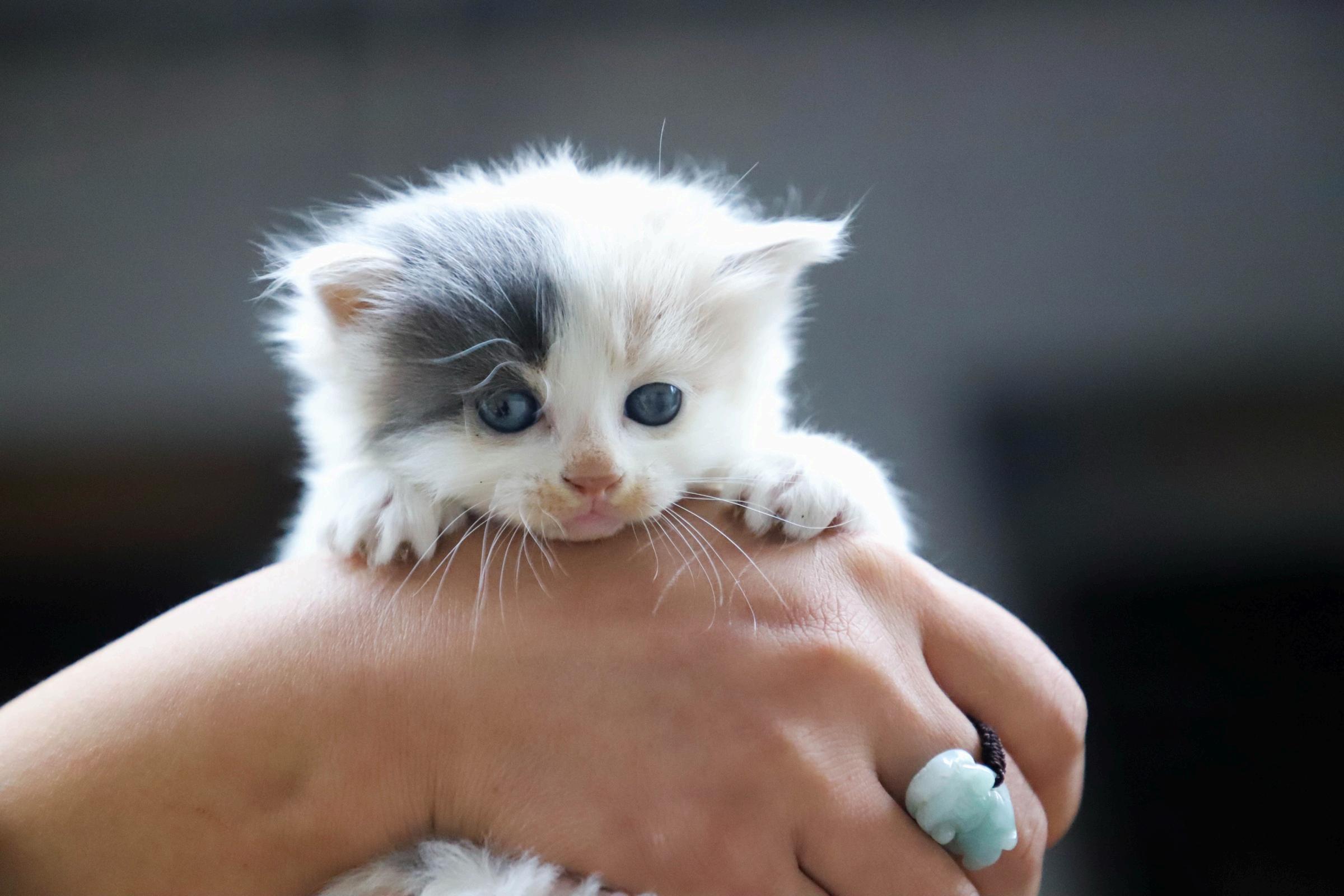
The domesticated cat has become a top choice as a companion pet in North America. Easy to maintain and care for, cats are adaptable to a variety of living styles and are comfortable in motor homes, condominiums, traditional houses, and apartments. There are even cats that have been known to travel with their owner’s cross country in an eighteen wheeler!
Cats are affectionate, sensitive, and independent – an interesting combination of attributes that appeal to several people
While the sweet nature of the cat appeals to our “warm and fuzzy” cravings, it is this independent side of the domesticated cat that allows us to keep a bit of the “untamed” in our homes to appreciate the treasure Moreover, cats are known to help keep us healthier and reduce stress in our lives.
Yes, indeed, the cat is a wonderful companion for humans But, before you go out to find your dream kitten, take a little time to answer some basic questions and do a little research
Next, evaluate whether you can financially afford and support a cat in your current living situation. If you are looking for a pure-bred cat, expect to pay beteen $500 and $1,000, (and more) depending on the breed and your geographical location. Figure that yearly health care will be between $250 and $500 for vaccinations and examinations
That first year, you will need to alter your pet-- spay or castration surgery will cost anywhere from $100 to $250 Budget an extra $200 to $300 per year for the unexpected Do not forget the cost of food, litter, toys, and other paraphernalia that your cat will need Add it up – if you cannot afford veterinary care or the basics for your cat right now, you may want to wait until you can.
First, ask yourself, “Should I get a cat?” Today, veterinary medicine is so advanced that cats often live 15 years or more when cared for properly Your cat will depend on you throught its life for shelter, food, attention, and a stable home. Are you willing to commit that amount of time to your pet?
Do you want a kitten or an adult cat? Kittens are cute, playful, and fun, fun, fun. But there are disadvantages to kittens They require care and monitoring as they grow, they are full of energy, can be mischievous, and they make mistakes – like getting up on the dining room table during your dinner party; like climbing up your draperies; like climbing up your pants leg to get your attention. As you can imaginge, a kitten will require a fair amount of attention and training
An adult cat on the other hand has been through all of that – at someone else’s house! Adult cats usually adjust to a new
home without difficulty and they bond just as easily with humans as kittens do. On the other hand, an adult may come with habits that you may not appreciate But adult cats can also learn to change their behavior when you take the time to work with them.
Alterled males and females make equally good pets overall Most pet owners find that there is truly little difference in personality and that neither gender is more affectionate nor more playful than the other. However, if you are strongly drawn to either case, plan to alter your cat at the proper age Unneutered, mature males will spray their urine on your furniture and walls to mark their territory, and it smells-bad. Unspayed females can call or yowl and cry when they are in season – incessantly. In both cases, altering your cat will yield a better, much healthier companion animal.
Pretty basic question, but one that some do not think to ask Longhaired cats are lovely but require daily combing or brushing This is not a difficult task, particularly if you begin grooming your pet as a kitten. If you decide that a longhaired cat is what you must have, promise yourself and her/him to groom daily. All cats shed, but long-haired cats shed a longer hair that accumulates more apparently than a shorthaired one
What is the difference? A mixed breed kitten (also known as the Domestic Shorthair, Domestic Longhair, or Moggie) is usually the result of an unplanned, randomized mating between two cats of an unknown heritage Mixed breed cats and kittens make up the majority of the cat population in North America and can generally be acquired from humane and rescue organizations, shelters, neighbors, through want ads, or in pet stores The prices on mixed beed kittens range from $0 to $250. They are generally available in a variety of colors and patterns Each comes with its own personality no matter what color or coat length, and so personality is not always predictable. Moreover, the kitten you acquire as a shorthair may grow up to be a cat with a medium length coat that needs daily grooming Of course, one of the pluses of taking a mixed breed kitten home from most shelters is that you’re saving a life
A pedigreed kitten is bred from known pedigreed parentage to conform to a written standard that describes what the ideal example of that breed should look like Usually, they are obtained from breeders who are working with a specific breed towards a specific goal. Appearance and temperament are typically predictable Pedigreed cats are uncommon and comprise approximately 1-3% of the domestic cat population in North America but, there are over fifty purebred cats recognized among all the feline registry
organizations on the continent A pedigreed kitten will grow up to be a representative of its breed both in looks, personality, and temperament This make pedigreed cats attractive because when someone wants a particular breed, it is often for a particular reason.

There are a variety of places to go to to acquire your new kitten or cat Animal and rescue shelters are good places to start if you are looking for a mixed breed cat. From time-to-time, rescue groups and shelters will have space for adoptale cats at a cat show Look for a kitten or cat that is friendly, active, and outgoing. You may have to pay a an adoption fee to help cover some of the costs of operating the shelter, complete a questionnaire and sign an agreement to alter the kitten when the age permits. Do not worry, this is a standard at
most humane agencies
The “Want Ads” on your local newspaper is another place to look for a mixed breed kitten or cat and it is is also a place to look for pedigreed cats. (Buying from a breeder is addressed further along in this article). If you are purchasing a mixed breed kitten via teh want ads, make certain that you are acquiring a clean, health, well socialized kitten. The kittens should look well fed, be active and free from the tearing of the eyes Steer away from kittens that are younger than 8 weeks of age – they need a little more time to properly socialize Your kitten should have had at least the first set of innoculations before you take him/her home
Pet stores are another place where you can acquire a pedigreed or mixed breed kitten. Be aware, if you are considering purchasing from a pet store, that reputable breeders of pedigreed cats do not ell their kittens through this channel. Sometimes, kittens from pet store sale are obtained from “kitten mills” where breeding practices may be less than optimum Frequently, pedigreed kittens sell for more at a pet store than from a breeder. The same rules apply if you cannot resist, however Make certain that there are no runny noses or eyes, that your kitten is at least 8 weeks old and is active and curious. Insist on having the management’s policy for any health guarantee explained, preferably in writing
Pedigreed Breeders are the ideal people from who to obtain a pedigreed kitten or
cat A good place to meet breeders is at a cat show. Going to a cat show allows the opportunity to see several breeds at one time and to get multiple questions answered But do your homework first because with over fifty breeds of pedigreed cats, there is a lot to choose from. Start by asking yourself the following questions:
Do I want a longhaired or shorthaired cat?
What kind of personality do I want or am I willing to put up with? What color(s) do I want?
Take a little time, drop into the public library, and do some reading about various breeds to see what you find appealing The Cat Fancier’s Association (CFA) and the International Cat Association (TICA) also have websites where various breeds are pictured and discussed
Seek out more than one breeder and ask questions related to how their cats are bred and raised. For example, in a cage or under foot; with children or without, etc Be prepared for the breeder to ask you questions about things like your home environment, your attitude about declawing, keeping kitty indoors, and about other cats you may have had in your life
In most associations, any kittens at the show that are available for placement will be at least 4 months old If you want a younger kitten, you will need to visit the breeder’s home. There, you can evaluate the breeder’s environment and see one or
both parents Nearly every pure-bred breeder will require you to sign a purchase agreement that addresses neutering and spaying Most breeders will provide you with detailed information about care for your new kitten or cat.

Be assertive when selecting your kitten or cat no matter where you are acquiring him or her. You should be able to obtain answers to questions about:
1 Vaccinations- what has been given, when it was given, and when the next shot is due
2. Health history - has the litter been healthy, and are all the idividual kittens health, is the mother healthy
3. Health guarantee - how long is it and what is covered?
4 Was a stool sample tested and what were the results?
5 What is the feeding schedule and what food is the kitten or cat used to?
6. Feline Leukemia testing-- have both parents been tested and are they negative?
7. What if things do not work out, what is the “return policy”?
8 What kind of litter is the kitten or cat used to?
9 How were the kittens raised? In a cage or underfoot?
and feeding
With that completed, you can take your new precious companion home and begin the development of your life-long relationship Good luck and enjoy your dream kitten – it will be a long and beneficial association for you both!
After you have obtained your dream kitten or cat, take him or her to your veterinarian as soon as it is convenient It is an excellent way to check on the overall health of your new pet and a good way to get an early start on his or her relationship with the doctor Your vet will perform an examination and make further recommendations about vaccinations, care,
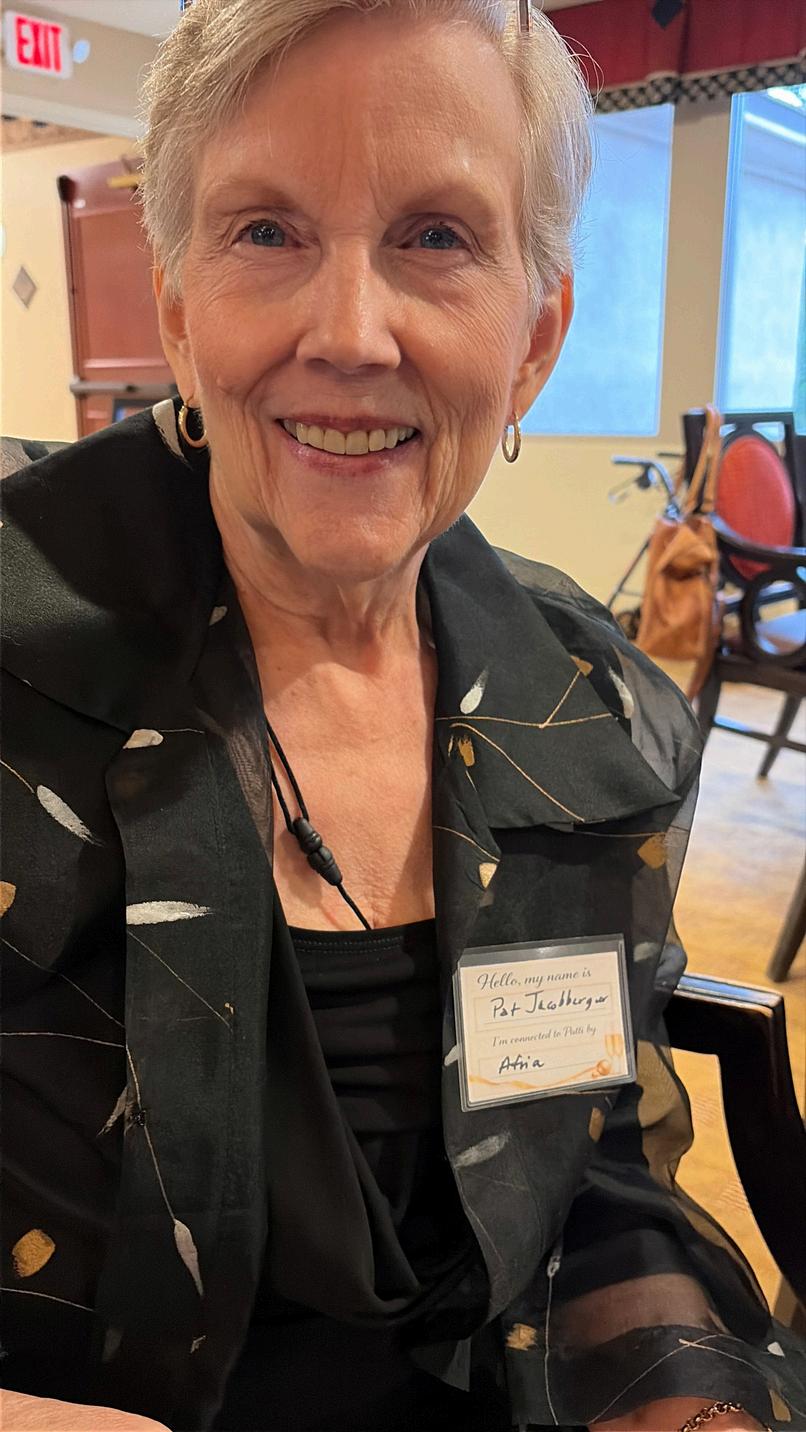
is a CFA Judge Emeritus with more than 45 years of dedicated experience in the CFA A longtime exhibitor, breeder, judge, mentor, and educator, Pat began exhibiting pedigreed cats in 1974 and went on to breed and show Burmese, Persians, Siamese, and American Shorthairs, earning numerous regional and national awards. She served as a CFA Allbreed Judge for 35 years before receiving Judge Emeritus status in 2019. Throughout her career, Pat has held several leadership roles within CFA, including CFA Director at Large, Chair of the CFA Mentor Program, and Chair of the CFA Breed Awareness and Orientation School. She has also contributed to Cat Fancy Magazine, CFA educational materials, and The Cat Fanciers’ Association Complete Cat Book. Her decades of service reflect a deep commitment to feline education, breed preservation, and the advancement of the cat fancy.

Aggression isn’t a personality type, it’s a response
Aggression isn’t a personality type, it’s a response
Behaviors are triggered by a desire to avoid specific and/or isolated events within handling the cat does not appreciate. May otherwise be calm and compliant, but prone to posturing, swatting, nipping etc
when undergoing certain tasks. Documentation and modifications are the best support in anticipating their reaction paired with compassionate and consistent care. Mishandling can escalate their aggression level.
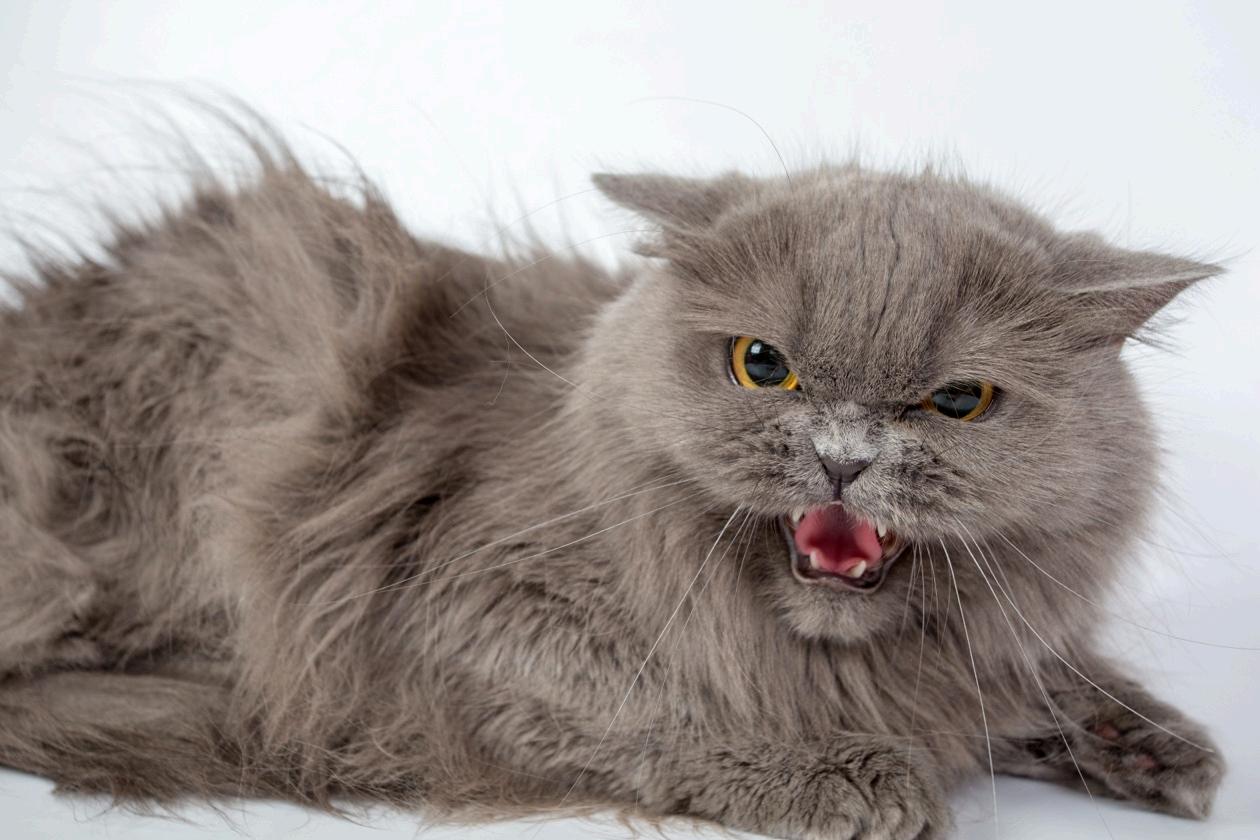
Defensive aggression can be triggered by overstimulation, anxiety, or fear. In an attempt to escape the situation they’re in, this cat will utilize defensive measures such as biting, clawing, screaming, alligator rolling, ‘popcorning’, bunny kicking etc, even if it means injuring themselves in the process. Pharmaceutical support can be beneficial so that the cat is receptive to positive reconditioning, as well as identifying and documenting triggers.
Often referred to as ‘fractious’, this is not a cat who is reacting to escape but to confront. This cat’s goal isn’t just creating distance but inflicting damage, with escalation usually being intense and immediate. Behavior management centers more on risk assessment and safe execution rather than positive conditioning and aesthetics, with pharmaceutical support being the most ethical intervention.

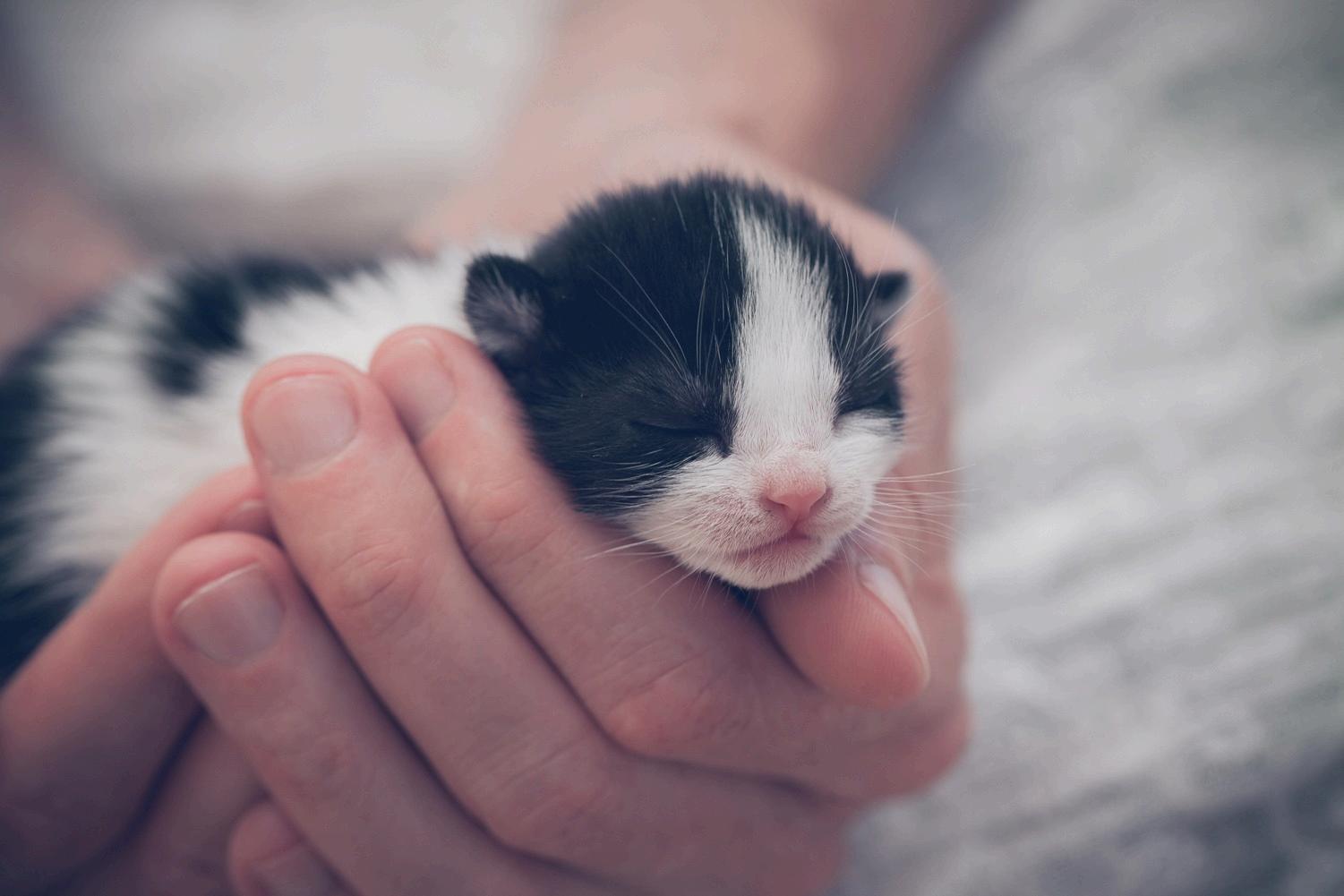
People are always surprised by how fast kittens change I love kittens, and I started to foster to get my kitten fix I fostered orphaned kittens, worked on their health, giving them good nutrition and love to get them ready to go to their forever homes
Everyone said, “How could I give them up?”
Some were harder than others, but the goal was to say “goodbye ” I then started taking in pregnant females and did bottle feeding on orphaned newborns. It was hard work but satisfying. I found such joy caring for these, many times sickly, babies, making them healthy, and putting them into good
homes The story could have been a lot different for them if the rescue and foster care did not step in. The following contains my observations from fostering literally hundreds of kittens and some extra research.
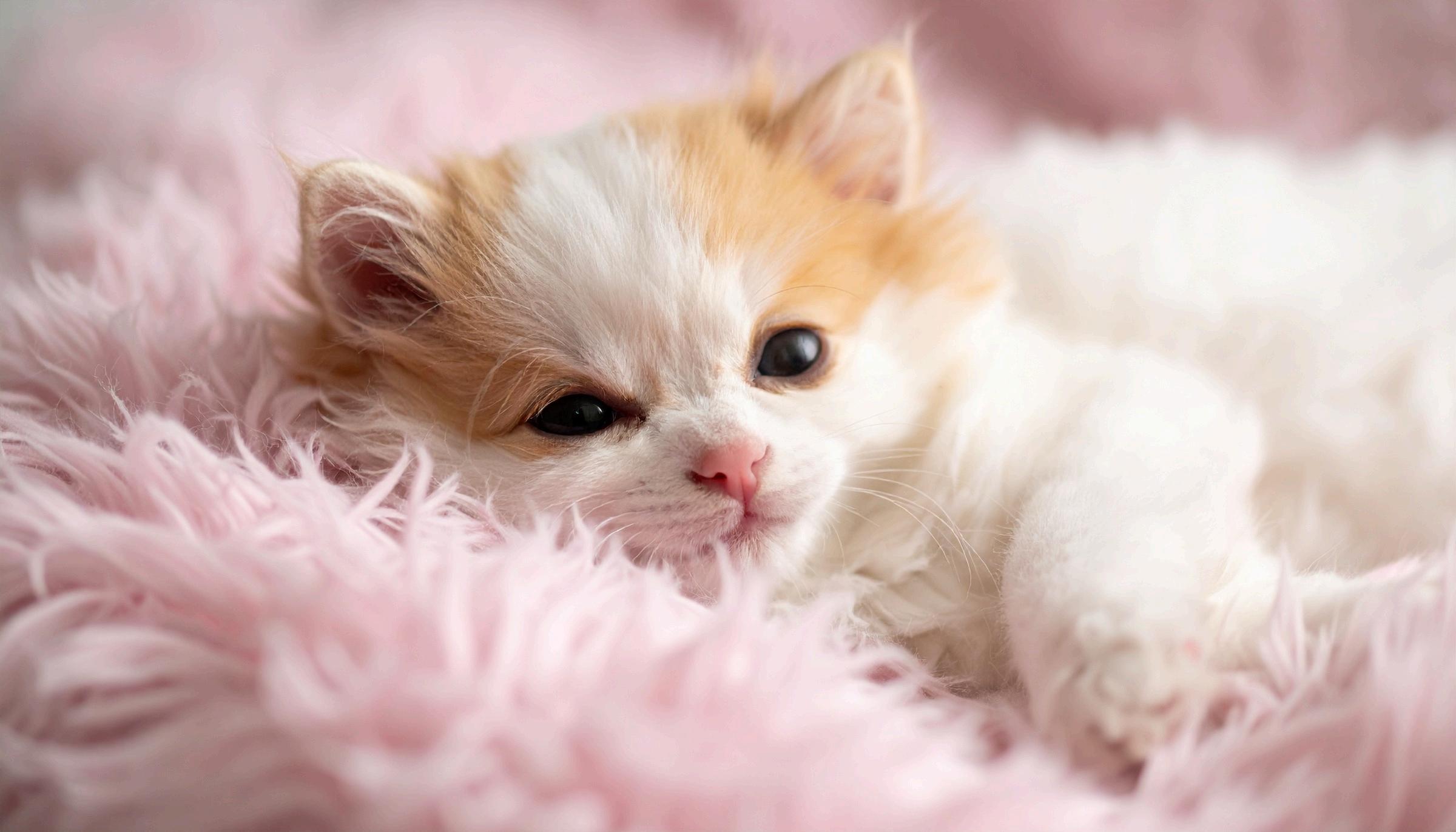
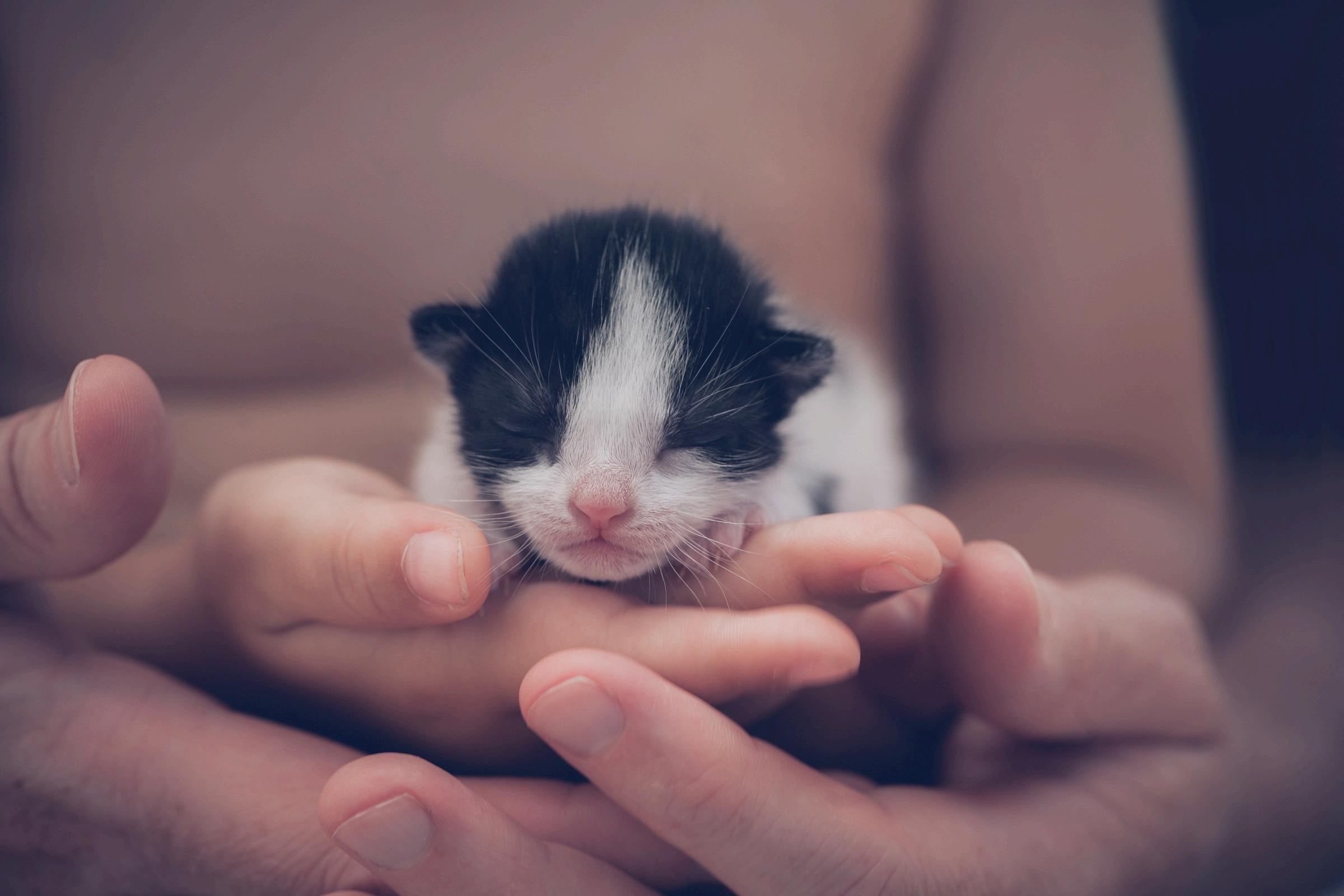
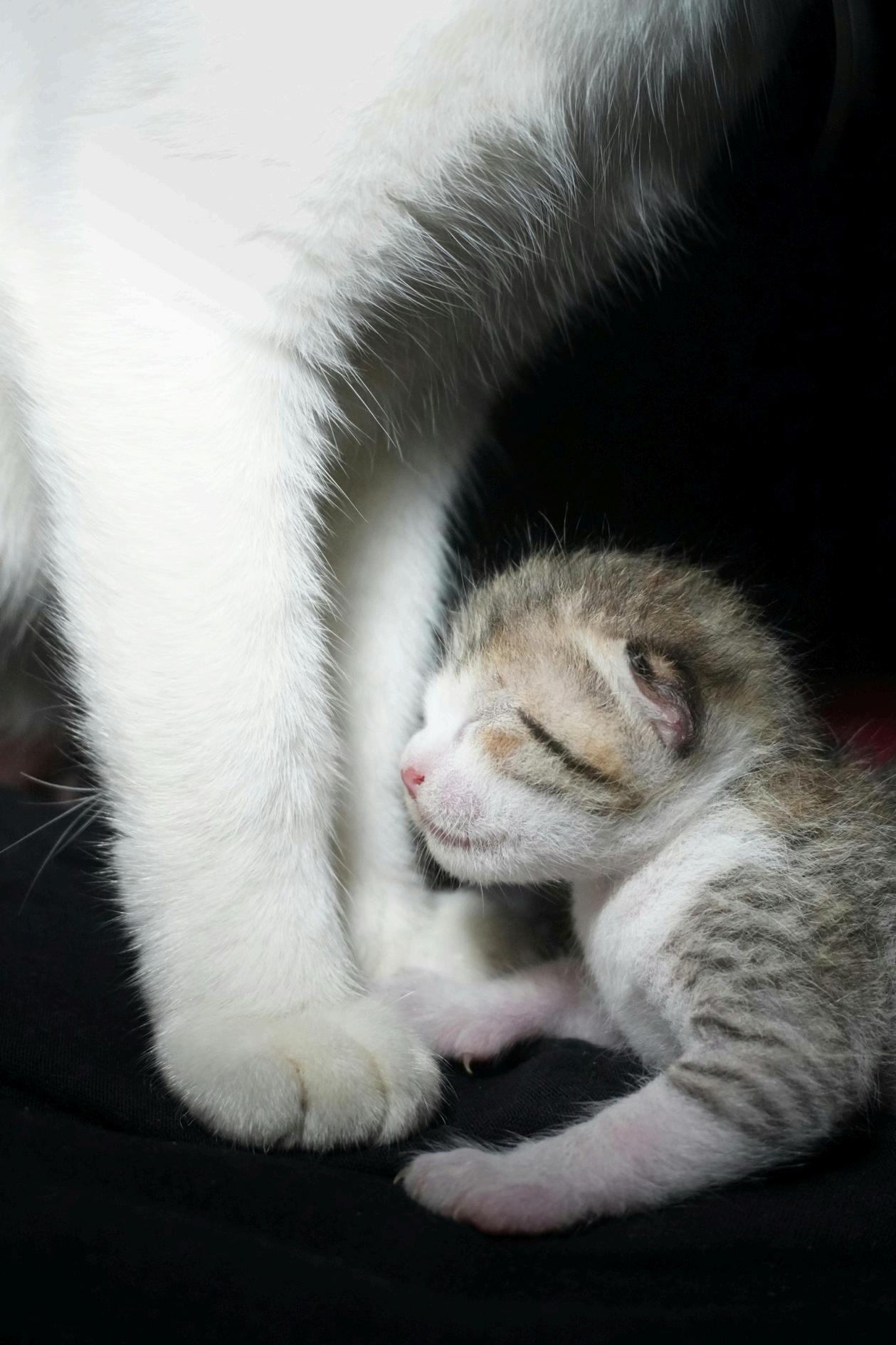
One minute they’re tiny little cute creatures with folded ears and closed eyes, completely dependent on their mother for survival. Then, suddenly, almost overnight, they’re climbing, pouncing, wrestling their siblings, and looking like miniature cats by eight weeks old
Those first eight weeks matter more than most people realize
This is where kittens develop not only physically, but emotionally. Their health, temperament, confidence, and relationship with the world are all beginning to develop Newborn kittens are fragile little things They enter the world with their eyes closed, ears folded tightly against their heads, and no teeth at all. At this stage, they cannot really see or hear yet Their entire world revolves around scent, warmth, and touch Ensure kittens are in a warm environment, especially in the first few weeks, as they cannot regulate their own body temperature 85-90 degrees is suggested
Mom is everything.
Healthy newborns spend most of their time sleeping and nursing If gently handled, a healthy kitten will wiggle, squirm, and protest with tiny squeaks and meows.
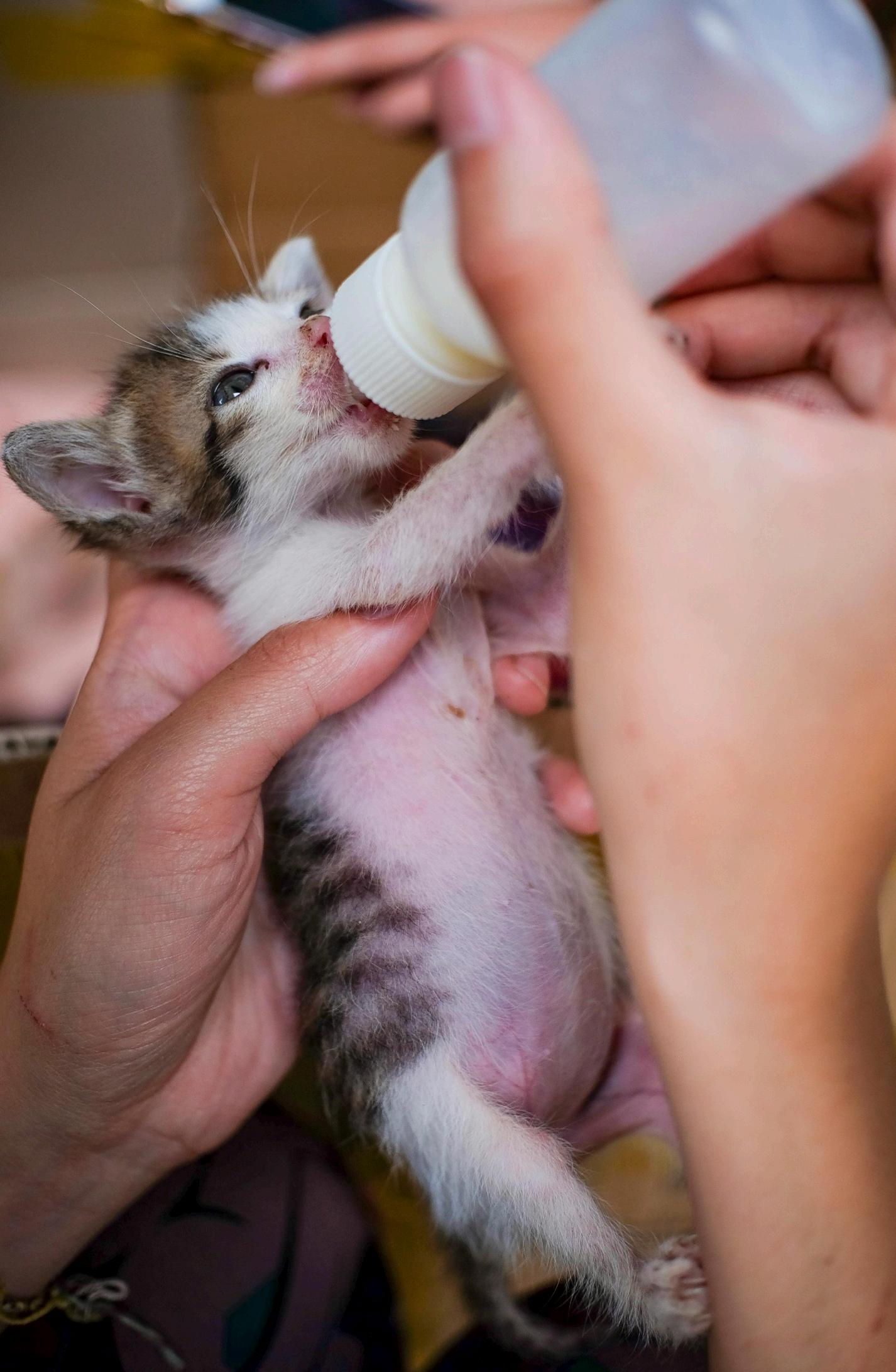
If orphaned, they need to be bottle fed or tube fed every 2 hours for a few weeks. Tiny kittens also need to be stimulated to urinate and defecate That means setting your alarm and getting up and feeding the kittens. We also weighed the kittens every day and kept detailed notes. Not gaining weight is a sign of trouble
I had a little stuffed dog that I put in with orphaned kittens that had a device inside that simulated a heartbeat. The babies would always be cuddled up to that when sleeping
Fun Fact: Kittens typically start purring when they are just a few days old to a few weeks old, often beginning as early as 2 to 3 days after birth
They use this behavior to communicate with their mother, signaling contentment, comfort, and safety while nursing or resting Mama cats also use their own low purr to comfort kittens, acting as a “lullaby.”
At birth, most kittens weigh between 90 and 100 grams, and they should steadily gain about 10–14 grams every day. One of the earliest warning signs that something may be wrong is poor weight gain
Around two weeks old, the real transformation begins. Tiny blue eyes slowly start opening, ears begin unfolding, and kittens attempt their first wobbly little steps.
They still sleep much of the day and still require warmth, though temperatures can gradually lower to around 80 degrees. Feedings remain frequent, often every two hours around the clock
At this age, kittens are still very much babies Their claws are not yet retractable, and although their awareness is beginning to grow, they still navigate mostly through scent and comfort.
You can almost watch the world beginning to “switch on” for them
Between three and five weeks is when kittens begin changing from fragile newborns into curious little explorers
They still need their mother, but by three weeks old, they begin tottering around with more purpose and showing genuine interest in the world around them
Their hearing and vision improve every day, and their first tiny baby teeth, called incisors, start pushing through the gums Slowly, their claws become retractable as well.
And then comes four weeks old, personally, my favorite age
This is when their little personalities start to emerge. I could sit for hours and watch 4-week-old kittens play Kittens begin playing with one another, wrestling, pouncing, and reacting more with people and their environment. They begin making
eye contact with caregivers and responding to sounds, movement, and touch in a much more engaged way.
Their coordination develops quickly Walking becomes running, running becomes climbing, and suddenly every corner of the room becomes something worth investigating
Around this age, kittens can begin being introduced to canned food and litter box training Their canine teeth begin emerging, and their hearing and vision become much sharper
At five weeks old, kittens begin moving through the world with much more confidence They run, wrestle, climb, and play constantly, while also developing important social skills with people, littermates, and other animals
More baby teeth continue emerging, including the premolars. Their ears appear larger and more pointed now, and their self-grooming skills improve every day
Most kittens have become quite comfortable using the litter box by this age. This is also the age where positive experiences begin shaping future behavior in a very real way Kittens who learn early that handling, brushing, nail trims, and human interaction are safe and routine often grow into much more relaxed adult cats and are less stressed when at the groomer or veterinarian.
By six weeks old, kittens begin looking less like babies and more like tiny cats Their molars start emerging, and their vision and hearing are now fully developed. They become intensely curious about their surroundings and eager to investigate everything around them
This is the age of pouncing, stalking, chasing, and play-fighting Their coordination improves dramatically and
you begin seeing true predatory play emerge At around six weeks, kittens may receive their first FVRCP vaccine and deworming treatments.
By seven weeks, all baby teeth are usually present, and their eye color often begins shifting from blue toward its adult shade. Eye-paw coordination becomes impressively sharp, and stalking and
ambushing behaviors become part of everyday play
Dry food may begin being introduced around this stage, though hydration remains incredibly important
By eight weeks old, kittens are energetic, agile, and surprisingly independent little creatures. They look like miniature cats, not babies
We began preparing kittens for adoption around this age if they had reached a healthy weight, often around two pounds. The socialization window between four and twelve weeks is one of the most important periods in a kitten’s life.
This is when kittens begin deciding what feels normal, safe, and trustworthy
I always encourage people to gently expose kittens to new experiences every day, pairing each experience with treats, we used lots of Churus, praise, and calm reassurance
This can be as simple as touching their paws, clipping their toenails, handling their ears, brushing them gently, introducing a harness, a carrier, or helping them become comfortable hearing normal household sounds like vacuums or doorbells.
Even bathing them is better to start at a young age like this, especially for the cats that will need professional grooming, but all cats could benefit.
Short, positive sessions are far more valuable than overwhelming ones. 5-15 minutes a day will go far.
This is also the perfect time to begin introducing simple restraint and grooming exercises. Wrapping a kitten gently in a towel, handling their mouth, or practicing nail trims for just a few minutes a day can make a tremendous difference later in life Being gentle and creating positive experiences, you are helping shape a kitten who trusts both you and the world around them
I will prioritize the wellbeing, safety, and overall health of the cats in my care.
I will strive to always conduct myself with honesty, integrity, and transparency
I will treat all cats with compassion, patience, kindness, and respect
I will continue to seek knowledge and resources that will contribute to my skills and abilities, so that I may safely and better serve the cats in my care.

Cats are obligate carnivores, meaning their diet should primarily consist of meat
However, some fruits and vegetables can be offered as occasional treats.
Vegetables can add fiber and nutrients to a cat’s diet when served properly
Cats do not taste sweetness, but the scent, texture, or water content in fruit can be appealing
Always remove seeds and rinds before offering fruit
Excellent for digestive health; use plain canned or cooked pumpkin without added sugar or spices
Rich in beta-carotene and fiber; serve cooked and soft to prevent choking
High in antioxidants; safe to give whole or mashed as an occasional treat.
Full of antioxidants and fiber; some cats enjoy in steamed or lightly cooked.
A favorite among felines due to its scent; hydrating and rich in vitamins A and C
Safe without seeds or rind; refreshing in hot weather.
Rich in vitamin C, fiber, antioxidants
Hydrating and low in calories; its crunch texture can be fun for cats.
Low in sugar and full of fiber; offer only a few per day.
Nutrient dense and full of iron, but best avoided if a cat has urinary issues due to its oxalate content

A good source of fiber and vitamin C; remove seeds and core
High in potassium--best as a rare treat due to sugar content
Treats should make up no more than 10% of daily calorie intake
Always remove seeds, pits, stems, and rinds to prevent choking or toxicity. Always cut fruit into small bite sized pieces

Several common fruits and vegetables contain substances that are strictly toxic to cats Even small amounts can lead to serious health issues, including kidney failure or lifethreatening anemia
gastrointestinal distress Ripe tomato flesh is generally safe, but stems leaves unripe fruit must be avoided.
Wild Mushrooms: Many contain toxins that can cause rapid illness, shock, or death Avoid unless you are certain of the variety
Rhubarb: Leaves contain soluble calcium oxalates that can cause kidney failure
Members of the Allium Family: Onions
Garlic Chives Leeks
Cause oxidative damage to red blood cells, leading to hemolytic anemia. All forms whether cooked, dried, raw, or powdered) are dangerous
Unripe Tomatoes and Green Potatoes:
Contain solanine, which causes
Grapes and Raisins: Can cause acute kidney failure even in tiny amounts.
Citrus Fruits: Lemons Limes
Oranges
Grapefruits
Contain essential oils and psoralen that cause vomiting, diarrhea, and central nervous system depression.
Fruit Pits and Seeds: Seeds from: apples pears cherry pits apricots peaches plums
Contain cyanide compounds and pose choking hazards.
Avocados: Contain persin, which can cause vomiting, diarrhea, and pancreatitis
The signs of poisoning in cats depends on the toxin involved, but most cause gastrointestinal distress, neurological changes, or respiratory issues
If any of these symptoms occur, contact a veterinarian or an emergency animal poison control center immediately.
Vomiting (with or without blood)
Diarrhea (with or without blood)
Excessive salivation (drooling)
Coughing
Labored or rapid breathing
Sneezing
Skin swelling or inflammation
Depression or excitability
Incoordination or unsteady gait
Tremors
Seizures
Coma
Anemia
Fever
Increased thirst (sign of kidney failure)
Jaundice (sign of liver failure)
Increased heart rate
Abdominal pain

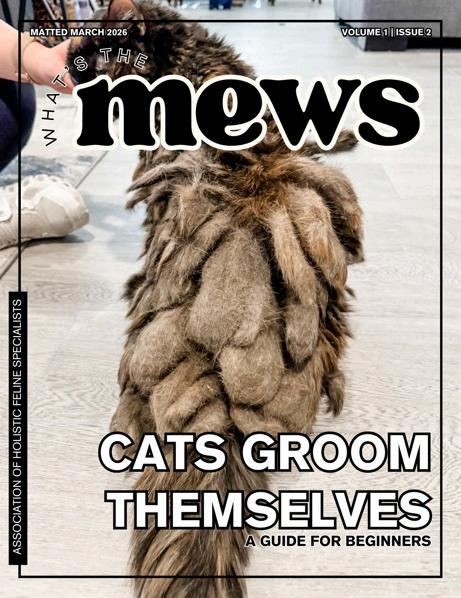
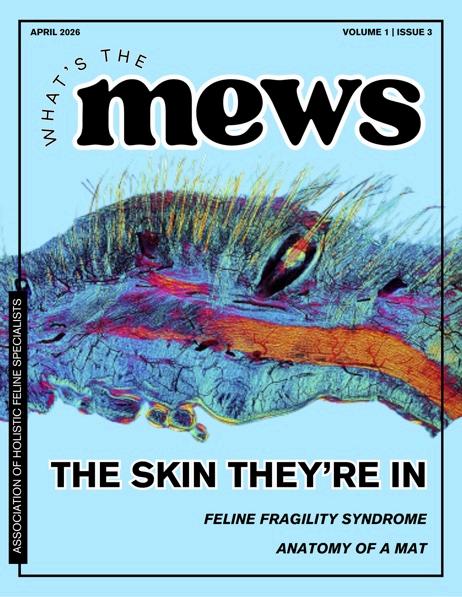


Burnout is a familiar experience across professions, and it takes on particular intensity in animal care Grooming, especially cat grooming, places pet care professionals in close physical and emotional contact with animals whose suffering is often invisible but real, preventable, and repeated Many groomers care deeply while having little authority to change the conditions that created the problem in the first place. Over time, this imbalance fosters helplessness, grief, and moral strain
Repeatedly handling animals who arrive matted, injured, fearful, or medically compromised wears on even the most skilled professional Advice is offered thoughtfully and clearly, yet it is often ignored Progress feels temporary. Responsibility feels onesided. Frustration, anger, and sorrow arise not because the groomer is failing, but because the work repeatedly asks them to witness harm without adequate power to intervene
Strong emotional reactions, including rage, resentment, and even intrusive violent fantasies, are commonly reported among caregivers who witness ongoing harm without adequate power to intervene. These experiences do not reflect dangerousness or inferiority They reflect nervous systems saturated with empathy, responsibility, and restraint. The very sensitivity that drove someone toward animal care is the same sensitivity that makes burnout feel so destabilizing
Burnout rarely arrives all at once More often, it develops quietly, revealing itself through gradual changes in energy, perspective, focus, and emotional regulation Then, almost suddenly, one realizes that burnout has become familiar; that to work is to be burned out, and to live is to carry that exhaustion forward Eventually, it can become difficult to imagine working or living without being burned out at all
This is because burnout is not a mysterious condition; it is a predictable outcome of repeated exposure to demanding environments with limited support, insufficient recovery, and little opportunity for meaningful selfcare Below, these experiences are organized using a wellrecognized model of burnout, which understands burnout as emerging from four distinct but interconnected aspects. A visual overview is provided, along with a brief selfassessment you can use to better understand how burnout may be showing up for you.
Sleep may no longer feel restorative Time off may help briefly but fails to replenish energy in a lasting way. This is not ordinary tiredness; it reflects a system that has been chronically overextended in service of meaningful work.
Exhaustion refers to persistent mental and physical depletion that does not resolve with rest alone Groomers experiencing exhaustion may notice that days feel effortful from the start, not just at the end. Physical fatigue persists, and emotional demands feel heavier with each appointment
Mental distance involves psychological disengagement from work as a means of selfprotection. Animals or situations that once evoked sadness or concern may now elicit irritation, flatness, or numbness Cynicism toward clients often increases, and hope that education will lead to change begins to fade
This distancing can initially feel necessary to keep going. Over time, however, it may bring guilt, confusion, and a sense of losing touch with one’s professional identity or values What once felt like purpose starts to feel like endurance.
Burnout also affects cognitive functioning. Many groomers report difficulty concentrating, staying organized, or feeling mentally present during sessions Mistakes happen more easily. Attention wanders. Decision making feels slower or more effortful
Outside of work, this may take the form of persistent mental replay: revisiting grooming sessions or client interactions long after the day is over Questions about what could have been done differently loop repeatedly, preventing psychological rest. This pattern often masquerades as dedication while quietly sustaining exhaustion
These changes often leak beyond the grooming room, shaping tone, body language, and internal dialogue. This does not reflect a loss of professionalism It reflects a nervous system operating under prolonged strain, with limited opportunity to reset.
Emotional struggle refers to difficulty regulating emotional responses at work
Reactions may feel more intense, less predictable, or out of character. Irritablity increases. Patience thins. Minor obstacles begin to feel overwhelming
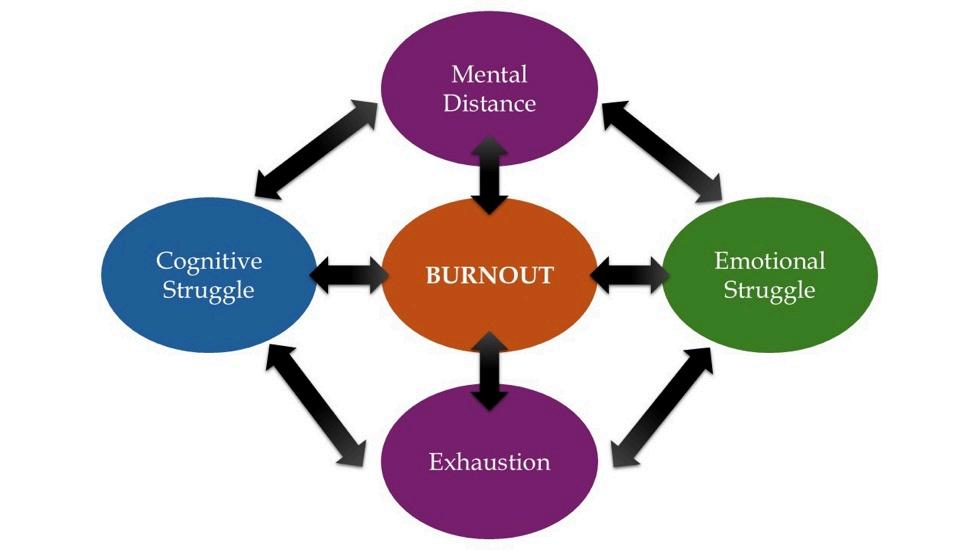
Shared language reduces isolation and counteracts mental distance through social reconnection
Some people think of burnout as a “subclinical” issue, something uncomfortable but not serious enough to warrant therapeutic support. What is often missed, however, is that burnout is much like a leak in a ship: not an immediate catastrophe, but a slow and progressive erosion If left unaddressed, burnout steadily weakens mental capacity, resilience, and emotional regulation, eventually contributing to far more serious psychological difficulties
Caring deeply does not require carrying ownership for choices made outside your control. Think carefully about who is responsible for your stress and the questionable thought patterns that direct blame inward when perhaps the environment is the culprit. Brief pauses between clients support cognitive and emotional regulation before exhaustion accumulates Hour lunches and the much-needed late cancel are nice, but at times unpredictable or not in the budget That said, at times a small cat nap, moment of mindfulness, or a few doom scrolls can provide a small but meaningful mental buffer for the day
The consistency and quality of your care matter, even when circumstances remain unchanged You entered this work to make a difference for animals and you are doing that. Owners may fall short or fail their animals, but that does not mean you have Your practice, your service, and your dedication are the value you provide, regardless of how disappointing or resistant an owner may be
As a closing note, remember that burnout is not a failure to care. It is a sign of sustained commitment under difficult conditions. Attending to your emotional strain and mental depletion is not a departure from your values it is a continuation of them and a demonstration of your resilience.
Brady C Malone, MA is a doctoral candidate in Clinical Psychology at the University of Detroit Mercy and a limited licensed psychologist in the state of Michigan

I feel physically drained while at
I find it difficult to feel enthusiastic about my work
I feel a sense of aversion or resistance toward my job
I feel cynical about the value or purpose of my work
I have difficulty staying focused at work
I struggle to concentrate while working
I make mistakes because my mind is elsewhere
I feel unable to manage my emotions effectively at work My
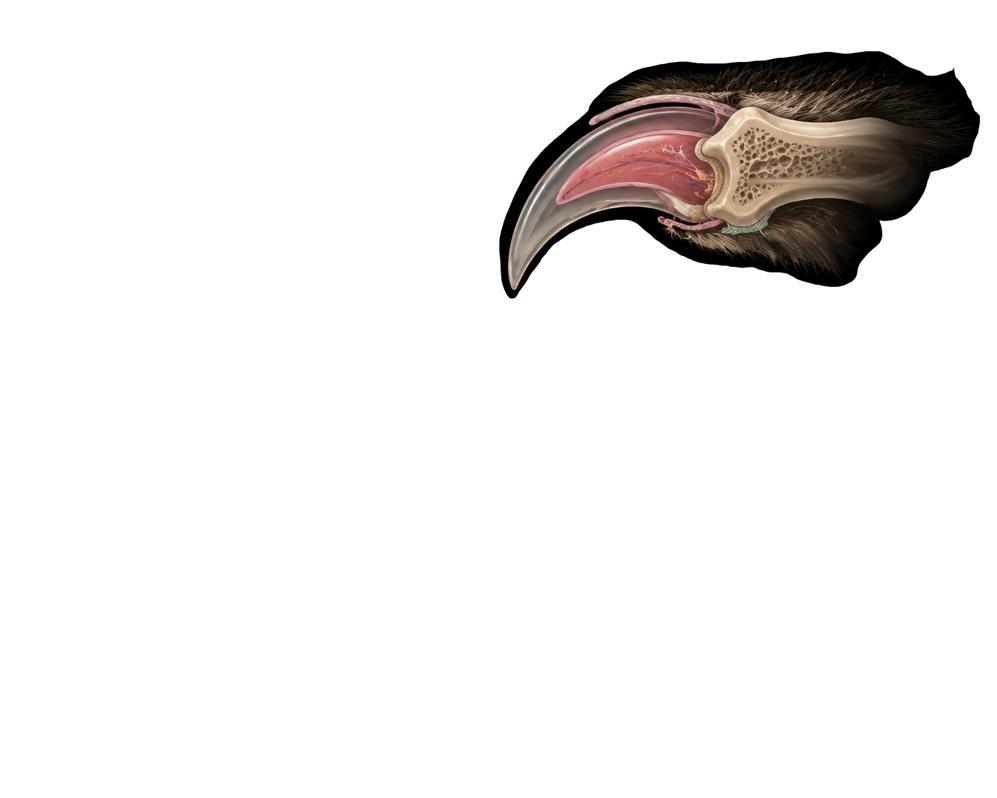
Cat claws grow continuously
After a trim, the sharp tip often returns within 1-2 weeks, while the outer keratin sheath naturally sheds and renews over several weeks

Fun fact – cat nails are technically called claws. While both nails and claws are made of keratin, nails are closely attached to the fingertip, flatter, wider, and mostly used for protection and fine movement. Humans, primates and elephants have nails! Animals like cats, birds, and dogs have claws. Claws are curved and pointed; built for digging, gripping, defense, and extend past the phalanges.
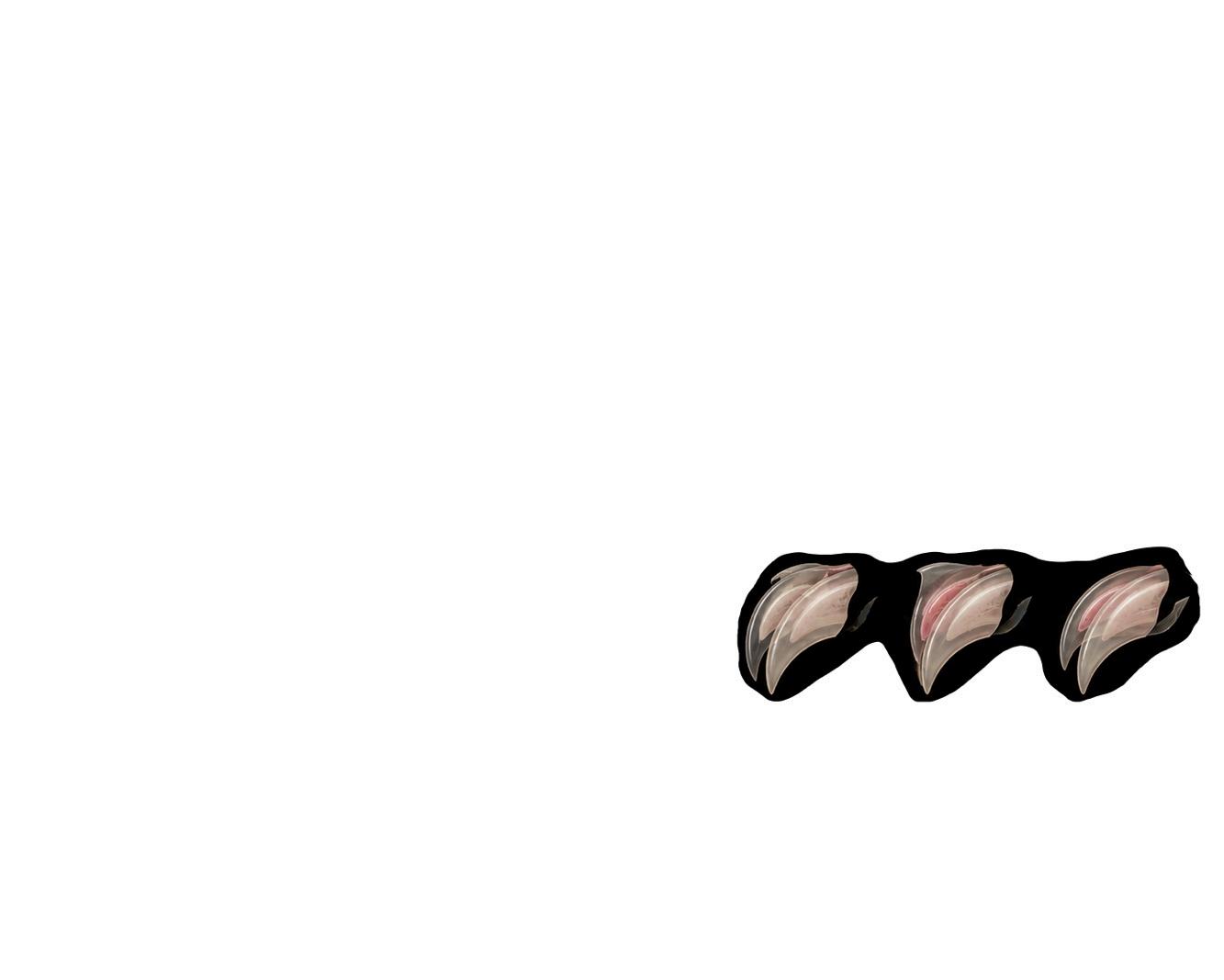
imperative to inspect your cat’s nails every six weeks to ensure there’s no risk of injury Fun fact – the Felidae family (cats) are uniquely the only animals that have fully retractable claws! Cheetah’s however, are the exception as they’re the only cat to have semi-retractable claws
A new layer grows underneath the old outer layer
The old layer separates. The old layer sheds, revealing sharper new nail

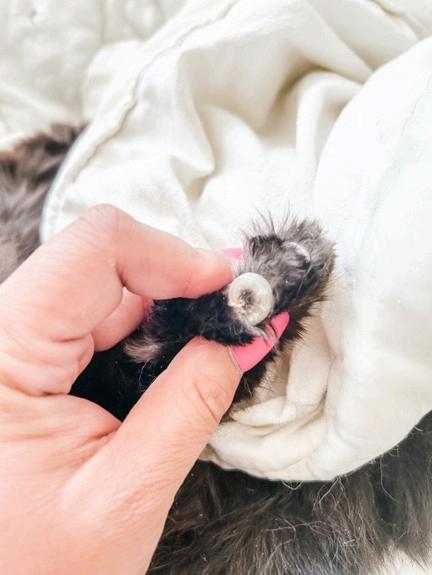
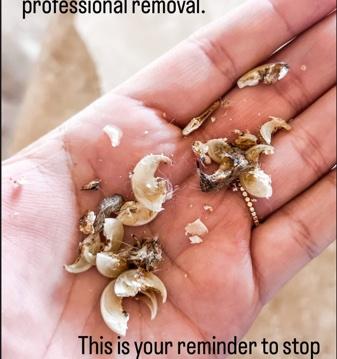
ore the cutting y pointed, the tissue, he surface e trapped er skin are at higher risk of injury
Scratching on posts and furniture is a learned behavior trait that has nothing to do with claw maintenance Factors such as boredom, marking, and stimulation can lead your cat to the most expensiv with sili veterina solution well as i Declawi It is the phalanx the claw lifelong issues.

For each burnout area, add the scores for the listed items to obtain a raw total, then divide that total by 3 to calculate the mean score. Compare your mean score to the elevated cutoff shown in the table Mean scores at or above the cutoff indicate that experiences associated with that burnout area
Types of Burnout
Exhaustion (Items 1–3)

Mental Distance (Items 4–6)
Cognitive Struggles (Items
Emotional Struggles (Items
Overall Burnout Risk (All Items)
Raw Total (sum of items)
are occurring more frequently than is typical for most working adults who complain about burnout That means that if you have an elevated score, you are experiencing burnout more than most who say they are experiencing burnout!
Note: Results are intended for self reflection rather than diagnosis
Mean Score (raw total ÷ 3)
Elevated CutOff (Mean) What an Elevated Score Suggests
3.38 Mental and physical energy
3.11 Increased disengagement,
2.61 Difficulties with attention,
2.51 Reduced ability to regulate
Overall burnout risk higher than
The elevated cutoff scores were derived from published median (Mdn) and interquartile range (IQR) values reported in validation studies of the Burnout Assessment Tool–Short Form (BAT12). Because BAT12 responses are ordinal and typically nonnormally distributed, the authors report medians and IQRs rather than means and standard deviations. Scores above the upper IQR boundary (75th percentile) are interpreted as relatively elevated burnout risk compared to the sampled working population complaining of burnout. This percentilebased approach aligns with guidance from the BAT developers and the World Health Organization, which conceptualizes burnout as a nondiagnostic occupational phenomenon rather than a medical condition (De Beer et al , 2022; Schaufeli et al , 2020; World Health Organization, 2019)
You didn’t choose this work because it was easy
You chose working with live animals as challenging as cats because you have passion, brilliance, and refuse to settle for “good enough” when it comes to the way we interact with them. That level of dedication deserves special distinction, on a global level
The Association of Holistic Feline Specialists is compromised of individuals who are actively changing the narrative on feline care across the globe. This isn’t just about joining a club and printing out a piece of paper It’s about committing to excellence and telling the world that you choose to be held accountable in an unregulated industry And that they should too
We are where passion meets credibility
Memberships include:
Certificate of Recognition, documenting official association as an AFHS Member and the professional pledge and code of ethics you’ve chosen to conduct yourself
AHFS Directory Listing as Holistic Feline Professional so individuals can find you and the services you provide
First access to educational summits and exclusive invitation to annual symposiums
Discounted Classes/Seminars
The Association of Holistic Feline Specialists is a non profit organization. 100% of Membership dues sustains our organization, including Pussy Talk the Podcast and our monthly free educational magazine “What’s The Mews”
Cats don’t have a voice in the standards we set, but they live with the results of them This work is bigger than any one professional, and the cats who depend on us deserve more than individual effort, they deserve a unified standard, a collective commitment, and professionals who choose to stand together to do better
Are you ready to give it to them??
Most dog owners are not surprised when they hear their dog needs to be up to date on shots to attend daycare, visit the groomer, or be boarded With cats however, the conversation is often very different As a feline exclusive professional, I hear it all the time: but my cat is indoor only?
There seems to be this lingering belief that if
a cat never steps outside, they are somehow inherently protected from the risks we associate with outdoors While an indoor lifestyle absolutely reduces risk, it does not eliminate it
And if there’s one thing we know when we work with live animal’s its this--absolutes are an absolute fallacy
I want to be very transparent here. I’ve had cats my entire life and some have lived full long lives without ever seeing much of a veterinarian (if at all) while others became medically complicated regulars. I have had indoor cats, outdoor cats, and everything in between The truth is, how often they received veterinary care was not always based on what was ideal. Sometimes, it was based on what I could afford at that point in my life
Indoor does not mean immune, it means lower risk. And lower risk is not the same thing as no risk.
This isn’t about shaming you or telling you how to prioritize your finances. I think when we’re faced with the stress and guilt of not being able to afford something easily (consciously or subconsciously) we begin to make not excuses but justifications for the choices we are making.
At least here in the United States of America, people have a deeply rooted mistrust of medical professionals. Big Pharma has tainted everything with an aura of greed and profit Don’t get me wrong, medical services are expenses and they should be paid for the lifetime of medical education and training...but I’ve yet to meet a veterinarian who went into that field for the money.
Here in the USA, the average veterinarian salary is about $125,510 a year according to the US. Bureau of Labor Statistics. The lowest earned under $70,350 with the highest making closer to $213k a year
I can list ten other groomers right now that make more than your average veterinarian without all the school loans, and at least five successful salons that would put even the highest paid veterinarian in a chokehold.
So please hear me when I say the information we’re about to go over isn’t about trying to line the pockets of yet another medical professional. It’s about giving you an opportunity to objectively read and listen to the risks so you can make an informed assessment from someone who has no stake in the medical world.
Indoor life dramatically lowers a cat’s risk of many infectious diseases but it doesn’t erase the risk completely
Kittens are especially vulnerable to infectious diseases because their immune systems are still developing, and the protection they receive from their mother’s milk fades over time
Vaccines help train the cat’s immune system before they even meet the disease in real life, which is exactly why that protection is encouraged According to the AAHA/AAFP feline vaccination guidelines, core vaccines for pet cats include:
Feline herpesvirus-1
Feline calcivirus
Feline panleukopenia virus
Rabies
FeLV
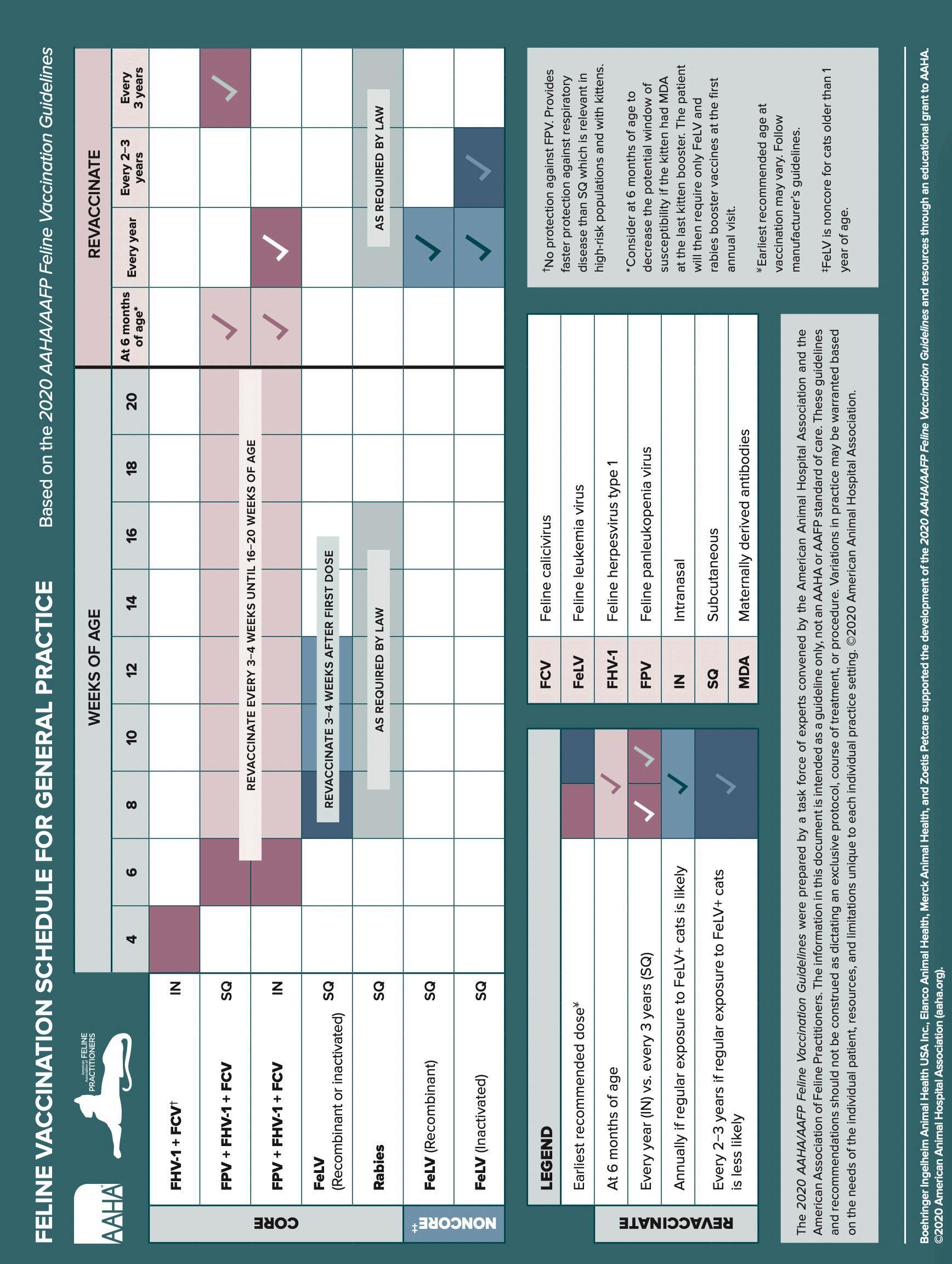
Cornell notes that FeLV vaccination is considered core for cats who are under the age of one but is then based on their lifestyle after that
Lifestyle plays a major role in risk assessment, and it’s not always as simple as labeling a cat “indoor only” While the home may be their primary living space, many cats still travel, vacation with their owners, escape the house, lounge on patios, visit other homes, or become exposed to unfamiliar cats The moment a cat is adopted, fostered, taken to the veterinarian, boarded, groomed, shown, or introduced into a shared animal space, their indoor status is no longer the whole story
Their address may not have changed but their exposure risk has.
The AAHA/AAFP guidelines speciically note that even indoor cats from single-cat homes will eventually be exposed to feline infectious pathogens in settings like veterinary visits. Sure you can simply say that “well I wont be at the vet because they’re not getting vaccinated”---but what if they get sick? Again, Indoor lowers exposure, it doesn’t mean it’s biologically sealed.
out of our control Which is why we try to control what we can.
Rabies is usually transmitted through a bite of an infected animal, and in the USA the biggest rabies concern is amongst wildlife. 90% of reported animal rabies cases in the USA came from bats, raccoons, skunks, and foxes
The indoor cat risk is usually not from a raccoon knocking on the front door. The more realistic risk is a cat escaping the house, or a rabies-vector animal getting into the home or close enough for contact Bats can enter houses, garages, attics, and patios Raccoons, foxes, skunks, and other wildlife are not limited to remote nature preserves Many live successfully in neighborhoods, alleys, yards, sheds, and around human housing because food, water, shelter, and nesting spaces are available there
Allandale Veterinary Hospital had a freak incident in December of 2025 when a local family found a bat inside their home! The bat was tested and it came back positive for rabies Thankfully, no one was hurt but it is a powerful reminder that some things are just
So when we talk about rabies risk in an indoor cat, we are not talking about a random wild animal from the middle of nowhere We are talking about wildlife that already overlaps with human environments, plus the very real possibility of a door left open, a torn screen, a garage encounter, a patio exposure, or a bat inside the house Indoor cats are lower risk, but they are not biologically unreachable.
Bat bites can be tiny and hard to detect, which makes them extra lethal if infected Rabies is not common, but it is almost
always fatal once clinical signs begin That is why rabies vaccination is treated differently from other vaccines. It is not only about the cat, but public health, legal protection, and preventing a devastating outcome after exposure.
If your unvaccinated cat bites a professional, and the professional is worried about potential rabies, the cat is quarantined for 10 days after the bite. This is not an at-home quarantine, but a quarantined stay either at animal control or a veterinary hospital Most overnight stays are about $150, so by the end of that 10 day quarantine, you’re looking at $1,500 minimum
If the cat becomes sick, dies, or disappears and cannot be observed, the individual who was bit then must go through rabies postexposure prophylaxis (PEP), which is a series of rabies prevention treatment given after a possible exposure The CDC explains that PEP includes wound care, human rabies immune globulin when indicated, and rabies vaccine on a set schedule
Rabies PEP is extremely expensive in the USA, which is why all pet professional insurance requires owners to have their animals rabies vaccinated in order to receive services So if the owner has lied or the pet professional has waived this liability, the owner can realistically expect to pay anywhere between $3,000 to $10,000 depending on insurance, hospital billing, and whether the human rabies immune globulin is needed. The reason it gets so expensive is
because PEP isn’t just a single shot, it’s a series of four doses on bite day, day 3, 7, and 14.
The immune globulin is usually the big cost driver because it is weight-based, meaning a larger adult may need more product. Then you add emergency room charges, facility fees, exams, and each vaccine visit
In the United States, a cat rabies vaccine usually costs $25-50 at a low cost vaccine clinic
Nationally, the latest published U.S. rabies surveillance report found 3,760 reported animal rabies cases in 2023, representing 4 2% of 89,530 animals tested The CDC states that wildlife accounts for more than 90% of reported rabies cases in animals.
Cats matter in this conversation because they are the most frequently reported rabid domestic animal in the United States. A 2025 CDC report states that approximately 200 to 300 cats are reported rabid each year in the U S This does not mean pet cats are commonly rabid. It means that among domestic animals, cats are the domestic species most often reported
In my home state of Arizona, rabies is a real wildlife issue. Arizona Department of Health Services data reported 117 lab-confirmed rabies-positive animals in 2024, including 51 bats, 36 foxes, 19 skunks, 5 bobcats, 2 coyotes, 2 coati, 1 mountain lion, and 1 cat
For 2025 data reported through January 26, 2026, Arizona listed 118 lab-confirmed rabies-positive animals, including 34 bats, 47 skunks, 24 foxes, 7 bobcats, 3 coyotes, 1 javelina, 1 coati, and 1 horse
So no, rabies is not “everywhere” in the dramatic way people sometimes imagine But it is present, it is fatal, and indoor cats are not magically exempt from wildlife exposure.
That means a kitten does not necessarily need to directly meet a sick cat to be at risk. Exposure can happen through contaminated environments, shoes, clothing, carriers, bedding, litter boxes, rescue supplies, veterinary settings, or multi-cat situations. This is one of the biggest reasons the FVRCP vaccine is considered core
FVRCP typically protects against: Feline viral rhinotracheitis, caused by feline herpesvirus-1Feline calicivirus Feline panleukopenia virus
Feline panleukopenia virus, often called feline distemper, is not the same thing as canine distemper It is caused by feline panleukopenia virus, a parvovirus This is why people sometimes call it “feline parvo.” The AVMA describes feline panleukopenia as a highly contagious and potentially fatal disease of cats
This virus is especially dangerous for kittens. It attacks rapidly dividing cells, including cells in the bone marrow and intestinal tract Sick kittens may develop vomiting, diarrhea, dehydration, fever, severe weakness, and dangerously low white blood cell counts
An indoor cat rationalizatio falls apart quickly with panleukopenia because this virus is extremely hardy in the environment. It can survive for months and is shed in high amounts in feces The ABCD feline panleukopenia guideline notes that feline panleukopenia virus remains infectious in the environment for months and is resistant to many common disinfectants
These are considered core respiratory and systemic disease protections for cats.
Feline herpesvirus-1 and feline calicivirus are common causes of upper respiratory disease in cats. They can spread through direct contact with infected cats, respiratory droplets, shared bowls, contaminated hands, bedding, carriers, or environments.
These diseases are not usually discussed with the same fear as rabies or panleukopenia, but they matter. Respiratory infections can be especially hard on kittens, senior cats, stressed cats, shelter cats, and cats with other medical issues Some cats may become lifelong carriers, especially with feline herpesvirus, and flare during times of stress.
Vaccination may not prevent every mild
infection, but it helps reduce severity, spread, and serious complications. This is an important distinction: vaccines are not always a perfect “force field,” but they are very good at preparing the immune system so disease is less severe if exposure happens.
Feline leukemia virus, or FeLV, is a retrovirus that can suppress the immune system and increase the risk of anemia, lymphoma, chronic illness, and early death It is mainly spread through close contact with infected cats, especially saliva, grooming, shared food and water bowls, bite wounds, and from mother cats to kittens.
Cornell explains that FeLV infected cats can shed virus in:
saliva
nasal secretions
urine
feces
milk
Close contact is the most common route of transmission This is why FeLV vaccination becomes lifestyle-based after the first year. Kittens however, are different because their future lifestyle is not always predictable They may escape or join a house with other cats Kittens may be exposed before their adult life is fully settled.
FeLV testing is important, vaccinating an already infected cat doesn’t cure them so
testing before vaccination if the cat’s status is unknown is always important so you don’t have a false sense of immunity.
FIP is different from the other diseases in this article because it is not a routine kitten vaccine issue in the same way rabies, FVRCP, or FeLV are FIP is caused by certain strains of feline coronavirus Most feline coronavirus infections stay in the gastrointestinal tract and do not cause serious disease. Cornell explains that most feline coronavirus strains are enteric and do not cause significant illness, but in some cats the virus can change in a way that leads to FIP.
Feline coronavirus is common in multi-cat environments and is usually spread through fecal-oral contact, especially shared litter boxes. FIP itself is generally not thought of as a simple contagious disease where one cat “catches FIP” from another cat in the
same way they might catch an upper respiratory infection. More accurately, cats are exposed to feline coronavirus, and only a small percentage develop FIP Indoor cats can absolutely be exposed to feline coronavirus, especially if they come from shelters, rescues, catteries, breeding programs, or multi-cat homes Prevention is more about reducing overcrowding, improving sanitation, lowering stress, and managing litter box hygiene than relying on routine vaccination.
Also important: FIP treatment has changed Cornell reported that a compounded oral formulation of GS-441524 became available in the United States beginning June 1, 2024, for treatment of FIP That does not mean FIP is no longer serious, but it does mean the conversation is no longer as hopeless as it once was.
I tried interviewing a few different veterinarians and asked them a very simple question: bare minimum, what do cats need?
Most of them gave me the same answer: kittens need their core vaccinations, a rabies vaccine when age appropriate, parasite prevention, and an exam with a veterinarian who can assess their individual risk
I think that answer matters because bare minimum does not mean nothing. It means the lowest responsible standard of preventative care It means protecting against diseases that are common, contagious, dangerous, legally significant, or difficult to control once exposure happens.
Kittens are not just tiny adult cats They are developing immune systems with unpredictable futures. They may grow into strictly indoor adults, or they may travel, escape, visit groomers, boarders, veterinarians, shelters, rescues, or be introduced to other cats later in life Their risk assessment is not frozen at the moment someone declares them “indoor only ”
Indoor kittens still need vaccines because indoor does not mean invincible.
Vaccination is not about assuming a kitten is dirty, neglected, or destined to roam the streets It is about giving the immune system a safe preview of diseases that can be contagious, dangerous, legally significant, or difficult to control once exposure occurs
A well-vaccinated kitten is not “over medicated.” They are protected during one of the most vulnerable stages of life, before their adult lifestyle and risk level are fully known
The goal isn’t to blindly vaccinate forever, but to do so thoughtfully, especially when they’re the most vulnerable
American Animal Hospital Association and American Association of Feline Practitioners. 2020 AAHA/AAFP Feline Vaccination Guidelines AAHA, 2020, www aaha org/wp-content/uploads/globalassets/02-guidelines/felinevaccination-guidlines/resource-center/2020-aahaa-afp-feline-vaccination-guidelines pdf
American Veterinary Medical Association. “Feline Panleukopenia ” AVMA, www avma org/resources-tools/petowners/petcare/feline-panleukopenia
American Veterinary Medical Association. “Vaccinating Your Pet ” AVMA, www avma org/resources-tools/petowners/petcare/vaccinations
Arizona Department of Health Services. 2024 Rabies in Arizona Arizona Department of Health Services, 2024, www azdhs gov/documents/preparedness/epidemiology-disease-control/rabies/data/2024 pdf
Arizona Department of Health Services. 2025 Rabies in Arizona Arizona Department of Health Services, 2025, www azdhs gov/documents/preparedness/epidemiology-disease-control/rabies/data/2025 pdf
Centers for Disease Control and Prevention. “Preventing Rabies from Bats ” CDC, www cdc gov/rabies/prevention/bats html
Centers for Disease Control and Prevention “Rabies in the United States: Protecting Public Health ” CDC, www cdc gov/rabies/php/protecting-public-health/index html Accessed 24 May 2026
Centers for Disease Control and Prevention. “Rabies Outbreak in an Urban, Unmanaged Cat Colony ” Morbidity and Mortality Weekly Report, vol 74, no 31, 2025, www cdc gov/mmwr/volumes/74/wr/mm7431a2 htm
Cornell Feline Health Center. “Feline Infectious Peritonitis ” Cornell University College of Veterinary Medicine, www vet cornell edu/departments-centers-and-institutes/cornell-feline-health-center/health-information/felinehealth-topics/feline-infectious-peritonitis
Cornell Feline Health Center. “Feline Leukemia Virus ” Cornell University College of Veterinary Medicine, www vet cornell edu/departments-centers-and-institutes/cornell-feline-health-center/health-information/felinehealth-topics/feline-leukemia-virus-brochure.
Cornell Feline Health Center. “Feline Vaccines: Benefits and Risks.” Cornell University College of Veterinary Medicine, www.vet.cornell.edu/departments-centers-and-institutes/cornell-feline-health-center/healthinformation/feline-health-topics/feline-vaccines-benefits-and-risks.
Cornell Feline Health Center. “FIP Treatment GS-441524 Now Available in the U.S.” Cornell University College of Veterinary Medicine, www.vet.cornell.edu/departments-centers-and-institutes/cornell-feline-health-center/healthinformation/feline-health-topics/fip-treatment-gs-441524-now-available-us.
European Advisory Board on Cat Diseases. “Feline Panleukopenia.” ABCD Guidelines on Prevention and Management, www.abcdcatsvets.org/guideline-for-feline-panleukopenia.
Ma, Xiaoyue, et al. “Rabies Surveillance in the United States during 2023.” Journal of the American Veterinary Medical Association, vol. 263, no. 10, 2025, avmajournals.avma.org/downloadpdf/view/journals/javma/263/10/javma.25.05.0344.pdf.