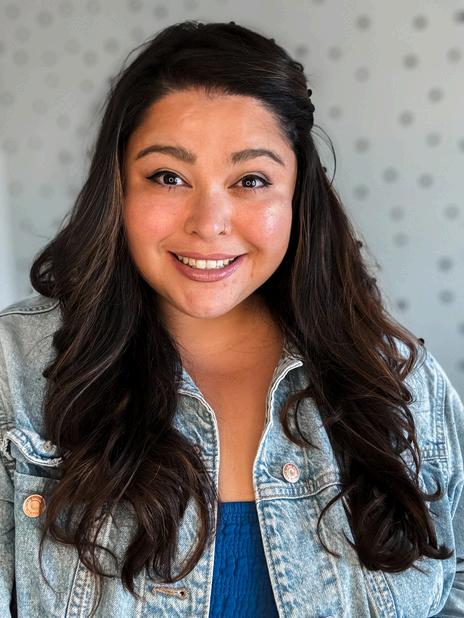
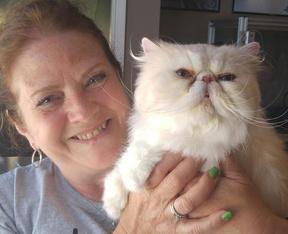
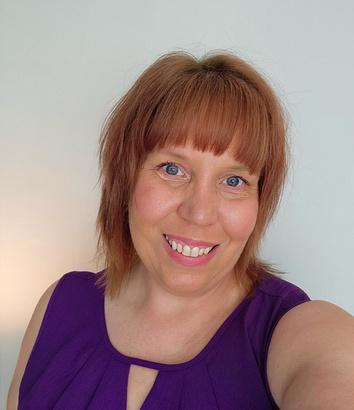
Editor and Writer of What’s The Mews Magazine, Cat Groomer
SANDRA POR
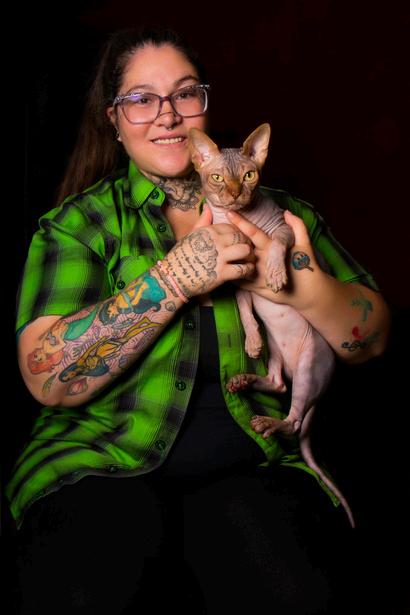
NCGI Certifier and Groomer at The Cat
and
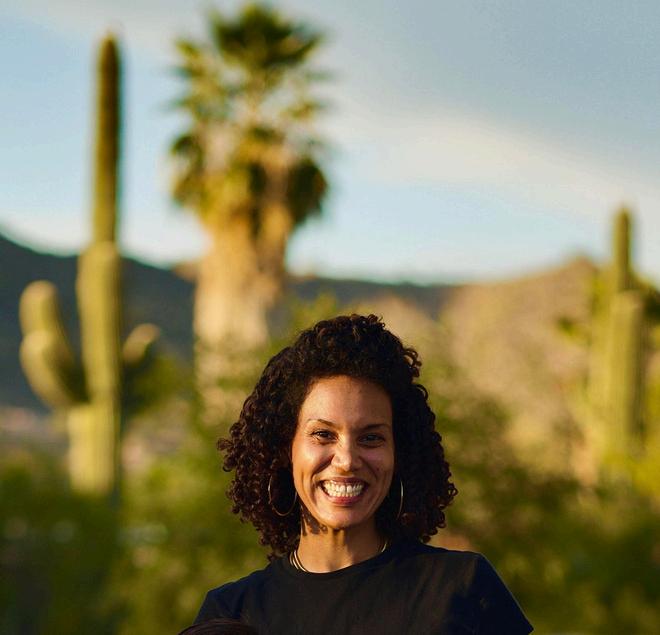
PhD in Psychology, M Ed in English and BA in Black Studies, Certified Teacher
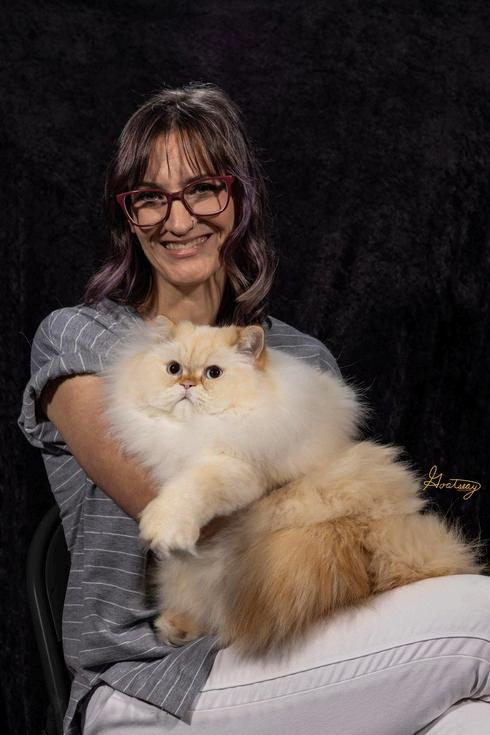
NATALIE DAVIS
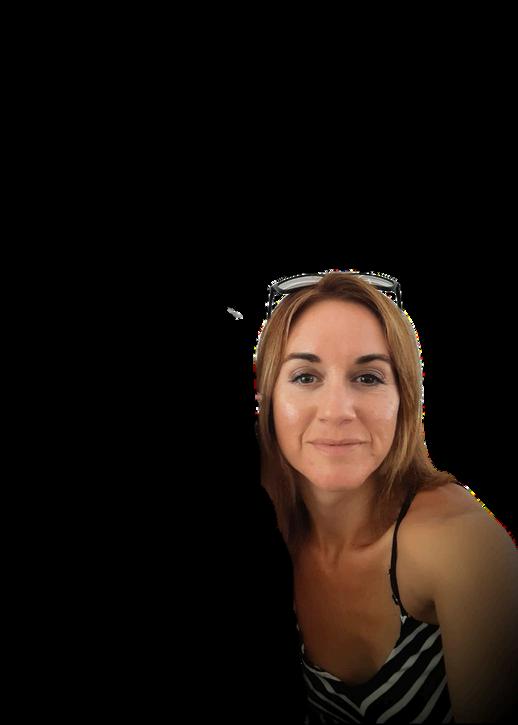
Owner of Natty’s Batty Cattery in Arizona, Feline CFA Show Groomer
DR. NOEL YOUNG
DENISE HEROUX
Awesome Paws Pet Salon
Awesome Paws Cat Salon
ANGER+STRESS ANGER+STRESS MANAGEMENT MANAGEMENT
InTheGroomingIndustry In The Grooming Industry
Live therapy panel with Dr. Jennifer Mandigo, hosted at Ryan’s Pet Supplies. Join virtually or sign up to attend in person!
JULY24 JULY24 2026 2026
4:00pm-5:30pm 4:00pm -5:30pm
BE FREE OF THE UNKNOWN:
WHY PREVENTATIVE ULTRASOUND SCREENING MATTERS
As pet owners, we spend a lot of time worrying about the things we can see We notice when our pets stop eating, start limping, or seem less energetic than usual What keeps many of us up at night, however, are the things we can't see. The unknown can be scary
One of the biggest misconceptions I hear is that advanced ultrasound screenings are only for breeders or purebred animals The truth is that every pet owner can benefit from understanding what is happening inside their pet's body long before symptoms appear.
A routine veterinary exam is incredibly important, but many hidden conditions cannot be detected through a physical exam alone. That's where specialized ultrasound screening can make a difference
Cardiac ultrasounds, commonly called echocardiograms, allow a veterinary cardiologist or trained sonographer to evaluate the structure and function of the heart Many heart conditions can progress silently for months or even years before obvious symptoms develop. By the time coughing, difficulty breathing, or exercise intolerance appears, the disease may already be advanced
For breeders, heart screening helps make informed breeding decisions For everyday pet owners, it provides valuable information about a pet's long-term health and can sometimes identify concerns early enough enough for monitoring or treatment
The heart is only one piece of the puzzle. Abdominal ultrasounds can evaluate organs such as the kidneys, liver, bladder, spleen, and intestines Kidney disease is especially common in older cats, and many pets show very few outward signs until significant damage has already occurred. An ultrasound can sometimes reveal structural changes before a pet becomes visibly ill
Bladder ultrasounds can identify stones, inflammation, masses, or abnormalities that may not be obvious during a routine exam For pets that experience recurrent urinary issues, ultrasound imaging can provide answers that bloodwork alone may miss
Ultrasound can also be useful for monitoring pregnancies, evaluating
reproductive health, and investigating unexplained symptoms such as weight loss, vomiting, diarrhea, or changes in appetite.
One of my favorite things about preventative screening is that sometimes the results are completely normal.
That may sound strange, but normal results bring peace of mind They replace uncertainty with knowledge. Instead of wondering if something might be wrong, you have information you can use to make informed decisions about your pet's care
The goal of screening is not to find problems The goal is to understand what is happening inside your pet before problems become emergencies
Our pets cannot tell us when something feels different They rely on us to be their advocates Whether you own a mixedbreed rescue, a beloved family dog, a cherished housecat, or a pedigreed show animal, preventative health screening is a tool that helps remove the fear of the unknown Knowledge is powerful Sometimes the greatest gift we can give our pets is not treatment. It is simply taking the time to look before there is a reason to worry
Because when it comes to the animals we love, being free of the unknown is worth everything
NATALIE DAVIS
L E
S C H E D U
S A T U R D A Y 1 7
Awakening Your Whole Self with Yogis Diona Peltcs 8:30am - 9:30am
Adaptive Grooming for Chronic Pain with Dr Janelle Schenk 10:00am - 11:30am pg TBD
The Future of Holistic Feline Care Moderated Panel 12:00pm - 1:30pm
Injury Prevention for Groomers with Dr Janelle Schenk 2:00pm - 3:30pm pg TBD
S U N D A Y 1 8
Tending Your Digital Garden with Mercedes Schenk CFMG 8:30am - 9:30am
Burnout + Compassion Fatigue with Dr Jennifer Mandigo 10:00am - 12:00pm
UnMasking Success with Dr. Noelle Young 1:00pm - 3:00pm
Building Bridges
Moderated Panel 6:00pm
M O N D A Y 1 9
Calling Back Your Energy with Malissa Conti Diener MHG 8:00am - 9:00am
Filling Your Cup break out activities + networking 9:00am +
17th-19th
HolisticFelineSummit
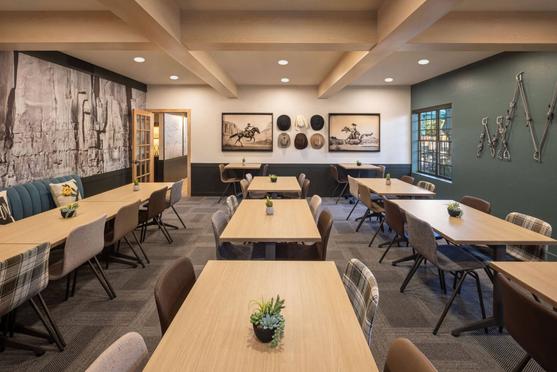
SomethingtransformativeiscomingtotheFelineIndustry,andit’shappeninginSedona, Arizona this fall! Due to popular demand, we have decided to open a few more spaces for those individuals ready and eager for a weekend not just of education, but wholepersonwellness.Thisisn’tjustanothergroomerconferenceorexpo,butaretreatforthe mind,body,andcareer.
We’regatheringinoneofSedona’smostbreathtakingandrestorativeresortsatModern Mountain to blend professional growth with personal renewal. Come learn, reconnect withyourselfandyourcraft,andrediscoveryourpassionfortheworkyoudo.Joinother individuals from all over the country for networking, socializing, and simply basking in oneofournation’smostpowerfulmetaphysicalsites. October2026
Spacesareextremelylimited,andthiswillbethelast opportunity we have to open ticket sales. Tickets were sold out November of 2025, so don’t wait too longastheyareexpectedtogofast.
This year’s lineup includes powerful sessions with fieldprofessionalssuchasDr.JanelleSchenkOTD,Dr. Jennifer Mandigo PsyD., Dr. Noelle Young, and MercedesSchenkCFMG.
WE WE THE THE PEOPLE PEOPLE ...AND THE CATS
When in the course of feline events, it becomes necessary for one species to declare the nature of its liberty, its independence, and its rightful place within the homes, hearts, and legal systems of mankind, a decent respect for the opinions of cat lovers requires that we should examine the laws and customs which have shaped the station of the cat among us
We hold these truths to be self evident, that all cats are created with an unalienable sense of personal sovereignty, that they are endowed by nature with certain undeniable rights, that among these are life, liberty, the pursuit of sunbeams, the occupation of cardboard boxes, the refusal of unwanted affection, and the freedom to leave a room immediately after demanding entry.
That to secure these rights, humans have been appointed as humble servants, deriving their just powers from the consent of the governed, which consent may be withdrawn at any time through the turning of the tail, the flattening of the ears, or the swift departure beneath the nearest bed
Yet while the cat has long conducted itself as an independent creature, ruler of windowsills, guardian of laundry piles, hunter of invisible threats, companion in solitude, emotional support in times of distress, and occasional tiny dictator of the household, its legal standing within the United States has remained uncertain and inconsistent.
For in one state, county, city, court, lease agreement, or animal control office, the cat may be regarded as property. In another, as a protected companion animal Elsewhere, as a matter of public health, a community cat, a neighborhood concern, or even a subject of dispute within the affairs of one’s family
Such has been the patient condition of cats in this country, and such is now the necessity which calls us to consider their place more carefully
For every Fourth of July, the citizens of the United States gather to celebrate freedom, independence, and the rights which have shaped the life of this nation And now, as this country approaches its 250th birthday, let it be declared that the question of liberty is not reserved for people alone, but may also be considered in the lives of those creatures who share our homes, command our furniture, and remind us daily that freedom, boundaries, and self determination are not merely political ideals, but feline principles
ARTICLE I: THE RIGHT TO SCRATCH
Let it be declared, by all those who dwell among cats, that the act of scratching shall not be mistaken for rebellion, vandalism, or spite, but shall be recognized as one of the natural rights and necessary functions of the feline body.
In simple terms, we all know that scratching is normal cat behavior
We know that cats scratch to mark their territories, maintain their claws, relieve stress, and communicate with their environment Scratching at things isn’t something that they do because they’re bad, angry, or have it out for your furniture.
For so many years, declawing was treated as a personal choice between a cat owner and their veterinarian, however thanks to modern science and mainstream media attempts at educating the general public, it’s finally changing
Declawing is not a nail trim. It’s a surgical removal of the cat’s toe.
More states and cities are moving to ban nonmedical declawing These laws usually still allow declawing if it is medically necessary for the cat, such as when there is a serious injury, tumor, infection, or other medical condition affecting the toe Specifically, these laws aim to reject declawing for convenience, furniture protection, or behavior management.
The message behind this legal shift is powerful: cats should not have to surrender part of their body in order to live in our homes Feline freedom does not mean cats get to destroy the couch without boundaries It means humans have a responsibility to provide scratching posts, appropriate surfaces, regular nail care, enrichment, training, and environmental support
A free cat still needs guidance A responsible human provides it without unnecessary harm. As of June 22, 2026, statewide nonmedical cat declawing bans are in place for: New York, Maryland, Virginia, Massachusetts, Rhode Island, California, and Washington DC.
ARTICLE II: THE RIGHT TO BE SEEN AS MORE THAN PROPERTY
Let it be declared, with decent respect for every windowsill ruler, blanket thief, and beloved household companion, that the cat is not a chair, a lamp, or a decorative object, but a living creature with needs, attachments, and a place within the family.
In most areas of law, cats are still considered personal property Which means if a legal dispute occurs, the court has to treat the cat more like an item that someone owns rather than as a family member with emotional bonds and daily needs Which--is slowly changing
Some states now allow courts to consider an animal’s well being during divorce or custody disputes Instead of only asking who paid for the cat, the court may also look at who provides daily care, who takes the cat to the vet, who understands the cat’s needs, and where the cat would be safest and most stable And if you live with a cat and love one, you understand why this is so life changing.
Cats absolutely have routines and they
definitely have their favorite people These tiny creatures have stress responses that need to be considered, and sometimes it doesn’t really matter who bought the cat as much as who is the one continuing care for the cat. Alaska was the first state to allow courts in divorce cases to consider the “well being” of the animal and California Family Code section 2605 allows courts to make orders about the care of a pet animal during divorce or legal separation proceedings.
This is exceptionally important when taking into consideration toxic relationships, mismanaged care, or weaponizing animals against an ex The law may still call them property in many places, but culture is beginning to recognize what cat people have always known. In 2021, New York’s companion animal law now requires courts to consider the “best interest” of a companion animal when awarding possession in divorce or separation proceedings.
ARTICLE III: THE RIGHT TO A FUTURE
Let it be declared that the duty of guardianship does not end with the comforts of the present day, for a cat who is loved today must also be protected against the uncertainties of tomorrow.
One of the most practical areas of animal law is the pet trust Yes, you heard that correctly, feline trust fund babies.
A pet trust allows a person to set aside money and instructions for the care of their animal if they die or become unable to care for them. In easier terms, it’s a legal plan for your pet’s future. In fact, pet trusts are legally recognized in all 50 states and Washington DC
A pet trust can name a caregiver, provide funds for veterinary care, grooming, food, litter, medication, housing, and other daily needs It can also explain the kind of life you want your cat to have. This can be especially important for senior cats, medically fragile cats, purebred cats, bonded pairs, anxious cats, or cats with very specific routines and care needs
It may a bit superfluous and glamorous, but it is one of the clearest expressions of responsible ownership It’s also not just for overtly rich people who have nothing else to do with their money once they’ve passed. True, the most famous cases involve huge amounts of money, but the practical use is often much more ordinary A person can
use a pet trust to make sure there is money for litter, food, grooming, vet visits, medication, and stable housing.
Although one of the most famous pet trust stories is a woman named Leona Helmsley who left $12 million in trust for her Maltese, Trouble, but the courts did later reduce it down to $2 million
Freedom is not only about the life a cat has today. It is also about protecting their tomorrow
ARTICLE IV: THE MYTH OF THE SERVICE CAT
Let it be declared that cats may comfort the weary, steady the anxious, accompany the lonely, and rule the household with quiet authority, but affection and legal access are not the same thing.
Yes, cats can be therapeutic They can help people feel calm, grounded, comforted, and less alone. So many people rely on their cats emotionally, and that bond is real However, under the federal Americans with Disabilities Act, cats are not recognized as service animals.
Under the ADA, a service animal is a dog that is individually trained to perform specific tasks for a person with a disability. In some situations, trained miniature horses may also be allowed
ARTICLE V: THE RIGHT TO ROAM
Let it be declared that the cat, unlike most creatures domesticated by man, has long occupied a peculiar station among the laws of the land It is at once a household companion, a neighborhood watch, a hunter amidst the bushes, and no patriot to a fence it did not personally approve.
Outdoor cat laws are extremely complicated because so much of it is based off of local, not federal laws
In the United States, there is no single federal law that dictates all cats must be kept indoors or that says all cats are allowed to roam freely. Instead, the rules usually depend on the city, county, or state where the cat lives
Which is honestly crazy when you think about it, because most domesticated animals are not casually allowed to wander through neighborhoods unsupervised Dogs are commonly regulated through leash laws, licensing laws, rabies laws, and at large ordinances. Livestock is usually controlled through fencing laws and local animal control rules Even small pets are generally expected to remain contained
In many communities, cats have historically been treated as free roaming animals They may live inside a home, belong to a person, receive veterinary care, eat from a bowl, sleep on a bed, and still be permitted to walk outside without a leash or direct supervision
However, some cities and countries have “leash laws” also known as “at large laws”, which basically means that cats can roam freely, just not off their owner’s property This means an owner can actually be held responsible if their cat repeatedly trespasses, damages property, or creates sanitation concerns
this grey area The county states that there is no leash law for cats, but cat owners are still prohibited from allowing their cats to become a nuisance to others. In other words, the cat may not need a leash, but the owner may still have legal responsibility if the cat causes problems So you better make sure they’re not having a hay day with the neighbor’s sandbox.
In Mesa, Arizona, the City of Mesa states that there are no regulations or leash laws that apply to cats within the city, and that cats are considered free roaming animals. At the same time, it also makes clear that cats cannot legally be harmed, abandoned, or dumped.
Outdoor cat law becomes even more complicated, because not every cat outside is understood the same way An owned outdoor cat is a cat with a person who claims responsibility for their care, while a community cat may be stray, feral, semi social, or simply unowned Many communities manage these cats through Trap Neuter Return programs, which are designed to reduce population growth while allowing healthy, free roaming cats to remain in the places they already live
Because of this, the law is not only asking whether a pet cat is allowed to leave the house It is also trying to balance public health, population control, wildlife concerns, shelter overcrowding, neighborhood disputes, and animal welfare.
Some communities recognize Trap Neuter
Los Angeles County is a great example of
Return as part of their animal control strategy and include protections for community cats and their caregivers in local ordinances Others take a more restrictive approach, which can make free roaming cats more vulnerable to complaints, impoundment, or removal
Outdoor cat does not live under one single legal idea. The law may see one cat as a pet, another as a community cat, another as a nuisance, and another as an animal in need of protection
The laws that affect cats are not fixed, and they are not created in some far away place that ordinary people can never reach Many of the rules that shape animal welfare begin at the local level, through city councils, county ordinances, shelter policies, state bills, and community discussions
Voting also matters Local elections are especially important because city council members, county supervisors, judges, sheriffs, and state lawmakers can all influence how animal laws are written, funded, interpreted, and enforced. Supporting candidates who take animal welfare seriously can help create long term change
You can also contact your representatives when an animal welfare issue is being considered A short, respectful email or public comment can make a difference, especially when it comes from someone who works with animals, lives with animals, or understands how these laws affect real cats and real communities
Cats cannot vote, attend hearings, or explain why these issues matter. They depend on people to pay attention, ask better questions, and speak up when laws are outdated, harmful, or incomplete
If you want better animal welfare laws in your state or community, start by learning what the current laws actually say Look up your city and county animal ordinances, follow proposed bills in your state legislature, and pay attention when animal control policies or shelter practices are being discussed These decisions can affect everything from declawing, community cat programs, cruelty penalties, pet trusts, disaster planning, breeding regulations, and outdoor cat rules
Protecting cats is not only about what we do in our own homes It is also about the standards we support in our neighborhoods, cities, and states. When we vote, advocate, and stay informed, we help create a future where animal welfare is treated as a real responsibility and not an afterthought
As of today, cats are the most popular pets in the world, with a global population estimated at more than 600 million Here in the United States, about one out of every three households shares their home with at least one cat.
We love them, cuddle them, spoil them, and laugh at their daily antics We worry about their health, buy them toys they ignore, and somehow find ourselves sleeping in awkward positions so we don't disturb a cat that has claimed our lap
But have you ever stopped and wondered how cats ended up here in North America? They are such a normal part of our lives that it's easy to
assume they have always been here.
They haven't
The domestic cats we know and love today are actually immigrants Their ancestry can be traced back thousands of years to the Middle East While North America was already home to wild felines such as bobcats, lynx, and cougars, there were no domestic cats here before the arrival of European settlers
To understand how cats got here, we need to travel back about 10,000 years.
As humans began settling into farming communities, they stored grain to feed their
growing populations Before long, mice and rats figured out there was an all-you-can-eat buffet waiting for them. And wherever rodents gathered, wild cats soon followed
No one invited them, they just showed up.
Honestly, that sounds exactly like something a cat would do
It turned out to be a pretty good arrangement for everyone involved. Humans gained free pest control, and the cats gained a reliable food source Unlike dogs, which humans selectively bred and trained for various jobs, cats likely domesticated themselves. Living near humans simply made life easier
One of the earliest pieces of evidence of the cat-human relationship comes from the island of Cyprus. Archaeologists discovered a human buried alongside a cat nearly 9,500 years ago Since cats aren't native to Cyprus, they had to be transported there by people Even thousands of years ago, it seems the bond between cats and humans was already strong.
As civilizations expanded, cats traveled alongside them.
The ancient Egyptians are perhaps the most famous cat lovers in history Cats were protected, celebrated, and even associated with religious beliefs. Some were mummified after death and buried with their owners. When Egypt became part of the Roman Empire, cats spread throughout Europe, continuing to do what they do best hunt rodents and make themselves useful.
growing populations Before long, mice and rats figured out there was an all-you-can-eat buffet waiting for them And wherever rodents gathered, wild cats soon followed.
No one invited them, they just showed up
Honestly, that sounds exactly like something a cat would do.
It turned out to be a pretty good arrangement for everyone involved Humans gained free pest control, and the cats gained a reliable food source. Unlike dogs, which humans selectively bred and trained for various jobs, cats likely domesticated themselves Living near humans simply made life easier.
One of the earliest pieces of evidence of the cat-human relationship comes from the island of Cyprus Archaeologists discovered a human buried alongside a cat nearly 9,500 years ago. Since cats aren't native to Cyprus, they had to be transported there by people Even thousands of years ago, it seems the bond between cats and humans was already strong
As civilizations expanded, cats traveled alongside them
The ancient Egyptians are perhaps the most famous cat lovers in history. Cats were protected, celebrated, and even associated with religious beliefs Some were mummified after death and buried with their owners
When Egypt became part of the Roman Empire, cats spread throughout Europe, continuing to do what they do best hunt rodents and make themselves useful
Eventually cats found a new career They became ship cats!
Long before modern pest control, ships were plagued by rats and mice that could destroy food supplies and valuable cargo. Cats became indispensable crew members. Sailors often considered them good luck, but their real value was keeping rodent populations under control
As European ships crossed the oceans, cats went right along with them. Exactly when the first cats arrived in North America isn't entirely clear Historical records suggest they were present in Jamestown, Virginia, one of the earliest English settlements established in 1607
French settlements in Canada and Newfoundland also had cats living among their communities It seems that wherever European settlers went, cats weren't far behind.
Of course, North America already had plenty of cats before Europeans arrived. Bobcats prowled the forests, lynx hunted in the north, and cougars roamed vast territories What the continent did not have was a domesticated feline There is no evidence that Indigenous peoples in North America kept or developed domestic cats before European contact.
As settlements expanded, so did the cat population. Over generations, those hardworking ship cats, farm cats, and barn cats adapted to life in their new home Some eventually developed characteristics that helped them thrive in North America's varied climates.
Cats may also have sailed aboard the Mayflower in 1620 Family records tell of a calico cat that arrived with the Pilgrims and later gave birth to kittens in Plymouth. Whether every detail of that story can be verified or not, we do know that cats were living in the colonies and helping settlers protect crops and food supplies from rodents.
One of the best examples is the American Shorthair Descended from those early European working cats, the breed became known for its sturdy build, excellent hunting skills, and easygoing personality
Then there is the magnificent Maine Coon This beloved breed is believed to have descended from cats brought to New England by settlers from the United Kingdom Their large size, dense coat, and rugged nature made them perfectly suited to New England's harsh winters. Historically, sailors prized these cats. Their larger paws may have helped them balance on ships and made them exceptional climbers and mousers
Over time, cats became much more than pest control. By the late 1800s, people increasingly kept cats simply because they enjoyed their companionship The first major cat show was held at Madison Square Garden in 1895. By the end of World War I, cats had firmly established themselves as cherished household pets
Today, several breeds either originated in the United States or were developed here, including the American Curl, American Bobtail, Selkirk Rex, LaPerm, Ragdoll, Ragamuffin, Ocicat, and many others
Yet despite thousands of years living alongside us, cats haven't changed all that much Biologically, they remain remarkably similar to the cats that once prowled around grain stores in the Middle East. Their role may have shifted from mouser to family member, but their instincts are still very much intact I see it every day in my own cats
Whether they're stalking each other through the house, crouching behind furniture waiting to ambush a favorite toy, chattering at birds through the window, or proudly dropping a toy at my feet as if they've completed a successful hunt, they're displaying behaviors that have been passed down through thousands of years of feline history
The next time your cat does something that seems wild, mysterious, or just plain cat-like, remember that you're witnessing the same instincts that once carried their ancestors from grain stores to sailing ships, across oceans, and eventually into our homes.
And for that, cat lovers everywhere can be grateful that those first adventurous felines decided to follow the mice
You didn’t choose this work because it was easy
You chose working with live animals as challenging as cats because you have passion, brilliance, and refuse to settle for “good enough” when it comes to the way we interact with them. That level of dedication deserves special distinction, on a global level
The Association of Holistic Feline Specialists is compromised of individuals who are actively changing the narrative on feline care across the globe. This isn’t just about joining a club and printing out a piece of paper It’s about committing to excellence and telling the world that you choose to be held accountable in an unregulated industry And that they should too
We are where passion meets credibility
Memberships include:
Certificate of Recognition, documenting official association as an AFHS Member and the professional pledge and code of ethics you’ve chosen to conduct yourself
AHFS Directory Listing as Holistic Feline Professional so individuals can find you and the services you provide
First access to educational summits and exclusive invitation to annual symposiums
Discounted Classes/Seminars
The Association of Holistic Feline Specialists is a non profit organization. 100% of Membership dues sustains our organization, including Pussy Talk the Podcast and our monthly free educational magazine “What’s The Mews”
Cats don’t have a voice in the standards we set, but they live with the results of them This work is bigger than any one professional, and the cats who depend on us deserve more than individual effort, they deserve a unified standard, a collective commitment, and professionals who choose to stand together to do better
ADHD ADHD DOPAMINE DOPAMINE AND THE AND THE GROOMING GROOMING PROCESS PROCESS
My ADHD can feel like an allergy to boredom and mundane tasks Instead of sneezing attacks, though, it shows up as an internal monologue running at 2.5x speed That monologue includes every reason I do not want to do what I am being asked to do, a few things I forgot to do before I left the house, a few more things I need to do before I go home, and, for some reason, one or two of my most socially uncomfortable memories
My ADHD can feel like an allergy to boredom and mundane tasks. Instead of sneezing attacks, though, it shows up as an internal monologue running at 2 5x speed That monologue includes every reason I do not want to do what I am being asked to do, a few things I forgot to do before I left the house, a few more things I need to do before I go home, and, for some reason, one or two of my most socially uncomfortable memories
The problem is that some of the most necessary tasks are also the boring and mundane ones Some tasks are also ruined when we move too quickly through the steps or skip the “rest and wait” phase at the end. If you are an adult with ADHD, you have probably developed some strategies to help you fight your own allergy to boredom You probably also have a list of tasks you avoid, or avoid completing, because the boredom allergy is just too strong
Either way, the information in this article can help you think through how ADHD may impact grooming activities, especially the parts of the process that require patience, repetition, and waiting
A NEUROSCIENTIFIC APPROACH
Neuroscientists understand ADHD as a condition involving dysregulated interactions between neurotransmitters
Neurotransmitters, such as dopamine and serotonin, are part of the body’s nervous system. They help regulate all sorts of bodily functions by delivering chemical messages throughout the body
Dopamine is often associated with reward It is not the only neurotransmitter involved in ADHD, but it is the one we are focusing on for this article
From a neuroscientific and medical psychiatric perspective, a person with ADHD may have chronically low or poorly regulated dopamine This dysregulated dopamine can have many effects, although those effects vary from person to person.
You may already be familiar with some of these effects Low dopamine can feel like a lack of motivation. It is like hearing the internal monologue urging you to take action while you are also deeply committed to not taking any action at all High dopamine can feel like hyperfocus It is like losing track of time while working on your favorite project.
Many behaviors and traits associated with ADHD are connected to a person’s attempt to seek more dopamine or recover from the crash that can happen after too much dopamine. Many ADHD treatments attempt to regulate dopamine and other neurotransmitters through medication Nevertheless, with or without medication, people with ADHD often develop their own strategies to manage the effects of irregular dopamine patterns
DOPAMINE AND THE GROOMING PROCESS
So, how might irregular dopamine patterns show up in your grooming practice?
From what I understand, it might be in the drying.
Let’s look at the grooming process with our dopamine glasses on In other words, we are asking: What is new and exciting? Where can I move around? What feels challenging but achievable?
First, there is bathing Bathing may take around 10 minutes, and our dopamine glasses may register this task as challenging but achievable There is enough movement, enough sensory input, and enough task variation to keep us engaged. We are good here. No boredom allergy attack.
Then, it is time to dry
Now we may be standing in one place for 30 to 40 minutes without much movement in our bodies or variation in the task Our dopamine glasses detect boredom on almost every front The task is not new It is not exciting We are not moving around very much. Compared to the other parts of the grooming process, it may not feel particularly challenging Boredom allergy attack
Luckily, our dopamine glasses usually register the next step in the opposite way Shaving and styling can feel new and exciting We can move around We can make choices We can problem solve. We can see the results of our work taking shape in real time. It feels challenging but achievable As a bonus, this is also where we get to express our individual creative talent.
ACCOMMODATIONS
I do not know about you, but I cannot last more than 60 seconds once boredom has been detected Because of that, I am almost always already using my boredom allergy rescue medication. For me, that means background music or audiobooks through wireless Bluetooth headphones that hook around my ear
Using headphones removes barriers that would otherwise prevent me from starting or completing a task This is how I accommodate myself
An accommodation is anything you do to make the task at hand more doable.
Accommodations are known to improve people’s quality of life So why do we sometimes feel bad about accommodating ourselves?
SHAME! SHAME!
Shame is why we feel bad about accommodating ourselves. We have learned, often through other people’s reactions to our expressions of need, that we should “tough it out” or that we “shouldn’t need so much help.”
Many of us have received both explicit and subtle messages like this from family, friends, coworkers, strangers, and media. Over time, it becomes easy to anticipate those messages Eventually, we may even begin producing them ourselves through our own self talk
Researchers call this internalized ableism. It is one of the reasons why it is not always easy to “just start” accommodating yourself
Accommodating yourself requires coming to terms with your needs That can be painful When you begin to acknowledge your needs, you may also begin to acknowledge all the ways those needs have not been met. You may also have to acknowledge the people who were involved, and the people who may still be involved
Cube told us in 1999, “Life ain’t a track meet; it’s a marathon.”
Marathon running requires slow and steady progress People who finish have to pace themselves. They also need small, appropriate amounts of sustenance along the way
This is a helpful way to think about self developed accommodations. The overall task, which is running the marathon, may still be difficult But the little things, such as tiny cups of water, proper shoes, and sunglasses, make the task more doable.
And let’s not forget the motivational message of Ice Cube’s song: “You can do it, put your back into it ”
So, what small step will you take to accommodate yourself today?
NEITHER PSYCHIATRIC NOR MEDICAL ADVICE
The insights shared here are specific to ADHD However, ADHD is not the only condition characterized by nervous system dysregulation Additionally, ADHD can present very differently from person to person. Many people experience ADHD alongside other psychiatric or physical conditions There can be no one size fits all solution for a condition that takes on so many shapes.
The good news is that no one expects you to do this quickly. This is lifelong work. As Ice
It is also important to acknowledge that information about medical and psychiatric conditions, including ADHD, is highly
regulated by guidelines from organizations such as the American Psychiatric Association and the American Medical Association While the internet has increased access to information for many people, one of the drawbacks is that unregulated information can also increase the spread of misinformation
This article, (though well researched and expertly written), does not serve as a replacement for professional medical advice
SOURCES
FOR EXTENDED LEARNING
“4 Big Insights About ADHD Brain Chemistry” by Nathaly Pesantez, June 16, 2026
“What is ADHD? Understanding Attention Deficit Hyperactivity Disorder” from Dr Edward Hallowell’s website
https://www.hallowellbrainhealth.com/about-adhd
“Neurotransmitters” video by Neuroscientifically Challenged, March 7, 2025 https://www youtube com/watch?v=F9fsFuGULm0
“The Dopamine Hypothesis for ADHD: An Evaluation of Evidence Accumulated from Human Studies and Animal Models” by Hayley MacDonald, Rune Kleppe, Peter D Szigetvari, and Jan
Haavik, November 15, 2024, Frontiers in Psychiatry https://pmc.ncbi.nlm.nih.gov/articles/PMC11604610/
“Combating Misinformation about ADHD on Social Media and the Internet” by the ADHD Evidence Project, March 11, 2024
Dr. Noelle Green Young holds a PhD in Psychology with a focus on integrating psychology, technology, and education. Her other degrees include a BA in English and Black Studies and an M.Ed. in Urban Secondary English Education She is also certified to teach English and Social Studies for grades 6 through 12
Her astrological consulting business allows her to bring many of these interests together She is also a mom of three wonderful kids and is married to “a genius” who is also “cool ” Her family keeps her busy and inspired every day, reminding her how important it is to co create a world that is more inclusive for all of us
What’s The Mews is a free-distribution publication created for the benefit of the feline community All contributors generously volunteer their time and expertise without compensation, offering professional insight to support feline-centered care The magazine is funded by the Association of Holistic Feline Professionals and is protected by applicable intellectual property and copyright laws
BORN IN CALIFORNIA
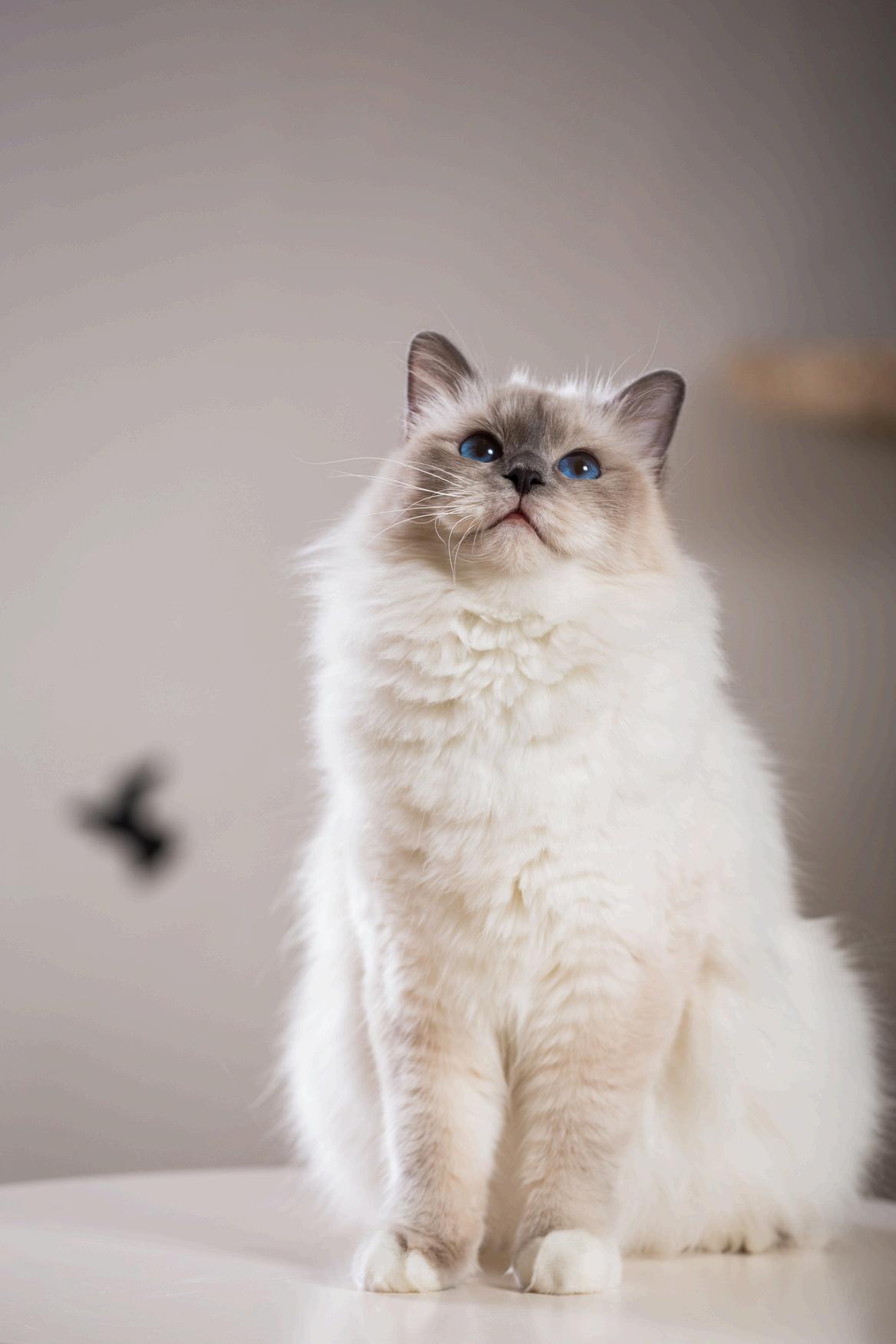
THE AMERICAN STORY OF THE RAGDOLL CAT
The Ragdoll is a perfect example of a modern cat breed-intentionally bred, refined over time, and now is recognized all over the world for its affectionate and docile temperament, and beautiful appearance
Its story begins in Riverside, California in the 1960’s with a white longhaired cat named Josephine According to breed history, Josephine’s kittens stood out for their remarkably gentle, affectionate, and easygoing temperaments. They were unusually relaxed when handled, often going limp when picked up, and seemed to enjoy human companionship more than other cats during that time. Ann Baker, a breeder, saw the potential to develop a new breed centered on these desirable traits By carefully selecting and breeding Josephine’s bloodline, she worked to preserve their sweet personalities, large size, striking colorpoint patterns, and the tendency to relax completely when picked up The Ragdoll was created, and has gained popularity all over the world while remaining one of America’s greatest contributions to the pedigreed cat fancy
Ragdolls are among the largest domestic cat breeds, with males often weighing 15 to 20 pounds, and females slightly smaller They mature slowly, sometimes taking up to 4 years to reach their full size and coat development. Their semi-longhaired coats are silky and soft, appearing in several patterns, including colorpoint, mitted, and bicolor, with a variety of colors ranging from seal and blue, to chocolate, lilac, flame, and lynx variations. Their Sapphire blue eyes are
one of the breed’s most distinctive features One of the breed’s most fascinating characteristics is that the kittens are born completely white During the first 2 weeks of life, their point coloration begins to show, with their coat continuing to deepen and develop over time. This color-changing process is a hallmark of all color pointed breeds and adds to the magic of watching a Ragdoll kitten grow
The breed earned its name from a unique tendency they display when relaxed They often go limp and floppy when picked up-like a rag doll. While not every individual will completely relax like this, their easygoing nature is common for them and contributes to their reputation as one of the most loving and people-oriented cats in the world
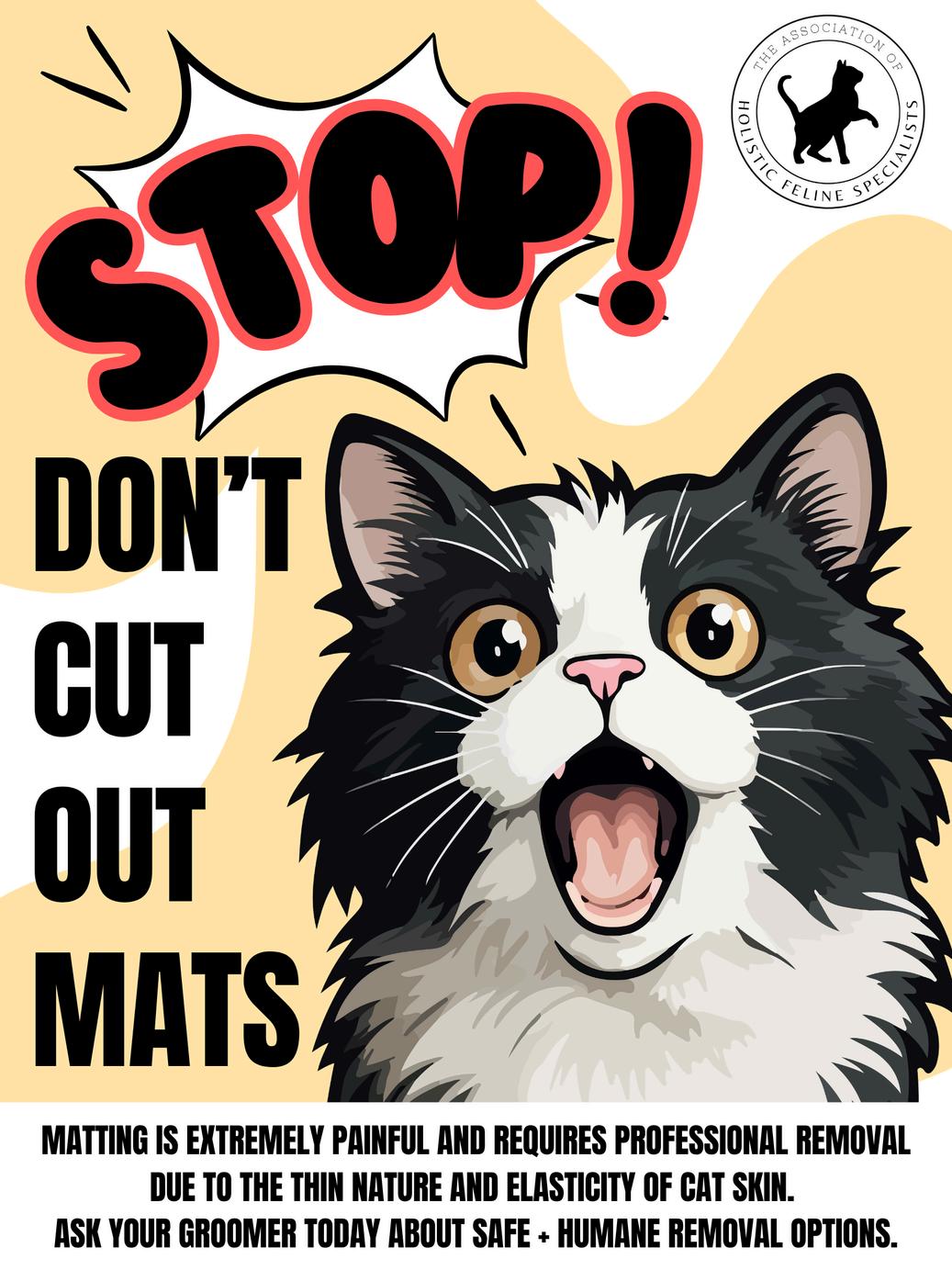
Since their silky coat is high maintenance, they require a consistent grooming schedule Routine grooming will release dead and shedding coat, prevent matting and minimize the amount of fur swallowed during selfgrooming, which contributes to hairballs.
For anyone seeking a gentle, affectionate, and beautiful feline companion, the Ragdoll has all the qualities that make cats such cherished family members As one of America’s own cat breeds, it continues to win hearts all over the world with its combination of beauty, docility, and unwavering devotion.
NATALIE GILES CFMG
JOIN THE AHFS TODAY
WWW WHATSTHEMEWS COM
AHFS MEMBERSHIP
$60 Annually
Discounted Events + Classes
Online Directory Listing
MAGAZINE DONATION
We are a free distribution magazine so that information is accessible for everyone
Since then, I have had many people ask me how to become a speaker. What I have learned is that the path looks different for everyone. But the goal is always the same: to share what we know in a way that sincerely helps someone else.
Before anything else, I want to give you the version of this conversation that most people do not have Speaking at trade shows is not what people imagine it to be. There is no moment where someone simply notices you and hands you credibility The pay is not extravagant Success is not instant Behind the scenes, the world of trade show education can be political and, at times, genuinely unfair. There are no universal standards, and some shows will attempt to negotiate a speaker's pay downward Slots are limited Producers are looking for specific content that fits their event, and multiple qualified speakers may be considered for the same topic
I am not telling you this to discourage you I am telling you this because you deserve the full picture. Speaking at a trade show is a great goal It is meaningful, exciting, and unlike anything else It is also not the end-all, be-all of education, and the sooner you understand that, the more freedom you will have to build something that actually lasts
If speaking is part of your path, it involves real skills that take time and intentional effort to develop. It is not enough to know your subject. You have to communicate it in a way that draws people in and keeps them there Flow matters more than most new speakers realize.
How you move from one idea to the next, how you pace the room, how you read your audience and adjust in real time. These are not natural talents for most people They are practiced skills I was an hour short at my first run-through because I had not yet learned how to fully develop a concept rather than just introduce it That lesson changed how I teach Well-crafted presentation design is its own discipline A well-built slide deck supports your message without becoming a script you hide behind. Public speaking itself, the physical act of standing in front of a room and holding attention, is something you build through repetition. The nerves do not disappear. You just get better at working through them.
I spent a long time contorting myself to fit an image I thought I needed to project I watched other educators, studied what seemed to work, and tried to replicate a presence that was not mine I pushed myself toward the front-facing, highly visible version of success that I thought was required, all while ignoring the quieter instincts that kept pulling me in a different direction. I beat myself up for not following through the way others did For not being further along For not looking the part I had decided I was supposed to play.
This past year, I decided to trust myself rather than that image I stopped trying to sound like what I thought people wanted to hear and started letting my actual voice come through. Things started falling into place in ways I had not expected My speaking has improved My level of educating reached further than I had imagined. Not because I finally figured out the
right strategy, but because I got out of my own way.
The most important thing you can do as an emerging educator is speak about subjects you genuinely love and that are really needed. That intersection is where your credibility will grow. Your personal brand is not a logo or a color palette It is built through how you show up, what you say, and whether the people in the room leave better than they arrived. That cannot be faked, and it cannot be rushed.
Here is the thing about trade show education that most people do not consider until they are already frustrated by its limitations: the stage has a capacity Your reach does not have to
There are only so many education hours at any given show. There are producers making specific content decisions for each event. There may be several strong speakers being considered for the same slot The math simply does not work in everyone's favor, and that is not a measure of your value or your readiness. Waiting for a stage to validate you as an educator is the wrong strategy Because education should never be limited to shows
Social media platforms give you a direct line to the people you most want to reach, with no application process and no gatekeeping Webinars allow you to go deep on a topic with an engaged audience who chose to show up specifically for you. Workshops, whether in person or virtual, create an intimacy and interaction that a trade show floor rarely allows. State and regional grooming
organizations are actively looking for educators and often provide an incredibly receptive audience of people hungry for exactly what you have to offer
Each of these paths builds something real. They build an audience that knows you, trusts you, and comes back They build a body of work They build the kind of presence that eventually makes a trade show producer take notice, not because you chased the stage, but because you were clearly doing the work long before you ever stood on one
My path started with a coach who saw something in me before I saw it in myself. It moved through an idea, a submission, six months of preparation, and a moment of awe in a room in Hershey It has continued through seminars, books, toolkits, and conversations exactly like this one.
Your path will look different It should The goal was never to replicate someone else's journey. The goal is to share what you know in a way that helps people, through whatever door makes sense for where you are right now
Start there. Build something real. Trust your voice over the image you think you need to project And do not wait for a stage to tell you that you are an educator
You already know things that someone out there needs to hear.
"The stage was never the ceiling Your voice was always the point "