
The Community Garden
by Jay Williams
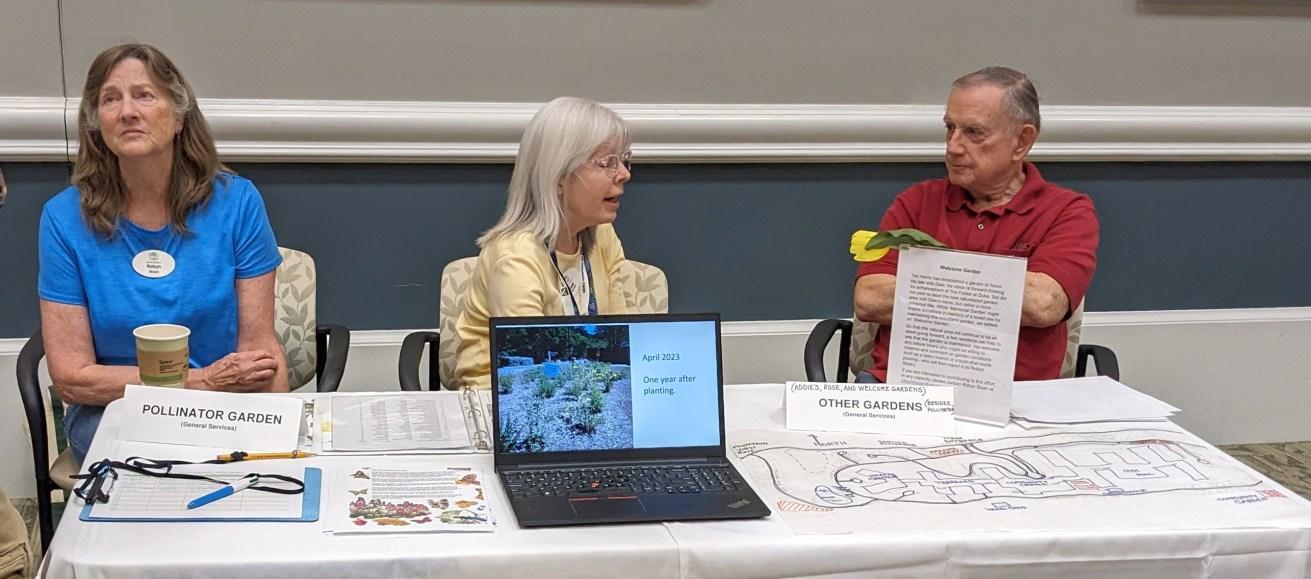
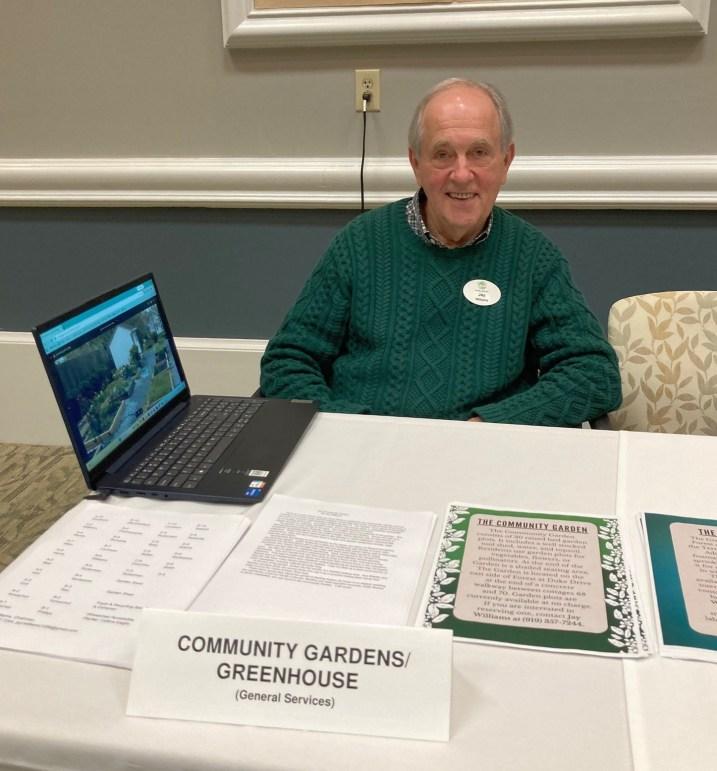
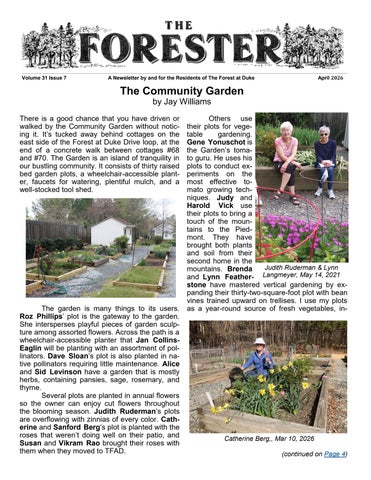
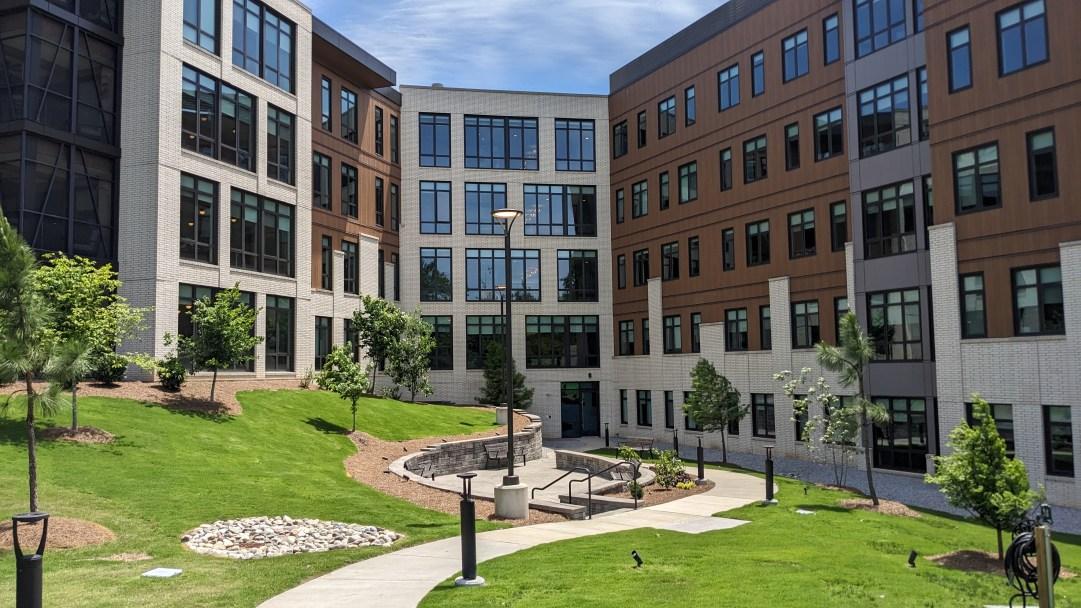
There is a good chance that you have driven or walked by the Community Garden without noticing it. It’s tucked away behind cottages on the east side of the Forest at Duke Drive loop, at the end of a concrete walk between cottages #68 and #70. The Garden is an island of tranquility in our bustling community. It consists of thirty raised bed garden plots, a wheelchair-accessible planter, faucets for watering, plentiful mulch, and a well-stocked tool shed.
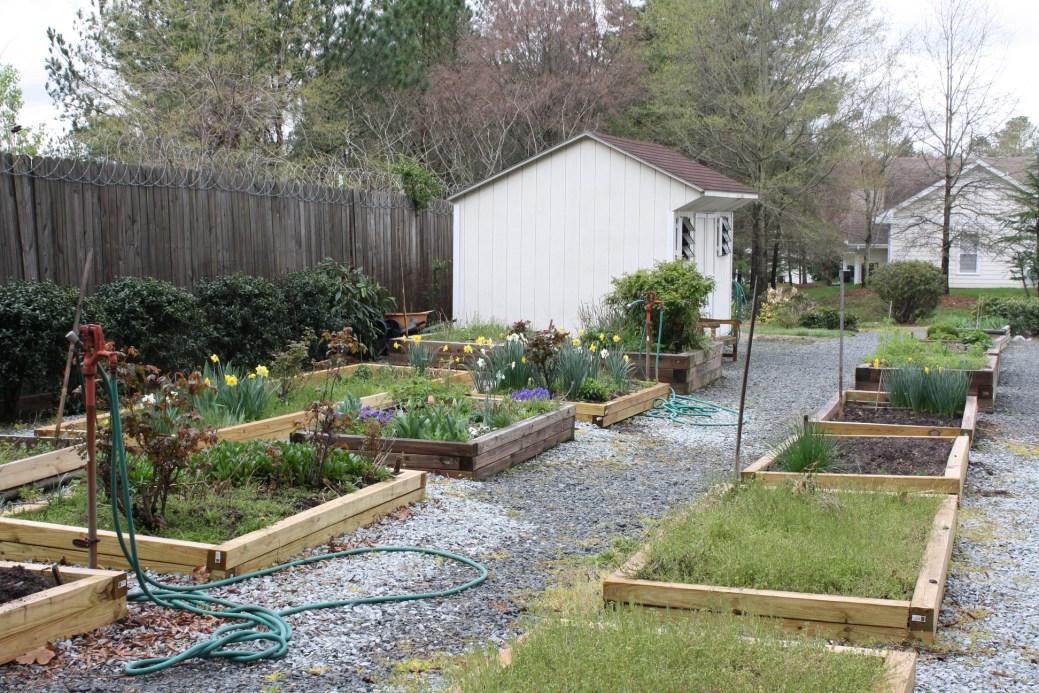
The garden is many things to its users. Roz Phillips’ plot is the gateway to the garden. She intersperses playful pieces of garden sculpture among assorted flowers. Across the path is a wheelchair-accessible planter that Jan CollinsEaglin will be planting with an assortment of pollinators. Dave Sloan’s plot is also planted in native pollinators requiring little maintenance. Alice and Sid Levinson have a garden that is mostly herbs, containing pansies, sage, rosemary, and thyme.
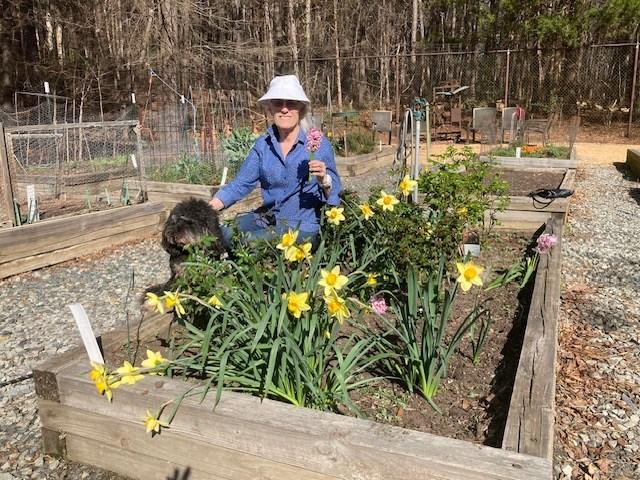
Several plots are planted in annual flowers so the owner can enjoy cut flowers throughout the blooming season. Judith Ruderman’s plots are overflowing with zinnias of every color. Catherine and Sanford Berg’s plot is planted with the roses that weren’t doing well on their patio, and Susan and Vikram Rao brought their roses with them when they moved to TFAD.
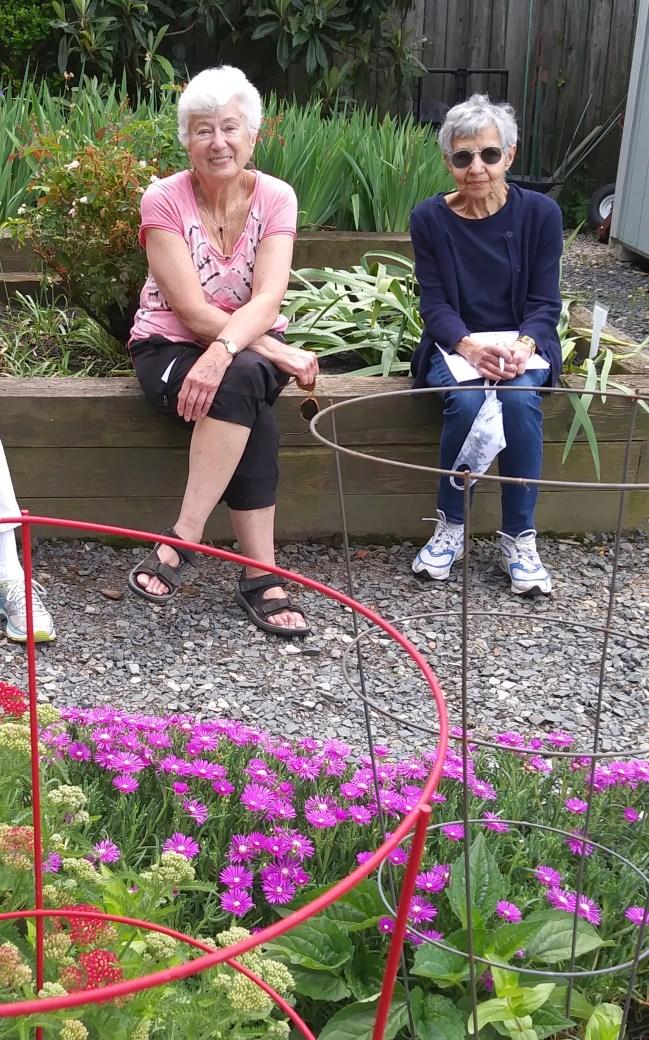
Others use their plots for vegetable gardening. Gene Yonuschot is the Garden’s tomato guru. He uses his plots to conduct experiments on the most effective tomato growing techniques. Judy and Harold Vick use their plots to bring a touch of the mountains to the Piedmont. They have brought both plants and soil from their second home in the mountains. Brenda and Lynn Featherstone have mastered vertical gardening by expanding their thirty-two-square-foot plot with bean vines trained upward on trellises. I use my plots as a year-round source of fresh vegetables, in-
(continued on Page 4)
of The Forest at Duke
Catherine Berg,, Mar 10, 2026
Judith Ruderman & Lynn Langmeyer, May 14, 2021
2
The Forester
The newsletter of the Residents’ Association of The Forest at Duke, Inc., 2701 Pickett Rd., Durham NC 27705. Published monthly except July, August, and September by and for the residents.
Lisa Camel, Managing Editor
Beth Timson, Copy Editor
Dave Sloan, Layout Editor
Linda Cushman & Louise Scribner, New-Resident Biographers
Elodie Bentley & Ken Parker, Proofreaders
Stephen Koff, Sanford Berg, Photographers
Catherine & Sanford Berg, Couriers
If you like a story in The Forester, tell the author.
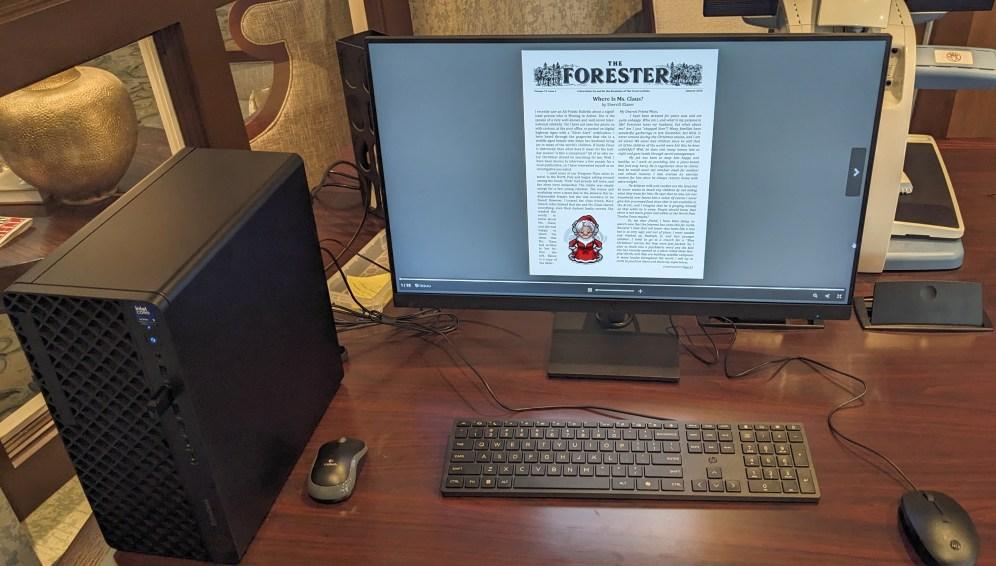
The library computer is for residents to read The Forester online. You can also use it to access Cubigo and the RA website if you have your passwords for those sites. The Forester, Cubigo, and RA website are labeled on the main screen for you to click on.
Want to have The Forester stories read to you? Click HERE.
When you are lonely and sick at heart
Go to the friends we know.
Laugh at all the things we used to do Miss me, but let me go.
from “Miss Me But Let Me Go”, by Christina Rosetti
RA Podium
The Cohen Health Center: An Update
by Dan Blazer
Virtually every resident has her or his eyes on care in the Health Center (HC). We know of the distinct possibility that each of us will spend time there for post-hospital rehabilitation or longer stays. We wish our HC to be known for compassionate and effective care, a prime reason that older adults choose to move to TFAD. I will provide an update of current efforts to improve care, as well as activities of family and friends to en-
hance the experience for our fellow residents.
At any given time, around seventy residents reside in the HC: the levels of care, which coincide with the HC floors, are skilled nursing (levels 4 and 5), assisted living (level 2), memory care (level 1), and temporary care, often rehab following a stay in the hospital (level 3). Each level (except level 1) is composed of two Small Houses (north and south), with ten rooms each. Small houses, as far as possible, operate as independent entities, and Care Partners deliver care via Certified Nursing Assistants (CNAs), registered nurses, social workers, maintenance services, and dieticians/food preparers, and physicians rounding on a regular basis.
To enhance the small house experience for our residents, the administration has appointed Sarah Haney to fill the newly-developed role of Director of Small House Operations for at least one year until a permanent hire is made.
Coming Attraction
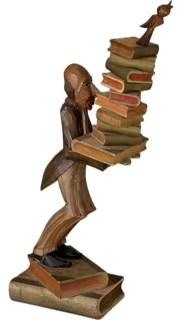
Our TFAD Library: An Open Book (and More!)
by Diane Strauss
Thanks to the generosity of resident donors who contributed to our library and to our forthcoming book and puzzle sale, our for-sale shelves are overflowing with fiction, mysteries, nonfiction, biographies, art books, and large print books, as well as puzzles at different levels of difficulty. Also available will be an assortment of CDs, DVDs and tapes. Our first 2026 sale will take place on Friday, April 10th, from 11:00-4:00, in the corridor leading from the Community Center lobby to the Auditorium and The Terraces.
Something Old, Something New
First, the new. We’ve raised the per-item cost from $1.00 to $2.00. Greedy? Not really. Our October 2025 sale generated some $160.00, most of which was intended for the purchase of new items for the collection. Know that in 2026, the average price of hardcover fiction is ranging from $28.00 to $32.00 a book and for nonfiction, $23.00 to $35.00. Assuming a cost of $25.00 per book, the previous charge allowed the purchase of some six hardcover books and possibly one softcover book. Doubling the price will allow the purchase of twice as many books or a combination of books and puzzles, and given our annual book budget, that will really help. So, too, will be the sale of audio-visual items, available for $1.00 each.
The old? Although we’re considering adding the option of charging purchases in addition to cash payments and are lobbying for it, there are several issues that need to be worked out, and it may not happen in time for our April sale. We’ll keep you posted. Stay tuned.
Will Chocolate Work?
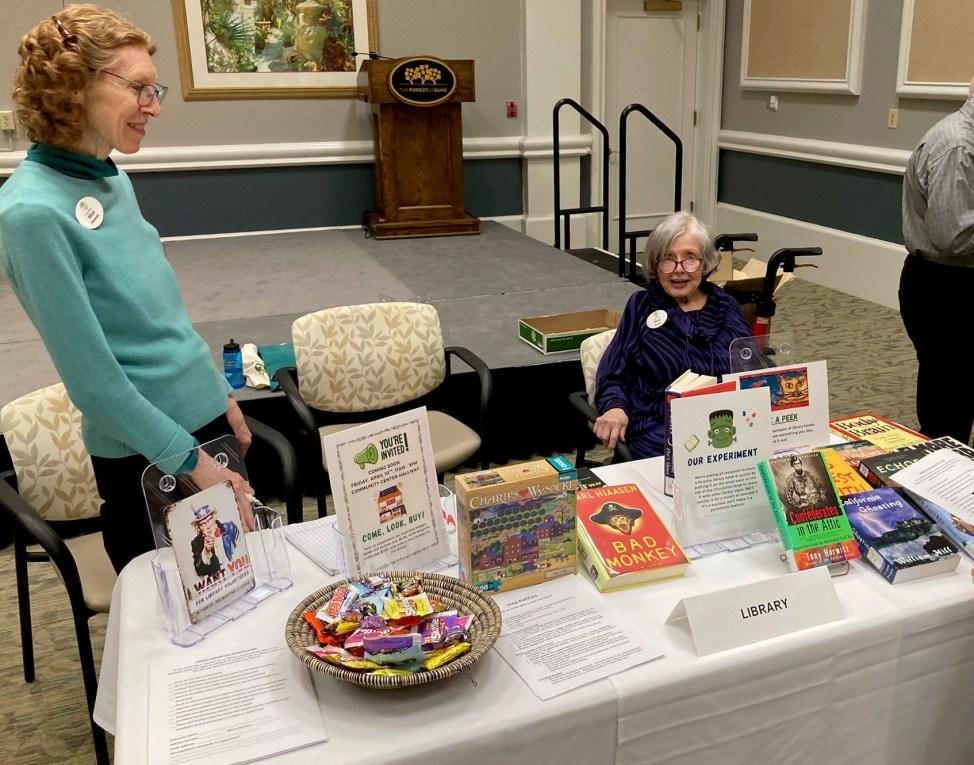
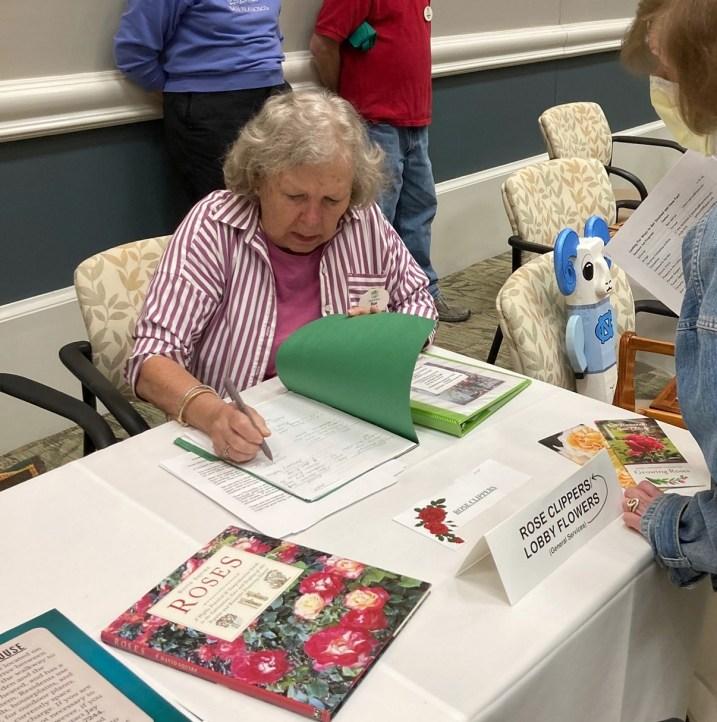
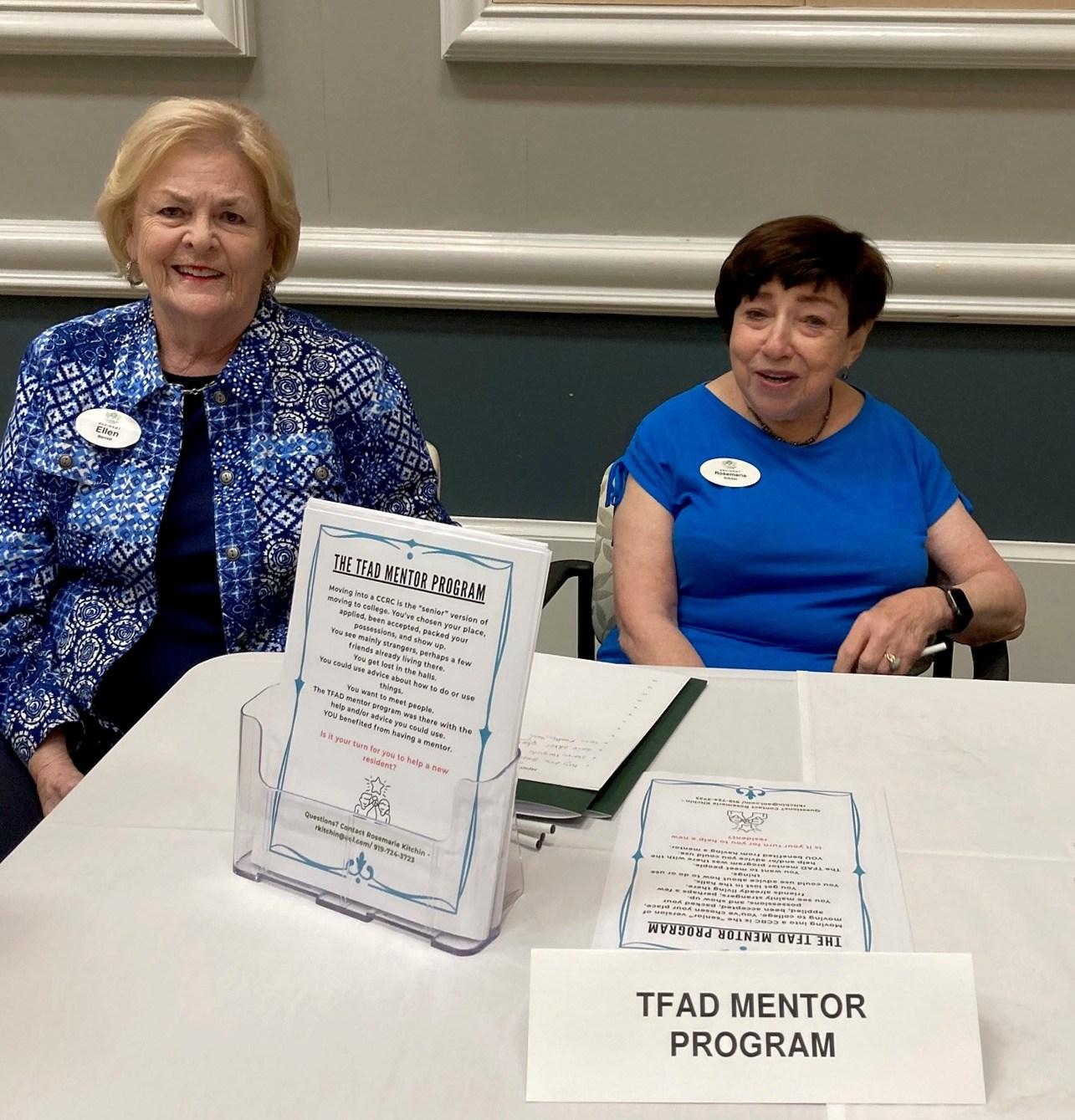
Since the deadline for this column preceded the actual event, what follows is pure speculation. We hope to say afterwards, though, that our library’s table at the Volunteer Fair in the Auditorium on March 20th was a success. It will feature books and puzzles available for examination and checkout, volunteer
forms, publicity about our April 10th sale, information about our “Book-a-Day” experiment (see below), and, of course, chocolate. The latter is intended to lure passers-by to the table and suss out our info and handouts while savoring their sweets. Fingers crossed!
A Book A Day?
Not too long ago, one of our volunteers, an enthusiastic reader, suggested that each day one of you or a library volunteer select a TFAD Library book you’ve particularly enjoyed and display it on the Circulation Desk counter. We hope that each choice will inspire another reader to look it over and then check it out. We’re treating this as an experiment. It’s only just begun, but by the time this issue is published, we’re hoping results will justify its continuation.
Not Again!
You guessed it: another plea for more library volunteers and heartfelt thanks to those who are already serving. I wonder if you realize how hard they work and how unusual it is for a library to be completely organized and run by volunteers. Offhand, I can think of only two types of organizations that are: retirement communities and prisons. And think about it, those inmate-run libraries aren’t open 24/7! Kudos to volunteers all around. ⸙
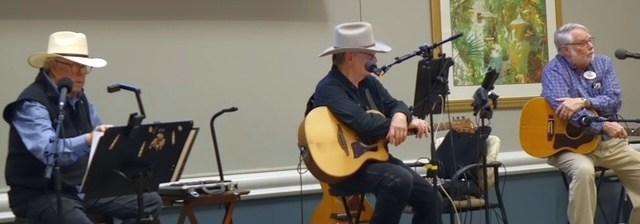
Hootenanny with Brother Dan and Tommy Raven (Feb 27)
Click picture to watch video
Community Garden
(continued from Page 1)
cluding collards all winter long.
At the end of the garden, tucked into the woods, is a shaded seating area. Sue Staples and Barbara and Bob Shaw are among those who use it as a peaceful resting place along their walks around the Forest at Duke Drive loop.
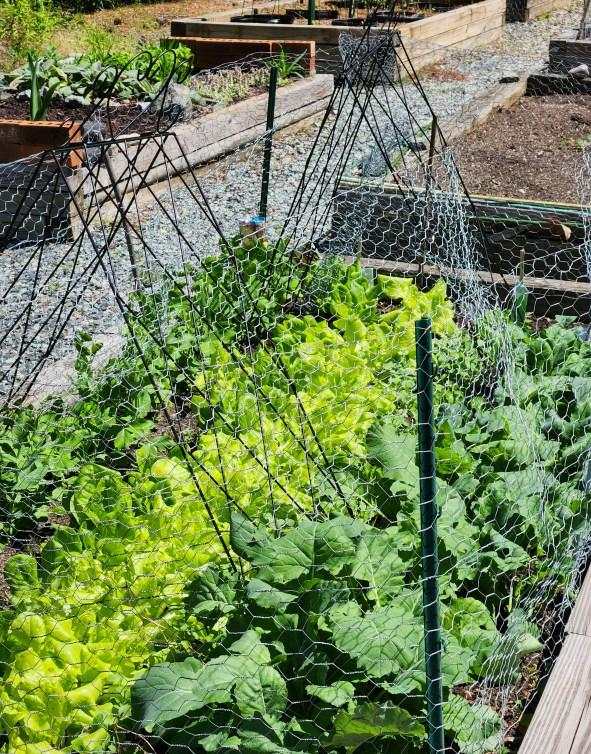
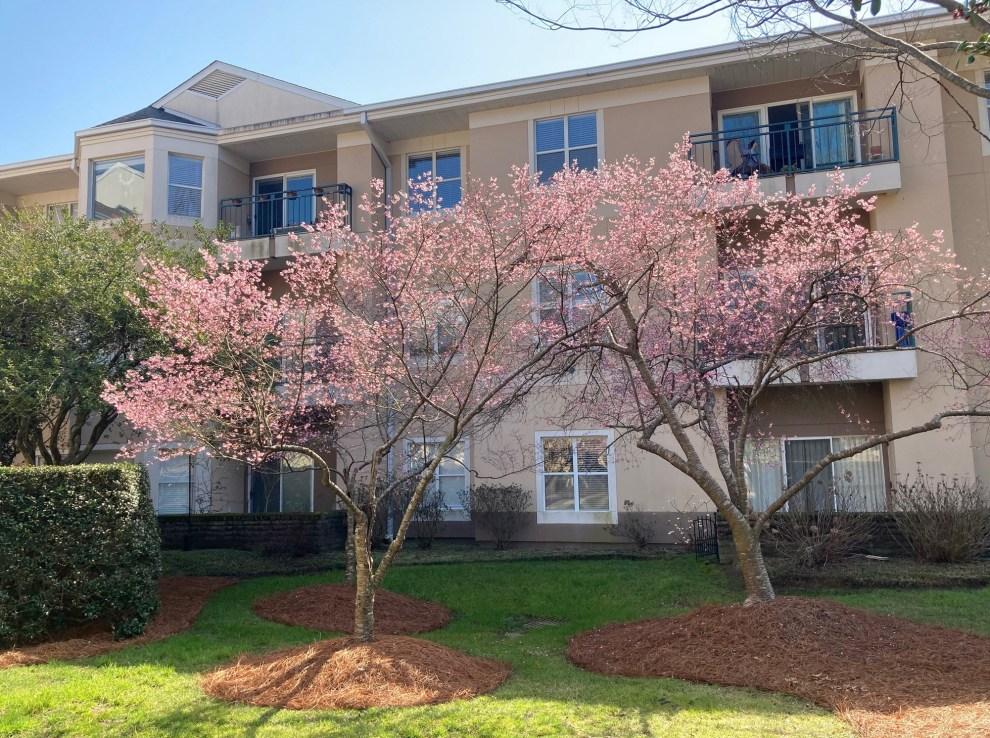
These warm spring days signal the arrival of planting season for those of us who are eagerly awaiting the opportunity to get our hands in the dirt. Whether you seek peaceful moments, pretty flowers, or plump vegetables, you can find it in the Community Garden. Y’all come! ⸙
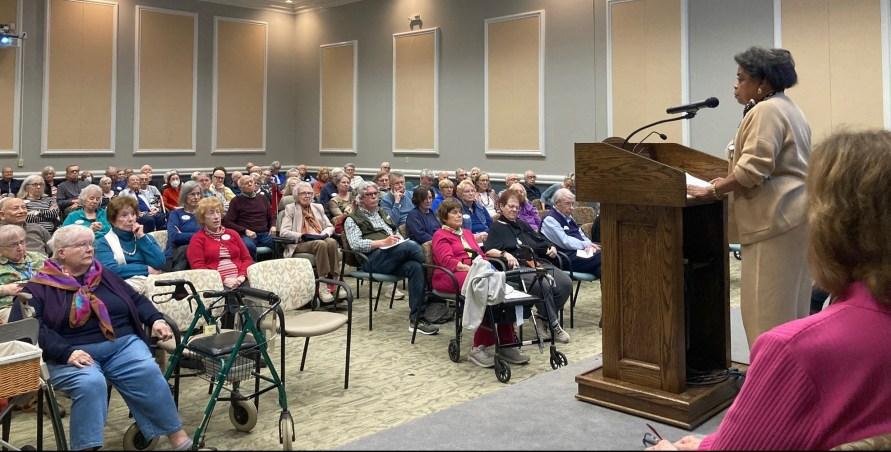
Quarterly RA Meeting, Feb 16
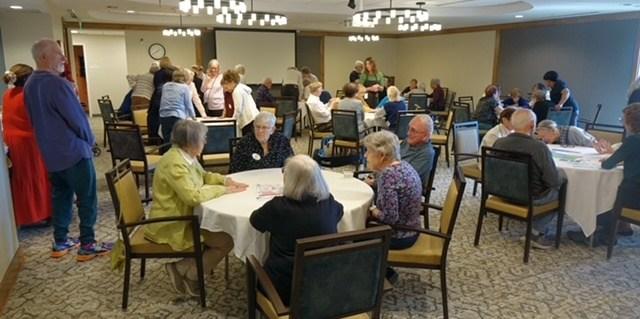
On March 4, Ronna Lichtenberg and Susan Church organized the Color Play Experience, which had a huge turnout (and even a waiting list).
Click picture to watch video
RA Podium
(continued from Page 2)
She will work collaboratively with Lee Ann BaileyClayton who will continue in her role as administrator of the HC. Elements of this enhancement include new roles (such as a lead for each small house), emphasis on training (such as cross training of all care partners), regular and formalized “huddle processes” in each small house (such as entire team updates on the condition and needs of each small house resident), and enhanced orientation to the small house model. Thirty-to-sixty-day pilots of these new activities will begin on 3 North and 3 South. The Residents Association’s Health Committee welcomes these efforts of enhancement as we have encouraged more focus on the positive attributes of the small house model.
Enhanced care of residents in the HC, which the Residents Association’s Health Committee has emphasized and which we expect to improve with this effort, includes more regular attention to residents during the day by Care Providers and a decrease in the wait time between calls by residents and response by Care Partners. In addition we anticipate improved food services, less staff turnover to improve continuity of care, and improvement in the facilities, such as replacement of recliners with those which are less likely to tip over (to name a few things). Many things currently work well in the HC: the excellent care provided by many current Care Partners, an active residents council, and a popular arts program which attracts many HC residents as well as residents in independent living (IL) to work alongside these HC residents.
A final area of emphasis of the Residents Association’s Health Committee is visitation of HC residents (the Staying Connected Program). We on the Residents Association’s Health Committee encourage more IL residents to visit in the HC. We have developed a Staying Connected Notebook found in the Community Mail Room. The Staying Connected Team visits the HC two days a week. If you have questions about visiting in the HC, please contact Brenda Featherstone. In addition, other volunteer activities are available. ⸙
Faded Glory
by Phil Baer
I wish I could remember how it was advertised. The offered package was three days of bike riding in Blue Ridge-adjacent northern Virginia, on several different routes starting from and coming back to a once-magnificent, 250-year old mansion on a country estate. Front porch the width of the house, two-story columns, of course, invisible from the nearest paved road, at the end of a long, curving gravel driveway flanked with trees four times our age. Enough bedrooms to accommodate our bike-riding party of several couples and several singles, but baths down long hallways, limited hot water, and plumbing that creaked and moaned.
Ellen and I unpacked, then went down and out onto a west-facing porch, then down more steps into a terraced formal garden. Decades past its last proper pruning, weeding, edging, and maintenance of the walls, there were scores of stone pedestals where statues of mythic and marvelous creatures must have stood, or urns, or vases, and we imagined on them treasures brought back from travels to Europe or the Far East.
As we reached the bottom of the garden, the promised dinner bell rang. We turned and started up toward the house, the setting sun warm on our backs, and saw the most fantastical bush by the porch. It was a gleaming, glistening, glowing entirety, flashing darts of yellow-red out of a bright turquoise blue green iridescence, and in my life as a gardener I’d never seen anything even remotely to compare. We walked slowly to it, awestruck, silenced by the beauty and oddity, and it seemed to be in motion. From closer up, it was in motion. It was a Rose of Sharon completely, totally covered by Japanese beetles that were busily devouring it. It was magnificent.
Dinner was simple: salad, bread, and stew, at a single long table with mixed, chipped china plates and iced tea, with the host who was the manager of the place. He would have a job and place to live for as long as he could keep it going. The scattered family that owned and loved it didn’t want to sell but also didn’t want to spend on maintenance and taxes, so it was up to him to generate income. He did it in two ways.
First, it was a lodging place for groups the size of ours, and bike riding was a major attrac-
tion. He provided packed lunches and maps and suggested stops along the way with lots of choices of distance and difficulty, some loops, some out and back, ridge runs, switchback descents, all on two-lane blue roads. It was toward the end of the season, and hints of fall colors were just appearing on ridgetops.
Second, it was a cross between a CCRC and a hospice for horses, with elements of both but not exactly either. The estate was in horse country, wealthy horse country, and it was now the final home for horses that had reached old age, horses that had been in parades, followed the fox hounds, or competed in shows or as jumpers Tennessee Walkers, Arabians, and Appaloosas. There were about twenty of them, all too old, too lame, and too weak to ride, but too beloved to be put down. They were provided with pasture, spring water, and a couple of old barns. There was no medical care but a humane end to suffering, and burial in graves dug with a back-hoe, followed by a card to the owner.
I woke before sunrise the day we were to leave, dressed and slipped out, and walked through dew-soaked, knee-high grass to the pasture, and stopped at the fence. A few early risers were out grazing in pairs. They glanced my way but found nothing to hold their interest. Then, and I’ll never know why or what I was thinking, I slipped through the fence and began walking toward the nearest pair.
Suddenly I became not just something of interest but something special, a center of attraction. The early risers all started toward me, walking at first, then trotting, cantering, showing off moves and all the others came pouring out of the barns, a wave of horses, excited but controlled, surging toward me once, they had all borne riders. I stood still, facing them. With military precision, they stopped for a moment, twenty feet from me, then began racing around me, a whirlpool of horses showing off their best, highstepping gaits, some briefly close enough to touch. And then they slowed and stopped, several coming over to have muzzles rubbed and necks patted, then giving good-bye snorts as they headed out for breakfast. The show was over, and I had been the audience they needed
(continued on Page 6)
Faded Glory
(continued from Page 5)
to perform. They seemed to not notice as I slipped back out through the fence.
I didn’t tell this story to my fellow bikeriders at breakfast and didn’t tell Ellen until halfway home in the car, because I was dumbstruck by the experience; I couldn’t find words. And I’ve never written about it before. Personal essays are experiences put into context, and after six years living here, I’ve finally found my context. I’m living like one of those old horses, occasionally getting to show off old skills, glad I have companions to graze with, grateful for shelter and water. And I would really like to remember how that place was advertised, how it had been described, so that we were drawn to it. ⸙
Doing Taxes in April by John Tebbel, with apologies to Edgar Allen Poe
Now upon this midnight dreary
While I ponder weak and weary
Over many a quaint and curious tax return I’ve done before
While I nod and nearly napping
Think I hear a sudden tapping
As of someone gently rapping, rapping at my office door
‘Tis some revenue agent, I mutter
Only this and nothing more.
Ah distinctly I remember
It was only last November
When he disallowed the travel cost down to the Jersey shore
Even though we claimed the losses
Still taxed gains on dogs and hosses
And the lunch you bought the bosses
With Martinis three or four
Fifty percent and nothing more.
[The Forester, Vol 9, Issue 7, page 11 (April 2003)]
Foodie — Out of Sorts, Out of Place
by Beth Timson
When someone from, say, New York, proclaims, I hate grits; they taste like wallpaper paste. Well, it makes one think what having good taste really means. Of course grits will need some salt and butter, cheese if you like, but never ever milk and sugar. And likely you need some respect for what corn means in Southern food, hoe cake to ‘shine.
But as my grandma said, Nice people don’t go to someone’s home and insult their food. I would never walk down a street in Brooklyn or Queens and shout, I hate bagels; they’re as chewy as shoe leather. Though I might just smile and tastefully point out that grits are really polenta, and country ham is prosciutto from a well-bred Southern pig.

Disappearance
by Joan Seiffert
I called. I whistled. I clapped, repeatedly. No response. Where was she? We lived in an old house, built in 1941. We had previously lived in an even older house, turn of the century. That one had an attic also, though not like this one with real steps and not a pull-down set.
I thought that I had noticed her, out of the corner of my eye, just a suggestion, but then maybe not.
At any rate, she wasn’t up here now or she would have responded to my calling. There had been no response, so she must be downstairs. I went down to the second floor, clapping and calling, then to the first floor, same thing. No response. The front door was closed and locked still.
“Don’t panic,” I said to myself. That didn’t work. I called Jon. He knew our house, intimately, had done carpenter work, roof-fixing, even added on the new entrance. I had to admit, I couldn’t imagine how she would have gotten out.
Although it seemed a long time but wasn’t really, Jon got there. I thought, “She may recognize his voice.” I told him the story. He started with the attic, walking all over, from front to back, clomping and calling her name. He noticed a spot with no flooring, just insulation. Kicking it aside, he exposed an opening between the floor boards, a dark hole. Just big enough.
Now I was really panicked. She was somewhere in the house, in the walls of this house! What if we don’t ever find her? She will die, poor thing. I bet she’s scared. Then, how on earth will I ever live in a house or sell it if there is the smell of something dead and rotting in the walls.
Jon continued to walk around the rooms in the house, going downstairs to the next floor. She’s in the walls! He sat down, thinking, then pulled out a metal measuring tape and starting checking wall dimensions. Soon he went into a small bathroom, a lavatory, and taking out a screwdriver, loosened the four screws on a panel behind the linen closet.
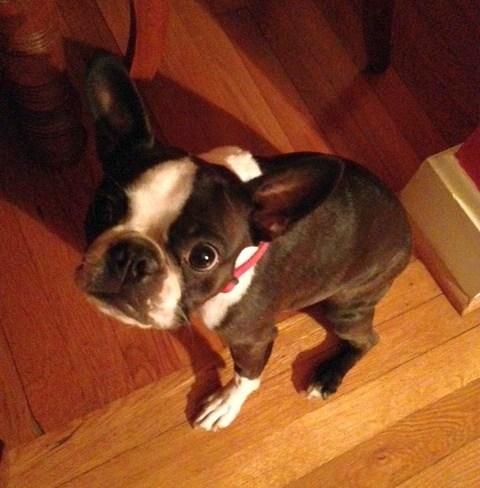
There stood my Boston Terrier, Phoebe, covered in grey insulation, looking like a little lamb, not whimpering, not moving. I can only imagine what that experience must have been like for her. I thanked Jon, then scooped up Phoebe
in a towel and hurried to the vet. Phoebe just lay on the car seat, quiet, wrapped in a towel while I drove, talking to her all the way. The vet, who knew her, took her right in for examination. “No broken bones,” explained the vet. “She is just ‘in shock’.” ⸙
Welcome New Residents
Ronald “Ron” and Kathleen “Kathy” Jelen
Apt. 2016
Ron: 919-930-4336 rjelen26@gmail.com
Kathy: 803-429-7330 rkjelen@gmail.com
Kathy and Ron Jelen recently moved to The Forest from Carolina Trace in Sanford NC, where they enjoyed kayaking and golf. Kathy served on the board of directors for the Carolina Trace Association. Originally from New Jersey, the couple met while attending Jersey City State College, where both earned bachelor’s degrees. After graduation they were married and moved to Columbia SC, where they each completed masters’ degrees at the University of South Carolina. Ron’s degree was in geography, and Kathy’s was in reading education. Ron and Kathy spent fifteen years teaching in the Columbia SC public school system. Ron taught social studies, AP economics, and government, while Kathy worked with elementary students in the gifted program.
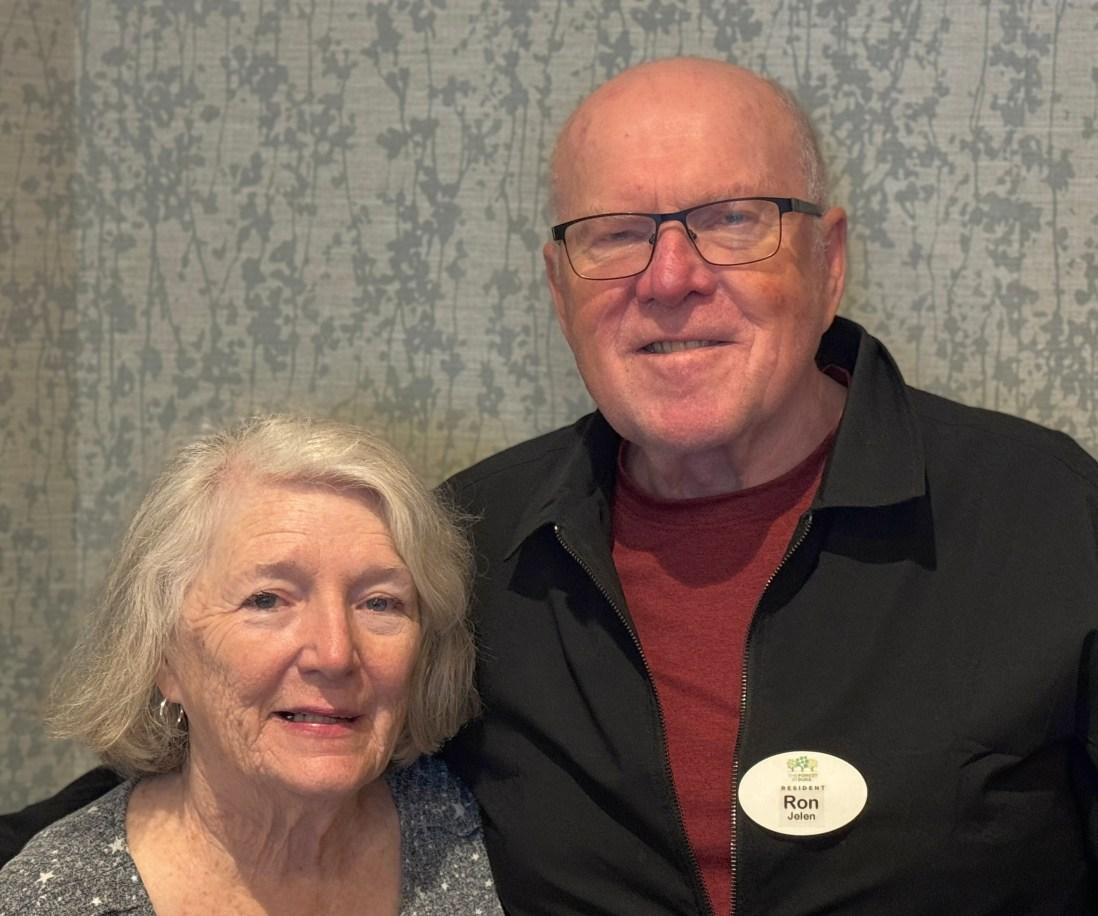
During their time in Columbia, the Jelens had an exciting opportunity to teach at an international school in Jeddah, Saudi Arabia. The school followed an American curriculum and was sponsored by Saudia Airlines; it was originally established to educate the children of the airline’s pilots as part of its recruitment program. One of
(continued on Page 9)
Burt and Renee Rauch
Apt. 2030
Brauch1@nc.rr.com
Burt 919-801-0696 Renee 919-358-0054
Welcome to Burt and Renee, who moved into The Forest in early February. Burt is a native of New York and grew up in Brooklyn, later living in Hartford CT, Phoenix, Philadelphia, Jackson TN, and Durham. He was a mechanical engineer, having received a Bachelor’s in Mechanical Engineering from Brooklyn Polytechnic Institute in 1962 and a Master’s from Rensselaer Polytechnic Institute in Troy NY in 1968, after which he worked primarily designing jet engines. His career took him to the above cities, and he also worked as a housing inspector in Durham.
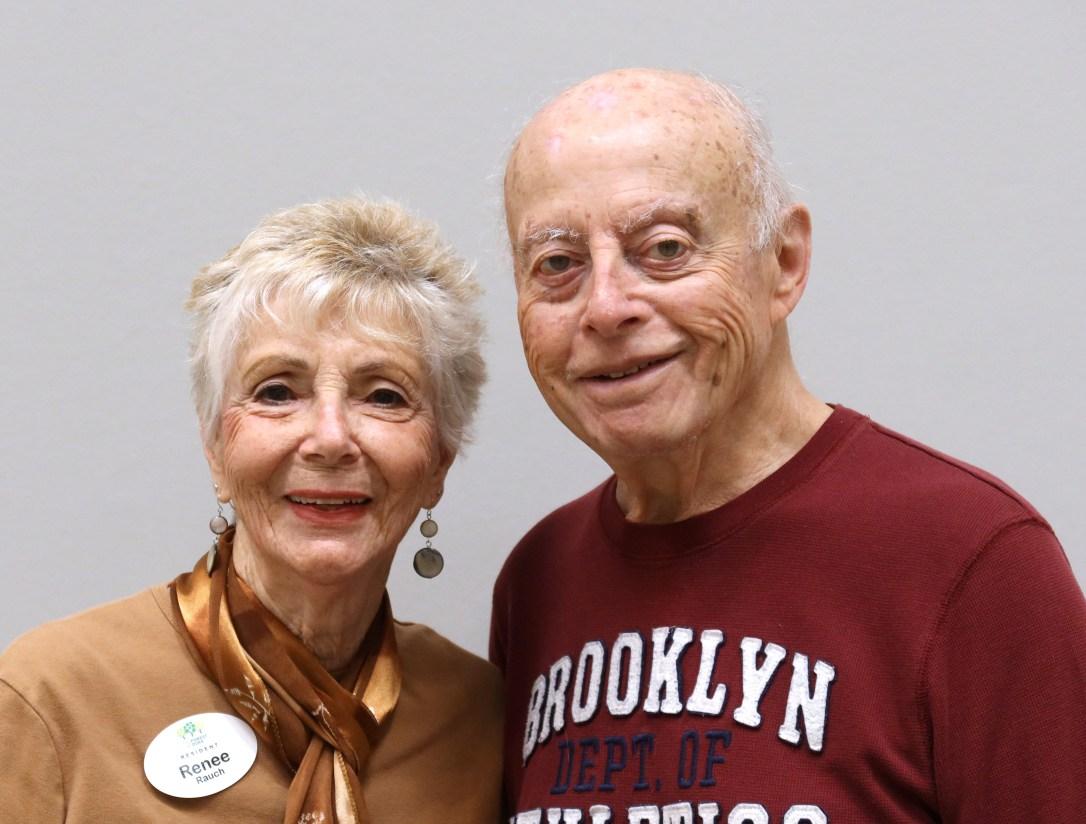
Burt and Renee were married in 1979 and have a large blended family including one child in Durham, two in Manalapan Township and Lincoln Park NJ, and one in Orefield PA. They have four grandchildren from ages twenty-two to six here and in New Jersey. Burt volunteered as an airport ambassador at Raleigh-Durham International Airport for fifteen years and also volunteers with the Habitat for Humanity Restore in Durham, which provides funds for housing for those needing assistance.
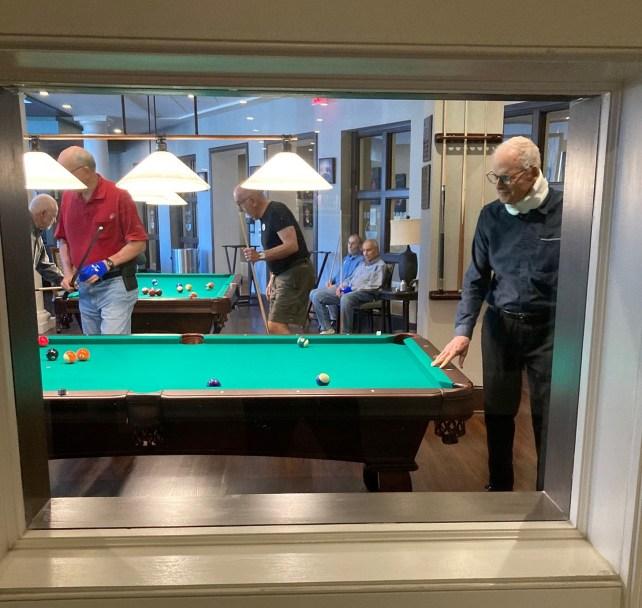
Burt’s hobbies include reading and painting, and at The Forest he will be interested in billiards, bridge and exercise classes as well as attending lectures and concerts.
(continued on Page 10)
Welcome New Residents
Ronald “Ron” and Kathleen “Kathy” Jelen
(continued from Page 8)
the many benefits of working there was the chance to travel. The Jelens embraced the opportunity and traveled in Europe and Asia with their two daughters, Katie and Becky.
After four years abroad, the family returned to Columbia, where Ron and Kathy continued teaching until retirement. They later moved to Sanford to be closer to their daughters who were both living in Chapel Hill. Today, Ron and Kathy still enjoy playing golf, and Ron is also an enthusiastic computer game player. Kathy looks forward to joining a book club at The Forest.
The Jelens’ daughter Becky Lee is a project director with the Cancer Prevention and Control Research Network at UNC. Her husband is an endocrinologist at Duke, and they have three children. Their younger daughter, Katie Jelen, is the medical student and medical resident coordinator for the Dermatology Department at UNC.
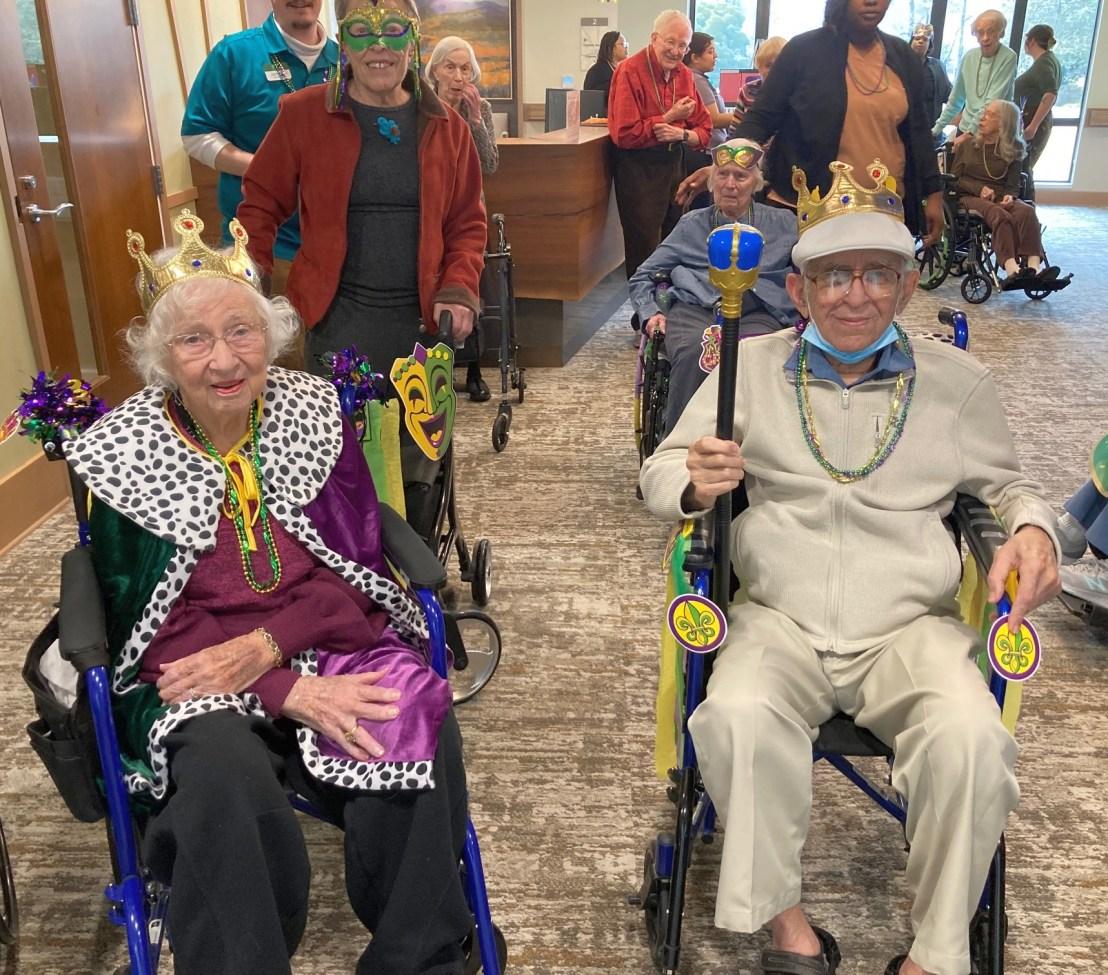
February 17 - Mardi Gras Click picture to watch video
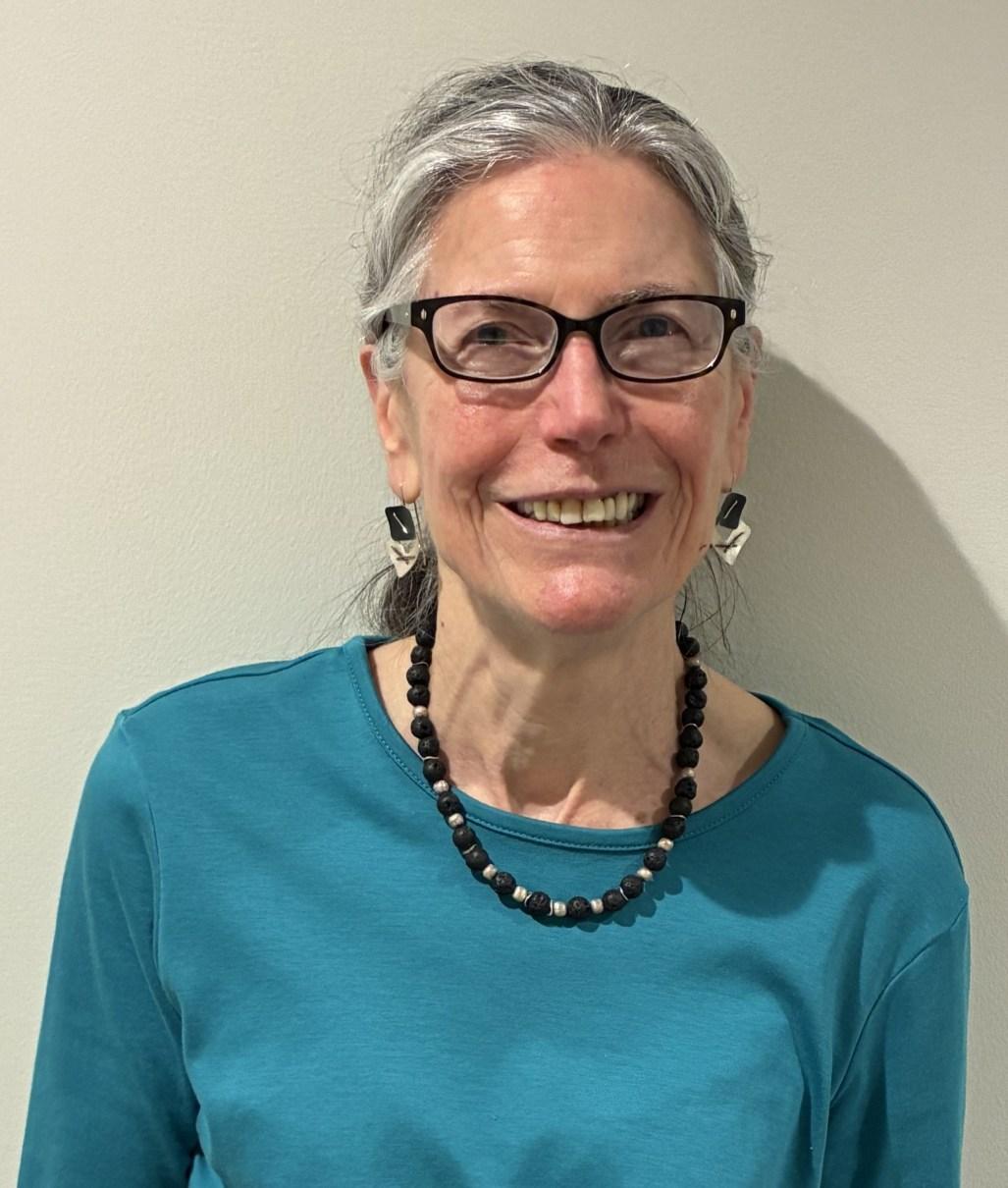
Sally Nolin Apt. 2010 sallynolin@gmail.com
973-255-9794
A warm welcome to Sally Nolin who comes to us from New Jersey to be closer to her son Luke, who lives in Wake Forest. After growing up in Westchester County NY, Sally attended Cornell University for her bachelor’s degree in nutrition. Following college, she married and spent her time raising the couple’s two sons, Michael and Luke, for several years, before returning to school at Sarah Lawrence College where she completed a master’s degree in genetic counseling in 1979. Also, in 1979, she and her husband parted ways, with Sally and the children moving to Roosevelt Island NY. Busy years followed while Sally was raising the children and working at Long Island College Hospital doing genetic counseling.
In 1981 she changed jobs to begin working at the New York State Institute for Basic Research in Developmental Disabilities. While there she was engaged in clinical and research
(continued on Page 10)
Welcome New Residents
Sally Nolin
(continued from Page 9)
work on the fragile X chromosome, a common cause of developmental disabilities. The Institute rewarded her by sponsoring her return to school for a PhD in human genetics at SUNY Downstate Medical Center. Sally worked until 2020, retiring when the COVID pandemic began. She has published numerous professional articles which are primarily used for genetic counseling, and she received an award from UC -Davis for her work with fragile X.
Coming from a musical family with a mother who was an opera singer and pianist, Sally has sung in choruses for many years and expressed an interest in returning to singing at The Forest.
Sally’s son Luke McHale lives in Wake Forest and works as Assistant Budget Director at NC State University. He has three children, all of whom are attending college. Sally’s son Michael McHale lives with his wife and two college -age children in San Mateo CA, where he has been employed for years as a video game producer and creative director. Currently, he works for Class Dojo, a platform for parents, students, and teachers to interact to foster student learning. ⸙
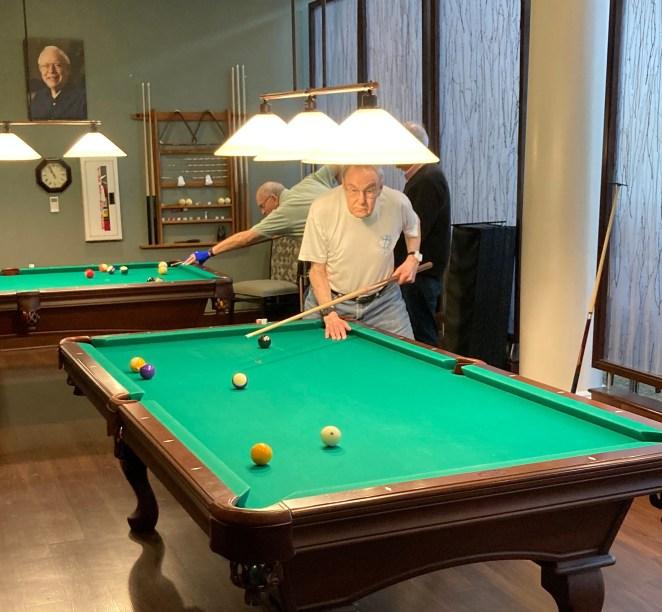
Burt and Renee Rauch
(continued from Page 8)
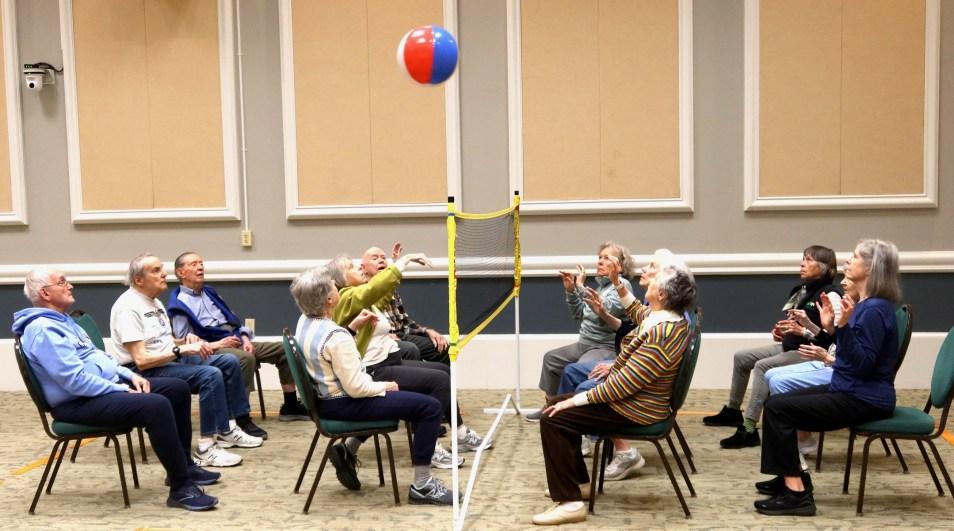
Renee was born in Philadelphia and attended Jackson State Community College (TN) and Durham Community College as a physical therapy and liberal arts major. She has worked at multiple hospitals as a resident coordinator, and she retired from the ACLU Capital Punishment Project in Durham. She volunteers for Meals on Wheels and the Habitat for Humanity Restore, as well as volunteering at Jewish for Good Community Center. Both Renee and Burt are members of Kol Haskalah, a humanistic Jewish congregation in Durham and Chapel Hill. Renee enjoys volunteering, knitting, crocheting, and reading, as well as painting and walking. Both of the Rauches are interested in the Resident Readers here as well as classes in balance, seated yoga, and seated volleyball, along with concerts and lectures. Welcome to both, and enjoy finding new friends and all wonderful things we have to offer at The Forest! ⸙

Silicon Sovereignty: Nvidia’s Quiet Ascent
By Howard Goldsweig
If you have been hearing about "AI" and wondering why it matters to life in a senior community, Nvidia is a good place to start. Not because anyone here needs to learn programming, but because Nvidia makes the specialized chips that power much of today’s AI. Those chips increasingly shape daily life: faster medical imaging analysis, more capable voice and translation tools, and (unfortunately) more convincing scams.
A gaming chip with a hidden superpower Nvidia was founded in 1993, when better computer graphics meant better games. Its early success came from the GPU (graphics processing unit). A CPU,(central processing unit) is a versatile general-purpose chip which is able to do tasks rapidly one after another. A GPU is built to do many similar calculations at the same time. That "parallel processing" is what makes modern graphics smooth.
Nvidia’s architecture fit the problem unusually well, giving it a head start.
The real secret: software, not just silicon Speed alone does not create dominance. Developers need tools, libraries, and reliable ways to program the hardware. Nvidia invested early in software that made GPUs easier to use for nongraphics computing. Over time, that became an ecosystem that companies and researchers built around. Once a hospital, lab, or cloud provider has standardized on a particular platform, switching costs are high.
Why Nvidia captured most AI chips
By the time generative AI became mainstream, Nvidia was selling more than a chip. It was selling a platform: powerful GPUs, mature software, and the ability to connect many chips in a data center so they behave like one machine. Many estimates place Nvidia’s share of the AI-accelerator market at around eighty to ninety percent. The plainEnglish meaning: for large -scale AI, Nvidia became the default choice.

Then the surprise: like graphics, modern AI is also repeated math at massive scale. Training an AI model requires huge numbers of similar calculations. Intel and other CPU designers created superb general-purpose processors, but Nvidia’s gaming-driven GPU design already excelled at parallel math. When AI demand exploded,
Chips in a geopolitical storm
When a technology becomes essential, it becomes strategic. Advanced AI chips can support civilian goals medical research, safer transportation, more efficient industry but also surveillance and military applications. That is why the US has imposed and repeatedly tightened restrictions on exporting the most advanced AI chips to China, turning chip shipments into an ongoing policy battleground.
Nvidia has also been pulled into controversy over sales to other regions, including Sau-
(continued on Page 12)
Nvidia
(continued from Page 11)
di Arabia, where leaders are investing heavily in large AI data centers. US policymakers have debated how to balance security concerns with economic interests and partnerships, and Nvidia’s top chips sit at the center of that debate.
Takeaway
Nvidia is sometimes called an "invisible" company because most of us never touch its products directly. But its chips are now one of the main throttles on how quickly AI improves as well as who gets to build it at scale. If you care about health care advances, personal security, and the stability of the world economy, Nvidia is not a niche tech story. It is one of the engines of the next decade. ⸙
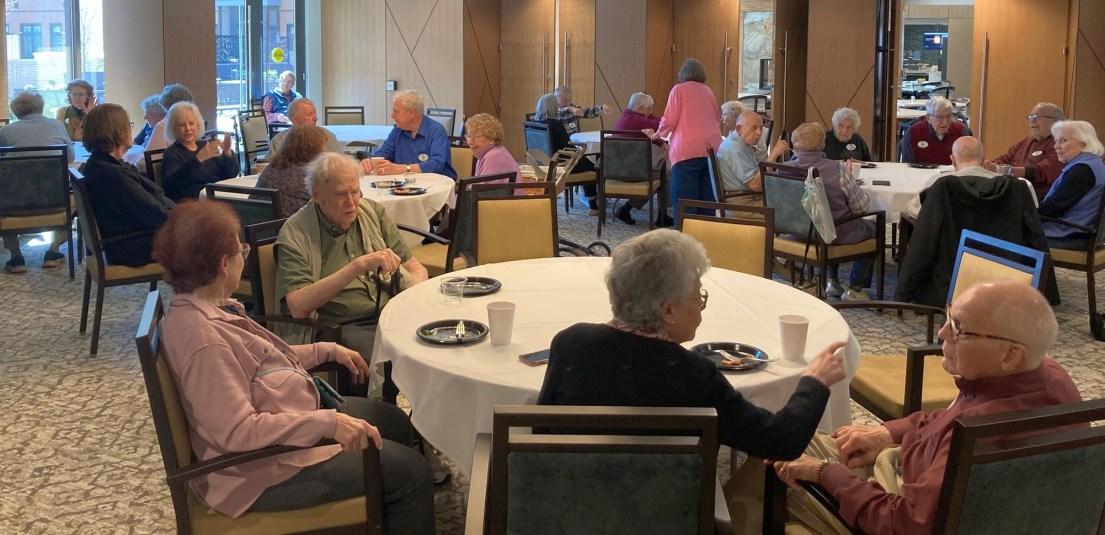

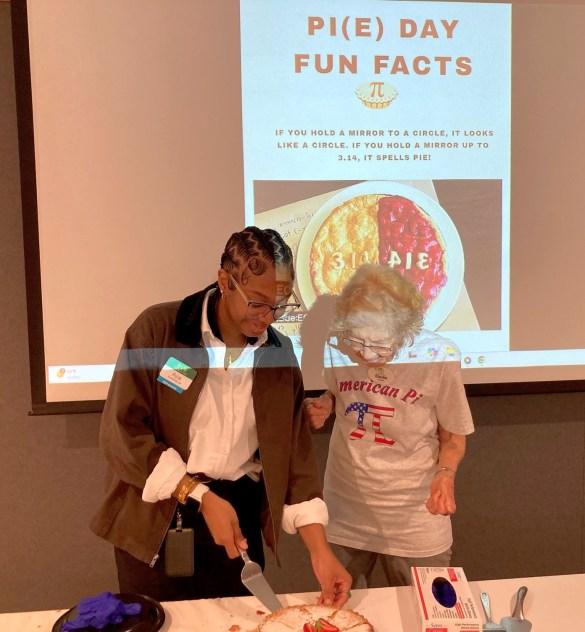
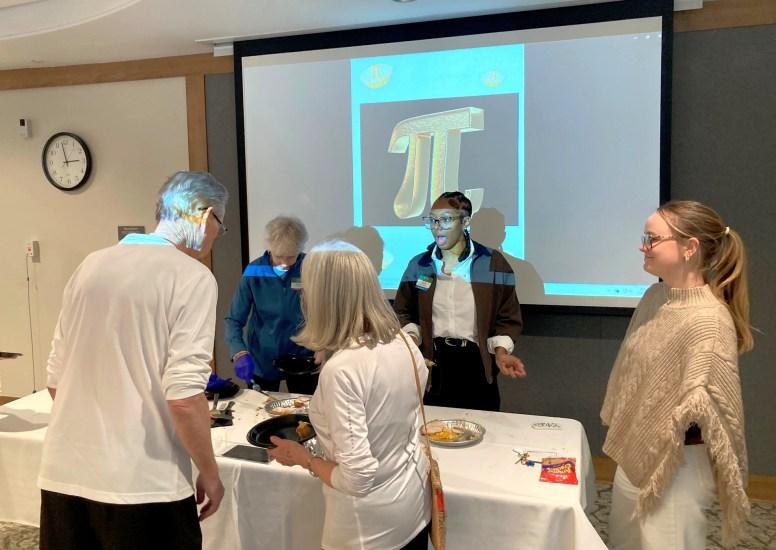
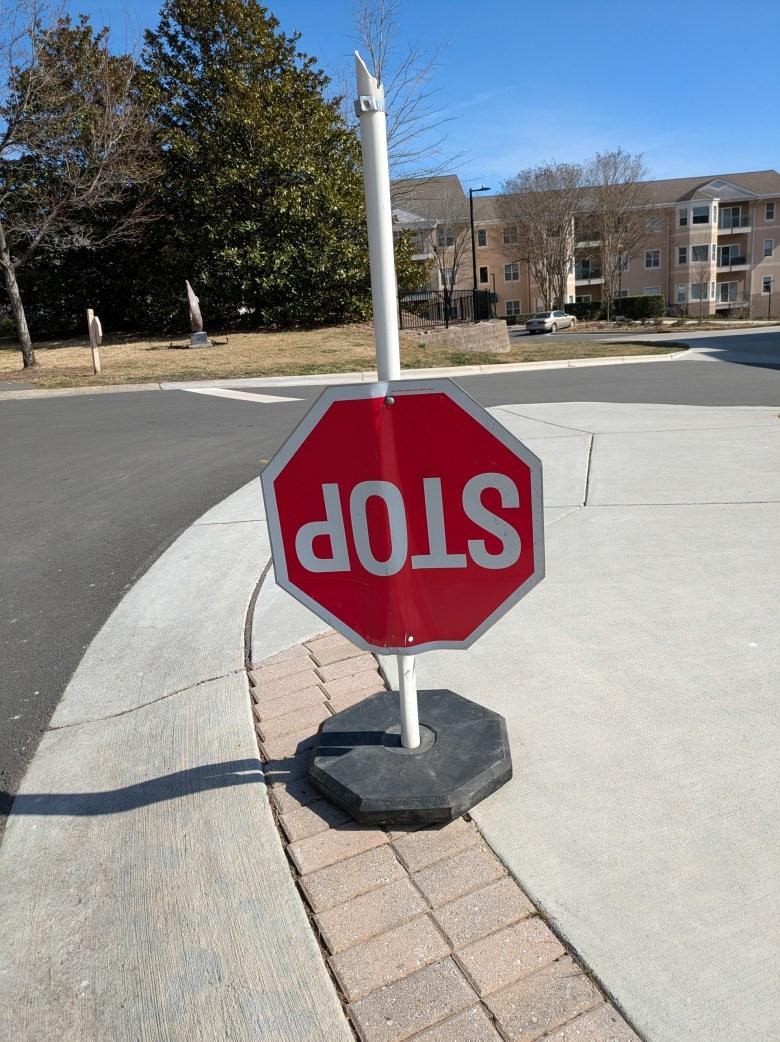
PI(E) Day Palooza Mar 13
next pages.
Don’t stop now! See more pictures of recent events on
Caucus A Gathers in Taproot, Feb 23
Resident Readers
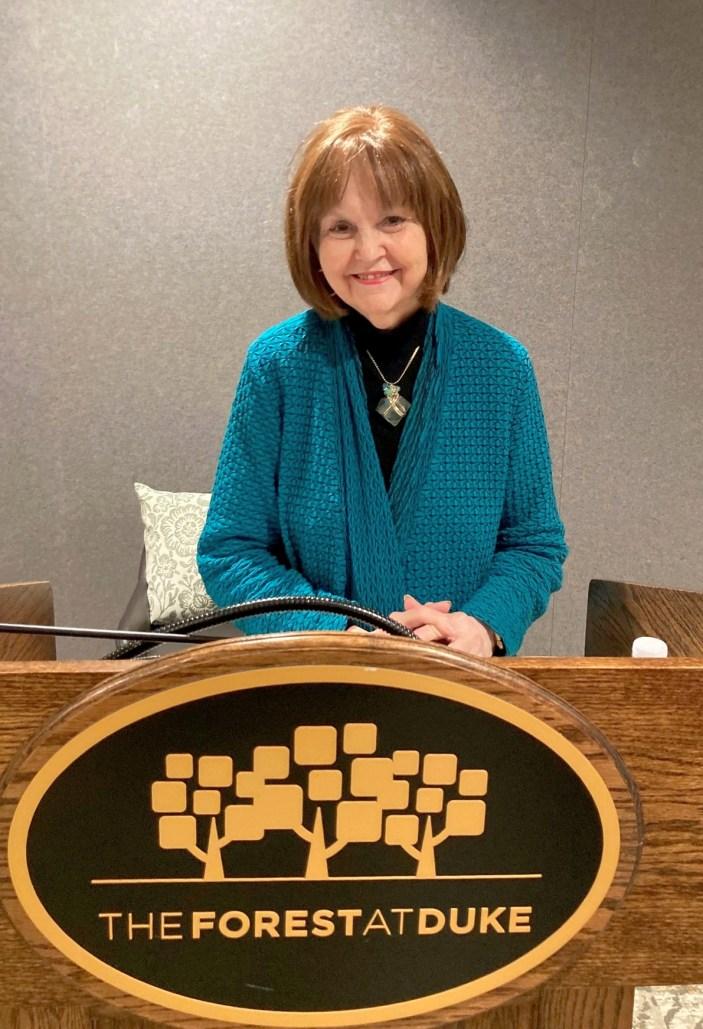
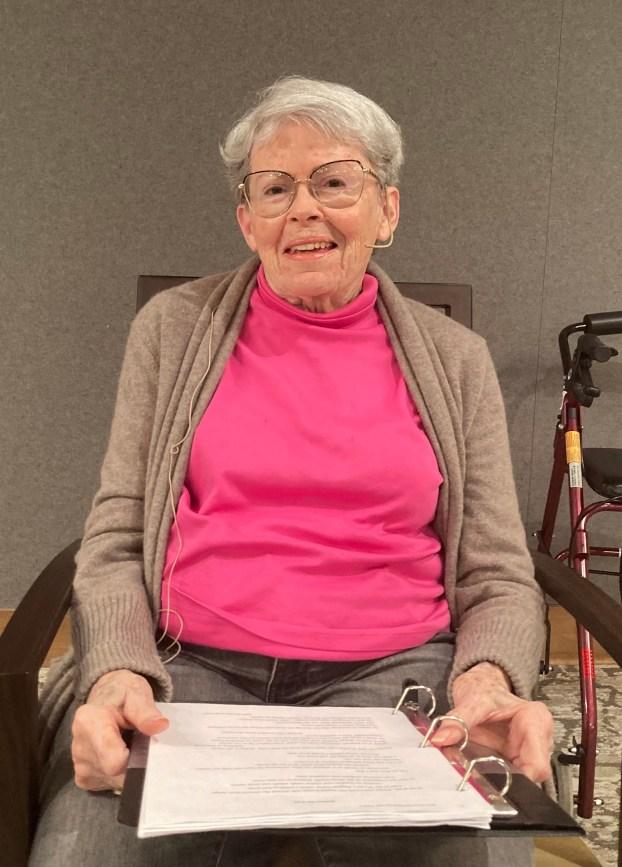
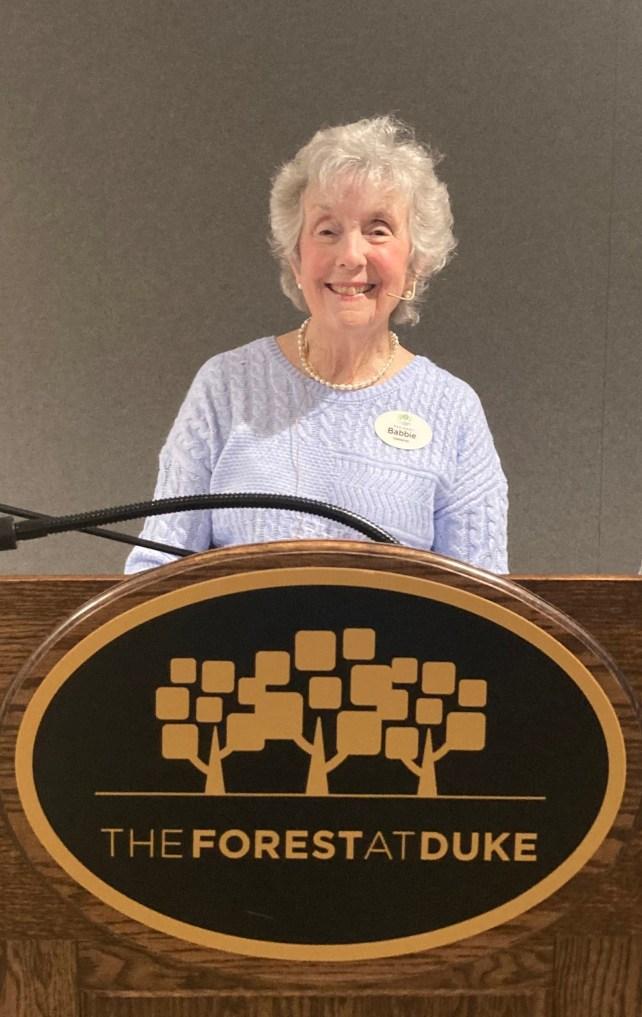
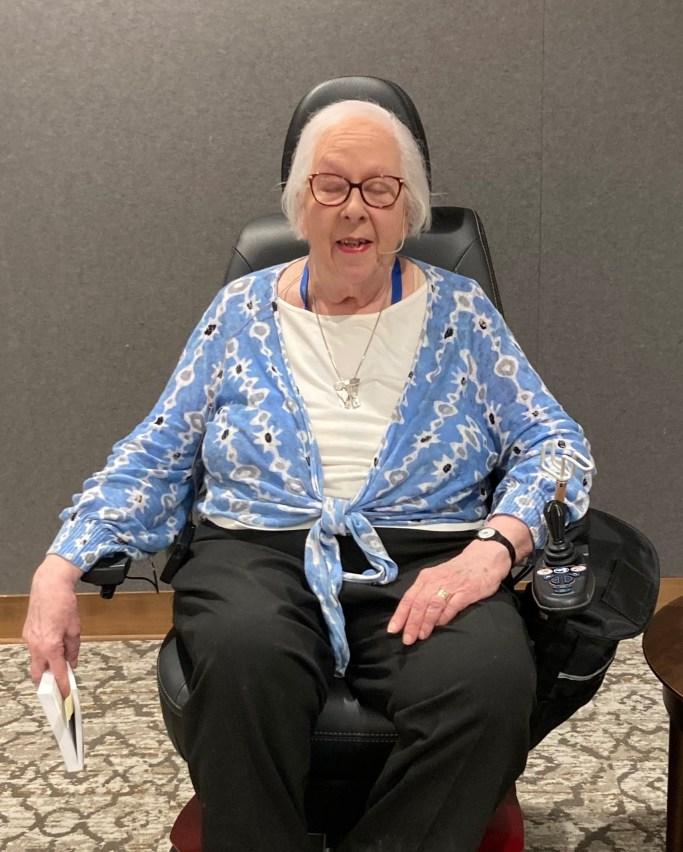
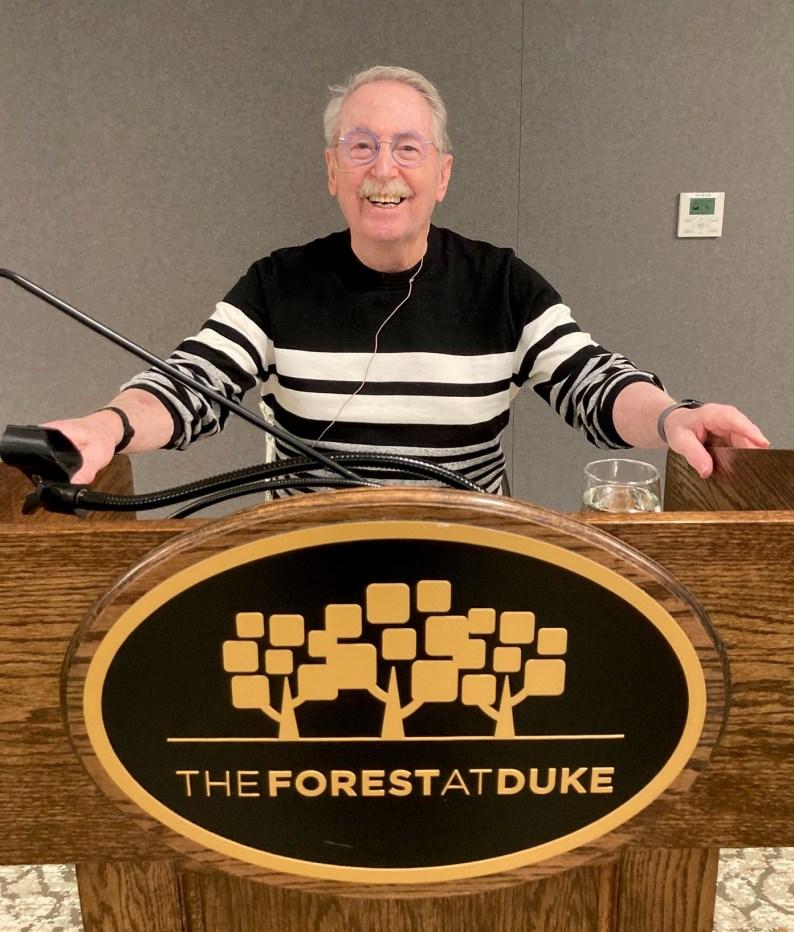
Babbie Cameron, Feb 25
Sue Howell, Mar 4
Carol Goldsmith, Channeling
Garrison Keillor, Mar 11
Deborah Tippett, Feb 18
Stephen Blank on North Carolina and Country Music, Mar 18
Surf the YouTube Forest at Duke channel
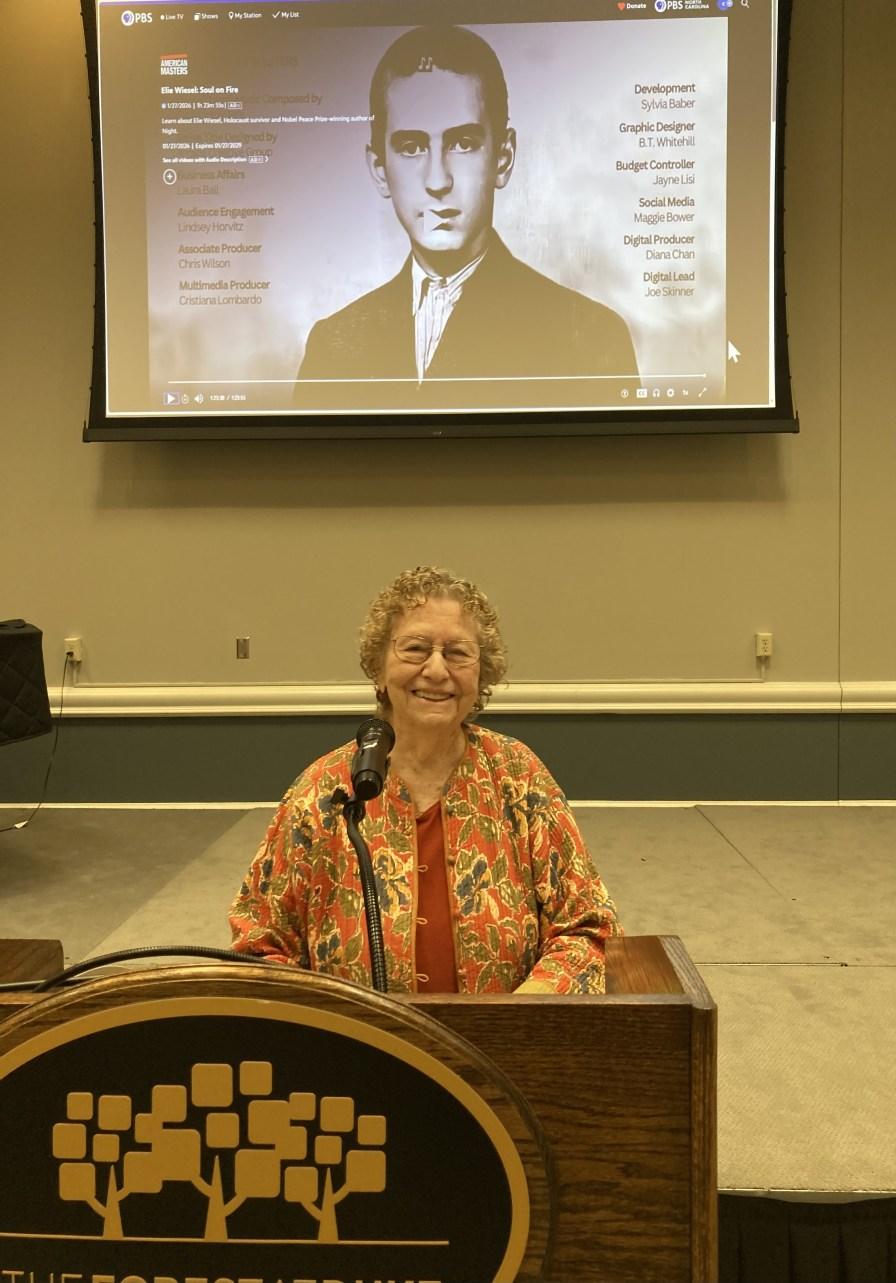
Ellie Wiesel Documentary Q&A with Martha Hauptmann, Mar 9
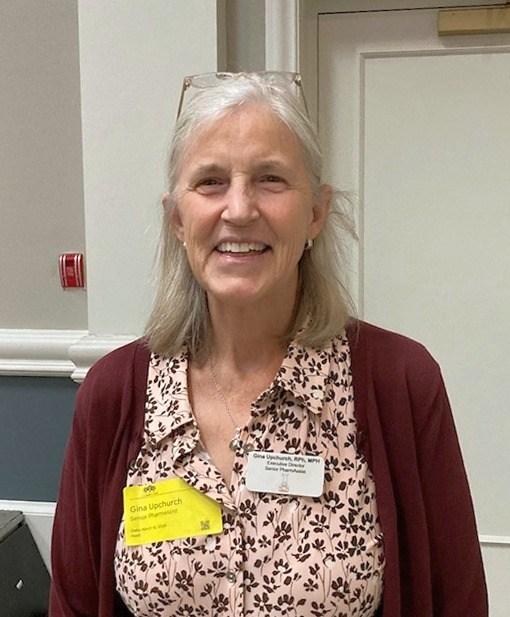
Thinkers and Doers Lecture on Medicare: Gina Upchurch, member of the Medicare Payment Advisory Commission, a nonpartisan legislative agency that advises Congress, Mar 16
Duke Chamber Students Concert, Feb 19
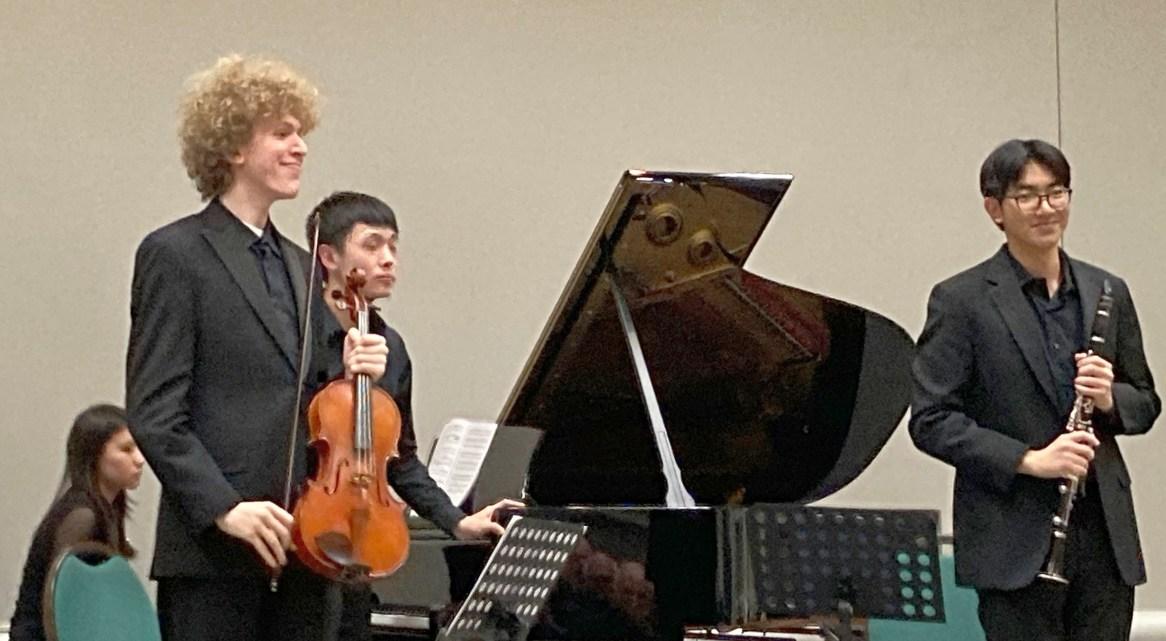
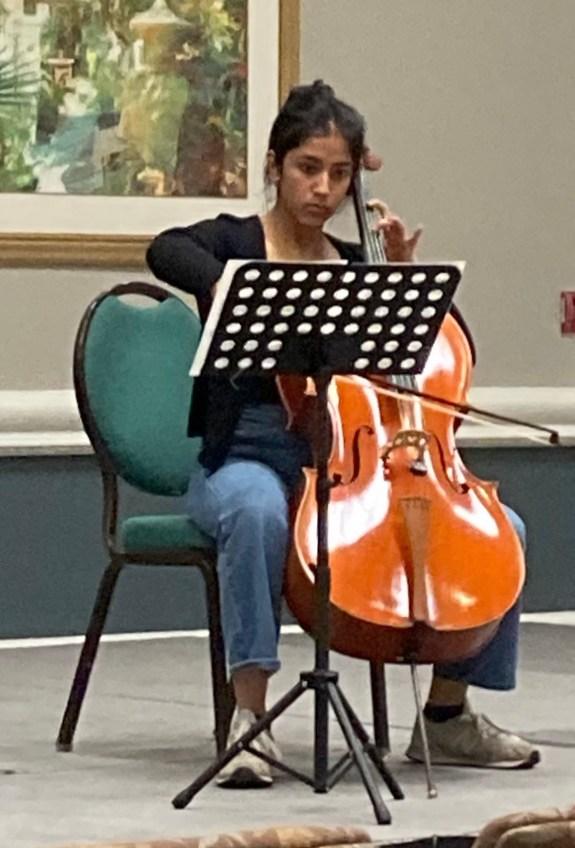
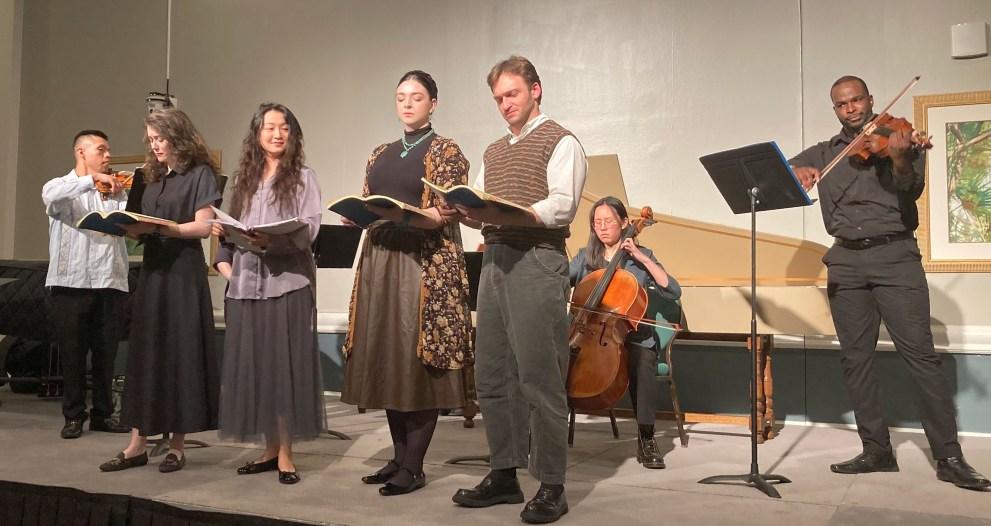
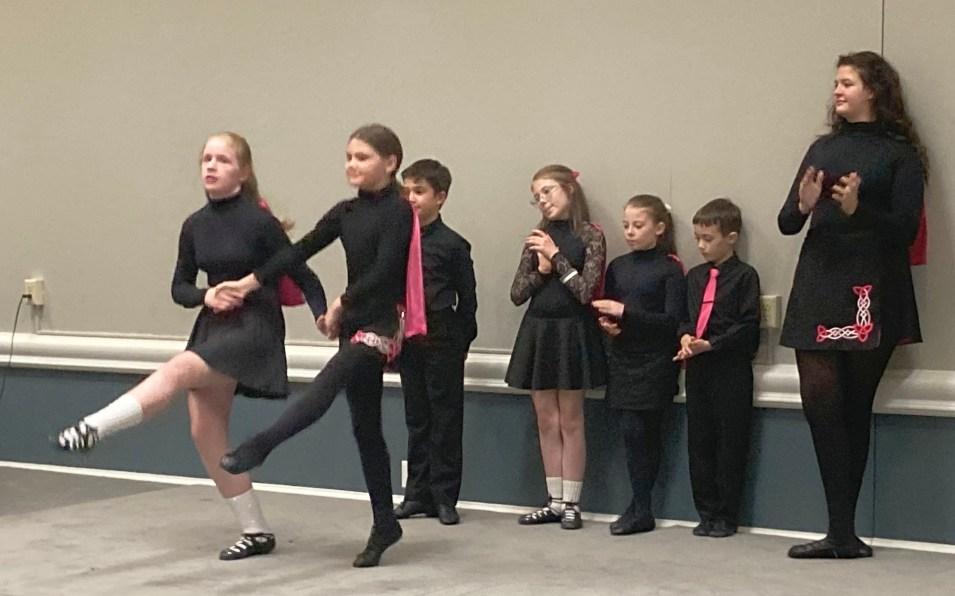
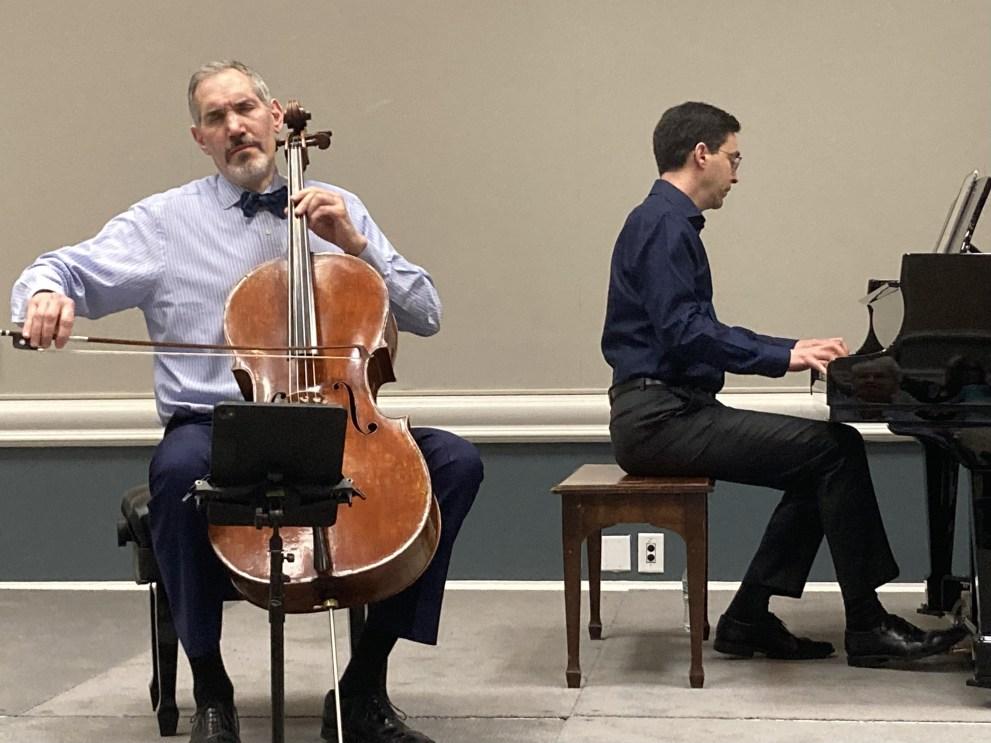
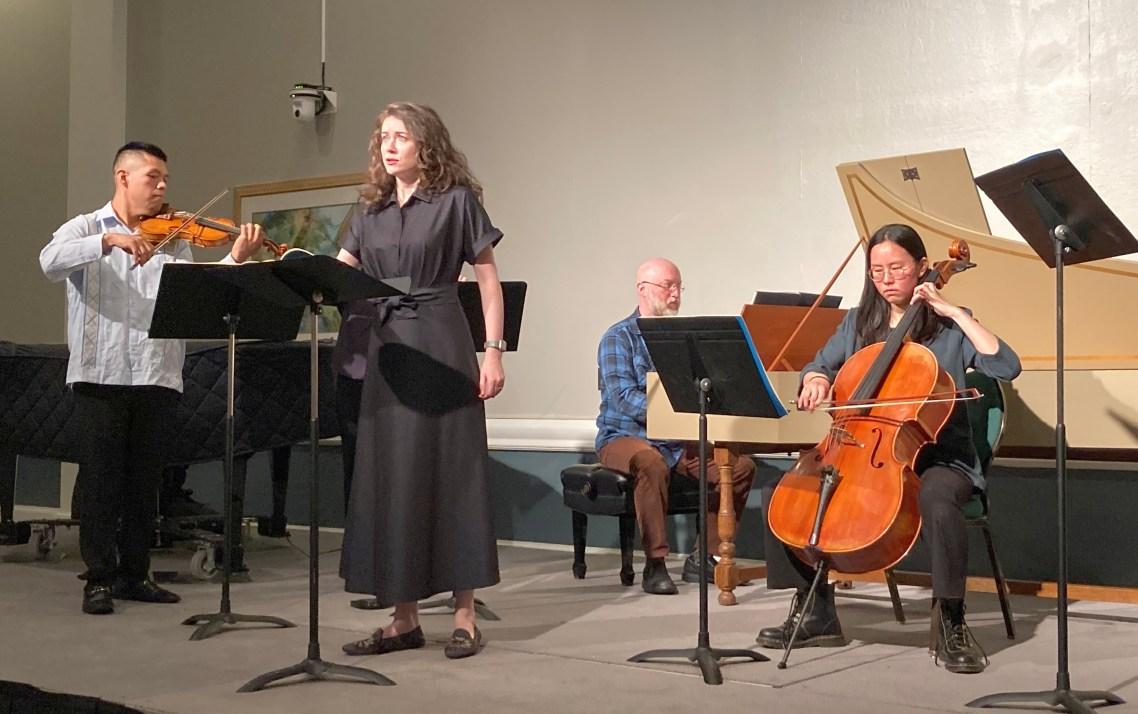
and in concert, Mar 15
Piatigorsky Foundation Piano and Cello Concert, Mar 5
Inis Cairde School of Irish Dance, Mar 10
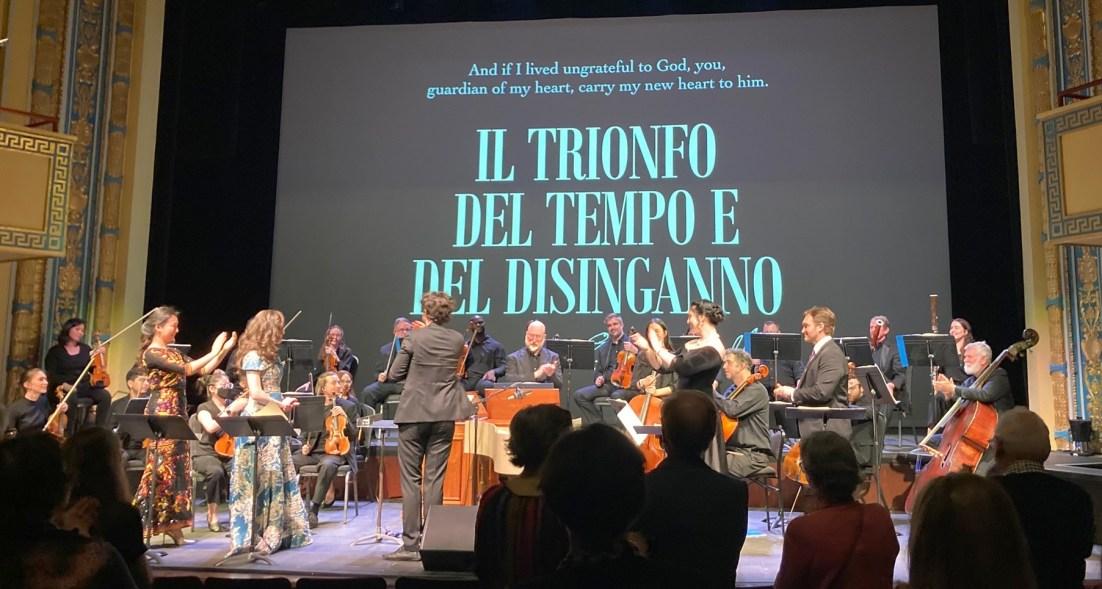
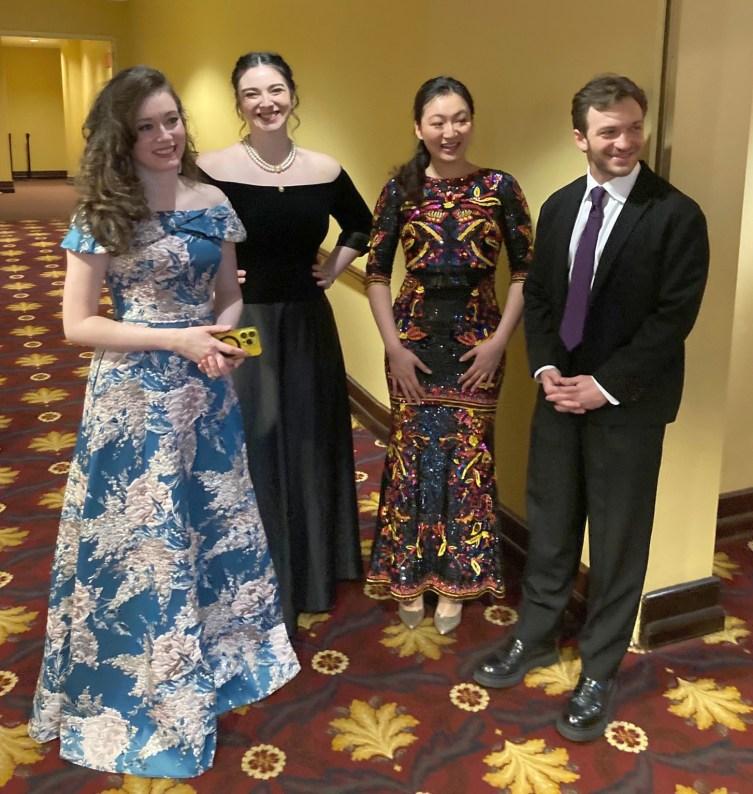
Chamber Orchestra of the Triangle Vocal Ensemble sings portions of a Handel Oratorio, Mar13
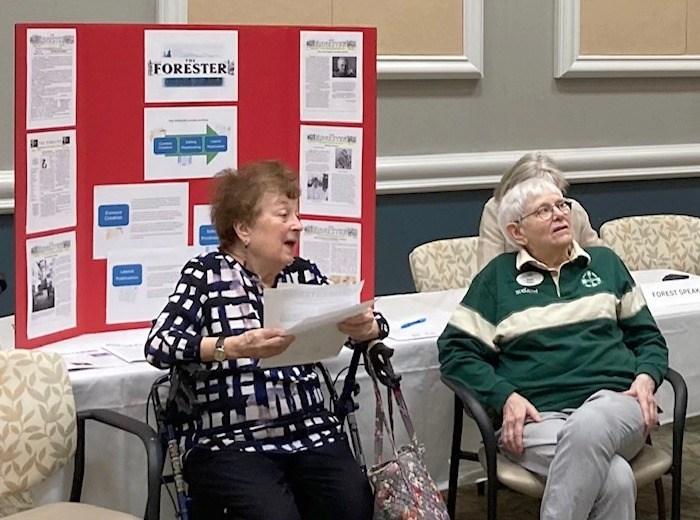
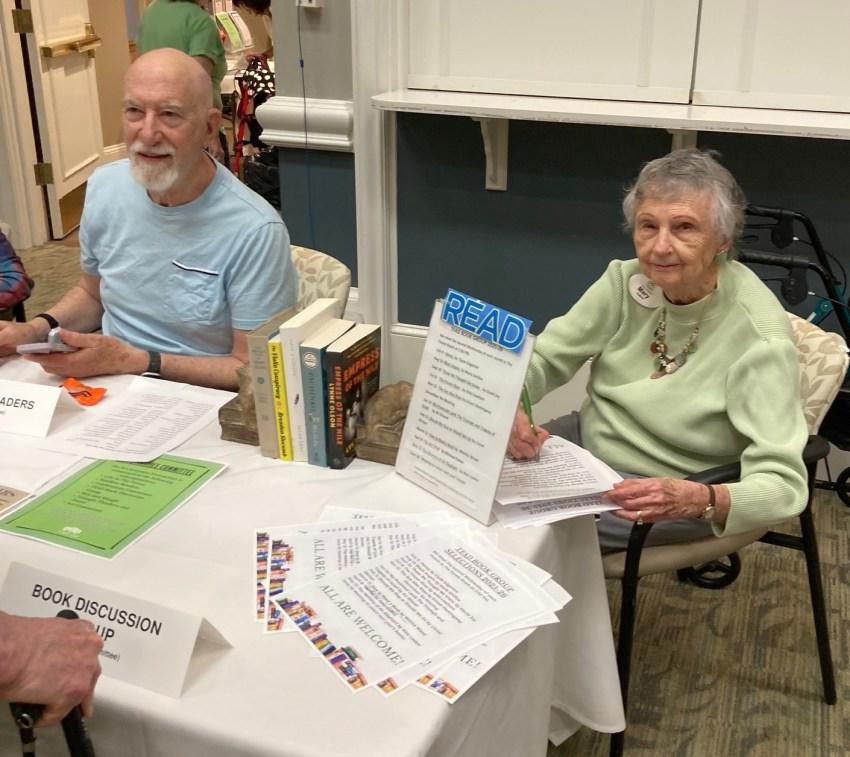
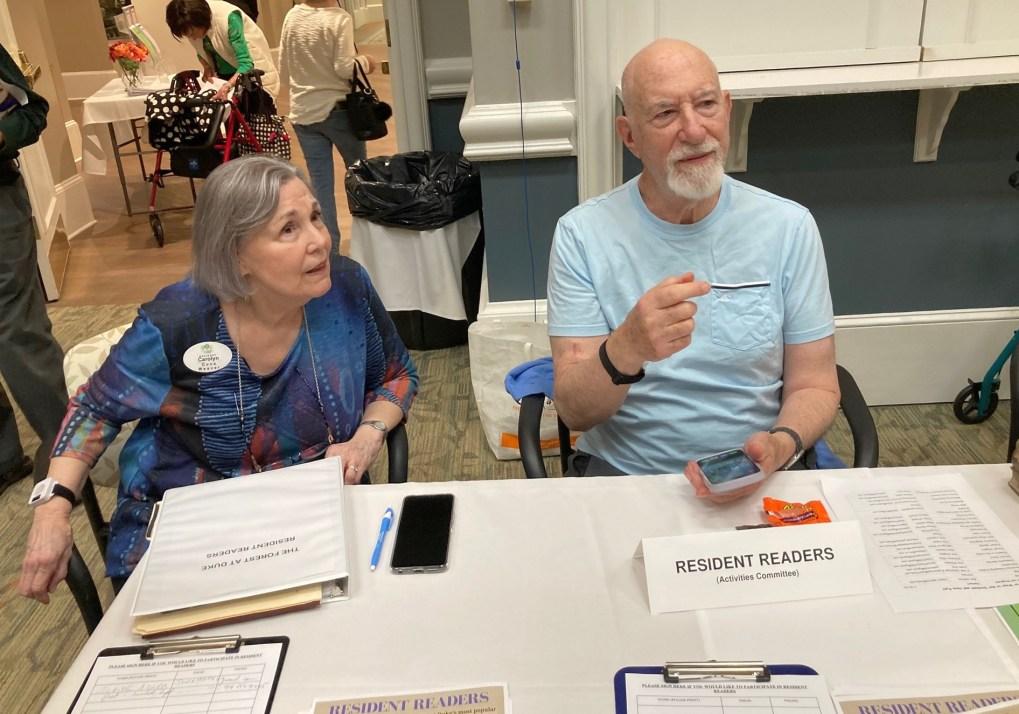
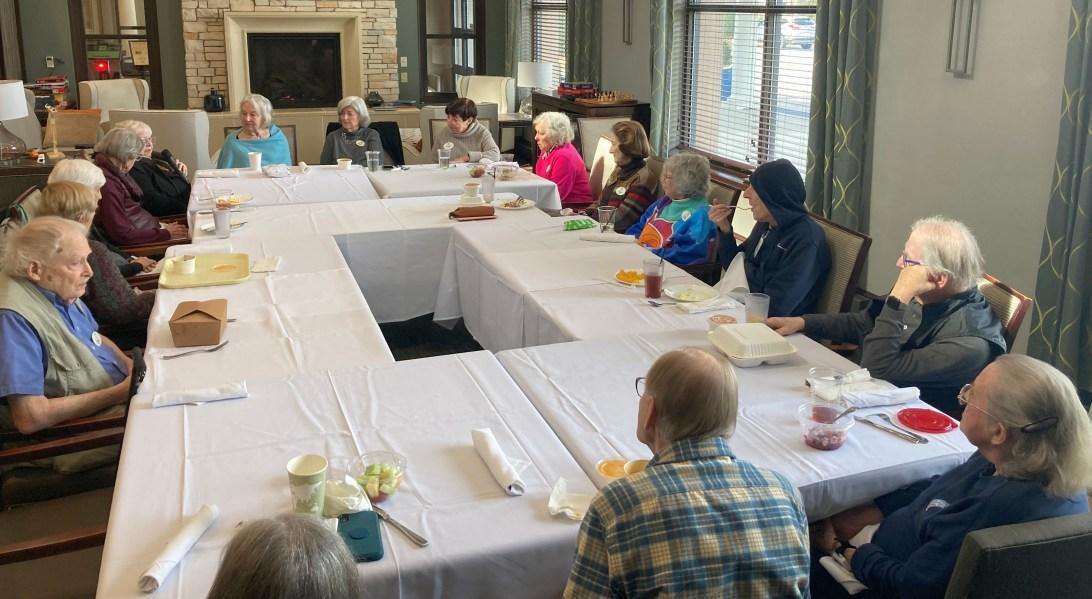
Residents' Organization Fair March 20