
ACHE of the Triangle and Eastern North Carolina
ACHE of the Triangle and Eastern North Carolina

ACHE of the Triangle and Eastern North Carolina
ACHE of the Triangle and Eastern North Carolina
MESSAGE FROM ACHE-TENC PRESIDENT
TRENT BEACH, PHARMD, FACHE






BECOME AN ACTIVE MEMBER OF THE TRIANGLE AND EASTERN NORTH CAROLINA CHAPTER OF ACHE


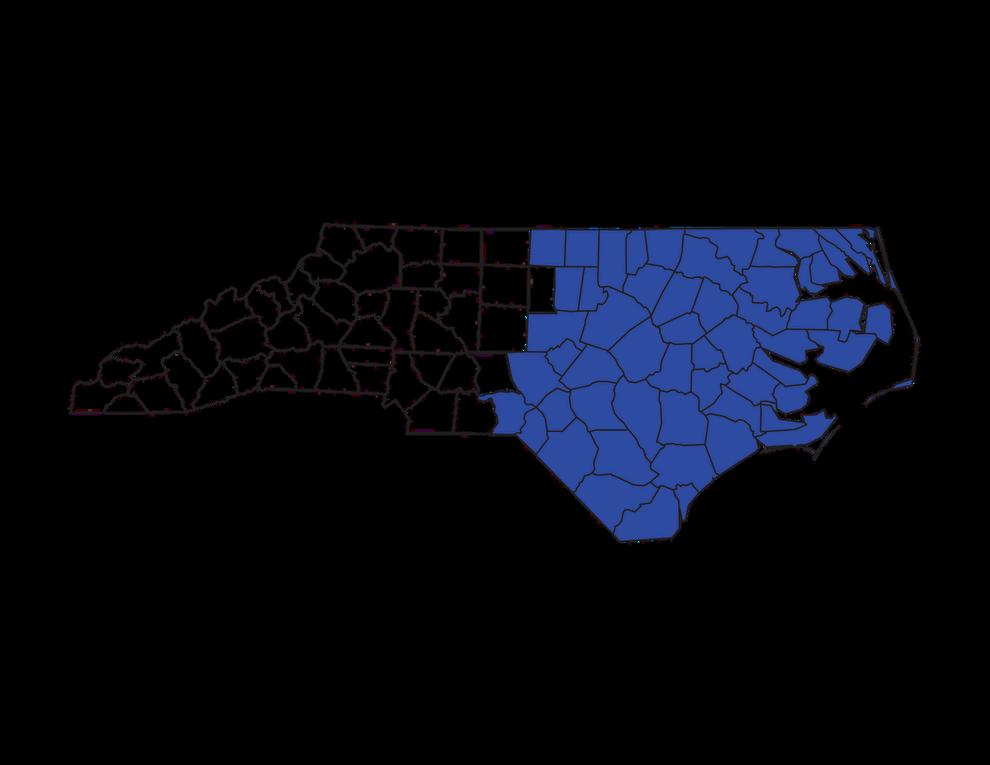
ACHE of the Triangle & Eastern North Carolina (ACHE-TENC) is a nonprofit membership association and an independent chapter of the American College of Healthcare Executives (ACHE), a professional society representing over 48,000 members worldwide ACHE-TENC serves nearly 1,000 ACHE members who live and work in the 54 North Carolina counties from the RaleighDurham area north to the Virginia border, east to the Outer Banks, and south to the South Carolina border.
ACHE of the Triangle & Eastern North Carolina (ACHE-TENC) aims to be recognized as the leading professional membership association dedicated to supporting and advancing healthcare leaders throughout the region
Our mission is to support the professional development of healthcare leaders in the region, preparing them to shape healthcare management at the local, regional, and national levels


Deliver programs that bring local value to ACHE members assigned to our Chapter service region
Increase communication among healthcare management professionals
Advance members toward Fellow, ACHE certification Foster the development and implementation of best practices in healthcare management
Practice good financial stewardship




Every quarter, I’m reminded of something simple but powerful: our chapter is so much more than a calendar of events It’s a community one built on genuine relationships, shared purpose, and a collective commitment to elevating healthcare leadership across the Triangle and Eastern North Carolina. And this past quarter has been a beautiful example of that spirit in action.
ACHE often describes chapters as the “hub of the member experience,” and that couldn’t be truer for ACHE TENC
Yes, we host outstanding educational programs and networking events, but what sets our chapter apart is the way members show up for one another Over the last few months, I have seen: Mentors stepping up to guide early careerists navigating their first leadership roles
Members collaborating across systems, sharing best practices, and solving challenges together.
Volunteers giving their time and talent to strengthen our committees, support our events, and expand our reach.
New members are finding a home, not just a professional association.
Leaders in Eastern North Carolina are advocating for strengthened healthcare

These are the moments that don’t always make the event flyers or the newsletter. But, they definitely are, in my opinion, the ones that define who we are
Of course, we’ve also had some standout programs this quarter, including: The Board of Governors Exam Review Series supports members on the path to earning the FACHE credential Leadership development sessions, such as Business Behind Better Care, sparked thoughtful conversations and new connections. Our C-Suite Roundtable at Cape Fear Valley Health on The State of Rural Health, where we convened in the eastern portion of the state to discuss solutions to strengthen rural care delivery and workforce development Expanding President Visits to our healthcare organizations throughout the chapter area Continued participation in ACHE’s national learning programs, which offer virtual, in person, and on demand education for every stage of a healthcare career
A fabulous networking and celebratory Summer Soiree where we gathered in a beautiful setting at The Matthews House in Cary to enjoy one another’s company Here we had the opportunity to learn from our ’26 ACHE Chair, Noel J Cardenas (Keynote Speaker), and celebrate the accomplishments of our members who advanced to Fellow, were selected for the Regent Award, or earned ACHE service recognition
But just as important as the program and events themselves is what happens around them: the conversations, the shared insights, the new partnerships, and the sense of belonging that keeps members coming back. These programs strengthen our skills, but the relationships built around them strengthen our chapter. For exciting upcoming events and programs, check out our website https://ache-tenc org and join us at the next one!
As I close, thank you for the warmth, generosity, and passion you bring to this chapter Whether you’re a long time member or newly joined, your presence matters Your voice matters And your leadership makes a difference Please feel welcome to contact me anytime. I’m grateful to serve alongside you, and I’m excited for everything we’ll continue to build together in the months ahead.
Warm regards, Trent Beach, Pharm.D., FACHE President, ACHE Triangle & Eastern NC Chapter
Dear Colleagues,
As I begin my term, I want to take a moment to reflect on the progress our chapters have made. Our collective efforts have strengthened our chapter community and created meaningful opportunities for members statewide. Looking ahead, I am excited to highlight the upcoming opportunities that will further foster engagement and professional growth across North Carolina
This quarter, our chapters are placing a strong emphasis on expanding educational offerings, building mentorship connections, and advocating for best practices in healthcare management I encourage all members to participate in the upcoming seminars, networking sessions, and volunteer opportunities designed to help you grow both personally and professionally.
Additionally, I invite you to consider taking the next step in your professional journey by advancing to Fellow status.

Candidates who submit an FACHE® application between March 1 and June 30 are eligible for a Board of Governors Exam fee waiver, a savings of $225, pending application approval To learn more about this opportunity, please visit ache org/FACHE Please reach out to your respective chapter leaders or me should you have any additional questions
Your active participation is essential to the strength and success of our chapters. Thank you for your ongoing commitment to excellence and for supporting ACHE in North Carolina. I look forward to seeing many of you at our upcoming events as we continue our shared journey toward impactful leadership
Please feel free to reach out with feedback or ideas, I am eager to hear your thoughts as I work to serve you better
“Our collective efforts have strengthened our chapter community and created meaningful opportunities for members statewide.”
Don't forget to mark your calendars and save the date for our 2027 Congress on Healthcare Leadership, taking place March 22–24, 2027, in Nashville, Tennessee!
In closing, I want to extend my deepest gratitude to Vi-Anne Antrum, DNP, RN, FACHE, who has served fearlessly as Regent for North Carolina over the past three years Her dedication and enthusiasm have inspired incredible excitement within our chapters across the state.
I also want to congratulate Vi-Anne on being elected as Governor, taking office at the Council of Regents Meeting in February. This is a tremendous achievement and a reflection of her leadership, influence, and dedication to our field Her voice and perspective will help shape the future of healthcare leadership, and we're fortunate to have her representing us
Warm regards, Ana-Elis Perry, Regent for North Carolina ana-elis perry@unchealth unc edu
Ade Eniolorunda
Alli Koziel Bolla
Ashlee Shands, DHA
Casey White Granack
Col Jennifer Bager
Dana Thimons
Dustin Hudson, PharmD
Erin Heckethorn
HM1 Christopher Neal Miller
Jacqueline B Smith, EdD
Jason Nunoo
Jeannien Engelbrecht
Jerry Kinard
Jordan Komisarow
Karellen Haire
Krystle Green Lewis, BS
Nicole Clark
Olivia Bass
Presha Patel, MHA
Sara Hilborn
Stephanie P Redmon
Tonya M Palmer, MSN, RN
Yamila Hurdle, DHA
Ytina Mangum, MHA, MS
Yvette Bell
Have you renewed your membership for 2026? REINSTATE NOW!
Join now to become eligible for members-only programs and discounted pricing at both the local and national levels Click here to join.
The following individuals joined ACHE or transitioned into our chapter in quarter 1 of 2026. We are happy to have you, and look forward to connecting at an upcoming chapter event! July 2026 Quarter 2 | Page 6
Perhaps your membership has lapsed, and you've been meaning to reinstate it. Don't miss out on another year! Click here to access your pre-populated reinstatement application.
ACHE membership renewal is open Timely renewal ensures your ACHE membership and ACHE - TENC chapter affiliation remain intact with no lapse in membership Click here to log in to your ACHE profile and renew.
The FACHE credential brings continuous value to you as a healthcare leader, to your organization and to your community.


Provides recognition as a leader among leaders in healthcare management
Demonstrates your competency in all areas of healthcare management
Signifies your lifelong commitment to change and improvement
Andrew Core, MD, MBA, FACHE
Capt. Edward H. Owens, FACHE
Daniella Jaimes-Colina, Ph.D, MBA, FACHE
Ivette Daley, MHA, MPH, FACHE, PMP
John A Kohler, Sr MD, MBA, FACHE
Jose G Cabanas, MD, MPH, FACHE
Lucien B. St. Onge, FACHE, FHFMA

Paul Marini, MHA, FACHE
Associate Chair for Administration - UNC Orthopaedics
"Earning my FACHE has been one of the most meaningful professional milestones in my healthcare leadership journey. It represents a commitment to lifelong learning, ethical leadership, and advancing the field of healthcare management. For those considering board certification, I would encourage you to take the step. The process strengthens your leadership voice, expands your professional network, and signals a deeper commitment to the communities and organizations we serve."
Meet the eligibility requirements
Submit your advancement application Upon approval, you will have two (2) years in which you must take and pass the Board of Governors Exam
Contact the ACHE-TENC Fellowship Advancement Committee Chairs to learn more!
Susan Gueiss (susan gueiss@duke edu) & Sheila Kelty (Sheilakelty@gmail com)
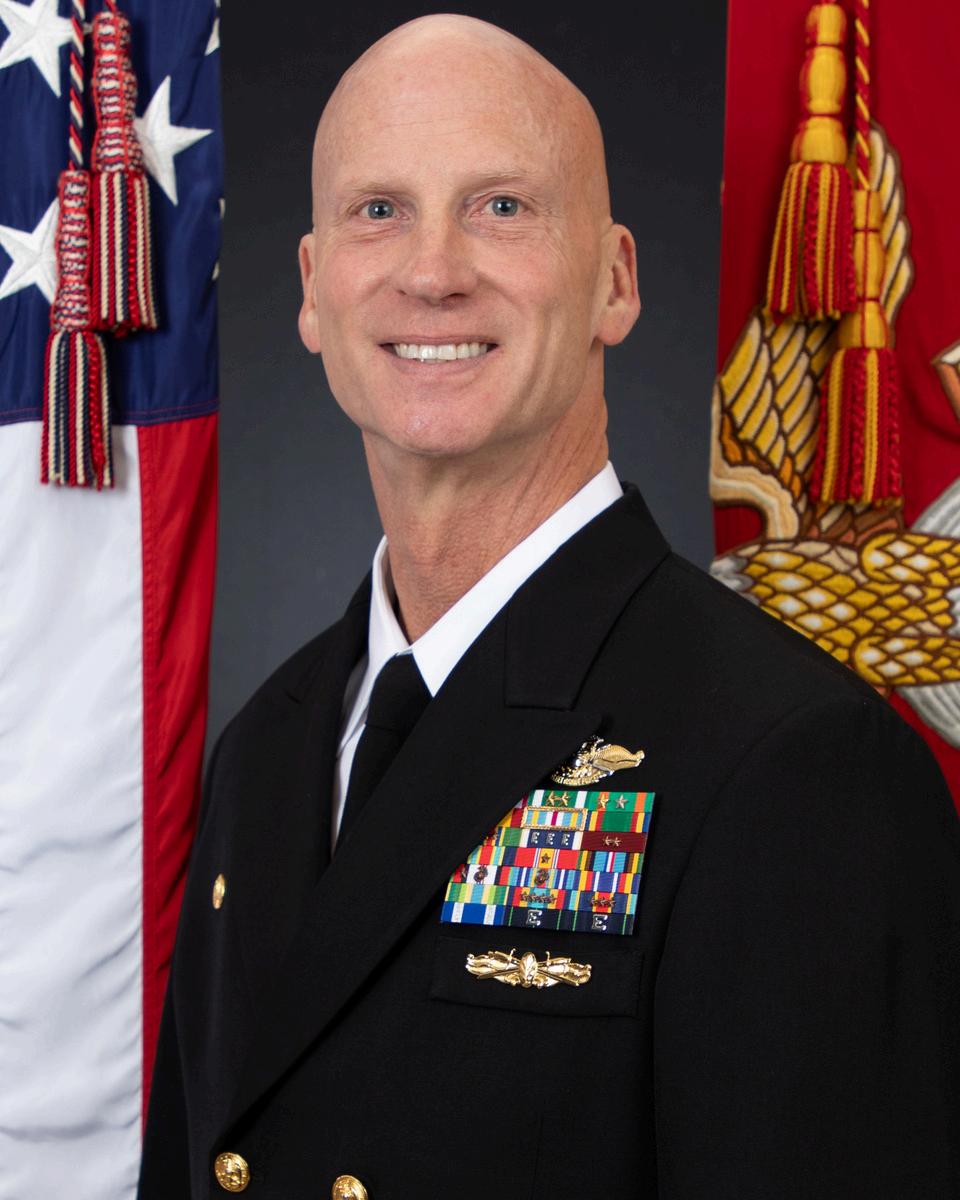
What inspired you to pursue a career in the healthcare industry, and what do you do in your current role?
I was drawn to healthcare because it combines service, problem-solving, and the opportunity to make a direct impact on people’s lives As a Physician Assistant,
I’ve been able to practice across primary care, emergency medicine, and operational environments, while also taking on increasing leadership responsibility Over the course of my career, I’ve had the opportunity to work across clinical practice, operational leadership, and enterprise-level policy, including serving at the Bureau of Medicine and Surgery, where I helped oversee medical standards and large-scale waiver determinations impacting accession pipelines across the Navy
In my current role, I serve as the Commanding Officer of Field Medical Training Battalion–East, where I am responsible for the full scope of organizational leadership, including operations, workforce development, quality, safety, and strategic direction I lead a training command that prepares Sailors to serve alongside Marine Corps units, ensuring they are equipped to deliver care in complex and high-risk environments
At its core, my role reflects a balance of clinical insight, leadership, and systems-level management to deliver mission-critical outcomes. As I transitioned into clinical practice as a Physician Assistant, my focus shifted toward patient care and operational roles. In recent years, as my responsibilities have expanded to include enterprise-level leadership, I re-engaged with ACHE to strengthen my understanding of healthcare systems, leadership strategy, and organizational performance
How long have you been an ACHE member, and why did you decide to join?
I became an active ACHE member again in 2021 as part of my professional development while pursuing my Doctor of Medical Science and preparing for senior leadership roles within Navy Medicine
My interest in healthcare leadership began early in my career through undergraduate studies in healthcare management, where I was first introduced to ACHE. As I transitioned into clinical practice as a Physician Assistant, my focus shifted toward patient care and operational roles. In recent years, as my responsibilities have expanded to include enterprise-level leadership, I re-engaged with ACHE to strengthen my understanding of healthcare systems, leadership strategy, and organizational performance
What advice would you give to younger members who are earlier in their careers?
Focus less on titles and more on responsibility The most meaningful growth comes from taking on challenging roles where you are accountable for outcomes Seek out mentors who will challenge you, be willing to step outside your comfort zone, and remember that healthcare is a team effort. Your ability to build trust and lead people will be just as important as your technical expertise.
What professional accomplishments are you most proud of?
I’m most proud of the opportunity to lead at multiple levels of the healthcare system, operational, organizational, and enterprise, and to see the impact of that leadership across people, systems, and outcomes. As the Commanding Officer of Field Medical Training Battalion–East, I’m responsible for leading an organization that develops the next generation of Navy medical personnel supporting the Fleet Marine Force What makes this role meaningful is the direct connection between training, performance, and real-world impact, ensuring that those we train are prepared to deliver care in complex, high-risk environments It’s an opportunity to shape not just individual providers but the capability of the system as a whole
Previously, as Executive Officer of Expeditionary Medical Facility Kilo, I was part of building and operationalizing a healthcare organization from the ground up. That experience required integrating people, processes, and systems simultaneously, establishing clinical operations, staffing models, and organizational structure in a way that allowed the unit to function effectively from day one. It reinforced the importance of disciplined execution, adaptability, and leadership at every level
At the enterprise level, my time as Head of Accessions, Qualifications, and Standards at the Bureau of Medicine and Surgery provided a different but equally meaningful impact. In that role, I helped oversee medical standards and complex waiver determinations affecting thousands of individuals entering military service. The work required close collaboration with senior military and medical leadership to develop and implement policy, balancing risk, readiness, and fairness while ensuring consistency across a large system. It was an opportunity to influence healthcare decisions at scale and contribute to the longterm strength of the force.
Across all of these roles, what I value most is the ability to build organizations, develop people, and contribute to systems that perform when it matters most.
What is one healthcare trend or industry transformation that you are most excited about right now, and why?
I’m particularly interested in the growing role of artificial intelligence in healthcare, especially its potential to enhance clinical decision-making, improve efficiency, and expand access to care. When applied appropriately, AI can help reduce administrative burden, support more accurate and timely diagnoses, and allow providers to focus more on patient care. As healthcare systems continue to face increasing demand and resource constraints, thoughtfully implemented AI has the potential to be a meaningful force multiplier across the system.
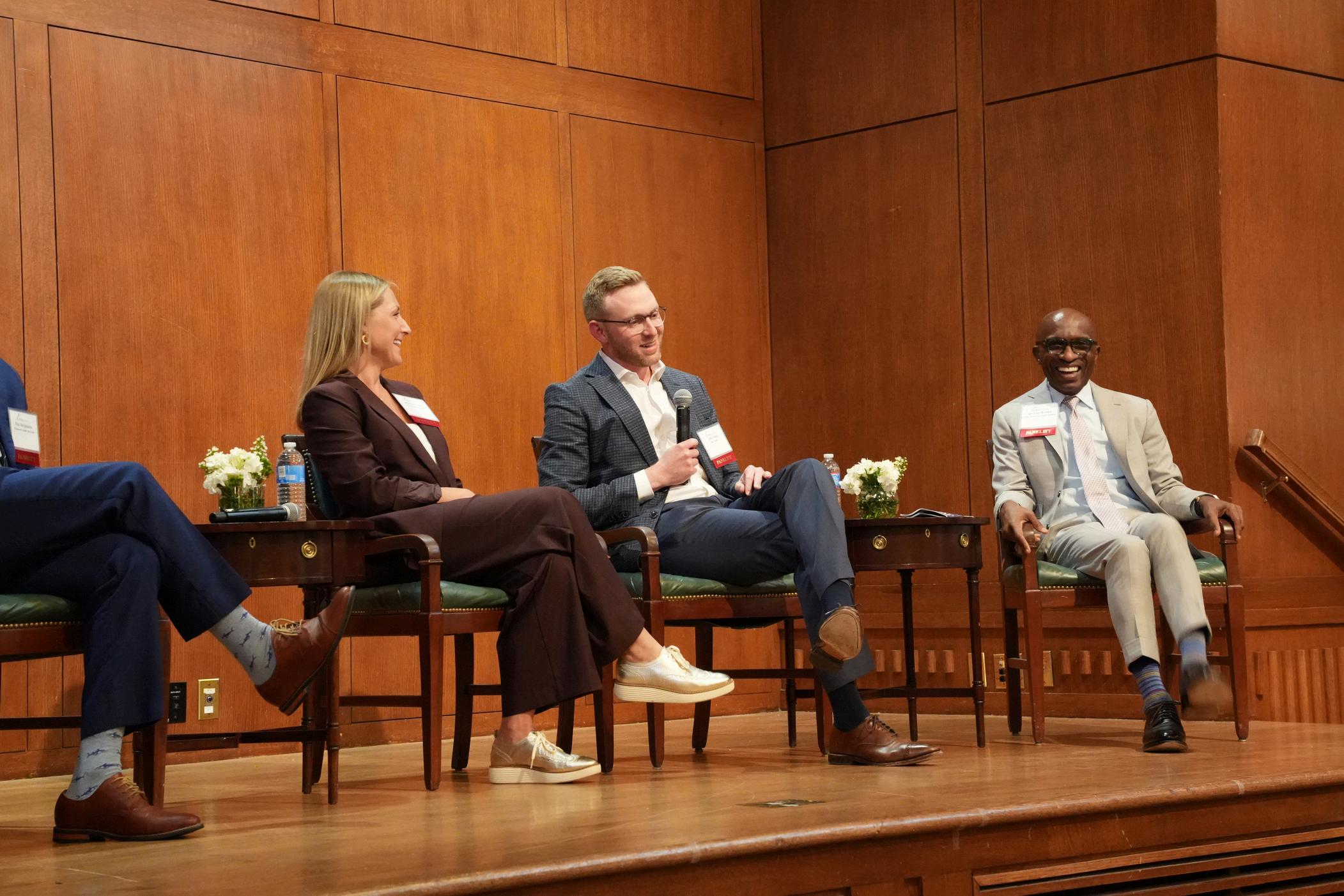
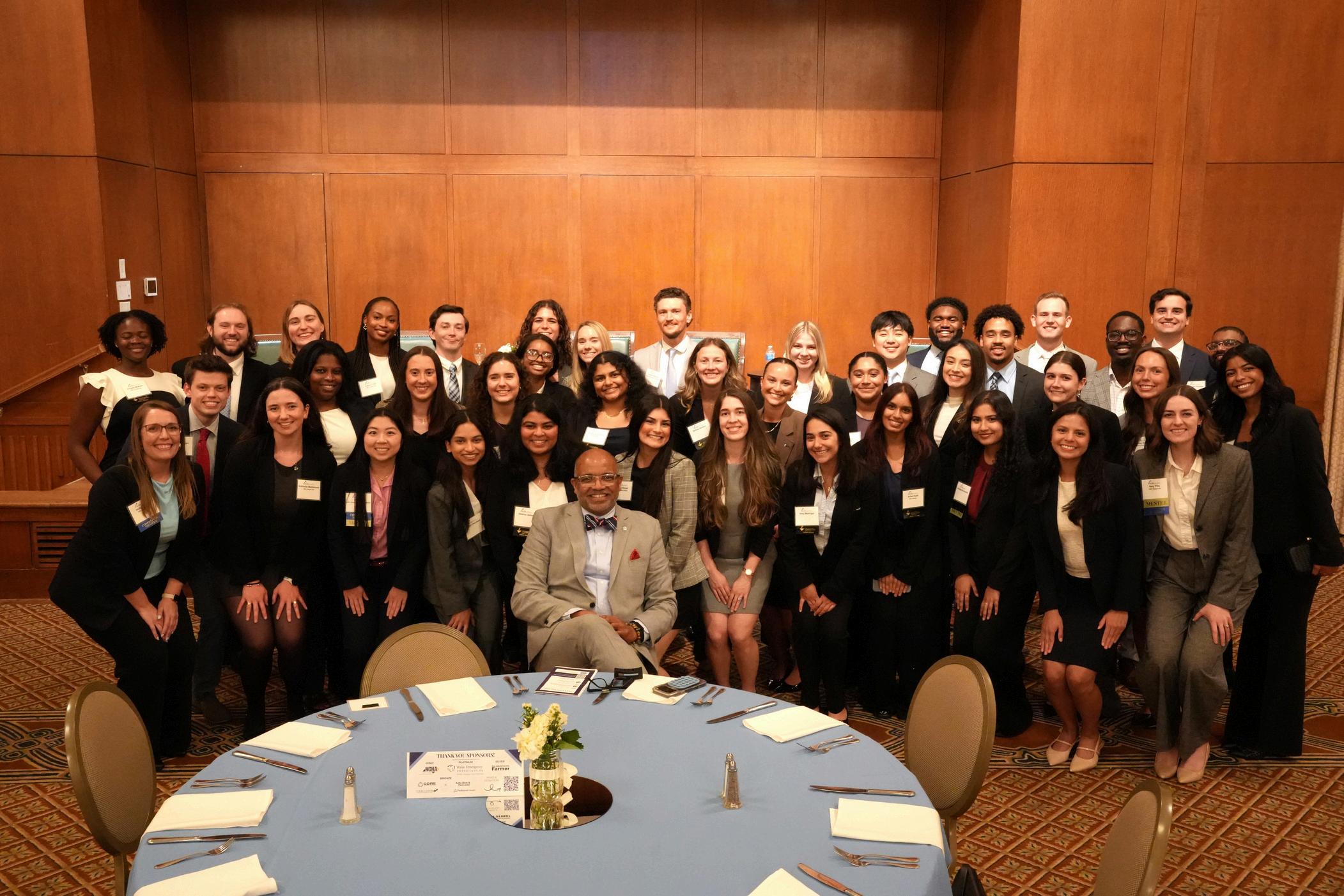
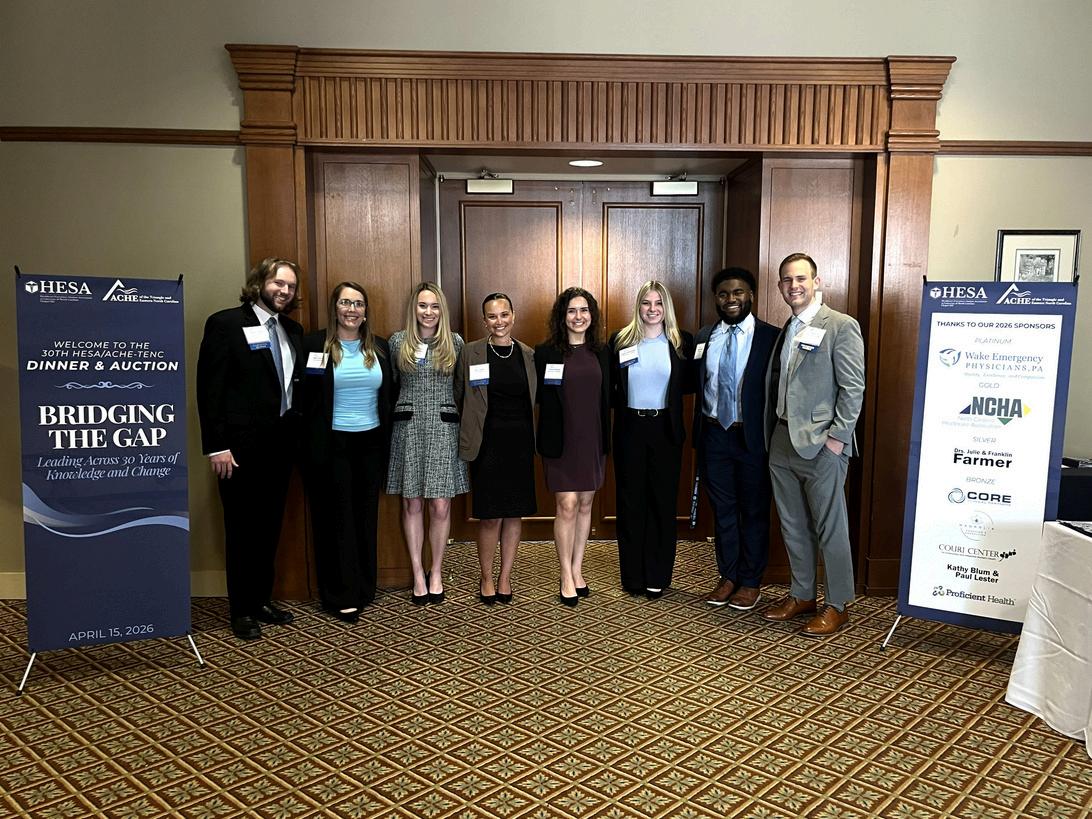
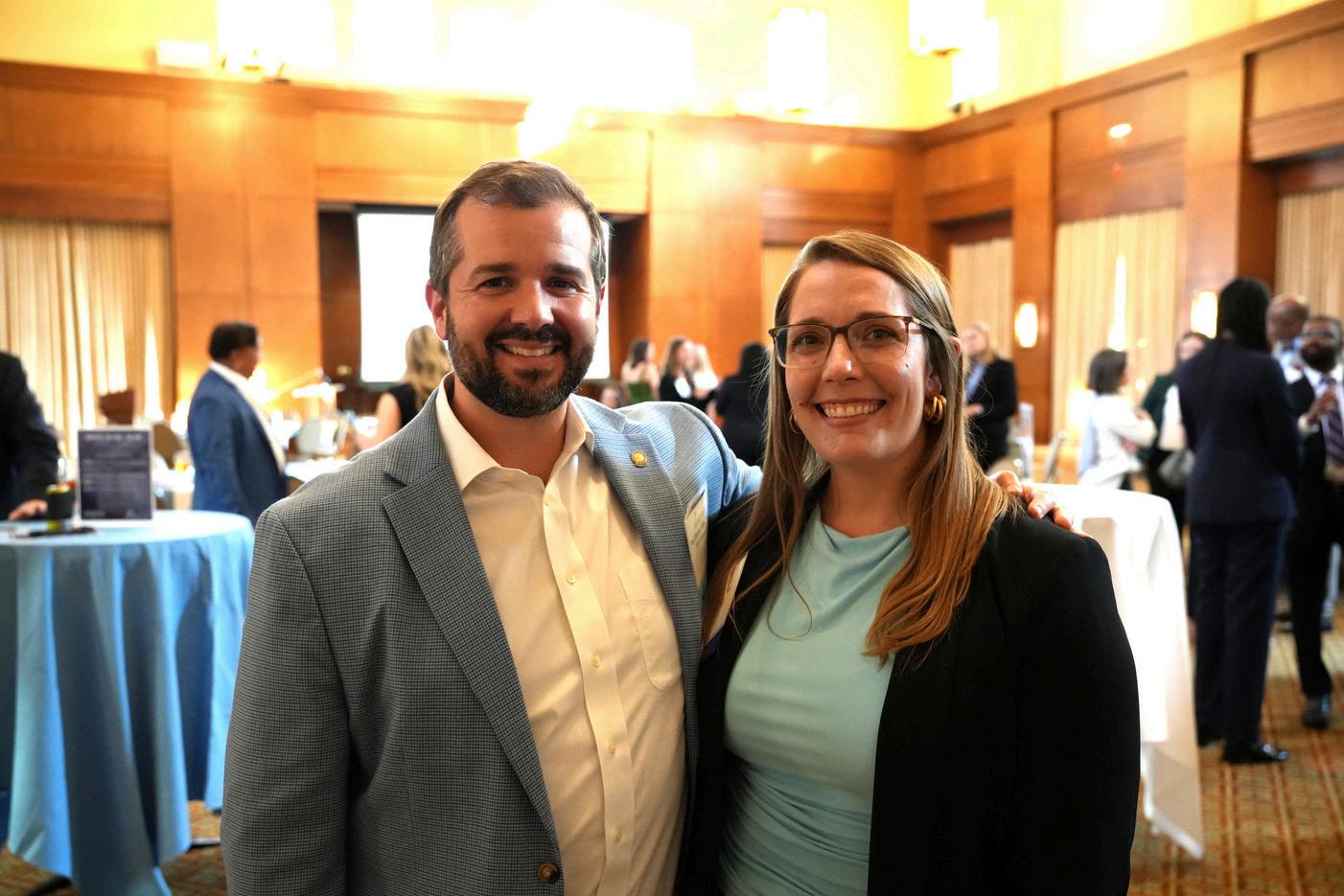
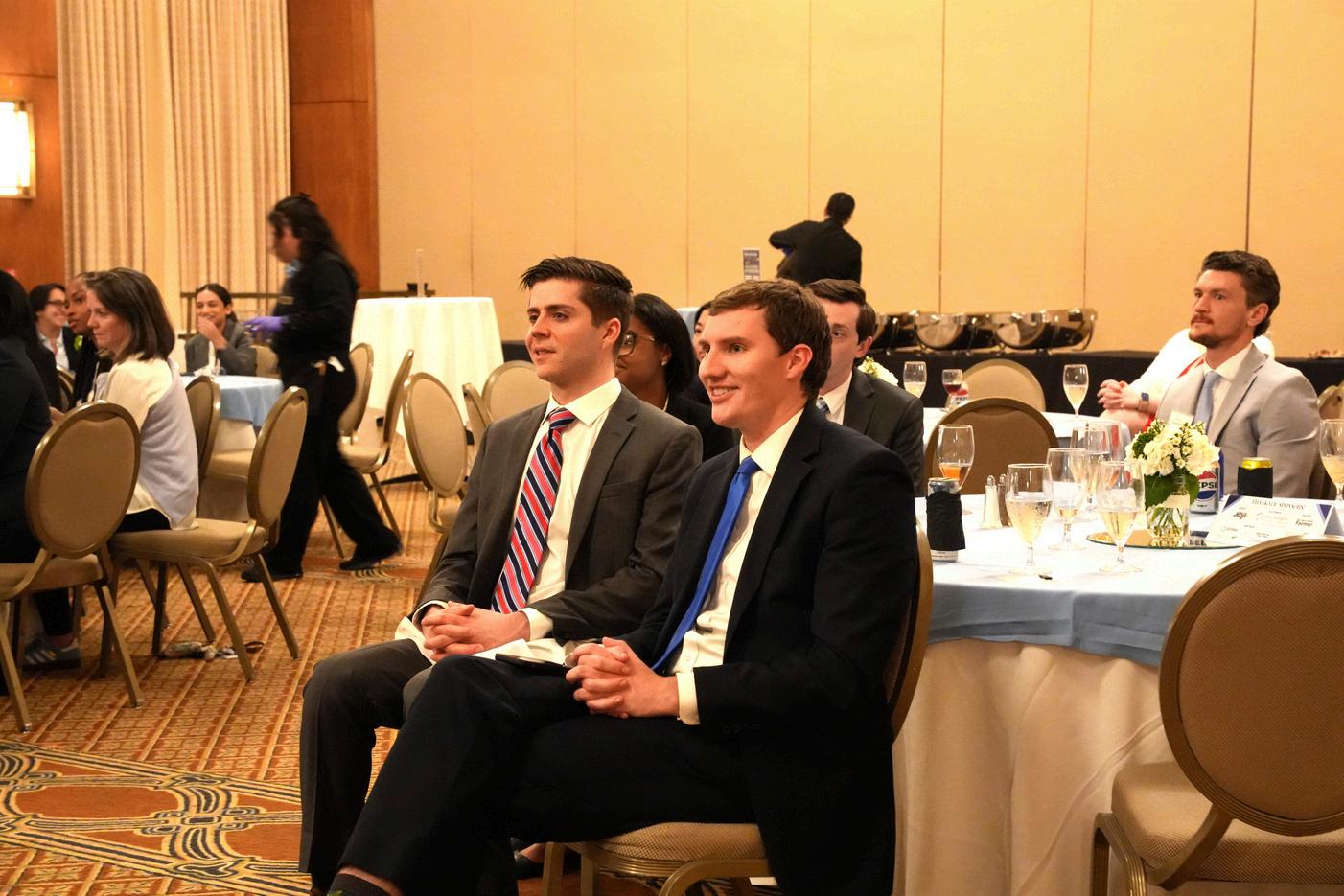
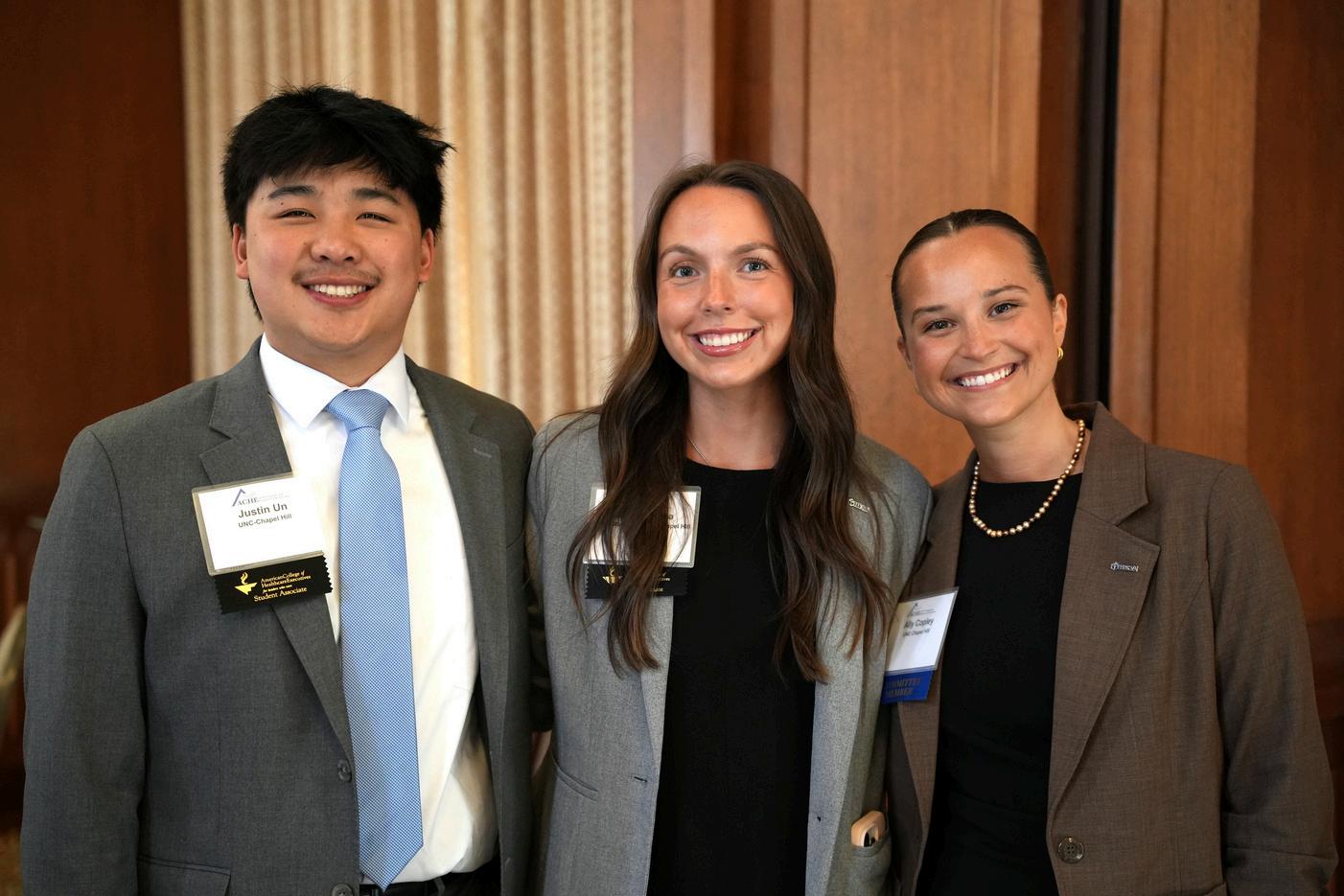
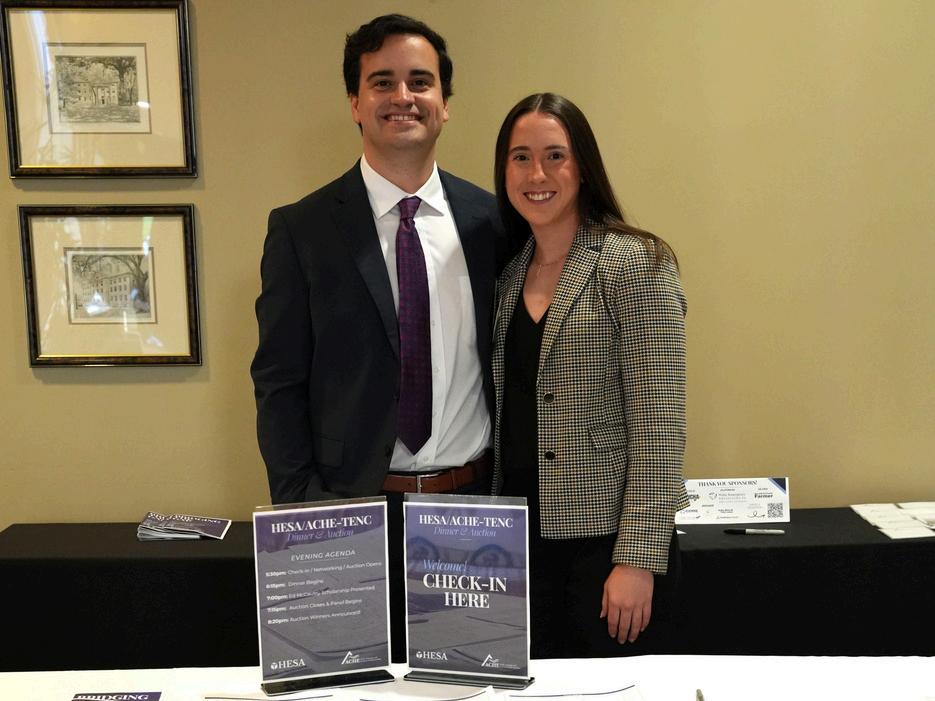
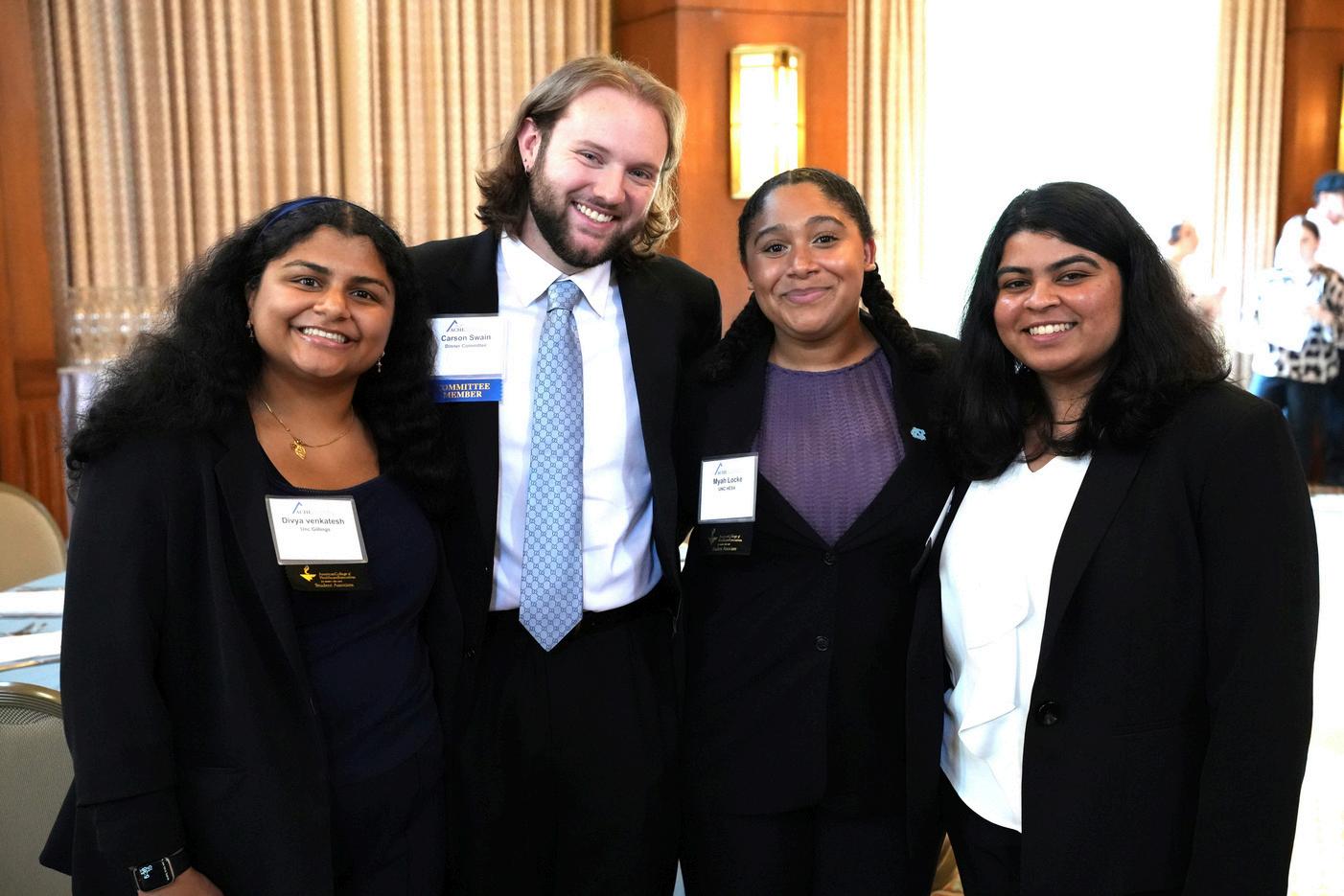
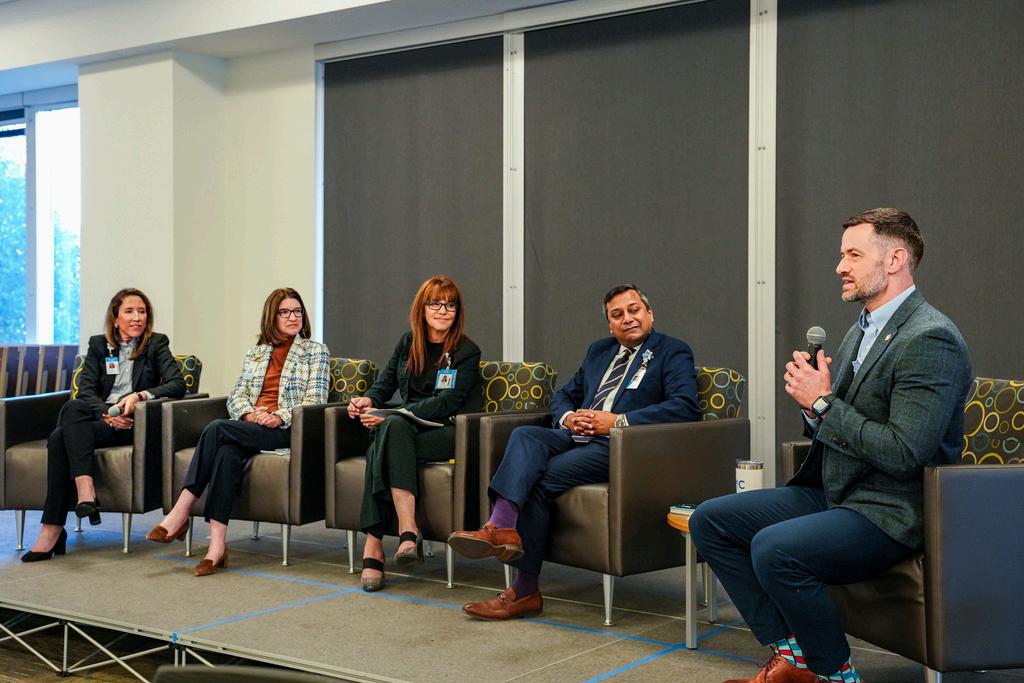
The UNC Healthcare Executive Student Association (UNC HESA) and ACHE of the Triangle & Eastern North Carolina (ACHE TENC) hosted the 30th Annual HESA/ACHE TENC Dinner & Auction on April 15, 2026, at the Carolina Club in Chapel Hill.
This year’s theme, Bridging the Gap: Leading Across 30 Years of Knowledge and Change, brought together students, early‑careerists, and seasoned executives for an evening of connection, learning, and celebration.
Moderated by Shayla Higginbotham, Founder & Managing Partner of SYSTEM PARTNERS, the panel featured four distinguished leaders:
Ian Lee Brown, Chief Community Health & Social Impact Officer, Duke University Health System
John Falk, Executive Director – Operations, UNC Health
Jessica Long, Chief Strategy Officer, Core Clinical Partners
Rui Ariyapala, Associate Chief Medical Officer, Piedmont Health Services
Together, they explored how to lead across generations, navigate change, and build cultures that endure.
Leadership grounded in authenticity and humility
Ian Lee Brown opened with a powerful reflection on vulnerability as a leadership strength, setting the tone for a conversation centered on humanity and connection.
Rui Ariyapala echoed this, emphasizing that leadership is less about having the right answers and more about asking the right questions, staying curious, and knowing where your expertise ends.
Understanding people is the foundation of effective leadership
John Falk underscored the importance of learning what makes people “tick” and tailoring leadership to the individual rather than applying a one size fits all approach Trust, he noted, is the most essential currency a leader can build
Change requires presence, participation, and shared ownership
Jessica Long spoke to the importance of being present with teams during periods of uncertainty, showing that leaders are “in it with them ” Across the panel, a central message emerged: Persuasion is good, but participation is key People feel valued when they are invited into the process, and meaningful change sticks when teams have a hand in shaping it.
Creating cultures where people can “fail forward”
Panelists emphasized the need for environments that encourage learning, accountability, and growth
Leaders must model accountability themselves and create space for teams to experiment, iterate, and recover from missteps
Navigating multigenerational workplaces with intention
The conversation also explored how expectations and communication styles differ across generations. Leaders were encouraged to:
Ask whether the next generation is truly prioritizing an issue
Be exceptional and clear about expectations
Reevaluate job descriptions and reinforcement mechanisms
Approach work with an open mind and a willingness to adapt
A memorable reminder: Getting a seat at the table is great, but understanding what the table is for matters even more
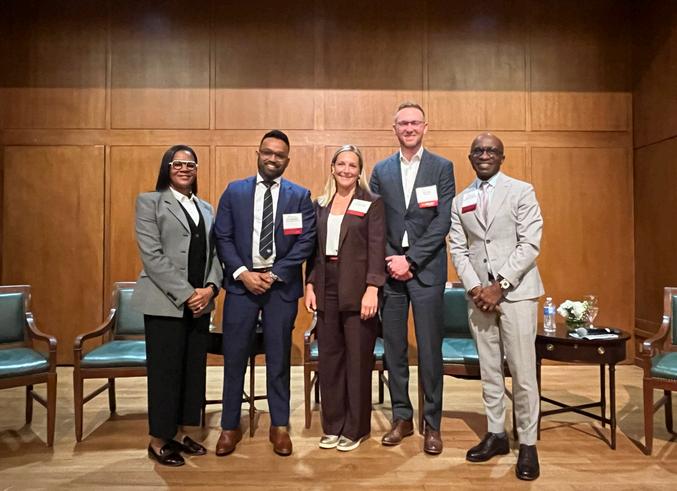
Beyond the panel, the evening featured a silent auction, networking, and a celebration of HESA’s longstanding commitment to developing future healthcare leaders Proceeds from the event support student attendance at the ACHE Congress, continuing a tradition of investing in the next generation of healthcare leadership
The 30th Annual Dinner & Auction honored the legacy of collaboration between UNC HESA and ACHE TENC while inspiring attendees to lead with clarity, compassion, and courage in the years ahead.


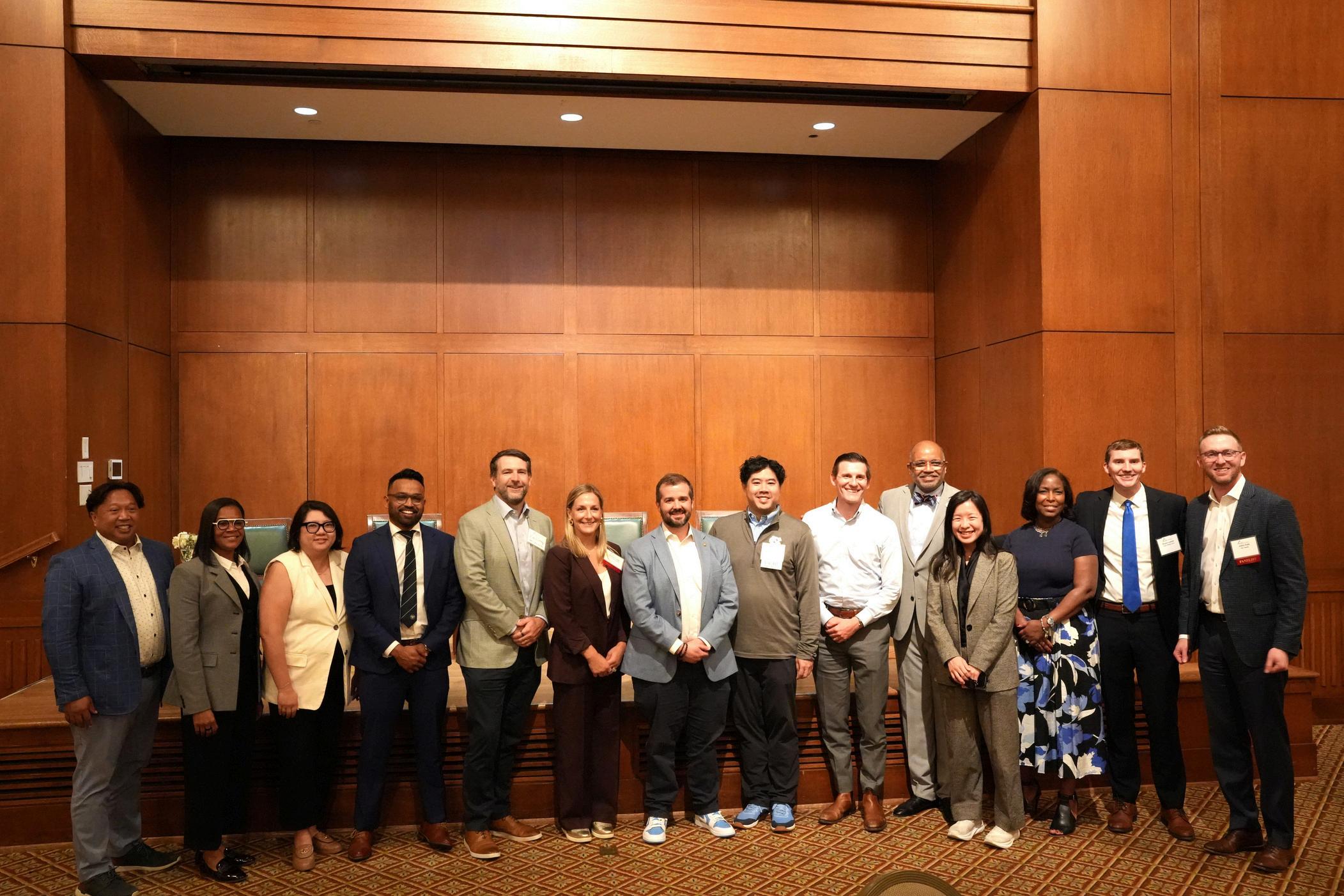



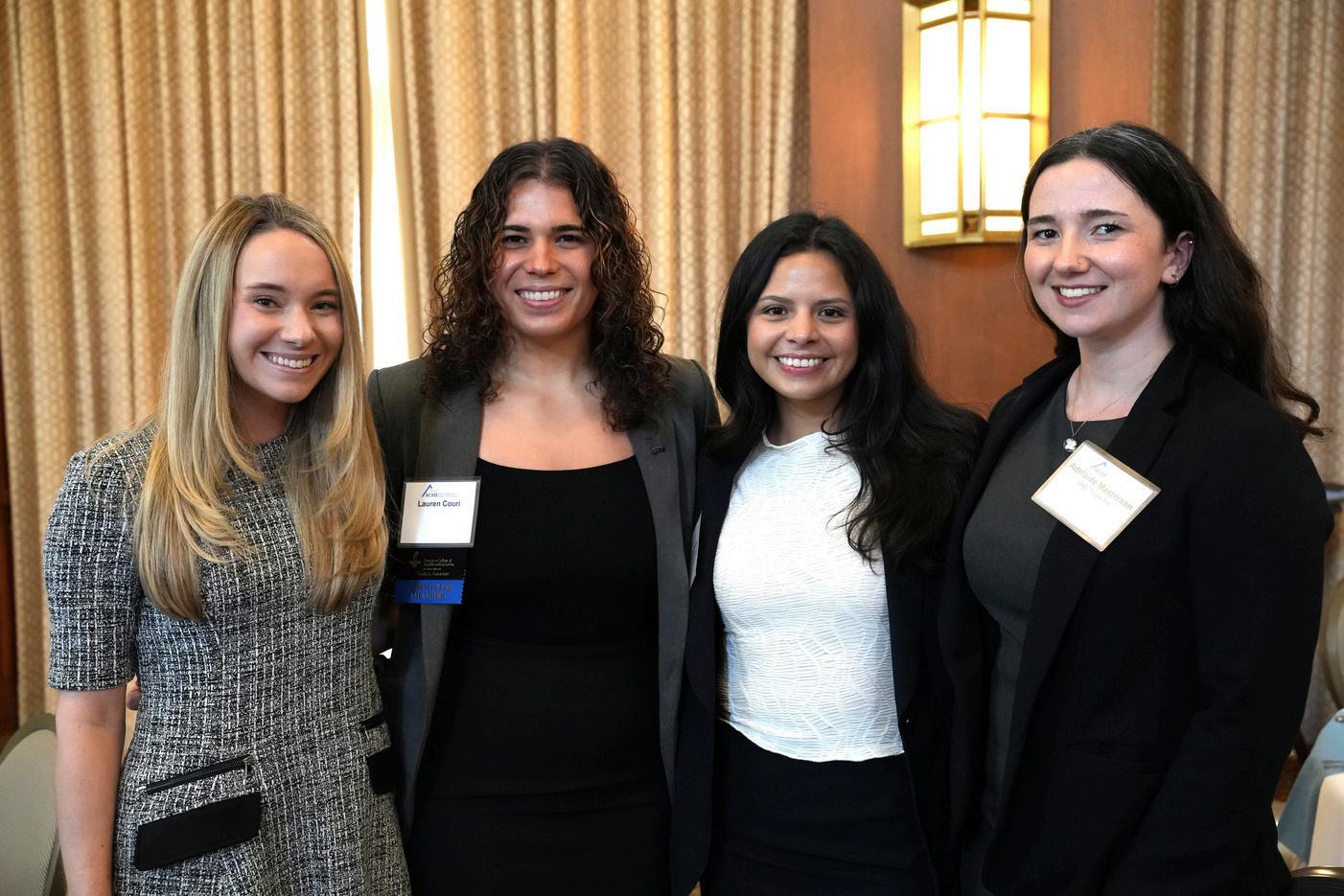


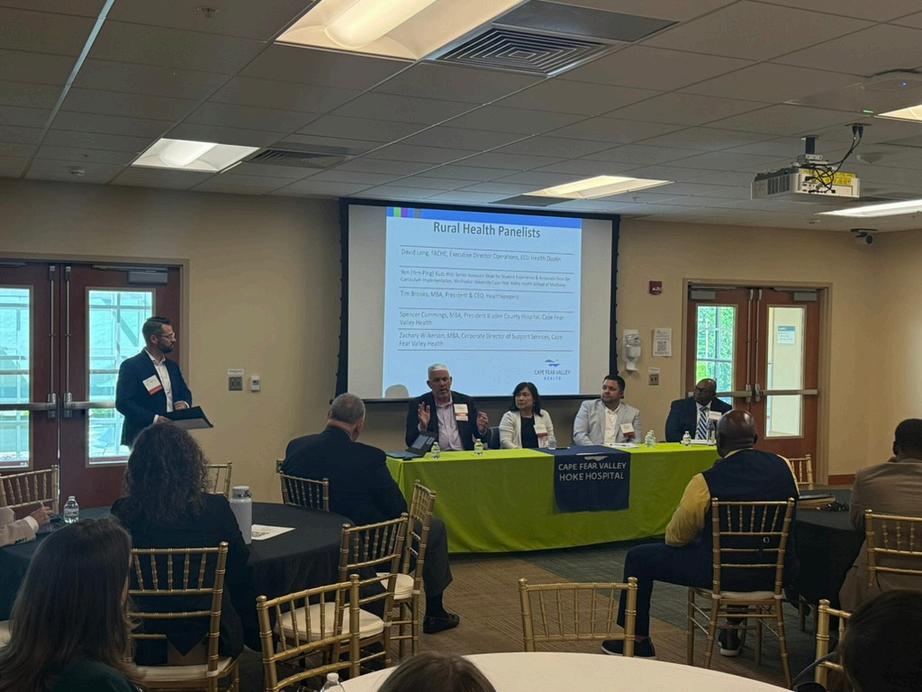
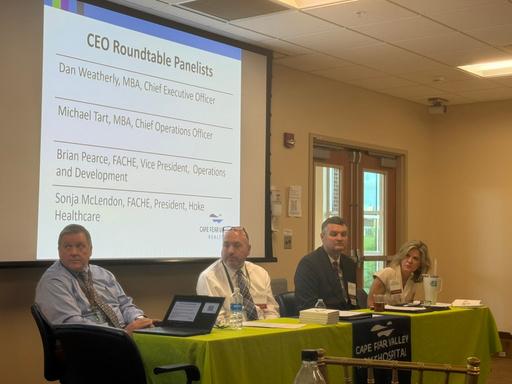
ACHE-TENC partnered with Cape Fear Valley Health to host the State of Rural Health Leadership Forum on May 13, 2026, at Cape Fear Valley Hoke Hospital in Raeford The evening brought together healthcare leaders from across the state for three powerful conversations spanning rural care delivery, operational challenges, and the future of healthcare in eastern North Carolina The program opened with a Rural Health Panel exploring solutions to strengthen rural care delivery and workforce development, followed by a Cape Fear Valley Health C-Suite Roundtable focused on the system's impact and vision going forward The evening closed with dinner and networking, allowing attendees to make connections across NC's healthcare community.
Engagement from leaders across the state made the event truly impactful. ACHE-TENC extended its gratitude to the panelists, C-Suite executives, and attendees who contributed to a dialogue marked by candor and collaboration, conversations that reflected a shared commitment to strengthening healthcare delivery and workforce pipelines in rural communities.









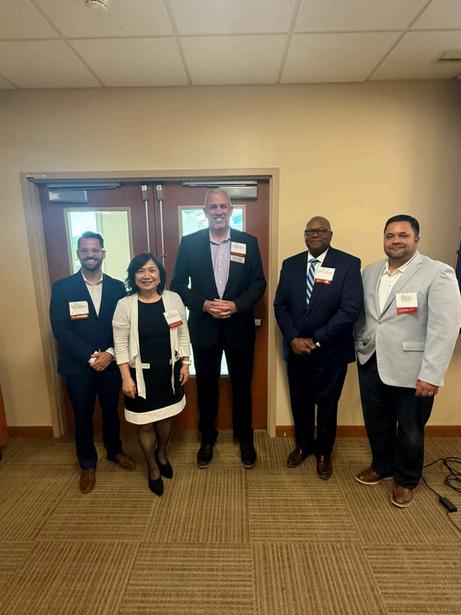
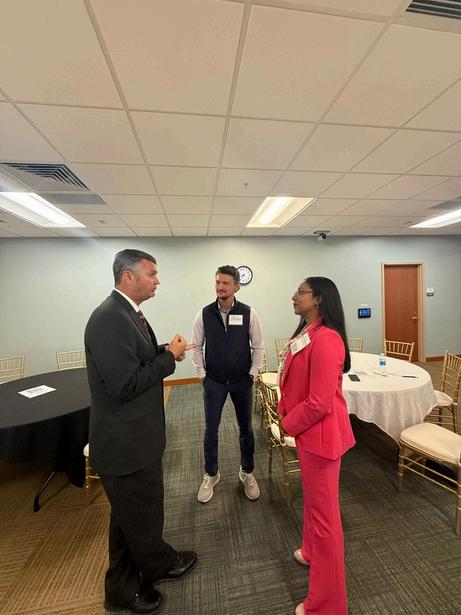
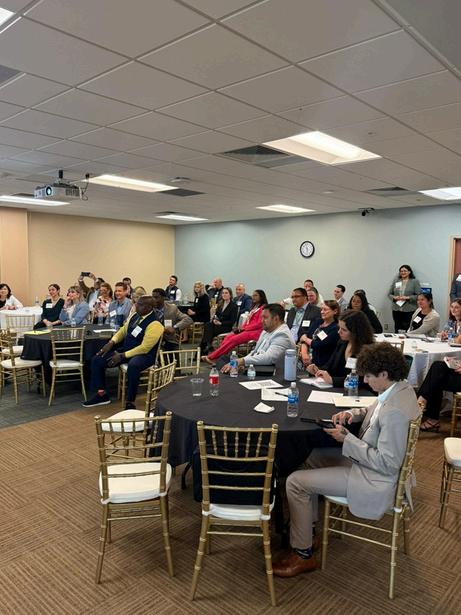
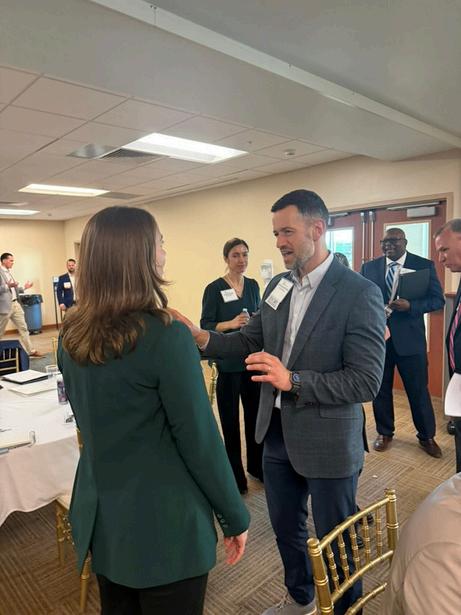
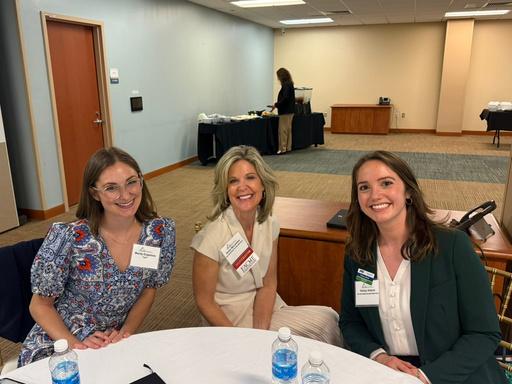
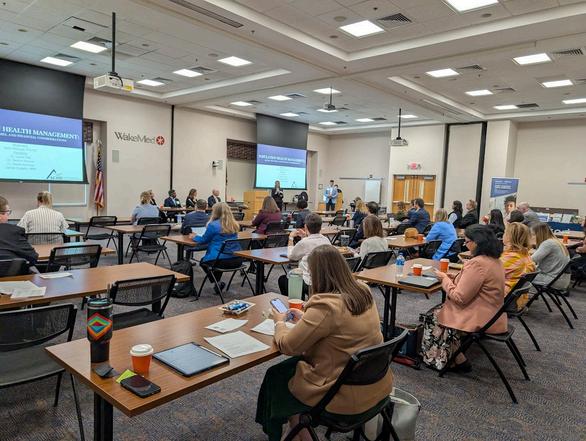
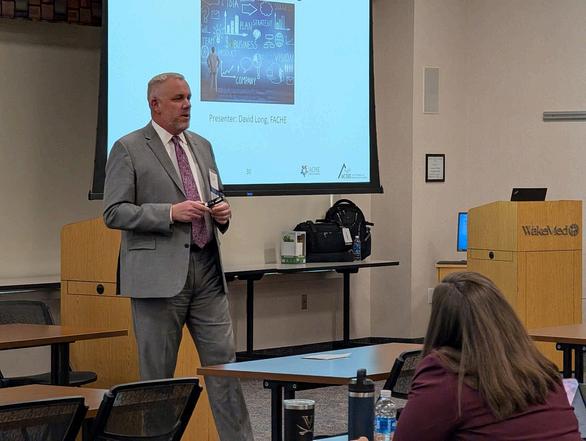
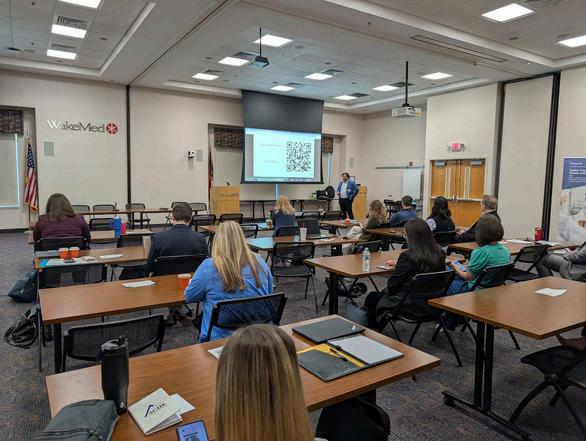
Healthcare leaders from across the region gathered at WakeMed Cary for The Business Behind Better Care Participants represented a wide range of healthcare organizations, disciplines, and leadership roles, bringing diverse perspectives on the challenges and opportunities facing healthcare today
The program opened with a panel discussion, Population Health Management: Access, Outcomes, and Financial Considerations, moderated by Matt Gitzinger and featuring Dr. Laura Gay, Dr. Derrick Hoover, Dr. Genie Komives, and Daniel Costello Through powerful stories of patients and providers overcoming barriers to care, panelists highlighted several key themes: better access leads to better outcomes; healthcare professionals share a collective responsibility to ensure individuals and communities can access the care they need; and eliminating barriers to care, because it is the right thing to do, often creates downstream benefits, including improved outcomes and long-term cost savings.
Dr. Jan Lee Santos provided a practical perspective on healthcare finance, demonstrating the close relationship between operations and financial performance
Through real-world examples, he illustrated how seemingly small operational improvements can have a significant impact on an organization's financial viability while maintaining a strong focus on quality patient care
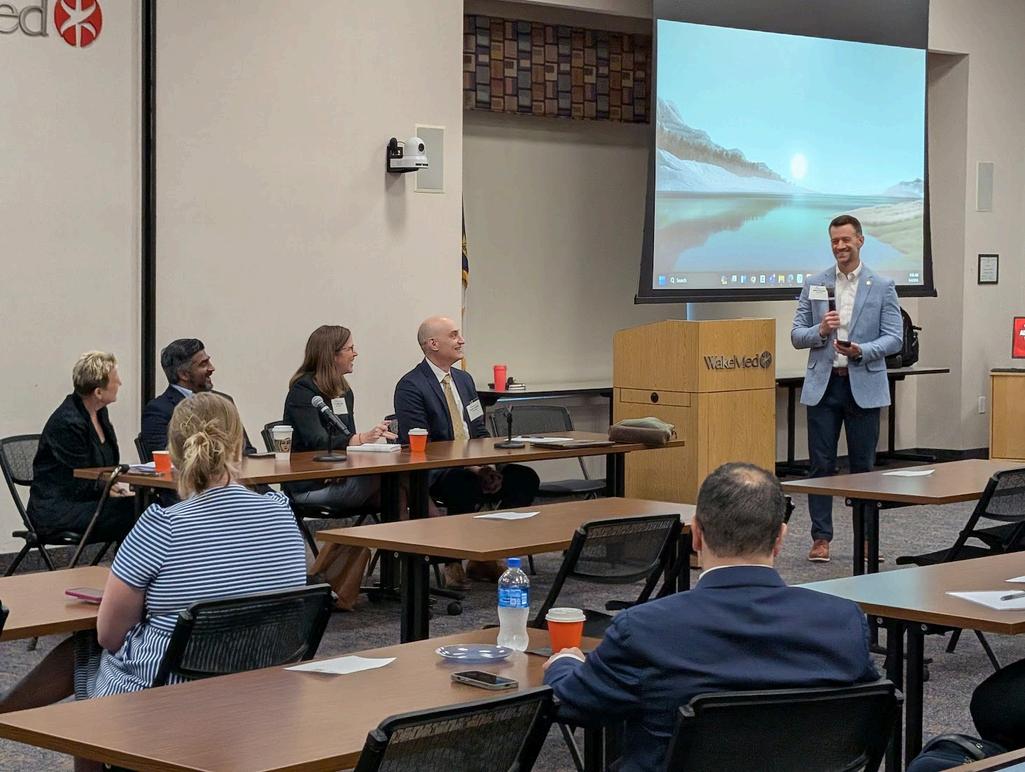
In a session on laws and regulations, Brian Bonnano explored the growing complexity of healthcare compliance Using real-world scenarios, he discussed increased regulatory scrutiny and the financial, legal, and reputational risks associated with compliance failures
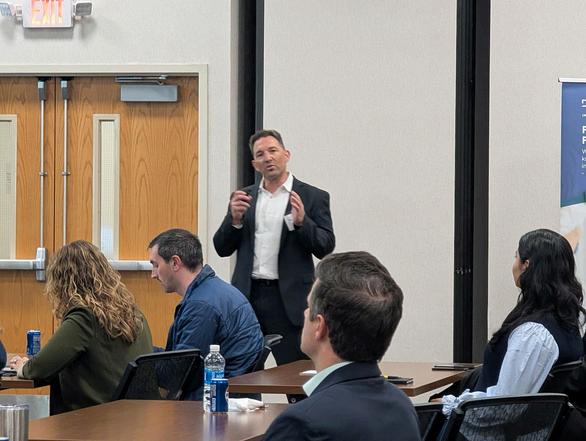
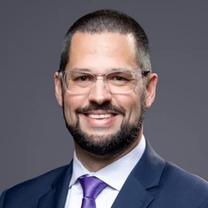
David Long concluded the day with a practical overview of key business concepts, emphasizing the importance of keeping patients and communities at the center of decision-making while balancing operational and financial realities
A common message emerged from every speaker: healthcare is complex, and meaningful improvements in patient care, access, and community health often require balancing clinical, operational, financial, and regulatory considerations While financial viability is essential to sustaining healthcare organizations and the services they provide, the benefits of investing in patients and communities are not always immediately reflected on a balance sheet Ultimately, The Business Behind Better Care highlighted that long-term success is achieved when sound business decisions and a commitment to improving lives work hand in hand
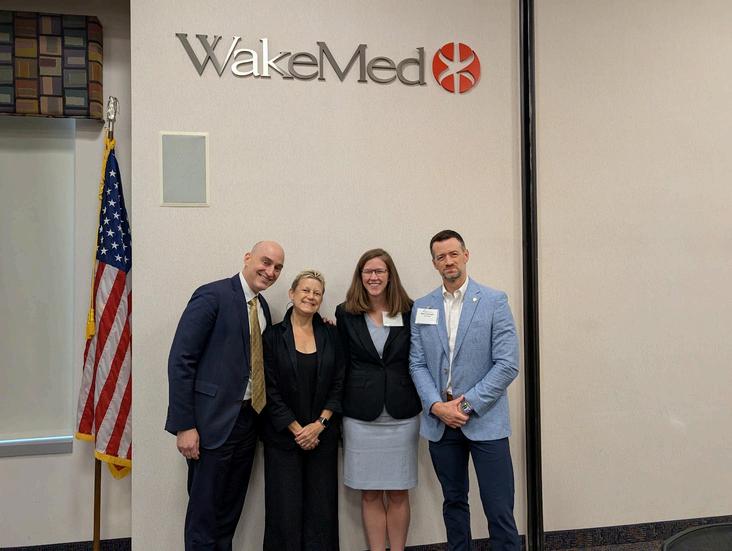
The ACHE-TENC Summer Soirée ACHE of the Triangle & Eastern North Carolina (ACHE-TENC) hosted its annual Summer Soirée on June 11, 2026, at The Matthews House, bringing together members, mentors, and newly minted Fellows for an evening centered on community and recognition. President Trent Beach, PharmD, FACHE, opened the program by welcoming a chapter that has grown into one of the most active in the country, thanking attendees for the leadership, service, and spirit they bring to ACHE-TENC year after year. The evening's panel and program speakers explored mentorship, leadership, and what it means to grow as a healthcare executive, while pausing throughout to celebrate the people doing that work locally
Mentorship: Investing in the Next Generation ACHE-TENC's Mentorship Program took center stage early in the program The chapter has developed the initiative for TENC members to learn and grow as healthcare leaders, built on the belief that no matter where someone is in their career, mentoring others and being mentored should be part of ongoing professional growth 2026 Mentorship Committee Chair Euniqua Bullock and Co-Chair Amina Dixon were recognized alongside the rest of the Committee Members who made the program possible this year.
These Mentorship Committee Members include Keith Compson, Ethan Eltzroth, Sara Gisler, Jack Miller, Lauren Couri, Chamara Fernando, Matt Gitzinger, and Brett Moran. ACHE-TENC highly encourages our members at every career stage to get involved! To learn more about the mentorship program, please visit our site at ache-tenc.org/Mentorship.

Keynote Presentation: A Conversation on Leadership and ACHE's Path Forward
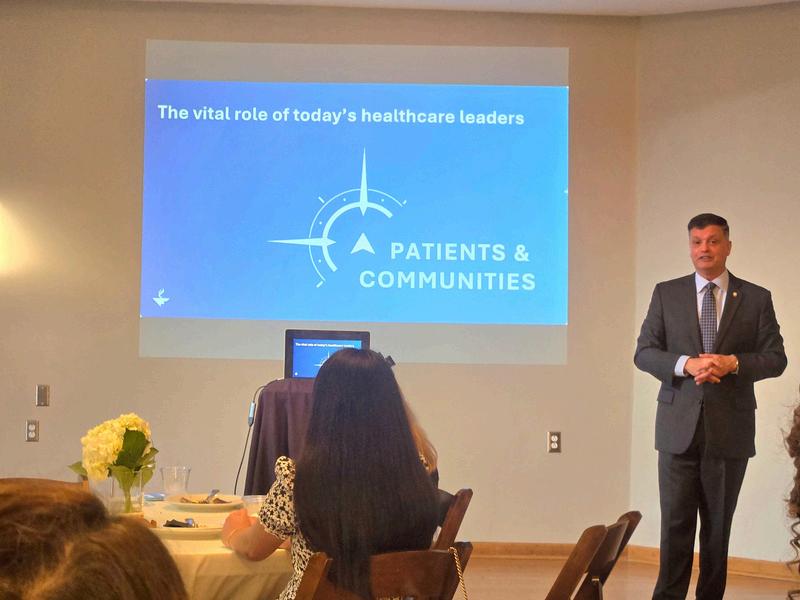
ACHE Chair Noel Cárdenas, FACHE, Senior Vice President/CEO of Memorial Hermann Southeast and Pearland Hospitals in Houston, delivered the evening's keynote, "Advancing Health Together: ACHE 2026." Cárdenas opened by walking through his own leadership journey: service as an ACHE Governor from 2022–2025, Chapter President of the Southeast Texas Chapter from 2020–2021, and Army Regent from 2013–2015, along with the Senior-Level Healthcare Executive Regent Award, ACHE Governors Award, and a Distinguished Service Award.
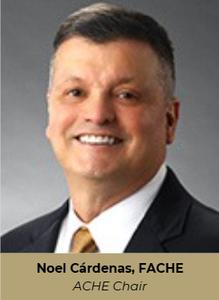
From there, he turned to the state of the organization ACHE membership has reached a historic high of 53,000, with 260,000 social media followers and more than 7,200 attendees at the 2026 Congress He credited that strength to chapter engagement, as attendees logged over 370,000 hours nationally in 2025, alongside reaching ACHE's $1 million goal fo the Fund for Healthcare Leadership and continued financial discipline
Cárdenas framed ACHE's role around three commitments for 2026–2028: serving as a Cataly for advancing and innovating health for all; a Connector that strengthens the professional community so every leader finds value locally and nationally; and a Trusted Partner that helps leaders reach their highest potential. He pointed to the cha network, 75 ACHE chapters strong, as where leadership, learning, and community intersect, ofte serving as a member's first experience with ACHE a safe space for peer mentoring and career advancement He closed that portion with thanks to chapter volunteers everywhere, calling their time a energy the engine behind ACHE's mission
Reflecting afterward, Cárdenas said:
"This was an amazing opportunity to connect with the ACHE-TENC chapter Thank you for the opportunity for me to come up, visit, speak at this great event, and connect with the ACHE-TENC members!"
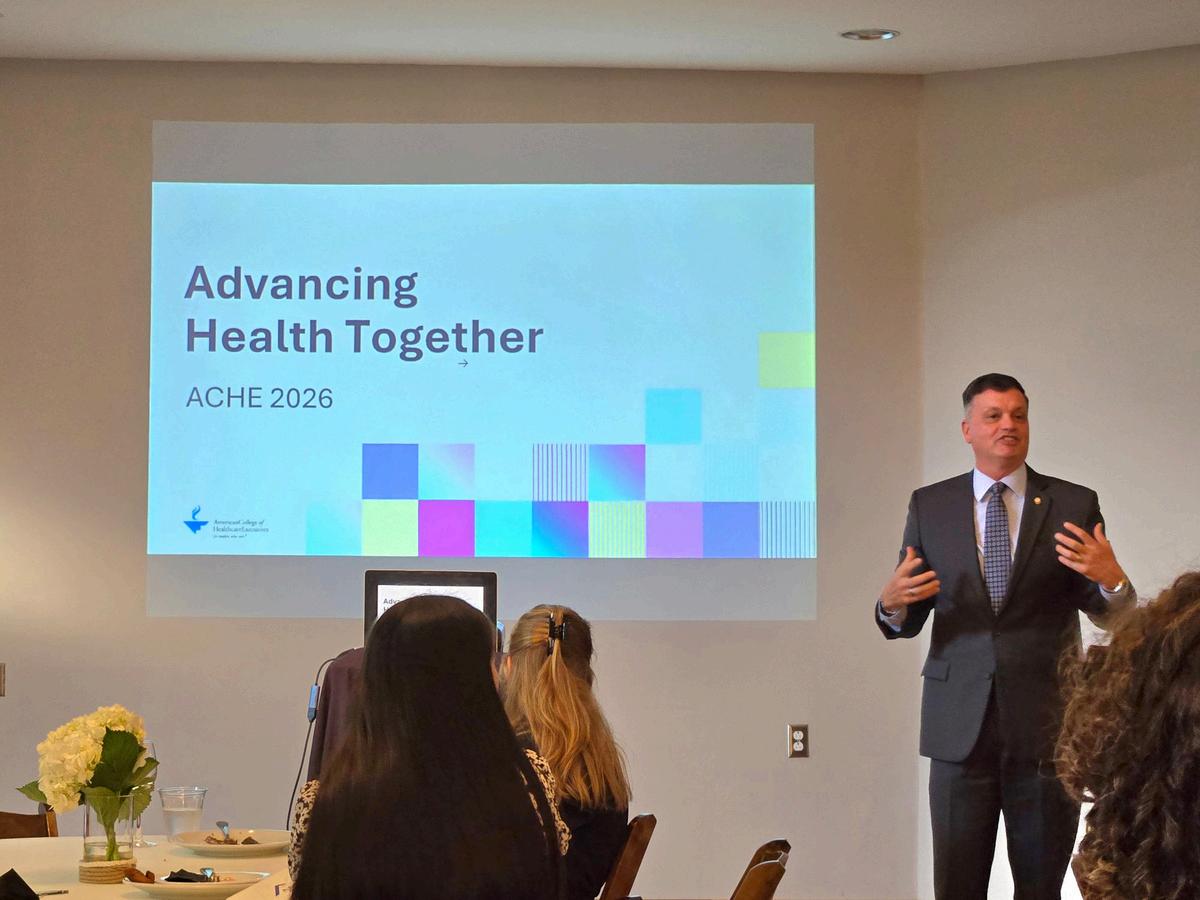
On the patient side, Cárdenas discussed ACHE's longstanding work toward zero preventable harm and equitable care, highlighting The Patient Imperative: A Blueprint for Success, a new resource launching this summer in partnership with the Institute for Healthcare Improvement's Lucian Leape Institute He also previewed ACHE's new digital experience at ACHE d i d S l f red cting, er n by 2027 fo M h


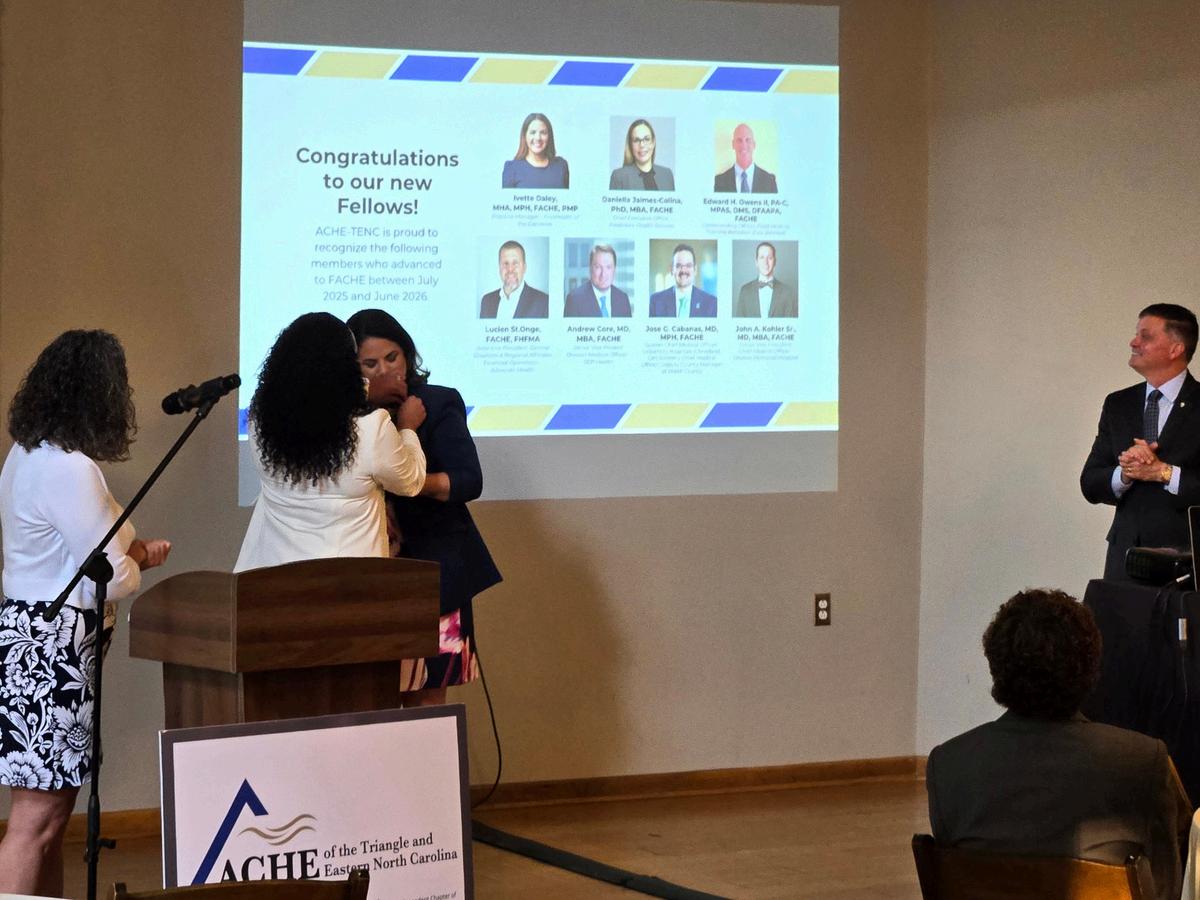
FACHE Convocation and New Fellows
The chapter's Fellowship Advancement Committee, chaired by Susan Gueiss, MHA, FACHE, and Sheila Kelty, DHA, MBA, LSSBB, FACHE, with committee members Juliana Briscoe, Neil F Kinard, MHA, FACHE, Josephine M Malfitano, DNP, Michael A Watkins, and Amber Williams, led the Convocation, reminding attendees that earning the FACHE credential reflects the knowledge, skills, and confidence to lead at the highest level
ACHE-TENC recognized the following members who advanced to Fellow status between July 2025 and June 2026:
Ivette Daley, MHA, MPH, FACHE, PMP Practice Manager, FirstHealth of the Carolinas
Daniella Jaimes-Colina, PhD, MBA, FACHE Chief Executive Officer, Piedmont Health Services
Edward H. Owens II, PA-C, MPAS, DMS, DFAAPA, FACHE Commanding Officer (Retired), Field Medical Training Battalion-East
Lucien St. Onge, FACHE, FHFMA Area Vice President, Central Charlotte & Regional Affiliates Financial Operations, Advocate Health
Andrew Core, MD, MBA, FACHE Senior Vice President, Division Medical Officer, SCP Health
Jose G. Cabanas, MD, MPH, FACHE System Chief Medical Officer, University Hospitals (Cleveland, OH); formerly Chief Medical Officer and Deputy County Manager, Wake County
John A Kohler Sr , MD, MBA, FACHE Senior Vice President, Chief Medical Officer, Onslow Memorial Hospital
The evening wound down with ACHE-TENC's AnaElis Perry, MBA, MSHA, FACHE, ACHE Regent for North Carolina, awarding the Regent's Award to Matt Gitzinger, MHA, FACHE, for all of his hard work and dedication to ACHE and the healthcare profession Reflecting Matt's dedication to increasing healthcare access, Ana-Elis emphasized the fact that “It is all of our responsibility to reach back and serve ” See the following page for details regarding the award
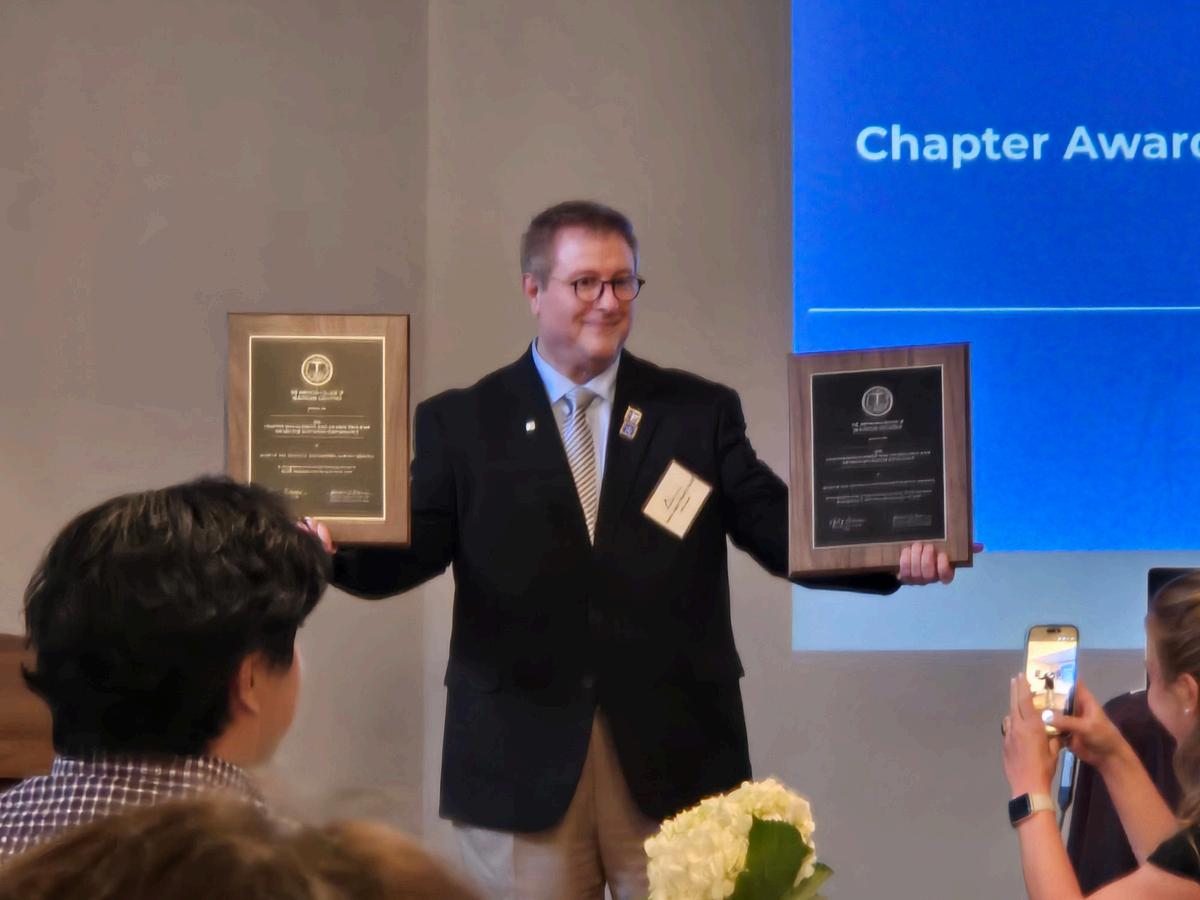
Trent ended the evening by celebrating ACHE-TENC’s Chapter Awards, having again earned national recognition from ACHE for chapter excellence and sustained performance, distinctions that reflect the consistency of the chapter's programming, member engagement, and volunteerism for the past year.
Felixia Colón, MBA, FACHE, Regent-At-Large District IV, who flew in from North Texas, also recognized ACHE-TENC’s unique strengths and talents by stating, “The ACHE-TENC is a stellar chapter, as it shows camaraderie It feels like a community here, as I came in and people said hello and introduced themselves That’s one thing I love about your chapter, just the welcoming Southern hospitality ”
Together, the evening's program underscored a theme that ran through nearly every speaker's remarks: that ACHE-TENC's strength comes from the people who show up for each other, as mentors, mentees, committee volunteers, and honorees alike.

2026 ACHE North Carolina Regent Award Recipient
ud to recognize Matt Gitzinger, MHA, FACHE, as this year’s recipient of the ACHE Regent Award for North Carolina, an honor that celebrates healthcare executives who demonstrate exceptional leadership, innovation, and service to their communities The Regent Awards highlight individuals who strengthen the field of healthcare management through their vision, integrity, and commitment to improving care for the people they serve Matt has embodied all of these qualities at every stage of his career!
As Executive Director of Rural Health Strategy and Partnerships at UNC Health, Matt now leads statewide initiatives that expand access to care, support rural healthcare, and build strong community partnerships His work advances population health, care management, health equity, and community based interventions that improve outcomes for patients across
This dimension of healthcare is quickly becoming a core competency for healthcare leaders who must align clinical outcomes, patient experience, access, and financial sustainability
Matt has been a dedicated leader within ACHE‑TENC He served as the Chapter President from 2025 to 2026, guiding strategic priorities, supporting member engagement, and strengthening the chapter’s role in developing healthcare leaders across the state. His service includes years of involvement as a committee leader, moderator, and speaker at many ACHE‑TENC programs.
Matt is also a committed mentor Through the ACHE TENC Mentorship Program, he has supported emerging professionals with thoughtful guidance, encouragement, and practical insight His investment in the next generation reflects his belief that strong leadership grows through shared learning and service
This year’s award was presented by North Carolina Regent Ana Elis Perry, FACHE, during the ACHE TENC Annual Summer Soiree Her recognition of Matt’s contributions underscored the impact of his leadership on both the chapter and the broader healthcare community
BOARD OF GOVERNORS EXAM REVIEW WEBINAR SERIES
Starts September 3, 2026 6:00 - 7:30 PM Virtual Click here to
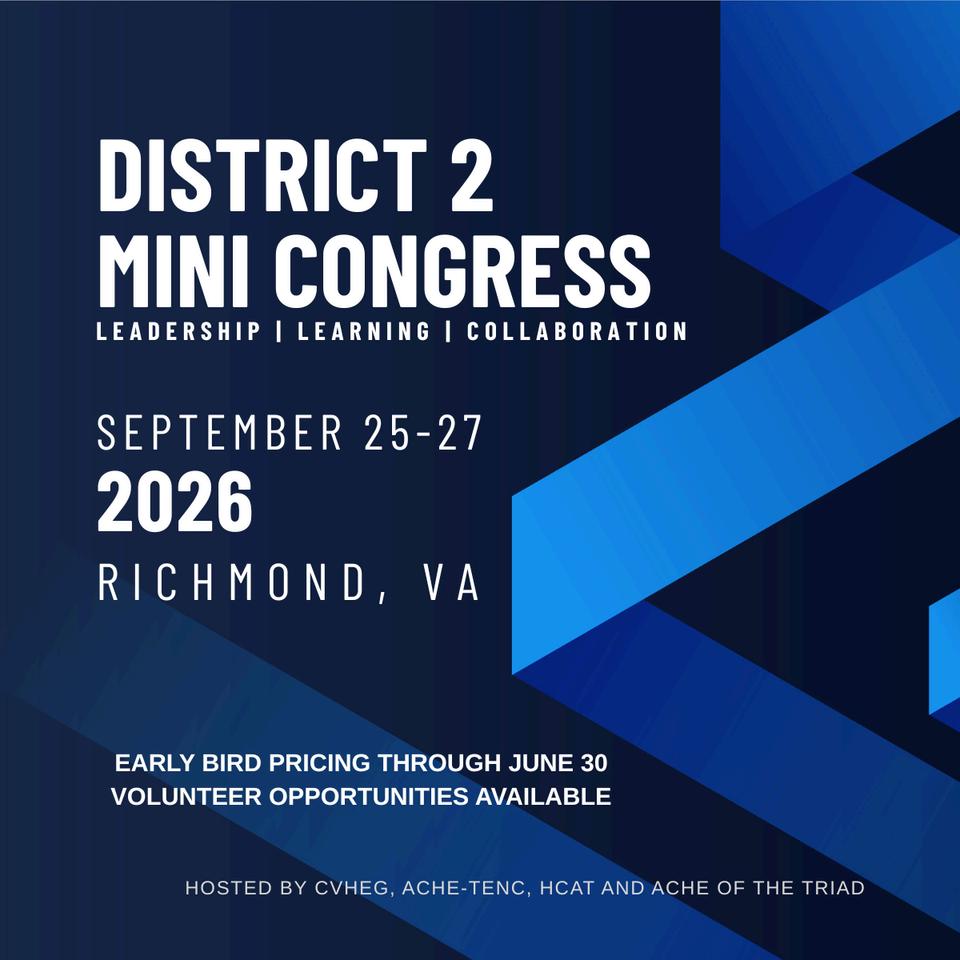
September 25-27 | 7:00 am - 3:00 pm
Omni Richmond Hotel | 100 S 12th St Richmond, VA 23219
3 DUKE C-SUITE ROUNDTABLE: AMBULATORY OPERATIONS AND OPTIMIZATION
November 9, 2026 | 8:00 AM - 9:30 AM Save the Date!




Leadership
Navigating the Next Chapter of Value-Based Care
As Medicare continues its journey toward value-based care, its newest episode-based payment model underscores a familiar reality: meaningful reform is as much about execution as it is about design.
The ACO Transforming Episode Accountability Model (ACCESS) aims to strengthen accountability for quality, coordination, and spending across episodes of care Yet, as the authors highlight, achieving these goals requires navigating complex tradeoffs Organizations must balance financial accountability with equitable, patient-centered care while investing in the data infrastructure, clinical integration, and operational capabilities necessary to succeed
For healthcare leaders, ACCESS offers a timely case study in the ongoing evolution of payment reform. Its ultimate impact will depend not only on whether it reduces costs or improves outcomes, but also on how effectively it accounts for patient complexity, minimizes unintended consequences, and evolves in response to lessons learned
The model reinforces a central lesson of value-based care: sustainable transformation requires thoughtful implementation, continuous evaluation, and leadership that can adapt to an increasingly complex healthcare landscape.
As healthcare leaders continue to focus on prevention and the drivers of health, a growing question emerges: should access to nutritious food be considered a core healthcare intervention rather than an optional social support?
This article explores how Medicare Advantage (MA) plans can more effectively leverage nutritious food supplemental benefits to improve outcomes and optimize spending Although evidence increasingly links nutrition to better management of chronic disease and lower healthcare utilization, current CMS policy often limits access by classifying many food benefits as Special Supplemental Benefits for the Chronically Ill (SSBCI), meaning they are generally available only after a beneficiary meets narrow eligibility criteria
The authors argue that this approach may delay intervention until health conditions have already worsened
By recognizing nutritious food as a broadly “primarily health-related” supplemental benefit, CMS could allow MA plans greater flexibility to address nutrition earlier in a member’s care journey. For healthcare executives, this highlights a broader shift in valuebased care: achieving better outcomes may require investing beyond traditional clinical services and viewing interventions such as nutrition as essential tools for improving population health, advancing prevention, and ensuring responsible stewardship of healthcare resources
References
1
M. Liao, J. (2026). At The Heart Of Medicare’s ACCESS Model, Tradeoffs And Complexities Persist. Health Affairs. https://www.healthaffairs.org/content/forefront/heart-medicare-s-access-model-tradeoffs-and-complexities-persist
2
Hm Chen, A., A. Carson, M., R. Green, A., & Seligman, H. (2026). Using Nutritious Food MA Supplemental Benefits To Fight Chronic Disease Health Affairs https://www centene com/news/policy-recommendation-cms-nutrition-access-medicaremembers
Creative Directors
Christian Bergevin, UNC Health
Dolapo Busuyi, ECU Health
Holly Harris, UNC Health
Babar Iqbal, Health Career Connection
Ashley Mahan, UNC Health
Isabelle Murphy, UNC Chapel Hill
Lynn Norwood, A T Still University
Contributing Writers
Trent Beach, FACHE, UNC Health
Ana-Elis Perry, FACHE, UNC Health
Jennifer Woody, UNC Health
Sarah Mueller, The Beck Group
Paul Marini, FACHE, UNC Orthopaedics
Captain Edward H. Owens, II, FACHE, Commanding Officer, Field
Medical Training Battalion-East
President President-Elect
Immediate Past President Treasurer Secretary
President Advisory Council
Trent Beach, FACHE, UNC Health
Paul Marini, FACHE, UNC Orthopaedics
Matt Gitzinger, FACHE, UNC Health Alliance
Savannah Stallings, Duke Health
Jessica McGee, FACHE, UNC Health
Tom Hughes, FACHE, UNC Health Rex
Ana-Elis Perry, FACHE, UNC Health
Swati Bhardwaj, FACHE, Southern Atlantic Healthcare Alliance
Emily Greene, FACHE, Duke Health
2026 Committee Chairs
Ashley Mahan, UNC Health
Holly Harris, UNC Health
Margarita Khosh, MK Medical Solutions LLC
Jan Lee Santos, Methodist University Cape Fear Valley Health School of Medicine
Susan Gueiss, FACHE, Duke Health Integrated Practice
Sheila Kelty, FACHE, IMH Healthcare
Kishan Shah, Duke Health
Sarah Vorhees, Harris Teeter Pharmacy
Euniqua Bullock, Duke Health Integrated Practice
Amina Dixon, Duke Health System
Allen Stephens, Duke Health Integrated Practice
Jennifer Woody, UNC Health
Jessica Teague, Hillrom/Baxter Inc
Brian Cocks, Baxter International Inc
David Long, FACHE, ECU Health


Community leaders across the U.S. are facing a defining challenge: how to expand community access to healthcare while remaining accountable guardians of taxpayer dollars.
Both data and real-world examples make a compelling case that access to care is inseparable from long-term fiscal health. Persistent poverty, geographic barriers, and workforce shortages all drive worse health outcomes and higher public costs. When residents lack access to affordable healthcare, counties absorb the impact through avoidable emergency department use and increased strain on safety-net systems The pressure is most acute on behavioral health and maternity care
Maternity care deserts now affect millions of women, with a growing number of residents living far from hospitals or trauma services At the same time, workforce shortages and rising demand for outpatient and behavioral health care leave millions untreated or push care into emergency rooms, jails, and juvenile justice systems These gaps are both public health failures and costly inefficiencies that undermine long-term community stability

Sarah Mueller, ACHE Director of National Healthcare
In response, forward-thinking community leaders are considering healthcare infrastructure investment as a cost-avoidance strategy rather than a discretionary expense. Strategic investment in outpatient and communitybased facilities can reduce emergency utilization, improve outcomes, and preserve public resources. With strategic planning, feasibility studies, and disciplined budgeting, community leaders can make informed, futureready investment decisions before costs escalate.
The Beck Group’s integrated planning and delivery model has helped communities nationwide modernize healthcare facilities, expand capacity, and remain accountable to budgets, even in complex, occupied environments Through adaptive reuse, phased renovations, and targeted expansions, thoughtful design and construction can stretch limited capital while meeting urgent community needs
This is a call to action Community leaders are uniquely positioned to shape healthier, more equitable communities, but only if they lead with clarity, courage, and collaboration among public officials, care providers, funders, and healthcare experts Beck’s experience reinforces a clear truth: bold, responsible investment today can strengthen communities for decades to come
At Beck, we believe healthcare environments are investments in community well-being, economic resilience, and long-term access to care Our team partners with healthcare providers, public agencies, and community stakeholders to plan and deliver facilities that expand access, strengthen care networks, and maximize limited resources From outpatient campuses and behavioral health environments to phased renovations and adaptive reuse projects, we help communities create spaces that improve outcomes while remaining accountable to budget and operational goals
Learn more about us: Beckhc.com.















Follow ACHE-TENC on social media platforms and tag us in your ACHE-TENC related posts. Be sure to visit us frequently on our website for event details and program updates!
Are you planning on attending an upcoming
Have you attended another industry-related event that your ACHE-TENC colleagues should be aware of? If you've answered yes to either, we want to hear from you!