Advancing brain research
ANNUAL REPORT 2025
Florey discoveries 20 to the clinic A message from our 22 Fundraising Committee
2025 donors 23
of Directors 24
snapshot 25
Acknowledgement of Country
The Florey acknowledges the Traditional Owners of the land on which we work, the Wurundjeri people of the Kulin Nation. We pay our respects to their Elders past and present.
The Florey is committed to the aims, principles and actions of marra ngarrgoo, marra goori: The Victorian Aboriginal Health, Medical and Wellbeing Research Accord.
Lived experience contributors
and volunteers
The Florey acknowledges those with a living or lived experience of neurological conditions and thanks them for sharing their stories and perspectives with us, as we work together to improve health outcomes and patient care.
We thank those who support Florey research and participate in our clinical trials.
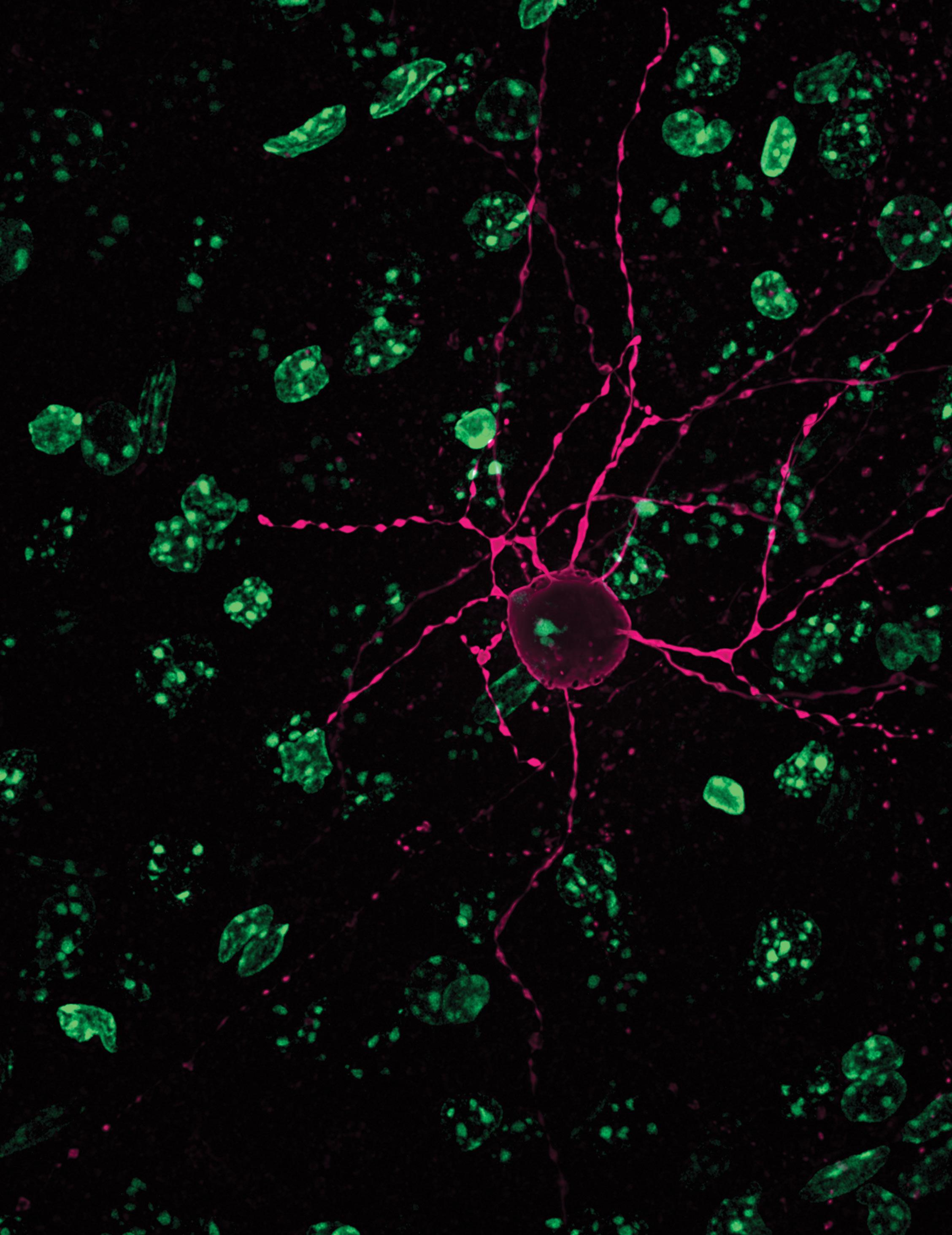
Cover image: A Mind is Born, James Spyrou, Neurophysiology of Excitable Networks Group. This image shows an interneuron (labelled in pink) in the cortex of the brain. All other brain cells are labelled in green.
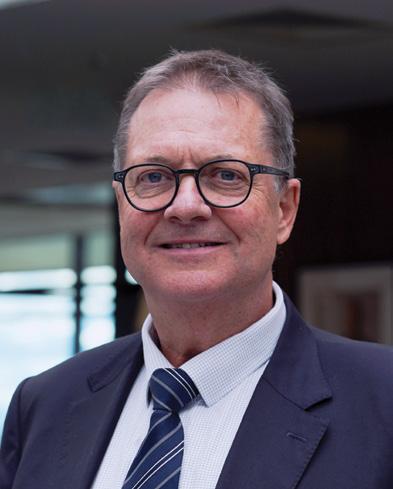
I am pleased to present The Florey’s 2025 Annual Report. Under the leadership of our new Executive Director, Professor Peter van Wijngaarden, 2025 was another year marked by significant change.
The Florey’s strategy to focus on key areas of research, develop strategic relationships and engage on the global stage has helped to accelerate the impact of our research.
The Institute was restructured into five research priority areas: Dementia, Mental Health, Epilepsy and Neurodevelopment, Neurodegeneration and Immunology, as well as Stroke and Critical Care. Leaders of these priority areas have done a tremendous job in facilitating scientific exchange within and across these groups. A renewed emphasis on leadership opportunities for early and mid-career researchers will equip the scientific leaders of the future with the skills that they need.
The management team has worked hard to improve operations and support services, enabling our researchers to excel. Efficiencies gained through these efforts, coupled with highly engaging fundraising campaigns, donor stewardship, and the judicious management of The Florey Foundation and Future Fund have resulted in an operating surplus in 2025 and set the Institute on a path towards long-term sustainability.
Florey researchers continued to shape global neuroscience through a combination of high impact scientific publications, international conference presentations and invited lectureships, as well as leadership of peak bodies. In addition, several of the Institute’s start-up companies made significant progress in bringing scientific discoveries towards the clinic.
The Board welcomed incoming Directors Professor Shelley Dolan and Ms Jodie Geissler, and thanked outgoing Director, Professor Christine Kilpatrick AO for her outstanding service over six years. I am grateful for the dedication and expertise of members of the Board and advisory committees.
On behalf of the Board, I congratulate our staff and students on an exceptional year of progress. These achievements, and the many others detailed in this report, were made possible with thanks to the generous support of our donors and funding agencies. I also acknowledge the importance of our partnerships with the University of Melbourne, Austin Health and Royal Melbourne Hospital. It is through these collective efforts that meaningful progress is being made in brain and mental health research.

From our Chair From our Director
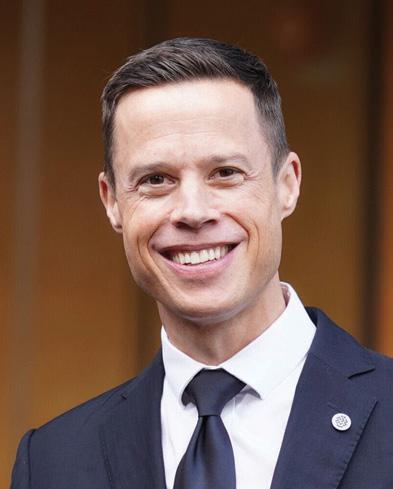
It has been a privilege to work alongside our talented staff and students as they advanced brain and mental health research in 2025. They did so despite increasing challenges in the Australian medical research sector. Competition for grant funding is at an all-time high, and rising costs of research are increasing financial pressure on institutes.
The Florey has faced into these headwinds, refining operations for efficiency, as well as utilising scientific infrastructure and expertise to advance industry partnerships, generating revenue to support our scientists. Likewise, the commercialisation of our research has served to advance discoveries toward the clinic and to provide income for research. Importantly, the extraordinary generosity of our donors has sustained vital research programs.
We are proud to share some key Florey research highlights in the following pages. Many of these achievements were the product of collaborative research in partnership with scientists in the Parkville precinct, elsewhere in Australia and abroad. To further enrich these partnerships The Florey hosted numerous international delegations and dignitaries.
We were also proud to welcome an array of eminent visiting scientists from around the world including Professor Marcus Conrad, Director of the Institute of Metabolism and Cell Death at Helmholtz Munich, who delivered an outstanding Allan Maria Myers Lecture. Another important opportunity for scientific exchange came during the inaugural AUS-CAN Symposium, a meeting co-hosted by The Florey and Doherty Institute to explore the intersection between infection and neurological disorders, that brought researchers from the Snyder and Hotchkiss Institutes in Calgary to Melbourne.
I had the privilege of visiting key European collaborators at the Paris Brain Institute and the University of Luxembourg. A highlight was representing The Florey at a Japanese-French symposium on Data Science to promote Healthier Brain Ageing. This meeting was part of a global push for investment in brain health as a key driver of wellbeing and socio-economic prosperity. Leading scientists from The Florey will continue to shape this and other international brain health initiatives.
As we look to the year ahead with optimism, I sincerely thank our staff and students for their extraordinary work. I extend these thanks to our research collaborators and supporters.

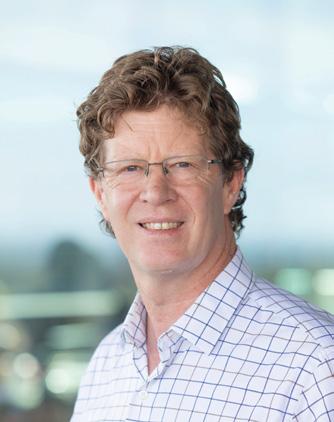
Mr Martin Adams
Professor Peter van Wijngaarden
The Florey mission
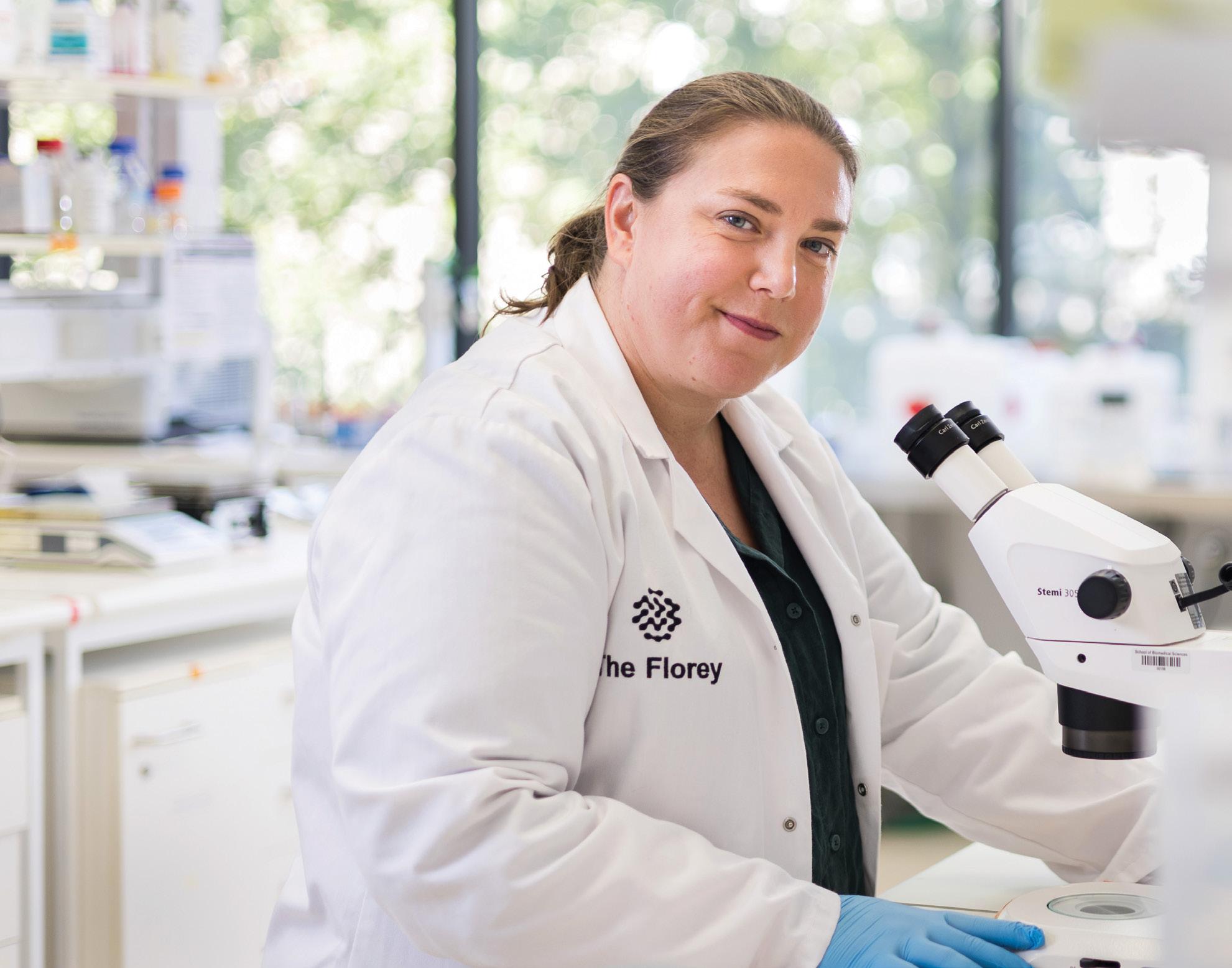
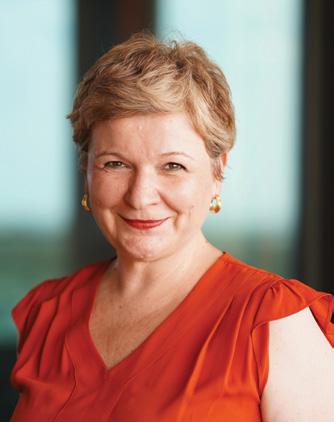
Dr Sarah Gordon
The Florey is an independent medical research institute devoted to tackling brain and mental health conditions. Our mission is to improve the lives of people through research.
We envisage a world where early detection and timely intervention mean these conditions are preventable or treatable, so that we can all live full and healthy lives.
We have 42 teams working across our five Research Priority Areas:
• Dementia
• Neurodegeneration and Immunology
• Stroke and Critical Care
• Epilepsy and Neurodevelopment
• Mental Health
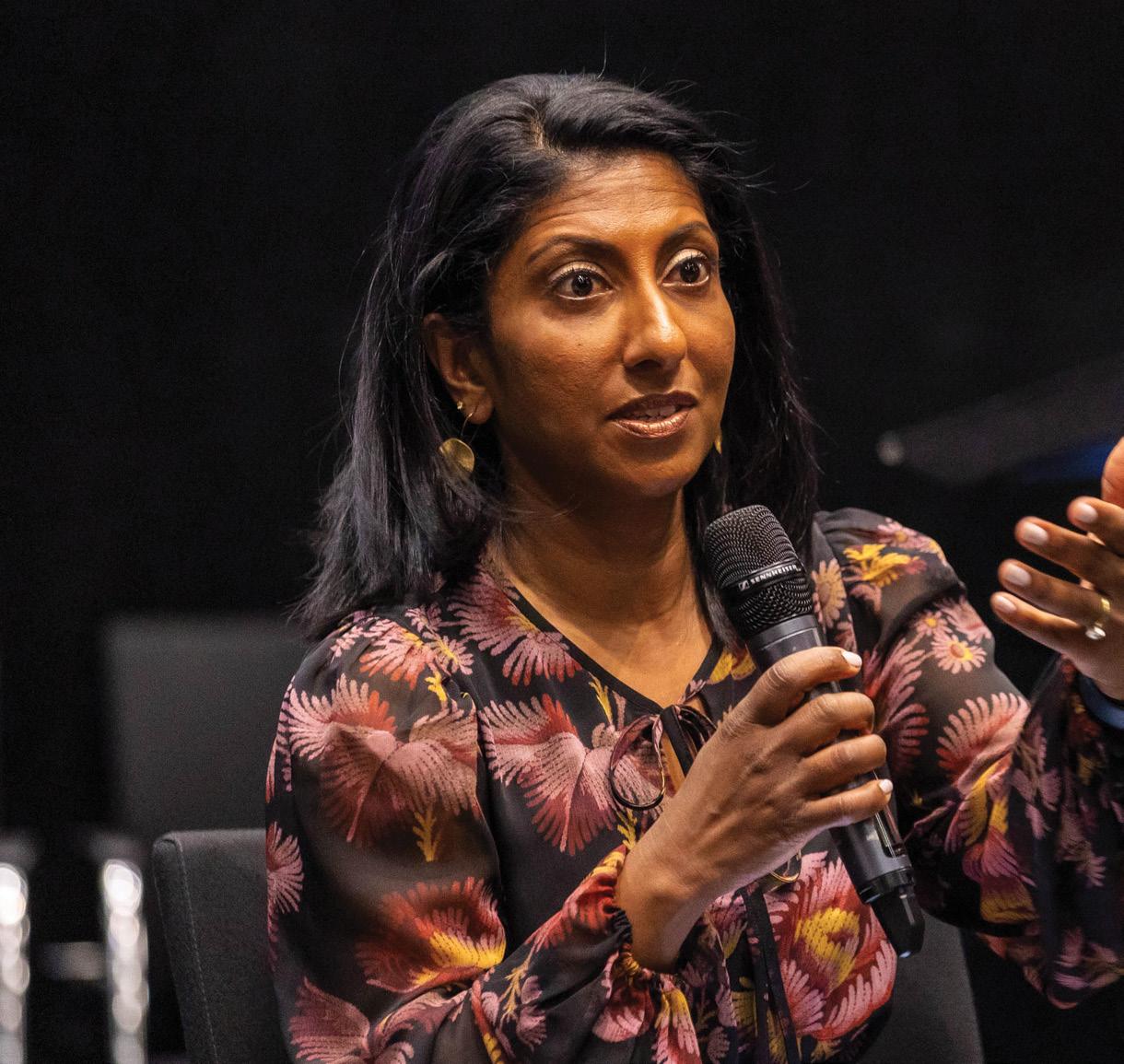
Associate Professor Jess Nithianantharajah

2025 at a glance
758 Publications
Published research
75,804 Average annual citations past two years Grants
50
New grants totalling $25m
Community engagement
67.8m
People reached via news media
9 Major grant awards inc. NHMRC, ARC, MRFF
2,100+ Attendance at our public events Support for The Florey $9.4m
Combined philanthropic funds raised
40 Projects supported Commercialisation
4 Start up companies
612
Staff and students
Our people
6 Patent families
42 Research teams
Key achievements
The Florey is leading the way in advancing our understanding of the brain, taking excellence in Australian medical research to the world. We are proud to share a small selection of our many scientific achievements in 2025.
Key publications Funding highlights and recognition
DEMENTIA
JAMA Neurology: Deferiprone in Alzheimer Disease: A Randomized Clinical Trial (Ayton S, et al.)
Advanced Science: Aberrant Mitochondrial Metabolism in Alzheimer’s Disease Links Energy Stress with Ferroptosis (Alves F, et al.)
Journal of Extracellular Vesicles: Recommendations for Studying In Situ Extracellular Vesicles From Solid Tissue (Crescitelli R, et al.)
National Health and Medical Research Council (NHMRC) Investigator Grant: Professor Ashley Bush (L3)
NHMRC Investigator Grant: Dr Pratishtha Chatterjee (EL2) Professors Scott Ayton, Ashley Bush and Christopher Rowe recognised as Clarivate Highly Cited Researchers (top 1% of researchers in their fields)
MENTAL HEALTH
Nature Communications: Midbrain ghrelin receptor signalling regulates binge drinking in a sex specific manner (Pearl AJ, et al.)
Nature Communications: Paternal SARS-CoV-2 infection impacts sperm small noncoding RNAs and increases anxiety in offspring (Kleeman EA, et al.)
World-first guideline: Clinical Practice Guideline for the Appropriate Use of MDMA-assisted Psychotherapy for Posttraumatic Stress Disorder (Andrew Lawrence, co-author)
NHMRC Ideas Grant: Dr Christina Mo (Chief Investigator)
NHMRC Centre for Research Excellence Scheme: NextGeneration Treatments for Mood Disorders (Associate Professor Jess Nithianantharajah, Co-Investigator)
NEURODEGENERATION AND IMMUNOLOGY
Nature Neuroscience: Large-scale drug screening in iPSCderived motor neurons from sporadic ALS patients identifies a potential combinatorial therapy (Bye CR, et al.)
Nature Neuroscience: Neuronal somatic mutations are increased in multiple sclerosis lesions (Motyer A, et al.)
Cell Stem Cell: A cloaked human stem cell-derived neural graft, capable of structural and functional integration into a Parkinsonian model, evades immune detection in humanised mice (Pavan C, et al.)
NHMRC Investigator Grant: Dr Carlos Gantner (EL1)
NHMRC Investigator Grant: Dr Niamh Moriarty (EL1)
NHMRC Ideas Grant: Dr Samantha Barton (Chief Investigator)
NHMRC Centre for Research Excellence Scheme: Parkinson’s Disease: Advancing Precision Medicine (Professor Clare Parish, Co-Investigator)
EPILEPSY AND NEURODEVELOPMENT
Nature Medicine: Antisense oligonucleotide treatment in a preterm infant with early-onset SCN2A developmental and epileptic encephalopathy (Wagner M, et al.)
Nature Medicine: Perioperative IDH inhibition in treatmentnaive IDH-mutant glioma: a pilot trial (Drummond KJ, et al.)
Nature Neuroscience: Increased neural excitability and glioma synaptic activity drives glioma proliferation in human cortex (McAlpine H, et al.)
‘First in human’ delivery of an antisense oligonucleotide developed at The Florey to treat gain of function SCN2Adevelopmental and epileptic encephalopathy
Australian Epilepsy Project: 1,700 participants referred; >1,100 clinical reports returned; ~10% of AEP MRI scans identified previously undetected lesions
STROKE AND CRITICAL CARE
Anesthesiology: Persistent Renal Hypoxia and Histologic Changes at 4 Weeks after Cardiopulmonary Bypass in Sheep (Furukawa T, et al.)
Critical Care: A preclinical randomised controlled dose optimization of megadose sodium ascorbate for reversal of gram-negative sepsis-induced cardiovascular, brain and kidney dysfunction (Ow C, et al.)
Journal of Medicinal Chemistry: Species-Dependent Metabolism of a Covalent nsP2 Protease Inhibitor with In Vivo Antialphaviral Activity (Hossain MA, et al.)
Medical Research Future Fund Grant: MEGA-HEART project (Professor Yugeesh Lankadeva, Chief Investigator)
ARC Discovery Grant: Professor John Furness (Co-Investigator)
In 2025, The Florey became a signatory to The Openness Agreement on Animal Research and Teaching in Australia. In doing so, The Florey has pledged to work towards greater transparency on the use of animals in medical research.
Discover what it’s like to be a part of The Florey and contribute to worldleading research
Our global reach
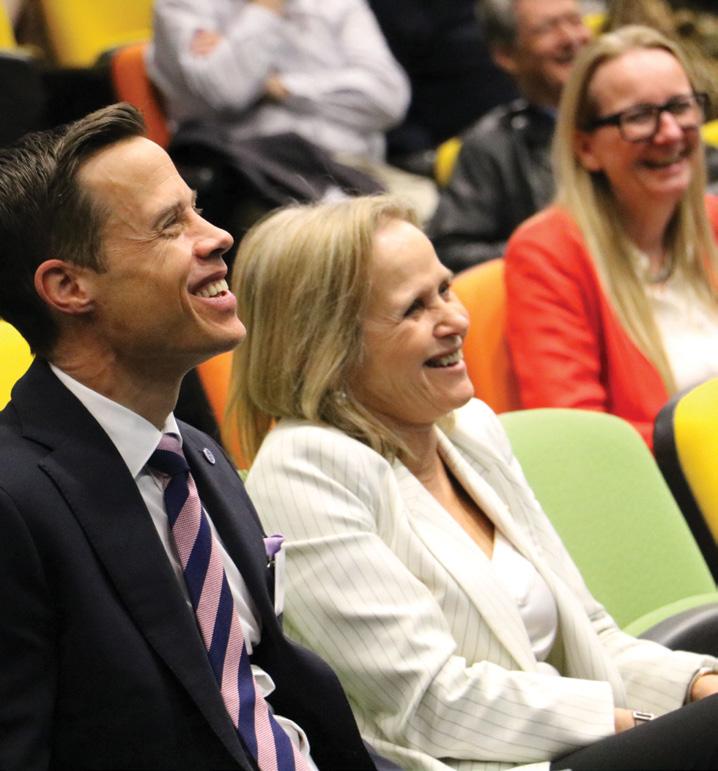
AUS-CAN Symposium strengthens MelbourneCalgary research partnership
Researchers from the University of Calgary’s Snyder Institute and Hotchkiss Brain Institute converged on Melbourne for the inaugural AUS-CAN symposium.
A collaboration between the Doherty Institute, the Cumming Global Centre for Pandemic Therapeutics, the University of Melbourne and The Florey, researchers met to discuss the nexus between neuroscience and infectious diseases.
The three-day symposium catalysed important collaborative research projects between the institutes and showcased the depth of expertise across the biomedical precincts in Melbourne and Calgary.
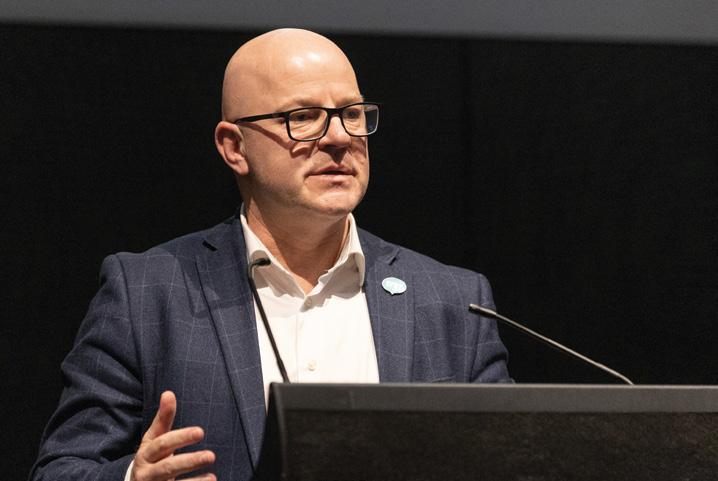
Trans-Tasman relations
The Florey welcomed a New Zealand delegation of health technology leaders for a tour of the Institute, featuring the Hon Matt Doocey (pictured), New Zealand Minister for Mental Health and Associate Minister for Health. Guests included New Zealand Trade Commissioner and ConsulGeneral for Melbourne, Bella Katz.
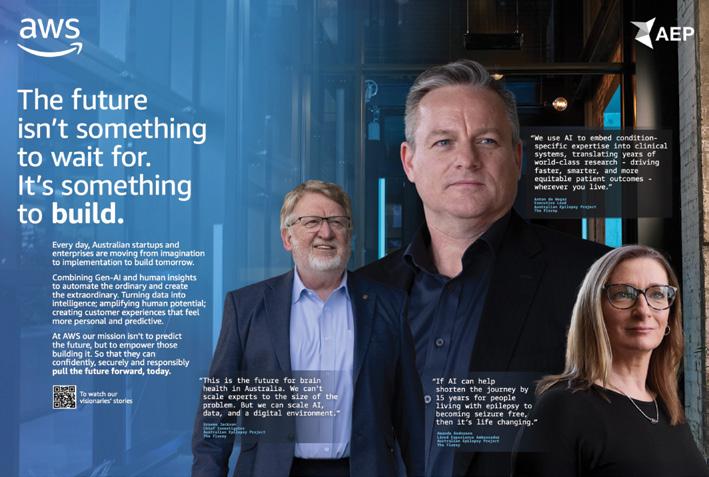
Australian Epilepsy Project stars in Asia Pacific campaign
The Florey’s Australian Epilepsy Project (AEP) was selected alongside global companies to be part of the Amazon Web Services (AWS) ‘Pull the Future Forward with Generative AI’ brand and engagement campaign.
The multi-million dollar campaign featured nine innovative entities powered by AWS technologies across the Asia Pacific. Using AI to embed condition-specific expertise into clinical systems and translating years of worldclass research, the AEP is driving more timely and accurate diagnosis.
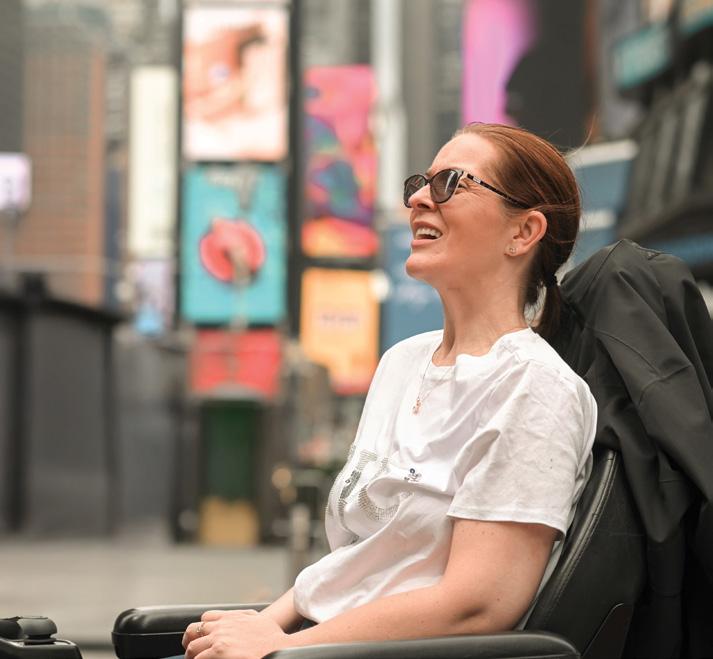
Brooke in the Big Apple
Brooke Parsons, Consumer Consultant at The Florey, represented the Australian Federation of Disability Organisations at the Conference of States Parties held at the United Nations in New York.
As a stroke survivor, Brooke brought her advocacy and personal experience to discuss the progress of the United Nations Convention on the Rights of Persons with Disabilities.
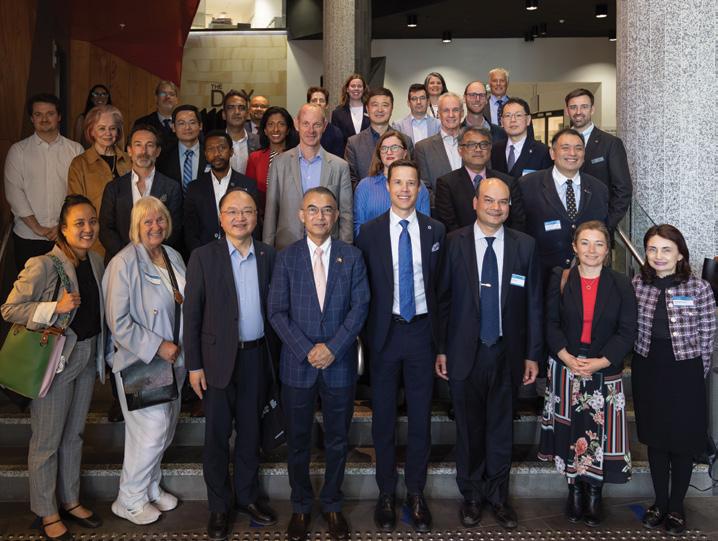
Consular Corps biotechnology outreach visit
Hosted by the Department of Foreign Affairs and Trade, members of the Victorian Consular Corp from over 20 nations including China, France and Britain toured The Florey and heard about key research advances that could be scaled across the globe.
The delegation of Consuls-General and support staff were impressed with Florey research progress. The goal of the visit was to establish ties with key global partners.
2025 in review
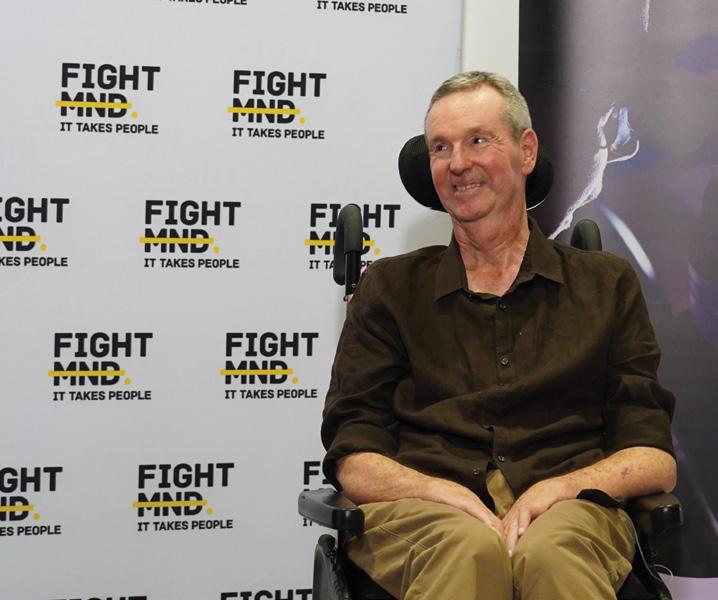
↑ Australian of the Year an inspiring choice: FightMND co-founder Neale Daniher AO was awarded Australian of the Year. Neale is a tireless advocate for motor neurone disease and continues to inspire Florey researchers in their quest to prevent and cure the disease.
JANUARY
FEBRUARY
Courageous conversations: In The Florey’s Brain Matters podcast, Victorian MP Emma Vulin shared her journey with motor neurone disease and the changes it has brought to her everyday life.
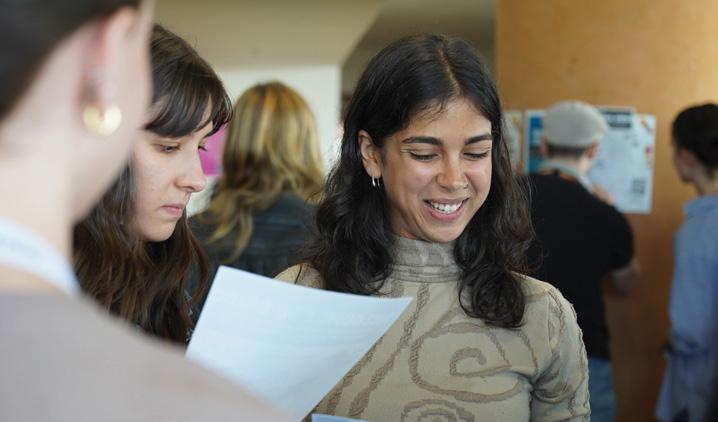
↑ Bright new stars: The Florey welcomed 11 honours and 12 master’s students across research disciplines as part of our annual March student intake. They join a cohort of 175 existing students, forming the future of the Institute.
Levelling up women’s participation in science: An esteemed panel including the Hon Gabrielle Upton, the Hon Jaala Pulford, Professor Lauren Ayton AM and Dr Ranjana Srivastava OAM delivered powerful advice and discussed fostering a supportive environment for women’s career advancement, as part of The Florey’s ‘Levelling Up’ launch event for women in science.
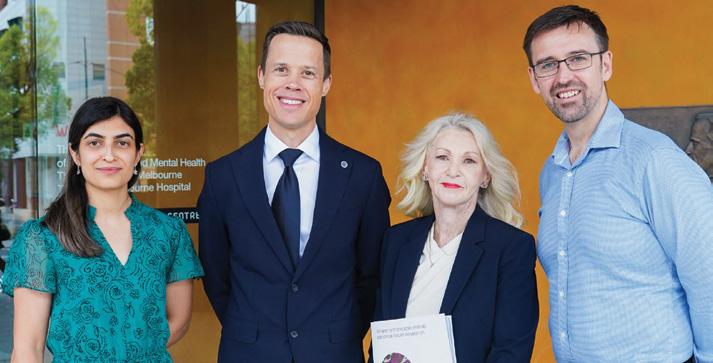
↑ Advocating for dementia investment: The Florey welcomed Senator for Tasmania and Co-Chair of the Parliamentary Friends of Dementia, Helen Polley, showing her the latest diagnostic tools for dementia.
A new era of leadership: Heads and Deputies were appointed for our five new Research Priority Areas: Dementia, Mental Health, Neurodegeneration and Immunology, Epilepsy and Neurodevelopment, and Stroke and Critical Care.
MARCH
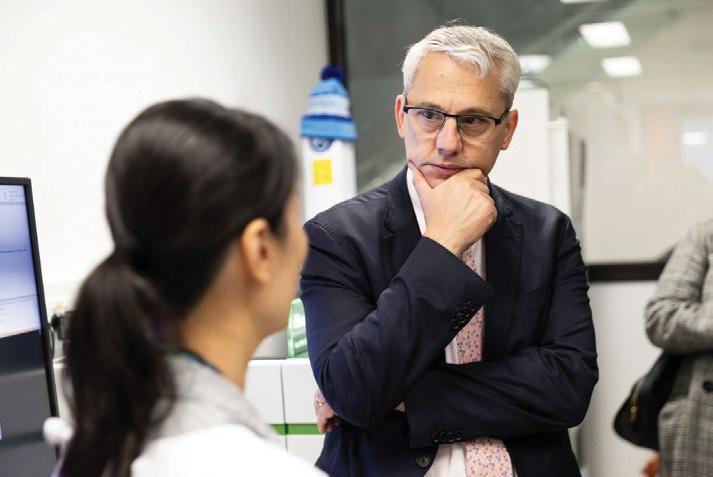
↑ Ministerial visit: The Hon Danny Pearson MP, Victorian Minister for Economic Growth and Jobs, was joined by FightMND’s CEO Matt Tilley and Chair Mike Schneider to tour The Florey’s robotic stem cell facility, which supports our research into drug screening for motor neurone disease.
MAY
APRIL
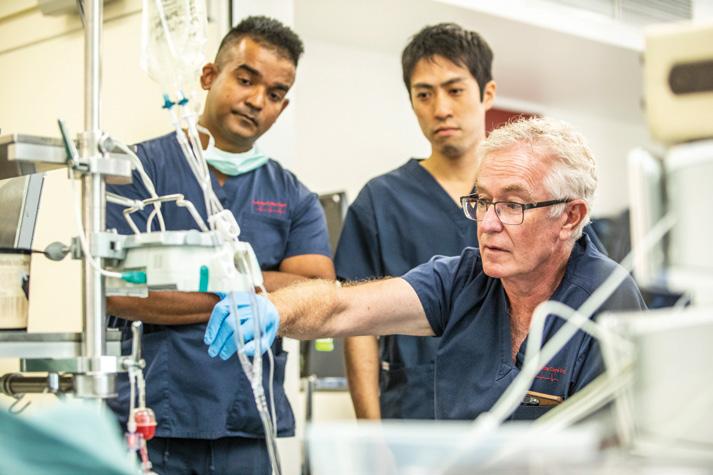
↑ MRFF MEGA-HEART grant: A research project led by The Florey’s Head of Stroke and Critical Care and FounderCEO of PanAscea, Professor Yugeesh Lankadeva, and Austin Health’s Associate Professor Lachlan Miles received a $4.9m Medical Research Future Fund grant to test a treatment to reduce brain and kidney injury after heart surgery.
JUNE
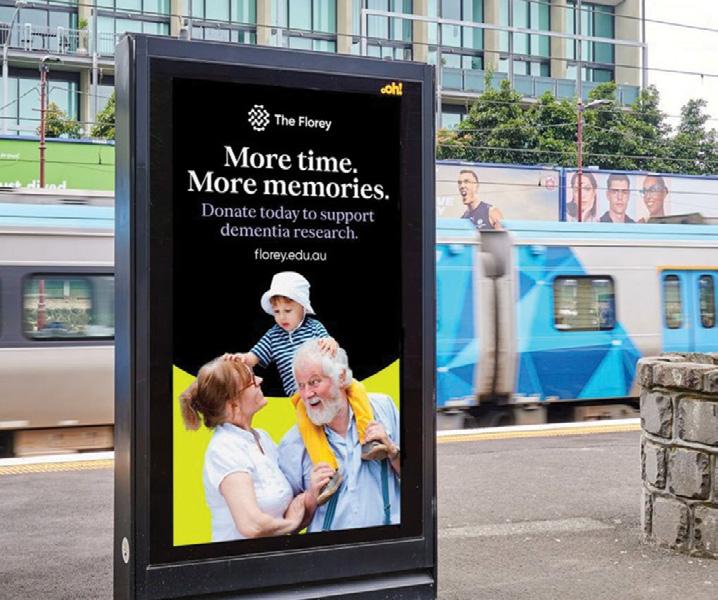
↑ More Time campaign: The Florey’s mid-year fundraising campaign emphasised the need to gain ‘more time’ for people at risk of or living with dementia. Dementia affects individuals, families, caregivers and the healthcare system as a whole. The campaign increased awareness and raised sincerely appreciated research funds.
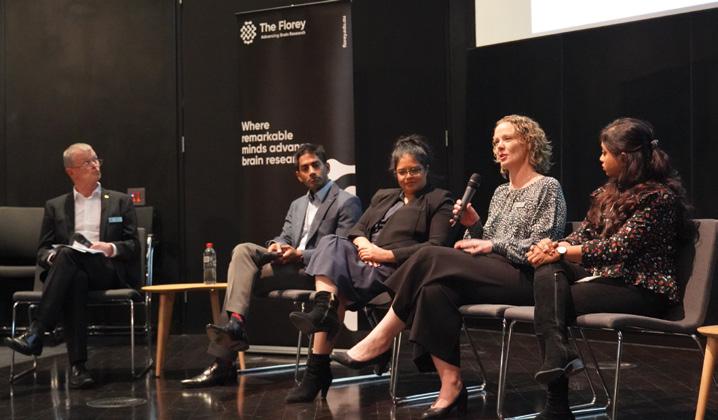
↑ World Brain Day lectures: In recognition of World Brain Day, Florey researchers and clinicians spoke about our innovative advances from stem cells to focused therapies to treating brain diseases, including motor neurone disease, multiple sclerosis and Parkinson’s disease.
JULY
AUGUST
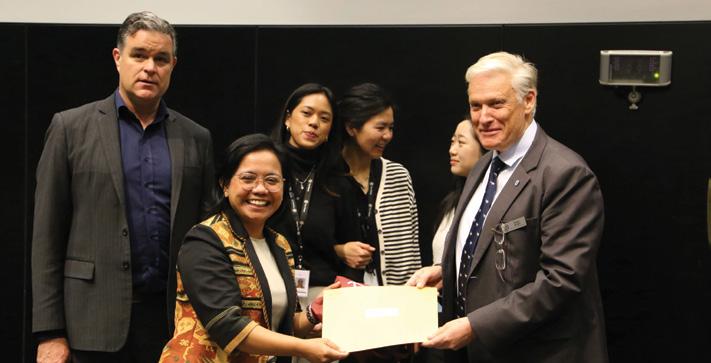
↑ Indonesian delegation visit: We welcomed a visiting Department of Foreign Affairs and Trade delegation from Indonesia as part of the Australia Awards in Indonesia program—Selamat Datang. Introduced by Florey COO Andy Barlow in Bahasa Indonesian, the dialogue focused on how Florey research is related to health priorities in Indonesia.
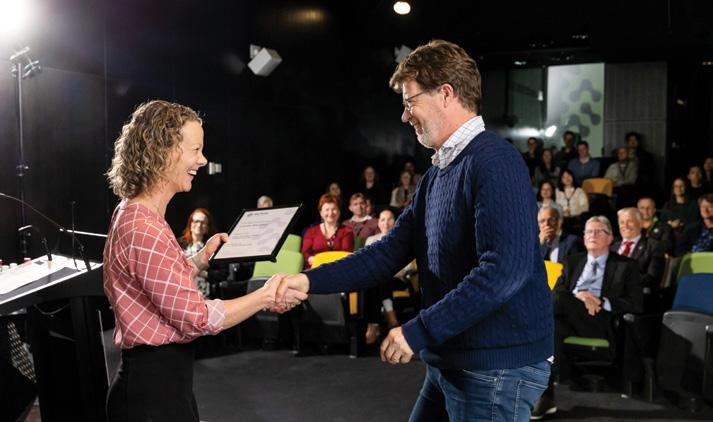
↑ Florey Awards recognise career milestones: The Florey celebrated its 2025 line-up of Florey Award winners, with diverse recognition across several talent categories. These awards are made possible thanks to the generosity of our donors who contribute to award benefits including travel grants.
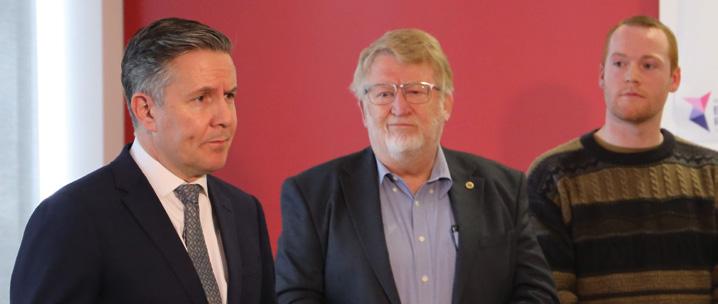
↑ National recognition: Federal Health Minister, the Hon Mark Butler MP, visited The Florey’s Heidelberg facilities to commemorate the 10-year anniversary of the Medical Research Future Fund, and celebrated the Australian Epilepsy Project as an exemplar of impact.
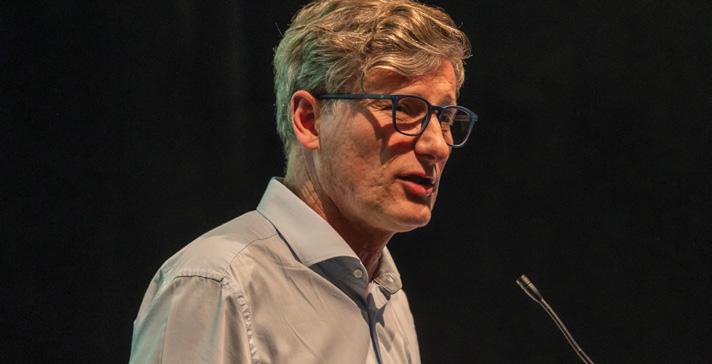
↑ Allan & Maria Myers Lecture: The Florey proudly hosted Professor Marcus Conrad, Director of the Institute of Metabolism and Cell Death at Helmholtz Munich, to deliver a pertinent keynote on ferroptosis and dementia.
SEPTEMBER
OCTOBER
A marathon effort: Professor Chris Reid, Head of The Florey’s Epilepsy and Neurodevelopment Research Priority Area, joined PURA Foundation Australia for the 2025 Melbourne Marathon, running alongside more than 90 peers including clinicians, scientists, volunteers and families. Their mission is to improve the lives of individuals diagnosed with PURA syndrome — a form of developmental epilepsy.
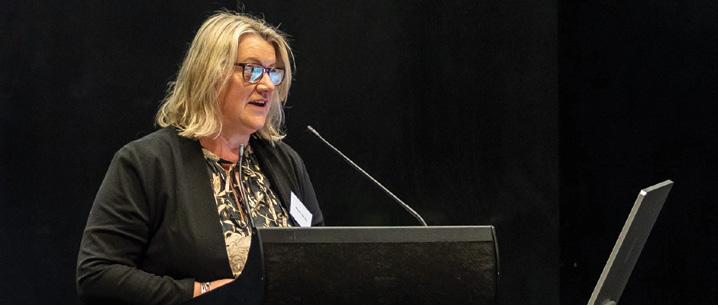
↑ Championing women’s mental health: The Hon Ingrid Stitt MP, Victorian Minister for Mental Health, headlined our signature event for World Mental Health Day, which explored the intersection of stress and addiction, as well as emerging therapies and the future of treatment.
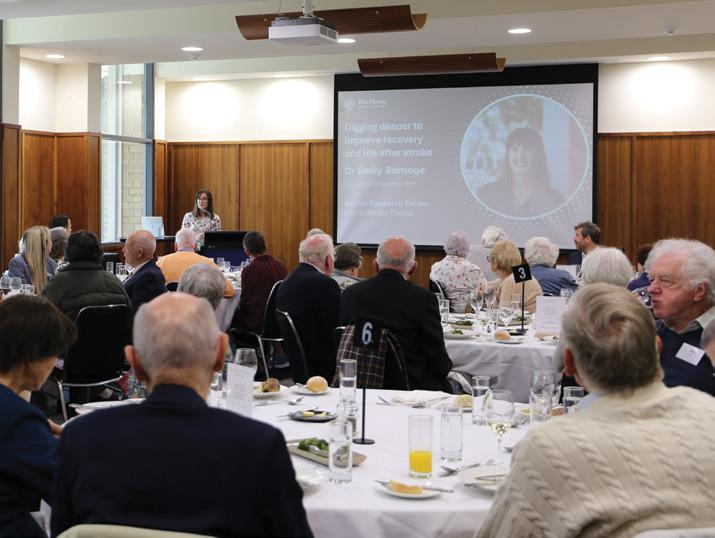
↑ Recognising our bequestors: The Florey hosted a group of generous bequestors over lunch to hear the latest Florey research developments, and to discuss the importance of legacy.
NOVEMBER
DECEMBER
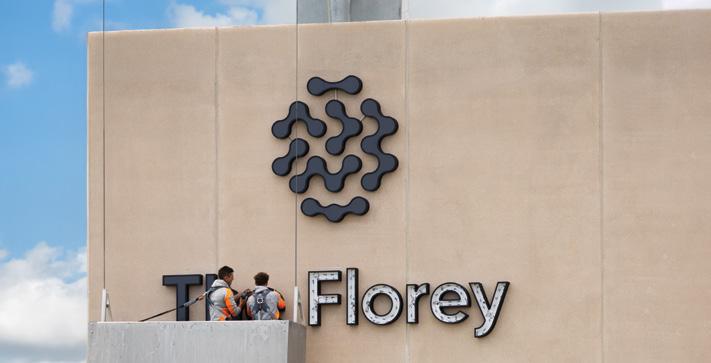
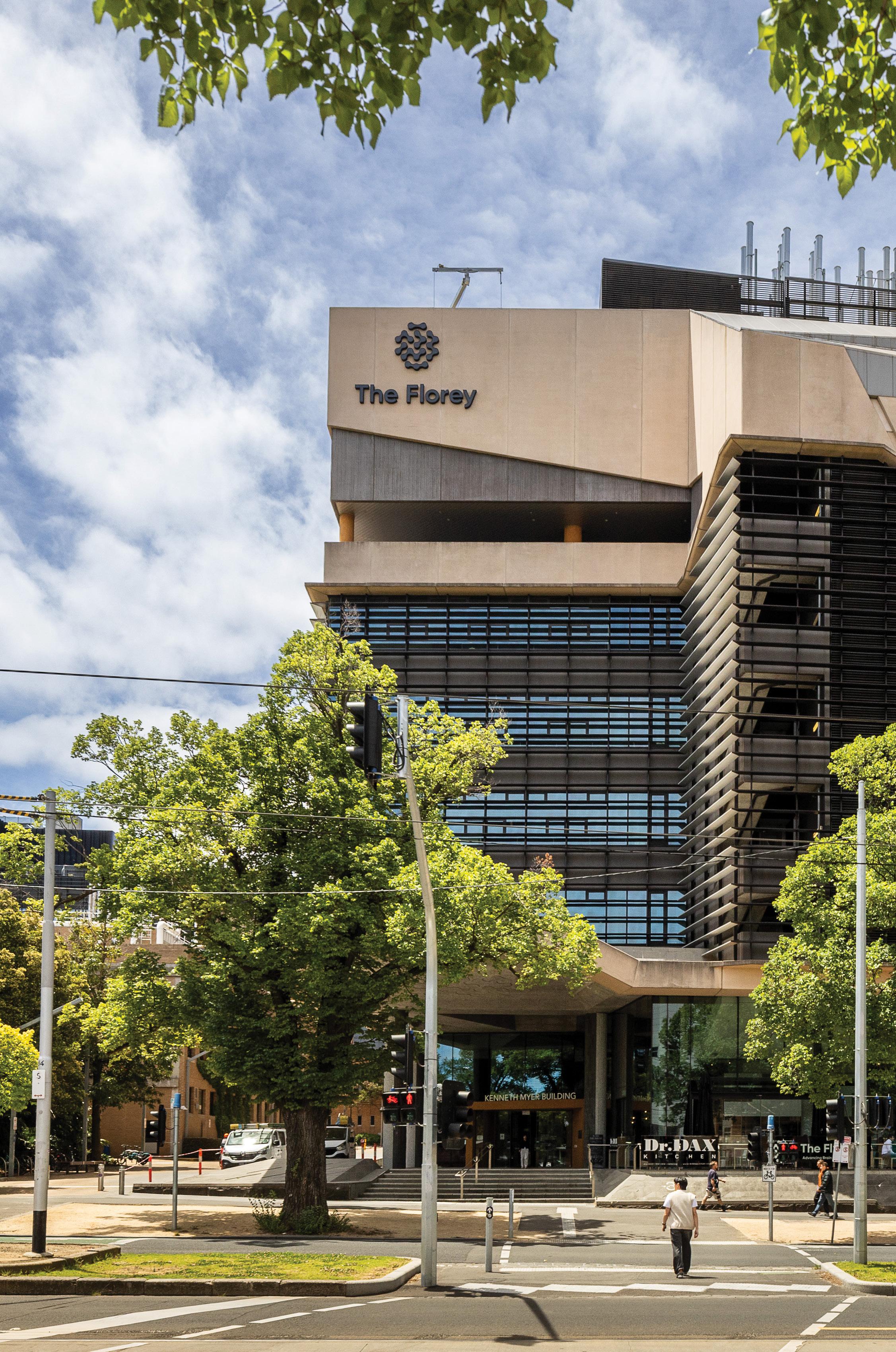
↑ Sign of impact: The Florey’s iconic logo was mounted to the Kenneth Myer Building, its Parkville headquarters.
An evening of thanks: Celebrating the generosity that drives research discovery, donors experienced a wonderful evening at the Dax Gallery to celebrate a year of remarkable progress in brain research and discovery. Hear our team share their appreciation for our community of supporters
OUR RESEARCH PRIORITIES: DEMENTIA
What we do
Florey researchers are recognised as world leaders in dementia research – from defining the natural history of the disease and its pathology, to taking candidate medications from the laboratory to clinical trials. Our goal is to discover the causes of dementia, improve its diagnosis, identify new drug targets, and partner with clinical services to advance care. We are working towards a future where dementia is detected in its early stages and effectively managed with new treatments.
Unlocking the potential of mRNA to treat Alzheimer’s disease
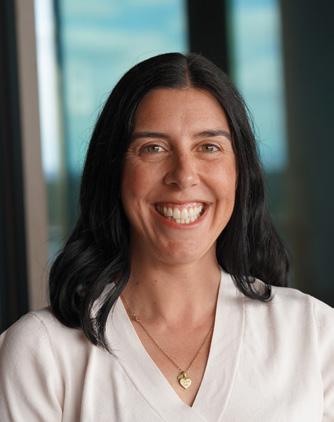
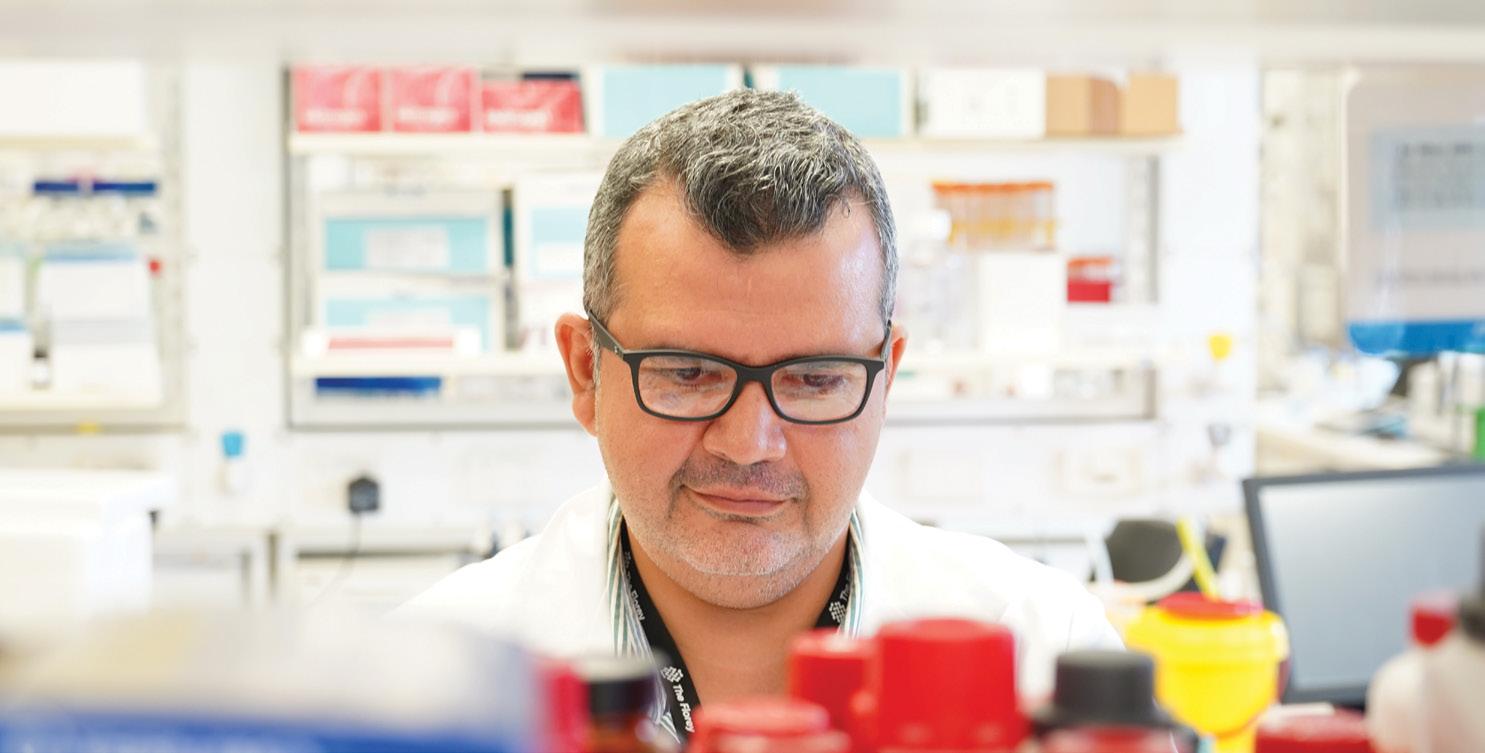
For Dr Abdel Belaidi, the quest to find an effective treatment for Alzheimer’s disease is personal.
Five years ago, his 82-year-old father was diagnosed with the devastating neurodegenerative condition after his family began noticing changes to his memory, thinking and behaviour.
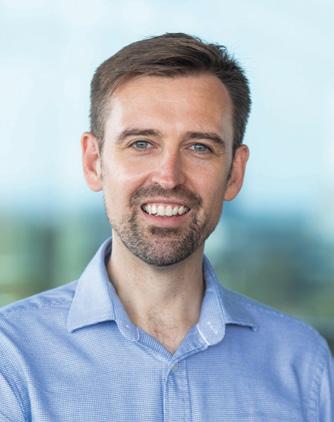
“My perspective shifted profoundly when my father was diagnosed,” says Dr Belaidi, Head of The Florey’s Neurodegeneration Therapeutics Group.
“Because I am a scientist I could accept disease was a part of life ... but the confronting part was seeing my father in person, and the impact the disease had on him.”
Inspired to improve the day-to-day lives of people affected by Alzheimer’s disease, Dr Belaidi’s research focuses on slowing neurodegeneration.
In 2025, he received funding from mRNA Victoria to develop an mRNA-based therapy that crosses the blood-brain barrier and aims to slow or even halt disease progression.
“Alzheimer’s disease is the leading cause of dementia and the leading cause of death in Australia. Despite recent breakthroughs in mRNA technology and Alzheimer’s research, we still lack effective treatments.”
mRNA therapeutics deliver genetic instructions to cells and are credited with saving millions of lives during the
COVID-19 pandemic. They now offer a promising approach to treating neurodegenerative diseases by targeting gene expression and other cellular processes in the brain.
Dr Belaidi’s work focuses on the apolipoprotein E (ApoE) gene, which is known to influence a person’s Alzheimer’s disease risk.
“My research investigates why some people develop Alzheimer’s disease faster than others. In my laboratory, we focus on rare genetic variants to identify the factors that determine how quickly the disease progresses.”
So far, Dr Belaidi’s team has identified variants of the ApoE gene and its receptors that can protect brain cells and slow cognitive decline. These protective variants help neurons resist the damage that normally occurs during Alzheimer’s disease.
“Building on these discoveries, we are developing new mRNA therapies that deliver protective ApoE gene products directly to the brain, with the goal of slowing disease progression.”
Dr Belaidi says if successful, the therapy would be the first use of mRNA to penetrate the brain and a similar
approach could be used to treat other neurological conditions.
Associate Professor Rebecca Nisbet, Deputy Head of The Florey’s Dementia Research Priority Area, has also been funded to develop an mRNA vaccine that aims to prevent Alzheimer’s disease from developing.
“One of the causes of Alzheimer’s disease is the clumping together of a toxic molecule called amyloid beta in the brain,” Associate Professor Nisbet says. “Targeting amyloid beta and clearing it from the brain shows promise as a treatment.”
She says the project lays the foundation for establishing a platform to develop mRNA vaccines for other neurodegenerative diseases.
“If successful, it may enable long-term pre-symptomatic treatment, with the potential to prevent Alzheimer’s disease from developing in later life.”
ASSOCIATE PROFESSOR REBECCA NISBET
Head: Professor Scott Ayton
Deputy Head: Associate Professor Rebecca Nisbet
Dr Abdel Belaidi
Focus conditions
• Alzheimer’s disease
• Vascular dementia
• Dementia with Lewy bodies
• Frontotemporal dementia
• Creutzfeldt-Jakob disease
• Childhood dementia (including Niemann-Pick disease type C)
Research on rare brain disease enters new era
When Noel Campbell’s wife Destyn was diagnosed with Creutzfeldt-Jakob disease (CJD) in August 2025, he remembers being in disbelief.
“When you get a terminal diagnosis, and you haven’t ever heard of the thing, how do you put it into words?” he says.
Just a few weeks before her diagnosis, Destyn had started experiencing vision problems. Despite seeing multiple medical professionals, including three eye specialists, she was struggling to get answers.
“Nobody seemed to know what was going on,” Noel says.
Soon, Destyn’s symptoms became worse, and she returned from an overseas holiday early. When she began slurring her words, Noel called an ambulance, concerned she may be having a stroke.
A few days later, she was diagnosed with CJD, a rare, rapidly progressing neurological disorder that leads to dementia.
“She suddenly lost her ability to talk and do all kinds of things. The change in her was incredible – she was in a coma in ICU within a week,” says Noel.
CJD belongs to a group of conditions known as prion diseases, which mostly occur spontaneously but can, in rare cases, be attributed to a genetic mutation or acquired through a transmission event.
CJD is caused by the build-up of infectious, misfolded proteins called prions, which damage brain cells and lead to brain tissue becoming sponge-like.
Why it matters
446k
Australians living with dementia #1
Cause of death in Australia
Just two weeks after being diagnosed, Destyn tragically passed away. Noel remembers his wife as loving and generous.
“She was bright, very intelligent, and her daughters and grandchildren were everything to her.”
Since Destyn’s passing, Noel has become a supporter of The Florey and decided to leave a gift in his Will to support the work of researchers studying prion diseases, like Dr Laura Ellett.
“Excitingly, prion research globally is entering an era of clinical trials for therapeutics,” says Dr Ellett, who has been working in the field for more than a decade.
For these drugs to be most beneficial, they will need to be administered as early as possible, says Dr Ellett, which is why her team is working to improve pre-clinical diagnosis.
“We know that the misfolded protein that causes prion diseases is slowly accumulating in the body for many years prior to symptom onset, and we believe we can develop strategies to detect this before people become sick.”
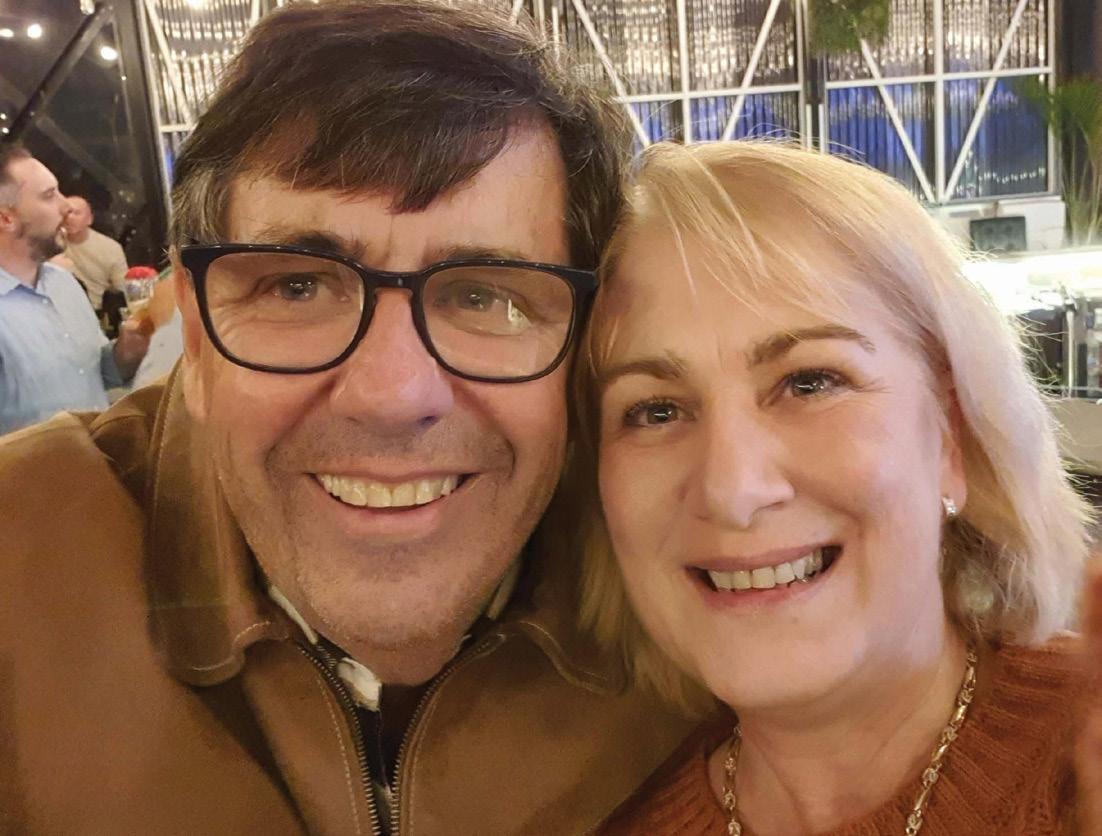
→ Noel Campbell and Destyn McAuliffe
1.7m
Australians caring for someone with dementia
Dr Ellett is leading a project examining the potential for eye exams to help in the early detection of prion disease.
“The goal is to develop protocols which can be used by optometrists when fitting people for reading glasses to screen for early signs before symptoms start.”
DR LAURA ELLETT
“In future, this will allow us to give people treatments which may slow or stop the progression,” she says.
The Florey is also home to the Australian National CJD Registry, which has been responsible for diagnostic services and national surveillance of human prion diseases in Australia for over 30 years.
Noel hopes the work of Florey researchers will change the outcome for other families affected by CJD.
“It would give people more time. We simply had no time.”
OUR RESEARCH PRIORITIES: MENTAL HEALTH
What we do
Despite the significant burden and impact of complex mental health conditions on individuals, carers, families and society at large, we still do not know enough about the biological basis of these illnesses. This fundamental knowledge is key to driving innovation in mental health care — from accelerating much-needed medical breakthroughs to reducing widespread stigma. Our neuroscientists are working to address these challenges: to bridge the gap between laboratory research and patient care and to develop better treatments for people living with complex mental health conditions.
Trialling new
treatments for alcohol addiction
The numbers relating to alcohol use disorder (AUD) are staggering. About 400 million people are affected globally. There are only four medications approved specifically for AUD, just 10 per cent of people with AUD receive these treatments and 70 per cent will relapse within six months.
Professor Andrew Lawrence, Deputy Director and Head of the Addiction Neuroscience Group at The Florey, says “it’s a much bigger problem than many people realise” and it is widely misunderstood.
“Alcohol addiction is often viewed as some kind of personality fault, rather than a medical condition. It’s really no different to having epilepsy or diabetes.”
PROFESSOR ANDREW LAWRENCE
While some people drink too much alcohol, only around 10 per cent become addicted. Their uncontrolled alcohol intake continues despite adverse consequences to themselves and others.
In 2022 Professor Lawrence led a remarkable study resulting in a Melbourne man with a 16-drinksa-day addiction withdrawing from alcohol while taking the insomnia drug suvorexant, also know as Belsomra.
Supported by a National Health and Medical Research Council Synergy Grant, Professor Lawrence is now
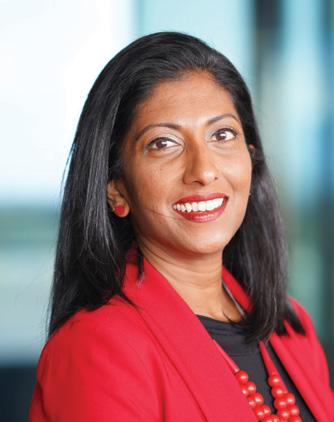
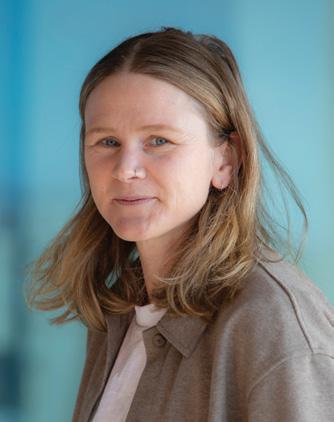
Head: Associate Professor Jess Nithianantharajah*
*Incoming Head: Professor Andrew Lawrence
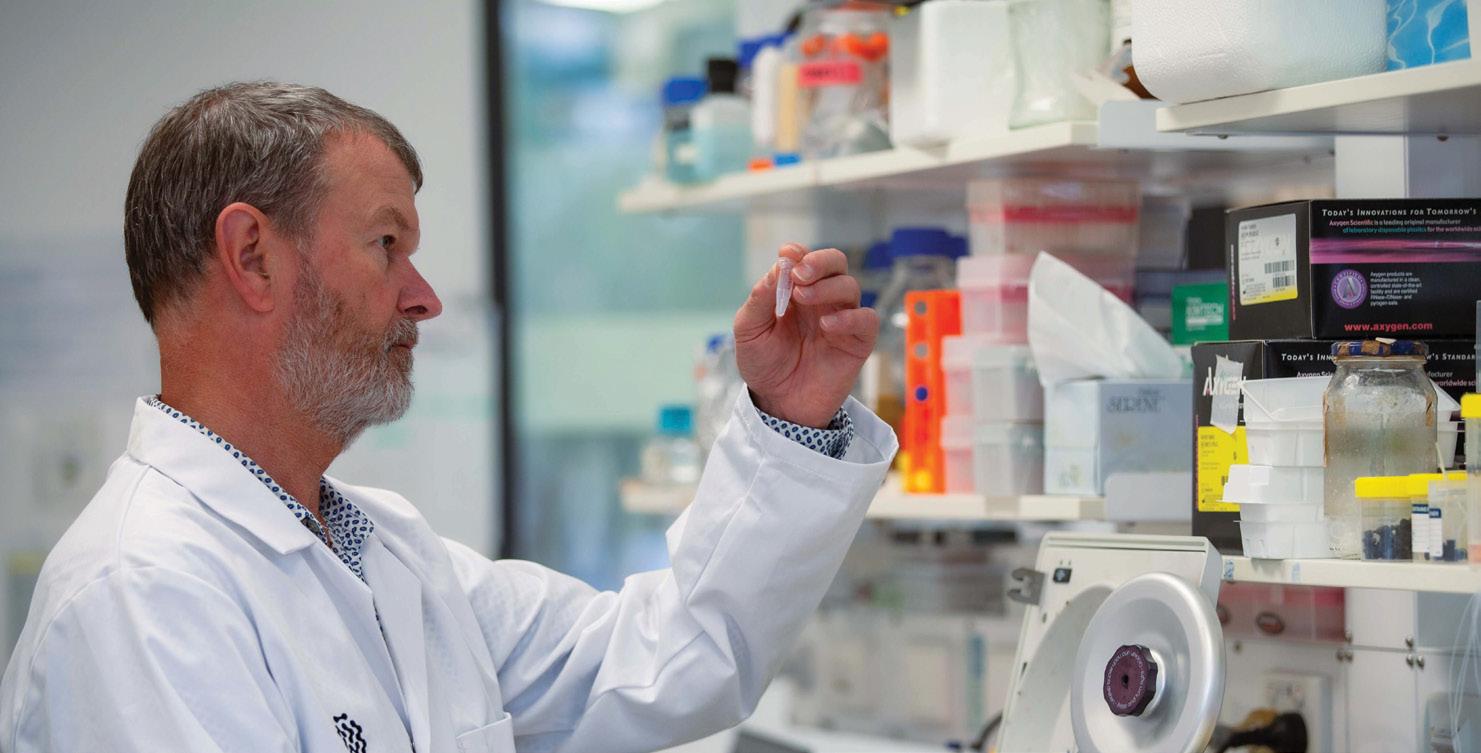
testing the same drug on approximately 30 clients at Monash University’s Turning Point addiction treatment centre in Melbourne and Sydney’s Royal Prince Alfred Hospital.
It is hoped the open-label, proof-ofconcept trial will corroborate the earlier finding and provide further evidence for a Phase 2 study.
Suvorexant works by suppressing the orexin system in the brain, which drives wakefulness and arousal. It reduces sleep disturbances and facilitates sleep.
“Insomnia features strongly in both withdrawal and relapse to alcohol consumption, so blocking the orexin system effectively blocks the motivation to drink,” Professor Lawrence explains.
Another medication of interest for the treatment of AUD is xanomelinetrospium (Cobenfy), which was approved by the US Food and Drug Administration in 2024 as an antipsychotic.
Professor Lawrence, who is also President of the International Society for Biomedical Research on Alcohol and Addictions, has received a grant together with a collaborator from Denmark to assess whether the schizophrenia medication could also help treat AUD.
His interest in trialling the compound for AUD pre-dates its approval for use as an antipsychotic and follows novel research his team published in 2020 which found targeting muscarinic M4 receptors in rodent models could reduce alcohol intake and relapse. Muscarinic M4 receptors are specialised proteins that balance brain activity. The study is the first to investigate the drug as a therapeutic target for AUD.
Identifying new medications provides hope for those living with alcohol addiction, including people in regional and remote areas with little or no access to treatment services.
But Professor Lawrence warns any single medication is not likely to be a silver bullet.
“We’re never going to treat alcohol addiction solely through medication because it also requires long-term behavioral change. It’s like dieting, to sustain it long-term you need behavioral change.
“What medications can do is support the brain changes that help people get some control back in their life, to then get them into a position where they can engage more successfully in behavioral and cognitive therapy.”
Deputy Head: Dr Leigh Walker
Professor Andrew Lawrence
Focus conditions
• Addiction and substance use disorders
• Schizophrenia
• Depression
• Anxiety disorders
• Bipolar disorder
Uncovering how neural circuits give rise to perception
For as long as Dr Christina Mo can remember, she has been fascinated by how the brain works.
“It’s the most mysterious thing,” she says. “We understand the universe better than what’s in our own heads.”
Dr Mo is a systems neuroscientist and Senior Research Officer at The Florey exploring how the brain constructs perception and guides decision-making.
“I want to know how we get from electrical activity in neurons to everything that we know – reality, emotions, how we understand the world.”
DR CHRISTINA MO
Alongside her colleagues, Dr Mo is working to understand the biological basis of perceptual disturbances in psychiatric illnesses to help create a better quality of life for people with mental health conditions.
She is doing so with the support of a National Health and Medical Research Council Ideas Grant.
“There are lots of neurological and psychiatric disorders affected by abnormal perception,” she says.
Current knowledge suggests a breakdown in the way the brain processes incoming sensory information leads to altered perceptions of reality in conditions such as schizophrenia and psychosis. But which neural circuits underlie perception is not well understood.
Why it matters
1 in 5
Australians living with a mental health condition 13-15
Life expectancy gap (in years) for people with mental illness
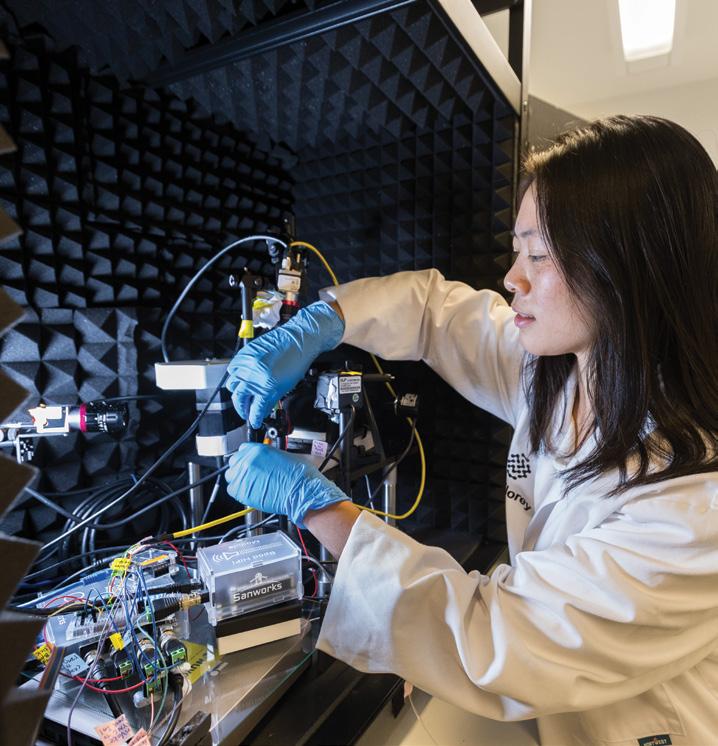
In collaboration with researchers at the University of Washington, Dr Mo and her colleagues are studying brain circuit activity in mice combined with computational modelling to better understand how the brain predicts sensory information resulting from our own actions. This predictive process helps the brain to distinguish between signals generated by our own movements and those coming from the outside world, allowing perception to remain stable and reliable.
“In 2024, I discovered a previously unknown neural circuit involved in perception,” Dr Mo says.
Understanding these processes could offer new insights into mental health and neurological disorders where perception breaks down.
“If we could identify the neural circuits involved, perhaps we could modulate those circuits to create more effective treatments.”
8.5m
Australians who have experienced a mental health condition in their lifetime
Community heroes support mental health mission
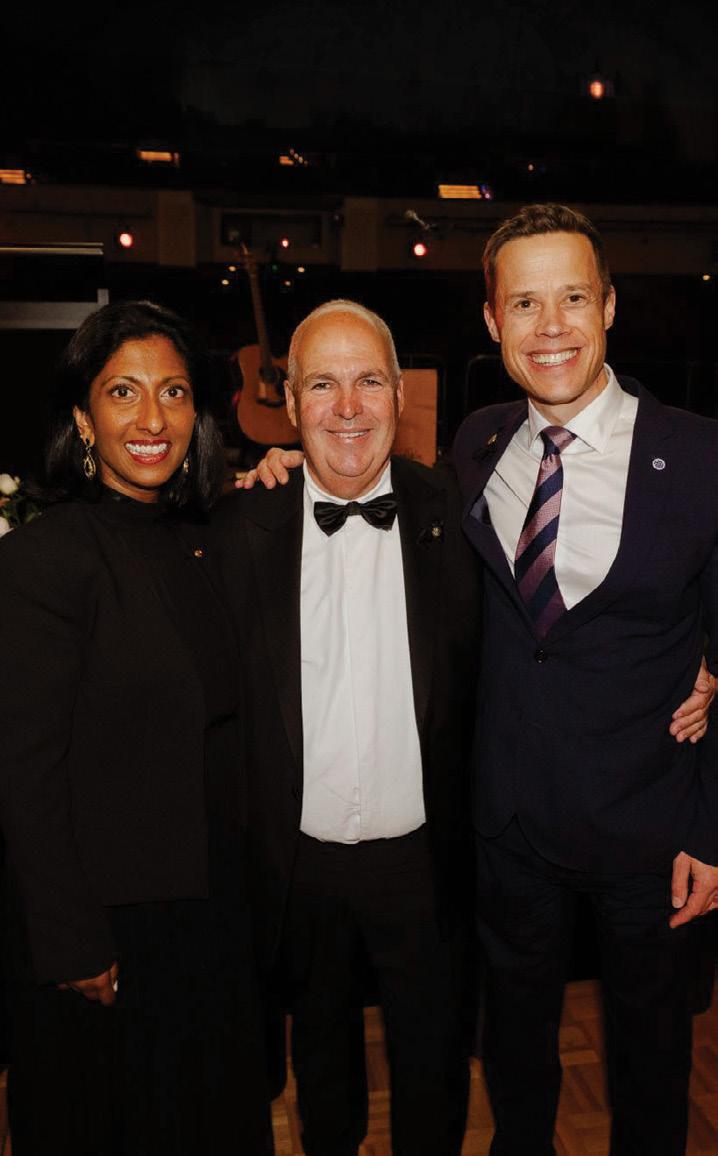
In 2025, Mort & Co’s annual Mort’s Mates charity gala raised vital funds towards The Florey’s mental health research.
Based in Toowoomba, the Mort & Co team understands first-hand the significant mental health challenges facing many people, especially in regional and rural Australia, and is passionate about supporting research that improves innovation in mental health treatments.
Community partnerships like this play a crucial role in advancing our researchers’ work and accelerating scientific breakthroughs.
We are proud to have had Mort & Co as allies since 2023 in The Florey’s mission to improve the lives of people affected by mental illness.
Dr Christina Mo
Associate Professor Jess Nithianantharajah, Charlie Mort and Professor Peter van Wijngaarden
OUR RESEARCH PRIORITIES: NEURODEGENERATION AND IMMUNOLOGY
What we do
Our scientists investigate conditions that result in loss of structure and function of brain cells, such as multiple sclerosis, motor neurone disease and Parkinson’s disease. We are focused on finding out why and how this loss happens – and how it might be stopped or slowed. Using cutting-edge technology, we are testing hundreds of medications on cells generously donated by patients and investigating the use of stem cells to repair and replace brain cells.
Translating novel MND discoveries into clinical trials
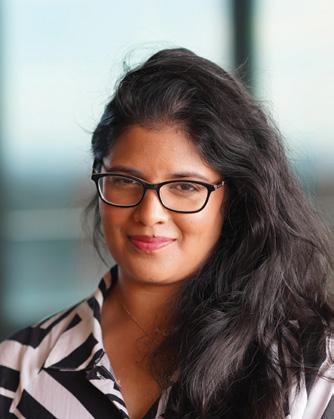
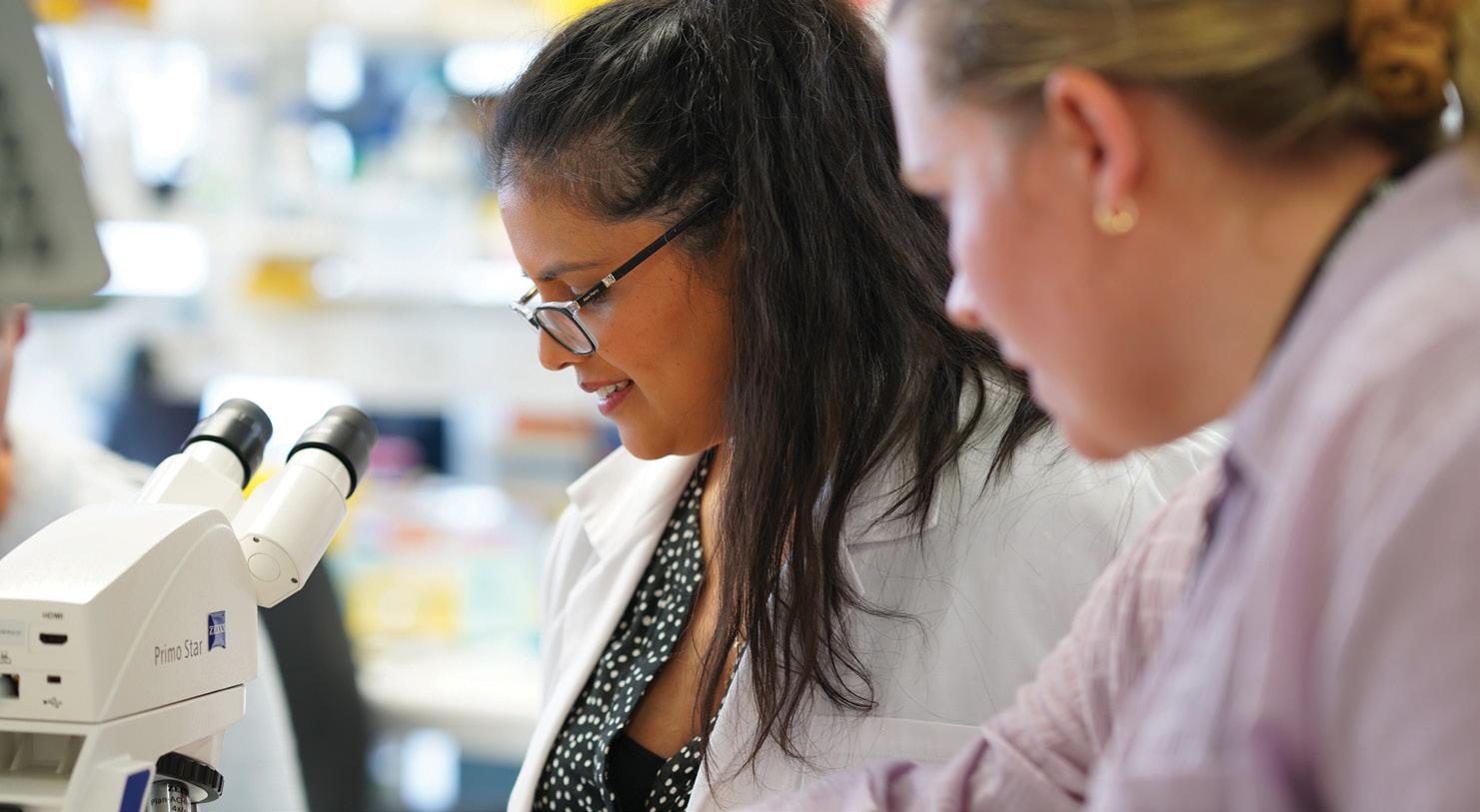
When Dr Thanuja Dharmadasa launched a specialist multidisciplinary motor neurone disease (MND) clinical research centre in 2024, her vision was to link patients, the people caring for them, and the researchers working to understand and cure the disease.
“I wanted to change the model of care for MND patients and provide hope by directly integrating best-practice care with innovative research, clinical trials and access to potential new treatments,” says Dr Dharmadasa, a neurologist at Royal Melbourne Hospital (RMH) and Deputy Head of Neurodegeneration and Immunology Research at The Florey.
Now, she says that vision is coming to life, with her team on the precipice of launching clinical trials to test a promising triple-drug treatment for MND identified by Florey researchers.
MND, also known as Amyotrophic Lateral Sclerosis (ALS), is a progressive and fatal neurodegenerative disease, which takes away a person’s ability to move, speak, swallow and ultimately, breathe.
MND is estimated to affect 2,800 Australians, who have an average life expectancy of only two to three years after diagnosis.
Dr Dharmadasa met her first patient living with MND as a junior doctor; a fit and active 45-year-old father of two, who died only 20 months after the onset of symptoms.
Being confronted with how devastating the disease is and how little it was understood has driven her to try to find the answers patients and families so desperately seek.
“MND is a really complex problem which affects people in the prime of their lives,” she says.
The only approved drug known to extend life, riluzole, prolongs survival by about three months.
In 2025, however, Florey researchers discovered that a triple combination of riluzole, an anti-inflammatory drug and a medication developed to treat dementia was 6.5 times more effective than riluzole alone at prolonging the survival of nerve cells in the laboratory.
The research, led by Associate Professor Chris Bye and Professor Bradley Turner and published in Nature Neuroscience, is the first to validate a laboratory model that appears to mimic critical aspects of the disease process in people living with MND.
“Through this clinical trial, we’re taking scientific discoveries directly to patients and bridging that gap between breakthroughs in the lab and potential new treatments.”
DR THANUJA DHARMADASA
Dr Dharmadasa says her team, if successful in securing funding, will begin by testing the safety and efficacy of two of the drugs combined in people living with MND, before trialling the triple-drug combination.
“It’s really important that it’s an iterative, staged process,” she says.
The trial will be undertaken in collaboration with Neuroscience Trials Australia (based at The Florey) and conducted at the MND clinical research centre at RMH.
“Our patients contribute significantly to critical research efforts that may change the future of this disease. This gives us genuine hope that we are closer to a solution,” Dr Dharmadasa says.
Head: Professor Brad Turner
Deputy Head: Dr Thanuja Dharmadasa
Dr Thanuja Dharmadasa
Focus conditions
• Multiple sclerosis
• Motor neurone disease
• Parkinson’s disease
• COVID-19
• Huntington’s disease
The evolution of MS treatments
More than 25 years after Susan* was diagnosed with multiple sclerosis (MS), she still remembers experiencing the first signs of the progressive neurological disease.
“I remember lying in bed reading one night and thinking it odd that my right foot was numb. Progressively over the next 24 hours my whole leg went numb. Then the numbness started in my left leg.”
After her diagnosis, Susan was prescribed the only drug available for MS at the time. While another medication would eventually replace this one, in both cases Susan had to self-inject.
“I tried to be grateful that drugs for MS were available, but I hated having to self-administer them,” she admits. “I’m so glad that we now have oral drugs.”
Susan’s disease has now progressed to a point where she relies on a wheelie walker (“bright red because it goes faster!”), but she is able to actively manage her MS and maintain good health.
She is an active member of several volunteer-led and not-for-profit organisations that offer retirees a range of activities she describes as “good for brain and physical health”.
“I work out several times a week and mostly have a healthy diet. I’m also an especially devoted mahjong player,” she says.
Susan has also given back where she can. For seven years, after moving from Brisbane to Melbourne, she worked in a fundraising role at MS Australia. It allowed her to “do something positive in the MS world”.
The move south also led her to become a patient of Professor Trevor Kilpatrick,
Why it matters
33k
Australians living with multiple sclerosis
50
New cases of Parkinson’s disease every day
a highly regarded neurologist at Royal Melbourne Hospital (RMH) who served as Director of The Florey from April 2022 to July 2024.
Today, Professor Kilpatrick heads The Florey’s Multiple Sclerosis and Neuroimmunology Group and continues to conduct research in the hope of further advancing patient outcomes. It was through her connection to Professor Kilpatrick that Susan first became a supporter of The Florey, choosing to give back to both The Florey and RMH in appreciation of the care she has received and the research that continues to make a difference.
Asked what impact she would like to see from her donations, Susan’s response is emphatic: “Oh, that’s an easy one,” she says. “A cure for multiple sclerosis!”
Professor Kilpatrick says since Susan was first diagnosed, the treatment of MS has been transformed, but that there is still much to do to eliminate the eventual risk of progressive disability.
“For the first time, we have key insights into how the disease evolves at molecular and cellular levels.”
PROFESSOR TREVOR KILPATRICK
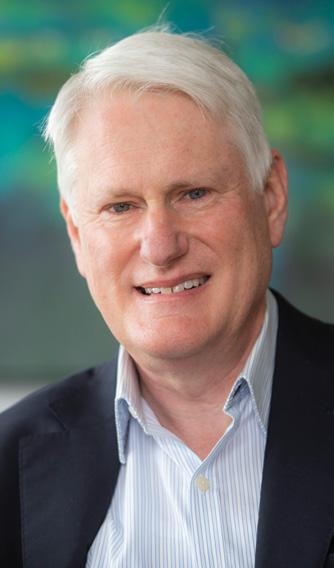
“There is now a real prospect that both Susan and I will witness a cure for MS in our lifetimes, predicated on MS researchers’ abilities to translate their discoveries and clinicians to implement our emerging ideas.”
*Name has been changed for privacy reasons
2,800
Australians living with motor neurone disease
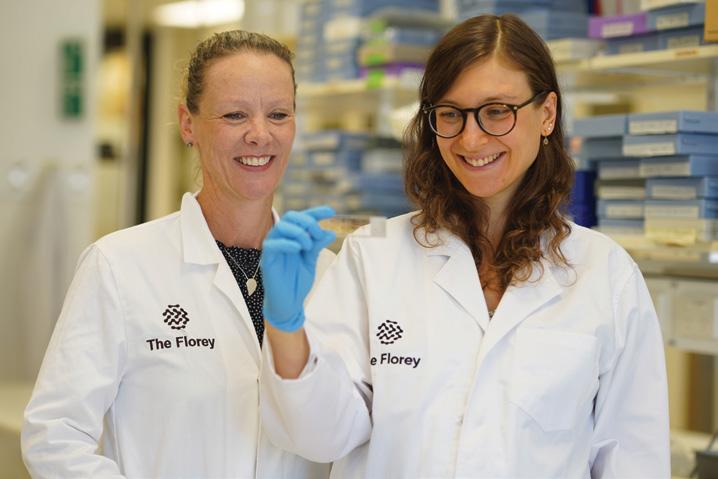
Next-gen stem cell technology
In recent years, stem cell therapy has emerged as a promising new approach to repair damaged brain cells in people with Parkinson’s disease, but transplantation rejection remains an obstacle.
In 2025, Florey researchers engineered a way to fool the immune system into accepting neural grafts as part of the body – paving the way for the next generation of treatment.
“We’ve effectively given them an invisibility cloak, which could mean an end to the need for anti-rejection drugs,” says Professor Clare Parish, Deputy Director of The Florey and leading stem cell researcher.
Now, Professor Parish and her team are set to lead pre-clinical studies testing the safety and efficacy of an innovative new stem cell line for Parkinson’s disease, with the goal of taking the treatment into human clinical trials.
“We are aiming to turn back the clock on Parkinson’s and give people living with the disease the movement and brain function they have lost, which has a profound effect on their lives.”
Professor Clare Parish & Dr Chiara Pavan
OUR RESEARCH PRIORITIES: EPILEPSY AND NEURODEVELOPMENT
What we do
Our goal is simple but ambitious: to give people with epilepsy, neurodevelopmental disorders and brain cancer healthier and brighter futures. Our experimental and clinical researchers are working to uncover how the healthy brain works and the mechanisms that drive these complex neurological disorders. This knowledge is paving the way for new precision medicines, better treatments and surgeries, and prevention strategies that will transform the care of millions of Australians impacted by these diseases.
Supporting SUDEP research in Sara’s honour
Sara Taylor passed away peacefully in her sleep in January 2003 at the age of 27, most likely from Sudden Unexpected Death in Epilepsy (SUDEP).
SUDEP is a devastating and poorly understood risk for people like Sara, who lived with uncontrolled seizures. Her family is now supporting Florey research that aims to spare other families the pain of losing a loved one to the rare complication.
Sara, the only daughter of David and Sally Taylor, developed seizures at the age of 11, following a golfing accident that left her with a significant brain injury.
“Surgeons successfully removed a blood clot on the left side of her brain, but over time she developed epilepsy that worsened as she grew older,” David says. “She lost her short-term memory and lived with substantial physical disability, largely using a wheelchair.”
David says Sara’s sense of humour prevailed, and despite her challenges, Sara lived an active and creative life.
Raised on the family’s Pooginook Merino Stud near Jerilderie in NSW, Sara completed secondary education as a boarder in Geelong. She returned to NSW to study psychology and English literature at Charles Sturt University in Wagga Wagga, spending several happy years living on campus. Later, at Riverina TAFE, she studied ceramics, creative writing and VCE English.
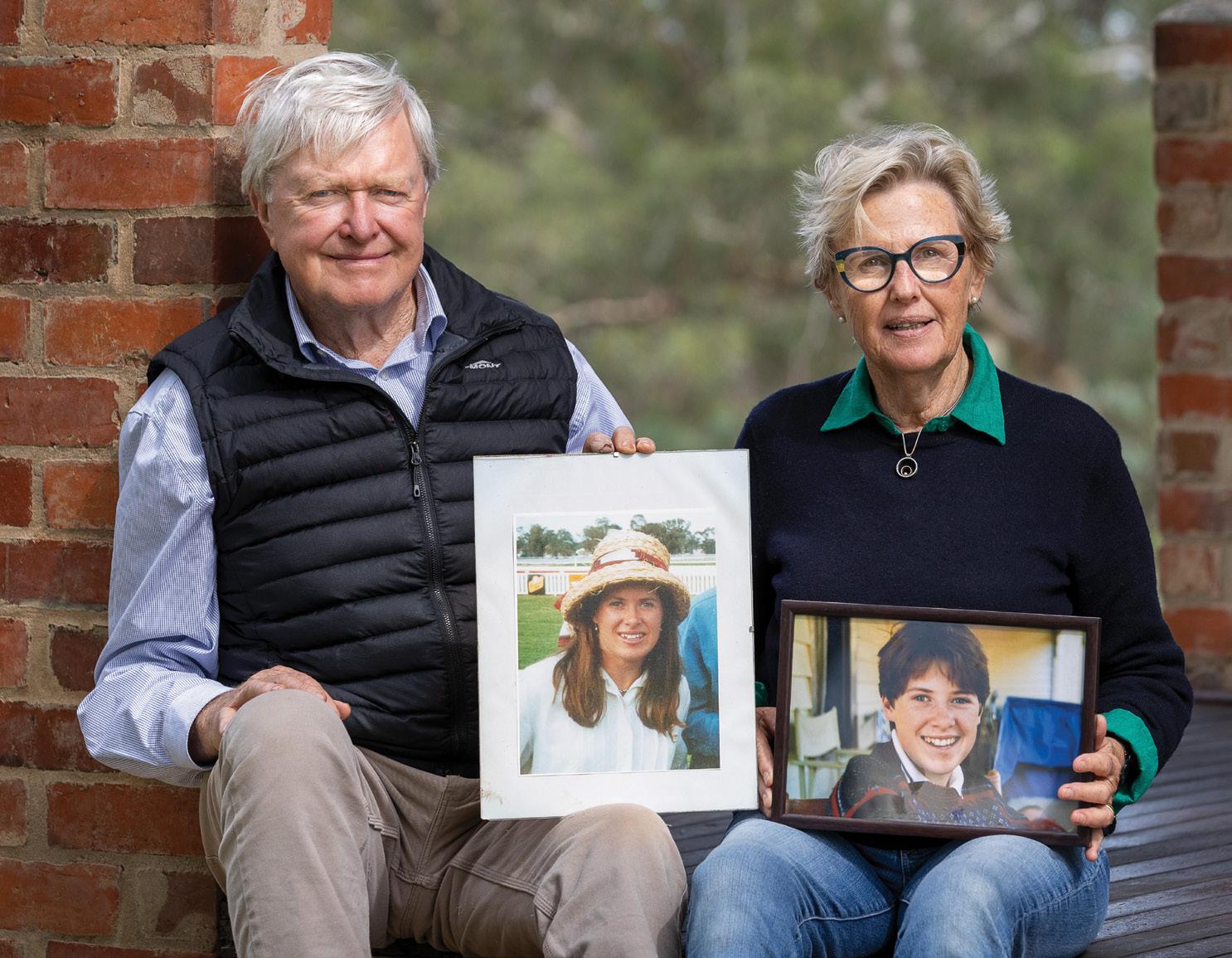
“Sara possessed an extraordinary sense of humour — if anything, sharpened by her accident — and an uncanny ability to read situations and people with insight and clarity. Her resilience and spirit left a deep impression on all who knew her.”
DAVID TAYLOR
Sara enjoyed reading, writing and creating original artwork. She was a respected member of the Riverina Wheelchair Basketball team and a proud sponsor of a World Vision child. Her epilepsy alert dog, Effie, was an inseparable and devoted companion.
In Sara’s memory, David and his partner Prue Barclay have become active supporters of and donors to the SUDEP research program at The Florey.
A recent study led by The Florey’s Dr Ming Soh and Professor Chris Reid revealed how protecting the heart during seizures may reduce the risk of SUDEP.
The researchers found that atenolol, a common heart medication, dramatically improved survival in mice with epilepsy and heart rhythm problems, despite the frequency and severity of their seizures remaining the same.
David and Prue are grateful to the team for keeping them informed about advances in their research.
“Our involvement in supporting this work is deeply important to us.”
Head: Professor Chris Reid
Deputy Head: Associate Professor Snezana Maljevic
David Taylor and Prue Barclay
Focus conditions
• Epilepsy
• Severe childhood epilepsy
• Brain cancer
• ADHD
• Autism
Paradigm shift in brain cancer research
Around 2,000 Australians are diagnosed with brain cancer every year. Despite decades of research, the survival rate has shifted very little.
At The Florey, Professor Lucy Palmer and her team are pursuing a novel line of research.
“Instead of focusing simply on the brain tumour itself, we are investigating the role of the brain and how that may impact the cancer’s growth,” says Professor Palmer, Head of The Florey’s Neural Networks Group.
“It’s a paradigm shift in the way we think about brain cancer and its treatment.”
In 2025, Professor Palmer led a critical study, published in Nature Neuroscience, demonstrating that the excitability of neurons is altered in different tumour grades, with enhanced neural activity leading to increased tumour growth.
She also co-authored a study published in Nature Medicine investigating the feasibility of a new treatment to suppress low-grade brain tumours. The focus of her team’s research now turns to investigating how the brain is directing cancer growth.
“By understanding this relationship, we can better understand which drugs could treat the disease.”
Why it matters
270k
Australians living with epilepsy
30%
People with epilepsy who do not respond to treatment
Improving care from bench to bedside
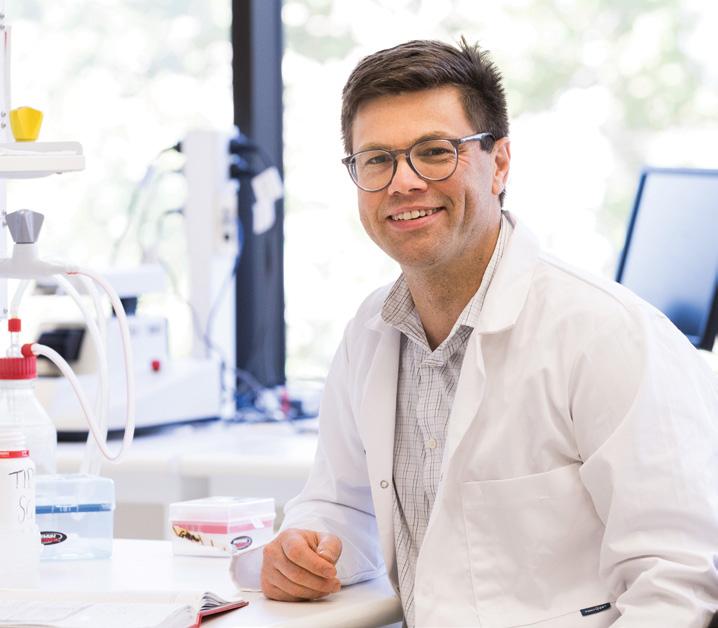
On a typical day, when neurologist and Senior Research Fellow Dr Alex Bryson finishes up at The Florey’s Parkville campus, he heads across the road to Royal Melbourne Hospital.
“Working at The Florey is fantastic because it means I can do research and then duck back across the road to see patients,” he says.
“It’s hard to balance clinical work and lab work, so the proximity is a lifesaver.”
DR ALEX BRYSON
Dr Bryson joined The Florey in 2025 after completing postdoctoral studies at Colombia University in New York where he was supported by a Fulbright Scholarship.
Like other clinician-researchers at The Florey, he juggles lab work alongside seeing patients at various Melbourne hospitals.
“My role as a clinician has really crystallised and informed my research goals.”
Dr Bryson specialises in epilepsy, a brain condition he describes as “unique”.
“In epilepsy, different genetic and molecular impairments produce characteristic abnormalities in brain activity that can be directly analysed with modern neuroscientific methods.”
Despite this, doctors and scientists have little understanding of how epilepsy treatments yield a therapeutic effect, and current treatments fail one-third of patients.
2.5m
Australians living with a neurodevelopmental condition
“We know the molecular targets of the medications, but we have little idea how they prevent seizures arising in the brain. We also lack a good understanding of how seizures emerge in the first place.”
At The Florey, Dr Bryson, supported by a National Health and Medical Research Council Investigator Grant, is trying to answer these questions by investigating the mechanisms of epilepsy and antiseizure treatments using optical and electrophysiological techniques in genetic mouse models.
“I’m trying to characterise changes in neural circuit function during epileptogenesis — the process when the brain transitions from a non-epileptic to epileptic state,” he says. “The idea is if we understand this process, we can target certain mechanisms to prevent it from happening.”
In addition to his clinical work helping to inform his research at The Florey, Dr Bryson says working as a scientist has brought benefits to his clinical practice.
“One of the biggest mistakes you can make as a clinician is being too narrow focused, which can lead to diagnostic bias,” he says. “As a researcher, you’re always trying to maintain objectivity when interpreting and analysing data. This is an important research skill to bring to clinical practice.”
Dr Alex Bryson
OUR RESEARCH PRIORITIES: STROKE AND CRITICAL CARE
What we do
Our research team unites scientists, clinicians and people with lived experience to advance our understanding of stroke, critical illness and related cardiovascular, renal, gastrointestinal and metabolic diseases. We investigate fundamental biology and disease mechanisms, develop new therapies and medical devices and conduct clinical trials. We also undertake stroke recovery, rehabilitation and health services research and lead programs to improve stroke care. Our research goal is to transform patient care and outcomes through innovation, collaboration and translational excellence.
Hopes that lifesaving treatment could transform critical care
A drug discovered and patented at The Florey could become a lifeline for millions of patients treated in intensive care units globally.
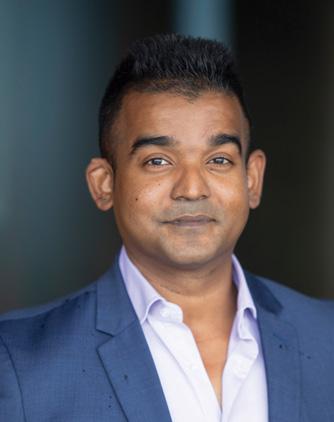
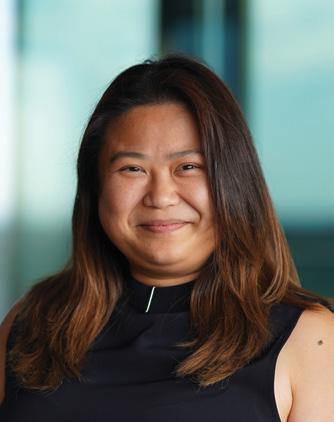
Dr Lindsea Booth and her team are working towards a bold goal to transform the management of sepsis worldwide. Triggered by severe infection, sepsis is the biggest cause of death in intensive care patients.
Even among those who survive sepsis, up to 70 per cent will suffer brain dysfunction that can develop into serious and long-term disability. In sepsis, blood pressure drops uncontrollably, the body enters a state of shock, patients stop responding to medications and their organs start to fail. Despite this, Dr Booth, Head of The Florey’s Neurocardiovascular Physiology Group, says “not a single intervention used in the care of septic patients targets sepsis-associated brain dysfunction”.
A Senior Research Fellow, supported by a generous donation made by David and Suzanne Thwaites, Dr Booth believes the answer lies in a Florey-patented mega-dose of sodium ascorbate.
“The underlying causes of sepsisassociated brain dysfunction are not well understood, but there’s evidence that long-term activation of immune cells within the brain plays an important role.
“We have striking pilot data showing mega-dose sodium ascorbate can reduce the immune cell activation in the brain.”
Following a promising single-centre clinical trial at Melbourne’s Austin Hospital in 30 people with sepsis, a larger multi-centre clinical trial involving 50 patients from 12 hospitals in Victoria, New South Wales, Queensland, South Australia, Western Australia and the Northern Territory is currently testing the novel treatment.
The Florey’s Head of Stroke and Critical Care, Professor Yugeesh Lankadeva, who discovered and co-developed the formulation of sodium ascorbate, is also investigating whether it could be a gamechanger for patients undergoing open-heart surgery.
The MEGA-HEART project led by Professor Lankadeva that integrates perioperative and intensive care medicine is supported by a $4.9 million Australian Government Medical Research Future Fund grant and aims to protect the brain and kidneys of patients at risk of suffering delirium and acute kidney injury post-surgery.
Professor Lankadeva says it’s exciting to see the real-world application of a formulation that took seven years to develop and test. Along the way his team worked with members of the Dementia Research Priority Area to study blood markers of brain injury.
“The Florey’s MEGA-HEART project brings together 200 scientists, clinicians, industry partners and individuals with direct lived experience nationwide, united behind one banner, with a shared goal of improving brain and kidney health outcomes for patients requiring lifesaving heart surgery.”
PROFESSOR YUGEESH LANKADEVA
Head: Professor Yugeesh Lankadeva
Deputy Head: Dr Connie Ow
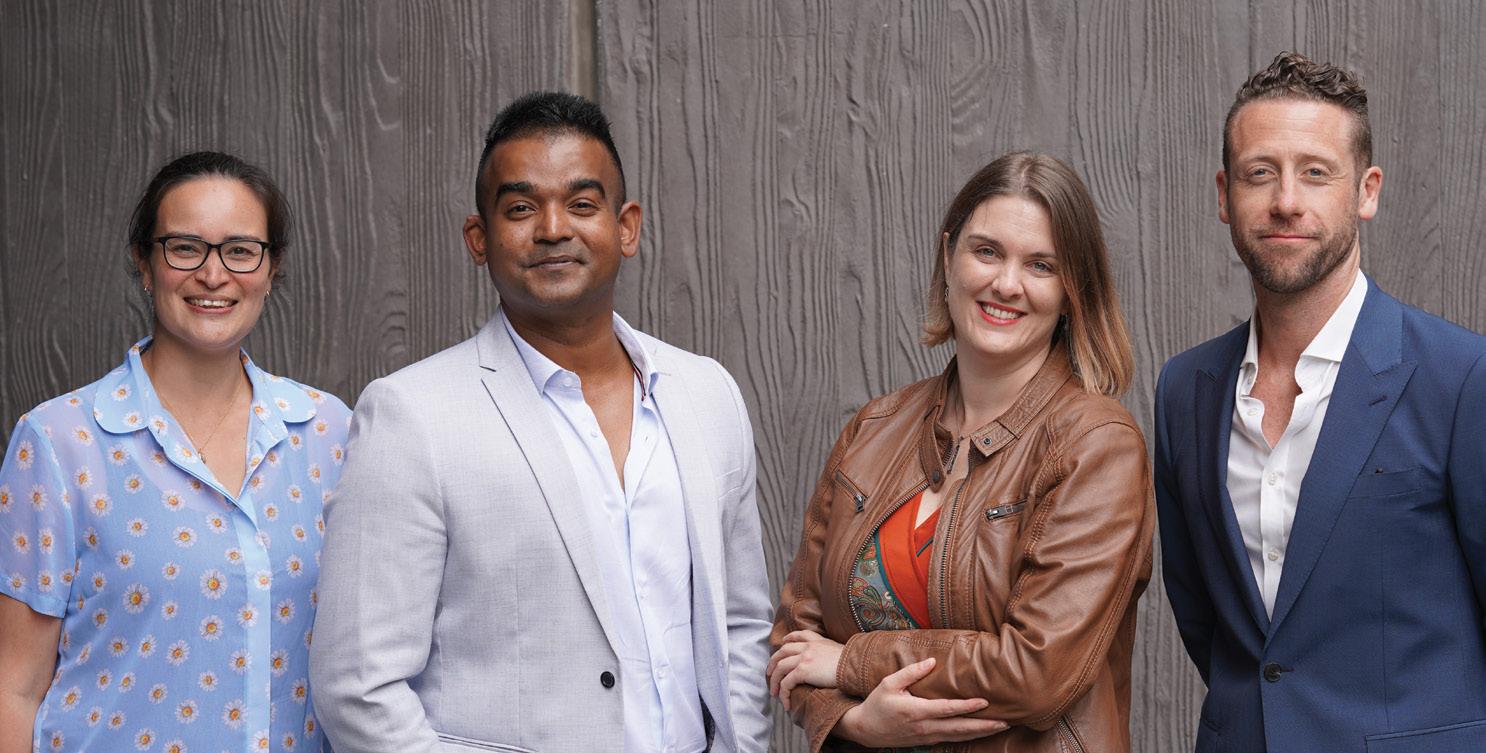
(L-R) Dr Lindsea Booth, Professor Yugeesh Lankadeva, Dr Laura Cook and Associate Professor Mark Plummer
Focus conditions
• Stroke
• Sepsis
• Perioperative neurocognitive disorders
Why it matters
113
Stroke events in Australia every day
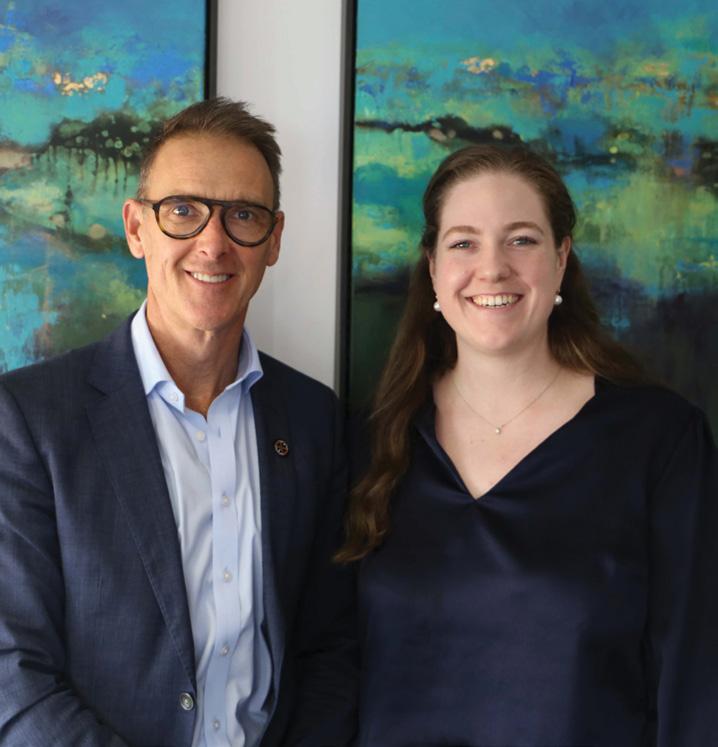
Charlie Lanchester and Maggie O’Neill
Improving patient outcomes with Hearts & Minds
Hearts & Minds is dedicated to funding Australian medical research. It does so via an innovative philanthropic organisation consisting of a unique ASX-listed investment company and an annual investor conference.
In 2025, with the support of Chief Operating Officer Maggie O’Neill and Chief Investment Officer Charlie Lanchester, Hearts & Minds generously provided support for Florey critical care research aimed at restoring organ function in patients with sepsis.
The Florey is grateful for the partnership support of Hearts & Minds, in place since 2020, which has enabled our researchers to take a major step forward with a low-cost, lifesaving therapy.
84k
Sepsis hospitalisations in Australia annually
Long-time collaborators trace novel pathway
When Dr Michael McKinley first joined The Florey in 1969, much of what is known about the brain today had not yet been discovered.
“There were four or five neurotransmitters recognised — now there are dozens and dozens — and most of the hormones produced by the brain weren’t known,” he says.
Among the knowledge gaps was how the brain, via the autonomic nervous system, regulates unconscious processes like temperature and breathing. It is an area of neuroscience Dr McKinley and his long-time collaborator Professor Robin McAllen have made remarkable progress in.
“We focus on the housekeeping bits of the brain because the thinking bits are too hard,” Professor McAllen laughs.
Dr McKinley and Professor McAllen have dedicated the past 15 years of their careers to understanding how the brain modulates inflammatory processes in the body and influences immune function.
“We’ve been studying how the brain talks to the immune system through sympathetic nerves, and we’ve identified a subset of nerves called splanchnic sympathetic nerves which keep inflammation under control,” says Dr McKinley.
Using animal models, the neuroscientists have discovered that splanchnic sympathetic nerves mediate a powerful anti-inflammatory pathway in the body in response to infection or injury.
“If we disable this pathway, the inflammatory response is much stronger,” says Professor McAllen. “We suspect
200k
People admitted to ICU in Australia and New Zealand annually
it’s there to prevent dangerous levels of systemic inflammation in response to low-grade insults and infections. But when there is a severe infection like sepsis, it doesn’t act in our best interests.”
In 2025, supported by a National Health and Medical Research Council Ideas Grant, the researchers began to trace the anti-inflammatory pathway from its origins in the brain all the way to the cells that drive defences against infection and injury.
They believe working this out is key to understanding how the body’s nervous and immune systems act together.
“This is really important in the context of sepsis,” says Dr McKinley. “But could also have implications for cancer research as we think these inflammatory processes may also get hijacked by some types of cancer.”
After decades at The Florey, Dr McKinley and Professor McAllen say it’s “wonderful” to be spending their days in the lab, advancing knowledge of the brain.
“It’s why we do it,” says Professor McAllen. “And this research will keep us busy for a while yet.”
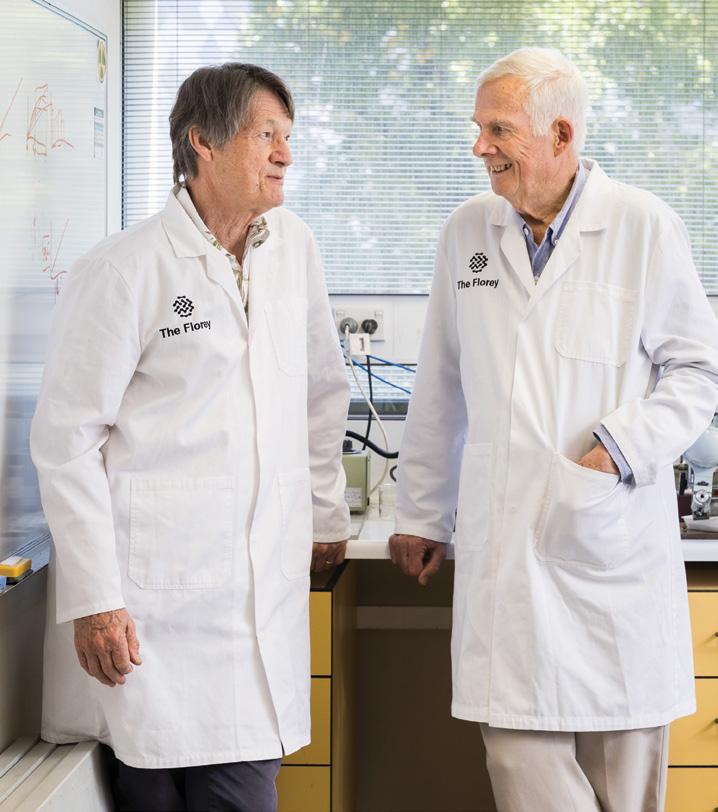
Professor Robin McAllen and Dr Michael McKinley
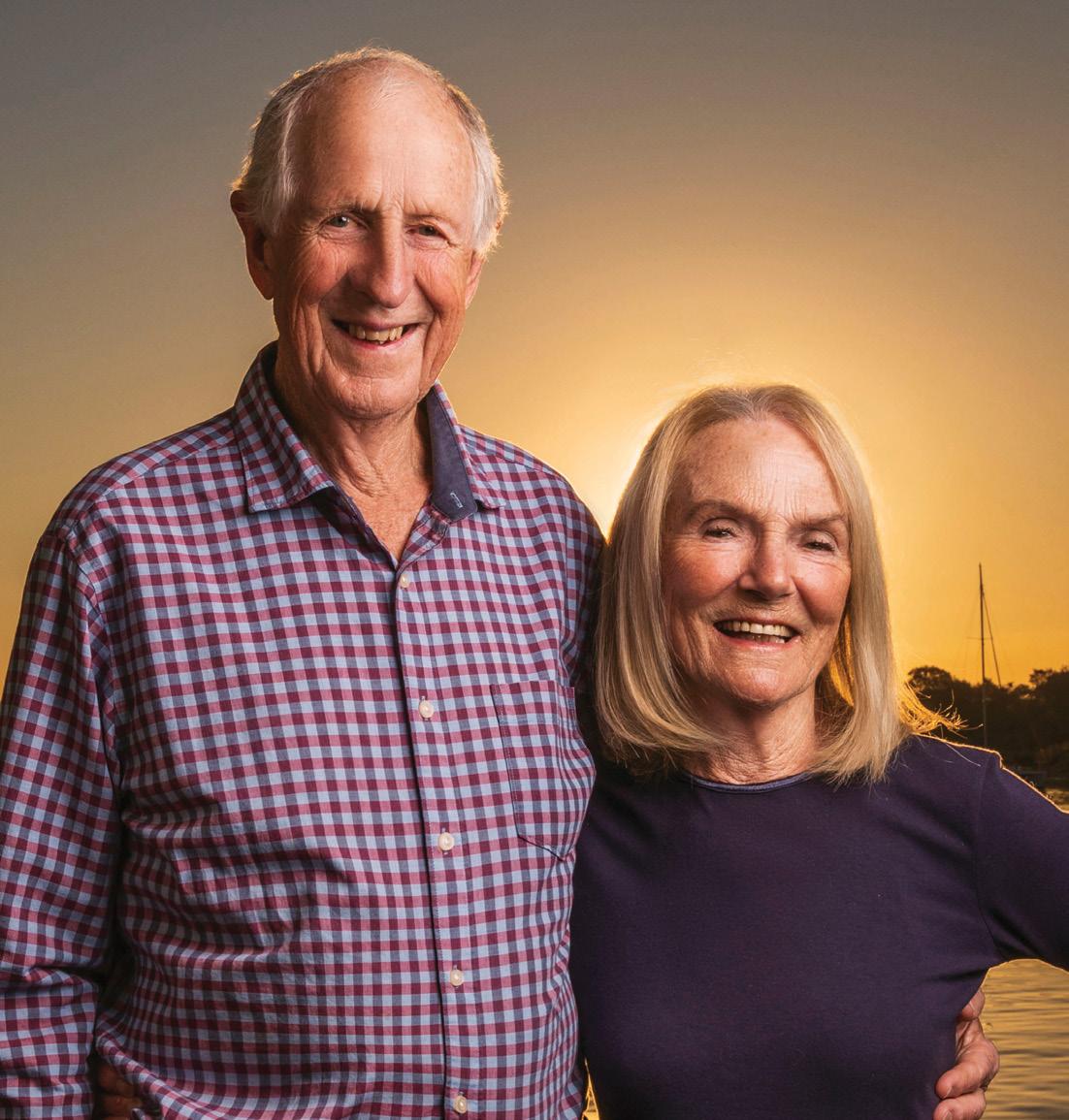
A life’s gift to The Florey
The Florey is grateful for the extraordinary generosity of Carl and Wendy Dowd in establishing the Carl and Wendy Dowd Professorial Fellowship, an example of the impact made possible through the Florey Future Fund. “The fellowship represents our vision for The Florey Institute, a vision of supporting both the researchers investigating neurological conditions and the people who experience them,” they say.
Established through the philanthropy of Carl and Wendy Dowd and Harold Mitchell AC, the Florey Future Fund is an endowment fund providing a perpetual stream of income to support research priorities at The Florey. It helps researchers build strong teams, work in cutting-edge laboratories and collaborate globally. It also strengthens the Institute’s financial foundation and helps sustain important work in times of uncertainty.
With capital protected and investment returns distributed annually, the Fund can support a wide range of priorities. These include salaries for postdoctoral researchers and technicians, advanced technologies, specialised research equipment and materials, support for emerging talent and mid-career researchers, equal opportunity in science, and global collaboration.
The Fund also helps build partnerships and develop spin-outs that drive innovation, with revenue reinvested to grow the Fund over time.
Gifts of $100,000 or more are recognised in perpetuity, and supporters can contribute through cash donations or gifts in their Will.
Quentin’s memory
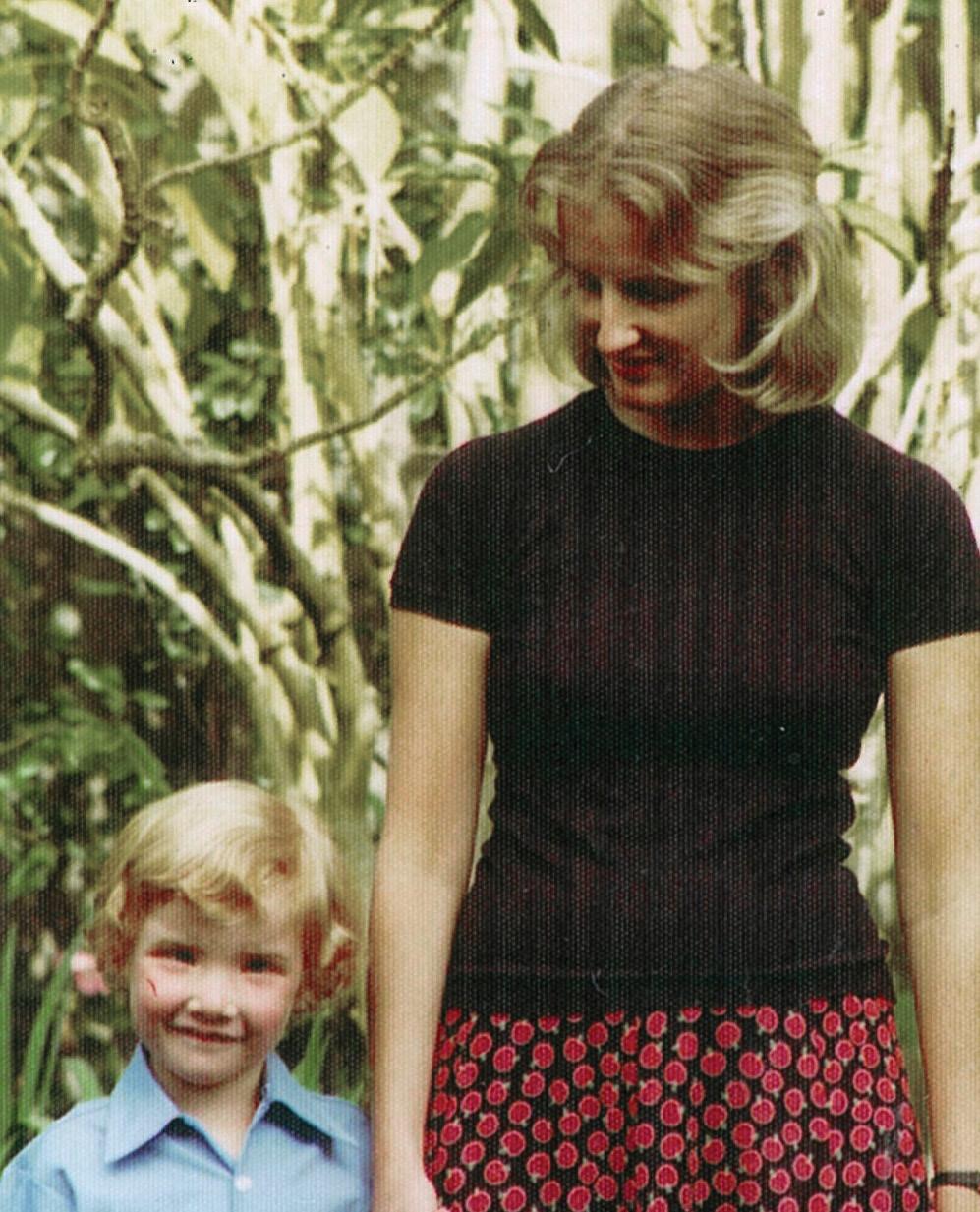
The first time Sally Beavis donated to The Florey was two days after losing her son Quentin to serious mental health challenges.
What began as a $10 donation transformed into many years of support, and recently, Sally decided to include a gift in her Will to help fund further brain research.
Sally has faced her own mental health struggles. When she was 36, she experienced late-onset schizophrenia.
Her son Quentin was 20 when his own battles with the devastating mental health condition began. Tragically, his mental health deteriorated and at 24 Quentin took his own life.
His death left Sally devastated, and she soon realised there wasn’t enough known about schizophrenia. Her research led her to The Florey, where she connected with Associate Professor Jess Nithianantharajah, a leading mental health researcher, who told Sally about research on a potential treatment for medication-resistant schizophrenia.
Her bequest, in memory of Quentin, will support medical research that tackles the root cause of mental health conditions like schizophrenia, helping researchers to develop better treatments that transform mental health care and recovery.
“I am proud that my bequest will continue this vital research.”
SALLY BEAVIS
Sally is part of The Florey Society, which recognises our supporters who are kindly leaving a gift in their Will for brain and mental health research. If you have included The Florey in your Will, or intend to, we encourage you to reach out and let us know so we can welcome you to The Florey Society and our community of gift in Will supporters.
Carl and Wendy Dowd
Sally Beavis with her son, Quentin
The power of community fundraising
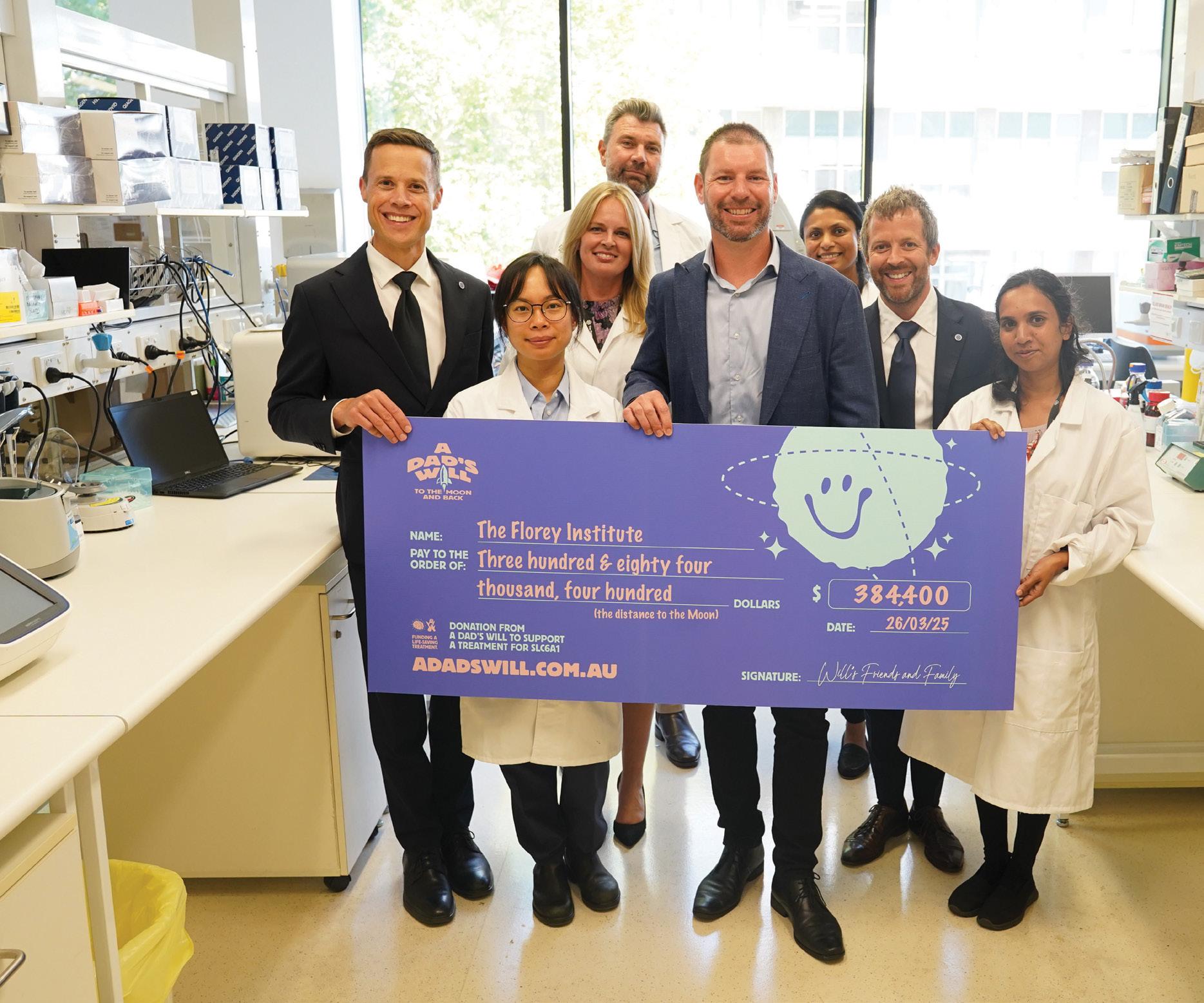
Cycling to the Moon and back might sound fanciful, but Stu Place was determined to do just that.
In early 2025, the Melbourne father cycled 15,451km — the equivalent distance from his home in Melbourne to the town of Moon, Oklahoma, and on to the town of Back, Texas — as part of a 50-day virtual cycle challenge.
Stu originally planned to cycle the equivalent distance from Earth to the lunar surface and back, but quickly realised that the distance of ~770,000km was a stretch.
Stu’s remarkable pedal-powered fundraising effort was in honour of his son Will, who was born with SLC6A1, a rare and life-threatening form of epilepsy.
By the time Will was only 18 months old, he was having up to 150 severe seizures a day. Will also has autism, cognitive impairment, is non-verbal and has movement and behavioral disorders — characteristics that often accompany severe childhood epilepsy.
15,451km
Distance from Melbourne to the towns of Moon and Back
When Stu learned that Florey researchers, led by Professor Steven Petrou, were world leaders in developing precision medicine for childhood epilepsy, he jumped into action.
In solidarity, Florey staff joined the dedicated Dad for sections of his ride. His campaign ‘A Dad’s Will: To the Moon and Back’ raised more than $384,400 to support research into precision medicines for genetic epilepsy.
Florey researchers are studying a number of childhood epilepsy variants, including HCN1, SCN2A, SLC6A1, SYNGAP1 and KCNQ2.
With continued support, they hope to develop better therapies to help children like Will, creating a future with fewer seizures.
Recognition of The CASS Foundation
We gratefully acknowledge the support of The CASS Foundation through the 2025 Daniel Rechtman Research Award, awarded to Dr Leigh Walker for research into alcohol use disorder.
This prestigious award is supporting a Florey project using advanced spatial genomics and donated human brain tissue to investigate how long-term alcohol use alters brain function.
The project aims to identify sex-specific patterns that could inform more targeted treatments and address a critical gap in addiction neuroscience.
The CASS Foundation has provided tremendous support to medical researchers over the past 22 years.
Stu Place with The Florey team
Bringing Florey discoveries to the clinic
Firmly focused on translating research into patient outcomes, our spin-out companies continue to make progress. Discipline, purpose and global connectivity combine to ensure our brain and mental health discoveries achieve the widest impact.

Praxis Precision Medicines: A listed biopharmaceutical company developing therapies for brain disorders
The Florey is committed to translating innovative neuroscientific research into realworld outcomes. Praxis Precision Medicines, a company co-founded in 2015 by former Florey Executive Director, Professor Steven Petrou, is an exemplar of translational research impact.
Professor Petrou’s research has focused on understanding the precise mechanisms of genetic epilepsies, a diverse group of severe neurological conditions that primarily affect children.
Insights gleaned from decades of laboratory research now inform the development of precision medicines for a range of neurological conditions that are characterised by imbalance of excitation and inhibition of neurons.
Recent successful late-stage human clinical trials of a new medicine for essential tremor, a common condition of mid- to later-life characterised by disabling involuntary movements, as well as a new drug for a group of developmental epileptic encephalopathies (SCN2A and SCN8A), mean that these Praxis medications may soon be available to people living with these conditions.
The company currently has two main platforms centred on small molecule and genetic medicine (antisense oligonucleotide) development, and these have already furnished a rich pipeline of candidate medications.
Looking ahead, the ambition for Praxis – drawing from its Florey origins – is to deliver meaningful and longlasting benefits for patients, families, and the wider community.
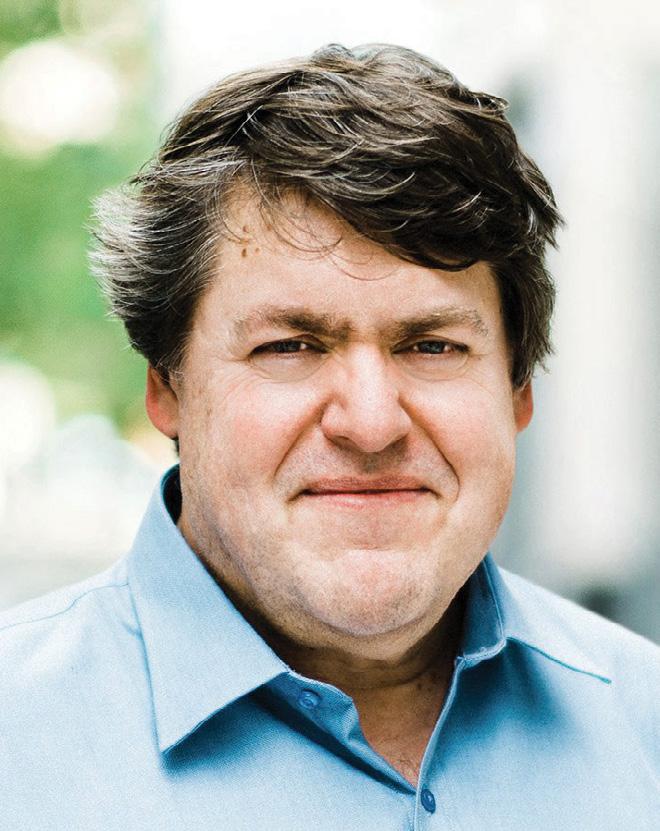
Professor Petrou’s advice for young researchers is to “consider the path to impact early on”. “It takes tenacity, resilience, a global mindset and the willingness to bridge academia and industry to turn research findings into medicines.”
↑ Professor Steven Petrou, Co-Founder, President of Research & Development, Praxis
Florey’s Head of Commercialisation, Haydn Wright, and team member Christina Sparbier
Florey spin-outs

Phrenix Therapeutics is an innovative biotech developing next-generation treatments for poorly-served neuropsychiatric conditions.
Since its 2022 spin-out from Monash University and The Florey, Phrenix has evolved from a promising research entity into a well-capitalised clinical contender. This transition was catalysed by an oversubscribed seed investment round in late December 2024, led by venture firms Curie.Bio (USA) and Brandon Capital (AU).
In 2025, Phrenix leveraged the scale, acceleration, and deep expertise this investment brought to successfully advance its lead flagship program exemplified by PHX-001, a small molecule therapeutic for treating schizophrenia and related neuropsychiatric disorders.
Preclinical studies, including clinically relevant neurobehavioural testing led at The Florey, confirm PHX-001’s robust activity in psychosis and cognition models. PHX-001 offers the potential to treat multiple symptom domains of schizophrenia and provide a significant tolerability advantage compared to both current standard-of-care antipsychotics, and the recently approved Cobenfy (formerly known as KarXT).
By bridging the gap between benchtop discovery and tangible patient impact, Phrenix is now strategically positioned for its next major milestone: commencing human clinical trials in 2027.

Associate Professor Jess
Nithianantharajah, Co-Founder and VP Translational Biology
Sepsis affects an estimated 50 million people per year and remains the leading cause of global mortality, with approximately 11 million deaths each year. For sepsis survivors, the ongoing health burden can be significant.
PanAscea is a Florey and Austin Health spin-out company that is gearing up for a significant capital raise in late 2026-early 2027, with a mission to prevent death and disability arising from infections and sepsis, with a pH-balanced formulation of megadose sodium ascorbate.
A promising Phase 1a, single centre, randomised, double blinded, placebocontrolled clinical trial in 30 patients with septic shock at Austin Health ICU found that the formulation was safe and feasible.
The trials have progressed to a Phase 1b multi-centre, randomised, placebocontrolled, open label clinical trial in 12 hospital sites across five Australian states and territories, to be completed by the end of 2026.
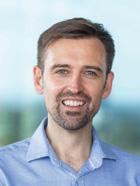
Professor Yugeesh Lankadeva, Founder and CEO
Associate Professor Mark Plummer, Chief Medical Officer
Professor Scott Ayton, Chief Scientific Officer
An innovative drug discovery platform invented by Florey researchers, Alkira Bio is working to identify antibodies with therapeutic potential. Supported by seed investment from US venture capital firm Curie. Bio and funding from Australian life sciences incubator CUREator, the company is strengthening Australia’s drug discovery capability through homegrown research and talent.
Alkira Bio now employs 11 Australianbased scientists and is progressing several drug discovery programs aimed at previously out-of-reach targets.
Curie.Bio’s investment has also enabled Alkira Bio to consolidate and expand its team in Melbourne, building a focused, lean biotechnology company designed to move with speed and precision. This growth has strengthened the company’s ability to translate world-class research from The Florey into realworld therapeutic opportunities, while reinforcing Melbourne’s position as a hub for biomedical innovation.
Beyond financial backing, Curie.Bio brings deep expertise and leadership from people who have helped develop blockbuster medicines, giving the Alkira Bio team access to invaluable experience in drug development, company building and commercial strategy. That knowledge transfer is already helping shape Alkira Bio’s trajectory and will deliver lasting benefits for future research translation and commercialisation at The Florey.
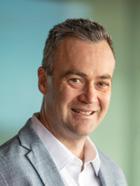
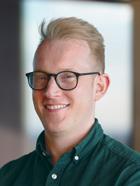
Associate Professor Daniel Scott, Co-Founder and CEO
Dr
Chris
Draper-Joyce, Chief Scientific Officer
A message from our Fundraising Committee
At The Florey, our research is made possible by the extraordinary generosity of donors committed to advancing health for future generations. As a global leader in brain research, The Florey is working to protect and promote brain health for every person, across every life stage.
As Chair of the Fundraising Committee, I want to extend my heartfelt thanks to all who supported us in 2025. Whether you made a gift, advocated for our work, attended an event, or included The Florey in your Will, you made a real difference. Your compassion and commitment reflect a belief in the vital importance of brain research and in its power to improve lives.
Florey Governors
Andrew Abercrombie
Martin Adams
James Angus AO
Etienne Baulieu
Samuel Berkovic AC
Graeme Billings
Christopher Blake
Neal Blewett AC
Graeme Bowker
Di Bresciani OAM
Lord Alec Broers
Malcolm Broomhead AO
John Brumby AO
Ross Burney
Edward Byrne AC
Lyndsey Cattermole AM
Jean-Pierre Changeux
Trevor Clark OAM
Peter Clemenger AO
David Copolov AO
Philip Cornish AM
Charles Curwen AO CVO OBE
Andrew Cuthbertson AO
Tim Daly AM
Stephen Davis AO
Jerry de la Harpe
David de Rothschild
David de Souza AM
Peter Doherty AC
Carl Dowd AM
Wendy Dowd AM
Suzanne Downes
Craig Drummond
Thanks to you, 2025 was one of the strongest philanthropic years in The Florey’s history, with more than $9 million raised in support of our work.
• Our ‘More Time’ campaign broke all records, becoming the most successful appeal in The Florey’s history.
• Our Gifts in Wills program grew strongly, with 25 new bequestors confirming a future gift to The Florey and helping secure lasting impact for future generations.
• Our first Supporter Connection Survey in five years revealed confidence in The Florey and a desire for meaningful engagement through research updates, lived experience stories and closer connection to our work.
• Throughout the year, public events, tours, and stories helped bring our research and impact to life. One of The Florey’s great strengths is our brilliant scientists, who present their work in a clear and engaging way, making every event both inspiring and ground-breaking.
As we strengthen our philanthropy program and build for the future, The Florey continues to improve lives through world-leading expertise and innovation. With your support, The Florey will help protect the brain, and brain research, for generations to come.
Thank you again for your generosity in 2025. Your support is advancing discovery, inspiring hope, and changing lives.
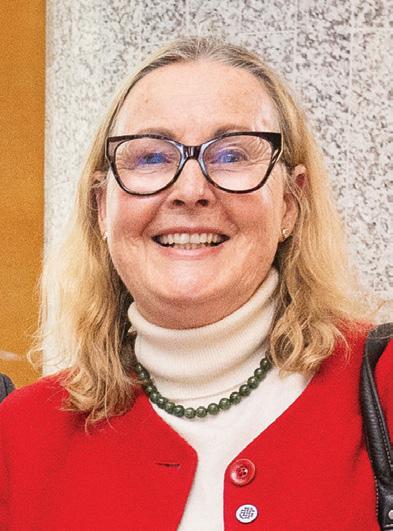
Ms Kate Joel Chair of The Florey Fundraising Committee
George Fink
Alan Finkel AC
John Finlay-Jones
Roger Flynn
Tamie Fraser AO
Peter Fuller AM
John Funder AC
Rob Gerrand
Kelvin Glare AO
Charles Goode AC
Baroness Susan Greenfield CBE
Jane Gunn AO
Sandra Hacker AO
Peter Haig
Mark Hargreaves AM
Pamela Hauser
Caroline Hogg AO
Adam Horsburgh
Andrea Hull AO
Margaret Jackson AC
Bevyn Jarrott
Kate Joel
Barry Jones AC
Mark Jones AM
Peter Jopling AM KC
Shitij Kapur
Graeme Kelly
Bruce Kemp AO
Christine Kilpatrick AO
Jennifer Labourne
Frank Larkins AM
Richard Larkins AC
John Lill OAM
Paul Little AO
Lina Marrocco OAM
Jim McCluskey AO
Elspeth McLachlan
George McMaster
Frederick Mendelsohn AO
Naomi Milgrom AC
Brendan Murphy AC
Louise Myer
Martyn Myer AO
Allan Myers AC KC
Maria Myers AC
Mark Nelson
Hugh Niall
Ross Oakley OAM
Simon Parker Bowles
Lady Primrose Potter AC
John Poynter AO OBE
Geoffrey Ripper
Eda Ritchie AM
Philip John Rose AO
Thomas Schneider
David Scott
Stephen Spargo AM
Andrew Stripp
Boris Struk
Geoffrey Tregear AM
Gad Trevaks AM
Gabrielle Upton
Anne Ward
Andrew Wardlaw
Elizabeth Wardlaw
Brian Watson AO
Ingrid Winship AO
Marelyn Wintour-Coghlan AO
Meredith Woods
Michael Wooldridge
John Wylie AC
Harrison Young
Learn how you can support the work of The Florey and make a real difference
Our 2025 donors
We are thankful for our community of supporters, whose generosity makes our work possible.
From our Founding Benefactors, Future Fund and Florey Foundation donors to those who have chosen to give anonymously, your support drives discovery and helps improve outcomes for people affected by neurological conditions. Thank you for the difference you make.
Major donors
Donors with gifts of more than $10,000
Lady Primrose Potter AC
Kellie Adams
Peter Armstrong
Dianne Berlin
Berwick Opportunity Shop Incorporated
Julie Blunt
Ross and Skye Burney
Lawrence Carroll OAM and Kerrie Carroll
Ebony, Fern, Faye and their familiesHCN1 epilepsy fundraiser
Valmae Freilich
Roslyn Glow OAM
Hardi Family (in memory of Danielle)
Susanne & Dennis Harvie
Hearts and Minds Investments Limited
Kate Joel
Peggy Knight
Elizabeth Mildwater
Anne Miller
Bruce and Lana Moran
Mort & Co Ltd
Damian Nan
Judy Overbeek
Ronald Pitcher AM
Stuart Place - SLC6A1 epilepsy fundraiser
Sheryl Summons
David Taylor and Prue Barclay
David and Suzanne Thwaites
Kay Tudor
Matthew Tutty
Richard and Juneth Wall
Tania West
Trusts and foundations
Flicker of Hope Foundation
Foundation for High Blood Pressure Research
Gaudry Gift
Gretel and Gordon Bootes Medical Research and Education Foundation
Griffiths Family Giving Fund
Harbig Family Foundation
Harold Mitchell Foundation
Hearts and Minds Investments Limited
Hutchins Family Endowment
Jeanette Tye Webster Endowment
Johnstone Family Foundation
Lionel and Yvonne Spencer Trust
Live Life Foundation
Marchris Family Charitable Gift
Judith Jane Mason and Harold Stannet
Williams Memorial Foundation
Massey Charitable Foundation
Menika Lanard Jandd Charitable Foundation
Michael J Fox Foundation
Minderoo Foundation
MND Research Australia
MS Australia
National Foundation for Medical Research and Innovation
Nell & Hermon Slade Trust
Nigel & Patricia Peck Foundation
Perpetual Trustees Impact Funding
Philip Bushell Foundation
Pincus Family Foundation Pty Ltd
PURA Syndrome Foundation
PwC Services Trust
Rebecca L Cooper Medical Research Foundation
Robert and Elizabeth Sinclair Foundation
RobMeree Foundation
Santalum Foundation
Sharon and Peter Beaconsfield Fund
Stafford Fox Medical Research Foundation
Stroke Foundation
The CASS Foundation
The Halim Family Perpetual Endowment Legacy
The Heart Foundation
The Isabel & John Gilbertson Charitable Trust
The Jack Brockhoff Foundation
The Jane Frances and Frederick William Hayes
Charitable Trust
The Marian & E H Flack Trust
The Mark Foundation
The Roebuck Foundation
The Stuart Leslie Foundation
The Valda Klaric Foundation
Trish Multiple Sclerosis Research Foundation
Tom & Ruth O’Dea Fund
Will and Dorothy Bailey Charitable Fund
Wyandra Fund
Bequests and estates
We express our sincere appreciation to the family and friends of those donors who kindly supported The Florey with a gift in their Will.
John Ballan
Margo Elizabeth Bartley
Jane Hargreaves
Valerie Laszlo
Angeline Eng Choo Lee
Judith Ann Middlemass
Patricia June Peck
Kathryn Marjorie Thaniel
Patricia Joan Wilkinson
Valarie Marina Wilkinson
The Florey Society
We warmly thank those supporters who have advised us that they have included a gift to The Florey in their Will. Their generosity will help advance vital brain research and improve lives for future generations.
We would also like to acknowledge the donors to The Florey who wish to remain anonymous. We have made every effort to ensure the details in this list are correct. For any queries, contact us on philanthropy@florey.edu.au
Remembering our beloved colleagues
The Florey community was incredibly saddened by the passing of three outstanding individuals in 2025, each with a deep connection to the Institute.
Bruno Marino volunteered with The Florey since 2014 to assist our scientific work by generously donating his expertise as a leading cardiovascular perfusionist to projects in the Preclinical Critical Care Unit and Translational Cardiovascular and Renal Research Group. A Florey Award is named in Bruno’s honour: the Bruno Marino Innovation Award.
Dr Pratishtha Chatterjee was an emerging leader and muchloved Florey team member whose passion for research was grounded in a deep desire to improve the early diagnosis and management of dementia. She aimed to develop biomarkers to improve diagnosis and understanding, helping to inform international guidelines for Alzheimer’s disease.
Professor Rinaldo Bellomo AO was an extraordinary mentor and collaborator to many at The Florey and beyond. He led a transformative career as a pioneer and ‘father figure’ to the field of intensive care medicine and critical care research. Professor Bellomo was one of the most influential Australian researchers across all fields of medicine. A Florey Award supported by an industry partner (Biological Therapies) is named in Rinaldo’s honour: the Rinaldo Bellomo Postdoctoral Travel Award.
Discover our community of donors and The Florey Society whose support helps to make Florey research possible
Board of Directors
We thank our dedicated Board of Directors for their expert stewardship and valuable contributions to The Florey. With gratitude, we recognise the work of Professor Christine Kilpatrick AO who retired from the Board in 2025, after six years of diligent service.
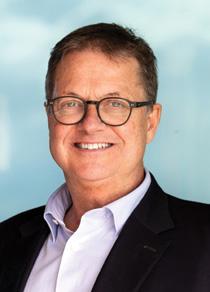
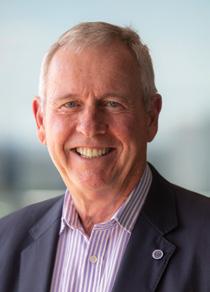
Mr Martin Adams – Chair
Technology entrepreneur, investor and experienced company director. Joined The Florey Board in 2021, appointed Chair in 2022. Serves on Audit, Risk & Governance, Investment and Commercialisation Committees.
Mr Graeme Billings
Chartered accountant with more than four decades of professional experience. He retired from PwC in 2011 after a 34-year career. Honorary Treasurer and Chair of the Audit, Risk & Governance Committee.
Mr Chris Blake
Transformation leader with extensive experience designing and leading enterprise-wide change programs that integrate strategy, brand and culture across diverse industries. Current Group CEO of St Vincent’s Health.
Mr Ross Burney
Experienced investment professional with a global background in equities, debt, private equity and property. Current CEO of the Pacific Group. Chair of the Investment Committee.
Professor Shelley Dolan
Appointed in May 2025, current CEO of Royal Melbourne Hospital and previously served as CEO of Peter MacCallum Cancer Centre. Brings extensive experience leading large, complex tertiary hospitals across the globe.
Ms Jodie Geissler
Appointed in May 2025, holds more than 20 years’ experience across government and the public health sector. Brings deep expertise in health system governance, performance oversight and large-scale reform. Currently serves as CEO of Austin Health.
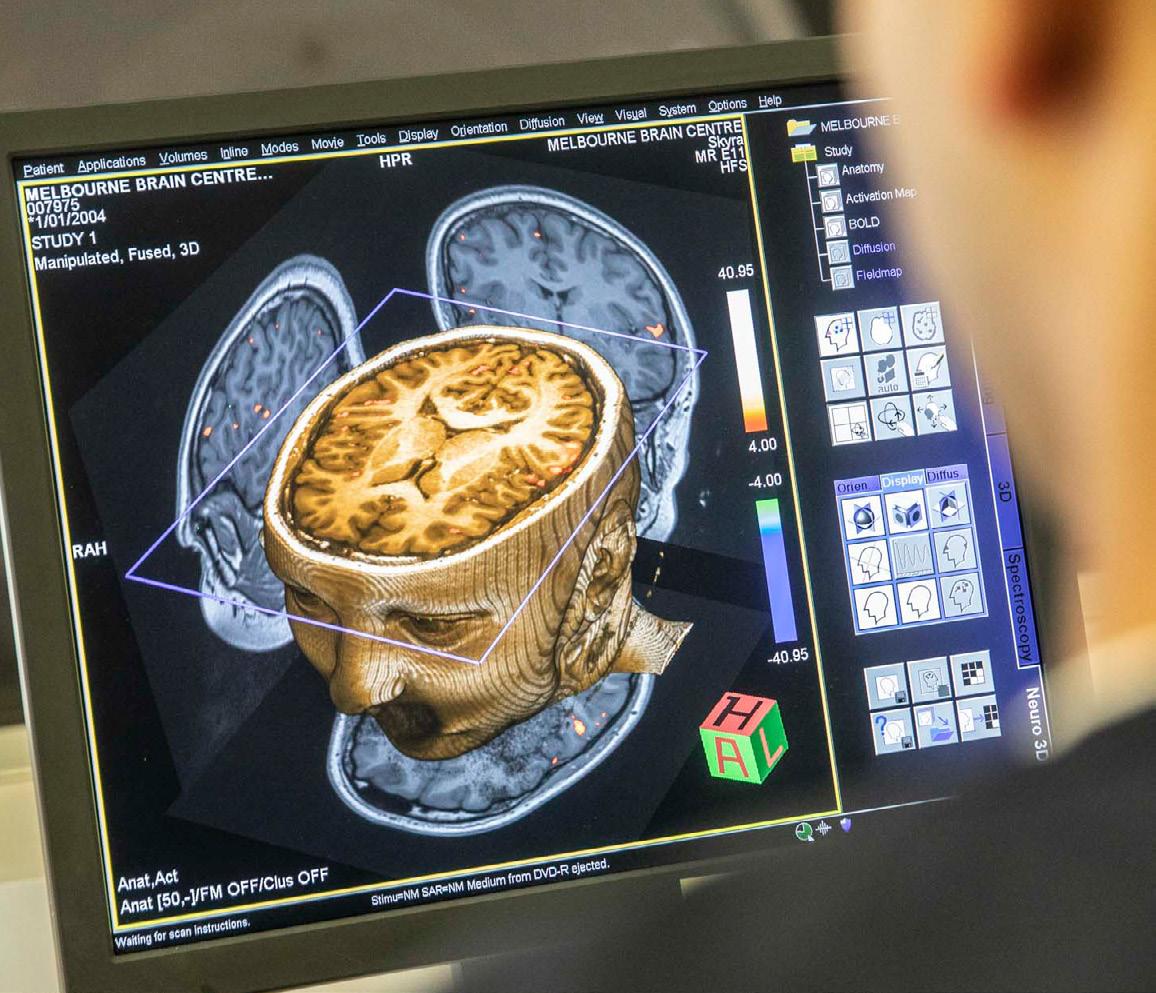
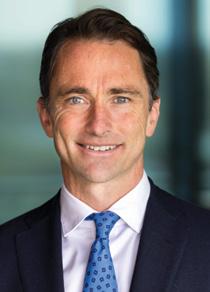
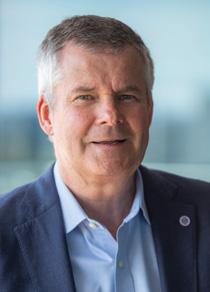
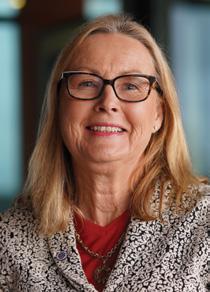
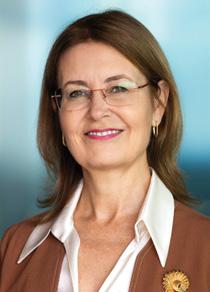
Professor Jane Gunn
Interim Provost of the University of Melbourne and a distinguished clinician-scientist. Brings more than a decade of governance experience across health and not-for-profit boards.
Mr Peter Haig
Partner at Allens and a senior member of its Disputes and Investigations practice, where he also leads the firm’s Anti-Money Laundering practice. Trusted adviser to major Australian and international banks and financial institutions. Serves on the Audit, Risk & Governance Committee.
Professor Mark Hargreaves AM
Former Pro Vice-Chancellor (Research Partnerships & Infrastructure) at the University of Melbourne, focused on interdisciplinary collaboration, research excellence across the University and strategic partnerships.
Ms Kate Joel
Strategic consultant with 30+ years’ experience across industry and government. Renowned for clear and practical thinking and evidence-based approach. Serves on the Audit Risk & Governance Committee. Chairs the Fundraising Committee.
The Hon Gabrielle Upton
Experienced non-executive director with more than 30 years’ experience across governance, corporate finance, law, government and higher education. Former state Attorney General. Audit, Risk & Governance Committee member and Chair of the Commercialisation Committee.
Professor Peter van Wijngaarden
Clinician-scientist and experienced research leader. Joined The Florey in 2024 following seven years as Deputy Director of the Centre for Eye Research Australia. Committed to delivering health outcomes through research excellence.

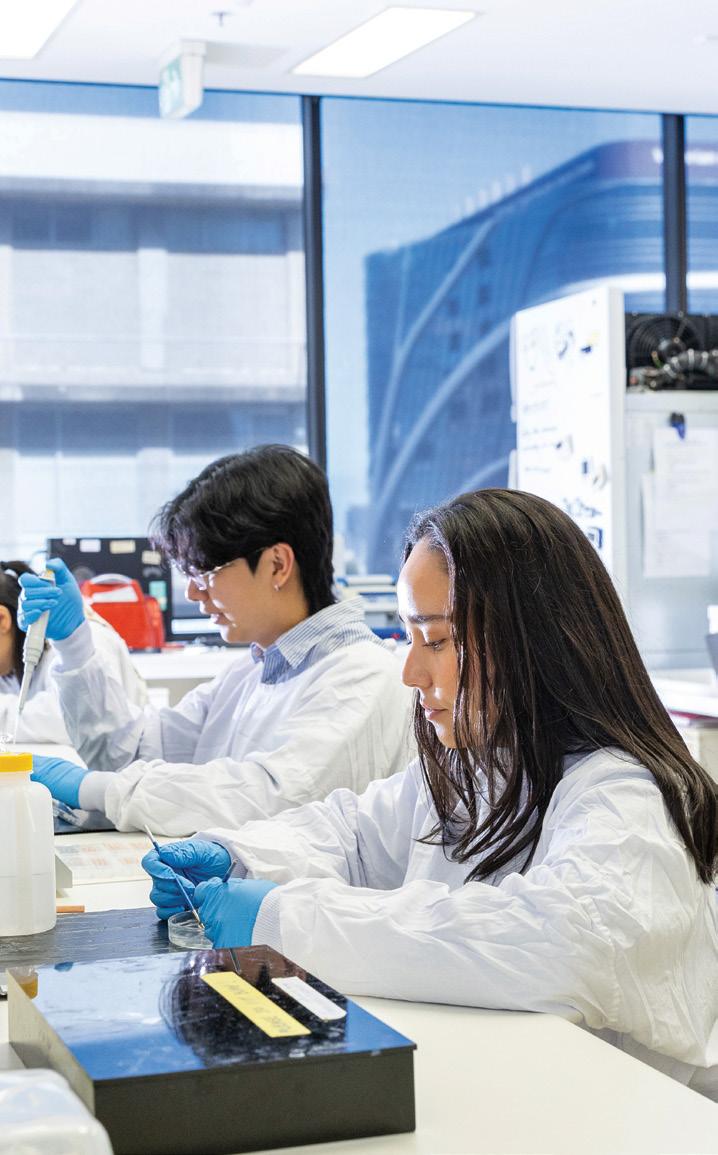
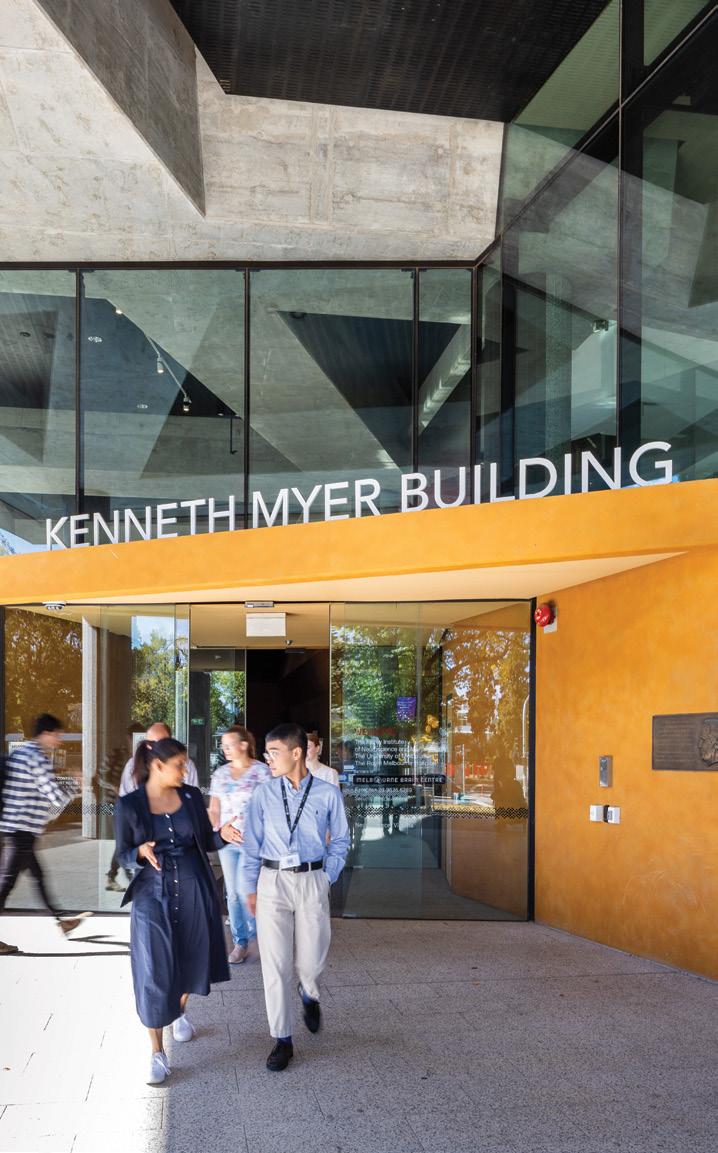
Financial snapshot
Review of operations
For the year ended 31 December 2025, total revenue from ordinary activities was $75.5m. The entity recorded a net operating surplus of $1.4m and a net deficit of $1.6m after depreciation, amortisation and change in fair value of investments.