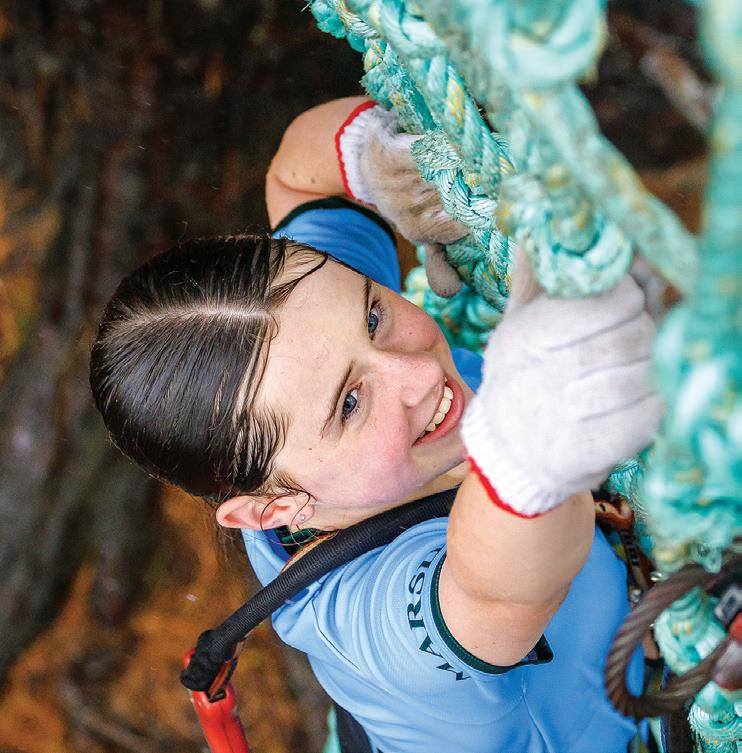
Two members of the Eastbourne Volunteer Fire Brigade have climbed the 1103 steps of the Sky Tower in Auckland for the third year in a row to help raise money for families dealing with leukaemia and blood cancer.
The Firefighter Sky Tower Challenge, now in its 22nd year, is a major fundraising event for Leukaemia & Blood Cancer New Zealand. This year’s climb on 23 May, involving hundreds of firefighters from around the country, permanent and volunteer crew alike, has raised more than 2.5 Million Dollars.
Karamu Street couple Adam Midalia and Louise Cameron, who both have busy day jobs in the city, have been training hard for months.
The Majestic Centre on the corner of Willis and Boulcott streets provides the perfect training option.
“Twice up the Majestic is 50 floors – just one short of the Sky Tower climb,” says Adam. “It’s the best prep for the real thing we could have.”
Louise says she volunteers because it’s important to help the community. “Taking part in the stair climb is another way we can help people who really need it.”
Louise holds the rank of Qualified Firefighter (QFF) and often helps lead the brigade’s regular training sessions on Monday nights. Adam has the same rank but is also a driver and pump operator, a crucial role on any fire truck.
The Eastbourne brigade’s fundraising efforts have been
Kitchen upgrades made easy.
greatly assisted by Firefighter Heike Fetting’s extraordinary baking skills.
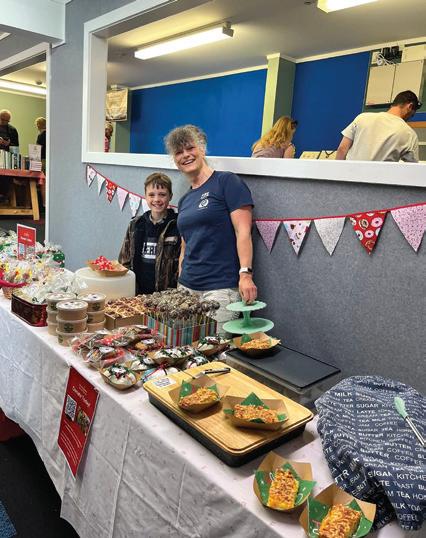
Heike has run a bake sale and sold large, made-to-order cakes for special occasions, with all the proceeds going to Leukaemia & Blood Cancer New Zealand.
“I’ve done the Sky Tower challenge in the past. I’ve taken a break this year and decided to help the cause with my passion for baking. People pay for the ingredients and after receiving their cake make a donation,” she says.
You can still contribute to helping people living with leukaemia and blood cancer by going to https:// firefighterschallenge.org – all funds raised go to Leukaemia and Blood Cancer NZ.
A reflection on community...
Why is it so important to feel part of something bigger? At the recent ANZAC Day service in Eastbourne, I was reminded that a community is made up of individuals, groups, clubs and schools, as well as of faith groups. People of all types and ages and stages, for whom Eastbourne is home. That morning our community came together respectfully, to remember our people who, years ago, had served, while some had lost their lives.
By most definitions, our Eastbourne community is small, but it shares a strong sense of ‘place’ - out here at the end of a windy coast road. Many of us also share a love for the forest and the environment. I believe we are also a caring community that places value on volunteering, supporting clubs and helping those in need. To be part of a community you must get involved. This doesn’t necessarily mean being out in front; there are all sorts of behind-the-scenes ways to support a good cause.
A sense of community is also evident in Eastbourne’s faith communities. There are three churches here, and these support one another. For many years we’ve met monthly to coordinate all sorts of community initiatives as well as shared faith opportunities.
Being part of a caring and supportive community means so much. Although we are part of the wider communities of Lower Hutt and Wellington, the most important to me is the one I choose to live in and contribute to. Our little world of Eastbourne...!
WHAT’S HAPPENING
HAIR
MAY
St Alban’s+St Ronan’s: 1st Sundays 9:30am monthly Shared Communion Services (alternating venues, leaders and preachers). 7 June at St Ronan’s church, 5 July at San Antonio church
St Ronan’s: 1st Sundays shared with St Albans (see above). 2nd and 4th Sundays 9:30am informal, 3rd Sundays 9:30am traditional, 5th Sundays 12:00pm fellowship meal. office@stronans.org.nz www.stronans.org.nz
When you come to my salon it’s more than just a hair appointment, it’s a personalised experience designed to meet your unique hair goals.
I’m proud that my hair services are in high demand, and yes, that means appointments are limited and need to be booked in advance But that’s what allows me to offer something truly special: time, care, and attention to detail No rushing. No shortcuts. Just beautiful, thoughtful work that delivers results you’ll love
St Alban’s: 1st Sundays shared with St Ronan’s (see above). Other Sunday services at San Antonio church at 9:30am. 1st Thursdays, communion at 10:30am at St Ronan’s church. www.facebook.com/StAlbansNZ office@stalbanschurch.nz www.stalbanschurch.nz
San Antonio: Vigil Mass, Saturdays 5:30pm.
Sacred Heart, Petone: Mass, Sundays 9.30am and 5.30pm. holyspiritparish41@gmail.com www.holyspirit.nz
Every consultation begins with me listening to you. What do you love about your hair? What’s not working? From there, I make recommendations tailored specifically to your lifestyle, hair type, and personal style
My clients trust me because they know I’m committed to excellence and it shows in their colour, their confidence, and their smiles when they walk out the door
Column sponsored by St Alban’s Anglican, St Ronan’s Presbyterian & San Antonio Catholic.
Whether we ’ re creating lived-in blondes, soft grey blends, or fresh, modern cuts, my focus is always on you
Book early to secure your spot and experience what true, personalised hair excellence feels like.
Eastbourne Community Board
Tupua Horo Nuku
We gave away 200 bells, and we’re sure there’s demand for more, so share the path and watch this space! The new path has been a great success and the highlighted issues around the Sunshine Bay-Days Bay corner are being worked on by HCC, your feedback has been useful and appreciated.. Suggestions for the remaining Days Bay transition and other gaps all the way to Burdan’s Gate are welcome
Annual Walk-around.
By the time you read this we will have had our annual walk-around to catch up with residents, but you can contact us on anything through the channels available. We are planning another community survey of priorities over the next 10 years for later in the year, so if there’s a topic you’d like to have included we want to know. Keeping in touch and staying informed
You can contact the council at any time using their services, but the ECB is here to represent your views and keep you informed as well. We have a website, fairly regular email newsletters (sign up on the website), a digital noticeboard in the library and we are active on Facebook. If you’d like us to share information about your group or events let us know. You can also contact board members directly.
It’s one of the last subjects we struggle to talk about openly. Yet as we grow older — or support ageing parents, partners, and friends — questions about death and dying become impossible to ignore.
This July, St Alban’s Church is offering Leaving Well, a fiveweek community conversation series designed to create a safe, thoughtful, and welcoming space for people to explore death, dying, legacy, relationships, and what matters most, together.
Hosted by St. Alban’s [at San Antonio Church on Thursday evenings throughout July –7.00 – 8.30pm] the series will combine practical information with opportunities for reflection, kōrero, music, poetry, and shared kai.
Vicar Sue Brown says the idea grew from recognising how many people carry worries or unanswered questions about the end of life, without having anywhere comfortable to discuss them. “As a society, we can be very reluctant to talk about death,” says Sue. “But avoiding the conversation can leave us feeling isolated with fears, practical concerns, or unfinished business.” She says the course is for anyone wanting space to reflect
— whether they’re thinking about practical preparation, relationships, spirituality, or simply how they want to be remembered.
“This isn’t about telling people what to believe, or ‘converting’ them!” she says. “It’s about making room for honest conversation, listening to one another, and thinking about what it means to leave well.”
Weekly sessions will cover topics including life legacy and storytelling, making wills and enduring powers of attorney, funeral planning, end of life, spiritual care, and questions about what might come next. Guest speakers will include people with experience in legal planning, funeral care, hospice support, and end-of-life care.
Sue hopes the series will help normalise conversations that many families find difficult to begin. “When we can talk openly and gently about death, it can help us live more intentionally as well,” she says. “These conversations can bring clarity, peace, and sometimes even laughter.”
The series is for people of all faiths and none.
For more information or to register, contact Office@stalbanschurch.nz or phone 04 562 6269
Garden Stuff with Sandy Lang PLANT THERMOLOGY 2
May/June: Late autumn/early winter. Cool air. Soil still warmish. Shoot-root ratio: A plant’s aboveground biomass (the shoot - we see) is about the same as its belowground biomass (the root - we don’t see). This is true for a small grass plant and also for a big tree - but for a tree you count just the metabolically active bits (aboveground the leaves and twigs, and belowground the fine roots), you don’t count the metabolically inactive (~dead) bits (the wood and the bark). The two halves of a plant – root and shoot - are highly interdependent and maintain a fairly close 1:1 balance. Last month we thought about the thermology of the top half, this
month, of the bottom half.
Two worlds: The shoot lives with sunshine, wind, wet and dry. The root’s world is quite differentpitch dark, utterly still, sometimes anaerobic (low O2), consistently damp (air-space humidity ~100%). Root growth depends strongly on root temperature - warmer = faster. So, what is root temperature? Root temperature = soil temperature. So, what is soil temperature? Think layers...
0 to 2.5 cm down (surface): The surface layer of soil experiences extremes - on a clear night, with no wind, a bare soil surface is ~3°C colder than the air. On a sunny day, no wind, no rain, a bare soil surface can be 10 or 20°C warmer than the air (too hot for bare feet). No good for roots – too hot, too cold, too dry, so few roots in the top ~2.5 cm of soil. A natural mulch (leaves, twigs, bark debris) keeps soil surface temperature more constant. Think a blanket. Roots can now grow shallower.
2.5 to 25 cm down: A soil layer also works like a blanket. So, going deeper, the day:night temperatures get less extreme as the thickness of soil above increases. Most roots are in this layer. Roots are significantly warmer than shoots at night, cooler in daytime. By 25 cm down, daily warming / cooling is imperceptible. Here, the soil sits at a constant temperature, close to the daily average air temperature for the season. For Eastbourne, 11°C spring, 15°C summer, 12°C autumn, 8°C winter. An almost constant-temperature world with gradual changes between the seasons.
25 cm to 2.5 m down: By 2.5 m down there’s no perceptible temperature change, even between seasons. Here, the soil is at the average annual temperature (AKL 16°C, WLG 13°C, DUD 11°C). But few roots go this deep.
slang@outlook.co.nz www.mulchpile.org
‘A
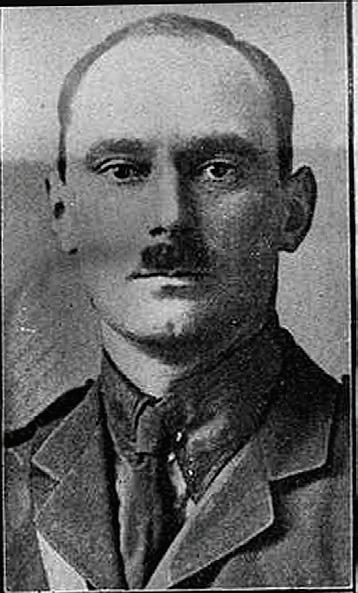
Tale of Two Harrys’ Harry Oswald Furlong Marsden (1889-1917) & Harry Edwin Furlong Marsden (1920-1941)
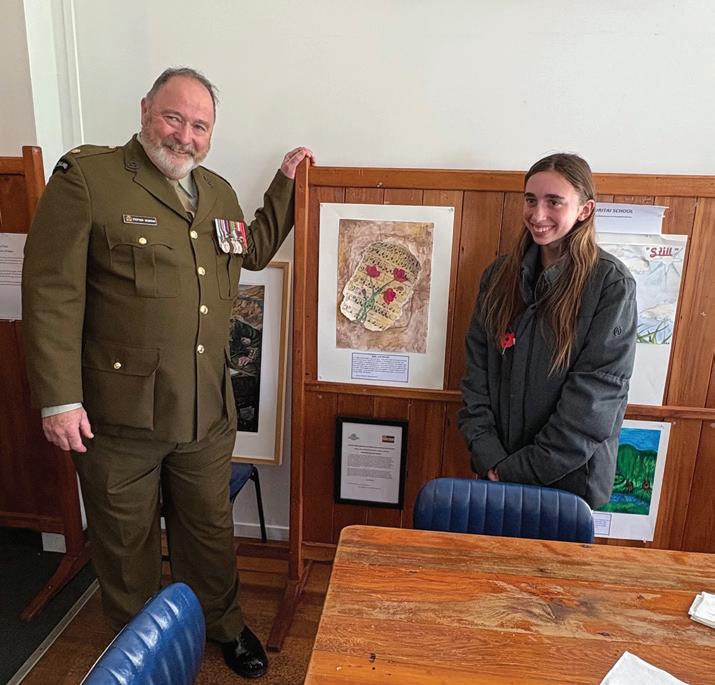
At this year’s Anzac Day service, Revd Sue Brown spoke movingly about Harry Marsden, a young Eastbourne man who was killed in action during WW1. Knowing very little about him, she imagined what his life was like before he went to war, and what might have been, had he survived. This prompted Ali and Meredith Carew to investigate further….
The Marsden family were originally from Tasmania: Thomas William Furlong Marsden was born there in 1860, and moved to New Zealand as a young man, settling in Taranaki. There he met Elizabeth Ann Tate, whom he married in Waitara in 1886.
By 1889 the couple had three children: Emma, Edward, and Harry. The following year the family returned to Hobart, where another son, Reginald, was born.
In 1905 the family moved back to New Zealand and were living in Newtown, Wellington. By 1911 they had relocated to Eastbourne, where their new home in Nikau Street was called ‘Te Hua’, meaning ‘positive outcome’.
By then Harry had passed his accountancy exams and was working as a company secretary in Wellington. In May 1913, aged 23, he was elected to the Eastbourne Borough Council, having campaigned on the need for more youthful representation in local politics.
During those years he was a sergeant in the Wellington Highland Rifles, and held its championship belt for rifleshooting.
Harry resigned from the Borough Council in August 1914 and moved to Christchurch, where he was employed as company secretary to the Westport & Stockton Coal Mining Company.
In April 1916, Harry enlisted. On his departure, his employers presented him with a pair
of binoculars, and the Coal Merchants’ Association gave him a gold watch. He did his military training in Trentham as a sergeant-major in the 17th Infantry Reinforcements.
Harry’s war record lists his service number as 24387 and his final rank as second lieutenant. He served in the 3rd Battalion, Wellington Infantry Regiment, on the Western Front, and was killed in action at the 3rd Battle of Ypres (Passchendaele), on 4 October 1917, aged 27.
He was buried at the Tyne Cot Cemetery in Belgium, and a memorial headstone was erected in Karori Cemetery.
His name also appears on Eastbourne’s War Memorial, and on one of the white crosses erected in Rata Street each year around Anzac Day and Armistice Day.
The family planted a kauri tree in Harry’s memory in their Nikau Street garden, and a plaque was placed on the gate. The Eastbourne Borough Council expressed its sympathy to the bereaved family. Compounding their grief, Harry’s sister Emma, a nurse, died suddenly in 1919, during the influenza epidemic.
Harry’s elder brother Edward (Ted) had also served in Western Europe during WW1. On his return, he married Ellen Amy Wallace; their first son, born in 1920, was named Harry after his late uncle. Harry junior and his younger siblings, Joan, Alan and James (Jim), attended Muritai School, starting in 1927.
The 1928 edition of Stone’s Directory lists three Marsden households in Eastbourne: Ted at 16 Tawa Street, Reginald at 33 Nikau Street, and their parents,
Thomas and Elizabeth, at 35 Nikau Street.
Harry junior left Muritai School in 1934 to attend Wellington Technical College, and later worked in engineering. He was also an enthusiastic yachtsman: in 1939 he was a co-founder of the Muritai Yacht Club, where he successfully raced his Idle-Along class ‘Pegaway’.
When war broke out, Harry enlisted in the Royal New Zealand Naval Volunteer Reserve (NZNVR).
He was killed in 1941 when HMS Neptune hit a minefield in the Mediterranean and sank with the loss of 764 lives, including 150 New Zealanders. His body was never recovered. He was 21.
Alan Collins, a close friend of Harry’s younger brother Jim, recalls how devastated the family and the whole community were at the news.
Harry’s name appears on the Eastbourne War Memorial and also on the Muritai Yacht Club’s Roll of Honour.
The Marsdens were not the only Eastbourne family to experience intergenerational tragedy in two world wars, and in a small community such losses were keenly felt. Local memorials to the two Harrys remind us of the human cost of war, and the need to work towards a better, more peaceful world.
Sources: Julia Stuart, Half a World Away: Eastbourne in Wartime 1899-1928, EMRSA, 2016; Historical Society of Eastbourne Collection; Papers Past; Ancestry.com
APPLICATIONS FOR GRANTS
Closing date: 15 June 2026
Applications from EastbourneBays groups are invited. Application forms are available on the website (see below).
Please refer to the following website for information on the Trust: www.ebct.org.nz
Contact: Anne Manchester 027 684 5664 or email: trustees@ebct.org.nz
Kidz talk
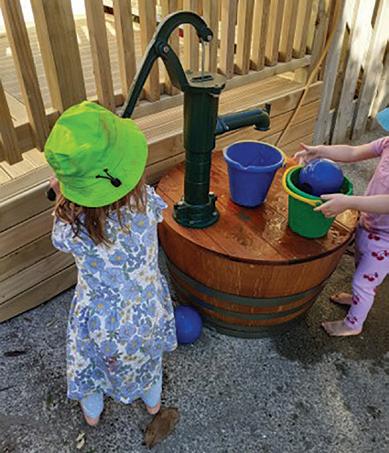
Autumn at Barnardos has been a fun and busy time, with parties to celebrate Easter and Mothers’ Day and the exciting arrival of a new water pump for our playground!
a p p o i n t m e n t s , c a t c h i n g u p w i t h
f r i e n d s , a t t e n d i n g a c t i v i t i e s , o r
e n j o y i n g a t r i p t o t h e m o v i e s , O k i w i
h e l p s o l d e r r e s i d e n t s r e m a i n
i n d e p e n d e n t , c o n n e c t e d , a n d
a c t i v e w i t h i n t h e c o m m u n i t y t h e y
l o v e .
T h o s e w h o u s e t h e s e r v i c e s a y i t b e s t :
“ I f o n e h a s t o g r o w o l d a n d
d i s a b l e d , E a s t b o u r n e i s a w o n d e r f u l
p l a c e t o b e . O k i w i a n d i t s g e n e r o u s
v o l u n t e e r d r i v e r s h e l p p e o p l e s
“ O k i w i h a s h e l p e d m e m a i n t a i n m y
s o c i a l c o n n e c t i o n s a n d o u t i n g s
s i
c
I c
A c c e s s t o m o v i e s a t t h e P e t o n
L i g h t h o u s e h a s b e e n a r e a l b o n u s ”
News from Barnardos Early Learning Eastbourne
Many thanks to the Eastbourne-Bays Community Trust, whose grant enabled this purchase. As you can see, the tamariki are loving it!
Barnardos
Early Learning Eastbourne currently has vacancies for over 2 year olds. For more information, please contact Tess on 0275477883 or eastbourneelc@barnardos. org.nz. Or visit our website at barnardosearlylearning. org.nz.
Charter for change
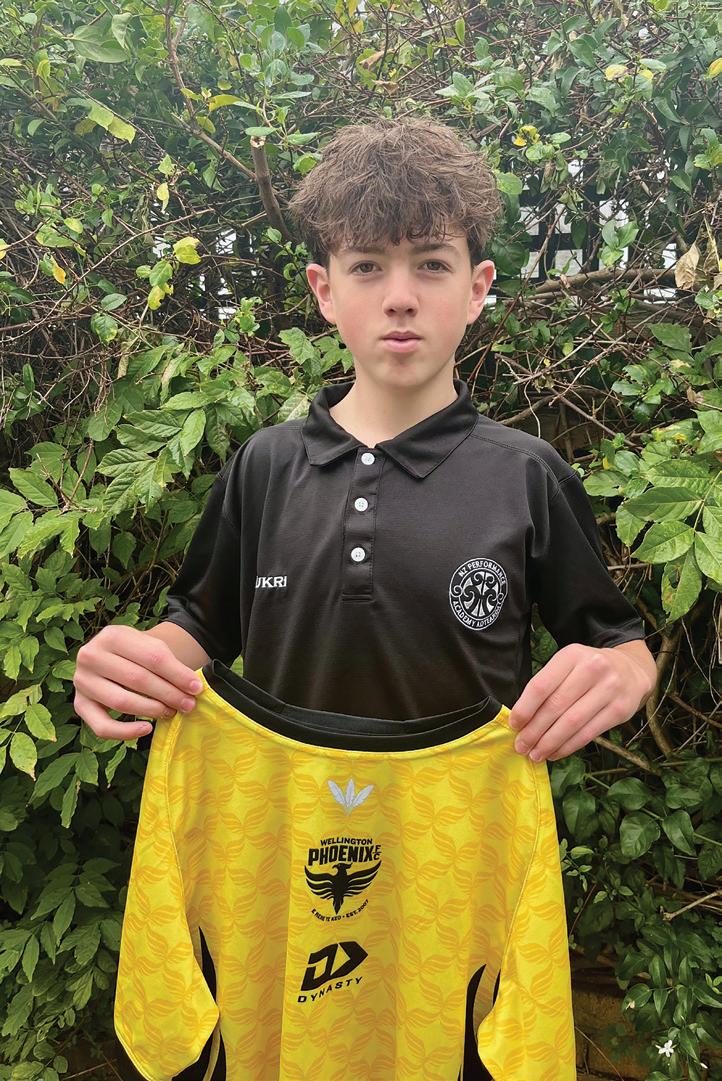
Seb Bodden must get up at 6 am to get to school on time. He catches a bus to Waterloo then a train to Heretaunga, for an 8.30 start.
The Year 11 student, a talented footballer, is one of two Eastbourne residents involved with the country’s latest charter school; the New Zealand Performance Academy Aotearoa, based at the former CIT campus at Trentham.
The other, Dr Sola Freeman, is Chair of the Sponsor Board –the equivalent of the Board of Trustees in a mainstream school. A former university academic in education who was chair of Wā Ora Montessori’s BoT when her four children attended that school, Dr Freeman is also currently chair of the board of Capital Football the Wellington region’s football federation.
Charter schools are publicly funded schools operated by private “sponsors” – such as iwi, community trusts or businesses
– instead of traditional school boards. To qualify for funding, they must have a special focus. The Beehive’s website called NZPAA “New Zealand’s first sports school” when it was announced by Associate Education Minister David Seymour in October last year.
Dr Freeman says while there are many sports academies within secondary schools around the country, this is the first to bring together high performance athletes who still want to achieve academically.
“In mainstream school the students often have to compromise either their sports or their studies,” she says. “This school is able to balance the timetable and curriculum so they can aim for excellence in both”.
The school currently has just 85 students, at Year 11, 12 and 13 level – about 30 in each class. Many come from the Wellington region but some are from further afield, including a small group of boarders.
“It’s the only school in New Zealand that brings in coaches for each of the students’ sporting codes within the school curriculum,” says Dr Freeman.
Ann Packer
Nine codes are currently represented – football, rugby, netball, basketball, softball, volleyball, running, hockey (field and ice) and floorball (indoor hockey) – all with “high quality coaches”. The school also looks after the inevitable injuries, with physios on site, and allowance for doctors’ appointments and X-rays where necessary.
The school is well-resourced, with two vans to help transport students to matches and training sessions. As well as individual coaching there is wraparound support for students, for whom expectations are high – as athletes, academically and personally.
Seb feels that pressure. “I get tired at times,” he admits. “They push you pretty hard, but it’s good. They want you to achieve.” And it’s not as tiring as his previous two years at Hutt Valley High School when training after school added to an already busy day. On academic days he has six classes a day, including English, maths and social studies; other days it’s a mix of gym and training, with theory and analysis as well.
Following his earliest days kicking a ball around, aged two or three, Seb played “little dribblers” football at Williams Park as a five-year-old, went on to play for Eastbourne until about 11 then for the more competitive Petone club, until offered a spot at Phoenix Academy.
As a parent, Brandon Bodden has put in long hours and weekends away at tournaments over the years. He thinks the New Zealand Performance Academy has been a real gamechanger for his son. “It’s helped him focus more on his academics while still pursuing his football at a high level.”
Term Two Update
It has been a vibrant and busy start to the new term in our corner of the world. From solemn commemorations to muddy obstacle courses and stellar scientific discoveries, our local youth have been out in force, representing the spirit of Eastbourne with pride.
Honoring the ANZAC Spirit
A huge thank you to everyone who joined the ANZAC Day service recently. It was moving to see such a strong turnout from the community. A special acknowledgement must go to the students of Muritai School, who represented the younger generation with immense dignity. We also wish to celebrate local talent Lauryn Bullock, who was awarded Runner Up at the annual Eastbourne RSA ANZAC Day Art Competition. Her piece, titled ‘Safe and Sound’, made a lasting impression on judge Matt Gauldie.
Celebrating Tupua Horo Nuku
Despite a rather damp Saturday back in April, it was wonderful to see the shared pathway, Tupua Horo Nuku, officially opened. It was a proud moment for our school; our students did a magnificent job supporting the speakers through their powerful waiata. A special mention must go to
our Head Students, who spoke eloquently to a very large crowd. Their leadership and composure were truly impressive—they are fantastic ambassadors for our school values.
Observatory. Exploring the scale of the solar system and the stories of our constellations, the Kererū and Kororā students enjoyed a truly immersive planetarium experience. It is wonderful to see our tamariki
Grit, Mud, and Determination
The weather may have been unpredictable, but it couldn't dampen the spirits of our young athletes.
• Cross Country: Students from Years 3–8 took to the Eastbourne Rec and the beach for their annual races. Their "grit" was on full display, and we wish the top qualifiers the best of luck as they head into the upcoming Zone eventsclose to 50 students selected for the next round.
• Tough Guy and Gal: Over 50 local students "headed over the hill" to Wainuiomata to take on the mud. Judging by the photos, they returned home exhausted, covered in dirt, and wearing very big smiles!
Reaching for the Stars
Education has moved beyond the classroom recently as students visited Space Place at Carter
connecting with world-class educational exhibits right here in Wellington.
Guardians of the Coast: Protecting our Kororā
Our local environment is in good hands. Recently, a group of students met with a film crew from the Wellington Museum Trust to contribute to an educational video about safeguarding the kororā (little blue penguins) in our harbour. The crew were reportedly blown away by the children's passion and knowledge.
Furthermore, in partnership with MIRO and East Harbour Regional Park, students have officially asked to become kaitiaki (guardians) of the nesting area at the Eastbourne Rec (William Shortt Park). To support this mission, junior classes have decorated four new kororā houses, which will be installed in the area shortly.
Term Two Update cont
Standing Together: Pink Shirt Day
In a powerful sea of colour, students recently celebrated Pink Shirt Day. This global movement is more than just a dress-up day; it is a firm commitment to speaking up and standing together against bullying. By wearing pink, our rangatahi (youth) are promoting a culture of kindness, inclusion, and diversity, reminding us all that Muritai and Eastbourne is a place where everyone should feel safe, valued, and respected.
Construction work continues
For those passing by the school grounds, you will notice ongoing construction activity. The relocation of classes into permanent spaces in the two storey block is now complete, bringing a fresh energy to the school hub. Work continues on the two-storey block and around
will allow the hall to return to full use for community gatherings and assemblies.
Muritai School are thrilled to be working in partnership to host a parenting workshop with Eastbourne local, Dr. Sola Freeman.
This workshop focuses on practical strategies for "Raising Responsible and Respectful Tamariki."
Over the two evening sessions the content covers:
• Learn practical strategies and every-day actions that develop independence in your tamariki
• Learn to set and keep expectations and routines that foster their self-responsibility.
• Choose from parenting styles and ideas that encourage self-discipline and guide tamariki to be respectful and contributing members of the family and community.
• Create clear parenting principles that will guide your own decisions as new situations and challenges arise.
• Gain tips for negotiating the teen years.
• Have the opportunity to discuss and resolve your own specific parenting challenges.
Raising Responsible and Respectful tamaRiki
LEARN
- Every-day actions to foster your child’s independence
- How to set and keep expectations and routines
- Create your own principles to use as challenges
DETAILS
Where: Muritai School Library
When: Two Tuesday evenings on the 2nd and 9th June 2026. From 7-9pm.
Price: $50 ($80 for a couple - recommended) Only 30 tickets.
Course description and details available from Muritai School office
the hall throughout May. Recently work around the PE Shed and Hall has been completed, which
Muritai School invites you to parenting workshops facilitated by Eastbournebased educator Dr Sola Freeman.
Dr Sola Freeman
Forgiveness
Louise Parry, Liberty Counselling
Forgiveness is one of the most powerful words in the English language. We often hear about how forgiving others, and letting go of hurt or resentment, can improve our mental health and help us move forward.
Research has found that people who regularly practise forgiveness often experience increased happiness, lower levels of depression and anxiety, and a stronger sense of gratitude and connection with others.
Many of us find that the hardest person to forgive is ourselves. For some people their faith has instilled in them the idea of sin, which can carry a strong sense of guilt. When someone feels weighed down by shame or by what they believe they have done wrong in the past, self-forgiveness can be especially difficult.
There are, of course, times when people need to make amends for harm they have caused. But what happens once someone has taken responsibility and done what they can to put things right? If the issue has been resolved but the guilt continues to dominate, how can they begin to forgive themselves?
Researchers have likened forgiveness to a muscle that can be strengthened through practice over time; it is rarely the result of
a single decision. More often, it is something people grapple with again and again, especially when old memories, shame, or selfcriticism resurface.
Constantly ruminating on past mistakes can get in the way of living fully in the present. If the regret comes from something tried and failed, it can make people reluctant to take risks. For some, it can lead to low self-worth and a reluctance to be open to new connections. For others, guilt and low self-worth can mean staying in unhealthy relationships. In other words, rumination and guilt can stifle people and stop them from living a full, and fulfilling life.
But how do you forgive yourself? It begins with compassion. It can help to view the situation as an objective observer, taking into account what led up to it, what you did, and what part others may have played in it.
In his book Forgive for Good: A Proven Prescription for Health and Happiness, Dr Fred Luskin argues that self-forgiveness involves learning to stop defining yourself solely through such moments and making the choice not to continually punish yourself for what you have done. To do this, he writes, we must accept that being human means being imperfect, acknowledge harm or mistakes honestly without
excusing them, take responsibility where appropriate, make amends if possible, and then consciously let go of ongoing selfcondemnation.
Rather than asking ourselves, “How could I have done that?”, Luskin suggests shifting focus towards questions such as “What can I learn from this?”, “How do I move forward differently?”, and, perhaps most importantly, “How do I stop letting this define my entire identity?”.
Recognising that we, like everyone else, are flawed, and turning compassion inwards as well as outwards seems like a good place to start.
Liberty Counselling: libertycounsellingnz@gmail.com or phone or text 022 0800 393.
phone or text: 022 0800 393
libertycounsellingnz@gmail.com
Welcome Back, We've missed you
Sunshine Service Station
We’re pleased to welcome back Rana Singh at Sunshine Service Station, now the roadworks are (mostly) done. His wife Taj has stayed on in Matamata with their younger son who is still at school, but older son Haki is here to work with his dad.
Rana’s got himself a brand-new coffee machine too, so has most things you might need in an emergency – from milk, butter and eggs (by the tray) to cat food and Whittaker’s chocolate.
He’s also planning to install two electric charging units at the north end of the service station.
Open 8 am – 6 pm, Mon – Sat, shop closed Sunday but petrol 24/7.
Chocolate Dayz
Janet and Simon from Chocolate Dayz are looking forward to welcoming all coffee lovers back!
With major flooring work throughout nearly completed, they’re pleased to report that the café will be open for business again soon.
Ann Packer
Wacky black comedy sure to delight Eastbourne audiences
Suzy Cain
Butterfly Creek Theatre
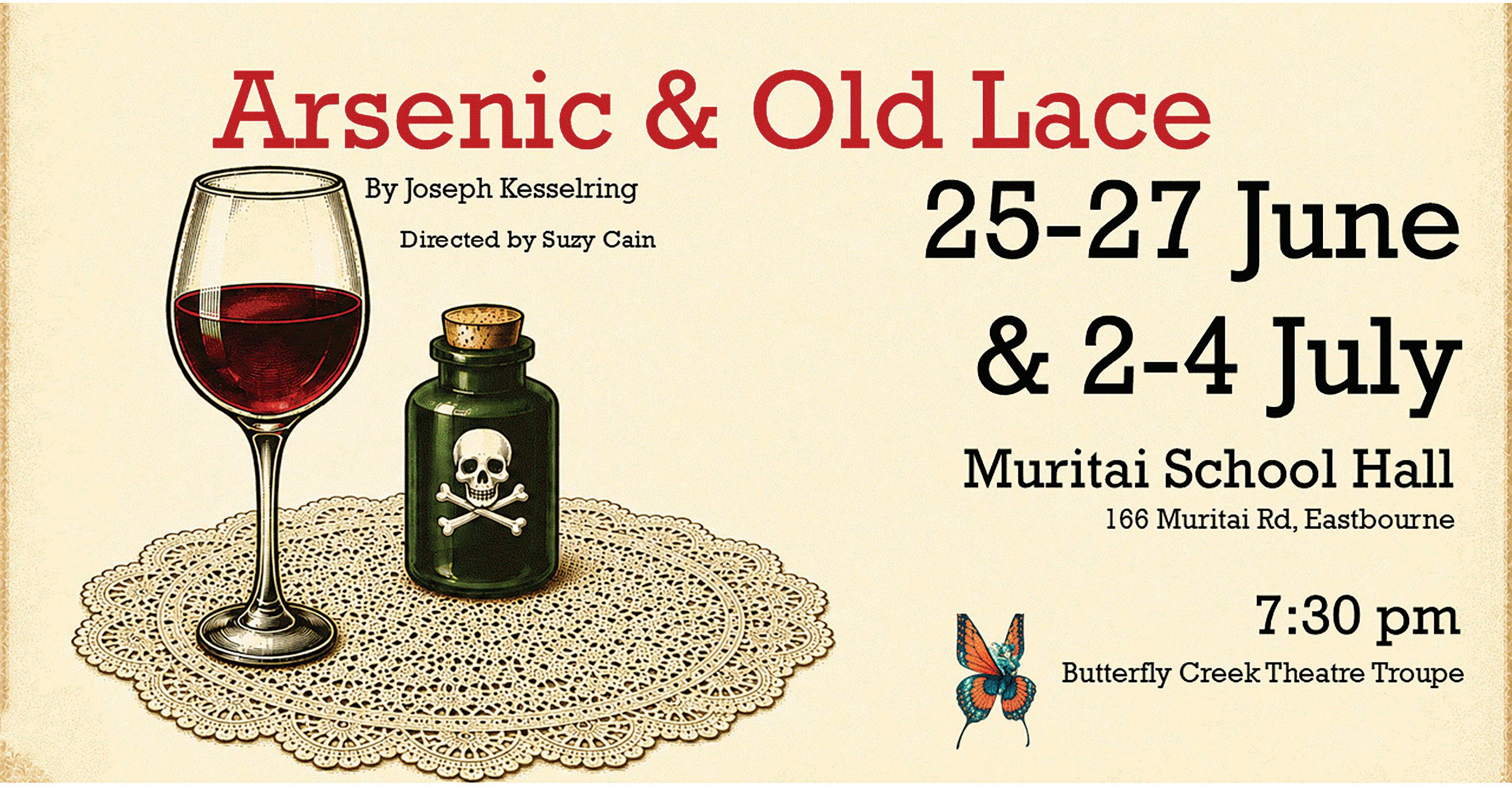
Troupe’s next show, scheduled for 25, 26, 27 June and 2, 3, 4 July, 7.30pm, Muritai School Hall, will pivot to lighter fare – the classic, farcical black comedy, Arsenic and Old Lace, by Joseph Kesselring, directed by Suzy Cain.
While New Zealand audiences might not be overly familiar with Arsenic and Old Lace, this play has become an absolute American classic – it opened on Broadway in 1941 and ran for 1444 performances, then continued in London’s West End for 1337 performances.
The ‘murderous old lady’ plot line may have been inspired by actual events that occurred in Windsor, Connecticut, between 1907 – 1917 – where Amy Archer-Gilligan took in boarders, promising ‘lifetime care’ and then poisoned them for their pensions.
The play centres around two spinster sisters, Abby and Martha, who insist that killing single, childless, lonely older gentlemen by serving them poisoned elderberry wine, is simply one of their ‘charities’. Mix in a nephew who truly believes he is Teddy Roosevelt, another nephew who is
a sociopathic killer returned home (travelling with his mysterious ‘plastic surgeon’ companion), and the third nephew, Mortimer, the most seemingly normal one. The latter tries desperately to minimise the damage…. unfortunately, the bodies keep piling up.
Arsenic and Old Lace has been described as equal parts screwball comedy (in the vein of Bringing Up Baby) and pitch-black gothic comedy (think Kind Hearts and Coronets).
A popular film adaptation was released in 1944 starring Cary Grant and directed by Frank Capra which featured Jean Adair,
Josephine Hull, Raymond Massey, Priscilla Lane, and Peter Lorre.
“Arsenic and Old Lace is a classic black comedy about the only thing more deadly than poison: family.” Victorian Drama League
“Swift, dry, satirical and exciting, Arsenic and Old Lace kept the first-night audience roaring with laughter.” New York Times
“We have assembled a stellar cast, and all ages will enjoy this witty, wacky, unconventional comedy,” says Suzy.
Tickets will be available via Humanitix or at the door on the night.
Sisters Abby (Victoria Nelson) and Martha (Anne Manchester) thoroughly enjoy their charitable work. Photo credit: Tanya Piejus
Market Intel
Sinead Diederich, Harcourts
We have had a delightfully settled Autumn so far.
June to August have traditionally been quieter months for listings in our Bays market, as many homeowners batten down the hatches for Winter.
Yet the market performs better than you might expect.
For buyers, Winter can be a great time to see how a home performs for warmth (heating), weather tightness (roofing, cladding, window seals, double glazing, spouting) and coping with heavy rainfall (drainage). It’s also a great time to experience winter sunshine hours (although we have some great technologies available to us now to measure Winter sun).
Eastbourne and Bays sales statistics for the winter months demonstrate good selling activity over recent years (see table).
2025 90 18 (20%)
2024 96 19 (19%)
2023 100 33 (33%!)
2022 61 7 (11%)
While there are many factors you should consider when selling your home, the market performs better in winter than most people imagine.
Technology can be a great way to save on power costs over winter, too, utilising smart meters, power-switching services (to assess the best providers), efficient appliances, as well as modern heating and insulation systems. Readers may also be interested in greener technologies including solar. Interestingly, there is a paucity of New Zealand data about the impact on property
value from solar and other costsaving (and environment saving) investments – I’m keen to talk to anyone with relevant experience as we try to establish reliable, local data around this. Various solar installers quote property value improvements and a recent study published in the International Journal of Housing Markets and Analysis analysed data from almost 80,000 property listings, concluding an average sale price premium of 1.34% and no significant effect to days on market. I believe the installation cost will remain a barrier to entry for many homeowners, despite the potential savings over time. If you’d like tailored insights for your street or part of The Bays, I’m always happy to talk.
Top Tip for May:
If you think you might be looking to sell later this year, May-June are the months when the advice we give you can add most value. A simple conversation can mean tens of thousands of dollars in value-add: ask me how.
Sat 1st - Sun 16th August San Antonio School, Oroua St
Please donate saleable books to the collection box in Library foyer or contact us:
EastbourneLionsNZ@gmail.com or 027 488 5602 Proceeds support Books for Kids projects UNCLASSIFIED
Saturday 21st Jan, 2012, Days Bay. The sun was shining, the beach packed with people watching the Birdman competition, and I (Dave) was a happy man. It was the first day of Wellington Anniversary weekend - the first day my mate and I officially owned The Days Bay Boatshed - and we’d sold out of kayaks. Extrapolating over a sunset beer, there were 60 summer days left, and fine weather would continue for (surely!) at least 90% of those. I had a one year plan to leave my dayjob, after which I’d semiretire - working The Boatshed over the summers, surfing the tropics over the winters. Life was good.
Sunday 22nd Jan. It was hailing sideways, the beach was empty. We revised our figures, I recommitted to my dayjob (and my bank manager), and my mate (in hindsight the brains of the operation!) moved to Australia.
14 years’ hustle later, the fortunes of the business continue to be tied to the weather, but through leaning into cycling - running Remutaka
Cycle Trail tours, and opening sites at Kaitoke and now Queens
Wharf with the opening of Tupua Horo Nuku / Te Ara Tupua - we’ve been able to survive and grow. With the help of some brilliant staff and local support from our fantastic Eastbourne community, somewhere along the way Wildfinder became the largest outdoor adventure operator in Greater Wellington.
Winter cashflow is still key though, enabling staff retention
and consistent service. Our local membership plans are cranking, and now we’re ramping up our bike servicing operation. We’ve committed to a fulltime mechanic, and are hoping you’ll keep him busy! Euan is an accomplished mechanic and cyclist, working with us around competing on the Italian road racing circuit. There’s nothing that he can’t service or fix, so come have a chat.
We’re open every day 10-5 (even if it’s hailing!).
BIKE REPAIRS & SERVICING
Full bike servicing and repairs for all bikes, including eBikes
FREE pickup and delivery anywhere in the Eastern Bays
FREE cour tesy bikes available on request
WILDFINDER PENCARROW 519 MURITAI ROAD EASTBOURNE
OPEN EVERYDAY 10am - 5pm
Life and times of an Eastbourne penguin
Rober t Ashe, East Harbour Ranger robert.ashe@gw.govt.nz
Kororā or little (blue) penguins are about to come ashore in June to begin nesting. Many will make their homes in the nesting boxes popping up around the Bays as they’re the safest place to raise a family. But their lives within our local penguin sanctuaries are not without danger.
The best time to see penguins coming ashore is just after dusk. You’ll need a red light and to keep a respectful distance so as not to disturb them or prevent them from returning to their homes.
Most of Wellington’s population of kororā live on the predator free Matiu Somes Island. Seeing them come ashore is one of the many highlights of staying overnight in one of DOC’s bookable houses there. In one house, penguins live right underneath you!
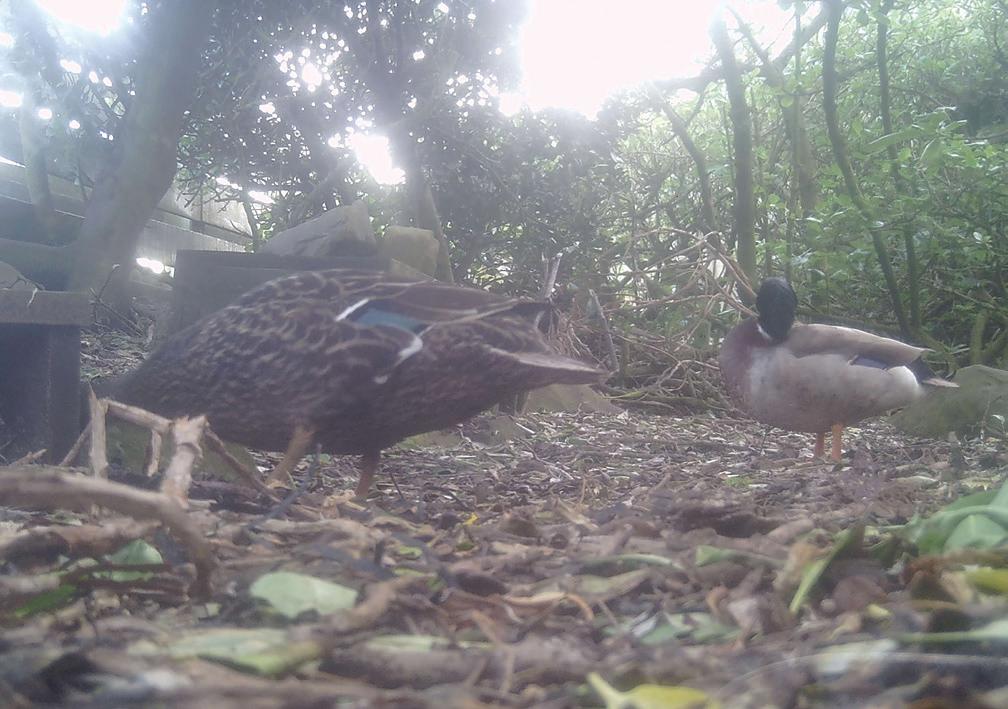
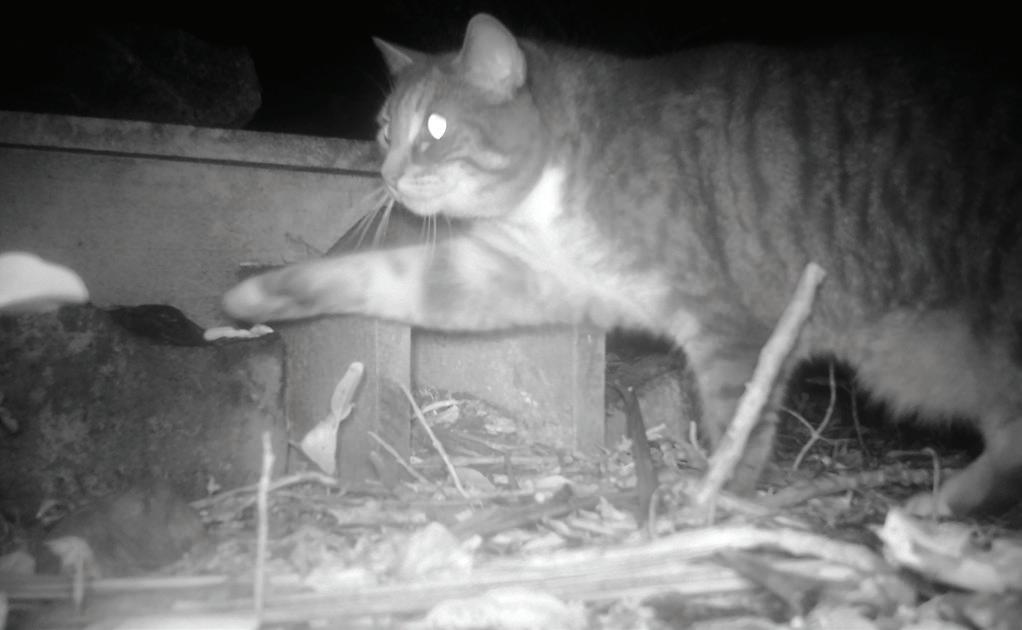
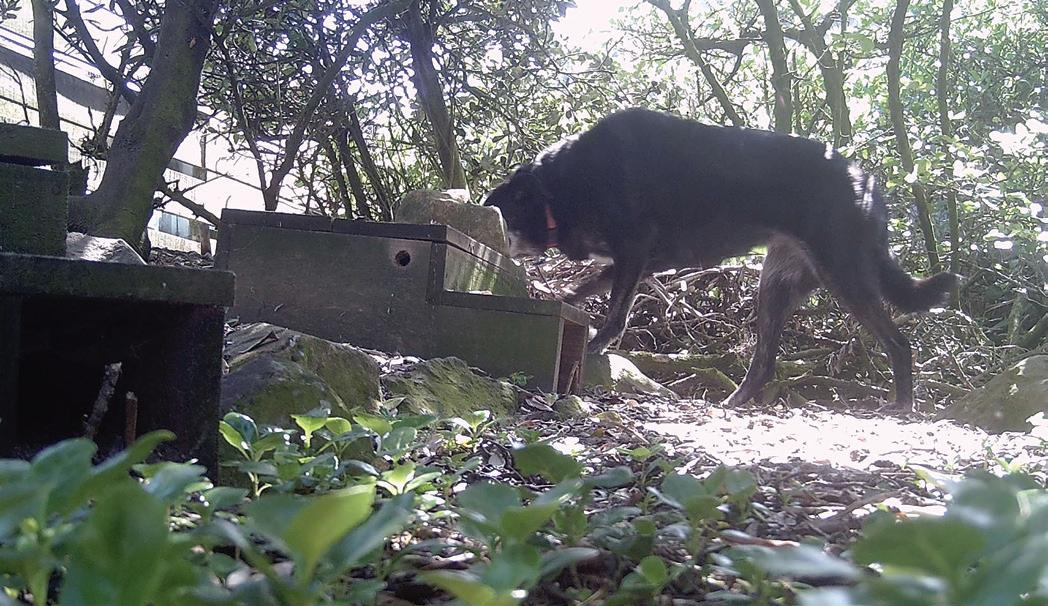
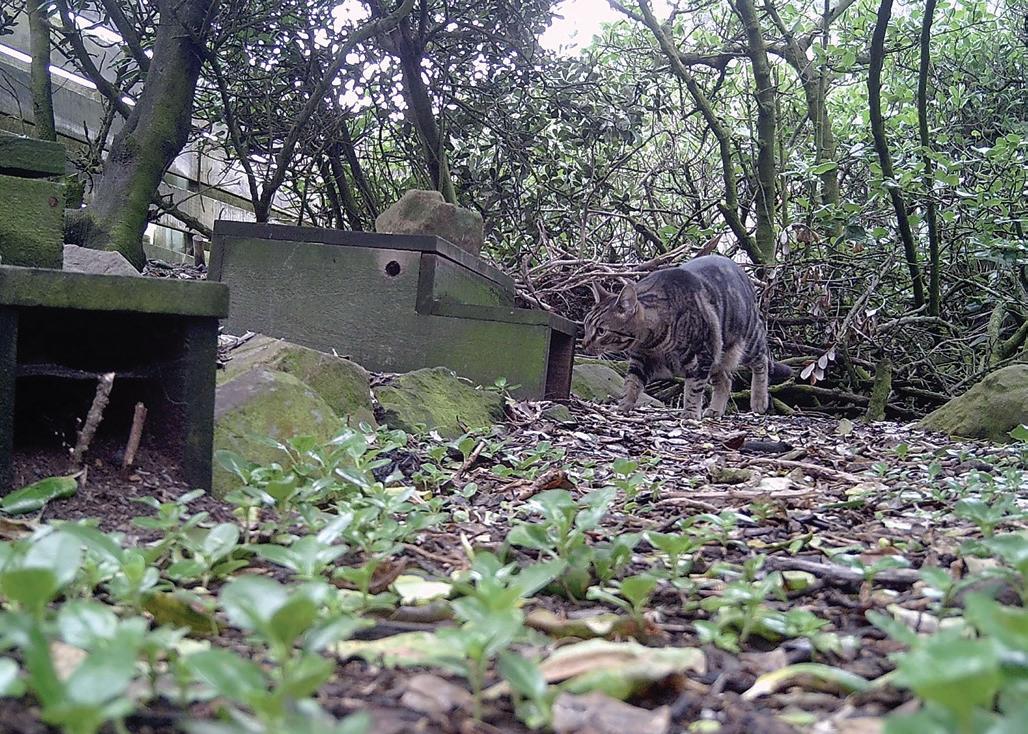
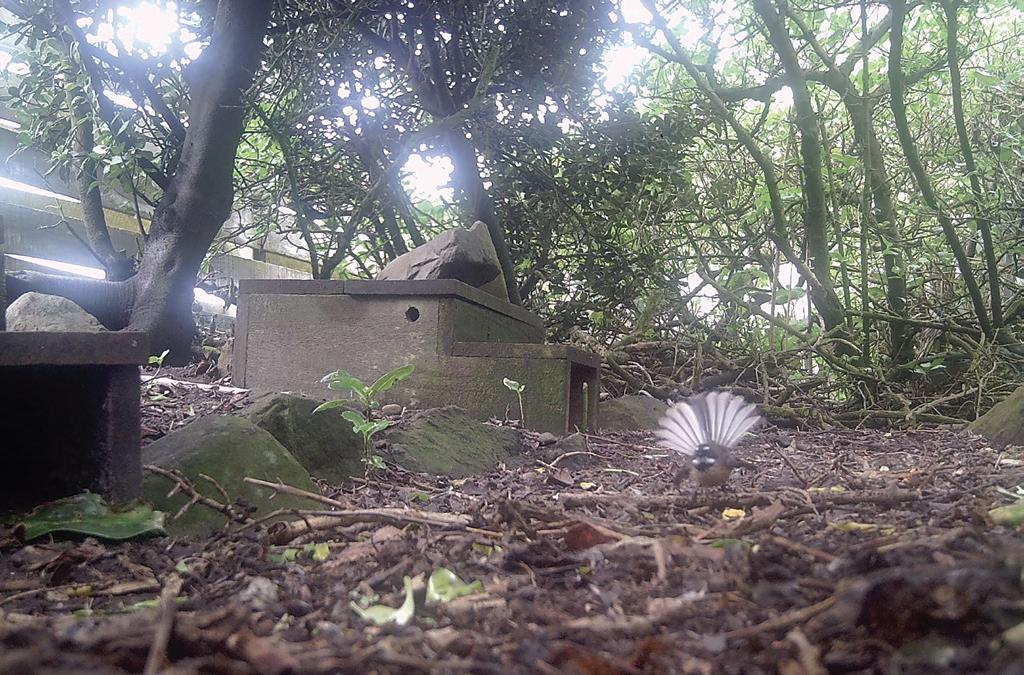
These hidden camera pictures, captured by Parker Jones from MIRO, show just how many visitors penguins have to entertain. Some threaten their very lives while others are just curious:
Eastbourne Happenings from local lenses
MAHINA
BAY LOFT - self contained and fully furnished studio apartment
Totally separate from owners home.
Mahina Bay Loft is on 2 levels - downstairs lobby entrance and modern bathroom, with gas water heating. Upstairs a queen sized bed is tucked into a cozy alcove, whilst the living and kitchenette area open onto a private balcony with spectacular views of Wellington Harbour.
Mahina Bay Loft is available short or long term and is ideal for visiting family members wanting to stay close but to enjoy their own privacy.
Rent is negotiable depending on the length of stay.
Photographs of Mahina Bay Loft can be seen on Holiday Houses NZ or just contact Chris 0211115297 or Ken 0274436430 to view.
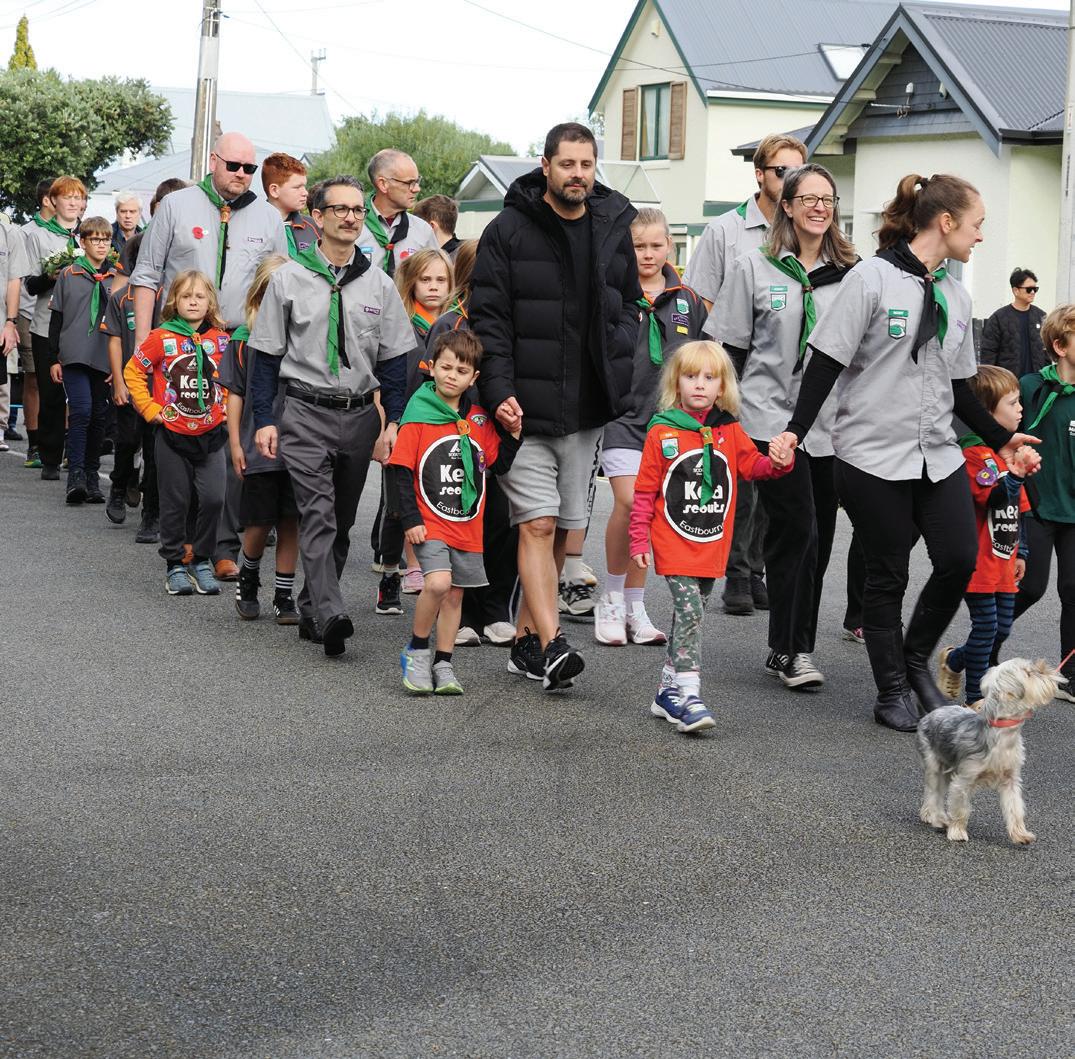
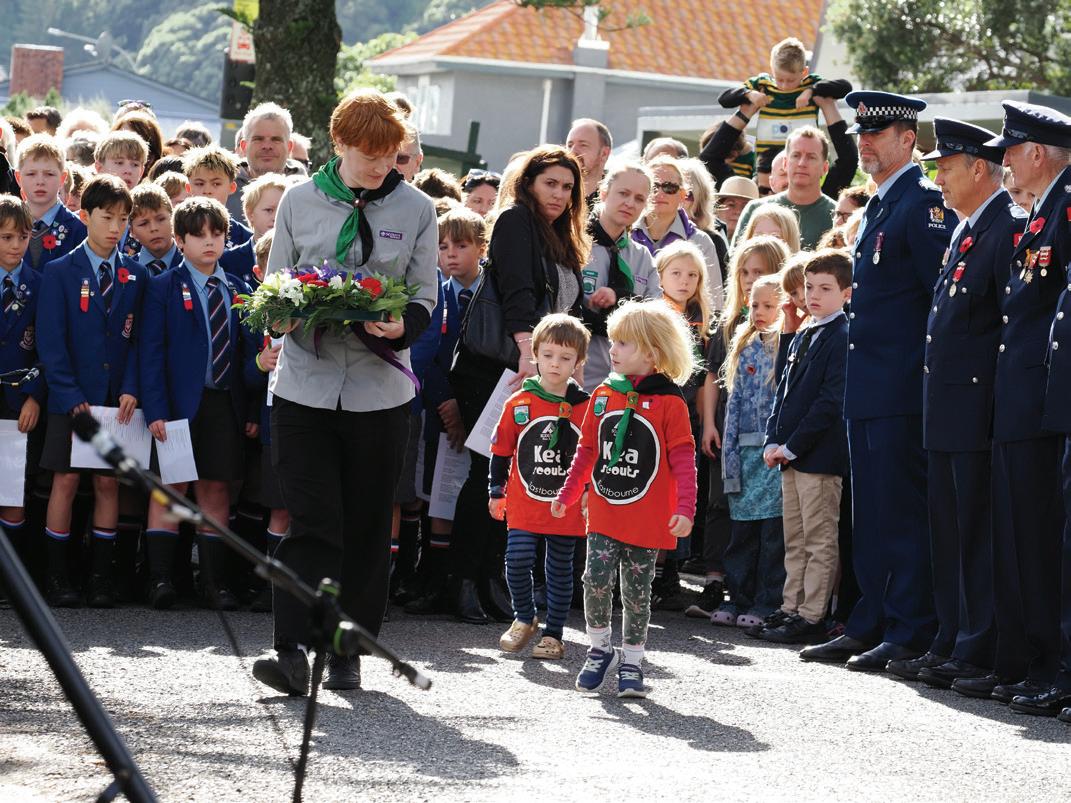
Some wonderful photos from local Linda Mead highlighting what makes our Anzac Day celebrations so important. Age and youth; families and remembrance.
Local photographer Phil Benge was at Shortt Park for the rugby match between Eastbourne and Poneke (U 85 kg Grade). Score Eastbourne 17 - Poneke 27
Discovering and Protecting the Orchids of East Harbour Regional Park
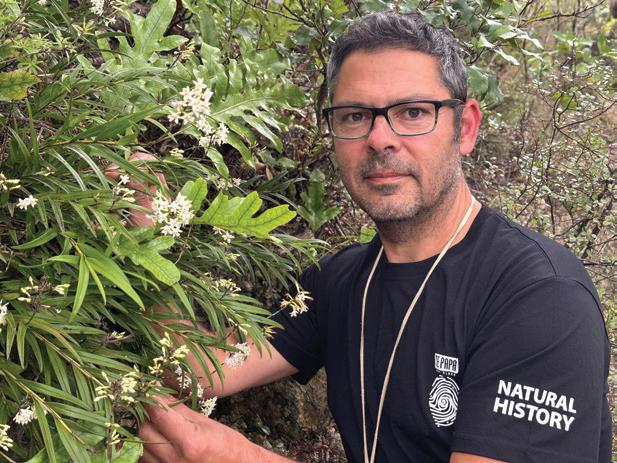
Carlos Lehnebach. Museum of New Zealand Te Papa Tongarewa
When people talk to you about orchids, does Butterfly Creek come to mind? Or have you ever wondered, while eating vanilla ice cream, how it would taste if one of our native orchids were used instead? Yes, we do have native orchids. And yes, vanilla is an orchid.
The orchid family is one of the largest groups of flowering plants in the world. There are more than 30,000 orchid species and they are found almost across the entire world, with exception of Antarctica and the most arid deserts. More than 110 species have been formally described for Aotearoa New Zealand and, as part of my job at Te Papa as Botany Curator and plant taxonomist (a scientist discovering, describing and naming species), that number will grow a bit more.
Besides Butterfly Creek, orchids are found from the very top of New Zealand to Stewart Island, including offshore islands and our sub-Antarctic islands (Auckland, Campbell and Snares). Some species are endemic, meaning they are only found here in New Zealand. Only a few species are shared with Australia. Strong winds have helped their seeds to cross the Tasman and establish here.
Unlike many tropical orchids, most of NZ orchids are terrestrial, they grow on the ground. Only nine species are perching high on tree trunks or branches. These are epiphytic. Both types of orchids, terrestrial and epiphytic, inhabit the forests of the East Harbour Regional Park.
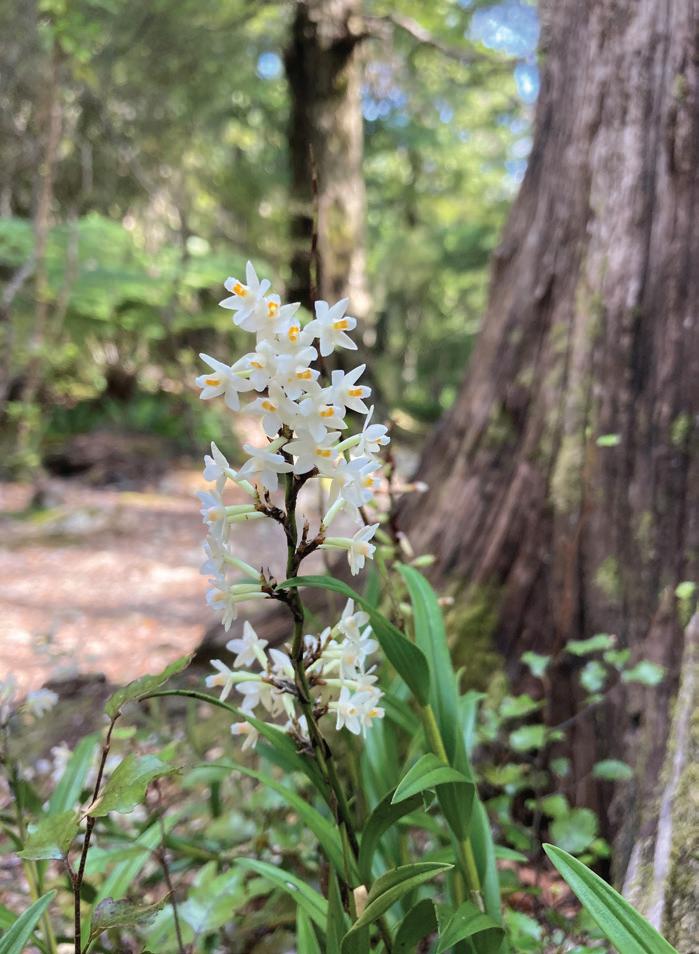
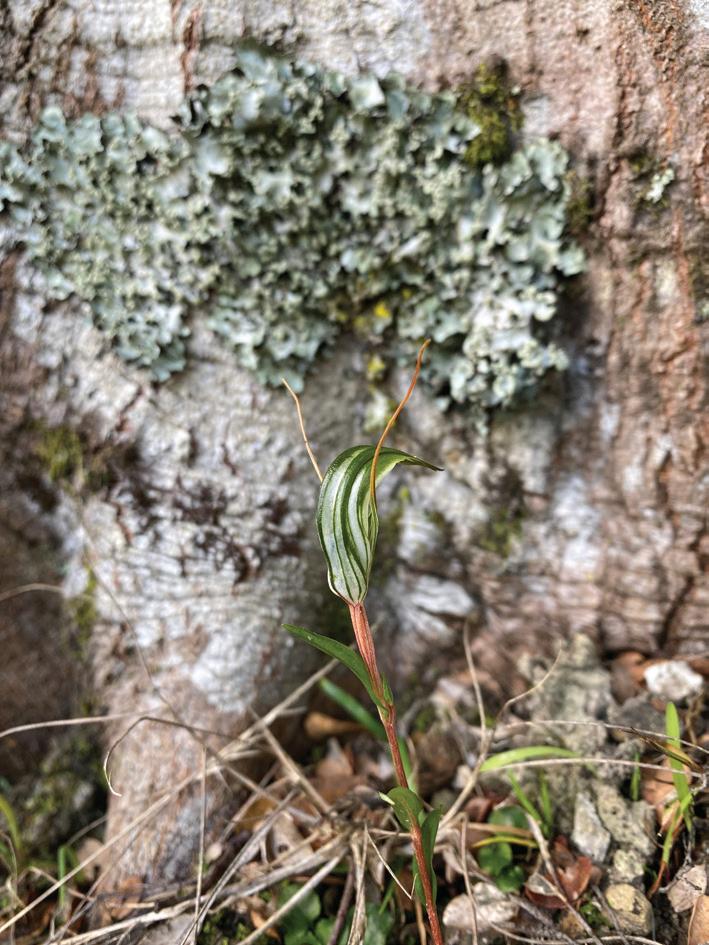
Three of the most common species at the park are the Easter orchid (Earina autumnalis), the white sun orchid (Thelymitra longifolia) and the greenhood orchids (Pterostylis alobula). The first one, you will smell it before you see it. A pleasant and sweet aroma will give away its location. But don’t look up in the trees, despite being a perching orchid, for some unknown reason, at the East Harbour Regional Park the Easter orchid grows on the ground. Also, unlike its common name suggests, this orchid does
not flower at Easter but early to mid-February.
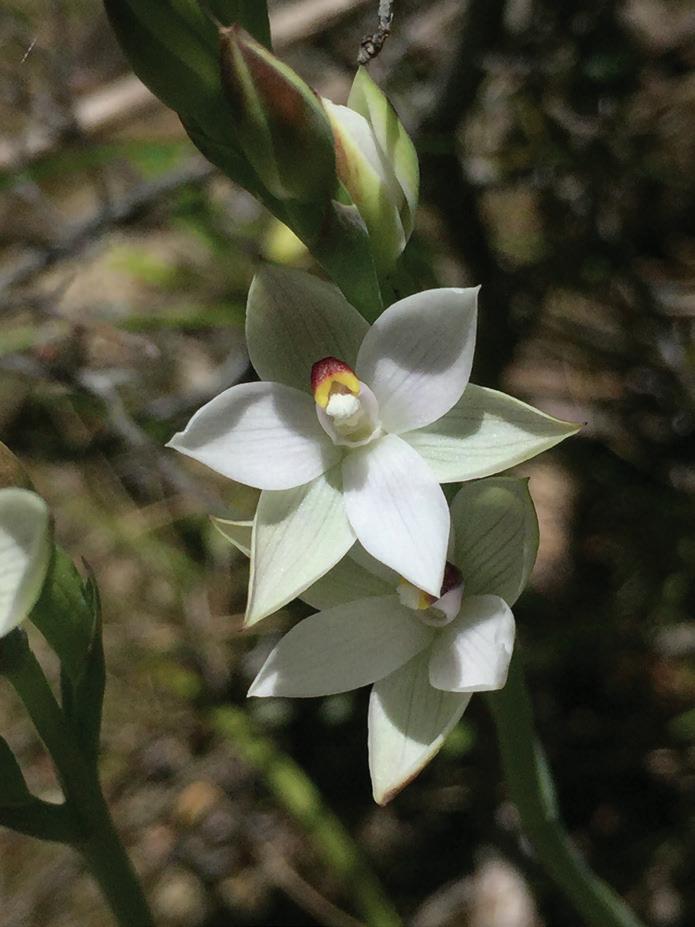
The white sun orchid is a ground orchid, with a long strap-like leaf with several white flowers along a spike. This orchid blooms between October and November, and its flowers will only open on calm, warm sunny days (hence its common name). Despite the white sun orchid being one of the first NZ orchids collected during Captain Cook’s first voyage to NZ more than 250 years ago, there is still some uncertainty around its exact identity.
Greenhood orchids are among the most unusual. Their flowers resemble tiny green-and-white striped pitchers topped with a hood. A modified petal called the labellum acts like a trigger: when an insect lands on it, the petal flips backward, temporarily trapping the insect inside the flower.
The insect can only escape by squeezing past the reproductive structures, pollinating the orchid in the process.
The diversity of orchid species at the East Harbour Regional Park extends well beyond these three examples. In 2025 I led a study that formally described a new species of leek orchid, Prasophyllum elegantissimum or the elegant leek orchid. This is a rare species, only found at a few sites along the country, mostly in damp areas and wetlands.
To my surprise, while examining historical collections at Te Papa’s herbarium, I discovered that this orchid had been collected once from East Harbour Regional Park in the 1980s. The preserved specimen confirmed that the elegant leek orchid had been growing there decades before it was formally recognised as a distinct species!
Easter orchid Earina autumnalis in full bloom
Flowers of the sun orchid Thelymitra longifolia
Greenwood orchid Pterostylis alobula flowering now along the tracks of the Eastbourne regional park
Discovering and Protecting the Orchids of East Harbour Regional Park
Carlos Lehnebach. Museum of New Zealand Te Papa Tongarewa
Today, the elegant leek orchid is listed under the Threatened –Nationally Vulnerable category. This is the same conservation status as kea or hoiho - yelloweyed penguin.
I am currently working on the formal description of another new orchid species growing at the park, which I hope to share once the research has been completed and published.
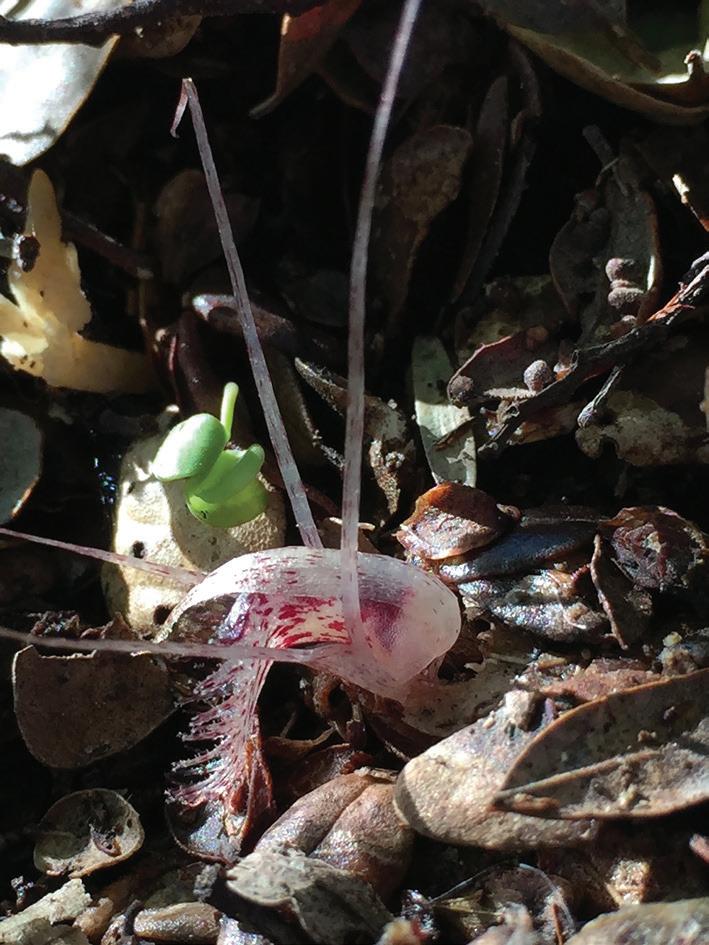
Among the rarest and most difficult orchids to find in the Park is the ghost orchid (Corybas cryptanthus). The ghost orchid has no leaves, and you can only see it when it is flowering or fruiting. Unfortunately, its flower is not very showy. It is white to pinkish and rather translucent, about 1 - 2cm tall, and it remains halfburied among the leaflitter. I have only seen this orchid at two sites under beech trees, but it is so hard to spot that I am sure it could be hiding, buried under leaflitter, elsewhere. This orchid is also in the list of threatened plants.
soil. The fungus helps the seed to get nutrients and minerals from the soil. After the seedlings have developed, the fungus stays inside the root cells of the orchid and continues helping the plants to thrive.
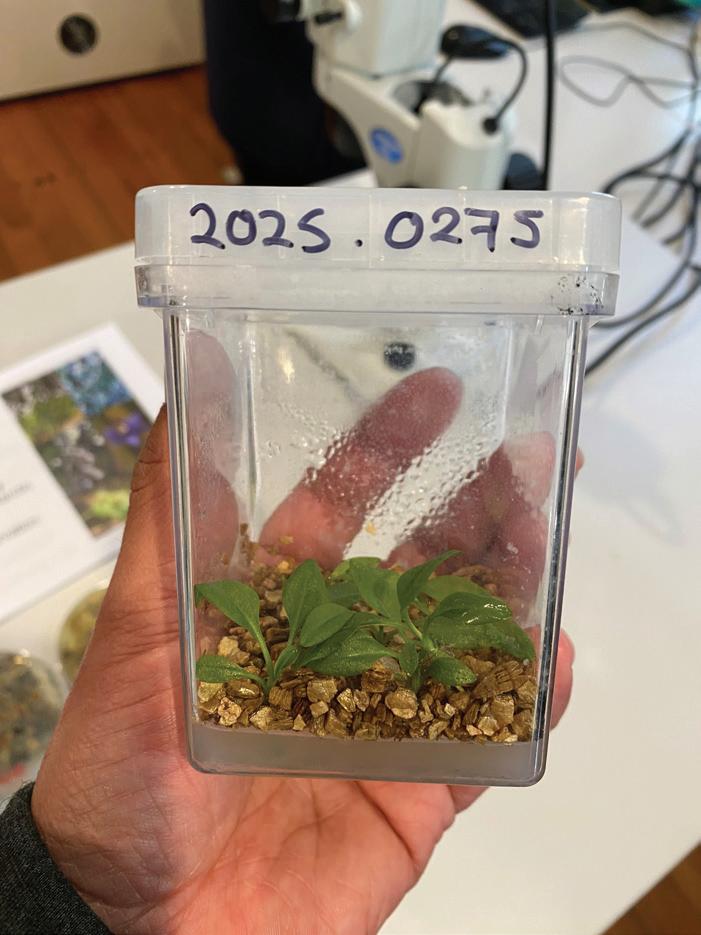
At the lab, under sterile conditions, we extract the fungus from the orchid roots, grow it and use DNA analyses to identify it. We then present some of the fungus to the seeds, and if we have isolated the right species of fungus, seeds germinate. Germination can take between three months to over a year. We have achieved germination and obtained seedlings for three threatened species. The next step is taking them from the lab to the real world without killing them all.
How can you help protecting these unique and precious species? This is very simple.
• Do not take them from their natural habitat. They will not survive if the right fungal partner is missing.
• Stay within the established tracks. There are many orchids growing along them, so this is where you want to stay if you want to see them.
• Do not create new tracks, either to reach other parts of the park or for mountain biking. These activities can destroy entire orchid populations. Unfortunately, this has already happened to one of our study sites.
If you want to find out more about our native orchids, latest discoveries and conservation highlights have a look at my blog at Te Papa website. You could also join the New Zealand Native Orchid Group and tag along to one of our yearly trips to explore orchid diversity across New Zealand.
Besides studying orchid diversity at the park, I am collaborating with the Lions Ōtari Plant Conservation Lab (Ōtari-Wiltons Bush Botanic Garden) to develop methods to propagate some of New Zealand most threatened orchids. Unlike many other plants, orchid seeds will not germinate unless a specific fungus is present in the
This sort of applied research is fundamental to help long-term survival of our threatened orchids. Today, more than 40 species of orchid are considered threatened in NZ. Habitat destruction due to catastrophic natural events (storms, flooding, wildfires), urban/ rural development (draining of wetlands, illegal track building) and poaching (illegal collection from conservation land) are some of the main threats to their survival.
Orchid photos by Carlos, profile photo Andreas Zeller
Ghost orchid Corybas cryptanthus flowering half buried in beach leaves
Swamp greenwood orchid growing in vitro at Lions Ōtari Plant Conservation Lab
The Lies we Tell about burnout and self care
"Our neighbour wrote the book on burnout — two of them, actually"
Eastbourne local Kerry MakinByrd is a clinical psychologist and author. Before moving to the US, she worked at the US National Center for PTSD and New York University, publishing academic studies on trauma and resilience. Since landing in Eastbourne almost 5 years ago, she’s worked with Te Whatu Ora and now provides clinical care through the ACC contract as well as working with New Zealand Police, New Zealand Defence Force and the Hutt Valley Women’s Refuge from her Lower Hutt office.
During her almost 20 year career working with trauma survivors, medical providers, and first responders, she’s experienced work burnout twice. Her own personal journey was the impetus for her two books: Ballad of Burnout and Start Here: A Practical Guide For The Overwhelmed (published by Hachette UK). Kerry will be speaking on her personal experiences as
well as current research on posttraumatic growth and moral injury in two upcoming free, local talks.
On Tuesday 23 June at 12pm Kerry will provide a public lunchtime learning talk in the Ngā Pou Ruahine room of the newly reopened Te Matapihi Wellington Central Library. For locals interested in something even closer to home, Kerry will do a run through on Monday 22 June at 5:15pm right here at Eastbourne Library and Community Hub."
NOTICE OF ANNUAL MEETING
The Annual General Meeting of the Eastbourne-Bays Community Trust will be held at 17 Hinau Street, Eastbourne
Wednesday 24th June 2026 at 7.30pm
Please refer to the following web site for information
Winter is officially here, but there is still plenty to do: prep for spring crops, new rose bushes, and new fruit trees to be planted and get winter crops in the ground.
PLANTING MAINTENANCE
Fruit Trees
Strawberries
Rhubarb
Garlic
Cineraria Jester
Lily Bulbs
Roses
Indoor Plants
Guard Against Frost
Lift & Store
Dahlia’s & Gladioli
Prune Roses & Fruit Trees
Feed Garden Beds
Spray Roses
Spray Fruit Trees
Watch for Rodents in Compost
Feed Birds
KEY POINTS FOR THIS MONTH
` If you haven’t already planted garlic, get onto it this month. June is the best time to do this. It is traditionally best to plant before the shortest day of the year and then harvest by the longest day.
` New seasons roses will be in store. Decide which varieties you want.
` Start pruning existing roses.
` Plant new deciduous trees
` Prune deciduous fruit trees.
` Plan a clean-up spray programme for fruit trees and spray June/early July as the weather allows.
` Plant new seasons strawberries.
KITCHEN GARDEN
` Sow green crops of lupin and mustard in any empty spaces in the vegetable garden for digging into the soil for green manure.
` Refresh soil for crops by adding new compost and sheep pellets.
` Plant seedlings: broccoli, cabbage, cauliflower, lettuce, Brussels sprouts, silverbeet, spinach, onion. Protect from the cold while they are young.
` Sow seeds: spinach, cabbage, cauliflower, broccoli, Brussels sprouts, lettuce, onions, and peas. Transplant to the garden as the weather warms and when they are showing at least two sets of true leaves.
` Broad beans can be planted directly in to the soil, stagger your sowing for a continuous harvest.
` Feed all vegetables with a liquid general fertiliser.
` Plant new rhubarb then lift and divide old crowns.
` Tidy up old strawberry beds and prepare for new plants.
` Feed citrus with citrus fertiliser and water it in.
` Sprout new potatoes, stand upright in a light dry place for them to sprout ready for planting. Prepare the beds for when they are ready.
` Feed all winter vegetables every two weeks.
` Protect your cauliflower, broccoli and Brussels sprouts by dusting them with derris dust to protect them from the white butterfly and the diamond back moth. Remember to get to the undersides of the leaves where the eggs are laid.
To get a copy of the June gardening checklist video WIN! A BYD ATTO 1 EV Go
` Get pruning of fruit trees underway as the trees become bare of leaves, remove all debris when you have finished.
` Apply clean up spray to bare fruit trees, use copper spray and winter oil to stop bugs and diseases burrowing in for the winter.
` Plant new strawberries plants, they will show new leaves in the spring. Feed with blood and bone as you plant.
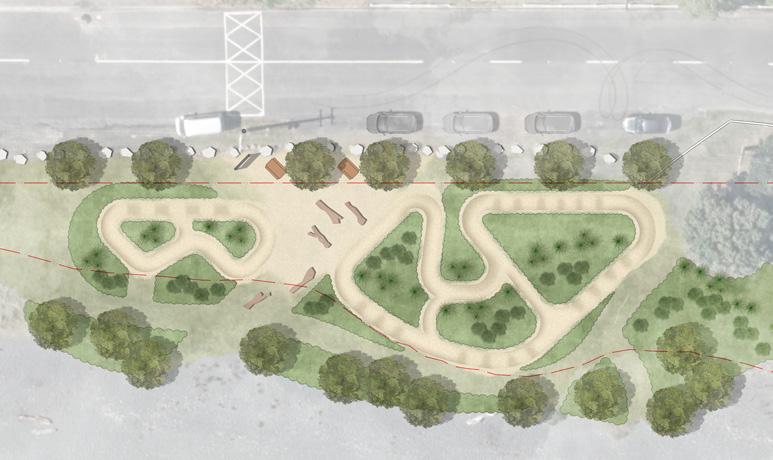
Progress Continues on Proposed Muritai Pump Track
Plans for a proposed pump track for cyclists at the southern end of Muritai remain in the development stage, with Eastbourne Community Board (ECB) member Jeremy Chaston working closely alongside council representatives to progress the initiative.
Encouragingly, the project has recently been acknowledged in the council’s latest Neighbourhoods and Communities Director’s Report, signalling official recognition and a willingness to collaborate further. This development represents a positive step toward advancing the proposal.
Jeremy has expressed his appreciation for the strong support shown by local residents, many of whom have indicated their willingness to contribute to the project. Community involvement continues to play a vital role in shaping the initiative.
A conceptual design has been prepared by James Marsh of the Local Landscape Architecture Collective. The ECB believes the proposal successfully strikes a balance between functionality and environmental sensitivity, offering a pump track suitable for all age groups while integrating thoughtfully into the natural landscape. James’s contribution and expertise have been warmly acknowledged.
At the same time, Jeremy recognises ongoing concerns from some residents regarding informal tracks being developed near Williams Park. There have
also been reports of broken glass in the area, as well as instances where children using the site have been approached or followed by concerned residents.
Efforts are being made to expedite progress on the formal pump track, with the intention that providing a purpose-built facility will help alleviate concerns about informal track use. The initiative seeks to balance the needs of young people to have safe, dedicated spaces for recreation with the responsibility to protect shared community environments for future generations.
Jeremy also emphasised the importance of appropriate responses to concerns, encouraging residents to refrain from taking matters into their own hands and instead report any issues through the proper channels.
Editor's Note: this schematic is a concept only!
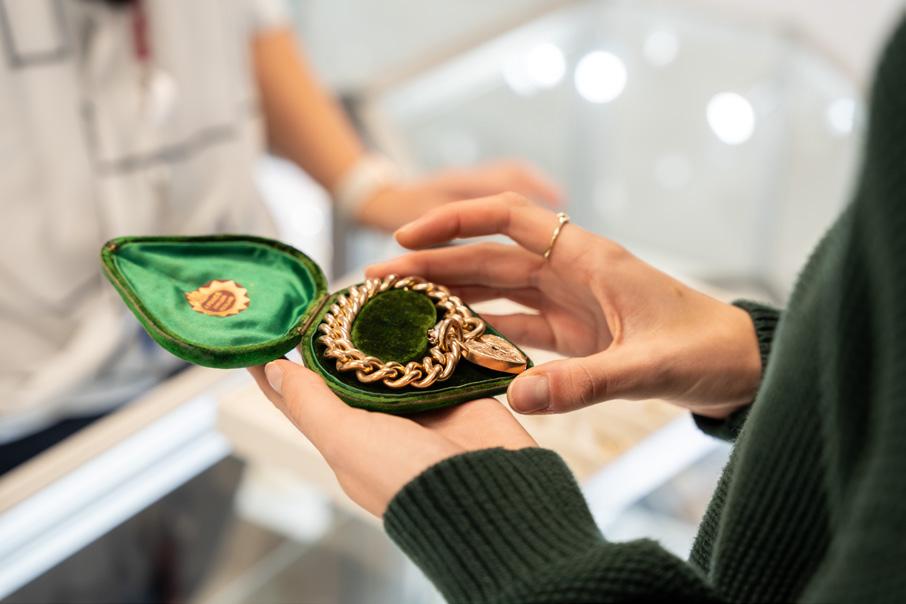
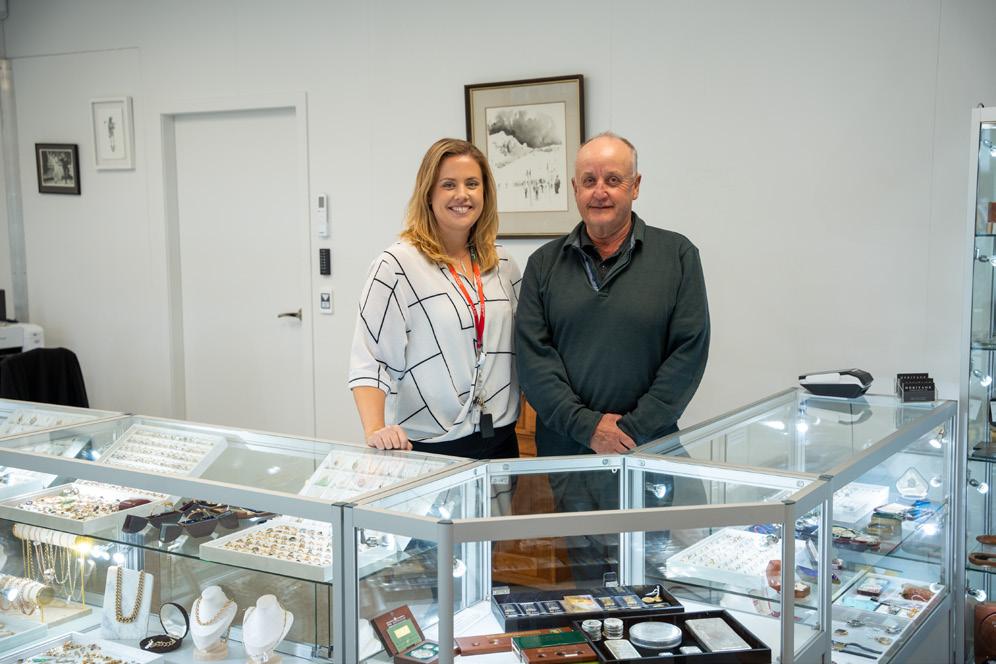
Antique & Estate Jewellery, Bullion, Coins, and Watches in Petone
Heritage Gold
SEE US INSTORE TO EXPLORE OUR UNBEATABLE RANGE
Wanted to Buy
Silver and Gold Bullion
Vintage Watches
Gold and Silver Antique
Estate and Modern Jewellery
All Gold Jewellery
Gold and Silver coins and bars
All Coins and Banknotes
All Vintage and Old Watches ALWAYS BUYING AND SELLING
PLEASE COME AND SEE US INSTORE WITH YOUR ITEMS FOR AN ON-THE-SPOT APPRAISAL AND OFFER.
If you are in any doubt, bring the items in for us to look over. Please bring your bank account details for payment.
We Specialise in Buying & Selling all kinds of Jewellery, Bullion, Coins and Banknotes, Silver and Gold items, and Watches.
Visit us instore or online at www.heritagegold.nz
Fully licenced with over 50 years industry experience. Visit Us
Imperial Park, Unit 81, 41 Bouverie Street, Petone, Lower Hutt. Next to Gilmours & Mitre 10.
Enter Imperial Park, turn right, go straight to the North end, and you’ll see us.
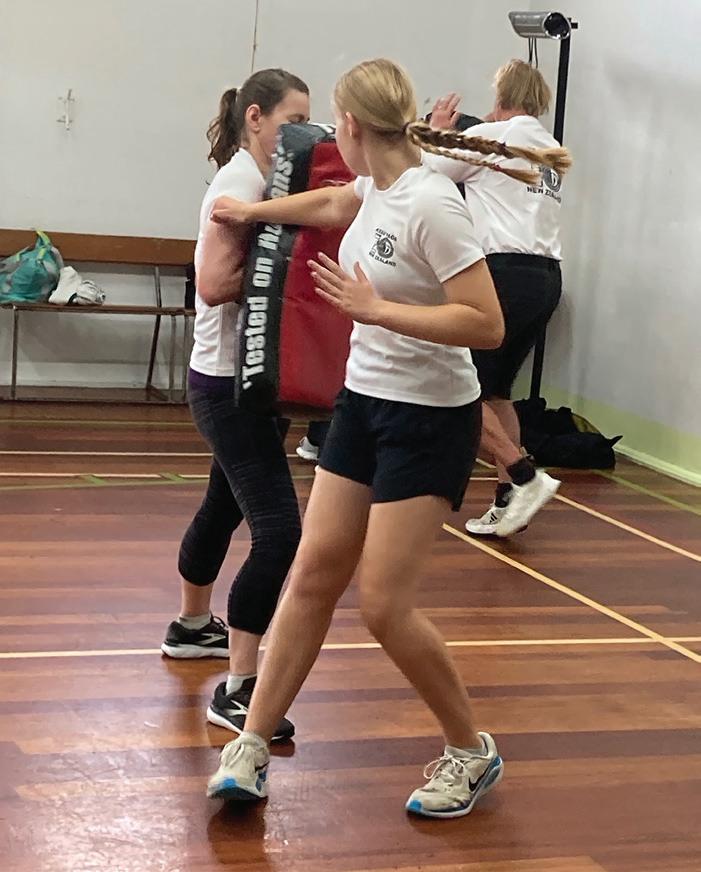
From Kerry: Kia ora friends and neighbours, I hope you don’t mind me inviting a guest from outside the Bays for this month’s column. Gabriel is a local nurse and self-defense teacher. After observing a class he taught for children, I was struck by both the practical usefulness of the techniques he was teaching *and* Gabriel’s special ability to teach
self-defense in a way that was trauma-informed, developmentally appropriate, and just plain fun. Since our first meeting, I’ve learned about thirty ways to protect myself and feel grateful that Gabriel and Krav Maga Wellington are part of our wider community. If you’re interested, Krav Maga Wellington teaches adult and child classes each week and also provides one off trainings to workplaces and interested groups. Please email me at kerry@ drkerrymakinbyrd.com to nominate anyone who you think should be highlighted in this column.
Kia ora neighbour - Gabriel Molina
My name is Gabriel Molina. My ancestry is Filipino and I grew up in Marikina City in the Philippines. My loved ones would describe me as being laid back, friendly, and also a bit hard-headed.
I came to New Zealand in 2000 to be with family, work as a nurse
and become a citizen. Wellington has now been my home for the last 26 years.
Have you ever had an experience that changed the direction of your life? How did it change your views of yourself or the world? Coming to New Zealand in 2000 was one of the most life-changing experiences for me. Leaving everything familiar behind and starting fresh in a new country wasn’t easy—it pushed me out of my comfort zone in ways I hadn’t experienced before. Over time, it helped me become more resilient, adaptable, and open to change. Living in such a multicultural country really widened my view of the world. I had the opportunity to meet people from many different backgrounds, each with their own stories, beliefs, and ways of seeing things.
This helped me better understand that there isn’t just one way to think or live, and it made me more open-minded and accepting of differences. Being in New Zealand
also changed how I see myself and living here continues to shape how I connect with people, both personally and professionally. When and how did you decide to land in Petone or the Lower Hutt region? About 10 years ago, my wife and I made the decision to set up a self defence school in Petone and it really came from a shared passion. Alongside my work as a nurse specialist, I’m also a qualified Krav Maga instructor, and we wanted to create something meaningful for us and the community. That’s how Krav Maga Wellington and Self Defence Training began.
Petone felt like the right place for a number of reasons. We already had a strong relationship with the trustees at the Filipino Community Centre, which made it a natural fit. The venue itself is spacious, well maintained, and flexible for different types of training, which was important to us.
Another big factor was location. We wanted to make our classes accessible to as many people as possible—from Wellington, Lower Hutt, and Upper Hutt. Petone sits right in the middle, so it just made sense. Looking back, it feels like the right decision. We’ve been able to build strong connections within the community and share skills that we genuinely believe make a difference in people’s lives. What is Krav Maga? When and how did you first become involved in Krav Maga?
Krav Maga, means “contact combat,” and is a self-defence system that originally comes from the military. What really sets it apart is that it’s practical, effective, and relatively easy to learn. It focuses on real-life situations—how to protect yourself, stay safe, and respond quickly under pressure—rather than
Kerry Makin-Byrd
competition or performance. My journey into Krav Maga actually started with other martial arts. I trained in arnis, jujitsu, and taekwondo because I wanted to learn how to defend myself, not so much for competing or winning medals. About 18 years ago, a visiting Krav Maga instructor ran a couple of workshops in Wellington and that experience really stood out to me. The techniques were straightforward and realistic, and I could immediately see how applicable they were to everyday situations. That’s when I knew I wanted to pursue it more seriously. From there, I started attending regular classes and gradually became more involved. Over time, my interest grew into a real passion, and in 2015, I completed my instructor training and passed under the International Krav Maga Federation (IKMF). Since then, it’s been a big part of both my personal life and how I give back to the community through teaching. How do you spend your days now? These days, my time is shared between my family, work at the hospital and teaching Krav Maga, which keeps life both busy and fulfilling. When I’m not at work, I teach self-defence classes twice a week in Petone. We run adult classes on Monday nights and Saturday mornings, and we also have kids’ classes on Saturday mornings.
Our self-defence school is really built on a sense of purpose rather than profit. It’s a social enterprise for us—we’re passionate about sharing the knowledge and principles of Krav Maga with people in the community. The goal is to help people become more self-reliant, feel safer, and build the confidence
Kia ora neighbour - Gabriel Molina
to protect themselves if they ever face physical aggression.
It’s something I genuinely enjoy. Teaching gives me the opportunity to connect with people in a different way, and it’s rewarding to see students grow in confidence over time. It balances nicely with my role in healthcare, and both parts of my life feel aligned in helping and supporting others.
How has your practice of Krav Maga (personally or teaching KM) impacted or improved other parts of your life? What lessons generalise to parenting or nursing?
Practising Krav Maga has had a really positive impact on many areas of my life, well beyond just self-defence. It’s taught me practical skills that I use not only to keep myself safe, but also in my family life and in my work as a nurse. One of the biggest changes I’ve noticed is that I’m much more observant and mindful of my surroundings. I tend to anticipate risks earlier and think ahead, which helps me stay calm and make better decisions in the moment.
It’s also helped me build resilience. Through training, you learn that
things don’t always go perfectly— and that’s okay. Whether the outcome is good or bad, you keep going and adapt. That mindset has carried over into everyday life. I find I don’t stress as much about things I can’t control, and I’m better at recognising what is within my sphere of control and what isn’t. That’s been really valuable both in parenting and in nursing, where situations can change quickly and not everything goes to plan. In terms of parenting, I feel
more patient and grounded. I’m more aware of how I respond in challenging situations, and I try to model calmness and problem-solving rather than reacting impulsively. In nursing, those same skills translate into staying composed under pressure, assessing risk, and responding in a clear and focused way.
On a physical level, Krav Maga has definitely improved my fitness and exercise tolerance. I feel stronger, have more energy, and can handle the physical demands of both work and daily life much better. Anything else you’d like to share? If anyone is curious about learning Krav Maga, we always welcome people to come along and try it out. We offer trial classes, which is a great way to get a feel for what we do in a relaxed and supportive environment. We’re a really friendly bunch, and creating a positive and inclusive space is really important to us. It’s not just about learning selfdefence—it’s also about building confidence and being part of a community. If you’d like to find out more, you can visit our website at www.kravmagawellington.co.nz.
Duncan combines sharp negotiation skills with deep local knowledge of Hutt Valley, Eastbourne, and the Bays.
With over $300M in career sales, he brings experience you can trust and results you can rely on.
We are proud to welcome you home to the Tommy’s Hutt Valley team!
Povey
Duncan Povey
WHAT'S ON
Mondays
• Retired Persons’ Assn meet 4th Mon, 10am St Ronan's Church hall for morning tea followed by a speaker - $2 entry. Transport can be arranged for these meetings on request, ph 562 7365 or 562 8387.
• “Baby Bounce & Rhyme” at the library 10.00am.
• Toy Library - 7.30-8.30pm. EastbourneToyLibrary on Facebook. Kathy 0273551950.
•DB Playcentre Monday, Tuesday, and Wednesday mornings, from 9:30am to 12 noon. Drop in anytime to visit a session or email daysbay@playcentre.org.nz to arrange a visit.
• Pt Howard Playcentre. Mon 9.15 -11.45am. pcpointhoward@gmail.com
• The Historical Society’s Eastbourne History Room above the library is open 2-4 pm every Monday.
• Eastbourne Volunteer Fire Brigade training every Monday 7-9pm. Ph 562 7001 for more info.
• Mindful Mummas group for Mums and preschool children. Childminder onsite. 1011.30. Text Emily 027 552 6119 to join or go to bemoreyou.co.nz for more info.
•DB Playcentre Monday, Tuesday, and Wednesday mornings, from 9:30am to 12 noon. Drop in anytime to visit a session or email daysbay@playcentre.org.nz to arrange a visit.
• Muritai Tennis Club 9.30–noon. Merryn 562 0236.
• Eastbourne Homebirth Group 1st Tuesday of the month. Phone Kate 562-7096.
• East Harbour Women’s Club Morning Tea & Chat Group 10am. Contact Glendyr 0210303480.
• Indoor Bowls Club 1.30pm, at the croquet club, Oroua Street. Rosemary 562 7365
• Menzshed 9 till 12 , Williams Park, Barrie barrielittlefair@gmail.com 0204 1234511. Women welcome.
• 9.30am Nia Dance Fitness Class (low impactteens to 70+) Music Movement Magic - Muritai Yacht Club - call Amanda 021 316692 www. niainwellington.com
Sing Eastbourne: 7.30pm, San Antonio
• Toy Library - 9.30am-10.30am.
Wednesdays
• Cubs: 5.30pm - 7.00pm, Ed 021 738 699.
• Venturers - 7:15pm - 9pm - Ed 021 738 699.
• Library preschool story time 10.00 am.
• Pt Howard Playcentre Wed 9.15 -11.45am. pcpointhoward@gmail.com
• Scottish Country Dance. Merryn 562 0236.
• Bridge Club 7-10pm. Shona 562 7073.
•DB Playcentre Monday, Tuesday, and Wednesday mornings, from 9:30am to 12 noon. Drop in anytime to visit a session or email daysbay@playcentre.org.nz to arrange a visit.
• “Steady as You Go” Age Concern sponsored Falls Prevention and Exercise Programme. Held 11.30 each Wednesday at Eastbourne Community Hall. Classes are held for 1 hour and is free for the first session. Improve your strength and balance to reduce falls and injuries. Falls are preventable. Please join us!
• Tai Chi 9.40am Muritai Yacht Club Lyn 021 1428915
Thursdays
• Menzshed 9 till 12 , Williams Park, Barrie barrielittlefair@gmail.com 0204 1234511. Women welcome.
• St Ronan’s Mainly Music, 9.15am-11.15am, during school terms. Contact Cathy 027 213 9342.
• SPACE at Days Bay Playcentre. Michelle 971 8598.
• East Harbour Women’s Club,- Bolivia 12.45pm, Contact Glendyr ph: 0210303480. Guest Speaker (3rd week of month)6pm, drinks and nibbles provided, Contact Celeste 021 206 5713
•Lions meet 2nd Thursday of the month at the Eastbourne Sports and Services Club, Tuatoru St 6.30 pm. New members and visitors are welcome. Graham 562 8819.
• Scouts 6pm-8pm - Ed 021 738 699
• Eastbourne Bowling Club casual summer bowls 5.30pm for an hour or so. Make up a mixed team of three. Contact Keith Turner ph 04 934 4142..
Fridays
• Pop in and Play playgroup at St Ronan's Church Hall, 9am-11.30am during school terms. All preschoolers (0-4 years) welcome. Becca Sharples 022 645 1303.
• Pt Howard Playcentre Fri 9.15 -11.45am pcpointhoward@gmail.com
• AA Plunket Rooms 7.30pm. Mark 566 6444/ Pauline 562 7833
•Senior Residents: Lighthouse Movies - last Friday of every month. Pick up from 10am. Contact Celeste on 021 206 5713 for more information. Okiwi Services (Eastbourne Community Trust).
• Probus club of Boulcott
Hutt bowling club, Myrtle street, Lower Hutt. Meeting every 2nd Friday @ 10am starting in February 2026.
Fun - fellowship- friendship New members welcome.
More information contact Doreen 0210799063 Saturdays
• Justice of the Peace at the Eastbourne Community Library, first Saturday of each month 12pm-1pm.
• Croquet from 10am Muritai Croquet Club. Lyn 562 8722 or Val 562 8181.
• Lions' Bin - cost effective rubbish and e-waste disposal. Last Saturday of the month (except December) by Bus Barns. Gavin 027 488 5602.
• Club sailing and racing at Muritai Yacht Club, 1:00-5:00 weather dependent. More info: myc.org.nz
Sundays
• AA Plunket Rooms 10am. Karen 021 440 705.
• Days Bay Touch Rugby, by arrangement on Whatsapp group, text Xavier 027 249 3645 to join.
Our Volunteers are at the heart of everything we do at Te Omanga. Volunteers are an integral part of the valuable service we provide to all our patients and families.
We need some more volunteers on our happy lawnmowing team. Once a fortnight commitment, or could be once a month. Need to be able to bring your own lawnmower. Morning tea provided.
Call Rachel on 021 103 8841 for more information or email volunteers@teomanga.org.nz
The Eastbourne Herald is proud to support Te Omanga Hospice.
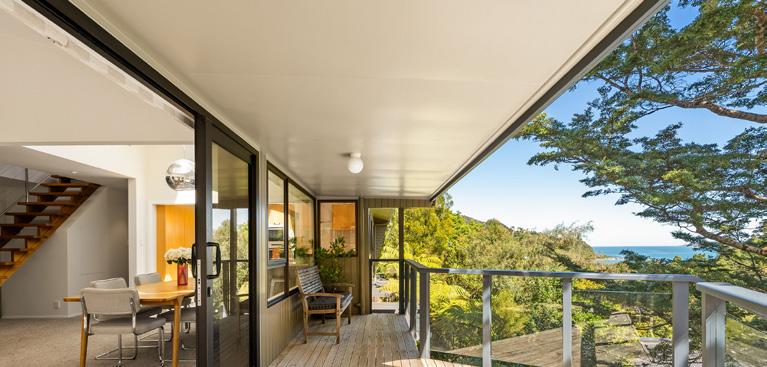
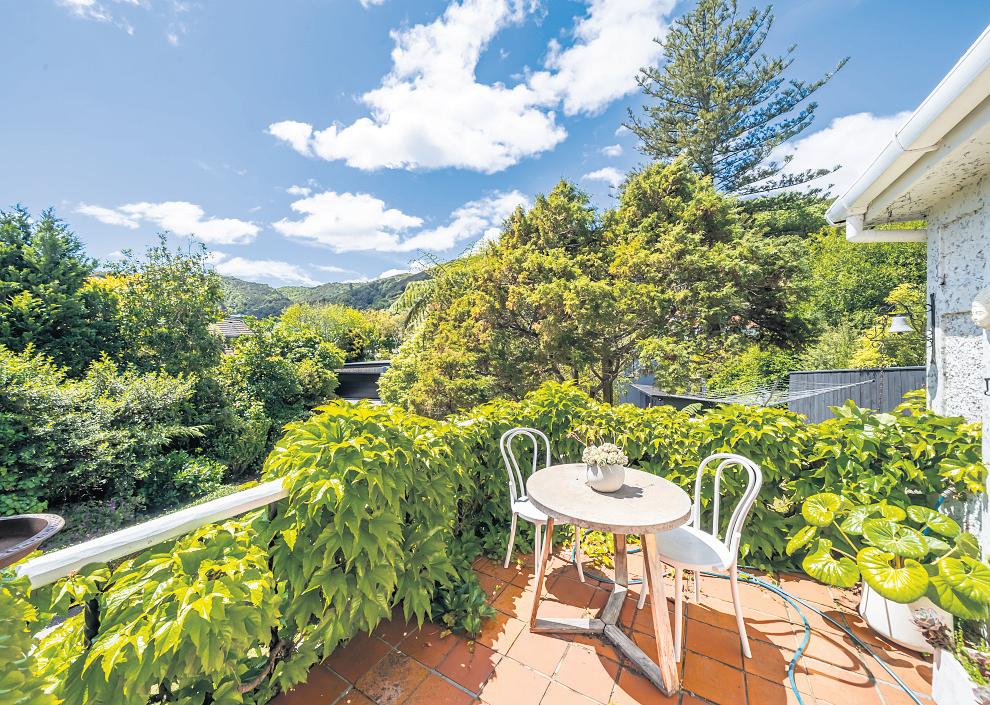
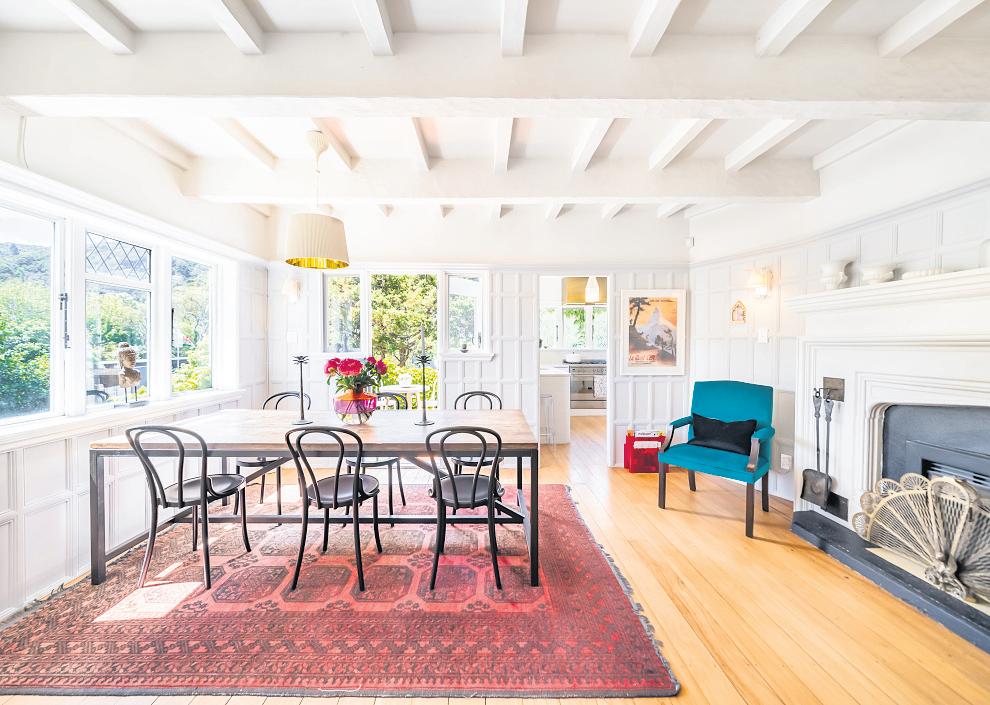
Positioned in one of Lowry Bay's most sought after pockets, this substantial family home enjoys an elevated setting with excellent sun, leafy surrounds and outlooks across the bay. Full of character and individuality, the home has evolved over time to create a practical layout suited to modern family living. Multiple living spaces provide room for families to spread out. Accommodation is generous, with four bedrooms and a separate studio. Outside, established gardens create a peaceful backdrop, with a stream and charming bridge adding to the sense of privacy and seclusion. Offering privacy, flexibility and future potential in equal measure, this is a property ready to adapt to your family's needs for years to come.