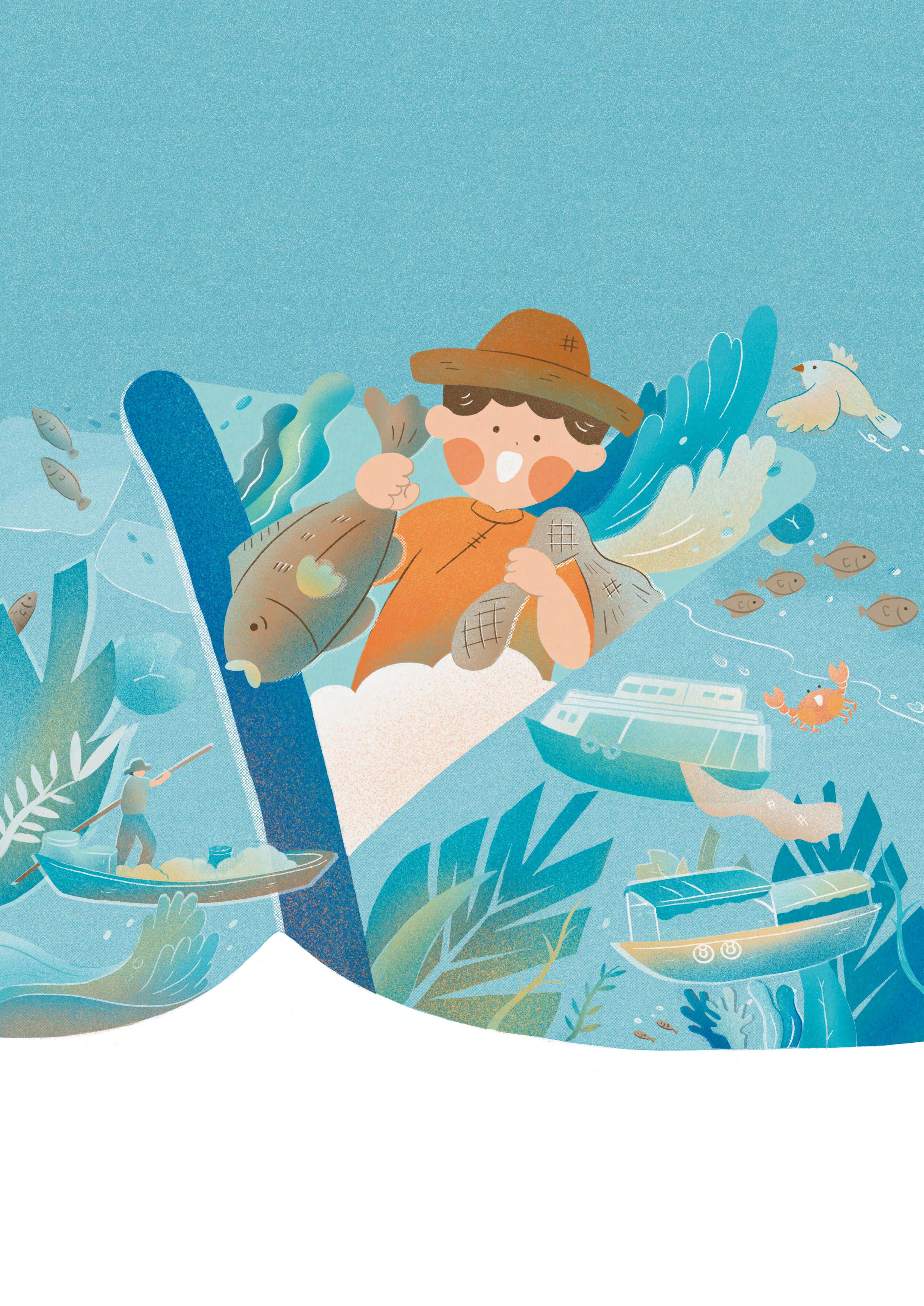
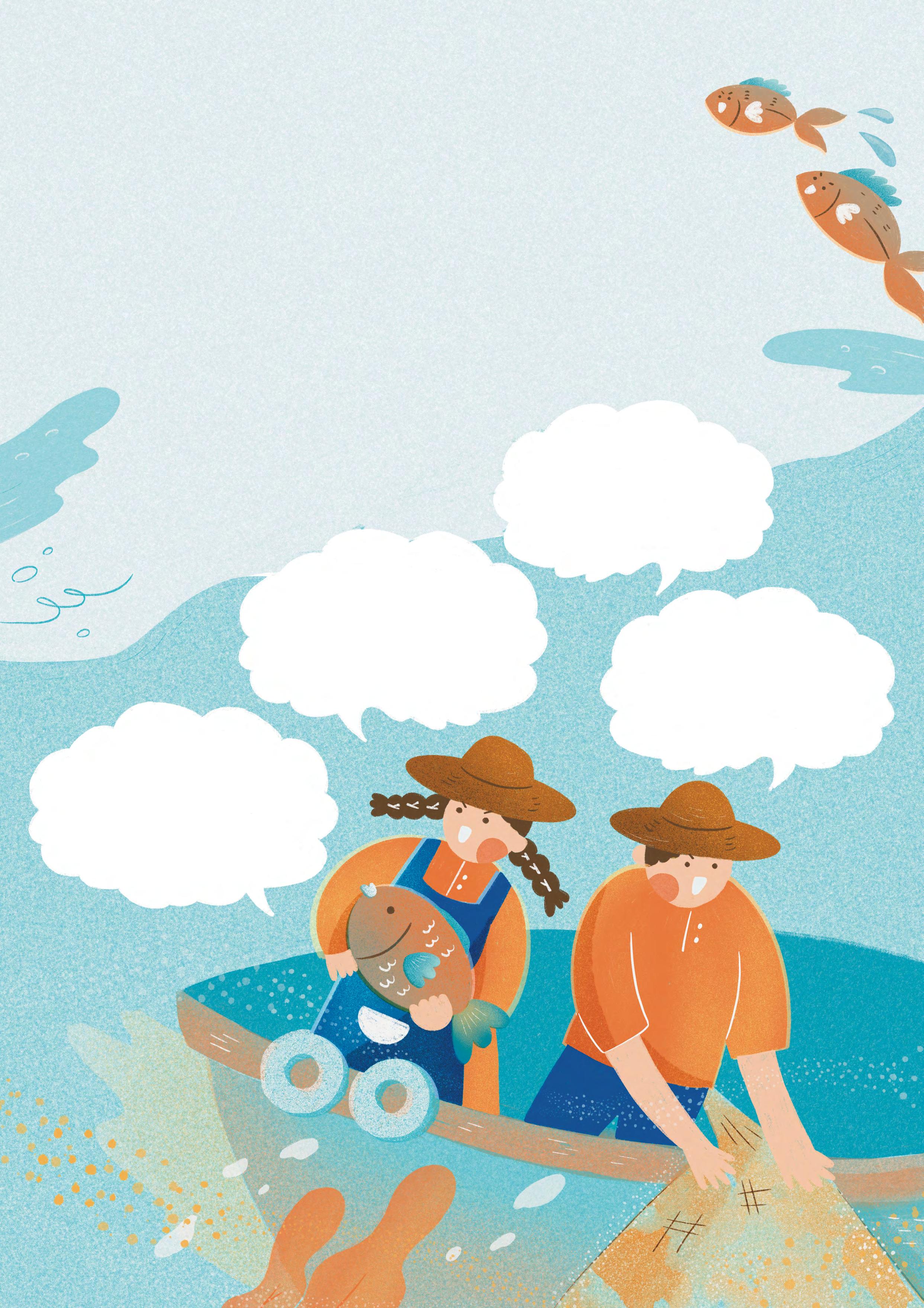
As we reach the end of our adventurous journey, let’s bring the wonderful memories of going out to sea back home! Try completing this task with your family, and then share your experiences with your classmates at school!
旅程中,你學到甚麼知識?
任務一
如果要設計一艘屬於你和家人的漁船或住 家艇,會是甚麼樣子的?
記低今次旅程你最難忘的回憶!
漁民生活特色是重要的香港 文化。但隨著社會變遷,很 多水上人已遷到岸上生活, 不再出海捕魚。
不過,香港仔鴨脷洲仍保留 水上人的生活痕迹。他們的 故事,也是香港故事。
讓我們一起好好記錄並傳承!
Task Two
What did you learn during the journey?
Task One
If you were to design a fishing boat or houseboat for you and your family, what would it look like?
Postscript: Remember Our Cultural Legacy!
The unique characteristics of fisherfolk’s lives are an important part of Hong Kong’s culture. However, due to social changes, many Shui Sheung Yan have moved to live on land and no longer go out to sea to fish. Nonetheless, Aberdeen and Ap Lei Chau still retain traces of the Shui Sheung Yan’s way of life. Their stories are also the stories of the people of Hong Kong.
Let us work together to record and pass on this heritage!
Task Three
Write down your most unforgettable memory from this journey!
Scenery from the Boat
Relaxing on the boat while taking in the beautiful views of Aberdeen Typhoon Shelter is truly a delight!
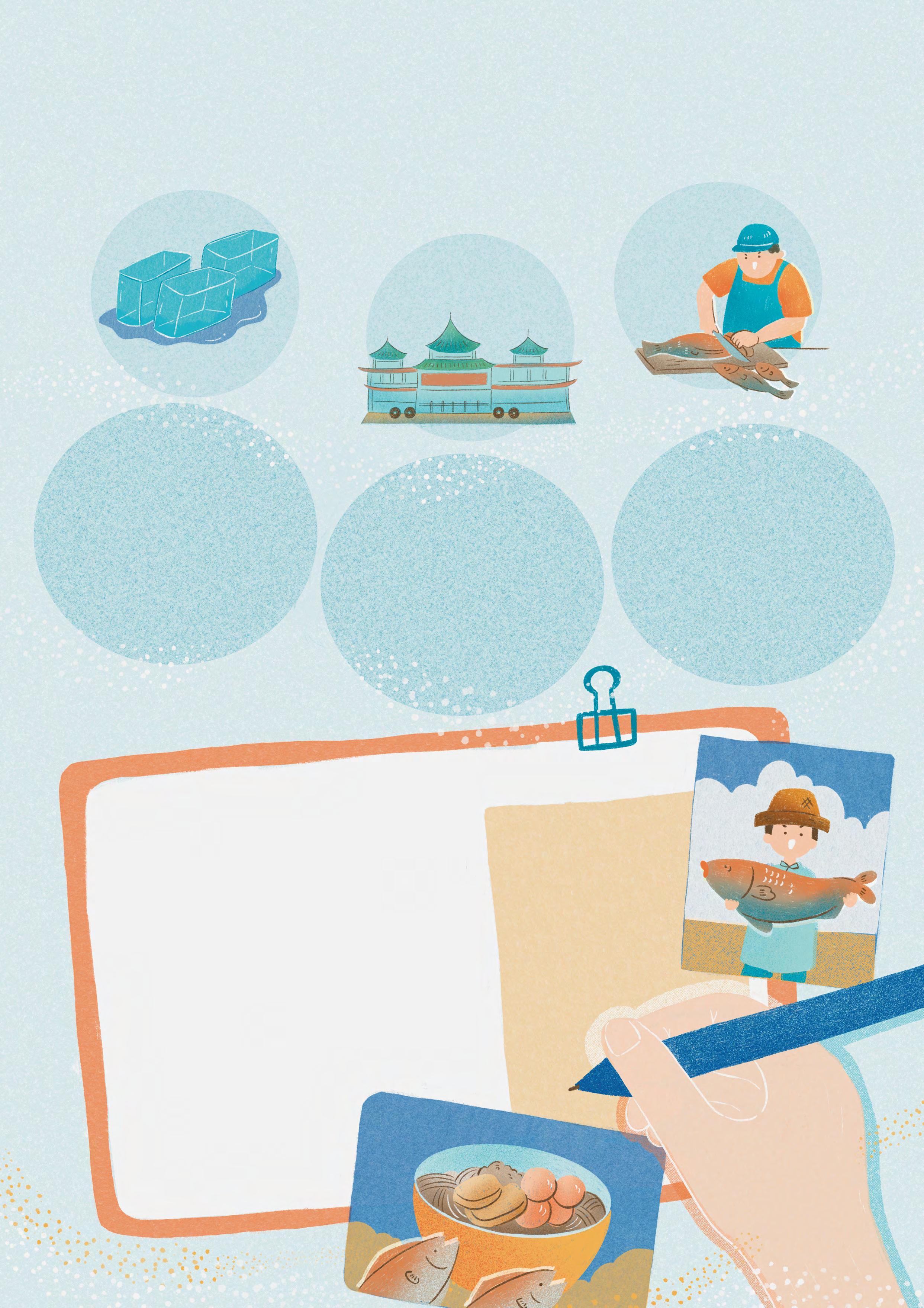
Match It Up! Along the coast of Aberdeen, there are many buildings that are closely connected to the lives of the fisherfolk. Can you spot them?
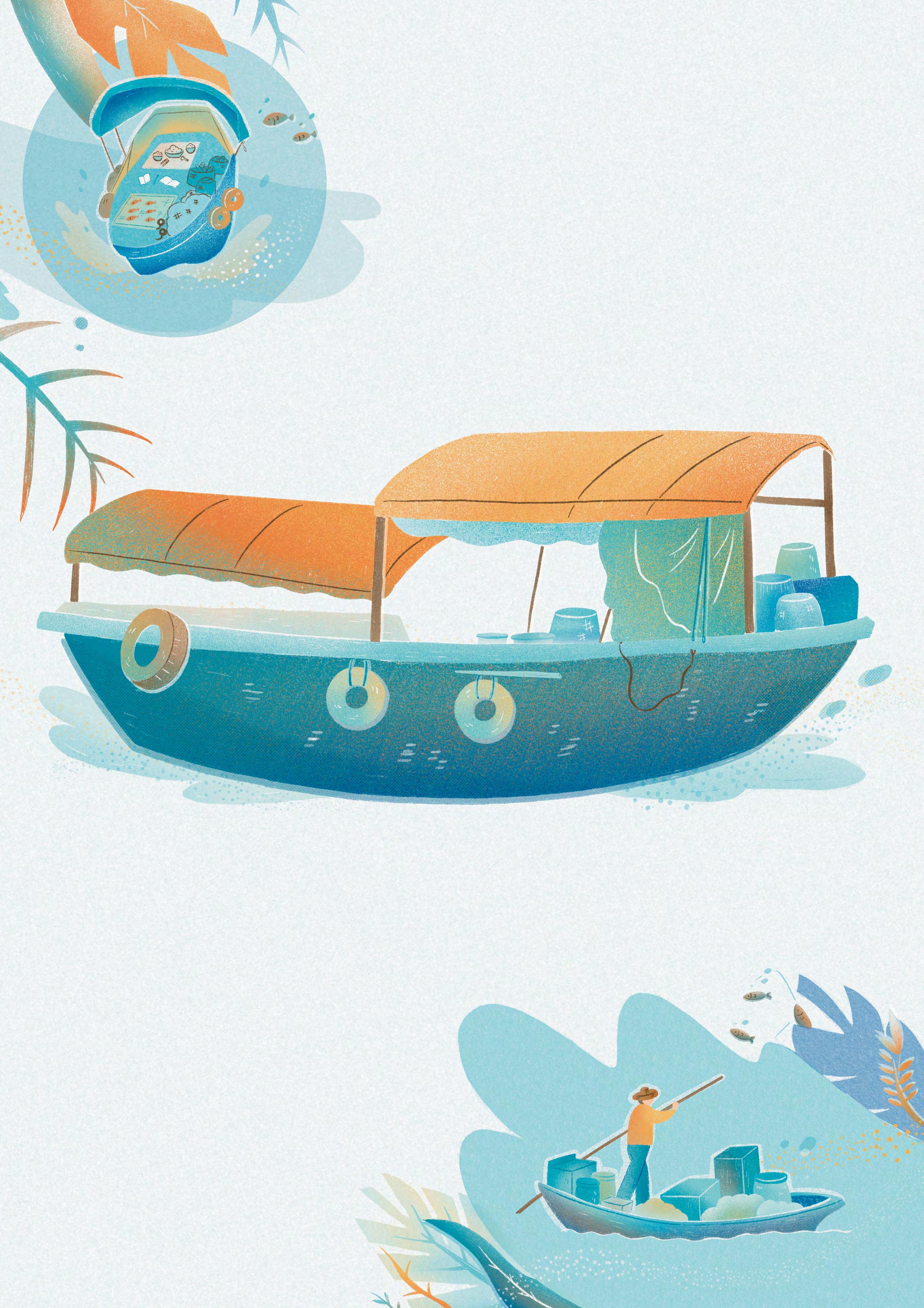
In the past, fishermen went out to sea in fishing boats, while some women stayed on the houseboats in the typhoon shelter to care for the elderly and children, waiting for their husbands to return with the catch. In the 1960s, the Aberdeen Typhoon Shelter was filled with houseboats, with each boat housing a family. The space in these houseboats was limited, making it challenging to fit in beds and many pieces of furniture.
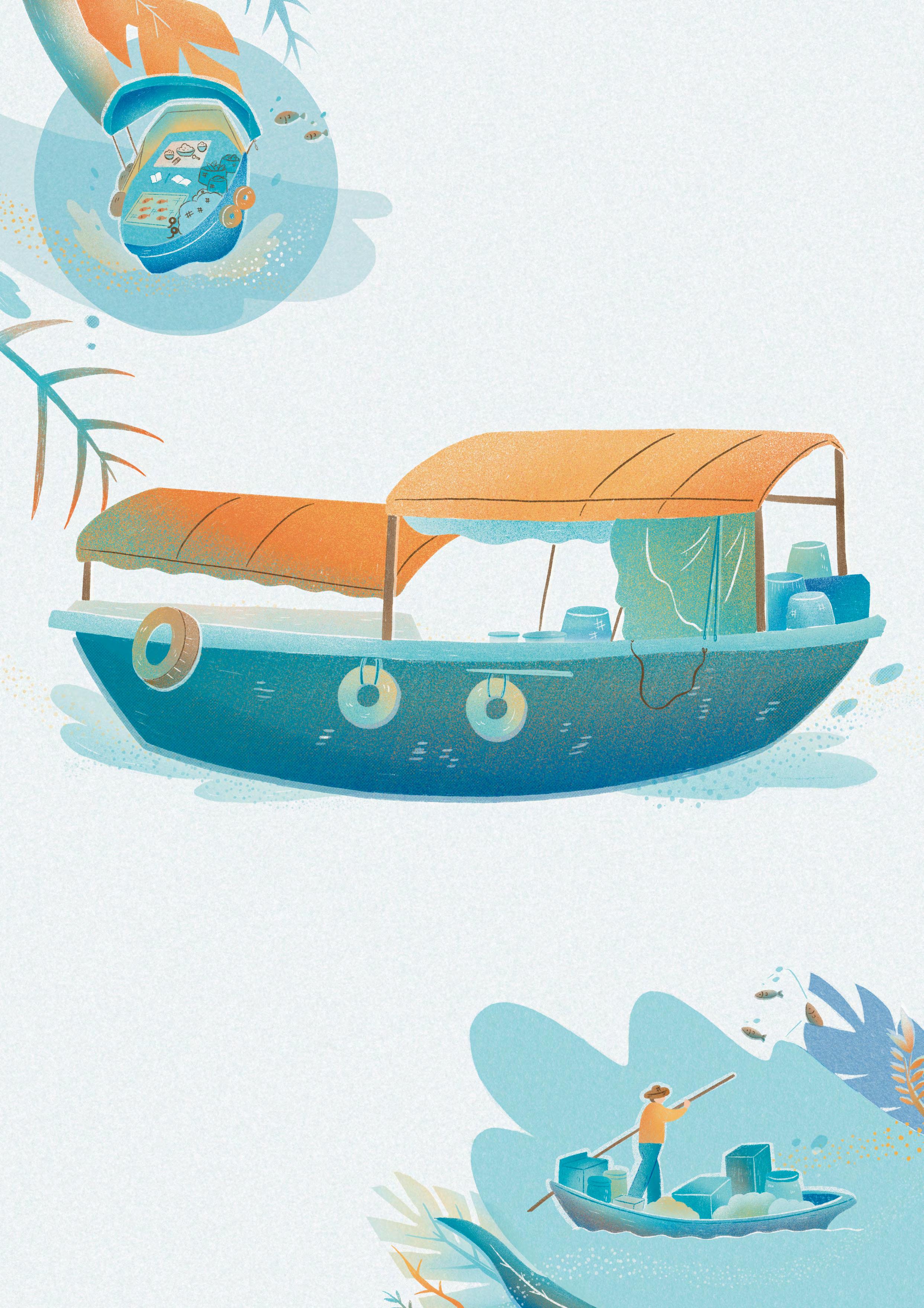
Houseboats in the Typhoon Shelter
Imagine what life is like living in a houseboat. What inconveniences might there be in daily living and dining?
Kitchen (Bow):
There are no partitions—just a small area for cooking with firewood. Cutting vegetables and gutting fish also take place on the deck, and kitchen waste is thrown into the sea!
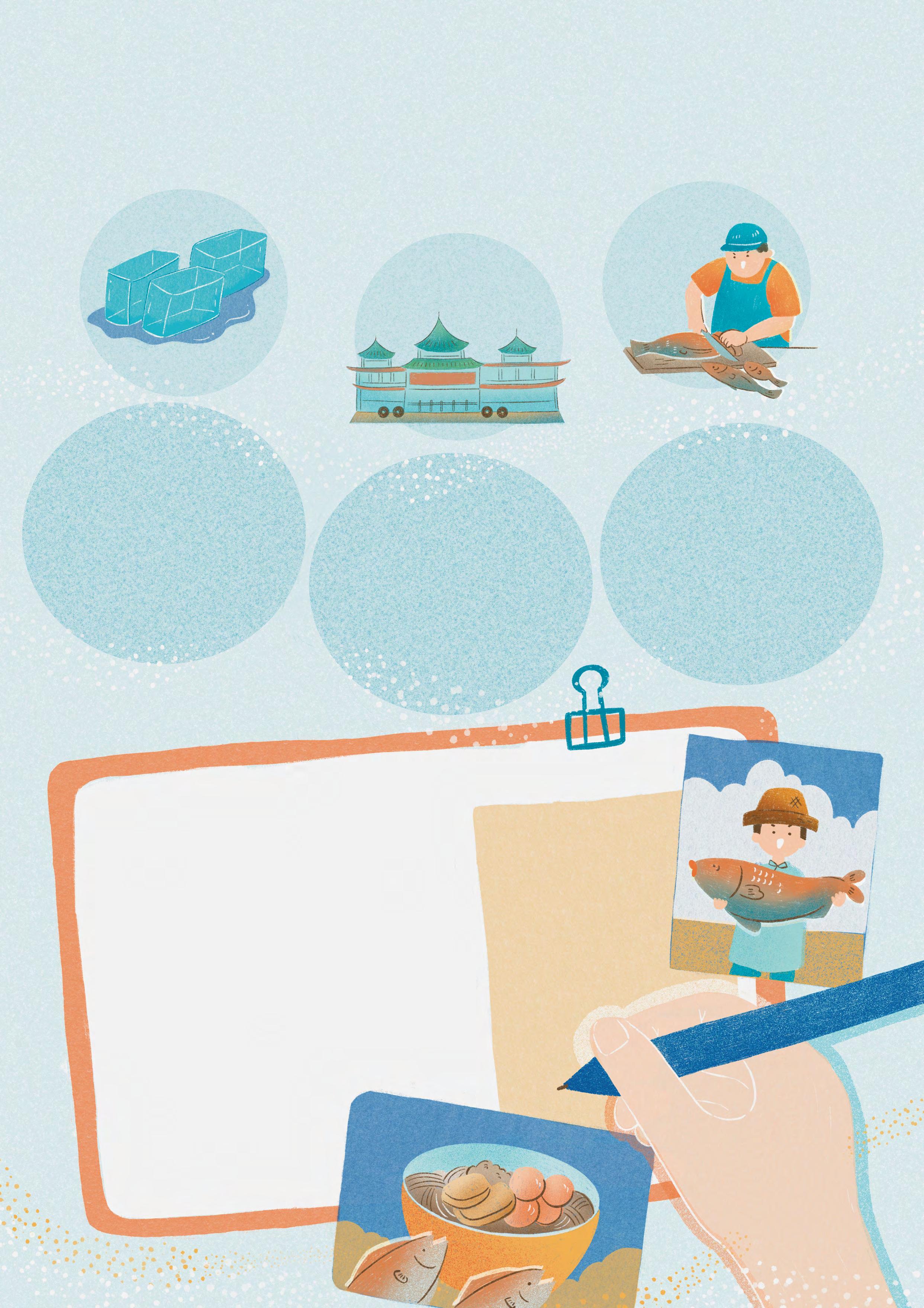
Sells ice blocks. Fisherfolk take ice to their fishing boats to keep their catch fresh.
The fisherfolk’s catch is brought here to be sold wholesale to vendors, who then distribute it to local markets.
It is the oldest and largest fish wholesale market among the seven found in various districts of Hong Kong.
In the past, Shui Sheung Yan held banquets here, and it later became a well-known tourist destination in Hong Kong. It is currently undergoing renovation.
Fisherfolk’s Diary
Try stepping into the role of a fisherfolk and plan a day’s itinerary for yourself!
Think About
If you were a fisherfolk, what would you most want to do when you return to shore?
Toilet (Stern):
A small compartment made of wooden boards, with a hole on the deck for waste to drop directly into the sea! Bathing is done by sprinkling fresh water from a basin onto the body, and wastewater also flows into the sea! As a result, the typhoon shelter was filled with sewage at that time.
Work on the Houseboat:
Living Room (Deck): Work, eat, play, and sleep (all done sitting or lying on the floor)!
- Drying salted fish, shrimp, squid, and other seafood to store more food or sell for profit.
- Mending fishing nets and repairing fishing gear.
Question:
The seawater around the houseboat is saltwater. How do they obtain fresh water for drinking, bathing, and cleaning?
Floating Shop
If you were to operate a “floating shop” to navigate through the typhoon shelter, selling items to the Shui Sheung Yan living on houseboats, what do you think they might need in their daily lives? Consider the following points:
1. Hunger: What kinds of food would they want?
2. Groceries: What are the essential supplies for life at sea?
3. Tools: What do they need to prepare for fishing trips?
Water-folk Language
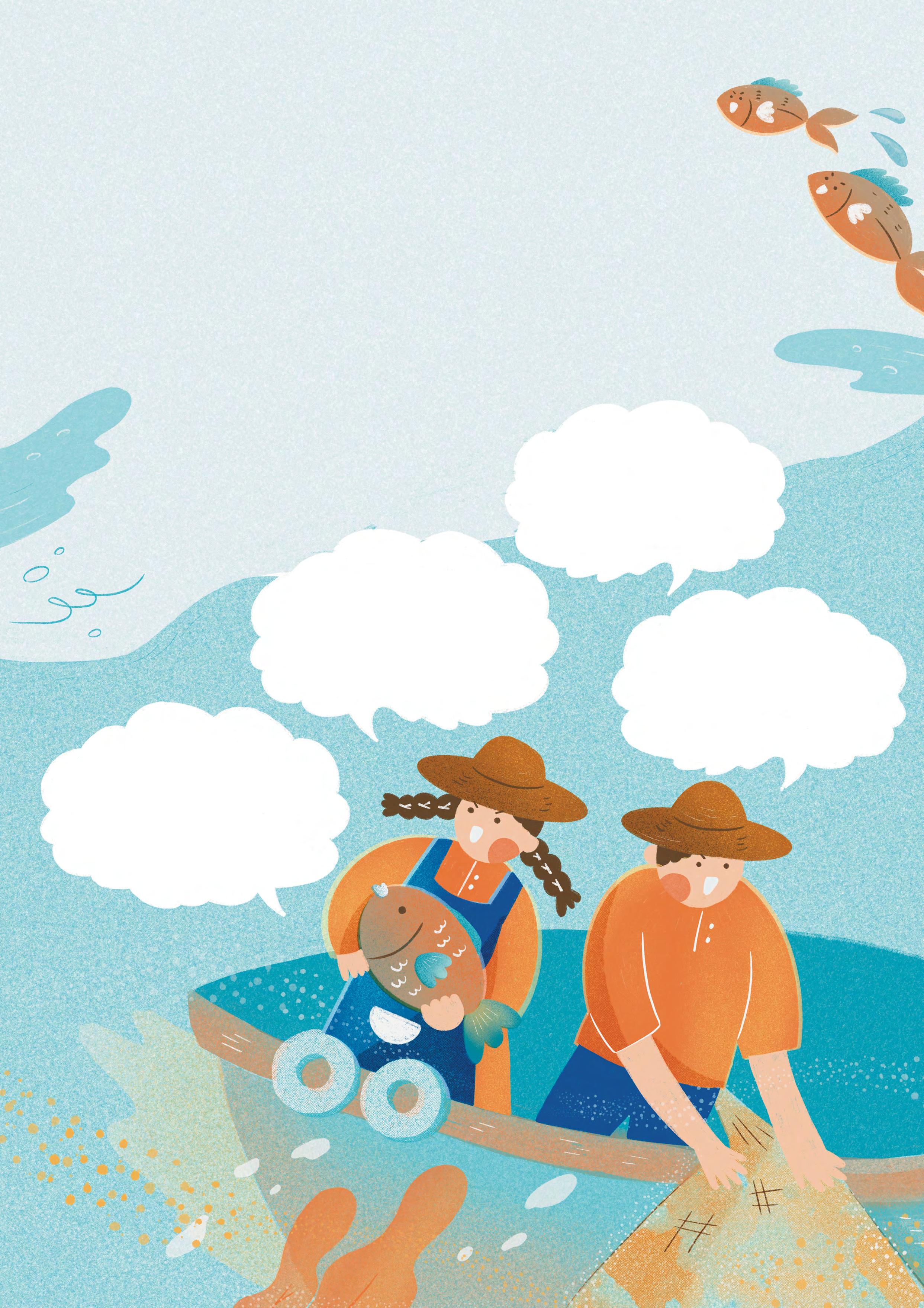
In the past, many of the Shui Sheung Yan (those who build their livelihood in the sea) in Hong Kong migrated from the southern provinces and cities of the mainland. They mostly spoke Cantonese, but their accents and vocabulary were influenced by their native languages. Additionally, due to communication barriers with the people on land, a unique language known as “Water-folk Language” (also called “Seoi-lou-waa”) emerged within the Shui Sheung Yan community. This language was passed down to the next generation, forming a distinct culture. (1) hoi1 san1 (2) daa2 sek6 wu4 (3) daa2 mong5 zai2 (B) Gillnet Fishing (C) Going Fishing at Sea (D) Sudden Storm and Heavy Rain (4) seoi2 daai6
Here are a few examples of the water-folk language. Can you guess their meanings? Try to complete the matching by filling in the numbers in the circles of the illustration!
Set Sail for Success !
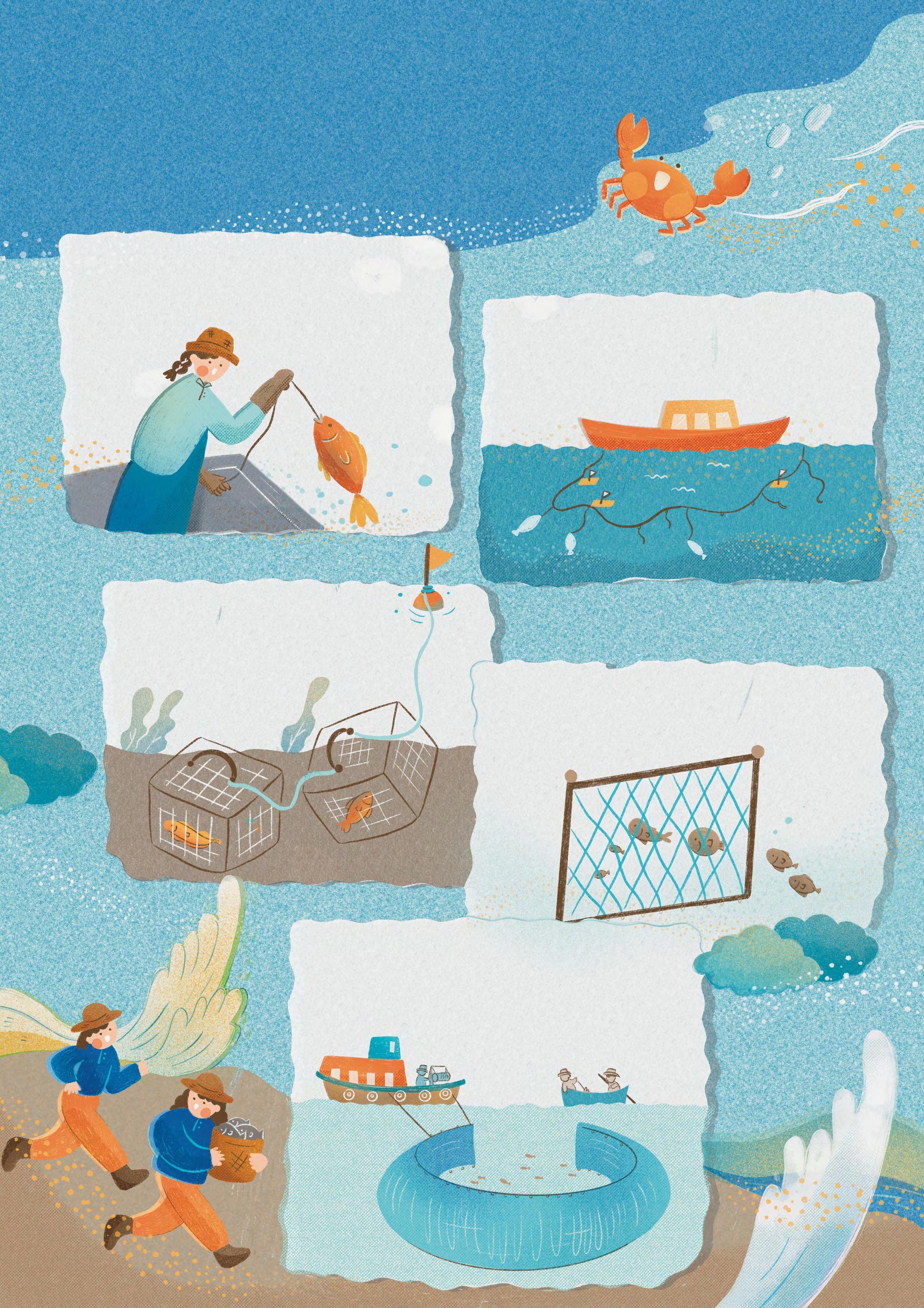
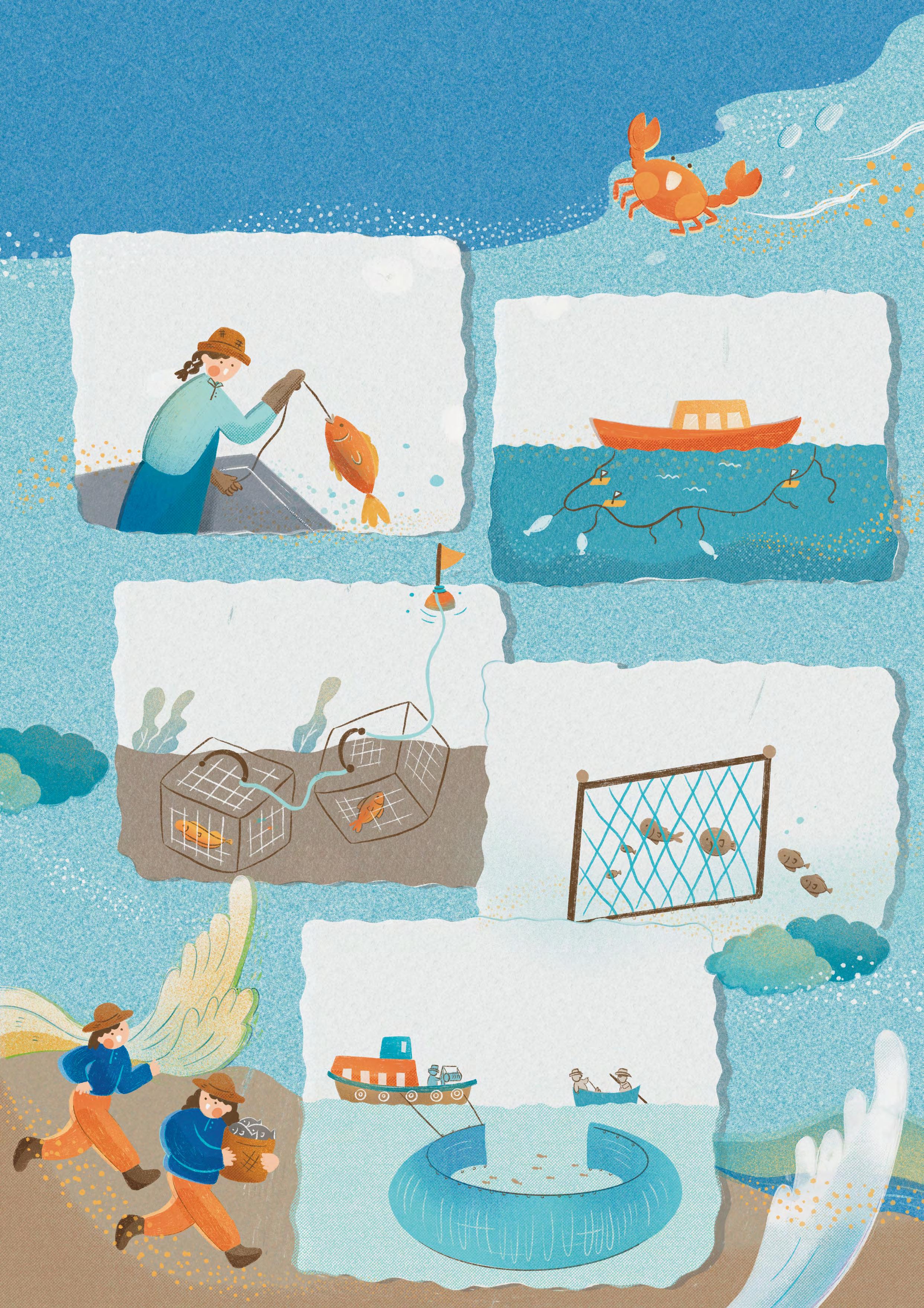
Now we’re off to sea with the fisherfolk! How do they catch fish?
Handlining Fisherfolk hold the fishing line in their hands and use bait to lure fish onto the hook.
A long line serves as the main line, with multiple hooks and baited lines attached to attract fish.
Fisherfolk create traps using wire, placing bait at the entrance to attract fish inside. The entrance is conical, allowing fish to enter but preventing escape.
A rectangular gill net is placed in the sea, and when fish swim into the mesh, they cannot escape.
Seine Fishing
Fisherfolk encircle a school of fish with a net, tightening the ropes and gathering the bottom of the net to form a large bag, capturing all the fish inside.
Longline Fishing
Cage Trap
Gillnetting
(A)
Rising Tide
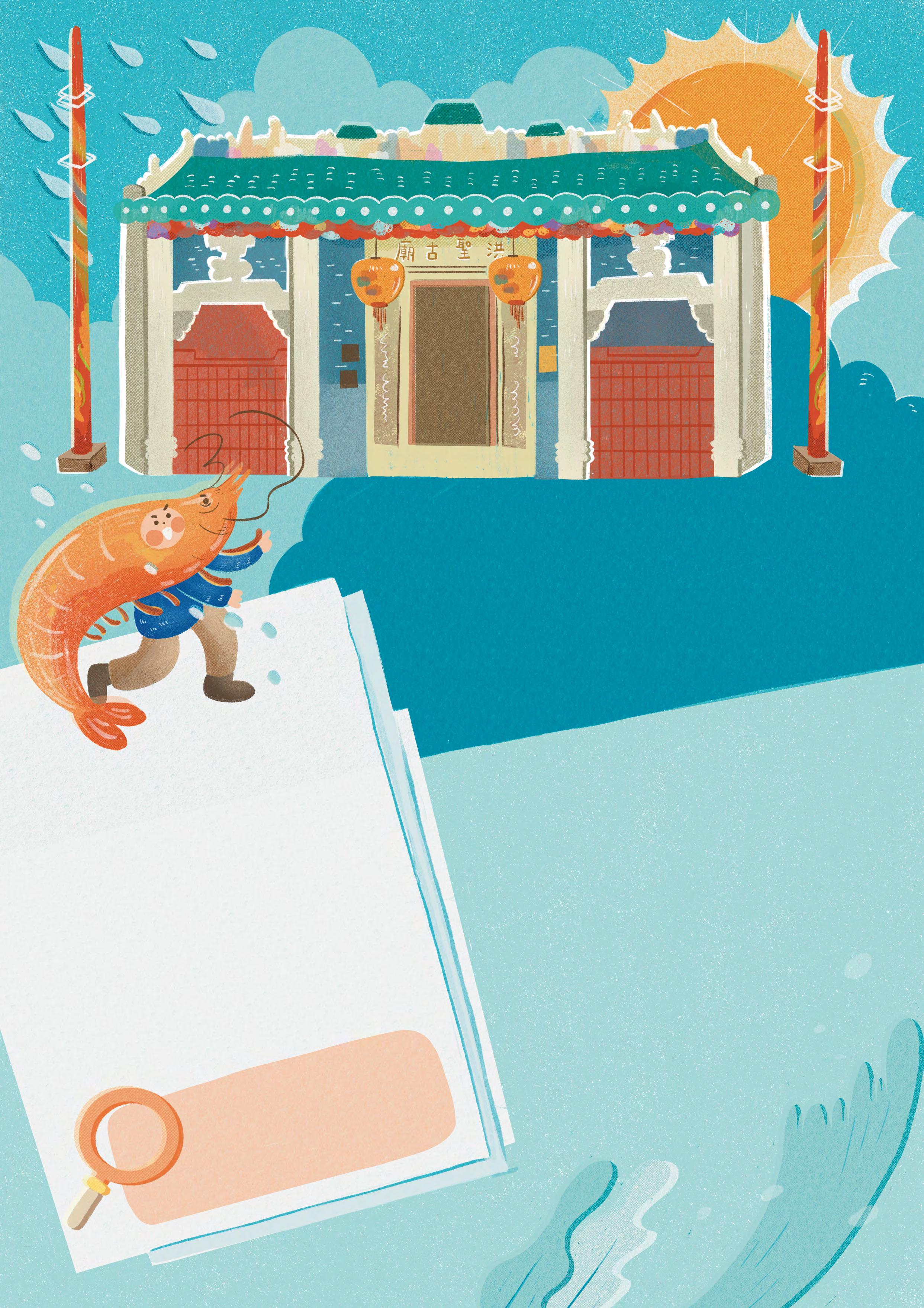
Observation Notes
When you enter Hung Shing Temple, what do you see (such as plaques or sculptures)? Take a moment to write or draw it here!
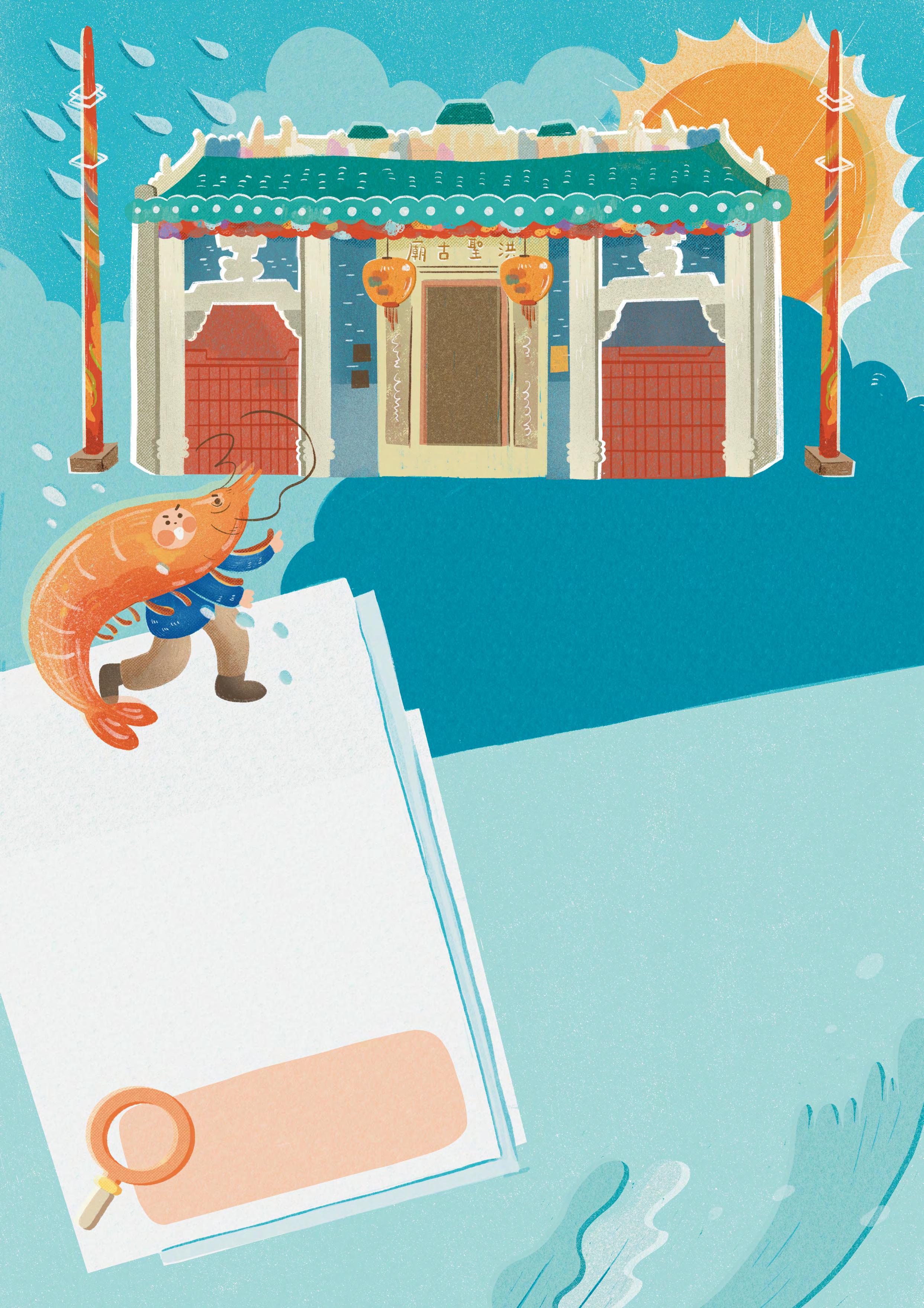
Hung Shing Temple, Ap Lei Chau
Probablybuiltin1773, HungShingTempleissaidtohonorHungShing, known as the God of the South China Sea, who saved the residents multiple times from maritime dangers. In gratitude for his blessings, the community constructed this temple to worship him. In front of the temple, there are two feng shui timber poles painted with dragon patterns, known as “dragon poles”. Locals hope that the dragons will protect the area from the ferocious spirits of “tiger land”. Hung Shing Temple was declared a monument in 2014, and the Hung Shing Festival, celebrated on the 13th day of the second lunar month, is one of the major annual events in Ap Lei Chau.
Prayers for a Safe Journey !
Life is as unpredictable as the weather. Fisherfolk venturing out to catch fish may face severe storms or heavy rain at any moment, which can pose life-threatening dangers. As a result, some fisherfolk from Aberdeen and Ap Lei Chau visit the Hung Shing Temple in the area before setting sail to pray for favorable weather and safe journeys.
Let’s Get Started !
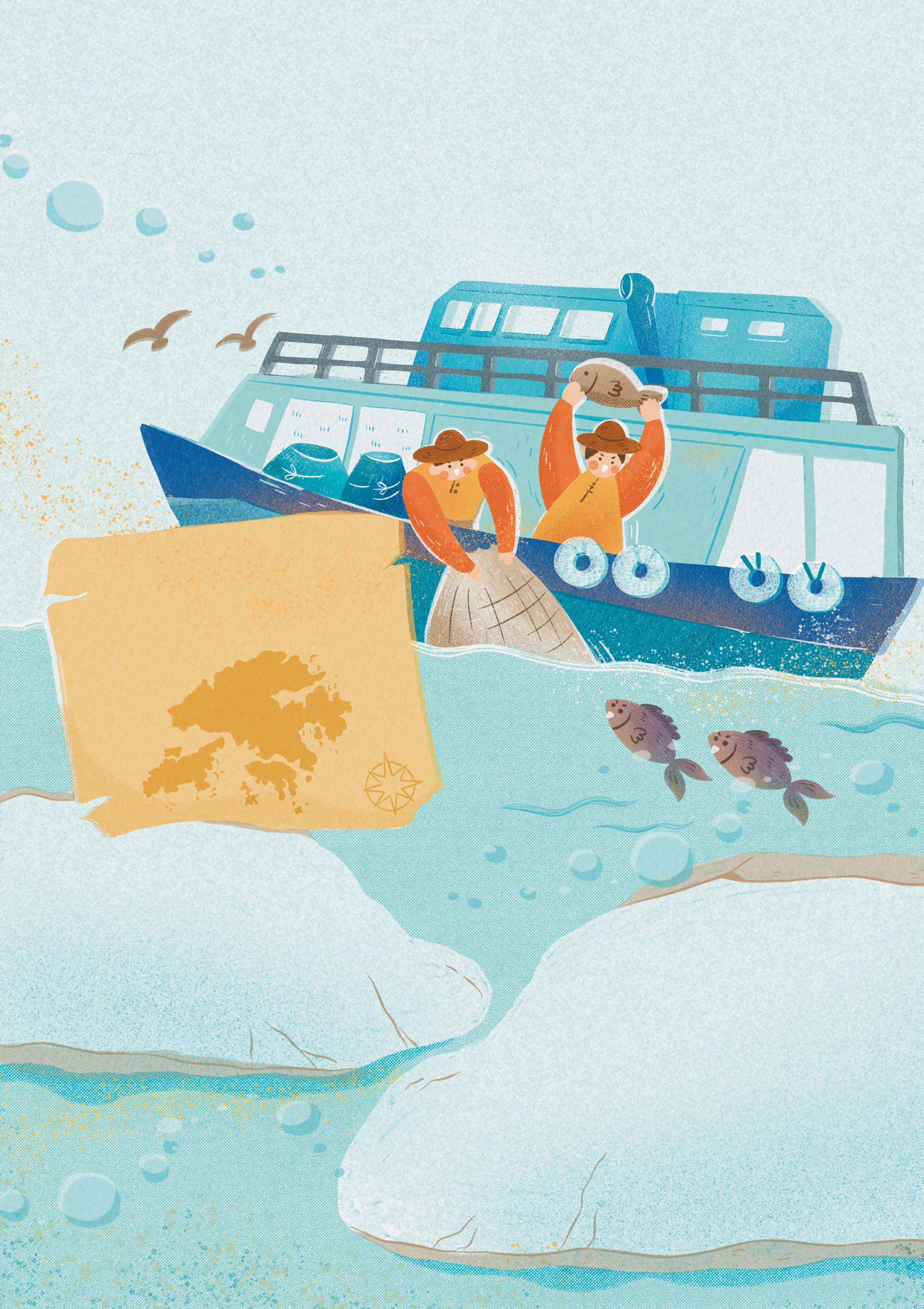
Do you know that there were eight main fishing ports in Hong Kong in the past? Among them, Aberdeen, located on the southern side of Hong Kong Island, was at the top of the list. The fishing industry in this community was thriving, providing a home for tens of thousands of fisherfolk. The lives of fisherfolk are special—do you know what they’re like? Now, let me, your guide LittleFish , take you on an exciting exploration of the community!
Quiz Time:
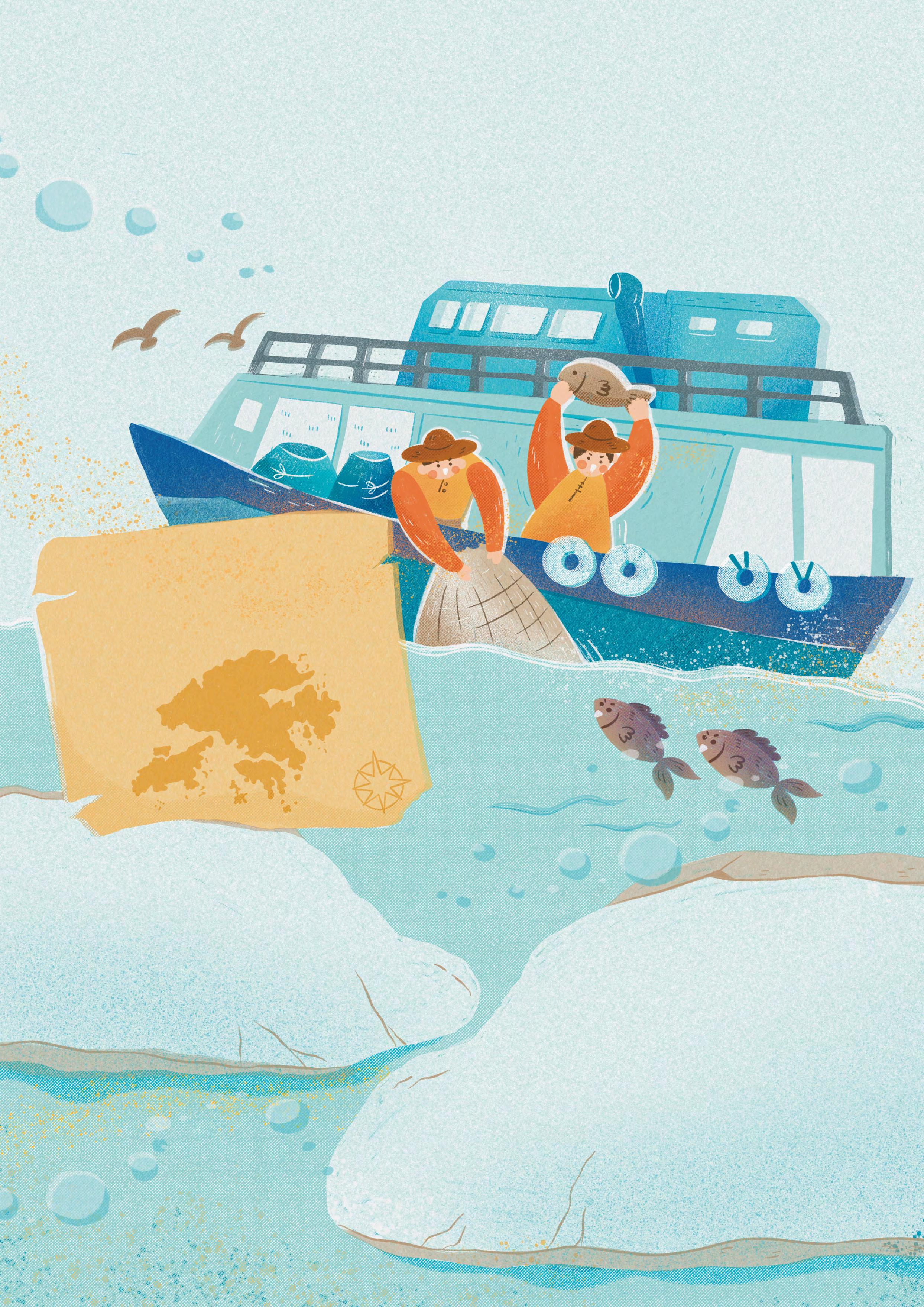
Where is Aberdeen located in Hong Kong? Circle it on the map!
The Leading Fishing Port
The eight main fishing ports of Hong Kong were Aberdeen, Shau Kei Wan, Tai O, Cheung Chau, Castle Peak Bay, Tai Po, Sha Tau Kok, and Sai Kung. These fishing ports were homes for fisherfolk, where they lived on their houseboats. Even today, they continue to preserve the cultural heritage and unique characteristics of fisherfolk’s lifestyles.
Have you visited other temples in Hong Kong? Share your experiences! Quiz Time:
Aberdeen and Ap Lei Chau
Separated by a stretch of water, Ap Lei Chau is another island near Aberdeen. Its shape is long and narrow, resembling a duck’s tongue.
The body of water between Aberdeen and Ap Lei Chau is known as the Aberdeen Typhoon Shelter. In the past, it was filled with houseboats, and today, you can still see various types of fishing boats. The fisherfolk from Aberdeen and Ap Lei Chau have now settled on land.