
Industrial
Asset Management
TECHNOLOGY INVESTMENT REPORT
Navigating Investment Decisions, Implementation Challenges, and Strategic Opportunities Across 17 Maintenance and Reliability Technology Solutions
Navigating the Digital Transformation of Maintenance and Reliability in the UK & Ireland
For three decades, the MAINSTREAM research team has engaged with Asset, Maintenance, and Reliability leaders to understand their collective challenges and opportunities as they work toward asset management excellence.
The 2026 Technology Investment Report presents our most comprehensive analysis of maintenance technology adoption based on extensive research including surveys, roundtable discussions, and in-depth interviews with senior leaders across sectors such as mining, utilities, manufacturing, rail, energy, and defence.
The insights gathered in this report enable Asset Management leaders to benchmark their digital maturity against industry peers, understand proven implementation strategies, and make informed investment decisions that drive measurable improvements in safety, efficiency, and asset performance across their maintenance operations.

Digital transformation isn’t about replacing human expertise – it’s about augmenting what our best technicians already know with data they’ve never had access to before.
Head of Maintenance Excellence, Automotive Manufacturing
Executive Summary
The United Kingdom’s industrial asset management sector is experiencing a pivotal transformation, with 331 senior maintenance and reliability leaders revealing strategic investment patterns that balance pragmatic adoption of proven technologies with cautious exploration of emerging innovations. This comprehensive survey across the UK & Irish industrial landscape demonstrates a sector that values operational excellence whilst carefully evaluating new digital capabilities.
Whilst traditional Enterprise Asset Management (EAM) systems remain the operational backbone, the real transformation story emerges in the data: 44% of organisations have fully deployed SCADA systems, 38% have implemented maintenance planning and scheduling software, and 28% have established both condition monitoring and data historian systems. However, the future direction is equally telling – 31% plan to implement predictive analytics within 1-2 years, and 28% are targeting AI and machine learning solutions, positioning these as the highest-priority emerging technologies.
The convergence of net-zero commitments, Brexit-induced supply chain complexities, and acute skills shortages is driving a fundamental reassessment of maintenance strategies. From automotive manufacturing in the Midlands to process industries on Teesside, offshore operations in the North Sea to pharmaceutical facilities in the Cambridge-Oxford corridor and County Cork, UK and Irish organisations are investing strategically in technologies that deliver measurable improvements in safety, reliability, and sustainability.
Mobile access to real-time asset data has been transformational – our engineers now make informed decisions on-site rather than returning to the office for information.
Asset Management Lead, Water Utility

About the Research
The findings presented in this report are drawn from:
• A survey completed by 331 maintenance and reliability professionals across diverse industries
• Ten one-on-one interviews with heads of asset management, maintenance, and reliability.
• Analysis of industry data and global benchmarks.
The survey included multiple-choice, ranking, and open-ended questions for comprehensive insights. Participants represented organisations across UK and Ireland, including companies in manufacturing, utilities, oil and gas, rail transportation, infrastructure, public sector, and defence.
The findings represent our most current understanding of industrial asset management technology adoption in this region as of June 2026.
Authors
The comprehensive survey content presented in this report was designed, developed, and authored by the MAINSTREAM research team, drawing upon our extensive expertise in market analysis and industry insights across the UK, Ireland, Australia and New Zealand. As a leading research authority, MAINSTREAM brings decades of collective experience and methodological rigour to this analysis. The authors acknowledge Waites for their invaluable partnership and support throughout this research initiative.
Participating Organisations
This research would not have been possible without the generous participation and insights of senior maintenance and reliability professionals across 61 organisations operating in the UK and Ireland. These industry leaders committed valuable time to share their experiences, challenges, and technology strategies, enabling comprehensive analysis of the industrial asset management technology landscape.
We extend our sincere gratitude to the following organisations whose participation made this research possible:
AFRY
Agen
Airbus
Amazon UK
Anglo American Anomalyse
Anthony Veder
Aqua Operations
Archer Daniels Midland (ADM)
BAE Systems
Bentley Motors
BioMarin Pharmaceutical
BMW Mini
BP
Convatec
DP World UK
Drax Group
Elanco Animal Health
Eli Lilly and Company
Finsbury Food Group
First Bus
Forth Ports
GA Pet Food Partners
Greater Anglia
Haltermann Carless
Harsco Environmental
Heidelberg Materials UK
InterGen
Irish Rail
Isle Utilities
Ithaca Energy
Jaguar Land Rover Automotive
Krones
Lenzing Group
Manchester Airports Group
Mars Food
MSD Dunboyne BioNX
Myton Food Group
National Gas
National Grid
National Highways
National Physical Laboratory
Neol Copper Technologies
NOV
Princes Foods
Rolls-Royce
Samotics
Scottish Water
SD Guthrie International Liverpool Refinery
Severn Trent
Smurfit Westrock
South Western Railway
Stantec
Sulzer
Swizzels Matlow
Thames Water
The HEINEKEN Company
Transport for London
United Utilities
Waites
Worley
Yorkshire Water
Key Findings
Established Technologies Show Strong Deployment
SCADA Systems lead deployment at 44% fully implemented, reflecting their fundamental role in process control and utilities infrastructure. Maintenance Planning and Scheduling Software follows at 38% full deployment, demonstrating recognition of workforce optimisation value. Data Historian Systems and Condition Monitoring Systems both show 28% full deployment, establishing the data foundation for advanced analytics.
Mobile Solutions Achieving Mainstream Adoption
Mobile Solutions for Frontline Workers demonstrate 27% full deployment with another 23% currently scaling, totalling 50% active implementation. This reflects British industry’s commitment to empowering technicians with real-time information access and the UK workforce’s high digital literacy.
Predictive Analytics: The Next Major Wave
Predictive Analytics Platforms show the highest future interest, with 31% planning implementation within 1-2 years – the highest planning percentage of any technology. Combined with 16% currently piloting and 19% scaling, 66% of organisations are actively pursuing or planning predictive analytics, representing the most significant technology adoption wave approaching UK industry.
AI and Machine Learning: High Interest, Early Stage
AI and Machine Learning Solutions demonstrate the most dramatic adoption curve: only 7% fully deployed, yet 28% currently piloting and another 28% planning implementation within 1-2 years. This 56% combined interest rate positions AI/ML as the technology with highest strategic interest despite modest current deployment, aligning with the UK Government’s National AI Strategy.
Digital Twin Faces Significant Scepticism
Digital Twin technology encounters the highest resistance, with 39% indicating no plans to use – the second-highest rejection rate after Augmented Reality (51%). Only 8% have achieved full deployment, and 18% plan implementation, suggesting unclear ROI and implementation complexity continue challenging widespread adoption outside aerospace and automotive sectors.
Mature Technologies Meet Resistance
Augmented Reality (51% no plans), LIDAR/Smart Video (49% no plans), and Robotic Process Automation (46% no plans) face significant adoption barriers. This reflects British industry’s pragmatic approach – technologies must demonstrate clear value before investment.
Emerging Technologies in Active Evaluation
Several technologies show balanced distribution across maturity stages, indicating active market evaluation:
• Cloud/IoT Platforms: 36% currently scaling (highest scaling rate), with 17% fully deployed
• IoT Devices: 30% currently scaling, 18% piloting, demonstrating strong adoption momentum
• RCM Software: 26% fully deployed, 23% planning – steady adoption in safety-critical sectors
The Skills Gap Constrains Velocity
Whilst technology interest is high, implementation rates lag intentions. This gap reflects the UK’s acute shortage in data science, AI, and advanced analytics capabilities – challenges intensified by Brexit-related workforce constraints.
Safety and Compliance Drive Technology Adoption
Improving safety and regulatory compliance emerges as the primary driver for technology investments across UK industrial operations. With increasingly stringent health and safety regulations and rising insurance costs, organisations are turning to real-time monitoring and predictive systems to identify potential hazards before incidents occur, creating both a regulatory imperative and compelling business case.
Operational Efficiency Under Pressure
Operational efficiency improvements rank as a critical investment factor, driven by productivity pressures amidst persistent skilled labour shortages across British industry. Energy cost optimisation through intelligent systems offers immediate returns on investment, particularly attractive to finance directors evaluating technology business cases in the current economic climate.
Strategic Decision-Making Factors for Technology Investment
Investment decisions in maintenance technologies reflect a sophisticated hierarchy of organisational priorities. Research across industrial sectors reveals distinct themes that transcend individual industry boundaries, with safety compliance, operational efficiency, and downtime reduction consistently emerging as primary drivers.
1. Improving Safety and Compliance
Regulatory pressure continues to intensify across all industrial sectors, with Health and Safety Executive (HSE) enforcement activity and penalties increasing substantially over recent years. Realtime monitoring capabilities have evolved from optional enhancements to regulatory necessities in many high-risk operations. Workers’ compensation costs and insurance premiums create compelling financial incentives for safety-focused technology adoption, with insurance providers increasingly demanding evidence of proactive risk management systems.
2. Increasing Operational Efficiency
Productivity imperatives driven by persistent skilled labour shortages make efficiency gains through technology particularly valuable across British industry. Energy cost optimisation through intelligent monitoring systems has become critical given elevated UK energy prices compared to international competitors. Production scheduling optimisation enables organisations to maximise output from constrained human and physical resources whilst maintaining exacting quality standards.
3. Reducing Unplanned Downtime
Unplanned equipment failures generate escalating costs due to complex, specialised industrial equipment and extended supply chain lead times for replacement components – a challenge particularly acute post-Brexit. Production continuity has become critical for maintaining customer relationships and protecting market share in competitive global markets. The capability to predict and prevent failures before they occur represents substantial value creation for asset-intensive operations across all sectors.
Cultural and Change Management Imperatives
The Human Dimension of Digital Transformation
Successful digital transformation requires fundamentally more than implementing new technologies – it demands cultural evolution within maintenance organisations. British industrial firms must cultivate digital leadership that empowers teams to identify opportunities and drive implementation. This transformation involves restructuring traditional maintenance cultures where decisions have historically relied upon experience and intuition rather than data-driven insights.
Fostering Data-Driven Decision Cultures
Leading organisations prioritise transparency regarding transformation objectives, ensuring maintenance teams understand how digital tools will augment rather than replace their expertise. Success requires aligning incentive structures with transformation goals, rewarding datadriven decision-making whilst maintaining appreciation for human experience and judgment. This balanced approach recognises that optimal outcomes emerge from combining machine intelligence with human wisdom.
Overcoming Resistance to Change
Traditional maintenance practices possess inherent resilience, particularly in industries where ‘if it’s not broken, don’t fix it’ mentalities prevail. Organisations must demonstrate clear value through pilot programmes that show immediate improvements in safety, efficiency, or cost reduction before scaling enterprise-wide implementations. Early wins build credibility and enthusiasm, creating momentum for broader adoption across the organisation.
EAMS and CMMS
Respondents revealed a concentrated but evolving EAM and CMMS marketplace, with SAP maintaining market leadership whilst a diverse ecosystem of alternative solutions captures nearly half of deployments. This distribution reflects both the strength of enterprise-wide ERP integration strategies and growing appetite for specialised, flexible alternatives among mid-sized organisations.
Market Analysis
SAP EAM commands 40% market share, reflecting its dominant position in large multinational corporations where integration with broader SAP ERP ecosystems provides substantial operational value. The platform’s comprehensive functionality and enterprise-grade scalability make it the default choice for organisations with complex, multi-site operations requiring standardised processes and centralised visibility.
IBM Maximo captures 23% of deployments, demonstrating strong presence in asset-intensive industries particularly within utilities, transportation, and manufacturing sectors. Maximo’s strength in condition-based maintenance and reliability-centred maintenance workflows resonates with organisations prioritising equipment uptime and predictive capabilities.
The ‘Other’ category accounting for 24% of responses signals significant market fragmentation, with organisations deploying bespoke systems, legacy platforms, or emerging cloud-native solutions. This fragmentation suggests ongoing market evolution, with many organisations either operating legacy systems pending modernisation or piloting innovative alternatives that challenge traditional EAM paradigms.
Microsoft Dynamics 365 (6%) represents growing interest in cloud-first EAM solutions, particularly among organisations already committed to Microsoft’s enterprise ecosystem. The platform’s integration with Power BI, Azure IoT, and Microsoft 365 provides compelling advantages for data analytics and mobile workforce enablement.
Smaller deployments of HxGN EAM (3%), Ellipse EAM (2%), IFS (2%), and Oracle (1%) demonstrate niche strength in specific sectors or represent legacy installations. The relatively low Oracle representation is notable given the company’s significant presence in enterprise software, suggesting limited penetration in UK industrial asset management compared to other geographies.
Strategic Implications for Technology Investment
This market distribution creates distinct implications for organisations evaluating technology investments. SAP and Maximo users benefit from mature ecosystems, extensive third-party integrations, and deep consultant expertise, but may face higher total cost of ownership and longer implementation timelines. Organisations using alternative platforms must carefully evaluate vendor viability, integration complexity, and skills availability when planning advanced analytics or predictive maintenance initiatives. The substantial ‘Other’ category suggests opportunities for innovative vendors to capture market share by addressing integration pain points, modernising user experience, or offering superior predictive analytics capabilities.
Technology Investment Survey
Results: 17 Solutions Analysis
The following section presents survey results from 331 UK Maintenance and Reliability leaders, analysing current deployment status and future investment plans for 17 key technologies commonly used across plants, sites, mines, and facilities.

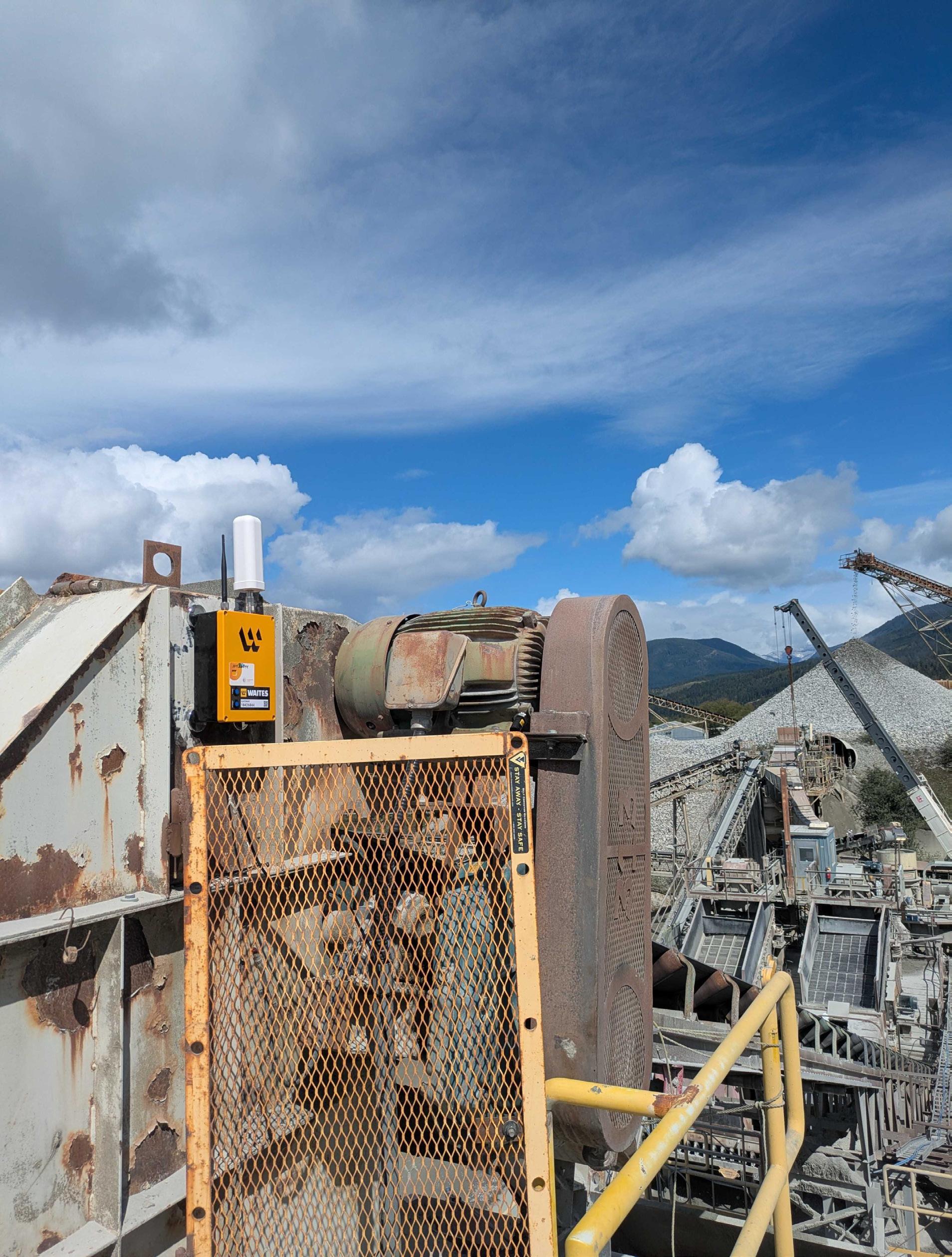


Condition Monitoring Systems
Current Status: Foundational technology with strong established deployment
Fully Deployed Currently Scaling Currently Piloting Plan to use in 1-2 years
No plans to use
Analysis: Condition monitoring has transitioned from specialised application to standard practice across UK industry. With 58% fully deployed or scaling, this technology has achieved mainstream maturity. The focus is shifting from initial deployment to integration with analytics platforms and expansion into additional asset classes. Brexit has heightened interest due to longer spare parts lead times from European suppliers, making proactive maintenance more critical. Only 13% have no plans to adopt, indicating near-universal recognition of value.
Asset Performance Management (APM) Software
Current Status: Growth technology with balanced adoption profile
Fully Deployed Currently Scaling Currently Piloting Plan to use in 1-2 years No plans to use
Analysis: APM software represents the “middleware” connecting operational technology with business systems. British organisations recognise that EAM systems alone cannot deliver predictive insights required for modern maintenance strategy. The 30% “no plans” rate reflects organisations satisfied with current EAM capabilities or uncertain about APM ROI. The 22% planning implementation indicates growing recognition that competitive advantage requires advanced asset performance insights. UK regulatory environment – particularly in utilities and transport – creates additional demand for comprehensive performance documentation and audit trails.
Head of Engineering Systems, Pharmaceuticals
–
Maintenance Planning and Scheduling Software
Current Status: Mature technology with highest deployment rate
Fully Deployed Currently Scaling Currently Piloting Plan to use in 1-2 years No plans to use
Analysis: This technology demonstrates the highest deployment rate (38%), reflecting recognised value in optimising maintenance operations. The UK’s focus on labour productivity – highlighted in numerous government reviews – makes workforce optimisation particularly valuable, especially given skilled labour shortages. The Apprenticeship Levy and associated training requirements have increased focus on competency management features. The 21% with no plans likely represent smaller organisations managing schedules manually or through spreadsheets – a vulnerable position as labour costs and complexity increase.
Data Historian Systems
Current Status: Established infrastructure technology with continued expansion
Fully Deployed Currently Scaling Currently Piloting Plan to use in 1-2 years
No plans to use
Analysis: Data historians are transitioning from niche process industry technology to mainstream requirement across sectors. With 48% fully deployed or scaling, historians have achieved strong penetration in asset-intensive industries. The 20% currently piloting indicates organisations recognising the need for structured time-series data management as they contemplate predictive analytics. The UK’s focus on data-driven decision-making and the government’s Made Smarter strategy are driving broader adoption. The 21% with no plans likely represent discrete manufacturing or facilities management where historian investment hasn’t been justified, though this may change as analytics platforms mature.
Predictive Analytics Platforms
Current Status: Fastest-growing technology category with highest future interest
Analysis: Predictive analytics represents the most significant technology wave approaching UK industry. The 31% planning implementation within 1-2 years is the highest planning percentage of any technology, signalling massive adoption momentum. Combined with 51% already implementing, this creates 82% total interest – indicating predictive maintenance is transitioning from “nice to have” to “must have.” Government support through Made Smarter grants (up to £20k) and In -
novate UK funding is accelerating adoption, particularly amongst SMEs. However, skills shortage in data science remains primary constraint on deployment velocity. The modest 17% with no plans likely represent organisations uncertain about data quality, lacking foundational infrastructure (historians, condition monitoring), or waiting for market maturity. Early movers establishing competitive advantages that late followers will struggle to replicate.
Reliability Centred Maintenance (RCM) Software
Current Status: Established methodology with moderate software tool adoption
Fully Deployed Currently Scaling Currently Piloting Plan to use in 1-2 years
Analysis: Whilst RCM as a methodology has broad acceptance in UK industry – particularly safety-critical sectors – software tool adoption shows interesting patterns. The 26% full deployment indicates successful implementation in sectors with regulatory drivers or complex asset bases requiring structured analysis. The 23% planning implementation suggests growing recognition that manual RCM (Excel/Word) doesn’t scale effectively.
No plans to use
The 22% with no plans likely represent organisations conducting RCM through consultancy-led projects rather than maintaining internal software capability, or sectors where RCM’s comprehensive approach isn’t justified by asset criticality. UK’s strong safety culture and regulatory environment should theoretically drive higher software adoption, yet cultural preference for consultancy-led analysis versus internal tools constrains deployment.
Cloud Application/IoT Platforms
Current Status: Rapid deployment phase with strong scaling momentum
Analysis: Cloud/IoT platforms show the highest “currently scaling” rate (36%), indicating organisations moving from pilot to production deployment rapidly. The 17% fully deployed combined with 36% scaling creates 53% in active operation – remarkably high for relatively recent technology category. The robust UK internet infrastructure (near-universal broadband, extensive 4G, growing 5G) and data protection framework (UK GDPR post-Brexit) create favourable conditions. However, organisations balance cloud benefits against data sovereignty concerns, driving hybrid architecture preferences.
The modest 17% with no plans likely represent organisations in highly regulated sectors (defence, CNI) with prohibitive security requirements, or those with legacy infrastructure lacking modernisation business case. The 13% planning implementation is relatively low compared to other emerging technologies, suggesting cloud adoption follows “do it now or not at all” pattern rather than extended planning cycles.
Internet of Things (IoT) Devices
Current Status: Active deployment with strong scaling momentum
Fully Deployed Currently Scaling Currently Piloting Plan to use in 1-2 years No plans to use
Analysis: IoT devices are democratising condition monitoring, enabling organisations to monitor previously uneconomical assets. The 30% currently scaling (second-highest scaling rate after Cloud/IoT Platforms) indicates strong adoption momentum. British industry’s mix of heritage equipment (Victorian-era pumping stations still operational) and modern facilities creates substantial retrofit opportunities. Brexit
has accelerated IoT adoption – longer spare parts lead times from European suppliers make proactive monitoring more critical. The 20% with no plans likely represent organisations in non-asset-intensive sectors or those satisfied with traditional wired monitoring. Government support through Digital Catapult and KTN provides testbed facilities for pilot deployments, reducing adoption barriers for SMEs.
We’ve run successful pilots on five different technologies, but scaling them across our 20 sites is where the real challenge begins.
Group Asset Manager, Food & Beverage
AI and Machine Learning Solutions
Current Status: Highest future interest with accelerating pilot activity
Analysis: AI/ML demonstrates the most dramatic adoption curve: only 7% fully deployed (lowest of any technology) yet 28% currently piloting and another 28% planning implementation. This 56% combined pilot/planning interest, combined with 27% scaling, creates 83% total implementation interest – nearly matching Predictive Analytics. This positions AI/ML as the technology with highest strategic interest whilst remaining earliest in maturity lifecycle. The pattern indicates organisations recognising AI’s transformative potential whilst navigating implementation challenges. The low 11% with no plans (second-lowest rejection rate) suggests near-universal recognition of AI importance.
Alignment with UK Government’s National AI Strategy (£2.3bn investment) and sector-specific programmes creates favourable policy environment. However, skills availability represents primary constraint – UK produces ~12,000 AI/ ML graduates annually, insufficient for demand across all sectors. Brexit has impacted access to European AI talent, intensifying competition. Successful organisations build hybrid teams (data scientists + domain experts) rather than seeking rare unicorns.
Digital Twin
Current Status: Niche adoption with sector-specific enthusiasm and significant scepticism
Fully Deployed Currently Scaling Currently Piloting Plan to use in 1-2 years No plans to use
Analysis: Digital twins face the second-highest scepticism rate (39% no plans), exceeded only by Augmented Reality. This reflects unclear ROI and implementation complexity. British industry’s pragmatic, show-me-the-money approach to technology investment creates high hurdles for technologies without demonstrated value. The 8% full deployment and 17% scaling (25% total active operation) indicate niche adoption concentrated in aerospace and automotive sectors where digital twins emerged from design/engineering heritage. The 18% currently piloting suggests organisations exploring digital twin concepts but many likely discovering implementation complexity exceeds expectations.
Successful aerospace implementations (RollsRoyce’s IntelligentEngine, integrating digital twin with AI for predictive maintenance) and automotive examples (JLR’s virtual manufacturing) may eventually drive broader adoption, but mainstream deployment appears 5-10 years away.
The UK’s strength in engineering simulation (Ansys, Altair strong presence) provides foundation for evolution toward operational digital twins, but the technology requires further maturation and clearer value demonstration before achieving mainstream acceptance in British industry.
Mobile Solutions for Frontline Workers
Current Status: High deployment with continued expansion
Analysis: Mobile solutions demonstrate second-highest active adoption (72% implementing) and second-lowest rejection rate (14% no plans), indicating technology has achieved mainstream status. The 27% full deployment combined with 23% scaling (50% in active operation) reflects British industry’s commitment to empowering frontline workers. The UK workforce’s digital literacy (90%+ smartphone penetration) and ubiquitous 4G coverage create favourable conditions. Focus is shifting from basic EAM integration to advanced capabilities including AR work instructions and AI-assisted diagnosis.
The COVID-19 pandemic accelerated adoption – remote work instructions and video collaboration became essential when experienced technicians couldn’t travel to sites. The modest 14% with no plans likely represent office-based maintenance roles or very small organisations managing through phone calls and paper. The 14% planning implementation suggests remaining holdouts recognising mobile solutions are now standard practice. Mobile technology serves as gateway to more advanced capabilities (AR, AI assistance), making it foundational investment for digital maintenance transformation.
Robotic Process Automation (RPA)
Current Status: Limited adoption with moderate resistance
Fully Deployed Currently Scaling Currently Piloting Plan to use in 1-2 years
Analysis: RPA faces significant resistance (46% no plans) in maintenance contexts, with organisations questioning applicability to largely physical work. The 14% full deployment indicates successful niche applications in back-office maintenance administration. However, the modest 26% in active operation (deployed + scaling) and limited 17% planning suggest RPA hasn’t demonstrated compelling value proposition for most maintenance organisations. Back-office maintenance administration (planning, scheduling, compliance reporting) offers substantial opportunity – maintenance departments generate significant paperwork –but cultural resistance (job displacement fears) requires careful change management.
No plans to use
The UK’s productivity challenge and labour cost pressures create favourable economic conditions for automation, yet scepticism persists. Successful implementations demonstrating time savings for planners and engineers (15-30% administrative time reduction) could drive broader adoption. The technology may achieve wider acceptance as intelligent automation (RPA + AI) matures, enabling more sophisticated decision support rather than simple task automation. Current resistance likely reflects unclear value proposition and concern about displacing administrative staff rather than fundamental technical limitations.
LIDAR or Smart Video
Current Status: Emerging technology with growing infrastructure applications
Analysis: Advanced sensor technologies show modest adoption (17% deployed or scaling) with significant scepticism (49% no plans), indicating niche applications where visual data provides unique insights. British health and safety culture (HSE enforcement, corporate manslaughter legislation) drives interest in video analytics for safety monitoring. Infrastructure inspection applications benefit from reducing working-atheight risks, aligning with UK safety priorities. The 21% planning implementation (highest planning rate for this technology category) suggests growing recognition of value in specific contexts – particularly infrastructure inspection driven by ageing UK infrastructure requiring
increased monitoring. Offshore wind – major UK growth sector – creates substantial opportunity for LIDAR/video inspection systems, potentially driving broader adoption. However, the 49% rejection rate indicates technology lacks broad applicability across maintenance contexts.
Most organisations don’t manage bulk materials, operate large infrastructure requiring aerial inspection, or face safety challenges addressable through video analytics. Technology likely remains specialist application rather than mainstream maintenance tool. Brexit hasn’t significantly impacted this sector (mostly non-EU technology providers).
Wearable Sensors or Devices
Current Status: Niche adoption focused on safety applications
Fully Deployed Currently Scaling Currently Piloting Plan to use in 1-2 years
Analysis: Wearable technology shows modest current adoption (22% deployed or scaling) but relatively strong future interest (26% planning), suggesting growing recognition of value despite adoption barriers. The 33% rejection rate reflects worker acceptance issues and privacy concerns – particularly important in Britain’s unionised industrial sectors (Unite, GMB representation). Safety applications find greatest acceptance (gas detection universally accepted), but broader adoption requires demonstrating worker benefit rather than just organisational advantage (surveillance concerns). The 19% currently piloting indicates organisations exploring wearable applications but navigating complex change management and privacy considerations. Successful im -
No plans to use
plementations involve worker consultation, clear privacy policies, and emphasising safety benefits.
The UK’s strong H&S culture should theoretically drive adoption, yet cultural and privacy factors dominate. The 26% planning implementation suggests organisations increasingly viewing wearables as safety enablers rather than monitoring tools, potentially overcoming adoption barriers. However, technology must mature further in battery life, comfort, and data management before achieving mainstream acceptance. Exoskeleton trials in automotive (reducing physical strain) may demonstrate worker-centric value proposition, potentially accelerating broader acceptance.
Augmented Reality (AR)
Current Status: Pilot phase with growing maintenance applications
Analysis: AR faces highest scepticism rate (51% no plans) of all technologies, reflecting device limitations, implementation costs, and cultural resistance. The modest 22% active implementation (deployed + scaling) concentrates in aerospace where remote expertise value justifies investment. British industry’s geographic dispersion – specialists concentrated in regional centres (Aberdeen for oil & gas, Derby for aerospace, Cambridge for pharmaceuticals) – makes remote expertise particularly valuable. The COVID-19 pandemic accelerated AR adoption by necessity – travel restrictions made remote expert assistance essential, demonstrating value and overcoming cultural resistance. However, post-pandemic return to traditional practices suggests technology hasn’t yet achieved sustainable adoption.
Device usability improvements (lighter, better battery life, wider field of view) and successful use case communication could drive broader adoption. The 16% planning implementation indicates growing recognition that AR addresses skills shortage challenge, but technology requires further maturation before mainstream acceptance. The high rejection rate likely reflects organisations seeing AR demonstrations but questioning practical value versus cost. Technology must transition from “impressive demo” to “practical tool” before achieving widespread adoption in pragmatic British industrial culture.
Manufacturing Execution Systems (MES)
Current Status: Established in discrete manufacturing, limited elsewhere
Analysis: MES shows modest adoption (28% deployed or scaling) with highest rejection rate (55%), reflecting survey focus on asset-heavy industries where MES has limited applicability compared to traditional discrete manufacturing. The UK’s automotive sector (800,000+ employees, £67bn turnover) drives MES adoption, with technology cascading through supply chains. Pharmaceuticals – major UK sector (£27bn exports) – mandates MES for regulatory compliance, creating captive market. However, process industries, utilities, and infrastructure sectors represented in survey have limited MES applicability, driving high rejection rate. Where deployed, MES provides valuable context for maintenance
decision-making – understanding production impact of equipment downtime enables prioritisation. The 11% planning implementation likely represents discrete manufacturers recognising MES benefits or pharmaceutical facilities implementing serialisation requirements.
The high rejection rate shouldn’t be interpreted as technology failure – rather reflects survey demographics skewed toward asset-intensive industries where MES isn’t primary concern. For discrete manufacturing organisations, MES is often essential; for others, irrelevant. This technology demonstrates importance of sector-specific technology strategies rather than universal maintenance technology adoption.
Supervisory Control and Data Acquisition (SCADA) Systems
Current Status: Mature technology with highest established deployment
Analysis: SCADA demonstrates highest full deployment rate (44%) – nearly double any other technology – reflecting fundamental role in process automation and infrastructure control. The 56% deployed or scaling indicates mature, established technology category. The UK’s utilities sector – heavily regulated and critical national infrastructure – drives SCADA deployment. However, the 31% rejection rate (third-highest) appears paradoxical for such fundamental technology. This likely reflects survey demographics including discrete manufacturing and facilities management sectors where SCADA isn’t applicable (they use PLCs, DCS, or BMS instead). For process industries and utilities, SCADA is non-negotiable; for others, irrelevant. The modest 8% planning implementation indicates SCADA market is mature – organisations either have it
or don’t need it. Focus has shifted from initial deployment to modernisation, cybersecurity enhancement, and integration with business systems and advanced analytics platforms. Brexit hasn’t significantly impacted SCADA (mostly European vendors with UK operations established). The NIS Regulations (implementing EU directive, retained post-Brexit) mandate cybersecurity improvements, driving SCADA system upgrades even where operational functionality is adequate.
Many utilities operate SCADA systems 20-30 years old, creating substantial modernisation opportunity but also operational risk during transitions. The high deployment combined with low future planning indicates stable, mature market focused on optimisation rather than transformation.

Strategic Summary for Senior Maintenance and Reliability Leaders
This strategic summary synthesises the comprehensive technology adoption analysis across 17 technology categories, providing actionable insights for senior maintenance and reliability leaders navigating the digital transformation of UK industrial operations.
The Technology Maturity Spectrum
UK industrial asset management technology adoption follows a clear maturity spectrum, with distinct characteristics and strategic implications at each stage:
Foundation Technologies: Established and Essential (35%+ Fully Deployed)
SCADA Systems (44% fully deployed) and Maintenance Planning & Scheduling Software (38% fully deployed) represent mature, essential infrastructure. These technologies have achieved mainstream adoption with focus shifting from initial deployment to modernisation, cybersecurity enhancement, and integration with emerging analytics platforms. For organisations without these foundations, deployment is no longer optional – it is a prerequisite for operational competitiveness.
Growth Phase Technologies: Proven Value, Expanding Adoption (20-35% Fully Deployed)
Condition Monitoring Systems (28% fully deployed, 80% implementing or planning), Data Historians (28% fully deployed, 68% active adoption), Mobile Solutions (27% fully deployed, 72% implementing), and RCM Software (26% fully deployed) have transitioned from specialist applications to standard practice. These technologies demonstrate clear ROI and are cascading from early-adopter sectors to broader industry adoption.
The 13% with no plans for condition monitoring and 14% rejecting mobile solutions represent vulnerable positions – organisations risking competitive disadvantage as these technologies approach universal adoption. Brexit’s supply chain disruptions have heightened the value proposition for condition monitoring by extending spare parts lead times, making proactive maintenance more critical.
Emerging Technologies: High Strategic Interest, Early Deployment (<20% Fully Deployed)
Predictive Analytics (16% fully deployed, 82% implementing or planning) and AI/Machine Learning (7% fully deployed, 90% implementing or planning) represent the most significant technology wave approaching UK industry. These technologies demonstrate the highest future interest whilst remaining earliest in maturity lifecycle – creating a critical window for competitive advantage.
The data reveals an urgent imperative: 31% plan predictive analytics implementation within 1-2 years (highest planning percentage of any technology), whilst 28% are simultaneously piloting and another 28% planning AI/ML deployment. This creates massive adoption momentum – organisations delaying entry risk being left behind as capabilities become commoditised.
IoT Devices (13% fully deployed, 80% implementing or planning) and Cloud/IoT Platforms (17% fully deployed, with 36% currently scaling – highest scaling rate) provide the infrastructure enabling predictive analytics and AI deployment. The 30% currently scaling IoT demonstrates strong adoption momentum, whilst cloud platforms show rapid pilot-to-production transition.

Specialist Technologies: Niche Applications with Sector-Specific Value
Digital Twin (8% fully deployed, 39% rejection), Augmented Reality (6% fully deployed, 51% rejection), LIDAR/Smart Video (6% fully deployed, 49% rejection), RPA (14% fully deployed, 46% rejection), Wearable Sensors (7% fully deployed, 33% rejection), and MES (17% fully deployed, 55% rejection) face significant scepticism reflecting sector-specific value propositions rather than universal applicability.
These technologies demonstrate successful niche implementations – Digital Twins in aerospace (Rolls-Royce IntelligentEngine), AR in remote expertise (aerospace maintenance training), LIDAR
in infrastructure inspection (offshore wind, utilities), RPA in administrative automation (back-office maintenance processes), Wearables in safety monitoring (COMAH sites, offshore operations), and MES in discrete manufacturing (automotive quality traceability).
High rejection rates (39-55%) don’t indicate technology failure but reflect survey demographics skewed toward asset-intensive industries where these technologies have limited applicability. Digital Twin’s unclear ROI outside specific applications, AR’s device limitations and costs, and RPA’s questioned relevance to physical maintenance work create adoption barriers requiring further market development and value demonstration.
Success isn’t about having the most advanced technology. It’s about deploying what your organisation can actually absorb and use effectively.
Maintenance Strategy Manager, Utilities
Critical Success Factors for Technology Implementation
Analysis of successful versus struggling implementations reveals consistent patterns determining outcomes:
1. Data Infrastructure as Prerequisite Organisations succeeding with predictive analytics and AI invariably possess foundational data infrastructure: condition monitoring systems capturing asset health signals, historians storing time-series data with timestamps, and SCADA systems providing process context. Attempts to deploy advanced analytics without these foundations consistently fail – garbage in, garbage out.
The technology hierarchy is explicit: SCADA/monitoring › historians › analytics platforms › AI/ML. Skipping steps creates expensive failures. The 17% with no plans for predictive analytics likely lack foundational infrastructure rather than questioning technology value.
2. Integration Capabilities Trump Feature Lists
Legacy EAM systems with limited API capabilities create integration barriers constraining analytics deployment. SAP’s 40% market share partially reflects enterprise-wide integration value, whilst 24% ‘Other’ category signals organisations seeking flexible alternatives. Successful deployments typically involve middleware solutions (MuleSoft, Informatica), phased EAM modernisation, or cloud platforms complementing existing investments whilst providing analytical horsepower.
Technology selection should prioritise integration capabilities over feature completeness – the best analytics platform is worthless if it cannot access operational data.
3. Skills Availability Constrains Implementation Velocity
Despite high technology interest, implementation rates lag intentions due to acute shortages in data science, AI, and advanced analytics capabilities – challenges intensified by Brexit workforce constraints. UK produces approximately 12,000 AI/ML graduates annually, insufficient for demand across all sectors.
Successful organisations build hybrid teams (data scientists + domain experts) rather than seeking rare unicorns combining deep technical and operational expertise. University partnerships, strategic recruitment from adjacent sectors (finance, e-commerce), and internal training programmes are critical. Vendors offering AutoML capabilities and managed services partially mitigate skills constraints.
4. Cultural Transformation Enables Technology Value
Digital transformation requires fundamentally more than implementing new technologies – it demands cultural evolution within maintenance organisations. Traditional maintenance cultures where decisions historically relied upon experience and intuition resist data-driven approaches.
Leading organisations prioritise transparency regarding transformation objectives, en-

suring maintenance teams understand how digital tools augment rather than replace expertise. Success requires aligning incentive structures with transformation goals, rewarding data-driven decision-making whilst maintaining appreciation for human experience. Pilot programmes demonstrating immediate safety, efficiency, or cost improvements build credibility and create momentum.
5. Regulatory and Compliance Drivers Accelerate Adoption
Safety and compliance emerge as primary technology investment drivers across UK operations. HSE enforcement activity and penalties have increased substantially,
making real-time monitoring capabilities evolution from optional enhancements to regulatory necessities in high-risk operations. NIS Regulations mandate cybersecurity improvements for CNI operators, driving SCADA modernisation. Net-zero commitments by 2050 are integrating carbon impact into maintenance decisions.
Organisations leveraging regulatory drivers to justify technology investments secure budget approval more readily than efficiency-only business cases. The intersection of compliance requirements and operational improvements creates compelling ROI stories.
Data governance is unglamorous but essential, and without clean, structured data from our assets, all the AI investment in the world delivers nothing.
Head of Asset Information, Rail
Conclusion
UK and Ireland’s industrial asset management sits at a technological inflection point. Predictive analytics and AI/ML are transitioning from emerging capabilities to competitive necessities. The window for first-mover advantage is closing – 82% of organisations are actively pursuing predictive analytics, with 90% implementing or planning AI/ML.
However, implementation success requires more than technology procurement. Foundation infrastructure (condition monitoring, historians, SCADA), integration capabilities, skills availability, and cultural transformation determine outcomes. Organisations building these systematically whilst competitors chase shiny objects will establish sustainable competitive advantages.
Net-zero commitments, Brexit supply chain complexities, and acute skills shortages amplify technology’s strategic importance. Predictive maintenance reduces spare parts inventory requirements whilst improving reliability. Energy efficiency optimisation through intelligent systems delivers immediate ROI. Remote expertise via AR/mobile partially mitigates technician shortages.
The choice facing maintenance leaders is not whether to pursue digital transformation but how quickly and systematically to execute. Organisations delaying entry risk competitive disadvantage as capabilities commoditise and early movers optimise operations. However, hasty implementation without foundational infrastructure, integration planning, skills investment, and change management guarantees expensive failures.
The survey data provides a roadmap: prioritise predictive analytics and AI/ML whilst building robust data infrastructure, invest in integration capabilities and skills development, demonstrate value through focused pilots before scaling, and embed sustainability into maintenance strategy. The future of industrial asset management is predictive, automated, and sustainable.