
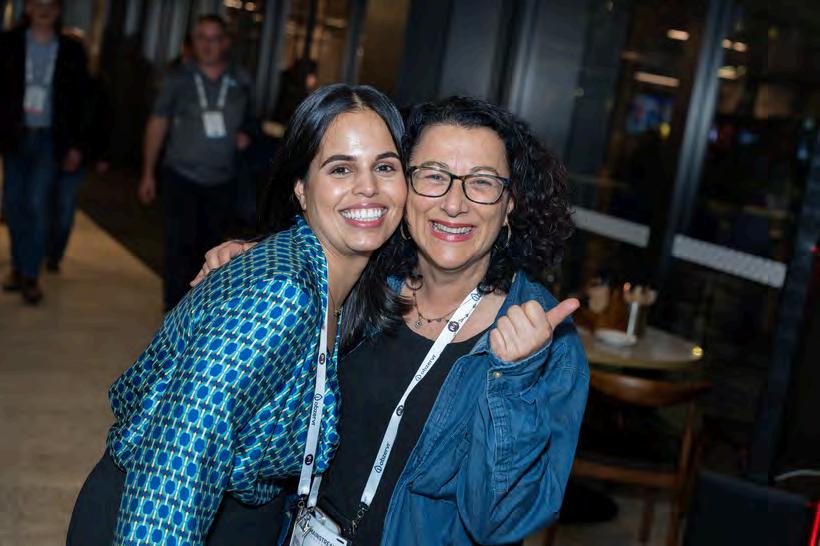
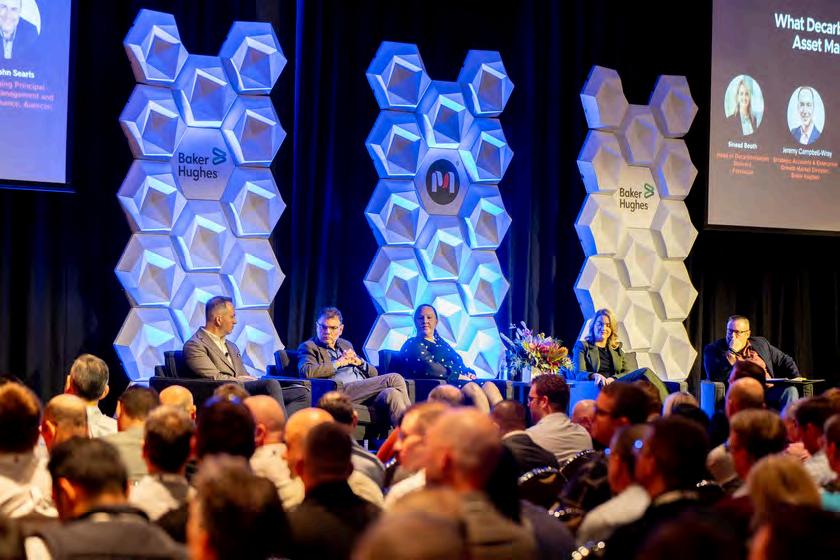
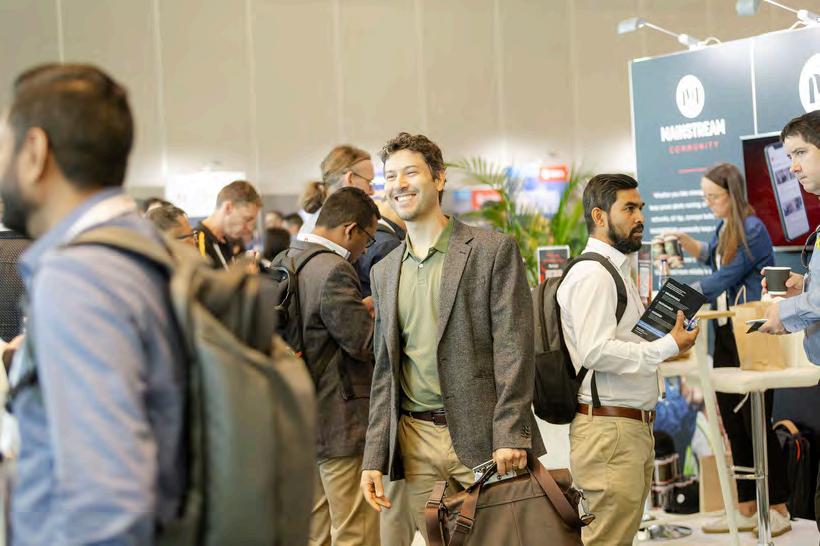
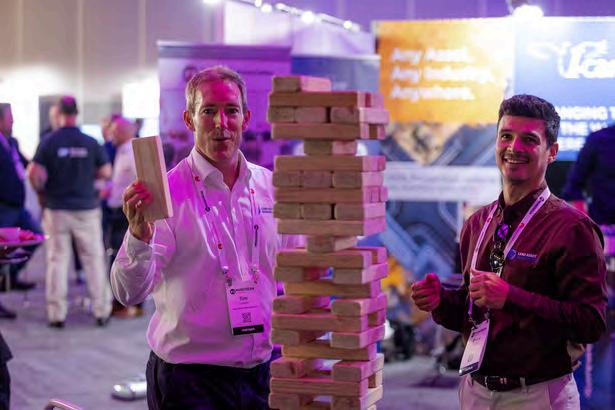
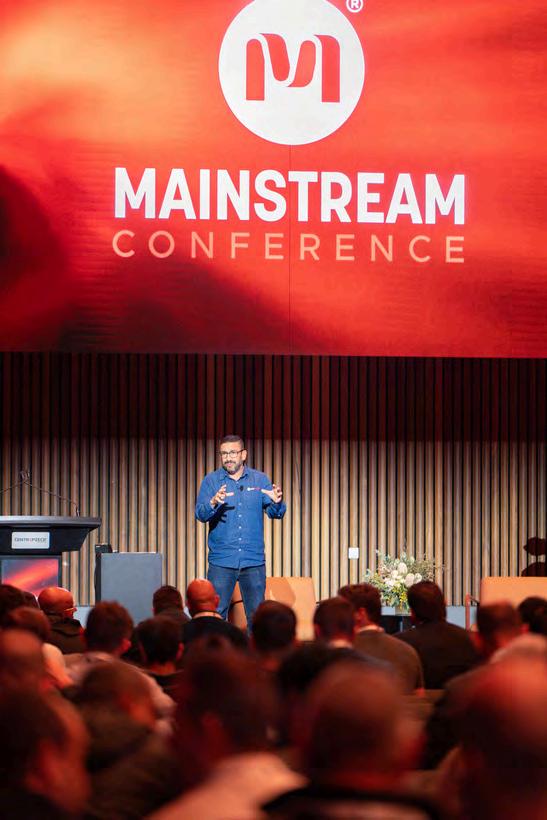
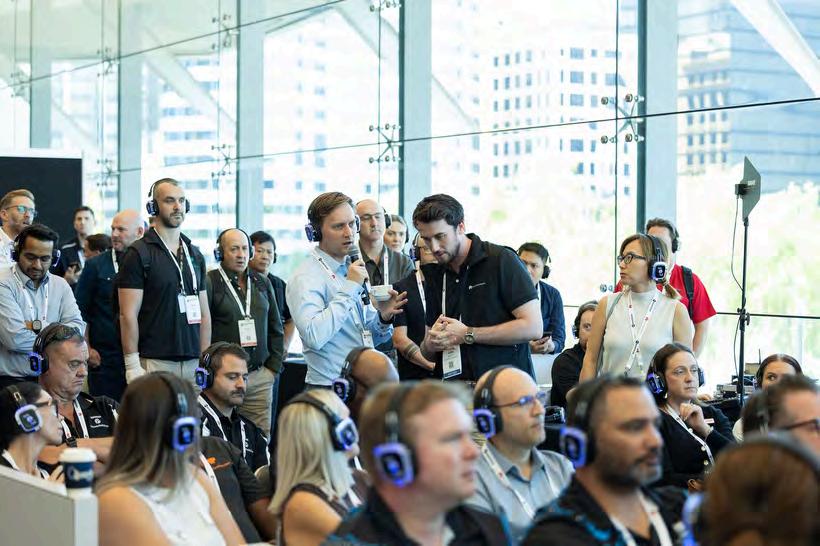
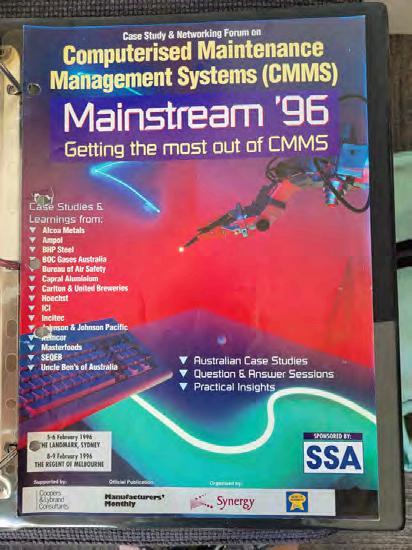
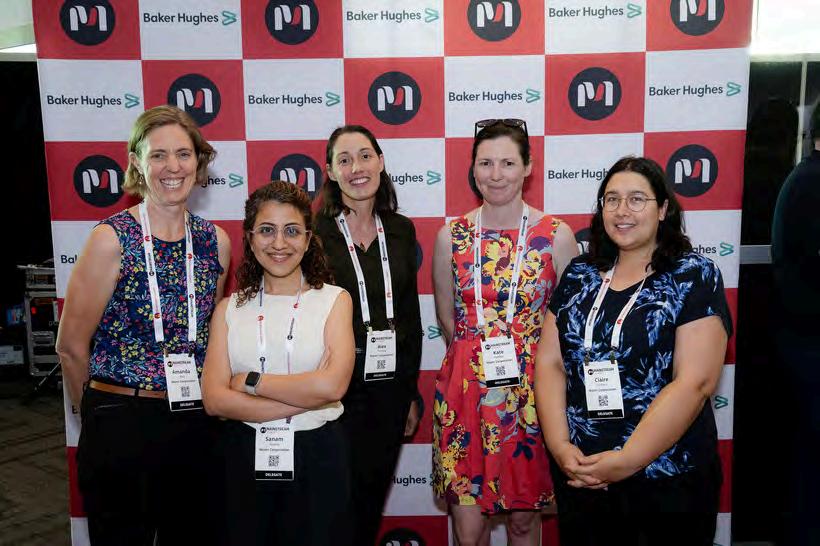

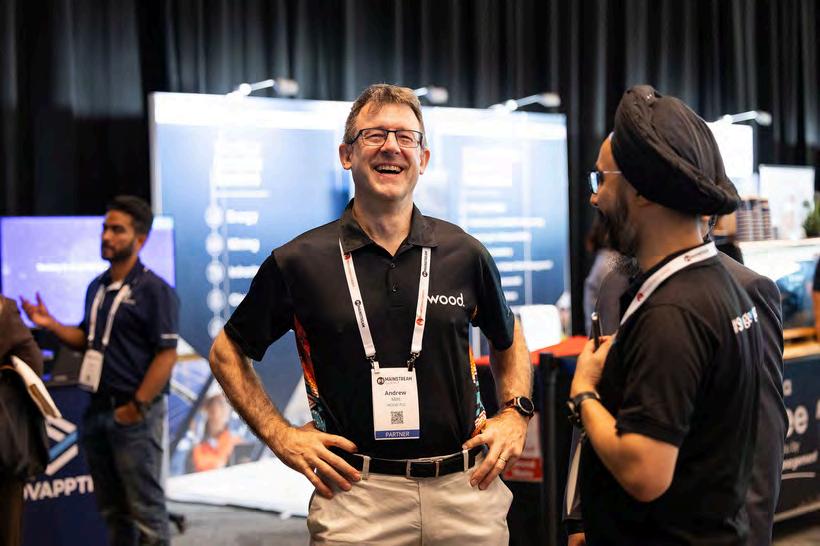
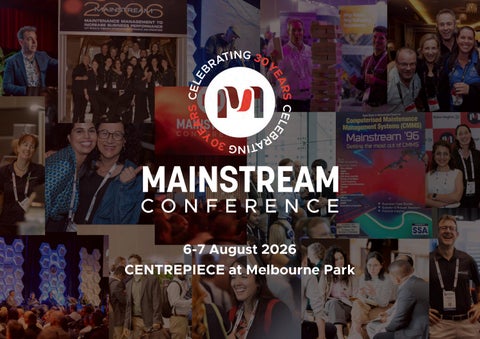

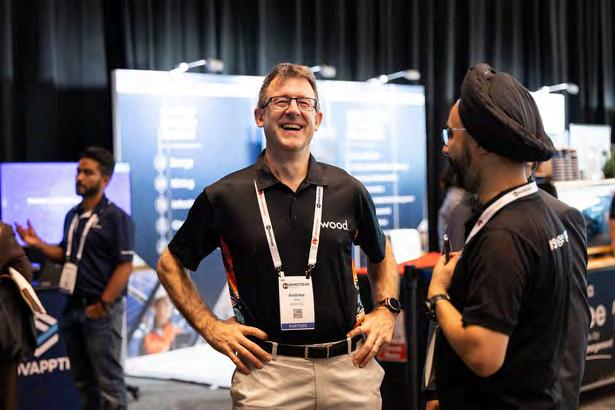
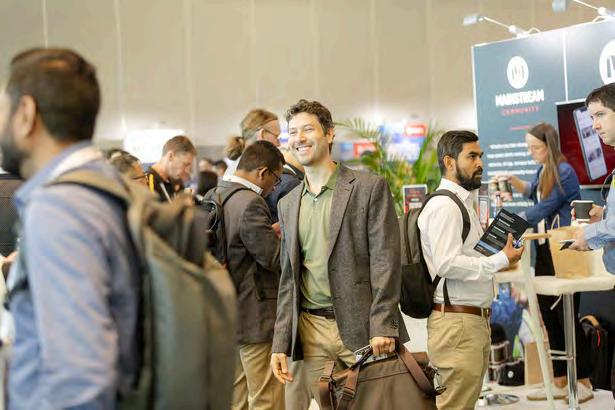
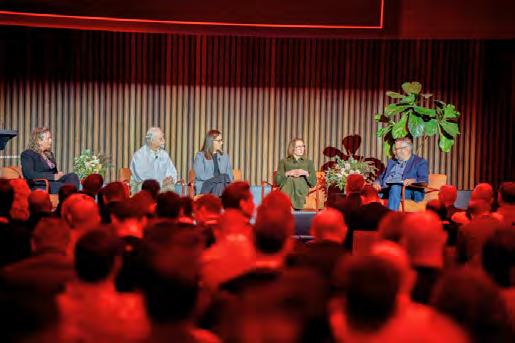
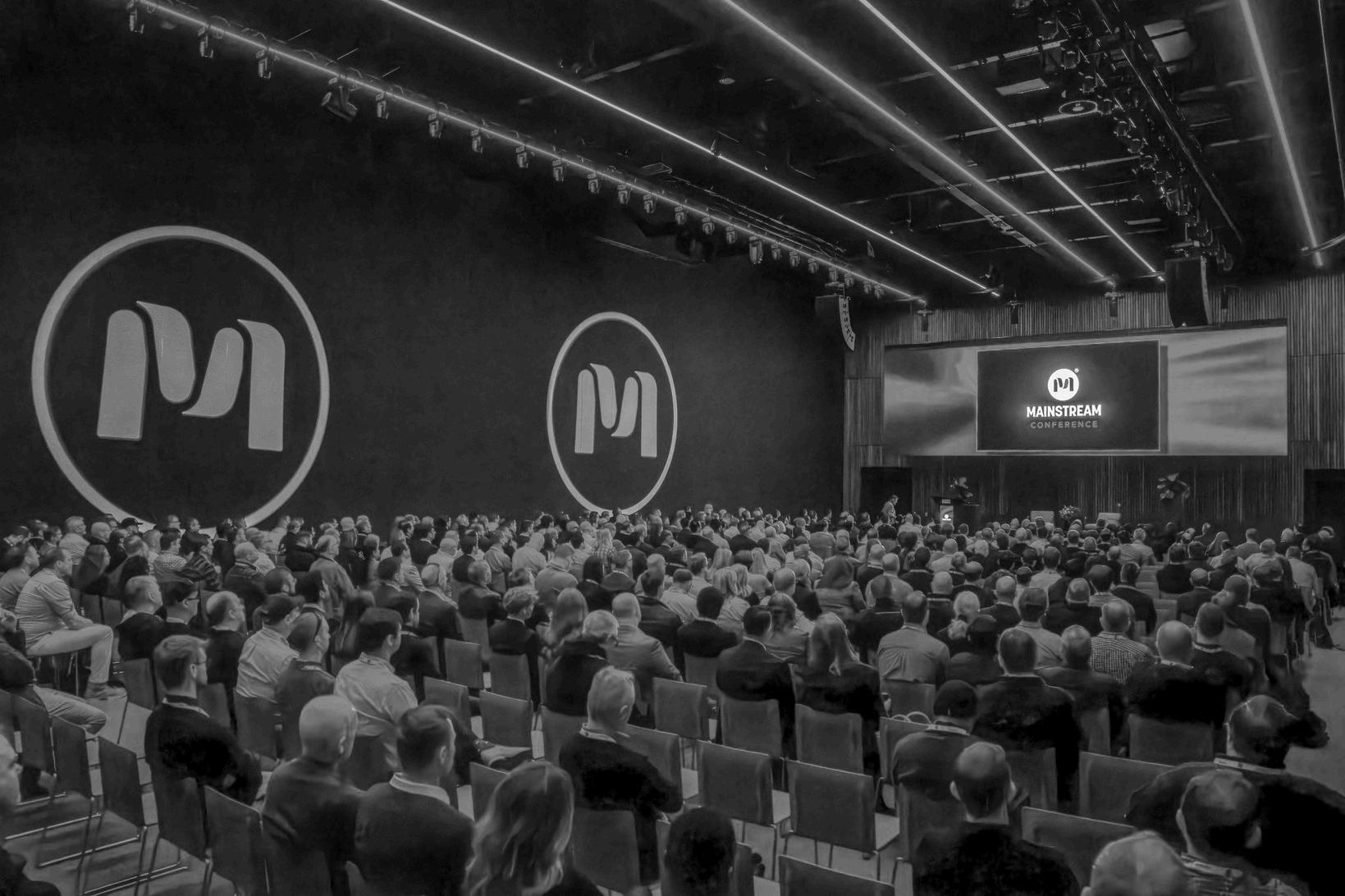
Join the MAINSTREAM Community in Melbourne for two amazing days of content, networking, knowledge-sharing and fun as we celebrate the people, technology and ideas transforming asset management.
MAINSTREAM acknowledges the Wurundjeri Woi Wurrung and Bunurong Boon Wurrung peoples of the Eastern Kulin as the traditional owners of the greater Melbourne area. We pay our respect to the ancient and continuing cultures and connections to land and to Elders past, present, and emerging.

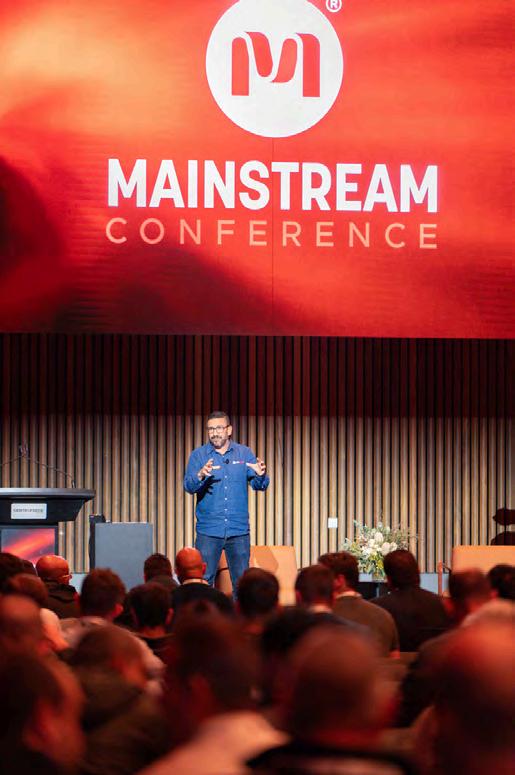
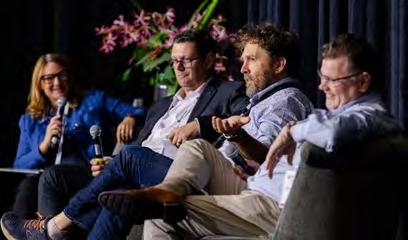
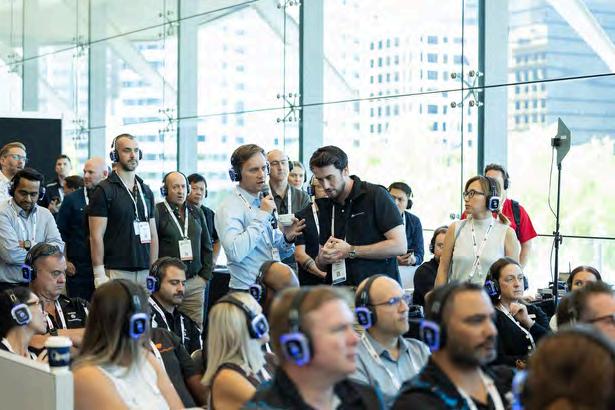
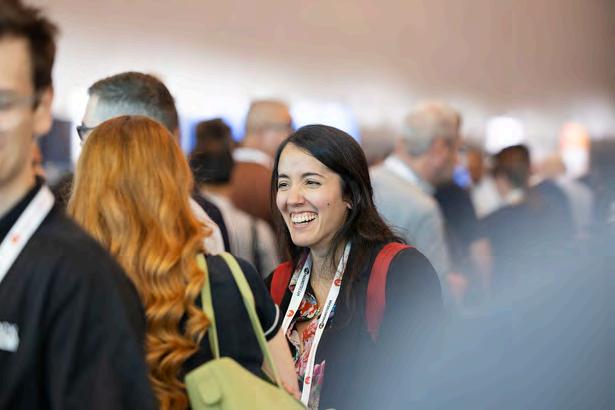
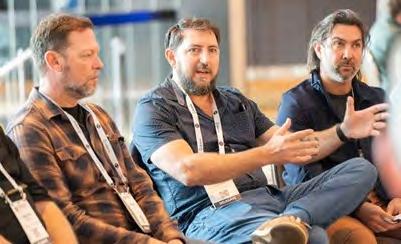
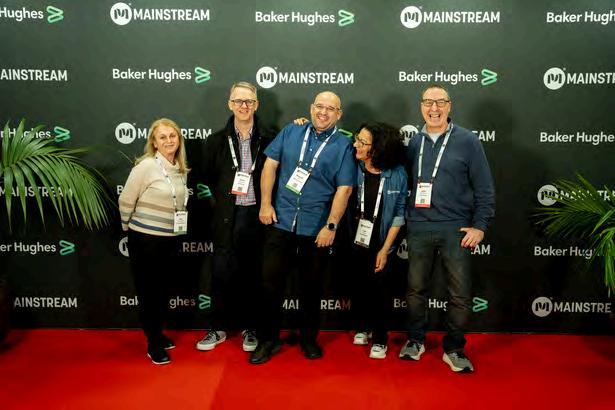

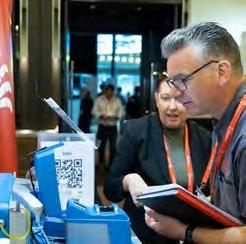
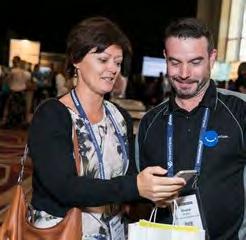
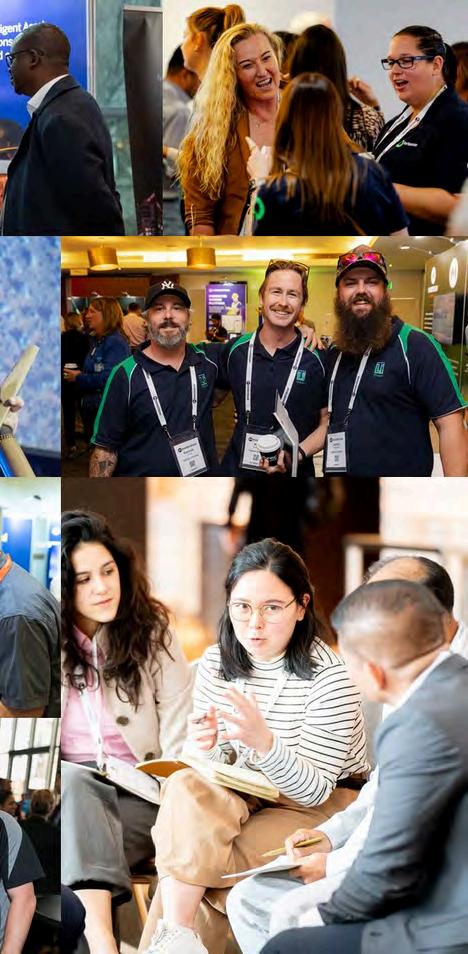
“Hands-down the most valuable Maintenance and Reliability conference in the world.”
Christer Idhammer
Global Reliability Thought Leader and Founder, IDCON
“Mainstream is the most innovative, informative and inspiring asset and reliability conference in Australia”
Martin Sassenberg
Engineering Manager, Queensland Sugar
AB Mauri
Accenture
Accruent
Acervas
ADBRI
Adelaide Airport
Agen
AGL Energy Limited
AGL Hydro
AGL Loy Yang
Amazon Australia
AMSYST
ANSTO
APA Group
apt Group
Aquip Systems
Asset Schools
Assetivity
AusNet
Aurizon
Australia Post
AVEVA
BAE Systems
Baker Hughes
Bartconsult
Beach Energy
Bega Group
Bendelta
BHP
Bluescope Steel
Bluestone Mines Tasmania
Bowen Rail Company
6
Brightly Software Australia
Brisbane Airport Corporation
Bulla Dairy Foods
Bureau Veritas
Certus Digital
CitiPower / PowerCor
CleanCo Queensland
CM Group
Coles Group
Contact Energy
Continuum AI
COSOL
Covaris
CS Energy
Cyient
Dalrymple Bay Coal Terminal
Darwin Port Corporation
Delta Electricity
Dept of Defence Australia
Dept of Transport and Planning
Victoria
Domaine Chandon
Downer Group
DP World UK
Ego Pharmaceuticals
ElectraNet
Endeavour Energy
Energy Queensland
EnergyAustralia
Enerven Energy Infrastructure
EnterpriseIS
ETEL Transformers
Evoenergy
Evolution Mining
Evora IT
Exxon Mobil Australia
Fehu Asset Management
Solutions
Fisher & Paykel Healthcare
Fonterra
Fortescue
Fulton Hogan
Future Asset Management
Egis
Genesis Energy
George Weston Foods
Gladstone Area Water Board
Gladstone Ports Corporation
Global Energy Network
Glencore
GreaseBoss
Groundup.AI
GWMWater
Harbour City Ferries
Hexagon
Humbli
HVL Group
IBM
I-care Reliability
IFM Efector
Iluka Resources
Incitec Pivot
Infra Group
InfraBuild Construction Solutions
Infrastructure Advisory Group
InfoConsulting
Information Quality
Innovapptive
IROM Odyssey
Kairos Strategies
Kimberly-Clark
Kinetic
KPMG
Lactalis
Libertas
Lochard Energy
Lubrication Expert
Machinemonitor
Marathon Food Industries
Matolin Group
MCGlobal Solutions
Melbourne Airport
Melbourne Water Corporation
Metro North Hospital and Health Service
Metro Trains Melbourne
Mobius Institute
Murrumbidgee Irrigation
MyPass Global
NASA Johnson Space Center
Naviam
Nestlé
New Zealand Steel Limited
Newmont
North East Water
NVMS Solutions
Obzervr
Octave
OneRiver Software
Opal
OpenText
Optamized
Orica
Origin Energy
Pfizer Australia
PiLog
PM Eleven
Port of Melbourne
Ports North
Powerlink Queensland
PPG Industries
Prometheus Group
Prospecta Software
Quarterbac
Queensland Alumina
Queensland Nitrates
Queensland Rail
Queensland Sugar
Ramsay Health Care
Reduxo
Reliable (US)
Rio Tinto - Bell Bay Aluminium
Rockfield Technologies
Royal Botanic Gardens and Domain
Trust
SA Power Networks
Sanitarium
Santos
SAP
Saputo Dairy
SAS Asset Management
SC Analytix
Secora APII
Sell & Parker
Seqwater
SKF Reliability
South32
Stawell Gold Mines
Streamlined Asset Management
Sydney Water
TasNetworks
TechnologyOne
Territory Generation
Tomago Aluminium Company
Total Mobile Solutions
Townsville City Council
Toyota Automated Logistics
Transdev
TransGrid
Transurban
TXM
UGL
Ultra-Tek
University of Queensland
Unleash
V/Line
Valmet
Ventia
Verbrec
Visy Pulp & Paper
VROC.ai
Water Corporation
Water Services Assoc of Aust
Watersure
Welding Quality Mgt Systems
Wilmar Sugar Australia
Woodhouse
Worley
Yarra Valley Water

O7:15 – 08:15 08:15 – 15:45 05/08 06/08 07/08
Wednesday Thursday Friday
17:00 – 18:30
Briefing for Speakers
18:30 – 20:00
JumpStart & Pre-Registration
Registration & Expo
O7:30 – 08:30 15:45
Tea & Coffee & Expo
19:30 – 22:00 08:35 – 17:15
Keynotes Perspectives
Innovation Theatres
17:15 – 19:00
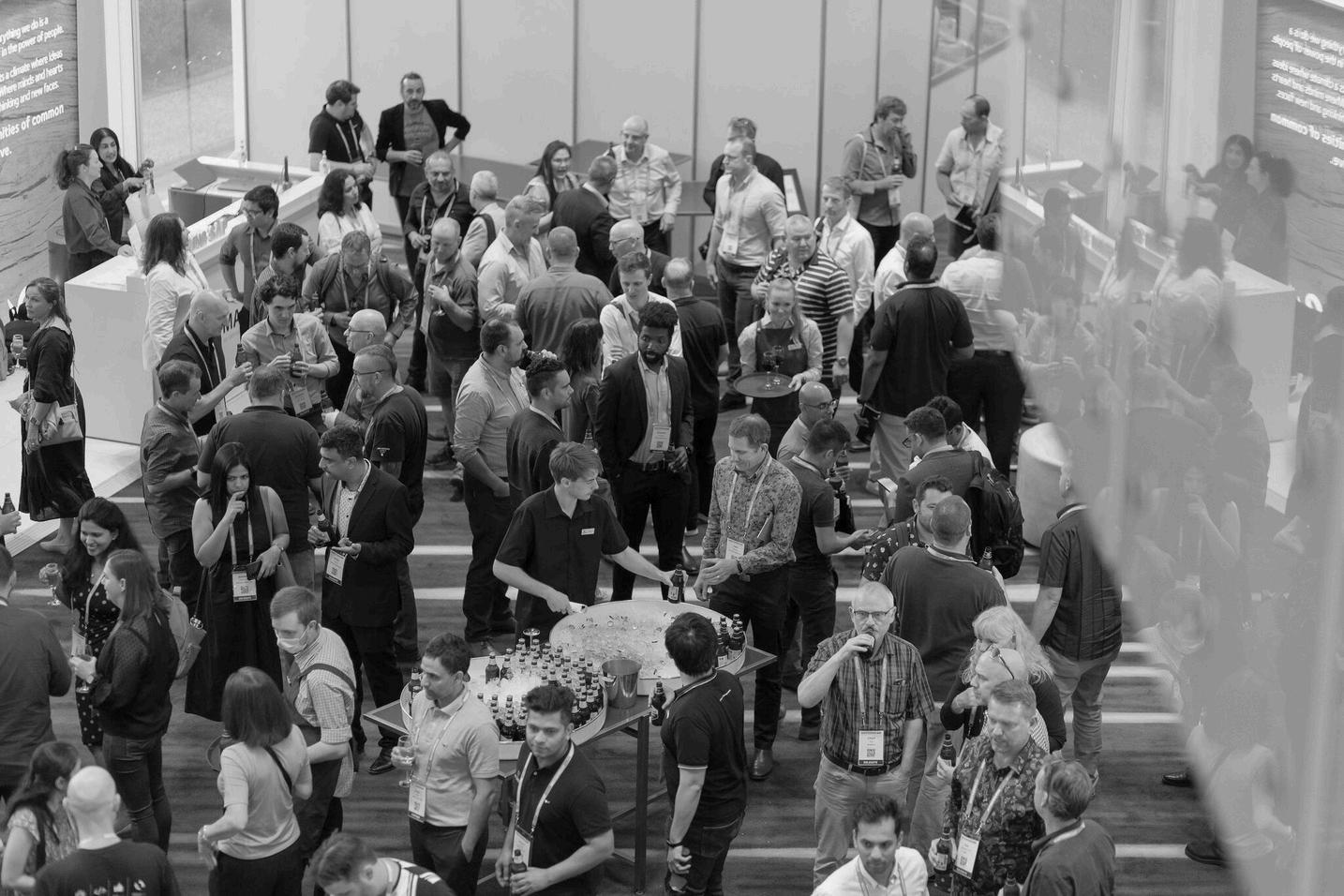
MAINSTREAM Networking Party sponsored by Octave
Keynotes Xchanges Masterclasses Panel Discussions Innovation Theatres
MAINSTREAM Close
MAINSTREAM After Dark
Curated Content Across 9 Tracks
Access to all Keynotes, Breakouts and Demos
Lunch, Morning & Afternoon Teas
The Networking Function
Mobile App
Year-round membership to MAINSTREAM Community Online Platform
Searchable Attendee List
Access to all Content After the Event
MAINSTREAM offers you SIX different formats for learning, capability development, interactivity, and knowledge.
1
45 mins
Strategic discussion on industry shaping challenges. Thought-provoking sessions that tackle broad issues.
2
35 mins
Practitioners share their perspectives and battle-tested approaches to business challenges revealing triumphs, lessons learned, and tangible results.
3
Workshops
90 mins
Interactive, delivered by subject matter experts, and rooted in case history and real examples.
60 mins
4
Panellists from different companies and industries collide with varied viewpoints and diverse perspectives and experiences.
5
Xchange Sessions
90 mins
Dynamic, crowd-sourced discussions. Limited attendance (20 in each) ensures maximum engagement, as facilitators guide idea and solution exchange.
6
Innovation Theatre
15 mins
Rapid-fire demonstrations, new solutions showcasing the latest apps, products, and technologies poised to transform asset, equipment, and workforce management.
We’re all investing heavily in AI — yet most struggle to move beyond pilots and proofs of concept. In this landmark MAINSTREAM Lecture, Jeff Winter introduces the Intelligent Factory: not a collection of smarter machines, but an enterprise-wide operating model where intelligence and autonomy are deliberately designed into every decision.
Drawing on his global expertise in Industry 4.0, Jeff reframes AI not as a tool, but as a structural capability that fundamentally changes decision speed, accountability, and execution — and reveals why so many AI initiatives stall before they deliver real value.
Attendees will leave with clear answers to the questions that matter most:
Why AI initiatives stall in production — and the structural decisions that are quietly killing ROI
How AI has evolved across levels of understanding and agency, and what that means for your factory floor
The critical difference between what AI can comprehend and what it should be authorised to do How autonomy introduces new governance, accountability, and organisational challenges most manufacturers aren't prepared for
The three preconditions for operational AI: Anchor it, Authorise it, and Adapt it — the foundation for scaling AI safely and effectively
It started as just another day. Then 22,000 volts of electricity surged through Theo's body as he worked on live powerlines - an accident that all but ended his life.
Theo speaks candidly about the three days he spent in hospital waiting to die, and the desperate fight to survive that followed - physically and mentally - long after the event itself. As he speaks, a slideshow projects the reality of that day: his horrific injuries, the toll on his family, and the long, slow road back to recovery.
This is a story told without filters. It is hard-hitting, deeply personal, and carries a safety message that lands in a way no policy or procedure ever could. Theo's decision to spend the rest of his life talking about safety - and sharing his story with as many people as possible - stems directly from the near-fatal moment that almost took everything from him.
Management, supervisors and, most importantly, your workforce will walk away seeing safety in a completely different light. It's a presentation that inspires, unsettles and stays with everyone who witnesses it.
In addition to returning humans to the surface of the Moon, NASA has begun the creation of a permanent base at the Moon’s south pole. In the coming years, this Moon Base will establish a permanent human presence on the lunar surface. With a city on the Moon’s surface, what maintenance and reliability challenges await and how will NASA handle them?
This keynote will provide an overview of NASA’s plans to return humans to the lunar surface with the Artemis program and explain NASA’s plans for establishing a permanent human presence with the Moon Base program. Establishing an outpost in the hostile and rugged lunar environment poses a number of maintenance and reliability challenges, many of which are identical to those being faced by industry today on Earth.
As an experiment to conclude the first day of the MAINSTREAM Conference, consider the potential for applying industry’s approaches to addressing Earth-based maintenance and reliability challenges to lunar applications.
Manufacturing is entering a decisive period shaped by the convergence of physical systems, digital technologies, and intelligent software. Industry 4.0 represents the latest phase in a long industrial evolution—from mechanization and electrification to automation—distinguished by cyber-physical systems, pervasive connectivity, and real-time data exchange. This shift is not defined by a single technology, but by the integration of IoT, digital twins, advanced analytics, and AI into core manufacturing and supply-chain operations, fundamentally changing how value is created, delivered, and sustained.
As manufacturers progress along this journey, maturity models and global benchmarks reveal a widening gap between leaders and laggards. High-performing organizations are characterized by strong digital threads that connect design, production, supply chain, and service, enabling continuous feedback loops and faster decision-making. Data becomes a strategic asset when it is contextualized, trusted, and operationalized across the enterprise, allowing organizations to move beyond siloed optimization toward end-to-end visibility, resilience, and adaptability in increasingly volatile markets.
Industry 4.0 also drives a profound shift in business models and innovation strategies. Products are no longer endpoints; they become platforms for ongoing digital services, lifecycle insights, and new revenue mechanisms. This transition requires manufacturers to rethink organizational structures, technology adoption patterns, and customer relationships, aligning engineering, operations, and commercial functions around outcomes rather than outputs. Ultimately, success in the Industry 4.0 era depends not only on adopting advanced technologies, but on deliberately designing systems, processes, and strategies that unlock sustained innovation and long-term relevance.
This session will not be a traditional presentation. Instead, it will be an interactive "Ask Anything" discussion, designed to explore the real-world opportunities, challenges, and lessons emerging from Industry 4.0 adoption. Attendees will have the opportunity to engage directly with ask questions, challenge assumptions, and dive into the practical issues.
Modelling risk allows us to make robust and repeatable investment decisions. It supports us in communicating those decisions in a way that aligns to corporate strategy gaining executive level buy-in to asset strategy. It provides our engineering experts data to support their intuition and decision making. And focuses our data improvement activities and machine learning applications on the information we need most in our decisions making.
Why and how we model risk on our electricity assets
How this modelling aligns to corporate Objectives and Key Results
The way risk modelling provides support to our engineering experts intuition
The importance of data enablement in risk modelling
How getting the foundations and structures right is required for AI to add value.
What does a reliability problem look like from the workshop floor? From the control room? From the boardroom? The answer - after 40 years - is that it looks like a completely different problem. Same failure. Different stakes, different language, different consequences.
Brian traces a journey from apprentice to CEO, using that shift in perspective as a lens on everything that has, and hasn't, changed in maintenance and reliability. The technology has transformed. Safety expectations have risen. Data is everywhere. And yet the fundamentals that actually determine whether organisations succeed, like disciplined routines, frontline ownership, and learning loops that stop repeat failures, remain as rare and as hard-won as ever.
For technical professionals with an eye on leadership, this session goes beyond the engineering. It addresses the hidden curriculum of reliability leadership: how to communicate risk without losing credibility, how to navigate competing stakeholder priorities, and how to advance without compromising the standards that got you here.
Real experiences. Real mistakes. Real recoveries.
A Reliability Strategic Map connects corporate intent with day-to-day practice across ports globally. It converts strategic vision into measurable improvement by linking financial performance, equipment reliability, work management, and people readiness.
In this case study we’ll explain how the map acts as a transformation system rather than a diagram. Helping each site identify gaps, define priorities, and measure progress through a common language of reliability. Participants will learn how alignment between maintenance processes, data, and leadership behaviors accelerates maturity and supports consistent execution.
Through real examples, the presentation will show how sites apply the map to strengthen preventive maintenance, reduce failures, and build reliable operations. Attendees will gain a clear framework to translate strategy into local action and create a sustainable improvement cycle that endures beyond individual projects.
Many asset-intensive organisations are DRIP: Data Rich, Information Poor. Across the asset lifecycle — design, commissioning, operation, condition monitoring, maintenance, and renewal — data is abundant and increasingly inexpensive to collect. As a result, “more data” has quietly become the default objective. Yet cost volatility, reactive work, unstable planning, and investment misalignment persist. Data accumulation is not value creation.
The core issue is architectural. Asset data is rarely structured around the economic outcomes it is meant to support. Instead, organisations move forward from data and hope insight emerges. This session introduces a reverse, value-driven logic for fixing the DRIP. Rather than starting with data, we begin by defining the value desired: cost stability, uptime reliability, capital efficiency, and controlled risk exposure. From there, we work backward through the chain: the actions required to deliver that value; the decisions required to enable those actions; the insights required to support those decisions; the information required to generate those insights; and finally, the data required to produce that information.
This disciplined inversion — the foundation of the Data to Dollars framework — shifts the objective from data expansion to economic alignment. It clarifies which data matters, which KPIs predict value, and which analytics roles must exist to convert asset performance into financial predictability.
The mining industry is facing a pivotal challenge: legacy enterprise systems, fragmented data pathways, and siloed human processes that are limiting the sector’s ability to operate efficiently, safely, and competitively in an increasingly complex environment.
Maria responds by outlining a shift toward intelligent, autonomous enterprise systems, strengthened data stewardship, and an elevated human workforce. It calls for miners, OEMs, and technology partners to reimagine collaboration, redesign decision frameworks, and harness AI driven orchestration to unlock step change value, resilience, and long-term sustainability.
Current state and limitations of today’s enterprise systems
Vision for intelligent, integrated, autonomous future systems
Evolving role of data and unstructured information
Changing workforce roles and capability uplift required
Machine design evolution and autonomous maintenance practices
New miner–OEM relationships and long term value opportunities
Maria Joyce
Implementation and operation of human spaceflight missions is challenging and complex requiring support from the crews in space and Earth-based operations and engineering teams. Responding to the dynamically changing environment and mission in and beyond Earth orbit, as well as managing the risks inherent in those missions, requires high performing, highly reliable teams.
This discussion will explore the subject of leadership within the context of NASA’s Mission Control based on personal experiences of the presenter with the International Space Station, Commercial Crew Program, the lunar Gateway, and NASA’s future lunar surface programs.
Learn to anticipate failures, build organisational excellence through intentional culture, empower leadership at every level, and transform potential problems into pathways for success. When failure isn't an option, preparation becomes the mission.
At Ego Pharmaceuticals we have lots of reports, they are put together in Excel, involve a lot of manual data manipulation, and are distributed to a very small audience. There is a great deal of overlap as our team produces different reports, independently, with the same data sources, and these report processes are mostly undocumented.
In this session we will examine how we have rebuilt some of the reports from scratch, with almost zero data manipulation, with a centralized function and documented. And how all this has been done with basic tools, and zero programming.
As Asset Management & Maintenance practitioners we understand that reactive is a part of our world, but does it have to be such a big part? I say it shouldn’t be, and it doesn’t have to be!
Some aspects of reactive maintenance such as breakdowns or the absence of planned maintenance are obvious but there are numerous hidden reactive events, behaviors and practices that impact operations and maintenance daily. In this presentation we call them out and look at how they impact us and what we can do about it. This will be an interactive presentation where audience participation will be an important feature. I will also share some of our recent experiences.
Whilst we can’t eliminate the reactive world, we can reduce it and react to it more effectively.
Topics will include:
What is reactive? Reactive is more than just dealing with breakdowns
Audience quiz: Where does your organisation think it is and where do you think it is and why is there a gap?
Identifying reactive events, practices and the implications
Take a stand and make a change
How to avoid being reactive and move to reducing reactive events and behaviours
A Conversation with Dr. Bob Platfoot – a MAINSTREAM 30th Anniversary Featured Session
Australia has produced world-class maintenance, reliability and asset management thinking. We built world-leading refineries, iron ore operations and power infrastructure that set global benchmarks. We trained engineers who shaped industries. We did the hard, unglamorous, data-driven, people-intensive work.
So why does one of the architects of that legacy lie awake at three in the morning?
In this landmark conversation, marking MAINSTREAM’S 30th anniversary and over four decades of Bob Platfoot's contribution to the field, we go beyond the textbooks and consulting war stories to ask the questions that matter. Bob was there at the beginning. He helped build the intellectual foundation Australian practitioners stand on today. And now he has one urgent question for the next generation: Will you care for what we built, as much as we did?
Bob’s message is less a warning than a dare – that Australia has the talent, the track record, and the tools to lead the world in this field, but greatness in any industry is never inherited, it's chosen, every day, by the people willing to do the unglamorous work that keeps everything else running.
Dr. Bob Platfoot is the Principal and Managing Director of Covaris, founded in 2000 to advance practical asset management techniques. He began his career in NSW power stations, earned his PhD in fluid dynamics and life assessment of coal-fired boilers, and spent years on faculty at UNSW before taking his research into industry. A MAINSTREAM member since year one, this is a once-in-a-generation opportunity to sit with one of Australia's great engineering minds and ask: what did we learn, what did we lose, and what must we never let go of?
Principal and Managing Director, Covaris
The Australian Nuclear Science and Technology Organisation operates the OPAL multi-purpose research reactor to deliver outcomes in human health, environmental sustainability, and industrial innovation. Within this high-consequence environment, safety is not just a priority—it is systematically embedded into every decision, behaviour, and operational process.
The nuclear sector offers both theoretical foundations and highly practical approaches to aligning organisational culture with stated safety values. For asset-intensive industries, the key challenge is not defining safety as a value, but consistently translating it into day-to-day actions, decisions, and behaviours across the workforce. Creating a culture that genuinely prioritises safety is a continuous journey across the full lifecycle of assets. It extends beyond traditional health and safety to include psychosocial safety, workforce wellbeing, and the way individuals think, act, and make decisions under pressure. This session will go beyond theory to explore how safety culture is actively operationalised in a nuclear environment—and what other industries can realistically adopt.
Drawing on real examples from the OPAL reactor context, the session will highlight how leadership behaviours, governance frameworks, and cultural interventions directly influence safety outcomes. This includes how structured decision-making processes, clear accountability, and visible leadership actions reinforce expectations and shape workforce behaviours in high-risk environments. Attendees will also gain insight into how these practices contrast with more reactive or compliance-driven approaches commonly seen outside the nuclear sector. Establishing and sustaining a safety-first culture requires more than intent-it demands consistent leadership, aligned systems, and deliberate action. This is ultimately the responsibility of leaders and managers to ensure that organisational values are not just stated, but experienced across the workforce.
David Vittorio
Industry studies show inaccurate technical assumptions and data can cause budget variations of up to 30% in complex engineering projects. Asset owners often receive EPC handover data that is inconsistent, incomplete, or unsuitable for assurance and long-term management.
IQ by SGS will introduce practical case studies on improving Asset handover quality through independent data governance, digital asset management, and targeted AI.
Topics include defining digital deliverables, structuring vendor data for verification, and closing EPC data gaps using AI. Outcomes include better asset decisions, reduced OPEX, stronger governance, and operations-ready asset information.
1 How to make better asset and engineering decisions using accurate tags, hierarchies, and metadata.
2.What to do to have more effective project budget execution & drastically reduce opex when data reflects physical assets.
3.How to implement a robust governance & assurance framework during capital works ensures owners receive the information required to maximise operations and productivity of assets, helping EPCs produce operations-ready data.
Many organisations are exploring how AI, analytics, and digital technologies can support better operational decisions, but turning potential into practical results is rarely a straightforward process. At AGL, we started with a simple question: where can data help solve real operational problems? The journey since has involved experimentation, learning, setbacks, and a growing understanding of what it takes to deliver value at scale.
In this session, we share several practical use cases that have emerged from that journey, including detecting boiler tube leaks earlier, reconstructing missing production data following sensor failures, and applying analytics to better understand and manage geotechnical risk events such as tunnel collapse. We will also discuss emerging optimisation opportunities within hydro operations.
Rather than presenting a polished end-state solution, this session provides a candid account of how we got started, what has worked in practice, and where challenges remain. We'll talk through the journey— warts and all—including lessons learned, organisational barriers encountered, and the approaches that are helping build confidence, capability, and momentum for broader adoption across the business.
1.How to identify and prioritise practical analytics and AI use cases that deliver operational value and build organisational support.
2.Common challenges encountered when moving from proof-of-concept to real-world implementation, and the lessons learned along the way.
3.Strategies for building capability, trust, and momentum to scale data-driven decision-making across operations and engineering teams
Heavy industrial sites operate continuously across day and night shifts, yet monitoring coverage has historically been uneven, periodic, and dependent on personnel availability. South32, working with Unleash live, deployed computer vision monitoring across critical operational zones and high-risk vehicle movement corridors, including stop sign and boom gate compliance, to generate continuous, automated oversight of asset conditions, operational controls, and safety-critical behaviours.
The result was a persistent evidence base supporting targeted operational interventions, behavioural safety programs, and regulatory compliance obligations across all shift hours. This session covers how the program was scoped, deployed, and integrated into operational governance.
1.Computer vision closes structural detection gaps that periodic manual monitoring cannot address, across both asset conditions and safety-critical behaviours, generating an evidence base that supports operational governance and regulatory compliance across all shift hours
2 Continuous monitoring reveals risk patterns and behavioural conditions that shift-level observation and point inspections consistently miss, enabling a move from reactive response to evidence-based intervention across operational and safety programs simultaneously
3.The operational intelligence generated by a monitoring program compounds beyond its primary purpose: data captured continuously across day and night shifts supports root cause investigation, compliance reporting, and process improvement in ways that periodic inspection never could
Many organisations operate with asset criticality classifications that were never truly evaluated — inherited through ERP migrations, copied from legacy systems, or assigned without structured methodology. The result is predictable: flawed maintenance prioritisation, reactive planning, and inventory strategies built on assumption rather than evidence. We faced this challenge at scale. With thousands of assets incorrectly classified in our ERP, minor components were competing with major production-critical equipment for maintenance attention, planner bandwidth, and spare parts investment. The system wasn't just inefficient — it was actively working against us.
In response, we designed and implemented a dynamic, data-driven Equipment Criticality Analysis (ECA) program from the ground up. The work involved cleansing and reassessing over 9,000 asset lines, integrating failure mode modelling, and building a live Power BI visualisation layer — enabling real-time, value-based decision-making at both the planning and execution level.
The outcomes have been significant and measurable. Maintenance teams can now prioritise work with confidence, anchored to production value and quantified downtime risk rather than historical habit. Shutdown planners make faster, better-informed trade-offs when scope conflicts arise. And critically, the ECA outputs have reshaped our inventory strategy — driving targeted investment in high-risk critical spares while identifying and eliminating substantial volumes of obsolete stock, delivering clear financial returns.
Since commissioning, a critical milk separator experienced recurring water contamination in the gearbox, ultimately resulting in a catastrophic failure and significant production disruption. A detailed cause tree investigation was undertaken to identify the primary failure mechanism and contributing factors. This analysis enabled a low‑cost engineering control to be implemented that eliminated the root cause of failure. In addition, a practical oil health monitoring program was introduced, incorporating improved visual inspections, oil sampling and crackle testing. These actions restored equipment reliability, reduced business risk and delivered high confidence in long term separator health within tight cost and resource constraints.
After the works complete, the site team has better understanding and ownership of the equipment, which was previously perceived as 'the contractor's problem'.
Technical excellence alone won’t deliver sustained reliability. The maintenance and asset leaders who consistently outperform their peers do so by mastering something far harder than systems and tools. They master themselves, their people, and the organisational environment in which great maintenance happens. Strategy, culture, and capability are the real levers, and they sit firmly in the leader’s hands.
This intensive 90-minute workshop distils the core principles from a comprehensive leadership development programme into a practical, high-impact session designed for senior maintenance and asset leaders ready to elevate their influence and organisational performance.
Self-awareness and leadership identity - understanding how your presence shapes those around you
Emotional intelligence as a senior leadership discipline, not a soft skill
Setting strategic direction that connects maintenance to enterprise value
Building and sustaining a culture of reliability, ownership and continuous improvement
Communicating, influencing and navigating complex organisational dynamics
Leading safety at the organisational level - beyond compliance to commitment
Driving performance, accountability and developing the next generation of leaders
Managing complexity, competing priorities and your own sustainability as a leader
Whether you lead a team of supervisors or an entire asset management function, you will leave with sharper self-insight, practical frameworks, and a clear sense of where to focus your leadership energy to create lasting impact.
V/Line needed a more practical and consistent way to understand asset risk and prioritise maintenance, renewals, critical spares analysis, life-cycle modelling, and investment decisions across a diverse regional rail network. Existing approaches did not provide sufficient visibility of consequence, exposure, and operational context to enable transparent, risk-based prioritisation.
To address this, the Asset Reliability team led the development of an updated asset criticality framework designed to better reflect the actual risk profile of assets. The framework incorporates consequencebased lenses including safety, service delivery, customer, regulatory/compliance, environmental, and reputation impacts, together with exposure factors such as age, utilisation, detectability, and restoration time.
As part of this work, the Asset Reliability team engaged SMEs across multiple asset disciplines to define asset functions and align on credible worst-case and most-likely failure modes at the product family level. We also developed a structured survey-based approach to gather consistent ratings and support efficient workshops. The framework is intended to strengthen risk-based planning within the Annual Works Plan and support broader business functions across the asset management lifecycle.
The key benefits of this work are improved consistency in asset prioritisation, better visibility of higherrisk assets, more informed project nominations and investment decisions, improved prioritisation for critical spares and life-cycle analysis, and a stronger link between engineering knowledge and business planning.
Organisations managing complex, multi site operations face a familiar set of pressures: exponential growth in population, technology, self-servicing everything and changing accountabilities of support teams, with knowledge and seasoned experience leaving faster without being captured . Middle managers are stretched between transformation ambitions and daily operational reality with shifting priorities and limited budgets. Grounded, honest examples of organisations tackling all of these and more at once - remains rare.
This presentation shares practical lessons from an active transformation across Sydney Water's Water Resource Recovery Operations and Maintenance teams, spanning 30 facilities across 10 hubs and operating under multiple ISO aligned management systems during a period of accelerating generational change.
Starting from a formally assessed maturity baseline of approximately 2 out of 5, the program is deliberately rebuilding capability, knowledge retention, and execution discipline in parallel. Six connected workstreams drive this reset: a Knowledge Retention Program targeting contextual and judgement based expertise at risk of loss; a Training, Learning and Development framework addressing 24 identified gaps against ISO competency requirements; an Integrated Management System maturity approach to make operational process control and the data trustworthy; blank sheet risk assessments to surface blind spots; targeted continuous improvement on recurring issues; and an operational dashboard rebuild enabling timely, accountable monitoring across management levels.
The program is also delivering an AI enabled operator support agent providing fast access to over 1,000 approved documents, with governance designed to evolve toward agentic AI use cases while keeping human judgement central.
Following on from his highly regarded sessions and workshops with MAINSTREAM on building effective mental health strategies, Simon will now turn his attention to one of the most critical success factors in creating mentally healthy workplaces — job and work design.
Drawing on his extensive experience as Chief Mental Health Officer for leading Australian organisations, Simon brings both strategic insight and practical expertise to this increasingly important area. In this session, Simon will share practical examples, frameworks and tools designed to help organisations and work groups embed psychosocial risk mitigation into the design of work itself. A key focus will be on the importance of collaboration with job holders and the role of effective consultation frameworks in driving meaningful and sustainable outcomes.
Simon will also explore some of the most pressing management challenges organisations are navigating today, including flexible work practices, job control, workload pressures and exposure risk.
Adding a touch of “back to the future”, Simon will revisit the enduring importance of process reengineering and robust innovation practices in supporting mentally healthy, high-performing workplaces. This session will provide leaders with actionable insights into how thoughtful work design can improve both employee wellbeing and organisational performance.
Despite years of investment, most organisations remain stuck in an endless cycle of AI pilots that never deliver operational value. The numbers are sobering: 76% of AI initiatives fail to achieve expected returns, manufacturing failure rates sit at 76.4%, and only around 11% of organisations have genuinely scaled AI into production. Leadership ambition continues to outpace workforce readiness, with AI skills scoring the lowest of any readiness dimension at 2.69 out of 5.
This workshop is for maintenance and reliability managers tired of proofs of concept that work in isolation but evaporate the moment they meet real operational systems and messy data. We'll examine why pilots fail at scale, what high-performing organisations do differently, and how to build the foundational capabilities - clean data, system integration, workforce literacy, and governance - that determine whether AI delivers value or becomes another sunk cost. We'll also tackle the more provocative opportunity: rather than using AI to optimise existing processes for marginal 10% gains, how do you reinvent maintenance entirely to be dynamic, responsive, and tied to actual operating conditions?
A diagnostic framework for assessing whether your organisation is genuinely AI-ready or simply AIcurious
Strategies for closing the gap between leadership ambition and workforce capability
A governance approach addressing transparency, accountability, and the boundaries between AI recommendations and human judgement in safety-critical environments
A reinvention-first methodology: what would maintenance look like with unlimited resources and perfect information, and where can AI realistically bridge that gap?
Bring your current AI initiatives, your scepticism, and your hardest integration problems - we'll work through them together.
In this 40 minute education session, Lubrication Expert Rafe Britton will run you through five simple strategies you might be overlooking in the pursuit of lubrication-enabled reliability:
1 The humble desiccant breather (more important than you think!)
2.Kidney loop filtration (there’s a new technology in town)
3 Real-time oil analysis (valuable - not for the reasons you think)
4.Ultrasonic grease guns (because you are using the wrong grease volume - guaranteed)
5.Used grease analysis (grease is a lubricant too, why aren’t you testing it?)
Australia’s energy transition is driving the rapid delivery of major transmission and connection infrastructure under unprecedented time, regulatory and stakeholder pressures. A narrow project focus can drive siloed, short‑term decisions that compromises long‑term, sustainable outcomes. In practice, delivering smarter and faster infrastructure solutions requires a back-to-basics Asset Management approach.
This presentation shares real world lessons from integrating contracted transmission and energy connection assets into operations.
Demonstrating how focusing on whole of lifecycle consideration earlier in the project lifecycle and reinforcing the “why” behind decisions and standards reduces risk, strengthens operational readiness, and improves long term performance.
This session explores how reliability at DP World has evolved from a tactical task into a global movement powered by people.
Across more than sixty countries, we’ve built a culture that’s human-centered and technology-enabled, united by a shared language that starts on the terminal floor and reaches the executive office.
Our journey began in 2013 with the arrival of our first reliability engineer. Since then, reliability has grown —not just in numbers, but in mindset. Today, thousands across our ports and terminals speak the language of reliability with purpose, pride, and conviction.
The movement continues to expand, creating champions who look beyond their own sites, support others, and learn from each other’s strengths. Together, they’re building a culture where reliability is more than a function—it’s a unifying force across regions and roles.
In this session, you’ll hear the voices of our people, sharing real stories that answer the questions many reliability professionals ask themselves—helping them connect the dots, find clarity, and shape the next step in their own reliability journey.
How do you improve an operation that is already a top performer among its peers?
Jonathan Murcott, Reliability and Engineering Manager at Kimberly-Clark Australia, and Timothy McLean, Managing Director of TXM, will discuss how the Kimberly-Clark Millicent Mill is improving asset performance through focused improvement of key assets and by engaging its relatively inexperienced workforce in autonomous maintenance and machine care.
1.A practical approach to TPM that engages both reliability and operations teams in improving asset performance.
2.The keys to engaging front line operators in care of machines including standardized and streamlined startups and setups, more effective cleaning and autonomous maintenance activities.
3.How a focused approach on improvement of individual asset performance can reduce maintenance costs and increase performance
Asset-intensive organisations have invested heavily in enterprise asset management systems and condition monitoring infrastructure, yet most operational data remain underutilised. This presentation challenges the conventional centralised analytics approach and introduces edge federated machine learning as a transformative architecture for physical asset management.
Drawing from real-world implementations across Australian transport, ports, and heavy industry, this session demonstrates how edge computing combined with federated learning solves four critical barriers to intelligent maintenance
Attendees will learn how edge federated ML enables each asset to develop local intelligence whilst contributing to collective= wisdom—all without exposing sensitive operational data. Real-world results demonstrate how distributed asset intelligence transforms maintenance planning, improves resource allocation, and enables truly prescriptive decision-making at the asset level.
Key takeaways include understanding why traditional data collection fails to deliver maintenance value, recognising the architectural advantages of edge federated learning for asset decision-making, and identifying practical first steps for implementing intelligent asset management within current operational environments.
isolated asset knowledge that prevents fleet-wide learning
data silos across facilities that block insight sharing
cloud analytics latency that misses split-second failure indicators
privacy concerns that lock away valuable operational data
This session explores how reliability at DP World has evolved from a tactical task into a global movement powered by people.
Across more than sixty countries, we’ve built a culture that’s human-centered and technology-enabled, united by a shared language that starts on the terminal floor and reaches the executive office.
Our journey began in 2013 with the arrival of our first reliability engineer. Since then, reliability has grown —not just in numbers, but in mindset. Today, thousands across our ports and terminals speak the language of reliability with purpose, pride, and conviction.
The movement continues to expand, creating champions who look beyond their own sites, support others, and learn from each other’s strengths. Together, they’re building a culture where reliability is more than a function—it’s a unifying force across regions and roles.
In this session, you’ll hear the voices of our people, sharing real stories that answer the questions many reliability professionals ask themselves—helping them connect the dots, find clarity, and shape the next step in their own reliability journey.
In asset-intensive workplaces, we measure uptime, output, safety, cost, and risk — but often miss the human conditions that determine whether people speak up, contribute fully, and stay well.
Drawing on my journey with a childhood speech disorder and my experience as an Engineering Manager at Opal, this session reframes workforce wellbeing as a measurable leadership discipline. In this session I will share how silence, hesitation, and difference can be misread in workplaces, and go on to introduce a practical L.A.S.T.I.N.G. framework leaders can use to build dignity, psychological safety, inclusion, and stronger people metrics.
1 How to identify hidden human signals behind silence, hesitation, disengagement, and performance.
2.How to apply the L.A.S.T.I.N.G. framework to improve dignity, inclusion, and psychological safety.
3 How to create practical people metrics that strengthen wellbeing, leadership, and operational performance.
Aby Alshareef
This presentation draws on the Commercial Management module of Shutdown School to address critical financial pitfalls associated with major shutdown events, where costs can represent 60–80% of an annual maintenance budget. Shutdowns frequently rely on transient contractor resources, which introduce significant risks related to uncontrolled scope growth and unexpected cost increases.
We will explore best practices to ensure precision of scope from the outset, moving beyond imprecise work definitions that lead to inflated manning levels and unnecessary fees.
Three years ago, we brought together two critical functions—engineering and capital projects—into a single, unified model. While the expectation was cost reduction through outsourcing, the real opportunity was far greater: unlocking value through smarter asset management, digital capability, and data-driven decision-making.
This insight sparked a broader transformation. We reallocated engineering effort toward high-impact work to drive reliability, availability, and efficiency. In parallel, we built a data and AI strategy grounded in a simple idea: technology is a bridge, not a replacement. As many organisations are discovering, the biggest AI gains aren’t from disruption, but from small wins like capturing expert knowledge and automating labour-intensive work.
This session shares our journey from structural integration to intelligent operations - aligning people, processes, and technology to deliver measurable gains in availability, efficiency and cost performance.
1.Prioritising risk and impact – not cost alone – unlocks value
2 Freeing engineering capacity enables step-change gains in asset performance
3.Data & AI scales expertise, improving reliability, decision-making, and resilience
Jane Bydder
General Manager
Transformation is all the rage these days, and bestowing that word in someone’s job title has become something of a corporate badge of honour - but rarely do organisations take the time to unpack the ecosystem they are actually trying to change.
Asset Management is not a function or system - it is a complex ecosystem primarily made up of Asset Information, Engineering, Reliability, Work Management and Operations, all interdependent and shaping performance as a whole.
Most transformation efforts fail not through intent, but through ignoring this system; and critically, disregarding the human experience within it.
This session unpacks the ecosystem, showing how people, processes, systems and data interact in dayto-day work and why “human centred” design is essential to achieving real, sustained change. At a minimum, attendees will walk away with three things they will no longer ignore:
Understanding what you are actually transforming
Identify where transformation efforts break down
Design transformation around people, not just systems
Transgrid is the manager and operator of high voltage transmission services in NSW, the ACT and Victoria.
Our assets are managed to minimise the inherent risk they present to our workers and the general public.
To manage these safety, reliability and bushfire risks, we have implemented a ‘network’ safety management system that is complementary to our ISO 55001 Asset Management System and ISO 45001 health and safety management system.
This has required careful alignment of these systems, along with processes to integrate major new assets, and a program of management awareness and communication to ensure effectiveness as the network grows through the energy transition.
A practical, operator-focused discussion with industry leaders on how asset teams are moving beyond complexity to deliver reliable, risk-informed outcomes. The session explores how strengthening execution discipline and governance, combined with embedded, context-aware intelligence, helps organisations improve decisions, coordinate work more effectively, and achieve measurable performance gains - within increasingly complex operational environments.
3 Key Learnings:
1.How to shift from reactive, fragmented work to disciplined, outcome-driven execution across operations
2 Scale reliability and performance through repeatable ways of working
3.Connect planning, maintenance, and operations to reduce complexity
Hospitals and manufacturing plants operate under vastly different conditions, yet both face the same challenge maintaining asset reliability while reducing risk, improving productivity and making confident maintenance decisions.
This panel discussion explores how Ventia and PPG Industries are approaching maintenance transformation through improved asset visibility, predictive technologies and better operational decision making. Rather than focusing on technology alone, the discussion examines how organisations build trust in data, overcoming organisational barriers and embedding reliability into day-to-day operations to improve uptime, safety and maintenance effectiveness across critical infrastructure.
Balancing reliability with operational risk in critical environments
Turning maintenance data into confident operational decisions
Building trust in predictive maintenance technologies
Lessons from hospitals and continuous manufacturing
Breaking down maintenance and operational silos
Scaling digital maintenance beyond pilot projects
Managing Director I-care Reliability
Yarra Valley Water manages nearly $6 billion in assets serving two million Melbourne residents. Its legacy system struggled to manage native CAD files, forcing teams to rely on PDF copies stored across hard drives. This made it difficult to locate current drawings and introduced compliance, security and safety risks. By implementing Accruent's EDMS RedEye as a single source of truth, Yarra Valley Water consolidated 400,000 drawings with rich metadata, role-based access and automated workflows, streamlining operations and reducing drawing retrieval from hours to just a few clicks.
Collated 400,000+ drawings from multiple legacy sources and hard drives
Defined metadata standards and acceptance criteria for loading into RedEye
Deduplicated and folded superseded revisions to streamline document control and information access
Loaded, tested and validated documents to confirm accuracy and completeness
Configured role-based permissions and automated review and approval workflows
Published a drawing standard to enforce contractor quality
Beach Energy runs confined space entry, work at height over water, mobile equipment, pipeline installation, and offshore vessel operations across multiple Australian basins. That result is well above industry benchmarks for that risk profile and stems from a deliberate decision to simplify business operations and apply technology where it removes risk or sharpens visibility.
In this session, Beach Energy COO Glenn Watt shares the operational transformation behind the result. How the team simplified the HSE management system, replaced fragmented contractor compliance with a single source of truth for workforce competency, and used technology to improve visibility and remove people from high-risk environments. MyPass CEO Matt Smith will frame the industry context and join Glenn for Q&A.
Simplifying the HSE management system
Building one verifiable source of truth for contractor competency across every site and basin
Using technology to remove people from risk, not to add complexity
Five year journey to HSE excellence
Maintenance has solved data collection but stalled on data conviction — across the sector, 78% of organisations collect more data than they can analyse and 67% don’t trust it enough to act.
At Fonterra, critical asset information sat fragmented across SAP, historians, condition tools and people’s heads. Through our Digital Maintenance programme with AVEVA, we are turning that data into standardised, risk-based maintenance strategy -= using Asset Strategy Optimisation to digitise strategy, condition insight and decision governance, while execution stays anchored in SAP.
This session shares, practically, how we convert abundant data into trusted maintenance decisions.
1.The paradox: why data-rich still means insight-poor and low trust
2 Fonterra’s Digital Maintenance North Star: strategy, condition insight, governance
3.Where AVEVA Asset Strategy Optimisation turns data into risk-based strategy
4 Making insight trusted: data ownership, ISO 14224, governance over technology
5.A tripartite operating model that removes translation loss between partners
6 Early proof from first site go-lives, plus five lessons
Delivering efficient field service operations at scale remains a major challenge for service and asset intensive organisations. Balancing technician suitability, workforce utilisation, automated scheduling, and real-time visibility across complex operations is critical to maintaining service quality and responsiveness.
This session explores how Ventia with the support of IBM has implemented SAP Field Service Manager to modernise and optimise its scheduling and dispatching processes for its service delivery operations.
Attendees will gain insight into the operational drivers behind the initiative and the growing importance of digitally enabled field execution in improving coordination between planners, field teams, and operational systems. The presentation will also highlight practical considerations for organisations seeking to enhance workforce visibility, streamline scheduling and service workflows, and improve responsiveness in dynamic service environments.
Through real-world implementation perspectives, Ventia will share lessons learned in preparing systems, processes, master data, and work order planning capabilities to support a successful enterprise-scale rollout of SAP Field Service Manager.
Gain insight to the operational challenges that commonly impact field service execution across large, assetintensive organisations.
Discover how improved coordination between planners, field teams, and operational systems can enhance service delivery outcomes.
Gain insight into the foundational role of master data and work order planning in supporting scalable field service transformation.
Find out how Wilmar Sugar successfully made the switch to Arrow: Hear how OneRiver's Intelligent Maintenance
Scheduling Solution revolutionised their maintenance operations.
This joint session reveals the 'why' and 'how' behind the need for change, the rapid implementation process of Arrow and the results of current successes that are leading Wilmar to their “best position ever” for maintenance season.
Join Tracey Kostecki, Maintenance Manager at Wilmar Sugar, in a discussion about how her team moved from navigating challenges to improved schedule compliance, and the ongoing benefits, adaptable across any industry.
AI is rapidly reshaping maintenance and reliability, but most organisations are struggling to translate ambition into measurable results.
Why do so many AI initiatives fail to deliver, and what does this reveal about gaps in infrastructure, data readiness, and governance?
How can organisations strengthen the foundations needed to support AI without disrupting existing operations?
What role do trust, culture, and human judgement play when algorithmic insights challenge decades of experience?
How do we design human–AI collaboration models that enhance, rather than undermine, engineering decision-making?
What practical lessons can be learned from real-world successes and failures to move from experimentation to sustainable value?
This panel brings together industry experts who are navigating both the promise and pitfalls of AI in maintenance, sharing their experiences of case studies, some that succeed and some that stall. Looking at the cultural, technical, and ethical enablers required to make AI work in real operational environments.
Jane Bydder
General Manager
Engineering Projects, Genesis Energy
Yolanda Babnik
General Manager - Asset Strategy, Transurban
Jason Apps
Managing Director, Industry X, Asset Management Lead APAC Accenture
Amir Saberi
Lead EngineerAdvanced Analytics, AGL
For thirty years, MAINSTREAM has tracked a profession built on hard-won experience – the engineer who knows a bearing is failing by the sound it makes. But the people who carry that knowledge are leaving: 25,000 engineers will retire within five years. The graduates who could replace them are being courted by consulting, renewables, and big tech.
So this session hands the stage to the people walking in the door. Four early-career engineers – some in their final year, some weeks into their first role, all shaped by internships at Glencore, Thiess, Horizon and BAE Systems – sit down for an honest, unscripted conversation about reliability seen from the start of a career, not the end of one.
It is a rare chance for an experienced audience to hear why this generation chose maintenance and reliability – and to test the assumptions both generations hold about each other. Expect candour, a few uncomfortable truths, and plenty of audience interaction.
Why this work? What actually attracts and keeps young engineers in reliability when consulting, renewables and big tech are all calling.
Senses vs. screens. Our research found 85% of professionals worry younger engineers over-rely on AI for equipment health (31% “very concerned”). When do they trust the dashboard, and when their own eyes, ears and hands?
The “why” generation. This generation wants the why behind a procedure, not just the steps. A risk to safety culture? Or the curiosity the profession needs?
Closing the knowledge gap. With the apprenticeship pipeline in crisis, how do experienced engineers pass on tacit knowledge to people who may not stay forty years?
Interns and engineering graduates of Glencore, Thiess, Horizon and BAE Systems.
Across industries, maintenance and reliability leaders are navigating a growing paradox: organisations have more operational data than ever before, yet confidence in decision-making continues to decline. Even with advanced systems in place, teams often find themselves spending more time validating and reconciling data than actually using it to drive insights. This panel will explore the widening gap between data collection and effective utilisation across sectors such as mining, energy, utilities, and infrastructure. Rapid digitisation hasn’t just increased the volume of data - it has also introduced fragmentation, inconsistency, and a loss of historical context. Field technicians and engineers are feeling the impact, with increasing demands around data entry and quality checks. In many cases, technology risks overshadowing experience and intuition, while poor data quality begins to undermine trust in analytics and maintenance decisions.
Our panel will examine the root causes behind this “data quality versus quantity” challenge. Drawing on real-world experiences, they’ll discuss how clearer governance, stronger alignment to purpose, and improved data standards can transform raw data into meaningful, actionable intelligence. The conversation will also look at how aligning data strategies with operational and business priorities can rebuild trust and ensure data genuinely supports better outcomes. By challenging common assumptions about digital maturity, this session reframes what it really means to be “data-driven”- shifting the focus from accumulation to relevance, and ultimately helping organisations regain confidence and clarity in their maintenance data ecosystems.
Danielle White
Manager Maintenance Services, BHP
Jodie Jinette
Head of Asset Management, Melbourne Airport
Ali Walsh
Head of Asset Strategy and Insight, SA Power Networks
Supratim Mukhopadhyay VP of Sales, Octave
The asset management profession is haemorrhaging its institutional memory - and no documentation program, AI tool, or training initiative can fully replace what is being lost. 25,000 engineers are set to retire within five years and apprentice completions are down 45% since 2012. It is a crisis unfolding in real time across every workshop, control room, and maintenance planning office.
The knowledge most at risk cannot be written into a procedure manual. It is the engineer who recognises an abnormal bearing sound, the planner who recalls a supplier’s gaskets failing under specific conditions fifteen years ago, or the tradie veteran whose forty years of contextual judgement is about to walk out the door - and the twenty-three-year-old expected to fill that void with a YouTube video and a CMMS login.
Maintenance organisations pride themselves on data-driven decision making. But while we monitor equipment condition down to the smallest detail, many organisations still have no visibility over workload sustainability or team wellbeing.
Experienced workers are leaving. Younger generations are questioning whether the profession offers a sustainable future. At the same time, maintenance teams are being asked to deliver more with fewer resources, under increasing operational pressure.
This panel session explores one of the most confronting questions facing maintenance leaders today: what happens when the workforce becomes the unmeasured critical asset?
Combining industry research, operational insights and real-world examples, this session examines the direct relationship between workforce, competencies, reliability and performance. It argues that the future of maintenance excellence will not simply depend on better technology or systems — but on whether organisations are prepared to finally measure, value and invest in the humans behind the work.
Most organisations have documented maintenance strategies, sophisticated systems and well-defined processes. Yet on the shop floor, the reality often looks very different.
Maintenance teams continue to lose significant time waiting for parts, chasing information, responding reactively and working around broken processes. In many cases, leaders know exactly what needs to happen — but struggle to create the operational discipline required to sustain it.
This panel discussion examines why execution remains one of the biggest unresolved challenges in maintenance and reliability. Why do organisations continue to compromise planning disciplines under pressure? Why are accountability structures often unclear? And why do so many digital transformation programs fail to improve frontline execution?
Drawing on real operational experience, panelists will debate the cultural, behavioural and leadership factors driving the execution discipline gap — and explore what it actually takes to build organisations where reliability practices are not just documented, but consistently lived every day.
Exploring organisations increasingly employing personnel heavily reliant on AI tools — what are the opportunities, challenges and threats? Is AI simply an enabler that helps us work smarter, or are we becoming too dependent on it? Could this create major operational risk in the future, or is it simply helping organisations manage capability and bandwidth challenges more effectively?
We’re setting up a live debate between two sides;
Pro-AI Reliance: AI boosts productivity, enhances capability, and helps organisations manage skills and resource gaps.
Against AI Reliance: Overreliance on AI can weaken human expertise and create risks if systems fail or produce inaccurate outputs.
Each side will make their case with strong, opposing views!
After that, it’s over to you. We’ll open the floor to the audience - to your opinions, questions, and perspectives. Nothing is off limits. Let battle commence!
Adjudicator: Dave Bartolo
In asset-intensive organisations, supervisors and superintendents sit at the fault line between executives’ ambition and worker’s reality. Are they the bottleneck holding us back, or the untapped lever for performance, engagement, and execution? Join this fast-paced, interactive debate to challenge assumptions, share experiences, and help shape a collective view on one of the most critical—and overlooked—forces in asset management.
Each side will make their case with strong, opposing views!
After that, it’s over to you. We’ll open the floor to the audience — to your opinions, questions, and perspectives. Nothing is off limits. Let battle commence!
Many organizations are data rich but information poor, collecting vast amounts of operational data without extracting meaningful insights or converting it into financial returns. This framework transforms raw data into actionable insights, informed decisions, targeted actions, and verified value, turning data into dollars.
By ensuring data integrity, leveraging predictive analytics, and implementing precision maintenance strategies, businesses can shift from reactive problem-solving to proactive asset optimization—enhancing reliability, reducing costs, increasing safety, improving sustainability, and protecting organizational reputation.
Embedding this data-to-value methodology enables organizations to make evidence-based decisions that drive profitability and long-term resilience.
Drew Troyer
Ever wondered about what Reliability really means and how it drives Asset Performance, Cost and Risk?
This Master Class is actually not a Master Class – it is not for people wanting to master Reliability, but rather for those than haven’t quite grasped what it is really all about and why it matters. We will cover the very basics of Reliability. You will not suddenly become a Reliability Engineer, but you will have an introduction to the key concepts, terms and enough knowledge to ask sensible questions.
Safety policies, rules, systems, procedures, and training are developed with the best intentions: to enhance overall safety performance and ensure everyone returns home safely each day.
As an executive leader overseeing multiple major hazard facilities in both New Zealand and Canada, I've learned from personal experience how challenging it can be to ensure that my own behaviours align with and enhance the intended safety culture. My key learnings can be summarised as:
• Even the best written rules, policies and procedures are not enough to prevent mistakes.
• How I responded could enhance or limit our ability to learn when mistakes occur.
• Often there are other, unnoticed, environmental and cultural aspects of the workplace that shape behaviours – it is often after an incident that these become known.
• A high level of trust and genuine care in the workplace is critical for genuine progress. Even wellintended leaders can inadvertently communicate or act in ways that conflict with the intended culture. Leaders' behaviour strongly influences the safety culture, determining the daily reality employees experience.
This workshop aims to equip leaders with practical guidance on what to do—and what to avoid—when fostering a desirable safety culture in their organisations. Participants will gain insights and tools to:
• Foster a high-trust workplace that underpins the desired safety culture.
• Develop behaviours that align with their intended safety culture.
• Avoid behaviours that undermine the desired safety culture.
• Arm themselves with strategies to address behaviours that could derail the desired safety culture
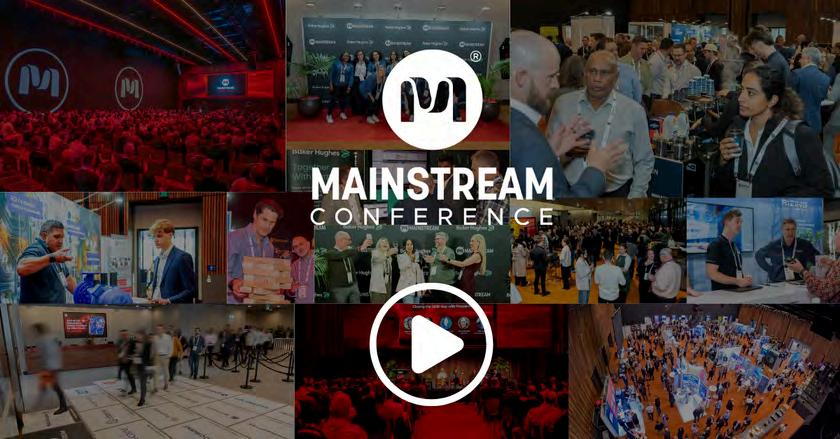
MAINSTREAM Conference in 2 minutes
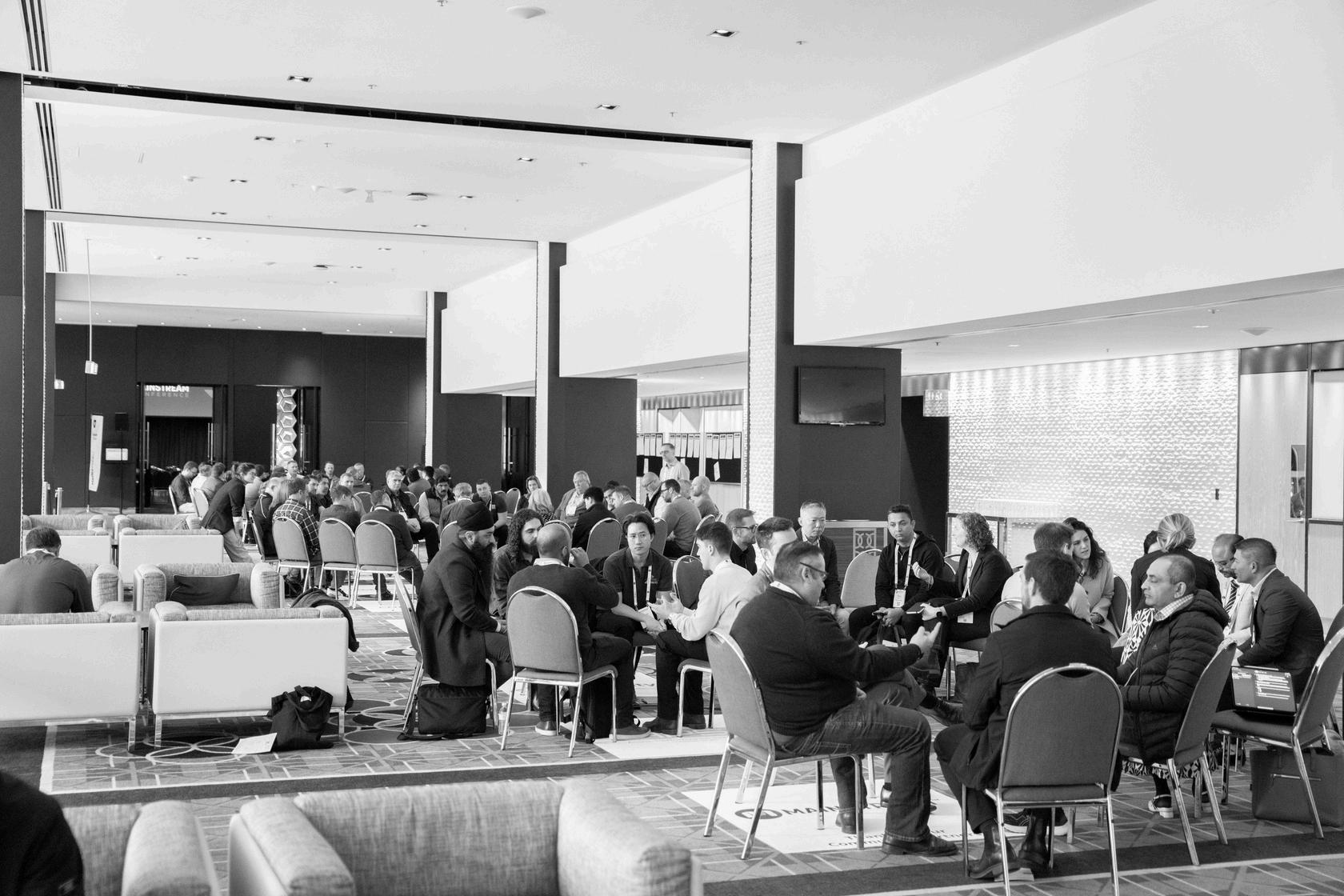
Xchange sessions are designed and curated for deeper discussion around crowd-sourced topics. They are 90-minute, interactive and moderated by a facilitator. All are limited in numbers to ensure maximum engagement, learning and exchange.
Capturing Institutional Knowledge
From Data Rich to Decision Ready
From Pilot to Production: What Scaled AI Actually Looks Like
From Supervisor to Leader: Building the Capability Your Frontline Needs
People Metrics on the Dashboard: Measuring What Actually Matters
Speaking the CFO's Language: Turning Reliability into a Business Conversation
Rebuilding the Trades Pipeline: Structural Solutions That Are Working
Human Factors and Error in Maintenance: Understanding Why Good People Make Mistakes
The Silent Reliability Killer: Why Lubrication Deserves Strategic Attention
Precision Maintenance: The Discipline Behind Repeatable Reliability
The Art and Science of Great Planning and Scheduling
Shutdown Excellence: Scope Discipline, Cost Control, and What Good Looks Like
Preparing Maintenance Teams for Assets That Don't Exist Yet
Designing Teams for Shorter Tenures: Building Capability at Speed
Building a Workforce That Reflects the Future, Not the Past
Making Maintenance a Destination Career
FIFO, Fatigue, and the Path Forward: Addressing Wellbeing Head-On
Analytics-Ready: How to Know When Your Data Can Support the Dashboards
Predictive Analytics in Practice
Operational













































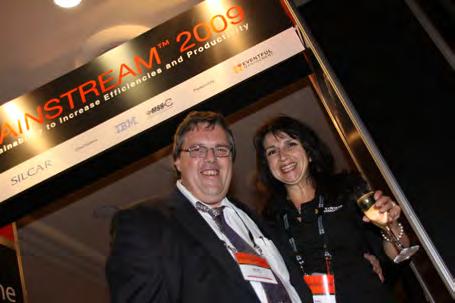
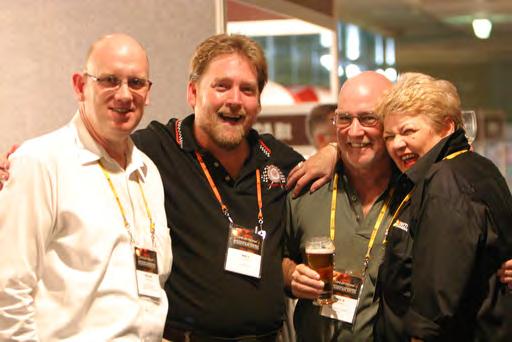
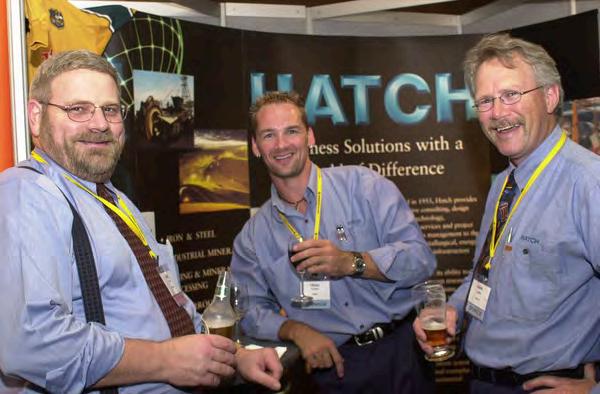
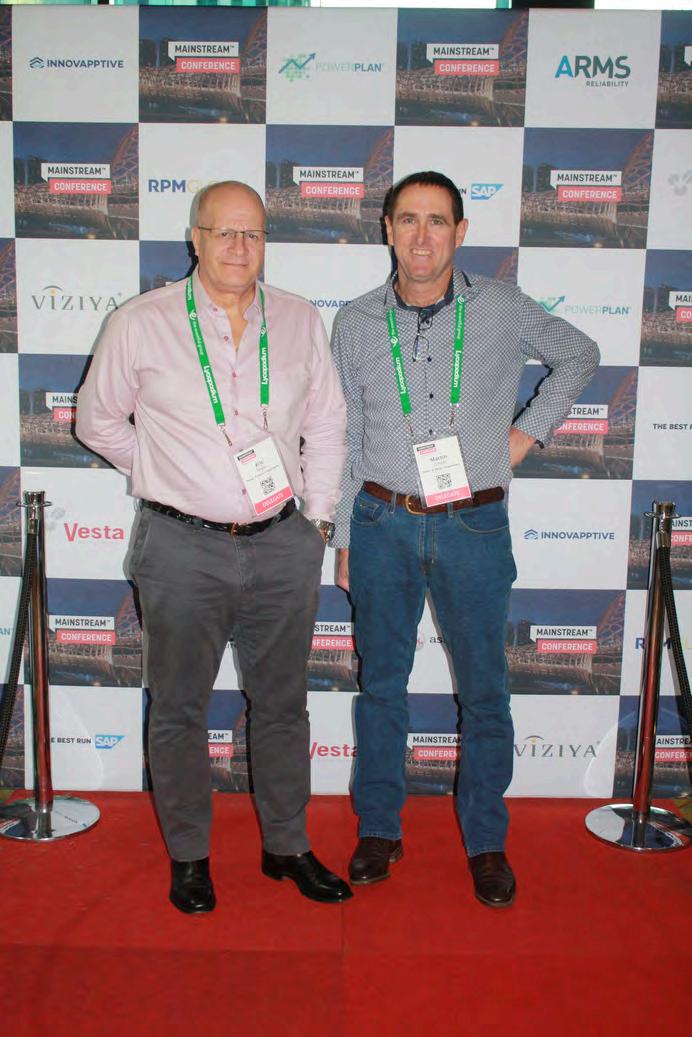
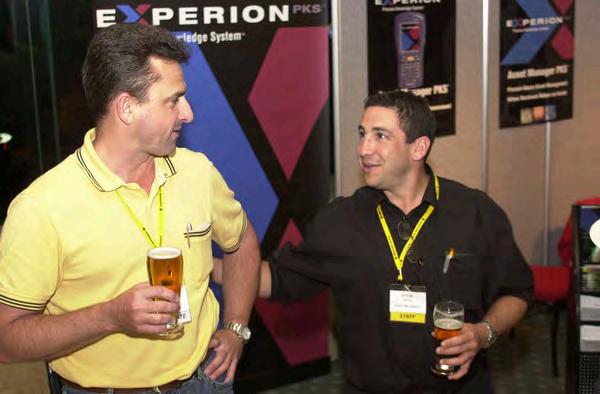
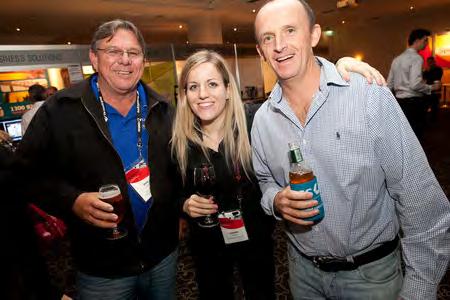
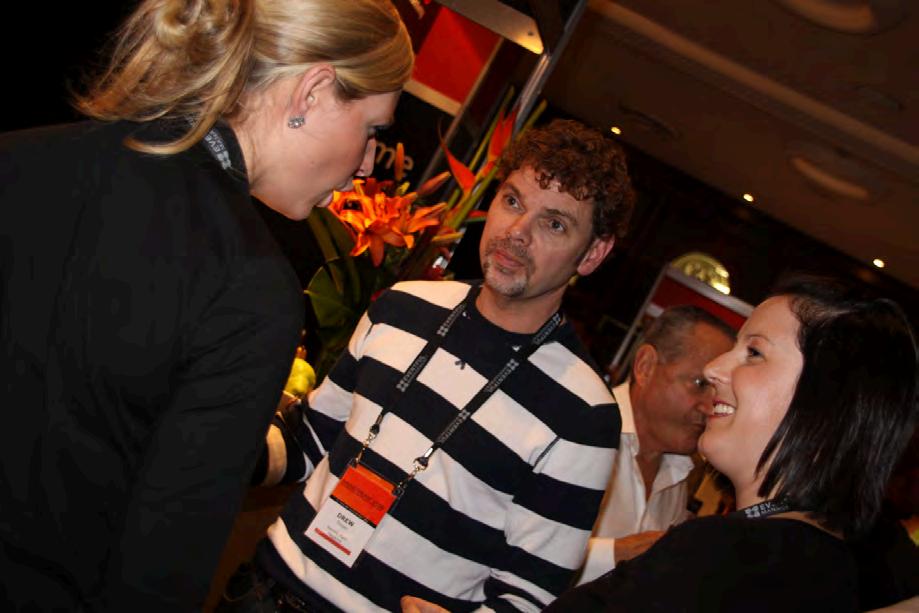
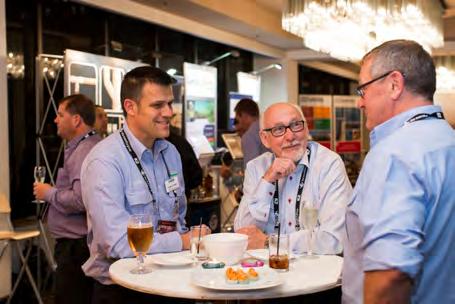
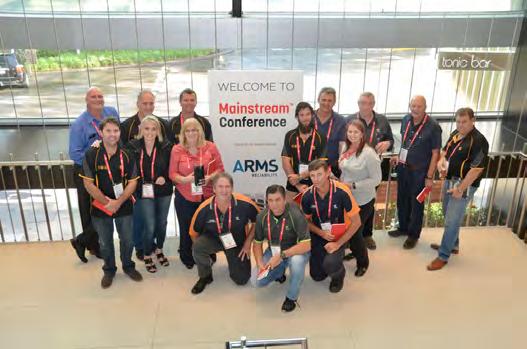
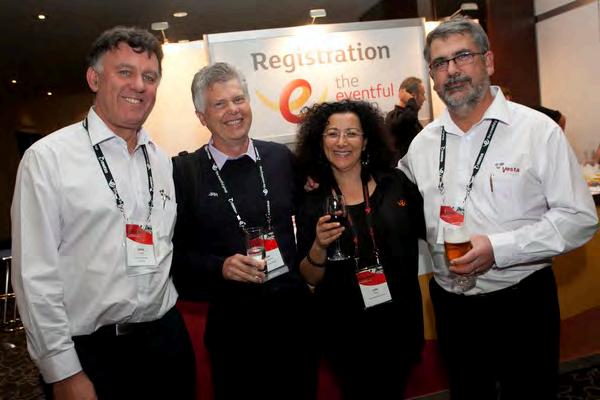
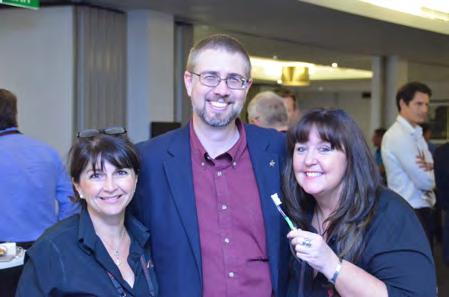
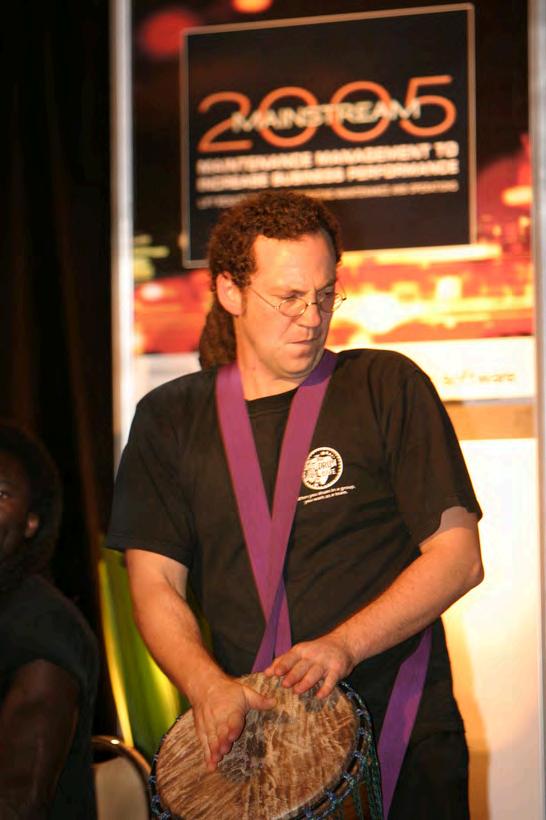
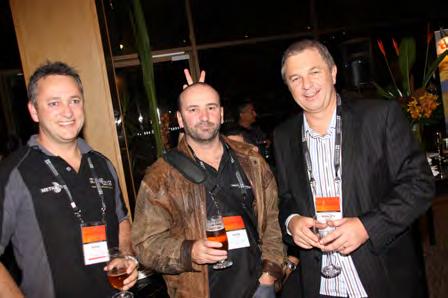
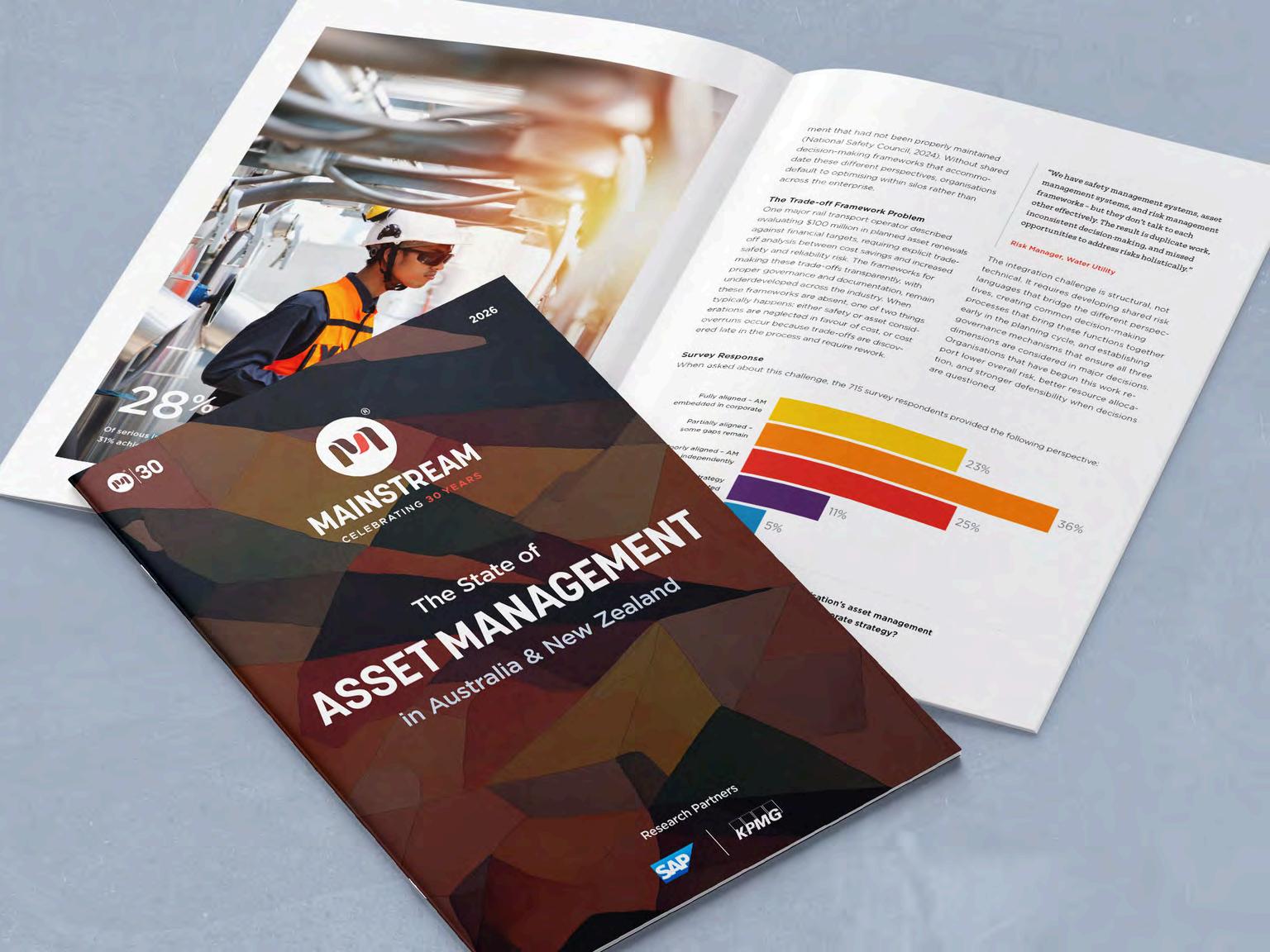
Download your report to understand best practices, compare your companies’ performance and working environment to those inside and outside your industry, and make informed and effective decisions around your assets and your people.
Go to:
https://www.mainstreamcommunity.com/conference/topics
+61 411 883 266

Program Director
+44 7901 150 405 ian@mainstreamcommunity.com
Director of Partnerships
+61 433 755 653
guy@mainstreamcommunity.com
Community Manager +27 837 002 282 ansumi.debruin@mainstreamcommunity.com Speaker Care Manager +61 418 876 286 val@mainstreamcommunity.com