A monthly update covering people, events, research, and key developments
Editor’s Note:
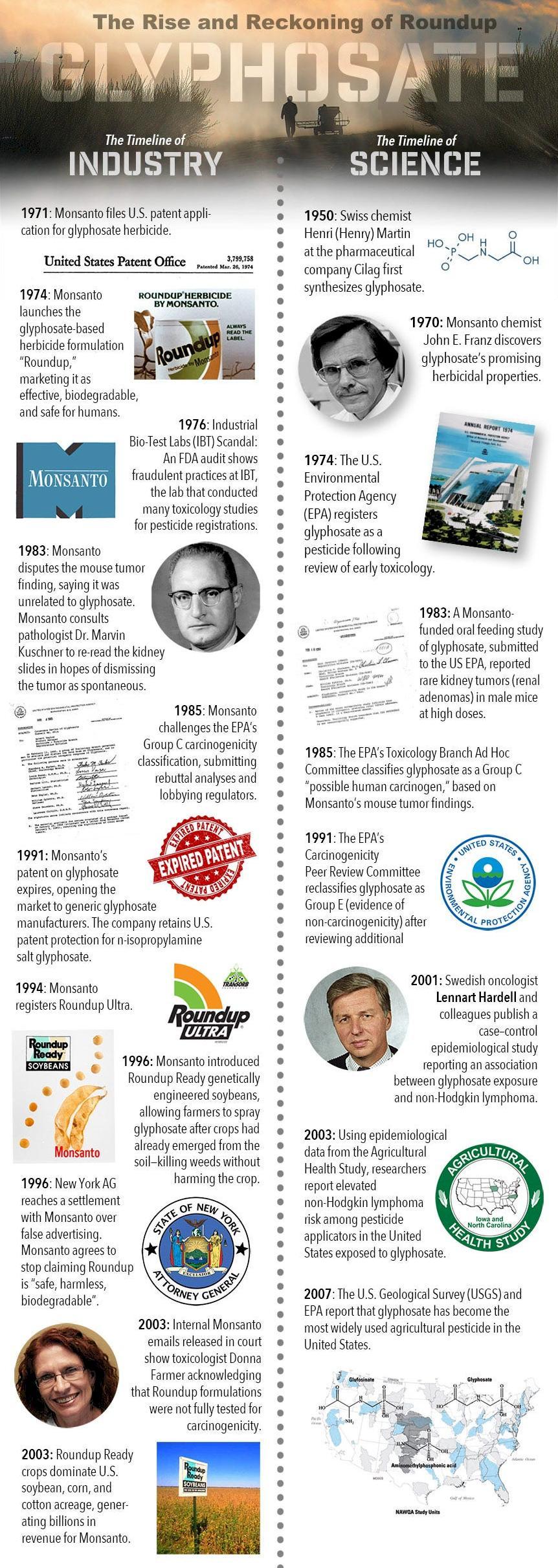
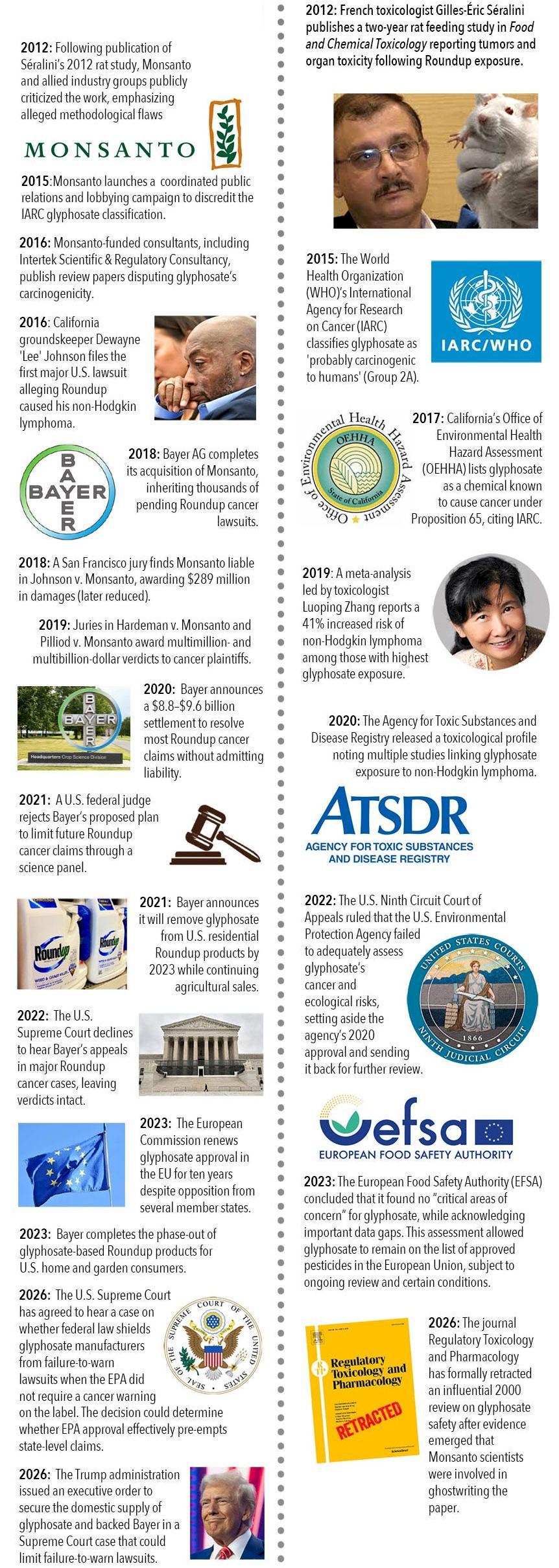
The Roundup issue is discussed in our first article this month. Long time readers will remember that glyphosate is a topic we've visited several times over the years. You'll note the infographic at the end of the piece covers decades of this topic. Next, Your Local Epidemiologist has provided us with a piece on gun and domestic violence along with the systems that are failing us. We're also pleased to print a reader opinion piece on new horizons in epidemiology
Last month we were contacted by the family of Dr. Manny Schoenback with an interesting proposition. They had written a book about his career focusing on his work at Harvard, Johns Hopkins and the Army Epidemiological Board and they thought it would be of interest to our readers. It's a wonderful story and fascinating look back at epidemiologists during World War II and definitely something you should consider adding to your summer reading list along with it's companion book about Manny and the woman who stood by his side.
29 FREE BOOKS
This month we have 29 free books and the donor is offering to box multiples for one shipping & handling fee for those who are interested. Do you have a bookshelf to clear but you absolutely don't want to toss the books that cost you dearly into the trash? Let us know and we'll print them in the hopes of finding a home for them. Just email us at michele@epimonitor.net and we'll talk you through the logistics of the program.
We are starting to hear from many of you with articles that you'd like us to consider publishing. We are always interested in your offerings and are finding your peers are really enjoying them. Please also consider nominating people for our profile series, writing a review of a book, or letting us know about individuals whose accomplishment should be added to our monthly Notes on People feature.
As always, we continue to provide you with our popular monthly word game feature, Notes on People, an overview of what we are reading from the public media, and a listing of near term upcoming events. Ask us about the sponsorship opportunities for these standard monthly featuresit offers you great exposure for your event, institution, book or other item of interest to our readers!
Until next month - stay safe and busy!
In This Issue
-3- The Rise and Reckoning of Roundup
-9- Gun Violence, Domestic Violence and the systems that Fail Us
-16- Dr. Emanuel Schoenbach & the Army Epidemiological Board
-21- Opinion - New Horizons in Epidemiology: Advocacy for Health and Beyond
-24- Resources: 29 Free Books
-27- Monthly Word Game
-28- What We're Reading
-30- Notes on People
-34- Near Term Event Calendar
-41- Newly Listed Public Health Jobs
-45- Marketplace - Sponsored Jobs & Events
Did you miss last month’s issue? Read it here: https://tinyurl.com/zs83fwjf or here: https://tinyurl.com/2z8xk2zj
The Rise & Reckoning of Roundup
How Glyphosate Became the World’s Most Controversial Herbicide
Author: Bruce Lanphear, MD, MPH
NOTE: This article was originally published on March 24, 2026 by Plagues, Pollution & Poverty on Substack.
The Promise of a “Safe” Herbicide
Glyphosate was once hailed as the safest herbicide ever invented. For nearly half a century it helped reshape modern agriculture, spreading across farms, parks, gardens, and roadsides around the world. Today it sits at the center of one of the most contentious scientific and legal debates of our time.
The controversy is no longer confined to scientific journals. It has moved into courtrooms and may soon reach the U.S. Supreme Court in Monsanto v. Durnell. At stake is not simply the fate of one lawsuit over Roundup, the herbicide that made glyphosate famous. The case raises a deeper question about how societies regulate chemicals: who bears responsibility for warning the public about risk the government, the manufacturer, or the courts?
For decades, pesticide regulation in the United States has rested on a delicate balance: federal oversight, state authority, and the ability of injured people to seek justice in court. The Roundup litigation now tests that balance.
To understand why the stakes are so high, it helps to revisit how glyphosate Roundup’s active ingredient came to be regarded as one of the safest pesticides ever developed.
When Monsanto introduced glyphosate in the 1970s, it seemed almost too good to be true. Unlike many earlier herbicides, glyphosate targeted an enzyme in the shikimate pathway, a metabolic route plants use to produce the aromatic amino acids phenylalanine, tyrosine, and tryptophan. Animals do not possess this pathway; we obtain those amino acids from food. Because of this biological difference, the herbicide was long assumed to pose little risk to humans.
The implication seemed reassuring. If the herbicide disrupted a biological pathway humans lacked, how could it harm us?
Early toxicology studies reinforced that confidence. Compared with many herbicides of the era, glyphosate appeared relatively benign. Paraquat could cause severe poisoning. Atrazine raised environmental concerns. Older herbicides such as 2,4-D came with their own controversies. Glyphosate degraded more quickly in soil and water and seemed to pose fewer immediate hazards.
Regulators approved it. Farmers adopted it. Homeowners bought it by the bottle. Over time, Roundup became one of the most widely used herbicides in history.
The Herbicide that Conquered Agriculture
Glyphosate’s rise accelerated dramatically in the 1990s with the introduction of Roundup Ready crops, genetically engineered plants designed to tolerate the herbicide.
Farmers could spray entire fields, killing weeds while leaving soybeans, corn, or cotton unharmed. Weed control became simpler, cheaper, and more predictable. Monsanto also promoted glyphosate as safe enough to use without protective gear, reinforcing the idea that it was not only effective but essentially harmless.
What began as a useful tool soon became a cornerstone of modern agriculture. Since its introduction in 1974, more than 8.6 billion kilograms of glyphosate have been applied worldwide making it the most heavily used herbicide in history.
By the early 2000s glyphosate was everywhere on farms, in gardens, along roadsides, in parks, and on school grounds. Remarkably, nearly three-quarters of that total has been sprayed in just the past two decades.
For years the story seemed straightforward: a modern pesticide, carefully tested and widely considered safe.
But science rarely leaves simple stories intact.
The Studies that Shaped Glyphosate’s Reputation
Early regulatory decisions about glyphosate relied largely on industry-sponsored animal studies. They were later reinforced by influential reviews including one later retracted after it was revealed to have been ghostwritten by Monsanto employees—blurring the line between independent science and corporate influence.
Some studies showed little evidence of harm. Others raised questions.
In one mouse study from the early 1980s,
animals exposed to glyphosate developed a dose-related increase in kidney tumors. EPA scientists initially interpreted the findings seriously enough to classify glyphosate briefly as a possible human carcinogen.
The classification did not last.
Monsanto argued that the tumors reflected statistical artifacts or unrelated pathology. After additional review, EPA reclassified glyphosate as not classifiable as to human carcinogenicity, and later as not likely to be carcinogenic to humans.
One detail would later prove crucial. The studies regulators relied on tested technical-grade glyphosate, the purified active ingredient. They did not generally examine the commercial formulations people actually used.
At the time, that distinction seemed minor. Later, it would become central.
Molecule versus Mixture
Farmers and landscapers do not spray pure glyphosate. They spray Roundup, a mixture containing surfactants designed to drive glyphosate through plant tissue.
Those same surfactants can also enhance absorption through human skin.
Regulators were evaluating the molecule. Workers were exposed to the mixture.
The difference may sound technical, but it reflects a recurring problem in environmental health. Regulatory systems often test chemicals in isolation under controlled conditions. Realworld exposure is messier. People encounter
- Roundup cont'd on page
mixtures of chemicals through multiple pathways on their skin, in the air they breathe, and in the environments where they work and live.
The gap between controlled testing and realworld exposure can create what might be called an acceptable daily illusion. Risk assessments identify doses that appear safe for an individual. Yet when exposures are repeated across millions of people, the cumulative consequences may become much harder to ignore.
A Growing Controversy
Beginning in the early 2000s, researchers started reporting associations between heavy exposure to glyphosate-based herbicides and certain cancers, particularly non-Hodgkin lymphoma among agricultural workers.
The debate intensified in 2015 when the International Agency for Research on Cancer, part of the World Health Organization, classified glyphosate as a probable human carcinogen.
Regulators in the United States and Europe reached a different conclusion. After reviewing many of the same studies, agencies such as the U.S. Environmental Protection Agency maintained that glyphosate was not likely to be carcinogenic to humans under typical exposure scenarios.
Two groups of experts examined much of the same evidence and reached very different conclusions.
When “Low Risk” meets Widespread Exposure
Much of the debate about glyphosate has focused on heavily exposed applicators farmers, landscapers, and groundskeepers
mix and spray the herbicide repeatedly.
But another question has begun to emerge: what happens when a chemical considered relatively low in toxicity is used so widely that millions or even billions of people are exposed?
Researchers at the Ramazzini Institute in Italy recently conducted long-term experiments exposing rats to glyphosate-based herbicides at doses intended to reflect real-world exposures including levels regulators consider safe. The animals developed increased rates of leukemia, often appearing earlier in life, along with other signs of toxicity.
The findings suggest that chronic, low-dose exposures especially those beginning before birth may produce harms that traditional toxicology studies, focused on short-term or high-dose effects, are poorly designed to detect.
The bottom line is hard to ignore: exposures long assumed to be safe may be reshaping cancer risk in ways our standard methods were never built to detect and that regulators have not pushed hard enough to uncover.
A Population Problem
This leads to a broader point.
A pesticide does not have to be highly toxic to cause widespread harm. Even a small increase in risk, spread across millions of people, can produce a large burden of disease.
Glyphosate is now the most widely used herbicide in history. It is sprayed on farms, in parks, along roadsides, and in home gardens across much of the world. Residues are
routinely detected in food, water, and human urine samples.
In that context, scale becomes part of the risk equation.
The epidemiologist Geoffrey Rose described this phenomenon decades ago. A risk factor that increases disease only slightly for each individual can still produce many cases when nearly everyone is exposed.
Glyphosate may or may not prove to be such a case. But the possibility helps explain why the debate over its safety has become so intense.
From Journals to Courtrooms
The scientific debate moved from journals to courtrooms in 2018, when a California jury awarded $289 million to a school groundskeeper who developed non-Hodgkin lymphoma after years of using Roundup.
Several similar verdicts followed. In court, juries heard testimony about scientific studies, internal company documents, and allegations that Monsanto influenced scientific publications and regulatory discussions.
Monsanto now owned by Bayer has consistently maintained that glyphosate is safe when used as directed. The company points to decades of regulatory reviews supporting that conclusion.
But the lawsuits exposed tensions between regulatory assessments and emerging scientific concerns.
The Legal Question
At the center of Monsanto v. Durnell lies a deceptively simple claim.
Monsanto argues that because EPA approved Roundup’s label, state courts should not allow
In legal terms, the company argues that federal pesticide law preempts state failure-to-warn claims.
Plaintiffs counter that federal law establishes minimum standards but does not eliminate the role of courts in holding companies accountable.
Yet there is an irony in this argument. By claiming that EPA approval should shield manufacturers from liability, companies are asking courts to assume something regulators themselves have never claimed: that EPA already knows enough to anticipate every meaningful risk.
In reality, pesticide approvals rely on a small set of studies, mostly industry-funded, typically testing the active ingredient alone under conditions that don’t reflect real-world use. The influence of industry in shaping that evidence base and in minimizing potential hazards can’t be ignored.
If courts accept the idea that EPA approval makes a label legally definitive, the next question becomes unavoidable: does the agency actually have the evidence needed to justify that authority?
The answer could push regulation in the opposite direction the industry intends forcing EPA, and perhaps Congress, to require more extensive testing of pesticides before they reach the market.
For companies like Bayer, the strategic calculation is straightforward. Litigation risk is large, immediate, and unpredictable. A jury
- Roundup cont'd on page 7
verdict can produce billions of dollars in damages and trigger thousands of new lawsuits almost overnight. Regulatory change, by contrast, tends to move slowly.
Under laws like the Federal Insecticide, Fungicide, and Rodenticide Act, tightening regulations usually takes years of scientific review, public comment, and political negotiation. Even when new evidence raises concerns, regulators often revise labels or exposure limits rather than banning a product outright.
From a corporate perspective, the greater threat is not future regulation but the uncertainty of the courtroom. Limiting lawsuits therefore becomes the more urgent priority.
The Reckoning
The glyphosate debate points to something larger than one herbicide.
Many of the great public-health gains of the twentieth century came from reducing widespread exposures cleaner water, improved sanitation, less lead, and cleaner air. These measures lowered risk across entire populations.
Today health discussions often emphasize individual behavior. But chemicals like glyphosate remind us that many risks arise not from personal choices but from the environments societies collectively create.
Farmers do not design the agricultural systems that determine which herbicides dominate their fields. Landscapers do not write pesticide regulations. Consumers rarely know which chemicals move quietly through the supply chains that produce their food.
These are shared exposures—and shared decisions.
Glyphosate began as a symbol of agricultural progress.
Half a century later, it has become something else: a case study in how societies struggle to balance innovation, uncertainty, and the duty to protect public health. ■
To read more content like this please subscribe to Plagues, Pollution & Poverty on Substack.
Your Ad Should Be Here
Do you have a job, course, conference, book or other resource of interest to the epidemiology community? Advertise with The Epidemiology Monitor and reach 35,000 epidemiologists, biostatisticians, and public health professionals monthly.
Advertising opportunities exist in this digital publication, on our website and social media pages, and in our Epi-Gram emails.
Editor's Note: This article was originally printed in Your Local Epidemiologist on April 21, 2026. To read more content from this source subscribe to Your Local Epidemiologist (YLE): https://tinyurl.com/32pd2a8r
So this week’s “health weather report” is dedicated to gun violence. From me (formally trained in violence epidemiology) and Dr. Megan Ranney (a fellow expert in gun violence), here’s the forecast: what the data shows, where
the most risk lies, and most importantly, what it means to you.
Well, I tried to sit down to write the usual “health weather report” (ticks, diseases, etc.) that comes out on Tuesdays. But a tornado-like event came roaring in over the weekend, reminding all of us of the massive public health problem Americans continue to face: Firearm violence.
On Sunday, this country experienced the deadliest mass shooting in more than two years. Another tragedy and yet another headline that faded in a day. This time, a man in Louisiana killed eight children, left two women critically wounded, traumatized an entire community, and sent first responders to a scene unlike anything most of them had ever encountered.
These tragedies are not random. What happened over the weekend was a predictable convergence of well-documented, preventable factors. Yet in some states, lawmakers keep failing to act on what we know.
Note: This piece covers sensitive topics, including domestic violence and suicide. Please read at your own pace, and know that resources are available at the end if you or someone you love needs support.
Gun violence is still the number one killer of youth in the United States.
On Sunday, a man shot and killed eight children ages 3 to 11. One child was shot on the roof while trying to escape.
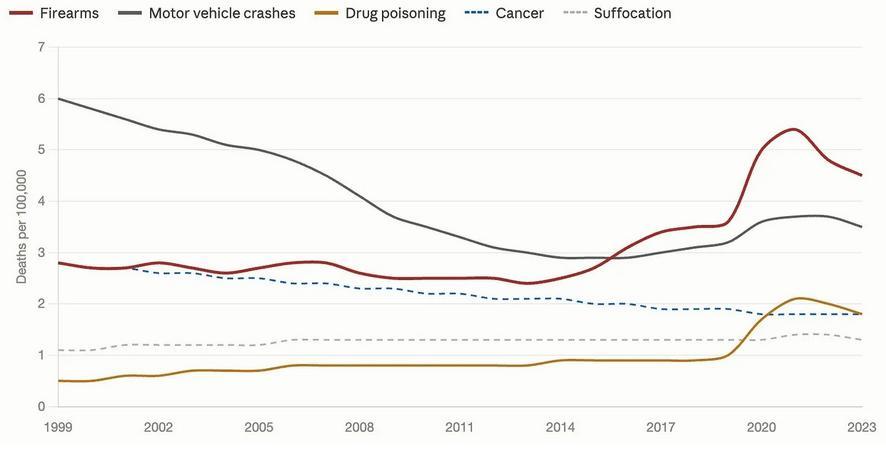
Unfortunately, this is not random. For these poor, sweet children, dying from a gun is not a rare occurrence for youth in the United States. Firearms are the number one cause of death for children, recently surpassing motor vehicles and remaining the leader for a few years now.
- Violence cont'd on page 8
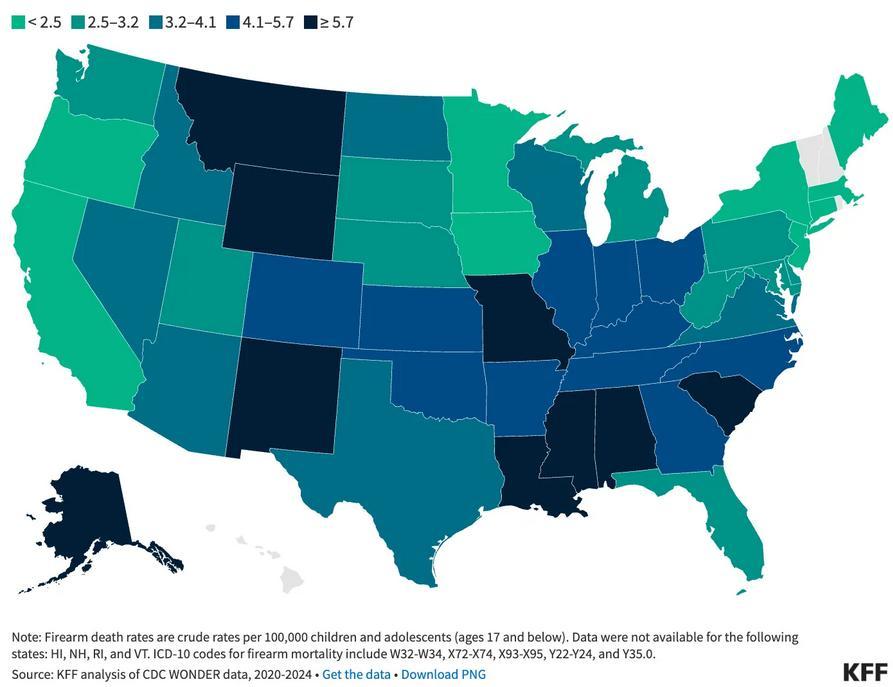
Deaths per 100,000 children and adolescents ages 1–19, all intents combined. Sources: Goldstick et al., NEJM 2022 (NEJMc2201761); CDC WONDER, 2023. 2022–2023 figures provisional.
On a state level, firearm deaths are most common in the South. Louisiana specifically has the third-highest number of youth deaths from firearms in the country (8.4 per 100,000 kids), a rate that has been increasing fast (75%) in the past 10 years.
This is just behind that of Mississippi (8.7 deaths per 100,000) and Washington, DC (10.1 per 100,00). These deaths include not just mass shootings, but also firearm homicide and suicide.
A history of domestic violence is a strong predictor of mass shootings.
Authorities described the Shreveport tragedy as an event of domestic violence. This isn’t random, as domestic violence is at the heart of so much gun violence. In fact, 70 women are shot and killed by an intimate partner every single month in America from homicides, suicides, and mass shootings:
The majority of mass shootings (59%) are related to domestic violence.
Firearm use is associated with increased risk of multiple domestic homicides.
Domestic violence is a risk factor for suicide by both the perpetrator and the victim.
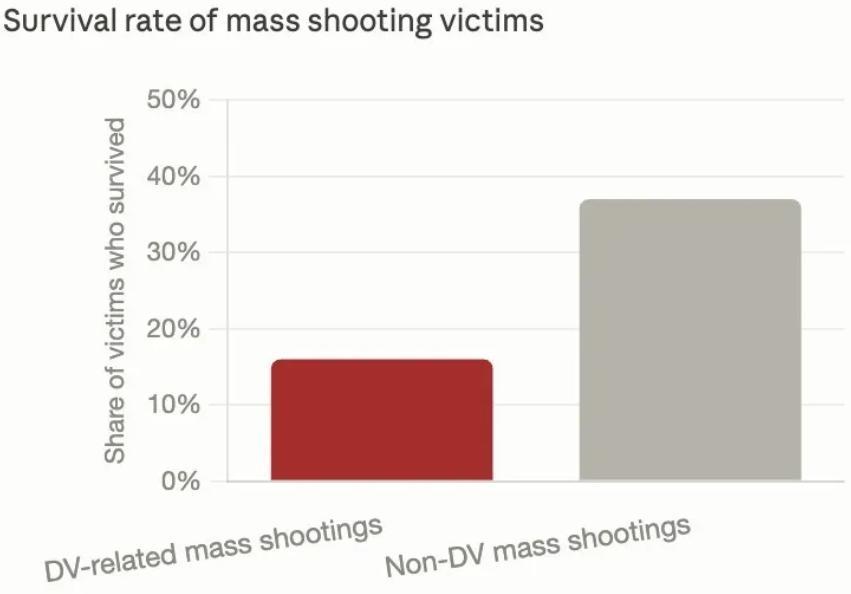
The women in Shreveport were very lucky to survive, given the odds against them. The likelihood of surviving a mass shooting is much lower when it’s related to domestic violence. That’s because domestic violence incidents are crimes of passion, determined to cause maximum harm to specific people. When someone who has already decided to kill acts with a firearm, the results are almost always catastrophic.
- Violence cont'd on page 12
Data Source: Geller, L.B., Booty, M., & Crifasi, C.K. (2021). “The role of domestic violence in fatal mass shootings in the United States, 2014–2019.” Injury Epidemiology, 8(1), 38. Figure created by Your Local Epidemiologist.
Domestic violence thrives in conditions of fear, hopelessness, hatred, and economic dependency the same conditions that correlate with higher rates of gun ownership, easier access to firearms, and fewer resources for intervention.
The Shreveport suspect should never have had a gun. He did anyway.
The Shreveport suspect had a documented firearms arrest from 2019 and a history of domestic violence. This man should never have had a gun. We do not yet know whether he obtained his firearm illicitly, but it is all too easy to do so.
Under federal law, people subject to domestic violence restraining orders (DVROs) are prohibited from purchasing or possessing firearms. This law has helped significantly, but it also has real gaps. DVROs:
Require an established abusive relationship
Depend heavily on victims coming forward, and
While there is a requirement to surrender guns, it’s rarely enforced.
This is where red flag laws come in: an added layer of protection. ERPOs (Extreme Risk Protection Orders) allow a family member or law enforcement officer to petition a court to temporarily remove firearms from someone showing warning signs of danger. A judge reviews the evidence, and if there’s enough, the guns are removed for a defined period. This is a civil order with full due process, and the guns are returned when the risk has passed. These can work especially well in domestic violence situations because they give families and law enforcement something concrete to do in the window between “this person is dangerous” and something irreversible happening.
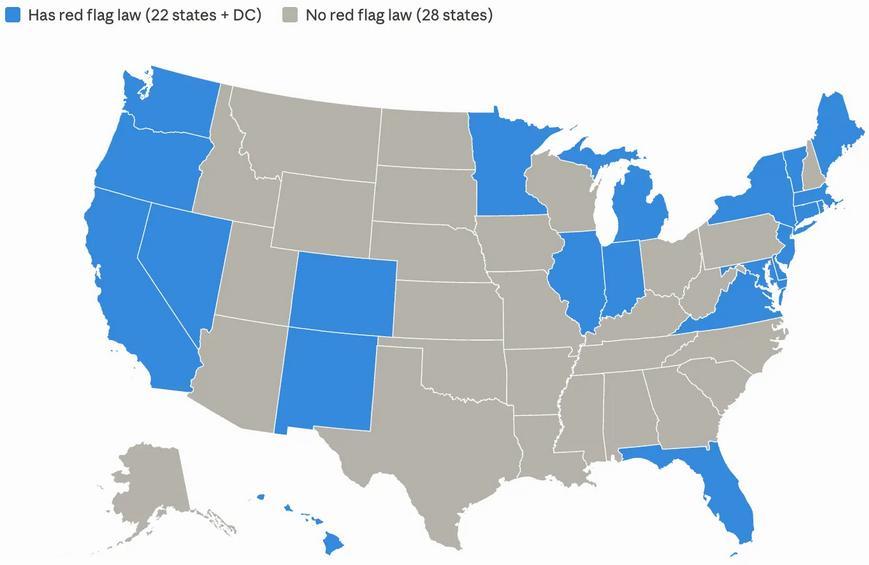
Louisiana doesn’t have a red flag law. In fact, in 2024, its legislature actively shelved it. As shown below, twenty-two states (plus DC) have these laws.
Data Source: John Hopkins School of Public Health. Figure by Your Local Epidemiologist
Red flag laws seem to work. While relatively new, the evidence is growing:
In six states with red flag laws, researchers found that 10% of all ERPO cases were filed in direct response to credible threats of mass violence.
In Connecticut, researchers found that for every 10 to 11 gun removals under the state’s red flag law, one suicide was prevented.
In Indiana, the red flag law resulted in a 7.5% reduction in firearm suicides in the decade after it passed.
In California, researchers reviewed mass shooting threats in 159 ERPO cases from 2016 to 2018 and found that no person who had a firearm removed under the law went on to commit a gun homicide or suicide while the order was active.
What this means for you: the systems need you too.
Laws are needed. But even the strongest laws in the world are meaningless if people don’t know that they are at risk. And extensive data shows that even when people recognize risk as the family members did in Louisiana they often don’t feel empowered to act. In a country with 400 million firearms in private hands and an active illicit firearms market, knowing when and what to do can be a matter of life or death for our friends and family members who are in crisis.
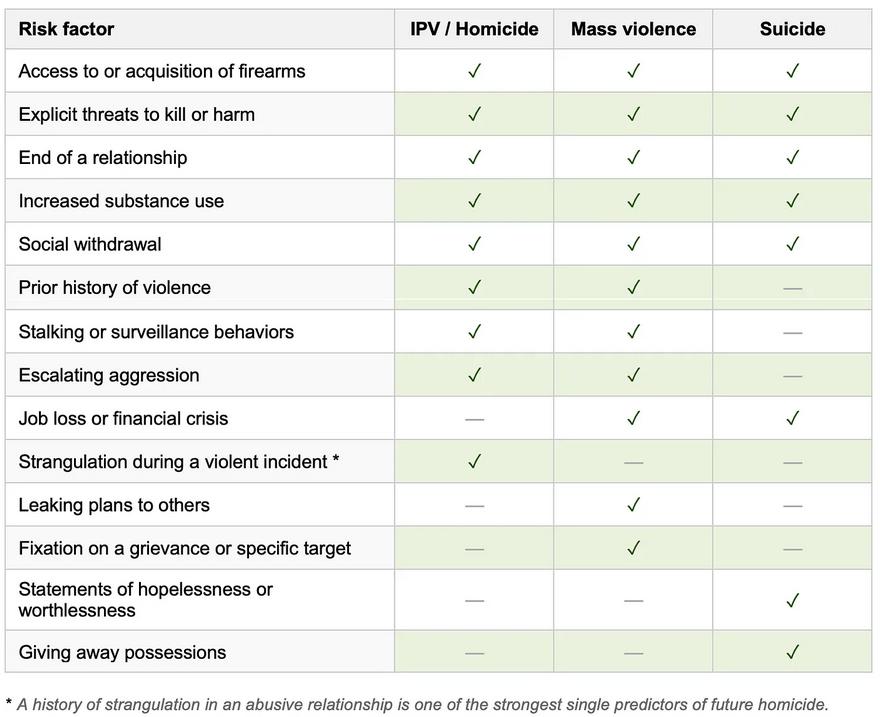
What happened in Shreveport sits at the intersection of three types of gun violence: domestic homicide, mass shooting, and suicide. Some risk factors are distinct for each type, but many are shared. Risk factors aren’t the perfect formula, but the more risk factors present, the higher the probability of a tragic firearm-related death.
Table of risk factors, by type of firearm violence. The table is non-exhaustive and research is still being done, but any of these can be signs of danger. By Your Local Epidemiologist
If you worry that you or someone you love is at risk,
If your state has an ERPO, consider filing a petition to the court
Call a confidential hotline for domestic violence or suicide, or use a crisis text line.
In some areas, law enforcement and health care professionals may also be helpful resources, although their awareness of and knowledge about how to address risk factors may differ.
Document the things you’re observing that worry you, to help you get your loved ones help.
The good news
Just like smoking, a massive public health problem like gun violence will take time to chip away at every angle. But progress is possible. We know this because we’re seeing it:
1. Gun homicides hit a multi-year low. The overall gun homicide rate fell 16% from 2023 to 2024, which is the largest singleyear decline since 1995. This means that 2,281 more people are alive today than would have been at the 2021 peak.
2. Youth firearm deaths declined. For the first time in years, firearm death rates among children and adolescents declined from 3.5 to 3.0 per 100,000 in 2024. Theories for the decrease point to increased community-based funding for violence intervention programs and community investment post-pandemic.
One YLE reader asked: “Back in the 1950s and 1960s, there were far fewer restrictions on buying a gun, and yet mass shootings were almost non-existent. How do you explain that?”
Part of the answer is a data artifact. Systematic tracking of mass shootings didn’t exist before the 1980s, so many incidents that would qualify today were simply never counted. There is also just an increased awareness of these events due to changes in the information landscape.
But we have strong data showing the increase is real, too. Weapons are fundamentally different: the civilian AR-15 didn’t exist until 1963, semi-automatic handguns were far less common, and there were roughly 50 million privately owned firearms in the U.S. in 1960 (0.28 guns per capita) compared to an estimated 400 million today (1.19 guns per capita).
Finally, it’s about system failures ranging from social media glorification of mass shooters, to lack of mental health care, to growing isolation and loneliness.
In case you missed
it
Throughout the years, I’ve written about this topic in detail in YLE. A few other pieces:
We can reduce gun violence in the United States
Epidemiology of mass shootings
Mass shootings’ cascading impact
It’s hard to explain (and fix) evil
Bottom line
Gun violence isn’t random. It’s predictable, and because it’s predictable, it’s preventable. But it requires more lawmakers to finally act on what they know. This weekend, the systems meant
to protect the most vulnerable failed, and eight children paid the price.
For more content like this please fine YLE on Substack here: https://tinyurl.com/vhmbuyka
"Dr. Megan L. Ranney is an emergency physician, researcher, and leading advocate for innovative approaches to public health.
She is the Dean of the Yale School of Public Health, the C.-E. A. Winslow Professor of Public Health, and a Professor of Emergency Medicine at Yale University. Dr. Ranney is the first Dean to lead YSPH since it became a fully independent graduate institution in 2024, with a new strategic vision of linking science and society, making public health foundational to communities everywhere.
Dr. Ranney’s career has been driven by her front-row seat to preventable public health crises, from her formative years in the Peace Corps to her 20+ years as a practicing emergency medicine physician. Whether addressing motor vehicle injuries and firearm violence, HIV and COVID-19, or the importance of healthcare access, her first-hand experiences have fueled her commitment to high-quality science and making sure the science is used and understood by communities across the globe." - ysph.yale.edu
YLE can be found here: https://yourlocalepidemiologist.substack.com/
Your Local Epidemiologist (YLE) is founded and operated by Dr. Katelyn Jetelina, MPH PhD—an epidemiologist, wife, and mom of two little girls. YLE reaches more than 305,000 people in over 132 countries with one goal: “Translate” the ever-evolving public health science so that people will be well-equipped to make evidence-based decisions. This newsletter is free to everyone, thanks to the generous support of fellow YLE community members.
To support the effort, subscribe or upgrade your existing subscription: https://yourlocalepidemiologist.substack.com/
Profiles in Public Health
Dr. Emanuel B. Schoenbach and the Army Epidemiological Board
Author: Wendy Reasenberg (author) Anna Schoenbach (editor)
Editor's Note: This month we have what we feel is a very interesting story that has been sadly lost to history. Over 16 million Americans served in the armed forces in World War II. They were transported to the war zone on crowded troop ships - obvious breeding zones for disease. Once they arrived on foreign shores they served in areas with low or nonexistent vaccination rates, were exposed to diseases that they had no immunity to because they didn't exist in North America, and spent months or even years in tropical zones where diseases spread with ease.
Early on the military had the foresight to build a team to identify risks to our troops and create methods and policies to mitigate those risks. That team was known as the Army Epidemiological Board and one of the members was Dr. Emanuel Schoenbach. He had been selected for the team in part because of his work with a group from Harvard who had tackled 3 concurrent epidemics in Halifax, Nova Scotia in the early days of the war.
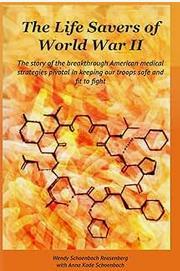
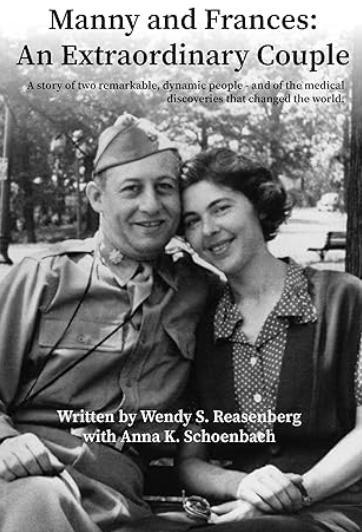
Dr. Schoenbach's descendants have written the story of these years and his work titled The Life Savers of World War II. Then they also wrote the story of his relationship with his wife. Like so many women during World War II she had a tremendous impact on the work of her soldier.
The Schoenbach family has granted us permission to print the introduction to Life Savers. This is just a brief taste of this book.
It will transport you back to a time when the world was united, science and medicine were respected and supported, and research breakthroughs not only saved lives but won the war and saved the world.
Life Savers, along with its companion textManny and Frances, is a quick, easy read that should be considered for a place on your summer reading list. It is also an important piece of history that even teens would benefit from reading. You'll read about the Halifax epidemics, the Army Epidemiological Board, the difficult research, and the challenges of living in wartime America.
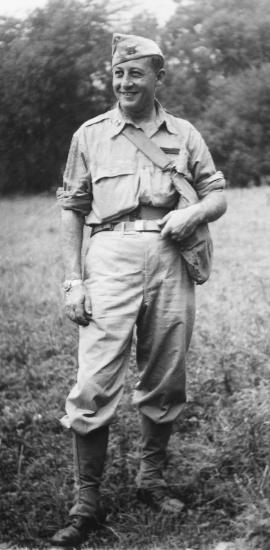
Dr. Manny Schoenbach Medical Field School, Carlisle PA 1943
Introduction
Much has been written about World War II, but very important events that were pivotal in the victory still remain largely unknown more than 80 years later.
When one thinks of the significant contributions to the war effort by doctors, scientists, and engineers, what immediately comes to everyone’s mind is the great advances in military technology. That is: radar, sonar, advances in aviation, and the Manhattan Project that resulted in the atomic bomb. Rarely mentioned are the vital medical accomplishments of the Army Epidemiological Board (known today as the Defense Health Agency). Their dedicated and brilliant work in controlling infectious diseases among our troops was a major contribution to winning the war.
“Wars are lost by generals and won by epidemics,” wrote the pre-eminent bacteriologist and world class expert on infectious diseases, Dr. Hans Zinsser. Dr. Zinsser demonstrated that the true reason for the success of any military campaign was not weaponry or military strategy. Simply put, sick soldiers cannot fight and often die from diseases like dysentery, cholera, typhus, pneumonia, diphtheria, and countless others. First published in 1935 for a general audience, Rats, Lice and History1 made ground-breaking revelations because it discussed famous historical conflicts from a medical rather than the usual military perspective. In numerous interesting examples in his book, Zinsser made it clear to all that “the tiny, microscopic, but very numerous, creatures who make their homes on the louse, the flea and the mosquito … have decided more military campaigns than Caesar, Hannibal, Napoleon, and all the inspectors
general of history.” 2 Dr. Zinsser wrote the book for his personal satisfaction; however, because the language was non-medical and highly accessible to people who weren’t in the medical or military fields, his book was read by many ordinary people.
Compared to today, medicine in 1940 was in a fairly primitive state. After World War I, it was known that diseases were spread by various microorganisms. The importance of cleanliness was well understood in disease prevention. Draining of wounds and new techniques in splinting helped patient recovery and reduced the risk of infection. Surface wounds could be treated with antiseptics to prevent infection. However, if the wound was deeper and became infected, there was little that doctors could do.3
In the early 20th century, medical research was highly focused on how to deal with epidemics. Doctors knew that infectious disease came from microorganisms and that attention to having clean water for the troops, running a clean camp kitchen, providing adequate sanitary facilities for human waste, and individual personal hygiene were essential to prevent typhoid, dysentery, salmonella, cholera, and typhus. However, they had few tools to fight other dangerous infectious diseases.
1 Zinsser, H. (1935). Rats, lice and history: Being a study in biography, which, after twelve preliminary chapters indispensable for the preparation of the lay reader, deals with the life history of typhus fever ... Printed and published for the Atlantic Monthly Press by Little, Brown, and Company.
2 Zinsser, H., 1935, pg 152, 153
3 Bell, Louise. “Medical Developments in World War 1.” British Library, 7 November 2018, https://www.bl.uk/world-war-one/articles/medicaldevelopments-in-world-war-one , written 7 Nov. 2018, Accessed 11 28 2022
The six years from 1939 to 1945 were before the development of antibiotics. Infectious diseases such as scarlet fever, tuberculosis, whooping cough, diphtheria, typhus, and meningitis were commonplace, serious, and deadly. They were highly contagious and spread like wildfire in the military camps. Because they spread so rapidly, gaining control over infectious diseases has historically been the most important major medical issue.
The treatments that we take for granted today were unavailable. Isolation was one of the only methods available to prevent the spread of these infectious diseases to the wider population. However, to be effective, the dynamics of how a disease started and spread, the key factors needed for isolation to be effective, were usually unknown. If a person got sick with an infectious disease, the chances were very high that the patient would die, especially if the patient was a young child. Losing a child to scarlet fever, whooping cough, or diphtheria was not uncommon for families both rich and poor. Penicillin was still in development as researchers struggled to neutralize toxic side effects and later to figure out how to manufacture it in quantity.
By 1940, the medical situation in the military was becoming urgent. There were infectious diseases such as diphtheria, meningitis, pneumonia, and influenza that could not be prevented by basic sanitary practices. Even before the US joined the war, England and its allies were already dealing with these diseases at epidemic levels in some places.
As the Assistant Secretary of the Navy in World War I, President Franklin D. Roosevelt had been privy to the knowledge that, in war, typically more soldiers die of disease and infection than from the actual wounds sustained in battle.
Roosevelt saw the possibility of war on the horizon when Germany invaded Poland on September 1, 1939. In 1940 and 1941, he instigated a lot of concurrent activity at the highest levels of the US government and the military in Washington, D.C. to utilize the best minds and resources available for the country’s defense.
Roosevelt focused on the problem of military medicine and infectious diseases, establishing the Health and Medical Committee by order of the Council of National Defense on September 19, 1940.4 On June 27, 1940, President Franklin Roosevelt created the National Defense Research Committee (NDRC) whose mission was to connect scientific research with military needs at the highest levels.5 Military medicine includes medical research on all problems of military interest, the development of solutions, and their deployment to the troops. This mission includes the prevention and treatment of infectious diseases.
On January 11, 1941, based on the recommendation of the Surgeon General of the U.S. Army, the Department of War created a “Board for the Investigation and Control of Influenza and Other Epidemic Diseases in the Army.”6 This group became known as the Army Epidemiological Board (AEB) with the mission to protect and maintain the health of our troops
4 Stewart, Irving, Organizing Scientific Research for War, Administrative History of the Office of Scientific Research and Development. Little, Brown and Company, 1948, pages 35-39, archive.org (pg 37)
5 Stewart, I. 1948 pg 7
6 Woodward, 1990, pg 15
- Life savers cont'd on page 19
and authorized studies to prevent deadly epidemic outbreaks. There were many committees including the Commission on Meningococcal Meningitis.7
The doctors in the military were concerned that as more men were mobilized, the situation would become worse.8 Furthermore, outbreaks at stateside military camps would also have the potential to easily spread to the adjacent civilian populations. The doctors were well aware that millions had died from epidemics of influenza and pneumonia during World War I.9 As the war escalated in the Atlantic, German submarines began sinking any ship, including American merchant ships, crossing the Atlantic. Roosevelt and his advisors saw the need for a more centralized authority for military medicine with a more proactive agenda to develop practical solutions, not just research.
A new Office of Science for Research and Development (OSRD) was established by executive order on June 28, 1941. Its mission was to protect the health of the troops, to develop products, procedures, and other strategies to prevent epidemics or cure disease. The two agencies were merged, working together.10
The same executive order also established a Committee on Medical Research (CMR) within OSRD, gave it authority over the field of military medicine, and took over the work of the Health and Medical Committee.11 The Army Epidemiological Board now operated under this overarching umbrella.
The Army Epidemiological Board took on these challenges by organizing a series of commissions to get the best personnel on the assigned jobs. For a maximum utilization of resources, they planned to work with civilian as well as military facilities. Each commission
was tasked to focus on a specific disease or medical problem and would consist of both military and civilian experts such as epidemiologists, physicians, bacteriologists, chemists, pathologists, etc. The Army Epidemiology Board was expected “to make arrangements to utilize every scientific facility available in this country in a concerted effort to control these diseases and to reduce their mortality to a minimum.”12
Life Savers of World War II demonstrates the important work of the Army Epidemiological Board as seen through the efforts of one man, my father, Dr. Emanuel B. Schoenbach. His medical adventures are recreated using his private materials in addition to his published papers. Dr. Schoenbach is also an example of the difficult situation all young doctors faced in the World War II era. He graduated from Harvard Medical School in 1937, a protege of Dr. Zinsser. He interned at Mount Sinai Hospital in New York City. In 1940, inspired by Dr. Zinsser’s enthusiasm and insights into the research, treatment, and prevention of infectious diseases, Dr. Schoenbach returned to Harvard to work with Dr. Zinsser on his research in infectious diseases.
Drs. Schoenbach and Zinsser were working together when Dr. Zinsser died in September 1940 of cancer. Dr. Schoenbach was bereft as they had become very close. He remained at
7 Woodward, 1990, pg 26
8 Woodward, 1990, pg 19
9 Woodward, 1990, pg 19
10 Stewart, I. 1948, pg 35-37
11 Stewart, I. 1948, pg 35-37
12 Woodward, 1990, pg 19 -
Harvard Medical School as an instructor in bacteriology and immunology. A few months later, he was asked to volunteer with other members of the Harvard faculty to assist with a critical public health emergency in Halifax, Canada. That important experience made him a person of interest for the Army Epidemiological Board. He was recommended to the AEB by Dr. James Conant who was then the president of Harvard University and one of the original eight members of the National Defense Research Committee (NDRC) .
Note that World War II began in Europe in September 1939 following Germany’s invasion of Poland. Based on treaty commitments, England immediately declared war on Germany. When England declared war, Canada, as a member of the British Commonwealth, also joined the war. The United States entered World War II after the Japanese bombed Pearl Harbor on December 7, 1941.
When the attack on Pearl Harbor occurred, Dr. Schoenbach had just returned to New York City
to start a residency in infectious diseases at Mount Sinai. As with all young male doctors of that era, he was required, as well as motivated, to become involved with the war effort. His term on the AEB as a civilian was renewed and when he joined the military, he became a military member of the AEB. His first rank was Captain, then Major, and later, Lieutenant Colonel. In total, Dr. Schoenbach served on the AEB as a consultant to the Secretary of War, both as a civilian and in the military, from 19411948. From 1943-1946, he was the Field Director of the Board’s Commission on Meningococcal Meningitis.
Dr. Schoenbach’s medical work is representative of the work of the many dedicated groups of scientists and medical who labored behind the scenes as part of the Army Epidemiological Board. The narrative of his work provides a window into that momentous effort to ensure that our troops and our population were kept as healthy as possible. ■
New Horizons in Epidemiology Advocacy for Health and Beyond
Author: Dr. Kiumarss Nasseri Emeritus Professor of Epidemiology Senior Epidemiology Consultant
Modern Epidemiology was originally defined as “the study of the distribution and determinants of diseases in man” in the middle of the last century 1. Expansion of disease causation from single infectious agents to a complex mix of risk factors has significantly modified the nature and procedures of this science. Evaluation of over a hundred variant definitions between 1987 and 2017 reveals that despite some notable differences, the principles and approaches has practically remained focused on identification of the problem, search for causation and suggestion of probable remedial interventions 2 . Notwithstanding the excellence of academic training, an important aspect of this discipline. i.e. the “art of epidemiology”, which is active advocacy for public health action is not effectively covered by the current training programs. Epidemiologists do the research, define the issue and suggest intervention methods, but are not sufficiently trained on the practical aspects of their profession, i.e., consultation and hands-on involvement with administrative decision making for public health actions. The significance of the works of forerunners like John Snow on Cholera 3, James Lind on Scurvy 4, and Takaki Kanehiro on Beriberi 5, is that their intervention suggestions was followed by immediate and effective remedial actions, something that currently is not possible with the multiple risk factor nature of chronic diseases and the expanded complex of multifactorial social and administrative interventions. To address this issue and
following the highly successful Epidemiologic Intelligence Services (EIS) program at the Center for Disease Control and Prevention (CDC) in 1951 that offered community training for epidemiologists 6 , few academic centers have developed programs to provide field training and active participation for health professionals on the global health issues 7, 8, 9 . Effective control and prevention of diseases at community level is generally based on complex administrative decision making and actions is heavily based on epidemiological information, that is best provided and explained by epidemiologists present at the meetings. This kind of involvement requires a preparation that is currently not included in the classic training programs. It might be beneficial to develop a regular academic course on the “art of epidemiology”, explaining and providing examples and basic tools for effective involvement of epidemiologists in administrative decision making processes. Another point to consider is the suitability of the principles and methods of epidemiology to expand from public health to other issues of mass phenomena in the community.
Currently a large number of research is published on various social events like domestic violence 10 , marriage, family structure and fertility 11 , 12 , poverty and deprivation 13 , commercial trends 14 , and various polling results, that are generally focused on defining these phenomena and presenting statistical associations with some demographic and
temporal variables which, can and occasionally has been misinterpreted as causal relations. A good example of this situation is Freakonomics, which was developed by economists to study the incentives and motivations behind people's choices 15 , with detailed presentations of various statistical associations. It has been characterized as “… a science with excellent tools for gaining answers but a serious shortage of interesting questions.” 16 , and is also criticized for attempting to imply causation from correlation 17 . The main concern with these kinds of approaches is the possibility of making interventional decisions based on studies that lack the rigorous standards of analytical studies for determination of causation and inadequate control for issues that are generally identified as “bias” in epidemiology. With the rapid expansion and easy access to mega digital databases and development of limitless artificial intelligence (AI) generated algorithms, the possibility of first obtaining an answer and subsequently crafting a plausible question for it is on the rise, resulting in strengthening the misinterpretation of statistical significance as evidence of causation.
Time may be right for combining the teachings of statistics in the contexts of population-based sciences with organized training in an introductory course of basic principles and methods of epidemiological and analytical study designs. This exposure may facilitate the development of robust research designs with less bias and better chance for detecting causation and identification of workable interventions for a wide range of mass phenomena in various communities. Like statistics that originated in mathematics and expanded to other fields of population-based studies, epidemiology that started in public health, can and should expand to other fields of population studies. While statistics determines the “distribution and association”, epidemiology looks for “causation” and joining them will provide a basic framework for finding the most probable reason(s) for common mass event and suggesting the best workable intervention to achieve the desired outcome, regardless of the nature of mass phenomena.
- Horizons cont'd on page 23
Your Ad Should Be Here
Do you have a job, course, conference, book or other resource of interest to the epidemiology community? Advertise with The Epidemiology Monitor and reach 35,000 epidemiologists, biostatisticians, and public health professionals monthly.
Advertising opportunities exist in this digital publication, on our website and social media pages, and in our Epi-Gram emails.
1.MacMahon B, Pugh TF, Ipsen J. Epidemiologic Methods. Little Brown, 1960.
2. Frérot M, Lefebvre A, Aho S, Callier P, Astruc K, Aho Glélé LS. What is epidemiology? Changing definitions of epidemiology 1978-2017. PloS one. 2018 Dec 10;13(12): e0208442.
3.Snow, John (1849). On the Mode of Communication of Cholera (PDF). London: John Churchill. Archived from the original (PDF) on 30 September 2015.
4.Dunn PM. James Lind (1716-94) of Edinburgh and the treatment of scurvy. Arch Dis Child Fetal Neonatal Ed. 1997 Jan;76(1): F64-5. doi: 10.1136/fn.76.1.f64.
5.Sugiyama Y, Seita A. Kanehiro Takaki and the control of beriberi in the Japanese Navy. J R Soc Med. 2013 Aug;106(8):332-4. doi: 10.1177/0141076813497889.
6.Langmuir AD. The epidemic intelligence service of the center for disease control. Public Health Reports. 1980 Sep;95(5):470.
7.University of Michigan, School of Public Health. Global Health in Health Management & Policy (GHMP). https://sph.umich.edu/hmp/programs/global.html
8.University of Minnesota, Minnesota-Based Global Health Course. https://med.umn.edu.
9. University of Miami. Global Health Studies. https://bulletin.miami.edu/undergraduateacademic-programs/arts-sciences/global-health/
10. Alhabib S, Nur U, Jones R. Domestic violence against women: Systematic review of prevalence studies. Journal of family violence. 2010 May;25(4):369-82.
11.Brown SL, Wright MR. Marriage, cohabitation, and divorce in later life. Innovation in aging. 2017 Sep;1(2): igx015.
12.Smock PJ, Schwartz CR. The demography of families: A review of patterns and change. Journal of Marriage and Family. 2020 Feb;82(1):9-34.
13.Wisor S, Bessell S, Castillo F, Crawford J, Donaghue K, Hunt J, Jaggar A, Liu A, Pogge T. The Individual Deprivation Measure: A Gender-Sensitive Approach to Poverty Measurement.
14. Gharde AA. Influence of factors on clothing sales and its future trend. Journal of Textile and Apparel, Technology and Management. 2016 Nov 2;10(2).
15. Levitt SD, Dubner SJ. Freakonomics: A rogue economist explores the hidden side of everything, 2005. Cité en.:13.
16. Dinardo J. A review of Freakonomics. Journal of Economics Literature. Forthcoming. 2005 Dec 10
17. Gelman A, Fung K. Freakonomics: what went wrong? American Scientist. 2012 Jan 1;100(1):6
Resources
29 More FREE Books
Editor's Note:
This month's book list comes to us from Dr. Kiumarss Nasseri who is making some space in his personal library. The books themselves are free but he is asking for $23 to cover boxing & postage for 1-3 books (based on size). If you are interested in obtaining any of these titles please contact Dr. Nasseri directly at: qnasseri@west.net
We are also interested in publishing book reviews. If you have a new book that you have read or written that you believes deserves to be seen by a wider audience please send us the information you have on it. If you're interested in reviewing books for the EpiMonitor, just drop us a line and we'll start a discussion to see what we can work out.
Research Methods in Community Medicine - 6th Edition
Do you have a job, course, conference, book or other resource of interest to the epidemiology community? Advertise with The Epidemiology Monitor and reach 35,000 epidemiologists, biostatisticians, and public health professionals monthly.
Advertising opportunities exist in this digital publication, on our website and social media pages, and in our Epi-Gram emails.
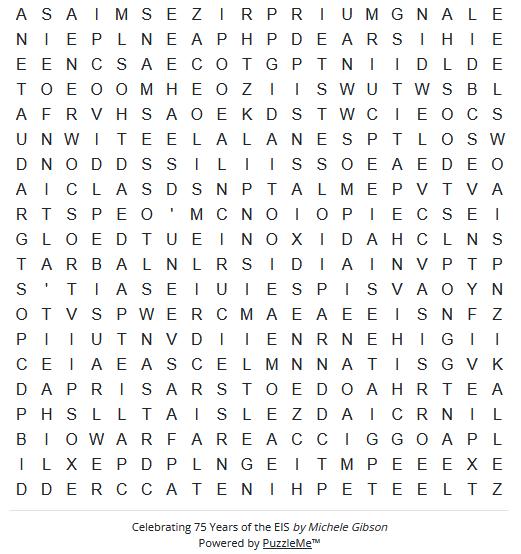
This month's puzzle spotlights the 75 years of EIS history and all the hard work these dedicated professionals have done to protect us all. So work the puzzle and remember the 75 years. Good luck - don't let the puzzle frustrate you!
For an interactive online version go to: https://tinyurl.com/43uz435j
Words to find:
1. Anthrax
2. Bio Warfare
3. COVID
4. Disease Detect
5. Ebola Epidemic
6. EIS Alumni Assn
7. EPI-AID
8. Epidemic Intel
9. HIV-Hepatitis
10. Langmuir Prize
11. Legionnaire's
12. Polio Survail
13. Post Graduate
14. SARS
15. Seventy Five
16. Smallpox
17. TEPHINET Accred
18. West Nile
19. Zika
What We're Reading This Month
Editor's Note: All of us are confronted with more material than we can possibly hope to digest each month. However, that doesn't mean that we should miss some of the articles that appear in the public media on topics of interest to the epi community. The EpiMonitor curates a monthly list of some of the best articles we've encountered in the past month. See something you think others would like to read? Please send us a link at info@epimonitor.net and we'll include it in the next month
Public Health Topics
♦ A Year After U.S.A.I.D.’s Death, Fired Workers Find Few Jobs and Much Loss (NYT)
https://tinyurl.com/mr3n32vt
♦ The world's deadliest infectious disease is on the rise in the US (Vox)
https://tinyurl.com/bdzjjdkd
♦ Separating Signal From Noise: How African Biostatisticians Are Reshaping the Fight Against Malaria (NewsWise)
https://tinyurl.com/ahaz3atv
♦ Congress gave money for global HIV work. The Trump administration isn't spending it. (NPR)
https://tinyurl.com/3he4ss95
♦ Europe’s Unfinished Epidemics: Sustaining Community-Led HIV Response in Times of Crisis –Joint Statement (European Aids Treatment Group)
https://tinyurl.com/mphau9vb
♦ Former Fauci aide charged with conspiring to evade Covid-related records requests (Politicio)
https://tinyurl.com/2h366v4u
♦ Opinion: The path to an AIDS cure is rare and brutal (Globe & Mail via AppleNews)
https://tinyurl.com/4suukrtx
♦ What to Know About Cicada, the New COVID Variant (Time)
https://tinyurl.com/y4xsujf3
♦ Richard Hatchett, epidemiologist: ‘The risk of a pandemic is greater today than it was in 2019’ (El Pais)
https://tinyurl.com/4xzedsu3
What We're Reading This Month
[Type a quote from the document or the summary of an interesting point. You can position the text box anywhere in the document. Use the Text Box Tools tab to change the formatting of the pull quote text box.]
- con't from page 31
Public Health Topics
♦ The 'spray guy' got blood cancer. Now he's fighting Roundup at the Supreme Court (USA Today)
https://tinyurl.com/m43p8th7
♦ Fruits and vegetables may increase your cancer risk, new research shows (Newsweek) https://tinyurl.com/3x8pb6nm
♦ Indigenous health can't be separated from environmental health, leaders tell UN (Grist) https://tinyurl.com/49j49c54
♦ Mitochondrial Dysfunction: An Underlying Driver of Autism and What May Help (Epoch Times)
https://tinyurl.com/3ej93tfm
♦ Preservatives and Cancer: What's the Real Risk? (MedScape) https://tinyurl.com/mr2ep3u6
♦ Exercise advice for long Covid may be doing more harm than good (New Scientist) https://tinyurl.com/35ds3fbj
♦ UC Irvine-led team creates first cell type-specific gene regulatory maps for Alzheimer's disease (UC Irvine News)
https://tinyurl.com/2hxu6e7v
♦ Federal judge temporarily blocks RFK Jr.’s vaccine agenda – an epidemiologist answers questions parents may have (The Conversation) https://tinyurl.com/mtdjckdx
♦ Trump nominates former Coast Guard doctor as CDC chief (NPR) https://tinyurl.com/42cmc6kf
♦ Kennedy Refuses to Commit to Backing New C.D.C. Director on Vaccines (NYT) https://tinyurl.com/2wstwdsr
Notes on People
D
o you have news about yourself, a colleague, or a student?
Please help The Epidemiology Monitor keep the community informed by sending relevant news to us at this address for inclusion in our next issue. michele@epimonitor.net
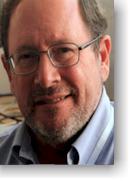
Honored: Dr. John Clemens, a physician and professor in the UCLA Fielding School of Public Health’s Department of Epidemiology, has been named a laureate of the John Dirks Canada Gairdner Global Health Award for outstanding achievements in global health research. Clemens and his colaureate, Dr. Jan Holmgren, of the University of Gothenburg in Sweden, were honored by the Gairdner Foundation for their work to understand “cholera disease and immunity, and for the development and evaluation of safe, effective, and affordable inactivated oral cholera vaccines that have enabled cholera control worldwide."
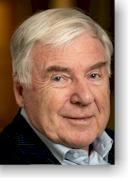
Honored: Senior Professor Jan Holmgren at the Sahlgrenska Academy, University of Gothenburg, is awarded the 2026 John Dirks Canada Gairdner Global Health Award together with epidemiologist John Clemens. The award recognizes research that has had a major impact on global health. Through his research, Jan Holmgren showed how the bacterium Vibrio cholerae causes disease. He described the structure and function of the cholera toxin, which drives the severe fluid loss. He also demonstrated how immunity develops in the intestine and can be induced by oral vaccination. This knowledge proved critical for stopping the infection.
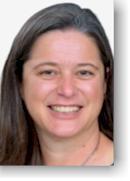
Honored: Heidi Spratt, PhD, a tenured professor at The University of Texas Medical Branch (UTMB) School of Population and Public Health, has been recognized as a 2026 Fellow of the Association for Clinical and Translational Science (ACTS). ACTS is a nonprofit membership association of translational scientists from the nation’s leading academic medical centers. Spratt is a collaborative biostatistician with primary interests in bioinformatics, biomarker discovery, predictive modeling, and machine learning. Her research focuses on clinical studies applied to a wide range of disorders, diseases, and populations, including those in the fields of infectious diseases (specifically dengue fever and Chagas disease), liver cancer, internal medicine and geriatrics, and pediatric respiratory infections.
Honored: University of Pennsylvania professor Dr. Paul Rosenbaum will be the recipient of the 2026 Marvin Zelen Leadership Award in Statistical Science. Dr. Rosenbaum is widely recognized for his significant contributions to statistical science, especially in improving methods for understanding causeand-effect relationships in observational studies. His work has helped researchers draw more reliable conclusions from real-world data when randomized experiments are not possible.
Notes on People,
Do you have news about yourself, a colleague, or a student?
Please help The Epidemiology Monitor keep the community informed by sending relevant news to us at this address for inclusion in our next issue. michele@epimonitor.net
Honored: Heejong Bong, assistant professor of statistics in the College of Science at Purdue University, has received the Career Development Award from the Korean International Statistical Society (KISS), recognizing early-career researchers for their contributions and potential in statistical science.
The award highlights statisticians in the early stages of their careers who have demonstrated strong productivity through research and service, along with the promise of making meaningful contributions to the field. Bong was selected alongside other emerging scholars from institutions across the United States.
Honored: Emory University professor Natalie Dean has received the 2026 Albert E. Levy Award for a junior faculty member. She started her research group at Emory in 2021 and is now an associate professor of biostatistics and bioinformatics in the Rollins School of Public Health at Emory. Dean also holds a secondary appointment in the Department of Epidemiology. Dean’s multidisciplinary research focuses on infectious disease surveillance and vaccine evaluation, as well as the design and analysis of vaccine trials during outbreaks.
Named: The University of Chicago has announced that Brandon L. Pierce, PhD, will serve as the next Chair of the Department of Public Health Sciences, effective July 2026. His research focuses on understanding how genetic variation and environmental exposures interact to shape human health. His work integrates genomic, environmental, and biomarker data within large-scale population studies to understand causes of disease and their underlying biological mechanisms. His research has advanced the field’s understanding of how aging and exposures modify the human genome and how genetic susceptibility variants influence gene function. In the context of cancer and other chronic diseases, his work aims to improve risk prediction and inform disease prevention strategies.
Named: Jiang Bian, PhD, of the Regenstrief Institute has been named a 2026 Fellow of the Association for Clinical and Translational Science (ACTS), recognizing his contributions to clinical and translational science. Dr. Bian serves as chief data scientist at Regenstrief Institute and holds multiple academic appointments at Indiana University. His work focuses on advancing data science and real-world evidence to improve healthcare delivery and outcomes, with a particular emphasis on the use of large-scale health data to inform clinical and population health decision-making.
Notes on People,
Do you have news about yourself, a colleague, or a student?
Please help The Epidemiology Monitor keep the community informed by sending relevant news to us at this address for inclusion in our next issue. michele@epimonitor.net
Nominated: Dr. Erica Schwartz, who served as deputy surgeon general in his first administration, to serve as the next director of the Centers for Disease Control and Prevention. Schwartz is a retired Rear Admiral in the U.S. Public Health Health Service Commissioned Corps and a board-certified preventive medicine physician. She previously served as chief medical officer of the U.S. Coast Guard. She has a medical degree from Brown University, a law degree from the University of Maryland, and a master's in public health degree from the Uniformed Services University, or USU.
Appointed: The CDC Foundation today announced the appointment of Mary Currier, MD, MPH, to its board of directors. Currier is a distinguished physician and public health administrator for more than 30 years at the Mississippi State Department of Health. She served as state health officer from 2010 to 2018, where she led statewide public health policy and operations, including disease prevention, outbreak response and major health initiatives. She also served as state epidemiologist and held multiple clinical and consulting roles focused on maternal and child health, infectious diseases and preventive care. She also serves on the faculty of the University of Mississippi Medical Center.
Appointed: Andreea Creanga, MD, PhD, Chair of Epidemiology and Public Health and the Simon and Bessie Grollman Distinguished Professor at the University of Maryland School of Medicine (UMSOM) has been reappointed to the global advisory group that assists the World Health Organization (WHO) in tracking and estimating rates of maternal deaths around the world. Dr. Creanga was first appointed to the WHO’s Technical Advisory Group on Maternal Mortality and Maternal Cause of Death Estimation in 2020.
Retired: South Carolina state epidemiologist Dr. Linda Bell has retired after more than three decades at the state’s health department. Her final day with the agency was March 31. Bell’s tenure as state epidemiologist included leading the state’s COVID-19 response, as well as its more recent measles outbreak.
Do you have news about yourself, a colleague, or a student?
Please help The Epidemiology Monitor keep the community informed by sending relevant news to us at this address for inclusion in our next issue. michele@epimonitor.net
Passed: Qi Zheng, 67, of College Station, passed away on March 13, 2026. A loving father, lifelong teacher, and travel enthusiast, Qi was a Professor in the Department of Epidemiology and Biostatistics at the Texas A&M School of Public Health.
Qi dedicated much of his research towards finding efficient algorithms for calculating bacteria mutations (the Luria-Delbrück fluctuation experiment). Through this work, he has helped the FDA evaluate antibacterial resistance and calculate ‘safe’ levels of exposure to carcinogens. To increase accessibility and adoption, he released SALVADOR, rSalvador, and later webSalvador, to open his algorithms to researchers worldwide. The latter was a project he shared with his son, Eric Zheng. https://tinyurl.com/323udzvz
Passed: Victor De Gruttola, Harvard professor of biostatistics, emeritus, and former chair of the Department of Biostatistics, passed away March 18. Victor was a valued member of the department for more than 50 years, starting as a student in 1972. He is remembered as a cherished mentor, collaborator, and friend to many, as well as a scholar and leader who made a major impact on the theory and practice of statistical science.
He was renowned for his contributions to the development and application of statistical methods in HIV/AIDS research, including on estimating the risk that children of HIV-infected mothers would develop AIDS in the first 10 years of life. He was known as a relationship builder, who worked effectively with collaborators from around the world on studies such as the Botswana Combination Prevention Project, and with leaders and activists from communities affected by the AIDS epidemic.
Victor is survived by his partner of many years, Robert Litwack, his sister and brother-in-law Paula and Scott Aaronson, a niece and nephew, and two greatnephews.
Near Term Epidemiology Event Calendar
Every December The Epidemiology Monitor dedicates that issue to a calendar of events for the upcoming year. However that often means we don't have full information for events later in the upcoming year. Thus an online copy exists on our website that is updated regularly. To view the full year please go to: http://www.epimonitor.net/Events The events that we are aware of for the next month follow below.
May 4-7
Type: Conference
Title: APHL 2026 Annual Conference
May 2026
Web: https://tinyurl.com/mtepy6sf
Sponsor: Association of Public Health Laboratories Location: Baltimore, MD
May 4-22
Type: Short Course Web: https://tinyurl.com/ynw2u7jc
Title: Modeling Food Health Risks and Animal Health Risks Using R
Sponsor: Epix Analytics Location: Virtual
May 6-9
Type: Conference
Web: https://tinyurl.com/nhfhaa35
Title: 2026 Annual Conference - Population Association of America
Sponsor: PAA Location: St. Louis, MO
May 8-10
Type: Conference
Web: https://tinyurl.com/58nxyaun
Title: The 11th Workshop on Biostatistics and Bioinformatics
Sponsor: National Science Foundation & Georgia State University Location: Atlanta, GA
May 8-10
Type: Conference
Web: https://tinyurl.com/3uejhmav
Title: The 11th Workshop on Biostatistics and Bioinformatics
Sponsor: National Science Foundation & Georgia State University Location: Atlanta, GA
May 11-13
Type: Short Course Web: https://tinyurl.com/242e3thd
Title: Health Effects of Vaccines: From Genomics to Policy
Sponsor: Wellcome Connecting Science Location: Hinxton, England & Virtual
May 11-13
Type: Short Course Web: http://tinyurl.com/2f2ax7jw
Title: Statistical Methods for Mediation Analysis
Sponsor: University of Bristol Location: Virtual
May 12-15
Near Term Epidemiology Event Calendar
May 2026
Type: Conference Web: http://bit.ly/2DXzS3d
Title: INTEREST 2026
Sponsor: IeDE (Intl Epi Databases to Evaluate AIDS Location: Dar es Salaam, Tanzania
Title: SIS-FENStats 2026 - Joint Meeting of the Italian & European Statistical Societies
Sponsor: Italian Statistical Society Location: Rome, Italy
June 22 – July 3
Type: Short Course Web: https://bit.ly/2Kxw9QD
Title: Epidemiological Evaluation of Vaccines: Efficacy, Safety and Policy
Sponsor: LSHTM Location: London, England
June 28 – July 4
Type: Summer Program Web: https://tinyurl.com/3jn7x3w8
Title: ESCMID Summer School
Sponsor: ESCMID Location: Budapest, Hungary
Near Term Epidemiology Event Calendar
June 2026
June 29 – July 3 Type: Short Course
Web: https://tinyurl.com/ykdakjje
Title: Causal Inference in Epidemiology: Concepts and Methods
Sponsor: University of Bristol Location: Virtual
June TBD Type: Summer Program Web: https://tinyurl.com/84pu8myt
Title: Big Data Summer Institute
Sponsor: University of Michigan SPH Location: Ann Arbor, MI
June TBD Type: Summer Program Web: http://bit.ly/368xRgK
Title: Summer Program in Epidemiology
Sponsor: Harvard University Location: Boston, MA
Open Public Health Positions
What it means and why it matters
The list below has been compiled by Public Health Hiring Help the new Substack column that has been created to help individuals in the public health community find positions in the midst of the chaos that is now impacting governmental agencies and grant recipients. This list represents the most current positions PHHH has been able to identify. We thank PHHH for their permission to reprint these listings.
Los Angeles Co Dept of Homeless Services, Sr. Data Scientist (Los Angeles,CA)
Public Health Alignment: BSHES, HPM, Bachelor’s, Grad, Master’s
For Full Information on jobs: http://www.epimonitor.net/JobBank
The EpiMonitor offers a variety of plans for you to advertise your job opening, event or other item of interest to our readers. The basic advertising options are:
Web Only
This provides you with a full page on our website along with banner ads in appropriate places for what you are advertising (e.g. our Job Bank or Events pages). In addition, these ads are also featured in our monthly email blast. Web ads normally appear on our site within 2-3 hours of your order.
Web + Digital Print
This option provides either a full or half page digital print ad in this publication monthly along with all of the services included in the "Web Only" option.
Social Media
We also have social media add-on options for our web and print advertising programs.
Your Ad Should Be Here
Do you have a job, course, conference, book or other resource of interest to the epidemiology community? Advertise with The Epidemiology Monitor and reach 35,000 epidemiologists, biostatisticians, and public health professionals monthly.
Advertising opportunities exist in this digital publication, on our website and social media pages, and in our Epi-Gram emails.
For more information please contact: Michele Gibson / 770.309.7937 / michele@epimonitor.net
Open Rank Faculty - Environmental Epidemiology
The Department of Epidemiology and Population Health in the School of Public Health and Information Sciences at the University of Louisville is seeking applicants for a tenure-track, open rank faculty position. Applicants must have a doctoral degree in epidemiology: other doctoral degrees may be considered if the applicant has at least 3 to 5 years of direct experience in epidemiological research. Applicants should have a strong record of peer-reviewed publications. Extramural funding as a principal investigator is required for consideration at the Associate or Full Professor level. Applicants should show good potential for developing and maintaining a nationally recognized portfolio of research, and experience in teaching and mentoring. Specialization in environmental epidemiology with research relevant to climate change is strongly preferred. Applicants with research experience on the effects of chemical and radiation exposures, air pollution, the built environment, environmental health inequities, or other relevant specializations are of interest also.
The School of Public Health and Information Sciences (SPHIS) is located on the University of Louisville Health Sciences Center campus, which includes the schools of Medicine, Nursing and Dentistry. SPHIS is one of two schools of public health in Kentucky and is fully accredited by the Council on Education for Public Health. The Department of Epidemiology and Population Health has MPH, MS and PhD curricula in epidemiology, and a new BA/BS, minor in epidemiology. It is the only department in the school with two MPH concentrations: Epidemiology and Global Maternal-Child Health. All faculty are expected to teach as well as pursue research. Candidates for this position opening will be expected to develop new courses related to their specialization and contribute to the expansion of the teaching mission of the department.
Faculty members of the Department of Epidemiology and Population Health currently specialize in diverse areas of research and teaching including: nutrition, obesity and body composition; aging; molecular biomarkers for cardiometabolic diseases and cancer; infectious diseases; women’s maternal-child and reproductive health; racial-ethnic, gender and geographic health disparities; global health; the effects of environmental lead, radon, heavy metal and toxic nanoparticle exposures on health; interactions among genetic, behavioral societal and environmental factors; prevention of infectious diseases including efficacy of vaccines, masking and social distancing in COVID 19, community acquired pneumonia, and HIV; and long-term consequences of diagnosed cancers on quality of life. The faculty members enjoy strong research collaborations with other departments in SPHIS and across the university. The university is home to several centers and institutes relevant to this position including the Christina Lee Brown Envirome Institute, Center for Integrated Environmental Health Sciences, Superfund Research Center, Divisions of Environmental Medicine and Infectious Diseases, and the Brown Cancer Center, as well as the Louisville Metro Department of Health & Wellness and the Kentucky Department of Public Health. SPHIS is home to the Center for Health Hazard Preparedness, the Commonwealth Institute of Kentucky, Center for Social Justice Youth Development, and the Statistical Consulting Center.
The selected applicant will receive a competitive salary, office and research space, and protected time for scholarship: start-up funds are negotiable. The department supports membership and travel to professional epidemiology organizations such the Society for Epidemiologic Research and American College of Epidemiology. We are looking for candidates interested in becoming members of a small, highly collegial, collaborative and competitive department that “punches above its weight” by placing its graduates in excellent positions.
TO APPLY
Interested candidates should apply online at: https://tinyurl.com/2wz49xt2
Position ID #R108230
Please include your curriculum vitae, a letter of interest including a statement of research interests and a list of five professional references addressed to: Dr. Kira Taylor, Chair of Search Committee, Department of Epidemiology and Population Health, School of Public Health and Information Sciences, University of Louisville, 485 East Gray St., Louisville, KY 40292.
Location: Louisville, KY
Job Type: Full-time
Contact: Kira Taylor
Email: kira.taylor@louisville.edu
Website: https://tinyurl.com/2wz49xt2
ASSISTANT / ASSOCIATE / FULL PROFESSOR - EPIDEMIOLOGY
The Department of Epidemiology at the University of Florida is recruiting one (1) full-time (1.0 FTE), 12-month tenure-track faculty member at the Assistant, Associate or Professor level with expertise in research using artificial intelligence. This is an exciting opportunity to join a growing department that has expertise in cutting edge areas including substance use and HIV, genetic epidemiology, cancer epidemiology, psychiatric epidemiology, data science/AI methods, and infectious and chronic disease epidemiology.
The Department seeks candidates with expertise in chronic disease epidemiology (e.g., cardiovascular, pulmonary, cancer, aging, obesity/metabolism) and clinical epidemiology who use and/or develop advanced data science approaches (i.e., artificial intelligence) in their research. The ideal candidate will demonstrate a commitment to excellence in teaching, mentoring, and research conducted in a dynamic academic health center environment. The successful candidate will be expected to contribute independently to externally funded research as a principal investigator, as well as collaborate with other faculty. In addition, the successful candidate will teach in the epidemiology and public health programs and will also contribute to service through student mentorship and committee service.
Qualifications: The position requires a doctoral degree in epidemiology or a related field. For senior hires, a record of academic accomplishments, scholarly recognition, external research support, and leadership appropriate for appointment at the associate or full professor rank is essential. For hires at the assistant professor level, potential to develop such a record should be demonstrated.
UF Epidemiology: Faculty members are jointly appointed in the College of Public Health and Health Professions and the College of Medicine to create synergies and collective strength, resulting in a competitive research profile and highly trained students who receive exceptional exposure to diverse expertise. Our faculty and students have received numerous national awards in research and mentoring and are committed to excellence in training. The department offers an epidemiology PhD, Master of Science, and concentration in the MPH program. It is also home to two National Institutes of Health training grants. Faculty members are strongly supported by our college level instructional design team for course development and delivery and by our research core for grant development and submission.
Applicants: To view the job posting online, go to UF Careers; Job# 538985. Qualified applicants should submit an application, which includes a current Curriculum Vitae (CV), a cover letter that describes research and career interests, and a list of three references. Application review will begin immediately and will continue until a suitable applicant pool has been established.
Salary and Benefits: Salary and start-up packages will be commensurate with rank. The University of Florida (UF) offers an exceptional benefits package, including health, dental and vision insurance; state retirement plans; a generous leave program; and tuition assistance. UF is a Public Service Loan Forgiveness (PSLF) eligible employer. For more information on benefits, please visit UF HR Benefits and Rewards at https://benefits.hr.ufl.edu/
The Institution: The University of Florida (www.ufl.edu) is a comprehensive research-extensive university that includes a full range of academic departments and programs. In the “2024 Best Colleges in the U.S.” report, the Wall Street Journal named the University of Florida No. 1 public institution. In April 2024, Forbes named UF as one of the only 10 “New Ivy” schools. The College of Public Health and Health Professions (www.phhp.ufl.edu) is part of the University’s Health Science Center. The UF Health Science Center (https://ufhealth.org/about-us) is comprised of six health-related colleges located on a single, contiguous campus. They include the colleges of Dentistry, Medicine, Nursing, Pharmacy, Public Health and Health Professions, and Veterinary Medicine. The Health Science Center also partners with the immediately adjacent UF Health Shands Hospital, the Malcom Randall VA Medical Center, and the UF Health Science Center Regional campus located in Jacksonville, FL. Additional major institutes and centers located at the University of Florida include the Emerging Pathogens Institute, the Institute of Child Health Policy, the UF Health Cancer Center, the UF Genetics Institute, the Clinical and Translational Science Institute and the McKnight Brain Institute, all of which provide state-of-the-art environments and access to large data sets for faculty collaboration.
If an accommodation is needed to apply for this position, please call 352/392-2477 or the Florida Relay System at 800/9558771 (TDD). Hiring is contingent upon eligibility to work in the U.S. Searches are conducted in accordance with Florida’s Sunshine Law.
Associate / Full Professor - Epidemiology
The Department of Epidemiology at the University of Florida is recruiting one (1) full-time (1.0 FTE), 12-month tenuretrack faculty member at the Associate or Professor level. This is an exciting opportunity to join a growing department that has expertise in cutting edge areas including substance use and HIV, genetic epidemiology, cancer epidemiology, psychiatric epidemiology, data science/AI, and infectious and chronic disease epidemiology.
The Department seeks candidates with expertise in chronic disease epidemiology (e.g., cardiovascular, pulmonary, cancer, aging, obesity/metabolism) and clinical epidemiology. The ideal candidate will demonstrate a commitment to excellence in teaching, mentoring, and research conducted in a dynamic academic health center environment. The successful candidate will be expected to be principal investigator of extramurally funded research projects as well as contribute collaboratively with other faculty. In addition, the successful candidate will teach in the epidemiology and public health programs and will also contribute to service through student mentorship and committee service.
Qualifications: The position requires a doctoral degree in epidemiology or a related field.
UF Epidemiology: Faculty members are jointly appointed in the College of Public Health and Health Professions and the College of Medicine to create synergies and collective strength, resulting in a competitive research profile and highly trained students who receive exceptional exposure to diverse expertise Our faculty and students have received numerous national awards in research and mentoring and are committed to excellence in training. The department offers an epidemiology PhD, Master of Science, and concentration in the MPH program. It is also home to two National Institutes of Health training grants. Faculty members are strongly supported by our college level instructional design team for course development and delivery and by our research core for grant development and submission.
Applicants: To view the job posting online, go to UF Careers; Job# 538986. Qualified applicants should submit an application, which includes a current Curriculum Vitae (CV), a cover letter that describes research and career interests, and a list of three references. Application review will begin immediately and will continue until a suitable applicant pool has been established.
Salary and Benefits: Salary and start-up packages will be commensurate with rank. The University of Florida (UF) offers an exceptional benefits package, including health, dental and vision insurance; state retirement plans; a generous leave program; and tuition assistance. UF is a Public Service Loan Forgiveness (PSLF) eligible employer For more information on benefits, please visit UF HR Benefits and Rewards at https://benefits.hr.ufl.edu/
The Institution: The University of Florida (www.ufl.edu) is a comprehensive research-extensive university that includes a full range of academic departments and programs. In the “2024 Best Colleges in the U.S.” report, the Wall Street Journal named the University of Florida No. 1 public institution. In April 2024, Forbes named UF as one of the only 10 “New Ivy” schools. The College of Public Health and Health Professions (www.phhp.ufl.edu) is part of the University’s Health Science Center. The UF Health Science Center (https://ufhealth.org/about-us) is comprised of six health-related colleges located on a single, contiguous campus. They include the colleges of Dentistry, Medicine, Nursing, Pharmacy, Public Health and Health Professions, and Veterinary Medicine. The Health Science Center also partners with the immediately adjacent UF Health Shands Hospital, the Malcom Randall VA Medical Center, and the UF Health Science Center Regional campus located in Jacksonville, FL. Additional major institutes and centers located at the University of Florida include the Emerging Pathogens Institute, the Institute of Child Health Policy, the UF Health Cancer Center, the UF Genetics Institute, the Clinical and Translational Science Institute and the McKnight Brain Institute, all of which provide state-of-the-art environments and access to large data sets for faculty collaboration.
If an accommodation is needed to apply for this position, please call 352/392-2477 or the Florida Relay System at 800/955-8771 (TDD). Hiring is contingent upon eligibility to work in the U.S. Searches are conducted in accordance with Florida’s Sunshine Law.
YLE can be found here: https://yourlocalepidemiologist.substack.com/
Your Local Epidemiologist (YLE) is founded and operated by Dr. Katelyn Jetelina, MPH PhD—an epidemiologist, wife, and mom of two little girls. YLE reaches more than 305,000 people in over 132 countries with one goal: “Translate” the ever-evolving public health science so that people will be well-equipped to make evidence-based decisions. This newsletter is free to everyone, thanks to the generous support of fellow YLE community members.
To support the effort, subscribe or upgrade your existing subscription: https://yourlocalepidemiologist.substack.com/
The Epidemiology Monitor ISSN (2833-1710) is published monthly by Monitor Publishing & Communications, Inc.
All material in this publication is subject to copyright. For possible reprint permission please contact us at michele@epimonitor.net
Advertising options include but are not limited to:
Website only ads or website ads combined with digital print ads in this publication. Sponsorship for features in this newsletter or for the newsletter issue itself
Ads are accepted for open positions, events, programs, books, merchandise and other items of interest to our readers.
Subscriptions to this publication are free. Go to http://epimonitor.net/Subscribe.htm