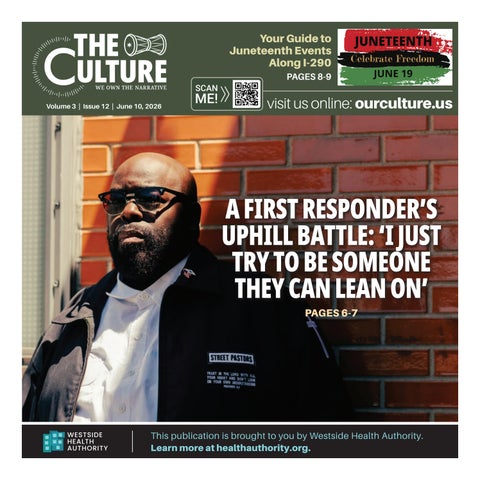
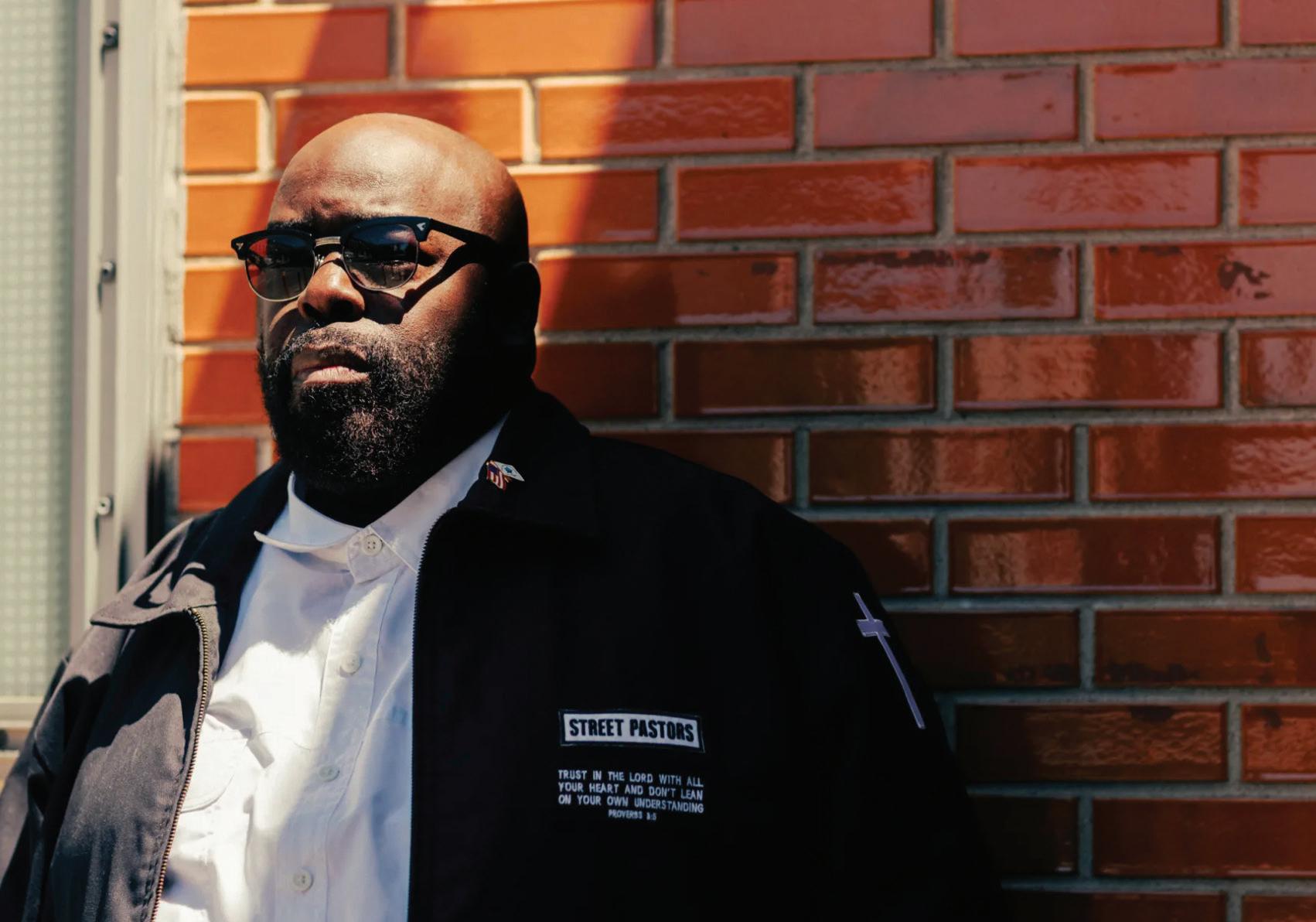
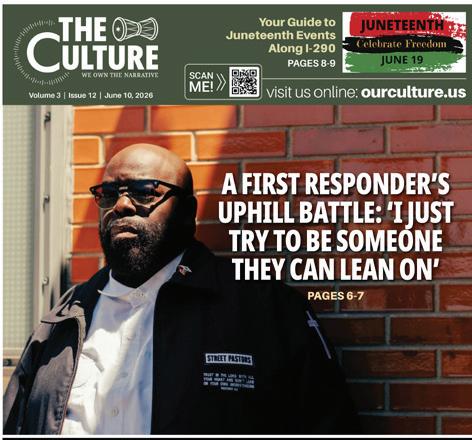
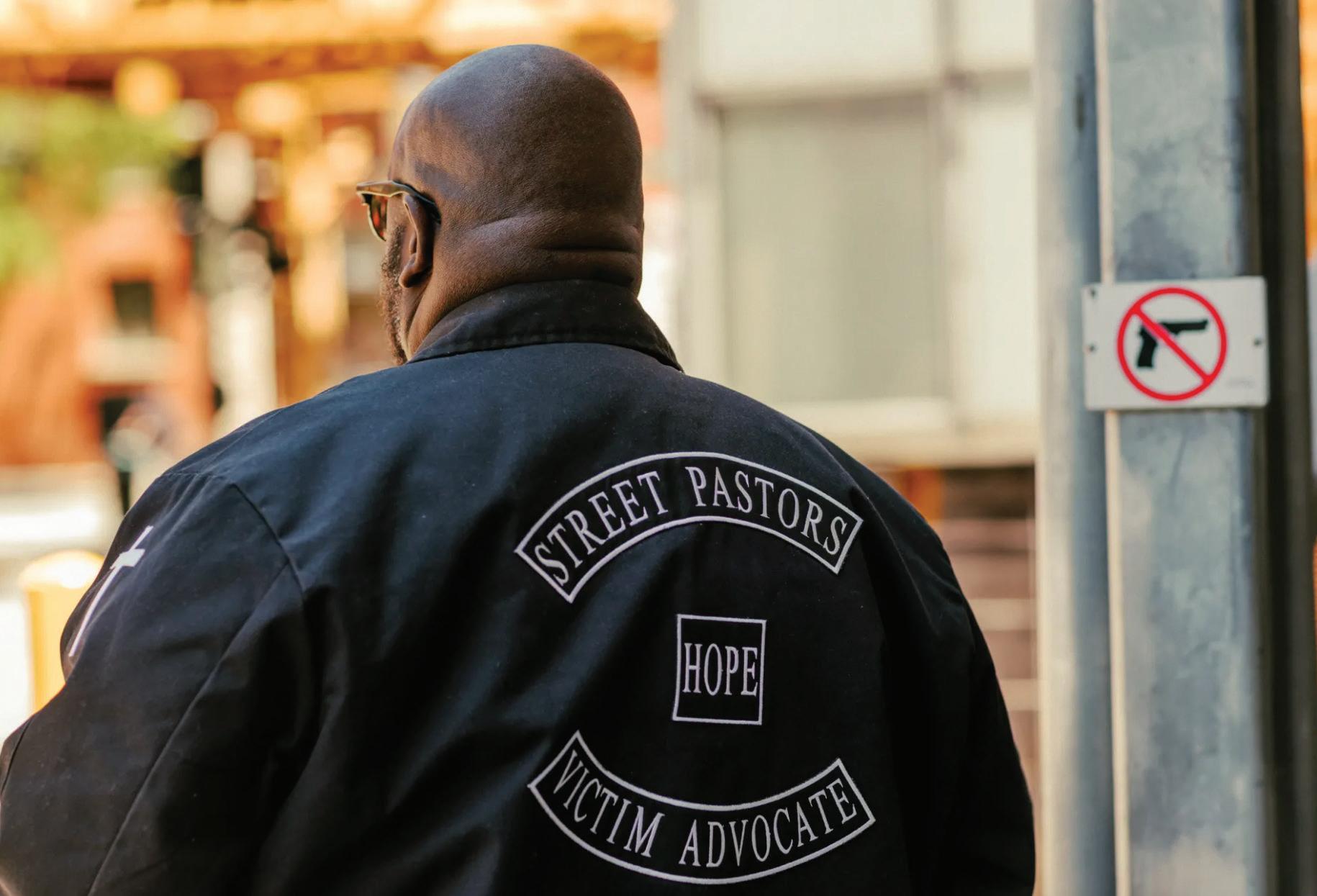
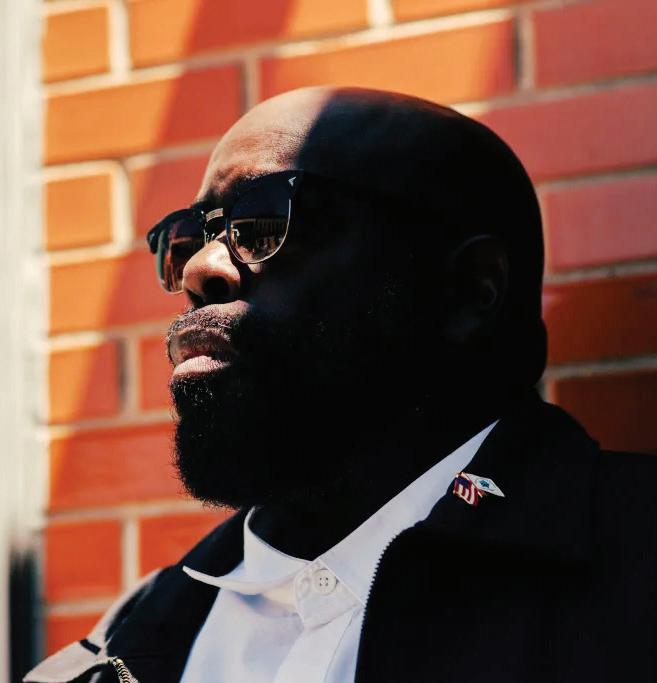
Pastor Donovan Price is such a regular fixture at the University of Chicago Medical Center that he has gained press access, so he can quickly reach the families of victims in their time of need. | KORY POWELL FOR THE TRACE
Finding Flow: The Hidden Key to Building Stronger Communities
BY DR. DEONDRE’ RUTUES Community contributor
When people hear the word productivity, they often think about businesses, executives, or high-performing professionals. But what if one of the most powerful tools for personal and community growth is something that can be developed by anyone?
Psychologists call it flow, a state of complete focus and engagement in a meaningful activity. It is that feeling when you become so immersed in a task that distractions disappear, time seems to fly by, and your best work emerges naturally.
While flow is often discussed in the workplace, I believe its greatest potential may lie within our communities.
Many neighborhoods face challenges that compete for our attention every day. Economic hardship, public safety concerns, family responsibilities, social media, and the constant demands of life can leave people feeling overwhelmed and disconnected from their goals. As a result, many individuals spend their days reacting rather than intentionally creating the future they want.
Flow offers a different path.
Flow occurs when we engage in activities that are meaningful, challenging, and aligned with our skills. It can happen while starting a business, mentoring youth, creating art, coaching a sports team, learning a trade, organizing a block club, or pursuing an educational goal. In these moments, people move beyond survival mode and into growth mode. Imagine what would happen if more people in our communities regularly experienced flow.
Students would become more engaged in learning. Entrepreneurs would devote focused time to growing their businesses. Community leaders would have the mental space to develop solutions instead of constantly responding to crises. Residents would discover talents and passions that contribute to the collective strength of the neighborhood.
The good news is that flow is not some -
thing that happens by accident. We can intentionally create the conditions that make it more likely.
1. IDENTIFY WORK THAT MATTERS TO YOU
Flow begins with purpose. Ask yourself: What am I trying to build, improve, or accomplish?
Whether it is earning a certification, starting a business, improving your health, helping your child succeed, or strengthening your community, meaningful goals naturally command our attention. The more connected you are to the “why,” the easier it is to focus on the “how.”
2. CREATE A FOCUS BLOCK
Most people underestimate how much distraction steals from their productivity. Try setting aside 30 to 60 minutes each day dedicated to one important task. Turn off notifications. Put your phone on silent. Close unnecessary tabs. Let family members know you need uninterrupted time. Protecting your attention is one of the simplest ways to improve your performance.
3. CHALLENGE YOURSELF JUST BEYOND YOUR COMFORT ZONE
Flow lives in the space between boredom and frustration.If a task is too easy, you lose interest. If it is too difficult, you become discouraged. Choose goals that stretch your abilities while remaining achievable. For example, don’t start with the goal of writing a book. Start with writing one page. Don’t focus on opening three businesses. Focus on creating one business plan.
Small wins build momentum.
4. FIND A COMMUNITY OF ACCOUNTABILITY
We often think of focus as a solo activity, but community matters.
Join a study group. Attend networking events. Work alongside others who are pursuing similar goals. Share your progress with a mentor, coach, or trusted friend.
When people around us are growing, we are more likely to stay committed to our own growth.
5. REDUCE MENTAL CLUTTER
Many people carry dozens of unfinished tasks in their minds. Write them down. Keeping a notebook, planner, or digital task list helps free up mental energy. Your brain can focus on doing the work instead of trying to remember everything. Clear minds create space for creativity and problem-solving.
6. CELEBRATE PROGRESS, NOT JUST RESULTS
Flow is fueled by feedback. Don’t wait until you’ve reached the finish line to recognize success. Celebrate completing a chapter, attending the class, making the sales call, or showing up consistently. Progress builds confidence, and confidence fuels future progress. The reality is that community development begins with personal development. When individuals learn to focus their attention, build their skills, and pursue meaningful goals, entire neighborhoods benefit. Businesses grow. Families become stronger. Organizations become more effective. Communities become more resilient. The strongest communities are not built by extraordinary people doing extraordinary things every once in a while. They are built by ordinary people, consistently dedicating focused attention to meaningful goals. The next time you find yourself completely absorbed in a task that energizes and challenges you, pay attention. You may have entered a flow state.
And if enough of us learn to create those moments—not just for ourselves, but in service of our families, businesses, and neighborhoods—we may discover that community transformation begins with something as simple as focused attention.
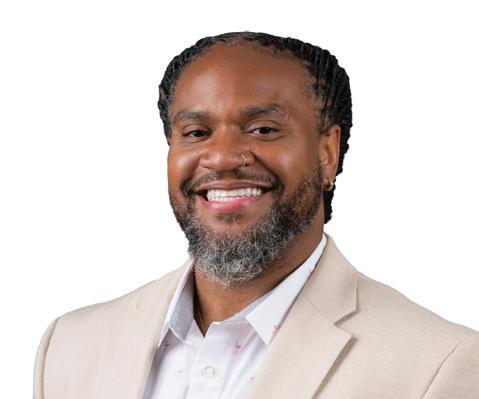
Dr. Deondre’ Rutues is a Business Psychologist, community leader, and founder of the Rutues Center for Business & People Development. Through psychology and human development, he helps individuals and organizations unlock their potential and build stronger communities.
Challenges Pervasive Ahead of Upcoming Board of Education Election
Dozens of Chicago school board candidates could get knocked off the ballot
BY BECKY VEVEA Chalkbeat Chicago
More than half of the 51 people who filed to run for one of 21 seats on the Chicago Board of Education may not make it on the ballot. That’s after 28 potential candidates had the validity of their petition signatures challenged.
Petition challenges allow registered voters in a candidate’s district to challenge the validity of signatures on their petitions. If the Chicago Board of Elections invalidates enough signatures, it can remove a candidate from the list. This year’s deadline to certify the ballot is Aug. 27.
As of June 4, four of the five people hoping
to be elected at-large to serve as school board president were at risk of being removed. Jennifer Custer was the only unchallenged candidate and will secure a spot in that race.
All nine of Mayor Brandon Johnson’s appointees currently serving on the school board running to keep their seats were facing challenges to the validity of their signatures. Two elected members aligned with Johnson — Aaron “Jitu” Brown, whose 5b District spans much of Austin, and Yesenia Lopez — have also had their petitions called into question. Sean Harden, Johnson’s appointed school board president, is not running for election.
Elected incumbents Therese Boyle, Ebony DeBerry, Angel Gutierrez, Carlos A. Rivas Jr., Ellen Rosenfeld, and Che “Rhymefest” Smith escaped challenges and will all be on the bal-
lot in November. Both Rosenfeld and Gutierrez are running unopposed in district 4b and 8a, respectively.
Only two of 21 races — in districts 2a and 4a — are currently guaranteed to have more than one candidate. Incumbent Ebony DeBerry and Bruce Leon, who ran in 2024, went unchallenged and are set to compete in 2a, while Ellen Sherratt and Angel Alvarez made it on the ballot in 4a. Hector Morales could survive a challenge to compete in 2a, as could 4a incumbent Karen Zaccor.
Surviving a petition challenge can require an attorney and take multiple weeks. The time-consuming and costly nature raises questions about ballot access for less resourced candidates. Removing political opponents through petition challenges
Candidates running for the Chicago Board of Education presidency and West Side seats
Board President (elected citywide)
• Jessica Biggs* (challenged)
• Jennifer Custer*
• Hilario Dominguez (challenged)
• Sendhil Revuluri (challenged)
• Victor Henderson (challenged)
3b (encompasses parts of the Northwest and West Sides of Chicago, including neighborhoods like Humboldt Park, Hermosa, Belmont Cragin, and Logan Square):
• Jason Dónes (challenged)
• Carlos A. Rivas Jr.*
5a (encompasses parts of Austin, West Town, and Ukrainian Village):
• Aaron “Jitu” Brown* (challenged)
• LaPamela Williams
5b (encompasses parts of the West Loop, West Garfield Park, and Austin):
• Michilla “Kyla” Blaise* (challenged)
• Anthony Hargrove
*Indicates candidate is a current school board member.
Find your Chicago Board of Education representative by entering your address at cps.edu/about/ chicago-board-of-education/member-map/
has also been held up as an example of old-school, Chicago-style politics and was famously used by former President Barack Obama during his first campaign for state senate in 1996.
Chicago school board candidates were required to collect 500 to 1,500 valid signatures from voters in their districts, and those running for board president had to collect 2,500 signatures from registered voters in Chicago. In 2024, 47 people filed to run, but only 31 candidates remained by election day.
This November’s election marks the first time all 21 seats on the Chicago Board of Education will be up for election, ending 30 years of mayoral control. Since 2024, the board has been half-elected and half-appointed.
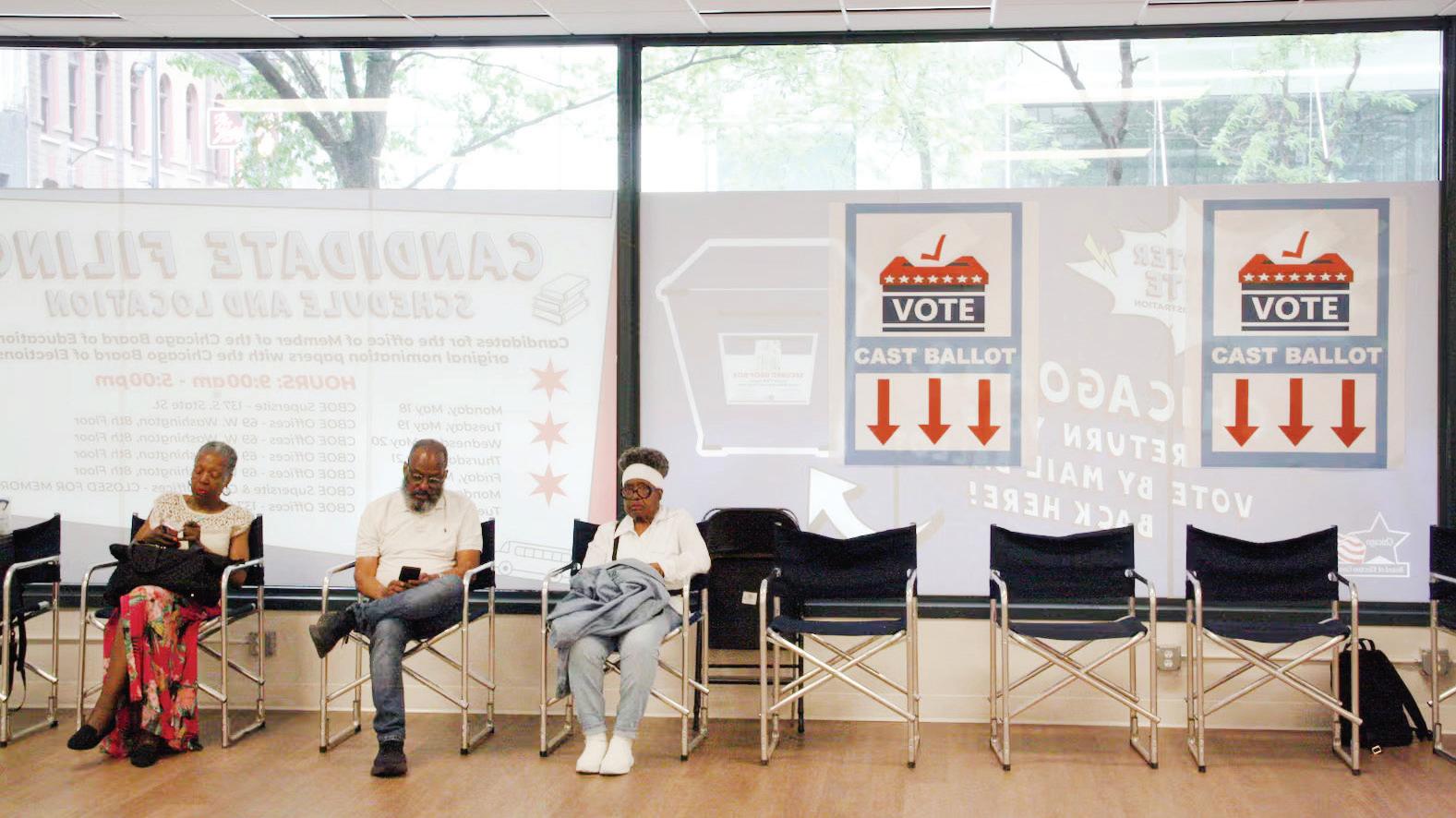
People sit near the entrance to the Chicago Board of Elections Supersite during Chicago Board of Education candidate filing on Monday, May 18, 2026. More than half of the hopeful school board candidates are facing challenges to their petition signatures. | MAKIYA SEMINERA / CHALKBEAT
BY JOSIAH BATES
The
Trace
Pastor Donovan Price arrived at the scene on Chicago’s West Side around 10 p.m., an hour after the May 7 shooting. Police tape surrounded the block. Damarion Johnson, an 18-year-old high school basketball star, had been shot and killed beside his Uber driver, Jassen Cho.
Price moved through the crowd, offering hugs, prayers, and whatever comfort he could provide. Over the past decade, the Chicago activist has regularly responded to shootings across the city, helping family members make funeral arrangements, connecting them with social services, and staying in touch throughout the grieving process. “I just try to be someone they can lean on,” Price told The Trace. “It’s hard enough dealing with the loss and tragedy. They know I’ll be there as long as they need me.”
Just two weeks earlier, in the last week of April, Price had responded to the fatal shooting of a Chicago police officer inside a hospital, a case that drew intense media coverage and responses from city officials.
To Price, both shootings served as a reminder: Despite recent gains in stemming the bloodshed, gun violence remains deeply embedded in Chicago’s neighborhoods.
“People don’t feel that [gun violence] is down,” he said.
As in other cities across the country, Chicago experienced significant reductions in shootings and gun deaths after the pandemic, culminating in 2025, when the city reached its lowest homicide numbers in 60 years. That year, shootings dropped 48 percent lower than the city’s average over the previous five years, a decline that has been celebrated by both residents and elected officials.
But community activists and violence prevention workers said the city’s overall progress is masking how deeply gun violence still shapes daily life in some areas. In some places, it’s actually ticking up. So far this year, shootings in parts of the South Side are on the rise by more than 20 percent, and overall killings by more than 50 percent in 2026 compared to 2025, according to police data. In parts of the West Side, also a predominantly Black neighborhood with soaring poverty rates, reductions in violence have slowed.
As Shootings Increase In Some Neighborhoods, Residents Worry Violence Is No Longer A Priority
While shootings have declined from a peak in 2021, the South and West sides are still struggling with everyday violence, and some areas are seeing their numbers creep up
“In my office, the phones are still ringing from aunties, mothers, fathers, and siblings of loved ones whose lives are being taken by violence,” said Pamela Bosley, the co-founder of Purpose Over Pain, an anti-violence organization run by parents who have lost children to gun violence. In the two decades since her son Terrell was shot and killed outside a church, she has worked to prevent
more violence on the South Side. “It’s not exciting to me to hear the numbers are down when our phones are still ringing for people asking us to help them bury their child.”
After the decline in shootings, locals say the attention that had been on gun violence
shifted toward issues like immigration enforcement, election-year politics, and highly publicized crimes downtown.
Trevon Bosley, Pamela’s living son, runs B.R.A.V.E Youth Leaders, a violence prevention group that works with young people
Price described UChicago as the best emergency trauma center in the city. | CREDIT: KORY POWELL FOR THE TRACE
“We don’t get excited about CVI until violence rises and there’s a lot of tension in the streets,” Tillmon said. “We got to create systems where we get ahold of [the funds] and keep it.”
who are at risk of being involved in shootings. He said they’ve seen a shift in how important people think gun violence is. “It’s usually not till something big happens that people’s attention comes back to it,” he said. Shootings like that of Damarion Johnson, and several other incidents this year involving teens, have drawn renewed concern from residents and activists, who said that, even as some of the public attention and urgency around firearm violence has abated, the conditions driving violence remain largely unchanged. And the city’s violence prevention ecosystem, made up of dozens of community organizations that employ outreach workers, victim advocates, and mediators,
are struggling to keep up.
“The dynamics haven’t changed at all,” Price said, referring to poverty, access to weapons, and the cyclical nature of gun violence.
Violence-prevention workers said the overall decline — partially attributed to their expanded efforts — has created a false sense of stability, straining effective programs. Chico Tillmon, who leads Community Violence Intervention (CVI) studies at the University of Chicago, pointed out that city, county, and state agencies have collectively invested hundreds of millions of dollars in violence prevention since 2022, and many groups are dependent on that money, which
is sometimes bolstered by federal grants and philanthropic support.
But Tillmon and other activists said much of the funding is dispersed through shortterm grants and politically driven investment cycles, creating uncertainty about whether the support for violence prevention programs will remain in the long term.
“We don’t get excited about CVI until violence rises and there’s a lot of tension in the streets,” Tillmon said. “We got to create systems where we get ahold of [the funds] and keep it.” He points to cities like New York and Los Angeles, where CVI efforts are more deeply embedded in local government infrastructure and funding is steadier.
Pamela Bosley said Chicago’s system is too dependent on political leadership and changing administrations. “I don’t feel like the violence prevention office should be run by the mayor. It should be something that’s there no matter who the mayor is,” she said, pointing to fluctuations in funding priorities, staffing, and public attention depending on who is in office and how urgent the matter seems. Chicago does have an Office of Violence Prevention, and Mayor
Brandon Johnson recently created a yearround Youth Peacekeeping Program, hiring 50 part-time workers to lead anti-violence programs.
But that’s not expected to offset the cuts in federal grants made last year by the Trump administration. Several organizations in Chicago were directly affected, including Target Area, a violence prevention organization that works on the South Side. It reportedly had to lay off dozens of their staff, including outreach workers.
“I’m not sure what that’s going to mean for the summer and what that’s going to end up looking like, but we’re feeling the cuts,” Trevon Bosley said.
Despite the uncertainty, Bosley said his organization still plans to hold peace marches throughout the summer and will continue working with other outreach groups in mentoring dozens of young people, and intervening before guns are pulled out. Still, he’s worried that the much-celebrated decline won’t hold. “We can easily have record highs if we sit back and relax as if the job is done,” he said. “This can all turn around in an instant.”
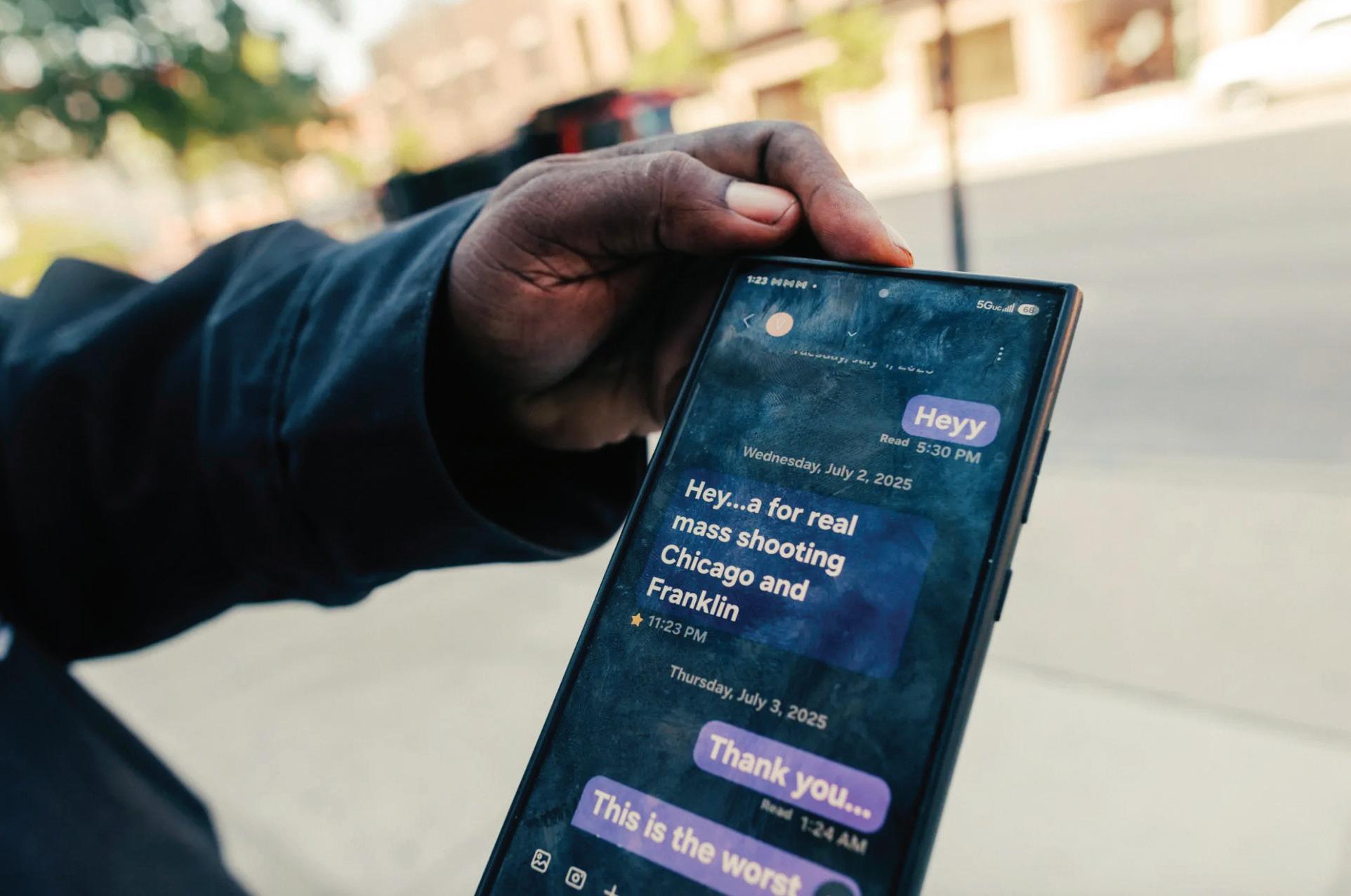
Price is well known within Chicago’s Police Department and other law enforcement agencies because of his consistent presence at crime scenes, and his faith-based work with grieving families. He was at the scene 20 minutes after receiving this text message. | CREDIT: KORY POWELL FOR THE TRACE
JUNETEENTH
CELEBRATION & VENDOR FAIR
Tuesday, June 17 | 4–7 p.m.
Garfield Park Conservatory City Garden, 300 N. Central Park Ave., Chicago
Celebrate Juneteenth while supporting local organizations and small business owners at this family-friendly community gathering. Enjoy food, music, activities, and access to the conservatory’s indoor and outdoor gardens.
Admission: Free
Registration: RSVP via the event QR code on promotional materials.
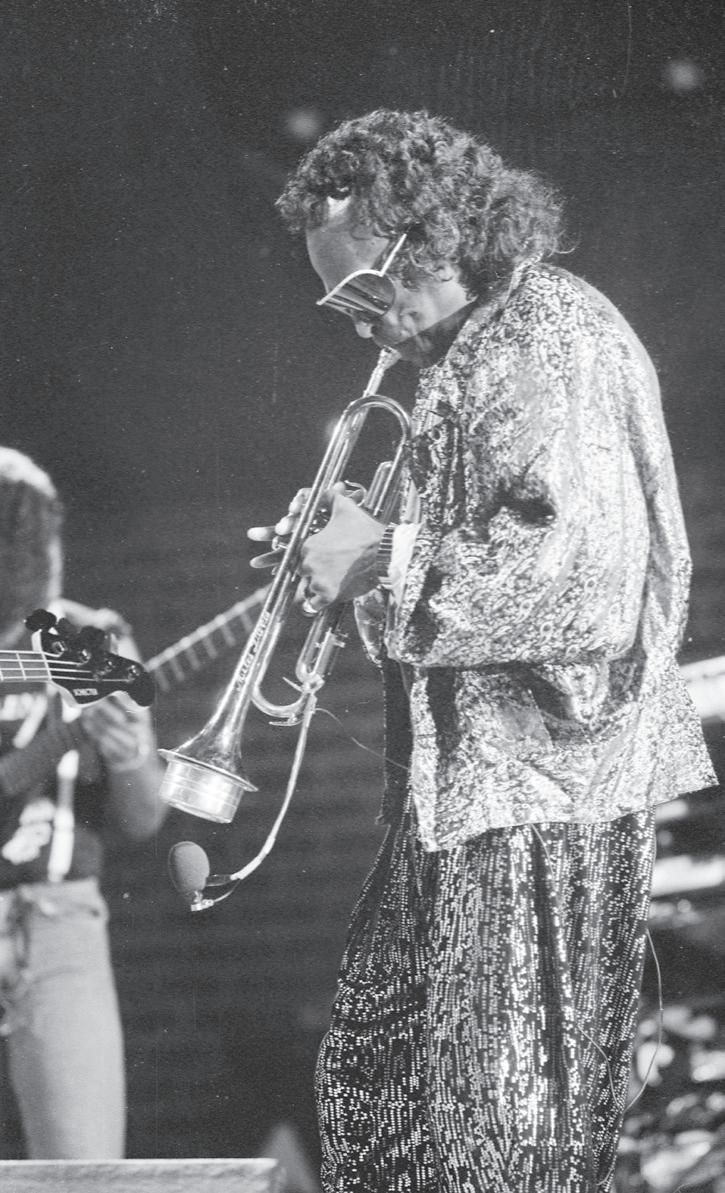
JAZZ ALBUM TRIBUTES VOL. XVIII: MILES DAVIS’ BIRTH OF THE COOL
Tuesday, June 17 | 8:30–11:30 p.m.
FitzGerald’s, 6615 W. Roosevelt Rd., Berwyn
Celebrate the centennial of Miles Davis’ birth with a live performance of the landmark album Birth of the Cool by the Mulligan Mosaics
WHAT’S HAPPENING [ [
Nonet. The ensemble will perform original arrangements associated with Gil Evans, Gerry Mulligan, John Lewis, and others.
Admission: Ticketed event
Featured Musicians: Chad McCullough, Ryan Schulz, Momo Hasselbring Seko, Ted Hogarth, John Blane, Kevin Fort, Joe Policastro, and Todd Howell.
NORTH LAWNDALE
BUSINESS OWNERS
ROUNDTABLE
Wednesday, June 18 | 9–11 a.m.
Security Innovation Hub, 1308 S. Kilbourn Ave., Chicago
Join business owners, elected officials and community leaders for a conversation on economic development, workforce opportunities, infrastructure investments and strengthening partnerships between government and local businesses.
Admission: Free
Breakfast: Provided
Hosted By: Lawndale Business Renaissance Association and Ald. Monique Scott’s office
Contact: Patrick Oden, Lawndale Business Renaissance Association | (312) 285-8268 | poden@lawndalebusiness.org
BLACK DIASPORA FREEDOM DAY SYMPOSIUM:
SESSION
2 — FUTURE OBJECTIVES
Wednesday, June 18 | Noon–4:30 p.m.
Chicago Austin Library, 5615 W. Race Ave., Chicago
The second installment of the Black Diaspora Freedom Day Symposium will focus on future objectives, strategy, and collective action. Participants will discuss pathways toward economic empowerment and community development throughout the African diaspora.
Admission: Free
STORIES OF AFRICANAMERICAN OAK PARKERS BIKE TOUR
Wednesday, June 18 | 6–8 p.m.
Oak Park River Forest Museum, 129 Lake St., Oak Park Commemorate Juneteenth with a guided
bicycle tour exploring the contributions and influence of African Americans in Oak Park and River Forest. The ride will be led by museum Executive Director Frank Lipo.
Admission: Free
Registration: RSVP requested
Contact: oprfhistorymatters@sbcglobal.net
Info: OPRF Museum website
JUNETEENTH CELEBRATION
Wednesday, June 18 | 6–7:30 p.m.
Bellwood Public Library, 600 Bohland Ave., Bellwood Celebrate Emancipation Day with food, fellowship, and community at Bellwood Public Library. Organizers encourage attendees to bring family and friends.
Admission: Free
Registration: Required
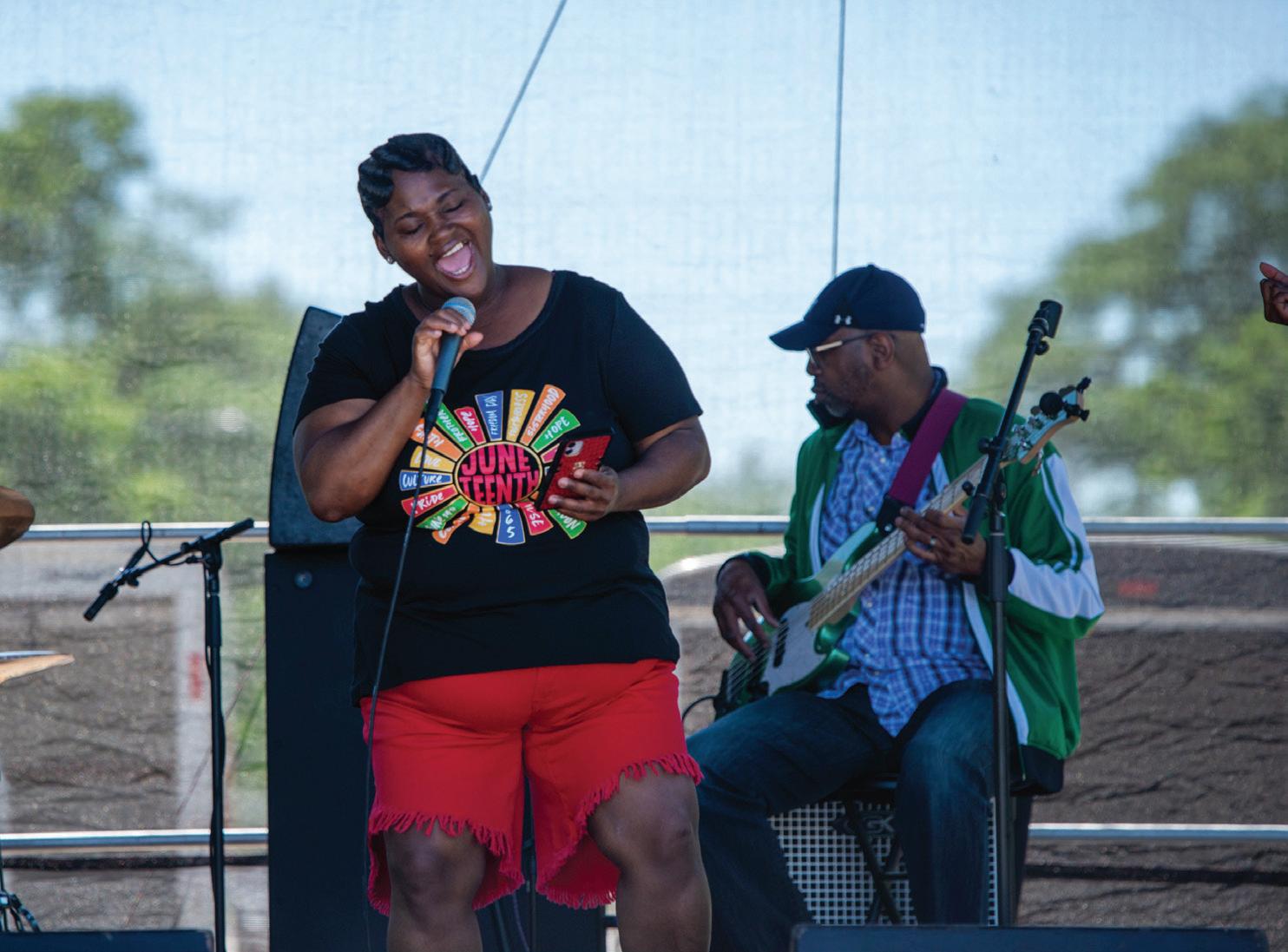
A Juneteenth gathering in Columbus Park. | FILE
Miles Davis. | PUBLIC DOMAIN
JUNETEENTH FREEDOM WALK & FLAG-RAISING CEREMONY
Friday, June 19
Freedom Walk Location: Grace Central Church, 10216 Kitchner St, Westchester. Participants must meet by 9:15 a.m.; the walk commences promptly at 9:45 a.m.
Flag-Raising Ceremony Location: Village Hall, 10300 W Roosevelt Rd, Westchester | 11 a.m. Honor Juneteenth through community reflection, unity, and celebration during Westchester’s annual Freedom Walk and flagraising ceremony. The celebration continues on June 20 with a community block party.
Admission: Free
Information: westchester-il.gov/events
NORTH LAWNDALE JUNETEENTH FREEDOM DAY PARADE
Friday, June 19 | 9 a.m.–1 p.m.
Parade Route: 1600 S. Albany Ave. to 1600 S. Kostner Ave., Chicago
The second annual North Lawndale Juneteenth Freedom Day Parade will feature a community breakfast, live performances, floats, vendors, family activities, and more. Organizers say the event celebrates freedom, culture, and empowerment while highlighting North Lawndale’s rich history.
Admission: Free
Features: Community breakfast, entertainment, vendors and family activities
Contact: rootsfestchi@gmail.com
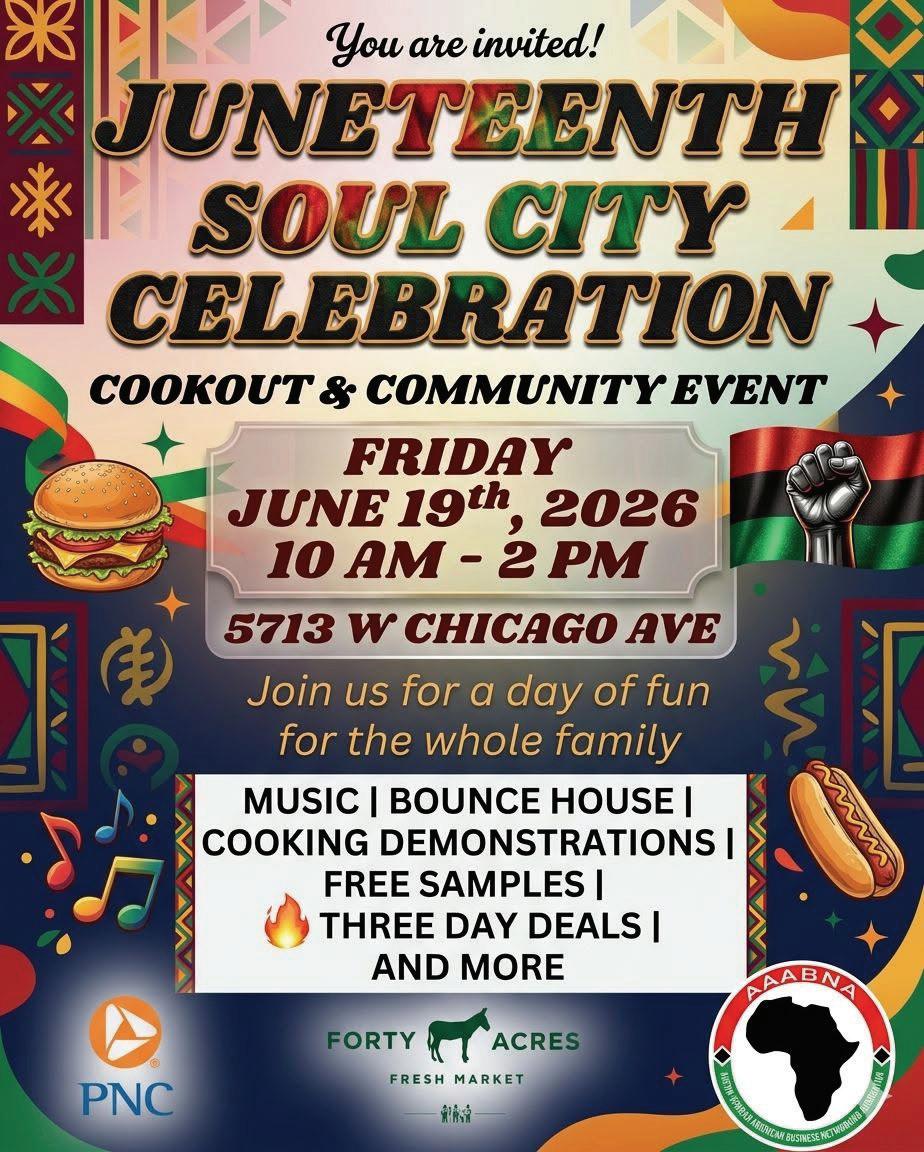
JUNETEENTH SOUL CITY CELEBRATION
Friday, June 19 | 10 a.m.–2 p.m.
Forty Acres Fresh Market, 5713 W. Chicago Ave., Chicago
Enjoy a family-friendly Juneteenth cookout featuring music, bounce houses, cooking demonstrations, free samples, and special promotions throughout the day.
Admission: Free
Hosted By: Forty Acres Fresh Market and community partners
ANNUAL JUNETEENTH FESTIVAL
Friday, June 19 | 1–5 p.m. Memorial Park District, 639 N. Wolf Rd., Hillside
Join Illinois House Speaker Emanuel “Chris” Welch and the Democratic Party of Proviso for an afternoon of food, games, bounce houses, vendors, artists, and family entertainment celebrating Juneteenth.
Friday, June 19 | 1–2 p.m. Berkeley Public Library, 1637 N. Taft Ave., Berkeley
Meet neighbors and celebrate Juneteenth with a fun afternoon of bingo and light refreshments.
Admission: Free Registration: RSVP encouraged through Berkeley Public Library.
JUNETEENTH SPOKEN WORD OPEN MIC
Friday, June 19 | 6–7 p.m. (Online)
Celebrate Juneteenth through poetry, storytelling and spoken word. Participants are invited to share original work or simply attend in support of local artists and performers.
Admission: Free
Hosted By: Dandelion Roots & Sage Circle Registration: Reserve a spot through Eventbrite.
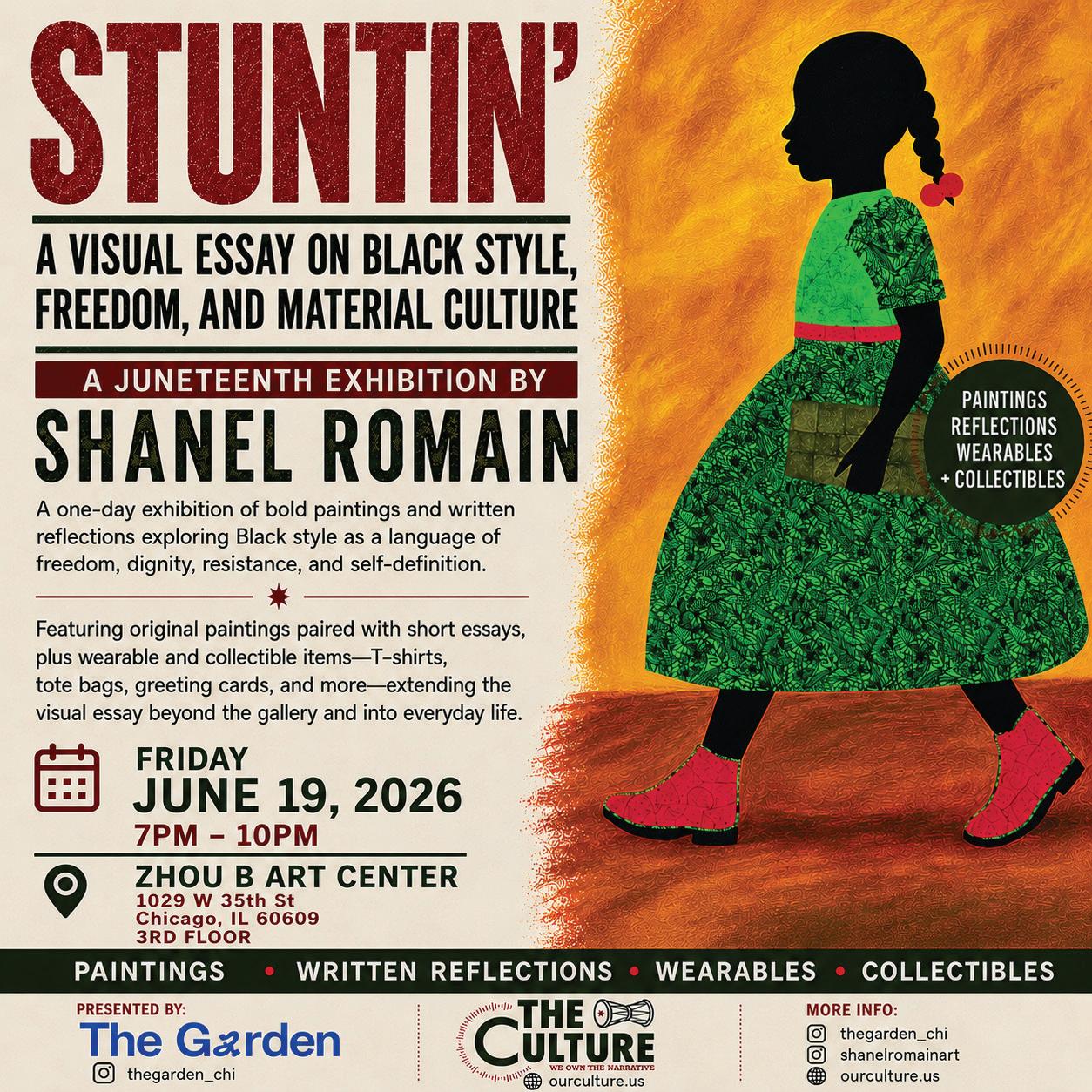
STUNTIN’
Friday, June 19 | 7–10 p.m.
Zhou B Art Center, Third Floor, 1029 W. 35th St., Chicago Artist and photographer Shanel Romain presents STUNTIN’, a one-night exhibition exploring Black style, freedom, resistance, and material culture through paintings, essays, wearable art, and collectibles. The exhibition blends visual art and written reflection to examine style as a language of liberation and self-definition.
Admission: Free
Presented By: The Garden and The Culture Information: @thegarden_chi | @ shanelromainart | ourculture.us
FATHERS. FAMILY. LEGACY. FATHER’S DAY PHOTO EXPERIENCE
Saturday, June 20 | 10 a.m.–Noon Austin Town Hall & Austin Park, 5610 W. Lake St., Chicago Celebrate Father’s Day with free professional family portraits. Families of all ages and
backgrounds are encouraged to attend and create lasting memories while honoring fathers, grandfathers, and family legacies.
Admission: Free
Features: Complimentary professional photography
All Ages Welcome
COMMUNITY BLOCK PARTY (WESTCHESTER)
Saturday, June 20 | 11 a.m. - 5 p.m. Gladstone Park, 10216 Kitchner St., Westchester
Continue the village’s Juneteenth celebration with a community block party featuring music, food, and family activities.
Admission: Free
Information: westchester-il.gov/events
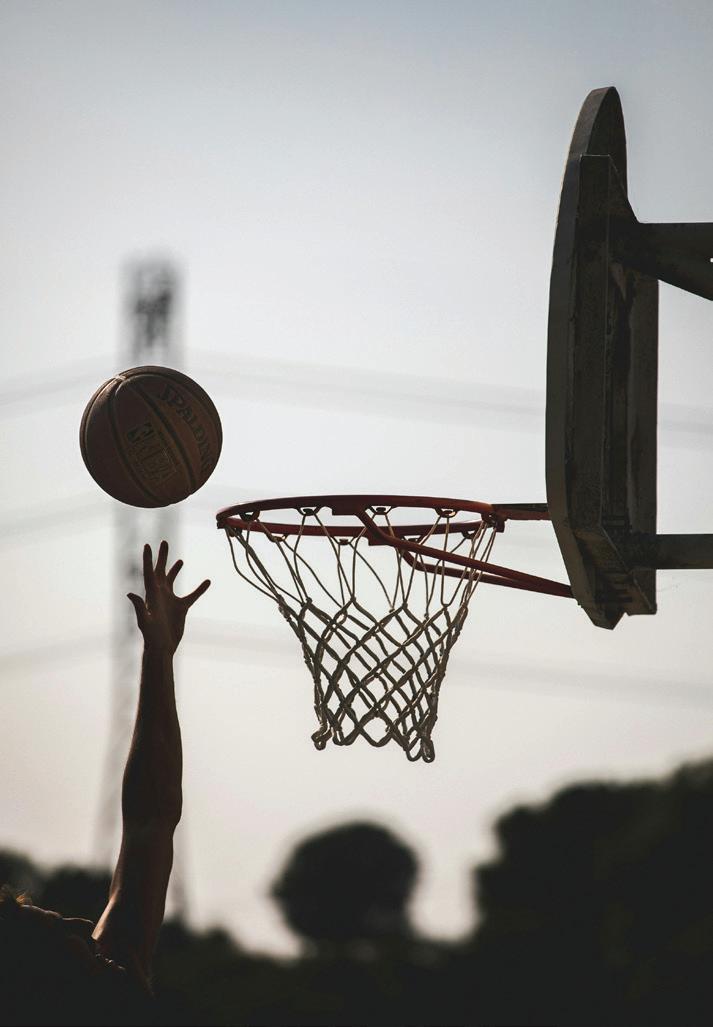
PSC LATE-NIGHT BASKETBALL OPEN RUNS & VIDEO GAMING
Saturday, June 20 | Ages 13–18: 5:30–8:30 p.m.; Ages 18+: 9 p.m.–Midnight Washington Park Fieldhouse, 5531 S. King Dr., Chicago Homan Square Park Fieldhouse, 3559 W. Arthington St., Chicago
A Juneteenth and Father’s Day edition of the popular late-night basketball and gaming program for teens and adults.
Admission: Free
Features: Basketball, video gaming, food, live DJ, referees, and on-site security.
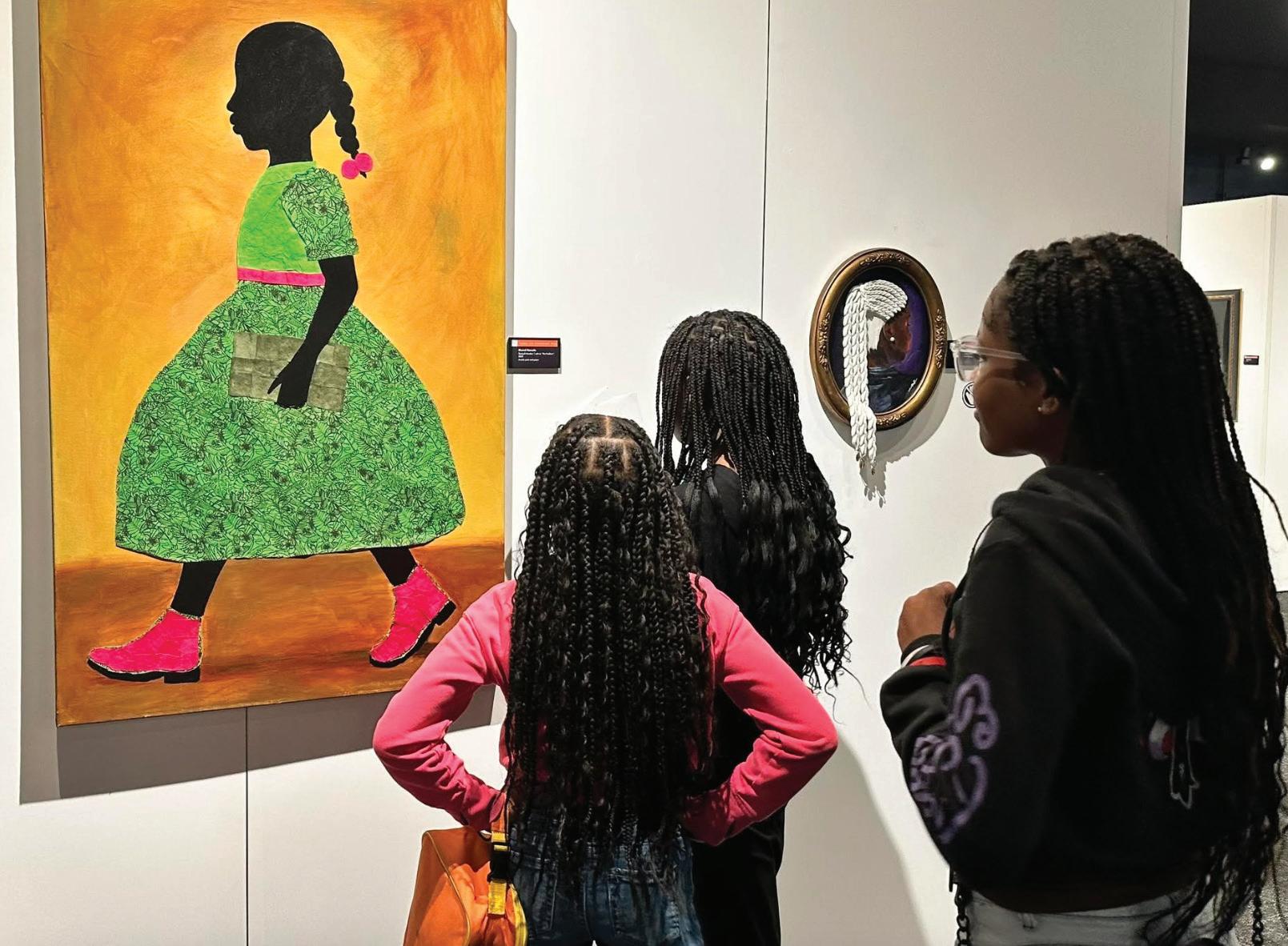
Shanel Romain's artwork at the Museum of Science and Industtry. | COURTESY SHANEL ROMAIN
West Side Children’s Museum Secures Location Across From Douglass Park
The 25,000-square-foot One Lawndale Children’s Discovery Center plans to break ground in late fall
BY MICHAEL LIPTROT Block Club Chicago
Achildren’s center slated for North Lawndale’s Ogden Avenue corridor just took a major step toward breaking ground this year.
The One Lawndale Children’s Discovery Center, which will include a children’s museum and family resource center, officially acquired its future home at 3140 W. Ogden Ave., the nonprofit behind the development announced in early June. The project also recently secured $500,000 in funding from the state.
The 25,000-square-foot discovery center will be for children aged 12 and under to play and learn through interactive indoor and outdoor exhibits. It hopes to promote STEAM education alongside social-emotional learning, environmental awareness and healthcare topics.
The newly acquired site is a nearly two-acre parcel across the street from Douglass Park. The land was previously owned by Sinai Community Institute, according to Leslie Mitchel Bond, founder of the One Lawndale Children’s Discovery Center.
“This is a transformational moment for Lawndale,” Bond said in a statement. “For years, our community has envisioned a place where children can learn through play, families can connect and young people can see themselves reflected in enriching educational experiences. Securing our permanent home and receiving this critical state investment brings that vision one step closer to reality.”
The center hopes to serve thousands of children annually as an effort of the One Lawndale coalition and more than 80 other community partners.
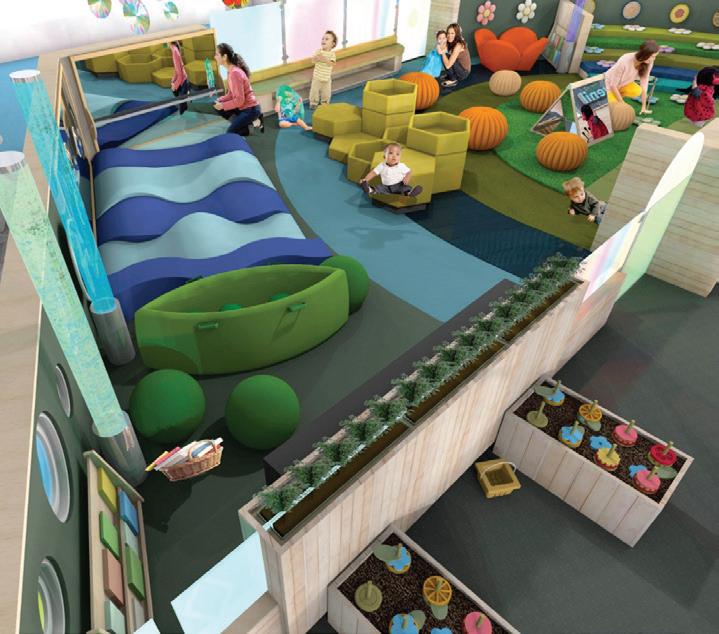
The children’s center will have areas within its 15,000 square feet of indoor exhibition space dedicated to different stages of childhood development, including a “baby blooms” early childhood area will be for infants and toddlers.
A sensory wall will allow kids to feel different materials ranging from soft fabrics to textured plants, while also hearing the songs
Youth
of different birds. A planting station will allow them to explore gardening through planting velcro fruits and vegetables. The indoor exhibits will also feature a mock grocery store and a pretend pediatrician’s office.
The center will also have 10,000 square feet of outdoor exhibit space for all ages that is intended to teach visitors about the environment and how to care for it. The
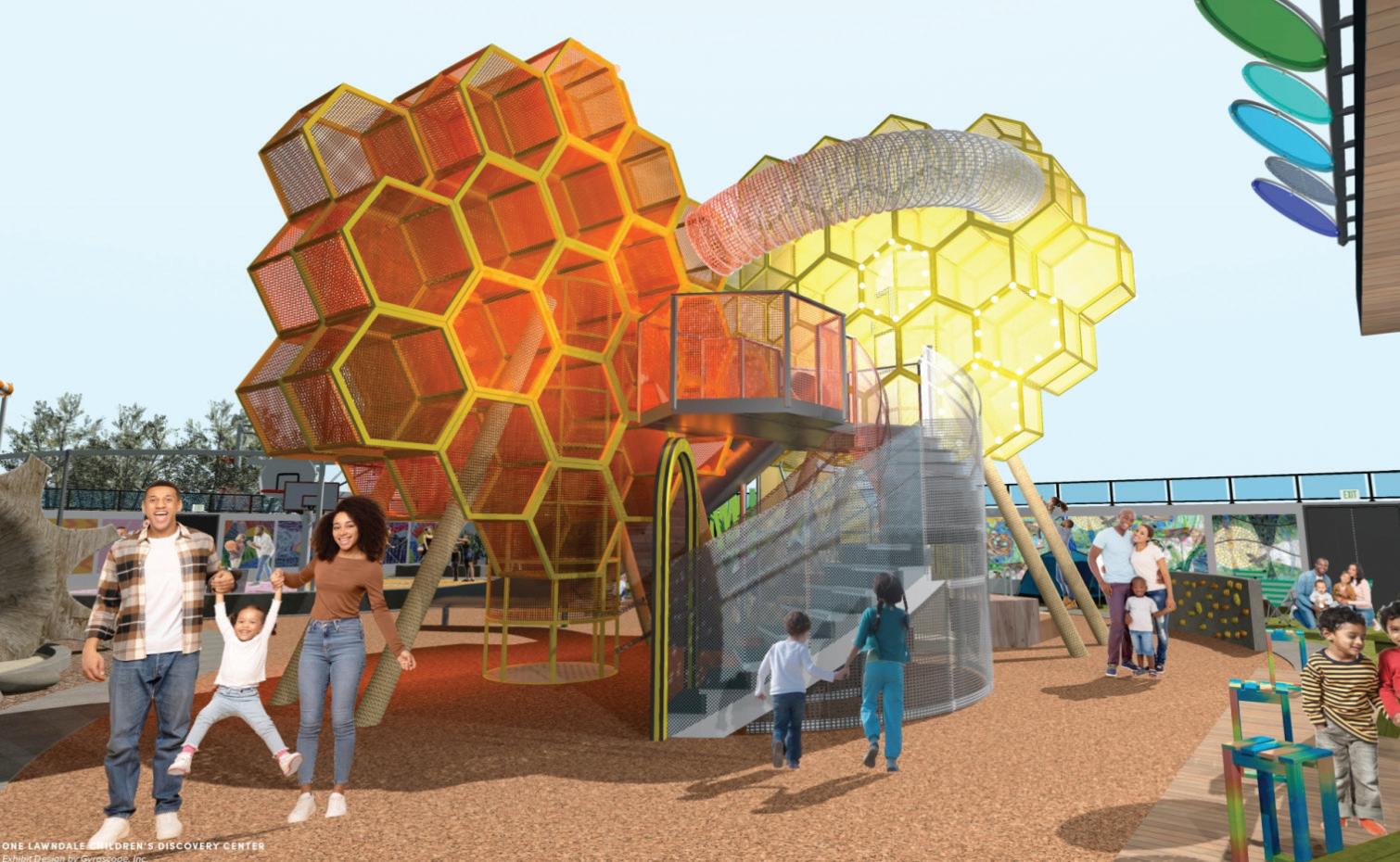
outdoor area will house the center’s central attraction: a hive climber. A hexagonal play area inspired by the structure of a beehive, the hive climber will tower two stories over the center and will be visible from Ogden Avenue. Illuminated at night, the hive climber “will serve as a radiant gateway to North Lawndale,” center leaders said.
The One Lawndale Children’s Discovery
West Side
Housing Development In Historical Bank Building Opens Applications
The redevelopment of a historical Austin bank into a mixed-income housing complex is in its final stretch of construction before a possible late-summer opening.
The Laramie State Bank redevelopment project at 5200 W. Chicago Ave. is turning the West Side building into a space housing a blues museum, cafe, business incubator and mixed-income apartment building. The 78-unit apartment building — which will include 51 affordable housing units — is the first phase of the development and is expecting its first residents to be able to move into the building in September, project officials said.
Developers recommend anyone interested in receiving an application or learning more about the project contact the West Cook Homeownership Center program at info@westcookhomeownership.org or visit their office at 5934 W. Lake St. Prospective tenants can also call the office at 312-761-1287 to make an appointment. For more information, visit the project’s website.
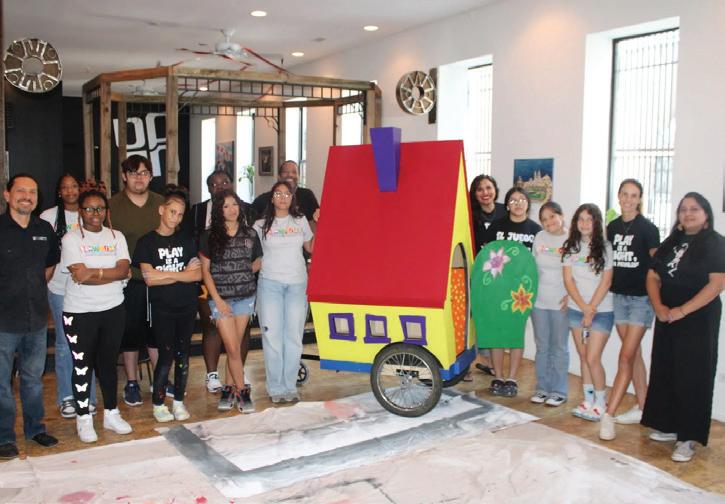
Center is seeking to break ground in late fall with an anticipated opening in late 2028. While the development moves forward, the center last summer debuted a mobile “discovery cycle” cart that offered STEAM activities including toys such as Legos, magnetic building tiles, sports equipment, water activities and painting supplies. The cart is currently on the street Tuesdays, Thursdays and weekends with a goal to travel every single street in Lawndale and Little Village.
The center has raised more than $5 million in individual and foundation donations of its projected $24 million goal, according to Bond. To learn more or to donate, visit the center’s website at 1lcdc.org.
A rendering of the “Baby Blooms” area of the One Lawndale Children’s Discovery Center. | PROVIDED
council members of the One Lawndale Children’s Discovery Center after painting the One Lawndale Children’s Discovery Cycle at OPEN Center for the Arts, 2214 S. Sacramento Ave. on Aug. 14. Credit: Michael Liptrot/Block Club Chicago. | PROVIDED
A rendering of the Hive Climber playground at the One Lawndale Children's Discovery Center. | PROVIDED