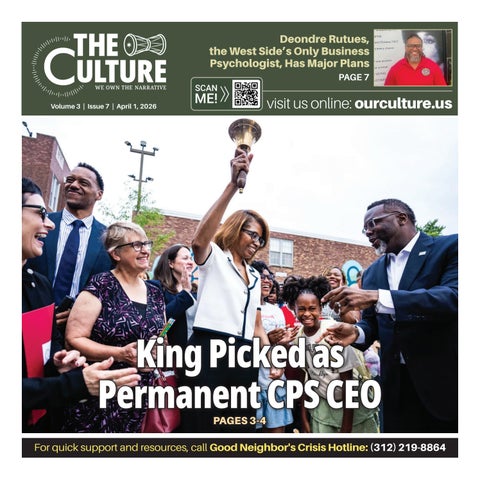
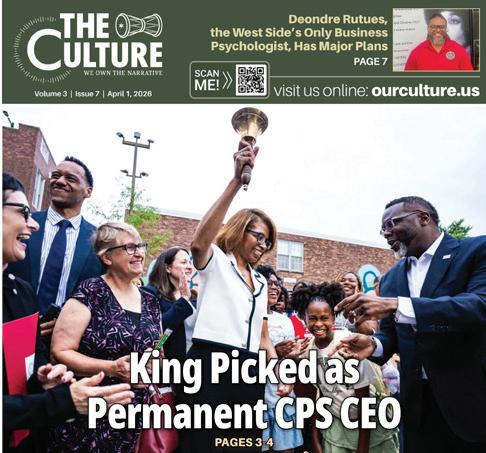
King, students and officials ring in the first day back to school for CPS students at Mary E. Courtenay Language Arts Center, 4420 N. Beacon St., in Uptown on Aug. 18, 2025. | COLIN
CULTURE • April 1, 2026
Macquline King, Interim CEO Of Chicago Public Schools, Hired As Permanent Leader
King will face several challenges, including a projected $520 million budget deficit for next school year
By REEMA AMIN Chalkbeat Chicago
The Board of Education voted March 30 to name Macquline King as Chicago Public Schools CEO, ending a rocky yearlong search for the district’s permanent leader.
The board voted 18-1 to hire King, who has been the district’s interim leader since last June, when former CEO Pedro Martinez left after being fired without cause. Elected
board member Jennifer Custer voted no but did not share a reason.
Under her three-year contract, she will earn $380,000 a year, about $20,000 more than Martinez was earning before he left the district and about $40,000 more than what he was offered in 2021.
The board officially picked King last week over Sito Narcisse, the former superintendent of East Baton Rouge Parish schools in Louisiana, who was named another finalist earlier this month.
King is poised to face big challenges going forward, including a $520 million projected budget deficit. She’ll also be in place through school board elections this year and when a new, fully elected board is seated.
As interim chief, King has been forced to navigate some major issues during her nine months on the job, including closing a $734 million budget deficit that sparked a fight with the mayor’s office, the Trump administration’s aggressive immigration enforcement campaign, and upheaval in the dis-
On The Cover
Mayor
Macquline
BOYLE/BLOCK CLUB CHICAGO
Mayor Brandon Johnson and CPS CEO Dr. Macquline King smile for a photo during the first day back to school for CPS students at Mary E. Courtenay Language Arts Center, 4420 N. Beacon St., in Uptown on Aug. 18, 2025. | COLIN BOYLE/BLOCK CLUB CHICAGO
trict’s charter sector.
King hasn’t rolled out major policy changes in her time so far, though last fall she was interested in reorganizing the district’s network offices, which help manage principals.
Norma Rios-Sierra, an appointed board member who sat on the board’s CEO search committee, said she’s glad to have stability in the district.
“The thought of taking her out of that role and putting someone else into that role and having them relearn all of that is a little bit scary,” Rios-Sierra said in an interview last week.
“And knowing she’s willing to take that on and work with us is a sigh of relief.”
King started in CPS as a teacher in 1994, ultimately becoming a principal in 2007 until 2022. During that time, her work was both highlighted in the news and scrutinized by district officials in two incidents, once for failing to immediately report allegations of abuse and another time for failing to do a background check for a volunteer. She has said those critiques, which did not result in formal discipline, are the result of her not having enough staffing and support at the time.
the horizon without being in lockstep in our advocacy and vision,” Potter said. “I look forward to doing more of that transformation together in a moment that requires all of us to do more.”
The city’s principals union has previously shown public support for King. That union’s president, Kia Banks, said Monday that she knows King and the union will not always agree, but that King has so far “demonstrated a willingness to engage directly with school leaders,” creating a solid foundation for their relationship going forward.
“Having access and being able to speak directly to concerns and issues is a very important piece.”
In an interview last week, Dian Palmer, president of SEIU 73, the union that represents thousands of school support staff workers, said she’s most excited about stability for the district with a leader who worked her way up through the system and understands Chicago’s complexities. Palmer said King has been “patient and kind” about her union’s concerns, even when they didn’t agree.
look for in a candidate, including “significant” experience in public education that involves working with students, a record of focusing on equity and improving student outcomes, experience working with labor unions, and financial management experience — an area King doesn’t have formal training in.
But after finalist names leaked and one of the candidates dropped out in the fall, the board decided to conduct more interviews. By February, as the board narrowed down candidates, the board’s search firm, Alma Advisory Group, departed and six elected board members said they’d lost confidence in the search, accusing the mayor of meddling, which he’s denied. Those board members called for retaining King as the interim chief until the new board is seated.
King had applied for the job of CEO in 2021, but the board at the time, appointed by Lightfoot, picked Martinez. Then several months into her time as the interim chief, she again applied last fall for the permanent job amid the board’s search to replace Martinez but was not advanced as a finalist.
By then, at least seven board members who are also mayoral allies disagreed with her budget proposal that was ultimately approved. And separately, other board members appeared caught off guard after she
pitched a plan to reorganize network offices.
In recent months, some organizations called on the board to keep King in place until at least a new elected board is seated in January. King was then added back into the mix in recent weeks.
Remel Terry, president of the West Side branch of the NAACP, said her organization is “excited” that King will stay. The organization has felt left in the dark about the search process, Terry said, and asked the board twice to pause the search and retain King permanently through next school year. It was disappointing that King was taken out of consideration in the fall even though “she has already demonstrated her ability to lead this district under pressure,” Terry said.
The group will keep a close watch on how the district’s Black Student Success Plan — which has been under federal scrutiny — will be implemented, Terry said. She also expects King to stay as communicative as she has been with organizations like hers, as well as parents, as she takes on the permanent role.
“Having access and being able to speak directly to concerns and issues is a very important piece,” Terry said.
Reema Amin is a reporter covering Chicago Public Schools. Contact Reema at ramin@ chalkbeat.org.
She began working for Mayor Lori Lightfoot as an education policy advisor in 2022 and stayed in that role under Mayor Brandon Johnson until taking the job as interim schools chief last summer.
UNION LEADERS, EDUCATION GROUPS SHARE SUPPORT FOR KING
Unions, community organizations and elected officials welcomed King to the permanent CEO role as someone who navigated major challenges in the past year, has been willing to engage with them and, unlike other previous CEOs, rose up through the district’s ranks.
During public comment ahead of the board’s vote, Jackson Potter, vice president of the Chicago Teachers Union, lauded King for overseeing the unprecedented, midyear transfer of students out of two shuttering ASPIRA charter network high schools. He noted other challenges ahead of CPS, including the projected budget deficit and a federal government that has pulled funding from the district.
“We can’t stave off the harm that is on
For example, last summer the district’s budget cuts included laying off hundreds of unionized custodians. At the same time, the union supported King’s plans not to include a short-term loan in the budget in fear that future high-interest repayments would result in staff layoffs.
“I am really looking forward to her working with the union — at least that’s what she says,” Palmer said. “She wants to work with us and really have a positive atmosphere for education, for the students, not just the service workers, who we represent, the custodians, the [special education classroom assistants], but also for the teachers.”
Daniel Anello, CEO of education advocacy group Kids First Chicago, welcomed King’s appointment, noting in a statement that she “has already navigated a number of complex challenges related to the district’s finances, attendance, and more” and has shown “a clear commitment to putting students’ interests first, without yielding to political pressure.”
Anello also supported a three-year contract, which he said will mean stability for CPS as the board transitions to a fully elected body next year.
The national search process started last year with community meetings and a detailed wish list for what the board would
BY MANNY RAMOS Block Club Chicago
As West Suburban Medical Center began closing on March 27, one of its owners said he is in talks with a nonprofit health care firm to reopen and stabilize the safety-net hospital.
Reddy Rathnaker Patlola owns West Suburban’s property in Oak Park as well as 40 percent of the company that runs the hospital, Resilience Healthcare. In a written statement, Reddy said he is “deeply concerned” by West Suburban’s abrupt closure and the impact on its patients, who are mostly low-income residents from Chicago’s West Side.
“The loss of services, particularly with such immediacy, will have a profound and lasting impact on access to care and community health outcomes,” Patlola’s statement said. “I have grown increasingly concerned about the trajectory of hospital operations, which has resulted in a reduction in services and now the imminent closure of this critical community asset.”
Patlola said he is talking with leaders of the company that runs Insight Hospital and Medical Center, a facility on the city’s near South Side formerly known as Mercy Hospital, about possibly helping to reboot West Suburban.
According to Patlola, those discussions are taking place without his business partner Dr. Manoj Prasad, the majority owner of West Suburban’s parent company, Resilience Healthcare.
Prasad didn’t directly answer Block Club’s questions about Patlola’s comments, instead reiterating a previous statement that his team is “working around-the-clock” to restore services at West Suburban.
Insight has already taken a large number of patients transferred from West Suburban, a source with knowledge of the situation told Block Club.
The company Insight Chicago took over Mercy Hospital in 2021, saving and renaming the historic South Side facility after it fell hundreds of millions of dollars in debt.
“Insight is able to support preserving healthcare services at West Suburban Hospital similar to the role we played in maintaining Mercy Hospital,” Atif Bawahab, CEO of Insight, said in a statement. “Our mission is to step into complex situations and maintain continuity of care for the sake of the community.”
Talks Underway To Reopen West Suburban Hospital, One Of Its Owners Says
The safety-net medical center, which mostly serves low-income West Side patients, began shutting down March 27, but its minority owner hopes another hospital system can save it
A spokesperson for the Illinois Department of Public Health, which regulates and provides funding to hospitals in the state, didn’t answer questions about the statements from Patlola and Insight.
“Our top priority remains ensuring continuity of care for community residents and patients who have been impacted by the suspension of service,” the IDPH statement said. “We are actively working with various healthcare providers, community partners, and sister state agencies on a roadmap that will provide residents with a stable and accessible healthcare option during this transitional period.”
medicine as well as doctor training, and last summer it shut down its labor and delivery, postpartum and nursery units.
Unable to make payroll, Prasad abruptly announced earlier this week that the hospital would be temporarily closing its doors by Friday. Prasad blamed billing problems that resulted from a faulty new electronic medical records system.
But sources told Block Club the transition to the new system was botched because the hospital failed to make payments on its previous records and billing system.
In an effort to distance himself from Prasad, Patlola’s statement Friday said that, as a minority owner of West Suburban, he has “not been involved in the clinical operations or the day-to-day management of the hospital.”
Patlola has received multiple reports from concerned employees about the deteriorating financial and physical condition of the hospital, Joseph Clary, a spokesperson for Patlola, told Block Club.
“He is skeptical that the hospital’s financial difficulties can be attributed solely” to the medical records system, Clary said. “Billing disruptions are real and can be damaging, but they are typically recoverable. The situation at West Suburban appears to reflect deep and broader challenges.”
Prasad holds 60 percent of the ownership in Resilience Healthcare and Patlola the other 40 percent, according to state records. Patlola also owns all of the property the hospital sits on.
The partnership with Prasad was Patlola’s first venture into health care. He is the owner of New Jersey-based Ramoco Fuels, which is a gas station and fuel distribution company.
West Suburban’s doors were still open Friday morning, but most if not all patients had already been transferred to other hospitals in the city, hospital employees told Block Club. Some employees gathered in the lobby and hugged, laughed and reminisced about their years working there.
Prasad, the hospital’s president and CEO, has faced a bevy of complaints since 2022, when Resilience acquired West Suburban and Weiss Memorial Hospital in Uptown for $92 million. In August, Weiss closed soon after federal officials cut off that hospital’s Medicare and Medicaid funding over noncompliance with program rules.
Meanwhile, West Suburban made a series of significant cuts in services. It ended programs offering midwives and family
“I don’t think there was a lot of transparency with the ownership and that was evident by how many people were shocked that the hospital was closing,” a longtime West Suburban employee told Block Club, asking their name not be shared. “Doctors, nurses, ER Techs, no one saw this coming.”
The employee welcomed the possibility that Insight could help reopen West Suburban. “I would love to see that happen,” the employee said. “I think the community needs a hospital, there is no two ways about it.”
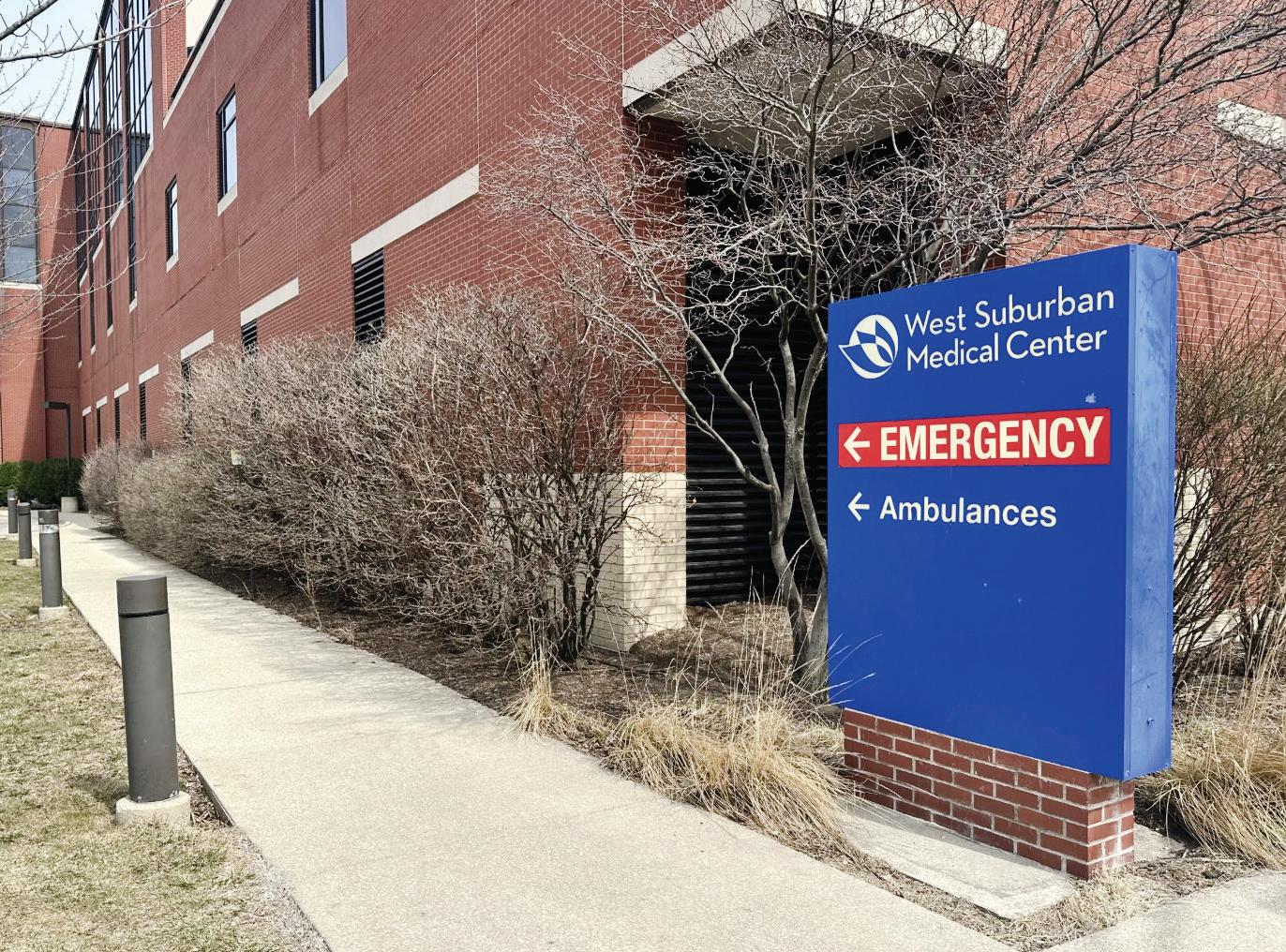
West Suburban Medical Center abruptly announced its closure on March 27, 2026. | MANNY RAMOS
Faith Roselle Julian, Steadfast Steward of Father’s Legacy, Dies at 82
The daughter of pioneering Black chemist Dr. Percy Lavon Julian preserved a home and history in the west suburbs shaped by resilience
BY MICHAEL ROMAIN The Culture
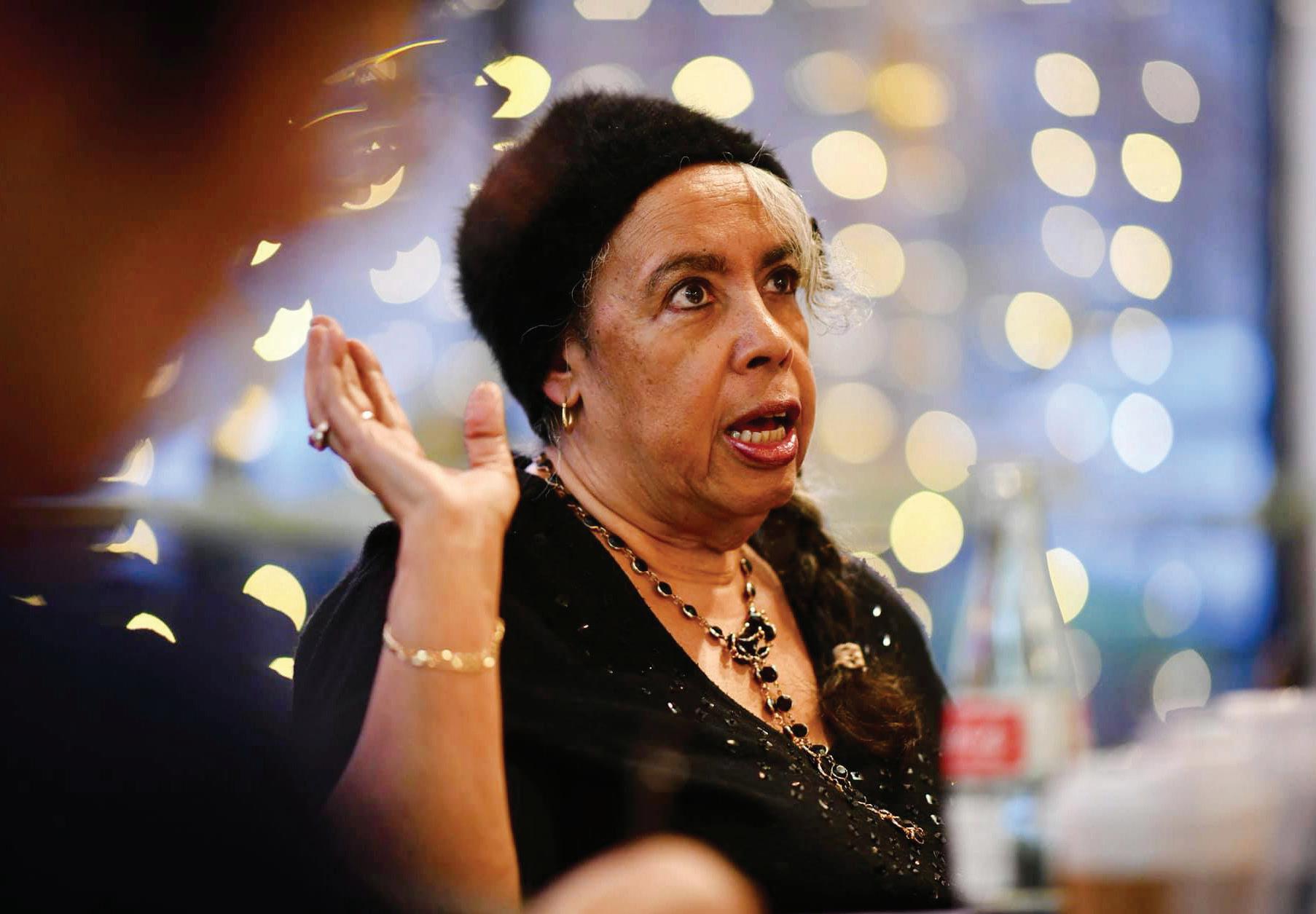
Faith Roselle Julian, who spent much of her life safeguarding the legacy of her father, the pioneering chemist Dr. Percy Lavon Julian, and the historic Oak Park home that became a symbol of both scientific achievement and racial struggle, died March 26 in Oak Park. She was 82.
Born March 18, 1944, in Chicago to Percy and Dr. Anna Johnson Julian, Faith Julian moved to Oak Park as a young girl when her parents became the first Black family to integrate their neighborhood. Their arrival in the 1950s was met with violent resistance that would become part of local and national history.
Shortly after the family moved in, their home was targeted in an arson attack. In a second incident, a dynamite bomb was thrown toward a window near where young Faith was inside. The device struck the house, ricocheted, and exploded on the ground. The Julians did not leave.
That decision to remain defined the family’s place in Oak Park and shaped Faith Julian’s life thereafter.
Before the family settled in Oak Park, Julian spent formative years in Maywood, building the foundation of a career that would eventually revolutionize the synthesis of plantbased compounds used in medicines treating glaucoma, arthritis, and other conditions. Despite facing entrenched racism that limited academic opportunities, he became an internationally recognized industrial chemist.
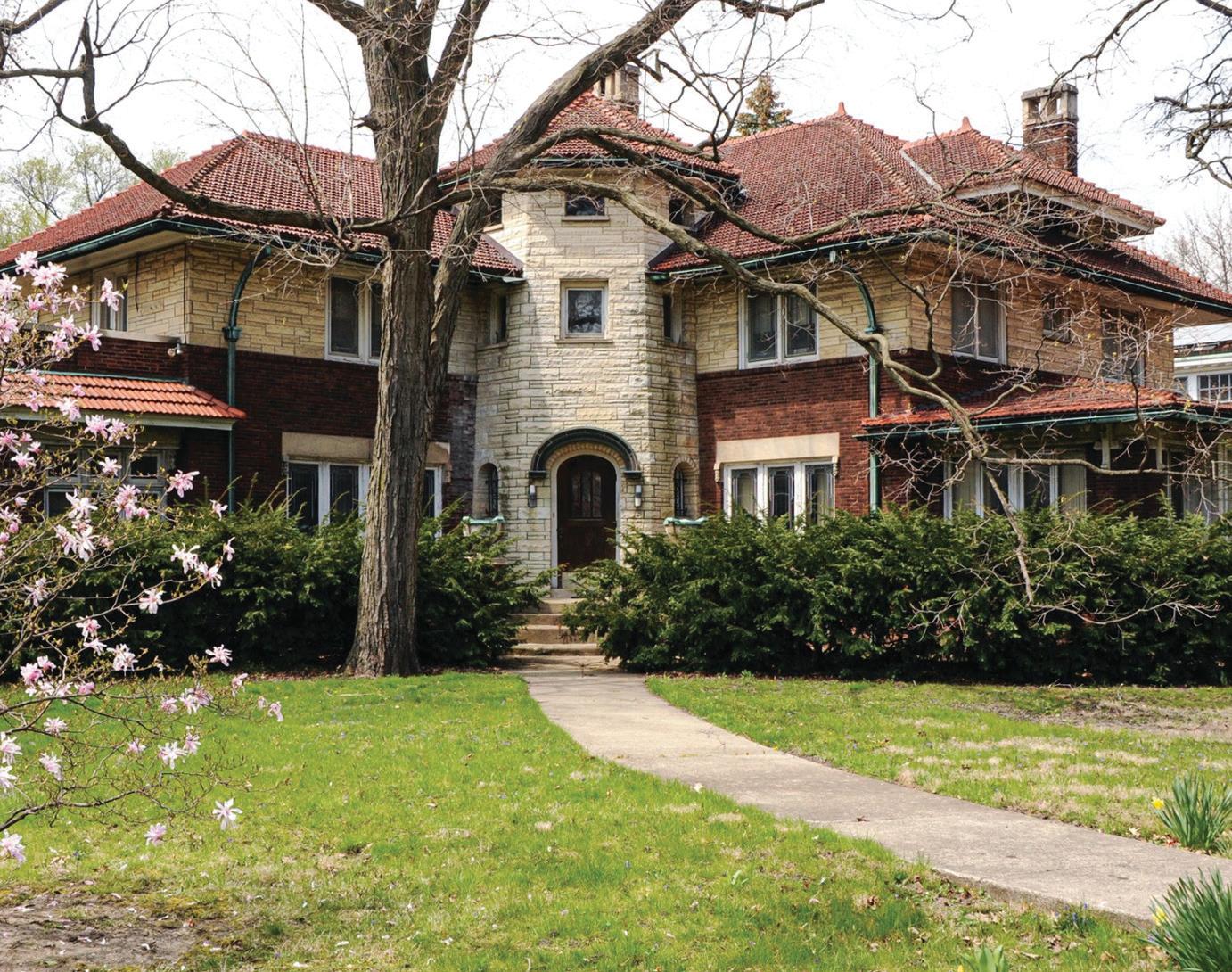
In Oak Park, however, the family’s story extended beyond the laboratory. Their home became both a site of racial hostility and, over time, a landmark of perseverance.
Faith Julian grew up within that dual legacy, rooted in scientific innovation and another in the lived reality of segregation-era America, pushing into suburban space. In later
years, she would emerge as a quiet but committed steward of that history.
She attended Oak Park and River Forest High School and graduated from Roosevelt University in 1973 with a bachelor’s degree in psychology. She worked as a social worker in Chicago’s court system and later taught English as a second language. Eventually, she stepped away from her profes-
sional work to care for her father during his final illness and later for her mother.
Friends and family remembered her as deeply generous — with her time, her attention, and her presence. She volunteered in efforts that included reading to blind residents, an experience through which she met her close friend, Anthony Thomas, while he was in law school. She was known for maintaining relationships through small but meaningful gestures: a phone call, a handwritten card, flowers sent at just the right moment.
In Oak Park, Julian remained closely tied to the family home. In recent years, as financial pressures and administrative challenges raised questions about the property’s future, she became an essential figure in efforts to stabilize and preserve it.
Her earlier involvement had also surfaced in moments of urgency. When the home once faced the possibility of a tax sale, Julian’s connection to the property underscored broader questions about how communities preserve sites tied to Black history.
Oak Park village officials, in marking her passing, noted that her life represented more than lineage. She embodied continuity — a living bridge between a generation that broke barriers and a present still grappling with how to honor that history.
Julian was preceded in death by her parents, her brother Percy Julian Jr., and her cousin Leon Rhoderic Ellis, who was raised alongside her. She is survived by her niece, Dr. Katherine Julian, extended family, and a wide circle of lifelong friends.
Faith Roselle Julian. | PAUL GOYETTE
The Julian family home in Oak Park. | LANDMARKS ILLINOIS
COMMUNITY FRAME [ [
Families gather for a Westside Health Authority
Easter Egg Hunt on March 27, at POPfits, 5500
W. Madison St., where dozens of children 13 and under enjoyed a free basket giveaway, festive activities, and a chance at a "super golden prize” during an afternoon of community celebration. | PROVIDED
April is National Poetry Month and to commemorate the 30th anniversary of the annual designation, Austin poet and author Doreen Ambrose-Van Lee agreed to republish one of her poems.
An Inner City Tale
(Ode To Cabrini Green)
Born into a tenement in the heart of the windy city in the summer of sixty-nine, Fourth small mouth to be fed and second girl in line.
A time just after the assassinations of Malcolm, Medgar, JFK, and Rev. Dr. Martin Luther King
A time when proclamations like “Say It Loud, I’m Black and I’m Proud,” were the in thing.
When Bell-bottomed jeans and afros swayed effortlessly against the wind,
An era when Motown was king and Stax was In!
Our guardians were diligent and always instilled in us the need to get ahead,
Stressing that there is strength in numbers and to stick together no matter what was said.
70’, school bells, limited teaching apparatuses and burned out teachers and no recess, Escaping boredom, through reading autobiographies always held my interest.
Benefiting from RIF (Reading is Fundamental) reading Angelou, Hansberry, Morrison, Moody, X and Cruz.
Discovering and rediscovering, Richard Wright, Countee Cullen and Langston Hughes.
Brown scarred knees from repeatedly falling upon thick blacktop.
Loud sounds blaring to break through red glistening project walls,
Aretha, Chaka, Diana, O’Jays, Jacksons, Curtis Mayfield and Lou Rawls.
Broken elevators, and broken dreams, straightening combs and fade creams.
Mayoral candidates making mockeries out of project residents by handing out V-necks, turkeys, and miniature Christmas trees in exchange for votes.
Some project residents coming undone and always at each others throats.
Skateboards, hopscotch, jump rope, Red Light Green Light and Mother May I?
Young men masquerading as gangsters on street corners, over already-conquered city turf, why?
Soon childhood laughter is silenced by gunshots and young bodies dropping.
Caskets, tears, sensing my own mortality at 13, anticipating my own heart stopping.
Guardians’ tenacity paid off in the spring of ‘83 they rescued me,
Before our transition out of the ghetto, I noticed young women making spaces in their bellies for little ones, completely throwing caution to the wind, Yeah, babies having babies starting the cycle all over again...
Poet Biography
Doreen Ambrose-Van Lee, the mother of three children, grew up in Chicago’s Cabrini Green neighborhood. She has two sisters and two brothers. Her mother is a retired teacher and her father is a retired factory worker. A West Side resident, she served in the United States Army and earned a B.A. degree in print journalism from Southern Illinois University at Edwardsville. She enjoys writing poetry and short stories. Doreen has had stories and poems printed in major newspapers and magazines throughout the U.S. She is a member of poets.com and wrote a book of poetry entitled Raised in the Sun.
— Doreen Ambrose-Van Lee
Austin Business Hub Opens Doors With Trades Program Aimed at Building West Side Workforce
The
Rutues Center for Business & People Development launches 16-week trades program to create pathways into union jobs, entrepreneurship, and licensure
By MICHAEL ROMAIN The Culture
Anew workforce development hub on Chicago’s West Side is betting that the path to economic stability runs through skilled trades, structured support, and a deeper investment in people.
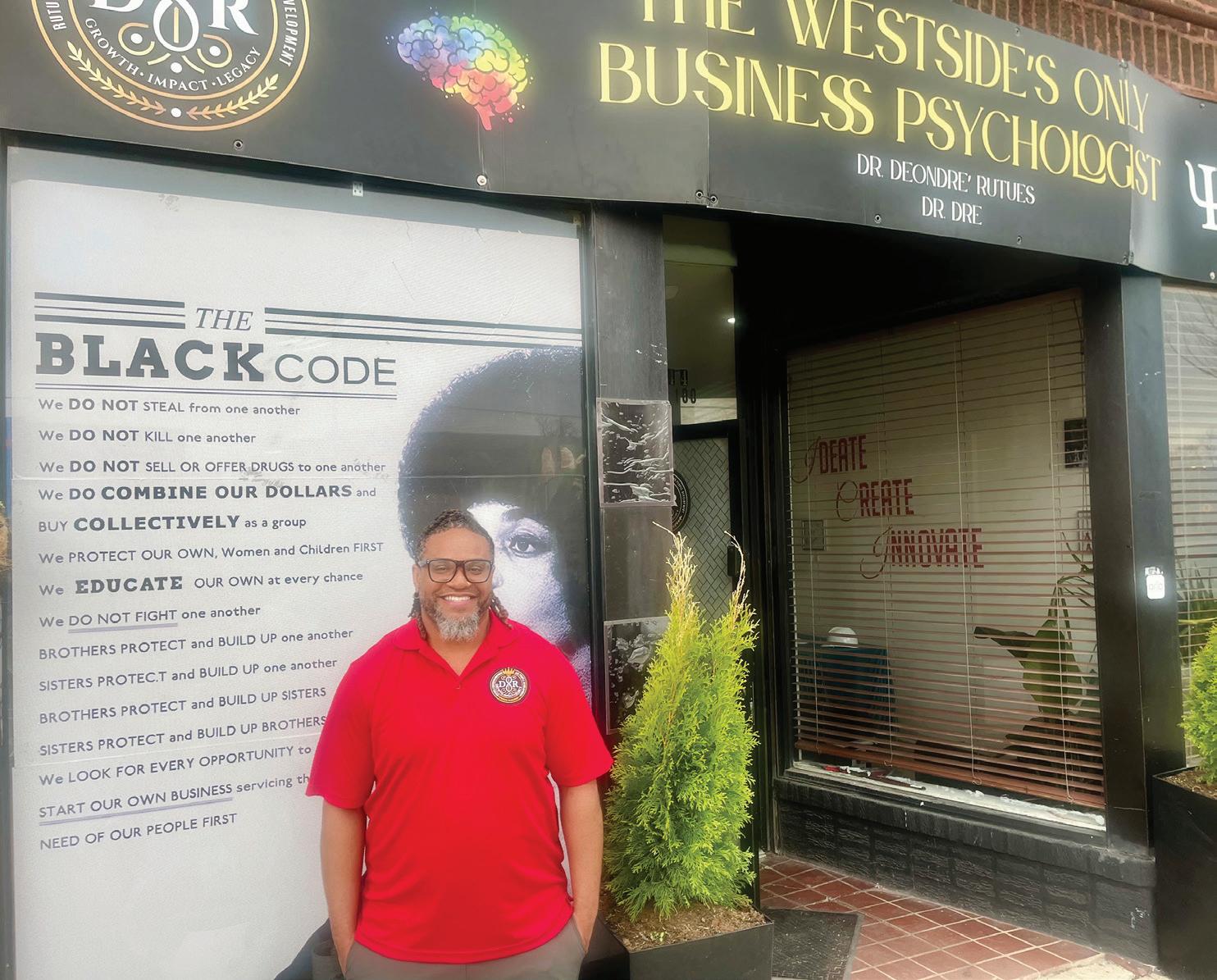
The Rutues Center for Business & People Development, located at 5044 W. Madison St. in Austin, recently hosted an open house introducing residents to its Trade & Social Skills Lab—an apprenticeship-style program designed to prepare participants for careers in HVAC, plumbing, and electrical work while also building the soft skills needed to sustain those careers.
Founded by Deondre Rutues, a business psychologist and community leader known locally as “Dr. Dre,” the center reflects a broader vision that blends workforce training with social development.
Rutues said the idea grew out of both personal experience and professional observation.
“My vision is economic and social capital development,” Rutues said in a recent interview. “I’m from here, and one of the traits of being a business psychologist is I analyze my environment and see what’s missing.”
What he saw, particularly along the Madison Street corridor, was a lack of accessible, community-rooted pathways into stable, high-paying careers—especially for residents who may not see traditional college as their primary route.
The center’s flagship offering is a 16-week program that cycles through three core trades: HVAC from July to October, plumbing from November to February and electrical training from March to June. Each session includes two
cohorts of five participants, meeting Tuesdays, Thursdays and Sundays, with both daytime and evening options.
Beyond technical instruction, Sundays are reserved for a social development component, where participants come together to build communication, professionalism, and interpersonal skills—areas Rutues said are just as critical as technical ability.
“We’re not just teaching a trade,” he said. “We’re helping people become whole professionals.”
Participants begin with certification training and are then paired with experienced technicians for hands-on development. Upon completion, they can pursue one of three pathways: launching their own business, entering a union apprenticeship or obtaining licensure.
The program is supported through partnerships with organizations such as Hire 360, which helps connect participants to apprenticeship opportunities, and OAI Inc., which provides educational support.
At the open house, attendees had the opportunity to hear directly from industry professionals who will help guide participants through the program. Among them was Marcus Pickett, president of Temperature Doctors Heating and Cooling Inc., who emphasized both the durability and the earning potential of skilled trades.
“AI can’t do plumbing,” Pickett told attendees, underscoring the long-term stability of the field.
Pickett, who grew up in Austin and now operates a business with multiple locations, said the trades offer not only job security but also a pathway to entrepreneurship. He noted that industries like HVAC generate trillions of dollars globally and remain in high demand.
“We’re not just teaching you a trade—we’re
teaching you how to run your business the right way,” he said.
The open house also highlighted the program’s accessibility, including free certifications, training from master technicians and ongoing local support. Organizers framed the initiative as a direct response to economic barriers that have historically limited access to these industries for West Side residents.
Rutues’ approach is shaped by his background in industrial-organizational psychology and his work across corporate, public and nonprofit sectors, including roles with major companies and local institutions. His model integrates what he describes as “psychological capital”—a focus on confidence, resilience and mindset—into workforce development.
That philosophy extends beyond the trades program itself. The Rutues Center also functions as a shared workspace, welcoming entrepreneurs, clinicians, content creators, and other professionals seeking a collaborative environment.
Rutues said he intentionally chose to invest in the Austin community, even as the decision came with personal and financial challenges.
“It wasn’t an easy move,” he said. “But I felt like this was where I was supposed to be.”
He envisions the center as a modern version of a historically vibrant community ecosystem—one where professionals from different
fields operate side by side, creating both economic opportunity and social cohesion.
“There used to be a point when the doctors were next to the lawyers next to the bakers,” he said. “I get to be that for the community.”
In addition to workforce training, Rutues hosts weekly “Courageous Conversations” through the West Side Heroin Opioid Task Force, providing a space for Black men navigating addiction and recovery to discuss trauma and healing.
For Rutues, these initiatives are interconnected.
“Socially, we don’t connect as widely as we can,” he said.
The Trade & Social Skills Lab, he added, is as much about rebuilding those connections as it is about job training.
As the center continues to recruit participants and expand its programming, Rutues said his goal is to create a sustainable model that can be replicated across other communities.
“I want to transform the environment, the people, and the practices,” he said.
Learn More
For more information on the trades program, call (773) 543-5968 or visit deondrerutues.com
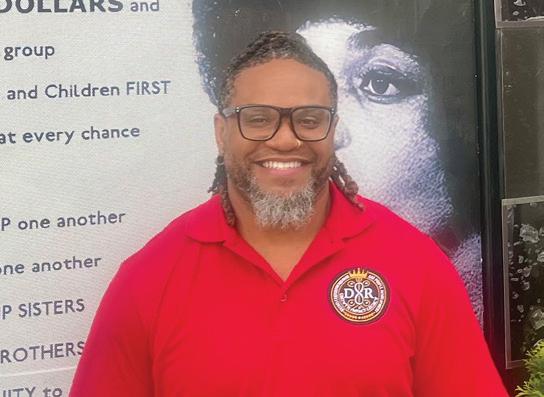
Deondre Rutues outside of the Rutues Center for Business & People Development in Austin. | PHOTO CREDIT
Austin’s Laramie State Bank Renovation Eyes June Opening For New Apartment Building
The redevelopment of the landmark bank building includes 78 apartments, 51 of them affordable. The project will also bring a blues museum, cafe, and a business incubator to the site.
By MICHAEL LIPTROT
Block Club Chicago
The redevelopment of a historic Austin bank is hitting its first milestone, with the project nearing completion on its mixed-income apartment building.
The Laramie State Bank redevelopment project at 5200 W. Chicago Ave. will bring a blues music museum, cafe, business incubator, and a new apartment building to the landmark bank campus. The 78-unit apartment building will have rental applications go live in the coming weeks ahead of a mid-June opening, project officials announced Wednesday.
Construction on the nearly century-old bank building will begin later this year, officials with Oak Park Regional Housing Center, the project’s developer, said last month.
“This project means hope for the future of the West Side, prosperity for the West Side,” said Athena Williams, executive director of the Oak Park Regional Housing Center. “This is a breakthrough project of what this community can come [to] … I want us to embrace that and nurture that and turn it into what Austin really needs to be about.”
The bank redevelopment proposal was selected in 2021 to anchor investment and revitalization efforts in Austin as part of the city’s INVEST South/West program under then-mayor Lori Lightfoot.
A museum honoring the contributions of Chicago artists to blues music also will be inside the rehabilitated bank building, which resides in Chicago Avenue’s Soul City business
corridor and cultural district. The former bank will also host a cafe, business incubator, and several community spaces.
The first phase of the development broke ground in 2022. Pre-construction for the bank building is set for May, with construction beginning around late summer, according to the developer.
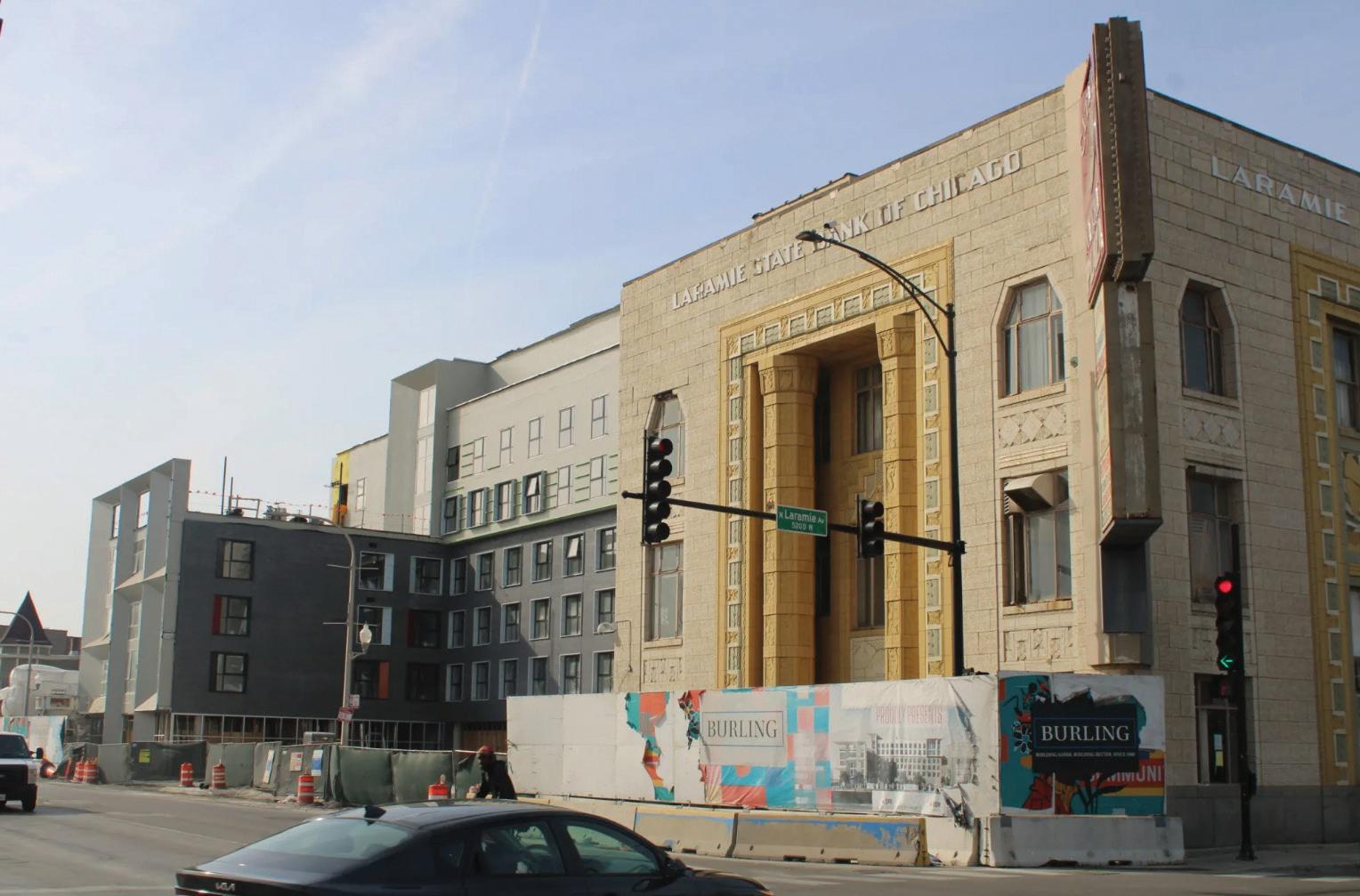
The Laramie State Bank building was built in 1929 and was made a city landmark in 1995. It has been vacant since it was foreclosed on in 2012. The bank’s exterior features an Egyptian-style design with yellow and cream-colored terra cotta details on the facade.
In 2021, a judge ordered a property receiver to perform emergency rehabilitation to its interior, which suffered extensive water damage that destroyed most ceilings, walls and floors, and it is littered with debris.
The redevelopment project will restore the
building’s Art Deco flourishes and architecture, city officials previously said. Wednesday’s community meeting included a briefing on the documents that will be required for an application to lease the development’s apartments. Attendees were able to sign up to be notified when the application process begins. Developers also noted that prospective applicants must make at least two times their designated rent and no pets are allowed in the building, with exceptions for support animals.
Learn More
Developers recommend anyone interested in receiving an application or learning more about the project to contact the Oak Park Regional Housing Center’s West Cook Homeownership Center program at info@westcookhomeownership.org or visit their office at 5934 W. Lake St.
A rendering of the Laramie State Bank redevelopment including a museum, housing, cafe, business incubator, community plaza on Chicago Avenue. | CREDIT: CITY OF CHICAGO
A new apartment building (left) nears completion while the landmark Laramie State Bank Building (right) will see rehabilitation work begin later this year. | MICHAEL LIPTROT/BLOCK CLUB CHICAGO
A rendering of the Laramie State Bank redevelopment including a museum, housing, cafe, business incubator, community plaza on Chicago Avenue. | PROVIDED
Anjanette Young Moves ‘Past The Pain’ Of Botched Police Raid In New Book
The Chicago social worker, who was humiliated in a 2019 wrongful police raid, explores how she confronted trauma to become an advocate for police reform
By MICHAEL LIPTROT Block Club Chicago
Anjanette Young no longer lives in the Hermitage Avenue apartment where, in 2019, a police raid changed her life and sparked outrage across the city. But the remnants of that day remain — physically and emotionally.
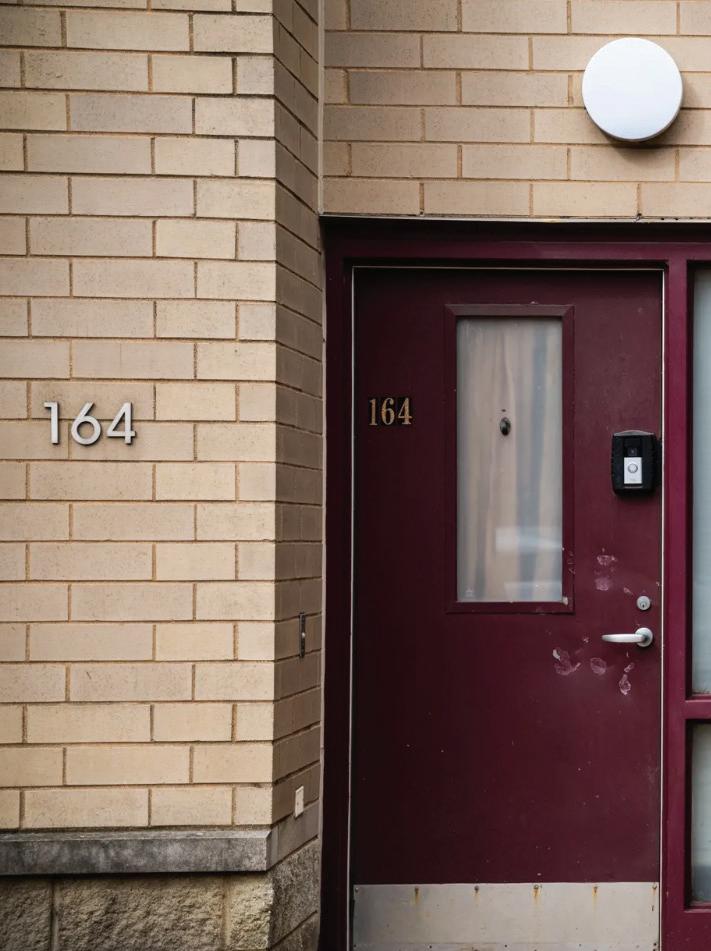
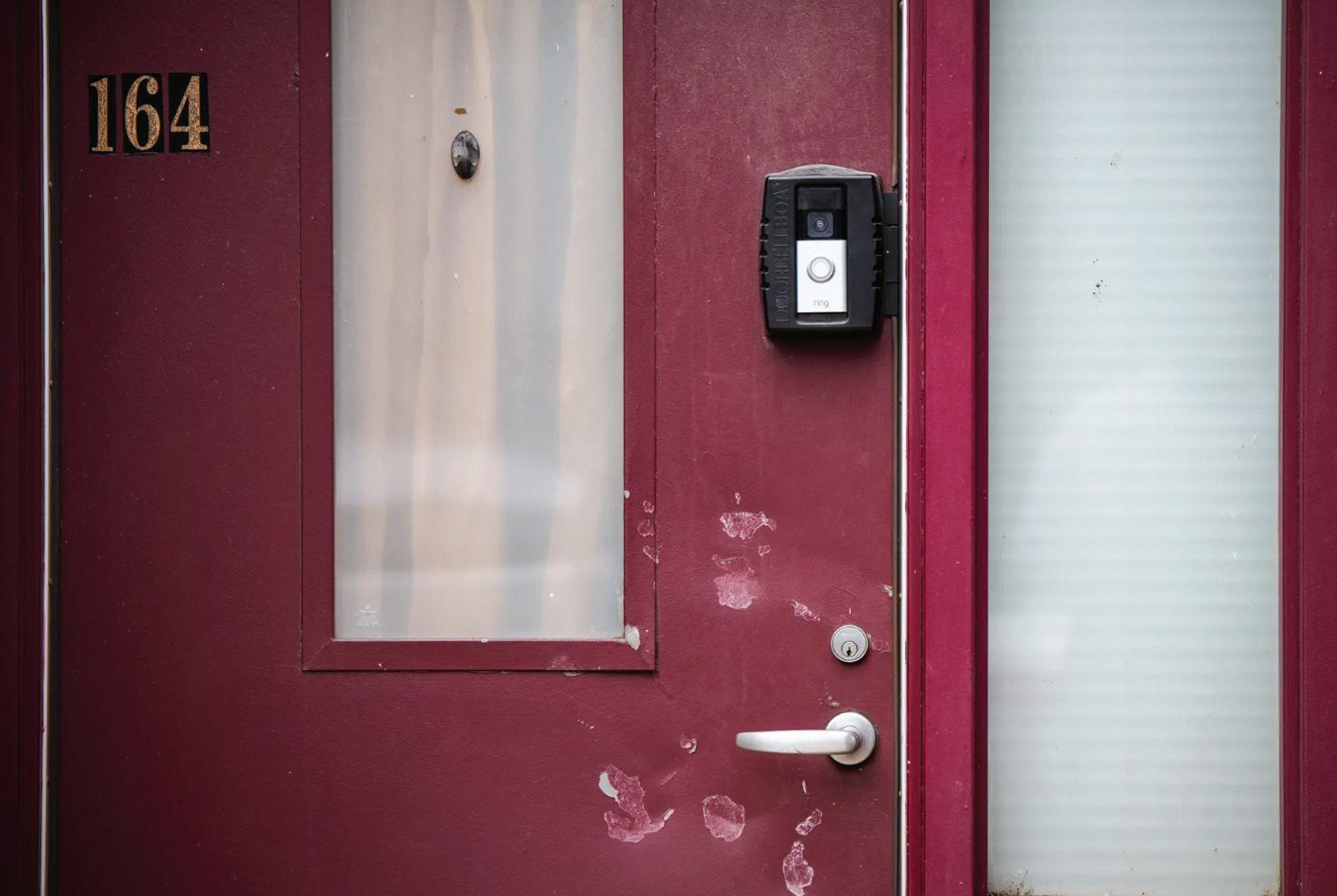
The door to Young’s former apartment still carries dents and scuffs from the botched
raid that left her standing naked and pleading her innocence to a room full of officers. Seven years later, Young said that healing is still an everyday journey for her.
“Before the raid, strength was kind of like you fight through adversity as best as you can, and you keep going — that whole strong Black woman mentality,” Young told Block Club. “Resilience [after the raid] looked like finding my way, navigating through the complexities of trauma in my own way, and find-
ing my own path forward.”
That path forward includes Young’s book, “Past the Pain: How to Emerge from Trauma with Purpose,” which was released last month.
The book tackles the raid and its impact on the city and Young’s life, including her journey to becoming an advocate for police search reforms and a mentor to other victims of wrongful police raids.
On Feb. 21, 2019, Young was at home af-
ter working her job as a social worker when 12 Chicago police officers burst in with guns drawn. They were serving a search warrant that was later determined to have been issued on faulty police intelligence.
The group of all-male officers came through Young’s door using a battering ram seconds before handcuffing Young, who was undressed. She was left to stand naked in front of the officers.
Body-camera footage released by CBS2 showed the sobbing Young repeatedly telling officers they have the wrong home and asking to be allowed to get dressed. Her request to get dressed wasn’t granted until a female officer — later identified as slain officer Ella French — arrived on the scene.
Unverified information from an informant who claimed a felon with a gun was in Young’s residence prompted the raid, according to a WTTW report. Yet officers kept her handcuffed and naked even after realizing the mistake.
The fallout from the raid was widespread, leading to an apology from then-Mayor Lori Lightfoot, the resignation of the city’s top lawyer, the firing of the sergeant who oversaw the raid, and Young receiving a $2.9 million settlement from the city.
Young became the public face of efforts by some City Council members to reform how
Anjanette Young poses for a portrait with her new book “Past the Pain” near her former home in the Near West Side on March 27, 2026. In 2019, Chicago Police officers wrongfully raided her residence as she was home. | COLIN BOYLE/BLOCK CLUB CHICAGO
In 2026, Chicago Police officers wrongfully raided the home of Anjanette Young. The front door remains damaged years later. | COLIN BOYLE/BLOCK CLUB CHICAGO
police conduct no-knock searches. The legislation stalled, though Young has vowed to continue her fight for reform.
“The progress I want to see is literally changing the laws about no-knock warrants. That has not happened in the city of Chicago, state of Illinois or across the country,” Young said.
“We still have a broken system that believes that the police don’t have to be held accountable for their bad actions.”
Young reflected on the initial raid as the first time she experienced racism since moving back to her native Chicago after spending more than two decades in Mississippi.
aims to leave readers with ways to address pain or trauma.
Each chapter ends with a letter from Young’s therapist, Alicia Troff-Meade, who offers self-care and wellness practices for readers dealing with trauma and anxiety, plus other therapy tools.
“The progress I want to see is literally changing the laws about no-knock warrants. That has not happened in the city of Chicago, state of Illinois or across the country.”
“I truly believe there were 12 white officers in my home and none of them saw me as worthy, as someone who deserves respect in that moment,” she said. “That’s racism.”
In “Past The Pain,” Young described herself as being “baptized by fire” the night of the raid, causing her to realize resilience is in her DNA.
Young’s grandmother, Lucendia Young, is a “fierce civil rights activist” who marched alongside Martin Luther King Jr. and hosted leaders such as Fannie Lou Hamer in her home as she organized to strengthen Black Americans’ right to vote, she writes in the book. Young was raised by her grandmother in Shelby, Mississippi, and describes her as a role model for her advocacy since the raid.
Over time, Young grew to see the raid as an opportunity to embrace her path of advocacy and follow in the footsteps of family members before her.
“I am definitely one who believes that I have to embrace where God has taken me, and whether I like it or not, so that’s what I did,” she said.
Since the raid, Young has helped fellow victims of police misconduct at the hands of Chicago police. That has included Peter Mendez, who received a $2.5 million settlement from a 2017 botched raid in McKinley Park, and the family of Ebony Tate and Cynthia Eason, who received a $5.7 million settlement from a 2018 botched raid in Back of the Yards.
“It’s in me to fight back,” said Young, who still works as a social work consultant.
The book also discusses how other injustices — including the shooting death of Breonna Taylor by police during a Kentucky home raid — informed Young’s advocacy. It also
“I started to feel like fighting back was a part of the healing journey, because I no longer felt like I was just a victim and this happened to me,” Young said. Following the death of George Floyd and Taylor, “I moved to ‘this happened to me, but I’m going to do something about it.’”
“Past the Pain,” from publisher Chicago Review Press, is available wherever books are sold.
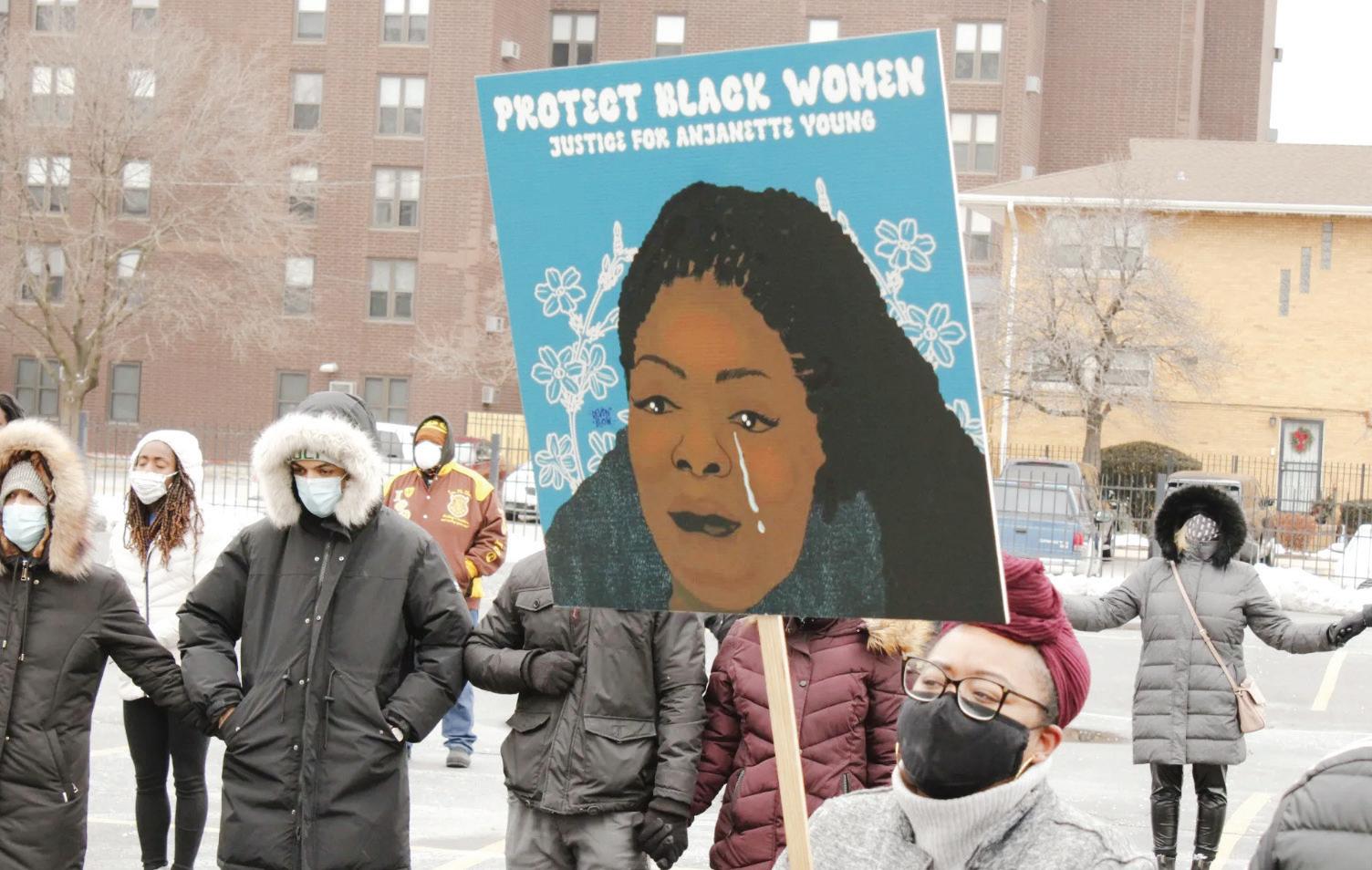
An attendee at a January 2021 rally for police accountability holds a sign reading “Protect Black Women – Justice for Anjanette Young.” | MAXWELL EVANS/BLOCK CLUB CHICAGO
In 2026, Chicago Police officers wrongfully raided the home of Anjanette Young. The front door remains damaged years later. | COLIN BOYLE/BLOCK CLUB CHICAGO