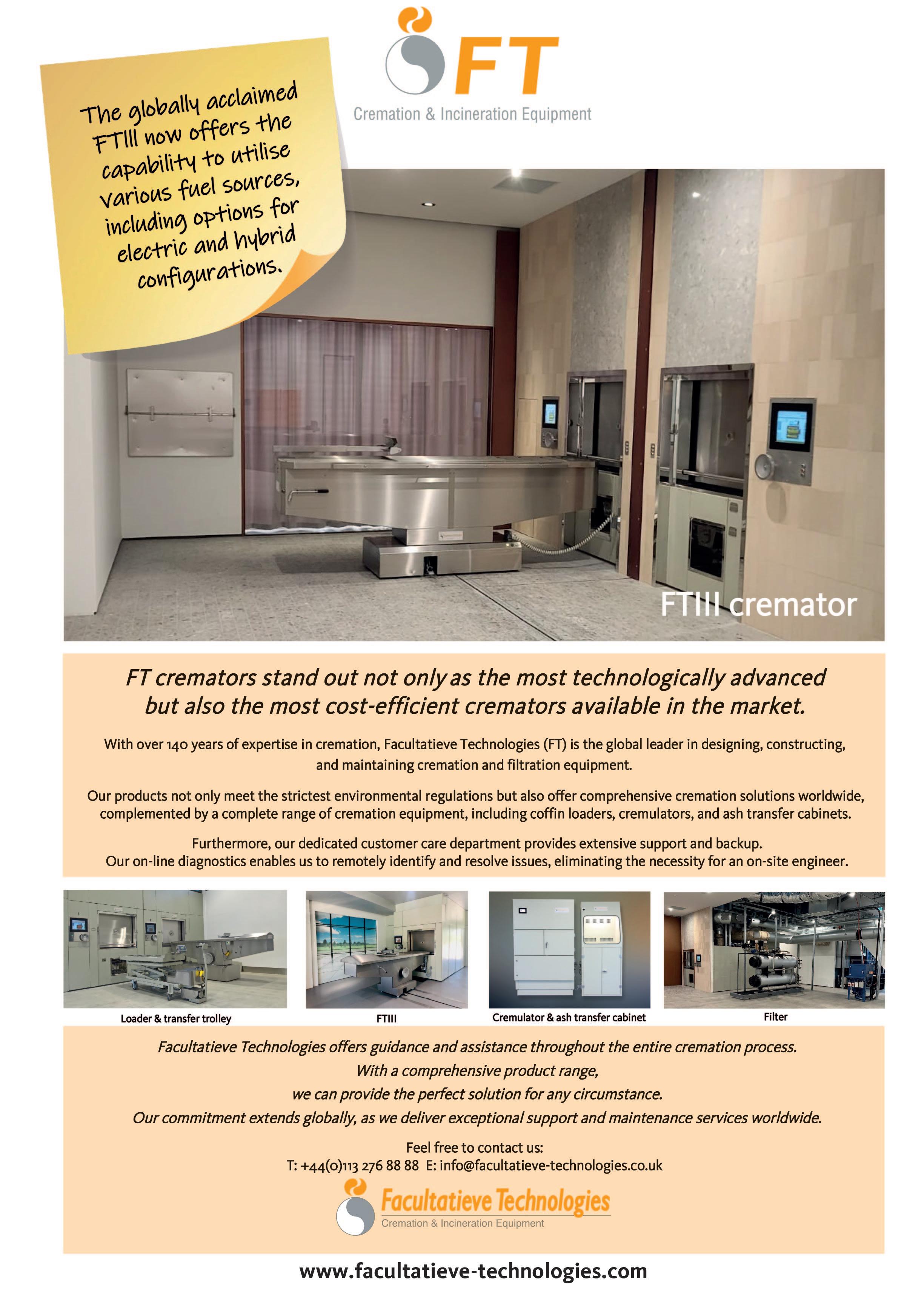






For further information and expert advice, Call +44 (0) 1782 638 491 email sales@drmtechnic.com
DRM Technic is the market leader in the design, manufacture and support of Emissions Monitoring Solutions for the Crematoria Industry. We work closely with the worlds’ leading manufacturers and provide over 150 crematoria analytical systems every year to the industry.
For over 15 years we have supplied systems and equipment world-wide to crematoria and enjoy long term clients from Europe, North America and Australasia. All systems are easy to install, operator friendly and have low maintenance requirements.
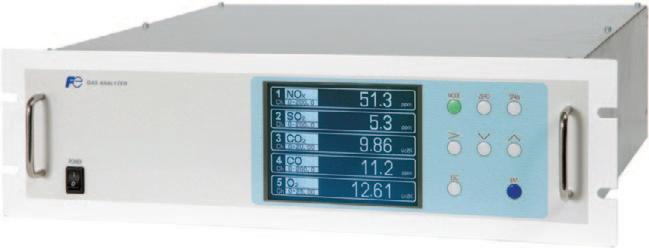
CEMs to PG5/2 (12/23) & MCERTS QAL1 (up to 6 gases including NOx / VOC options)
Dust Monitors to QAL1 (EN15267-3) With Bluetooth Maintenance (Tribo & Opacity) DAQS
Datalogger & Reporting Systems
Fast Response Oxygen Measurement For Combustion Control
Portable MultiGas Analysers For use in R+D and 昀eld testing (QAL1)
Specialist Systems For Hydrogen & Electric Cremator development

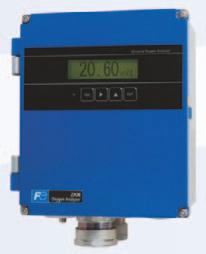
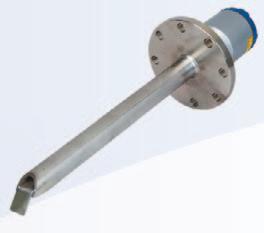
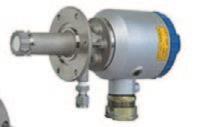

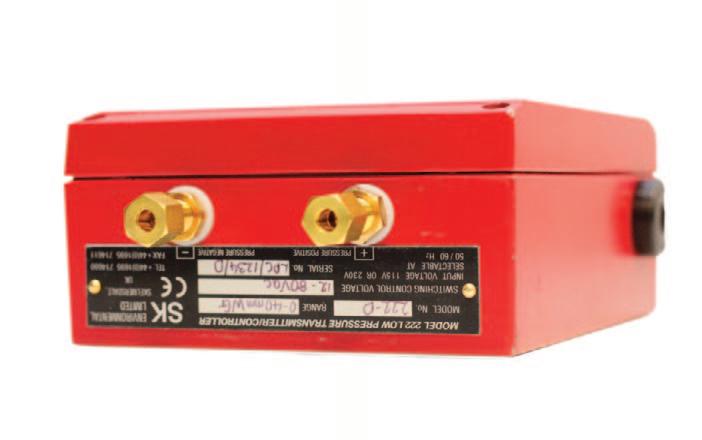
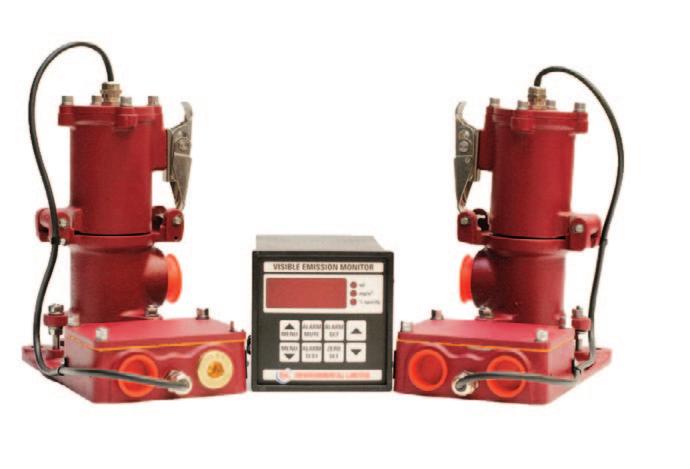
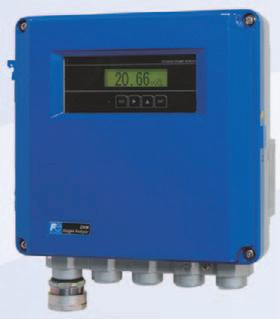
VEM 252 Emission Monitors are designed to measure dust and smoke discharged from Furnaces, Incinerators, Boilers, Cremators and Industrial Plant. Satisfying the requirements to monitor smoke and particulate emissions into the atmosphere.


With ranges from 0-5mm to 0-1000mm WG (0-0.5mbar to 0-100mbar) it is designed for boiler, incinerator, cremator and furnace applications, but it is equally suitable for any inert gas heating and ventilating applications, or energy management systems.
The VEM 252 may be used to continually monitor and display optical density or opacity and will also display particulate emissions.
The equipment comprises:
• Digital Control Unit (for panel mounting)
• Transmitter Unit & Receiver Unit
• Optional Blower and Extension Tubes
The SG1 provides accurate signals to simulate a wide range of dust concentrations on a variety of Triboelectric dust monitors. The ability to test the response of a dust analyser is mandatory for regulations to ensure the correct operation of the system before extractive calibration tests are done.
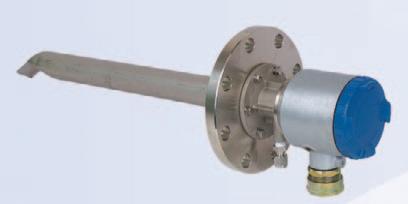
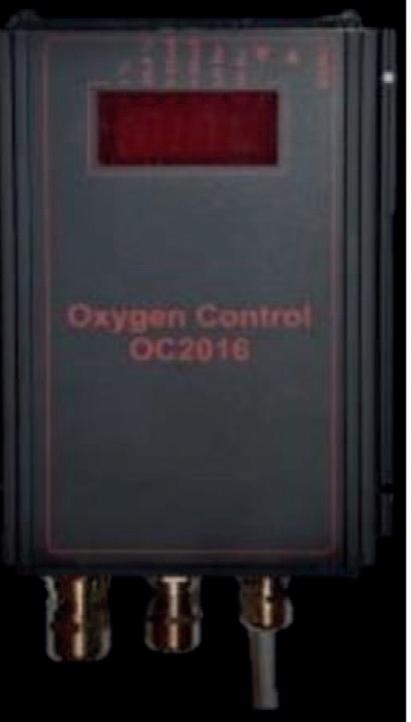
The OC-1 provides reliable and accurate measurement of Oxygen within flue gases. It has been designed for industrial boilers, furnaces, crematoria and incinerators, and provides the most reliable assessment of burner operation and combustion efficiency. It uses a Zirconia (ZrO2) measuring cell and can be mounted directly to the process via a guide tube. The analyser can work in temperatures up to 900ºC with a T90 typical response time of 4 seconds. Calibration is every 6 or 12 months depending on the application.



““ It is a good opportunity to reflect on current practices and consider whether these need refreshing.

We are delighted to bring you this winter issue of Pharos International.
This issue features a number of papers from this year’s CBCE covering relevant areas for the cremation sector, from the Ministry of Justice’s update on their work affecting the funeral sector, to the practical considerations and advice dispensed by representatives from Facultatieve Technologies. Their message was a clear one – the efficient use of a cremator with careful planning, can result in much-improved practices, both from a cost and environmental perspective. It is a good opportunity to reflect on current practices and consider whether these need refreshing.
From an equally practical perspective, we are pleased to feature the latest article from Brendan Day of Greener Globe Funeral Standards, which focuses on crematoria buildings and supply chains. I would encourage you not only to read the article but use it as a useful guide and prompt to develop a programme of improvements that could be made. It is something that we in the Society’s offices are carrying out – simple tweaks to everyday practices – which add up to an improved environmental footprint. We are always keen to highlight good practices that we know crematoria are embracing so if you have something you would like to highlight in a future issue of Pharos International, do let us know.
If you follow The Cremation Society on LinkedIn or you receive our e-newsletter you will have seen that we have announced dates for next year’s CBCE. We are already working with our FBCA colleagues to ensure that next year’s joint conference will continue to deliver a first-class speaker programme and excellent networking opportunities. Please note 23rd to 25th June 2026 in your diaries – we would love to see you there.
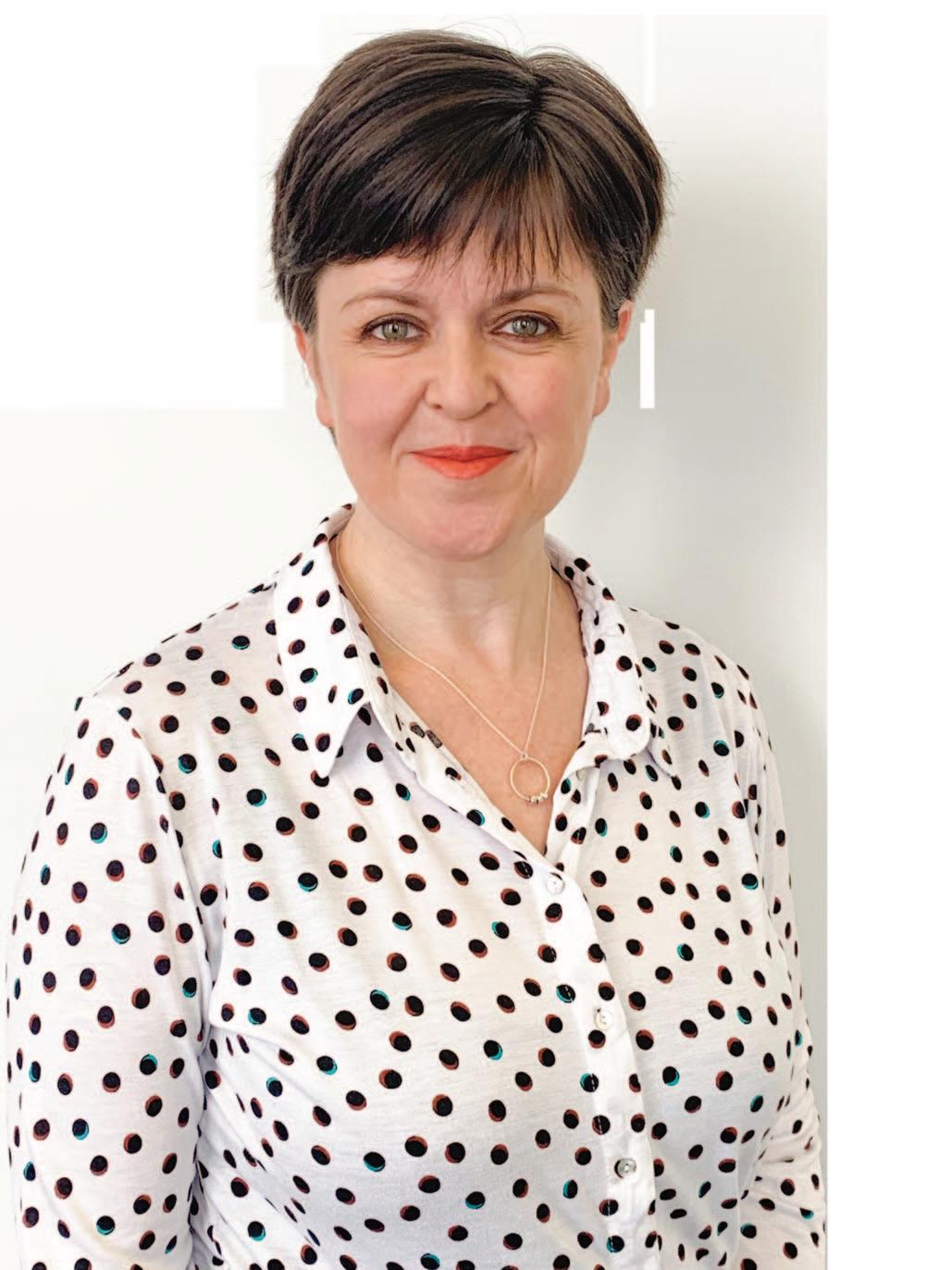
As we draw the year to an end, I would like to thank you for your ongoing support of the Society’s work and from the Society’s Council and office team, we wish you a peaceful festive break and every best wish for 2026!
VOLUME 91
ISSUE NUMBER 4
FOUNDED 1934
ISSN 0048-3672
Published: March, May, September, December
Statistics issue: August
COPY DATES 6th January 28th March 4th August 6th October
2025 SUBSCRIPTION RATES (five issues per year)
UK addresses: £37.00
(Inland postage has been based on second class)
International Standard: Europe: £46.00 World Zone 1: £50.00 World Zone 2: £52.00 World Zone 3: £51.00
International Economy: £47.00
All International subscriptions will be subject to an additional £5 banking fee
Pharos International is read in the following countries: Andorra, Argentina, Australia, Austria, Belgium, Canada, Colombia, Czech Republic, Denmark, Finland, France, Germany, Ghana, Greece, Haiti, Hong Kong, Hungary, Iceland, Italy, Japan, Lithuania, Luxembourg, Mauritius, Mongolia, Namibia, the Netherlands, New Zealand, Norway, Portugal, Republic of Ireland, Romania, Russia, Serbia, Singapore, Slovakia, Slovenia, South Korea, Spain, Sweden, Switzerland, Taiwan, Thailand, Turkey, United Kingdom and United States of America.
EDITORIAL and PUBLISHING OFFICES:
Brecon House, Albion Place, Maidstone, Kent ME14 5DZ, United Kingdom
+44 (0)1622 688292/3
pharos.international@ cremation.org.uk www.cremation.org.uk @cremsoc
The Cremation Society
Editor: Wendy Buchan
Sub-Editor: Chantelle Roberts
Designer: Christopher Monk/ design@yellowduck.net
Council Members:
Lord De Mauley, Professor Hilary Grainger OBE, Colin Rickman, Professor Heather Conway, Debbie Kerslake, Richard Clarke, Bishop Christopher Foster, Lucille Furie, Ian Rudkin
Editorial content: © 2025
The Cremation Society
Registered Charity No. 209978
Printed in England
The views expressed in the Editorial comments are those of the Editor and unless specifically stated otherwise, are neither the official views of the Cremation Society nor the International Cremation Federation.
Wendy Buchan EXECUTIVE OFFICER & SECRETARY TO THE CREMATION SOCIETY
No responsibility is accepted for the accuracy of claims made by advertisers in Pharos International, for the sustainability or standard of goods so advertised, nor for articles reproduced in this magazine.





Plans for a new crematorium in Derby have taken a step forward.
Derby City Council’s cabinet has approved proposals to allocate £889,501 for the design of a new crematorium at Markeaton.
The Labour-run council said equipment and the building at the existing crematorium – which opened in 1956 – were either “reaching or were beyond the end of their lifespan”.
Councillor Paul Hezelgrave said: “We do need to have this facility, a city of this size should be able to have an attractive place for people to say their last goodbye to their dear ones.”
Derby City Council said it looked at the option of refurbishing the current building but concluded it would cause a “high level” of disruption to services.
Council documents added the “most urgent” concern was
that the site’s cremators were beyond “end of life and at risk of failure”.
The authority said developing a new crematorium on the land next to the existing building, was the “most effective” way to secure a long-term service.
Liberal Democrat councillor Lucy Clare said the authority should consider the possibility of using the existing building as a cafe, but officers told the cabinet there was “no definitive” plan for the current building at this stage.
Council leader Nadine Peatfield said: “Obviously very much needed in our city, it’s been a long time coming.
“I believe that the planning of this has been put off for some time previous to our administration, so I’m really glad that we are running with this and making it happen for our city.”
BBC News
October 2025
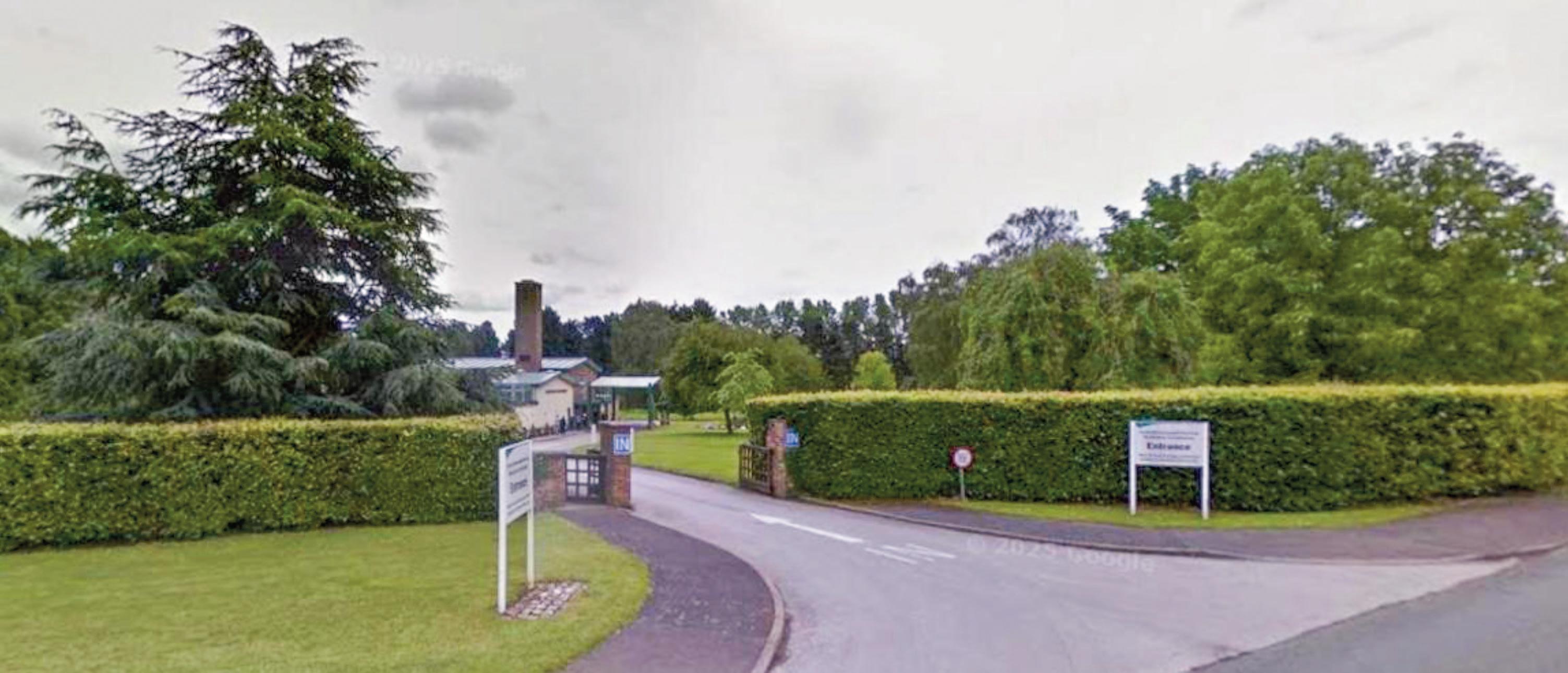
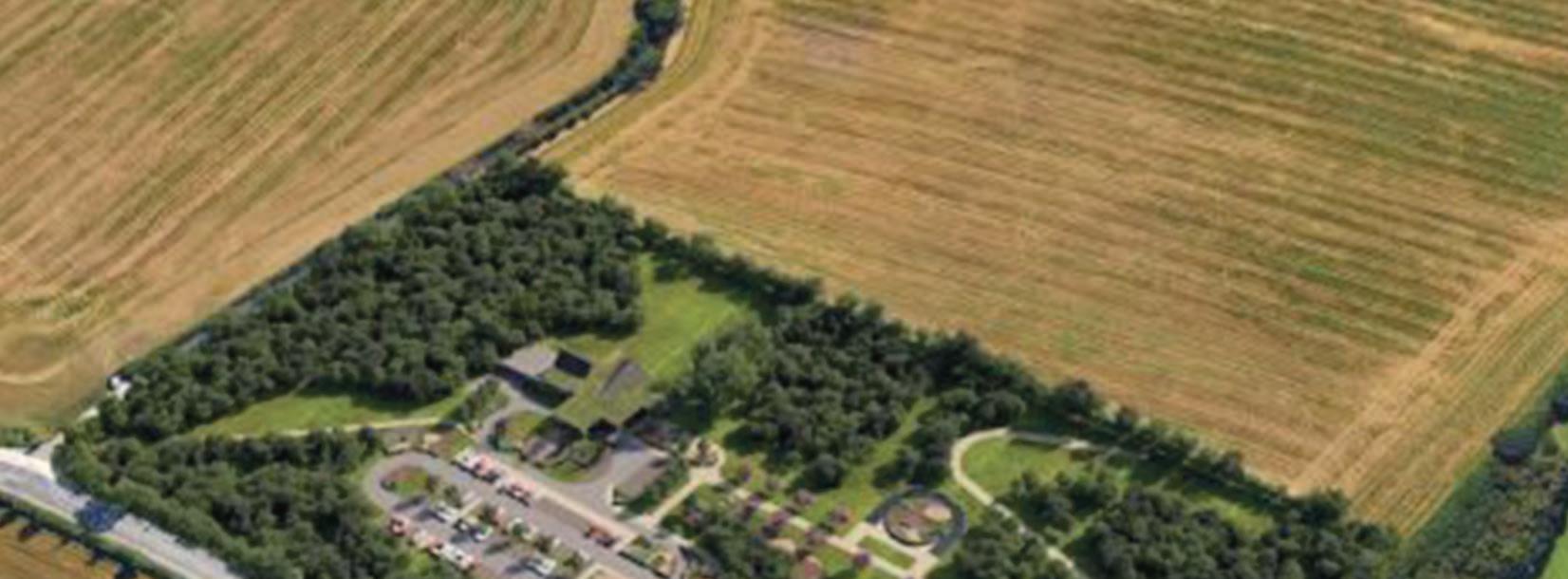
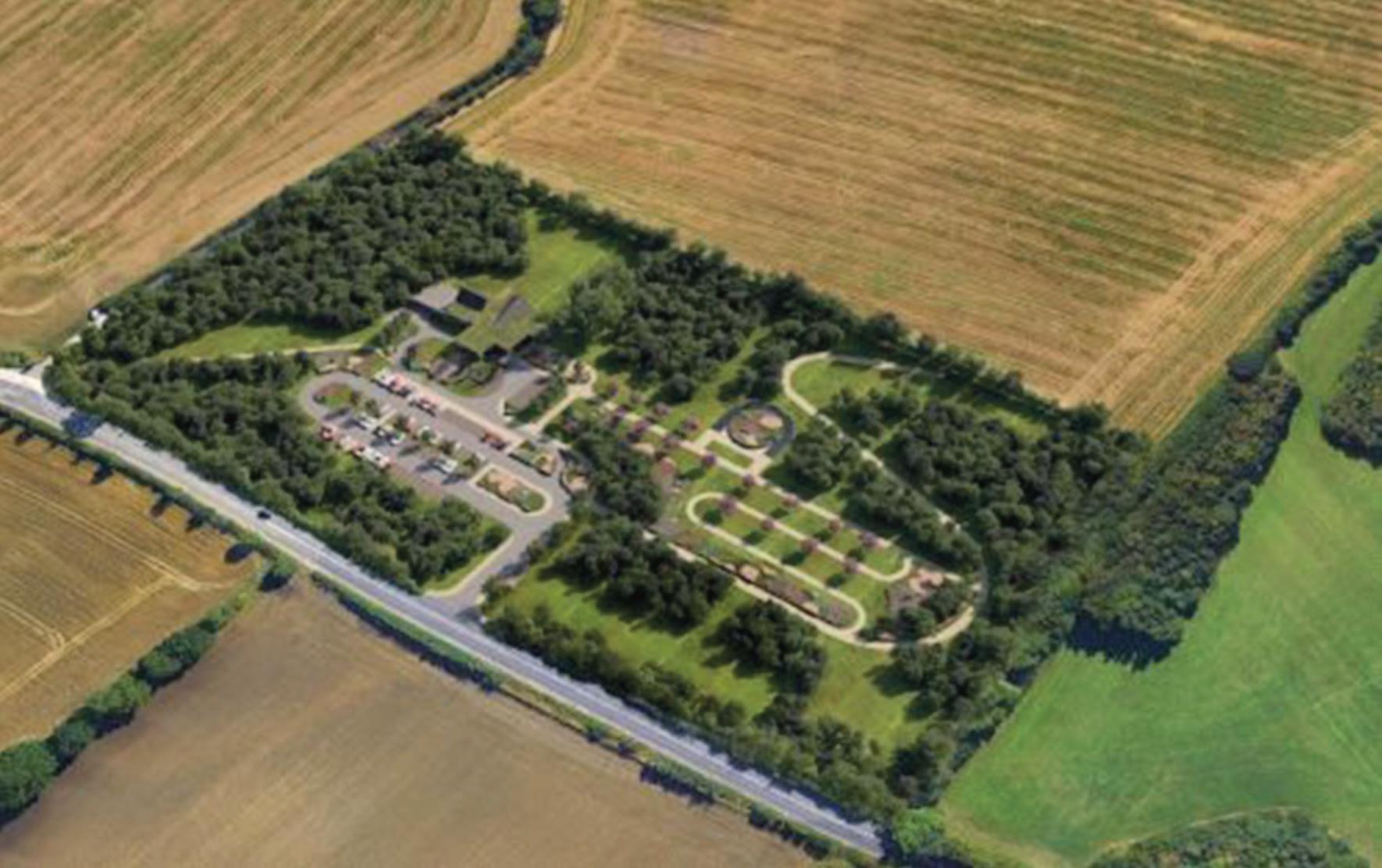
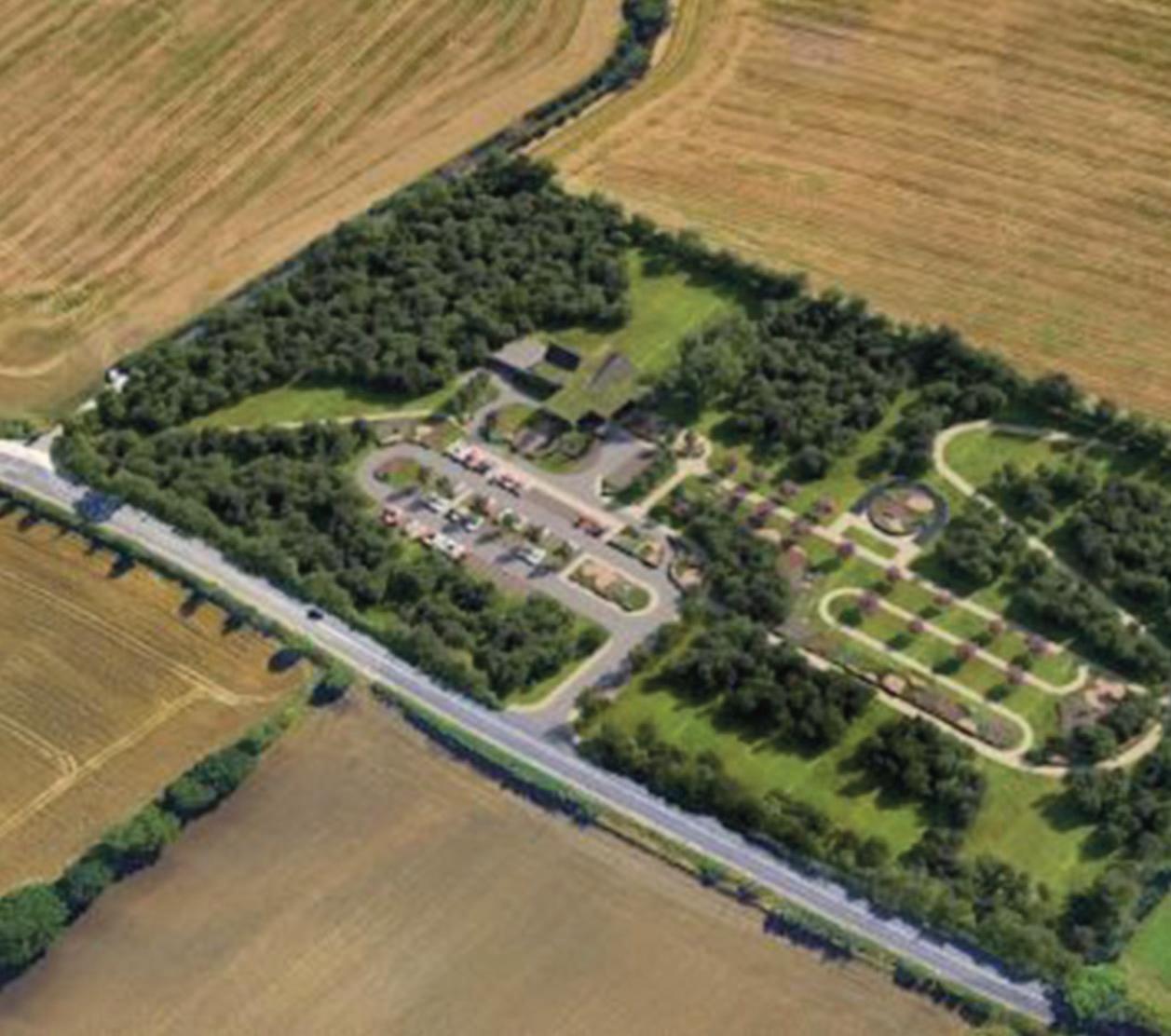
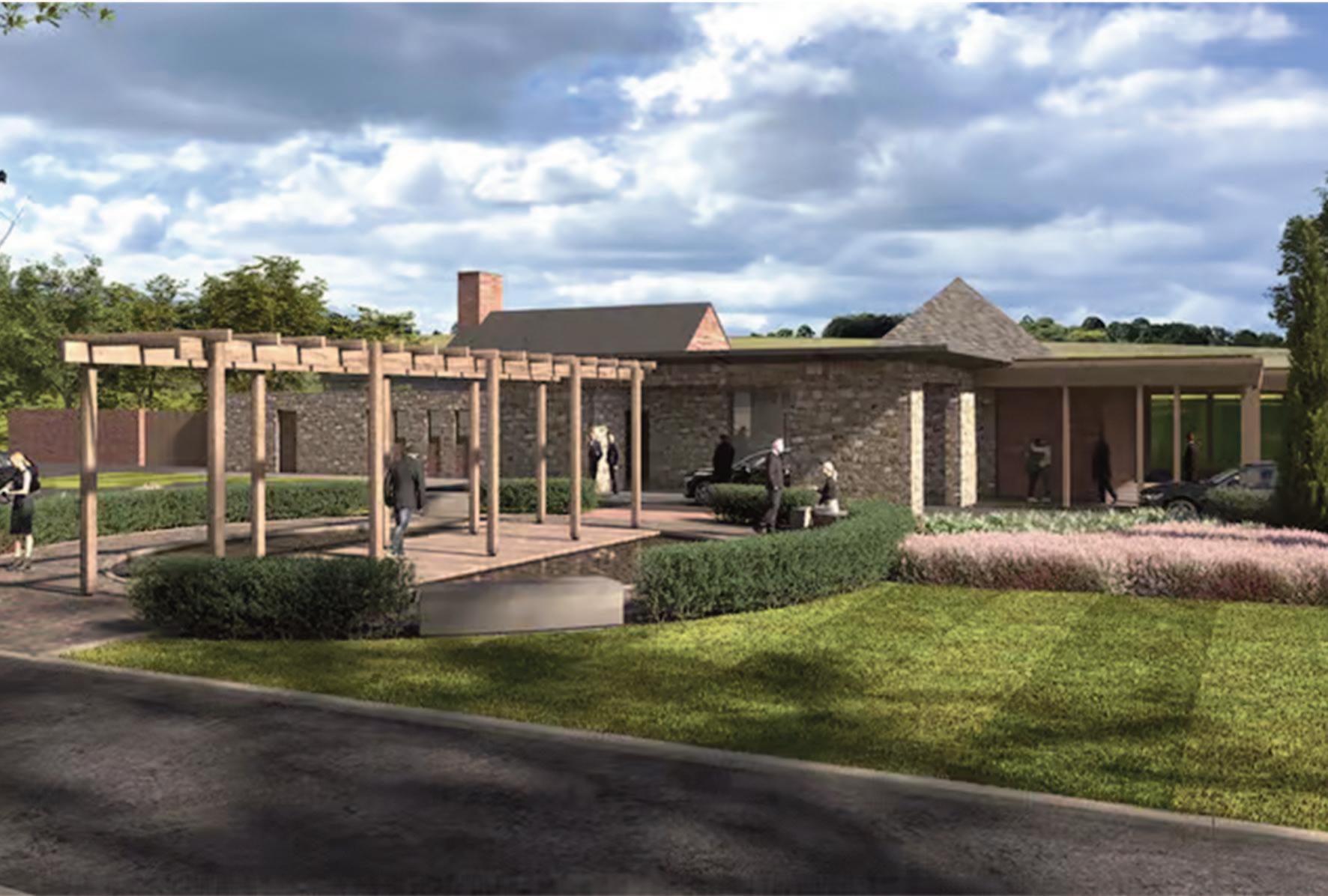
Specialist crematorium provider, Horizon, has revealed preapplication plans for a new crematorium off Methley Lane in Oulton, Leeds.
It will complement Leeds City Council’s own crematoria – which currently serve the north, west and south of the city – and is intended to meet both the current and future need for crematoria in the area.
The proposal includes a chapel with space for more than 100 visitors, car parking, and memorial gardens, all set within landscaped grounds.
Horizon has launched a public consultation on its proposals. A public drop-in exhibition will take place at The Oulton Institute, Quarry Hill, Oulton, on Wednesday 15 October from 3pm to 7pm. A consultation website has also been set up at www.horizon-consultation.co.uk
Stephen Byfield, Director at Horizon Cremation, said: “Nearly 85 per cent of families choose cremation over burial and there is now a pressing need for new facilities in Leeds which will only increase over the coming years.
“We believe our proposal represents the
best option to serve the south and east of the city.
“The crematorium will be well-situated, is easily accessible by car and public transport, is beautifully designed and has been carefully integrated into the landscape to minimise visual impact.”
A planning application will be submitted to Leeds City Council shortly.
October 2025
TheBusinessDesk



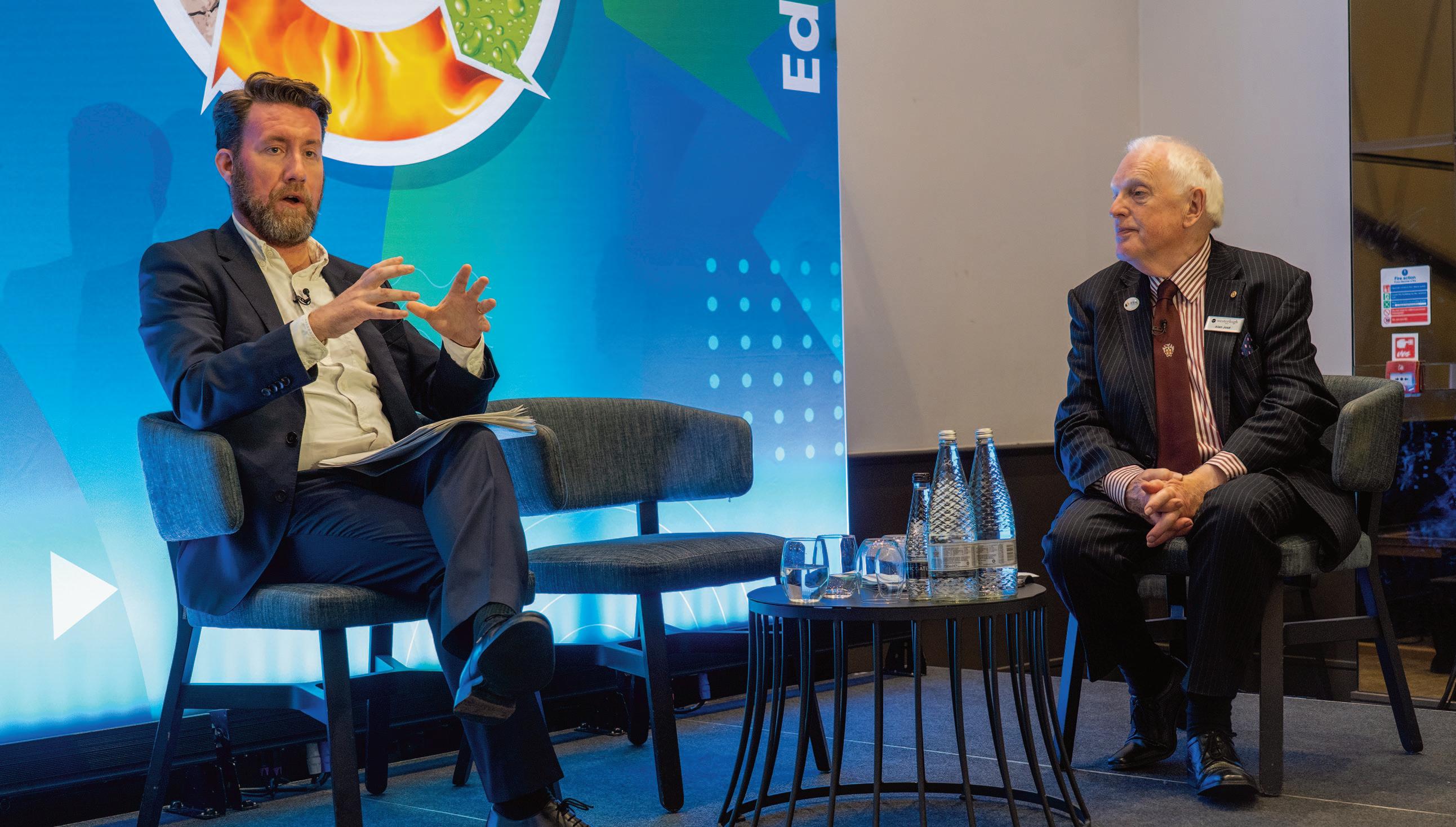
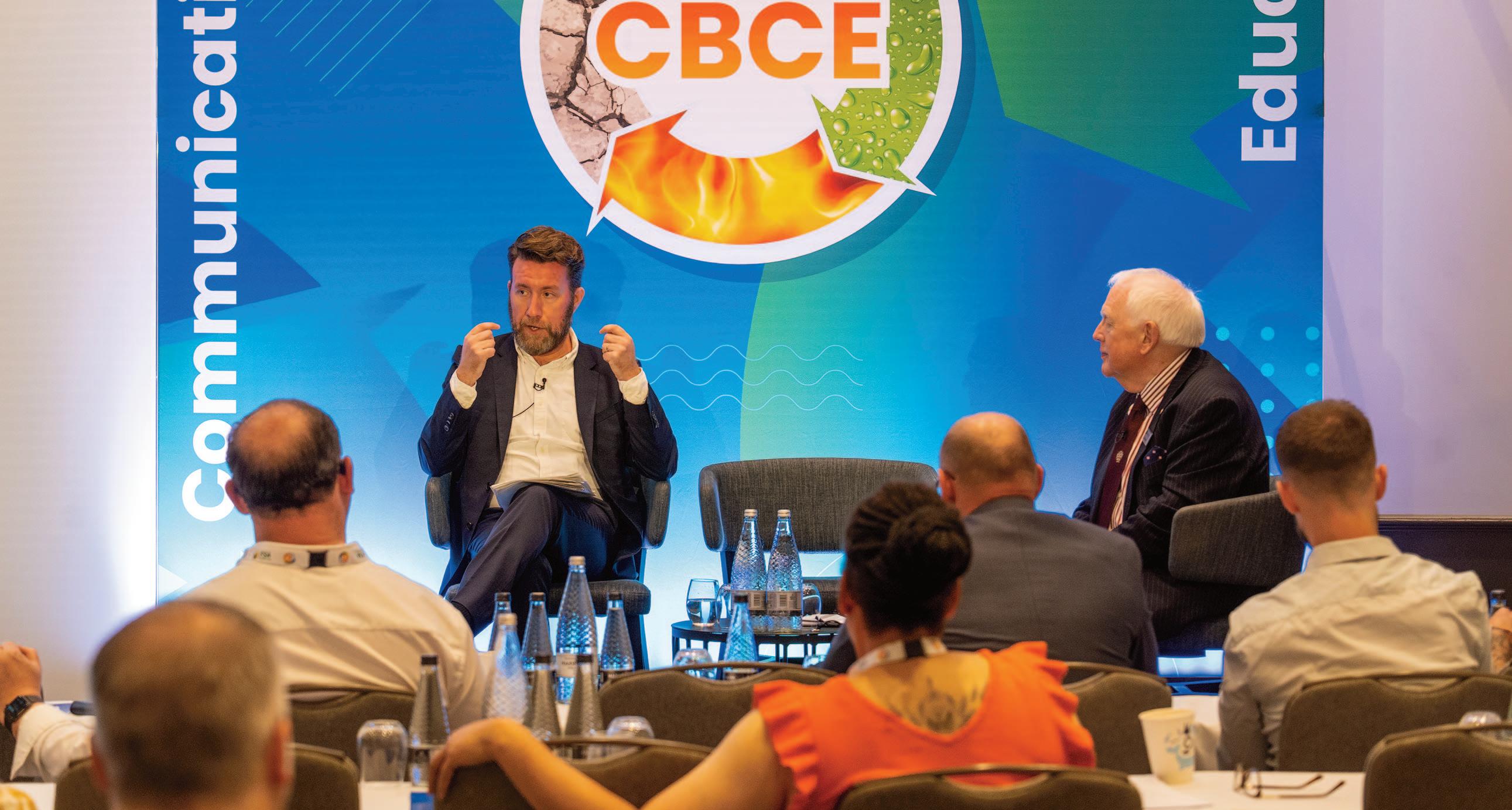
Hello everybody and thank you for coming back for the final session of the day. It’s nice to see you all. My name is Andrew, I’m from Manchester Crematorium and I have the pleasure of chairing today’s session. I’m pleased to introduce Mike and Ashley from FT. Earlier we had Brendan’s talk on more sustainable cremation practices. Now, we have today’s talk In Sync: When Operator and Equipment Work as One Now most of us can’t just go back to our crems, switch off our gas cremators and just rip them out, so Mike and Ash are going to give us a good talk on how we can use our tech more efficiently. Please welcome them to the stage.
Speaker – Mike Hardaker
By Mike Hardaker Sales Manager UK & Australasia, and
Ashley Jessup Systems Engineering Manager, Facultatieve Technologies Ltd
Mike Hardaker
Netflix and Prime –we’re all using these
streaming
I think we’ve all become accustomed now to technology, so much so that we don’t realise what it’s doing on a daily basis. So just some examples here (Figure 1). We unlock our mobile phones with facial recognition, we use smartphones every day – probably too much. You can unlock your car now with your phone, they can even self-drive, the possibilities are endless. Netflix and Prime – we’re all using these streaming services. Netflix, if you put the right algorithms in it literally tells you what movies and series you like to watch. You put the right information in and it’s tailor made to what you enjoy watching.
Thank you Andrew for the introduction and thanks everybody for having us. You know who we are but we’ll just do a bit of a slight intro. I’m Mike Hardaker the Sales Manager for the UK and covering Australia for Facultatieve Technologies (FT).
Speaker – Ashley Jessup
services. Netflix, if you put the right
algorithms
in it literally tells you what movies and series you like to watch.
And I’m Ashley Jessup the Systems Engineering Manager for Facultatieve Technologies.
Social media – we’ve all been using LinkedIn, we’ve all been connecting with the CBCE. We use Facebook, Instagram, it lets us keep in touch with relatives and friends all around the world. It’s probably one of the best inventions ever made. Then you have quite a few people that don’t carry cash on them. You can use your Samsung and Apple wallet to pay for drinks at the bar. Then there’s Alexa and Siri – you can literally call out another lady’s name in front of your wife (not get in trouble) and they’ll respond to the questions asked with the appropriate answer.
(Figure 2) How can our industry utilise this technology today










Introduction - Daily everyday use of technology
l Unlock your mobile phone with facial recognition
l Smart phones
l Unlock your car – self-driving cars
l 'Netflix/Prime’ – streaming services
l Social Media – LinkedIn, Facebook, Instagram
l Samsung/Apple wallet
l Digital assistance – Alexa, Siri
through cremation? I think that’s a very good opening statement. Cremation needs interpretation. (Figure 3) Machines can be programmed but only people can interpret the context, variations, specific client requests and environmental conditions etc. Interfaces and remote monitoring require trained eyes and judgement. Cremator operators are not only button pushers, and we need to remember this. This is the point that should stick with everybody after this talk. We’re all buying expensive cremation equipment and we’re not training the operators or classing them as a skill to operate them. What I mean by that is, it’s like buying a Ferrari and then putting L-plates on it and expecting the driver to bring it back in one piece.
They’re so fundamental in interpreting the data that the right data has to go into the cremators so you get you get the right output. Small adjustments, everything that algorithms can


So
Figure 2
Cremation needs interpretation
l Machines can be programmed, but only people can interpret context: variations, specific client requests, environmental conditions etc.
l Interfaces and remote monitoring require trained eyes and judgement.
l Cremator operators are not just ‘button-pushers’ or semi-skilled employees, they are now fundamental in interpreting data and making small adjustments that algorithms can then replicate in real time, learning through the human input of behaviour.
l Machines can do the task, but humans must understand the process to maximise efficiency, minimise downtime and work towards better all-round equipment operation, working hand in hand with the latest technology.
3
replicate, they can look at in real time. They all make the system learning on the cremators so much better, but we have to put the right input in. The machines can do the tasks but humans must understand the process to maximise efficiency, minimise downtime and work towards better all-around equipment operation, while working hand in hand with the latest technology. (Figure 4) Planning is an energy-saving strategy. If we anticipate what is coming in it will make it more efficient. Planning saves pounds and ultimately it reduces the CO2. We’ll come on to an example on this shortly and show you how that works but again we’re all working on this collectively. Funeral directors need to start telling people that a heavy coffin is going to turn up otherwise all your planning goes out the window. The
Planning is an energy-saving strategy
l Anticipation = efficiency, planning saves £s & CO2
l The cremator can only do what it’s told. The real magic is in the planning.
l Efficiency doesn’t start with the cremator. It should start with the weekly rota and the cremation schedule, which every crematory and operator should have –with a reliance on the information provided by the funeral director for each coffin.
l If you put inaccuracy in, you’ll get inaccuracy out!
l We have seen a difference of 50-60% in energy consumption just by efficiently planning for the week, let’s look at an example.
4
Planning is a an energy-saving strategy
l Example 1 – Poor Planning (2 machines, 1 hour overrun on preheat, 2 cremations each)
Gas Usage Per Cremation

cremator can only do what it’s told. The real magic is in the planning.
Efficiency doesn’t necessarily start with just a cremator. It should start with a weekly rota and a cremation schedule which every crematorium and operator should have, with a reliance on the information provided by the funeral directors I’ve touched upon for each coffin. This is so important. If you put inaccuracy in you’ll get inaccuracy out.
I once went to a site in the north of England and they had three old gas cremators. It doesn’t matter who’s they were but when I turned up to the site all three of the cremators were on. It was about 09:00 in the morning. I said to them have you got a busy day, what have you got on? They said they had three cremations scheduled that day. I thought oh okay, three on each cremator. Their response – no, we’re doing one on each. I thought right then, we need to have a discussion … this is neither good for their business or the environment, but it’s not the equipment’s fault in isolation.
We’ve seen a difference of over 50 to 60% in energy consumption just by efficiently planning your weekly schedule.
Speaker – Ashley Jessup
Let’s look at an example of this. (Figure 5) So this is a site that we looked at where we have two machines running together, and in one particular day they started machine one where they used about 11m3 of gas but then they had what seemed to be about a 30 minute preheat overrun. From the end of the preheat to the start of the cremation it was about 30 minutes which added another 15 m3 of gas. The first cremation went in and it was about 27 m3. That higher level was generally because of manual burn
operations with it being the first one of the day, more support on the secondary fuel. They then had a waiting time so they didn’t plan it properly. They had a waiting gap of about 20 minutes between the end of the cremation to the next coffin coming down.
I then modelled this over to the second machine. (Figure 5
Planning is an energy-saving strategy

Planning is a an energy-saving strategy
l Example 2 – Good Planning (1 machine, 0 overrun on preheat, 4 cremations)

continued) The figures are actually a little bit higher but I thought for this scenario I’m going to just try and bring them like for like. The second machine also performed very similarly, and the waiting time was a little bit less on the cremation for number two just because of the timing between the third cremation and the fourth. In total the operation for that day was about 154 m3 of gas which is about 1,700 kW. If we look at that, which I would consider to be quite a poorly planned day, we can look at how we can implement technology to make it more efficient.
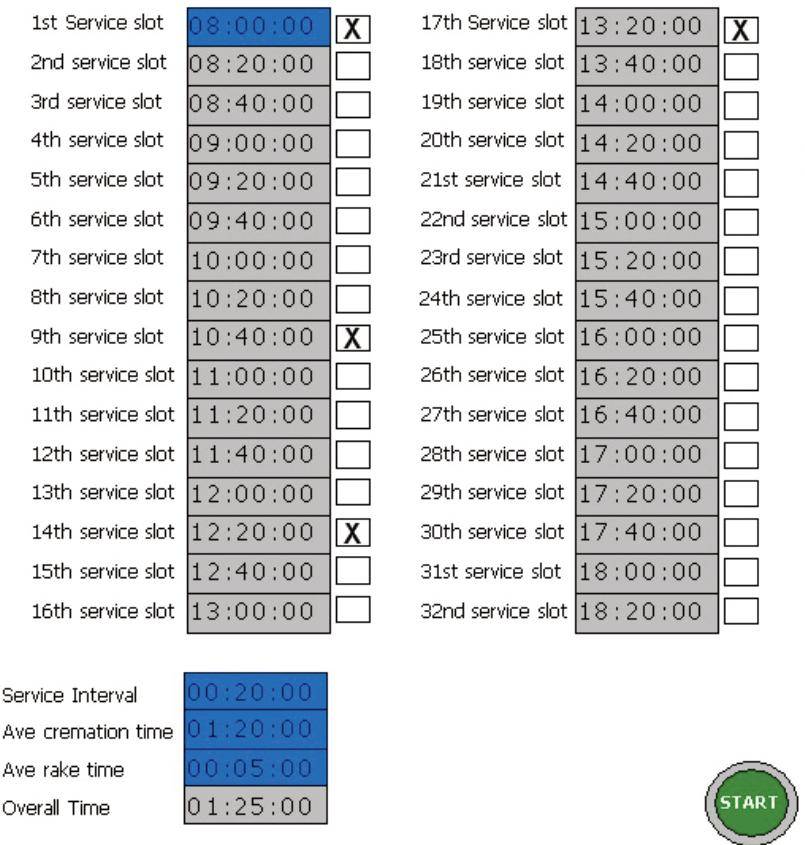
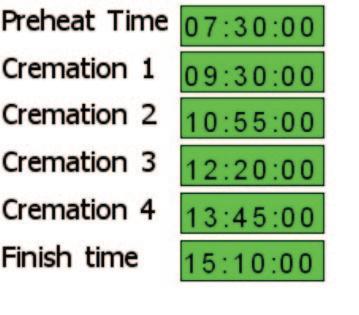
(Figure 6) So on every one of our machines we offer what we call a cremation planner. With it you can input each time your service or your cremation will start and it will map out the ideal time to start each cremation. For example, 08:00 was the first time they’re going to get a coffin but the calculator says start at 09:30. It helps plan it, it doesn’t let you have any time of holding over or waiting. So we took that and put that into a model to show what would happen if you did it all on one machine.
had a bit less waiting time because we’re still going to use a bit of gas when we’re raking out. This is because we need support fuel. Also when the door opens it pulls a lot of air in.
We then go on to the second cremation, but as you see there’s a natural trend downwards because, as Brendan mentioned earlier, the more you do on one machine it would just make it more efficient. So there is a natural trend going down. In total, for that day we worked out that it came out at about 82 m3 which is about 911 kW. That’s a saving of 54% which is about 156kg of CO2. Really simply just planning your day can make it more efficient.
That’s a saving of 54% which is about 156kg of CO2. Really simply just planning your day can make it more efficient.
(Figure 7) This is what would happen if we went on to one machine. We would still have the same preheat time of 11 m3, with again about 30 minutes to preheat. The overrun will be significantly less between the preheat and the first cremation because we’ve planned for the coffin to be there whilst the cremator is still preheating. By the time the machine is ready the coffin will be ready to go straight in – there’s no waiting between the preheat and the first charge. The cremation goes on. I have used the figures from the previous one so at 27 m3 Again we
In this scenario, and following on from Tom’s speech yesterday about the EU Green Deal and the UK needing to meet net zero by 2050 (but by 2030 we need to reach 50%), just by doing this simple exercise of planning and looking at the schedule we’ve saved 50% already straight away, and that’s without even going into it further.
I think that’s the important bit. We’ve seen all the educational talks so far and I know we all have the (net zero) target of 2050, but over 90% of cremations in the UK are done by gas. These are quick wins we can do now and it’s only a bit of training to make sure all the operators are up to spec. They can interpret and understand the latest equipment which can be implemented as quickly as tomorrow. So just touching upon it again, the operator has to be the upgrade. It’s the simplest and quickest thing we can all do.
l We spend a lot of time and money optimising machines – but we often forget to optimise the people running them.
l If you want to modernise your crematorium, the cheapest and most effective upgrade isn’t always new hardware. It’s training – investing in people. There is no automation that replaces human intelligence.
l But equally the most skilled operator can’t work miracles on old equipment without modern upgrades.
l By working together as a collective this industry could expand into the next wave of technology, we’ve started already, but the possibilities are endless…
(Figure 8) We spend a lot of time and money optimising machines but we often forget to optimise the people running them. If you want to modernise your crematorium, the cheapest and most efficient upgrade isn’t always new hardware – it’s training. Invest in people as there’s no automation that can replace human intelligence. Equally, the most skilled operator can’t work miracles on old equipment without modern upgrades, unless you’re Charles Howlett from Chilton’s, and that’s a completely different beast entirely. By working together as a collective which we’re all part of, this industry could expand into the next wave of technology. We’ve started already but the possibilities are endless.
(Figure 9) Now onto AI. Scary for some, exciting for us. As we look to the future one thing is clear, artificial intelligence isn’t coming to take our place, it’s coming to help us to do our jobs better. What AI does better than any human is recognise patterns and it’s constantly learning and developing. What might this look like? Predictive maintenance, that would be good for nearly everyone in this room. Cycle forecasting, adaptive combustion, emission controls. Yes, AI needs supervision but if we put the right context, ethical oversight, none of that’s going to change. Just as automation didn’t replace operators (and it won’t replace operators), it’ll make them more powerful. AI will never replace engineering judgement it will elevate it. The future of cremation is not AI versus human. We need to embrace this because it’s AI with human, guided by values, steered by experience and executed by intelligent machines.
This brings us on to our current development with the use of our modern technology and AI. (Figure 10) This isn’t a sales pitch, it’s just telling everybody what the next wave is going to look like for our industry and I’m sure most of us are working on
l As we look to the future, one thing is clear: artificial intelligence isn’t coming to take our place – it’s coming to help us do our jobs better. What AI does better than any human is pattern recognition, it is constantly learning and developing.
l What might this look like? Predictive maintenance; cycle forecasting & adaptive combustion & emission controls.
l AI needs supervision, context, ethical oversight. That’s not going to change. Just as automation didn’t replace operators – but made them more powerful – AI won’t replace engineering judgement. It will elevate it.
l The future of cremation is not AI vs human. It’s AI with human. Guided by values, steered by experience, and executed by intelligent machines...
l Which brings us onto our current development with the use of our modern technology and AI, don’t view it as a sales pitch – view it as the possibilities available to the market, for everyone.
it already. Over the last year we’ve been working on developing a web-based dashboard. It’s a modern, really simple to use interface and the idea is we can pull data from all our machines globally. This is real time data. This will be for the customer (you guys) to use. It will pull real time data where you can see your machines performing.
Speaker – Ashley Jessup (Figure 11) It will be able to produce detailed reports which you’ll be able to use for your business going forward in terms of how to adapt it. It will also provide a global performance score. Each machine will use a certain amount of gas, we’ll then be able to pull that into a global database and give each machine a score. It will help you guys understand if you’re performing
A modern, web based user-friendly interface. Enhancing efficiency for all users.
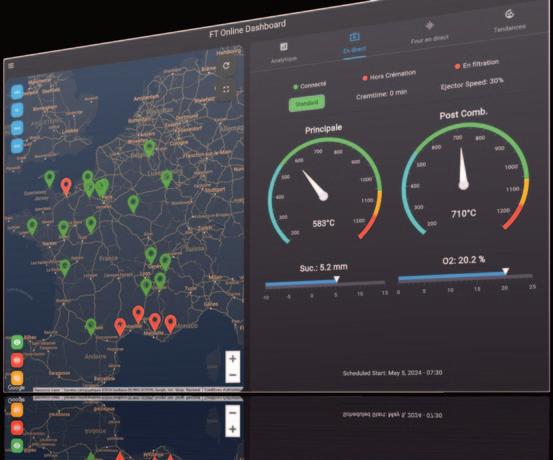

Real-time Monitoring and Report Generation:
A modern, intuitive interface that not only allows real-time monitoring of each cremator but also enables the generation of detailed reports. These reports provide a comprehensive view of equipment performance and facilitate maintenance audits.
Cost and Energy Efficiency Management:


Advanced features for tracking costs and energy efficiency that help reduce expenses and enable sustainable management of cremation equipment. Since its inception, FT has prioritised environmental responsibility, striving to optimise every aspect of its operations for a more planet-friendly impact.

Artificial Intelligence for Maintenance Optimisation: Leveraging artificial intelligence, our solution anticipates maintenance needs and optimises intervention intervals to ensure optimal performance of each piece of equipment. This predictive maintenance approach reduces unexpected downtime, enhances equipment durability, decreases maintenance contract costs, and maximises operational efficiency.
well or if there’s more improvements to make. But one of the other advantages with this is that we can build in artificial intelligence. So with FT Connect we can leverage AI.
What AI is brilliant at is, as Mike mentioned, pattern recognition. So the whole model of how deep learning works is that it can see patterns, and then it recognises and builds a massive model from that. You can teach these certain characteristics and it will learn. For example, if we had an ID fan (induced draught) and it’s run at 20% speed over the next couple of months and then we increase up to 30%. It will see these trends and flag it. It might, for example, say that there’s a bearing failure. With this flagged it will then prevent downtime and reactive maintenance. It will become a more planned preventive maintenance which is better for the operators, downtime, the pocket and the environment. In this case, you haven’t got a service engineer going to site and telling you that the bearings have failed, or that they’ll need to come back with another part to fix it. This all feeds into how these little changes will make big impacts to our industry, efficiency and emissions.

Contact Facultatieve Technologies by scanning the QR code here Connect
12
I think as a closing statement a wise man once said to me, a good operator is a bored operator. (Figure 12)
Speaker – Chair – Andrew Jordan
Well thank you very much. That was really good. Really, really interesting. I’m pretty sure there will be some questions out there.
Question (1) from audience
It’s a question for our FBCA training manager, and also for FT and all of the other cremator manufacturers. There’s a lot of information you just provided in terms of additional assistance to our technicians. Are we feeding this into the FBCA so we can incorporate these questions into our training plans to therefore improve? Because some of what you’ve just told me is news to me. None of my staff are talking about this. We have the latest FT equipment and we do plan our cremations but we plan them manually. If there’s a piece of AI that can do that for them in half the time, why not? So the question is for Liam Bennett (FBCA Training Manager), for you both, and for the other cremator manufacturers.
Answer from speaker – Ashley Jessup
I think I’ll start. The dashboard is still in development. We’ve rolled it out to a couple of limited sites but it’s still in development. But obviously once it goes out we’ll let you know about that, and we’ve been speaking to Liam just this week.
Answer from speaker – Mike Hardaker
It’s on our agenda and we are going to align with it and bring it into the training. One of the points I’ve been picking up from a few people, which I think we’re all guilty of and we can all do better, is we can carry out training five years prior but there might be five different operators since that point. Is the training that that first operator received transferring down to the fifth operator who is now running the site? I think there needs to be a full process where we work together and bring in more operator training, bringing them all up to an annual standard possibly. I know there’s many irons in the fire to discuss this next stage.
Question (2) from audience
I’m Liam from the FBCA, as was just noted. We’ve got members throughout the UK and Channel Islands that operate on abated and unabated systems with various different manufacturers. What would you say are the key principles of combustion that we should be adding into our training, rather than just the daily planning that’s relevant for abated and unabated sites etc?
Answer from speaker – Ashley Jessup
I think if you want someone to perform the job to the best of their ability they should really understand how the whole process works, but it can get quite complex. There’s a lot of engineering. There’s chemical engineering in our body. The body thermally decomposes. I think the fundamentals are stuff like understanding oxygen control, understanding how you can lower oxygen which can increase efficiency in the machine. I think it’d be more of a discussion on how we can build a framework maybe to do that. Oxygen is one of the big ones really because that’s basically combustion. But, if you understand the whole process of how it works, you’re giving your members a better chance at performing better.
Audience response to the speaker’s answer
There’s a lot of engineering. There’s chemical engineering in our body. The body thermally decomposes.
more training is needed to run crematoriums more efficiently. We’ve always believed in giving the operator the option to manually control the cremation. Sometimes this can reflect badly on the machine and on us because if they use it poorly it makes our machine look like it’s using more gas. This topic is something we’re passionate about and we want to try and teach operators how to use it right. But we can’t be there all the time. I think working with yourselves would definitely be how we should do that so we can structure more training into those processes.
Question (3) from audience
I’ve got two questions but I think you’ve answered one of them. You said the AI system will give you data on how much the machine is running and the usage etc. Will it also be able to work out the cost of running the machine with all the data together? So the replacements etc, and then you can divide it by how many cremations have been done. And will it also be able to say which user uses more fuel and more costs – will it go to that sort of advance?
I think that was the key point. We’ve got operators that I see on assessments, where they might jump in after an hour and start manually controlling or just controlling reactive based on alarms. Then others that are completely terrified of doing anything and are just leaving the process to be completely automated. So it’s just filling in the science aspect of things.
Answer from speaker – Mike Hardaker
I think that more developed training will probably tick those boxes as we go along. But I think that is a clear indicator that
I’ll jump to the second question about the user because this was something I had an idea about a while ago, about having ID tags on the operators because it’s difficult to track who is using the machine. Then they would have to log in to the machine which tracks them; this would help build a pattern of who is using it poorly and who needs more training. It’s not something we’ve done yet but it’s on the list of many things.
To the point about building parts and stuff in, it’s not something that we’re going to release at the moment. But eventually, yes, maybe the idea that it would be good to build the whole service packaging and the parts and how much it’s costing into it. It’s all possible to do because that’s the beauty.
It is really a question of making sure that the managers are actually talking to their operators about how the machines work.
You give it dates and it just works from there.
Audience response to the speaker’s answer Excellent. So what you’re saying is it will be in the next 12-18 months?
Answer from speaker – Mike Hardaker
It was meant to be January, but I think we’re all excited about the prospect of the Process Guidance notes coming out, telling us what we need, for example if we are going to need kilowatt meters, gas flow meters on your cremators already. That is all playing a part. Then this new technology coming out, working as one and giving everyone the data they need.
Question (4) from audience
AI is exciting. You’re saying about AI looking at the machine and how it’s being used. Will AI challenge an operator who perhaps tries to put a burner on too soon, or will it learn and then think to put a burner on now because the human interface has been done?
Answer from speaker – Mike Hardaker
Again, that’s all possible. At the moment it will probably look at the data every half an hour and build a pattern to that behaviour. But of course it is possible. You would probably have to integrate the AI more locally to the machine rather than in the cloud where there’s latency or lag between sending data up there, interpreting the data, storing it in different databases, and so on. It’s definitely possible. It is something in the future that could be looked at but we’ve got small steps really to get there.
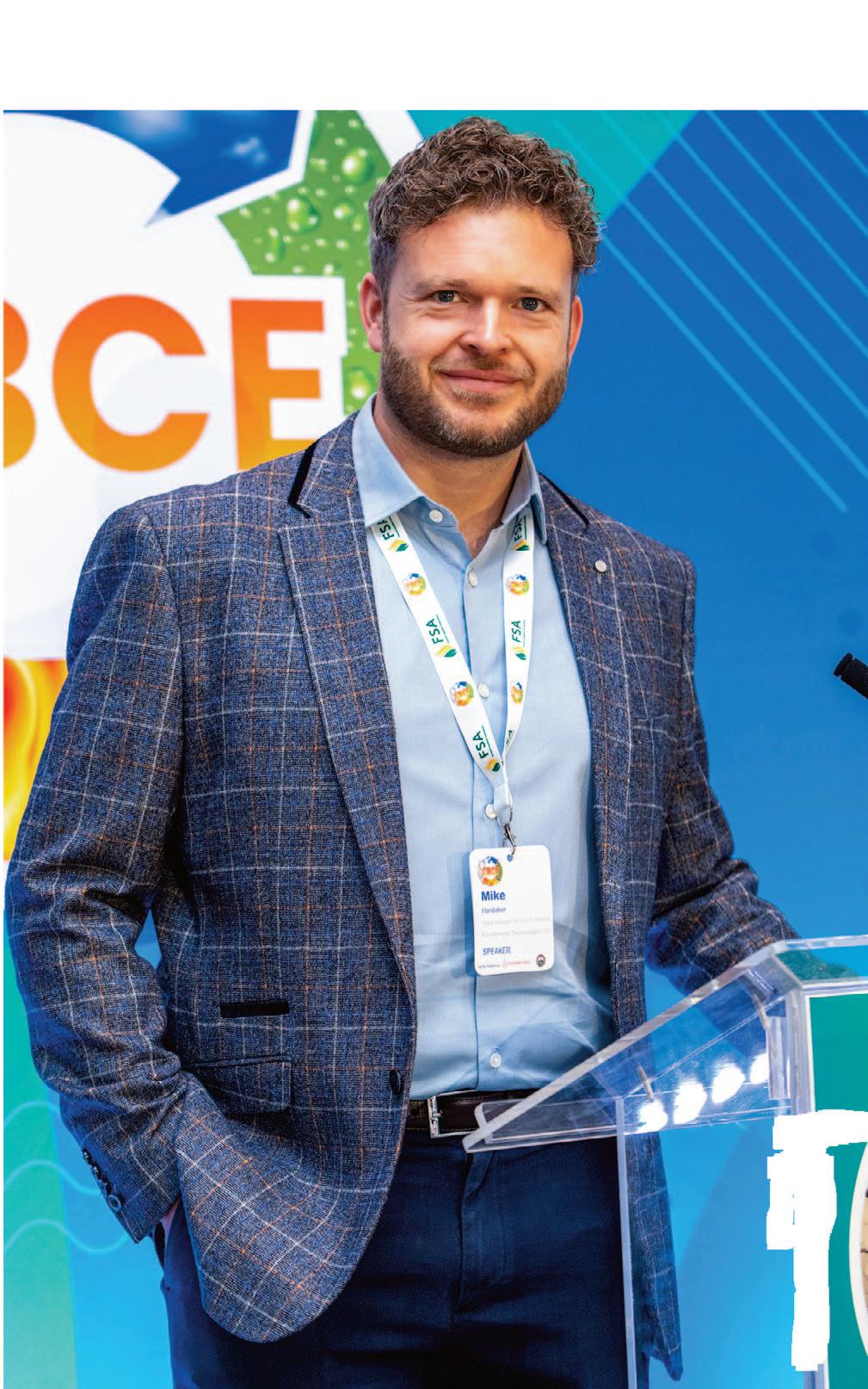
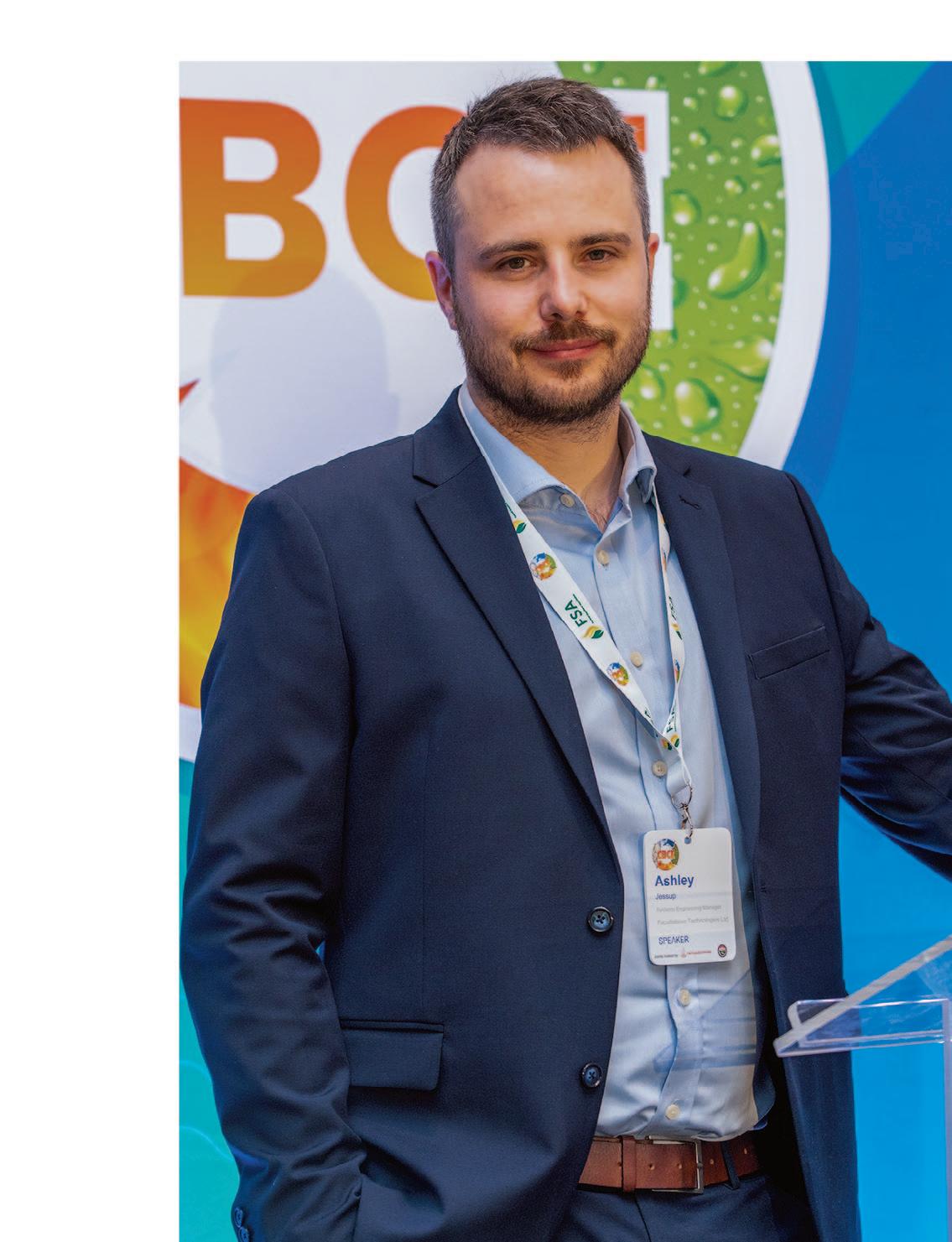
Mike Hardaker serves as the Sales Manager for the UK and Australasia at Facultatieve Technologies (FT), while Ashley Jessup leads as the Systems Engineering Manager. Together, they bring extensive expertise and a forward-thinking approach to the cremation and abatement industry. With over a decade of experience within FT, Mike has developed a deep knowledge in project engineering, management, and international sales, having successfully delivered projects across Europe, Australasia, and Asia.
Question (5) from audience
I think it’s a really great presentation because actually the crucial thing here is people being aware, much more aware. Like you said, we’ve all seen these cremators lit even when there’s not a cremation until the afternoon in the past. We’re now much more concentrated on that. We at Westerleigh (Group) have had a combination of holding over and cremator planning for a long time but actually doubling down on that we’ve shown some significant improvements in the last year ourselves. It is really a question of making sure that the managers are actually talking to their operators about how the machines work, making sure that everybody’s on the same page about how the day is going to look. And I think your point about funeral directors is valid. Often, you know, the day is upset by a heavy coffin we didn’t know about. We’ve heard from others about how important it is in reducing our carbon footprint and this is available to everybody straight away, and AI can obviously only improve that. Thanks a lot. It’s been really good.
Answer from speakers
Thank you.
Speaker – Chair – Andrew Jordan
Well thank you both. It was a really, really good talk. Please let’s show our appreciation to Mike and Ashley. I’d also like to thank our sponsors. We’ve got the London Cremation Company, for sponsoring the entire event. FT for sponsoring this evening’s pre-banquet drinks, and Memorial Group for sponsoring the event banquet. Thank you again for all the talks today.
Over a similar period, Ashley has progressed from a global commissioning engineer to becoming a key figure in the innovation and development of cremation and abatement technologies. His work focuses on advanced software and systems design, shaping the next generation of FT’s technical solutions. Founded in 1908, Facultatieve is a global leader in the development of state-of-the-art cremation and incineration equipment. Renowned for its cutting-edge technology and commitment to the highest emission standards whilst providing a 20-year design life on its equipment, supported by flexible long-term maintenance agreements tailored to client needs.
following details about
l Full postal address
l Telephone and fax numbers
l E-mail and web addresses where available
l Name of Principal Officer
l Address to where statutory forms should be sent
l Travelling time by road from nearest mainline railway station
l Ownership
l Disabled facilities
l Nearest main road access
l Number of chapels and capacity
l Largest acceptable coffin sizes
l Car park capacity
AND…
l Progress of Cremation from 1885
l Comprehensive analysis of crematoria ownership
l Proposed crematoria
l Facts and figures and Cremation Comparisons
l Table of cremations carried out in the United Kingdom
l Building costs and architects
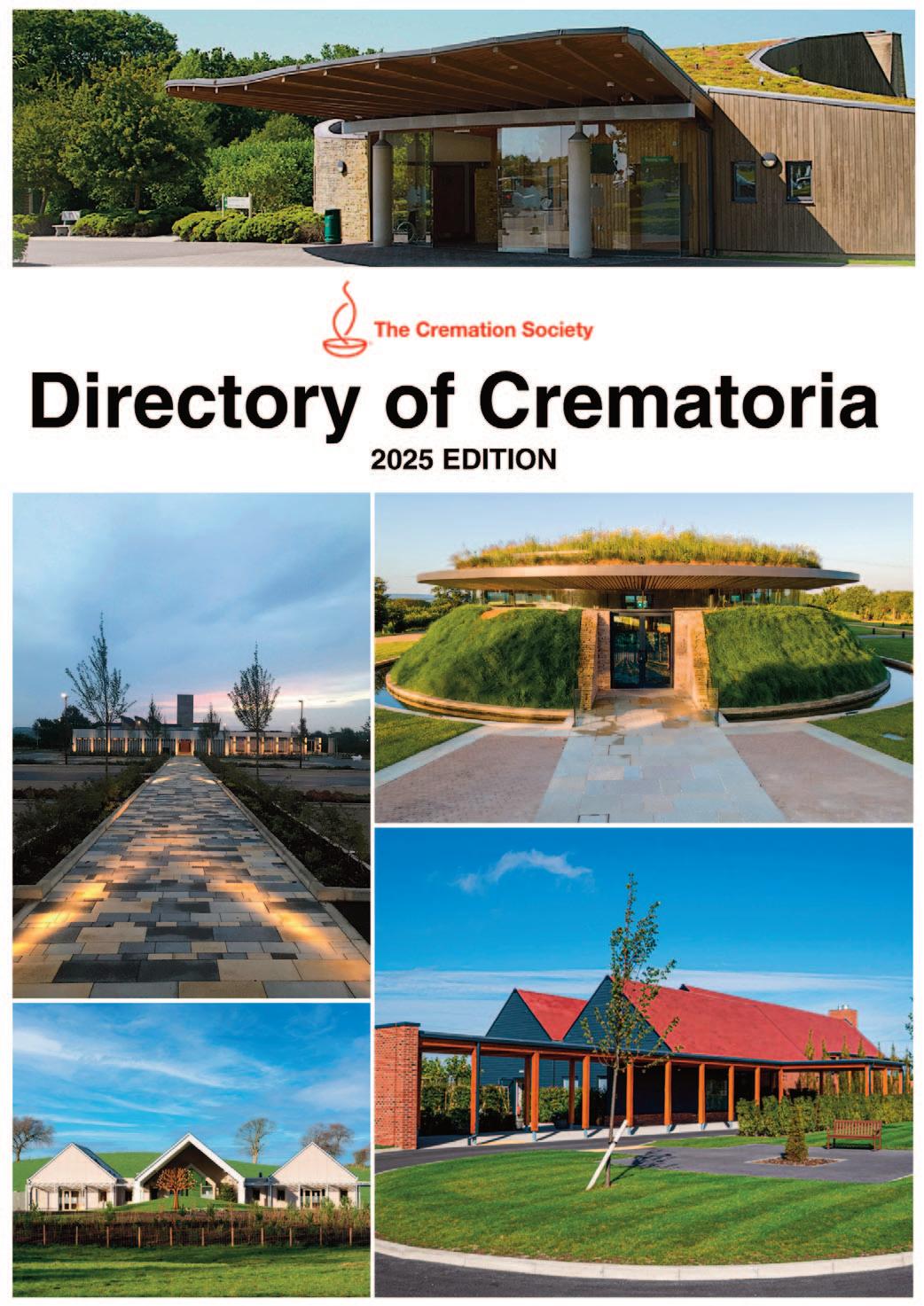

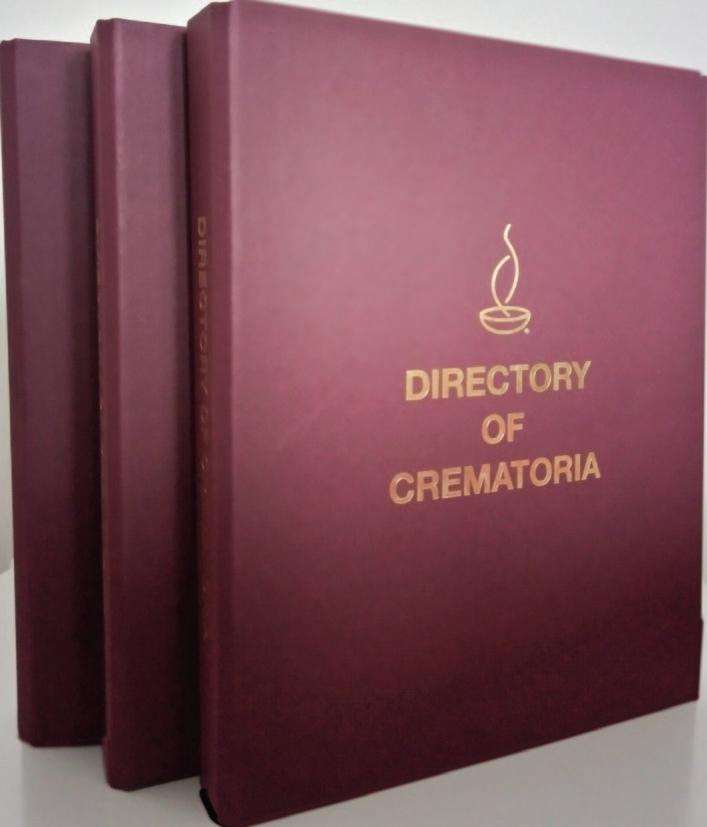
The Cremation Society Publications Department, Brecon House (1st Floor) 16 Albion Place, Maidstone, Kent ME14 5DZ Tel: +44 (0) 1622 688292/3 Email: info@cremation.org.uk Web: www.cremation.org.uk
Available to order online: The Cremation Society’s Directory of Crematoria is available in online or hard copy formats. The hard copy comes available in a recyclable binder or can be purchased as an insert only. Over 100 pages of information checked and updated annually, this publication will be invaluable for anyone associated with or interested in the cremation movement. To order your copy, please visit our website www.cremation.org.uk/publications



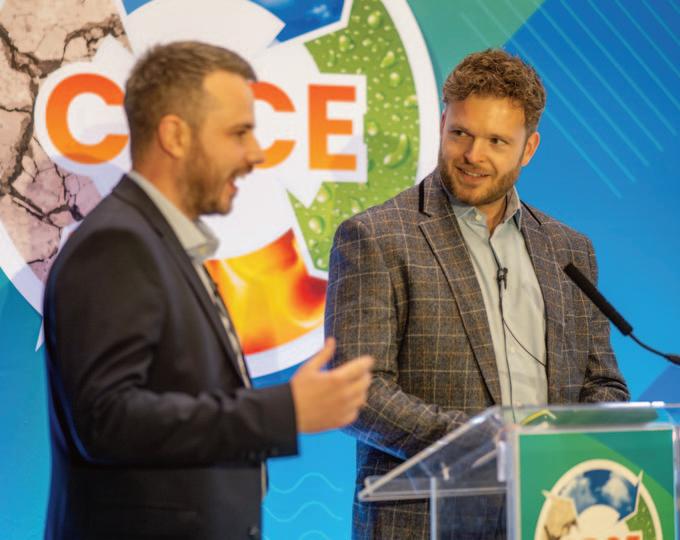
By Terence Davies, Deputy Director, Death Management, Inquiries and Coroner Policy, Ministry of Justice
Good morning, everyone. It’s a real pleasure to be here at the conference today.
My name is Terry Davies and I’m the Deputy Director for Death Management Inquiries and Coroner Division policy at the Ministry of Justice. That means my remit covers a whole range of things related to death management, burials and cremation, and coroners. Whether that’s in relation to the introduction of Hillsborough Law, the support that families receive at inquests, how we can reduce delays in coroner investigations, how we can improve pathology provision and postmortems, and the timeliness. There’s a whole range of issues that fall within my responsibility, but I’ll be focusing on a few key things today. (Figure 1)
Before I start, I just wanted to say how honoured I am to join

Ministry of Justice’s Update on Coroner, Burials and Cremation Policy
Cremation and Burial Communication and Education Conference 2025 (CBCE)
June 2025
such a distinguished group of speakers and attendees. From the discussions I’ve had with some of the attendees this morning it sounds like the conference has showcased some truly thoughtprovoking insights and important conversations. I’m grateful for the opportunity to contribute to that dialogue today. I’ll be sharing an overview of the work of my team, I’ll highlight some of the things that we have worked on over the past year, and my core priorities. My aim is to give you a sense of where we’ve been, where we’re going, and how we can continue to collaborate together to improve the system and deliver change that has meaningful impact.
I want to take some time to highlight some of the key areas of work across my division, work that I know resonates deeply with many of you here. I’ll share updates on three main areas and build on Zoe’s presentation about embedding the implementation of the National Medical Examiner System, where I’ll touch on two particularly pertinent issues there. Obviously, that has been a significant step forward in strengthening transparency, consistency, and safeguarding, and holds a critical role in supporting bereaved families. I’m really pleased to be able to report on how this is taking shape across England and Wales.
I’ll provide an update on burial and cremation policy work
and the focus of our efforts which is to try and ensure that the legislative and operational frameworks that we operate in are fit for purpose, are more responsive to the needs of local community, and better aligned with modern expectations. I’ll also touch on the work that my casework team do behind the scenes but absolutely central to ensuring that individual cases are handled with care, clarity, and compassion. Of course, this is just a snapshot of a much broader portfolio of work but what ties my work together is a commitment, one I know that you share, which is to uphold the dignity of the deceased and to ensure that families are supported with empathy and respect every step following the death of a loved one.
The Ministry of Justice, along with other departments across Whitehall, remain committed to making sure that the system and the processes that govern death and what happens to us when we die are not only clear, accessible and transparent, but able to evolve and flex appropriately to meet the changing needs of society.
So, to begin with, the Statutory Medical Examiner System. (Figure 2) As Dr. Zoe Hemsley mentioned, this was introduced on 9th September and is part of a broad range of reforms to death certification, coronial, and registration processes. Long overdue for reform, the death certification system in England and Wales
had remained largely unchanged for about 50 years. Introducing a robust system in England and Wales whereby all deaths would be subject to either a medical examiner’s (ME) scrutiny or a coroner’s investigation was therefore an ambition of successive governments and ministers.
I’d like to just take the chance to thank you all for all of the work that you’ve been doing to help support the implementation of this critical programme of work together. The importance of the reforms and the introduction of the Medical Examiner system was underlined in numerous reports and inquiries, most notably the Shipman Inquiry. It’s really important now that we’ve got that independent scrutiny of all deaths.
The importance of the reforms and the introduction of the medical examiner system was underlined in numerous reports and inquiries, most notably the Shipman Inquiry.
We have been hearing overall that these changes have had a real and positive impact on the experiences of bereaved people – in the main, putting them at the heart of the process. Whilst there have been some ongoing issues which are to be expected with changes of this scale and magnitude, I am confident that we’re already making progress in addressing them. I’m also confident that by continuing to work collaboratively together at both a national and local level we can ensure that the reforms continue to deliver the benefits we all want to see.
Lead policy responsibility for the ME system sits with my colleagues in the Department for Health and Social Care (DHSC) who were unable to join today but I’m happy to cover
Medical Examiner System
The Medical Examiner system:
• Introduces an additional layer of scrutiny of the cause of death by the medical practitioner.
• Improves the quality and accuracy of the medical certificate of cause of death, thereby informing the national data on mortality and patient safety.
• Increases transparency and facilitates discussions with the bereaved about any concerns they may have, providing new levels of scrutiny to improve detection of criminal activity or poor practice.
300k+ deaths
250k+ bereaved
c. 90% ‘swift requests’



The causes of over 300k deaths have been certified in the statutory Medical Examiner system.
Over 250k bereaved families have discussed the death with a Medical Examiner/ Officer.

c90% of requests for swift scrutiny have been met across England and Wales, vital for faith funerals and organ/tissue donation.
some of the things there and they’ve provided some of the statistics that you see on this slide. It is nine months since the statutory implementation of the ME system. As Dr. Zoe mentioned there’s been 300,000 deaths registered in England and Wales and over 250,000 bereaved families have been able to discuss the cause of death with their medical examiner or officer.
Significantly in cases where urgent scrutiny of death by a medical examiner has been required due to for example faith requirements, 90% of these requests have been met. But we are aware that more can be done and there is work happening at a local and national level to try and improve further the timeliness of those requests. Clearly there will have to be some trade-off between introducing additional scrutiny, which is really, really important in order to protect the public, the accurate recording of the cause of death for monitoring and learning purposes as Dr. Zoe alluded to, with also allowing the family to lay their loved one to rest in a timely way. We need to make sure that we’re striking that balance appropriately.
Although average times have increased, there is work in train to do what we can to make sure that those times are as prompt and as speedy as possible. I know DHSC colleagues are continuing to work actively with faith groups and the sector to identify the areas where we can go further, tweak, share positive insights and best practices so that more areas can benefit from the learning of others. Additionally, there’s been a decrease in the number of deaths reported to coroners since 9th September.
evidence that the new arrangements may be working as intended, reducing the number of unnecessary cases being referred to the coroner, meaning that coronial resources which are under pressure and stretched can be focused on the most complex deaths whilst reducing the impact on families.
The government is carefully monitoring the implementation of the death certification reforms and keeping a very close eye on ONS (Office for National Statistics) data and the trends that are flowing from that. There’s also a national evaluation of the medical examiner system and death certificate reforms which has been commissioned. This will explore the delivery of the new system and assess whether it’s working as intended. That research piece is currently in its scoping phase, but they are keen to reach out to stakeholders and understand your experiences of the process in due course. I’d encourage you to engage with that once that research project is fully set up. In the meantime, we remain really keen to hear about your direct experiences.
You were already feeding through to us some of your experiences, reflections, and thoughts. It’s really important for us that we continue to do that because we need to understand what is and isn’t working and what interventions, conversations, and guidance we can produce in addition to those that we already have to improve the situation further.
As expected with changes of the magnitude that we saw in September there have been some teething issues.
Medical examiners and coroners have distinct roles, but these new arrangements ensure that cases are managed in the right parts of the system for the first time. Only those cases which absolutely require judicial investigation are referred to the coroner. This will enable better focusing of coronial resource which in turn is expected to help support the reduction of inquest backlogs and delays.
I’m conscious that what that does leave is the more complex cases for coroners to deal with and that’s something we are closely monitoring. I hope we’re already seeing evidence of this and in the earlier presentation, the MOJ Coroner Statistics 2024 published on 8th May showed that there were 174,900 deaths reported to the coroner in 2024. That is the lowest level since 1995, down 10% from the figures in 2023. (Source: Coroners statistics 2024: England and Wales - GOV.UK)
Whilst it’s too early to draw conclusions on that and we will need to wait for the full data next May, this is encouraging early

I wanted to turn now to two key issues which we know are of particular concern and interest to you and I want to focus on those in more detail today. The first is the flow of information relating to hazardous medical devices in the death certification system, and the second is the longer-term role of medical referees (MR).
As expected with changes of the magnitude that we saw in September there have been some teething issues. We’ve changed the processes slightly and in particular the flow of information relating to hazardous medical devices in both coronial and non-coronial cases. These are obviously longstanding issues but the changes on medical examiners have had an impact on that. We do acknowledge and appreciate the seriousness of your concerns relating to these issues and how this information flow to crematoria is so important.
Its accuracy is essential for ensuring the safety and wellbeing of you and your staff as well as being vital in protecting your premises and avoiding damaging expensive equipment. It’s also important for limiting delays to funerals which is a considerable distress to bereaved families.
Now whilst we appreciate that advances in medical devices and cremator technology will over time limit the risks posed by
unidentified hazardous medical devices, I would just like to reassure you that work is continuing to try and find solutions to the issues that we’re experiencing, and we’re committed to doing that. We’re grateful for the experiences and your insights that you shared with us particularly.
We are continuing to work with officials in DHSC and the sector to understand some of these issues and challenges and how advancements are being made, but also to ensure attending practitioners understand their responsibilities to complete the MCCD (medical certificate of cause of death). This includes their obligations to provide relevant information on hazardous medical devices. We’re making sure that they fully understand the impact of failing to pass that relevant information on in an accurate form. This has led most recently to a reiteration of this point in the Primary Care bulletin in March.
This bulletin included a reminder about the need to refer to MCCD guidance on implants and devices and outlines which implants can be hazardous during the cremation process.
As part of this work, the National Medical Examiner has published a Good Practice Guide on implantable medical devices and reiterated the role that the medical examiner can play. All of this is helpful in reminding the attending practitioner of their obligations and their duties.
It’s clear that if information is being captured incorrectly then there is an obligation on attending practitioners to go back and correct any incorrect records to make sure that that information is accurately recorded. The experiences that we are seeing at the moment and the feedback that attending practitioners are receiving will hopefully help see and ensure that progress is being made.

I reiterate the point made on the importance of local relationships, sharing information, and speaking to your colleagues, medical practitioners, and others. Ensuring these issues are properly understood and explored at a local level so solutions can be found is critical. We will continue to engage with you and with all those involved to do what we can to make sure that this information flows through the system successfully.
In terms of medical referees, as you are aware there is no longer any requirement for MRs to be satisfied that the fact and cause of death has been definitively ascertained following the implementation of the ME system. Nevertheless, we took the decision to retain the role, albeit in a more limited capacity, as an additional safeguard while the new ME system bedded in. This was designed to allow for a period where both MEs and MRs would be in post to help ensure that any unexpected issues arising from ME implementation could be addressed.
Since the implementation of the ME system, we’ve been carrying out a review of the role of the MR. In October 2024 we conducted a survey of crematorium managers and MRs on the future of medical referees and have been using the results of this survey to inform our policy thinking. We are still considering next steps in relation to the future of this role and we’ll engage with you further on this but as set out in our most recent communications to the sector, any changes to the role of the MR will be subject to consultation with stakeholders and will no doubt likely require the laying of legislation. That will take time and will give the sector time to adapt and change where necessary. I want to take a moment to reassure you that any future changes to the role of the medical referee will be shaped by your insights, your priorities and your concerns.
Our core aim here remains the same, to ensure that cremation legislation and policy are clear, practical, and fit for purpose for both professionals working in crematoria and the bereaved families they serve. Maintaining a robust, transparent, and effective cremation authorisation process is essential, and any proposals that we put forward will be made with these principles and red lines in mind. As I say, thank you to those who have filled out that survey.
The insights that we’ve gained from the survey have been invaluable, but we remain keen to hear from you more generally as your understanding and our understanding builds following 9th September. We will continue that engagement with the sector over the weeks and months ahead before we then decide what that role might look like. To give you full clarity and time to prepare, I want to reassure you again that any changes will come with a minimum of six months’ notice before implementation. We’re committed to keeping you informed.
We recognise that you will need time to adapt and change depending on what those proposals look like, otherwise it won’t work. We just need to make sure that we’re bringing everyone along with us. Again, we are committed to being guided by your expertise, your experience and insights in doing so.
(Figure 3) Turning to burial and cremation more generally, we have several priorities over the course of the next year. Those include embedding changes within my team in terms of the way that we work together to provide services to you and support you, work on the Law Commission project, and taking forward
We are working on a number of priorities:

work in Parliament relating to a Private Burial Bill (General Cemetery Bill).
Firstly, our burial and cremation policy team, many of you will be engaging with them, and our casework team, who you’ll have regular contact with, have merged. The burial and cremation policy is responsible for policy in relation to the development of burial, cremation, and funerary methods, including relevant legislation. The casework team has a more operational focus and has responsibility for managing important schemes such as the Children’s Funeral Fund and exhumation licenses.
I’m sure that the merging of those two teams will allow us to better serve bereaved people and all those in the sector who use and rely on our services. It’s also particularly important why I sanctioned the merging of the teams, because we need to prepare for the recommendations of the Law Commission project in due course, which I will turn to next because that might have a significant bearing on our work.
Now those of you who were here yesterday will have already heard from the Law Commission about their programme of work. This project seeks to create a future proof legal framework to address what happens to our bodies after we die and to make recommendations that will allow us to provide a modern, certain, and consistent regulation across different funerary methods. The project represents a once in a lifetime opportunity to comprehensively reform the law that governs what happens to our bodies after we die and to make those laws fit for purpose. Therefore, I strongly encourage everyone to continue to engage
• Working with other Government departments to carefully monitor and work through issues relating to the implementation of the statutory Medical Examiners system, and associated Death Certification reforms
• Considering the future of the role of the medical referee (MR) ahead of further engagement with the sector.
• Engaging with the Law Commission on their Burial, Cremation and New Funerary Methods project. This project seeks to create a future-proof legal framework to address what happens to our bodies after we die and to make recommendations that will provide modern, certain and consistent regulation across different funerary methods.
• Following the General Cemetery Bill’s passage through Parliament.


as fully as possible with those recommendations and the consultations that are published.
As you know better than anyone, burial law is currently piecemeal. It’s governed by a patchwork of legislation, some of which dates to 1850. The legislation is complex and at times means there are gaps in the safeguards designed to protect the dignity of the people who are buried in burial grounds. On a dayto-day basis I continue to be frustrated by the lack of powers that I have at my disposal, and my Ministers share this, to address issues that come to light because the existing legislation and regulations are no longer fit for purpose.
Whilst cremation law has been more recently reformed, the Law Commission is also considering solutions in relation to some of the unresolved issues that lie there as well. The Law Commission published their Burial and Cremation consultation paper last year and that consultation closed in January. The Law Commission are now using your responses to that consultation to develop their final recommendations, and that report we expect to be published in early 2026. We are really carefully monitoring the situation and assessing how potential recommendations may impact the scope and nature of the work that my team will be leading on, whether that’s from a policy perspective or a casework perspective, to ensure that we are as prepared for that as possible.
On 4th June, the Law Commission launched their consultation on New Funerary Methods. That consultation paper contains important provisions and proposals relating to reform on a number of issues, the power for the government to make regulations about individual new funerary methods, registration of the use of new funerary methods and, obviously, criminal offences in that regard.

The consultation runs until 4th September, and I encourage everyone with an interest to contribute their views. We expect that this strand of project will run until spring 2026 and we again await the findings with interest. There is obviously a third strand to this project. It’s a big piece of work, it’s taking a number of years in relation to the rights and obligations, in relation to funerary and funerary methods and remains. That will commence at the end of 2025 and report at the end of 2027. This will lead to draft legislation, and I can’t overstate how important it is for everyone, myself, Government, and yourselves working in the sector that we utilise this as an opportunity to try and get things right.
In terms of wider updates on the burial side of things, a Private Members’ Bill entitled the General Cemetery Bill was introduced in late 2024. This seeks to modernise the General Cemetery Company’s governance and allow, under specific circumstances, the reuse of graves in Kensal Green Cemetery.
We know that the vast majority of funeral directors across the country deliver an exceptional standard of care guided by compassion and professionalism.
We anticipate that Law Commission’s recommendations will propose a framework via primary legislation that will enable new funerary methods to be regulated in the future. This will aim to future-proof the system, allow stakeholders to operate new funerary methods securely and conscientiously in a regulated system, whilst also allowing us to better meet the needs of the public and ultimately, offering greater consumer choice. That framework has the potential to unlock investment across the sector and accommodate the advancements in technology that we’re seeing on a day-to-day basis, while ensuring there is an appropriate and robust regulatory system underpinning it to ensure that we best protect the public and the dignity of the deceased.
Whilst not a Government Bill, it does require the Minister to carry out certain procedural steps as it progresses through Parliament and we have been engaging with the promoter in light of this. This is one of several recent Private Acts including provisions in the London Local Authorities Act 2007, the New Southgate Cemetery Act 2017, the Highgate Cemetery Act 2022, and the Bishop Stortford Cemetery Act 2024. This reflects local responses to growing pressure on burial space. Together they underscore the need for a more modern, consistent, and future proof legal framework. That’s at the heart of what the Law Commission is looking at as part of their project and what I’ve just touched on. It goes to show how important this is as we try to find solutions to the longer-term issues that we’re all dealing with on a day-to-day basis.
Turning now to funeral directors and standards in the sector, you heard from Terry Tennens from the National Society of Allied and Independent Funeral Directors (SAIF) yesterday on this. Let me begin by saying, in moments of profound personal loss, every family, yours and mine, deserve the absolute assurance that their loved ones will be treated with dignity, care, and respect. That is the minimum we should all expect and that’s a standard that we believe in deeply, and one that this government has been working with alongside the funeral sector to try and uphold, albeit at the current time we have limited levers, which I’ve no doubt you’re aware of, at our disposal to try and ensure and enforce that.
We know that the vast majority of funeral directors across the
country deliver an exceptional standard of care guided by compassion and professionalism. But we also recognise on rare occasions those standards are not met, and this can have devastating consequences as we saw recently in the Legacy instance in Hull. That’s why it’s clear that action needs to be taken.
We must ensure that there are appropriate minimum standards that are not just expected but consistently upheld across the sector. As you may know, it has now been over a year since the terrible incident in Hull, and that case is subject to ongoing criminal proceedings. I believe the first hearing starts today (Weds 25/06/2025). It wouldn’t be appropriate for me to comment further on that at this stage, but I’m under no illusion the importance of the case and trying to establish and reassure the public that the highest standards are in place across the sector.
We also need to be mindful in this context of the Fuller Inquiry, which was established to investigate how David Fuller was able to carry out inappropriate and unlawful actions in the mortuaries at Maidstone and Tunbridge Wells NHS Trust. On 15th October 2024 the Inquiry published its Phase 2 interim reports on the funeral sector. That called for the Government to establish an independent statutory regime for the funeral sector in order to safeguard the security and dignity of the deceased. The consideration of the funeral sector is part of the overall care and journey of the deceased and the inclusion of direct cremation providers forms part of that. We have read these findings carefully and we are awaiting the final report of the Fuller Inquiry in due course.
We know it is looking at wider practices and procedures both in hospitals and non-hospital settings where the deceased are
Casework Team:
kept. We anticipate that it may well make further recommendations in addition to those that were flagged in October, which are relevant to the field that we’re talking about here. The Government will respond to the Fuller Inquiry when its Phase 2 report is published, and further updates will be provided in due course. What is clear is that there are serious issues here that we need to address in order to help improve minimum quality standards. But I would like to acknowledge the very important work already being taken by the sector and in particular by the trade bodies which Terry touched on yesterday, the work of The Good Funeral Guide amongst others, to try and improve quality standards and improve the way that there is greater consistency, and the alignment of standards and conversations that are being had with Scotland, who are further ahead than we are in terms of regulatory standards, is key to that.
I thank all of those involved in that work for their continued commitment that they’re making. The Government is keeping a very close eye on this as part of evaluating all potential next steps to ensure that the appropriate standards are upheld across the sector. I fully appreciate that you and the public are keen to see progress on this as quickly as possible, and that’s something that I share too. It’s important that we do not take a knee-jerk reaction to addressing these issues. Any action we collectively take, including the potential for introducing some form of regulation, needs to be appropriate. It needs to be proportionate and sustainable for the sector, and that is a careful balance that we need to reflect on in terms of any proposals that may be introduced.
I’m very much aware of the Sun Life reports that was published over the weekend, which highlighted some of the
• 5774 Children's Funeral Fund claims received in 2024 totalling £4.38 million.
• 1122 single exhumation licence applications received in 2024 with 933 issued within 5 working days.
• 339 archaeological licence applications received in 2024 with 322 issued within 5 working days.
• 19 Church of England churchyards were closed in 2024.
• 65 Medical Referees were appointed during 2024.



costs of funerals and funeral poverty, so we need to make sure that we are striking an appropriate and sensible balance in that regard. We are keen to engage with the sector further on this and colleagues from across government will be reaching out to you in due course. It’s critical that we work together with the sector on this. We cannot do this by ourselves. We would get it wrong. We need to work with you. You are the experts, and we are committed to doing that.
(Figure 4) Turning now to the casework side, which I’ve mentioned covers a number of different high volume work streams. The casework team under my responsibility provides a service to all sectors across our casework streams. Our ambition within this work is to ensure that it’s efficient, effective, transparent, and one that is serving the bereaved and delivering the best service for you and all of our users in this regard.
We are carefully considering and will be monitoring the Law Commission’s emerging proposals and what they’re putting forward in consultations because no doubt the casework team will be central to ensuring some of that work is implemented successfully. The Children’s Funeral Fund which my team administers, was established to cover a cost of a funeral for a child under 18, or a baby stillborn after the 24th week of pregnancy, to relieve parents of the financial burdens of a child’s funeral. The Fund is available to families in all cases where the child will be buried or cremated in England regardless of financial
position of the family, nationality, residence status, or where the child dies, and is a key part of my team’s work to provide bereaved families with the support they need.
Whilst recognising that nothing can truly heal the pain of such a loss, it is right that the Government ensures that families who lose a child are given the support they need. The Children’s Funeral Fund has been operational now for nearly six years. Since its inception, over 20,000 claims have been made against it. Approximately, 94% of those have been paid out in full, totalling £16.1 million.
Last year, we received a record number of almost 6,000 applications from across England. That represents an 8% increase on the previous year.
Last year, we received a record number of almost 6,000 applications from across England. That represents an 8% increase on the previous year, and numbers are continuing to rise. This highlights the growing importance of this funding to bereaved families who tragically lose a child.
Another key part of the casework’s team relates to exhumation licenses. This work enables bereaved families to remove the remains of their loved ones if they move areas. It allows for errors to be corrected if someone’s been buried in the wrong grave but also allows a new burial to take place where existing remains are present. In 2024 we received over 1,000 applications to administer the Secretary of State statutory duties around exhumations, and with over 80% of those licenses issued within 5 working days.
Our aim over the next year is to continue to strive to improve upon that record. To help us achieve that I wanted to take the
opportunity to share a bit of best practice with you, to those of you who may be involved from a burial and cremation authority perspective and are involved in the completion of exhumation licenses. There has been a recent rise in application forms not being fully completed properly and not being checked by the burial or cremation authority before being sent through to us. I just really urge you to make sure that you are double checking those applications as much as possible and maybe being the ones responsible for submitting those to us.
We often get forms where the burial information authority has ticked in error that the ground in which the deceased is interred is consecrated under the rights of the Church of England when it is not. Obviously, these oversights can happen but they do result in delays. We’re keen to do what we can to minimise those as much as possible, so we’re really just encouraging you to fully check those forms are correctly submitted, and then we can minimise delays as much as possible. If there are any questions in relation to that process, there’ll be information at the end of my presentation which gives you email addresses that you can reach out to for further support and guidance on those processes.
We also deal with archaeological licenses where archaeologists are looking to remove remains over 100 years old. These licenses allow for remains to be excavated, stored, and later deposited in a museum or similar, or reburied. This links to some of HS2’s recent work. I’m pleased to note that almost 98% of archaeological licenses were issued within five working days.
We also deal with Church of England churchyard closures and we process applications to the Privy Council on those. There were 19 Church of England churchyards closed either because they were full or there were health and safety reasons for the closure.
Finally, the Disused Burial Grounds Act. I just wanted to say a brief word about this. This applies to any land that has at any time been set aside for the purposes of burials apart from any Church of England cemeteries. Under this Act, anyone wishing
to build on a former burial ground is required to apply to the Ministry of Justice for a dispensing order and also directions, if remains are to be moved or disturbed. This is required even if planning permission has been given. We’ve heard that some local authorities may not be aware of this requirement, and so this is something that may be relevant to you.
Do please reach out to us for any guidance and support that we can offer. The last thing was just really that the casework team deals with medical referee appointments, and we processed 65 of those in 2024.
Thank you for your time this morning. I hope this session has been helpful and useful to give you a glimpse of the work happening across our teams and a sense of the priorities that we are focusing on. I do fully appreciate that there is progress that you want to see made urgently, and we are committed to working with you. It’s right that we work together to ensure that every aspect of death management is handled with dignity, transparency, and care. We also recognise that real progress happens here when we listen, collaborate, and we act together with you, and that is what we intend to continue to do.
Thank you all for the work that you do every day to support families at their most difficult moments. It matters deeply and so does your voice in helping shape the future of this sector and the policy that my team implements across government.
(Figure 5) On the final slide you’ll see email addresses there for our teams. Some of those will be familiar to you but if not please make a note of them. Please do not hesitate to get in contact with us to share your thoughts, questions, or feedback on any aspects of the subjects that we’ve touched on today. We genuinely welcome your input and your insights. You are the expert. You know what’s happening on the ground, and as I say, it’s vitally important that we understand the nuances.
We can come up with the best policy in the world but if it can’t work in practice, if the structures on a ground level aren’t there, then it’s doomed to failure and that’s why it’s really important that we work so closely with you. We are really committed to doing that.
If you would like to get in touch, please use either of the following ways:
• coroners@justice.gov.uk
• FuneralSectorBurialsandCremation@justice.gov.uk Get in touch
On certain issues we are not able to maybe move as quickly as you would like, but we are committed to making progress wherever we can to navigate the challenges that we’re all facing to try and make the improvements we all want to see so that together we can build a system that better reflects changing societal needs and expectations, that protects the dignity of the deceased and supports bereaved families at a time when they need it most with compassion and care. I will end it there, but very happy to answer any questions that you have from the floor.
Question (1) from the audience
It’s not so much a question, it is a comment. I’ve been attending these conferences for many years as a lot of the delegates have. It’s almost been a one-way street in terms of what’s going to happen. It’s really refreshing, your closing comments there, that you want to work with us. You want to listen, and you know that it is a twoway street and we can give information and feed it back. I’d like to thank you, your colleagues and the speakers yesterday for that opportunity and reassurance that it is a two-way street.
Answer from speaker – Terence Davies
Thank you. Just to offer some reflections. My background is in law but I’ve been working across the justice system for the best part of 25 years. I’ve been involved in policy across a whole range of areas from family law to prison and criminal policy. What has always struck me is that you cannot work in isolation. You cannot develop good policy if you just stay in central office. It’s so critical that you work with the people on the ground to implement this because as I say, the best policy and principle is doomed to failure if it can’t be operationalised, if people don’t understand it or if it’s unclear. There is so much expertise in this room. You know, I’m relatively new to this area. I started my position in late 2023 and I am learning every day about what works and what doesn’t work. But you’ve been living and breathing this and there’s no way in the world that I will know more than you on this subject. Therefore, it’s incumbent on me and my team to work with you so that we understand the challenges that you are facing so we can develop the best possible policy. What frustrates me at the moment is we’re operating with effectively one hand tied behind our back because we don’t have the legislation and regulations in place that will allow us to do the things that we would like to do. That’s why the Law Commission project in particular is so important. Legislation on death management is very, very difficult to get. You’re competing a lot amongst a huge number of priorities across Government and the time in Parliament is limited. What I’m keen to do is grasp this opportunity because you don’t know when it’s going to come back around. So, the feedback that you’re giving to that project and to us directly can make a real difference here. So, yes, absolutely very much committed to doing that.
Question (2) from the audience
We’ve had some very good exchanges in working with your colleagues. However I have to say, it’s been sporadic and there is a desperate need to catalyse it now. What I would hope is that we can work very closely over the summer, then come back with a very definite programme for the last quarter of the year interfacing with ministers and so on. So, I hope to be in touch with you and your team. But it’s gone a bit quiet, I wrote a paper to which I haven’t had a response yet on behalf of DMAG working with Government in 2025. It now needs amending to “say working with government in the second half”.
It’s always slightly difficult where we’ve had a change of government and new ministers, and it takes time to bring them up to speed. It’s fair to say that new ministers have been finding their feet in understanding the broad remit of work.
Answer from speaker – Terence Davies
Just to touch on that, I want to reiterate that I am very much committed to working with you. I’ve certainly recognised there have been points where we’ve had a lot of engagement with certain parts of the sector and then maybe it’s gone quiet. It’s always slightly difficult where we’ve had a change of government and new ministers, and it takes time to bring them up to speed. It’s fair to say that new ministers have been finding their feet in understanding the broad remit of work. I don’t think anything prepares new ministers for the scale of work and the challenges that are facing them on such a broad range of issues. It has taken some time, but I think we are now getting that traction. We are clear now and getting those steers from ministers on the areas that they want to prioritise, what they really care about.
Making sure that bereaved families are fully supported, that they’re getting the information that they want, whether that’s through the normal death certification process and registration, but also where they’re forming part of coronial investigations is really, really important. So, do hold me accountable for that. Reach out if you’re not getting the engagement you want, then as I say, I will make sure that that happens. Thank you.
Question (3) from the audience
Thank you very much for recognising the need for those who want to make organ and tissue donations and those of particular faiths. Could I ask you extend that remit to make it a cultural situation? So, for example, people of Middle Eastern heritage, regardless of faith or none, Christians, Zoroastrian, Islam,
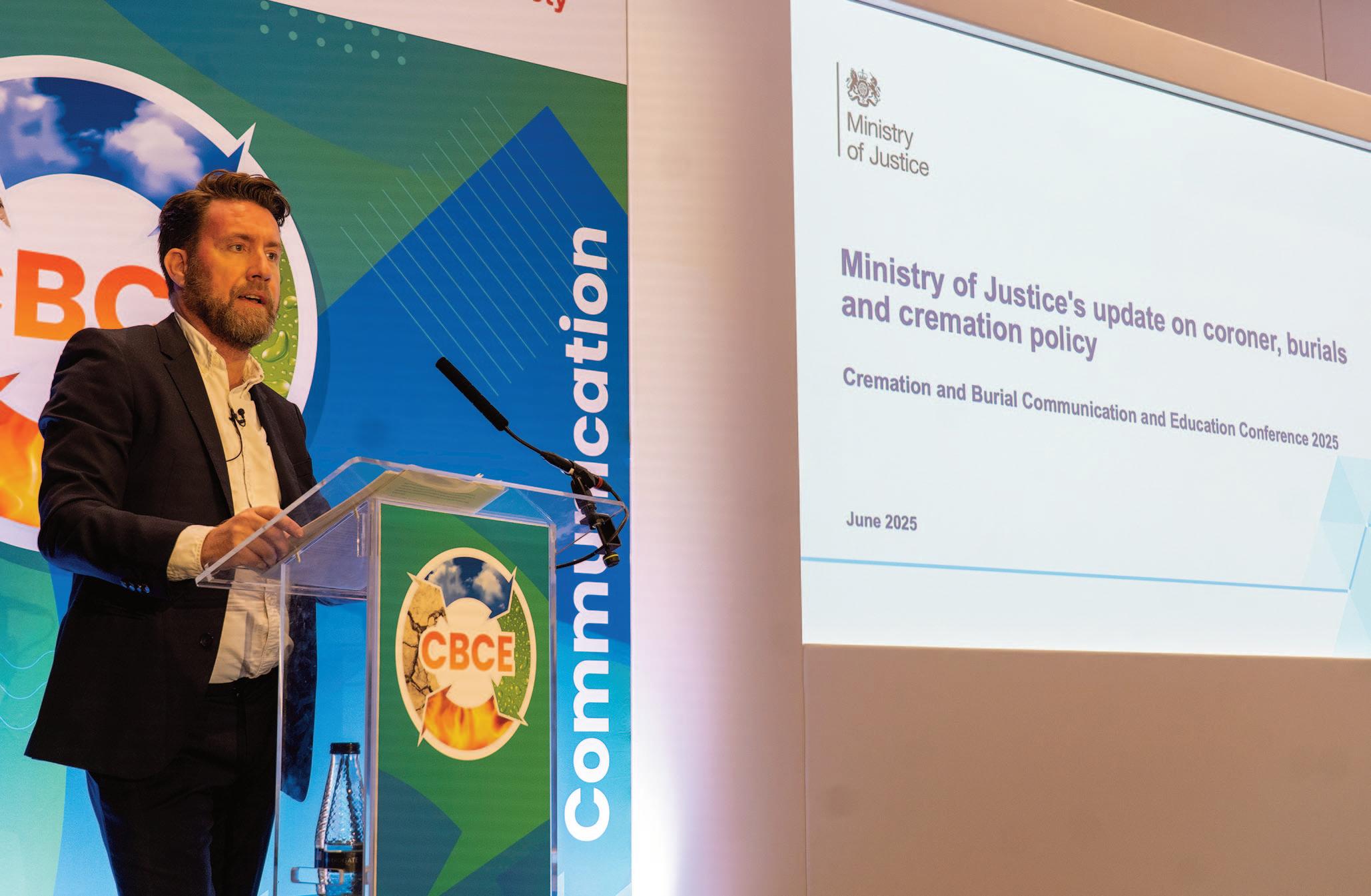
Judaism, because of the nature of the climate of their home nation, need urgent burial and that’s a cultural thing. It’s just as urgent as a religious thing.
Answer from speaker – Terence Davies
I think that’s a really valid point. You know, we shouldn’t lose sight of that. What we want to try and do is ensure that there is swift burial wherever it’s possible, where it’s particularly important for bereaved families for a range of reasons. It’s incumbent on us to work together with DHSC medical examiners on the ground, attending practitioners, and coroners to make sure that we are sort of working in a really joined up way, and we’re learning on a daily basis. Whenever I come out to these engagements or speak to people that operate in the sector, what always is the biggest single thing that makes a
difference here is the local relationships and the practices that are happening at a local level.
We can put in place the policy but unless you’ve got those local relationships working really effectively, it’s not going to be as effective as it can be. You cannot over-engineer every aspect of it and sometimes it just comes down to those local practices and arrangements. What we’re really keen to do is ensure where that’s working well, that we are sharing that best practice with others so that they can benefit from it too. I appreciate there is more work to be done here, and I think we can absolutely make further improvements as we learn collectively from the changed system.

Terence Davies is Deputy Director of Death Management, Inquiries and Coroner Policy, at the Ministry of J
The unit’s core purpose at the Ministry of Justice is to uphold the dignity of the deceased and to ensure support for their loved ones through our responsibility for a wide range of relevant policy and casework areas. We seek to provide a framework for burials, cremations and emerging alternatives that are modern and fit for purpose. The unit seeks to ease the burden for grieving parents by administering the Children’s Funeral Fund for England efficiently and with compassion. In addition, Terence is also responsible coroner law and policy, and works collaboratively with the Chief Coroner, her office, coroners and local authorities to ensure that coroner services are delivered effectively and that bereaved families remain at the heart of the system.





Speaker – Chair – Debbie Kerslake


I’m delighted to welcome you back to this session. This is really a special session, it seems like a perfect time to catch up on the work of the Law Commission’s Burial, Cremation and New Funerary Methods project. consultation that closed in January and now the New Funerary Methods sub-project has now gone out to consultation. Professor Alison Young holds the Sir David Williams Professorship of Public Law at the University of Cambridge, and as a Commissioner she is leading the project on New Funerary Methods. Alison will be joined by Andrew Bazeley who is the lead lawyer on the Law Commission’s Burial and Cremation sub-project. We’ll hear from Alison first, take questions, then following that we’ll hear from Andrew and go to final questions.
Speaker – Professor Alison Young
Thank you very much for inviting me to talk to you. I am Alison Young. I’m the Law Commissioner for Public Law and the Law in Wales and I’m really grateful to have this opportunity to talk to you to share with you a little bit about what we’ve been doing in the New Funerary Methods sub-project.
We’ve got a consultation open at the moment for new funerary methods and if there’s one message to take home from this, as the Law Commission we really do listen to your views. Please pass them on, be it through questions today, through our
Law Commission is a public body established in 1965 by statute. We are publicly funded, and we do work under the auspices of the Ministry of Justice but we are completely independent. We’re staffed by lawyers, experts and academics like me who oversee the projects. Our aim is to try and make sure that the law is simple, modern and fair so we carry out consultation exercises and we make recommendations.
We can’t make the law ourselves, but we make reports which
The Law Commission
n Established in 1965 by statute.
n Recommend reforms to make the law fair, modern, simple and cost-effective.
n Government makes decisions on whether to take forward our recommendations.
go on to Government. The Government has a responsibility to respond to our reports and to decide whether to take forward our recommendations. Roughly two-thirds of our recommendations do get implemented so we’re very used to carrying out these consultation exercises, being able to propose recommendations and draft bills that will hopefully then change the law going forward.
(Figure 2) As has been explained, this is part of the project on Burial, Cremation and New Funerary Methods.
The project was started in response to our 13th programme, that’s the programme we’re currently coming to an end of now, and we’re moving forward to the 14th programme. We began with a scoping phase in 2022 to try and work out what we need to look at and what we didn’t need to look at. We split our project into three different sections after talking to different stakeholders.
We’ve been looking at Burial and Cremation which is the project that Andrew’s been working on (and he’ll be talking about that later), New Funerary Methods, and when Burial and Cremation finishes, we’ll be moving on to looking at Rights and Obligations. The reason we split it is not just because it’s important to do it in sections, but it’s also important to get the right experts working on different parts of the projects. Andrew specialises in property law, family law, and trust law, and this is very suited to the Burial and Cremation side and Rights and Obligations. The Public Law team tends to work in areas of regulation which makes us very suited to thinking through the ins and outs of how to regulate this new area. There are also some issues we’re not going to be looking at.
Our project on Burial, Cremation and New Funerary Methods

We’re not looking at death registration unless it links into new funerary methods. We’re not looking at the regulation of funeral directors. And although planning and environmental law is important in the background, we’re not looking to change those either. So that’s just giving you an idea of what we are and are not looking at in our particular projects.
There are also some issues we’re not going to be looking at. We’re not looking at death registration unless it links into new funerary methods.
(Figure 3) New funerary methods is the one I’m hoping to talk to you about in a lot more detail today. It’s the second of our three sub-projects. We published our consultation paper on June 4 so it is out there – please do read it. We tried to make sure it’s not too long so that it’s hopefully good for you to read and understand what we’re looking at and be able to respond to it so that we can take your views on board. In our consultation paper we make provisional proposals, we ask questions, and we really do listen to what you say because we want to make sure we get the law right. Just to give you an idea of what we’ve been looking at, our job is to think about alternatives to burial and cremation. What we’ve been looking at is how we make sure that we get the law working in this area. New funerary methods are things that are not burial and cremation. We’ve been having a very interesting look into what this means, how we distinguish between something that is burial, something that is cremation, and something that is not. And that’s been one thing we’ve been thinking about very carefully when coming up with this particular project. New funerary methods are currently unregulated in England and Wales which means the law is unclear. We want to think about how we then get a framework to regulate them, to make the situation clear so that people who want to offer these as a
n Burial and Cremation – underway – analysing consultation responses. Reporting early 2026.
n New Funerary Methods – underway – consultation open. Reporting (with draft legislation) spring 2026.
n Rights and Obligations Relating to Funerals, Funerary Methods, and Remains – begins early 2026.
n Issues including regulation of funeral directors and reforms to planning and environmental law are out of scope.
2
The New Funerary Methods sub-project
n Second sub-project in the Burial, Cremation and New Funerary Methods project, looking at a framework to enable the regulation of new funerary methods.
n Consultation Paper published on 4 June 2025, consultation open until 4 September 2025.
new choice can do so. And we’ve been looking at funerary methods that are available in other legal systems to help us think about what the framework should be in England and Wales.
(Figure 4) We’ve been looking at alkaline hydrolysis and human composting, as examples of new funerary methods.
Alkaline hydrolysis is a process that uses water and alkaline chemicals, normally potassium hydroxide or sodium hydroxide, and heat and pressure to break down the body of a particular individual. You then end up with a resulting liquid which is returned normally to the wastewater system, though we’ve been looking at some countries where that’s been used also for agriculture. We’ve not been recommending any of these things, we’re just looking at this for information to work out what the framework should be.
We have also been looking at human composting to think about how this works. Human composting that uses a controlled environment so you can break down the body of a particular individual and you then end up with soil. As I said, new funerary methods are not regulated at the moment. Our job is to think about how new funerary methods should be regulated and we’re trying to come up with a framework.
particular areas in the future.
The other thing to realise is that in making a framework, the framework is not going to give you all the detailed precise pieces of information. We think that’s better done for each particular funerary method in a particular way to think about the detailed regulations you will need for those going forward.
(Figure 5) What we’re looking at is how do we get a piece of law that will give a framework to enable the Government to decide when it wants to bring in a funerary method, what it needs to do and have the ability to bring in the detailed regulations that will make sure that that particular method works properly. What we will do is make recommendations about how this framework will work and you’ll find some provisional proposals in our consultation paper for you to think about. We’ll also then, in the process of responding to those come up with draft legislation that will help provide that regulatory framework.
It’s important to think about what we are doing and what we are not doing. Our job is not to say this is a particular funerary method that we think you should or shouldn’t have.
It’s important to think about what we are doing and what we are not doing. Our job is not to say this is a particular funerary method that we think you should or shouldn’t have. We are an independent body, so we’re making recommendations so that the Government can think about which funerary methods it does and does not want to regulate and how it’s going to regulate them. So, we’re thinking about a framework to come up with the ability to regulate these
Background
n New funerary methods are potential alternatives to burial and cremation.
n New funerary methods are currently not regulated in England and Wales.
n Work is advanced on some new funerary methods and two are available in other jurisdictions (both of which are sometimes known by other names):
n Alkaline hydrolysis; and
n Human composting.
There are some things that are not in the scope of new funerary methods including embalming, cryogenic freezing, burial at sea.
In our consultation paper we’ve been trying to think very carefully about the language we use. We want to make sure we use respectful terminology. However, when coming up with legal definitions we have to be clear, precise and certain. That does mean in our definitions of having to think about not just “dealing with” but having to use terms like “disposal of bodies”, not because we want to be disrespectful, but because we want to be clear and precise and make sure the framework works properly.
(Figure 6) So here are just some of the things I want us to think about. We’re thinking about what our conception of a new
Scope of the sub-project
n In our consultation paper, we make provisional proposals for, and ask questions about, a framework for new funerary methods.
n Not focusing on detailed regulation of specific new funerary methods, but the creation of a framework within which individual new methods may be regulated.
n Out of scope: embalming, cryogenic freezing, and burial at sea.


funerary method is. We’re thinking about the power to make regulations. We’re thinking about the principles we will consider and we’re thinking about the scope of the regulatory power. We’re also going to be thinking about licensing and criminal offences. Now that’s a lot so I’m going to try and give you a bit of a whistle stop tour, but this just gives you an idea of the issues that we’ve been thinking about.
(Figure 7) One of the things we’ve had to think very carefully about is what is a new funerary method? We’re trying to think of it as a process that isn’t burial, it isn’t cremation, it isn’t burial at sea, but it is a process that will lead to the breaking down of the body of a deceased person where the purpose is to dispose of the body of that person. So that’s one of those areas where we think we’re going to have to use that kind of language because
Our consultation paper: topics for today
n Our conception of a new funerary method
n A power to make regulations
n Principles to be considered
n The scope of the regulation-making power
n Licensing
n Criminal offences
otherwise we might not necessarily get the clarity we need in a legal definition to go forward.
It’s not going to be something that is a variation of a current method. To give you an idea, natural burial is something we would see as a form of burial. It isn’t a new funerary method, it’s a new way of carrying out an existing funerary method. Again, we’re trying to think of things that don’t fit into those kinds of definitions, to help us come up with a framework to make sure that new funerary methods are being regulated. We don’t think that processes like embalming or cryogenic freezing have the purpose of disposing of the body. There’s a different purpose and that’s why we don’t think those are included in new funerary methods. So that’s our conception. Hopefully you’re happy with this. If not please tell us because we need to know
Our conception of a new funerary method (Chapter 2)
n A process
n Not burial, cremation or burial at sea
n Breaks down the body of a deceased person
n Has the purpose of disposing of the body of a deceased person (and not, for example, preserving or researching bodies)
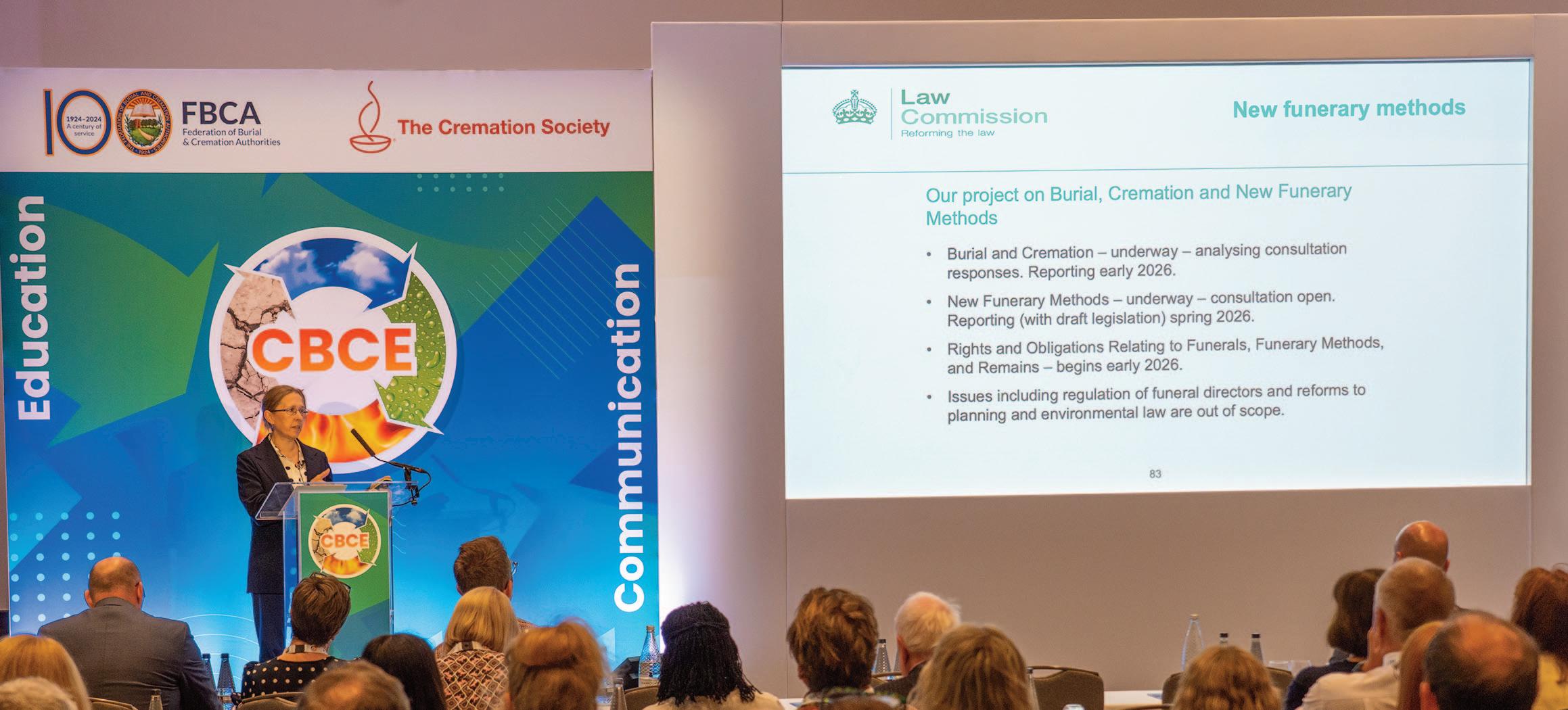
and get it right as we go forward.
What else are we thinking of doing? (Figure 8) The main thing we want to do in our framework is to create a power to make regulations. You could have a situation where parliament decides for each new funerary method, it will go away and pass a new statute. We think that could be a bit cumbersome and take a long time. It’s not going to give the clarity you want because you’re constantly waiting for a new piece of legislation and it might not always get to the top of the law-making agenda.
We think instead it would be better to have a framework in primary legislation that gives the power to Government to make new regulations as and when new funerary methods appear. Then you think, why do we give a power, why not give a duty? Because those of you who are aware of the Cremation Act will know there’s a duty to make regulations, but we think that was a very different situation. This occurred when you had a legal case that said cremation was lawful, and then you had to think about how you make regulations, so you can understand why there
A power to make regulations (Chapter 5)
would be a duty to respond in those circumstances.
We’re dealing with something very different. We’re dealing with a situation where the current position is not clear, and we’re dealing with a situation where you might have all sorts of different new funerary methods arising in the future. We think it’s better to have a power to make regulations as and when these new funerary methods appear, and then you can set out the detailed framework for each one. So again, that’s what we think is the way to go but please think about that, think about questions and let us know if you think this would be a good way forward to regulate this area.
(Figure 9) It’s all very well giving a power to make regulations, but should the Government have an open power to do what they want, or should there be other things that they should be thinking about? What we’ve been thinking about is, are there principles that guide the law in this area already that we think should be there when we’re moving into regulating new funerary methods? Looking at the pre-existing law in this area
n We provisionally propose that new legislation for the regulation of new funerary methods should contain a power to make regulations approving the use of specific new funerary methods and setting out how they should be carried out.
n We think that this would be better than other possible ways of providing for the regulation of new funerary methods, such as including them in the definition of cremation.
Principles to be considered?
(Chapter 6)
n We invite views on whether the Government should be required to have regard to the following principles when making regulations about new funerary methods:
n Protection of the environment
n Protection of public health and public safety
n Preservation of human dignity
n We also invite views on whether there are any other principles that should be taken into account.
we’ve drawn out some principles that we think are either in the law or that underpin the legal development. Protection of the environment is something that you see as part of the law at the moment because you have various regulations about the environmental impact of different funerary methods. We think new funerary methods could be brought into existing environmental regulations.
We’ve also been looking at aspects of the protection of public health and public safety. So again, when you look at funerary methods there is legislation and guidance in this area that applies to burial and cremation to make sure you protect public health and public safety.
The other principle that we think, although you don’t find it clearly set out in legislation, but is nevertheless very key, is the preservation of human dignity. We think this is another very important principle that runs through the law in the area as a whole, and we recognise in particular how important that is to those of you working in the death care sector. This is something that we’re thinking about, whether these three principles should also guide future regulation of new funerary methods in the same way that we think they underpin the law at the moment regarding burial and cremation. We are thinking about whether these should be things that the Government must consider when making new regulations. And we recognise that that’s not the case at the moment for burial and cremation.
create divergence that could have other consequences? We want to hear from you about what you think. Are these the right kinds of principles? Should the Government be required to consider them when it’s thinking about passing new regulations?
The other principle that we think, although you don’t find it clearly set out in legislation, but is nevertheless very key, is the preservation of human dignity.
(Figure 10) We also have to think about the scope of the regulatory power, so we’re thinking of different things that the Government would have to consider if it was going to regulate in this particular area. These are things like the location, the operation, the maintenance, inspection facilities, all those kinds of elements that the Government would need to think about if they were regulating a new funerary method. Now these will be things that we think the Government would set out in detailed regulations, but we need to make sure that there is a power with a big enough scope to ensure that the right kinds of things can put into these detailed regulations. We’re trying to think of things that we think the Government needs to have a power to do. Again, these are provisional proposals and we’re interested in what you think. Do we think these are the right kind of things that the Government would need to be regulating on to make sure the new funerary methods work efficiently and effectively?
(Figure 11) Another element that we’re asking an open question about and wanting views on is licensing. There are some systems that have regulated new funerary methods, particularly in the US and some provinces in
We’re trying to weigh up would it be a good way of building public confidence in the area because the public would know these principles have been considered, or do we think it might
The scope of the regulationmaking power (Chapter 6)
n We set out matters that we think may need to be covered by detailed regulation, including opening, closing, location, operation, maintenance and inspection of facilities, circumstances in which a specific new funerary method may not be used, and remains.
n The content of detailed regulation would be decided by Government, but we invite views to try to ensure that the power to make regulations (which would be set out in our draft primary legislation) is broad enough.
Licensing (Chapter 5)
n Some jurisdictions require providers to have licenses to carry out new funerary methods. Usually, these jurisdictions also have systems of licensing for burial, cremation or other related services, such as funeral directors or embalming.
n We set out some of the arguments for and against the possibility of licensing for new funerary methods in England and Wales and invite views from consultees.
n We are keen to understand whether consultees think that licenses could increase public trust in the use of new funerary methods and/or whether a licensing system would be seen as beneficial by potential providers.
Prohibition on the use of nonregulated new funerary methods (Chapter 7)
n We provisionally propose that primary legislation should prohibit the use of a non-regulated new funerary method, and we think that this should be a criminal offence.
n We consult on the maximum penalty for the proposed new criminal offence.
Canada, by a licensing system. Now that is not something we do in England and Wales for existing funerary methods, but these legal systems do this for related sectors like burial and cremation, and have then done this for new funerary methods. We’re trying to think about whether this would be a good way to go for new funerary methods, because it might give more public confidence in the area because there’s a system of licensing which sets out and controls how it works? Or would this again create too big a distinction from existing funerary methods and therefore lead to potential problems or confusion because you’ve got two different parallel systems? We just want to know a little bit more about this, what people think about this, do we think this would be advantageous or disadvantageous? We’re asking an open question about what people think about this and whether we think this would be a good or a bad way of moving forward in the future.
(Figure 12) One of the difficulties at the moment is you’re not sure whether you can carry out new funerary methods or not. We think you probably would end up breaching other laws if you try to carry out a new funerary method, but we think the position should be clarified. So, we’re thinking about making it clear that
Timing and next steps

n Consultation Paper published on 4 June 2025.
n Currently consulting until 4 September 2025
n Please respond! Consultation responses can be submitted using a form on our website – see https://lawcom.gov.uk/project/new-funerary-methods/.
n We will be holding consultation events in July (online and in person) – see the website for details.
n Report and draft legislation to be published in 2026.
once you’ve got the regulation of funerary methods, there would be a clear prohibition on using non-regulated funerary methods, to make the law clear. We think that once the framework is in place it should be a criminal offence to do this, and so we’re consulting on this, and on the maximum penalty. So again, we’ll be interested in your views on those matters as well.
(Figure 13) This has been quite a bit of a whistle-stop tour because we’ve got so much that we need to get through and we do want you to have time to discuss as well. As we said our consultation paper has been published. Our consultation is open until September 4 (2025). We’ve got other aspects in our consultation paper that you’ll be able to read and have a look at so please do read the consultation paper. There’s also a summary on our website and we do really, honestly want to hear your views because we can’t get the law to work properly unless we listen to you.
In addition to the consultation paper we’re running some consultation events online and in-person that are available on our web page. Our aim is to produce a report with a draft Bill in spring 2026.
Thank you very much for listening to me.
Alison Young Q&A (mid-session)
Speaker – Chair – Debbie Kerslaake
Thank you, Alison. That was so helpful. It was such a clear explanation of the whole process so thank you very much. I see we have some questions.
Question (1) from the audience
Thank you, Professor Young. In your consultation paper you quote my colleague Professor Heather Conway, saying that
respect for the dead is a universal standard which permeates the law. It permeates, it seems to me at least, more than the law. It drives best practice in this sector.
In terms of the principles which you offer for our consideration, all of which I welcome, I’m intrigued by the order in which you put them. In fact, in the consultation you number them one, two, and three, but you didn’t actually on the slide today. One, protection of the environment. Two, protection of public health, etc. Three, preservation of human dignity. Are we
to read anything into the order? I’m saying that because I hope we might put protection and preservation of human dignity first, always.
Answer from speaker – Alison Young
Thank you that’s a very good point. First, let me put your mind at ease, please do not read anything into the order in terms of how important we think those principles are or how important we think those principles should be. If anything, it’s more to do with how easy it was to be able to draw those out from the legal background. As lawyers we’re thinking about where is the legal evidence for this? And you’re absolutely right, the element of preservation of human dignity is crucially important but it isn’t something that we can necessarily say, here’s some legislation that specifically says please preserve human dignity. But we do think this is a principle that as Professor Heather Conway says, runs through the entire law in this area which is why we’ve set it down. As far as I’m concerned, they’re all important and we’d love to hear different views as to different relative importance so we can get that into the legislation.
Question (2) from the audience
Thank you for that, that was really interesting. I have two questions if you don’t mind me monopolising a bit. The first just to piggyback off the previous question there. The principle of human dignity is very important but it’s also quite culturally specific. Particularly with these methods you mentioned like
alkaline hydrolysis and human composting, there is already quite a lot of discussion over the perspective of what human dignity means for these things dependent on your religion and cultural values. I was wondering how that impacts the evidence that you found already for how human dignity is interpreted through the existing law. You know, where’s the balance here for our relative interpretations of human dignity?
My second question is with regards to the timing of the different stages of the Commission’s work. For instance, the rights and obligations project, do you think that considering that will commence after you’ve begun reporting on this, do you think that they’re going to impact each other in any significant way?
Answer from speaker – Alison Young
Thank you.
I’ll deal with the second question first. We’ve just staged them in a set way mostly because we’ve got so many different lawyers and research assistants and we only have so many that can work on different projects. Yes, we do work together. So even though we’ve got two different teams working on this, we’re working together and the projects will influence each other. The ordering just enables us to do them in stages not to kind of cut off different discussions so they will interact with each other and lead into each other. It was just our way of staging it to be able to do it efficiently and effectively.
With regard to human dignity, my main job when I’m not
being a Law Commissioner is I’m a constitutional law scholar and I look at human rights, so you could have me talking about human dignity for a very long time. I’ll try and keep it as short as I can. I think this is probably why you don’t have law that says you must consider human dignity, and you must do it in the following ways, and you tend instead to find that influencing the development of the law. It isn’t an easy concept to pin down, it’s crucially important.
What we are hoping for in our project is to have a situation where that is at least thought about and considered or if that’s what comes back from our consultation exercise, if it’s seen as something that is important to think about and investigate. We’re trying to come up with a framework so there is an ability to have more choice. It’s all about trying to promote choice so that individuals with different conceptions of human dignity, different religious and cultural backgrounds can choose the method that is best suited to respect their wishes and to respect the wishes of their relatives. This is what we’re trying to do. This is why we’re not necessarily pinning down human dignity because we
don’t want to be in a situation where in doing so we inadvertently cut off a method that a particular group in society would see as respectful.
Question (3) from audience
We’re trying to come up with a framework so there is an ability to have more choice.
Thank you very much Alison, that’s very good, I think you’ve given a clear explanation of what you’re looking to do. I’ll just make one comment because we will obviously be responding (to the consultation paper), but it’s where you mentioned about linking new funerary methods to existing for example, cremation and burial. I think that’s important because of the way that inspections, oversight and recording of the right information and so on can all be linked together rather than making it a more complicated setup. You know we don’t really want to have a separate whole load of regulation around how you record it and so on when there is already a methodology of actually recording a lot of that information. I think that’s just one point that I think really works well.
End of Alison Young (mid-session) Q&A

Speaker – Andrew Bazeley
Thank you very much. I’m Andrew.
I’m the lead lawyer on the burial and cremation side of the project. I’m speaking to you today rather than the Commissioner who many of you will know has led on this work, Professor Nick Hopkins, whose term has just come to an end Professor Lisa Webley is the incoming Commissioner who will lead the project from September. I’m sure many of you will get a chance to meet her further down the line.
A great many of you will have recently responded to the consultation on reforms to burial and cremation law. We’ve had over 600 responses which is fantastic, and we’re very grateful for those responses. Our job now is to read them through and consider how they affect the eventual recommendations for reform that we make to Government.
We are developing those recommendations for reform which will be published in a report in early 2026. Eventually we will bring forward draft legislation. That’s going to be a little bit further down the line after we’ve also completed the rights and obligations aspect of the project which my team will be working on. (Figure 14)
Because we are in that process of consideration and further discussion within the team, I’ll use today to expand upon a few
of the considerations that stem from our preliminary proposals in the consultation paper. We’re looking for your thoughts to inform the development of those proposals. In particular, these are areas where our thinking is starting to diverge a little from what we set out in the consultation paper, and we want to test new ideas.
However, please don’t read too much from what I do and don’t cover today. Some areas we haven’t got to, some areas we’re still developing thinking on, and so on. This is just an opportunity for us to hear your further thoughts. (Figure 15) The Figure 14
The Burial and Cremation sub-project
n Consultation Paper published on 3 October June 2024, closed 9 January 2025.
n Currently analysing consultation responses and developing final recommendations to Government.
n What we’re sharing today: preliminary thinking of the project team, and not final/official policy of the Law Commission.
issues that I’m going to cover today are: how we define a burial ground for the purposes of introducing regulations for particularly private burial grounds; services in reserved areas of local authority cemeteries; burial and memorial rights; record keeping; and exhumation.
These are preliminary thoughts and we’re a way off yet from publishing our final provisional proposals for reform, so it’s a work in progress. Our eventual recommendations go through a process of peer review with all of our commissioners approving them. So these are just initial thoughts within the team and do not represent the settled policy conclusions of the Law Commission.
The first question that I’m going to address today is the question of how we define a burial ground. In the consultation
Definitions
n What should be regulated as a “burial ground”?
n Consultation Paper: land used for burials, where burial is the primary purpose.
n Issues raised in defining primary purpose.
n Focus on payments as a potential way forward.
n When does land stop being a burial ground?

paper we made a number of provisional proposals that would have introduced regulation for the first time in relation to private burial grounds – those that aren’t covered by their own Act of Parliament already. For example, we addressed issues such as the way the body should be buried, how burial grounds should be maintained, and requirements around burial rights.
But in order to regulate a private burial ground we have to define it. In the consultation paper we said that a burial ground should be land used for burials, where burial was the primary purpose of the land. Consultees raised some concerns with that approach, both those who supported this proposal and those who disagreed with it. A key issue related to identifying the primary purpose in relation to particularly burials on private land. This could be difficult, for example, in relation to burials in back gardens. Is it the primary purpose of the land as a burial ground? Or is it as a garden? When do the two blur together?
Our current thinking is instead to focus on payment. That would mean that a burial ground is land used for burials and where payment is or was made for those burials. We think that there would need to be an addition to this definition to account for old hospital and prison burial grounds where usually payment wasn’t taken, but where it does still seem right for that to be treated as a burial ground and with the respect accorded to it. It’s also worth noting that making some burials without payment wouldn’t take a burial ground outside of that definition.
We also identified the problem of when a burial ground stops being a burial ground. This was raised with us particularly in the Figure 15
context of natural burial grounds. If you’ve made burials in a woodland burial ground and then there’s an intention to let that return to nature, and to cease eventually looking much like a burial ground, at what point does it stop being a burial ground? And what point do the legal duties that we’re newly going to attach to that cease to apply? We think that the definition should only include such a burial ground where it looks like one, that is, where it’s identifiable. For as long as a burial ground is identifiable it should continue to have those regulatory requirements imposed on it. For example, there are some burial grounds that are many hundreds of years old but are still very clearly a cemetery or burial ground and which are still important to the communities that are attached to them.
For as long as a burial ground is identifiable it should continue to have those regulatory requirements imposed on it.
Beyond that, we think that any sort of limitation on the duties that are attached to a burial ground should begin at the point after the last burial rather than after it has ceased to be identifiable. The relevant period might be linked to the period in the Disused Burial Grounds Amendment Act 1981, which is currently 50 years, but we’re consulting on whether the period in the 1981 Act is an appropriate period going forward.
(Figure 16) The next issue is services in local authority reserved areas. Under the current law in the Local Authorities’ Cemeteries Order 1977 (LACO 1977), councils can choose to agree with a faith group that part of the council’s cemetery should be reserved and set apart for that religion. So that might be, for example, the Muslim area of the burial ground, or the Catholic area. The council and the religious group can make an agreement about the management of that reserved section, and that agreement takes precedence over the general powers of management.
People who do not share the faith cannot be buried in the
Services in reserved areas of local authority cemeteries
n Current position: difference between areas reserved for Christian denominations, and other faiths.
n Consultees raised issues of enforceability with our provisional proposal.
n Should the restrictions be removed for all areas? Figure 16
reserved section, although that can only be enforced by the Attorney General, not by the religious group itself. That’s precedent taken from a case in the early nineteen hundreds (Preston Corporation v Pyke [1929] 2 Ch 338). At present, if the area is reserved to a Christian denomination, then only a Christian burial service or no service at all can be used in that area of the cemetery.
If it’s reserved to another faith, for example the Muslim or Jewish faith, then there is no such restriction set out in the legislation. In the consultation paper we provisionally proposed extending the restriction to areas reserved for all faiths in the interest of achieving equality between faith groups. But after initial analysis of responses to the consultation we no longer think that that would be feasible.
The two principal reasons for that are that consultees told us it would be impractical for local authorities to enforce this. Some pointed out that often it’s just the gravedigger who is the only person present at the actual burial itself, and that also it could have an unjustifiable impact on mixed faith families.
We are unsure though that we can recommend maintaining the law at the status quo. That’s because it’s difficult to justify having different rules as to what service can take place depending on whether the area is reserved for Christian denominations or for other faiths. Therefore, we are considering recommending that in areas of local authority cemeteries reserved to Christian denominations there would be no automatic restrictions. That would place Christian denominations on the same footing as other faiths. The exception would be the Church of England, and that’s to do with the fact that the Church of England can’t restrict who’s buried in areas of local authority cemeteries in the same way.
Like all other reserved areas, there would still be the possibility that a restriction on services could be contained in the agreement with the local authority. It would not be the case that there could be no such restrictions at all. It is just that they would not be on the face of the legislation.
(Figure 17) I’ll turn now to burial and memorial rights. We made two main provisional proposals in this area. The first was in relation to all burial grounds, and it was that all burial and memorial rights should be required to be issued in writing. In local authority cemeteries that is already the case. This would be a new requirement for private burial grounds.
Our provisional proposal was if that if burial rights are not issued in writing, they would become a statutory exclusive burial right. The statutory exclusive burial right is a new concept that
we introduced in the consultation paper. They are a benchmark that would be available as an option for burial ground operators who wanted to use them, but they are also the enforcement mechanism for the duty to issue rights in writing. If a burial ground operator fails to issue a right in writing this will be the fallback for the person that had received that right.
We had provisionally proposed that the new statutory exclusive burial right should have a maximum period of 100 years to reflect the approach in local authority cemeteries. On consideration of consultee’s responses, we think that the rule should be that if there is no evidence as to the period the right was issued for, perhaps because it wasn’t issued in writing for
Burial and memorial rights
n Potential minimum term of a statutory exclusive burial right.
n Would come into effect where a burial right is not issued in writing.
n Provisional proposal on memorial rights where no memorial placed within two years.
n Issues raised with councils having discretion, and with further disputes.
n Welcome views on a revised policy.
example, then that maximum period should be presumed to be the term. That means that if a burial ground operator failed to issue a burial right in writing in the future, it would mean that the purchaser may be able to make a claim that the right is a statutory exclusive burial right with the duration of a hundred years. If it is issued properly, in writing, it can be for whatever duration the burial ground operator chooses.
The other issue that we looked at in relation to memorial and burial rights related solely to local authority cemeteries. We noted examples of family disagreements in which one person purchased the exclusive burial right to a grave and then refused to erect a monument to the person buried in it. This caused significant distress to families. We provisionally proposed that where there had been no monument erected within two years, the burial authority should have the discretionary power to grant a memorial right to any relative of the person buried. That approach was similar to the rules which currently apply when the person who owns the exclusive burial right cannot be traced. If there was a dispute about the memorial, we proposed that the local authority should only be able to erect a neutral memorial displaying the name of the deceased person and their dates of birth and death.
Consultees have raised a lot of issues with this provisional proposal, so we are considering what a revised provisional proposal that addresses the issues they’ve raised could look like. We think that it might require a local authority to grant the memorial right, rather than permit it. That is because local Figure 17
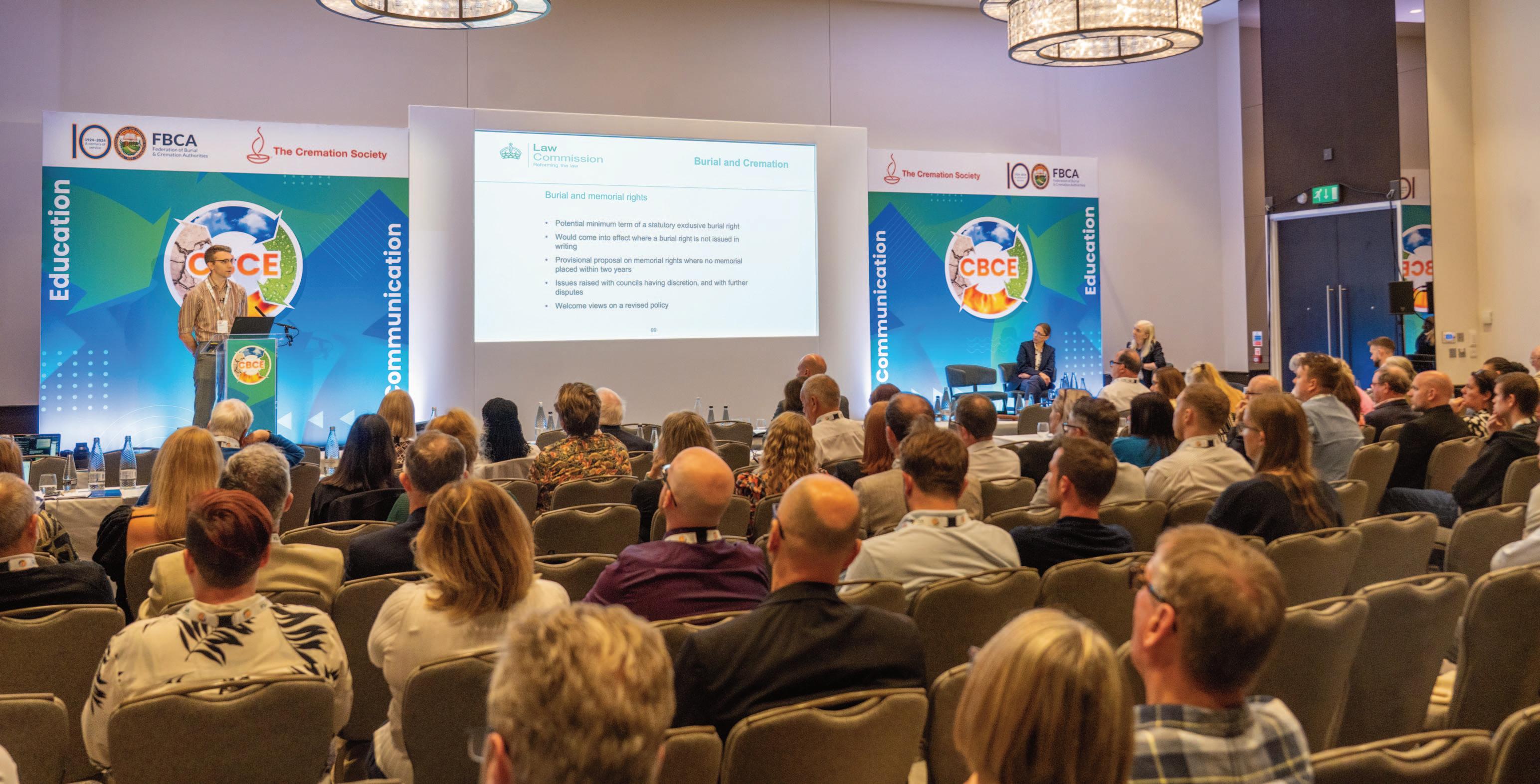
authorities were clear to us that they did not want to get in the middle of family disputes. If the discretion were taken away, if it was a requirement rather than just a discretionary power, that could address that issue.
We also think the period should be longer than three years. Points were made to us in relation to the amount of time it takes to erect a memorial, including issues relating to the ground settling. That would mean that a two-year period may be too short. We also think that there would need to be somewhat complex provisions to deal with subsequent additional burials and further additions to that neutral memorial. The necessity of those provisions would arise once you create a split between who owns the burial right and who owns the memorial, which otherwise does not arise often in local authority cemeteries.
We welcome views on this more developed policy. We are interested in whether you think it achieves its aims or whether it faces issues of complexity or indeed retains too many of the downsides that were highlighted to us in other formal consultation responses we’ve had.
(Figure 18) I’ll briefly talk about record keeping. We made provisional proposals which would, broadly speaking, create uniform record keeping requirements modelled on LACO 1977 to apply to the entire sector. That would mean further requirements for plans and burial ground and registers of burial rights in private and Church of England burial grounds. We are
Record keeping
n Pre-24-week pregnancy remains.
n Searches of registers.
not considering major departures from that approach currently, but one aspect where we are considering modification is including a requirement to register the burial of pre-24-week pregnancy remains. This was raised with us particularly by some campaigners in relation to historic burials of stillborn children and pregnancy remains.
We noted in the consultation paper our agreement with previous government commitments to explore the registration of cremations of pre-24-week pregnancy remains. We think there’s a strong argument for recording the location when such remains are buried in burial grounds given their emotional significance and the value that knowing the location could have to families. It is important though to note that that recording would not otherwise affect the legal position of remains. It would be ultimately a paper trail for those who are looking to identify where the remains had been buried in the future, but it would not, for example, affect whether they are covered by exhumation law.
We also think that the position relating to searches of the registers should be made clear, particularly in private cemeteries. There is currently provision for people to be able to search the registers of private burial grounds, but it is buried deep in some very old statutes. It was fairly difficult for us to work
n Consulted on a prohibition on so-called “coffin sliding.”
n Consultees suggested a need for two exceptions:
n Correcting errors before a burial is completed.
n Brief exhumations of ashes.
out, and so we understand that it is very difficult for people generally to be able to identify where these provisions are located. We think similar provisions should be retained and made more accessible in a modernised law so that people are aware of their rights to search burial registers more generally.
(Figure 19) I’ll move on lastly to exhumation. We consulted on making the law clear that coffin sliding without a license or a faculty is an offense. Hopefully the term coffin sliding will be familiar to some of you. For those who aren’t, it’s the idea of moving a body that’s been buried but keeping it below ground in order to not require an exhumation license. This is a practice that we heard was used in some places, and we looked at the question of whether this should be permitted as an exception to the exhumation offence. We consulted on a provisional proposal that it should not be an exception, and therefore that it should be included within the exhumation offence.
Consultees flagged two particular issues with taking that approach. The first is in relation to a situation where a grave is dug, the body is lowered, and then it is realised before the burial has been completed that it is in the wrong location. Perhaps the coffin is the wrong way around or perhaps it is upside down.
same grave, very quickly afterwards. In particular, the point that was highlighted to us was that having to dig a full depth grave in order to bury ashes so that you can then make further interments was potentially a waste of time and of cost to families as well.
In both of these situations, at present our consideration is that it is the family who suffers if there is a requirement in law to stop and seek a license or faculty in those circumstances. We are considering whether there should be specific exceptions for these two circumstances from the exhumation offence. It would enable those acts to be carried out without breaching the law and without causing undue upset to families.
I appreciate that idea that burial grounds should be as open as possible and we don’t want fisticuffs between Baptists and Anglicans at the churchyard gate anymore.
The second issue that was raised with us was the circumstances, described to us as being fairly common, where there is a brief exhumation made of ashes which have been buried at the top of a grave in order to facilitate a burial lower down in the grave. Those ashes are then returned to the
So, these are a few of the areas where we have developed our thinking since the consultation paper was published. There will, of course, be more developments in more areas of the law as we work our way through responses and firm up our policies. If you are at further conferences before we publish, you may hear more from us on these matters. These are not conclusive, they are just our developing ideas.
We really do want to hear from you if you spot things that you think will not work or if you think that there are aspects of them that could work well. We would love to hear about that either here or indeed by further communication. If you go on our website you can find out ways to do that if we are not already in touch. We very much welcome thoughts and questions on these issues and anything else.
Speaker – Chair – Debbie Kerslake
I think it just really highlighted the complexity of some of the issues that you’re dealing with and also the fact that you truly are listening, and that your thinking is changing as a result of the consultation. So, thank you for giving us that heads up of some of the things that we might see coming down the line.
Question (1) from the audience
Two questions. Firstly, a comment. Having previously been vicar of Akenham, I watched the movie of the Akenham burial case. I appreciate that idea that burial grounds should be as open as possible and we don’t want fisticuffs between Baptists and
Anglicans at the churchyard gate anymore. But the one thing that has concerned me, and it comes mostly under data protection and privacy, was the thing about making searches of registers more easily open. Sad to say, there are groups who will use that information for nefarious purposes, and insensitively. There’s one particular group that has a practice of baptising the dead, they will hoover up names of the dead without consultation of the bereaved and then have them baptised by proxy. Our church has spoken about the danger of open access to registers and maybe as a caution there.
Answer from speaker – Andrew Bazeley
I would say that in general on searches of the registers we’re not looking at significant changes. Our policy is more about clarifying and making more easily accessible the existing law which broadly, in local authority cemeteries, is that it is free to consult the register and then copies of registers and so on have charges attached. In private cemeteries and Church of England churches there’s a charge to consult and then a charge for copies. In private cemeteries the charge is still in shillings, which tells you something about how recently the law has been updated. The charge is not very many shillings so there’s a need for some updating there, but that wouldn’t throw the gates open entirely, as it were.
We’re also not currently thinking about any changes in relation to the rules applying to the Church of England. The reforms affecting the Church of England in our consultation paper would have been the new requirement for a plan and for a register of exclusive burial rights going forward. So that would be the change. Thank you.
Question (2) from the Chair – Debbie Kerslake
I’m conscious that you really do want to reach out to lots of different groups and looking at the second consultation that lots of groups are unlisted. Were there any that you found difficult to reach in that first consultation that looking at the second consultation you really want to make sure that that particular group, whoever that may be is included?
Answer from speaker – Andrew Bazeley
In private cemeteries the charge is still in shillings, which tells you something about how recently the law has been updated. The charge is not very many shillings so there’s a need for some updating there, but that wouldn’t throw the gates open entirely, as it were.
I would say on the burial and cremation side, we’ve had over 600 responses, including some responding on a template and with real breadth as well. We have had responses from parish councils and people who campaign on cemetery conditions and various faith groups. I think we were pretty pleased with the breadth of responses that we’ve had, fortunately. But there’s always scope to hear from more people.
Question (3) from the Chair – Debbie Kerslake
Was there anything that particularly surprised you that you really weren’t expecting to emerge?
Answer from speaker – Andrew Bazeley
We had a bit of a heads up on some of the points where people had issues in relation to our provisional proposals that we need
to go back and think about as a result of the consultation events that we did. So quite often, things that were raised in those have then come through to us on the written responses. For example, in relation to grave reuse, which we haven’t discussed here, there are aspects of that which are still in development. One of the big things that came through in the events was the issue of what happens to memorials, particularly for people who have a genealogical family history interest in graves. A real question for them is, if I’m tracking down my ancestors, they might have died 200 years ago. It’s maybe acceptable that their grave might have been reused but what will I have as a written history from that?
So, one of the things we’ve been thinking about is whether there should be a requirement to store a digital image of the front and back of the graves so that you have something to look at and to reflect on from the history. That was something that came through the events and which similarly has been reflected in our responses so far.
Question (4) from the audience
Just a question with the exhumation. When you refer to a brief exhumation of ashes, will you set a period because the graves aren’t necessarily dug the day of the funeral? Where would you store the ashes once you’ve removed them from the grave? And would you specify where they can be stored during that period? I’m just thinking you wouldn’t want them in a shed with a grave digging machine or something like that.
Answer from speaker – Andrew Bazeley
The way that any of this would function would be as an exception to the offence. What we would look at is a period of time for which, in this case, the ashes removed for this specific purpose could be taken out of the ground and then returned to the same grave without it being an offence.
And, yes, we would be looking at an appropriate time period for those. 24 hours seems like the obvious one, but if there are reasons that people think that that wouldn’t be appropriate we’d like to hear about that.
To answer your last question, that may be a question of where there’s a limit to what we need to specify in law versus what we leave to those operating burial grounds. I think that’s one for us to take away and consider.
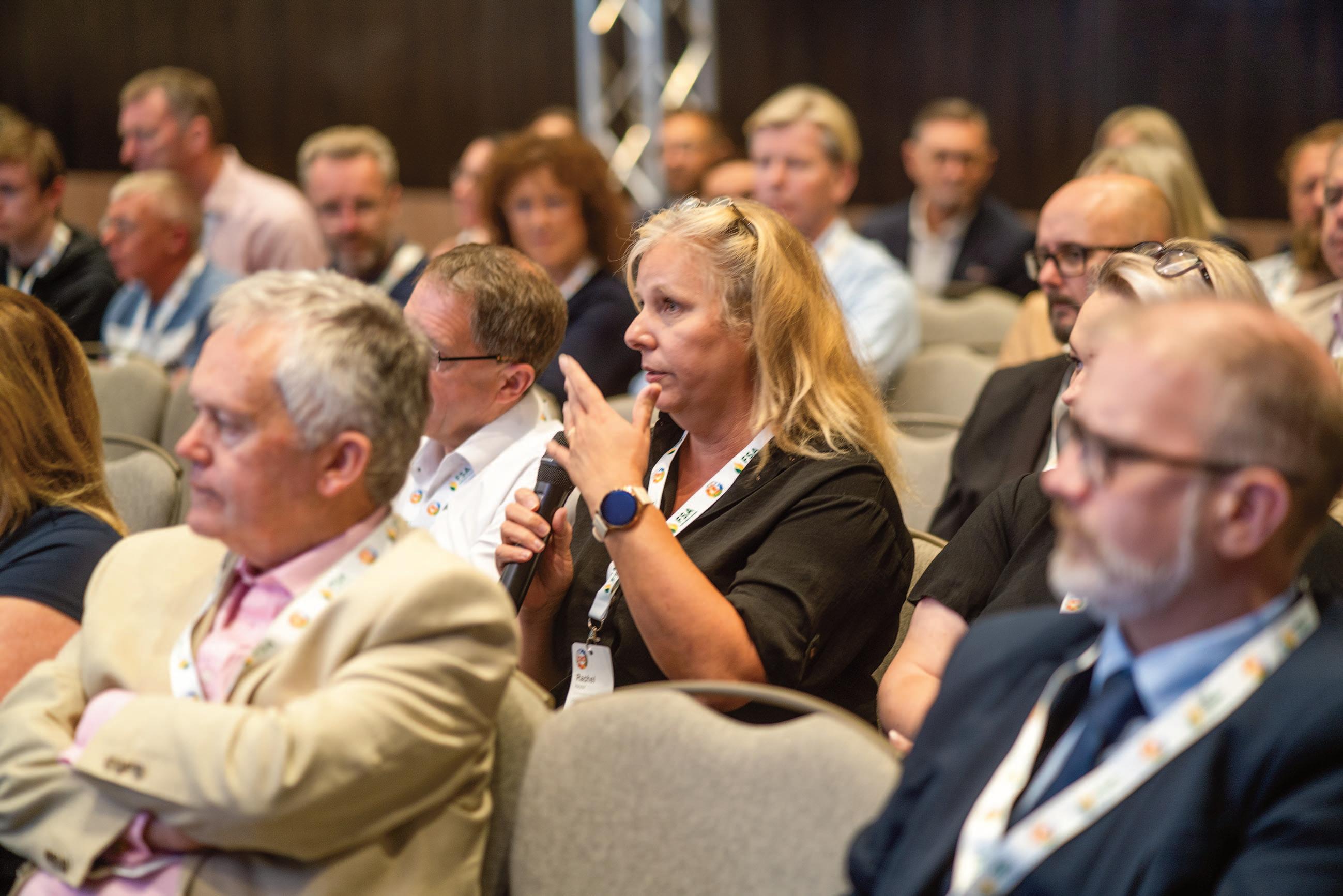
Question (5) from the audience
On that last point, it’s interesting Andrew, do you do the statutory guidance with the Draft Bill as well or do you just pass that down to the department to do?
Answer from speaker – Andrew Bazeley
If we were to recommend statutory guidance, that would be something that would be for the department to take forward usually. We might point to certain things in a report that we thought might be helpful for the department to consider in statutory guidance, but we wouldn’t draft that. That would be for departments.
Okay thank you. I think it befalls me to say that was such a helpful session, I hope there’ll be many more occasions when we can meet with you and receive updates. Thank you for giving us such an excellent overview of where you’re up to and thank you for being here.
Professor Alison Young is the Law Commissioner for Public Law and the Law in Wales. She was appointed in 2024. Prior to that she was a legal academic and a legal advisor to the House of Lords select committee on the Constitution. She holds the Sir David Williams Professorship of Public Law at the University of Cambridge. As a Commissioner she is leading the project on new funerary methods.
Andrew Bazeley is the lead Lawyer on the Law Commission’s Burial and Cremation sub-project, part of the overall Burial, Cremation and New Funerary Methods project. He previously worked on the Commission’s review of surrogacy law. Before joining the Commission, he worked in a range of policy and advocacy roles in Westminster, local government and the charity sector.
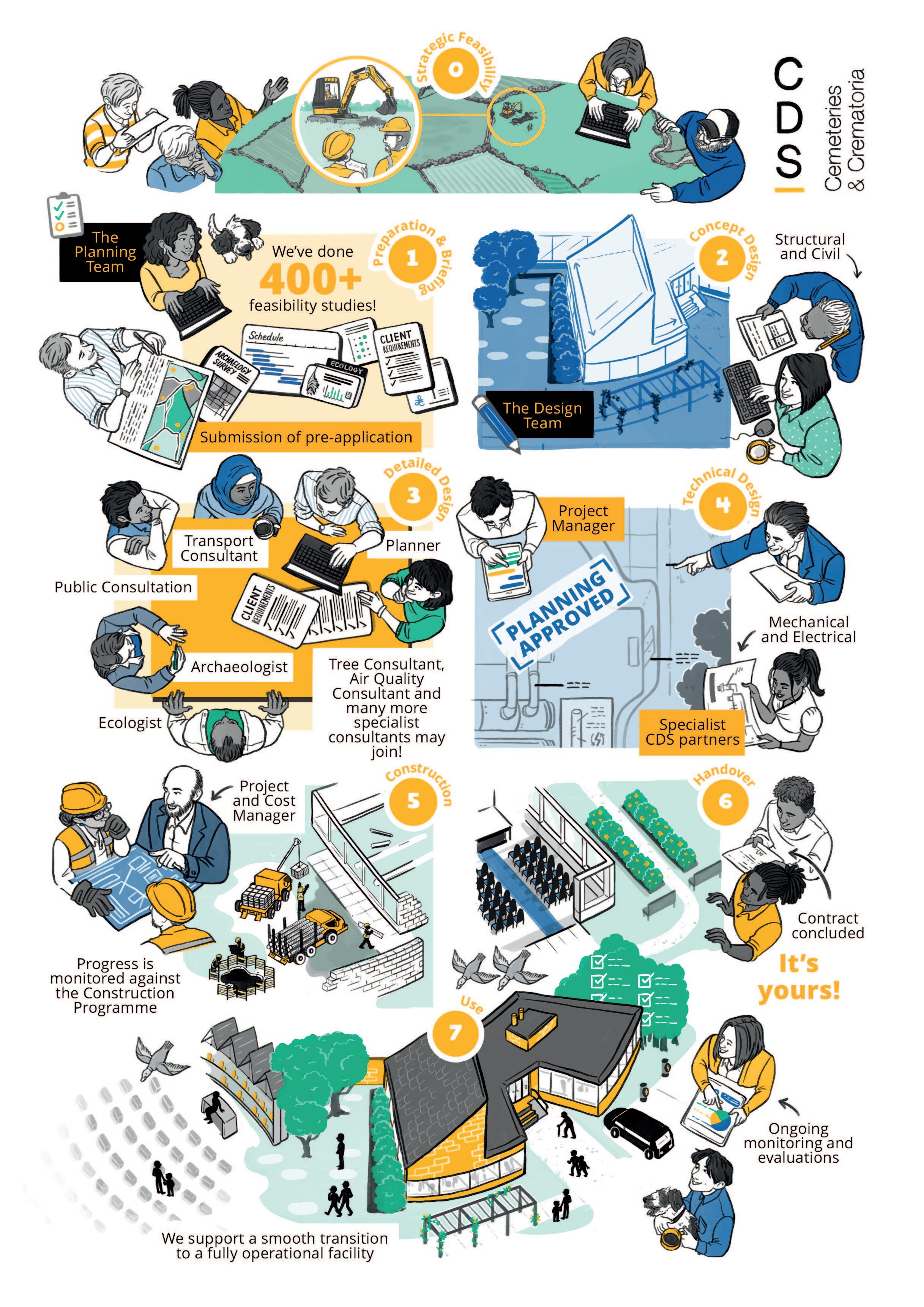





Anyone who regularly visits crematoria across the UK will know that green crematoria are no longer aspirational – they are an increasing reality. In this third instalment in our ongoing series, we focus on supply chains and premises.
Embedding sustainability into procurement and facility management enables cremation authorities to set a new benchmark within the sector. In this article, we invite readers to reflect on the small practical changes they can make, which can be a powerful driver of environmental change
Embedding Sustainability in Procurement A crematorium’s environmental impact extends far beyond its
own walls. More than 80% of greenhouse gas emissions are classified as Scope 3 – indirect emissions that occur within the value chain. This makes procurement a critical lever for change, through targeting Scope 3 emissions, a cremation authority amplifies its climate impact – driving suppliers to decarbonise their own operations and thereby reducing Scope 1 emissions across the value chain.
It is relatively easy to ensure suppliers are seeking to reduce their own carbon footprint. Include requirements within your procurement process for suppliers to demonstrate their own environmental credentials, such as ISO 14001 certification, Greener Globe Funeral Standard, Green Dragon Awards or FBCA Environmental Awareness Report. This ensures
alignment with broader sustainability goals and reduces reputational risk for the cremation authority.
In addition, suppliers should provide evidence of industrystandard compliance or membership of trade bodies, commit to ethical employment practices, including paying above the UK National Living Wage or the equivalent abroad. These measures not only reduce environmental impact but also signal a commitment to ethical business practices and sector-wide excellence.
Effective facility management is a cornerstone of sustainability; it enables the Cremation Authority to use energy smartly, reduce emissions, and provide healthier environments for staff and service users.
Making crematorium buildings more sustainable can be surprisingly simple. There is a range of practical measures which can be taken, not all of which are expensive and can have immediate benefits with minimal disruption.
When considering gas and electricity, the first step, as we have already seen, is engaging with the energy supplier. Does your energy supplier invest directly in renewable power generation? Or do they rely on REGO certificates (a Renewable Energy Guarantee of Origin certificate) that prove a specific amount of electricity was generated from renewable sources like wind,
solar, or hydro for green energy status?
In addition to the energy supplier, there are increasing opportunities available for cremation authorities to supplement their electricity supply with their own green sources of energy, through the installation of PV panels, air source heat pumps, ground source heat pumps and wind turbines. Probably the simplest and most cost-effective measure is the recovery of energy from the cremation process using a plate heat exchanger fitted to the filtration system. These are highly efficient, compact in size and require virtually no maintenance. Supplementing the heating of the building, they reduce the overall carbon footprint and energy costs of the facility.
Those who have plate heat exchangers will be aware that they only function when the cremators are operational. Some crematoria now retain the energy in heated water stored in insulated storage tank(s), providing the flexibility to use it whenever it is required.
Most facilities still use gas boilers for heating and the production of hot water. Over the years these have become more efficient; older noncondensing boilers are 60%–70% efficient, modern condensing boilers 90%-94% efficiency and best-in-class models up to 98% under optimal conditions.
Newer boilers feature modulating burners that adjust the flame size based on demand. Instead of turning on/off repeatedly, they run continuously at lower levels when needed reducing energy waste. Integration with smart thermostats on all radiators and zoned heating systems allows for more precise temperature control, reducing unnecessary heating and improving overall efficiency further.
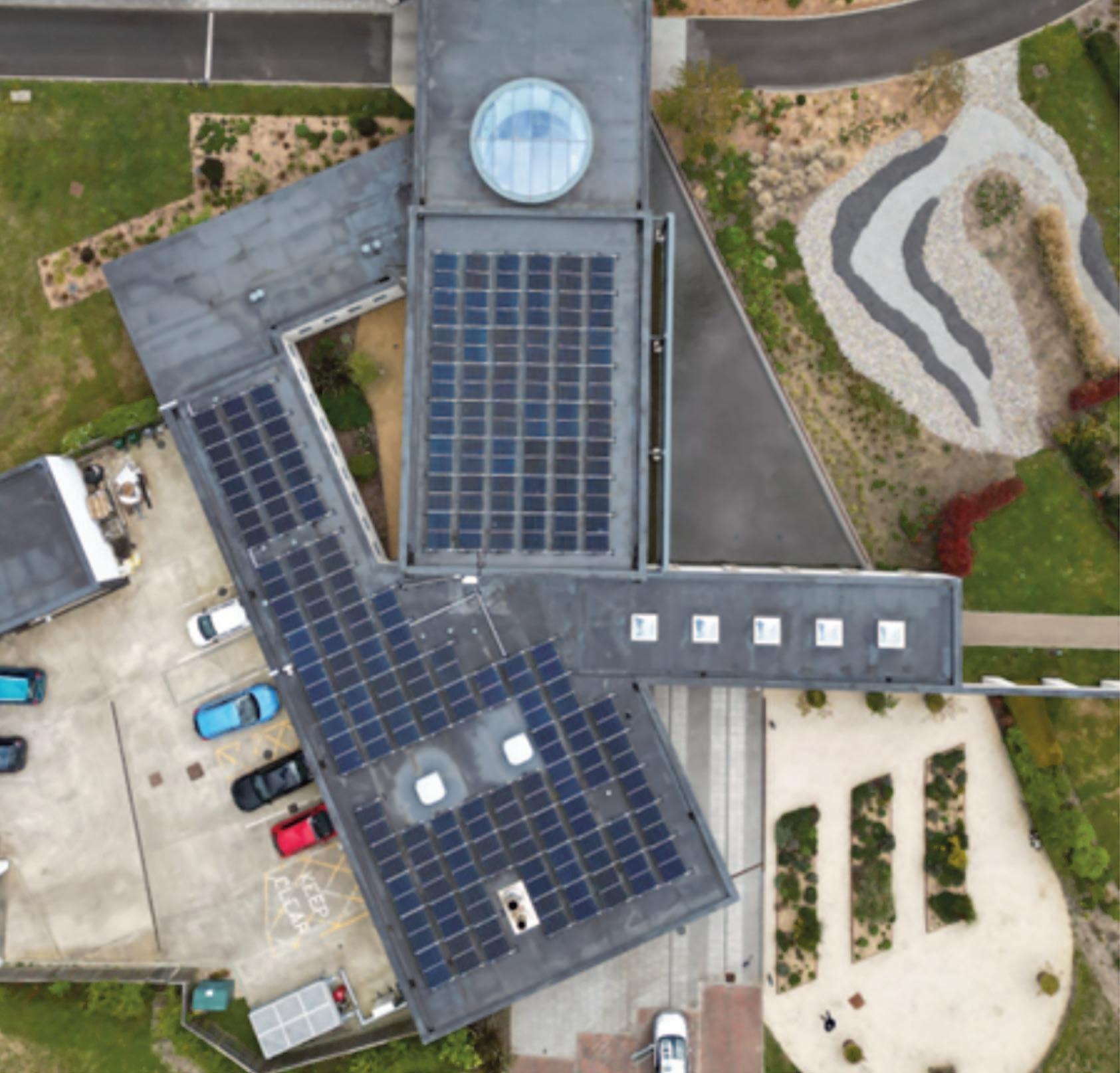
To ensure optimum performance of the boiler and all other heating systems, it should be regularly serviced in accordance with regulations and the manufacturer’s instructions.
Having purchased energy and produced carbon in the process of heating the building, insulation plays a crucial role in preventing heat loss. It enhances the energy efficiency of buildings by reducing heat transfer between the interior and
Voltaic Panels at Wealden crematorium.
exterior environments. Proper insulation helps maintain a stable indoor temperature, minimising the need for heating in winter and cooling in summer. This not only leads to significant energy savings but also lowers utility bills and reduces greenhouse gas emissions. Without adequate insulation buildings can lose up to 50% of their energy through windows, walls, roofs, and floors, making it harder to maintain comfort and increasing the strain on heating systems. Investing in quality insulation is, therefore, a key strategy in sustainable building design and long-term cost efficiency.
One of the simplest and cheapest means of reducing energy use, and yet still overlooked at some crematoria, is the installation of low-energy lighting. LEDs use about 40–60% less energy than traditional fluorescent tubes and up to 80–90% less energy than older incandescent bulbs.
In areas which are not regularly used, such as toilets and storerooms, lights should be fitted to a motion sensor, so rooms are lit only when occupied.
Water is becoming an increasingly precious resource and we need to be more mindful of its use. In addition, a point often overlooked is that the water industry is also a producer of carbon emissions, approximately 10gCO2e is embedded in each litre of water from its extraction and processing. As a business customer, all water used by the Cremation Authority is metered and charged for, so saving water is not only good for the environment, but it will also reduce costs.
There is a range of simple measures which can be taken to reduce water consumption. Toilets account for around 30% of the water used in a business. Traditional toilets typically use 13–20 litres per flush, normally of drinking water quality. Introducing dual flush toilets can reduce this by 50%. In addition, smart or waterless urinals can also be introduced. The addition of aerated taps reduces water flow by between 30%–50%.
Water harvesting is being increasingly installed, with rainwater being suitable for flushing toilets and grounds maintenance.
These practices reduce water consumption, lower costs, and contribute to broader environmental goals.
Behavioural change among staff is crucial to making a Cremation Authority more sustainable because it transforms sustainability from a policy into a lived practice. While technologies and systems like energy-efficient equipment or procurement processes – play a vital role,
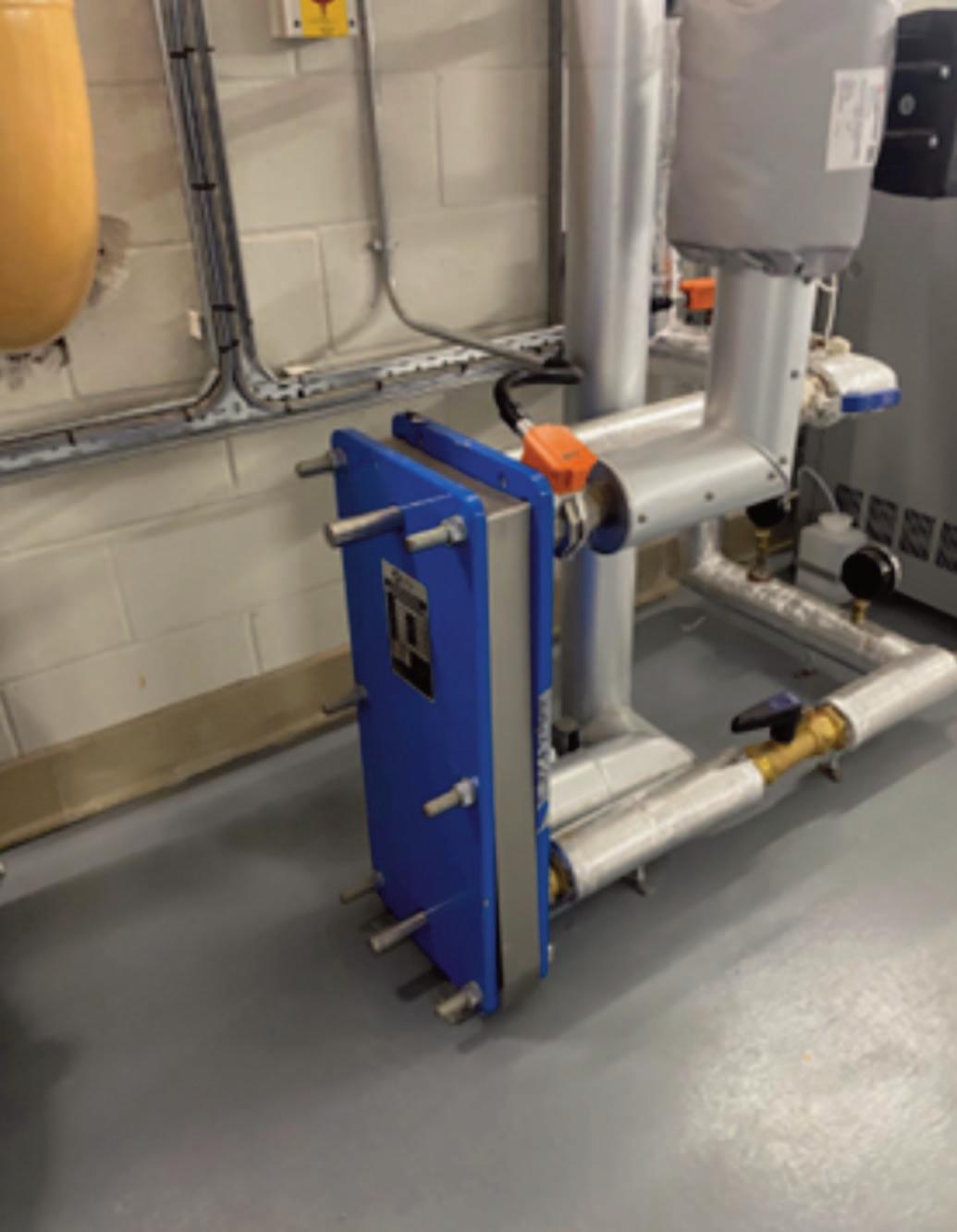
their impact is limited without active participation. When employees adopt eco-conscious habits such as questioning their suppliers, turning down heaters, closing doors and windows, switching off lights, conserving energy, or setting appropriate temperatures in individual rooms, these small actions compound into significant environmental and financial benefits.
Moreover, fostering a culture of sustainability empowers staff to identify inefficiencies, suggest improvements, and take ownership of the organisation’s environmental goals. In essence, behavioural change turns sustainability into a shared responsibility, embedding it into the daily rhythm of the crematorium and driving long-term success
Together, along with the areas covered in this series of articles, these elements form a holistic approach to sustainability, ones that not only meets regulatory and societal expectations but also reflect the values of the communities crematoria serve. As green practices become the new normal, the sector is leading by example, showing that dignity in death can coexist with responsibility to the planet.
Written by Brendan Day, Greener Globe Funeral Standards
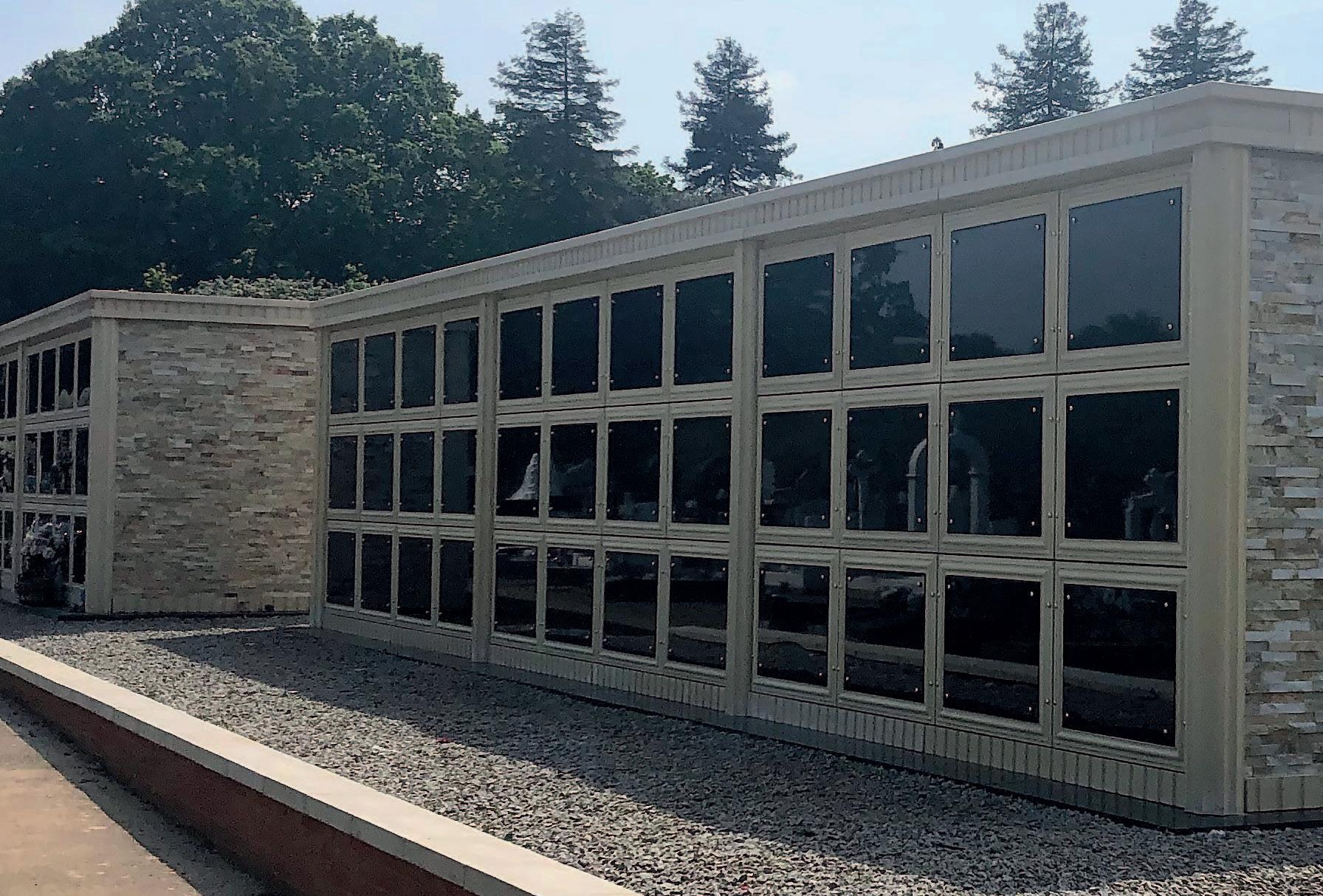
Greenbridge Designs continue to meet the needs of bereaved families by providing crematoria and cemeteries with quality memorials, burial chambers and mausolea.
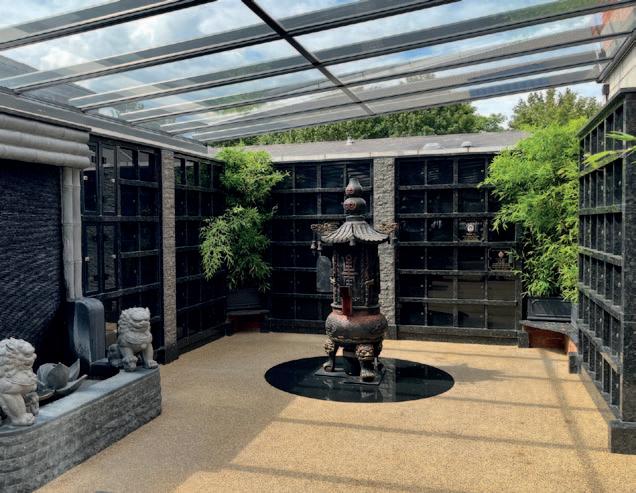
With an emphasis on design, function and ever increasingly on sustainability, many of our designs are now available in UK sourced stone and manmade materials, with work on our enviromental impact continously evolving.
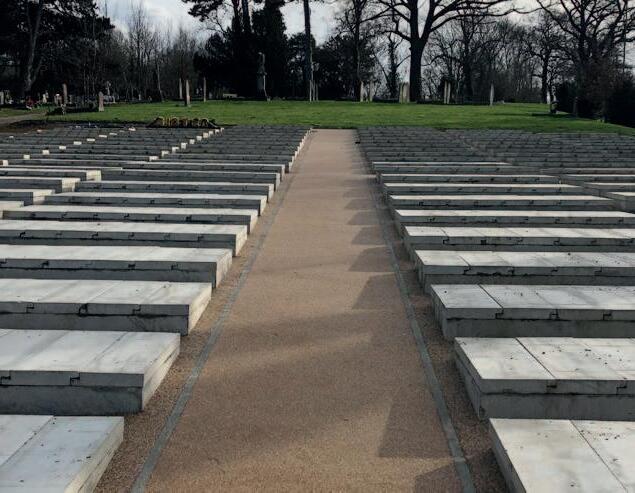
Our state-of-the-art factory, design team and support facilities based in Evesham, Worcestershire, Greenbridge is well placed to serve the United Kingdom using its own modern fleet of fuel-efficient transport.
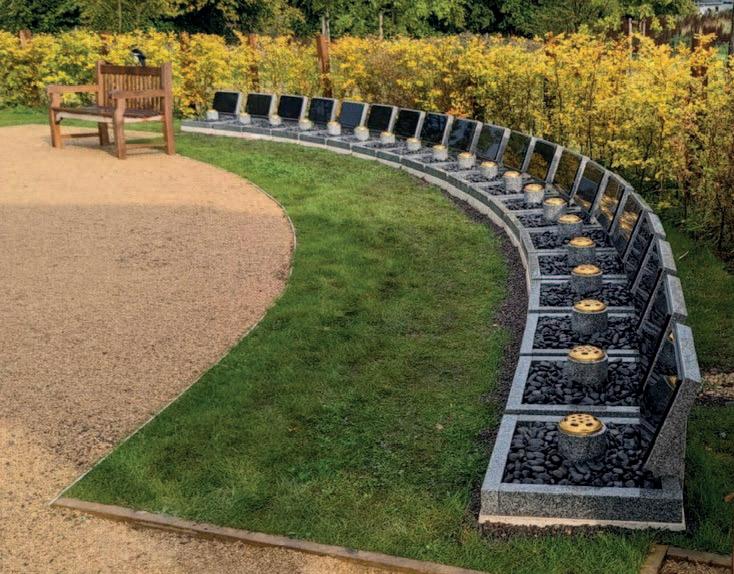
Creating a lasting legacy for loved ones and the planet Contact us to discover more
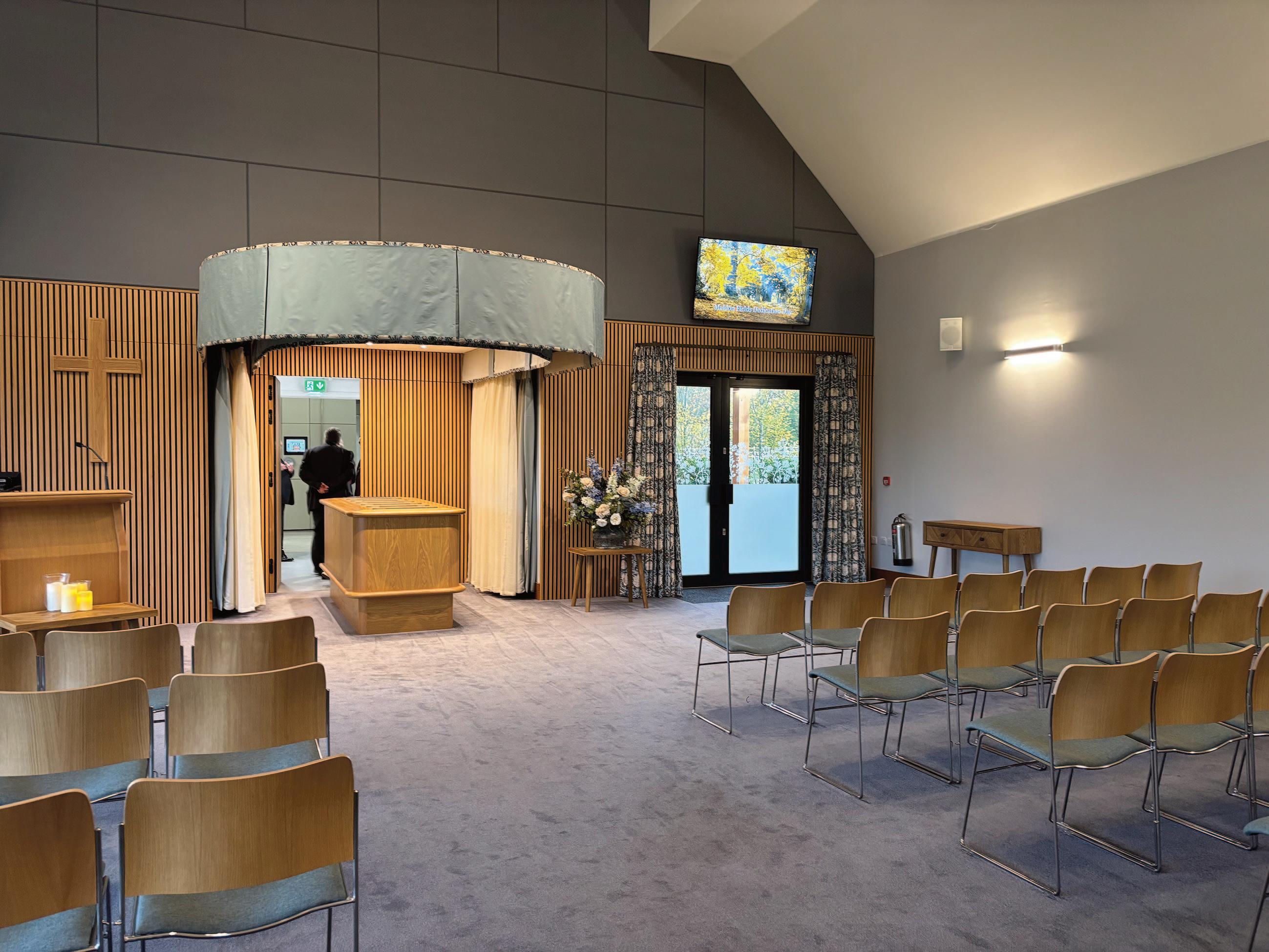
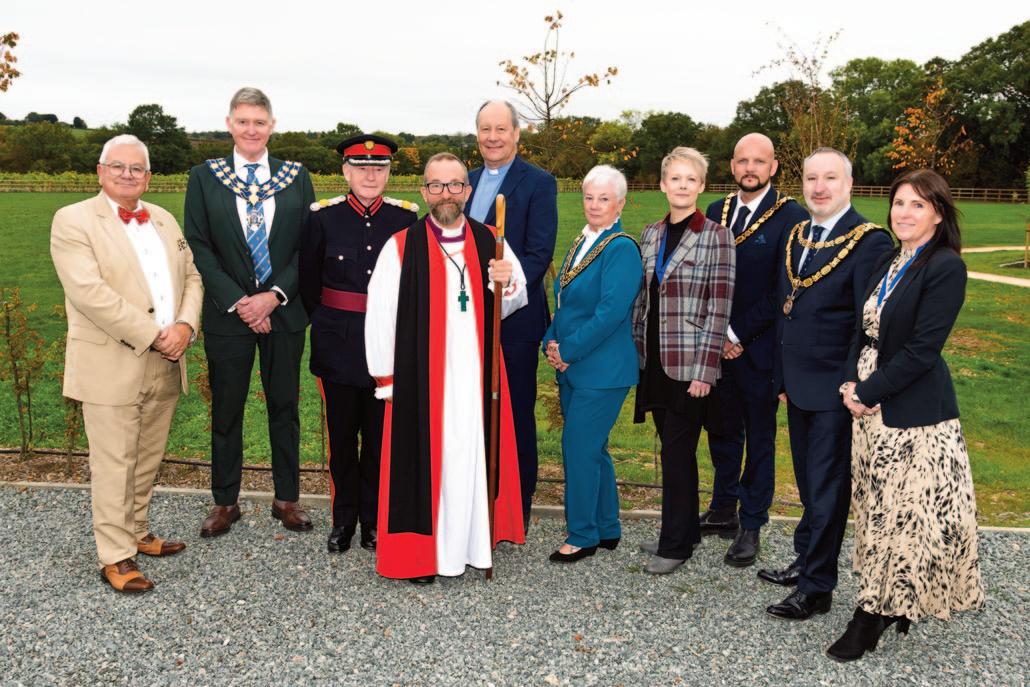
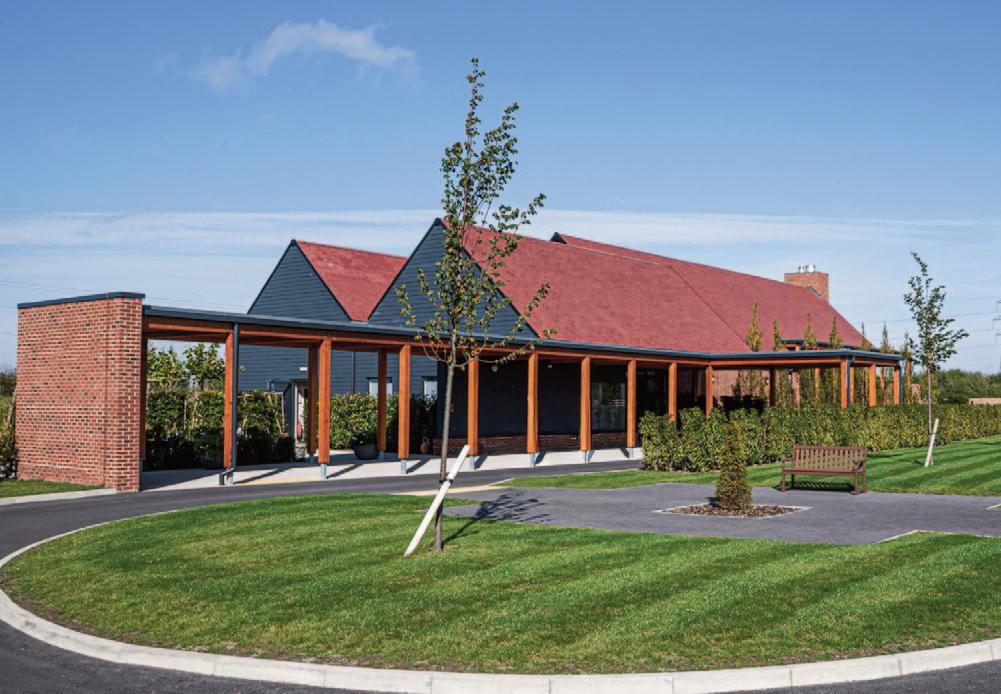
The Cremation Society’s Executive Officer & Secretary, Wendy Buchan, was delighted to attend the recent service of dedication at Maldon Fields Crematorium. The team at Maldon Fields Crematorium and Gardens welcomed representatives from across the funeral sector, local clergy, celebrants, and council representatives to its service of dedication on 14 October 2025. The Crematorium opened its doors for its first funeral service in December 2024.
The service was led by the Right Reverend Adam Atkinson, Bishop of Bradwell, including contributions from Councillor Kevin Lagan (Chairman of Maldon District Council) and Dr. James Bettley (Vice Lord-Lieutenant of Essex).
Attendees heard tributes paid to Richard Evans and his team at Elegy, in their commitment to delivering the new crematorium to the local community, and how the service provided was much welcomed by residents in the surrounding area.
The site has been designed to resemble mature parkland, with the building matching local tradition with its red brick, timber boarding and tile roof. The chapel has seating for 100, with expansion possible into the lobby area with standing room for an additional 100.
The latest Obitus technology has been incorporated to provide the facility to livestream funeral services, and to include
personalised photographic tributes as part of the service.
For more information, visit https://www.maldonfields.co.uk/
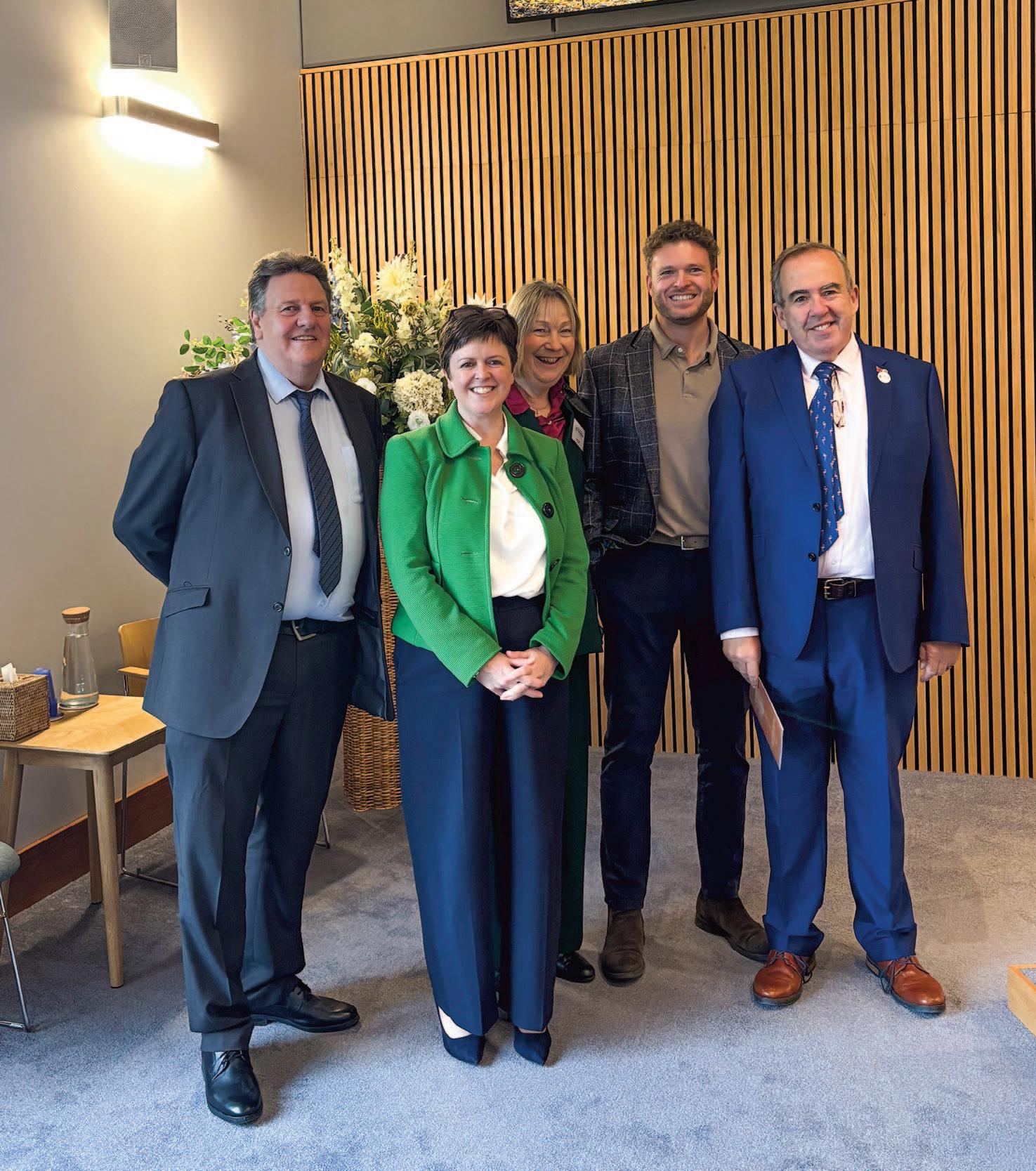

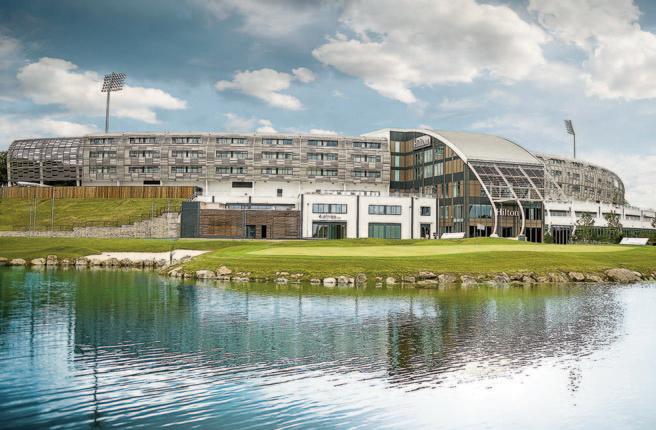
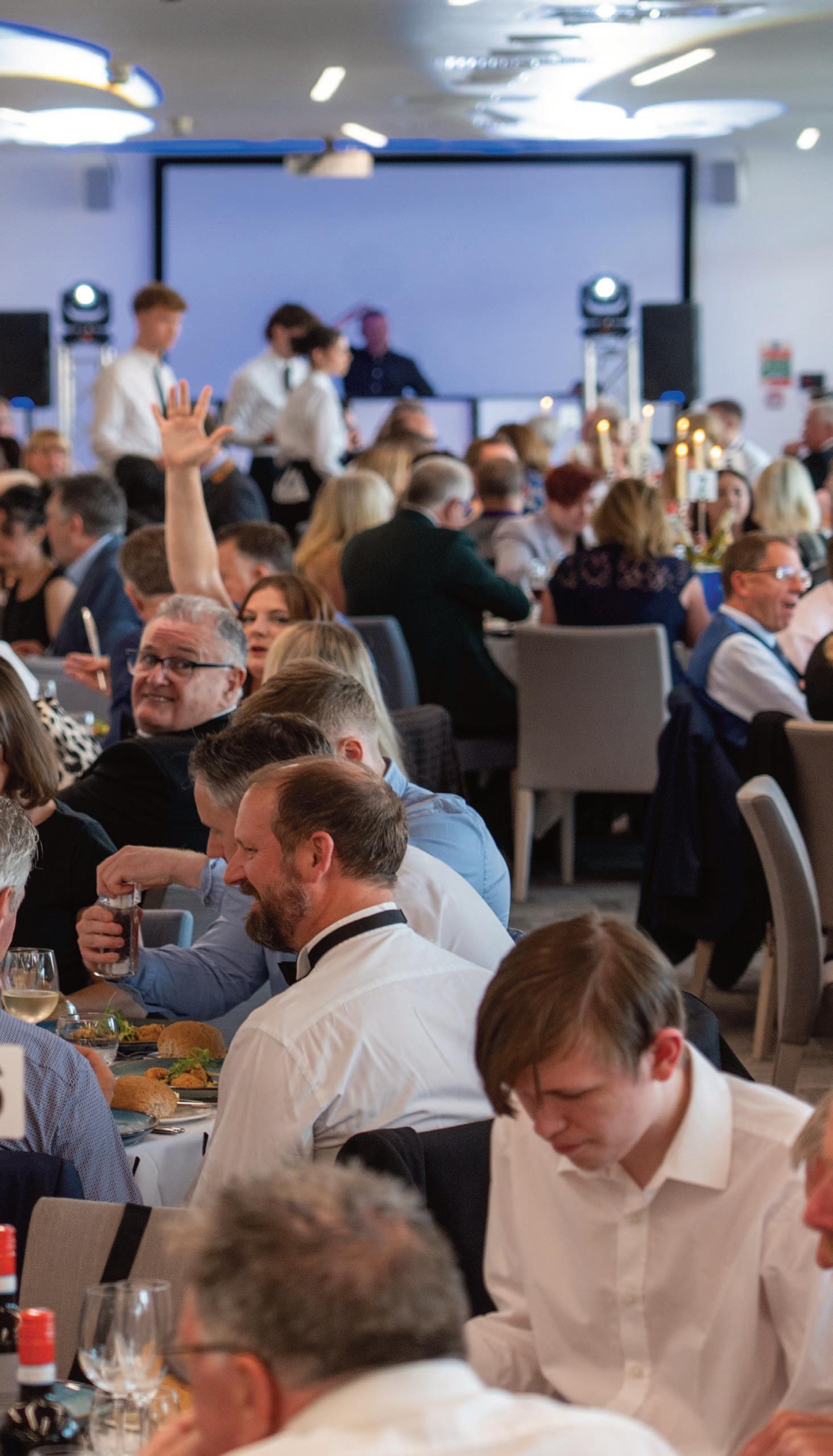


Hilton Southampton, Utilita Bowl, Southampton SO30 3XH

The date has been announced for the 2026 CBCE conference – SAVE THE DATE. More details including speakers and papers will be announced soon. Go to http://www.cbce.org.uk for more details.
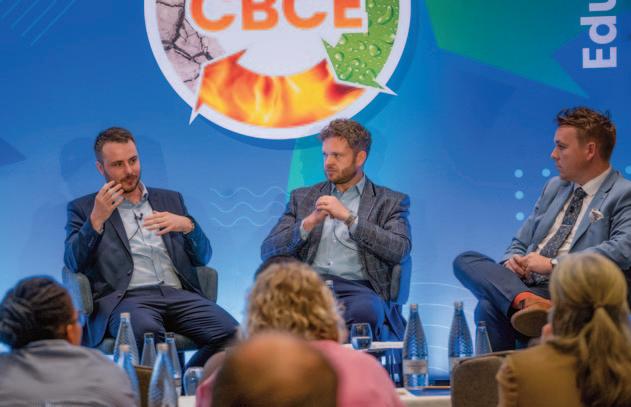
Tuesday 23rdThursday 25th June 2026

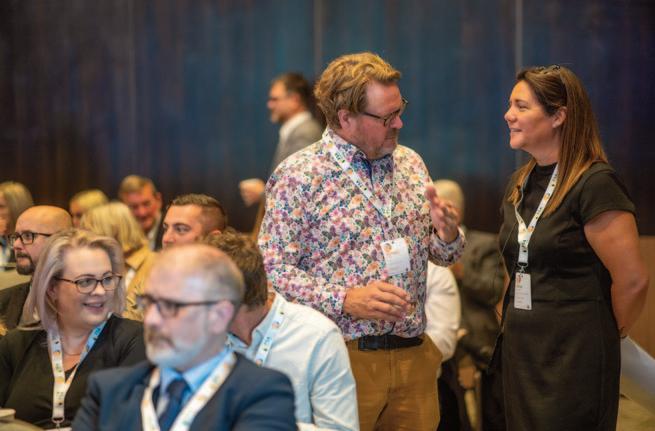
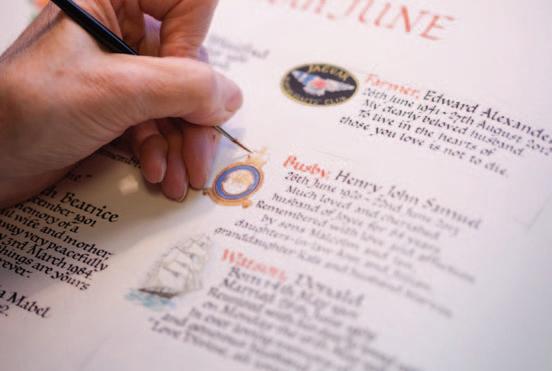
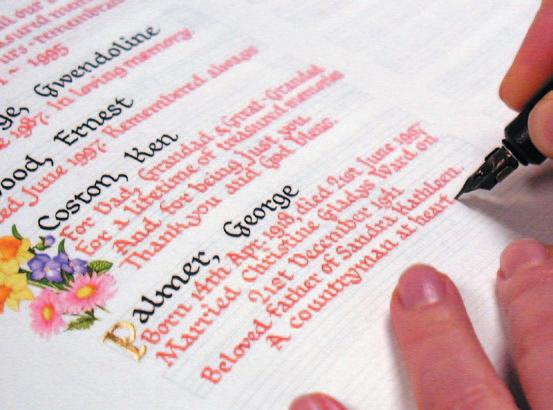

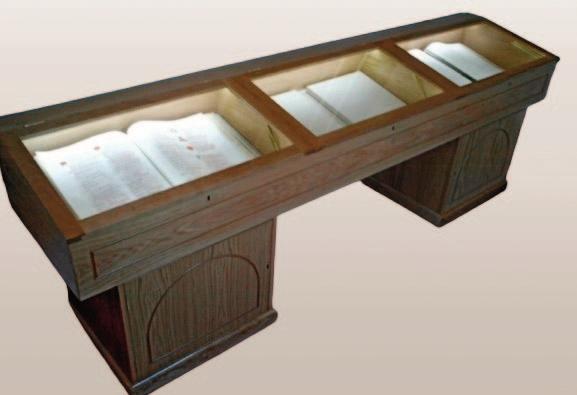

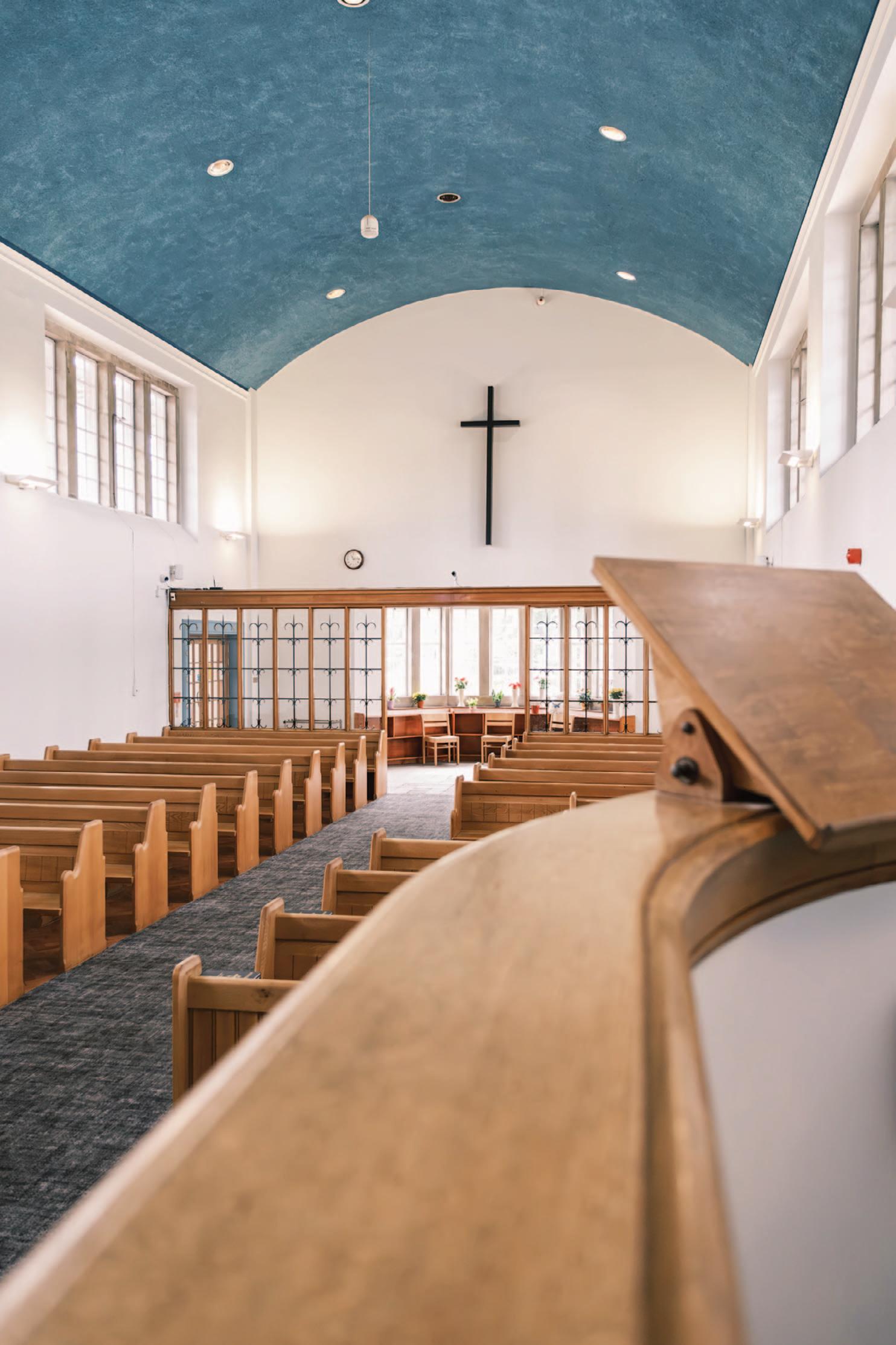
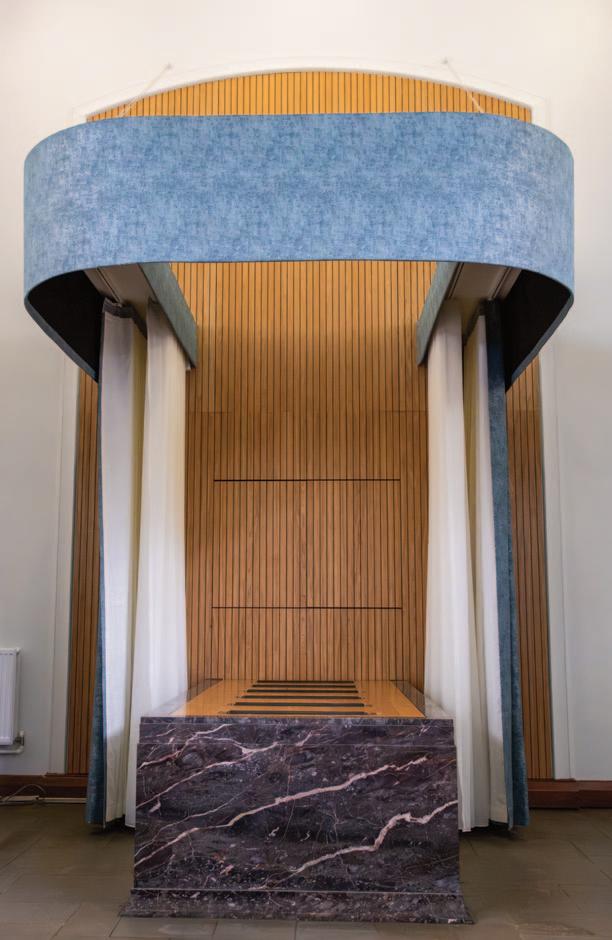
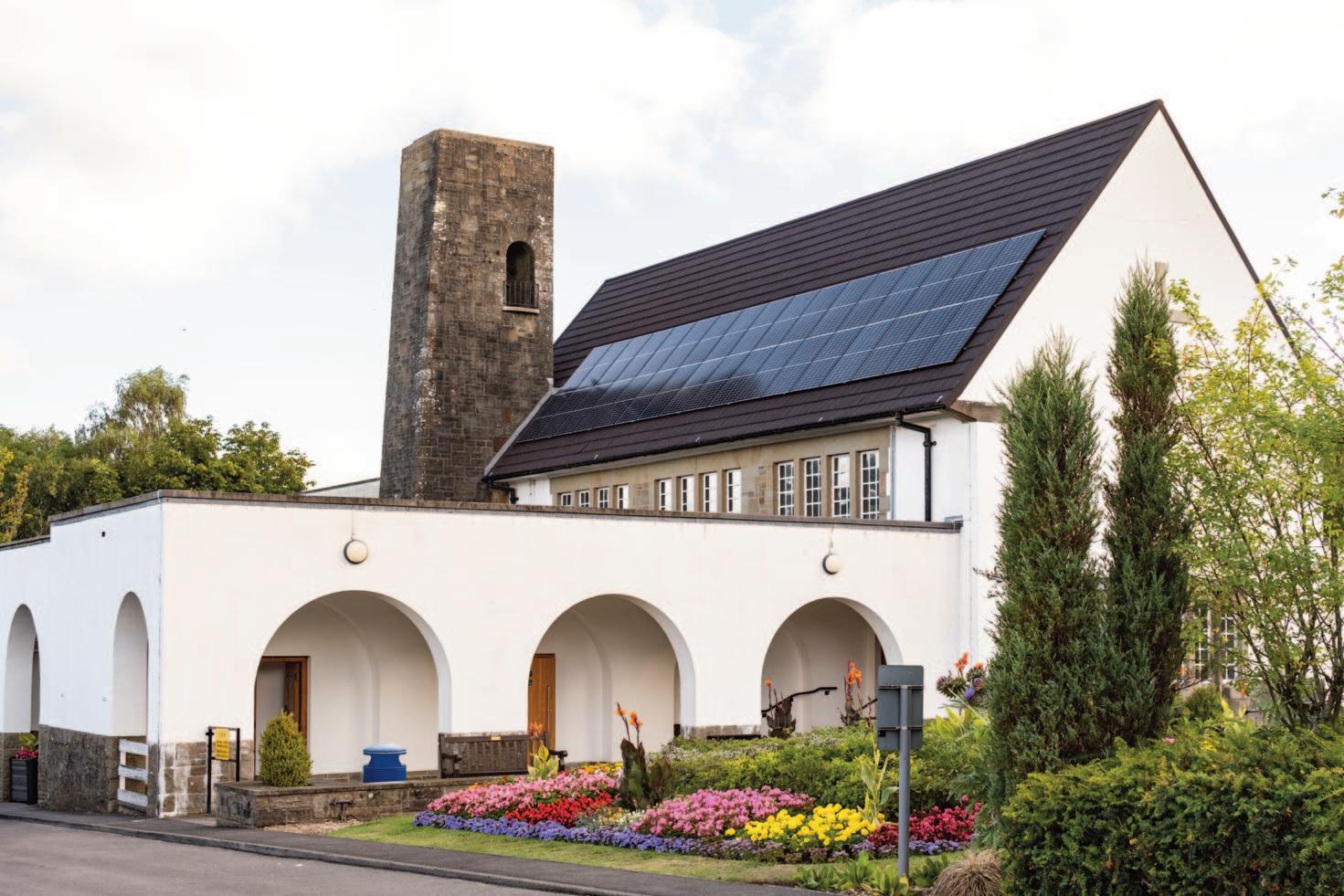
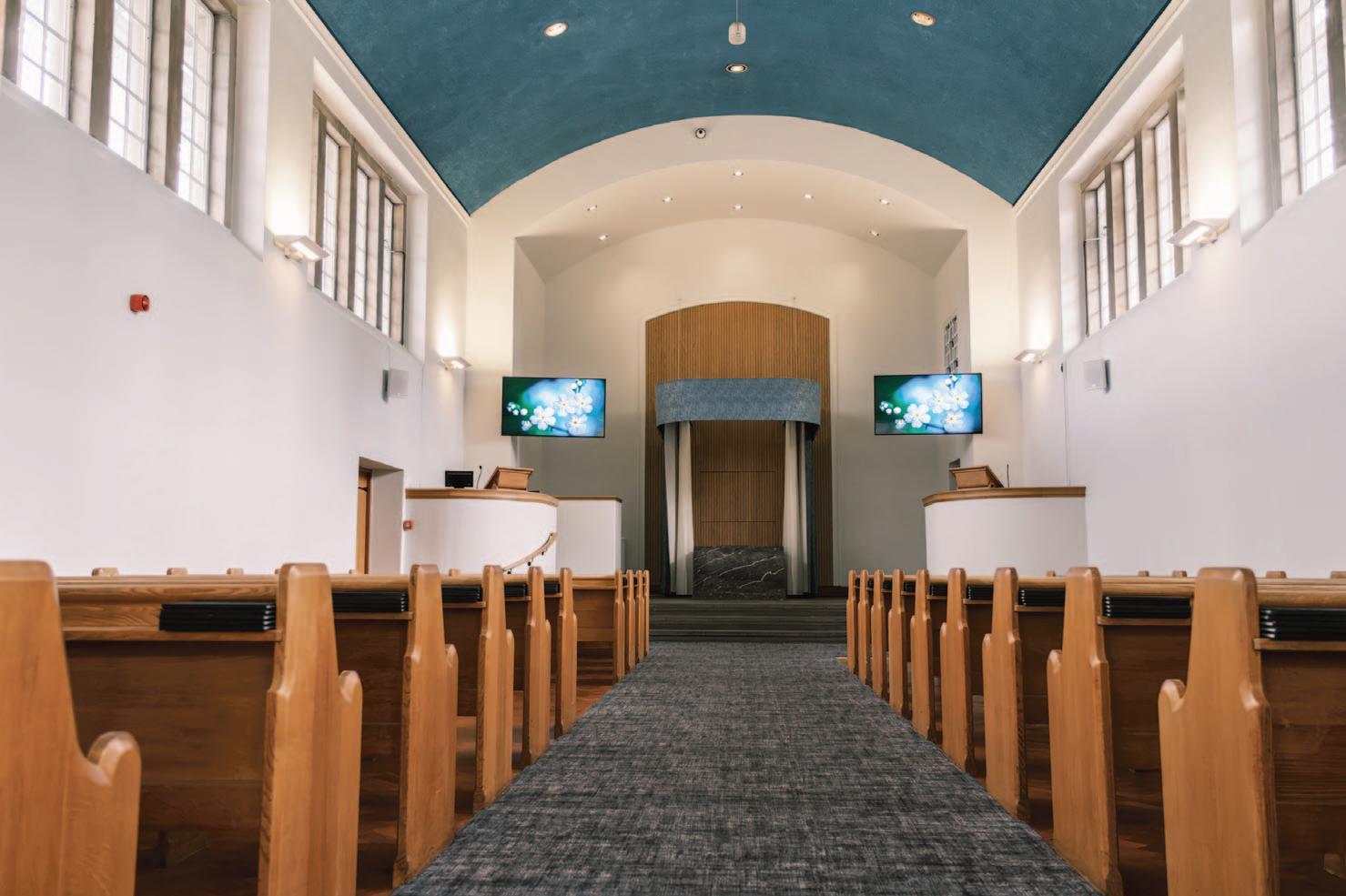
Gwent Crematorium is undergoing a transformative programme of works that reflects a deep commitment to environmental sustainability and dignified service provision.
At the heart of the improvements is the installation of a new roof covering, designed to enhance insulation and reduce energy usage across the site. This upgrade is complemented by the addition of further solar panels, significantly boosting the crematorium’s capacity to generate renewable energy and reduce its carbon footprint.
Operationally, two of the four older cremators have been removed and will be replaced by a single, larger and more energy-efficient cremator. This modern unit will reduce emissions and improve throughput, while upgraded charging machinery will streamline operations and enhance reliability.
To support growing service demands, the refrigeration store has been expanded and a new refrigeration unit installed, increasing capacity and resilience – particularly during highdemand periods.
The preplanned closure period for these works also enabled TRESKE to carry out a full refurbishment of the chapel space.
This transformation has replaced a tired interior with a cleaner, more modern and peaceful environment. The refreshed chapel now offers a more welcoming and serene setting for families and mourners, aligning with the crematorium’s values of respect and care.
In addition to the physical upgrades, Gwent Crematorium is implementing a new administration system to replace the older, unsupported platform. This modern system includes digital mapping and online booking capabilities, improving accessibility and operational efficiency for both staff and service users.
We would like to extend our sincere thanks to TRESKE for their exceptional work in transforming the chapel space. Despite a very tight window of closures, TRESKE worked seamlessly alongside numerous other contractors to deliver a modern, peaceful, and dignified environment. Their professionalism and efficiency ensured that the refurbishment was completed to a high standard without disrupting the broader improvement schedule.
For more information on this or other projects please contact the Crematoria team at Treske on 01845 522770.
Treske are one of the UK’s leading makers and suppliers of bespoke crematorium furniture and soft furnishings, from bespoke catafalques and lecterns through to receptions, family rooms and display cabinets. Treske are specialists in seating with a large range of designs to suit any chapel layout, from lightweight stacking chairs through to purpose-made sofas. If you would like Treske to bring fresh ideas to your crematorium development or refurbishment, please give our team a call on 01845 522770
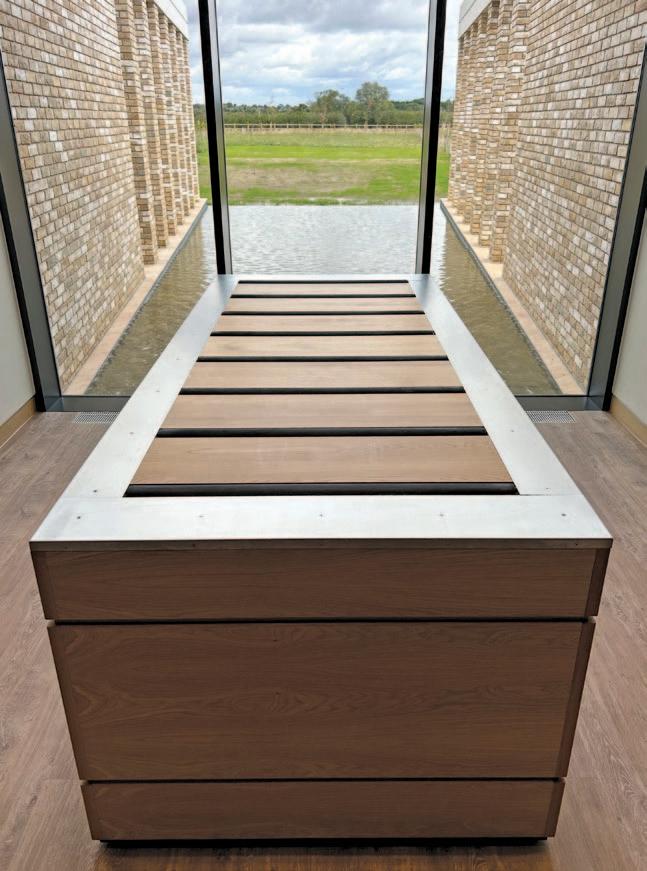
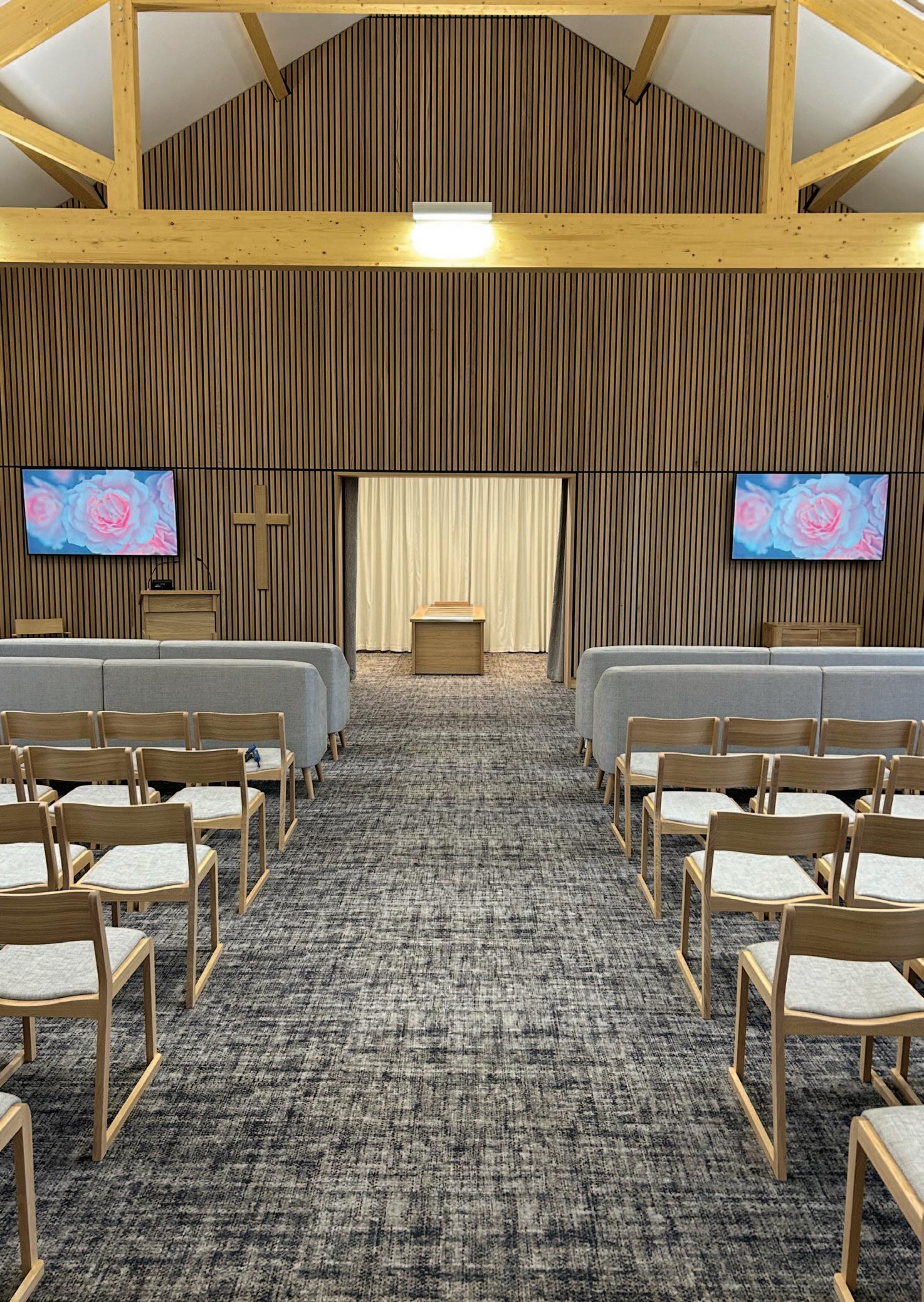
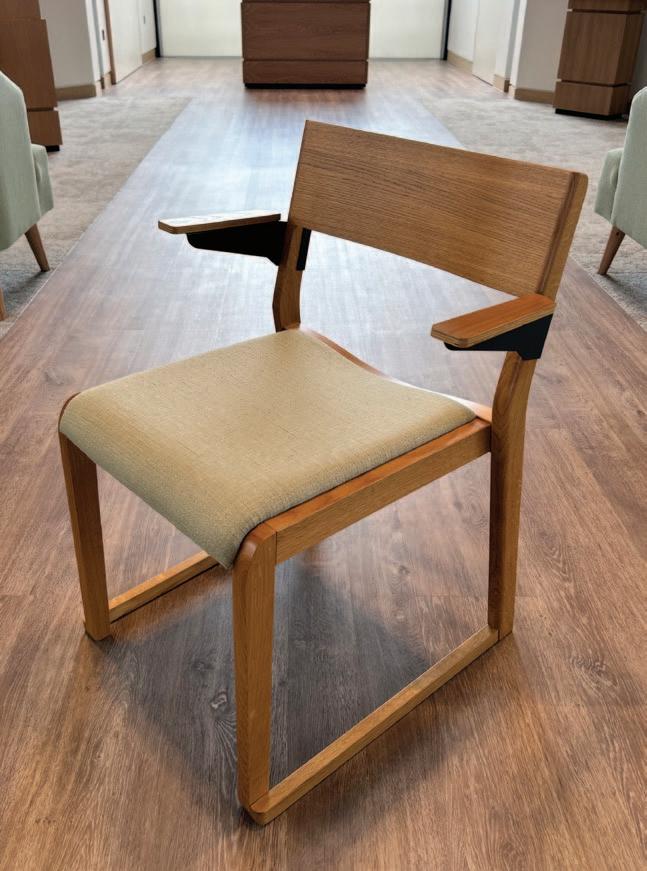
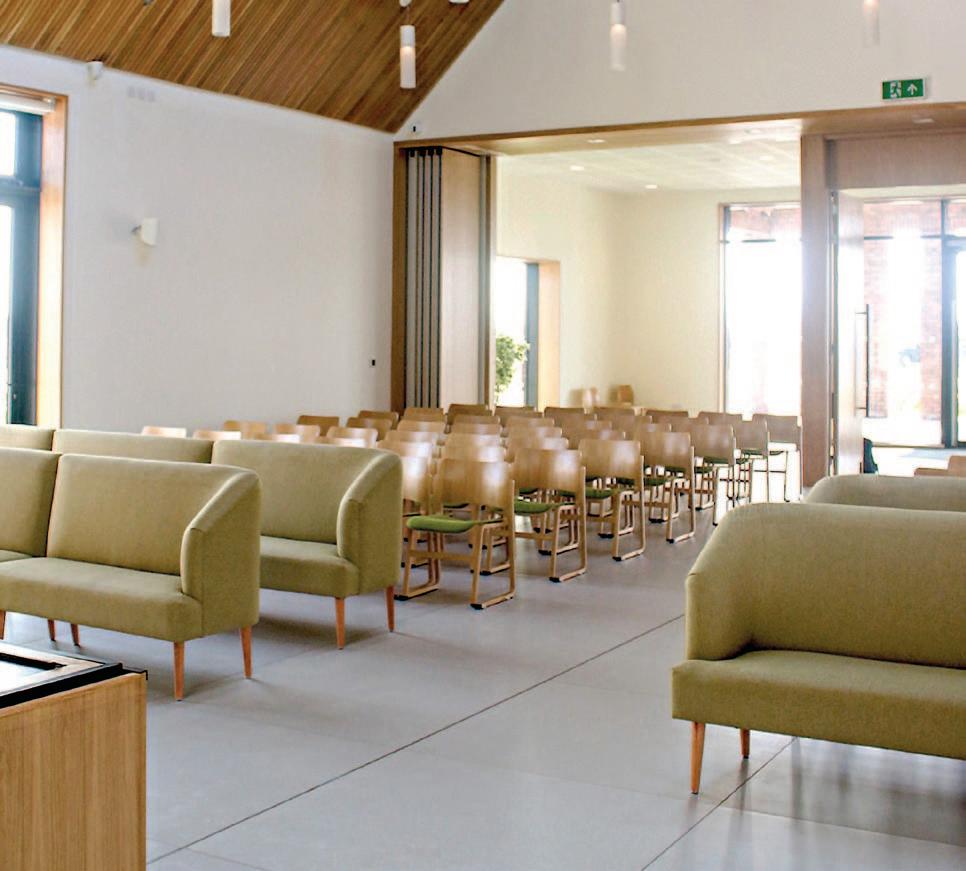
info@treske.co.uk
www.treskechurchfurniture.com/crematoriums
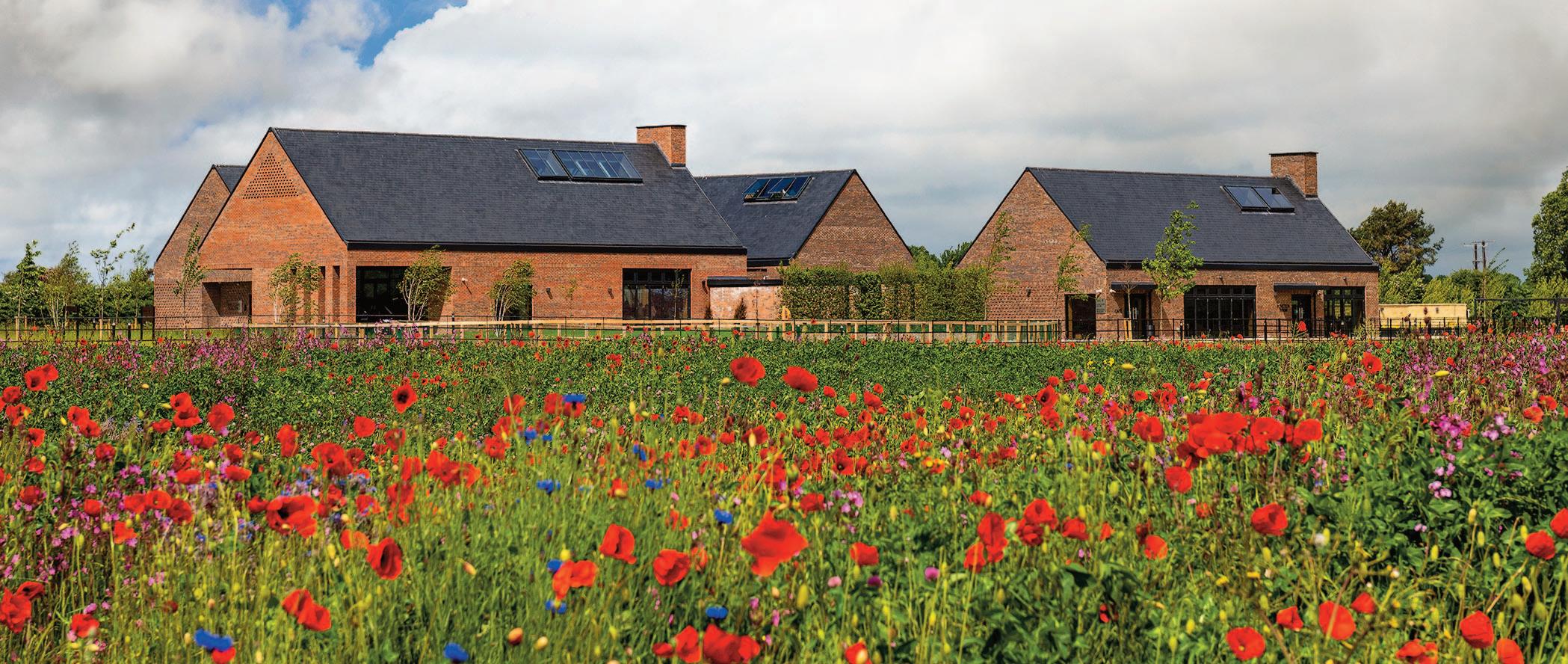
At Benchmark Architects, we are redefining how end-of-life architecture serves communities by creating exceptional spaces that honour life, memory, and community. We believe in designs that respect tradition, embrace sustainability, and deliver serene environments for remembrance and reflection.
Benchmark Architects has become synonymous with designing sensitive and reflective multi-faith spaces. Our sector-leading experience in crematoria and end-of-life architecture combines technical expertise with deep empathy, allowing us to create buildings that support communities through every stage of remembrance. We specialise in collaborating with local authorities and private clients across the UK and internationally, ensuring our thoughtfully designed environments honour diverse traditions and needs.
Our comprehensive experience spans from early feasibility and planning through to delivery on site. Working across the UK and internationally, each project is shaped by its setting, whether within a rural landscape, suburban edge or urban context, to ensure every design harmonises with its surroundings and purpose.
Sustainability and community are central to our work. We design with longevity and atmosphere in mind, from material selection and energy efficiency to the integration of natural light, water, and landscape. Our goal is always to reduce environmental impact while enhancing the human experience.
This commitment is demonstrated through recent awardwinning projects like Maple Park in Thirsk, Rushcliffe Oaks in Nottinghamshire, and Huntingdon Crematorium, as well as the forthcoming East Cambridgeshire Crematorium. These schemes showcase our dedication to dignity, sustainability, and architectural distinction, prioritising accessibility, landscape integration, and long-term environmental performance.
With four new crematoria completed in the past three years and several more underway, including an international commission in Cyprus, Benchmark continues to shape the future of end-oflife architecture. Our mission, driven by an ethos of momentum, invention, and collaboration, consistently pushes boundaries to discover the exceptional. We design with compassion and innovation, creating buildings that bring comfort, meaning, and timeless value to the communities they serve.
We would be delighted to collaborate with you on your next crematorium, refurbishment, or end-of-life design project.
At Benchmark Architects, we bring together experience, creativity, and care to deliver buildings that are environmentally responsible, operationally efficient, and architecturally distinguished.
Milton Keynes
Victoria House, 199 Avebury Boulevard, MK9 1AU 01908 732 200
London
The Gridiron Building, 1 Pancras Square, N1C 4AG 0203 535 7902
www.benchmarkarchitects.com team@benchmarkarchitects.com
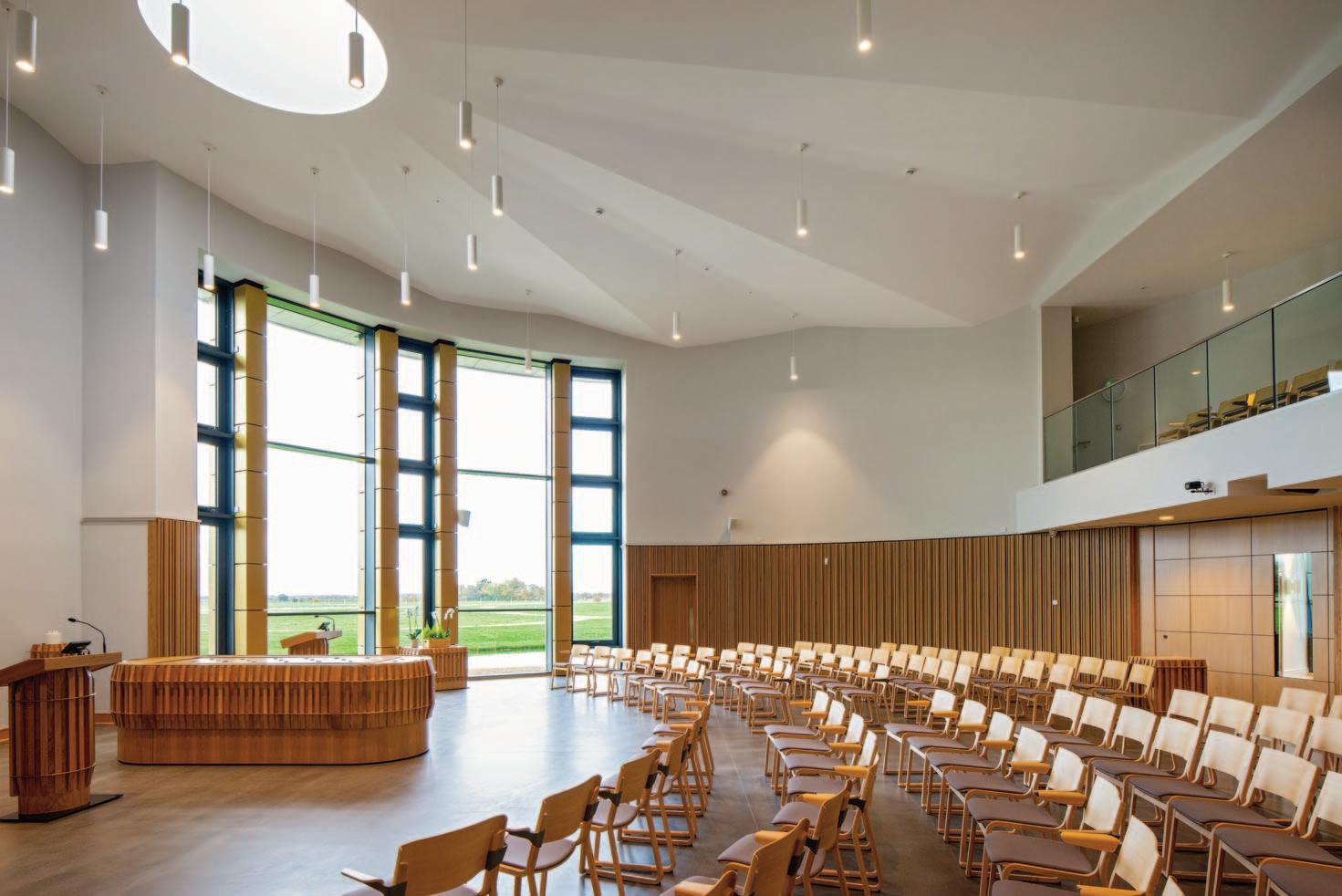
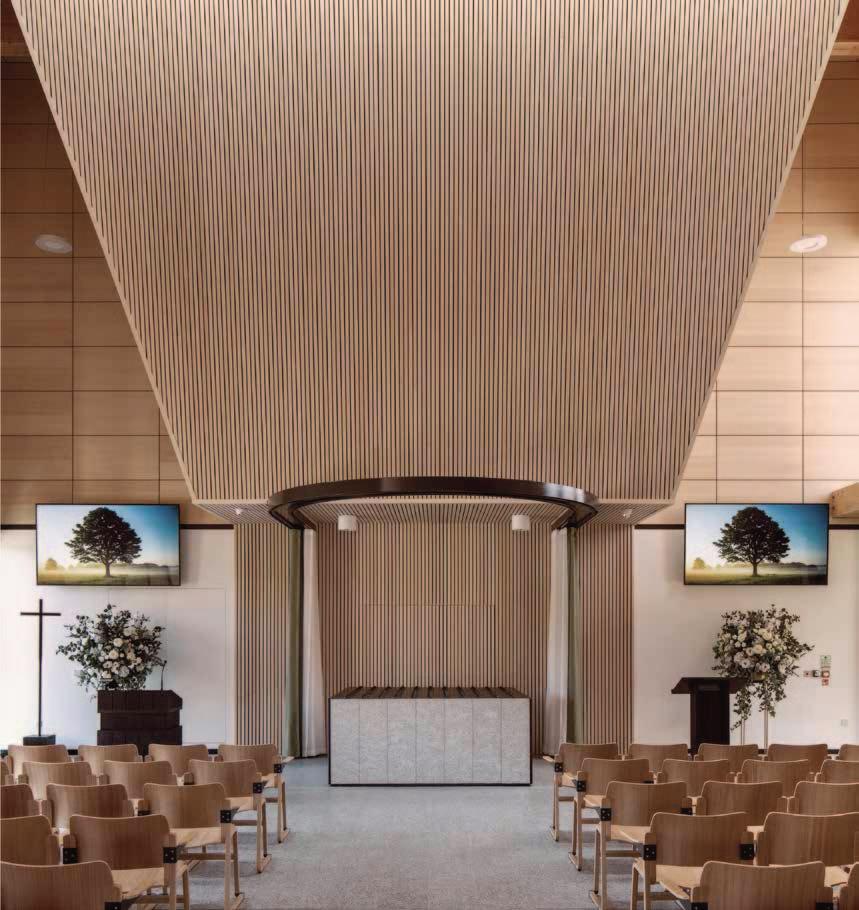
At Benchmark Architects, we specialise in designing environments that harmonise functionality with comfort, prioritising sustainability and accessibility.
Over the past three years, we have successfully delivered four new crematoria and are actively working on multiple projects at various stages. Our experience and proven track record make us a trusted partner in shaping meaningful, enduring spaces for the future.

Compact and Powerful
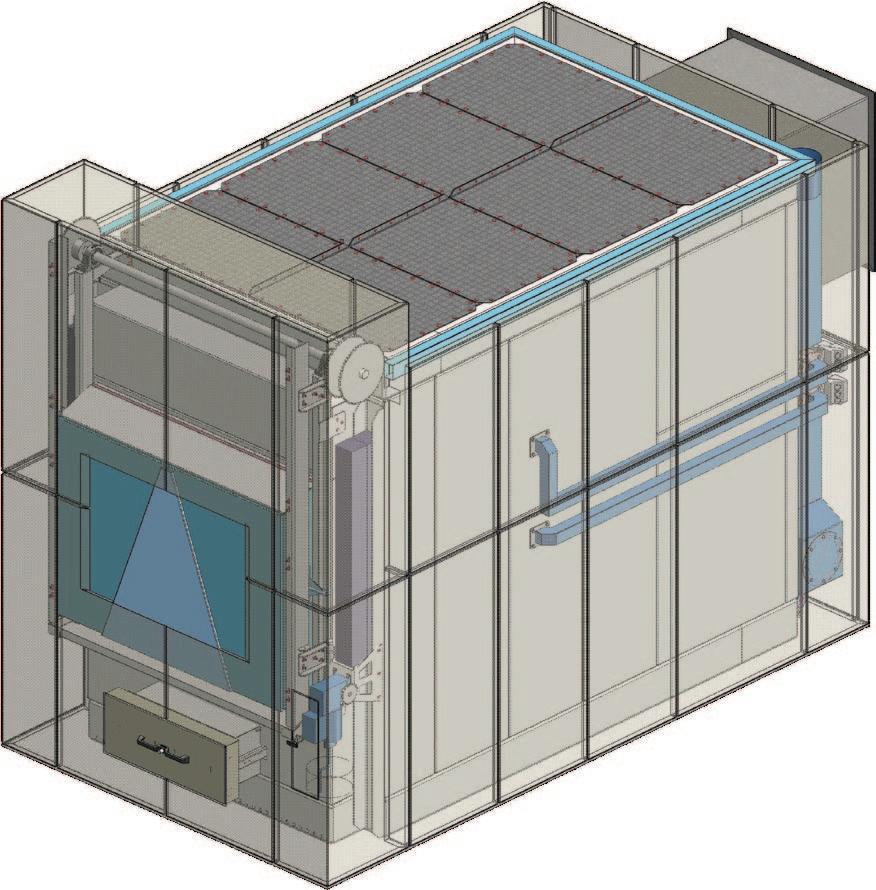
High-performance design
E昀icient technology for short cremation durations
Space-saving
Ideal for small crematories with lower capacity
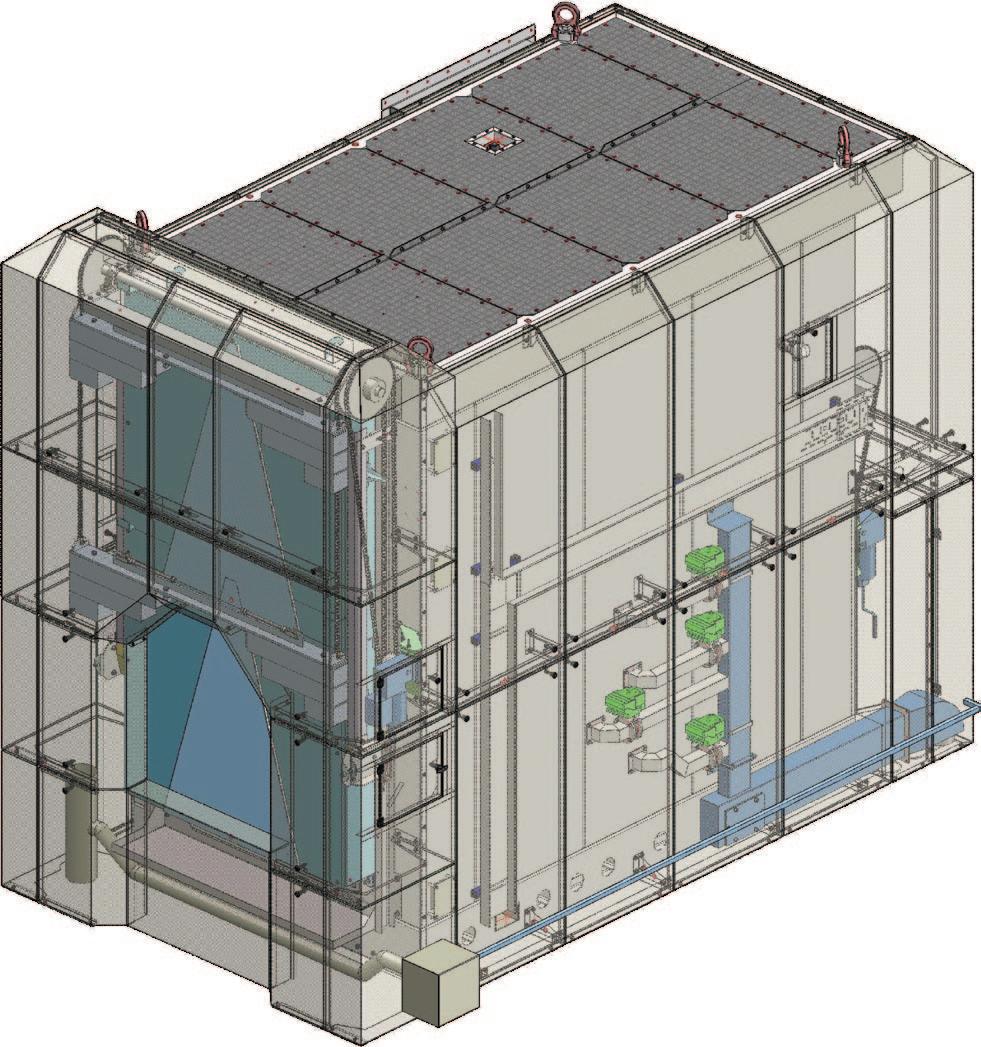
Flexible & interchangeable
Modular design for various needs
Eco-friendly & Sustainable
Reduced CO₂ emissions without fossil fuels