


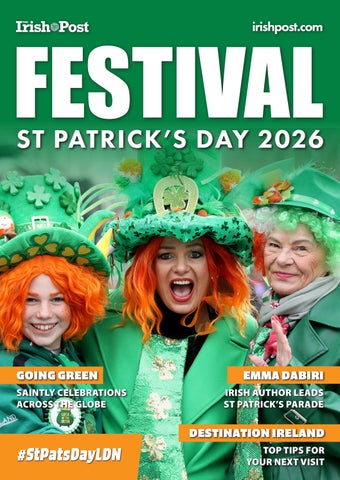

London’s annual celebration of all things Irish is soon to get underway.
The Mayor of London’s St Patrick’s Festival and Parade will take over the capital on Sunday, March 15 in honour of Ireland’s national day.
Now in its 23rd year, the popular event remains a highlight of London’s cultural calendar, bringing together visitors and locals alike to celebrate the many contributions the Irish community has made to the city.
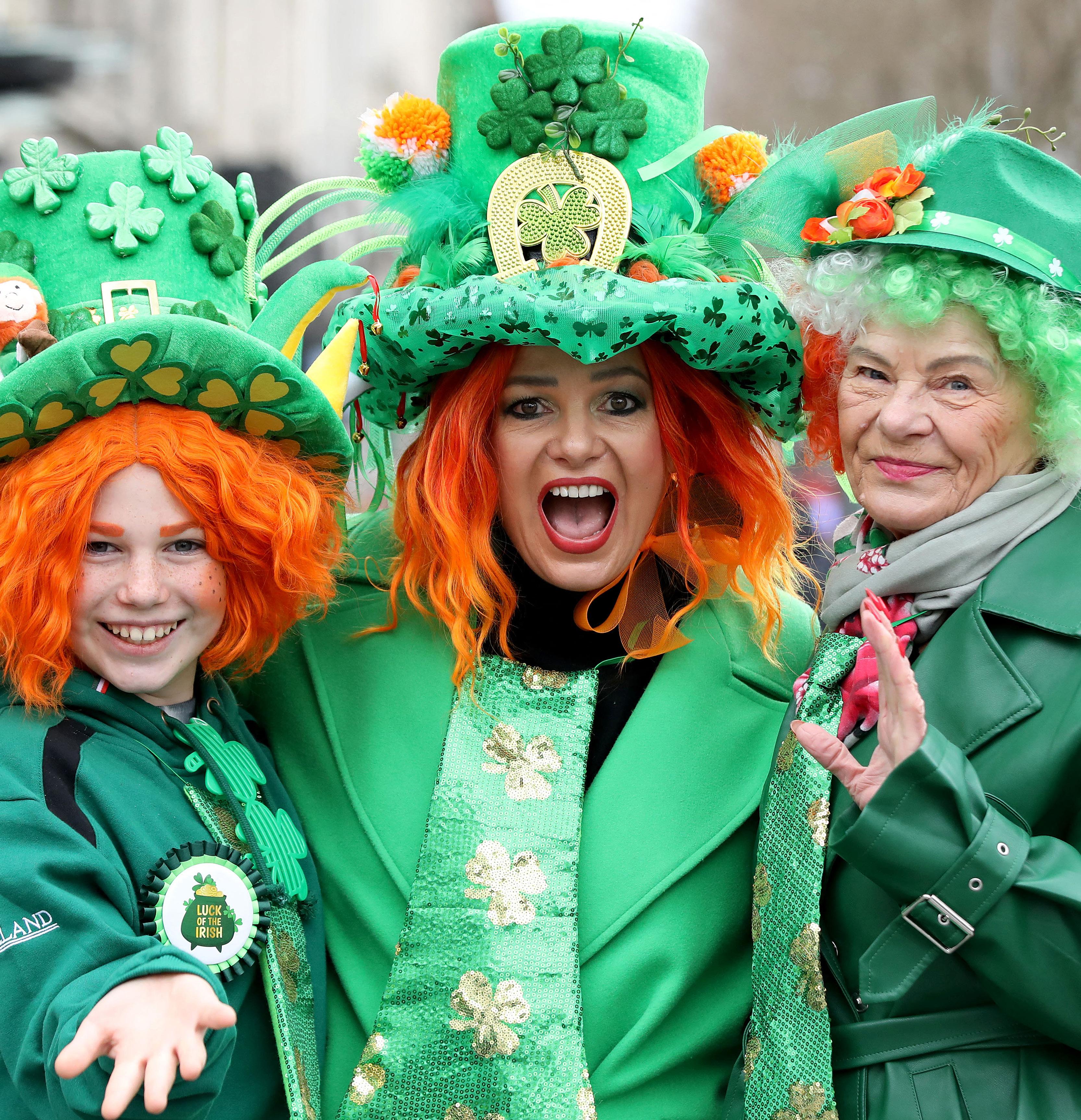
Expect a multitude of green as central London plays host to the spectacular St Patrick’s Parade, with its colourful floats, marching bands, dance troupes and pageantry.
“We can’t wait to welcome you at the St Patrick’s Festival,” a spokesperson for the Mayor of London’s office said as the plans for the 2026 event were announced.
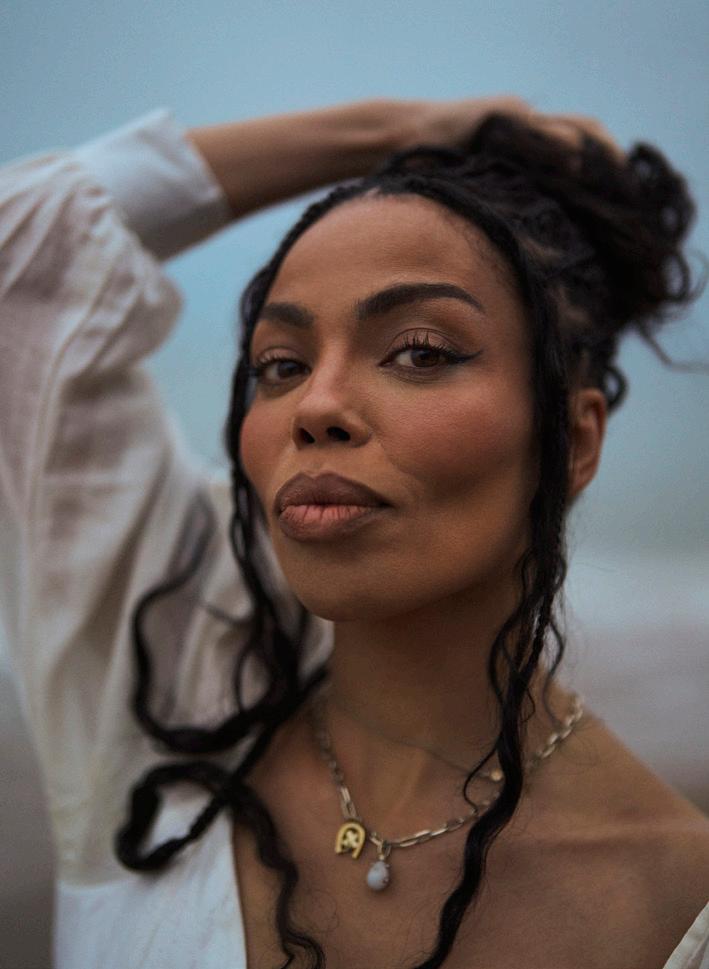
This year’s parade Grand Marshal is the Irish academic, broadcaster and bestselling author Emma Dabiri.
Born in Dublin, to an Irish mother and Nigerian father, Dabiri’s highly acclaimed books include Don’t Touch My Hair and What White People Can Do Next.
PROGRAMME GUIDE
Messages from the Mayor of London, Sir Sadiq Khan and Irish Ambassador to the UK, Martin Fraser Page 4
The St Patrick’s Parade Page 6
What’s on at the Festival?
Pages 10-11
A nation’s story Pages 18-20
The writer said she was “absolutely delighted” to be leading this year’s parade.
Trafalgar Square will also be a hive of activity on March 15 with a main stage festival lineup hosted by comedian Rachel Galvo, who also hails from Dublin.
Galvo will lead proceedings throughout the afternoon as a world class lineup of Irish acts, programmed by Head the Ball, take to the stage.
These will include Nell Mescal, David Keenan, Robert Arkins “Commitments”, The Wran and many more.
There will also be Irish Creative Collective sessions, film shorts from Irish Film & TV UK and the chance to view the Out in the World: Ireland’s LGBTQ+ Diaspora exhibition on the day.
“This annual celebration is one of the highlights of my year, and of our city’s cultural calendar,” Mayor of London, Sir Sadiq Khan said.
“This year promises to be our most joyful celebration yet,” he added.
The 2026 festival is supported by title sponsor Sisk, associate partner Tourism
St Patrick’s Day poster – pull out and display this weekend
Pages 24-25
Meet the people behind the parades Pages 28-31
Destination Ireland –top spots on the Emerald Isle
Pages 36-38
Children’s corner Page 40
Global celebrations Pages 42-43
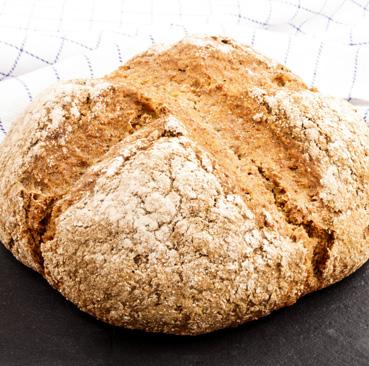
Make your own Irish Soda Bread
Page 46
Ireland, official partner Bord Bia, media partner The Irish Post and supporting partners the Embassy of Ireland, Toureen Group, Maritime Radio and The Irish World.
The St Patrick’s Festival guide is designed and produced by The Irish Post, 1 Curzon Street, London, W1J 5HD www.irishpost.com


Editor: Fiona Audley
Advertising: Dara Ashby Production: Rachel Haggerty
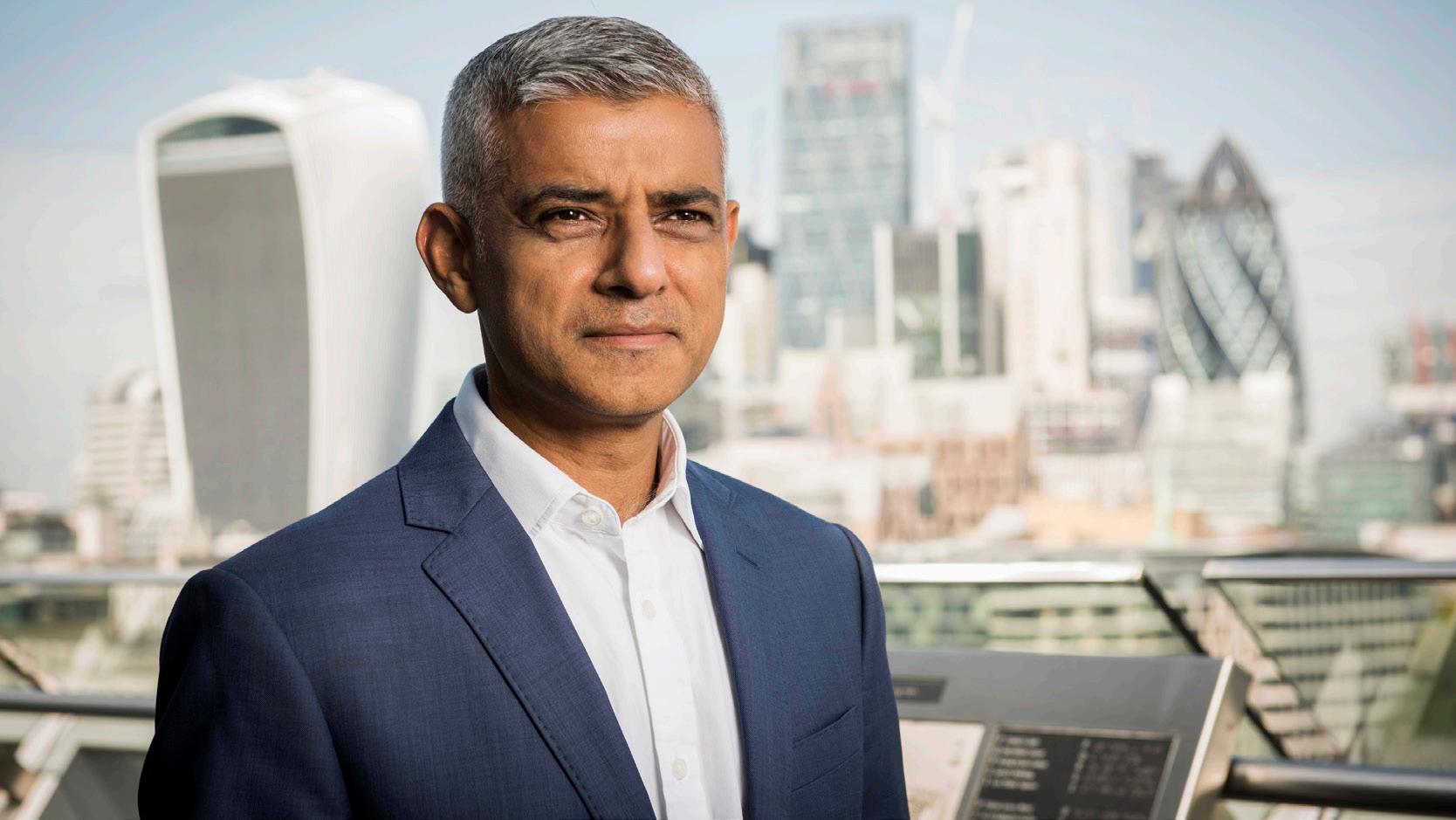
It’s nearly St Patrick’s Day – and I’m delighted to be welcoming back our St Patrick’s Day Festival and Parade to Trafalgar Square on Sunday 15 March. This annual celebration is one of the highlights of my year, and of our city’s cultural calendar, bringing together Londoners and
visitors alike to celebrate the incredible contributions of London’s Irish community.
This year promises to be our most joyful celebration yet. At the heart of the festival is our vibrant Main Stage, featuring an exciting mix of performances from acts including the Irish Cultural Centre
Hammersmith’s Singing and Reminiscence Choir and Nell Mescal, as well as Robert Arkins “Commitments”.
Across the festival, you can also explore a range of activities from creative sessions to film screenings, Irish language lessons, children’s arts and crafts, as well as
a lively selection of stalls offering food, crafts and cultural delights.
And, of course, the iconic St Patrick’s Day Parade will be returning at 12:00pm, led by this year’s esteemed Grand Marshal, Irish writer and broadcaster Emma Dabiri. The parade will fill London’s streets with colour and celebration, and feature marching bands, dancers, musicians and carnival performers.
From the Irish navvies in the 1800s who built our world-famous Underground, to the frontline workers, business owners, artists and performers living and working here today, Irish Londoners have played, and continue to play, a vital role in making our capital the greatest city in the world.
St Patrick’s Day is a chance to say thank you to our city’s incredible Irish community, and celebrate the enduring ties between London and Ireland. I look forward to welcoming you to this year’s celebration.
Lá Fhéile Pádraig Sona Daoibh!
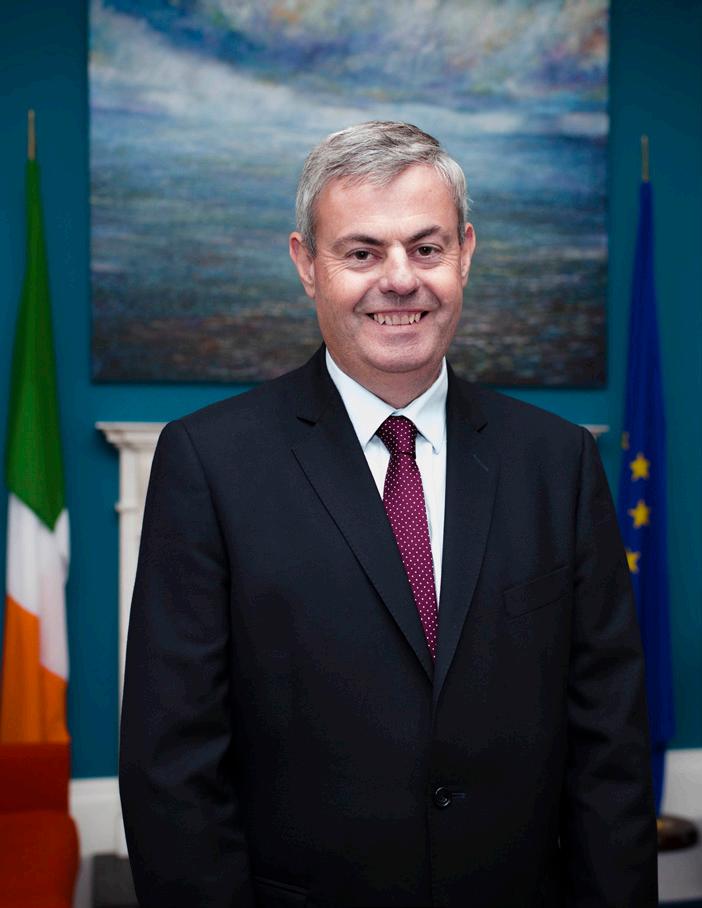
On behalf of my wife Deirdre and I, and all of us at the Embassy of Ireland, I would like to extend our warmest wishes for a happy St Patrick’s Day 2026 to the Irish community and all the friends of Ireland in Britain.
The festival is a reminder of the bonds so many of us have that stretch across the Irish Sea, as well as a chance to recognise the exceptional contributions made by our diaspora and community.
This St Patrick’s Day, London will hold its annual parade, and what an experience it is! I would like to sincerely thank Mayor Sadiq Khan and his team for their continued support and energy, as well as all the sponsors, organisers and many helping hands that make it all happen. Many towns and cities across Britain will be holding parades that celebrate Irish creativity, culture, community, and our connections to each other. It’s a proud moment, and one we are very grateful to be able to share with anyone who feels a connection with Ireland.
In marking my fourth St Patrick’s Day in London, I want to express my sincere thanks to the people and community organisations who are at the very
heart of the Irish community in Britain – who lift each other up, who create a warm house for strangers, and who champion each others’ success. We saw a wonderful example of that solidarity and celebration with the Women’s Rugby World Cup in the autumn, and how we can create a real Green Wave just by showing up for each other.
Over the past year, we have had the good fortune to honour those who have done just that. In London, we marked the 70th and 30th anniversaries of the London Irish Centre and the Irish Cultural Centre, respectively – wonderful moments to celebrate the contributions and ambitions of the people that have lent their hands and their time to those two organisations. I had the pleasure of opening the new Irish Centre in Birmingham, a fantastic new home for generations old and new. It was also a particular privilege to mark two milestone events, hosting our Embassy’s first World Aids Day last December, as well as the first Pride film festival in conjunction with Irish Film & TV
UK to mark 10 years of marriage equality in Ireland.
The successes of the Irish community here in Britain take place in the context of the enduring friendship between our nations. Last November, we marked the 40th anniversary of the Anglo-Irish Agreement. The spirit of cooperation has remained the foundation of the work of peace across our islands. It has been remarkable to reflect on the strength and importance of this relationship as we have worked to form a programme of shared aims and cooperation.
St Patrick’s Day is a chance for our communities around the world to come together, to share our culture, and to celebrate the ties of friendship and family between the places we call home. In Britain, those ties are so important to us all, and I look forward to celebrating together again.
From all of us here at the Embassy of Ireland, I hope you have a very happy St Patrick’s Day. Beannachtaí na Féile Pádraig oraibh go léir.


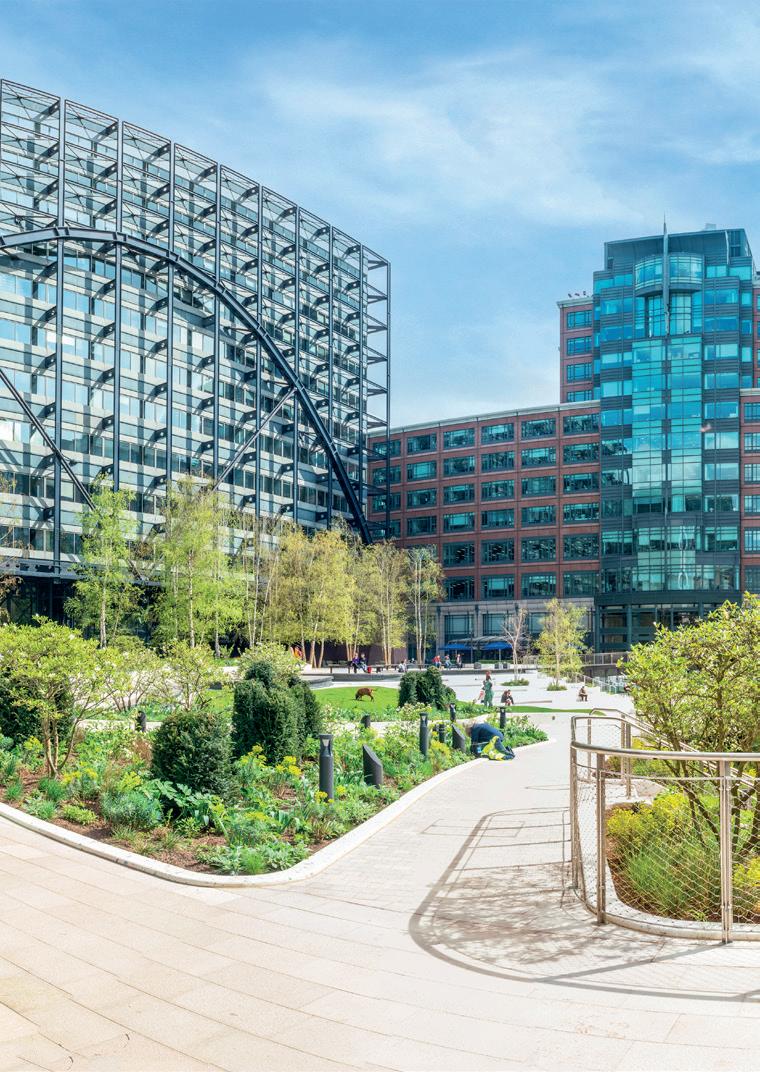
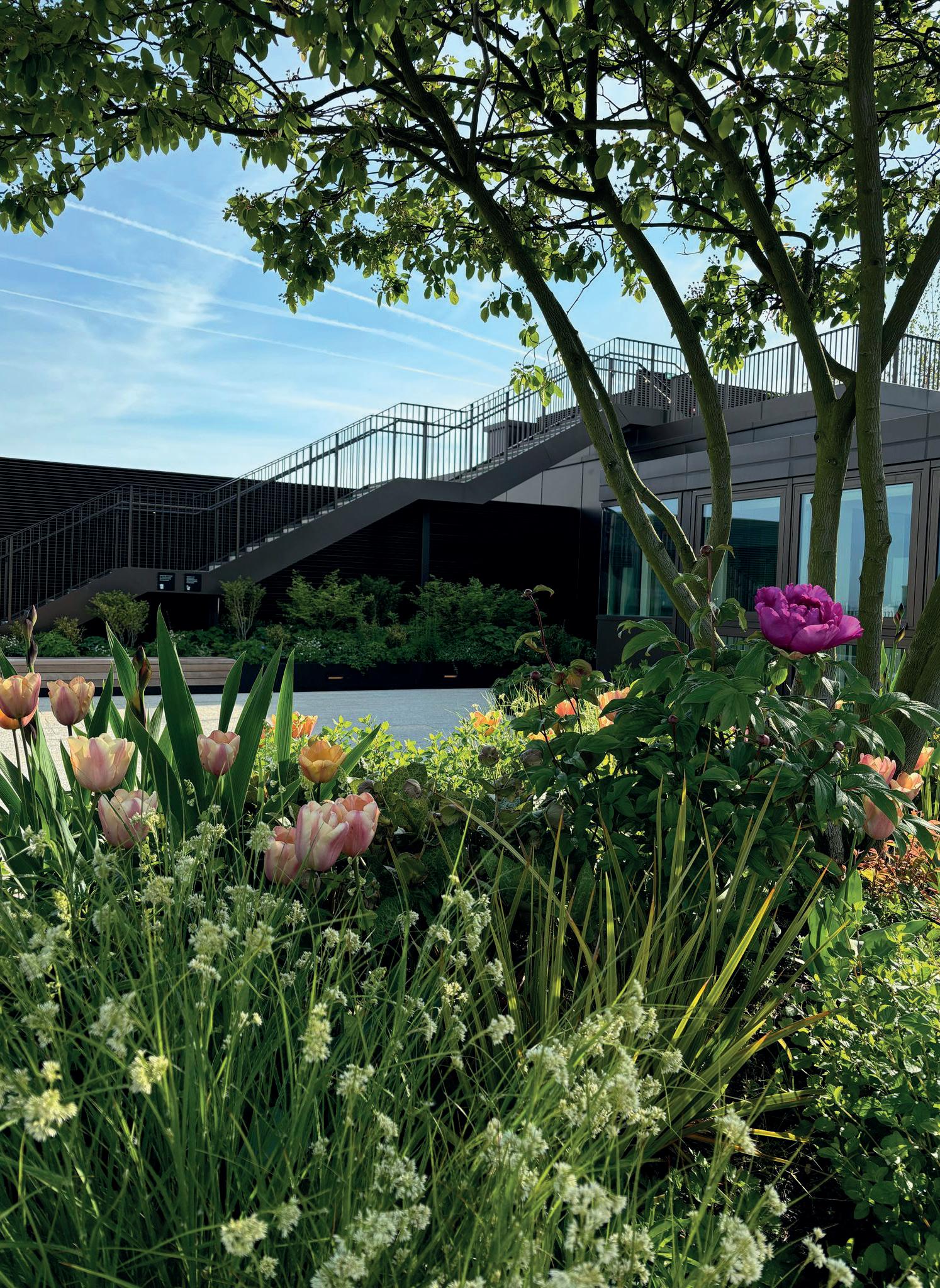
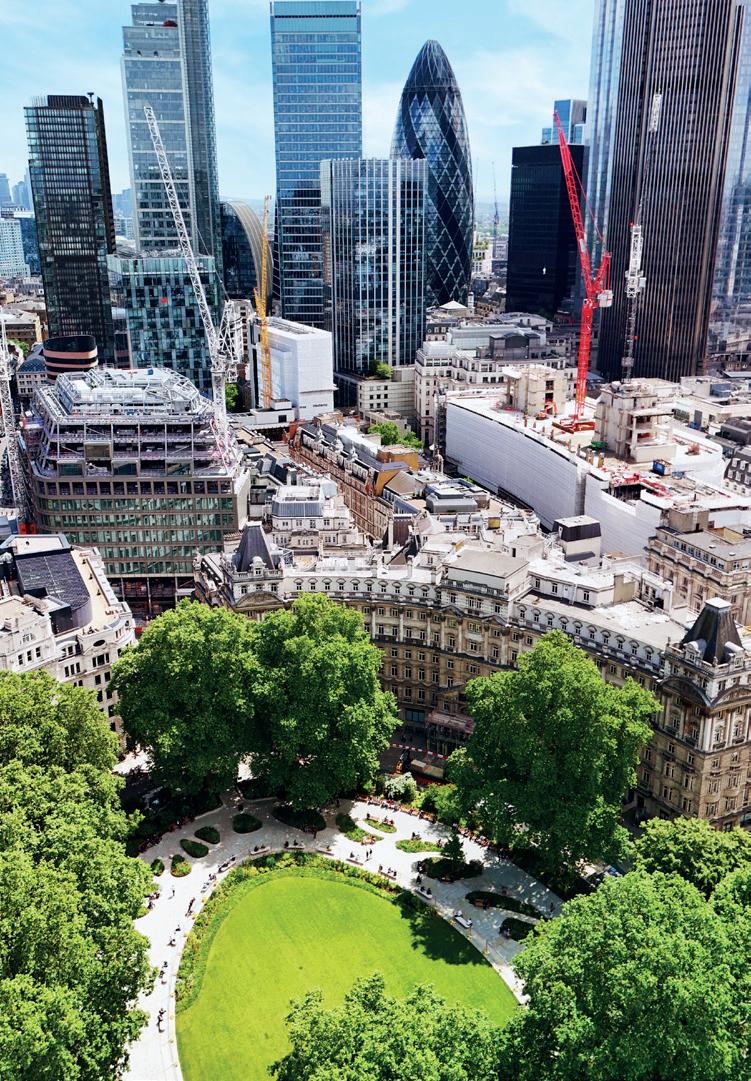
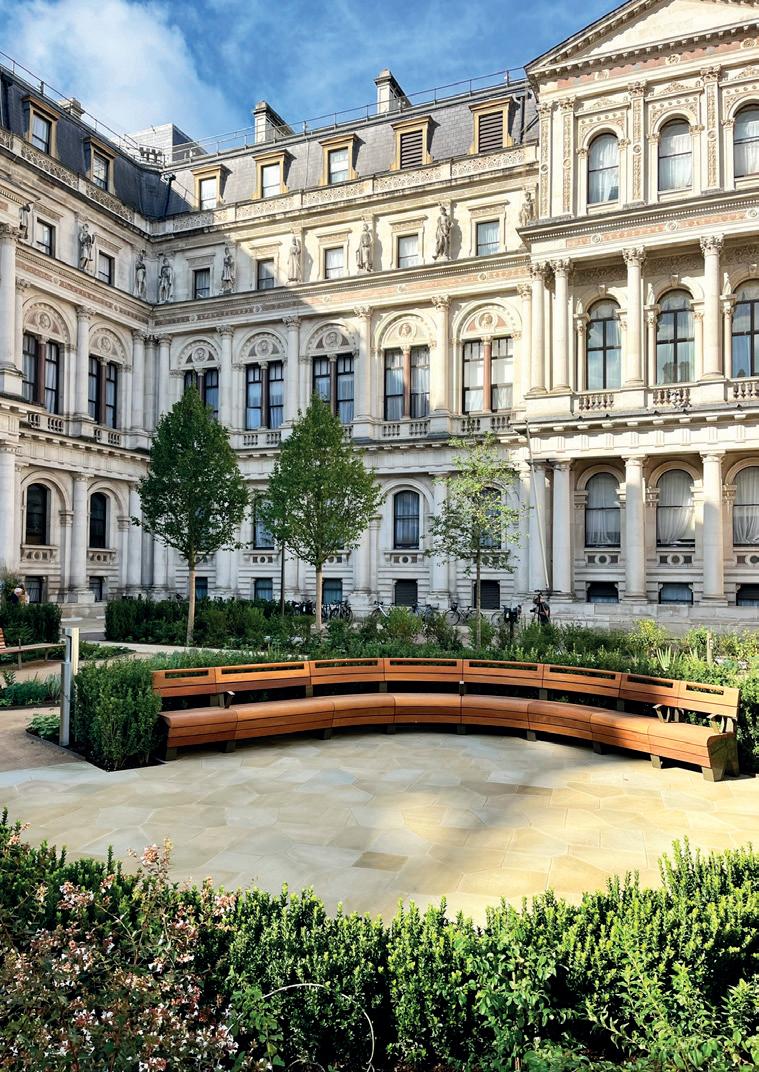
Maylim's dynamic team deliver high-quality public realm and landscape schemes for people and nature to thrive. We are recruiting for various roles working on some of London and Ireland's most exciting projects.
Maylim specialises in landscaping, external works and civil engineering projects. We’ve spent over 23 years shaping iconic spaces, from London’s Exchange Square to Dublin’s Wilton Park. With deep Irish roots and a commitment to excellence, sustainability and heritage, Maylim continues to create places that enrich communities and stand the test of time.
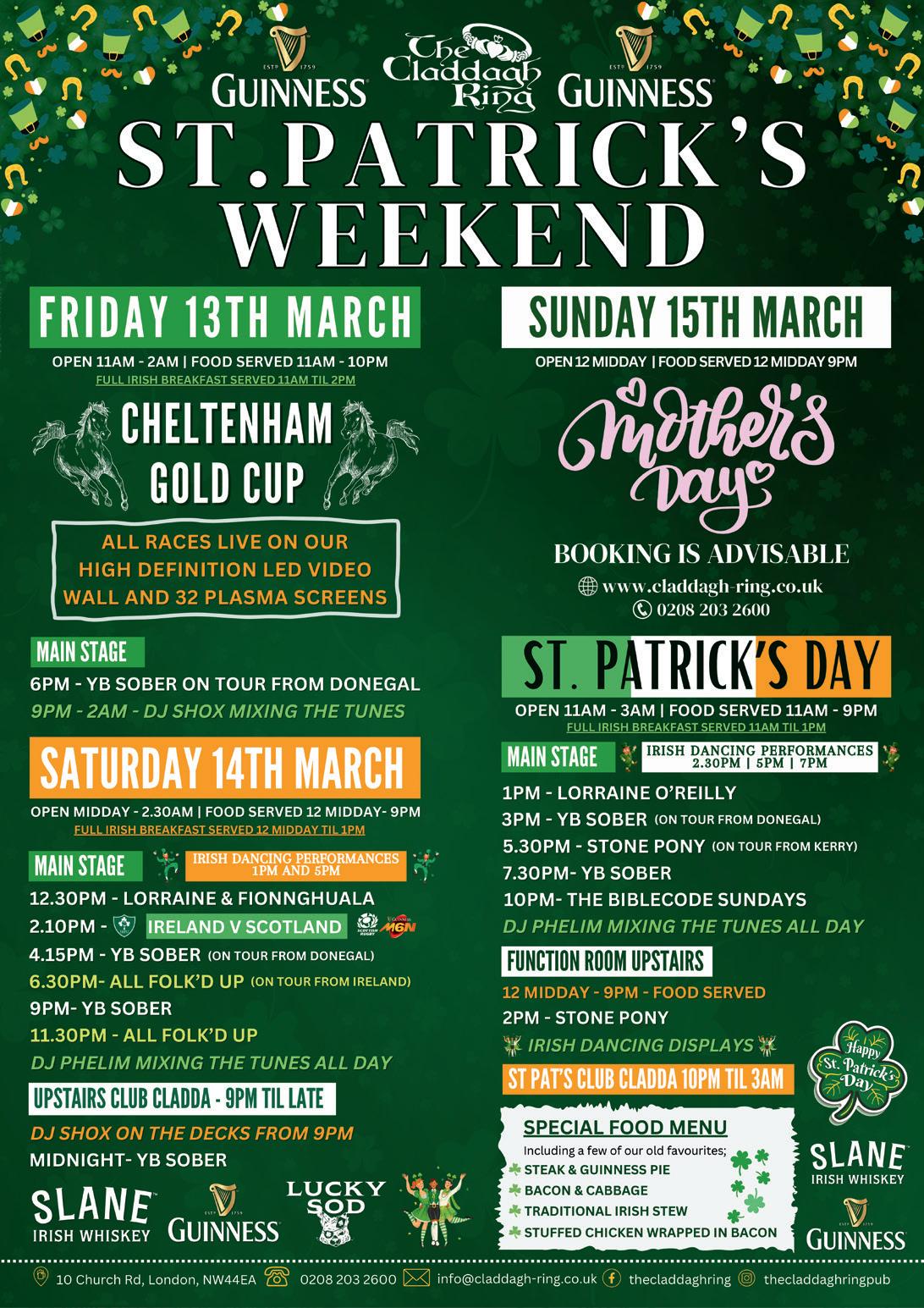
Preparations are well underway for the return of the St Patrick’s Parade in London.
One of the largest international celebrations marking Ireland’s national day, the 2026 offering is set to be bigger and better than ever.
The capital’s ever-popular procession gets underway at 12 noon on Sunday, March 15.
A highlight on the Irish community’s calendar, the event also attracts people from all communities across the city and further afield.
This year the parade will be led by the Dublin-born writer and broadcaster Emma Dabiri.
The Irish-Nigerian academic is also a bestselling author and documentary maker, whose highly acclaimed books include Don’t Touch My Hair, What White People Can Do Next and Disobedient Bodies.
Her Channel 4 documentary Hair Power: Me and My Afro won the Cannes Lion Silver Award for entertainment in 2021.
The Irish star also co-presents Britain’s Lost Masterpieces on BBC 4 and has appeared on Newsnight and Have I Got News for You as well as hosting BBC Radio 4’s Saturday Review and Front Row.
As Grand Marshal, Dabiri will take her place at the head of the St Patrick’s Parade as it weaves its way through the streets of the capital flanked by roughly 50,000 people who come out to cheer it on each year.
Featuring marching bands from the UK, US and Ireland, as well as dance troupes, county associations and community groups, the route begins near Hyde Park Corner and travels through the city to Whitehall before the fun moves on to Trafalgar Square.
The craic continues in the Square from 12 noon, where the Mayor of London’s free St Patrick’s Festival - boasting a world-class lineup of Irish culture and entertainment - runs until 6pm.
Have a craic-ing St Patrick’s Day from all at the Carey Group







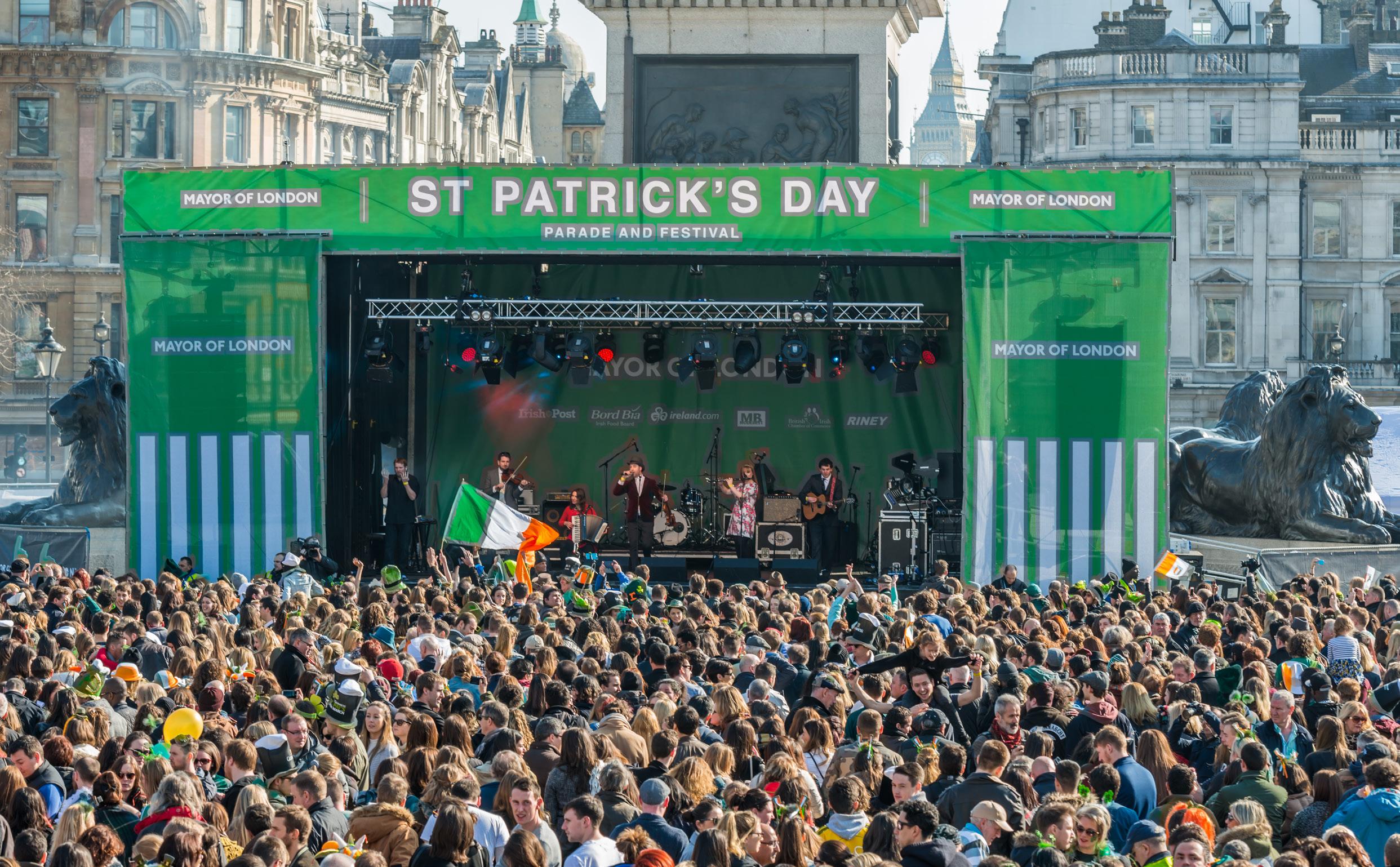
Revellers will be spoilt for choice when the Mayor of London’s St Patrick’s Festival returns to Trafalgar Square on Sunday, March 15.
A multitude of Irish acts, artists and activities will be on offer in the capital as this year’s event marking Ireland’s national day promises to be the city’s “most joyful celebration yet”.
“This annual celebration is one of the highlights of my year, and of our city’s cultural calendar, bringing together Londoners and visitors alike to celebrate the incredible contributions of London’s Irish community,” the Mayor of London, Sir Sadiq Khan explained.
“This year promises to be our most joyful celebration yet,” he added.
“At the heart of the festival is our vibrant Main Stage, featuring an exciting mix of performances from acts including the Irish Cultural Centre Hammersmith’s Singing and Reminiscence Choir and Nell Mescal, as well as Robert Arkins “Commitments”,” he explained.
Programmed by Head the Ball, for 2026 the Festival’s main stage lineup will be led by comedian Rachel Galvo.
Dublin-born but now London-based, Galvo will oversee proceedings as a host of Irish acts take to the Trafalgar Square stage, including Carrie Baxter, Cór na nÓg Caisleán Ruairí and Moonlight: The Philip Lynott Enigma.
“Expect powerful moments, uplifting music and the very best of Irish and London Irish talent throughout the day,” the Mayor of London’s office confirmed.
Across the festival you can also explore the Irish Creative Collective sessions, where there will be comedy, music and spoken word performances, as well as film shorts from Irish Film & TV UK and the powerful exhibition Out in the World: Ireland’s LGBTQ+ Diaspora.
There is also the opportunity to try out Irish language lessons, indulge in children’s arts and crafts with the Artburst organisation and enjoy the St Patrick’s-themed additions to TFL’s Poems on the Underground initiative.
The charming Oldbog Cottage experience, which is sponsored by Sisk, returns to the festival once more for 2026, and there will also be a lively selection of stalls offering food, crafts and cultural treats.
There’s all that and much more, so put the date in your diary and we will see you there!
Your St Patrick’s Festival main stage host for 2026 is Rachel Galvo.
The Dublin-born comedian is now based in London, where she has carved out a successful career on the comedy circuit.
A 2023 graduate of London’s Mountview Academy of Theatre Arts’ prestigious Musical Theatre program, Galvo combined her interest in feminism and comedy – which she explored in her thesis on Women and Feminism in Comedy - with her wit and natural stage presence to launch her own stand-up career.
With almost no experience in performing comedy, her debut solo show, The Shite Feminist, landed with a bang in 2024 and has since gone on to sell out venues across the UK and Ireland, including Dublin’s Olympia Theatre.
The show earned Galvo critical praise as well as a fiercely loyal fanbase across her social media which continues to grow.
Following a breakout run at the 2024
Edinburgh Festival Fringe, Galvo triumphantly returned to the Fringe in 2025 to further critical acclaim.

Kildare-born Nell Mescal is an Irish singer-songwriter known for her rich, evocative indie folk-pop songwriting and emotionally resonant performances.
After releasing key singles like Homesick and Killing Time and selling out headline shows in London, the Maynooth native has quickly built a devoted following through her deft storytelling and powerful vocal delivery.
Her work captures both introspection and anthemic energy, marking her as one of Ireland’s rising young voices.
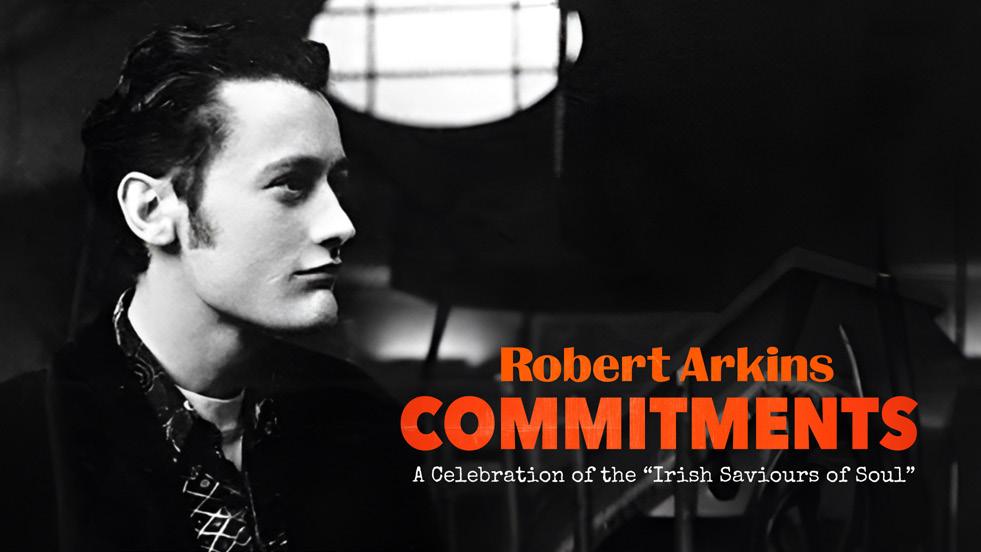

One of the original stars of Alan Parker’s hit Irish film The Commitments, Robert Arkins played the lead role of band manager Jimmy Rabbitte.
In 2025 he put together his own nine-piece Commitments band ready to celebrate the 35th anniversary of the film which falls this year.
The set comprises all the hits from the film including Mustang Sally, Dark End Of The Street, Try A Little Tenderness, Destination Anywhere and more.
A UK/Ireland Tour for September/October 2026 went on sale recently and has already sold out, with extra dates being added.
The Wran are a trad-fusion band from county Waterford made up of brothers Tommy, Danny, Sean and Stephen Dunford.
Their music draws from traditional Irish folk roots while weaving in contemporary influences and folk-rock textures.
With energetic instrumentation including banjo, accordion, guitar and harmonium they bring old-world tunes into a modern context, captivating audiences with authentic, inventive live performances.

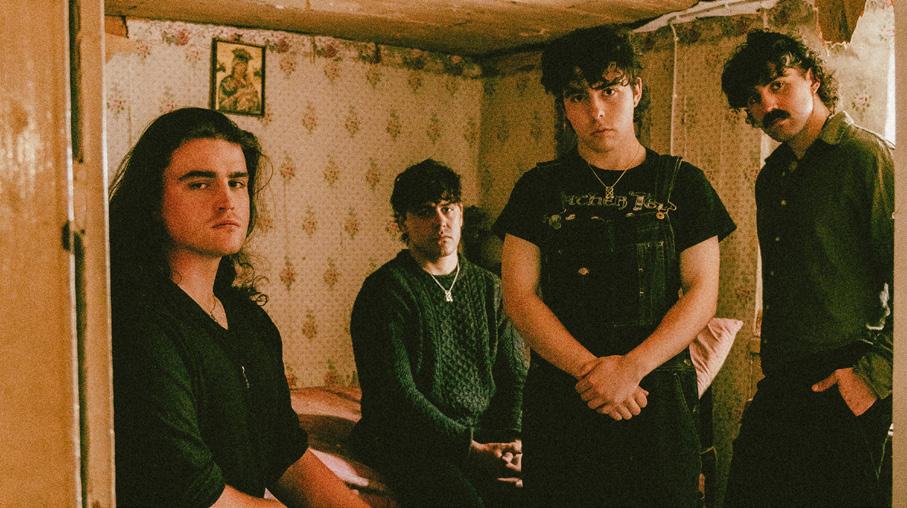
David Keenan is a Co. Louth singer-songwriter and poet known for his vivid storytelling and folk-driven songwriting.
Rising from busking and early EPs the Dundalk native now has a devoted fanbase and has released several acclaimed albums, including, most recently, Modern Mythologies which came out in 2025.
Alongside the album, through which he explored memory, identity and modern Irish life, he launched an intimate Chasing Myth Irish tour and he continues to expand his creative work into film and composition.
Conradh na Gaeilge i Londain will be teaching The Big Irish Language Lesson to the St Patrick’s Festival crowds from the main stage.
The charity organisation is dedicated to promoting and supporting the Irish language and its community in the capital.
They provide information, education and events so that people have the chance to find out about the language, attend classes and meet other Irish speakers.
As a diverse, open and friendly group, if you have any interest in the language, they’d love to hear from you. “The life of a language is to speak it,” they state.
Huartan are a Belfast-based “tradtronica” collective blending ancient Irishlanguage songs with contemporary electronic beats.
Their music fuses traditional vocals and instruments with synths and driving rhythms creating a powerful, otherworldly sound that reimagines oral singing traditions for modern audiences.
Festivalgoers will enjoy a joint performance from Jig and a Swig and the London Bodhrán Group.
Jig and a Swig is a social adult Irish dance class community based in London, founded by former All-Ireland champion and ex-Riverdance cast member Jessie Leach.
They cater to adults of all levels from complete beginners to advanced dancers with weekly classes in multiple London areas.
Their focus is community, fun, inclusivity, and Irish cultural heritage through dance.
The London Bodhrán Group is led by the critically acclaimed bodhrán player Ruairi Glasheen.
Based in London, Glasheen is also an award-winning percussionist, composer and film-maker.
TITLE SPONSOR
ASSOCIATE PARTNER OFFICIAL PARTNER
MEDIA PARTNER

SUPPORTING PARTNERS

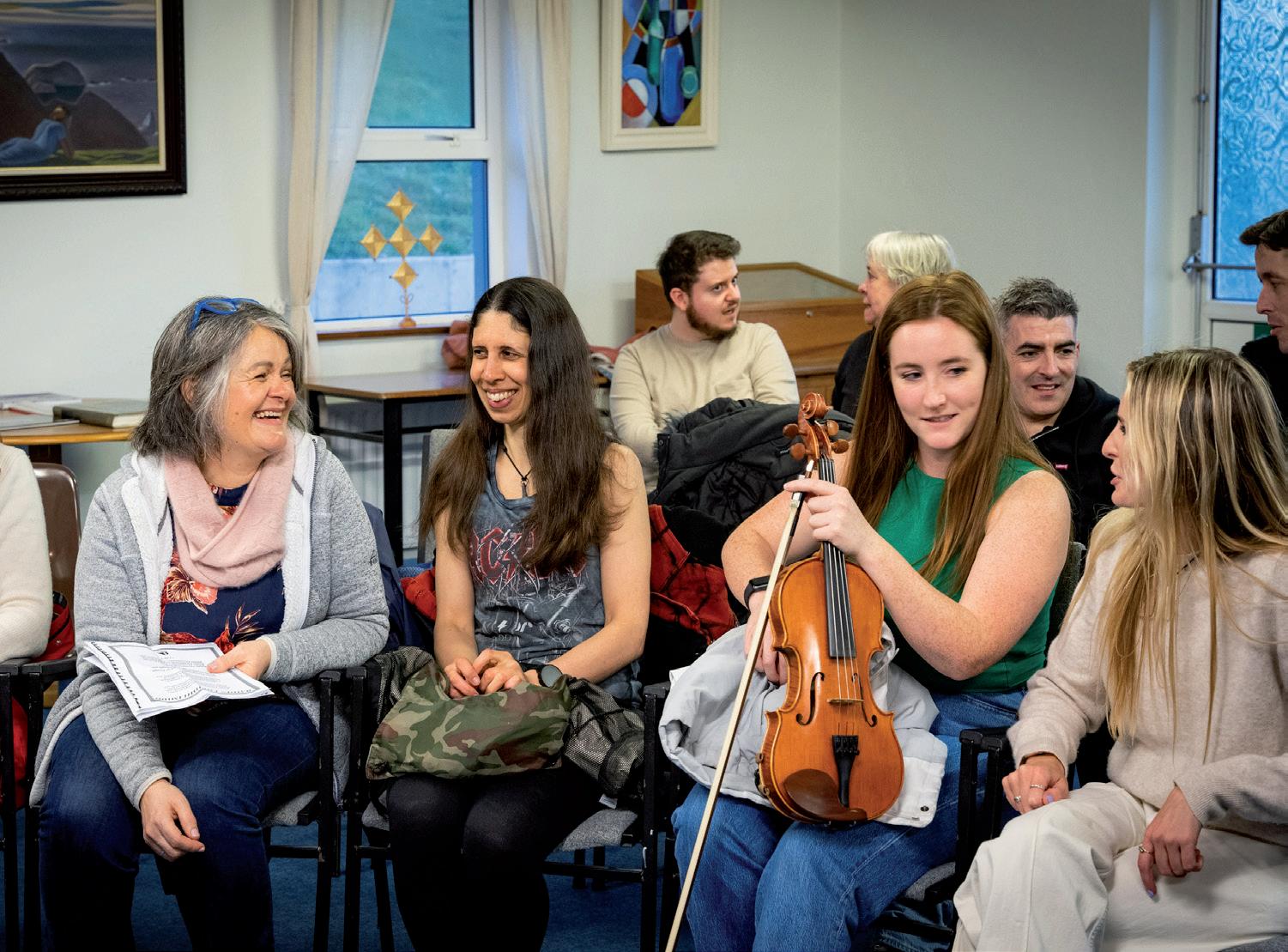
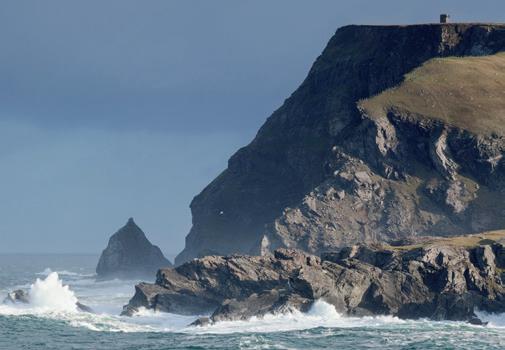
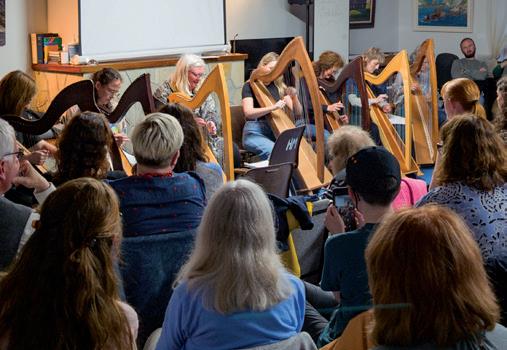
LEARNING HOLIDAYS FOR ADULTS IN THE DONEGAL GAELTACHT
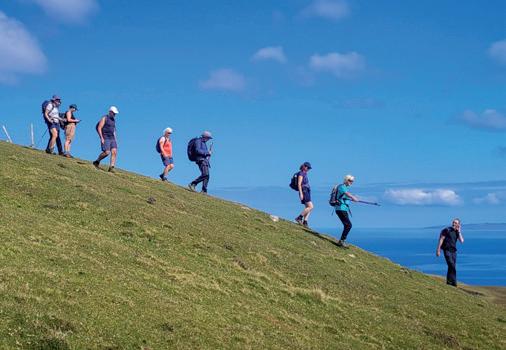
Irish Language (beginners-advanced), Hill Walking, Archaeology, Geology, Environment, Language & Landscape, History, Literature, Painting, Singing, Weaving, Flute & Whistle, Irish Harp…
Book: www.oideasgael.ie
E-mail: oifig@oideasgael.ie Phone: +353 (0)74 97 30 248










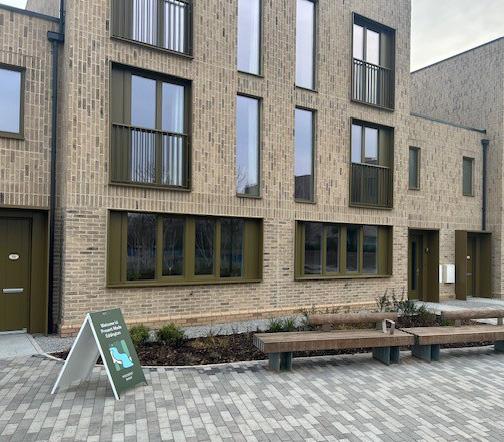
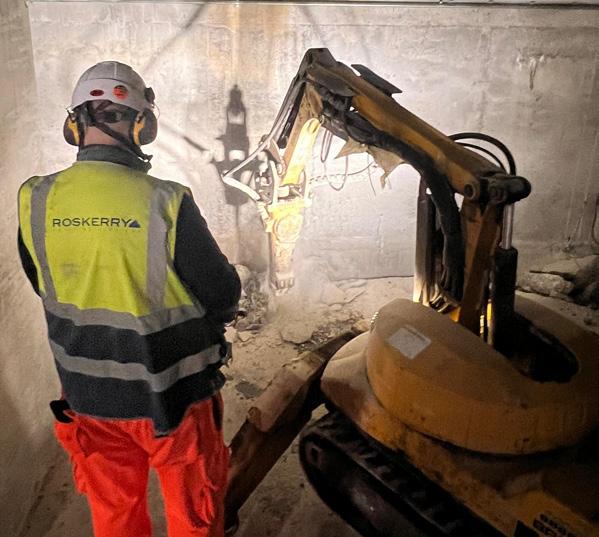
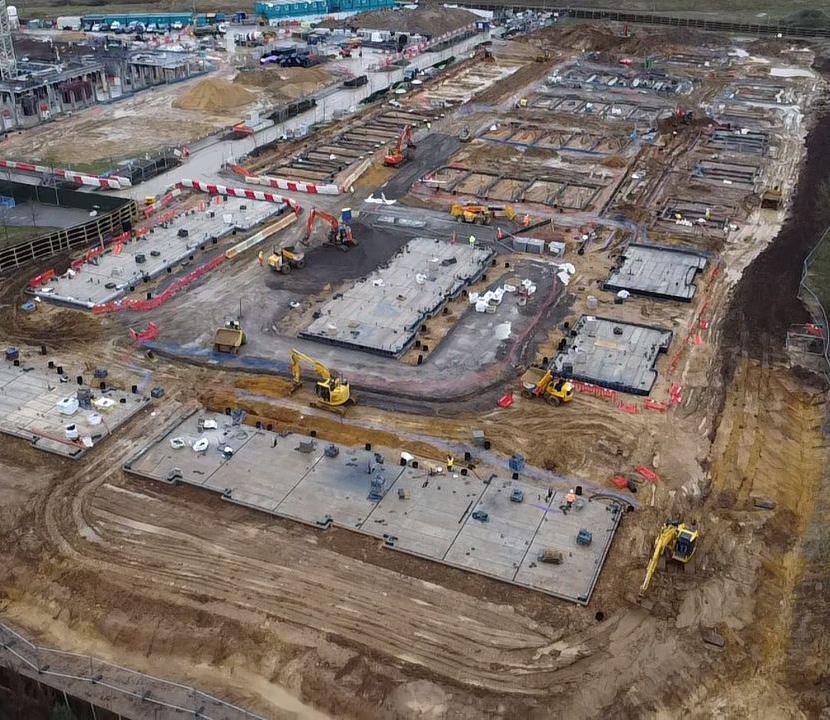
We provide tailored construction solutions to meet your project’s unique needs.
Our specialisms include:
• Major Structural Alterations
• Diamond Drilling
• RC Frames
• Groundworks & Basements
• Hard Landscaping
From precision drilling to large-scale structural changes, we ensure quality, efficiency, and reliability in every project.
Contact us today to discuss your construction requirements - www.roskerry.co.uk

SUNDAY 15 MARCH



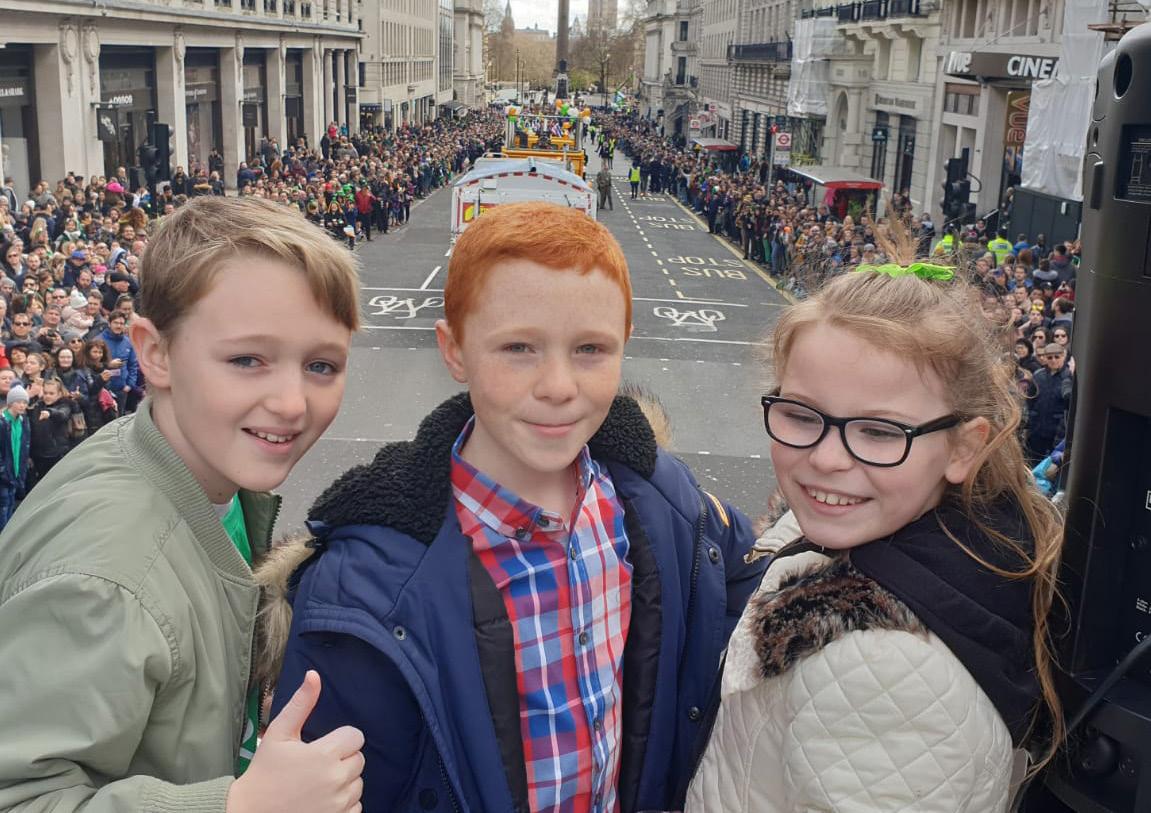

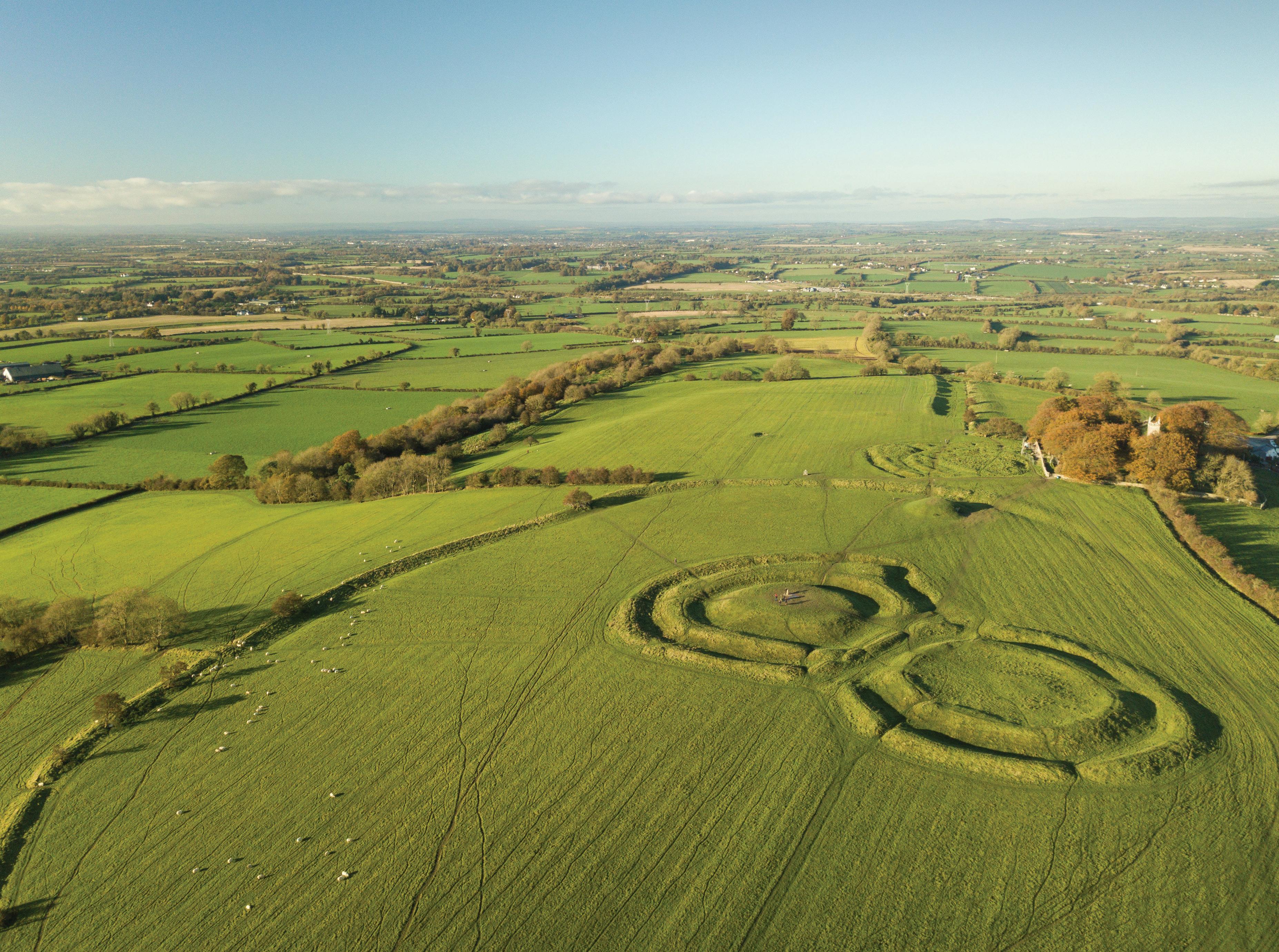
EVERY picture tells a story, they say.
And when it comes to the story of Irelandfrom its complex history and pre-Christian origins to the cosmopolitan modern state that we know today – well there is much to tell.
Ireland holds a significant place in world history.
It was the first place in the British and Irish archipelago to be settled by Christian monks, but it was also one of the last places in Europe to be populated by humans.
Over the centuries that followed this small island has suffered Viking invasion and Norman colonisation, British decimation as well as a Great Famine.
It also saw the mass migration of great swathes of its people to the New World and bore the brunt of a brutal civil war before eventually gaining independence in the early 20th century.
Despite the complexities of the more troubled eras of its past, Ireland today is a dynamic island with a blossoming economy and culture and a well-respected and hugely successful global diaspora.
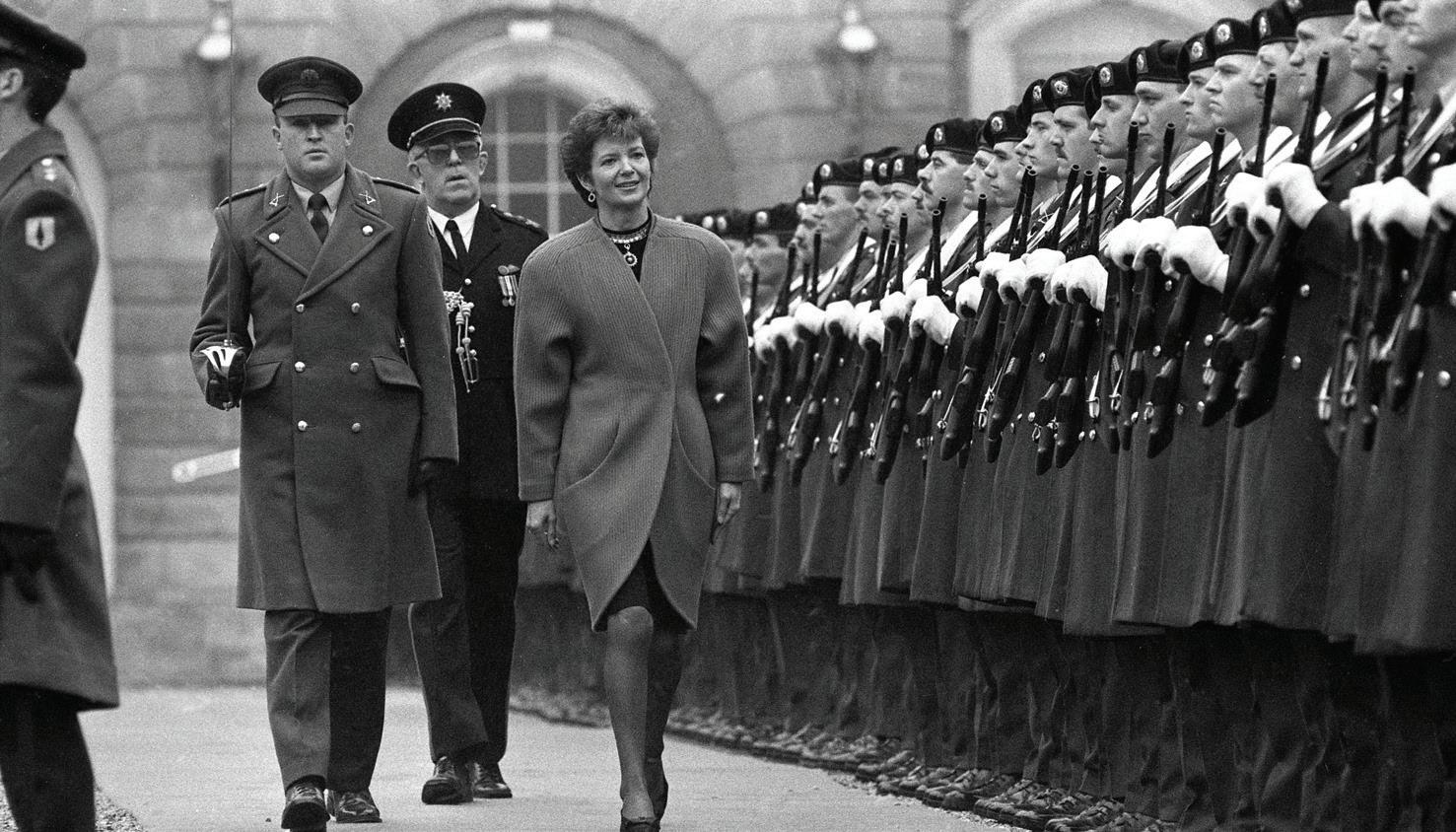
And that is the story that author Dominic Connolly – whose own roots lie in Co. Galway on his father’s side - tells in his latest book.
In A History of Ireland: Culture, Art, Landscape and Architecture, the London-
based journalist offers an account of the nation through stunning photographs and easily digestible facts and figures about the key moments in the island’s history.
Arranged chronologically, from ancient times
to the 21st century, the book provides a pictorial exploration of a land that is well-known but often little understood.
Its glossy pages feature the remains of the country’s many Iron Age hill forts, such as the atmospheric stone fort at Grianán Aileach.
They go on to explore the first Christian colonies in the monastic settlement at Glendalough in County Wicklow as well as the facts behind the legend of St Patrick and the beauty of Ireland’s Book of Kells - an illuminated manuscript of the Celtic Gospel written in the ninth century.
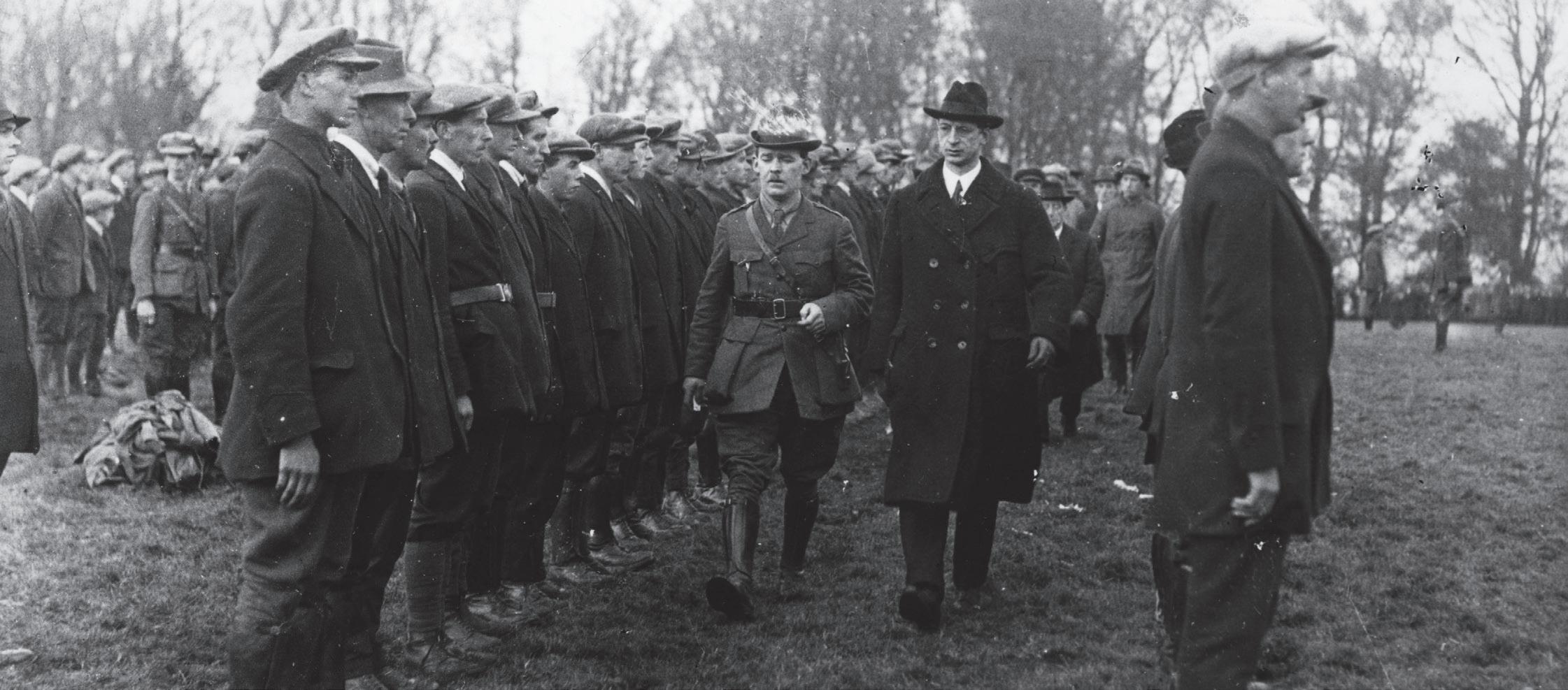
There is also space devoted to the Plantation of Ulster in the 17th century, where English and Scottish settlers established Protestant communities, and an examination of the events which led up to the Easter Rising and the traumatic war for independence which followed, which ultimately led to the political shape that Ireland currently finds itself within.
Today modern Ireland is “a place of prosperity, with thriving cities like Dublin and Belfast alongside beautiful countryside”, the author states as he recounts the ways in which the island has continually picked itself up and dusted itself off in the face of adversity.
The book is arranged in chapters, from pre-Christian Ireland all the way to modern Ireland, and it is teeming with mini profiles of iconic Irish people who have made a name for themselves and their nation along the way.
St Brigid, Wolfe Tone, Ned Kelly, Mary Robinson and Shane MacGowan are among the many that make an appearance.
Whether you are Irish, of Irish descent or a friend of the Irish, there is something in there for all.
Pre-Christian Ireland
Connolly provides a fascinating overview of the main kingdoms of In Tuisceart, Airgialla, Ulaid, Mide, Laigin, Mumhain and Cóiced Ol nEchmacht which began to emerge in Ireland during the fifth century.
Readers can enjoy insights on Ireland in the Ice Age and the first people to call the nation home.
“The earliest settler – hunter gatherers – would have lived in shelters of animal skins or thatch spread over wooden frames, and would have numbered no more than a few thousand over the whole of Ireland,” Connolly states.
Stunning images show some of the relics of this period which can still be found today within Ireland’s landscape.
Saint Patrick
The spread of Christianity in fifth-century Ireland is inextricably linked with the iconic figure of St Patrick.
The development of Christianity was fundamental to the evolution of an Irish cultural identity and helped to maintain the flame of learning and education in Europe during the chaotic centuries that followed the fall of
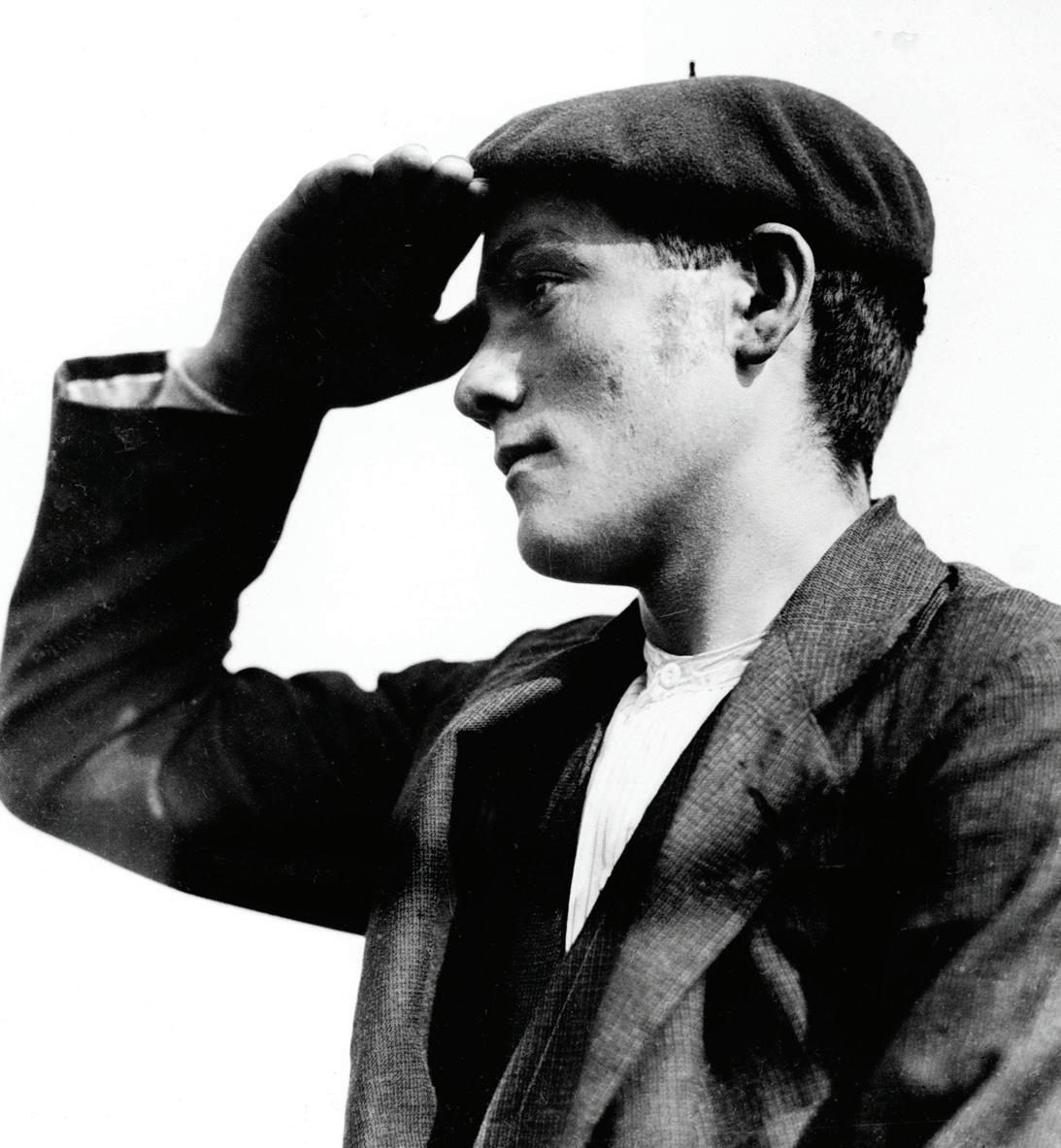
Rome.
“Although St Patrick is credited with bringing Christianity to Ireland, little is known about him with certainty, “ Connolly says.
“But the fruits of the Christian revolution in Ireland laid at his feet are plentiful, not least in the many monasteries that sprang up around Ireland from the sixth century.
“They would go on to shape Irish society and become a binding force between sacred and secular Ireland.”
The first recorded Viking raids on Ireland took place in 795 AD, when islands off the north and west coasts were plundered.
In the summer of 1167, a small band of Anglo-Norman adventurers sailed from Pembrokeshire and landed on the County Wexford coast.
It was a seismic moment in Irish history, marking the establishment of the Lordship of Ireland: in effect, the first English colony.
“In 795, Vikings looted the island of Lambay, off the coast of eastern Ireland, just north of what is now the city of Dublin.
“Three years later they raided the Kingdom of Brega, off the eastern mainland.
“Thus began 200 years of raids from Scandinavia that unsettled an
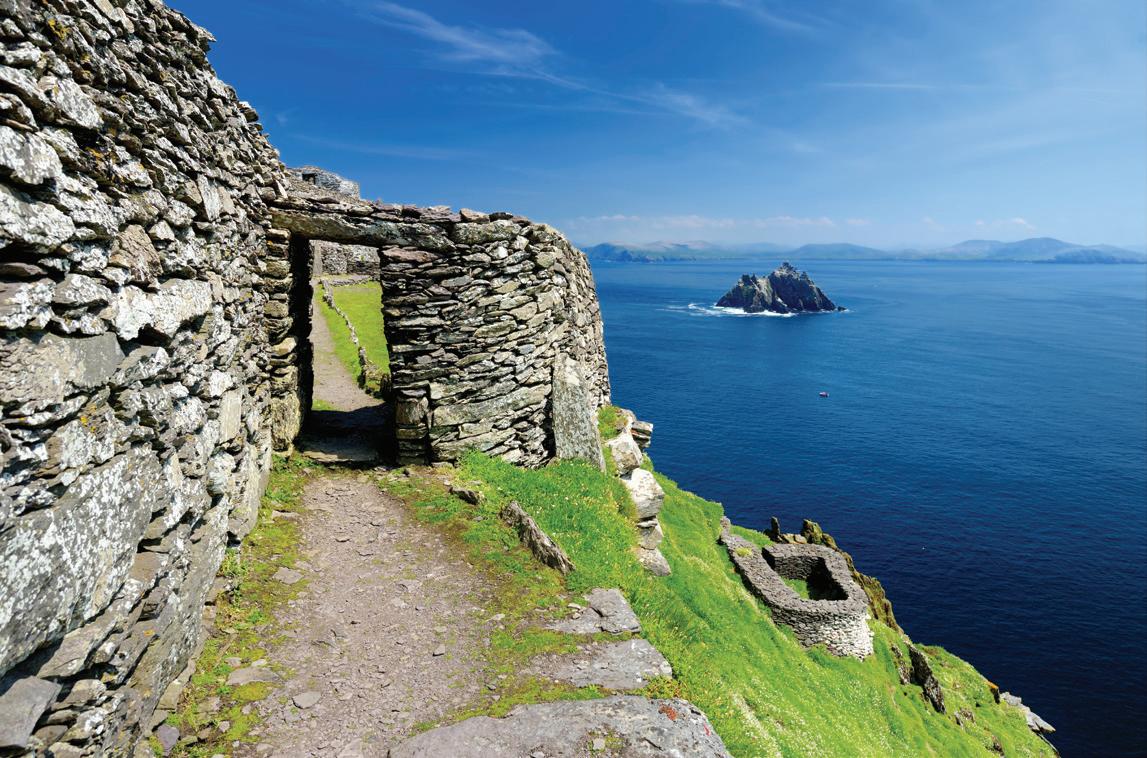
Ireland that was later seen to have been in the ‘golden age’ of Christian Irish culture,” writes Connolly.
Protestants and Catholics
In the spring of 1606, a wave of Scots settlers came ashore in County Down.
This was the beginning of the Plantation of Ulster: a systematic British and Protestant settlement of the northern half of Ireland.
With the defeat of a Spanish expeditionary force at Kinsale in County Cork at Christmas 1601 came the definitive victory of English military power in Ireland – a fact emphasised by the ‘Flight of the Earls’ in 1607, when a large proportion of Ulster’s Gaelic aristocracy fled Ireland for the continent.
“Before Henry VIII, religion was not an issue in Ireland,” says Connolly.
“Both the Irish and the invading English were Catholic, but with Henry’s split from Rome, he wanted all his lands to fall under his church.
“However, Ireland, with its different history from England’s, did not readily comply and so a series of measures were put in place to make Catholics second-class citizens in Ireland – measures that ran throughout the 16th, 17th, 18th and 19th centuries.”
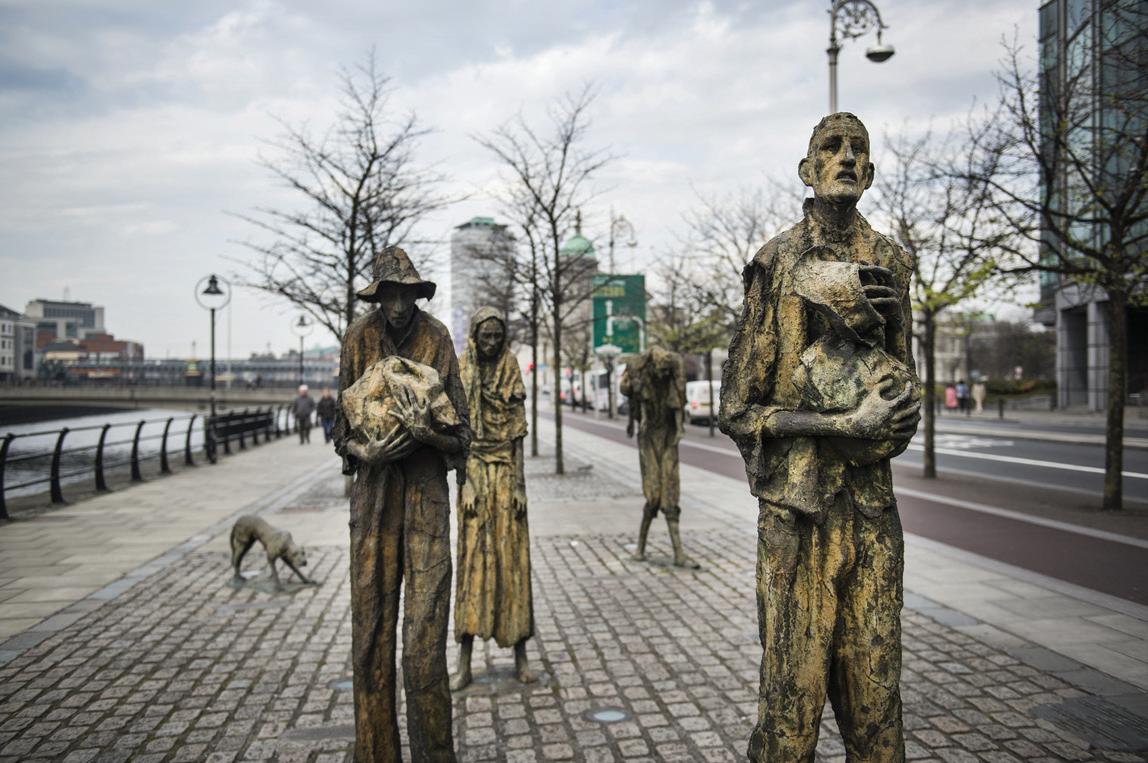
In September 1845, as the first potatoes were being lifted in fields across Ireland, word began to spread of a disease affecting the new crop. Blight was spreading across the countryside.
Of a pre-famine population of some eight million, over a million died of hunger and famine-related diseases.
“The disease that rotted Ireland’s potatoes – which had become a staple food there – was first noticed in North America,” Connolly explains.
“In 1843 and 1844 it destroyed potato crops in the eastern United States. It was imported to Ireland when potatoes were carried by ships east across the

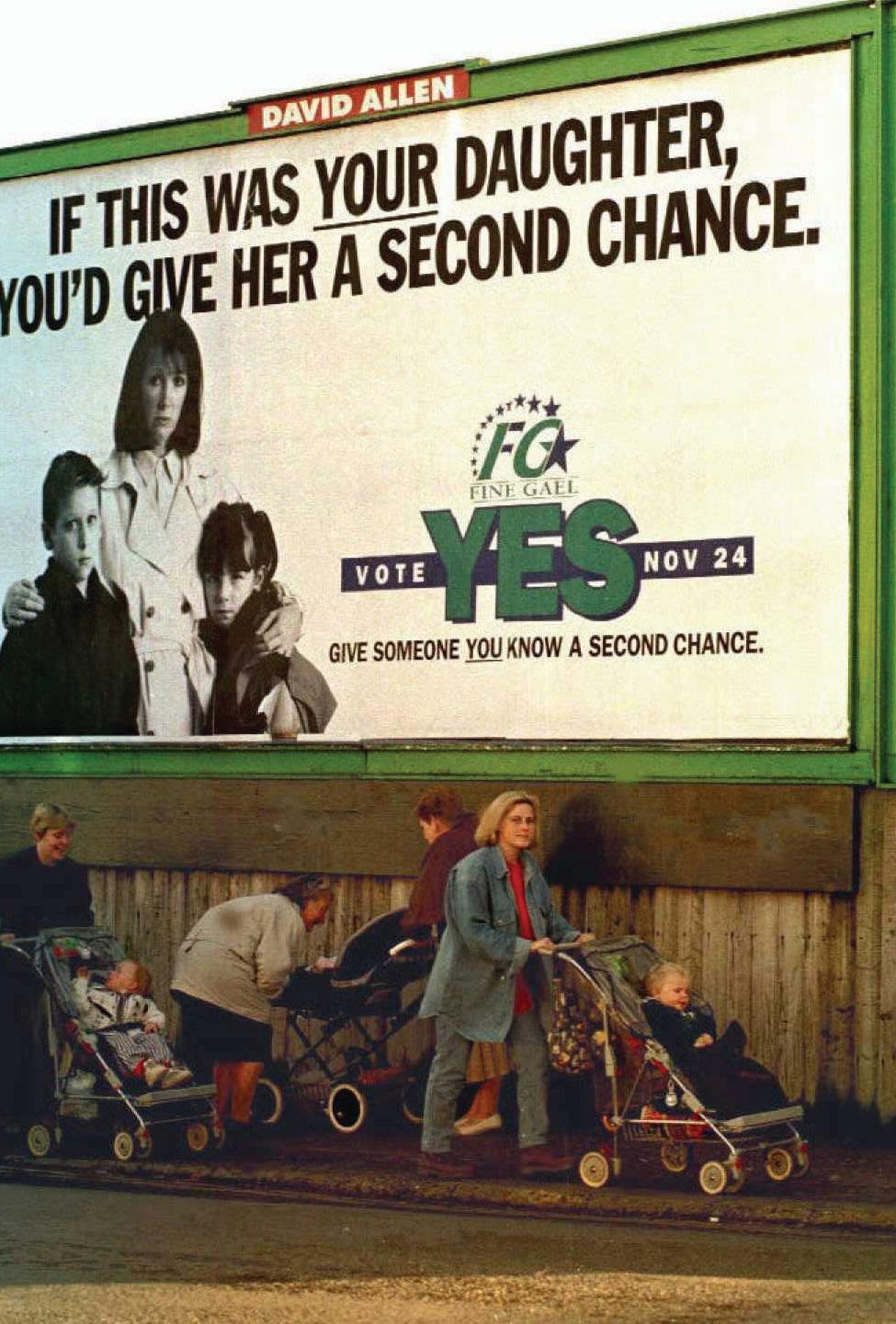
Atlantic.”
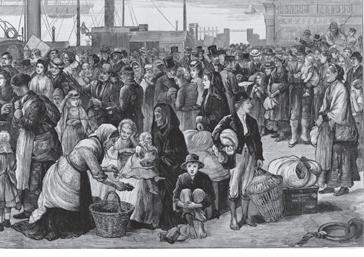
He adds: “At least a million people are believed to have emigrated because of the Famine.
“Ireland had been seeing its people leave since the mid-eighteenth century, as opportunities for better lives emerged in Britain’s colonies, but the Famine produced a severe spike in emigration numbers.”
In the century between the Napoleonic Wars and the Irish Civil War, more than seven million Irish men and women left their homeland to begin new lives abroad.
Including everything from the creation of the Republic of Ireland to the Troubles in Northern Ireland and the peace process that followed and continues to this day, Connolly covers much ground in his final chapter.
He also pays attention to the spread of Irish culture across the globe and the people who have driven its success as well as the draw of the Emerald Isle as a destination for tourists.
“Now, tourism is one of the main drivers of the economy of the Republic of Ireland,” Connolly states.
“In particular, a heritage industry has grown up to show Ireland and its culture to those whose ancestors emigrated.”


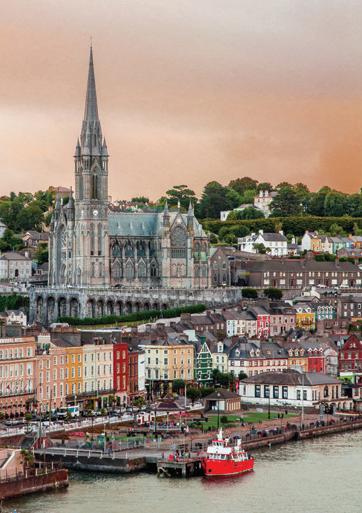
A History of Ireland: Culture, Art, Landscape and Architecture, by Dominic Connolly, is available to buy now at all good bookstores.
All images taken from the book A History of Ireland (ISBN 978-1-83886-614-3) published by Amber Books Ltd (www.amberbooks.co.uk) and available from bookshops and online booksellers (RRP £19.99/$29.99/CAN$38.99).
happy saint patrick’s day 2026












Ground
Skilled
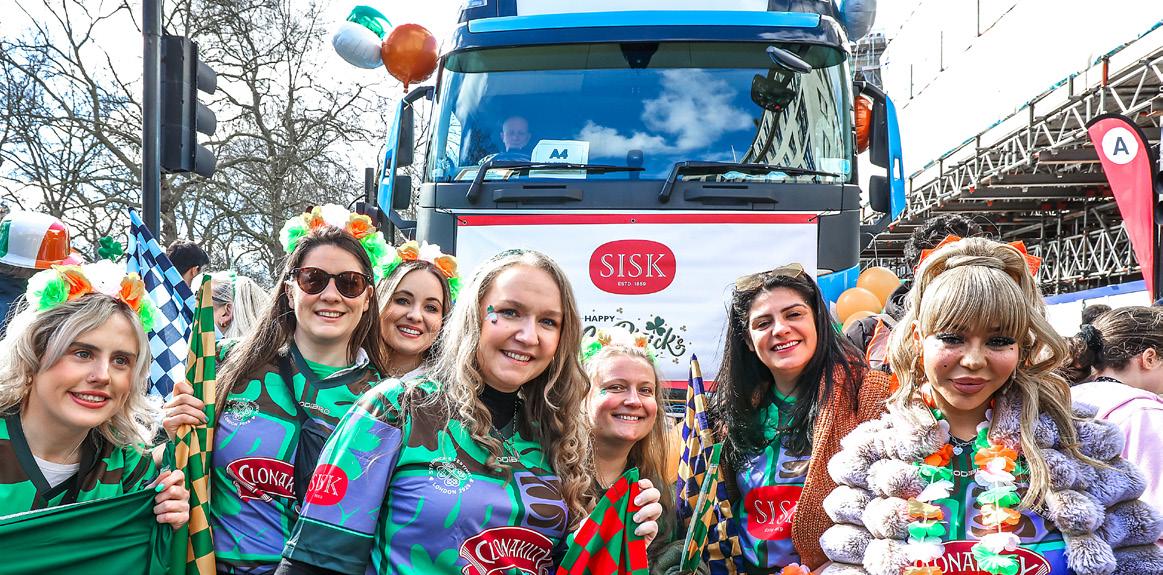
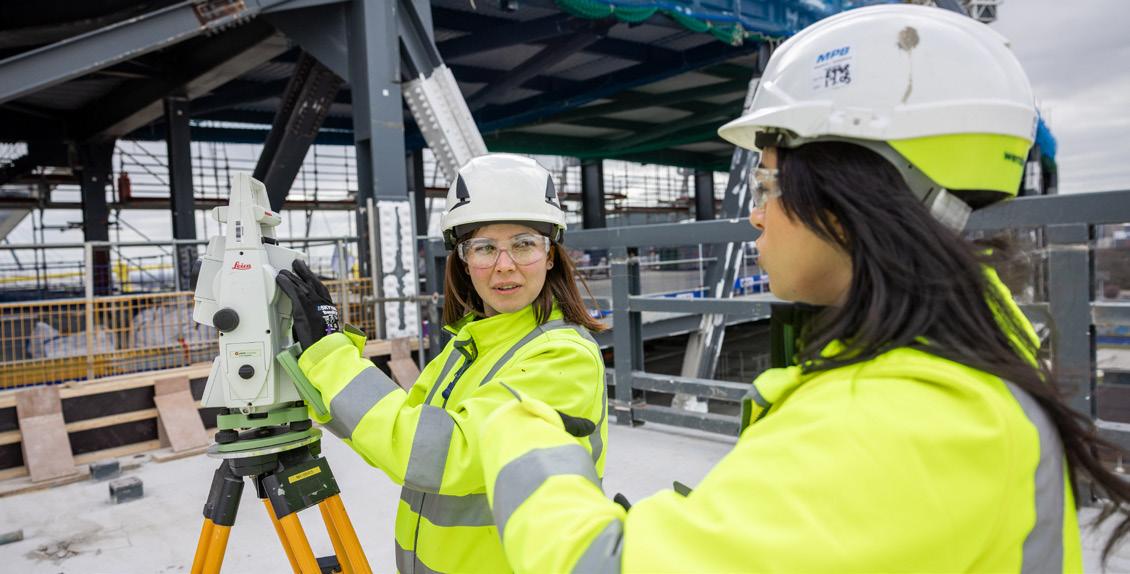
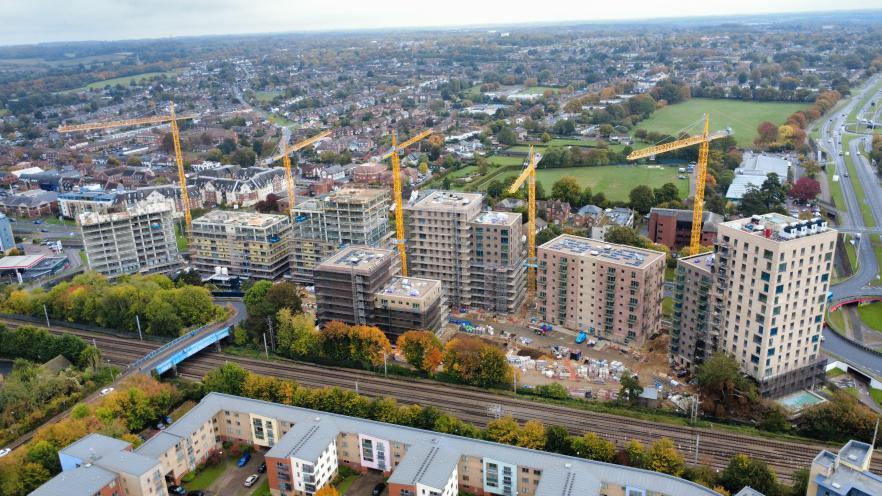
Sisk have been construction innovators since 1859, building high-rise residential developments through to bridges, data centres, stadiums and more across Ireland, the UK and beyond.
With a turnover of over £2bn, we have the size, scalability and experience to support the creation of modern, sustainably built assets.
Our people support the communities around our sites with social value projects that really make a difference, from charity fundraisers and landscape restoration to supporting local pensioners groups.

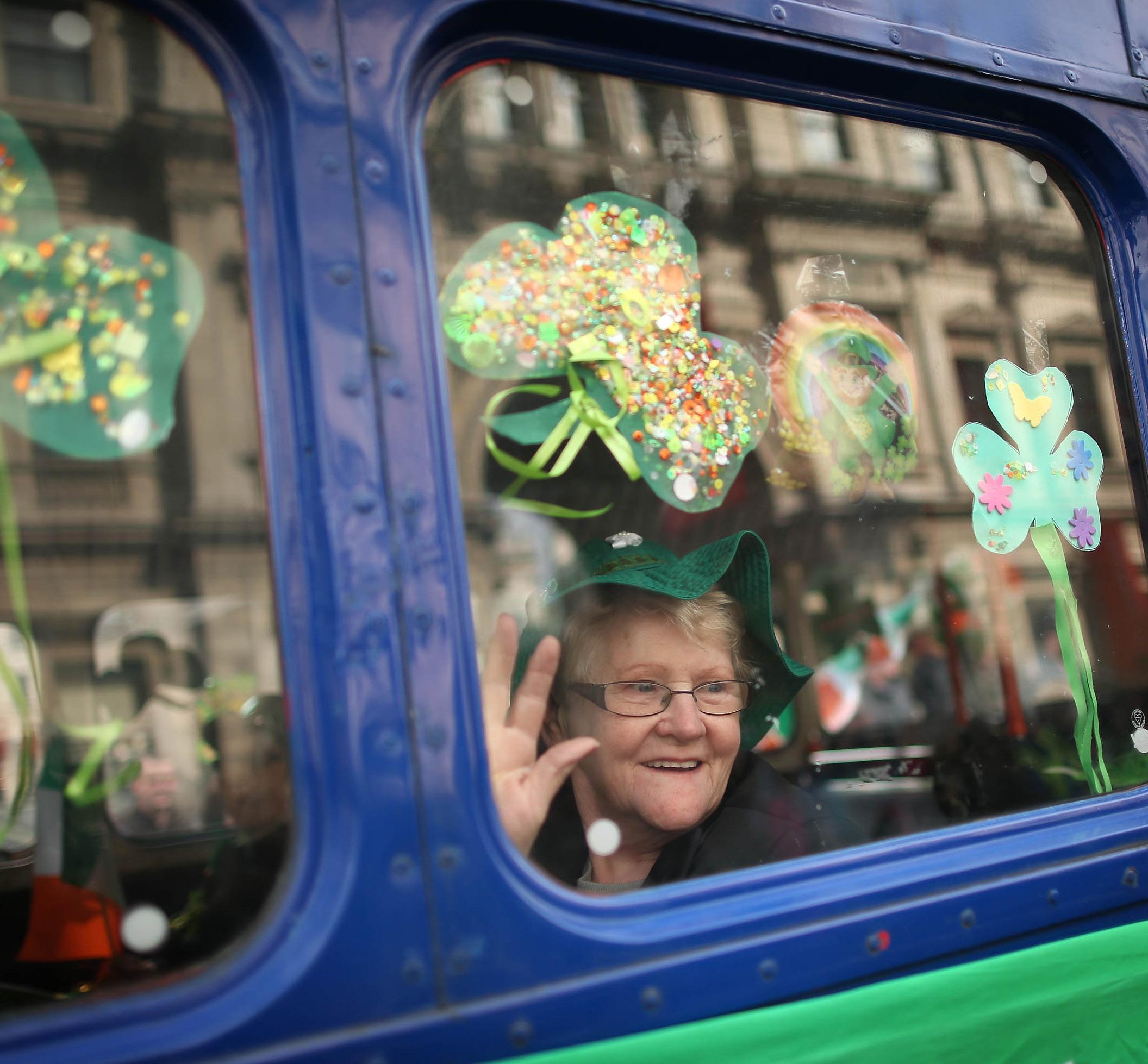
The men and women behind St Patrick’s Day events across the country tell us that the annual celebrations offer a moment of pride for Irish people everywhere and why they must be protected…
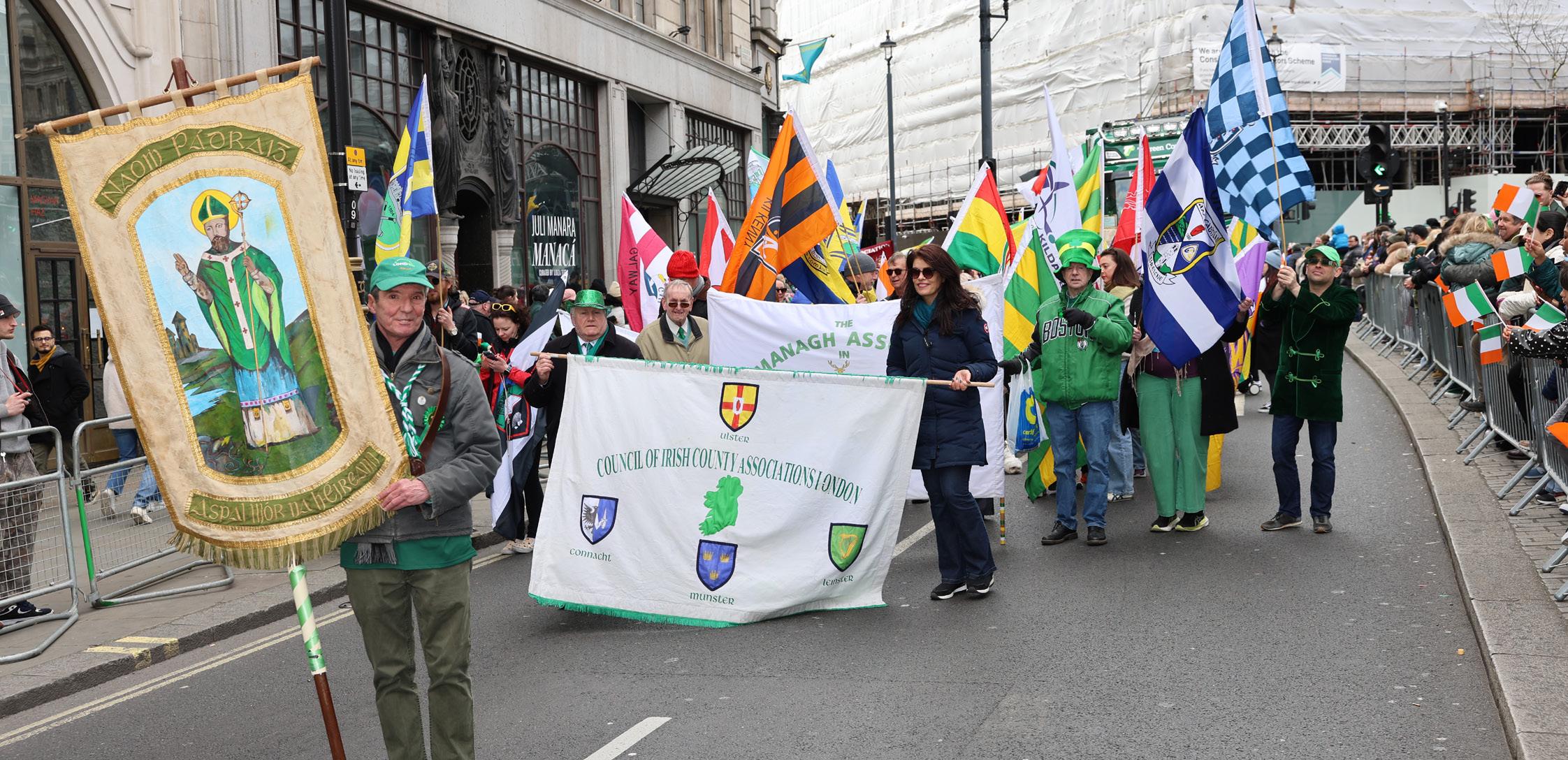
MULTIPLE St Patrick’s parades take place across Britain every year.
From Luton to Leeds, Huddersfield and Glasgow - and everywhere in between – there are scores of events held on or around March 17 to mark Ireland’s national day and thousands of people who come out to enjoy them.
But who are the people behind the parades?
Those who organise, support or partake in these flagship events for the Irish community in this country are a huge part of the reason why they are still going strong today.
This year, as we prepare to share in the annual celebrations honouring Ireland’s patron
saint, we asked them to tell us what drives them to continue to support what is now a long-held tradition marking one of the most important dates on the Irish community’s calendar…and what celebrating St Patrick in Britain means to them.
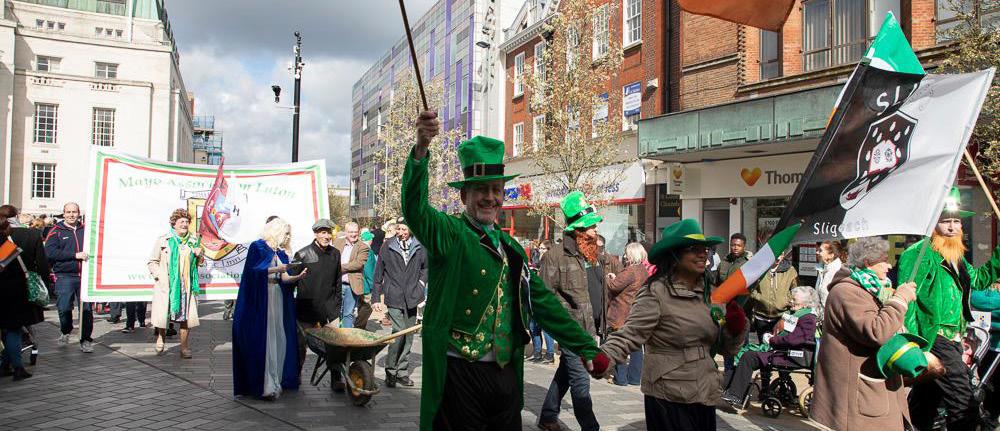
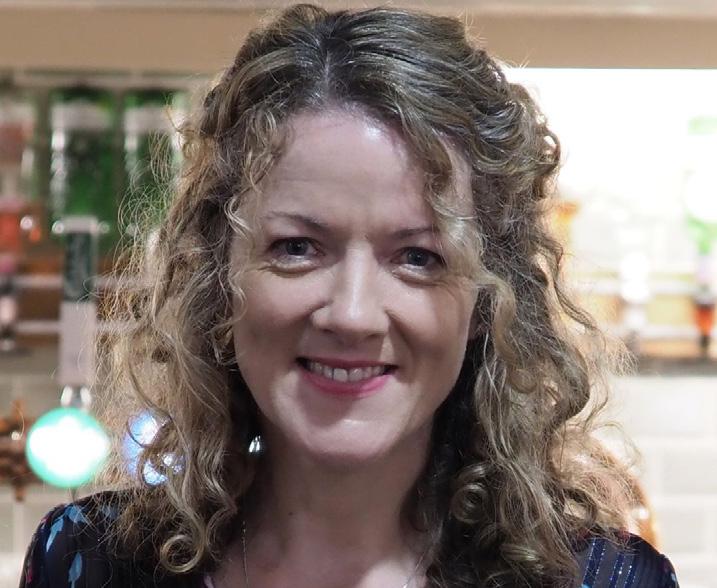
Noelette Hanley
CEO of Luton Irish Forum, which delivers the Luton St Patrick’s Parade and Festival
What does St Patrick’s Day mean to you?
St Patrick’s Day has always been a highlight for me, personally and professionally.
I first attended as a child in Ennis, Co. Clare, and later took part in the Ennis and Shannon parades as a member of the Ennis Brass Band. I joined Luton Irish Forum as Manager in 2006, at a time when a talented and ambitious group of volunteers were leading the parade, supported by Mick Maguire, who established our welfare service, and Nicola McLaughlin, who now leads that service and remains part of the team today.
St Patrick’s quickly became our organisational priority each March.
Over time, I’ve taken on a much more active role, overseeing planning, programming, creative development, and administration. It’s very hands on, involving around 50 groups and acts every year.
How long have you been involved with the parades in Britain?
Before joining Luton Irish Forum, I helped organise a float for the first Mayor of London’s St Patrick’s Parade in 2002 and went on to attend the parade annually.
My first Luton parade was in 2007, and I’ve been involved every year since.
It’s the highlight of my year.
My husband and children have come every year too - sometimes as part of the pageant, sometimes carrying the Co. Clare flag.
Why is it important for your organisation to support the Luton parade?
The parade is one of the biggest opportunities for Irish people to celebrate their heritage, feel proud, and reconnect with others - often people they may not have seen since the previous year.
It’s also a way to showcase Irish culture to the wider community and strengthen bonds across Luton.
How many members of your organisation are involved?
Our staff team of 13 all play an active role in delivering the festival.
Many contribute personal time, and some planning must take place during the working day.
Nuala, our Office Manager, serves as Festival Chair, and every other member of staff leads on essential areas including volunteer coordination, communications, logistics, and market trader engagement.
Alongside staff, around 100 volunteers from the Irish and wider communities join in. They consistently tell us how much they value the festival’s inclusivity and the strong sense of belonging it creates.
Is there a financial cost to you?
We are supported by the Emigrant Support Programme of the Irish Government, Luton Rising, Luton BID, and many local Irish and other businesses.
Their contributions help cover essential festival costs such as staging, sound, security, and entertainment.
Staff also volunteer significant additional time as their way of giving back, and without that goodwill the festival simply wouldn’t be possible.
We are fortunate that performers charge modest fees to keep the event viable. In return, it provides a fantastic platform - last year our social media reached one million views, and thousands attended in person.
What are the main challenges in planning the event?
Time is the biggest challenge. Outside our day jobs, we’re coordinating acts, speaking to traders, and planning security because we’re passionate and determined to keep the
tradition alive.
Weather can be a challenge too. In 2018, we had to cancel the parade and move the outdoor stage into the Hat Factory, which ultimately inspired an after-party event that still continues.
The most difficult moment was cancelling the festival two days before the event when Covid-19 struck.
The following year, we adapted: delivering bacon and cabbage meals to members, hosting an online quiz, and lighting up our building in green to show that the spirit of St Patrick’s Day lived on.
That experience inspired us to create an archive, which led to Paint the Town Green, our documentary produced by William Walsh, capturing memories and the festival’s legacy.
What’s the best thing about being involved?
It’s the music, the dancing, and the joy of seeing people come together. The moment the parade reaches the Town Hall is always a goosebump moment.
Even better is the sense of community - you can’t walk from A to B without stopping for a chat with someone you know.
Is it important for the Irish community to continue to have access to St Patrick’s parades across the country?
Absolutely. St Patrick’s Day is a moment of shared pride - whether you’ve lived in Ireland all your life or have spent decades abroad.
It boosts wellbeing and creates memories that last, including memories of people no longer with us.
My hope is that these parades continue long into the future, not just as annual events, but as living traditions that connect generations, celebrate our heritage, and remind us of the strength of the Irish community in Britain. These celebrations are more than a day out; they are moments that root people, lift spirits, and keep our culture alive for the next generation.
What’s the best thing about being Irish in Britain on St Patrick’s Day? Pride - pure and simple.
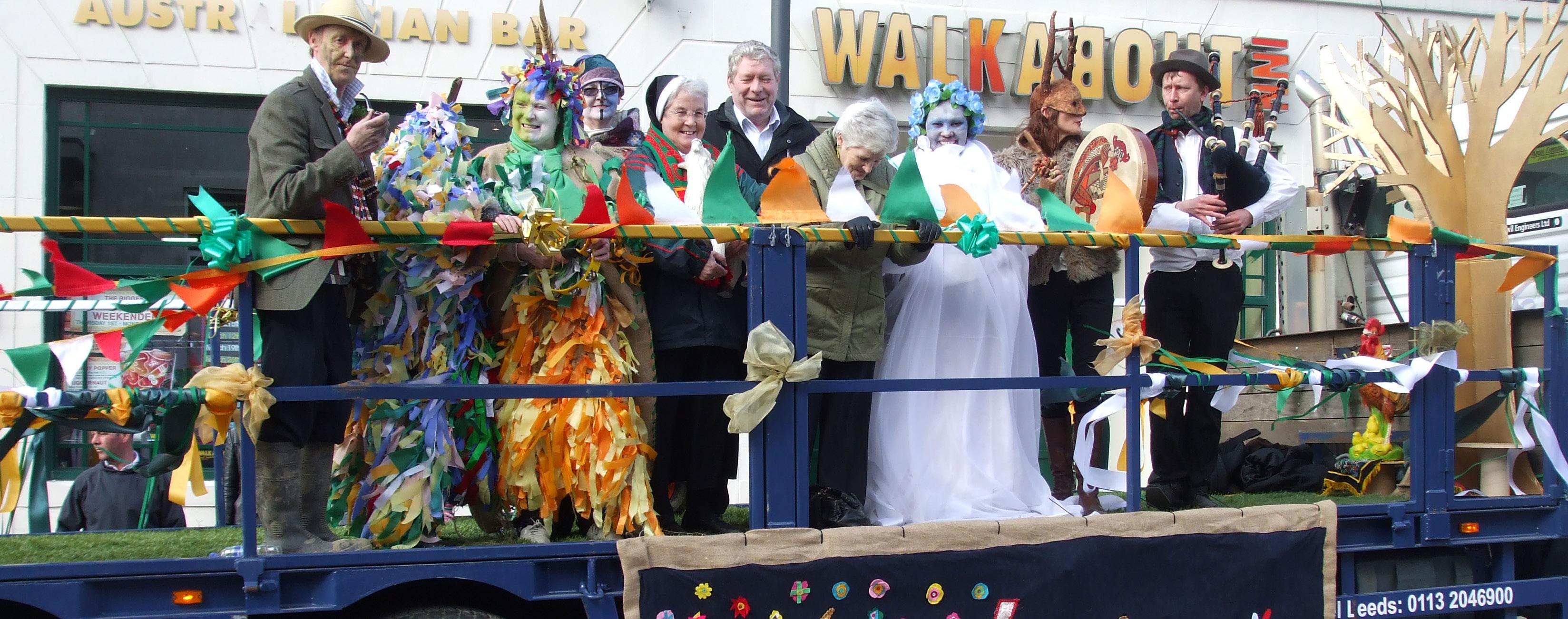
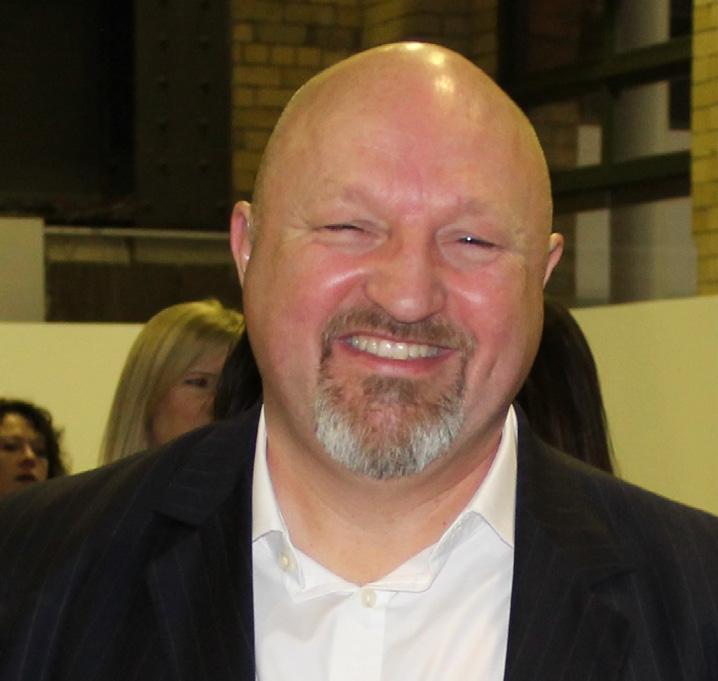
Ant Hanlon CEO at Leeds Irish Health and Homes, which supports the Leeds St Patrick’s Day Parade
Which St Patrick’s parades are you involved in?
At Leeds Irish Health and Homes (LIHH), we take part in the Leeds St Patrick’s Day Parade every year.
We always enter a float and have won the coveted ‘Best Float’ trophy on a couple of occasions - in fact, we’re currently reigning champions - our Spring Equinox-inspired design was declared the winner in 2025. In the run-up to the celebrations, community members make banners and decorations to fit with our chosen theme, and lots turn up on the day to see their work proudly displayed. It’s a real team effort.
How long have you been involved?
LIHH was founded 30 years ago and in 2025, Leeds celebrated its 25th St Patrick’s Day Parade. We’ve been involved in celebrations from the very beginning.
Why is it important for LIHH to take part in the parade?
The Irish turn the city green on St Patrick’s Day, with over 5,000 people filling Millennium Square and many more lining the streets to watch the parade.
It’s a proud showcase of Irish culture and a celebration of Irish contribution to our city, but it’s also a day where everyone is welcome. It’s a fantastic opportunity to connect with
community organisations across the city - Leeds CCE (who are great supporters of our work), Irish dance schools, Leeds Irish Centre, local musicians, schools and more. But more seriously, it’s also a stark reminder of how far we’ve come in 25 years - from prejudicial attitudes and lingering discrimination to celebrating our heritage on a city-wide scale.
How many members of your organisation are involved?
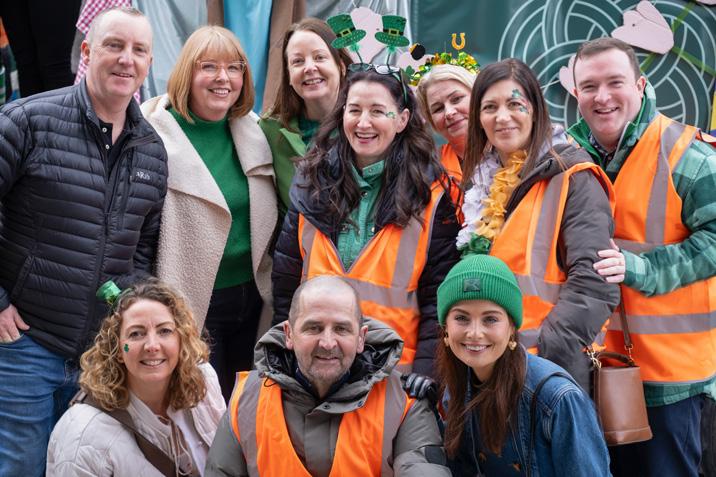
Staff, trustees, volunteers and community members all play their part in the preparations and festivities, from sourcing craft materials to helping transport equipment and decorating the lorry.
Not everyone has their face painted and gets up on the float in fancy dress, but plenty do.
Is there a financial cost to you?
We would generally commit around £1k towards materials, refreshments for participants, and costs like that each year.
We also have a member of staff who volunteers their time to work on this, which would otherwise cost us an additional £2k each year. We’re fortunate in that our art group is also supported by Live Well Leeds, and we’ve had donations of craft materials in the past from different organisations and individuals. Most years, we pay for a facepainter who comes to meet us in a pub beforehand to do everyone’s faces - grown-ups as well as children.
What are the main challenges in taking part?
Many of our clients are older and have mobility issues, and Millennium Square involves a lot of walking around a crowded area.
However, many members still brave the floatwe provide support getting on and off and seating if required - and the parade puts on
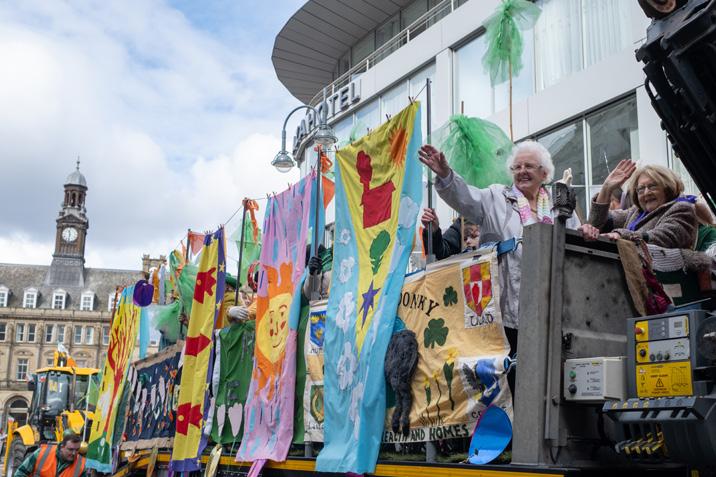
buses for older-end community members who want to take part but would struggle to stand or walk for long periods.
What is the best thing about the parade?
Personally, I find the foot parade of community members carrying banners and flags so moving.
It’s great to see people lining the roads to wave and cheer the parade on, whether they have Irish heritage, mixed heritage or no connection to Ireland at all. The atmosphere is electric.
Is it important for the Irish community to continue to have access to these parades in the years to come?
Absolutely. Despite the overwhelmingly positive response to the St Patrick’s Day parade, we still see comments on social media each year along the lines of ‘What about British celebrations/a St George’s Day parade?’ when the photos are posted.
The fact is, organising a parade is a huge task, carried out by a very dedicated committee, who apply to the Council every year and take care of the many, many behind-the-scenes tasks - organising parking, permits, road closures, staging etc.
We’re hugely grateful to the committee and don’t take any of it for granted.
The journey to celebrating our Irish heritage and culture in Britain hasn’t always been an easy one - long may it continue.
What’s the best thing about being Irish in Britain on St Patrick’s Day?
The sense that, whatever our backgrounds and experiences, we can come together as one and celebrate something we all share.
Brian Dalton
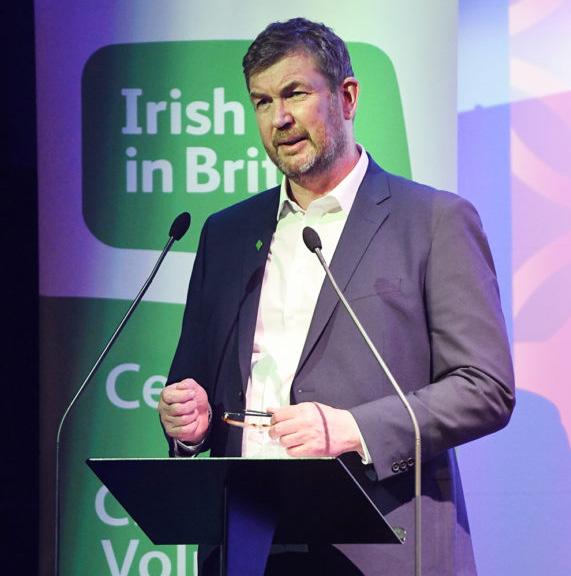
CEO of Irish in Britian, a national membership organisation for the Irish community in Britain
Which St Patrick’s parades are you involved in?
The Mayor of London’s St Patrick’s Day Parade and Festival.
I am part of the Community Advisory Group, which is a diverse group of organisations and individuals that work with City Hall to support a diverse and inclusive festival.
How many years have you been involved?
I’ve been involved in the London festival for eight years, but Irish in Britain, and before that the Federation of Irish Societies, and our
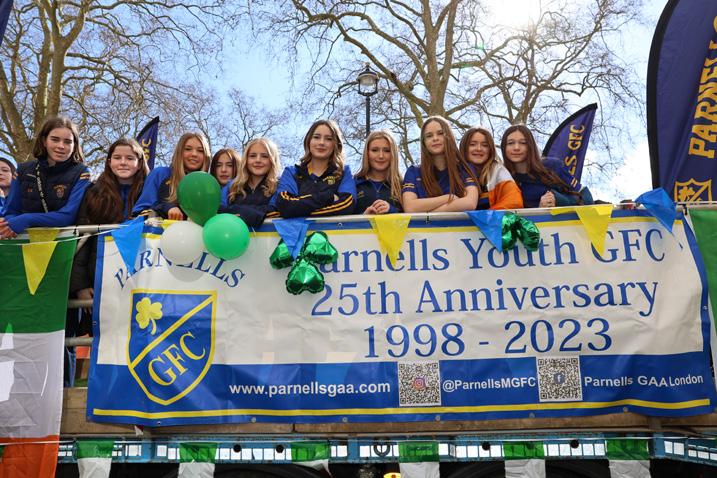
members have been central to St Patrick’s celebrations over many decades.
Why is it important for your organisation to support these events?
As the national membership body for Irish organisations across Britain, it’s a great opportunity to talk to people, showcase the work of our members, to be part of celebrations of our Irish identity in all its forms.
How many members of your organisation are involved?
Staff, trustees and volunteers take part on the day, we have a stand in Trafalgar Square for the festival.
We promote our work in the Irish community, and often do health awareness campaigns, for example offering free blood pressure checks, because of the evidence of heart health issues in the Irish community.
Is there a financial cost to you?
We pay to have our stall in the square; we cover it out of general expenditure.
What are the main challenges of taking part?
It is a very busy time for Irish in Britain, our members and all those working within our sector: logistics, planning (and good weather!) all impact this time of year.
What is the best thing about being involved?
The best part is meeting so many people from across different generations in the Irish
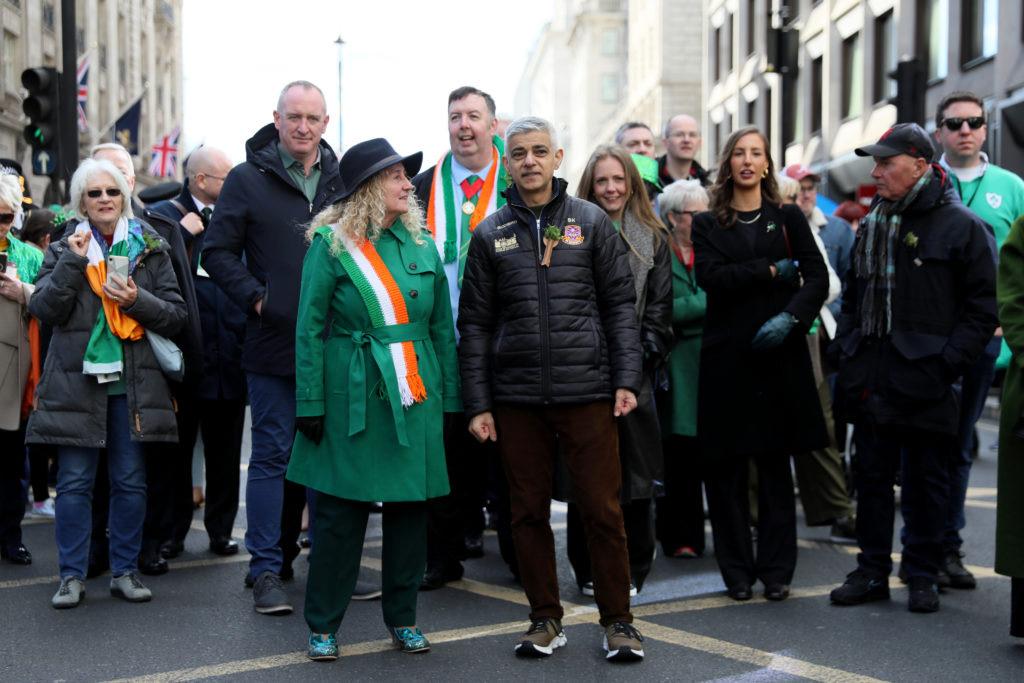
community in London.
It is also great to see so many Londoners, from all communities, joining the celebrations.
What does the event mean to your local Irish community?
The Parade and Festival is very important for the London Irish community, it brings together community groups, cultural organisations as well as businesses.
Is it important for the Irish community to continue to have access to St Patrick’s parades across the country in the years to come?
It’s very important for the Irish community to be able to celebrate our culture and identity within local communities in Britain where we have made our home.
We know that funding issues are having an impact on small parades and festivals, and I think it’s important we try and sustain these wherever possible.
It is important that all those who represent the migrant story of modern Britain can celebrate their contributions.
What’s the best thing about being part of the Irish community in Britain on St Patrick’s Day?
There is a lot of joy on the day, the Irish community is very diverse but it’s a day where we can all unite in celebrating what we have in common.

We are a Global Engineering Contractor that work in diverse locations and experience different cultures worldwide.


joneseng.com/careers












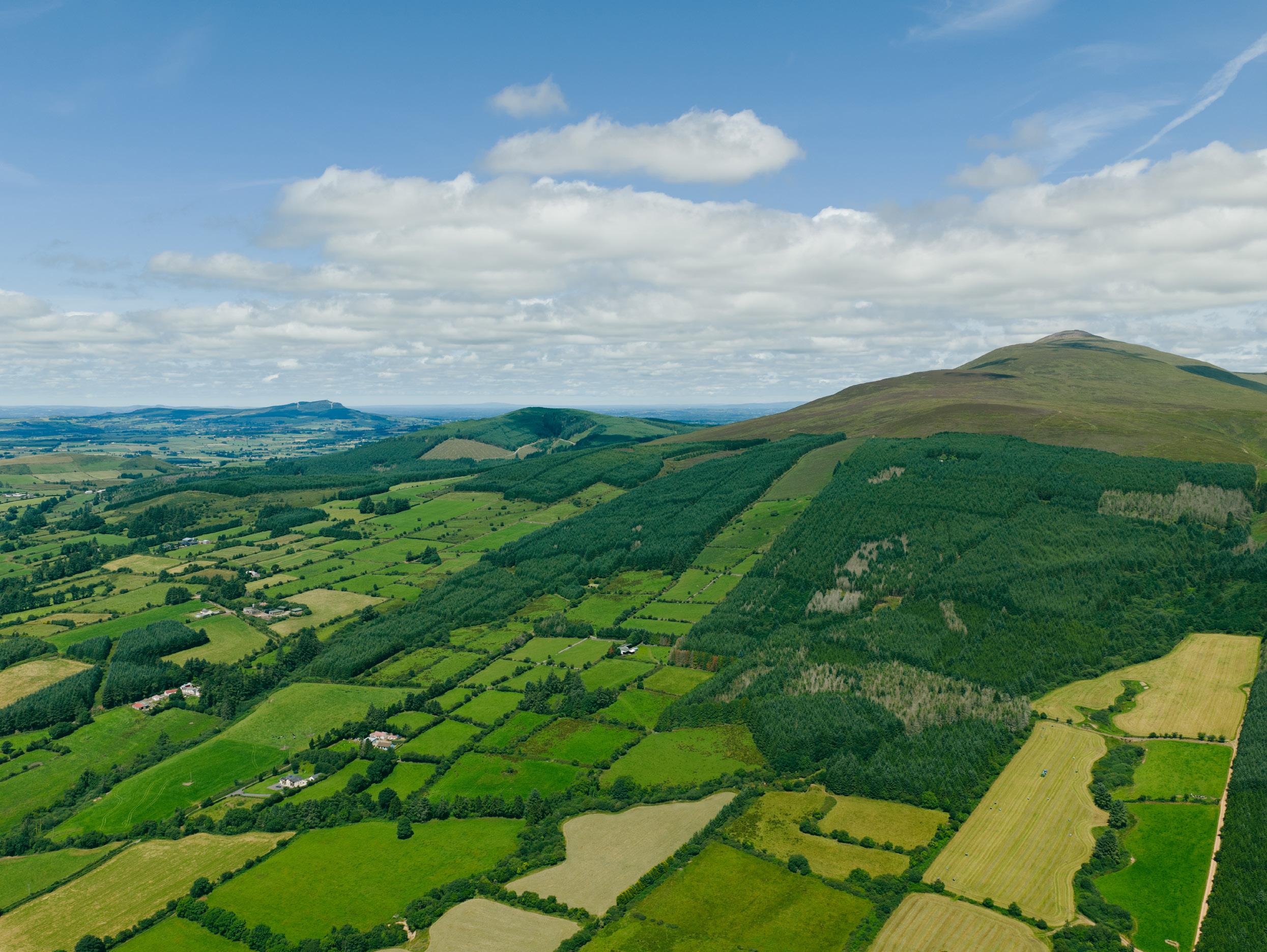
a trip to the Emerald Isle should be on everybody’s bucket
THERE is way more to Irish culture, tradition and heritage than you can fit into St Patrick’s Day alone.
If you’re a fan of the celebrations marking Ireland’s patron saint, then you will love a visit to the Emerald Isle itself – where the craic is not limited to March 17.
In Ireland there is fabulous food, music, arts, and culture to enjoy every day, wherever you are on the island.
Oh, and there is the small matter of stunning landscapes, rich history, and hugely welcoming locals too, which all provide a great base on
Fodor’s ‘ultimate experiences’ to enjoy in Ireland:
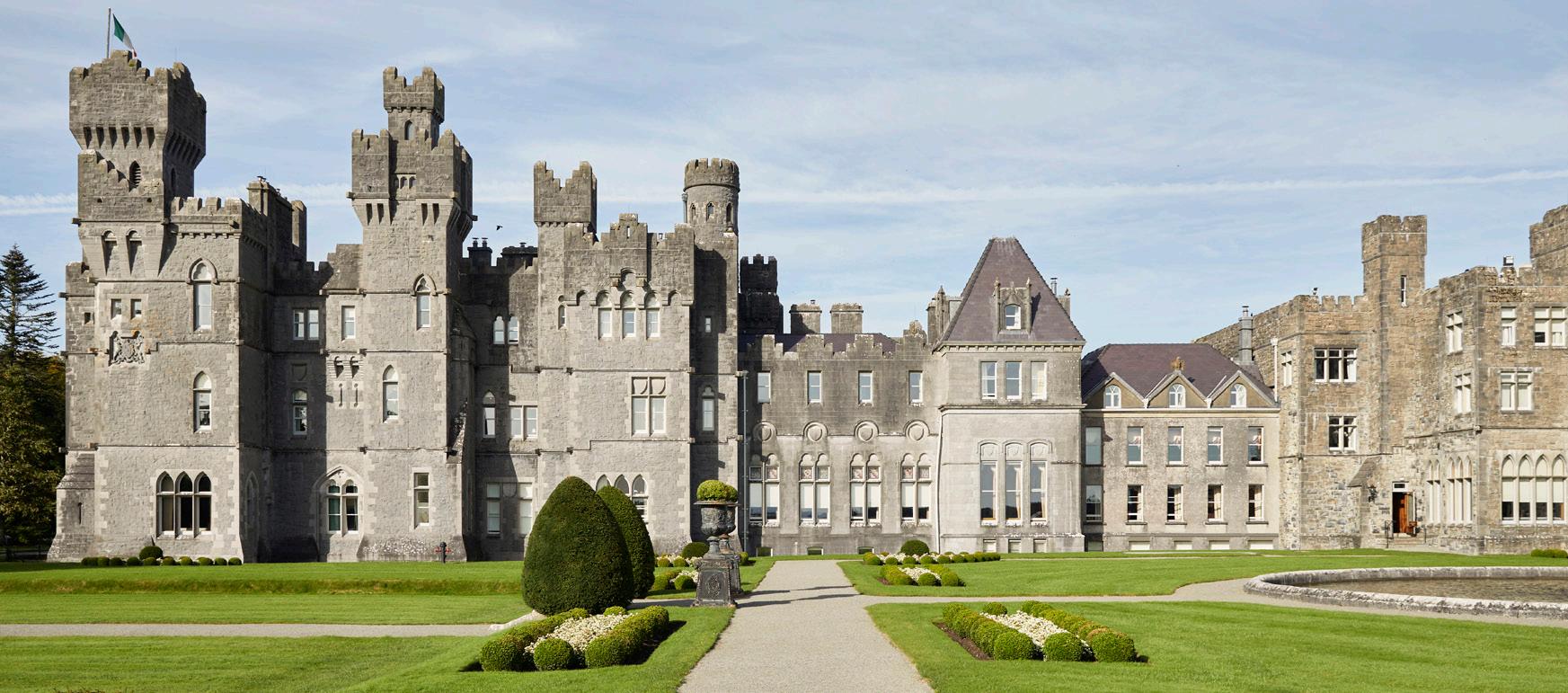
Stay in a castle
Enjoy the royal treatment and get a decent dose of history too by staying at an Irish castle-hotel. There are plenty dotted across the island, but Fodor’s particularly likes Ashford Castle, in Co Mayo, which is set on 350 acres, close to Lake Corrib, and offers what they describe as a “fairy-tale feel”.
which to create your very own Irish adventure.
But don’t just take our word for it. The experts at Fodor’s, who have been producing travel guides for nearly 100 years, have just published their Essential Ireland guidebook for 2026.
It is simply packed with ideas for exploring the island, and reasons for doing so.
Their top five reasons to put Ireland on your holiday bucket list are for its “untamed nature, living history, perfect pubs, festivals and cracking culture”.
“It’s a Celtic mystery,” they claim.
“How can such a small country be packed
with so much history, natural beauty, vibrant culture and, of course, fun?” they ask.
“Norman castles overlook wild, empty beaches, Georgian country houses host impromptu traditional music sessions, excited theatregoers spill out into bustling Dublin pubs,” they explain.
“But the real secret is the people; their unique blend of warmth, humour, and irreverence will ensure your trip to the Emerald Isle is a true adventure.”
So, what are you waiting for?
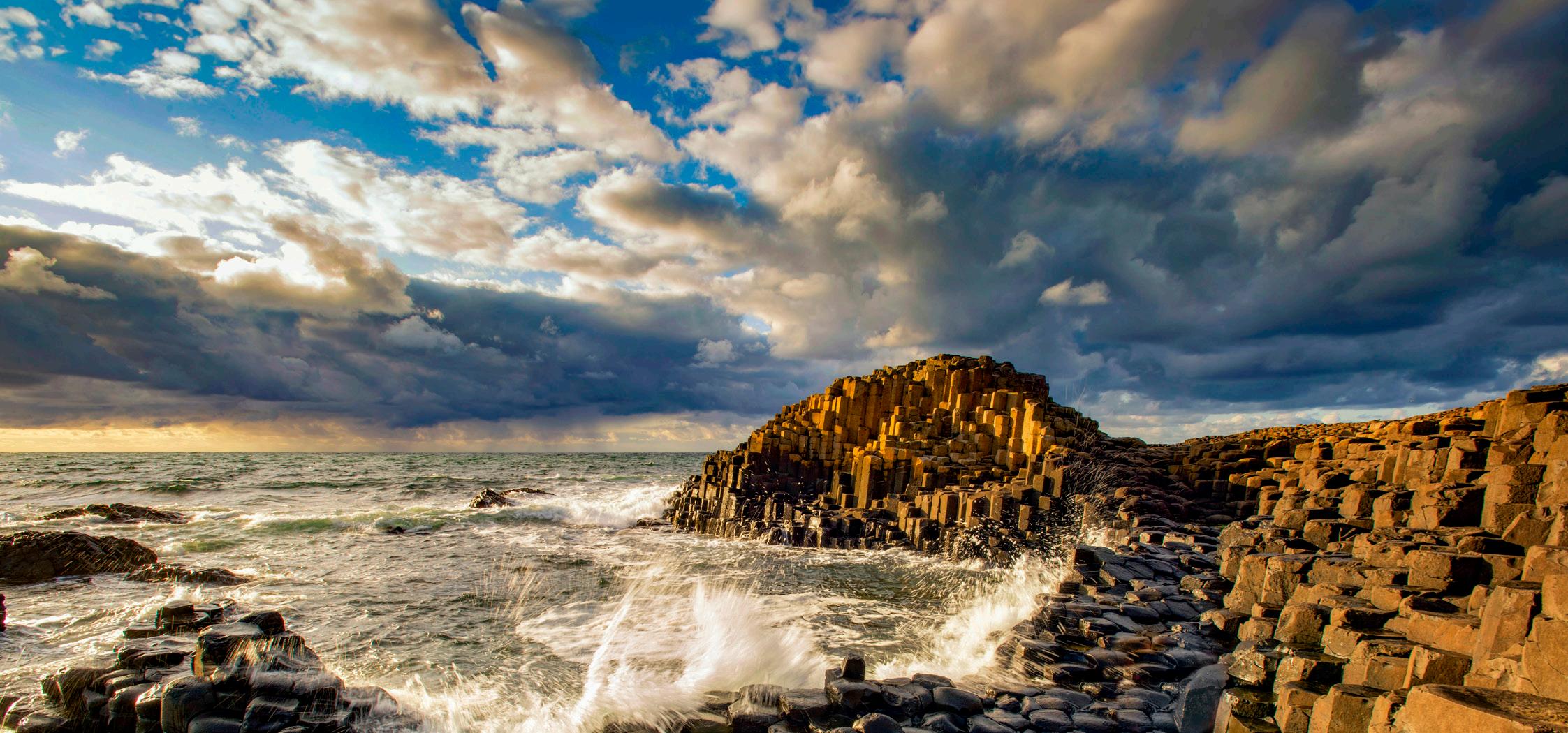
A visit to this UNESCO world heritage site is a must while visiting Northern Ireland. Steeped in the legend of Irish warrior hero Fionn mac Cumhaill, this mass of roughly 40,000 hexagonal pillars of volcanic basalt was created 60 million years ago.
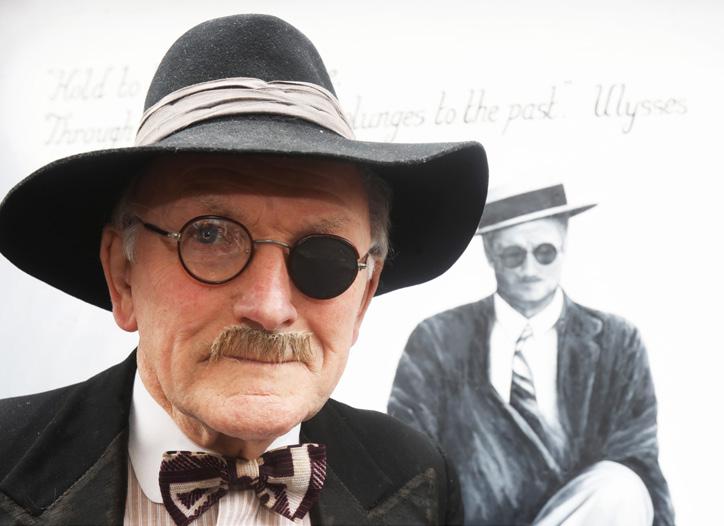
Dublin is the stomping ground of Ireland’s esteemed author James Joyce. If you’re a fan of his work, or new to it, do not miss the chance to learn more about the man himself at the James Joyce Centre. Or if you happen to be in town for Bloomsday (June 16) well you can join in as the celebrations, from readings to performances and pub crawls, take place over the course of the day.
With some of the finest rugged scenery and dramatic coastline in all of Ireland, a hike or a guided walk in Connemara national park should be top on the to-do list for anyone who enjoys the outdoors. “The Irish people are well aware of what a jewel they have in the largely unspoiled wilderness, grazed by sheep and herds of wild ponies, that is the 5,000-acre Connemara National Park,” the experts at Fodor’s say.
Letterfrack is the gateway village to the park and makes a good base for exploring it and the nearby attractions.
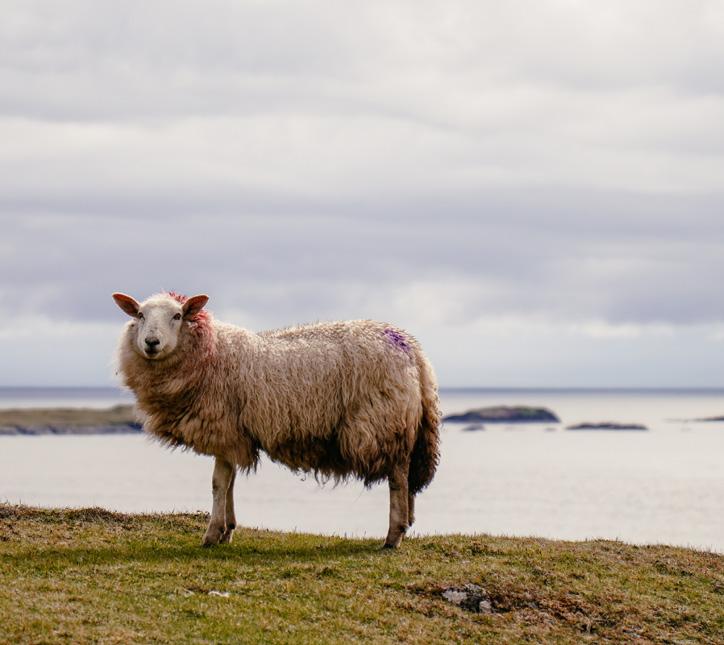
Indulge in some shopping or simply enjoy watching on as Dublin’s pedestrian-only street brims with activity. Think high-end stores, world famous buskers, as well as flower vendors and you are on the right track. Step into the side streets for boutiques offering Irish crafts and fashion too. “It’s no more than 200 yards long and about 20 feet wide, but Grafton Street, open only to pedestrians, can claim to be the
most humming street in the city, if not in all of Ireland,” the authors at Fodor’s state.
Make your way to the east coast of the country and give yourself plenty of time to explore the beaches, seaside towns and unspoiled Gaeltacht area found in Wexford, Waterford, Tipperary and Kilkenny. “The entire southeast is rich with natural beauty,” Fodor’s explains. “Not the rugged and wild wonders found to the north and west, but a coast that alternates between long sandy beaches and rocky bays backed by low cliffs, and an inland landscape of fertile river valleys and lush undulating pastureland.”
The Guinness Brewery and Storehouse in Dublin tells the history and reveals the brewing process of the black stuff. Founded by Arthur Guinness in 1759, the drink continues to be made at the site which spans a 60-acre spread west of Christ Church Cathedral. The actual brewery is closed to the public, for obvious
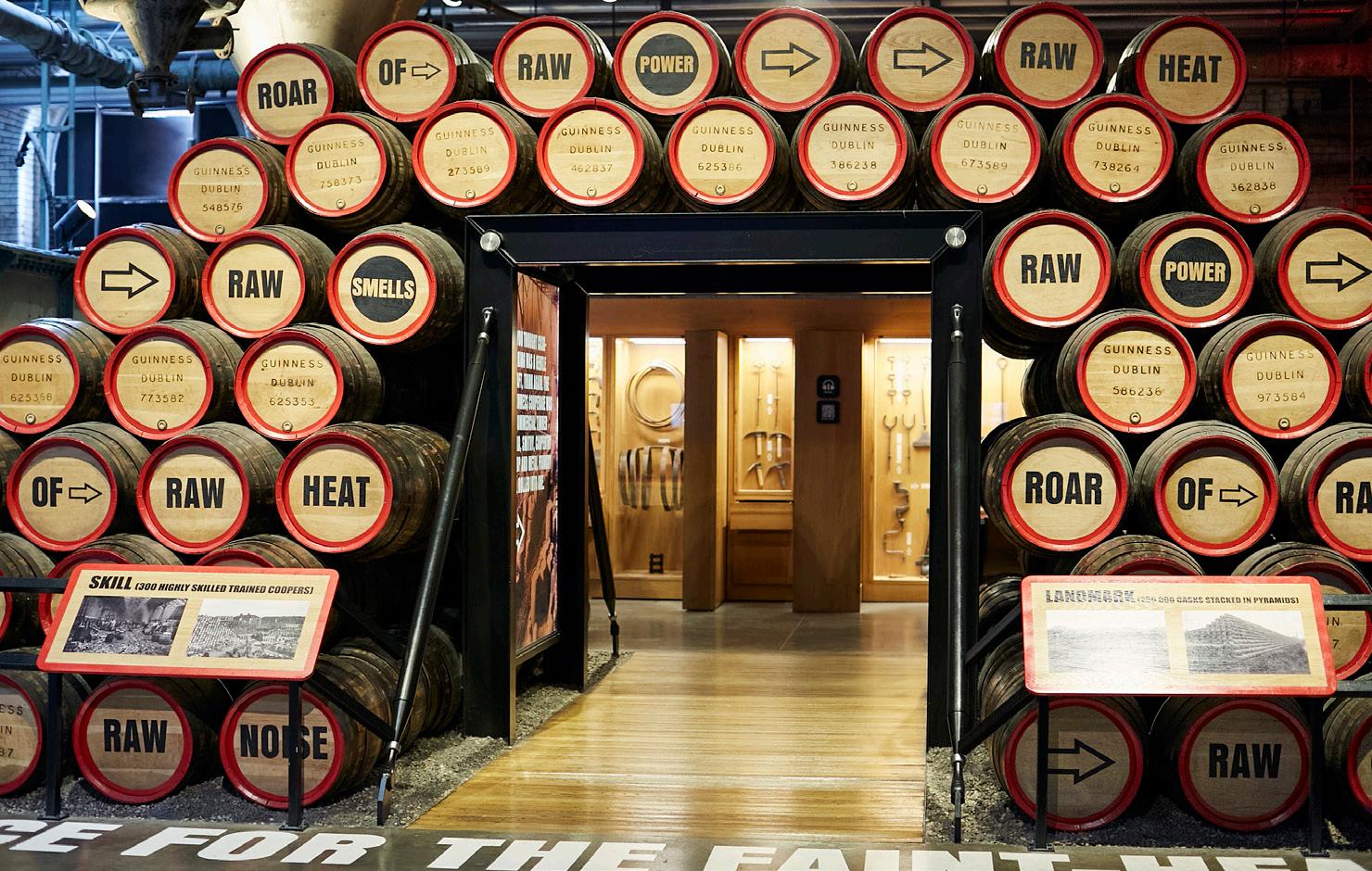
reasons, but the Guinness Storehouse attraction makes for a great day out. High-end, interactive and with plenty of interesting activities and information throughout, this will be a hit with visitors of all ages.
If you are a fan of visiting ruins then you will be spoiled for choice in Ireland.
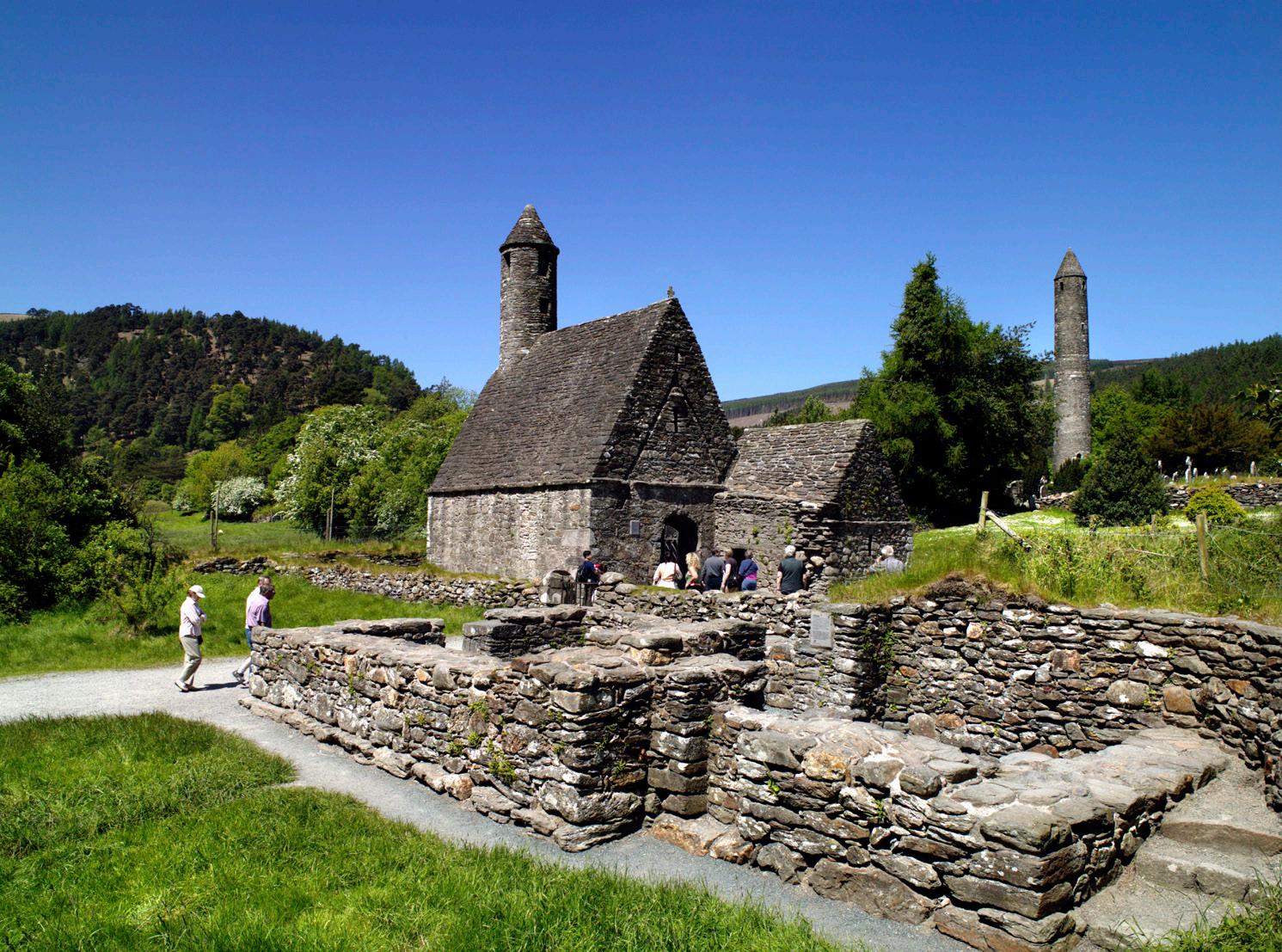
There are monastic sites dotted across the island, but one of Fodor’s favourites is the Round Tower of St Kevin’s monastic settlement at Glendalough in the Wicklow Mountains. Glendalough, meaning ‘glen of two lakes’, is widely deemed one of the best monastic sites in Ireland and it is one of the most picturesque too. “Nestled in a lush quiet valley, deep in the rugged Wicklow mountains, among two lakes and acres of windswept heather, Glendalough
is one of Ireland’s premier monastic sites,” Fodor’s states. “The hermit monks of early Christian Ireland were drawn to the Edenic quality of some of the valleys in this area and this evocative settlement remains to this day a sight to calm a troubled soul,” they add.
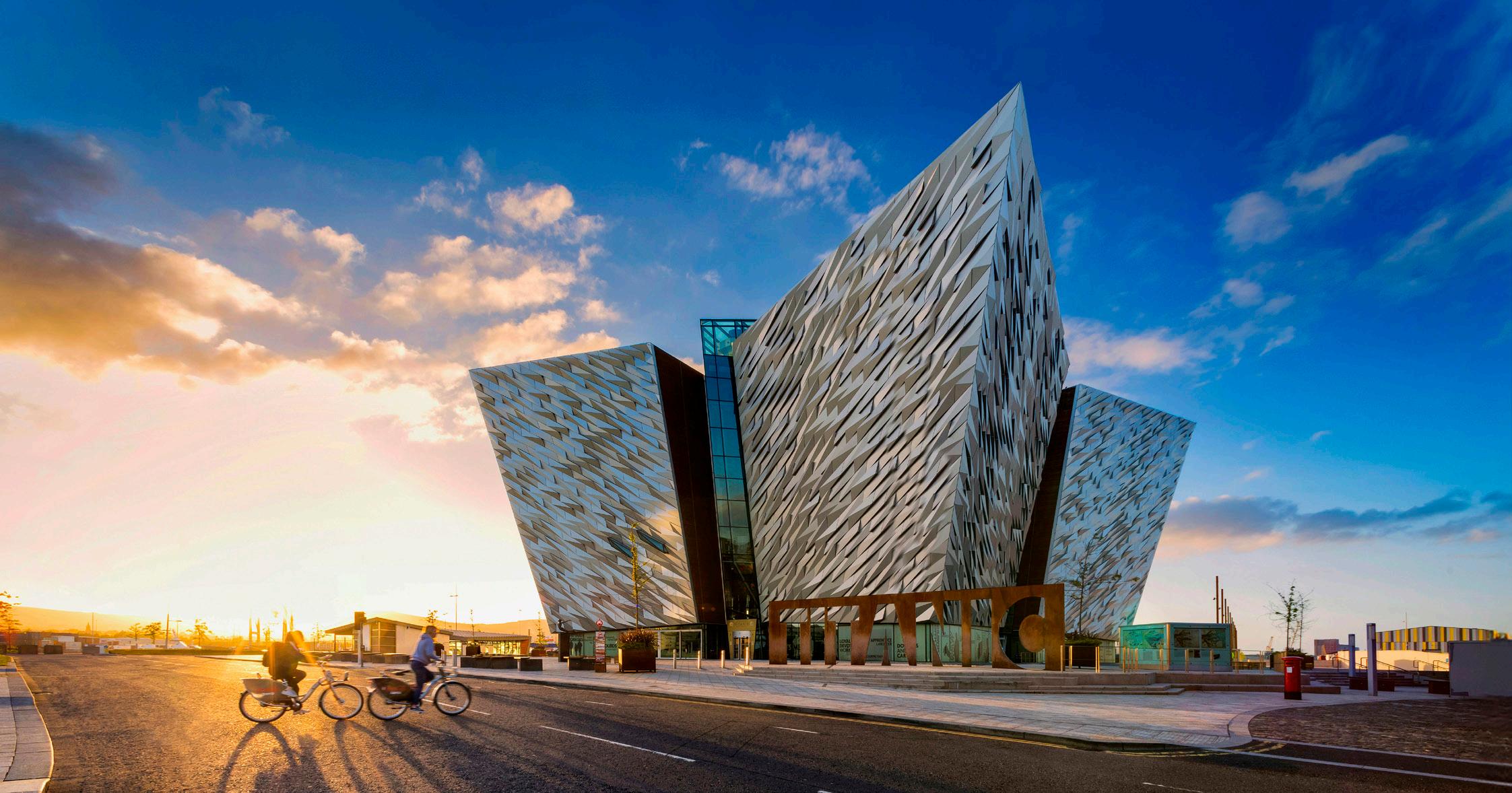
Paying homage to the great maritime tragedy, the Titanic Belfast experience gives visitors a fascinating insight into the events which will forever be connected to the city.
This award-winning attraction tells the fateful story of the biggest ocean liner ever built at the time, which sank on its maiden voyage. “As you wander through Titanic Belfast, you learn about the thriving boomtown at the turn of the 20th century, while the ride through the reconstruction of the shipyards echoes with the
sounds and sensations of more than 100 years ago,” the Fodor’s team states.
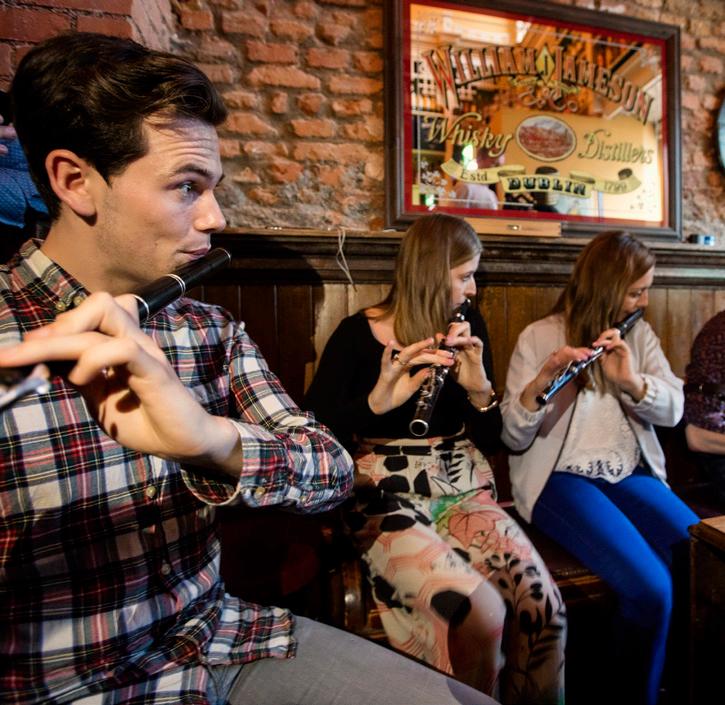
Traditional Irish music is the beating heart of the nation. You won’t have to look very far at all to find this in any county across the country, but some are even more musical than others. Ennis in Co. Clare, is “a great place to hear music at any time”, Fodor’s suggests. “But especially during the Fleadh,” they add. “Singers, musicians and dancers compete and much of the music is free.” For 2026, the annual Fleadh Nua festival takes place in Ennis from May 23 to June 1.
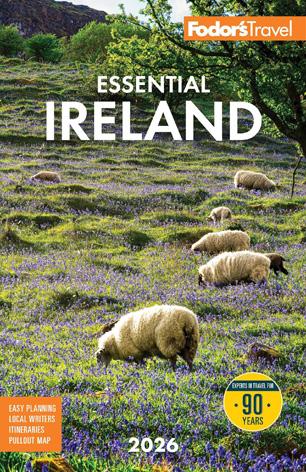
Fodor’s Essential Ireland 2026 is available to purchase now via amazon.com. For further information visit www.fodors.com
Robotic Demolition
Hydro Demolition
Concrete Works
Cut and Carve
Soft Strip
Water Infrastructure
Rail Infrastructure
Highways
Airports
Marine

You will need: Felt-tip pens or crayons
Can you spot 8 differences between these pictures?
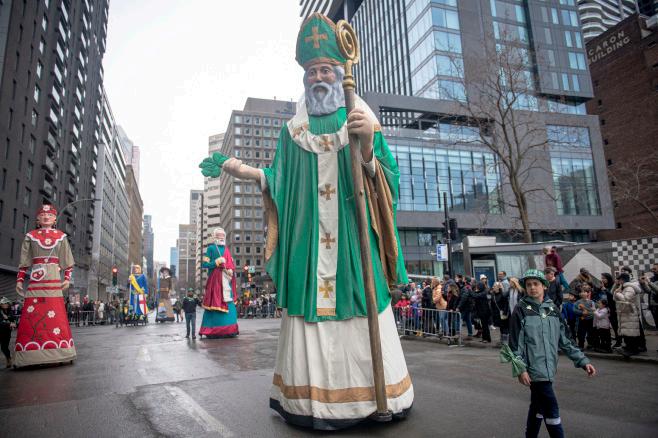
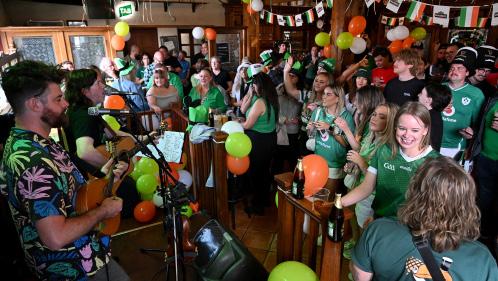
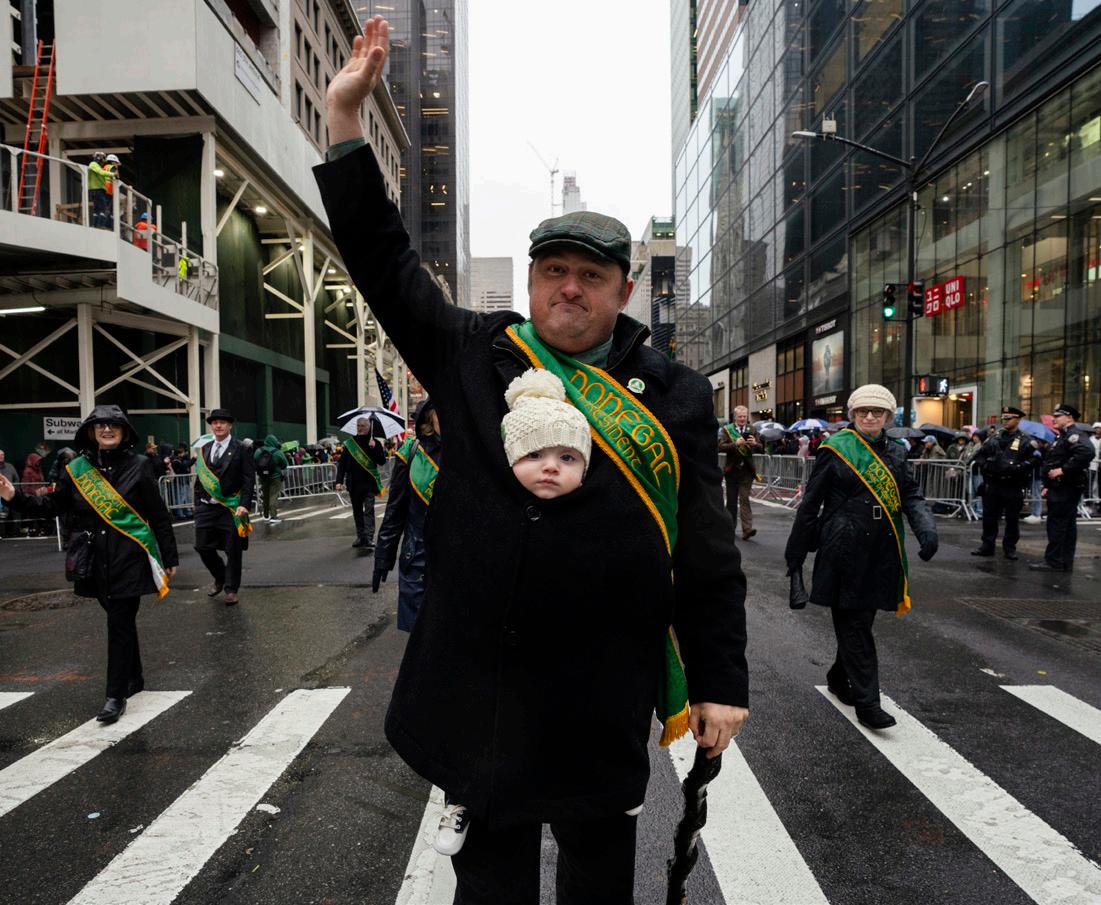
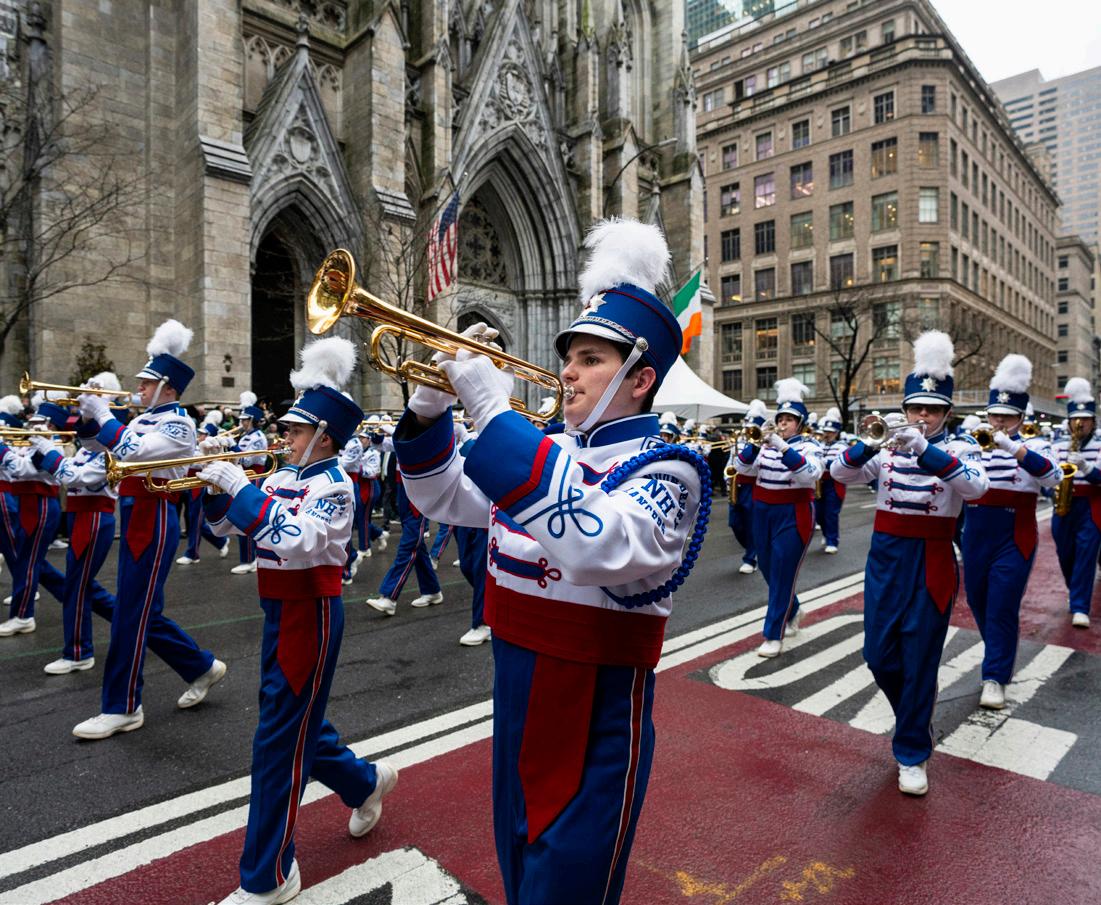
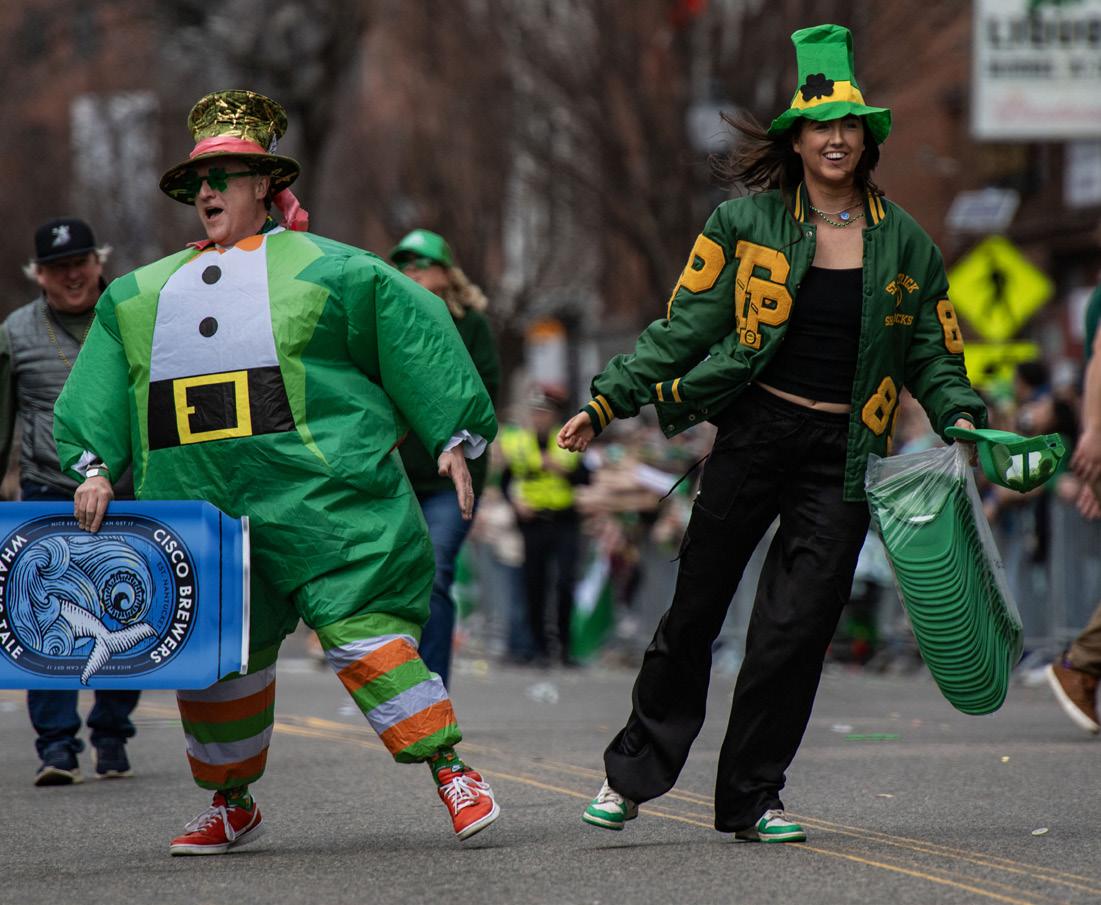
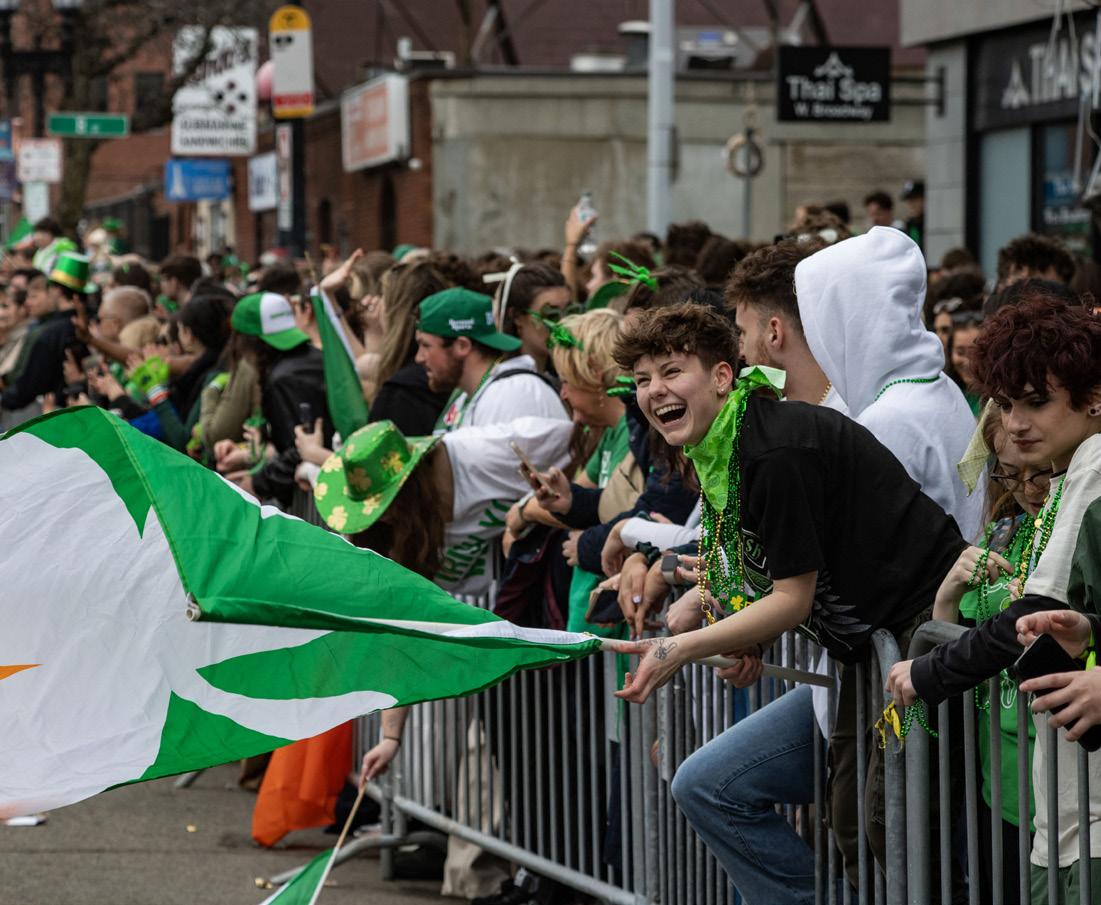
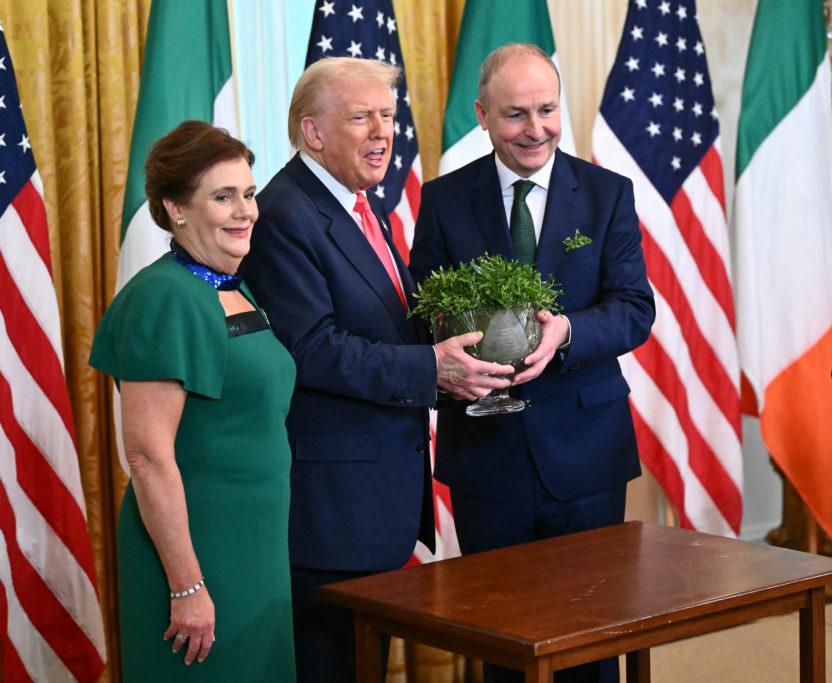
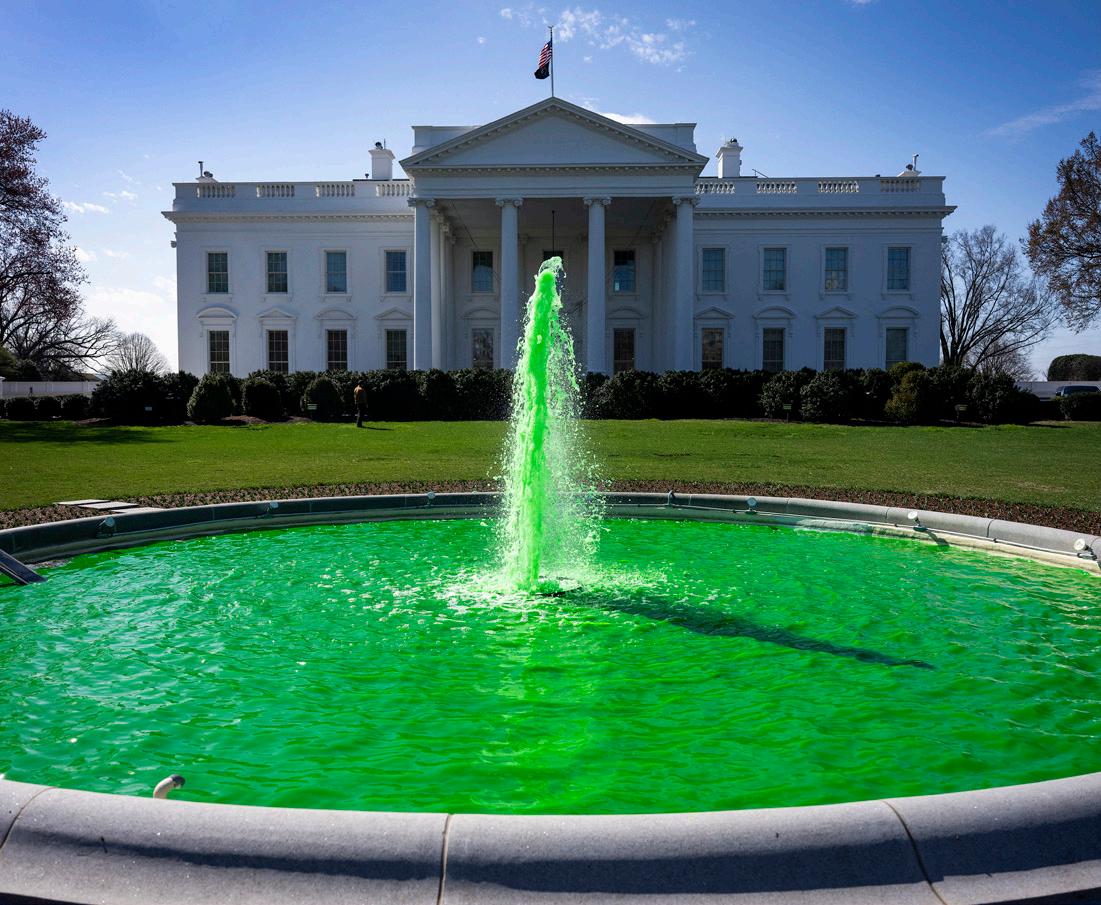
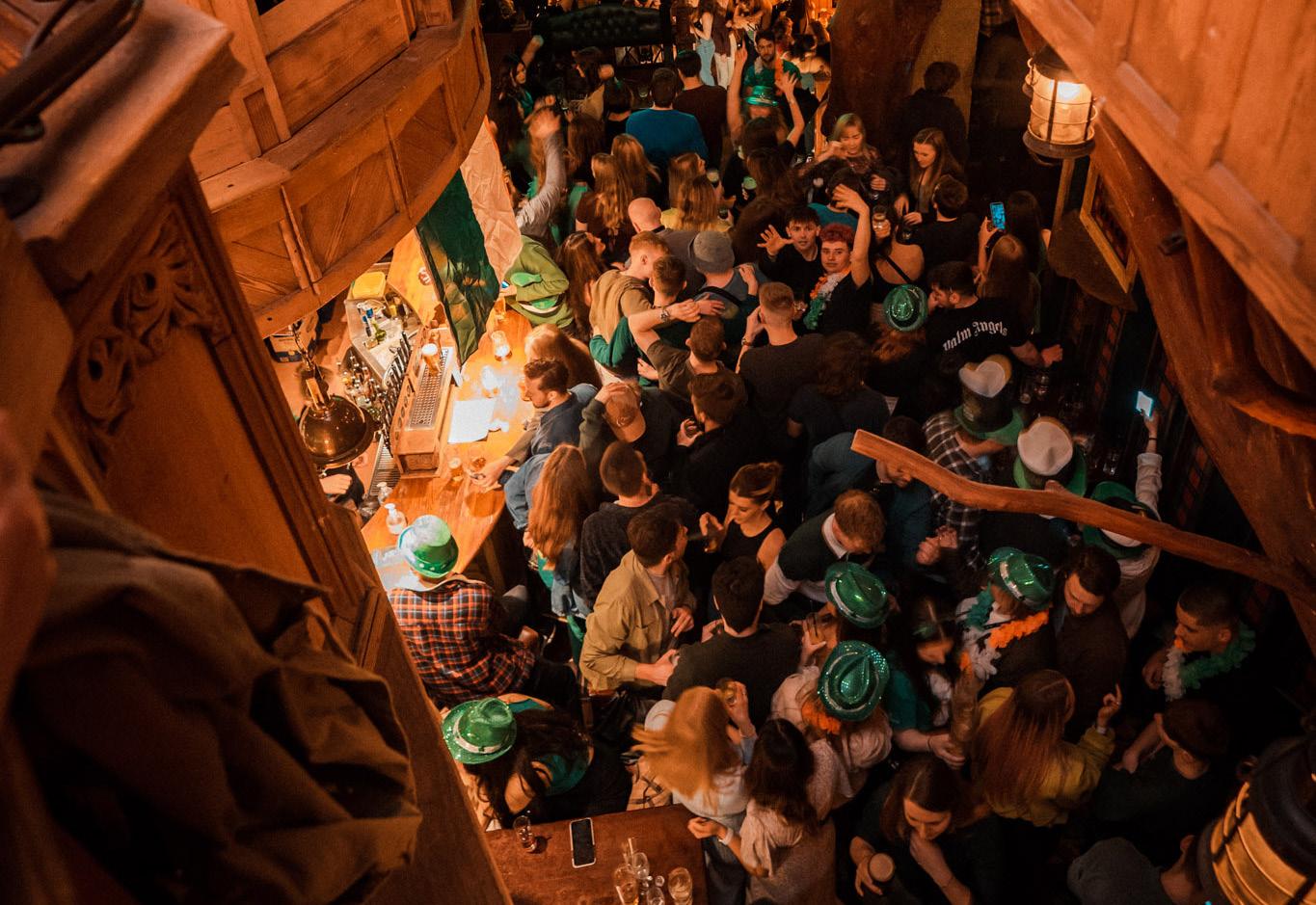
WITH roughly 80 million people across the globe claiming Irish ancestry, the world turns green on St Patrick’s Day. Cultural celebrations get underway in towns and cities everywhere, from Melbourne to Montreal, as our vibrant diaspora shares the very best of Irish music, dance, literature and the arts with their neighbours. Here’s a lookback at how the Irish community celebrated St Patrick’s Day in 2025…
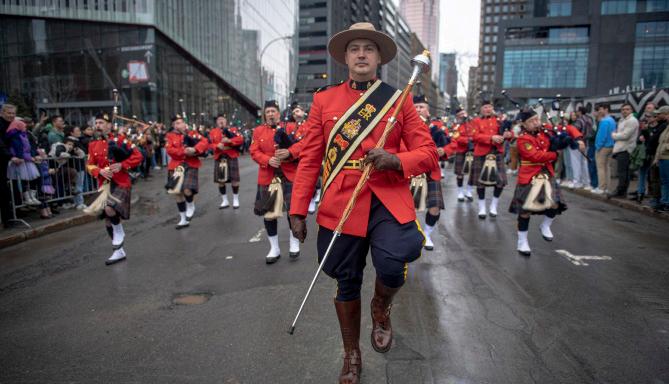
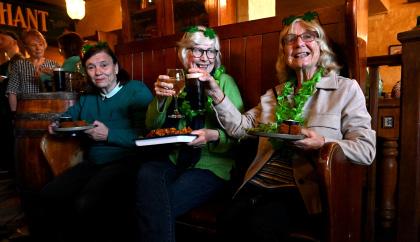
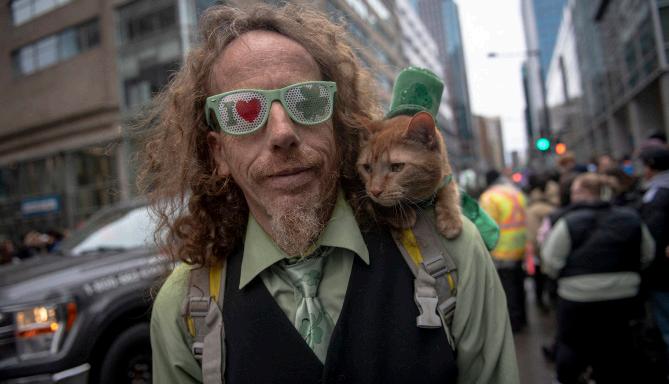
MONTREAL, CANADA



• 220g/8oz plain flour
• 220g/8oz wholemeal flour
• ½ tsp salt
• 1 tsp baking powder or bicarbonate of soda
• 1 pint/500ml buttermilk
1. Preheat the oven to 180C/350F/Gas mark 4.
2. Mix all the dry ingredients together in a bowl.
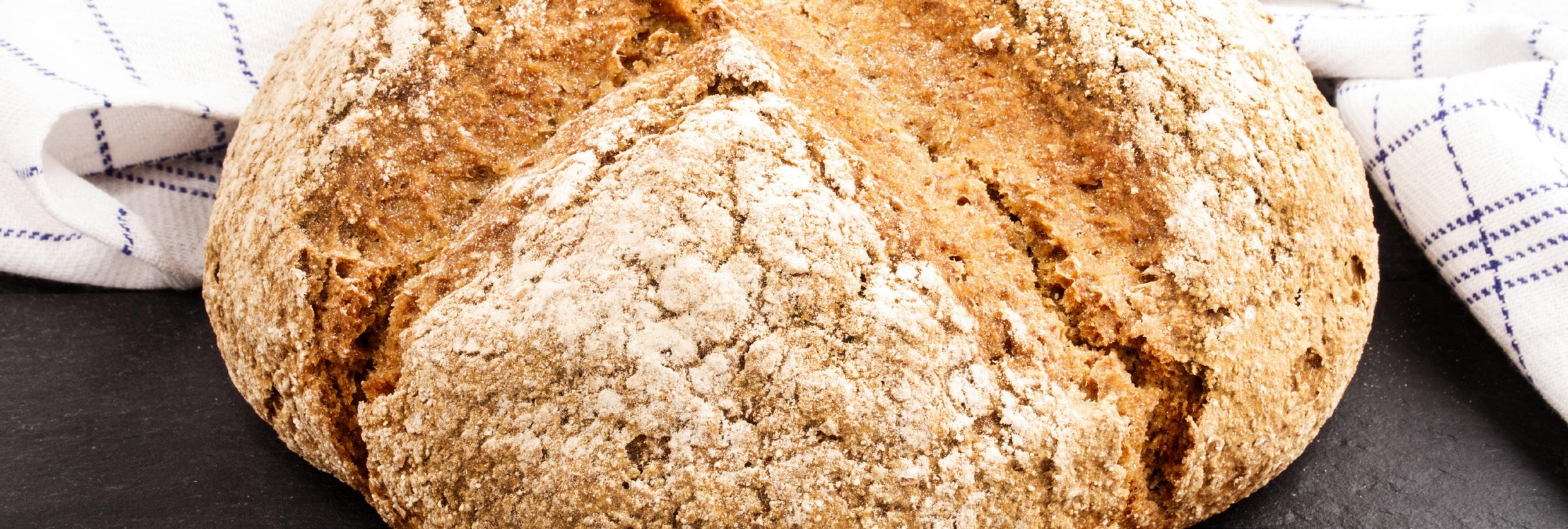
Nothing says St Patrick’s Day like a delicious loaf of Irish soda bread. This traditional bread is baked in kitchens across Ireland every day, and it couldn’t be easier to prepare. So, if you fancy baking your own here’s a recipe which is sure to impress your family and friends…Lesley Keogh’s brown Irish soda bread
Recipe provided by Bord Bia, the Irish food board
3. Make a well in the centre and pour in the buttermilk, using your hands to draw the flour and milk together.
4. Pour ingredients onto a floured surface and lightly form into a round (do not over-knead).
5. Cut a cross on the top.
6. Place onto a floured baking tray and put into the oven for about 35-40 minutes.
7. When you take the bread out, turn it upside down and tap the bottom. If the bread sounds hollow it’s done.
8. Leave to cool on a wire rack.
TOP TIP: Remember to mark the distinctive cross in the bread before it goes in the oven: it’s to let the fairies out, apparently
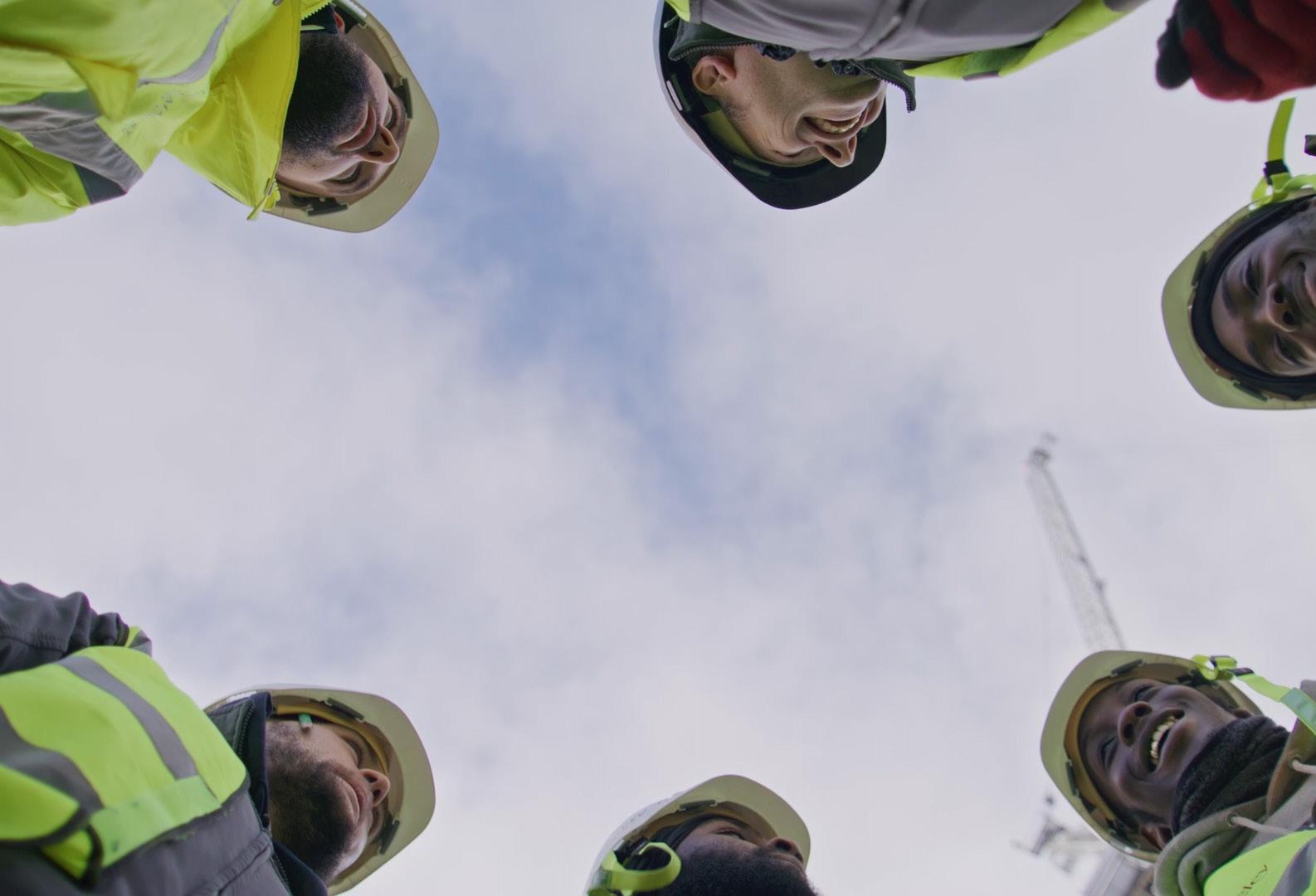
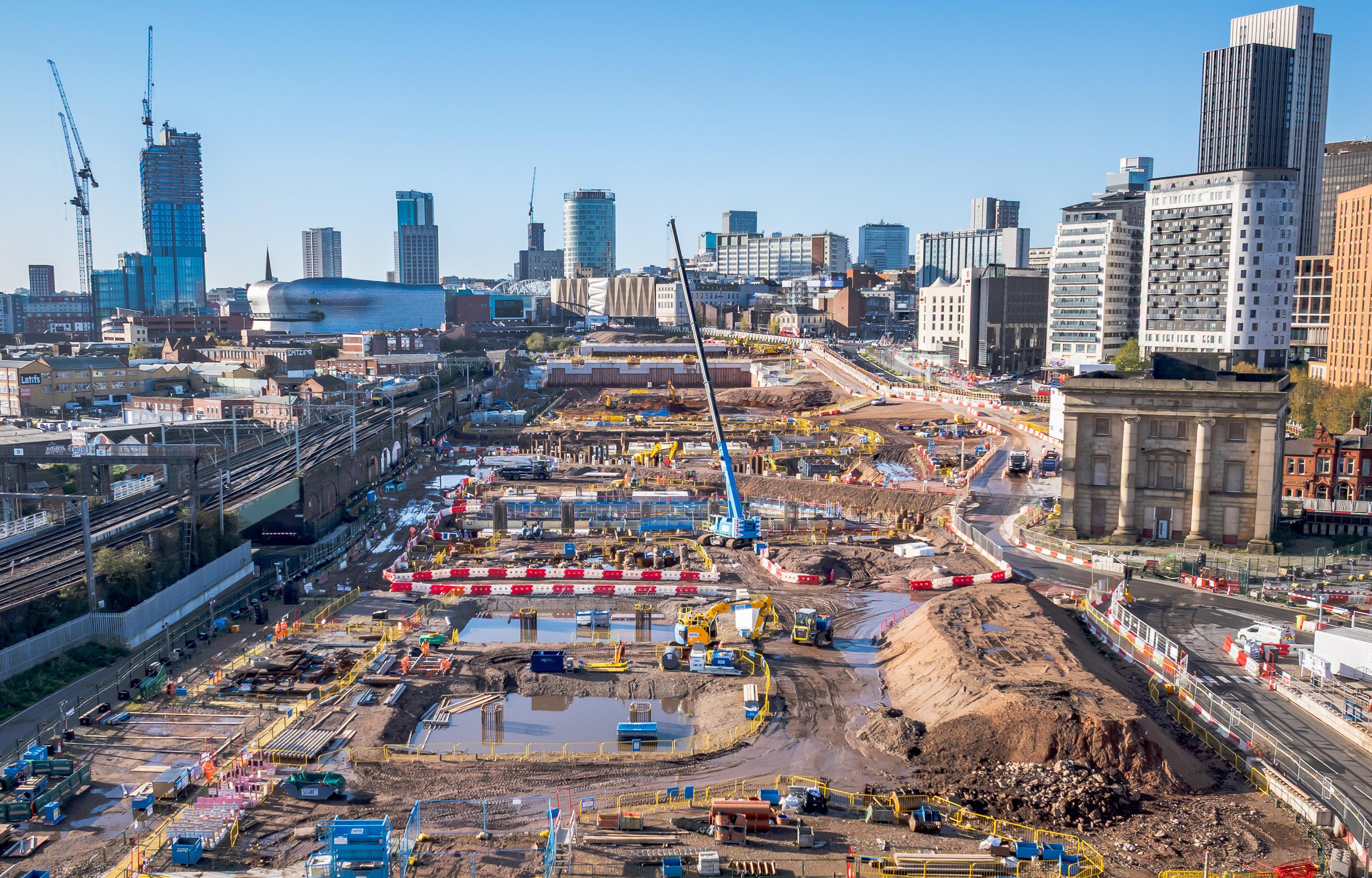
Established by Michael Boyle in 1987, MPB is recognised as one of the UK’s top 10 concrete frame and infrastructure contractors.
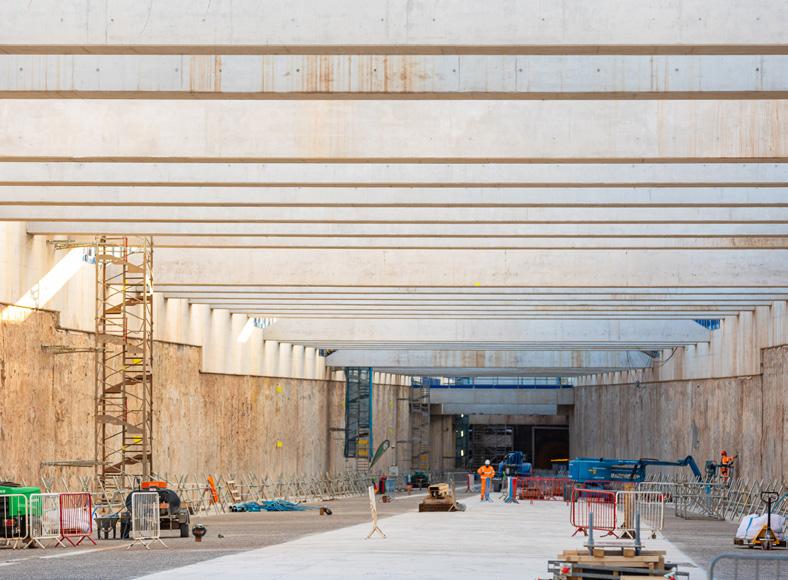
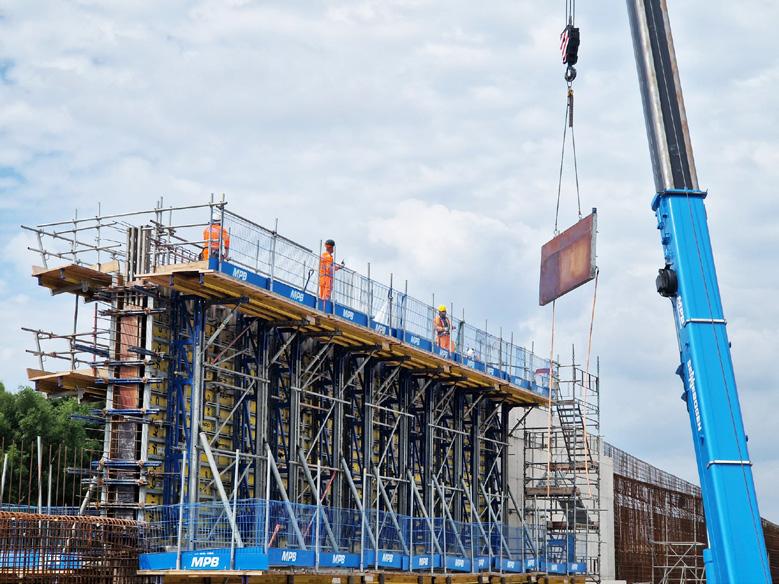
With a turnover exceeding £150m, our strength lies in our year-on-year growth and a steadfast commitment to excellence. We specialise in delivering integrated construction solutions across the commercial, residential, education, and rail sectors - including HS2.
At MPB, we take pride in delivering every project safely, sustainably, and to the highest standards, ensuring competitive financial outcomes without compromising on quality.
MPB Directors and staff would like to wish you all a Happy St Patrick’s Day