




Photo credit: beIN Sports
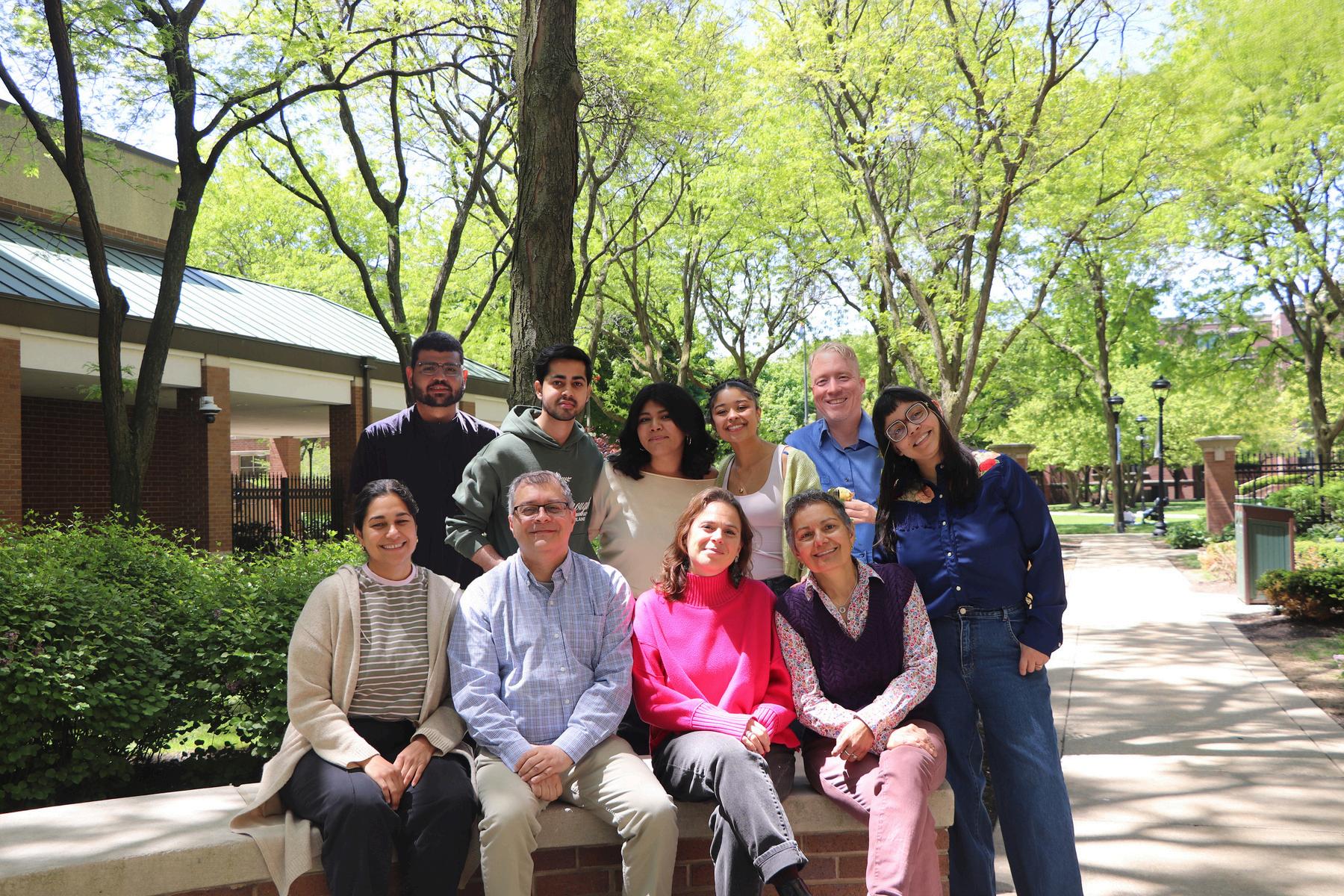





The Center for Latino Research (CLR) strives to open and sustain dialogues that foster the empowerment and advancement of Latinx communities. To that end, the CLR creates learning opportunities for students and supports scholars in their research, while forging collaborative relationships with local, national, and international research partners. We also publish an award-winning scholarly journal, Diálogo, and sponsor many activities on campus, including film series and speaker series.
The Department of Latin American and Latino Studies (LALS) explores the myriad contributions of Latin Americans and Latinx people to the global community. The department’s programs emphasize the profound linkages that have emerged between Latin America and the United States, particularly through the construction of Latinx communities in the U.S. We also critically analyze the complex intersections with Indigenous, African, European, Semitic, Arab, and Asian communities throughout the Americas.
Edited and Designed by:
Gigi Lara Goutam Kumar
Michelle Cisneros
Published by:
The Center for Latino Research and The Department of Latin American and Latino Studies at DePaul University
Dear readers,
The arrival of summer provides an opportune moment to reflect on a remarkable year in Latine politics and public life. From the global stage of the Super Bowl to struggles on the streets of Chicago, Latines have remained at the center of national discussions regarding social justice, immigration, education, and the meaning of democracy.
This year at the Center for Latino Research, we’ve highlighted our community’s history through our various events centered on the Young Lords We’ve taken students to the Latinx history exhibit at the Chicago History Museum (which draws in part on the CLR’s archives) and have brought Chicago area teachers to DePaul to learn from our special collections and archives The CLR also brought writers such as Xochitl Gonzalez and Daisy Hernandez to campus for lively discussions about their novels and memoirs And as always, we’ve celebrated and supported the work of our colleagues through the CLR Fellowship
Despite the many challenges Latine communities have faced this year, we continue to demonstrate our growing influence as voters, leaders, scholars, and agents of change. Such developments point toward a future in which Latine voices are increasingly heard and valued
We wish you an exciting summer of research and discovery! ~BillJohnsonGonzález
Hola lectores,
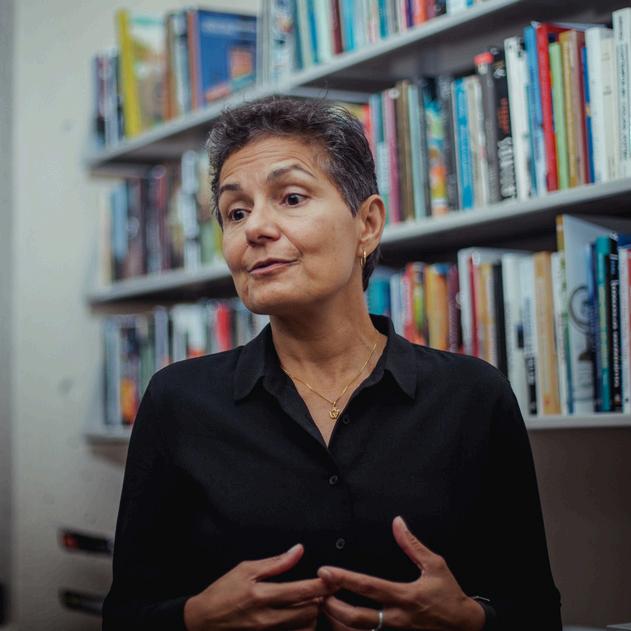
It is a pleasure to share this spring edition of El Centro Newsletter with you. As we finally rejoice in the warmer temperatures, we can also celebrate other accomplishments as the academic year ends. First, we congratulate all our student majors and minors in Latin American and Latino studies who graduated this year. We also take pride in the fabulous programming we did this last winter and spring, which are highlighted in this issue. Finally, I hope you are as proud as I am to read about our wonderful colleagues, students, and friends who are highlighted in this issue. As I read their profiles, I was struck by a common thread in all the pieces. Michelle Cisneros, Trish Brown Cordes, Heather Montes-Ireland, Carolina Sternberg, Olga Salazar Pozosstudents, faculty, and advisory board members all mention their deep commitment to social justice They all believe that a better world is possible, and through their projects, research, work, and future dreams, are committed to participating in creating an alternate future where all people can thrive I love being a part of this community!
Have a great summer, and I look forward to seeing you in the fall
Warm saludos, ~LourdesTorres
Marisa Alicea, Professor, Vincent DePaul Professor School of Continuing and Professional Studies
Carolina Barrera Tobón, Associate Professor Modern Languages
Rocío Ferreira, Associate Professor | Modern Languages
Martha Martinez-Firestone, Associate Professor and Director of Undergraduate Program | Sociology
Julie Moody-Freeman, Associate Professor, African and Black Diaspora Studies | Director, Center for Black Diaspora
Jacqueline Lazú, Associate Professor, Vincent DePaul Professor | Modern Languages
Jesús Pando, Associate Professor, Chair Physics and Astrophysics, College of Science and Health
Carolina Sternberg, Professor Latin American and Latino Studies
Joe R. Tafoya, Assistant Professor | Political Science
Lourdes Torres, Vincent DePaul Professor, Chair Latin American and Latino Studies
Carolina Sternberg, Professor Latin American and Latino Studies
Yoalli Rodriguez Aguilera, Assistant Professor Latin American and Latino Studies
Marisa Alicea, Professor, Vincent DePaul Professor School of Continuing and Professional Studies
Luisela Alvaray, Associate Professor Media and Cinema Studies
Glen Carman, Associate Professor Modern Languages
Delia Cosentino, Professor History of Art and Architecture
Rocío Ferreira, Associate Professor Modern Languages Department Chair, Women's and Gender Studies
Bill Johnson González, Associate Professor, English Director, Center for Latino Research
Jacqueline Lazú, Associate Professor, Vincent DePaul Professor Modern Languages
Jordan Levy, Assistant Professor Anthropology
Martha Martinez-Firestone, Associate Professor, Sociology Director, Undergraduate Sociology Program
Susana S. Martínez, Associate Professor, Modern Languages Director, Peace, Justice & Conflict Studies Program
Elizabeth Millán, Professor, Chair Philosophy
Heather Montes-Ireland, Associate Professor Women's and Gender Studies
Jesse Mumm, Professional Lecturer Latin American and Latino Studies
Camila Gavin, Social Transformation Research Collaborative (STRC) Post-Doctoral Fellow | Latin American and Latino Studies
Juan Mora-Torres, Associate Professor History
Vincent Peña, Assistant Professor Journalism and Sports Communication, College of Communication
Xavier Pérez, Assistant Professor Criminology
Olga Salazar Pozos, Assistant Professor Spanish, Modern Languages
Lydia Saravia, Professional Lecturer Writing, Rhetoric and Discourse
Monica Reyes, Assistant Professor Writing, Rhetoric and Discourse
Ana Schaposchnik, Associate Professor History
Jose Soltero, Professor Sociology
Sonia Soltero, Professor, Chair Leadership, Language and Curriculum, College of Communication
Rose J. Spalding, Professor, Vincent DePaul Professor Political Science
Joe R. Tafoya, Assistant Professor Political Science
CAROLINA STERNBERG
Carolina Sternberg has been invited to deliver a lecture at the University of Heidelberg, Germany, titled “Neoliberal Cities in Parallel: Governing Urban Change in Buenos Aires and Chicago” on July 13th. She will also be traveling to Vienna, Austria, to contribute to a panel session at the RC 21 2026 Conference. The panel will focus on “Racial Dynamics, Whiteness, and Urban Redevelopment Across Diverse Urban Contexts.”
In the Fall, Carolina Sternberg will be collaborating with Mercedes Di Virgilio from the University of Buenos Aires. They will be offering an online course titled “Gentrification and Displacement in Comparative Perspective: Buenos Aires and Chicago.” The course will provide students with activities designed to enhance their understanding of contemporary urban transformations, including gentrification and displacement, in global cities. The course is cross-listed with GEO395 and INT 386.


The DePaul Institute for Business and Professional Ethics named Heather Montes Ireland a 2025–2026 Wicklander Fellow for her project, “Work at Any Cost? LowIncome Mothers and The Ethics of ‘Dignified’ Work ” Her research considers questions of how public policy can better serve vulnerable communities, centering Latina and Black low-income mothers, through an examination of the cultural and socio-political constructions of 'dignity' often weaponized against women of color She presented her work at the IBPE Wicklander Symposium on Monday, June 1st, 2026

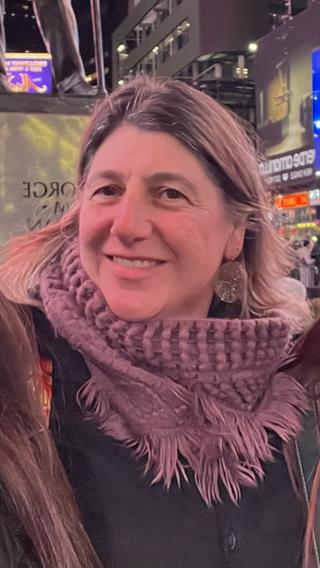
Professor Polos recently published "Decomposing Black-White and Hispanic-White Disparities in Infant Prematurity by Maternal Age and Maternal Educational Attainment in the U.S., 2004–2023,” in the Journal of Racial and Ethnic Health Disparities. This is a project that was previously supported by the Center for Latino Research Faculty Fellowship. Dr. Polos is also leading her inaugural study abroad course on "Comparative Health Systems in the U.S. and Spain" this spring, traveling with students to Barcelona at the end of the term.
In March 2026, Delia Cosentino delivered the Jay I. Kislak Talk on “Becoming Mexico City: Early Maps of the Oldest Continuous Metropolis in the Americas” at the Freedom Tower in Miami, Florida This invited presentation accompanied the recently-opened exhibition Languages of Migration at the Miami Dade Museum, for which Dr. Cosentinoservedasaconsultantfrom2024-2025.
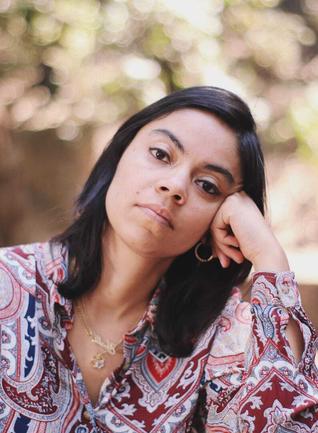
Dr. Yoalli Rodriguez will be on academic leave during the spring quarter of 2026 to complete their first book manuscript: Grieving Geographies, Mourning Waters: Race, Gender, and Environmental Struggles in Mexico, an ethnographical book about the political and emotional effects of an ecocide in Afro-Indigenous communities living around the Chacahua Lagoons, on the Coast of Oaxaca, Mexico, under contract with the University of Illinois Press.
In April 2026, Prof. Ana Schaposchnik was a guest speaker in a graduate course titled “The Spanish Inquisition,” offered online at Harvard University. The title of the session was “The Inquisition in the New World (Peru),” and it was based on the discussion of her publications. Later in the Spring Quarter, she presented her paper titled “Appealing the Sentence: Francisco Vázquez and the Inquisition (Peru, 1600s)” in a panel about legal history of colonial Latin America in LASA (Paris, May 26-30).
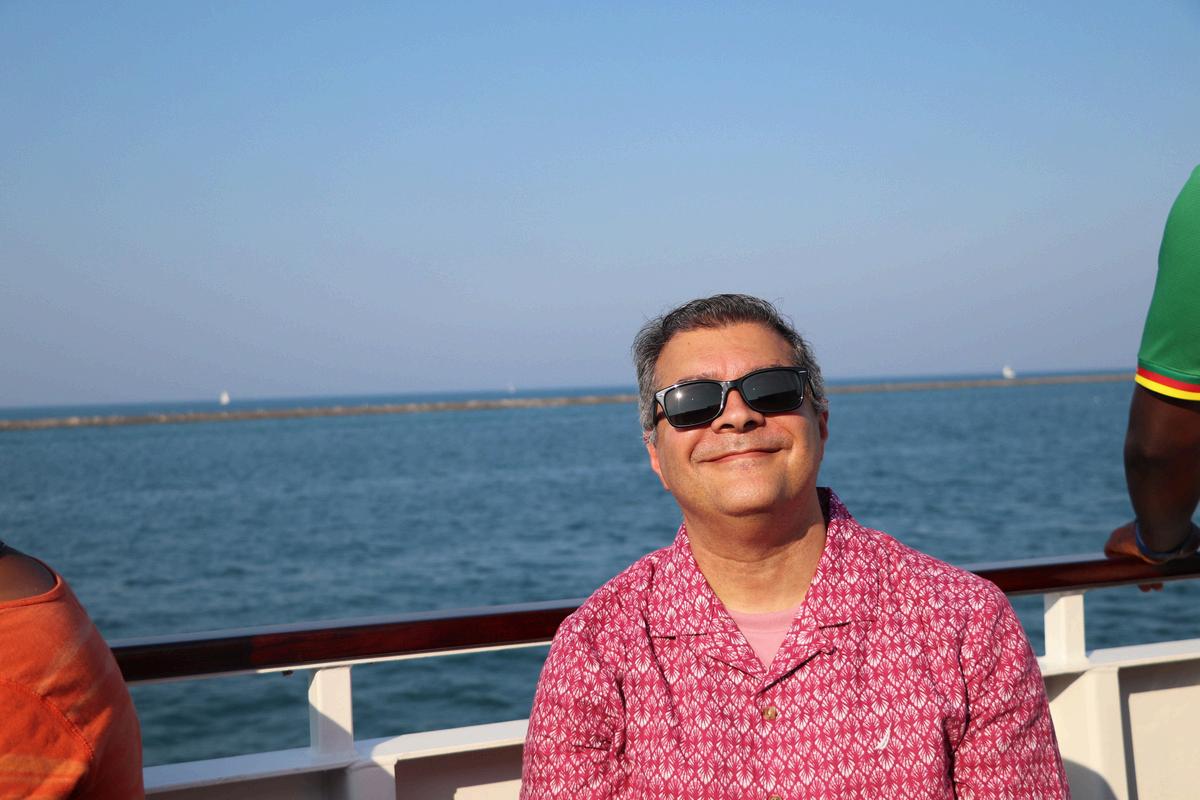

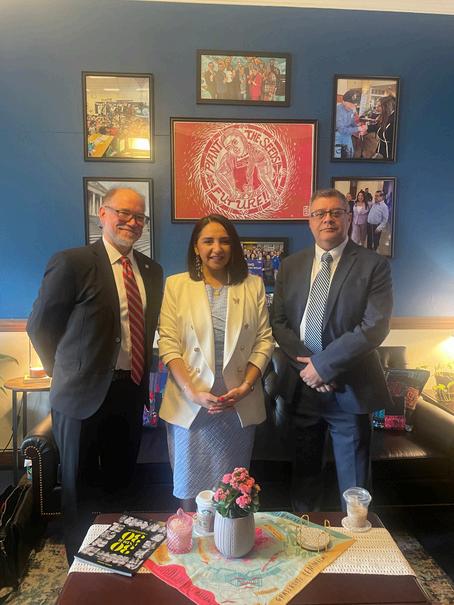
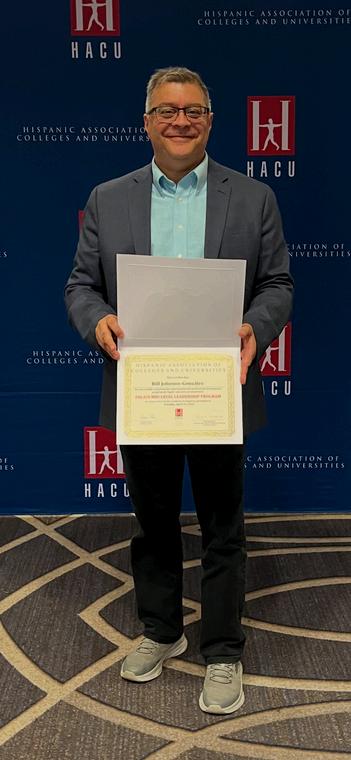
In March, Bill presented a paper entitled, “Latinx Literature and Incomplete Assimilation” at the Latinx Studies Association conference, held at the Univ of Texas, Austin. In April, Bill completed the Enlace Mid-Level Leadership Program, a six-month program offered by the Hispanic Association of Colleges and Universities (HACU). Bill received a certificate of completion in Washington, DC, during the HACU Capitol Forum He also had an opportunity to meet with Congressional Representative Delia Ramírez and members of Senator Dick Durbin’s office to advocate for increased funding for higher education. Finally, in May, Bill presented on the panel, “Ways of Belonging: Within/Against Narratives of Nation and Revolution,” at the Latin AmericanAmericanStudiesAssociationinParis.
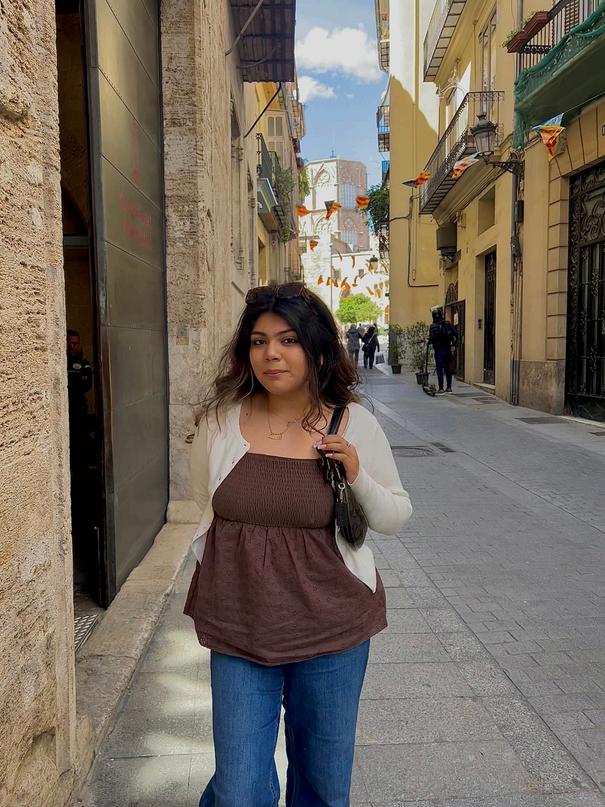

Michelle Cisneros will be graduating this spring with her Bachelor of Arts in Latin American and Latino Studies Her academic journey continues this upcoming fall as she continues pursuing a Master of Arts in Critical Ethnic Studies Michelle has also been selected for the 2026 STRC Graduate Fellowship This summer, she will continue her fellowship, which will culminate in October 2026 when she serves as a featured panelist in a roundtable presentation at the Annual Fall STRC Symposium
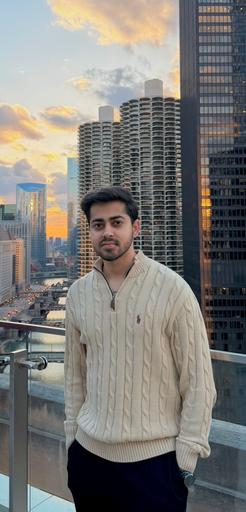
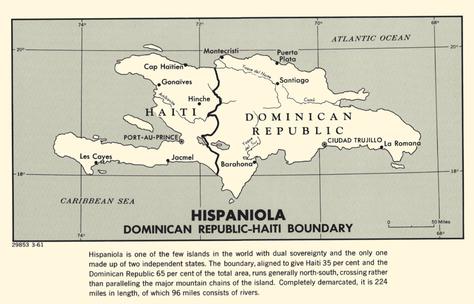
Gigi Lara was selected as a Schomburg-Mellon Humanities Summer Institute Fellow at the Schomburg Center for Research in Black Culture, New York Public Library From June 1–26, she will join a four-week intensive fellowship engaging in archival research, seminars with distinguished scholars, mentorship, and public humanities training grounded in African and Black Diasporic Studies As part of this experience, she will be conducting original archival research at the intersection of race, gender, and historical memory Her project builds on her ongoing work on Dominicanidad, violence, and transnational, multigenerational diasporic experiences. It will examine how antiBlackness and machismo have been shaped and sustained through histories of state violence in the Dominican Republic.
Goutam Kumar will be graduating this spring with a Master of Science in Business Analytics During his academic journey, he gained hands-on experience at an engineering consulting firm, where he developed AI-powered applications to streamline internal business processes With a strong foundation in data analytics, machine learning, and business intelligence, Goutam is transitioning into a full-time role as a Financial or Business Analyst, where he looks forward to driving datainformed decision-making in his next chapter
Faculty Research Fellows
Julie Moody Freeman
Symone Johnson
Faculty Professional Development Fellow
Susana S. Martínez
Postdoctoral Fellow
Camila Gavin
Taurean Webb
Graduate Fellows
Michelle Cisneros
Joel Halexander-Johnson
Zhi Qing Yaw
Dom Keith-Maher
Leon Friedrich-Díaz
Emmanuel Flores
Jabari Scott
Thawng Hmung
Undergraduate Fellows
Erica Afenya
Charise Connard
Virginia Edwards
Grace Fitzgerald
Jackelyn Garcia
Olivia Hanif
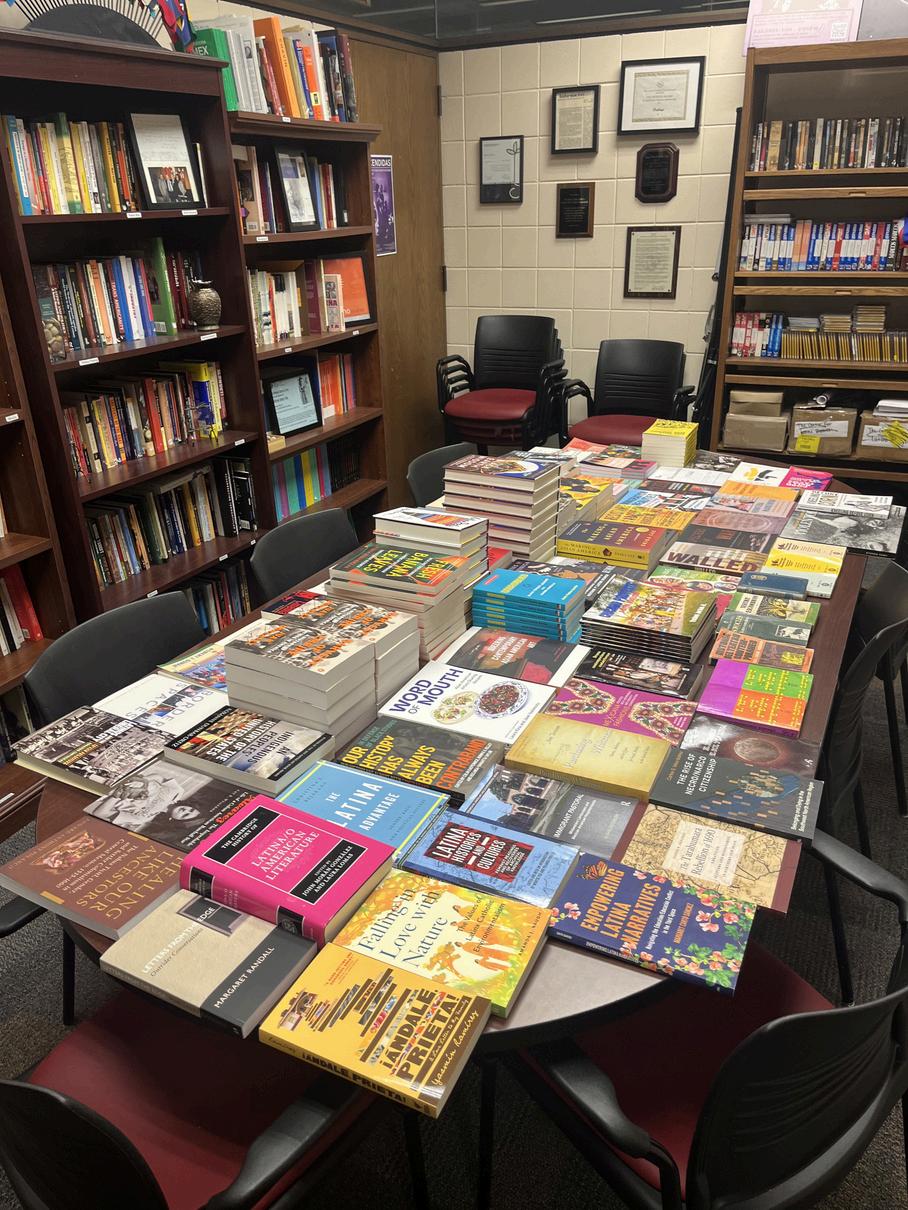
On February 3 we held our first Book Fair at the CLR conference room. We welcomed students, including STRC alums, and faculty members, and gave away close to 100 books, primarily focused on cultural studies. rd
Thank you to everyone who donated books and participated in the event!


TUESDAY, OCTOBER 20, 2026


E EV VE EN NT T R RE EC CA AP P
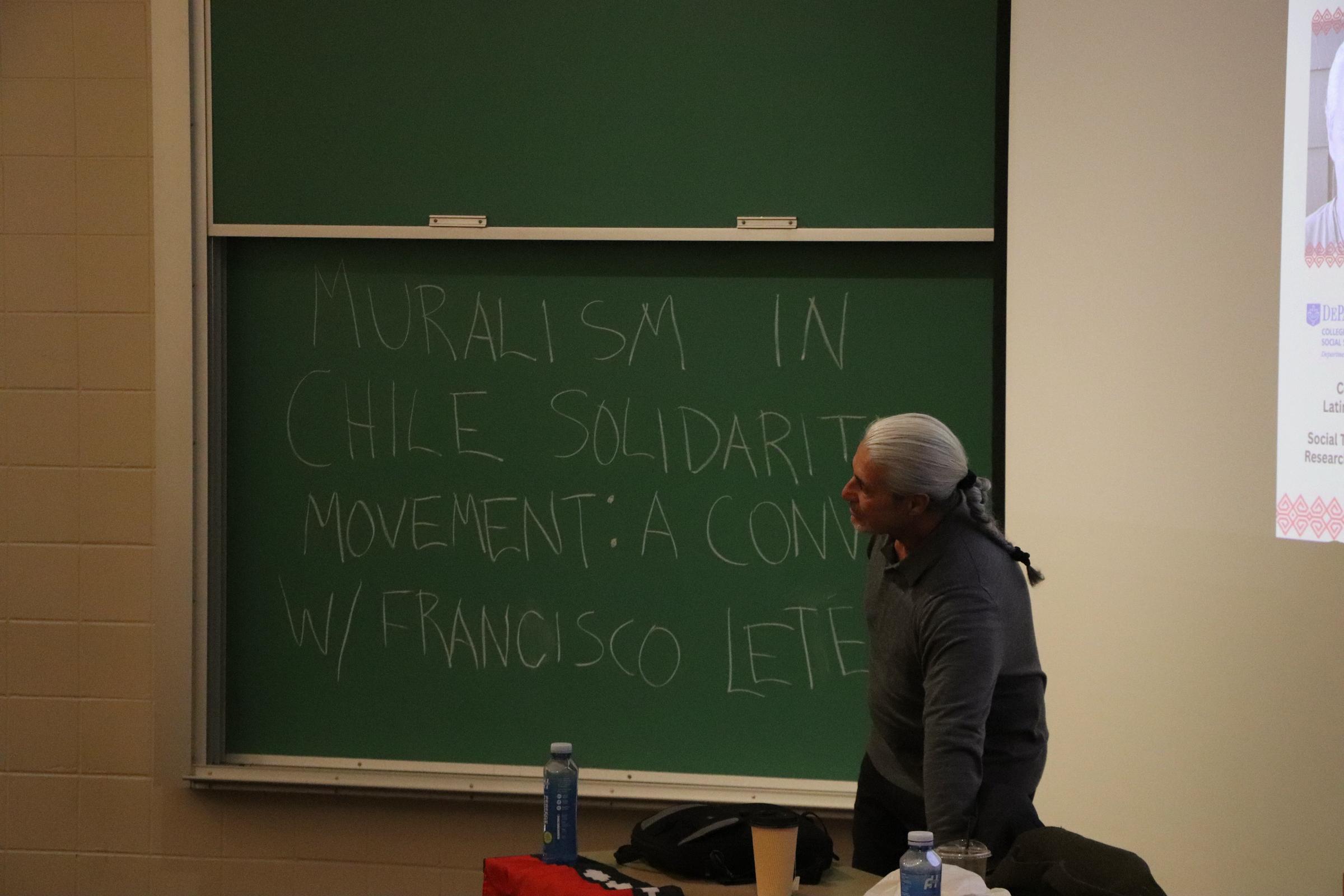
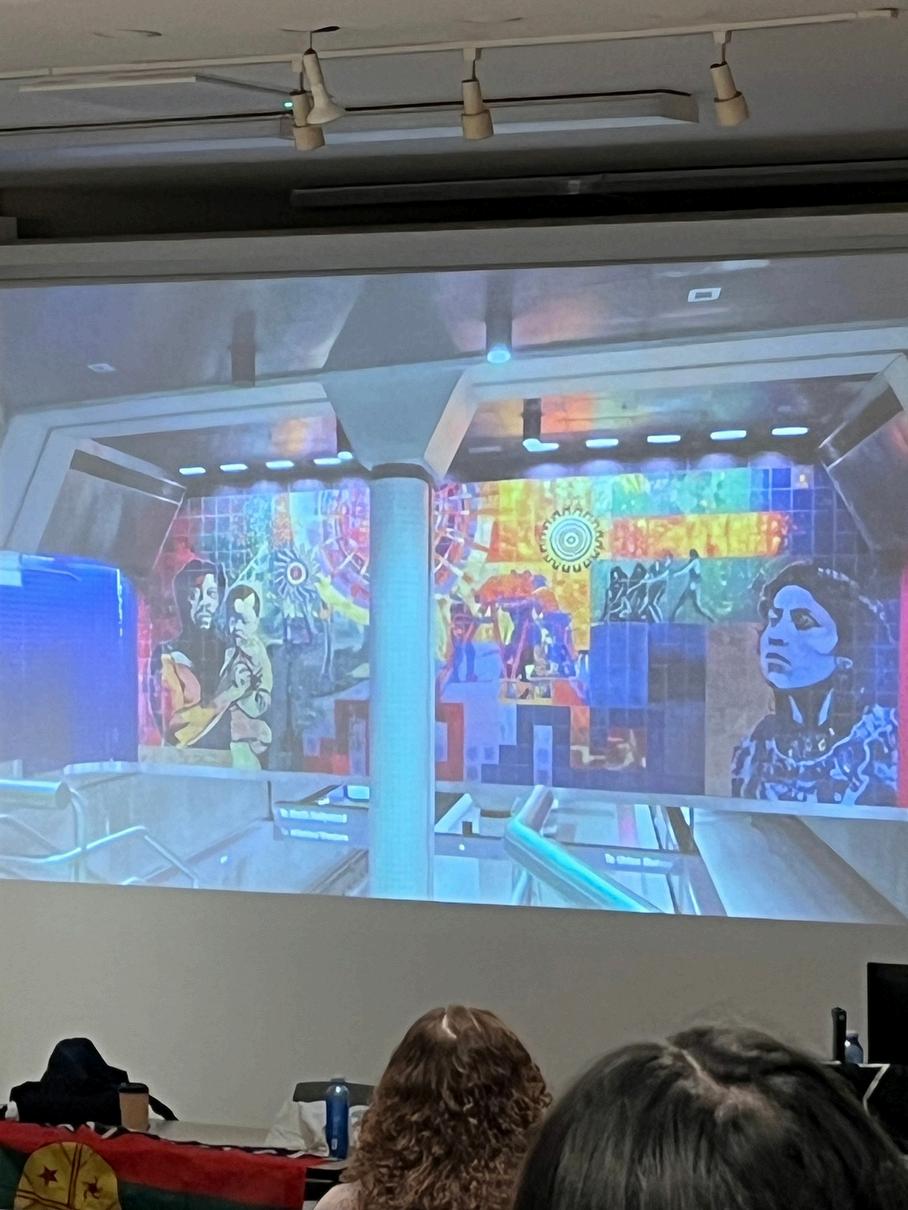
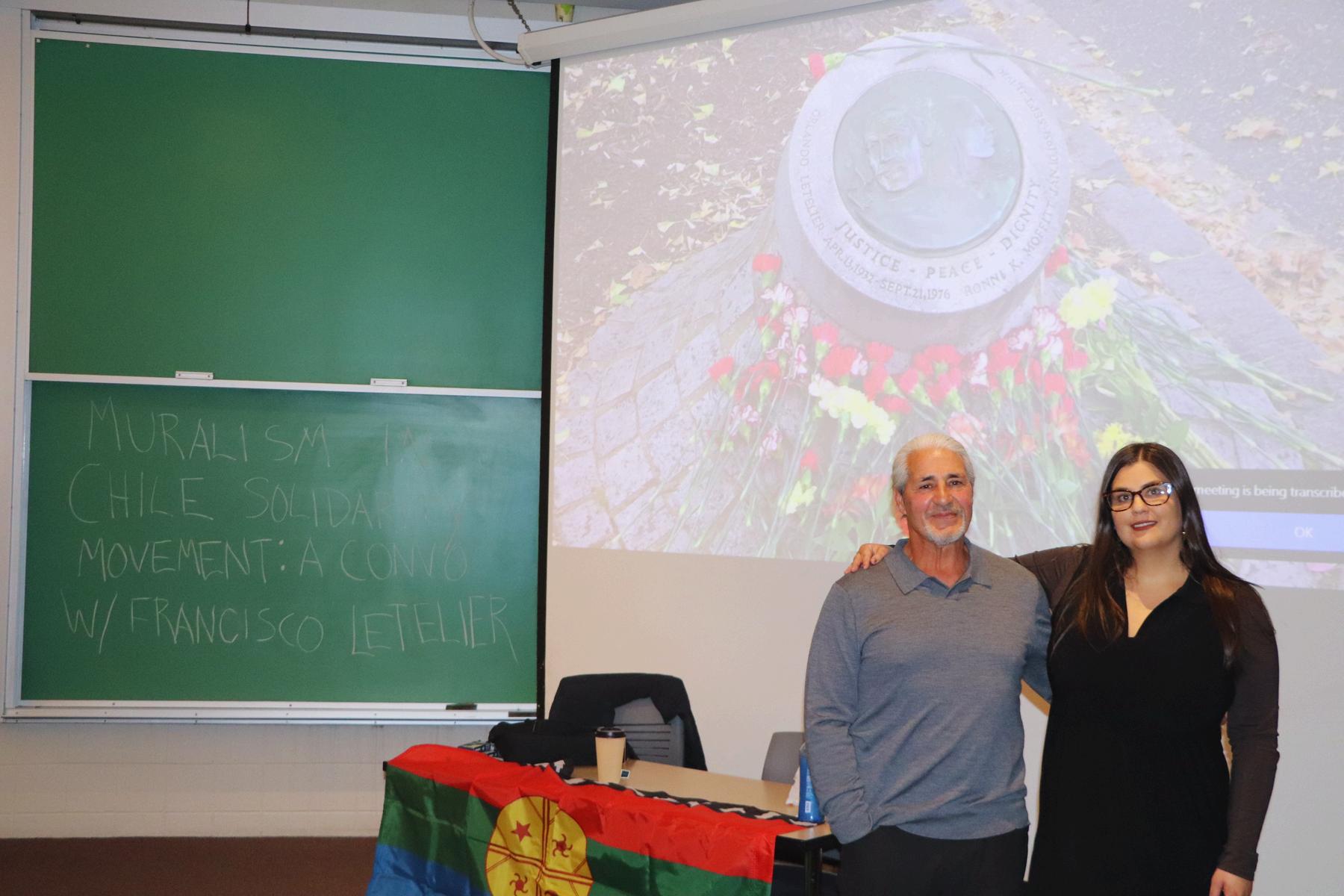
MURALISMINTHECHILESOLIDARITY MOVEMENT: ACONVERSATIONWITH FRANCISCOLETELIER
th
OnFebruary19 Chilean-AmericanartistFrancisco Letelierjoinedusforaconversationabouthiswork,which exploresmemory,solidarity,andidentity
LeterlierpresentedinDr.CamilaGavin’s“LatinxintheU.S.” course,whichwasopentotheDePaulcommunity.
AfterfleeingChileduringthedictatorshipofAugusto Pinochet,heco-foundedtheBrigadaOrlandoLetelierin 1979,creatingcommunitymuralsacrosstheworld, includingChicago.
=
Aspecialthankyouto Francisco,forvisitingand engagingwithourDePaul community!
Join us for a conversation with
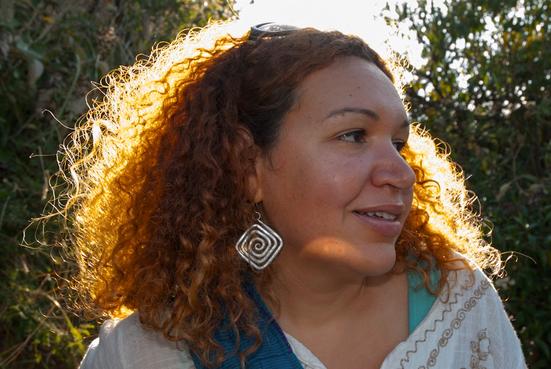

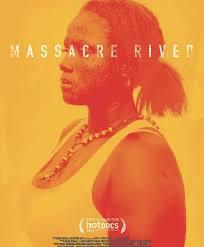

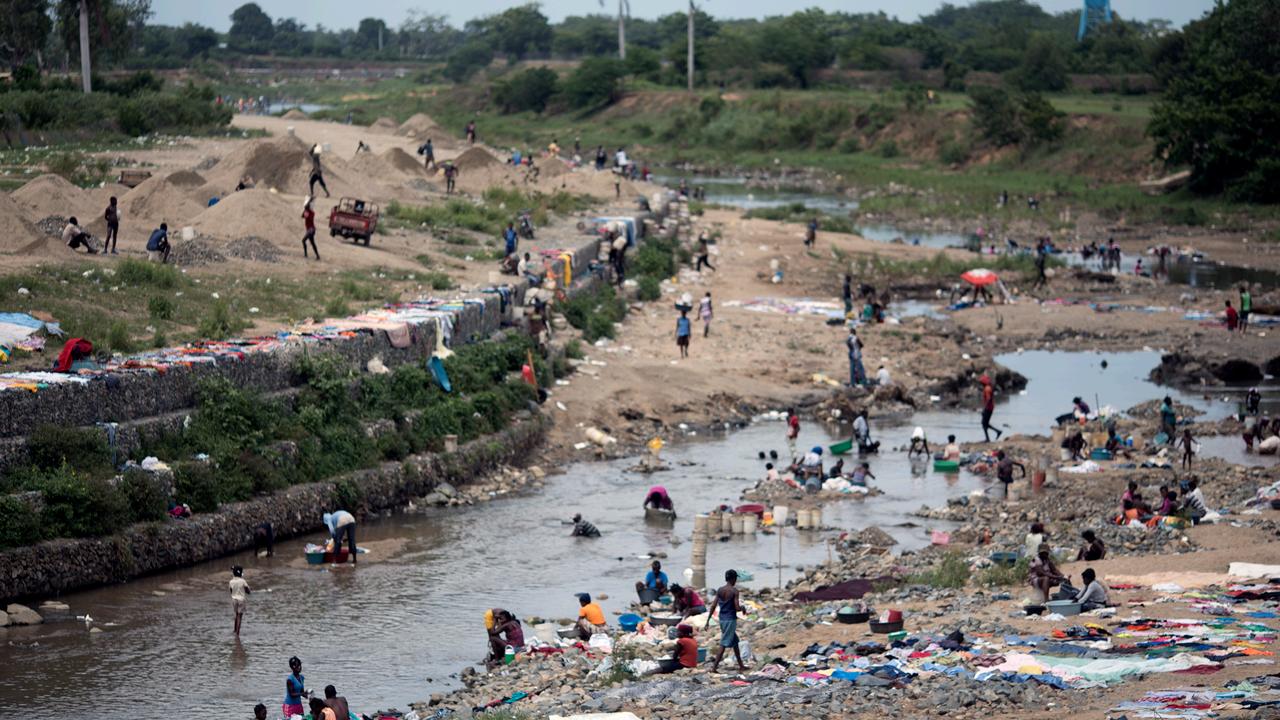
Join us for a conversation with Princeton University scholar, writer, and activist Dr. Lorgia García-Peña, who will discuss Suzan Beraza’s film, Massacre River: The Woman Without a Country (2019).
The film centers on Pikilina, a Dominican woman of Haitian descent, who is rendered stateless, along with over 200,000 others, after changes in the Dominican Republic’s birthright citizenship law. The film brings to light important transnational themes of migration, identity, belonging, and citizenship.






Interview conducted by Angelique Lara
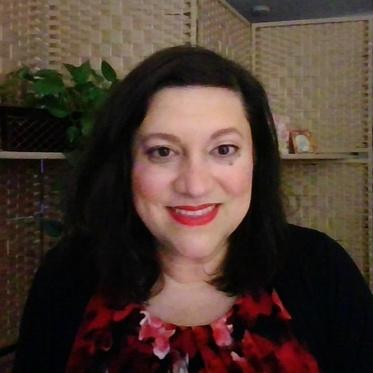
Heather Montes-Ireland is an Assistant Professor in the Department of Women’s and Gender Studies and an affiliate faculty in the Critical Ethnic Studies program. She is currently working on a monograph, Privatizing the Welfare Queen in the Age of Entrepreneurship: Racialized Women in Global Poverty Policy, which examines how cultural constructions of entrepreneurialism shape public policy with repercussions for low-income mothers of color.
First and foremost, I’m a queer CaliRican transplant to the Midwest. I am the oldest daughter of an oldest daughter. I’m a spouse to an amazing person, Jill. And, I am a mom to two puppies Those are some of the things that are really important to me and who I am I am also an Associate Professor here at DePaul’s Women’s and Gender Studies department, and affiliated with the department of Latin American and Latino studies and the Critical Ethnic Studies program I am an activist scholar; a chingona warrior of sorts I am also a loving, caring mother to a lot of people in my life. I normally would answer the question “Who are you, professionally?” but the way the question is framed really got me thinking about the wholeness of who I am and how that comes to bear on everything that we do, on our funds of knowledge.
How did your experiences as a queer Boricua on the West Coast influence your decision to study women's and gender studies and ethnic studies?
I was born in LA to two young parents who migrated across the country, from the East Coast, at eighteen and twenty years old. My mom left her whole family behind: herself, one of seven siblings, and a huge family that meant so much to her My parents eventually divorced
Growing up, it was isolating to be out in California because there were so few Puerto Ricans I knew so much about myself only through the lens of going back East I hung out with a lot of Chicanas and Central American girls. This was interesting in terms of forming my Latinidad. Being the odd one out made me more cognizant of identity formation.
What really got me into women ’ s and ethnic studies was being a Boricua from the diaspora. I was always conscious of colonialism, even before I had the
language for it; I knew things were wrong. The things I was seeing and the ways I was experiencing the world were not reflected in the curriculum. I cared so deeply about justice and answering why we were doing things this way. I took my first WGS and LGBTQ+ Studies class in community college, and immediately, I knew This is what I want to talk about This is what I want to think about This is what makes me feel seen
Mothers and mother work are a huge part of your scholarship and teaching. Talk to us about your research on mothers from communities of color and economic violence. There are three things here. The first is that I grew up in a family where there was a lot of shame and pressure around assimilation, especially because my mom grew up without a lot of money, and her parents really came from nada. They raised their seven kids from that space. My grandparents were not the easiest to grow up with. They were loving but had so
much trauma from colonialism and economic violence. Growing up, I would hear things. My aunt was on food stamps because she was a young mom and had gotten a divorce. My mom, too, when she got a divorce. She had no formal education. I knew that we were on food stamps. I would hear things about how Puerto Ricans would come to the U.S. to get welfare, a lot of the same baloney we hear today. I read this book, The Battle for Welfare Rights: Politics and Poverty in Modern America, by Felicia Kornbluh, to understand why we needed welfare to be able to feed our kids and ourselves. That's part of the economic violence piece and mothering, how much it was connected to welfare, especially for mothers of color
The second piece is very personal There's this idea of mothering and mother work that I understood was undervalued, underpaid, and so often invisible, but such important work At the same time, I had a very complex relationship with my own mother I was raised by a single father. My mother wasn’t in any way, shape, or form meeting the prevalent ideologies of motherhood.
The third piece goes back to my experiences and upbringing as well. I was interested in economic violence because of how I understood welfare and how it worked. As a young person, I was so nervous about everything. I had to make choices between whether I could buy groceries that week, put gas in my car, or pay the rent. Poor people, working-class people, people of color, and disabled people so often feel those anxieties. One of those is because we have a system of economic violence embedded in our policing. I remember one time I got a ticket for $100, and it was what I made that week, and I needed that money I began to develop a lot of consciousness around class, which started to fuel me It was what a lot of people call class rage I was so angry all the time as a young person I just wanted to go to school and get my degree I wanted to be able to feel like I could fulfill my potential, and I felt like there were so many obstacles all the time. I had to eat. I had to live.
The last thing I'll talk about is the literature. Chicana Latina feminists discuss the working-class and poor woman. If you are a “ woman ” in society, especially Latinx’s, there is no getting away from the way that your “womanhood” is relational with the image of mothers. How woman and mother become collapsed in a strange way that it becomes a monolith.
All of those things informed and continue to inform my work. I am now at this point in my career where I am thinking about redistributive justice and continuing to think about the battle for welfare rights. What's happened? What's going on? Why have we given up those calls?
Your research article, “Don't Say Gay and Can't Be Trans: Behind the Anti-LGBTQ+ Schooling Agenda,” is in tune with the anti-trans and homophobic rhetoric being supported by the current administration. Talk to us about the significance of this project in 2026.
Dr Valerie Johnson was working on a collaboration, thinking about the politics of discourse, democratic participation, censorship, and education She asked me to write an article One of the biggest things going on was the Don’t Say Gay law in the state of Florida This preceded the most recent Trump administration, but we knew then the ways the neoconservative, neo-fascist movement was reconsolidating around queer and trans issues.
Queer and trans people are used as a social scapegoat for fascist and authoritarian governments and fundamentalist movements. They've been used. We have been used. There is this assertion that it’s very “ scary ” today for two reasons. One, that youth are being taught “gender ideology” or “anti-right.” The actual concern is students being taught about gender and racial justice, pro-human rights curricula. Second, is the idea that transness is new or being pushed by feminists. The verbiage is very specific for a reason. They use language to own the narrative.
The article is about showing people the way that the Don't Say Gay and the anti-trans laws right now are all about children I wanted to spend time with the idea of how the child has historically been leveraged by conservatives to say that gay people, trans people, and queer people are the ones who are trying to harm children
I hope this article helps inform people, because we are seeing more anti-queer, anti-trans bills in the last four years than we have seen in the decade before. It also discusses some of the backlash to the equal marriage law. It really is an important historical way of understanding how queer and trans, particularly queer and trans people of color, are harmed by these laws.
You became the chair of the LGBTQ+ studies program at DePaul in 2024. What has this role meant to you?
I took over this role from Professor Barrie Jean Borich in 2024 Barrie is a really great person in terms of thinking inclusively and doing all kinds of programming, which is how she brought me in She said, “We could really use someone who is trained in queer of color critique, in Latina/o queer critique, in Black gender and sexuality studies, leading this program ” I really thank her, she was a big supporter in putting me in this role.
It’s hard because that timing couldn't have been worse in terms of 2024 and the election. I could not imagine the ways this administration has been given carte blanche to rain down chaos and completely change policy in detrimental ways. It’s been really wild to be in this role at this time, where we are not only fighting for our communities, but for our lives. For the ability for trans and queer people to exist, because they clearly wish that we did not.
We have the most amazing students in ethnic studies, gender studies, and queer studies in particular, who self-select, who are so curious, who are so thoughtful. I love that part of the work Being the director of this program is keeping me going and connected I know the work we are doing is so important, and I feel grounded in that
You are a professor who takes a very humanistic approach to the classroom. Your syllabi include notes on supporting students who may be caregivers. This is revolutionary. How do you think radical empathy and care transform educational spaces? What can we learn from feminists in terms of practicing care in non-conventional care spaces like institutions of higher education
My practices are directly informed by the women of color feminist frameworks I was a student of. I have gone through various educational environments, and not all of them have felt extremely liberatory. A lot of what I do today is asking myself and reflecting on what I would have wanted as a student. I walk that line because some things are important for students to discover on their own. I want you all to feel more empowered and able to ask questions The classroom isn't about compliance
That's one of the biggest things about a feminist pedagogy Patricia Hill Collins writes about a black feminist ethic of care When I first read that, I let it soak into me It was the first time I had seen the way she framed it The thing about care that we have to understand is that when women of color feminists are talking about care, it's always already political. We understand that care is not embedded in capitalist systems, white supremacist systems, or in heteropatriarchy. We understand that to enact an ethic of care is revolutionary.
I want you all to feel more empowered and able to ask questions. The classroom isn't about compliance.
There's a politics of labor there What are the types of labor that are asked of us, in a world that is so deeply cruel and uncaring that it tries to strip us of our humanity? I struggle with this myself all the time because I want to bring certain things to the classroom One of the things that bell hooks would always say is, if I'm asking my students to be vulnerable, but I won't be, that's an uneven relation of power. I'm always thinking about what I am asking of my students. Is that something I'm willing to do?
There are definitely times I'm in this space where I feel so much imposter syndrome because we're expected to perform “expert” and “brilliant.” My students tell me that coming to a space like DePaul and working with professors, that these are the smartest people they’ve known or met. But we also have amazing, smart people in our own families who may not have credentials. Why do we have to continue to perform that? We can do this work in multiple spaces; we should bring our whole selves That doesn’t mean that to be vulnerable with students or to have real moments of human connection is somehow betraying our degrees
Associate Professor | Director of Peace, Justice & Conflict Studies Program
Chicago’s Central American Peace and Sanctuary Movements: A Historical Memory Project
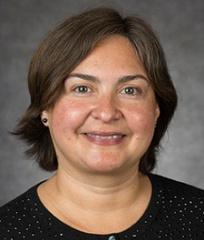
Chicago has a long history as a sanctuary city This historical memory project connects past and present social justice activism by studying Chicago’s role in the movement to provide sanctuary to Central American refugees beginning in the 1980s Steeped in the Central American peace and solidarity movements, Chicago organizers created an interfaith coalition to reject the U S government’s Cold War agenda My primary goal is to spotlight Chicago’s understudied sanctuary activism by collecting oral histories of community members and consulting the recent donation of the Chicago Religious Leadership Network archives to the Richardson Library Several CRLN members were and continue to be active social justice leaders in the community My goal is to contextualize the oral histories within a larger context of Peace Studies and immigrant justice activism I am prepared to interview Central American community members in Spanish to add their lived experiences and critical perspectives to historical spaces where their voices have often been silenced In addition to publishing an article on my findings, I plan to introduce students to this important activism and advocacy work throughout my interdisciplinary teaching at DePaul
Assistant Professor | Sports Communication
From the Locker Room to the Press Box: Understanding How Latino Sports Figures Navigate Politics and Policy in the Age of anti-DEI
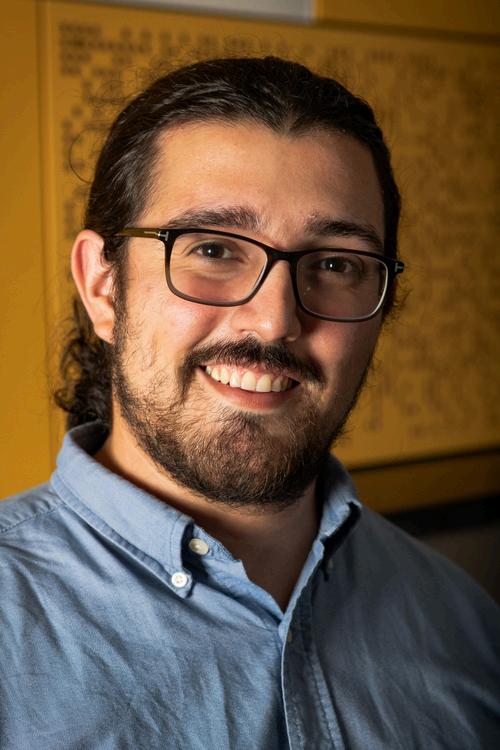
This study explores how Latino athletes, journalists, and sports professionals are navigating the growing backlash against diversity, equity, and inclusion (DEI) initiatives, particularly under the Trump administration By using sports as a political platform, recent anti-DEI efforts have had disproportionate effects on communities of color including Latinos Through qualitative interviews this study will examine the personal and professional challenges Latinos face in this shifting climate and attempt to shed light on how these policies impact one’s identity, career opportunities, workplace culture, treatment, and the overall inclusivity of American sports
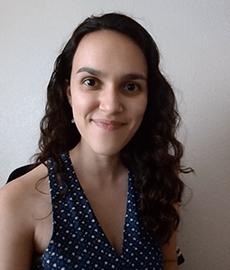
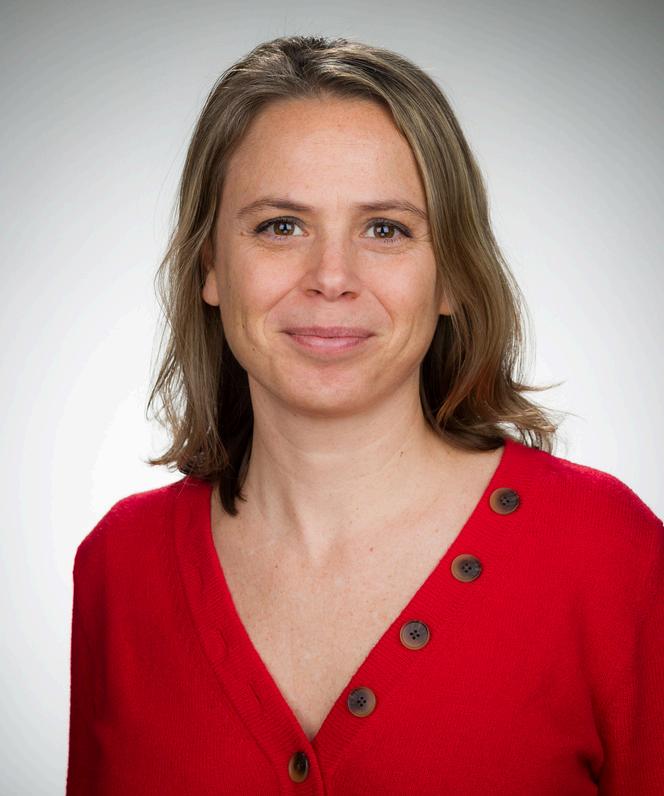
Assistant Professor | Spanish, Modern Languages
Mourning Together: Artistic Interpretations of Mexico’s War on Drugs
In The Restless Dead, Cristina Rivera Garza asks: What is the ethical and aesthetic significance of the literature and art produced in the context of war? This question is especially salient to Mexico, where the ongoing War on Drugs has produced a human rights crisis that has been worsened by impunity and the constant criminalization of the victims In cases like this, where the circumstances create feelings of social fear and a separation between those directly affected and not affected by human rights violations, it becomes imperative to reestablish social connections and to mobilize collective responses against the war nationally and internationally, as this forces the State to respond The question is: how to mobilize such responses? “Mourning together,” my book project, seeks to contribute to this debate by analyzing the answers provided by an emerging culture in Mexico: a mourning culture By tracing and characterizing this movement through the study literature and documentary films, I seek to demonstrate how the mourning culture has contributed to diluting criminalizing narratives, constructed other ways of understanding human rights violations from a site of care and affect, and established or reestablished social connections between victims, readers, and spectators
I aim to examine the dynamics of the intersection between gentrification and race in Salvador, Brazil and Chicago, USA two cities with long histories of racial segregation and urban transformations that impact Afro-Brazilians’ and African Americans’ access to affordable housing Drawing from recent publications on gentrification, neoliberalism, and anti-Black rhetoric in Salvador along with my ongoing research, I plan to conduct qualitative research in Salvador to later drawn comparisons with Chicago This research will examine how anti-Black rhetoric, upgrades to the physical environment, and the growing presence of the white population in two Afro-Brazilian neighborhoods in Salvador have influenced increases in property and rent values, further limiting Afro-Brazilians' access to affordable housing

Interview by Angelique Lara
Dr. Sternberg’s main areas of research and teaching combine urban studies, Latin American studies, and urban policies in both U.S. and Latin American settings. Her latest book, Neoliberal Urban Governance. Spaces, Culture and Discourses in Buenos Aires and Chicago, published by Palgrave/MacMillan, examines the dynamics of neoliberal urban governance, through a comparative analysis of Buenos Aires and Chicago, with a special focus on the gentrification processes in both cities, from 2011 to the present. Her work has also examined the relationship between gentrification and race in African American and Latinx communities in Chicago. She is a Professor in the Department of Latin American and Latino Studies and Chair of the Critical Ethnic Studies program.
I was born and raised in Buenos Aires, Argentina I came to the U S in 2007 to pursue a PhD in Urban Geography at the University of Illinois Urbana-Champaign I got lucky because once I defended my dissertation, I immediately got hired by DePaul in Latin American and Latino Studies They were looking for someone who conducted comparative research between the Global South and the Global North, and my dissertation was precisely focused on comparative research between Buenos Aires and Chicago I’ve been enjoying this journey Even with all of the challenges, budget cuts, and leadership transitions, it’s still been incredible I have learned a lot
Aside from my professional life, I cannot hide my Argentinian background I am married to a Brazilian I have a cat, her name is Malena; she is named after an Argentinian tango song I love to dance That’s how I ground myself, by moving my body to music I do Zumba twice a week, and I try to find any opportunity I can to go dancing Other than that, I'm a movie fan, especially indie movies It's one of my main pleasures to watch movies and to read I spend a lot of time talking to my family and friends in Argentina Over time, it has become easier I feel way more attached to Chicago now that I have found my community
What sparked your interest in studying the intersection between geography, urbanism, marginalized populations, race, and public policy?
I've always been fascinated with the city, urban planning, and all that Growing up, I found myself
interested in understanding the interplay between space, power, and marginalized communities In particular, I wanted to understand how power and resources are distributed across the city, and how that distribution of power and resources has a profound impact on marginalized communities Currently, I’m studying the political economy of cities and how race plays a fundamental role in shaping urban spaces
It's important in urban geography or other disciplines that connect space, power, and marginalized communities to understand power dynamics It's unavoidable, not only in the current climate, but also in how public policy is central to understanding the possibilities and limitations of different communities
How would you define urban geography, and how does your research contribute to understanding its effects on communities?
Urban geography could be approached in so many ways, with or without power There are a lot of urban geographers who research more descriptive aspects of cities I am more interested in the interplay of space, power, and social and spatial inequalities It's really interesting to do comparative work on these aspects between the Global North and Global South Also, the social construction of race shapes how resources and power are distributed across different regions, resulting in varied implementations based on this social construct
How would you say that their understanding of race is different in Brazil versus here in the United States?
I’m still working through my data, diving into the content of semi-structured interviews from my time in Brazil Brazil was one of the countries that received the most enslaved Africans during the Transatlantic slave trade, receiving about 4 5 to 5 5 million people The U S received 4 to 6 percent of that, about 300,000–400,000 enslaved Africans One of the main ports of entry was Salvador in the state of Bahia Brazil was one of the last countries to abolish slavery in 1888
The legacy of the colonial past in Brazil and the successive governments that continue to marginalize Afro-Brazilians really shaped the social fabric and physical landscape of Salvador in terms of racial and spatial segregation of the city Salvador, in that way, mirrors Chicago In Chicago, there's been overt racism We have racialized policies that came during and after the Jim Crow era: urban renewal, redlining, racial covenants, to cite a few. These policies have cemented the racial and spatial segregation of the city. Even now, redlining is still practiced, even if it's illegal. There has been a deliberate effort to push out entire communities of color from predominantly white areas or to keep them at a distance from white spaces.
Across Brazil, they didn't have Jim Crow laws operating. There haven’t been racialized policies across the cities in Brazil to implement segregation, in overt or covert ways. There have been concerted efforts in Brazilian society to mix races, and many of them claim to live in a “racial democracy.” However, when you dig deeper, racial hierarchies and inequalities persist, just as they do in other parts of the world. For example, at the Universidade Federal da Bahia, where I was participating in a workshop
with the urban planning and architecture department, an Afro-Brazilian professor said that out of every hundred faculty members in that college, only five are Afro-Brazilian
My study was on gentrification and social construction of race in a particular neighborhood in Salvador called Santo Antônio Além do Carmo, which has been facing gentrification When I was asking older, former, and new residents about the transformation of that neighborhood, they would never talk about race They would talk about the profile of the former residents from the lower class, but they would never say anything about their racial identity or profile That really struck me My understanding is that they live in a society where colorblindness is an unconscious norm Even academics avoid discussing race In the U S , it’s an unavoidable reality; everything revolves around race I’m still trying to understand the nuances of this phenomenon in Brazil
You were selected as a 2025-2026 CLR Faculty Fellow to work on your project, “Unearthing Racial and Urban Dynamics in Salvador (Brazil) and Chicago (US): Race, Gentrification and Whiteness”. Tell us more about Salvador, Brazil, and why you were interested in doing field research there.
It's very difficult to do studies on gentrification and race in Buenos Aires because we don't have a predominantly African-Argentinian neighborhood People also deny their racial background, particularly their African and indigenous ancestors and influences I wanted to do comparative work in Chicago and in Salvador with large African American and Afro-Brazilian populations. I found a Fulbright fellowship that would fund my research in Salvador. When I applied, I was successful in the first phase, and it was great. However, when Trump came into power, he partially dismantled the U.S. Department of Education and continued the attack on DEI. All the projects that have a DEI content or climate change content were rejected, so my proposal was rejected in the second phase. However, I'm persistent. I am grateful to the CLR for awarding me the fellowship that gave me time to do research this past winter. My travel expenses were funded through another internal grant at DePaul.
So, it was something that I've been thinking about, but the opportunity through Fulbright was what made me
decide to do this research. I still thought it was worth it to pursue, especially because there's very little comparative work between Brazil and the U.S. in terms of urban processes and transformations. My interest in Brazil has become more prominent since I got married to a Brazilian. I must acknowledge that personal aspect. At the same time, I've been learning Portuguese; all these things started coming into place when I decided to do this work.
In your most recent projects, you have compared urban geographies of cities in Latin America (Buenos Aires and Salvador) to those of Chicago. Why comparative studies?
I'm trying to build more bridges between Global North and Global South academia. Studying gentrification makes use of concepts that come from the Anglo-Saxon and Western cultural background. Comparative work is a way of trying to nuance these processes and incorporate the Global South’s perspective. That was the entry point: the concept of gentrification and how it's been applied across the world without an understanding of what place means or how place mediates these processes, how contextually specific place is across the world We cannot apply the same concept of gentrification in Brazil or in Argentina in the same way because we ’ re not accounting for so many layers A pattern I have found across Latin America is informal housing I find the term “informal” somewhat problematic because it’s a concept that’s heavily influenced by Western culture Unfortunately, there isn’t an alternative concept that’s widely accepted in academia at the moment When we ’ re looking at gentrification, it’s important to remember that some neighborhoods have informal housing that activists are working to protect Because of this, gentrification can’t always move forward in those areas
Salvador has so many strong organizations that fight for affordable housing and for their rights to stay put Thanks to their strong organizational and activist efforts, four hundred Afro-Brazilian families have been occupying buildings for over twenty-five years in the center of Salvador and adjoining areas In the 1990s, the local government of Salvador started implementing heritage policies claiming the Afro-Brazilian heritage The center of Salvador, at that time, was predominantly Afro-Brazilian They decided to cultivate this AfroBrazilian heritage, but at the same time, they tried to displace the entire population Every year or every
month they try to displace them. But, as I mentioned before, the official authorities failed to displace many of them. The Movimento dos Sem Teto da Bahia (MSTB)- The Homeless Movement of Bahia (MSTB) is a social movement that fights for decent housing and better living conditions. It was founded in 2003 and stands out for its activities in Salvador and other regions of Bahia.
We interviewed a woman who is very active in the MSTB, and she's been occupying a building for 20 years with her family. The buildings are not in a state of disrepair at all. They've been renovating, trying to improve their housing in their own way. It's not officially their property so they cannot ask for pipelines or official running water. The state owns those buildings, but it’s their right to reside there. If the city aims to preserve Afro-Brazilian heritage, it must do so by preserving the Afro-Brazilian population alongside these buildings.
You have worked in the LALS department at DePaul for almost 14 years. Tell us about your experiences and why you feel this field of study is significant.
I’m so thankful to be part of this department and community Since I started here, I feel like I’ve grown both professionally and personally The faculty and students have really inspired me to think more deeply about social justice in academia and how to weave it into my teaching, research, and work I’ve come to realize how crucial that is My work just isn’t fulfilling if I don’t include a social justice perspective
When we talk about why Latin American/Latino studies matter, it’s important to remember that any interdisciplinary study is valuable Interdisciplinary studies allow us to bring together different perspectives, methods, and approaches, which really adds depth to our research Many interdisciplinary studies also focus on social justice, which is often overlooked or not a primary focus in traditional disciplines It’s crucial to recognize that if we ’ re aiming to create a better world, we need to begin by studying and teaching these important topics

ON TUESDAY, FEBRUARY 10TH, THE CLR HOSTED OUR ANNUAL TERTULIA, FEATURING SHORT RESEARCH PRESENTATIONS FROM OUR 2024-2025 CLR FACULTY FELLOWS AND A 2024–2025 STRC PROFESSIONAL DEVELOPMENT FACULTY FELLOW. THE EVENT WAS FOLLOWED BY A THOUGHTFUL CONVERSATION BETWEEN THE FELLOWS AND FACULTY AND STAFF COLLEAGUES WHO DISCUSSED THE RESEARCH AND THEMES PRESENTED
THANK YOU TO OUR PRESENTERS:
DR. SYMONE JOHNSON (ABD)
"REINTEGRATION AS A SACRED POLITICAL PROJECT"
DR. JORDAN LEVY (ANTHROPOLOGY)
"READING THE POLITICAL LANDSCAPE: RESISTANCE, STATE, AND TRANSNATIONAL MIGRATION IN POST-COUP HONDURAS"
DR. YOALLI RODRÍGUEZ AGUILERA (LALS)
"A HISTORY OF AFRO-INDIGENOUS WOMEN AGAINST ENVIRONMENTAL RACISM ON THE COAST OF OAXACA, MEXICO"
DR. CAROLINA STERNBERG (LALS)
“INCLUSIVENESS AND EQUITY IN CHICAGO? AN ANALYSIS OF LORI LIGHFOOT’S AND BRANDON JOHNSON’S RHETORIC AND POLICIES“
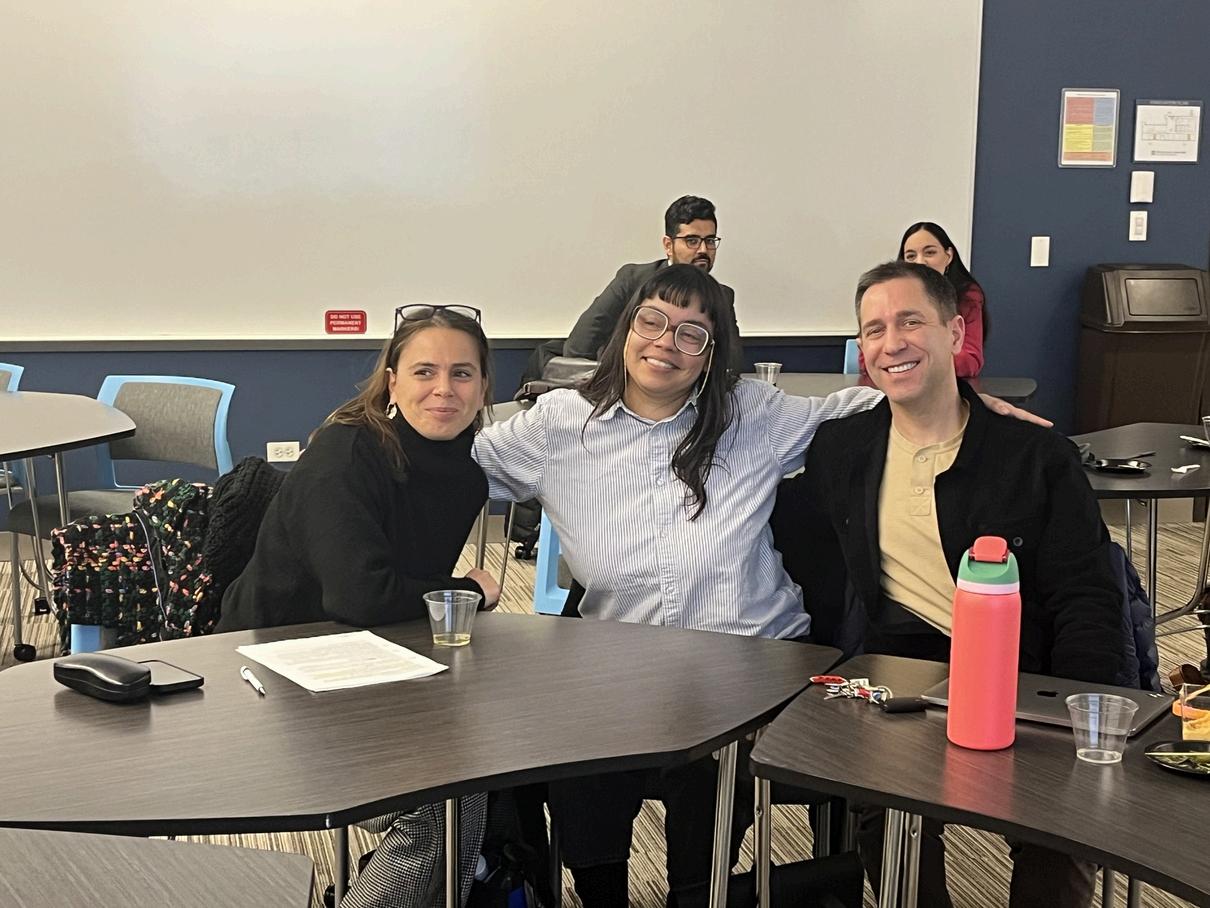
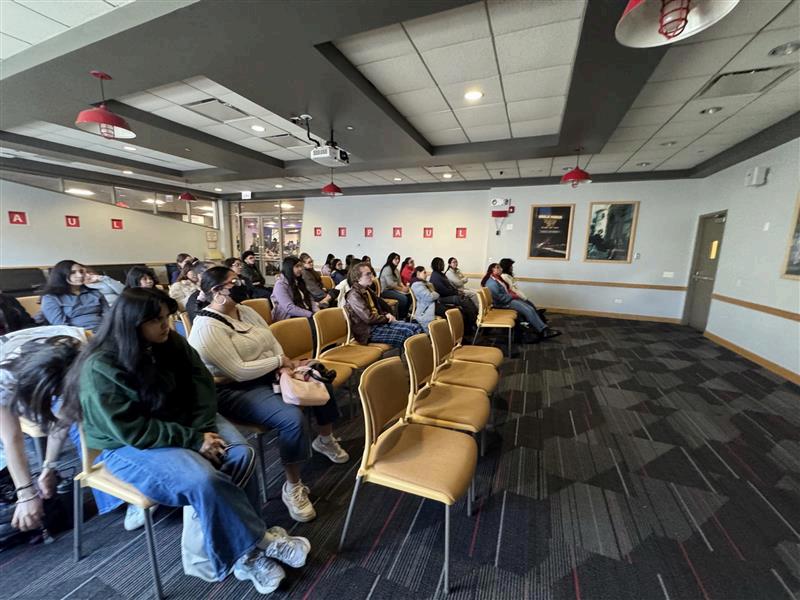
On Monday, February 16th, Dr. Yoalli Rodríguez Aguilera, with support of the Center of Latino Research and the Latin American and Latino Studies Departm student short-films from the Escuela Nacional de Artes Cinema Guillermo del Toro and Alfonso Cuarón.
The films were Los trazos de Mireia (2024) by Joan Puig, Pi Rosales, De hombres y armaduras (2025) by Uxmal Álvarez Octavio Bartolo Ruiz.
Thank you for all of our attendees for taking the time to watch, reflect, and engage in conversation!


Interview by Michelle Cisneros
Dr. Olga Salazar Pozos is an Assistant Professor in the Department of Modern Languages. She earned her Ph.D. in Hispanic Literatures, Cultures, and Linguistics from the University of Minnesota. Dr. Salazar Pozos has collaborated with the Observatory on Disappearances and Impunity in Mexico, the Human Rights Lab, and the Center of Advanced Research on Language Acquisition. Her scholarship is featured in prominent journals such as Hispania, Latin American Research Review, A Contracorriente, and the Arizona Journal of Hispanic Cultural Studies.

What piqued your interest in exploring the ethical and aesthetic significance of literature and art produced in the context of Mexico's War on Drugs?
My interest in this topic emerged from several factors, but the most decisive was my participation, as a PhD student, in an interdisciplinary initiative: the Observatory on Disappearances and Impunity in Mexico At a time when no public registry of disappearance cases existed in the country, our objective was to construct an alternative database documenting individuals reported as disappeared in the Mexican press between 2010 and 2018 This work required not only reading hundreds of news articles and identifying recurring patterns in how disappearance cases were represented (or omitted) but also examining the phenomenon from the perspective of journalists themselves
In interviews with approximately twenty Mexican journalists, a striking consensus emerged: none believed that the number of disappeared persons would decline unless society mobilized collectively They reiterated a shared conviction that broad social engagement was necessary, that the public needed to grieve for the disappeared and their families, and to recognize that the disappeared are a collective concern rather than an isolated or distant issue.
As a student of literature, film, and culture, I found this insight particularly resonant At that moment, Mexico was witnessing the emergence of numerous artistic and literary works explicitly aimed at fostering affective and testimonial proximity between audiences and victims’ experiences It became clear to me that artistic practices were already intervening in the public sphere, offering forms of representation capable of generating empathy, visibility, and a shared sense of responsibility
Tell us about your CLR Fellowship project. Through the CLR Fellowship, I am working on the final chapter of my book project, Mourning Together: Artistic Interpretations of Mexico’s War on Drugs. The broader premise of this project is as follows: During the first decade of the War, the country experienced (among many other things) three discursive phenomena that negatively shaped how the public came to understand what was happening. Mass media, governmental discourse, and even certain cultural movements (for example, narcoculture) contributed to the emergence of a hegemonic narrative that criminalized the majority of the War’s victims, produced a divide between citizens directly and not directly affected by violence, and, consequently, diminished collective mobilization while reinforcing the perceived necessity of the national security strategy.
I argue that beginning in 2010 and especially after the mass disappearance of 43 students in Ayotzinapa, Guerrero this narrative reached its limit, giving rise to a different cultural movement that sought to undo the initial discursive construction of what the War was and who its victims were. I refer to this cultural movement as la cultura doliente (the mourning culture). By confronting the discursive determinants that separated the Mexican population into those directly and not directly affected by the War determinants that had, to a significant extent, impeded the emergence of collective protest during the War’s first decade mourning cultural expressions employ cinematographic, aesthetic, and narrative strategies to elicit affective responses in readers and spectators. These responses, in turn, encourage audiences to rethink their understanding of the War and to establish closer connections with its victims.
The chapter I am developing during the Fellowship focuses on a key example of this mourning culture: Diana del Ángel’s literary chronicle Procesos de la noche. The text reconstructs the life and death of Julio César Mondragón, one of the six students killed on the night that 43 others were disappeared in Ayotzinapa. While mass media coverage largely emphasized the brutality inflicted on his body, del Ángel offers a counter-narrative. Through the
...mourning cultural expressions employ cinematographic, aesthetic, and narrative strategies to elicit affective responses in readers and spectators.
chronicle, del Ángel interweaves (1) the multiple legal and emotional processes that Mondragón’s family must navigate in their pursuit of justice, and (2) the testimonies of Julio’s friends and relatives, which offer an account of who he was beyond the figure of a victim. To establish this connection in a way that foregrounds Julio’s humanity and the consequences of his death, del Ángel employs an aesthetic practice known as disappropriation (desapropiación).
Can you explain the concept of "disappropriation"?
Disappropriation refers to a text constructed almost entirely from intertextual elements, such that the authorial figure recedes and what takes precedence is a multiplicity of voices and discourses. It is an aesthetic strategy used in Mexican necrowritings (literary texts that emerge from and respond to contexts of war). Both terms were developed by Cristina Rivera Garza. I argue that in its use of disappropriation, Procesos de la noche succeeds in constructing an archive that reconstructs Julio’s humanity through affect and care, denounces using the testimonies of authorities and forensic anthropologists the multiple violations perpetrated by state agents against him, and invites readers into a practice of collective mourning (the latter examined in relation to the book’s accompanying social campaign).
Can you expand on la cultura doliente?
I believe that, in the Mexican context, what defines la cultura doliente is a strong desire among Mexican creators to understand the War on Drugs not as a war, but as an unprecedented human rights crisis, one that affects, concerns, and implicates all Mexicans. To achieve this reframing, the works I
study (primarily literature and documentary film) share a set of recurring aims.
First, they seek to center the humanity of the victims in order to dissolve criminalizing and dehumanizing narratives. Second, they work to construct an archive that allows us to understand violence through the plurality of voices that denounce it. And third, they transform these works into spaces of collective mourning that affirm the victims’ right to be valued, restore social bonds through shared grief, and challenge the structures that enable the ongoing reproduction of violence
Why is interdisciplinarity important to your research?
My objective is to demonstrate how la cultura doliente seeks to cultivate affective responses in readers and spectators that prompt them to apprehend the losses endured by others as losses that also implicate them. Establishing this claim requires engaging a series of questions that originate in other disciplinary domains yet underpin the cultural expressions I analyze. What constitutes a disappearance, an extrajudicial execution, a forced displacement, or an act of torture? How is affect defined, and through what mechanisms can it be transmitted or shared? What is mourning, and how is it conceptualized within the Mexican context? Building on these inquiries, I then ask which cinematographic or literary techniques enable audiences to comprehend these cases and human rights violations, to feel their weight, and to be affected by them at cognitive, emotional, and sensory levels.
Without attending to these definitions, concepts, and theoretical frameworks, many of which emerge from fields such as human rights studies, anthropology, psychology, and philosophy, it would be impossible to address the questions at hand or to analyze the literary and cinematographic strategies through which these works operate.
Who is your primary audience, and what impact do you hope to make?
It is an interesting question. Initially, I believed this book would serve primarily to demonstrate the existence of a cultural movement essential for understanding how perceptions of the War on Drugs have shifted in Mexico. I wanted, in a sense, to acknowledge the efforts undertaken through literature and documentary film to challenge the hegemonic narrative and to contribute to the reweaving of a social fabric devastated by years of war and violence. However, in recent years (and recognizing that these grave human rights violations occur across multiple contexts), I have increasingly encountered people involved in search collectives for the disappeared in Colombia, as well as emerging filmmakers in Mexico, who are interested in learning which strategies I have identified as effective in generating affective responses among broader audiences.
Perhaps that is the impact I now hope the book might have: that it may serve as a catalyst for new ideas, enabling other approaches in other contexts to similarly difficult realities, but from a stance grounded in affect, care, and a commitment to recognizing those who are directly confronting these situations.
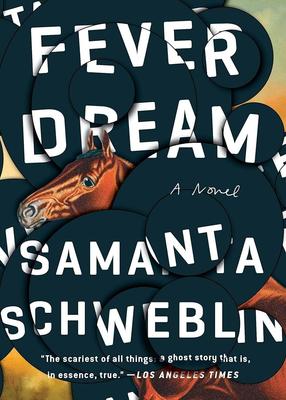
In the winter, Latinx Book Club discussed Fever Dream by Samantha Schewblin. This haunting novel pieces together a chilling story of environmental toxins, broken souls, and desperate family bonds.
Since my sophomore year, I have been a dedicated member of the Latinx book club As an avid reader, I love how the book club pushes me outside my comfort zone to discover new authors and genres. A perfect example is Fever Dream. While a Latin American gothic novel isn’t something I would normally pick up, its fast pace and gripping eeriness completely captivated me, so much so that I had to know the ending, finishing the entire novella in one sitting Jazzlyn, Criminology
“I enjoy being in book club because not only does it provide a great community, but it’s a great space to connect and talk about books with my peers! As an English major, it is an extension of my English classes in the best way ” Abby, English/M.A. in Critical Ethnic Studies
“My experience with Latinx Book Club has nothing but amazing :) Everyone is super friendly, welcoming, and kind. As someone who is Asian, I get to see a completely different side of a culture. Reading Fever Dream was very different from my normal reading style " Alex, M S in CyberSecurity
"I had the best time participating in this quarter’s book club! Fever Dream was a completely unique read for me It’s a beautifully layered horror novel with a message that comes full circle by the final page, leaving me with so many questions to think about even after finishing Michelle, Latin American and Latino Studies
Sponsored by:

byCynthiaPelayo
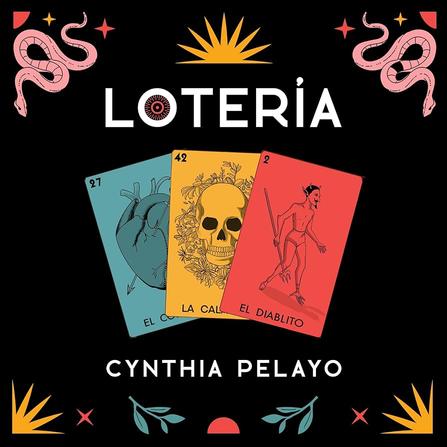
Thefirst15 studentsto register receiveafree copyofthe book
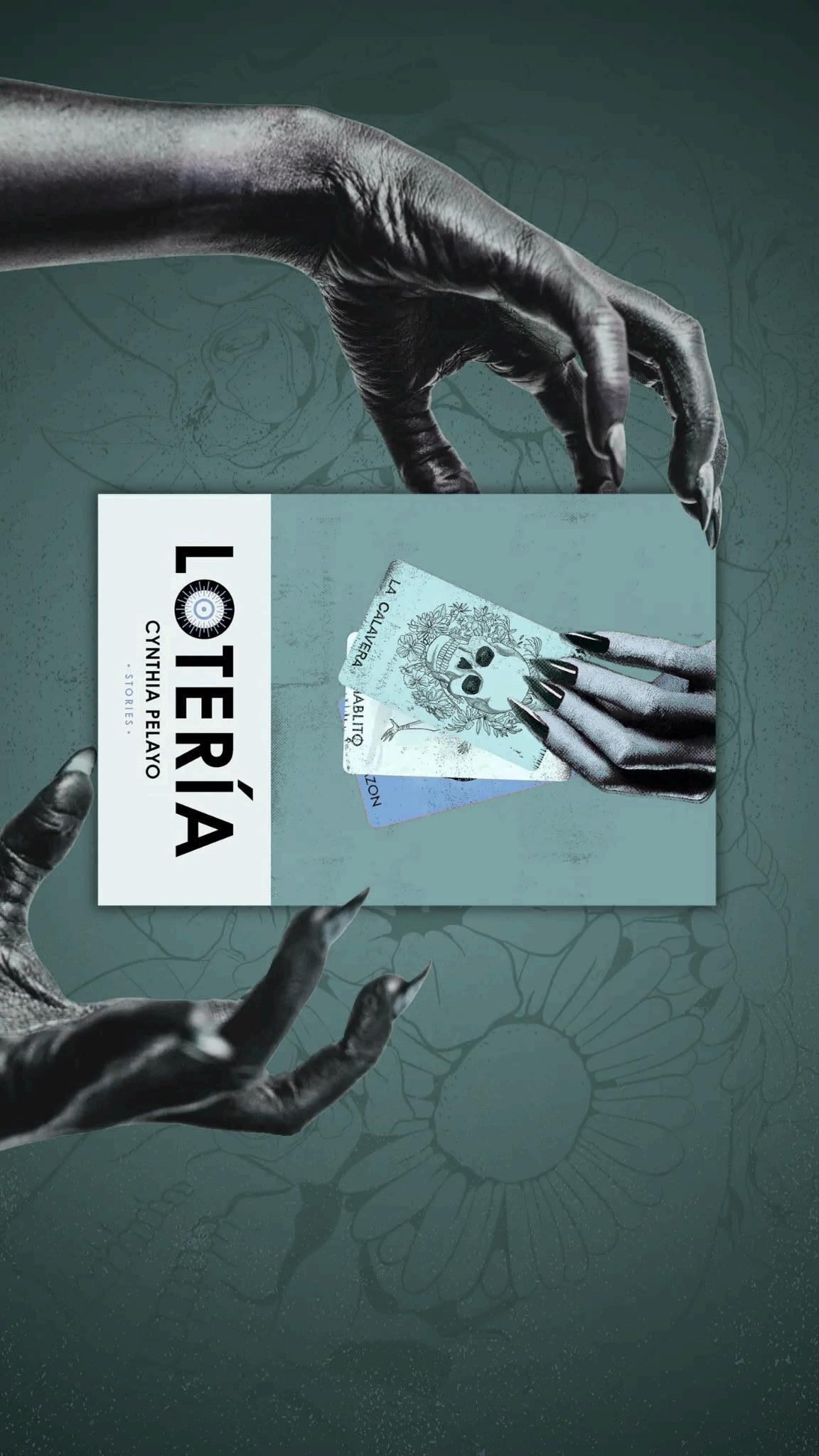

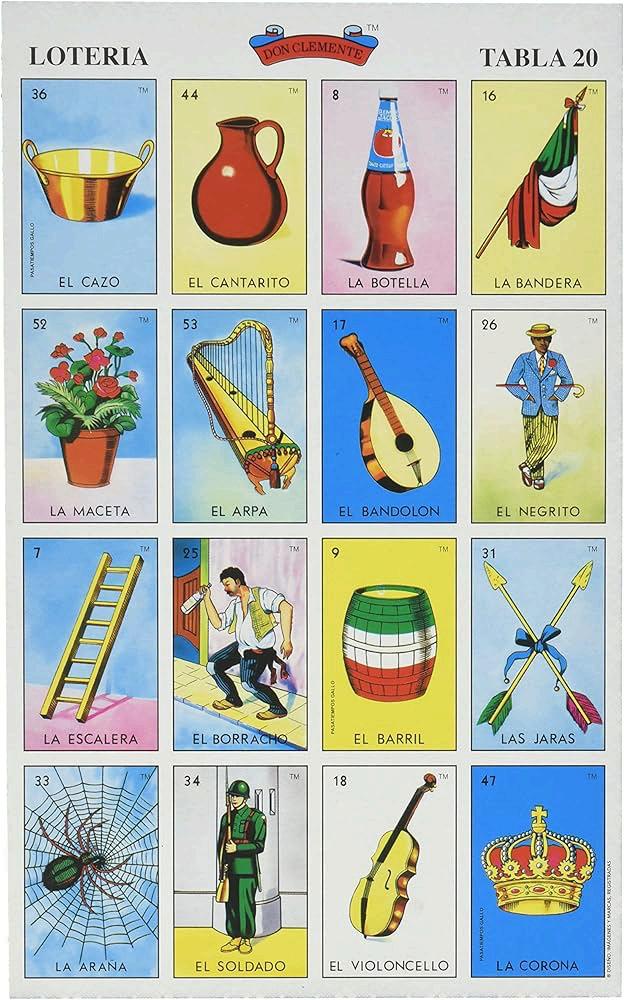
Thereare54cardsintheLoteríagame,andforthis shortstorycollection,youwillfindoneuniquestory percardbasedonaLatinAmericanmyth,folklore, superstition,orbelief–withaslanttowardsthe paranormalandhorrific.Inthisdeckofcardsyou willfindmurderers,ghosts,goblinsandghouls.This collectionfeaturescreaturesandmonsters, vampiresandwerewolvesandmanyofthese legendsexistedintheAmericaslongbeforetheir Europeancounterparts.
Thursdays APRIL30
MAY14
MAY28 4:30-5:30PM at the Center for Latino Ressearch(SAC5A-H)

Maria G. Arias
Principal, Maria Arias Solutions
BA, Political Science, DePaul University, 1983
Martin Arteaga
President, Green Building Partners, Inc.
BA, Political Science, DePaul University, 2000
Trish Brown Cordes
Master of Public Service Management, DePaul University, 1983
Leonard Domínguez
Secretary, Little Village Rotary Club of Chicago
BA, Economics, DePaul University, 1967
Yvette Flores
Managing Partner/Director, Cardinal Green Investments LLC
BA, Sociology, DePaul University, 1986
Marisol Morales
Executive Director, Carnegie Elective Classifications, American Council on Education
BA, Latin American Latino Studies; MA/MS International Public Service Management, DePaul University, 1999
Maria Pesqueira
President, Healthy Communities Foundation
BA, Latin American Studies, DePaul University, 1990
Edgar Ramírez
President/CEO, Chicago Commons Association
BA, Political Science/Latin American Studies, DePaul University, 2000
Ulises Iván Sánchez
Human Resources Officer/U.S. Department of State
BA, Leadership and Human Resources Management, DePaul University, 2015
MS, Human Resources, DePaul University, 2016
Lou Sandoval
President/CEO, Halo Advisory Group
BS, Biochemistry, DePaul University, 1988
Interview by Goutam Kumar

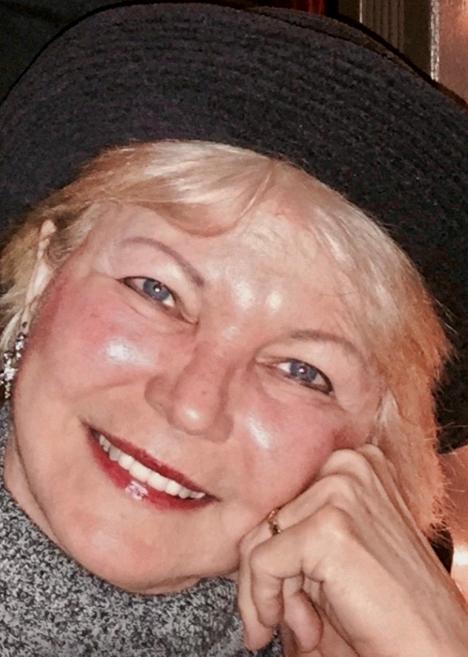
Trish Brown Cordes spent four decades in healthcare –in social work, hospital administration, marketing, and her true passion, nursing. A few years after graduating from Mundelein College, Trish received a master’s in Social Work from Jane Addams College of Social Work at the University of Illinois at Chicago. In 1983, she earned a master’s in Public Service Management from DePaul University. She then made a dramatic career shift and graduated in 1993 from Creighton University’s Accelerated Nursing Program with a bachelor’s degree in Nursing. She spent many years in hospital settings where she was able to use her social work background, her Spanish, and her desire to help make lives better. She then found her ultimate calling, hospice care. Trish “retired” from nursing in 2014. (One never retires from nursing!) She lives with Sam and their Maine Coon kitty, Dewey Lopez Obama, in a 100-year-old cooperative.
Trish Brown Cordes was the first person in her family to go to college. DePaul was one of three Catholic universities where she received a degree, a Master of Public Administration (MPA) in 1983. According to Brown Cordes, she was drawn to DePaul because of the emphasis placed on community involvement and public service. DePaul’s offering of evening courses was also huge, as she was supporting herself and working full-time during the day Almost everyone in her classes was in the same position Most worked in public service Many of her professors were also public servants, including the Illinois State Treasurer The sharing of experiences resulted in an incredible learning environment and lively class discussions
Because of the enormous impact education has made in her life and because of the special role played by DePaul, Trish has funded three scholarships at DePaul: one in Latin American and Latino Studies, one in Nursing, and one in Peace, Justice, and Conflict Studies. At some point, her estate will provide additional scholarship funding for DePaul’s nursing students.
In this interview, she reflects on several questions about her life and career and how education has played such a pivotal role.
Please take me through your early years and then the sequence of your educational achievements.
I was born into a traditional Catholic family with limited means in a small town in Central Illinois. In the eighth grade, my class took a field trip to Chicago, and I knew instantly, this is where I belonged.
After high school graduation, I enrolled in Mundelein College, which is now part of Loyola University. A Master of Social Work from Jane Addams (University of Illinois-Chicago) and my MPA from DePaul followed.
My final degree was a BSN in nursing from Creighton University in Omaha Creighton had just established
the nation’s second accelerated nursing program It was the most challenging eleven months of my entire life
While at Mundelein, I had toyed with the idea of becoming a physician, but I did not have the means I started exploring nursing much later and completely fell in love with the profession, receiving my BSN in my late thirties and never looking back. My final role in nursing was as a hospice nurse and case manager. I was born for that role. It was done with an all-encompassing passion that remains in my heart to this very day.
How did the environment at Mundelein College shape your worldview and career path?
I sometimes say my soul was born at Mundelein and my heart was born in Chicago. The Blessed Virgin Mary (BVM) nuns at Mundelein were very progressive and at the forefront of social issues. For example, they were the first nuns in the nation to discard the habit. They had pierced ears, curled hair, and wore makeup. They were also frequently at odds with the Catholic hierarchy, which we saw as a feather in our cap The BVM’s were deeply committed to social justice and encouraged us to go beyond our comfort zones and to get involved in various movements and causes Amazingly, Sister Jean Dolores Schmidt, later of Loyola basketball fame, was one of my mentors at Mundelein
I sometimes say my soul was born at Mundelein and my heart was born in Chicago.
My mother's best friend was the head of economics at Mundelein and the first woman to get a PhD in that field from Notre Dame. The nuns instilled in me a sense of pride in being a woman, something that was not generally emphasized in that era. Being part of Mundelein was quite the eye-opener and was the beginning of my awareness and appreciation of different lifestyles, cultures, and world views
In my case, Mundelein facilitated a two-year stint for me in Mexico, living with a Mexican family, learning Spanish, and immersing myself in the rich Mexican culture
In essence, those nuns and Mundelein kick-started my life. Every day, I am grateful to the BVMs and the lifechanging experiences of Mundelein.
How was your experience at DePaul?
I loved DePaul There was more interaction among students and between students and professors than anywhere else I had studied One of my professors, Dominic Parisi, is someone I still remember fondly after all these years I was impressed with DePaul’s reputation and the fact it was the largest Catholic university in America. Most of all, it cemented my desire to be a public servant. I am immensely proud of having served the public my entire life. DePaul was a huge part of shaping that commitment.
What motivated you to explore such different roles across social work, health care administration and development, and nursing?
These roles are all interconnected. For example, my social work background was a perfect fit with nursing, especially with hospice. I could talk to families about their grief and help guide them through the dying process.
With one exception, I thrived in all the different roles you mention The exception was in the development work at a community hospital Many in administrative roles at that hospital seemed to see themselves as somehow superior to others, especially the staff Because of that, I went the extra mile to have coffee with the janitors and kitchen help, learning their grandkids' names, and sometimes socializing with them outside the workplace. After four years, I quit. My dad raised me to treat everyone the same.
You have described hospice care as your ultimate calling. What drew you to that field, and what makes it so meaningful?
I worked in the Veterans Administration (VA) for a long time because my dad was a WWII pilot, and my first cousin, who was like a brother, was one of the first Marines from Illinois to die in Vietnam. I wanted to give back to the veterans. A lot of them were grouchy. When I began working in the VA, PTSD was not widely recognized or diagnosed. However, if you scratched beneath the surface with these irascible vets, they were wonderful They would ask for me by name when I came on my shift
Over time, I also worked with alcoholics, spent time on a locked psych ward as a social worker, and when AIDS came in the eighties, I was not afraid of it I remember one man, 6'2" and weighing ninety-eight pounds, whose family had disowned him. I was always his nurse. I sat and held his hand when he died, and I was very comfortable with it. Nobody else wanted to do that,
not even other nurses. As time went on, I often volunteered to be with those who were near the end of their life.
I finally realized I was good at guiding people through the dying process, explaining it to families, and helping them be more comfortable with it People kept telling me to go work in hospice I resisted for a while, then said I would try it for six months I never left It was my home, my ultimate passion I ended up as a hospice nurse for the last 10 to 15 years of my career As I mentioned, my social work background was a huge asset My fluency in Spanish, thanks to Mundelein, gave me a natural entrée into providing hospice care for the Latinx community. Everything gelled perfectly, except for the four years of development work in a community hospital.
In 2023, you helped migrants in Matamoros and Reynosa, Mexico. What did that experience teach you about global health and humanitarian care?
Most of the migrants were Venezuelans and Haitians, whose cultures were new to me. They were not crossing the border undocumented; they had appointments to meet on the US side and were waiting in camps for their appointments. One camp had over seven hundred people in it and another over 1,000 The conditions in these camps were deplorable The Rio Grande was steps away, and it was contaminated Nevertheless, they had no option but to bathe and drink from the river The nearby presence of drug cartels fighting over turf added an even more frightening element
The children had nothing. They would glue leaves together to make baseballs. Our team brought down medical supplies and “fun items” such as rolls of ribbon for little girls' hair and small games for the kids. They thought we were Santa Claus. It was heartbreaking but also rewarding. Their level of appreciation was overwhelming. They taught us a song that was hundreds of years old, with about twenty-five verses, and we would all sing it together every day. These people were uplifting despite their circumstances.
After four decades in healthcare, what are you most proud of?
Nursing and hospice and having worked so hard to get the education needed to open the opportunities in those noble professions in the first place I paid
I paid for almost all my schooling myself, mainly cash but also by incurring debt, working three jobs, and often going to school at night. Every degree is priceless to me.
That is why I wanted to give scholarships to DePaul. My husband, Sam, was also the first in his family to graduate from college, attaining a PhD in economics We have both experienced how education totally changed our lives We believe strongly in paying it forward We support many causes, and most of them are somehow connected to education For example, Christel House International provides educational opportunities for the poorest of the poor in Mexico, India, South Africa, and elsewhere. It has a phenomenal success rate by providing education and wrap-around services beginning with kindergarten and ending with a college degree.
What advice would you give to students or young professionals who want to build a meaningful career in service-oriented fields?
These fields genuinely make your heart and soul feel good, and I truly mean that. It makes a huge difference in my life knowing I am doing the right thing. Both Sam and I do our best to live our lives by following that North Star
Education can make it easier and more impactful to do the right thing Education completely redirected my life I ended up with four degrees, and every one of them is invaluable Schooling, learning, and traveling broaden your horizons beyond anything you could imagine, and no one can ever take that away from you, no matter how rich or poor you are. The knowledge gained and the experiences lived stay in your heart and mind forever.
Finally, do not ever give up your heritage. Be proud of where you come from. It is what helps make you unique.
BY: MICHELLE CISNEROS
On February 8, 2026, history was etched into the stage of Super Bowl LX. Benito Ocasio, globally known as Bad Bunny, delivered the first-ever all Spanish halftime performance, a defiant and beautiful celebration of Latinidad on America’s biggest stage. It was a milestone that arrived at a critical time, forcing a conversation about our identity and belonging at a time when both are being scrutinized.

When Benito's performance was announced last September, it was met with intense scrutiny and claims that Benito "hated America." However, his 13-minute set proved exactly the opposite. The performance reclaimed identity, in a shout-out to every country in the Americas and a unifying message on a football: "Together. We are America." Benito’s message never wavered from the screen ’ s central theme: "The only thing more powerful than hate is love." It was a direct continuation of his stance at the 2026 Grammys, where he reminded the world that “We're not savage, we ' re not animals, we ' re not aliens. We are humans,
and we are Americans."
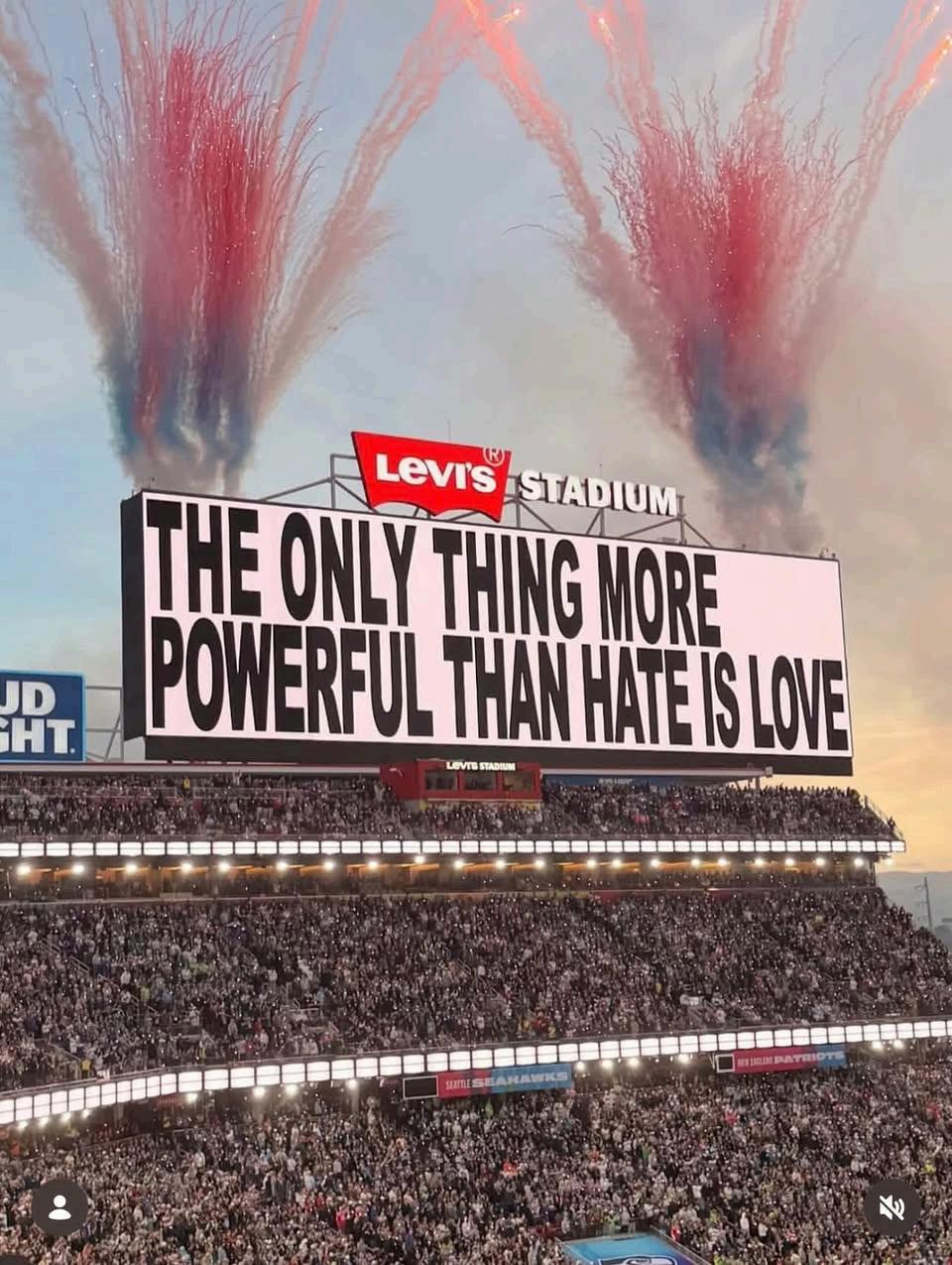
In an era where the Super Bowl often acts as a reprieve from the chaos of the world, Bad Bunny chose to lean into the tension. His performance was layered with social commentary, highlighting Latine representation and the unbreakable resiliency of Puerto Rico.
More than just a halftime show, it was a tribute to the diaspora of the everyday worker Through his art, Benito demonstrated that resistance doesn't always require a shared language; sometimes, it is found in showcasing the beauty of Latinidad and the universal connection that music and dance can bring


Throughout the 2026 winter quarter, students explored the relationship between language and social identity in the US, focusing on how we use language to construct the "self" and "other." Using sociolinguistic research methods, students in the class conducted language attitude surveys, documented public linguistic landscapes, and created personal linguistic bi hies to critically analyze language variation and power
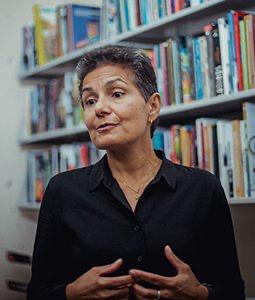



AQAQDr. Lourdes Torres is a distinguished Vincent de Paul Professor and currently Chair of the Department of Latin American and Latino Studies. Her interdisciplinary expertise is reflected in her affiliate faculty roles across Critical Ethnic Studies, Women’s and Gender Studies, and LGBTQ Studies. Throughout her career, Dr. Torres has focused her research and teaching on the vital intersections of sociolinguistics, Spanish in the U.S., and queer Latinidades.

For students who g g g basic tool for communication, how does this course completely flip that idea on its head?
Language is not just a means of communication; it's much more than that. It is an intimate part of our identity as a whole, and you can't really separate communication from identity. How we speak says a lot about who we are. It represents who we are to the outside world, it connects us to family, and it connects us to ideologies and ways of thinking, cultural and otherwise. Anyone who thinks that language is just a tool for communication doesn't understand what language is.
How does understanding linguistic diversity and the realities of linguistic racism make students more effective and empathetic in their future careers?
One of the main goals of the class is to encourage people to be more empathetic by helping them understand that language is not just a tool for communication, but a profound way we express our identities When students grasp this, they are more likely to become good listening subjects who are open and unafraid of unfamiliar accents or languages In their future careers, especially if they are in positions of power to hire or offer opportunities, this understanding prevents them from making unfair assumptions about someone merely based on their accent They learn that if they just make the effort and listen a little harder, they will understand Furthermore, this awareness helps heal the shame many immigrants and Latinos feel about losing their heritage language. By understanding the political context behind why they were encouraged to only speak English, they can let go of the guilt of feeling like they cannot help their own people and realize they have the power to regain their language if they choose Ultimately, it teaches students to be affirming and supportive rather than judgmental purists when people make mistakes, code-switch, or blend two languages, fostering a much more open and encouraging environment.
AQAQWhat is the most common misconception about "proper English" or dialects that students are usually surprised to learn?
I think the fact that there's one correct way of speaking, one standard English That whole idea is an abstraction; there isn't something substantive that we can point to and say, "That's what standard English is." As a linguist, I know that all varieties of English, like all varieties of Spanish or Chinese, are all good and appropriate for different situations. But as human beings operating in the world, we know there's a hierarchy. Some ways of speaking are considered more prestigious, while others are considered substandard or less important
How do hands-on field projects, like analyzing local linguistic landscapes, change the way your students view the city?
The students really enjoy the opportunity to look at their landscape in a way that they haven't before. It makes them more observant of the world around them; it changes how they interact with their space
Especially in politicized times like we're in now, when you walk through a neighborhood and look at a storefront and see "ICE is not welcome here," you know your neighborhood a lot more when you're aware of the linguistic landscape around you
Students learn the kind of spaces they're in, and also what's missing from those spaces and what identities aren't being presented or represented
Also, when you do these kinds of surveys regarding linguistic attitudes, you get a sense of nuances and differences in a way that may question your assumptions You become aware of ways of thinking that maybe you thought everybody agreed withlike that English is the standard language, or that women speak a certain way When you do these surveys, you find out that there's a range of opinions and more nuances than perhaps you thought

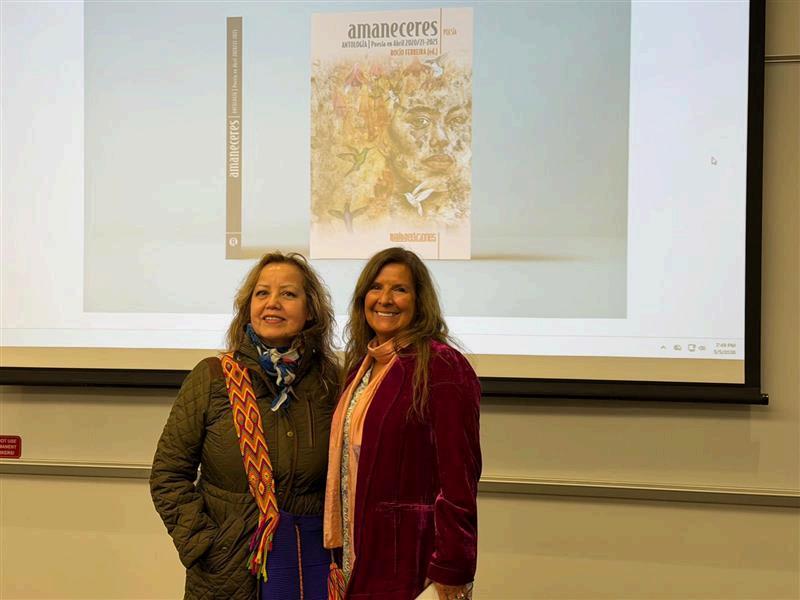
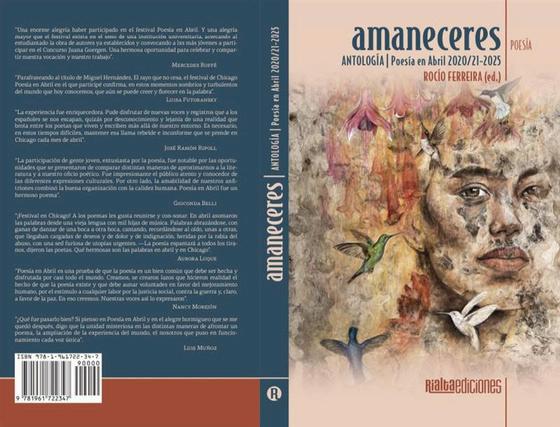
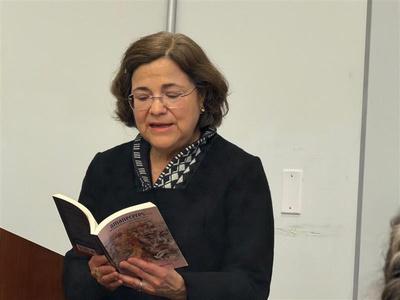
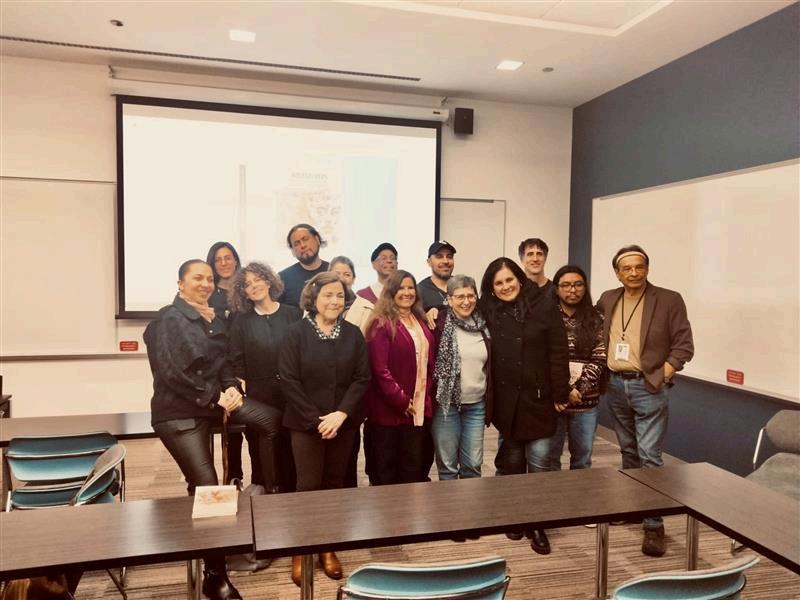
On Thursday, March 5, Dr. Rocío Ferreira welcomed poets from across the city to celebrate the launch of Amaneceres, an anthology of five years of Poesía en abril (2020/21 - 2025), edited by Dr. Rocío Ferreira.



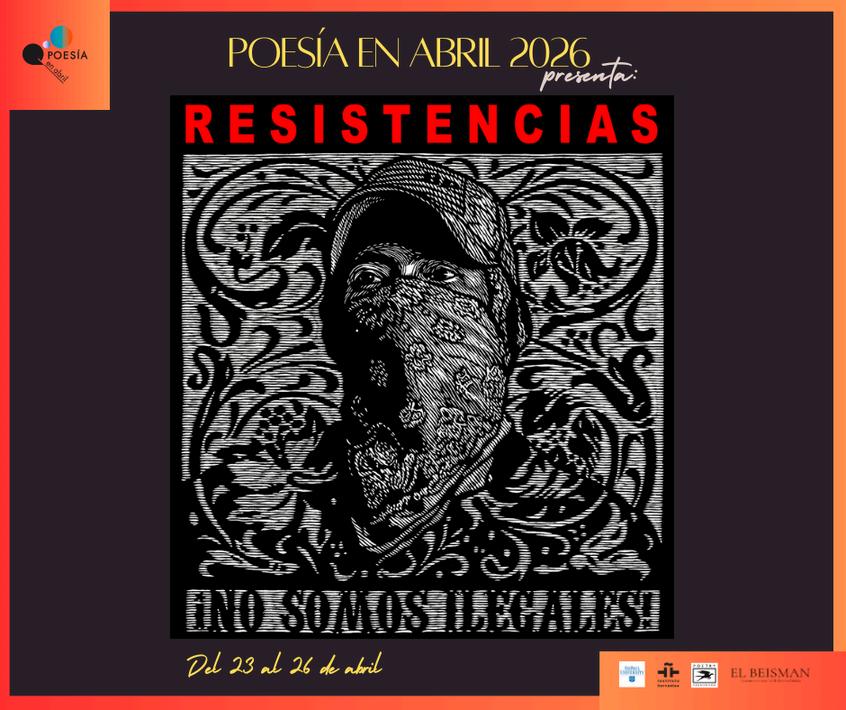
The Midwest’s most important Spanish-language poetry festival returns in 2026 with the theme RESISTENCIAS a celebration of community endurance, love, resilience, and the transformative power of words.
Many Chicagoans find connection through cultural heritage and the arts. DePaul University’s 18th annual Poesía en abril (“Poetry in April”) festival brings local and global communities together for four days of live Spanish-language poetry and musical performances by Latine artists.
The festival will take place April 23–26, beginning with an inauguration and open dialogue on April 23 at DePaul’s Lincoln Park Campus. Guest poets from Puerto Rico, Mexico, Argentina, Spain, Peru, Colombia, Bolivia, El Salvador, and Chicago will participate throughout the festival.
All events are free and open to the public and will include musical guests, literary dialogues, workshops, and the announcement of the Juana Goergen Poetry Award winner. For more information visit: https://poesiaenabril.com/

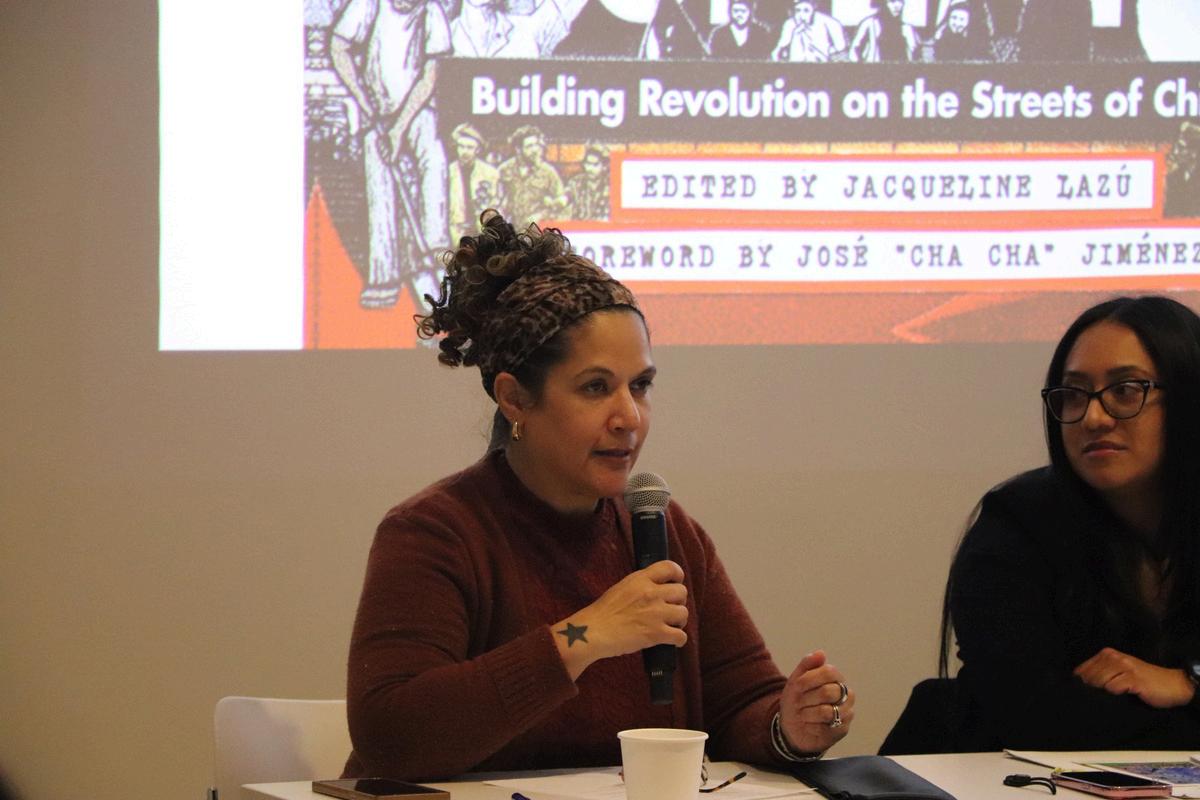
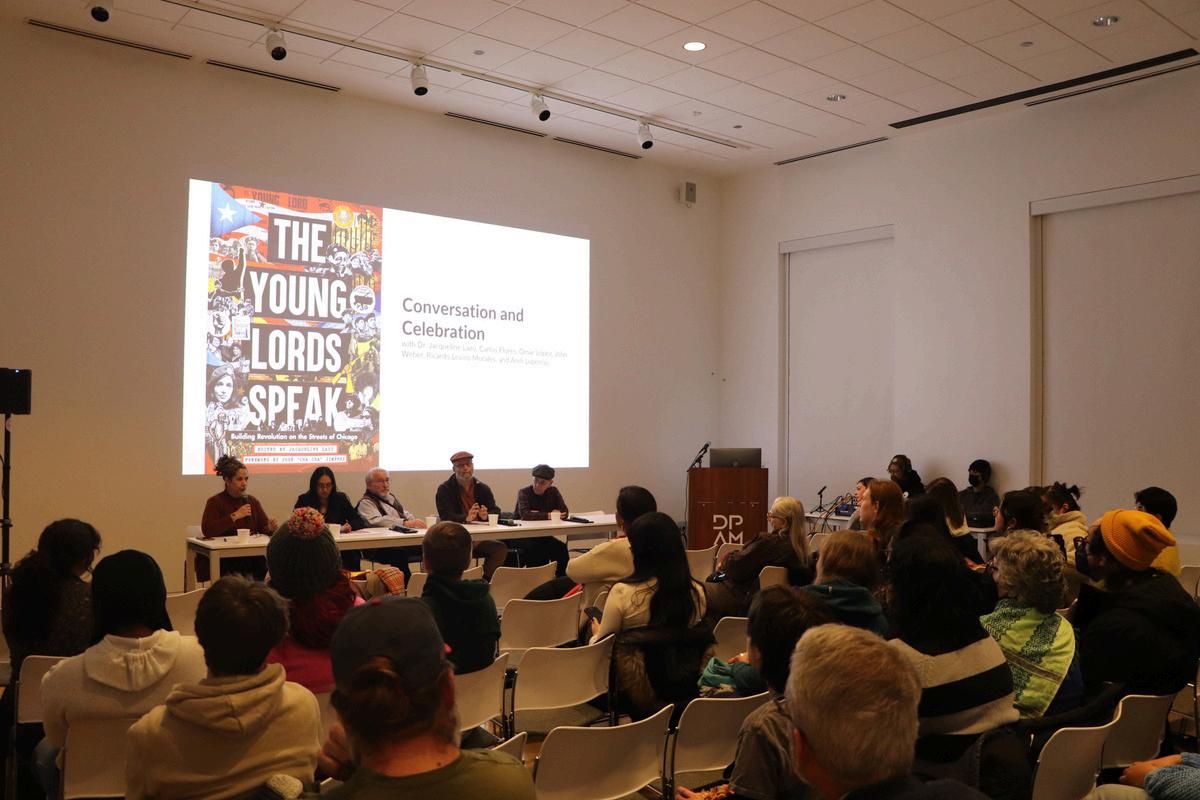
On January 21 , 2025, Dr. Jacqueline Lazú moderated a conversation featuring original Young Lord Omar López, muralist John Weber, artist Ricardo Levins Morales, and designer Areli Lupercio, at the DePaul Art Museum. Each of the participants shared how their work explores and preserves the legacy of the Young Lords Organization. The conversation reflected on nearly sixty years of history, art, and archival work.
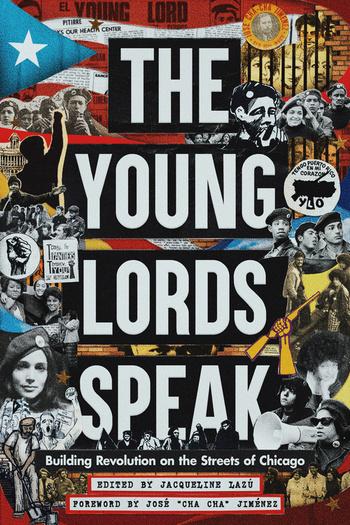
The group also discussed how the memory and work of the Young Lords Organization lives on through Dr. Lazús forthcoming book, The Young Lords Speak: Building Revolution on the Streets of Chicago

JOIN US IN CELEBRATING DR. JACQUELINE LAZÚ’S BOOK:
**BOOKS WILL BE AVAILABLE FOR PURCHASE!
WEDNESDAY, APRIL 29
4:30 - 6:30PM
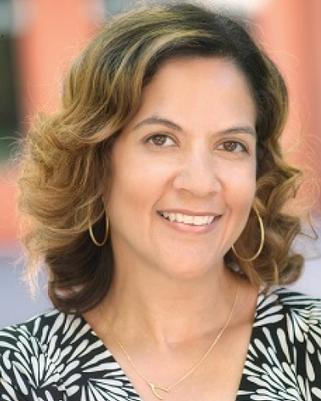
A CONVERSATION WITH THE AUTHOR DR. JACQUELINE LAZÚ
PROFESSOR, DEPAUL UNIVERSITY
DEREK POTTS
INSTRUCTION AND OUTREACH ARCHIVIST, DEPAUL SPECIAL COLLECTIONS AND ARCHIVES
OMAR LÓPEZ
DIRECTOR OF CALOR, MINISTER OF INFORMATION, YLO
MODERATED BY AUL MIRELES
HAIRMAN OF THE CHICAGO CHAPTER OF THE NEW ERA OUNG LORDS/DEPAUL GRADUATE STUDENT
REGISTER HERE
REGISTRATION IS REQUIRED




Interview by Marcela L. Reales Visbal
My name is Michelle Cisneros. I'm from a suburb about 30 minutes outside of Cleveland, Ohio. My grandparents are Mexican immigrants. My mom is a first-generation American. Cleveland is a very white city. Growing up, I think the only Latina we ever heard about was Sandra Cisneros I had a graduating class of 125, and then there were only like 10 Latinos
I came to DePaul with the intention of majoring in film screenwriting Before coming to DePaul, I got accepted into the Social Transformation Research Collaborative (STRC) program I was in the first cohort of the STRC Summer Institute I liked it a lot Many of my core friends are from that group Alex Delgadillo, who was the STRC Coordinator at the time, advised me to add a Latin American and Latino Studies (LALS) minor, which I did By the end of my sophomore year, I had switched the two around And last year, I received the External Advisory Board LALS Scholarship
Billy Johnson González was definitely one of my biggest influences during my freshman year, even though I was so scared of talking to him I know a lot of first-generation students don't have an understanding of how to approach professors, even mentors I had nobody I was really going into it by myself, and I think a lot of the people I surrounded myself with were also first-generation students, so it was very hard for me to branch out or ask for opportunities Billy and, in general, the STRC people being really nice to me was important
I also took Lourdes Torres’ class my freshman year Her class was dialogue and experience-based, and I think being in a class full of Latinos, where we were able to share common experiences, was very surreal for me because in my High School classes, there were only white students Being in a space where we could share common experiences was honestly very impactful, and it has led me to my path and given me a purpose I want to serve my community I want to do good for my community
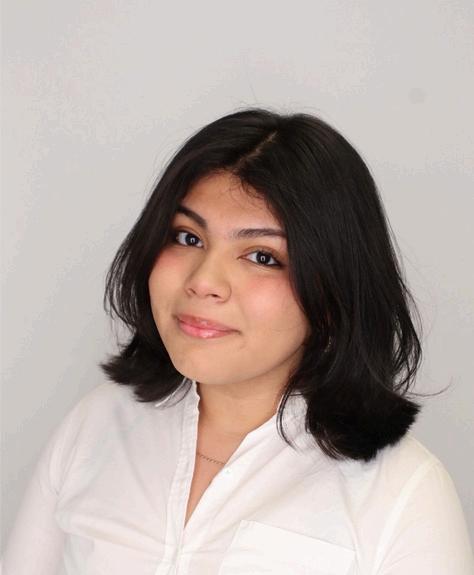
Being in the LALS community has been a big selfidentity journey In the environment that I grew up in, you had to double down on yourself in order to feel accepted into certain spaces The only people I got along with were queer people at my school, so a lot of us made fun of ourselves or allowed ourselves to get made fun of to feel accepted Coming to places like DePaul, where you have these conversations and where you are allowed to belong, was a culture shock to me
To us, from the surrounding areas of the Midwest, Chicago is the mecca of Latinos Visiting Chicago is what drew me to attend DePaul I have such an appreciation for the Latinx community of Chicago, for everything they have done, and I want to give back I was an ESL tutor for Erie House for 6 months, and I had to take a break from it because I started to feel that I couldn't breathe, knowing that I couldn't do more than just be an ESL tutor And I think that's a lot of the same guilt I have from leaving Ohio There are so many people there, and there are so many Latino communities in these predominantly white spaces that don't get recognition, that don't get a sense of community, that are ostracized into their own small spaces
I grew up in a trailer park whose residents were all Latinos Latinos never lived anywhere other than that part of town I think my parents always thought about moving, but there was no need to, because living in a trailer park, as crappy as it was, brought us a sense of community We had the lady who sold paletas on the corner, a man who sold elotes We had a community Being in Lincoln Park, surrounded by so much wealth and whiteness, I have to constantly take myself to Pilsen, Little Village, to feel in community
My mom was the ESL teacher not just at a school, but for the whole district A lot of people would ask my mom to help their kids with homework or to translate documents. She has been a big inspiration for me, wanting to help people. But it’s also sad because she would get really overwhelmed because there was nobody else who could help.
My mom is really supportive of my choices. She loves the fact that I’m a LALS major. I think it's because my mom had me very young. She had me at 16, so I think she likes knowing that I'm doing more, things that she couldn't do, and she has such a passion for Latinx stories. She would always talk about Pancho Villa and go into rabbit holes of her own journey of education, and I think she enjoys it when I call and talk about the classes that I’m taking or the things that I’m learning.
When I’m in these academic spaces, it can be very overwhelming. I never have the words to describe what I feel, but I feel what I learn, if that makes sense. That's what has made it hard to want to continue going into higher education. I feel so behind. I feel like I'm not where everybody else is. I still have breakdowns, and my mom tells me, “You have the passion and the care, ” and I think that's what drives people like me.
I was just talking to the person who does my nails, and she was like, "What can you do with a major like LALS?” That’s always the question. People value things like being a doctor or being a pharmacist, but some of these people can't have conversations with the people they serve. For me, Latino Studies is such a foundation to the humanities; it's a door to
anything you want to do. It opens your eyes and teaches you how to think critically. I think a lot of people are okay just going through the motions and not caring. It's easier not to care, but for me, not caring impacts the people that I care about. So, how can you not care?
I will be completing my undergraduate degree this spring. I plan to finish my Master's in Critical Ethnic Studies at DePaul and then take the LSAT. I want to go to law school and focus on civil rights or immigration law I'm open to changing that plan I don't want to feel constrained if it doesn't work out, or if I don't feel like it’s a good fit for me
I want to finish by thanking my mom She's cool
Joinustocelebraterecentbookreleasesfromour CLRandLALSaffiliatedfaculty!
MAY14,2026|4:30-6:00PM
ARTS&LETTERS102
Dr.SusanaMartínez
Director,Peace,Justice&ConflictStudies AssociateProfessor,ModernLanguages
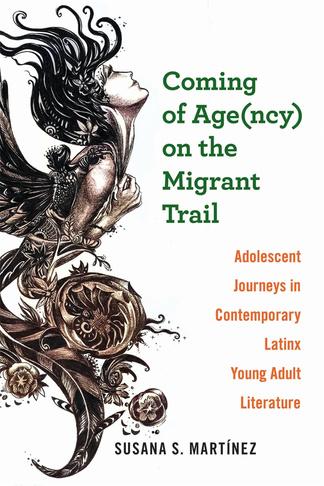
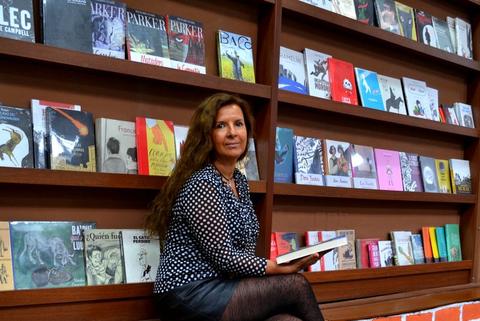
Dr.RocíoFerreira DepartmentChair,Women'sandGenderStudies AssociateProfessor,ModernLanguages
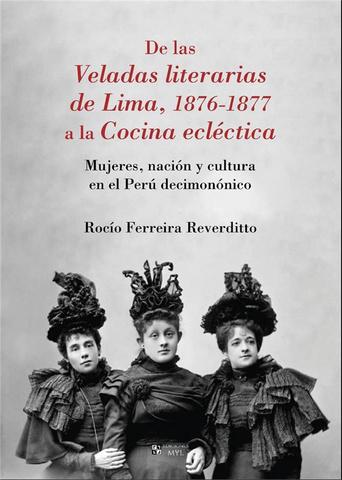
Refreshmentswillbeprovided|Bookswillbeavailableforpurchase


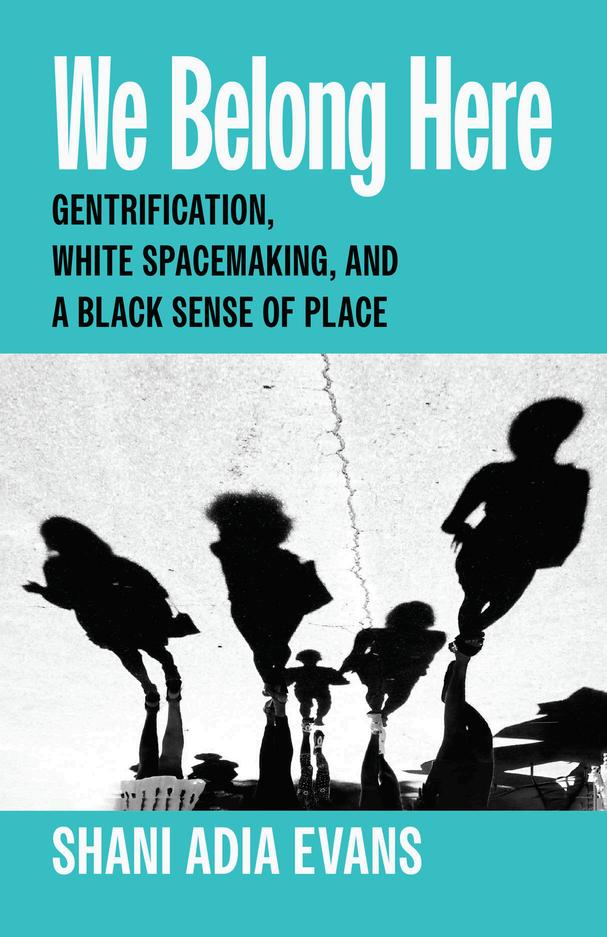



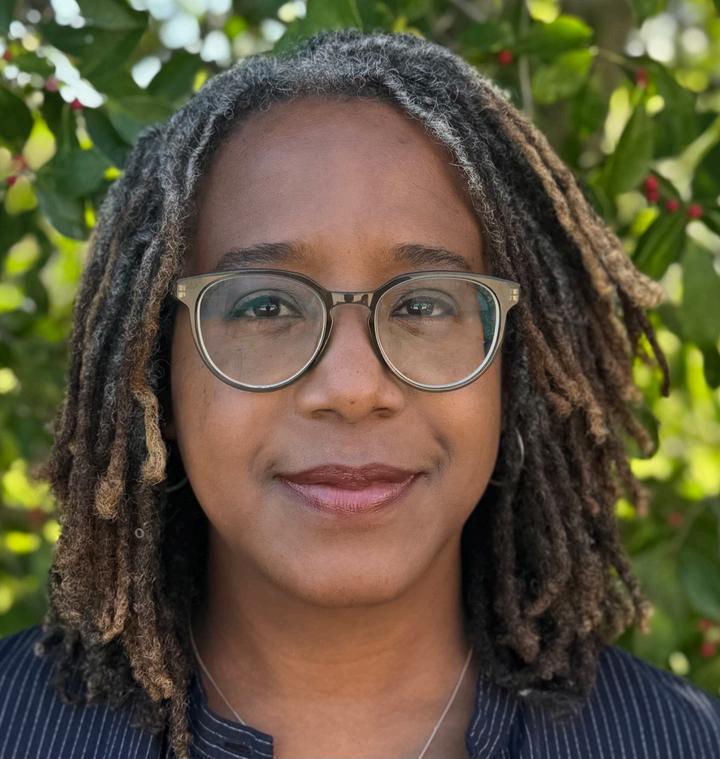

OnSaturday,January31 ,theLatinxStudiesNow!Collectivehostedaprofessionaldevelopment workshopforK-12educatorsinterestedindevelopingcurriculumaboutthehistoryandlegacyof theYoungLordsOrganization(YLO)inChicago
st TheprogrambeganwithapresentationbyIselaPonce,LanguageandLiteratureteacheratLincoln ParkHighSchool,andthreeofherstudents.Theydiscussedlessonslearnedfromengagingwiththe YLOintheK-12classroom.Aftertheinitialpresentation,thegroupparticipatedinaguidedtourof TengoLincolnParkenmicorazón:YoungLordsinChicago,anexhibitioncuratedbyDr.Jacqueline Lazú(Professor,MOL),whichtracedtheYLO'strajectoryintheLincolnParkneighborhoodamidst gentrificationandurbanrenewal,whichdisplacedthevibrantPuertoRicancommunityofthe1950s and1960s TheprogramendedwithavisittotheDePaulSpecialCollectionsLibrary,wherewehad theopportunitytoexploreprimarysourcesrelatedtotheYLO,suchasnewspaperarticles, photographs,andmuchmore
Thankyoutoalltheteacherswhoparticipatedintheworkshop,andallwhocollaboratedto makethiseventpossible!
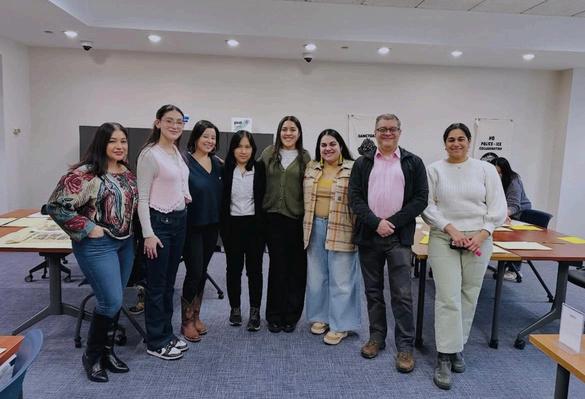
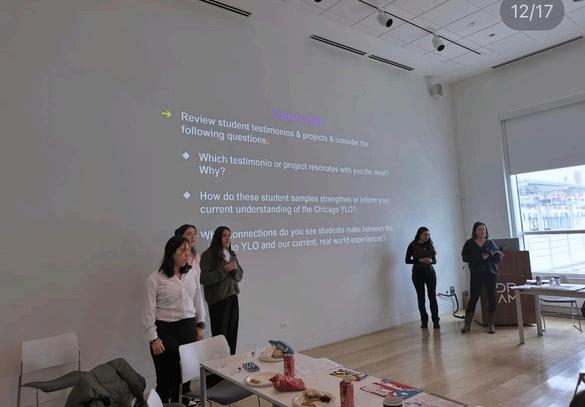
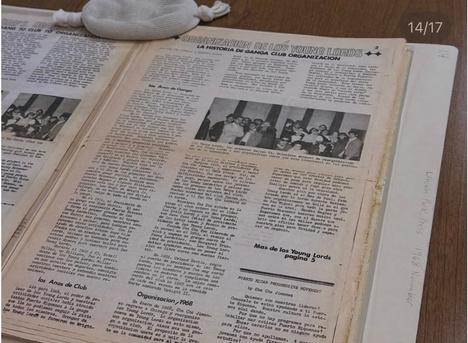
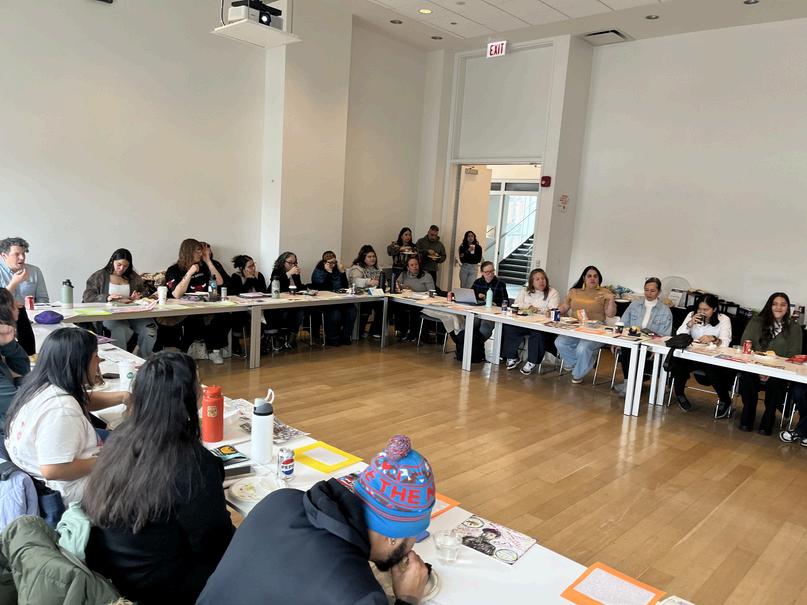


SCAN THE QR CODE TO REGISTER ONLY 15 SPOTS AVAILABLE!

REGISTER BY APRIL 22!
A CURRICULUM DEVELOPMENT WORKSHOP FOR K-12 EDUCATORS
FOCUSED ON THE FIRST WAVE OF MEXICAN MIGRATION TO CHICAGO AND THE TRAQUEROS (RAILROAD WORKERS)
Join us for a day of learning about the history and legacy of Mexican and Mexican-American traqueros (railroad workers) in Chicago
The program will include:
A presentation by Dr. Juan Mora Torres (DePaul University Professor, History) on the first wave of Mexican migration to Chicago
A guided tour of the Rieles y Raíces exhibition at the National Museum of Mexican Art, by co-curator and public scholar, Ismael Cuevas
SATURDAY, APRIL 25, 2026 11:00AM - 1:30PM CASA ILUMINA 2032 W 18 ST TH
WE WILL WALK TO THE NATIONAL MUSEUM OF MEXICAN ART FOR THE SECOND HALF OF THE PROGRAM
Participants will receive Professional Development Credit





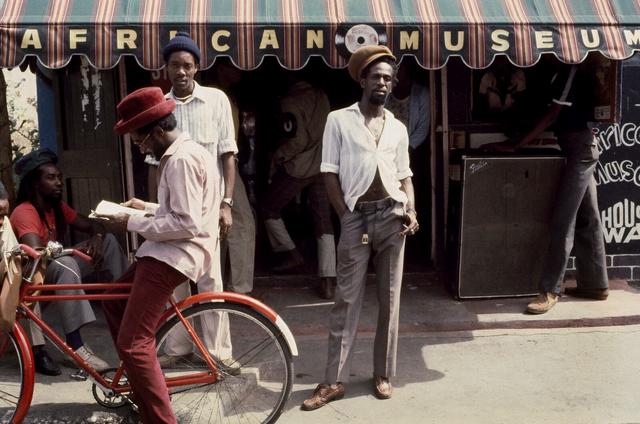



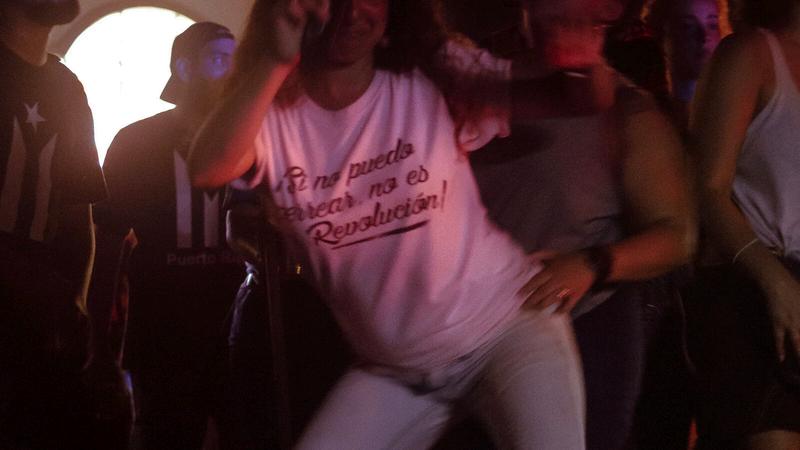

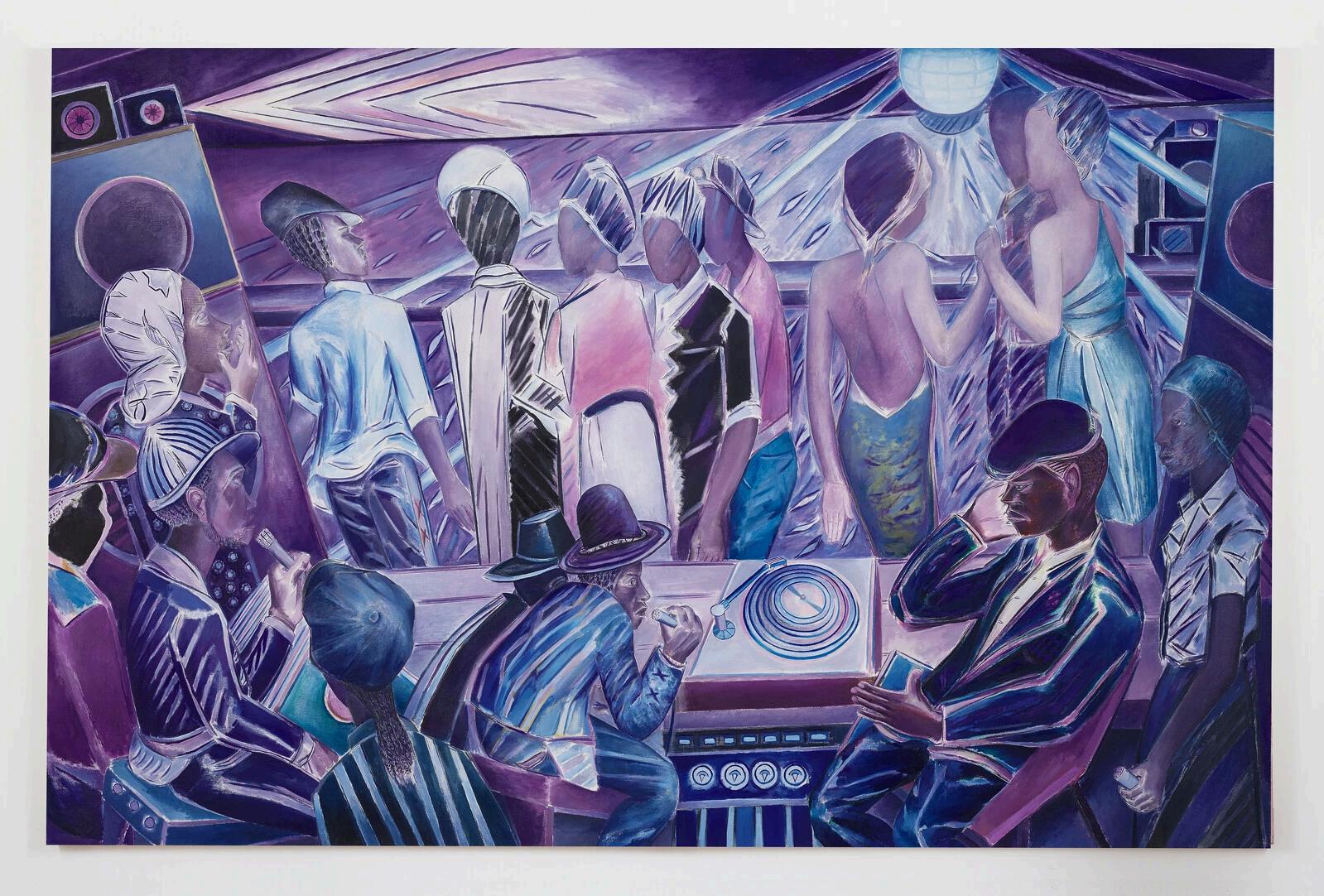
FREE TICKETS TO THE FIRST 15 STUDENTS WHO RSVP!



This interdisciplinary department explores the broad dynamics shaping Latin American & Latinx experiences and draws courses and insights from multiple fields. The Department of Latin American & Latino Studies also serves to deepen Latinx students’ awareness of their cultural heritage.
Dr.Carolina Sternberg
T/TH: 11:20- 12:50 PM
Dr. Yoalli Rodriguez Aguilera
M/W: 9:40 - 11:10 AM
LST 201: Struggle and Resistance in Latin America
LST 203: Media and Cultural Representation
LST 121/HST 121: Latin America to 1765 Dr AnaSchaposchnik OnlineAsync
LST 113/CTH 182/REL 113: The Latino Religious Experience in the United States
LST 205/HST 205: MEXICO AFTER INDEPENDENCE
LST 212 / PSC 212: Latino Politics
LST 219/HST 201: Mexican American (chican@) History
LST 252 /PSC 252 Latin American Politics
LST 268/ HAA 248: Mexican Art
LST 303: THE US Mexico Border People Resources Environmental Waste, Technology
LST 310 /CES 401/Sec 101: Introduction to Critical Ethnic studies
LST 310/CES 402 Sec 102 : Mobility and the State
LST 310 Sec 103: Gentrification and Displacement in Comparative Perspective: Buenos Aires and Chicago
LST 312/LGQ 397: Latina/o Sexualities
Other departments - courses of interest:
SPN 374 VOICES OF CONQUEST & RESISTANCE
**Spanish courses can be used for the major/minor in LST

@LALS depaul
M/W :2:40to4:10pm Dr.JuanMora-Torres
M/W:1:00-2:30PM
Dr.JoeTafoya
M/W :9:40to11:10pm DrJosephineLecharte
M/W:2:40to4:10pm NicolasSoto
Dr DeliaConsentino
T/Th:2:40to4:10pm TBA
T/TH:11:20-12:50pm Dr CarolinaSternberg
M/W:11:20-12:50pm Dr.YoalliRodriguezAguilera
LST 307: Growing Up Latina/o Dr.CamilaGavin
W:6:00-9:15pm Dr LourdesTorres
T:6:00-9:15 pm
M/W:1:00-2:30pm MichaelRangel TBA
Dr.JesseMumm
T/TH: 1:00-2:30pm Dr.GlenCarman
*These courses fulfill Liberal Studies SCBI requirement LST 307 fulfill Liberal Studies experiential learning requirement


Lourdes Torres
LALS Chair ltorres@depaul.edu
Bill Johnson González
CLR Director bjohns58@depaul.edu
Marcela L. Reales Visbal
CLR Assistant Director mrealesv@depaul.edu
Gigi Lara
Student Assistant alara26@depaul.edu
Michelle Cisneros
Student Assistant mcisne11@depaul.edu
Goutam Kumar
Graduate Student Assistant gkumar5@depaul.edu

Follow us on Instagram @clr depaul @lals depaul
Email us clr@depaul.edu lals@depaul.edu
Call us (773) 325-7316 (773) 325-4818
Visit us 2320 N Kenmore Ave
Schmitt Academic Center (SAC), 5A-H Chicago, IL, 60614

Like us on Facebook Center for Latino Research-DePaul University
The Department of Latin American and Latino Studies-DePaul University