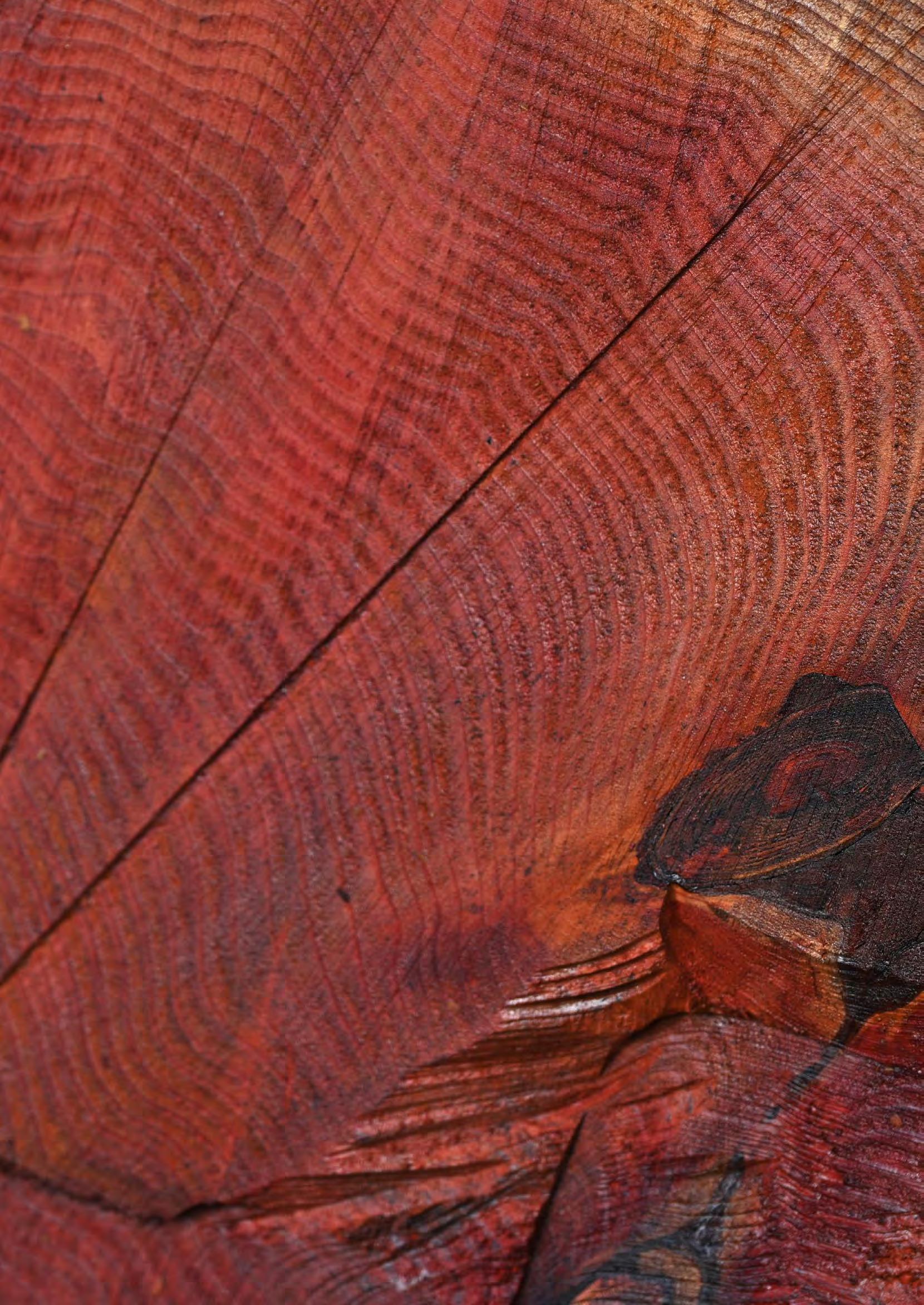
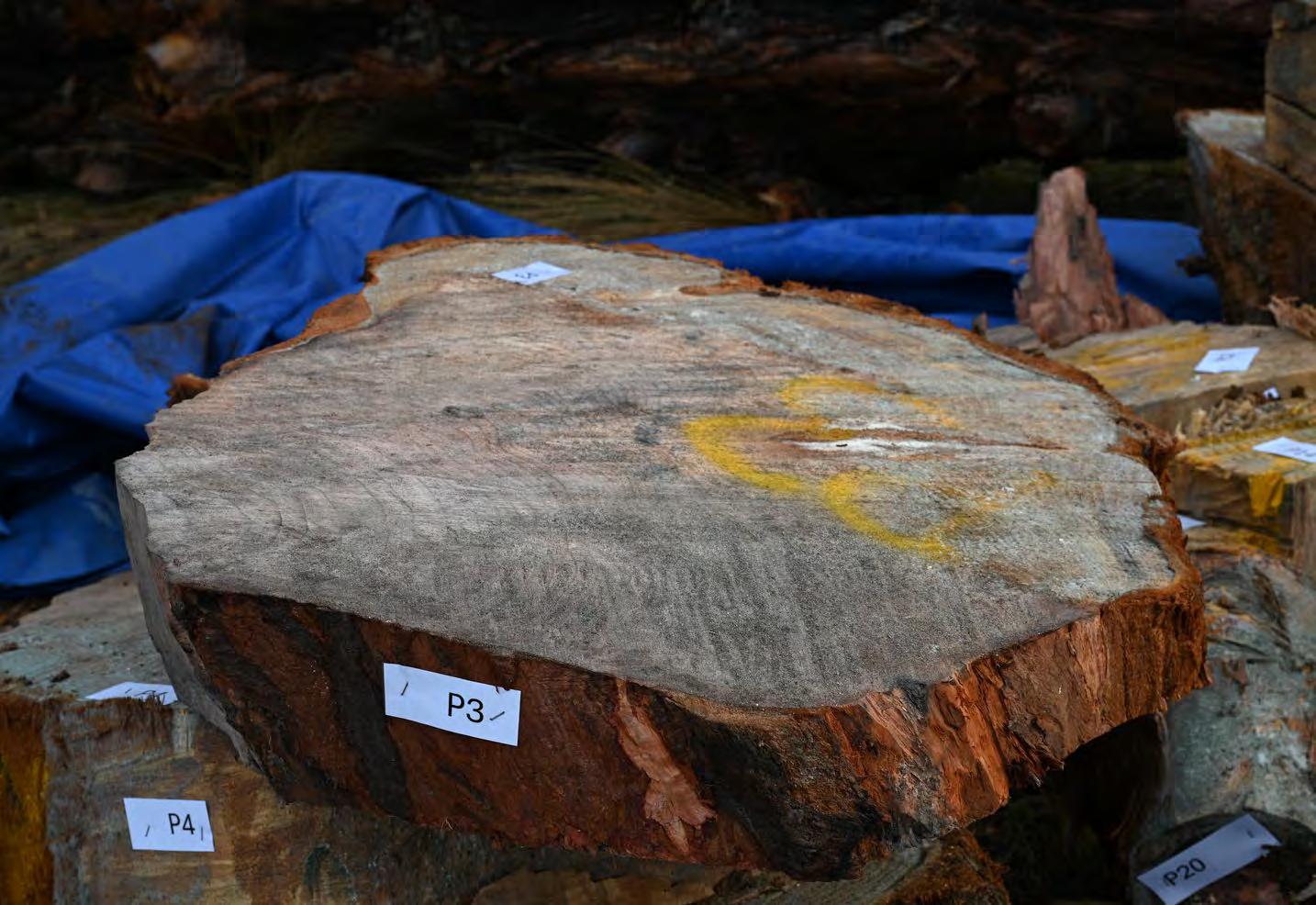
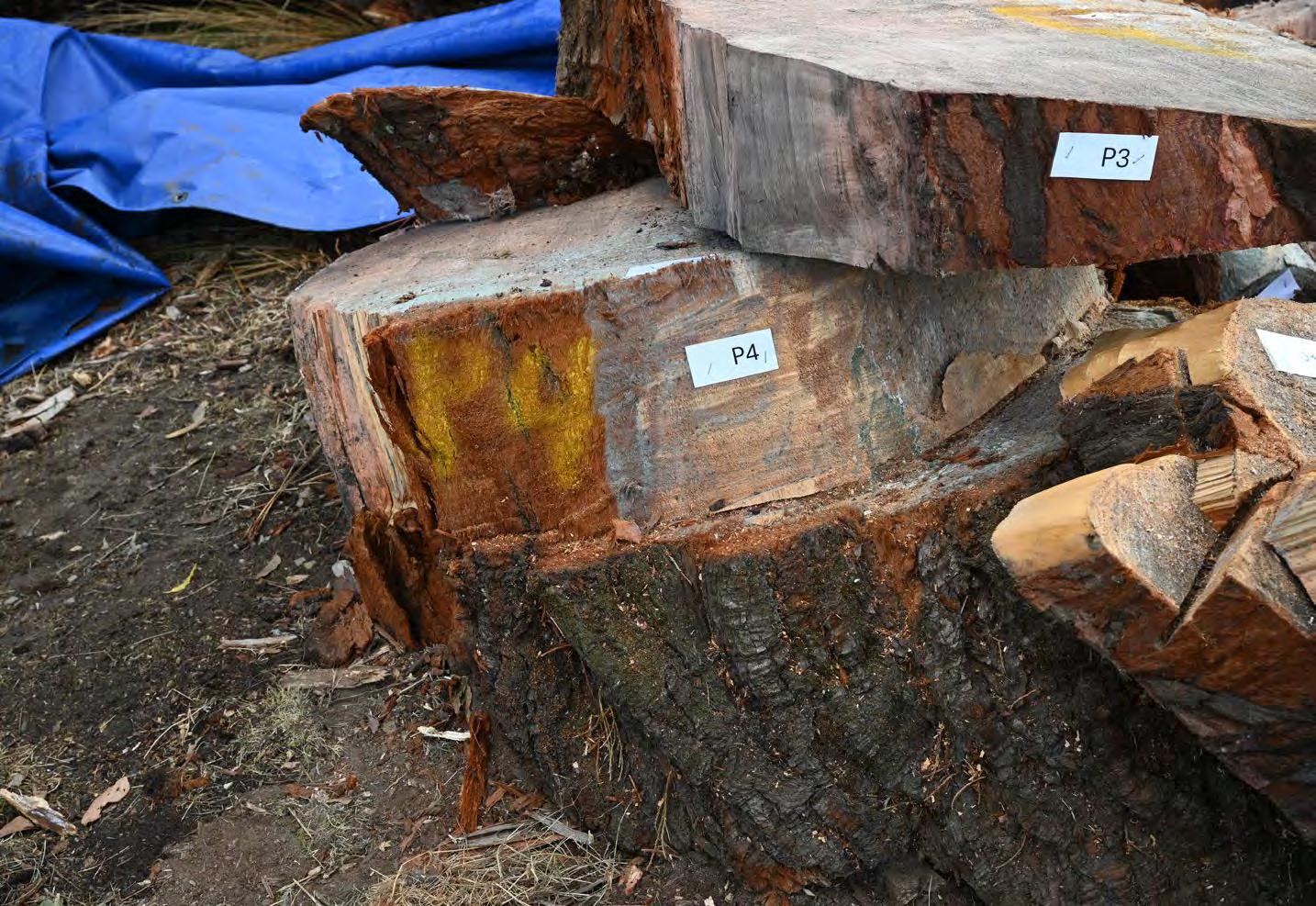
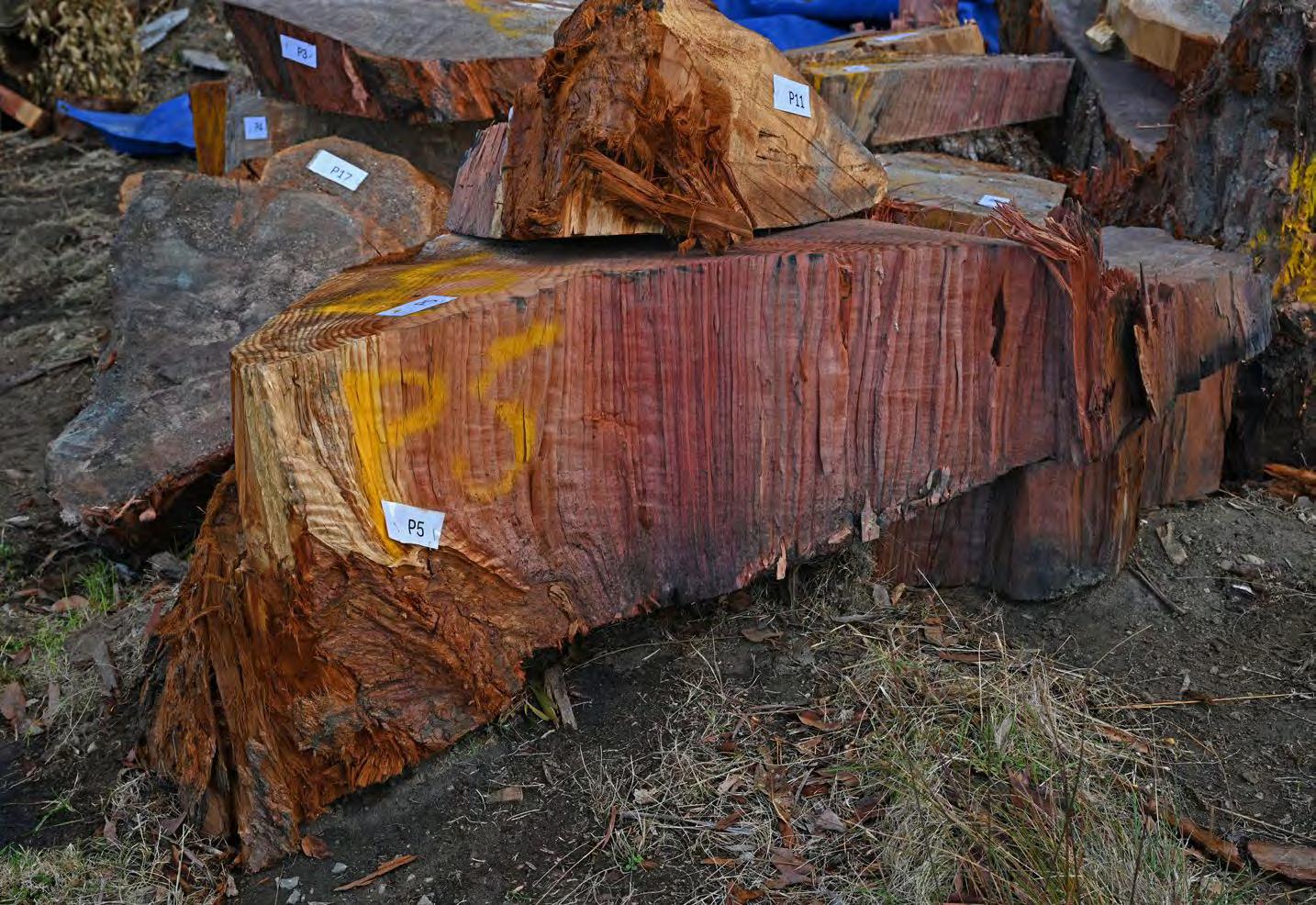
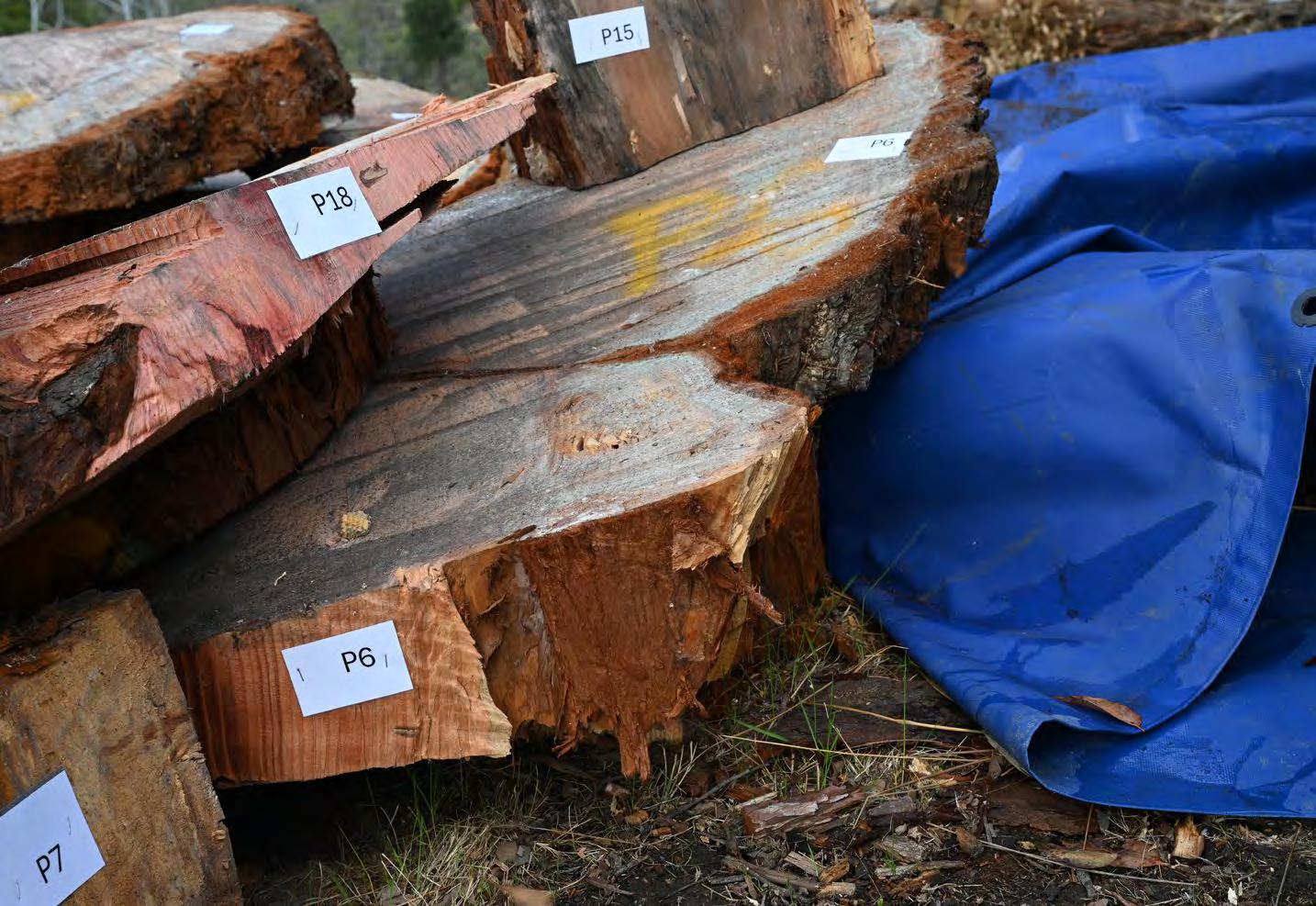
The City of Hobart invites Expressions of Interest (EOIs) from artists, makers and community groups to utilise timber sourced from two giant sequoia trees.
This initiative supports creative and community-focused projects that respectfully engage with this unique material.
Successful applicants will be responsible for the collection, transport and use of the timber, as well as reporting project outcomes to the City of Hobart within one to two years.
The giant sequoia (Sequoiadendron giganteum) is a tree species with a deep cultural legacy. Native to America, it is named Sequoya after a Cherokee chief. Giant sequoias can live for thousands of years.
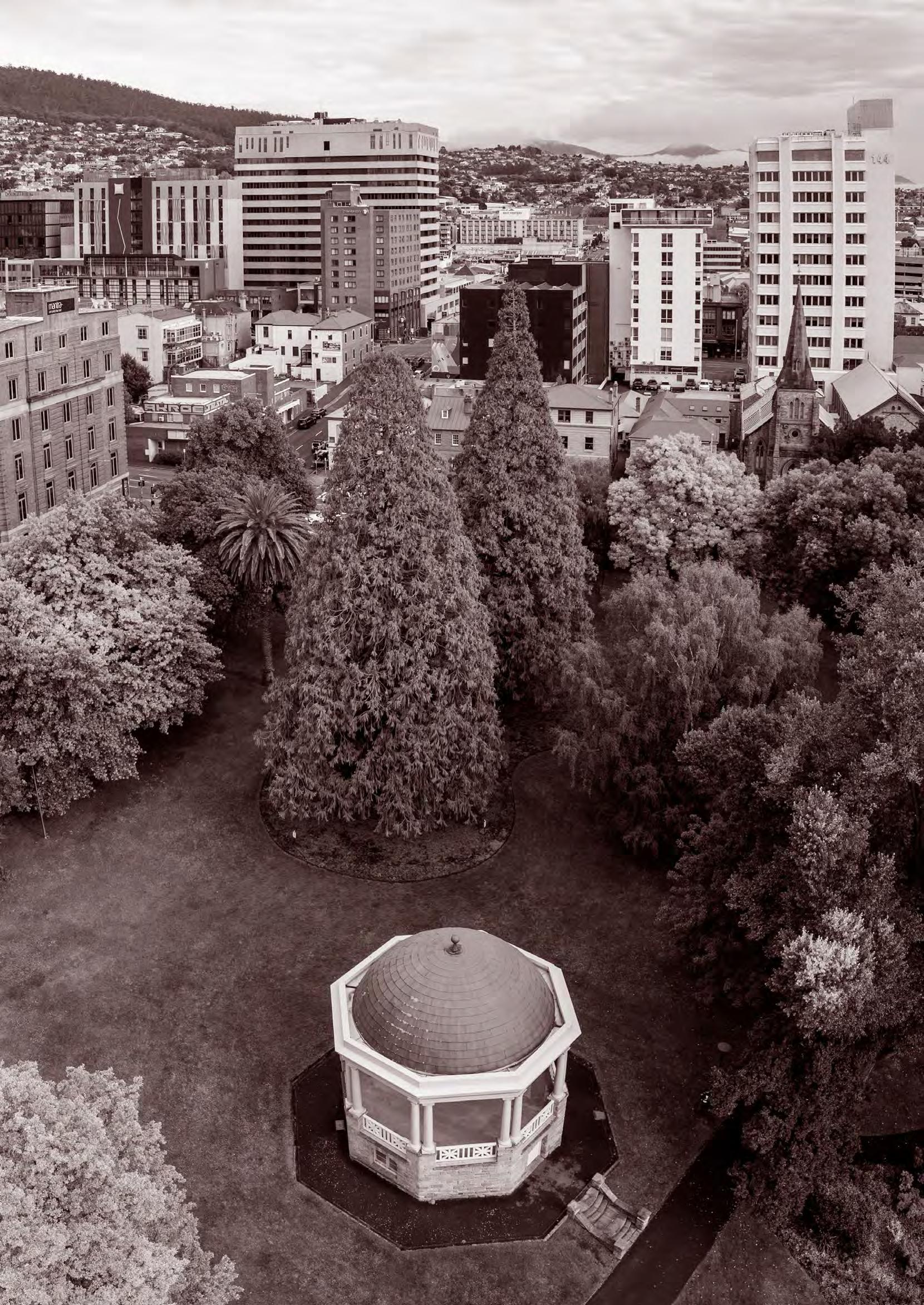
The two giant sequoias fell into decline in 2025 and removed from St David’s Park after repeated attempts to revive them failed.
The trees are listed on the National Trust Register as specimens of State Significance.
We acknowledge the significance of the sequoia tree species to First Nations people from where these trees are from and seek to honour the lives of these trees by repurposing every piece of wood. These trees have witnessed a changing landscape as Hobart has grown around them, carrying stories from other places that connect with us here.
We acknowledge our city, and the trees that grow within it, is all part of Nipaluna, Palawa Country.
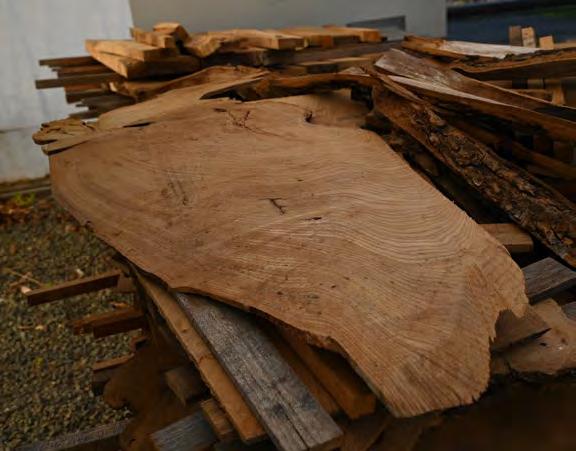
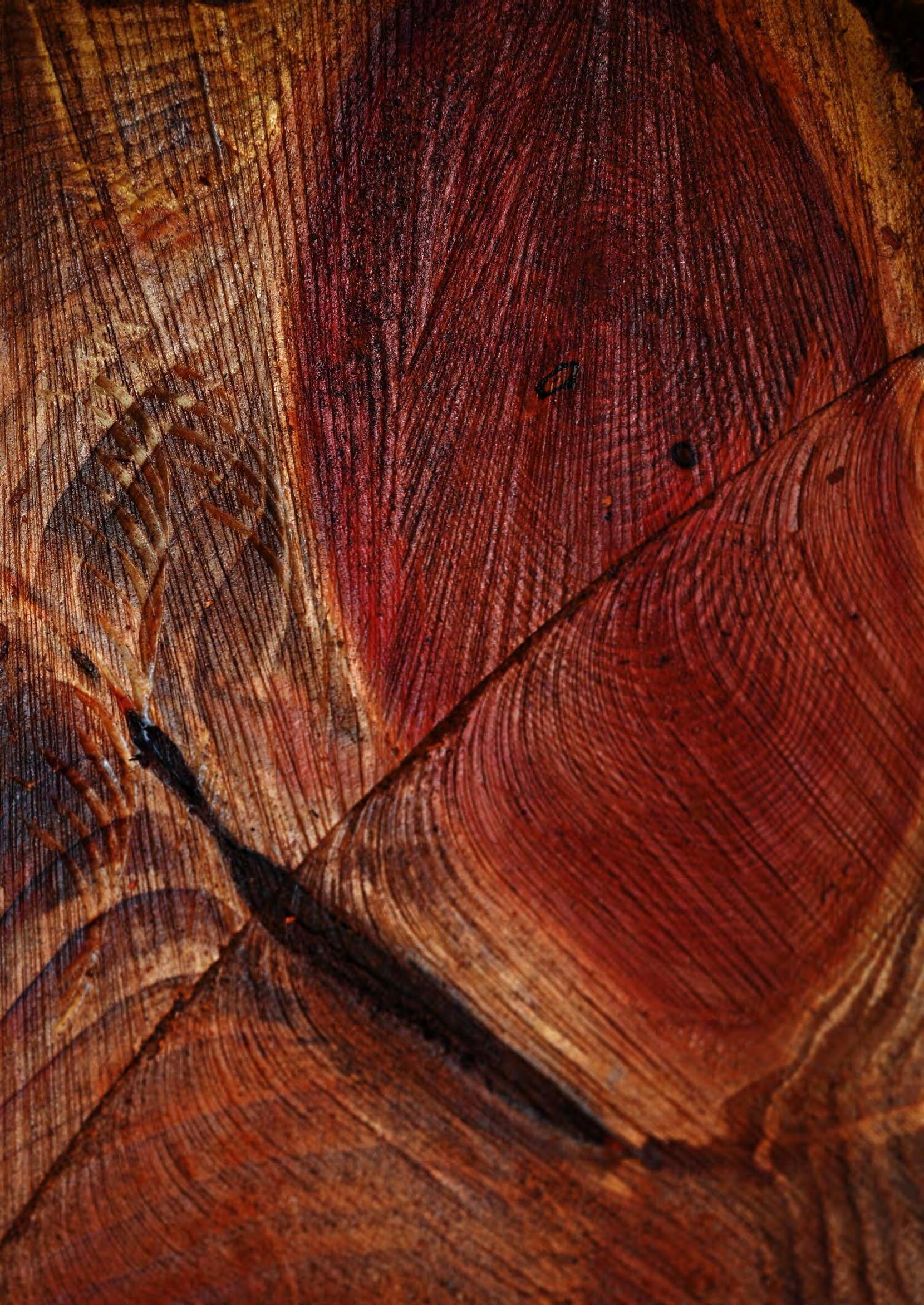
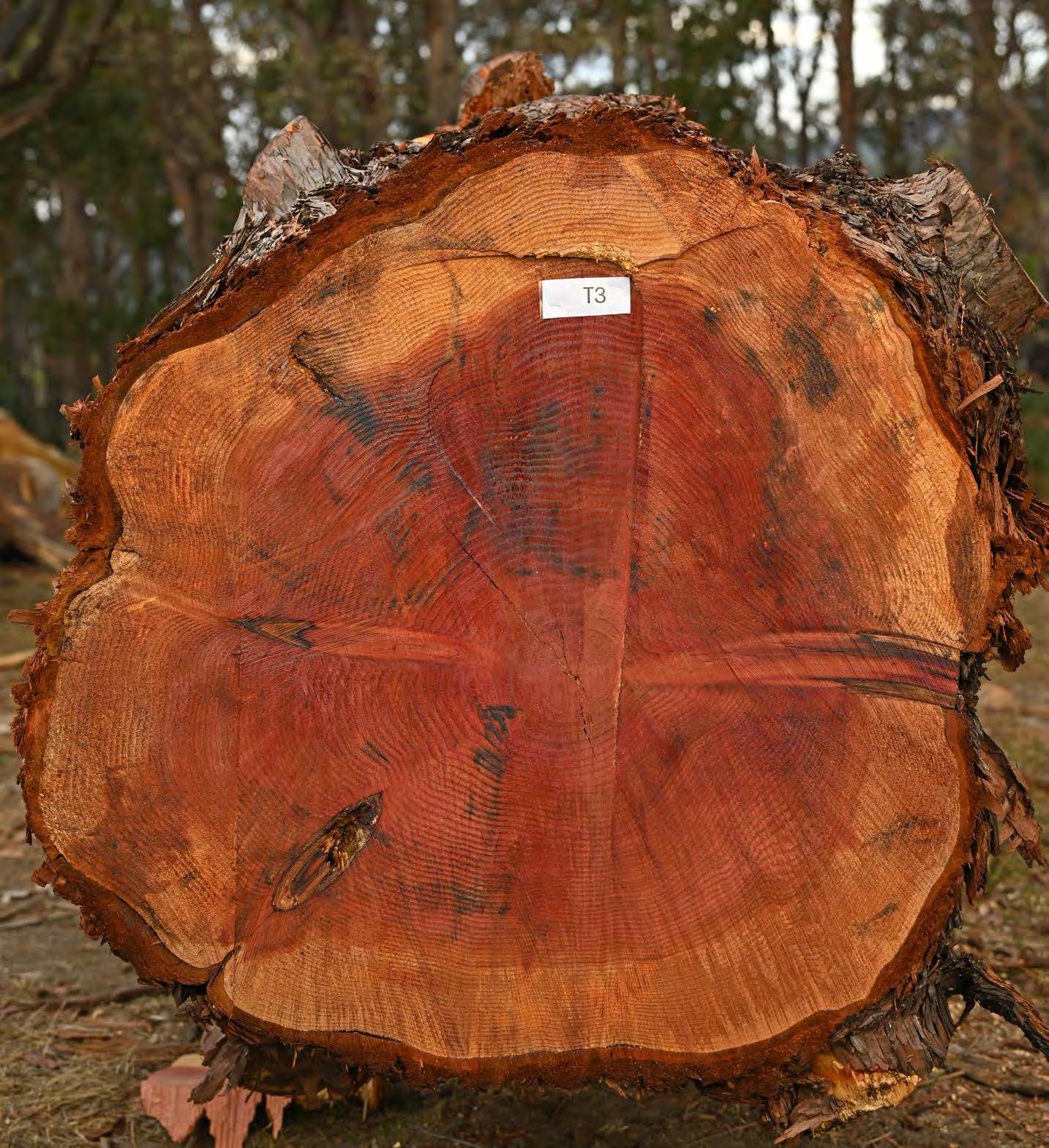
Lutruwita (Tasmania) is known for its artists and designers, and there are many skilled makers across these islands who create beautiful objects and artworks from the wood grown across the state. The wood from these giant sequoias ranges from deep red to earthy pinks and pale yellows. It was historically used for its resistance to fire and rot. This EOI process represents a rare opportunity for artists, designers and makers in Lutruwita (Tasmania) to access large whole unmilled pieces of wood and a range of character filled branches for free to use in ambitious creative and community projects.
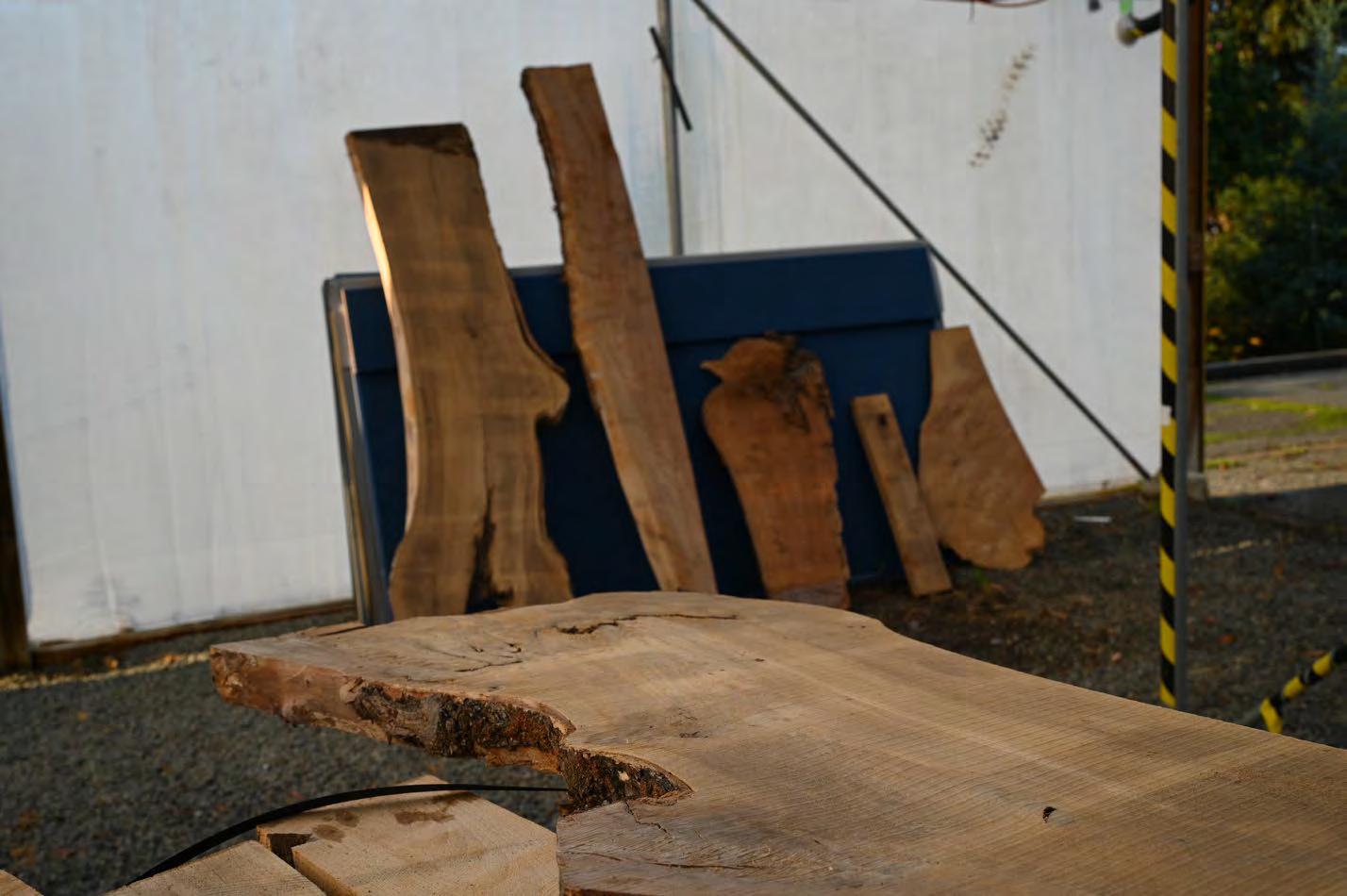
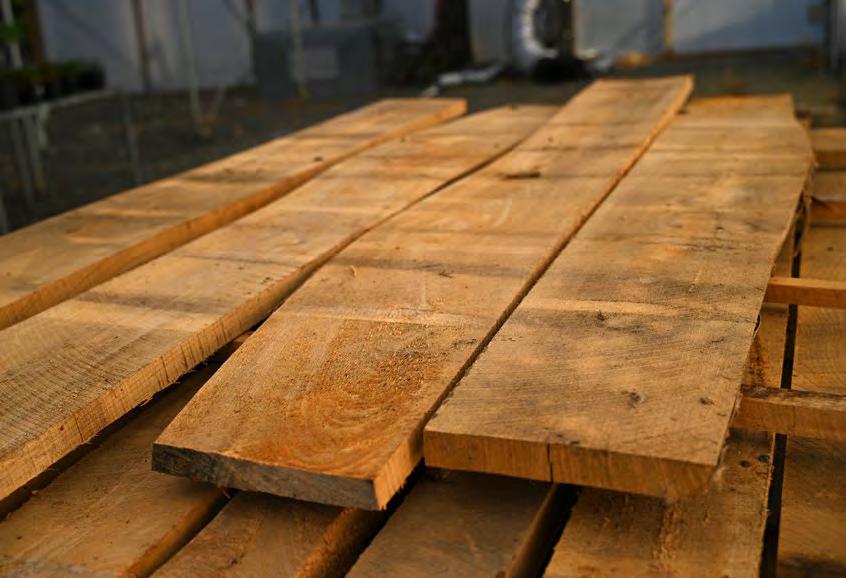
For makers who prefer to work with milled wood, we have included a store of milled elm timber from a mature tree in Franklin Square that was sadly vandalised and subsequently removed in 2005. The wood from the tree was milled and has been stacked and stored undercover since this time.
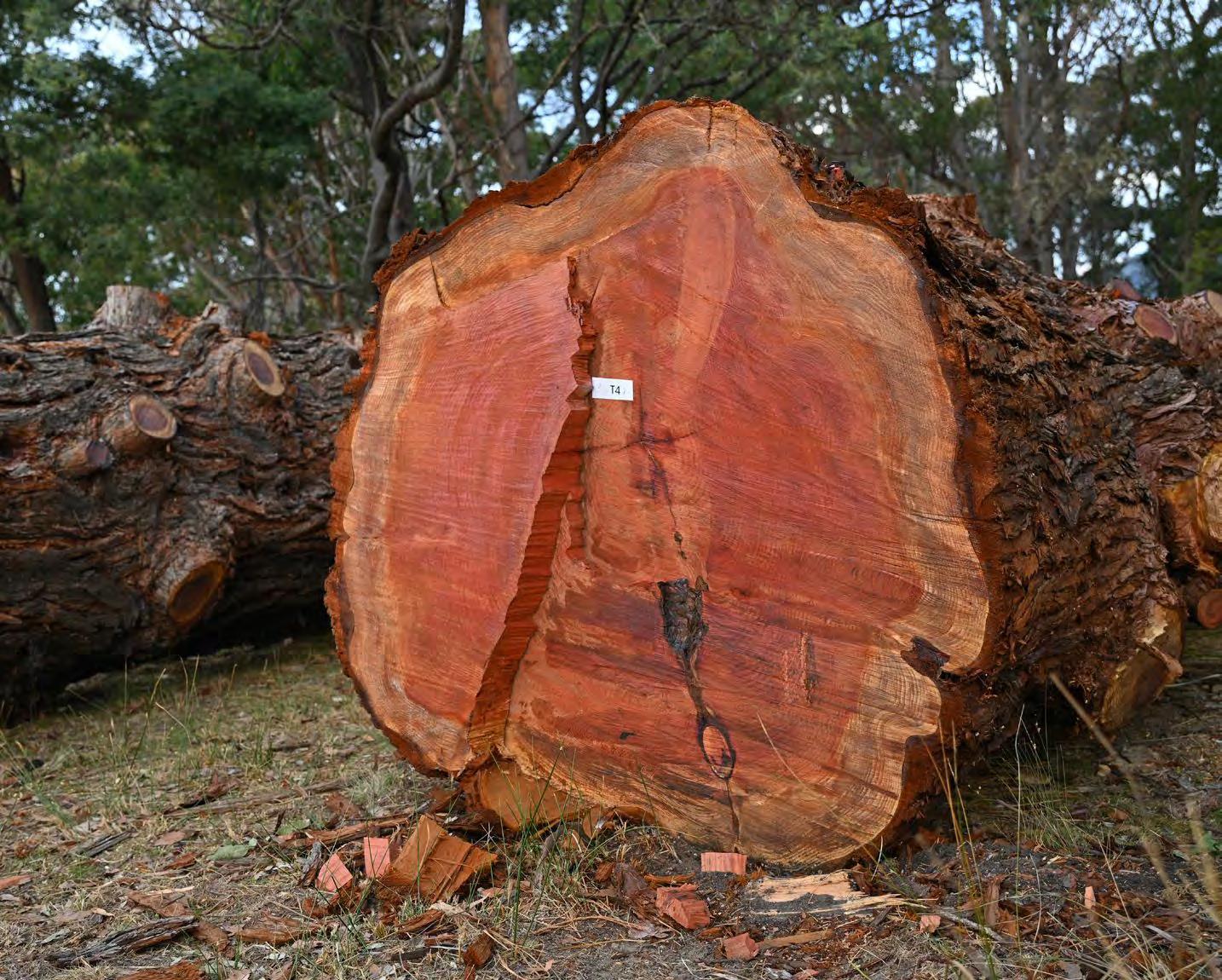
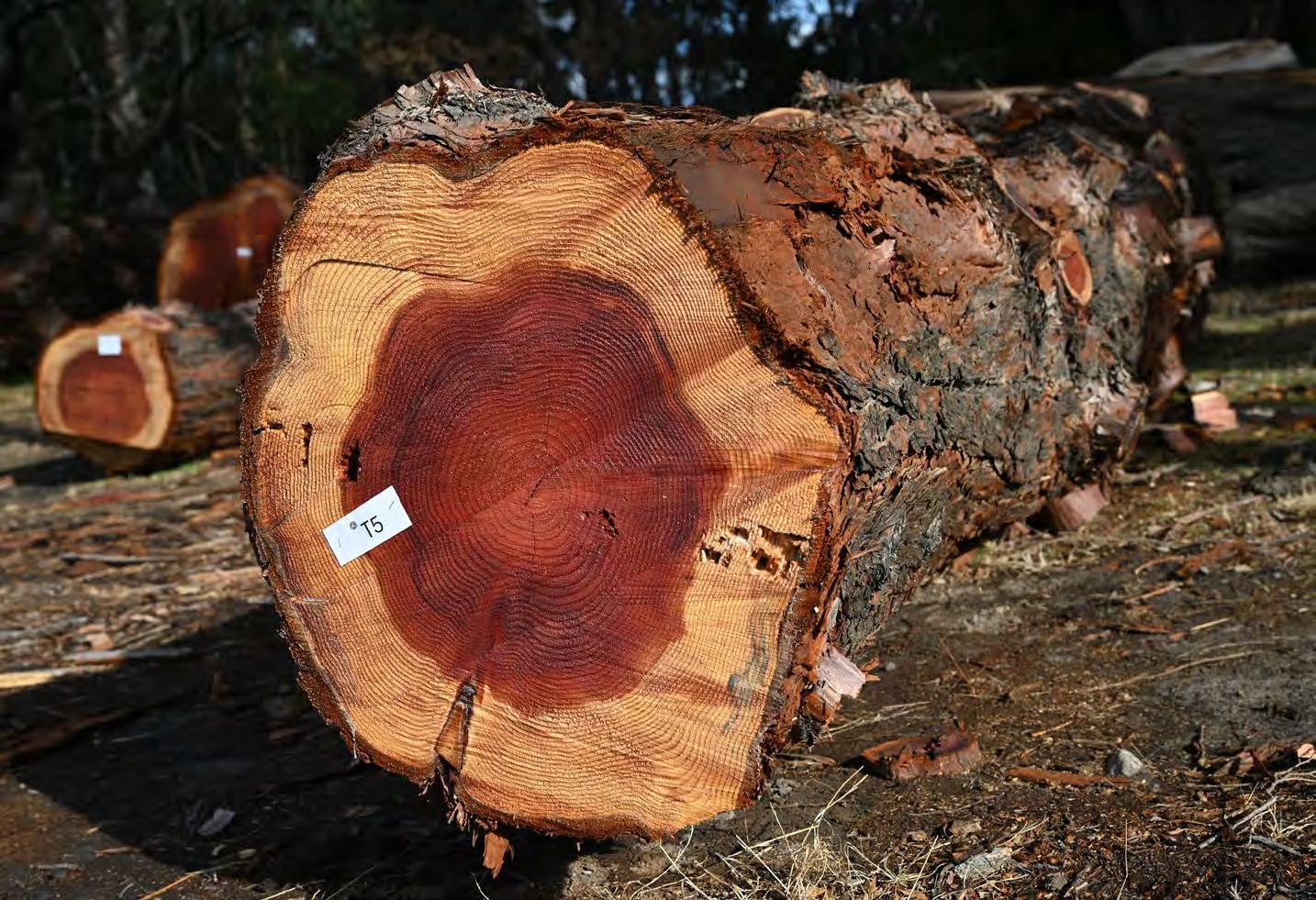
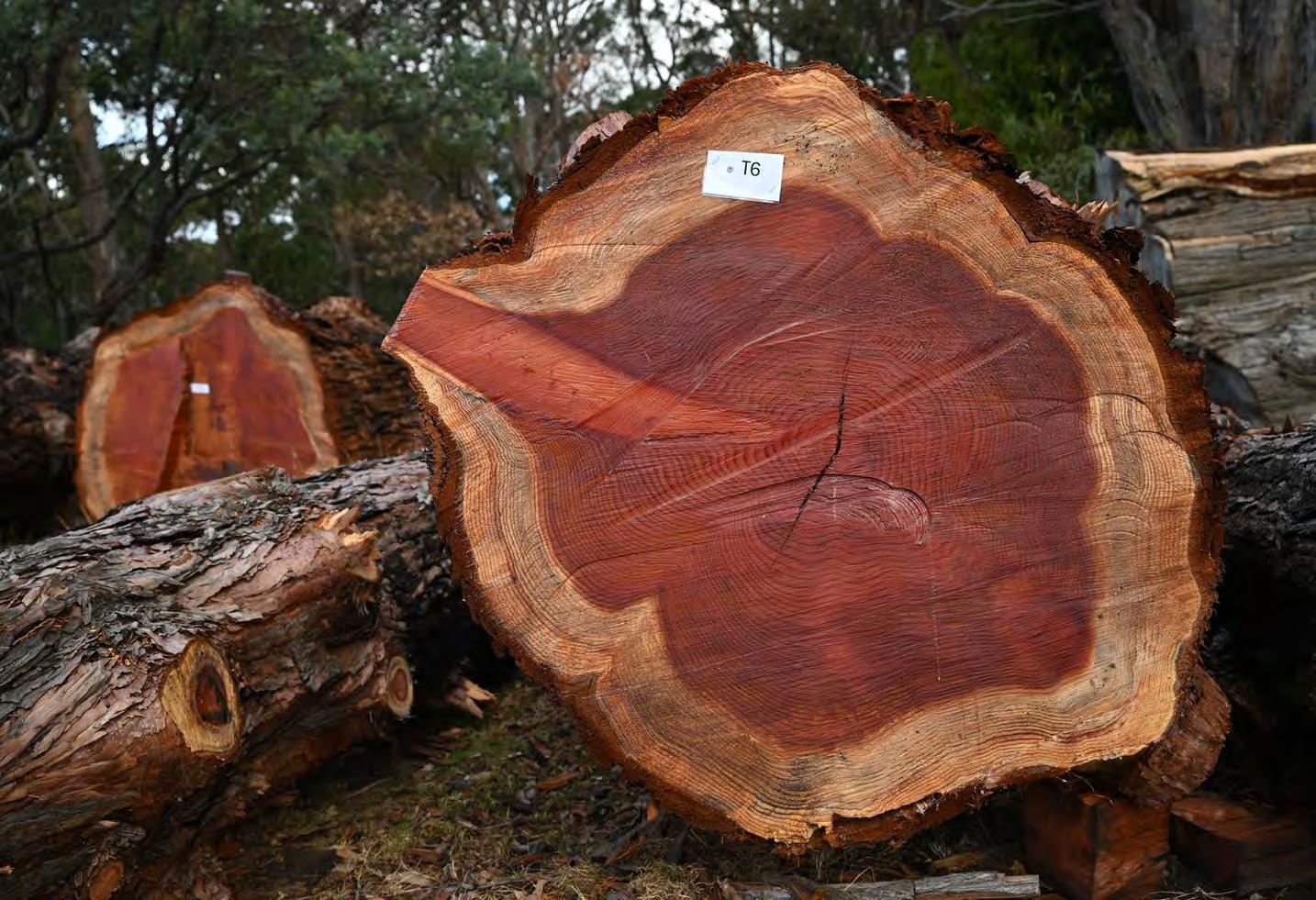
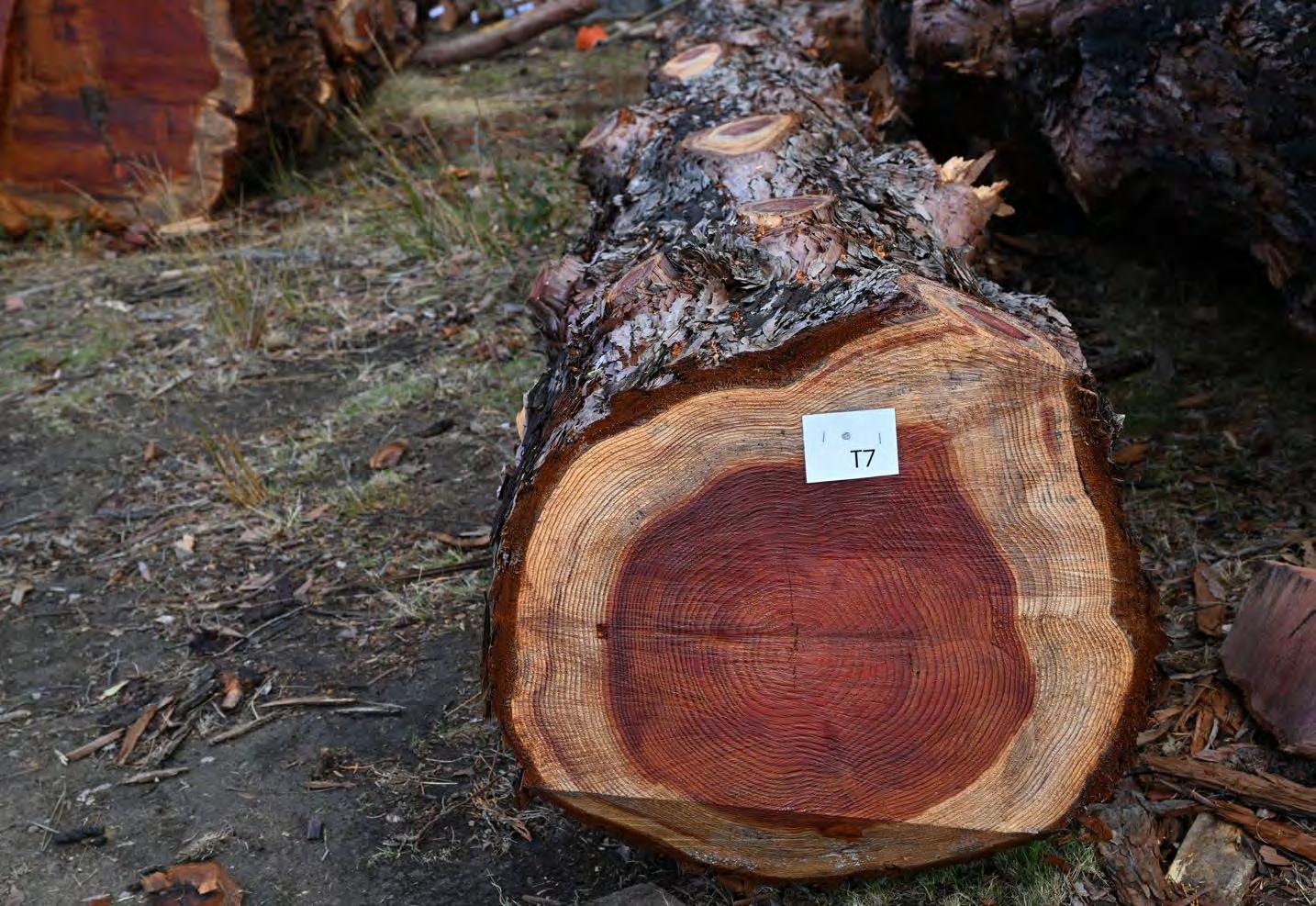
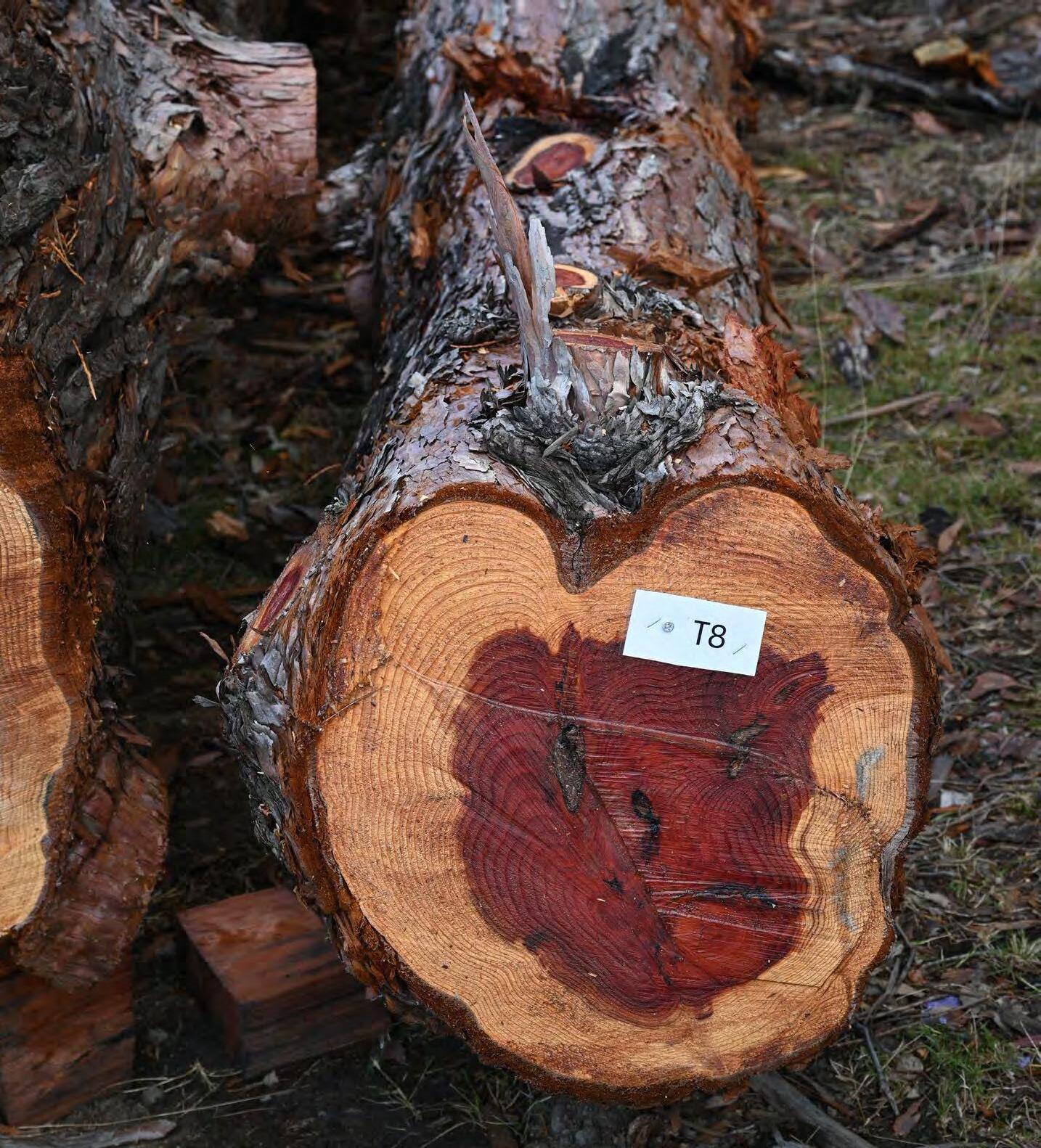
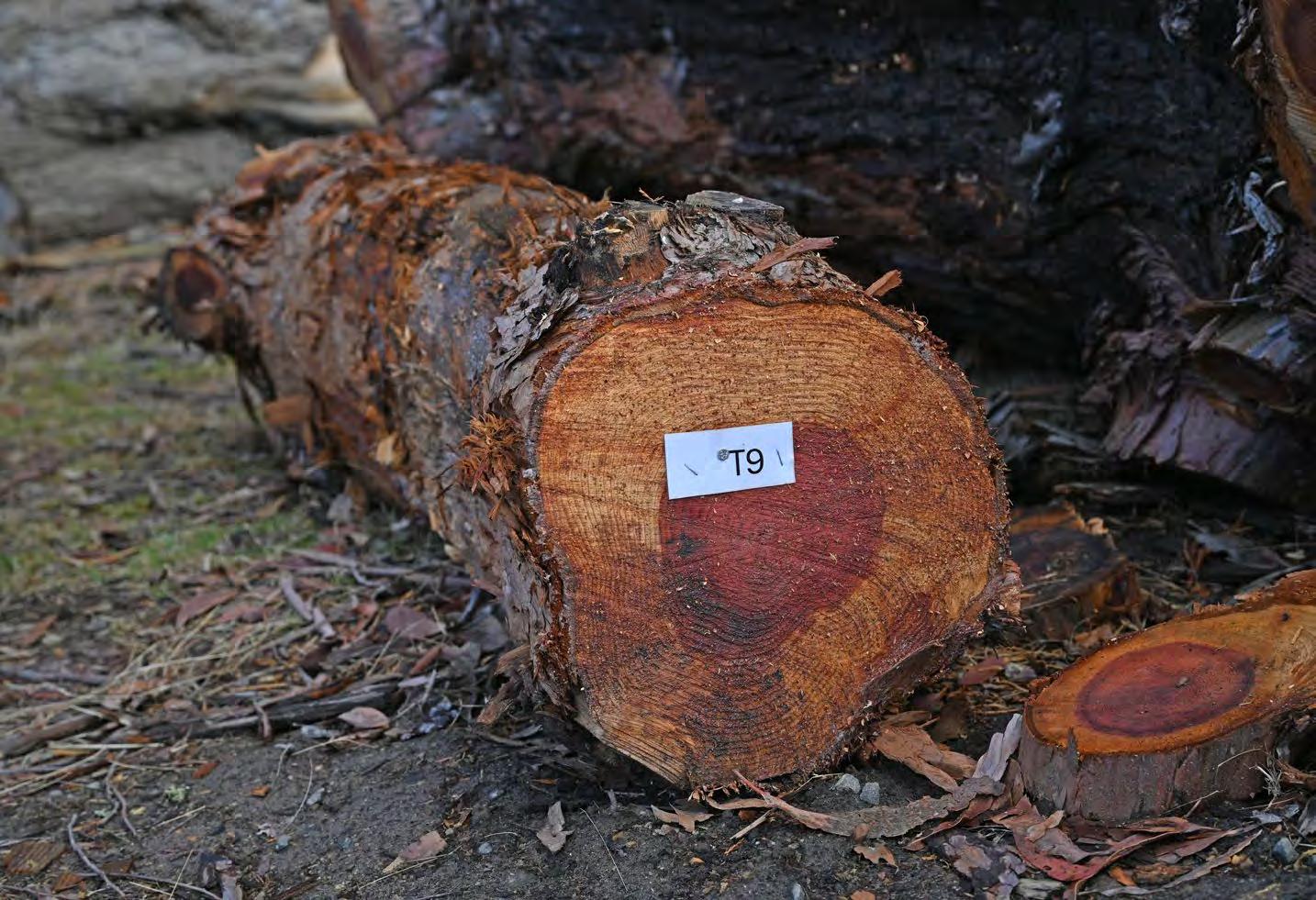
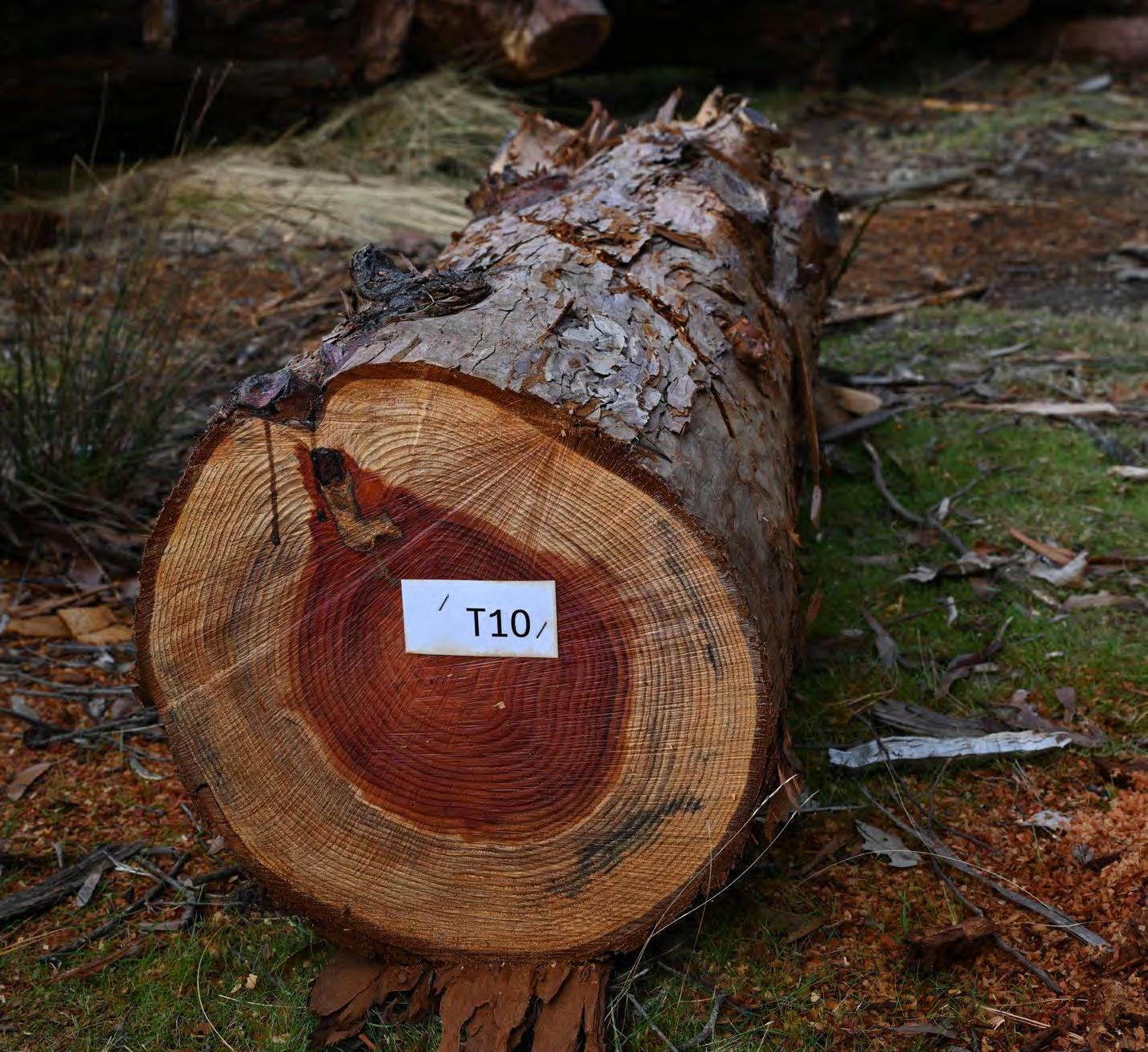
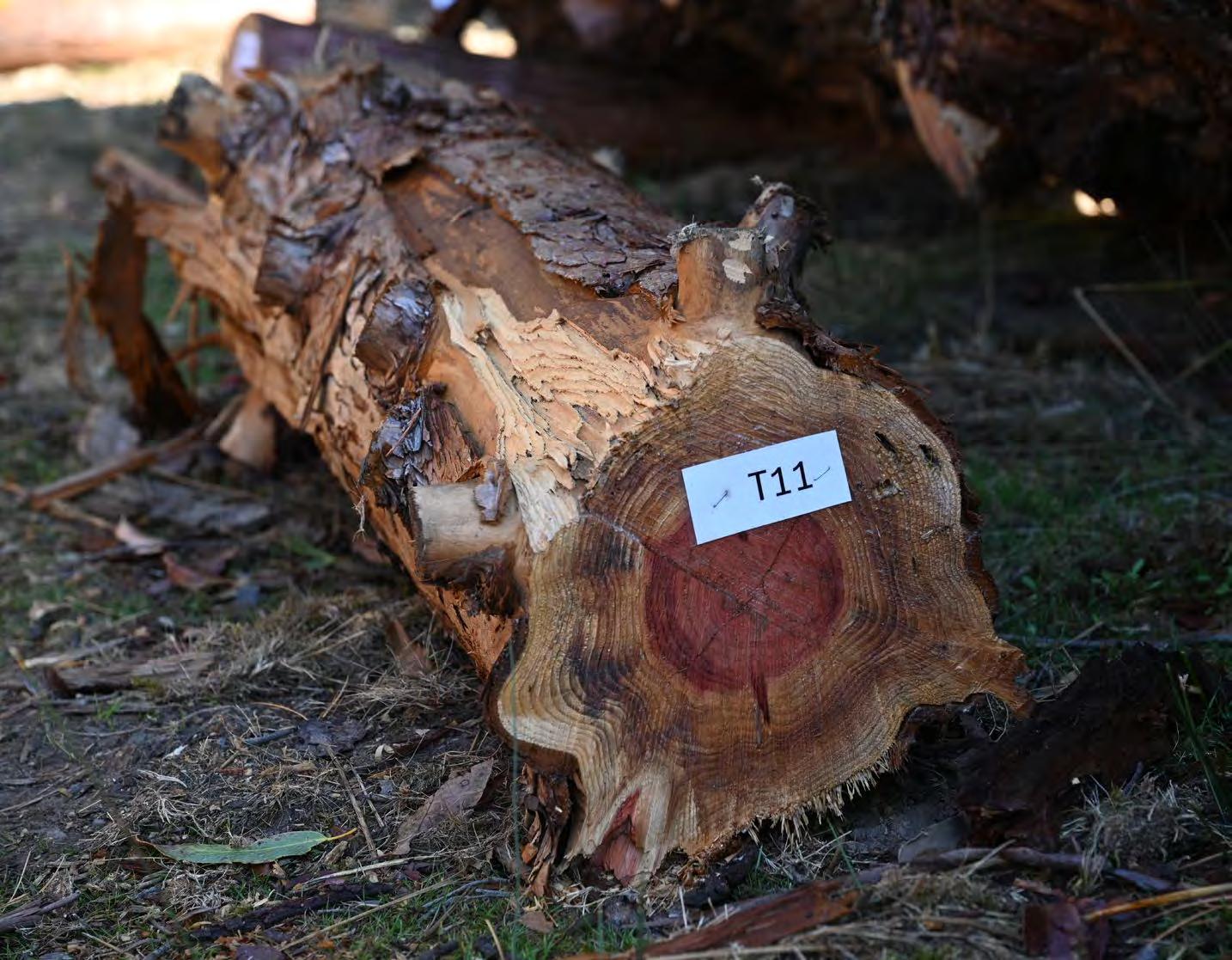
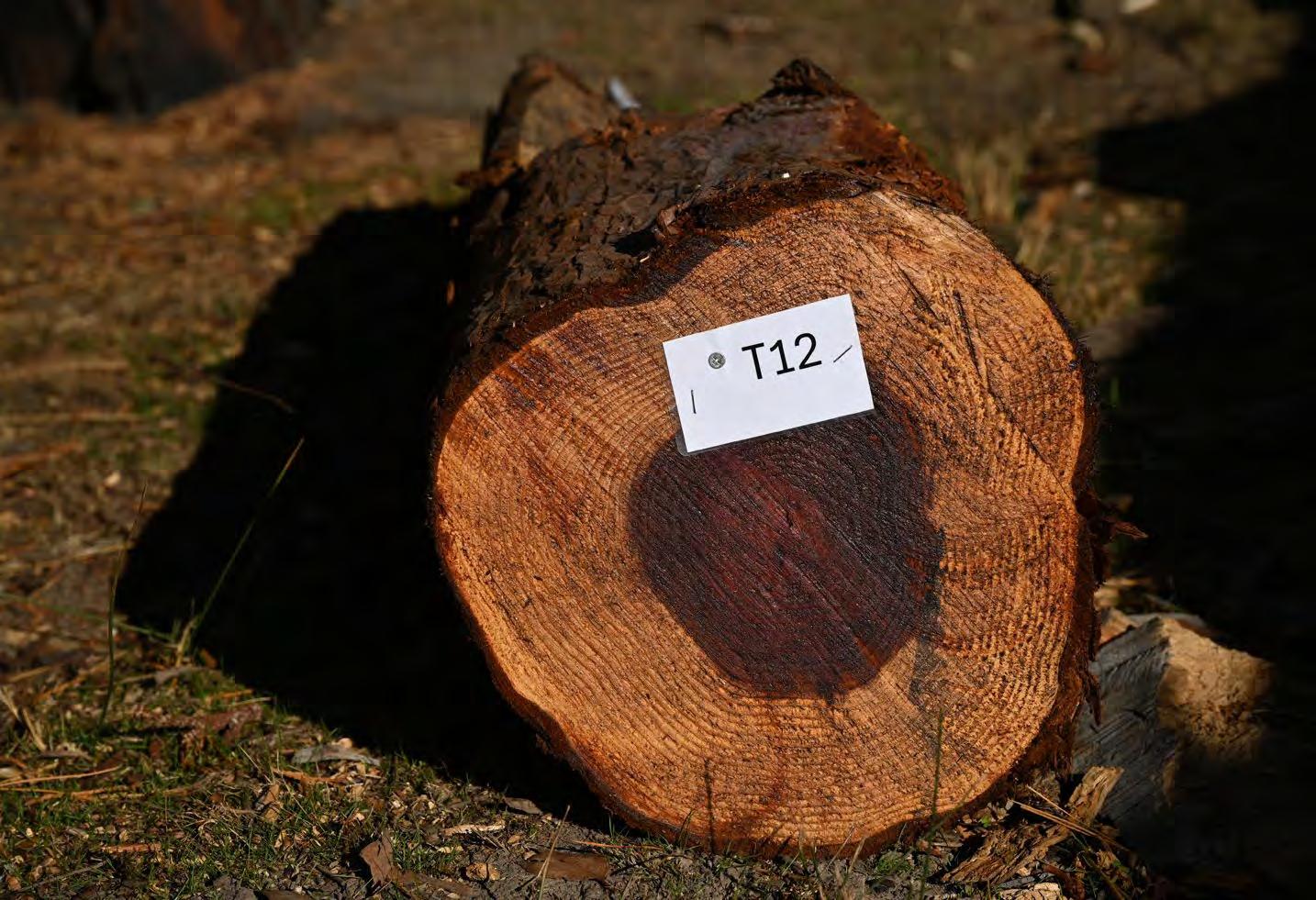
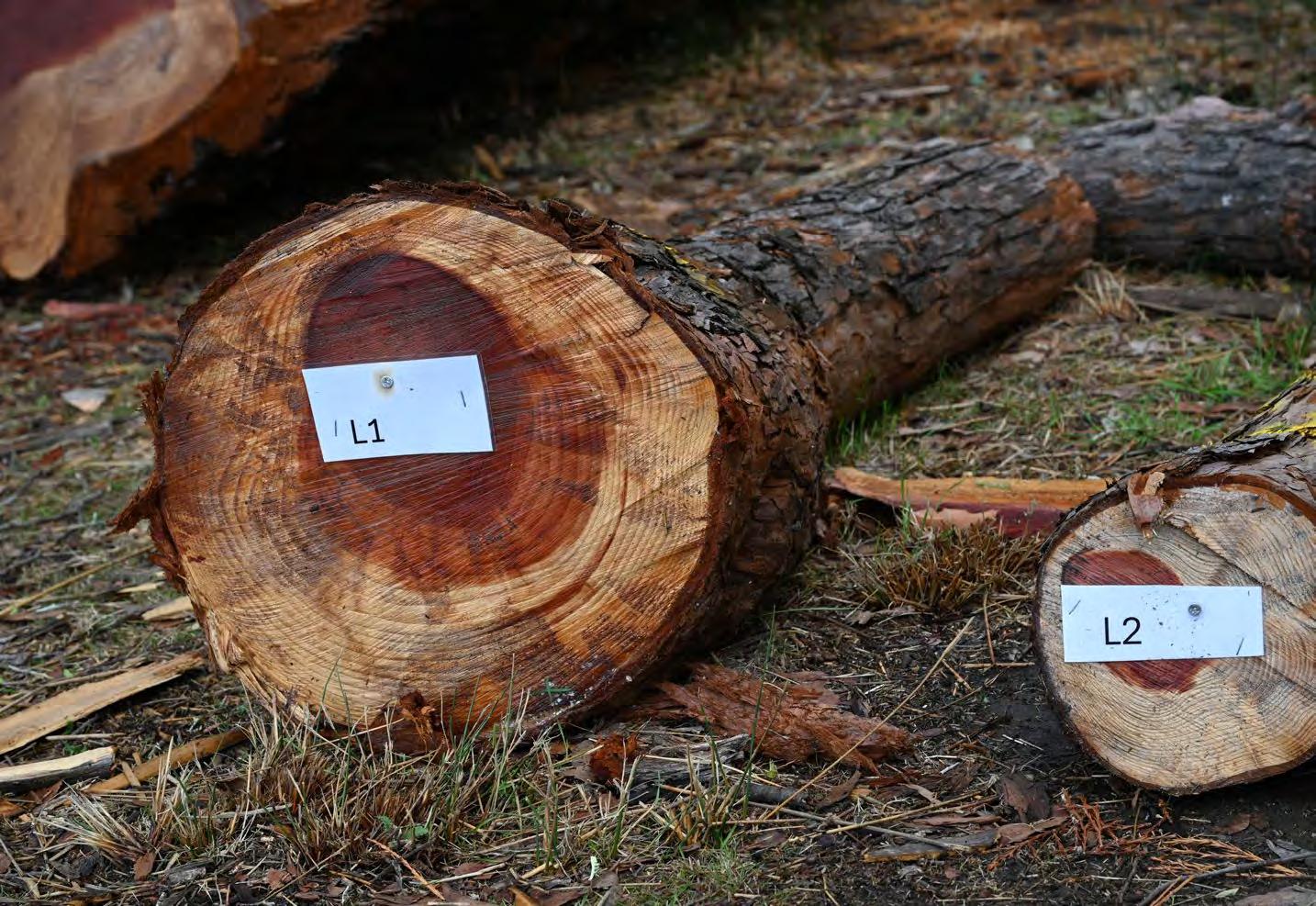
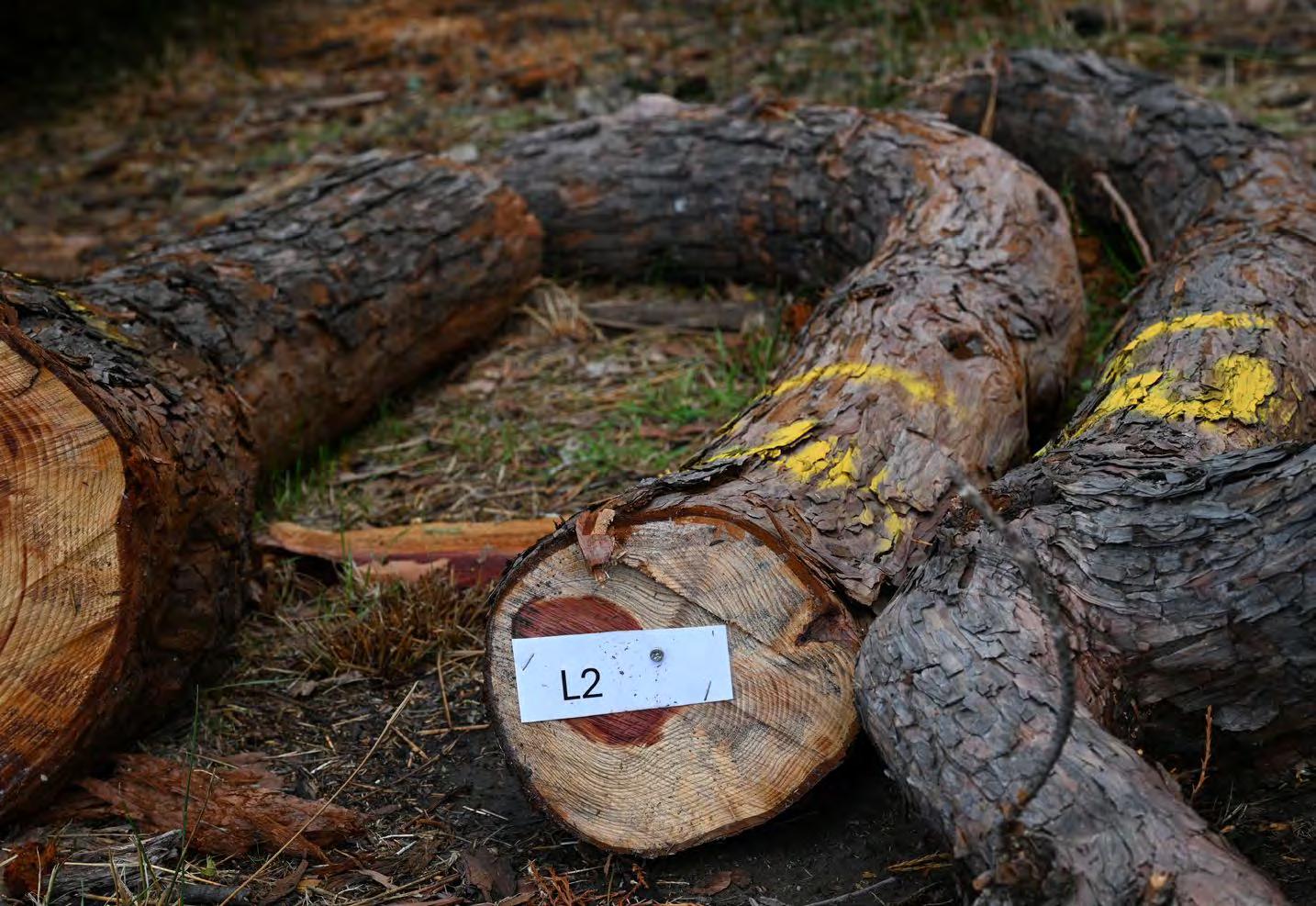
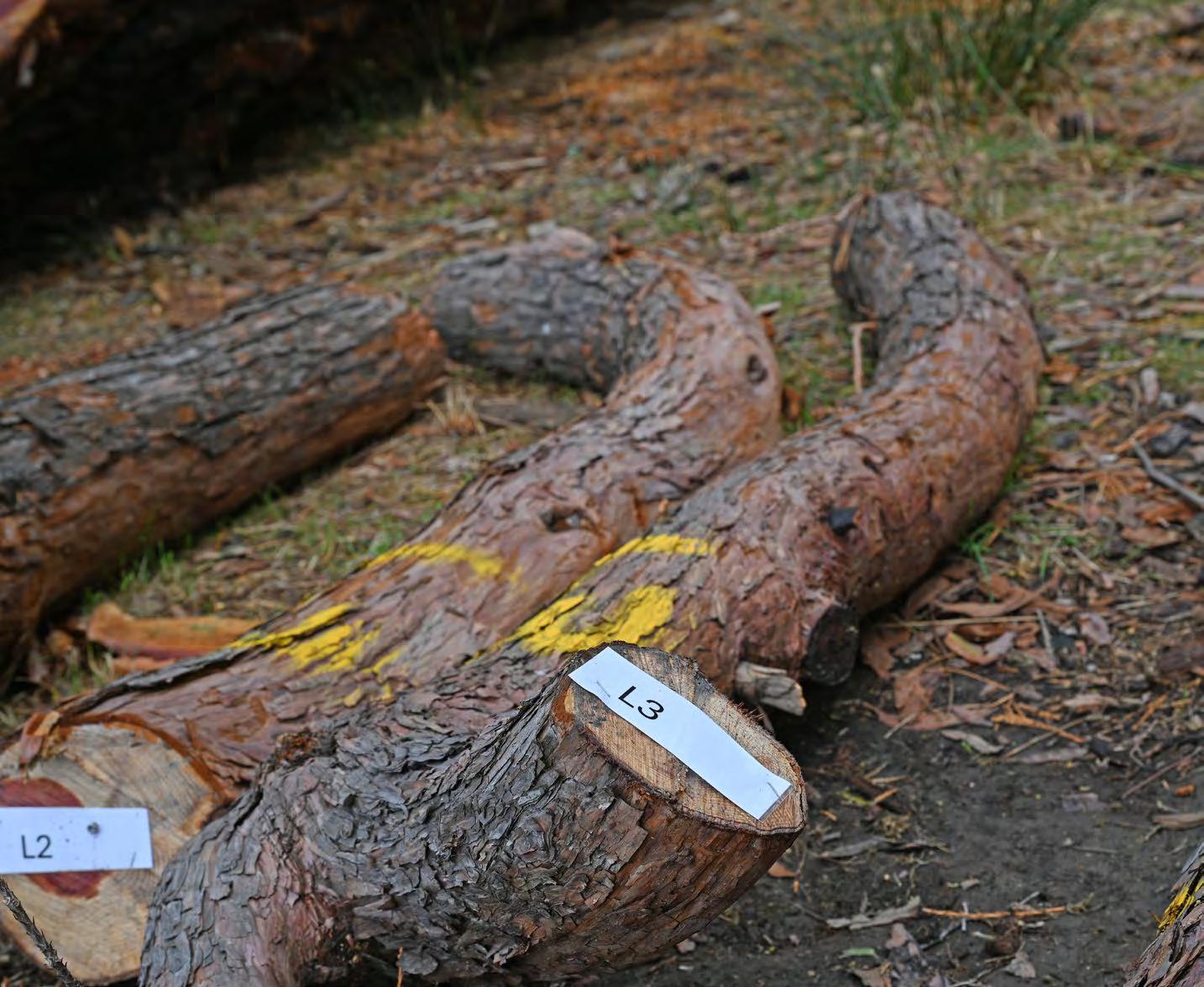
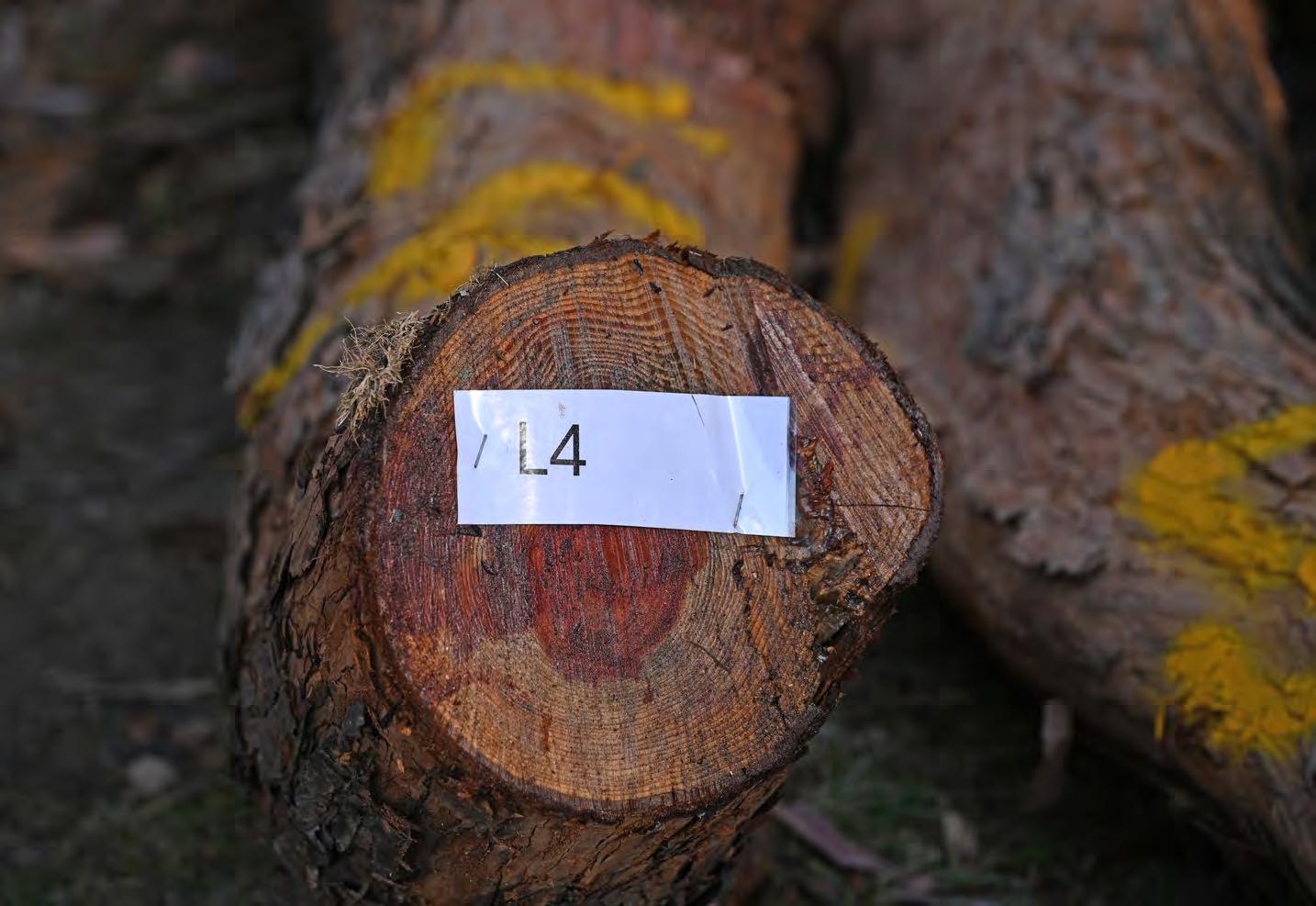
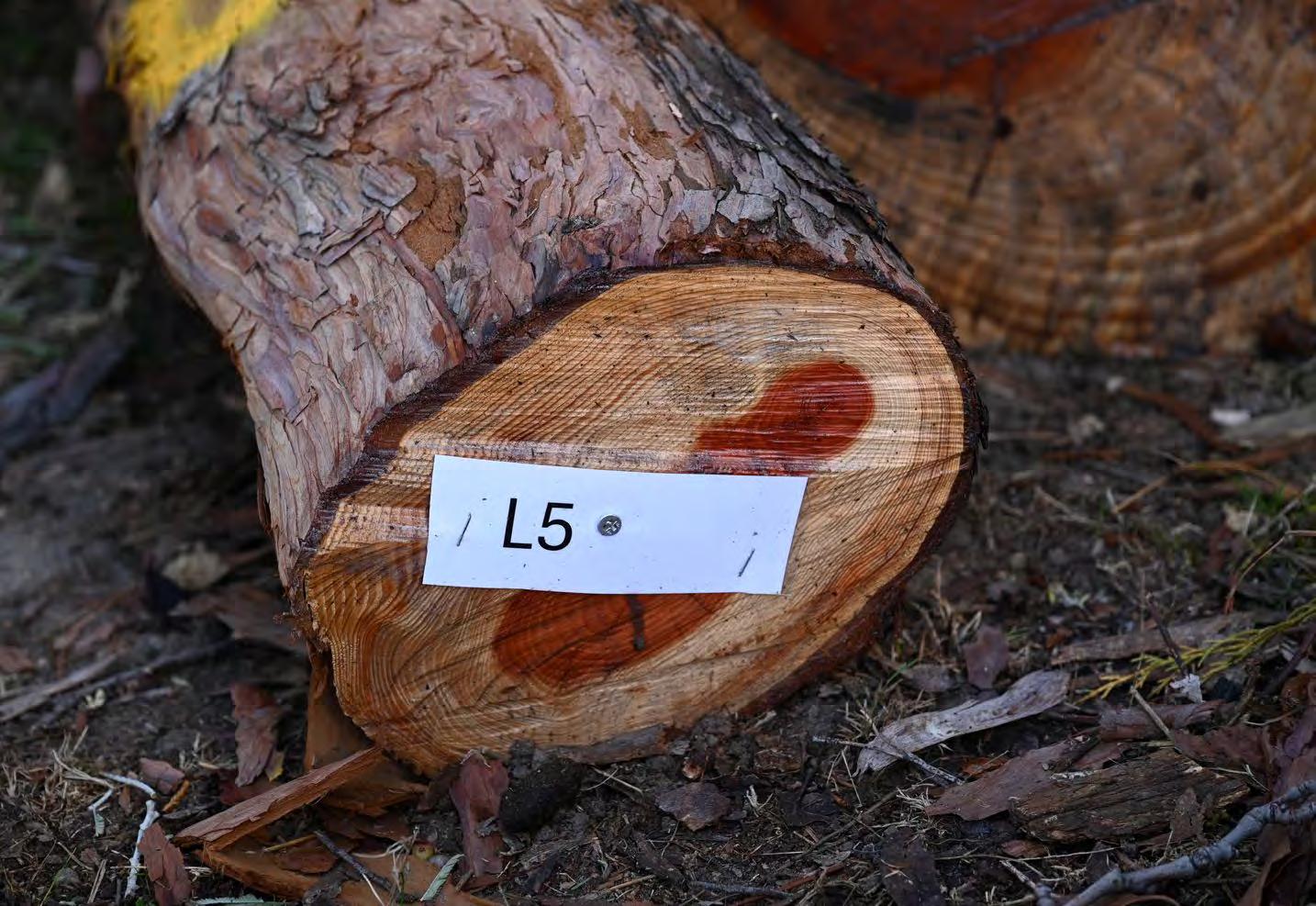
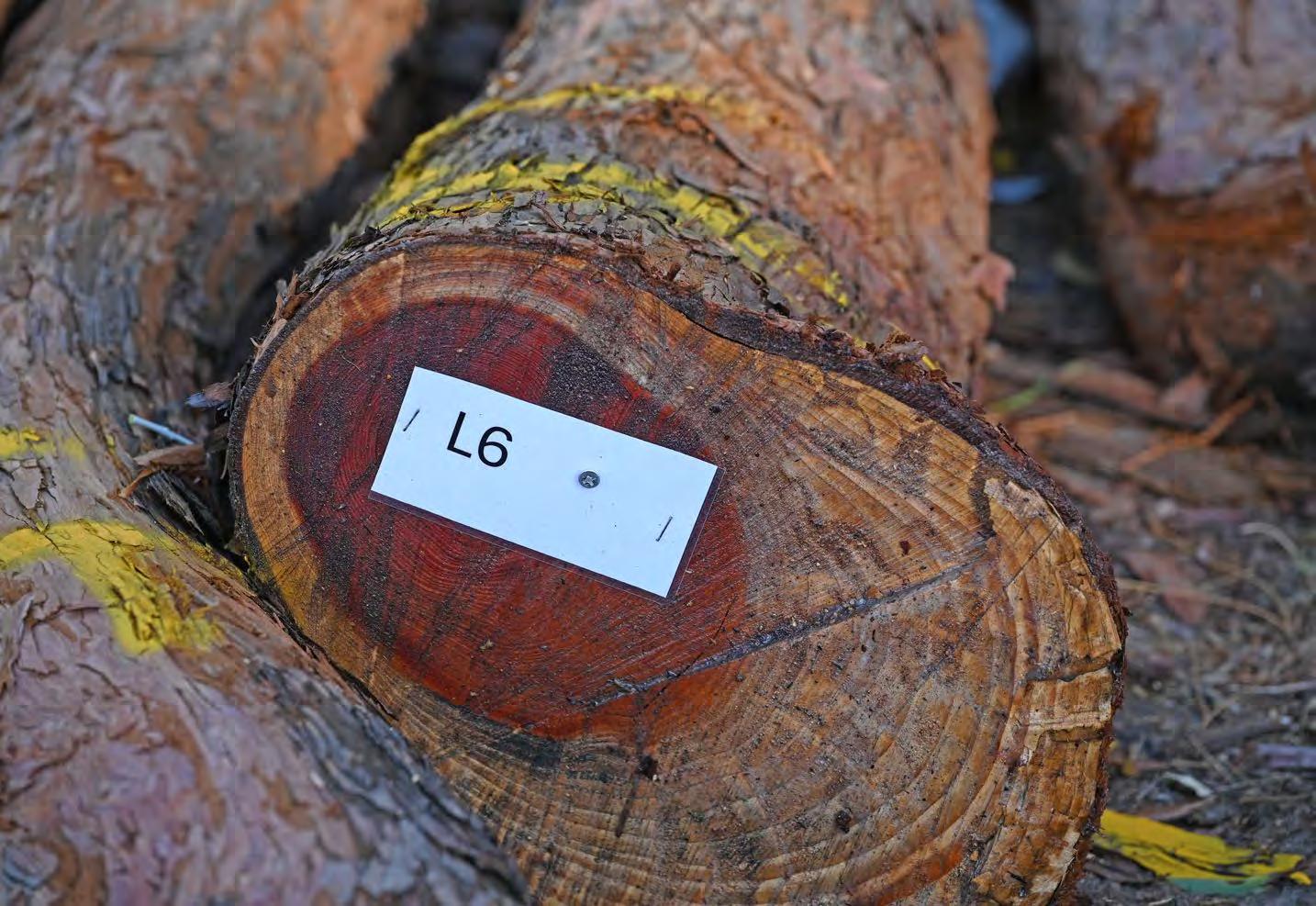
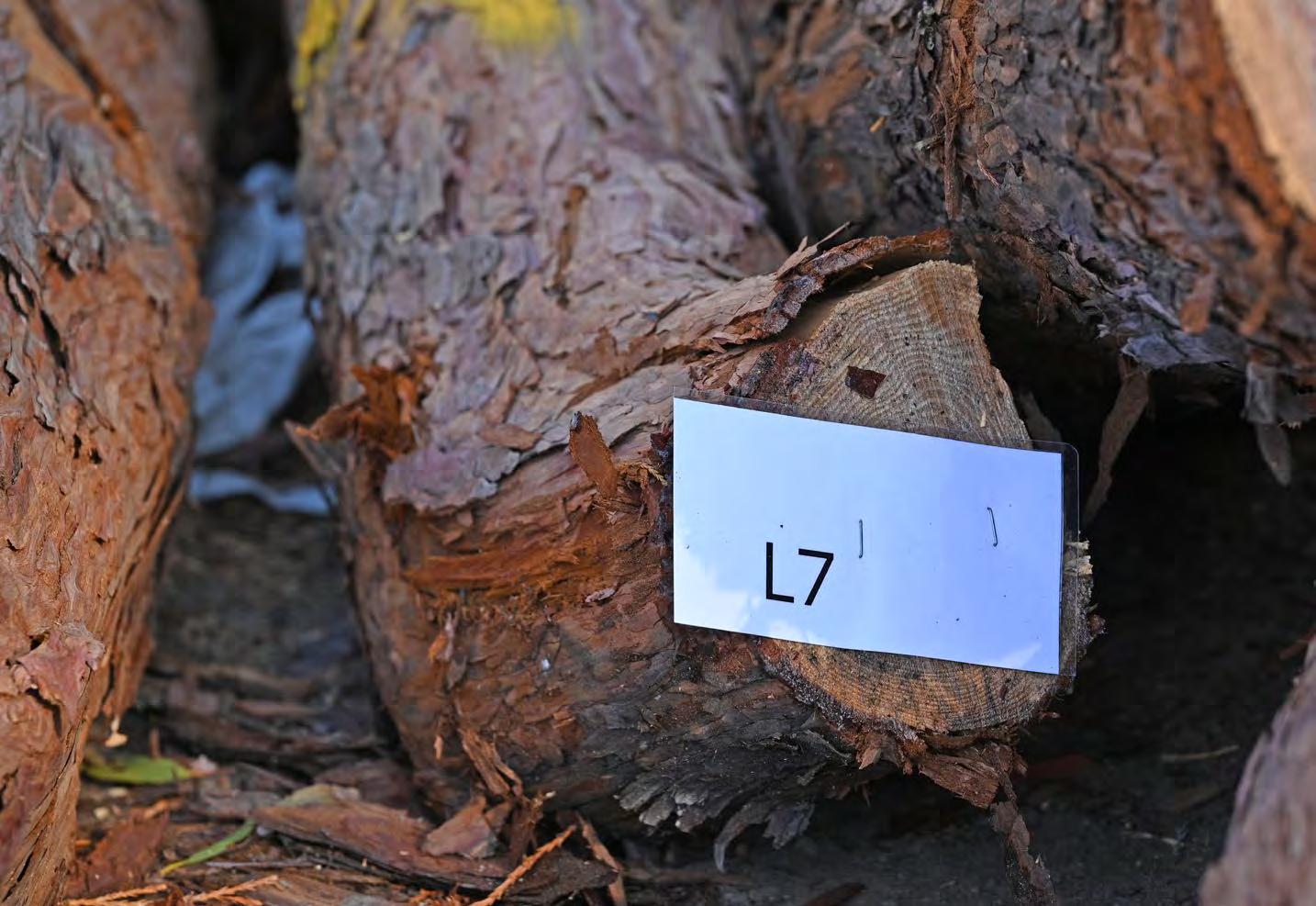
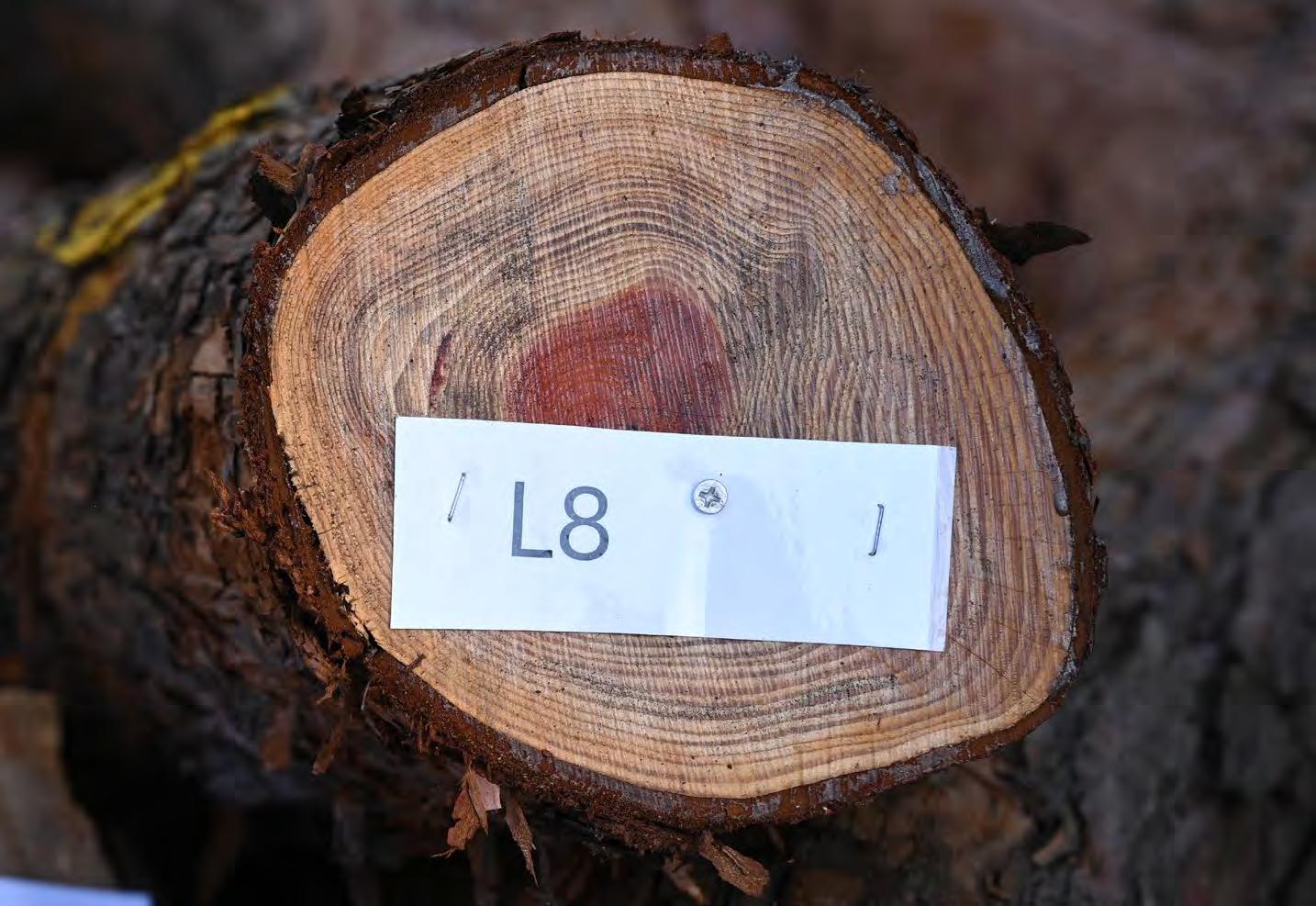
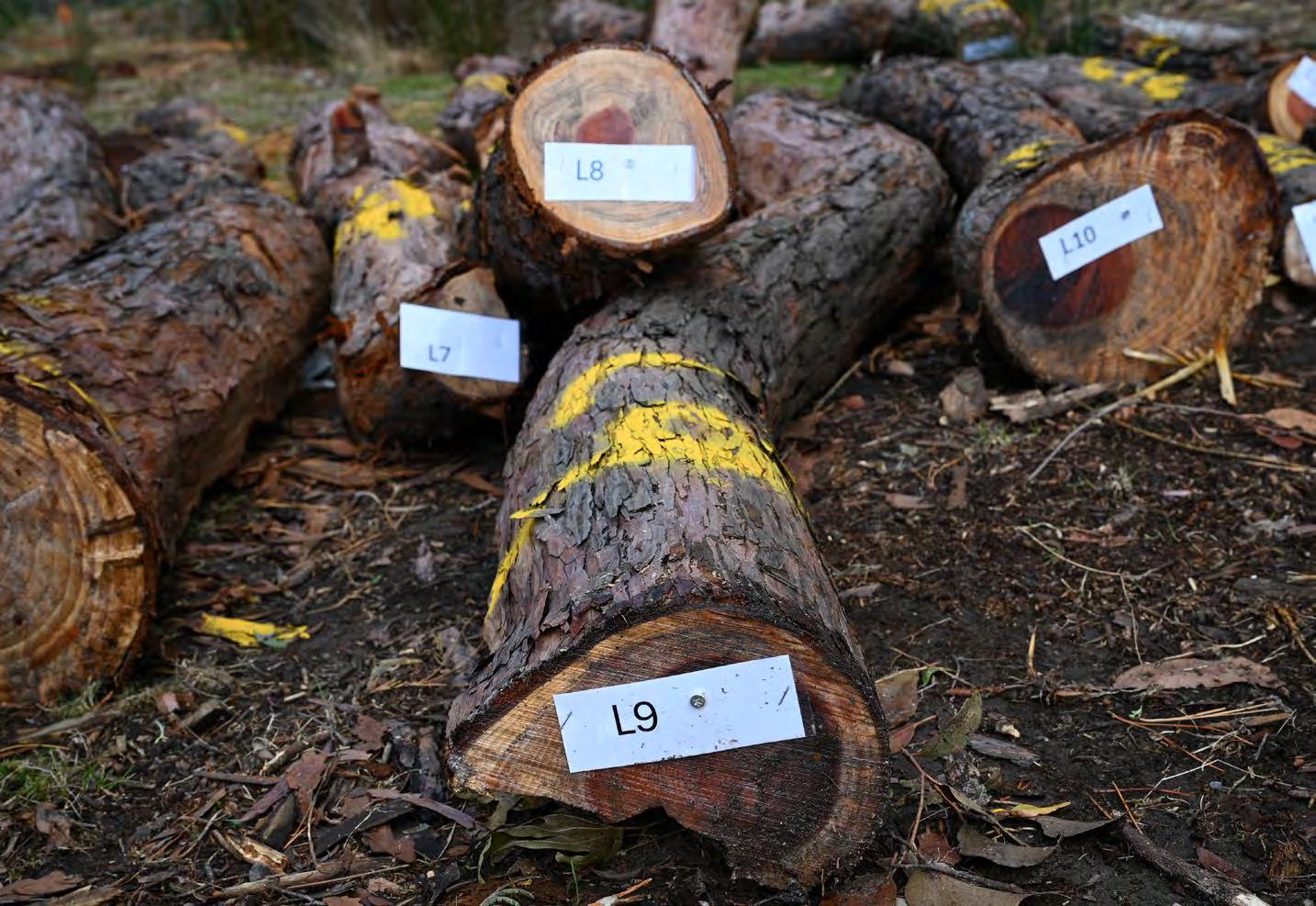
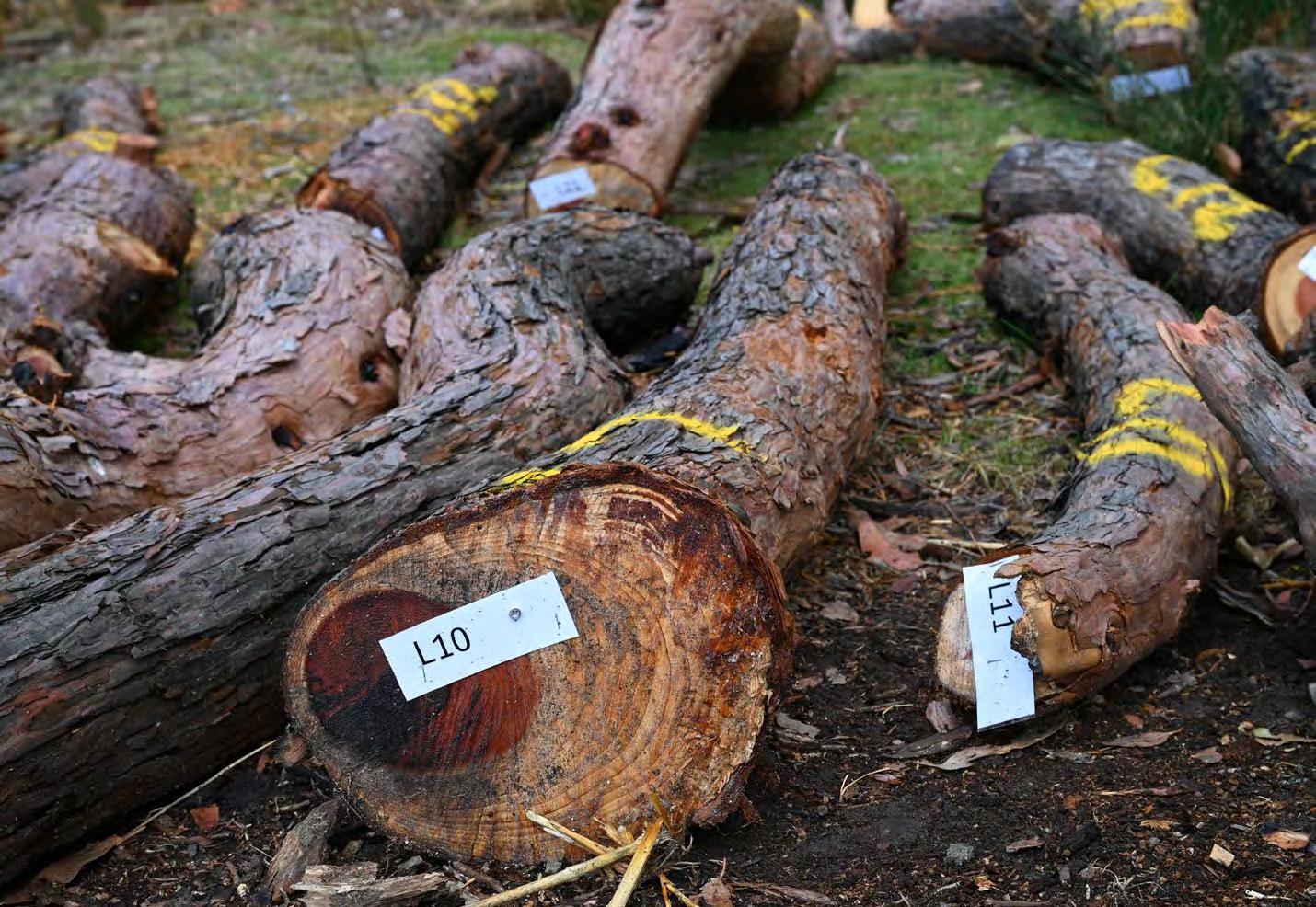
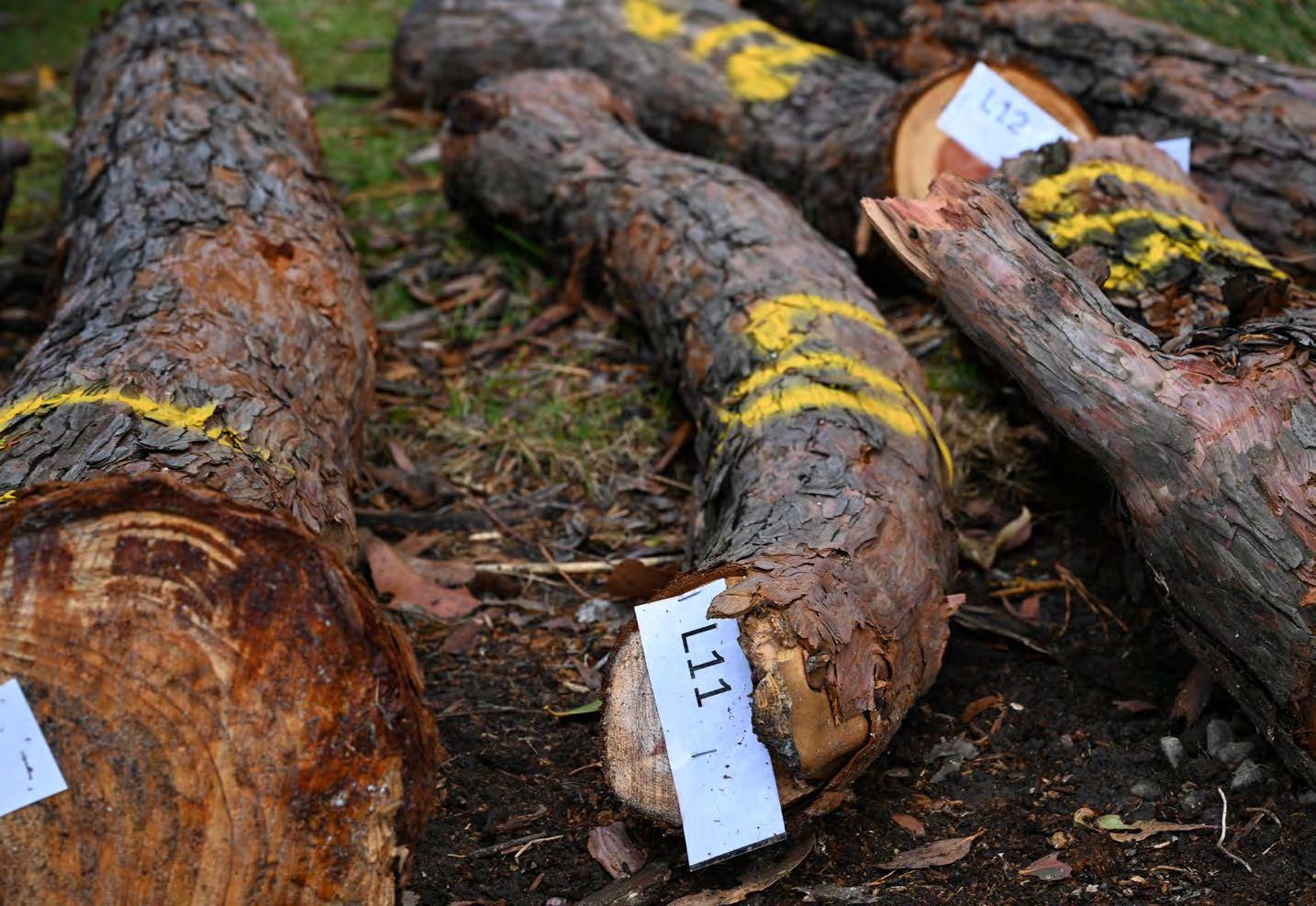
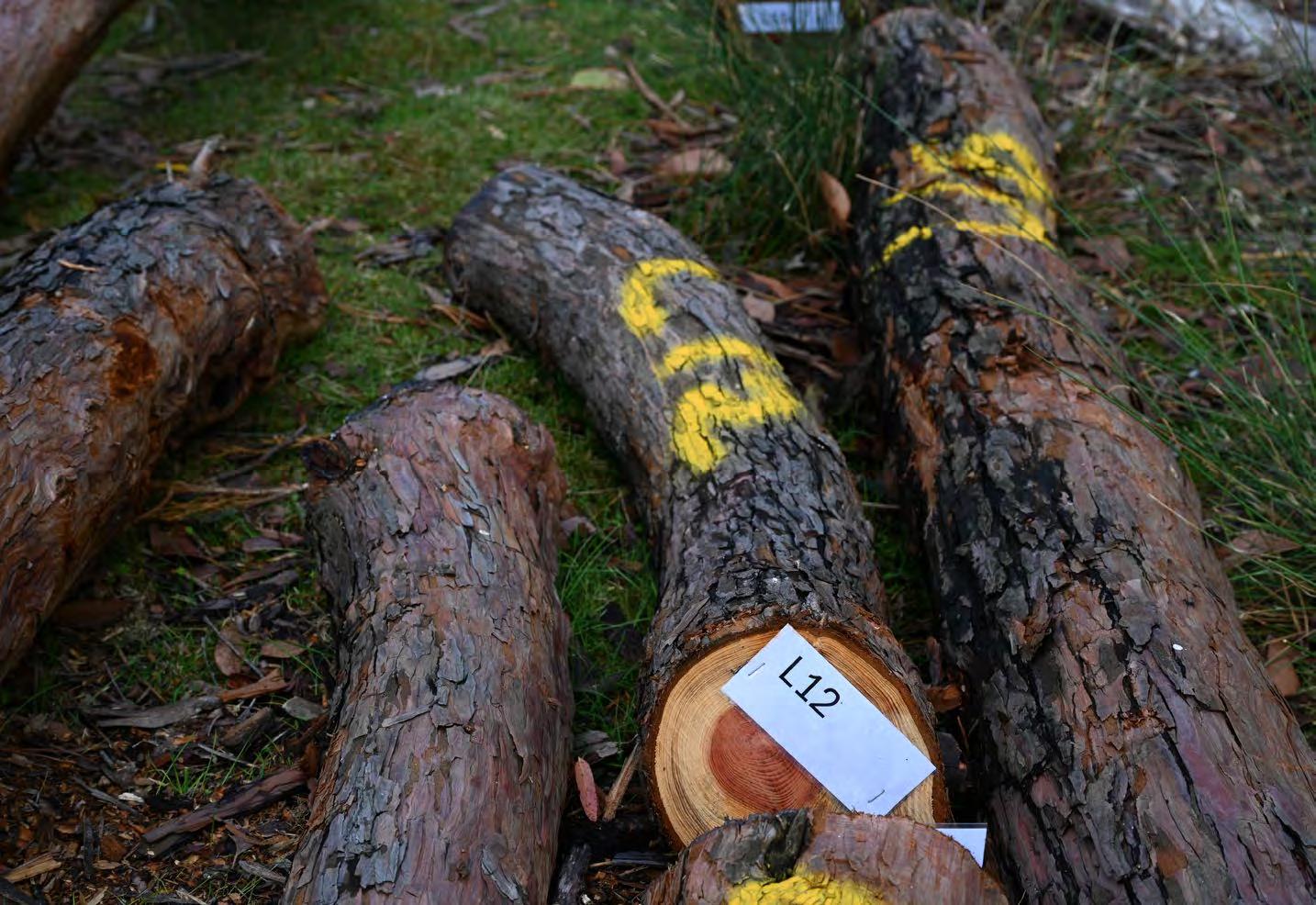
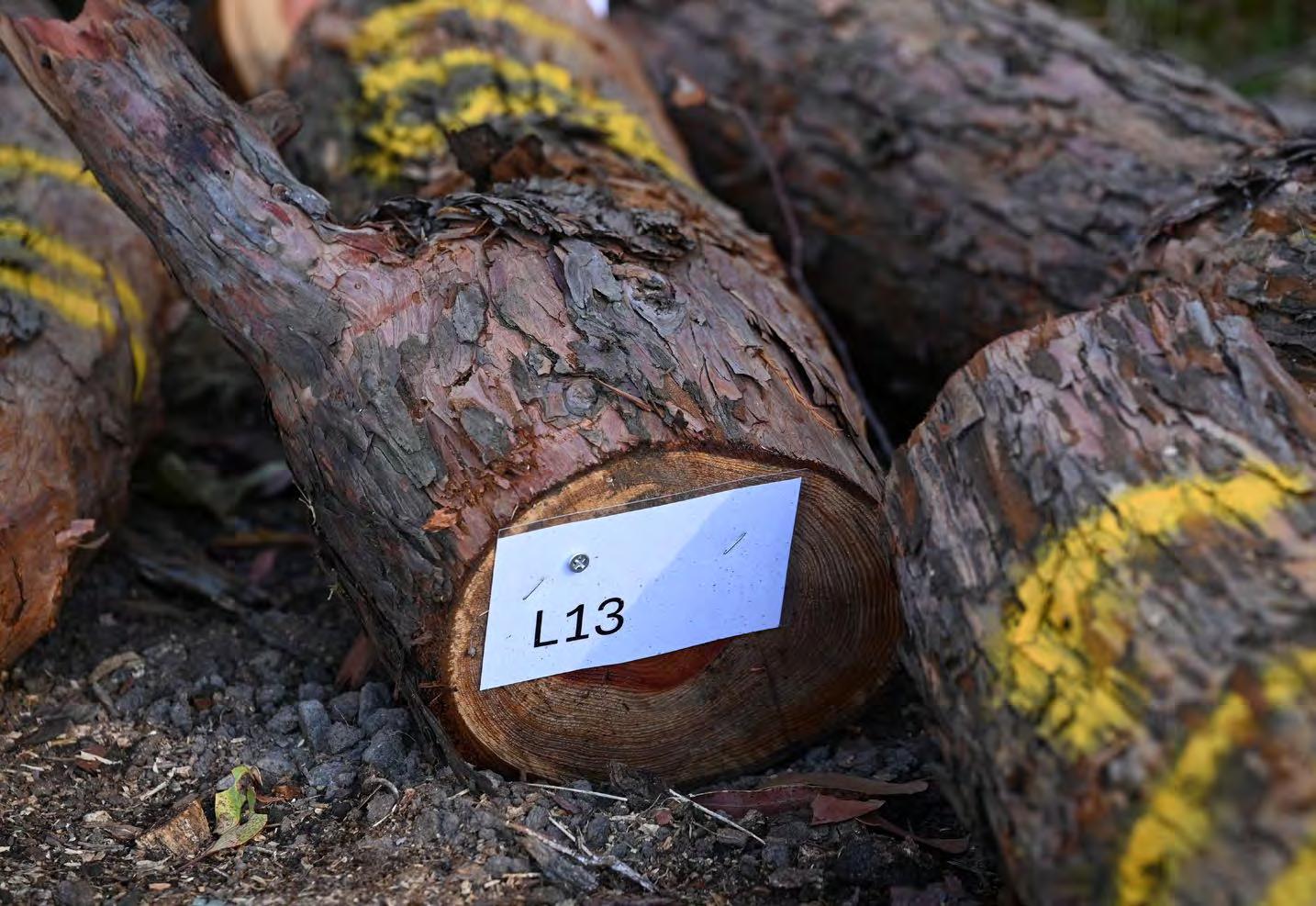
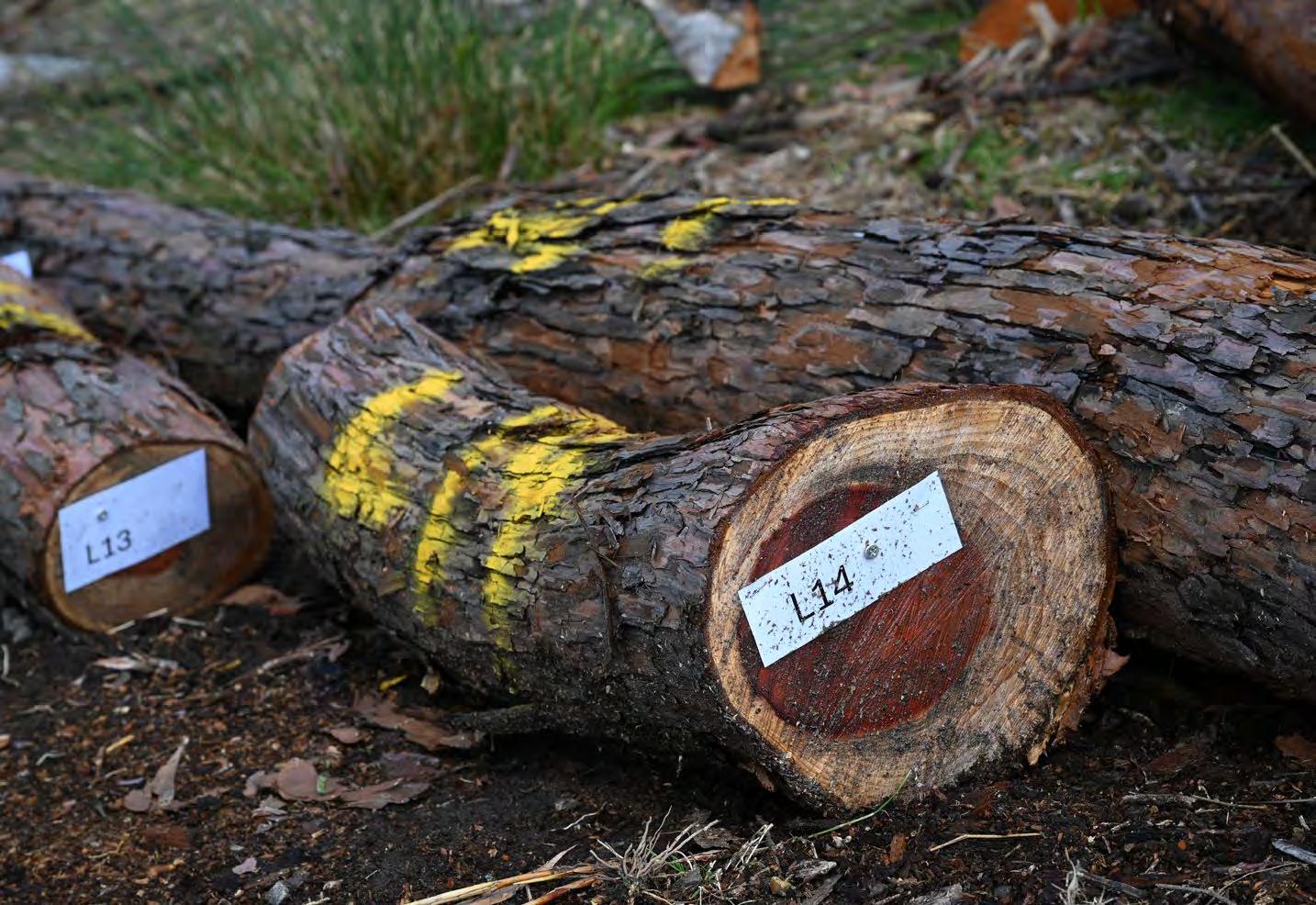
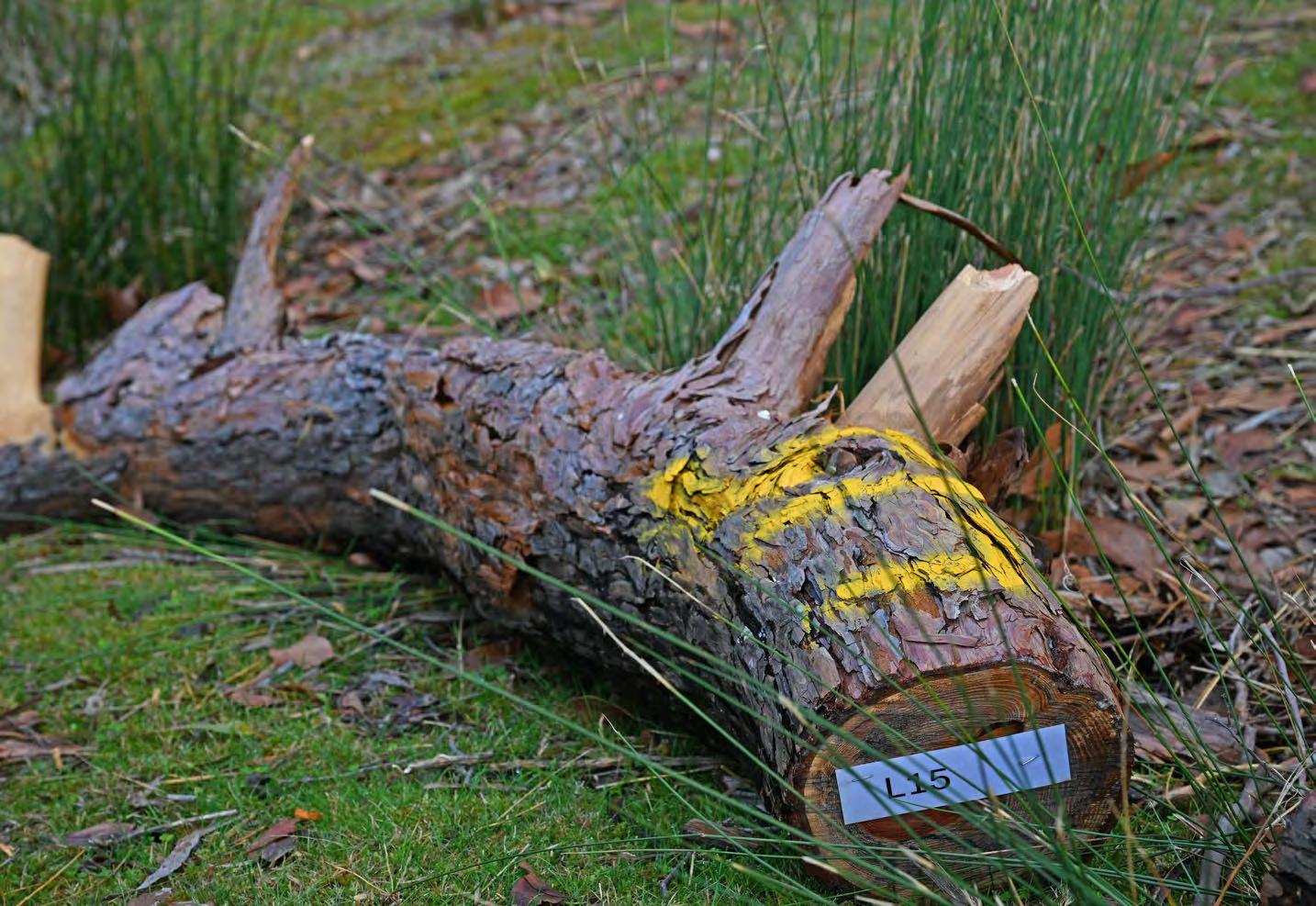
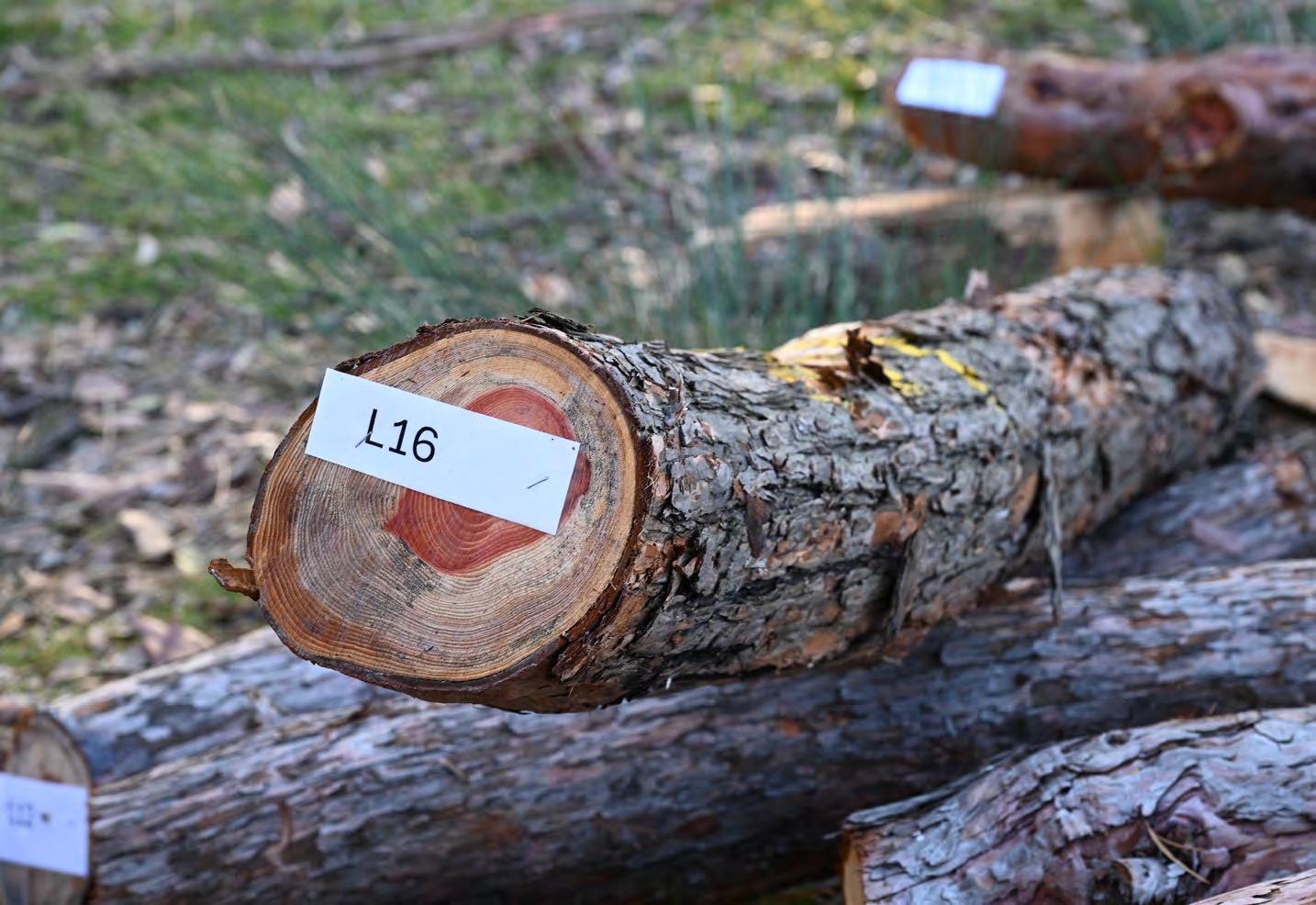
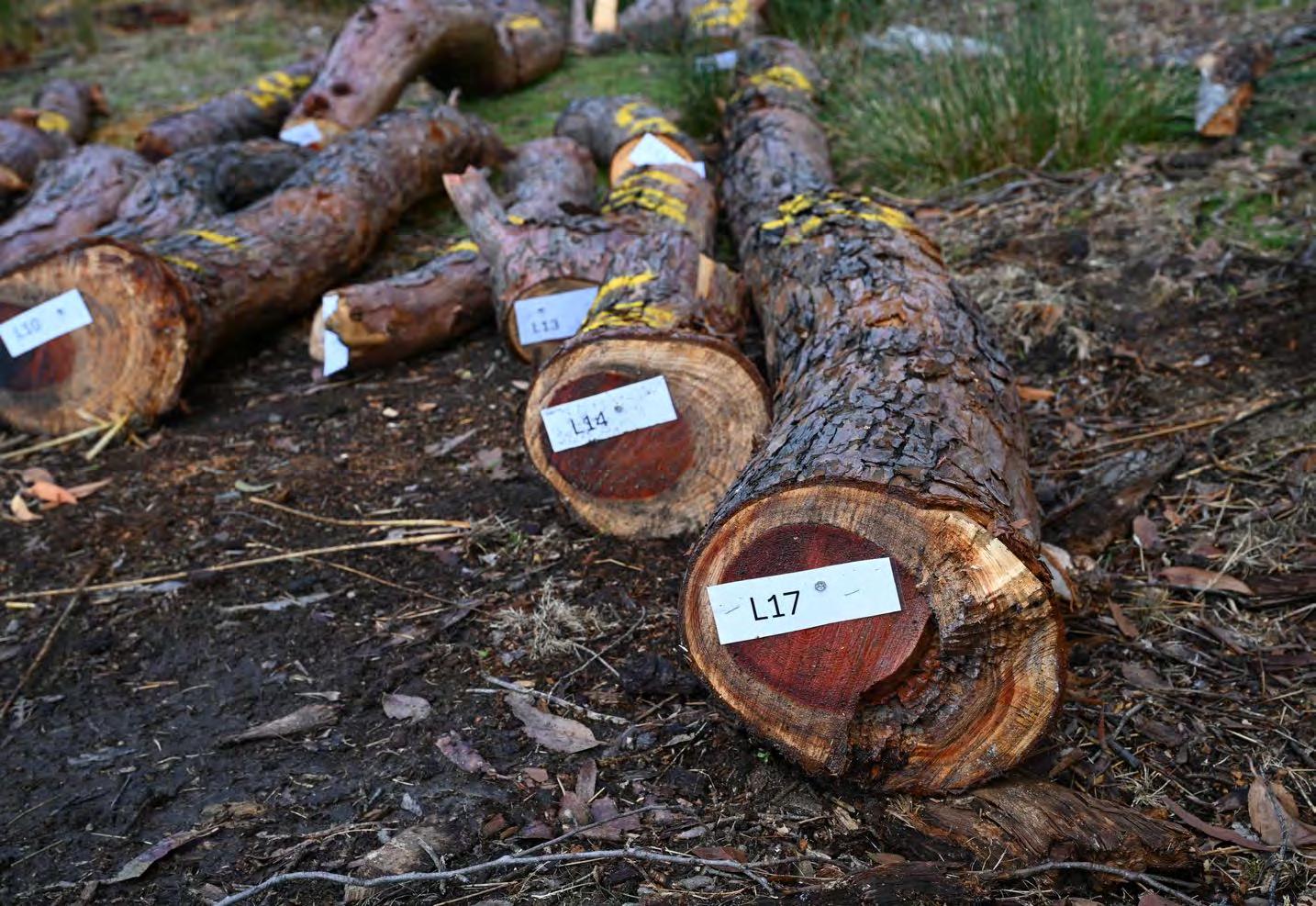
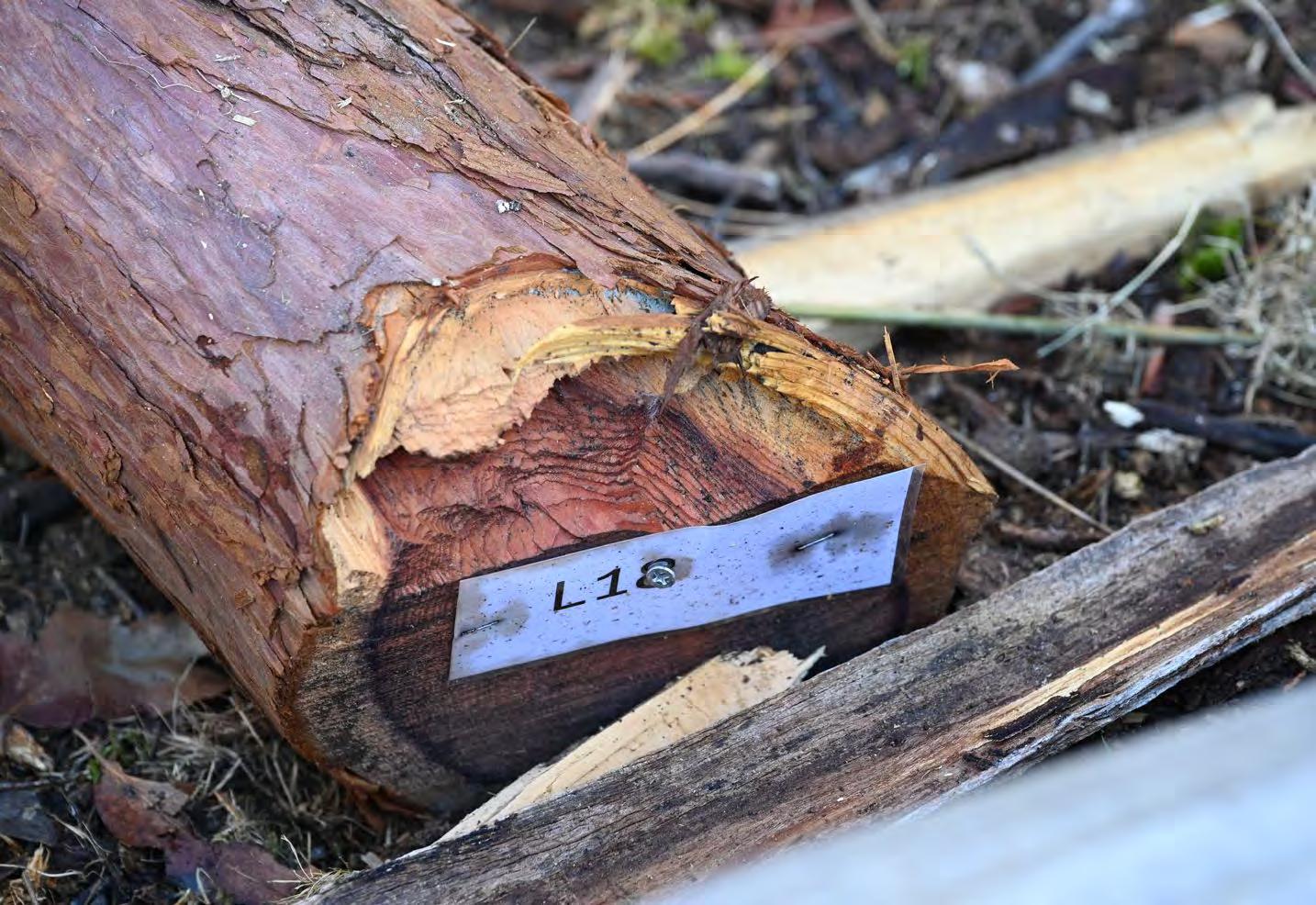
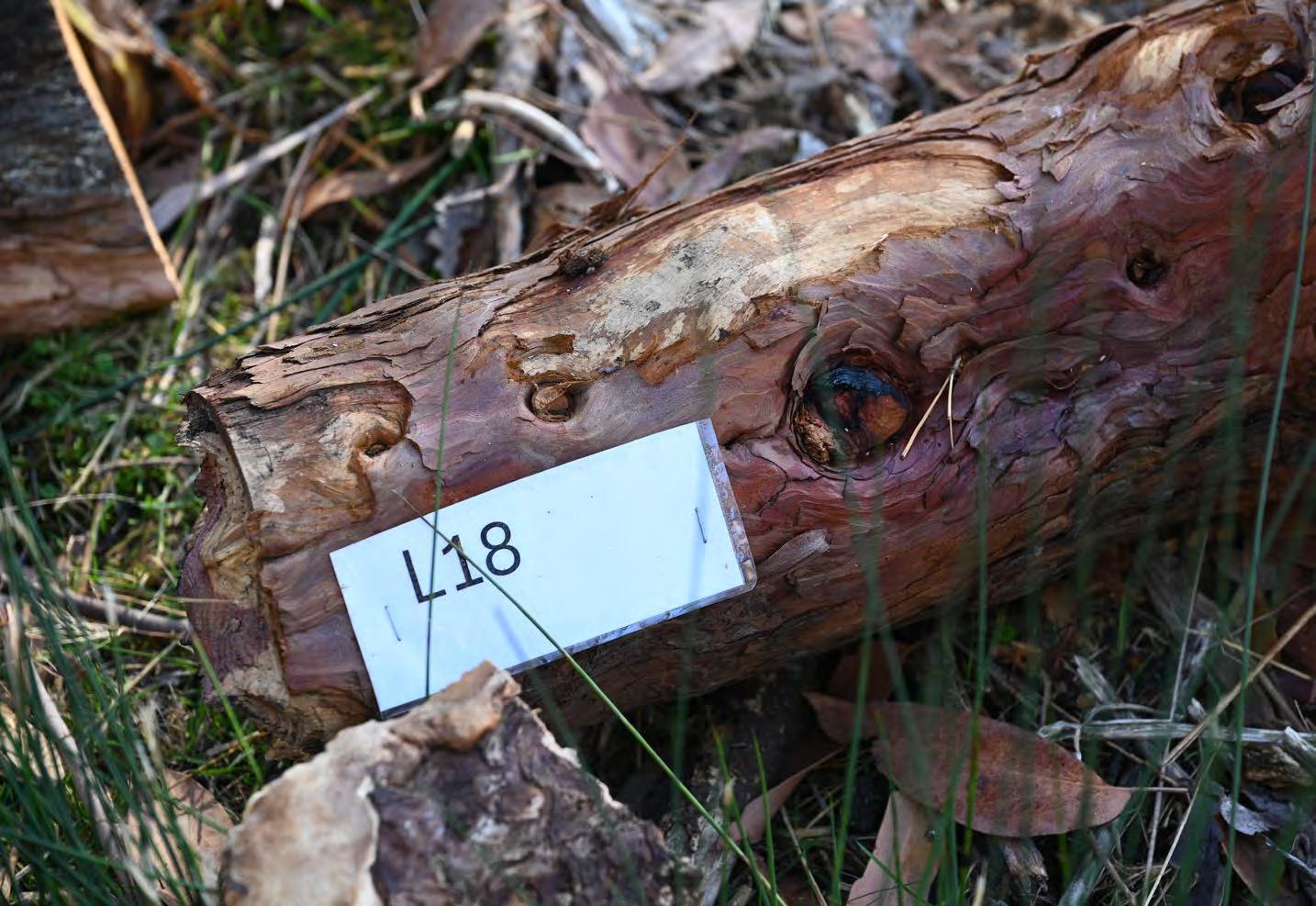
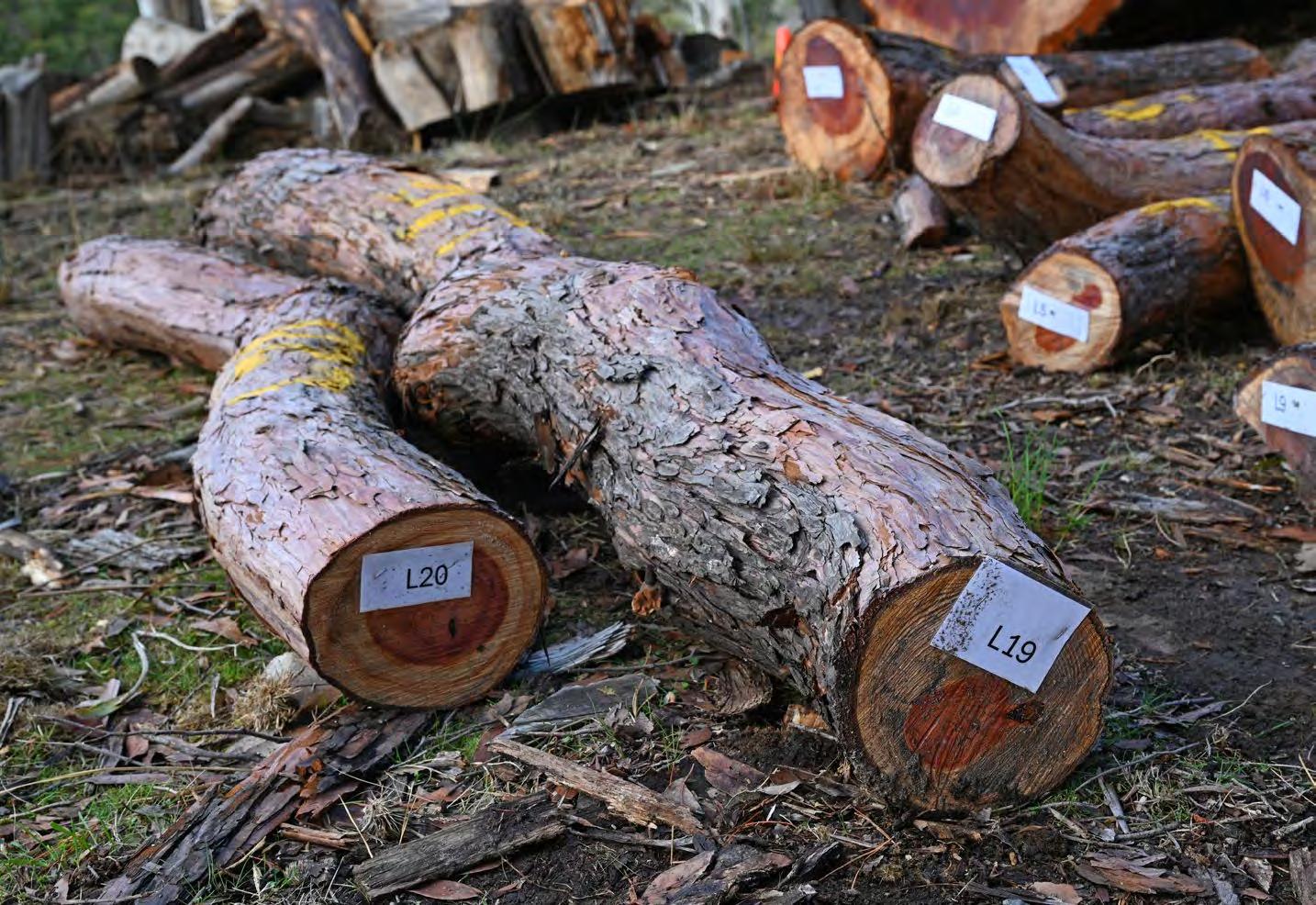
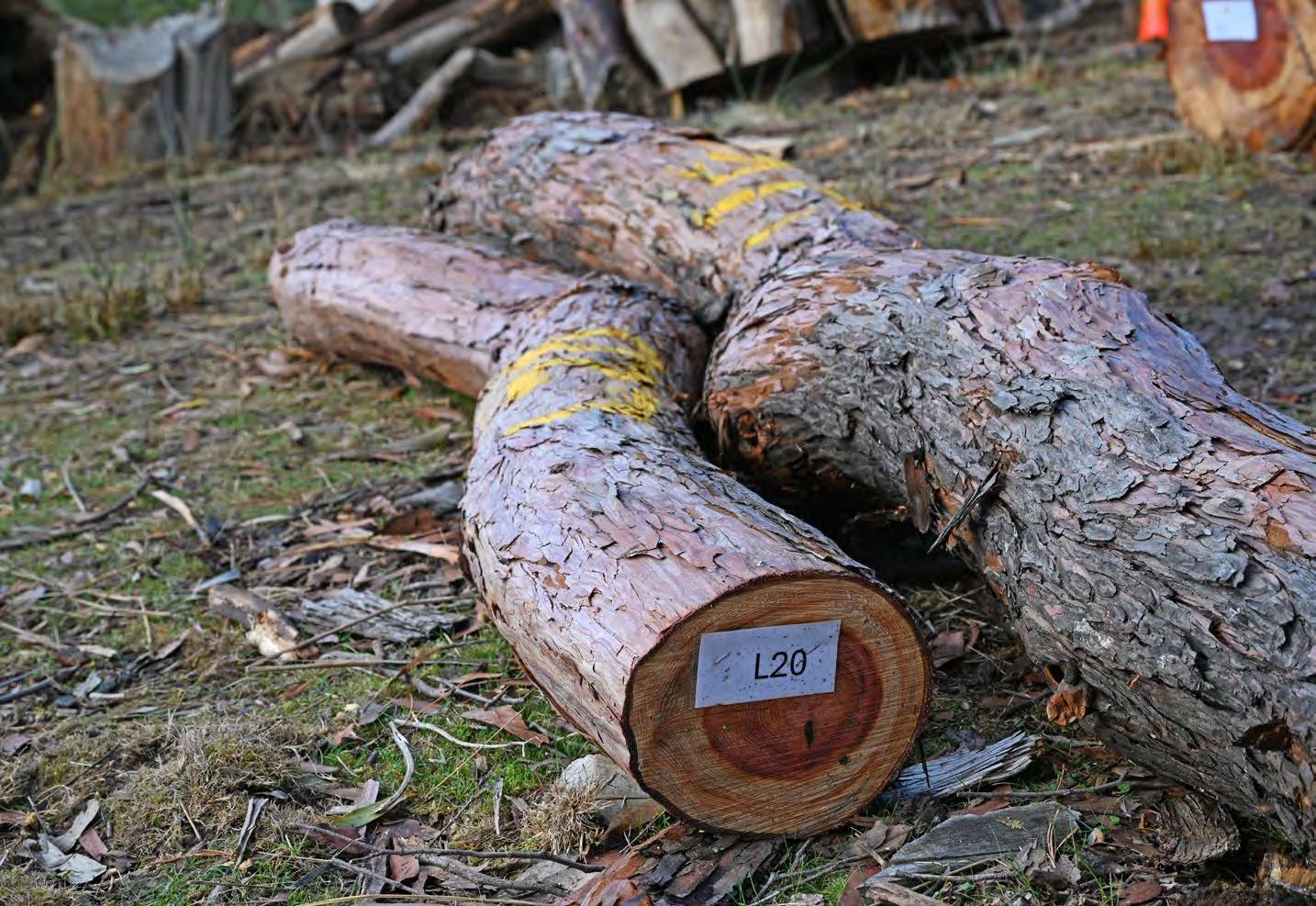
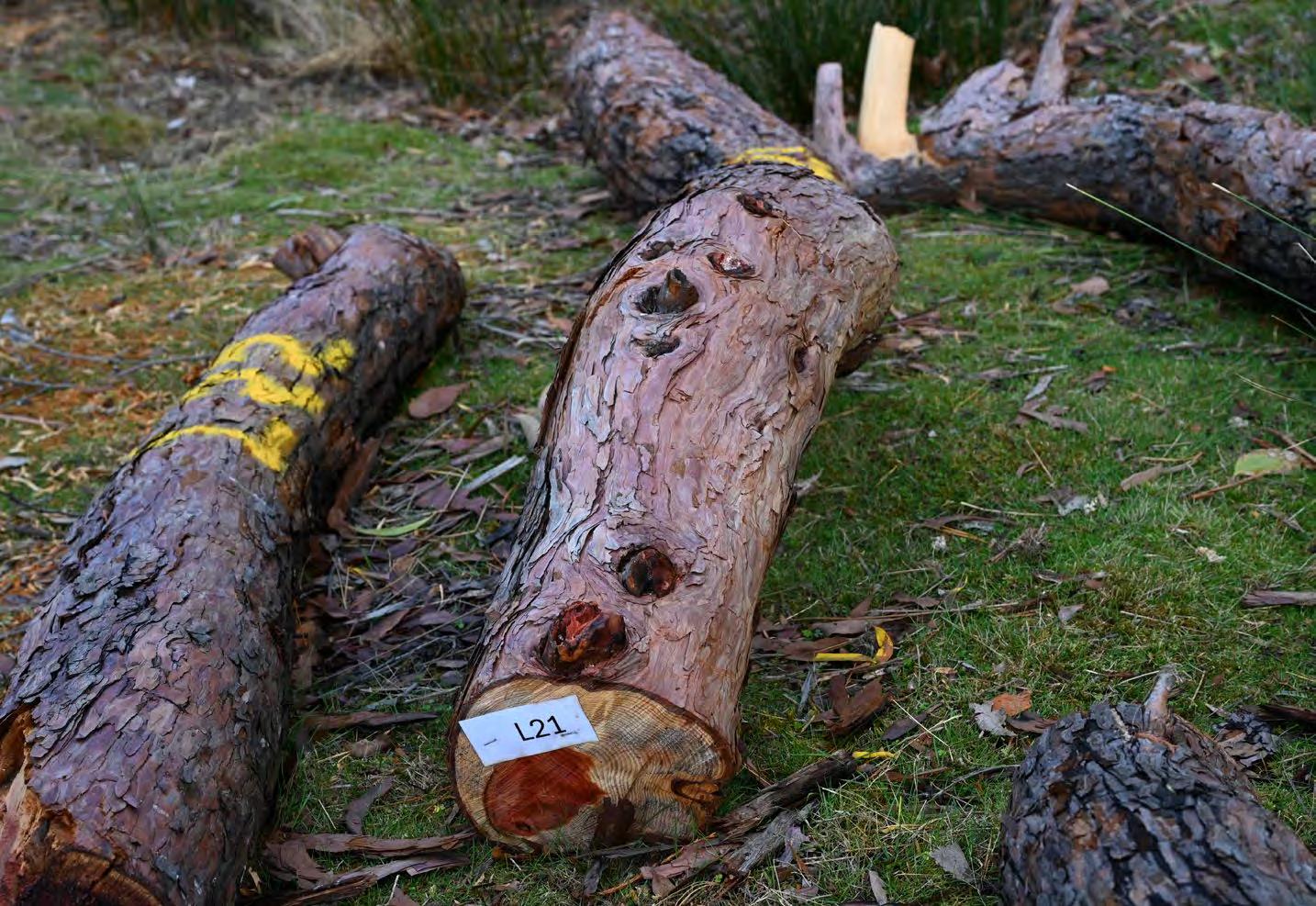
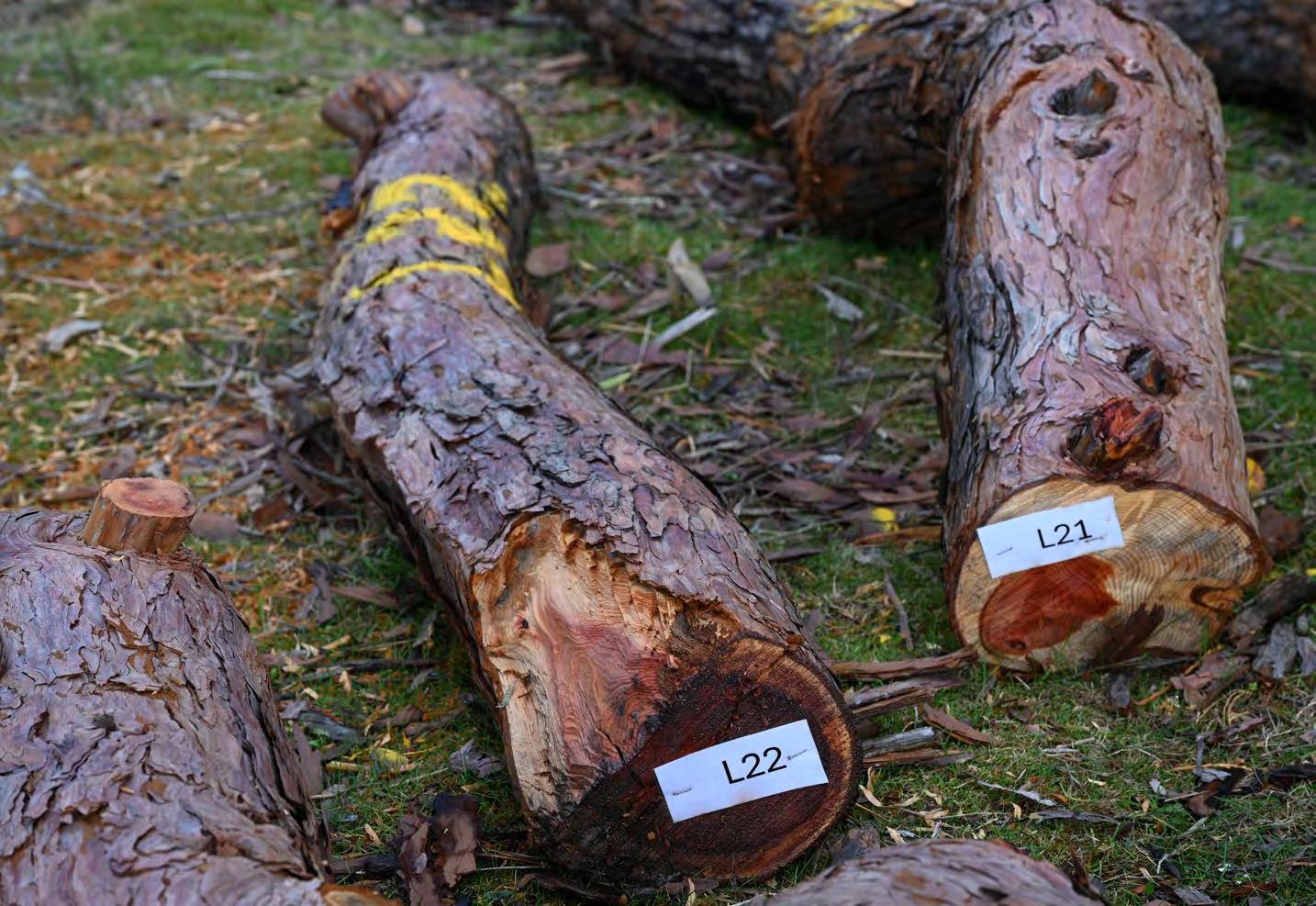
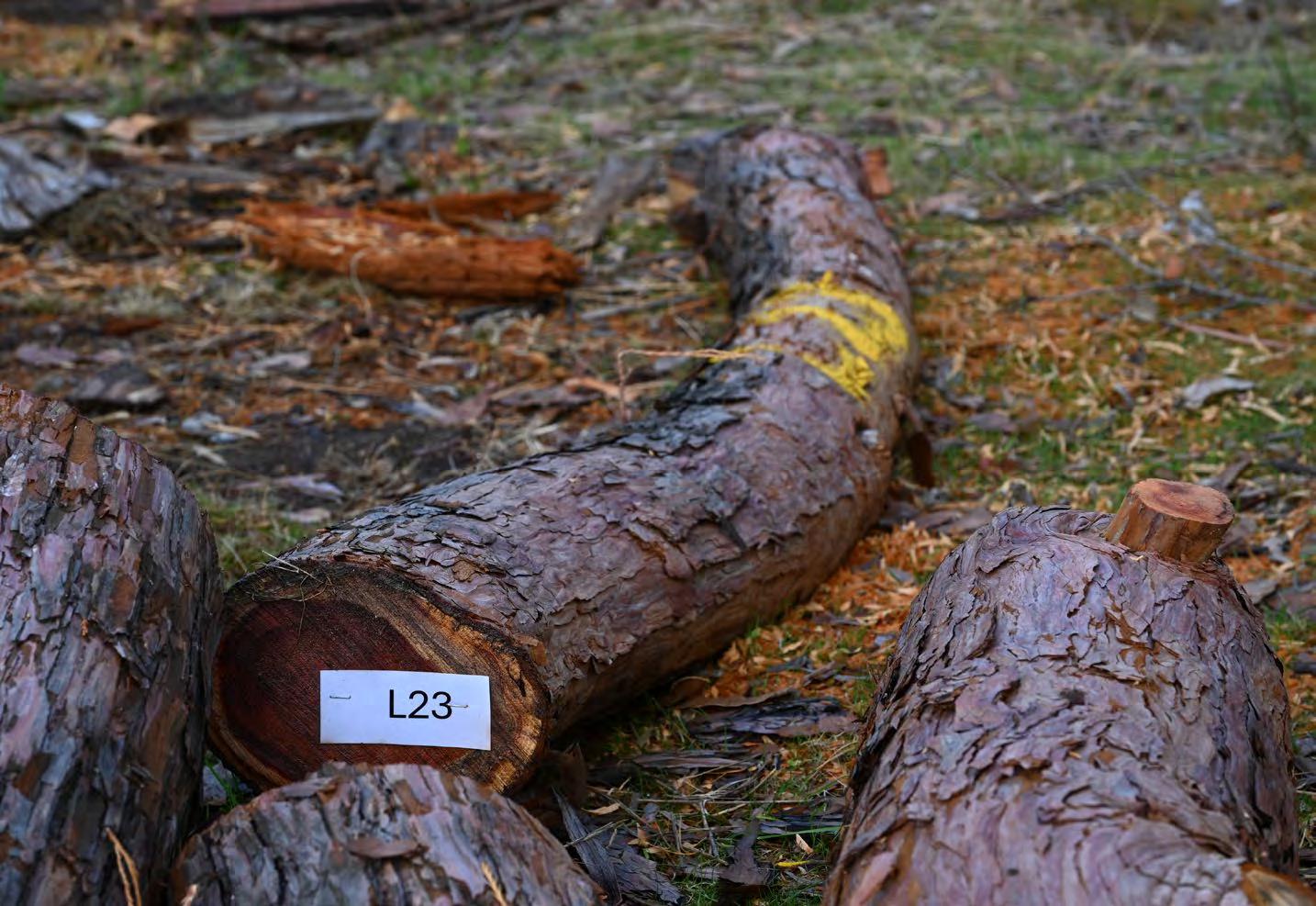
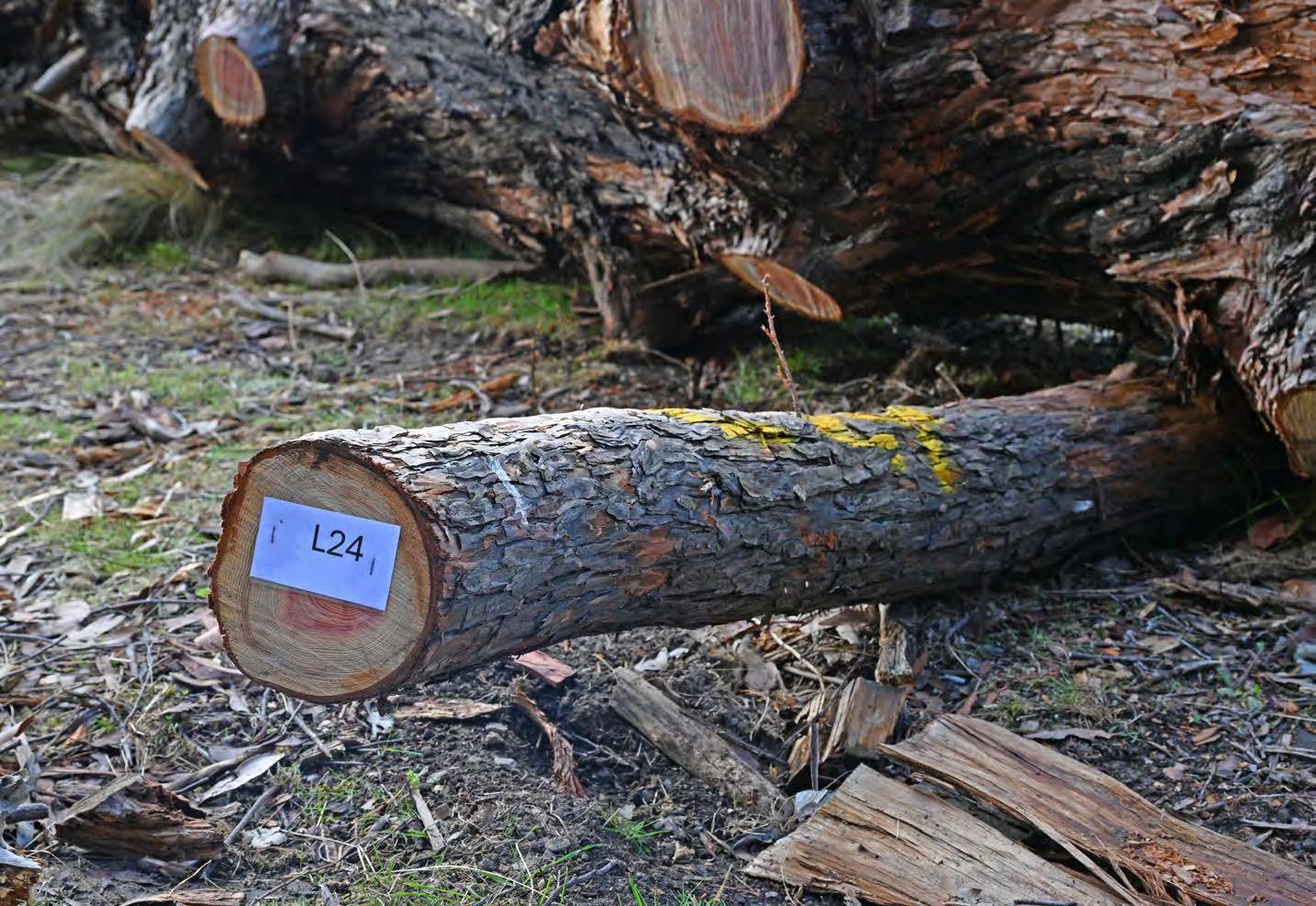
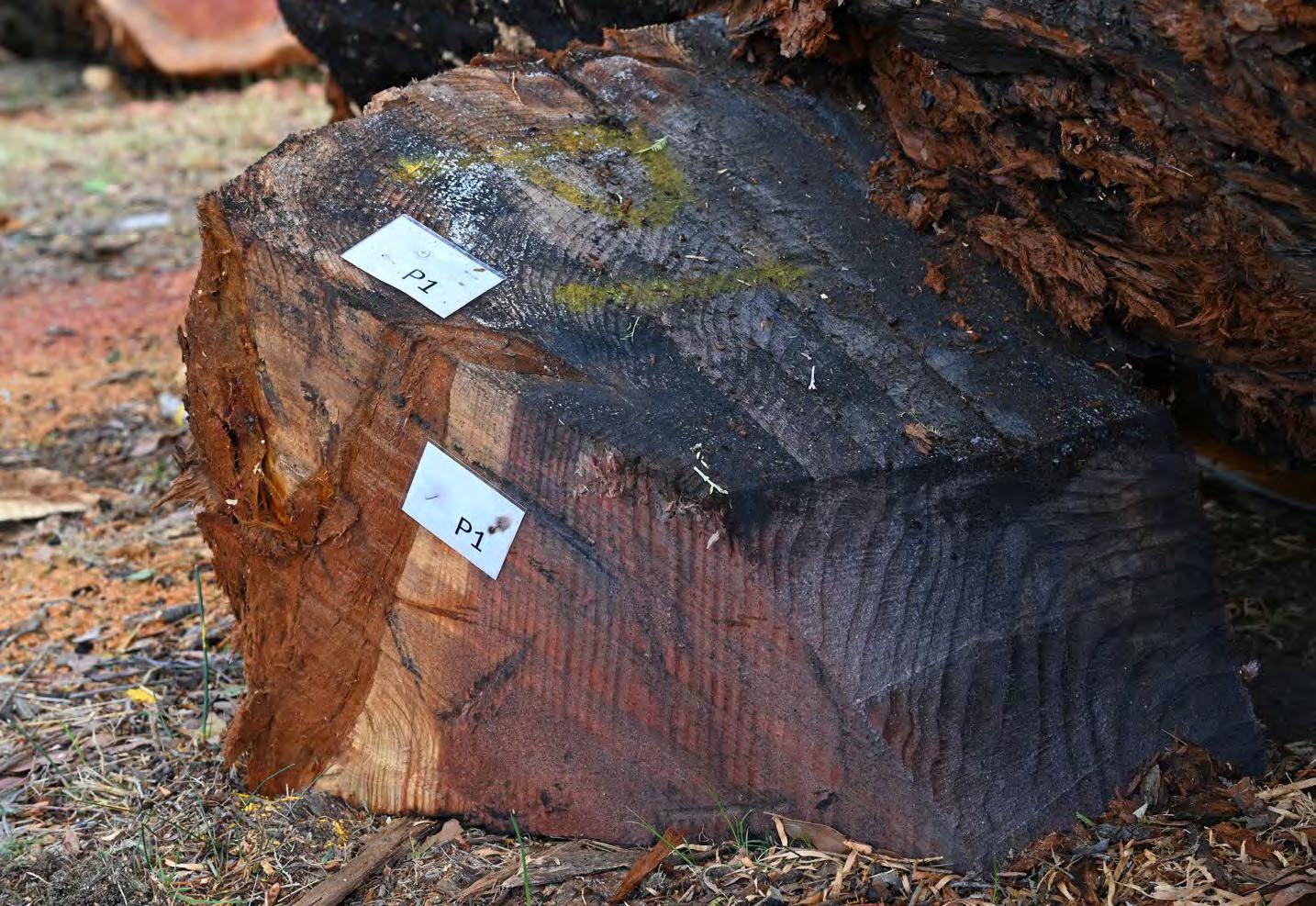
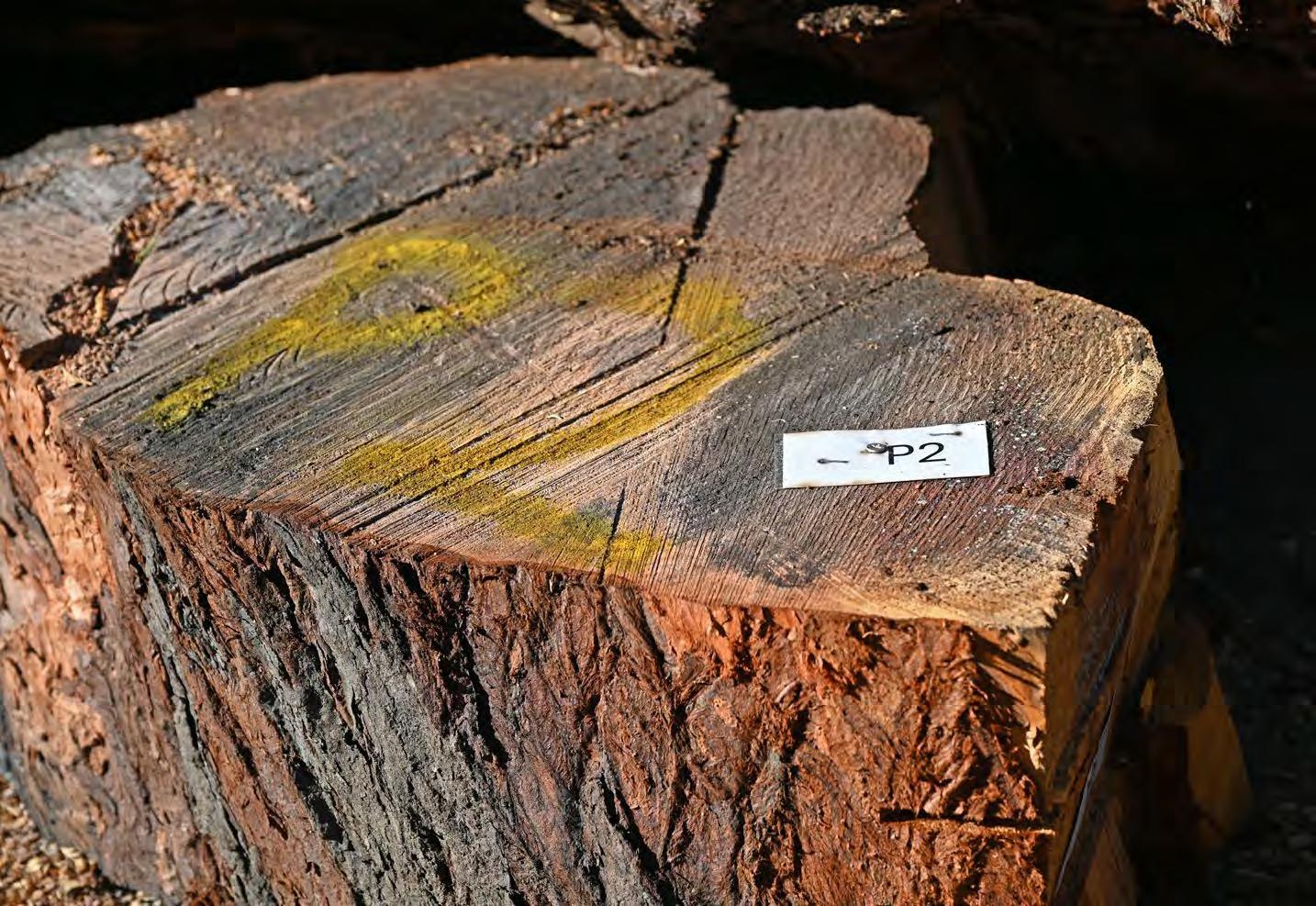
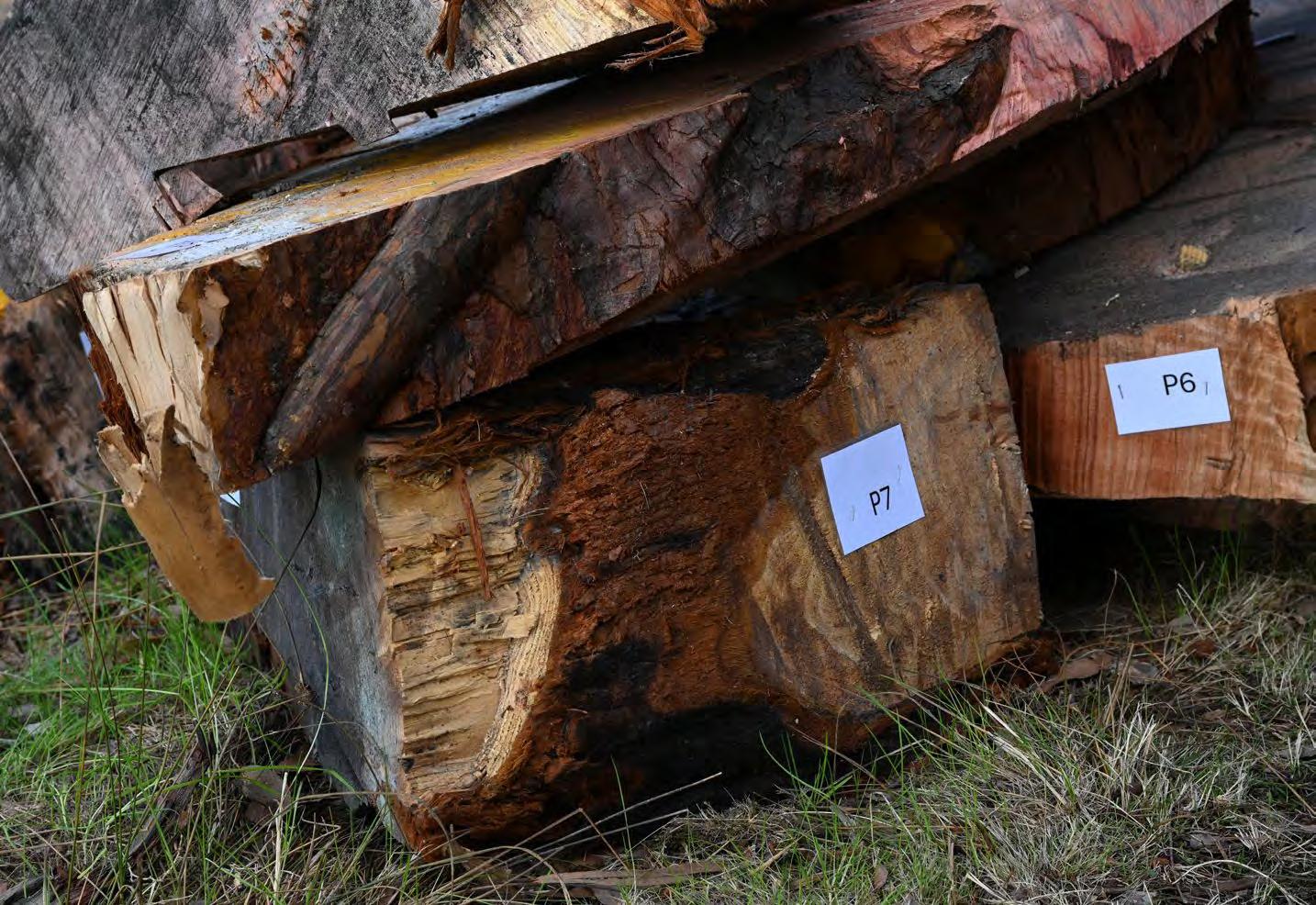
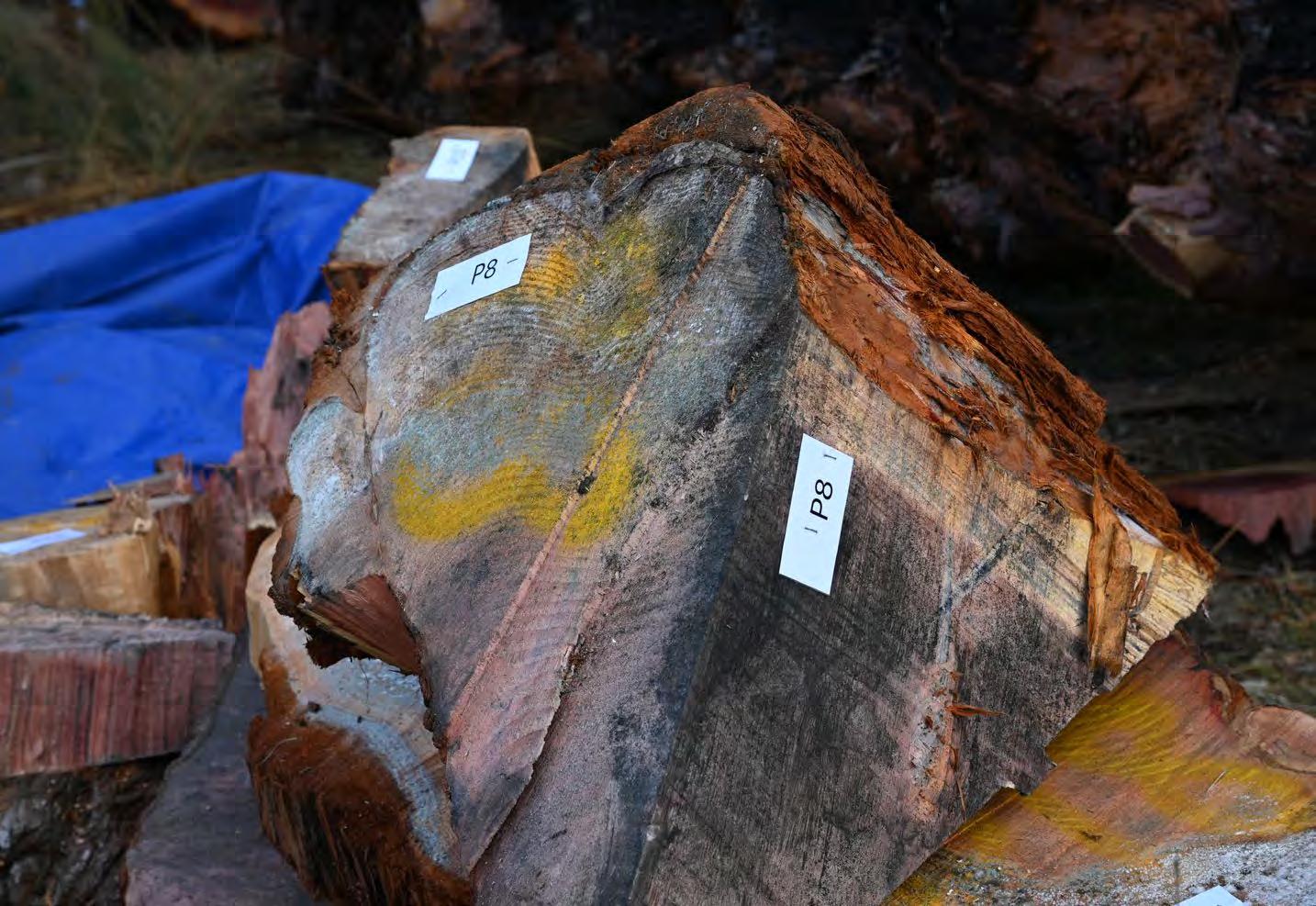
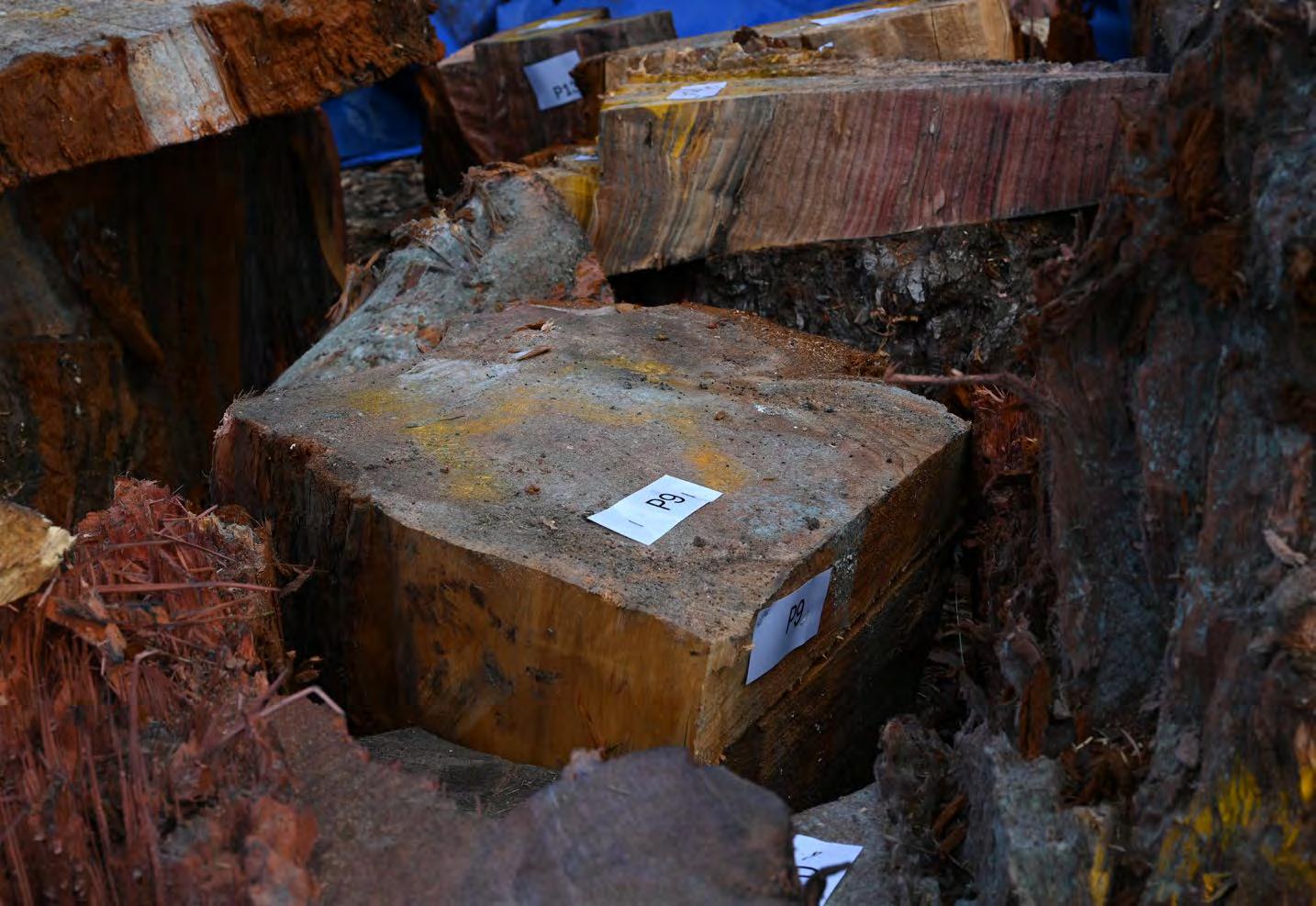
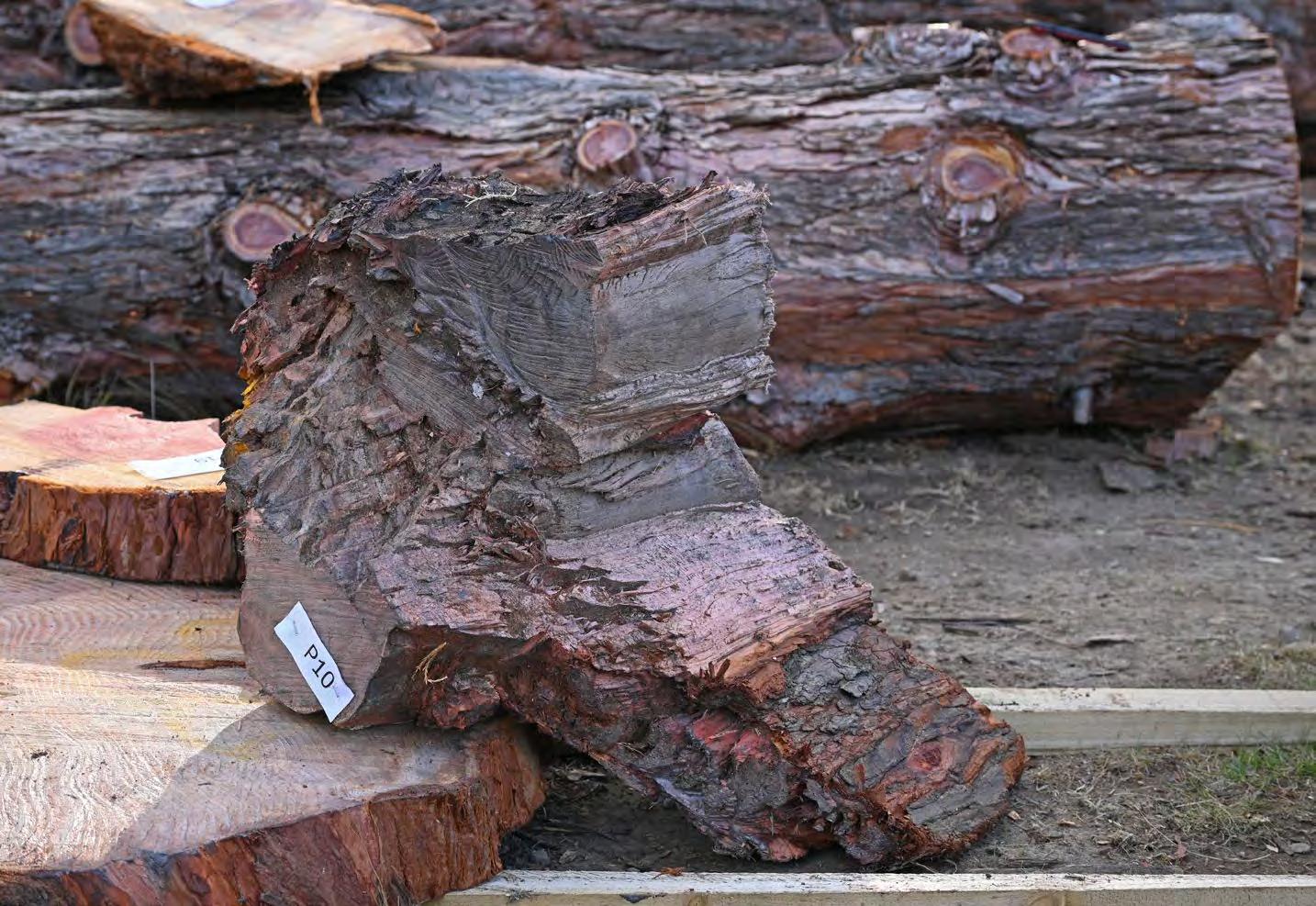
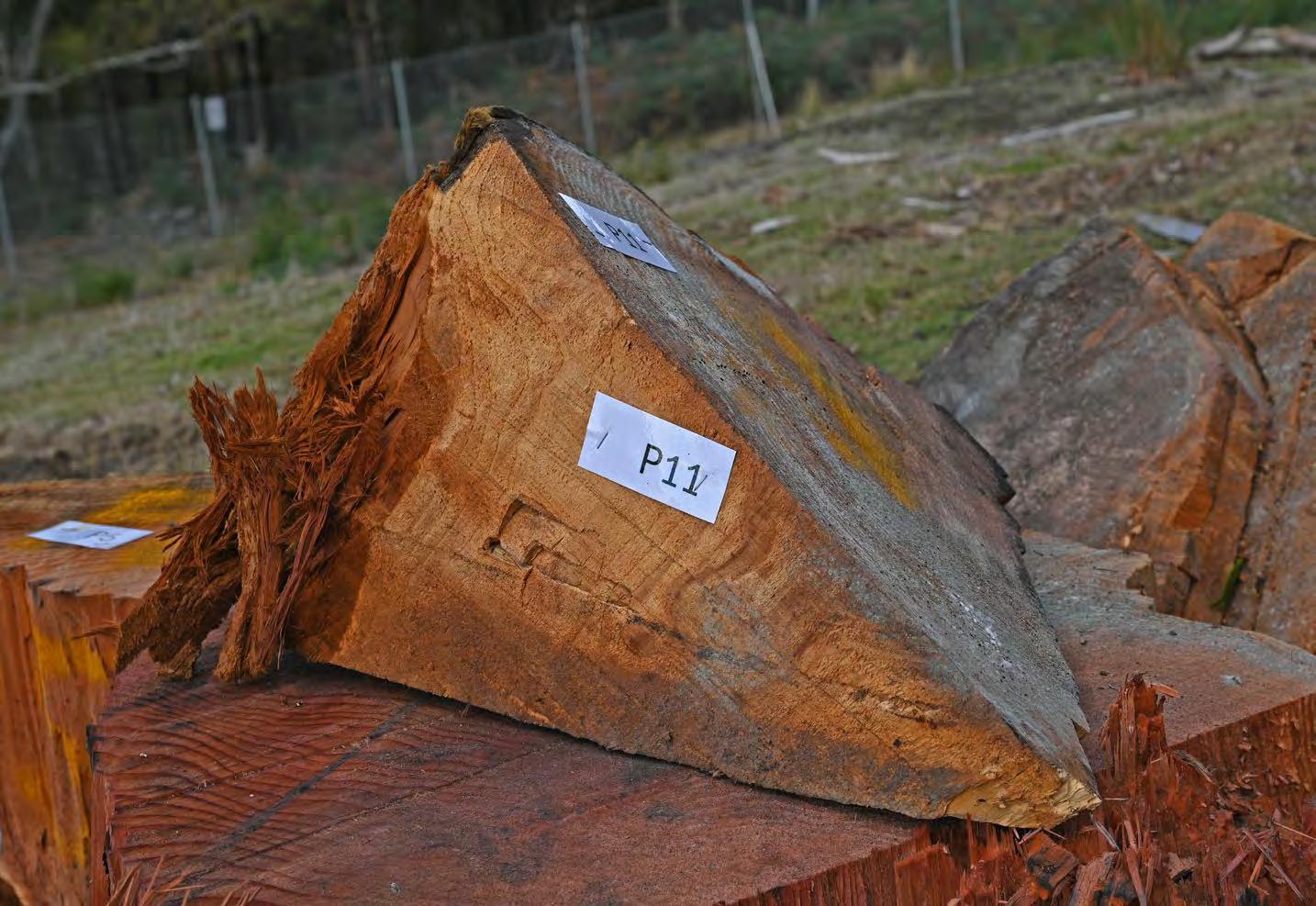
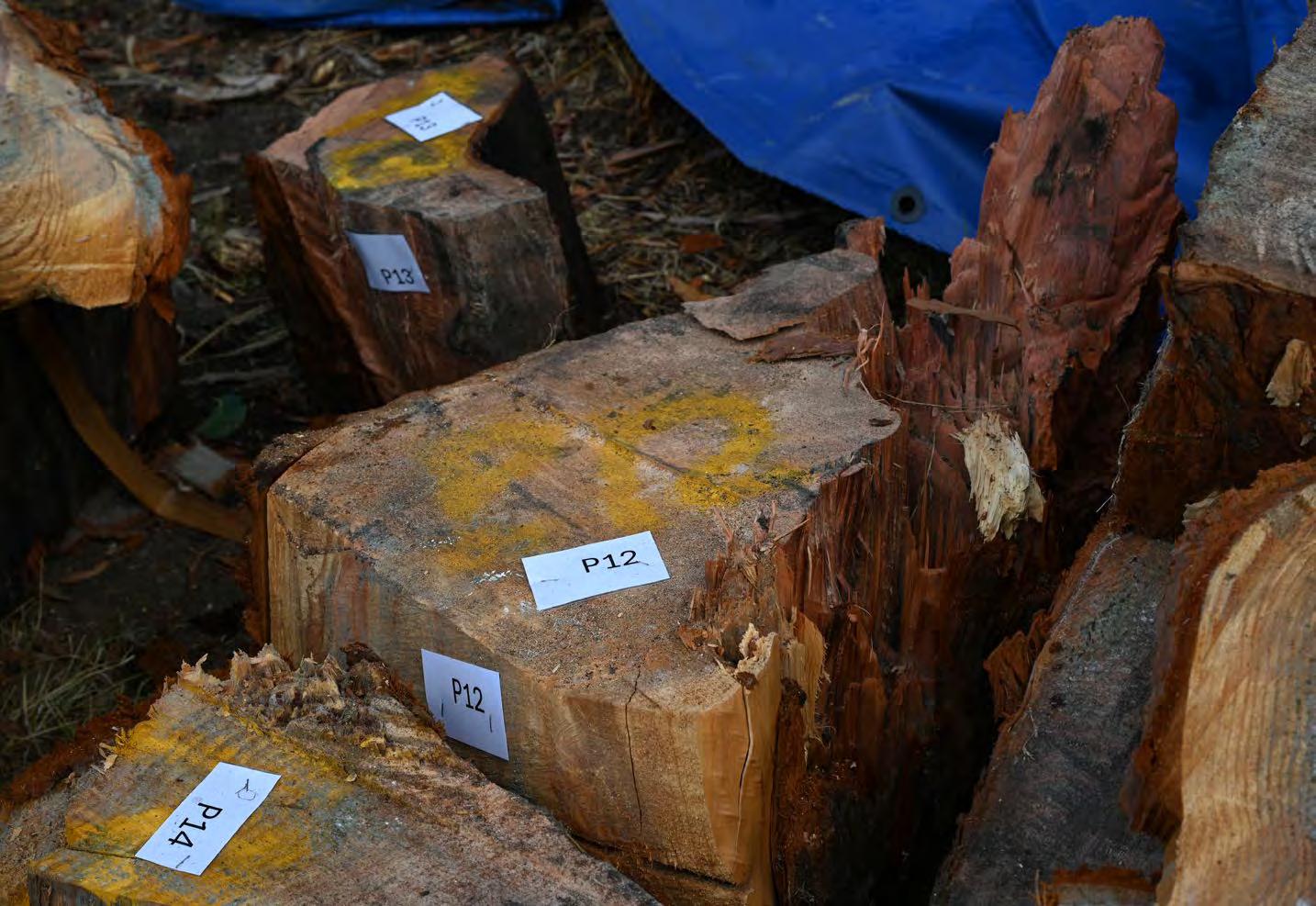
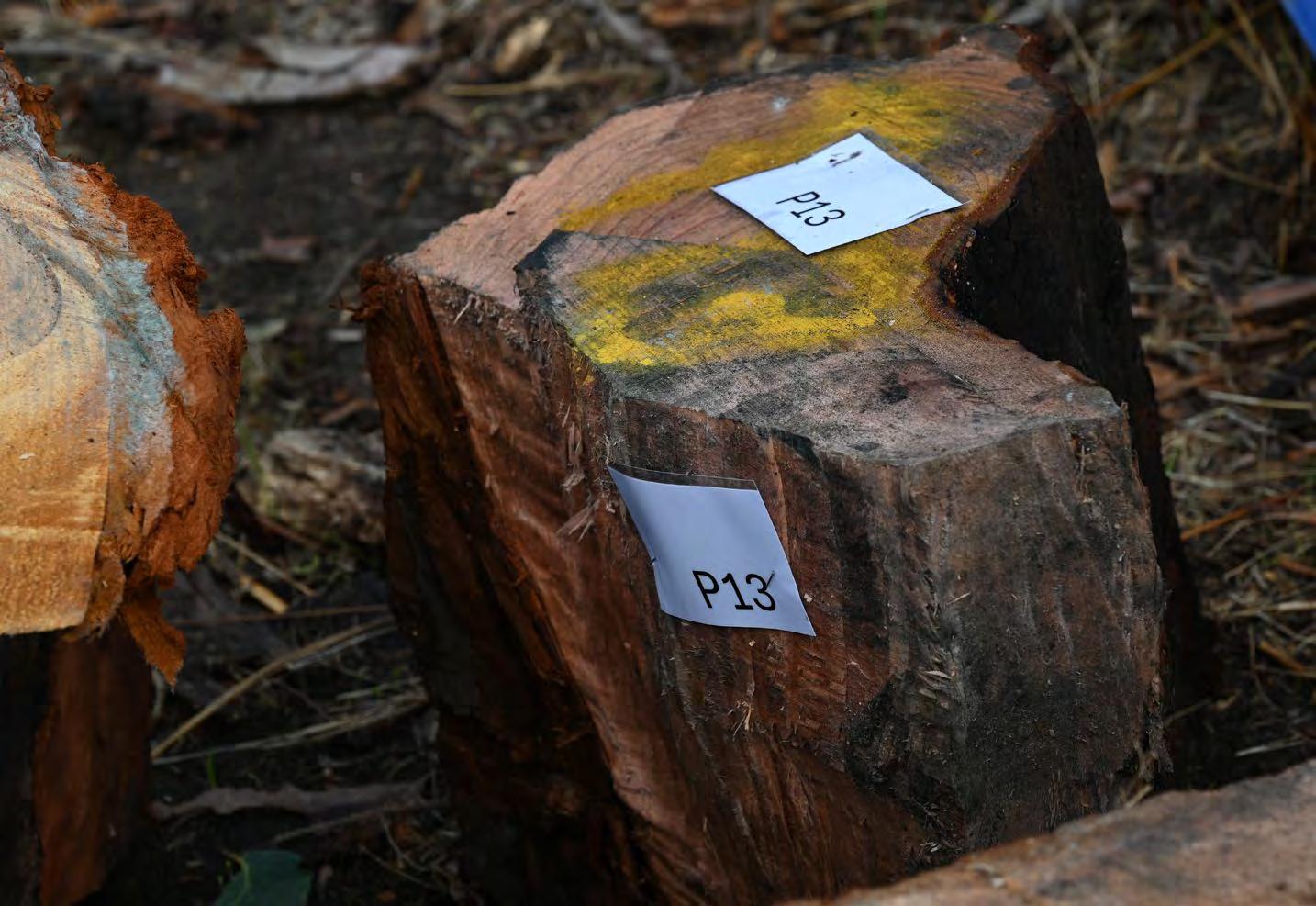
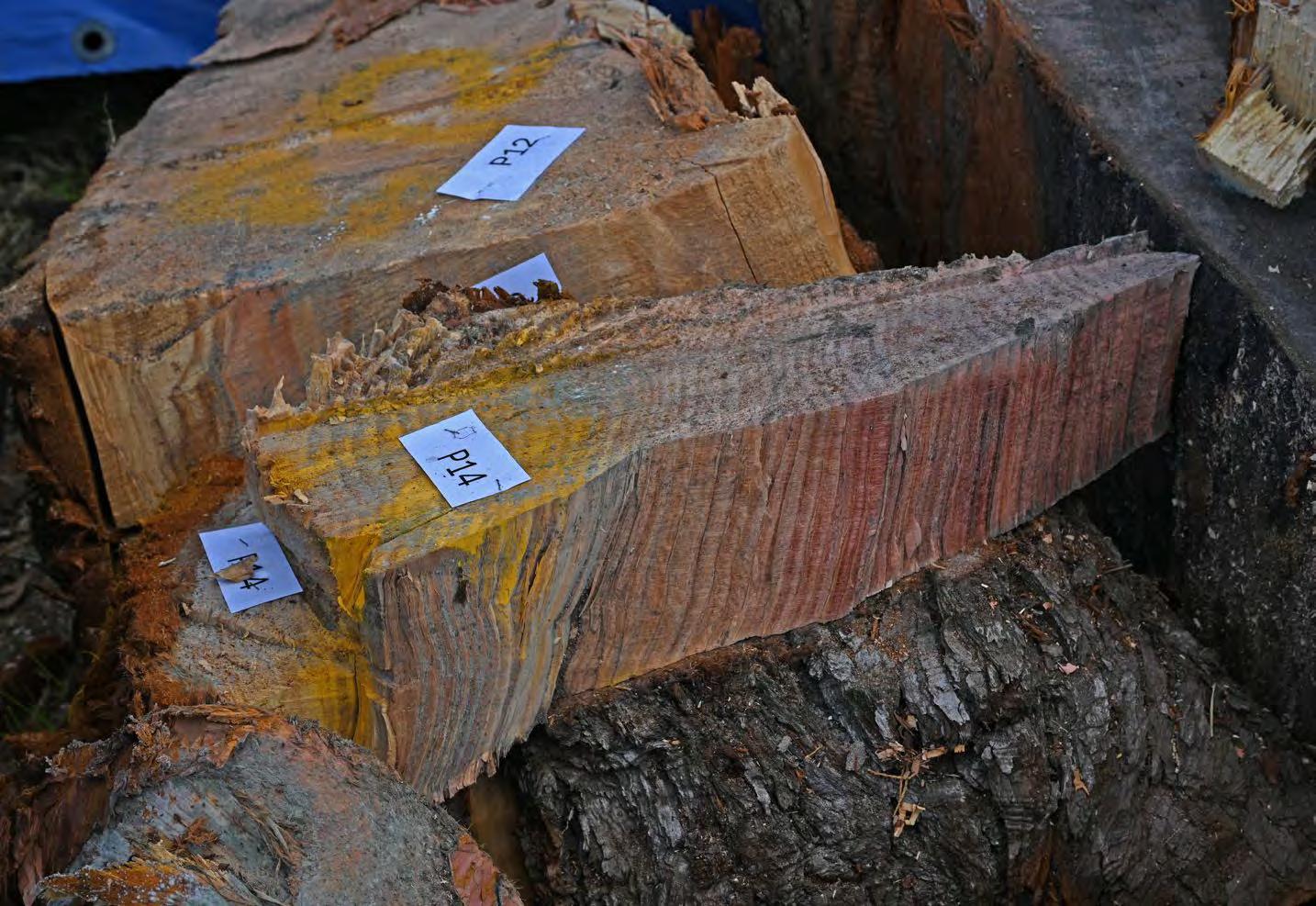
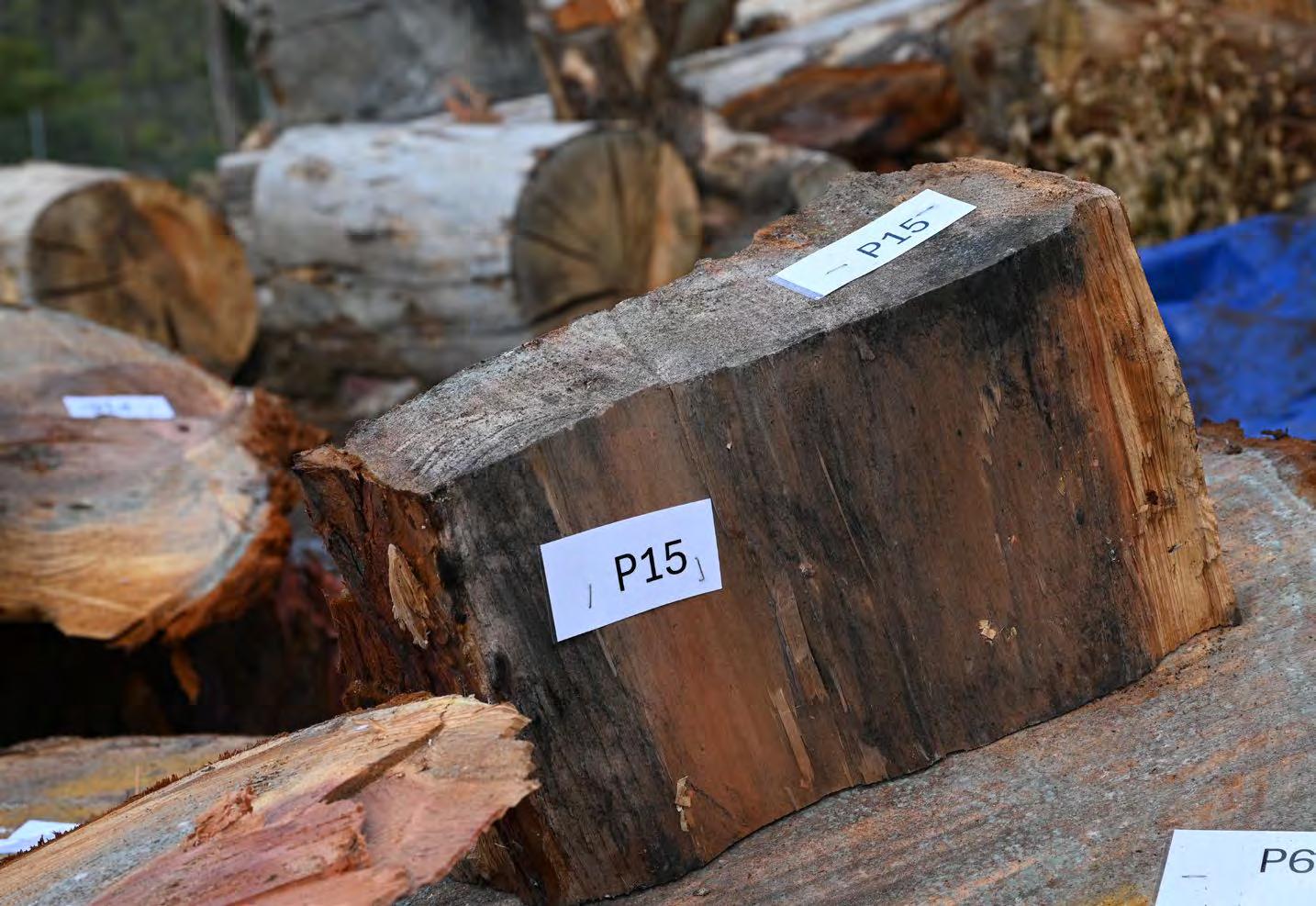
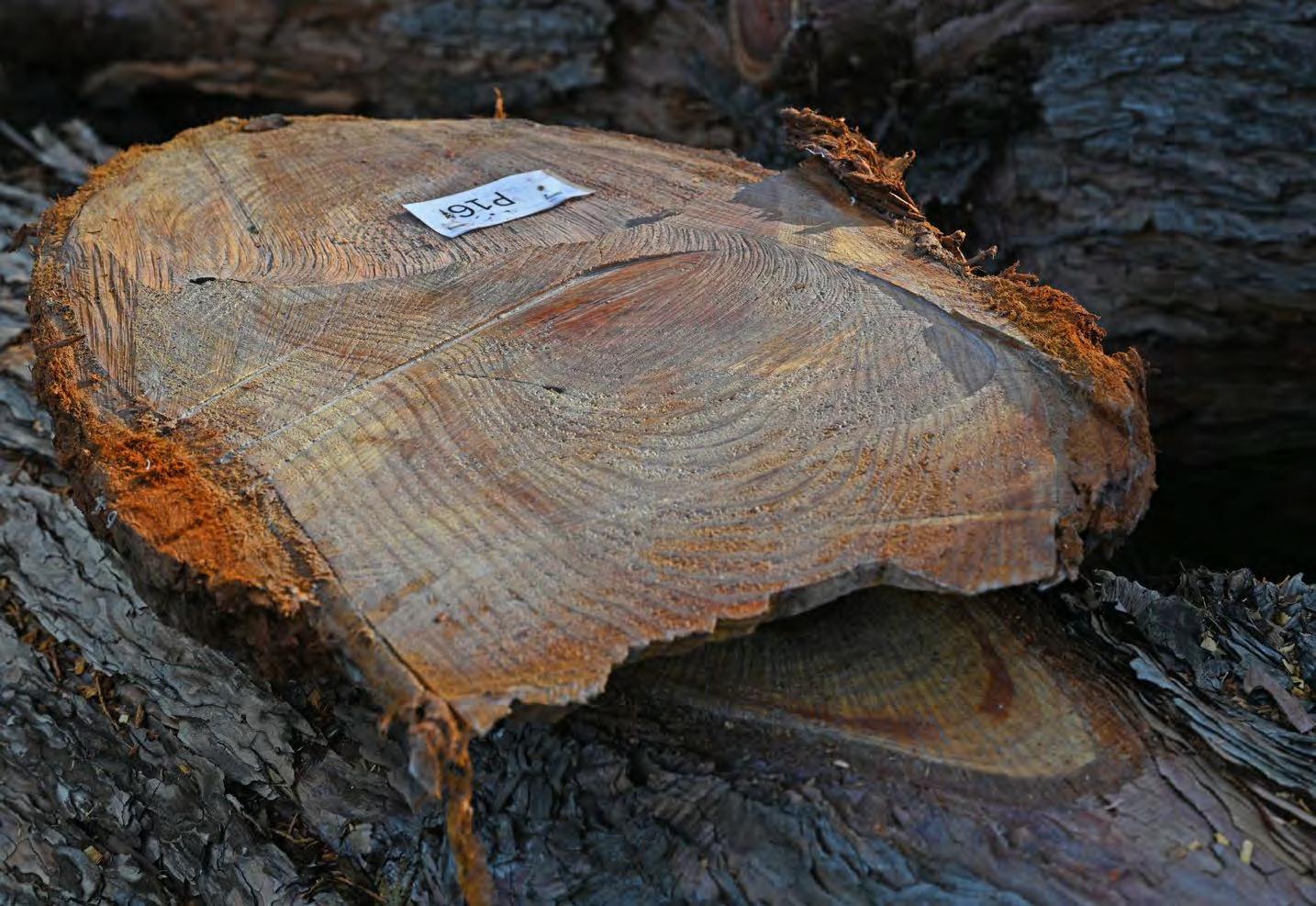
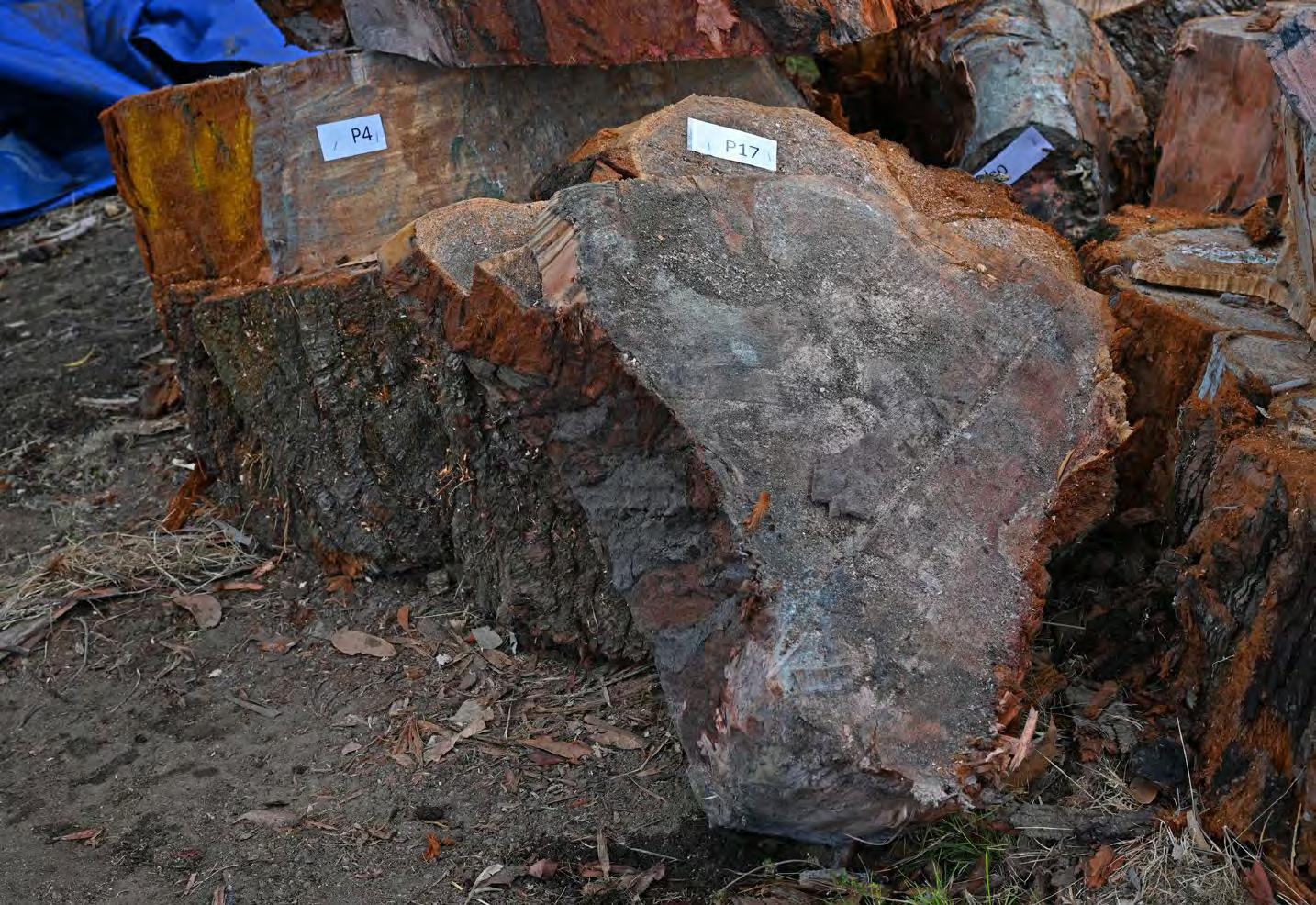
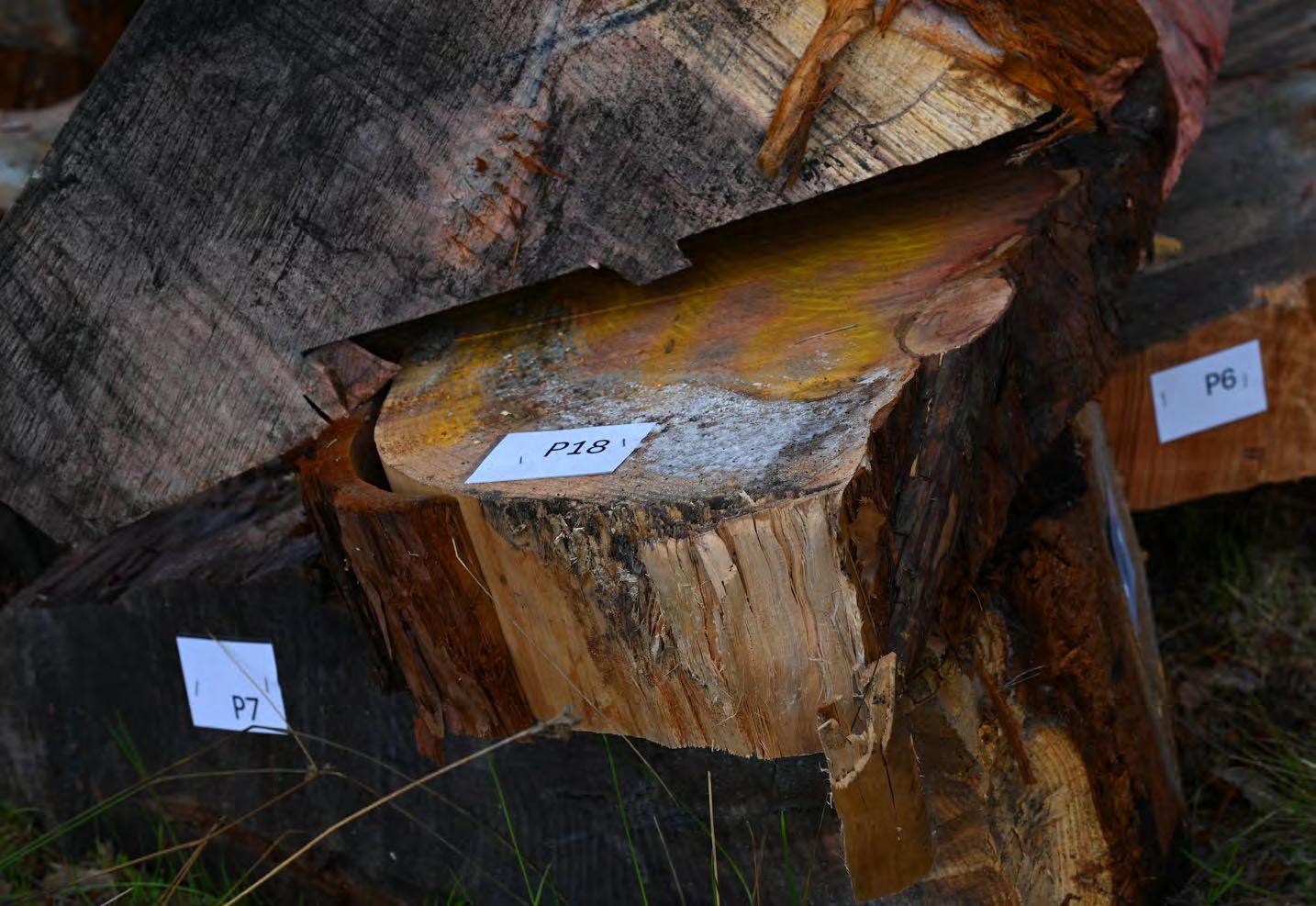
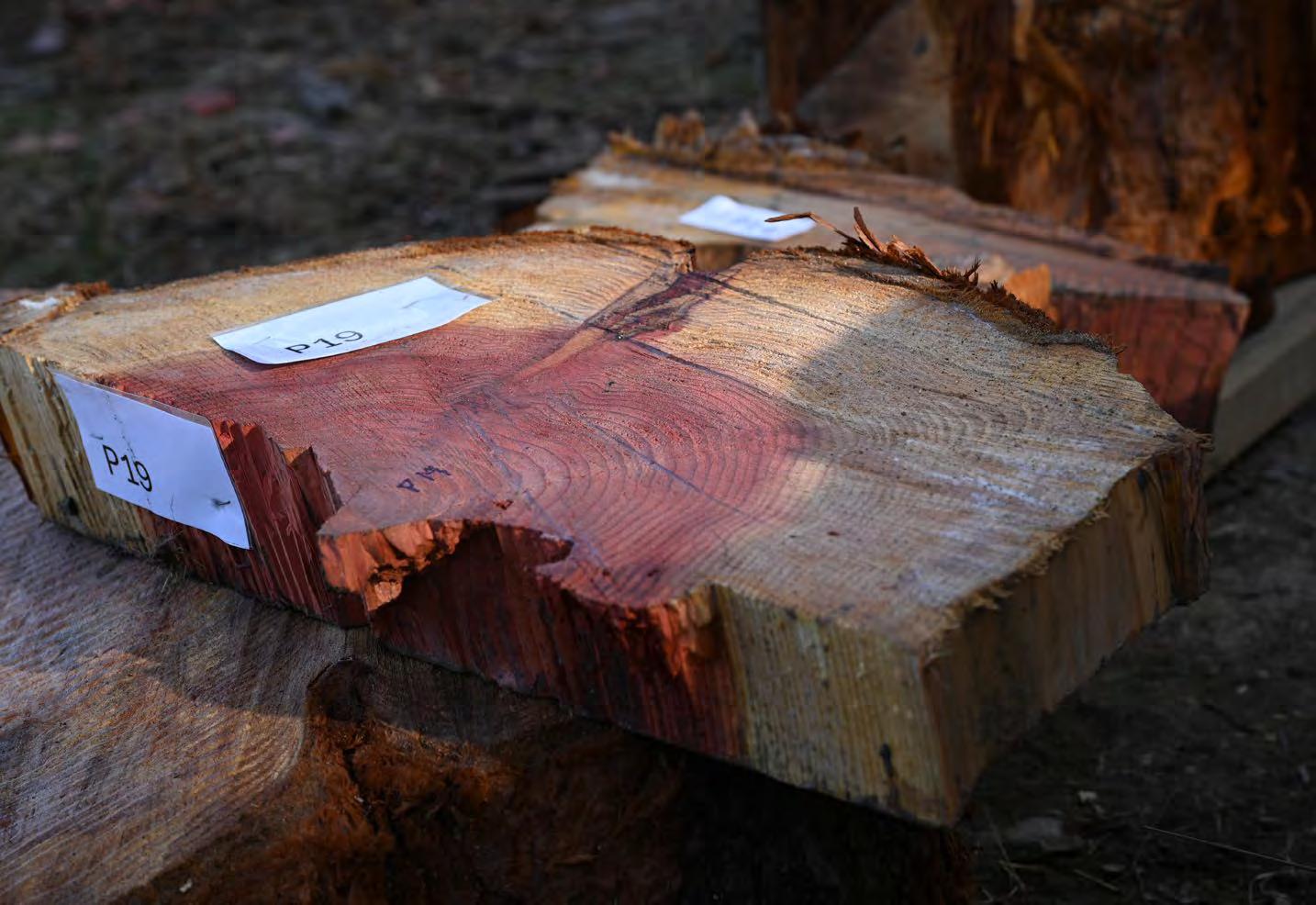
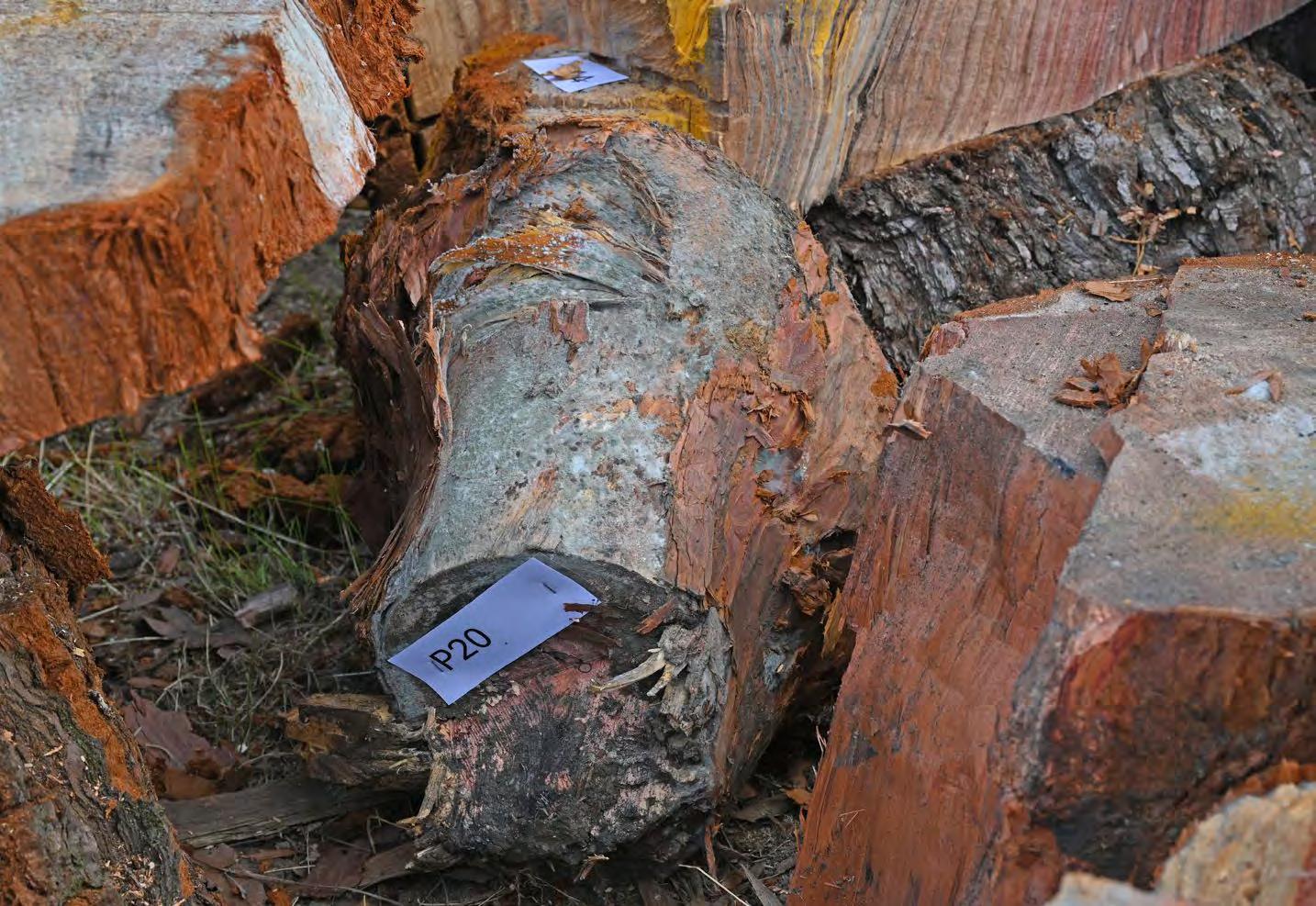
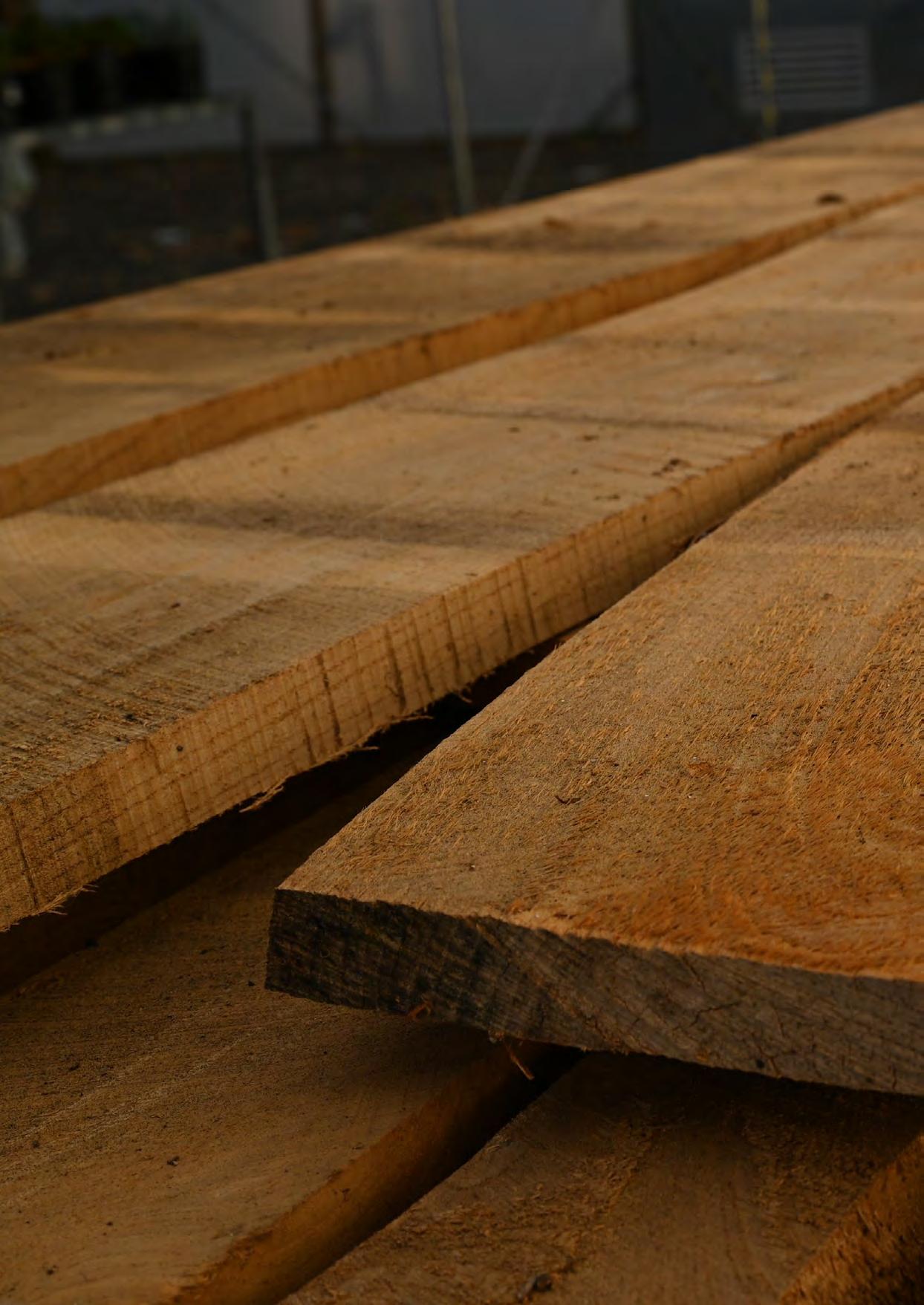
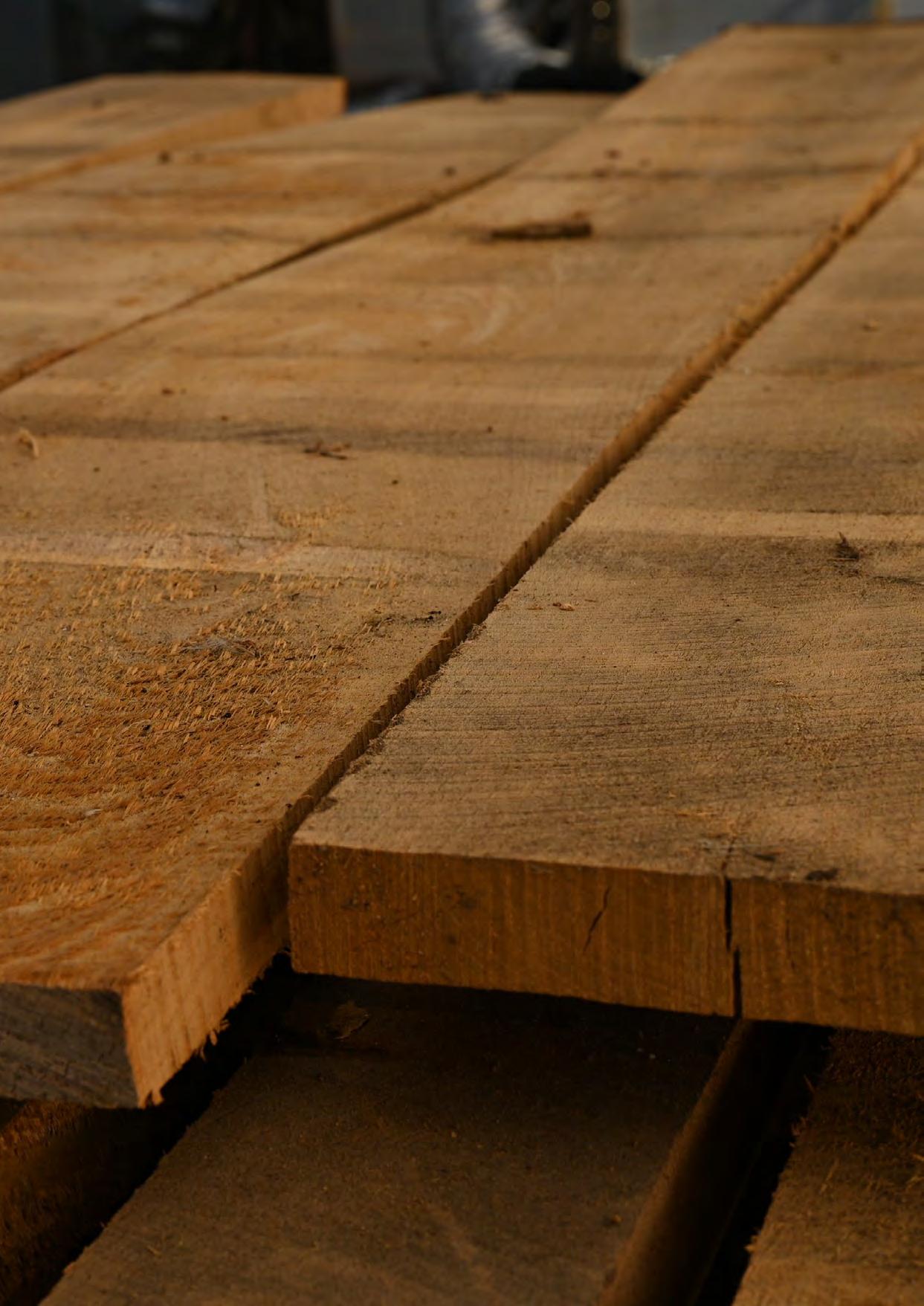
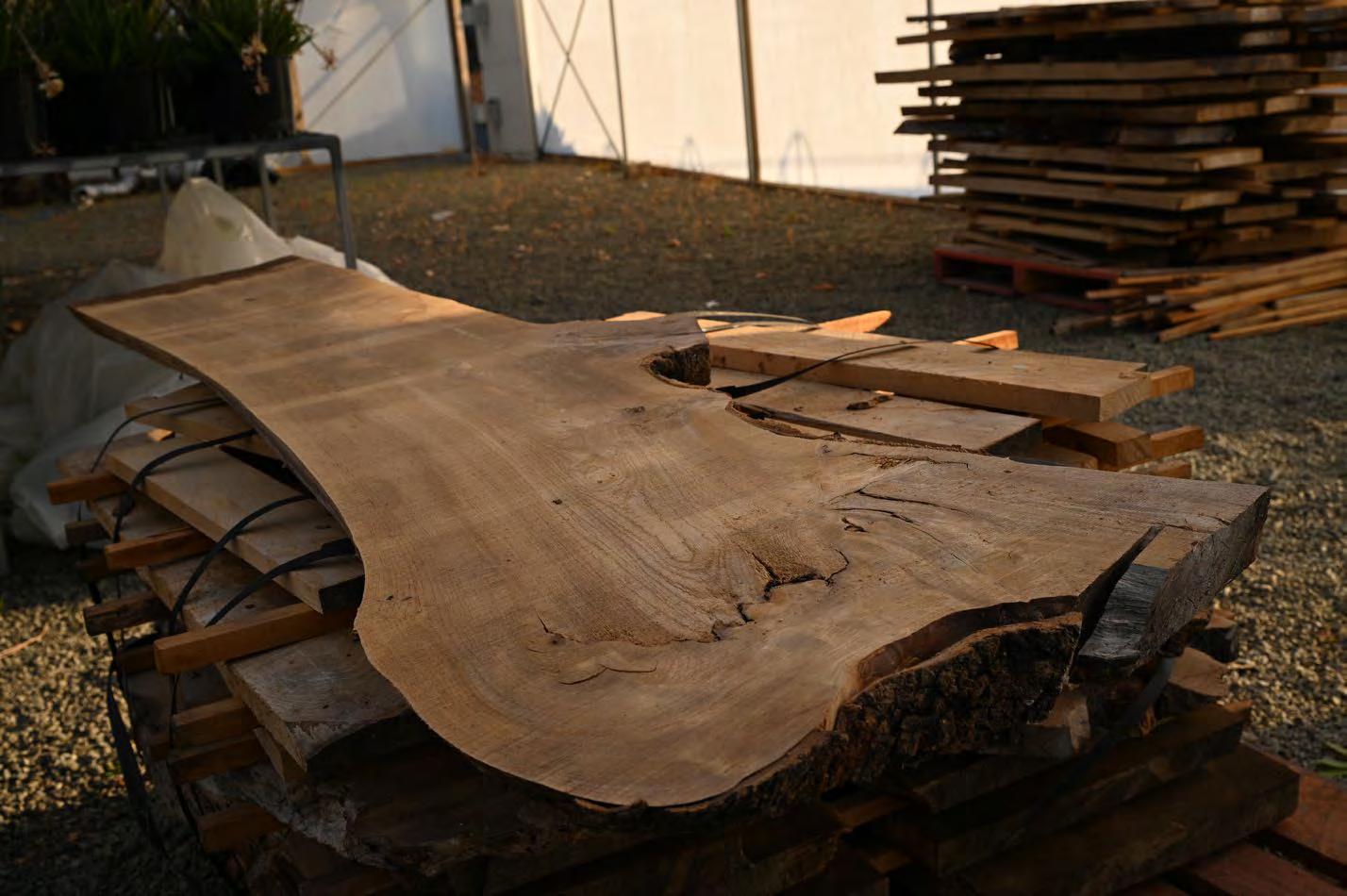
Pallet 1 31 pieces of milled elm timber
Pallet 2 33 pieces of milled elm timber
Pallet 3 29 pieces of milled elm timber
Pallet 4 67 pieces of milled elm timber
34 pieces of milled elm timber
Approximately 1.0m in length, ranging from 0.5m to 1.0m wide, approximately 40mm thick.
Approximately 1.7m in length, ranging from 0.2m to 0.7m wide, approximately 25mm-40mm thick.
Approximately 1.0m in length, ranging from 0.04m to 0.2m iwide, approximately 25mm thick.
Approximately 0.4m to 0.8m in length, ranging from 0.04m – 0.2m wide, approximately 25mm thick.
Approximately 1.0m in length and 0.4m wide, milled to a thin veneer of approximately 8mm thick.