





Baroness Louise Casey of Blackstock used a major speech to local government leaders to warn that we must resist the temptation to attempt major reform of adult social care without first having an honest debate with the public about the hard choices involved.
Speaking at the Local Government Association Conference in Bournemouth yesterday (July 7), Baroness Casey set out how England does not currently have a functioning ‘system’ of adult social care, but instead a patchwork of services
(CONTINUED ON PAGE 3...)

Baroness Casey is, to my mind, finally grasping the nettle by the thorns – and long overdue that is too. Everyone involved in adult social care will recognise the familiar pattern of inquiries and white papers that have come and gone without ever quite getting to grips with the problem.
The King's Fund put it well some five years ago, when it observed that the real obstacle to reform has never been a lack of ideas, but a persistent failure of governments to commit to long-term funding, combined with a reluctance to take on political risk.
Rather than confronting the systemic overhaul the sector needs, successive administrations have opted for short-term fixes, leaving social care stuck in an ongoing cycle of crisis management.
This is precisely why this week's LGA conference here in Bournemouth matters so much.
Baroness Louise Casey, who is leading the commission into adult social care reform in England, has described the current system as one that is virtually impossible to navigate, and has called for a genuine reckoning over how we care for people – including a proper conversation with the public about what they want and expect.
To me, this matters enormously.
We have moved past the point where anyone can credibly believe that simply electing the right MPs or government will magically resolve the most pressing challenge facing our society.
Reform of adult social care has stalled again and again because previous attempts never secured a genuine public mandate.
The Casey Commission's argument – that lasting change depends on an honest reckoning over how responsibility should be shared between families, individuals and the state, alongside a serious answer to the funding question – is one I believe is exactly right.
For decades, a combination of pessimism about the sector and the unresolved question of sustainable funding has stood in the way of meaningful reform.
Review after review, commission after commission, has generated plenty of debate but precious little lasting action, leaving good recommendations to gather dust.
For those of us working in, or depending on, this sector, that pattern has been a source of continual frustration.
And yet nobody seriously doubts the value of adult social care itself.
Done well, it protects independence, dignity and wellbeing – it is a cornerstone of a caring, resilient society. As we all live longer, and as expectations of care continue to shift, its importance to individuals, families and communities can only grow.
There is, I think, reason for cautious optimism that this could be the moment things actually change.
Past hopes for reform have too often come to nothing, but there's a growing sense that conditions may finally be right for something that sticks – built on stronger leadership and a genuine effort to find cross-party consensus.
The Casey review has earned confidence from national and local government alike, as well as from organisations across the care sector.
She has a track record of confronting difficult problems honestly, bringing together people from very different backgrounds, and delivering results in challenging circumstances. Just as encouraging is her early insistence that those with lived experience of care should not simply be consulted as an afterthought, but treated as central to the process – people who understand both what's wrong with the system and what would actually make it better.
Her determination to keep all the major political parties involved throughout, rather than seeking their agreement only once the work is done, gives this effort a far sturdier foundation than reforms that have come before.
At a time when trust in our public institutions is under real strain, this kind of patient, collaborative approach is a genuinely encouraging sign that lasting progress on social care might, at last, be within reach.
.I can always be contacted at editor@thecareruk.com
I would also encourage our readers to sign up for our bi-weekly digital newsletter at www.thecareruk.com and follow us on social media for all the latest news.






(CONTINUED FROM FRONT COVER)
She argued that previous attempts at reform have failed because they have either tinkered with parts of the system or tried to push through bigger changes without securing public consent for the tough choices involved.
DELAY AND CRISIS
She warned that continuing down this path risks repeating a cycle of review, delay, and crisis.
Baroness Casey instead set out her plans to have an honest, tough conversation with the public about what social care is for, who it should support, and what people should expect from the state and contribute in return.
Baroness Casey said: “We cannot keep pretending that a few tweaks will fix adult social care or attempt major reform without the public’s backing.
“That means having a proper conversation with the public about who social care is for, what the state should provide, what families can reasonably be expected to do, and what we should all contribute in return.
“Without that honest conversation with the nation about the difficult choices involved, we will be back here again and again.”
NATIONAL CONVERSATION
The Casey Commission will launch a national conversation with the public later this summer.
It will engage with hundreds of thousands of people across the country through bringing together representative groups of the public, letting people have their say online and speaking directly to people who get care and support, asking the people four questions:
• Who do we think should receive social care?
What should families be asked to do for their loved ones?
What should people be able to expect from the state?
And what should people contribute in return?
Casey told the conference that the exercise would test the views of "hundreds of thousands of people", particularly targeting those needing health and social care, older people and younger people.
She said older people were "too often ignored or overlooked", while younger people were "already losing faith that they will get anything back from the state in return for paying in".
NATIONAL CARE SERVICE
Baroness Casey, also argued that any future National Care Service must incorporate the NHS rather than operate separately from it.
Casey said an honest assessment of care reform would need to accept that a care service cannot be built in isolation from the health service.
She also pointed to a significant power imbalance between local councils and the NHS, describing the NHS as the clearly dominant partner in the relationship. According to Casey, the NHS enjoys strong political protection and financial clout, giving it outsized influence over policy at both national and local levels.
She suggested that discussions about improving health and social care tend to default to calls for greater integration — but in practice, this has often meant the NHS absorbing services into its own structures rather than genuine partnership between the two systems.
In contrast to her earlier remarks, she distinguished between older people who develop care needs later in life and adults with disabilities present from birth or early life, suggesting these groups have fundamentally different characteristics and requirements.
She noted that across nearly all the council areas the commission had visited, social care funding has been steadily shifting away from older people and toward working-age adults.
This aligns with Department of Health and Social Care figures showing that in 2024-25, spending on long-term care was almost evenly split between older people (51%, or £12bn) and working-age adults (49%, or £11.5bn) — a balance that has stayed roughly the same since 2017-18.
Damian Green, Chair of the Social Care Foundation and former First Secretary of State, said: “A National Conversation about the future of Social Care is long overdue, so this is very welcome.
“That conversation must be realistic, and must address the difficult issues of where the extra money needed is coming from, how social care can escape from being seen as an add-on to the NHS, and what are the different roles of national and local government in a National Care Service. The voices of users, carers, and care providers must be heard in this conversation. “
EARLY PRIORITY
Senior Policy Fellow at the health Foundation Lucinda Allen said, “We welcome the prospect of a ‘Big Conversation’ with the public on social care funding reform. This will be an important opportunity to
raise awareness of the problems with the current system and build support for improving it.
“Our polling with Ipsos suggests confusion among the public about who is responsible for providing and paying for social care. It also shows a clear preference for the state playing a bigger role in paying for care – under the current system, only the very poorest people with the highest needs are eligible for publicly funded support.
“It is encouraging that Baroness Casey recently told MPs that she is open to speeding up her work. The government’s 2028 deadline for the commission has always been a concern, as it risks its recommendations landing dangerously close to the next general election. Andy Burnham knows better than most how the white heat of election campaigns has burnt previous plans for social care reform.
“The next prime minister must make social care an early priority to finally deliver the reforms needed to improve millions of people’s lives. The other parties also need to step up to support the change needed –after decades of political failure, this is a test of our political system as well as the leadership of the next Labour leader.”
PRIME OPPORTUNITY
Gerard Crofton-Martin, Interim Chief Executive at SCIE, said: “The challenge facing social care is not simply responding to rising demand, but ensuring that we prevent, delay, or reduce the need for more intensive services, maximise independence, and enable people to live well in the place they call home.
“We know that earlier action and prevention improve outcomes for people, reduce long-term dependency, and support the sustainability of both the NHS and social care.
“We already have strong foundations embedded in the Care Act 2014 and a widely-shared understanding of what good care should deliver. Our task now includes tackling unwarranted variation in social care.
“As the Casey Commission considers the future of adult social care, this is a prime opportunity to promote prevention and early intervention and to identify the investment needed for a National Care Service. That includes building a system that is fair, equitable, and easier for people to understand and navigate.”
The speech builds on Baroness Casey’s earlier call for a ‘reckoning’ on adult social care and comes ahead of the Commission’s phase one report which will be published later this year.

By Kari Gerstheimer, Founder and CEO of Access Social Care
If Government were building a new hospital, officials would rightly ask how patients would be cared for while the work was underway. Yet when it comes to social care reform, the debate too often sounds as though ministers are designing a mansion: a grand plan, a new structure, almost certainly a speech about dignity –while too many people are still left outside in the rain. For many disabled people, older people and unpaid carers, waiting for the mansion to be built is not an option – the problem is immediate. They urgently need help to find and open the front door to the social care support they are legally entitled to.
If, as now seems likely, Andy Burnham becomes the next Prime Minister, he will inherit a system under strain: providers trying to stay afloat, councils making impossible choices, care workers stretched, unpaid carers holding families together, and people too often left without the support the law says they should receive.
Burnham has said he wants to break the mould. But there will be enormous challenges to breaking out of the familiar pattern: praising care workers, acknowledging the pressure they are under, announcing a process and promising reform is coming. Then the politics of how we fund it all becomes too difficult, and the whole thing drifts again.
Baroness Casey is right that we need to look at the social contract and understand what the public wants from social care. But the next Prime Minister also has a rare opportunity, with a large majority and a clear public need, to do something meaningful in this Parliament. Social care must not be pushed into the long grass because it is complicated and expensive.
The first task is honesty. Yes, social care needs more money, but funding alone will not fix a system in which people’s legal rights are too often theoretical rather than real. Across the country, people are entitled to assessments, care plans, carer support, reviews and safeguarding. Yet too many do not know what they are entitled to, cannot get a clear answer from their local authority, or lack the advice needed to challenge decisions that may be wrong. The law may say one thing, but lived experience says another. That gap between rights on paper and rights in practice should be at the heart of reform.
At Access Social Care, I see families reach crisis point before they find advice, people passed between services, care packages reduced without explanation, and unpaid carers exhausted and unsure where to turn. These are signs of a system too difficult to navigate and too easy to avoid accountability. Therefore, the


• We specialise in the sale and purchase of quality used wheelchair accessible vehicles and ambulances.
• They can be bought as seen or refurbished and sign-written to your own requirements.
• Fully serviced, new mot & warranty
• Engineers inspection supplied if required.
• Free delivery service available
• All buses comply with new legislation
•
• Lease hire and purchase available


next Prime Minister should start with three priorities.
First, the Government must improve transparency. For too long, central and local government have blamed each other for funding and delivery failures. Councils are under pressure, but people should not be trapped in the middle of that argument. We need data on unmet need, delayed assessments, reduced care packages, waiting times, appeals, complaints and outcomes. Without that, we cannot have an honest conversation about what social care costs and who is missing out.
Second, central government should provide clearer, plain-English national information on GOV.UK about rights, entitlements and councils’ duties, as well as practical guidance on how to secure support, carers’ rights, charging rules and what to do if a decision is wrong.
Third, reform must strengthen accountability. Legal duties matter only if they can be enforced – advice, advocacy and access to justice are not optional extras. If someone is wrongly denied support, or a carer is left without assessment, there must be a realistic way to challenge that.
Solving the workforce crisis must also be central. Care workers do demanding and socially vital work, yet the sector still struggles with pay, status, retention, training and progression. Reform must include fair pay, funded training, clearer career routes and recognition of the expertise already present in care homes, home care and community support.
Long-term funding cannot be ducked. Countries like Japan and Germany have built more stable systems through dedicated social insurance or taxation models. The UK need not copy any model wholesale, but it must stop pretending short-term injections can substitute for a sustainable settlement.
There will be debate about whether England needs a National Care Service. But structures alone will not solve the problem. A national service that leaves people unable to enforce their rights would fail. So would local delivery without proper national standards, transparency and funding.
The next Prime Minister has a major opportunity in his first 100 days to signal serious intent on social care, working with Baroness Casey and others to secure meaningful reform in this Parliament, rather than allowing the Commission’s recommendations to become another staging post on the road to delay.
Social care is how millions live with dignity and independence. It supports families, communities, hospitals and the wider economy. The question is no longer whether we can afford to fix social care. It is whether we can afford to keep breaking the promises the law already makes. The task is not simply to rebuild social care from the top down – it is to make sure people can finally get through the front door.
A qualified lawyer, Kari Gerstheimer is the CEO and Founder of Access Social Care, a legal rights charity working to ensure we all get the social care we have a right to. Kari led the team responsible for the award winning digital legal information service, AccessAva. Her podcast, State of our Nation, is a must listen for social care leaders.
New research from Savills shows that the UK care home development market is entering a new phase of demand-led growth, as demographic pressures intensify and the need for new beds becomes increasingly acute.
The international real estate advisor has identified a requirement for around 139,000 additional care home beds over the next decade, equivalent to approximately 30% of existing supply. To meet this demand, annual delivery rates would need to more than double from recent levels.
According to Savills, net supply growth has been limited over the past five years, as whilst over 30,000 new care home beds were delivered between 2020 and 2025, this was almost entirely offset by approximately 29,000 beds being decommissioned in the same period. As a result, the market is entering a period of increasing supply-demand imbalance, with demand growth outpacing net new supply and occupancy now exceeding pre-Covid levels.

The current development pipeline provides a positive near-term base, with around 20,000 beds either under construction or with detailed planning consent. However, Savills says further scale will be required to close the emerging supply gap.
Development remains concentrated in areas where fundamentals are most supportive. Southern England accounted for more than one third of care home completions between 2020 and 2025 and represents around 40% of the current pipeline, demonstrating the stronger viability of schemes in more affluent privatepay markets. However, this also highlights the significant need in lower-fee and more local authority-reliant regions, where demand is high but development economics are more challenging.
Savills says market conditions are becoming more supportive for future development. General building cost inflation has moderated to around 3.8% annually as of early 2026, down from a peak of 15.5% in June 2022, while debt appetite has strengthened and both traditional banks and alternative lenders are increasingly active in the sector. At the same time, private weekly fees have grown faster than inflation over the past five years, supporting operator margins and improving development viability despite a structurally higher cost base. The strength of the UK’s private-pay market has been a key factor in attracting international capital to the sector in recent years.
Tom Atherton, Strategy and Market Intelligence Manager, Savills Operational Capital Markets, says, “The UK care home market is entering a period where quality, rather than simply quantity, will become increasingly important. Residents are entering care later in life, with higher acuity needs and greater expectations around the environment in which they live. This is creating a growing requirement for modern, purpose-built facilities that are capable of delivering high-quality care efficiently and sustainably over the long term.”
Rick Savage, Director, Savills Operational Capital Markets, adds, “Improving financing conditions, moderating cost inflation and resilient operator performance provide a more positive backdrop for development than at any point in the past three years. However, planning delays, contractor constraints and regional viability challenges remain key barriers. A more efficient and consistent planning system, faster progression from consent to construction and greater contractor capacity will be critical to bringing forward new supply, particularly in underserved markets where demographic need is greatest.”
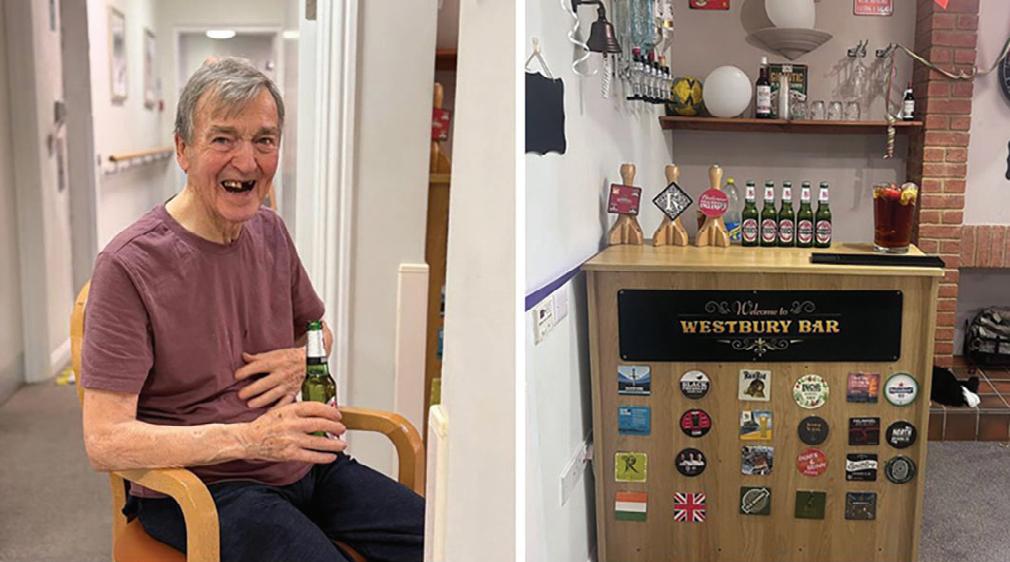
A Newport Pagnell home has utilised some unused space in the home and converted it into a bar for residents.
MHA Westbury Grange opened their ‘Westbury Bar’ just in time for the football World Cup for residents to watch the games and stay hydrated.
The bar is located on the second floor of the home and is complete with a selection of drinks, a dartboard and snacks.
In preparation for the opening, a personalised plaque was ordered and is displayed proudly at the front of the bar.
MHA Westbury Grange provides residential dementia and general nursing care for 45 residents.
Jo Cassidy, administration manager said: “ The bar area was where we had an old bookshelf which wasn’t in use, so we decided to convert
it into a bar.
“It’s been a joint effort by all staff and in total it took us around 2-3 weeks to get the bar up and running.
“The idea came from our deputy home manager and once we discussed it with the rest of the home, we decided to give it a go.
“Especially with the football World Cup going on, our residents have a chill-out zone where they can enjoy the game along with some refreshments.
“We serve a selection of drinks, along with some snacks and it’s a really nice atmosphere for everyone.
“We have a dartboard and record player in there as well just to add some extra items, and everyone loves what we have done with the space.”

By Sabina Kelly RN Ba(Hons) B.Sc.(Hons) Founder of the Sabco Academy of training in adult social care
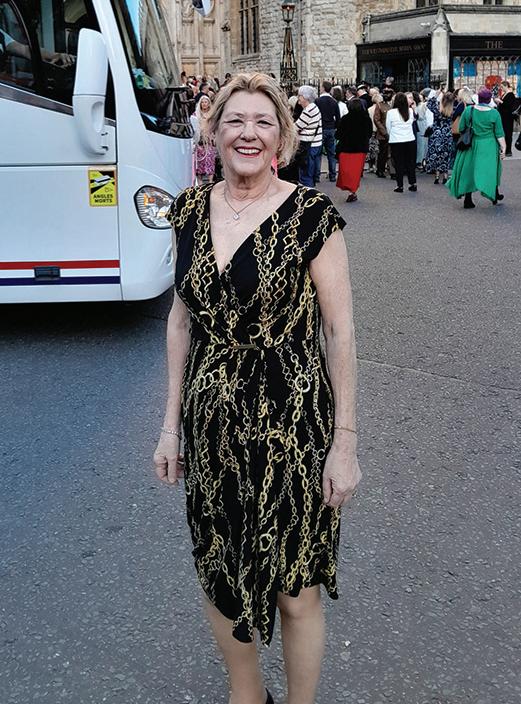
It is so important for our mental and physical health to get a good work/life balance. It means setting boundaries between work and free time. Most of us who work in health and social care spend most of our time caring for others but who cares for us? The really honest answer that we can give is ourselves and just how many of us do this? We don’t have the kind of work where we can just walk off the job, people depend on us and how often when you are just about to go off duty something will happen and you have to spend extra time. We get so tired because we love our jobs, We don’t take any notice of the extra hours we give, it’s just one of those things, part of the job and that’s what we tell ourselves. It would be interesting to find out how much out voluntary extra time costs. So how do we set boundaries? Firstly, our free time is exactly what it says Free TIME. Time that belongs exclusively to us. We can stop scrolling on our phones to see if there are any messages from work. Think of other lovely things you could be doing like listening to music, treating yourself to the things you love doing,
your hobbies, going for a walk , reading a good novel, having a luxurious bath or shower, calling a friend for a chat.
I go to Sainsburys for my shopping and it is by a canal. After doing the shopping I buy myself a coffee and sit by the canal. It is so peaceful. Even though decluttering is a sort of work it clears our minds when everything is tidy and suddenly, we can find things. So be bold and create some lovely times for yourself.
For me personally, I love writing and belong to an Irish poetry group. It is wonderful. I have made close friends and we have so much fun, but above all we write and share poetry and we are so vey proud that recently we have had our own anthology published and launched to a packed house. Writing is a wonderful way to unwind whether it is stories, poetry or journalling, so if there are any budding poets out there I would love to hear from you and Peter (editor) can give you my e mail.
Happy creating and wishing you all the time you so deserve.

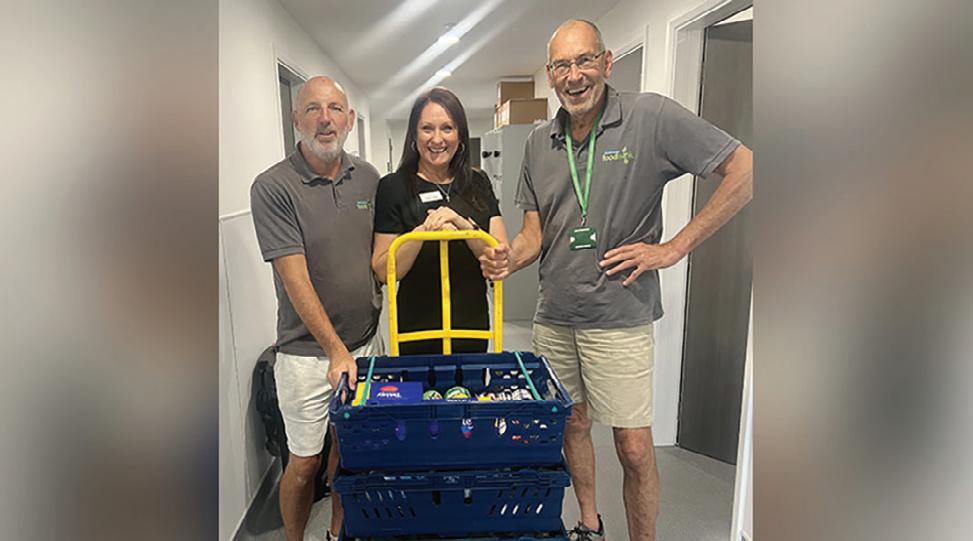
Residents, staff, and friends of Maris View care home came together to donate to Eastbourne Foodbank, who provide food, essential items, and other vital services to people in the area.
After holding a collection for the foodbank in the care home, Maris View dropped off boxes full of items including pasta, tinned food, toiletries, sanitary products and many other everyday necessities that are distributed to those in need.
One relative of a resident at Maris View made a very generous donation of a trolley full of items to support the cause.
78-year-old Maris View resident, Margaret Briggs, was particularly pleased with the collection and said, “The Eastbourne Food Bank is a vital service that sadly remains essential for many in our community. It
serves as a humbling reminder of how fortunate we are and the importance of supporting one another.
“The staff are always friendly and understanding, creating a welcoming environment for those in need. Volunteers from all around Eastbourne generously give their time and energy, showing the spirit of community care and compassion.”
May Powell, the General Manager at Maris View, added, “Maris View is not just a care home, it’s a community partnership with the people who call Eastbourne home.
“Wherever possible, we like to know we are making a difference in our residents lives, and in the lives of everyone around us.”
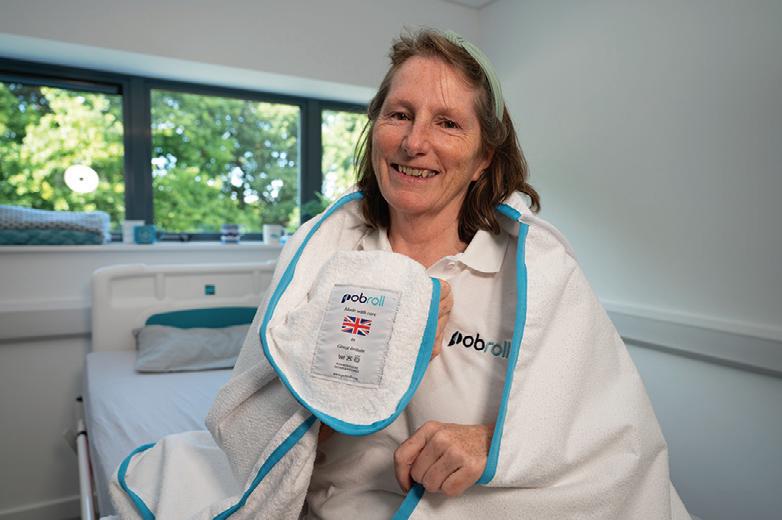
In April 2025, the Supporting the Provider Market (STPM) team in County Durham published a new report evaluating the use of pobroll® — a waterproof bed-bathing wrap designed to improve dignity, comfort, and ease during personal care.
This evaluation was carried out across 10 care homes with high numbers of residents living with dementia. Each setting was given one or more pobroll® units and invited to share feedback through a structured survey. The findings reveal how even simple tools can make a significant difference in everyday care.
How was pobroll® used?
Most care homes used pobroll® daily or several times per week, showing it quickly became part of regular practice. Staff noted that one of the biggest challenges was not having enough units — all homes requested additional stock after the trial, highlighting a clear appetite for wider adoption.
What did care teams think?
Feedback from the care homes showed strong support for the tool:
Ease of use was rated highly, with an average score of 4.4 out of 5. Staff found pobroll® straightforward to incorporate into care routines.
Training was rated slightly lower, at 3.8 out of 5, suggesting that while the wrap is easy to use, additional training resources could improve onboarding for new users.
Resident response was positive. Three in ten care homes reported improved mood or behaviour during bed bathing for dementia patients.
• Key benefits included greater warmth, coverage, and dignity for residents, especially those who might find conventional methods distressing. Some teams also found it particularly useful for end-of-life care Would they recommend pobroll® for bed bathing for dementia patients?
Written by Pat O’Brien of pobroll
Absolutely. Homes rated their likelihood to recommend pobroll® at 4.3 out of 5, with half of respondents giving it a full 5 out of 5. The overall feedback was clear: this is a valued, meaningful addition to personal care.
Would they recommend pobroll® for bed bathing for dementia patients?
The results of this trial reinforce what many professionals already believe — that small, thoughtful design changes can significantly improve care. For residents who are bedbound or living with dementia, personal care can often be a distressing experience. But with the right tools, it doesn’t have to be.
The pobroll® isn’t a complex device. It’s a simple, dual-layered cotton towelling wrap. But its thoughtful design — offering full coverage, comfort, and support — makes a real difference where it matters most.
If you’re part of a care home, hospice, or hospital and would like to explore how pobroll® could benefit your residents or service users, get in touch. We’re here to support compassionate, dignified care — one small change at a time.
See the advert on the facing page for details, or visit www.pobroll.co.uk
The Local Government Association (LGA) has called for councils to remain at the heart of adult social care reform, arguing that lasting change should be nationally backed but designed and delivered at a local level with a strong emphasis on prevention and person-centred support.
In a report submitted to the Casey Commission, the LGA says there is broad agreement across political parties and the adult social care sector that future reforms should be rooted in local communities, prioritise early intervention, and reflect the experiences of people who rely on care and support.
The organisation believes national government should set the overall direction while councils retain responsibility for shaping services around local needs. It argues that clearer roles between national and local government would help reduce duplication, improve consistency and create a more effective care system.

According to the report, the success of any future reforms should ultimately be judged by whether people receiving care are able to live independently, maintain their dignity and remain connected to their communities and the people who matter most to them.
The report was released as the LGA’s Annual Conference opened in Bournemouth, where Baroness Casey is expected to address more than 1,700 delegates, including council leaders, elected members, senior officers and representatives from across local government and the wider public sector. Its recommendations are based on feedback gathered from councils, people with lived experience of care, care workers, providers and other organisations involved in adult social care.
The LGA warns that council funding has failed to keep pace with increasing demand driven by population growth, an ageing population and more complex care needs. It highlights growing financial pressures on local authorities, noting that a significant number of councils with adult social care responsibilities are expected to require Exceptional Financial Support from the Government during the 2026/27 financial year in order to balance their budgets.
The report also argues that, after years of delayed decisions on social care funding, the Government should begin building public support for a long-term national funding settlement.
The LGA says that reliable, long-term investment will be essential if councils are to meet rising demand, fulfil their legal responsibilities under the Care Act and ensure people receive the support they need to live independent and fulfilling lives.
Among a series of recommendations drawing on engagement with the sector, the LGA is calling for government and the Casey Commission to:
• Lead a national public campaign to change how the public thinks about social care. Reform will fail unless the public narrative changes.
• Make prevention a core national infrastructure, funded like the NHS with a dedicated national prevention
and transformation fund focused on early intervention, housing, community support and independence.
• Ensure a National Care Service strengthens consistency and entitlement, not replace local democratic leadership of social care.
• Explore how greater consistency can be delivered within assessment processes and frameworks, and whether elements of assessment or financial assessment could be undertaken nationally if it makes the system faster and more efficient.
• Return oversight of integration and place-based delivery to local government.
• Establish a national programme of work to improve transitions from children’s to adult services.
• Explore the role of council tax in funding adult social care, with all options on the table including how reforms might lessen the reliance on it and whether it remains a suitable mechanism for funding adult social care in the future.
• Recognise housing as a core component of care, prevention and independence and develop a National Care, Wellbeing and Housing Plan for England.
• Develop a new national approach to recognising, identifying and supporting unpaid carers and develop a package of practical support measures.
• Review whether CQC’s market oversight powers should extend to a wider range of medium and large providers to improve transparency around provider ownership, financing, and the role of private equity within adult social care.
Cllr Louise Gittins, Chair of the Local Government Association, said:
“Adult social care is vital national infrastructure that touches all of our lives – it must be built around people, not services.
“Structural reform alone will not deliver better outcomes without greater public understanding of adult social care’s value, the way we talk about it, and changes to commissioning, market shaping and workforce policy.
“Success will require a new partnership between national government, local government and citizens. It will ultimately be judged by whether people are better able to remain connected to the people, places and passions that matter most in their lives.
“Our report reflects the views from our sector-wide engagement and sets out a clear, evidence based case for long term reform built on prevention, stronger rights and entitlements, and a sustainable national funding settlement. This is the starting point of further exploration of key areas by the LGA.
“Local government and its convening powers are essential to making adult social care reform work and stick. We look forward to working closely with government and the Casey Commission exploring all options for system reform and helping to co-design and lead this change.
“This is an opportunity for successful lasting reform that we don’t want to miss.”
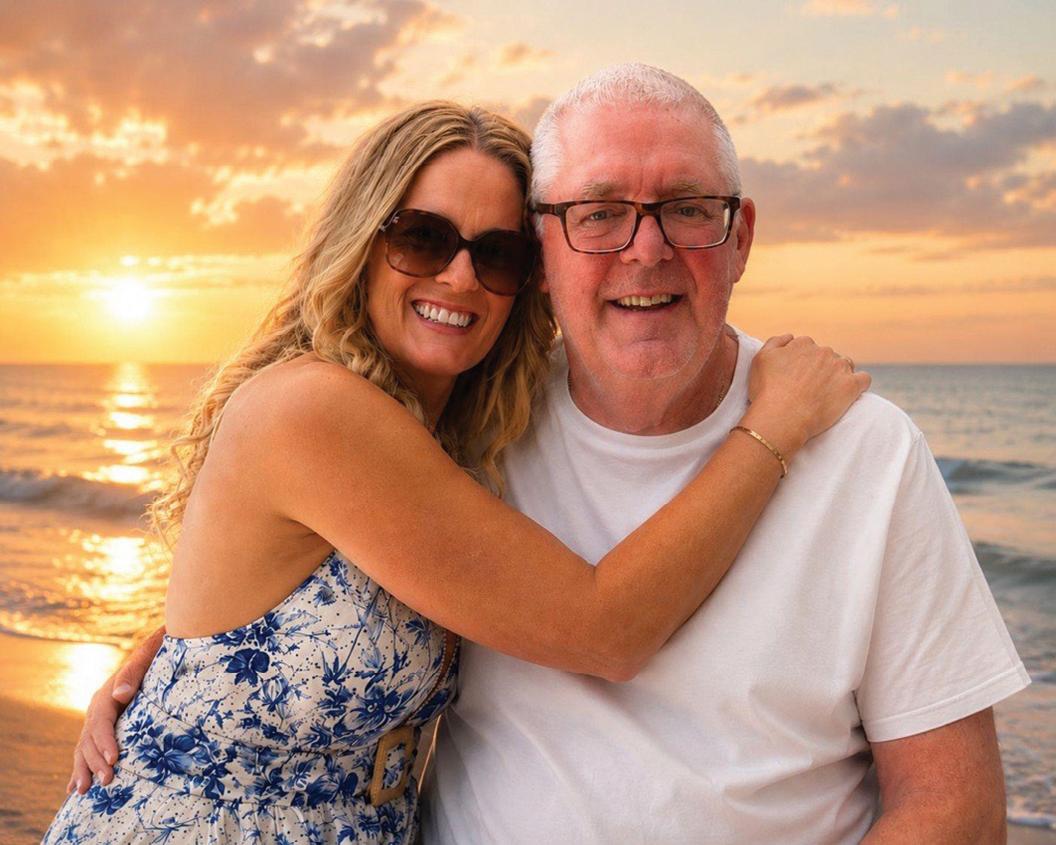
It makes me deeply sad when people default to the stereotype that care homes are lonely, bleak or institutional places. Too often, care homes are spoken about as a last resort, rather than recognised for what they truly are: vital community resources filled with warmth, compassion, friendship and skilled care.
Negative portrayals do not just damage the reputation of care homes; they deepen the guilt felt by families who are already making some of the hardest decisions of their lives. Families who are exhausted. Families who have tried everything. Families who love their relatives deeply, but simply do not have the time, strength, specialist knowledge or emotional capacity to provide complex care safely at home.
For me, this is not just about my profession. It is deeply personal. In 2022, my family lost my father at the age of 71 after a devastating battle with dementia. Dementia is a cruel illness. It does not simply make someone physically unwell; it slowly takes away the person you love piece by piece. Watching someone you love disappear while they are still physically in front of you is heartbreaking beyond words. When my dad was 69, caring for him at home became impossible for my mum. He needed complex nursing care, he was a big man, and he was prone to severe falls. I remember one occasion where he lay on the floor for hours waiting for an ambulance because my mum physically could not lift him. He barely slept through the night, leaving her utterly exhausted, emotionally drained and running on empty every single day.
Like so many families, we battled with guilt before making the decision to move him into care. Society often makes families feel they should somehow be able to cope with everything alone, no matter how complex the situation becomes. But choosing a care home was not giving up on my dad. It was the only way to keep both of my parents safe. Did I regret putting my dad into care? No. Was he lonely? Never.
In fact, the care home gave us something precious back: the chance to simply be a family again instead of exhausted carers trying to survive each day. Because my mum finally got her sleep back, she was able to visit him rested and spend true, quality time with him. Our final years together were filled with jokes, conversation, singing and love instead of constant crisis and exhaustion.
The care team did not just look after my dad. They wrapped their arms around my mum too. They hugged her when she cried, made sure she ate, sat with us during difficult moments and laughed with us during the good ones. They became part of our family, and those acts of kindness are things I will never forget.
Being the Chief Operating Officer at Excelcare, overseeing 30 care homes across London, Essex, Cambridge and Milton Keynes, I see that same life-affirming reality every single day.
Care homes are not places where life stops. They are places where people make new beginnings.
By Sam Manning, Chief Operating Officer (COO) at
We see residents forming deep, lasting friendships with one another. We see visitors becoming part of the home community. We see relatives whose loved ones passed away years ago still returning for a cup of tea and cake, to chat with friends, or to volunteer with meals and activities because they still feel they belong.
That is what care homes can be at their very best: places of belonging, friendship and love.
We work tirelessly to ensure our residents continue living full and meaningful lives. Mealtimes are meaningful social moments in the day, with fresh, homemade meals served to restaurant standards. Our homes are filled with music, laughter, conversation and celebration. There are parties, quizzes, bingo sessions, singing afternoons, visits from local nurseries and animals, and countless outings that help residents continue enjoying life and feeling connected to the world around them. Residents enjoy beach trips, shopping days, walks in local parks, museum visits, festivals and theatre trips. We have supported residents to go swimming and ice-skating, proving that age or care needs should never mean the end of adventure, joy or fun. These are just some examples of the many experiences and opportunities our teams work hard to create every single day.
Within our homes, we hold BBQs, sports days, summer fetes, fireworks displays and Christmas light switch-on events, regularly inviting the wider community to join us. We also proudly organise fundraising events to support charities and local causes because care homes should not only care for their own residents, but also play an active role in giving back to the communities around them. Families, neighbours, schools, local groups and volunteers all become part of the life of our
homes because care homes should never be hidden away from society — they should sit proudly at the heart of it.
These moments matter deeply. They are not small things. They are the moments that bring dignity, identity, confidence, joy and human connection back into people’s lives.
Of course, caring for vulnerable people is incredibly complex, and there are times when residents may still experience falls, accidents or medical incidents despite everyone’s best efforts. Frailty, dementia and complex health conditions can sadly make these risks part of later life, whether someone is living at home or in a care setting. When incidents happen, families are understandably upset and emotional because they love their relatives deeply.
But there is an important difference in a care home environment: trained teams are there to respond immediately, provide the right care and medical support, monitor residents closely and put plans in place to reduce future risks wherever possible. At Excelcare, we use detailed risk assessments, safeguarding procedures, audits and trend analysis to continually review how we can improve safety while still allowing residents to live meaningful and independent lives with dignity.
What I wish more people understood is this: without care homes and without the extraordinary people who work in them, many vulnerable people would be left at home lonely, unsafe or isolated. Many families would be pushed beyond breaking point, trying to provide care they are not trained for while already exhausted by work, family responsibilities and everyday life.
The people who choose to work in care homes are truly special. They do not do this work because it is easy. They do it because they genuinely care about people. They provide comfort, dignity, patience, reassurance, laughter and love every single day, often while quietly carrying emotional burdens of their own. They deserve respect, gratitude and recognition for the incredible work they do.
It is time we stopped tarnishing care homes with outdated stereotypes and started embracing them as essential parts of our communities.
Care homes should not sit on the edge of society. They should be welcomed into the heart of it.
They are places where children can visit and learn from older generations. Places where volunteers can make a difference. Places where families can find support. Places where older people and those living with complex needs can be safe, valued, loved and included.
Our care homes create beautiful memories and smiles every single day. So I challenge those who judge from the sidelines to walk a day in our shoes. Come inside. Share a meal. Join an activity. Speak to our residents. Listen to our teams. See the friendships, the laughter, the dignity and the love for yourself.
Because care homes are not places to fear.
They are places to embrace, support and celebrate.
The Health and Social Care Committee has urged the next Prime Minister to confirm that full proposals to fix adult social care should be published before 2028 and that work to implement reforms must not be delayed to the next general election.
The Committee’s intervention comes in a new report (PDF attached) based on evidence from Baroness Casey, who was appointed in April 2025 to lead an Independent Commission on social care reform. Casey told MPs on 24 June that she will be ready to publish her recommendations much earlier than the timetable indicated by the government – “by 2028”.
In the same evidence session, Care Minister Stephen Kinnock told the Committee he disagreed with the Treasury’s preference to hold up social care reform until 2029.

He said this would “effectively, have meant that you are going into the 2029 general election with a manifesto pledge rather than having agreement much earlier in this Parliament”. Kinnock argued that the closer proposals get to the date of a general election, the more “politically fraught” the debate will become, making consensus harder to reach. He added that this would be “self-defeating”.
Sticking to the government’s current timetable would also exclude adult social care reforms from being factored into the next three-year Spending Review period, Kinnock said, meaning the Treasury could put off finding a way to pay for reforms.
One of the main proposals that Baroness Casey is investigating is how the government could establish a ‘National Care Service’. Mr Kinnock told the Committee the government is “absolutely committed” to that idea.
Health and Social Care Committee Chair Layla Moran MP said:
“There are no more excuses left to hide behind. The next PM must state loudly and clearly that Baroness Casey will be free to publish her findings as soon as she is ready, and work to reform adult social care will then begin in earnest. This must not be allowed to drag on into 2029 where it will inevitably be consumed in another unedifying game of political football.
“We know there is a huge cost to the country, both economically and in human suffering, to kicking the can down the road and letting political game playing obstruct us from fixing one of the biggest problems this country has faced for nearly two decades.”
The Committee’s report follows another that it published last year which examined the ‘cost of inaction’ over social care. 1.5 million unpaid carers face cutting their working hours or leaving employment altogether to look after a loved one, and too many underpaid care workers need to claim in-work benefits.
The Institute for Government, Care England and the Royal College of Nursing have also called for quicker implementation.
A major government survey has found signs of improving wellbeing and job satisfaction among England’s adult social care workforce, although persistent concerns around stress, staffing pressures and career development continue to affect many care professionals.
The findings come from the second wave of the Department of Health and Social Care’s Adult Social Care Workforce Survey, which gathered responses from more than 3,000 care workers between August and October 2025. Published on 2 July 2026, the research provides one of the most comprehensive pictures yet of the workforce’s experiences since the COVID-19 pandemic.
Conducted by Ipsos in partnership with Skills for Care, the University of Kent and King’s College London, the survey measured wellbeing, work-related quality of life and changes since the first national survey undertaken in 2023.

The report paints a cautiously optimistic picture, with overall work-related quality of life improving across several measures compared with the previous survey.
Workers reported higher levels of job and career satisfaction, improved perceptions of working conditions and stronger feelings of control over their work. Relationships with colleagues and managers also remained a significant strength across the sector, with many respondents describing supportive workplace cultures that contributed positively to their wellbeing.
However, despite these improvements, work-related stress remains one of the weakest areas measured. High workloads, staffing shortages and the emotional demands of providing care continue to place considerable pressure on many frontline workers.
The survey also lays bare the scale of violence and abuse faced by care staff. Two in five workers (41%) said they had experienced physical violence from those they support at least once in the past year — nearly three times the rate reported by NHS staff (14%). Over one in five of those affected (22%) had experienced it three or more times.
Registered nurses, nursing associates and allied health professionals (54%), senior care workers (53%) and care workers (47%) were most likely to report physical violence.
One of the report’s most significant findings is the strong relationship between employees’ quality of working life and their intention to remain in the sector.
Staff who experienced higher levels of wellbeing, greater autonomy, supportive management and opportunities for development were substantially more likely to say they intended to stay in adult social care. Conversely, poorer experiences were closely associated with thoughts of leaving.
Researchers conclude that improving day-to-day working conditions could play an important role in addressing the sector’s long-standing recruitment and retention challenges.
As in the first survey, registered managers reported some of the highest levels of work-related quality of life, alongside personal assistants and occupational therapists.
Meanwhile, direct care workers, particularly those delivering frontline care in residential, nursing and domiciliary settings, continued to report comparatively lower wellbeing scores, reflecting the intensity and demands of their roles.
The research highlights the importance of feeling valued and recognised.
Workers who believed their contribution was appreciated by employers, colleagues and the wider public consistently reported better wellbeing and stronger commitment to remaining in the profession.
Training opportunities, supportive supervision and access to career development also emerged as important drivers of positive workplace experiences.
The Department of Health and Social Care says the findings will help shape future workforce policy, including plans for the first Fair Pay Agreement for adult social care and the government’s longer-term ambition to build a National Care Service.
The survey is intended to provide policymakers and employers with evidence on how best to improve recruitment, retention, workforce capacity and employment conditions across the sector.
With more than three million responses collected across the two survey waves, researchers believe the findings provide valuable insight into both the progress being made and the continuing challenges facing England’s adult social care workforce.
While the report suggests the sector is moving in a positive direction following the extraordinary pressures experienced during and after the pandemic, it also reinforces that reducing workplace stress, improving staffing levels and investing in career progression remain essential if providers are to retain the skilled workforce needed to meet growing demand for care.

Councils in England are facing a £7 billion funding black hole within three years opening up a gap so large it is more than the current council spend on roads, transport, homelessness and housing services combined. Ahead of its Annual Conference in Bournemouth which takes place this week, the Local Government Association (LGA) said this risks leaving residents facing longer waits for adult social care assessments, rising homelessness, and cuts to neighbourhood services including road maintenance, libraries, parks and waste collections.
New LGA analysis warns that by 2028/29, councils will face extra cost pressures equivalent to 22 per cent of their current spending just to stand still.
This is driven by rising demand for adult social care, homelessness support, children’s services, , home to school transport and new national requirements such as Simpler Recycling and the Emissions Trading Scheme. Councils have received some funding growth in recent years, and a much-needed multi-year funding settlement has improved councils’ financial certainty, however, some councils have done better than others from new funding allocations. Local government also has a strong track record of innovation and continues to drive efficiency, such as through shared service provision and digital transformation programmes. However, ongoing pressures on local government finances are illustrated by an unprecedented 36 councils having been granted exceptional financial support (EFS) by government to set balanced budgets this year (2026/27).
Only a significant increase in resources can protect the financial sustainability of councils and empower them to unleash growth and service reform at scale.
The LGA is calling on the next Prime Minister and their government to lay out a new path for local services that is not reliant on council tax rises, short-term fixes and unsustainable emergency bailout arrangements.
It said government also needs to commit to deeper, long-term reform of local government finance, including a cross-party review of council tax, business rates retention and other funding sources.
It is also critical that government works with councils on reforms to key services, such as SEND and adult social care. Public service reform –including a focus on prevention, combined with genuine devolution, and the development of strong digital and technology foundations to drive productivity and efficiency – is vital to help councils manage and reduce demand for acute services.
LGA Chair Cllr Louise Gittins said: “The cost and demand pressures facing councils are unrelenting. In just three years, councils will need around 25 per cent more money simply to stand still. Without action, the services people rely on every day, from social care to safe streets, will be eroded.
“Whoever takes up the keys to Number 10 will have a lot of competing priorities. But fully funded, sustainable public services will need to be at the heart of any plans to improve lives and inspire hope in the future.
“Councils want to get on with supporting people, boosting local economies and delivering local priorities. But they can only do that with the long-term funding they need, and public service reform.”
The Secretary of State for Health and Social Care, James Murray, will face questioning from MPs today on a raft of issues affecting the health and social care sector, including the future shape of adult social care, the ongoing elective care backlog, and the controversial practice of treating patients in hospital corridors.
The session, hosted by the cross-party Health and Social Care Committee, takes place on Wednesday 8 July at 9.30am in the Wilson Room, Portcullis House, and will be broadcast live via Parliamentlive.tv.
The Minister will appear alongside NHS England Chief Executive, Sir Jim Mackey, and Department of Health and Social Care Permanent Secretary, Samantha Jones.
Among the topics the cross-party Committee is likely to raise are:
• ‘Corridor care’ and freeing up capacity in acute hospitals
• Progress with reducing the elective care backlog

• Abolishing NHE England and merging Integrated Care Boards
• Increasing the Secretary of State’s powers under the Health Bill
• The shift to neighbourhood health
• The Casey Commission on adult social care
There may also be questions on potential cuts to DHSC’s capital budget to pay for the Defence Investment Plans, the timing of the NHS Workforce Plan, and preparing for heatwaves.
Witness schedule, from 9.30:
• Rt Hon James Murray MP, Secretary of State for Health and Social Care
• Samantha Jones, Permanent Secretary, Department for Health and Social Care
• Sir Jim Mackey, Chief Executive Officer, NHS England
Welcome to Blue Rain - our activity store is built on over 14 years experience supplying products that bring joy, inspire motivation, and enrich the lives of those who need a little extra support, or simply want to have fun, whatever the weather.
Come find your next reason to smile.
Recent changes to payment levels, eligibility and assessments for disabled people were brought in from April this year. Christine Grey, researcher and primary care writer at Croner, describes why a combination of the Universal Credit Act 2025, the Right to Try regulations and operational changes in the welfare system will affect many people with disabilities, and create two tiers of Universal Credit (UC) payments that leave thousands of disabled people losing out financially, despite protecting existing claimants and future claims for people with severe and lifelong conditions and disabilities.
EFFECTS OF CHANGE
Citizens Advice estimated that 730,000 disabled people will suffer financially under the reformed UC system, with “no clear rationale” for why those affected are entitled to less support, other than because their claim was made after April 2026.
The pending Timms Review of Personal Independence Payments (PIP) is engaging with disabled people, including people with learning disabilities and autistic people, carers and practitioners with the aim of making PIP support fairer. But against the backdrop of reforms that work towards cutting the Government’s overall welfare bill and incentivising work for those who are able to try, the changes will still negatively affect many thousands of disabled people before this review reports in the autumn.
Universal Credit reforms from 6 April 2026 UC claims are made up of different elements, such as the standard allowance, housing and child elements. Disabled people can apply for the Limited Capability for Work and Work-related Activity (LCWRA) element, now called the “health element” of UC.
The Department for Work and Pensions (DWP) is increasing the UC standard allowance for living costs above inflation until 2029/30 and believes that, together with decreasing the value of the health element of UC for some, many disabled people will be incentivised to work rather than be left to prove a limited capability for work in order to receive more financial support.
The additional LCWRA element of UC was changed by the Universal Credit Act 2025. This does not affect people who are currently receiving LCWRA and have been doing so since before 6 April 2026. But the change means the “health element” of UC is now split into a higher and a lower rate of payment, replacing just one LCWRA rate, and this depends on:
• when a person declared their health condition or disability
• whether they have a severe, lifelong health condition or disability
• if they are nearing the end of life.
The higher health element will only apply if any of the following are true.
• A health condition or a disability was notified before 6 April 2026, regardless of the date of the LCWRA decision.
• The person was already getting LCWRA before 6 April 2026.
• They had the “support group” component of income-related ESA before 6 April 2026 and continue to get it until they claim UC. However, for most people who claim after 6 April 2026, the health element payments will be cut from £423.26 to £217.26 a month and this will be frozen until 2029.
FOR SEVERE AND LIFELONG CONDITIONS AND DISABILITIES CLAIMANTS
As a safeguard for people with severe and lifelong conditions and disabilities, who are assessed as part of a Work Capability Assessment (WCA), their eligibility criteria won’t change regardless of when they start a claim. And it’s possible a person may not need to be assessed again if the health condition or disability means they cannot work, the condition will last their whole life, it won’t get better and they are officially diagnosed by a health professional. New claimants who meet these criteria will be protected from the cuts and freeze in payments. Importantly, a WCA won’t be needed at all if a person is nearing the end of life.
Disability Minister Sir Stephen Timms reassured MPs when debating the Bill that eligibility criteria will take account of Parkinson’s and MS, giving firm assurances to those who are concerned about how the severe conditions criteria will work for those on fluctuating conditions. Who will lose out?
The uplift to the UC standard allowance will not be enough to offset

other cuts for disabled people, and if the DWP moves towards scrapping WCA in favour of using PIP assessment for disability, it may become harder to qualify for any disability benefit at all.
The group of people that fails to meet the more restrictive “severe conditions” criteria will lose out the most, including people who became disabled after 6 April 2026, those whose condition gets worse over time or who lose the health element of UC then reapply, and disabled children who become adults. The reforms are therefore seen by Citizens Advice as being “designed around savings targets rather than meaningful reform intended to better support disabled people.”
Operational changes to PIP, announced by the DWP in December 2025, also took effect from April, alongside the UC Act reforms. The purpose of these changes was not only to reduce the backlog of people waiting to have their WCA but also to reduce welfare spending by £1.9 billion by the end of 2030/31. The changes comprise:
• establishing minimum review periods for PIP claims to reduce the frequency of reassessments for many claimants
• a minimum review period of three years for new PIP claims, extending to five years at their next review if entitlement remains unchanged
• an increase in face-to-face PIP assessments from 6% to 30% of all assessments.
These new rules should reduce the uncertainty and worry that frequent reviews can cause disabled people and free up capacity for health professionals to tackle an existing assessment backlog.
But an increase in face-to-face PIP assessments, which were dramatically reduced on account of the Covid-19 pandemic, may result in a reduction in the number of successful claims. Comparing the success rate for face-to-face PIP assessments in 2024, at 44%, with telephone assessments, at 57%, it is clear that this part of the policy may align more with the Government’s plan to cut welfare spending.
Disability Rights UK expressed concern about more of these assessments, highlighting the potential emotional and physical challenges for sick and disabled people. But the DWP confirmed that it will continue to ensure there are always adjustments for people who are unable to get to appointments as a result of their disability or health condition, so home visits or other alternatives can be arranged where appropriate. NEW “RIGHT TO TRY” WORK REGULATIONS
The DWP acknowledged that cutting benefits alone will not incentivise more disabled people to try out work. So the Universal Credit, Personal Independence Payment and Employment and Support Allowance (Amendment) Regulations 2026 brought in the “Right to Try" rules from 30 April 2026.
To reassure claimants who often worry that working could trigger a WCA assessment or PIP award review, which in turn may determine the amount of benefits they get, the change allows claimants to test their ability to work in a "safe and predictable” way for six months. The regulations apply to people who receive:
• PIP
• UC, who have been assessed as having Limited Capability for Work (LCW) or LCWRA
•New Style Employment and Support Allowance (New Style ESA) who
have been placed in the Work Related Activity Group or the Support Group.
These rules don’t, however, stop reassessments for other reasons. It is made clear that starting work or volunteering does not prevent a reassessment from taking place; any reassessment already planned will still go ahead; a reassessment may also be arranged as part of the normal review process; and a reassessment may still take place if there is a change in condition, clear improvement in functional ability, or suspected fraud.
Backed by a £3.5 billion in employment support by the end of the decade, this change hopes to enable disabled claimants to try work “without fear” of an immediate benefit reassessment if a job does not work out. However, as claimants can still be called for reassessment for other reasons while working, and evidence about the sort of work they are doing can still be used to support a reassessment, these regulations may not offer as much reassurance for disabled people as the new law intends.
When the Universal Credit Bill was initially debated, it included new restrictions to the eligibility criteria for the non-means tested PIP. But these proposals were taken out of the Bill, to be dealt with by in a review of PIP assessments by Social Security and Disability Minister Sir Stephen Timms, and his steering group of mostly of disabled people. This was launched on 30 October 2025 and is anticipated to report in the Autumn.
Claimed by 3.9 million people, PIP supports the independence, dignity, choices and ability to manage the extra costs of a serious health condition or disability, including learning disability, autism and Down’s Syndrome. The remit of the review is to ensure the system supports this group to “achieve better health, higher living standards and greater independence”.
The DWP said it is committed to protecting PIP as non-means-tested payment and is not “framing" the Review as a way to make cuts. However, Disabled People’s Organisations (DPOs) have said this must be seen in the context of a wider agenda that is about cuts and plans to remove the WCA and, instead, use PIP assessments as the gateway to determine whether a person can get extra disability support, such as the health element of UC.
The Pathways to Work Green Paper suggested that a claimant’s eligibility for the health element may in future be determined by whether or not they receive the daily living component of PIP. The majority of claimants of this component are in the category of “learning difficulties”.
The Timms Review announced a programme of evidence-gathering and public engagement, with a call for evidence running from 30 April to 28 May 2026 to gather evidence and views from people with experience. Although the timeframe is short, it’s an opportunity to show how and why PIP needs to be fairer and what needs to change. Questions cover the role and purpose of PIP; eligibility, fairness and equity in PIP awards; experiences of the claims process; and impacts of changing contexts on PIP.
National disability charity Sense Director of Influencing Harriet Edwards said: "Sense research found over half of disabled PIP claimants with complex needs felt humiliated during their assessment; clearly this process needs to urgently change. It's vital that the Timms Review continues to work with disabled people to make the application process for PIP fairer and less distressing.”
In Scotland, people can respond to this call for evidence despite PIP having been replaced by the the Adult Disability Payment (ADP) in this part of the UK.
Further information
• Legislation: Universal Credit, Personal Independence Payment and Employment and Support Allowance (Amendment) Regulations 2026 and UC Act 2025 Explanatory Memorandum
• Press Release: Reforms to Welfare System set to Save £1.9 Billion by the End of 2031/31, Department for Work and Pensions
• The Timms Review, Department for Work and Pensions
Source URL: https://app.croneri.co.uk/feature-articles/how-aprils-welfare-reforms-will-affect-disabled-people
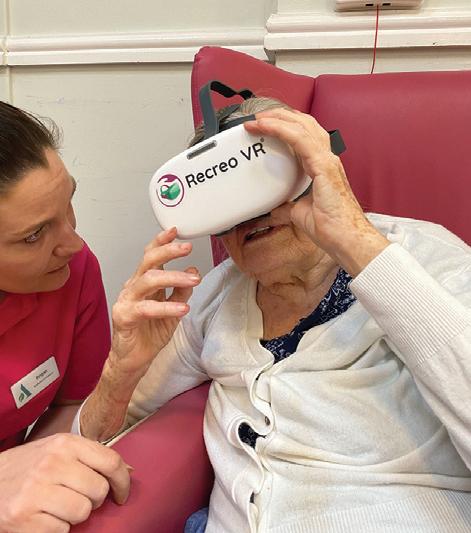
At Broomy Hill Nursing Home, innovation and compassion come together in the most inspiring way. Residents at the home are stepping into a whole new world with the introduction of virtual reality headsets. It is an exciting innovation with the power to create uplifting and meaningful moments for the residents under our care.
Virtual reality is becoming an exciting innovation in care homes and at Broomy Hill Nursing Home it is making a meaningful impact. VR is more than just a tool; it allows residents to relive cherished memories and experience activities they may no longer be physically able to do.
For residents with dementia or complex mental health needs, VR stimulates memories, sparks conversations, and provides relaxation through immersive experiences. Using headsets to create digital 3D environments, VR acts as a tool for cognitive stimulation, pain relief, and wellbeing, enabling individuals to safely revisit familiar places or explore new worlds.
We were thrilled at the opportunity to be a part of the Recreo VR experience. It was something new for the residents and us. However, it is not only something new; it is a learning experience for the entire staff at the home.
Our Wellbeing Lead, Lauren, is currently working on a list of available experiences that our residents can
choose from to do something different each time they use the headset. This way, our residents will have something new to look forward to each time they use the headset, as new content is added every eight weeks.
One of the new experiences that our residents will enjoy in the near future is a seated safari, where they will have the opportunity to come face to face with a rhino from the comfort of their chair.
Recently, our residents travelled through time to the 1950s, where they had a virtual visit to a traditional house, cinema, and a high street. In the house, our residents travelled from room to room, exploring the food pantry and admiring the decorations of the house. In the cinema, our residents explored the ticket office, the reel room, and the cinema itself. In the high street, our residents visited an electronics shop, a record shop, and a toy shop, enjoying the experience of each of these different stores.
Many of our residents commented on how real the experience felt, almost like stepping into a memory. Some were actually looking at their hands to get used to the virtual world. As the shops, toys, and songs from the period were brought up, the experience naturally evolved into memories and stories. The dialogue was effortless as the resident's shared memories from their own lives to each other and staff.
Virtual reality is more than just an activity at Broomy Hill. It is another meaningful way we promote wellbeing and engagement for our residents. By using Recreo VR, we encourage conversation and reflection, while continuing to look for ways to enhance quality of life within our home.
For further information visit www.recreovr.co.uk
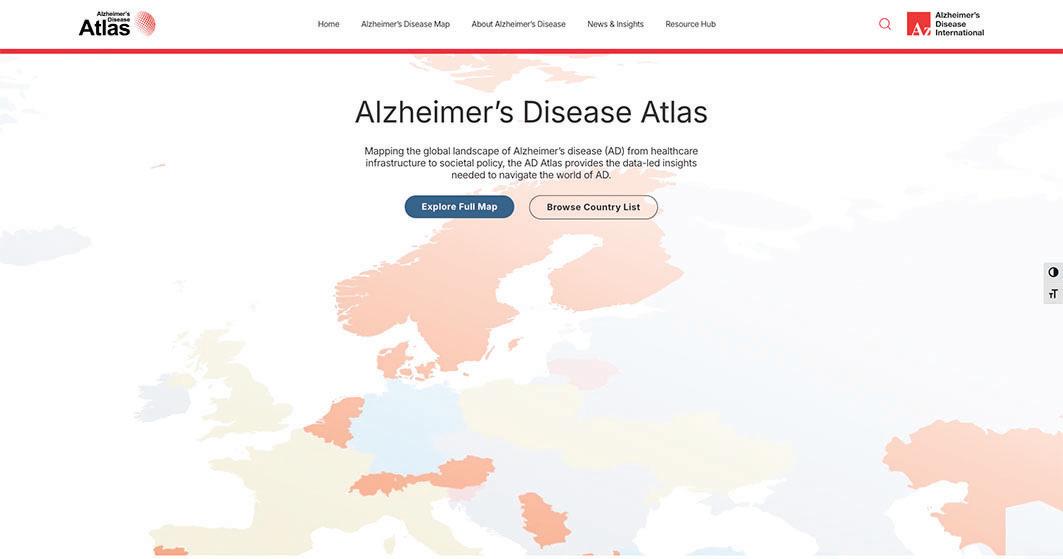
Alzheimer’s Disease International (ADI) has launched the Alzheimer’s Disease Atlas (AD Atlas), a first of its kind platform highlighting how countries diagnose, treat and support people living with dementia. The platform brings together the key indicators needed to assess a country’s preparedness for Alzheimer’s disease and related dementias, helping advocates, policymakers and healthcare leaders identify where people are being left behind.
The AD Atlas, supported by Eli Lilly and Company, shows that people living with dementia can face very different experiences of diagnosis, care and support depending on where they live. Key findings include:
• Despite the growing burden of Alzheimer's disease and related dementias globally, only 24.2 percent of countries included have a fully funded National dementia plan.
• Data suggests that 75 percent of people living with dementia do not have a diagnosis.
• Despite this, evidence suggests more than 90 percent of carers and members of the general public said they would be encouraged to get a diagnosis if a diseasemodifying treatment for dementia was available.
• The AD Atlas reveals not only the scale of the global disparity, but the systemic gaps that continue to fail people living with dementia and their families.
While wealthier countries tend to be better equipped, economic strength does not necessarily translate into readiness. Even some of the world’s richest nations are failing to prepare for the projected rise in dementia over the next two decades, with the number of people living with the condition expected to double (source: Alzheimer's Disease International).
“The AD Atlas provides a single place where policymakers, advocates and healthcare leaders can compare how countries are responding to Alzheimer’s disease,” said Chris Lynch, Acting CEO of ADI. “By highlighting both progress and gaps, it helps identify opportunities to strengthen diagnosis, care and support for people living with dementia and their families.”
“Scientific advances are creating new possibilities in Alzheimer's disease, but innovation can only make a difference if health systems are prepared to deliver timely diagnosis, appropriate support and equitable access to care,” said Stéphane Epelbaum, Vice President, International Medical Affairs, Eli Lilly, “The AD Atlas helps shine a light on where progress is being made and where further action is needed.”
The AD Atlas also highlights significant regional differences in preparedness, diagnosis and support services around the world, including:
Europe – Germany has a funded dementia strategy, which focuses on four key areas: fostering inclusive
communities that promote social participation; providing structured support for people living with dementia and their carers; strengthening health and long-term care services through dementia-sensitive care and better coordination; and advancing research through collaborative networks. Despite these national efforts, access to innovative diagnostics and treatments remains uneven across Europe, highlighting persistent disparities in patient access to timely and effective dementia care.
Middle East – Qatar is emerging as a regional leader in dementia preparedness, demonstrating how investment and long-term planning can strengthen health system readiness for an ageing population.
Latin America – In Brazil, one study found an estimated 80% of people living with Alzheimer’s disease go undetected due to gaps in primary care and access to diagnostic tools. Further studies have found that despite the introduction of a national dementia policy in 2024, families continue to bear more than 70% of dementia-related costs.
Asia-Pacific – Japan has one of the highest reported dementia prevalence rates among countries in the Atlas and has made significant strides towards addressing dementia through successive National Dementia Plans. South Korea has also emerged as a regional leader in dementia preparedness through significant investment in national programmes and support services.
North America – Canada's National Dementia Strategy provides a framework for coordinated action to prevent dementia, improve diagnosis and treatment, and enhance the quality of life of people living with dementia. The strategy places particular emphasis on populations at increased risk of developing dementia and those who face barriers to accessing care, reflecting Canada's growing recognition of Alzheimer's disease and other dementias as a public health priority.
"Sharing knowledge, experiences, and mutual learning are the most effective paths to addressing the global challenge of dementia,” said Noriyo Washizu, International Exchange Committee Board member of Alzheimer’s Association Japan (AAJ), “The AD Atlas is the definitive engine, driving forward our collective knowledge."
The site provides country-by-country insight into dementia policies, diagnosis timelines, research activity, support services and relevant charities, exposing stark inequalities in care and preparedness around the world.
Open the AD Atlas today and see how your country is responding to Alzheimer’s disease at https://ad-atlas.org/

A large-scale renewable heating project at The Myton Hospices in Coventry is delivering significant benefits - and offering a replicable model for hospices across the UK.
When The Myton Hospices began exploring ways to reduce their energy costs and carbon footprint, the scale of what needed to be achieved was immense. The result of that project is now being hailed as a UK first: a ten-unit air source heat pump cascade installation in an adult hospice setting, delivered by renewable heating specialists Go Geothermal in partnership with Neutral Hospice Network.
The project, completed in October 2025 at The Myton Hospice's distinctive triangular building in Coventry, has already produced results that exceed expectations. Since implementation, gas consumption has been reduced by 86%, carbon savings against the previous system stand at 77%, and target cost savings of 40% have been recorded. For a charity that receives less than 20% of its funding from the NHS and must raise more than £12 million each year through voluntary income, those figures are impressive and inspire hope for the sector.
THE CHALLENGE
Built in 2009 Coventry Myton Hospice presented a complex brief. With 190 rooms to heat and patients requiring uninterrupted comfort and tranquillity, any heating solution had to be robust, reliable and quiet in operation. At the same time, the organisation faced the financial pressures familiar to hospices nationwide: rising operational costs, increased demand for services and a funding model heavily dependent on charitable income.
Hospices in the UK currently receive on average just a third of their funding from statutory sources, and in Myton’s case less than 20%.The remaining must be generated through fundraising, community support and grant income. In that context, reducing operational expenditure is not simply a matter of environmental responsibility; it is an act of financial stewardship that directly protects the quality of care delivered to patients and families.
Ruth Freeman, CEO of The Myton Hospices, explains the stakes clearly:
"The reduction in our energy costs so far has been incredible. As a charity, with less than 20% of our funding coming from the NHS, we rely heavily on the support of our local community to ensure people can access our specialist end of life care when they need it most. It costs more than £15 million each year to provide our services free of charge to patients and their families, and over £12 million of that must
be raised through voluntary income. We have a responsibility to make every pound count, and this project focuses on our long-term sustainability. At a time when many hospices are facing difficult decisions and having to reduce services and cut staff, this investment is helping us to protect patient care and ensure we can continue to be here for people living with life-limiting illnesses and their families now and in the future. We are incredibly proud to be the first hospice in the UK to implement this on such a scale."
Neutral Hospice Network approached Go Geothermal in 2024 seeking expertise in large-scale renewable heating. Following detailed consultation and system design, the team specified ten CTC EcoAir 720m air source heat pumps operating in a cascade configuration: a system that intelligently distributes heating demand across multiple units, providing built-in redundancy, extended equipment lifespan and precise capacity matching to the building's requirements.

costs, lower carbon emissions and ultimately help direct more resources towards patient care."
SUPPORTING THE FUNDRAISING CASE
Beyond the immediate operational savings, the project is also strengthening The Myton Hospices' position with trusts and grant funders. Across the sector, sustainability credentials are becoming an increasingly important factor in funding decisions, and the measurable performance data generated by the installation provides concrete evidence of responsible stewardship.
Jason Levy, Director of Fundraising and Supporter Development, The Myton Hospices, adds further insights:
The CTC EcoAir 720m units, part of CTC's powerful 700 series, were selected for their high output capacity, low noise operation and advanced inverter technology, which maintains high coefficients of performance even in larger installations. Swedish-engineered and purpose-designed for multi-unit configurations, they proved well suited to the demanding requirements of a healthcare environment.
The installation, which also involved Hinckley Plumbing and Heating, Rob Berridge Heating Design Consultants and London Electrical, was completed with minimal disruption to hospice operations. The system now provides both heating and domestic hot water across the full 190room building, maintaining average room temperatures of 23 degrees Celsius and delivering an average coefficient of performance of 4.86 against the 2022/23 baseline year.
Marco Bandeira, Head of Facilities at The Myton Hospices, describes how the decision to proceed was reached:
"We had confidence in this project following the initial work we completed with Neutral Home, which involved mechanical improvements to our existing infrastructure and delivered an excellent return on investment. Researching air source heat pump technology and visiting the Go-Geothermal site gave us valuable insight into what the technology could achieve for Myton. Seeing the systems in action helped us understand both the environmental benefits and the significant cost savings they could deliver. If the positive results continue, we would certainly look at opportunities to introduce similar technology at our other hospice sites. By sharing our experiences and the benefits we've achieved, we hope other hospices will feel encouraged to explore similar initiatives and see how sustainable investments like this can reduce
"We are increasingly seeing trusts and grant funders prioritise organisations that can demonstrate a genuine commitment to sustainability. Projects like this not only reduce our carbon footprint and operating costs, but also show funders that we are taking a proactive approach to securing Myton's future. As a result, trusts and grant funders may be more inclined to support Myton, knowing their investment will be used responsibly and deliver long-term benefits for both the charity and the communities we serve. By becoming more sustainable and efficient, we can focus even more on providing the best possible care for our patients and their families who rely on us."
Go Geothermal, which has been working across commercial and domestic renewable heating installations for two decades, believes The Myton Hospices project establishes a new benchmark for the sector. The combination of a pioneering cascade configuration, measurable performance outcomes and the particular context of a hospice charity makes this installation a compelling case study for any similar organisation weighing up the transition to low-carbon heating.
Total energy consumption at the site has fallen by 50% compared to the 2022/23 baseline. As the system moves through its first full year of operation, ongoing performance monitoring will continue to build the evidence base for large-scale air source heat pump adoption in healthcare environments.
For hospice managers, trustees and facilities teams navigating the same pressures of rising costs, net zero commitments and stretched charitable budgets, the message from Coventry is straightforward: ambitious sustainability goals and the practical demands of frontline patient care are not in conflict. With the right expertise and the right technology, both can be achieved at the same time.
For more information about large-scale heat pump installations, contact Go Geothermal on 01388 720228 or sales@gogeothermal.co.uk

Geraldine McMurdie, Dementia Specialist at Quality Compliance Systems (QCS), discusses the links between dementia and falls and the ways in which these can have an impact on those living with a dementia.
Those living with a dementia are at a significantly higher risk of falling, with studies indicating that one in three adults over the age of 65, and half of people over 80, will experience at least one fall a year. People living with a dementia are also 5 times more likely to be admitted to long-term care after a fall.
Falls can significantly impact the confidence, health, and wellbeing of individuals living with dementia. They can also heighten the stress experienced by caregivers and place additional strain on the healthcare system.
DEMENTIA AND FALLS
As a dementia progresses over time effecting the brain and how it works, this can often lead to significant effects on a person’s mobility
and safety awareness, leading to challenges such as reduced balance, difficulty managing dual tasks, spatial navigation issues, increased frailty, and medication side effects. These factors contribute to those living with a form of dementia experiencing falls.
KEY STATISTICS:
Injury and hospitalisation – around 31% of people with dementia experience a fall leading to hospitalisation over a 2.5 year period
Fracture risk – 18% of those with dementia will experience a fracture, often following a fall
Mortality risk – falls can be a major cause of death, with higher injury-related mortality risks in those living with dementia
Often when someone living with dementia experiences a fall an ambulance is called as the individual may not be able to convey how much pain they are experiencing or how serious the injury is. This can lead to distress and poor health outcomes if care staff do not know how to respond to the situation in a prompt, caring and appropriate manner.
DEALING WITH FALLS
Understandably falls can happen very quickly and without warning and are often a distressing time for both the individual who has fallen and the care provider who is looking after them. It is a time where decisions will need to be made quickly in order to provide the best possible care and support at the time it’s needed most. It is also
important that these decisions are made in line with the individual’s care plan and the policies in place for best practice.
With Lyra Multi, QCS’s latest stage of AI technology, care providers can access all of their policies and compliance documents within seconds, helping them to make those quick decisions in a compliant and safe way. Lyra Multi connects all relevant policies, interprets them in context and converts complexity into clear, relevant and practical guidance exactly when teams need it, turning policy storage into real decision support.
At any given time, users can ask a question and get instant, tailored answers along with clear summaries and key insights. For example, if a resident with a dementia has fallen over and the care provider wants to check how support them with safe and appropriate care, they can type the message into Lyra and have all the relevant information from all of their policies provided to them in a succinct and understandable way within seconds.
Ensuring decisions are made both quickly and in a way that is compliant with regulations and policies will provide the best possible care for the individual who has fallen as well as give the care provider the confidence that they have acted in the most suitable way.
Find out more about Lyra Multi at www.qcs.co.uk/lyra
See the advert on page 15.

By Professor James Francis Kwame Fah Ohene-Djan PhD, FHEA

My brother Anthony lived with multiple sclerosis. He was not “an MS patient” to me. He was my brother. He had his own personality, humour, frustrations, hopes and ordinary routines. Like anyone living with a long-term condition, he wanted to get on with life and not be defined by illness.
But when someone you love has a serious condition, there is a quiet fear that sits in the background. You may not speak about it every day, but it is there.
What happens if they become unwell when you are not with them? What happens if they fall, get confused, cannot explain their condition, or need help from someone who knows nothing about them? Would that person know who to contact? Would they know about medication, allergies, communication needs, or the small but vital details that make care safe and personal?
After Anthony died, those questions stayed with me.
I also had cancer myself, and that changed how I thought about medical information. When you are well, a list of medication or an emergency contact number can seem like admin. When you are ill, those details become something else entirely. They become part of your safety. They become part of how quickly someone can understand you, support you and contact the people who matter. That is why I created MiCode.
MiCode is a QR code designed to store and manage your medical information and emergency contacts. It can be carried on a card, keyring, sticker, bracelet, pendant or phone. If someone needs help, the code can be scanned instantly using any smartphone. No app is needed.
The person with the MiCode remains in control of what information is stored and what is shown. It can include medical conditions, medication, allergies, emergency contacts, communication needs, care instructions, documents, or anything else that may be important in an emergency. It can also work in different lan-
guages, which matters in a country as diverse as ours, and for people who travel.
For people with disabilities, long-term conditions, dementia, autism, epilepsy, diabetes, cancer, heart conditions, MS, learning disabilities, sensory impairments or mental health conditions, MiCode can be incredibly useful. In a crisis, people are often expected to explain themselves quickly and clearly. But those are exactly the moments when pain, fear, confusion, shock or illness can make that impossible.
MiCode gives people a voice when they may not be able to speak for themselves.
It is also very useful for people who are being cared for. So much care depends on knowledge held by other people: a daughter who knows the medication, a husband who knows the hospital consultant, a carer who understands the routine, a support worker who knows how best to communicate. But carers cannot be everywhere all the time.
MiCode helps that essential information travel with the person.
For families and carers, this can bring real peace of mind. It does not remove worry — nothing does — but it can reduce one of the biggest fears: that the person you care for will need help and nobody will know who they are, what they need, or who should be called.
I also wanted MiCode to be affordable. Safety should not be a luxury product. MiCode starts from £20, which I believe is an amazing price for something that can carry such important information and provide such reassurance.
People can get MiCode directly from www.micode.uk. And if anyone has questions, they can always email me personally at james@micode.uk.
MiCode began with Anthony. It also came from my own experience of illness. But it is for anyone who wants to feel safer, more independent and better understood in an emergency. It is a small piece of technology with a very human purpose: helping people be known, protected and cared for when it matters most.
A specialist veteran care home in Portsmouth has completed a comprehensive cultural change programme, formally recognising its commitment to meaningful dementia care.
The Royal Naval Benevolent Trust’s Admiral Jellicoe House recently achieved an ‘Excellent’ accreditation rating in the acclaimed ‘Butterfly Approach’ through care consultancy Meaningful Care Matters.
The significant achievement follows an extensive transformation plan focusing on creating an emotion-focused, relationshipcentred culture for people living with dementia.
Mel Holly, Registered Home Manager at Admiral Jellicoe House, said: “This programme has helped our team look beyond the diagnosis to support people to be free to be themselves. By learning the language of dementia, we have seen such a transformation. The home runs so smoothly and is much more relaxed, resulting in a homely, warm environment with a family atmosphere where our residents are truly fulfilled.”
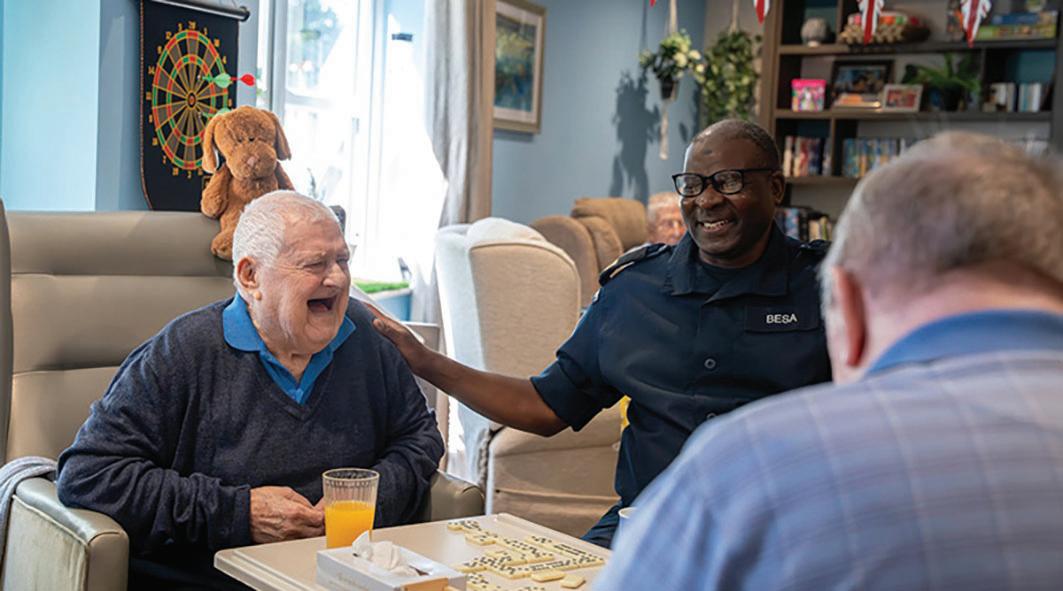
Family representatives of those being supported have echoed this sentiment, sharing that the continuity
of familiar, friendly team members and the deep emotional connections formed have brought significant peace of mind to their wider families.
To ensure the longevity of these improvements, a core internal training team at Admiral Jellicoe House has completed an eight-day Butterfly Approach ‘Train-the-Trainer’ programme. This ongoing commitment empowers the home to maintain the new standards sustainably and has fostered a highly cohesive team environment where members understand and support one another across all departments.
Peter Bewert, Managing Director of Meaningful Care Matters, said: “We are delighted to see Admiral Jellicoe House achieve an Excellent accreditation outcome and successfully embed our Butterfly Approach. Their dedication to stepping away from institutional routines to create a vibrant, relationship-centred culture is truly commendable. We applaud their determination to offer an environment where veterans can thrive, enjoy the highest quality of life possible and experience the true art and heart of care, where people and moments matter.”
Anenta, the leading independent healthcare waste management specialist, has appointed waste expert Jonathan Sandford as Business Development Manager dedicated to the care home sector.
Brought on board to boost Anenta’s growing care home client base, Jonathan brings more than 35 years of waste industry experience – from running his own document shredding business to leading nationwide sales teams at a plc level. His appointment comes as Anenta accelerates its mission to help care homes eliminate unnecessary costs that can run into thousands of pounds a year.
In his new role, Jonathan will oversee the management of Anenta’s existing waste contracts, ensuring that care home waste logistics, service delivery, and waste disposal performance levels are industry leading. He will also be responsible for delivering bespoke, affordable and professional end-to-end waste management solutions to the care and nursing home sector.
Commenting on his new role, Jonathan said: “Our research shows that individual care homes are wasting up to £8,000 a year through poor waste management process and procurement. Across multiple sites, that adds up fast — and it's largely avoidable.

“My role is to help care homes put a stop to that by changing poor waste disposal habits and practices, so that we can deliver a better service that saves them time and money.
“I’ll be working with care homes to identify overbilling, reform waste disposal habits, deliver better staff training, and provide guidance on conducting complex pre-acceptance audits – all designed to take the
administrative burden off care home teams so they can focus on what matters: resident care.”
Using Anenta's real-time smart technology, care homes, their waste collection providers, and other stakeholders are brought together onto a single, unified management platform that provides full transparency. This allows efficiencies to be identified, implemented and measured, delivering significant and meaningful cost savings year after year.
Commenting on Jonathan’s appointment, Graham Flynn, Managing Director of Anenta, said: "Jonathan has the perfect combination of sector knowledge, commercial expertise, and an unwavering commitment to delivering
“Alongside
As

Alzheimer’s Research UK has taken its campaign for greater investment in dementia research directly to Westminster, hosting a major parliamentary event that brought together MPs, researchers and people affected by dementia to highlight the latest scientific advances and the action needed to turn them into improved care and treatment. Held in the Houses of Parliament on 17 June, the event was attended by 74 Members of Parliament, reflecting growing political engagement with dementia research. Alzheimer’s Research UK said the strong turnout followed support from campaigners across the UK who encouraged their local MPs to attend.
The event showcased recent developments in dementia diagnosis, treatment and research, while providing an opportunity for parliamentarians to hear directly from leading scientists and individuals with lived experience of dementia.

Among those addressing the gathering were Preet Kaur Gill, Minister for Health Innovation and Safety, Freddie van Mierlo, who sponsored the event, Professor Cath Mummery, and research participant Larry, who shared his personal experience of taking part in dementia research.
Speakers highlighted the significant progress being made in understanding and treating dementia, while emphasising that scientific breakthroughs must be matched by investment in healthcare systems capable of delivering new innovations to patients.
Researchers representing universities and research institutions across the UK attended the event, including experts from University College London, Imperial College London, University of Cambridge, Oxford Drug Discovery Institute, Cardiff University, The University of Edinburgh and The University of Sheffield.
Volunteers and people with lived experience of dementia also contributed by sharing their personal stories and experiences of participating in research.
The charity said the event also strengthened parliamentary backing for dementia research, with eight MPs joining its Dementia Research Champion network. More than 100 parliamentarians have now signed up to the initiative, which aims to encourage greater political support for dementia research and innovation.
Alzheimer’s Research UK used the occasion to renew its call for Government action to ensure the UK is equipped to adopt emerging dementia treatments as they become available. The charity argues that alongside continued investment in research, improvements are needed in diagnostic pathways, healthcare infrastructure and access to clinical trials to ensure people living with dementia can benefit from new therapies without unnecessary delay.
The organisation believes that if the UK is to maintain its position as a global leader in dementia research, policymakers must ensure that healthcare services are prepared to deliver the next generation of diagnostic tools and disease-modifying treatments at scale.
Looking ahead, Alzheimer’s Research UK said it will continue working with MPs and members of the House of Lords to keep dementia research high on the political agenda, expand its Dementia Research Champion network and engage with ministers to build long-term support for research and innovation.
The charity said sustained collaboration between researchers, policymakers, healthcare providers and the public will be essential if scientific advances are to translate into meaningful improvements for the millions of people affected by dementia across the UK.
Strong Life Care has announced the appointment of experienced care sector leader James Hopkins as its first Chief Executive Officer, marking a significant milestone in the continued growth and development of the family-owned care provider.
The appointment comes as Founder Harpreet Banwait transitions into the role of Founder & Chairman after leading the organisation for more than 16 years.
As Chief Executive Officer, James will lead the day-to-day operations of Strong Life Care, working alongside the senior leadership team to support the organisation’s ambitious growth plans while maintaining its unwavering focus on delivering exceptional care.
Harpreet Banwait, Founder & Chairman of Strong Life Care, said: “Appointing our first Chief Executive Officer is one of the most important decisions we have made as a business.
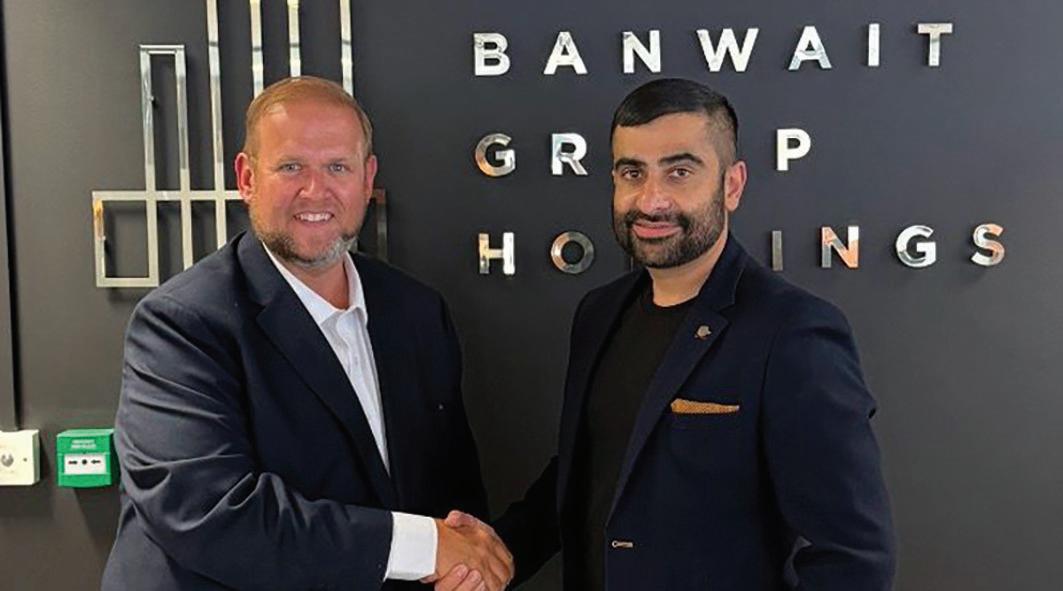
“As we continue to grow, it was vital that we found someone who not only brought experience and leadership capability but who genuinely understood our culture, values and vision for the future.
“James stood out from the very beginning. His approach aligns closely with everything we believe in as an organisation. He understands that great care starts with great people and that residents, families and colleagues must remain at the heart of every decision we make.
My role now is to focus on protecting the culture, values and long-term vision that have shaped Strong Life Care over the last 16 years, while James leads the operational delivery of our next phase of growth.”
James Hopkins said: “I am delighted to be joining Strong Life Care at such an exciting stage in its journey.
“The organisation has built an outstanding reputation for delivering high-quality care while maintaining a genuine family culture that is evident throughout the business. What impressed me most was the clear commitment to residents, families and colleagues, alongside an ambition to continue raising standards across the sector.
“I am looking forward to working with Harpreet, the leadership team and colleagues across the group as we continue to build on the strong foundations already in place and support Strong Life Care’s vision of becoming the UK’s most trusted family-owned care provider.”
I am looking forward to working with Harpreet, our inspiring leadership and the wider team as we build on the strong foundations already in place. Together, we will continue to invest in our people, strengthen our culture and support Strong Life Care’s vision of becoming the UK’s most trusted family-owned care provider. The future is exciting, and I am proud to be part of the journey

The adult social care sector depends upon effective regulation, timely oversight and credible assurance to protect some of the most vulnerable people in society. However, new analysis by Care Inspections UK (CIUK) has highlighted growing concerns about the current inspection backlog within the Care Quality Commission (CQC) system and the wider implications for public confidence, provider accountability and quality improvement across England.
Data analysed by CIUK from the CQC show that, as of March 2026, more than 5,400 care homes in England had not received a full inspection in over five years. This represents more than 40 per cent of all care homes registered before March 2021. In some local authority areas, more than 70 per cent of services had not received a full inspection during that period.
Whilst many providers continue to deliver safe and compassionate care despite immense operational pressures, the scale of the backlog raises serious questions about whether the current inspection system can deliver timely and effective regulatory oversight.
Inspection delays matter. Families, residents, commissioners, lenders and insurers rely heavily upon inspection findings to assess risk, quality and compliance. When inspections are not conducted regularly or when reports take many months to be published, confidence in the regulatory system inevitably weakens.
At the same time, providers themselves often express frustration regarding inconsistency in inspection methodology, perceived subjectivity in judgements and the lack of practical support following inspection activity. Many operators report that inspection outcomes can feel overly dependent upon individual inspec-
By Kevin Groombridge
tor interpretation rather than robust triangulated evidence and measurable quality indicators.
This is where independent inspection and assurance bodies play an increasingly important role.
As the UK’s only UKAS-accredited independent inspection body for adult social care operating to ISO/IEC 17020 standards, CIUK provides a credible alternative source of inspection, assurance and quality improvement support for the sector. Unlike consultancy-led “mock inspections”, CIUK undertakes structured, evidence-based inspections using defined methodologies, extensive document review, stakeholder engagement, direct observation and objective assessment frameworks.
Importantly, CIUK inspections are designed not simply to identify failings, but to support improvement. Detailed inspection reports and action plans provide providers with clear, practical and prioritised recommendations to strengthen governance, compliance, safety and care quality.
In an environment where CQC capacity challenges continue to affect inspection frequency, many providers are increasingly recognising the value of independent inspection as part of their wider governance and assurance arrangements. CIUK can quickly and efficiently inspect services across residential care, nursing care, supported living and domiciliary care, providing organisations with timely insight into operational performance and regulatory risk.
The sector also faces increasing complexity. Workforce shortages, rising acuity, financial pressures and growing regulatory expectations mean providers require more sophisticated governance and assurance systems than ever before. Independent inspection can help bridge this gap by identifying concerns early, validating good practice and supporting continuous improvement between regulatory inspections.
The future of adult social care regulation cannot rely solely upon periodic state inspection. The sector requires a broader ecosystem of evidence-based assurance, transparent quality measurement and continuous improvement support. Independent accredited inspection bodies are well placed to become an essential part of that future.
Ultimately, inspection should not be about judgement alone. It should be about protecting people, improving care and giving the public confidence that services are safe, effective and well-led.
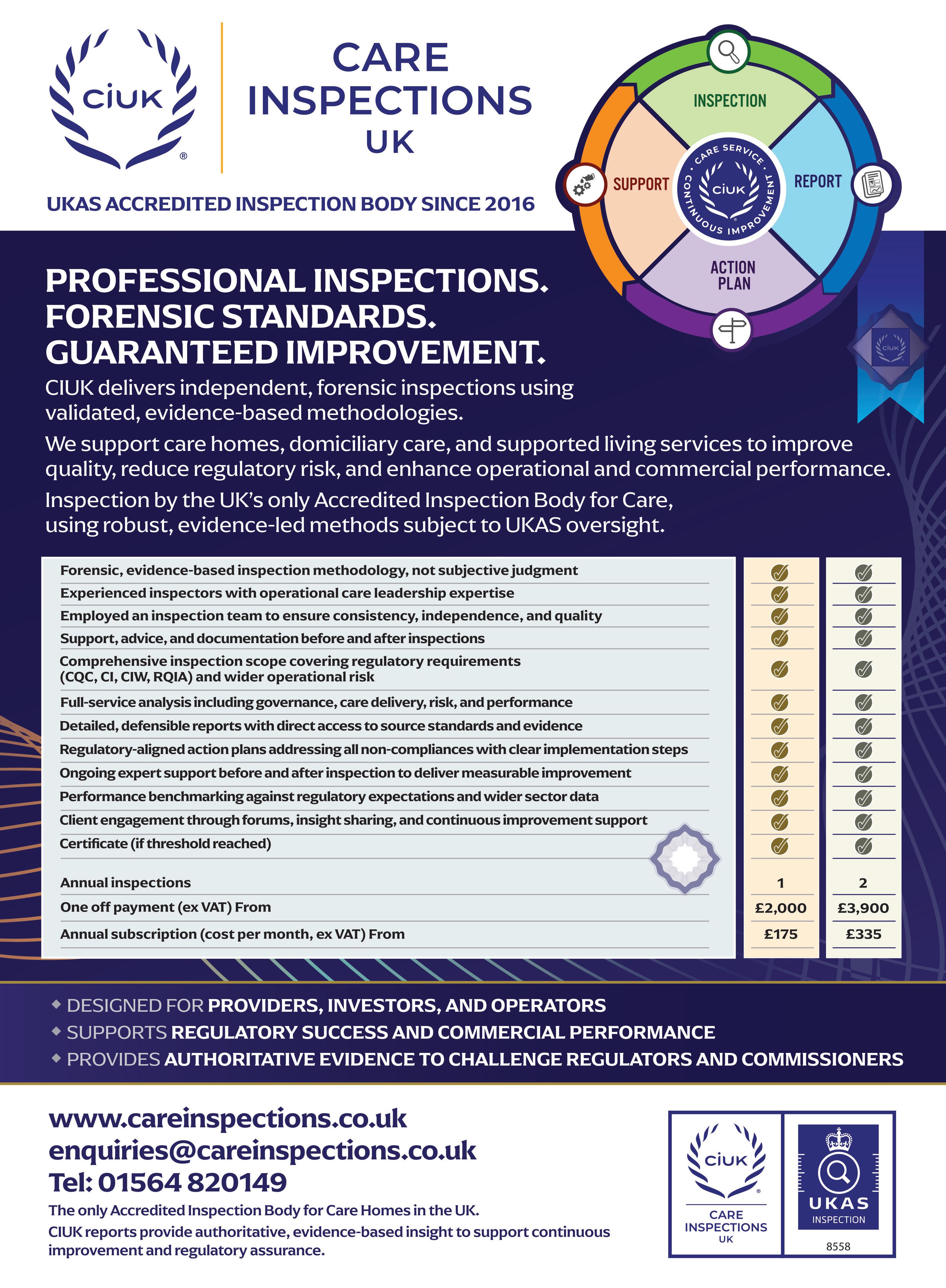
With the Met Office issuing extreme heat warnings, business leaders are being encouraged to have practical conversations with their staff about what to wear at work and how to stay safe.
HR and employment law specialists at Citation have issued guidance reminding employers that relaxing dress codes during extreme heat may be a legal obligation, not simply a matter of good people management
With temperatures expected to exceed 35°C around the country and the "shorts in the office" debate seemingly inevitable, Citation's experts are setting out what the law says, what employers should communicate, and how to do it fairly.
While there is no legal maximum working temperature in the UK, employers who assume that means they have no obligations are mistaken.
Under the Health and Safety at Work Act 1974, heat is classified as a workplace hazard, and Acas guidance is clear that employers facing extreme temperatures should relax dress codes where possible so staff can wear more suitable clothing.

Beyond the formal obligations, there is a straightforward human case for it too. Asking staff to sit through a working day in formal attire when temperatures are nudging record levels is, at best, unreasonable — and at worst, a health risk.
That being said, any relaxation should be applied with common sense. Where a role carries health and safety requirements — PPE on a construction site, for example, or even protective clothing in a kitchen or warehouse — those rules unfortunately remain non-negotiable regardless of the temperature outside.
But for businesses where those constraints don't apply, the options are broader than employers might assume. An office that normally expects smart business attire could reasonably permit open-collar shirts, linen trousers, and open-toed shoes, whereas a customer-facing retail team might move from a formal uniform to a lightweight branded polo top.
Even in client-facing professional services environments, a sensible approach — lightweight suits, no jacket required, smart shoes over formal heels — can go a long way towards keeping staff comfortable without abandoning standards entirely. The key is that any relaxation is communicated clearly, applied consistently, and proportionate to the conditions.
Gill McAteer, Director of Employment Law at Citation, said: "A lot of employers hold back on relaxing dress codes because it feels like a grey area, or they worry about setting a precedent.
“But when temperatures are pushing record levels, insisting on formal attire can be really uncomfortable for staff — and it may even put you on the wrong side of your duty of care.
“You don't need to throw out the rulebook and introduce new policies, you just need a sensible conversation and a few practical adjustments in order to protect both your staff and your business."
To help businesses navigate these conversations, Citation’s employment law experts have provided five actionable tips:
GET AHEAD OF IT — DON'T WAIT FOR COMPLAINTS
Send a brief all-staff message before the hottest days arrive. Acknowledge the forecast, confirm what temporary adjustments are in place, and invite staff to raise any concerns.
BE SPECIFIC ABOUT WHAT YOU'RE RELAXING
Rather than being vague, spell it out. Telling staff that "lightweight clothing including shorts is absolutely fine this week" is more useful than a vague signal that the usual rules are loosened. Where clientfacing meetings are scheduled, it's reasonable to flag those in advance so staff can plan accordingly. Also, being clear on the reasons, timescales and specific exceptions will help avoid creating any impression of setting a precedent or allowing more open-ended relaxations.
CHANGES CONSISTENTLY
A temporary dress code relaxation should apply to everyone equally, regardless of role, gender or seniority. Inconsistent application can create grievances and, in some cases, discrimination risks — for example, if men are allowed shorts but women are still expected to wear formal attire.
DON'T FORGET VULNERABLE EMPLOYEES
By law, employers must carry out health and safety risk assessments for anyone who is pregnant, breastfeeding or has recently had a baby. If a risk cannot be avoided or removed, the employer must suspend the person on full pay until the risk has passed. Employees with certain health conditions or disabilities may also need additional adjustments, and this should be factored into risk assessments.
THINK BEYOND CLOTHING
Employers should also consider making use of fans if there is no air conditioning system, opening windows, and ensuring sufficient breaks so employees can cool down — as well as access to cold water all day. Remote or hybrid working arrangements, where the role allows, can also make a significant difference during particularly warm days or to account for the hottest times of the day.
A care home in Knutsford hit all the right notes as it opened its doors for a day of music, food and festival vibes.
The team at Care UK’s Cranford Grange, on Hall Lane in Mobberley, turned up the volume and welcomed the community to ‘Cranfest’, celebrating the Knutsford Music Festival.
Poppy Norbury, the Mobberley Rose Queen, made a special appearance, joining residents and the team to open the event.
Guests were treated to a lively line-up of performances, featuring the Ringheye Morris Dancers and classics from old-time singer Anna ‘The Golden Age Songbird’ Beaumont, in a celebration that also commemorated D-Day.
Toes were tapping to the rhythmic guitar and ukulele sets of duo Small Horse & The Plan, followed by the smooth sounds of saxophonist Sara Sax.
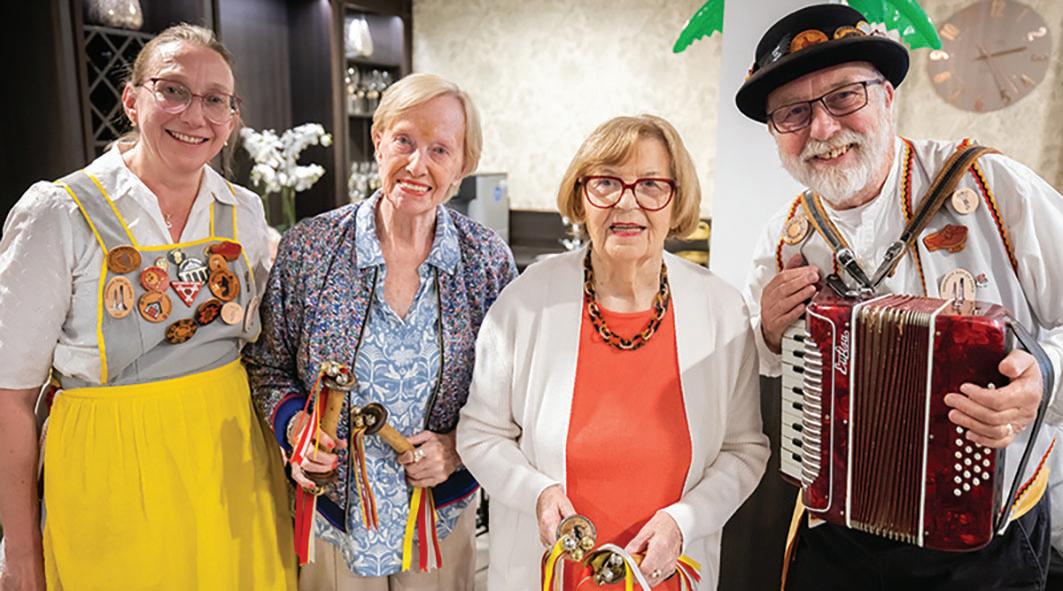
To keep energy levels high, attendees were treated to a variety of food and refreshments prepared by the home’s head chef, including chicken sliders, chorizo kebabs, flapjacks and brownies.
Resident Rhona, 93, said: “I hadn’t danced that much in years; it was incredible. I have never felt so
Advance Care Planning is a very simple process. However, the term Advance Care Planning itself can often be misunderstood. Recently, the phrase “What Matters to You?” has become more commonly used and is certainly the way we, at The Gold Standards Framework (GSF), encourage health and social care teams to open conversations about the future wishes and preferences of every individual they care for. Truly getting to the heart of what is most important to people helps us deliver the best care possible. This ensures that when people reach the end of their own journey, their experience reflects what was important to them, and as care professionals, we get to experience what we term to be “a good death”. For us, a good death is a good outcome.
Starting the conversation and giving people the time and a safe space to explore what is important to them is the first step. For care staff, engaging in conversations about the future and the prospect of dying may seem a daunting undertaking. However, you may be surprised by the reception you receive.
It is important to recognise that some people will not want to discuss the future or openly talk about death, and this must be respected. Advance Care Planning is a voluntary process that we cannot impose upon people. However, we do need to initiate these difficult conversations and document that this has been done. It is then essential that we continue to seek opportunities for engagement so that everyone involved in supporting the individual’s care journey is aware of their wishes and can work towards ensuring their needs, preferences, and priorities are met. As health needs change, people often become more receptive to Advance Care Planning discussions, and care staff should seize any opportunity to encourage individuals to participate in these significant conversations.
There are others who will openly engage in the process and freely discuss their funeral plans, including
young! What an enjoyable day it was; every entertainer was absolutely brilliant.
I love music and dancing, and having so many different styles and performances all in one day, right here in the community, was a tremendous feat. Well done to all the staff for organising such a marvellous event. We can’t wait for next year’s Cranfest!”
The event also offered the chance for visitors to chat with team members and residents and to take a tour of the award-winning care home, which boasts its own cinema, pub and hair and beauty salon.
Zoe Smart, Home Manager at Cranford Grange, said: “It was a pleasure to see our home buzzing with music, friendship and laughter at this year’s Cranfest. A huge thank you to Poppy Norbury, the Mobberley Rose Queen, for opening the event.
“Events like this are important as they bring the community together and provide opportunities for residents to connect and share their love of music.
“Thank you to everyone who joined us and to the wonderful performers. We are already looking forward to planning our next event!”
their chosen funeral director, where important documents are kept, whether the funeral has been paid for in advance, and whether they wish to be buried or cremated. The initial focus is often on care after death. The peace of mind that comes from knowing these arrangements have been made, and that they will not create a personal or financial burden for their family, enables many people to speak candidly about these aspects associated with their death.
However, the actual dying phase often gets overlooked, and that is what is most important. In the final weeks, days, and hours of our lives, individuals need to consider what matters most to them. They may have a fear of dying or of being alone at the time of death, and simple reassurance from care staff can help alleviate these fears and concerns. Some people have complex family dynamics and wish to reconnect with relatives they have not spoken to for many years. Others may simply want to be read to from a favourite book, spend time outdoors, listen to treasured pieces of music, or have a beloved pet by their side to provide a sense of peace and comfort.
Whatever the wishes of the individual, ensuring that these are documented in an Advance Care Plan helps make certain that their values, preferences, and priorities are understood and respected. This supports personalised, coordinated care and leads to better outcomes for the individual, their loved ones, and those providing their care.
The Gold Standards Framework (GSF) offers a range of free Advance Care Planning resources to help health and social care providers build confidence in having meaningful conversations, support person-centred care, and improve the recording and sharing of people’s wishes and preferences. Explore the free resources and tools available to support your organisation and the people you care for: www.goldstandardsframework.org.uk/training-accreditation/free-resources-professionals/
Thousands more people including those in residential care at risk from a virus which causes pneumonia and other serious lung infections will be able to get vital protection on the NHS this winter.
From September, all adults aged 65-74 who are living with a chronic respiratory disease and those with immunosuppression due to disease or treatment will be offered the respiratory syncytial virus (RSV) vaccine, as the NHS expands its life-saving programme to protect those who are most vulnerable.
This includes thousands of people living with poorly controlled asthma, chronic bronchitis or cystic fibrosis or who have weakened immune systems caused by other conditions (such as blood cancer) or by medical treatments such as chemotherapy.
Eligible people will be able to receive their jab from their local GP practice or, in some parts of the country, at their local high street pharmacy from 1st September, to protect themselves from serious illness and hospitalisation.

The roll-out follows the expansion of eligibility earlier this year to all older adults over the age of 80, with new figures published today by NHS England showing over half a million people aged 80 years and over have been given the jab in the past three months alone (519,571).
RSV is a common virus that infects the lungs. While symptoms are mild for many people, the virus can be severe in older adults, causing pneumonia, bronchitis and flare-ups of existing lung disease and other long-
term conditions. This can make it difficult to breathe and leave some older people requiring hospital treatment.
The latest expansion comes after the government accepted advice from the Joint Committee on Vaccination and Immunisation (JCVI) to expand eligibility for the RSV vaccination programme in England.
The newly eligible groups were identified by JCVI as having a higher risk of severe outcomes from RSV infection, including hospitalisation, particularly during winter when cases peak. JCVI is continuing to review data on RSV vaccination in other adults with underlying health conditions.
Millions of people aged 75 years and over and all residents in care homes for older adults are already able to get the RSV vaccine ahead of this winter – and since 2024, the NHS has also offered the RSV vaccine to all pregnant women, helping to protect 300,000 mothers and babies in its first year alone.
Caroline Temmink, Director of Vaccination at NHS England, said: “RSV can make people seriously ill, which is why it’s so important for those who are particularly vulnerable to be protected. Expanding the vaccine to this group offers them the best possible protection and can help keep people out of hospital.
“If you are aged 75 or over, or live in a care home for older adults and are yet to get vaccinated, now is the time to come forward. Although RSV spreads most in winter, this virus poses a risk all year round, so if you’ve been offered the jab, please come forward to your GP or local pharmacy.
Baroness Julia Neuberger DBE has been named as the government’s preferred candidate to be the next chair of the Care Quality Commission (CQC).
James Murray, the Secretary of State for Health and Social Care, has invited Parliament’s Health and Social Care Committee to hold a pre-appointment scrutiny hearing with Baroness Neuberger.
Baroness Neuberger is an experienced healthcare leader and crossbench peer with a track record of contributing to national healthcare policy, regulation and organisational leadership.
She currently serves as chair of Whittington Health NHS Trust and as joint chair of University College London Hospitals NHS Foundation Trust. Her terms of office in these roles are due to end in September 2026.
Earlier in her career, Baroness Neuberger was chief executive of the King’s Fund and before that she chaired the Camden and Islington Community NHS Trust. She has held leading roles in major national healthcare reviews, including of the Liverpool Care Pathway and the Mental Health Act.
Baroness Neuberger has held a wide range of advisory and trustee roles through-
out
She
Following the resignation of the former CQC chair and the subsequent appointment of an interim chair in June, it is now important to appoint a new chair as soon as possible. For this reason, and following consultation with the Commissioner for Public Appointments, the government’s preferred candidate has not been selected following an open competition, due to the necessary further delays that would now result.
Following the select committee hearing, currently expected to be in early September, the committee said it will set out its views on Baroness Neuberger’s suitability for the role. The Secretary of State will then consider the committee’s report before making a final decision on the appointment.
Kay Boycott, a serving CQC non-executive director, will continue as interim chair until the new chair is appointed.
CQC has said it welcomes the announcement and will issue a full statement following the Committee’s pre-appointment hearing.
Care home design is about more than how a space looks. Interiors need to feel familiar for residents, reassuring for families and practical for the staff using them every day.
Colour plays a key role in setting that tone, helping spaces feel welcoming, homely and considered. In busy nursing and residential settings, the finish matters just as much. The right paint specification ensures carefully-chosen schemes can withstand daily use, regular cleaning and ongoing maintenance.
Moving away from clinical spaces
Care homes are working environments, but they are also people’s homes. A considered colour scheme can soften spaces that might otherwise feel clinical or institutional.
Soft off-whites, gentle greens, muted blues and earthy shades can all bring a more domestic feel to bedrooms, lounges and communal dining areas. Crown Paints’ Victoria White, for example, offers a gentler alternative to stark white, and [insert warm, earthy shade] could add depth without making a space feel heavy.
The aim is not to make every room look the same. A successful scheme should feel connected, with enough variation to give each area its own purpose and identity.
DESIGNING WITH RESIDENTS IN MIND
In care environments, colour choices should be shaped around the people using the space. Light, contrast and familiarity all influence how a room feels and how easily residents can navigate it.
Very bright whites can feel harsh, particularly under strong artificial lighting. Softer tinted whites and muted tones can still look clean and fresh but create a gentler backdrop for daily life.
Colour can also help define different areas. A shift in tone between corridors, lounges and dining spaces can support a clearer sense of place. Carefully chosen contrast can make key destinations easier to recognise.
This can be particularly valuable in dementia-friendly design, where residents may benefit from clear, consistent visual cues. Bedroom doors, bathroom entrances or dining room doorways can be picked out

By Kathryn Lloyd, Colour Specialist, Crown Paints

in a shade that contrasts with surrounding walls, helping residents identify the spaces they use most often. The key is to use colour with purpose: avoiding overly busy schemes but still providing familiar cues that support confidence and independence.
Bedrooms need particular care. These are personal spaces, so palettes should feel restful rather than overly stimulating, especially when paired with familiar furnishings and good natural light.
SUPPORTING STAFF AND VISITORS TOO
A well-designed care home must work for everyone. Staff spend long shifts in these environments, and families or visitors may arrive feeling anxious or emotional.
Reception areas, family rooms and quiet lounges can benefit from composed palettes that make the building feel approachable from the moment someone enters. Muted greens such as Crown Paints’ Glass Green can bring a grounded, restorative feel. A gentle yellow such as Narrative can create a more uplifting atmosphere in spaces that need a little warmth or energy.
Staff areas should not be overlooked. A well-finished break area can provide a welcome contrast to busy operational spaces, using warmer shades or deeper accents to create a clearer sense of separation from high-traffic areas.
BALANCING APPEARANCE WITH PERFORMANCE
In care homes, a successful scheme is not just about choosing the right colours. It is about choosing products that can keep those spaces looking good.
Corridors, lounges, dining rooms and bedrooms all experience regular wear, from knocks and scuffs to frequent cleaning. Durable, washable finishes can help maintain a fresh appearance for longer and support the maintenance programme.
Crown Trade Clean Extreme Scrubbable Matt is designed for demanding interiors where walls need to withstand repeated cleaning and retain a high-quality matt finish. It is well suited to busy communal areas where durability and appearance both matters.
In bathrooms, ensuites, kitchens and laundry areas, moisture and
humidity also need to be considered. Crown Trade Clean Extreme Mould Inhibiting Scrubbable Matt combines a durable, washable finish with mould-inhibiting properties, making it a practical option for these more challenging spaces.
Woodwork and trim are just as important. Door frames, skirting boards, handrails and other high-contact surfaces need a finish that can cope with everyday use. Crown Trade Fastflow Quick Dry Satin and Crown Trade Fastflow Quick Dry Gloss provide durable options for interior woodwork. Their quick-drying formulations can also help reduce disruption during refurbishment works.
For areas where hygiene is a particular priority, such as treatment rooms or specialist spaces, Crown Trade Steracryl Anti-Bacterial Scrubbable Matt may also form part of the specification.
The same principles apply across many care and healthcare environments: people respond better to spaces that feel human, considered and easy to spend time in. That does not mean making interiors overly decorative, but it does mean moving away from finishes and palettes that feel cold, clinical or impersonal.
Crown Trade’s work with Cygnet Kenney House in Oldham, a mental health hospital for women, reflects this approach. Colour was used as part of the wider design to create a more therapeutic, welcoming and non-clinical environment. The specification also needed to meet the practical demands of a busy healthcare setting.
For care homes, the lesson is clear. Colour, finish and durability should be considered together from the outset, so spaces not only look calmer and more inviting on day one but continue to feel well cared for over time.
When chosen carefully, tested in the space and paired with the right Crown Trade product specification, colour can help shape how a care home feels, functions and performs – supporting residents, reassuring visitors and making everyday maintenance easier for staff.
For more information about Crown Trade’s colour and specification support, visit: www.crownpaintsprofessional.com

Community Integrated Care has announced the appointment of Lynsey Robertson as its new Commercial Director, strengthening the charity’s leadership team as it continues to deliver against its ambitious growth strategy.
Lynsey joins the social care charity from West and North London Integrated Care Board, where she currently serves as Deputy Director of Complex Care, Strategic Commissioning. She brings more than 25 years of experience across health and social care, spanning senior leadership roles in both operational management and business development.
Throughout her career, Lynsey has worked extensively to support adults with learning disabilities and autism across the third sector and commissioning environments. Beginning her professional journey as a Support Worker, she has maintained a strong commitment to ensuring the voices and aspirations of people who draw on support remain central to decision-making.
In her new role, Lynsey will lead Community Integrated Care’s Business Development function and take overall responsibility for delivering the organisation’s growth ambitions as part of its Best Lives, Bolder strategy. She will focus on creating sustainable opportunities for growth that strengthen the charity’s position within the sector while supporting the continued delivery of high-quality, person-centred support.
Lynsey said: “I’m really excited to be joining Community Integrated Care. Over the years I’ve worked
across both provider and commissioning organisations, and Community Integrated Care has always stood out as a charity with a strong reputation, a clear sense of purpose and a genuine commitment to the people it supports. The role felt like a great fit with my values and an opportunity to be part of something ambitious.
“What really attracted me was the chance to support the charity’s growth agenda while staying focused on what matters most – delivering great outcomes for the people we support. Having started my career as a Support Worker, I’ve always believed that people should be at the heart of every decision we make. I’m looking forward to getting to know the organisation, spending time with colleagues and services, and helping build on the fantastic work that’s already happening across the charity.”
Welcoming the appointment, Karen Sheridan, Chief Operating Officer at Community Integrated Care, said: “We are delighted to welcome Lynsey to Community Integrated Care. Her extensive experience across health and social care, combined with her passion for delivering outstanding outcomes for people, makes her an excellent addition to our leadership team.
“Lynsey’s understanding of both commissioning and service delivery, alongside her commitment to sustainable growth and sector advocacy, will be instrumental as we continue to deliver our Best Lives, Bolder strategy and support more people to lead fulfilling lives.”
By Jayne Connery, Founder of Care Campaign for the Vulnerable
Over the years, through my work with families, care providers, carers, and people living with dementia, one issue continues to stand out above almost all others — the lack of understanding around complex behaviour in dementia care.
At Care Campaign for the Vulnerable (CCFTV), we believe it is one of the greatest challenges facing the care sector today, and also one of the areas where meaningful change is urgently needed.
Families regularly contact us feeling frightened, exhausted, and heartbroken. Many describe loved ones who were once calm and gentle becoming distressed, fearful, aggressive, withdrawn, or resistant to care. Often, they are told their relative is “challenging”, “difficult”, or “non-compliant”.
But behind every behaviour is a reason.
People living with dementia are not intentionally trying to cause problems. Behaviour is communication. It may reflect pain, fear, overstimulation, confusion, loneliness, trauma, frustration, or unmet emotional and physical needs.
Too often, care environments still focus on managing behaviour rather than understanding it and that has to change. My own mother, Ellen, lived with vascular dementia, and I witnessed firsthand how dramatically environment and communication affected her wellbeing. In the right setting, around people who showed patience, empathy, humour, and reassurance, her personality
remained very much alive. But in environments where she felt frightened, rushed, or misunderstood, her anxiety escalated and her behaviour changed completely.
What I learned through my mum’s journey shaped the entire direction of my work.
Complex dementia care requires far more than basic awareness training. It requires emotional intelligence, confidence, consistency, observation, patience, and genuine understanding of the individual behind the diagnosis.
Sadly, carers are often placed into highly demanding situations without the level of specialist training or support they truly need. We hear repeatedly from frontline staff who admit they feel overwhelmed managing distressed behaviours, particularly when staffing levels are stretched or when residents have advanced dementia combined with other complex health needs. This is not about blaming carers.
Many carers are working under immense pressure and doing extraordinary work in very difficult circumstances. But as a sector, we must be honest enough to recognise that the needs of people living with dementia have become increasingly complex.
The reality is that some people entering care homes today would previously have been supported within specialist nursing or hospital environments. Providers are caring for residents with significant cognitive impairment, distressed behaviours, trauma responses, mobility issues, communication difficulties, and multiple health conditions — often all at once. And yet dementia training can still vary hugely across the sector.
At CCFTV, we want to see greater investment in meaningful dementia education that goes beyond textbooks and compliance exercises. Training must help carers understand why behaviours happen, how environments influence distress, and how communication styles can either calm or escalate situations.
Simple things matter more than people realise.
Tone of voice. Body language. Noise levels. Lighting. Routine. Familiarity. Feeling ignored. Feeling frightened. Being approached
too quickly. Being unable to express pain or discomfort All these things can completely change how a person living with dementia responds.
We also believe there needs to be more honest conversation around the emotional toll complex dementia care can have on care staff themselves. Supporting someone who is frightened, distressed, aggressive, or emotionally dysregulated every day can be emotionally draining. Staff need support, mentoring, and safe spaces to reflect without fear of judgement.
Good dementia care is not simply task-based care - it is relationship-based care.
The providers who stand out to us are rarely those focused purely on appearance or marketing. They are the providers investing in culture, leadership, staff wellbeing, communication, and specialist understanding. They create environments where carers feel confident asking for help, where families are listened to, and where behaviours are approached with curiosity rather than frustration.
Importantly, we also want to see a move away from overreliance on restrictive approaches wherever possible. Families frequently raise concerns with us around sedation, isolation, lack of stimulation, or individuals being labelled too quickly without enough exploration of underlying causes. Every behaviour should prompt a question: what is this person trying to communicate?
Sometimes the answer may be physical pain. Sometimes trauma. Sometimes fear. Sometimes boredom. Sometimes grief. Sometimes simply an environment that no longer feels safe or familiar.
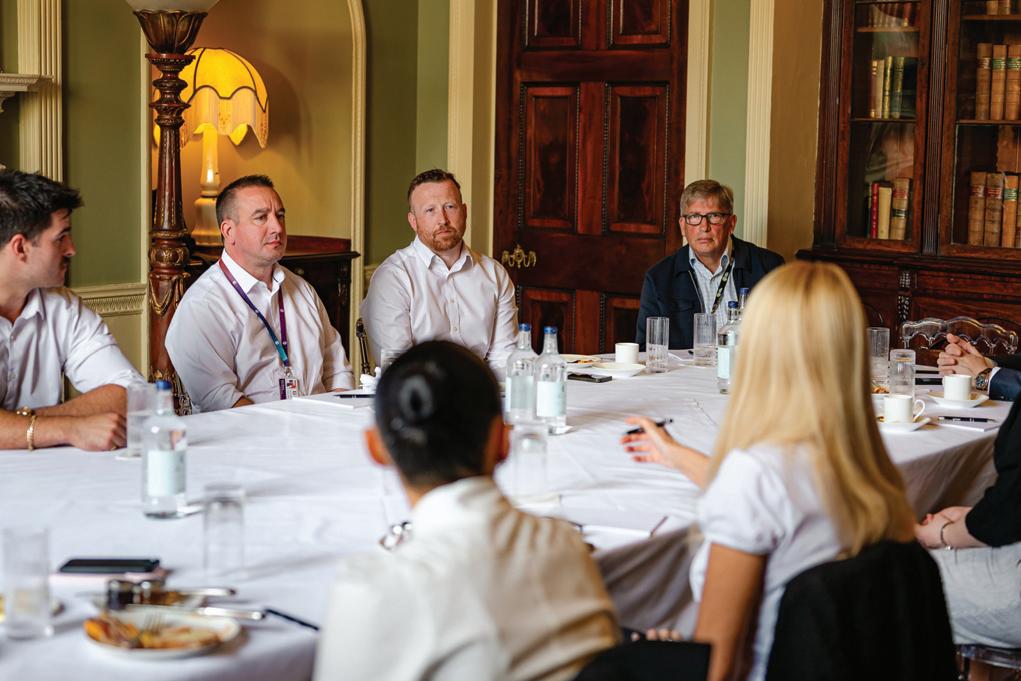
At CCFTV, we believe dementia care must become more individualised, more compassionate, and more psychologically informed. We also believe families should be viewed as part of the care team, not outsiders. Relatives often hold the key to understanding triggers, routines, comfort strategies, and lifelong personality traits that can help staff deliver far better care.
There are many outstanding carers and providers already leading the way. We see extraordinary examples across the sector every week. But we also know there is inconsistency, and too many families still feel unsupported when behaviours become complex.
Change is possible. But it requires openness, investment, stronger dementia education, honest conversations, and a willingness to move beyond outdated models of care. Because people living with dementia deserve more than simply being managed, they deserve the right care.
The regulatory landscape is evolving — here's what your care home needs to know
Trust is the foundation of every great care home. For residents and their families, choosing residential care is rarely a simple decision. It carries emotional weight, financial significance, and an enormous leap of faith. That's why transparency, fairness, and legal compliance aren't just operational tickboxes — they're central to the care you provide.
The Digital Markets, Competition and Consumers Act 2024 (DMCCA) has introduced some of the most significant changes to consumer law in more than a decade, and care homes are firmly within its scope. Understanding what those changes mean in practice is essential — and that's exactly where the Business Companion Care Homes Guidance comes in.

the very first conversation.
Authentic reviews and endorsements. Fabricated or manipulated reviews are now explicitly prohibited. As online reputation plays an increasingly important role in how families choose care homes, authenticity isn't just ethical — it's a legal requirement.
Developed by legal experts and completely free to access, this practical guide breaks down your obligations under the new legislation in plain, straightforward language. Whether you're reviewing contracts, updating your pricing structures, or looking at how you communicate with prospective residents, it's an indispensable resource.
The DMCCA replaces the previous Consumer Protection from Unfair Trading Regulations, raising the bar across almost every consumer-facing sector. For care homes, the key implications include: Full pricing transparency. The Act outlaws "drip pricing" — the practice of introducing unavoidable fees late in the customer journey. All mandatory charges must now be presented clearly and upfront, from
Tougher enforcement. The Competition and Markets Authority (CMA) now holds significantly strengthened powers, with the ability to issue fines of up to £300,000, or 10% of global turnover, for non-compliance. The message is clear: getting this right matters.
These are just some of the areas covered in detail within the Business Companion Care Homes Guidance, which offers practical, step-by-step advice to help your home stay on the right side of the law.
SUPPORTING VULNERABLE RESIDENTS
Working in care means working with vulnerability every day. Whether driven by age, ill health, bereavement, financial pressure, or a combination of factors, vulnerability can affect a resident's ability to
make informed decisions or communicate their needs clearly.
Recognising and responding to this is both a legal duty and a moral one. The Business Companion Consumer Vulnerability Guide provides checklists and actionable advice to help your team identify and appropriately support vulnerable individuals — ensuring your home delivers compassion and compliance in equal measure.
A WIDER RESOURCE FOR YOUR BUSINESS
Business Companion extends well beyond care home guidance. The platform covers a broad range of sectors and topics — from online selling and complaints handling to delivery charges and net zero planning — all presented in clear, accessible language. Backed by the Chartered Trading Standards Institute and the Department for Business & Trade, it's a free, authoritative, and regularly updated resource you can rely on.
DON'T WAIT — ACT NOW
The DMCCA is already in force and enforcement is live. Now is the time to review your contracts, pricing communications, and marketing materials — before a compliance issue forces your hand.
In a sector built on trust, staying informed isn't just good practice. It's everything. Visit Business Companion’s Care Homes Guidance today In a sector built on trust, staying informed isn’t just smart - it’s essential. To find out more, visit: www.businesscompanion.info
One member of the amazing care team at The Cedars in Bourne has received a prestigious Long Service Award in celebration of working at Barchester Healthcare for 25 years.
Sharon Knibbs, a dedicated member of the night care team, started at Barchester in 1991 and has worked with residents and their relatives to ensure that their needs have been met over the years. A fellow colleague said, “Sharon gives a true sense of person-centred care that comes from the heart.” Adele Keenan, Employee Services Director at Barchester said: “I’m always pleased to hear stories about the long service of Barchester staff and am delighted Sharon has achieved this milestone. It is dedication like this that
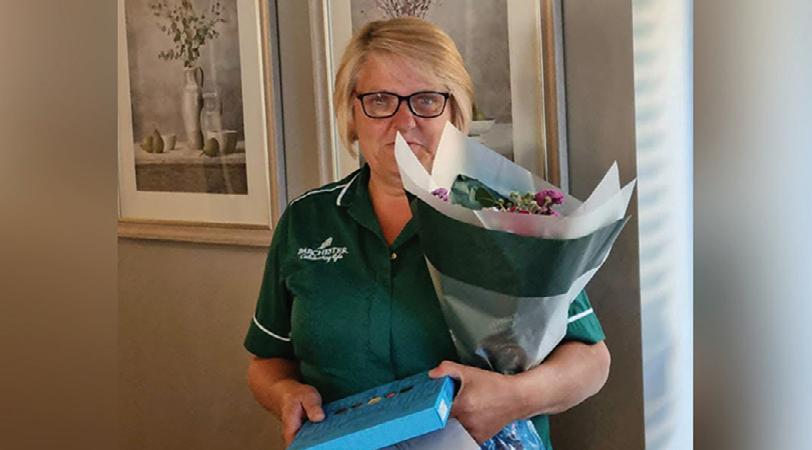
ensures our residents are provided with a happy place to live.”
Rebecca Aldred, Senior General Manager of The Cedars said: “We’re delighted to be celebrating 25 years of loyal service with Sharon. She has continuously demonstrated her compassion and loyalty to this home and its residents year after year, bringing a wealth of knowledge and experience to her team. I speak for all of us here at The Cedars when I say that I’m looking forward to many more years of working with Sharon.”
Peace campaigner Sir Terry Waites was hailed as an “international treasure” after the former hostage received a lifetime achievement award in North Wales.
Sir Terry was presented with the special Wales Care Award during the Llangollen International Musical Eisteddfod where he was much-loved president for 15 years.
Appropriately, the Welsh slate plaque was jointly presented by Sir Karl Jenkins, who succeeded Sir Terry as Eisteddfod president, and Mario Kreft MBE, the chair and founder of the Wales Care Awards.
Mr Kreft praised Sir Terry’s lifelong dedication to supporting vulnerable people, describing him as a passionate advocate for social care as well as a humanitarian whose work has inspired communities in Wales and beyond.
Sir Terry travelled to Lebanon in 1987 to negotiate the release of hostages as the Archbishop of Canterbury’s special envoy but was himself kidnapped and held captive for nearly five years before being freed in 1991.
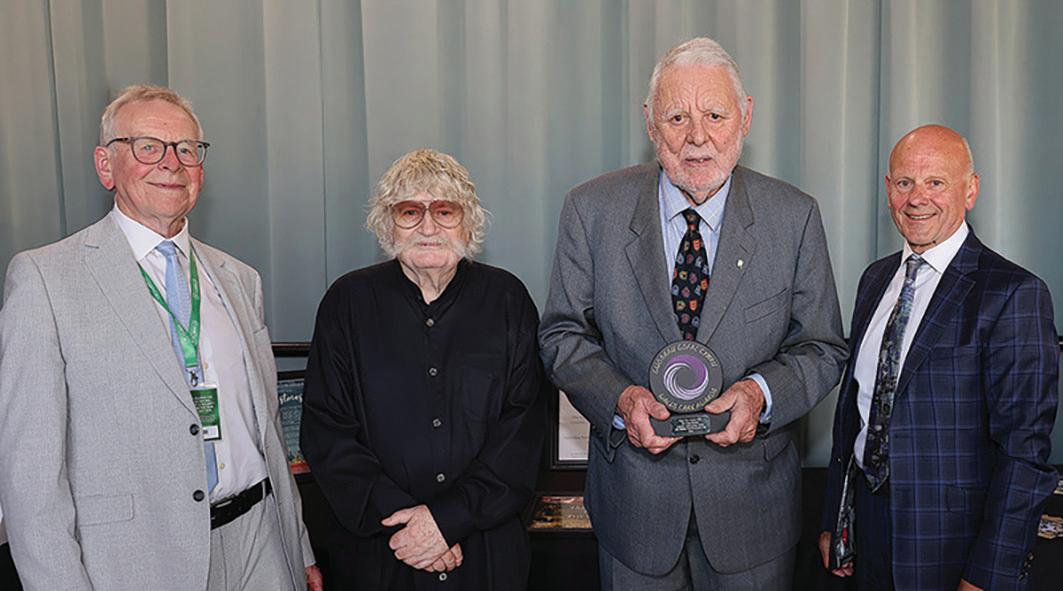
He is vocal campaigner for international peace and human rights around the world, and has played a role in the release of hostages in countries including Iran and Libya.
Sir Karl Jenkins said: “It was a real privilege to present this award to Sir Terry, whose compassion, courage and commitment to helping others have inspired people around the world for decades.
“He has given so much through his work for peace, human rights and social care, and this honour is a fitting recognition of an extraordinary lifetime of service.”
Mr Kreft, who also the chair of social care champions Care Forum Wales who organise the Wales Care Awards, said: “Quite simply, Sir Terry is an international treasure.
“We all know that he is a great humanitarian who has done so much for those in captivity but I have also known him as the president of the International Eisteddfod.
“He is also deeply passionate about social care and it is this commitment which we are recognising with this award.
“Sir Terry is someone who believes profoundly in social care as being at the heart of the community
whether its care within the family or for those who can’t be supported by the family or who don’t have a family to care for them.
“This award recognises his lifetime interest in the care sector and it is very fitting that it is being presented by Sir Karl as it emphasises the bond that exists between social care and music and the arts and Sir Terry and Sir Karl are exemplars of that.
“Sir Terry is someone who understands community and values the contribution to it by the arts and social care.
“The Craig Thomas Lifetime Achievement Award is one of the highest honours we can give. It reflects the enormous respect and admiration we have for Sir Terry and his lifetime of service to others.”
According to Sir Terry, he was very privileged to be honoured by the Wales Care Awards and added: “It’s also a privilege to be back in Llangollen at the International Eisteddfod with Mario and Karl, both old friends.
“I have also been privileged to receive an honorary doctorate from Bangor University and the reason that the International Eisteddfod and Bangor University mean so much to me is that after 15 years here in Llangollen as president of the Eisteddfod I have come to regard myself as an honorary Welshman.
“This award confirms that status is a little bit more than honorary.
“Just before arriving here I was on the phone to a man held in detention in Iraq for five years and I had the good news that his ordeal is coming to an end.
“We have over 100 such cases at the moment and the world is a sad place but we should never forget that a kindly act can make a difference and that is something we as individuals can do.
“The Llangollen Eisteddfod has made a difference in bringing people together from all over the world and making us a community of care and compassion and music and that’s something that Sir Karl embodies.”
John Gambles, the chair of Llangollen Eisteddfod, said: “Sir Terry’s compassion, humility and lifelong commitment to helping others make him a truly deserving recipient of this award.
“His work has touched countless lives and continues to remind us of the values at the heart of social care – kindness, dignity and community.”
New independent research published by CareBlueprint reveals a significant and consistent gap between the online reputations of care homes rated Requires Improvement or Inadequate by the Care Quality Commission and the regulatory position those homes carry at precisely the moment when families most need reliable information to make one of the most consequential decisions of their lives.
The UK Care Transparency Report 2026 examined 271 care homes across ten cities and all nine English regions – all carrying a current CQC rating of Requires Improvement or Inadequate – and assessed the extent to which their publicly available online review data reflects that regulatory position.
The gap between stars and regulatory status
Fifty-four of the 211 homes in the study with a verified Google presence – one in four – hold a Google rating of 4.8 stars or higher despite carrying a Requires Improvement or Inadequate CQC rating. Under CareBlueprint’s methodology, this combination is automatically designated a Critical Information Gap: a measure of information completeness, not an assessment of care quality.

Across all 271 homes, 183 – 67.5 per cent received a Critical Information Gap designation under CareBlueprint’s three-score framework.
The average Google rating across homes with a verified Google presence was 4.07 stars. The statistical correlation between Google ratings and CQC status across the full dataset is r = 0.108 indicating that online ratings carry very limited information about whether a home is meeting regulatory standards.
Separate research published in April 2026 by Care England and Log my Care found that only 19 per cent of families consulted CQC inspection reports when researching care options, with the majority relying instead on directories, personal recommendations, and online reputation. The UK Care Transparency Report 2026 examines whether those signals can reliably be trusted.
The dual-platform dimension of the gap is illustrated by Ash Court Care Centre in Camden, which holds a Google rating of 4.8 stars from 84 reviews and a score of 10 out of 10 on Carehome.co.uk from 81 reviews –165 combined reviews across two independent platforms – alongside a Requires Improvement CQC rating. Its most recent CQC inspection report was published in April 2021. This is a finding about information completeness, not an assessment of the care currently provided.
Homes with no public presence at all
Forty-five homes in the study, approximately one in six had no verified presence on either Google or Carehome.co.uk at the time of data collection. A family conducting a standard online search for any of these
homes would encounter no independent review information from either platform.
Inspection records years out of date
Of the 271 homes, 40.6 per cent had not received a CQC inspection in more than three years as of the study’s reference date of 12 June 2026. Twenty-six homes – 9.6 per cent of the study – had not been inspected in more than five years.
The oldest inspection in the dataset belongs to Edenhurst Rest Home in Nottingham, whose most recent CQC report was published on 17 April 2019, 86 months before the study’s reference date. The home carries a Requires Improvement rating and a Google rating of 4.2 stars from five reviews.
Half of all homes in the study – 50.2 per cent – received a Low Confidence designation under CareBlueprint’s framework, reflecting inspection records or review data insufficient to support a reliable assessment.
Geographic variation
On the primary analytical threshold, a Google rating of 4.8 stars or higher, London showed the highest rate among the larger study areas, at 32 per cent of homes with a verified Google listing (n=37). Birmingham stood at 28 per cent (n=36) and Norwich at 29 per cent (n=24). Manchester showed the lowest rate at 12 per cent (n=24). Bristol and Brighton each recorded 50 per cent, but with only six and two homes with Google reviews respectively, these figures are directional observations rather than conclusions.
“Families searching for care are not browsing. They are under pressure, often in crisis, and making one of the most consequential decisions of their lives. They turn to the tools they trust – Google, review platforms, word of mouth – because that is what people do. What this research shows is that those tools do not always reflect what the regulator has formally recorded. That gap is not anyone’s fault. But it is real, it is measurable, and families deserve to know it exists. That is what CareBlueprint is here to do.”
– Founder, CareBlueprint
“The three-score framework at the heart of this study was designed to answer a precise question: does the information a family is most likely to encounter when searching for a care home reflect what the CQC has formally assessed? For 183 of the 271 homes we examined, the data shows a meaningful gap. That is a finding about information completeness, not a judgement on care quality and it has direct consequences for how families make decisions.”
– Lead Researcher, CareBlueprint (MSc Social Research)
Wilton Manor Care Home, part of the Sanders Senior Living Group, is celebrating resident Diane and her remarkable lifelong passion for dance, a story that has touched residents, relatives and team members alike.
From learning tap dancing at the age of eight to spending more than six decades dancing with her beloved husband, Sid, dance has always been at the heart of Diane’s life. Her journey has taken her from childhood lessons and ballroom evenings to holidays and dance breaks across the country, creating cherished memories through music and movement.
Recently, Diane’s love of dance shone once again during a music session at Wilton Manor, where she delighted fellow residents and staff by tap dancing with the same enthusiasm that has defined her throughout her life.
Diane first discovered dancing as a young girl, inspired by visits to her Aunt Betty in London and by performances she watched around Birmingham. In the early 1960s, she met her future husband, Sid, and the pair quickly discovered a shared love of dancing. Although they never formally learned ballroom steps at first, they spent countless
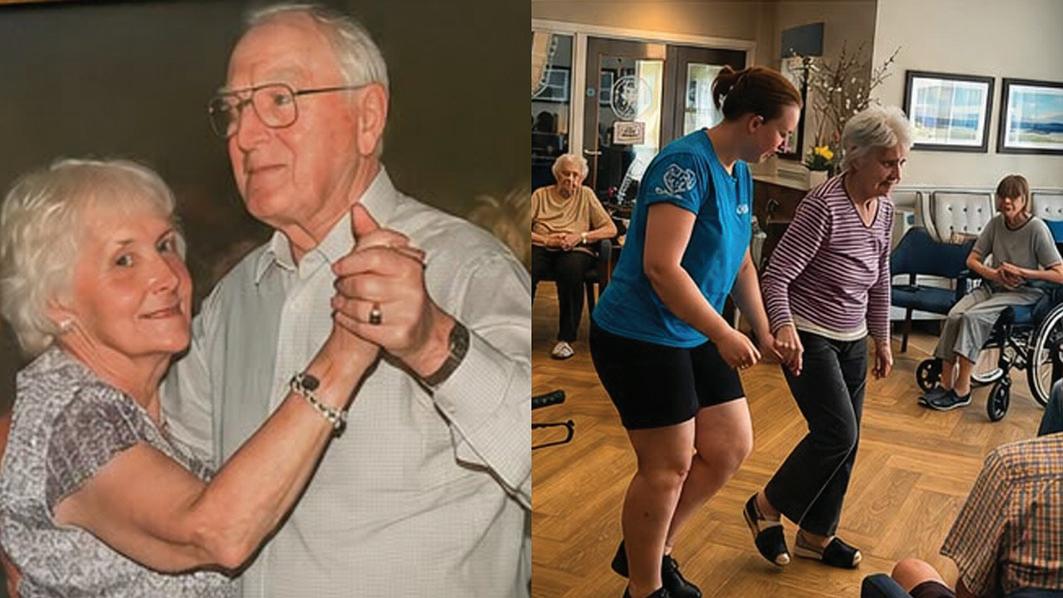
happy evenings on the dance floor together.
As their family grew, Diane and Sid rekindled their passion for dance in the 1980s, becoming regular attendees at dances in Oadby, Leicestershire, and enjoying holidays and dance breaks where they learned from professional dancers and stars of Strictly Come Dancing.
Their dancing days came to a pause in 2020 due to the pandemic and Sid’s illness. Reflecting on seeing Diane dance today, Sid simply says: “That she still enjoys her dancing.” For Diane’s family, seeing her dancing again at Wilton Manor has been deeply moving. A recent photograph of Diane happily tap dancing has become a treasured reminder of the joy that dance has brought her throughout her life.
The moment has also been a poignant reminder for the team at Wilton Manor that dementia does not diminish the essence of who a person is. Beneath the illness remains the little girl who chose to learn tap dancing at eight years old and the woman who spent decades dancing with the love of her life.
has formed a new partnership with local charity The Hub, bringing together residents and trainees through a shared passion for gardening.
As part of Potter House’s entry into the Crystal in Bloom gardening competition, trainees from The Hub – a charity that provides day services for young adults with learning disabilities and autism – are visiting the care home weekly to support a range of gardening projects.
Working alongside residents and team members, the trainees are helping to develop the home’s gardens, including fruit trees and a herb garden that will provide fresh produce for the kitchen. Ken Comber, CEO of The Hub, said: “The Hub’s trainees love getting out and helping the local community. We are very appreciative of Potter House for inviting our trainees to be involved in their excit-
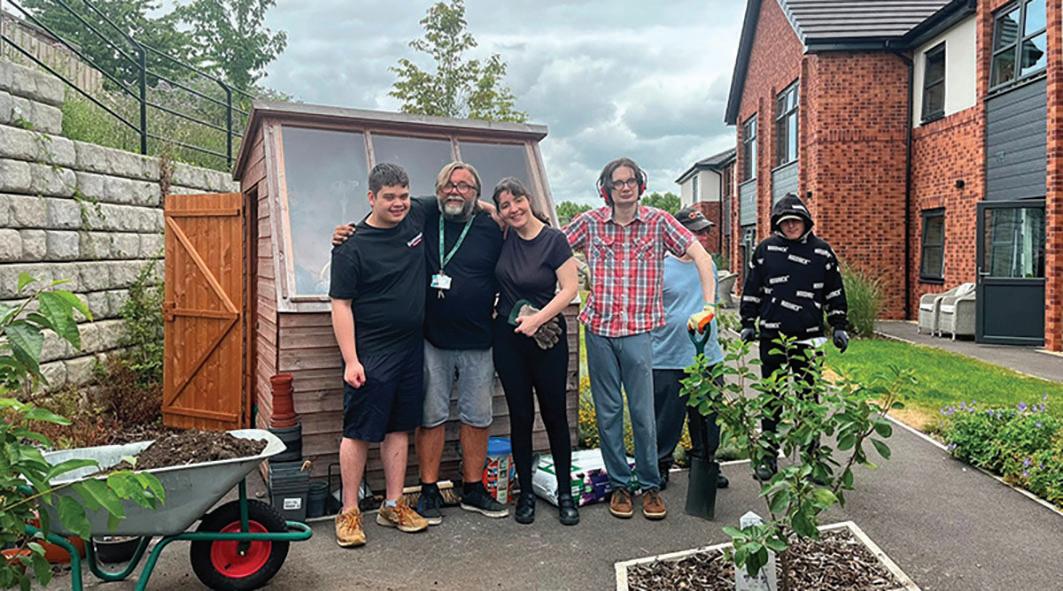
ing gardening project. The trainees are enjoying the gardening and love being able to see the results of their hard work. We are looking forward to a long-term partnership with Potter House.” Meg Cleal, General Manager at Potter House, added: “It’s lovely to see how willing the trainees are to come in and support something within their local community. They’ve settled into a completely different environment so comfortably, and it’s wonderful to watch their confidence grow each week. This such a positive opportunity for everyone involved. We absolutely love their enthusiasm.”
Residents have welcomed the extra help and are excited to see the gardens flourish in the months ahead. 92-year-old Jean Glover, a resident at Potter House, said: “It is lovely and very helpful that we have people to come and help us with our gardens. The fruit trees will be lovely and the herb garden when we can use our own fresh produce in the kitchen for mealtimes.”
Alzheimer’s Society have warned dementia is taking a growing and disproportionate toll on women, after new analysis found deaths among women in England and Wales have climbed back to their highest level in five years – 45,874 in 2025, as the charity calls for dementia to be put firmly at the top of the health agenda as it remains the leading cause of death over other major health conditions – responsible for one in eight deaths last year.
New analysis by the Office of National Statistics (ONS) data found that dementia remains the leading cause of death in England and Wales– responsible for one in eight of all deaths in 2025.
This marks almost a decade of dementia as the UK’s biggest killer, excluding 2020 to 2021 when coronavirus became the most common cause.
Between 2014 and 2025, total dementia deaths among men and women remained considerably higher than deaths from other major health conditions including heart disease, stroke and lung cancer.
For women, the statistics are bleaker. In 2025, 45,874 women died from dementia in England and Wales –the second highest number ever recorded. Dementia accounted for one in six of all female deaths, rising to one in four for women aged 80 and over.
This is second only to 2020 where 45,922 women died from dementia.
These new findings expose the triple burden of dementia on women who are more likely to develop the condition, more likely die from it and more likely to provide unpaid care for those living with it.
It adds to analysis of data that shows around two out of three people living with dementia are women, and 68% of unpaid carers of people with dementia are also women.
The disparity between women and men can partly be explained by women living longer on average but this doesn’t tell the full story.
Early signs of dementia can present differently in women, and are often wrongly attributed to menopause, depression and stress, which can lead to higher rates of misdiagnoses. Women are also particularly likely (35%) to feel apprehensive about seeking a dementia diagnosis which may prevent them from receiving the support they need.
Michelle Dyson CB, CEO of Alzheimer’s Society, said: ‘As the UK’s biggest killer, dementia affects all of us. Yet it has a disproportionate impact on women compared to other major health conditions. They are more likely to develop the condition, die from it and bear the brunt of care.
This new data further emphasises the immense toll this condition has on women. They are repeatedly being failed by a system that is stuck in delay and denial.
‘Often not prioritised by professionals and unable to access the support they so desperately need, both as carers and as people living with the condition.
‘The scale of the impact of dementia on women does not currently match the priority given to it by government. We must strive to better our understanding of the specific challenges faced by women with dementia through research, and the government must take urgent action to avoid another decade of failing people with dementia.’
St George’s Court Care Home resident Michael has been inspiring fellow residents by leading weekly Bujutsu Kai classes, sharing a passion he has enjoyed for more than 30 years.
Bujutsu Kai is a traditional form of Japanese Martial Art that combines selfdefence techniques with movements that promote strength, balance and overall wellbeing.
Michael has been practicing the martial art for over three decades, which he first took up to aid his weight loss journey. After seeing the positive impact it had on his physical strength and overall wellbeing, Michael fell in love with the art form.
The team at St George’s Court always encourage people to continue their hobbies when they move in and suggested that Michael taught some of his friends the princi-

ples and techniques as a way of staying active.
Keen to share his passion, Michael began leading gentle, accessible sessions that focus on stretching, balance and simple movements, ensuring everyone has the opportunity to take part. These activities differ from the usual chair-based movement sessions that are hosted, and everyone has thoroughly enjoyed learning more about Bujutsu Kai.
More than just an opportunity to stay active, the sessions have become a wonderful way for people to come together, try something new and share a few smiles along the way.
Belida, who lives at St George’s Court has really enjoyed the classes hosted by Michael. “It’s a fantastic and enjoyable way to keep your body moving,” she said.

The financial cost of delayed discharges has risen to £2.7bn in 2025/26, up 7.5% in just one-year, new King’s Fund analysis has found.
It comes as the NHS is expected to release the latest figures for the number of people who experienced corridor care in the month of June and the latest delayed discharge figures. In May, the number of instances of corridor care was close to 70,000.
A delayed discharge is when a patient remains in a hospital bed despite being clinically fit enough to leave. This occurs for several reasons including stretched capacity in NHS community services and the social care system for the patient to be transferred into, and administrative bottlenecks such as coordination with care transfer hubs.
Last year there were nearly 13,000 delayed discharges daily, up 300 on the 2024/25 daily average. This means close to one in 10 of all hospital beds at any given point in time are being taken up by someone who was fit enough to be discharged.
The latest NHS figures show that the cost of a bed day has now hit £562. That is up from an estimated £536 last year and 10% on 2022/23’s figure of £512. The result is that delayed discharges are now costing the NHS £2.7 billion a year.
These delays cause frustrations for patients who are stuck in hospital beds, unable to leave and get back to their friends and family whilst knowing sicker patients need your bed. The impacts also trickle down into the rest of the system with A&Es becoming backed-up, unable to admit people into hospital and leading to awful cases of corridor care, with almost 70,000 instances reported last month.
The physical, emotional and mental impact of both issues cannot be overstated. Healthwatch describes emotional toll on patients waiting corridors, as people often experience a mix of fear, anxiety and embarrassment. The Royal College of Emergency Medicine has previously drawn a link between corridor care and excess deaths. Recent work of theirs also found that long A&E waits could be responsible for 300 deaths a
week last year.
These issues also have an impact on staff. The Royal College of Nursing describes how staff feel frustrated and demoralised by corridor care. Delayed discharges can leave staff feeling disillusioned about their roles as the pressure to discharge patients can sometimes feel dehumanising.
The government has previously pledged to end corridor care and part of the solution to that will be reducing delayed discharges through steps included in the Urgent and Emergency Care plan for 2025/26. To meet this target the government must also tackle reducing incoming demand for care, something hospitals have less direct control over, by effectively implementing the shift to community care, reforming social care and being bolder on primary prevention through action like tackling obesity.
Danielle Jefferies, Senior Analyst at The King’s Fund, said:
‘The rising costs of delayed discharges will put even more pressure on already stretched NHS budgets alongside contributing to longer waits in A&E and more harrowing cases of corridor care.
‘Patients are being left stranded in hospital beds, frustrated at being unable to leave despite being well enough to do so, knowing that sicker patients need their bed with little they can do about it.
‘A range of issues cause this backlog, including stretched adult social care and NHS community services, to administrative quagmires, all which trickles down into A&E waiting rooms and the consequences are felt acutely by patients.
‘Solving these issues will of course be key to reaching the government’s goal of ending corridor care by 2029 and reducing the financial and human burden of delayed discharge but it is not just within hospitals and the care system that government should be looking to for solutions.
‘Ultimately, these problems can only be addressed sustainably by reducing incoming demand on hospitals. That means the government must be much bolder in tackling wider issues like obesity or moving care out of hospitals by effectively implementing greater community care.’
A Liphook care home is helping older film fans and their carers enjoy a ‘reel’ treat by offering free tickets to a local cinema’s dedicated programme for older people in the community.
The Living Room Cinema, in The Square, Liphook, hosts Silver Screenings which have been specifically designed for people aged 60 and over and which include a hot drink and cake with the film admission fee.
Bramshott Grange Care Community is supporting the programme by providing a number of complimentary tickets, with the aim of giving older people and carers the chance to spend relaxed, meaningful time together.
The first Bramshott Grange-supported screening featured the muchloved classic comedy Some Like It Hot, chosen following suggestions from the community and people who attend Liphook Day Centre. Eight people from the day centre attended, alongside residents from Bramshott Grange, creating a sociable morning that brought together people from the care home and the wider local area. Although Bramshott Grange has its own small in-house cinema, the home says residents love the opportunity to go out, enjoy a change of scene and reconnect with familiar places and people in the community.

brings people joy.”
Bramshott Grange is particularly keen to support people who care for loved ones at home, giving them the chance to enjoy a simple shared experience away from day-to-day responsibilities.
Louise said: “If you are caring for somebody, you can sometimes lose the relationship you had before, whether that is as mother and daughter, father and son, or another family connection. When the lights go down in the cinema, you can forget about the caring role for a little while and simply enjoy being together again.”
She added: “I have cared for my own parents, so I know how hard that role can be. This is a way of giving something back and offering people a bit of escapism, companionship and enjoyment.”
Film choices for future supported screenings will be shaped by the community. Visitors to The Living Room Cinema will be able to suggest and vote for films they would like to see, with Bramshott Grange planning to support further screenings every two to three months.
The next Bramshott Grange-supported Silver Screen event is expected to take place in September. The home is also planning to take residents to more of the cinema’s regular Silver Screen events in future.
Louise Trant, Family Liaison Manager at Bramshott Grange Care Home, said: “Our ladies and gentlemen really enjoyed the morning. It was lovely for them to meet local residents and to see people they knew from outside the home. That connection with the wider community is so important.”
Louise, who previously worked at The Living Room Cinema, said she had long admired the community feel of the venue and wanted to help more older people benefit from its Silver Screen screenings.
She added: “The Living Room Cinema is a lovely, bespoke cinema and it has become a real community space. I always felt the Silver Screen screenings were a wonderful idea, and when I came to Bramshott Grange I thought it would be a really nice opportunity for us to work together and support something that
Louise said: “We would love people to get in touch with film suggestions, especially films that bring back happy memories or that families used to watch together. It might be a classic from the 1950s or 1960s, or something from the 1970s or 1980s that people remember sharing with their parents.”
Asa Brennan, General Manager of The Living Room Cinema said: “We are delighted to welcome Bramshott Grange residents and members of the wider community to our Silver Screen screenings. These events are designed to be relaxed, sociable and enjoyable, and it is wonderful to see Bramshott Grange helping more people experience the joy of cinema together.”
Anyone who would like to register interest in future supported Silver Screen events, suggest a film or find out more about Bramshott Grange can contact the home on 01428 778500 or email Louise.trant@bramshottgrange.co.uk
A new community-based pilot is bringing dementia diagnosis closer to home for people across Kent and Medway, to help more people gain access to assessment and diagnosis closer to home.
Launched in Folkestone, Hythe and Rural Primary Care Network (PCN) as part of the Kent and Medway Dementia Transformation Programme, the pilot brings GPs, community teams and specialist clinicians together to provide more dementia assessments in community settings, while ensuring people with more complex needs continue to have access to specialist services.
Dr Adrian Richardson, Director of Partnerships and Transformation at Kent and Medway Mental Health NHS Trust said: “This pilot is an important opportunity to explore a different way of delivering dementia diagnosis, bringing care closer to home where it is safe and appropriate to do so. By working across primary care, community services and specialist teams, we want to improve people’s experience while building a model that can meet future demand.” Learning from the pilot will help inform whether this approach could be introduced more widely across Kent and Medway, taking account of workforce capacity, clinical safety and local system readiness.

Dr Rakesh Koria, Clinical Lead for Ageing and Dying Well at NHS Kent and Medway Integrated Care Board, said: “Dementia is a life changing long term condition that affects people who are already being seen for many other needs by the GP and Community team members.
“Diagnosing and supporting their holistic needs together makes perfect sense. This approach supports specialist, community and GP teams to work together more confidently, helping people access a diagnosis earlier and more appropriately, while ensuring specialist services remain available for more complex cases.”
People living with dementia and unpaid carers have helped shape the programme by sharing what matters most to them. Their feedback highlighted the importance of clear communication at diagnosis, understanding what happens next and having access to practical support afterwards.
Chris who has lived experience, said: “My hope is that people will be able to get a timely dementia diagnosis and the right support when they need it.”
Anne-Marie who has lived experience, said: “The idea of having community support as part of the dementia diagnosis journey is absolutely fantastic. I think everybody should have that level of support when they go through a diagnosis.”
The community pilot sits alongside wider work to improve dementia diagnosis and care across Kent and Medway, including training and support for primary care teams and care homes.
Together, these improvements are helping build a dementia pathway that is clinically safe, consistent and shaped by the experiences of people living with dementia and those who care for them.
Further engagement through local networks, communities of practice and social care webinars will continue to gather feedback and help shape future delivery.
The Dementia Trust has announced the first recipient of its new Impact Accelerator programme, awarding £45,000 to K.i.M, a sensory tool designed to improve the lives of people living with dementia and those who care for them.
The new funding will enable K.i.M to develop the prototype support platform and bring the tool a significant step closer to real world deployment.
Supported by Dementia Research UK, the Dementia Trust’s Impact Accelerator Awards are a new initiative designed to help promising science backed and academic innovations move beyond research and towards real world implementation. K.i.M is the first project to receive funding through the new programme, highlighting its potential to deliver life changing technology to those who need it.
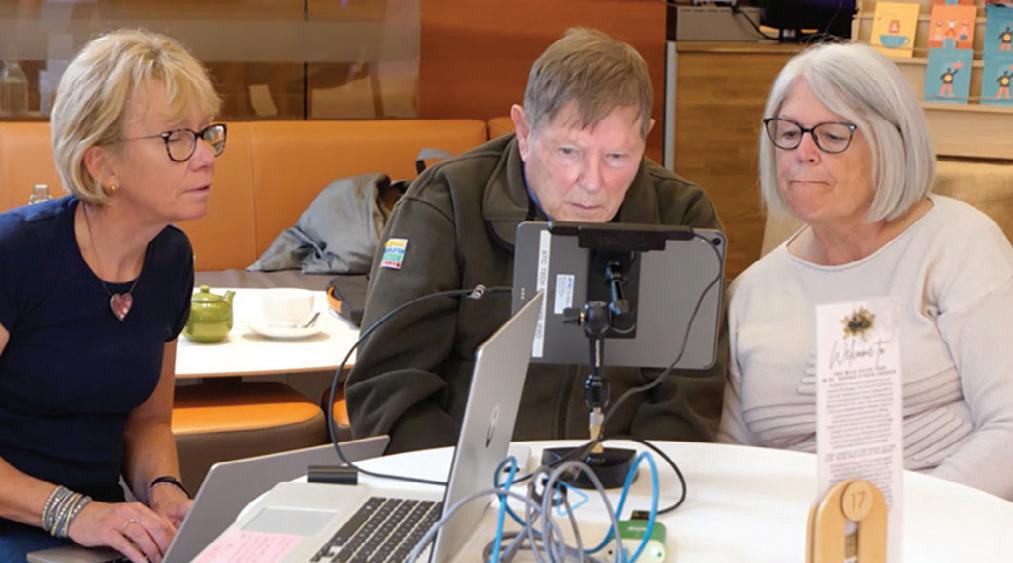
Dylan Harper, Chair at The Dementia Trust, said: “The Impact Accelerator Award programme supports projects that already have a strong evidence and are ready to scale, embed or influence wider policy, practice or service delivery. K.i.M has made significant progress in demonstrating the difference the platform can make and we are pleased to be able to support the next
phase of the platform’s development.”
K.i.M is designed to help people better understand cognitive and sensory changes before, during and after a dementia diagnosis. The platform aims to help individuals, carers and families recognise what is happening and respond more effectively, supporting independence for longer. This award follows significant progress in demonstrating the platform’s potential impact through prototypes. This next phase of development will focus on the creation of a practical and accessible product.
Kimberley Littlemore, founder and carer at K.i.M, said: “So far, we have developed a prototype of K.i.M. It shows us what is working, what is not working and gives us direction for what we want to do next. The funding from Dementia Trust will allow us to go to the next stage and build K.i.M from start to finish. The Dementia Trust team has been so supportive and I am excited to benefit from their expertise and guidance as we work to bring K.i.M to the people who need it most.”
The Dementia Trust is a Scotland based charity that has spent nearly 40 years improving the lives of people living with dementia, their carers and the professionals who support them.
Two decades of dedicated community care have been celebrated at a Dorset care home’s ‘bubbly’ anniversary garden party.
Residents, families, friends and team members at Colten Care’s Amberwood House in Ferndown staged a lively afternoon in the sun to mark the milestone occasion.
Ferndown Mayor and town councillor Lawrence Wilson was among more than 60 guests taking in displays and games led by Lisa Davies of Squidge and Pop, a bubble workshop and entertainment provider.
The Mayor said: “It was a pleasure to meet and chat with the staff, and it was clear that the residents were having a wonderful time too. It made for a thoroughly enjoyable couple of hours.” His comments were echoed by Lisa who said: “What a wonderful family atmosphere the home and event had.”
As well as the bubbles, the party featured an open-air lunch and stalls selling a range of gift ideas.

Resident Sheila Shire said: “The home came alive. It was a great party, a great atmosphere.”
Sheila’s comments were echoed by Home Manager Kerry Mason, who said: “The celebration was an ideal opportunity to showcase the warm, family atmosphere at Amberwood House and the dedication of our team since we welcomed our very first residents back in the summer of 2006.”
Around £500 was raised at the party for Amberwood House residents’ charity of the year, Ferndown Community Support.
As well as cash donations, residents, families and staff at the home have recently been helping the charity through a hands-on craft project. It involved knitting woollen squares together to make 32 adult blankets, plus children’s and baby versions, for local families helped by Ferndown Community Support who are in need of comfort. Also among their craft activities, residents helped to make floral displays ready for show at the anniversary party.
Incontinence is common in care and nursing homes, but the impact on dignity, comfort and skin health is deeply personal. Levabo’s allDRY® range of reusable incontinence underwear is a Class I Medical device, designed to support residents and caregivers alike by combining discreet protection with a comfortable, everyday feel that looks like normal underwear, not a clinical product. allDRY® underwear provides reliable protection for men and women experiencing bladder leakage.

Who are Levabo?
Levabo are a Danish medical device company specialising in innovative, user-friendly solutions for continence care and pressure ulcer prevention. Our focus is on practical products that support dignity, comfort and safety, while fitting seamlessly into the realities of care and nursing home practice.
Designed for dignity
allDRY® aims to remove the stigma often associated with incontinence products. The underwear is soft, discreet and modern in appearance, helping residents feel more like themselves and less like patients. The garments combine advanced absorbent technology with breathable materials to help keep skin dry and comfortable throughout the day.
For many people, that small shift can make a big difference to confidence, engagement in daily activities and overall wellbeing.
Key benefits for residents:
3 Soft, underwear-like fit for everyday comfort
3 Breathable, skin-friendly materials
3 Secure 6-layer absorbency for protection and confidence
3 Discreet profile under clothing to support dignity
3 Natural odour control
Practical support for busy care teams
Care and nursing home staff need products that are easy to use, reliable and support efficient routines. allDRY® has been developed
with frontline care in mind, from dressing and toileting to night-time protection and manual handling.
Key benefits for staff and services:
3 Clear sizing and fit to simplify product selection
3 Easy to apply and remove, helping with time-pressured care routines
3 Reliable protection to support continence care plans and reduce unplanned linen changes
3 A versatile solution suitable for residents with different levels of dependency
3 Machine washable at 60 degrees Celsius
3 Tumble dry safe
3 Comfort and dignity focused
Supporting skin health and overall care
Continence care is closely linked to skin integrity, comfort and quality of life.
Prolonged exposure to urine and faeces can lead to incontinence-associated dermatitis (IAD), causing redness, pain, skin breakdown and an increased risk of infection. For residents, this can mean significant discomfort, distress and reduced mobility; for caregivers, it adds to workload, complexity of care and emotional strain when preventable skin damage occurs.
When protection is effective, secure and comfortable, there is less risk of leakage, moisture-related skin damage and associated distress for residents and carers. allDRY® is designed to:
3 Help keep skin drier for longer, supporting good skin care practices
3 Complement pressure area care and repositioning routines
3 Integrate smoothly into existing continence and care pathways
A flexible range for your residents
The allDRY® range offers options to suit different needs and levels of support, making it easier for homes to match the right product to the right person. This helps reduce waste, improve comfort and ensure residents receive care that feels truly individual. allDRY® is available in a range of briefs and boxers and different levels of absorbency. In addition to the underwear, there is an optional inlay which can be added to increase the absorbency by 50ml. This inlay is machine washable with the underwear.
To find out more about allDRY® incontinence underwear, or any of the Levabo product portfolio that could support your residents and care teams, request samples or discuss how the range could support your home:
Email: bm@levabo.com
Web: www.levabo.com


Levabo’s product range is built around a clear objective: making pressure ulcer prevention easier, more effective, and achievable across all care settings. Designed with both caregivers and residents in mind, the range offers practical positioning solutions that integrate seamlessly into everyday care routines.
At the core of the range are Levabo’s specialist positioning cushions, developed to support safe and consistent repositioning. Whether used in bed, in chairs, or during transfer and repositioning, these products help reduce pressure on vulnerable areas of the body. Their versatility makes them suitable for a wide spectrum of care environments, from hospitals and nursing homes to community and home care.

A key differentiator across the range is Levabo’s unique “Fluffy Air” technology. This ensures that each product remains soft and adaptable, gently moulding to the individual’s body shape. The result is improved pressure distribution and a high level of comfort, both essential for individuals who may be immobile or spending long periods in one position.
Pet therapy has become a part of the everyday routine in many care homes in the UK. The positive impact animals can have on the well-being of residents is well documented. But bringing animals into a care setting brings its own problems. It can be expensive and disruptive, they can be temperamental, and even the cleanest pets raise hygiene issues.
V-Thera virtual pets allow you to offer all the fun and engagement of a real pet, but in a clean, predictable and flexible way that fits in perfectly with your care home routine.
VIRTUAL PETS, REAL BENEFITS
From the moment the resident first puts the headset on, they are engaged and delighted as the pet sits, lies down, rolls over and feeds on command. They can even throw a ball for the pet to fetch. The experience is involving, relaxing and stimulating, enhancing a positive mood while encouraging movement and communication.
The pets themselves are wonderfully realistic, not just in the way they look, but in how they act. There are four dogs to choose from, and there’s even a moggie for cat lovers. They respond to voice or hand commands, or to big buttons on the screen. It’s ideal for previous pet owners, but also people nervous of animals.
V-Thera uses the latest Japanese mixed reality technology, meaning the virtual pet appears in the realworld, viewed through the headset. Seeing the familiar surroundings of their care home lounge reduces any sense of anxiety or disorientation for residents. The app can also be used lying down, so it can be used in bedrooms.
The technology itself is completely intuitive, designed for people with no experience of gaming. The
CareZips® Classic are patented, easy dressing unisex adaptive pants designed for older and disabled people suffering with problems associated with continence, mobility, mental function and cognition. Suitable for persons living in care institutions, receiving care at home or living independently at home, CareZips® Classic enable people to dress themselves or with assistance from carers.
CareZips® Classic feature patented 3-zipper system, which opens the front of the pants from the waist to the knees for quicker access during toileting, continence pads changes and personal hygiene. The forward positioning of the two side zippers lessens pressure on sensitive hip areas, helping to eliminate discomfort. The third zipper facilitates simple full frontal opening for faster more dignified diaper changes, catheter adjustments, personal cleansing and hygiene routines.

cal functionality and versatility of the CareZips® Classic, all day comfort and easy garment care.
• People dependent on assisted dressing appreciate quick easy dressing process with less stress, embarrassment and greater dignity offered by CareZips® Classic.
• CareZips® Classic offer practical gains to the carers, helping them to provide better care, whilst reducing physical efforts and saving valuable time.
CareZips® Classic are unisex, available in 6 sizes and 3 practical colours (i.e. black, charcoal and navy). Tapered fit at the ankles gives a tidy appearance. Made from breathable moisture-wicking 4-way stretchy crease-free and easy-care durable fabric, CareZips® Classic are comfortable, practical and conveniently functional.
For more information, contact Win Health Medical Ltd - 01835 864866www.win-health.com
CareZips® Classic have many benefits for the older and disabled users and their carers:
• People dressing themselves enjoy the practi-
Importantly, the range has been developed in collaboration with healthcare professionals, ensuring that each product addresses real-world challenges faced by care teams. From ease of handling to durability and hygiene, every detail is designed to support efficient care delivery without adding complexity.
Levabo’s products are also protected by international patents and have received global recognition, with the company being named the world’s leading positioning cushion manufacturer for four consecutive years. This reflects both the quality of the range and its growing impact across the sector. For care providers, the message is clear: investing in the right positioning solutions is not only a clinical decision but a practical and economic one. With prevention proven to be significantly more cost-effective than treatment, Levabo’s range offers a smart, scalable way to improve outcomes while supporting high standards of care. Simple solutions. Big impact. For more information see page 25 or please email bm@levabo.com or visit www.levabo.com
headset reads hand movements, so there is no need for hand controls after set-up. Setting the app up is easy and quick for staff, with no training required. It comes preloaded onto the latest Quest 3s headset, so it’s a simple matter of staff switching the headset on, selecting the V-Thera icon, selecting the dog – which you can name – then transferring the headset to the resident. They are immediately immersed in playing with the dog or cat.
The makers recommend sessions of up to ten minutes at a time, it’s very easy to accommodate the technology into the life of the home, and for staff it can create an excellent opportunity to bond with residents. A sharing function even means the sessions can be cast to other screens so all residents can share the experience.
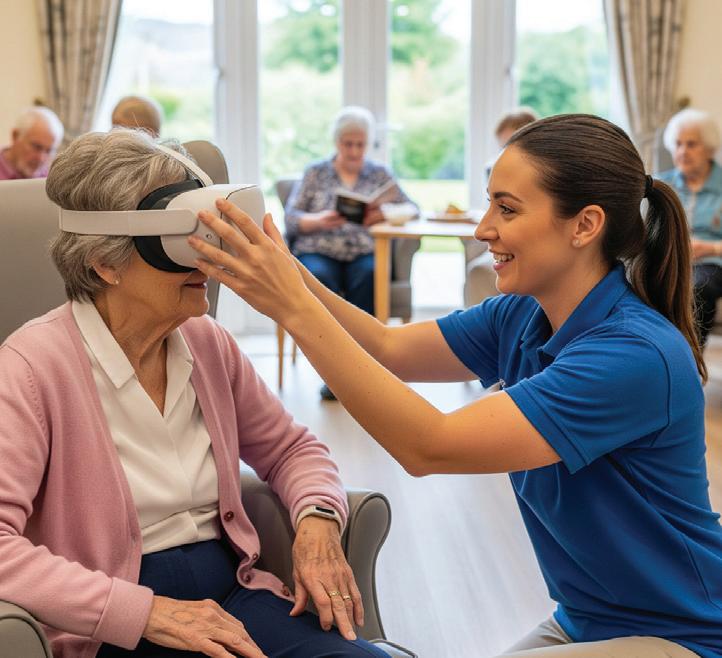
The potential of new technologies like V-Thera for engaging with residents in a positive way points to an exciting future. The combination of advanced Mixed Reality with intuitive and thoughtful design means care homes can adopt the latest technology without disrupting the care routines already in place.
V-Thera was created in Japan by Remedy & Co and is available now in the UK through Care Activity Ltd. Managing Director Alison Lang says, “The minute we saw V-Thera, it was clear to us that this was an exciting innovation, a new way to offer something genuinely engaging to care home residents. The pets are fun, realistic and always ready to play. It is technology that brings care to life.”
Contact alison@careactivityxr.com www.careactivityxr.com
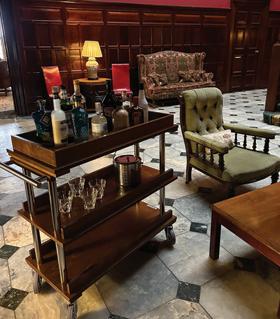
See the advert on page 3 for further information on Win Health’s product range.

By Chelsea Jeffrey, Head of Food Experience, Aurem Care (www,aurem-care.com)
When people think about food in care homes, nutrition is often the first thing that comes to mind. Of course, ensuring residents receive balanced, nutritious meals is incredibly important. However, food and dining in a care home environment are about so much more than calories, vitamins and dietary requirements.
I have always believed that mealtimes are pivotal to a resident's mood and to the overall atmosphere within a care home. Food is about far more than nutrition; it is comfort, choice, dignity and joy. It can spark memories, create opportunities for social interaction and provide moments of genuine pleasure throughout the day.
For many residents, mealtimes become key milestones in their daily routine. A well-prepared meal served in a welcoming environment can encourage conversation, reduce feelings of isolation and help create a sense of community. Equally, a poor dining experience can negatively affect appetite, wellbeing and overall quality of life.
This is why listening is such an important part of our approach. To get food right, chefs and care teams must take the time to speak to residents and their relatives, understand what they want from their meals and recognise the diversity that exists within every home. Food preferences are deeply personal and are often shaped by culture, family traditions, faith and life experiences.
A resident who has spent decades enjoying traditional home-cooked British meals may have very different expectations from someone who grew up with Mediterranean, Caribbean or South Asian cuisine. Neither is right nor wrong. Our role is to celebrate that diversity and ensure residents continue to enjoy foods that are familiar, meaningful and enjoyable to them.
Choice is equally important. Moving into a care home should never mean losing control over everyday
decisions. Offering meaningful choices at mealtimes helps preserve independence and dignity. Something as simple as choosing between two main courses, selecting favourite desserts or having input into seasonal menus can make a significant difference to how residents feel.
Another key consideration is ensuring that dietary requirements never become a barrier to enjoying food. Many residents require fortified diets to support weight maintenance and nutritional intake. Others may need meals adapted due to allergies, medical conditions or personal preferences. These adjustments must be made without compromising taste, presentation or enjoyment.
Texture-modified diets are a particularly important area. Residents living with dementia, arthritis, Parkinson's disease or swallowing difficulties often require food that is easier and safer to eat. Historically, modified-texture meals have sometimes carried an unfair reputation for being bland or unappealing. Fortunately, standards and understanding have improved significantly.
With the right skills and creativity, chefs can produce texture-modified meals that are colourful, flavourful and visually appealing. Residents should still be able to recognise the food on their plate and experience the same enjoyment as everyone else. Nobody should feel excluded from the dining experience because their food has been adapted to meet their needs.
For people living with dementia, the dining environment itself can also play an important role. Clear table settings, familiar foods, appropriate portion sizes and a calm atmosphere can all help encourage eating and reduce anxiety. Small details often make the biggest difference.
Ultimately, food is one of the most powerful ways we can demonstrate care. It brings people together, supports physical health, promotes emotional wellbeing and helps residents maintain their identity and sense of self.
As the care sector continues to evolve, I believe we should challenge ourselves to think beyond nutrition alone. Good food is essential, but great dining experiences can transform lives. When we focus on comfort, choice, dignity and joy alongside nutritional excellence, we create environments where residents can truly thrive.
Because in care homes, food is never just food. It is an experience, a connection and often one of the highlights of the day.
A dedicated Chef Development Day, hosted at Keymer Care Home in May, brought the culinary teams across Boutique Care Homes together for a day of learning, live cooking and shared ambition around the belief that great food is at the heart of great care.
Boutique Care Homes gathered its chefs from across the group in May for a Chef Development Day focused on elevating the food, dining and hospitality experience for residents. Held at Keymer Care Home, the day centred on a conviction the group holds deeply: that dining is not simply one part of what a care home does. It is one of the most visible, daily expressions of who Boutique Care Homes is as a care provider.
The event featured a guest session from Andrew Turvil, described by The Independent as one of the UK's "arbiters of taste". Turvil is the former editor of The Good Food Guide, the AA Restaurant Guide and the Which? Pub Guide, and has spent his career as a freelance restaurant critic, writer and editor. His first book, Blood, Sweat & Asparagus Spears, was published in September 2025. Drawing on a career at the top of the UK food industry, he shared insights and experiences with the gathered chefs, bringing a level of external expertise rarely seen in the care sector.
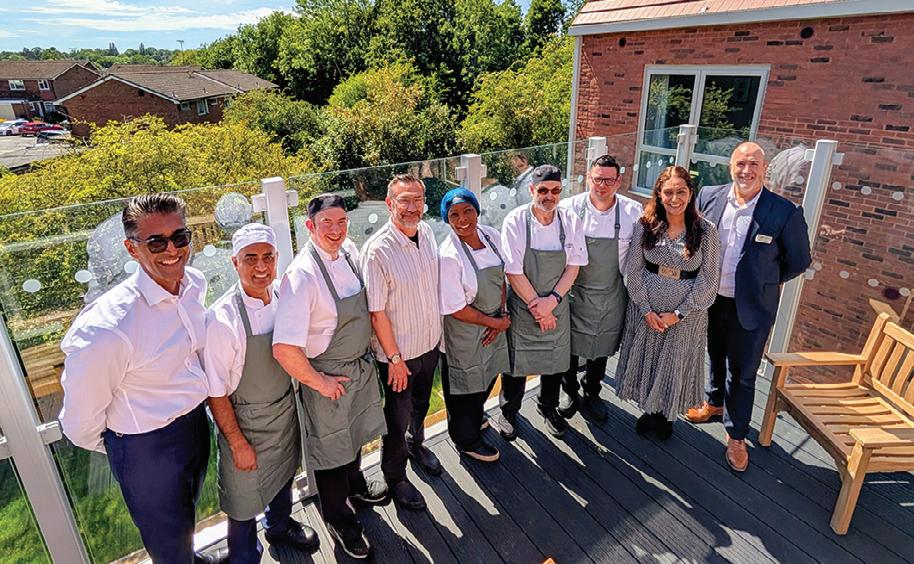
"It was wonderful to meet such dedicated chefs and to see how much passion, care and attention to detail is being put into the food by the team at Boutique Care Homes," Turvil said.
Beyond the guest session, the day brought together culinary teams for a full programme of presentations, hands-on sessions and open discussion. A live culinary showcase formed the centrepiece of the afternoon, with chefs from all five homes taking to the pass to present dishes from the new summer menus. The Burlington served a spinach, roasted pepper and feta roulade with fresh rocket, followed by

sweet potato and roasted beetroot with chickpea puree. Martello Manor presented a chickpea and halloumi korma with watermelon rice. Chartwell House unveiled a mini beef wellington with red pepper jam and stuffed jacket potatoes with caramelised onion chutney. Keymer Hall presented a chicken ballotine stuffed with sage and chestnut mousse, with tarragon velouté, asparagus and fondant potato, rounded off with their take on a classic Tunnock's tea cake with raspberry compote. Brampton Manor showcased the group's commitment to dining without compromise for every resident, presenting a salmon en croûte with hollandaise sauce prepared to a texture modified standard, proving that elegance and clinical need are never in conflict at Boutique Care Homes.
The programme also included dedicated sessions on bedroom dining, exploring how the same warmth, quality and care given to communal dining is carried through to every tray delivered to a resident in their room.
The group's standard is unambiguous: no resident receives anything less than the full Boutique Care Homes experience, regardless of where or how they are dining.
Priya Bhayani, Director at Boutique Care Homes, described the day as a tremendous success. "Bringing our team together around a shared vision of continually elevating our food, dining and hospitality offering is exactly what days like this are for. It was a real privilege to welcome Andrew Turvil, who shared invaluable insights from throughout his distinguished career."
The live culinary showcase gave Bhayani particular cause for pride. "Every dish was beautifully presented and absolutely delicious. A huge well done to the entire team for your creativity, passion and hard work. Our residents are truly in for a treat."
As care providers face mounting pressure from food inflation, workforce shortages and increasing regulatory demands, award-winning food procurement specialist allmanhall have strengthened their care sector expertise with the appointment of experienced industry professional Jamie Clews as Development Manager.
Jamie joins allmanhall with extensive experience helping care organisations reduce waste, improve operational efficiency, and maximise the value of catering budgets, while maintaining the high standards residents deserve.
His appointment follows allmanhall's recognition as Best in Catering and Nutrition at the Care Sector Supplier Awards 2025 and Best in Nutrition, Food and Dining at the 2026 Care Home Awards, reinforcing the company's commitment to supporting care providers through an increasingly challenging operating environment.
Jamie has built a reputation for helping care providers take a more strategic approach to catering operations, identifying opportunities to reduce waste, improve processes and make budgets work harder. His values closely align with allmanhall's commitment to delivering practical, sustainable improvements that support both financial performance and resident wellbeing.
As experts in food procurement and foodservice consultancy, allmanhall combine procurement expertise, market insight and award-winning client support to help care organisations gain greater control and visibility over their catering spend, reduce waste, and improve operational performance.
Commenting on his new role, Jamie Clews said:
"Care providers need more than lower prices. They need a partner who understands their challenges and helps them make informed decisions with confidence. I'm excited to be joining allmanhall and helping clients unlock even greater value from their catering operations."
Jo Hall, co-owner and Managing Director of allmanhall said:
"Jamie brings a wealth of experience and a deep understanding of the care sector. His appointment reflects our ongoing commitment to investing in the expertise and support that help our clients succeed. His knowledge further strengthens our ability to help care providers balance financial control with exceptional resident care."
For more information about allmanhall's support for care providers, visit www.allmanhall.co.uk/care-homes.
Nearly half of patient-facing NHS staff (44%) say patients bring them inaccurate or misleading nutrition or supplement information at least once a week, according to new analysis from World Cancer Research Fund.
The charity’s research also reveals a growing mismatch between confidence and understanding among the public, with people who rely on social media for news more likely to feel confident about finding trustworthy nutrition information online, while also being more likely overall to believe misleading claims about diet, supplements and cancer prevention.
World Cancer Research Fund says the findings highlight the current pressure on healthcare professionals, while confusion online is making it harder for people to make informed choices about their health.
In response, the charity is calling on the UK Government to use the NHS Workforce Plan to strengthen support for evidence-based advice on cancer prevention, nutrition and physical activity. It is also launching a simple new TRUST Test to help the public and healthcare professionals spot health misinformation online.
Despite healthcare professionals being the public’s most trusted source of nutrition advice, World Cancer Research Fund’s analysis shows many staff are under strain from the volume and complexity of misinformation:
44% of patient-facing NHS staff say patients raise inaccurate or misleading nutrition or supplement information at least once a week, including 6% who say this happens daily or almost daily
40% say they are not confident that nutritional advice they see online is correct
37% of healthcare professionals say they are not confident about where to find reliable, evidence-based information on supplements
World Cancer Research Fund is already working to support healthcare professionals and the public through its Cancer and Nutrition Helpline, webinars, workshops, cooking through cancer classes and practical resources designed to improve understanding of nutrition and cancer prevention. However, the charity warns that while these initiatives are helping, they cannot keep pace with the scale of misinformation people are encountering online.
The charity’s wider public polling also highlights a growing confidence gap in how people navigate health information.
While 62% of UK adults say they feel confident they can find trustworthy nutrition information online, this rises to 72% among those whose main news source is social network websites.
This same group is more likely to hold inaccurate beliefs about cancer prevention and nutrition. Compared with those whose main news source is not social media, they are:
• less likely to identify eating plenty of fibre as something that can reduce cancer risk (48% vs 55%)
• more likely to think certain supplements can reduce cancer risk (15% vs 11%)
• more likely to think certain foods or diets can “starve” cancer (13% vs 7%)
• More broadly, misleading nutrition narratives appear to be shaping everyday health beliefs:
• 1 in 5 people (20%) say detoxes or “cleanses” are good for health
• 11% of 18-34s wrongly think eating the same ‘superfood’ most days can reduce cancer risk,
• more than 1 in 5 (21%) spend over £10 a month on dietary supplements
World Cancer Research Fund warns this matters because misleading information can divert people away from the everyday habits known to reduce cancer risk - at a time when around 4 in 10 cancer cases in the UK are preventable.
Previous UK research had found that in the UK more than 70% of medical students and doctors surveyed reported receiving fewer than two hours of nutrition training at medical school**.
The charity says more can be done to support the next generation of healthcare professionals. It is already working with medical schools at the Universities of Lincoln and Southampton to create practical teaching resources for tomorrow’s doctors on diet, weight and cancer risk, while its pilot scheme with NHS Greater Glasgow and Clyde makes the charity's Cancer and Nutrition Helpline part of many patient’s cancer care pathways.
Launching Cancer Prevention Action Week’s Science Not Fiction 3year Campaign (15–21 June), World Cancer Research Fund says the NHS Workforce Plan presents a critical opportunity to better equip healthcare professionals. This includes improving access to training on nutrition, physical activity and reducing alcohol consumption in relation to cancer prevention and survivorship, alongside high-quality, evidence-based resources developed with cancer charities.
This is not about expecting healthcare staff to act as dietitians or become misinformation experts but to have clear, trusted information to support them in these circumstances, to help them respond confidently when patients raise questions about claims they've seen online.
World Cancer Research Fund’s UK Director, Steven Greenberg, said:
“Misinformation about diet and cancer isn’t just confusing, it’s putting people’s health at risk. The danger isn’t just false claims, it’s advice that’s distorted, taken out of context, or presented in a way that hides the risks.
“We know people are acting on this information, particularly when it comes from social media, and that can have real consequences for their health.”
TRUST TEST
World Cancer Research Fund has developed a simple, sciencebased memory tool to help both the public and healthcare professionals navigate misinformation, which the charity hopes will help reduce time spent tackling misleading claims in consultations so healthcare professionals can focus on core patient needs:
T
— Too good to be true?
Does it promise unrealistic results or quick fixes?
R — Research-backed?
Does it trace back to scientific evidence rather than personal stories or opinions?
— Understood?
U
Has the person sharing the information understood the dangers and risks, or have they downplayed the harms and promoted unproven remedies over appropriate medical care?
S — Source quality?
Does it come from a trusted organisation or scientific source? What do other experts say?
T — Think before you share
If it doesn’t pass the TRUST Test, don’t pass it on
The TRUST Test incorporates misinformation detection indicators tested and validated by researchers at University College London (UCL), with refinement from Alex Ruani, Doctoral Researcher in healthdiet misinformation at University College London. In YouGov’s qualitative testing for WCRF, participants described the TRUST Test as clear, memorable and practical. It can be seen at https://www.wcrf.org/trust-test
World Cancer Research Fund’s Chief Executive, Rachael Hutson, said:
“Too many people are trying to make important health decisions in a fog of online misinformation.
“When advice is confusing or misleading, it can take people away from the everyday habits we know help reduce cancer risk and towards claims that are exaggerated, distorted or simply untrue.
“Our TRUST Test is there to help people feel more confident about what they see online because when it comes to cancer prevention, it should be based on science, not fiction.”
Alex Ruani, who has been advising World Cancer Research Fund on their misinformation campaign, said:
“We now have strong evidence that nutrition misinformation is not just misleading - it can be actively harmful. UCL research shows that inaccurate or incomplete health advice can influence real-world decisions, from dangerous dieting and supplement misuse to delaying or abandoning effective treatment.
“What makes this particularly concerning is that misinformation often presents itself with confidence and simplicity, while leaving out crucial context, risks or uncertainty. That combination makes it more persuasive, especially on social media where engagement is driven by emotionally compelling claims rather than careful evidence.
“If we want to reduce harm, we need to start treating exposure to misleading health information as a public health risk in its own rightsomething we can measure, prioritise and act on. Tools like the TRUST Test are important because they help people recognise these patterns and make decisions based on verifiable evidence, not just what sounds convincing.”
Former breast surgeon, three-time breast cancer patient, keynote speaker and author Liz O’Riordan, who is supporting World Cancer Research Fund’s campaign, said:
“As a breast surgeon and breast cancer patient, I know how overwhelming it can be trying to make sense of all the information out there.
“When something sounds hopeful, it’s very easy to think ‘why not try it too?’ even if it’s not based on solid evidence. A lot of this information sounds convincing, but it doesn’t always tell the full story - and that can make an already difficult situation even harder and at times dangerous.”
Chefs from across Aurem Care have completed specialist training designed to further enhance the quality, safety and presentation of meals for residents with swallowing difficulties.
The training focused on the International Dysphagia Diet Standardisation Initiative (IDDSI) framework, which provides globally recognised guidance on the preparation and testing of texture-modified foods and thickened liquids for people living with dysphagia.
Delivered through Aurem Care's partnership with Oak House Kitchen (OHK) and foodservice supplier CREED, the refresher programme equipped chefs with the latest techniques to safely prepare meals that are both nutritious and appealing while meeting the specific dietary needs of residents. OHK has developed the innovative Molila system, a comprehensive set of practices and techniques that supports chefs in creating texture-modified meals safely and consistently. The system includes detailed recipes that address each individual component of a dish, ensuring foods are prepared using the correct techniques to achieve the appropriate consistency while adhering
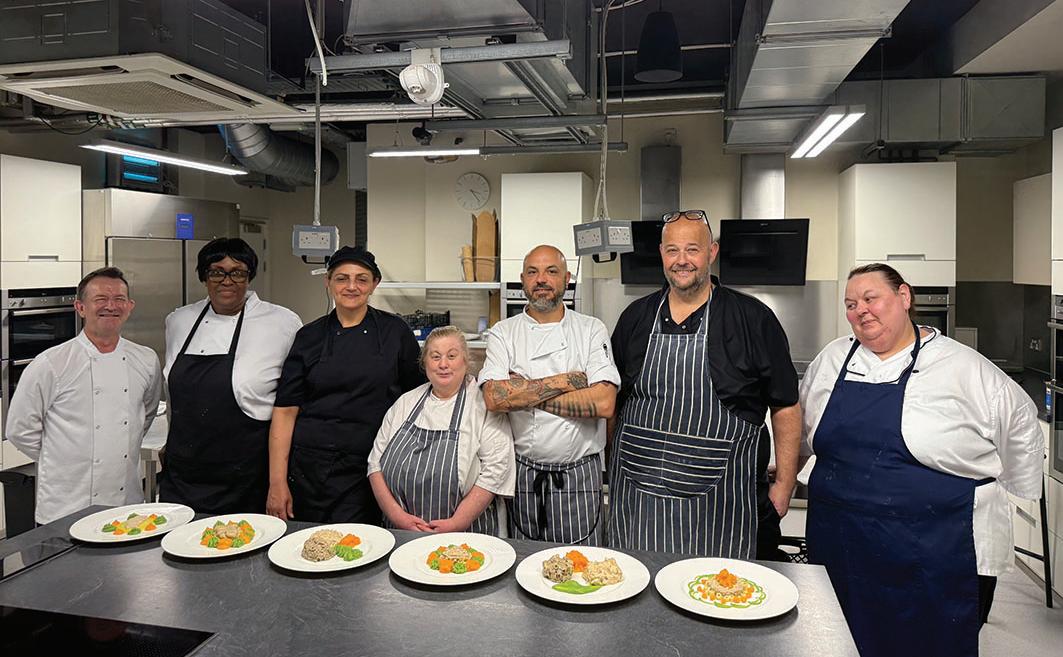
to the IDDSI framework.
During the training, chefs demonstrated their skills by creating a range of dishes adapted across multiple IDDSI levels. One standout example was mushroom pasta with chicken in a white wine sauce, served with peas and butternut squash, carefully prepared across Levels 6, 5 and 4.
The quality of the meals produced was praised by trainers, with participants showing enthusiasm, commitment and a willingness to further develop their expertise.
By using the Molila system and IDDSI framework, Aurem Care's chefs are able to create meals that not only comply with the required safety standards but also look appetising and deliver a positive dining experience for residents.
Chelsea Jeffrey, head of food experience at Aurem Care, said: "With the continued support of specialist teams like OHK, our chefs have gained the knowledge and guidance to be able to confidently produce fantastic meal options for residents on modified meals, allowing them to experience mealtimes like any other resident.
"I am proud to be part of the ever-growing improvement of textured modified meals and how we deliver them to our residents."

Malnutrition remains one of the most persistent - and often under-recognised - challenges facing the care sector today.
Despite significant progress in person-centred care and nutritional screening, many older residents continue to struggle with maintaining adequate nutritional intake due to reduced appetite, frailty, dementia, swallowing difficulties, medication side effects and illness-related fatigue.
According to UK nutrition guidance, people living in care homes are at significantly increased risk of malnutrition, with estimates suggesting that between 30–42% of residents admitted to care homes may already be affected or at risk. At the same time, healthcare organisations including Age UK and the Malnutrition Task Force continue to warn that undernutrition among older people remains widely underdiagnosed.
Importantly, malnutrition is no longer being viewed simply as an unavoidable consequence of ageing.
Across both health and social care, there is increasing recognition that early intervention and preventative nutritional support can play a major role in improving outcomes for older adults, helping to maintain strength, reduce frailty and potentially prevent avoidable hospital admissions.
Updated NHS guidance around nutrition in care homes increasingly promotes a “food-first” approach, encouraging providers to focus on fortified meals, nutrient-dense snacks, hydration and personalised eating support as part of everyday care delivery.
However, for many care teams, the challenge is not simply identifying residents who may be nutritionally vulnerable - it is finding solutions residents will consistently consume and enjoy.
MOVING BEYOND TRADITIONAL SUPPLEMENT APPROACHES
Oral nutritional supplements continue to play an important role within many care settings, particularly where residents are experiencing clinically significant weight loss or recovering from illness.
Yet in practice, compliance can sometimes become difficult over time. Reduced appetite, taste fatigue, sensory changes and swallowing difficulties can all impact whether residents continue consuming traditional supplement drinks consistently.
As a result, there is growing discussion across the nutrition and care sectors around the role of more enjoyable fortified foods that support intake while feeling less clinical and more familiar to residents.
This conversation has also been influenced by the wider international rise of “Food as Medicine” - an approach increasingly recognising the role nutrition can play in supporting recovery, resilience and wellbeing during illness and later life.
For care homes, this may include:
• fortified desserts and snacks
• protein-enriched meals
• smaller nutrient-dense portions
• hydration-supportive foods
• texture-adapted options
• socially enjoyable dining experiences
The emphasis is increasingly shifting towards nutritional quality alongside resident enjoyment, dignity and quality of life.
WHY FAMILIAR FOODS MATTER
Care professionals understand that nutritional support is rarely one-size-fits-all.
For some residents, particularly those with reduced appetite or illness-related nausea, cold foods can often feel more manageable than hot meals or milkshake-style supplements. Familiar foods may also encourage better engagement with eating among residents who are reluctant to consume more medicalised nutritional products.

This is one reason why fortified desserts and ice cream-based nutritional products are beginning to attract greater interest within healthcare nutrition conversations.
One example is Nutri-Ice®, developed by My Doctor’s Recipe (https://mydoctorsrecipe.com/collections/the-nutri-ice®), a healthcare-focused nutrition company founded by London oncologist Dr Jon Krell
Originally designed to support patients struggling to maintain nutritional intake during illness and treatment, Nutri-Ice® combines calories, protein and added vitamins in a format intended to feel more like a familiar food experience than a traditional supplement.
Each serving contains over 300 calories and more than 10g of protein, alongside added vitamins and minerals via the company’s DJK+® nutritional blend.
While products such as these are not intended to replace clinical nutritional interventions where required, they may represent part of a broader shift towards more resident-friendly approaches to nutritional careparticularly where maintaining appetite and encouraging consistent intake are ongoing concerns.
SUPPORTING NUTRITION THROUGH DIGNITY AND ENJOYMENT
Nutrition in care settings is about far more than calorie intake alone.
Eating and drinking remain closely connected to comfort, independence, routine and social interaction. As the sector continues to prioritise person-centred care, there is increasing recognition that nutritional strategies should support emotional wellbeing and dignity alongside physical health.
For residents living with dementia, for example, familiar foods and positive mealtime experiences can help reduce anxiety around eating. For frailer residents or those recovering from illness, smaller enjoyable foods may sometimes feel less overwhelming than larger meals.
As NHS and community healthcare systems continue focusing on prevention and reducing avoidable admissions, nutrition is likely to remain high on the care agenda throughout 2026 and beyond.
For many providers, the future may lie not only in identifying malnutrition earlier, but also in rethinking how nutritional support is delivered in ways residents genuinely want to engage with.
Ultimately, improving nutrition in care homes may depend not simply on adding more calories, but on creating nutritional approaches that residents can tolerate, enjoy and sustain over time.
A new report from leading dairy co-operative Lakeland Dairies, supported by Consultant Dietitian Rachael Masters (MSc, BSc), reveals the care sector at a tipping point, with nearly three quarters (74%) of operators concerned about their ability to meet residents’ nutrition and hydration needs over the next five years. Care kitchens are under growing pressure as residents’ needs grow more complex, resources stay tight, and smaller portions mean every mouthful must be nutrient-dense.
The report, The Care Kitchen Reset: The Future of Care Catering, sets out a shift towards enriched cooking and stronger base ingredients that make everyday dishes work harder. It calls for care operators to protect quality nutrition under mounting pressure not by adding complexity, but by strengthening core ingredients from the outset to improve calorie and protein density without increasing portion size.

It launches as part of Nutrition & Hydration Week (16–22 March), which shines a spotlight on the UK care home sector and the critical role food and drink play in supporting resident health and wellbeing.
CARE SECTOR UNDER MOUNTING NUTRITIONAL PRESSURE
The findings reveal rising clinical complexity is a key driver, with almost half (43%) reporting an increase in nutritional needs over the past five years. At the same time, 71% say rising ingredient costs are making it harder to maintain food quality despite 90% refusing to compromise on standards.
For operators, the stakes are both clinical and commercial. Nine in ten resident respondents (90%) cite food as a key factor when choosing a care home, while 87% of residents say mealtimes are the most important part of their day.
Dairy-based ingredients play a central role: over nine in ten operators say products such as cream and milk powder enhance food and drink experiences for residents with smaller appetites or specialist diets, while 88% believe they effectively support resident nutrition. This underlines the value of enriched cooking approaches that boost nutrition in the foods residents already enjoy, without relying on bigger portions.
INGREDIENT STRATEGY OFFERS PRACTICAL SOLUTION
Responding to these pressures, the report highlights that one of the most practical, operationally efficient levers is ingredient strategy. Rather than layering on additional processes, the report argues the solution lies not in short-term cost cutting alone but in strengthening menu foundations. By embedding fortified nutrition into everyday base ingredients, kitchens can improve calorie and protein density without increasing portion size, labour or waste – safeguarding the sector’s future. Rachael Masters, Consultant Dietitian and contributor to the report said: “With an ageing population
driving increased demand for care home places, and residents presenting with more complex health and nutritional needs, care catering teams are being asked to deliver not just meals, but meaningful nutritional support in increasingly complex environments.”
“The solution doesn’t lie in adding more processes, but in making smarter use of core ingredients to maximise nutritional value. By fortifying everyday dishes, kitchens can enhance protein, energy and key nutrients in ways that are practical, cost-aware and, most importantly, enjoyable for residents. Dairy-based ingredients offer a particularly effective and versatile way to achieve this.”
“This report explores these growing pressures and highlights practical, nutrition-led approaches that support both care teams and residents –helping deliver better operational efficiency while improving health, wellbeing and dining satisfaction.”
The research also highlights opportunities to refine delivery. While 90% of residents rate meals positively overall, 77% report struggling to finish meals due to taste or presentation challenges, and 38% say higher quality ingredients would improve their experience. This reinforces the case for ingredient optimisation over short-term cost cutting.
Paul Jennings, Head of Food UK & International at Lakeland Dairies, adds: “Care operators are under pressure to do more with less – more nutrition, more quality and more resilience – while also meeting rising expectations from residents around mealtimes. This creates a real tension in care kitchens, where teams are balancing increasingly complex needs with limited time, staff and budgets.
Ingredient strategy is a practical way forward. By using hard-working bases such as Millac Gold Double and Lakeland Dairies Skimmed Milk Powder, kitchens can build richness, consistency and added nutrition into everyday dishes without adding complexity.
In a sector balancing tight budgets and staffing pressures, this timely report explores immediate solutions to support care kitchens.”
The report draws on a survey of care operators, residents and their families, alongside insight from Consultant Dietitian Rachael Masters, founder of Focus on Undernutrition, which provides specialist special diet training to care homes.
Lakeland Dairies is committed to supporting the sector through menu guidance, product innovation and training designed to help kitchens build resilience through stronger foundations and long-term supplier partnerships.
The full report is available: https://eu1.hubs.ly/H0sP61V0
ROLE CLARIFICATION: KNOWING WHO DOES WHAT — AND WHY IT MATTERS
Walk into any busy care home during a morning shift and you will encounter a diverse range of professionals: registered nurses, senior carers, care assistants, activity coordinators, housekeeping staff, kitchen teams, and visiting healthcare professionals. For residents — many of whom may be living with dementia, cognitive decline, or sensory impairment — being able to quickly and clearly identify who someone is can be genuinely reassuring and, in some cases, clinically important.
A well-considered colour-coded uniform system allows residents to distinguish between their care team and, for example, domestic or catering staff. This is not merely an administrative convenience. Research in dementia care has consistently highlighted that visual cues — including consistent clothing and recognisable appearance — help anchor individuals in their environment and reduce episodes of confusion or distress.
For family members and visiting professionals, clear role identification also inspires confidence. When a relative can immediately see that the person administering medication is a registered nurse, or that the individual assisting their parent at mealtimes is a trained care assistant, it reinforces the professionalism of the entire operation.
TRUST, AND REPUTATION
The care sector has, over many years, worked hard to establish itself as a skilled profession deserving of public trust and respect. Uniforms are an important visible component of that professional identity. Just as we recognise a nurse by their uniform in a hospital, or a police officer by their livery on the street, care staff in recognisable workwear signal to the world — and to those they support — that they belong to a trained, regulated, and accountable workforce.
INFECTION CONTROL: A NON-NEGOTIABLE PRIORITY
Perhaps the most clinically pressing argument for workwear in care settings is infection control. Residents in nursing and residential care homes are among the most vulnerable members of society — often elderly, immunocompromised, and living with multiple complex health conditions. The COVID-19 pandemic threw into sharp relief just how catastrophic the spread of infection can be in these settings, and it reinforced what Infection Prevention and Control (IPC) specialists had long advocated: what care staff wear is a critical component of safe care delivery.
Current guidance from NHS England, the UK Health Security Agency (UKHSA), and professional bodies such as the Royal College of Nursing recommends that care staff working in clinical or personal care roles wear a clean, short-sleeved uniform to minimise the risk of contamination. The 'bare below the elbows' principle — which advocates removing watches, rings, and long sleeves during personal care — is now widely accepted as best practice in care home settings, mirroring NHS clinical standards.
Dedicated workwear also creates an important psychological and physical barrier between home and work environments. When staff change into a uniform on arrival and change out of it before leaving the
building, the risk of transporting pathogens in either direction is meaningfully reduced. This is particularly important in the management of outbreaks of norovirus, influenza, and MRSA — all of which remain persistent concerns in communal care settings.
Fabric choice matters too. Modern healthcare workwear is increasingly manufactured from antimicrobial or fluid-resistant materials designed to withstand industrial washing at temperatures sufficient to eliminate bacterial contamination. Everyday clothing — particularly natural fibres laundered at lower domestic temperatures — cannot offer equivalent protection.
SAFEGUARDING:
The safeguarding of residents in adult social care is a paramount concern, and uniform policy has an often-underappreciated role to play in this area. Clear, consistent identification of care staff serves as a deterrent to, and means of detecting, unauthorised individuals within a care home. If every member of the care team is readily identifiable by their uniform, any person present without one immediately stands out — an important consideration for both physical security and the prevention of financial or emotional abuse.
Name badges and lanyards — ideally colour-coded and bearing the individual's name, role, and photograph — complement uniforms in this regard. They allow residents, particularly those with cognitive impairment, to verify who is attending to them, and give families visible reassurance that staff have been identified and vetted. They also support compliance with Disclosure and Barring Service (DBS) checks by making it easier for managers to verify that only cleared individuals are working in direct contact with residents.
In cases of safeguarding investigations or incidents, clear records of which uniformed member of staff was on duty, in which area of the home, at which time, become vital. A consistent and documented uniform policy supports the audit trail that such investigations depend upon.
RESIDENT SUPPORT AND ANXIETY REDUCTION
The environment in which a person lives profoundly affects their emotional wellbeing, and for residents of care homes — many of whom may have been admitted following significant loss, health deterioration, or a change in personal circumstances — familiarity and visual consistency are powerful sources of comfort.
Consistency in staff appearance can be a meaningful anchor for residents living with dementia. Where an individual may no longer reliably remember names or faces, recognising 'someone in the blue uniform who helps me get dressed' provides a form of cognitive continuity that supports orientation and reduces anxiety. This aligns with established principles of person-centred dementia care, including those embedded in the National Institute for Health and Care Excellence (NICE) guidelines on dementia support.
Soft colours, contemporary cuts, and co-ordinated rather than institutional palettes can all help workwear feel warmer and less clinical, whilst retaining its functional and identifying benefits.
Design and Functionality: Getting the Details Right
When specifying workwear, care managers should consider several
practical factors. Durability and washability are essential: uniforms must withstand repeated industrial laundering without shrinking, fading, or losing their shape. Comfort across long shifts matters greatly for staff welfare — breathable fabrics, well-placed pockets, and freedom of movement should be prioritised over appearance alone. Inclusive sizing, encompassing a full range of body types, is both a legal obligation under the Equality Act 2010 and an expression of the values care homes should embody.
Pockets deserve a particular mention. Care staff frequently need to carry small equipment — pens, hand sanitiser, a fob watch, a small notebook. Uniforms without adequate pocketing lead to the use of personal clothing layers or improvised solutions, undermining the consistency and IPC benefits the uniform is intended to provide.
Colour psychology, too, is worth considering. Deep blues and teals convey trust and calm; greens are associated with care and healing; warm purples can feel both professional and approachable. Harsh institutional greens or stark whites, by contrast, can heighten anxiety in individuals with clinical associations or past traumatic healthcare experiences. Getting the colour palette right is not a trivial aesthetic decision — it is a component of person-centred care.
SUSTAINABILITY: AN EMERGING PRIORITY
The social care sector, like all areas of public and commercial life, is increasingly alert to its environmental responsibilities. Workwear procurement is a meaningful area in which care home operators can demonstrate their commitment to sustainability. Choosing suppliers who use ethically sourced, recycled, or organic materials; selecting garments with extended lifespans; establishing laundering protocols that minimise water and energy use; and implementing responsible end-of-life disposal or recycling schemes are all practical steps that align workforce needs with environmental values.
Some larger care groups have begun working directly with workwear manufacturers to develop own-branded uniforms that meet both their operational requirements and their sustainability commitments — an approach that also strengthens brand identity and staff pride.
CONCLUSION: DRESSING THE PART IS PART OF CARING
The question of uniforms and workwear in adult social care is, at its heart, a question about values. What kind of environment do we want to create? What standards do we expect of our workforce? How do we balance clinical safety with emotional warmth? How do we protect the vulnerable people in our care whilst honouring their dignity and individuality?
A thoughtful, well-implemented workwear policy does not answer all of these questions alone — but it is a tangible, daily expression of how a care home answers them. Whether through a colour-coded uniform system that helps a resident with dementia recognise their carer, a fabric specification that reduces infection transmission, or a contemporary design that gives staff genuine pride in their professional identity, what care workers wear is far more than a matter of dress.
It is a statement of who you are, what you stand for, and how much you care — for the people you support, for the colleagues you work alongside, and for the standards the sector must continue to uphold.
For nearly 120 years, Grahame Gardner Ltd has been one of the UK’s leading suppliers of healthcare uniforms, supporting care homes, hospices, NHS organisations and healthcare professionals nationwide. Built on a strong reputation for quality, reliability and customer service, Grahame Gardner understands the evolving needs of the care sector and the important role uniforms play in professional healthcare environments.
Grahame Gardner offers an extensive range of healthcare workwear and accessories, including traditional tunics and trousers alongside a vast selection of modern scrubs designed to suit all budgets, colour preferences and fit options. From classic healthcare styles to contemporary uniforms that combine comfort with professional style, Grahame Gardner continues to help organisations create practical and cohesive uniform solutions tailored to their teams.
In today’s care sector, uniforms are about far more than appearance alone. Staff want to look and feel good in the workplace, but a uniform can offer so much more to both the wearer and the organisation that employs them.
One of the most important functions of a uniform is identification. Within busy care homes, hospitals and community healthcare settings, uniforms allow staff to be easily recognised according to their role, department or level of responsibility. Clear identification supports communication, efficiency and reassurance for residents and visitors alike. Families want to know immediately who they can approach for support, and coordinated uniforms help create clarity in fast paced environments. Uniforms also contribute to security within healthcare settings. Professional garments should only be issued to individuals authorised to wear them, helping to maintain controlled and secure working environments. In care settings where safeguarding and trust are critical, uniforms provide an additional level of reassurance for both residents and staff.

ism, consistency and accountability. In the care sector especially, appearance can strongly influence perception. A clean, professional uniform reinforces the idea that residents are being cared for by trained and trusted professionals. This confidence is invaluable in environments built on compassion, dignity and trust.
Uniforms can also support enhanced wearer performance. When carers feel comfortable, professional and proud of their appearance, it can positively influence morale and confidence throughout the working day. High quality healthcare uniforms are designed to support the demands of physically active roles, whilst helping staff feel part of a professional team. Grahame Gardner understands this balance and offers garments specifically created for healthcare professionals who require durability, flexibility and comfort during long shifts.
Modern healthcare uniforms must also function as effective protective garments. Care professionals work in environments where hygiene, infection control and workplace safety remain top priorities. Durable fabrics, practical designs and garments suitable for rigorous laundering processes all help to support protection against workplace hazards, while maintaining comfort and professionalism.
Finally, uniforms are an important reflection of brand identity. Through colour coordination, embroidery and personalised branding services, Grahame Gardner helps care providers create a professional and consistent corporate appearance across their teams.
Uniforms remain one of the simplest yet most powerful ways to support staff, reassure families, residents and patients and strengthen organisational identity.
To find out more about Grahame Gardner’s uniform range, personalised workwear services and extensive scrub collections, visit: grahamegardner.co.uk.
Naturally, this visibility and structure help strengthen public confidence. Uniforms project professional-
To discuss branding options and pricing, contact the team on 0116 255 6326 or email sales@grahamegardner.co.uk
Laundry may not command the same attention as clinical care protocols or medication management, but in a residential or nursing care home it represents one of the most significant infection control risks on the premises. Done well, it protects residents, staff and visitors. Done poorly, it can spread pathogens, compromise dignity and expose a provider to serious regulatory consequences.
Here we examine the key frameworks, practical obligations and emerging best practice that every care home manager and nominated individual should understand.
INFECTION CONTROL AND THE RISK OF CROSSCONTAMINATION
HTM 01-04 establishes a clear hierarchy of linen categories: used (soiled but not infectious), infected (from residents with known or suspected infectious conditions), and heat-labile (items that cannot withstand high-temperature washing). Each category must follow a distinct processing pathway.
The cardinal rule is the strict separation of dirty and clean linen at every stage — collection, transport, storage and processing. Soiled items should be placed directly into appropriate colour-coded bags at the point of care, never sorted on floors or in communal areas. Red alginate or water-soluble bags are used for infected linen, allowing the bag itself to be placed directly into the machine without manual handling of the contents.
Washing temperatures are a critical control. A minimum thermal dis-
infection cycle of 65°C for ten minutes or 71°C for three minutes is required. Where chemical disinfection is used — for example, with heat-sensitive items — validated low-temperature systems with appropriate detergents must achieve equivalent log reduction in microbial load. Informal domestic machines, even in small residential settings, frequently fail to sustain these temperatures and present an unacceptable infection risk.
Cross-contamination between residents' personal clothing remains a common and often underreported problem. Robust labelling — ideally heat-transfer or embroidered name labels — and individualised laundry records reduce the risk of items being lost, mixed or returned to the wrong resident, an issue that carries both infection and dignity implications.
STAFF SAFETY AND DIGNITY CONSIDERATIONS
Personal Protective Equipment (PPE) is mandatory when handling soiled or infected linen. As a minimum, staff should wear disposable gloves and aprons; fluid-resistant masks are advisable when handling heavily contaminated items. Hand hygiene must follow the removal of PPE — this step is frequently omitted and should be an explicit part of laundry standard operating procedures.
Manual handling risks in laundry are frequently overlooked. Wet linen is heavy, laundry rooms are often cramped, and repetitive loading and unloading of machines contributes to musculoskeletal injury.
Ergonomic assessments of laundry workflows, appropriate trolley
heights and staff training are all employer obligations under the Manual Handling Operations Regulations 1992.
For residents, the laundry process is deeply personal. Clothing represents identity, self-expression and comfort. Shrinkage, damage or the loss of treasured garments causes genuine distress. Care plans should document fabric care requirements for individual residents, and staff should understand — and follow — care label instructions.
EFFICIENCY,
Operational efficiency and environmental responsibility are increasingly inseparable. Modern commercial washer-extractors offer programmable cycles, water recycling, and energy consumption data that support both cost management and sustainability reporting — the latter becoming relevant as the care sector faces growing ESG scrutiny from commissioners and investors.
Outsourced laundry contracts with commercial providers offer scale and validated thermal disinfection, but require robust service level agreements, audit rights and clear protocols for infected linen. On-site solutions give greater control but demand proper equipment maintenance, documented machine validation, and staff competency checks.
Whichever model is adopted, documented evidence is essential.
HTM 01-04 and CQC both expect providers to demonstrate — not merely assert — compliance. Temperature monitoring logs, machine service records, staff training certificates and outbreak response procedures should all be readily available for inspection.
Lavamac has built a reputation as a trusted name in industrial and commercial laundry technology. Recognized across global markets for its commitment to durability, innovation, and operational efficiency, the company continues to deliver advanced laundry solutions tailored to the evolving demands of healthcare, commercial laundries, and institutional facilities. With a product philosophy centered on reliability and performance, Lavamac has become synonymous with high-quality engineering and longterm value.
Innovation remains a defining characteristic of the Lavamac brand. The company continues to invest heavily in research, engineering, and modern control systems that improve ease of use and machine efficiency. Lavamac’s commitment to sustainability is equally impressive. Its machines are engineered to meet stringent environmental standards while supporting lower water and energy usage. Advanced airflow systems in the dryers and optimized water management technologies in the washers contribute to reduced utility costs and greener operations. This meant that Lavamac was award-
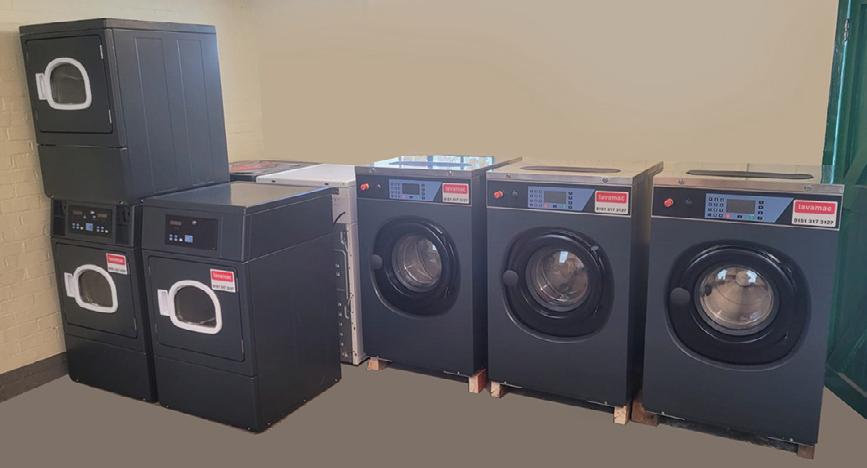
ed a bronze award in sustainability by the Groundworks Trust, affirming their commitment to the sustainability industry Lavamac's refurbishment programme in their specialist facility includes stripping down the machines, and giving them a check-over, to see which parts, if any, can be carried over the refurbishment. Lavamac will only carry over the highest-quality parts from the machine from pre to post refurbishment. The machine then undergoes an extensive refurbishment, with almost all the parts being replaced, with the refurbished machines being given specialist parts based on the model type.
The company offers a complete service-oriented approach that includes laundry design consultation, project management, technical expertise, installation support, and after-sales service. Supported by experienced engineers and factory-trained technicians, Lavamac works closely with customers to develop customized laundry solutions that meet operational goals and space requirements.
or visit www.lavamac.eu
In today’s care environment, operators are facing unprecedented financial pressure. Rising utility costs, staffing shortages and increasing regulatory demands are forcing care homes to scrutinise every aspect of operational efficiency - without compromising resident wellbeing or compliance standards.
Laundry provision is one area where care providers can make meaningful operational and financial gains.
At Forbes Professional, our Complete Care Laundry Solution has been developed specifically to support the evolving needs of the care industry. As proud national partners of Miele Professional commercial laundry equipment, we combine premium technology with local expertise and nationwide service support, giving care homes complete confidence in their laundry operations.
For many operators, purchasing commercial laundry equipment outright is no longer the most practical or cost-effective route. Renting provides access to high-performance, WRAS-approved equipment that meets stringent infection control and industry requirements, without the burden of significant upfront capital expenditure.

Equally important is the reassurance of rapid support. Our local-based engineering network delivers
same-day or next-day response nationwide, helping minimise downtime and maintaining continuity of care operations.
Beyond equipment and service, Forbes Professional works consultatively with care providers to design compliant, efficient laundry solutions tailored to individual operational needs, budgets and laundry room configurations. Our expert advisors guide customers through current industry guidelines to help ensure fully compliant solutions aligned with both CQC and WRAS standards.
Kevin Herring, CEO of Forbes Professional, comments:
“Care homes need reliability, compliance and long-term value. Our engineering infrastructure and national support capability give operators peace of mind that help is always close at hand. By renting premium commercial laundry equipment, care providers can protect cash flow, reduce unexpected repair costs and gain access to industry-leading technology that supports both efficiency and resident care.”
As pressures on the care sector continue, operators are increasingly seeking partners who can deliver not only equipment, but expertise, responsiveness and genuine operational support. Forbes Professional’s Complete Care Laundry Solution is designed to do exactly that.
Trusted by thousands of care homes across the UK, MAG Laundry Equipment is an award-winning supplier of commercial washing machines and tumble dryers. Reliable laundry machines that meet the highest hygiene standards are essential for care homes, hospices, nursing homes, hospitals, and other healthcare organisations. MAG provides support to the care sector for all makes, models, and brands of laundry machines. Whether you require free technical assistance, maintenance, repairs or installation, the professional team of experts at MAG will be happy to answer any questions.
MAG’s product range includes commercial washing machines, tumble dryers, ironers, presses, and detergents, all supported by a nationwide network of accredited engineers. Built since 1922, their commercial laundry equipment has a 5-star reputation for being reliable, energy-efficient, and
cost-effective. Care homes benefit from complete peace of mind knowing their commercial laundry machines can be professionally supplied, installed, maintained, and repaired throughout England, Scotland, and Wales.
Thermal disinfection comes as standard on MAG washing machines designed for care home and healthcare applications, helping businesses maintain the highest hygiene standards and regulations. For organisations seeking exceptional wash performance and effective stain removal, MAG Laundry Equipment also supplies high-quality commercial laundry detergents.
To find out more about how MAG Laundry Equipment can support your care home, visit www.maglaundryequipment.co.uk or phone 01353 883025. See the advert on the back cover.
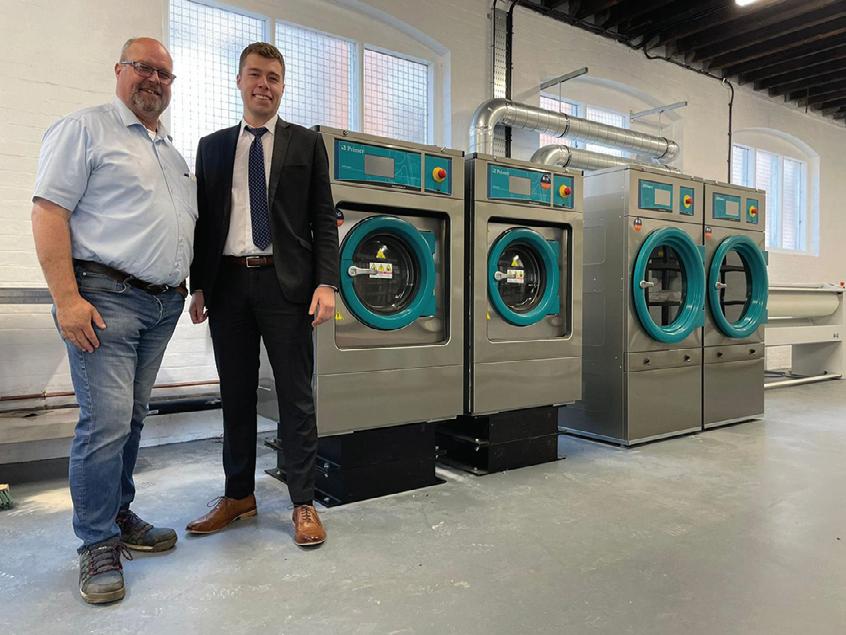

Falls are a significant concern for vulnerable individuals, especially seniors and patients at risk. Medpage, a leader in assistive technology, offers a range of cutting-edge products designed to enhance safety and provide peace of mind for caregivers and families. Here’s an in-depth look at some of their standout solutions:
MPRCG1 (2023) BED LEAVING DETECTION ALARM WITH CAREGIVER RADIO PAGER
The MPRCG1 is a comprehensive system tailored for fall prevention in domestic, commercial, and NHS care settings. This all-inclusive kit includes a bed pressure mat sensor, a BTX21-MP alarm sensor transmitter, and an MP-PAG31 radio pager. The system is designed to alert caregivers when a patient leaves their bed, reducing the risk of falls.
HDKMB2 HOSPITAL DISCHARGE KIT FOR FALLS RISK PATIENTS
The HDKMB2 is a thoughtfully curated kit aimed at supporting patients transitioning from hospital to home care. It includes essential tools to mitigate fall risks and promote recovery. This kit is ideal for caregivers seeking a comprehensive solution to enhance patient safety during the critical post-discharge period.
CMEX-21 MULTI-PORT WIRELESS SENSOR INPUT EXPANDER FOR NURSE CALL CONNECTION
The CMEX-21 is Medpage’s latest innovation, designed to integrate seamlessly with existing nurse call systems. This multi-port expander allows for the connection of multiple wireless sensors, enhancing
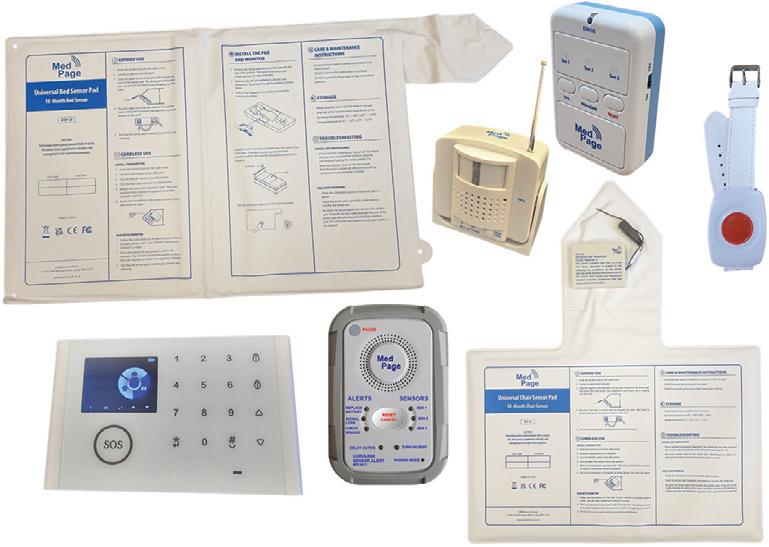
the monitoring capabilities of healthcare facilities. Its versatility makes it a valuable addition to any care environment, ensuring timely responses to patient needs.
RON-WC2 WATERPROOF DISABLED PULL CORD ALARM TRANSMITTER WITH WIRELESS ALARM RECEIVER
The RON-WC2 is a robust solution for disabled individuals requiring immediate assistance. This waterproof pull cord alarm is ideal for use in bathrooms and other high-risk areas. Paired with a wireless alarm receiver, it ensures that help is just a pull away.
For more information, visit Medpage’s official website or contact their team to explore these products further. Safety starts with the right tools, and Medpage delivers just that. www.easylinkuk.co.uk or T: 01536 264 869

The wireless ARM Nurse Call system has been developed over 30 years with both the client and user in mind.
It enables staff to efficiently answer calls, making the management of resources more flexible and provides the functionality you would expect of any nurse call system.
The system is quick and easy to install and works wirelessly, using radio communication between both the call points and the system infrastructure.
The all-new call logging software from ARM enhances the functionality of your care call system dramatically.
• It can help you track the quality of your service to your residents.
• It can help you demonstrate compliance with your aims and best practices, both to relatives and to authorities.
• It can help you find bottlenecks in service provision, track staffing requirements, and allow you to ensure staff are meeting expectations.
• Most importantly, it provides assurance that you know and can demonstrate what is happening in your care home.
Call messages can be sent direct to staff to speed up response times and can also be integrated to work with smart phones & messaging.
In today’s complex care environment, we understand that choosing the right technology is about far more than functionality alone. For care providers, reliability, sustainability, and supply chain resilience are critical factors—especially when it comes to nurse call systems that play such a vital role in resident safety and day-to-day operations.
At Courtney Thorne, we are proud to champion the “Made in Britain” mark. For us, this is not simply about where our systems are manufactured; it reflects our commitment to quality, accountability, and supporting the UK care sector. By designing and building our nurse call systems here in Britain, we can ensure they are developed with a deep understanding of the real challenges faced by care homes, resulting in solutions that are practical, reliable, and easy to use.
Manufacturing in the UK also allows us to maintain close control over our supply chain—something that has become increasingly important in recent years. Global disruptions have highlighted the risks of relying on complex, overseas supply networks. By keeping our production local, we are able to offer greater consistency, shorter lead times, and improved access to parts and upgrades. This means our customers can rely on continuity, even in uncertain times, with minimal risk of disruption to their services.
Sustainability is another area where we believe local manufacturing makes a meaningful difference. By reducing the need for long-distance transportation and focusing on robust, long-lasting system design, we help care providers lower their environmental impact. We are committed to creating solutions that not only meet today’s needs but are built to last—reducing waste and supporting more sustainable care environments over the long term.
Of course, delivering high-quality technology is only part of the picture. We know that ongoing support is essential. That’s why our UK-based technical team is on hand to provide expert assistance, from installation and training through to maintenance and rapid response when it matters most. Our proximity allows us to respond quickly and effectively, giving our customers the confidence that support is always within reach.
At Courtney Thorne, we believe that care homes deserve technology they can depend on—both now and in the future. By combining British manufacturing, sustainable practices, a resilient supply chain, and dedicated local support, we are proud to deliver nurse call systems that underpin safe, effective, and reliable care every day. For more information or to
or contact info@c-t.co.uk.
Alarm Radio Monitoring is the market leader in the design, manufacture and installation of bespoke, end-to-end, wireless alarm systems and solutions for the healthcare, leisure, custodial and education industries.
We have been providing wireless alarm and nurse call systems for over 30 years. Supplying care homes and hospitals with an essential lifeline that supports the delivery of outstanding care.
We believe in excellence which translates into:
Advanced Technology
Industry-leading wireless alarm technologies and software
Bespoke Solutions
We design systems to your needs rather than your team having to work around the system

Innovative Design
Pushing boundaries with the reliability that comes from decades in the industry
Flexible Finance Options
Ensuring organisations of any size can provide safety for their staff and clients
24 Hours a Day, 365 Days a Year Service
Your ARM service team is on hand, on the phone, on-site or return to base, whether you have a service contract or not
For further information, see the advert on the facing page or visit www.arm.uk.com

The analogue-to-digital transition in health and social care is not simply a technology refresh. It is a chance to rethink how help is requested, how staff respond, and how care is coordinated across a home.
Too often, procurement still begins with a like-for-like mindset: replace the old panel, keep the old workflow, and hope for a better result. But digital nurse call should not be bought as a newer version of an old problem. It should be purchased as part of a wider care model that improves visibility, response, accountability, and resident experience.
Before comparing systems, providers should define the problem they are trying to solve. Is the issue slow response times, poor escalation, noisy environments, duplicated paperwork, or a lack of oversight? The right solution should be judged against those outcomes, not against a checklist of features.
This matters because modern nurse call is no longer just about a resident pressing a button and a sounder going off. In better-designed systems, alerts can be routed directly to staff mobile devices, calls can be prioritised, and managers can see patterns in demand and response. That creates a more responsive and less fragmented way of working.
A presentation is not a demonstration. A brochure cannot show how a system behaves during a busy morning shift, when several alerts happen at once and staff are moving across different parts of the home. That is why live testing in a real care environment is essential. Staff should be able to use the system, question it, and pressure-test it before any decision is made. If the workflow is clunky in practice, the promise of digital efficiency disappears very quickly.
One of the biggest mistakes in purchasing technology is treating integration as a nice-to-have. In reality, it is central to whether the system adds value.
When nurse call works alongside care records, mobility devices, alarm management, and internal communi-
By Stuart Barclay, healthcare technology specialist at Syndora Alto
cation tools, the result is less duplication and faster decision-making. When systems do not connect, staff are left repeating tasks, chasing information, and working around the technology rather than with it.
For care providers, that means the question should not be, “What does this system do on its own?” The better question is, “How well does it fit into everything else we already use?”
Digital systems do not end at installation. They begin there. Any provider selecting a nurse call platform should think carefully about what happens after go-live: training, maintenance, updates, fault resolution, and ongoing optimisation.
Care homes need suppliers who understand the realities of the sector, not just the technology. A strong supplier relationship should include responsive support, practical training, and a willingness to adapt as the home’s needs change. In digital care, support is not an extra service; it is part of the product.
The biggest risk in this transition is buying something that cannot evolve. Care homes are operating in a fastchanging environment, and technology that cannot scale or adapt soon becomes a constraint rather than an asset.
Future-ready systems should be designed to expand, integrate, and respond to changing needs without requiring a complete replacement every few years. That flexibility is especially important in a sector facing pressure to modernise ahead of the 2027 digital switchover.
A BETTER QUESTION TO ASK
The analogue era encouraged a narrow question: does the system work?
The digital era demands a better one: does the system help us deliver safer, smarter, more person-centred care?
That shift in mindset changes everything. It moves procurement away from hardware replacement and towards care improvement. It encourages providers to look for visibility, integration, responsiveness, and longterm support rather than simply ticking a technical box.
The homes that get this right will not just be compliant with the digital transition. They will be better equipped to use technology as part of everyday care, supporting staff and improving the experience of residents.
Fall Savers®, are an experienced market leading healthcare provider of resident safety solutions for over 15 years.
FALL SAVERS ® WIRELESS MONITOR
Eliminate all cables with our new generation falls management solutions!
Upgrade your falls programme with the latest technology from Fall Savers®. The NEW Fall Savers® Wireless eliminates the cord between the monitor and sensor pad. This results in less work for nursing staff, improved safety for patients and reduced wear and tear on sensor pads. Wireless advantages include the ability to use one monitor with two sensor pads simultaneously and support for many new wireless devices.
BENEFITS INCLUDE:
Safer for patients; less work for staff
Bed and chair pads available
One monitor works with two sensor pads
Integrates with most nurse call systems
A variety of options, including: Call button
Pager Floor sensor mat
Wireless door/window exit alerts
TREADNOUGHT ®FLOOR SENSOR PAD

The TreadNought® Floor Sensor Pad is built to last with a durable con-
struction that far out lasts the competition. Our anti-bacterial floor sensor pad is compatible with most nurse call systems or can be used with a portable pager to sound an alert when a person steps on to the sensor pad. Caregivers typically place the sensor pad at the bedside, in a doorway or other locations to monitor persons at risk for falls or wandering. An optional anti-slip mesh reduces the potential for slippage on hard surface floors.
FEATURES INCLUDE:
Connects directly to most nurse call systems
High Quality anti-bacterial Floor Sensor Pad
Large Size Pad: Measures (L) 91cm x (H) 61cm
Options (sold separately):
Anti-slip mesh for hard surface floors
See the advert on this page for further details or visit www.fallsavers.co.uk.

Care home managers and staff already know that sharing information is critical to good care. What is changing is the scale and speed at which technology can now collect, analyse and share data, often almost in real time.
There is also much more focus on joined-up care, neighbourhood health services, and better information sharing between organisations. Care homes are expected to work closely with GP practices, hospitals, community services and local authorities, sharing information safely to support more coordinated care.

Done well, this brings real benefits. But it also brings risks. Cyber incidents, scams, human error and system failures can disrupt care services and put sensitive personal information at risk. As more information is shared digitally, providers are increasingly being asked to demonstrate that they have strong data protection and cyber security arrangements in place.
This matters when accessing NHS systems or shared records, responding to commissioner requirements, or demonstrating assurance to regulators and partners. It is no longer enough simply to say that policies exist. Organisations need to show that staff are trained, risks are managed, systems are protected, and clear processes are in place for handling personal information safely.
The Data Security and Protection Toolkit (DSPT) helps care providers do exactly this.
Running a care service means constantly juggling ever-changing regulations alongside the daily needs of the people you serve.
Compliance isn't just about ticking boxes; it’s about the safety of your residents and the protection of your staff. Here is what every manager should have in place:
• Policies aligned with the latest CQC, CIW, and CIS standards.
• Secure, digital storage for staff management files.
• 24/7 access to professional HR and safety advice.
The DSPT is much more than a tick box or a compliance exercise. The toolkit acts as a framework and checklist to help providers strengthen day-to-day data protection and cyber security. It helps organisations review what they already have in place, identify gaps, and improve policies, training and working practices over time.
For many providers, the DSPT helps avoid starting from scratch. It supports practical improvements such as strengthening passwords, reviewing access to information, improving business continuity planning, and helping staff recognise scams and cyber risks.
Crucially, it also helps providers demonstrate good practice and prove they are safe to share information appropriately with partners. In a health and care system increasingly focused on integrated working and digital information sharing, that reassurance matters.
The deadline for the 2025/26 DSPT is 30 June. Previous submissions expire after this date and can no longer be used as evidence.
Digital Care Hub provides free support for adult social care providers, including guidance, webinars, elearning and direct help from 32 local support organisations.
Don’t let your DSPT expire on 30 June. Get free support and guidance at www.digitalcarehub.co.uk/dspt
If your current system feels like ""guesswork,"" it’s time for a more comprehensive solution.
Croner Care Pro provides everything you need to manage the regulatory side of your business in one place.
From practical, ready to use resources collated by industry experts and in line with the latest CQC (Care Quality Commission), CIW (Care Inspectorate Wales) and CIS (Care Inspectorate Scotland) regulations and standards, software to record and store important policies, procedures and staff management files to practical, 24/7 telephone based advice for any challenges you may be facing.

Included is Croner BrightHR Employee Management Software and Croner BrightSafe management software which includes policies, handbooks, and access to your documentation
To learn more about how we can match your service to your specific needs, contact our expert team for free advice today on 01455 858 132.
See the advert on page 9 for further information.

The social care sector continues to face growing pressure from every angle. Providers are balancing rising operational costs, recruitment challenges, complex compliance requirements and increasing expectations from residents, families and regulators alike. At the centre of all of this is one key priority: supporting staff so they can continue delivering high-quality care.
For many care organisations, workforce management technology is becoming an essential part of achieving this!
Across the UK and Ireland, care homes are moving away from manual processes, paper rotas and disconnected systems in favour of integrated workforce management solutions that provide greater visibility, flexibility and control. The result is not only improved operational efficiency, but also a better experience for employees and residents.
Technology is no longer simply about digitising paperwork. It is about giving care providers the tools they need to make informed decisions, manage staffing levels effectively and respond quickly to changing demands.
One area where this is particularly important is employee scheduling and rostering. Care providers often operate around the clock, managing complex shift patterns while ensuring the right staff are available at the right time. Manual scheduling can be time-consuming and leaves little room for flexibility when absences or last-minute changes occur.
Modern workforce management systems help simplify this process by automating rotas, improving visibility across teams and enabling organisations to manage staffing requirements more effectively. Features such as auto-rostering and employee self-service also empower staff by giving them more control over their schedules, shift swaps and holiday requests. This level of flexibility is becoming increasingly important in attracting and retaining employees within the care sector.
Another growing focus for care organisations is absence management. Unplanned absences can place significant pressure on teams and increase costs through overtime or agency cover. Having better visibility
of absence trends allows organisations to take a more proactive approach.
AI-powered tools are now helping providers identify patterns, predict potential absence issues and support more informed workforce planning. These insights can help managers address challenges before they escalate while maintaining continuity of care.
Importantly, workforce management technology is also supporting compliance and reporting requirements. Care providers must ensure accurate records are maintained for working hours, attendance and employee data. Digital systems help reduce manual errors, improve accountability and provide clear audit trails when needed.
When managers spend less time dealing with administration, they have more time to focus on people. When employees have greater flexibility and visibility of their schedules, engagement often improves. When staffing levels are managed effectively, residents benefit from greater continuity and consistency of care.
Technology should never replace the human side of care. Instead, it should support the people delivering it!
As the sector continues to evolve, care providers are increasingly looking for solutions that combine reliability, flexibility and innovation. Integrated workforce management platforms are helping organisations build more resilient operations while continuing to deliver the high standards of care that residents depend on every day.
If you are currently facing workforce management challenges such as staff shortages, inefficient rostering, absence management issues or time-consuming manual processes, we can help. To learn more about how our workforce management solutions support care providers across the UK and Ireland, contact us at hello@softworks.com, call our UK team on +44 1527 888 060 or our Irish team on +353 1 286 6126. You can also visit www.softworks.com for more information.

When a family begins searching for a care home, two things are almost always true. They are under enormous emotional strain, and they have very little idea of what they are actually looking for. Most are doing this for the first time in their lives, often in the middle of a crisis: a hospital discharge, a fall, a sudden change in a parent's condition. They are unclear on funding, what to look for, or what questions to ask.
And what does the sector currently offer them at that crucial first moment? A postcode search.
Most online care directories function as little more than a digital phonebook, a long, undifferentiated list of names and addresses that families are expected to trawl through alone. A handful offer a "concierge" service, but that typically means a phone call back, during office hours, after the family has already filled in a form. The first point of contact, the moment when families most need guidance, is precisely the moment they are left to fend for themselves.
Caretopia World was built to change that.
The UK's first AI-powered care navigation website, Caretopia replaces the postcode-and-pray model with a guided conversation. At the heart of the site is Fliss, an AI agent who talks with families and carers, asks the right questions, and helps them work out what they actually need before showing them anything at all. Fliss signposts information on common conditions, explains funding options in plain language, and –crucially – checks in on how the person searching is coping. It is a small touch, but it acknowledges what the rest of the sector tends to ignore: that the people doing the searching are often exhausted, frightened, and grieving a loss of independence on behalf of someone they love.
Only once Fliss has built a real picture of the family's situation does the site present a shortlist of providers. Families can then select up to three homes to compare side by side and share that shortlist with siblings, partners, or other decision-makers. The result is a process that feels less like online shopping and more like having a knowledgeable friend in the room.
"Postcode searches are simply inadequate for the people who use them," says founder Nathan Davies-
Pugh. "Most families are doing this for the first time, and they don't yet know what good looks like. Fliss helps them arrive at a realistic set of considerations – and then matches them with homes that genuinely fit."
For care home managers, the proposition is just as straightforward.
Providers can build a profile using Caretopia's bespoke page builder in under ten minutes, with all the information families actually want to see: photos, fees, specialisms, room availability, and a clear sense of the home's character. Because Fliss has already done the qualifying work, the enquiries that come through tend to be warmer, better-informed, and a closer match to what the home offers, sparing managers the time-sink of fielding calls from families whose needs they cannot meet.
Pricing has been kept deliberately modest. "We are acutely aware of the pressure the care sector is under," Davies-Pugh explains. "The first month is always free, and our discount code for the first year means a home effectively gets unlimited job ad placements thrown in for nothing. There is no contract, no minimum term, and providers can cancel at any time.”
The wider point is that AI, used thoughtfully, has a real role to play in one of the most human moments a family will ever face. Not as a gimmick, and not as a replacement for the warmth and skill of care staff, but as a way of taking the chaos out of that first conversation so that by the time a family picks up the phone to a home, they already know why they are calling.
"We always say that care should start before the care journey begins," Davies-Pugh concludes. "That is what our AI is designed to do. And honestly, we are only just getting started. Watch this space."
Find out more at www.caretopiaworld.co.uk
Care home staff today face increasingly complex responsibilities. Supporting residents with dementia, autism, frailty, safeguarding concerns, and communication difficulties requires far more than theoretical knowledge. Staff need confidence, judgement, teamwork, and the ability to respond compassionately in challenging situations.
However, much care home training still relies heavily on passive e-learning and compliance-focused approaches. While online modules may meet mandatory requirements, they often do little to improve reflective practice, communication, or real-world decision-making. Care home managers are increasingly recognising the need for more engaging and practical approaches to workforce development.
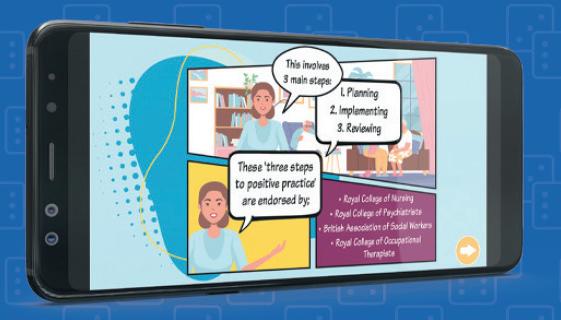
Gamification, game-based learning, and facilitated group activities offer an important opportunity to improve staff learning and engagement. Instead of simply completing quizzes or reading policies, staff work together through realistic scenarios, discussion exercises, and collaborative problem-solving activities. This encourages active participation and helps teams apply learning directly to everyday care situations.
Research increasingly supports these methods. Studies examining simulation-based learning in nursing homes have shown improvements in staff confidence, communication skills, leadership, and reflective prac-
tice. Dementia care simulations, for example, have helped staff develop more personcentred approaches and greater confidence in responding to distressed behaviours. These approaches also strengthen teamwork and workplace culture. Much mandatory training is completed individually, often in isolation. Group-based learning encourages discussion, peer learning, and shared reflection, helping teams develop more consistent approaches to care. This aligns closely with the growing emphasis from the Care Quality Commission on learning cultures, staff understanding, and continuous improvement. Importantly, game-based learning is not about replacing professional standards or mandatory training. It is about making learning more meaningful, memorable, and practical.
As pressures on the care sector continue to grow, providers need training approaches that build confidence, communication, and real-world capability — not simply certificate completion.
To explore practical, evidence-based training tools designed specifically for care teams, see the Focus Games advertisement on the front page of this issue, including a special reader discount offer for physical and digital team-learning resources that support communication, teamwork, decision-making, and improved CQC outcomes.
See the advert on the front cover or visit www.FocusGames.com
Global assists clients throughout the U.K. who specialise in the healthcare sector to achieve their objectives of purchase, development and refinance. We have organised over £1.8bn for clients in the past 30 years, providing clients with competitively priced funding to refinance existing debt, ease cashflow and develop businesses further.
From helping clients make their


23 years, operating 4 Devon Nursing homes, has been pretty tough, as anyone in social care, knows, only too well. And if it was hard already, after 2024 budget, it's just got harder.
Anyway, at heart, I am just customer of Eden Alternative, and it was a stroke of luck to come across this whilst on holiday in New Zealand in 2009. It started in USA in 1994 and
now runs in 22 countries.
The fact that I am now involved with this not-for-profit organisation (in the UK area) came about when one of the 2 main UK directors died suddenly just before Covid. But it's something I have run with for 11 years to help make 'vision' a reality, not a struggle. So, being both a customer and helping the admin seems quite natural.
It is a modern philosophy of care, but moreover, it's a programme that is straight forward, tried and tested for 30 years and really works. Its member care organisations generally become trainers for their own teams, and run it themselves.

The programme is run in person over 2-3 days or online 1 hr a wk for 7 weeks. You choose.
It addresses loneliness, helplessness and boredom and operates through 10 principles to underpin 7 critical domains of wellbeing. Moreover, it's effective, transformational and really works. As residents, and team members wellbeing, matter so much , it's a must, in my opinion.
Geoffrey Cox Southernhealthcare.co.uk eden-alternative.co.uk

By Lucy Carpenter, leader of the Compassionate Employers Programme

Managers today are being asked to support their teams through some of life’s most difficult moments. From grief and serious illness to financial pressures and burnout, the emotional load on employees is growing.
Alongside this, more and more people are quietly taking on unpaid caring responsibilities. Supporting a parent, a partner, a child, or a friend, often without ever using the word “carer” to describe themselves.
That’s why it’s more important than ever to ask: what more can we do to support both carers and the managers supporting them?
Census data shows that nearly 3 million carers aged 16 and over in the UK are in paid employment. Within this, an estimated 1.4 million are “sandwich carers”.
A sandwich carer is someone who provides unpaid care for both dependent children and older relatives, often their own parents or grandparents. They are balancing the needs of two different generations, alongside their own work and personal lives.
This group spans a wide age range, from late teens through to mid-60s. Yet despite their numbers, and the vital role they play, many people don’t recognise themselves as carers at all.
More broadly, unpaid carers contribute the equivalent of around four million paid care workers to the social care system. Without them, the system would simply collapse.
The economic impact is significant too, a major study by Carers Trust found that the contribution of working-age carers is worth up to £47.7 billion a year.
Carers are not a small or niche group in our workforce. They are our colleagues, our teams, and in many cases, our managers.
For many carers, work is more than a job. It can be a source of identity, financial stability, connection, and routine.
But without the right support, balancing work and caring responsibilities can quickly become overwhelming. Many carers reduce their hours, turn down progression opportunities, or leave work altogether because it simply isn’t sustainable.
That’s why creating compassionate, supportive workplace cultures isn’t just the right thing to do, it’s essential for retaining talent, supporting wellbeing, and keeping people in work. WHAT CAN ORGANISATIONS DO?
The good news is that small, practical changes can make a big difference. It starts with creating an environment where carers feel seen, supported, and safe to speak up.
Here are four simple ways to get started:
Ask - One of the easiest ways to support carers is to make space for the conversation. Build caring into the everyday conversations you’re already having, during onboarding, regular check-ins, supervision, and
Working in social care is demanding. It is one of the most heavily regulated yet underfunded sectors, with providers expected to comply with regulations, meet Quality Statements, follow good practice guidance, respond to local authority monitoring, and operate under constant scrutiny.

Regulation itself isn’t the problem — it protects people and improves standards. The challenge is capacity. Larger organisations may have in-house quality assurance teams, but smaller providers rarely have the time or budget to review compliance in depth. Many owners and managers tell us they feel overwhelmed and unsure how well their service is really performing, especially since the introduction of the Single Assessment Framework.
For many, confidence in compliance is the number one concern — not because standards are poor, but because there simply isn’t time to step back and take a full, objective view.
CAN AN EXTERNAL AUDIT HELP?
In short, yes — when it’s done properly. A highquality external audit provides:
• A clear snapshot of current performance
• Identification of good practice and priority risks
• Practical advice on how to improve
• Evidence to support action plans and improvement journeys
• Demonstration of good governance and continuous improvement — a key CQC focus
• Reassurance for owners, directors, and managers HOW W&P CAN HELP W&P have supported health and social care providers for nearly 25 years, completing hundreds of audits across a wide range of services. This experience gives us deep insight into what regulators look for — and what genuinely improves outcomes.
Our audits are supportive, non-judgmental, and practical. They typically include around six hours on-site, followed by a detailed report that links evidence to regulations and Quality Statements. Reports also include clear guidance, tips, and sources to help you respond confidently. Every audit is tailored to your needs — whether that’s safeguarding, medication management, or overall governance — ensuring it is truly fit for purpose.
If you would like to know more, then please contact us on audits@wandptrainng.co.uk or call 01305 767104 for a no-obligation chat on how our audits can help you. See the advert on page 5.
annual reviews.
Taking the time to understand what’s happening in someone’s life outside of work helps you see the full picture and the load they may be carrying. Many carers won’t volunteer this information unless they feel asked in a safe and supportive way. Simple, open questions can make all the difference.
Talk - Visibility changes everything, talk openly about caring within your organisation. Share stories, signpost support, and make it clear that people with caring responsibilities are valued and supported.
Many carers stay quiet because they worry they’ll be seen as less committed, particularly during times of organisational change or uncertainty.
Creating a culture where caring isn’t something to hide helps people feel able to speak up earlier, before they reach crisis point.
Educate - Managers play a crucial role in shaping how supported someone feels at work. People are much more likely to open up when they feel psychologically safe, and that comes from trust, empathy, and understanding. Sometimes these conversations can feel difficult, managers may worry about saying the wrong thing or not knowing how to help. That’s where training matters, giving managers the confidence and skills to have compassionate conversations can transform how support is experienced day to day.
Formalise - Informal support is important, but it needs to be backed up by clear policies. Make sure your policies are up to date, easy to find, and regularly communicated. Employees need to understand their rights, including legal protections:
• Five days’ unpaid carer’s leave
Time off for dependants in emergencies
Parental leave
Protection from discrimination
The right to request flexible working
Alongside policies, practical guidance and real-life examples can help bring them to life. Case studies can show both managers and employees what good support looks like in practice.
Ultimately, supporting carers is about more than policies or processes. It’s about culture. It’s about recognising that people don’t leave their lives at the door when they come to work, it’s about understanding that, at some point, many of us will become carers ourselves.
By creating workplaces where people feel seen, understood, and supported, we not only help individuals through challenging times, but we also build stronger, more compassionate organisations for everyone.