





England must treat its rapidly ageing population as a national emergency — or risk a collapse of the health and care system — a landmark report by The King's Fund and the International Longevity Centre UK (ILC) has warned.
The report, which draws on international comparisons with Japan and Sweden, concludes that England is dangerously behind its peers in preparing for a demo-
graphic transformation that will reshape demand for residential and nursing care for decades to come.
The report identifies England's social care funding model as a critical failure point, and one where the sector will recognise the consequences acutely.
(CONTINUED ON PAGE 3...)
room.
The current situation is simply unsustainable.


There is no dressing up the ticking time bomb we face when it comes to tackling our ageing population and the ever-growing demand for social care, as our lead story on this wek's The King's Fund report highlights.
It remains perhaps the finest example of the "elephant in the room" — a problem everyone acknowledges, everyone discusses, yet one that successive governments have repeatedly failed to confront with any meaningful long-term solution.
It is an issue that we at THE CARER have covered extensively over many years. We have published countless thought-provoking articles, comment pieces and expert opinions from some of the sector's leading organisations and commentators. It is also a subject on which I have written many times myself.
The frustrating reality is that every government and every minister responsible for social care appears to "recognise" the problem.
Recognition, however, is not the same as action.
I vividly remember one former Chancellor stating before taking office that social care required an additional £7 billion annually just to “stand still”. Yet once installed in one of the most powerful positions in government, that same voice became remarkably quiet on the issue.
It is not difficult to understand why.
Whenever politicians have attempted meaningful reform, they have often paid a heavy political price.
Former Prime Minister Theresa May's experience in the 2017 General Election remains the most obvious example.
Her proposals to reform social care funding were swiftly branded a "dementia tax" by sections of the media. Following a dramatic drop in the polls and intense public backlash, the policy was effectively abandoned within days. The subsequent election result stripped the Conservatives of their parliamentary majority, and the reforms disappeared altogether.
It is therefore easy to see why politicians approach social care reform with extreme caution.
But sooner or later, someone must grasp this increasingly overweight elephant in the
In my very humble opinion, the position we now find ourselves in is largely the result of decades of political inaction, a lack of political will and, dare I say it, a degree of political cowardice.
Our lead story describes the situation as a national emergency and warns that time is running out. I find it difficult to disagree.
However, responsibility does not rest solely with government. As we have seen in countries such as Japan and Sweden, the public must also play its part. We need to take better care of our health, exercise more, eat better, embrace moderation and, crucially, plan for later life. We cannot simply continue passing an ever-increasing financial burden onto future generations.
Call it what you will, but I have yet to see a more credible framework than one built around a dedicated Long-Term Care Insurance (LTCI) model similar to those operating in Japan and Germany. Such an approach would create a sustainable pooled funding system, establish a national eligibility assessment framework and place far greater emphasis on preventative, community-based care while sharing the risk of catastrophic care costs across society.
Perhaps that explains why I would never get elected to Parliament.
I was also saddened recently to learn that veteran journalist and broadcaster Jon Snow has been diagnosed with dementia. In a recent interview he posed a simple but powerful question: "If I don't speak out, who will?"
His willingness to speak publicly deserves enormous credit.
It would be entirely understandable for anyone receiving such a diagnosis to retreat quietly from public life. Yet given the scale of the challenge we face, it is invaluable when high-profile figures are prepared to tell their stories and shine a light on this devastating condition and its consequences for individuals, families and society.
The statistics are sobering.
Every three minutes someone in the UK develops dementia. Yet more than a third of people living with the condition do not have a formal diagnosis.
Looking ahead, the projections are even more alarming. By the 2070s, more than a quarter of the UK population is expected to be aged 65 or over. With over one million people already living with dementia, that figure could exceed two million if current demographic trends continue.
And therein lies the question policymakers can no longer avoid.
If we are struggling to afford social care today, how on earth will we afford it when twice as many people require it?
The clock is ticking.
I would encourage our readers to sign up for our bi-weekly digital newsletter at www.thecareruk.com and follow us on social media for all the latest news.
I can always be contacted at editor@thecareruk.com





(CONTINUED FROM FRONT COVER)
Roundtable participants — including clinicians, policy experts and sector leaders — described Britain as an outlier among comparable nations for the number of people excluded from publicly funded care. Thousands are forced to self-fund, rely on informal family support or go without altogether.
HUMAN COST
The human cost, the report reveals is stark, with one participant reported family members facing care home fees of £1,750 per week, noting: "At that price, people take terrible decisions about care, often to remain at home." A clinician added that patients discharged from hospital frequently declined home care packages once they became chargeable — only to deteriorate and return via A&E. "The default place of safety where people fall into is acute hospitals," they said.
DEMOCRATIC FUTURE
Japan was chosen as it is living in our ‘demographic future’: it has the world’s largest share of older adults, with 31.7% of its population aged 65 or older, compared to 19% in the UK. Japan is also the top ranked country in the ILC’s Healthy Ageing and Prevention Index when it comes to health span and life span. Sweden was chosen because it represents good practice England can aspire to – with it holding a comparable population size and health system whilst being in the top three for health ageing in the Index. The UK is ranked 14th.
The King’s Fund report follows a 2025 “State of Aging Report” from the Centre for Better Aging which revealed that:
The older population in England is getting larger. In the last 40 years, the number of people aged 50 and over has increased by over 6.8 million (a 47% increase), and the number aged 65 and over has increased by over 3.5 million (a 52% increase).
Over 10 million people are currently aged 65 and over, making up 18% of the population.
The number of people aged 65-79 is predicted to increase by nearly a third (30%) to over 10 million in the next 40 years, while the number of people aged 80 and over – the fastest growing segment of the population – is set to more than double to over 6 million.
The older population is growing fastest in many rural and coastal areas, where the proportion of older people is already higher. In some rural and coastal local authority areas, one in three people are aged 65 and over compared with one in five across the country.
At the same time, the population of people aged under 20 is predicted to decrease over the next 40 years.
NATIONAL MISSION
The King’s Fund report makes several recommendations based on research and discussions with experts from both countries. One of the key themes that came through was the need for a ‘national mission for ageing’.
In Japan, the concept of an ageing population has been part of the national conversation with the public for decades stemming back to 1989-90 when the total fertility rate fell to 1.57, dubbed the ‘1.57 shock’. Since then, there has been a succession of policy programmes aimed at increasing fertility and many successful reforms to the way in which care and social services for older people are delivered and funded.
The historical legacy of all this policy work created a sense of ‘national mission’ around the challenges of population ageing in Japan and encouraged people to think holistically about ageing not as a discrete issue, but rather as a new terrain for policy making with implications across health, employment, immigration, social cohesion and a host of other areas.
The media interest dating back to the ‘1.57 shock’ means that the public is also part of the national conversation around these issues, increasing the opportunity for legitimacy and democratic consent to be brought into the policy making process.
MEETING CHALLENGES
The Swedish approach to their ‘national mission’ focusses more on meeting the challenge through pre-
vention, with a legal framework designed to put prevention into the responsibilities of those providing public services and has sparked numerous initiatives to this end.
One included offering ‘health meetings’ for older people to discuss their health behaviours. Sweden also took a longer-term approach, launching a 10-year strategy for older people in 2020 which provided targeted grants to areas so they could develop localised services to deal with their specific challenges related to ageing.
In the round tables, it was observed that ‘our population [in England] enters middle age and older age with health in a much more parlous state [than in Sweden or Japan]’. It was also noted that the prevalence of conditions like obesity were damaging people’s health, resulting in health service demand occurring earlier and for longer.
England, the report concludes, urgently needs a national strategy on ageing — one backed by prime ministerial leadership, delivered across departments, and embedded within the government's Health Mission.
Critically, the challenge of an ageing society is at its core a challenge of prevention: England must be bolder in public health policy, moving beyond fear of "nanny state" criticism to implement concrete measures on physical activity, alcohol, and diet that enjoy broad public support.
Alongside this, the long-promised shift from hospital to community care must be delivered in full — not just as a change in where medical interventions happen, but as a genuine investment in the local infrastructure, voluntary services, and neighbourhood connections that allow older people to live independently and well.
This requires aligning NHS investment, workforce planning, and performance management behind community and primary care, while ensuring local authorities have the resources to play their part.
The workforce itself must be reshaped, with training and leadership weighted toward community settings, and immigration policy calibrated honestly against workforce realities.
Tackling deep inequalities in healthy ageing — driven largely by deprivation and geography — must be a consistent thread running through all of this, the report adds.
Finally, as England's social care system remains an outlier in excluding so many people from publicly funded support; the Casey Commission should be urged to move faster, with universal eligibility placed firmly at the heart of any reform, the report said.
“SERIOUS
Luca Tiratelli, co-author of the research and Senior Researcher at The King’s Fund, said:
‘As the realities of our demographic future begin to materialise there will be fewer people in work relative to the population and more people needing support as they develop medical conditions associated with getting older.
“This is an unescapable fact and one that needs serious consideration as to how we limit the pressure this will cause on the nation’s finances whilst ensuring that everyone can live their lives in dignity and independence for as long as possible.
‘So far that conversation has not received the focus it needs and other countries are proving to be both more ambitious and more successful in their attempts to address it. One of those areas is a sense of ‘national mission’ in tackling these issues that ensures by in from all elements of society to work towards a collective goal of healthy ageing. Without it, our already creaking health and care system risks collapsing and the prize of a population that can enjoy healthier and more independent lives for longer will be missed.
‘Policy makers need to work to create this ‘national mission for ageing’ and put allowing people to live healthier lives for longer at its heart. The government’s commitment to a prevention shift in its 10 Year Health Plan provides a strong foundation for this, alongside the opportunity to set out a clear national strategy that better supports people to live well in an ageing society.’


Reform depends on making clear choices about entitlement, funding and responsibility.
Reform is not a statement of principle. It is a set of choices about how arrangements would work in practice. There is no shortage of agreement about what social care should achieve. The Care Act sets out a clear ambition, grounded in wellbeing and individual rights. Work across the sector has helped to articulate that ambition in more accessible terms, describing what people should be able to expect from care and support. The Act itself embeds a right to choice and focuses on what people want to achieve in their lives, not simply the services they receive.
The challenge is not defining that ambition. It is translating it into arrangements that are coherent, deliverable and sustainable. That requires working through a small number of questions.
WHAT IS GUARANTEED?
What does the system promise people — and on what basis?
The Care Act provides a framework for answering this question. It describes a system centred on wellbeing, independence and participation. In that sense, it can be read as an articulation of what people should reasonably expect.
But those expectations are not always clear in practice. Access to support depends on eligibility thresholds, local interpretation, and available resources. For many people, the point at which support becomes available remains uncertain. This uncertainty shapes how people experience the system, often requiring them to navigate complex processes at moments of stress or crisis.
Reform requires greater clarity about what is guaranteed, and for whom. That, in turn, brings into focus the boundary between the responsibilities of:
• the state the individual the family
These questions can be approached in different ways. At one end of the spectrum are more collective models of provision, in which risk is pooled across society and entitlements are more clearly defined. At the other are arrangements that place greater emphasis on individual responsibility, with the state providing a more limited safety net.
There is no settled consensus between these positions. But reform cannot avoid the need to work through their implications, including how they shape expectations, incentives and the distribution of risk.
HOW IS IT FUNDED AND SUSTAINED?
How are costs and risks shared over time?
Adult social care already operates as a mixed economy. A significant proportion of care is funded privately, with individuals and families bearing a substantial share of financial risk. This reflects a system in which public funding, private contributions and unpaid care all play a role in meeting need.
Reform cannot assume a blank starting point. It must work with — and, where necessary, rebalance — these existing arrangements. That raises practical questions: how public funding interacts with private contributions how self-funders are treated within the system
• how funding arrangements support, or undermine, long-term sustainability
The mixed economy also provides flexibility, responsiveness and capacity that would be difficult to repli-


• We specialise in the sale and purchase of quality used wheelchair accessible vehicles and ambulances.
• They can be bought as seen or refurbished and sign-written to your own requirements.
• Fully serviced, new mot & warranty
• Engineers inspection supplied if required.
• Free delivery service available
• All buses comply with new legislation
• Lease hire and purchase available
• Always large stock of accessible vehicles


By Paul Burstow, Chair of the Board, SCIE
cate through wholly public provision. At the same time, it can create variation in access, experience and outcomes, and can expose individuals and families to significant financial risk.
These are not simply questions of affordability. They shape incentives, access and public expectations, and influence how the system is experienced in practice.
How responsibilities are defined and exercised is a central design question. In practice, responsibility is shared:
between national and local government between health and care systems
• and between the state and the individual and their family
As longevity has increased, and eligibility for publicly funded care has tightened, the line between what is provided through the NHS and what is subject to means-testing has shifted. These changes have taken place gradually and are not always visible to those who rely on services.
These shifts have not always been explicit, nor widely understood.
Attempts to bring health and social care into closer alignment have often highlighted these underlying questions of structure and accountability — rather than resolving them. Efforts to integrate services have exposed differences in funding models, entitlement and governance that reflect deeper design choices within the system.
Reform therefore requires clarity not only about formal responsibilities, but about how those responsibilities are made real in practice — through commissioning, funding flows, data and accountability.
These questions also extend beyond social care alone, touching on housing, public health and income support. The boundaries between them are often experienced as blurred, even where responsibilities are formally distinct.
How does the system ensure that people experience reliable, high-quality care wherever they live?
This brings together several elements: workforce stability and capability standards that clarify expectations the sustainability of providers the capacity to innovate and develop new models of care
There is a persistent gap between agreement on what good looks like and the consistency with which it is delivered. This is reflected in variation in access, quality and outcomes across different parts of the country, and for different groups of people.
Standards can help to address that gap, but only if they support improvement rather than constrain it. Consistency does not require uniformity. It requires clarity about outcomes, alongside space for local leadership and provider innovation.
At the same time, reform is delivered through a diverse provider landscape. Provider viability, and the ability to invest and innovate, are part of how the system functions in practice. The resilience of this landscape is shaped by workforce conditions, funding flows and the wider economic environment.
These questions are not abstract. They reflect an existing distribution of responsibility in which individuals, families and independent providers already carry a significant share of cost and risk. Evidence consistently shows that unpaid carers and providers absorb pressures where the system is under strain.
Reform must therefore do more than restate ambition. It must work through how these arrangements are aligned, and where they may need to be rebalanced.
That, in turn, requires making trade-offs explicit. The question is not what the system stands for. It is how its different elements are brought together in a way that can be delivered consistently, understood by the public, and sustained over time.
The Care Association Alliance (CAA) has launched a new programme of policy papers to put the voice of frontline care providers at the centre of the national debate on adult social care reform, as the sector warns that waiting until 2028 for the Casey Commission’s final recommendations risks leaving reform too late.
The programme, titled Building a National Care Service: A Programme for Reform, will see the CAA publish a series of papers over the coming weeks and months, each addressing a distinct structural challenge facing the sector. The first paper will make the case for a nationally coherent funding framework, arguing that without a sustainable funding settlement at its foundation, wider reform will remain out of reach. Subsequent papers will address commissioning, workforce, service delivery and the relationship between health and social care.
The programme builds on Co-Chair of the CAA Melanie Weatherley MBE’s recent writing on the state of social care, in which she argued that more than 80 years after Beveridge, Want and Disease still loom large in the sector and that the moment to act is now.
The CAA’s programme is explicitly designed to contribute to the work of the Independent Commission on Adult Social Care, chaired by Baroness Casey. The Commission is currently in the midst of its first phase, with cross-party discussions underway and its initial report expected in 2026. However, final recommendations are not due until 2028, a timetable that makes significant legislative reform unlikely before the next general election.
With the Commission’s evidence-gathering phase now open, the CAA believes the window to shape its thinking is critical, and that the voice of frontline providers must be central to the recommendations
that emerge. The reform papers will be submitted to the Commission.
The first paper in the CAA’s programme will focus on funding and make the case that the current model is neither equitable nor sustainable. Today, the financial burden of a national demographic challenge falls largely on local authorities whose budgets vary enormously from one part of the country to the next. The result is a system where access to care is shaped by geography as much as by need, where providers operate on rates that do not cover their costs, and where individuals and families face costs that are unpredictable and bear little relationship to what others elsewhere pay for equivalent support.
The paper sets out a new model for how care should be funded, one designed to reduce these inequities and put the system on a sustainable footing.
Melanie Weatherley MBE, Co-Chair of the Care Association Alliance, said: “The Casey Commission represents a genuine opportunity to build the cross-party consensus that social care reform has long needed, and we strongly welcome its work. But the sector cannot afford to stand back and wait until 2028 for answers. The people we support cannot wait, and the pressures our members are working under cannot wait either.
“At the Care Association Alliance, we work with providers on the frontline of care every day, and it is from that vantage point that we have been developing a programme of reform. Over the coming months we will set out, paper by paper, what a genuine National Care Service should look like in practice, starting with the case for a nationally coherent funding framework and extending to commissioning, workforce and the relationship between health and care.”
UNISON members have descended on Westminster today, as the union steps up pressure on ministers over what it describes as a “broken promise” to migrant care workers.
The day of action marks a significant escalation in the union’s Fair Visa Campaign, by taking it directly to Downing Street and the Home Office for the first time.
Care workers and supporters lobbies MPs inside Parliament, marched through central London and held a vigil outside the Home Office in memory of workers who have taken their own lives after experiencing exploitation under the current sponsorship system.
At the same time, UNISON general secretary Andrea Egan led a delegation to Number 10 to deliver a letter directly to Prime Minister Keir Starmer, urging the government to abandon proposed immigration changes that will triple the qualifying period for permanent settlement from five to 15 years.

Ms Egan said ministers were failing workers who had been encouraged to come to the UK to help sustain social care services during a workforce crisis. “The government’s proposals are cruel, unnecessary and they need to be scrapped,” she said.
The sponsorship system ties a worker’s right to remain in the UK to their employer, a model that leaves workers vulnerable to abuse and exploitation.
In addition to dropping the 15-year qualifying period, UNISON is urging the government to introduce a sector-wide visa in social care that would allow workers to move between employers more easily, and to
speed up the introduction of a Fair Pay Agreement to improve wages.
The Fair Visa Campaign began with migrant care workers speaking out about their own experiences, and has grown into a wider movement backed by UNISON’s wider membership.
The campaign has steadily gathered momentum over the past year. In December, hundreds of migrant workers travelled from across the UK to Westminster to share their experiences directly with MPs and warn of the consequences of extending the route to settlement. The campaign intensified further in April, when MPs were lobbied across the country and campaigners staged a mass leafleting event in the home secretary’s constituency.
UNISON is calling for ministers to:
• Retain a five-year route to settlement for overseas workers.
• Introduce a sector-wide visa scheme in social care to reduce the freedom employers have to exploit workers.
• Deliver a Fair Pay Agreement for social care workers.
Action, the union says, is urgently needed to address workforce pressures in social care. Adult social care contributed £77.8 billion to England’s economy in 2024/25, but the sector continues to face around 111,000 vacancies.
International recruitment has fallen from 105,000 to 50,000 over the past year, while the number of British workers employed in the sector has fallen by 30,000.
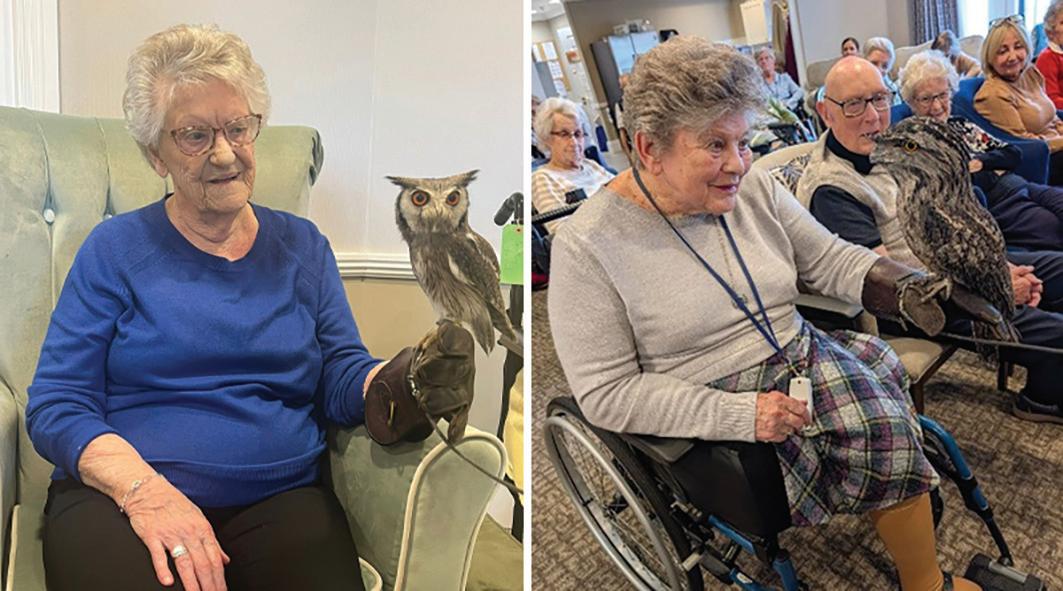
Residents at Care UK’s Llys Cyncoed, on Cyncoed Road, had a hoot of a time learning all about some unique birds of prey during a special talk delivered by Falconry UK.
Residents were able to meet, hold and interact with a variety of birds, including a white-faced owl, a Verreaux Milky Eagle owl and even a blue winged kookaburra from the land down under. The professional falconer gave residents a light-hearted talk on each species, their characteristics and how they hunt for food in the wild.
Dewi Thomas, a resident at Llys Cyncoed, said: “The whole talk was absolutely fascinating and I learnt a lot from it. It was an amazing experience; I’ve always loved nature and the outdoors, so having the opportunity to be up close with the owl was incredible.”
The visit was part of Llys Cyncoed’s ongoing animal therapy programme, designed to enable residents to lead fulfilling lives.
Carley Hunt, Home Manager at
commented: “It was lovely to welcome Falconry UK to the home and give residents a unique opportunity to experience these beautiful birds up-close. We all learnt something new during the visit and thoroughly enjoyed every minute of it.
“It is always so heartwarming to see residents so engaged and present during these kinds of visits. Animal therapy has significant benefits for older people, especially those living with dementia, as these interactions can help reduce anxiety and really build confidence.
“I’d like to thank the expert at Falconry UK for such a wonderful day; this event was so much fun for everyone involved and we are already looking forward to their next visit.”

In coversation with Darren Morgan, Partner at Blacks Solicitors (www.LawBlacks.com)

Recent reports show that 44%1 of working-age adults in the UK experience conflict or disputes in the workplace, as businesses and workplaces face increasing pressures. The Yorkshire-based law firm, Blacks Solicitors, has reported a three-fold increase in disputes involving healthcare practices over the past twelve months alone.
Across the wider economy, organisations are operating under increasing strain driven by market volatility, financial pressures, evolving regulatory requirements, and misaligned expectations between partners. Against this backdrop, disputes linked to governance, profit share, and strategic direction are becoming more common, particularly where partnership agreements are outdated or incomplete.
Here, Darren Morgan, Partner in the Commercial Disputes Resolution team at Blacks Solicitors discusses the recent rise in partnership disputes and outlines best practice for those already in, or considering entering into, a partnership agreement.
WHAT IS A PARTNERSHIP AGREEMENT?
A partnership agreement is a legally binding document that sets out how a business partnership will operate. It typically covers each partner’s roles and responsibilities, decision-making powers, profit sharing, and the process for resolving disputes, as well as what happens if a partner retires or leaves the practice.
BEST PRACTICE
Healthcare practices and businesses are face growing pressures, including rising patient demand, an ageing population, workforce shortages and continued financial constraints across the NHS. Combined with
wider economic uncertainty and increasing regulatory obligations, these factors are putting businesses under more strain than ever before.In this environment, a robust and regularly reviewed partnership agreement can help reduce uncertainty, protect relationships and support the long-term resilience of the practice.
Many business partnerships operate under formal partnership agreements that define rights, responsibilities and exit provisions. However, where agreements are outdated or absent, significant risks can arise. In some cases, default provisions under the Partnership Act 1890 can allow a partner to dissolve a business without the consent of others, while poorly drafted clauses may lead to disputes over removal or fairness. Strong partnerships are built on clear, comprehensive agreements from the outset, disputes are increasingly arising where agreements are outdated or silent on key issues such as exit provisions and decision-making authority.
Standard expulsion clauses typically allow for a partner to be removed if they materially breach the agreement, lose their professional registration or become bankrupt. However, they do not always address situations where a partner is underperforming or where relationships have irretrievably broken down. A socalled “green socks” clause allows partners to remove another partner on a no-fault basis, provided the other partners unanimously agree and a fair process is followed. These clauses can be particularly valuable where a partner is no longer contributing effectively to the practice, even though they have not technically breached the agreement. To reduce the risk of misuse, green socks clauses should include safeguards such as mediation and clearly defined notice provisions.
As economic pressures continue to intensify across the UK economy, Blacks Solicitors expects demand for partnership dispute advice to continue rising across professional services and owner-managed businesses throughout 2026.
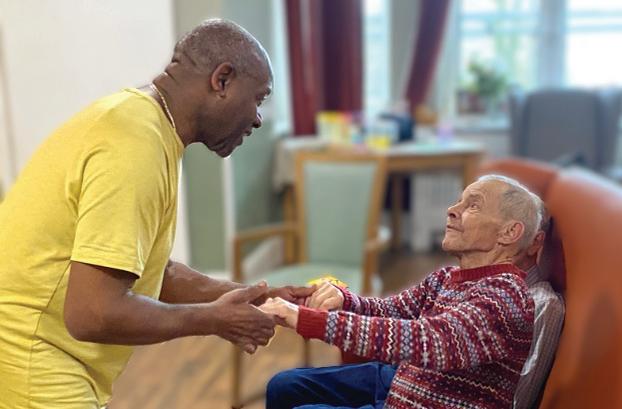
Music drifts through the room most weeks at Heanton Nursing Home, where regular entertainer Robert “Roberto” Campbell leads chair-based Zumba sessions with residents (who the home fondly refers to as family members).
With more than 20 years’ experience, Roberto’s sessions are gentle and led by the mood of the room rather than routines, some people join straight in, others sit quietly nearby, tapping a hand on the arm of a chair or singing a few words when a familiar song comes on.
“It’s never been about getting people to follow steps,” Home Manager Abigail Denford said. “It’s about what the music brings out in someone.” For many, music can also reconnect people with parts of their identity. Songs
linked to earlier life and the simple act of moving with others can bring nostalgia and community. It reflects the wider approach to care within the home, where behaviour is seen as a form of communication. Support is shaped around the person rather than trying to correct or control them. Over time, Roberto’s visits have become a familiar part of the month.
Even as people’s needs change, the focus within the home stays the same, creating an environment where people feel comfortable, understood and able to be themselves.
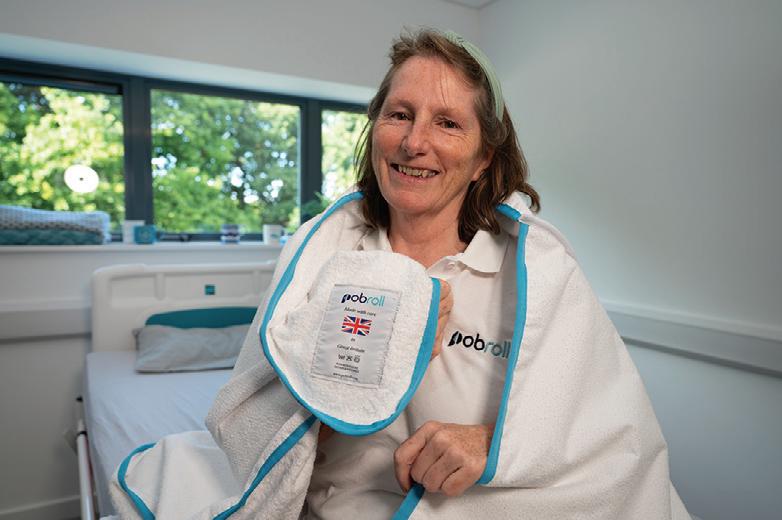
In April 2025, the Supporting the Provider Market (STPM) team in County Durham published a new report evaluating the use of pobroll® — a waterproof bed-bathing wrap designed to improve dignity, comfort, and ease during personal care.
This evaluation was carried out across 10 care homes with high numbers of residents living with dementia. Each setting was given one or more pobroll® units and invited to share feedback through a structured survey. The findings reveal how even simple tools can make a significant difference in everyday care.
How was pobroll® used?
Most care homes used pobroll® daily or several times per week, showing it quickly became part of regular practice. Staff noted that one of the biggest challenges was not having enough units — all homes requested additional stock after the trial, highlighting a clear appetite for wider adoption.
What did care teams think?
Feedback from the care homes showed strong support for the tool:
Ease of use was rated highly, with an average score of 4.4 out of 5. Staff found pobroll® straightforward to incorporate into care routines.
Training was rated slightly lower, at 3.8 out of 5, suggesting that while the wrap is easy to use, additional training resources could improve onboarding for new users.
Resident response was positive. Three in ten care homes reported improved mood or behaviour during bed bathing for dementia patients.
• Key benefits included greater warmth, coverage, and dignity for residents, especially those who might find conventional methods distressing. Some teams also found it particularly useful for end-of-life care Would they recommend pobroll® for bed bathing for dementia patients?
Written by Pat O’Brien of pobroll
Absolutely. Homes rated their likelihood to recommend pobroll® at 4.3 out of 5, with half of respondents giving it a full 5 out of 5. The overall feedback was clear: this is a valued, meaningful addition to personal care.
Would they recommend pobroll® for bed bathing for dementia patients?
The results of this trial reinforce what many professionals already believe — that small, thoughtful design changes can significantly improve care. For residents who are bedbound or living with dementia, personal care can often be a distressing experience. But with the right tools, it doesn’t have to be.
The pobroll® isn’t a complex device. It’s a simple, dual-layered cotton towelling wrap. But its thoughtful design — offering full coverage, comfort, and support — makes a real difference where it matters most.
If you’re part of a care home, hospice, or hospital and would like to explore how pobroll® could benefit your residents or service users, get in touch. We’re here to support compassionate, dignified care — one small change at a time.
See the advert on the facing page for details, or visit www.pobroll.co.uk
Care Sector Leaders have urged the government to focus on how the social care sector is funded rather than the “structures sitting above it,” amid media reports that plans for a standalone national care service have been abandoned.
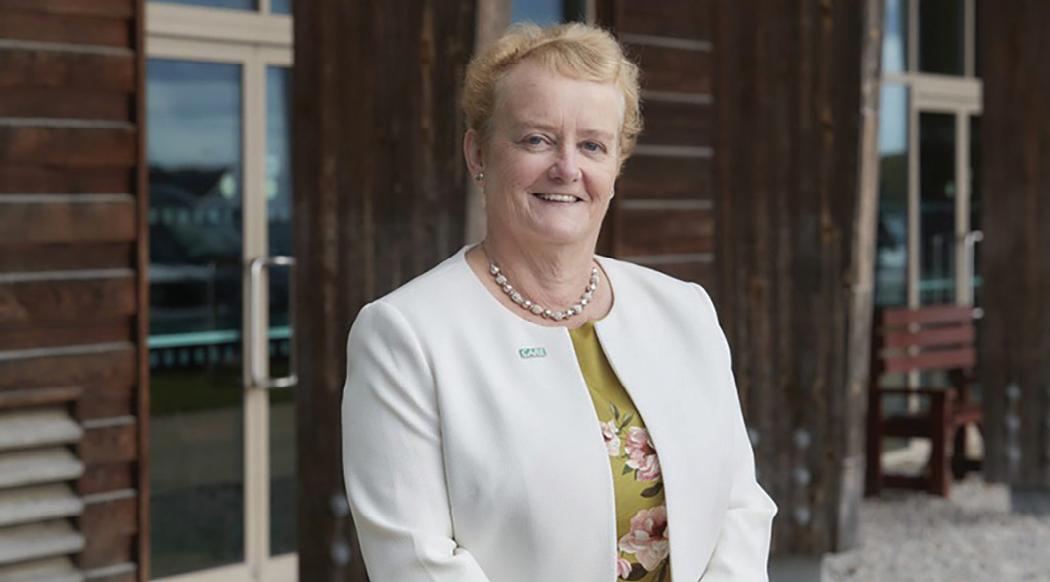
Responding to reports that the Government is no longer considering a standalone arm’s-length body to oversee adult social care reform, the Care Association that the sector must not be overlooked once again. Melanie Weatherley MBE, Co-Chair of the Care Association Alliance, said: “Social care does not need its own version of the NHS. An arm’slength body sitting above the system is not what we have been calling for, and it is not what determines whether people receive good care. A national framework is essential, but it can be built within the structures we already have.
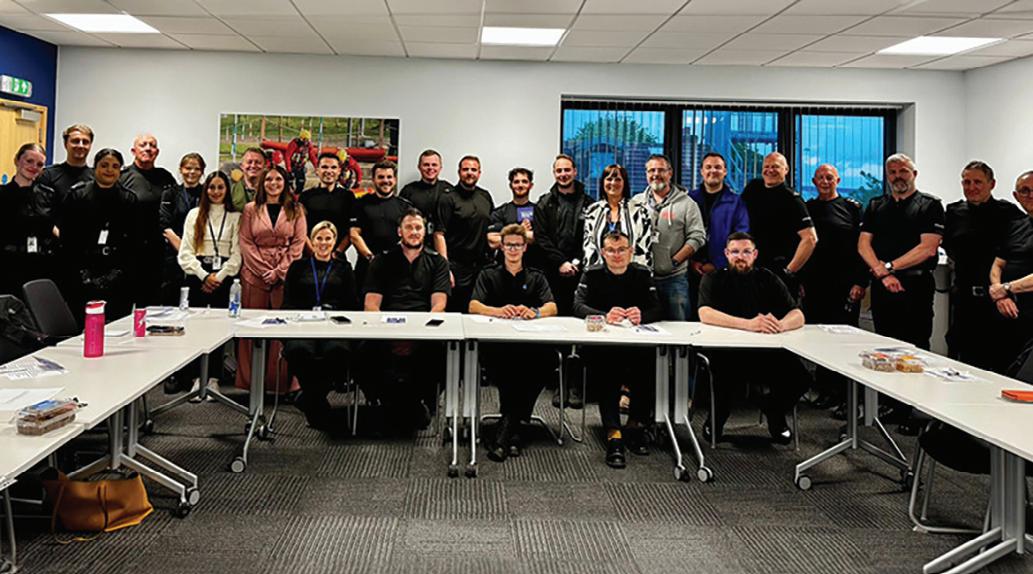
The team from Chartwell House Care Home in Broadstairs travelled to Ramsgate Fire Station last month to deliver a Dementia Friends session to 25 East Kent Police Specials, helping volunteer officers better understand and support people living with dementia in their communities.
The session was led by Jaye Dry, Admissions Manager at Chartwell House, and Dementia Friends Ambassador, Jude Coveney. The connection came about naturally: Special Inspector James Johnston of the Thanet Police Specials and Thanet Police Cadet Unit called in to one of Chartwell House’s community events, and a conversation about dementia awareness sparked the idea.
The training was delivered under the national Dementia Friends programme, run by the Alzheimer’s Society. The initiative is designed to increase people’s understanding of dementia and inspire them to make a difference for those affected by the condition in their communities. Sessions run for approximately an hour and are interactive and engaging, giving participants practical knowledge about how dementia affects daily life and how to respond with greater confidence and compassion.
The stakes for police officers are particularly clear when you consider the Herbert Protocol, a national scheme that helps emergency services find people with dementia who have gone missing. Families and carers complete a form in advance with key details about the person, including their physical description,
“What worries me is the risk that dropping the idea of a new body quietly becomes an excuse to drop social care altogether, and the sector is overlooked once again, as it has been so many times before.
“The point we keep making is a simple one. What matters is not the structure sitting above the system, but the funding settlement sitting beneath it. Access to care is still shaped by geography as much as by need, providers are paid rates that do not cover their costs, and families face bills they cannot predict. None of that changes by creating or removing an organisation. It changes only with a national funding settlement, and that is the work Ministers cannot afford to leave until 2028.”
medication, daily routine, and places of personal significance. When someone goes missing, that form is handed straight to the police so a search can begin immediately. It is estimated that 70% of people living with dementia will go missing at least once, and the longer they remain missing, the greater the risk of harm.
But a form alone can only do so much. When officers locate someone living with dementia, knowing how to approach and communicate with that person calmly and confidently is what makes the difference. That’s exactly the kind of understanding the Dementia Friends session was designed to build.
Jude Coveney, who delivered the session alongside Jaye, said the response from the room stood out. “What struck us both was how genuinely engaged the officers were. These are people who may meet someone living with dementia on the street, at a bus stop, or in the middle of a crisis, and they wanted to get it right. That enthusiasm makes a real difference to what they take away.”
Jaye Dry, Admissions Manager at Chartwell House, added: “By increasing understanding and awareness, we can help ensure that people living with dementia are treated with greater empathy, patience and confidence. We hope the knowledge they gained will have a positive impact on their interactions with vulnerable members of the public.”
By Dylan Harper, Chair of The Dementia Trust (www.dementiatrust.org)

It's Carers Week in the UK, which provides a timely opportunity to recognise the millions of unpaid carers across the country, and the world, who provide support and stability to their loved ones every day.
Research consistently shows us that carers are more likely to experience stress and poorer mental wellbeing than the wider population. So access to peer support and community initiatives is so important to reduce isolation and help carers feel more confident in their role.
We see the impact of that support every day here at the Dementia Trust. What continues to inspire me is that the same message shines through every time, dementia carers need to feel heard, and they need peer connection.
One example is the Young Onset Dementia peer support group in Liverpool, delivered through a partnership between Tide (Together in Dementia Everyday) and Alzheimer's Society. The group was created to support people diagnosed with dementia before the age of 65 and their families, a demographic whose needs can often differ significantly from those associated with later life dementia. Many attendees are still working or supporting children when dementia enters their lives. Some travel considerable distances to attend these sessions because specialist support for younger families can be diffi-
cult to find. The group has become a vital community where carers and people living with dementia can come together and share experiences, while building friendships at the same time.
One participant said: “I searched everywhere for something that was for people of my age and found this group – I can’t remember how! I felt really excited after the first meeting – you made me so welcome”.
Another said: "I love the camaraderie. Being with people who understand, so you don't have to explain."
While access to information is important, there is nothing that matches the value in being able to speak to someone who genuinely understands the realities of your situation.
We have seen similar results emerge through our support for the Bessie Makatini Foundation in South Africa.
Founded in memory of Bessie Makatini, whose own dementia journey exposed significant inequalities in access to care, the foundation works across urban, peri-urban and rural communities to ensure that people living with dementia and their carers receive the support they need. Through community radio broadcasts, support groups, educational webinars and local partnerships, the foundation reaches carers across communities where dementia services have traditionally been limited.
Although their setting is entirely different. Carers in South Africa often describe many of the same experiences as those in Liverpool. They value education and support, but mostly they want to feel heard and know they are not alone.
Carers Week provides an opportunity not only to celebrate the extraordinary contribution carers make, but also to recognise that carers themselves need support. As we mark Carers Week, I am reminded that some of the most powerful support does not come from a single service or programme. It can come from a single: "I understand what you're going through."
joins Person Centred Software (PCS), bringing together bestin-class medication management and digital care solutions; connecting medication data to the full picture of a person's care. This helps providers deliver safer, smarter and more connected medication management across UK social care.
Medication management is one of the most critical and riskiest workflows in social care. The CQC has cited research estimating that 237 million medication errors occur in England every year across health and adult social care. Missed doses and incorrect administration put people at risk and add pressure to already-stretched care providers.
MEDICATION INTELLIGENCE FOR SAFER, MORE CONNECTED CARE
By joining a person's medication administration record to the rest of their care notes such as hydration, falls and activities, care medication can be understood in the full context of a person’s care. That's the difference Camascope and PCS will make together: medication understood in the full context of a person's care so teams can spend less time piecing systems together and more time caring for people.
As social care continues to digitise, Person Centred Software is ushering in a new stage of care intelligence: using data from the care record to give providers insight, benchmarking and evidence they can act on. Now, by connecting Camascope's medication data to the wider care record, PCS extends this into medication intelligence, moving beyond a record of administration towards smarter insights that guide safer, more connected care.

The teams at Camascope and PCS are united by a shared commitment to care providers across the UK; safer and smarter care. Together, they will continue to invest in reliable technology, better service and practical innovation that makes a meaningful difference to care teams, providers and the people they support.
A NEW CEO WITH A TRACK RECORD IN DATA, AI AND CARE
Kehan Zhou has been appointed Group CEO of PCS, Camascope and Clearcare.
Born in a village in Inner Mongolia with no paved roads, Kehan taught himself English from TV and podcasts, applied to 40 US universities and won two full scholarships. His career since has taken him from building a computer vision technology company in the US to Group CEO of the PCS Group, which includes ClearCare, specialists in children's care software.
Having built and scaled AI and data businesses, Kehan joined Camascope as CEO in 2023. Under his leadership the company grew from supporting around 14,000 care residents to more than 85,000 and was
ranked in the top quartile of the Financial Times' FT 1000 list of Europe's fastest-growing companies in 2026.
Kehan believes those building technology must stay close to the people who use it. To understand the realities facing care providers, he has spent time living as a care home resident and has worked night shifts alongside the teams who rely on the software day in, day out. Kehan’s user-first philosophy, grounded in his expertise in AI, data, and social care, is what will shape PCS's next chapter: becoming a connected care intelligence platform that brings stronger data, analytics and AI across social care.
Kehan said: "It is a privilege to work alongside so many compassionate, mission-driven colleagues across PCS, Camascope and ClearCare. Together we have an opportunity to build exceptional technology that makes a meaningful difference to care providers, the people they support and their families. I remain deeply committed to staying close to the people we serve, whose dedication, resilience and humanity inspire our work every day."
The UK has 465,000 registered care home beds and demand is rising faster than the workforce can grow to meet it. With demand outpacing the workforce, the opportunity lies in making better use of what the sector already has: its data. Yet that data has historically sat in silos, with medication managed separately from the wider care record, so it can't give carers time back or help them act sooner. PCS is building the connected infrastructure that changes that: a care operating system bringing together care delivery, medication management, staffing and training, and resident and family experience in one platform.
WHAT COMES NEXT
UK social care is facing a generational challenge. Demand for care is rising faster than the workforce available to deliver it, while the value of what care teams deliver is too often under-recognised or misunderstood: by families weighing care options, by local authorities setting fees, and by the wider health system that depends on social care to function effectively.
PCS believes the answer isn't simply more software that doesn't talk to each other. The sector needs technology that works as one. This means connected data, meaningful external benchmarks and clear evidence of the quality and value of care, so the focus stays where it belongs: on the person receiving care.
The Department of Health and Social Care (DHSC) has released its quarterly update to May 2026 on adult social care provider statistics in England, painting a broadly positive picture of capacity, access and workforce health across residential and nursing care homes.
The bulletin, published on 4 June 2026 and drawing on selfreported data collected through the NHS Capacity Tracker, covers the week ending 14 May 2026. It represents one of the most comprehensive regular snapshots of the operational state of England’s care sector, encompassing occupancy, visitor access, COVID-19 staff absence, flu vaccination uptake and the ongoing rollout of digital social care records (DSCRs).
Overall care home bed occupancy stood at 86.1% as of the week ending 14 May 2026, marginally above the 12-month average of 86.0%. Of the remaining beds, 10.8% were recorded as vacant and admittable — meaning immediately available for new admissions — while 3.1% were vacant but non-admittable, reflecting beds held in reserve or otherwise unavailable.

Occupancy rates have remained broadly stable throughout the 12 months to May 2026, with the data showing a slight dip through the winter months before recovering to slightly above average in May. Providers and commissioners will take reassurance from the consistency of these figures, which suggest demand for residential and nursing care beds continues to be robustly met.
There was notable regional variation, however. London recorded the highest occupancy rate at 90.6%, reflecting the capital’s high population density and demand pressures, while the East Midlands reported the lowest at 82.5%. The proportion of vacant and admittable beds mirrored this pattern inversely, ranging from 6.9% in London to 14.2% in the East Midlands.
Breaking down occupancy by care type, specialist and other beds showed the highest occupancy at 86.8%, followed by non-specialist nursing beds at 86.3% and non-specialist residential beds at 85.8% — differences that are modest but may reflect underlying variation in demand and placement patterns across different care categories.
As of the week ending 14 May 2026, there were 359,215 residents recorded across the 93.0% of care home providers that responded to the Capacity Tracker, representing a high and stable response rate that lends confidence to the figures.
The vast majority of these — 333,590 — were in older adult care homes (those serving residents aged 65 and above), with 25,625 in younger adult care homes. These figures provide a robust basis for workforce planning, local authority commissioning decisions and capacity management across the sector.
In domiciliary care, 499,364 people were recorded as receiving CQC-regulated home care services, from the 83.7% of domiciliary care providers that responded — highlighting the sheer scale of community-based support running alongside the residential care sector.
Visiting access has remained near-universal, with 99.3% of care homes in England able to accommodate residents receiving visitors as of the week ending 14 May 2026. This figure has remained stable since September 2022 and has fluctuated only between 99.3% and 99.5% throughout the 12 months to May 2026 — a testament to the sector’s commitment to maintaining meaningful family contact.
Regional figures show very little divergence, ranging from 99.1% in the North East to 99.5% in the East of England — a consistently strong performance that reflects the normalisation of visiting across the sector in
the post-pandemic period.
Staff absences due to COVID-19-related reasons remained at a minimal level, with just 0.1% of care home staff and 0.1% of domiciliary care staff absent for COVID-related reasons in the week ending 14 May 2026. These figures have been stable since April 2024 for care home staff and since September 2024 for domiciliary care staff, following a sustained decline from peaks of around 0.6–0.9% seen in 2022.
The data shows negligible regional variation, with most regions reporting rates of between 0.0% and 0.1% in both care settings. Absence rates in domiciliary care are not directly comparable with those in residential settings due to differences in workforce and reporting structures, the DHSC notes.
The bulletin presents final figures for the 2025 to 2026 seasonal flu vaccination campaign, with data collection having ceased on 29 April 2026. Across all care home providers, 65.8% of total residents and 11.2% of total staff are recorded as having received a flu vaccination for the season — though it should be noted that these figures represent only those for whom a vaccination record was logged via Capacity Tracker.
Among older adult care home providers (where 99.2% had updated their vaccination data), the picture is encouraging for residents: 66.6% of residents had received the flu vaccine by 14 April 2026, up from 34.2% in October 2025. For staff in the same settings, however, the figure was considerably lower at 11.4%, raising questions that the sector may wish to address regarding the promotion and facilitation of staff vaccination.
In younger adult care homes — where residents may face different health vulnerabilities — 55.6% of residents and 9.8% of staff were recorded as vaccinated. Among domiciliary care providers, 15.3% of staff had received the flu vaccine, which is marginally higher than the residential care staff average but remains low in absolute terms.
The DHSC emphasises that flu vaccination data is self-reported and may not fully reflect actual vaccination rates — those providers who have not updated Capacity Tracker since 1 September 2025 are excluded from the figures.
Progress on the digitisation of care records continues at pace the data reveals.
As of March 2026, an estimated 83.7% of CQC-registered adult social care provider locations are using a digital social care record (DSCR) — up from 76.8% in March 2025, representing a significant year-on-year improvement.
When viewed through the lens of individuals in receipt of care, the penetration of digital records is even higher: 92.0% of people cared for by CQC-registered providers are now estimated to have a DSCR, compared to 85.7% a year earlier. This suggests that larger and more complex providers — who care for a greater number of people — have been among the earlier adopters.
An additional 8.5% of provider locations are currently in the process of implementing a DSCR, pointing towards continued growth in the months ahead. Since tracking began in February 2022, the trend in DSCR adoption has been consistently upward, and the government has set ambitious targets as part of its broader drive to transform the technological infrastructure of adult social care.
Key Statistics at a Glance
• 86.1% of care home beds occupied (week ending 14 May 2026)

Care providers have been urged to review their practices without delay following a landmark Supreme Court ruling that fundamentally changes how deprivation of liberty is determined in England and Wales.
The Care Quality Commission (CQC) issued a formal statement on 9 June 2026 in response to the Supreme Court’s judgment, handed down on 2 June 2026, in a reference brought by the Attorney General for Northern Ireland. The regulator has described the ruling as “a significant development in case law” that carries immediate implications for residential and nursing care providers across the country.
The judgment establishes an entirely new legal framework for determining whether a person is being deprived of their liberty — a question that lies at the heart of safeguarding practice in care settings. Because the ruling takes effect immediately, providers cannot wait for formal official guidance before acting.
WHAT HAS CHANGED

The Supreme Court’s decision revises the existing approach used to assess whether residents may require a Deprivation of Liberty Safeguard (DoLS) authorisation. The judgment also clarifies that the definition of “valid consent” does not apply when determining whether a person is consenting to their care and treatment for these purposes — a point the CQC has specifically highlighted for providers to note. Importantly, the ruling does not alter the requirements of the Mental Capacity Act 2005 or Regulation 11 of the Health and Social Care Act 2008 (Regulated Activities) Regulations 2014. Providers’ obligations under those frameworks remain unchanged.
IMMEDIATE EXPECTATIONS FOR PROVIDERS
The CQC has made clear that care homes and nursing providers must familiarise themselves with the new
legal position and adjust their practice accordingly — even before any official guidance is published. The regulator acknowledged this places providers in a challenging position, but emphasised that the ruling’s immediate effect leaves no room for delay.
Where uncertainty exists about how to interpret or apply the new framework in specific circumstances, providers are advised to seek independent legal advice to ensure compliance.
The CQC confirmed it is working with the Department of Health and Social Care (DHSC) and other key partners to determine the practical implications of the revised position, and said it will adopt a “proportionate approach” in its assessments in the interim.
ASSESSMENTS WILL CONTINUE TO FOCUS ON WHETHER PROVIDERS ARE:
• Considering, on a case-by-case basis, whether a deprivation of liberty authorisation may be required for individual residents
• Delivering person-centred care and actively seeking the views of each person using the service about their care
• Meeting all requirements of the Mental Capacity Act 2005, including acting in a person’s best interests, whether or not a deprivation of liberty is in question
Compliance with the broader requirements of the Health and Social Care Act 2008 and its associated regulations remains mandatory throughout.
The CQC acknowledged that the judgment “may cause uncertainty” for providers, local authorities and the people in their care. For residential and nursing care settings, where questions of mental capacity and deprivation of liberty are a daily operational reality, the ruling raises pressing questions about assessments, documentation and authorisation processes.
Bramwell Care Home, part of the Runwood Homes Group, welcomed residents, families and staff together on 29 May 2026 for its annual International Cultural Day — a vibrant celebration of the diverse backgrounds, heritages and traditions that enrich life within the home.
The event, held across the home and its communal spaces, brought the wider Bramwell community together through an afternoon of traditional cuisine, live music and dance performances. Guests were invited to sample dishes from a range of world cuisines, while music and dance from different cultural traditions provided a lively and inclusive backdrop to the occasion.


International Cultural Day is observed annually across all Runwood Homes sites, offering a dedicated opportunity for residents, relatives and colleagues to recognise and honour the rich diversity of their communities. This year’s celebration at Bramwell saw participants donning cultural attire, sharing personal traditions and engaging in conversations that bridged backgrounds and generations.
For residents in particular, the event provided a meaningful chance to share personal stories, connect with their own heritage and discover the traditions of those around them — a reminder that the experiences and identities of every individual within the home are valued and celebrated.
Welcome to Blue Rain - our activity store is built on over 14 years experience supplying products that bring joy, inspire motivation, and enrich the lives of those who need a little extra support, or simply want to have fun, whatever the weather.
Come find your next reason to smile.
This toolkit provides step-by-step guidance for promoting good mental health at work. It provides links to key information and templates on the website.
WHY MANAGE MENTAL HEALTH?
Approximately one in six employees in every organisation is having mental health issues at any one time. Although employers cannot, of course, control all the factors that affect mental health, they have a key role in managing the working conditions that can have an influence on stress and mental health, as well as ensuring people with mental ill health have the support they need and are not discriminated against or stigmatised.
This will help you:
• retain valuable, skilled, and experienced staff, saving time and costs
• reduce sickness absence and create a healthier workplace
• enhance safety and increase productivity
• demonstrate your commitment to and care for your staff.
THE LINK BETWEEN STRESS AND MENTAL HEALTH

While stress is not a mental illness, many of the symptoms of stress and mild mental health conditions are similar. In addition, stress can exacerbate an existing mental health issue and affect a sufferer’s ability to cope, as it can with anyone.
WHAT DO YOU NEED TO DO AS AN EMPLOYER?
1. Draw up your Mental Health at Work policy. Ideally this should be part of an overall wellbeing strategy. It is important that this promotes an “organisation-wide” approach to mental health at work which involves employees and workplace representatives in identifying and minimising sources of stress.
2. Ensure you also have a Stress at Work policy in place. Be guided by the Health and Safety Executive (HSE) management standards approach and carry out appropriate workplace risk assessments. See the Employer Factsheet: Risk Assessment for Stress for help. Use the sample Workplace Risk Assessment.
3. Use the Workplace Stress Training Presentation to train managers in the importance of managing
stress in the workplace and how to spot the signs of employees having psychological or emotional difficulties. Staff could also be appointed as mental health first aiders.
4. Identify any work-related stress factors and make reasonable adjustments to support people, both while they are at work and upon returning to work after a sickness absence due to stress. See How to Rehabilitate Staff following Sick Leave for Stress.
5. Promote awareness of mental health issues and create a culture where employees feel they can talk about their concerns. Use the Employee Factsheet: Stress at Work as a first step to start a conversation or encourage completion of the Staff Wellbeing Questionnaire or a similar survey. See also How to Approach Staff who are Complaining about Stress.
6. Ensure staff have access to flexible working opportunities which promote and support the adoption of a healthy work-life balance. Encourage healthy lifestyles by considering wellbeing initiatives, health awareness drives and Employee Assistance Programmes (EAPs). See
Staff Wellbeing at Work and the article, 35 ideas for workplace wellbeing initiatives.
Health Assured
If you need help on mental health and wellbeing issues, Health Assured offers the most comprehensive employee assistance programme (EAP) available today. Health Assured high quality counselling and specialist work-life support is delivered through an in-house team of 60 BACP accredited counsellors, supported by a network of thousands of active counsellors. Their specialist service supports nine million people throughout the UK, handling over 300,000 calls a year.
See www.healthassured.org for more information.
For more information and additonal resources, please visit https://app.croneri.co.uk/toolkits/mental-health-toolkit-care-services
Former news anchor Jon Snow has revealed he is living with Alzheimer’s disease, the most common form of dementia. The reality of Jon’s life with the condition will feature in a powerful new documentary produced by Basement Films, Jon Snow: A Last Big Story, airing on Channel 4 on Saturday, 20 June.
Jon, 79, best known for presenting Channel 4 News between 1989-2021, was diagnosed with dementia, the UK’s biggest killer, in 2023.
Jon, who is supporting Alzheimer’s Society, has decided to open up about his diagnosis to raise awareness of the condition, which affects around a million people in the UK.
In an exclusive Daily Mail interview alongside his epidemiologist wife, Dr Precious Lunga, who has a PhD in neuroscience, Jon said “If I don’t speak out, who will?”
The article, part of Alzheimer’s Society’s Defeating Dementia campaign with the newspaper, reveals how following his retirement in 2021, Jon sank into a deep depression, became withdrawn and lost interest in things he once loved.

Precious said: “Friends kept asking me if Jon was alright and I would have to lie and say he’s fine, but I knew he wasn’t.”
Jon worried that friends were no longer contacting him – “Nobody ever rings,” he said, “I’m forgotten.” In reality, he had forgotten about the calls.
Despite being reluctant to see a doctor, insisting there was nothing wrong, a cognitive assessment and brain scan revealed that Jon had Alzheimer’s disease.
Jon still questions the diagnosis, saying: “I mean sometimes I doubt whether I’ve really got it. I don’t know if it’s widespread knowledge. I don’t feel disabled in any way,” wondering if his behaviour is simply normal for his age.
Jon is not alone – Alzheimer’s Society says it is a common misconception to question whether dementia is a normal part of ageing. While people often forget things more as they get older, dementia is caused by diseases of the brain and its symptoms can include problems with planning and decision-making, language, and sometimes changes in mood or behaviour.
In the film, Jon says: “At the beginning I wanted to hide it, there’sso much prejudice. Any sort of hint of mental decay,you’resort of dead. There are moments when it popsupbutit’snot anall dayevery daycondition, andthat’swhat I cling onto.”
Jon’s diagnosis carried extra weight because his mother, Joan, had struggled with Alzheimer’s disease
for a decade before dying in her eighties. He feared the same fate. Precious believes people with dementia can still be valuable members of society.
“Life doesn’t end with an Alzheimer’s diagnosis, but it changes dramatically,” said Precious. “You can have Alzheimer’s and still be a valuable member of society but you need support to navigate it.”
In Jon Snow: A Last Big Story, viewers willsee Joncoming outof retirement for one lastinvestigationto uncover a mining disasteraffecting local communities in Zambia.
His news instinct remains strong, and he still wears a tie daily, but it’s clear his memory is fading. Jon is seen at an appointment with his consultant, Professor Jonathan Rohrer, who explains that there is currently no cure for dementia, but there are treatments.
Jon was previously ona clinical trial and says he’s a “willing victim” should there be others he could join.
Michelle Dyson CB, CEO of Alzheimer’s Society, said: “Jon’s decision totalk publicly about his dementia diagnosis is a real act of courage and his story will resonate with so many. His support for Alzheimer’s Society will help spark a national conversation about dementia that we so desperately need. Despite being the UK’s biggest killer, dementia is still not treated with the same urgency as other major health conditions like cancer.
“Alongside his wife Precious, Jon is shining a light on the need for faster, fairer access to diagnosis. An early diagnosis can unlock vital support, help families plan ahead and potentially open the door to participation in clinical trials. Yet too many people across the country are still waiting far too long for a diagnosis.
“We look forward to working with Jon, whose long-standing commitment to speaking out against injustice will help ensure the harsh realities of dementia cannot be ignored by the UK Government and the NHS.
“I would encourage anyone needing help or information to call our Dementia Support Line on 0333 150 3456 or visit alzheimers.org.uk.”
Louisa Compton, Head of News, Current Affairs, Specialist Factual and Sport at Channel 4 said: “Jon Snow is not just one of Channel 4’s most recognisable faces – he is part of our very fabric and is dearly loved by viewers around the UK. It is a profound privilege that we are able to document his last big investigation, in a sensitively made film that frames Jon’s current affairs nous alongside a new life lived with Alzheimer’s. We hope this film will go a long way to raise awareness of how to live whilst facing a lifechanging diagnosis.”
Stream or watch Jon Snow: A Last Big Story at 8pm on Saturday, 20 June on Channel 4.
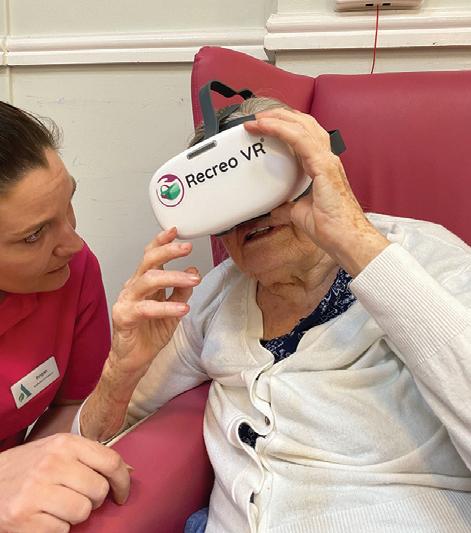
At Broomy Hill Nursing Home, innovation and compassion come together in the most inspiring way. Residents at the home are stepping into a whole new world with the introduction of virtual reality headsets. It is an exciting innovation with the power to create uplifting and meaningful moments for the residents under our care.
Virtual reality is becoming an exciting innovation in care homes and at Broomy Hill Nursing Home it is making a meaningful impact. VR is more than just a tool; it allows residents to relive cherished memories and experience activities they may no longer be physically able to do.
For residents with dementia or complex mental health needs, VR stimulates memories, sparks conversations, and provides relaxation through immersive experiences. Using headsets to create digital 3D environments, VR acts as a tool for cognitive stimulation, pain relief, and wellbeing, enabling individuals to safely revisit familiar places or explore new worlds.
We were thrilled at the opportunity to be a part of the Recreo VR experience. It was something new for the residents and us. However, it is not only something new; it is a learning experience for the entire staff at the home.
Our Wellbeing Lead, Lauren, is currently working on a list of available experiences that our residents can
choose from to do something different each time they use the headset. This way, our residents will have something new to look forward to each time they use the headset, as new content is added every eight weeks.
One of the new experiences that our residents will enjoy in the near future is a seated safari, where they will have the opportunity to come face to face with a rhino from the comfort of their chair.
Recently, our residents travelled through time to the 1950s, where they had a virtual visit to a traditional house, cinema, and a high street. In the house, our residents travelled from room to room, exploring the food pantry and admiring the decorations of the house. In the cinema, our residents explored the ticket office, the reel room, and the cinema itself. In the high street, our residents visited an electronics shop, a record shop, and a toy shop, enjoying the experience of each of these different stores.
Many of our residents commented on how real the experience felt, almost like stepping into a memory. Some were actually looking at their hands to get used to the virtual world. As the shops, toys, and songs from the period were brought up, the experience naturally evolved into memories and stories. The dialogue was effortless as the resident's shared memories from their own lives to each other and staff.
Virtual reality is more than just an activity at Broomy Hill. It is another meaningful way we promote wellbeing and engagement for our residents. By using Recreo VR, we encourage conversation and reflection, while continuing to look for ways to enhance quality of life within our home.
For further information visit www.recreovr.co.uk
The Government has reaffirmed its commitment to improving dementia care, diagnosis and research, outlining a series of measures designed to enhance support for people living with dementia, their families and carers.
Speaking during Dementia Action Week last month, Care Minister Stephen Kinnock highlighted ongoing work across health and social care, including plans for a new national dementia leadership role, increased investment in clinical trials and the development of a new framework aimed at raising standards of care.
The minister’s comments followed an event hosted by Alzheimer’s Society, which brought together healthcare professionals, researchers, industry representatives and people with lived experience of dementia.
Central to the Government’s plans is the development of a new Modern Service Framework for Frailty and Dementia, which aims to deliver improvements in quality of care, reduce regional variations in service provision and address inequalities experienced by people living with dementia and frailty.
The framework will establish national standards for dementia care and is intended to help reshape NHS priorities to ensure patients receive timely and effective support. Ministers have acknowledged ongoing concerns around lengthy waiting times for diagnosis in some parts of the country and say the framework will examine interventions to improve access to assessment and diagnosis.
The framework is being developed with support from the Frailty and Dementia Modern Service Framework Task and Finish Group, an advisory body comprising experts from across the health and care sector.
An interim version is expected to be published in September, with the full framework due before the end of the year.
The Government has also welcomed recommendations from the independent commission into adult social care, led by Baroness Louise Casey, which is examining reforms as part of wider plans to create a National Care Service.
Alongside service reform, workforce development remains a key focus. Ministers have stated that all health and care staff should receive appropriate training to deliver high-quality dementia care.
The Department of Health and Social Care’s Adult Social Care Learning and Development Support Scheme, launched in September 2024, provides funding for eligible care staff to undertake qualifications, including the Level 2 Adult Social Care Certificate. The programme includes several courses specifically focused on dementia care and support.
Research and innovation are also receiving significant investment. The UK continues to support major dementia research initiatives through organisations including the UK Dementia Research Institute and the National Institute for Health and Care Research Biomedical Research Centres.
The Government’s Dame Barbara Windsor Dementia Goals Programme has access to funding of up to £150 million to accelerate advances in biomarkers, clinical trials and implementation of new treatments. Of this total, £33 million has already been allocated to projects aimed at developing and validating biomarkers that could support earlier and more accurate diagnosis.
Plans are also progressing for the creation of a new Neurodegeneration Initiative, a not-for-profit public-private partnership bringing together government, industry, academia, the NHS and the voluntary sector. The initiative is intended to streamline the delivery of
Residents at Arplemere care home in Warrington, part of Crystal Care Collection, have created a spectacular 7ft butterfly artwork in support of Dementia Action Week.
The project saw residents and community members crochet hundreds of small forget-me-not flowers; a symbol closely associated with dementia awareness.
The handcrafted flowers were then carefully attached to a display, creating a colourful and meaningful piece of art.
Resident Sheila Wycherley, said, ‘What a great project to be
part of. All the residents worked together to produce such a lovely forget me not display for dementia awareness’
Laura Aspin, General Manager at Arplemere, added, “This project has been a wonderful example of what can be achieved when residents and the wider community come together.
“The butterfly is not only a beautiful piece of artwork but also a powerful symbol of awareness, support and the importance of recognising the experiences of those living with dementia. We are incredibly proud and thankful to everyone who contributed.”
clinical trials and accelerate the development of new treatments.
Further support is being provided through the Research and Development Missions Accelerator Programme, which is working with industry and academic partners to identify and implement innovations across health and social care settings. A key ambition is to ensure that by 2029 at least 92 per cent of patients referred for dementia assessment receive a diagnosis within 18 weeks.
Additionally, the Department of Health and Social Care, through the NIHR, has invested almost £50 million in the UK Dementia Trials Network to help speed up the delivery of early-stage dementia clinical trials.
A further proposal is the creation of a dedicated national dementia leadership role within the Department of Health and Social Care. The position would oversee dementia prevention, treatment and care, while helping to drive forward the Government’s ambition to place the UK at the forefront of dementia research and treatment development.
The Government says it will consider how best to structure the role, drawing on lessons learned from similar national leadership positions, including the Cancer Tsar model.
With dementia remaining one of the UK’s greatest health and social care challenges, ministers have stressed that meaningful progress will require continued collaboration between government, health and care providers, researchers, charities and families.
However, they argue that the combination of service reform, workforce development and research investment provides an opportunity to significantly improve outcomes for people living with dementia in the years ahead.
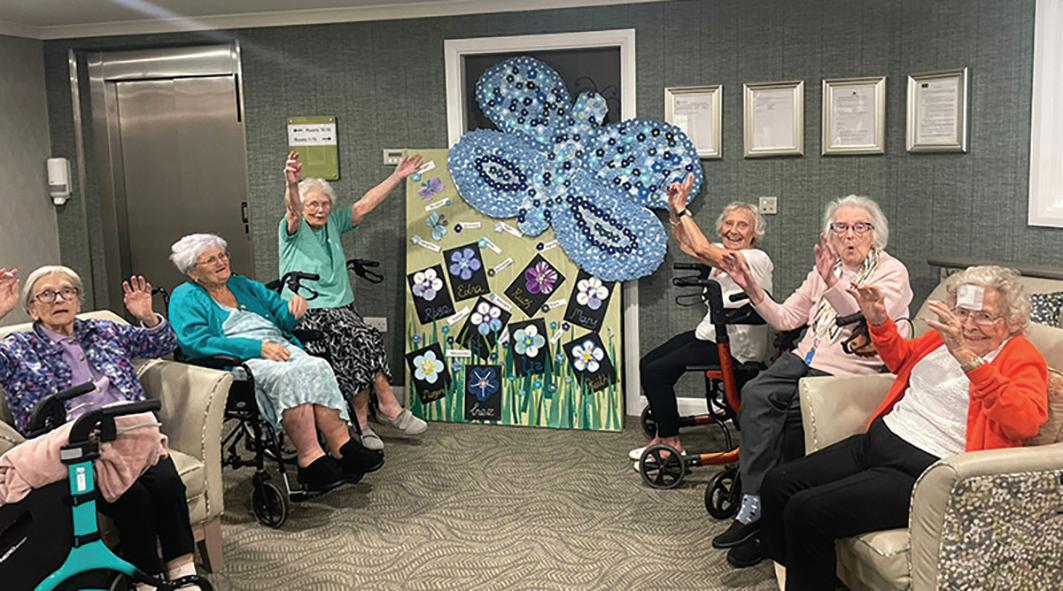
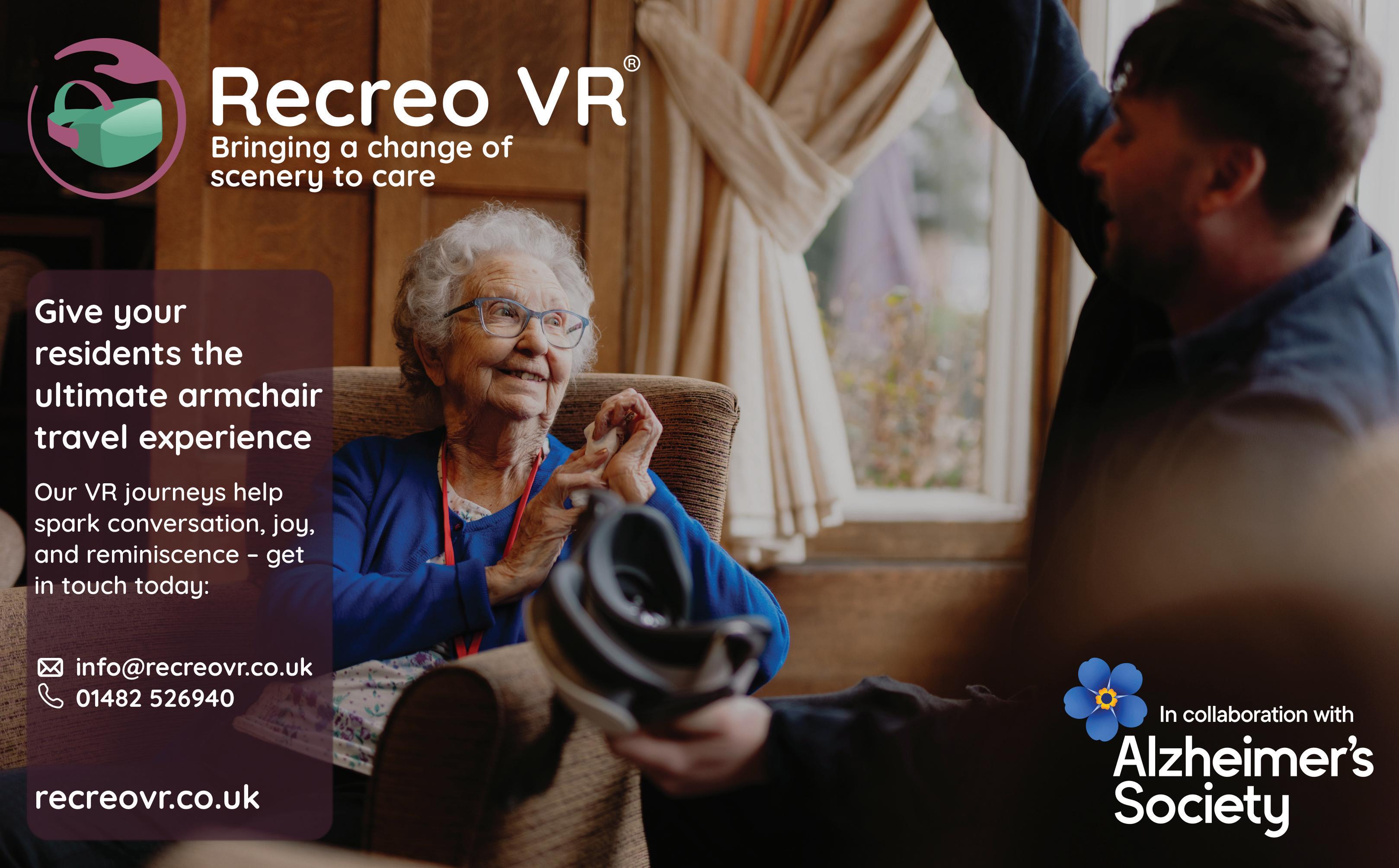
Traditionally, in many care settings, when someone living with a Dementia or on a cognitive journey became distressed, the response often focused on removing the person from the situation, redirecting them to their room or, in some cases, using medication if behaviours escalated significantly.
Modern dementia care has shifted towards understanding why a person may be distressed and using nonpharmacological approaches first; recognising that behaviour is often a form of communication rather than something to simply manage.
This is something the team at Thistle Court Care Home know well. When supporting family members (residents) through moments of distress. Rather than assuming someone needed to be alone in their bedroom, the team will ask a different question: what might this person need right now?
By Sarah Butfield, Thistle Court Care Home

“Sometimes people weren’t asking to be alone,” Home Manager Sarah Butfield said. “They just needed something different around them. Something calming. Something familiar. Something to focus on.”
That thinking led to the creation of a dedicated sensory room within the Cwmbran care home, designed to support people through touch, sound, light and reassurance. The room was created with advice from Dementia UK, Alzheimer’s Society and local Community Psychiatric Nurses, helping the team carefully consider not only what might be engaging, but what would feel safe and accessible for different people.
Inside, a ceiling mural painted a team member called Rachel, there are sensory lights, textured materials, sequin boards, fidget items, soft furnishings and interactive features which can be adapted depending on the individual using the room. Everything is controllable and tailored around the person in front of them.
The home also created a sensory trolley so experiences could still be brought to people elsewhere in the home or garden if they were unable to access the room itself.
Since opening, the room has become part of everyday life at Thistle Court. For some, it offers a quieter space during moments of distress. For others, it has become somewhere to sit with relatives, have a cup of tea or listen to soothing music away from the noise and movement of the home.
One experience that stayed with the team involved the grandson of a family member living at the home. The young boy, who is autistic and has ADHD, initially found the environment overwhelming and struggled to stay for more than a few minutes during visits.
Now, visits take place in the sensory room. “He can stay for around half an hour comfortably now,” Sarah said. “That extra time means they get to properly be together.”
“Two years on and it’s still such an important space within the home,” Sarah said. “We’ve seen people spend longer with their families, we’ve seen people feel calmer, and we’ve seen how much difference the environment around someone can make,”
A Stafford home has managed to raise over £600 thanks to a combination of two fundraisers, with one being a virtual bike ride to Wembley.
MHA Weston and Queensway managed to raise a total of £610.00 from their virtual bike ride to Wembley and charity car wash.
The virtual bike ride was in preparation for the FIFA World Cup taking place in the USA starting later this week.
A total of 22 people including staff, volunteers and one resident from the home took part in a 24-hour virtual bike ride from Stafford to Wembley, which equated to 254 miles.
The bike ride helped to raise £500 and the charity car wash, where colleagues washed a total of 12 cards raised £110.00
The funds from both will go towards the home’s amenities fund, from which trips and activities will be arranged.

The home has already utilised some of the funds by having The Cheshire Farm come to visit with their rabbits, chicken and sheep.
Deborah Phillips, activity coordinator said: “ Both fundraisers were really well received, and we are very happy with support shown to us.
“The virtual bike ride was an idea we thought would work well as the men’s football world cup is set to start soon.
“We then looked at how many miles it was to get to Wembley from MHA Weston and Queensway and away we went.
“Everyone got behind the idea, and it was tiring, but a lot of fun at the same time.
“The car wash again was a very successful idea, with some of our colleagues working as a team to get the cars washed.
“Some of the residents also got stuck in, by spraying the cars with water and general supervision.
““It was a real community effort to make both fundraisers a success.
“I want to thank everyone who supported us on both days. I also want to give a huge thanks to The Fuse Gym in Stafford who lent us the bike for the challenge, and we are very grateful for that.”

Geraldine McMurdie, Dementia Specialist at Quality Compliance Systems (QCS), discusses the links between dementia and falls and the ways in which these can have an impact on those living with a dementia.
Those living with a dementia are at a significantly higher risk of falling, with studies indicating that one in three adults over the age of 65, and half of people over 80, will experience at least one fall a year. People living with a dementia are also 5 times more likely to be admitted to long-term care after a fall. Falls can significantly impact the confidence, health, and wellbeing of individuals living with dementia. They can also heighten the stress experienced by caregivers and place additional strain on the healthcare system.
DEMENTIA AND FALLS
As a dementia progresses over time effecting the brain and how it
works, this can often lead to significant effects on a person’s mobility and safety awareness, leading to challenges such as reduced balance, difficulty managing dual tasks, spatial navigation issues, increased frailty, and medication side effects. These factors contribute to those living with a form of dementia experiencing falls.
KEY STATISTICS:
Injury and hospitalisation – around 31% of people with dementia experience a fall leading to hospitalisation over a 2.5 year period
Fracture risk – 18% of those with dementia will experience a fracture, often following a fall
Mortality risk – falls can be a major cause of death, with higher injury-related mortality risks in those living with dementia
Often when someone living with dementia experiences a fall an ambulance is called as the individual may not be able to convey how much pain they are experiencing or how serious the injury is. This can lead to distress and poor health outcomes if care staff do not know how to respond to the situation in a prompt, caring and appropriate manner.
DEALING WITH FALLS
Understandably falls can happen very quickly and without warning and are often a distressing time for both the individual who has fallen and the care provider who is looking after them. It is a time where decisions will need to be made quickly in order to provide the best possible
care and support at the time it’s needed most. It is also important that these decisions are made in line with the individual’s care plan and the policies in place for best practice.
With Lyra Multi, QCS’s latest stage of AI technology, care providers can access all of their policies and compliance documents within seconds, helping them to make those quick decisions in a compliant and safe way. Lyra Multi connects all relevant policies, interprets them in context and converts complexity into clear, relevant and practical guidance exactly when teams need it, turning policy storage into real decision support.
At any given time, users can ask a question and get instant, tailored answers along with clear summaries and key insights. For example, if a resident with a dementia has fallen over and the care provider wants to check how support them with safe and appropriate care, they can type the message into Lyra and have all the relevant information from all of their policies provided to them in a succinct and understandable way within seconds.
Ensuring decisions are made both quickly and in a way that is compliant with regulations and policies will provide the best possible care for the individual who has fallen as well as give the care provider the confidence that they have acted in the most suitable way.
Find out more about Lyra Multi at www.qcs.co.uk/lyra See the advert on page 15.

By Professor James Francis Kwame Fah Ohene-Djan PhD, FHEA

That is why I created MiCode.
My brother Anthony lived with multiple sclerosis. He was not “an MS patient” to me. He was my brother. He had his own personality, humour, frustrations, hopes and ordinary routines. Like anyone living with a long-term condition, he wanted to get on with life and not be defined by illness.
But when someone you love has a serious condition, there is a quiet fear that sits in the background. You may not speak about it every day, but it is there.
What happens if they become unwell when you are not with them? What happens if they fall, get confused, cannot explain their condition, or need help from someone who knows nothing about them? Would that person know who to contact? Would they know about medication, allergies, communication needs, or the small but vital details that make care safe and personal?
After Anthony died, those questions stayed with me.
I also had cancer myself, and that changed how I thought about medical information. When you are well, a list of medication or an emergency contact number can seem like admin. When you are ill, those details become something else entirely. They become part of your safety. They become part of how quickly someone can understand you, support you and contact the people who matter.
MiCode is a QR code designed to store and manage your medical information and emergency contacts. It can be carried on a card, keyring, sticker, bracelet, pendant or phone. If someone needs help, the code can be scanned instantly using any smartphone. No app is needed.
The person with the MiCode remains in control of what information is stored and what is shown. It can include medical conditions, medication, allergies, emergency contacts, communication needs, care instructions, documents, or anything else that may be important in an emergency. It can also work in different lan-
guages, which matters in a country as diverse as ours, and for people who travel.
For people with disabilities, long-term conditions, dementia, autism, epilepsy, diabetes, cancer, heart conditions, MS, learning disabilities, sensory impairments or mental health conditions, MiCode can be incredibly useful. In a crisis, people are often expected to explain themselves quickly and clearly. But those are exactly the moments when pain, fear, confusion, shock or illness can make that impossible.
MiCode gives people a voice when they may not be able to speak for themselves.
It is also very useful for people who are being cared for. So much care depends on knowledge held by other people: a daughter who knows the medication, a husband who knows the hospital consultant, a carer who understands the routine, a support worker who knows how best to communicate. But carers cannot be everywhere all the time.
MiCode helps that essential information travel with the person.
For families and carers, this can bring real peace of mind. It does not remove worry — nothing does — but it can reduce one of the biggest fears: that the person you care for will need help and nobody will know who they are, what they need, or who should be called.
I also wanted MiCode to be affordable. Safety should not be a luxury product. MiCode starts from £20, which I believe is an amazing price for something that can carry such important information and provide such reassurance.
People can get MiCode directly from www.micode.uk. And if anyone has questions, they can always email me personally at james@micode.uk.
MiCode began with Anthony. It also came from my own experience of illness. But it is for anyone who wants to feel safer, more independent and better understood in an emergency. It is a small piece of technology with a very human purpose: helping people be known, protected and cared for when it matters most.
Barchester Healthcare’s care home Elgar Court in Malvern, has scooped the Best Residential Care Home award for 2026 in Worcestershire. The Malvern care home has been chosen out of a number of care homes across Worcestershire. Elgar Court is a luxury residential care home and opened in July 2023. The Care home offers bespoke person-centred residential care and dementia care and is set against the beautiful backdrop of the Malvern Hills – the town which was voted in 2026 as the best place to live in the Midlands.
“We venture out on many beautiful and varied excursions and live life to the full and always say ‘life begins at Elgar Court!’. To win this prestigious Residential Care Home Awards amongst the standard of entries is impressive, and this year was no exception with the bar raised even higher.
“Our staff at Elgar Court have played an incredibly important role in the care and life enrichment of our residents, and this award is testament to their dedicated support. Our Residents are absolutely blown away to win this award, and they are so proud to live in this wonderful home and are delighted we have been recognised”
The Malvern Care home was also recently praised as in their CQC inspection as “Outstanding in some of the areas and exceptional at maximising the effectiveness of people’s care and treatment”. Sarah Cadwallader General Manager said: “At Elgar Court we always strive to provide the best possible quality care for everyone who lives at the home. We pride our home being one large family and our vision at Elgar is that we are a cruise ship, but we just don’t leave the dock!
Anenta, the leading independent healthcare waste management specialist, has appointed waste expert Jonathan Sandford as Business Development Manager dedicated to the care home sector.
Brought on board to boost Anenta’s growing care home client base, Jonathan brings more than 35 years of waste industry experience – from running his own document shredding business to leading nationwide sales teams at a plc level. His appointment comes as Anenta accelerates its mission to help care homes eliminate unnecessary costs that can run into thousands of pounds a year.
In his new role, Jonathan will oversee the management of Anenta’s existing waste contracts, ensuring that care home waste logistics, service delivery, and waste disposal performance levels are industry leading. He will also be responsible for delivering bespoke, affordable and professional end-to-end waste management solutions to the care and nursing home sector.
Commenting on his new role, Jonathan said: “Our research shows that individual care homes are wasting up to £8,000 a year through poor waste management process and procurement. Across multiple sites, that adds up fast — and it's largely avoidable.
“My role is to help care homes put a stop to that by changing poor waste disposal habits and practices, so that we can deliver a better service that saves them time and money.

“I’ll be working with care homes to identify overbilling, reform waste disposal habits, deliver better staff training, and provide guidance on conducting complex pre-acceptance audits –
all designed to take the administrative burden off care home teams so they can focus on what matters: resident care.”
Using Anenta's real-time smart technology, care homes, their waste collection providers, and other stakeholders are brought together onto a single, unified management platform that provides full transparency. This allows efficiencies to be identified, implemented and measured, delivering significant and meaningful cost savings year after year.
Commenting on Jonathan’s appointment, Graham Flynn, Managing Director of Anenta, said: "Jonathan has the perfect combination of sector knowledge, commercial expertise, and an unwavering commitment to delivering added value to our customers.
“Alongside his expertise in waste management, Jonathan is perfectly placed to help care homes streamline their processes saving time, hassle and money."
As part of its service, Anenta offers care homes a free healthcare waste audit designed to identify areas for improvement that could save care home groups many thousands of pounds a year. These can be booked by calling 0330 122 2143.
Anenta supports customers across more than 20,000 locations nationwide, including individual care homes and large care home groups. Over the past five years, the company has saved its clients more than £13 million through smarter, more efficient waste management.
For more information about Anenta, visit www.anentawaste.com or call 030 122 2143
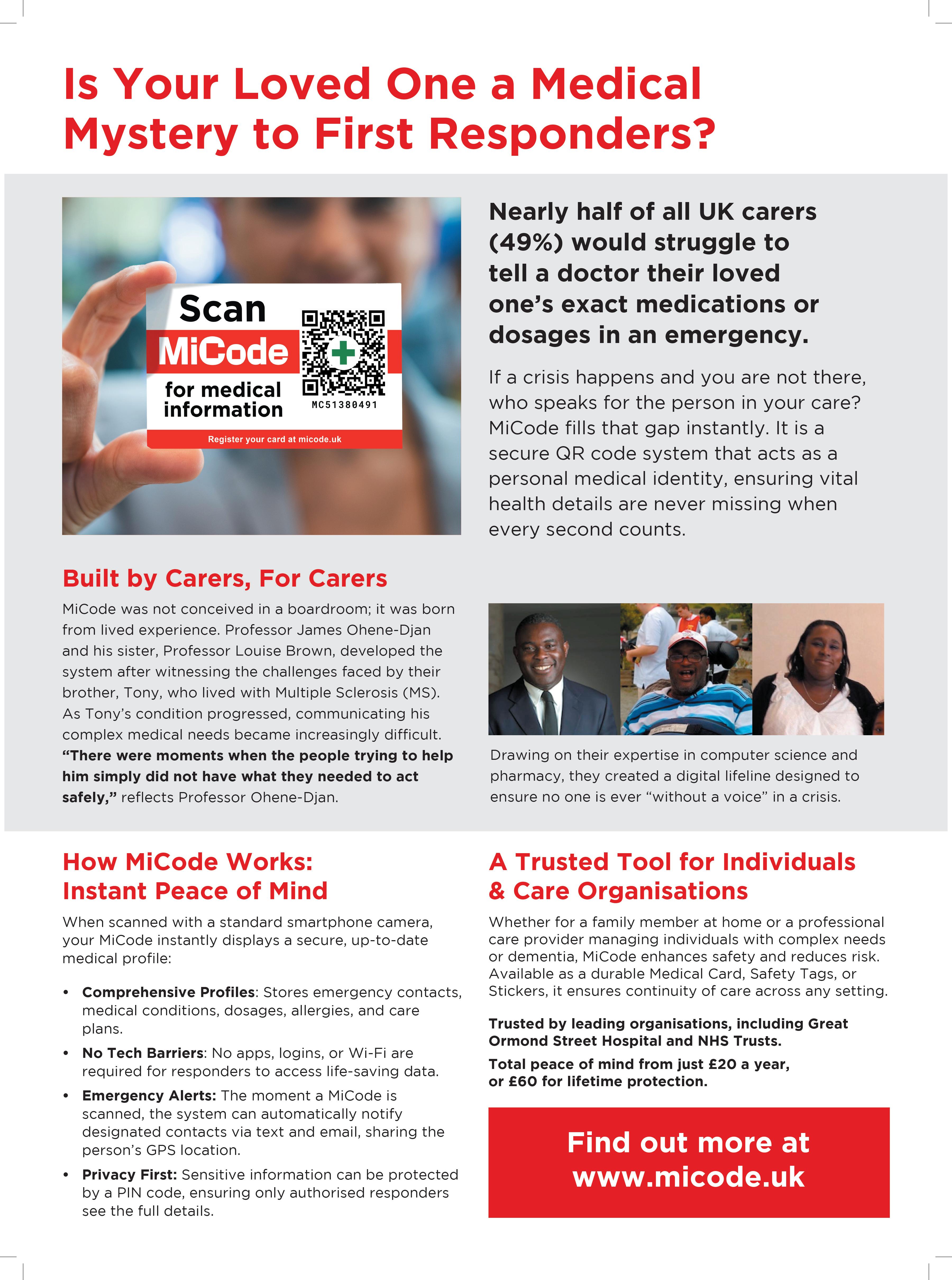
Spring has well and truly sprung, and with the warm weather here, it’s the perfect time to dust off the gardening gloves and get outside.
Experts from luxury retirement provider LifeCare Residences reveal that gardening does a whole lot more than make outdoor spaces look beautiful. From planning and pruning to watering and weeding, spending time in nature can provide both mental and physical benefits. THE POWER OF GARDENING
LATER LIFE
As the weather warms up, gardening helps boost vitamin D absorption, supporting the immune system and overall well-being.
It also engages core strength, balance, and mobility through everyday tasks like planting seeds and pruning. These gentle movements help improve dexterity, fine motor skills, and hand-eye coordination, while keeping the body active in a low-impact way.
Beyond the physical benefits, gardening offers valuable mental stimulation too. Planning layouts, learning about different plants, and problem-solving all encourage creativity, helping to keep the mind sharp, engaged, and curious.

Alexandra Albu, Head of Care at Battersea Place, a luxury retirement village of LifeCare Residences, says:
“Maintaining a healthy lifestyle during retirement is critical for overall health, longevity, and quality of life. Tending to a garden can support your physical fitness and dexterity, but also play a role in emotional balance, mental clarity, and social engagement if you join a gardening or walking group.
“The NHS advises that older adults should do at least 150 minutes of moderate intensity activity per week, and focus on activities that target strength, balance and flexibility at least two days a week. Gardening and walking are great moderate-intensity activities to support your health and well-being.
“Despite the many health benefits that green spaces provide, this is not the key motivator. According to an RHS study, ‘pleasure and enjoyment’ were the main reasons why six in ten people garden. It's never too early or too late to start building healthy habits to support health and wellbeing.”
Edinburgh Care Forum (ECF) – an industry network created to improve care support for families – has issued a call for Edinburgh locals to plan ahead for later-life needs to reduce the burden on loved ones amid a rising demand for services.
Created in response to the complexity of the care market, ECF brings together expertise from the care, financial services, legal, property and funeral industries to help families with specialist care needs to access the services, information and support they require.
With the population living longer, the demand for the NHS, social care and other public services are under increasing strain. Against this challenging backdrop, the forum has found that individuals and families are often making long-term care or end-of-life decisions under great emotional and time pressure. The sense of urgency means proactive measures, such as assessing long-term costs or evaluating the reputation of the provider, can be bypassed to find the quickest and easiest solution.
Among the types of support people can access are:

• Care support: help to find available and affordable care options as well as guidance on financial planning and preparation.
• Financial guidance: advice on financial management to pay for care, invest in the future, or pass down to loved ones.
• Legal advice: help identify the legal requirements for individuals and families when preparing for care and end-of-life needs, including powers of attorney, guardianships and wills,
• Property management: advice on lettings and selling as well as insurance, valuations and clearance services from property specialists.
• Funeral planning: offers Free Plans of Wishes and free consultation on prepaid plan options.
Laura Chapman founding member of the Edinburgh Care Forum said: “The Edinburgh Care Forum is a trusted network of Edinburgh professionals who help families deal with later life issues; not just care, but all the complicated aspects that come with it, including seeking out legal advice, financial planning, property, downsizing, home support and healthcare.
“We’re a group of experienced people who work together regularly and can help with the elements most people don’t think about until they’re in the middle of a stressful situation and trying to make important decisions quickly.”
According to a recent report from Ageing Britain, more than half (52%) of care enquiries are made within a month of care being needed – 16% needed help within one week. The findings also revealed that a “lack of planning time is leading to limited earlier support and stretched family networks.”
ECF helps individuals to kickstart the planning process, by offering joined-up support and expert advice to confidently navigate the complexity of care and public services – particularly for areas they may not have considered.
One common example of this is the security of properties left unoccupied while individuals undergo long-term care. ECF can advise on professional house sitters to maintain and protect the building for significant periods of time.
Laura added: “For a lot of families, a home is tied up with memories and a sense of stability as well as being a valuable financial asset, which is why decisions around property can feel incredibly emotional during later life.
“The practical things like council tax, insurance, security, maintenance and ongoing upkeep can also become overwhelming, especially if decisions are being made during an already difficult or unexpected time. Having conversations early and getting advice from the right people can make such a difference. It gives families greater peace of mind when they need it most.”
By Kevin Groombridge

The adult social care sector depends upon effective regulation, timely oversight and credible assurance to protect some of the most vulnerable people in society. However, new analysis by Care Inspections UK (CIUK) has highlighted growing concerns about the current inspection backlog within the Care Quality Commission (CQC) system and the wider implications for public confidence, provider accountability and quality improvement across England.
Data analysed by CIUK from the CQC show that, as of March 2026, more than 5,400 care homes in England had not received a full inspection in over five years. This represents more than 40 per cent of all care homes registered before March 2021. In some local authority areas, more than 70 per cent of services had not received a full inspection during that period.
Whilst many providers continue to deliver safe and compassionate care despite immense operational pressures, the scale of the backlog
raises serious questions about whether the current inspection system can deliver timely and effective regulatory oversight.
Inspection delays matter. Families, residents, commissioners, lenders and insurers rely heavily upon inspection findings to assess risk, quality and compliance. When inspections are not conducted regularly or when reports take many months to be published, confidence in the regulatory system inevitably weakens.
At the same time, providers themselves often express frustration regarding inconsistency in inspection methodology, perceived subjectivity in judgements and the lack of practical support following inspection activity. Many operators report that inspection outcomes can feel overly dependent upon individual inspector interpretation rather than robust triangulated evidence and measurable quality indicators. This is where independent inspection and assurance bodies play an increasingly important role.
As the UK’s only UKAS-accredited independent inspection body for adult social care operating to ISO/IEC 17020 standards, CIUK provides a credible alternative source of inspection, assurance and quality improvement support for the sector. Unlike consultancy-led “mock inspections”, CIUK undertakes structured, evidence-based inspections using defined methodologies, extensive document review, stakeholder engagement, direct observation and objective assessment frameworks.
Importantly, CIUK inspections are designed not simply to identify failings, but to support improvement. Detailed inspection reports and
(www.careinspections.co.uk)
action plans provide providers with clear, practical and prioritised recommendations to strengthen governance, compliance, safety and care quality.
In an environment where CQC capacity challenges continue to affect inspection frequency, many providers are increasingly recognising the value of independent inspection as part of their wider governance and assurance arrangements. CIUK can quickly and efficiently inspect services across residential care, nursing care, supported living and domiciliary care, providing organisations with timely insight into operational performance and regulatory risk.
The sector also faces increasing complexity. Workforce shortages, rising acuity, financial pressures and growing regulatory expectations mean providers require more sophisticated governance and assurance systems than ever before. Independent inspection can help bridge this gap by identifying concerns early, validating good practice and supporting continuous improvement between regulatory inspections.
The future of adult social care regulation cannot rely solely upon periodic state inspection. The sector requires a broader ecosystem of evidence-based assurance, transparent quality measurement and continuous improvement support. Independent accredited inspection bodies are well placed to become an essential part of that future. Ultimately, inspection should not be about judgement alone. It should be about protecting people, improving care and giving the public confidence that services are safe, effective and well-led.
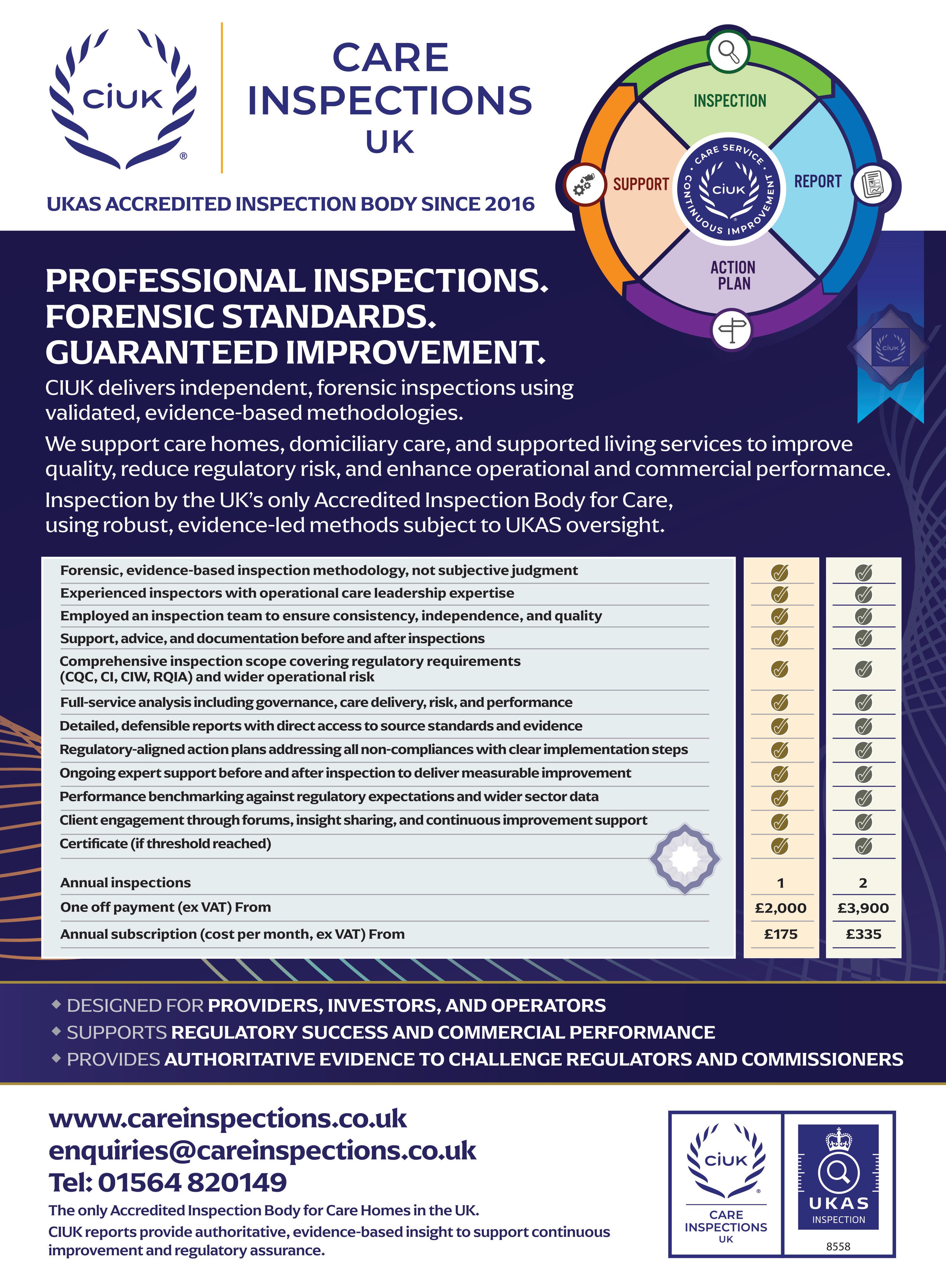
New survey data from Alzheimer’s Research UK has revealed a significant gap in public awareness around one of dementia’s most influential risk factors — with profound implications for those working in residential and nursing care.
The charity’s Dementia Attitudes Monitor found that just 39 per cent of people believe it is possible to reduce their risk of developing dementia, while only four per cent of UK adults identified diabetes as a dementia risk factor. Yet research indicates that up to 45 per cent of dementia cases worldwide may be linked to modifiable factors — and diabetes is firmly among them.
Diabetes affects an estimated 5.8 million people in the UK. The condition, which causes blood sugar levels to become dangerously elevated, exists in two main forms. Type 1 is an autoimmune condition, typically developing in early life, in which the body is unable to produce insulin.
Type 2, by far the more common form, occurs when the body either fails to produce sufficient insulin or cannot use it effectively, and is most prevalent in adults over 25. Obesity and being overweight are among the most significant risk factors for Type 2, alongside ethnicity and family history.

The connection between diabetes and dementia risk has been strengthened by a growing body of research. The long-running Whitehall II cohort study, which has followed more than 10,000 British civil servants since the 1980s, found in its 2021 findings that individuals who developed Type 2 diabetes earlier in life were at a heightened risk of developing dementia — and that the younger the onset, the greater that risk.
The Lancet Commission on Dementia Prevention, Intervention and Care has formally identified Type 2 diabetes as a recognised risk factor for the condition.
The mechanisms behind the association are not yet fully understood, but researchers note that diabetes adversely affects cardiovascular health and is linked to raised blood pressure and high cholesterol — both of which independently increase dementia risk.
For care home staff supporting residents living with diabetes, the findings carry practical significance.
Experts agree that effective management of the condition — through healthy eating, physical activity and appropriate medication — represents an important strategy for protecting brain health. People living with Type 1, and many with Type 2, require insulin therapy as part of their care.
Research into the relationship between the two conditions continues. Dr Joyce Huang is currently investigating whether a class of drugs used to treat Type 2 diabetes, known as thiazolidinediones, might also help prevent vascular dementia, by analysing medical records to assess whether patients taking these drugs show a reduced risk.
Separately, Professor Bettina Platt and Dr Zara Franklin at the University of Aberdeen have examined the role of the BACE1 gene, finding it linked to inflammation and cellular stress present in both Alzheimer’s disease and diabetes — offering further clues to the biological connection.
Crowds at the Worthing 10K cheered on an RAF veteran who bravely walked across the finishing line despite being wheelchair-bound following a stroke.
Ed Sampson walked the final 100 metres of the route, supported by his wife Vikki, who had pushed him around the course, and his sons, family and friends.
The couple are raising money for Care for Veterans – a Royal Star & Garter Home, which has been helping Ed recover from the devastating effects of his stroke in December 2023.
They have so far raised £1,475 for the Home in Worthing, which provides long-term nursing, rehabilitation, respite and end-of-life care to veterans and their families who live with disabilities, including acquired brain injury and degenerative neurological conditions. It is now part of the Royal Star & Garter group, following a merger with the charity in 2025.

Ed spent six months at Care for Veterans, where he received intensive treatment in the in-house physiotherapy room, following his stroke.
Thanks to the dedicated team of physiotherapists and Ed’s hard work, the 57-year-old was able to
return home in 2024. The dad-of-two still regularly uses the physiotherapy service at Care for Veterans for his recuperation, and staff also helped him prepare for his 10K challenge.
Ed, who was an RAF Technician in the 75th Signals Unit and served from 1988-1997, was supported across the finishing line by the Home’s Rehabilitation Assistant Magda Gibas. He said afterwards: “After my stroke, I never imagined I’d be able to do something like this again. Care for Veterans helped me rebuild my life, and walking those last 100 metres meant everything to me.”
His wife Vikki added: “Ed has worked so hard to get here. Seeing him walk to the finish line was incredibly emotional, we’re all so proud of him.”
Belle Fisher is the Lead Physiotherapist at Care for Veterans. She said staff and residents at the Home have been inspired by his efforts. “Ed has pushed himself further every week,” she said. “Watching him achieve this milestone was a privilege for all of us.”
A total of 28 people took part in the Worthing 10K to raise money for Care for Veterans. They included resident and Army veteran Steve Boylan, who crossed the finishing line with Ed.
Hertfordshire County Council is moving forward with plans to deliver up to eight new purpose-built nursing homes across the county, as senior officers warn that without intervention the authority faces a significant and growing shortfall in residential care capacity over the coming years.
The proposals, which have received backing from the council’s resources and performance cabinet panel, centre on a so-called Social Investment Model (SIM) — an approach designed to attract institutional investors into the local care market while enabling the council to secure long-term, affordable provision for residents without shouldering the full burden of direct capital development.
According to a council report considered by the panel, demographic change is placing considerable strain on existing care infrastructure. An ageing population, combined with increasingly complex health and support needs, is driving up demand for nursing care at a pace the private market alone is unable to match.

Officers have warned that the county could face a shortfall of more than 800 nursing home places within six years — and that the cost of sourcing placements outside Hertfordshire to plug the gap could climb to as much as £18 million annually.
Jackie Albery, Director of Planning and Resources for the council’s adult care services, told panel members that the option of direct council-funded development had become increasingly difficult to pursue, citing rising borrowing costs, construction inflation and delivery risk as key barriers.
Under the Social Investment Model, the council would seek to partner with institutional investors — with
local government pension funds cited as one potential category of funding partner — attracted by the prospect of stable, long-term and low-risk returns with strong social value credentials.
Those investors would finance the construction of new, purpose-built nursing homes. The council would then take on long-term leases for the completed buildings, sub-leasing them to independent care providers who would operate the services and care for residents on a day-to-day basis. Income generated by the care providers is expected to cover the leasing costs incurred by the authority.
Officers believe the arrangement would deliver between six and eight new homes, creating in the region of 800 additional nursing beds. Of those, up to 200 places would be designated as “affordable capacity” — reserved for residents whose care is funded or supported by the council. Beyond simply adding bed numbers, the council argues the model would bring wider systemic benefits. By stimulating purposeful, planned development rather than relying on opportunistic market supply, officers say it should bring greater stability to the local care market and improve residents’ access to care within their own communities — a goal the Liberal Democrat-led authority has emphasised as a priority.
In the longer term, reducing dependence on out-of-county placements is expected to deliver improved value for public money, with high-cost external arrangements replaced by more cost-effective local provision.
Ms Albery told the panel that, subject to formal approval, the first new homes under the programme could open from 2028.
By Jayne Connery, Founder of Care Campaign for the Vulnerable

Over the years, through my work with families, care providers, carers, and people living with dementia, one issue continues to stand out above almost all others — the lack of understanding around complex behaviour in dementia care.
At Care Campaign for the Vulnerable (CCFTV), we believe it is one of the greatest challenges facing the care sector today, and also one of the areas where meaningful change is urgently needed.
Families regularly contact us feeling frightened, exhausted, and heartbroken. Many describe loved ones who were once calm and gentle becoming distressed, fearful, aggressive, withdrawn, or resistant to care. Often, they are told their relative is “challenging”, “difficult”, or “non-compliant”.
But behind every behaviour is a reason.
People living with dementia are not intentionally trying to cause problems. Behaviour is communication. It may reflect pain, fear, overstimulation, confusion, loneliness, trauma, frustration, or unmet emotional and physical needs.
Too often, care environments still focus on managing behaviour rather than understanding it and that has to change. My own mother, Ellen, lived with vascular dementia, and I witnessed firsthand how dramatically environment and communication affected her wellbeing. In the right setting, around people who showed patience, empathy, humour, and reassurance, her personality
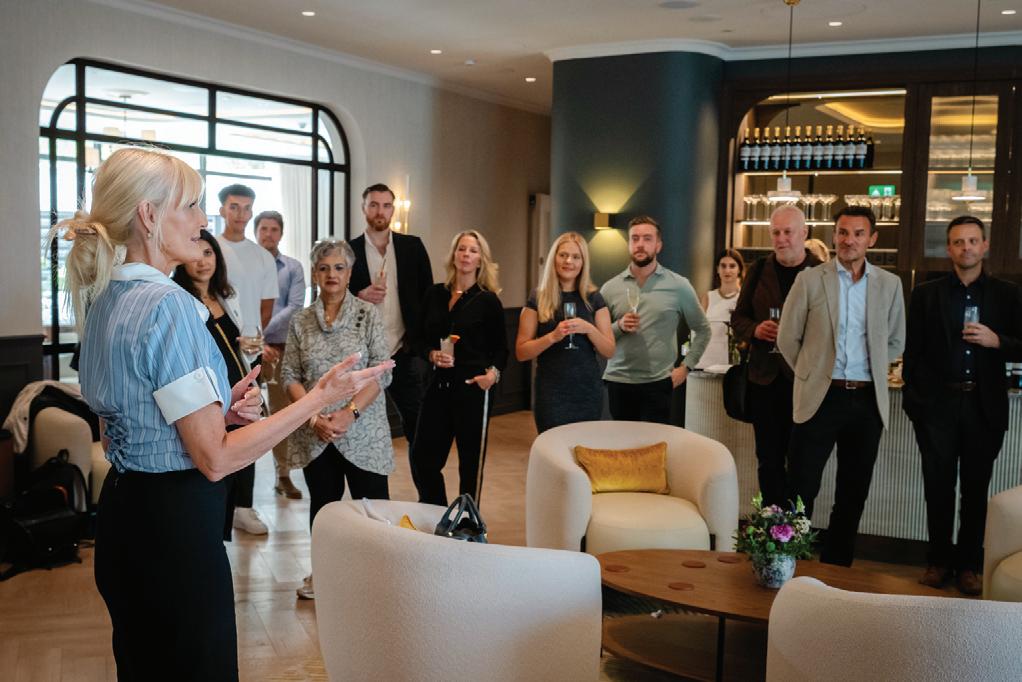
remained very much alive. But in environments where she felt frightened, rushed, or misunderstood, her anxiety escalated and her behaviour changed completely.
What I learned through my mum’s journey shaped the entire direction of my work.
Complex dementia care requires far more than basic awareness training. It requires emotional intelligence, confidence, consistency, observation, patience, and genuine understanding of the individual behind the diagnosis.
Sadly, carers are often placed into highly demanding situations without the level of specialist training or support they truly need. We hear repeatedly from frontline staff who admit they feel overwhelmed managing distressed behaviours, particularly when staffing levels are stretched or when residents have advanced dementia combined with other complex health needs. This is not about blaming carers.
Many carers are working under immense pressure and doing extraordinary work in very difficult circumstances. But as a sector, we must be honest enough to recognise that the needs of people living with dementia have become increasingly complex.
The reality is that some people entering care homes today would previously have been supported within specialist nursing or hospital environments. Providers are caring for residents with significant cognitive impairment, distressed behaviours, trauma responses, mobility issues, communication difficulties, and multiple health conditions — often all at once. And yet dementia training can still vary hugely across the sector.
At CCFTV, we want to see greater investment in meaningful dementia education that goes beyond textbooks and compliance exercises. Training must help carers understand why behaviours happen, how environments influence distress, and how communication styles can either calm or escalate situations.
Simple things matter more than people realise.
Tone of voice. Body language. Noise levels. Lighting. Routine. Familiarity. Feeling ignored. Feeling frightened. Being approached
too quickly. Being unable to express pain or discomfort All these things can completely change how a person living with dementia responds.
We also believe there needs to be more honest conversation around the emotional toll complex dementia care can have on care staff themselves. Supporting someone who is frightened, distressed, aggressive, or emotionally dysregulated every day can be emotionally draining. Staff need support, mentoring, and safe spaces to reflect without fear of judgement.
Good dementia care is not simply task-based care - it is relationship-based care.
The providers who stand out to us are rarely those focused purely on appearance or marketing. They are the providers investing in culture, leadership, staff wellbeing, communication, and specialist understanding. They create environments where carers feel confident asking for help, where families are listened to, and where behaviours are approached with curiosity rather than frustration.
Importantly, we also want to see a move away from overreliance on restrictive approaches wherever possible. Families frequently raise concerns with us around sedation, isolation, lack of stimulation, or individuals being labelled too quickly without enough exploration of underlying causes. Every behaviour should prompt a question: what is this person trying to communicate?
Sometimes the answer may be physical pain. Sometimes trauma. Sometimes fear. Sometimes boredom. Sometimes grief. Sometimes simply an environment that no longer feels safe or familiar.
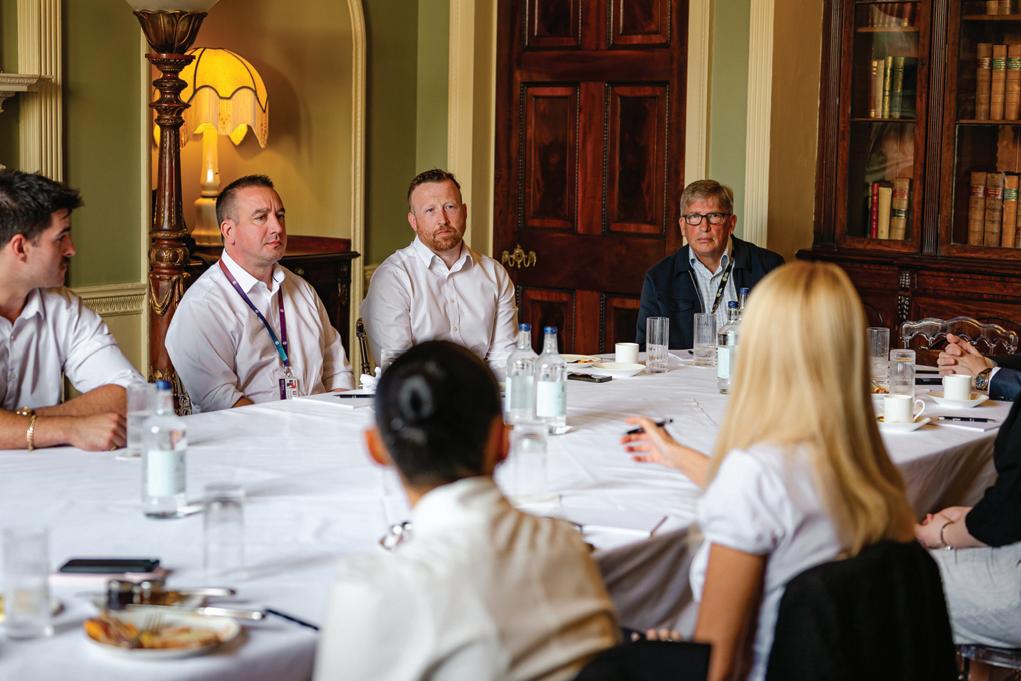
At CCFTV, we believe dementia care must become more individualised, more compassionate, and more psychologically informed. We also believe families should be viewed as part of the care team, not outsiders. Relatives often hold the key to understanding triggers, routines, comfort strategies, and lifelong personality traits that can help staff deliver far better care.
There are many outstanding carers and providers already leading the way. We see extraordinary examples across the sector every week. But we also know there is inconsistency, and too many families still feel unsupported when behaviours become complex.
Change is possible. But it requires openness, investment, stronger dementia education, honest conversations, and a willingness to move beyond outdated models of care. Because people living with dementia deserve more than simply being managed, they deserve the right care.
The regulatory landscape is evolving — here's what your care home needs to know
Trust is the foundation of every great care home. For residents and their families, choosing residential care is rarely a simple decision. It carries emotional weight, financial significance, and an enormous leap of faith. That's why transparency, fairness, and legal compliance aren't just operational tickboxes — they're central to the care you provide.
The Digital Markets, Competition and Consumers Act 2024 (DMCCA) has introduced some of the most significant changes to consumer law in more than a decade, and care homes are firmly within its scope. Understanding what those changes mean in practice is essential — and that's exactly where the Business Companion Care Homes Guidance comes in.

the very first conversation.
Authentic reviews and endorsements. Fabricated or manipulated reviews are now explicitly prohibited. As online reputation plays an increasingly important role in how families choose care homes, authenticity isn't just ethical — it's a legal requirement.
Developed by legal experts and completely free to access, this practical guide breaks down your obligations under the new legislation in plain, straightforward language. Whether you're reviewing contracts, updating your pricing structures, or looking at how you communicate with prospective residents, it's an indispensable resource.
WHAT THE DMCCA MEANS FOR CARE
The DMCCA replaces the previous Consumer Protection from Unfair Trading Regulations, raising the bar across almost every consumer-facing sector. For care homes, the key implications include: Full pricing transparency. The Act outlaws "drip pricing" — the practice of introducing unavoidable fees late in the customer journey. All mandatory charges must now be presented clearly and upfront, from
Tougher enforcement. The Competition and Markets Authority (CMA) now holds significantly strengthened powers, with the ability to issue fines of up to £300,000, or 10% of global turnover, for non-compliance. The message is clear: getting this right matters.
These are just some of the areas covered in detail within the Business Companion Care Homes Guidance, which offers practical, step-by-step advice to help your home stay on the right side of the law.
Working in care means working with vulnerability every day. Whether driven by age, ill health, bereavement, financial pressure, or a combination of factors, vulnerability can affect a resident's ability to
make informed decisions or communicate their needs clearly.
Recognising and responding to this is both a legal duty and a moral one. The Business Companion Consumer Vulnerability Guide provides checklists and actionable advice to help your team identify and appropriately support vulnerable individuals — ensuring your home delivers compassion and compliance in equal measure.
A WIDER RESOURCE FOR YOUR BUSINESS
Business Companion extends well beyond care home guidance. The platform covers a broad range of sectors and topics — from online selling and complaints handling to delivery charges and net zero planning — all presented in clear, accessible language. Backed by the Chartered Trading Standards Institute and the Department for Business & Trade, it's a free, authoritative, and regularly updated resource you can rely on.
DON'T WAIT — ACT NOW
The DMCCA is already in force and enforcement is live. Now is the time to review your contracts, pricing communications, and marketing materials — before a compliance issue forces your hand.
In a sector built on trust, staying informed isn't just good practice. It's everything. Visit Business Companion’s Care Homes Guidance today In a sector built on trust, staying informed isn’t just smart - it’s essential. To find out more, visit: www.businesscompanion.info
Care for Veterans – a Royal Star & Garter Home has hosted its annual Charity Golf Day at Ham Manor Golf Club.
The event, sponsored by Volker Highways and Broadleaf Tree Services, brought golfers from across the region together for a day of competition on Thursday 14 May, and helped raise over £5,600 for the Worthing Home.
Care for Veterans provides long-term nursing, rehabilitation, respite and end-of-life care to veterans and their families living with disabilities, including acquired brain injury and degenerative neurological conditions. It is now part of the Royal Star & Garter group following a merger last year.
Golfers started off their day with coffee and bacon rolls before teeing
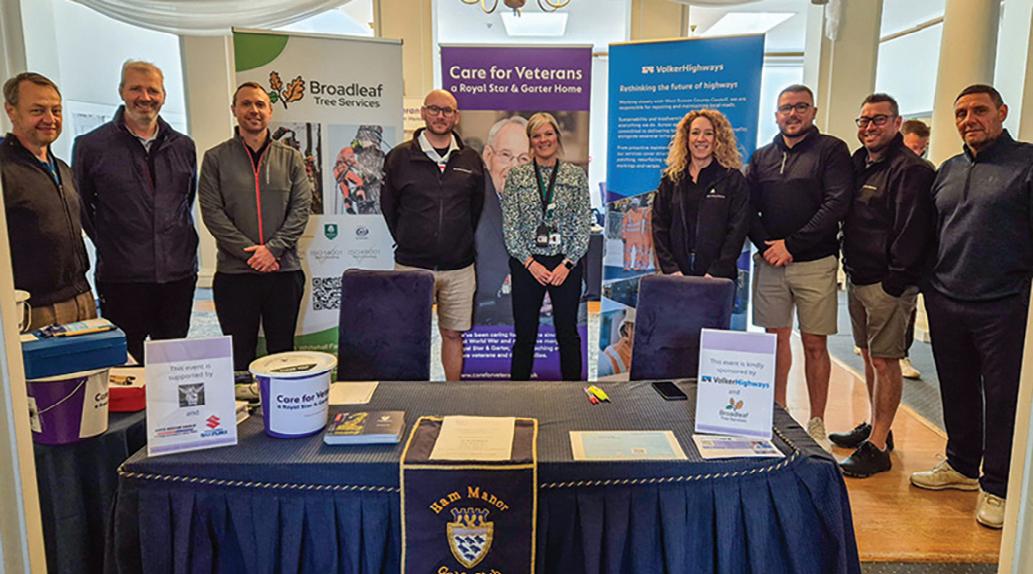
off on the historic Harry Colt designed course. After finishing the 18 holes, they returned to the clubhouse for a two course lunch. A charity auction and raffle added to the fundraising total, with donated prizes helping to generate further support for the charity’s clinical and rehabilitation services.
Clare Silva, High Value Events & Corporate Manager for Care for Veterans said: “We are grateful to all teams, sponsors and prize donors who contributed to this year’s event and to Ham Manor Golf Club. The funds raised will help us continue delivering essential care and rehabilitation to the veterans who rely on our services.”

“Do You See Us Now?” ‘Most Punk
Matthew Watson walks onto a stage knowing exactly who he is. He is a musician, a performer and the frontman of Leeds-based punk band Ultimate Thunder.
On Saturday, June 13, Matthew and his bandmates will share their story with audiences from around the world when a documentary following their journey premieres at Sheffield DocFest, the UK’s leading documentary festival.
For Matthew, music isn’t a hobby, it’s his favourite form of expression, a way to build connection and share his creativity with the world.
“I love being in the band and I am really excited about our story being featured at Sheffield DocFest,” said Matthew.
Ultimate Thunder is made up of musicians with learning disabilities and autism. Their music is improvised, energetic and entirely their own. Over the last three years, independent filmmaker Ben Brown has followed the band through rehearsals, performances, setbacks and successes. Ben has captured hundreds of hours of footage and created an intimate portrait of life in band – their creativity, strong bonds, and true talent.

The resulting 98-minute documentary has been selected as one of just 70 films from more than 3,000 submissions to be screened at the festival.
At the heart of the story is Matthew. For more than a decade, he has drawn on support from national learning disability charity Hft in Leeds that has enabled him to pursue what matters most to him, grow in confidence and build a life shaped around his own ambitions and interests.
The documentary began as a short film exploring Matthew’s life as an artist. But it quickly became clear that there was a bigger story to tell —that of a talented group of musicians creating, performing and challenging expectations about who gets to be seen, heard and celebrated.
For Matthew, Ultimate Thunder is where his creativity, ambition and sense of self come together. It is where he can be fully himself.
Filmmaker Ben Brown said:
“We’re buzzing to be premiering at Sheffield DocFest, the biggest documentary festival in the UK.
“Ultimate Thunder are proof that learning disabled musicians are some of the most creative, exciting and talented artists out there, and we can’t wait for audiences to fall in love with them like we have.
“Their journey also shows just how important access to the arts and creative opportunities really is. When people are given the opportunity to pursue their passions, incredible things happen.”
The festival is attended by filmmakers and organisations from across the world, including Netflix, the BBC, Amazon Prime, Channel 4, BAFTA and Sky, providing a significant platform for the band’s story.
The screening also takes place ahead of Learning Disability Week (June 1521), whose theme this year is ‘Do You See Me?’.
It is a powerful question. Too often, learning disabled people are overlooked, underestimated or defined by assumptions rather than recognised for their talents, ambitions and contributions.
Ultimate Thunder offers a different perspective.
It is the story of learning disabled musicians doing what they love, sharing their creativity with the world and refusing to be defined by other people’s expectations.
It is also a reminder of what becomes possible when people are given the opportunity, encouragement and freedom to follow their passions and live life on their own terms.
Every day, Hft works alongside learning disabled adults to help them build friendships, confidence and a sense of belonging in their local communities. From supported social groups to one-to-one facilitation to get out and meet people and enjoy hobbies and passions, this work is transforming lives.
This Learning Disability Week we’re celebrating how the people we support are living full, rewarding and connected lives - helping them feel seen, valued and included in their community.
The UK’s National Advance Care Planning Day highlights the importance of Advance Care Planning, Advance Care Plans and sensitive conversations. This year’s theme is Supporting people and communities who are marginalised.
On this a day of awareness and action, care professionals will be hosting their own Advance Care Planning events and interventions across the country. Care organisations are encouraged to add their own events on the ACP Day website where they will be promoted and shared.
A national conference will take place in Norfolk. It will be live streamed and available for care organisations for free. ‘Watch parties’ at care organistions is encouraged and the speakers include
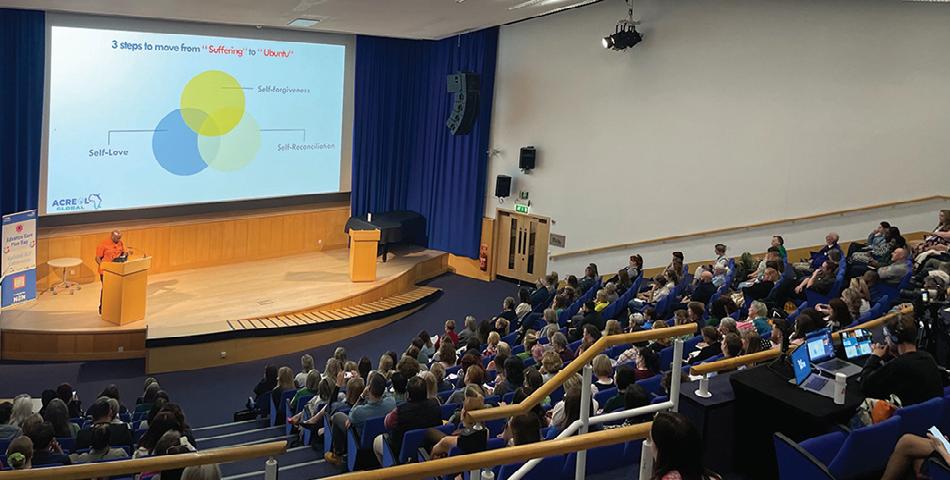
Speakers this year include Dr Kathryn Mannix (author), Dr Jed Jerwood (No Barriers Here) and Professor Irene Tuffrey-Wijne (The Victoria & Stuart Project), James Norris (The Digital Legacy Association). Videos from 2025’s conference can be watched at
www.advancecareplanday.org/national-conference-2025
When Universal Advance Care Planning is a goal, we must adapt service delivery to various marginalised and disenfranchised people and communities.
ACP Day are inviting inclusive charities, not for profit and other organisations who believe in this year’s theme to engage, collaborate and empower.
There are lots of different ideas and ways in which you might want to empower others in areas relating to Advance Care Planning and the benefits it provides to the person and their loved ones.
ACP Day 2026 and the national conference is organised by Norfolk & Norwich Hospitals Charity, MyWishes Care, Speak for Me LPA and Norfolk and Norwich University Hospitals. This year the campain is being supported by Sue Ryder.
Visit www.advancecareplanday.org
The British Polio Fellowship which supports people affected by polio and post-polio syndrome, will host its Health and Wellbeing Conference in Elstree, Hertfordshire on Friday 4 July 2025.
The full-day event will bring together polio survivors, healthcare professionals and researchers to share knowledge, explore the latest clinical developments, and strengthen the community of support around those living with the long-term effects of polio.
The conference will open at 09:30 with a welcome and introduction before moving into the headline keynote session, “The Optimal Clinical Pathway,” which will examine best-practice approaches to the diagnosis, management and treatment of polio and post-polio syndrome. Delegates will also hear directly from members in a dedicated lived-experience session, in which polio survivors will share their personal case studies.
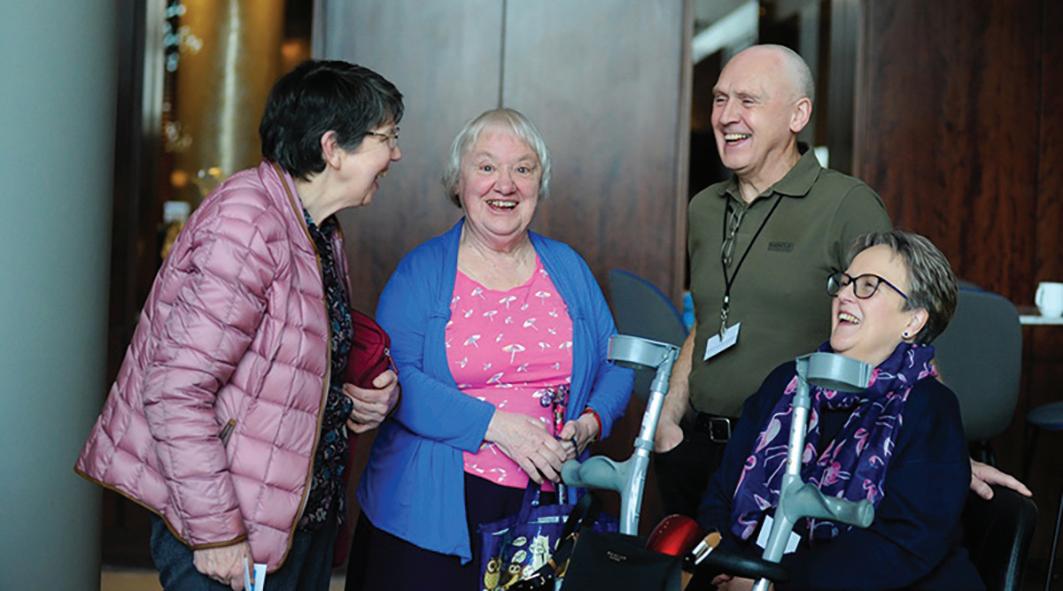
Two blocks of interactive breakout sessions throughout the day will offer attendees the opportunity to explore topics of direct relevance to their daily lives. Topics on offer include meditation and emotional wellbeing for polio survivors, guidance on how to talk to your doctor
about polio, diet and healthy eating, and practical advice on adapting the home for safety and independence.
The afternoon programme will feature a specialist presentation on Motor Unit MRI in Polio: From Electrical Stimulation to Voluntary Recruitment, reflecting the Fellowship’s commitment to keeping the polio community informed of any developments in medical research. The conference will close with an open discussion on the future of services for polio survivors before informal networking continues until 17:00.
“This conference is about much more than information-sharing, it is about community. Polio survivors often feel isolated in their experiences, and events like this remind them that they are not alone. We are proud to bring together such an outstanding programme of clinical expertise, lived experience and practical support in one place” commented Kripen Dhrona, Chief Executive Officer at the British Polio Fellowship.
Further details on the Conference, including the venue and
registration information are available from the British Polio Fellowship directly (Tel: 0800 043 1935) or on the website https://britishpolio.org.uk/health-wellbeing-for-polio-survivors-conference-day-2026/
Residents at Bayleaf Care Home in Huntingdon are celebrating National Carers’ Week, which takes place from June 8th-14th. Residents wanted to thank all the wonderful staff at the home, whose hard work and dedication make a real difference to the lives of those living in their care.
Carers Week is an annual event to raise awareness of caring, highlighting the challenges carers face, and recognising the contribution they make to our residents, families and communities throughout the UK. The theme for Carers Week this year is ‘Building Carer Friendly Communities’ which highlights the impact carer friendly communities can have in making a real and lasting difference to the lives of carers everywhere. The
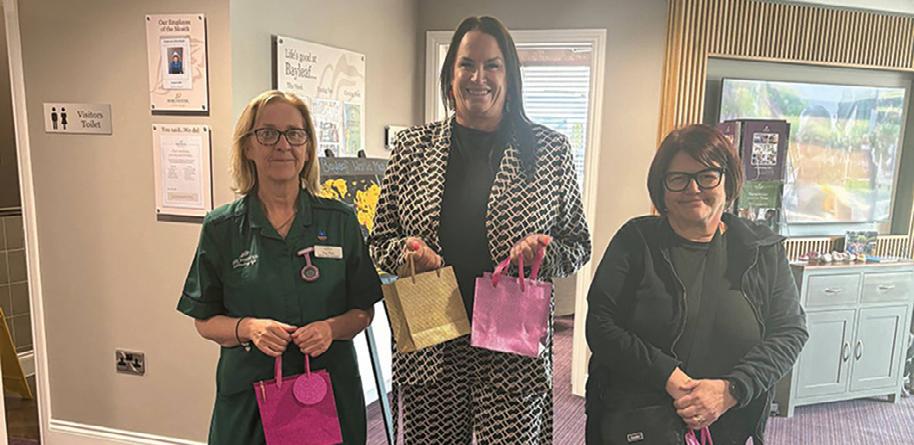
campaign will be brought to life by thousands of individuals and organisations taking action to ensure more communities understand, recognise, and empower carers.
Staff at Bayleaf Care Home are being treated to a wide variety of treats and other goodies as the residents have their chance to thank the care staff for all of their hard work that goes on at the home on a daily basis.
Katie Wilkinson, General Manager at Bayleaf Care Home said: “It is so wonderful to be able to celebrate Carers Week and thank our fantastic carers. To be able to welcome the community, relatives and friends into the home is always a pleasure. Everyone is having such a brilliant week.”
Incontinence is common in care and nursing homes, but the impact on dignity, comfort and skin health is deeply personal. Levabo’s allDRY® range of reusable incontinence underwear is a Class I Medical device, designed to support residents and caregivers alike by combining discreet protection with a comfortable, everyday feel that looks like normal underwear, not a clinical product. allDRY® underwear provides reliable protection for men and women experiencing bladder leakage.

Who are Levabo?
Levabo are a Danish medical device company specialising in innovative, user-friendly solutions for continence care and pressure ulcer prevention. Our focus is on practical products that support dignity, comfort and safety, while fitting seamlessly into the realities of care and nursing home practice.
Designed for dignity
allDRY® aims to remove the stigma often associated with incontinence products. The underwear is soft, discreet and modern in appearance, helping residents feel more like themselves and less like patients. The garments combine advanced absorbent technology with breathable materials to help keep skin dry and comfortable throughout the day.
For many people, that small shift can make a big difference to confidence, engagement in daily activities and overall wellbeing.
Key benefits for residents:
3 Soft, underwear-like fit for everyday comfort
3 Breathable, skin-friendly materials
3 Secure 6-layer absorbency for protection and confidence
3 Discreet profile under clothing to support dignity
3 Natural odour control
Practical support for busy care teams
Care and nursing home staff need products that are easy to use, reliable and support efficient routines. allDRY® has been developed
with frontline care in mind, from dressing and toileting to night-time protection and manual handling.
Key benefits for staff and services:
3 Clear sizing and fit to simplify product selection
3 Easy to apply and remove, helping with time-pressured care routines
3 Reliable protection to support continence care plans and reduce unplanned linen changes
3 A versatile solution suitable for residents with different levels of dependency
3 Machine washable at 60 degrees Celsius
3 Tumble dry safe
3 Comfort and dignity focused
Supporting skin health and overall care
Continence care is closely linked to skin integrity, comfort and quality of life.
Prolonged exposure to urine and faeces can lead to incontinence-associated dermatitis (IAD), causing redness, pain, skin breakdown and an increased risk of infection. For residents, this can mean significant discomfort, distress and reduced mobility; for caregivers, it adds to workload, complexity of care and emotional strain when preventable skin damage occurs.
When protection is effective, secure and comfortable, there is less risk of leakage, moisture-related skin damage and associated distress for residents and carers. allDRY® is designed to:
3 Help keep skin drier for longer, supporting good skin care practices
3 Complement pressure area care and repositioning routines
3 Integrate smoothly into existing continence and care pathways
A flexible range for your residents
The allDRY® range offers options to suit different needs and levels of support, making it easier for homes to match the right product to the right person. This helps reduce waste, improve comfort and ensure residents receive care that feels truly individual. allDRY® is available in a range of briefs and boxers and different levels of absorbency. In addition to the underwear, there is an optional inlay which can be added to increase the absorbency by 50ml. This inlay is machine washable with the underwear.
To find out more about allDRY® incontinence underwear, or any of the Levabo product portfolio that could support your residents and care teams, request samples or discuss how the range could support your home:
Email: bm@levabo.com
Web: www.levabo.com


Care England has published a new report revealing that while women make up 78% of the adult social care workforce, they hold just 41% of board-level positions, indicating the persistent barriers to progression across the sector.
Drawing on 12 interviews with senior women leaders and 157 survey responses, the report, titled The Overlooked Majority, identifies a ‘recognition gap’ with many respondents who did not initially identify gender as influencing their career progression, but had later described or selected barriers which were gendered in nature.
The report exposes the uncomfortable truth that gender inequality in adult social care is often experienced by women in the workforce but not always recognised or reported as gender inequality, arguing that this must be understood within the wider feminisation of care, where paid and unpaid caring work have traditionally been viewed as “women’s work” and consequently undervalued economically and socially.
Dr Olivia Curno, Care England Policy Board Member and Chief Executive of Elizabeth Finn Homes, said: “For too long, social care has depended on the dedication of women while failing to properly value the work itself. This report challenges us to rethink care not as invisible labour, but as skilled, essential work deserving of recognition, investment and ambition.”
The report finds that women across the sector continue to encounter barriers when trying to progress their careers in care, including the disproportionate burden of unpaid caring responsibilities, reduced access to informal networks and sponsorship opportunities, assumptions about flexibility and career commitment, and the cumulative impact of factors such as age, race and socioeconomic background.”
Professor Martin Green OBE, Chief Executive of Care England, said: “Women are the backbone of adult social care, yet too many continue to face barriers that limit their progression and leadership opportunities. This report highlights a challenge that is too often hidden in plain sight and asks us to confront some uncomfortable truths about how we value care and the people who deliver it. If we are serious about building a sustainable future for social care, we must ensure women have every opportunity to progress, lead
and shape the future of a sector they have done so much to build. Women should not make up the majority of the workforce while remaining underrepresented in the rooms where decisions are made. It is time to remove the barriers that hold women back and create more opportunities for them to lead, progress and thrive at every level of the sector.”
The report sets out a series of recommendations, calling for care providers to:
• Introduce 360-degree appraisals,
• Improve access to leadership and development opportunities,
• Actively embed workplace policies into culture change,
• Better recognise the burden of unpaid caring responsibilities.
At a national level, the report recommends that the Government:
• Improve access to affordable childcare,
• Introduce stronger equal pay and pay transparency requirements,
• Support the creation of a national mentoring platform for women in adult social care,
• Promote menopause strategies and gender pay gap action plans across employers,
• Lead a national campaign to challenge the perception of care as “women’s work”,
• Invest in further research into gender inequality within the adult social care workforce.
Dr Curno concluded: “This report moves beyond identifying inequalities and instead asks us to confront the structures and assumptions that sustain them. This report looks for solutions. Across the sector, there are organisations already demonstrating what change looks like, and while these examples will not solve the problems by themselves, they show that progress is possible, practical and profitable. But responsibility for change must be shared; the government must address the structural barriers against women through national policy.”
For a sector built on the contribution of women, ensuring they have equal opportunities to progress, lead and thrive will be critical to the future success of adult social care.
You can read the report in its entirety here
A 17-strong team of walkers from Cygnet successfully conquered Yr Wyddfa/Snowdon and raised £10,000 for the Air Ambulances UK in memory of a former colleague.
The team were guided on the trek by Group CEO, Professor Tony Romero, who has enjoyed leading this charity challenge for the past three years, raising more than £30,000 for different charities.
The chosen charity this year is in memory of a Cygnet colleague, Ann Fox, who passed away whilst on duty at Cygnet’s Tabley House nursing home in Knutsford, Cheshire.
Tabley House manager Deb Jones said: “Ann was a much-loved and valued member of the Tabley House team where she had worked for 11 years as a Care Assistant.

“During her time at Tabley House Ann enjoyed spending time with the residents, empowering them to lead fulfilled and dignified lives.
“Ann worked tirelessly behind the scenes, always putting the needs of others before her own. She was very much an integral part of the Tabley House Care team.
“Every day Ann demonstrated compassion and extraordinary empathy and kindness, her ability to connect to residents on a personal level brought comfort and reassurance.
“Ann’s loss has created a void that is felt deeply by everybody at Tabley House and we will continue to remember Ann in our own ways.
“Ann was supported by the Air Ambulance on the day of her death and we are thankful for the support they and the ambulance crews provided to her at such a difficult time and the charity walk is a recognition of their courageous work.”
The challenge took place on Friday 5 June, starting on the Watkin Path to the summit of Snowdon. After climbing gently up past waterfalls and rock pools the group arrived in the mountain valley of Cwm Llan. Here they left the Watkin Path to take an old miner’s path to the pass of Bwlch Cwm Llan, continuing their climb over Allt Maenderyn and above the cliffs of Clogwyn Ddu.
The team then crossed the narrow ridge of Bwlch Main before finally reached the summit just over three hours after setting off. They enjoyed a leisurely descent along the Watkin Path whilst enjoying the dramatic mountain views.
Professor Tony Romero said: “I look forward to this every year as it’s a chance get to know different colleagues away from work and test our stamina and team spirit together.
“We were incredibly saddened to learn of Ann’s passing and when I visited Tabley it felt like a fitting tribute to do this year’s charity trek in her memory.
“Our staff go above and beyond for those in our care every day and Ann was a shining example of this. The testimonies I have heard from staff and residents show just how much she meant to Tabley and how much she is missed.
As the demands on health and social care services continue to evolve, so too does the need for innovation, collaboration, and forward-thinking solutions. On 23rd June, The Care & Occupational Therapy Show returns as a vital meeting point for professionals across the sector; bringing together expertise, technology, and practical insight under one roof.
More than just an industry event, The Care & Occupational Therapy Show has established itself as a hub for meaningful progress. At a time when care providers face increasing pressure to deliver high-quality, person-centred support amid staffing challenges and budget constraints, the show offers a timely opportunity to explore new approaches and share best practice. From frontline carers to senior decision-makers, attendees are united by a common goal: improving outcomes for those who rely on care services every day.
Occupational therapy plays a central role in this mission. By focusing on enabling individuals to live as independently and safely as possible, occupational therapists are often at the forefront of innovation in care delivery. The show reflects this by placing occupational therapy alongside broader care services, highlighting how integrated thinking can drive better results. Visitors can expect to discover the latest adaptive equipment, digital solutions, and rehabilitation tools designed to enhance quality of life across diverse care settings.

One of the defining strengths of the event is its emphasis on practical learning. A packed programme of seminars and workshops will provide attendees with actionable insights they can take back to their organisations. Topics are set to range from regulatory updates and workforce development to emerging technologies and inclusive design. In a sector where time is often limited, this kind of concentrated, high-value learning is invaluable.
Equally important is the opportunity for connection. The Care & Occupational Therapy Show creates
space for professionals to engage in conversations that might not otherwise happen in day-to-day practice. Whether it’s exchanging ideas with peers, meeting suppliers face-to-face, or forming new partnerships, the networking element is a powerful catalyst for change. Collaboration has never been more essential in care, and events like this help to break down silos and foster a more cohesive approach across the industry. Innovation will, unsurprisingly, be a major theme throughout the day. With rapid advancements in assistive technology and digital health, care providers are increasingly able to deliver more personalised and efficient services. Exhibitors will showcase solutions ranging from smart home adaptations to mobility aids and telehealth platforms, offering a glimpse into the future of care. For many attendees, this hands-on access to new products and services is one of the most valuable aspects of the show. Yet beyond the technology and professional development, there is a deeper significance to the event. At its core, The Care & Occupational Therapy Show is about people- the individuals who dedicate their careers to supporting others, and the communities they serve. It is a reminder of the compassion, resilience, and creativity that underpin the sector, even in the face of ongoing challenges.
As the 23rd June approaches, the show stands as both a reflection of how far the industry has come and a signal of where it is heading. For anyone involved in care or occupational therapy, it represents an unmissable opportunity to learn, connect, and be inspired. In a rapidly changing landscape, staying informed and engaged is not just beneficial—it is essential.
Ultimately, The Care & Occupational Therapy Show is more than a date in the diary. It is a chance to be part of a collective effort to shape the future of care… one conversation, one idea, and one innovation at a time.
To register visit https://cots.ecreg.uk/reg/general/invitelaunch.asp?InviteCode=TC

Levabo’s product range is built around a clear objective: making pressure ulcer prevention easier, more effective, and achievable across all care settings. Designed with both caregivers and residents in mind, the range offers practical positioning solutions that integrate seamlessly into everyday care routines.
At the core of the range are Levabo’s specialist positioning cushions, developed to support safe and consistent repositioning. Whether used in bed, in chairs, or during transfer and repositioning, these products help reduce pressure on vulnerable areas of the body. Their versatility makes them suitable for a wide spectrum of care environments, from hospitals and nursing homes to community and home care.

A key differentiator across the range is Levabo’s unique “Fluffy Air” technology. This ensures that each product remains soft and adaptable, gently moulding to the individual’s body shape. The result is improved pressure distribution and a high level of comfort, both essential for individuals who may be immobile or spending long periods in one position.
Pet therapy has become a part of the everyday routine in many care homes in the UK. The positive impact animals can have on the well-being of residents is well documented. But bringing animals into a care setting brings its own problems. It can be expensive and disruptive, they can be temperamental, and even the cleanest pets raise hygiene issues.
V-Thera virtual pets allow you to offer all the fun and engagement of a real pet, but in a clean, predictable and flexible way that fits in perfectly with your care home routine.
VIRTUAL PETS, REAL BENEFITS
From the moment the resident first puts the headset on, they are engaged and delighted as the pet sits, lies down, rolls over and feeds on command. They can even throw a ball for the pet to fetch. The experience is involving, relaxing and stimulating, enhancing a positive mood while encouraging movement and communication.
The pets themselves are wonderfully realistic, not just in the way they look, but in how they act. There are four dogs to choose from, and there’s even a moggie for cat lovers. They respond to voice or hand commands, or to big buttons on the screen. It’s ideal for previous pet owners, but also people nervous of animals.
V-Thera uses the latest Japanese mixed reality technology, meaning the virtual pet appears in the realworld, viewed through the headset. Seeing the familiar surroundings of their care home lounge reduces any sense of anxiety or disorientation for residents. The app can also be used lying down, so it can be used in bedrooms.
The technology itself is completely intuitive, designed for people with no experience of gaming. The
CareZips® Classic are patented, easy dressing unisex adaptive pants designed for older and disabled people suffering with problems associated with continence, mobility, mental function and cognition. Suitable for persons living in care institutions, receiving care at home or living independently at home, CareZips® Classic enable people to dress themselves or with assistance from carers.
CareZips® Classic feature patented 3-zipper system, which opens the front of the pants from the waist to the knees for quicker access during toileting, continence pads changes and personal hygiene. The forward positioning of the two side zippers lessens pressure on sensitive hip areas, helping to eliminate discomfort. The third zipper facilitates simple full frontal opening for faster more dignified diaper changes, catheter adjustments, personal cleansing and hygiene routines.

cal functionality and versatility of the CareZips® Classic, all day comfort and easy garment care.
• People dependent on assisted dressing appreciate quick easy dressing process with less stress, embarrassment and greater dignity offered by CareZips® Classic.
• CareZips® Classic offer practical gains to the carers, helping them to provide better care, whilst reducing physical efforts and saving valuable time.
CareZips® Classic are unisex, available in 6 sizes and 3 practical colours (i.e. black, charcoal and navy). Tapered fit at the ankles gives a tidy appearance. Made from breathable moisture-wicking 4-way stretchy crease-free and easy-care durable fabric, CareZips® Classic are comfortable, practical and conveniently functional.
For more information, contact Win Health Medical Ltd - 01835 864866www.win-health.com
CareZips® Classic have many benefits for the older and disabled users and their carers:
• People dressing themselves enjoy the practi-
Importantly, the range has been developed in collaboration with healthcare professionals, ensuring that each product addresses real-world challenges faced by care teams. From ease of handling to durability and hygiene, every detail is designed to support efficient care delivery without adding complexity.
Levabo’s products are also protected by international patents and have received global recognition, with the company being named the world’s leading positioning cushion manufacturer for four consecutive years. This reflects both the quality of the range and its growing impact across the sector. For care providers, the message is clear: investing in the right positioning solutions is not only a clinical decision but a practical and economic one. With prevention proven to be significantly more cost-effective than treatment, Levabo’s range offers a smart, scalable way to improve outcomes while supporting high standards of care. Simple solutions. Big impact. For more information see page 25 or please email
bm@levabo.com or visit www.levabo.com
headset reads hand movements, so there is no need for hand controls after set-up. Setting the app up is easy and quick for staff, with no training required. It comes preloaded onto the latest Quest 3s headset, so it’s a simple matter of staff switching the headset on, selecting the V-Thera icon, selecting the dog – which you can name – then transferring the headset to the resident. They are immediately immersed in playing with the dog or cat.
The makers recommend sessions of up to ten minutes at a time, it’s very easy to accommodate the technology into the life of the home, and for staff it can create an excellent opportunity to bond with residents. A sharing function even means the sessions can be cast to other screens so all residents can share the experience.
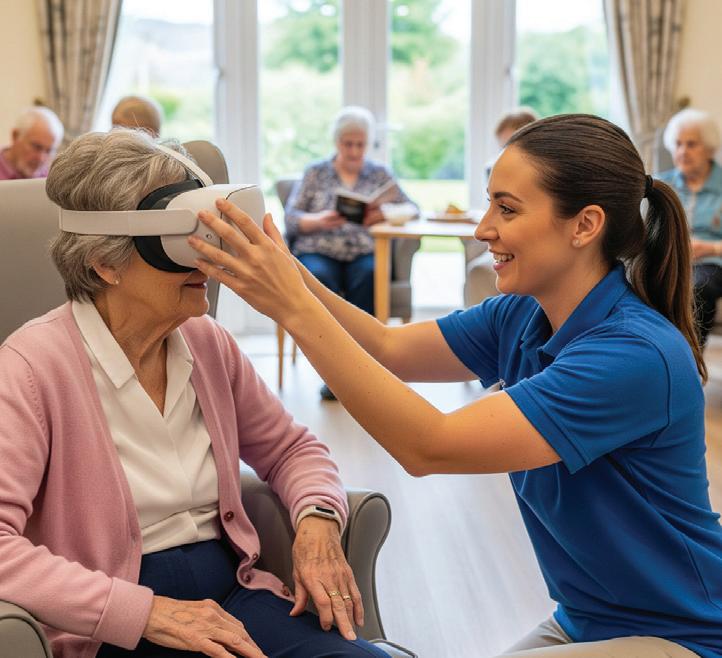
The potential of new technologies like V-Thera for engaging with residents in a positive way points to an exciting future. The combination of advanced Mixed Reality with intuitive and thoughtful design means care homes can adopt the latest technology without disrupting the care routines already in place. V-Thera was created in Japan by Remedy & Co and is available now in the UK through Care Activity Ltd. Managing Director Alison Lang says, “The minute we saw V-Thera, it was clear to us that this was an exciting innovation, a new way to offer something genuinely engaging to care home residents. The pets are fun, realistic and always ready to play. It is technology that brings care to life.”
Contact alison@careactivityxr.com www.careactivityxr.com
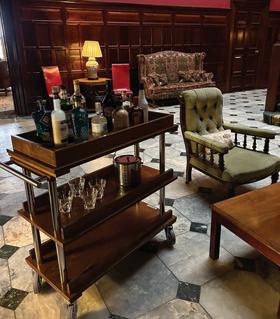

See the advert on page 3 for further information on Win Health’s product range.


Malnutrition remains one of the most persistent - and often under-recognised - challenges facing the care sector today.
Despite significant progress in person-centred care and nutritional screening, many older residents continue to struggle with maintaining adequate nutritional intake due to reduced appetite, frailty, dementia, swallowing difficulties, medication side effects and illness-related fatigue.
According to UK nutrition guidance, people living in care homes are at significantly increased risk of malnutrition, with estimates suggesting that between 30–42% of residents admitted to care homes may already be affected or at risk. At the same time, healthcare organisations including Age UK and the Malnutrition Task Force continue to warn that undernutrition among older people remains widely underdiagnosed.
Importantly, malnutrition is no longer being viewed simply as an unavoidable consequence of ageing.
Across both health and social care, there is increasing recognition that early intervention and preventative nutritional support can play a major role in improving outcomes for older adults, helping to maintain strength, reduce frailty and potentially prevent avoidable hospital admissions.
Updated NHS guidance around nutrition in care homes increasingly promotes a “food-first” approach, encouraging providers to focus on fortified meals, nutrient-dense snacks, hydration and personalised eating support as part of everyday care delivery.
However, for many care teams, the challenge is not simply identifying residents who may be nutritionally vulnerable - it is finding solutions residents will consistently consume and enjoy.
MOVING BEYOND TRADITIONAL SUPPLEMENT APPROACHES
Oral nutritional supplements continue to play an important role within many care settings, particularly where residents are experiencing clinically significant weight loss or recovering from illness.
Yet in practice, compliance can sometimes become difficult over time. Reduced appetite, taste fatigue, sensory changes and swallowing difficulties can all impact whether residents continue consuming traditional supplement drinks consistently.
As a result, there is growing discussion across the nutrition and care sectors around the role of more enjoyable fortified foods that support intake while feeling less clinical and more familiar to residents.
This conversation has also been influenced by the wider international rise of “Food as Medicine” - an approach increasingly recognising the role nutrition can play in supporting recovery, resilience and wellbeing during illness and later life.
For care homes, this may include:
• fortified desserts and snacks
• protein-enriched meals
• smaller nutrient-dense portions
• hydration-supportive foods
• texture-adapted options
• socially enjoyable dining experiences
The emphasis is increasingly shifting towards nutritional quality alongside resident enjoyment, dignity and quality of life.
WHY FAMILIAR FOODS MATTER
Care professionals understand that nutritional support is rarely one-size-fits-all.
For some residents, particularly those with reduced appetite or illness-related nausea, cold foods can often feel more manageable than hot meals or milkshake-style supplements. Familiar foods may also encourage better engagement with eating among residents who are reluctant to consume more medicalised nutritional products.

This is one reason why fortified desserts and ice cream-based nutritional products are beginning to attract greater interest within healthcare nutrition conversations.
One example is Nutri-Ice®, developed by My Doctor’s Recipe (https://mydoctorsrecipe.com/collections/the-nutri-ice®), a healthcare-focused nutrition company founded by London oncologist Dr Jon Krell
Originally designed to support patients struggling to maintain nutritional intake during illness and treatment, Nutri-Ice® combines calories, protein and added vitamins in a format intended to feel more like a familiar food experience than a traditional supplement.
Each serving contains over 300 calories and more than 10g of protein, alongside added vitamins and minerals via the company’s DJK+® nutritional blend.
While products such as these are not intended to replace clinical nutritional interventions where required, they may represent part of a broader shift towards more resident-friendly approaches to nutritional careparticularly where maintaining appetite and encouraging consistent intake are ongoing concerns.
SUPPORTING NUTRITION THROUGH DIGNITY AND ENJOYMENT
Nutrition in care settings is about far more than calorie intake alone.
Eating and drinking remain closely connected to comfort, independence, routine and social interaction. As the sector continues to prioritise person-centred care, there is increasing recognition that nutritional strategies should support emotional wellbeing and dignity alongside physical health.
For residents living with dementia, for example, familiar foods and positive mealtime experiences can help reduce anxiety around eating. For frailer residents or those recovering from illness, smaller enjoyable foods may sometimes feel less overwhelming than larger meals.
As NHS and community healthcare systems continue focusing on prevention and reducing avoidable admissions, nutrition is likely to remain high on the care agenda throughout 2026 and beyond.
For many providers, the future may lie not only in identifying malnutrition earlier, but also in rethinking how nutritional support is delivered in ways residents genuinely want to engage with.
Ultimately, improving nutrition in care homes may depend not simply on adding more calories, but on creating nutritional approaches that residents can tolerate, enjoy and sustain over time.
A new report from leading dairy co-operative Lakeland Dairies, supported by Consultant Dietitian Rachael Masters (MSc, BSc), reveals the care sector at a tipping point, with nearly three quarters (74%) of operators concerned about their ability to meet residents’ nutrition and hydration needs over the next five years. Care kitchens are under growing pressure as residents’ needs grow more complex, resources stay tight, and smaller portions mean every mouthful must be nutrient-dense.
The report, The Care Kitchen Reset: The Future of Care Catering, sets out a shift towards enriched cooking and stronger base ingredients that make everyday dishes work harder. It calls for care operators to protect quality nutrition under mounting pressure not by adding complexity, but by strengthening core ingredients from the outset to improve calorie and protein density without increasing portion size.

It launches as part of Nutrition & Hydration Week (16–22 March), which shines a spotlight on the UK care home sector and the critical role food and drink play in supporting resident health and wellbeing.
CARE SECTOR UNDER MOUNTING NUTRITIONAL PRESSURE
The findings reveal rising clinical complexity is a key driver, with almost half (43%) reporting an increase in nutritional needs over the past five years. At the same time, 71% say rising ingredient costs are making it harder to maintain food quality despite 90% refusing to compromise on standards.
For operators, the stakes are both clinical and commercial. Nine in ten resident respondents (90%) cite food as a key factor when choosing a care home, while 87% of residents say mealtimes are the most important part of their day.
Dairy-based ingredients play a central role: over nine in ten operators say products such as cream and milk powder enhance food and drink experiences for residents with smaller appetites or specialist diets, while 88% believe they effectively support resident nutrition. This underlines the value of enriched cooking approaches that boost nutrition in the foods residents already enjoy, without relying on bigger portions.
INGREDIENT STRATEGY OFFERS PRACTICAL SOLUTION
Responding to these pressures, the report highlights that one of the most practical, operationally efficient levers is ingredient strategy. Rather than layering on additional processes, the report argues the solution lies not in short-term cost cutting alone but in strengthening menu foundations. By embedding fortified nutrition into everyday base ingredients, kitchens can improve calorie and protein density without increasing portion size, labour or waste – safeguarding the sector’s future. Rachael Masters, Consultant Dietitian and contributor to the report said: “With an ageing population
driving increased demand for care home places, and residents presenting with more complex health and nutritional needs, care catering teams are being asked to deliver not just meals, but meaningful nutritional support in increasingly complex environments.”
“The solution doesn’t lie in adding more processes, but in making smarter use of core ingredients to maximise nutritional value. By fortifying everyday dishes, kitchens can enhance protein, energy and key nutrients in ways that are practical, cost-aware and, most importantly, enjoyable for residents. Dairy-based ingredients offer a particularly effective and versatile way to achieve this.”
“This report explores these growing pressures and highlights practical, nutrition-led approaches that support both care teams and residents –helping deliver better operational efficiency while improving health, wellbeing and dining satisfaction.”
The research also highlights opportunities to refine delivery. While 90% of residents rate meals positively overall, 77% report struggling to finish meals due to taste or presentation challenges, and 38% say higher quality ingredients would improve their experience. This reinforces the case for ingredient optimisation over short-term cost cutting.
Paul Jennings, Head of Food UK & International at Lakeland Dairies, adds: “Care operators are under pressure to do more with less – more nutrition, more quality and more resilience – while also meeting rising expectations from residents around mealtimes. This creates a real tension in care kitchens, where teams are balancing increasingly complex needs with limited time, staff and budgets.
Ingredient strategy is a practical way forward. By using hard-working bases such as Millac Gold Double and Lakeland Dairies Skimmed Milk Powder, kitchens can build richness, consistency and added nutrition into everyday dishes without adding complexity.
In a sector balancing tight budgets and staffing pressures, this timely report explores immediate solutions to support care kitchens.”
The report draws on a survey of care operators, residents and their families, alongside insight from Consultant Dietitian Rachael Masters, founder of Focus on Undernutrition, which provides specialist special diet training to care homes.
Lakeland Dairies is committed to supporting the sector through menu guidance, product innovation and training designed to help kitchens build resilience through stronger foundations and long-term supplier partnerships.
The full report is available: https://eu1.hubs.ly/H0sP61V0
ROLE CLARIFICATION: KNOWING WHO DOES WHAT — AND WHY IT MATTERS
Walk into any busy care home during a morning shift and you will encounter a diverse range of professionals: registered nurses, senior carers, care assistants, activity coordinators, housekeeping staff, kitchen teams, and visiting healthcare professionals. For residents — many of whom may be living with dementia, cognitive decline, or sensory impairment — being able to quickly and clearly identify who someone is can be genuinely reassuring and, in some cases, clinically important.
A well-considered colour-coded uniform system allows residents to distinguish between their care team and, for example, domestic or catering staff. This is not merely an administrative convenience. Research in dementia care has consistently highlighted that visual cues — including consistent clothing and recognisable appearance — help anchor individuals in their environment and reduce episodes of confusion or distress.
For family members and visiting professionals, clear role identification also inspires confidence. When a relative can immediately see that the person administering medication is a registered nurse, or that the individual assisting their parent at mealtimes is a trained care assistant, it reinforces the professionalism of the entire operation.
TRUST, AND REPUTATION
The care sector has, over many years, worked hard to establish itself as a skilled profession deserving of public trust and respect. Uniforms are an important visible component of that professional identity. Just as we recognise a nurse by their uniform in a hospital, or a police officer by their livery on the street, care staff in recognisable workwear signal to the world — and to those they support — that they belong to a trained, regulated, and accountable workforce.
INFECTION CONTROL: A NON-NEGOTIABLE PRIORITY
Perhaps the most clinically pressing argument for workwear in care settings is infection control. Residents in nursing and residential care homes are among the most vulnerable members of society — often elderly, immunocompromised, and living with multiple complex health conditions. The COVID-19 pandemic threw into sharp relief just how catastrophic the spread of infection can be in these settings, and it reinforced what Infection Prevention and Control (IPC) specialists had long advocated: what care staff wear is a critical component of safe care delivery.
Current guidance from NHS England, the UK Health Security Agency (UKHSA), and professional bodies such as the Royal College of Nursing recommends that care staff working in clinical or personal care roles wear a clean, short-sleeved uniform to minimise the risk of contamination. The 'bare below the elbows' principle — which advocates removing watches, rings, and long sleeves during personal care — is now widely accepted as best practice in care home settings, mirroring NHS clinical standards.
Dedicated workwear also creates an important psychological and physical barrier between home and work environments. When staff change into a uniform on arrival and change out of it before leaving the
building, the risk of transporting pathogens in either direction is meaningfully reduced. This is particularly important in the management of outbreaks of norovirus, influenza, and MRSA — all of which remain persistent concerns in communal care settings.
Fabric choice matters too. Modern healthcare workwear is increasingly manufactured from antimicrobial or fluid-resistant materials designed to withstand industrial washing at temperatures sufficient to eliminate bacterial contamination. Everyday clothing — particularly natural fibres laundered at lower domestic temperatures — cannot offer equivalent protection.
SAFEGUARDING:
The safeguarding of residents in adult social care is a paramount concern, and uniform policy has an often-underappreciated role to play in this area. Clear, consistent identification of care staff serves as a deterrent to, and means of detecting, unauthorised individuals within a care home. If every member of the care team is readily identifiable by their uniform, any person present without one immediately stands out — an important consideration for both physical security and the prevention of financial or emotional abuse.
Name badges and lanyards — ideally colour-coded and bearing the individual's name, role, and photograph — complement uniforms in this regard. They allow residents, particularly those with cognitive impairment, to verify who is attending to them, and give families visible reassurance that staff have been identified and vetted. They also support compliance with Disclosure and Barring Service (DBS) checks by making it easier for managers to verify that only cleared individuals are working in direct contact with residents.
In cases of safeguarding investigations or incidents, clear records of which uniformed member of staff was on duty, in which area of the home, at which time, become vital. A consistent and documented uniform policy supports the audit trail that such investigations depend upon.
RESIDENT SUPPORT AND ANXIETY REDUCTION
The environment in which a person lives profoundly affects their emotional wellbeing, and for residents of care homes — many of whom may have been admitted following significant loss, health deterioration, or a change in personal circumstances — familiarity and visual consistency are powerful sources of comfort.
Consistency in staff appearance can be a meaningful anchor for residents living with dementia. Where an individual may no longer reliably remember names or faces, recognising 'someone in the blue uniform who helps me get dressed' provides a form of cognitive continuity that supports orientation and reduces anxiety. This aligns with established principles of person-centred dementia care, including those embedded in the National Institute for Health and Care Excellence (NICE) guidelines on dementia support.
Soft colours, contemporary cuts, and co-ordinated rather than institutional palettes can all help workwear feel warmer and less clinical, whilst retaining its functional and identifying benefits.
Design and Functionality: Getting the Details Right
When specifying workwear, care managers should consider several
practical factors. Durability and washability are essential: uniforms must withstand repeated industrial laundering without shrinking, fading, or losing their shape. Comfort across long shifts matters greatly for staff welfare — breathable fabrics, well-placed pockets, and freedom of movement should be prioritised over appearance alone. Inclusive sizing, encompassing a full range of body types, is both a legal obligation under the Equality Act 2010 and an expression of the values care homes should embody.
Pockets deserve a particular mention. Care staff frequently need to carry small equipment — pens, hand sanitiser, a fob watch, a small notebook. Uniforms without adequate pocketing lead to the use of personal clothing layers or improvised solutions, undermining the consistency and IPC benefits the uniform is intended to provide.
Colour psychology, too, is worth considering. Deep blues and teals convey trust and calm; greens are associated with care and healing; warm purples can feel both professional and approachable. Harsh institutional greens or stark whites, by contrast, can heighten anxiety in individuals with clinical associations or past traumatic healthcare experiences. Getting the colour palette right is not a trivial aesthetic decision — it is a component of person-centred care.
SUSTAINABILITY: AN EMERGING PRIORITY
The social care sector, like all areas of public and commercial life, is increasingly alert to its environmental responsibilities. Workwear procurement is a meaningful area in which care home operators can demonstrate their commitment to sustainability. Choosing suppliers who use ethically sourced, recycled, or organic materials; selecting garments with extended lifespans; establishing laundering protocols that minimise water and energy use; and implementing responsible end-of-life disposal or recycling schemes are all practical steps that align workforce needs with environmental values.
Some larger care groups have begun working directly with workwear manufacturers to develop own-branded uniforms that meet both their operational requirements and their sustainability commitments — an approach that also strengthens brand identity and staff pride.
CONCLUSION: DRESSING THE PART IS PART OF CARING
The question of uniforms and workwear in adult social care is, at its heart, a question about values. What kind of environment do we want to create? What standards do we expect of our workforce? How do we balance clinical safety with emotional warmth? How do we protect the vulnerable people in our care whilst honouring their dignity and individuality?
A thoughtful, well-implemented workwear policy does not answer all of these questions alone — but it is a tangible, daily expression of how a care home answers them. Whether through a colour-coded uniform system that helps a resident with dementia recognise their carer, a fabric specification that reduces infection transmission, or a contemporary design that gives staff genuine pride in their professional identity, what care workers wear is far more than a matter of dress.
It is a statement of who you are, what you stand for, and how much you care — for the people you support, for the colleagues you work alongside, and for the standards the sector must continue to uphold.
For nearly 120 years, Grahame Gardner Ltd has been one of the UK’s leading suppliers of healthcare uniforms, supporting care homes, hospices, NHS organisations and healthcare professionals nationwide. Built on a strong reputation for quality, reliability and customer service, Grahame Gardner understands the evolving needs of the care sector and the important role uniforms play in professional healthcare environments.
Grahame Gardner offers an extensive range of healthcare workwear and accessories, including traditional tunics and trousers alongside a vast selection of modern scrubs designed to suit all budgets, colour preferences and fit options. From classic healthcare styles to contemporary uniforms that combine comfort with professional style, Grahame Gardner continues to help organisations create practical and cohesive uniform solutions tailored to their teams.
In today’s care sector, uniforms are about far more than appearance alone. Staff want to look and feel good in the workplace, but a uniform can offer so much more to both the wearer and the organisation that employs them.
One of the most important functions of a uniform is identification. Within busy care homes, hospitals and community healthcare settings, uniforms allow staff to be easily recognised according to their role, department or level of responsibility. Clear identification supports communication, efficiency and reassurance for residents and visitors alike. Families want to know immediately who they can approach for support, and coordinated uniforms help create clarity in fast paced environments. Uniforms also contribute to security within healthcare settings. Professional garments should only be issued to individuals authorised to wear them, helping to maintain controlled and secure working environments. In care settings where safeguarding and trust are critical, uniforms provide an additional level of reassurance for both residents and staff.

ism, consistency and accountability. In the care sector especially, appearance can strongly influence perception. A clean, professional uniform reinforces the idea that residents are being cared for by trained and trusted professionals. This confidence is invaluable in environments built on compassion, dignity and trust.
Uniforms can also support enhanced wearer performance. When carers feel comfortable, professional and proud of their appearance, it can positively influence morale and confidence throughout the working day. High quality healthcare uniforms are designed to support the demands of physically active roles, whilst helping staff feel part of a professional team. Grahame Gardner understands this balance and offers garments specifically created for healthcare professionals who require durability, flexibility and comfort during long shifts.
Modern healthcare uniforms must also function as effective protective garments. Care professionals work in environments where hygiene, infection control and workplace safety remain top priorities. Durable fabrics, practical designs and garments suitable for rigorous laundering processes all help to support protection against workplace hazards, while maintaining comfort and professionalism.
Finally, uniforms are an important reflection of brand identity. Through colour coordination, embroidery and personalised branding services, Grahame Gardner helps care providers create a professional and consistent corporate appearance across their teams.
Uniforms remain one of the simplest yet most powerful ways to support staff, reassure families, residents and patients and strengthen organisational identity.
To find out more about Grahame Gardner’s uniform range, personalised workwear services and extensive scrub collections, visit: grahamegardner.co.uk.
Naturally, this visibility and structure help strengthen public confidence. Uniforms project professional-
To discuss branding options and pricing, contact the team on 0116 255 6326 or email sales@grahamegardner.co.uk
Laundry may not command the same attention as clinical care protocols or medication management, but in a residential or nursing care home it represents one of the most significant infection control risks on the premises. Done well, it protects residents, staff and visitors. Done poorly, it can spread pathogens, compromise dignity and expose a provider to serious regulatory consequences.
Here we examine the key frameworks, practical obligations and emerging best practice that every care home manager and nominated individual should understand.
INFECTION CONTROL AND THE RISK OF CROSSCONTAMINATION
HTM 01-04 establishes a clear hierarchy of linen categories: used (soiled but not infectious), infected (from residents with known or suspected infectious conditions), and heat-labile (items that cannot withstand high-temperature washing). Each category must follow a distinct processing pathway.
The cardinal rule is the strict separation of dirty and clean linen at every stage — collection, transport, storage and processing. Soiled items should be placed directly into appropriate colour-coded bags at the point of care, never sorted on floors or in communal areas. Red alginate or water-soluble bags are used for infected linen, allowing the bag itself to be placed directly into the machine without manual handling of the contents.
Washing temperatures are a critical control. A minimum thermal dis-
infection cycle of 65°C for ten minutes or 71°C for three minutes is required. Where chemical disinfection is used — for example, with heat-sensitive items — validated low-temperature systems with appropriate detergents must achieve equivalent log reduction in microbial load. Informal domestic machines, even in small residential settings, frequently fail to sustain these temperatures and present an unacceptable infection risk.
Cross-contamination between residents' personal clothing remains a common and often underreported problem. Robust labelling — ideally heat-transfer or embroidered name labels — and individualised laundry records reduce the risk of items being lost, mixed or returned to the wrong resident, an issue that carries both infection and dignity implications.
STAFF SAFETY AND DIGNITY CONSIDERATIONS
Personal Protective Equipment (PPE) is mandatory when handling soiled or infected linen. As a minimum, staff should wear disposable gloves and aprons; fluid-resistant masks are advisable when handling heavily contaminated items. Hand hygiene must follow the removal of PPE — this step is frequently omitted and should be an explicit part of laundry standard operating procedures.
Manual handling risks in laundry are frequently overlooked. Wet linen is heavy, laundry rooms are often cramped, and repetitive loading and unloading of machines contributes to musculoskeletal injury.
Ergonomic assessments of laundry workflows, appropriate trolley
heights and staff training are all employer obligations under the Manual Handling Operations Regulations 1992.
For residents, the laundry process is deeply personal. Clothing represents identity, self-expression and comfort. Shrinkage, damage or the loss of treasured garments causes genuine distress. Care plans should document fabric care requirements for individual residents, and staff should understand — and follow — care label instructions.
EFFICIENCY,
Operational efficiency and environmental responsibility are increasingly inseparable. Modern commercial washer-extractors offer programmable cycles, water recycling, and energy consumption data that support both cost management and sustainability reporting — the latter becoming relevant as the care sector faces growing ESG scrutiny from commissioners and investors.
Outsourced laundry contracts with commercial providers offer scale and validated thermal disinfection, but require robust service level agreements, audit rights and clear protocols for infected linen. On-site solutions give greater control but demand proper equipment maintenance, documented machine validation, and staff competency checks.
Whichever model is adopted, documented evidence is essential.
HTM 01-04 and CQC both expect providers to demonstrate — not merely assert — compliance. Temperature monitoring logs, machine service records, staff training certificates and outbreak response procedures should all be readily available for inspection.
Lavamac has built a reputation as a trusted name in industrial and commercial laundry technology. Recognized across global markets for its commitment to durability, innovation, and operational efficiency, the company continues to deliver advanced laundry solutions tailored to the evolving demands of healthcare, commercial laundries, and institutional facilities. With a product philosophy centered on reliability and performance, Lavamac has become synonymous with high-quality engineering and longterm value.
Innovation remains a defining characteristic of the Lavamac brand. The company continues to invest heavily in research, engineering, and modern control systems that improve ease of use and machine efficiency. Lavamac’s commitment to sustainability is equally impressive. Its machines are engineered to meet stringent environmental standards while supporting lower water and energy usage. Advanced airflow systems in the dryers and optimized water management technologies in the washers contribute to reduced utility costs and greener operations. This meant that Lavamac was award-
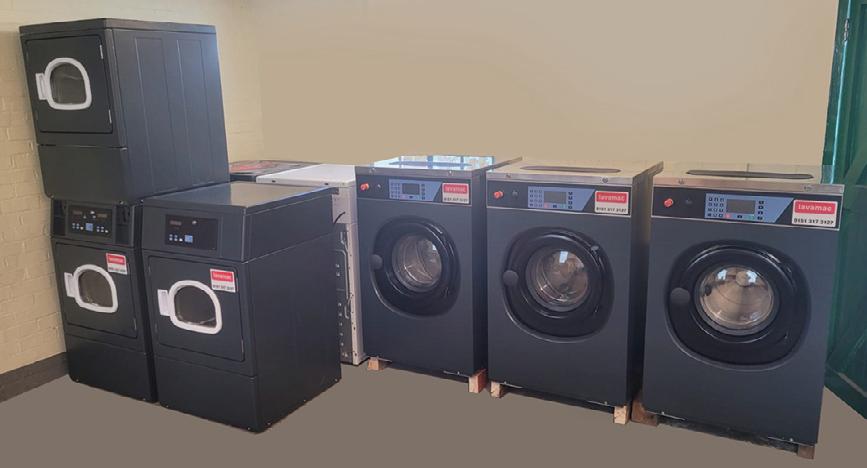
ed a bronze award in sustainability by the Groundworks Trust, affirming their commitment to the sustainability industry Lavamac's refurbishment programme in their specialist facility includes stripping down the machines, and giving them a check-over, to see which parts, if any, can be carried over the refurbishment. Lavamac will only carry over the highest-quality parts from the machine from pre to post refurbishment. The machine then undergoes an extensive refurbishment, with almost all the parts being replaced, with the refurbished machines being given specialist parts based on the model type.
The company offers a complete service-oriented approach that includes laundry design consultation, project management, technical expertise, installation support, and after-sales service. Supported by experienced engineers and factory-trained technicians, Lavamac works closely with customers to develop customized laundry solutions that meet operational goals and space requirements.
or visit www.lavamac.eu
In today’s care environment, operators are facing unprecedented financial pressure. Rising utility costs, staffing shortages and increasing regulatory demands are forcing care homes to scrutinise every aspect of operational efficiency - without compromising resident wellbeing or compliance standards.
Laundry provision is one area where care providers can make meaningful operational and financial gains.
At Forbes Professional, our Complete Care Laundry Solution has been developed specifically to support the evolving needs of the care industry. As proud national partners of Miele Professional commercial laundry equipment, we combine premium technology with local expertise and nationwide service support, giving care homes complete confidence in their laundry operations.
For many operators, purchasing commercial laundry equipment outright is no longer the most practical or cost-effective route. Renting provides access to high-performance, WRAS-approved equipment that meets stringent infection control and industry requirements, without the burden of significant upfront capital expenditure.

Equally important is the reassurance of rapid support. Our local-based engineering network delivers
same-day or next-day response nationwide, helping minimise downtime and maintaining continuity of care operations.
Beyond equipment and service, Forbes Professional works consultatively with care providers to design compliant, efficient laundry solutions tailored to individual operational needs, budgets and laundry room configurations. Our expert advisors guide customers through current industry guidelines to help ensure fully compliant solutions aligned with both CQC and WRAS standards.
Kevin Herring, CEO of Forbes Professional, comments:
“Care homes need reliability, compliance and long-term value. Our engineering infrastructure and national support capability give operators peace of mind that help is always close at hand. By renting premium commercial laundry equipment, care providers can protect cash flow, reduce unexpected repair costs and gain access to industry-leading technology that supports both efficiency and resident care.”
As pressures on the care sector continue, operators are increasingly seeking partners who can deliver not only equipment, but expertise, responsiveness and genuine operational support. Forbes Professional’s Complete Care Laundry Solution is designed to do exactly that.
Trusted by thousands of care homes across the UK, MAG Laundry Equipment is an award-winning supplier of commercial washing machines and tumble dryers. Reliable laundry machines that meet the highest hygiene standards are essential for care homes, hospices, nursing homes, hospitals, and other healthcare organisations. MAG provides support to the care sector for all makes, models, and brands of laundry machines. Whether you require free technical assistance, maintenance, repairs or installation, the professional team of experts at MAG will be happy to answer any questions.
MAG’s product range includes commercial washing machines, tumble dryers, ironers, presses, and detergents, all supported by a nationwide network of accredited engineers. Built since 1922, their commercial laundry equipment has a 5-star reputation for being reliable, energy-efficient, and
cost-effective. Care homes benefit from complete peace of mind knowing their commercial laundry machines can be professionally supplied, installed, maintained, and repaired throughout England, Scotland, and Wales.
Thermal disinfection comes as standard on MAG washing machines designed for care home and healthcare applications, helping businesses maintain the highest hygiene standards and regulations. For organisations seeking exceptional wash performance and effective stain removal, MAG Laundry Equipment also supplies high-quality commercial laundry detergents.
To find out more about how MAG Laundry Equipment can support your care home, visit www.maglaundryequipment.co.uk or phone 01353 883025. See the advert on the back cover.
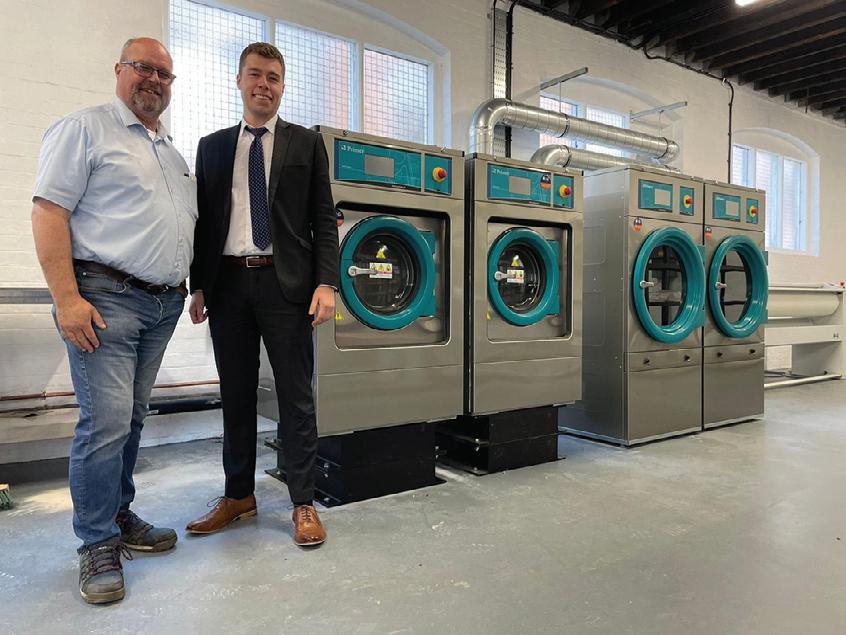

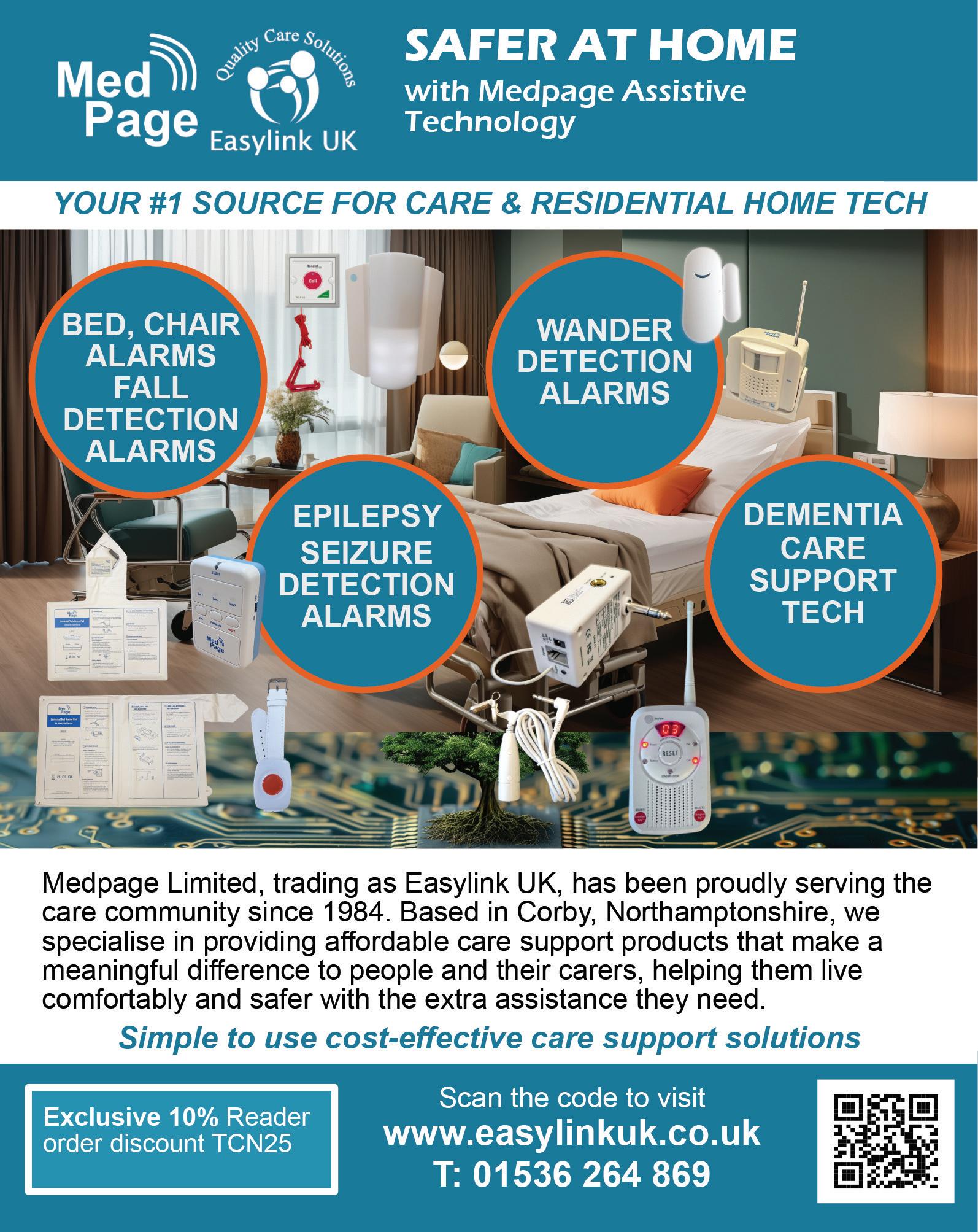
Falls are a significant concern for vulnerable individuals, especially seniors and patients at risk. Medpage, a leader in assistive technology, offers a range of cutting-edge products designed to enhance safety and provide peace of mind for caregivers and families. Here’s an in-depth look at some of their standout solutions:
MPRCG1 (2023) BED LEAVING DETECTION ALARM WITH CAREGIVER RADIO PAGER
The MPRCG1 is a comprehensive system tailored for fall prevention in domestic, commercial, and NHS care settings. This all-inclusive kit includes a bed pressure mat sensor, a BTX21-MP alarm sensor transmitter, and an MP-PAG31 radio pager. The system is designed to alert caregivers when a patient leaves their bed, reducing the risk of falls.
HDKMB2 HOSPITAL DISCHARGE KIT FOR FALLS RISK PATIENTS
The HDKMB2 is a thoughtfully curated kit aimed at supporting patients transitioning from hospital to home care. It includes essential tools to mitigate fall risks and promote recovery. This kit is ideal for caregivers seeking a comprehensive solution to enhance patient safety during the critical post-discharge period.
CMEX-21 MULTI-PORT WIRELESS SENSOR INPUT EXPANDER FOR NURSE CALL CONNECTION
The CMEX-21 is Medpage’s latest innovation, designed to integrate seamlessly with existing nurse call systems. This multi-port expander allows for the connection of multiple wireless sensors, enhancing
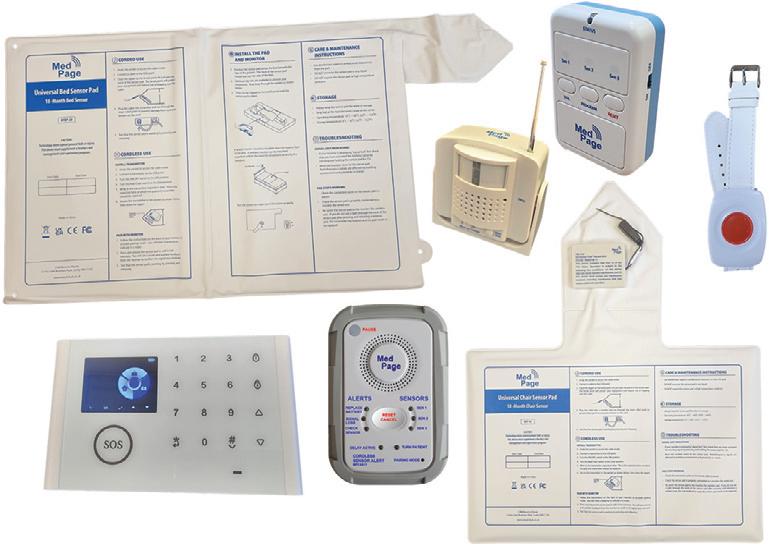
the monitoring capabilities of healthcare facilities. Its versatility makes it a valuable addition to any care environment, ensuring timely responses to patient needs.
RON-WC2 WATERPROOF DISABLED PULL CORD ALARM TRANSMITTER WITH WIRELESS ALARM RECEIVER
The RON-WC2 is a robust solution for disabled individuals requiring immediate assistance. This waterproof pull cord alarm is ideal for use in bathrooms and other high-risk areas. Paired with a wireless alarm receiver, it ensures that help is just a pull away.
For more information, visit Medpage’s official website or contact their team to explore these products further. Safety starts with the right tools, and Medpage delivers just that. www.easylinkuk.co.uk or T: 01536 264 869
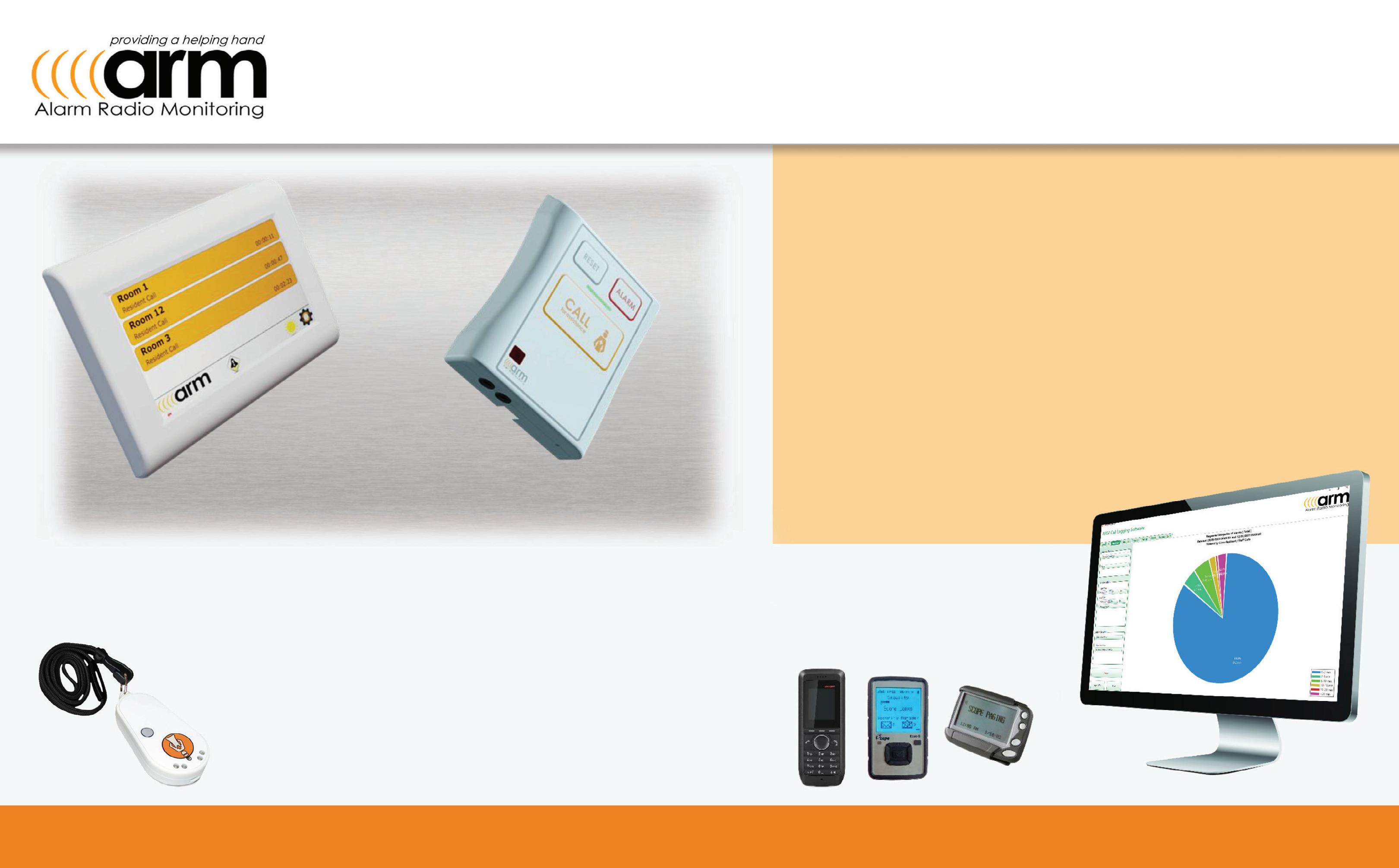
The wireless ARM Nurse Call system has been developed over 30 years with both the client and user in mind.
It enables staff to efficiently answer calls, making the management of resources more flexible and provides the functionality you would expect of any nurse call system.
The system is quick and easy to install and works wirelessly, using radio communication between both the call points and the system infrastructure.
The all-new call logging software from ARM enhances the functionality of your care call system dramatically.
• It can help you track the quality of your service to your residents.
• It can help you demonstrate compliance with your aims and best practices, both to relatives and to authorities.
• It can help you find bottlenecks in service provision, track staffing requirements, and allow you to ensure staff are meeting expectations.
• Most importantly, it provides assurance that you know and can demonstrate what is happening in your care home.
Call messages can be sent direct to staff to speed up response times and can also be integrated to work with smart phones & messaging.
In today’s complex care environment, we understand that choosing the right technology is about far more than functionality alone. For care providers, reliability, sustainability, and supply chain resilience are critical factors—especially when it comes to nurse call systems that play such a vital role in resident safety and day-to-day operations.
At Courtney Thorne, we are proud to champion the “Made in Britain” mark. For us, this is not simply about where our systems are manufactured; it reflects our commitment to quality, accountability, and supporting the UK care sector. By designing and building our nurse call systems here in Britain, we can ensure they are developed with a deep understanding of the real challenges faced by care homes, resulting in solutions that are practical, reliable, and easy to use.
Manufacturing in the UK also allows us to maintain close control over our supply chain—something that has become increasingly important in recent years. Global disruptions have highlighted the risks of relying on complex, overseas supply networks. By keeping our production local, we are able to offer greater consistency, shorter lead times, and improved access to parts and upgrades. This means our customers can rely on continuity, even in uncertain times, with minimal risk of disruption to their services.
Sustainability is another area where we believe local manufacturing makes a meaningful difference. By reducing the need for long-distance transportation and focusing on robust, long-lasting system design, we help care providers lower their environmental impact. We are committed to creating solutions that not only meet today’s needs but are built to last—reducing waste and supporting more sustainable care environments over the long term.
Of course, delivering high-quality technology is only part of the picture. We know that ongoing support is essential. That’s why our UK-based technical team is on hand to provide expert assistance, from installation and training through to maintenance and rapid response when it matters most. Our proximity allows us to respond quickly and effectively, giving our customers the confidence that support is always within reach.
At Courtney Thorne, we believe that care homes deserve technology they can depend on—both now and in the future. By combining British manufacturing, sustainable practices, a resilient supply chain, and dedicated local support, we are proud to deliver nurse call systems that underpin safe, effective, and reliable care every day. For more information or to
or contact info@c-t.co.uk.
Alarm Radio Monitoring is the market leader in the design, manufacture and installation of bespoke, end-to-end, wireless alarm systems and solutions for the healthcare, leisure, custodial and education industries.
We have been providing wireless alarm and nurse call systems for over 30 years. Supplying care homes and hospitals with an essential lifeline that supports the delivery of outstanding care.
We believe in excellence which translates into:
Advanced Technology
Industry-leading wireless alarm technologies and software
Bespoke Solutions
We design systems to your needs rather than your team having to work around the system

Innovative Design
Pushing boundaries with the reliability that comes from decades in the industry
Flexible Finance Options
Ensuring organisations of any size can provide safety for their staff and clients
24 Hours a Day, 365 Days a Year Service
Your ARM service team is on hand, on the phone, on-site or return to base, whether you have a service contract or not
For further information, see the advert on the facing page or visit www.arm.uk.com

The analogue-to-digital transition in health and social care is not simply a technology refresh. It is a chance to rethink how help is requested, how staff respond, and how care is coordinated across a home.
Too often, procurement still begins with a like-for-like mindset: replace the old panel, keep the old workflow, and hope for a better result. But digital nurse call should not be bought as a newer version of an old problem. It should be purchased as part of a wider care model that improves visibility, response, accountability, and resident experience.
Before comparing systems, providers should define the problem they are trying to solve. Is the issue slow response times, poor escalation, noisy environments, duplicated paperwork, or a lack of oversight? The right solution should be judged against those outcomes, not against a checklist of features.
This matters because modern nurse call is no longer just about a resident pressing a button and a sounder going off. In better-designed systems, alerts can be routed directly to staff mobile devices, calls can be prioritised, and managers can see patterns in demand and response. That creates a more responsive and less fragmented way of working.
A presentation is not a demonstration. A brochure cannot show how a system behaves during a busy morning shift, when several alerts happen at once and staff are moving across different parts of the home. That is why live testing in a real care environment is essential. Staff should be able to use the system, question it, and pressure-test it before any decision is made. If the workflow is clunky in practice, the promise of digital efficiency disappears very quickly.
One of the biggest mistakes in purchasing technology is treating integration as a nice-to-have. In reality, it is central to whether the system adds value.
When nurse call works alongside care records, mobility devices, alarm management, and internal communi-
By Stuart Barclay, healthcare technology specialist at Syndora Alto
cation tools, the result is less duplication and faster decision-making. When systems do not connect, staff are left repeating tasks, chasing information, and working around the technology rather than with it.
For care providers, that means the question should not be, “What does this system do on its own?” The better question is, “How well does it fit into everything else we already use?”
Digital systems do not end at installation. They begin there. Any provider selecting a nurse call platform should think carefully about what happens after go-live: training, maintenance, updates, fault resolution, and ongoing optimisation.
Care homes need suppliers who understand the realities of the sector, not just the technology. A strong supplier relationship should include responsive support, practical training, and a willingness to adapt as the home’s needs change. In digital care, support is not an extra service; it is part of the product.
The biggest risk in this transition is buying something that cannot evolve. Care homes are operating in a fastchanging environment, and technology that cannot scale or adapt soon becomes a constraint rather than an asset.
Future-ready systems should be designed to expand, integrate, and respond to changing needs without requiring a complete replacement every few years. That flexibility is especially important in a sector facing pressure to modernise ahead of the 2027 digital switchover.
A BETTER QUESTION TO ASK
The analogue era encouraged a narrow question: does the system work?
The digital era demands a better one: does the system help us deliver safer, smarter, more person-centred care?
That shift in mindset changes everything. It moves procurement away from hardware replacement and towards care improvement. It encourages providers to look for visibility, integration, responsiveness, and longterm support rather than simply ticking a technical box.
The homes that get this right will not just be compliant with the digital transition. They will be better equipped to use technology as part of everyday care, supporting staff and improving the experience of residents.
Fall Savers®, are an experienced market leading healthcare provider of resident safety solutions for over 15 years.
FALL SAVERS ® WIRELESS MONITOR
Eliminate all cables with our new generation falls management solutions!
Upgrade your falls programme with the latest technology from Fall Savers®. The NEW Fall Savers® Wireless eliminates the cord between the monitor and sensor pad. This results in less work for nursing staff, improved safety for patients and reduced wear and tear on sensor pads. Wireless advantages include the ability to use one monitor with two sensor pads simultaneously and support for many new wireless devices.
BENEFITS INCLUDE:
Safer for patients; less work for staff
Bed and chair pads available
One monitor works with two sensor pads
Integrates with most nurse call systems
A variety of options, including: Call button
Pager Floor sensor mat
Wireless door/window exit alerts
TREADNOUGHT ®FLOOR SENSOR PAD

The TreadNought® Floor Sensor Pad is built to last with a durable con-
struction that far out lasts the competition. Our anti-bacterial floor sensor pad is compatible with most nurse call systems or can be used with a portable pager to sound an alert when a person steps on to the sensor pad. Caregivers typically place the sensor pad at the bedside, in a doorway or other locations to monitor persons at risk for falls or wandering. An optional anti-slip mesh reduces the potential for slippage on hard surface floors.
FEATURES INCLUDE:
Connects directly to most nurse call systems
High Quality anti-bacterial Floor Sensor Pad
Large Size Pad: Measures (L) 91cm x (H) 61cm
Options (sold separately):
Anti-slip mesh for hard surface floors
See the advert on this page for further details or visit www.fallsavers.co.uk.

Care home managers and staff already know that sharing information is critical to good care. What is changing is the scale and speed at which technology can now collect, analyse and share data, often almost in real time.
There is also much more focus on joined-up care, neighbourhood health services, and better information sharing between organisations. Care homes are expected to work closely with GP practices, hospitals, community services and local authorities, sharing information safely to support more coordinated care.

Done well, this brings real benefits. But it also brings risks. Cyber incidents, scams, human error and system failures can disrupt care services and put sensitive personal information at risk. As more information is shared digitally, providers are increasingly being asked to demonstrate that they have strong data protection and cyber security arrangements in place.
This matters when accessing NHS systems or shared records, responding to commissioner requirements, or demonstrating assurance to regulators and partners. It is no longer enough simply to say that policies exist. Organisations need to show that staff are trained, risks are managed, systems are protected, and clear processes are in place for handling personal information safely.
The Data Security and Protection Toolkit (DSPT) helps care providers do exactly this.
Running a care service means constantly juggling ever-changing regulations alongside the daily needs of the people you serve.
Compliance isn't just about ticking boxes; it’s about the safety of your residents and the protection of your staff. Here is what every manager should have in place:
• Policies aligned with the latest CQC, CIW, and CIS standards.
• Secure, digital storage for staff management files.
• 24/7 access to professional HR and safety advice.
The DSPT is much more than a tick box or a compliance exercise. The toolkit acts as a framework and checklist to help providers strengthen day-to-day data protection and cyber security. It helps organisations review what they already have in place, identify gaps, and improve policies, training and working practices over time.
For many providers, the DSPT helps avoid starting from scratch. It supports practical improvements such as strengthening passwords, reviewing access to information, improving business continuity planning, and helping staff recognise scams and cyber risks.
Crucially, it also helps providers demonstrate good practice and prove they are safe to share information appropriately with partners. In a health and care system increasingly focused on integrated working and digital information sharing, that reassurance matters.
The deadline for the 2025/26 DSPT is 30 June. Previous submissions expire after this date and can no longer be used as evidence.
Digital Care Hub provides free support for adult social care providers, including guidance, webinars, elearning and direct help from 32 local support organisations.
Don’t let your DSPT expire on 30 June. Get free support and guidance at www.digitalcarehub.co.uk/dspt
If your current system feels like ""guesswork,"" it’s time for a more comprehensive solution.
Croner Care Pro provides everything you need to manage the regulatory side of your business in one place.
From practical, ready to use resources collated by industry experts and in line with the latest CQC (Care Quality Commission), CIW (Care Inspectorate Wales) and CIS (Care Inspectorate Scotland) regulations and standards, software to record and store important policies, procedures and staff management files to practical, 24/7 telephone based advice for any challenges you may be facing.

Included is Croner BrightHR Employee Management Software and Croner BrightSafe management software which includes policies, handbooks, and access to your documentation
To learn more about how we can match your service to your specific needs, contact our expert team for free advice today on 01455 858 132.
See the advert on page 9 for further information.

The social care sector continues to face growing pressure from every angle. Providers are balancing rising operational costs, recruitment challenges, complex compliance requirements and increasing expectations from residents, families and regulators alike. At the centre of all of this is one key priority: supporting staff so they can continue delivering high-quality care.
For many care organisations, workforce management technology is becoming an essential part of achieving this!
Across the UK and Ireland, care homes are moving away from manual processes, paper rotas and disconnected systems in favour of integrated workforce management solutions that provide greater visibility, flexibility and control. The result is not only improved operational efficiency, but also a better experience for employees and residents.
Technology is no longer simply about digitising paperwork. It is about giving care providers the tools they need to make informed decisions, manage staffing levels effectively and respond quickly to changing demands.
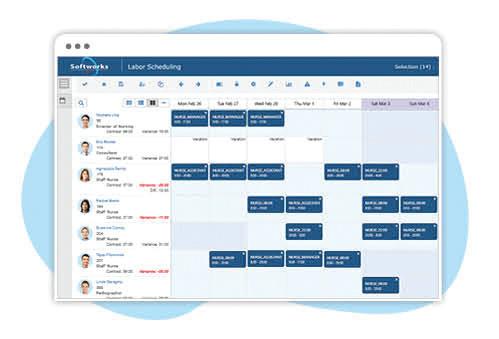
One area where this is particularly important is employee scheduling and rostering. Care providers often operate around the clock, managing complex shift patterns while ensuring the right staff are available at the right time. Manual scheduling can be time-consuming and leaves little room for flexibility when absences or last-minute changes occur.
Modern workforce management systems help simplify this process by automating rotas, improving visibility across teams and enabling organisations to manage staffing requirements more effectively. Features such as auto-rostering and employee self-service also empower staff by giving them more control over their schedules, shift swaps and holiday requests. This level of flexibility is becoming increasingly important in attracting and retaining employees within the care sector.
Another growing focus for care organisations is absence management. Unplanned absences can place significant pressure on teams and increase costs through overtime or agency cover. Having better visibility
of absence trends allows organisations to take a more proactive approach.
AI-powered tools are now helping providers identify patterns, predict potential absence issues and support more informed workforce planning. These insights can help managers address challenges before they escalate while maintaining continuity of care.
Importantly, workforce management technology is also supporting compliance and reporting requirements. Care providers must ensure accurate records are maintained for working hours, attendance and employee data. Digital systems help reduce manual errors, improve accountability and provide clear audit trails when needed.
When managers spend less time dealing with administration, they have more time to focus on people. When employees have greater flexibility and visibility of their schedules, engagement often improves. When staffing levels are managed effectively, residents benefit from greater continuity and consistency of care.
Technology should never replace the human side of care. Instead, it should support the people delivering it!
As the sector continues to evolve, care providers are increasingly looking for solutions that combine reliability, flexibility and innovation. Integrated workforce management platforms are helping organisations build more resilient operations while continuing to deliver the high standards of care that residents depend on every day.
If you are currently facing workforce management challenges such as staff shortages, inefficient rostering, absence management issues or time-consuming manual processes, we can help. To learn more about how our workforce management solutions support care providers across the UK and Ireland, contact us at hello@softworks.com, call our UK team on +44 1527 888 060 or our Irish team on +353 1 286 6126. You can also visit www.softworks.com for more information.

When a family begins searching for a care home, two things are almost always true. They are under enormous emotional strain, and they have very little idea of what they are actually looking for. Most are doing this for the first time in their lives, often in the middle of a crisis: a hospital discharge, a fall, a sudden change in a parent's condition. They are unclear on funding, what to look for, or what questions to ask.
And what does the sector currently offer them at that crucial first moment? A postcode search.
Most online care directories function as little more than a digital phonebook, a long, undifferentiated list of names and addresses that families are expected to trawl through alone. A handful offer a "concierge" service, but that typically means a phone call back, during office hours, after the family has already filled in a form. The first point of contact, the moment when families most need guidance, is precisely the moment they are left to fend for themselves.
Caretopia World was built to change that.
The UK's first AI-powered care navigation website, Caretopia replaces the postcode-and-pray model with a guided conversation. At the heart of the site is Fliss, an AI agent who talks with families and carers, asks the right questions, and helps them work out what they actually need before showing them anything at all. Fliss signposts information on common conditions, explains funding options in plain language, and –crucially – checks in on how the person searching is coping. It is a small touch, but it acknowledges what the rest of the sector tends to ignore: that the people doing the searching are often exhausted, frightened, and grieving a loss of independence on behalf of someone they love.
Only once Fliss has built a real picture of the family's situation does the site present a shortlist of providers. Families can then select up to three homes to compare side by side and share that shortlist with siblings, partners, or other decision-makers. The result is a process that feels less like online shopping and more like having a knowledgeable friend in the room.
"Postcode searches are simply inadequate for the people who use them," says founder Nathan Davies-
Pugh. "Most families are doing this for the first time, and they don't yet know what good looks like. Fliss helps them arrive at a realistic set of considerations – and then matches them with homes that genuinely fit."
For care home managers, the proposition is just as straightforward.
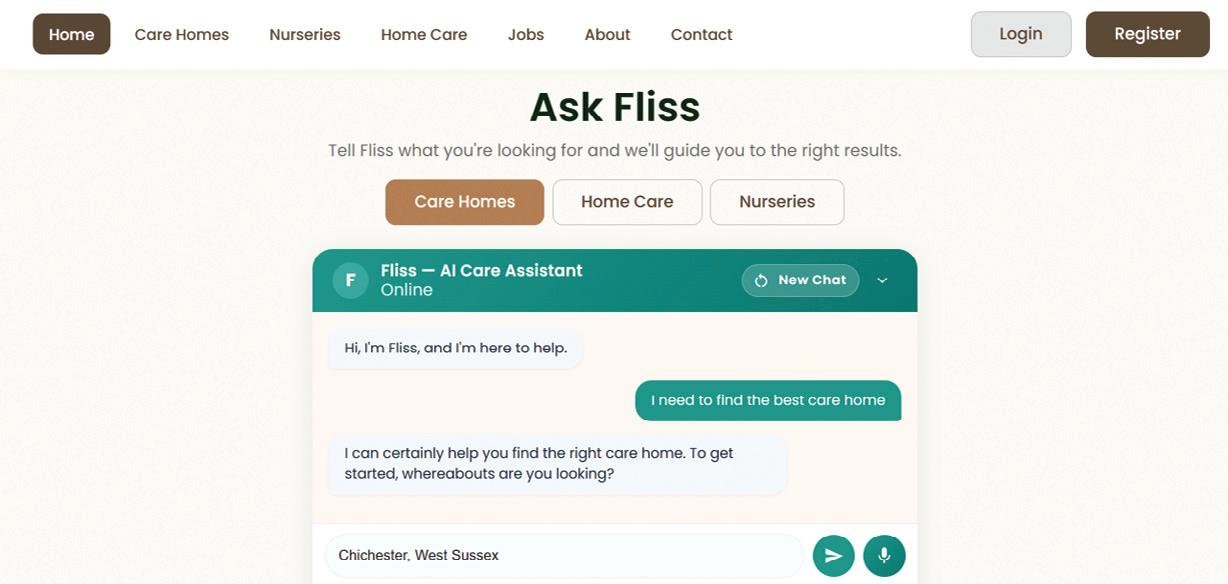
Providers can build a profile using Caretopia's bespoke page builder in under ten minutes, with all the information families actually want to see: photos, fees, specialisms, room availability, and a clear sense of the home's character. Because Fliss has already done the qualifying work, the enquiries that come through tend to be warmer, better-informed, and a closer match to what the home offers, sparing managers the time-sink of fielding calls from families whose needs they cannot meet.
Pricing has been kept deliberately modest. "We are acutely aware of the pressure the care sector is under," Davies-Pugh explains. "The first month is always free, and our discount code for the first year means a home effectively gets unlimited job ad placements thrown in for nothing. There is no contract, no minimum term, and providers can cancel at any time.”
The wider point is that AI, used thoughtfully, has a real role to play in one of the most human moments a family will ever face. Not as a gimmick, and not as a replacement for the warmth and skill of care staff, but as a way of taking the chaos out of that first conversation so that by the time a family picks up the phone to a home, they already know why they are calling.
"We always say that care should start before the care journey begins," Davies-Pugh concludes. "That is what our AI is designed to do. And honestly, we are only just getting started. Watch this space."
Find out more at www.caretopiaworld.co.uk
Care home staff today face increasingly complex responsibilities. Supporting residents with dementia, autism, frailty, safeguarding concerns, and communication difficulties requires far more than theoretical knowledge. Staff need confidence, judgement, teamwork, and the ability to respond compassionately in challenging situations.
However, much care home training still relies heavily on passive e-learning and compliance-focused approaches. While online modules may meet mandatory requirements, they often do little to improve reflective practice, communication, or real-world decision-making. Care home managers are increasingly recognising the need for more engaging and practical approaches to workforce development.
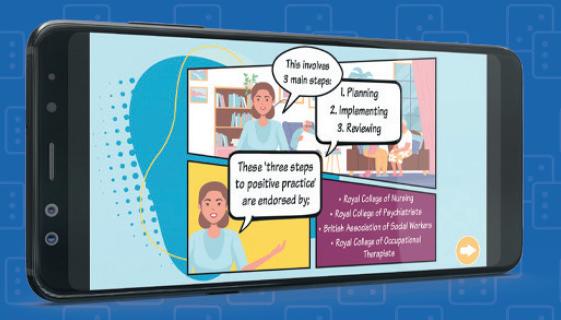
Gamification, game-based learning, and facilitated group activities offer an important opportunity to improve staff learning and engagement. Instead of simply completing quizzes or reading policies, staff work together through realistic scenarios, discussion exercises, and collaborative problem-solving activities. This encourages active participation and helps teams apply learning directly to everyday care situations.
Research increasingly supports these methods. Studies examining simulation-based learning in nursing homes have shown improvements in staff confidence, communication skills, leadership, and reflective prac-
tice. Dementia care simulations, for example, have helped staff develop more personcentred approaches and greater confidence in responding to distressed behaviours. These approaches also strengthen teamwork and workplace culture. Much mandatory training is completed individually, often in isolation. Group-based learning encourages discussion, peer learning, and shared reflection, helping teams develop more consistent approaches to care. This aligns closely with the growing emphasis from the Care Quality Commission on learning cultures, staff understanding, and continuous improvement. Importantly, game-based learning is not about replacing professional standards or mandatory training. It is about making learning more meaningful, memorable, and practical.
As pressures on the care sector continue to grow, providers need training approaches that build confidence, communication, and real-world capability — not simply certificate completion.
To explore practical, evidence-based training tools designed specifically for care teams, see the Focus Games advertisement on the front page of this issue, including a special reader discount offer for physical and digital team-learning resources that support communication, teamwork, decision-making, and improved CQC outcomes.
See the advert on the front cover or visit www.FocusGames.com
Global assists clients throughout the U.K. who specialise in the healthcare sector to achieve their objectives of purchase, development and refinance. We have organised over £1.8bn for clients in the past 30 years, providing clients with competitively priced funding to refinance existing debt, ease cashflow and develop businesses further.
From helping clients make their


23 years, operating 4 Devon Nursing homes, has been pretty tough, as anyone in social care, knows, only too well. And if it was hard already, after 2024 budget, it's just got harder.
Anyway, at heart, I am just customer of Eden Alternative, and it was a stroke of luck to come across this whilst on holiday in New Zealand in 2009. It started in USA in 1994 and
now runs in 22 countries.
The fact that I am now involved with this not-for-profit organisation (in the UK area) came about when one of the 2 main UK directors died suddenly just before Covid. But it's something I have run with for 11 years to help make 'vision' a reality, not a struggle. So, being both a customer and helping the admin seems quite natural.
It is a modern philosophy of care, but moreover, it's a programme that is straight forward, tried and tested for 30 years and really works. Its member care organisations generally become trainers for their own teams, and run it themselves.

The programme is run in person over 2-3 days or online 1 hr a wk for 7 weeks. You choose.
It addresses loneliness, helplessness and boredom and operates through 10 principles to underpin 7 critical domains of wellbeing. Moreover, it's effective, transformational and really works. As residents, and team members wellbeing, matter so much , it's a must, in my opinion.
Geoffrey Cox Southernhealthcare.co.uk eden-alternative.co.uk

By Lucy Carpenter, leader of the Compassionate Employers Programme

Managers today are being asked to support their teams through some of life’s most difficult moments. From grief and serious illness to financial pressures and burnout, the emotional load on employees is growing.
Alongside this, more and more people are quietly taking on unpaid caring responsibilities. Supporting a parent, a partner, a child, or a friend, often without ever using the word “carer” to describe themselves.
That’s why it’s more important than ever to ask: what more can we do to support both carers and the managers supporting them?
Census data shows that nearly 3 million carers aged 16 and over in the UK are in paid employment. Within this, an estimated 1.4 million are “sandwich carers”.
A sandwich carer is someone who provides unpaid care for both dependent children and older relatives, often their own parents or grandparents. They are balancing the needs of two different generations, alongside their own work and personal lives.
This group spans a wide age range, from late teens through to mid-60s. Yet despite their numbers, and the vital role they play, many people don’t recognise themselves as carers at all.
More broadly, unpaid carers contribute the equivalent of around four million paid care workers to the social care system. Without them, the system would simply collapse.
The economic impact is significant too, a major study by Carers Trust found that the contribution of working-age carers is worth up to £47.7 billion a year.
Carers are not a small or niche group in our workforce. They are our colleagues, our teams, and in many cases, our managers.
For many carers, work is more than a job. It can be a source of identity, financial stability, connection, and routine.
But without the right support, balancing work and caring responsibilities can quickly become overwhelming. Many carers reduce their hours, turn down progression opportunities, or leave work altogether because it simply isn’t sustainable.
That’s why creating compassionate, supportive workplace cultures isn’t just the right thing to do, it’s essential for retaining talent, supporting wellbeing, and keeping people in work. WHAT CAN ORGANISATIONS DO?
The good news is that small, practical changes can make a big difference. It starts with creating an environment where carers feel seen, supported, and safe to speak up.
Here are four simple ways to get started:
Ask - One of the easiest ways to support carers is to make space for the conversation. Build caring into the everyday conversations you’re already having, during onboarding, regular check-ins, supervision, and
Working in social care is demanding. It is one of the most heavily regulated yet underfunded sectors, with providers expected to comply with regulations, meet Quality Statements, follow good practice guidance, respond to local authority monitoring, and operate under constant scrutiny.

Regulation itself isn’t the problem — it protects people and improves standards. The challenge is capacity. Larger organisations may have in-house quality assurance teams, but smaller providers rarely have the time or budget to review compliance in depth. Many owners and managers tell us they feel overwhelmed and unsure how well their service is really performing, especially since the introduction of the Single Assessment Framework.
For many, confidence in compliance is the number one concern — not because standards are poor, but because there simply isn’t time to step back and take a full, objective view.
CAN AN EXTERNAL AUDIT HELP?
In short, yes — when it’s done properly. A highquality external audit provides:
• A clear snapshot of current performance
• Identification of good practice and priority risks
• Practical advice on how to improve
• Evidence to support action plans and improvement journeys
• Demonstration of good governance and continuous improvement — a key CQC focus
• Reassurance for owners, directors, and managers HOW W&P CAN HELP W&P have supported health and social care providers for nearly 25 years, completing hundreds of audits across a wide range of services. This experience gives us deep insight into what regulators look for — and what genuinely improves outcomes.
Our audits are supportive, non-judgmental, and practical. They typically include around six hours on-site, followed by a detailed report that links evidence to regulations and Quality Statements. Reports also include clear guidance, tips, and sources to help you respond confidently. Every audit is tailored to your needs — whether that’s safeguarding, medication management, or overall governance — ensuring it is truly fit for purpose.
If you would like to know more, then please contact us on audits@wandptrainng.co.uk or call 01305 767104 for a no-obligation chat on how our audits can help you. See the advert on page 5.
annual reviews.
Taking the time to understand what’s happening in someone’s life outside of work helps you see the full picture and the load they may be carrying. Many carers won’t volunteer this information unless they feel asked in a safe and supportive way. Simple, open questions can make all the difference.
Talk - Visibility changes everything, talk openly about caring within your organisation. Share stories, signpost support, and make it clear that people with caring responsibilities are valued and supported.
Many carers stay quiet because they worry they’ll be seen as less committed, particularly during times of organisational change or uncertainty.
Creating a culture where caring isn’t something to hide helps people feel able to speak up earlier, before they reach crisis point.
Educate - Managers play a crucial role in shaping how supported someone feels at work. People are much more likely to open up when they feel psychologically safe, and that comes from trust, empathy, and understanding. Sometimes these conversations can feel difficult, managers may worry about saying the wrong thing or not knowing how to help. That’s where training matters, giving managers the confidence and skills to have compassionate conversations can transform how support is experienced day to day.
Formalise - Informal support is important, but it needs to be backed up by clear policies. Make sure your policies are up to date, easy to find, and regularly communicated. Employees need to understand their rights, including legal protections:
• Five days’ unpaid carer’s leave
Time off for dependants in emergencies
Parental leave
Protection from discrimination
The right to request flexible working
Alongside policies, practical guidance and real-life examples can help bring them to life. Case studies can show both managers and employees what good support looks like in practice.
Ultimately, supporting carers is about more than policies or processes. It’s about culture. It’s about recognising that people don’t leave their lives at the door when they come to work, it’s about understanding that, at some point, many of us will become carers ourselves.
By creating workplaces where people feel seen, understood, and supported, we not only help individuals through challenging times, but we also build stronger, more compassionate organisations for everyone.