




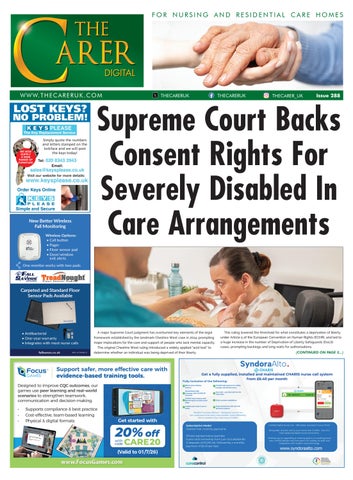

A major Supreme Court judgment has overturned key elements of the legal framework established by the landmark Cheshire West case in 2014, prompting major implications for the care and support of people who lack mental capacity. The original Cheshire West ruling introduced a widely applied "acid test" to determine whether an individual was being deprived of their liberty.
This ruling lowered the threshold for what constitutes a deprivation of liberty under Article 5 of the European Convention on Human Rights (ECHR), and led to a huge increase in the number of Deprivation of Liberty Safeguards (DoLS) cases, prompting backlogs and long waits for authorisations.
(CONTINUED ON PAGE 3...)

It has been quite a week for news that strikes at the very heart of social care.
I want to begin with the Supreme Court ruling handed down on June 2nd, following a challenge brought by the Attorney General for Northern Ireland, which has unanimously overturned the landmark 2014 Cheshire West judgment.
I must say at the outset, and with genuine humility, that the full “legal architecture” of this ruling is well above my paygrade.
I am not a lawyer, and anything I offer here is simply a lay opinion, openly shared — and I am, of course, very willing to be corrected by those with far greater expertise!
What I can say, however, is that when organisations of the stature of Mencap, Mind, and the National Autistic Society speak in unison and describe a ruling as "the biggest rollback of disability rights in a generation," it would be quite wrong for those of us serving the care sector to look away.
The Cheshire West judgment had, for twelve years, established what became known as the "acid test" — a universal framework that provided a clear, consistent trigger for the Deprivation of Liberty Safeguards. If someone lacked the mental capacity to consent to their care and living arrangements, was under continuous supervision and control, and was not free to leave, they were legally considered to be deprived of their liberty. That triggered independent oversight, regular review, and vital legal protections.
Imperfect the system may have been — and the backlogs under DoLS have been well documented in these pages — but the principle of independent scrutiny for some of our most vulnerable residents was a cornerstone worth having.
The new ruling, as I understand it, shifts the focus away from that clear universal test towards a far more individualised, fact-sensitive assessment — one that takes into account a resident's actual experiences, expressions of contentment, and apparent consent.
On the surface, one might see merit in a more person-centred approach. But the concern — and it is a very serious one — is captured with stark clarity in the joint statement from Mencap, Mind and the National Autistic Society: "By removing independent checks, advocacy, and automatic access to legal aid, the Court has closed the gateway to justice and support for many who need it most. Stripping away these safeguards makes it easier for abuse and neglect to go unnoticed behind closed doors."
There is also a deeply troubling philosophical dimension to this ruling. The Court appears to imply that individuals with profound cognitive disabilities cannot be "deprived" of liberty because their condition limits their ability to experience it — a position that, frankly, should give all of us pause.
Furthermore, if a vulnerable person appears passive or does not actively protest their arrangements, the law may now recognise this as "consent" — even if they are subjected to routine physical restraint or chemical sedation. That is an uncomfortable place for the law to land.
For care home providers, the practical implications will be immediate. The old "acid test"
or
omissions

checklist cannot simply continue to be applied.
Settings will need to transition towards highly individualised, carefully documented, person-centred assessments — recording a resident's daily experiences, their expressions of contentment or objection, and the full context of their care.
I have today issued a media alert seeking expert legal and regulatory guidance on exactly what this means in practice for providers, and I would urge you all to look out for next week's issue, where we hope to bring you some clarity from those far better placed than I to advise.
The second story I want to address this week is one that I find, if anything, even harder to write — because it is personal.
A very dear friend of mine passed away last week in a wonderful care home here in Bournemouth.
He was a character, in every sense of the word — and he did, I should mention with enormous pride on his behalf, have a modest claim to fame.
Back in the 1970s, he was a rugby extra in one of the most iconic films ever made: The Omen. He was immensely chuffed about that, and rightly so. (He never let us forget)!!
But earlier this year, my friend found himself trapped — as so many do — in the "no man's land" between hospital and social care.
For six weeks, he was unable to transition from an acute hospital setting into the end-oflife care he needed and deserved. He was very unwell. The arrangements simply weren't in place. And the precious time that remained to him was consumed by a system that, despite the best efforts of many good people within it, failed to move fast enough.
I tell you this not to make this column about me, but because his experience is not unique. It is replicated, every single day, the length and breadth of this country.
This week also saw a major new report from The King's Fund laying out, with uncomfortable clarity, the scale of the problem at the NHS and social care interface.
The findings will not surprise a single provider reading these pages. Around 10,000 hospital beds each day are occupied by patients who are medically fit to leave but remain in hospital because appropriate support arrangements are not in place.
That is not a statistic — that is 10,000 people, every day, in the wrong place at the wrong time. It is 10,000 families anxious and exhausted. It is 10,000 care journeys going wrong.
The King's Fund is calling for stronger joint accountability between health and social care, greater investment, improvements to workforce conditions, better data sharing, reforms to Continuing Healthcare, and expanded access to publicly funded social care. All long overdue. All things that contributors to this publication — providers, clinicians, campaigners and commissioners — have been calling for, submitting articles about, and pleading for, almost every single week.
This cannot go on.
The experience of my friend — gentle, funny, quietly proud of his moment on a film set half a century ago — deserves better.
Every person caught in that no man's land deserves better. Improving access, navigation and continuity of care for our most vulnerable people must become an absolute priority for this government. Not a consultation. Not a review. Action.
As ever, we will continue to report, to platform, and to advocate. That is what The Carer is here to do.
I can always be contacted at editor@thecareruk.com





(CONTINUED FROM FRONT COVER)
The decision broadened the scope of deprivation of liberty safeguards across health and social care settings, including care homes, supported living services and specialist accommodation for people with dementia or learning disabilities.
The latest case was brought before the Supreme Court by the Attorney General for Northern Ireland, who challenged the interpretation of the acid test.
MULTIFACTORIAL APPROACH
The argument centred on whether individuals who lack decision-making capacity should automatically be regarded as deprived of their liberty, even where they appear content with and do not object to their care arrangements.
The justices said their ruling was in line with the case law of ECHR, which is "clear in adopting the multifactorial approach" in determining whether a person is deprived of their liberty.
"On such a fundamental issue regarding the proper interpretation of the Convention, it is for the European court to give the lead in laying down the approach to be followed", it concluded.
THE NEW RULES
The judgment, charities say, introduces a legal standard that will fundamentally alter the lives of potentially hundreds of thousands of vulnerable people:
The vast majority of people currently protected by the DoLS safeguards system in the UK will likely see their existing checks and independent inspections cancelled.
The Court implies that individuals with profound cognitive disabilities cannot be “deprived” of liberty because their condition limits their ability to experience it—a view that devalues their fundamental rights.
The Court has suggested that in borderline cases, for a deprivation of liberty to exist, a care setting must closely mirror the extreme confinement of a prison cell.
If a vulnerable person appears passive or does not actively protest their arrangements, the law may recognise this as “consent” — even if they are subjected to routine physical restraint or chemical sedation or have never known a life without a high level of restriction.
INDIVIDUAL’S WISHES
The court's ruling opens the possibility for health and care authorities across the UK to review how deprivation of liberty is assessed and authorised.
In Northern Ireland, proposals had been advanced to allow greater weight to be given to an individual's wishes and feelings when determining whether they consent to their care arrangements, despite lacking the legal capacity to make the decision themselves.
The judgment is expected to result in a substantial reduction in the number of Deprivation of Liberty Safeguards (DoLS) cases and Court of Protection applications seeking authorisation to deprive individuals of their liberty in settings outside hospitals and care homes.
Prior to the landmark Cheshire West ruling, around 13,000 DoLS applications were recorded in England during 2013-14. In the year that followed, the number increased tenfold, reflecting the wider interpretation of what constitutes a deprivation of liberty.
Application numbers have continued to grow in subsequent years. During 2024-25, care homes and hospi-
tals submitted approximately 364,900 DoLS applications. Although local authorities have increased the volume of cases they process annually, a backlog of 118,850 applications remained unresolved as of 31 March 2025.
The average time taken to complete an application in 2024-25 was 126 days, significantly exceeding the statutory 21-day timeframe set for standard authorisations.
Charities including Mencap, Mind and the National Autistic Society have warned that reducing automatic legal protections may limit access to independent advocacy, legal support and oversight mechanisms intended to prevent abuse or neglect.
In a joint statement the charities said: “This judgement sets us back decades and removes safeguards that history shows us are vital for disabled people. By removing independent checks, advocacy, and automatic access to legal aid, the Court has closed the gateway to justice and support for many who need it most. Stripping away these safeguards makes it easier for abuse and neglect to go unnoticed behind closed doors. A litany of previous wrongdoings demonstrate how closed cultures, lack of independent oversight and restrictive care can lead to abuse scandals and decisions like this fly in the face of everything we’ve learnt.
“We are calling on the UK government to act with urgency to issue interim guidance to local authoritiesandhealth and care providers to prevent them being plunged into chaosby this ruling. It should urgently bring in new laws and guidance that strengthens protections for some of the people who are most at risk. This should include clearly explaining how disabled people and their families can challenge breaches of their rights and get the advocacy and support they need.
“To the many people that will be affected by this ruling now and in the future, we stand with you and you are not alone. This decision devalues the rights and dignity of disabled people in this country.”
“Under this new ruling, multiple vulnerable groups will be impacted across social care and healthcare sectors. If an autistic person with high support needs, someone with a serious mental illness, or a person with a severe learning disability is locked in a care setting and sedated, but does not actively protest, they will no longer be considered “confined” by the state. They will lose their automatic right to independent reviews, a legal advocate, and protection from closed care cultures.
“For example, in psychiatric and crisis wards, if an individual experiencing a severe psychiatric crisis, acute psychosis, or clinical depression is admitted to a mental health hospital ward as an “informal patient,” they frequently lack the mental capacity to consent to their stay and therefore do not have any of the protections of independent reviews.
“Similarly in social care and supported living, a person may lack capacity if they have an acquired brain injury, a severe learning disability, or are an autistic person with high support needs is locked in a care setting, subject to blanket restrictions, or kept under 24/7 continuous supervision.
“And in specialised dementia care, an older adult with advanced dementia or a mental health condition may live at home under highly restrictive chemical and physical restraint protocols, with no external checks.”


Against the backdrop of a UK care home market estimated to be worth approximately £27 billion¹, care providers continue to face challenges including recruitment pressures, rising operating costs and increasing regulatory demands.
For many care home owners, succession planning can therefore be challenging. A significant number of care businesses remain founder-led or family-owned and, whilst the sector continues to see consolidation and investment activity, a sale to a trade buyer or private equity investor may not always align with an owner’s long-term objectives.
For some owners, preserving the ethos of the business, maintaining continuity of care and rewarding employees who have contributed to its success can be just as important as achieving value on exit. Employee Ownership Trusts (EOTs) are increasingly being considered as part of that conversation.
WHAT IS AN EOT AND HOW DOES IT WORK?
An EOT is a specific form of employee benefit trust which acquires and holds a controlling interest (more than 50%) in a trading company for the long-term benefit of employees.
In practice, the trustees of the EOT purchase shares from existing owners, usually at market value. The purchase price is commonly funded through deferred consideration arrangements and, in some circumstances, third-party lending. Rather than employees purchasing shares directly, the trust holds the shares collectively for employees as a whole.
The result is that employees have a collective, long-term interest in the success of the business without needing to fund the acquisition personally. Employees do not generally become involved in day-to-day management simply because ownership changes and leadership teams often continue to operate the business following completion.
WHY ARE OWNERS CONSIDERING EOTS?
For many business owners, an EOT can provide an alternative to a traditional trade sale or private equity transaction whilst allowing the business to continue independently and preserving culture and identity.
For care providers, that may be particularly attractive. Reputation, continuity of service, staff retention and quality of care are often critical to long-term success. Where the culture of a care business is closely linked to employee commitment and continuity of care, employee ownership can potentially reinforce a sense of shared purpose.
TAX CONSIDERATIONS – AN
Tax considerations are frequently one of the key drivers behind EOT discussions. Historically, qualifying disposals to an EOT could potentially benefit from full capital gains tax relief where the relevant conditions were met and this played a significant role in the growth of EOT transactions.
However, the position has evolved and the level of relief potentially available has reduced. Whilst EOT transactions may still offer comparatively attractive outcomes when compared with some traditional exit routes such as a trade sale or private equity transaction, the tax landscape continues to evolve and owners should understand both the current position and any scheduled changes affecting transaction economics.


• We specialise in the sale and purchase of quality used wheelchair accessible vehicles and ambulances.
• They can be bought as seen or refurbished and sign-written to your own requirements.
• Fully serviced, new mot & warranty
• Engineers inspection supplied if required.
• Free delivery service available
• All buses comply with new legislation
• Lease hire and purchase available
• Always large stock of accessible vehicles


By Joanne Gallagher and Daniel Gorringe at Thomson Snell & Passmore
Qualifying EOT-owned companies may also be able to pay income tax-free employee bonuses (subject to legislative limits and conditions). However, the availability of reliefs and the overall tax consequences will depend on the particular facts and transaction structure and specialist tax advice should be obtained alongside legal advice at an early stage.
VIABILITY AND FUNDING – CAN THE STRUCTURE WORK IN PRACTICE?
One of the key practical questions in an EOT transaction is how the purchase price will be funded. Deferred consideration commonly forms part of the funding structure, although third-party lending can also form part of the overall transaction funding structure and banking and finance arrangements may sit alongside vendor financing to support the acquisition and spread payment obligations over time.
In practice, this is often structured as part of the wider transaction funding package rather than as a simple standalone borrowing by the EOT itself, as in practice the EOT itself often has little or no independent assets or cash flow at completion.
For care providers, lenders are likely to focus on matters such as occupancy levels, historic and projected cash flows, regulatory performance and operational resilience.
Employee ownership does not mean employee management and an EOT transaction is not simply a legal transfer of ownership.
For employees, the move to employee ownership can represent a significant cultural shift and it is important that employees understand what the transition means in practice. Employee ownership does not necessarily mean employees become involved in day-to-day management decisions nor does it automatically alter management structures.
What it should involve, however, is an appropriate framework for employee voice and representation. Some businesses also engage specialist employee ownership advisers to support the transition and help employees understand how their interests are represented within the ownership structure.
For care providers, the analysis needs to extend beyond the EOT transaction documents themselves.
Depending on the structure of the business and services provided, ownership changes may require consideration of issues involving the Care Quality Commission (CQC), including registrations, controllers and governance arrangements.
Providers may also operate under local authority or NHS commissioning arrangements and contracts. It is therefore important to identify any notification requirements, consent obligations or change of control provisions that could be triggered.
EOTs can be an effective succession tool where a business has strong management, predictable cash flows and a genuine commitment to employee ownership.
Early planning is key. Care providers are often considering wider questions around long-term strategy, continuity of care, employee engagement and future investment alongside legal and tax considerations. EOTs will not be the right solution for every business but, where succession planning objectives align with preserving culture, maintaining independence and supporting employees, they can provide an attractive alternative route with the potential for comparatively favourable tax outcomes for the selling shareholders, subject to the relevant conditions being met, alongside wider strategic benefits.
LaingBuisson, Care Homes for Older People UK
The Care Association Alliance (CAA) has launched a new programme of policy papers to put the voice of frontline care providers at the centre of the national debate on adult social care reform, as the sector warns that waiting until 2028 for the Casey Commission’s final recommendations risks leaving reform too late.
The programme, titled Building a National Care Service: A Programme for Reform, will see the CAA publish a series of papers over the coming weeks and months, each addressing a distinct structural challenge facing the sector. The first paper will make the case for a nationally coherent funding framework, arguing that without a sustainable funding settlement at its foundation, wider reform will remain out of reach. Subsequent papers will address commissioning, workforce, service delivery and the relationship between health and social care.
The programme builds on Co-Chair of the CAA Melanie Weatherley MBE’s recent writing on the state of social care, in which she argued that more than 80 years after Beveridge, Want and Disease still loom large in the sector and that the moment to act is now.
The CAA’s programme is explicitly designed to contribute to the work of the Independent Commission on Adult Social Care, chaired by Baroness Casey. The Commission is currently in the midst of its first phase, with cross-party discussions underway and its initial report expected in 2026. However, final recommendations are not due until 2028, a timetable that makes significant legislative reform unlikely before the next general election.
With the Commission’s evidence-gathering phase now open, the CAA believes the window to shape its thinking is critical, and that the voice of frontline providers must be central to the recommendations
that emerge. The reform papers will be submitted to the Commission.
The first paper in the CAA’s programme will focus on funding and make the case that the current model is neither equitable nor sustainable. Today, the financial burden of a national demographic challenge falls largely on local authorities whose budgets vary enormously from one part of the country to the next. The result is a system where access to care is shaped by geography as much as by need, where providers operate on rates that do not cover their costs, and where individuals and families face costs that are unpredictable and bear little relationship to what others elsewhere pay for equivalent support.
The paper sets out a new model for how care should be funded, one designed to reduce these inequities and put the system on a sustainable footing.
Melanie Weatherley MBE, Co-Chair of the Care Association Alliance, said: “The Casey Commission represents a genuine opportunity to build the cross-party consensus that social care reform has long needed, and we strongly welcome its work. But the sector cannot afford to stand back and wait until 2028 for answers. The people we support cannot wait, and the pressures our members are working under cannot wait either.
“At the Care Association Alliance, we work with providers on the frontline of care every day, and it is from that vantage point that we have been developing a programme of reform. Over the coming months we will set out, paper by paper, what a genuine National Care Service should look like in practice, starting with the case for a nationally coherent funding framework and extending to commissioning, workforce and the relationship between health and care.”
A major new report from The King’s Fund has highlighted the ongoing challenges facing older people as they navigate the divide between the NHS and social care, warning that many residents and families are becoming trapped in a “no man’s land” between the two systems.
The report, ‘No man’s land’: the experience of patients at the interface between health and social care argues that structural differences between health and social care continue to create delays, confusion and fragmented support for people with complex needs, particularly during key transitions such as hospital discharge and access to ongoing care.
The King’s Fund says the problems go far beyond operational issues or poor communication, instead stemming from fundamental differences in funding, eligibility criteria and accountability between the NHS and adult social care. While NHS services remain free at the point of use, social care is means-tested and commissioned through local authorities, creating friction at precisely the moments when individuals require seamless support.
GROWING PRESSURES ON AN AGEING POPULATION

The report focuses largely on the experiences of older people, who are the biggest users of both health and social care services. With increasing numbers of people living with frailty, dementia and multiple longterm conditions, demand on both sectors continues to rise. According to The King’s Fund, this growing pressure is contributing to avoidable hospital admissions, delayed discharges and a greater reliance on unpaid family carers.
For care home providers, many of the findings will feel familiar. The report identifies delayed hospital discharge as one of the clearest examples of a failing interface between health and social care. On average, around 10,000 hospital beds each day are occupied by patients who are medically fit to leave but remain in hospital because appropriate support arrangements have not been put in place.
While social care shortages are often blamed for delays, the report notes that many hold-ups also originate within the NHS, including waits for assessments, medicines, therapies and other internal processes. The result is a system where residents can experience prolonged hospital stays, loss of independence and increased health risks.
The King’s Fund also highlights ongoing concerns around NHS Continuing Healthcare (CHC), describing it as one of the most contentious areas where health and social care responsibilities overlap.
The report says families frequently find CHC assessments complex, inconsistent and difficult to navigate. Eligibility rates have fallen significantly over recent years, with the proportion of applicants approved for standard CHC funding dropping from around 31% in 2017 to approximately 17% today. Significant regional variation remains, leading to concerns about fairness and consistency.
The report notes that disputes over whether an individual’s needs are primarily health-related or social care-related can create uncertainty, financial anxiety and delays for families and providers alike. In some cases, individuals have died before assessment or appeals processes were completed.
The King’s Fund identifies workforce shortages as a major contributor to problems across the care pathway. It estimates there were around 90,000 vacancies in adult social care in England during March 2025, with lower pay, weaker terms and conditions, and limited career progression continuing to affect recruitment and retention.
The report also warns that fragile provider markets and ongoing financial pressures on local authorities are restricting access to care and increasing unmet need. Older people and families are increasingly required to bridge gaps through privately funded care, top-up payments or unpaid caring responsibilities.
While welcoming initiatives such as care transfer hubs, integrated neighbourhood teams and the Better Care Fund, The King’s Fund argues that these measures alone will not resolve the underlying issues.
Instead, the think tank is calling for stronger joint accountability between health and social care organisations, greater investment in social care, improvements to workforce conditions, better data sharing, and reforms to Continuing Healthcare. It also suggests that expanding access to publicly funded social care would help reduce pressure on hospitals while improving continuity of care for older people.
The report concludes that unless the longstanding divide between health and social care is addressed, people requiring support will continue to experience delays, uncertainty and fragmented care, with consequences felt not only by residents and families but across the wider health and care system.
Gerard Crofton-Martin, Interim Chief Executive at SCIE, said: “The ‘no man’s land’ that exists between health and social care because of support delays, confusion, and service fragmentation leaves too many people without the care and support they need to live well and independently.
“The Government has repeatedly sought to address this through legislation. As this report makes clear, however, success has been limited. We know that ambitions have been unevenly realised, with persistent differences in people’s access to services, their experiences of those services, and the outcomes they achieve.
“Improving how people navigate services must be a priority. This means ensuring information and advice are accessible and timely, and can support everyone to understand their rights and the options available to them. Adopting a holistic approach that considers someone’s journey across health and social care systems will also be essential—the Government’s own review of the NHS made clear that we need stronger community-based support to prevent needs escalating and to better sustain people’s health and wellbeing over time.
“With demand for care continuing to rise and more people forced to self-fund their care because they don’t qualify for local authority support, the need for a national conversation on the future of social care has never been greater. The Casey Commission offers an opportunity to build an evidence base for a system that is fairer, more sustainable, and better able to support everyone, regardless of who they are and where they live, to lead fulfilling lives.”
By David Dominy, CEO of The Royal Alfred Seafarers' Society

Inactivity among older adults is a growing health crisis, especially in care homes, where age, illness, and prolonged sedentary routines can quickly erode mobility and independence. This often leads to deconditioning, a serious disorder that includes a rapid loss of strength, coordination, and physical function. Despite clear guidance recommending strength and balance exercises twice weekly, relatively few older adults meet these standards. An NHS Health Survey found that only 17% of men and 14% of women aged 65 and over met both strength and balance exercise guidelines. This is why physical activity, done right, is one of the most transformative things a care home can offer its residents.
WHY MOVEMENT MATTERS MORE THAN WE THINK
Regular movement is the most effective way to combat deconditioning and reduce the risk of falls, the leading cause of death among people over 75. Falls alone cost the NHS around £2.3 billion each year, with the majority linked to social care. The human impact is even greater: loss of independence, prolonged hospital stays, and declining emotional wellbeing.
Encouragingly, even small increases in activity can make a meaningful difference. Residents who were once withdrawn often rediscover confidence, purpose, and social connection through gentle, consistent support.
The benefits extend well beyond the physical. Research from University College London shows that lifelong physical activity may help protect brain health and reduce the risk of cognitive decline, even in individuals with markers associated with Alzheimer’s disease. Groupbased activities add even more value, fostering companionship and tackling loneliness in ways that clinical interventions cannot. However, although the link between physical activity and improved
mental and physical health in older adults is widely recognised across the sector, translating the evidence into action doesn’t always happen. Despite clear benefits, participation among older adults remains low, not due to a lack of awareness, but because of persistent, often overlooked barriers that make regular physical activity difficult to sustain.
ENGAGING RELUCTANT RESIDENTS
One barrier to physical activity in elderly care is reluctance, which isn’t the exception, but the norm. For many older adults, the barriers are deeply personal and entirely valid. Psychologically, the fear of falling is a powerful deterrent, often shaped by past experiences or a growing awareness of physical vulnerability. A quieter, more emotional barrier is the sense of lost identity. Someone who once found joy in golf, dancing, or gardening may struggle to engage with activities that feel disconnected from the life they once knew.
Physical challenges add another layer of complexity. Chronic pain, fatigue, reduced mobility, and multiple health conditions can make even gentle movement feel overwhelming. In this context, a one-sizefits-all approach is unlikely to succeed.
At Belvedere House, we have found that the most effective starting point is to step back and listen. Understanding who someone is, their interests, routines, and what has brought them joy, provides a far more effective foundation than any standardised activity plan. By starting small and focusing on enjoyment, familiarity, and human connection, we remove pressure and rebuild confidence. Movement is no longer something imposed, but something that emerges naturally, at a pace that feels both safe and meaningful.
Creating a culture of movement requires collective ownership across the entire care home. Like a well-run ship, it depends on every member of the team pulling in the same direction. Small, everyday interactions –a word of encouragement, a prompt to walk rather than be wheeled, or a familiar face offering reassurance during a group session – can have a cumulative and lasting impact. These moments help normalise movement as part of daily life rather than a separate task.
This culture, however, must be led from the top. Leadership has a responsibility to embed physical wellbeing into training, values, and expectations, ensuring it is prioritised rather than treated as an add-on. At Belvedere House, this commitment is reflected in both philosophy
and practice. Activities are adapted to suit all abilities, and specialist physiotherapy equipment supports safe, dignified recovery, particularly for residents rebuilding strength after hospital stays.
At Belvedere House, our approach is shaped by a distinctive community with tenants taking a keen interest in the lives and wellbeing of the residents. As the care home of the Royal Alfred Seafarers’ Society, we support retired seafarers and their dependants – people whose lives were defined by resilience, shared purpose, and strong bonds of camaraderie. That shared maritime heritage is more than a point of pride; it shapes everything from how residents relate to one another to how we design and frame activity programmes.
This sense of common identity creates a powerful foundation for collective engagement. Activities framed around teamwork, shared purpose, and familiar experiences are far more likely to resonate and be embraced.
The broader lesson, however, is universal. Every care home has its own culture, history, and community identity. The most effective activity programmes are not imported but built from within. By taking the time to understand what matters to residents, care providers can use that knowledge to drive their approach.
EMBEDDING MOVEMENT AT THE HEART OF CARE
Physical activity is not a “nice to have” in care settings. It’s a fundamental part of delivering high-quality, person-centred care. The evidence is clear, the benefits are wide-reaching, and the impact on residents’ independence, wellbeing, and dignity is profound. The question for providers is no longer whether activity matters, but whether it’s truly embedded in daily practice.
Care home operators should take an honest look at their current approach. Is movement part of the culture, shaped by every interaction and supported at every level? Or does it still sit on the sidelines, confined to scheduled sessions and well-meaning intentions?
The care sector is evolving, with a growing recognition that active living must be central to good care. Homes that embrace this shift will see stronger resident outcomes, more engaged teams, and a reputation for delivering care that genuinely enhances lives.
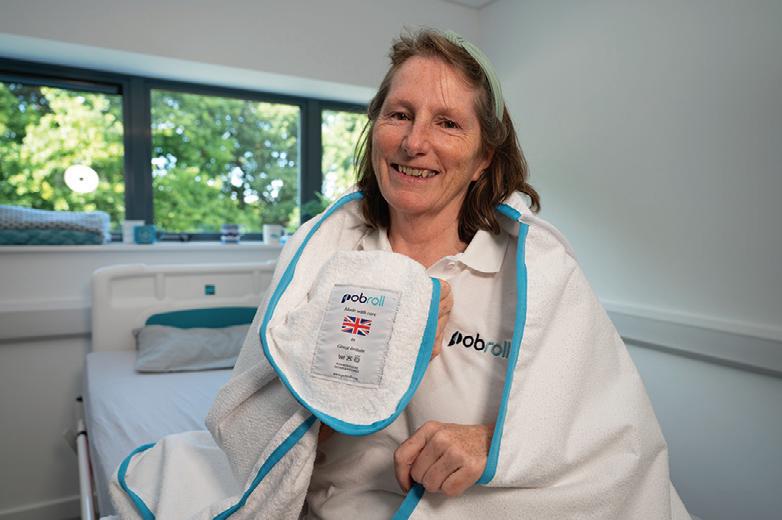
In April 2025, the Supporting the Provider Market (STPM) team in County Durham published a new report evaluating the use of pobroll® — a waterproof bed-bathing wrap designed to improve dignity, comfort, and ease during personal care.
This evaluation was carried out across 10 care homes with high numbers of residents living with dementia. Each setting was given one or more pobroll® units and invited to share feedback through a structured survey. The findings reveal how even simple tools can make a significant difference in everyday care.
How was pobroll® used?
Most care homes used pobroll® daily or several times per week, showing it quickly became part of regular practice. Staff noted that one of the biggest challenges was not having enough units — all homes requested additional stock after the trial, highlighting a clear appetite for wider adoption.
What did care teams think?
Feedback from the care homes showed strong support for the tool:
Ease of use was rated highly, with an average score of 4.4 out of 5. Staff found pobroll® straightforward to incorporate into care routines.
Training was rated slightly lower, at 3.8 out of 5, suggesting that while the wrap is easy to use, additional training resources could improve onboarding for new users.
Resident response was positive. Three in ten care homes reported improved mood or behaviour during bed bathing for dementia patients.
• Key benefits included greater warmth, coverage, and dignity for residents, especially those who might find conventional methods distressing. Some teams also found it particularly useful for end-of-life care Would they recommend pobroll® for bed bathing for dementia patients?
Written by Pat O’Brien of pobroll
Absolutely. Homes rated their likelihood to recommend pobroll® at 4.3 out of 5, with half of respondents giving it a full 5 out of 5. The overall feedback was clear: this is a valued, meaningful addition to personal care.
Would they recommend pobroll® for bed bathing for dementia patients?
The results of this trial reinforce what many professionals already believe — that small, thoughtful design changes can significantly improve care. For residents who are bedbound or living with dementia, personal care can often be a distressing experience. But with the right tools, it doesn’t have to be.
The pobroll® isn’t a complex device. It’s a simple, dual-layered cotton towelling wrap. But its thoughtful design — offering full coverage, comfort, and support — makes a real difference where it matters most.
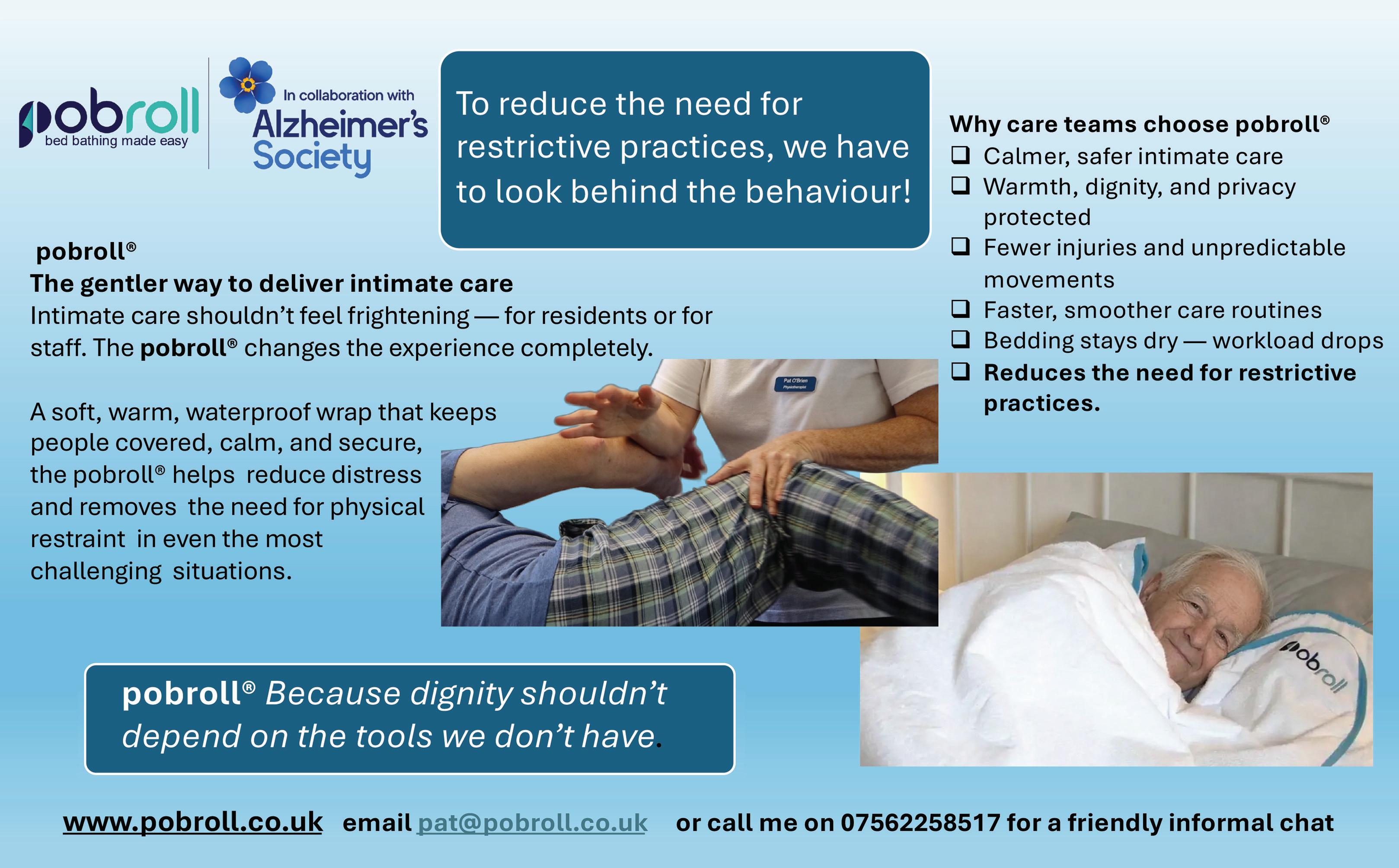
If you’re part of a care home, hospice, or hospital and would like to explore how pobroll® could benefit your residents or service users, get in touch. We’re here to support compassionate, dignified care — one small change at a time.
See the advert on the facing page for details, or visit www.pobroll.co.uk
The proportion of recipients of Fast Track NHS Continuing Healthcare (CHC) packages, which provide NHS-funded health and social care support for those with a rapidly deteriorating condition which may be entering a terminal phase, found no longer to be eligible upon reassessment has risen by almost 30% since 2017/18 despite the criteria for support having remained unchanged.
It comes as the think-tank is set to publish a new report which sets out recommendations for how the NHS and the social care system interact with each other, including a review into the decline of CHC eligibility rates. The King’s Fund will be discussing the issues in the social care system, including those raised in this report, at its Social Care Summit on 2nd June.
CHC packages cover patients’ health and social care costs, meaning any removal or rejection of support can have major financial implications for individuals and their families. Without CHC support, people risk being pushed into the means-tested social care system that could leave them without any funding and facing high personal costs for their care. The loss of support can disrupt care arrangement and increase distress, particularly for people with deteriorating or life limiting conditions.
The King’s Fund analysis found that the number of recipients of Fast Track CHC found to be no longer eligible upon reassessment increased by 28.21% between 2017/18 Q1 (earliest data available) and 2025/26 Q4 (latest data available). This is despite the criteria for support not changing. The research also found that the proportion of applicants for Standard CHC assessed as eligible (sometimes referred to as the assessment conversion rate) in April-June 2017 was 31.25%.
That compared to an eligibility rate of just 16.65% in January-March 2026. This equates to a fall in eligibility from nearly 1 in 3 nine years ago to less than 1 in 5 today.
There are also significant regional disparities in eligibility rates. Individual ICBs, who commission NHS services by assessing needs, planning and prioritising, purchasing and monitoring health services, are responsible for assessing CHC eligibility. In the Cambridge and Peterborough ICB, 35.37% of people assessed for standard CHC were found eligible in January-March 2026. This compares with just 2.26% in Gloucestershire.
In its upcoming report titled ‘No man’s land’: the experience of patients at the interface between health and social care’, The King’s Fund calls for a review into the decline in CHC eligibility and the rise in reassess-
ments, with a particular focus on reducing unwarranted variation between areas. It also calls for stronger national oversight and more consistent application of the CHC framework to help ensure fairer access, a simplified and more transparent process with better communication to patients and their loved ones, and for health and social care systems to share responsibility for outcomes, supported by aligned incentives, pooled budgets and better data.
More fundamentally it says that eligibility to publicly funded social care should be widened to reduce reliance on boundary decisions like CHC and ease pressure at the NHS and social care interface, calling on the government-initiated independent Casey Commission into social care reform to put this forward as one of its recommendations in its final report.
Katie Purbrick-Thompson and Niamh Buckingham, co-authors of the report and Policy Advisers at The King’s Fund, said: ‘The drop in CHC eligibility despite no change in the criteria is deeply concerning. It raises questions as to why this is happening and the government should launch a full review into CHC to fully understand this deterioration in eligibility rates.
‘Whether it be funding pressures making ICBs more reluctant to put in place support or because of the complex and different structures that the NHS and social care operate within, people who have seen their eligibility revoked, especially those at the end of their life, deserve answers as to why this is happening and why there is such geographical variation.
‘This is just one example of the interaction between NHS and the social care system being broken. A lot of the time, the right hand does not know what the left is doing and it leads to people falling through the cracks and suffering as a result.
‘As we set out in our report, there is only so far tinkering around the edges will go. If we want a joined-up health and care system that improves both the NHS’s performance and people’s quality of life, expanding eligibility to publicly funded social care is fundamental.
‘It would reduce reliance on these complex boundary decisions like CHC and give a clear line of accountability for who is responsible for this patient’s care. We strongly urge the Casey Commission to pick up this mantle and recommend a widening of social care support in its final report.’
Six members of staff from Simonsfield care home in Liverpool raised £1,300 after completing an abseil down Anfield Stadium in support Alzheimer’s Society. Staceyjane McGuinness, Hayley Worthington, Jackie Orchard, Suzanne Cowley, Eileen O’Brien and Daria Dadynska took on the challenge at the iconic Liverpool ground, with some of the money raised going towards enhancements to the home’s outdoor areas.
The team chose to support the Alzheimer’s Society as many residents at Simonsfield live with dementia, with staff seeing first-hand the impact the condition can have on individuals and their families.
Part of the funds raised will support improvements to the home’s garden ahead of summer, helping create a space for residents to enjoy with family and friends as the weather improves.
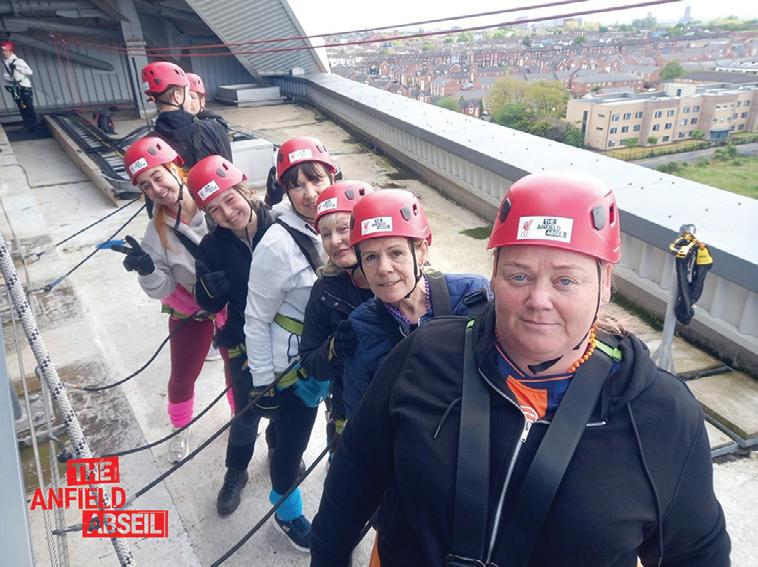
The fundraising effort was supported by residents, relatives, colleagues and members of the local community, with donations helping the team exceed expectations and raise a total of £1,300.
Karen Evans, service manager at Simonsfield care home, said: “We are incredibly proud of the team for taking on this challenge and raising such a fantastic amount of money.
“The support we received from people donating, cheering the team on and sharing kind messages has been amazing.
“Not only will the money raised help support the incredible work of the Alzheimer’s Society, but it will help us provide extra-special outings and experiences for our residents, as well as contributing to enhancing the garden in time for the summer months”.
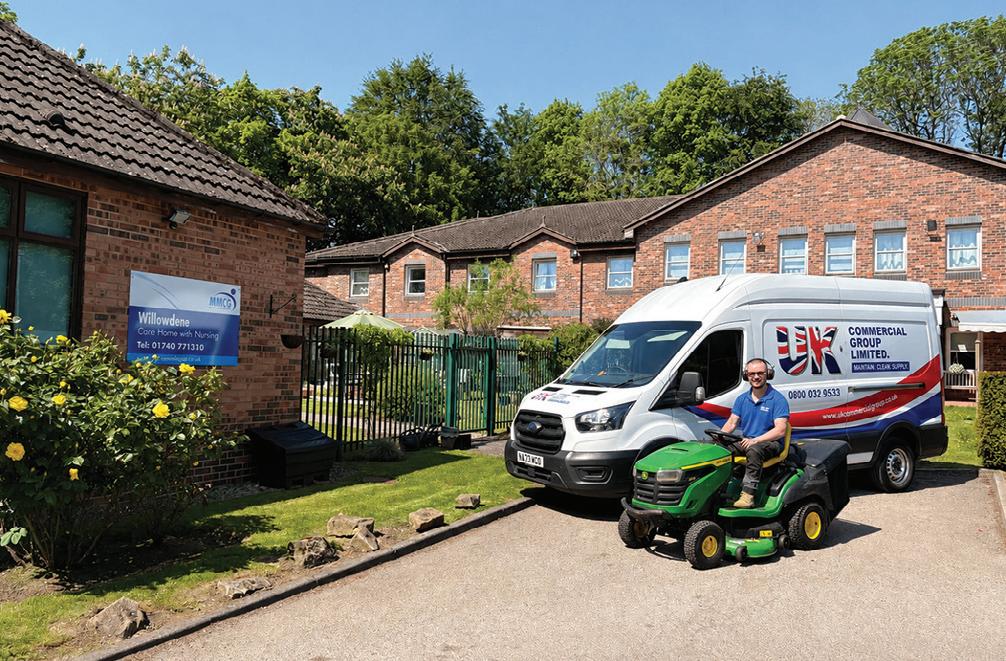
In the ongoing conversation about improving standards in adult social care, much of the focus quite rightly falls on staffing, funding and regulation. But there is another, often overlooked element that has a profound impact on quality of life for residents: the care home garden.
At first glance, outdoor space may seem like a ‘nice to have’ rather than a necessity. In reality, well-designed and properly maintained gardens are a critical part of delivering holistic, person-centred care. They are not simply decorative; they are therapeutic environments that support physical health, mental wellbeing and meaningful engagement.
Spending time outdoors has long been associated with improved mood, reduced anxiety and better overall health outcomes. For older people, particularly those living with dementia, access to a safe and stimulating garden can help reduce agitation, improve sleep patterns and encourage gentle physical activity. Something as simple as a short walk, the feel of fresh air, or the sensory experience of plants and flowers can make a significant difference to a person’s day.
Importantly, gardens also provide a sense of normality and continuity. Many residents will have spent much of their lives tending their own gardens, taking pride in outdoor spaces, or simply enjoying time outside with family. Replicating that connection within a care setting helps maintain identity and independence, which are key pillars of good care.
However, not all care home gardens are created equal. Too often, outdoor areas are underutilised, poorly
By Tony Earnshaw, UK Commercial Group
maintained or designed without the needs of residents in mind. Uneven surfaces, lack of seating, limited shade or inaccessible pathways can quickly turn a potentially valuable space into one that is rarely used.
This is where thoughtful planning and ongoing investment become essential. A well-designed care home garden should be fully accessible, with level pathways suitable for wheelchairs and mobility aids. Seating areas should be plentiful and positioned to encourage social interaction as well as quiet reflection. Sensory planting – including fragrant flowers, textured foliage and seasonal colour – can provide stimulation throughout the year.
Safety is, of course, paramount. Gardens should be secure, allowing residents to enjoy outdoor space freely without risk, particularly for those who may be living with cognitive impairment. At the same time, they should avoid feeling restrictive or clinical. The balance between safety and freedom is crucial. There is also a strong case for integrating gardens into the daily life of the home, rather than treating them as separate or occasional spaces. Activities such as gardening clubs, outdoor exercise sessions, or simply enjoying meals outside in warmer months can help embed the garden as a core part of the care experience.
From an operational perspective, investing in outdoor spaces can also support staff wellbeing. Care teams work in demanding environments, and access to pleasant outdoor areas can provide valuable moments of respite during the day. In turn, this can contribute to a more positive working environment and improved staff retention.
Despite these clear benefits, outdoor spaces do not always receive the attention or funding they deserve. In a sector facing ongoing financial pressures, it can be tempting to prioritise immediate operational needs over longer-term environmental improvements. But this is a false economy. High-quality environments are intrinsically linked to high-quality care, and gardens play a key role in that equation.
As the sector continues to evolve, we should be thinking more broadly about what constitutes good care. It is not just about meeting basic needs, but about enabling people to live well, maintain connections with their past, and find enjoyment in everyday moments.
Care home gardens are not an optional extra. They are an essential component of compassionate, person-centred care – and one that deserves far greater recognition in both policy and practice.
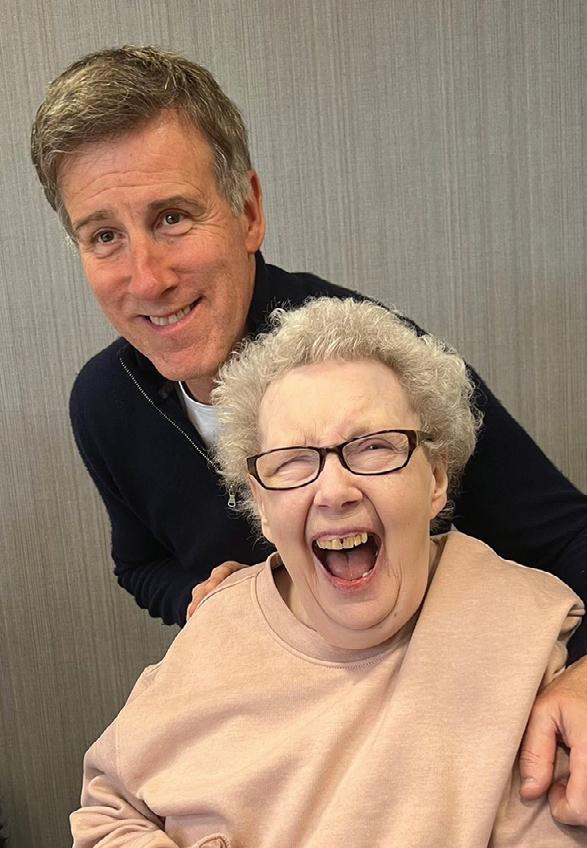
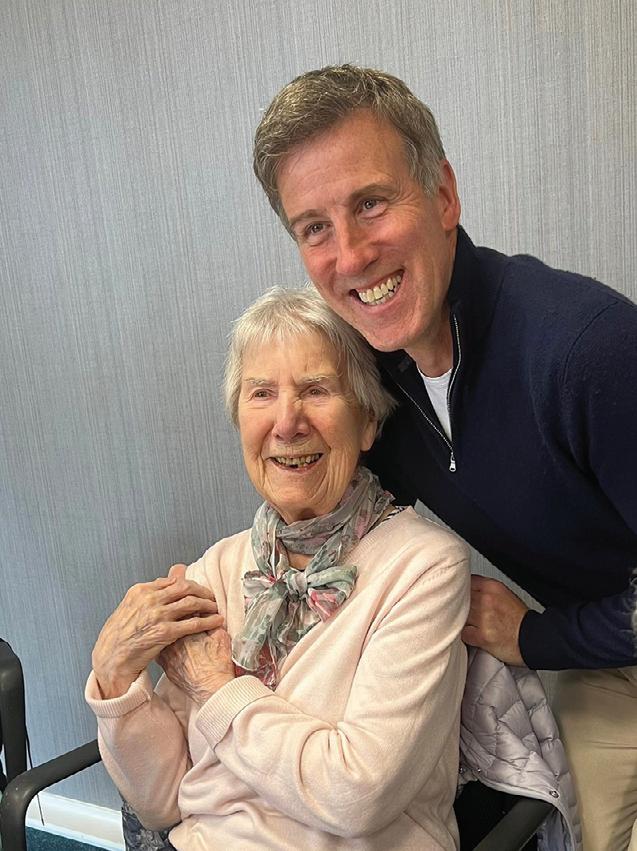
Two Highland care home residents got the surprise of their lives after meeting their Strictly Come Dancing hero, Anton Du Beke.
Catherine Reid and Morag Ross, residents at Eilean Dubh Care Home in Fortrose, were invited to meet the dancer-turned-judge after telling care staff during a coffee morning that he was the celebrity they would most love to meet.
Determined to make their wish come true, Eilean Dubh wellbeing coordinator Fiona Stoddart, who previously worked at Highland Hospice, contacted former colleagues at the charity, where Anton was visiting as part of their 'Strictly Inverness'
fundraising dance competition.
Fiona said: “People often say you should never meet your heroes, but in this case Anton proved them wrong! Catherine and Morag were absolutely thrilled to meet him and it’s a day they’ll never forget.
“I’d like to thank everyone at Highland Hospice for helping to make this happen. It meant such a lot to Catherine and Morag to meet someone they’ve watched and admired for years. They had a wonderful time and it really was a dream moment for them. Anton was absolutely lovely with them.”
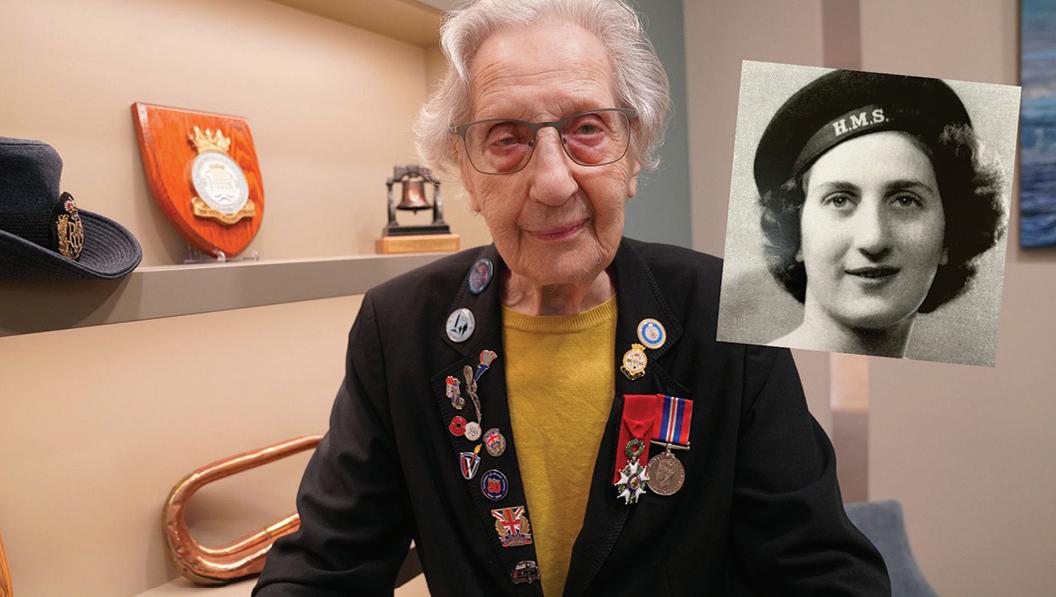
A WWII veteran has recalled hearing the “sounds of hell” when she worked as a Switchboard Operator during the D-Day landings.
Marie Scott was serving with the Women’s Royal Naval Service (WRNS) and passing coded messages between the front line and the leaders of Operation Overlord – the codename for the Normandy landings – when she was exposed firsthand to the horrors of warfare.
The 99-year-old was speaking during a respite stay at Royal Star & Garter in Surbiton, and ahead of the 82nd anniversary of D-Day on 6 June. The charity provides loving, compassionate care to veterans and their families living with disability or dementia, from Homes in Solihull, Surbiton, High Wycombe and Worthing. It also has services reaching out into the community including Day Care, Lunch Club and a national Telephone Friendship Service.
Marie had joined the WRNS in March 1944 and in June that year was based at Fort Southwick, a secret underground communications centre near Portsmouth where the Supreme Headquarters Allied Expeditionary Force (SHAEF), led by General Dwight D. Eisenhower, was operating ahead of D-Day.
Aged just 17 at the time, she was tasked with using new VHF radio systems to verbally relay coded messages to frontline troops. It was
during these exchanges that Marie was given her terrifying insight into the utter devastation unfolding across the Channel. She said: “When they gave their responses to me, I couldn't believe my ears. Because what I heard was incessant machine gunfire, the sound of cannons, and bombs dropping. I could hear men shouting orders and I could hear men screaming. And I suddenly realised that what I was listening to
was the actual invasion of the beaches. Those men were storming the beaches of Normandy, and I was hearing the accompaniment of war. I'll never forget that day. Never. It was the sound of hell.”
Marie left the Armed Forces in 1946. She would later receive the Légion d'honneur – France’s highest decoration – from the French Government, in recognition of the role she played in the liberation of the country from Nazi Germany.
Eighty-two years later, Marie still finds herself thinking of that day and the lives that were lost. She said: “I remember all those desperately young men that didn’t survive D-Day. There were so many thousands killed on D-Day alone, it was an enormous number. For a few moments, I was there that day, listening to the hell those young men were in. I can't help but think of them and their families – I often do.”
The D-Day assault marked the start of the successful campaign to liberate Western Europe from Nazi occupation.
Royal Star & Garter’s Homes mark special days in the Armed Forces calendar, such as D-Day, VE Day, Remembrance and Armed Forces Day. The charity’s Veterans’ Voice project also aims to give a platform to its residents and the people who use its services, ensuring they are not overlooked because of their disability or dementia.
Scientists have identified a promising new therapeutic target that could help reduce the harmful brain inflammation associated with Alzheimer’s disease, according to new research from the United States.
Researchers at the Scripps Research have discovered a molecular mechanism that appears to drive chronic inflammation in the brains of people living with Alzheimer’s disease. Their findings, published in the journal Cell Chemical Biology on 23 April 2026, may open the door to the development of new treatments aimed at slowing disease progression.
Alzheimer’s disease is increasingly recognised not only as a disorder characterised by the accumulation of abnormal proteins in the brain, but also as a condition involving significant immune system dysfunction. The brain possesses its own immune defence system, designed to identify and respond to threats. However, growing evidence suggests that in Alzheimer’s disease these immune cells become chronically overactive, triggering persistent inflammation that damages the connections between nerve cells.

The latest study focuses on a protein known as STING, which normally acts as part of the body’s immune early-warning system. The research team found that in Alzheimer’s disease, STING undergoes a chemical modification called S-nitrosylation, a process involving nitric oxide-related molecules that alters the protein’s behaviour and promotes excessive immune activation.
Senior author Stuart Lipton, a clinical neurologist and holder of the Step Family Foundation Endowed Chair at Scripps Research, described the discovery as a significant advance in understanding the disease.
“This is a new and important therapeutic target for Alzheimer’s disease,” he said. “It’s exciting to see that blocking this switch in mice reduces inflammation and protects the very brain cell connections that are lost in Alzheimer’s.”
The research builds on more than three decades of work by Lipton and colleagues investigating S-nitrosylation, a process first identified by his laboratory. Previous studies have linked excessive S-nitrosylation to a range of conditions, including cancer, Parkinson’s disease and Alzheimer’s disease. The process can be triggered by ageing, inflammation and environmental factors such as air pollution and wildfire smoke.
In the current study, researchers worked with human Alzheimer’s brain cells, post-mortem brain tissue and laboratory mouse models. The team, led by postdoctoral researcher Lauren Carnevale and collaborating with mass spectrometry specialist John Yates III, identified a specific site on the STING protein known as
cysteine 148.
They found that when this site becomes chemically modified through S-nitrosylation, STING proteins cluster together and trigger inflammatory responses. Elevated levels of the modified form, known as SNO-STING, were detected in Alzheimer’s patient brain tissue, human brain immune cells exposed to Alzheimer’s-related proteins, and animal models of the disease.
The researchers also discovered that protein aggregates commonly associated with neurodegenerative disease, including amyloid-beta and alpha-synuclein, can directly trigger the S-nitrosylation process. This suggests a potentially self-perpetuating cycle in which protein build-up, ageing and environmental influences generate inflammation, which then promotes further activation of STING and additional inflammation.
To investigate whether interrupting this process could be beneficial, the team engineered a version of STING that lacked the cysteine 148 site and could not undergo S-nitrosylation. When introduced into a mouse model of Alzheimer’s disease, the modified protein significantly reduced inflammation in brain immune cells and protected synapses – the vital connections between nerve cells that are progressively lost during dementia.
Preserving synapses is widely regarded as one of the key indicators of protection against cognitive decline.
Importantly, the researchers believe the approach may offer a way to dampen harmful inflammation without compromising the body’s normal immune defences.
“What makes this target particularly promising is that we can quiet the pathological overactivation of STING without shutting down the normal immune response,” Lipton explained. “You still need STING to protect yourself from infections. By targeting cysteine 148, we’re not blocking the entire molecule; we’re simply preventing it from becoming overactivated.”
The Scripps Research team is now developing small-molecule compounds designed to block the cysteine 148 site and plans to test these potential treatments in further preclinical studies.
While the research remains at an early stage, the findings offer fresh hope that targeting brain inflammation could become an important strategy in the future treatment of Alzheimer’s disease, a condition that affects hundreds of thousands of people across the UK and places a significant burden on care services, families and communities.
If you own or operate a care business in the UK, Christie & Co would like to invite you to complete a short, anonymous sentiment survey.
The survey takes just a few minutes to complete and covers key themes around market confidence, operational pressures, and the evolving healthcare landscape — topics that matter deeply to everyone working in the sector right now.
Your answers, which will be used in its Care Market Review 2026 report, will

help build a clear picture of market sentiment and the evolving healthcare landscape.
To access the survey, which closes on Wednesday 10 June, visit: https://form.jotform.com/261263683014049
Every response counts — the more operators who take part, the more representative and valuable the findings will be for the whole sector.
The Care Quality Commission (CQC) has set out detailed priorities for the delivery of increased assessments across health and social care, with the regulator confirming it remains on track to publish reports for at least 9,000 assessments across all sectors by September 2026.
The update, published on 26 May 2026, forms part of the CQC’s ongoing programme of improvements and aims to address longstanding concerns around aged ratings and services that have never been assessed since registration.
The announcement will be of particular interest to operators of residential and nursing care homes, as the CQC has outlined a focused set of criteria determining which adult social care services it will prioritise for assessment in the coming months.
The CQC has confirmed that for adult social care — which includes residential and nursing care homes — it will prioritise assessments in the following categories:
• Services with urgent, emerging risks that inspection teams have identified.
• Services that have not been assessed since registration where the data the CQC holds identifies them as very high risk.
• Services registered for over a year that have not yet been assessed.
• Services with a rating over six years old.
In addition to these priority groups, the CQC has indicated it will shortly be rolling out a new, lighter-touch approach for adult social care services that currently hold a ‘Good’ rating across all five key questions, have
a registered manager in post, carry ratings more than six years old, show no significant risk in the data held by the regulator, and have no ongoing enforcement activity.
This new approach is described by the CQC as enabling inspectors to focus more on people’s experiences and outcomes, supported by observation and targeted, risk-based review of records. The regulator states it will allow for increased regulatory contact in a proportionate manner with services that might not otherwise receive a routine assessment. Significantly, the CQC has stipulated that if concerns arise during planning, it will revert to the standard approach.
The CQC has confirmed it is currently seeking feedback on its draft assessment frameworks, though providers are asked to continue referring to current published guidance on how quality and performance is assessed until the new regulatory approach is implemented later this year. The regulator has urged all services to monitor these developments closely, as the new frameworks are expected to bring substantive changes to how assessments are structured and evidenced.
The update also confirms that the CQC is actively recruiting additional specialist advisors and executive reviewers to strengthen the insight and expertise available to its inspection teams. These roles are designed to support inspectors by providing specialist knowledge to underpin regulatory judgements. As part of improving its working practices with these advisors, the CQC is working to clarify their role and expectations, and to improve recruitment and engagement processes so that their expertise is used more effectively to enhance decision making and embed equitable regulation in practice.
Residents of a local care home enjoyed a day with a difference last week, as they watched two team members jump out of a plane for charity.
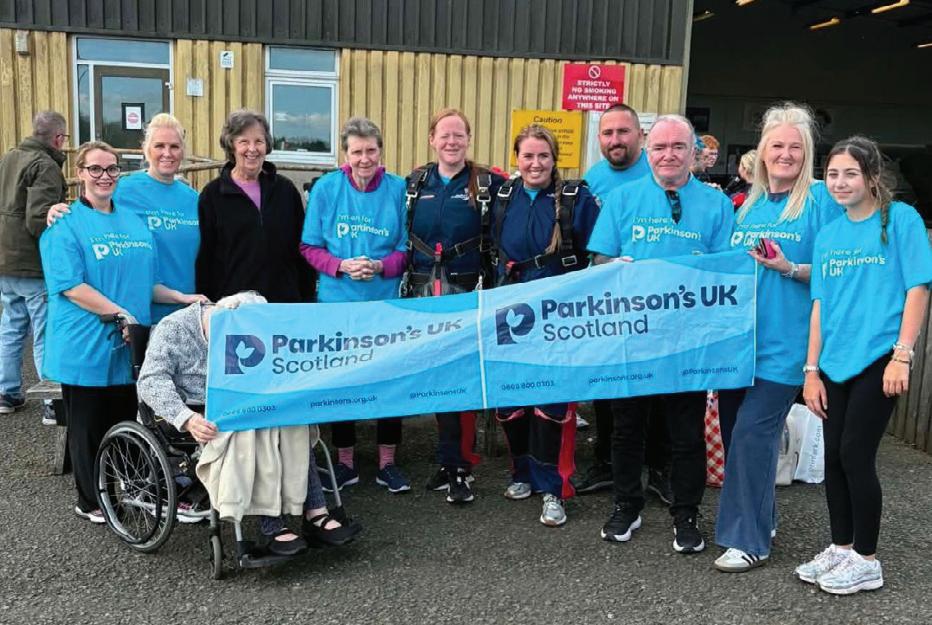
Activities Coordinator, Kimberly Proctor and Care Assistant, Shelby MacDonald from Antonine House in Bearsden took to the skies and completed a skydive, raising over £1,000 for Parkinson’s UK.
Residents, Sheena Watson, Anne Blain and Elizabeth O’Brian and colleagues Ainsley, Natalie, Annemarie and Mary went along to St Andrew’s Airfield to show their support and cheer for the brave duo, who smiled through the nerves as they jumped from the aircraft.
Commenting on the experience, Kimberly said: “This has been such an amazing experience and one we’ll never forget! In the weeks leading up to it, we were really nervous, but we stayed focused on the reason behind it all, which was raising money and awareness for such an important charity that supports so many people living with Parkinson’s within our home. The actual skydive was unreal, and I’m so proud of us for stepping well out of our comfort zone and going for it – and for raising so much money for Parkinson’s UK.
“Around 13,000 people have a diagnosis of Parkinson’s in Scotland, and half of these are people living with more advanced Parkinson’s, dealing with complex symptoms. Parkinson’s UK does brilliant work within Antonine House and across the country, so Shelby and I were thrilled to offer them some support. Huge thanks to everyone who sponsored and supported us!”
June McIntosh, Care Home Manager at Antonine House said: “From the moment the girls signed up, it’s been a journey filled with excitement, nerves, determination, and courage, and we could not be prouder of them. It was so special having some of our residents and colleagues there to support and cheer them on. It meant so much to everyone involved, and the residents loved being part of such an inspiring experience. Their encouragement, smiles, and excitement definitely gave Kimberly and Shelby an extra boost of confidence before taking the leap!
“Watching the girls land safely after completing the skydive was an emotional and proud moment for us all, and it’s incredible to see how much they’ve raised for such a worthy cause. Well done Kimberley and Shelby – you’ve blown us all away!”

Welcome to Blue Rain - our activity store is built on over 14 years experience supplying products that bring joy, inspire motivation, and enrich the lives of those who need a little extra support, or simply want to have fun, whatever the weather.
Come find your next reason to smile.

PHILOSOPHY NOT FRAMEWORK
By Pauline Vuyelwa Muswere-Enagbonma, Group Chief Executive, Jessamy Platinum Holdings
Across the United Kingdom, the social care sector continues to evolve under immense operational, financial and societal pressure. Providers are being asked to deliver increasingly complex care within systems that are stretched, scrutinised and, at times, fundamentally fragmented. Yet amid workforce shortages, rising acuity of needs, safeguarding pressures and economic uncertainty, one truth remains constant: culture is the single greatest determinant of whether care merely functions or genuinely transforms lives.
Culture in care is often misunderstood as a soft concept, something secondary to compliance, staffing or commissioning. In reality, culture is the infrastructure beneath every service. It shapes how people are spoken to, how concerns are escalated, how staff feel at the end of a shift, and whether individuals receiving support experience dignity or simply process-driven intervention.
A healthy care culture cannot be manufactured through slogans or policies alone. It is built deliberately through leadership, representation, emotional safety, accountability and the consistent prioritisation of humanity within operational systems.
At its core, person-centred care is not a framework. It is a philosophy. It requires providers to recognise that every individual entering a service brings a history, an identity, a trauma profile, a communication style, cultural nuances, aspirations and fears. True person-centred practice demands more than care planning; it requires deep listening, adaptability and emotional intelligence from the workforce delivering that care. However, there is a difficult but necessary truth the sector must confront: exhausted, unsupported and undervalued staff cannot consistently deliver exceptional person-centred care. The wellbeing of people receiving care is inseparable from the wellbeing of those providing it.
For too long, social care has normalised emotional depletion within its workforce. Staff are frequently expected to absorb trauma, manage behavioural distress, navigate safeguarding complexities and deliver compassionate care whilst operating under relentless pressure. Burnout has become commonplace, and in some environments, emotional exhaustion is mistakenly worn as evidence of commitment. This is neither sustainable nor ethical.
Creating cultures of wellbeing within care organisations must therefore extend beyond occasional wellness initiatives. It requires systemic change. Staff safety, both physical and psychological, must become embedded within organisational governance. Teams need environments where they can report concerns without fear, access reflective supervision, receive meaningful recognition and feel genuinely protected by leadership structures.
Psychological safety in care settings is particularly critical. When staff feel silenced, unsupported or disposable, organisations unintentionally create conditions where safeguarding risks increase, communication
(https://jessamyplatinumholdings.uk)
deteriorates and retention declines. Conversely, when employees feel heard, developed and valued, they are significantly more likely to remain engaged, compassionate and professionally accountable.
Retention within social care is not solely a recruitment problem. It is a cultural one. Many professionals do not leave care because they stop caring. They leave because the environments around them stop caring for them.
COMPETITIVE SALARIES
The sector must move beyond transactional employment models and towards purpose-driven workforce cultures. Competitive salaries matter, but so do leadership visibility, inclusive decision-making, career progression, mentorship and emotional support. Staff who feel connected to organisational purpose are far more likely to remain resilient during periods of challenge.
Representation and inclusivity also sit at the heart of meaningful care culture. Social care supports individuals from every possible background, yet leadership across the sector does not always reflect the diversity of the communities being served. Inclusive cultures are not created through statements alone; they are demonstrated through recruitment practices, leadership opportunities, accessibility, anti-discriminatory practice and the willingness to confront systemic inequities directly.
Representation matters profoundly within care settings because it influences trust, communication and belonging. When people receiving support encounter professionals who understand cultural identity, lived experience or disability from a place of authenticity, care becomes more relational, respectful and effective.
As a visually impaired Black woman leading within the social care sector, I understand personally and professionally how important visibility and inclusion are within leadership spaces. Diversity should never be viewed as a compliance exercise. It is a strategic and moral necessity that strengthens services, broadens perspectives and improves outcomes.
Equally important is the role of local communities in reducing isolation and strengthening care ecosystems. Loneliness remains one of the most significant yet underestimated public health challenges affecting vulnerable adults, older people, individuals with disabilities and those experiencing mental health difficulties. Care cannot exist in isolation from society itself.
The most impactful services are those that actively integrate community participation into care delivery. This includes partnerships with local organisations, intergenerational programmes, faith groups, educational institutions, volunteers, advocacy bodies and culturally relevant networks. Community engagement restores identity and belonging. It reminds individuals receiving support that they remain visible, valued and connected to society beyond their diagnosis or support needs.
The future of social care will not be secured through regulation alone. Compliance remains essential, but compliance without compassion creates mechanical services rather than transformative ones. The sector now requires courageous leadership willing to rebuild care cultures around humanity, equity and sustainable workforce wellbeing.
We must stop viewing culture as an abstract aspiration and start recognising it as operational strategy. Because when culture is healthy, people stay. Staff grow. Individuals flourish. Communities engage. Safeguarding strengthens. Outcomes improve.
And ultimately, that is what care was always meant to achieve, not simply keeping people safe, but helping them feel seen, respected, empowered and genuinely valued.
A veteran sailing crew has docked for a special visit to a care home in Edinburgh as part of its Invictus tour.
Care UK’s Murrayside, on South Beechwood, opened its doors to members of the team taking on the Full Circle Expedition as they continued their 2,000-mile, 12-week journey around the UK aboard two tall ships.
Co-ordinated by veteran charity Turn to Starboard and carrying the Invictus Games Birmingham 2027 flag, the Spirit of Falmouth and Pellew are being sailed by a rotating crew of 70 wounded, injured and sick veterans and serving personnel who are using the challenge to help rebuild their lives after service.
The voyage began in Cornwall and, following a stop in Leith, the crew made a special visit to the Corstorphine care home.
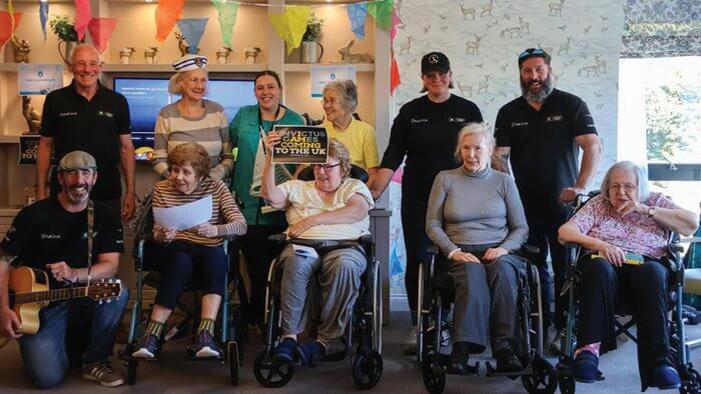
During the visit, the team shared stories from their journey, while crew member Will Keating treated residents to a special guitar performance to bring the afternoon to a
memorable close.
Resident Pat Wood, 83, said: “It was great! They’re on an incredible journey and I wish them all the best.”
Suzanne Welsh, Home Manager at Murrayside, added: “As a Veteran Friendly Framework-accredited home, we are committed to recognising and supporting those who have served in the armed forces.
“It was such a special day welcoming the expedition team. The work they are doing is incredibly important, helping to shine a light on the power of the Invictus Games and the lifechanging impact of Turn to Starboard.
“Hearing the crew share their stories and spend time chatting with residents was truly memorable and meant a great deal to everyone involved. We wish the crew fair winds and following seas as they continue on their incredible voyage.”
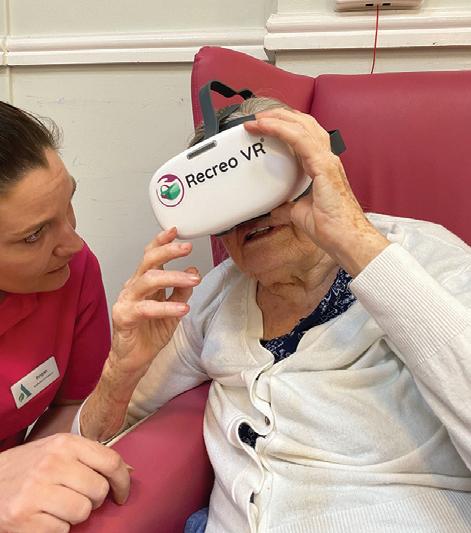
At Broomy Hill Nursing Home, innovation and compassion come together in the most inspiring way. Residents at the home are stepping into a whole new world with the introduction of virtual reality headsets. It is an exciting innovation with the power to create uplifting and meaningful moments for the residents under our care.
Virtual reality is becoming an exciting innovation in care homes and at Broomy Hill Nursing Home it is making a meaningful impact. VR is more than just a tool; it allows residents to relive cherished memories and experience activities they may no longer be physically able to do.
For residents with dementia or complex mental health needs, VR stimulates memories, sparks conversations, and provides relaxation through immersive experiences. Using headsets to create digital 3D environments, VR acts as a tool for cognitive stimulation, pain relief, and wellbeing, enabling individuals to safely revisit familiar places or explore new worlds.
We were thrilled at the opportunity to be a part of the Recreo VR experience. It was something new for the residents and us. However, it is not only something new; it is a learning experience for the entire staff at the home.
Our Wellbeing Lead, Lauren, is currently working on a list of available experiences that our residents can
choose from to do something different each time they use the headset. This way, our residents will have something new to look forward to each time they use the headset, as new content is added every eight weeks.
One of the new experiences that our residents will enjoy in the near future is a seated safari, where they will have the opportunity to come face to face with a rhino from the comfort of their chair.
Recently, our residents travelled through time to the 1950s, where they had a virtual visit to a traditional house, cinema, and a high street. In the house, our residents travelled from room to room, exploring the food pantry and admiring the decorations of the house. In the cinema, our residents explored the ticket office, the reel room, and the cinema itself. In the high street, our residents visited an electronics shop, a record shop, and a toy shop, enjoying the experience of each of these different stores.
Many of our residents commented on how real the experience felt, almost like stepping into a memory. Some were actually looking at their hands to get used to the virtual world. As the shops, toys, and songs from the period were brought up, the experience naturally evolved into memories and stories. The dialogue was effortless as the resident's shared memories from their own lives to each other and staff.
Virtual reality is more than just an activity at Broomy Hill. It is another meaningful way we promote wellbeing and engagement for our residents. By using Recreo VR, we encourage conversation and reflection, while continuing to look for ways to enhance quality of life within our home.
For further information visit www.recreovr.co.uk
The Local Government Association (LGA) is calling on the Government to retain a statutory independent local patient voice function and work with councils to develop a clear, workable model for patient and public voice that ensures accountability and independence across health and social care.
The NHS Modernisation Bill, announced in the King’s Speech, removes the current system for patient and public voice by disbanding Healthwatch, without setting out a clear independent replacement. Under the proposals, NHS bodies and adult social care providers would gather and act on feedback about their own services.
The LGA, on behalf of councils in England, is warning that this is a significant step back from the accountability framework established following the Francis Report. Without an independent, locally rooted voice to challenge and represent communities, there is a risk of duplication and gaps in accountability.
It is concerned that splitting responsibilities across multiple organisations could create a fragmented system, at a time when there is focus on improving integration across health and social care services. The LGA believes a fragmented approach could widen the gap in parity of esteem between health and social care.
The LGA is seeking urgent clarity on how funding and statutory duties for patient and public voice will be distributed in the future. This includes how local patient voice will be represented within Health and Wellbeing Boards and Safeguarding Adults Boards, where Healthwatch currently has an important statutory
role.
Cllr Dr Wendy Taylor MBE, Chair of the Local Government Association’s Health and Wellbeing Committee, said: “We look forward to working with Government to ensure the NHS Bill is workable and delivers real improvements for local people through neighbourhood health and digital technologies.
“It will be important to align changes within existing statutory arrangements across health and local government including the role of Health and Wellbeing boards, to support joint working and avoid unnecessary complexity.
“The current proposals to disband Healthwatch and allow health and social care services to gather and respond to feedback, rather than being challenged by an independent voice, risks organisations being seen to mark their own homework.
“It could also create confusion and frustration for people who, if drawing on both health and care, will need to approach two different parts of the system to share their views.
“We call on the Government to pause and work with local government and partners to develop a clear and workable model for local patient and public voice that maintains independence, joins up insight across health and social care, and delivers meaningful accountability.”
Residents at RMBI Care Co. Home Prince Edward Duke of Kent Court, in Braintree, are celebrating after taking first place in a local carnival competition, following a week of creativity, collaboration and community spirit.
The care home transformed its conservatory into a vibrant carnival scene as part of the Braintree and Bocking Carnival, which this year embraced the theme “I Love Carnival”. Residents and staff worked together to design and build a colourful display inspired by classic fairground attractions, which included a Ferris wheel, a helter-skelter, kites, balloons and sweet treats.
The imaginative display quickly became a focal point within the Home, sparking conversations, memories and smiles among residents, staff and visitors alike.
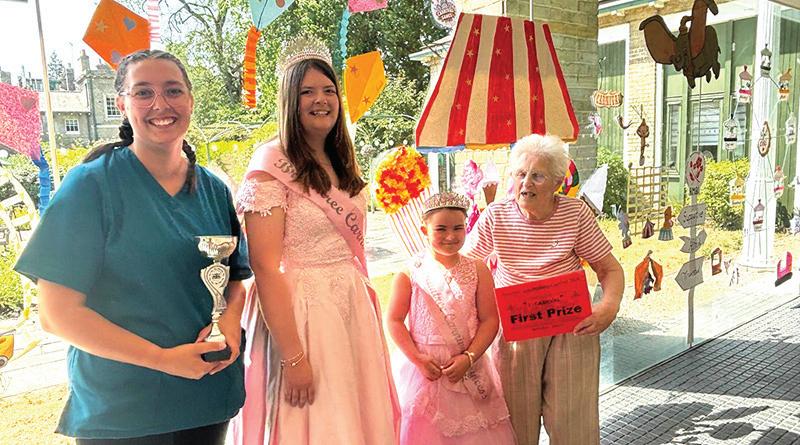
Prince Edward Duke of Kent Court was delighted to welcome Carnival Queen Olivia and Princess Raven, who visited to judge the competition entries. During their visit, they spent time chatting with residents and admiring the display, as well as discussing carnival traditions and costumes.
A particularly special moment came when they met
105-year-old resident Ron Thompson, who thoroughly enjoyed the visit and the opportunity to share in the celebrations.
A festive day of celebration
The following day, the royal visitors returned with exciting news, announcing that Prince Edward Duke of Kent Court had been awarded first place. Residents and staff were presented with a certificate, trophy and medals, recognising their hard work and creativity.
Sophie George, Activities Coordinator at the Home, says: “It has been such a joyful and memorable experience for everyone involved. From the very beginning, residents and staff threw themselves into the project with so much enthusiasm and creativity! Seeing the finished display bring so much happiness, and then being awarded first place, has made us all incredibly proud. It really shows what can be achieved when we come together as a community.”
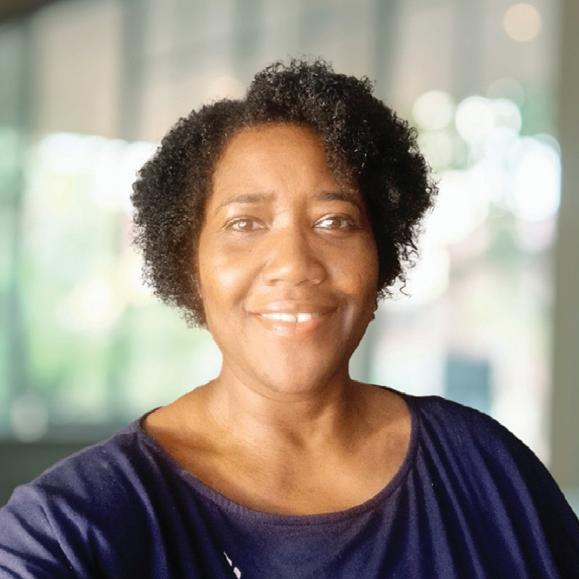
Geraldine McMurdie, Dementia Specialist at Quality Compliance Systems (QCS), discusses the links between dementia and falls and the ways in which these can have an impact on those living with a dementia.
Those living with a dementia are at a significantly higher risk of falling, with studies indicating that one in three adults over the age of 65, and half of people over 80, will experience at least one fall a year. People living with a dementia are also 5 times more likely to be admitted to long-term care after a fall.
Falls can significantly impact the confidence, health, and wellbeing of individuals living with dementia. They can also heighten the stress experienced by caregivers and place additional strain on the healthcare system.
DEMENTIA AND FALLS
As a dementia progresses over time effecting the brain and how it
works, this can often lead to significant effects on a person’s mobility and safety awareness, leading to challenges such as reduced balance, difficulty managing dual tasks, spatial navigation issues, increased frailty, and medication side effects. These factors contribute to those living with a form of dementia experiencing falls.
KEY STATISTICS:
Injury and hospitalisation – around 31% of people with dementia experience a fall leading to hospitalisation over a 2.5 year period
Fracture risk – 18% of those with dementia will experience a fracture, often following a fall
Mortality risk – falls can be a major cause of death, with higher injury-related mortality risks in those living with dementia
Often when someone living with dementia experiences a fall an ambulance is called as the individual may not be able to convey how much pain they are experiencing or how serious the injury is. This can lead to distress and poor health outcomes if care staff do not know how to respond to the situation in a prompt, caring and appropriate manner.
DEALING WITH FALLS
Understandably falls can happen very quickly and without warning and are often a distressing time for both the individual who has fallen and the care provider who is looking after them. It is a time where decisions will need to be made quickly in order to provide the best possible
care and support at the time it’s needed most. It is also important that these decisions are made in line with the individual’s care plan and the policies in place for best practice.
With Lyra Multi, QCS’s latest stage of AI technology, care providers can access all of their policies and compliance documents within seconds, helping them to make those quick decisions in a compliant and safe way. Lyra Multi connects all relevant policies, interprets them in context and converts complexity into clear, relevant and practical guidance exactly when teams need it, turning policy storage into real decision support.
At any given time, users can ask a question and get instant, tailored answers along with clear summaries and key insights. For example, if a resident with a dementia has fallen over and the care provider wants to check how support them with safe and appropriate care, they can type the message into Lyra and have all the relevant information from all of their policies provided to them in a succinct and understandable way within seconds.
Ensuring decisions are made both quickly and in a way that is compliant with regulations and policies will provide the best possible care for the individual who has fallen as well as give the care provider the confidence that they have acted in the most suitable way.
Find out more about Lyra Multi at www.qcs.co.uk/lyra
See the advert on page 15.
A highly experienced nurse and care sector leader has been appointed as manager of Parklands care home in Southport, part of Sandstone Care Group.
Sarah-Jane Gashi is a Registered General Nurse (RGN) and brings more than 35 years of experience across health and social care services to the role.
Her extensive clinical and leadership background spans the NHS, community nursing, elderly care, and senior operational management within the care sector.
Sarah-Jane previously worked within the NHS at Aintree University Hospital, including experience in the Medical Assessment Unit (MAU), and also worked within community-based district nursing services. Her broad clinical expertise has provided her with a strong foundation in delivering high-quality, person-centred care across complex healthcare environments.
Since becoming a home manager in 2019, Sarah-Jane has successfully led nursing and residential care services with a strong focus on quality improvement, governance, compliance, and team development. She has significant experience commissioning services, including a nursing home in Wigan, and has built a reputation for driving service improvements and supporting teams to deliver high standards of care.
In addition to home management, she also brings valuable experience at regional management level, supporting multiple services with operational oversight, compliance, workforce development, and quality assurance.
Sarah-Jane Gashi said: “I am delighted to be joining the team at Parklands and becoming part of Sandstone Care Group. Throughout my career I have always been passionate about delivering safe, effective and dignified care, while creating positive environments where both residents and colleagues can thrive.
“I am looking forward to getting to know the residents, families and team at Parklands, building on the great work already taking place and continuing to drive high standards of person-centred care across the home.”
Lucy Holl, managing director of Sandstone Care Group, said: “SarahJane brings a wealth of clinical, operational and leadership experience to Parklands and we are delighted to welcome her to Sandstone.
“She has an impressive track record of leading teams, improving services and delivering excellent outcomes for residents. Her passion for compassionate, person-centred care and her commitment to continuous improvement make her an excellent fit for Parklands and the wider Sandstone team.”
Residents from care homes across the Highlands and Moray have been sharing their love of football ahead of Scotland’s first World Cup appearance in 28 years, in a new video created by Parklands Care Homes.
The film brings together residents from Parklands’ care homes in Cullen, Keith, Aberlour, Fortrose and Inverness, sharing memories of famous matches, favourite players and messages of support ahead of Scotland’s World Cup return next month.
Lifelong Dons fan Danny Cook from Wakefield House in Cullen vividly remembers the night Scotland qualified after defeating Denmark 4-2 at Hampden. “It was wonderful. I just couldn’t believe it. You’d have heard me in the square in Cullen with joy and cheering and clapping”.
Alan Duffy from Glenisla in Keith said he “felt proud for the whole country”.
At Eilean Dubh in Fortrose, Sandee Mackintosh said residents gathered to watch the team qualify together. “I was pleased as punch. Very proud for Scotland”.

Former player Bruce Smith from Glenisla said qualification had been a long time coming. “They’ve missed out on quite a few,” he said. “It feels very, very good”. Danny Cook adds: “When our neighbours are there every other World Cup we feel left out.”
Peggy Mackintosh, a 94yearold former PE teacher from Eilean Dubh, has loved football all her life and is “still crazy about it”. She said she was thrilled with the result, especially as “everybody thinks Scotland’s rubbish”.
Football was always a big attraction at the Highland pub run by former publican Ian Ritchie, now a resident at Pittyvaich in Inverness. “It always went down well. Lower league games or not, it didn't matter, it was always entertaining”.
For Glenisla resident Jimmy Petrie, loyalty is what matters most. “You support your team whether they win or lose”, he said.
The video also revisits some of football’s most memorable moments. Alan Duffy recalls Scotland’s 3–2 win over the Netherlands in the 1978 World Cup. “That was brilliant”, he says. Londonborn Alan Johnson from Speyside in Aberlour remembers England’s World Cup win in 1966: “When they won that Cup that was the best thing in the world”.
Danny Cook also recalls Scotland’s famous victory over the world champions in 1967. “There’s always this enmity between Scotland and England, isn't there?” he says. “We always like to beat England, don't we?”
Residents shared plenty of advice for Steve Clarke’s squad, urging the players to work together, stay positive and enjoy the occasion.
“When we watch our country do well, be it rugby or football, we're just thrilled to bits. It boosts our country and it's great”, says Danny Cook.
Ian Ritchie believes confidence is key. “Every team must have great enthusiasm. No matter where they go and wherever they play, they must be convinced of the fact that they are going to win before they step on the pitch”, he says.
Alan Duffy said Scotland fans had experienced their fair share of disappointment over the years but believes the tournament will unite the country. “The whole country will be behind them”, he said.
Jimmy Petrie believes Scotland travels to the World Cup as “underdogs” but is confident the team will play well.
The final word goes to Sandee Mackintosh, who tells the Scotland squad: “Stay together and do your best for Scotland”.
This is the latest in a series of reminiscence videos produced by Parklands, with previous films recalling residents’ memories of the Moon Landing, Her Majesty The Queen’s Platinum Jubilee and the 80th anniversary of VE Day.

By Professor James Francis Kwame Fah Ohene-Djan PhD, FHEA

That is why I created MiCode.
My brother Anthony lived with multiple sclerosis. He was not “an MS patient” to me. He was my brother. He had his own personality, humour, frustrations, hopes and ordinary routines. Like anyone living with a long-term condition, he wanted to get on with life and not be defined by illness.
But when someone you love has a serious condition, there is a quiet fear that sits in the background. You may not speak about it every day, but it is there.
What happens if they become unwell when you are not with them? What happens if they fall, get confused, cannot explain their condition, or need help from someone who knows nothing about them? Would that person know who to contact? Would they know about medication, allergies, communication needs, or the small but vital details that make care safe and personal?
After Anthony died, those questions stayed with me.
I also had cancer myself, and that changed how I thought about medical information. When you are well, a list of medication or an emergency contact number can seem like admin. When you are ill, those details become something else entirely. They become part of your safety. They become part of how quickly someone can understand you, support you and contact the people who matter.
MiCode is a QR code designed to store and manage your medical information and emergency contacts. It can be carried on a card, keyring, sticker, bracelet, pendant or phone. If someone needs help, the code can be scanned instantly using any smartphone. No app is needed.
The person with the MiCode remains in control of what information is stored and what is shown. It can include medical conditions, medication, allergies, emergency contacts, communication needs, care instructions, documents, or anything else that may be important in an emergency. It can also work in different lan-
guages, which matters in a country as diverse as ours, and for people who travel.
For people with disabilities, long-term conditions, dementia, autism, epilepsy, diabetes, cancer, heart conditions, MS, learning disabilities, sensory impairments or mental health conditions, MiCode can be incredibly useful. In a crisis, people are often expected to explain themselves quickly and clearly. But those are exactly the moments when pain, fear, confusion, shock or illness can make that impossible.
MiCode gives people a voice when they may not be able to speak for themselves.
It is also very useful for people who are being cared for. So much care depends on knowledge held by other people: a daughter who knows the medication, a husband who knows the hospital consultant, a carer who understands the routine, a support worker who knows how best to communicate. But carers cannot be everywhere all the time.
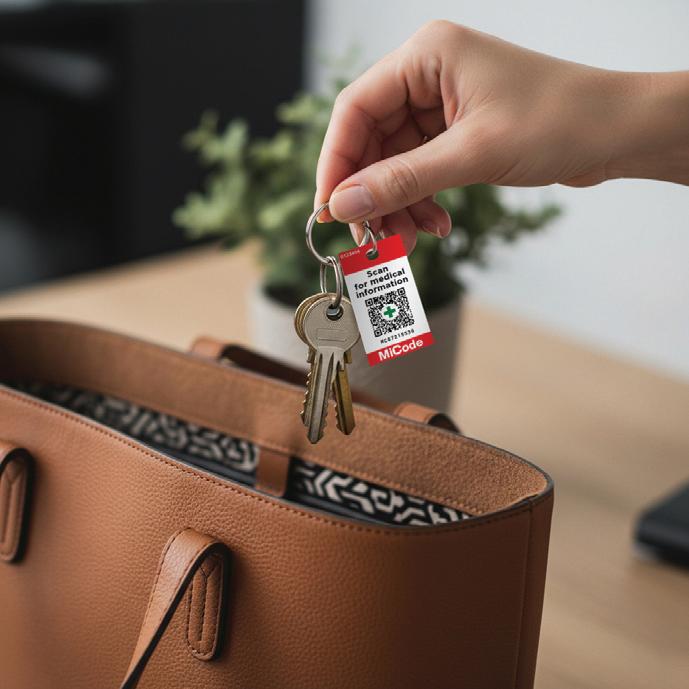
MiCode helps that essential information travel with the person.
For families and carers, this can bring real peace of mind. It does not remove worry — nothing does — but it can reduce one of the biggest fears: that the person you care for will need help and nobody will know who they are, what they need, or who should be called.
I also wanted MiCode to be affordable. Safety should not be a luxury product. MiCode starts from £20, which I believe is an amazing price for something that can carry such important information and provide such reassurance.
People can get MiCode directly from www.micode.uk. And if anyone has questions, they can always email me personally at james@micode.uk.
MiCode began with Anthony. It also came from my own experience of illness. But it is for anyone who wants to feel safer, more independent and better understood in an emergency. It is a small piece of technology with a very human purpose: helping people be known, protected and cared for when it matters most.
Residents from Brampton Manor, part of Boutique Care Homes, were treated to a truly special day out on Friday 22 May, when they were invited to judge and select the winner of the Best Turned Out Parade at the British Racing School in Newmarket.
The visit gave residents a rare, hands-on role in one of the school’s most celebrated pupil milestones. The Best Turned Out Parade marks the end of the pupils’ experience course, where students demonstrate how they’ve got to know their horses, learned to manage and care for them, and provided the kind of personal attention these magnificent animals need. Team, families, and friends all gathered to watch.
Brampton Manor’s Activities Lead Valda joined the Admissions Manager, Danny, along with residents Joan, Jill, and Sally, accompanied by Sally’s daughter Sue, to represent the home on the day. And it was Joan who had the honour of stepping forward to announce the winner to the crowd, naming Big G as the Best Turned Out horse of the parade.
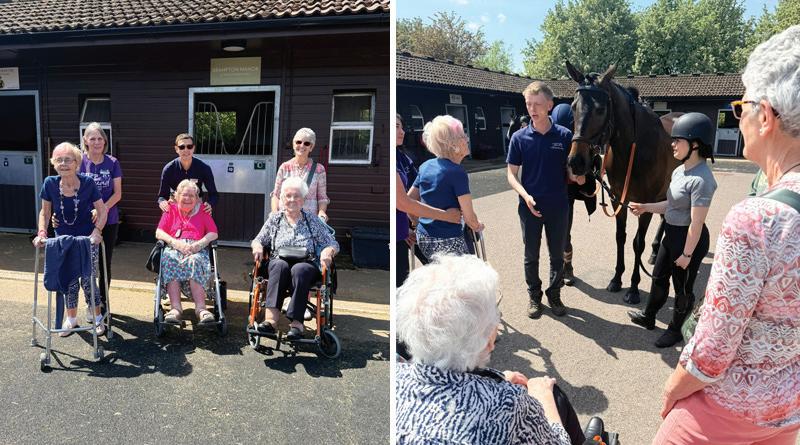
The day sparked a flood of personal memories among the group. Joan’s eyes lit up around the horses, her love of shire horses stretching back to childhood. For Sally and her daughter Sue, the day carried a
deeper meaning too, sharing a bond over horses that had been passed down through Sally’s late husband. And Jill, true to form, gave every horse she met the full force of her affection.
Valda, Head of Lifestyle and Wellbeing at Brampton Manor, said: “Days like this are why I love what I do. Watching Joan walk up to that parade and announce Big G as the winner, with everyone cheering around her, was a moment I won’t forget in a hurry. The horses brought something out in all three of them. Joan was in her element, Sue was in tears talking about her dad, and Jill, well, Jill just wanted to take one home. These aren’t just nice days out. They’re the things our residents talk about for weeks, and the memories they carry with them.”
Akhi Goswami, Home Manager at Brampton Manor, said: “We’re incredibly lucky to be in Newmarket, where horse racing isn’t just a sport, it’s part of everyday life and local identity. For our residents, an invitation like this from the British Racing School means so much more than a day trip. It’s a connection to their history, their community, and the things they’ve always loved. Seeing Brampton Manor residents standing at the heart of that parade, judging the horses and meeting the students, that’s exactly the kind of life we want our residents to be living.”
Residents and staff at Elm Bank care home in Kettering enjoyed an afternoon of vibrant colours, radiant smiles and bhangra beats from Aman Singh from 'Leicester Bhangra Classes. Everyone came together to celebrate Culture and Diversity Day, with food and music. The afternoon was very joyful and energetic as residents and staff engaged in the bhangra dancing, clapping hands, tapping feet and learning many new dance moves. Aman really created a very fun filled afternoon, as well as the dancing he also shared the history of Bhangra with everyone, making the afternoon truly inclusive for all.
Activities Co-ordinator Tina said: “It was an amazing afternoon; everyone was able to participate no matter their ability. Aman adapted his dancing for all, he also shared the history behind the dancing and with
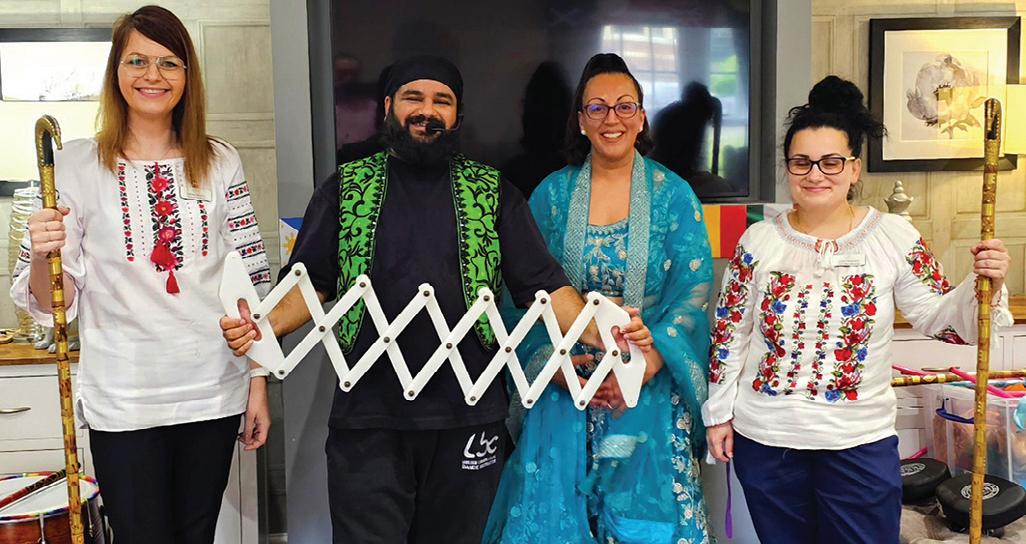
all the instruments he had with him the residents were able to really have a full hands-on experience.”
General Manager Larisa Bledea said: “We cannot thank Aman enough for making the afternoon an all-inclusive experience. Culture and Diversity within the home is a vital part of our life enrichment program, residents and staff truly enjoyed this experience in a fun way and it left everyone smiling and appreciating different cultures and traditions.”
Our varied life enrichment programme keeps residents active, and provides a daily choice of engaging physical, mental and spiritual activities tailored to residents’ interests and abilities.
By Kevin Groombridge – Chief

The adult social care sector depends upon effective regulation, timely oversight and credible assurance to protect some of the most vulnerable people in society. However, new analysis by Care Inspections UK (CIUK) has highlighted growing concerns about the current inspection backlog within the Care Quality Commission (CQC) system and the wider implications for public confidence, provider accountability and quality improvement across England.
Data analysed by CIUK from the CQC show that, as of March 2026, more than 5,400 care homes in England had not received a full inspection in over five years. This represents more than 40 per cent of all care homes registered before March 2021. In some local authority areas, more than 70 per cent of services had not received a full inspection during that period.
Whilst many providers continue to deliver safe and compassionate care despite immense operational pressures, the scale of the backlog
raises serious questions about whether the current inspection system can deliver timely and effective regulatory oversight.
Inspection delays matter. Families, residents, commissioners, lenders and insurers rely heavily upon inspection findings to assess risk, quality and compliance. When inspections are not conducted regularly or when reports take many months to be published, confidence in the regulatory system inevitably weakens.
At the same time, providers themselves often express frustration regarding inconsistency in inspection methodology, perceived subjectivity in judgements and the lack of practical support following inspection activity. Many operators report that inspection outcomes can feel overly dependent upon individual inspector interpretation rather than robust triangulated evidence and measurable quality indicators.
This is where independent inspection and assurance bodies play an increasingly important role.
As the UK’s only UKAS-accredited independent inspection body for adult social care operating to ISO/IEC 17020 standards, CIUK provides a credible alternative source of inspection, assurance and quality improvement support for the sector. Unlike consultancy-led “mock inspections”, CIUK undertakes structured, evidence-based inspections using defined methodologies, extensive document review, stakeholder engagement, direct observation and objective assessment frameworks.
Importantly, CIUK inspections are designed not simply to identify failings, but to support improvement. Detailed inspection reports and
action plans provide providers with clear, practical and prioritised recommendations to strengthen governance, compliance, safety and care quality.
In an environment where CQC capacity challenges continue to affect inspection frequency, many providers are increasingly recognising the value of independent inspection as part of their wider governance and assurance arrangements. CIUK can quickly and efficiently inspect services across residential care, nursing care, supported living and domiciliary care, providing organisations with timely insight into operational performance and regulatory risk.
The sector also faces increasing complexity. Workforce shortages, rising acuity, financial pressures and growing regulatory expectations mean providers require more sophisticated governance and assurance systems than ever before. Independent inspection can help bridge this gap by identifying concerns early, validating good practice and supporting continuous improvement between regulatory inspections.
The future of adult social care regulation cannot rely solely upon periodic state inspection. The sector requires a broader ecosystem of evidence-based assurance, transparent quality measurement and continuous improvement support. Independent accredited inspection bodies are well placed to become an essential part of that future.
Ultimately, inspection should not be about judgement alone. It should be about protecting people, improving care and giving the public confidence that services are safe, effective and well-led.
The Care Quality Commission (CQC) and the Association of Directors of Adult Social Services (ADASS) have published an updated Joint Working Protocol (JWP), setting out a renewed framework for collaboration on information sharing, quality improvement, and the safety of adult social care services across England.
The revised protocol, agreed in May 2026, replaces an earlier agreement that had been in place since 2019. Both organisations acknowledged that significant changes within the health and care landscape over the intervening years had made an update necessary.
The refreshed JWP introduces a tiered approach to engagement and governance, with a renewed commitment to collaborative working at local, regional, and national levels. A central feature of the updated agreement is a stronger emphasis on data and intelligence sharing, with the aim of enabling earlier and more proportionate intervention before problems escalate within care settings.
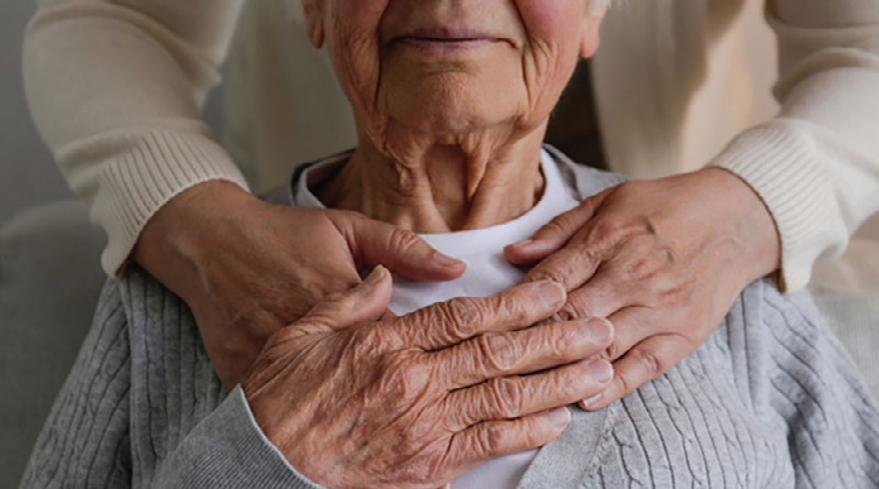
The protocol also widens its scope to encompass human rights, equality, and the reduction of health inequalities — reinforcing a shared commitment to ensuring that care and support services are equitable, respectful, and safe for people from all communities.
In addition, the agreement strengthens safeguarding arrangements, including clearer expectations around information sharing relating to the misuse of the Mental Capacity Act and Deprivation of Liberty
Safeguards — areas of particular relevance to residential and nursing care providers.
Improved co-ordination between the two bodies during emergencies and serious incidents forms another key pillar of the updated framework, with clearer roles, communication channels, and escalation routes designed to support a faster, joined-up response during periods of heightened pressure on the system.
Chris Badger, Chief Inspector of Adult Social Care and Integrated Care at the CQC, said: “This refreshed joint working protocol reflects our shared commitment to open and constructive partnership working, and to continuously improve. Most importantly, by strengthening how we work together at local, regional and national levels, we are helping to support better outcomes for people who rely on adult social care services, keeping them safe when using services and ensuring they receive high-quality care.”
Phil Holmes, President of ADASS, added: “Strengthening the working relationship between ADASS and the CQC via the refreshed joint working protocol is another collaborative step towards improving adult social care services. Improving how we work together and share information effectively will help ensure our members and the people who they support — who are drawing on social care — know that the services they are using are safe and effective.”
Brunelcare, the Bristol-based charity celebrating 85 years of supporting older people in the Southwest, is marking Volunteers’ Week 2026 by recognising the invaluable contribution of its volunteers across its care homes, Extra Care Housing (ECH) schemes and community living.
Volunteers’ Week is an annual UK-wide campaign, held from the first Monday in June, dedicated to celebrating and recognising the contributions of volunteers. This year, Brunelcare is shining a spotlight on Mike and Jenny Evans, a remarkable couple who have volunteered at Deerhurst Care Home in Soundwell for 25 years. Jenny, 82, and Mike, 84, first became involved with Deerhurst in 2001 when Mike’s mother moved into the home. What began as supporting a family member quickly grew into a long-term commitment to helping residents and staff. The couple are older than 30% of the residents that now live at Deerhurst Care Home. Over the past two and a half decades, the couple have dedicated more than 2,600 days of volunteering, equivalent to around 1,300 weeks of service. Volunteering one to two days each week, Mike and Jenny assist with games,
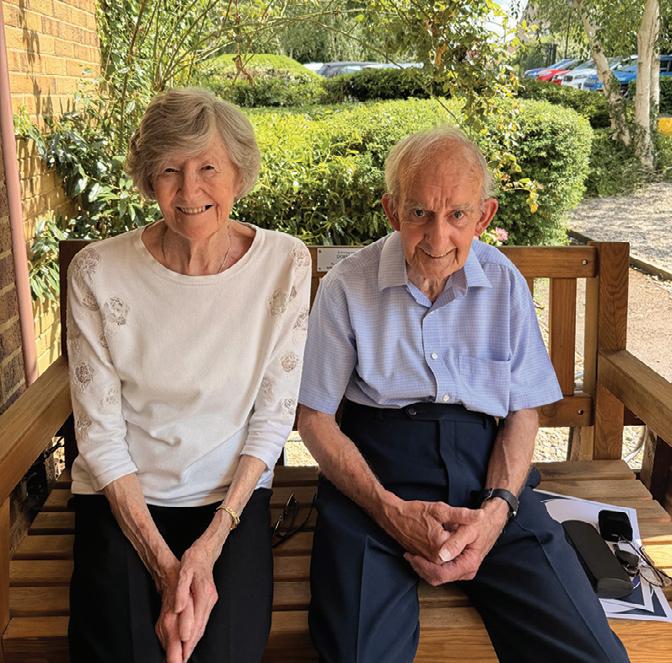
entertainment and mealtimes, while building meaningful relationships with residents and their families. Their dedication has positively impacted thousands of residents over the years.
Mike and Jenny, who have been married for 61 years said: “It’s a pleasure volunteering at Deerhurst. We come in one or two days each week and it keeps us young. It’s nice that we can do something together. We jokingly call ourselves the ‘RIWs’ Residents in Waiting. It’s brilliant, we absolutely love it.”
Lesley Hobbs, Manager at Deerhurst Care Home, said: “Mike and Jenny are brilliant. They’re such a huge help and are loved by the residents and their families. They always bring a smile to the home and their dedication over the past 25 years has been extraordinary. A huge thank you to Mike and Jenny for everything they do.”
The couple were recently recognised at the Brunelcare Long Service Awards for achieving 25 years of volunteering at Deerhurst Care Home.
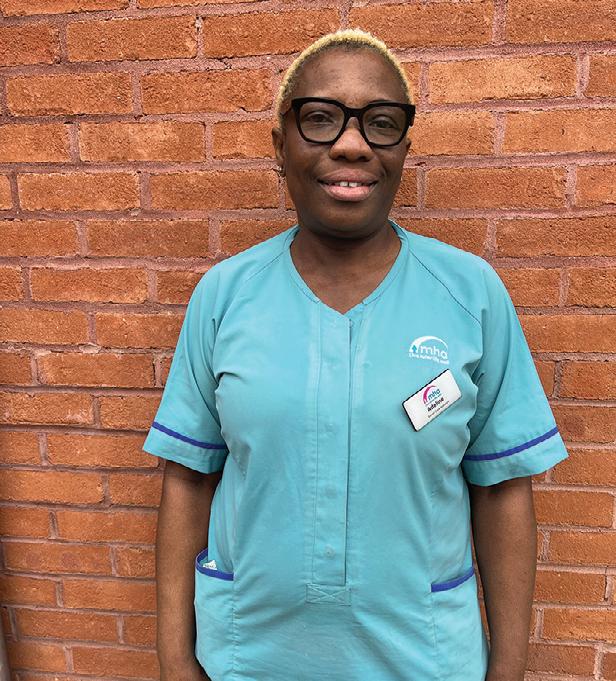
A senior care assistant who has been working at a London home for almost 23 years says the support she received during tough times is something she will never forget.
Adeline Muni moved to the UK from Sierra Leone and started working at MHA Lawnfield House soon after.
She joined as a care assistant and was promoted to her current role as senior care assistant in 2014.
MHA Lawnfield House provides residential dementia care for 41 residents.
We spoke with Adeline as part of MHA’s new initiative aiming to shine a spotlight on their senior care assistants and what led them to develop into these roles.
Speaking on her role and her time at MHA Lawnfield House she said: “I joined MHA fairly soon after I arrived in the UK and it was my first and only experience of working in the UK.
“MHA Lawnfield House has a friendly environment that feels like family.
“I always look forward to coming to work, I love chatting to residents and I feel
there is so much you can learn from them.
“I would absolutely recommend MHA as an employer, there is so much support available to you, the management team has an open-door policy which is always very reassuring.
“The support during tough times is second to none, there was a lot of wellbeing support for me when I lost my mother, from the management team, fellow colleagues and the chaplain.
“Things have changed a lot since I first joined, I had almost no computing skills when I joined, but I am very confident in using Nourish and updating records on a mobile device.
“I feel that to succeed in working in care you have to be a good listener and have empathy.
“You have to support and respect the residents as we are simply working in their homes, if you have this attitude then I feel you can have a very successful career in care.”
A care home in Derbyshire welcomed members of the local community for a spring flower show, bringing residents, families, staff and visitors together for an afternoon of colour and celebration.
Coxbench Hall hosted their Flower Show, where the surrounding community was encouraged to bring along and create floral arrangements for residents to admire and judge. The event featured a range of categories, including Best Fresh Flower Arrangement, Best Artificial Flower Arrangement, Most Colourful Arrangement, Most Unusual Arrangement and the Residents’ Choice Award.
Residents had the opportunity to get involved in the Flower Show preparations, with a number taking part in creating displays ahead of judging. The finished arrangements were then showcased alongside entries from members of the local community. Among those who took
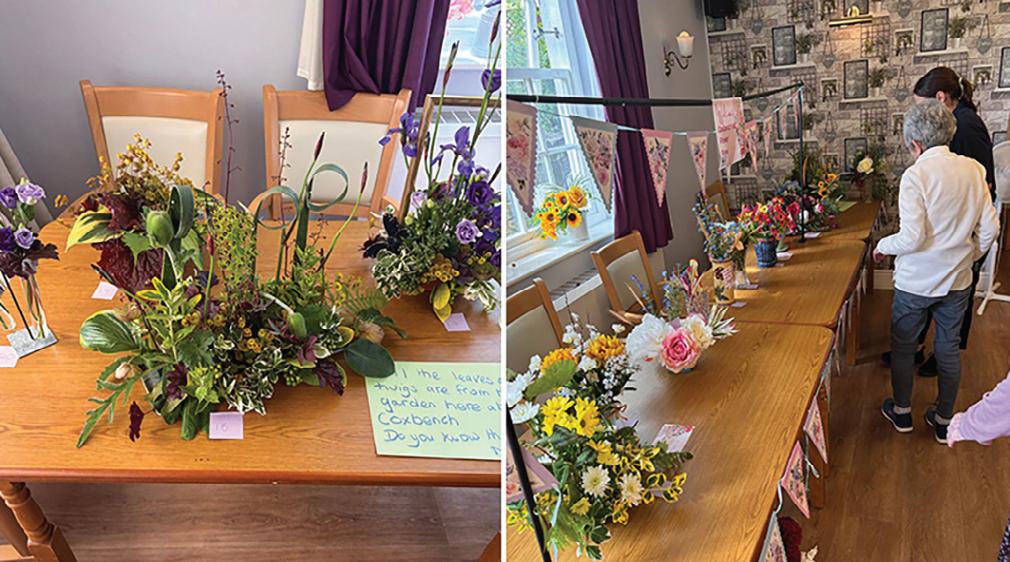
part was Florence, 5, the granddaughter of a Coxbench Hall member of staff, whose imaginative arrangement was not only named as one of the winners on the day but also showcased strong creativity featuring handmade drawn and cut-out florals.
Claire Richards, Director at Coxbench, said: “The Flower Show was a lovely opportunity to bring our residents and the local community together through something creative, colourful and joyful. Our residents really enjoyed making their own arrangements in the morning, before welcoming visitors and seeing all the wonderful designs that had been created. Florence’s entry was particularly creative and it was fantastic to see different generations getting involved with their own creations.”
A hearing test measuring how the brain processes sound,rather than how well the ears detect it,could help diagnose dementia, according to researchers at the UCL Queen Square Institute of Neurology Dementia Research Centre.
The nonverbal ‘brain hearing’ test asks people toidentifyone sound played into one ear while a different sound is played into the other. The task reveals how effectively the brain separates and interprets competing noises, such aswhenin a busy environment like a restaurant.
The study was funded by Alzheimer’s Society and involved nearly 90 people, including those with Alzheimer’s disease, frontotemporal dementia and language-led dementia (primary progressive aphasia) as well as a group of healthy volunteers. It found patients with most forms of dementia performed worse using the nonverbal test.

Participants were played one sound (such as pouringliquid) to the left ear at the same time as a different sound (such as thunder) was played to the right. The brain had to separate these competing sounds and the person pointed to pictures matching the sounds. The test results across all participants aligned closely with people’sreal lifehearing experience and with thebrainrelatedchanges seen in their conditions in those with dementia. These results, published in Alzheimer’s & Dementia: The Journal of the Alzheimer’s Association, suggest that the nonverbal test could reliably distinguish those with dementia from thosewithout and itwas particularlyaccurateinidentifyingAlzheimer’s disease.
Some of the data reported in the paper came from a National Institute for Health and Care Research (NIHR) funded study.
Dr Chris Hardy, jointlead author of the study, said: ‘We hear with our ears, but we also hear with our brains,and dementia can affect how the brain interprets sound, even when the ears themselves are working normally.
‘Whenwe’rein a busy environment, such as a pub or restaurant with lots of people talking, the brain must work hard to focus on a single voice.That’san example ofthe type of ability we refer to as ‘brain hearing’.This is challenging for everybody, but this study shows thatit’seven harderfor people witha form ofdementia,like Alzheimer’s disease.’
Standard dementia assessments are often over-reliant on words, which can be problematic,especially for
diverse groups who may communicate in different languages. Because this new test avoids language altogether and uses images, it may help improve the dementia diagnosis experience and accuracy amongst culturally or linguistically diverse communities.
Michelle Dyson CB, CEO at Alzheimer’s Society said:”Now the first treatments that can slow Alzheimer’s disease are emerging, early andaccuratediagnosis has never been more important.
‘With further research in larger, more diverse populations, a simple, accessible test like this could be used by clinicians in the future to support a diagnosis alongside other cognitive tests and clinical observations.
A clinical test like this could also help us interpret the results of other, laboratory-based tests for Alzheimer’s disease.’
The researchers emphasised that hearing loss alone is not evidence of dementia. While hearing loss may be both a dementia risk factor and an early symptom in some people aged between 40 and 65, this study shows which brain mechanisms are affected,but not that general hearing loss is a warning sign of dementia.
Dr Chris Hardy adds: ‘Understanding whether hearing loss is associated with the ear or the brain is critically important; if you have brain hearing loss, but not peripheral hearing loss, then hearing aids are unlikely to help.’
While the results of this research offer hope for dementia diagnosis, they also underline the vulnerability of hearing for people with dementia.
Jason Warren, Professor of Neurology and Consultant at the UCL Queen Square Institute of Neurology and senior author of the paper, said: “Hearing, more than any other sense, connects us with other people.
‘Hearing lossgreatly impactsthe wellbeing of people living with dementia. Many people with dementia find themselves sensitive to sound and begin avoiding noisy places, which can limit social activity. As this study highlights, we ought to explore how to make listening spaces and communication moreaccessible,so peopledon’tbecome isolated.’
Further studies will be required to assess the potential use of more sounds and sound combinations as part of this non-verbal hearing test, as well as the suitability of this new hearing test in a mix of people who communicate in many different languages.
By Jayne Connery, Founder of Care Campaign for the Vulnerable
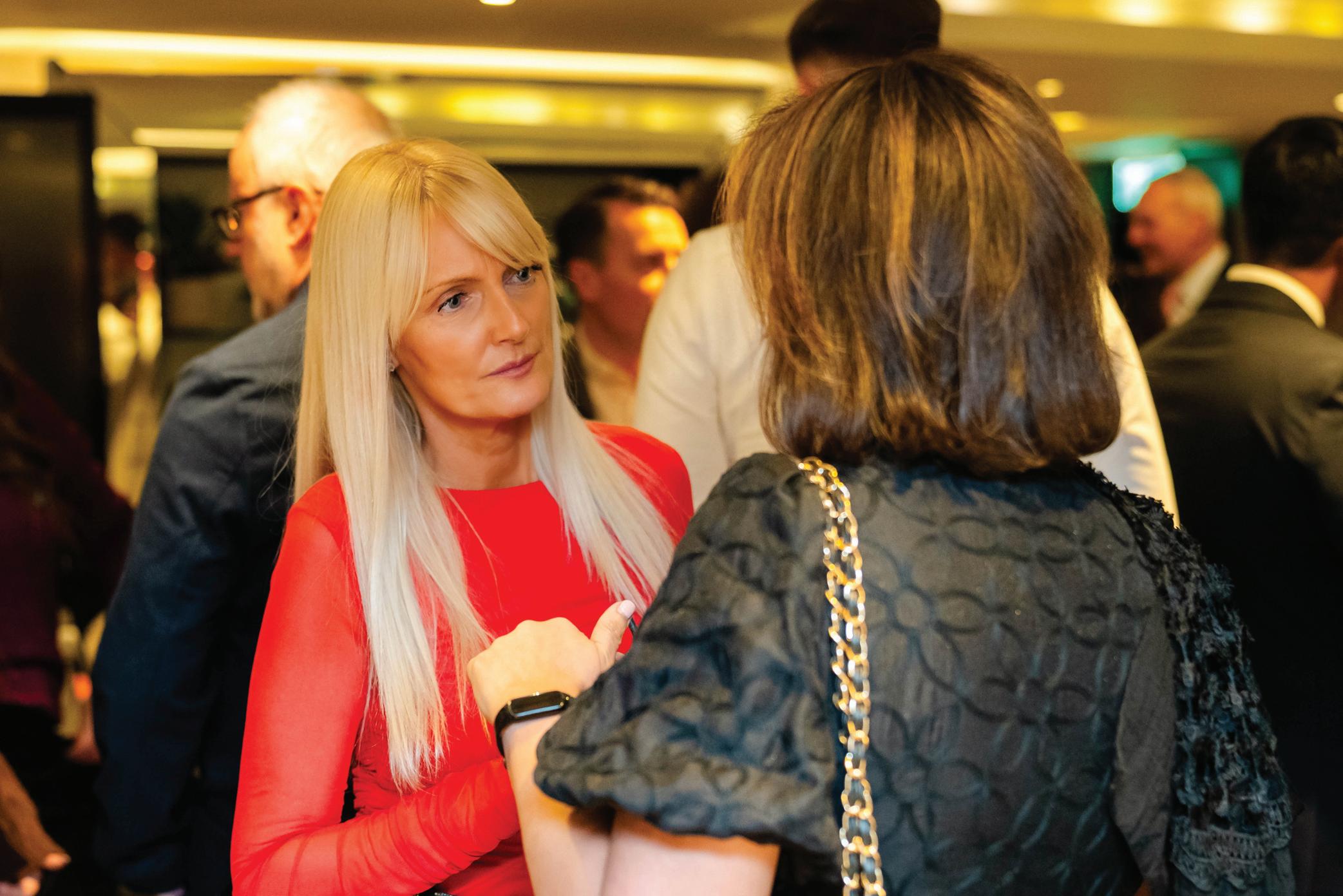
Over the years, through my work with families, care providers, carers, and people living with dementia, one issue continues to stand out above almost all others — the lack of understanding around complex behaviour in dementia care.
At Care Campaign for the Vulnerable (CCFTV), we believe it is one of the greatest challenges facing the care sector today, and also one of the areas where meaningful change is urgently needed.
Families regularly contact us feeling frightened, exhausted, and heartbroken. Many describe loved ones who were once calm and gentle becoming distressed, fearful, aggressive, withdrawn, or resistant to care. Often, they are told their relative is “challenging”, “difficult”, or “non-compliant”.
But behind every behaviour is a reason.
People living with dementia are not intentionally trying to cause problems. Behaviour is communication. It may reflect pain, fear, overstimulation, confusion, loneliness, trauma, frustration, or unmet emotional and physical needs.
Too often, care environments still focus on managing behaviour rather than understanding it and that has to change. My own mother, Ellen, lived with vascular dementia, and I witnessed firsthand how dramatically environment and communication affected her wellbeing. In the right setting, around people who showed patience, empathy, humour, and reassurance, her personality
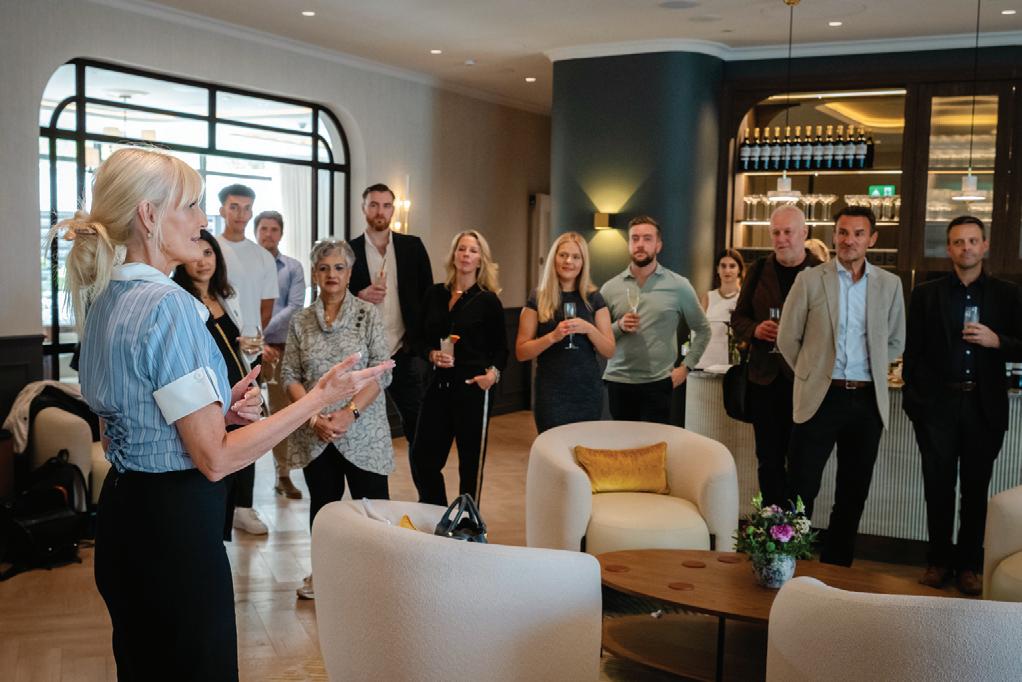
remained very much alive. But in environments where she felt frightened, rushed, or misunderstood, her anxiety escalated and her behaviour changed completely.
What I learned through my mum’s journey shaped the entire direction of my work.
Complex dementia care requires far more than basic awareness training. It requires emotional intelligence, confidence, consistency, observation, patience, and genuine understanding of the individual behind the diagnosis.
Sadly, carers are often placed into highly demanding situations without the level of specialist training or support they truly need. We hear repeatedly from frontline staff who admit they feel overwhelmed managing distressed behaviours, particularly when staffing levels are stretched or when residents have advanced dementia combined with other complex health needs. This is not about blaming carers.
Many carers are working under immense pressure and doing extraordinary work in very difficult circumstances. But as a sector, we must be honest enough to recognise that the needs of people living with dementia have become increasingly complex.
The reality is that some people entering care homes today would previously have been supported within specialist nursing or hospital environments. Providers are caring for residents with significant cognitive impairment, distressed behaviours, trauma responses, mobility issues, communication difficulties, and multiple health conditions — often all at once. And yet dementia training can still vary hugely across the sector.
At CCFTV, we want to see greater investment in meaningful dementia education that goes beyond textbooks and compliance exercises. Training must help carers understand why behaviours happen, how environments influence distress, and how communication styles can either calm or escalate situations.
Simple things matter more than people realise.
Tone of voice. Body language. Noise levels. Lighting. Routine. Familiarity. Feeling ignored. Feeling frightened. Being approached
too quickly. Being unable to express pain or discomfort All these things can completely change how a person living with dementia responds.
We also believe there needs to be more honest conversation around the emotional toll complex dementia care can have on care staff themselves. Supporting someone who is frightened, distressed, aggressive, or emotionally dysregulated every day can be emotionally draining. Staff need support, mentoring, and safe spaces to reflect without fear of judgement.
Good dementia care is not simply task-based care - it is relationship-based care.
The providers who stand out to us are rarely those focused purely on appearance or marketing. They are the providers investing in culture, leadership, staff wellbeing, communication, and specialist understanding. They create environments where carers feel confident asking for help, where families are listened to, and where behaviours are approached with curiosity rather than frustration.
Importantly, we also want to see a move away from overreliance on restrictive approaches wherever possible. Families frequently raise concerns with us around sedation, isolation, lack of stimulation, or individuals being labelled too quickly without enough exploration of underlying causes. Every behaviour should prompt a question: what is this person trying to communicate?
Sometimes the answer may be physical pain. Sometimes trauma. Sometimes fear. Sometimes boredom. Sometimes grief. Sometimes simply an environment that no longer feels safe or familiar.
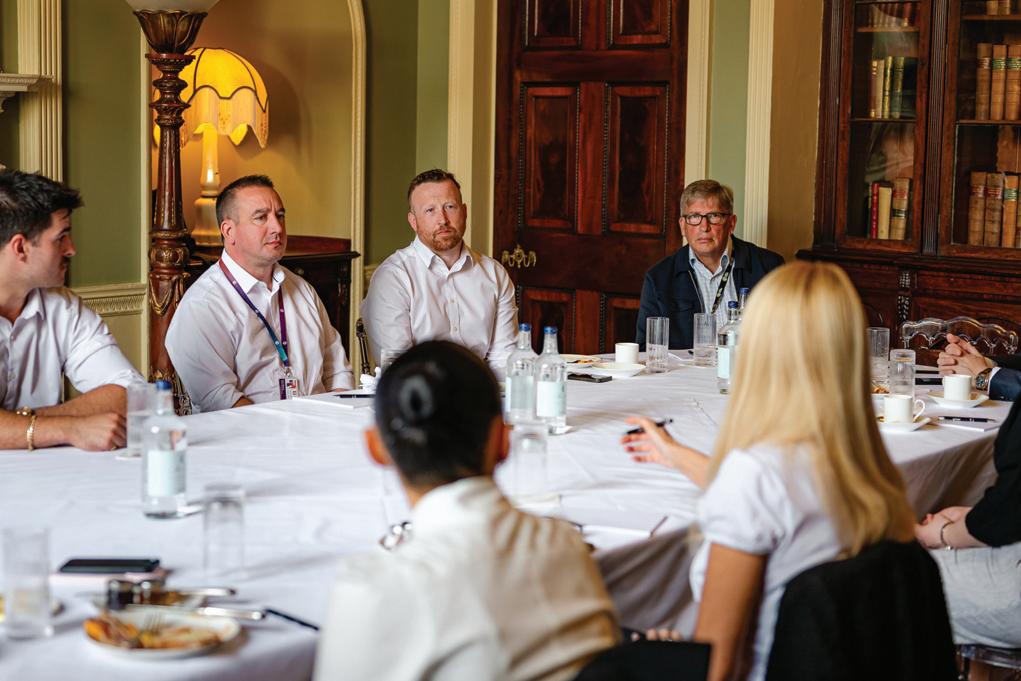
At CCFTV, we believe dementia care must become more individualised, more compassionate, and more psychologically informed. We also believe families should be viewed as part of the care team, not outsiders. Relatives often hold the key to understanding triggers, routines, comfort strategies, and lifelong personality traits that can help staff deliver far better care.
There are many outstanding carers and providers already leading the way. We see extraordinary examples across the sector every week. But we also know there is inconsistency, and too many families still feel unsupported when behaviours become complex.
Change is possible. But it requires openness, investment, stronger dementia education, honest conversations, and a willingness to move beyond outdated models of care. Because people living with dementia deserve more than simply being managed, they deserve the right care.
Trust is the foundation of every great care home. For residents and their families, choosing residential care is rarely a simple decision. It carries emotional weight, financial significance, and an enormous leap of faith. That's why transparency, fairness, and legal compliance aren't just operational tick-boxes — they're central to the care you provide.
The Digital Markets, Competition and Consumers Act 2024 (DMCCA) has introduced some of the most significant changes to consumer law in more than a decade, and care homes are firmly within its scope. Understanding what those changes mean in practice is essential — and that's exactly where the Business Companion Care Homes Guidance comes in.
Developed by legal experts and completely free to access, this practical guide breaks down your obligations under the new legislation in plain, straightforward language. Whether you're reviewing contracts, updating your pricing structures, or looking at how you communicate with prospective residents, it's an indispensable resource.
The DMCCA replaces the previous Consumer Protection from Unfair Trading Regulations, raising the bar across almost every consumer-facing sector. For care homes, the key implications include: Full pricing transparency. The Act outlaws "drip pricing" — the practice of introducing unavoidable fees late in the customer journey. All mandatory charges must now be presented clearly and upfront, from

the very first conversation.
Authentic reviews and endorsements. Fabricated or manipulated reviews are now explicitly prohibited. As online reputation plays an increasingly important role in how families choose care homes, authenticity isn't just ethical — it's a legal requirement.
Tougher enforcement. The Competition and Markets Authority (CMA) now holds significantly strengthened powers, with the ability to issue fines of up to £300,000, or 10% of global turnover, for non-compliance. The message is clear: getting this right matters.
These are just some of the areas covered in detail within the Business Companion Care Homes Guidance, which offers practical, step-by-step advice to help your home stay on the right side of the law.
SUPPORTING VULNERABLE RESIDENTS
Working in care means working with vulnerability every day. Whether driven by age, ill health, bereavement, financial pressure, or a combination of factors, vulnerability can affect a resident's ability to
make informed decisions or communicate their needs clearly. Recognising and responding to this is both a legal duty and a moral one. The Business Companion Consumer Vulnerability Guide provides checklists and actionable advice to help your team identify and appropriately support vulnerable individuals — ensuring your home delivers compassion and compliance in equal measure.
A WIDER RESOURCE FOR YOUR BUSINESS
Business Companion extends well beyond care home guidance. The platform covers a broad range of sectors and topics — from online selling and complaints handling to delivery charges and net zero planning — all presented in clear, accessible language. Backed by the Chartered Trading Standards Institute and the Department for Business & Trade, it's a free, authoritative, and regularly updated resource you can rely on.
DON'T WAIT — ACT NOW
The DMCCA is already in force and enforcement is live. Now is the time to review your contracts, pricing communications, and marketing materials — before a compliance issue forces your hand.
In a sector built on trust, staying informed isn't just good practice. It's everything. Visit Business Companion’s Care Homes Guidance today In a sector built on trust, staying informed isn’t just smart - it’s essential. To find out more, visit: www.businesscompanion.info
Faith is something many of us have held onto throughout our lives, something we’ve turned to in moments of worry, loss and hope, something that has helped make sense of things when life hasn’t always been easy, and something that has connected us to a community, where people know us, remember us and we feel they belong.
When a move into a care home begins to feel like something that may soon need to be considered, we of course start by asking the practical questions about the location, care needs, food, activities, but then there are the more personal parts of life like faith, and the sense of connection that comes with it and whether those things will still be there, especially at a time when so much is changing and that sense of familiarity can matter more than ever.
For those that live at Heanton Nursing Home, that connection remains close. St Augustine’s Church, the 13th century parish church for Heanton Punchardon in North Devon, sits beside Heanton Nursing Home and has been part of the village’s parish life for many years.
Reverand Glyn Lewry is Priest in Charge at St Augustine’s, and he visits Heanton as a familiar and reassuring presence for many people living at the home. People who call Heanton home can continue to visit the church if they wish. Some attend services, others spend time sitting quietly inside or in the churchyard. For those who have always had faith, these small continuations matter. Hymns are
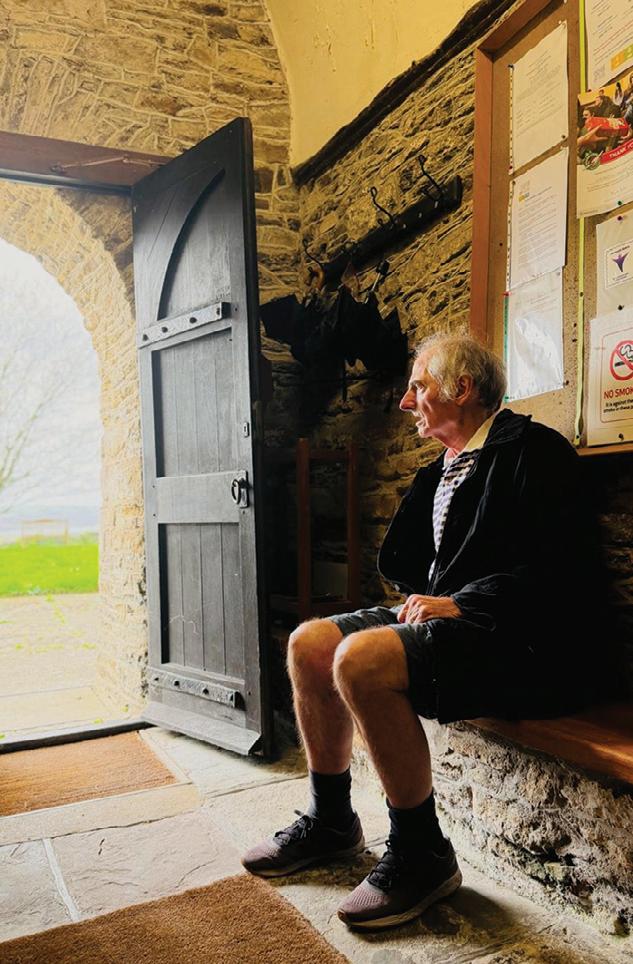
still recognised. Prayers still hold meaning, and the sense of being part of something beyond the home remains.
Rev Lewry shared “there was someone who used to come regularly from Heanton, people knew him and he was part of the church community and that sense of being known does not disappear.”
A CONTINUED CONNECTION THROUGH LIFE’S DIFFICULT MOMENTS
There are moments in life when that continued sense of connection can mean even more.
Rev Lewry supports people across the local community through some of life’s most difficult and emotional moments, often simply by being there when words are hard to find.
During more emotional and uncertain times in life, it is often that quiet presence and reassurance that matter most. A known voice, someone sitting beside you, or the comfort of being recognised can mean a great deal.
In those moments, faith can offer comfort. A prayer, a reading, or simply someone being there without expectation. Not to lead, but to sit alongside.
Moving into Heanton doesn’t mean leaving those parts of life behind, they continue, just in a different way.
Staff at Care for Veterans – A Royal Star & Garter Home have commenced an ambitious training programme to improve the person-centred care they deliver to veterans.
All Healthcare Assistants (HCAs) and Supervisors have begun Delivering Care Together (DCT) training.
The training coincided with Learning at Work Week, which ran from 18-24 May and aims to put a spotlight on the importance and benefits of continual learning and development.
Care for Veterans in Worthing provides long-term nursing, rehabilitation, respite and end-of-life care to veterans and their families who live with disabilities, including acquired brain injury and degenerative neurological conditions. It is now part of the Royal Star & Garter group, following a merger with the charity in 2025. DCT training has already taken place at Royal Star & Garter Homes in Solihull, Surbiton and High Wycombe.
The first cohort began in March, and it will take staff three months to complete. In total 70 will be trained up and all new HCAs and Supervisors will also undergo training.
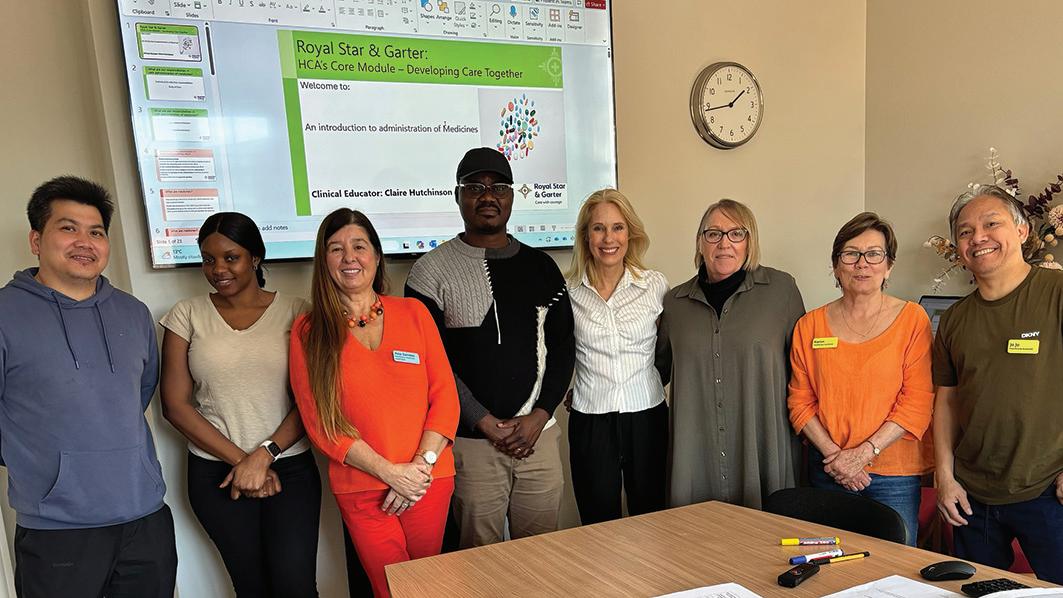
The mandatory Worthing training sessions are interactive, and taught in classrooms settings and online, with in-role observations making up the majority of the learning. The DCT modules cover 45 units of care,
including personal care, meeting nutrition and hydration needs, acquired brain injuries, medication and end-of-life care.
The course is being led by Claire Hutchinson, a Clinical Educator at Care for Veterans. She said: “Some staff were nervous about DCT, but they’ve all been brilliant and really embraced it. They already provide excellent care, but this course validates what they already know, building on it and helping them provide even better person-centred care. It’s a joy to see them grow in confidence and feel empowered as they progress through the course. And by investing in its people, the Worthing Home is able to attract, retain and develop talented staff.”
Shirley Hall is Director of Care & Wellbeing at Royal Star & Garter. She said: “Learning in the workplace is essential for building skills and creating engaged and motivated staff. When people are given opportunities to learn, develop and grow, it has a direct impact on job satisfaction, confidence and long-term career progression. Investing in learning helps individuals unlock their potential, adapt to change and feel empowered to take the next step in their careers. It also means all residents at the Home are getting the same high standard of person-centred care.”
Q What does “autism acceptance” look like in day-to-day social care practice, and how is it different from just “managing needs”?
A Autism spectrum disorder (ASD) is a neurodevelopmental condition which is commonly characterised by difficulties in social interaction, communication and behaviours. The spectrum encompasses different conditions that are formerly known as Asperger’s and pervasive developmental disorder. The spectrum is vast and everyone who has a diagnosis is different with varying challenges, signs and levels of support needed. With ASD being one of the most common neurological disorders that starts from childhood and now estimated to affect between 1–2% of adults, it is vital to understand how to support those with a diagnosis.
The NHS describes the main signs of ASD as:
• struggling to understand other people’s thoughts and emotions
• difficulties making friends
• challenges with expressing emotions
• taking things very literally • preferring routine and becoming anxious if it changes.
Someone who has a diagnosis may also have sensory sensitivities and intense interests in specific topics or activities.
It is important to shift practice and understanding from a deficitbased model of care (what a person cannot do) to a strengths-based model (what a person can do). Despite the challenges an individual with ASD may face, it is important to recognise that they are very capa-

ble and a robust assessment to identify their interests, strengths, talents and skills is vital. Alongside this, social care providers must now ensure that their staff have undergone Oliver McGowan (or equivalent) training. It is best practice to invest time yo carry out more in-depth ASD training for the staff teams. This ASD training would focus on understanding autism through the eyes of someone who is autistic as this perspective can further help the understanding of the staff team to best support people. This training also focuses on a preventative
approach which uses regular check-ins to prevent crisis occurring. Also, by adjusting the physical environment to prevent sensory overload could be a way in which
providers can help accept the differences a person may face. By creating a safe environment where they are accepted will reduce the need for someone to feel like they can mask their differences.
It is important to note that people who have a diagnosis of ASD often have difficulties in processing time, meaning they take longer to process a conversation or understand what is being asked of them.
Studies have suggested that allowing a six to eight-second pause, to allow processing time, before they respond to anything you have said. This allows them to process what has been said or asked of them, think more clearly and calm any anxieties, along with making them feel more in control and confident. By adopting this practice, it can avoid frustration or escalation of emotions or potential behaviours. It also helps them build overall skills around communication and social interaction by adopting this process.
People diagnosed with ASD are capable of achieving a lot in life and if they are receiving care, it is up to the provider and the staff to identify and encourage their skills and interests. By focusing on their abilities rather than their disabilities, care provisions have the power to positively influence and enrich the lives of those with ASD.
Source URL: app.croneri.co.uk/questions-and-answers/autism-acceptance-social-care
The UK’s National Advance Care Planning Day highlights the importance of Advance Care Planning, Advance Care Plans and sensitive conversations. This year’s theme is Supporting people and communities who are marginalised.
On this a day of awareness and action, care professionals will be hosting their own Advance Care Planning events and interventions across the country. Care organisations are encouraged to add their own events on the ACP Day website where they will be promoted and shared.
A national conference will take place in Norfolk. It will be live streamed and available for care organisations for free. ‘Watch parties’ at care organistions is encouraged and the speakers include
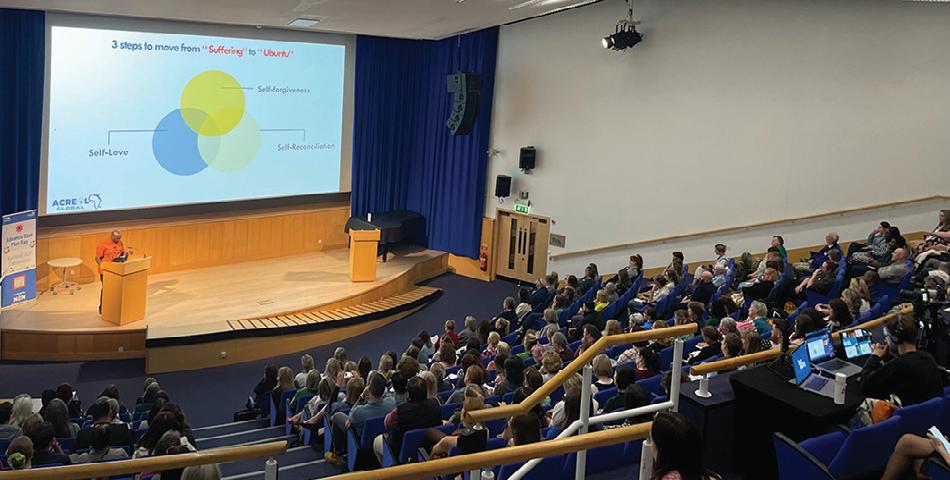
Speakers this year include Dr Kathryn Mannix (author), Dr Jed Jerwood (No Barriers Here) and Professor Irene Tuffrey-Wijne (The Victoria & Stuart Project), James Norris (The Digital Legacy Association). Videos from 2025’s conference can be watched at
www.advancecareplanday.org/national-conference-2025
When Universal Advance Care Planning is a goal, we must adapt service delivery to various marginalised and disenfranchised people and communities.
ACP Day are inviting inclusive charities, not for profit and other organisations who believe in this year’s theme to engage, collaborate and empower.
There are lots of different ideas and ways in which you might want to empower others in areas relating to Advance Care Planning and the benefits it provides to the person and their loved ones.
ACP Day 2026 and the national conference is organised by Norfolk & Norwich Hospitals Charity, MyWishes Care, Speak for Me LPA and Norfolk and Norwich University Hospitals. This year the campain is being supported by Sue Ryder. Visit www.advancecareplanday.org
The neglected psychological support needs for carers of people with dementia in the UK could soon be addressed with a major multicentre trial led by University of Manchester psychologists and funded by the National Institute for Health and Care Research (NIHR).
Lead researchers Dr Lydia Morris and Professor Katherine Berry will trial the new course which has been shown to improve the way carers and people with dementia communicate with each other across England.
Difficulties communicating can result in a person with dementia losing confidence, withdrawing during interactions, or feeling disconnected from and devalued by the other person.

However, University of Manchester led research has shown that interventions focusing on communication can improve the person with dementia’s communication and behavioural symptoms.
Carers reported positive experiences of using the method called Empowered Conversations, a detailed study of the experience of 15 carers published in the journal Aging & Mental Health showed.
And a second NIHR-funded study, published in Pilot and Feasibility Studies found it was possible to measure participants psychological health, quality of life and service use when trialling the course.
Now the research team are able to progress to a multi-centre trial of the method across three proposed sites in England, thanks to the NIHR funding. The course will be offered across Greater Manchester with Greater Manchester Mental Health NHS Foundation Trust as the lead site.
The course, pioneered by Manchester’s Dr Lydia Morris and Professor Warren Mansell brings a glimmer of hope to the 700,000 people supporting a family member, partner, or friend with dementia.
Dr Lydia Morris said, “In a landscape where provision of post-diagnostic dementia support is variable or limited, it appears that Empowered Conversations can offer carers an intervention that is appreciated and accessible.”
Empowered Conversations uses evidence based psychological and communication theories to support carers to improve relationships and reduce stress.
For example, it uses Mentalisation Theory, which is about understanding our own thoughts and feelings while recognising that others have their own minds with different perspectives.
Professor Berry from The University of Manchester is also Mental Health CoTheme Lead at the NIHR Manchester Biomedical Research Centre and CoDirector of the Complex Trauma and Resilience Research Unit at Greater Manchester Mental Health NHS Foundation Trust.
She said: “In dementia care, relationships often change dramatically, for example, a child may become the carer of a parent, or a spouse may shift from partner to caregiver. Carers often face a painful conflict between remembering the person as they used to be and coping with who they have become.
“Seeing someone who looks the same physically but has changed in memory, personality, and communication can feel confusing, distressing and bring a sense of loss and grief.
“Stress associated with these changes in close relationships can make it harder to understand and interpret another person’s thoughts and feelings. While some carers adapt by adjusting their expectations and priorities, this kind of coping does not happen easily or automatically. This is where learning skills in mentalisation can help.”
Among the positives, carers said the course resulted in changes to themselves, their relationships, and their communication skills.
Participants also described letting go of their expectations of what the person should be able to do and replacing that with more realistic goals.
Dr Morris, who is a Senior Clinical Lecturer and Clinical Psychologist at the University, added: “In a landscape where provision of post-diagnostic dementia support is variable or limited, it appears that Empowered Conversations can offer carers an intervention that is appreciated and accessible.
“Communication difficulties are associated with increased carer stress and burden and can contribute to the breakdown of the interpersonal relationship between the carer and person with dementia.
“Training does exist, but it focuses on practical communication skills without addressing the emotional and relational contexts of care and communication.
“However, the carers we worked with reported positive experiences of participating in Empowered Conversations and valued meeting people who, despite sometimes different circumstances, shared their understanding of supporting someone with dementia.
“The course supported participants to rethink communication and have a greater appreciation of the other person’s perspective during everyday interactions.”
Incontinence is common in care and nursing homes, but the impact on dignity, comfort and skin health is deeply personal. Levabo’s allDRY® range of reusable incontinence underwear is a Class I Medical device, designed to support residents and caregivers alike by combining discreet protection with a comfortable, everyday feel that looks like normal underwear, not a clinical product. allDRY® underwear provides reliable protection for men and women experiencing bladder leakage.

Who are Levabo?
Levabo are a Danish medical device company specialising in innovative, user-friendly solutions for continence care and pressure ulcer prevention. Our focus is on practical products that support dignity, comfort and safety, while fitting seamlessly into the realities of care and nursing home practice.
Designed for dignity
allDRY® aims to remove the stigma often associated with incontinence products. The underwear is soft, discreet and modern in appearance, helping residents feel more like themselves and less like patients. The garments combine advanced absorbent technology with breathable materials to help keep skin dry and comfortable throughout the day.
For many people, that small shift can make a big difference to confidence, engagement in daily activities and overall wellbeing.
Key benefits for residents:
3 Soft, underwear-like fit for everyday comfort
3 Breathable, skin-friendly materials
3 Secure 6-layer absorbency for protection and confidence
3 Discreet profile under clothing to support dignity
3 Natural odour control
Practical support for busy care teams
Care and nursing home staff need products that are easy to use, reliable and support efficient routines. allDRY® has been developed
with frontline care in mind, from dressing and toileting to night-time protection and manual handling.
Key benefits for staff and services:
3 Clear sizing and fit to simplify product selection
3 Easy to apply and remove, helping with time-pressured care routines
3 Reliable protection to support continence care plans and reduce unplanned linen changes
3 A versatile solution suitable for residents with different levels of dependency
3 Machine washable at 60 degrees Celsius
3 Tumble dry safe
3 Comfort and dignity focused
Supporting skin health and overall care
Continence care is closely linked to skin integrity, comfort and quality of life.
Prolonged exposure to urine and faeces can lead to incontinence-associated dermatitis (IAD), causing redness, pain, skin breakdown and an increased risk of infection. For residents, this can mean significant discomfort, distress and reduced mobility; for caregivers, it adds to workload, complexity of care and emotional strain when preventable skin damage occurs.
When protection is effective, secure and comfortable, there is less risk of leakage, moisture-related skin damage and associated distress for residents and carers. allDRY® is designed to:
3 Help keep skin drier for longer, supporting good skin care practices
3 Complement pressure area care and repositioning routines
3 Integrate smoothly into existing continence and care pathways
A flexible range for your residents
The allDRY® range offers options to suit different needs and levels of support, making it easier for homes to match the right product to the right person. This helps reduce waste, improve comfort and ensure residents receive care that feels truly individual. allDRY® is available in a range of briefs and boxers and different levels of absorbency. In addition to the underwear, there is an optional inlay which can be added to increase the absorbency by 50ml. This inlay is machine washable with the underwear.
To find out more about allDRY® incontinence underwear, or any of the Levabo product portfolio that could support your residents and care teams, request samples or discuss how the range could support your home:
Email: bm@levabo.com
Web: www.levabo.com


Home Manager Abigail Denford discuses dementia & complex care at Heanton Nursing Home
For people living with a dementia or for those whose needs can be more complex, the environment around them plays a significant role in how they feel and experience their day. The noise, the lighting, the layout of a room, the smells, the colours and decor, even the level of activity around them all have an impact and this is something widely recognised in dementia care research.
As communication becomes more difficult, the environment can influence how someone responds and expresses themselves.
Behaviour is often a way of expressing unmet needs rather than something to be controlled. This sits at the heart of person-centred care, shaped by the work of Thomas Kitwood, recognising the importance of familiarity, identity and a sense of purpose in supporting wellbeing. Guidance from the National Institute for Health and Care Excellence supports this, recognising that distress should be understood and responded to through environment and support first - at Heanton Nursing Home, this means taking the time to understand what sits behind someone’s behaviour and responding in ways that reduce distress, without defaulting to sedation.
For one resident (who they refer to as family members), that connection to their environment was something as simple as the colour yellow – his favourite colour.
Whilst outside in the garden one sunny day, he said to one of the team that he wanted to paint the wall yellow, and of course the answer was yes, because the team aren’t there to control – this is his home and he should be able to choose the colour and make changes if he wishes. So, with newly bought paint and brush-
es he spent time painting the wall himself with support of the team.
Once he had finished the wall, he then decided he wanted to go more yellow! And painted his bedroom door! As he can at times experience confusion, orientation is important, so now the door helps him recognise his room easier and move around his space with more confidence. Throughout his DIY project, there was such a sense of leadership coming from him, he made decisions, he gave the team instructions, he was back doing something so familiar and purposeful for him.
Home Manager Abigail Denford explains, “Whether it’s colour, decor or the layout of an area, the environment should be shaped around the person, not the other way around. When someone is telling us something, in whatever way they can, it’s our job to understand it, not control it.”
What you see at Heanton Nursing Home is just one of many simple positive outcomes. The home supports people with complex needs, often those who have previously experienced failed care placements elsewhere, not from the fault of the care homes, simply because of the level of complexities the person lives with. So having an environment built around the people who live here whether a grocery store, a petting farm area, sensory walls, a nurserypeople can continue to get up each day, do something, be occupied, be
continuation of life.
Following an extraordinary wave of generosity from across the region, family-run care provider Spellman Care has officially concluded its latest community initiative, successfully collecting enough quality preloved items to fill an entire transit van and the majority of a second. The collection, which ran across all four Spellman Care homes, saw neighbours, families, and staff donate a substantial amount of clothing during their spring clear-outs. The response was so overwhelming that the group’s own minibus was insufficient to transport the sheer volume of bags, requiring a large transit van to complete the first major handover. A second delivery is already being prepared to be dropped off later this week following the official closure of the appeal.
The Clothing Bank is a vital charity operating across Yorkshire and beyond, dedicated to tackling clothing poverty. Since its formation in 2020, the organization has flourished into an incredible network, provid ing essential garments to over 20,000 individuals and families facing financial hardship or crisis. By supplying seven days' worth of clothing—including essential underwear— the charity works tirelessly to ensure that anyone struggling has access to basic needs. Their work provides more than just garments; it restores confidence, offers comfort, and brings dignity to people going through exceptionally difficult times.

"We are so incredibly grateful to everyone who has donated to the Spellman Care clothing appeal. Your kindness and generosity have truly overwhelmed us, and it is wonderful to see our community come together once again to support such a vital cause.
"A huge thank you must also go to Dave from The Clothing Bank for coming out to do a last-minute collection, and to the hardworking teams at our homes who have been busy moving and storing bags of clothes to make sure everything was ready. Their efforts really do make a massive difference to so many people."
Donations were collected at collection points within Craven Nursing Home (Skipton), Ghyll Royd Care Home (Guiseley), Springbank Care Home (Silsden), and Steeton Court Nursing Home (Steeton).
Philippa Young, Group Operations Manager at Spellman Care, commented on the staggering success:
This project is part of an established tradition of community-led giving at Spellman Care. The care home group regularly partners with vital causes to harness the power of local community spirit. Earlier this year, their Easter Appeal concluded with a full car boot of chocolate eggs successfully delivered to patients at Airedale Hospital. Furthermore, the group has a rich history of charitable support, including their record-breaking annual Christmas Giving campaigns and previous handbag collections for the "Love Grace" appeal, which supports women affected by domestic abuse.
As the demands on health and social care services continue to evolve, so too does the need for innovation, collaboration, and forward-thinking solutions. On 23rd June, The Care & Occupational Therapy Show returns as a vital meeting point for professionals across the sector; bringing together expertise, technology, and practical insight under one roof.
More than just an industry event, The Care & Occupational Therapy Show has established itself as a hub for meaningful progress. At a time when care providers face increasing pressure to deliver high-quality, person-centred support amid staffing challenges and budget constraints, the show offers a timely opportunity to explore new approaches and share best practice. From frontline carers to senior decision-makers, attendees are united by a common goal: improving outcomes for those who rely on care services every day.
Occupational therapy plays a central role in this mission. By focusing on enabling individuals to live as independently and safely as possible, occupational therapists are often at the forefront of innovation in care delivery. The show reflects this by placing occupational therapy alongside broader care services, highlighting how integrated thinking can drive better results. Visitors can expect to discover the latest adaptive equipment, digital solutions, and rehabilitation tools designed to enhance quality of life across diverse care settings.
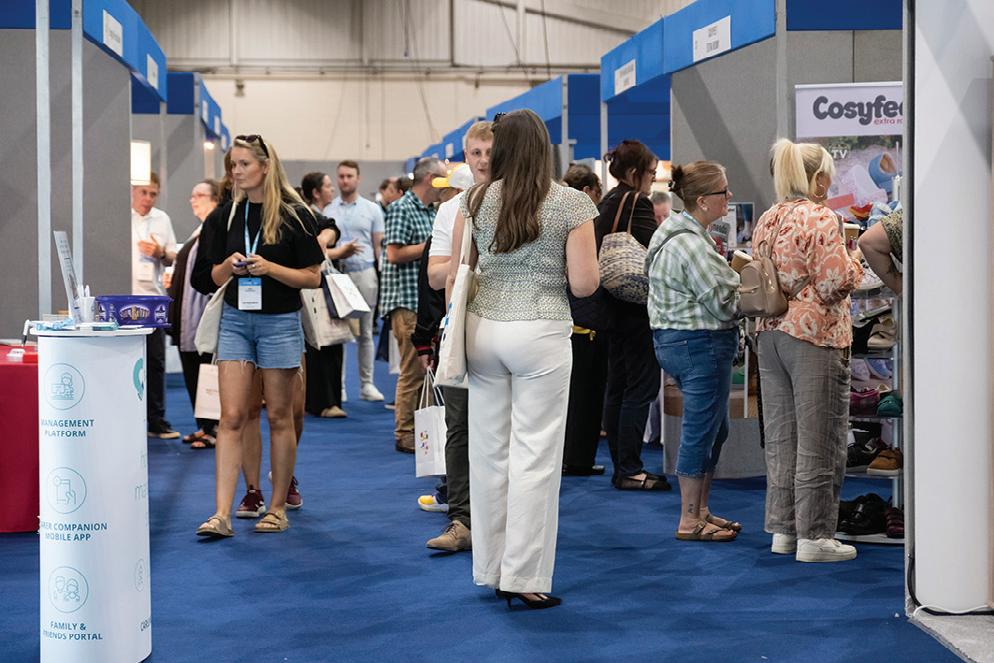
One of the defining strengths of the event is its emphasis on practical learning. A packed programme of seminars and workshops will provide attendees with actionable insights they can take back to their organisations. Topics are set to range from regulatory updates and workforce development to emerging technologies and inclusive design. In a sector where time is often limited, this kind of concentrated, high-value learning is invaluable.
Equally important is the opportunity for connection. The Care & Occupational Therapy Show creates
space for professionals to engage in conversations that might not otherwise happen in day-to-day practice. Whether it’s exchanging ideas with peers, meeting suppliers face-to-face, or forming new partnerships, the networking element is a powerful catalyst for change. Collaboration has never been more essential in care, and events like this help to break down silos and foster a more cohesive approach across the industry. Innovation will, unsurprisingly, be a major theme throughout the day. With rapid advancements in assistive technology and digital health, care providers are increasingly able to deliver more personalised and efficient services. Exhibitors will showcase solutions ranging from smart home adaptations to mobility aids and telehealth platforms, offering a glimpse into the future of care. For many attendees, this hands-on access to new products and services is one of the most valuable aspects of the show. Yet beyond the technology and professional development, there is a deeper significance to the event. At its core, The Care & Occupational Therapy Show is about people- the individuals who dedicate their careers to supporting others, and the communities they serve. It is a reminder of the compassion, resilience, and creativity that underpin the sector, even in the face of ongoing challenges.
As the 23rd June approaches, the show stands as both a reflection of how far the industry has come and a signal of where it is heading. For anyone involved in care or occupational therapy, it represents an unmissable opportunity to learn, connect, and be inspired. In a rapidly changing landscape, staying informed and engaged is not just beneficial—it is essential.
Ultimately, The Care & Occupational Therapy Show is more than a date in the diary. It is a chance to be part of a collective effort to shape the future of care… one conversation, one idea, and one innovation at a time.
To register visit https://cots.ecreg.uk/reg/general/invitelaunch.asp?InviteCode=TC
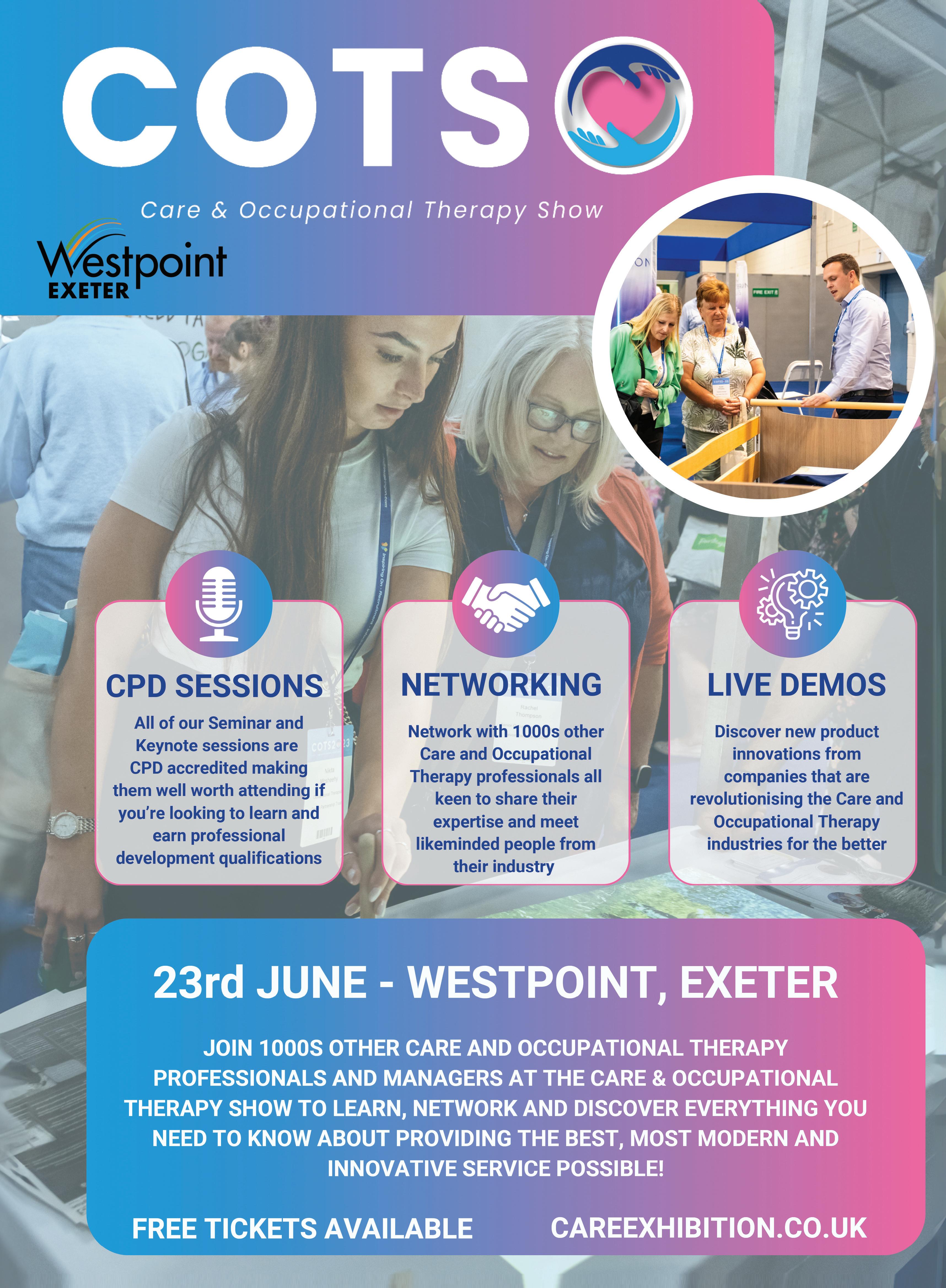
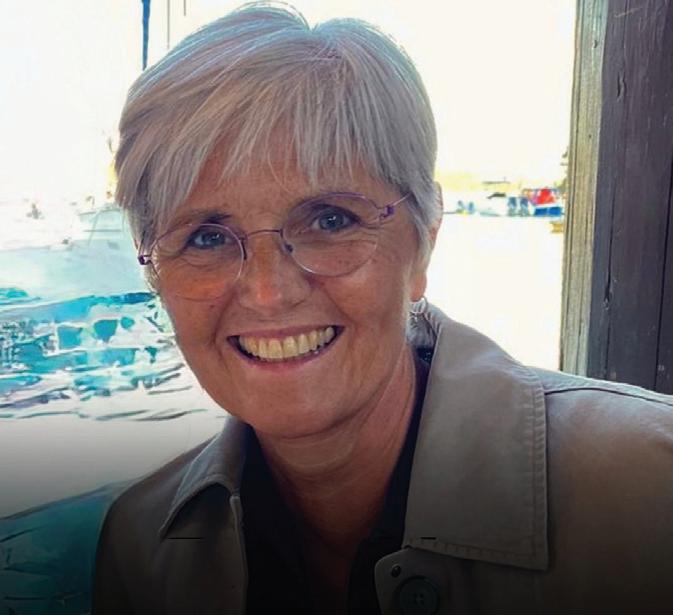
Dame Eileen Sills spent 46 years in nursing, including 15 as Chief Nurse at Guy’s and St Thomas’. Now a Strategic Advisor to Coventry University, she continues to shape the future of the profession. Ahead of International Nurses Day, she reflects on why she would choose nursing all over again.
FINDING A PLACE TO BELONG
I didn’t set out with a grand plan. At school, the message was simply: “You should be a nurse.” At the time, I didn’t realise they were offering me the thing that would save me - a profession where I would finally feel I belonged, writes Dame Eileen.
The first time I put on my uniform, something shifted. For the first time in my life, I didn’t feel like a misfit. I felt part of something bigger - a team, a purpose, a promise to the people who needed us most.
Nearly five decades later, it still feels like yesterday. I have never regretted being a nurse - not once. Nursing has given me far more than I ever gave it, and if I had my time again, I would do it all over.
COMPASSION AT THE HEART OF CARE
What made it rewarding wasn’t a slogan or a strategy. It was the daily reality of putting patients at the heart of decisions - and understanding that compassion is not an “extra”; it is the work. The more I gave, the more I got back.
Compassion lives in the basics: helping someone to wash, to feel clean, to have their teeth brushed, their glasses cleaned, their dignity protected. These things can sound small, but they change how a person feels about themselves. If someone cannot do them, it is our privilege to do them - and our responsibility to be accountable for kindness.
BARBARA’S STORY: BRINGING EMPATHY TO LIFE
That’s why I backed projects that helped people feel what care truly means. One of the most powerful was Barbara’s Story, a short film about a woman living with dementia. We showed it to thousands of staff because you can’t teach kindness with a set of slides - but you can tell a story that stays with you.
In the screenings, hierarchy fell away. Consultants sat next to porters. People cried. It wasn’t “training” - it was a shared human moment, and it reminded us why we do this.
I’ve always cared about pride in the profession - not for nostalgia, but because identity matters. At Guy’s and St Thomas’, the link to Florence Nightingale had faded as education moved into universities. I wanted to restore that sense of belonging and standards, so we rebuilt that “next generation of Nightingales” pride and recognised nurses who were absolute exemplars, whatever their grade or background.
EMBEDDING REAL-WORLD INSIGHT AT COVENTRY UNIVERSITY
Retirement didn’t end my connection to nursing. My work with Coventry University keeps me grounded in the reality of practice - what it actually feels like for students, nurses and patients. I’m not an academic, and I don’t pretend to be. What I can offer is a lifetime of lessons from the bedside and from leadership, and a stubborn belief that nursing education must always be built around people.
Working to improve routes into the profession - including apprenticeships and new roles - matters because nursing remains a career where you can grow, lead, specialise, and make a difference every single day. It is demanding, yes, but it is meaningful in a way few careers are.
FROM LEADING CARE TO BEING CARED FOR
Living with cancer has changed how I look at time, and it has also reminded me what it means to be on the other side of care. When you are a patient, you hand yourself over completely. You are dependent - and that makes every act of care matter more than many people realise.
That trust is incredibly intimate. A nurse is trusted to protect a person’s dignity at their most vulnerableand that is a privilege. It can also be broken easily. As a patient, you feel it immediately when kindness is missing, because you have given everything over.
I don’t romanticise the past, and I won’t blame individuals for working in an exhausting system. Nursing was never “easy”. Today is hard, pressured and digital - and technology can be brilliant. But if we start looking more like screens than human beings, something has gone wrong. No device can replace a person who sits with you, makes eye contact, and helps you feel seen.
International Nurses Day is our moment to be proud - and to be honest. We should celebrate nurses for the skill, courage and compassion they bring, day after day. But celebration must come with care: you cannot keep asking nurses to give and give without valuing them in return. When nurses feel safe, supported and respected, patients feel it too.
Residents, families and team members from Brownscombe Care Residences in Haslemere and Surrey Heights Dementia Care Centre in Wormley came together for a colourful Multicultural Day celebration filled with food, music, dancing and community spirit.
The event, held at Brownscombe Care Residences, brought the two CHD Living homes together for an afternoon celebrating culture, heritage and connection. Guests enjoyed a barbecue and a selection of dishes inspired by different traditions, including shawarma, Bulgarian food and fresh Greek salads.
Many residents, relatives, visitors and team members also wore traditional clothing to represent their culture, creating a warm and lively atmosphere where people could share stories, talk about their backgrounds and enjoy learning more about one another.

The celebration also welcomed two members of Jamia Ahmadiyya School, which neighbours Brownscombe Care Residences. They kindly wrote residents’ and guests’ names in Arabic on patterned cards, giving everyone a personal keepsake from the day.
Molly McWilliams, Wellbeing Coordinator at Brownscombe Care Residences, said: “Multicultural Day was such a joyful afternoon. There was colour, music, food, dancing and so much laughter, but the loveli-
est part was seeing people share pieces of who they are with one another.
“Our residents really enjoyed trying different foods, seeing the traditional outfits and having their names written in Arabic by our neighbours from Jamia Ahmadiyya School. It gave people something to talk about, sparked lots of conversation and created some really special moments between residents, families, team members and visitors.
“At Brownscombe Care Residences and Surrey Heights Dementia Care Centre, we want people to feel seen, included and valued. Days like this show just how much life, personality and history there is within our homes. Everyone has a story, a background and something to share, and it was a privilege to bring people together in such a happy way.”
Mr Hafiz Rabbi from Jamia Ahmadiyya School, said:“It was a real pleasure to visit Brownscombe Care Residences and be part of such a warm and joyful celebration. Writing everyone’s names in Arabic was a simple gesture, but it was lovely to see how much interest and happiness it brought to residents, families and guests.
“Multicultural Day was a beautiful opportunity to share a little of our culture, learn from others and spend time with people in the local community. We are very grateful to have been welcomed so kindly and we hope the cards will be a special reminder of the day.”
Together with the residents and care team at Orford House, the Coulsdon-based residential care home run by charity, Friends of the Elderly, Lily Gamblin has been celebrating her landmark 100th birthday, reminiscing about her dancing career and enjoying a delicious afternoon tea party in the care home’s pretty gardens with her family and care home friends.
Lily, who made Orford House her home three years ago, decided that the care home was the ideal place for her as she and her family loved the home, its surroundings and were impressed at how welcoming and comfortable it was. “I especially like how nice and bright my room is,” said Lily. “I’ve really settled in here, it’s a wonderful place and every member of the care team is so kind and helpful.” Lily, who was born in Wolverhampton, and was one of nine siblings, attended grammar school where her favourite class was English. After leaving school, Lily followed her passion for dancing and became a Ballroom Dancing Teacher. “I loved my job,” continued Lily. “It was so interesting and wonderful – and I got to organise dance competitions all around the country.”
Lily married her Husband, Richard – who was always known as Dick – in 1944 in Wolverhampton, but the happy couple soon moved down south and set up home in Morden, in South London. “Dick and I married during the war, he was in the Air Force, so we tied the knot whilst he was on leave,” recalls Lily.
“Dick and I were happily married for 72 years, and I have such wonderful memories of our life together and when we set up home in Morden,” added Lily. “I was very fortunate that I was able to continue doing the job I loved, as I managed a Dance School there, it was great.”
The happy couple became parents to two daughters – Irene and Ann – and Lily is now the proud Grandmother to three Grandchildren and three Great Grandchildren.
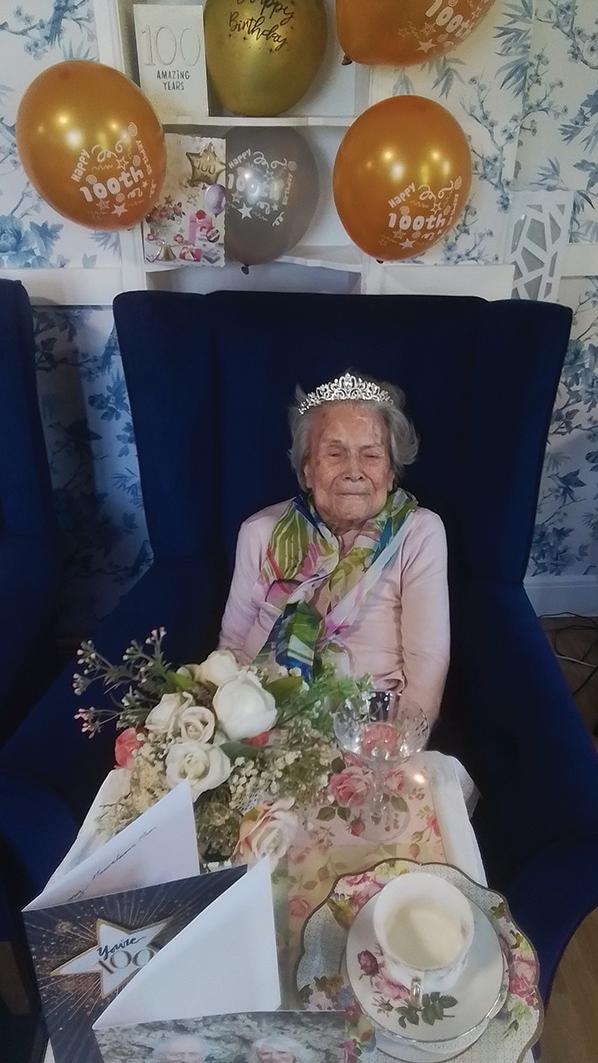
“Lily is a wonderful lady, and we are so grateful that she decided to make Orford House her home,” said
Michelle Kennett, the Registered Manager at the care home. “You will definitely always find Lily joining in with all of our wide and varied activities, but without a doubt, her favourite pastimes are anything to do with music and dancing. She’s an absolute delight to be around – always smiling and always has a nice word to say about everyone.”
“Lily is also very creative and enjoys our flower arranging classes and gardening,” continued Mary Bradley, the Activities Coordinator at Orford House. “Lily is also very well-travelled and often talks about her holidays and visits to Spain, France, Italy and Greece. However, Lily says that her favourite holiday was three weeks’ camping at Lake Bala in Wales; and whilst she doesn’t support a football team, she did support Dick and his windsurfing, which he really enjoyed.”
“We were chatting recently in one of our regular Reminiscing Sessions when the conversation turned to things that we didn’t know about each other. Lily really surprised us as she told the group that she had been interviewed by the BBC about how retired people could keep young at heart – and, of course, Lily said by dancing,” added Michelle.
“To celebrate Lily’s amazing, landmark 100th Birthday, we wanted to give her an extra special day to show her just how much she means to all of us at Orford House,” added Mary. “We arranged for an afternoon Birthday tea, complete with a scrumptious birthday cake that the Birthday Girl enjoyed with all of her care home friends.”
“I have had a wonderful 100th Birthday and have been spoilt rotten. Like I said before, it’s lovely to live here at Orford House, I’ve made so many friends, and all the care team are lovely too. There’s always something to do, or something going on – I’m never bored or short of anything to occupy me. There’s absolutely nothing I’d change about it,” concluded Lily.
The Foundation of Nursing Studies (FoNS) has published its first Impact Report, Measuring What Matters, demonstrating how investment in person-centred cultures, leadership development and workforce wellbeing can improve experiences for nurses, patients, residents and health and care organisations.
The report comes at a critical time for the UK workforce. NHS Staff Survey findings show rising levels of work-related stress and burnout among nurses and midwives, while around one in three are considering leaving their organisation and up to one in ten are considering leaving the profession altogether.
Against this backdrop, FoNS worked with nearly 900 nurses and health and care professionals during 2025, providing more than 17,000 hours of facilitated support through leadership, culture change and restorative clinical supervision programmes. The report highlights measurable improvements in leadership confidence, workplace culture, psychological safety, person-centred practice and workforce wellbeing.
Key findings from the report
• Supporting the nursing workforce when it matters most
• Developing compassionate and confident leaders
• Creating safer cultures of care
• Improving wellbeing, retention and sustainability
• Embedding person-centred cultures
• Strengthening quality and safety

• Influencing change beyond programmes
According to the report, 82% of participants said they felt better equipped to lead and manage change within their organisations, while all respondents reported creating safer and more positive learning environments for staff. Nearly seven in ten participants said their workplace had become more person-centred and a more attractive place to work.
The findings also suggest a positive impact on workforce retention, with 75% of former participants saying involvement in FoNS programmes made them more likely to remain in the nursing profession. Participants also reported improvements in psychological safety, team relationships, communication and quality of care.
Joanne Bosanquet MBE, Chief Executive of the Foundation of Nursing Studies, said:
“Workforce pressures remain significant. Around one in three nurses and midwives are considering leaving their organisation and up to one in ten are considering leaving the profession altogether. This represents a profound risk to the sustainability, safety and quality of care.
Our report demonstrates that investing in nurses, midwives and their teams is not a cost. It is an investment in safer care, stronger cultures, better experiences and a more sustainable workforce.”
Claire Taylor MBE, Chief Nursing Officer at Macmillan Cancer Support, said: “The FoNS Impact Report provides robust, evidence-based insight into the reach and impact of its programmes on nursing practice, patient care and workplace culture. It strengthens the case for investing in person-centred cultures by linking programme participation to improved experiences for both patients and staff.”
A staff member, who is part of a team improving the lives of veterans living in care homes across England, has received a top award.
Jules Walker, a Project Support Officer for the Veteran Friendly Framework (VFF), works with participating care homes to integrate the Framework into practical action, and has won the Service Champion Award from the Armed Forces Network (AFN).
Jules was nominated for the award by Zoe Freeman, Senior Activity Coordinator at Wimborne Care Home, and one of its VFF Champions, after it gained VFF status in 2025.
The free-to-access VFF helps providers to offer appropriate support for veterans and their partners living in care homes across England. It aims to deliver improved health and wellbeing outcomes for over 25,000 veterans and their partners.
There are currently over 350 VFF-approved care homes who have helped
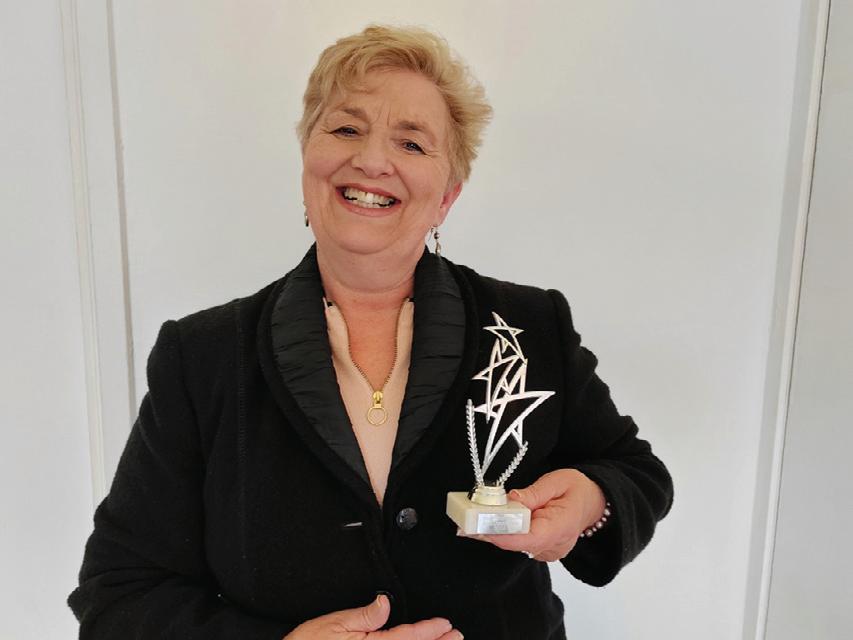
support over 2,770 veterans and partners.
The AFN is a multi-organisational group which includes members from across the UK who work together to improve the lives of the Armed Forces community. Its Service Champion Award recognises an individual’s or group’s hard work and support of the Armed Forces community.
After receiving her award, Jules said: “It was extremely kind of Zoe to nominate me, and an honour to receive this award. It means a lot coming from the AFN. This award reflects the impact the VFF is having on the Armed Forces community living in care homes, and the great work of my colleagues.”
Explaining why she nominated Jules for the award, Zoe said: “Jules is so passionate about her work and her enthusiasm for the VFF is infectious. She made the whole process fun. The VFF has been great for our residents and has helped us connect with more people and groups in our community.”
Levabo’s product range is built around a clear objective: making pressure ulcer prevention easier, more effective, and achievable across all care settings. Designed with both caregivers and residents in mind, the range offers practical positioning solutions that integrate seamlessly into everyday care routines.
At the core of the range are Levabo’s specialist positioning cushions, developed to support safe and consistent repositioning. Whether used in bed, in chairs, or during transfer and repositioning, these products help reduce pressure on vulnerable areas of the body. Their versatility makes them suitable for a wide spectrum of care environments, from hospitals and nursing homes to community and home care.
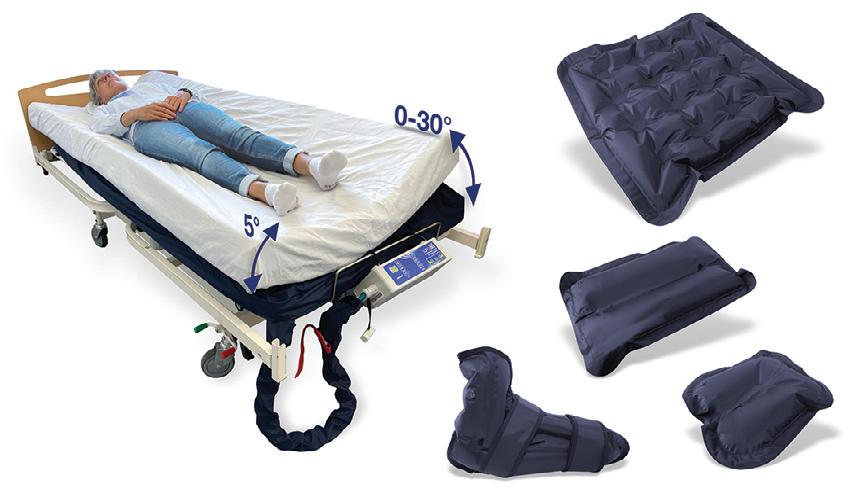
A key differentiator across the range is Levabo’s unique “Fluffy Air” technology. This ensures that each product remains soft and adaptable, gently moulding to the individual’s body shape. The result is improved pressure distribution and a high level of comfort, both essential for individuals who may be immobile or spending long periods in one position.
Pet therapy has become a part of the everyday routine in many care homes in the UK. The positive impact animals can have on the well-being of residents is well documented. But bringing animals into a care setting brings its own problems. It can be expensive and disruptive, they can be temperamental, and even the cleanest pets raise hygiene issues.
V-Thera virtual pets allow you to offer all the fun and engagement of a real pet, but in a clean, predictable and flexible way that fits in perfectly with your care home routine.
VIRTUAL PETS, REAL BENEFITS
From the moment the resident first puts the headset on, they are engaged and delighted as the pet sits, lies down, rolls over and feeds on command. They can even throw a ball for the pet to fetch. The experience is involving, relaxing and stimulating, enhancing a positive mood while encouraging movement and communication.
The pets themselves are wonderfully realistic, not just in the way they look, but in how they act. There are four dogs to choose from, and there’s even a moggie for cat lovers. They respond to voice or hand commands, or to big buttons on the screen. It’s ideal for previous pet owners, but also people nervous of animals.
V-Thera uses the latest Japanese mixed reality technology, meaning the virtual pet appears in the realworld, viewed through the headset. Seeing the familiar surroundings of their care home lounge reduces any sense of anxiety or disorientation for residents. The app can also be used lying down, so it can be used in bedrooms.
The technology itself is completely intuitive, designed for people with no experience of gaming. The
CareZips® Classic are patented, easy dressing unisex adaptive pants designed for older and disabled people suffering with problems associated with continence, mobility, mental function and cognition. Suitable for persons living in care institutions, receiving care at home or living independently at home, CareZips® Classic enable people to dress themselves or with assistance from carers.
CareZips® Classic feature patented 3-zipper system, which opens the front of the pants from the waist to the knees for quicker access during toileting, continence pads changes and personal hygiene. The forward positioning of the two side zippers lessens pressure on sensitive hip areas, helping to eliminate discomfort. The third zipper facilitates simple full frontal opening for faster more dignified diaper changes, catheter adjustments, personal cleansing and hygiene routines.

cal functionality and versatility of the CareZips® Classic, all day comfort and easy garment care.
• People dependent on assisted dressing appreciate quick easy dressing process with less stress, embarrassment and greater dignity offered by CareZips® Classic.
• CareZips® Classic offer practical gains to the carers, helping them to provide better care, whilst reducing physical efforts and saving valuable time.
CareZips® Classic are unisex, available in 6 sizes and 3 practical colours (i.e. black, charcoal and navy). Tapered fit at the ankles gives a tidy appearance. Made from breathable moisture-wicking 4-way stretchy crease-free and easy-care durable fabric, CareZips® Classic are comfortable, practical and conveniently functional.
For more information, contact Win Health Medical Ltd - 01835 864866www.win-health.com
CareZips® Classic have many benefits for the older and disabled users and their carers:
• People dressing themselves enjoy the practi-
Importantly, the range has been developed in collaboration with healthcare professionals, ensuring that each product addresses real-world challenges faced by care teams. From ease of handling to durability and hygiene, every detail is designed to support efficient care delivery without adding complexity.
Levabo’s products are also protected by international patents and have received global recognition, with the company being named the world’s leading positioning cushion manufacturer for four consecutive years. This reflects both the quality of the range and its growing impact across the sector. For care providers, the message is clear: investing in the right positioning solutions is not only a clinical decision but a practical and economic one. With prevention proven to be significantly more cost-effective than treatment, Levabo’s range offers a smart, scalable way to improve outcomes while supporting high standards of care. Simple solutions. Big impact. For more information see page 25 or please email
bm@levabo.com or visit www.levabo.com
headset reads hand movements, so there is no need for hand controls after set-up. Setting the app up is easy and quick for staff, with no training required. It comes preloaded onto the latest Quest 3s headset, so it’s a simple matter of staff switching the headset on, selecting the V-Thera icon, selecting the dog – which you can name – then transferring the headset to the resident. They are immediately immersed in playing with the dog or cat.
The makers recommend sessions of up to ten minutes at a time, it’s very easy to accommodate the technology into the life of the home, and for staff it can create an excellent opportunity to bond with residents. A sharing function even means the sessions can be cast to other screens so all residents can share the experience.
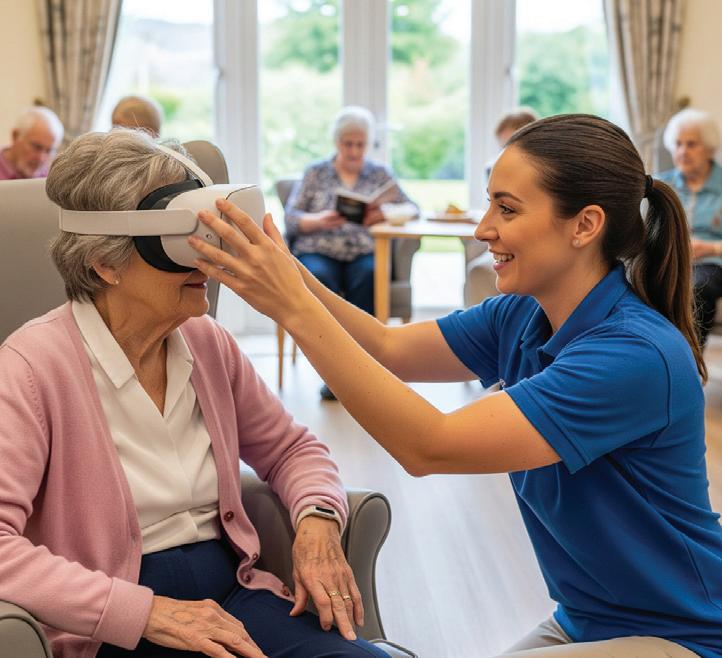
The potential of new technologies like V-Thera for engaging with residents in a positive way points to an exciting future. The combination of advanced Mixed Reality with intuitive and thoughtful design means care homes can adopt the latest technology without disrupting the care routines already in place. V-Thera was created in Japan by Remedy & Co and is available now in the UK through Care Activity Ltd. Managing Director Alison Lang says, “The minute we saw V-Thera, it was clear to us that this was an exciting innovation, a new way to offer something genuinely engaging to care home residents. The pets are fun, realistic and always ready to play. It is technology that brings care to life.”
Contact alison@careactivityxr.com www.careactivityxr.com
See the advert on page 3 for further information on Win Health’s product range.

Malnutrition remains one of the most persistent - and often under-recognised - challenges facing the care sector today.
Despite significant progress in person-centred care and nutritional screening, many older residents continue to struggle with maintaining adequate nutritional intake due to reduced appetite, frailty, dementia, swallowing difficulties, medication side effects and illness-related fatigue.
According to UK nutrition guidance, people living in care homes are at significantly increased risk of malnutrition, with estimates suggesting that between 30–42% of residents admitted to care homes may already be affected or at risk. At the same time, healthcare organisations including Age UK and the Malnutrition Task Force continue to warn that undernutrition among older people remains widely underdiagnosed.
Importantly, malnutrition is no longer being viewed simply as an unavoidable consequence of ageing.
Across both health and social care, there is increasing recognition that early intervention and preventative nutritional support can play a major role in improving outcomes for older adults, helping to maintain strength, reduce frailty and potentially prevent avoidable hospital admissions.
Updated NHS guidance around nutrition in care homes increasingly promotes a “food-first” approach, encouraging providers to focus on fortified meals, nutrient-dense snacks, hydration and personalised eating support as part of everyday care delivery.
However, for many care teams, the challenge is not simply identifying residents who may be nutritionally vulnerable - it is finding solutions residents will consistently consume and enjoy.
MOVING BEYOND TRADITIONAL SUPPLEMENT APPROACHES
Oral nutritional supplements continue to play an important role within many care settings, particularly where residents are experiencing clinically significant weight loss or recovering from illness.
Yet in practice, compliance can sometimes become difficult over time. Reduced appetite, taste fatigue, sensory changes and swallowing difficulties can all impact whether residents continue consuming traditional supplement drinks consistently.
As a result, there is growing discussion across the nutrition and care sectors around the role of more enjoyable fortified foods that support intake while feeling less clinical and more familiar to residents.
This conversation has also been influenced by the wider international rise of “Food as Medicine” - an approach increasingly recognising the role nutrition can play in supporting recovery, resilience and wellbeing during illness and later life.
For care homes, this may include:
• fortified desserts and snacks
• protein-enriched meals
• smaller nutrient-dense portions
• hydration-supportive foods
• texture-adapted options
• socially enjoyable dining experiences
The emphasis is increasingly shifting towards nutritional quality alongside resident enjoyment, dignity and quality of life.
WHY FAMILIAR FOODS MATTER
Care professionals understand that nutritional support is rarely one-size-fits-all.
For some residents, particularly those with reduced appetite or illness-related nausea, cold foods can often feel more manageable than hot meals or milkshake-style supplements. Familiar foods may also encourage better engagement with eating among residents who are reluctant to consume more medicalised nutritional products.

This is one reason why fortified desserts and ice cream-based nutritional products are beginning to attract greater interest within healthcare nutrition conversations.
One example is Nutri-Ice®, developed by My Doctor’s Recipe (https://mydoctorsrecipe.com/collections/the-nutri-ice®), a healthcare-focused nutrition company founded by London oncologist Dr Jon Krell
Originally designed to support patients struggling to maintain nutritional intake during illness and treatment, Nutri-Ice® combines calories, protein and added vitamins in a format intended to feel more like a familiar food experience than a traditional supplement.
Each serving contains over 300 calories and more than 10g of protein, alongside added vitamins and minerals via the company’s DJK+® nutritional blend.
While products such as these are not intended to replace clinical nutritional interventions where required, they may represent part of a broader shift towards more resident-friendly approaches to nutritional careparticularly where maintaining appetite and encouraging consistent intake are ongoing concerns.
SUPPORTING NUTRITION THROUGH DIGNITY AND ENJOYMENT
Nutrition in care settings is about far more than calorie intake alone.
Eating and drinking remain closely connected to comfort, independence, routine and social interaction. As the sector continues to prioritise person-centred care, there is increasing recognition that nutritional strategies should support emotional wellbeing and dignity alongside physical health.
For residents living with dementia, for example, familiar foods and positive mealtime experiences can help reduce anxiety around eating. For frailer residents or those recovering from illness, smaller enjoyable foods may sometimes feel less overwhelming than larger meals.
As NHS and community healthcare systems continue focusing on prevention and reducing avoidable admissions, nutrition is likely to remain high on the care agenda throughout 2026 and beyond.
For many providers, the future may lie not only in identifying malnutrition earlier, but also in rethinking how nutritional support is delivered in ways residents genuinely want to engage with.
Ultimately, improving nutrition in care homes may depend not simply on adding more calories, but on creating nutritional approaches that residents can tolerate, enjoy and sustain over time.
A new report from leading dairy co-operative Lakeland Dairies, supported by Consultant Dietitian Rachael Masters (MSc, BSc), reveals the care sector at a tipping point, with nearly three quarters (74%) of operators concerned about their ability to meet residents’ nutrition and hydration needs over the next five years. Care kitchens are under growing pressure as residents’ needs grow more complex, resources stay tight, and smaller portions mean every mouthful must be nutrient-dense.
The report, The Care Kitchen Reset: The Future of Care Catering, sets out a shift towards enriched cooking and stronger base ingredients that make everyday dishes work harder. It calls for care operators to protect quality nutrition under mounting pressure not by adding complexity, but by strengthening core ingredients from the outset to improve calorie and protein density without increasing portion size.

It launches as part of Nutrition & Hydration Week (16–22 March), which shines a spotlight on the UK care home sector and the critical role food and drink play in supporting resident health and wellbeing.
CARE SECTOR UNDER MOUNTING NUTRITIONAL PRESSURE
The findings reveal rising clinical complexity is a key driver, with almost half (43%) reporting an increase in nutritional needs over the past five years. At the same time, 71% say rising ingredient costs are making it harder to maintain food quality despite 90% refusing to compromise on standards.
For operators, the stakes are both clinical and commercial. Nine in ten resident respondents (90%) cite food as a key factor when choosing a care home, while 87% of residents say mealtimes are the most important part of their day.
Dairy-based ingredients play a central role: over nine in ten operators say products such as cream and milk powder enhance food and drink experiences for residents with smaller appetites or specialist diets, while 88% believe they effectively support resident nutrition. This underlines the value of enriched cooking approaches that boost nutrition in the foods residents already enjoy, without relying on bigger portions.
INGREDIENT STRATEGY OFFERS PRACTICAL SOLUTION
Responding to these pressures, the report highlights that one of the most practical, operationally efficient levers is ingredient strategy. Rather than layering on additional processes, the report argues the solution lies not in short-term cost cutting alone but in strengthening menu foundations. By embedding fortified nutrition into everyday base ingredients, kitchens can improve calorie and protein density without increasing portion size, labour or waste – safeguarding the sector’s future. Rachael Masters, Consultant Dietitian and contributor to the report said: “With an ageing population
driving increased demand for care home places, and residents presenting with more complex health and nutritional needs, care catering teams are being asked to deliver not just meals, but meaningful nutritional support in increasingly complex environments.”
“The solution doesn’t lie in adding more processes, but in making smarter use of core ingredients to maximise nutritional value. By fortifying everyday dishes, kitchens can enhance protein, energy and key nutrients in ways that are practical, cost-aware and, most importantly, enjoyable for residents. Dairy-based ingredients offer a particularly effective and versatile way to achieve this.”
“This report explores these growing pressures and highlights practical, nutrition-led approaches that support both care teams and residents –helping deliver better operational efficiency while improving health, wellbeing and dining satisfaction.”
The research also highlights opportunities to refine delivery. While 90% of residents rate meals positively overall, 77% report struggling to finish meals due to taste or presentation challenges, and 38% say higher quality ingredients would improve their experience. This reinforces the case for ingredient optimisation over short-term cost cutting.
Paul Jennings, Head of Food UK & International at Lakeland Dairies, adds: “Care operators are under pressure to do more with less – more nutrition, more quality and more resilience – while also meeting rising expectations from residents around mealtimes. This creates a real tension in care kitchens, where teams are balancing increasingly complex needs with limited time, staff and budgets.
Ingredient strategy is a practical way forward. By using hard-working bases such as Millac Gold Double and Lakeland Dairies Skimmed Milk Powder, kitchens can build richness, consistency and added nutrition into everyday dishes without adding complexity.
In a sector balancing tight budgets and staffing pressures, this timely report explores immediate solutions to support care kitchens.”
The report draws on a survey of care operators, residents and their families, alongside insight from Consultant Dietitian Rachael Masters, founder of Focus on Undernutrition, which provides specialist special diet training to care homes.
Lakeland Dairies is committed to supporting the sector through menu guidance, product innovation and training designed to help kitchens build resilience through stronger foundations and long-term supplier partnerships.
The full report is available: https://eu1.hubs.ly/H0sP61V0
ROLE CLARIFICATION: KNOWING WHO DOES WHAT — AND WHY IT MATTERS
Walk into any busy care home during a morning shift and you will encounter a diverse range of professionals: registered nurses, senior carers, care assistants, activity coordinators, housekeeping staff, kitchen teams, and visiting healthcare professionals. For residents — many of whom may be living with dementia, cognitive decline, or sensory impairment — being able to quickly and clearly identify who someone is can be genuinely reassuring and, in some cases, clinically important.
A well-considered colour-coded uniform system allows residents to distinguish between their care team and, for example, domestic or catering staff. This is not merely an administrative convenience. Research in dementia care has consistently highlighted that visual cues — including consistent clothing and recognisable appearance — help anchor individuals in their environment and reduce episodes of confusion or distress.
For family members and visiting professionals, clear role identification also inspires confidence. When a relative can immediately see that the person administering medication is a registered nurse, or that the individual assisting their parent at mealtimes is a trained care assistant, it reinforces the professionalism of the entire operation.
TRUST, AND REPUTATION
The care sector has, over many years, worked hard to establish itself as a skilled profession deserving of public trust and respect. Uniforms are an important visible component of that professional identity. Just as we recognise a nurse by their uniform in a hospital, or a police officer by their livery on the street, care staff in recognisable workwear signal to the world — and to those they support — that they belong to a trained, regulated, and accountable workforce.
INFECTION CONTROL: A NON-NEGOTIABLE PRIORITY
Perhaps the most clinically pressing argument for workwear in care settings is infection control. Residents in nursing and residential care homes are among the most vulnerable members of society — often elderly, immunocompromised, and living with multiple complex health conditions. The COVID-19 pandemic threw into sharp relief just how catastrophic the spread of infection can be in these settings, and it reinforced what Infection Prevention and Control (IPC) specialists had long advocated: what care staff wear is a critical component of safe care delivery.
Current guidance from NHS England, the UK Health Security Agency (UKHSA), and professional bodies such as the Royal College of Nursing recommends that care staff working in clinical or personal care roles wear a clean, short-sleeved uniform to minimise the risk of contamination. The 'bare below the elbows' principle — which advocates removing watches, rings, and long sleeves during personal care — is now widely accepted as best practice in care home settings, mirroring NHS clinical standards.
Dedicated workwear also creates an important psychological and physical barrier between home and work environments. When staff change into a uniform on arrival and change out of it before leaving the
building, the risk of transporting pathogens in either direction is meaningfully reduced. This is particularly important in the management of outbreaks of norovirus, influenza, and MRSA — all of which remain persistent concerns in communal care settings.
Fabric choice matters too. Modern healthcare workwear is increasingly manufactured from antimicrobial or fluid-resistant materials designed to withstand industrial washing at temperatures sufficient to eliminate bacterial contamination. Everyday clothing — particularly natural fibres laundered at lower domestic temperatures — cannot offer equivalent protection.
SAFEGUARDING:
The safeguarding of residents in adult social care is a paramount concern, and uniform policy has an often-underappreciated role to play in this area. Clear, consistent identification of care staff serves as a deterrent to, and means of detecting, unauthorised individuals within a care home. If every member of the care team is readily identifiable by their uniform, any person present without one immediately stands out — an important consideration for both physical security and the prevention of financial or emotional abuse.
Name badges and lanyards — ideally colour-coded and bearing the individual's name, role, and photograph — complement uniforms in this regard. They allow residents, particularly those with cognitive impairment, to verify who is attending to them, and give families visible reassurance that staff have been identified and vetted. They also support compliance with Disclosure and Barring Service (DBS) checks by making it easier for managers to verify that only cleared individuals are working in direct contact with residents.
In cases of safeguarding investigations or incidents, clear records of which uniformed member of staff was on duty, in which area of the home, at which time, become vital. A consistent and documented uniform policy supports the audit trail that such investigations depend upon.
RESIDENT SUPPORT AND ANXIETY REDUCTION
The environment in which a person lives profoundly affects their emotional wellbeing, and for residents of care homes — many of whom may have been admitted following significant loss, health deterioration, or a change in personal circumstances — familiarity and visual consistency are powerful sources of comfort.
Consistency in staff appearance can be a meaningful anchor for residents living with dementia. Where an individual may no longer reliably remember names or faces, recognising 'someone in the blue uniform who helps me get dressed' provides a form of cognitive continuity that supports orientation and reduces anxiety. This aligns with established principles of person-centred dementia care, including those embedded in the National Institute for Health and Care Excellence (NICE) guidelines on dementia support.
Soft colours, contemporary cuts, and co-ordinated rather than institutional palettes can all help workwear feel warmer and less clinical, whilst retaining its functional and identifying benefits.
Design and Functionality: Getting the Details Right
When specifying workwear, care managers should consider several
practical factors. Durability and washability are essential: uniforms must withstand repeated industrial laundering without shrinking, fading, or losing their shape. Comfort across long shifts matters greatly for staff welfare — breathable fabrics, well-placed pockets, and freedom of movement should be prioritised over appearance alone. Inclusive sizing, encompassing a full range of body types, is both a legal obligation under the Equality Act 2010 and an expression of the values care homes should embody.
Pockets deserve a particular mention. Care staff frequently need to carry small equipment — pens, hand sanitiser, a fob watch, a small notebook. Uniforms without adequate pocketing lead to the use of personal clothing layers or improvised solutions, undermining the consistency and IPC benefits the uniform is intended to provide.
Colour psychology, too, is worth considering. Deep blues and teals convey trust and calm; greens are associated with care and healing; warm purples can feel both professional and approachable. Harsh institutional greens or stark whites, by contrast, can heighten anxiety in individuals with clinical associations or past traumatic healthcare experiences. Getting the colour palette right is not a trivial aesthetic decision — it is a component of person-centred care.
SUSTAINABILITY: AN EMERGING PRIORITY
The social care sector, like all areas of public and commercial life, is increasingly alert to its environmental responsibilities. Workwear procurement is a meaningful area in which care home operators can demonstrate their commitment to sustainability. Choosing suppliers who use ethically sourced, recycled, or organic materials; selecting garments with extended lifespans; establishing laundering protocols that minimise water and energy use; and implementing responsible end-of-life disposal or recycling schemes are all practical steps that align workforce needs with environmental values.
Some larger care groups have begun working directly with workwear manufacturers to develop own-branded uniforms that meet both their operational requirements and their sustainability commitments — an approach that also strengthens brand identity and staff pride.
CONCLUSION: DRESSING THE PART IS PART OF CARING
The question of uniforms and workwear in adult social care is, at its heart, a question about values. What kind of environment do we want to create? What standards do we expect of our workforce? How do we balance clinical safety with emotional warmth? How do we protect the vulnerable people in our care whilst honouring their dignity and individuality?
A thoughtful, well-implemented workwear policy does not answer all of these questions alone — but it is a tangible, daily expression of how a care home answers them. Whether through a colour-coded uniform system that helps a resident with dementia recognise their carer, a fabric specification that reduces infection transmission, or a contemporary design that gives staff genuine pride in their professional identity, what care workers wear is far more than a matter of dress.
It is a statement of who you are, what you stand for, and how much you care — for the people you support, for the colleagues you work alongside, and for the standards the sector must continue to uphold.
For nearly 120 years, Grahame Gardner Ltd has been one of the UK’s leading suppliers of healthcare uniforms, supporting care homes, hospices, NHS organisations and healthcare professionals nationwide. Built on a strong reputation for quality, reliability and customer service, Grahame Gardner understands the evolving needs of the care sector and the important role uniforms play in professional healthcare environments.
Grahame Gardner offers an extensive range of healthcare workwear and accessories, including traditional tunics and trousers alongside a vast selection of modern scrubs designed to suit all budgets, colour preferences and fit options. From classic healthcare styles to contemporary uniforms that combine comfort with professional style, Grahame Gardner continues to help organisations create practical and cohesive uniform solutions tailored to their teams.
In today’s care sector, uniforms are about far more than appearance alone. Staff want to look and feel good in the workplace, but a uniform can offer so much more to both the wearer and the organisation that employs them.
One of the most important functions of a uniform is identification. Within busy care homes, hospitals and community healthcare settings, uniforms allow staff to be easily recognised according to their role, department or level of responsibility. Clear identification supports communication, efficiency and reassurance for residents and visitors alike. Families want to know immediately who they can approach for support, and coordinated uniforms help create clarity in fast paced environments. Uniforms also contribute to security within healthcare settings. Professional garments should only be issued to individuals authorised to wear them, helping to maintain controlled and secure working environments. In care settings where safeguarding and trust are critical, uniforms provide an additional level of reassurance for both residents and staff.

ism, consistency and accountability. In the care sector especially, appearance can strongly influence perception. A clean, professional uniform reinforces the idea that residents are being cared for by trained and trusted professionals. This confidence is invaluable in environments built on compassion, dignity and trust.
Uniforms can also support enhanced wearer performance. When carers feel comfortable, professional and proud of their appearance, it can positively influence morale and confidence throughout the working day. High quality healthcare uniforms are designed to support the demands of physically active roles, whilst helping staff feel part of a professional team. Grahame Gardner understands this balance and offers garments specifically created for healthcare professionals who require durability, flexibility and comfort during long shifts.
Modern healthcare uniforms must also function as effective protective garments. Care professionals work in environments where hygiene, infection control and workplace safety remain top priorities. Durable fabrics, practical designs and garments suitable for rigorous laundering processes all help to support protection against workplace hazards, while maintaining comfort and professionalism.
Finally, uniforms are an important reflection of brand identity. Through colour coordination, embroidery and personalised branding services, Grahame Gardner helps care providers create a professional and consistent corporate appearance across their teams.
Uniforms remain one of the simplest yet most powerful ways to support staff, reassure families, residents and patients and strengthen organisational identity.
To find out more about Grahame Gardner’s uniform range, personalised workwear services and extensive scrub collections, visit: grahamegardner.co.uk.
Naturally, this visibility and structure help strengthen public confidence. Uniforms project professional-
To discuss branding options and pricing, contact the team on 0116 255 6326 or email sales@grahamegardner.co.uk
Laundry may not command the same attention as clinical care protocols or medication management, but in a residential or nursing care home it represents one of the most significant infection control risks on the premises. Done well, it protects residents, staff and visitors. Done poorly, it can spread pathogens, compromise dignity and expose a provider to serious regulatory consequences.
Here we examine the key frameworks, practical obligations and emerging best practice that every care home manager and nominated individual should understand.
INFECTION CONTROL AND THE RISK OF CROSSCONTAMINATION
HTM 01-04 establishes a clear hierarchy of linen categories: used (soiled but not infectious), infected (from residents with known or suspected infectious conditions), and heat-labile (items that cannot withstand high-temperature washing). Each category must follow a distinct processing pathway.
The cardinal rule is the strict separation of dirty and clean linen at every stage — collection, transport, storage and processing. Soiled items should be placed directly into appropriate colour-coded bags at the point of care, never sorted on floors or in communal areas. Red alginate or water-soluble bags are used for infected linen, allowing the bag itself to be placed directly into the machine without manual handling of the contents.
Washing temperatures are a critical control. A minimum thermal dis-
infection cycle of 65°C for ten minutes or 71°C for three minutes is required. Where chemical disinfection is used — for example, with heat-sensitive items — validated low-temperature systems with appropriate detergents must achieve equivalent log reduction in microbial load. Informal domestic machines, even in small residential settings, frequently fail to sustain these temperatures and present an unacceptable infection risk.
Cross-contamination between residents' personal clothing remains a common and often underreported problem. Robust labelling — ideally heat-transfer or embroidered name labels — and individualised laundry records reduce the risk of items being lost, mixed or returned to the wrong resident, an issue that carries both infection and dignity implications.
STAFF SAFETY AND DIGNITY CONSIDERATIONS
Personal Protective Equipment (PPE) is mandatory when handling soiled or infected linen. As a minimum, staff should wear disposable gloves and aprons; fluid-resistant masks are advisable when handling heavily contaminated items. Hand hygiene must follow the removal of PPE — this step is frequently omitted and should be an explicit part of laundry standard operating procedures.
Manual handling risks in laundry are frequently overlooked. Wet linen is heavy, laundry rooms are often cramped, and repetitive loading and unloading of machines contributes to musculoskeletal injury.
Ergonomic assessments of laundry workflows, appropriate trolley
heights and staff training are all employer obligations under the Manual Handling Operations Regulations 1992.
For residents, the laundry process is deeply personal. Clothing represents identity, self-expression and comfort. Shrinkage, damage or the loss of treasured garments causes genuine distress. Care plans should document fabric care requirements for individual residents, and staff should understand — and follow — care label instructions.
EFFICIENCY,
Operational efficiency and environmental responsibility are increasingly inseparable. Modern commercial washer-extractors offer programmable cycles, water recycling, and energy consumption data that support both cost management and sustainability reporting — the latter becoming relevant as the care sector faces growing ESG scrutiny from commissioners and investors.
Outsourced laundry contracts with commercial providers offer scale and validated thermal disinfection, but require robust service level agreements, audit rights and clear protocols for infected linen. On-site solutions give greater control but demand proper equipment maintenance, documented machine validation, and staff competency checks.
Whichever model is adopted, documented evidence is essential.
HTM 01-04 and CQC both expect providers to demonstrate — not merely assert — compliance. Temperature monitoring logs, machine service records, staff training certificates and outbreak response procedures should all be readily available for inspection.
Lavamac has built a reputation as a trusted name in industrial and commercial laundry technology. Recognized across global markets for its commitment to durability, innovation, and operational efficiency, the company continues to deliver advanced laundry solutions tailored to the evolving demands of healthcare, commercial laundries, and institutional facilities. With a product philosophy centered on reliability and performance, Lavamac has become synonymous with high-quality engineering and longterm value.
Innovation remains a defining characteristic of the Lavamac brand. The company continues to invest heavily in research, engineering, and modern control systems that improve ease of use and machine efficiency. Lavamac’s commitment to sustainability is equally impressive. Its machines are engineered to meet stringent environmental standards while supporting lower water and energy usage. Advanced airflow systems in the dryers and optimized water management technologies in the washers contribute to reduced utility costs and greener operations. This meant that Lavamac was award-
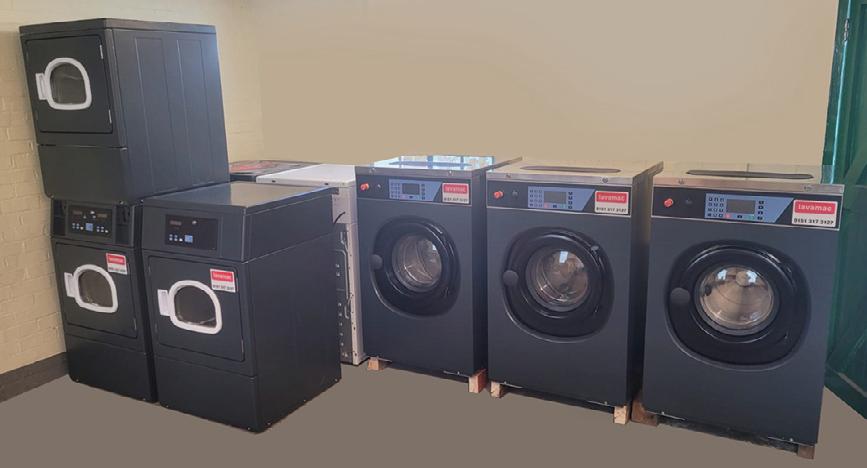
ed a bronze award in sustainability by the Groundworks Trust, affirming their commitment to the sustainability industry Lavamac's refurbishment programme in their specialist facility includes stripping down the machines, and giving them a check-over, to see which parts, if any, can be carried over the refurbishment. Lavamac will only carry over the highest-quality parts from the machine from pre to post refurbishment. The machine then undergoes an extensive refurbishment, with almost all the parts being replaced, with the refurbished machines being given specialist parts based on the model type.
The company offers a complete service-oriented approach that includes laundry design consultation, project management, technical expertise, installation support, and after-sales service. Supported by experienced engineers and factory-trained technicians, Lavamac works closely with customers to develop customized laundry solutions that meet operational goals and space requirements.
or visit www.lavamac.eu
In today’s care environment, operators are facing unprecedented financial pressure. Rising utility costs, staffing shortages and increasing regulatory demands are forcing care homes to scrutinise every aspect of operational efficiency - without compromising resident wellbeing or compliance standards.
Laundry provision is one area where care providers can make meaningful operational and financial gains.
At Forbes Professional, our Complete Care Laundry Solution has been developed specifically to support the evolving needs of the care industry. As proud national partners of Miele Professional commercial laundry equipment, we combine premium technology with local expertise and nationwide service support, giving care homes complete confidence in their laundry operations.
For many operators, purchasing commercial laundry equipment outright is no longer the most practical or cost-effective route. Renting provides access to high-performance, WRAS-approved equipment that meets stringent infection control and industry requirements, without the burden of significant upfront capital expenditure.

Equally important is the reassurance of rapid support. Our local-based engineering network delivers
same-day or next-day response nationwide, helping minimise downtime and maintaining continuity of care operations.
Beyond equipment and service, Forbes Professional works consultatively with care providers to design compliant, efficient laundry solutions tailored to individual operational needs, budgets and laundry room configurations. Our expert advisors guide customers through current industry guidelines to help ensure fully compliant solutions aligned with both CQC and WRAS standards.
Kevin Herring, CEO of Forbes Professional, comments:
“Care homes need reliability, compliance and long-term value. Our engineering infrastructure and national support capability give operators peace of mind that help is always close at hand. By renting premium commercial laundry equipment, care providers can protect cash flow, reduce unexpected repair costs and gain access to industry-leading technology that supports both efficiency and resident care.”
As pressures on the care sector continue, operators are increasingly seeking partners who can deliver not only equipment, but expertise, responsiveness and genuine operational support. Forbes Professional’s Complete Care Laundry Solution is designed to do exactly that.
Trusted by thousands of care homes across the UK, MAG Laundry Equipment is an award-winning supplier of commercial washing machines and tumble dryers. Reliable laundry machines that meet the highest hygiene standards are essential for care homes, hospices, nursing homes, hospitals, and other healthcare organisations. MAG provides support to the care sector for all makes, models, and brands of laundry machines. Whether you require free technical assistance, maintenance, repairs or installation, the professional team of experts at MAG will be happy to answer any questions.
MAG’s product range includes commercial washing machines, tumble dryers, ironers, presses, and detergents, all supported by a nationwide network of accredited engineers. Built since 1922, their commercial laundry equipment has a 5-star reputation for being reliable, energy-efficient, and
cost-effective. Care homes benefit from complete peace of mind knowing their commercial laundry machines can be professionally supplied, installed, maintained, and repaired throughout England, Scotland, and Wales.
Thermal disinfection comes as standard on MAG washing machines designed for care home and healthcare applications, helping businesses maintain the highest hygiene standards and regulations. For organisations seeking exceptional wash performance and effective stain removal, MAG Laundry Equipment also supplies high-quality commercial laundry detergents.
To find out more about how MAG Laundry Equipment can support your care home, visit www.maglaundryequipment.co.uk or phone 01353 883025. See the advert on the back cover.
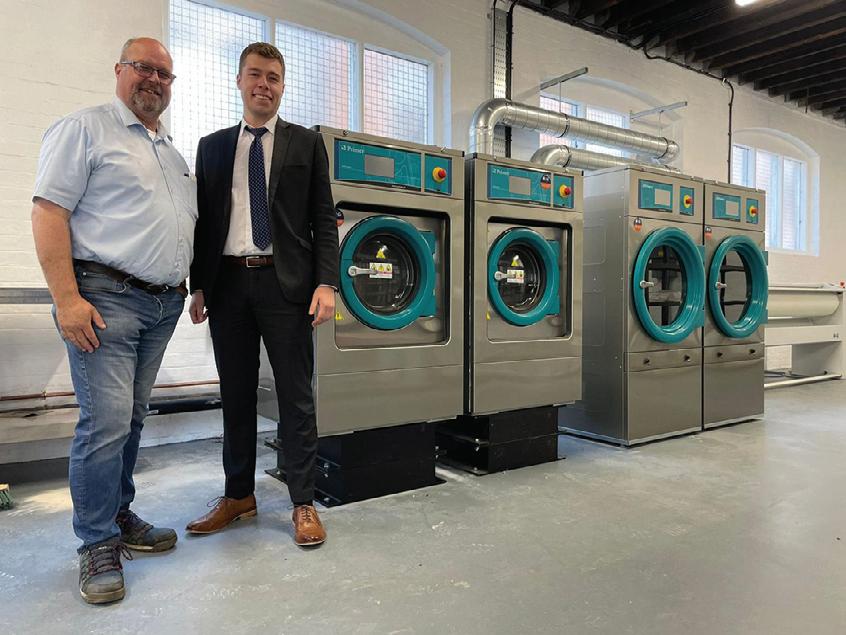

Falls are a significant concern for vulnerable individuals, especially seniors and patients at risk. Medpage, a leader in assistive technology, offers a range of cutting-edge products designed to enhance safety and provide peace of mind for caregivers and families. Here’s an in-depth look at some of their standout solutions:
MPRCG1 (2023) BED LEAVING DETECTION ALARM WITH CAREGIVER RADIO PAGER
The MPRCG1 is a comprehensive system tailored for fall prevention in domestic, commercial, and NHS care settings. This all-inclusive kit includes a bed pressure mat sensor, a BTX21-MP alarm sensor transmitter, and an MP-PAG31 radio pager. The system is designed to alert caregivers when a patient leaves their bed, reducing the risk of falls.
HDKMB2 HOSPITAL DISCHARGE KIT FOR FALLS RISK PATIENTS
The HDKMB2 is a thoughtfully curated kit aimed at supporting patients transitioning from hospital to home care. It includes essential tools to mitigate fall risks and promote recovery. This kit is ideal for caregivers seeking a comprehensive solution to enhance patient safety during the critical post-discharge period.
CMEX-21 MULTI-PORT WIRELESS SENSOR INPUT EXPANDER FOR NURSE CALL CONNECTION
The CMEX-21 is Medpage’s latest innovation, designed to integrate seamlessly with existing nurse call systems. This multi-port expander allows for the connection of multiple wireless sensors, enhancing
the monitoring capabilities of healthcare facilities. Its versatility makes it a valuable addition to any care environment, ensuring timely responses to patient needs.
RON-WC2 WATERPROOF DISABLED PULL CORD ALARM TRANSMITTER WITH WIRELESS ALARM RECEIVER
The RON-WC2 is a robust solution for disabled individuals requiring immediate assistance. This waterproof pull cord alarm is ideal for use in bathrooms and other high-risk areas. Paired with a wireless alarm receiver, it ensures that help is just a pull away.
For more information, visit Medpage’s official website or contact their team to explore these products further. Safety starts with the right tools, and Medpage delivers just that. www.easylinkuk.co.uk or T: 01536 264 869
The wireless ARM Nurse Call system has been developed over 30 years with both the client and user in mind.
It enables staff to efficiently answer calls, making the management of resources more flexible and provides the functionality you would expect of any nurse call system.
The system is quick and easy to install and works wirelessly, using radio communication between both the call points and the system infrastructure.
The all-new call logging software from ARM enhances the functionality of your care call system dramatically.
• It can help you track the quality of your service to your residents.
• It can help you demonstrate compliance with your aims and best practices, both to relatives and to authorities.
• It can help you find bottlenecks in service provision, track staffing requirements, and allow you to ensure staff are meeting expectations.
• Most importantly, it provides assurance that you know and can demonstrate what is happening in your care home.
Call messages can be sent direct to staff to speed up response times and can also be integrated to work with smart phones & messaging.
In today’s complex care environment, we understand that choosing the right technology is about far more than functionality alone. For care providers, reliability, sustainability, and supply chain resilience are critical factors—especially when it comes to nurse call systems that play such a vital role in resident safety and day-to-day operations.
At Courtney Thorne, we are proud to champion the “Made in Britain” mark. For us, this is not simply about where our systems are manufactured; it reflects our commitment to quality, accountability, and supporting the UK care sector. By designing and building our nurse call systems here in Britain, we can ensure they are developed with a deep understanding of the real challenges faced by care homes, resulting in solutions that are practical, reliable, and easy to use.
Manufacturing in the UK also allows us to maintain close control over our supply chain—something that has become increasingly important in recent years. Global disruptions have highlighted the risks of relying on complex, overseas supply networks. By keeping our production local, we are able to offer greater consistency, shorter lead times, and improved access to parts and upgrades. This means our customers can rely on continuity, even in uncertain times, with minimal risk of disruption to their services.
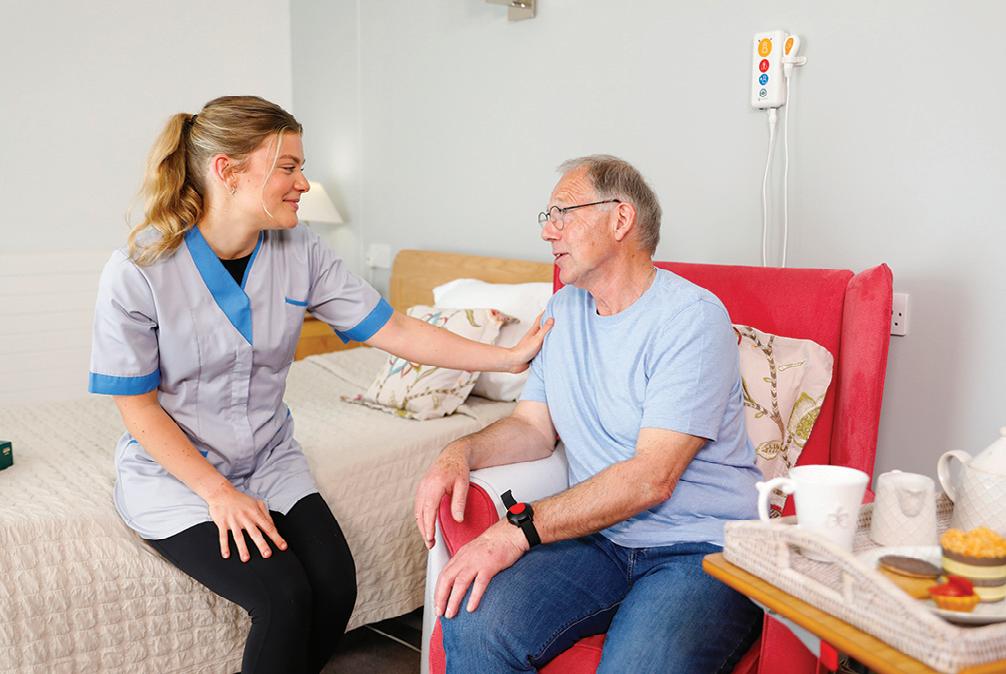
Sustainability is another area where we believe local manufacturing makes a meaningful difference. By reducing the need for long-distance transportation and focusing on robust, long-lasting system design, we help care providers lower their environmental impact. We are committed to creating solutions that not only meet today’s needs but are built to last—reducing waste and supporting more sustainable care environments over the long term.
Of course, delivering high-quality technology is only part of the picture. We know that ongoing support is essential. That’s why our UK-based technical team is on hand to provide expert assistance, from installation and training through to maintenance and rapid response when it matters most. Our proximity allows us to respond quickly and effectively, giving our customers the confidence that support is always within reach.
At Courtney Thorne, we believe that care homes deserve technology they can depend on—both now and in the future. By combining British manufacturing, sustainable practices, a resilient supply chain, and dedicated local support, we are proud to deliver nurse call systems that underpin safe, effective, and reliable care every day. For more information or to
or contact info@c-t.co.uk.
Alarm Radio Monitoring is the market leader in the design, manufacture and installation of bespoke, end-to-end, wireless alarm systems and solutions for the healthcare, leisure, custodial and education industries.
We have been providing wireless alarm and nurse call systems for over 30 years. Supplying care homes and hospitals with an essential lifeline that supports the delivery of outstanding care.
We believe in excellence which translates into:
Advanced Technology
Industry-leading wireless alarm technologies and software
Bespoke Solutions
We design systems to your needs rather than your team having to work around the system

Innovative Design
Pushing boundaries with the reliability that comes from decades in the industry
Flexible Finance Options
Ensuring organisations of any size can provide safety for their staff and clients
24 Hours a Day, 365 Days a Year Service
Your ARM service team is on hand, on the phone, on-site or return to base, whether you have a service contract or not
For further information, see the advert on the facing page or visit www.arm.uk.com

The analogue-to-digital transition in health and social care is not simply a technology refresh. It is a chance to rethink how help is requested, how staff respond, and how care is coordinated across a home.
Too often, procurement still begins with a like-for-like mindset: replace the old panel, keep the old workflow, and hope for a better result. But digital nurse call should not be bought as a newer version of an old problem. It should be purchased as part of a wider care model that improves visibility, response, accountability, and resident experience.
Before comparing systems, providers should define the problem they are trying to solve. Is the issue slow response times, poor escalation, noisy environments, duplicated paperwork, or a lack of oversight? The right solution should be judged against those outcomes, not against a checklist of features.
This matters because modern nurse call is no longer just about a resident pressing a button and a sounder going off. In better-designed systems, alerts can be routed directly to staff mobile devices, calls can be prioritised, and managers can see patterns in demand and response. That creates a more responsive and less fragmented way of working.
A presentation is not a demonstration. A brochure cannot show how a system behaves during a busy morning shift, when several alerts happen at once and staff are moving across different parts of the home. That is why live testing in a real care environment is essential. Staff should be able to use the system, question it, and pressure-test it before any decision is made. If the workflow is clunky in practice, the promise of digital efficiency disappears very quickly.
One of the biggest mistakes in purchasing technology is treating integration as a nice-to-have. In reality, it is central to whether the system adds value.
When nurse call works alongside care records, mobility devices, alarm management, and internal communi-
By Stuart Barclay, healthcare technology specialist at Syndora Alto
cation tools, the result is less duplication and faster decision-making. When systems do not connect, staff are left repeating tasks, chasing information, and working around the technology rather than with it.
For care providers, that means the question should not be, “What does this system do on its own?” The better question is, “How well does it fit into everything else we already use?”
Digital systems do not end at installation. They begin there. Any provider selecting a nurse call platform should think carefully about what happens after go-live: training, maintenance, updates, fault resolution, and ongoing optimisation.
Care homes need suppliers who understand the realities of the sector, not just the technology. A strong supplier relationship should include responsive support, practical training, and a willingness to adapt as the home’s needs change. In digital care, support is not an extra service; it is part of the product.
The biggest risk in this transition is buying something that cannot evolve. Care homes are operating in a fastchanging environment, and technology that cannot scale or adapt soon becomes a constraint rather than an asset.
Future-ready systems should be designed to expand, integrate, and respond to changing needs without requiring a complete replacement every few years. That flexibility is especially important in a sector facing pressure to modernise ahead of the 2027 digital switchover.
A BETTER QUESTION TO ASK
The analogue era encouraged a narrow question: does the system work?
The digital era demands a better one: does the system help us deliver safer, smarter, more person-centred care?
That shift in mindset changes everything. It moves procurement away from hardware replacement and towards care improvement. It encourages providers to look for visibility, integration, responsiveness, and longterm support rather than simply ticking a technical box.
The homes that get this right will not just be compliant with the digital transition. They will be better equipped to use technology as part of everyday care, supporting staff and improving the experience of residents.
Fall Savers®, are an experienced market leading healthcare provider of resident safety solutions for over 15 years.
FALL SAVERS ® WIRELESS MONITOR
Eliminate all cables with our new generation falls management solutions!
Upgrade your falls programme with the latest technology from Fall Savers®. The NEW Fall Savers® Wireless eliminates the cord between the monitor and sensor pad. This results in less work for nursing staff, improved safety for patients and reduced wear and tear on sensor pads. Wireless advantages include the ability to use one monitor with two sensor pads simultaneously and support for many new wireless devices.
BENEFITS INCLUDE:
Safer for patients; less work for staff
Bed and chair pads available
One monitor works with two sensor pads
Integrates with most nurse call systems
A variety of options, including: Call button
Pager Floor sensor mat
Wireless door/window exit alerts
TREADNOUGHT ®FLOOR SENSOR PAD

The TreadNought® Floor Sensor Pad is built to last with a durable con-
struction that far out lasts the competition. Our anti-bacterial floor sensor pad is compatible with most nurse call systems or can be used with a portable pager to sound an alert when a person steps on to the sensor pad. Caregivers typically place the sensor pad at the bedside, in a doorway or other locations to monitor persons at risk for falls or wandering. An optional anti-slip mesh reduces the potential for slippage on hard surface floors.
FEATURES INCLUDE:
Connects directly to most nurse call systems
High Quality anti-bacterial Floor Sensor Pad
Large Size Pad: Measures (L) 91cm x (H) 61cm
Options (sold separately):
Anti-slip mesh for hard surface floors
See the advert on this page for further details or visit www.fallsavers.co.uk.

Care home managers and staff already know that sharing information is critical to good care. What is changing is the scale and speed at which technology can now collect, analyse and share data, often almost in real time.
There is also much more focus on joined-up care, neighbourhood health services, and better information sharing between organisations. Care homes are expected to work closely with GP practices, hospitals, community services and local authorities, sharing information safely to support more coordinated care.

Done well, this brings real benefits. But it also brings risks. Cyber incidents, scams, human error and system failures can disrupt care services and put sensitive personal information at risk. As more information is shared digitally, providers are increasingly being asked to demonstrate that they have strong data protection and cyber security arrangements in place.
This matters when accessing NHS systems or shared records, responding to commissioner requirements, or demonstrating assurance to regulators and partners. It is no longer enough simply to say that policies exist. Organisations need to show that staff are trained, risks are managed, systems are protected, and clear processes are in place for handling personal information safely.
The Data Security and Protection Toolkit (DSPT) helps care providers do exactly this.
Running a care service means constantly juggling ever-changing regulations alongside the daily needs of the people you serve.
Compliance isn't just about ticking boxes; it’s about the safety of your residents and the protection of your staff. Here is what every manager should have in place:
• Policies aligned with the latest CQC, CIW, and CIS standards.
• Secure, digital storage for staff management files.
• 24/7 access to professional HR and safety advice.
The DSPT is much more than a tick box or a compliance exercise. The toolkit acts as a framework and checklist to help providers strengthen day-to-day data protection and cyber security. It helps organisations review what they already have in place, identify gaps, and improve policies, training and working practices over time.
For many providers, the DSPT helps avoid starting from scratch. It supports practical improvements such as strengthening passwords, reviewing access to information, improving business continuity planning, and helping staff recognise scams and cyber risks.
Crucially, it also helps providers demonstrate good practice and prove they are safe to share information appropriately with partners. In a health and care system increasingly focused on integrated working and digital information sharing, that reassurance matters.
The deadline for the 2025/26 DSPT is 30 June. Previous submissions expire after this date and can no longer be used as evidence.
Digital Care Hub provides free support for adult social care providers, including guidance, webinars, elearning and direct help from 32 local support organisations.
Don’t let your DSPT expire on 30 June. Get free support and guidance at www.digitalcarehub.co.uk/dspt
If your current system feels like ""guesswork,"" it’s time for a more comprehensive solution.
Croner Care Pro provides everything you need to manage the regulatory side of your business in one place.
From practical, ready to use resources collated by industry experts and in line with the latest CQC (Care Quality Commission), CIW (Care Inspectorate Wales) and CIS (Care Inspectorate Scotland) regulations and standards, software to record and store important policies, procedures and staff management files to practical, 24/7 telephone based advice for any challenges you may be facing.

Included is Croner BrightHR Employee Management Software and Croner BrightSafe management software which includes policies, handbooks, and access to your documentation
To learn more about how we can match your service to your specific needs, contact our expert team for free advice today on 01455 858 132.
See the advert on page 9 for further information.

The social care sector continues to face growing pressure from every angle. Providers are balancing rising operational costs, recruitment challenges, complex compliance requirements and increasing expectations from residents, families and regulators alike. At the centre of all of this is one key priority: supporting staff so they can continue delivering high-quality care.
For many care organisations, workforce management technology is becoming an essential part of achieving this!
Across the UK and Ireland, care homes are moving away from manual processes, paper rotas and disconnected systems in favour of integrated workforce management solutions that provide greater visibility, flexibility and control. The result is not only improved operational efficiency, but also a better experience for employees and residents.
Technology is no longer simply about digitising paperwork. It is about giving care providers the tools they need to make informed decisions, manage staffing levels effectively and respond quickly to changing demands.
One area where this is particularly important is employee scheduling and rostering. Care providers often operate around the clock, managing complex shift patterns while ensuring the right staff are available at the right time. Manual scheduling can be time-consuming and leaves little room for flexibility when absences or last-minute changes occur.
Modern workforce management systems help simplify this process by automating rotas, improving visibility across teams and enabling organisations to manage staffing requirements more effectively. Features such as auto-rostering and employee self-service also empower staff by giving them more control over their schedules, shift swaps and holiday requests. This level of flexibility is becoming increasingly important in attracting and retaining employees within the care sector.
Another growing focus for care organisations is absence management. Unplanned absences can place significant pressure on teams and increase costs through overtime or agency cover. Having better visibility
of absence trends allows organisations to take a more proactive approach.
AI-powered tools are now helping providers identify patterns, predict potential absence issues and support more informed workforce planning. These insights can help managers address challenges before they escalate while maintaining continuity of care.
Importantly, workforce management technology is also supporting compliance and reporting requirements. Care providers must ensure accurate records are maintained for working hours, attendance and employee data. Digital systems help reduce manual errors, improve accountability and provide clear audit trails when needed.
When managers spend less time dealing with administration, they have more time to focus on people. When employees have greater flexibility and visibility of their schedules, engagement often improves. When staffing levels are managed effectively, residents benefit from greater continuity and consistency of care.
Technology should never replace the human side of care. Instead, it should support the people delivering it!
As the sector continues to evolve, care providers are increasingly looking for solutions that combine reliability, flexibility and innovation. Integrated workforce management platforms are helping organisations build more resilient operations while continuing to deliver the high standards of care that residents depend on every day.
If you are currently facing workforce management challenges such as staff shortages, inefficient rostering, absence management issues or time-consuming manual processes, we can help. To learn more about how our workforce management solutions support care providers across the UK and Ireland, contact us at hello@softworks.com, call our UK team on +44 1527 888 060 or our Irish team on +353 1 286 6126. You can also visit www.softworks.com for more information.

When a family begins searching for a care home, two things are almost always true. They are under enormous emotional strain, and they have very little idea of what they are actually looking for. Most are doing this for the first time in their lives, often in the middle of a crisis: a hospital discharge, a fall, a sudden change in a parent's condition. They are unclear on funding, what to look for, or what questions to ask.
And what does the sector currently offer them at that crucial first moment? A postcode search.
Most online care directories function as little more than a digital phonebook, a long, undifferentiated list of names and addresses that families are expected to trawl through alone. A handful offer a "concierge" service, but that typically means a phone call back, during office hours, after the family has already filled in a form. The first point of contact, the moment when families most need guidance, is precisely the moment they are left to fend for themselves.
Caretopia World was built to change that.
The UK's first AI-powered care navigation website, Caretopia replaces the postcode-and-pray model with a guided conversation. At the heart of the site is Fliss, an AI agent who talks with families and carers, asks the right questions, and helps them work out what they actually need before showing them anything at all. Fliss signposts information on common conditions, explains funding options in plain language, and –crucially – checks in on how the person searching is coping. It is a small touch, but it acknowledges what the rest of the sector tends to ignore: that the people doing the searching are often exhausted, frightened, and grieving a loss of independence on behalf of someone they love.
Only once Fliss has built a real picture of the family's situation does the site present a shortlist of providers. Families can then select up to three homes to compare side by side and share that shortlist with siblings, partners, or other decision-makers. The result is a process that feels less like online shopping and more like having a knowledgeable friend in the room.
"Postcode searches are simply inadequate for the people who use them," says founder Nathan Davies-
Pugh. "Most families are doing this for the first time, and they don't yet know what good looks like. Fliss helps them arrive at a realistic set of considerations – and then matches them with homes that genuinely fit."
For care home managers, the proposition is just as straightforward.
Providers can build a profile using Caretopia's bespoke page builder in under ten minutes, with all the information families actually want to see: photos, fees, specialisms, room availability, and a clear sense of the home's character. Because Fliss has already done the qualifying work, the enquiries that come through tend to be warmer, better-informed, and a closer match to what the home offers, sparing managers the time-sink of fielding calls from families whose needs they cannot meet.
Pricing has been kept deliberately modest. "We are acutely aware of the pressure the care sector is under," Davies-Pugh explains. "The first month is always free, and our discount code for the first year means a home effectively gets unlimited job ad placements thrown in for nothing. There is no contract, no minimum term, and providers can cancel at any time.”
The wider point is that AI, used thoughtfully, has a real role to play in one of the most human moments a family will ever face. Not as a gimmick, and not as a replacement for the warmth and skill of care staff, but as a way of taking the chaos out of that first conversation so that by the time a family picks up the phone to a home, they already know why they are calling.
"We always say that care should start before the care journey begins," Davies-Pugh concludes. "That is what our AI is designed to do. And honestly, we are only just getting started. Watch this space."
Find out more at www.caretopiaworld.co.uk
Care home staff today face increasingly complex responsibilities. Supporting residents with dementia, autism, frailty, safeguarding concerns, and communication difficulties requires far more than theoretical knowledge. Staff need confidence, judgement, teamwork, and the ability to respond compassionately in challenging situations.
However, much care home training still relies heavily on passive e-learning and compliance-focused approaches. While online modules may meet mandatory requirements, they often do little to improve reflective practice, communication, or real-world decision-making. Care home managers are increasingly recognising the need for more engaging and practical approaches to workforce development.
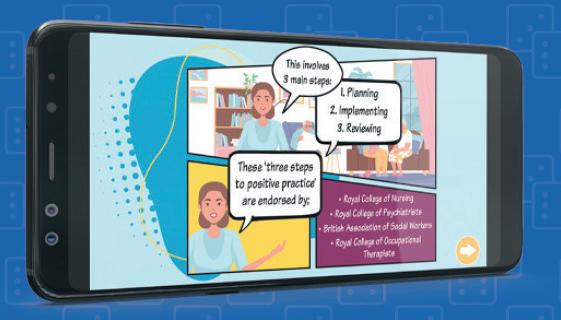
Gamification, game-based learning, and facilitated group activities offer an important opportunity to improve staff learning and engagement. Instead of simply completing quizzes or reading policies, staff work together through realistic scenarios, discussion exercises, and collaborative problem-solving activities. This encourages active participation and helps teams apply learning directly to everyday care situations.
Research increasingly supports these methods. Studies examining simulation-based learning in nursing homes have shown improvements in staff confidence, communication skills, leadership, and reflective prac-
tice. Dementia care simulations, for example, have helped staff develop more personcentred approaches and greater confidence in responding to distressed behaviours. These approaches also strengthen teamwork and workplace culture. Much mandatory training is completed individually, often in isolation. Group-based learning encourages discussion, peer learning, and shared reflection, helping teams develop more consistent approaches to care. This aligns closely with the growing emphasis from the Care Quality Commission on learning cultures, staff understanding, and continuous improvement. Importantly, game-based learning is not about replacing professional standards or mandatory training. It is about making learning more meaningful, memorable, and practical.
As pressures on the care sector continue to grow, providers need training approaches that build confidence, communication, and real-world capability — not simply certificate completion.
To explore practical, evidence-based training tools designed specifically for care teams, see the Focus Games advertisement on the front page of this issue, including a special reader discount offer for physical and digital team-learning resources that support communication, teamwork, decision-making, and improved CQC outcomes.
See the advert on the front cover or visit www.FocusGames.com
Global assists clients throughout the U.K. who specialise in the healthcare sector to achieve their objectives of purchase, development and refinance. We have organised over £1.8bn for clients in the past 30 years, providing clients with competitively priced funding to refinance existing debt, ease cashflow and develop businesses further.
From helping clients make their


23 years, operating 4 Devon Nursing homes, has been pretty tough, as anyone in social care, knows, only too well. And if it was hard already, after 2024 budget, it's just got harder.
Anyway, at heart, I am just customer of Eden Alternative, and it was a stroke of luck to come across this whilst on holiday in New Zealand in 2009. It started in USA in 1994 and
now runs in 22 countries.
The fact that I am now involved with this not-for-profit organisation (in the UK area) came about when one of the 2 main UK directors died suddenly just before Covid. But it's something I have run with for 11 years to help make 'vision' a reality, not a struggle. So, being both a customer and helping the admin seems quite natural.
It is a modern philosophy of care, but moreover, it's a programme that is straight forward, tried and tested for 30 years and really works. Its member care organisations generally become trainers for their own teams, and run it themselves.

The programme is run in person over 2-3 days or online 1 hr a wk for 7 weeks. You choose.
It addresses loneliness, helplessness and boredom and operates through 10 principles to underpin 7 critical domains of wellbeing. Moreover, it's effective, transformational and really works. As residents, and team members wellbeing, matter so much , it's a must, in my opinion.
Geoffrey Cox Southernhealthcare.co.uk eden-alternative.co.uk
By Lucy Carpenter, leader of the

Managers today are being asked to support their teams through some of life’s most difficult moments. From grief and serious illness to financial pressures and burnout, the emotional load on employees is growing.
Alongside this, more and more people are quietly taking on unpaid caring responsibilities. Supporting a parent, a partner, a child, or a friend, often without ever using the word “carer” to describe themselves.
That’s why it’s more important than ever to ask: what more can we do to support both carers and the managers supporting them?
Census data shows that nearly 3 million carers aged 16 and over in the UK are in paid employment. Within this, an estimated 1.4 million are “sandwich carers”.
A sandwich carer is someone who provides unpaid care for both dependent children and older relatives, often their own parents or grandparents. They are balancing the needs of two different generations, alongside their own work and personal lives.
This group spans a wide age range, from late teens through to mid60s. Yet despite their numbers, and the vital role they play, many people don’t recognise themselves as carers at all.
More broadly, unpaid carers contribute the equivalent of around four
million paid care workers to the social care system. Without them, the system would simply collapse.
The economic impact is significant too, a major study by Carers Trust found that the contribution of working-age carers is worth up to £47.7 billion a year.
Carers are not a small or niche group in our workforce. They are our colleagues, our teams, and in many cases, our managers. WHY WORKPLACE SUPPORT MATTERS
For many carers, work is more than a job. It can be a source of identity, financial stability, connection, and routine.
But without the right support, balancing work and caring responsibilities can quickly become overwhelming. Many carers reduce their hours, turn down progression opportunities, or leave work altogether because it simply isn’t sustainable.
That’s why creating compassionate, supportive workplace cultures isn’t just the right thing to do, it’s essential for retaining talent, supporting wellbeing, and keeping people in work.
The good news is that small, practical changes can make a big difference. It starts with creating an environment where carers feel seen, supported, and safe to speak up.
Here are four simple ways to get started:
Ask - One of the easiest ways to support carers is to make space for the conversation. Build caring into the everyday conversations you’re already having, during onboarding, regular check-ins, supervision, and annual reviews.
Taking the time to understand what’s happening in someone’s life outside of work helps you see the full picture and the load they may be carrying. Many carers won’t volunteer this information unless they feel asked in a safe and supportive way. Simple, open questions can make all the difference.
Talk - Visibility changes everything, talk openly about caring within your organisation. Share stories, signpost support, and make it clear that people with caring responsibilities are valued and supported.
Many carers stay quiet because
Working in social care is demanding. It is one of the most heavily regulated yet underfunded sectors, with providers expected to comply with regulations, meet Quality Statements, follow good practice guidance, respond to local authority monitoring, and operate under constant scrutiny.

Regulation itself isn’t the problem — it protects people and improves standards. The challenge is capacity. Larger organisations may have in-house quality assurance teams, but smaller providers rarely have the time or budget to review compliance in depth. Many owners and managers tell us they feel overwhelmed and unsure how well their service is really performing, especially since the introduction of the Single Assessment Framework.
For many, confidence in compliance is the number one concern — not because standards are poor, but because there simply isn’t time to step back and take a full, objective view.
CAN AN EXTERNAL AUDIT HELP?
In short, yes — when it’s done properly. A highquality external audit provides:
• A clear snapshot of current performance
• Identification of good practice and priority risks
• Practical advice on how to improve
• Evidence to support action plans and improvement journeys
• Demonstration of good governance and continuous improvement — a key CQC focus
• Reassurance for owners, directors, and managers HOW W&P CAN HELP W&P have supported health and social care providers for nearly 25 years, completing hundreds of audits across a wide range of services. This experience gives us deep insight into what regulators look for — and what genuinely improves outcomes.
Our audits are supportive, non-judgmental, and practical. They typically include around six hours on-site, followed by a detailed report that links evidence to regulations and Quality Statements. Reports also include clear guidance, tips, and sources to help you respond confidently. Every audit is tailored to your needs — whether that’s safeguarding, medication management, or overall governance — ensuring it is truly fit for purpose. If you would like to know more, then please contact us on audits@wandptrainng.co.uk or call 01305 767104 for a no-obligation chat on how our audits can help you. See the advert on page 5.
they worry they’ll be seen as less committed, particularly during times of organisational change or uncertainty.
Creating a culture where caring isn’t something to hide helps people feel able to speak up earlier, before they reach crisis point.
Educate - Managers play a crucial role in shaping how supported someone feels at work. People are much more likely to open up when they feel psychologically safe, and that comes from trust, empathy, and understanding. Sometimes these conversations can feel difficult, managers may worry about saying the wrong thing or not knowing how to help. That’s where training matters, giving managers the confidence and skills to have compassionate conversations can transform how support is experienced day to day.
Formalise - Informal support is important, but it needs to be backed up by clear policies. Make sure your policies are up to date, easy to find, and regularly communicated. Employees need to understand their rights, including legal protections:
• Five days’ unpaid carer’s leave
Time off for dependants in emergencies
• Parental leave
Protection from discrimination
The right to request flexible working
Alongside policies, practical guidance and real-life examples can help bring them to life. Case studies can show both managers and employees what good support looks like in practice.
Ultimately, supporting carers is about more than policies or processes. It’s about culture. It’s about recognising that people don’t leave their lives at the door when they come to work, it’s about understanding that, at some point, many of us will become carers ourselves. By creating workplaces where people feel seen, understood, and supported, we not only help individuals through challenging times, but we also build stronger, more compassionate organisations for everyone.