







Headline

The King's Speech came and went — and adult social care barely registered. As one sector leader put it: slim pickings. We could not agree more.
It would be difficult to claim we were surprised. Those of us who have followed the fortunes of adult social care through successive governments, successive crises, and successive promises of meaningful reform have learned not to hold our breath.
And yet there remains something deflating about watching a King's Speech unfold, searching for the words that would signal genuine intent, and finding so little.
What struck us almost as much as that absence, however, was how swiftly it was consumed, no dominated, by the wider churn of political commentary — leadership speculation, Westminster positioning, the familiar carousel of who is rising and who is not. Social care, as ever, struggled to hold the room.
That is understandable, in one sense. Political news cycles are unforgiving, and social care has never been easy to distil into a compelling headline. But that difficulty is itself part of the problem we face — and one the sector must confront honestly.
We reported just weeks ago The King's Fund's Social Care 360 analysis which makes sobering reading on this point.
Only 4% of the public cited social care as one of the most important issues facing the country. For the NHS, that figure was 29%. That gap is not simply a communications problem — it is a political one.
When public salience is low, political urgency tends to follow. And when urgency is absent, reform is deferred. Again.
This is not, we should be clear, because the public does not care about care. Most people will either draw on social care at some point in their lives or will support someone who does.
Millions depend on it every single day. The issue is that its value remains insufficiently visible — and here, while the sector itself is relentless in making the case, it is mainstream media that must do more.
The stories are there. The people are there. The willingness to tell them needs to match.
Those of us who engage directly with the sector — at trade events, through provider networks, in conversations with frontline staff — do not need to be reminded of the realities. Council budgets under relentless strain.
Hospital discharge pressures rippling back through care pathways. Workforce short-
ages that have become structural rather than temporary.
Market fragility that can tip a provider over the edge with relatively little warning. Funding that does not keep pace with need. These are not talking points; they are the daily texture of life for operators, managers and care workers across the country.
And yet the conversation almost always circles back to the same framing: social care as crisis, as burden, as a problem to be managed down. Rarely as something to be invested in. Rarely as a source of economic activity, community cohesion, or genuine human purpose. That framing does real damage — not just to the sector's public standing, but to the political will required to fund it properly.
Around 1.5 million people work in adult social care in England — approximately one in twenty of the economically active population, and broadly comparable in scale to the NHS workforce.
Beyond the economics, there is something more fundamental at stake. Social care offers people routes into skilled, purposeful, rewarding and deeply human work — the kind of work that enriches communities. Almost weekly we share news of wonderful community initiatives care homes involve themselves in, from fundraising, intergenerational activities, environmental initiatives, and much more
The omission of adult social care from the King's Speech is not a minor procedural disappointment.
It matters because political attention shapes political urgency — and political urgency shapes resource allocation, legislative calendars, and the lived experience of people who depend on the system.
When there is no urgency at the top, the consequences cascade downwards.
Providers take on greater risk with thinner margins.
Councils stretch budgets that are already stretched to breaking point. And care workers — already among the most dedicated and undervalued people in the country — work harder in circumstances that grow no easier.
The government needs to understand about what good social care actually enables.
The moments of dignity it preserves. The independence it protects. The families it holds together.
The crises it prevents quietly, every day, without fanfare. If the public hears only about social care when something has gone wrong, it will continue to see the sector through a lens of failure rather than a lens of value.
For too long, meaningful reform has been something promised at election time and deferred in between.
The Casey Commission has done important work in setting a framework for change. What is needed now is the political will to act on it — urgently, substantively, and with the understanding that people who rely on social care to live full and dignified lives cannot afford to keep waiting.
Slim pickings, indeed. The sector deserves better. So do the people it serves. I can always be contacted at editor@thecareruk.com






(CONTINUED FROM FRONT COVER)
Most controversially, the Bill proposes the formal abolition of NHS England as a statutory body, returning many of its functions directly to the Secretary of State for Health and Social Care.
The government contends the move will sharpen accountability and streamline decision-making at a national level — though sector bodies have cautioned that such fundamental structural upheaval risks creating a deeply challenging operating environment for social care providers at precisely the moment when stability is most needed.
SLIM PICKINGS
Yet it was the glaring absence of dedicated adult social care legislation that drew the sharpest responses from sector leaders. Vic Rayner OBE, Chief Executive of the National Care Forum (NCF), said there were "slim pickings for adult social care in the King's Speech," warning that government timelines around the Casey Commission had "served to undermine the government's commitment to any urgency attached to desperately needed reform and the development of a National Care Service."
Her words were echoed across the sector, with concerns raised about the future of integrated care governance, the protection of unpaid carers, and the conspicuous lack of concrete detail on how wider social care reform will take shape in the months and years ahead.
STRUCTURAL CHANGES
The NHS Modernisation Bill introduces a series of wide-ranging structural changes with direct relevance to how social care is commissioned and delivered.
Integrated Care Boards (ICBs) are to be reformed and given an expanded role as "strategic commissioners" for local health services, with greater flexibility in planning and governance.
However, the Bill also removes the requirement for local authorities to be represented on ICB boards — instead granting Mayors of Strategic Authorities the right to nominate members — a shift that has raised concerns about the future voice of adult social care within local health structures.
Rayner welcomed the 10-Year Plan's focus on digital and data, and specifically the creation of a Single Patient Record bringing together health and social care information in one place. But she urged the government to "recognise the key role that social care will play in the gov-
ernment's entire strategic vision across health and care," and stressed that social care must remain "fully embedded in ICB governance and plans at neighbourhood and strategic level."
POTENTIAL CONFLICTS
Sarah Walter, Deputy Chief Executive of The NHS Alliance, described the Bill as "key to delivering the government's vision," but cautioned that the abolition of NHS England must be "accompanied by measures and ways of working which empower local leaders to design services for their communities."
She raised particular concerns about the plan to absorb local Healthwatch functions into ICBs — bodies whose numbers have already been halved — warning of potential conflicts of interest that could erode public confidence. On the Single Patient Record, she acknowledged its potential to improve joined-up care but said there remained "important questions over where data controllership will reside and what safeguards will be in place."
OVERSTATED BENEFITS
The Nuffield Trust's Chief Executive, Thea Stein, was more forthright in her scepticism.
"We know from previous reorganisations of the NHS that their benefits are often overstated and disruption underestimated," she said, warning that the scale and timing of the changes — coinciding with major cuts to local health boards — risked tying the NHS "up reorganising itself precisely when it needs to be improving patient care."
She called on MPs to scrutinise carefully whether cutting the merged NHSE-DHSC workforce by 50 per cent was genuinely necessary, and whether ending the independence of the Health Services Safety Investigations Body (HSSIB) — which is to be brought within the CQC — was justified.
For care home providers and the wider social care workforce, the most pressing question left unanswered by the King's Speech is when — and how — the government intends to deliver meaningful reform of the adult social care system itself.
Rayner said that "solid details and timescales for the development of a National Care Service are starkly absent," and called for "urgent clarity from government on how they intend to take forward Baroness Casey's recommendations."
The Casey Commission, established to advise on long-term reform of adult social care, has set a framework that many in the sector hoped
would begin to be translated into legislation this session. Instead, providers find themselves facing significant structural disruption to the NHS and local government, with little certainty about how those changes will affect the commissioning, funding and delivery of care. NCF said it would continue to engage with the Casey Commission process at every step to ensure "the voices of providers, the care workforce and people for whom social care is a crucial lifeline are heard loud and clear."
Michelle Corrigan, Chief Executive of the Digital Care Hub, noted that while adult social care did not feature prominently in the Speech itself, several proposals carried meaningful longer-term implications for the sector. She highlighted the way cyber security, digital identity and public service modernisation are increasingly being framed as matters of national resilience rather than simply technology policy. "For social care providers," she said, "this reinforces the importance of cyber security, good data protection practices, and being involved in wider conversations about interoperability and neighbourhood health services." She urged that the voice and realities of adult social care be part of discussions around forthcoming legislation "from the start."
Helen Walker, Chief Executive of Carers UK, used the King's Speech as an opportunity to call attention to the seven million unpaid carers across the UK, whose contribution — estimated at £184 billion annually, equivalent to the entire NHS budget — continues to be undervalued within national policy. "With an ageing population and increasing demand for care, it is more important than ever that the NHS recognises, involves and supports unpaid carers," she said, adding that doing so leads to better outcomes for both carers and those they support, "while also making sound financial sense."
Ms Walker welcomed measures designed to ease the cost of living for working people and the new youth employment programme, but pressed the government to act swiftly on Carer's Allowance reform — particularly the introduction of an earnings taper to replace the current "cliff edge" — following the independent review by Liz Sayce OBE into Carer's Allowance overpayments. "We are seeking clarification on how these changes can be progressed as quickly as possible to ensure carers are not left waiting for support," she said.


With so many new technologies, strategies and tools emerging in the care industry, it can be easy to get swept up and lose sight of the basics.
At its core, social care is about people and relationships, and this needs to be reflected in the support given to residents. A standard one size fits all approach overlooks the intricacies that make up people’s unique lives and needs, and it is these details that make all the difference to the quality of care provided. Put simply, that approach does not work.
It may seem simple, but listening is a powerful and critical tool for those working in care homes. Taking the time to acknowledge, understand and engage with residents can have a huge impact on their experience and day to day lives.
According to government statistics, there are around 16,566 care homes in the UK, with nearly half a million residents. It’s a significant number, and while offering personalised care to so many people may initially seem unattainable, it is totally achievable. If everyone works with this approach in mind, it’s an opportunity to positively impact the lives of thousands who are at their most vulnerable.
Listening to residents is simple, free, and effective, and may just make all the difference to someone who may be struggling.
Care home residents know themselves better than anyone, and it’s up to staff to listen attentively to understand their wants and needs. Those who feel heard and respected are more likely to confidently express themselves and communicate what they need to feel their best, helping form a more effective, personalised care plan.
Building this rapport takes time, but active listening helps residents feel valued, supported and understood, making them more likely to open up and their care to be more suited to meeting their personal needs and preferences. This person-centred care is a far more effective approach than making assumptions about what each resident requires and takes into account individual backgrounds and cultures.
As an example, perhaps a resident used to enjoy participating in sports, or a religious festival is particularly important to them. Taking the time to listen and understand the importance of certain activities, before implementing them into a wellbeing care plan, can help residents feel connected to their identity and live a more fulfilling life.
Studies show that 22-42 per cent of care home residents experience severe loneliness - a significantly higher figure than in the wider community [10 per cent].
According to Age UK, loneliness is linked to accelerated frailty and an increased risk of physical and mental illness, including a 29 per cent increase in incident coronary heart disease and a 32 per cent increase in strokes.
Reducing the risk of loneliness and social isolation needs to be a priority in care provision, and one of the best ways to do this is through listening to and connecting with residents.
Building relationships helps create a sense of belonging for residents who may be struggling, and knowing they have a helping hand to turn to can make all the difference. Nurturing these connections may take time, but the benefits are too important to ignore.
AND INDEPENDENCE
Too often, those who enter residential care feel as though they are losing their independence, identity, and confidence.
Whether it’s due to illness, reduced mobility, or old age, residents face a period of adjustment when they enter care, and it can feel jar-

All residents deserve to feel safe, supported and understood, and this starts with listening to what they have to say. Bethan Evans is CEO of My Choice Healthcare

ring to have someone looking after them if they have been used to living independently.
It’s vital to listen to how residents want their days to look, what activities they want to engage in, which foods they like and dislike, and how often they would like to socialise. Each resident is an individual, and if we expect them all to fit into the same mould, they will feel restricted, overlooked and misunderstood.
Listening gives residents choice and the power to take control of their own wellbeing, and we should be doing everything we can to help strengthen their confidence.
Dementia is on the rise globally, and the World Health Organisation [WHO] suggests there are around 57 million people living with the disease.
Our ageing population is one factor at play here. In Wales alone, the population aged 65 or over is expected to rise to 35.3 per cent by 2121, up from 21.7 per cent in 2021.
According to Alzheimer’s Society, social isolation can increase a person’s risk of dementia by about 60 per cent, and there is a strong connection between high social contact later in life and memory and thinking skills.
Keeping residents’ minds strong and agile is crucial. Taking the time to listen to their stories and memories, engage in conversation, share jokes, and allow them to express themselves can all have a positive impact on their capacity and ability to maintain control over their choices and life. It can be easy to overlook the power of a conversation, but connection can have a far-reaching impact.
Truly listening to residents doesn’t cost anything, but it can significantly improve their quality of life at a time when they need more support than ever.
Whether it’s ensuring that people are afforded the specific care they need, reducing loneliness and isolation, helping them develop confidence and independence, or strengthening their cognitive abilities, the benefits of taking the time to listen are endless.

• We specialise in the sale and purchase of quality used wheelchair accessible vehicles and ambulances.
• They can be bought as seen or refurbished and sign-written to your own requirements.
• Fully serviced, new mot & warranty
• Engineers inspection supplied if required.
• Free delivery service available
• All buses comply with new legislation
•


New findings published by Alzheimer’s Society reveal that dementia patients routinely face prolonged delays to diagnosis, followed by gaps and stark inequalities in treatment and support – highlighting the need for the same focus and urgency seen in other major conditions. The charity says delays of this scale have quietly become routine for dementia, the UK’s biggest killer, but would not be accepted for cancer or heart disease.
This one-of-a-kind analysis to examine the entire dementia diagnosis and treatment pathway reveals patients are not just delayed once, but are repeatedly missing opportunities for diagnosis, treatment and support at every stage.
The missed, delayed, abandoned findings:
• Diagnosis delays: From first symptoms to diagnosis, people wait an average of 3.5 years – with almost six months of that spent waiting for diagnosis after GP referral to a memory clinic.
• Early signs going unnoticed: Nearly 250,000 people in England are diagnosed with early memory problems, yet there’s no national system in place to monitor progression to dementia. And those with suspected dementia are falling through the cracks with nearly 75% of GPs acknowledging long waits for diagnosis.
• Left without support: One in five say they received no support after diagnosis, with families describing being “released into the wild”.
• Treatment inconsistencies: Only half of those prescribed dementia
medication remain on it for a year, despite benefits of continued treatment.
The charity is calling on the Government to treat dementia like other major conditions by introducing clear national targets for early diagnosis and ensuring equal access to treatment and support without delay.
Michelle Dyson CB, Chief Executive of Alzheimer’s Society, said: “Dementia care in the UK is stuck in a system of delay, denial and neglect. In the digital age of instant answers, people are still waiting far too long for a diagnosis of the country’s biggest killer. That would never be tolerated in cancer care, yet for dementia it has become routine.
“At every stage, people are missed. Symptoms are missed, diagnosis is delayed, and support often comes too late to be that lifeline so desperately needed by people with dementia and their loved ones.
“This is not a backlog problem. It is a system that is missing people at every stage and while the system waits, dementia progresses –stealing time, independence and dignity. While politicians race to cut waiting lists, people with dementia aren’t even in the queue. Government action can’t wait.”
Anita, 50, waited seven years for a diagnosis after her symptoms were repeatedly dismissed as stress, anxiety and menopause. She said: “I knew something wasn’t right, but no one listened. By the time I was diagnosed, I had lost my job, my independence and my future. I’ve had
cancer, heart disease and strokes, and each time the NHS responded quickly and effectively.”
“When I was finally diagnosed, I was told over the phone by a receptionist, and then that was it. Imagine if that happened with cancer.”
On average, people wait 3.5 years from first symptoms to diagnosis, including a 22-week wait after referral and even then, one in five report receiving no support at all after diagnosis.
The analysis shows how these failures compound: many people miss early warning signs, face long delays to diagnosis, and then fail to receive recommended treatments or follow-up care.
Around one million people in the UK are living with dementia, a number expected to rise to 1.4 million by 2040. Dementia already costs £42 billion a year, a figure projected to more than double to £90 billion by 2040. Without urgent action to fix the diagnosis and care system, the charity says delays will continue to push people into crisis faster, increase emergency hospital admissions, and place growing strain on health and social care services.
The findings form part of Alzheimer’s Society’s ‘Unlocking the Door’ reports, which bring together the charity’s own research, clinical perspectives and data, and insight from people with lived experience of dementia. They are released ahead of the charity’s biggest annual fundraising campaign in June – the Forget Me Not Appeal – raising vital funds to support people affected by dementia.
Levels of depression and anxiety remain high and largely unrecognised among an estimated 1.8 million clinically vulnerable people in the UK, many of whom continue to live significantly restricted lives to protect them from Covid 19, according to new research from the University of Bath.
The research – a collaboration between psychologists and political scientists at the Universities of Bath and Liverpool – reveals widespread and enduring psychological distress among people who remain isolated more than six years after the onset of the pandemic.
The study was led by Anna Gray, a trainee clinical psychologist at the University of Bath.
She said: “The psychological impact of extended social isolation is profound. For many, this has been compounded by restricted access to medicines, healthcare and a sense of being forgotten and left behind by wider society. These experiences have not ended with the pandemic – they are ongoing.”
Co-author Dr Luca Bernardi from the Department of Politics at the University of Liverpool, added that people’s experience of restriction has not ended, and “trust in government and feelings of representation among immunocompromised people are hard to recover.”
The findings, published in the journal Health Expectations, are based on a national survey launched in
2023 to capture the lived experiences of those still shielding, and focused on 457 immunocompromised or otherwise clinically vulnerable individuals.
The researchers identified a vicious psychological cycle in which fear of infection drives withdrawal from social contact, reducing confidence to re-engage with the world and reinforcing isolation and avoidance.
Participants frequently reported confusion and frustration around inconsistent, unclear or inadequate guidance, contributing to growing mistrust and a shift towards managing risk alone and at personal cost.
The researchers argue that as the risk of emerging infectious diseases increases, these experiences must inform both immediate support measures and longer term pandemic planning.
Dr Jo Daniels, senior author and researcher in the Department of Psychology at the University of Bath, said: “At the start of the pandemic, few of us expected that there would still be a physically and psychologically vulnerable group largely confined indoors more than six years later, carrying such an extraordinary personal burden. But there is – and we must do better to address their needs now, and in future pandemic responses.”

Risk assessment sits at the heart of safe, compliant care — and yet it remains one of the areas where homes face the greatest regulatory scrutiny.
Getting it right is not simply a matter of ticking boxes; it is a fundamental duty of care that protects residents, staff, and the organisation itself.
To explore how providers can strengthen their approach, The Carer spoke with Meredith McDermott, Course Manager at Careskills Academy (www.careskillsacademy.co.uk) who is clear that robust risk assessment and safeguarding practices go hand in hand — and that compliance, properly understood, is not a bureaucratic burden but the foundation of genuinely person-centred care:
1. HOW CAN STAFF PROMOTE SAFETY IN THE WORKPLACE, MAINTAIN HIGH-QUALITY CARE, AND WORK TOWARDS COMPLIANCE WITH LEGAL AND REGULATORY REQUIREMENTS?
Staff can only deliver safe, high-quality care when they are properly trained, supported, and confident in their responsibilities. Ensuring safety and maintaining compliance is not simply about “ticking boxes”; it requires creating a culture in which continuous learning, accountability, and person-centred care are embedded in everyday practice.
One of the most effective ways to achieve this is through consistent, up-to-date training. Care providers must ensure staff understand safeguarding, medication management, infection prevention, moving and handling, mental capacity, and other mandatory areas that directly impact safety and wellbeing. Ongoing refresher training is equally important, as regulations, best practices, and care needs continue to evolve.
Technology also plays an increasingly important role in supporting
compliance. Learning management systems and digital training platforms help providers track staff progress, identify knowledge gaps, manage refresher schedules, and evidence compliance during inspections. Having clear visibility of training records and competencies enables managers to take a proactive rather than reactive approach to quality assurance.
However, compliance alone is not enough. High-quality care depends on staff understanding why procedures matter and how they improve outcomes. Blended learning approaches, combining eLearning with practical, face-to-face assessments and supervision, can help staff build both knowledge and confidence in real-world situations.
Providers should also encourage open communication and reflective practice within teams. Staff who feel supported are more likely to raise concerns, report incidents appropriately, and contribute to continuous improvement. This creates safer environments for everyone who uses care services and strengthens overall care standards.
Ultimately, safe and compliant care starts with investing in people. When staff are equipped with the right training, tools, and ongoing support, they are far better positioned to deliver compassionate, highquality care that meets both regulatory expectations and the individual needs of people accessing care and support.
2. HOW CAN STAFF IDENTIFY AND MITIGATE RISKS, INCLUDING PHYSICAL HAZARDS, MEDICATION ERRORS, AND INFECTION CONTROL ISSUES?
For care staff, identifying and mitigating risks requires a proactive approach built on training, awareness, and clear procedures. Staff need to be confident in recognising potential hazards early and taking appropriate action to protect people who use care services, as well as their colleagues and visitors.
Physical risks such as trip hazards, unsafe equipment, or poor moving and handling practices can be reduced through regular risk assessments, environmental checks, and strong reporting processes. Encouraging staff to report concerns quickly helps providers address issues before they escalate.
Medication safety is another key area. Robust training, clear administration procedures, and regular competency checks help minimise the risk of errors. Digital systems and routine audits can also improve accu-
racy, accountability, and compliance.
Infection prevention remains essential across all care settings. Consistent hand hygiene, correct PPE use, effective cleaning protocols, and ongoing refresher training all play an important role in protecting people accessing care and support and in maintaining safe environments.
Effective risk management is about creating a culture where staff feel supported, informed, and confident in their responsibilities. With the right training and continuous development, teams are far better equipped to deliver safe, high-quality care while meeting regulatory standards.
3. HOW CAN STAFF HELP TO PREVENT ACCIDENTS AND PROMOTE INDEPENDENT LIVING?
Preventing accidents while promoting independent living requires a balanced, person-centred approach. Care staff must be able to identify potential risks without unnecessarily limiting independence, dignity, or quality of life.
Regular risk assessments, safe moving and handling practices, clear communication, and maintaining safe environments all help reduce the likelihood of accidents. Staff should receive ongoing training in these areas so they can recognise changes in mobility, behaviour, or health that may increase risk, respond appropriately, and follow clear reporting procedures when concerns arise.
At the same time, encouraging independence is essential for people’s confidence and well-being. Supporting individuals to make choices, carry out daily tasks when possible, and remain involved in their own care promotes both physical and emotional health. This may include using mobility aids correctly, adapting environments to improve accessibility, or providing the right level of support rather than taking over tasks completely.
Ongoing training plays a vital role in helping staff strike this balance effectively. When teams understand both risk management and person-centred care, they are better equipped to create safer environments that also empower individuals accessing care and support to live as independently as possible.
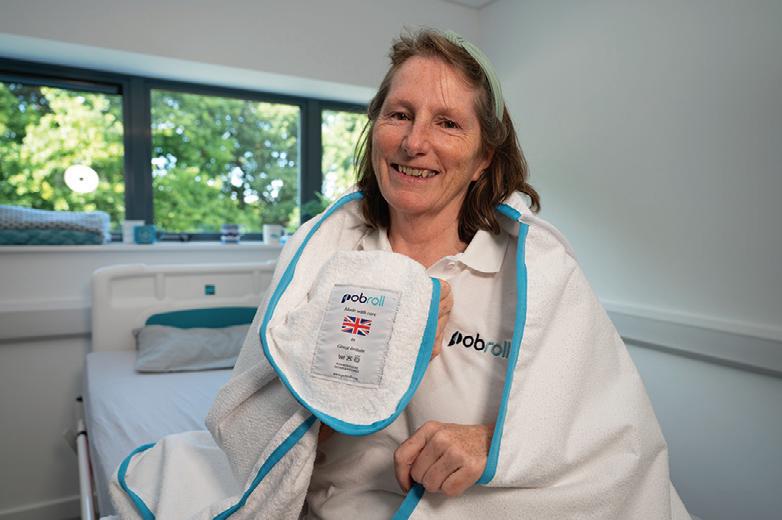
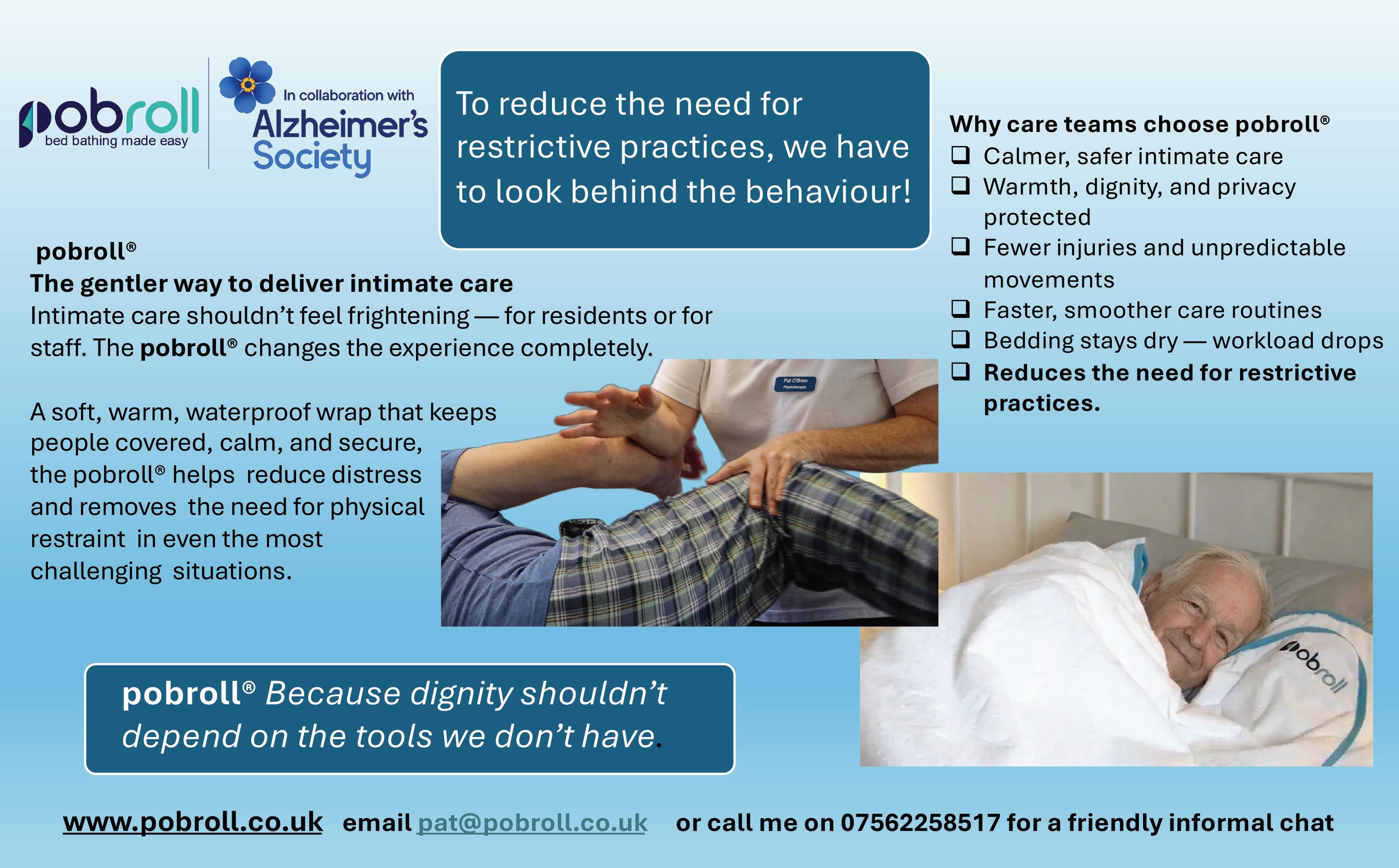
In April 2025, the Supporting the Provider Market (STPM) team in County Durham published a new report evaluating the use of pobroll® — a waterproof bed-bathing wrap designed to improve dignity, comfort, and ease during personal care.
This evaluation was carried out across 10 care homes with high numbers of residents living with dementia. Each setting was given one or more pobroll® units and invited to share feedback through a structured survey. The findings reveal how even simple tools can make a significant difference in everyday care.
How was pobroll® used?
Most care homes used pobroll® daily or several times per week, showing it quickly became part of regular practice. Staff noted that one of the biggest challenges was not having enough units — all homes requested additional stock after the trial, highlighting a clear appetite for wider adoption.
What did care teams think?
Feedback from the care homes showed strong support for the tool:
Ease of use was rated highly, with an average score of 4.4 out of 5. Staff found pobroll® straightforward to incorporate into care routines.
• Training was rated slightly lower, at 3.8 out of 5, suggesting that while the wrap is easy to use, additional training resources could improve onboarding for new users.
Resident response was positive. Three in ten care homes reported improved mood or behaviour during bed bathing for dementia patients.
• Key benefits included greater warmth, coverage, and dignity for residents, especially those who might find conventional methods distressing. Some teams also found it particularly useful for end-oflife care
Would they recommend pobroll® for bed bathing for dementia patients?
Written by Pat O’Brien of pobroll
Absolutely. Homes rated their likelihood to recommend pobroll® at 4.3 out of 5, with half of respondents giving it a full 5 out of 5. The overall feedback was clear: this is a valued, meaningful addition to personal care.
Would they recommend pobroll® for bed bathing for dementia patients?
The results of this trial reinforce what many professionals already believe — that small, thoughtful design changes can significantly improve care. For residents who are bedbound or living with dementia, personal care can often be a distressing experience. But with the right tools, it doesn’t have to be. The pobroll® isn’t a complex device. It’s a simple, dual-layered cotton towelling wrap. But its thoughtful design — offering full coverage, comfort, and support — makes a real difference where it matters most.
If you’re part of a care home, hospice, or hospital and would like to explore how pobroll® could benefit your residents or service users, get in touch. We’re here to support compassionate, dignified care — one small change at a time.
See the advert on the facing page for details, or visit www.pobroll.co.uk
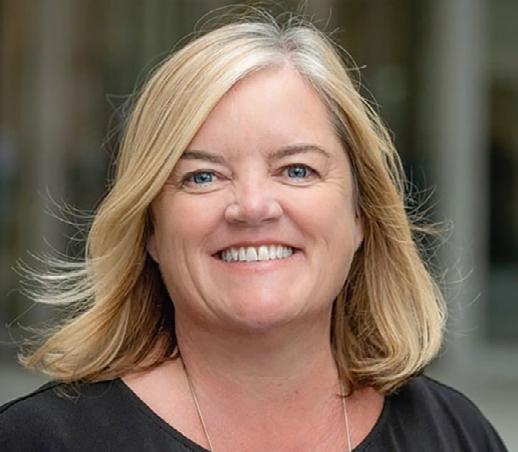
Millions of unpaid carers across the UK are being left under intolerable pressure as they prop up an increasingly fragmented adult social care system, according to Baroness Louise Casey, who says the current model is no longer fit for modern society.
Speaking at a conference hosted by Carers UK in London, Lady Casey described a care system that continues to rely heavily on unpaid family carers — most of them women — to fill widening gaps in support provision.
Lady Casey, who is leading the Government’s independent review into adult social care reform, said carers were often expected to shoulder “risk, stress and responsibility” with little clarity or reassurance about the help available to them.
She warned that the system remained overly dependent on unpaid carers and low-paid care workers reaching crisis point before meaningful support was offered.
“The reality for many carers is exhausting and emotionally draining,” she said, adding that too many people were being left to navigate a complex network of health and social care services with little guidance.
The peer criticised what she described as an outdated approach to care provision, arguing that systems designed decades ago had failed to evolve in line with the needs of modern families, longer life expectancy and rising levels of chronic illness.
Lady Casey was appointed by the Government in January 2025 to head a two-stage commission examining the future of adult social care in England, part of Labour’s wider commitment to establish a National Care Service. The commission’s first findings are expected later this year.
She has previously cautioned that adult social care faces a “moment of reckoning” as demand rises sharply due to an ageing population and increasing numbers of people living with long-term conditions, including dementia.
During her address, Lady Casey highlighted the emotional and practical strain placed on families who
often struggle to understand what support exists, who is responsible for providing it and how care is funded.
She cited examples of elderly parents continuing to provide intensive physical care for adult children because they fear asking for outside assistance could make their circumstances worse rather than better.
According to Lady Casey, many carers report spending more time dealing with bureaucracy and attempting to coordinate services than they do focusing on the wellbeing of the person they support.
She said unpaid carers frequently felt like “project managers”, forced to navigate inconsistent rules, differing local interpretations and a system that often transfers responsibility onto families rather than resolving problems itself.
Helen Walker, Chief Executive at Carers UK, said: “Social care is a defining challenge of our time, with profound consequences for millions of lives. Rising demand, combined with stretched resources, is placing ever-greater pressure on unpaid carers, many of whom are providing increasing levels of care, often at significant cost to their own health and wellbeing.
“Baroness Casey is right to highlight the heavy strain on carers navigating the health and social care system. While many people are willing and committed to caring for family and friends, too often, they are not properly supported to do so. Carers frequently attribute their poor mental or physical health to a lack of support from services, rather than the caring role itself, with administrative demands being a major issue – 38% of carers say claiming financial benefits, as well as arranging and manging paid care is the main reason they feel overwhelmed.
“Our Tipping Point report shows that access to affordable, good-quality social care is crucial in enabling unpaid carers to remain in employment or avoid reducing their hours. Without it, many are forced to scale back work or leave jobs altogether to meet caring responsibilities. This affects their financial security and future circumstances.
“We welcome Baroness Casey’s strong focus on this pressing issue and are encouraged by the clear and supportive speech she has delivered. We are honoured that she chose our State of Caring Conference to share this message on unpaid care. We would also like to thank Kate Dearden MP, Minister for Employment Rights and Consumer Protection, for taking the time to visit today.”
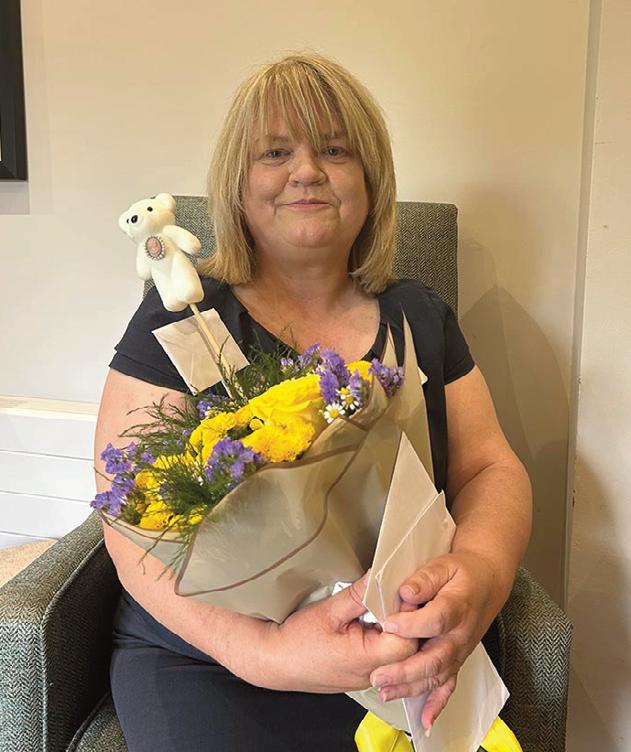
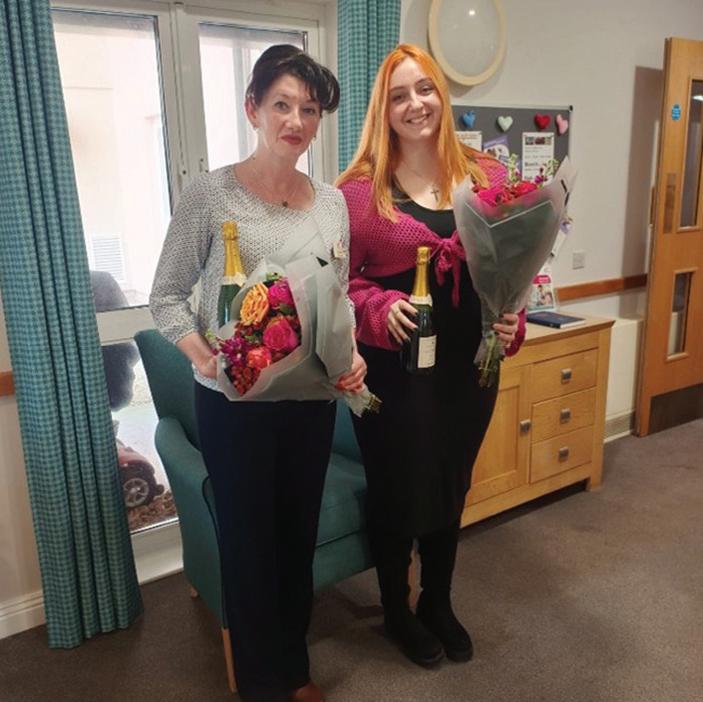
Rose Lodge care home, in Wisbech, was full celebrations for one of their staff who celebrated 10 years of service.
Beccy Worlding started at Rose Lodge in May 2016 as Administration Assistant and was promoted to Administrator in September 2022. Beccy supports the home, her colleagues, visitors and residents and is a huge source of information and support each day.
General Manager Meg Jones said: “Beccy is always the calm smiling face you see when you come through the door each day. Beccy is dedicated, dependable and
shows kindness each day to everyone she meets. Beccy supports so many of us we would all be truly lost without her so it was amazing to be able to celebrate her today and acknowledge her loyalty and dedication- big well done and thank you Beccy”
Beccy said “Thank you so much to everyone, it is lovely to be recognised by all of you and the flowers are beautiful”
Beccy was treated by her colleagues and Barchester Healthcare to flowers, cards, a gift card and a £250 love 2 shop voucher and was then whisked off for lunch.
THE
Social care exists to uphold the dignity, safety and independence of people who rely on daily support, including older people and disabled people, across our societies. That care is delivered by dedicated workers and providers across the United Kingdom and Ireland, who are already managing the practical consequences of geopolitical instability. When the system that supports these individuals comes under stress — economic, logistical, or human — it is they and their families who bear the greatest burden. Their safety, continuity of support and wellbeing should be central to government resilience and emergency planning.
Geopolitical instability has contributed to sustained volatility in global energy markets and supply-chain logistics, with direct consequences for social care providers across our five nations. Care delivery is energyintensive: it depends on transport, heating, and the operational infrastructure of residential settings and community services. As fuel and energy costs rise - unlike many sectors - publicly funded and commissioned care providers cannot adjust their income to reflect rising costs in real time. This lag between cost shock and funding response is itself a risk to sector stability and the continuity of care.
Beyond energy, the current conflict in the Middle East is placing pressure on pharmaceutical and clinical supply chains globally. Cold-chain products, generic medicines, and petrochemical-derived active ingredients are all exposed to input material shortages and supply-chain delay.
For the workforce, these pressures are immediate and personal. Care workers are among the lowest-paid essential workers in our economies and are acutely exposed to the cost-of-living consequences of this instability in their daily lives. Higher travel costs affect those moving between care visits, while higher household bills add to financial pressure on the very people on whom care depends.
Social care across the UK and Ireland is sustained, in significant part, by workers from international and diaspora communities. Among these are individuals with personal and family ties to the Middle East, including those directly affected by the conflict in Iran. These workers are carrying not only the professional burden of an under-resourced sector, but also profound personal anxiety about the safety of loved ones in a
region of active conflict.
This human dimension deserves recognition. Effective resilience planning should include the wellbeing of the workforce, including emotional support and practical recognition of the pressures faced by staff with direct ties to affected regions.
We, the social care leaders of the Five Nations, call on our respective governments -and the forums through which they engage, including the British-Irish Intergovernmental Conference (BIIGC), and the BritishIrish Parliamentary Assembly to act with urgency on the following:
Governments should engage meaningfully with the social care sector in resilience planning and social care leaders must be represented in emergency planning structures. Social care must be formally recognised as an essential public infrastructure within each nation’s emergency planning and business continuity arrangements, with standing representation on the relevant national resilience and supply chain contingency bodies. Governments should work with social care providers and workforce representatives to assess and address the specific vulnerabilities that geopolitical instability — and the Iran conflict in particular — is creating for care delivery.
Resilience planning should cover the full operational realities of care delivery. This includes workforce travel, fuel access, medicines, food, utilities, communications, cyber security, PPE, community equipment and supply chains across both residential and home-based care. This holistic approach to resilience planning was exhibited during the Covid-19 pandemic, during which time social care was recognised as integral to health system resilience. This cross-system coordination must be rebuilt and maintained.
The workforce must be supported in practical and human terms. Recognition of the dual pressures — economic and personal — facing care workers in this period is essential. Support measures should address both the cost-of-living consequences of energy price volatility and the wellbeing of those with direct ties to affected regions.
Social care is not peripheral in times of crisis; it is an essential frontline service. The people who rely on it, and those who provide it, need governments to plan in partnership with the sector now. We stand ready to contribute our expertise and experience to that work.
Issued collectively by the social care leaders of England, Scotland, Wales, Northern Ireland, and Ireland www.fivenationscareforum.com
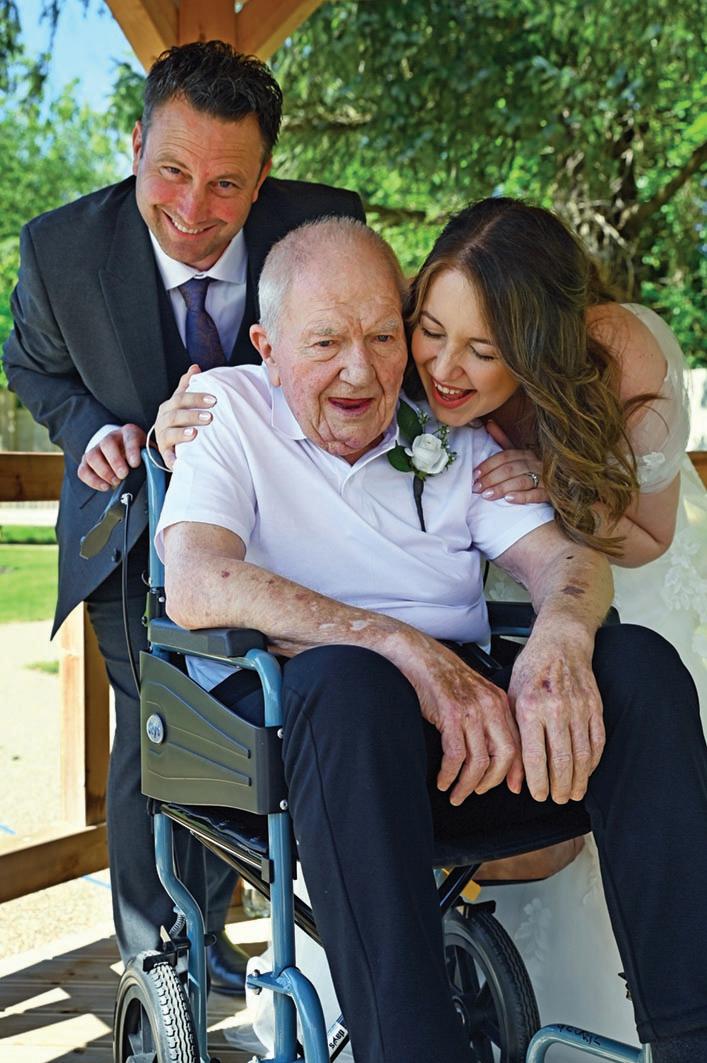
WHEN Emma Noake realised she wouldn’t be able to realise the dream of her beloved grandfather George walking her down the aisle, she decided to bring the wedding to him – at a care home near Cardiff.
Newlyweds Emma and Lester Noake returned to Glenburnie Lodge Care Community in Wenvoe, near Cardiff on Saturday 25th April to recreate key moments from their wedding day the previous day, so Emma’s grandfather, George Lacey, who has dementia and lives at the home, could be present for the ceremony and celebration.
The couple were married at a registry office then changed back into wedding attire the following day to share vows, photographs and a family celebration at the care home — creating a lasting memory for George and the wider family.
Glenburnie Lodge team members decorated a private family room and helped stage a heartfelt ceremony with residents and colleagues dressed for the occasion. The celebration included a reaffirmation of vows, a photo moment in the garden and a specially made two-tier wedding cake prepared by the home’s chef.
“Me and my grandparents have always been really close, so the idea being that when I got married my grandfather would be the one walking me down the aisle,” says Emma.
“But as his dementia worsened and he moved to Glenburnie Lodge, it was clear this was not going to happen.
“The family are in most days and when I had my baby Hudson two months ago, they made a big fuss and when I mentioned it would be nice to have a little family celebration in the home, they took it to a whole different level and
made it into something much bigger.
“It’s such a nice thought that they think so highly of my grandad and our family and what they did on the day was just phenomenal.”
On the day, George was supported by the care team and was able to walk with Emma for part of the ceremony — something the family said felt especially meaningful.
Emma added: “For my family, it will forever be such a special memory and we are so grateful to everyone at the home.”
This was echoed by Emma mum, Caroline Newman, who said: “We cannot put into words how amazing it was; it was truly incredible.
“A wedding is always an emotional time anyway but to have the wedding on Friday with Dad, our patriarch, not with us meant there was big hole missing.
“For the home to have facilitated that in such a spectacular way, and for Dad to be part of that and be with my mum Christine, was just beyond precious.
“The memories that we have from this will just be etched on our hearts forever - it was phenomenal.”
Emma Watson, Glenburnie Lodge Home Director, said: “George was one of the first residents to move in when the home opened in 2024 so needless to say, he is much-loved and very popular.
“When we heard about the wedding, we absolutely wanted to make it an occasion to remember and we are delighted that Emma got share this precious moment with George and the rest of the family on this very special day.”
Glenburnie Lodge is one of five homes owned by Dormy Care Communities, all of which offer residential, nursing and dementia care, as well as respite and palliative support.
Poole care home residents and staff raised nearly £400 at a fundraising afternoon tea to support children living with cancer.
Residents at Elizabeth House care home, on Dolbery Road South in Poole, welcomed in the local community to raise money and awareness of local charity, Meredith’s Mission, at the event.
Meredith’s Mission was set up by Kate in 2024 in honour of her daughter Meredith who was diagnosed with a form of non-Hodgkin lymphoma at the age of four, leading to more than two years of chemotherapy. During treatment, Meredith wore a range of brightly coloured costumes and outfits to her appointments to bring a smile to the faces of the hospital staff and other patients. She was able to ring the bell to mark the end of her treatment in January this year.
The guests of honour at the event were Meredith and her mum Kate. They attended the special fundraising afternoon tea with live music at the care home, where staff wore bright outfits as a tribute to Meredith’s fun spirit. In
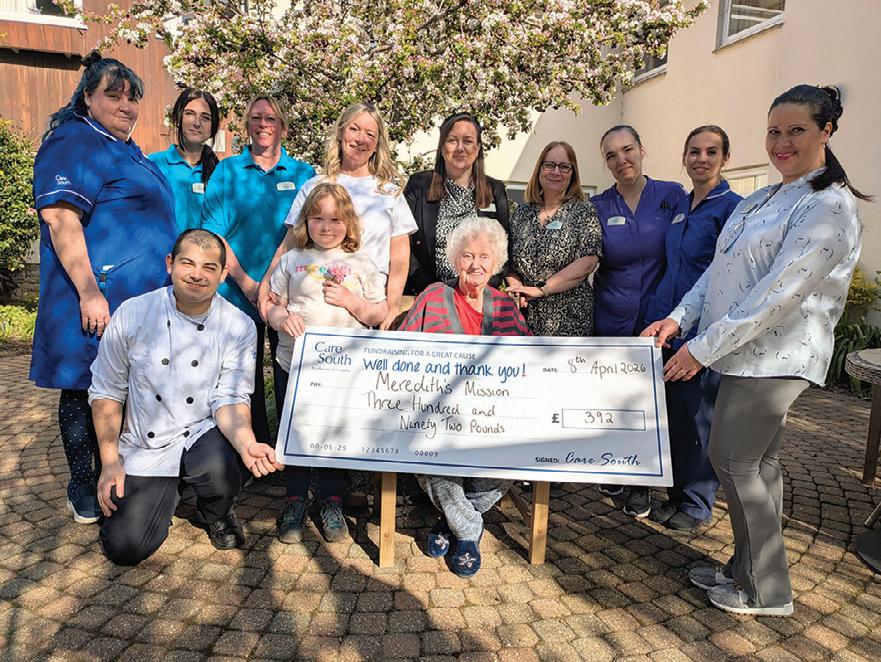
total, the event raised £392 for the good cause.
Kate, founder of Meredith’s Mission, said: “We are so grateful for the money raised by the residents, their families and the care home team at Elizabeth House, which will help us to continue supporting families going through some of their toughest times. It was incredible to see the community gather to raise money for our charity to support other children in Dorset facing cancer.”
Donna Moss, Home Manager, said: “Residents, staff and visitors had such a wonderful afternoon of entertainment with Meredith invited as our guest of honour. She is a real inspiration with her positive attitude and fun spirit despite the challenges she has faced, so the residents were thrilled to meet her. At Elizabeth House, we are proud to work with and support our local community and reading about Meredith's personal experience of cancer made us keen to do our bit to help such a worthy cause.”
Frontline workers, clinicians and mental health experts are being invited to share their views on how to transform mental health care for children and adults in England, as the government launches a call for evidence to shape its once-in-a-generation cross-government mental health strategy.
The strategy will drive a fundamental shift towards prevention –treating people earlier and faster, and supporting those with mental health conditions to live a full life and stay active in education, work, family life and their communities.
Demand for mental health services has risen rapidly, particularly among children and young people, who often face long waiting times for the care they need. Around 1 in 5 people are now affected by a common mental health condition.
Improving mental health care is a priority in the government’s manifesto and 10 Year Health Plan and the government has hit its target to hire 8,500 extra mental health workers 3 years ahead of schedule. This year, NHS mental health spending is forecast to reach a record £16.1 billion – a real-terms increase of around £140 million on last year.

On top of this, we are making £473 million available over the next 4 years for mental health emergency departments, community-based mental health centres and wider capital projects, accelerating the rollout of Mental Health Support Teams in schools and colleges and expanding communitybased support via Early Support and Young Futures Hubs.
But despite record investment and significant workforce growth, the current system remains reactive, fragmented and inconsistent. Support varies based on postcode, and too often people only get help when they reach crisis point. The mental health strategy will address this by setting new direction for the mental health system so that it responds earlier and more proportionately.
Baroness Merron, Minister for Mental Health, said: “This government believes that mental health should be treated with the same seriousness as physical health, yet too many people across the country are struggling to get the support they need, when they need it.
“Alongside record investment in mental health services and more mental health workers than ever in the
NHS, this strategy will give mental health the attention it deserves and set us on a new direction – one that focuses on earlier help, faster access and a whole-system approach.
“We want to hear from everyone with a stake in getting this right, including frontline clinicians, service providers, and people with lived experience of mental health conditions, so that we can build a system that truly works for everyone.”
Mark Rowland, Chief Executive at the Mental Health Foundation, said: “This is a big moment for England’s mental health. For many years, we’ve been calling for a radical shift towards a cross-government approach with a focus on prevention, and we look forward to contributing to the plan’s success.
“Our nation’s mental health has gone downhill over recent decades due to things like the COVID-19 pandemic and the legacy of austerity. But change is possible, and we are pleased that the government is taking action.
“We will be advocating for the plan to be ambitious, evidence-led and with a real focus on those communities most at risk of poor mental health; and to address the social and economic factors that shape all our mental health.
The strategy will also look beyond clinical settings to consider the role of schools, workplaces, the voluntary sector and local government in promoting positive mental health, moving from a system that first and foremost seeks to diagnose patients, to one that asks what support people need to live better.”
It will also respond to forthcoming recommendations from the independent review into mental health, ADHD and autism, chaired by eminent psychoanalyst and clinical psychologist Professor Peter Fonagy. The review is examining the drivers of increasing demand and how government, the health system and wider public services can meet that demand more fairly and effectively.
Autistic people and people with ADHD face a much higher risk of developing a mental health condition. The strategy will reflect the mental health needs of these groups, while a dedicated cross-government autism strategy will also be developed and published in due course, and the government will engage with stakeholders to consider extending it to cover ADHD.
The call for evidence opens today and will remain open for 8 weeks, closing on 10 July 2026.
A dedicated care home manager from Windmill House Care Home, part of the Runwood Homes Group, is preparing to climb Ben Nevis, the UK’s highest mountain, in support of dementia research.
Having already completed a successful climb of Snowdon on 2 May as part of her preparation, she will take on the challenge of Ben Nevis on 7 June to raise awareness and vital funds for dementia research.
As a manager working within a dementia care setting, she witnesses firsthand the impact dementia has not only on those living with the condition, but also on their loved ones and wider communities.
Speaking about the challenge, she said:
“I’m proud to be taking on this huge personal challenge to help

raise money for dementia research. Working in dementia care, I see every day the reality of this condition and the effect it has on families, friends, and entire communities.
This climb is my way of turning that experience into action. Every step up that mountain is for the people I care for, the families who support them, and everyone affected by dementia.”
The fundraising effort aims to support ongoing research that brings hope for improved treatments, better care, and ultimately a brighter future for those affected by dementia.
The local community is being encouraged to support the challenge by donating, sharing the fundraiser, or simply cheering her on as she prepares for the climb.
“Together, we can help support the research that brings hope for a better future,” she added.


The Care Quality Commission (CQC) has published updated guidance on the tools and processes it will use as it moves into the next phase of assessing how local authorities are meeting their statutory duties under Part 1 of the Care Act 2014.
The announcement, made on 15 May 2026, builds on an updated approach published the previous month and follows extensive engagement with key stakeholders including the Association of Directors of Adult Social Services (ADASS), the Local Government Association (LGA), Ofsted, a number of local authorities, and CQC's own assessment teams. Among the most significant developments is the introduction of local authority assurance meetings, designed to help the CQC better understand the context in which each authority is carrying out its adult social care responsibilities and the resulting impact on people's experiences and outcomes — including those of unpaid carers. Full guidance on the format and frequency of these meetings has been published on the CQC website.

The CQC has also revised the language and guidance around how it gathers evidence from people receiving care. What were previously referred to as "case tracking" and "case sampling" have been renamed "understanding people's experiences" and "sampling people's experiences" respectively, following feedback from local authorities that the original terminology was unclear. Understanding people's experiences involves reviewing the care records of a small number of individuals and speaking with them, their families, or advocates — a process completed before any site visit takes place.
Sampling people's experiences, by contrast, involves examining care records alongside a member of staff
from the local authority, without direct contact with the individual concerned.
In response to feedback gathered during its earlier baselining assessments, the CQC has improved the way it communicates with local authorities during and after site visits. This includes more precise guidance on the purpose and timing of "Keeping in Touch" meetings and "High-Level Feedback" meetings, as well as clarity on who is expected to attend.
The factual accuracy checking process has also been strengthened. An updated template for submitting comments on draft reports has been introduced following feedback that previous versions were difficult to navigate.
An assessment begins when the CQC sends an information return request to the local authority and concludes when the final assessment report is published. Authorities will have two weeks to complete the information return, after which the CQC will begin assessment activity — including case tracking, engaging with unpaid carers, and gathering evidence to inform planning for site visits.
The CQC aims to provide six to eight weeks' notice ahead of a comprehensive site visit, during which time local authorities will be given the names of a designated assessment planner and assessment manager. Each assessment consists of one week of off-site virtual activity followed by one week of on-site activity, with the full process expected to span 19 weeks, excluding publication of the final report.
Notifications of assessment have begun to be issued to local authorities during May 2026.
Residents at Oak Springs care home in Wavertree, Liverpool, part of Sandstone Care Group, have been delighted to receive letters back from their new pen pals at a care home in the United States, bringing smiles, excitement and a strong sense of connection across the Atlantic.
Earlier this year residents at Oak Springs sent messages of friendship and goodwill as part of a ‘Love Across the World’ initiative, writing to residents at Northridge Health & Rehabilitation in Commerce, Georgia. The letters shared stories, interests and warm wishes, with the hope of building new friendships beyond the UK.
Now, those efforts have been rewarded, with replies arriving from their American counterparts, sparking conversations, laughter and a renewed enthusiasm for keeping in touch.
Northridge Health & Rehabilitation, based in the small town of Commerce in north east Georgia, runs a Pen Pal Club designed to connect residents with others around the world. The initiative encourages participants to exchange letters, share photos and build lasting friendships, helping to create meaningful engagement.
Residents at Oak Springs were thrilled to read about life in Georgia,

Welcome to Blue Rain - our activity store is built on over 14 years experience supplying products that bring joy, inspire motivation, and enrich the lives of those who need a little extra support, or simply want to have fun, whatever the weather.
Come find your next reason to smile.
including local traditions, community events and the simple pleasures their pen pals enjoy, from music and celebrations to spending time with family and friends.
The exchange has not only provided entertainment but also a valuable opportunity for residents to learn about another culture, reflect on their own experiences and feel part of something bigger.
Andrea Lyon, home manager at Oak Springs, said: “The residents have absolutely loved receiving their letters from America. There was such a buzz around the home as we opened and read them together.
“When we sent our ‘Love Across the World’ letters, it was all about spreading kindness and making connections. To now receive such thoughtful replies has been incredibly special. It’s a wonderful reminder that friendship has no boundaries, and even something as simple as a letter can make a real difference to someone’s day.”
Following the success of the exchange, residents are already planning their next letters, keen to continue building friendships and sharing more about life in Liverpool with their new friends in the United States.

Managers today are being asked to support their teams through some of life’s most difficult moments. From grief and serious illness to financial pressures and burnout, the emotional load on employees is growing.
Alongside this, more and more people are quietly taking on unpaid caring responsibilities. Supporting a parent, a partner, a child, or a friend, often without ever using the word “carer” to describe themselves.
That’s why it’s more important than ever to ask: what more can we do to support both carers and the managers supporting them?
Census data shows that nearly 3 million carers aged 16 and over in the UK are in paid employment. Within this, an estimated 1.4 million are “sandwich carers”.
A sandwich carer is someone who provides unpaid care for both dependent children and older relatives, often their own parents or grandparents. They are balancing the needs of two different generations, alongside their own work and personal lives. This group spans a wide age range, from late teens through to mid-
By Lucy Carpenter, leader of the Compassionate Employers Programme at Hospice UK
60s. Yet despite their numbers, and the vital role they play, many people don’t recognise themselves as carers at all.
More broadly, unpaid carers contribute the equivalent of around four million paid care workers to the social care system. Without them, the system would simply collapse.
The economic impact is significant too, a major study by Carers Trust found that the contribution of working-age carers is worth up to £47.7 billion a year.
Carers are not a small or niche group in our workforce. They are our colleagues, our teams, and in many cases, our managers.
For many carers, work is more than a job. It can be a source of identity, financial stability, connection, and routine.
But without the right support, balancing work and caring responsibilities can quickly become overwhelming. Many carers reduce their hours, turn down progression opportunities, or leave work altogether because it simply isn’t sustainable.
That’s why creating compassionate, supportive workplace cultures isn’t just the right thing to do, it’s essential for retaining talent, supporting wellbeing, and keeping people in work.
WHAT CAN ORGANISATIONS DO?
The good news is that small, practical changes can make a big difference. It starts with creating an environment where carers feel seen, supported, and safe to speak up.
Here are four simple ways to get started:
Ask - One of the easiest ways to support carers is to make space for the conversation. Build caring into the everyday conversations you’re already having, during onboarding, regular check-ins, supervision, and annual reviews.
Taking the time to understand what’s happening in someone’s life outside of work helps you see the full picture and the load they may be carrying. Many carers won’t volunteer this information unless they feel asked in a safe and supportive way. Simple, open questions can make all the difference.
Talk - Visibility changes everything, talk openly about caring within
(www.hospiceuk.org/compassionate-employers)
your organisation. Share stories, signpost support, and make it clear that people with caring responsibilities are valued and supported. Many carers stay quiet because they worry they’ll be seen as less committed, particularly during times of organisational change or uncertainty.
Creating a culture where caring isn’t something to hide helps people feel able to speak up earlier, before they reach crisis point.
Educate - Managers play a crucial role in shaping how supported someone feels at work. People are much more likely to open up when they feel psychologically safe, and that comes from trust, empathy, and understanding. Sometimes these conversations can feel difficult, managers may worry about saying the wrong thing or not knowing how to help. That’s where training matters, giving managers the confidence and skills to have compassionate conversations can transform how support is experienced day to day.
Formalise - Informal support is important, but it needs to be backed up by clear policies. Make sure your policies are up to date, easy to find, and regularly communicated. Employees need to understand their rights, including legal protections:
• Five days’ unpaid carer’s leave
Time off for dependants in emergencies
• Parental leave
Protection from discrimination
The right to request flexible working
Alongside policies, practical guidance and real-life examples can help bring them to life. Case studies can show both managers and employees what good support looks like in practice.
Ultimately, supporting carers is about more than policies or processes. It’s about culture. It’s about recognising that people don’t leave their lives at the door when they come to work, it’s about understanding that, at some point, many of us will become carers ourselves. By creating workplaces where people feel seen, understood, and supported, we not only help individuals through challenging times, but we also build stronger, more compassionate organisations for everyone.
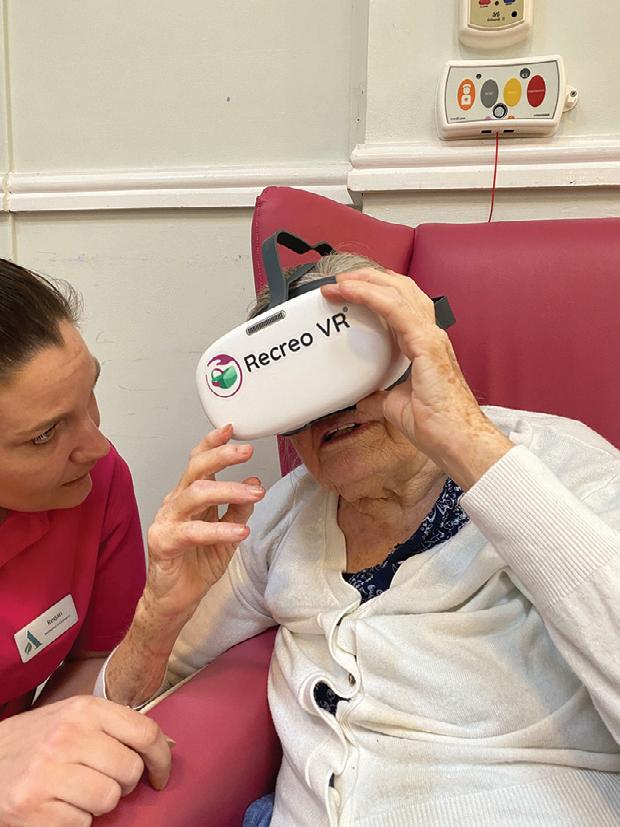
At Broomy Hill Nursing Home, innovation and compassion come together in the most inspiring way. Residents at the home are stepping into a whole new world with the introduction of virtual reality headsets. It is an exciting innovation with the power to create uplifting and meaningful moments for the residents under our care.
Virtual reality is becoming an exciting innovation in care homes and at Broomy Hill Nursing Home it is making a meaningful impact. VR is more than just a tool; it allows residents to relive cherished memories and experience activities they may no longer be physically able to do.
For residents with dementia or complex mental health needs, VR stimulates memories, sparks conversations, and provides relaxation through immersive experiences. Using headsets to create digital 3D environments, VR acts as a tool for cognitive stimulation, pain relief, and wellbeing, enabling individuals to safely revisit familiar places or explore new worlds.
We were thrilled at the opportunity to be a part of the Recreo VR experience. It was something new for the residents and us. However, it is not only something new; it is a learning experience for the entire staff at the home.
Our Wellbeing Lead, Lauren, is currently working on a list of available experiences that our residents can choose from to do something different each time they use the headset. This way, our residents will have something new to look forward to each time they use the headset, as new content is added every eight weeks.
“Couldn't Have Asked For
Working in nursing was always part of the plan for Ella Redmore and she is very grateful for the opportunities and support she has received whilst completing her trainee assistant practitioner apprenticeship.
Ella started working at MHA Torrwood in February 2023 and joined the home as a care assistant.
She was always keen to develop and progress and around a year after joining the home, she applied for a senior care assistant position, however this coincided with MHA advertising for trainee assistant practitioners, and that's the route Ella took and is now the first assistant practitioner at the home.
Ellas started studying at the University of Central Lancashire on a two-year course and was supported by Iustina Mihai, Senior Nurse and Mentor, a colleague who has been with MHA for 10 years.
Ella is hoping to continue with her development and is starting a part time nursing degree from the University Centre Weston in October 2026. MHA Torrwood provides residential, dementia and nursing care for 82 residents.
One of the new experiences that our residents will enjoy in the near future is a seated safari, where they will have the opportunity to come face to face with a rhino from the comfort of their chair.
Recently, our residents travelled through time to the 1950s, where they had a virtual visit to a traditional house, cinema, and a high street. In the house, our residents travelled from room to room, exploring the food pantry and admiring the decorations of the house. In the cinema, our residents explored the ticket office, the reel room, and the cinema itself. In the high street, our residents visited an electronics shop, a record shop, and a toy shop, enjoying the experience of each of these different stores.
Many of our residents commented on how real the experience felt, almost like stepping into a memory. Some were actually looking at their hands to get used to the virtual world. As the shops, toys, and songs from the period were brought up, the experience naturally evolved into memories and stories. The dialogue was effortless as the resident's shared memories from their own lives to each other and staff. Virtual reality is more than just an activity at Broomy Hill. It is another meaningful way we promote wellbeing and engagement for our residents. By using Recreo VR, we encourage conversation and reflection, while continuing to look for ways to enhance quality of life within our home.
For further information visit www.recreovr.co.uk
Speaking on her development Ella said: “ Ever since I joined MHA Torrwood I was keen to develop myself and looking to build on the experiences I have gained since working at the home.
The university was great. The personal tutor from the university met with myself and my mentor Iustina regularly.
“The course felt really inclusive even though it was delivered online to half of the apprentices.
“The university ensured that those online interacted with those teaching and in the room’
“I was able to make the modules personal to me and use my everyday experiences at Torrwood to apply theory to practice, which made it easier to do the research and write the assignments.
“I feel I am very lucky and I couldn't have asked for better support and opportunities both from the management at MHA Torrwood and the tutors at the university.
“I am very proud of my achievements so far and look forward to starting my course in October and further developing myself.”
Families across the UK are facing a dementia care “postcode lottery”, with the availability of advanced dementia support ranging from 57% of care homes in London to just 23% in Northern Ireland, according to new analysis from carehome.co.uk.
The findings, released during Dementia Action Week, reveal stark regional disparities in access to specialist dementia care, particularly for people living with advanced or complex forms of the condition. While many care homes are able to support residents in the earlier stages of dementia, provision drops significantly as needs increase.
According to the findings from their report Caring Britain: How the care landscape is changing, London has the highest availability of advanced and complex dementia care, with 57% of care homes able to meet higher-level dementia needs.
Other regions with relatively strong provision include the East of England at 50%, South East England at 46%, Scotland and the East Midlands both at 45%, and the West Midlands at 44%.

Availability is considerably lower elsewhere, including South West England at 40%, the North East and Yorkshire & The Humber at 38%, North West England at 34%, Wales at 33%, and Northern Ireland, which has the lowest level of provision at just 23%.
carehome.co.uk, warns this uneven distribution risks leaving families with limited options as dementia progresses, potentially forcing people to move away from familiar environments and support networks to access suitable care.
The issue comes as demand for dementia care continues to rise. Around 70% of care home residents are estimated to be living with dementia or severe memory problems, yet care staff in England, Wales and Northern Ireland are not legally required to complete dementia training.
Recent Skills for Care data shows fewer than a third (29%) of England’s care workforce has received any dementia training.
Sue Learner, editor at carehome.co.uk, said: “It is not fair that families face vastly different outcomes depending on where they live. Dementia is a progressive condition and people need confidence that appropriate care will be available throughout every stage.
“At the moment, there is a clear imbalance in access to advanced dementia support across the UK. Without greater national consistency, many families have to face difficult decisions, including moving loved ones away from their communities so they can access the right care.”
carehome.co.uk is calling for a national conversation around dementia care capacity, workforce development and long-term planning to help ensure people living with dementia can access appropriate care regardless of where they live.
Mark Reed, chief operating officer at Evolve Care Group, which operates eight care homes and delivers dementia training through its Evolve Care Academy, said:
“Dementia is not a one-size-fits-all condition, which is why staff need more than basic training to provide good care. When teams understand a person’s history, routines and emotional needs, it can significantly reduce distress and improve wellbeing.”
Mr Reed highlighted the example of Ben, a former serviceman living with advanced dementia and PTSDrelated trauma, who became increasingly distressed in a previous care home. After moving to Heanton Nursing Home, staff used person-centred dementia approaches to adapt care around his military identity, greeting him by his military title and returning his salute. The personalised approach helped him feel safer, calmer and more understood.
wish granted when she was invited to go backstage and meet her icon, Hamza Yassin.
Joan, who is a lover of creative arts and nature, has been a fan of Hamza ever since his appearance on Strictly Come Dancing in 2022. After learning about his love for nature and seeing the stunning wildlife photos he captures, Joan became an instant fan.
“I voted for Hamza every single week on Strictly Come Dancing — sometimes twice," said Joan. “I was absolutely thrilled when he went on to win the competition!"
Joan has continued to follow Hamza’s journey ever since, enjoying his adventures and breathtaking photography of the natural world.
One day, Joan was scrolling through her Instagram feed when she saw Hamza was going on tour with a show entitled, ‘My Life Behind the Lens’. After seeing this, Joan immediately told the team at St George’s Court and said that she would love to attend.
Knowing how much this would mean to Joan, the team began looking

at ticket availability and whether they could grant her wish. As a wheelchair user, they were delighted to find some accessible tickets at the show in Lincoln and immediately booked them!
Joan was over the moon when she heard the news and decided she would make a special gift to give to Hamza at his show. Joan is a talented artist and has explored many different art forms – from stained glass window making and drawing, to watercolour painting and embroidery.
She decided to make a heartfelt embroidery of Hamza’s beloved dog, Midge, who is regularly featured on his Instagram account.
After two months of excitement, show day finally arrived and Joan could not wait. With her handmade embroidery of Midge in hand, she headed off to the Engine Shed in Lincoln.
The team at the Engine Shed was absolutely fantastic and arranged for Joan to be seated in the second row with a brilliant view of the show.
Joan had what she describes as ‘The best day ever’, which was made even more special when she was invited to go backstage and give her embroidered gift to Hamza.

Geraldine McMurdie, Dementia Specialist at Quality Compliance Systems (QCS), discusses the links between dementia and falls and the ways in which these can have an impact on those living with a dementia.
Those living with a dementia are at a significantly higher risk of falling, with studies indicating that one in three adults over the age of 65, and half of people over 80, will experience at least one fall a year. People living with a dementia are also 5 times more likely to be admitted to long-term care after a fall.
Falls can significantly impact the confidence, health, and wellbeing of individuals living with dementia. They can also heighten the stress experienced by caregivers and place additional strain on the healthcare system.
DEMENTIA AND FALLS
As a dementia progresses over time effecting the brain and how it works, this can often lead to significant effects on a person’s mobility and safety awareness, leading to challenges such as reduced balance, difficulty managing dual tasks, spatial navigation issues, increased frailty, and medication side effects. These factors contribute to those living with a form of dementia experiencing falls.
KEY STATISTICS:
Injury and hospitalisation – around 31% of people with dementia experience a fall leading to hospitalisation over a 2.5 year period
Fracture risk – 18% of those with dementia will experience a fracture, often following a fall
Mortality risk – falls can be a major cause of death, with higher injury-related mortality risks in those living
with dementia
Often when someone living with dementia experiences a fall an ambulance is called as the individual may not be able to convey how much pain they are experiencing or how serious the injury is. This can lead to distress and poor health outcomes if care staff do not know how to respond to the situation in a prompt, caring and appropriate manner.
Understandably falls can happen very quickly and without warning and are often a distressing time for both the individual who has fallen and the care provider who is looking after them. It is a time where decisions will need to be made quickly in order to provide the best possible care and support at the time it’s needed most. It is also important that these decisions are made in line with the individual’s care plan and the policies in place for best practice.
With Lyra Multi, QCS’s latest stage of AI technology, care providers can access all of their policies and compliance documents within seconds, helping them to make those quick decisions in a compliant and safe way. Lyra Multi connects all relevant policies, interprets them in context and converts complexity into clear, relevant and practical guidance exactly when teams need it, turning policy storage into real decision support.
At any given time, users can ask a question and get instant, tailored answers along with clear summaries and key insights. For example, if a resident with a dementia has fallen over and the care provider wants to check how support them with safe and appropriate care, they can type the message into Lyra and have all the relevant information from all of their policies provided to them in a succinct and understandable way within seconds.
Ensuring decisions are made both quickly and in a way that is compliant with regulations and policies will provide the best possible care for the individual who has fallen as well as give the care provider the confidence that they have acted in the most suitable way.
Find out more about Lyra Multi at www.qcs.co.uk/lyra
Staff and residents at Elgar Court care home in Malvern are over the moon because their Managing Director, Angela Bradford, from Barchester’s Central Division, and her team of fellow MDs have really brought home the bacon and won the Barchester Charitable Foundation Cook Off 2026.
Angela’s team, the Pressure Cookers, made up of Managing Directors and a Hospital Director from five of Barchester’s divisions, went head to head with members of Barchester’s Executive team, the Rolling Scones, to cook up a storm and win the coveted Cook Off crown whilst raising vital funds for Barchester’s Charitable Foundation. With money still coming in, so far the Cook Off 2026 has raised an extraordinary £53,000.
The Charitable Foundation helps connect vulnerable people and those living with a disability to community groups in their local area by providing grants to improve mobility and quality of life. Each year the Foundation distributes thousands of pounds to individuals, small community groups and charities across England, Scotland and Wales.
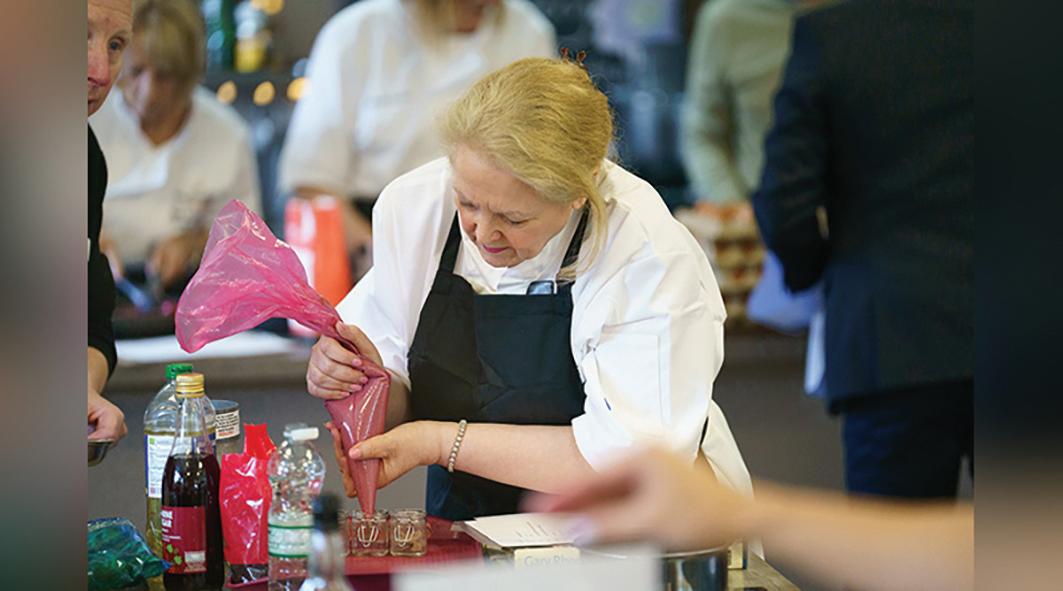
In 2025 the Foundation achieved a donation milestone of £424,000 which enabled the charity to provide vital help to a staggering 262 small groups and charities, plus 123 individuals in one year alone.
The Pressure Cookers beat the Rolling Scones with their sensational menu which had a choice of three
different starters, the judges named their Lobster Bisque with chive crème fraiche and croutons an absolute triumph. For main, there was a choice of Cod Loin with beetroot, asparagus and champ mash or homemade Sweet Potato and Chickpea Curry. For dessert, the options were White Chocolate and Raspberry Cheesecake or Rhubarb Crumble Custard Tart and their Afternoon Tea item was a Sausage Plait with red onion chutney which the judges agreed was to die for.
Angela comments: “I am so proud of how we handled ourselves under pressure – the team name was very apt – and how we all pulled together to support each other and get the job done. The dishes we created looked amazing and were delicious if I do say so myself, I was especially proud of the Lobster Bisque! We absolutely smashed it out of the park but the icing on the cake was the amount of money we raised thanks to the support of all our homes so I want to say a huge thank you to everyone who donated.”
Sarah Cadwallader General Manager of Elgar Court care home, adds: “We are all in awe of Chef Angela, is there nothing she can’t do! All of the MDs did a brilliant job and raised so much money, they are an absolute inspiration to us all. The Foundation is a cause very close to all our hearts so this is a remarkable achievement.”
St Peter’s Hospice has officially unveiled its newly refurbished first-floor offices at its Brentry site in Bristol, with local MP Darren Jones attending to formally open the improved space.
The refurbishment has been made possible through government capital funding awarded as part of a national programme supporting hospice infrastructure improvements across England.
St Peter’s Hospice received £750,000 last summer and used part of the grant to modernise workspaces for its clinical teams, improve confidentiality and create a more effective and comfortable environment for staff and patients.
Opening the refurbished offices, Bristol North West MP Darren Jones said: “It has been wonderful to tour the hospice today and see how this government funding has been put to good use to create the workspaces needed for the team to deliver the best patient care. Because when we announce pots of funding, these aren’t just numbers on a press release – this is real money that will make a real difference to people’s lives.”
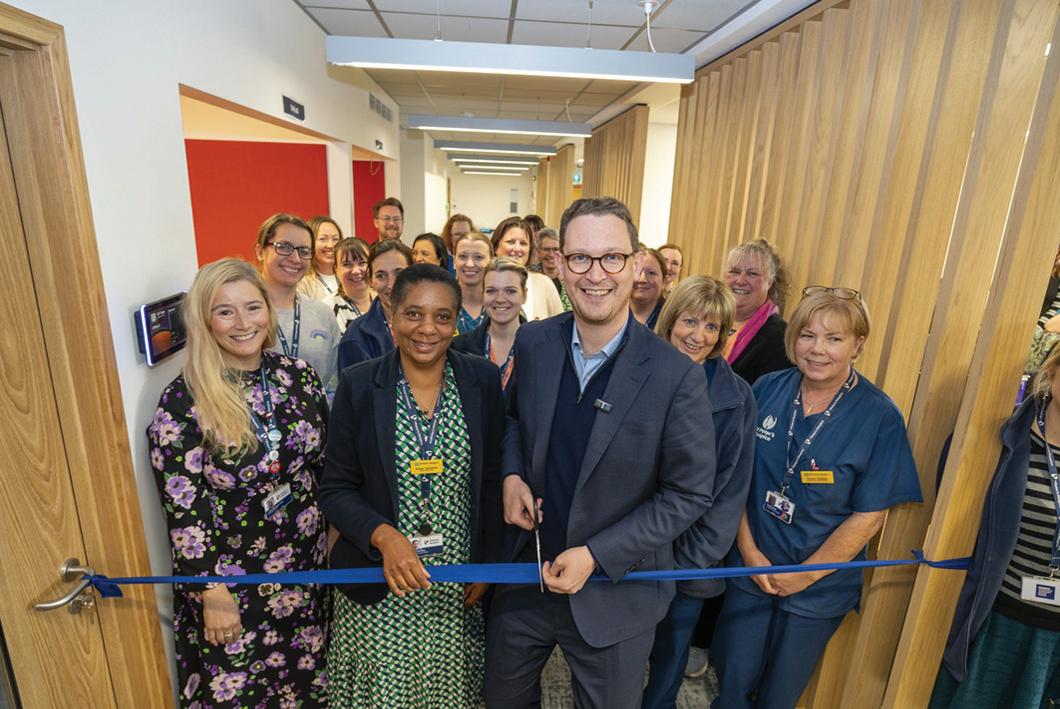
Susan Hamilton, CEO of St Peter’s Hospice, said: “We’re delighted to officially open these newly refurbished spaces and grateful for the government funding that has made this possible. The improvements will make a real difference to the way our teams work together and support patients and families through some of the most difficult moments in their lives.
“The office space hadn’t been significantly upgraded in more than 20 years, despite the Hospice and our services growing considerably during that time. These improvements give our staff the facilities they need to work effectively, collaborate better and hold sensitive conversations in appropriate private spaces.
“While capital funding like this is hugely valuable, our biggest need continues to be sustainable funding for our day-to-day care services. We still rely heavily on donations to ensure we can continue delivering compassionate end-of-life care across Bristol, South Gloucestershire and North Somerset.”
The project forms part of a wider £75 million government funding package announced in July 2025 to modernise hospice facilities across England. Earlier this year, St Peter’s Hospice also learned it would receive a further capital funding grant to support a second phase of improvements, including the addition of awnings to Inpatient rooms, allowing patients to enjoy the outdoor space on sunny days.
Susan continued: “The pressures facing hospices continue to grow. Demand is rising year on year, as are the costs of delivering high-quality, compassionate end-of-life care. Capital funding is an important step, but it must sit alongside a long-term, sustainable approach to hospice funding.”

Care home operators across the UK are feeling the strain of mounting day-to-day pressures, with new insight from Everywhen (www.everywhen.co.uk) uncovering what is really keeping providers awake at night in 2026.
Based on ongoing conversations with care providers, brokers and sector specialists, Everywhen has identified six core challenges currently shaping decision-making across the industry — from financial pressure to operational risk.
At the heart of the issue is financial strain. Rising wage costs, increased employer contributions, and continued reliance on agency staff are combining to tighten margins, leaving operators with less flexibility to respond to unexpected events.
While demand for care remains strong, many providers continue to face a gap between the cost of delivering care and the fees received, creating ongoing concerns around long-term sustainability.
Alongside this, workforce challenges continue to shape day-to-day operations. Recruitment and retention remain persistent issues, with many homes managing frequent rota changes, last-minute absences, and increased reliance on temporary staff. This can affect not only costs but also continuity of care and internal processes, adding another layer of operational risk.
Regulatory scrutiny also remains a constant. Expectations around governance, safeguarding, and quality of care are high, and operators are increasingly aware that even minor issues can have wider consequences. Inspection outcomes, reputational impact, and occupancy levels are closely linked, meaning operational challenges can quickly translate into financial ones.
At the same time, the risk landscape is evolving. Greater reliance on digital systems has introduced new vulnerabilities, with cyber incidents and system outages now a key consideration for care providers. Meanwhile, rising rebuild costs and inflation are increasing the likelihood that some homes may be underinsured, potentially leaving them exposed in the event of a claim.
Delegated Healthcare Activities (DHAs) are also emerging as a significant pressure point, with care home
operators increasingly asked to deliver tasks traditionally carried out by regulated healthcare professionals. While clinicians retain overall responsibility, providers must ensure staff are properly trained, assessed, and regularly reviewed for competency — adding to operational complexity and compliance risk.
For many in the sector, it is the cumulative effect of these pressures that defines 2026. Rather than dealing with isolated challenges, operators are navigating a landscape where issues intersect and compound, making resilience harder to maintain.
Richard Barnes, Senior Business Development Executive at Everywhen, said:
“What we’re seeing in 2026 is a sector under constant pressure, with very little margin for error. Care home operators are managing financial constraints, staffing challenges, and increasing expectations all at the same time — and that creates a very real sense of strain.

“It’s not necessarily the major incidents causing the most concern; it’s the day-to-day realities. A staffing gap, a compliance issue, or a systems problem can quickly escalate when there isn’t the capacity to absorb it.
“For providers, the focus now is on resilience. Understanding where the pressure points are and ensuring the right protections and plans are in place is becoming essential to maintaining both operational stability and quality of care.”
Join us at the Care Forum – a unique event designed for senior professionals responsible for purchasing care home facilities, alongside providers of the latest innovative products and services within the healthcare sector.
The event follows our award-winning format, offering the opportunity to meet 1-2-1 with suppliers through a personalised itinerary of meetings in a relaxed and intimate setting.
8th & 9th June 2026
Radisson Hotel & Conference Centre, London Heathrow BUYERS TO THE INDUSTRY
Attendance is entirely free for buyers. Your pass includes a personalised itinerary of relaxed 1-2-1 meetings with budget-saving suppliers who match your needs, access to insightful and educational seminar sessions led by industry thought leaders, valuable networking opportunities, breakfast, lunch and refreshments throughout,
overnight accommodation at the venue, and attendance at our gala dinner with entertainment.
Confirmed speakers include Sultana Pasha, Quality & Compliance Director at KYN presenting “In My Experience: How to stay compliant with CQC” and Lauri SmithFounder & CEO at The Civility Gap presenting “Breaking silos between health, social care, community services”. Additional sessions will be announced soon.
Buyers can register via our booking form at https://thecareforum.co.uk/delegates-booking-form/ SUPPLIERS
The Forum connects you with healthcare professionals who have specifically requested to meet you and are actively seeking solutions. Benefits include a personalised meeting itinerary, access to senior decision makers, branding exposure, full catering, a pre-built meeting stand, overnight accommodation, and a gala dinner.
The Forum offers an unparalleled opportunity to promote your solutions to engaged decision-makers reviewing their suppliers. For more information, please contact j.healy@forumevents.co.uk
People across Kent and Medway are set to benefit from faster, more accessible dementia diagnosis, as innovative new research is announced.
This Dementia Action Week, Kent and Medway Mental Health NHS Trust is highlighting 3 new research studies looking to improve dementia diagnosis, care and support. These studies are shaping future services while giving local people access to innovative approaches now.
ADAPT, led by University College London is a national Alzheimer’s disease trial within the Blood Biomarker Challenge, which offers some patients attending trust memory clinics a blood test for Alzheimer’s disease.
Until recently, specialist brain scans or spinal fluid tests were the only way to diagnose Alzheimer’s disease with certainty. Currently, these tests are being accessed by fewer than 2% of people seen in UK memory clinics. ADAPT explores whether a simple blood test could help diagnose Alzheimer’s disease earlier and more accurately.
Jo Rodda, Consultant in Older Adult Psychiatry at Kent and Medway Mental Health NHS Trust, said: “As the first study of its kind in Kent memory services, ADAPT is an important step towards bringing earlier, fairer and more accurate dementia diagnosis closer to local communities.”
The GRACE study, which stands for goal directed, accessible, equitable, evidence based, post diagnostic care, is another innovative programme designed to improve outcomes for people who live with dementia in the area.
Budgett, in partnership with Kent and Medway Medical School, Kent and Medway ICB and Queen Mary University of London, the research will ensure that good quality, evidencebased care is available routinely for people living with dementia in the UK, starting in areas with the highest needs.
The GRACE study aims to make dementia support easier to access and more personalised for families, especially those who experience health inequalities and do not have equal access to services. GRACE supports people living with dementia and carers to identify the goals that matter most to them and access the right help at the right time.
Professor Claudia Cooper said: “This study is about making sure everyone has fair access to high-quality dementia care. It will help us better understand what works and how we can improve support for people from all backgrounds.”
As a result of the partnership work between Kent and Medway Mental Health NHS Trust, Kent and Medway Medical School and Canterbury Christ Church University, the trust now owns 2 research-funded ultra-low-field MRI scanners, an innovative portable technology that means that brain scans can be taken outside traditional hospital scanning departments, in communities that are easier for people to access.
Professor Sukhi Shergill, Director of Research at Kent and Medway Mental Health NHS Trust, said: “Research and innovation are changing dementia care in Kent. By working with partners across the county, taking part in national studies and developing research focused on what matters to local communities, we are making sure that patients benefit from the latest advances now and in the future.”
By Pippa Ford, Senior Psychological Therapist and Eco Therapist at St Peter’s Hospice in Bristol
(www.stpetershospice.org)

In hospice care, experiences of time often shift. For patients and families facing dying and loss, time can feel slowed, suspended or suddenly accelerated. Seasonal change can therefore take on heightened meaning, acting as a marker of transition, uncertainty, and, for some, survival.
As spring arrives, this shift presents an opportunity for hospices to consider how nature-based approaches, often referred to as eco-therapy, can support holistic care.
Eco-therapy - sometimes called ecopsychology or nature-based therapy - is a therapeutic approach that recognises the natural world as an active component of psychological wellbeing. Rather than being limited to the consultation room, it incorporates elements such as weather systems, seasonal change and outdoor spaces into therapeutic work. It draws on a growing evidence base demonstrating that connection with nature can support emotional processing - an outcome which is closely aligned with the goals of palliative care.
In practice, eco-therapy doesn’t need to be complex. At St Peter’s, this can be as simple as inviting a patient to look out of a window and notice what is there - a bird landing, the quality of light, clouds moving. Outside, the hospice garden becomes a third presence in the therapeutic
relationship. These moments can help provide gentle distraction from pain or distress and support meaning making.
One bereaved young person was working with questions she could not answer. We took these ‘big questions’ outside during a therapy session, where she began collecting symbols of the uncertainties she was facing. She wove feathers, leaves and early spring blossoms into a makeshift frame of sticks, as a way to speak about her mother and her grief, and as a ‘snapshot’ image, framing her experience at this time of her life. The use of composting matter, dried foliage and new flowers supported her to reflect on the way grief can feel at different times, as well as to capture a sense of awe in the cycles of life.
Nature offered this young person a language when words felt out of reach. In grief psychology, this is understood as meaning reconstruction (Neimeyer, 2001) - rebuilding a coherent relationship with the world after loss.
As pressures on hospice services continue, eco-therapy offers a low-cost, adaptable approach that aligns closely with the principles of person-centred and holistic care. At a time when hospices are balancing increasing demand with limited resources, approaches that are both effective and low-cost are particularly valuable. Spring provides a natural point to reflect on how these approaches might be more intentionally embedded, whether through the use of existing gardens, outdoor therapeutic sessions, or simply greater awareness of the role environment plays in care.
Nature does not remove the realities of dying and grief, but when used intentionally within hospice care, it helps patients regulate, grieve, make meaning, and remain connected to something larger than their suffering.
St Peter’s Hospice is Bristol’s only adult hospice, providing care to patients and their families in Bristol, South Gloucestershire and North Somerset. As well as providing home and community support the Hospice in Brentry has 15 spacious en-suite rooms, all with sliding doors opening out onto the tranquil gardens.
Former members of the Armed Forces in Warwickshire will benefit from enhanced person-centred care and support after Low Furlong care home, part of the Runwood Homes group, achieved the standards required for the Veteran Friendly Framework (VFF).
The aim of the VFF is to better support the practical, emotional and social needs of the Armed Forces community in residential care homes across England by providing training and resources to assess and improve the care they offer. It will help tackle loneliness and has the scope to deliver improved health and wellbeing outcomes for the 25,000 veterans living in care homes in England.
To achieve their Veteran Friendly status, Low Furlong was required to meet eight standards. These included noting Armed Forces status within care plans, addressing social isolation, and signposting to support services, such as their local Royal British Legion branch and other charities that provide support for veterans or partners of veterans. Amie, Home Manager at Low Furlong, said: “We are very proud to now be part of the Veteran Friendly Framework. It is something that Clare, Luca and all the staff and residents have worked hard to achieve. It is fantastic that we can now offer enhanced support to the community and the residents and their families
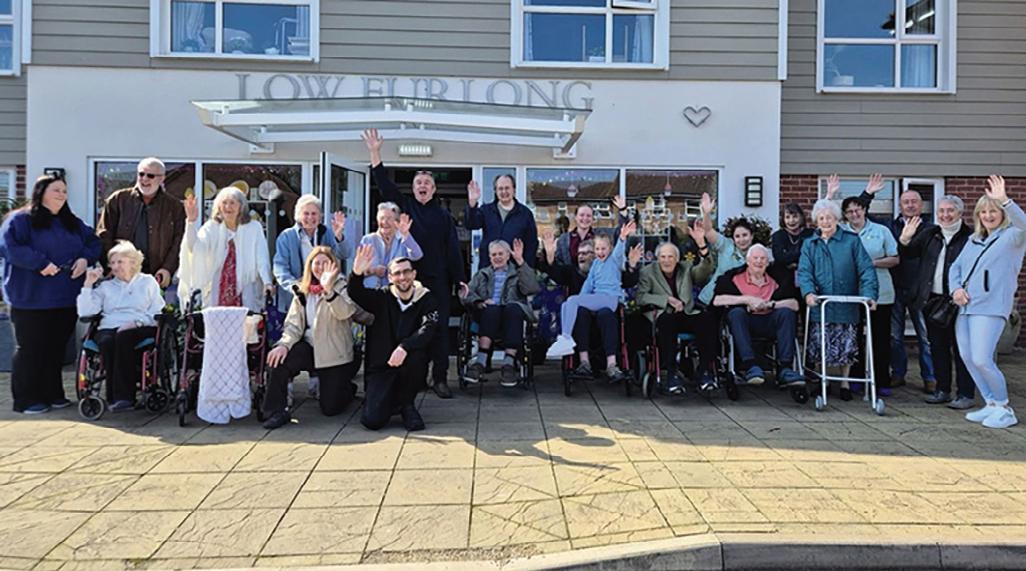
at Low Furlong. It is an important message and one that we are very passionate about.”
The VFF is a collaboration between Armed Forces charities Royal Star & Garter and Royal British Legion, and NHS Veterans’ Covenant Healthcare Alliance (VCHA), with funding support from the Armed Forces Covenant Fund Trust.
Kathryn Glass, VFF Project Lead at Royal Star & Garter and responsible for supporting and assessing care homes going through the scheme, said: “We’re delighted that Low Furlong has achieved VFF status. This is a great commitment to their continuous improvement in the delivery of person-centred care for veteran residents and their partners.
“This programme will benefit both current and future residents, along with current and future staff at Low Furlong, who are able to access enhanced training and guidance to better engage with the unique military experiences that their residents and partners have lived through.
“Being a VFF care home means that there is an increased understanding and recognition for the veteran community at Low Furlong.”
The law is changing for care homes, but understanding your obligations has never been easier
Providing both comfort and dignity to those in your care is at the core of the Care homes profession, but when it comes to both residents and their families, one of the most important things you can offer is trust.
Moving to a care home can be an emotional time for some and transparency and fairness are key in reassuring prospective residents and their families that they will be cared for with compassion and respect - This, and compliance with the law.
Earlier this year we saw the introduction of the Digital Markets, Competition and Consumers Act 2024 (DMCCA) - a landmark piece of legislation that affects business and how they are required by law to safeguard their customer with fair trading practices. These changes may sound like legal jargon, but they directly impact how care homes operate, communicate, and contract with residents.
Compliance can be complex and that’s why the Business Companion Care Homes Guidance is essential reading for anyone working in the Care Homes sector. Written by legal experts this free and easy-to-read guide will walk you through all the steps to ensure you are safeguarding your customers and operating within the law.
WHAT’S CHANGED UNDER THE DMCCA?
The introduction of the DMCCA represents one of the biggest shifts in consumer law in over a decade. It replaces the old Consumer Protection from Unfair Trading Regulations and introduces stricter rules to protect consumers from misleading or unfair practices across almost

all sectors. For care homes, this means:
Clearer Pricing and Transparency: The Act bans “drip pricing” which is when unavoidable fees are hidden until late in the process. Care homes must now present the full cost of services upfront, including any mandatory charges.
• Fake Reviews and Misleading Endorsements: The DMCCA prohibits the use of fabricated or manipulated reviews. With care homes increasingly relying on their online reputation, ensuring authenticity is now a legal obligation.
Stronger Enforcement Powers: The Competition and Markets Authority (CMA) can now impose fines of up to £300,000 - or 10% of global turnover - for breaches. Compliance isn’t optional; it’s critical.
• and much more!
These changes underline the importance of reviewing your policies, contracts, and marketing materials. The Care Homes Guidance on Business Companion provides practical steps to help you stay compliant and avoid costly mistakes.
KEEPING CONSUMER VULNERABILITY IN MIND
Vulnerability can arise from a number of different situations and factors throughout a person’s life, such as age, health, bereavement, or financial stress. As someone working in the Care homes sector, you’re
dealing with vulnerable individuals on a daily basis and recognising these factors isn’t just good practice; it’s a legal and ethical responsibility.
The Business Companion Consumer Vulnerability Guide offers checklists and practical advice to help you identify and support your residents who may be vulnerable when it comes to things like decision making and communication, ensuring your care home delivers not only compliance but compassion.
YOUR GO-TO RESOURCE FOR COMPLIANCE
Business Companion is more than just a care home resource - it’s a comprehensive hub for businesses across a broad range of sectors. From selling online to handling complaints, delivery charges, and even net zero strategies, the platform covers hundreds of topics delivered to you through clear, easy-to-read guidance. Backed by the Chartered Trading Standards Institute and the Department for Business & Trade, Business Companion is free, authoritative, and regularly updated by legal experts.
ACT NOW
The DMCCA is already in force, and enforcement powers are live. Don’t wait for a compliance issue to arise - visit Business Companion’s Care Homes Guidance today. Review your contracts, pricing structures, and communication strategies and explore the wider resources available to future-proof your business against legal pitfalls.
In a sector built on trust, staying informed isn’t just smart - it’s essential.
To find out more, visit: www.businesscompanion.info

When a family begins searching for a care home, two things are almost always true. They are under enormous emotional strain, and they have very little idea of what they are actually looking for. Most are doing this for the first time in their lives, often in the middle of a crisis: a hospital discharge, a fall, a sudden change in a parent's condition. They are unclear on funding, what to look for, or what questions to ask.
And what does the sector currently offer them at that crucial first moment? A postcode search.
Most online care directories function as little more than a digital phonebook, a long, undifferentiated list of names and addresses that families are expected to trawl through alone. A handful offer a "concierge" service, but that typically means a phone call back, during office hours, after the family has already filled in a form. The first point of contact, the moment when families most need guidance, is precisely the moment they are left to fend for themselves.
Caretopia World was built to change that.
The UK's first AI-powered care navigation website, Caretopia replaces the postcode-and-pray model with a guided conversation. At the heart of the site is Fliss, an AI agent who talks with families and carers, asks the right questions, and helps them work out what they actually need before showing them anything at all. Fliss signposts information on common conditions, explains funding options in plain language, and – crucially – checks in on how the person searching is coping. It is a small touch, but it acknowledges what the rest of the sector tends to ignore: that the people doing the searching are often exhausted, frightened, and grieving a loss of independence on behalf of someone they love.
Only once Fliss has built a real picture of the family's situation does the site present a shortlist of providers. Families can then select up to three homes to compare side by side and share that shortlist with siblings, partners, or other decision-makers. The result is a process that feels less like online shopping and more like having a knowledgeable friend in the room.
"Postcode searches are simply inadequate for the people who use them," says founder Nathan DaviesPugh. "Most families are doing this for the first time, and they don't yet know what good looks like. Fliss helps them arrive at a realistic set of considerations –and then matches them with homes that genuinely fit."
For care home managers, the proposition is just as straightforward. Providers can build a profile using Caretopia's bespoke page builder in under ten minutes, with all the information families actually want to see: photos, fees, specialisms, room availability, and a clear sense of the home's character. Because Fliss has already done the qualifying work, the enquiries that come through tend to be warmer, better-informed, and a closer match to what the home offers, sparing managers the time-sink of fielding calls from families whose needs they cannot meet.
Pricing has been kept deliberately modest. "We are acutely aware of the pressure the care sector is under," Davies-Pugh explains. "The first month is always free, and our discount code for the first year means a home effectively gets unlimited job ad placements thrown in for nothing. There is no contract, no minimum term, and providers can cancel at any time.”
The wider point is that AI, used thoughtfully, has a real role to play in one of the most human moments a family will ever face. Not as a gimmick, and not as a replacement for the warmth and skill of care staff, but as a way of taking the chaos out of that first conversation so that by the time a family picks up the phone to a home, they already know why they are calling.
"We always say that care should start before the care journey begins," Davies-Pugh concludes. "That is what our AI is designed to do. And honestly, we are only just getting started. Watch this space."
Find out more at www.caretopiaworld.co.uk
Parley Place care home in West Parley set up a fun event around Ferndown in the prelude to Dementia Action Week on behalf of Ferndown Dementia Friendly Town.
The Great Ferndown Memory Quest saw participants from local businesses and members of the community come together to solve clues, follow the trail and along the way provide awareness for the support available for those living with dementia and their families in our community.
The Memory Quest set out from Bridgewater Care and local businesses hid clues for the participants to find, businesses that took part in the quest included Pramalife, Plants and Minds, Ferndown and Parley Rotary, Kings Park care home, Fernhill Care home, Promedica 24, Douch Family Funeral Directors as well as Gina Smith, General Manager of Parley Place.
Local businesses including Lewis-Manning Hospice care, The Barrington Theatre, Tesco, Underwood Eyecare,
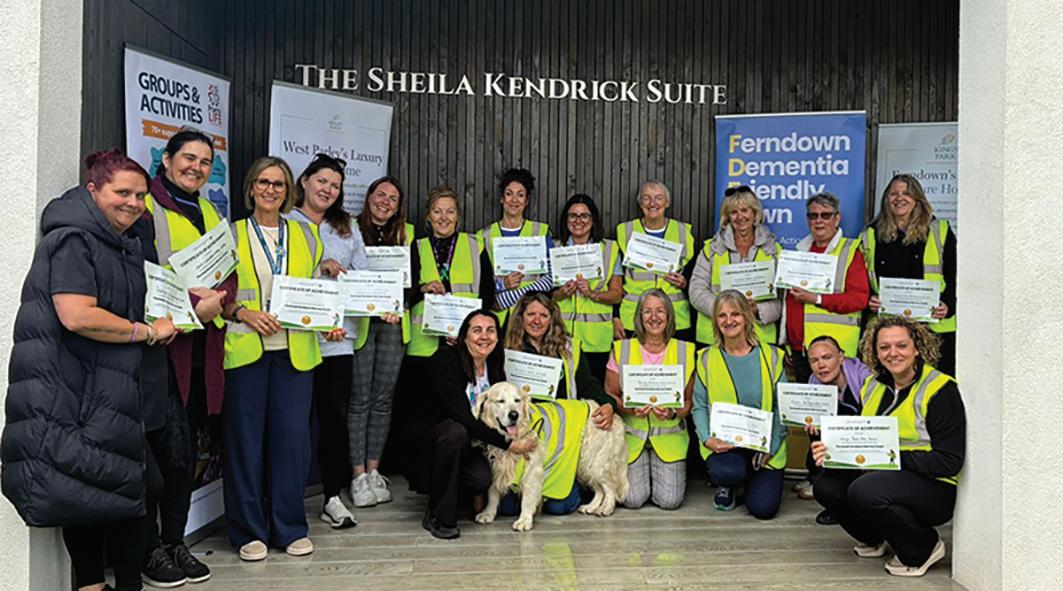
Thomas Jones Memorials, Ferndown Florist all participated with A & E Jolliffe and sons providing tea and cakes for the finish. One lucky winner from all those who entered the quest won a bottle of bubbly but everyone who took part received a certificate.
Ferndown Dementia Friendly Town is a group of local volunteers and business who meet on a quarterly basis to provide events and sign posting to support their local community.
Gina Smith, General Manager of Parley Place Care Home, said: “Taking part in this challenge was a huge amount of fun despite the hail storm! Everyone coming together to support the community is what Dementia Action week is all about.
Dementia touches us in our home but also in our community and we are very glad to be able to do our bit to raise further awareness of support available including our own carer’s support group running on the 4th Tuesday of the month from 2pm.”
By Kevin Groombridge – Chief Executive,

The adult social care sector depends upon effective regulation, timely oversight and credible assurance to protect some of the most vulnerable people in society. However, new analysis by Care Inspections UK (CIUK) has highlighted growing concerns about the current inspection backlog within the Care Quality Commission (CQC) system and the wider implications for public confidence, provider accountability and quality improvement across England.
Data analysed by CIUK from the CQC show that, as of March 2026, more than 5,400 care homes in England had not received a full inspection in over five years. This represents more than 40 per cent of all care homes registered before March 2021. In some local authority areas, more than 70 per cent of services had not received a full inspection during that period.
Whilst many providers continue to deliver safe and compassionate care despite immense operational pressures, the scale of the backlog
raises serious questions about whether the current inspection system can deliver timely and effective regulatory oversight.
Inspection delays matter. Families, residents, commissioners, lenders and insurers rely heavily upon inspection findings to assess risk, quality and compliance. When inspections are not conducted regularly or when reports take many months to be published, confidence in the regulatory system inevitably weakens.
At the same time, providers themselves often express frustration regarding inconsistency in inspection methodology, perceived subjectivity in judgements and the lack of practical support following inspection activity. Many operators report that inspection outcomes can feel overly dependent upon individual inspector interpretation rather than robust triangulated evidence and measurable quality indicators. This is where independent inspection and assurance bodies play an increasingly important role.
As the UK’s only UKAS-accredited independent inspection body for adult social care operating to ISO/IEC 17020 standards, CIUK provides a credible alternative source of inspection, assurance and quality improvement support for the sector. Unlike consultancy-led “mock inspections”, CIUK undertakes structured, evidence-based inspections using defined methodologies, extensive document review, stakeholder engagement, direct observation and objective assessment frameworks.
Importantly, CIUK inspections are designed not simply to identify failings, but to support improvement. Detailed inspection reports and
action plans provide providers with clear, practical and prioritised recommendations to strengthen governance, compliance, safety and care quality.
In an environment where CQC capacity challenges continue to affect inspection frequency, many providers are increasingly recognising the value of independent inspection as part of their wider governance and assurance arrangements. CIUK can quickly and efficiently inspect services across residential care, nursing care, supported living and domiciliary care, providing organisations with timely insight into operational performance and regulatory risk.
The sector also faces increasing complexity. Workforce shortages, rising acuity, financial pressures and growing regulatory expectations mean providers require more sophisticated governance and assurance systems than ever before. Independent inspection can help bridge this gap by identifying concerns early, validating good practice and supporting continuous improvement between regulatory inspections.
The future of adult social care regulation cannot rely solely upon periodic state inspection. The sector requires a broader ecosystem of evidence-based assurance, transparent quality measurement and continuous improvement support. Independent accredited inspection bodies are well placed to become an essential part of that future. Ultimately, inspection should not be about judgement alone. It should be about protecting people, improving care and giving the public confidence that services are safe, effective and well-led.
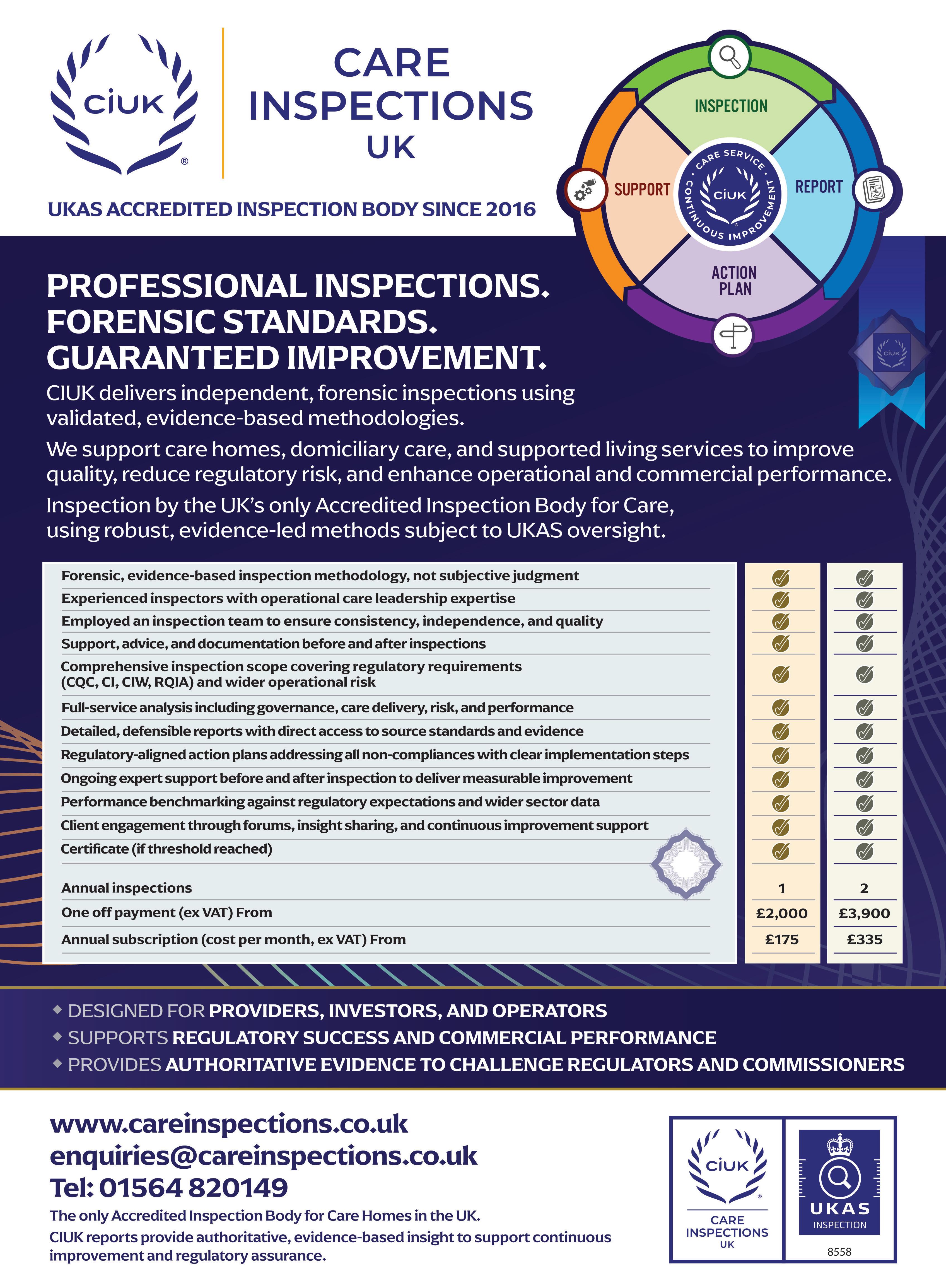
There are moments in care that go beyond regulation, beyond inspection, and beyond outcome.
Moments that ask us to stop, reflect, and truly recognise what has been built over time. For Langdale Heights Care Home, this is one of those moments.
Following its recent Care Quality Commission inspection on 17 March 2026, Langdale Heights has achieved an overall Outstanding rating, with four out of five domains rated Outstanding and one rated Good. In practical terms, this is an extraordinary achievement. But for us, this is far more than a rating.
This is history.
In over two decades of building, leading, refining, and growing within the care sector, this stands as one of the most powerful milestones we have ever reached, not simply because of the result itself, but because of how it was achieved.
OUTSTANDING WAS NEVER BUILT OVERNIGHT
Outstanding was not prepared for in the weeks before inspection. It was built daily.
It was built in the discipline of teams who chose improvement even when improvement was difficult. It was built through leadership that did not shy away from challenge, but embraced it. It was built through carers, nurses, support teams, governance leads, maintenance teams, and every individual who understood that true excellence is not found in isolated moments, but in the standards upheld consistently.
At its very heart, this achievement was built through care itself.

Not care as a task, but care as a deeply held responsibility. Care as compassion. Care as dignity. Care as the daily commitment to ensuring that every resident is treated not simply as someone receiving support, but as an individual deserving of safety, belonging, respect, and genuine human connection.
This is what made the Langdale Heights team so exceptional.
Their passion for care was never superficial. It was evident in the way they embraced every opportunity to strengthen practice, refine outcomes, and ensure residents consistently experienced the highest standards of person centred support. Their commitment extended beyond internal expectations, with Langdale Heights continuing to work collaboratively with local authorities and wider healthcare partners to ensure excellence remained visible not only within the home, but across every external measure of quality, accountability, and trust.
The team did not merely follow direction. They brought vision to life. They embraced governance not as pressure, but as protection. They worked alongside our Compliance and Quality Assurance (CQA) frameworks with openness, maturity, and purpose. These frameworks, designed to strengthen regulatory readiness, operational governance, clinical oversight, and continuous service improvement, became essential tools in supporting the home’s journey. The team understood that refining care, strengthening systems, and elevating evidencing were not administrative burdens, but vital
foundations for delivering exceptional resident outcomes. And that understanding changed everything.
As Neemat Sadiq, CEO of Langdale Care Homes, reflects: “Outstanding is not created in preparation for inspection. It is created in the choices teams make every day to uphold standards, strengthen care, and never settle for less than what residents deserve.”
This result also carries a deeper message.
Langdale Heights is one of our oldest homes. It is not purpose built. It does not rely on modern infrastructure alone to define its success. Instead, it stands as powerful proof that excellence is not determined by the age of a building, but by the strength of the people, the culture, and the standards within it.
There is something profoundly meaningful in that.
It reminds us that greatness in care is not purchased. It is built through resilience, leadership, shared sacrifice, compassion, and heart.
Every improvement made, every audit embraced, every framework implemented, every collaborative partnership strengthened, and every challenge overcome has contributed to this moment.
And that is why this achievement belongs to all of us.
From frontline teams to compliance structures, from leadership to maintenance, from strategic oversight to the compassion delivered on the floor each day, this result reflects collective purpose at its strongest.
As Sibtain Nandjy, Director of Pharmaceutical Services and Clinical Risk Management at Langdale Care Homes , notes:
“This achievement demonstrates what happens when governance, operational discipline, and genuine person centred care are fully aligned. Excellence becomes embedded, not episodic.”
A Benchmark for What Comes Next
For us, Langdale Heights has not simply achieved Outstanding. It has redefined what Outstanding can look like.
This is not the peak of our ambition.
It is a reminder of what becomes possible when people come together with vision, integrity, clinical excellence, and an unwavering commitment to doing better.
For our teams, this is a celebration. For our group, it is a benchmark.
And for all of us, it is one of the proudest moments in our journey. Because this is not simply about inspection success.
This is about proving that when care is led with heart, strengthened by governance, sustained by Compliance and Quality Assurance, and rooted in a genuine passion for people, history can be made.
Residents from Wilton Manor Care Home, part of the Sanders Senior Living Group, in Melton Mowbray recently enjoyed a special visit to Sherard Street Primary School, where they joined Year 3 pupils for an engaging science lesson all about the parts of a flower.
During the visit, residents took part in the classroom activity, learning alongside the children as they explored the different parts of a flower through hands-on investigation. The residents also shared their own memories of school life from years gone by, giving pupils a fascinating insight into how classrooms and learning have changed over the years.
The visit was particularly meaningful for several residents. Dr David, Resident Ambassador at Wilton Manor, was previously a scientist and continues to regularly attend meetings with his U3A group to discuss biochemistry. Elizabeth, who was a schoolteacher, also found the experience especially rewarding as it allowed her to reconnect with her lifelong passion for education.

Sherard Street Primary School’s Year 3 pupils and teaching staff warmly welcomed the group, creating a wonderful opportunity for intergenerational learning and connection.
Visits like this play an important role in bringing generations together, helping residents remain active, engaged, and connected to the local community. For the children, hearing first-hand stories about school life in the past created a special learning experience beyond the classroom lesson itself.
Louise, Lifestyle Coordinator at Wilton Manor, commented:
“We have a lovely relationship with Sherard Primary School and over the years our residents have really got to know the children and likewise, the children have got to know the residents.
The residents have been fascinated to learn all about what life at school is like today, and they loved it when the children showed them some of their work in their books. So, we were keen to take it one step further and take the residents to watch a lesson. They were fascinated by how bright and colourful the classroom was. They loved the relationship between the children and the teachers and were also very impressed with the detail of the science lesson and the depth that the teacher went into.
They especially loved dissecting the flower to find all of its features. We can’t wait to have another lesson!”
Angloplas are a UK manufacturer who specialise in producing dispensers for the health and hygiene industry. Although these are designed to keep the workplace tidy and uncluttered they are, more importantly, built knowing the control of healthcare-associated infections (HCAIs) are a priority for healthcare providers, and who are employing a combination of infection prevention and control strategies, including hand hygiene, cleaning, training and the adoption of new technologies, to tackle the problem.
As a result, a wide range of infection control products and technologies are emerging on the market, including antimicrobial technology. Angloplas’ range of dispensers are produced in the world’s first proven Antimicrobial PVC with silver ion technology and which is exclusive to Angloplas. This helps reduce the risk of cross infection by stopping the growth of bacteria and mould and works continuously for the lifetime of the product, reducing levels of bacteria such as MRSA, E Coli, Legionella, Salmonella and mould by up to 99.99%.
For non-clinical environments Angloplas has recently launched its new Budget Range of products which are made to the same exacting standards as the antimicrobial protected ones but with lower price tags.
You can order Angloplas products directly from its website at www.angloplas.co.uk
See the advert on page 6.

The County Council’s Network (CNN) has published its new business plan and vision for the organisation, outlining its support to member councils and reinforcing its role as a cross-party national representative body and the voice for England’s counties.
The CCN Business Plan and Work Programme for 2026/27 is launched following local elections in six-member council areas, with all councils changing political control, or going into no overall control ahead of new administrations being formed.
Building on a refreshed corporate strategy and campaigning platform, the CCN’s 2026/27 Business Plan outlines the network’s priorities to April 2027, responding to major reforms facing county and unitary councils as well the network’s growing and evolving membership.

Representing areas that are home to 27 million residents, 12 million businesses, and generating £760bn for England’s economy the network brings these together into a single, powerful voice — championing counties within a policy environment often focused on urban and city-based priorities.
As part of its new business plan, the CCN is launching its Stronger Counties, Stronger Communities campaign. This seeks to act as a counterbalance to urban-focused national policymaking and to highlight the unique challenges faced by counties. It aims to ensure that reforms are fair to county and unitary councils –
and recognise their complexity and role they play in the country’s prosperity. Alongside continued advocacy on the biggest challenges across finance, adult social care, special educational needs, and children’s services the CCN’ work will reflect its growing unitary members: standing up for them and publishing analysis on a wider range of other service areas, from homelessness to leisure centres.
Simon Edwards, Chief Executive of the County Councils Network said:“We would like to congratulate all newly-elected and returning councillors following last week’s county elections. New administrations will enter office at a time when there are significant reforms and changes happening in local government.
“Our priority in the coming weeks is to support councillors as they navigate what can be a challenging first few weeks in office. It is a great privilege to serve England’s counties, and the CCN will ensure members have the support they need to deliver for their residents.
“Our new business plan reinforces a clear message: we are the cross-party voice of England’s counties and non-metropolitan unitary authorities. We will be doubling down on our commitment to support and represent our members on the national stage, while broadening our advocacy across the full range of services they provide.”
Court House Care Home in Malvern, part of the Superior Care Midlands group, has welcomed highly experienced care professional Jane Brown as its new home manager, marking the beginning of an exciting new chapter for the home.
With more than 35 years’ experience in health and social care, Jane joins the Barnards Green-based home with a passion for high quality, personcentred care and a firm belief that compassion, dignity and respect must sit at the heart of every decision.
Just a few weeks into the role and Jane is already focused on building strong relationships with residents, families and staff, while helping to shape the future of the home ahead of its planned transformation in 2026/27.
Jane began her career as a carer and has since worked her way through a wide range of senior roles, including senior carer, team leader, day centre manager, deputy manager and home manager. This breadth of experience has given her a strong understanding of every aspect of care provision, from frontline support to leadership and operational management.
Speaking about her passion for the sector, Jane said: “In all of the roles I have undertaken, I don’t feel like I’m going to work every day. I feel like I’m going to residents’ homes to make the biggest difference I
can.
“That ethos will continue in my new role at Court House, and our residents will be at the heart of everything we do.”
Jane spent 18 years with Care UK, where she was part of the management team within a large 80-bed nursing home. There, she helped oversee both operational management and resident care, while maintaining a strong emphasis on compassion, dignity and staff wellbeing.
She also received the prestigious Care UK Angel of the Year Award in 2016, an achievement she describes as particularly meaningful in her career trajectory.
Jane said: “There’s lots to look forward to, and the addition of the new hydrotherapy pool will be amazing. It will be the only one in the area, so it’s something we’re particularly proud of. But alongside enhancing facilities for residents, I’m equally passionate about supporting staff and creating a positive, collaborative culture throughout the home.”
Amrit Sumal, Managing Director of Superior Care Midlands Ltd, said: “Having previously overseen the transition from older care settings into modern, purpose-built environments, Jane brings valuable experience in managing periods of change while ensuring residents, families and staff remain fully supported throughout the process.”
Nearly half of all dementia cases could be prevented by tackling 14 modifiable health and lifestyle factors — yet one of the most significant, hearing loss, remains widely overlooked by the British public, according to new research.
A survey by Alzheimer's Research UK found that just 3% of UK adults identified hearing loss as a risk factor for dementia, despite evidence suggesting that addressing it alone could prevent seven in every 100 dementia cases diagnosed today.
Now, Boots Hearingcare has joined forces with Alzheimer's Research UK as a Think Brain Health partner, in a bid to close that awareness gap — encouraging people across the UK to protect their hearing health through regular checks and, where prescribed, the consistent use of hearing devices.

The Think Brain Health campaign helps people identify the simple steps they can take to look after their brains to help reduce the risk of developing dementia, such as preventing and managing hearing loss.
Dementia affects nearly one million people in the UK and is the leading cause of death nationwide. According to the RNID, more than 18 million people (1 in 3) in the UK live with some form of hearing loss, yet the average Brit with undiagnosed hearing loss waits 10 years before seeking help. Early detection of any hearing concerns is vital, as preventing and managing hearing loss can help protect long-term brain health.
Karen Shepherd, Director of Hearing Health Care Development at Boots Hearingcare said:
“The importance of hearing health is often overlooked with people simply turning up the TV or radio louder, yet it plays a vital role in our overall wellbeing, including brain health. At Boots Hearingcare, we regularly see people delay seeking support for years without realising the wider impact.
“If hearing loss isn’t treated, it can make it harder to connect with others, talk comfortably, and stay involved in daily life. Over time, this can lead to feeling more isolated and may contribute to a decline in thinking and memory skills. While hearing loss is one of the 14 modifiable risk factors for dementia, it is also one of the most manageable. Through our partnership with Alzheimer’s Research UK, we want to encourage people to have regular hearing checks and take early action to stay connected, maintain independence and protect their long-term health. If you’ve noticed changes in your own or a loved one’s hearing, booking a
free hearing test is a simple first step.”
Samantha Benham-Hermetz, Executive Director at Alzheimer’s Research UK, said:
“At Alzheimer’s Research UK, we are committed to revolutionising the way dementia is treated, diagnosed and prevented. Taking care of hearing health is a practical and effective way to look after brain health and help reduce dementia risk. Evidence shows that looking after hearing through regular hearing tests and using hearing devices when recommended, could help reduce the number of dementia cases.
“Despite this, awareness of the link between hearing loss and dementia remains low. That’s why Alzheimer’s Research UK is delighted to join forces with Boots Hearingcare to change this and transform public awareness. As a Think Brain Health campaign partner, they are joining our movement to drive positive change for brain health.”
Joining Boots Hearingcare and Alzheimer’s Research UK to raise awareness is three-time Emmy Award winner Susan Hampshire CBE, best known for her roles in Monarch of the Glen and The Forsyte Saga. Susan has experienced first-hand the devastating impact dementia can have. Her husband, Sir Eddie Kulukundis, lived with the condition for ten years, during which time Susan gave up her career to become his full-time carer. Sir Eddie died in February 2021, aged 88. Following his death, Susan fundraised for Alzheimer’s Research UK in his memory and has raised over £1 million to support the charity’s search for a cure.
Susan is now helping to raise awareness that it is never too early or too late to take action, encouraging others to think proactively about both their overall health and hearing health.
Susan explains, “In the early stages of dementia, symptoms can be very subtle and easy to overlook. For Eddie, it began with a gradual loss of interest in reading – something he had always loved.
“Awareness of the link between hearing loss and dementia is still very low, but looking after your hearing is a simple step you can take to help protect your long-term brain health. I believe hearing should be tested regularly, just like any other part of our health. Without good hearing, people can begin to lose social connection, which we know plays an important role in reducing the risk of dementia. If you have any concerns, it’s important to have your hearing checked and to use a hearing device if one is prescribed, so you can stay connected to the people you love and the world around you.”

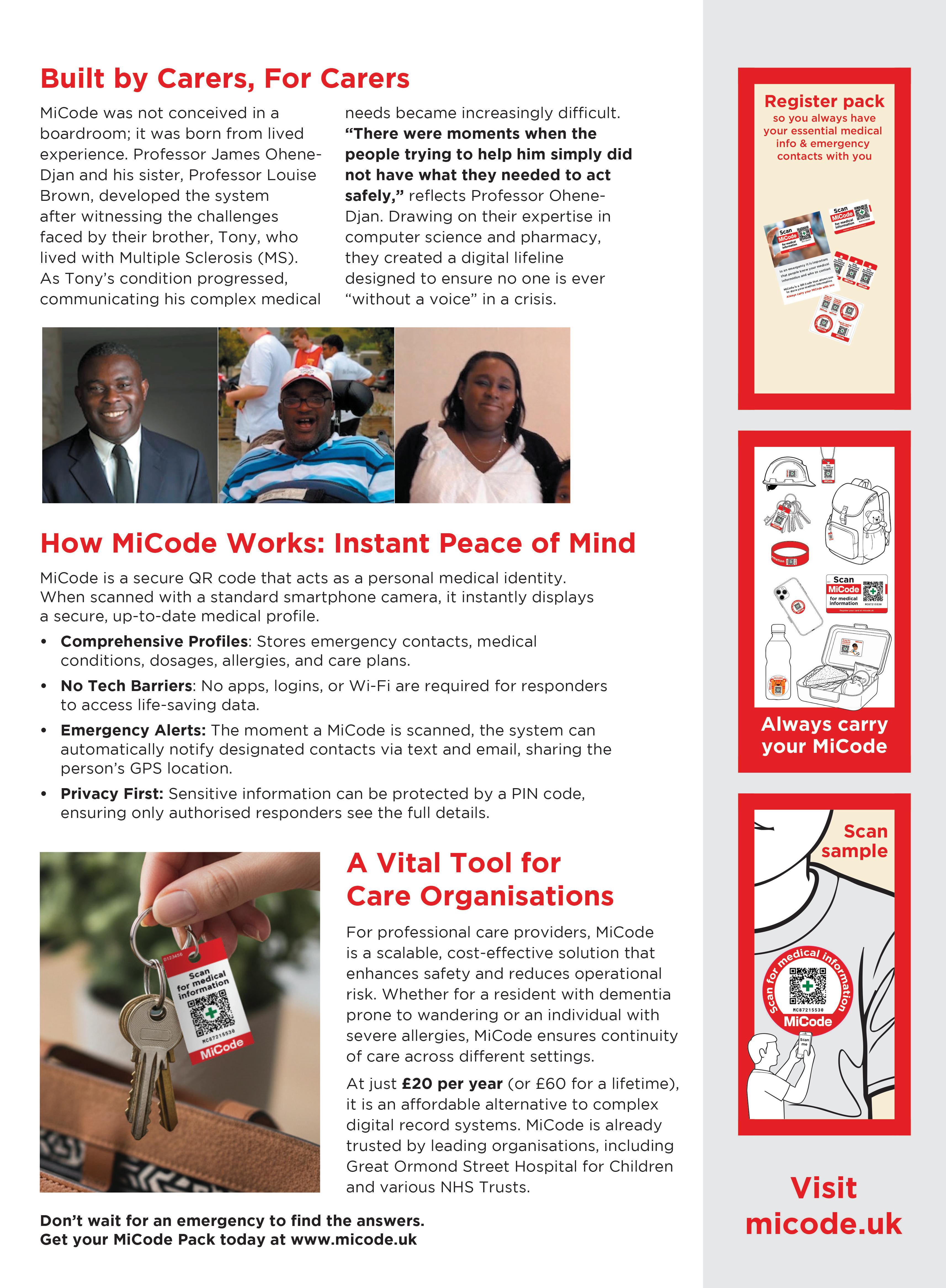
By Shirley Pearce Founder, Understanding Dementia (https://understandingdementia.co.uk)

We’re getting dementia care wrong more often than we’d like to admit. Not because we don’t care, but because we’re often working in ways that don’t fully support the person in front of us.
People with dementia are still people with feelings, identities and a need to feel understood. Their families are also living this experience, and it can stretch their compassion and patience to the limit, or even beyond it. Support, guidance and the right approach, informed by a real understanding, can make all the difference for everyone involved.
With Dementia Action Week approaching, it’s time to reflect on whether what we are doing is truly working. I believe real change doesn’t come from doing more or trying harder, but from thinking differently. When that shift happens, it can transform day-to-day experiences for both the person living with dementia and those supporting them. The truth is that dementia is something many people care deeply about. Families and Health and Care Professionals are often doing the very best they can within existing systems, routines and approaches, without pausing to reflect or question how well they are working. Too often distress is accepted as an inevitable part of dementia, when in many cases a different approach could have reduced the person’s fear, confusion and upset significantly.
Dementia care has to be about more than completing training or following processes. It requires a shift in mindset – a willingness to think differently, reflect, adapt and truly understand the person behind the condition. At the heart of this is well-being. Because when people feel validated, better understood and less overwhelmed, they will feel calmer and safer, and their behaviour will reflect that. Then their day-to-day lives
can become far more positive and manageable for everyone involved. What’s missing from many conversations is the understanding that this is not a quick fix or a tick-box exercise. It is a skill that takes time, patience and practice to develop, but when people are given the support to learn, the difference can be lifechanging.
So, what does better look like for people with dementia? To me, it is not perfection. It looks like less fear, less distress and fewer situations escalating unnecessarily. It looks like people living with dementia feeling better understood, while families, carers and professionals feel more supported and more confident in how they respond. It means creating more positive and compassionate day-to-day experiences of care, experiences that support well-being, dignity and connection for everyone involved.
We have to pause and ask whether we can do better than we are currently doing. Perhaps this Dementia Action Week is a chance to start the conversation, and consider how we can adapt our approach to improve the experience of people living with dementia and those around them, while helping to shape a better future for dementia care.
Understanding Dementia is a Twyford-based charity founded in 2018, with the aim of bridging the gap between dementia awareness and a real understanding of how the condition affects those living with it. The organisation provides interactive training and ongoing support for both family carers and health and care professionals. Courses are delivered online and in person, helping participants develop a more effective, empathetic approach to supporting people with dementia.
To date, Understanding Dementia has trained almost 400 family carers and over 185 health and care professionals across a range of care settings, indirectly supporting many hundreds of people living with dementia.
The training is centred around the person’s wellbeing, recognising that while someone with dementia may lose the facts, their feelings remain. By focusing on those feelings, rather than correcting or challenging the facts, carers can reduce distress and create more positive, manageable day-to-day experiences.
Poor waste management practices are costing care homes thousands of pounds every year -and the problem is more widespread than many operators realise.
Analysis by leading independent healthcare waste management company Anenta reveals that care homes are wasting an average of £8,000 annually as a direct result of inadequate waste segregation and management processes. The root cause is largely the same across the sector: waste is consistently being placed in the wrong channels, triggering unnecessarily high disposal costs.
Detailed compositional audits undertaken both by Anenta, and separately by the Environment Agency (EA) have found that 70% of care home waste ends up in the wrong waste stream. The figures are particularly stark for clinical waste, where 90% is incorrectly categorised, and for offensive waste, where 35% is regularly contaminated with recyclable materials.
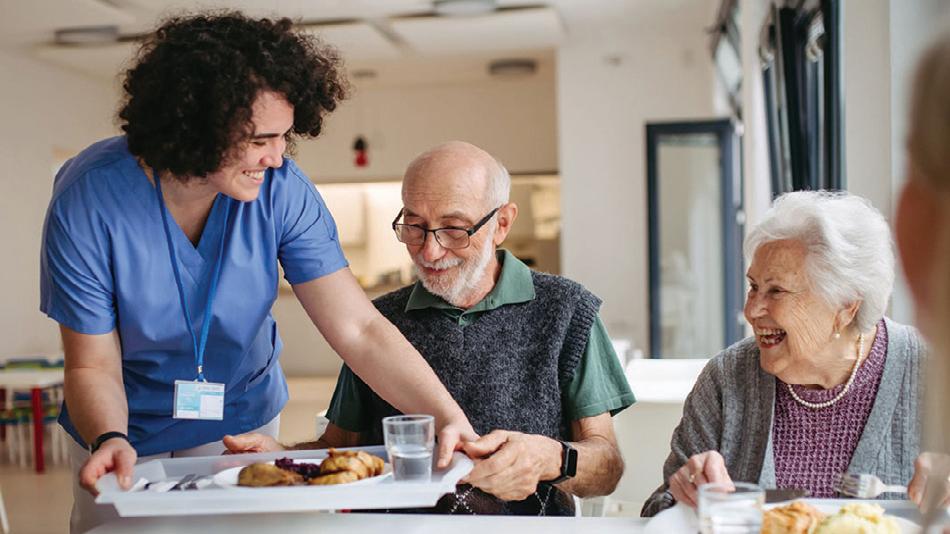
The financial impact is significant. Low-risk items that should be disposed of as offensive waste — at a cost of £300–£500 per tonne — are routinely being discarded as infectious waste, which costs upwards of £800 per tonne. For a care home producing moderate volumes of waste, these avoidable costs quickly accumulate.
THE ROOT CAUSE: A TRAINING GAP
Analysis of over 2,500 primary care Duty of Care audits by Anenta has revealed that 58% of healthcare professionals responsible for waste management are unfamiliar with the Healthcare Technical Memorandum — the key regulatory guidance governing healthcare waste, the latest iteration of which was published in March 2023.
This knowledge gap has led to inadequate training, weak waste management policies, and ingrained bad habits that are proving costly. Without a clear understanding of what goes where, incorrect disposal becomes the norm rather than the exception.
Graham Flynn, Director at Anenta, said: "On average, care homes are wasting £8,000 every year through poor waste management process and procurement. Changing waste disposal habits and practices prevents the unnecessary and expensive disposal of waste via inappropriate and environmentally damaging waste streams, such as incineration — instead ensuring that the majority of clinical waste is disposed of using either alternative treatments or energy-from-waste processes."
A free e-learning module on healthcare waste - developed in association with Anenta by NHS England alongside IPC leads, Local Commissioners, and industry experts - is available through the Health Education England online portal and plays an important role in addressing these issues.
The 30–45 minute module - available here - outlines what waste should go into which stream, explains correct segregation practices, and provides practical guidance to help staff build better habits from the ground up. Crucially, it is free to access — removing the cost barrier that might otherwise prevent smaller care homes from investing in staff training.
Flynn added: "The adoption of the training and correct segregation is critical if the care home sector is to cut costs and achieve Net Zero targets. The course is accessible to all and includes a risk assessment that care homes can use to directly inform the way in which their waste is segregated. COMPLIANCE RISKS ADDING FURTHER PRESSURE
Beyond the direct financial costs, poor waste management also exposes care homes to compliance risks that can have serious operational consequences.
Where waste contractors identify non-compliant waste streams, they are entitled to refuse collections entirely - a scenario that can put care services at significant risk of disruption. This risk is managed through the correct completion of a Pre-Acceptance Audit (PAA), which most care homes are required to undertake every five years, or annually where a site produces more than five tonnes of clinical waste per year.
The e-learning module supports care homes in preparing for and completing their PAA — a practical benefit that sits alongside the direct cost savings that come with better segregation.
Flynn said: "The training will play a big part in cutting costs by improving waste management among staff. Importantly, it will also help care homes with their PAA audit, without which their healthcare waste cannot be collected — potentially resulting in enforcement action by the Environment Agency."
For more information about Anenta and its care home audit app — which enables care homes to conduct compulsory clinical waste pre-acceptance and duty of care audits in just 40 minutes, without the need for third-party on-site visits — visit www.anentawaste.com or call 033 0122 214.
Bed bugs are one of the most disruptive challenges a care home can face. For managers responsible for the comfort, dignity, and wellbeing of vulnerable residents, even a single confirmed case can trigger anxiety among families, disrupt daily routines, and place enormous pressure on staff. Yet with the right approach, bed bug management doesn't have to mean toxic chemicals, lengthy room closures, or upheaval for the people in your care.
The Misconception Around Bed Bugs
It's important to understand that bed bugs are not a hygiene issue — they are a management issue. These insects are indiscriminate, equally at home in a five-star hotel as a care facility. They travel in luggage, clothing, and belongings, and can be introduced by visitors, new residents, or staff without anyone realising. The question isn't whether your home could be affected; it's whether you have the right systems in place to detect and respond quickly if it is.
The Power of Canine Detection
Early detection is everything. Bed bugs are expert hiders, concealing themselves behind skirting boards, within wall cavities, and deep beneath floorboards — places a visual inspection simply cannot reach. This is where bed bug detection dogs prove invaluable. With a sense of smell far beyond any technology currently available, trained canines can identify individual live bed bugs at the earliest possible stage, before a minor issue becomes a full-scale infestation.

Merlin Environmental's specialist canine detection teams work with care homes across the country, offering proactive screening programmes that allow managers to stay ahead of any potential problem. The non-
invasive nature of this approach is particularly important in a care setting — rooms can be assessed quickly and discreetly, with minimal disturbance to residents, preserving dignity and maintaining the calm environment your residents deserve.
Effective Treatment Without Compromise
When treatment is required, Merlin Environmental's heat treatment process offers a genuinely superior alternative to traditional chemical methods. By raising room temperatures to a lethal threshold, every bed bug — including eggs, which chemical treatments cannot penetrate — is eliminated in a single application. There are no pesticide residues, no chemical odours, and no risk to residents or staff.
Critically for care home operations, rooms are available for use again the same day, once cooled. No lengthy preparation, no multiple follow-up visits, and no disruption to the routines that matter so much to your residents.
A Proactive Partnership
Merlin Environmental works with care homes as a trusted long-term partner, combining expertise, accreditation, and a genuine commitment to the safety of those in your care — because your residents deserve nothing less.
To find out more about proactive bed bug screening and heat treatment for your care home, contact Merlin Environmental.


Quality Compliance Systems (QCS) has announced the acquisition of CareBrain, a technology transformation platform purpose-built for the care sector, marking a significant milestone in QCS’s mission to raise the UK’s care standards.
QCS, an RLDatix company and the UK’s leading digital provider of compliance, care management and learning for the care sector, supports over 335,000 care providers and staff across more than 7,200 care locations. The acquisition strengthens QCS’s offering and accelerates its technology roadmap, deepening its capabilities in existing markets.
CareBrain was founded by care and technology sector experts with over a century of combined experience across care and digital services. Its platform addresses some of the most time-intensive challenges facing care teams, including care plan audits, supervisions, and round-theclock guidance. The result for providers is stronger compliance, better outcomes for the people they support, and more time for meaningful, person-centred care.
The CareBrain team brings exceptional frontline knowledge of how care services actually operate, complementing QCS's technology platform and supporting faster product development and more practical, joined-up support.
Fiona Lowry, founder of CareBrain, joins QCS as an advisor. CareBrain CEO Hannah Morgan and the CareBrain team join QCS permanently, taking the company to 90 people.
Commenting on the acquisition, Nikki Walker, CEO at QCS, said: “This acquisition is an exciting step for-
ward in strengthening the way we support care providers with compliance, governance and operational excellence through smarter, more connected technology. CareBrain has developed an innovative platform grounded in a deep understanding of the day-to-day pressures facing the sector, with a strong focus on improving oversight, reducing administrative burden and enabling more proactive decision-making. Our visions closely align: creating intelligent, joined-up systems that help providers embed quality, evidence and governance into everyday practice while giving teams more time to focus on delivering outstanding care. As two female-led businesses with a shared commitment to innovation, quality and positive sector impact, this partnership creates a powerful opportunity to shape the future of digitally enabled care compliance and assurance.”
Hannah Morgan, CEO at CareBrain, added: “There is a strong alignment between our two organisations in how we view the challenges facing the care sector and the growing importance of high-quality governance, and operational oversight. By joining QCS, we have the opportunity to accelerate the development of intelligent, connected solutions that help providers strengthen quality assurance, improve visibility and respond more proactively to risk and regulatory demands. Together, we can deliver greater value to care providers and make a meaningful impact on the quality and consistency of care for the people who rely on these services every day. This partnership represents an exciting next chapter built on shared ambition, innovation and purpose.”
For more information, visit: www.qcs.co.uk
An RAF veteran who was left paralysed by a stroke has vowed to cross the finishing line of the Worthing 10K on his own two feet to thank the charity that helped with his rehabilitation.
Ed Sampson spent six months at Care for Veterans – a Royal Star & Garter Home in Worthing, where he received intensive treatment in its in-house physiotherapy room, following a stroke in December 2023. Thanks to Care for Veterans’ dedicated team of physiotherapists and Ed’s hard work, the 57-year-old was able to return home in 2024. He will be taking part in the 7 June fundraiser with his wife Vikki. She will push her husband throughout the course, but Ed plans to get out of his wheelchair and walk the final 100 metres to the finish line.
Explaining why he’s raising money for Care for Veterans, Ed continued: “After my stroke I never thought I'd be in the position to do this, there was a lot of doubt in my ability to walk again. But Care for Veterans looked after me during my stay and continue to do so as I train for the Worthing 10K. The team are so nice and work with me to help achieve my goals. I wouldn’t be where I am now if it weren’t for their dedication and support.”
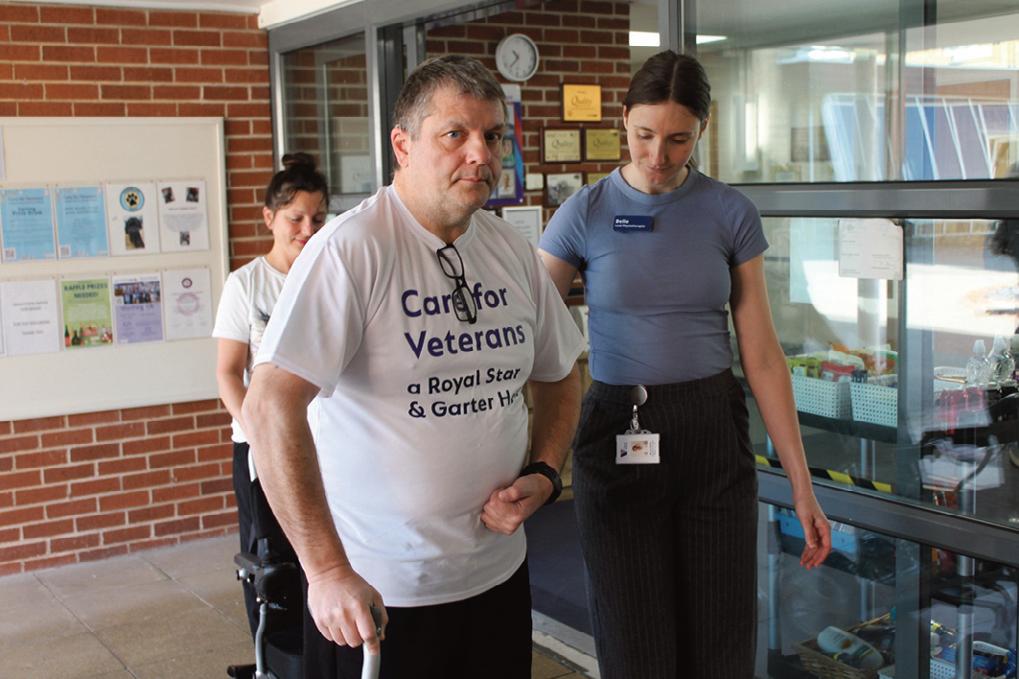
Ed was an RAF Technician in the 75th Signals Unit and served from 1988-1997. Despite this, he said: “Recovering from the stroke and preparing for the Worthing 10K is without doubt the toughest challenge I’ve ever undertaken. The support I’ve had from Care for Veterans, and from my wonderful wife and family, has often moved me to tears.” He added: “Sometimes I feel more sorry for my wife who has to push me for 9.9K!” Vikki said: "Ed has worked so hard to get to this position and I'm incredibly proud of him. It is testament to his courage and determination, and the superb work of Care for Veterans. It will be emotional for all his family and friends cheering him on when he crosses the finishing line.”
Home Manager Vicky Strange added: “Ed stayed at Care for Veterans for six months and we were delighted to see him recover enough to return home to his beautiful family. But it’s another thing entirely to see him work so hard on achieving such a milestone, he’s come so far in his journey, and we are all so proud of him.”
Ed and Vikki will be part of 20 people running the Worthing 10K for Care for Veterans.
A retired midwife living in a Weymouth care home visited a hospital’s maternity unit as part of a special wish to honour her 40-year career. Lin, who lives in Buxton House, on Radipole Lane, spoke to the care home team about her dedicated career in midwifery while living in Wolverhampton before moving to Dorset. Over the space of four decades, Lin worked her way up to become Head of Midwifery at the local hospital before retirement.
In response, the team at the care home, which is run by not-for-profit charity Care South, arranged for her to meet the team in Dorset County Hospital’s maternity unit. The visit was arranged to mark the International Day of Midwifery, which encourages others to consider a career in the profession.
While at the hospital, Lin enjoyed a tour of the facilities led by Jo Hartley, Director of Midwifery and Neonatal Services, and Lindsey Burningham, Deputy Director of Midwifery and Neonatal Services. Speaking about her career in midwifery, Lin said: “I have good memories of being a midwife as I enjoyed the feeling of helping people. It felt different to anything I'd done before. The first baby I ever helped to deliver was a little boy born at home and I remember standing in the garden to have a photo with his family. It was very nice to see the maternity unit at Dorset County Hospital. It was so clean and tidy, and the staff were so
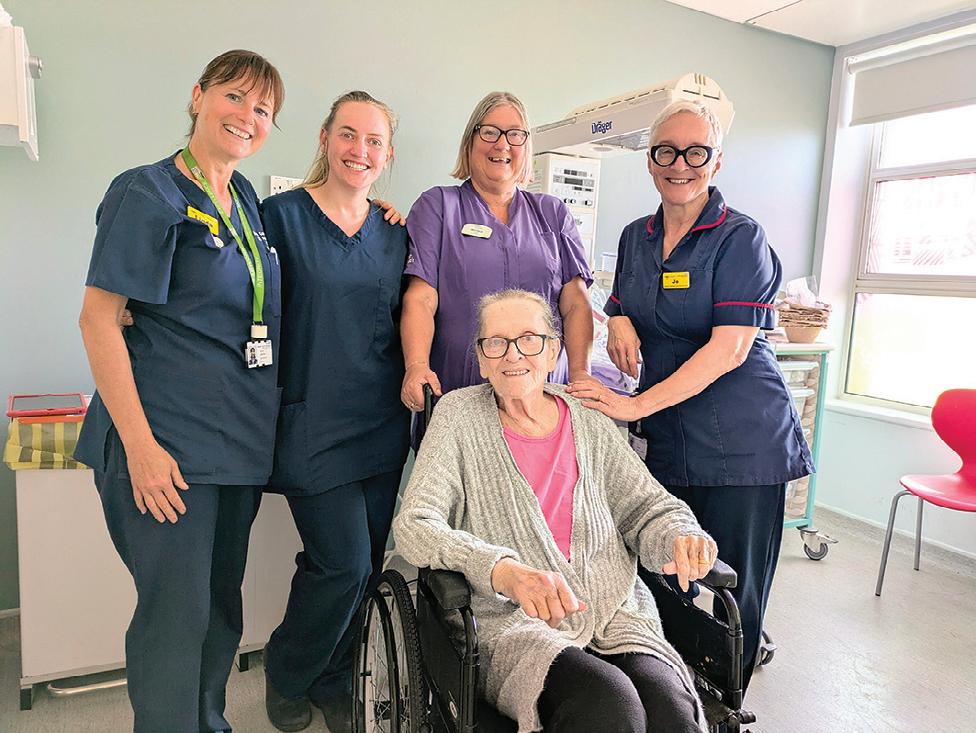
friendly and welcoming. They all do a fantastic, incredible worthwhile job.”
Jo Hartley said: “It was an absolute pleasure to welcome Lin to our maternity unit where she shared some of her memories from her incredible career. It was wonderful for our team to share the maternity unit with someone who has given so much to the profession. We are delighted we could help to create such a special experience for her.”
The special visit was arranged as part of Care South’s ‘Make a Wish’ initiative. It encourages residents to share hobbies and passions they once enjoyed but are now unable to pursue without the home’s support. The care home team then works to bring the special wish to life.
Lauren Taylor, Home Manager at Buxton House care home, said: “Hearing Lin speak so fondly about her time as a midwife inspired us to make this wish a reality, and we are so grateful to the Dorset County Hospital team for giving her such a warm welcome. At Care South, we are passionate about helping residents reconnect with the hobbies, interests and memories that mean the most to them. Seeing how much the visit meant to Lin was incredibly special for everyone involved.”
Buxton House provides residential, respite, and dementia care. It features a dedicated activities team who organise a daily programme of events to bring residents together to socialise and build friendships.
Outdoor activities are one of the most beneficial types of activities for people living in care homes. Time spent outdoors engaged in activity or socialising with friends can support wellbeing, physical fitness, and provide gentle sensory stimulation.
The fresh air and natural light, combined with the sights and sounds of nature can have a calming effect, especially for people who live with dementia.
At Buchan House Care Home in Cambridge, the team encourage residents to spend time outside, even if it’s something simple, like enjoying a cup of tea or a quiet moment with friends. Built into the activity schedule, especially through the summer months, are a range of engaging outdoor activities that provide a welcome change of scenery and enhance people’s quality of life.
The gardening club is one of the most popular outdoor activities at the care home. For many people, it brings back fond memories of tending to their own gardens in years gone by. The opportunity to continue this hobby not only has a meaningful impact on their outdoor space but provides satisfaction and fulfilment. This regular group session also provides enrichment, as people are able to see the plants they sow in early spring blossom into beautiful flowers during the summer months. It also enables the kitchen team to incorporate delicious and nutritious home-grown vegetables into their recipes.

Sometimes a simple change of scenery is all it takes to raise a smile. Whether it’s the option to dine ‘al-fresco’ and enjoy mealtimes outside, or, taking activities usually hosted inside, out into the garden. These sometimes-spontaneous moments add excitement and help to encourage participation among those who don’t engage as regularly in activities.
Amongst the variety of outdoor activities, day trips to local attractions and destinations also take place. Seaside visits are especially popular and help to bring back fond memories from coastal trips with families and friends. The scents and sounds associated with the seaside, along with the taste of traditional fish and chips provide multisensory stimulation and create new cherished memories.
These positive impacts are best described by the people who live at Buchan House. “Getting outside really lifts my spirits,” said one person, while another shared, “I don’t need to go far – a seat outside and some sunshine makes my day much nicer.” For others, it brings a deeper sense of meaning, with one gentleman explaining, “Going outside gives me purpose.” On a recent trip to the park, one person summed it up perfectly: “I felt like a kid again, getting outside and playing.”
As the summer months begin to arrive, outdoor activities will feature more frequently – providing lots of opportunities to enjoy the sunshine surrounded by nature and the wide range of benefits this offers.
Care provider Radis Community Care is continuing to strengthen its local footprint as it becomes the care provider for three extra care housing services in Manchester.
Sarah Brown, Regional Manager at Radis Community Care said: “We’re thrilled to be the new care provider of these extra care services. We’re always looking for ways to further support the communities we work in, and by adding these services to our provision, we are able to expand the support available to these areas.
“We’re passionate about being a trusted and reliable provider, and these services mean we can be there for people in Manchester at the times when they feel most vulnerable. Our 24/7 care staff enable people to stay safe in the comfort of their own homes without unnecessary hospital admissions.”
Between the three services, they provide a communal lounge and dining room, well-maintained gardens, beauty salons and a programme of social activities. Also offering a variety of facilities on site, including a therapy room, a laundry room and a library, the extra care services continue to provide a social hub for both residents and the local community to enjoy.

Close to Manchester city centre, and managed by Jigsaw Homes Group, Butler Court in Miles Platting is made up of 71 one and two bedroom flats, offering residents a much more independent and social way of living.
Marcia Stock, Head of Housing for Over 55s at Jigsaw Homes Group said: “We are really looking for-
ward to welcoming Radis as the new care provider at Butler Court and working closely together to support our residents. Extra care schemes like ours are vital in helping people to live independently in their own homes, with the reassurance that high quality, person centred care is there when it’s needed.
“Butler Court is a place we are really proud of, and with Radis we can continue to ensure residents feel safe, supported and in control of their lives – both now and in the future.”
The Byrons is located further north, and is managed by Great Places Housing Group, consisting of 40 two-bedroom apartments and was the first extra care scheme in north Manchester.
Amy Davies, Head of Independent Living at Great Places Housing Group said:
“We’re pleased to be working in partnership with Radis as our new care provider and are confident they will support our care team to continue delivering a high quality, 24 hour service that helps customers to live independently at The Byrons.
“We’re particularly delighted that the existing care team will remain in place, many of whom have worked here for a number of years. Their experience and commitment will help ensure customers continue to receive consistent, reliable and tailored support.”
Similarly, Whitebeck Court offers residents flexible and responsive care in the comfort of their very own home, providing more than 90 apartments.
from
North Wales care home Chirk Court has received £5,000 funding from The
Foundation as part of the ‘Your Charity, Your Choice’ scheme.
Ian Evans, manufacturing team leader at the Mondelēz International factory’s nearby site in Chirk nominated the care home for the funding.
Aware of the excellent work done by the team Mr Evans nominated the care home and staff, who take exceptional care of the 66 elderly residents.
Chirk Court, a specialist dementia-friendly care home, was one of 72 charities across the UK and Ireland selected to receive funding. Mr Evans said: "Chirk Court Care Home does so much fantastic work providing high-quality care to its residents, and I know this generous grant will have an incredibly positive impact.
"I’m delighted that my nomination was supported by my col-
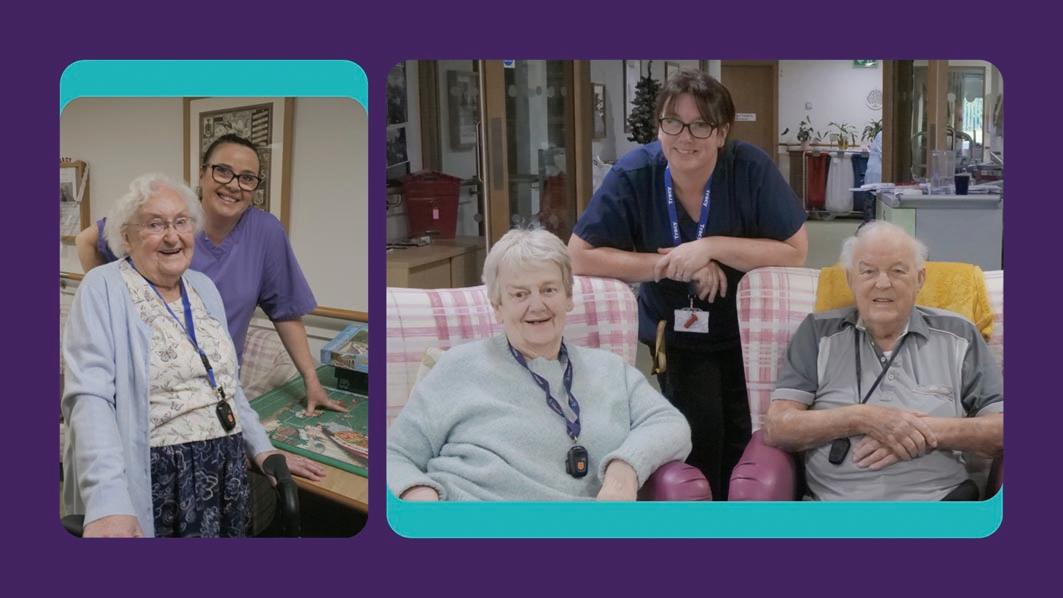
Laura Shone, deputy manager at Chirk Court, said: "We are extremely grateful to The Cadbury Foundation for this significant donation, which will help us create a new sensory room for our residents and the wider community.
"The sensory room will make a real difference, helping residents maintain their independence and giving them the opportunity to socialise with others.”
The Cadbury Foundation, which was established in honour of company founders George and Richard Cadbury, supports projects that reflect community care and employee wellbeing.
Last year, The Cadbury Foundation celebrated its 90th anniversary, marking more than £1 million donated to community programmes since the scheme began. Kelly Farrell, community affairs manager at Mondelēz International (Cadbury’s parent company), explained: "Our ‘Your Charity Your Choice’ scheme was set up to support important causes and charities close to our employees’ hearts, and we’re incredibly proud that for fourteen years, the programme has done exactly that."
A family-run care group has introduced a new role dedicated to enhancing the dining experience for residents across its 13 Care Homes.
Nellsar Care Homes, a care group with Homes across Kent, Surrey and Essex, has created the position of Residents’ Dining Experience Lead to bring additional focus to one of the most important parts of daily life in a care setting.
The role, appointed to Adelina Abraham, has been developed to support the whole mealtime journey, from the atmosphere in the dining room and the confidence of the team, through to how residents are encouraged to make choices, maintain independence and enjoy food in a way that feels familiar and personal to them. This includes supporting those residents who choose to eat in their rooms or are unable to eat anywhere else, ensuring that their dining environment is just as enriching. This is achieved through special training, emphasising that dining is not just about the dining room, but about creating a seamless, high-quality experience wherever the resident chooses to enjoy their meals.
For many residents living in a Care Home, mealtimes are closely connected to routine, memory, comfort, and identity. A favourite dish, a preferred seat at the table, the right level of assistance, or simply being given time can all affect how someone feels during the day.
This is particularly important for residents living with dementia or complex care needs, where appetite, communication, sensory awareness and confidence can change over time. The focus of this new role will be to help teams respond to these needs with patience, consistency and compassion, while ensuring that each resident’s dignity remains central to the process.
Commenting on her new role as Residents’ Dining Experience Lead at Nellsar, Adelina said: “A good mealtime is not only about the food on the plate. It is about how a resident feels when they eat, whether they feel rushed or relaxed, whether they can make choices, and whether the support around them feels natural.
“My role is to spend time in our Homes, understand what is already working well, and help teamsbuild on that. Sometimes the smallest changes can have the biggest impact, such as giving a residentmore time, changing where they sit, or making sure the dining room feels calm before service begins.
“I want every mealtime to feel personal. Residents should be able to enjoy food in a way that reflects their own preferences.”
In her new position, Adelina will also support practical learning for team members across different roles, helping to reinforce the importance of dignity in dining, hydration, nutrition, dementia-friendly mealtime support, communication and resident choice.
By taking a group-wide approach, Nellsar aims to strengthen consistency while still allowing each Home to reflect the needs, preferences and personalities of the residents who live there.
Leni Wood, Head of Nutrition and Wellness at Nellsar Care Homes, said: “Mealtimes play a significant role in a resident’s health and well-being, but they also carry emotional meaning. They can provide comfort, conversation, independence and a sense of normality.
“The Residents’ Dining Experience Lead role gives us the opportunity to look at dining in a more detailed and meaningful way. It is not about imposing a single approach across every Home. It is about understanding what truly matters to each resident and supporting our teams to deliver this with confidence.
“We are proud of the care and attention we already bring to mealtimes. This role will build on that commitment, providing a practical, thoughtful approach centred on residents’ individual needs and preferences.”
The appointment reflects Nellsar’s ongoing commitment to person-centred care, recognising that quality of life is shaped by everyday moments as much as clinical support. Through the new role, the group will continue to place residents’ voices at the heart of decisions about the dining experience in its Homes.
Two Sutton Coldfield care home residents enjoyed a night to remember as Aston Villa helped make it possible for them to return to Villa Park for the club’s Europa League semi-final victory.
Ronald Archer, 95, and Richard Walker, 69, residents at Sutton Rose Care Home, part of Macc Care, were able to experience Aston Villa’s 4-0 win over Nottingham Forest on Thursday night, which saw the club reach the Europa League final after a 4-1 aggregate victory.
The special outing was made possible thanks to the generosity of Aston Villa, who supported the care home in securing a box for the two lifelong supporters, allowing them to enjoy the landmark match in comfort.
For Ron, who was one of Aston Villa’s longest-standing season ticket holders, the evening was particularly meaningful. Returning to Villa Park brought back years of memories and connection to the club he has followed for much of his life – which even included a brief stint playing for the team 80 years ago. Ron said: “It was lovely to be back. I’ve had a lot of good times at Villa Park over the years, so to be there again for a night like that was very special.”
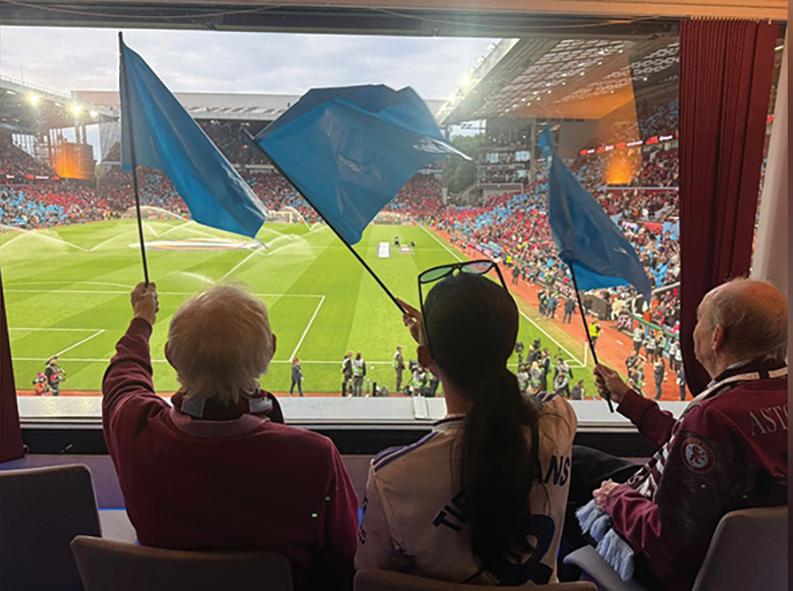
Becky Bettam, Ron’s granddaughter, commented on the experience, saying: “My grandad and I can’t tell you how lovely this is to see. He actually played for Villa briefly around 80 years ago, I remember him showing me his pay cheque from them when I was younger. This will have meant the world to him. It was a fantastic game for him to have witnessed.” The pair were accompanied by members of the Sutton Rose team, who said the night was about much
more than football. From the moment they arrived, Ron and Richard were welcomed with warmth and kindness, before enjoying the atmosphere and emotion of one of the club’s most memorable European nights, with Richard saying: “The atmosphere was brilliant. I really enjoyed it and it was nice to be part of it all again.”
The residents returned home at 11.30pm after what the home described as “a proper night out”, complete with celebrations and plenty of smiles following Villa’s emphatic victory.
Rosie Boshell, Customer Relationship Manager at Sutton Rose Care Home, said: “Last night was about so much more than football. For Ron and Richard, Villa Park is a place filled with years of memories and passion, so to be able to take them back for such an important game was incredibly special. Ron was one of the club’s longeststanding season ticket holders, which made the evening even more meaningful – and what a result! We’re so grateful to Aston Villa for helping to make this possible and for the kindness shown to our residents throughout the evening.”
Bhav Amlani, Director at Macc Care, added: “Meaningful experiences don’t stop with age. Whether it’s returning to a much-loved football club like Aston Villa, or revisiting a favourite place or passion, these moments can have such a powerful impact on wellbeing. For Ron and Richard, this was a chance to feel the energy of Villa Park again, and to be part of something they love, while making new memories in a place that already means so much to them.”
End of life charity Marie Curie has announced funding to support research into improving palliative and end of life care in the community, including out-of-hours provision. The fund comes at a time when national health policy is increasingly focused on moving care out of hospital and into the community, with a growing emphasis on supporting more people to receive end of life care in the place they call home.
The charity’s new research grants scheme, themed ‘Care close to home, in and out of hours’ will fund projects of up to £150,000. Expressions of interest will open from 2 June 2026 until 17 July.
The call responds directly to gaps in evidence and priority research questions identified by patients, carers and health and social care professionals through the Palliative and End of Life Care Priority Setting Partnership (PeolcPSP), conducted with the NIHR James Lind Alliance and published in February 20251.

In particular, the funding aligns with the priority ‘What are the best ways to provide palliative and end of life care in the community, for example, what are the roles of different services and professions?’
Dr Sabine Best, Associate Director, Research Management and Impact at Marie Curie, said: “This funding comes at a critical time. More people are now dying in the community than ever before, with 28% of deaths in England and Wales occurring at home. However, access to timely, coordinated care outside of hospital
settings, particularly out of hours, remains inconsistent.”
Research funded through this call may explore a range of topics, including the provision of community-based palliative care, models of service delivery, inequalities in access to roundthe-clock care, and the economic evaluation of different care models. All projects will be required to meaningfully involve people with lived experience in their design and delivery and focus on short to medium term impact on practice or system change.
Through this research grants scheme, Marie Curie aims to generate robust evidence to support scalable improvements in how palliative and end of life care is delivered close to home, both in and out of hours, so that more people can receive highquality, coordinated care where and when they need it most.
Marie Curie supports people with any illness they are likely to die from including Alzheimer’s (and other forms of dementia), heart, liver, kidney and lung disease, motor neurone disease, Parkinson’s, and advanced cancer, and is the largest charity funder of palliative and end of life care research in the UK.
To submit an expression of interest, email research.grants@mariecurie.org.uk by 5pm on 17 July 2026. For guidance on writing an expression of interest, visit www.mariecurie.org.uk/research-and-policy/research/calls-for-research
Three colleagues from Oat Hill Mews, Care UK’s home in Market Harborough, spent the night camping outside their workplace, raising £1,400 for charity in the process.
Business Administrator Emma Poyser, Receptionist Dani Rust, and Head Chef Harry Underwood all took part in ‘The Great Tommy Sleepout’, as well as organising a raffle and bake sale, raising money for the Royal British Veterans Enterprise.
The Royal British Veterans Enterprise is a charity that helps veterans and people with disabilities find meaningful work, tackles veteran homelessness by providing tailored housing for veterans, and so much more.
The trio chose to take part in the initiative due to some familial ties to the charity and in support of veterans at the home.
Emma said: “We've now got our Veteran Friendly Framework accreditation and host a veteran’s fish and chips event once a month on a Friday, so I thought it would be a really good charity to fundraise for. My granddad was also a Desert Rat, so I wanted to do it for him, too.”
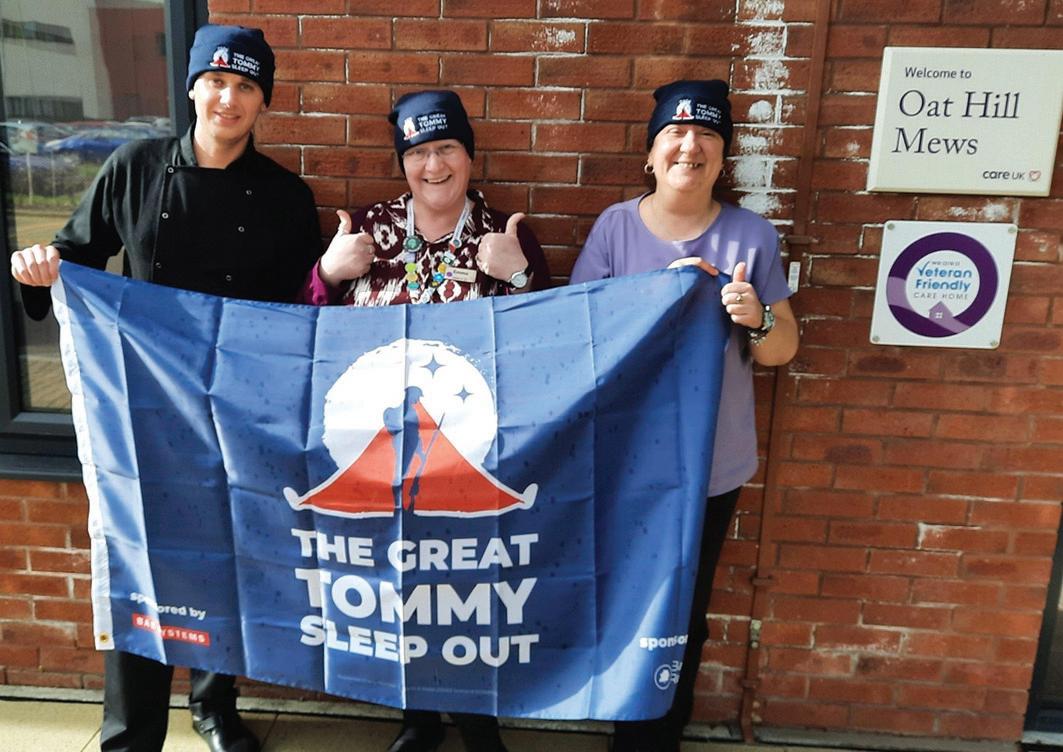
“I always love giving something back, so I decided to take part as well,” Dani says, “I'm the daughter of an RAF veteran and I have so much respect for everybody in the forces. I’m grateful for what they do, and I wanted to do something for them.” As for Harry, he wanted to give back to the community: “We do our fish and chips veteran’s event once a month and I've had a good chat with a lot of the people there. I go up and see them and they're all really nice guys! I'm always into getting involved in stuff like this and it’s good to give back to people that have
done a lot for this country.”
The team had already completed their bake sale and raffle before they prepared for their overnight stay, with residents helping to sell the cakes, too.
When the day came for the group’s camp-out, the home organised a mini faux-campfire sing-along in the evening with the residents, as well as sharing campfire snacks like marshmallows.
The group then headed out into the gardens of the home with tents and sleeping bags, ready to take on the challenge.
“Harry made us dinner then we went outside and had a real fire to toast marshmallows,” Emma says, “We had a song on the radio to get us through and Sydney – the neighbour’s cat who visits every day. He came and slept with us in the tent! It was lots of fun.”
When asked what they felt after taking part, Dani said: “Euphoria. You're pleased you've done it and it makes you realise what some people go through when they are facing homelessness, especially after giving for a service like the army or the RAF."
Emma added: "We had the security of being in the garden, even though it was noisy with the road, but I've joined an online group for people that are doing it throughout the UK and there are people who have slept on the streets with no tent, just a sleeping bag.”
The group raised £700 altogether, with Care UK matching their donation and raising the final total to £1,400, and all three said they are looking forwards to the next fundraising opportunity that comes their way!
Residents at New Copford Place, the Colchester-based residential care home run by charity, Friends of the Elderly, have been waving their ‘Jazz Hands’ and swinging to the beat, enjoying their new weekly exercise class – Jazzercise – run by qualified Instructor, Lynn Twinn.
“At New Copford Place, we have a wide and varied activities calendar, full of many different things, including Arts and Crafts, Quizzes, Reminiscing Sessions, Gardening, Intergenerational visits, Singing, community events, regular visiting entertainers and of course, the residents’ favourite exercise classes,” said Chelsey Leather, the care home’s Activities Coordinator. “Each of our meaningful activities is tailored to meet the residents’ individual needs, likes and preferences whilst, at the same time, ensuring they are inclusive and not only achievable for everyone, but more importantly fun and enjoyable.”
Lynn, who has a strong tie to the care home as her Mother is a resident, has been delivering different seated exercise class sessions at New Copford Place for six months. “The residents really enjoy their regular exercise classes which I adapt to meet their personal abilities and capabilities,” said Lynn. “They really are fun and joyous sessions. The residents sing along to the accompanying music – the gentlemen residents sing the loudest – and they love doing all the different movements.” Lynn makes sure that each exercise routine is accompanied by a song which emphasises the movements. “The residents have such pleasure when ‘Let’s Go Fly A Kite’ is played as they know that’s the Ribbon and Scarf Waving exercise,” continued Lynn. “They know all the words and sing at the tops of their voices, which is wonderful to hear.”
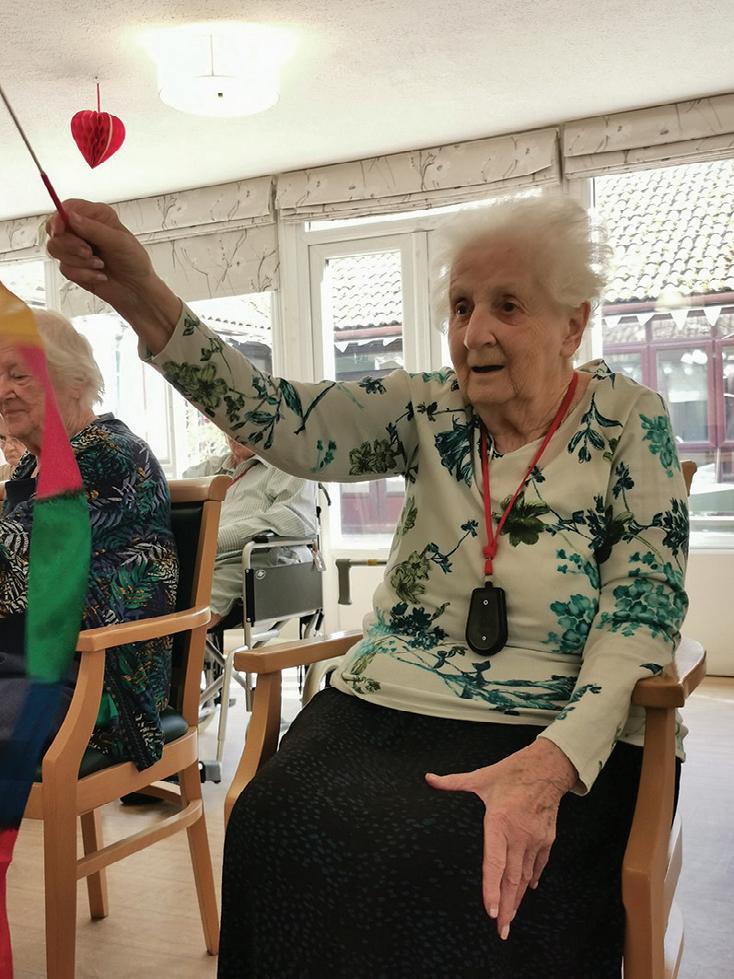
Lynn, who has been teaching exercise for 27 years, is also a qualified Jazzercise Instructor. “As part of my certified Jazzercise training, I was taught how to teach both high and low impact classes, to ensure every-
one who participates receives a safe, all-round workout,” continued Lynn.
“One of the benefits of taking part in a Jazzercise class is that it’s not aimed at the younger generation, it’s for everyone, even those with limited mobility. So, for the residents, I use modified routines which ensures everyone’s exercise needs are met.”
“Seated Jazzercise is excellent for older people as it provides a safe and effective way to build strength, balance, and cardiovascular fitness and it is specifically designed to be accessible for those with limited mobility, joint pain, or those who are new to exercise,” added Chelsey.
“The key benefits to the residents include being safe and stabilised as being a seated exercise, it eliminates the risk of falling, which is ideal for those who have vertigo of balance issues. In addition, by using a chair, it reduces the pressure on the residents’ knees and hips whilst giving them a fun and enjoyable workout helping to improve their strength, flexibility and mobility.”
“I always make sure that each Jazzercise session is fun and musical which also proves to create social connections and bonds over the different songs the residents know,” added Lynn.
“This also means that the residents can join in and participate with what they feel comfortable with. My main aim is just to have them move and have a great time whilst they are exercising.
“I absolutely love going into New Copford Place and interacting with the residents. Watching them have a go and try with all the routines is so fulfilling. Seeing them smile, hearing them sing is fantastic. It’s a really lovely place and if I have done a tiny bit through my classes to make their day, then I am very happy. It’s so motivating and rewarding,” concluded Lynn.
Fourteen million people in the UK live with incontinence. For many in residential and nursing care, the consequences of inadequate support are severe — from infection and skin breakdown to isolation and loss of dignity. Yet as the Baroness Casey review gets under way, campaigners warn that continence care remains almost entirely absent from the national reform conversation.
Walk into almost any residential or nursing care home in England and you will find dedicated staff managing one of the most intimate — and most underfunded — aspects of personal care. Continence support, once dismissed as an awkward administrative footnote, is increasingly being recognised for what it truly is: a barometer of the entire social care system's commitment to dignity. The scale of the challenge is significant. Incontinence affects an estimated 14 million people across the UK, cutting across age, disability and long-term illness. As the population ages, demand for continence support is projected to rise sharply — placing further strain on a sector that is, by almost every measure, already struggling to keep pace.

frontline of indignity" and called on the review to place dignity at its heart, with explicit recognition that access to proper assessment, specialist support and appropriate products should be determined by individual need — not by postcode.
"People should not have their independence determined by a postcode lottery. Too many are denied appropriate continence support because of arbitrary caps and under-resourced services."
— Nik Hartley, Chief Executive, Spinal Injuries Association RATIONING BY BUDGET, NOT BY NEED
For care home managers and nursing staff, the consequences of inadequate continence support are depressingly familiar. Poor care in this area can cause urinary tract infections, serious skin breakdown and pressure damage, and profound emotional distress. Residents who lack reliable access to appropriate products may withdraw from communal activities, refuse visitors, or experience significant deterioration in their mental wellbeing.
Earlier this year, a coalition of health and disability charities — led by the Spinal Injuries Association and supported by organisations including Bladder and Bowel UK, Dementia Carers Count, Disabled Living, The Neurological Alliance, Pain UK and Shine — wrote to Baroness Casey of Blackstock as she began her independent review of adult social care. Their message was stark.
Joined by senior parliamentarians Dame Caroline Dinenage MP, Mohammad Yasin MP, Baroness Ritchie of Downpatrick and Baroness Grey-Thompson, the signatories argued that continence care remains one of the most neglected and taboo areas of adult social care — largely absent from national reform debates, despite its profound impact on health, independence and quality of life. They described it as a "hidden
A June 2025 survey of 500 healthcare professionals found that substandard incontinence products were actively delaying hospital discharges and contributing to avoidable admissions — a finding with direct implications for care homes managing complex transitions between hospital and residential settings.
An investigation by the i Paper further exposed the depth of the problem across NHS continuing care settings. Freedom of Information data revealed that more than half of the trusts questioned cap continence products at just three or four pads per day — regardless of individual clinical need. The investigation also found that nearly a third of trusts providing budget data had collectively overspent by more than £4 million, fuelling serious concern that financial pressure is driving rationing and leaving residents, families and care providers to absorb the shortfall themselves.
(CONTINUED ON FOLLOWING PAGE)
Incontinence is common in care and nursing homes, but the impact on dignity, comfort and skin health is deeply personal.
Levabo’s allDRY® range of reusable incontinence underwear is a Class I Medical device, designed to support residents and caregivers alike by combining discreet protection with a comfortable, everyday feel that looks like normal underwear, not a clinical product. allDRY® underwear provides reliable protection for men and women experiencing bladder leakage.

Who are Levabo?
Levabo are a Danish medical device company specialising in innovative, user-friendly solutions for continence care and pressure ulcer prevention. Our focus is on practical products that support dignity, comfort and safety, while fitting seamlessly into the realities of care and nursing home practice.
Designed for dignity
allDRY® aims to remove the stigma often associated with incontinence products. The underwear is soft, discreet and modern in appearance, helping residents feel more like themselves and less like patients. The garments combine advanced absorbent technology with breathable materials to help keep skin dry and comfortable throughout the day.
For many people, that small shift can make a big difference to confidence, engagement in daily activities and overall wellbeing.
Key benefits for residents:
3 Soft, underwear-like fit for everyday comfort
3 Breathable, skin-friendly materials
3 Secure 6-layer absorbency for protection and confidence
3 Discreet profile under clothing to support dignity
3 Natural odour control
Practical support for busy care teams
Care and nursing home staff need products that are easy to use, reliable and support efficient routines. allDRY® has been developed
with frontline care in mind, from dressing and toileting to night-time protection and manual handling.
Key benefits for staff and services:
3 Clear sizing and fit to simplify product selection
3 Easy to apply and remove, helping with time-pressured care routines
3 Reliable protection to support continence care plans and reduce unplanned linen changes
3 A versatile solution suitable for residents with different levels of dependency
3 Machine washable at 60 degrees Celsius
3 Tumble dry safe
3 Comfort and dignity focused
Supporting skin health and overall care
Continence care is closely linked to skin integrity, comfort and quality of life.
Prolonged exposure to urine and faeces can lead to incontinence-associated dermatitis (IAD), causing redness, pain, skin breakdown and an increased risk of infection. For residents, this can mean significant discomfort, distress and reduced mobility; for caregivers, it adds to workload, complexity of care and emotional strain when preventable skin damage occurs.
When protection is effective, secure and comfortable, there is less risk of leakage, moisture-related skin damage and associated distress for residents and carers. allDRY® is designed to:
3 Help keep skin drier for longer, supporting good skin care practices
3 Complement pressure area care and repositioning routines
3 Integrate smoothly into existing continence and care pathways
A flexible range for your residents
The allDRY® range offers options to suit different needs and levels of support, making it easier for homes to match the right product to the right person. This helps reduce waste, improve comfort and ensure residents receive care that feels truly individual. allDRY® is available in a range of briefs and boxers and different levels of absorbency. In addition to the underwear, there is an optional inlay which can be added to increase the absorbency by 50ml. This inlay is machine washable with the underwear.
To find out more about allDRY® incontinence underwear, or any of the Levabo product portfolio that could support your residents and care teams, request samples or discuss how the range could support your home:
Email: bm@levabo.com
Web: www.levabo.com


(CONTINUED FROM PREVIOUS PAGE)
THE FALSE ECONOMY OF CUTTING CORNERS
For care home operators under sustained financial pressure, there is a familiar temptation to manage continence care costs by selecting lower-cost products. Evidence increasingly suggests this approach is counterproductive. An NHS pilot scheme examining procurement decisions in formal care settings found that opting for cheaper continence products created a false economy: more frequent product changes increased demands on staff time, raised laundry and linen costs, and contributed to higher rates of skinrelated complications.
The pilot found that better-matched, higher-quality products significantly reduced leakage incidents, improved workflow efficiency for carers and ultimately lowered total care costs. It is a finding that should give pause to commissioners and care home owners alike: false savings in continence procurement can generate very real costs elsewhere in the care pathway. THE IMPACT ON FAMILIES — AND ON STAFF
Campaigners are also highlighting the ripple effects of inadequate continence provision on families. When formal care falls short, it is frequently relatives who step in — purchasing products out of their own pockets, making additional care visits, or taking on tasks that care home staff are unable to complete within existing resource constraints. This informal subsidy of an underfunded system rarely features in official cost assessments, but it is deeply felt by the thousands of families across the country navigating the care system.
For frontline care staff, the challenge is equally acute. Inadequate products mean more frequent changes, greater exposure to manual handling risks, increased time pressure and — critically — reduced capacity to deliver the person-centred care that good residential and nursing homes aspire to provide. Continence care is never a background task; it sits at the heart of the relationship between carer and resident.
"Continence care requires the recognition it deserves, which is long overdue. We need to drive evidencebased practice, putting the patient at the centre of their care."
— Tracy Whitehouse, Service Manager and Adult Specialist Nurse, Bladder and Bowel UK WHAT THE CASEY REVIEW MUST ADDRESS
The timing of the charities' intervention is significant. Baroness Casey's commission — commissioned by Prime Minister Keir Starmer and Health Secretary Wes Streeting — is expected to publish an initial report in 2026 setting out problems facing the sector and ideas for medium-term improvement, ahead of a final report in 2028. Critics, including Sir Andrew Dilnot who led a previous government review on care funding, have argued that waiting until 2028 for substantive recommendations is simply too long for people who need support now.
The coalition of charities has set out clear asks for the commission: explicit recognition of continence care as a core component of dignity in adult social care; recommendations that ensure consistent access to specialist assessment and support; and a commitment that product provision be determined by individual clinical need rather than local budget pressures or geographic lottery.
For care home providers, the message is both an external call to action and an internal prompt for reflection. Best practice in continence care is achievable — but it requires investment in training, in individualised assessment, and in product procurement that is driven by clinical outcome rather than unit cost. It also requires the sector to speak loudly and clearly to policymakers about the reality of what continence care involves and what it costs to get it right.
Adult social care reform has been promised, delayed and deferred across numerous governments and countless reviews. Baroness Casey herself has acknowledged that the system relies on what she has described as cobbled-together, underfunded services — with low-paid care workers bearing an outsized share of the burden, and a deep and damaging divide between health and social care persisting for decades.
Those working in residential and nursing care know that continence care is not a peripheral issue. It is, in many ways, the most honest test of whether a care setting truly upholds dignity. Getting it right requires proper products, properly trained staff and properly resourced services. Getting it wrong — as too many people's experience attests — can strip away independence, confidence and quality of life with alarming speed.
As Baroness Casey's commission begins to take evidence and build its case for reform, the care sector would do well to ensure that continence care — for so long a "hidden frontline" — is finally brought into the light.
Ontex Group a leading international developer and producer of personal care solutions, is launching a new adult incontinence range designed to deliver strong protection while caring for sensitive skin. The first products—Sensitive Pants, Sensitive Slip and Sensitive Form—will be introduced gradually to healthcare institutions across Europe.
New European research by Ontex, involving more than 2,500 people living with incontinence, shows that dermatitis and skin irritation remain common and have a real impact on daily life. Nearly half of respondents reported irritation in the intimate area. Yet “around 80%
of caregivers are not trained to recognize dermatitis. Education and better product design are key to preventing complications,” says Dr. Maria Panourgia, Geriatrician at Milton Keynes University Hospital (UK).
The Sensitive range was developed in direct response to these needs, combining trusted absorbency with dermatological care to help prevent irritation and support healthier skin.
To strengthen caregiver knowledge, the range is supported by expert guidance on recognizing, preventing and managing incontinence related dermatitis—available through Ontex’s nurse advisor
network and the online Ontex Academy.
Sensitive range: powerful protection that respects the skin
Sensitive Pants offer:
Topsheet enriched to help prevent irritation
• Hypoallergenic design for fragile skin
Odour control technology for lasting freshness and confidence
For more information please about ID please visit: www.id-direct.com/ukb2c/en/index.html


Malnutrition remains one of the most persistent - and often under-recognised - challenges facing the care sector today.
Despite significant progress in person-centred care and nutritional screening, many older residents continue to struggle with maintaining adequate nutritional intake due to reduced appetite, frailty, dementia, swallowing difficulties, medication side effects and illness-related fatigue.
According to UK nutrition guidance, people living in care homes are at significantly increased risk of malnutrition, with estimates suggesting that between 30–42% of residents admitted to care homes may already be affected or at risk. At the same time, healthcare organisations including Age UK and the Malnutrition Task Force continue to warn that undernutrition among older people remains widely underdiagnosed.
Importantly, malnutrition is no longer being viewed simply as an unavoidable consequence of ageing.
Across both health and social care, there is increasing recognition that early intervention and preventative nutritional support can play a major role in improving outcomes for older adults, helping to maintain strength, reduce frailty and potentially prevent avoidable hospital admissions.
Updated NHS guidance around nutrition in care homes increasingly promotes a “food-first” approach, encouraging providers to focus on fortified meals, nutrient-dense snacks, hydration and personalised eating support as part of everyday care delivery.
However, for many care teams, the challenge is not simply identifying residents who may be nutritionally vulnerable - it is finding solutions residents will consistently consume and enjoy.
MOVING BEYOND TRADITIONAL SUPPLEMENT APPROACHES
Oral nutritional supplements continue to play an important role within many care settings, particularly where residents are experiencing clinically significant weight loss or recovering from illness.
Yet in practice, compliance can sometimes become difficult over time. Reduced appetite, taste fatigue, sensory changes and swallowing difficulties can all impact whether residents continue consuming traditional supplement drinks consistently.
As a result, there is growing discussion across the nutrition and care sectors around the role of more enjoyable fortified foods that support intake while feeling less clinical and more familiar to residents.
This conversation has also been influenced by the wider international rise of “Food as Medicine” - an approach increasingly recognising the role nutrition can play in supporting recovery, resilience and wellbeing during illness and later life.
For care homes, this may include:
• fortified desserts and snacks
• protein-enriched meals
• smaller nutrient-dense portions
• hydration-supportive foods
• texture-adapted options
• socially enjoyable dining experiences
The emphasis is increasingly shifting towards nutritional quality alongside resident enjoyment, dignity and quality of life.
WHY FAMILIAR FOODS MATTER
Care professionals understand that nutritional support is rarely one-size-fits-all.
For some residents, particularly those with reduced appetite or illness-related nausea, cold foods can often feel more manageable than hot meals or milkshake-style supplements. Familiar foods may also encourage better engagement with eating among residents who are reluctant to consume more medicalised nutritional products.

This is one reason why fortified desserts and ice cream-based nutritional products are beginning to attract greater interest within healthcare nutrition conversations.
One example is Nutri-Ice®, developed by My Doctor’s Recipe (https://mydoctorsrecipe.com/collections/the-nutri-ice®), a healthcare-focused nutrition company founded by London oncologist Dr Jon Krell
Originally designed to support patients struggling to maintain nutritional intake during illness and treatment, Nutri-Ice® combines calories, protein and added vitamins in a format intended to feel more like a familiar food experience than a traditional supplement.
Each serving contains over 300 calories and more than 10g of protein, alongside added vitamins and minerals via the company’s DJK+® nutritional blend.
While products such as these are not intended to replace clinical nutritional interventions where required, they may represent part of a broader shift towards more resident-friendly approaches to nutritional careparticularly where maintaining appetite and encouraging consistent intake are ongoing concerns.
SUPPORTING NUTRITION THROUGH DIGNITY AND ENJOYMENT
Nutrition in care settings is about far more than calorie intake alone.
Eating and drinking remain closely connected to comfort, independence, routine and social interaction. As the sector continues to prioritise person-centred care, there is increasing recognition that nutritional strategies should support emotional wellbeing and dignity alongside physical health.
For residents living with dementia, for example, familiar foods and positive mealtime experiences can help reduce anxiety around eating. For frailer residents or those recovering from illness, smaller enjoyable foods may sometimes feel less overwhelming than larger meals.
As NHS and community healthcare systems continue focusing on prevention and reducing avoidable admissions, nutrition is likely to remain high on the care agenda throughout 2026 and beyond.
For many providers, the future may lie not only in identifying malnutrition earlier, but also in rethinking how nutritional support is delivered in ways residents genuinely want to engage with.
Ultimately, improving nutrition in care homes may depend not simply on adding more calories, but on creating nutritional approaches that residents can tolerate, enjoy and sustain over time.
A new report from leading dairy co-operative Lakeland Dairies, supported by Consultant Dietitian Rachael Masters (MSc, BSc), reveals the care sector at a tipping point, with nearly three quarters (74%) of operators concerned about their ability to meet residents’ nutrition and hydration needs over the next five years. Care kitchens are under growing pressure as residents’ needs grow more complex, resources stay tight, and smaller portions mean every mouthful must be nutrient-dense.
The report, The Care Kitchen Reset: The Future of Care Catering, sets out a shift towards enriched cooking and stronger base ingredients that make everyday dishes work harder. It calls for care operators to protect quality nutrition under mounting pressure not by adding complexity, but by strengthening core ingredients from the outset to improve calorie and protein density without increasing portion size.

It launches as part of Nutrition & Hydration Week (16–22 March), which shines a spotlight on the UK care home sector and the critical role food and drink play in supporting resident health and wellbeing.
CARE SECTOR UNDER MOUNTING NUTRITIONAL PRESSURE
The findings reveal rising clinical complexity is a key driver, with almost half (43%) reporting an increase in nutritional needs over the past five years. At the same time, 71% say rising ingredient costs are making it harder to maintain food quality despite 90% refusing to compromise on standards. For operators, the stakes are both clinical and commercial. Nine in ten resident respondents (90%) cite food as a key factor when choosing a care home, while 87% of residents say mealtimes are the most important part of their day.
Dairy-based ingredients play a central role: over nine in ten operators say products such as cream and milk powder enhance food and drink experiences for residents with smaller appetites or specialist diets, while 88% believe they effectively support resident nutrition. This underlines the value of enriched cooking approaches that boost nutrition in the foods residents already enjoy, without relying on bigger portions. INGREDIENT STRATEGY OFFERS PRACTICAL SOLUTION
Responding to these pressures, the report highlights that one of the most practical, operationally efficient levers is ingredient strategy. Rather than layering on additional processes, the report argues the solution lies not in short-term cost cutting alone but in strengthening menu foundations. By embedding fortified nutrition into everyday base ingredients, kitchens can improve calorie and protein density without increasing portion size, labour or waste – safeguarding the sector’s future.
Rachael Masters, Consultant Dietitian and contributor to the report said: “With an ageing population
driving increased demand for care home places, and residents presenting with more complex health and nutritional needs, care catering teams are being asked to deliver not just meals, but meaningful nutritional support in increasingly complex environments.”
“The solution doesn’t lie in adding more processes, but in making smarter use of core ingredients to maximise nutritional value. By fortifying everyday dishes, kitchens can enhance protein, energy and key nutrients in ways that are practical, cost-aware and, most importantly, enjoyable for residents. Dairy-based ingredients offer a particularly effective and versatile way to achieve this.”
“This report explores these growing pressures and highlights practical, nutrition-led approaches that support both care teams and residents –helping deliver better operational efficiency while improving health, wellbeing and dining satisfaction.”
The research also highlights opportunities to refine delivery. While 90% of residents rate meals positively overall, 77% report struggling to finish meals due to taste or presentation challenges, and 38% say higher quality ingredients would improve their experience. This reinforces the case for ingredient optimisation over short-term cost cutting.
Paul Jennings, Head of Food UK & International at Lakeland Dairies, adds: “Care operators are under pressure to do more with less – more nutrition, more quality and more resilience – while also meeting rising expectations from residents around mealtimes. This creates a real tension in care kitchens, where teams are balancing increasingly complex needs with limited time, staff and budgets.
Ingredient strategy is a practical way forward. By using hard-working bases such as Millac Gold Double and Lakeland Dairies Skimmed Milk Powder, kitchens can build richness, consistency and added nutrition into everyday dishes without adding complexity.
In a sector balancing tight budgets and staffing pressures, this timely report explores immediate solutions to support care kitchens.”
The report draws on a survey of care operators, residents and their families, alongside insight from Consultant Dietitian Rachael Masters, founder of Focus on Undernutrition, which provides specialist special diet training to care homes.
Lakeland Dairies is committed to supporting the sector through menu guidance, product innovation and training designed to help kitchens build resilience through stronger foundations and long-term supplier partnerships.
The full report is available: https://eu1.hubs.ly/H0sP61V0
Harrison Carr is a national provider of commercial catering equipment, design, installation, and fabrication services and HVAC. Based in the Midlands, we support care homes, local authorities, charities, and specialist care providers with both day-to-day operational requirements and larger project-based developments.
A key advantage of working with us is our independence. We are not tied to any single manufacturer, enabling us to source the most suitable, reliable, and cost-effective equipment for each care environment. This ensures solutions that prioritise safety, energy efficiency, long-term value, and consistent performance.
• Complete kitchen and servery redesigns
• Workflow optimisation to support safe, efficient meal production

Our team includes experienced designers, project managers, ventilation specialists, installation engineers, and in-house fabrication experts all working under one roof. This ensures we can deliver a genuine end-to-end service: from concept and planning through to supply, installation, and ongoing support.
CATERING EQUIPMENT SUPPLY & TRAINING
• Access to all major catering equipment brands
• Energy-efficient, sustainability-focused solutions compliant with care-sector standards
• Fast delivery from our own on-site stock
• Competitive pricing and comparison quotes to support budget decisions
FULL KITCHEN DESIGN & INSTALLATION
• CAD layouts and 3D visuals
• Compliance-led ventilation and extraction solutions
BESPOKE FABRICATION
• Custom counters, serveries, prep areas, and storage
• Bespoke servery and hydration stations for care settings
REACTIVE & PLANNED SUPPORT
• 24/7 support with rapid turnaround for urgent equipment needs
• Standby and loan equipment for emergencies
• Assistance with refurbishments and operational upgrades
CAFÉ, SOCIAL & RESIDENT-FACING SPACES
• Coffee areas for staff and visitors
• Hydration and snack counters
• Modular and mobile units suitable for multi-use care environments
Our approach is always centred around understanding each site’s workflow, resident needs, staffing pressures, and long-term operational goals ensuring the solutions we deliver enhance quality of service, safety, and overall dining experience.
Visit our website www.harrison-carr.co.uk contact by phone on 0116 602222 or email at office@harrison-carr.co.uk
Mobile Kitchens Ltd specialises in the hire or sale of temporary catering facilities and foodservice equipment.
Ideal for events or to provide temporary catering facilities during your kitchen refurbishment, our versatile units and equipment offer an efficient and economic solution to the caterers’ needs.
Production Kitchens, Preparation Kitchens, Ware-washing Units, Dry Store Units, Cold Rooms and Restaurant Units are available as individual units in their own right or they can be linked together on site to form a complete complex.
Alternatively, we can offer modular, open-plan facilities, usually for larger, longer-term hires.
We offer a free design service, and project management from concept through to delivery
and installation on site, plus full technical support throughout the hire period. The standard specification of our smallest
Production Kitchen unit includes a six burner oven range, salamander grill, twin basket fryer, upright fridge, hot cupboard, single bowl sink unit with integral hand wash basin, plus ample power points to plug in Microwaves, Food Processors, Toasters etc. Internal equipment can be interchanged and clients can effectively specify their preferred layout. We have many tried and tested design layouts and would be pleased to put forward our recommendations for your project.
For further information or to arrange a site visit, email: sales@mk-hire.co.uk or call us on 0345 812 0800, or visit our website: www.mk-hire.co.uk


Care providers are currently facing one of the most complex operating environments in recent memory. Rising labour costs, stricter compliance requirements, and ongoing food inflation are placing significant pressure on already stretched budgets across the care sector.
Food costs remain a major concern. While inflation has eased slightly from recent peaks, food prices are still rising faster than general inflation. In February 2026, food inflation stood at 3.6%, with forecasts suggesting an average of 3.8% across the year.
For care home operators managing tight margins, this means financial pressure will continue. Rather than a return to ‘normal’, the sector is entering a period of persistent underlying inflation where costs continue to rise gradually. Procurement specialists allmanhall are advising catering teams to budget for around 4% annual food inflation in the year ahead.
Structural cost increases across the supply chain are also feeding into food pricing. Higher National Living Wage levels, increased National Insurance contributions, and new employment obligations are pushing up costs for producers, manufacturers, and distributors - many of which are now being passed through to care and healthcare settings.

For care home groups already balancing staffing pressures and regulatory compliance, sustained food inflation adds another layer of financial strain. Catering teams must continue delivering nutritious, high-quality meals while managing special diets and strict nutritional standards.
Adding further uncertainty to the outlook is the geopolitical situation in the Middle East. Global food supply
chains are closely linked to energy markets, meaning instability in oil-producing regions can quickly impact food costs.
Recent tensions involving Iran, Israel, and the United States have already triggered volatility in global energy markets. Oil prices have exceeded $100 per barrel for the first time since the start of the Ukraine conflict, increasing fuel, transport, and logistics costs across the food supply chain.
In this challenging environment, specialist procurement support is becoming increasingly important. This is where food procurement experts allmanhall are helping care organisations regain control of their catering costs.
By combining collective buying power with deep market insight, allmanhall support care operators in managing food cost volatility while improving ingredient quality and strengthening supply chain resilience. Through detailed procurement reviews, benchmarking, and category insights, care groups gain greater visibility over spend and identify opportunities to protect budgets without compromising on quality.
Beyond procurement, allmanhall’s award-winning support team works closely with care clients to strengthen compliance, support nutritional standards, and provide practical menu guidance aligned with resident wellbeing.
At a time when care providers must balance cost control with quality and compliance, having the right procurement partner can make all the difference.
www.allmanhall.co.uk
Disease-related malnutrition remains one of the most persistent challenges in UK residential and nursing care. It affects millions, increases vulnerability to illness, slows recovery, drives hospital admissions, and places strain on already stretched care teams. Yet despite the scale of the problem, the tools available to homes have not kept pace with the needs of increasingly complex residents.
Hiquid Food, a Norwegian medical nutrition company, is entering the UK market with a clear mission: to make effective nutritional support simpler, more acceptable for residents, and easier for staff to deliver.
Simple, seamless meal enrichment
Many residents struggle to consume enough calories and protein, even with carefully prepared meals. Hiquid Food’s freeze-dried powders, made from organic whole foods, allow caregivers to enrich everyday dishes like porridge, soups, puddings, purees, and drinks. This discreet approach reduces refusals and preserves dignity, helping residents receive the nutrition they need through meals they already enjoy.
ORAL NUTRITIONAL SUPPLEMENTS WITH HIGH ACCEPTANCE
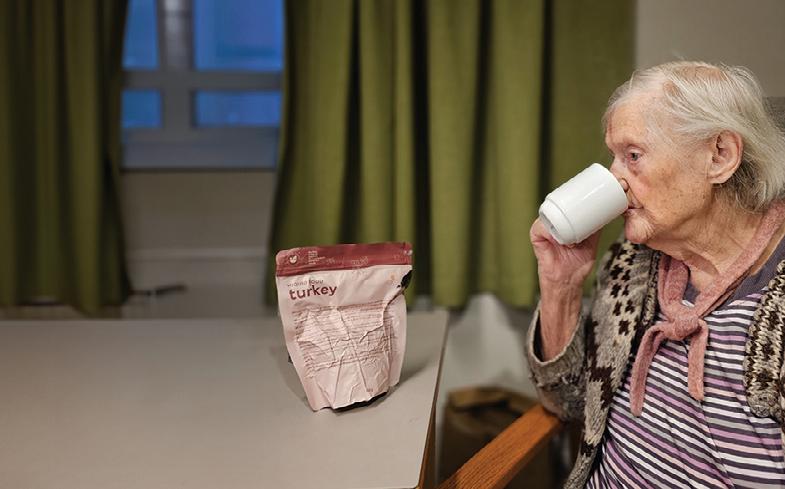
For individuals at greater nutritional risk, Hiquid Food offers compact, nutrient-dense oral nutritional supple-
ments designed for those with low appetite or increased medical demands. They are easy to consume, well tolerated, and provide balanced support in small volumes.
WHOLE FOOD GASTROSTOMY NUTRITION
For residents requiring enteral feeding, Hiquid Food’s whole-food gastrostomy products offer a gentle, reliable option created with a focus on tolerance, safety, and long-term stability.
Better outcomes and operational efficiency
Care providers face rising acuity and workforce pressure. Hiquid Food products reduce complexity through easy mixing, no additives, and no large volumes while supporting improved resident strength, immunity, and recovery. Better nutritional status means improved wellbeing and lower overall care costs. With long shelflife, low weight, and high versatility, the products are also environmentally responsible and easily integrated into a wide variety of meals.
As Hiquid Food launches in the UK through Food Untethered, they look forward to working closely with care homes, clinicians, and NHS commissioners to strengthen nutritional care in a practical, resident-centred way. For more information: contact@fooduntethered.com or see the advert below.
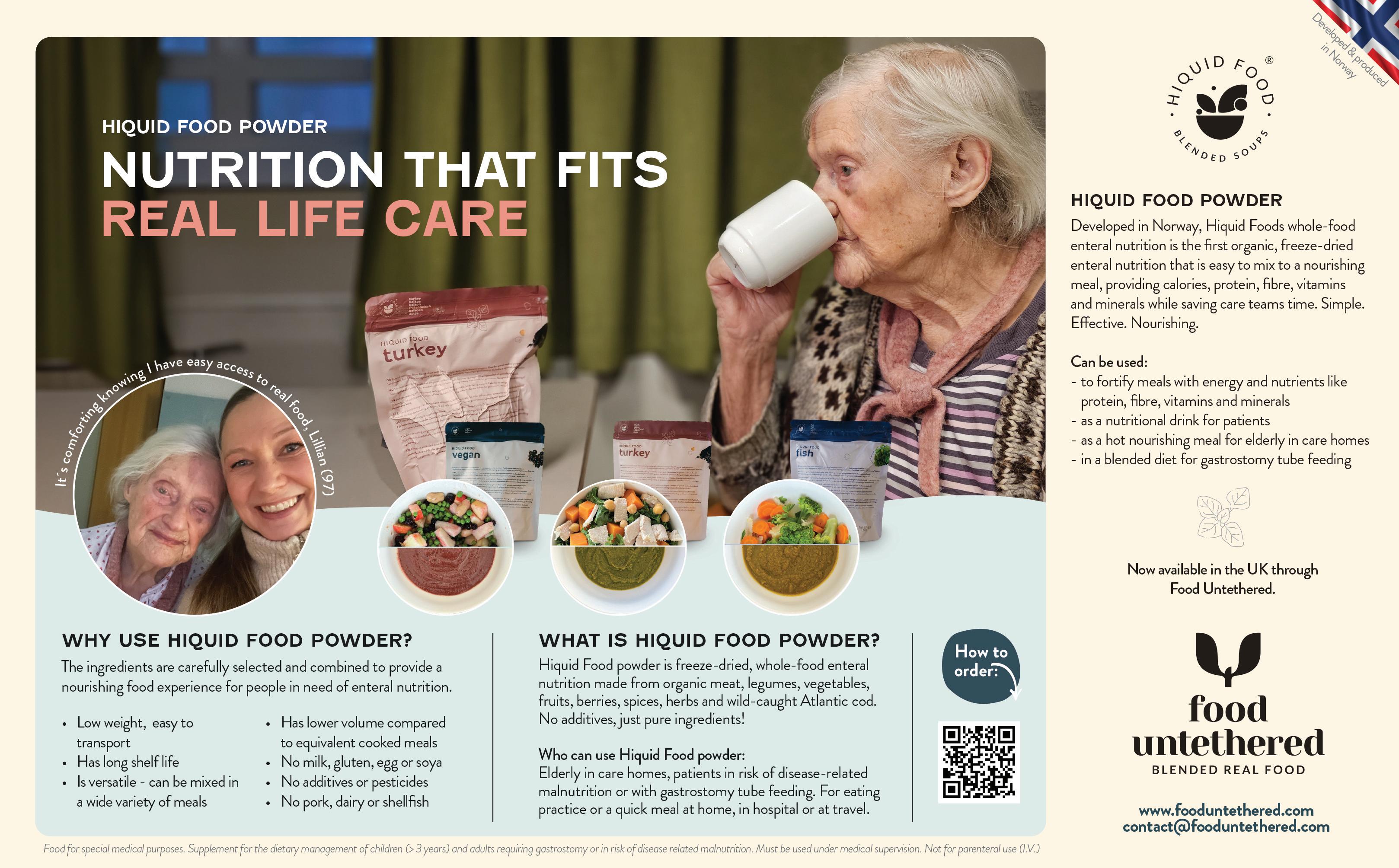
Fall Savers®, are an experienced market leading healthcare provider of resident safety solutions for over 15 years.
FALL SAVERS ® WIRELESS MONITOR
Eliminate all cables with our new generation falls management solutions!
Upgrade your falls programme with the latest technology from Fall Savers®. The NEW Fall Savers® Wireless eliminates the cord between the monitor and sensor pad. This results in less work for nursing staff, improved safety for patients and reduced wear and tear on sensor pads. Wireless advantages include the ability to use one monitor with two sensor pads simultaneously and support for many new wireless devices.
BENEFITS INCLUDE:
Safer for patients; less work for staff Bed and chair pads available
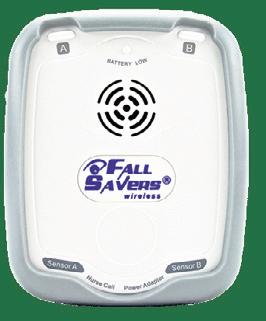
One monitor works with two sensor pads
Integrates with most nurse call systems A variety of options, including: Call button

NurseCall is definitely not a 'one size fits all' solution. If, like many Care Groups and Hospitals-both NHS and private-you utilise various NurseCall systems, you might find managing multiple systems a challenge. Many of our clients have voiced concerns about the increased time & costs associated with juggling different points of contact and contractors.
STREAMLINING MAINTENANCE FOR GREATER EFFICIENCY
Since our inception in 1984, we've committed to providing expert support across multiple NurseCall systems. Our engineers are thoroughly trained to handle diverse systems, ensuring you receive swift and comprehensive service, no matter the manufacturer.
EXTENSIVE INVENTORY AND INTEGRATION SOLUTIONS
We stock an extensive range of products from leading manufacturers and offer adaptable solutions

that integrate seamlessly with your existing frameworks. This approach not only simplifies maintenance but also enhances operational efficiency. YOUR PARTNER IN EFFECTIVE CARE
Your NurseCall system is vital, and we believe the challenges of maintaining it shouldn't hinder your operations. Our multi-manufacturer strategy streamlines complexities, benefiting both your team and the patients in your care.
Choose us to ensure smooth operations and peace of mind. Let's enhance the way you connect care with technology.
info@edisontelecom.co.uk www.edisontelecom.co.uk 01252 330220

In today’s complex care environment, we understand that choosing the right technology is about far more than functionality alone. For care providers, reliability, sustainability, and supply chain resilience are critical factors—especially when it comes to nurse call systems that play such a vital role in resident safety and day-to-day operations.
At Courtney Thorne, we are proud to champion the “Made in Britain” mark. For us, this is not simply about where our systems are manufactured; it reflects our commitment to quality, accountability, and supporting the UK care sector. By designing and building our nurse call systems here in Britain, we can ensure they are developed with a deep understanding of the real challenges faced by care homes, resulting in solutions that are practical, reliable, and easy to use.
Manufacturing in the UK also allows us to maintain close control over our supply chain—something that has become increasingly important in recent years. Global disruptions have highlighted the risks of relying on complex, overseas supply networks. By keeping our production local, we are able to offer greater consistency, shorter lead times, and improved access to parts and upgrades. This means our customers can rely on continuity, even in uncertain times, with minimal risk of disruption to their services.
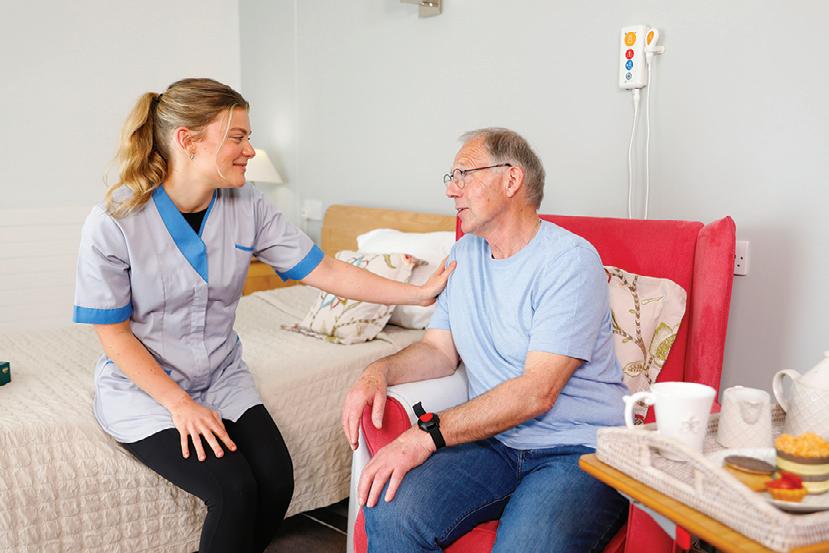
Sustainability is another area where we believe local manufacturing makes a meaningful difference. By reducing the need for long-distance transportation and focusing on robust, long-lasting system design, we help care providers lower their environmental impact. We are committed to creating solutions that not only meet today’s needs but are built to last—reducing waste and supporting more sustainable care environments over the long term.
Of course, delivering high-quality technology is only part of the picture. We know that ongoing support is essential. That’s why our UK-based technical team is on hand to provide expert assistance, from installation and training through to maintenance and rapid response when it matters most. Our proximity allows us to respond quickly and effectively, giving our customers the confidence that support is always within reach.
At Courtney Thorne, we believe that care homes deserve technology they can depend on—both now and in the future. By combining British manufacturing, sustainable practices, a resilient supply chain, and dedicated local support, we are proud to deliver nurse call systems that underpin safe, effective, and reliable care every day.
For more information or to book a free demo, visit www.c-t.co.uk or contact info@c-t.co.uk.
Falls are a significant concern for vulnerable individuals, especially seniors and patients at risk. Medpage, a leader in assistive technology, offers a range of cutting-edge products designed to enhance safety and provide peace of mind for caregivers and families. Here’s an in-depth look at some of their standout solutions: MPRCG1 (2023) BED LEAVING DETECTION ALARM WITH CAREGIVER RADIO PAGER
The MPRCG1 is a comprehensive system tailored for fall prevention in domestic, commercial, and NHS care settings. This all-inclusive kit includes a bed pressure mat sensor, a BTX21-MP alarm sensor transmitter, and an MP-PAG31 radio pager. The system is designed to alert caregivers when a patient leaves their bed, reducing the risk of falls.
HDKMB2 HOSPITAL DISCHARGE KIT FOR FALLS RISK PATIENTS
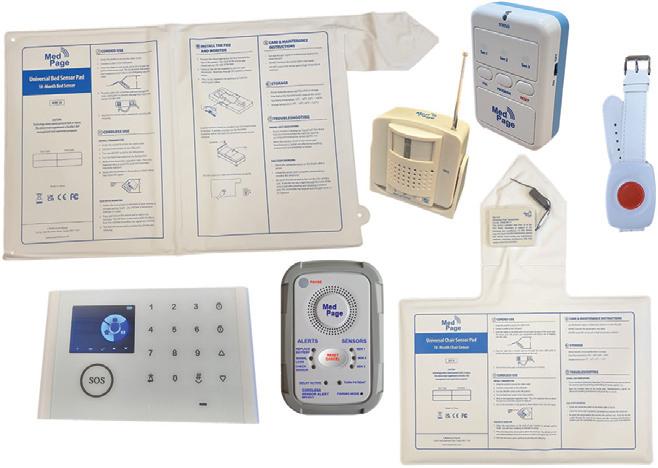
The HDKMB2 is a thoughtfully curated kit aimed at supporting patients transitioning from hospital to home care. It includes essential tools to mitigate fall risks and promote recovery. This kit is ideal for caregivers seeking a comprehensive solution to enhance patient safety during the critical post-discharge period.
CMEX-21 MULTI-PORT WIRELESS SENSOR INPUT EXPANDER FOR NURSE CALL CONNECTION
The CMEX-21 is Medpage’s latest innovation, designed to integrate seamlessly with existing nurse call systems. This multi-port expander allows for the connection of multiple wireless sensors, enhancing the monitoring capabilities of healthcare facilities. Its versatility makes it a valuable addition to any care environment, ensuring timely responses to patient needs.
RON-WC2 WATERPROOF DISABLED PULL CORD ALARM TRANSMITTER WITH WIRELESS ALARM RECEIVER
The RON-WC2 is a robust solution for disabled individuals requiring immediate assistance. This waterproof pull cord alarm is ideal for use in bathrooms and other high-risk areas. Paired with a wireless alarm receiver, it ensures that help is just a pull away. For more information, visit Medpage’s official website or contact their team to explore these products further. Safety starts with the right tools, and Medpage delivers just that. www.easylinkuk.co.uk or T: 01536 264 869 See the advert on page 15 for more information.
By Ashleigh Dueker, Programme Director, Care Intelligence,

As we welcome longer days and the promise of spring, it’s tempting to assume that pressures on the NHS will naturally ease - that warmer weather, seasonal reprieve and the slow thaw after winter will allow waiting lists to shrink and give A&E services the opportunity to breathe again.
But the real challenge facing the NHS isn’t seasonal. It’s systemic. Every year, the health service finds itself managing queues: queues in A&E, queues for treatment, queues for beds. Much of the conversation quite rightly focuses on how to move people through the system fasterimproving discharge processes, increasing capacity or accelerating clinical decision-making.
But there is also a crucial opportunity further upstream. If we want to relieve pressure on the NHS in a lasting way, we need to look beyond how the system manages queues and start asking how those queues form in the first place. And often, the earliest chances to prevent pressure on hospitals lie within social care itself.
Too often, social care is on the back foot. Care homes and community services have historically recorded what happened rather than what might happen. Paper records, fragmented systems and siloed insight mean risks are spotted only after they materialise - a fall, an infection, a deterioration
in hydration or mobility. For older people, these events don’t just reduce quality of life - they are among the leading causes of emergency hospital admissions.
It doesn’t have to be this way. We are entering a new era in which intelligence - not just data - becomes the engine of care delivery. At Person Centred Software (PCS), our Connected Care ecosystem has long digitised core care workflows, from planning to medication management. Every one of these interactions feeds into a unified data layer. On its own, it’s a record. But when we harness that data into intelligence - especially predictive intelligence - it becomes forethought rather than hindsight.
Spring relief won’t fix the NHS queue - intelligence will
That’s the purpose of IQ, our care intelligence platform now available to care homes across the UK. With the largest structured social care dataset in the country, IQ doesn’t just show what has happened, it reveals what’s likely to happen next.
This isn’t futuristic conjecture. IQ already enables anonymised benchmarking, so managers can see how their home compares with similar services on key indicators such as falls, hydration, wounds, happiness levels and more. This sector-wide perspective moves homes from isolated decision-making to shared learning, and from reactive fixes to strategic improvement.
More importantly, the next stage of IQ is predictive: using patterns drawn from billions of data points to flag when risk is rising - often days or even weeks before an incident occurs. Whether it’s an unusual shift in weight, subtle changes in mobility or early markers of dehydration, predictive insight turns these signals into actionable alerts for care teams.
For the NHS, this approach matters. Predictive insight gives social care teams the tools to intervene early, reduce avoidable hospital admissions and also creates greater confidence in safe discharge pathways.
Evidence from pilot work across the health and care landscape shows that digital technology does indeed reduce unplanned acute care usage and costs when used effectively. Integrated data and communication between care homes and NHS community services contribute to earlier detection of deterioration, better joint decision-making and fewer emergency department attendances.
But this isn’t just about efficiency. It’s about dignity, safety and quality of life for older people and their families - the very outcomes at the heart of our healthcare and social care system.
A SEASONAL OPPORTUNITY - NOT A SEASONAL FIX
Spring should be more than a symbolic break in demand. It should be a catalyst for lasting change: an opportunity to invest in the intelligence that supports both social care and the NHS. We cannot afford to wait until next winter to ask the same questions and confront the same problems.
If we harness predictive insight now - to anticipate risk, prevent harm and reduce avoidable admissions - we not only ease seasonal pressures but transform the fabric of care delivery itself.
In the end, the real queue isn’t a list of people in beds. It’s the queue of untapped intelligence waiting to unlock a safer, smarter and more humane approach to care - one that works for receivers of care, care teams and for the NHS alike.
Running a care home today means balancing highquality care with the smooth operation of a wide range of essential systems. From laundry and dishwashing to television services, WiFi and connectivity,
these functions play a critical role in compliance as well as resident wellbeing. They also underpin the day-to-day experience of both residents and staff.
In many homes, these systems are supplied and maintained by multiple providers. Whilst this is often the norm, it can create unnecessary complexity. When issues arise, dealing with different service teams, contracts and response times can slow resolution and increase pressure on staff.
Forbes Professional works with care homes to simplify this.
By delivering commercial laundry, dishwashing, IPTV, healthcare TV and networking infrastructure as a single, connected solution, providers benefit from one point of contact, streamlined servicing and clear accountability. This reduces operational friction and allows teams to focus on delivering care rather than managing suppliers.
In any care environment, reliability is critical. Equipment must support strict hygiene and safety standards, with oversight from the Care Quality Commission and requirements such as WRAS. Professionally specified and maintained systems help ensure consistent infection control processes and minimise the risk of downtime.
At the same time, expectations around technology continue to grow. Residents increasingly value the ability to stay connected, access information and

enjoy entertainment through modern TV systems, signage solutions and reliable WiFi. For staff, dependable infrastructure supports smoother day-to-day operations.
Bringing these systems together creates a more stable, efficient environment. Instead of managing multiple suppliers, care homes can take a more integrated approach; improving performance, maintaining compliance and enhancing the overall experience.
Forbes Professional provides a practical, joined-up solution for care homes looking to simplify operations without compromising on quality.
Visit www.forbespro.co.uk or see the advert on page 11.
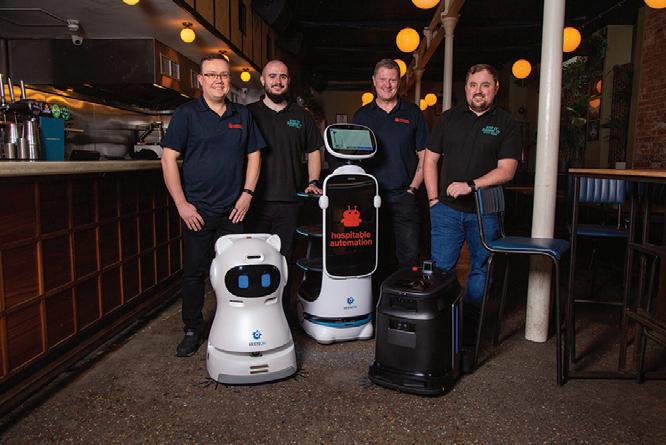

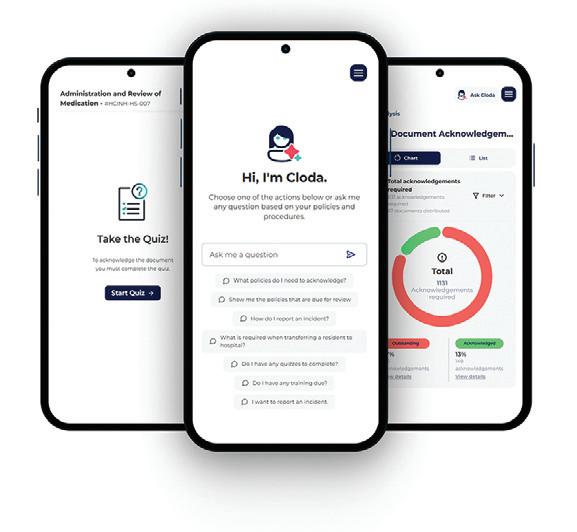
Care staff often need the right guidance immediately. Whether responding to a safeguarding concern, managing a medication issue, or dealing with a clinical incident, the ability to access the correct procedure quickly can be critical to both resident safety and staff confidence.
Cloda is an AI assistant providing care staff with the answers they need from their organisation’s policies and procedures. Staff simply ask a question — for example, “There has been a safeguarding concern, what should I do?” — and Cloda immediately provides the relevant guidance from the organisation’s own approved policies.
By making procedures accessible in seconds, Cloda helps ensure that policies are not simply documents stored on a system, but practical guidance that staff can use in real situations. This supports organisations in
embedding policies into everyday practice while strengthening compliance with Care Quality Commission (CQC) standards.
CQC inspections increasingly focus not only on whether policies exist, but whether staff understand them and apply them consistently in practice. Providing staff with immediate access to the correct guidance helps reinforce safe decision-making and supports organisations in demonstrating that policies are actively used across the service.
One of the most notable insights from Cloda deployments across social care services is the level of engagement from frontline staff. In many services, user adoption exceeds 80%, reflecting the fact that staff find the system simple and genuinely helpful in their day-to-day work. Cloda is like an additional team member, a reliable source of guidance that is always up to date, and available at the point of care.
Soon, Cloda will expand into a fully AI-enhanced Quality Management System with functionality for training, incident management, risk management, internal audit and compliance insights. By bringing these functions together in one system — and enhancing them with AI — providers can streamline quality management processes while improving visibility across their services.
The platform has been developed by HCI, an organisation with more
than 20 years’ experience supporting international health and social care providers with quality, governance and compliance solutions. Over the past two decades, HCI has worked with healthcare organisations across multiple jurisdictions to strengthen regulatory readiness and improve the management of quality and safety processes.
This experience has shaped the design of Cloda and its wider quality management framework, ensuring that the technology supports the realities of frontline care while also providing the governance tools organisations need to maintain compliance.
As care providers continue to face increasing regulatory expectations, workforce pressures and rising complexity in care delivery, digital tools that support both frontline staff and organisational governance are becoming increasingly important.
By combining instant access to guidance for staff with AI-enhanced quality management tools for organisations, Cloda helps care providers embed policies into practice, strengthen CQC compliance and ultimately support safer, more consistent care.
Cloda will be exhibiting at Care Show London — visit us at Stand H47 to see how Cloda works in practice. Learn more about Cloda at www.cloda.ai or contact info@cloda.ai.

Technology is becoming a routine part of residential care.
From sensors and monitoring systems to digital care records, these tools can support safer and more responsive care. At the same time, they raise questions about consent, privacy and how care is experienced by both residents and staff.
These themes were reflected in recent discussions hosted by the Digital Care Hub, which explored how technology is being used in practice across the sector.
Understanding and explaining technology
One of the challenges raised was how well people understand the technology around them. In some cases, particularly for people living with dementia or cognitive impairment, this understanding may be limited.
As one frontline care worker described, a person drawing on care believed systems were there so others could “spy on him”.
This highlights the importance of how technology is introduced and discussed. Understanding may change over time, and people’s responses are not always predictable.
Consent, not duress
Consent was a central theme. The discussions pointed to the importance of consent, not duress, particularly in a system under pressure. As one speaker highlighted: “Choice is meaningful only if a person can say no without losing their right to basic care.”
This raises questions about how real choice is experienced in practice. Where options are limited, or technology becomes part of a default offer, consent may be more complex than it first appears.
Impact on staff and culture
The use of monitoring also has implications for staff. In residential settings, oversight is familiar, but increased monitoring can change how care workers experience their role.
Some described feeling observed or questioned on small aspects of their work, particularly where families can see detailed records. This can influence how care is recorded and how relationships develop between staff, families and residents.
Supporting independence without replacing care
Technology was also discussed as a way of supporting independence. In some situations, monitoring can reduce the need for constant supervision and allow people more flexibility.
At the same time, there were concerns about how technology is used in a stretched system. One speaker highlighted the risk of pressure to “put more tech in to replace the shortage of carers”.
Robots vs Carers
Digital Care Hub’s next webinar is on Robots Vs Carers: are we really replacing care workers? 31 March 2026
Find out more at www.digitalcarehub.co.uk/digital-care-in-focus/ difficult-conversations-about-data-and-tech/
Ready-to-use activity products designed to support meaningful engagement in everyday life.
Everything you need to inspire connection, stimulation and wellbeing
CREATIVE & SENSORY ACTIVITIES
Art, craft and sensory products designed to engage, calm and inspire. COGNITIVE & REMINISCENCE
Memory-based activities and conversation starters that encourage connection. GAMES & GROUP ACTIVITIES
Inclusive games and group activities suitable for a wide range of abilities. ONE-TO-ONE & MEANINGFUL ENGAGEMENT
Personalised activity products that support wellbeing and individual needs. Thoughtfully selected to be accessible, inclusive and easy to use in busy care environments.
Explore our full activity range -
CareZips® Classic are patented, easy dressing unisex adaptive pants designed for older and disabled people suffering with problems associated with continence, mobility, mental function and cognition. Suitable for persons living in care institutions, receiving care at home or living independently at home, CareZips® Classic enable people to dress themselves or with assistance from carers.
CareZips® Classic feature patented 3-zipper system, which opens the front of the pants from the waist to the knees for quicker access during toileting, continence pads changes and personal hygiene. The forward positioning of the two side zippers lessens pressure on sensitive hip areas, helping to eliminate discomfort. The third zipper facilitates simple full frontal opening for faster more dignified diaper changes, catheter adjustments, personal cleansing and hygiene routines.

cal functionality and versatility of the CareZips® Classic, all day comfort and easy garment care.
• People dependent on assisted dressing appreciate quick easy dressing process with less stress, embarrassment and greater dignity offered by CareZips® Classic.
• CareZips® Classic offer practical gains to the carers, helping them to provide better care, whilst reducing physical efforts and saving valuable time.
CareZips® Classic are unisex, available in 6 sizes and 3 practical colours (i.e. black, charcoal and navy). Tapered fit at the ankles gives a tidy appearance. Made from breathable moisture-wicking 4-way stretchy crease-free and easy-care durable fabric, CareZips® Classic are comfortable, practical and conveniently functional.
For more information, contact Win Health Medical Ltd - 01835 864866www.win-health.com
CareZips® Classic have many benefits for the older and disabled users and their carers:
• People dressing themselves enjoy the practi-
See the advert on page 3 for further information on Win Health’s product range.


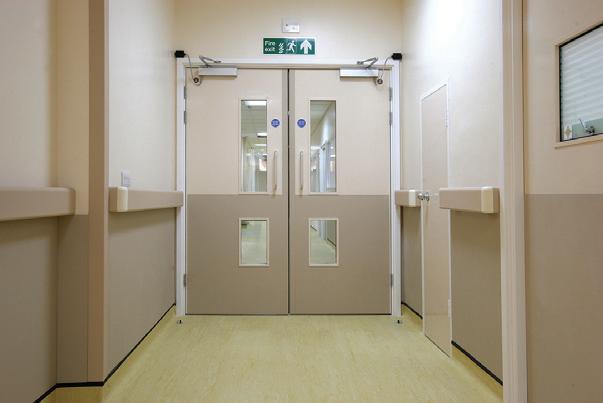
the well-being of patients and
EDGE Services is one of the leading providers of people handling training in the UK today.
EDGE will train you to deliver moving and handling, dementia care, and challenging behaviour courses to your colleagues, providing you with the resources, techniques, and skills to make a real difference to the health and safety of both your colleagues and your clients. Our courses:

People Handling and Risk Assessment Key Trainer's certificate (4 consecutive days, includes a written assignment)
Children Handling and Risk Assessment Key Trainer's certificate (4 consecutive days, includes a written assignment)
People Handling and Risk Assessment Key Trainer's certificate Refresher/Update (2 consecutive days)
• Children Handling and Risk Assessment Key Trainer's certificate Refresher/Update (2 consecutive days) Understanding and Managing Behaviour that Challenges Key Trainer's certificate (2 consecutive days)
Dementia Care Key Trainer's certificate (2 consecutive days)
Our Key Trainer's certificate lasts for 2 years. Delegates are then given a 3-month grace period to renew their training though we don’t recommend they deliver any training during this interim period.
EDGE understands that the continued success of the company is down to us consistently providing highquality training that is received well by those attending the event and by those procuring it. We are committed to ensuring this success continues.
There’s a lot that makes EDGE different from your average training provider:
Healthcare Professionals: All EDGE trainers are nurses, occupational therapists or physiotherapists with over ten years’ clinical experience.
Fully Accredited: All our’ People/Children Handling and Risk Assessment Key Trainer’s Certificate’ courses are accredited by RoSPA Qualifications to Level 4 or Advanced Level 4. They are recognised for providing continuous professional development by the CPD Certification Service.
Compliance with Professional Training Standards: All EDGE Manual Handling ‘Key Trainer’ events comply with the National Back Exchange Training Standards (2010); The All Wales NHS Manual Handling Training Passport and Information Scheme (2010); and The Scottish Manual Handling Passport Scheme (2014).
• Invaluable Training Resources: All delegates are given a fully illustrated and comprehensive textbook; professionally printed and produced by EDGE. Plus, proposed documents to assist and support in onward training delivery. These include course agendas, hand-outs, Power-Point slides, filmed practical techniques and tips for staff training and assessing.
Online Resources Library and E-Learning: Our Manual Handling ‘Key Trainer’ training is supported by an extensive, informative online resources library offering use of an exclusive e-learning module plus additional training tips and tools to develop and enhance onward training.
EDGE offers both public courses and in-house courses, the dates for which can be found on our website: https://edgeservices.co.uk
Alternatively, call: 01904 677853 or e-mail: enquiries@edgeservices.co.uk to see how EDGE Services can help you.
Care homes today face increasing pressure to deliver high-quality, safe and effective care—while managing limited time, budgets and workforce capacity. Traditional training methods often struggle to engage staff or translate learning into everyday practice.
Serious games are changing that.
By combining evidence-based learning with interactive, scenario-driven gameplay, serious games enable staff to learn by doing. Teams work together to solve realistic challenges, strengthening communication, decision-making and confidence in a safe environment. This directly supports key CQC priorities across Safe, Effective and Well-led domains.
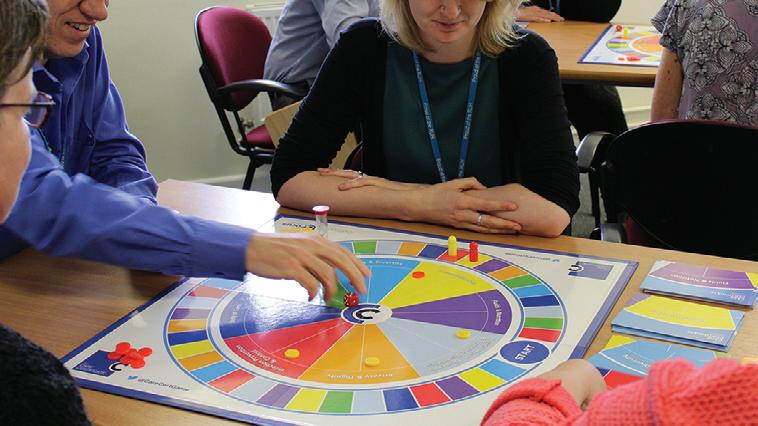
Research shows that simulation and game-based learning improves knowledge retention, teamwork and patient safety outcomes (Aggarwal et al., 2010; Health Education England, 2016). Crucially, it also promotes peer learning and reflection—helping teams share experiences and embed best practice across the service.
Focus Games has been at the forefront of this approach, offering a wide range of care home–focused
board games, card games and digital learning via the ZeST platform. Covering topics such as infection prevention, nutrition, safeguarding and communication, these resources are designed specifically for health and social care settings.
✔ Engage staff through interactive, team-based learning
✔ Reinforce real-world skills through practical scenarios
✔ Deliver cost-effective training at scale
✔ Support inspection readiness and continuous improvement
Flexible and easy to facilitate, Focus Games’ resources can be used across induction, mandatory training and ongoing CPD, either face-to-face or digitally. At a time when care providers must do more with less, serious games offer a proven, practical and engaging solution—turning training into meaningful improvements in care delivery.
Ready to get started? Take the first step with
Working in social care is demanding. It is one of the most heavily regulated yet underfunded sectors, with providers expected to comply with regulations, meet Quality Statements, follow good practice guidance, respond to local authority monitoring, and operate under constant scrutiny.
Regulation itself isn’t the problem — it protects people and improves standards. The challenge is capacity. Larger organisations may have in-house quality assurance teams, but smaller providers rarely have the time or budget to review compliance in depth. Many owners and managers tell us they feel overwhelmed and unsure how well their service is really performing, especially since the introduction of the Single Assessment Framework.
For many, confidence in compliance is the number one concern — not because standards are poor, but because there simply isn’t time to step back and take a full, objective view.
CAN AN EXTERNAL AUDIT HELP?
In short, yes — when it’s done properly. A high-quality external audit provides:
• A clear snapshot of current performance
• Identification of good practice and priority risks


• Evidence to support action plans and improvement journeys
• Demonstration of good governance and continuous improvement — a key CQC
• Reassurance for owners, directors, and managers
W&P have supported health and social care providers for nearly 25 years, completing hundreds of audits across a wide range of services. This experience gives us deep insight into what regulators look for — and what genuinely improves outcomes. Our audits are supportive, non-judgmental, and practical. They typically include around six hours on-site, followed by a detailed report that links evidence to regulations and Quality Statements. Reports also include clear guidance, tips, and sources to help you respond confidently.
Every audit is tailored to your needs — whether that’s safeguarding, medication management, or overall governance — ensuring it is truly fit for purpose.
If you would like to know more, then please contact us on audits@wandptrainng.co.uk or call 01305
767104 for a no-obligation chat on how our audits can help you. See the advert on page 2 for details.
A nationwide charity that helps people rebuild their lives has appointed leading training provider Realise to develop new team leaders through apprenticeships.
Book Now for 2026
Change Grow Live, which provides free treatment, support and information about drug and alcohol use, homelessness, justice and probation and employment, will offer a progression route through Health and Social Care apprenticeships with Realise.

There will be 200 learners supported through their first programme initially, with scope for this to grow much further as more apprenticeship courses are introduced to the partnership.
Alexandra Bode-Tunji, Chief People Officer at Change Grow Live, said the charity had partnered with Realise to allow colleagues to grow both professionally and personally.
“This marks the beginning of an important chapter where our people will have the opportunity to develop the skills and knowledge needed to succeed in their roles and beyond,” said Alexandra.
“Our people are at the heart of the impact we create. When we invest in training and development, we’re investing in safer services, better outcomes, higher quality interactions and greater stability across our workforce.”
Alexandra said Change Grow Live had appointed Realise as the provider had taken the time to understand the charity’s mission and values.


She added: “Their approach wasn’t about offering a generic solution, it was about designing something that responded directly to our needs, whether that’s supporting Recovery Workers or creating progression routes that strengthen our future talent.”
Angela Kaine, Director of Health & Social Care at Realise, said the partnership would help build new employment and career pathways and make Change Grow Live a place where people can thrive.
She said: “Change Grow Live does fantastic work to help people in a variety of different circumstances and has grown into a huge operation with more than 5,000 employees and 150 services.
“We understand the complexity of their organisation and have formulated a bespoke plan which will help build clear pathways, strengthening their ability to attract, grow and retain great people.
“We look forward to working with Change Grow Live and building a long-term collaboration, adapting to the needs of their services and supporting their people throughout.”
Realise works with many large care operators and social care providers, offering an array of apprenticeships, including the Level 3 Senior Healthcare Support Work Apprenticeship and the Level 5 Leader in Adult care Apprenticeship.
For more information, visit www.realisetraining.com

By Martin Lowthian, Risk, Quality and

Ask most care providers what their risk register is for, and the answer will be some version of the same thing: staying compliant, preparing for inspection, avoiding regulatory action. Those are all valid reasons. But if that is all your risk register is doing, you are leaving significant value on the table.
Good risk management is not a defensive exercise. Done properly, it is one of the most powerful tools a care business has for sustainable growth. Providers who understand this are not just better protected, they are better positioned to win contracts, scale their services, and attract staff.
Operational risk gets most of the attention. Safe recruitment, medication management, care delivery and safeguarding are all are critical areas, and they absolutely belong in your register. But there is another category that rarely gets the same rigour: opportunity risk.
Consider how many providers miss a tender because their evidence is not in order. Enquiries that are not converted, clients who choose a competitor, care workers with specialist skills you cannot recruit because your onboarding process is not fit for purpose. Each of these is a risk with a measurable impact on your business. Your risk register should capture all of it.
One of the most common patterns in care organisations is a business that has grown quickly but has not
grown its infrastructure at the same pace. Ask yourself: if you disappeared for two weeks, what would happen? If the answer involves significant disruption, that is a risk worth documenting and addressing now.
Many providers manage their risk registers in spreadsheets, but as organisations grow, paper-based processes create real problems. Controls that were accurate six months ago are presented as current assurance. Actions that were never completed sit on the register without anyone being held to account. This is not risk management; it is risk documentation.
Digital tools designed specifically for care governance, such as Access Care Compliance, allow providers to track risks, controls, and actions in one place, map them against regulatory frameworks, and evidence progress in real time.
There is also a direct commercial argument. Insurers respond well to providers who can demonstrate a structured, evidenced risk management framework, and in my experience, it can reduce your premiums. Commissioners are increasingly sophisticated in evaluating tender responses. A provider who can point to documented controls and clear accountability stands out.
Honest risk management requires a particular mindset. Approach your register as if you are looking for problems, not confirming that everything is fine. Providers who get the most value from their risk registers use them as a genuine growth tool, asking uncomfortable questions about where the gaps are.
Risk management, done properly, is not an add-on. It is how well-run, high-quality care businesses grow and thrive.
For more information about risk management or Access Care Compliance, please contact Martin at martin.lowthian@theaccessgroup.com

23 years, operating 4 Devon Nursing homes, has been pretty tough, as anyone in social care, knows, only too well. And if it was hard already, after 2024 budget, it's just got harder.
Anyway, at heart, I am just customer of Eden Alternative, and it was a stroke of luck to come across this whilst on holiday in New Zealand in 2009. It started in USA in 1994 and now runs in 22 countries.
The fact that I am now involved with this not-for-profit organisation (in the UK area) came about when one of the 2 main UK directors died suddenly just before Covid. But it's something I have run with for 11 years to help make 'vision' a reality, not a struggle. So, being both a customer and helping the admin seems quite natural.
It is a modern philosophy of care, but moreover, it's a programme that is straight forward, tried and tested for 30 years and really works. Its member care organisations generally become trainers for their own teams, and run it themselves.
The programme is run in person over 2-3 days or online 1 hr a wk

for 7 weeks. You choose.
It addresses loneliness, helplessness and boredom and operates through 10 principles to underpin 7 critical domains of wellbeing. Moreover, it's effective, transformational and really works. As residents, and team members wellbeing, matter so much , it's a must, in my opinion.
Geoffrey Cox Southernhealthcare.co.uk eden-alternative.co.uk

By Sara-Michelle Colvin, Senior Associate

The UK care sector is currently facing one of the toughest periods of immigration related enforcement it has ever experienced. Recent Home Office figures reveal the scale of the shift: from July 2024 to June 2025, 1,948 sponsor licences were revoked – more than double the 937 revoked the year before, and dramatically higher than the 261 and 247 revocations issued in 2021–22 and 2022–23.
The Home Office continues to identify recurring weaknesses across parts of the sector, including:
• underpayment of sponsored workers mismatches between the job roles listed on Certificates of Sponsorship and the duties carried out attempts to use sponsorship as a means of bypassing immigration controls roles that do not constitute genuine vacancies the increased vulnerability of migrant workers who are tied to their sponsoring employer.
Given the sector’s reliance on overseas recruitment and long standing staffing challenges, adult social care remains a central focus for enforcement activity.
A move toward digital, intelligence led monitoring
As part of this intensified scrutiny, the Home Office has largely replaced onsite compliance visits with a more sophisticated, data driven approach. Increasing integration of HMRC/PAYE information, Sponsorship Management System activity and other government intelligence allows caseworkers to highlight concerns quickly and with
greater accuracy.
This desk based model is supported by enhanced analytical tools –including AI – which provide faster processing and more reliable detection of anomalies or patterns of non compliance.
The government has also adopted a far more uncompromising approach to compliance failings. Issues previously regarded as technical or low level – late sponsor notifications, incomplete HR files, inconsistent Right to Work checks, or weak absence management – can now lead to immediate suspension or even revocation.
These stricter consequences sit alongside wider efforts to combat illegal working. Civil penalties now reach £45,000 for a first breach and £60,000 for subsequent breaches, and enforcement activity increased sharply in 2025 thanks to expanded capacity and automated systems.
In recent months, many care providers have been contacted unexpectedly by the Home Office seeking additional information, typically regarding pay. This stems from increased data sharing between HMRC and the Home Office, which is surfacing discrepancies that may point to reporting failures.
REQUESTS
When the Home Office issues a Request for Information, sponsors usually have 10 working days to respond. The volume of evidence required can be substantial, often needing input from multiple departments. A long standing concern among organisations is the need to send sensitive employee information without encryption, as the Home Office’s current systems are limited to email attachments and do not support secure alternatives.
SUSPENSION AND REVOCATION
Where the Home Office identifies breaches, it may take one of the following actions:
SUSPENSION
The licence may be suspended and the sponsor placed on an Action Plan.
A fee must be paid within 10 working days to accept the Action Plan.
• The Action Plan can run for up to three months, during which the sponsor must demonstrate significant improvement to regain full compliance.
• Failure to meet the required standard typically results in revocation. REVOCATION
In serious cases, the Home Office may bypass suspension and move directly to revocation – something officials have indicated is increasingly common.
• Before revoking, the Home Office issues a notice of intention, giving the sponsor 20 working days to make representations. Although the Home Office is expected to respond within a further 20 working days, delays are frequent.
In most cases, the outcome is ultimately revocation.
If revocation occurs, sponsored employees may continue working for 60 days from the date of their cancellation letter (or until their visa expiry date, if earlier). During this period, they must find a new sponsor or switch to another immigration route to remain lawfully in the UK. Revocation takes effect immediately for the organisation: it loses the ability to sponsor workers or assign Certificates of Sponsorship and cannot apply for a new licence for at least 12 months, a period that can be extended where civil penalties or criminal matters are involved. Legal challenges within the sector have centred on arguments relating to:
• risks to continuity of care for service users the impact on a business’s ability to operate and the effect on its domestic workforce the Home Office’s alleged failure to apply discretion or consider lesser sanctions.
STRENGTHENING COMPLIANCE IN A HIGH RISK ENVIRONMENT
In this climate, it is vital for care sector sponsors to adopt a proactive and rigorous compliance strategy. The rise in licence revocations, coupled with more sophisticated data monitoring and severe penalties for even minor breaches, demonstrates the Home Office’s determination to drive structural reform.
Organisations relying on sponsored workers must therefore ensure their HR systems, reporting procedures and governance arrangements are robust, transparent and consistently applied. Some groups are also exploring multi licence structures to spread risk across subsidiaries. Although revocation does not stop a business from trading, the operational disruption, staffing challenges and 12 month bar on reapplying can be highly damaging. Strong compliance is no longer a matter of good practice – it is essential for ensuring continuity of care, protecting vulnerable workers, and maintaining future access to skilled international labour.
Global assists clients throughout the U.K. who specialise in the healthcare sector to achieve their objectives of purchase, development and refinance.
We have organised over £1.8bn for clients in the past 30 years, providing clients with competitively priced funding to refinance existing debt, ease cashflow and develop businesses further.

From helping clients make their first purchase through to allowing groups to grow significantly in size
we assist at every stage of your business expansion. Every proposal is individual and deserves to be treated that way, so we hope you will allow us to be of assistance to you and call us to chat through your plans and requirements, I am sure we will be able to tailor a facility to your requirements. Call us on 01242 227172 or e-mail us at enquiries@globalbusinessfinance.net
By Becky Mundie, RotaCloud (https://rotacloud.com)

How much time do you spend on admin?
How long are you locked away in your office to make the rota, only having to go back again and again for amends? How often have you realised you’re understaffed, resulting in overspending on agency staff? How frequently do payroll errors, messy audit trails, and chasing staff who missed a shift update occur?
It’s constant, the stress of it all. It’s enough to carry the care of your service users on your shoulders without being overwhelmed every day by repetitive admin and errors. You never thought you’d be spending more time amending schedules, chasing for cover, and correcting issues than your actual job.
But those inefficiencies — staff shortages, payroll errors, missed shift updates, and multiple spreadsheets you juggle — cost you money, time, staff retention, and, in some cases, compliance.
It’s easy to suggest investing in budgeting tools or certain tech to help you understand spending before it happens and to automate certain processes. Budgets are tight in care, after all. But there are simple fixes to cut your operating costs without cutting back on care if you can’t yet turn to digital systems.
Cutting costs doesn’t just mean spending less. It’s about making smarter decisions – reacting to and fixing the cause of the problem, not the effect. And it all starts with your rota.
There are ways to take better care of your rota, which will, in turn, improve efficiency and staff morale. One main way: putting your staff first.
First, give your team more say in when they work by allowing them to submit their availability. Try making a rolling rota with a mix of most and least preferred shifts so everyone gets a fair share of them. It means far less admin for you when the rota repeats, far fewer last-minute amends, a more accurate payroll, an easier audit trail, and no more miscommunications on when everyone’s working.
Second. Share rotas at least two weeks in advance. Doing so allows enough time to make amends and for everyone affected to be updated. Sticking to this process is more efficient, which means less admin – which means more time to focus on service users.
Third. Put in a more seamless process for holiday requests. Whether a submitted form or limiting to one means of messaging, sticking to one process means fewer lost or forgotten requests and much less paperwork. Plus, allow staff to arrange shift swaps themselves, leaving managers to simply approve or deny. Again, less time on admin means more time for service users.
All in all, your saviour is flexibility. Flexibility in rotas means less admin for managers, more efficient teams and safe staffing levels, happier staff (and higher retention rates), and, in return, happier service users – all saving costs in the process. After all, when you aren’t making last-minute changes or relying on agency staff to cover no-shows, you stick to the staffing levels and labour budgets you’ve forecast. So long, overspending, lost time, and inefficient processes.
See the back cover of this issue for more information on Rotacloud.