Blufft n Sun

By The Bluffton Sun Contributor
The Beaufort County School District honored 115 high school seniors for outstanding academic achievement at the annual Senior Scholars celebration.
Senior Scholars are students who have been enrolled in a Beaufort County School District high school for a minimum of three consecutive semesters by the second semester of their senior year and who have maintained a cumulative 3.5 gradepoint average or higher, ranked in the top 10 percent of their graduating class, and earned the equivalent of an 85 percent grade or higher in college preparatory courses, an 80 percent or higher in honors courses, and/or a 75 percent or higher in Advanced Placement, International Baccalaureate, or dual enrollment courses throughout their high school careers.
“We’re exceptionally proud of what these outstanding seniors have accomplished during their high school years, and we’re confident their successes will continue into the future,” said Superintendent Frank Rodriguez.
Delivering this year’s keynote address was the first ever set of Senior Scholar triplets, Beaufort High School students Katherine, Margaret, and Sophia Brown who will be attending Tulane, University

of Pennsylvania, and Vanderbilt, respectively, this fall. In their remarks, the sisters emphasized the importance of family, educators, peers, and community support in shaping their academic success, noting that perseverance, collaboration, and gratitude played key roles in their journeys. They encouraged their fellow seniors to embrace challenges as opportunities for growth and to recognize that success is rarely achieved alone.
Additionally, a poem was read by May River High School Senior Scholar Airo Ranera who will be attending the University of SC Honors College this fall. The Bluffton High School choir provided a musical performance.
This year’s Senior Scholar honorees are as follows:
Tanner Altman, Sarah Anderson, Tabitha Anderson, Nicholas Andreoletti, Irina Anikina, Sean Arroyo, Santino Bambeck, Aiden Baumbaugh, Antaneyah Beaton, Charlotte Berkley, Luciana Bernardini, Eleanor Best, Liliana Bird, Keira Bison, Abbee Bolin, Abby Bolton, Elliana Bowden, Esteban Boyd, Katherine Brown, Margaret Brown, Sophia Brown, Anai Castro, Evie Clayton, Ethan Collins, Mackenzie Collins, Madelyn Crapps, Kate Dalton, Samuel Deaton, Alyson Dennison, Julia Denton, Joseph Doan, Charles Ellenberger, Ashlyn Elrod, Kathryn Everett, Luke Fingar, Helena Fister, Paige
Fosberry, Ella Francescotti, Ariel Frazier, Danyela Fusi, Ryan Goll, Myla Greene, Lauren Grice, Andrew Hager, Serenna Hall, Miyeon Harden, Laurel Hinderliter, Fouad Hindi, Leisel Hopper, Molly Houchin, Aldo Huizar Ornelas, Athena Irvin, Coleman Jacobi, Savannah Johns, Audrey Johnson, Macy Katzianer, Shannon Kelly, Piper Kennedy, Miley Victoria King, Mallika Krishna, Jackson Levi, Darby Linkimer, Daniel Maklogin, Elizabeth Markowitz, William Martin, AnnaMarie Matteo, Charlotte McClam, EmmaKate McMahon, Logan Mendoza, Trevon Middleton, Vayda Molinari, Aiden Morgan, Mary Musselman, Nadia Newton, Ivan Nguyen, Jamie Ni, Addison Norris, Braden Oehlmann, Dylan O’Hara, Lanardia Parker, Nirav Patel, Hunter Peeples, Giancarlo Perez, Evelyn Perez Torres, Ava Pickett, Josef Prochazka, Janiah Pryor, Airo Miguel Ranera, James Riddle, Katherine Riddle, Ariel Rieck, Hernando Rizo, Avery Rodgers, Jose Rodriguez Rivero, Raimund Roell, Azbriela Rueda, Sophia Safe, Addison Sanofsky, John Schranz, John Schroeder, Caleb Singleton, Sofie Steen, Kiera Taylor, Sophia Taylor, Adam Thompson, Skylar Thornton, Greyson Tracewell, Halle Tran, Aaron Turbeville, Soleil Vicaro, Hanalyn Weitekamper, Tyler Wiedemann, Kierstyn Wildy, Rebecca Wohn, William Zendzian.


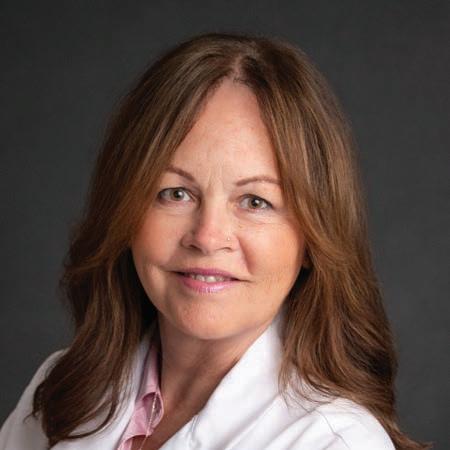
eaufort Memorial is enhancing access to essential women’s health care in the Lowcountry with the addition of board-certified OBGYN
Dr. Rebecca A. Keith to its team.
Dr. Keith joins Beaufort Memorial Obstetrics & Gynecology Specialists with more than 30 years of clinical experience, including several years serving patients on Hilton Head Island and in Bluffton and Hardeeville. While her early career was primarily focused on serving patients in the Lowcountry, she has since dedicated much of her time to practicing in the upstate, where she has delivered over 5,000 babies and built lasting relationships with patients and their families.
At Beaufort Memorial, Dr. Keith will offer gynecologic and general obstetric care, including diagnosis and treatment of common women’s health conditions. She will provide comprehensive, patient-centered care for women of all ages at the practice’s Beaufort and Okatie locations.

With a special interest in high-risk obstetrics, Dr. Keith is committed to creating a respectful, supportive environment for patients at every stage of life. She is also passionate about guiding young women through their first pelvic exams and serving as a trusted resource for education and support.
(843) 522-7820
Board-Certified
Obstetrics & Gynecology
Residency
Obstetrics & Gynecology
Methodist Hospital, Indianapolis, IN
Doctor of Medicine
Indiana University School of Medicine, Indianapolis, IN
Bachelor of Arts
Chemistry, Criminal Justice
Indiana University, Indianapolis, IN Beaufort Medical Plaza
At the practice, Dr. Keith joins board-certified OBGYNs Drs. Curtis J. Elam, Tempest Allen and Tiffany Bersani, as well as certified physician assistant Peyton Erb McManus,

By Sasha Sweeney Editor
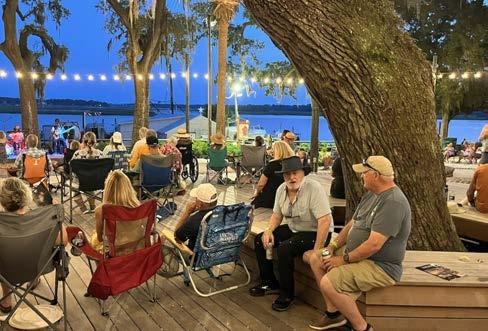
With spring underway in the Lowcountry, a familiar Bluffton tradition has returned to the banks of the May River.
Now in its 14th year, Bluffton Sunset Parties have become a staple for residents and visitors looking to unwind with live music, food and waterfront views. Sunset Palooza, part of the series, is set for Friday, May 15, at Oyster Factory Park.
The evening will feature performances by Vannah & The Rump Shakers, with special guest The Too Psyched Band, along with local food vendors, craft beer and wine. What began as a small community gathering has grown into a well-attended seasonal series, drawing hundreds to the park each month.
“The real purpose of doing it was to give Bluffton a sense of community and to bring everybody together,” said organizer Mark Weisner, whose company Bear Foot Sports produces the events.
Early events drew an estimated 500 to 600 people, he said, and the series quickly expanded. Today, organizers aim to host about six events each year, typically once a month, though weather can sometimes disrupt plans.
Held along the May River, the gatherings draw attendees by car, golf cart, bicycle or boat, many bringing lawn chairs and pets to settle in for the evening.
“We work hard on that vibe to make sure that everybody’s welcome and everyone has a great time,” Weisner said.
The event also maintains a strong local focus, with bands often tied to the area and sponsors based in the community. Organizers have partnered with nonprofit groups since the beginning.
“My company is based on partnering with charities, so that was always part of the formula from day one,” he said.
The May event will benefit the Bluffton Historic Foundation, which operates the Heyward House and supports preservation efforts in the area.
While the series has grown, organizers say preserving its original feel remains important.
“I try to keep that,” Weisner said. “Local bands, local sponsors … it’s all part of it.”
Sunset Palooza will run from 5:30 to 9:30 p.m. at Oyster Factory Park. Tickets are $14 in advance or $20 at the door, with free admission for children 12 and under. Tickets and additional information are available at blufftonsunsetparty. com.
“For the people that have supported us, thank you,” Weisner said. “If you haven’t been to one, you need to come check them out.”




Current Circulation Via USPS is 24,978
Editor
Sasha Sweeney editor@blufftonsun.com
Page Designer
Cary Howard cary@blufftonsun.com
Advertising
Mary Ann Kent, Sales & Marketing Manager
843-575-4151
BJ Frazier, 843-422-2321
Claudia Chapman, 814-434-3665
Mary Pat Gifford, 912-414-7122
Contributors
Abby Bird
Lisa Hostetler Brown
Emily Campbell
Chad Cannon
Ryan Chowansky
Chip Collins
Danie Connolly
Tom Dorsel
Collins Doughtie
Thomas Dowling
Shaun Duff
Ronald Finger
Kevin Fitzpatrick
Rhoda Gordon
Emma June
Grosskopf
James Hamilton
Jean Harris
Jamie Harrison
Kenneth Horup
Wendy Kushel
Therese Donlan Lee
Katie Licata
Coleman Loader
Nick Martin
Tamela Maxim
Dan Prud’homme
Leslie Rohland
Lucy Rosen
Joy Ross
Cinda Seamon
Stuart Smalheiser
Paul Tollefson
Larry Toomer
Sandro Virag
Shannon Wilkinson
Mark F. Winn
Tracy Winslow
PO Box 2056, Bluffton, SC 29910
843-757-9507
Physical address: 181 Bluffton Rd., Ste F103-2, Bluffton, SC 29910 BlufftonSun.com
All contents are copyrighted by Beaufort Media Group LLC. All rights reserved. Nothing may be reprinted in whole or in part without written permission from the publisher. All submissions must include name, address and phone number. The Editor reserves the right to edit or reject any material, including advertisements. The Bluffton Sun does not verify for licenses, endorse nor warrant any advertised businesses or services. The opinions and views expressed in the editorials are not necessarily those of the Editor and Publisher. Hilton Head Island-Bluffton Chamber of Commerce, Greater Bluffton Chamber of Commerce, Old Town Bluffton Merchants Society.
THE BLUFFTON SUN Issue 9, May 5, 2026, is published twice monthly by Beaufort Media Group, LLC, 181 Bluffton Rd Suite F103-2 Bluffton, SC 29910. Periodicals Postage paid at Bluffton, SC and at additional mailing offices. POSTMASTER: Send address changes to THE BLUFFTON SUN, PO Box 2056, Bluffton, SC 29910-2056.
By Mayor Larry Toomer Contributor
One of the Town of Bluffton’s greatest honors is bringing people together. It is part of what makes this community special. Neighbors gathering in our parks. Families spending time outside. Friends reconnecting. These events shape how we experience Bluffton and are community is so special. In the years following the pandemic, the Town made a clear commitment: create more opportunities for connection. Each year since, we have expanded our events calendar to meet that goal. These events are not just activities — they are part of Bluffton’s quality of life.
This spring and summer, that commitment continues.
In May, residents can explore Bluffton’s history through the Mobile Symposium series, “Bluffton’s Legends and Lores,” led by Glen Umberger, the Town’s historic
preservationist, at the Town’s Welcome Center (111 Calhoun Street). These short lunchtime talks highlight the stories behind places many of us pass every day — from the Squire Pope Carriage House to the Church of the Cross and the Burning of Bluffton. These lectures will be held each Thursday in May from noon to 12:30 p.m. Meet at the Welcome Center.
May also brings one of Bluffton’s most well-known traditions — Mayfest in Old Town on May 9. Mayfest is hosted by the Rotary Club of Bluffton however, the Town will have a booth set up on May River Road – please stop by and pick up informational brochures and promotional items.
Families can enjoy Movie Nights in the Park, beginning May 15 at Martin Family Park with Lilo and Stitch, followed by Shrek on June 12 at the Riverside Barn event lawn. Each evening begins with games, bounce houses and time to gather before the movie starts.
June and July bring opportunities for fun in the sun with Kids Waterslide events at the Field of Dreams and Buckwalter Place Amphitheater Park — simple, active mornings designed for families to enjoy time together outdoors. These events will be held Saturday, June 6 at the Oscar Frazier Park “Field of Dreams,”and Sat-
urday, July 18 at Buckwalter Place Park – both events are from 9 a.m. – noon.
As Independence Day approaches, Bluffton’s community spirit is on full display. Events begin with a flag ceremony and dedication on July 2, followed by the Stay Safe Bluffton 5K and a series of celebrations leading into July 3, including a pre-fireworks gathering at Martin Family Park and the Town’s fireworks at Oyster Factory Park.
The calendar continues into late summer with a family-focused performance on Aug. 21, when the Town hosts Rick Hubbard’s Great American Kids Show at New Riverside Barn Park. Time: 6:30 p.m.- 8 p.m.
Each event is designed with a purpose: to create space for connection. These gatherings take place in the settings that define Bluffton — our parks, our riverfront and our shared public spaces.
I encourage you to join us. Bring your family. Invite a neighbor. Take part in the moments that continue to shape Bluffton. Because in Bluffton, community is not just something we talk about — it is something we do.
Larry Toomer is the mayor of the Town of Bluffton. ltoomer@townofbluffton.com.
Dear Editor,
As many struggle to afford post-high school education, child care, school lunch, medical expenses and more, an essay by Kevin Clarke in the May issue of America Magazine might offer intriguing information.
He offers the following:
The $25 billion estimated cost of the war with Iran (as of March 26) can provide: Medicaid coverage for 3,106,000 people; 29,614,000 children with free school lunch for a year; free tuition at a community college for 2,865,000 students; Section
8 housing for 3,147,000 people for a year; and one year of child care for 1,780,000.
The $200 billion request for additional war funding can provide: Medicaid funding for 24,850,000 people; free lunch for every child in the United States, with more than $170 billion left over; Section 8 housing for every eligible person, with $60 billion left over; 14,237,000 children covered for a year of child care; and 22,917,000 students with free tuition at a community college for a two-year degree.
We have an opportunity to voice our concerns and let our elected officials know what we prioritize.
I know where my family stands. Do you and yours?
The cost of one 30,000-pound bomb can provide: 625 people with Medicaid for a year; 5,925 children with free school lunch for a year; 625 people with Section 8 housing assistance for a year; 350 children with child care for a year; and 575 students with free tuition at a community college for a two-year degree.
James Graham Bluffton





By Emma June Grosskopf Contributor
Aspiring nurses in the Lowcountry have an opportunity this spring to help turn their career goals into reality.
A scholarship launched by the Marmo family of Bluffton, in partnership with the Beaufort Memorial Foundation, will accept applications starting May 1, offering both financial support to local nursing students and a means by which to help strengthen healthcare across the region.
The Marmo Family Nursing Scholarship, established by Chris and Trisha Marmo, provides direct incentives for local nursing students. This fund aims to strengthen the labor pool for healthcare in the region and provide financial assistance for those seeking careers in the healthcare field.
College students admitted to an accredited nursing program who are residents of Beaufort, Jasper or Hampton counties are encouraged to apply for the scholarship, which provides up to $4,000 per semester.
Once recipients are selected, the funds will be distributed each semester while
the recipient is enrolled with good standing in their nursing program.
Trisha and Chris Marmo created the scholarship alongside the Foundation with the goal of supporting nursing students on their education journey, giving back to students, local healthcare and their own community.
“With this scholarship fund, we hope to be an example to others of all that can be accomplished through education,” said Trisha Marmo, a former nurse. “We hope our scholarship recipients will pay it forward themselves one day by providing exceptional healthcare to our community.”
A maximum of five recipients is selected each year through a committee with representation from the Marmo family, Beaufort Memorial administration and the Foundation.
Applications will be accepted until June 30, and awardees will be notified in July.
Completed applications can be mailed to the Beaufort Memorial Foundation, Attn: Marmo Family Scholarship, P.O. Box 2233, Beaufort, SC, 29901. Forms can also be submitted via email to BMHFoundation@bmhsc.org.
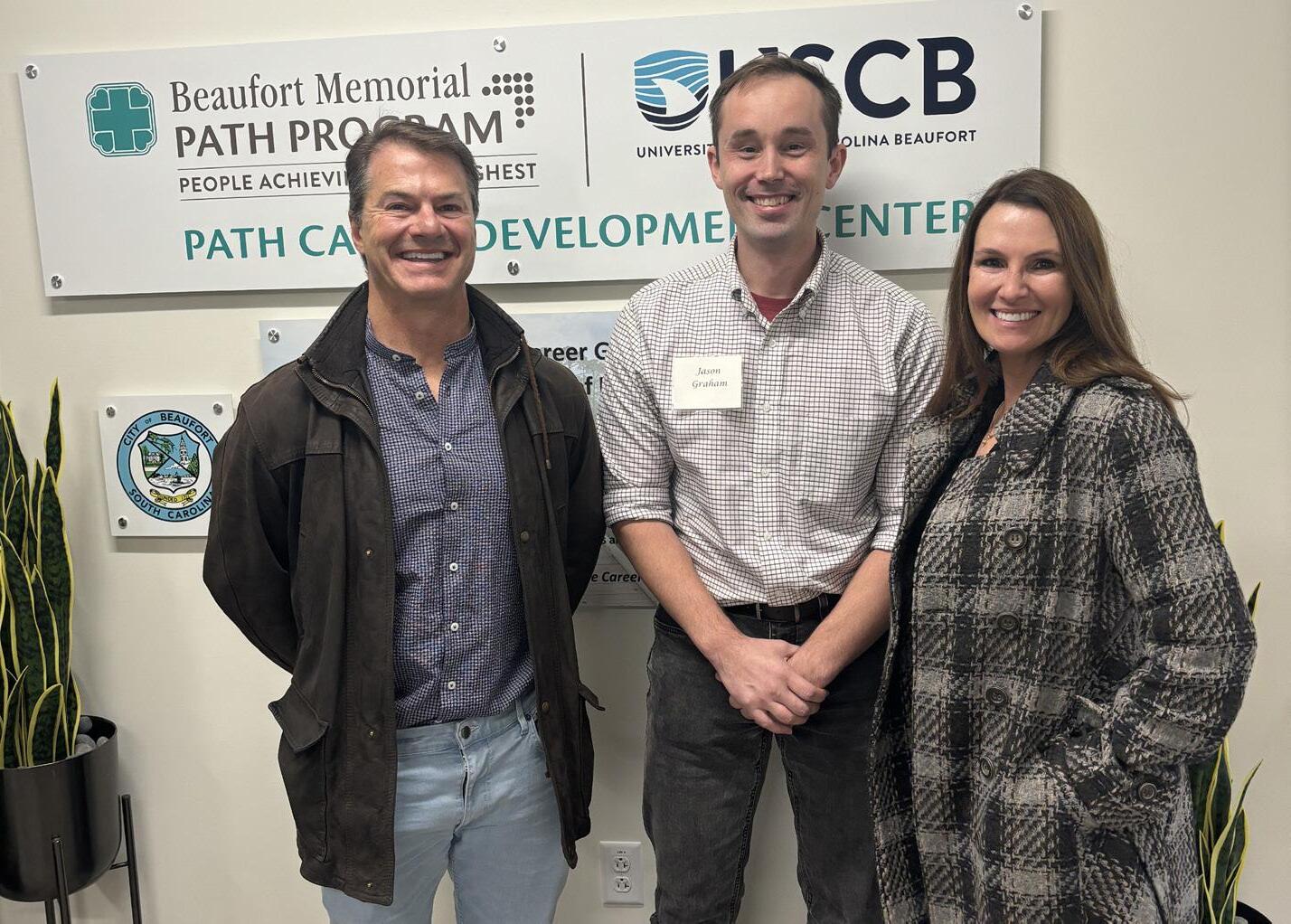



Bluffton Financial Planning is a boutique wealth management firm committed to delivering quality advice to a fiduciary standard, personalized service, tax-efficient investment strategies and comprehensive financial planning.
Nick and Izaac are a unique team characterized by the quality of their education, their veteran backgrounds and their combined 24 years financial planning experience. They understand the shifting dynamics when preparing for retirement, transitioning to retirement and living in retirement.
Market volatility is here, Bluffton Financial Planning is providing value through quality advice and effective communication. Let’s talk!
By Sasha Sweeney Editor
With enrollment underway for the 202627 school year, Lowcountry Connections Academy is continuing to grow its presence as a statewide option for students seeking a more flexible approach to education.
The tuition-free public charter school, which serves more than 1,200 students across South Carolina, offers a fully online learning model designed to meet a wide range of student needs, from accelerated learners to those seeking an alternative path to graduation.
“We noticed that we were getting a lot of students who needed an alternative path to graduation,” said Jen Prince, assistant principal. “They were off cohort.”
Since opening in 2020, the school has drawn students from across the state, despite its Lowcountry name.
“The Lowcountry Connections Academy name is a misnomer. We have students all over the state,” Prince said.
The school’s model combines flexibility with structure, allowing students to complete lessons on their own schedule while also participating in live, teacher-led instruction.
“Their lessons are asynchronous, so they have access 24-7,” Prince said. “But we do hold synchronous lessons for our students.”



That structure allows students to move at their own pace while still maintaining regular interaction with teachers and classmates.
The approach has attracted a diverse student population, including athletes, performers and students who benefit from individualized pacing.
“The reasons that students attend our school are as diverse as our students are,” Prince said.
For younger students, the model relies heavily on family involvement. Parents or guardians, referred to as “learning coaches,” play a key role in supporting daily instruction at home.
“It’s really imperative that they have someone who’s working with them at home,” Prince said.
School leaders say students have multiple opportunities to connect. The school offers in-person field trips, clubs, and prom, as well asvirtual activities through its broader Connections Academy network.
“There are lots of opportunities for socialization within the school,” Prince said.
Students may also participate in athletics and other extracurricular activities through local schools, depending on district policies.
Academically, the school emphasizes college preparation and career readiness through honors, Advanced Placement and dual enrollment courses.
The school has also expanded its College and Career Readiness offering, adding work-based learning opportunities and career-focused pathways.
For some students, the flexibility is the key advantage.
“We have a lot of students who are athletes and need a different way of doing school,” Prince said.
Others benefit from the ability to revisit lessons at their own pace.
“All of our synchronous lessons are recorded,” Prince said. “So if a student needs to go back to grab a concept, they can watch it again.”
Still, the model is not for everyone. Students must be self-motivated and able to work independently, with support from home and Lowcountry Connections Academy’s staff and teachers.
“Not every student is successful in a virtual environment, just as not every student is successful in a brick-and-mortar environment,” Prince said.
For families who can provide that structure, however, school staff say the model can be highly effective.
“We offer plenty of resources to support parents and caretakers, but family support of a student’s education is paramount,” Prince said.
With enrollment open, school officials say they are focused on expanding access while maintaining a supportive environment.
Lowcountry Connections Academy recently received a Culture of Excellence award from the Charter Institute at Erskine for achieving an Excellent School Climate rating across all grade levels.
“Being honored at Erskine’s Academic Showcase underscores the dedication of our students, staff, and teachers in fostering a strong school culture that transcends our virtual classrooms and brings our entire learning community together,” said Prince.
For more information or to enroll, visit LowcountryConnectionsAcademy.com.





By Chip Collins Contributor

As the real estate market across the Lowcountry continues to gain momentum, both buyers and sellers are paying closer attention to the structure of real estate contracts. While pricing, marketing and timing often receive the most attention, the terms written into a purchase agreement, particularly contingencies, can have a significant impact on how smoothly a transaction moves toward closing.
Contingencies are provisions within a contract that allow certain conditions to be satisfied before the transaction becomes fully binding. They give buyers time to conduct due diligence while also giving sellers a clear understanding of
the steps required for a sale to proceed. In many cases, these provisions reflect the practical realities of completing a real estate transaction.
One of the most common contingencies in local purchase agreements is the financing contingency. This clause applies when a buyer intends to obtain a mortgage loan to complete the purchase. In the Lowcountry market, financing contingencies typically last between 20 and 30 days. During this period, lenders collect financial documentation, verify the buyer’s qualifications and order an appraisal of the property. The underwriting process also takes place during this time, which is why the timeline can extend for several weeks. For sellers evaluating offers, it is helpful to understand that this timeframe is a standard part of most financed transactions.
Another widely used provision is the home inspection contingency, which allows buyers to hire a licensed inspector to assess the condition of the property. The inspection period in the Hilton Head and Bluffton market generally ranges

from seven to 14 days. This allows time for the inspector to complete the evaluation and prepare a report, while also giving the buyer time to review the findings and determine whether any repair requests or negotiations may follow. Although shorter timelines can be attractive to sellers, inspector availability and the time required to evaluate the results often determine the length of this contingency.
Because the Lowcountry attracts a large number of second-home buyers and out-of-area purchasers, another provision that occasionally appears in contracts is a viewing contingency. In some cases, buyers first encounter a property through online marketing, video tours or virtual showings. A viewing contingency allows the buyer to travel to the area and see the property in person before moving forward with the purchase.
Another contingency that sometimes appears in offers is the home-sale contingency, which allows buyers to purchase a property only after selling their current residence. While these clauses introduce additional uncertainty for sellers, they
may still be considered depending on the circumstances. For example, a buyer whose home is already under contract or scheduled to close soon may present a more attractive scenario than one who has not yet listed their property.
Even when a home is under a contingent contract, some situations may still allow the listing to remain active under contract in the multiple listing service. This designation indicates that contingencies still need to be satisfied and allows the property to continue receiving interest from other buyers who may be willing to submit backup offers.
In the end, contingencies are tools that help balance risk between buyers and sellers. When structured thoughtfully, they create a clear path toward closing while giving both parties the confidence needed to move forward in today’s evolving Lowcountry real estate market.
Chip Collins is the Broker-Owner of Collins Group Realty founded in 2002. Find Chip at chip@collinsgrouprealty.com or collinsgrouprealty.com.






By Sasha Sweeney Editor
An estimated 100,000 gallons of wastewater was released April 18, after a pipe failure near Burnt Church Road and Ann Smith Drive, according to the Beaufort-Jasper Water & Sewer Authority.
The spill occurred when a force main, a pressurized sewer pipe that moves wastewater using pumps rather than gravity, failed around 11 a.m. Crews responded and stopped the overflow by approximately 2:30 p.m.
Utility officials said the 16-inch pipe is part of a system designed to transport wastewater through areas where gravity flow is not possible, such as flat or low-lying terrain common in the Lowcountry.
Cleanup, recovery and repairs were underway Saturday, and the line was returned to service later that day.
The wastewater did not reach any nearby waterways, according to the authority. Signs were being posted in the area to notify the public.
The utility has notified the S.C. Department of Environmental Services and is working with the agency to assess any potential impacts from the release.
Force mains carry wastewater under pressure, meaning failures can result in large, rapid discharges compared with standard gravity sewer lines.
The Beaufort-Jasper Water & Sewer Authority operates a system that handles an average of 10 million gallons of wastewater daily across multiple treatment facilities.
Residents who see or suspect a spill from the sewer system are asked to contact the utility at 843-987-9200.
More information is available at bjwsa.org.
Thomas Dowling, Head of Wealth Management at AGP of the Lowcountry, has launched Defining Wealth: Beyond the Numbers

Each 20-minute episode explores how local business and leaders measure wealth, while highlighting the relationships, purpose, and passions that matter most.
LISTEN NOW.
New episodes released each week.
Available on YouTube, Apple Podcasts, and Spotify.
The Village at Wexford Hilton Head Island 843.420.1993
infohh@allianceg.com agplowcountry.com


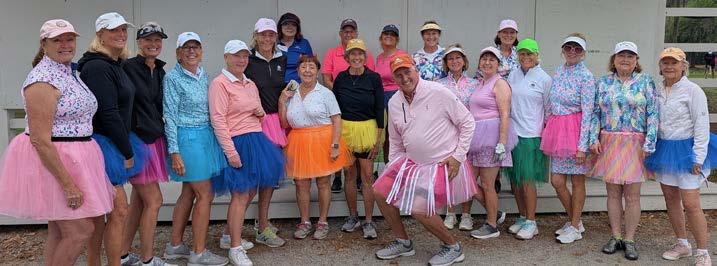
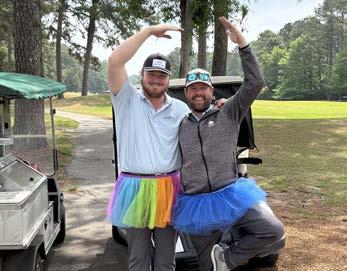







Meet Jojo Woodward • All Are Invited • Bring a Friend


By Sasha Sweeney Editor
Habitat for Humanity of the Lowcountry has introduced a new community-based fundraising effort aimed at addressing the region’s growing need for affordable housing.
The initiative, called “House Parties for Homes,” encourages residents to host small gatherings that raise both funds and awareness for the organization’s homebuilding and repair programs in Beaufort and Jasper counties.
The effort began earlier this year with two events hosted by local supporters Kevin Anton and Shellia Jenkins Ward, whose gatherings drew dozens of attendees and generated more than $20,000 combined.
Anton hosted a February cocktail-style event at the Fripp Island Community Centre, raising $10,275 to support construction of a third Habitat home sponsored by the Fripp Island community. He said organizing the event was straightforward.
“Putting the party on was pretty easy,” Anton said. “We invited about 120 people and had about a 66% acceptance.” He added, “The most work was sending out the thank you notes. Thank God Irene is a good sport.”
Ward’s event, held April 11 at the Battery Point Clubhouse, was organized as part of her 65th birthday celebration.
More than 75 people attended, including friends, family and former classmates, contributing $10,529 as of April 21, with additional donations expected.
“I wanted to highlight the love people have for the Habitat organization and the great work it does by providing opportunity to our community for affordable homeowners,” Ward said.
She added that the event reflected a personal milestone as well as a broader
purpose.
“I also wanted my 65th birthday to be filled with love,” she said. “I invited family, friends and neighbors to share their love by giving to this organization instead of giving to me. God’s love is amazing, isn’t it? I take no credit for this; I was just the vessel he used to get the work done.”
Habitat for Humanity of the Lowcountry CEO Brenda Dooley said the early events demonstrate how community involvement can drive support for housing initiatives.
“House Parties for Homes is all about bringing people together in a personal and meaningful way,” Dooley said. “Kevin and Shellia set the tone beautifully with their events, creating spaces where guests could connect with our mission and see firsthand how they can make a difference.”
In addition to raising funds, organizers said the gatherings helped expand the organization’s network of volunteers and supporters, reinforcing its long-standing model of community-driven housing solutions.
Since its founding in 1990, Habitat for Humanity of the Lowcountry has partnered with local families to build and repair homes, helping nearly 200 families achieve stable housing.
The organization plans to expand the House Parties for Homes initiative and is encouraging others in the community to host similar events.
“Anyone can be a host,” Dooley said. “Whether it’s a small gathering or a larger celebration, every event helps us build more than homes. We’re building hope, stability and opportunity.”
For more information about hosting an event or supporting Habitat for Humanity of the Lowcountry, contact Michele Barker at 843-522-3500, ext. 3004, or email michele@lowcountryhabitat. org.

By James Hamilton Contributor

This time of year, many of us leave the Lowcountry and travel elsewhere. Travel, especially international travel, presents risks, and we must remain vigilant while also enjoying the experience. The risk to American travelers is real and was highlighted by the recent shooting at the pyramids in Teotihuacan, Mexico.
Here are some things to consider before leaving, while traveling and upon your return.
Prior to departure, make sure a trusted neighbor or family member knows you are going out of town and ask them to pick up packages and mail. Consider contacting the sheriff’s department to request a property check. Create a look of normalcy by using interior lights on timers, exterior lighting, vehicles in the driveway and maintaining landscaping.
Make sure your passport has at least six months remaining before expiration. If you need a visa for your destination, obtain one in advance. Keep a photo of your passport on your phone and send a copy to someone else in your traveling party in case it is lost. Enroll in the U.S. State Department’s Smart Traveler Enrollment Program. Also, check for any travel advisories for your destination. If a location is listed as “Level 4: Do Not Travel,” reconsider your trip. Make sure your cellphone plan works in your destination country or consider purchasing a local phone upon arrival.
When selecting a hotel, consider accommodations with modern security features. While not always the case, many international hotel brands maintain higher security standards. A search of a specific property can often provide infor-
mation on onsite security and any prior incidents. Request a room between the second and sixth floors. In the event of a fire or other emergency, ladder trucks may not reach higher levels.
Identify safe locations in the country where you can seek assistance. Save contact information for the U.S. Embassy or consulate in your phone. You may also consider other embassies, such as those of Canada, the United Kingdom, New Zealand or Australia, which may assist American travelers in certain situations.
Pack necessary medications and consider bringing activated charcoal tablets, which may help with certain food- or water-related illnesses if taken early.
Upon arrival, use a trusted transportation service from the airport to your hotel and maintain situational awareness. Project a confident demeanor, as criminals often target individuals who appear distracted or unaware. Avoid wearing expensive jewelry or displaying other signs of wealth. Keep your purse or wallet close to your body.
Try to avoid very large gatherings, such as concerts, crowded shopping areas or busy restaurants and bars, when possible. If visiting major tourist sites, have a plan in case of an emergency. Be aware of your surroundings and identify places where you could seek shelter, such as stores, restrooms or hotels.
When you return from your trip, you can post photos to social media and disconnect any international phone plans. Avoid posting while you are still traveling, as some individuals have been targeted for burglary after sharing their absence publicly.
Have fun, but stay vigilant.
James Hamilton is a nationally recognized security expert with more than 33 years of protection experience. He is a former FBI Special Agent and led the FBI Overseas Survival Awareness Training Program. He is the founder of the Hamilton Security Group and can be contacted at: www.hamiltonsecuritygroup.com.

By Lucy Rosen Contributor

Let’s talk about the quiet voice in your head that shows up right when you’re about to do something great. The one that whispers: Who do you think you are?
Congratulations, you’ve met Imposter Syndrome — the most uninvited business partner you’ll ever have. She’s loud, she’s rude, and she has zero qualifications to run your life. And yet, she moves right in the moment you start succeeding.
Here’s the thing: imposter syndrome doesn’t show up because you’re unqualified. It shows up because you’re growing. It’s the side effect of stepping into bigger
• Family Primary Care
o Men & Women’s Health Care
• B12 Shots
• Bio-Identical Hormone Replacement Therapy
• Weight Loss
o Semaglutide
o Tirzepatide
o Lipotropic B12
o Phentermine
• Laser Treatments
o Hair Removal
o Skin Resurfacing
o Vein Removal
o Dark Spots
o Nail Fungus
o Acne
• IV Therapy
• Esthetician Services
shoes — and realizing you’re the one who has to fill them.
Step 1: Name it to tame it
When that voice pops up, don’t pretend it’s not there. Acknowledge it: “Oh hey, self-doubt. Cute of you to show up right before my big presentation.” Humor takes the sting out of it. Awareness kills its power.
Step 2: Remember the receipts
Keep a “brag folder” — real emails, client wins, testimonials, press mentions, nice things people have said about your work. On the days when you feel like a total fraud, open it and remind yourself: This isn’t luck. This is earned.
Step 3: Reframe fear as proof of growth
Every time you feel imposter syndrome, it means you’re in new territory. That’s not failure — that’s expansion. Growth always feels uncomfortable because you’re doing something you’ve never done before.

(Remember how driving a car used to be terrifying?)
Step 4: Check your circle
Confidence is contagious — and so is doubt. Surround yourself with people who cheer your wins, not the ones who quietly roll their eyes when you talk about success. Find your “yes, you can” crew and hold them close.
Step 5: Redefine “enough”
The bar is always moving. You hit one goal and immediately raise the next one higher. Pause and celebrate. Success isn’t one giant moment — it’s the accumulation of small, consistent victories. And here’s the truth we don’t say enough out loud: every single successful woman you admire has felt like an imposter at some point. Every. Single. One. The difference is, she didn’t let it stop her. She heard the voice, rolled her eyes, and did the thing anyway.
Because confidence doesn’t come before success — it comes from it.
5 FAST WAYS TO BUILD A SUCCESS MINDSET
1. Start your day with a power reminder. Say (out loud): “I’ve earned my seat at this table.”
2. Track your wins weekly. Seeing progress kills doubt.
3. Share success with your network. It’s not bragging — it’s building credibility.
4. Mentor someone else. Teaching reinforces how much you actually know.
5. Ask for feedback, not validation. Real growth comes from perspective, not permission.
Lucy Rosen has spent 40+ years helping women find business success. Based in Bluffton, she also runs the Lowcountry Women’s Network, a monthly gathering for women in business. Reach: Lucy@smartmarketingcommunications.com.
843-757-2273 | Fax: 843-548-7319 11 Arley Way, Suite 202 Bluffton, SC 29910

By Danie Connolly Contributor
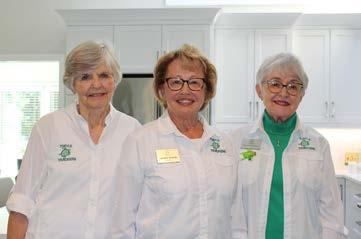
Now that the scent of Girl Scout cookie season has subsided, my husband is about to go into mourning. “How can these tiny morsels contain so much flavor?” he asks as he taunts me by shoving them into his mouth. He resembles a squirrel with full cheeks getting ready for winter.
Funny you should ask.
I got this information straight from Kara Luke, a Girl Scout leader extraordinaire. Although this is her first year as a Girl Scout troop leader, Kara has the enthusiasm, knowledge and spirit of some of the best leaders, urging these minions of swatch-sewed badges toward more accomplishments than you or I could ever imagine.
I signed up for a couple of boxes of BBB’s favorite mint chocolate in the lobby of my friendly bank. And it felt like such a gutsy move to order a regular favorite of my own, a box of lemon cookies. Realizing that I’m on a diet that poo-poos anything remotely smitten with sugar, I bought conservatively. Otherwise, I would have
checked off every box on the list.
About a week later, I got a call from the most pleasant voice. She wanted to drop off BBB’s mint chocolate delights and the not-so-low-calorie lemon cookies. It belonged to the above-mentioned Kara Luke, leader of Troop 836, a group of 23 girls from kindergarten Daisy troops through eighth-grade Cadettes. Officially, they are part of Girl Scouts of Eastern South Carolina Mid-State, which covers the eastern portion of the state from Myrtle Beach through Beaufort.
These are the good girls of cookies. The council has been the top ABC Bakery Girl Scout cookie seller for four years in a row. The council sold more than 1.3 million boxes of cookies last year, and Kara’s troop alone sold approximately 26,000 boxes. Because of their record sales, they were able to offer cookies at one of the lowest prices in the country, $5 a box.
Now, if you think it’s raining dollar bills at Girl Scout headquarters, you would be wrong. From cookie sales, troops earn 95 cents per box sold that goes directly to them. Being the investigating reporter that I’m not, I pressed a little harder to find out if they’re all rolling around in
new uniforms bedazzled with diamonds and rubies or, better yet, buying Prada handbags worthy of carrying their cookies.
“We are planning on using our profit to fund a few local trips, a group camping trip next year, a sleepover or two, new uniforms next year, and we will pay for sleepaway camp for our girls who want to attend this summer,” Luke said. They also donate a portion of their sales to charities including CAPA, HELP of Beaufort and HALS, help ing make life a little better on this tiny planet we call Earth. There are many ways to show that a person matters. These young girls have found that the true measure of humanity starts with one small cookie.
Luke said the troop does have a goal of going to Disney World. They have been saving, but each time they get close, they choose to give to others in need.
Promise me that if you ever read a job application that says the applicant was a member of Troop 836 from Eastern
South Carolina, you’ll hire them immediately.
Ethically, I cannot suggest anyone write a blank check to Troop 836 to help them get to Orlando’s Disney World, but if anyone knows somebody who knows somebody who knows somebody who knows somebody…


By Sasha Sweeney Editor
What began as a chance encounter on a beach has grown into one of the Lowcountry’s most visible conservation efforts.
In late spring 2015, Karen Kindermann was walking along the sand in Sea Pines, a routine that had a favorite pastime after moving to the island the year prior, when she noticed two women near a beach walkway. One had her arm deep in a hole, pulling out what looked like ping pong balls, while the other placed them into a bucket.
Kindermann stopped to ask questions. The woman in the sand was Amber Kuehn, a marine biologist and director of Sea Turtle Patrol Hilton Head Island. She was relocating sea turtle eggs.
The brief conversation sparked a curiosity that soon turned into commitment. Kindermann attended one of Kuehn’s educational talks at the Sonesta Resort. Then she attended more.
As her interest grew, Kindermann recruited friends Melissa Krauss, Mary Ryan and Jackie Rosswurm, fellow members of the Women’s Club of Sea Pines, to form a local turtle interest group. Kuehn agreed to serve as mentor and advisor.
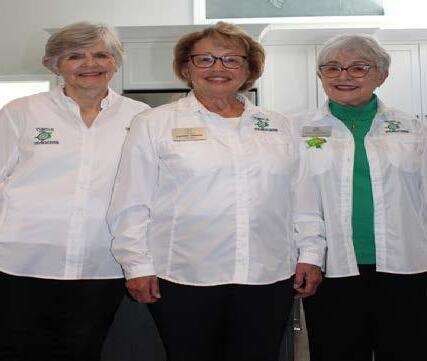
On April 4, 2016, eight women gathered in Ryan’s living room for the first meeting of what would become Turtle Trackers. Among them were Sigrid Carlson, Babs Erny, Cathy George and Donna Tuttle.
At the time, the goal was simple: bring a sea turtle talk to Sea Pines and generate
More than 155 people attended the first Turtle Talk at the Sea Pines Beach Club, filling a room designed for 135. One of those 155 in attendance was the fire marshal. The turnout signaled that interest in sea turtles was stronger than organizers had anticipated and that their work was just beginning.
“In the back of my mind, I was thinking, we’ll just do this talk and then we can disband, but with 155 people signing up, obviously it sounded like we had more to do,” said Kindermann.
From that moment, Turtle Trackers began to take shape as a formal organization.
Today, Turtle Trackers operates across Hilton Head Island and beyond as a volunteer organization focused on public education, beach stewardship and environmental advocacy, working alongside state-permitted groups to protect nesting sea turtles. Its mission, Kindermann said, is simple: “Education resulting in awareness, resulting in protection of the species.”
Growing from a grassroots effort
Early growth came quickly. Within months, new members joined, among them were Colleen Thompson, Mary Page Boyd, Deb Gillette, Kathy Jo Holleran, Linda Crowe, Annette Walker, Christine Beal and Rita Kernan.
A turning point came through a partnership with Bob Gossett, owner of the Salty Dog in South Beach.
Gossett allowed Turtle Trackers to establish a sea turtle learning station under a canopy near the popular ice cream
with visitors and residents alike. The location became a cornerstone of the group’s outreach.
At the same time, the Salty Dog launched a T-shirt bearing the message “Be Cool – Keep the Turtles in the Dark,” donating $5 from every sale to Turtle Trackers. The program continues today and has generated thousands of dollars to support outreach efforts.
What Turtle Trackers does
As the organization grew, its role became more clearly defined.
Unlike Sea Turtle Patrol Hilton Head Island, which holds the state permit to monitor nests and handle protected wildlife, Turtle Trackers focuses on prevention preservation and public engagement.
Its volunteers, known as beach ambassadors, walk the shoreline in the evenings during nesting season, filling in holes, knocking down sand structures and removing debris. The effort helps ensure that nesting turtles can reach suitable sites and that hatchlings can safely return to the ocean.
“We’re doing the work of keeping that beach safe for our hatchlings and the moms,” said Jackie Rosswurm. “Cleaning the beach, knocking over sand structures, filling in the holes.”
Just as important is interaction with the public.
Volunteers staff seasonal learning stations, distribute outreach materials and explain how everyday behaviors, such as leaving lights on at night or discarding plastic, can affect sea turtles.

They also support broader conservation measures, from beach signage and reminding people of turtle-safe practices to local policies aimed at reducing plastic waste and light pollution, including efforts to restrict plastic bags and other single-use items.
“We’re the backstory,” said President Lynette Shields, describing the group’s role in supporting larger conservation efforts.
Education as the foundation
Education remains central to the organization’s mission.
Turtle Trackers volunteers visit schools across Beaufort County, reaching more than 1,000 students annually with lessons on marine ecosystems and conservation. They also engage tourists through informal conversations on the beach, encouraging small actions such as filling in holes, picking up trash and minimizing light use.
“It’s those little things that make a difference,” said Rosswurm.
Looking ahead
In its 10th year, Turtle Trackers contin-
ues to grow and operates five additional chapters beyond its original Sea Pines base. Its reach extends through partnerships with local businesses, schools and conservation organizations, including the DNA Project at UGA managed by Brian Shamblin. The group also contributes financially to broader conservation work, including sea turtle research projects.
The organization recently launched the Turtle Trackers Linda Zambelli Family Foundation Scholarship to support students in Beaufort and Jasper counties pursuing studies in marine biology, environmental science and related fields, an investment in the next generation of conservation leaders.
At the same time, leaders say their greatest need remains volunteer participation, particularly as the group expands its education programs and outreach efforts. And you do not need to be an island resident to take part.
“You can be in Sun City, you can be in downtown Bluffton, you can be in Margaritaville… and if you want to come and help, you can,” said Shields.
For Kindermann, the work remains personal. She is still a regular presence at all Turtle Tracker events, greeting members and visitors alike and sharing what she has learned.
Turtle Trackers has grown from a single moment of curiosity into a community effort shaped by volunteers, sustained by partnerships and driven by a simple idea: that awareness can lead to protection. Nearly a decade later, that work continues one conversation, one beach walk and one visitor at a time.
For more information or to get involved, visit turtletrackershhi.org or follow Turtle Trackers on Facebook and Instagram.
By Dr. Ronald Finger Contributor

The most common cause of alopecia, the medical term for hair loss, is hereditary. This condition is known as male pattern baldness (MPB) and female pattern baldness (FPB). Alopecia affects about 35 million men and 21 million women in the United States. More than 40% of men have noticeable hair loss by age 35, and 65% of women experience significant hair loss by age 60. MPB typically begins at the crown and temples and may progress to near-complete baldness, leaving hair on the sides and back of the scalp, depending on family history. Onset can occur anytime from the 20s through the 70s.
FPB, by contrast, usually appears as an oval-shaped area of thinning in the center of the scalp and may include the hairline.
Hormonal changes are another common factor. In women, menopause, pregnancy, childbirth and thyroid problems may contribute to hair loss. In men, the primary cause is the conversion of testosterone to dihydrotestosterone (DHT).
Certain medical conditions may also lead to alopecia. Alopecia areata causes patchy hair loss and is typically diagnosed with a small scalp biopsy. Other contributing conditions include infections such as ringworm, dermatological disorders and trichotillomania, a psychological condition in which a person pulls out their own hair. Diabetes and autoimmune disorders may also play a role.
Some medications and treatments can contribute to hair loss. Anabolic steroids may elevate DHT levels, leading to permanent hair loss in many cases. Other causes include chemotherapy, general anesthesia and excess thyroid hormone medication. Anorexia nervosa, an eating disorder



marked by severe food restriction, is also commonly associated with alopecia.
Stress is another contributing factor. The loss of a loved one or prolonged emotional or physical strain may trigger hair loss.
Hairstyling practices can also have an impact. Styles that place constant tension on the hair, such as braids, pigtails and buns, may lead to traction alopecia, a form of permanent hair loss.
Lifestyle and environmental factors may also contribute. Smoking has been linked to hair loss. Exposure to pollutants, including heavy metals such as mercury and lead, as well as chlorine, smog and smoke, may also play a role.
Treatment should focus on identifying the underlying cause of alopecia.
Topical therapies include minoxidil 5% or Spectral DNC spray for both men and women. Patients often prefer the foam formulation of minoxidil.
Hair growth stimulation treatments may also be used. Platelet-rich plasma, or PRP, has been used in the past. Another option is a growth factor serum applied to the


scalp using a sonogram device rather than injections.
Medications may be prescribed in some cases. Finasteride is an oral medication that reduces the conversion of testosterone to DHT. Patients should be fully informed of potential side effects before beginning treatment.
Hair transplantation is another option. The procedure involves moving hair follicles from the back of the scalp to areas of thinning or baldness. Results depend on proper evaluation and the experience and skill of the specialist. When performed correctly, outcomes may appear natural and last for many years. The procedure is typically done under local anesthesia, with or without sedation.
The first step is to consult an experienced physician who specializes in hair loss.
Dr. Ronald Finger, MD, FACS is a board-certified plastic surgeon with offices in Savannah and Bluffton. fingerandassociates.com.

By The Bluffton Sun
A new Batteries Plus store has opened at Belfair Towne Village, 103 Towne Drive, offering battery products and related services to the community.
The first of four planned locations, the store is owned and operated by Joe Davis, a former new car dealer with more than 30 years of customer service experience, along with his wife, Heidi Davis, a co-owner and controller, and their son, Colin Davis, a recent University of Georgia graduate. Together, the Davis family brings a blend of operational expertise, financial leadership and customer-focused service to the business.
For Joe, the decision to return to business was simple.
“I spent my career taking care of customers,” he said. “I missed that. This store is all about helping people find the right solution and making it easy for them.”
That service-driven mindset extends to Colin, who leads the store’s commercial division. He works with local businesses to build relationships, provide tailored battery programs and deliver reliable service. Together, the Davis team is focused
on becoming a resource for both individual customers and companies throughout the Bluffton area.
Heidi Davis emphasized the importance of community in building the business.
“Bluffton is a special place, and we’re excited to be part of it,” she said.
“For us, it’s not just about running a store. It’s about building relation ships, supporting local families and businesses, and becoming a place people can rely on.”
Batteries Plus is known for its wide selection, and the new location reflects that.
“We carry everything
from hearing aid batteries to tractor-trailer starting batteries,” Joe Davis said.
The Bluffton store features a lineup of marine and RV batteries, supporting the Lowcountry lifestyle where boating and

a day on the water
store carries batteries for automotive, motorcycle and powersport vehicles, as well as mobility devices, fire and alarm systems, cellphones, lawn equipment and other hard-to-find needs. The location also supplies a range of lighting solutions and offers a selection of advanced battery technologies, including lithium options for select applications.
Beyond batteries, the store provides services including device repair, automotive key fob sales and programming, and replacement of watch and key fob batteries, creating a one-stop shop for everyday power and lighting needs.
They offer free automotive battery installation for most vehicles, reinforcing the store’s focus on convenience and service.
Whether serving a walk-in customer or supporting a local business, their goal is the same: provide dependable solutions backed by expertise and personal attention.
“This isn’t just about selling batteries,” Joe Davis said. “It’s about building relationships and being the place people trust when they need help.”

By Dr. Kenneth Horup Contributor

On Hilton Head Island, beach walking season has officially arrived. Early mornings at Coligny Beach start to fill with walkers, coffee cups, and people pretending they are “just out for a light stroll” while secretly getting their steps in before breakfast. Down by the “locals’ beach” near The Westin Hilton Head Island Resort & Spa, I see the regulars — same pace, same smiles, same quiet agreement that being here beats just about anywhere else in the world. Shoes come off. Stress fades. Life slows down.
Until…the sand reminds you who is in charge. Here is a question most people do not think about: Are your feet ready for the beach?
Walking on sand is not the same as walking on pavement. It shifts. It gives way. It has a personality. Every step requires your body to make small balance adjustments — whether you realize it or not. For healthy nerves, this is actually a good thing. But when nerve function is not as strong, the beach can quietly expose it.
Peripheral neuropathy affects millions of Americans, especially those over 50 and those with diabetes or prediabetes. Many people have early nerve changes and do not notice them during everyday walking. Then they step onto the sand… and suddenly it feels like the ground is fighting back.
Some of the first signs are subtle. A little numbness. A little tingling. Maybe burning at night. Some people say it feels like they are walking on marshmallows. Others say it feels like their feet are slightly disconnected — like the message is getting sent, just arriving a little late. On flat ground, your body can hide that. On sand, not so much.
Your feet contain thousands of receptors constantly sending information to your brain about pressure, position, and movement. That system allows you to stay balanced without thinking about it.
When nerve function declines — often due to reduced circulation or metabolic stress — that signal becomes less precise.
And the beach has a way of calling that out. Suddenly, you are looking down more. Taking shorter steps. Maybe walking a little slower than you used to. One patient told me, “I feel like I am walking carefully instead of freely.”
Another said, “I thought it was just the tide messing with me.” It usually is not the tide. The beach is supposed to feel relaxing. If you are thinking about every step, something has changed. If you are experiencing numbness, tingling, burning under your feet, or that familiar “walking on marshmallows” sensation, your feet may be trying to tell you something. Changes in sensation are signals. And signals are worth paying attention to — especially before small balance changes begin to affect confidence. It may be time to have your feet evaluated by your doctor to determine whether anything can be done. Because the goal is not just to walk Coligny or stroll the shoreline near the Westin. It is to enjoy it. To feel steady. To feel connected. To move without hesitation — without fighting with the sand. And that always starts from the ground up.
Dr. Kenneth Horup, DC is a Chiropractic Physician at Discover Specific Chiropractic, Certified in Neuropathy.


Our experienced carpenters painstakingly reface the cabinet boxes with premium furniture-grade 1 ⁄4” solid hardwood We install brand new Amish-crafted solid wood doors and drawer fronts –cabinets look and perform JUST LIKE NEW AGAIN!


Huge selection of styles, colors, and wood finishes in eight different domestic woods.
Beautiful new stone countertops. Modify and customize cabinets: change function, extend, reduce or add new cabinets. Roll-outs† and drawer banks for accessibility and convenience.






By Dr. Jean Harris Contributor
For the next few months, I will be sharing information on how to improve your golf game. I will start on the green and move back through chipping, pitching, full-swing irons and hybrids, fairway woods and finally the driver.
Putting is the most difficult shot in golf. Reading greens is both an art and a science. There are many variables, including slope, speed, grain, and the effects of wind and rain. Learning to read the green is essential.
Begin reading the green as you approach it. Walk behind the hole first (12 o’clock). Then check the side slope (3 and 9 o’clock) to determine which side is higher. Finally, walk back to the ball (6 o’clock) and note whether you are going

uphill or downhill. The AimPoint method can be effective, but it requires training. Many skilled players mark a line on the ball and aim it in the direction of the break. Once aligned, think of the putt as straight. You also must judge green speed, which affects how much a putt will break. Faster greens offer less resistance, allowing the ball to roll farther. Slower greens require more force or a longer stroke.
Weather also influences putting. Wind, rain and sun can alter green conditions and speed. Greens may dry out during the day and become faster, while early morning rounds often feature moisture that slows the ball. Wind direction can affect the green’s surface, requiring adjustments in aim.
Putting pre-swing fundamentals: Grip: There are several types of grips. The most common among professionals are the reverse overlap and the claw. Ensure your hands work together as a unit. Hold the club in your fingers, not your palms. Grip pressure is important; on a scale of 1 to 10, aim for a 5.
Posture: Hold your arms straight in front of you, with your forearms and the shaft level. Bring your elbows into your rib cage and keep your arms connected to your body. Bend at the hips and slightly flex your knees. Your feet, hips and shoulders should be square to the target. Distribute your weight evenly. Your eyes should be directly over the ball to promote proper alignment. Ball position may vary depending on eye dominance.
Swing motion: On short putts, the stroke should move straight back and through toward the hole. On longer putts, the stroke will have a slight arc.
Distance control: Maintain the same tempo on both sides of the ball. Use a longer stroke for longer putts.
These are general suggestions. Putting styles vary among professionals. To improve, consistent practice on the green is essential.
Dr. Jean Harris is an LPGA Master Professional and teaches at local golf courses. jean.golfdoctor.harris@gmail. com; golfdoctorjean.com
By Dan Prud’homme Contributor

The Bluffton real estate market continues to deliver a clear and compelling story as we move deeper into the spring season. While this time of year typically brings a surge in inventory, the numbers this month tell a very different story.
Inventory remains historically low. There are currently 788 homes for sale, down slightly from 791 last month, representing a modest 0.4% decrease. What is far more significant is the year over year comparison. At this time last year, there were 1,137 homes available, meaning inventory has dropped by nearly 31% year over year. Even more telling, the ten-year average for this time of year is 1,208 homes. This places today’s inventory levels at the lowest ever recorded for this
season. Simply put, supply is dramatically constrained, and that is a strong indicator that upward pressure on prices will continue.
Days on market has increased to 100 days, up from 94 days last month, a 6.4% increase. Compared to this time last year, when homes were averaging 82 days on market, we are seeing a 22% increase in selling time. This suggests buyers are being more deliberate, but it is important not to confuse this with weakness. In a low inventory environment like this, even slightly longer decision timelines can still coexist with strong pricing power.
Pending sales are one of the most impressive metrics this month. Year to date, there have been 756 pending transactions compared to 668 at this same point last year, a 13.2% increase. This is especially notable given the significantly lower inventory levels. Demand is not just holding; it is outperforming expectations.
Closed sales are also showing strength, with 643 year-to-date compared to 608 last year, a 5.8% increase. This confirms that momentum has carried through from contract to closing and reflects a very active spring market.
The absorption rate currently sits at



approximately 4.7 months of inventory, down from roughly 4.9 months last month, representing about a 4.9% tightening in overall supply. The persistent shortage of available inventory in Bluffton continues to tighten overall market conditions, further reinforcing a seller-favored environment. As supply remains constrained relative to demand, sellers retain greater leverage in pricing and negotiation. Historically, markets characterized by limited
inventory and strong demand dynamics tend to produce the most consistent and accelerated price appreciation. This imbalance between supply and demand is a key driver behind the upward pressure on home values that we are currently experiencing.
Median sales prices continue their steady climb. The year-to-date median price for 2026 is $555,559, up 1.6% from $546,998 in 2025. This marks continued, consistent appreciation over the past several years.
In terms of overall market conditions, Bluffton is firmly in a seller’s market. Inventory constraints are the dominant force. If broader economic conditions stabilize, particularly with potential rate adjustments, this market is positioned to accelerate. If not, expect continued price growth, just at a more measured pace.

Dan Prud’homme is the Visionary & Success Coach of The Prud’homme Team at William Raveis Real Estate. dan@danprudhomme.com theprudhommeteam.com.

•
•
Whether you’re upgrading your home or need trusted professionals for repairs, Paul Davis Restoration delivers quality craftsmanship you can count on.
“I’ll get to it later” is a recipe for problems
By Mark F. Winn Contributor
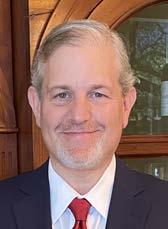
Estate planning is often treated as something to “get to later.” In my 23 years of practicing law in South Carolina, I can tell you plainly: later is where problems begin. At its core, a thoughtful estate plan is not about paperwork—it’s about control. Without a good plan, you can encounter many problems.
Avoiding probate costs and delays: Probate court is a public, time-consuming, and sometimes expensive process. Even in straightforward cases, it can take months. In more complicated situations, it can stretch into years. Court fees, attorney fees, executor commissions, and administrative costs all chip away at what you intended for your loved ones. Proper planning—particularly through the use of trusts—can allow many assets to pass outside of probate entirely. That means faster access, more privacy, and significantly reduced expense. Preventing family disputes: Money has a way of amplifying tensions, especially in times of grief. When intentions are unclear or assets are distributed outright without guidance, there is no mandated oversight or disclosure of receipts, disbursements and distributions to family during any period of incapacity, then disagreements can quickly escalate into lasting divisions. A well-drafted estate plan removes ambiguity. It answers questions before they’re asked and reduces the opportunity for conflict. In many cases, it preserves not just wealth, but relationships.
Minimizing taxes and preserving wealth: Without planning, estates may face avoidable tax consequences. While not every family will encounter significant estate taxes, poor structuring can still result in unnecessary financial loss. Strategic planning ensures that assets are transferred efficiently, preserving more for the next generation.
Keeping assets in the family: One of the most overlooked risks is what happens after your assets are distributed. Once an inheritance is given outright, it becomes subject to that beneficiary’s circumstances— creditors, lawsuits, divorce, or poor financial decisions. Trusts provide protection. They allow you to direct how and when assets are used, rather than simply handing them over.
Consider, for example, Max and Felicia, a married couple with two children: Frankie and Julie. Frankie has special needs. Without proper planning, an inheritance could unintentionally disqualify Frankie from essential government benefits. A carefully structured special needs trust would allow Frankie to receive financial support without jeopardizing those benefits.
Julie is married to Jake, and Max and Felicia have serious concerns about him. If they leave Julie her inheritance outright, those assets could become entangled in a divorce or mismanaged.
Instead, they establish a trust for Julie that includes a spendthrift clause. This provision prevents most creditors—and even a spouse—from accessing the trust assets. It also allows a trustee to manage distributions responsibly, ensuring Julie benefits from the inheritance while keeping it protected.
What are the benefits of this structure?
• Frankie is cared for without losing critical support from government benefits
• Julie is provided for, but her inheritance is protected from loss to creditors and predatory spouses (in this case, Jake, potentially)
• Jake has no control over family assets.
• The estate avoids unnecessary probate exposure and complications.
• Family disputes are avoided If you care about what happens to your loved ones—and to what you’ve worked hard to build—the best time to act is before there’s a problem.
Mark F. Winn, J.D., Master of Laws (LL.M.) in estate planning, is a local asset protection, estate and elder law planning attorney. mwinnesq.com














“All Creatures Great and Small”
Through Oct. 23
Sea Pines Community Center, 71 Lighthouse Road, Hilton Head Island
Art exhibition featuring works by the Artists of Sea Pines.
“Layers of Life” – Artwork by Debi West
Through May 15
Art League Gallery, 14 Shelter Cove Lane, Hilton Head Island Exhibit with ongoing community collage. 843-681-5060
“Steel Magnolias”
Through May 17
Coligny Theatre, 1 N. Forest Beach Drive, Hilton Head Island Presented by Sea Glass Stage. Southern comedy-drama set in a small-town beauty salon. www.sgstage.org
“Hairspray: The Broadway Musical”
Through May 24
Arts Center of Coastal Carolina, Hilton Head Island
Musical set in 1960s Baltimore featuring popular songs and themes of social change. artshhi.com/theater-series
Port Royal Plantation Art Group Exhibit
Through May 21
11 Beach City Road
Exhibit featuring works by 13 local artists.
Welcome Party: New In-Store Vendor Launch
May 7, 11 a.m.–2 p.m.
Branches, 88 Arrow Road, Hilton Head Island
Event celebrating three new inshop vendors featuring fashion, accessories and floral design. Meet local business owners and explore new collections. branchesdesigns.com
Bluffton Mayfest
May 9
Old Town Bluffton
Annual arts, food and music festival blufftonrotary.org/page/ mayfest
Palm Trees & Pistons Car Show
May 9, 9–11 a.m.
NALA’s Beach Bar & Grill
parking lot, Hilton Head Island Free car show featuring vintage, antique and specialty vehicles.
Lowcountry Indivisible General Meeting
May 9, 10 a.m.
Unitarian Universalist Church, 100 Malphrus Road, Bluffton Program includes “Current Challenges to the Judicial System” and “The Importance of Primary Elections.” Free. lowcountryindivisible.com
Bluffton Library Adult Programs
Bluffton Branch Library, May 10, 11 a.m.–noon
The Empowered Caregiver Series
May 18, 11 a.m.–noon
Elder Law/End-of-Life Decisions
May 27, 1–2:30 p.m.
Alzheimer’s/Dementia
Caregivers Support Group 843-255-6503
Hilton Head Library Programs
Hilton Head Branch Library, 11 Beach City Road
May 12, 1–2 p.m.
Library Plant Swap
May 14, 11 a.m.–noon
The Power of Composting
May 18, 4–5 p.m.
Novel Choice Book Club
May 20, 10:30 a.m.–noon
Library Travel Guide: England
May 27, 11 a.m.–1 p.m.
Library Puzzle Swap
May 28, 10:30–11:30 a.m. Revolutionary Roots 843-255-6525
Gullah Geechee Cultural Series
May 12
SoundWaves, 7 Lagoon Road, Hilton Head Island Program featuring Myrna Clayton and the Lavon Stevens Band with guest speaker
Thomas Curtis Barnwell Jr. www.hhso.org
Bluffton Sunset Party – Sunset
Palooza
May 15, 5:30–9:30 p.m.
Bluffton Oyster Factory Park, Live music, food vendors, beer garden and wine bar. Tickets:
$14 advance, $20 at the door; children 12 and under free. blufftonsunsetparty.com
“Whispers from the Soul” –Artwork by Theresa King
May 19–June 19
Art League Gallery, 14 Shelter Cove Lane, Hilton Head Island Exhibit with opening reception May 20 and scheduled artist events. hwww.artleaguehhi.org
Palmetto Quilt Guild
Workshop: Thursday, May 21, 10 a.m.–2 p.m.
Island Lutheran Church, 4400 Main St., Hilton Head Island a workshop on creating and painting original fabric motifs.
Meeting: Friday, May 22, 11:30 a.m.–2 p.m.
Palmetto Electric Cooperative, 1 Cooperative Way, Hardeeville 2026 Quilt Festival review. palmettoquiltguild.org
Celebrate America Concert
May 24, 7 p.m.
First Presbyterian Church, 540 William Hilton Parkway, Hilton Head Island
Presented by the Hilton Head Choral Society. hiltonheadchoralsociety.org
By Sasha Sweeney Editor
A new exhibit opening this month at Art League Gallery invites visitors to slow down, reflect and connect with the natural world through the work of artist Theresa King.
“Whispers from the Soul,” on display May 19 through June 19, showcases a collection of expressive oil paintings rooted in themes of healing, spirituality and energy.
The self-taught artist draws heavily on her lifelong connection to nature, using movement, color and recurring imagery such as clouds to convey a sense of calm.
“I grew up in a chaotic atmosphere, and the only time I felt peace was [lying] on the ground looking up at the clouds in the sky,” King said. “Nature has always been my inspiration. I could sit and watch clouds for hours.”
That early experience continues to shape her work, which often reflects a quiet, meditative quality. King began painting in the 1980s, experimenting across multiple mediums before settling on oils.
“I painted a lot of terrible paintings, and figured out what is right and wrong,” she said. “I tried watercolor and struggled. I tried acrylic — it dried too fast. Tried oils and fell in love with it.”


Her creative process remains intuitive and deeply personal. King said she often relies on a spiritual connection to guide her work.
“I dream my concepts and let God guide my hand in my paintings,” she said.
In addition to her artistic development, King’s work is influenced by significant life experiences, including her battle with cancer and years spent caring for family members. Those challenges, she said, helped her recognize and focus on what she describes as healing energy, which now plays a central role in her art.
That perspective informs the intent behind the exhibit.
“What I want people to get as the message from this show: that there is energy, and images and color, and that energy can be healing. Quantum energy,” King said. “I want visitors to feel calm and peaceful, and the work to resonate with them.”
The exhibit will include an opening reception May 20 from 5 to 7 p.m., along with artist demonstrations scheduled for May 30 and June 15, and a June 4 talk titled “How Color Affects People Emotionally.” All events are free and open to the public.
Art League Gallery, located inside the Arts Center of Coastal Carolina, features work from more than 200 member artists and rotates exhibits monthly.
Organizers say King’s exhibit offers visitors not only a visual experience but also an opportunity for reflection.
For more information, visit ArtLeagueHHI.org.




Singer-songwriter Pat Wictor is scheduled to perform May 16 as part of the Music on Malphrus series.
The event will be held at 110 Malphrus Road in Bluffton. Doors open at 6:30 p.m., with music beginning at 7 p.m. Refreshments will be available.
Tickets are $25 and can be purchased online or at the door. Online ticket sales close three hours before the event, though tickets will remain available at the door.
Wictor is known for music grounded in rural blues and gospel traditions. His work also incorporates elements of jazz, pop and improvisation. He first gained attention on the folk and acoustic scene as a slide guitarist, performing interpretations of traditional and contemporary songs. He later developed a career as a singer-songwriter, writing original material described as lean and poetic.
Organizers encourage attendees to bring friends and family to the performance. For more information visit https://uucl.breezechms.com/form/pat-wictor-2026

































































































in
Choose the award-winning Top Luxury Brokerage. Highest Honor in Luxury Real Estate.












By Emily Campbell Contributor
As the nation marks 250 years of American independence, the Hilton Head Choral Society will close its 50th anniversary season with a patriotic Memorial Day weekend tradition that blends both music and reflection. A Lowcountry staple for locals and visitors alike, Celebrate America, will take place Sunday, May 24 at 7 p.m. at First Presbyterian Church on Hilton Head Island.
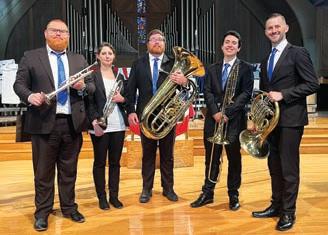
This year’s program brings together an impressive lineup of collaborators, including a string quartet and the return of Category V Brass, a Columbia-based quintet known for its energetic and expressive performances. The evening will also feature a keynote address and dramatic readings by members of the Lean Ensemble Theater, adding depth and perspective to a program designed to honor the American spirit.
The concert will open with a Presentation of Colors by the Hilton Head Island Fire Rescue color guard, setting a tone of formality and unity as the community gathers in advance of Memorial Day. Audiences will hear a variety of patriotic works, including The Star-Spangled Banner, Irving Berlin’s God Bless America, and Vera Lynn’s timeless We’ll Meet Again, along with other selections highlighting the themes of resilience and pride that marks our country’s history.
In a particularly moving collaboration, performers from Hilton Head’s Lean Ensemble Theater will read authentic correspondence from Amer-
ican service members. These firsthand accounts will offer an intimate look at the experiences and sacrifices of those who have fought for our freedom. The excerpts include letters from servicemen and women from wars that have spanned the history of America including the Revolutionary War, the Civil War and World War I.
“This is an evening that the members of the Choral Society eagerly anticipate throughout the entire season,” said Dr. Dustin Ousley, Artistic Director of the Hilton Head Choral Society. “It is a profound honor to come together in remembrance and celebration of the men and women who fought for our country with such valor to secure the freedoms we are privileged to enjoy today.”
Another highlight of the evening, Hilton Head resident James (Jim) F. Berl will serve as keynote speaker. A former Judge Advocate General attorney, Berl served in the U.S. Army during the 1980s, including during the U.S.-led invasion of Grenada and a posting in Europe. After completing his military service, he returned to the Lowcountry, where he has practiced law for nearly four decades.
Blending music, storytelling, and community tradition, Celebrate America promises to be a meaningful gathering for concertgoers who are encouraged to wear red, white, and blue as a shared expression of gratitude and remembrance.
It’s a Memorial Day tradition that you don’t want to miss. Tickets are available at www.hiltonheadchoralsociety.org. For more information, call 843-341-3818 or email tickets@hiltonheadchoralsociety.org.




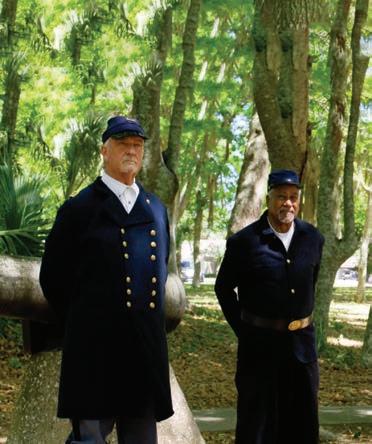
Visit the gravesites of four Revolutionary War heroes and find out about the bloody skirmish that was fought just steps away. Site on the SC Liberty Trail. Corner of Hwy. 278 & Mathews Dr.
TUESDAYS March 17 - June 9 10:00-11:00am
$10/LIBRARY MEMBERS
$12/NON-MEMBERS
CHILDREN 12 & UNDER FREE Registration required.
Fort Mitchel contains the remains of a coastal defense battery erected in 1862 to protect the Port Royal Sound by way of Skull Creek from incursions by Confederate gunboats. 65 Skull Creek Dr., Hilton Head Plantation
THURSDAYS March 19 - June 11 10:00-11:00am
$10/LIBRARY MEMBERS

$12/NON-MEMBERS CHILDREN 12 & UNDER FREE Registration required.





By Leslie Rohland Contributor





Looking for a salad that won’t leave you feeling hungry again in an hour? This sweet potato salad is nourishing without being heavy and works well as a standalone lunch or as a complement to an evening meal. This recipe is particularly useful for gatherings where food may sit out for a while, as sweet potatoes hold their texture well and pair easily with a range of dishes. Just be sure to adjust the servings and wait to add the dressing until it is ready to be served, or offer it on the side. As a bonus, your gluten-free guests will thank you for adding this dish to your spread.
For busy households, sweet potato salad can be prepared in advance and served over multiple meals. Its adaptability makes it appealing for Lowcountry cooks who value flexibility, as the ingredients can be adjusted based on availability, allowing the recipe to evolve without losing its appeal.
Sweet potato salad fits easily into a variety of menus and pairs well with grilled seafood, roasted chicken or simple greens, making it a dependable option when you need something satisfying that doesn’t require last-minute preparation.
Ingredients for 2 servings
1 large roasted sweet potato
2 cups arugula
½ cup crumbled feta cheese
¼ -½ cup Tahini Dressing
2 tablespoons toasted pepitas
Sea salt and freshly ground black pepper, to taste
Instructions
1. Bake the sweet potato until tender in the center. Allow to cool, then peel the skin, then chop into bite-size pieces.
2. Place the arugula, feta and chopped sweet potato in a bowl and lightly drizzle with the tahini, season with salt and pepper.
3. Portion onto plates, then top with the pepitas.
Leslie Rohland, 2024 SC Chef Ambassador, Chef and Proprietor of The Cottage Cafe, The Bluffton Pasta Shoppe, the Juice Hive, and May River Coffee Roasters. (843) 757-0508, 38 Calhoun St, Bluffton, S.C.
By Shaun Duff Contributor
With the release of his dual “Legacy” projects, 75-year-old Ridgeland guitarist, vocalist, songwriter and storyteller J. Howard Duff has his eyes back on “the road,” while never having taken them off “the road home.”
“This was an auspicious project,” said Duff, who played his first gig in 1964 and didn’t stop until early 2025. “I wanted to leave my kids, my family and my supporters a legacy. Since I am not a wealthy man, I realized that I could leave them a musical legacy. From that moment, this project was hatched.”
Duff describes himself as a “5th-tier rock star,” having played with major artists such as Bruce Springsteen, Twisted Sister, Canned Heat and the J. Geils Band.
“I’m sort of like the fifth ring of Saturn,” he said. “You know I’m out there, but you can’t see me from the planet.”
Along with Dawn Gaye, his wife of 47 years, he recorded the underground disc
“No Big Deal” in the 1980s. The record reached the top 10 in foreign markets and became a staple of college and indie radio stations.
After moving from New Jersey to South Carolina in 1998, Duff began playing at local venues, which eventually led to a 10year stint with the Chilly Willy Band.
In early 2025, he lost the desire that had driven him since his first gig.
“I had gotten bored, and with arthritis starting to make it difficult to play up to my standards, I thought it was time to stop changing strings, as it were,” Duff said.
However, he continued his weekly role as worship leader at the Church of the Cross in Bluffton, where he still serves.
“When I look back, I realize that God was not done with me,” he said. “He gave me my musical ability to be used, not retired and put on a shelf.”
His new releases, titled the “Legacy” series, reflect that renewed sense of purpose.
The first, “Legacy: The Road,” features 22 handpicked songs from his studio and

live releases from 2005 to the present, including his current single, “This Misery.”
The second, “Legacy: The Road Home,” is a 22-track compilation of spiritually based songs, spanning genres from gospel to rock and blues.
Duff’s live performances draw heavily from music of the 1960s, along with selections from the 1950s and 1970s and a strong influence of blues.
He and Gaye have three children. Their son Shaun lives in Cambodia and works as a journalist and graphic designer.
Their son Michael is a musician based in Charleston and operates a production company. Their daughter, Desirée, is a vocalist who performs in New York City.
Duff credits Gaye as a constant presence throughout his career.
“My talented wife, artist, vocalist and writer, amazingly remains with me, as I didn’t deserve her when we met, and still don’t some 50 years later,” he said.
For more information on Duff’s releases or booking, visit jhowardduffmusic.com.

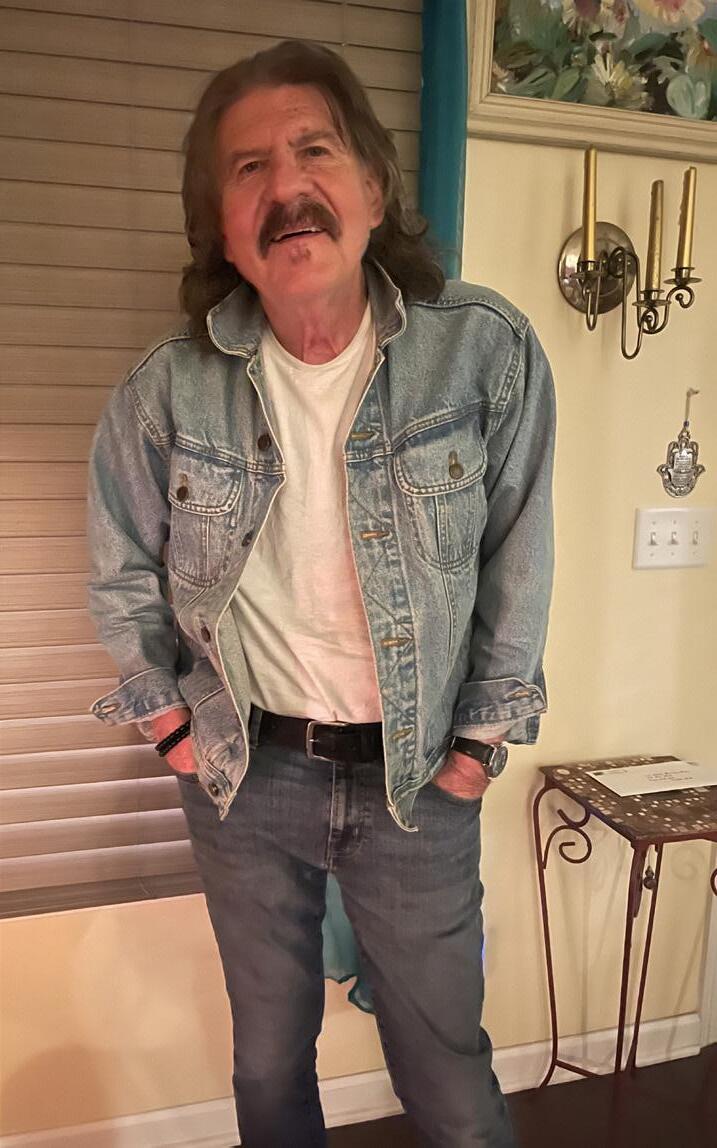



The Town of Bluffton will host a series of lunchtime talks in May as part of Historic Preservation Month.
The “Mobile Symposium: Bluffton Legends & Lore” series will be led by Glen Umberger, the town’s historic preservationist. Talks will be held each Thursday in May from noon to 12:30 p.m. at the Town of Bluffton Welcome Center, 111 Calhoun St.
The schedule includes four topics focused on local history. The May 7 session will cover the Squire Pope Carriage House. On May 14, the topic will be “Who Was Squire Pope?” The May 21 session will focus on the Church of the Cross. The series concludes May 28 with a talk on the Burning of Bluffton.
Umberger has served as Bluffton’s historic preservationist since 2021, over-
seeing preservation efforts within the Old Town Bluffton Historic District. He holds a Master of Fine Arts degree in architectural history from the Savannah College of Art and Design and a Bachelor of Arts degree from the University of Delaware.
Before joining the Town of Bluffton, Umberger managed special projects for the New York Landmarks Conservancy. He also served as an adjunct lecturer at New York University and worked as a docent and lecturer at Philadelphia City Hall.
The talks are part of the town’s observance of Historic Preservation Month and will highlight people, places and events that have shaped Bluffton’s history. For more information call 843706-7800.
By The Bluffton Sun Contributor
The Italian American Club of Hilton Head Island will welcome the community to its annual Pasta Dinner later this month, continuing a long-standing tradition of food, fellowship and local giving.
The event is scheduled for Sunday, May 17, from 4 to 7 p.m. at St. Francis by the Sea Catholic Church and is open to the public.
Organizers say the dinner has become a popular gathering for residents and visitors, offering a menu of classic Italian dishes served in a casual, family-style setting. The event reflects the club’s mission of celebrating Italian heritage while supporting charitable efforts in the community.
Club President John DeCecco said the success of the event relies on community involvement.
“It’s all about the volunteers and the community. That’s what makes every-
thing we do possible,” DeCecco said. Proceeds from the dinner help fund scholarships for local students and provide support to area nonprofit organizations.
The club will continue its fundraising efforts with its annual golf tournament, scheduled for June 19 at Palmetto Hall Golf Club. The tournament begins with a 9 a.m. shotgun start and includes contests, prizes and a post-round Italian buffet.
Organizers say the tournament is one of the club’s primary fundraisers and draws participants from across the region for a day of friendly competition and socializing.
Both events are part of the organization’s broader effort to combine cultural traditions with community service. In addition to scholarships, funds raised throughout the year support a range of local charitable initiatives.
Tickets for the pasta dinner and registration for the golf tournament are available through the club’s website, IACHH.org.










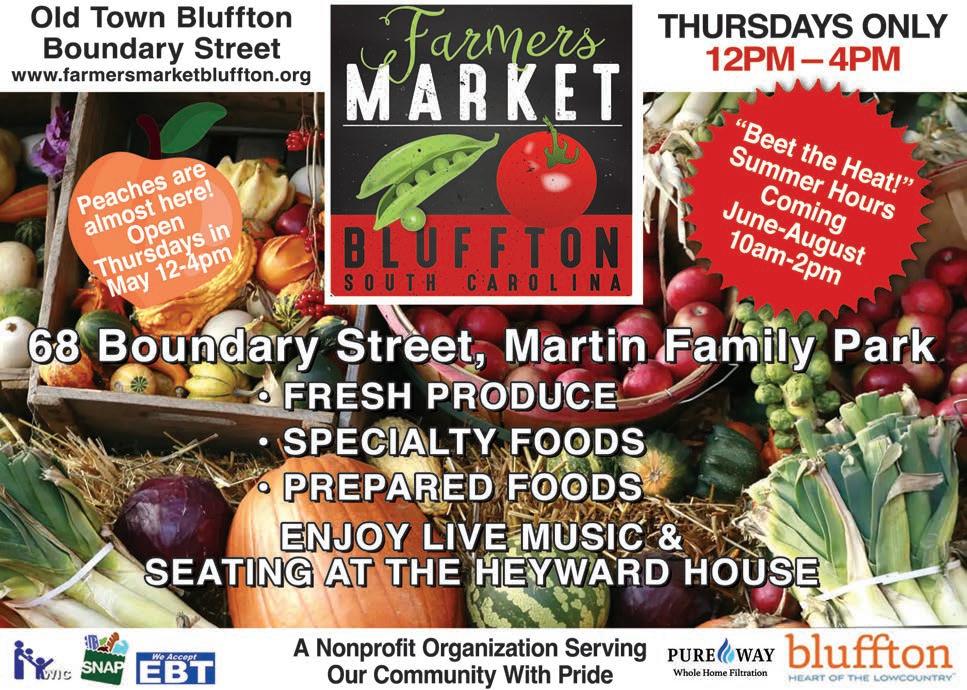



By Joy Ross Contributor
Hair not looking as shiny as it used to? You’re definitely not alone. That glossy, light-reflecting finish we all want actually depends on how smooth your hair’s outer layer (the cuticle) is. When that layer gets roughed up, light scatters instead of reflecting—and boom, dull hair.
One of the biggest culprits is simple: damage. Heat styling from blow dryers, curling irons, and flat irons can slowly wear down the cuticle. Even if you’re careful, daily heat adds up. The fix? Turn the temperature down, use a heat protectant every time, and try giving your hair a few “air-dry days” each week.
Another common reason is product buildup. Shampoos, conditioners, dry shampoos, hairsprays—they can all leave residue behind. That layer of buildup blocks shine and makes hair feel heavy. A clarifying shampoo once a week (or every couple of weeks, depending on your hair type) can reset everything and bring back that clean, reflective surface.


Dryness is a huge factor too. When hair lacks moisture, the cuticle lifts, creating a rough texture. This can happen from over-washing, harsh shampoos, sun exposure, or even just your natural hair type. Adding a deep conditioning mask once a week can make a big difference. Look for ingredients like oils, butters, or proteins depending on what your hair needs. Speaking of water—hard water might be secretly dulling your shine. Minerals like calcium can coat the hair over time,

leaving it looking flat and lifeless. If this sounds like your situation, a chelating or clarifying treatment designed to remove mineral buildup can help restore shine. Your color services could also be playing a role. Over-processed or overly lightened hair tends to lose its natural smoothness. If you color your hair, consider adding a gloss treatment or toner. These don’t just adjust color—they also seal the cuticle, which boosts shine instantly. And don’t overlook the basics: brushing and friction. Rough towel drying, tight hairstyles, and even cotton pillowcases can create friction that lifts the cuticle. Switching to a microfiber towel or silk pillowcase is a small change that can make a noticeable difference.
At the end of the day, shiny hair isn’t about one magic product—it’s about keeping the cuticle smooth and healthy. A mix of gentle care, proper hydration, and occasional deep cleaning can bring your hair back to life. And once that shine comes back, it really shows.
Joy Ross is the owner of Style It Salon. styleitsalon.com, 843-338-1530.

By Lisa Hostetler Brown Contributor
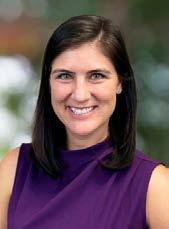
According to the World Health Organization, an estimated 1.3 billion people worldwide live with a disability. Put simply, everyone knows someone with a disability. While “special needs” has no single definition, the term generally refers to the effects of a disabling condition and the life circumstances that follow.
Those needs may include ongoing physical care, limited employment opportunities, reduced earning capacity, and additional resources needed to maintain a good quality of life. Because of this complexity, thoughtful legal planning is essential to protect beneficia-
ries with special needs.
Common planning mistakes to avoid Families often act with the best intentions, yet certain decisions can unintentionally jeopardize a loved one’s future:
• Disinheriting the beneficiary with special needs.
This approach rarely offers protection and can leave the individual without adequate financial support.
• Leaving the beneficiary’s inheritance to another family member.
Even the most responsible relative may face divorce, creditor claims, illness, or death, putting those funds at risk.
• Relying on informal arrangements.
Verbal promises and unwritten agreements provide no legal protection or long-term reliability.
Special needs trusts are essential in planning
The foundation of effective planning for a beneficiary with special needs is a Special Needs Trust (SNT). These trusts are specifically designed to provide financial support while
preserving eligibility for essential government benefit programs such as Supplemental Security Income (SSI) and Medicaid. Properly structured, an SNT allows families to enhance a beneficiary’s quality of life without disqualifying them from public benefits.
Types of special needs trusts
There are two primary categories of Special Needs Trusts:
• First-Party Special Needs Trusts, funded with assets belonging to or legally payable to the beneficiary, such as personal injury settlements or retroactive benefit payments.
• Third-Party Special Needs Trusts, funded with assets from someone other than the beneficiary, most commonly parents or grandparents, and often incorporated into an estate plan.
Protecting benefits while improving quality of life
Special Needs Trusts are carefully drafted so trust assets are not considered “countable resources.” Trust funds can instead be used to supplement government benefits by paying for




therapies, education, travel, recreation, and personal services that improve daily living.
A team approach to long-term success
Successful special needs planning typically involves a coordinated team that may include an attorney, trustee and successor trustees, care manager, investment advisor, government benefits specialist, special education advocate, and a guardian or conservator when appropriate.
Providing security and peace of mind
While planning for a beneficiary with special needs can be complex, it offers families peace of mind knowing their loved one will be protected, supported, and cared for long after they are gone. If you are looking for an expert to help guide you, reach out to a local certified elder law attorney.
For educational purposes only. This is not legal advice. Lisa Hostetler Brown is a Certified Elder Law Attorney certified by the National Elder Law Foundation. 2 Hampton Hall Blvd, Ste 100, Bluffton, SC 29910. | 843-757-5294 | LawyerLisa.com.
Experience affordable golf on the Island with the only par-3 course–perfect for instruction, children, and senior play. Driving range and putting green are open to everyone. $10 donation for adults, $5 donation for kids – all you can play. You don’t need to bring clubs – the pros at the First Tee will lend you a set at no charge!
By Dr. Stuart Smalheiser Contributor
There are many causes that can lead to heart failure. Your cardiology healthcare provider needs to evaluate and treat you continually over a long period of time to navigate heart failure.
Heart failure can be caused by heart artery disease, such as prior heart attacks, but it can also be caused by viral illnesses, uncontrolled blood pressure, genetics among many other causes.
Understanding the classifications of heart failure can help patients better understand what’s happening in their bodies, and how to work with their care team to manage the condition effectively.
The condition isn’t one-size-fits-all. Classification helps heart specialists determine how the condition affects a patient’s everyday life, and helps guide us to the most appropriate course of treatment.
In many cases, heart failure affects the left ventricle, the heart’s largest and most powerful chamber. The left ventricle can be too weak; this is called systolic heart
failure. The ventricle can also be too stiff; this is called diastolic heart failure. People can often have both at the same time.
Congestive heart failure (CHF) is the technical term for heart failure. However, CHF has a distinct meaning. It refers to heart failure that causes tissue congestion. Swelling in the legs and ankles and/ or difficulty breathing due to fluid in the lungs are common with CHF.
To better understand the severity of a patient’s heart failure, a cardiology specialist relies on established classification systems.
One of the most widely used is the New York Heart Association (NYHA) Functional Classification, which focuses on how heart failure symptoms affect daily life:
• Class I – No symptoms during normal physical activity
• Class II – Mild symptoms during everyday activities
• Class III – Noticeable limitations, and even mild exertion causes symptoms
• Class IV – Symptoms occur at rest and with any level of physical activity
The American College of Cardiology (ACC) and American Heart Association
(AHA) developed stages of heart failure to classify patients. This classification system complements the NYHA system.
The ACC/AHA stages include:
• Stage A: You have risk factors for heart failure, such as coronary artery disease — a type of heart disease — but not structural heart disease or heart failure symptoms. Structural heart diseases, such as aortic stenosis and mitral valve disease, affect the heart’s valves, muscles and other structures.
• Stage B: Structural heart disease is present, but not heart failure symptoms.
• Stage C: Heart failure symptoms and structural heart disease.
• Stage D: Advanced heart failure, which means the symptoms are difficult to manage and disrupt your daily life.
Why
Heart failure is a progressive condition, but early diagnosis and treatment can slow or even reverse its advancement and improve overall quality of life. Treatment for the condition varies based on the type and severity.
For many patients, care begins with important lifestyle changes like increasing physical activity, reducing alcohol and
tobacco, maintaining a healthy weight and cutting back on sodium intake.
Medication can also play a role in a patient’s treatment plan, including:
• Beta-blockers to slow heart rate and lower blood pressure
• Diuretics to reduce fluid buildup
• Diabetic medications like SGLT2 inhibitors
• ACE inhibitors and Angiotensin receptor blockers to ease strain on the heart
In advanced cases of heart failure, additional therapies like cardiac rehabilitation or implantable devices may be considered.
Understanding heart failure causes, treatment and classification are valuable tools that can empower patients to take an active role in their care. With the right education, support and treatment plan, many people living with heart failure can continue leading active and fulfilling lives.
Stuart Smalheiser, M.D., is a triple board-certified interventional cardiologist with Beaufort Memorial Heart Specialists, specializing in advanced heart attack care, cardiac imaging and pacemaker and ICD implantation. He is the current Beaufort Memorial Chief of Medical Staff.




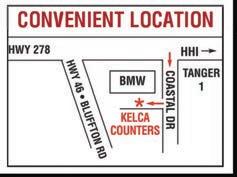
By Collins Doughtie Contributor
Did you ever have a dream where you were flying? Most people have either been asked that question or have asked it themselves. As for me, I cannot remember having a flying dream in quite some time. Then again, I rarely remember my dreams, or much of anything. Still, I sometimes wake up sprawled on the floor, so I probably do and just do not recall it.
So where is this going? I will explain. Among my outdoor pursuits, I am a bird enthusiast. Between my house and my neighbor Ben Turner’s, there are at least 50 bird feeders. We have a friendly competition to see who can attract the most unusual species, including painted and indigo buntings, hummingbirds and other colorful birds. Since a lightning strike hit a 100-foot pine tree next to my house, I have had the upper hand.
Last year, a pair of Mississippi kites nested in that tree. This year, I have had a close view of a pair of pileated woodpeckers. They carved out a cavity and now have two fledglings that are nearly ready to leave the nest. Each day, I watch the parents share feeding duties. When they land, the young birds stretch out their heads and call loudly for food. Watching this routine has led me to wonder what it would be like to be a bird.
The answer likely depends on the species. Consider the pileated woodpecker, one of the largest in North America. It does not peck lightly. It strikes trees with force, sending wood chips flying. If I were one, I imagine I would be hard to ignore in the forest.
Now consider the hummingbird. Constant motion defines its existence. It darts in every direction, driven by the search for nectar and the defense of feeding territory. The pace alone would be exhausting.
A pelican offers another perspective. It spends much
of the day searching for fish, then dives from significant heights to catch its prey. The impact with the water can be intense, and success is not guaranteed. It is a demanding routine.
Thinking about these differences raises other questions. Are there birds that fear heights? For young birds, leaving the nest for the first time must be a challenge. The fledgling woodpeckers I have been watching are perched high above the ground. At some point, they will have to make that first flight. It is a critical moment. I may not often dream about flying, but I do think about what it might be like. There are clear advantages, but also challenges. Observing birds up close offers a glimpse into both.
Collins Doughtie is a 60-year resident of the Lowcountry, is a sportsman, graphic artist, and lover of nature. collinsdoughtie@icloud.com.
By Sasha Sweeney Editor
Cyclists on Hilton Head Island will join riders around the world May 20 for the annual Ride of Silence, a coordinated event that honors those killed or injured while cycling on public roads and promotes safer conditions for riders.
The local ride will begin at 7 p.m., with participants asked to gather at 6:30 p.m. at Street Meet in Port Royal Plaza on Mathews Drive. The event is free and open to the public.
The Ride of Silence began in 2003 in Dal-
las after cyclist Larry Schwartz was killed when he was struck by a passing bus. The first ride drew about 1,000 participants and has since grown into an international movement held each May during National Bike Month.
In 2025, more than 200 rides took place across 38 states and 11 countries, with participants observing the tradition of riding in silence to honor victims and raise awareness.
Locally, organizers expect dozens of riders to participate in the Hilton Head event, which will follow a police-escorted, 9-mile route along U.S. 278. Riders typically travel at a controlled pace of about 10 to 12 mph
before returning to the starting point.
The event is organized by the Kickin’ Asphalt Bicycle Club, which encourages riders to register in advance and to arrive with helmets and lights. A brief safety meeting and ceremony will be held before the ride begins.
“Our message is share the road for everyone’s safety,” said John Marcinowski, a member of the club, League Cycling Instructor and the event’s 2026 coordinator.
Organizers say the ride aims to bring attention to the challenges cyclists face on roadways, including close passing by vehicles and unsafe driving behaviors. Under South Carolina law, bicyclists are consid-
ered vehicle operators and have the same rights and responsibilities as motorists.
The Ride of Silence also seeks to educate the public, including drivers, law enforcement and local officials, about the importance of road safety and mutual respect among all users.
Participants will ride in silence, a defining feature of the event, as a sign of respect for those who have been injured or killed while cycling.
Following the ride, participants are invited to gather informally at the starting location.
For more information or to register, visit kickinasphalt.org.

By Sasha Sweeney Editor
Family Promise of Beaufort County has received a $20,000 grant from Clayton to support efforts to prevent homelessness among families in the Lowcountry, the organization announced.
The funding is part of a $2 million contribution Clayton is distributing across the national Family Promise. The grant follows an extension of a partnership between the two organizations through an initiative known as “A Future Begins at Home,” which focuses on helping families remain in their homes and regain stability.
Since the initiative began in 2019, it has helped generate more than $14 million in additional funding and has served more than 43,000 families nationwide, according to Family Promise.
“This grant strengthens our diversion program, helping families find safe housing
before they ever need to enter a shelter,” said John Trinh, executive director of Family Promise of Beaufort County. “By connecting them to community resources and short-term support, we can reduce trauma and keep families stable during critical moments.”
Family Promise of Beaufort County was founded in Bluffton in 2008. The organization provides prevention services, emergency shelter, housing and post-program stabilization for families. It operates what it describes as the only shelter program for children and their families in Beaufort and Jasper counties.
The organization reports it has served 1,150 individuals since its founding.
In addition to financial support, Clayton has donated 20 homes to the Family Promise national network since 2019. The homes are used primarily as transitional housing, allowing families to stay together while receiving case management and support services as they work toward permanent housing.
By Sandro Virag Contributor
In this fast-paced world we live in, it’s nice to slow down and reconnect. Dance allows us to do just that. We’re not just connecting with the music, but also with ourselves and each other. Dance is truly a universal language. Long before spoken language, people used rhythm and movement to communicate.
Whether you’re dancing on a ballroom floor or in your kitchen, dance has the power to break down barriers and bring joy. It passes stories and traditions from one generation to another. Grandparents teach grandchildren, parents share songs from their younger years, and teens create viral choreography.
Every dancer at every level starts with a single step. Sometimes that first step is a leap of faith, letting go and embracing the freedom of movement. In that moment, dance becomes more
than just steps; it is a reflection of who we are and a way to connect with others on a deeper level.
It’s not always about technique or perfection. It’s about finding your own rhythm and sharing it with those around you. It’s about friendships formed in a dance class, the laughter shared over mistakes, and the shared energy that fills a room when everyone is moving together.
In our community, dance has become an important thread that brings people together. It is a space where people of all ages and backgrounds can share the joy of movement. While every dancer has a unique style, there is common ground on the dance floor.
So the next time you hear music that makes you want to move, don’t hold back. Take that step, find your rhythm and let the music guide you.
Sandro Virag is a partner and instructor at Hilton Head Ballroom Dance Studio of Hilton Head, hiltonheadballroom.com
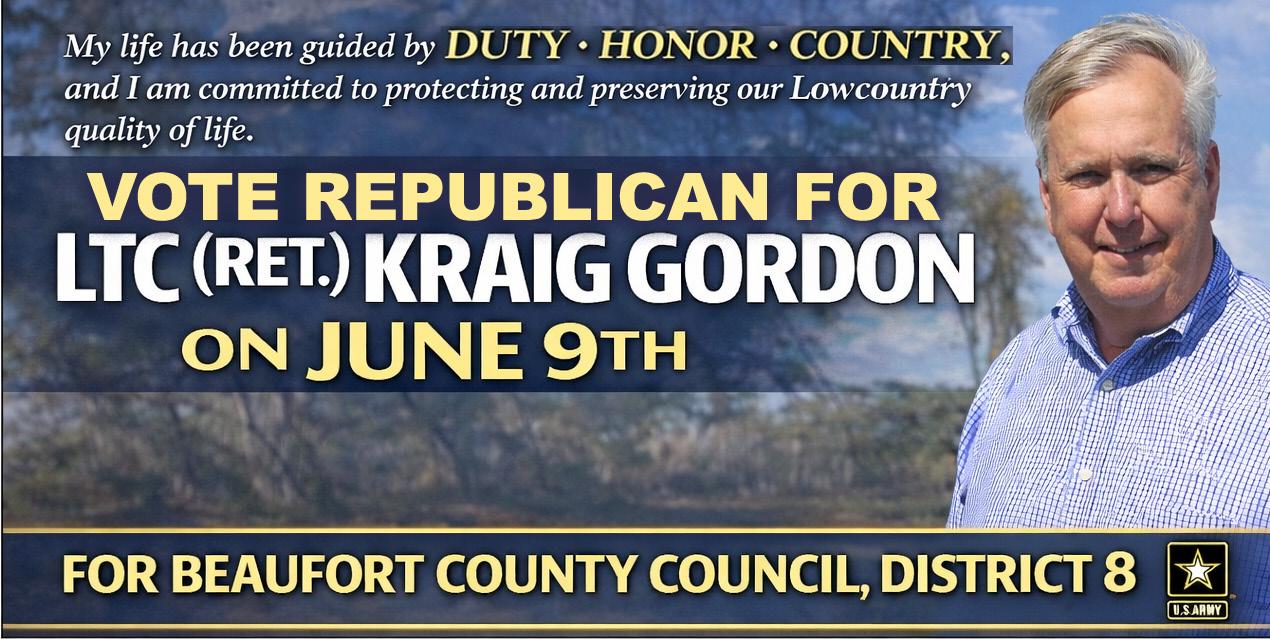
By Paul Tollefson Contributor
This is one of those stories where you realize Hilton Head didn’t just grow, it was guided there by people who believed in its future long before anyone else did. Back when the island moved to the rhythm of the tides, when dirt roads cut through oak and pine and the schoolhouse sat at the heart of the community, two educators arrived with a simple purpose, to teach and to serve. Mr. Isaac and Ramona Wilborn didn’t just take jobs on Hilton Head, they became part of its foundation.
In 1954, when the island’s elementary school needed both a principal and a teacher, the Wilborns stepped in. Isaac became the steady hand leading the school, helping shape it into something far greater than a building. For nearly three

decades, he guided generations of children with a firm but fair approach, believing that education was the key to opportunity on an island beginning to change.
But alongside him, just as steady and just as important, was Ms. Ramona.
For more than 25 years on Hilton Head, and over three decades in the classroom overall, she taught at Bluffton Elementary, Bluffton Graded, and Hilton Head Elementary. Day in and day out, she did the quiet, meaningful work that defines great teachers, shaping young minds, building confidence, and helping children find their footing in a changing world. Where Isaac helped guide the direction of the school, Ramona lived the day-to-day heartbeat of it, one student at a time.
Together, they saw needs others might have overlooked. When children missed school to care for younger siblings while their parents worked, they didn’t ignore it, they worked to solve it. The Children’s Center was born from that understanding, giving working families support and young children a place to begin learning before ever entering a classroom. Their impact reached far beyond school


grounds. Isaac helped lead efforts that supported education, healthcare, and the broader community, while Ramona’s influence continued through every student she taught and every family she touched. Between them, they helped shape not just students, but the character of the island itself.
THU MAY 14TH 6-10 PM



They were respected not just for what they did, but for how they carried themselves. Fair, steady, and deeply committed. It didn’t matter where you came from, if you were part of this community, you mattered. And if you needed guidance, they were there.
Years later, the community found a way to say thank you. A road was named in their honor near Hilton Head Elementary, a quiet but lasting reminder of the path they helped create for so many others. Today, it’s easy to look around and see what Hilton Head has become. But beneath the growth and change, there are roots that still hold strong.
Paul Tollefson is the Director of Tennis at the Hampton Hall Club. After moving from Hilton Head to Bluffton he became enthralled with the history of the town and the people and cultures that call it home. He has found a passion in writing and enjoys being able to share the stories and pictures of long-time locals. He is the co-creator of the Facebook page “Bluffton Then and Now.”





By Jamie Harrison Contributor

As the job market continues to evolve, a growing number of job seekers are discovering that the biggest barrier to employment is not a lack of experience, but how that experience is communicated.
From students entering the workforce to professionals considering a career change, many candidates scan job descriptions, see unfamiliar titles and assume they are not qualified. Workforce experts say that assumption is often incorrect.
Employers are not simply hiring for past job titles. They are hiring for skills.
These “transferable skills” are abilities that apply across roles and industries. Communication, problem-solving, teamwork, adaptability and time management consistently rank among the most in-demand competencies. Many job seekers already use these skills in their daily lives, even if they do not recognize them.
A college student balancing coursework, group projects and a part-time job is building time management and collaboration skills. A parent managing a household demonstrates organization and problem-solving. A restaurant server develops communication skills and the ability to perform under pressure.
Consider a role that is often overlooked on a resume: a cart attendant at a retail store such as Target.
At first glance, the job may seem limited to collecting shopping carts. In reality, the role is essential to daily operations. Cart attendants ensure carts are available, which supports customers’ ability to shop and contributes to sales. They maintain the parking lot,
helping create a clean and welcoming environment. They monitor for safety concerns, assist customers with loading purchases and often serve as the first and last point of contact.
From an operational perspective, this role requires awareness, reliability, customer service, problem-solving and attention to detail. These are the same skills employers prioritize across industries.
Yet candidates who have held these roles often minimize their experience or leave it off their resumes entirely. That gap frequently appears in resumes and interviews. Candidates may describe their responsibilities in basic terms, such as collecting carts or helping customers, without explaining the impact of their work. With clearer language, those same responsibilities can reflect professional value, such as supporting store operations, maintaining a safe environment and delivering customer-focused service in a fastpaced setting.
The distinction is especially important for individuals navigating career transitions. Moving from one industry to another does not require starting over. It requires translating existing experience into relevant skills that align with a new role.
Employers increasingly prioritize these capabilities because they indicate a candidate can adapt quickly, learn new systems and contribute with less training.
For Bluffton’s workforce, the takeaway is straightforward. Many candidates already have the skills employers need. The key is learning how to communicate them clearly and confidently.
You may be more qualified than you think.
Jamie Harrison is the founder of Wolff Engagement Solutions, a Bluffton-based HR and organizational development consulting firm focused on helping businesses build strong, engaged teams.
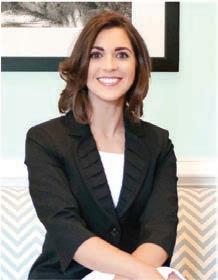
“At Pinnacle, we want our patients to feel like they are part of our family and we strive to treat them that way from the first time they visit. We pride ourselves on the customer experience. It is important to always keep up with the latest advances, but our practice uniquely separates the gimmicks from the options that produce results. It is our philosophy to listen first to our patients’ goals and then help guide them to the treatments and procedures that will help us all work toward that shared goal. Your inner and outer you should be in harmony.”





By Tom Dorsel Contributor
A couple of years ago, Cameron Young looked like a player getting in his own way. All the talent was there. The power. The shot-making. The contention on Sundays. But so was the frustration, the visible unraveling when things didn’t go his way. It was costing him.
At that time I wrote a column on Young (Florence Morning News, July 18, 2024). It was titled “It’s All About Attitude, Dude.” Here are key paragraphs describing what I saw in a PGA Tour event I was watching, without mentioning Young by name in the piece:
“Tuning in around the 14th hole of the final round, one player was becoming totally frustrated, breaking his driver and taking himself out of the tournament with his negative attitude. His drooping shoulders and muttering about his putts not dropping had him on a losing trajectory, even though he was only one shot out of the lead at the time.
“On the 17th hole, the negative player hit the green with two great 3-woods (due to his broken driver). He virtually gave up before he even putted, thereby three-putting for par and berating himself the whole way.



“As the negative player was finishing the 18th, the TV announcer said the player needed to do a lot of mental training to recover from this debacle, not to mention take his game to the next level. It would seem to be no coincidence that he has finished second seven times while never winning during that stretch, as talented as he is.
“Golfweek described the negative player in the aforementioned tournament as being ‘just one stroke back when he cracked the shaft of his driver in anger on the 14th hole. He brooded on the greens too as his balky putter let him down, and he settled for a 73 and a T-6 finish.’”
Obviously, I was not the only one noticing and commenting on Young’s behavior. Someone clearly got through to him, because he is now a very different
player. That is not to say he has become warm and fuzzy or a crowd pleaser. He remains intense and serious while playing, focused within his competitive mindset.
The difference is that he is now under control, rolling with the challenges golf throws at him, staying engaged until the end and winning.
Since his change in attitude, he quickly won his first tournament at the Wyndham Championship in 2025, followed by a Players Championship victory at the beginning of 2026. He also recently played in the final pairing at the Masters, where he represented himself well through the final round.
Most importantly, he maintained his composure and persevered through the final putt.
In that earlier column, I wrote, “The likely difference between a good player finishing second instead of first is attitude. A player needs everything working in order to get over the hump and into the winner’s circle. Attitude is Job No. 1.”
Cam Young got that job done, and it is the difference between who he was and who he has become.
Dr. Tom Dorsel is Professor Emeritus of Psychology and a clinical/sport psychologist on Hilton Head Island. His best-selling book is “GOLF: The Mental Game.” Reach Dr. Tom on Facebook or at tom@dorsel.com.

By Wendy Kushel Contributor

No. No. No. No. It sounds harmless. Responsible, even. Controlled. Safe.
But stack enough no’s together, and suddenly life starts looking very small.
Because here’s the deal: no doesn’t just protect you. It blocks you.
No is the fastest way to get exactly what you already have.
Nothing new. No new people. No new ideas.
No new opportunities. Nowhere.
It’s incredibly easy to say no. In fact, no might be the easiest decision you’ll make all day. No outfit to pick. No drive across town. No awkward introductions. No figuring out what to say when someone asks, “So what do you do?”
No effort. No risk. No discomfort. Also,
no growth.
Saying no means you don’t have to think about your pitch, your plan, your next move. You don’t have to wonder if you’ll succeed, because you’ve already decided not to try. Congratulations. You’ve eliminated failure and everything else along with it.
And let’s be honest: no is cheap. No gas. No babysitter. No printing materials.
No new shoes.
But here’s what it really costs: momentum.
Because every time you say no, you’re also saying no to the things you can’t see yet. You don’t know who’s going to be in that room. You don’t know what conversation could change your direction. You don’t know what idea might spark. You don’t know what mistake you’re about to avoid or what win you’re about to walk into.
You shut it all down before it even has a chance to show up.
So where does all this resistance come from?
Your brain.
The same brain that wakes you up at


3 a.m. and confidently informs you that everything is falling apart. The same brain that runs worst-case scenarios like it’s training for the Olympics. Add a few cups of coffee to that, and now you’ve got a full-blown mental circus convincing you that saying yes is dangerous. It’s not dangerous. It’s just unfamiliar. And unfamiliar feels like risk, but it’s actually movement.
Here’s the truth: the people getting
somewhere aren’t the ones who feel ready. They’re the ones who said yes anyway. Yes to showing up. Yes to figuring it out. Yes to being a little uncomfortable.
Because yes creates something.
Yes creates conversations. Yes creates connections. Yes creates chances. Yes creates somewhere.
So the next time you feel that automatic no rising up, pause. Recognize it for what it is: easy, comfortable and completely unproductive.
Then flip it. Say yes.
You can figure out the outfit. You can figure out what to say. You can figure out the pitch, the plan, the next step.
But you can’t figure out what might have happened if you never showed up.t
Wendy Kushel is the owner of Wendala’s LowCountry Sugar Scrub, LLC based in Bluffton. Drawn to the beauty and personal care industry, Wendy founded her company in 2020. Her background includes standup comedy, film, TV and a lot of sales and marketing. For more information about Wendala’s® LowCountry Sugar Scrub visit www.lowcountrysugarscrub.com or call/ text 843-949-8933.





By Rev. Therese Donlan Lee Contributor
I think we can all agree that Divine Mind blesses us with the sacred gift of thought, a faculty within us by which you and I may consciously unite our awareness with the source of all wisdom and life, what we in Unity call God. We are living, feeling expressions of this infinite Divine Mind. We are vibrant conduits of Spirit, vessels through which the Divine expresses itself.
I affirm you are a unique, unrepeatable expression of God. Each time our thoughts are aligned with Spirit within, we draw ourselves closer to the fullness of our divine inheritance. Just as a mirror does, life reflects back whatever we project into it. When we cultivate faith, confidence and joyful thoughts, we plant seeds that

blossom into blessings for ourselves and others.
The HeartMath Institute, through its heart coherence programs, shares, “You cannot be grateful and unhappy at the same time. It’s impossible for them to coexist.” The gift is that we get to choose which thoughts we focus on.
Why is transforming our thoughts such a challenge? The resistance to change is powerful, and yet conscious effort, though sometimes uncomfortable, is the pathway to renewal. Scripture tells us in Romans 12:2, “Be transformed by the renewing of your mind.” For me, breakthroughs arise as I dare to think differently. As I allow myself to be inspired by Divine Mind, I am renewed.
Resistance to new ideas stems from comfort with what we know, and true inspiration requires the courage to step beyond the known into the field of possibility. I affirm we are all possibilitarians. The power of thought shapes our lives. God is pure positivity. When we align our thoughts with the Divine, we allow the gifts of strength, wholeness and creativity to move freely through us. Equally, negative thinking and fear block these

gifts, which in turn block our potential and cause self-created suffering. Yes, we are this powerful.
Each step we take toward inner transformation brings us closer to spiritual freedom. Happiness, success and health are shaped by the state of our minds. Through our thoughts, we either release or constrict the flow of divine life and intelligence.
These truths are profound. They are life-altering. Even the smallest idea sets creativity in motion, shaping our circumstances and experiences. Goodness is ever-present, like the warm sunlight pouring over us here in the Lowcountry. Can you see it? Do you feel it?
It is up to each of us to step out of self-imposed shadows, open ourselves to possibility and let your light shine. You have the power to govern your thoughts, knowing that God seeks to express through you, as you.
Make time for reflection, honor your intuition and walk by faith and trust, truly relying on Spirit’s timing. The thinker is always greater than the thoughts. Claim mastery over your mind, affirm your role as a unique expression of God and choose to think as Spirit would think through you.
Always and in all ways. Many blessings, beloveds.
Rev. Therese Donlan Lee is the senior minister of Unity Spiritual Center on Hilton Head Island. revthereseunityhiltonhead@gmail.com.
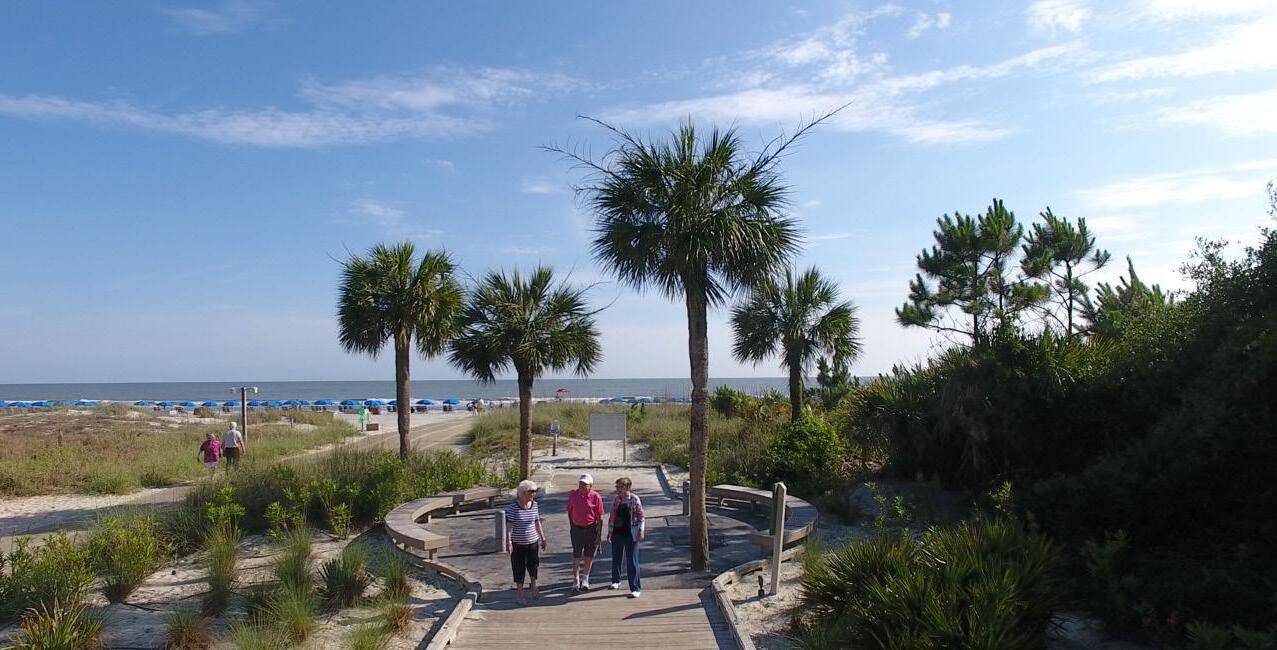


By Thomas Dowling Contributor

One of the most important—and often overlooked— decisions in estate planning is choosing an executor. An executor is the person (or organization) responsible for carrying out your wishes after you pass away. They step into your shoes to manage your financial affairs, settle debts, and ultimately ensure your assets are distributed according to your will. Without a named executor, the court will appoint someone to handle these responsibilities, removing that decision from your control.
While it may seem like a simple
choice, the role of an executor is anything but. It requires time, organization, and a strong sense of responsibility.
After someone passes, the executor’s duties typically begin with locating and filing the will. From there, they must identify all assets and liabilities, sometimes requiring a detailed search through documents, accounts, and even physical storage locations. They are also responsible for closing accounts, notifying institutions, and handling ongoing financial matters.
Financial obligations are another critical piece. The executor must pay outstanding debts, determine which creditor claims are valid, and ensure all necessary taxes are filed and paid. Only after these responsibilities are fulfilled can the remaining assets be distributed to beneficiaries.
Given the scope of these responsibilities, choosing the right person is essential.
Start by considering ability. An exec-


utor must be legally eligible, typically at least 18 years old and capable of understanding and managing financial and legal matters. Beyond that, responsibility is key. This should be someone who is organized, dependable, and comfortable following through on detailed tasks and deadlines.
Equally important is willingness. While you ultimately decide who to name, it’s wise to have a conversation beforehand. The role can be time-consuming, and clarity upfront helps avoid surprises later.
You should also think about age and health. Naming someone who is likely to outlive you—or naming a backup executor—can help ensure your plan remains intact over time.
In some cases, a professional executor, such as an attorney, accountant, or trust company, may be the right fit. This can be especially helpful if your estate is complex, your family situation is complicated, or your loved ones live

far away. While professional services typically come with a cost, they can also provide objectivity and experience during what can be an emotional and complex process.
At its core, choosing an executor is about trust. You are selecting someone to carry out your wishes, protect your legacy, and support your family during a difficult time.
Taking the time to make this decision thoughtfully can provide something invaluable, not just for you, but for those you leave behind: clarity, confidence, and peace of mind.
Thomas M. Dowling, CFA, CFP®, CIMA® is the Head of Wealth Management at Alliance Global Partners of the Lowcountry on Hilton Head. He can be reached at infohh@allianceg.com or (843) 420-1993.

1425 Okatie Hwy. (170) Hwy 170 between River’s End & Oldfield 843-379-1888 | www.palmsumc.org


May 10th
“God Understands” Matthew 13:13-27
Rev. Randall Haase
May 17th
"There are No Shortcomings” Luke 24:1-7
Rev. Randall Haase

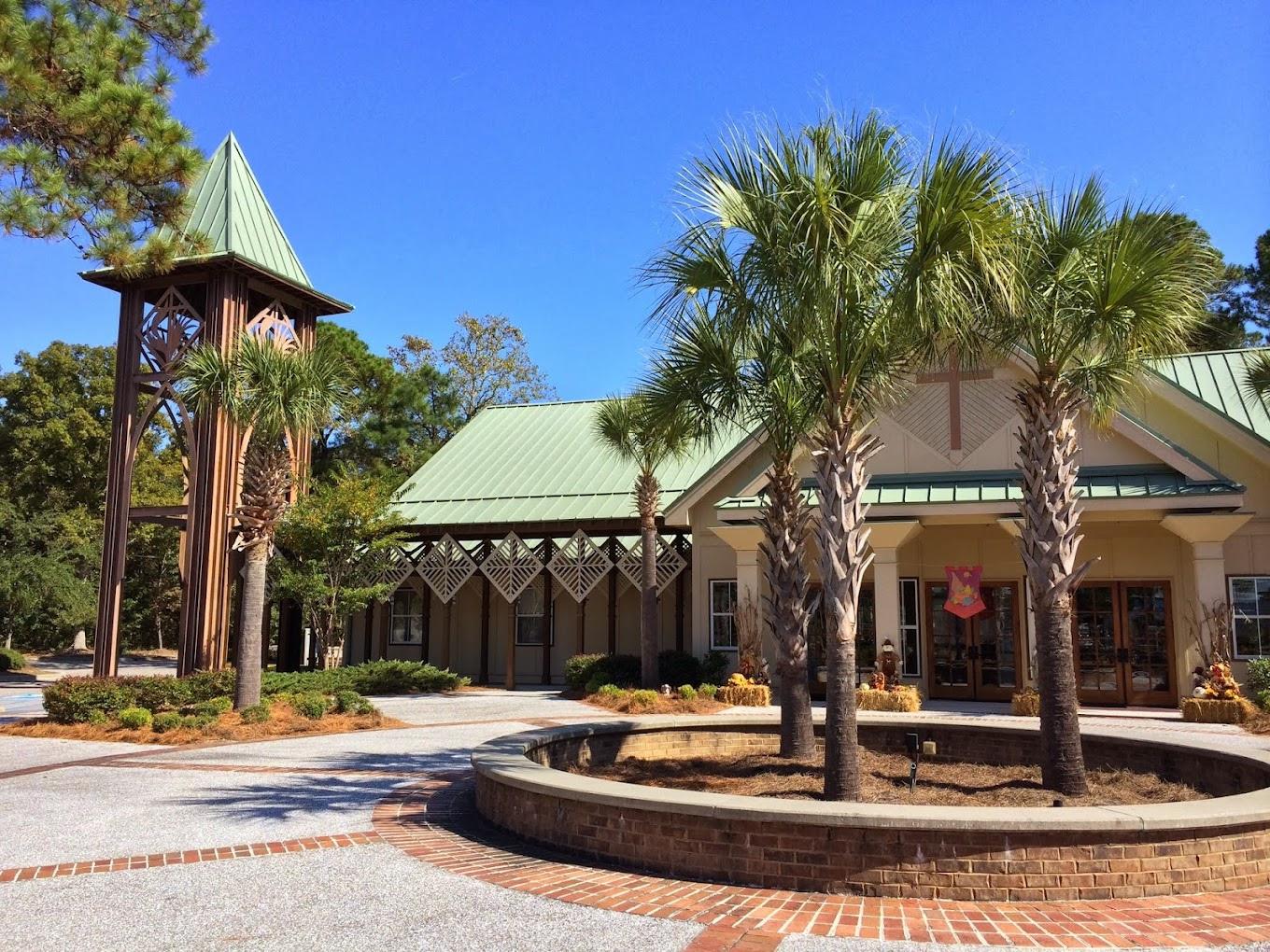
By Cinda Seamon Contributor
Thinking about getting a backyard pool or already have one?
Here are some water safety tips for your backyard pool.
Backyard pool safety measures
Many cities and states require certain safety measures for in-ground and aboveground swimming pools. But if your area doesn’t have specific laws in place, you should still implement safety measures to keep your backyard pool safe.
You can control access to your pool by:
• Installing and maintaining barriers that surround all sides of the pool, such as fencing.
• Using a self-closing and self-latching gate. Ensure the latch is high enough that a young child can’t reach it.
• Using locks and alarms to alert you when someone enters the backyard pool area.
• Remove above-ground pool ladders when they aren’t being used.
• You can also remove all toys and floats from the pool when they aren’t being used.

These objects can lure a child into the water.
Other ways to keep your backyard pool safe
It’s important to review pool rules with your family periodically and ensure you’re practicing backyard pool safety regularly.
Never swim alone, even if you’re an
adult. More than one person should always be present in case of an emergency.
Adults should be actively watching any time a child is using or playing near the backyard pool. During backyard get-togethers, designate an adult to be the pool monitor and rotate responsibilities frequently.
Teach your children to stay away from
danger zones, such as pool drains and other openings in the pool. Clothing and hair can get stuck in these openings and trap swimmers. Make sure everyone knows how to quickly shut off filters when necessary.
Every backyard pool owner should also create a pool emergency kit that is within easy reach during an emergency. Include a standard first aid kit and a floatation device to throw to struggling swimmers. Add swim lessons and cpr classes to the top of your list
One of the best ways to prevent backyard pool accidents is to enroll children in swimming lessons. They’ll learn how to swim, but they’ll also learn to respect the water and to recognize water safety concerns on their own.
You can also take a CPR, AED and First Aid class as a family. You’ll learn important lifesaving skills for a variety of emergencies. Classes are available in-person or remotely in a hybrid-format.
Cinda Seamon is the Community Risk Reduction & Outreach Program Coordinator for Hilton Head Island Fire Rescue.

By Chad Cannon Contributor

I see it all the time.
At some point after 40, things just change a little. You don’t recover as fast. Energy isn’t always there when you want it. And if you’re like most people, you’ve spent a lot of years putting everything else ahead of yourself.
But here’s the deal: This isn’t the time to slow down. It’s the time to get intentional about how you’re living.
I’ve worked with a lot of people in this stage of life, and the ones who feel good, move well and actually enjoy their life aren’t doing anything crazy. They’re just doing a few simple things consistently.
Here’s what I tell them.
Get outside at least twice a week
I’m not talking about anything extreme
here. Just get outside for 20 minutes. Walk. Sit. Breathe.
There’s something about fresh air and sunlight that just resets you. I’ve had people tell me it clears their head more than anything else they do all week. It’s simple, but most people don’t do it.
Strength train three times a week
If you asked me to pick one thing that matters most, this is it.
We start losing muscle as we get older. That’s just reality. And when that goes, everything gets harder. You don’t need to push yourself excessively in the gym. Just be consistent. And focus on strength. Lift weights. A few good workouts each week go a long way.
I’ve seen people completely change how they move and feel just by sticking with this.
Learn something every day, even if it’s just 10 minutes
This one doesn’t get talked about enough.
Read a few pages. Listen to a podcast. Watch something that teaches you something. An intentional 10 minutes a day doesn’t sound like much, but it adds up fast. More importantly, it keeps you

growing. And that matters. Eat breakfast and get more protein than you think you need all day
Most people I work with are under-consuming protein. Not even close.
Start your day with something solid, such as eggs, yogurt or a shake. Keep it simple. It helps your energy, helps with cravings and supports everything you’re trying to do physically. You don’t have to overcomplicate it. Just be more intentional.
Find your tribe
This is a big one.




If you’re around people who don’t care about their health, it’s going to be hard for you to care about yours. But when you’re around people trying to improve, something shifts. You show up more. You stay consistent. It doesn’t have to be a big group. Just find your people.
Write down your BHAG and do something about it every week
Your Big Hairy Audacious Goal. The thing you’ve always wanted to do but haven’t acted on yet.
Write it down. Make it real. Then, each week, do one thing that moves you closer. That’s it. One thing. That’s how it starts. None of this is complicated. But most people don’t do it consistently. You don’t need a complete life overhaul. Just start with one or two of these and build from there. Because the goal isn’t just to get older. It’s to feel good while you’re doing it.
Chad Cannon is a Health & Fitness Coach, Success Coach and the owner of the CannonFit Transformation Center in Bluffton. For information go to www. CannonFit.com.



By Coleman Loader Student Contributor
Students at Bluffton Middle School are helping improve daily life for local nursing home residents through a project focused on comfort, independence and dignity.
Members of the school’s Beta Club recently partnered with Sprenger Health Care facilities in Bluffton and Port Royal to provide “dignity bibs,” adaptive garments designed to protect clothing during meals while preserving a sense of normalcy for residents.
Unlike traditional bibs, dignity bibs are made to resemble everyday clothing accessories, such as scarves or napkins, allowing residents to maintain a sense of normalcy. They are typically made from soft, absorbent fabrics and are easy to secure and remove, ensuring both practicality and comfort.
At Sprenger Nursing Home, dignity bibs play a key role in enhancing the dining experience for residents. Staff members provide these bibs to individuals who may have difficulty with motor skills, tremors or other conditions that make eating independently challenging.
“Our goal is to preserve dignity in every aspect of care,” said Heather Hood, a Bluffton resident who works at a Sprenger Health Care facility in Port Royal. “Something as simple as a dignity bib can make a
significant difference in how our residents feel about themselves during daily activities like dining.”
In addition to protecting clothing, the bibs help reduce anxiety and allow residents to maintain a greater sense of independence during meals.
Dr. Linda Tuttle and her students organized a collection of flannel shirts to be repurposed into dignity bibs. The project also involved members of a local Relief Society group, who hosted a workshop to teach volunteers how to create the garments.

“We invited our friends and neighbors of all faiths to join us at our Women’s Relief Society Conference to learn how to create them,” said Michelle Morgan, a Relief Society president. “Tara Erwin of Beaufort demonstrated the process and then assisted groups cutting, pinning and sewing.”
Hood said the bibs were part of the Relief Society’s “250 acts of service” effort marking the nation’s 250th birthday.
Organizers said the collaboration highlights how small, practical items can have a meaningful impact on quality of life for older adults.
Sprenger Health Care staff continue to incorporate the bibs into daily care while expressing appreciation for the students and volunteers who contributed to the effort.
Coleman Loaderis a Beta Club student at Bluffton Middle School.
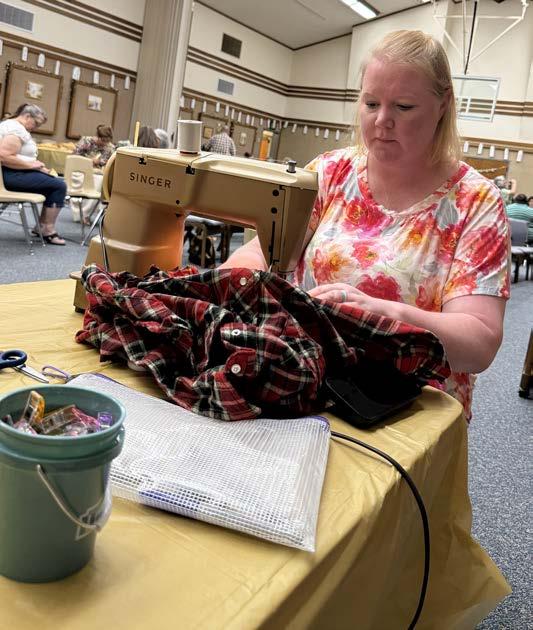
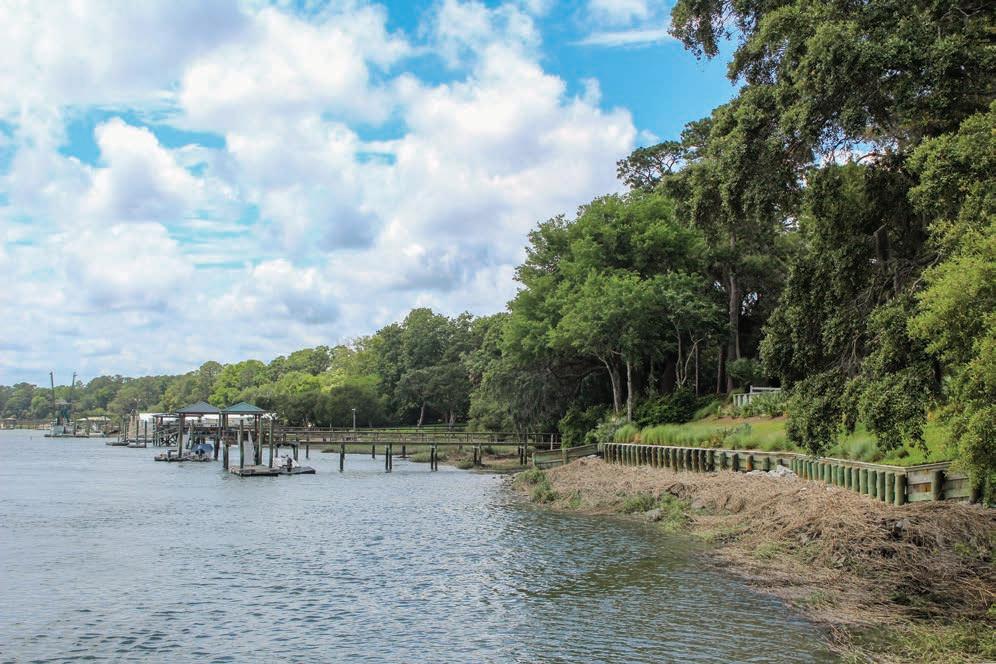


By Kevin Fitzpatrick Contributor

One of the things we learned very quickly when we landed here in the Lowcountry was how beautiful the weather can be. We also learned there are other days as well. The incredibly oppressive humidity when the Stephen King-like “dome” descends and hovers for months on end. The length of hurricane season, which, much to my surprise, is longer and just as unpredictable as snow season was back in the Northeast. Currently, however, we have not reached those Southern “winter” days. We are in that golden season when it is delightful to take long walks, the mornings and evenings
are crisp, and the sunsets serve as a reminder of why this area is so highly valued.
It was during one of these recent evenings that I was taken back in time a few years, running the gamut from broadly smiling to having tears leak from my eyes.
Easter Sunday 2020 had just ended, but it was not a normal Easter by any means. We were just learning about the seriousness of COVID-19, at that time often referred to simply as the coronavirus. The world had largely shut down, and while the weather was, as is the case in Connecticut during April, becoming very nice, we were all worried about even venturing outside the home.
I was a fairly serious runner at that time, but even that was difficult. We were encouraged to wear a mask while running, even alone and outdoors, which made it uncomfortable to breathe easily. With that in mind, I spent more time on the treadmill that had always served me well during the icy winters. I had just finished a 5-mile “jaunt” on the treadmill when, upon leaving the room, I saw an email that read simply,
Members of the Women of Palmetto Bluff held a Casino Night fundraiser March 28, 2026, in Palmetto Bluff, raising $270,000 through community and local business support. Proceeds were distributed April 28 at the group’s final social event of the year, with $135,000 each awarded to Backpack Buddies of Bluffton & Hardeeville and Bluffton Jasper Volunteers in Medicine. Michelle Bradbury, Phyllis Enloe and Steve Miller accepted on behalf of Backpack Buddies, while Pam Toney and Stephanie Bashaw accepted for Bluffton Jasper Volunteers in Medicine.

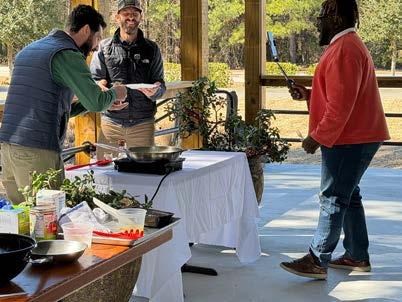
“sad news.”
That moment remains frozen in my memory. It was from one of my oldest friends, John, writing to tell me that our friend Silvio had suddenly and unexpectedly died on Easter Sunday.
We were a small group of friends for more than 60 years. Our lives had taken different paths, but whenever we managed to be in the same place at the same time, it was as if we had never been apart. Silvio and I lived closest to each other in Connecticut. We exchanged occasional texts, always promising to get together soon, but each time we made tentative plans, life got in the way.
Our last exchange was March 25, 2020. He wrote: “Hope all is well with you and your family. This is weird stuff. Let’s get together after this ends.” I replied: “Never in my life would I have believed we would be living in a world like this. We are well, thank you. Yes, we finally need to get together after all this.” He responded: “Wow, time has flown. My 50th high school reunion has been
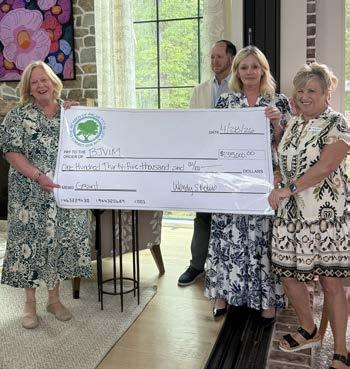
canceled. Stay well, my old friend.” I wrote back: “Ours is not supposed to happen until October, so it’s still on for the moment, but who knows. You guys stay safe as well. It’s really good hearing from you. Here’s my cell. Store it away somewhere in case you need it.” His final reply: “Here’s mine.”
As the sun was setting the other evening, I looked up, sipped my drink and smiled at the years, laughs, mishaps and tears we shared. He would have loved that sunset.
We’ll let Dan Fogelberg play us out with lines from his song “Ghosts”:
“Down the ancient corridors
And through the gates of time
Run the ghosts of days that we’ve left behind.”
Kevin Fitzpatrick is a retired teacher who, along with his wife Sue (also a retired teacher) is enjoying exploring life in the Lowcountry and all it has to offer.
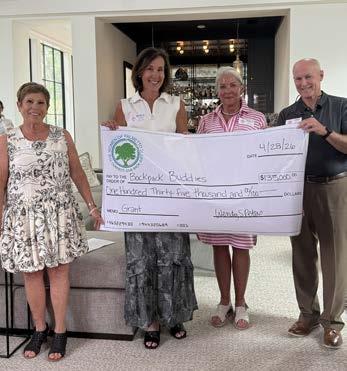
By Abby Bird aka Alphadog Contributor
Many people who want a dog are concerned about their living situation and whether it is suitable for one. A common question is which breeds are appropriate for apartments and townhouses. These settings often involve smaller living spaces, close proximity to neighbors and limited direct access to outdoor areas for exercise. It is important to evaluate your space and available resources before choosing a dog. Another factor is whether your abode has stairs or access to an elevator.
Smaller dogs are often considered better suited for compact living environments, but that is not always the case. Some larger breeds are relatively inactive indoors and are content to rest for much of the day. If you have access to outdoor space where a dog can be exercised regularly, size alone should not determine your choice. Breed considerations may also include mixed breeds.
Other factors include restrictions within your community. These may involve
limits based on breed or size.
Shih Tzu: Traditionally a good choice for apartments or other small spaces. They are playful and can get adequate exercise indoors, supplemented by short walks and occasional outdoor play. They are generally friendly and not known for excessive barking, which may make them suitable for close living quarters. Individual temperament may vary.
Pug: A suitable option for apartment living. Small and manageable, pugs are brachycephalic and do not tolerate heat or prolonged outdoor activity well. They may benefit from access to an elevator rather than stairs. In a comfortable indoor environment, they tend to do well and are not typically noisy.
French bulldog: Also well suited for small spaces. Due to their short snouts, they may have difficulty in hot weather and generally prefer cooler indoor conditions. Outdoor activity should be limited in high temperatures. They are not known for frequent barking. Stairs may present a challenge due to their build.
Cockapoos and cocker spaniels: These breeds are a manageable size for smaller living spaces. They can han-

dle stairs and are often sociable. Some individuals may be more vocal, so careful selection is important.
Cavalier King Charles spaniel: Often considered a strong choice for apartment living. While they may show hunting instincts outdoors, indoors they tend to be calm and companion-oriented. They are known for their affectionate nature.
While many people prefer smaller breeds for apartment living, some large breeds may also adapt well. Certain large dogs require relatively little exercise and may be content with a few short walks each day. With regular opportunities for outdoor activity, they can be calm indoors. Breeds that may fit this profile include Great Danes, mastiffs, Newfoundlands and some hounds. However, hounds may be prone to barking or howling. Beagles, for example, can be well suited in size but may be too vocal for some shared living environments.
Abby Bird is the owner of Alphadog Training Academy. AlphadogTrainingAcademy@gmail.com.


By Shannon Wilkinson Contributor
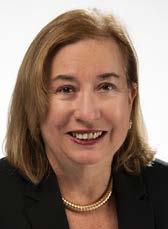
I knew nothing about birds when I returned to Hilton Head after being away for years. But it was COVID. Outside was the only place to go. “Join Hilton Head Audubon,” a friend said. “It’s a great group.”
Four years later, I’m glad I did. Birds are fascinating, beautiful creatures. And learning how to birdwatch is surprisingly social. Birders are friendly people.
They hang out with sea turtle trackers, who swap intel with salt marsh protectors, who socialize with hunters and deeply committed environmentalists. They all know a Master Naturalist here or there who just spent two weeks hiking and kayaking from Greenville to Charleston with 12 other
friends. When they get married, it is not just under an oak tree; it is a mile inside the ACE Basin.
They are citizen-scientist volunteers for the South Carolina Department of Natural Resources, and their children want to be marine biologists when they grow up. They’re good influences on healthy living: they rise with the birds, walk miles to track their prey, and eat healthy snacks because that’s the only food that fits in a pocket stuffed with a refillable water bottle.
They know every tiny thing happening within a mile of every tree, including plans you might not have heard about for a new parking lot that could take down 27 bird-filled trees unless stopped. They have good parties. At one, we saw two love-struck ospreys entwined on a limb above the wine station as a full moon rose overhead.
Your friends might roll their eyes if you mention birdwatching, but it has a cool factor. Celebrities like Paul McCartney do it. Birdwatching is also emerging as a popular, budget-friendly activity for single millennials and

Gen Z looking to meet potential partners, often connecting on Instagram using birding hashtags.
Meeting all these people was like discovering a sky full of stars shining light on the threats facing our Lowcountry. In turn, they are tied to a worldwide network of people working to keep water clean, protect land from flooding during heavy rains and hurricanes, and prevent further loss of birds and wildlife to human impact.
From these non-couch potatoes, I learned:
Every new development built here takes away habitat for birds and other wildlife. As our world grows denser, theirs grows smaller.
Most private developments use pesticides that can be harmful to people, pets and wildlife, including birds.
Birding and ecotourism are big business. Keeping the Lowcountry environment clean, green and protected from careless development benefits both the economy and property values.
Despite South Carolina’s political divisions, many residents and elected
officials agree that protecting the environment is essential to preserving the region’s natural beauty.
Protecting ecosystems remains a priority for organizations such as Hilton Head Audubon and its partners. Groups including Conservation Voters of South Carolina, Coastal Conservation League, South Carolina Conservation Coalition and the Lowcountry Land Trust work to preserve ecologically and culturally significant lands through conservation easements and partnerships with landowners.
South Carolina is one of the fastest-growing states in the nation, and neighboring Jasper County is among its fastest-growing areas. For those concerned about that growth, local organizations encourage community involvement. For more information, visit hiltonheadaudubon.org.
Shannon Wilkinson is a Member of Hilton Head Audubon & Hilton Head Island Rotary Lowcountry Environmental Group.


By Rhoda Gordon Contributor

As Mother’s Day approaches, many people find themselves thinking about the women in their families and the quiet ways they cared for them. One of those ways often lives in boxes, albums and envelopes tucked into closets and drawers.
Long before organizing or preserving photos became common, someone was already doing it. In many families, that someone was Mom.
She decided what to keep. The birthday snapshots, the school pictures, the slightly blurry vacation moments that still felt important. She may not have labeled everything perfectly or organized it in a way that made sense years later, but she made a choice, over and over again, that these moments mattered and were worth


saving.
It is easy to forget that photos were not always effortless. Film had to be developed. Prints had to be ordered. Space was limited. Every photo that made it into a box or album was there because someone chose it. These were not random collections. They were intentional. Now, many of those collections are being passed down. Children and grand-
children inherit the boxes, often with the intention of going through them someday. But without names, dates and stories, even meaningful images can become difficult to place. A familiar face begins to feel just out of reach. A moment loses its context. Over time, the connection fades. The opportunity now is to bridge that gap. When you sit down with those photos, you are not just organizing. You are con-
tinuing something that was started years ago.
Take a moment to write down a name. Ask a question while someone is still able to answer. Capture a small detail that might otherwise be forgotten. These simple actions help carry forward the meaning behind each image.
Remember, photos are not just images. They are decisions someone made to remember.
This Mother’s Day, as you think about the women who kept those memories safe, consider taking a small step to preserve them in a way that lasts. It is a quiet way to honor what they started and ensure those stories continue.
Rhoda Gordon, a local Certified Photo Manager, is the owner of Sunflower Photo Solutions and the creator of DIG YOUR PHOTOS!™, a DIY photo organizing kit. Discover more tips, tricks, and howtos on her YouTube channel: youtube.com/@digyourphotos, and visit sunflowerphotosolutions.com or digyourphotos.com for expert guidance and support with your media collection and organizing projects.

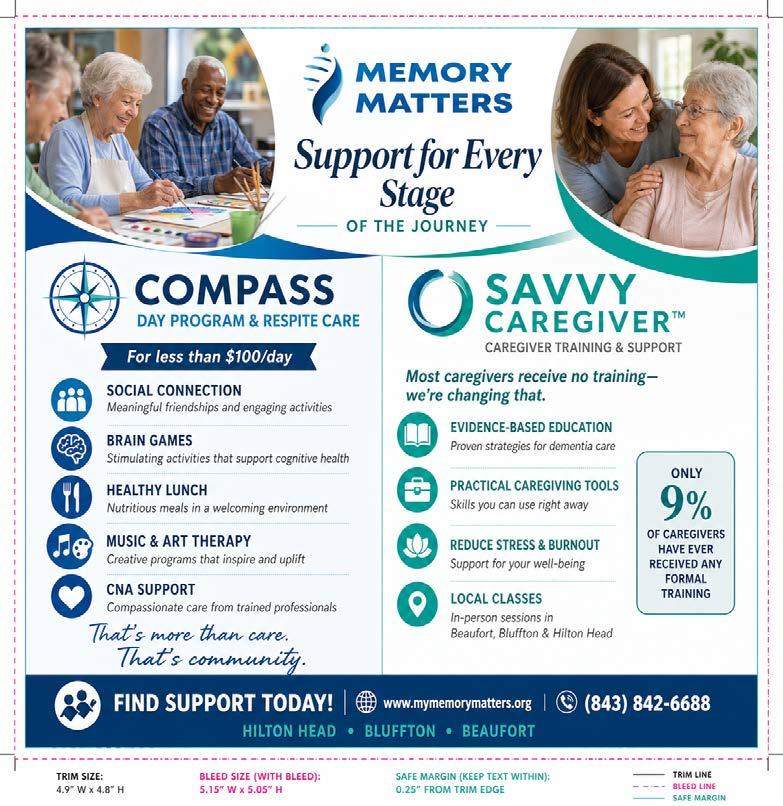
By Tracy Winslow Contributor
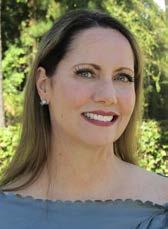
“Are you over the age of 60?”
“I’m sorry, what?”
“I said, ‘Are you over the age of 60?’”
“Yes, I heard you the first time. I just can’t believe you asked me that. I turned 52 last week.”
Granted, I was at a surgical center for a procedure reserved for people who say things like, “I walked into this room for a reason, and I can’t remember why.” But this woman checking me in wasn’t a teenager who thinks anyone over 29 should be issued a shawl and a rocking chair.
I know I was there without makeup, but it was 6:30 in the morning, I was 24 hours into a fast, and about to be

anesthetized. This is not a time to come in hot with a census question.
I’m in this weird age purgatory. I still feel young, but a quick glance in the mirror has started acting like a brutally honest life coach. My short-term memory now operates like it’s being chased by a Tasmanian devil, but the memory of the time I hit my head in third grade and everyone laughed? Crystal clear. Front row seats to a nightly 2 am replay.
My teenagers keep me young while also reminding me that my time on earth is apparently part of their future home décor. My younger daughter has informed me that when I die, she plans to encase my body in resin and turn me into a coffee table.
So, I’ve got that going for me. And now I’m at this appointment. The one I put off for years because it felt like crossing into “old people territory,” and also because not eating for 24 hours turns me into someone no one should legally have to interact with. They leave me alone in a prep room with nothing but my thoughts and
wearing what can only be described as an aggressively unflattering napkin with sleeves. My brain should not be left alone unsupervised for this long. Eventually, they knock me out for what feels like five seconds.
When I wake up, the doctor tells me they found a large mass near my appendix.
I’m still foggy, trying to figure out if this is real life or a very dark episode of something on Netflix. He says I’ll need surgery regardless of the biopsy results, which will come in a few days.
And just like that, everything shifts. I was not ready to die.
I mean, no one ever is, except maybe my grandmother, who treated every birthday like a personal attack from the universe. But I’m 52. I’m finally in a place where I like my life. I like myself. I worked hard to get here, and I ‘m not interested in getting kicked out right after I finally found my seat and ordered a drink.
Those few days waiting for results felt like years. I cried. I spiraled. I ate an irresponsible amount of ice cream as if
Kroger was sponsoring my coping plan. Finally, the call came. It’s benign. Relief doesn’t even begin to cover it. So yes, I celebrated the only reasonable way I know how. I bought more Breyer’s mint chocolate chip. Because time may be a thief, and occasionally a full-blown jerk…but for now, it’s still letting me hang around.
And I plan to take up space.
Starting with a 3,000-calorie hot fudge sundae—because if I’m destined to become my daughter’s furniture, I’m not showing up as some dainty little accent piece. I’m going full dining-room table size.
Tracy Winslow is the owner of Low Country Shrimp and Knits - the premier yarn store in the area. When she isn’t stuffing her face with frozen milk and calling it calcium intake, she is building out a new and bigger space for the shop! Come help reduce the amount she has to move by casting on a new obsession or picking up a new fiber hobby. Shrimpandknits.com.










Community Foundation of the Lowcountry is proud to partner with the Heritage Classic Foundation (HCF) for the Heritage Classic Foundation Scholarship Endowment Fund.
Every year, HCF awards scholarships to 11 deserving high school seniors from Beaufort and Jasper counties. Since the program began in 1993, HCF has distributed $5.8 million in scholarships to over 400 students.
Community Foundation of the Lowcountry is proud to partner with the Heritage Classic Foundation (HCF) for the Heritage Classic Foundation Scholarship Endowment Fund.
Every year, HCF awards scholarships to 11 deserving high school seniors from Beaufort and Jasper counties. Since the program began in 1993, HCF has distributed $5.8 million in scholarships to over 400 students.

The scholarship endowment fund’s purpose is to increase need-based scholarships available to local students, while ensuring HCF Scholar Program’s growth and longevity. Scan the QR code to donate to the
The scholarship endowment fund’s purpose is to increase need-based scholarships available to local students, while ensuring HCF Scholar Program’s growth and longevity.
Community Foundation of the Lowcountry is proud to partner with the Heritage Classic Foundation (HCF) for the Heritage Classic Foundation Scholarship Endowment Fund.
Community Foundation of the Lowcountry is proud to partner with the Heritage Classic Foundation (HCF) for the Heritage Classic Foundation Scholarship Endowment Fund.
Scan the QR code to donate to the Heritage Classic Foundation Scholarship Endowment Fund
Every year, HCF awards scholarships to 11 deserving high school seniors from Beaufort and Jasper counties. Since the program began in 1993, HCF has distributed $5.8 million in scholarships to over 400 students.
Every year, HCF awards scholarships to 11 deserving high school seniors from Beaufort and Jasper counties. Since the program began in 1993, HCF has distributed $5.8 million in scholarships to over 400 students.
year, HCF awards scholarships to 11 deserving high school seniors from Beaufort and Jasper counties. Since the program began in 1993, HCF has distributed $5.8 million in scholarships to over 400 students.
The scholarship endowment fund’s purpose is to increase need-based scholarships available to local students, while ensuring HCF Scholar Program’s growth and longevity.
The scholarship endowment fund’s purpose is to increase need-based scholarships available to local students, while ensuring HCF Scholar Program’s growth and longevity.

The scholarship endowment fund’s purpose is to increase need-based scholarships available to local students, while ensuring HCF Scholar Program’s growth and longevity.
Scan the QR code to donate to the Heritage Classic Foundation Scholarship Endowment Fund

By Sasha Sweeney Editor
Hilton Head Island Airport’s newly completed terminal concourse is set to open to passengers following a media preview April 30, marking the end of the first phase of a more than $40 million improvement project.
The new space, part of a terminal expansion totaling more than 27,000 square feet, is designed to guide passengers from ticketing through security and into new boarding areas. Airport officials led a walkthrough of the facility, highlighting changes that include a new Transportation Security Administration checkpoint, expanded gate areas and the airport’s first boarding bridges.
“First of all, welcome to the brand new terminal concourse at Hilton Head Island Airport,” said Jon Rembold, the airport director for Beaufort County.
Deputy Airports Director Stephen Parry guided the tour, explaining passenger flow and pointing out new features. The redesigned checkpoint includes space for two X-ray machines and expanded queuing areas.
Beyond the security checkpoint, the concourse opens into an expanded waiting area with significantly increased seating capacity. Rows of connected seats are arranged alongside loungestyle chairs and high-top seating, offering a range of options for passengers.
“This is a much different experience and definitely in line with what you would expect at a top-tier airport,” Parry said during the walkthrough.
A central bar and concessions area sits at the heart of the concourse, surrounded by seating. Large overhead monitors are positioned above the space and are visible from the waiting area.
Floor-to-ceiling windows line one side of the concourse, bringing in natural light and providing views of the airfield and boarding bridges.
A large, multi-panel artwork installation spans one wall of the seating area. The piece incorporates abstract coastal imagery and serves as a focal point within the terminal.
Overhead, exposed structural beams and modern lighting fixtures run the length of the concourse, contributing to the updated design of the facility.
One of the most significant changes for passengers is the addition of boarding bridges, which allow boarding without going outside.
“This is the first time we have boarding bridges at the airport,” Parry said.
Airport officials said the new concourse is nearly triple the size of the current terminal and is intended to ease congestion.
Rembold said the project has been years in the making. Construction on the current phase took about two years, while planning and design extended the timeline to roughly six years.
The airport operates on about 200 acres and is described by officials as the smallest commercial service airport in the United States by acreage. Despite its size, it handles an estimated 300,000 passengers annually, according to airport leadership.
Phase II of the project will focus on renovating the existing terminal to match the new concourse. That work will include a new baggage claim system with a traditional carousel, replacing the current setup.
Additional improvements under consideration include parking lot upgrades and expanded concessions featuring local offerings.For more information, visit hiltonheadairport.com.



By Nick Martin Contributor

As we age, we may become more susceptible to fraudsters who make a living preying on retirees. This can be especially true for widows and widowers who are making decisions alone and may be particularly trusting of friendly strangers. In order to protect ourselves and those we love, it’s important to be aware of the most common scams older Americans fall for.
1. Lottery scam
You get an unsolicited phone call or email saying you’ve won a large prize. All you need to do is send money to pay for shipping, taxes or some ancillary fee. You send the money, but the fictional prize never arrives.
2. Grandchild scam
Your grandchild calls to confess her troubles. Or so you think. It’s not uncommon for someone posing as your grandchild to call and, preying on your compassion, claim to be in a crisis situation and need money urgently. They may also beg you not to call their parents (which would give the scam away).
3. Charity scam
You donate to one charity and end up
being on every charity list. That’s because they sell your name, phone number and email to other nonprofit and commercial organizations. These could include companies with similar names to charities you support – but they exist solely to scam donations.
4. Computer scam
Someone calls pretending to be from a major company, such as Microsoft, and says he can see that your computer has a virus. He offers to help you get rid of it by asking you to log into a website that lets him control your computer – then steals your ID information.
5. Timeshare scam
If you own a timeshare, you may get a call from someone claiming they’re authorized to sell it for you, for a fee. After paying, however, you never hear from them again.
6. Homeowner scam
A man comes to your door and offers to clean your gutters or trim your trees, which sounds like a good idea. Until he asks for prepayment and never completes the job.
7. Medical scam
You get an unsolicited call about a discounted price for some kind of medical equipment (i.e., heart monitor, wheelchair or bathtub bench). You’re asked for a deposit and your personal information or Medicaid number to send the equipment, which never arrives.
8. Foreclosure scam
You’re approached by a “professional” who claims your home is under threat of foreclosure and offers to pay off your
mortgage or taxes if you sign over the deed to the property. With your deed, the fraudster can then refinance the mortgage for the full value of your home and take the money. Keep in mind, even if you sign over a deed to someone, you are still liable for your mortgage obligations.
9. Caregiver and sweetheart scam
These predators claim to care deeply for you or your well-being, but after winning your trust, they gain access to your accounts to steal money or identity information.
10. Title company scam
Before purchasing or closing on a new property, a scammer intercepts an email from your real estate agent or title company. You’re then sent fraudulent payment instructions to complete the transaction. Red flags include last-minute changes to instructions, a change in tone or word choice from prior emails, a new sender address and multiple payment requests.
These scams are common and widespread. But speaking with trusted loved ones or your financial professional before making decisions can help you avoid these traps. Additionally, keep in mind these tips for staying safe:
• Don’t pay for things you don’t remember ordering.
• Don’t give your personal information to unknown third parties.
• Work with financial institutions that use fraud protection to safeguard your credit card and banking information.
• Don’t click links in the body of suspicious emails, especially if they
claim to come from your bank, credit card company, real estate agent or title company. Instead, log in to the company’s official website or call them directly to verify.
• Don’t let strangers into your house. Instead, ask for a business card and say your spouse, kids or lawyer will be in touch.
• Be wary of caregivers and suitors, especially if you notice signs of substance abuse or other red flags.
• Limit the purchases and donations you make by check, which may list your home address or other key data.
If you suspect you’ve fallen victim to a scam or that your identity has been compromised, it’s time to act. Report the incident to your advisor right away to help protect your accounts, and consult identitytheft.gov to see the Federal Trade Commission’s recommendations for critical next steps. Additionally, reporting cybercrime incidents to the FBI can help federal agencies respond quicker and more effectively to threats.
Nick Martin is a financial planner and the founder of Bluffton Financial Planning. Bluffton Financial Planning is not a registered broker/dealer, and is independent of Raymond James Financial Services. Investment advisory services offered through Raymond James Financial Services Advisors, Inc.
By Katie Licata Contributor
A young dog’s fight to survive has become a story of community support after local donors helped fund a critical surgery through the Palmetto Animal League.
Quint, just over a year old, arrived at the rescue with a broken jaw that made it difficult to eat and caused ongoing weight loss. Without surgery, the injury could have required removal of his lower jaw, a procedure that would have significantly affected his quality of life.
The cost of surgery, estimated at $12,000, posed a major challenge.
Staff at Palmetto Animal League launched a fundraising effort, turning to the community for help. Support came quickly after the organization shared Quint’s story on social media. Donations began to arrive, and individuals helped expand the reach by sharing the campaign within their own networks. Matching donations from supporters further accelerated the effort, bringing the total within reach.
The fundraising success allowed Quint to undergo surgery April 2 in Savannah. According to the organization, the procedure was successful, and the dog is recovering.
Rescue officials say the response
highlights the role the community plays in helping animals in need.
Palmetto Animal League, based in Bluffton, focuses on rescuing, treating and rehoming dogs and cats. The organization also offers affordable veterinary services and operates a thrift store to help support its programs.
For Quint, the outcome marks a turning point after weeks of uncertainty. With surgery complete and recovery underway, he is expected to have a healthier future.
Katie Licata is the Director of Marketing at Palmetto Animal League palmettoanimalleague.org

By Tamela Maxim Contributor
The story of the South Carolina Lowcountry’s place in global history begins across the Atlantic in 1492, when Christopher Columbus set sail from Spain with one small vessel and two larger ships. His ambitious expedition, intended to find a faster western route to Asia, instead brought him to the Americas.
Within a few short years of Columbus’ arrival in the New World, Spain moved aggressively to capitalize on its investment.
By the mid-1490s, Spanish settlers had established one of the first permanent European footholds in the Western Hemisphere on Hispaniola. Exploration soon expanded across the Bahamas and Cuba, and into mainland Mexico and Peru. Florida was charted in 1513, setting the stage for European attention to what would become the southeastern United States.
By the 1520s, Spanish expeditions were probing the Atlantic coastline north of Florida. Reports emerged of a “Land of Giants” somewhere between present-day Tybee and Edisto islands.
Lucas Vázquez de Ayllón, a Hispaniola-based planter, sought new labor sources after disease devastated Indigenous Caribbean populations. He dispatched expeditions northward that returned with descriptions of giants in a region called
Chicora.
A follow-up expedition by Francisco Gordillo reached the South Carolina coast. Through deception, many Chicora Indians were taken captive and transported to Hispaniola. Ayllón was not pleased.
He had instructed Gordillo to establish friendly relations with Native Americans. The captives were freed, but no provisions were made for their return home, and many died. One who survived was baptized as Francisco de Chicora. More about him later.
Spain’s interest in the Lowcountry soon extended beyond labor. The region held immense strategic value because of the Atlantic wind system. Spanish ships traveling from the Americas to Europe relied on the Gulf Stream and prevailing westerly winds—currents that carried them northeast from the Caribbean, passing just off the Carolina coast before heading toward Spain.
Control of this corridor meant protection—or interception—of treasure-laden fleets returning from the New World. As European rivals such as France and England increasingly sponsored privateers to raid Spanish ships, the Lowcountry emerged as a critical maritime crossroads.
Beginning in 1526, Spain repeatedly attempted to establish a settlement near present-day Port Royal Sound, which it called Santa Elena. Despite recognizing its
strategic importance, these efforts were plagued by administrative missteps and logistical failures.
Seizing the opportunity, France entered the contest. Under the direction of Gaspard de Coligny, a Protestant leader at the French court, an expedition led by Jean Ribault arrived in 1562 with 150 Huguenot settlers. They established Charlesfort on what is now Parris Island and renamed the surrounding waters Port Royal for its grandeur.
The French settlers initially built alliances with local Native communities and began adapting to the coastal environment. But their foothold proved fragile.
France’s inability to resupply the colony—largely because of religious conflict at home—left the settlement isolated. Food shortages, deteriorating relations with Indigenous neighbors, and internal unrest led to mutiny.
In a remarkable but desperate effort, the remaining colonists constructed a crude vessel using local materials—wood, grapevines, Spanish moss and even their own clothing for sails. Without navigation tools or experienced shipbuilders, they embarked on a perilous Atlantic crossing in 1563.
Against all odds, some survived the journey back to Europe, though not without resorting to extreme measures, including cannibalism. The abandoned
outpost remained unknown to Spain until 1564, when a Spanish force arrived expecting confrontation but instead found only ruins—and a lone French survivor who had refused to risk the voyage home.
These early episodes—marked by ambition, miscalculation and human drama—firmly placed the Lowcountry on the map of competing European empires. What began as a misdirected quest for Asia evolved into a high-stakes struggle for control of trade routes, territory and influence along the Atlantic seaboard.
The consequences of these encounters would shape the region’s history for centuries.
What did I learn while researching the beginnings of the South Carolina Lowcountry?
Discovery comes with drama.
Money changes everything. Ridiculous plans and impossible pursuits are recipes for great stories.
* Jean Ribault is believed to have spelled his name with an “l,” but the name is spelled (perhaps incorrectly) Ribaut in Beaufort and Parris Island.
Tamela is a proofreader and book editor; she hosts paint parties for adults, art and drama camp for kids, and is the art teacher at May River Montessori. www.tamelamaxim.com www.artposseproductions.com
By Ryan Chowansky Contributor

The American home improvement industry is a $600 billion market. That’s billion with a B. Bigger than the airline industry. Bigger than the music, movie and video game industries combined. It is also one of the most complained-about industries in the country. Year after year, home improvement and construction trade places
with the auto industry for the No. 1 spot on the Consumer Federation of America’s list of top complaints, right up there with questionable used car dealers.
Why? Because contractors disappear. They underbid a job, then change-order the homeowner into the poorhouse. They show up late, leave early or don’t show up at all. They do work so poorly that another contractor has to come fix it, if another contractor will even take the job.
That is the industry you are hiring from when you get three bids and pick the cheapest one.
Every year at my company, we get calls to come rescue someone else’s job. Work that was never finished. Tile that came loose six months after installation. Sometimes we did not come in as the lowest bid on that same job. The
homeowner went with the cheapest option, got overwhelmed with change orders and either lost contact with the contractor or had to remove them from the job. There is a difference between cheap and affordable. Cheap does not mean value. Sometimes cheap means you pay twice.
That stings, and we do not like that for anyone.
Most of the time, we have to turn those rescue jobs down. They are too far gone. You cannot always fix a bad situation after the fact. Have jobs gone sideways for us? Yes. Anyone who says otherwise is either not being honest or has not been in business long enough to know better. But we have always worked to get back on track. We have never walked off a job. We have never left a client without support. We have finished the work every time we were
allowed to do so, sometimes paying out of our own pocket to make it right. That is the difference between a contractor and a company. So the next time you have a project, find the right contractor and get it done correctly the first time. Do not just look at the number at the bottom of the page. Look at who is providing it. Have they been in business more than five years? Do you know someone who has used them? Do they have a real address, a team and a track record you can verify?
The lowest bid is rarely the cheapest price. It is usually just the first payment. Hire local. Hire proven. Get it done right the first time.







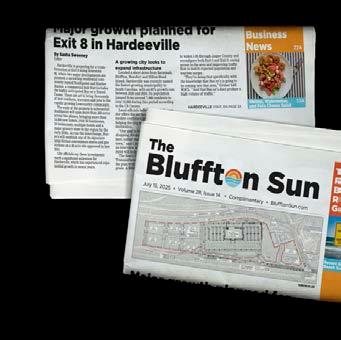









248 BLEECKER STREET S

The Towns at Washington Square
Modern Coastal | End Unit | 3BD/2.5BA
$499,500 | MLS#506823
91 FARNSLEIGH AVENUE

Hampton Hall
Curated Design | Updated | Oversized Lanai
$1,400,000 | MLS#504872
25 MARTHA LANE
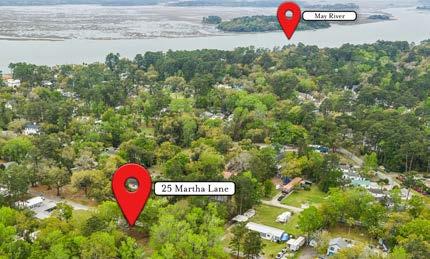
Alljoy | Bluffton
1.53 Acres | Golf Cart & Boat Friendly
$1,700,000 | MLS#505922


Sun City
Camellia Model | Flex Room | New Roof
$359,000 | MLS#507057
169 PINECREST DRIVE

Pinecrest
Screened Porch | Lagoon & Golf View
$560,000 | MLS#505261
38 SPIRIT WAY

Heritage At New Riverside
3BR/2BA | Fenced Backyard | Screened Porch
$425,000 | MLS#506409

Video gallery with local insights
MLS search across multiple markets
New construction communities in the Lowcountry
55+ active adult communities
Local real estate blog with current insights
Monthly market reports and housing trends
In-depth neighborhood guides
POA and HOA fee comparisons
Custom real estate alerts (E-Alerts)
The Lowcountry Insider’s Guide