Blufft n Sun

By Sasha Sweeney Editor
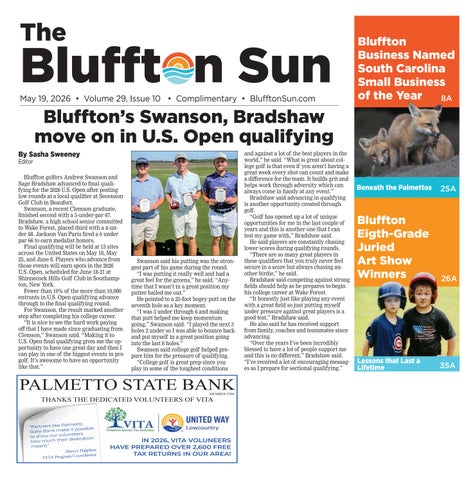
Bluffton golfers Andrew Swanson and Sage Bradshaw advanced to final qualifying for the 2026 U.S. Open after posting low rounds at a local qualifier at Secession Golf Club in Beaufort.
Swanson, a recent Clemson graduate, finished second with a 5-under-par 67. Bradshaw, a high school senior committed to Wake Forest, placed third with a 4-under 68. Jackson Van Paris fired a 6 under par 66 to earn medalist honors.
Final qualifying will be held at 13 sites across the United States on May 18, May 25, and June 8. Players who advance from those events will earn spots in the 2026 U.S. Open, scheduled for June 18-21 at Shinnecock Hills Golf Club in Southampton, New York.
Fewer than 10% of the more than 10,000 entrants in U.S. Open qualifying advance through to the final qualifying round.
For Swanson, the result marked another step after completing his college career.
“It is nice to see the hard work paying off that I have made since graduating from Clemson,” Swanson said. “Making it to U.S. Open final qualifying gives me the opportunity to have one great day and then I can play in one of the biggest events in pro golf. It’s awesome to have an opportunity like that.”

Swanson said his putting was the strongest part of his game during the round.
“I was putting it really well and had a great feel for the greens,” he said. “Anytime that I wasn’t in a great position my putter bailed me out.”
He pointed to a 25-foot bogey putt on the seventh hole as a key moment.
“I was 3 under through 6 and making that putt helped me keep momentum going,” Swanson said. “I played the next 3 holes 2 under so I was able to bounce back and put myself in a great position going into the last 8 holes.”
Swanson said college golf helped prepare him for the pressure of qualifying.
“College golf is great prep since you play in some of the toughest conditions

“Partners like
-Sherry Halphen VITA Program Cooridantor

and against a lot of the best players in the world,” he said. “What is great about college golf is that even if you aren’t having a great week every shot can count and make a difference for the team. It builds grit and helps work through adversity which can always come in handy at any event.”
Bradshaw said advancing in qualifying is another opportunity created through golf.
“Golf has opened up a lot of unique opportunities for me in the last couple of years and this is another one that I can test my game with,” Bradshaw said.
He said players are constantly chasing lower scores during qualifying rounds.
“There are so many great players in these qualifiers that you truly never feel secure in a score but always chasing another birdie,” he said.
Bradshaw said competing against strong fields should help as he prepares to begin his college career at Wake Forest.
“It honestly just like playing any event with a great field so just putting myself under pressure against great players is a good test,” Bradshaw said.
He also said he has received support from family, coaches and teammates since advancing.
“Over the years I’ve been incredibly blessed to have a lot of people support me and this is no different,” Bradshaw said. “I’ve received a lot of encouraging messages as I prepare for sectional qualifying.”


























t Beaufort Memorial, our nationally recognized team of orthopedic and spine care specialists is dedicated to helping you live life to the fullest—free from pain.
Our board-certified, fellowship-trained surgeons bring exceptional skill and experience to your care. Using the latest technologies and diagnostics—including Mako SmartRobotics™ and VELYS™ robotic-assisted joint replacement—as well as a personalized recovery plan, we’re with you every step to get you moving like yourself again.


Visit BeaufortMemorial.org/Ortho and get back to enjoying each of life’s moments.




At Beaufort Memorial you’ll also find:
• Joint preservation therapies
• Numerous non-surgical treatment options
• A personalized approach to restoring mobility and joint function
• Pre-operative education classes that engage patients and caregivers in the healing process
• An Optimization Program that follows you through the process to ensure the best outcomes
• Outpatient and in-home rehab services to get you back to doing what you love faster
By Sasha Sweeney Editor
The Bluffton Township Fire District recognized firefighters, staff members and volunteers for acts of bravery, years of service and professional achievement during its annual Awards Night and Dinner held in conjunction with International Firefighters’ Day.
The district, which serves nearly 246 square miles in southern Beaufort County, also recognized 38 employees who received promotions in 2025 and 49 employees celebrating work anniversaries ranging from two to 35 years of service.
Among the district’s highest honors was the Medal of Valor, awarded to Driver/Operator Justin Bowers. The award recognizes “conspicuous courage in the face of immediate, life-threatening peril” and is presented only under extraordinary circumstances, according to the district.
District officials said Bowers was off duty when a worker was electrocuted in the ceiling space of a county building. Bowers rendered aid and continued lifesaving efforts until additional emergency medical personnel arrived. The worker survived and was released from the hospital the following day.
Bowers also received the American Legion Post 205 Firefighter of the Year award, which recognized the same incident.
The Medal of Merit was awarded to Driver/Operator Brandon Morgan and Firefighter Joseph Kordus after the pair responded to a vehicle that had overturned in a pond.
According to the district, Morgan and Kordus worked alongside bystanders to lift the submerged pickup truck enough to free the driver, who was pinned underwater. Officials said their actions saved the driver’s life.

Several teams received Unit Citations recognizing outstanding group perfor-
mance. Those honored included the Community Risk Reduction Team, the Dolphin Rescue Team and the Squad 38 Senior Resource Team.
Volunteer Leslie Jones-Hart received the Johnny Fender Memorial Award for service to the department and community safety, while Kristen Hatcher was recognized with the Auxiliary Member Achievement award.
The district also recognized officers, firefighters and staff employees of the year from each shift.
Officer of the Year honors went to Capt. Jason Brahm of Shift 1, Capt. Travis Boulware of Shift 2 and Lt. Carson Stone of Shift 3.
Firefighter of the Year awards were presented to Senior Firefighter Matthew Baker of Shift 1, Senior Firefighter Matthew Wallet of Shift 2 and Driver/Operator Missy Keller of Shift 3.
Capt. Brian Hart, quartermaster, received the Staff Employee of the Year award.
Sale
The ceremony also recognized longtime employees for milestone anniversaries with the district.
Battalion Chief Todd Harvey marked 35 years of service. Deputy Chief Derek Church, Battalion Chief Michael Rehill, Capt. Emerson Kovalanchik and Senior Firefighter Allen Cramer each were recognized for 30 years of service.
Battalion Chief Jayme Beach and Senior Firefighter Matthew Henne were honored for 25 years with the district, while Capt. Jerry Piccioli, Capt. Ed Rhodes and Driver/Operator Enrique Baez were recognized for 20 years of service.
“On International Firefighters’ Day, we are reminded why this work matters,” Fire Chief David Hindman said in a statement. “These individuals represent the very best of our profession. We are proud to serve alongside them, and we are grateful for the families who stand behind them every single day.”
thru May 18
select Anderson Tuftex®, COREtec®, and Shaw Floors® products.

Current Circulation Via USPS is 24,884
Editor
Sasha Sweeney editor@blufftonsun.com
Page Designer
Cary Howard cary@blufftonsun.com
Advertising
Mary Ann Kent, Sales & Marketing Manager
843-575-4151
BJ Frazier, 843-422-2321
Claudia Chapman, 814-434-3665
Mary Pat Gifford, 912-414-7122
Contributors
Russell Baxley
Rich Bernstein
Abby Bird
Lisa Hostetler Brown
Chad Cannon
Zach DeLoach
Collins Doughtie
Willy Fanning
Kevin Fitzpatrick
Annelore Harrell
Jean Harris
Channing Heiss
Andrea Hoerner
Kenneth Horup
Edwina Hoyle
By Rep. Weston Newton Contributor
Contact us
Wendy Kushel
Nanette Makrauer
Nick Martin
Tamela Maxim
Weston Newton
Leslie Rohland
Chris Roosa
By Lucy Rosen
Joy Ross
Gary Smythe
Joseph Turino
Mark F. Winn
PO Box 2056, Bluffton, SC 29910
843-757-9507
Physical address: 181 Bluffton Rd., Ste F103-2, Bluffton, SC 29910 BlufftonSun.com
All contents are copyrighted by Beaufort Media Group LLC. All rights reserved. Nothing may be reprinted in whole or in part without written permission from the publisher. All submissions must include name, address and phone number. The Editor reserves the right to edit or reject any material, including advertisements. The Bluffton Sun does not verify for licenses, endorse nor warrant any advertised businesses or services. The opinions and views expressed in the editorials are not necessarily those of the Editor and Publisher. Hilton Head Island-Bluffton Chamber of Commerce, Greater Bluffton Chamber of Commerce, Old Town Bluffton Merchants Society.
THE BLUFFTON SUN Issue 9, May 19, 2026, is published twice monthly by Beaufort Media Group, LLC, 181 Bluffton Rd Suite F103-2 Bluffton, SC 29910. Periodicals Postage paid at Bluffton, SC and at additional mailing offices. POSTMASTER: Send address changes to THE BLUFFTON SUN, PO Box 2056, Bluffton, SC 29910-2056.
As the legislative session continues winding down, we are seeing major legislation advance, more bills head to the governor’s desk, continued work on the state budget and strong momentum on key House priorities.
In Columbia, the House unanimously passed S.831, a major step forward in modernizing South Carolina’s transportation system, reducing traffic congestion and delivering road projects faster and more efficiently. As South Carolina continues experiencing rapid growth, this legislation focuses on fixing not just our roads, but the system behind them.
S.831 cuts costly bureaucratic red tape, streamlines processes within SCDOT and creates stronger accountability to help projects move from planning to construction much more quickly. The goal is simple: get roads built faster, reduce delays and help families spend less time stuck in traffic and more time at home.
The legislation also takes a practical approach to addressing congestion through “choice lanes” (optional toll roads), giving drivers the freedom to choose a faster route when they want it while keeping all existing lanes in place at no additional cost to taxpayers. Because these projects can be privately funded, the legislation helps expand infrastructure capacity without raising taxes. It also frees up more state transportation dollars for rural roads and other critical infrastructure needs across South Carolina.
Finally, the bill includes common-sense reforms designed to modernize how major road projects are delivered, including phased design-build authority that accelerates construction timelines and reduces unnecessary delays.
The House continued work on the state’s 2026-27 budget after receiving Senate amendments, moving one step closer to delivering $1 billion in tax relief while investing in South Carolina’s core priorities.
The House budget remains focused on responsible, conservative budgeting that supports infrastructure, public safety, education, workforce development and economic growth without expanding government. As I previously detailed in this space, key items in the budget include major funding for road improvements, bridge modernization and interstate construction projects; investments in law enforcement, emergency communications and public safety infrastructure; increased support for teacher pay, school safety and workforce development programs; funding for scholarships and job training opportunities to strengthen South Carolina’s workforce; and support for local community organizations, volunteer emergency services and programs serving families across the state, including $4 million for the Alljoy sewer extension project that I fought for to protect and preserve the May River.
As negotiations continue between the House and Senate, we remain focused on delivering a final budget that keeps South Carolina financially strong, invests in core priorities and puts more money back into the pockets of taxpayers.
The Small Business Regulatory Freedom Act, H.3021, officially passed the Senate last week with amendments and now heads back to the House. This legislation is focused on cutting unnecessary regulations, reducing burdensome government
red tape and making it easier for South Carolina’s small businesses to grow, hire and succeed. House Republicans remain committed to creating a stronger business climate that supports job creators and keeps South Carolina economically competitive.
Additionally, the Sexual Exploitation of a Minor Penalty Increase Bill, H.4804, passed on the Senate floor and is headed to the governor’s desk. This legislation closes dangerous loopholes, increases penalties for offenders and ensures repeat offenders face mandatory prison time. Protecting children remains a top priority, and South Carolina continues taking strong action to hold predators fully accountable.
Finally, the House also passed S.582, the Citizens-Only Voting Constitutional Amendment, which would ensure that only United States citizens can vote in South Carolina elections. As other states, including California, Vermont and Maryland, move toward allowing noncitizens to participate in certain local elections, South Carolina is taking action to protect the integrity of elections and make clear that voting is a right reserved for American citizens only. This constitutional amendment reinforces secure elections, strengthens public confidence in the system and ensures laws are clearly enforced.
As always, I appreciate the opportunity to represent you and to keep you informed about the work being done in Columbia. It is my honor and privilege to represent the Lowcountry in the House of Representatives.
I welcome your feedback and encourage you to reach out to me if you have any questions or if I may be of assistance.
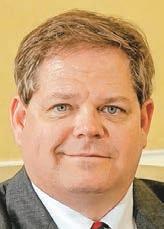
Weston Newton is the representative for District 120 in the State House of Representatives.
I travel the Bluffton parkway several days a week and have noticed for the last couple of years that the trees, especially the palms look awful and need pruning as do most of the hardwoods. Why must this signature roadway look so unkept and untidy? This roadway is now a busy and “first look” roadway into
our community. I think Bluffton public works and maintenance could do a much better job of keeping the roadway a welcoming roadway to our community.
Kay Williams

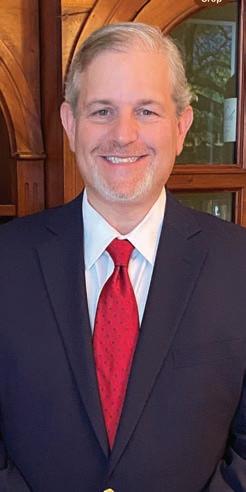





Bluffton Financial Planning is a boutique wealth management firm committed to delivering quality advice to a fiduciary standard, personalized service, tax-efficient investment strategies and comprehensive financial planning.
Nick and Izaac are a unique team characterized by the quality of their education, their veteran backgrounds and their combined 24 years financial planning experience. They understand the shifting dynamics when preparing for retirement, transitioning to retirement and living in retirement.
Market volatility is here, Bluffton Financial Planning is providing value through quality advice and effective communication. Let’s talk!




By The Bluffton Sun Staff
Beaufort County School District is launching a new summer food program that will provide free weekly breakfast and lunch meal kits for children during the summer months.
The program, called Groceries-to-Go, is being offered in partnership with The Nutrition Group and will run from June 11 through July 31, according to information released by the district.
The program is open to children age 18 and younger, as well as eligible individuals older than 18 with disabilities who participate during the school year in qualifying programs.
Families will be able to pick up weekly grocery kits on Thursdays from 4 p.m. to 6 p.m. and Fridays from noon to 2 p.m.
at locations in Bluffton and Beaufort. Pickup dates scheduled for June 19 and July 3 have been moved to the preceding Wednesday from noon to 2 p.m.
District officials said each grocery kit will contain breakfast and lunch items for one child for one week.
Parents or guardians must reserve a ticket for each child each week through the district’s online registration system. Families will receive a QR code by email that must be presented at pickup along with identification.
The district said the program is intended to help provide meals for children during the summer break while school is out of session.
Information about eligibility requirements, pickup locations, community partners and frequently asked questions is available at beaufortschools.net/groceries.





By Sasha Sweeney Editor
Downtown Deli & Catering of Bluffton has been named South Carolina Small Business of the Year, an award announced April 30 during Small Business Day in Columbia.
The award recognizes achievement, growth, leadership and community impact among small businesses across the state.
The Greater Bluffton Chamber of Commerce nominated the company after Downtown Deli & Catering received the 2025 Legacy Award at the chamber’s Golden Oyster Awards in February. The Legacy Award recognizes longstanding excellence, sustained growth and community impact.
“Downtown Deli & Catering represents the very best of South Carolina’s small business community,” said Natalie Osterman, chief executive officer of the Greater Bluffton Chamber of Commerce.
“Ryan and Leah McCarthy have built

more than a successful company,” Osterman said. “They have built a culture of care, resilience, and impact. Their commitment to their team, their customers, and our community is unmatched, and we are incredibly proud to see them recognized at the state level.”
Founded more than 23 years ago, Down-


The company also expanded recently through the acquisition and revitalization of Magnolia Café in Beaufort.

The chamber said the business demonstrated leadership during the COVID-19 pandemic through the Hungry Hearts Restaurant Relief Fund, which raised more than $135,000 for hospitality workers and local restaurants.
Downtown Deli & Catering also partners with nonprofit organizations, hosts fundraising events and contributes to initiatives supporting families, children and people in need, according to the announcement.
The chamber said the statewide recognition also reflects the broader Bluffton business community.
“While this recognition highlights Downtown Deli & Catering, it also reflects the strength, resilience, and collaborative spirit of the entire Bluffton business community,” the chamber said in the announcement.
The South Carolina Small Business of the Year award recognizes the role small businesses play in economic growth and community development across the state, according to the announcement.


By Zach DeLoach Contributor
May has arrived, and with it comes a more consistent shift into the growing season here in the Lowcountry. While temperatures have warmed nicely, one thing that has stood out so far this year is the lack of consistent rainfall. Conditions are a bit dry, which can put added stress on lawns coming out of dormancy and trying to fully green up.
Because of these drier conditions, watering is becoming more important than usual this time of year. Lawns should receive about an inch of water per week, whether from rainfall or irrigation. It is best to water deeply and infrequently rather than applying small amounts every day. This encourages deeper root growth and helps lawns become more drought-tolerant as the hotter summer months approach.
As grasses continue to grow actively, fertilization becomes a key part of
maintaining color and overall health. This is the time of year when lawns begin to respond well to nutrients, but it is still important not to overdo it. A balanced approach promotes steady growth without creating unnecessary stress or making the lawn more susceptible to disease. A light layer of organic compost can also benefit areas that are slower to green up or have exposed roots. With that growth comes the need for proper mowing practices. Lawns should be mowed regularly, with no more than one-third of the blade removed at a time. It is also a good practice to keep lawns slightly higher during the summer
months to shade the root system and encourage more horizontal growth. Cutting too much at once can shock the grass and slow healthy development. Keeping mower blades sharp also makes a noticeable difference in appearance and overall turf health.
As May progresses, insect activity also begins to increase. Warmer temperatures create ideal conditions for pests to become more active, and early signs can begin to appear in lawns and landscapes. One insect to watch for is the whitefly, which can affect certain plants and ornamentals. Whiteflies are commonly found on viburnums and can be difficult to control.
Catching these issues early can help prevent more widespread damage as the season continues.
Overall, May is a transition month when the work done now begins to show in the weeks ahead. Staying on top of watering, mowing and monitoring for early signs of stress or pests can go a long way toward setting a lawn up for success. With consistency and attention to detail, lawns should continue to fill in, thicken and carry that momentum into the summer months.




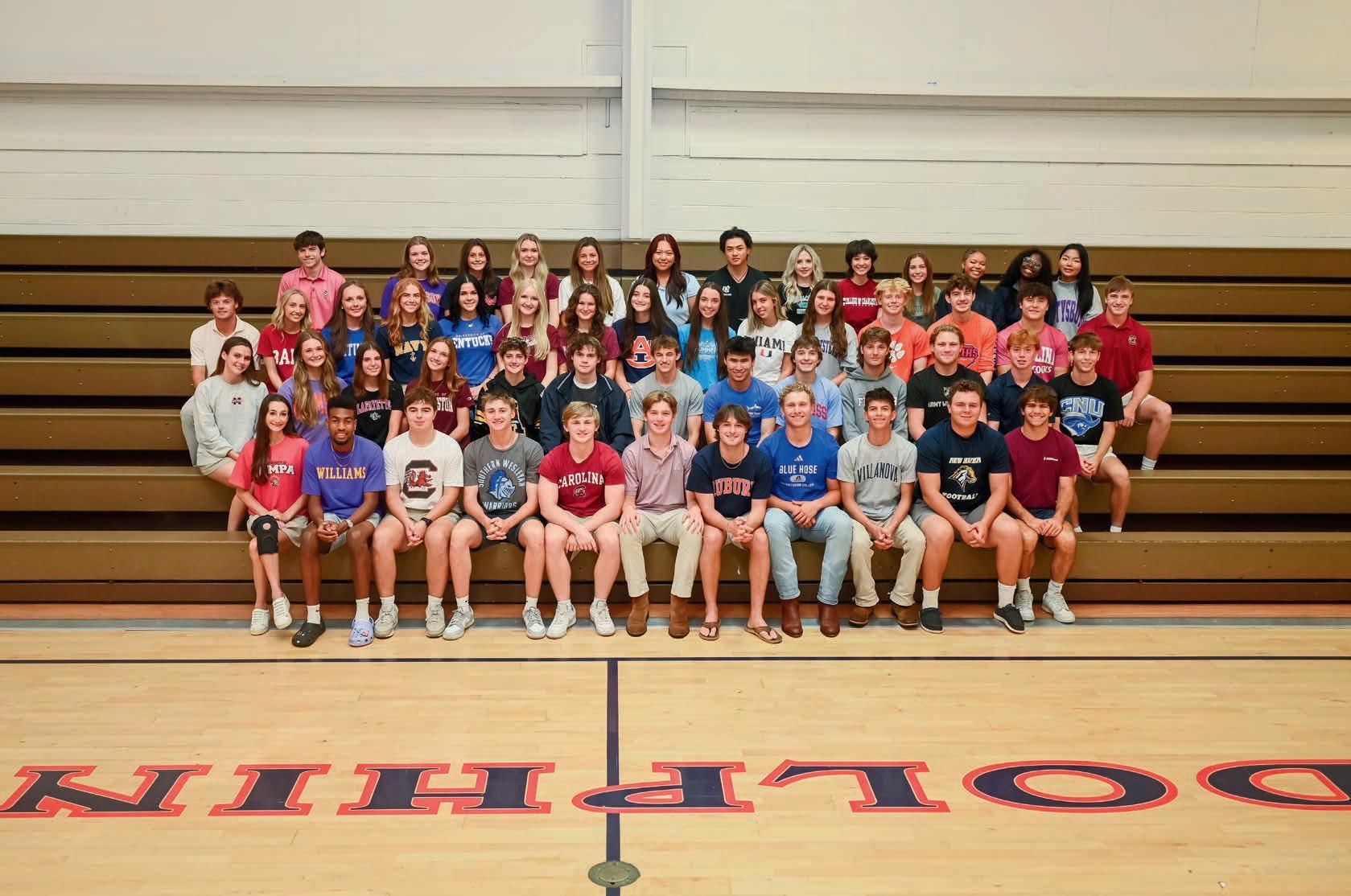
Bates College | Belmont University
Boston University | Catawba College | Charleston Southern University | Christopher Newport University | Clemson University | Coastal Carolina University College of Charleston | Connecticut College | Davidson College | Duquesne University | Eckerd College | Elizabethtown College
Embry-Riddle Aeronautical University | Flagler College | Florida Atlantic University | Florida Institute of Technology | Franklin & Marshall College Furman University | Georgia Southern University | Gettysburg College | Grinnell College | Hampden-Sydney College | High Point University | Howard University Indiana University-Bloomington | Jacksonville University | Juniata College | Kent State University | Lafayette College | Lewis University | Louisiana State University
Lynn University | Michigan State University | Middle Tennessee State University | Mississippi State University | Newberry College | New York University
North Carolina State University | North Park University | Northeastern University | Northwestern University | Occidental College | Ohio Dominican University
Ohio State University | Palm Beach Atlantic University | Penn State University Park | Presbyterian College | Purdue University | Queen’s University-Kingston
Rollins College | Savannah College of Art & Design | Sewanee: University of the South | Southern Wesleyan University | Temple University | The Citadel
The New School | United States Naval Academy | University of Alabama | University of North Carolina-Charlotte | University of Georgia | University of Kentucky
University of Louisville | University of Maine | University of Maryland-Baltimore County | University of Memphis | University of Miami | University of Michigan
University of Mississippi | University of New Haven | University of Pittsburgh | University of Puget Sound | University of Richmond
University of South Carolina-Columbia | University of Tampa | University of Tennessee | University of Toronto
University of Wisconsin | Villanova University | Virginia Military Institute | Washington & Jefferson College | Wesleyan University
Western Carolina University | Western New England University | Whitman College | Williams College | Wofford College
By Willy Fanning Contributor
As a seller, getting multiple offers on your home can feel like hitting the jackpot. But once the excitement wears off, you are left with an important question: Which offer should you choose?
The highest offer is not always the best one, and selecting the wrong offer could cost you time, money, or both. Here are some key strategies for evaluating and choosing the offer that is right for you. What to consider:
• Financing: Is the buyer preapproved for a mortgage, or are they paying cash? Cash offers eliminate financing contingencies, making the deal more secure.
• Contingencies: Does the buyer need to sell their current home first? Are there inspection or appraisal contingencies? Fewer contingencies mean fewer potential roadblocks.
• Closing timeline: Does the buyer’s timeline align with yours? A quick closing may be better for your needs than a higher offer with delays.
Some buyers are more motivated than others, and their dedication can make or

break the deal.
What to look for:
• Earnest money deposit (EMD): A higher earnest money deposit shows the buyer is serious about the transaction.
• Personal letters: If your home has sentimental value, a buyer’s letter about why they love the property could influence your decision.
• Flexibility: Buyers willing to accommodate your moving schedule or waive minor repairs can make the process smoother.
If an offer seems much higher than the others, tread carefully. It could lead to problems with appraisals or buyer financing down the line. A strong, well-rounded offer is often better than a sky-high one that falls apart before closing.
If you’re torn between two offers or want to sweeten the pot, consider making a counteroffer to one or more buyers.
What to ask for:
• A higher price or more favorable terms.
• Removal of contingencies.
• Adjustments to the timeline that better fit your needs.
Ultimately, the “best” offer depends on what matters most to you, whether that is

are
problem to have, but the
is making the decision that best aligns with your goals. With the right strategy—and the right agent—you can confidently choose the offer that gets you to the closing table quickly and stressfree.



Willy Fanning is an Active-Adult & 55+ Specialist Licensed Realtor. He can be reached at willyfanning.com or (843) 6038137.















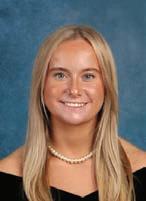


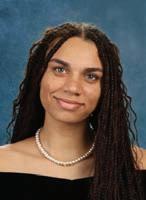







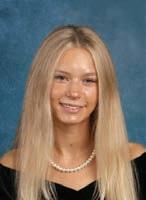

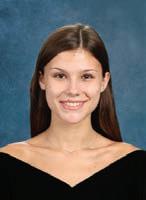


This class received more than $2 million in scholarships – these seniors were accepted to the following schools:
Flagler College, Florida Atlantic University, Florida Gulf Coast University, Furman University, Georgia Institute of Technology, High Point University, University of Kentucky, Liberty University, Louisiana State University, Lynn University, Newberry College, University of Notre Dame, The Ohio State University, University of Mississippi, Palm Beach Atlantic University, Presbyterian College, University of Rhode Island, Rollins College, Savannah College of Art and Design, Southern Methodist University, University of Tampa, University of Tennessee, Texas A&M University, University of Massachusetts Amherst, University of North Carolina at Asheville, University of North Carolina at Chapel Hill, University of South Carolina, University of West Virginia, University of Wisconsin–Madison, University of South Carolina Beaufort, Wake Forest University, University of West Georgia, Vanderbilt University, Wofford College
The University of Alabama, Anderson University, Appalachian State University, Arizona State University, Auburn University, Baylor University, Berry College, Charleston Southern University, Clemson University, Coastal Carolina University, Colgate University, College of Charleston, DePaul University, Duke University, Embry-Riddle Aeronautical University, Flagler College, Florida Atlantic University, Florida Gulf Coast University, Furman University, Georgia Institute of Technology, High Point University, University of Kentucky, Liberty University, Louisiana State University, Lynn University, Newberry College, University of Notre Dame, The Ohio State University, University of Mississippi, Palm Beach Atlantic University, Presbyterian College, University of Rhode Island, Rollins College, Savannah College of Art and Design, Southern Methodist University, University of Tampa, University of Tennessee, Texas A&M University, University of Massachusetts Amherst, University of North Carolina at Asheville, University of North Carolina at Chapel Hill, University of South Carolina, University of Wisconsin–Madison, University of South Carolina Beaufort, Wake Forest University, University of West Georgia, Wofford College

By Sasha Sweeney Editor
The Herman Fuqua Memorial Scholarship Committee has awarded $24,000 in scholarships to 16 students from May River High School and Bluffton High School for the fall 2026 academic year. Each student received a $1,500 scholarship award, according to the committee.
Recipients from May River High School are Abbee Bolin, who plans to attend Charleston Southern University; Charles Crace, University of South Carolina; Nathan Gilley, Winthrop University; Ella Izzie, University of South Carolina; Ariel Rieck, Brevard College; Aurora Rieck, Albany State University; John Schroeder, University of South Carolina; and Hanalyn Weitekamper, West Point.
Recipients from Bluffton High School are Brynn Calendine, Catawba College; Samuel Deaton, University of Michigan; Danyela Fusi, Winthrop University; Connor McMorrow, Clemson University; AnnaMarie Matteo, University of South Carolina; Nicholas Phillips, Clemson University; Rebecca Wohn, Clemson University; and William Zendzia, University
of South Carolina.
According to the scholarship committee, students were selected based on accomplishments in the classroom, athletics, leadership, character and community impact.
The committee said the 2026 awards bring the program’s total to 68 students recognized and more than $106,000 awarded in scholarship funding since the program was established in 2020.
The scholarship honors the legacy of Herman Fuqua and is supported through community contributions and volunteer efforts. The committee thanked supporters for continuing to contribute to the program.
Members of the scholarship committee are Jim and Becky Bell; Joe and Lexanne Mattocks; John and Micki Lankes; Mike and Sandra Frazier; Steven Schwarz and Kathy Baskoff; Linda and Rockisha Fuqua; Karen Mraz; and Nick and Dori Jenkins.
The scholarship program continues to recognize graduating seniors from Bluffton and May River high schools as they prepare to continue their education at colleges, universities and military academies across the country.
By Sasha Sweeney Editor
Families seeking summer childcare options can now register for the first Summer Day Camp hosted by the James Fisher Memorial Foundation YMCA.
The program, designed for children ages 4 to 9, will run in weekly sessions from June 15 through July 30 at the YMCA’s facility in Ridgeland.
Camp will be held Monday through Thursday from 8:30 a.m. to 3 p.m., with extended care available until 6 p.m.
Organizers said each week will feature themed activities, including Carnival Week, Sports Week and Olympics Week.
Campers will participate in swimming, games, outdoor play, creative activities and group programs designed to encourage friendship and engagement.
The James Fisher Memorial Foundation YMCA said the new camp is intended to provide families with an affordable childcare and recreation option during the summer months.
Registration must be completed in person at the James Fisher YMCA, located at 11010 E. Argent Parkway in Ridgeland. Organizers said space is limited and expected to fill quickly.
Additional information is available at jamesfisherymca.org or by calling 843547-1270
By Sasha Sweeney Editor
Bluffton Elementary School has dedicated its library to retired librarian Victoria V. Moody, recognizing her 26 years of service to the school and its students.
The school unveiled a commemorative plaque outside the library during a ceremony April 29, officially naming the space the Victoria V. Moody Library. District officials, school administrators, teachers, family members and friends attended the event alongside Moody.
“It’s a huge honor that’s really such a big deal in my heart,” Moody said during the ceremony. “I hope my name at the door serves to remind everyone of the importance of books and encourage a love of reading.”
Moody joined Bluffton Elementary when the school opened in 1999. She retired at the end of the 2024-25 school year after more than two decades at the school.
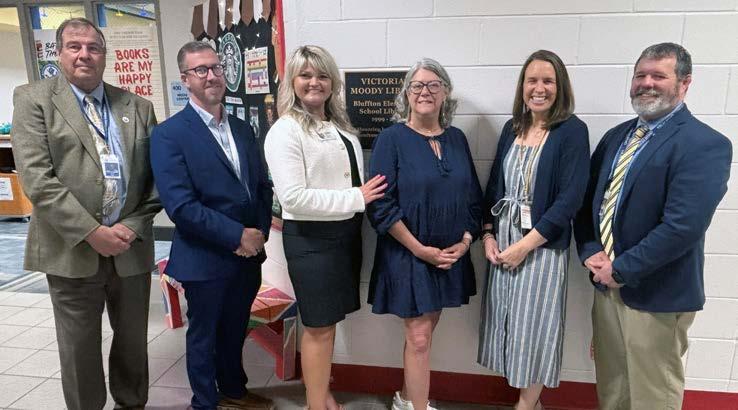
School officials said the dedication recognizes Moody’s influence on the school community and her efforts to create a welcoming library for students.
“I love this library. I love all libraries, and I hope everyone who sees it feels some love for libraries,” Moody said.
Principal Dr. Brandi Bullock said Moody remained committed to the library throughout years of changes in education, including evolving technology and shifting initiatives.
“While much changed over Mrs.
Moody’s 26 years at Bluffton Elementary, her dedication, resourcefulness, and passion for the library never did,” Bullock said. “Her legacy is one that will continue to inspire students and uplift the entire staff.”
Ryan Copeland, the district coordinator of library services, said Moody’s work helped establish the library as a central part of the school community.
“The Bluffton Elementary library has always been the heart of the school, and that’s a direct result of Vicky Moody’s deep care for her work, her students, and her commitment to leaving the library stronger than she found it,” Copeland said.
The plaque dedication marked the formal naming of the library in Moody’s honor. School officials said the event celebrated both her years of service and her commitment to encouraging reading among students.
Moody said she hopes the library continues to inspire students and visitors in the years ahead.

By Sasha Sweeney Editor
Self Help has unveiled a new refrigerated Mobile Market designed to bring fresh food directly into communities across Beaufort and Jasper counties.
The nonprofit introduced the vehicle during a ribbon-cutting ceremony attended by community partners, local leaders and supporters.
More than a year in the making, the new Mobile Market represents a major expansion of Self Help’s ability to bring fresh, healthy food directly into communities across the Lowcountry, particularly areas impacted by transportation barriers and limited food access.
The project was funded with support from Community Foundation of the Lowcountry, RLB Squared and The Johnston Family Foundation.
“This Mobile Market is more than a program…it is infrastructure on wheels,” said Courtney Hampson, CEO of Self Help.
“62% of our neighbors are food insecure,” Hampson said. “This allows us to
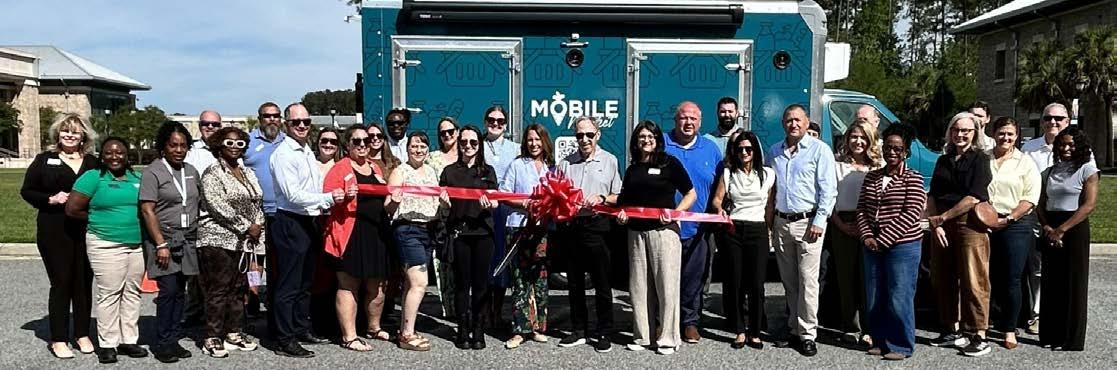
bring food to people’s homes…who are unable to get to us…and it’s also going to allow us to expand into Hardeeville and into Jasper County and really take our mission on the road.”
The refrigerated vehicle is equipped to transport fresh produce, dairy products, proteins and other food staples. Self Help said the Mobile Market will travel throughout Beaufort and Jasper counties as part of its outreach efforts.

The celebration also included remarks from Hardeeville Mayor Harry Williams, tours of the Mobile Market and opportunities for attendees to learn more about the initiative.
“In Jasper County and in Beaufort County, there are so many that are ALICE families — Asset Limited, Income Constrained, Employed,” Williams said.
“This is so important to our community,” he said. “We should all be so very
proud that Self Help is adding assets to the community that needs it so desperately.”
Self Help said it plans to announce future Mobile Market stops and partnerships in the coming months as the program begins operations across the region.
To learn more about Self Help or get involved, visit blufftonselfhelp.org.

Since 1995, your neighbor and REALTOR Willy Fanning has guided homeowners across the Lowcountry. Now, alongside his wife, Yvonne, a licensed REALTOR, he continues to deliver unmatched care and attention to every detail, just as he has for over 30 years.

By Paul Tollefson Contributor
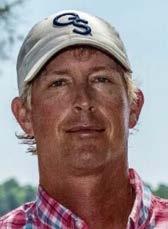
Out on S.C. 462, the road to Ridgeland, there’s a place that doesn’t ask much of you. It just waits for you to notice it.
Coolers Country Store has been sitting there since 1925, built by a man named Harry Benjamin Cooler, back when a country store wasn’t a convenience. It was a necessity.
What started as a simple wooden building with no plumbing and a hand pump out back grew into something more over time, but it never lost what it was meant to be. The store passed from Harry Benjamin Cooler to his son, Edward Thomas Cooler, and then to his grandson, Russell Cooler, though most folks know him simply as Rusty.
Rusty didn’t just inherit a business. He grew up in it, sweeping floors, stocking shelves and doing whatever needed to be done from the time he was a boy, while still finding time to be a kid in the way only country kids know how. There was a pond out back, woods to wander through, trees to climb and enough space to feel like the world was bigger than just the walls of the store.
He can remember when folks didn’t pull up in cars. They came by horse and wagon, and young Rusty would help load groceries into the back, handing things up one by one. Every now and then, he’d ask his father if he could ride along, just to see where those dirt roads led, not because he had to, but because he wanted to. Not every wagon was pulled by a horse, either. He remembers one family arriving behind an ox, steady and slow, pulling up to the store like it had done a hundred times before. Back then, nobody thought much of it because that was just life.
Through the years, the store carried the weight of a whole community. You walked in knowing you’d leave with something that mattered, and before you even saw what was on the shelves, you smelled it: salted mackerel and smoked herring packed in tins and wooden boxes, opened behind the counter and filling the air with a sharp, salty scent that worked its way into the wood itself, mixing with dry
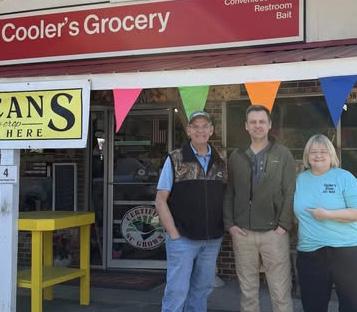
goods, leather and fresh cut meat until it became something you didn’t forget once you knew it.
The store didn’t just look a certain way. It felt a certain way, shaped by time and by the people who passed through it. Back then, comfort wasn’t part of the plan. There were no restrooms or running water, just the hand pump out back, and in the summer you opened the front and back doors to let the breeze come in off the marsh and hoped it was enough. In the winter, the cold settled in deep, held back only by a wood burning stove doing what it could.
Not every day was quiet, either. The road out front had a way of keeping people on their toes. Before the store was rebuilt, it sat a little too close to the road, and in 1973 a truck ran straight into it, catching the building on fire and burning it down, nearly 50 years gone in a matter of moments.
Edward Thomas Cooler rebuilt the store and moved it farther back, trying to keep it out of harm’s way, but even then, people still missed that stop sign from time to time. Rusty says he can count on all his fingers and toes the number of times he’s seen cars wind up in the pond behind the store, or just short of it. There were even
times he saw trouble coming, catching a glimpse of a truck moving too fast and warning everyone inside so they could get clear before something worse happened.
That kind of instinct comes from years of standing in the same place, watching the same road and knowing when something isn’t right.
By 1978, Rusty had taken over the store from his father, and what started as a boy’s chores became a lifetime of work.
Nearly five decades later, he’s still there, as much a part of the place as the walls themselves, and he hasn’t done it alone. His wife, Oregon, has been there with him, part of the daily rhythm of the store and helping keep things moving the way they always have. Their son, Yates Cooler, spent years working there as well, learning the same lessons passed down through generations, the kind you don’t get from a book, but from standing behind the same counter day after day.
There was a time when there were 13 Cooler stores between Pritchardville and Coosawhatchie, each serving its own stretch of the community, but by around 1960 most of them were gone as roads improved and cars became more common. One by one, they faded until only one remained, his, the last still standing.
These days, the store has taken on a new kind of life, becoming a stop for families coming in and out of the area, people looking for something that feels a little more real than what they left behind on the highway. Rusty laughs and says he has more friends in Ohio than in South Carolina, and he means it, because some of those folks have been stopping in for 30 years or more.
Rusty talks about growing up there with a kind of appreciation that doesn’t need much explaining, remembering hunting at Good Hope Plantation, squirrel hunting in the woods around the store and learning early what it meant to work. He started at 8 years old, with his father reminding him that if you wanted something in life, you’d better work for it, and he took that to heart.
He’ll tell you straight that he wasn’t born with a silver spoon in his mouth, and what he’s built came from long days, steady effort, word of mouth and treating people right year after year. That’s always been his way: treat people the way you want to be treated, be friendly, be fair. That simple approach has carried him and the store through nearly a century of change.
Now, it’s not stopping with him. His daughter, Hillary Cooler Taylor, is set to carry it forward as the fourth generation to stand behind the same counter and look out over the same road.
In the end, Coolers Country Store isn’t just a place. It’s a lifetime of memories: a boy loading groceries into a wagon, the smell of salt and smoke hanging in the air, a father’s steady voice teaching lessons that last, and a family, Rusty, Oregon, their children and now their grandchildren, all tied to the same piece of ground. Families keep coming and going year after year, some from down the road and some from much farther away, all finding their way back to the same spot. And as long as that door keeps opening and someone is there to greet you on the other side, that story isn’t finished yet.
Paul Tollefson is the Director of Tennis at the Hampton Hall Club. After moving from Hilton Head to Bluffton he became enthralled with the history of the town and the people and cultures that call it home. He has found a passion in writing and enjoys being able to share the stories and pictures of long-time locals. He is the co-creator of the Facebook page “Bluffton Then and


Imagine waking up to the gentle sway of the ocean, the sun sparkling on turquoise waters, and the thrill of sailing with Michael Franzese, Ex-Mafia Capo of the Colombo Crime Family, as our guest speaker. This is your chance for a oncein-a-lifetime adventure aboard a luxurious cruise filled with unforgettable moments.
Enjoy exclusive Q&A sessions, snap personal photos with Michael and his family, win prizes in giveaways, receive copies of his books, and participate in lunch and dinner drawings— all while exploring stunning destinations. Feel the warm ocean breeze, indulge in world-class dining, and soak up the excitement of each day.
Bonus! The first 10 to register under Groups at www. vacationofdreamstravel.com receive $100 Onboard Credit to use for shore excursions, spa treatments, or dining. Spots are disappearing fast—reserve your cabin now and step into the adventure of a lifetime!


how to fix it)
By Chad Cannon Contributor

One thing I’ve learned from working with adults over 40 is this:
Most people don’t fail because they’re lazy. They fail because life is busy, stressful, exhausting and constantly pulling them in different directions: work, kids, grandkids, aging parents, injuries, long days and bad sleep. It adds up.
And somewhere along the way, people start believing they need more motivation. They don’t.
What they really need is a better system.
Because motivation comes and goes. Systems are what carry you on the days you don’t feel like it. I tell people to stop trying to be perfect and start trying to be consistent. That’s the real game after 40.
The people who stay healthy long term usually aren’t doing crazy or extreme things. They’ve just built routines that fit their lives. They have a workout schedule instead of “trying to find time.”
They keep simple, healthy foods around the house instead of relying on willpower. In fact, they don’t even keep unhealthy foods in the house. They go to bed a little earlier. They have people around them who expect them to show up. And maybe most importantly, they stop starting over every Monday. That’s a huge one.
So many adults live in this cycle:
“I ate badly this weekend, so I’ll restart Monday.”
“I missed workouts this week, so I’ll start fresh next month.”
That mindset keeps people stuck for years.
One bad meal doesn’t ruin your progress. One missed workout doesn’t either. The key is getting back on track quickly instead of quitting completely.
I think people overcomplicate health sometimes. You don’t need a perfect diet. You don’t need two-hour workouts. You don’t need to suffer. You just need a few nonnegotiables. Move your body regularly. Strength train. Eat more protein. Drink more water. Get outside. Sleep better. Spend time around positive people. Then repeat those things over and over again. That’s where the magic is.
I’ve seen people in their 50s and 60s become stronger, leaner, more energetic and more confident than they were in their 30s — not because they found some secret, but because they finally became consistent.
And consistency usually comes from simplifying things, not adding more. Start smaller than you think you need to.
Go for a 20-minute walk. Do two workouts this week instead of none. Add protein to breakfast.
Read 10 pages before bed. Small wins build momentum.
Momentum builds confidence. And confidence changes people.
At the end of the day, health after 40 isn’t about chasing perfection. It’s about building a lifestyle you can actually maintain. Because the best plan in the world means nothing if you can’t stick with it.
Chad Cannon is a health and fitness coach, success coach and the owner of the CannonFit Transformation Center. Chad can be reached at www.cannonfit. com
By Russell Baxley Contributor

We can’t talk about workforce development in health care without looking at the larger picture and acknowledging nationwide trends:
Roughly 12,000 Americans turn 65 each day, and many of them are leaving the workforce, including experienced, skilled health care professionals, while the population requiring care continues to grow.
In the United States, as many as 96,000 physicians could leave the workforce this year, while medical schools graduate only about 30,000 annually.
Nursing shortages present a similar challenge. In South Carolina, approximately 2,200 nursing students graduate each year,
enough to meet only about 77% of statewide demand. Fewer than half remain in the state to work.
For our community, these trends make clear the need to invest in long-term solutions that grow and sustain the health care workforce.
One of the most promising strategies is building stronger local pipelines into health care careers. Beaufort Memorial partners with the University of South Carolina Beaufort, Technical College of the Lowcountry and the Beaufort County School District to connect students with opportunities in health care earlier in their education.
While building the workforce is critical, programs like the Beaufort Memorial PATH program, or People Achieving Their Highest, also help address workforce gaps in the shorter term by creating opportunities for advancement for current employees. The program allows team members to “upskill,” gaining new training and credentials that open doors to career advancement. Many employees who complete the program see wage increases of $6 to $7 per hour within a

few months.
Since 2022, the program has graduated more than 100 participants and, alongside the PATH Career Development Center on the Beaufort Memorial Hospital campus, has been recognized nationally in Becker’s Hospital Review for its impact.
Beyond health care workforce development, another pressing communitywide challenge directly affects the ability to recruit and retain talented staff: affordable housing.
In less than two months, construction is expected to begin on LiveWell Terrace by BMH, a workforce housing development in Bluffton located less than a mile from the new Bluffton Community Hospital.
The development is a partnership in which Beaufort Memorial has collaborated with Ohio-based Woda Cooper Companies, which specializes in workforce housing projects, and the Town of Bluffton.
The development will feature 120 affordable housing units, including 30 one-bedroom units, 60 two-bedroom units and 30 three-bedroom units, as well as medical
office space dedicated to expanding primary care access in southern Beaufort County.
Beaufort Memorial also is working to secure apartments in Beaufort for a similar project in northern Beaufort County.
The lack of affordable housing in Beaufort County has reached a crisis level for the workforce. The median home price in Bluffton grew nearly 2.5% from 2023 to 2024, and more than 5% in Beaufort.
The Lowcountry’s growth is increasing the need for health care services, and the staff to provide them, while also adding to the demand for housing.
The community must work together to advocate for and support policies, legislation and projects that expand workforce housing opportunities and strengthen the infrastructure needed to meet the Lowcountry’s growing health care needs.
Russell Baxley, MHA, is the President & CEO of Beaufort Memorial, leading the organization in expanding access to and improving the quality of care in the Lowcountry since 2016.

Pure Med Spa is here to assist you in achieving your skincare goals.
Enlarged Pores | Oily or Congested skin

“At Pinnacle, we want our patients to feel like they are part of our family and we strive to treat them that way from the first time they visit. We pride ourselves on the customer experience. It is important to always keep up with the latest advances, but our practice uniquely separates the gimmicks from the options that produce results. It is our philosophy to listen first to our patients’ goals and then help guide them to the treatments and procedures that will help us all work toward that shared goal. Your inner and outer you should be in harmony.” Fine Lines | Wrinkles | Elasticity | Firmness Even Tone | Vibrancy | Skin texture
Audrey Klenke, MD, FACS, Board Certified



By Dr. Jean Harris Contributor
Many golfers don’t know the difference between a chip and a pitch. They are different shots used in different areas of the course. I will explain the chip shot in this article.
Chipping is a low-trajectory shot used close to the green, where the ball usually rolls more than it flies. You don’t use a chip when you have to hit to an elevated green or over a bunker. The chip shot usually has less “air time” and more “roll time.” Choose clubs with less loft, such as a gap wedge, pitching wedge, 9-iron, 8-iron, 7-iron or a hybrid.
Always walk on the green before hitting a chip shot. Walk behind the hole first and look back at your ball. Determine whether the shot is uphill or downhill. Next, walk to the side of the hole and determine which side is lower. Walk back to your ball to determine how far the chip shot is. My stride is 2 feet, and I count how many steps I have taken. This gives me a good idea of how long the chip is.
Next, go through your pre-shot routine. Choose the club you want to use after you have assessed the distance and slope.
Pre-shot routine:
• Standing behind the ball, pick a landing area.
• From behind the ball, pick an intermediate target close to you to aim and align your club.
• Next, choose the club you want to use to land the ball and roll it to the target.
• Grip down on the club close to the shaft with light grip pressure.
• Aim the clubface first using your intermediate target with your feet together.
• Next, se parate your feet narrowly and slightly open.
• Position the ball inside your back foot.
• Lean 60% of your weight on your target side and leave it there with no weight shift.
• Think of the letter “Y,” which is formed by your shoulders and two straight arms. Lean the “Y” over your target thigh with a flat target hand. No wrist hinge.
• The swing is “Y” to “Y” with the same length and tempo on both sides of the ball.
• Make sure your swing is descending from high to low. Hold your follow-through and swivel your head to watch the “roll time.” This is important because it will tell you how your putt is going to break.
• The distance the hole is from the edge of the green is important.
• An uphill shot takes less loft. A downhill shot takes more loft.
• Practice your ratios of air time and roll time with a variety of clubs. Your goal is to chip the ball onto the green and take two putts or fewer.
Dr. Jean Harris is an LPGA Master Professional and teaches at local golf courses. jean.golfdoctor.harris@gmail. com; golfdoctorjean.com.
By Mark F. Winn Contributor
As an estate planner with over twenty years of experience, I often see thoughtful, hardworking people leave one critical piece of their legacy to chance: their estate plan. Estate planning isn’t just for the wealthy, and it’s not something to “get to later.” It’s a practical, essential step in protecting yourself and the people you care about from a range of hidden risks—some financial, others deeply personal.
Avoiding the hidden costs of probate Without a proper estate plan, your assets may pass through probate court—a public, time-consuming, and often expen-

1425 Okatie Hwy. (170)

sive process. Court fees, attorney costs, and administrative delays can significantly reduce what your loved ones ultimately receive. In South Carolina, probate can stretch on for months or longer, placing unnecessary stress on families already dealing with loss.
A well-structured plan can help your heirs bypass much of this process entirely.
Reducing family conflict
Even in the closest families, uncertainty can lead to disputes. I’ve seen siblings fall out over unclear intentions, verbal promises, or unequal distributions that were never explained. A clear, legally sound estate plan removes ambiguity. It ensures your wishes are honored and reduces the likelihood of painful disagreements. Imposing oversight/accountability and clear instructions goes a long way.
Minimizing taxes and expenses
While not every estate faces significant tax exposure, thoughtful planning can still reduce administrative costs and preserve more of your assets. Tools like trusts, beneficiary designations, and strategic gifting


Marie Kuether Director of
& Worship
can make a meaningful difference. Keeping assets in the family (...The holy grail of estate planning)
Perhaps the most overlooked—and most important—benefit of estate planning is asset protection across generations. For example, assume Mike and Susie are a married couple with two children, Frank and Roberta. They’ve worked hard to build a comfortable life and want to ensure their assets stay within their family line. They love both children equally—but they have a concern.
Roberta is married, and while everyone gets along today, Mike and Susie understand that life can change. Divorce, lawsuits, or financial troubles could put inherited assets at risk. If Roberta were to receive her inheritance outright and later go through a divorce, those assets could potentially become entangled in legal proceedings or even pass to her spouse. That’s not what Mike and Susie want. Instead, they choose to leave Roberta’s share in a properly drafted trust. She can be the trustee. The trust is designed to

benefit Roberta during her lifetime—she can receive income, access funds for health, education, or other needs—but the assets themselves remain protected. Because the inheritance is held in trust rather than owned outright, it is protected from loss in divorce and most lawsuits. It is also not included in her estate for federal estate tax purposes.
When Roberta eventually passes, whatever remains in the trust goes to her children, or in default, Frank—not to a former spouse, not to creditors, but back into Mike and Susie’s bloodline.
This is the holy grail of estate planning – fashioning a plan where the assets stay in the family and are protected for generations.
Mark F. Winn, Master of Laws (LL.M.) in Estate Planning, a local asset protection, estate planning and elder law attorney serving the lowcountry for more than 20 years. www.mwinnesq.com

By Annelore Harrell Contributor
Before the age of refrigeration, we housewives had iceboxes in our kitchens.
We didn’t complain. General Electric had yet to make its way into the marketplace. We may have used a few choice words when we forgot to empty the drip pan and the water overflowed, and we had to get out the mop when we were already dressed to go out for lunch, wearing hat and gloves and our brandnew spectator pumps.
From 1937 to 1939, our family lived in a third-story apartment on the corner of York and Lincoln streets in downtown Savannah. We had an icebox. It was white and ugly and held, at most, a 50-pound block of ice.
The iceman came once a week, parked his truck at the York Street curb and checked our kitchen window to see the Ice Co. cardboard sign that indicated how many pounds of ice Mama wanted: 15, 25 or 50 pounds.
On hot summer mornings, my friend Joan Jeffries and I would stand and watch as he tossed aside the heavy tarpaulin covering the huge blocks of ice in his truck and began to chop with his pick. Chips of ice flew all over. His muscular arms made short work of breaking off the desired amount.
Grabbing the tongs, he’d clamp the ice and sling it up onto a canvas shoulder pad.
As soon as his back was turned, Joan and I would snitch the orphaned slivers of
ice from the truck bed.
Never has ice been as good.
When we built our Myrtle Island cottage in 1944, we had no electricity. No one did at our end of the island. Ergo, we needed an icebox. We brought over the one from York Street that had been stored in the garage of our 52nd Street house, which came with a brand-new refrigerator, a freezer compartment holding four ice trays and a tiny shelf big enough for a quart of ice cream.
If we drove over from Savannah for a weekend, we would take ice with us. We put a washtub on the floor of the back seat of Lizzie, our 1935 Chevy, and picked up a chunk of ice either at the icehouse on Anderson and East Broad streets or at the one on Harmon and Skidaway. This was always the safest thing to do since we were never sure whether the Bluffton icehouses would be open.
There were three.
The one on Wharf Street had the deepest well in Bluffton and lovely artesian water, but, for whatever reason, we never bought ice there.
Mostly, we got our ice from Bessie’s. Her icehouse was a little wooden shed that sat high off the ground in front of her house. Most times, she would be out front in the yard, sitting in the shade. Otherwise, you would have to knock on her door. Many a time, we bought icy-cold watermelon there and sweet corn in season.The road out front was oyster shell and sand because the main paved road, Highway 46, turned at a 90-degree angle two lots before her house.
Across the road from Bessie’s was another icehouse, larger than hers, tucked under an enormous oak tree, but I never knew it to have any ice. It had become a meeting place for day workers you could hire for $5 and lunch.
Ice isn’t much of a problem these days, what with enormous refrigerators that


produce ice cubes methodically, efficiently and automatically. We take for granted that there will be ice if and when one needs it.
And if there is to be a big whoop-de-do, you can always run to the nearest grocery store and bring home a bag of ice or two or three.
So why am I thinking about ice?
Well, it’s springtime, and soon it will be summer and the temperature will be hotter than hot. Very soon, the cuppa tea that was my mainstay through the winter months will be supplanted by a long, tall
frosted glass of sweet tea topped with a slice of lemon and, if I’m lucky, a sprig of mint.
And always, always, lovely chunks of ice.
Annelore Harrell’s journey is a tapestry woven with fascinating experiences and extraordinary accomplishments. Even in her 90s, Annelore’s energy and zest for life continue to inspire. Annelore Harrell’s story is a testament to living with passion, resilience, and an unquenchable thirst for adventure.



By Wendy Kushel Contributor

There’s a moment in business that almost nobody talks about: the moment right before things finally start working out. It usually doesn’t look inspiring. It looks like exhaustion. Like moving pennies from one bank account to another just to make payroll or cover a check. It looks like staring at negative balances while pretending not to panic. It looks like working all day, then working all night, then waking up to do it again anyway. Most days start the same way: head down, boots on, grinding forward. One step, then another. Not glamorous. Not pretty. Just work. The kind where the struggle isn’t a phase — it’s the entire
season. Climbing up, slipping back. Climbing again, sliding down. Hands a little dirtier each time, knees a little more worn, but still, up we go.
Because what’s the alternative? Sitting still? Waiting for some magical moment when everything suddenly falls into place? That’s not how it works. Not in business. Not in life. Not in anything worth building.
And then something strange happens.
Right when it feels like things cannot possibly get any worse, they suddenly get better.
One email comes through. One phone call. One “yes.”
And somehow, that single yes changes the trajectory of an entire week, maybe even an entire business.
What’s even stranger is how one yes tends to bring more yeses behind it. A buyer responds after months of silence. A meeting finally gets scheduled. Someone introduces someone else. Doors that felt bolted shut start cracking open all at once.
You won’t find better technology - or a better valuein the Lowcountry for cataract surgery than what we offer at Bishop Eye Center. We have the leading expertise to match our advanced methods to your individual eye care needs - all framed in an experience you’ll be comfortable with.
We look forward to serving you.
Is it the universe finally cooperating? Is it momentum? Is it years of effort finally paying off?
Probably all of it.
The funny thing is, while all those hard days are happening, it feels like nothing is working. Like every ounce of effort is disappearing into thin air. But under the surface, things are shifting quietly. Conversations start sounding different. People begin taking calls they once ignored. Opportunities start appearing where there used to be dead ends.
And then one day, the road levels out just enough to notice.
Not forever — let’s stay realistic — but long enough to breathe. Long enough to realize the forward motion isn’t just struggle anymore. It’s progress.
That’s the part people don’t talk about enough: the middle. The messy, exhausting, doubt-filled middle where quitting starts sounding reasonable. The season when getting out of bed feels like a negotiation.
But the work continues anyway. Show up. Make the call. Take the meeting. Fall down. Get back up. Repeat.
Because eventually, the no’s start turning into yeses.
Not because of luck alone. Not because somebody waved a magic wand. But because of all those unseen days when quitting would have been easier.
And maybe that’s the real lesson: Sometimes things are working out long before they look like they are.
Wendy Kushel is the owner of Wendala’s LowCountry Sugar Scrub, LLC based in Bluffton. Drawn to the beauty and personal care industry, Wendy founded her company in 2020. Her background includes stand-up comedy, film, TV and a lot of sales and marketing. For more information about Wendala’s® LowCountry Sugar Scrub visit www.lowcountrysugarscrub.com or call/text 843-949-8933.


By Nanette Makrauer Contributor
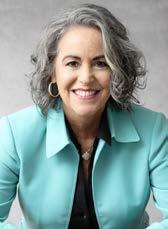
NANETTE MAKRAUER
Many people on Medicare think all yearly doctor visits are the same, but in reality, three different types exist, and they are billed very differently. Confusing them is one of the most common reasons for surprise bills.
These visits are the Initial Preventive Physical Examination, the Annual Wellness Visit and the routine physical. Some of these, as explained below, can be completely free of charge if they are done at the right time and coded correctly by your doctor.
“Welcome to Medicare”: Initial Preventive Physical Examination (IPPE)
You can have the IPPE only once, and it must be done within the first 12 months after enrolling in Medicare Part B. After the first year, this visit is no longer available.
The cost for this visit is $0 if the doctor accepts Medicare assignment or is in network with your Medicare Advantage plan. The deductible does not apply, and copays do not apply.
What it includes:
• Review of medical history
• Height, weight and blood pressure
• Vision screening
• Risk assessment
• Review of medications
• Preventive screening plan
• Optional EKG (may be billed separately)
Annual Wellness Visit (AWV)
You can have the AWV once every 12 months. You must have had Part B for more than 12 months and either completed the IPPE or waited 12 months.
As long as your doctor accepts Medicare, this visit is fully covered, with no copay or deductible. For Medicare Advantage plans, the doctor must be in network to avoid a copay. For Medicare Supplement (Medigap) Plan G, the Part B annual deductible does not apply to this visit.
What it includes:
• This visit focuses on planning and prevention, including:
• Health risk questionnaire
• Cognitive screening
• Review of medications
• Review of providers
• Fall risk evaluation
• Personalized prevention plan
• Screening schedule (mammograms, colonoscopies, etc.)
What it does not include:
This appointment does not include treatment for new or existing conditions. If your provider addresses separate medical issues during your visit, you may receive a bill for those additional services.
Costs can occur if the visit goes beyond a wellness visit. For example:

• You discuss a new medical problem
• The doctor performs diagnostic tests
• You receive services not included in the preventive visit
• A hands-on physical exam is performed
• Lab tests are ordered
• Treatment is provided for medical problems
To avoid surprises, ask in advance: “Will this be billed as a Medicare Annual Wellness Visit?”
This is the traditional head-to-toe checkup many people are familiar with. Original Medicare does not cover routine annual physicals, so you will pay the full cost unless another service is billed. Some Medicare Advantage plans include a physical as an extra benefit, depending on the plan.
Typical services include:
• Full physical exam
• Listening to heart and lungs
• Checking the abdomen
• Possible routine lab work
• Addressing general health concerns If you are proactive and take charge of your doctor visits, you can get the most out of Medicare with the least out-of-pocket expense.
Nanette Makrauer is an independent insurance broker and Certified Medicare Advisor residing in Bluffton. nanette@ health-wealth-insurance.com (www. health-wealth-insurance.com)




By Lucy Rosen Contributor
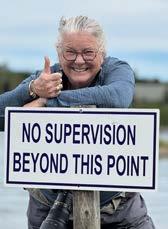




Each spring, something magical starts happening beneath palmettos, behind backyard fences, in the wooded areas between neighborhoods and alongside the edges of golf courses and retention ponds.Fox kits are being born. Most people never realize they’re there until one suddenly appears near the road at dusk or pauses at the edge of a walking trail with oversized ears and cautious eyes.
This time of year many of us begin seeing foxes more often. Part of the reason why is seasonal. The kits are getting older now, leaving the den more often, wrestling with siblings, exploring, and learning how to exist in the world.
One of the more fascinating behaviors to watch in young foxes is something called “mousing,” a specialized hunting
technique foxes are famous for. A fox will suddenly leap high into the air and dive downward nose-first onto its prey, using gravity and remarkable precision to stun small animals hidden beneath grass, leaves or brush.
Young kits begin practicing these skills early, long before they are actually successful hunters. What may look playful to us is often instinct taking over in real time. They pounce on insects, leaves, sticks, and each other while developing the coordination and timing they will eventually need to survive on their own.
Foxes are known for their intelligence, patience, exceptional hearing, and almost cat-like agility, making them one of the most efficient small predators in the wild.
Scientists believe foxes may even use the Earth’s magnetic field to help triangulate distance and location before striking, which helps explain their almost uncanny accuracy.
Sometimes people are concerned when seeing foxes during the daytime, believing that if a fox is out during the day it means rabies. This is not true in most cases, especially during this time of year.
A mother fox raising kits has to hunt constantly, and the kits themselves do not keep business hours. Daytime sightings
during spring and early summer are often completely normal.
Like any wild animal, foxes should be respected. Never feed them or attempt to approach the kits, even if they appear alone. Mom is usually nearby, watching carefully from a distance. However, foxes are not the dangerous predators many people imagine them to be. In reality, they are shy, intelligent animals that generally want nothing to do with humans.
Foxes are beneficial to neighborhoods because they help control rodents, insects and other nuisance animals. They quietly play an important role in the balance of the ecosystem around us. And, right now, more than ever, they are simply trying to survive in a Lowcountry that is changing at lightning speed.
Another reason we’re seeing them more frequently is that we continue building on available land in the Lowcountry. The woods get smaller, the quiet places disappear, and wildlife adjusts the best it can.
Areas that were wooded not that long ago are now apartments, storage facilities and tightly packed neighborhoods with names like “Preserve” or “Sanctuary,” ironically replacing the very thing they promise to honor. Wildlife doesn’t disappear simply because we build another
subdivision. Animals adapt as best they can and continue trying to find safe places to raise their young.
That’s one of the reasons people are so drawn to foxes. They represent something wild in a place that is becoming increasingly polished and crowded. Part of what draws people to living here is the feeling that nature still has a voice through the marshes, birds, live oaks and wildlife.
Seeing these kits is a reminder that despite the endless clearing and development, nature is still trying very hard to hold on here. These little fox families continue finding pockets of safety wherever they can, adapting to an environment that changes almost daily around them.
If you see a fox standing near the the woods or tumbling with its siblings in the evening, stop and appreciate something beautiful and increasingly rare in our rapidly growing world: a little bit of wildness still hanging on in the Lowcountry.
Lucy Rosen is a Lowcountry-based writer, bird and nature photographer who spends far too much time chasing wildlife, watching birds and pulling her car over for “just one more photo.” Follow her work on Instagram @LucyGRosen or visit www. LucyGRosenPhotography.com.






By Sasha Sweeney Editor
Student artists from several Bluffton-area schools received awards during the 2026 Bluffton Eighth Grade Juried Art Show, organizers announced following an artists’ reception held at the Bluffton library.
Thirty student entries are currently on display at the library, with 10 awards presented during the exhibition. Orga-
nizers said prizes included cash awards and ribbons. Stephen Ball, owner of The Great Frame Up shop, also provided 50% discount coupons for winning entries. Awards were divided between judges’ selections and a people’s choice category based on public voting.
Cole Castor of Hilton Head Christian Academy received first place in the SOBA judges awards competition. Angel Uong of Bluffton Middle School placed second, and Shannon Crowe of H.E. McCracken
Middle School received third place honors.
Honorable mention awards were presented to Emma Heavener of Cross Schools, Maci Holmsten of River Ridge Academy, Mia Procida of River Ridge Academy and Walker Benson of H.E. McCracken Middle School.
The exhibition also included a people’s choice competition, with organizers reporting that 194 votes were cast.
Cole Castor received first place in the public voting category with 51 first-place
votes. Angel Uong placed second, and Maci Holmsten of River Ridge Academy received third place.
Organizers said 30% of the entries in the exhibition received recognition through awards or honorable mentions.
The Bluffton Eighth Grade Juried Art Show features artwork created by students from schools across the Bluffton area and remains on display at the Bluffton library.

Bluffton Library Adult Programs
Bluffton Branch Library, Bluffton
May 27, 1–2:30 p.m.
Alzheimer’s/Dementia
Caregivers Support Group
June 1, 1:00 pm - 4:00 pm:
Write Like You Lived It Memoir Workshop
June 4, 11:00 am - 12:00 pm: Exploring Herbs & Spices: Annatto — Unearthing the Story of a Vibrant Spice
843-255-6503
Hilton Head Library Programs
Hilton Head Branch Library, 11 Beach City Road
May 20, 10:30 a.m.–noon
Library Travel Guide: England
May 27, 11 a.m.–1 p.m.
Library Puzzle Swap
May 28, 10:30–11:30 a.m. Revolutionary Roots 843-255-6525
“All Creatures Great and Small”
April 29–Oct. 23
Sea Pines Community Center, 71 Lighthouse Road, Hilton Head Island
Art exhibition featuring works by the Artists of Sea Pines.

“Hairspray: The Broadway Musical”
April 22–May 24
Arts Center of Coastal Carolina, Hilton Head Island
Musical set in 1960s Baltimore featuring popular songs and themes of social change. artshhi.com/theater-series
Port Royal Plantation Art Group Exhibit
April 27–May 21
Hilton Head Library Corridor Gallery, 11 Beach City Road Exhibit featuring works by 13 local artists.
“Whispers from the Soul” –Artwork by Theresa King
May 19–June 19
Art League Gallery, 14 Shelter Cove Lane, Hilton Head Island Exhibit with opening reception May 20 and scheduled artist events. hwww.artleaguehhi.org
Palmetto Quilt Guild Workshop: Thursday, May 21, 10 a.m.–2 p.m.
Island Lutheran Church, 4400 Main St., Hilton Head a workshop on creating and

painting original fabric motifs.
Meeting: Friday, May 22, 11:30 a.m.–2 p.m.
Palmetto Electric Cooperative, 1 Cooperative Way, Hardeeville 2026 Quilt Festival review. palmettoquiltguild.org
Celebrate America Concert
May 24, 7 p.m.
First Presbyterian Church, 540 William Hilton Parkway, Hilton Head Island
Presented by the Hilton Head Choral Society. hiltonheadchoralsociety.org
Memorial Day Ceremony
May 25, 11 a.m.
Bluffton Veterans Memorial, Buckwalter Place, Bluffton
Hosted by Bluffton American Legion Post 205 in conjunction with the Town of Bluffton. Guest speaker will be Dr. Jon R. Black.
Palm Trees & Pistons Car Show
June 13, 9–11 a.m.
NALAS Beach Bar & Grill, Hilton Head Island
Monthly car show featuring vintage, antique, exotic, muscle and specialty vehicles owned

by local residents. The event is free and open to the public. Car owners are invited to display their vehicles.
NALAS will offer a 25% discount on breakfast purchases from 9 a.m.–noon for attendees who mention Palm Trees & Pistons. The show is held the second Saturday of each month, weather permitting.
Palmetto Quilt Guild
Meeting: June 21, 11:30 a.m.–2 p.m.
Island Lutheran Church, Hilton Head Island
Lydia Beason of Island Indigo will present a program on the “Low Country Roots of Indigo.”
Workshop: June 22, 10 a.m.–noon
Art League of Hilton Head Academy, 106 Cordillo Parkway, Hilton Head Island
Workshop hosted by Linda Beason. Participants will receive a scarf, instruction, tools and indigo dye to complete the indigo dyeing process. palmettoquiltguild.org

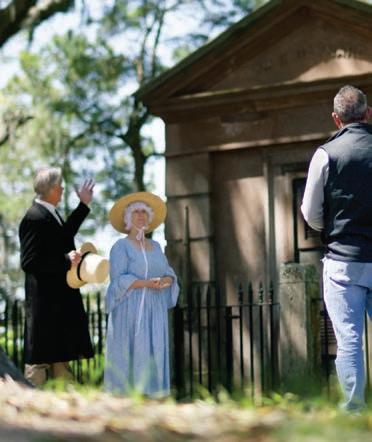

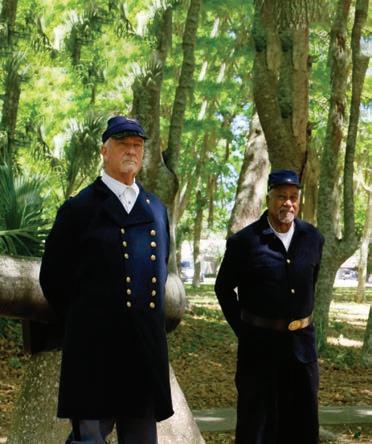
Visit the gravesites of four Revolutionary War heroes and find out about the bloody skirmish that was fought just steps away. Site on the SC Liberty Trail.
Corner of Hwy. 278 & Mathews Dr.
TUESDAYS
March 17 - June 9
10:00-11:00am
$10/LIBRARY MEMBERS
$12/NON-MEMBERS
CHILDREN 12 & UNDER FREE Registration required.
Fort Mitchel contains the remains of a coastal defense battery erected in 1862 to protect the Port Royal Sound by way of Skull Creek from incursions by Confederate gunboats. 65 Skull Creek Dr., Hilton Head Plantation
THURSDAYS
March 19 - June 11 10:00-11:00am
$10/LIBRARY MEMBERS
$12/NON-MEMBERS

CHILDREN 12 & UNDER FREE
Registration required.



By Sasha Sweeney Editor
A new exhibition featuring Lowcountry landscapes will open June 1 at the Society of Bluffton Artists gallery, highlighting the work of painter Carol Dulude.
The exhibit, titled “Moments of Stillness,” will run through June 27 at the organization’s gallery on Church Street in Old Town Bluffton. An opening reception is scheduled from 4 to 6 p.m. June 4, where visitors can meet the artist and view the collection.
Dulude, an acrylic painter based in the Lowcountry, is known for landscapes that reflect the region’s coastal environment. Her work draws on influences from her early life in Canada and time spent in Massachusetts, as well as her current surroundings in the Southeast.
According to the artist, her paintings are intended to evoke calm and reflection.
“My acrylic landscape paintings focus on creating calm, quiet spaces that invite reflection and stillness,” Dulude said. “Using subtle color palettes and soft transitions, I aim to capture the peaceful atmosphere found in natural environments.”
Dulude began painting in retirement and describes her work as both a creative pursuit and a contemplative practice. Her compositions often feature open horizons, muted tones and gradual shifts in light, reflecting the interplay of water and sky common in the Lowcountry.
“Acrylic allows me to build gentle layers that suggest light, distance and mood,” she said. “Through these landscapes, I hope viewers can pause and experience a moment of tranquility.”
The exhibition continues the mission of the Society of Bluffton Artists, which showcases regional artists and promotes visual arts through exhibits and community programs.
The gallery, located at 7 Church St., recently moved to a new space in Old Town Bluffton. Organizers say the updated location is intended to provide a refreshed setting for both artists and visitors.
The Society of Bluffton Artists is a nonprofit organization that offers exhibitions, classes and events aimed at supporting artists and expanding access to the arts in the Lowcountry.
The gallery is open from 10 a.m. to 5 p.m. Monday through Saturday and from 11 a.m. to 3 p.m. Sunday.
For more information, visit www.sobagallery.com or call 843-757-6586.












By Sasha Sweeney Editor
The Beaufort County Historical Society and the Beaufort County Library’s Beaufort District Collection will host a presentation on the history of Santa Elena and the Juan Pardo expeditions later this month at the Coastal Discovery Museum.
The program, titled “The Pardo Trail & Santa Elena,” is scheduled for 11 a.m. Thursday, May 28, as part of the organizations’ “Historically Speaking” series.
Dr. David Moore of Warren Wilson College will lead the presentation. Moore has worked for 25 years at the Berry Site near Morganton, North Carolina, where archaeologists uncovered evidence connected to Fort San Juan, one of several outposts established by Spanish Captain Juan Pardo during expeditions into the interior Southeast between 1566 and 1568.
According to event organizers, Santa

Elena on present-day Parris Island served as Spain’s premier North American colony from 1566 to 1587 and was the capital of Spanish Florida until 1576.
Pardo arrived at Santa Elena with a contingent of conquistadores after being tasked with establishing an overland route connecting Parris Island to silver mines in northern Mexico, according to the event description. Expeditions from Santa Elena ranged as far north as the Chesapeake Bay, as far south as Key West and as far west as Tennessee.
Moore is a faculty member in the Department of Sociology and Anthropology at Warren Wilson College. Organizers said he has directed excavations at sites including Hardaway, Warren Wilson and Berry, and has conducted research in North Carolina’s upper Catawba Valley since 1986.
The presentation is free and open to the public. For more information visit www.beaufortcountyhistoricalsociety. com.

By Sasha Sweeney Editor
The Art League of Hilton Head has awarded its 2026 scholarship to Bluffton resident Danyela Fusi, a graduating Beaufort County senior planning to pursue a degree in the visual arts.
The annual scholarship provides $2,000 to a student continuing studies in the arts. According to the organization, recipients are selected through a competitive process that includes portfolio reviews and in-person interviews.
In an award letter released by the organization, Art League Executive Director Kristen McIntosh said interviewers Denise DeMarzo and Sandra Hearn were “especially impressed by both the strength of your work and the clarity of your artistic voice.”
Fusi’s portfolio included works exploring identity, heritage and environment through drawing and mixed media compositions. The collection featured pieces inspired by architecture, history and cultural influences.
Among the works cited by the organization was “A Danube De Valladolid

Mexico,” described as a scene inspired by reflections on a rainy evening. Another piece, “Basilica De Amor Del Madre,” was
connected to Fusi’s Ecuadorian heritage.
The portfolio also included “Worlds Collide; I Am Me,” which combines Italian and Latin American influences in a detailed visual composition.
McIntosh wrote that Fusi’s portfolio demonstrated “a compelling range of subject matter and inspiration.”
“Your work shows both technical skill and a clear curiosity about place, identity, and history - qualities we are proud to support through this scholarship,” McIntosh said in the letter.
The Art League said Fusi’s work also draws from the South Carolina Lowcountry landscape. Her piece “Oyster Bed” was described as inspired by the colors and textures of local marshes and presented through a layered composition.
Fusi plans to attend Winthrop University, where she will continue studying and developing her artistic practice.
The organization said she will be recognized publicly during an Art League Gallery reception scheduled for June 24 from 5 to 7 p.m. Organizers said community members are invited to attend the event and meet the artist.









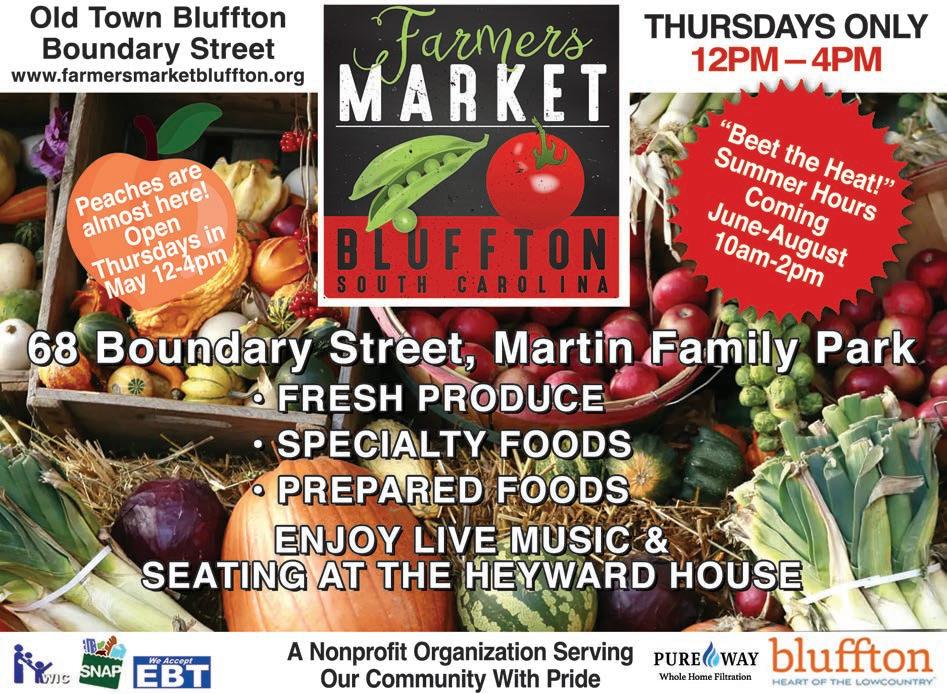
By Leslie Rohland Contributor
Life in the Lowcountry often centers around time spent outdoors, and meals tend to follow that same easy rhythm. Whether it is a late afternoon by the pool, a quick dinner before evening plans, or a quiet night at home after a long day, having something fast, fresh, and satisfying makes all the difference.
Seared Ahi Tuna Steaks are a perfect example of a recipe that fits seamlessly into this lifestyle. With minimal prep and a very short cook time, it delivers a restaurant-quality meal without the need for a long stay in the kitchen. A quick sear keeps the tuna tender, flavorful, and
just the right amount of indulgent while still feeling light and nourishing.
What makes this dish especially useful is its flexibility. It works just as well for a simple weeknight dinner as it does for an impromptu meal with friends. It pairs naturally with easy sides like steamed rice, a crisp salad, or grilled vegetables, allowing you to build a complete meal without overthinking it. This six-minute Seared Ahi Tuna offers exactly that kind of ease. A simple, thoughtful meal that meets the moment without adding more to it.
Ingredients
• 2 ahi tuna (yellowfin tuna) steaks (about 4oz each)
• 2 tablespoon soy sauce
• 1 tablespoon honey
• ½ teaspoon kosher salt
• ¼ teaspoon black pepper
• 1 tablespoon olive oil
• For garnish, chopped green onions, sesame seeds, and lime wedges
Instructions
1. Pat the tuna steaks dry with a paper towel. In a bowl, mix the soy sauce, honey, salt, black pepper until honey is fully dissolved. Pour over the ahi tuna steaks and turn over to coat completely. Allow to marinate for at least 15 minutes.
2. Heat a medium skillet with the oil, about 1 minute. Sear the tuna for 1-1 ½ minutes on each side for medium rare.
3. When desired internal temperature is reached, remove the tuna and place on a cutting board. Slice into ½ inch slices and serve garnished with green onions, lime wedges.
4. Drizzle with more olive oil!
Leslie Rohland, 2024 SC Chef Ambassador, Chef and Proprietor of The Cottage Cafe, The Bluffton Pasta Shoppe, the Juice Hive, and May River Coffee Roasters. (843) 757-0508, 38 Calhoun St, Bluffton, SC.



By Lisa Hostetler Brown Contributor
Understanding estate planning for seasonal residents
Bluffton is home to many “snowbirds” who spend part of the year enjoying the Lowcountry lifestyle while maintaining ties to another state. While this seasonal arrangement offers flexibility and comfort, it also raises important estate planning questions especially when it comes to residency, healthcare decisions, and potential probate issues.
Estate planning for snowbirds requires more than simply having documents in place. The key is ensuring those docu-
ments work properly across state lines.
Primary vs. Secondary residence matters
One of the most common misconceptions among snowbirds is assuming that owning a home in South Carolina automatically makes them a South Carolina resident for legal purposes. In reality, your primary residence (also known as domicile) is determined by factors such as where you vote, hold a driver’s license, file taxes, and intend to remain long term. Your domicile plays a major role in determining:
• Which state’s laws govern your estate
• Where probate will take place
• Which courts oversee guardianship matters
If these issues are not clearly addressed, your estate may face delays or legal complications.
Probate and property in multiple states
Snowbirds who own property in more than one state may unknowingly expose
their estate to multiple probate proceedings. Even if primary probate occurs in another state, South Carolina may still require a separate probate process for Bluffton real estate that is not properly titled.
This can result in increased expenses, added administrative burdens, and prolonged resolution for loved ones. Thoughtful planning, often involving trusts or alternative ownership strategies, can help minimize these risks.
Healthcare and incapacity planning concerns
Healthcare powers of attorney and living wills are governed by state law. While many states recognize documents executed elsewhere, practical issues can arise if healthcare providers are unfamiliar with out of state forms. This becomes especially concerning if a medical emergency occurs while you are in Bluffton and immediate decisions are needed.
Ensuring your documents are valid and effective in South Carolina can provide
clarity and peace of mind.
Coordinated planning is key Snowbirds do not usually need two separate estate plans. Instead, they need one well coordinated plan that aligns residency, asset ownership, tax considerations, and healthcare decisions across both states.
Peace of mind through professional guidance
Estate planning for seasonal residents can be complex, but it does not have to be overwhelming. If you split your time between states and want to ensure your loved ones are protected, a local elder law attorney familiar with South Carolina laws can help coordinate your plan and avoid unintended consequences.
For educational purposes only. This is not legal advice. Lisa Hostetler Brown is a Certified Elder Law Attorney certified by the National Elder Law Foundation. 2 Hampton Hall Blvd, Ste 100, Bluffton, SC 29910. | 843-757-5294 | LawyerLisa.com.



By Edwina Hoyle Contributor
Baseball prepares you for life, according to retired Marine Colonel John Parker. “The lessons you learn as a youngster, like being part of a team, translate to real life as an adult,” he said.
Parker moved to Hilton Head in 1996. His boss coached baseball on the island and asked Parker if he wanted to help out. “I played baseball in school, I like working with kids, and giving back is important, so I agreed,” he said. Parker coached from 1998-2010.
In 2010, Parker was coaching the Dixie Youth baseball All Star Team. A young boy who was on the alternate team was down on himself because the other coaches never played him, according to Parker. Griffin Fingar was small, so he was overlooked.
“I put him on the field and watched this little kid with a big heart,” Parker said. “He chased every ball, ran fast, he cheered on other teammates, ran bases hard, and helped building a team together. We all have our challenges and hopefully there will be someone who can push you over the
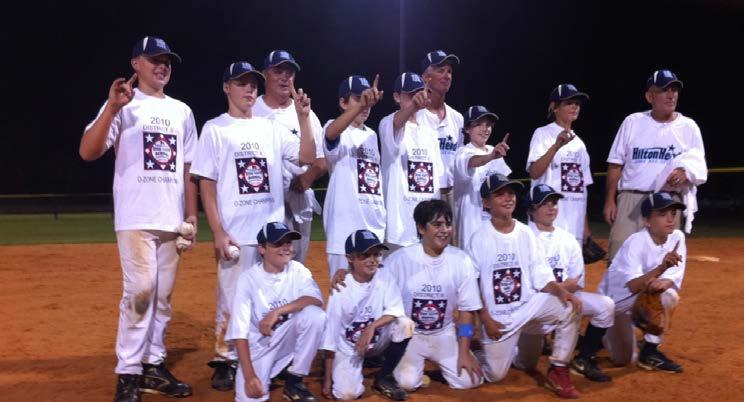
top when you get stuck.”
“Colonel Parker gave him a chance, and when you give people chances, they excel if they have the heart.” Griffin’s father, Walter Fingar, said, “Colonel Parker got the best out of Griffin because he gave him a chance. The colonel expected much and worked him hard. He demanded a lot. He’s

learn, and play any position. It’s tough at the All Star level with the best players.”
Today, Griffin is a success story. According to his father, he finished high school, graduated suma cum laude from the University of South Carolina Beaufort, and is in the top half of the class at the dental school at MUSC. He will be graduating in May and will be licensed in June.
When Parker moved from Hilton Head to Bluffton and found a new dental practice at We Care Dental, he was surprised to learn that Griffin’s father is the dentist there.
Dr. Fingar told Parker that the baseball experience played a big part in his son’s self-confidence and maturity. He also told him that Griffin would be joining his dental practice.
a retired Marine colonel and I loved his style of coaching. It’s what it takes.”
Parker said that Griffin ended up being the team’s starting center fielder. The team won the district championship and went on to the State Championship, placing fourth.
“It was a turning point in his life. He was a great baseball player – willing to listen,


“It’s wonderful to think I played a small part to make Griffin successful,” Parker said. “What a great opportunity to have him do my dental work. It’s serendipity – like a teacher who reconnects with a student. I may be his first patient!”
Dr. Parker said, “I will definitely make that happen!”
Edwina Hoyle is a freelance writer in Bluffton.







BOOK EARLY AND SAVE!
Get 10% OFF boat rentals with 20+ day advanced bookings through Dec. 31, 2026.
Use promo code: BOOKAHEAD Additional restrictions may apply.






By Kevin Fitzpatrick Contributor












• Brand new luxury Aloha pontoon boat rentals
• 150 horsepower Yamaha engine
• Easy to operate with Garmin GPS navigation
• Comfortable seating for up to 12 people
• 9 ft Sunbrella for fun in the shade

Life, in general, is quite the game. There are victories, there are losses, there are spectacular moments, and there are moments you want to forget, and usually those are the ones you can’t seem to put away. You are in “training camp” as you pass through your teen years, trying to figure out your place in this game. Establishing a career path or wandering down a variety of winding paths, finding a partner, raising a family, and more, are part of the process of finding your place in this particular game.
Then, as the years move on, if, like Sue and me, you are lucky enough to be healthy and turn the page in your playbook and retire, it’s not easy to simply remove yourself from the game. In my case, having had job or family responsibilities, or both, from the time I delivered my first newspaper at 8 years old until I left teaching for the last time in 2021 at 68, it was very easy. We left the cold, moved to a beautiful newly constructed home, and I was, and am, delighted to spend each day with zero responsibilities other than the ones I self-impose.
Sue was also able to decompress for a while but has a harder time just “being,” so it was quite the godsend when she found Palmetto Animal League. She started out volunteering a few days each week, helping out where needed.
That morphed into working with the vets, cleaning the surgical instruments and doing other tasks as needed. She also enjoys just spending time with the multitude of cats on days when she is not otherwise occupied helping out. It is even more enjoyable for her since we lost Abbey the dog a little more than a year ago. Our home is empty at the moment, but that won’t last. We are just taking a little bit of a break, and this way she still gets her fix.
The folks at PAL are simply amazing. It almost seems as if the Wizard of Oz landed his balloon and announced that, in that location, everyone would have a heart, a brain and a ton of courage. They take care of so many cats and dogs, always looking to find them proper homes. On those occasions when I have tagged along just for “visiting,” I can confirm that it is impossible not to feel relaxed after spending time with some of the sweetest animals around and also to marvel at the folks working and volunteering there.
Life, as a game, is filled with many different innings, quarters, halves and holes, and when you find something after you have turned so many pages that satisfies your soul, it is quite nice. Sue has found exactly that with Palmetto Animal League, a true Lowcountry treasure that you can easily find without having to dig or dive.
Let’s have The Band finish this out appropriately:
“Life Is a Carnival — It’s in the Book Life Is a Carnival — Take Another Look”
Kevin Fitzpatrick is a retired teacher who, along with his wife Sue (also a retired teacher) is enjoying exploring life in the Lowcountry and all it has to offer.
By Joy Ross Contributor
Hair breakage is one of those frustrating things that seems to come out of nowhere—but there’s almost always a reason (or a few) behind it. The tricky part is that it’s usually not just one culprit, but a mix of habits, environment, and hair health all working together.
First up, heat styling. Flat irons, curling irons, and blow dryers can seriously weaken the hair shaft over time. Hair is basically protein, and too much heat can break down that structure, leaving strands brittle and prone to snapping. If you’re hearing that little “crunch” when you style… that’s not a good sign. Then there’s chemical processing— coloring, bleaching, perms, relaxers. These treatments open up the hair cuticle to change its structure, which also makes it weaker. Bleach, especially, strips the hair of moisture and protein, so if it’s not properly treated afterward, breakage is almost guaranteed.
Speaking of moisture, dryness is a huge factor. Hair that’s dry becomes stiff and less flexible, which means it can’t bend—it just breaks. This can come from overwashing, harsh shampoos, sun exposure, or even just not conditioning enough.
Mechanical damage is another big one people overlook. Things like tight ponytails, rough brushing, towel drying aggressively, or even sleeping on cotton pillowcases can slowly wear hair down. Over time, that constant friction leads to split ends and breakage.
Your diet actually plays a role too. Hair needs nutrients like protein, iron, and vitamins to stay strong. If your body isn’t getting what it needs, your hair is one of the first places it shows up—often as thinning or breakage.
Let’s not forget environmental stress. Sun, wind, saltwater, and chlorine can all dry out and damage hair. Think of it like your skin—if it’s exposed too much without protection, it suffers. And finally, overprocessing and lack of trims. When split ends aren’t cut off, they travel up the hair shaft, causing more breakage higher up. That’s when hair starts looking thinner and uneven. The good news? Most of this is fixable. Being a little gentler, adding moisture, protecting from heat, and keeping up with trims can make a huge difference. Hair doesn’t just “break for no reason”—it’s usually just asking for a little better care.
Joy Ross is the owner of Style It Salon. styleitsalon.com, 843-338-1530.

By Sasha Sweeney Editor
More than 4,400 members participated in Palmetto Electric Cooperative’s 2026 Annual Meeting, where cooperative leaders highlighted economic development projects, community giving efforts and rising operational costs.
According to the cooperative, 4,477 members registered and voted during the annual meeting process, which included drive-thru registration and voting April 30 through May 2 at Palmetto Electric’s Ridgeland office.
Members cast ballots in the Board of Directors election while employees distributed registration gifts and answered questions during the event.
“I want to sincerely thank the 4,477 members who took part in the business of their cooperative and made the 2026 Annual Meeting a success,” Palmetto Electric President and CEO Berl Davis said in a
statement.
The theme of this year’s meeting was “Driving Opportunity.” A business meeting livestreamed Saturday afternoon focused on economic development efforts, investments in local communities and challenges facing the cooperative during the past year.
Palmetto Electric said its Utility Tax Credits program and partnership with the SC Power Team provided funding support to industries in southern Beaufort, Hampton and Jasper counties during 2025.
The cooperative said it helped attract TS Conductor to Hardeeville through construction of a new substation designed to support the company’s energy needs. The cooperative also said Utility Tax Credits funding supported growth at the Southern Carolina Industrial Campus and TICO Manufacturing in Ridgeland.
Palmetto Electric also highlighted its support for the Don Ryan Center for Innovation in Bluffton, which the cooperative said helped startup companies



and expanded programming intended to attract corporate headquarters and regional offices.
Community giving efforts were also a focus of the meeting.
Through Operation Round Up, members increased the program’s lifetime impact to more than $11.2 million, according to the cooperative. In 2025, the Palmetto Electric Trust distributed $606,405 through the program to organizations and individuals needing assistance, including $39,150 in Bright Ideas grants awarded to 44 teachers.
The cooperative also addressed higher operating expenses and rate changes implemented during the past year.
Palmetto Electric said it implemented a rate adjustment in January 2025 because of higher equipment, material and wholesale power costs, along with the expiration of the Santee Cooper Rate Freeze.
The cooperative said it also promoted programs intended to help members manage electricity use and reduce costs,
including H2O Select, Smart Thermostat and Beat the Peak. MyEnergy Online and in-person home energy audits were also promoted as tools to help members monitor energy consumption.
Palmetto Electric said it expanded PalmettoLink broadband service in underserved areas while continuing work to improve electric system resiliency. The cooperative also returned about $3.2 million in capital credits and said it was recognized as one of South Carolina’s Best Places to Work in 2025.
Board incumbents David C. Howard, Carolyn Grant, Greg Cook and Dr. Earl Bostick Sr. were re-elected after running unopposed.
Board officers elected were Jeremiah E. Vaigneur as chairman, D. Terrell Smith as vice chairman and Grant as secretary-treasurer.
Jeredean Chance won the meeting’s grand prize, a 2017 Ford Explorer.

By Collins Doughtie Contributor
I know, I know. This column’s title might have you worried that I am heading over the ledge, but fear not. Simply put, I am just hoping it might capture your attention and get you to read what is going through my head as I sit and write. I am not saying I never experience the blues, but in this case, the “blues” is what you might call a contronym. If you do not know what a contronym is, Google it. Honestly, about the only time I get the blues is during the winter months, and with it comes a recurring dream that has returned year after year since I was in my early teens. In that dream, I am aboard Hilton Head’s pioneer charter boat, the Buddy II, with my dad and a couple of his buddies marlin fishing off Hilton Head. The ocean is slick calm, and the water is a blue that is hard to describe. Facing out the back of the boat, my eyes are glued to a rigged Spanish mackerel skittering along the surface as we troll when, seemingly out of nowhere, a massive marlin rises beneath the mackerel and inhales it. We did catch it, but what made this such a recurring dream for all these years was the brilliant blue water and the precise instant that fish came up. Even now, I can close my eyes and see that moment perfectly, frame by frame.
So here is where “the blues” becomes a contronym. All winter long, I get pretty blue waiting for the water to warm enough for me to make that first run out to the vibrant blue waters of the Gulf Stream, around 60 miles offshore. The first 15 or so miles are the silty water you see at the beach. Then the water turns a clear green for the remaining 40 or so miles until you cross into the Gulf Stream, where the water is blue as blue can be.
At that instant, all those winter blues vanish as if by magic. It truly is what I live for, and thanks to my dad letting me catch my first billfish at age 7, that blue water is, and always will be, my magic potion.
Once again, that blue water conquered my blues a little more than a week ago when I got a call from my friend Bill Busch, a Wexford resident. Having caught just about
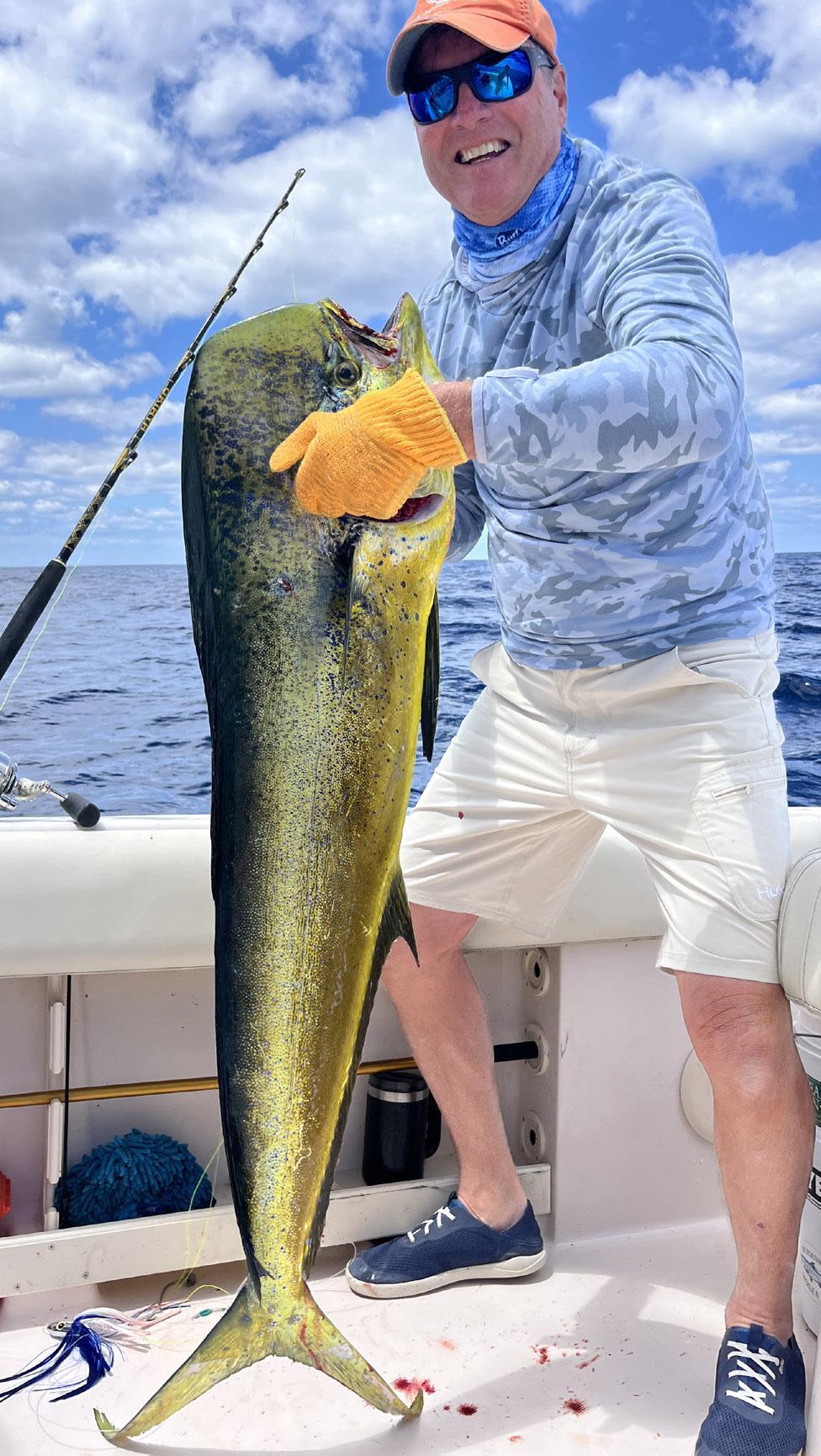
every pelagic species, one has especially captured my heart. Dolphin, mahi-mahi, dorado, whatever you call them, are right up there in my book.
Splattered with a palette of colors like a Jackson Pollock painting, they rush in to trolled baits with their dorsal fins raised, zigging and zagging until they finally commit. The best part is that the water is such a clear blue that, if you are paying attention to the baits, you can see every second of a dolphin’s mad rush.
Accompanying Bill and me aboard were my longtime fishing partner Dan Cornell and Eric Nguyen, owner of a nail salon in Port Royal Plaza. When we finally reached the stream, it was not just blue. It was a deep cobalt blue.
Like so many pelagic fish, dolphin love any kind of structure. A floating log, a discarded bucket, and best of all, a Sargasso weed line. Find that and you will find dolphin lurking beneath it. Lucky for us, we found just such a weed line, plus huge free-floating patches of weed everywhere.
Acting as a nursery of sorts, all kinds of tasty critters hide in that weed, and being one of the fastest-growing fish in the ocean, dolphin will eat just about anything. And flying fish? They were everywhere. At times, the boat would spook them and 100 would take off at once. I never get tired of watching them launch and glide hundreds of yards after one tail beat.
It did not take long before we landed the first dolphin, and from that point on, the action was fairly steady and the fish were larger than normal. I rarely reel in fish out there, preferring instead to rig baits and yell instructions at anglers, but that is just me.
The last dolphin of the day was a beast, with Bill on the reel. As he finally got it within 20 yards of the stern, that bull dolphin looked like a huge bright green-and-yellow sheet of plywood beneath the water.
That day took my blues away, and getting my first taste of blue water this year most definitely has me in the pink.
Collins Doughtie is a 60-year resident of the Lowcountry, is a sportsman, graphic artist, and lover of nature. collinsdoughtie@icloud.com.

By Tamela Maxim Contributor
Before moving on to the second installment of a brief history of the Lowcountry as promised in my previous article here is a bit more about Chicora:
In 1521, Spanish explorer Francisco Gordillo kidnapped dozens of Chicora people and took them to Hispaniola. Most died, but one who survived: a man they baptized as Francisco de Chicora. He learned Spanish, worked for Lucas Vázquez de Ayllón, and traveled to Spain to speak before the royal court. His vivid descriptions, a mix of observation, rumor and fantasy recorded by European chroniclers, helped secure support for another expedition. He described people with waist-length black plaited hair and smooth, beardless faces; women with even longer braids; a tribe of white men with hair down to their feet, ruled by a giant king and queen; and men with tails so long and stiff that they had to dig holes to sit.
And, now continuing with more about
the Lowcountry’s past:
The southern tidal marshes, barrier islands, and winding rivers along the North American Atlantic coast were one of the most fiercely contested regions of the sixteenth and seventeenth centuries. Spain, France, and England all wanted it — and none of them had an easy time getting it.
The French

In 1562, a French Huguenot expedition led by Jean Ribault established Charlesfort on present-day Parris Island, South Carolina. It did not go well. Supplies ran out, leadership collapsed, and folks were starving. The survivors built a makeshift boat using their clothing for sails and headed for France. When they ran out of food, they drew lots and ate a crew member named La Chère. They were eventually rescued by an English ship in the Channel.
Too much idealism. Not enough food. A not-so-wonderful combination.
The Spanish
Just a few years later, in 1566, Spanish forces arrived at the abandoned site of Charlesfort and found little more than ru-
ins and, reportedly, one solitary Frenchman who had chosen to remain. The Spanish demolished Charlesfort and built a fortified settlement they called Santa Elena right on top of it, designating it the capital of Spanish Florida.
After two decades marked by hurricanes, supply shortages and conflict with Indigenous groups including the Orista and Guale, Spain abandoned Santa Elena in 1587 and consolidated its efforts at St. Augustine, Florida, leaving behind artifacts, place names, and valuable written records that historians still draw upon today.
Trying to control and convert Indigenous people was a bad idea. A very bad idea.
In 1670, English colonists established Charles Towne, present-day Charleston, South Carolina, along the Ashley River. Unlike the Spanish, they didn’t come to make religious converts. Unlike the French, they weren’t driven by philosophical idealism.
They came for profit. Backed by the Lords Proprietors, eight English no-
blemen received generous land grants from King Charles II, built an economy centered on agriculture and trade, and became wealthy first by cultivating rice and later Sea Island cotton, both dependent on the skills and knowledge of enslaved West Africans.
They made a lot of money. All seemed well, until…
The Yamasee War (1715-1717) nearly destroyed the English colony. Pirates like Blackbeard and Stede Bonnet plundered the coast, and during the American Revolution, Charleston fell to the British in 1780.
But Charleston rebuilt itself as a cultural center after independence. Prosperity returned, though not without setbacks— hurricanes, crop failures, and the deep consequences of an economy built on enslaved labor.
The French dreamed. The Spanish converted. The English profited.
And the Lowcountry --- shaped by all who’ve touched her shores, continues to draw people in like a moon-pulled tide, slow, and steady, with stories to tell of days long ago.
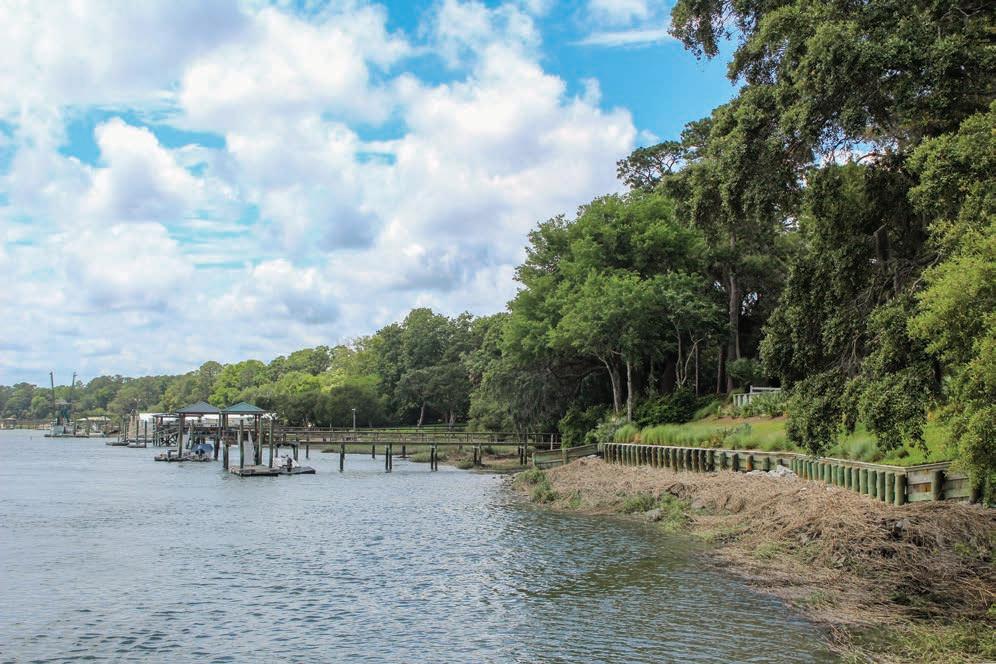


By Dr. Kenneth Horup Contributor

On Hilton Head, sandal season is almost a sport.
The sun comes out, Harbour Town starts buzzing, the beach fills up, and suddenly everyone is strolling around in flip-flops like they are 25 again. It is a beautiful thing. Until your feet decide to file a complaint.
That is the problem with sandal season. It reveals things. Not just pale toes, questionable tan lines and the occasional overdue pedicure. It also reveals when your feet have not been entirely happy for quite some time.
All winter, people can hide a lot in
socks and sneakers. But once the sandals come out, so do the symptoms.
“My feet burn at night.”
“My toes feel numb.”
“Why does it feel like I am walking on marshmallows?”
“I am not dizzy, but I do feel a little wobbly.”
And, of course, the Hilton Head classic: “I figured it was just getting older.”
Maybe. But maybe not.
Sometimes those symptoms may be related to peripheral neuropathy, a condition involving damage or irritation to the nerves that often begins in the feet. It can show up as numbness, tingling, burning, pins-and-needles sensations, unusual sensitivity or trouble with balance. Some people say it feels like their socks are bunched up under their toes even when they are barefoot. Others say it feels like they are walking on hot coals, wet sand or mashed potatoes. None of those are official medical terms, but you get the idea.
Peripheral neuropathy is often associated with diabetes, blood sugar problems, circulation issues, certain medications, injuries and other underlying health concerns. The sneaky part is that it usually does not arrive with fireworks. It tends to creep in quietly, little by little, until one day you are walking through Harbour Town, stepping off a curb or heading down a beach boardwalk and thinking, “Why do I feel so off?”
That balance piece matters. Your feet are constantly sending signals to your brain about where your body is in space. When the nerves are not doing that job well, balance can suffer. That is why some people feel more unsteady in the dark or on uneven ground. And let us be honest: most people are excellent at ignoring these things. They will play golf, walk the beach, shop all afternoon and smile through dinner while their feet are sending distress signals like tiny nervous smoke alarms.
But burning, tingling, numbness and balance problems are not things to casually blame on age, stress or “sleeping funny.” They are signs worth paying attention to.
The good news is that early action matters. Getting properly evaluated early can help identify what is going on and give you a better chance to respond before symptoms progress further. So, as sandal season returns to the Lowcountry, listen to your feet. If you are noticing numbness, tingling, burning or balance issues, your feet may be trying to tell you something is not right. It may be time to get checked by a health care provider who can examine you for peripheral neuropathy so you can take action early instead of waiting for it to get worse.
Dr. Kenneth Horup, DC is a Chiropractic Physician at Discover Specific Chiropractic, Certified in Neuropathy.






By Channing Heiss Contributor
Beaufort County stormwater officials addressed topics at last month’s meeting of the Beaufort County Stormwater Management Utility Board that are expected to come up again when they meet June 10.
These include presentations on the use of pervious construction materials and a proposed buyout program for distressed properties, as well as an update on the ongoing Alljoy drainage study and other Beaufort County projects.
The issue of favoring pervious over impervious building materials came up during a presentation by Courtney Kimmel of the Port Royal Sound Foundation. She explained there is a 10% maximum use of impervious materials in a subwatershed, after which there is potential for environmental degradation. Kimmel
said she has been meeting with various agencies on these issues and that, while some are lagging, she is hopeful and believes some officials are beginning to understand the need to act.
Chairman Marc Feinberg announced during his discussion with Kimmel that he has been taking photographs of areas where pervious materials have been used and is preparing a presentation for the June meeting on the possibilities for local use of those materials.
The issue has been discussed many times during the past few years, most recently regarding the sidewalk, parking lot and boat landing projects at Alljoy.
The buyout program also will be the subject of a June presentation by Stormwater Manager Taylor Brewer. It is a program she has been working on with colleagues at Public Works. Under the voluntary program, Beaufort County would purchase properties from
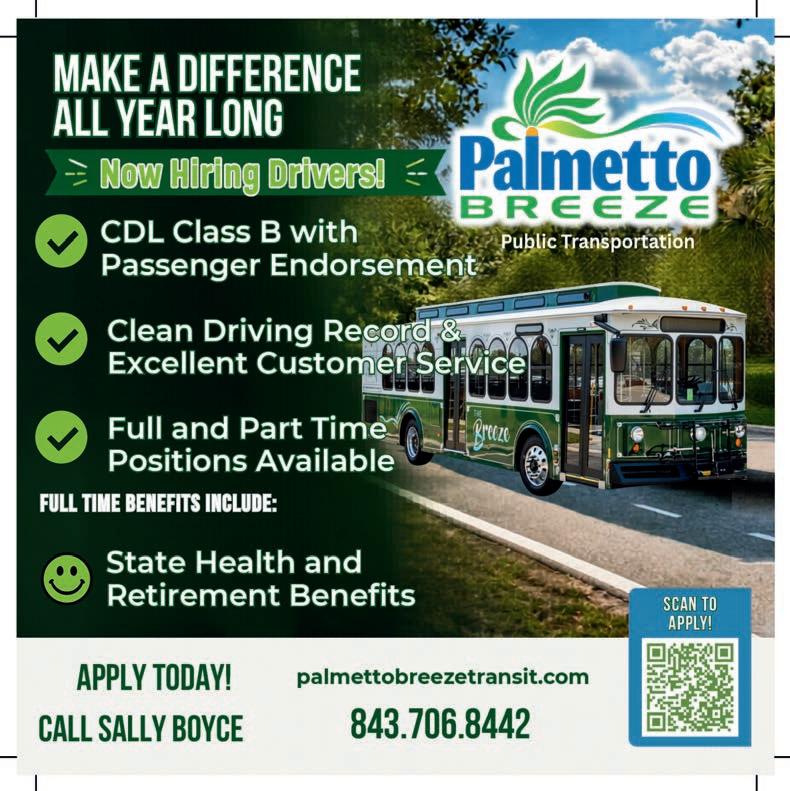
willing sellers. The land would either be returned to a natural state or enhanced as best management practice sites, such as stormwater gardens. Before making plans to implement the program, officials took steps to verify it would be legal. Brewer said officials already have been approached by people expressing interest in the program.
She also used her report to introduce a new online stormwater dashboard coming to the county’s website that will allow residents to contact stormwater officials and track the progress of public works projects through maps. The dashboard is expected to go live this summer. Officials hope the feature will alleviate previous communication frustrations by providing residents with more efficient updates.
Meanwhile, Brewer has been reporting regularly on the Alljoy drainage study, telling the board last month that

project managers from SeamonWhiteside had completed their inventory of stormwater assets in the Alljoy area. They are now working on repairs and upgrades.
Brewer said officials are looking at “gray infrastructure,” such as pipes that need to be upsized, as well as areas where “green infrastructure,” such as bioswales, would help filter runoff. Crews also are cleaning ditches and culverts. She also reviewed other drainage projects and nature enhancement efforts in Beaufort County and briefly discussed efforts to improve the stormwater fee structure.
The board’s June 10 meeting will be at 2 p.m. at 100 Ribaut Road in Beaufort.
Channing Heiss is a freelance writer and a member of the Beaufort County disAbilities Coalition.

By Nick Martin Contributor

One in three seniors will die with dementia.1
It’s a sobering statistic, and when you consider it alongside increasing longevity, it’s easy to see why planning for the potential impact of diminished capacity on your or a loved one’s future finances is critical.
An estimated 6.5 million Americans ages 65 and older are living with Alzheimer’s, and more than 11 million Americans are providing unpaid care for someone struggling with dementia.
Numbers like these prove that planning for the possibility of long-term care and considering who will make decisions if you can’t is not simply smart, it is nec-
essary. And that planning now – before you have the need or are unable to share your wishes – is essential.
Protecting yourself
When it comes to handling Social Security payments for a disabled senior, establishing powers of attorney, medical directives or guardianship arrangements may not be enough. The Social Security Administration (SSA) requires a special designation known as representative payee.
A representative payee is someone who acts on behalf of another person who is incapable of representing themselves and is responsible for directing payouts exclusively to meet a beneficiary’s needs. The SSA may determine that an individual is incapable of managing or directing someone else to manage his or her benefits and would then appoint a representative payee. Family members may also consult the SSA if they believe their family member necessitates a representative payee. Generally, a family member or friend serves as representa-


tive payee. If friends or family are not able to serve as payees, the SSA will look for qualified organizations to be representative payees.
The SSA requires that all legally incompetent adults and most minor children (a disabled child or young adult entitled to Supplemental Security Income, for example) have a representative payee. In most cases, the person in this role cannot be paid for the work they do on behalf of the incapacitated person. And the SSA requires them to keep careful records.
A critical thing to keep in mind about the responsibilities of acting as a representative payee is that the permissions that accompany the role do not extend to other facets of your affairs. Making medical decisions or signing legal documents on your behalf will still require that someone be granted powers of attorney or guardianship.
Protecting a loved one
If you assume the role of representative payee, the SSA offers a range of
resources via ssa.gov, including a series of training videos, a downloadable guide and a frequently asked questions page. The process will likely require a trip to a Social Security office and a completed SSA-11 form explaining why the beneficiary needs assistance and why they have selected you for the job. Recall, too, that this designation will be in addition to any other legal or medical role you might be playing for your loved one. It’s one piece of the larger whole that, with forethought and planning, can help ensure your loved one’s – or your own –future is secure.
Nick Martin is a financial planner and the founder of Bluffton Financial Planning. Bluffton Financial Planning is not a registered broker/dealer, and is independent of Raymond James Financial Services. Investment advisory services offered through Raymond James Financial Services Advisors, Inc.



By The Bluffton Sun Staff
A regional food relief effort is helping local nonprofits across the South Carolina Lowcountry and coastal Georgia meet growing demand for food assistance.
On May 1, The Church of Jesus Christ of Latter-day Saints partnered with local organizations through JustServe to deliver nonperishable food items to community groups, including Bluffton Self Help and Blessing Boxes. Donations included rice, pears, peanut butter and beans.
According to organizers, the effort is a part of the church’s larger food assistance program that distributed more than 37 million pounds of food worldwide in 2025.
“Through this partnership, we’ve been able to bring in food trucks to statistically needy areas of coastal SC and GA,” said Rachael Tiede, communication director for the Savannah Stake. “The food truck enabled 17 nonprofits to receive 1,444 cases of food by early May.”
The assistance comes as food banks and nonprofit organizations across the region face increased demand. Organizers said South Carolina lost approximately 1.5 million pounds of federal food aid in 2025, creating additional strain for organizations serving Beaufort and Jasper counties.
“Local nonprofits are seeing firsthand the growing need in our communities,” said Sue Christiansen, a local JustServe specialist. “By working together, we can help ensure families have access to the food they need, even as resources fluctuate.”
Tiede said the effort also focused on helping smaller organizations that may face additional costs when obtaining supplies.
“After we delivered directly to a large Statesboro food bank in December, I wanted to also help the smaller organizations because sometimes they have to pay to get food,” she said. “I figured we could do the legwork to get food directly to the local groups.”

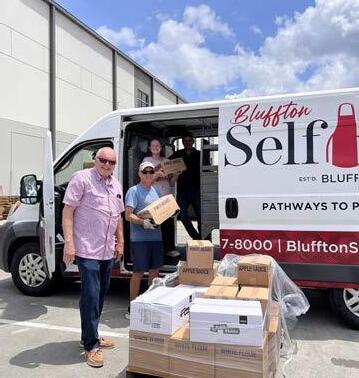
coordinated deliveries and supported distribution efforts throughout the region.
Kate Mills, food pantry manager for The Deep Well Project, said the donations will support hundreds of residents on Hilton Head Island.
“Wow! We are so excited for this new
connection,” Mills said. “These nonperishables are perfect for those in need, from hardworking, elderly, children, or disabled neighbors to our unsheltered friends. We provide food assistance each month to 800-900 people on Hilton Head Island so we are incredibly grateful for the support from JustServe.org.”
Tiede said community organizations welcomed the assistance.
“It is amazing to get to ask if they would like food,” she said. “These organizations do so much for our community and are thrilled to receive assistance.”
In addition to food donations, organizers said the partnership also supports programs focused on budgeting, nutrition education and long-term self-sufficiency.
“Our desire to help people become more self-reliant is rewarding,” Tiede said.

In a release, the Church of Jesus Christ of Latter-day Saints said they plan to continue working with local food pantries and community organizations to provide assistance and strengthen local support networks.
By Abby Bird aka Alphadog Contributor
For many years leading up to COVID-19, I taught swim sessions for dogs that didn’t know how to swim and also provided fun venues for dogs that loved to get wet. During and after COVID-19, I abandoned the organized sessions, but I still encourage dog owners here in the Lowcountry to get wet with their pets. Why even have your dog do this? There is a misconception about dogs and swimming.
While theoretically all dogs have the ability to swim, that does not mean all dogs actually like swimming or even know how to keep themselves safe in and around water. The sad fact is that every summer dogs drown in pools in our area. And they are not just small, nonswimming breeds. They can be any breed and any size.
If your dog may at any time be exposed to pools on your property or elsewhere, it is critically important that the dog have a swim lesson. The lesson may not just determine whether your dog actually

swims and whether it enjoys it, but, most importantly, whether it can get out of a pool safely if it accidentally finds itself in one.
I am still teaching pool safety lessons, and if you want to participate with your dog to teach it to exit a pool via steps and not exhaust itself trying to pull itself out over the side onto a deck, contact me directly for more information. The session is free.
Not all dogs can swim or float properly in the water. Some look like the Titanic, with their rear underwater and their heads barely above the surface. For those dogs, I recommend a dog life jacket to make them more confident and teach them to use their back legs. Confidence can give them the freedom to discover whether they actually like to swim.
Some dogs will swim for the sheer pleasure of it. Others will want to tackle other dogs in the water. Still others will want to fetch toys. My breed, the Newfoundland, loves to rescue people in the water and doesn’t believe it is safe for humans to be there. This can make pleasure swimming difficult for the owner because they can get clawed in the saving process. We can

actually refine their skills to turn them, and other breeds, into lifesaving water rescue dogs.
Swimming for fun in the Low country means going to the beach or river, definitely not ponds or lagoons because of alligators. But if you have the opportunity to go to a lake, bring your dog and a bunch of floating toys. For the beach and other venues, a 50-foot waterproof training lead is suggested and is available on Amazon at a reasonable price.
So this summer, get wet with your pet for the joy of it and for safety.
Abby Bird is the owner of Alphadog Training Academy. AlphadogTrainingAcademy@ gmail.com




By The Bluffton Sun Staff
Cross Schools in Bluffton has received a $2,500 STEM grant from Sparklight to support science and technology programs and help launch the school’s first Science Olympiad team.
The award was announced May 11 through Sparklight’s annual “Dream Bigger” social media campaign, which supports science, technology, engineering and math education opportunities for K-12 students.
According to Sparklight, the funding will help expand the school’s STEM initiatives and provide resources for the new Science Olympiad program. The school said the grant also will help ensure students can participate regardless of financial barriers.
“Sparklight’s Dream Bigger grant will give our budding middle school scientists the tools to master the fundamentals that prepare them for success in our

upper-school Science Olympiad program and beyond,” said Stacie Greene, head of middle and upper school at Cross Schools.
“Winning this grant empowers them to dream bigger, deepen their passion for

STEM and build confidence to innovate and compete at the highest levels,” Greene said.
Science Olympiad programs feature team-based competitions focused on
science, engineering and problem-solving activities.
Jane Shanley, Sparklight senior regional director for the Southeast, said the company supports programs that allow students to apply STEM skills in hands-on settings.
“Programs like the Science Olympiad give students the chance to explore and apply STEM in intellectually challenging, hands-on ways,” Shanley said.
“We’re proud to support Cross Schools as they launch this new team and create opportunities for students to discover their potential, gain real-world skills and pursue future paths in STEM,” she said.
Sparklight said its “Dream Bigger” initiative has awarded more than $200,000 in grants since launching in 2019. The company said 12 schools and organizations across its 24-state service area were selected for funding in 2026.
Sparklight is a leading broadband communications provider for high-speed internet and mobile services. Learn more at www.sparklight.com

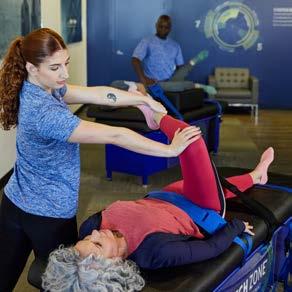

















From
Make