Blufft n Sun

By Sasha Sweeney Editor
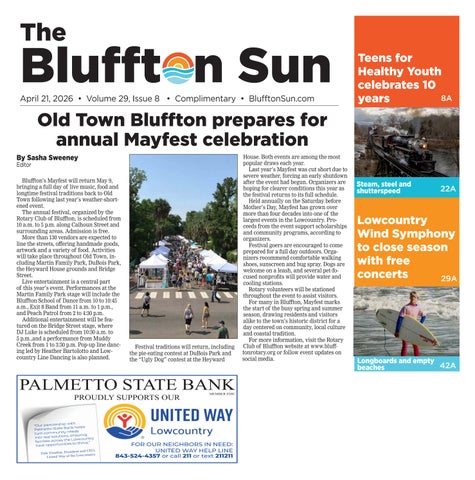
Bluffton’s Mayfest will return May 9, bringing a full day of live music, food and longtime festival traditions back to Old Town following last year’s weather-shortened event.
The annual festival, organized by the Rotary Club of Bluffton, is scheduled from 10 a.m. to 5 p.m. along Calhoun Street and surrounding areas. Admission is free. More than 130 vendors are expected to line the streets, offering handmade goods, artwork and a variety of food. Activities will take place throughout Old Town, including Martin Family Park, DuBois Park, the Heyward House grounds and Bridge Street.
Live entertainment is a central part of this year’s event. Performances at the Martin Family Park stage will include the Bluffton School of Dance from 10 to 10:45 a.m., Exit 8 Band from 11 a.m. to 1 p.m., and Peach Patrol from 2 to 4:30 p.m.
Additional entertainment will be featured on the Bridge Street stage, where DJ Luke is scheduled from 10:30 a.m. to 5 p.m.,and a performance from Muddy Creek from 1 to 3:30 p.m. Pop-up line dancing led by Heather Bartolotto and Lowcountry Line Dancing is also planned.

Festival traditions will return, including the pie-eating contest at DuBois Park and the “Ugly Dog” contest at the Heyward


House. Both events are among the most popular draws each year.
Last year’s Mayfest was cut short due to severe weather, forcing an early shutdown after the event had begun. Organizers are hoping for clearer conditions this year as the festival returns to its full schedule.
Held annually on the Saturday before Mother’s Day, Mayfest has grown over more than four decades into one of the largest events in the Lowcountry. Proceeds from the event support scholarships and community programs, according to organizers.
Festival goers are encouraged to come prepared for a full day outdoors. Organizers recommend comfortable walking shoes, sunscreen and bug spray. Dogs are welcome on a leash, and several pet-focused nonprofits will provide water and cooling stations.
Rotary volunteers will be stationed throughout the event to assist visitors.
For many in Bluffton, Mayfest marks the start of the busy spring and summer season, drawing residents and visitors alike to the town’s historic district for a day centered on community, local culture and coastal tradition.
For more information, visit the Rotary Club of Bluffton website at www.blufftonrotary.org or follow event updates on social media.

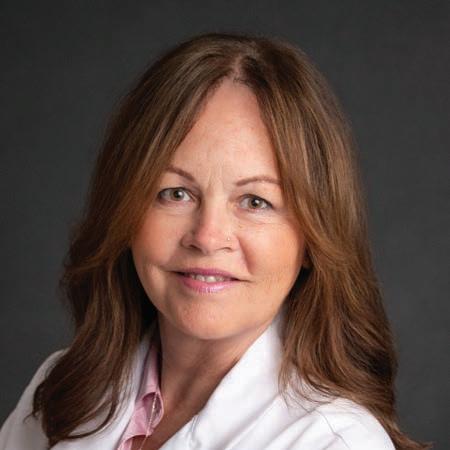
eaufort Memorial is enhancing access to essential women’s health care in the Lowcountry with the addition of board-certified OBGYN
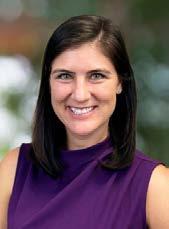
Dr. Rebecca A. Keith to its team.
Dr. Keith joins Beaufort Memorial Obstetrics & Gynecology Specialists with more than 30 years of clinical experience, including several years serving patients on Hilton Head Island and in Bluffton and Hardeeville. While her early career was primarily focused on serving patients in the Lowcountry, she has since dedicated much of her time to practicing in the upstate, where she has delivered over 5,000 babies and built lasting relationships with patients and their families.
At Beaufort Memorial, Dr. Keith will offer gynecologic and general obstetric care, including diagnosis and treatment of common women’s health conditions. She will provide comprehensive, patient-centered care for women of all ages at the practice’s Beaufort and Okatie locations.

With a special interest in high-risk obstetrics, Dr. Keith is committed to creating a respectful, supportive environment for patients at every stage of life. She is also passionate about guiding young women through their first pelvic exams and serving as a trusted resource for education and support.
(843) 522-7820
Board-Certified
Obstetrics & Gynecology
Residency
Obstetrics & Gynecology
Methodist Hospital, Indianapolis, IN
Doctor of Medicine
Indiana University School of Medicine, Indianapolis, IN
Bachelor of Arts
Chemistry, Criminal Justice
Indiana University, Indianapolis, IN Beaufort Medical Plaza
At the practice, Dr. Keith joins board-certified OBGYNs Drs. Curtis J. Elam, Tempest Allen and Tiffany Bersani, as well as certified physician assistant Peyton Erb McManus,

By Mayor Larry Toomer Contributor
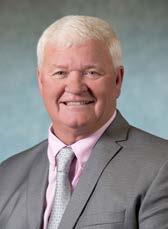
Welcome to “late-stage technology,” when our dependency on everything digital has unwelcome realities of crowded inboxes, constant notifications and sophisticated cybercriminals.
Scammers are taking advantage of our distractions and dependence on digital communication by sending “official” emails, texts and QR codes that appear legitimate and demand quick action, often using fear-based threats to trick people into sending money. Recently, cybercriminals targeted people doing business with the Town using fake logos and documents.
Our technology-filled world is moving faster than our ability to carefully verify
every message. Town leaders and staff are asking residents and applicants to pause and verify any digital communications that appear to come from the Town or another government agency.
In one recent case, Town staff learned of a phishing scam targeting applicants involved in Town meetings. A fraudulent email and invoice were sent requesting payment to keep an item on a meeting agenda. The invoice appeared legitimate, even using the Town’s name and address, but it was false.
Unfortunately, this type of scam is becoming more common. Bad actors are increasingly skilled at copying official seals, formatting and language so their emails appear to be legitimate government correspondence. These scams often rely on urgency or fear, suggesting a permit fee is overdue, a traffic ticket has not been paid or that someone must report immediately for jury duty.
Because many of our inboxes are crowded, it can be easy to overlook small warning signs. Cybercriminals understand this and take advantage of our dependence on technology and the speed
at which we process information.
That is why it is important to pause and verify before responding to any unexpected request for money or personal information.
Residents should remember a few simple rules.
First, government agencies do not deliver official legal notices by text message. If you receive a text demanding payment or threatening legal action, treat it as suspicious.
Second, be cautious of any message requesting immediate payment, particularly through wire transfers or unusual payment methods. The Town does not conduct regular business through wire transfers.
Third, verify the sender’s email address carefully. All official Town of Bluffton emails end with the domain @townofbluffton.com. Even a small variation could signal a fraudulent message.
Fourth, if something seems unusual, trust your instincts. Call the staff member directly or contact Town Hall using the publicly listed phone number. Do not rely on phone numbers included in the suspi-
cious message itself, as scammers often include fraudulent contact information to make their messages appear legitimate. Finally, be cautious with links and QR codes. Just like malicious email links, QR codes can direct users to dangerous websites designed to steal personal information.
Cybercriminals are constantly adapting their tactics. The best defense is awareness and caution.
If you receive a suspicious message claiming to be from the Town or another government agency, first confirm its legitimacy before taking any action. If you send money and later realize the message was a scam, report it to the police and notify the Town so officials can help protect others. Bluffton has always been a community where neighbors look out for one another, and that same spirit applies today when it comes to helping others recognize and avoid digital scams.
Larry Toomer is the mayor of the Town of Bluffton. ltoomer@townofbluffton.com.



SHOWROOM HOURS: Mon-Fri 9am-5pm Sat 10am-2pm Closed Sun
Current Circulation Via USPS is 25,149
Editor
Sasha Sweeney
editor@blufftonsun.com
Page Designer
Cary Howard cary@blufftonsun.com
Advertising
Mary Ann Kent, Sales & Marketing Manager
843-575-4151
BJ Frazier, 843-422-2321
Claudia Chapman, 814-434-3665
Mary Pat Gifford, 912-414-7122
Contributors
Abby Bird
Lisa Hostetler Brown
Chad Cannon
Lucia Crosby
Zach Deloach
Collins Doughtie
LaNelle Fabian
Kevin Fitzpatrick
James Hamilton
Annelore Harrell
Jean Harris
Rhonda Harris
Channing Heiss
Andrea Hoerner
Kenneth Horup
Barry Kaufman
Chris Ketchie
Wendy Kushel
Nick Martin
Tamela Maxim
Weston Newton
Nannette Pierson
Gary Smythe
Paul Tollefson
Larry Toomer
Joe Turino
Mark F. Winn
Tracy Winslow
By Rep. Weston Newton Contributor
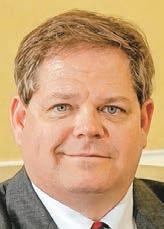
With roughly a month left in the second session of the 126th S.C. General Assembly, time is running short for bills to reach the finish line. Generally speaking, House committees this week will begin to pivot from taking testimony on House bills that now would have little chance of passing both bodies before the end of session to taking up bills that have previously passed the Senate. Additionally, there are several matters that have already had significant debate by both bodies for which we will devote significant attention in the closing days and weeks of session.
PO Box 2056, Bluffton, SC 29910
843-757-9507
Physical address:
181 Bluffton Rd., Ste F103-2, Bluffton, SC 29910 BlufftonSun.com
All contents are copyrighted by Beaufort Media Group LLC. All rights reserved. Nothing may be reprinted in whole or in part without written permission from the publisher. All submissions must include name, address and phone number. The Editor reserves the right to edit or reject any material, including advertisements. The Bluffton Sun does not verify for licenses, endorse nor warrant any advertised businesses or services. The opinions and views expressed in the editorials are not necessarily those of the Editor and Publisher. Hilton Head Island-Bluffton Chamber of Commerce, Greater Bluffton Chamber of Commerce, Old Town Bluffton Merchants Society.
THE BLUFFTON SUN Issue 8, April 21, 2026, is published twice monthly by Beaufort Media Group, LLC, 181 Bluffton Rd Suite F103-2 Bluffton, SC 29910. Periodicals Postage paid at Bluffton, SC and at additional mailing offices. POSTMASTER: Send address changes to THE BLUFFTON SUN, PO Box 2056, Bluffton, SC 29910-2056.
Chief among those topics are the annual appropriations act; increasing the property tax homestead exemption for South Carolinians over 65; and conformity with the federal income tax cuts enacted by Congress in the One Beautiful Bill for 2025, which the House passed but the Senate rejected. Other priorities include DUI reform and the regulation or banning of THC drinks.
As we approach this transition, we are continuing to deliver real results for South Carolina. From strengthening public safety and supporting law enforcement to protecting children, the week before the Easter furlough was full and productive.
Public safety remains a top priority, and we took meaningful action to strengthen it. The House passed the Immigration Enforcement Partnership Act (H.4764), a commonsense measure that enhances coordination between state and federal authorities. By strengthening 287(g) partnerships and equipping local law enforcement with clear tools,
training and authority, this legislation ensures more consistent enforcement across South Carolina. It empowers officers to work alongside federal partners and ICE to identify and process individuals in the country illegally who have been charged with crimes and are being held in local jails, helping uphold the rule of law and keep our communities safe. This effort reinforces our commitment to removing dangerous individuals from our streets while supporting the officers who protect our communities every day.
Additional bills the House passed from the Judiciary Committee include “Fargo, Hyco, Rico, Coba, Wick, Mikka and Bumi’s Law” (H.3034), which strengthens protections for K-9 officers and horses that serve alongside law enforcement. These animals are not just companions; they are highly trained officers that track dangerous criminals, protect their handlers and help keep our communities safe every day. Originally inspired by Fargo, a K-9 officer shot and killed while apprehending an armed robbery suspect in 2011, this legislation reflects years of advocacy to ensure these animals are properly protected under the law. It increases penalties for those who harm or kill a police animal, making these offenses felonies punishable by up to 15 years in prison, along with significant fines and full restitution for the cost of replacing and training the animal. This bill now heads to the Senate, another step toward ensuring South Carolina stands firmly with law enforcement and protects those who protect us.
Further, the House passed legislation strengthening penalties for the sexual exploitation of a minor. This bill closes dangerous loopholes, increases minimum sentences and ensures repeat offenders face mandatory prison time. Protecting children is not optional; it is our responsibility, and we are making sure those who exploit minors are held fully accountable.
The Judiciary Committee also continued advancing legislation to protect
South Carolina land and security by preventing foreign adversaries from purchasing or controlling property in the state, especially in proximity to military bases. This is about safeguarding farmland, infrastructure and the future from those who do not have the state’s best interests at heart.
Finally, the House passed the Stop Harm from Addictive Social Media (SHASM) Act, putting new safeguards in place to protect children online. This legislation targets addictive features that keep children on their screens, such as endless scrolling, autoplay videos and late-night notifications, while requiring age verification and strengthening default protections for minors. It also gives parents tools such as screen time limits and the ability to restrict algorithm-driven content.
Lawmakers also took steps to make life more affordable and improve the state’s infrastructure. Following months of testimony and hearings by the Labor, Commerce and Industry Committee, chaired by Rep. Bill Herbkersman, the House passed the Insurance Rate Reduction and Policyholder Protection Act (H.4817), a measure aimed at lowering insurance costs. The bill targets fraud and abuse that drive up premiums, increases transparency and accountability for insurance companies and helps homeowners reduce risk and lower costs.
The goal is fair, affordable insurance for South Carolinians. Lawmakers say they are working to keep communities safe, protect children, lower costs and build a stronger future for the state. It is an honor and privilege to serve the citizens of Beaufort and Jasper counties in the S.C. House of Representatives. Please do not hesitate to call on me if I may be of assistance.
Weston Newton is the representative for District 120 in the State House of Representatives. WestonNewton@schouse.gov.




Whether
By Channing Heiss Contributor
As advocates at Able South Carolina pursue policy priorities for 2026, they are focusing on Medicaid issues, programs related to home and community-based services, and legislation affecting the autonomy of people with disabilities. Their most immediate priority is Medicaid funding.
“Right now, we’re primarily concerned with the cuts to Medicaid on the table that senators are debating as we speak,” said Mary Alex Kopp, Able South Carolina vice president and chief public relations officer, in an April 10 email.
The organization’s 2026 advocacy guide detailing its current priorities promotes increased Medicaid funding to facilitate the development of more home and community based services for use by people with disabilities. They say the system is seriously underfunded and they encourage collaboration between agencies, advocates with disabilities, and disability-led organizations to resolve this and other issues. Able SC cites as evidence of an underfunded and overstressed system a request by the Department of Health and Human Services for $47 million in federal aid for HCBS resources. They also say it is more fiscally responsible to provide HCBS resources, pointing to government statistics indicating that these services are about half as expensive as institutional settings.
A December 2025 settlement agreement with the Department of Justice that requires South Carolina to improve its HCBS resources through the implementation of an Olmstead plan mandated by the 1999 Supreme Court ruling of the same name requiring the provision of community resources to
people with disabilities in the least restrictive environment. To that end, agencies were formally combined last year by state legislation signed into law by the governor last spring to create the Department of Behavioral Health and Developmental Disabilities and provide new agency resources whose role will include the development of an Olmstead plan in collaboration with disability rights advocates. The law also requires the appointment of an administrator of community living integration to oversee the creation of the plan.
Medicaid plays a major role in HCBS, so advocates at Able SC are also concerned about the effect that perceptions of Medicaid may have on its funding and administration. In a recent edition of her online column, Able SC CEO Kimberly Tissot expressed concern that recent emphasis on exposing fraud could limit funding and increase difficulty for those requiring Medicaid related services.
“The disability community wants integrity in these programs as much as anyone else,” Tissot wrote. “But don’t punish us for a failed system.”
She contends that another large part of the problem in maintaining support for Medicaid is that legislators, commentators, and others oversimplify the issue, failing to understand why services are needed or what they do to allow independent community living. The policies that result from those misunderstandings, Tissot says, “are what happen when someone has never talked to the people affected by the policy.”
Able SC said in their statement that they would probably release another update sometime in late April.
Channing Heiss is a freelance writer and a member of the Beaufort County disAbilities Coalition.

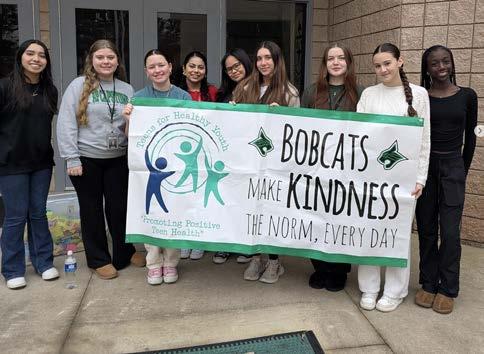
A youth-driven program focused on health advocacy and peer education is marking a decade of impact across the Lowcountry.
Teens for Healthy Youth, a program of the Lowcountry Alliance for Healthy Youth, began in 2016 as a pilot initiative at Bluffton High School. Ten years later, it has expanded into a multi-school network that includes several high schools and, more recently, middle schools across the region.
The program’s origins trace back to a 2014 town hall meeting where local students spoke candidly about challenges they and their peers faced, including access to alcohol and pressure to engage in risky behaviors. Their input helped guide the creation of a youth coalition designed to shift prevention efforts from adult-led messaging to student-driven initiatives.
Early efforts centered on peer-to-peer education, with students leading discussions and awareness campaigns focused on reducing drug and alcohol use. Members encouraged participation in national initiatives such as National Drug and Alcohol Facts Week and worked with local leaders to elevate youth voices in prevention efforts.
The program grew steadily after receiving support through a federal Drug-Free Communities grant, allowing it to expand beyond a single school. Today, Teens for Healthy Youth operates in Bluffton High School, Cross Schools, Hilton Head Christian Academy, Hilton Head Island High School and May River High School. This year,
organizers introduced middle school chapters, extending the program’s reach to younger students.
Participants engage in a wide range of activities, including school announcements, community service projects, public presentations and advocacy efforts. Students have addressed issues such as vaping, substance use and mental health, and have participated in regional and statewide events focused on prevention and education.
The program’s peer-to-peer model remains central to its approach. Organizers say students are often more receptive to messages delivered by their peers, particularly on sensitive topics such as substance use, stress and decision-making. Over time, participants have developed skills in public speaking, leadership and communication.
Some students have continued their involvement beyond high school, taking on internships and advisory roles within the organization. Others have been recognized for their service through local awards and scholarships.
The program has also gained visibility within the broader community. In 2019, Teens for Healthy Youth participants were named grand co-marshals of the Bluffton Christmas Parade, reflecting their role as youth leaders and advocates.
As the program enters its second decade, organizers say the focus will include strengthening middle school programs and addressing emerging trends, including new forms of substance use such as THC-infused prod-
ucts.
What began as a conversation among teenagers has grown into a network of youth leaders working to influence their peers and communities, demonstrating the impact of student-led initiatives in addressing public health challenges.
Learn more at lcahealthyyouth.com or follow @lowco_ thy on Instagram.





By James Hamilton Contributor
The pollen is building, the flowers are blooming and outdoor activities are ramping up. From golf tournaments and fishing to yard work and trips to the beach, there is plenty to do in the Lowcountry. With the change in season also come safety and security concerns.
Some things to consider:
Medical emergencies: It is difficult to quantify the number of heat-related, fainting and dehydration cases seen this time of year. When temperatures rise and fluid and food intake are low, the body can
be adversely affected. Without proper training, people may panic when they witness a medical incident. Even simple tasks, such as calling 911, can become difficult.
In the past, when landline phones were common, calling 911 was location-specific. Dispatchers could clearly identify where the call was coming from and route police, fire and EMS accordingly. Today, with cellphones, callers often must provide their location. Even without stress, that can be challenging. In an emergency, it may be difficult to dial and clearly explain where you are.
Would you know how to help a family member if they fainted, lost consciousness or went into cardiac arrest? A basic first aid, CPR and AED class is strongly recommended. These skills can help you assist someone in need rather than feeling helpless while waiting for emergency responders. AEDs are widely available and effective, but many people

do not know how to use them.
Large gatherings and public safety: Large events can present safety challenges. Authorities continue to warn that large public gatherings can be potential targets for violence, making awareness important.
When in public, avoid distractions and remain aware of your surroundings. Pay attention to the people and activity around you. If an incident occurs, such as an active shooter, it may begin with sounds that resemble fireworks. If you hear unexpected loud popping noises, treat them seriously and take appropriate action.
Avoid wearing earbuds or headphones in crowded public settings so you can remain aware of your surroundings.
In emergencies, crowds often move quickly in one direction, which can create additional danger. Stampedes have caused injuries and fatalities in such situations. Do not automatically
follow the crowd. Take a moment to assess your surroundings and look for safe shelter, such as a building or enclosed space.
If shelter is available, go inside, secure the area if possible and assess the situation. If no shelter is available, move away from the danger as quickly as you can.
Being prepared, staying aware and knowing how to respond can help reduce risk and improve safety during the busy spring season.
James Hamilton is a nationally recognized security expert with more than 33 years of protection experience. He is a former FBI Special Agent and created the close protection training for the FBI. He is the founder of the Hamilton Security Group and can be contacted at: www.hamiltonsecuritygroup.com



By Chris Ketchie Contributor
One of the most important relationships of your life will likely be the one you share with your primary care provider (PCP). Your PCP serves as an ongoing medical resource and provides comprehensive care for chronic health issues or concerns.
Finding a new PCP, however, can feel overwhelming. The population here in the Lowcountry is growing and aging, creating an increased demand for primary care and specialty care services. These needs are growing faster than healthcare systems can meet them.
If you’re new to the area, or if your primary care provider is retiring, it can be overwhelming to figure out what’s next. Where do you even start with such an important decision?
When it comes to finding a new PCP, here are a few things to consider: Your insurance network
Research the providers within your healthcare plan using an online doctor database so you won’t be surprised with out-of-network costs or a high bill from a provider who does not accept your
insurance.
Word of mouth
Online reviews give you many opinions about a particular PCP, but can sometimes lack context and reliability. They can be a good place to start, but recommendations from friends, neighbors or family members can be more accurate and you can ask questions about good and bad experiences.
Your particular needs
If you have a chronic medical condition, such as hypertension or diabetes, look for a primary care provider who specializes or has a specific interest in your conditions.
Many hospitals have a comprehensive online provider directory that shows which providers are accepting new patients, and the specialties and clinical interests of each provider.
Having a gender preference for your PCP can have an impact on who you feel comfortable talking to, as well. Ask yourself if you would be more comfortable bringing up certain issues with a male or female provider. That can help narrow down your choices.
Each provider listing often includes star ratings, and each provider’s full profile

includes information about their background as well as verbatim comments from verified patients.
Don’t wait to schedule
Be proactive when scheduling with a PCP. If you’re new to the area, don’t wait until you need an appointment to schedule one.
For immediate care needs and medication refills that may be needed before your
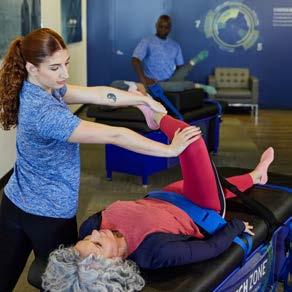
PCP visit, Express Care locations have providers that can help, and these locations may be open evenings and weekends.
The best gauge of care is to experience it. Make an appointment to give the office and provider a test drive. At your visit, evaluate how your visit went, the friendliness of front desk and office staff, and any wait times you experience.
When you walk out of an appointment, you should feel comfortable with what went on and that you have a clear understanding of what your treatment plan is. We never like people going home from an appointment with unanswered questions or feeling like they weren’t heard. It’s important to make sure your PCP is a good fit for you.
Chris Ketchie has been the Vice President of Physician Services at Beaufort Memorial since 2016. He is head of Beaufort Memorial Physician Partners, the largest multispecialty medical group in Beaufort and Jasper counties, overseeing 23 practices comprised of 100+ physicians and advanced practice providers.



From
Make

By Zach Deloach Contributor
Happy spring. As we begin to get out more, we are seeing many changes in our outdoor environment. Our lawns and plants are beginning to come out of dormancy, and color and growth are returning to our landscapes. The biggest setback we are currently facing is ongoing drought conditions. Heavy watering once per week is strongly encouraged at this time. We want to make sure to get 1 inch of water per week.
We have seen some minor impacts from the cool weather during winter, which we will cover, as well as some steps to take this month to get the most out of the growing season.
We have recently passed our soil temperature mark of 65 degrees on a fairly consistent basis. This is an important metric when it comes to plant growth and application timing. Once the soil temperature reaches 65 degrees, most of our warm-season lawns begin growing and taking in nutrients. Now that we have consistently stayed above that mark, it is getting to the point where it is safe to fertilize. We recommend applying the most suitable nutrient blend based on the recommendations of soil tests. It is also important to make any necessary adjustments to your pH prior to applying fertilizer. The pH of the soil determines the plant’s ability to take in nutrients. Having a pH that is too high or too low will impact the effectiveness of the product.
Along with the positive changes we are seeing in our landscape, we also want to be cautious of the pests that are present. With the change in temperatures and the lack of rainfall, we have been seeing quite a few lawns having a rough transition. We recommend watering heavily one to two times per week at most. Keep an eye out for discoloration or “dying off”
in your lawns, especially if it appears in circular patterns, which could be signs of fungus. Look for yellow and red splotches appearing on grass blades and spreading, typically with a strong leading edge. If you are noticing any signs of fungus, we recommend treating with a fungicide and avoiding any fertilization until fungal activity stops.
The frost and cool weather did knock back some of our indigenous and more tropical plants, but most damage should be recoverable. Severely damaged plants such as palms, bottlebrush and other tropical plants should be putting on new growth at this time. Completely brown limbs can be removed to allow room for new growth.
Epsom salt and 8-10-10 fertilizer can be spread around sago palms and other palms or plants to provide additional nutrients for growth. Deep-root fertilization can also be an effective way to promote new growth and protection.
We are nearing the end of the bloom cycle for azaleas. After the bloom is a great time to do any pruning or cutting back, as aggressive new growth is forming. We’ve recently seen new growth on crape myrtles and should have blooms forming soon. Keep an eye out for the increased presence of aphids and whiteflies as we move into hotter and more humid weather. Repeated applications of insecticides may be needed to keep infestations suppressed. Viburnums typically have the most severe cases of whiteflies.
As we transition fully into the growing season, a little attention now can go a long way toward a healthy, vibrant landscape all summer long. If you have any questions about your lawn or landscape needs, or if you are noticing any problem areas, don’t hesitate to reach out. We’re here to help you get the most out of your outdoor space this spring.
Zach Deloach is the owner of Lawn Doctor of Beaufort County.

By Lisa Hostetler Brown Contributor
When relief turns into uncertainty
Moving a loved one into assisted living often brings relief. They’re safe.
Supported. You can finally exhale. But then things change. A fall. A diagnosis. A slow decline that turns into something more serious. Suddenly, the care that once felt like the perfect solution is no longer enough, and your family is faced with difficult, fast-moving decisions.
The financial shock no one prepares you for
By the time skilled nursing care is needed, many families have already spent a large portion of their savings on assisted living.
Then comes the reality: nursing home care can exceed $10,000 per month.
Families are left asking, “How are we supposed to afford this?”
What’s worse, many discover too late that their loved one isn’t in the right setting to qualify for Medicaid. The safety net they were counting on isn’t there when they need it most.
Why so many families get stuck
There’s a common belief: when the money runs out, Medicaid steps in.
Unfortunately, it’s not that simple. Medicaid has strict rules. Not all facilities accept it and most have a limited number of beds available. If your loved one isn’t in a Medicaid-certified skilled nursing facility, benefits can be delayed or denied
entirely. Medicaid is also a long, lengthy process to navigate on your own.
The cost of waiting too long
The hardest truth? Most families don’t plan until they’re already in the middle of a crisis.
At that point:
• Options are limited
• Decisions are rushed
• Mistakes are costly
But when planning happens early, while your loved one still has capacity and resources, there are choices. You can protect assets. You can prepare for the right level of care. You can avoid unnecessary stress and delays.
You don’t have to navigate this alone
Medicaid planning isn’t about doing anything improper. It’s about understanding the system and using legal strategies to protect your loved one, their future and yourself.
Act before the crisis hits
If your loved one is in assisted living today, the time to plan is now, not when the next health crisis happens. Because when that moment comes, it’s not just about money.
It’s about having a plan that you designed or being forced into one.
Planning ahead means more control, more options, and less fear when your family needs it most. Wondering where to start? Reach out to your trusted, local elder law expert attorney. They will be able to assist you in next steps.
For educational purposes only. This is not legal advice. Lisa Hostetler Brown is a Certified Elder Law Attorney certified by the National Elder Law Foundation. 2 Hampton Hall Blvd, Ste 100, Bluffton, SC 29910. | 843-757-5294 | LawyerLisa.com.
By Barry Kaufman Contributor
It’s a familiar experience for many Lowcountry residents.
A quiet morning outdoors, with the sound of birds and breeze carrying through the air, can quickly be interrupted by the sharp roar of landscaping equipment. The contrast is often unavoidable in a region where well-maintained outdoor spaces are part of daily life.
Maintaining those landscapes has long meant relying on gas-powered tools, which can produce significant noise, often comparable to a chainsaw or motorcycle.
But it doesn’t have to be that way.
The Greenery has started a silent revolution, switching out gas-powered handheld equipment for much quieter electric models.
“At resort properties especially, we received a lot of complaints. You have a limited window to get work done, and often that means starting early. Being out there with loud equipment at 7 a.m. is the last thing someone wants to hear on vacation,” said Lee Edwards, CEO of The

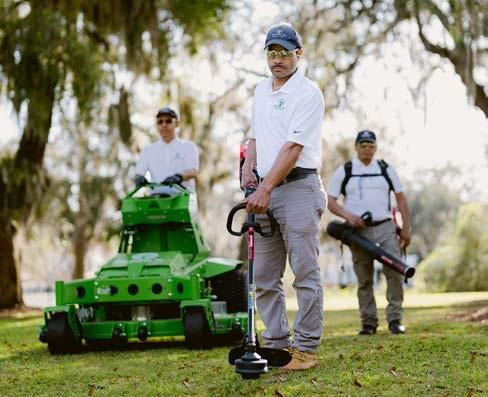
Greenery. “So, in some areas, we began using electric equipment in the early mornings simply because it was quieter. People really liked it, and that got us thinking—it would be great if we could operate this way all day.”
The issue, up until recently, had been technological. While The Greenery’s long-term goal was to go all electric, the equipment available at the time wasn’t up to their standards and was largely cost prohibitive. With massive advancements in battery capacity and charging
technology, The Greenery has finally been able to make the switch with their landscaping equipment.
There was a learning curve for the crew out in the field, but ultimately they’ve found that the reduced noise, lower vibrations, and easier maintenance have been a game changer.
“From a team perspective, the difference is noticeable,” said Carlos Flores, Associate Branch Manager for Hilton Head Island. “When people hear ‘electric,’ they assume it won’t perform the same. But once they used it, they realized it’s actually very comparable. That’s when you start hearing, ‘Okay, I like this.’”
This change has made life easier for The Greenery’s staff, while creating a less noisy experience for customers. It has also served as the first step towards slimming down the company’s carbon footprint.
“The reduction in emissions is another big benefit,” said Flores. “It aligns with what our clients expect and where the industry is going.”
With Earth Day right around the corner, The Greenery is pursuing solutions that will help create a greener tomorrow. As they work toward it, we can enjoy a quieter start to the day.
A 20-year Bluffton resident, Barry Kaufman is a freelance writer and editor as well as host of B-Town Trivia. Follow him on Instagram @btownbarry and @btowntrivia



By Abby Bird aka Alphadog Contributor
As a local foster for several area shelters and rescue groups I often address the need for more people to volunteer as fosters. But it is not always appropriate within everyone’s lifestyle to be able to foster cats or dogs.
For many people who care about animals, fostering a pet can feel like the most meaningful way to help. But for those whose schedules or living situations do not allow it, local shelters say there are still many ways to make a difference.
Volunteers across the Lowcountry are stepping in to support animal shelters and rescue groups, taking on tasks that range from hands-on care to behindthe-scenes work that keeps operations running smoothly.
One of the most consistent needs is help with laundry. Shelters go through large amounts of blankets, towels and bedding each day, all of which must be cleaned and reused. Volunteers who can stop by once or twice a week to wash and fold items help free up staff time for feeding, medical care and other responsibilities.
Bathing and grooming animals is another area where volunteers can have a direct impact. Dogs arriving at shelters are often dirty or in need of care, and a simple bath can improve both their comfort and their chances of being adopted. Clean, well-groomed animals tend to make a stronger impression during visits and adoption events. In some cases, grooming may be as simple as brushing a dog or cat, but even that small effort can help.
Exercise is also a critical part of daily care. Dogs spend much of their time in kennels, and regular walks provide both physical activity and important human interaction. Many shelters have fenced or secure areas where volunteers can walk dogs safely, while others may require walks off-site. Volunteers can often choose the size and temperament of the dogs they are most comfortable handling.
Beyond exercise, that one-on-one time helps animals adjust to people and learn basic behaviors such as walking on a leash. It can also reduce stress and improve their overall well-being while they wait for adoption.
Playtime, especially for cats, is another important but often overlooked need. Volunteers can spend time in designated
areas interacting with animals using toys or simply providing attention. These moments of interaction are valuable, particularly in busy shelters where staff members must focus on essential care tasks.
Volunteers are also needed during weekend adoption events, where animals are brought into the community to meet potential adopters. Helping walk dogs, answer questions and introduce animals to visitors can increase their chances of finding a home.
For those with limited time or who prefer not to work directly with animals, there are still ways to contribute. Donating supplies such as detergent, towels or pet toys can be just as helpful, and volunteers are encouraged to ask shelters what items are most needed. Local organizations offering volunteer opportunities include the Hilton Head Humane Association, Palmetto Animal League, Jasper County Animal Services and Beaufort County Animal Services, among others.
Volunteers say the key is finding a role that fits individual comfort levels and availability. Whether it is walking a dog, washing laundry or spending time with a cat, even small efforts can have a lasting impact.
For animals in shelters, those moments of care and attention can make a significant difference during what is often a stressful and uncertain time.
Abby Bird is the owner of Alphadog Training Academy. AlphadogTrainingAcademy@gmail.com







Pure Med Spa is here to assist you in achieving your skincare goals.
Enlarged Pores | Oily or Congested skin
“At Pinnacle, we want our patients to feel like they are part of our family and we strive to treat them that way from the first time they visit. We pride ourselves on the customer experience. It is important to always keep up with the latest advances, but our practice uniquely separates the gimmicks from the options that produce results. It is our philosophy to listen first to our patients’ goals and then help guide them to the treatments and procedures that will help us all work toward that shared goal. Your inner and outer you should be in harmony.” Fine Lines | Wrinkles | Elasticity | Firmness Even Tone | Vibrancy | Skin texture
KLENKE’S APPROACH
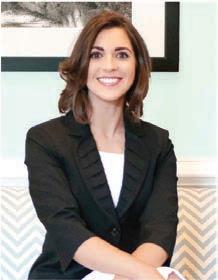
Audrey Klenke, MD, FACS, Board Certified


By Chad Cannon Contributor

If you have ever felt like you are working hard but not getting the results you used to, you are not alone. The truth is, it is not a lack of effort. Most people over 40 are actually trying harder than they ever have. They are just missing a few key pieces.
Over the years of coaching, I have found that the people who get real, lasting results all have five things in common.
1. Strength training done the right way
I have had people come in who have not lifted weights in years because they were afraid of getting hurt, or they tried jumping back in like they were 25 and did get hurt. So we slow it down.
The focus is on controlled movements, proper form and progressions that make sense. Nothing extreme, just consistent, smart training.
One member told me after a few weeks, “I feel stronger picking up my grandkids than I do in the gym.” That is the goal. Real-life strength.
2. Cardiovascular training you actually enjoy
Cardio should not feel like punishment.
Many of my clients thought they had to grind it out on a treadmill to see results. Now, I encourage them to get outside when they can. Walk, jog, just move. I do the same, and it is often the best part of my day. Being outside, getting fresh air and clearing your head does more than help your heart. It resets your mindset. When people enjoy it, they stick with it.
3. Mobility and recovery work
This is the one almost everyone skips until their body forces them to pay attention.
I have been there myself, pushing
hard, feeling tight and ignoring it. Eventually, it catches up. That is why I build recovery into programming. Whether it is stretching, foam rolling, using an infrared sauna or cold plunge, or leg compression boots, it is not extra. It is necessary.
I have seen people go from barely touching their toes to moving freely again, not because they trained harder, but because they finally took care of their bodies.
4. Protein-focused nutrition
Nutrition is where many people feel overwhelmed, but it does not have to be complicated.
One of the first things I tell people is simple: “Let’s start by getting protein in every meal.” That alone can make a difference.
Some clients were not eating enough to support their training. Once they made that shift by adding protein and balancing meals, their energy improved, recovery got better and the scale began to move. It is not about dieting. It is about fueling.
5. Rest and mental reset time
This may be the hardest one for people to accept. Many driven adults think they need to go all in all the time. But I have seen more progress when people learn when to pull back.
We talk about taking a day off, getting enough sleep and allowing time to reset mentally. I call it “earning your next workout.” When you start each workout rested and focused, everything improves.
People who succeed after 40 are not doing extreme workouts or chasing trends. They are doing the basics well and consistently. That is what I focus on for myself and in my studio. Not quick fixes, but a system that works in real life. Because at this stage, it is not about starting over. It is about finally doing it right.
Chad Cannon is a Health & Fitness Coach, Success Coach and Owner of the CannonFit Transformation Center. Learn more from Chad at www.cannonfit.com
By Dr. Kenneth Horup Contributor

The beautiful spring season on Hilton Head is hard to beat. The azaleas are in full bloom, the golfers are back perfecting their excuses for missed putts, and just about everyone has decided this is the season to walk more, bike more, and politely ignore the pollen trying to take us all out. It feels like a fresh start.
The season brings that same feeling—hope, renewal, and new life. Around here, it also means pastel outfits, family brunches, and at least one child running on pure sugar from chocolate bunnies and jellybeans. But if you are dealing with peripheral neuropathy, all that cheerful energy can feel a little out of reach.
While everyone else is hopping into spring, some are just trying to understand why their feet feel off—like they are wrapped in rubber, stuffed with cotton, or walking on invisible marshmallows. That is how many neuropathy patients describe it. Others say it feels like thick socks


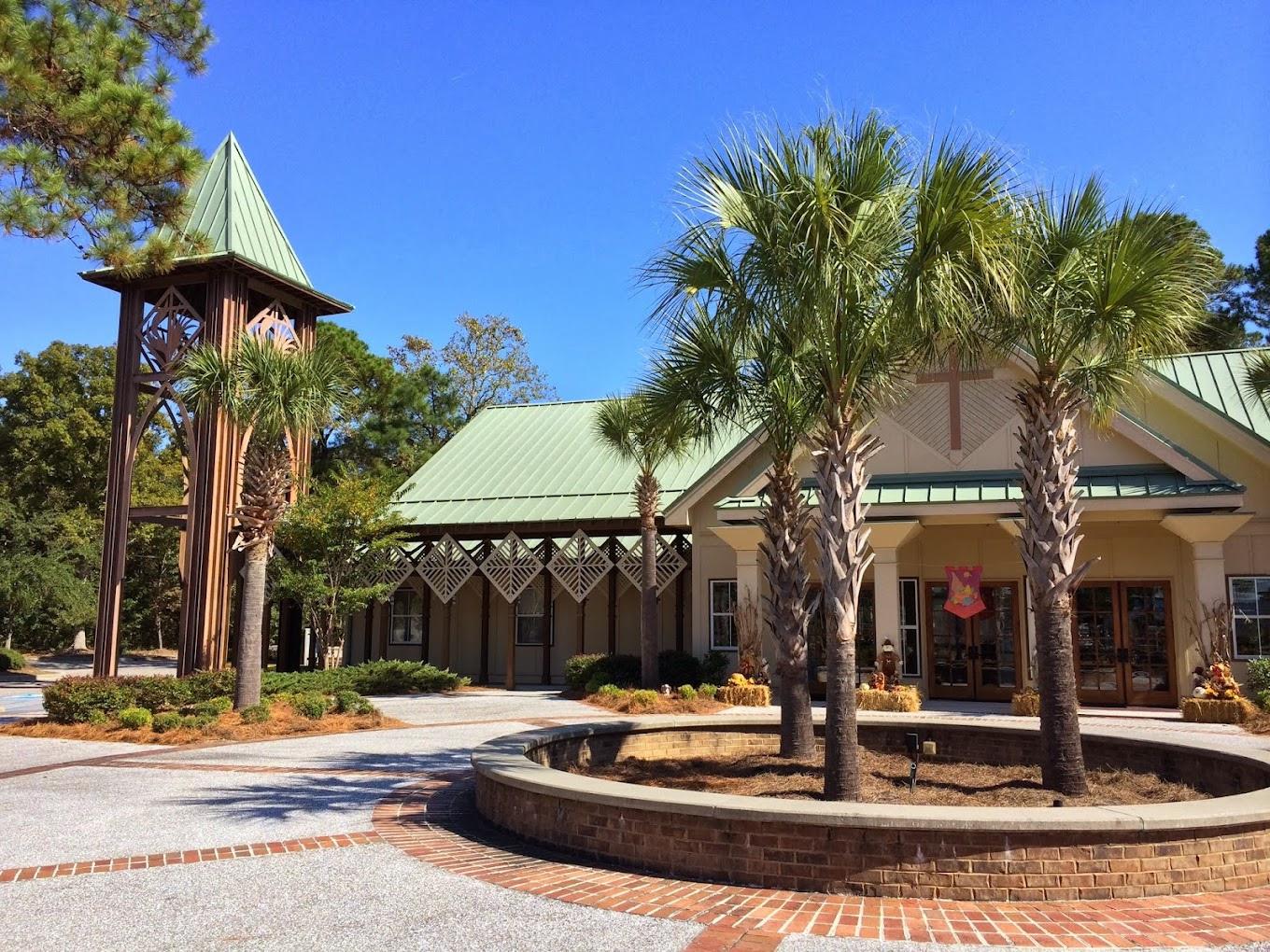
1425 Okatie Hwy. (170)
Hwy 170 between River’s End & Oldfield 843-379-1888 | www.palmsumc.org UNITED METHODIST

are bunched under their feet, even when barefoot. There may be numbness, tingling, burning, or that strange “mushy” sensation that makes you feel disconnected from the ground.
And that is something many people do not realize about neuropathy—it is not always about pain. Sometimes, it is the loss of normal sensation.
Peripheral neuropathy occurs when the nerves—often in the feet and legs—stop sending clear, accurate signals to the brain. Instead of normal feeling, you may

notice burning, tingling, numbness, or that unsettling “what am I even walking on?” sensation. When your feet cannot properly feel the ground, it becomes more than an inconvenience. It can affect your balance, coordination, confidence, and overall safety.
The challenge is that neuropathy often starts quietly. A little tingling here. A little numbness there. Easy to brush off. Easy to blame on age, circulation, or simply “sleeping wrong.” Until one day, it is harder to ignore.
Here is the encouraging part: in many cases, the nerves are not gone—they are just not functioning the way they should. They may be irritated, under-stimulated, or lacking proper blood flow. That is why early attention matters. The goal is to support circulation, stimulate the nerves, and help restore better communication between the brain and body.
Spring is a reminder of renewal and new beginnings. If you are dealing with numbness, tingling, or burning— and your feet feel like you are walking on marshmallows—your body may be trying to tell you something. It may be time to get checked for neuropathy. Start early, before a small problem becomes a bigger one.
Dr. Kenneth Horup, DC is a Chiropractic Physician at Discover Specific Chiropractic, Certified in Neuropathy.








By Mark F. Winn Contributor
Today, the internet gives us access to a world of information. There is the promise of do-it-yourself everything, from medical issues to legal issues and more, delivered at the click of a mouse. The public needs to beware. Self-help and estate planning do not mix.
Just as WebMD.com is no replacement for a physician, websites that create legal papers after you fill out a questionnaire and pay a nominal fee are no replacement for a properly prepared estate plan from a lawyer who is serving you. Self-help and estate planning do not mix.
By way of example, let’s say Frank and his wife, Kristi, came into the office with an internet-driven will. They thought it accomplished their objectives — all to

each other, then to the children, Ivan and Maxine, in equal shares. They wanted to make sure administration was easy for their children, with the least amount of cost and conflict. Frank and Kristi owned a home in South Carolina and in Florida. I explained to them that assets governed by a will must go through probate, or court-supervised administration, and that real estate in Florida would also need to go through probate in Florida. This means another lawyer, more legal fees and more court costs. Also, Ivan had a child named Kevin, who had autism, and a wife named
whom Frank and Kristi did not trust. What should Frank and Kristi do?
Instead of using a will alone, which would mean hefty legal fees and court processes in two states, they should use trusts. Assets in a trust do not go through probate. The successor trustee becomes the fiduciary and has the responsibility to follow Frank and Kristi’s instructions. The court does not need to be involved. They should leave Ivan and Maxine their equal shares in a trust each child controls for their own benefit, so it will be protected from lawsuits, divorce, estate
taxes and probate, and so it will stay in the family bloodline. Doing this will prevent Stephanie from inheriting Frank and Kristi’s property, and when or if money eventually goes to Kevin, it can be left in a trust that will supplement benefits he may receive from the government. We do not want Kevin to lose his benefits, and we do not want Stephanie to receive Ivan’s inheritance.
Luckily, Frank and Kristi were smart enough to realize their internet-driven will might not serve them well. They were right. Fortunately, we structured their legal affairs to guarantee minimal court involvement, maximum privacy and protection, and to make sure Kevin will not lose government benefits and Stephanie will not inherit their hard-earned money. The moral of this story is that good planning will protect you and your family, and self-help and estate planning do not mix.
Mark F. Winn, Master of Laws (LL.M.) in Estate Planning, a local asset protection, estate planning and elder law attorney serving the lowcountry for more than 20 years. www.mwinnesq.com

By Collins Doughtie Contributor
Almost everyone has at least one “tick” that irritates people close to them. To my wife, it would have to be that I hum songs very softly. Do I know I’m doing it? Most of the time, I would say yes, but I have been doing it so long that it catches me by surprise when she says, “Stop it, Collins!” In those instances, I get pretty defensive because I wasn’t doing it to intentionally agitate her but was simply thinking of a song I like. You see, I love music of all types, and once a song gets in my melon, it stays there until another takes its place. Is this weird? My answer might be: consider the source.
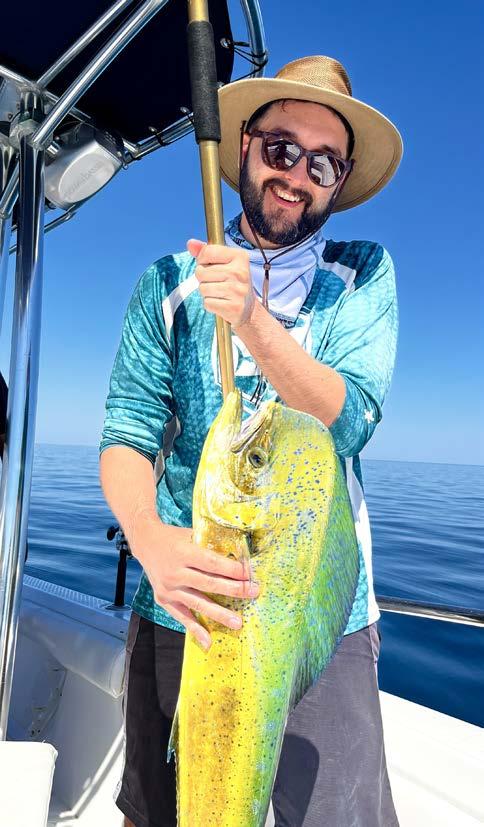
So what does my tick have to do with anything? Since my wife is at work right now substitute teaching, I reckon I could belt out the song that’s in my head, but I’ll stick to humming it. It popped in there as I prepared to write this tale of an offshore fishing trip I took a few years back. The song? It’s an oldie but goodie called “Mama Said” by the Shirelles. If you aren’t familiar with this song, the main chorus line is, “Mama said there’d be days like this, there’d be days like this, mama said.” Let me tell you, those words perfectly describe the nearly perfect day Hilton Head Boathouse manager Grant Kaple, Blufftonian Aaron Dowell and I had in the Gulf Stream.
Having kept a fishing journal since the early 1970s, I was thumbing through it and realized that, year after year, one particular entry had a common thread. On or around Good Friday, I had always caught fish in the Gulf Stream. When I told Grant this, being a whole lot more logical than I am, he replied, “But Collins, don’t you realize Good Friday’s date changes from year to year?” I reckon he had a point, but regardless, some of our best days were always right around Good Friday. After some begging, he said we would go, but Good Friday was out of the question due to his work schedule. He could go two days before, on a Wednesday. Needing a third person, I called Aaron Dowell, owner of Bluffton Marine Supply, and after juggling his workload, he called me back saying he was good to go.
Pulling away from the dock at 4 a.m., we headed out.
Rounding the north end of Hilton Head into Port Royal Sound, the familiar slapping from waves was nonexistent. No roll, no bounce, and because it was pitch black, all I could do was hope the long ride out would remain the same. Just about the time false dawn came, I was
able to see enough to realize the ocean was absolutely flat calm. It was like we were on a lake somewhere and not the mighty Atlantic Ocean. As the sun began to peek over the horizon, reds, oranges and pinks reflected on a shimmering sheet of glass as far as the eye could see. This kind of ocean is wonderful for running, but once we started trolling, experience has shown me that the fish don’t always get fired up in such calm conditions.
Reaching our destination, Aaron and I began putting out baits. I swear we hadn’t even finished setting our spread of eight or nine rods when a reel screamed. I had rigged mostly for wahoo, since Grant had entered the Wahoo Series tournament, and by the way that line was peeling off the reel, I pretty much knew it was the target species. Unfortunately, just as we had the fish at the back of the boat, one violent headshake and it was gone. I thought to myself, there goes our one shot at a wahoo.
That thought disappeared quickly as another rod bent double, and quite honestly, our rods stayed bowed up for the remainder of the day. “Mama said there’d be days like this,” and what a day it was. Boating five of the seven wahoo we hooked, along with several barracuda, bonita, amberjack and fine dolphin (mahi-mahi), it was nonstop action. At one point, we hooked four large amberjack, or as we call them “reef donkeys,” and though they are a pain, we landed all four before releasing them. Talk about strong fighters, these fish can wear out even the biggest anglers.
The finale came just before we headed home as we trolled parallel to a large Sargasso weed line. Known to be a haven for dolphin, I watched the brilliant dorsal fin of a big fish cutting through the slick surface away from the boat. As soon as our lures passed, it made a quick 180-degree turn and shot through our spread. It hit one bait so hard it caused the line to wrap around the rod tip and snap. With a full box of fish, it didn’t bother me one bit as that dolphin greyhounded a good 100 yards with my $40 lure hanging from its jaw.
It might not have been Good Friday, but it sure was one memorable Wednesday.
Collins Doughtie is a 60-year resident of the Lowcountry, is a sportsman, graphic artist, and lover of nature. collinsdoughtie@icloud.com.



Ever since he was old enough to hold a camera, Reese Lo has been chasing the low, distant rumble of trains across the country, their whistles cutting through fog and their steel wheels igniting sparks against the rails. While most of his classmates scroll past trains without a second glance, filling their feeds with selfies and sunsets, Reese’s lens remains fixed on locomotives: freight carriers lumbering through the dusk, restored engines gleaming at heritage yards and sleek passenger trains streaking past small towns at dawn. He knows every bend in the old Murphy Branch line and every schedule the Great Smoky Mountains Railroad keeps, waiting for the exact light that makes steel and steam look almost enchanted. One frosty December day, that patience paid off. A Warner Bros.-licensed Polar Express charged out of the gloomy dusk, wrapped in Christmas lights and trailing a plume of white steam along tracks that curved past tiny Ela, North Carolina, and into the Smokies. The image Reese captured would go on to win a SCISA photography award.
The award offers Reese, a Cross Schools junior, the opportunity to share his lifelong love of trains with a wider audience. His path began in late 2020, when he started cap-

turing video on his phone, using the widest possible lens. He spent hours at Ashley Junction in North Charleston, a favorite spot for watching passing locomotives.
“Knowing all the details of the different rail traffic from East Coast ports to the interior helps me locate the best spot and time to photograph the trains on the lines. I know exactly which lines are operational and what locomotives and rail cars will be transporting goods on a specific day.”
In the summer of 2021, Reese was given his first camera. He quickly moved beyond casual observation into a deeper pursuit that goes far beyond trainspotting, a term that hardly captures the depth of his dedication. His browser history reflects that focus, filled with research on legendary engines such as the Flying Scotsman, which once streaked across Britain, and the sleek Eurostar trains he hopes to photograph in person one day. Closer to home, he follows the Electro-Motive Division GP38-2, a workhorse that still operates throughout the South.
He also tracks the evolution of the industry, noting that the EMD brand continues through Progress Rail under the Caterpillar umbrella, proof, he likes to say, that “good locomotives never really disappear; they just get new paint.”
Reese still remembers his first ride along the Murphy Branch line as a child. The sway of the cars and the steady clack of the rails, he said, “left an impression that never really faded.” At home, a large bin of Thomas the Tank Engine toys fueled his imagination as he staged elaborate journeys across the living room floor and memorized the names and personalities of each engine.
By elementary school, that interest had evolved into an HO-scale model railroad based on American lines. He spent hours arranging tracks, weathering freight cars and learning to distinguish locomotives by the sound of their motors.
Today, when he is not out along the Savannah subdivisions, Reese can often be found connecting with other railroad enthusiasts, swapping stories and learning about lines he has yet to see. His photo library is carefully organized by the type of railroad he is tracking.
On the East Coast, he has learned to distinguish major Class I railroads by their paint schemes and traffic patterns, particularly Norfolk Southern, which moves freight in and out of the Port of Savannah. Closer to the docks, he follows smaller operations, including Class II and III lines that handle regional traffic. These include the Savannah Port Terminal Railroad, which moves rail cars around the waterfront, and Georgia Central, a Genesee & Wyoming line that now manages port operations but once focused on transporting paper for International Paper.
Looking ahead, Reese is researching Alaska’s railroads and the CSX Big Sandy Subdivision in the coalfields of northwestern Kentucky. He is already planning how to frame Alaska’s snowcapped peaks and Kentucky’s winding tracks on future trips.
He hopes those journeys will take his camera, along with his father, friends and train log, to a new frontier.


Encompass Health is the largest system of rehabilitation hospitals, trusted by patients, caregivers and medical professionals.
Encompass Health is the largest system of rehabilitation hospitals, trusted by patients, caregivers and medical professionals.
Encompass Health is the largest system of rehabilitation hospitals, trusted by patients, caregivers and medical professionals.
Encompass Health is the largest system of rehabilitation hospitals, trusted by patients, caregivers and medical professionals.
Encompass Health is the largest system of rehabilitation hospitals, trusted by patients, caregivers and medical professionals.
We are proud to support the American Heart Association’s Heart Ball.
We are proud to support the American Heart Association’s Heart Ball. The trusted
We are proud to support the American Heart Association’s Heart Ball.
We are proud to support the American Heart Association’s Heart Ball.














By Sasha Sweeney Editor
A new exhibition in Bluffton is placing a spotlight on illustration as both an art form and a cultural influence, featuring the work of two artists whose styles reflect different approaches to the medium.
“Influence & Inspiration: Two Icons Remembered” will open April 23 at Four Corners Fine Art & Framing, showcasing the work of illustrators Joe Bowler and Doug Corkern. The exhibit will run through May 21, with an opening reception scheduled from 5 to 8 p.m.
The exhibition explores how illustration has shaped visual storytelling across industries, from advertising and editorial work to architectural and regional studies. Organizers say the goal is to highlight illustration as a foundational discipline that connects technical skill with
narrative and cultural impact.
Bowler, known for his mid-20th century advertising illustrations, developed a reputation for detailed, realistic imagery that conveyed emotion and narrative within a single frame. His work appeared in national advertising campaigns and helped define a style of visual storytelling associated with that era.
Corkern’s work, by contrast, focuses on the Lowcountry, with detailed renderings of architecture, landscapes and everyday scenes. His illustrations often document the region’s character, capturing both its natural environment and built spaces.
Presented together, the two artists reflect different but complementary traditions within illustration. Bowler’s work represents a broader national visual culture tied to commercial art, while Corkern’s focuses on regional identity and observation.
“Illustration has always been where artistry meets pur-
pose,” the gallery said in a statement. “This exhibition is about recognizing the illustrators who shaped how we see the world, often without us even realizing it.”
Illustration has historically played a key role in communication, particularly before the rise of digital photography and design tools. While often associated with commercial use, it has also been recognized for its technical demands and artistic value.
The exhibit aims to encourage viewers to reconsider illustration’s place within the broader art world, organizers said.
Four Corners Fine Art & Framing, located in Bluffton, regularly hosts exhibitions featuring both regional and nationally recognized artists. The gallery also offers custom framing and community programming.
The exhibition is open to the public during regular gallery hours. For more information visit fourcornersgallerybluffton.com.
Music & Taste on the Harbour
Thursdays: April 23, 30
Shelter Cove Harbour & Marina, Hilton Head Island
Free outdoor concert series with food vendors and waterfront views. sheltercovehiltonhead.com
Bluffton Library Adult Programs
Bluffton Branch Library, Bluffton April 22, 1–2:30 p.m.
Alzheimer’s/Dementia Caregivers
Support Group
April 24, 10–11:30 a.m.
Clemson Extension Talk & Walk: Local Trees
April 30, 10 a.m.–noon
Revolutionary Roots
May 2, 10 a.m.–noon
2026 Bluffton Nonprofit Expo: The Force That’s With You 843-255-6503
“Intimate Apparel”
April 17–26
May River Theatre, 20 Bridge St., Bluffton
Play by Lynn Nottage. Performances Fridays & Saturdays at 7:30 p.m.; Sundays at 2 p.m. Tickets: $30–$35. onthestage.tickets
“Layers of Life” – Artwork by Debi West
April 14–May 15
Art League Gallery, 14 Shelter Cove
Lane, Hilton Head Island
Exhibit with opening reception April 15 (5–7 p.m.), artist demo April 15 (1–3 p.m.), classes April 22 and April 25, and ongoing community collage. 843-681-5060
“Hairspray: The Broadway Musical”
April 22–May 24
Arts Center of Coastal Carolina, Hilton Head Island
Musical set in 1960s Baltimore featuring popular songs and themes of social change. artshhi.com/theater-series
Bluffton Sunset Party
April 24
Bluffton Oyster Co., 63 Wharf St., Bluffton
Seasonal kickoff event featuring live music, food and waterfront views.
Lowcountry Wind Symphony: “The Alpha and The Omega”
April 24, 7 p.m.
Bluffton High School, 12 H.E. McCracken Circle, Bluffton
Season finale featuring works by Holst, Dvorak, Schubert and Grainger. Free and open to the public; donations accepted.
Coastal Discovery Museum Art Market
April 25–26
Historic Honey Horn, Hilton Head Island

Juried outdoor art show featuring more than 80 artists, food vendors and live entertainment. coastaldiscovery.org
Mary Green Chorale: “Vive la France”
April 25, 4 p.m.
Lowcountry Presbyterian Church, 10 Simmonsville Road, Bluffton
Choral works spanning centuries of French music. Tickets: $30; free for children with adult. marygreenchorale.org
Towns in Tune Concert
April 25
Doors 6 p.m., show 7 p.m.
Stoneworks, 779 Robert Smalls Parkway, Beaufort
International music collaboration featuring artists from South Carolina and Newfoundland. Proceeds benefit Friends of Caroline Hospice. fochospice.org/towns-in-tune
Democrats of Sun City Candidate Fair
April 25, noon–2 p.m.
Sun City Pavilion, 1 Okatie Center Blvd., Bluffton
Meet candidates for local and state offices. Donations of nonperishable food items for Bluffton Self Help encouraged. Contact: DemocratsofSunCity@gmail. com for gate access
Libraries for Kids World Book Day Fundraiser
April 25, 5–9 p.m.
Port Royal Sound Maritime Center, 310 Okatie Highway, Okatie
Annual fundraiser with food, entertainment and cultural programming. libraries4kids.org
The Versatile Jazz Band
April 26, 4 p.m.
Church of the Palms, 1425 Okatie Highway, Okatie
18-piece big band with vocalists performing classic jazz and big band favorites. Free and open to the public.
Wild Women’s Roaring Twenties Tea Party
May 2, 11 a.m.–1 p.m.
Indigo Hall, 101 Berwick Drive, Hilton Head Island
Presented by Lowcountry Legal Volunteers. Includes themed contests for best dressed, best hat and table décor. Tickets: $75. lowcountrylegalvolunteers.org
Bluffton Mayfest
May 9
Old Town Bluffton
Annual arts, food and music festival blufftonrotary.org/page/mayfest





FORT MITCHEL TOUR
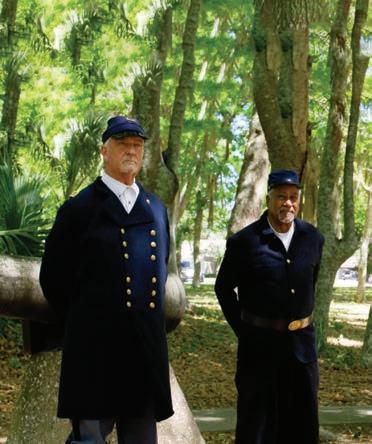
Visit the gravesites of four Revolutionary War heroes and find out about the bloody skirmish that was fought just steps away. Site on the SC Liberty Trail.
Corner of Hwy. 278 & Mathews Dr.
TUESDAYS
March 17 - June 9 10:00-11:00am
$10/LIBRARY MEMBERS
$12/NON-MEMBERS
CHILDREN 12 & UNDER FREE Registration required.
Fort Mitchel contains the remains of a coastal defense battery erected in 1862 to protect the Port Royal Sound by way of Skull Creek from incursions by Confederate gunboats.
65 Skull Creek Dr., Hilton Head Plantation
THURSDAYS
March 19 - June 11 10:00-11:00am
$10/LIBRARY MEMBERS
$12/NON-MEMBERS

CHILDREN 12 & UNDER FREE Registration required.


By The Bluffton Sun
The Italian American Club of Hilton Head (IACHH) is rolling into spring with one of its most anticipated fundraisers— the Bocce Tournament—set for Saturday, May 2 at Shelter Cove Park. All events are open to the public.
Rooted in Italian tradition and dating back centuries, bocce made its way to America with Italian immigrants and remains a symbol of friendly competition and community. That spirit will be front and center as teams take the court for lively play beginning at 10 a.m., all in support of the club’s charitable mission.
Club President John DeCecco, known to many as “Johnny D,” said the club’s events are driven by volunteers and a shared purpose. “It’s all about the volunteers and the community. That’s what makes everything we do possible,” he added.
The momentum continues with the club’s popular Annual Pasta Dinner on

Sunday, May 17, from 4 to 7 p.m. at St. Francis by the Sea on Hilton Head Island serving up classic Italian fare in a warm, family-style atmosphere that has become a favorite in the community.
Then on Friday, June 19, the Annual Golf Tournament at Palmetto Hall Golf Club tees off with a 9 a.m. shotgun start. The event combines spirited competition with camaraderie on one of the area’s premier courses and includes a hot Italian buffet lunch, along with on-course contests and prizes—making it one of the club’s premier and most anticipated fundraisers.
All events are open to the public. Tickets and registration information for all events can be found on the club’s website IACHH.org, where participants can sign up, purchase tickets, or contact event coordinators directly.
Proceeds from these events support scholarships for local students and donations to area nonprofits—continuing the club’s long-standing commitment of IACHH to giving back to the community.
a new English-speaking Seventh-day Adventist Church that has opened in the Bluffton/Hardeeville area. If you are interested in attending, please join us at the Hampton Inn (29 William Pope Drive in Bluffton) this Sabbath at 9:30 am.

By Sasha Sweeney Editor
The Lowcountry Wind Symphony will close its 2025-26 season this month with a program that spans classical masterworks and traditional melodies, highlighting the breadth of concert band music.
The ensemble’s final concert, titled “The Alpha and The Omega,” is scheduled for April 24 at Bluffton High School and April 26 at Battery Creek High School in Beaufort. Both performances are free and open to the public, with donations accepted to support the nonprofit group.
Directed by Donald F. Jemella, the roughly 70-member ensemble is composed of amateur and professional musicians from across the Beaufort area. The group includes brass, woodwind and percussion players and performs a mix of original band compositions and transcriptions of orchestral works.
The concert’s title reflects the structure of the program, which begins with Gustav Holst’s “First Suite in E-flat for Military Band” and concludes with the “Largo” from Antonín Dvorák’s “New World Symphony,” known for its “Goin’ Home” theme.
Between those selections, the program includes a range of works that illustrate the ensemble’s musical scope. Among them are Franz Schubert’s “Unfinished
Symphony,” Percy Grainger’s “Irish Tune from County Derry,” based on a traditional melody, and “Americans We,” a march by bandleader Henry Fillmore.
The Lowcountry Wind Symphony operates under the motto “Exploring What’s Musically Possible,” reflecting its approach to programming across genres and styles. Performances often blend classical repertoire with folk influences and popular concert band standards.
Concert band music, sometimes referred to as wind ensemble or symphonic band repertoire, differs from orchestral music by focusing on wind and percussion instruments rather than strings. Works such as Holst’s suite are considered foundational pieces in the band literature, while transcriptions like Schubert’s symphony allow audiences to hear familiar works in a different setting.
The upcoming performances will take place at 7 p.m. April 24 at Bluffton High School and 4 p.m. April 26 at Battery Creek High School.
Organizers say the concerts are intended to be accessible to the community, offering an opportunity for residents to experience live music without the barrier of ticket costs.
As the season concludes, the program’s title underscores both a beginning and an end, bringing together a range of musical traditions in a single performance.








MAY 9, 2026 | 2 : 00 PM
This family-friendly performance is designed for those affected by sensory-processing challenges. The theater environment will be comfortably altered, creating a safe, judgment-free zone that is welcoming for all!



By Sasha Sweeney Editor
members are invited to participate in “fire watch” rotations as a way to show support and maintain visibility for the cause.

Summertime fun is ahead for ages 6 and up with the Arts Center’s creative, actionpacked summer camps!

JUN 8 – JUL 24 Performance and Visual Art Camps!
A Lowcountry-based nonprofit will launch its annual “22 Days of Light the Fire” event May 3, aiming to raise awareness about suicide among veterans, active-duty service members and first responders.
The opening ceremony, hosted by Operation Patriots FOB, will take place from 11 a.m. to 4 p.m. at the group’s event barn. The event is free and open to the public.
Organizers say the initiative is intended to draw attention to the ongoing mental health challenges faced by those who serve. The event centers on a symbolic fire that will be lit during the ceremony and maintained continuously for 22 days leading up to Memorial Day.
The number 22 reflects widely cited estimates of daily veteran suicides in the United States, a figure that has been used in awareness campaigns in recent years. Organizers also note that first responders face elevated suicide risks, often exceeding line-of-duty deaths annually.
Each year, the fire is kept burning around the clock, with volunteers taking shifts to monitor it. Community
Once the fire is lit, the site will also host an open range day, allowing visitors to tour and use the organization’s newly developed facility. Attendees are encouraged to remain on site for lunch and informal gatherings throughout the day.
The observance concludes on the 22nd day with a closing ceremony, during which the fire is transferred to a larger bonfire as part of a Memorial Day tribute honoring those who died in military service.
Operation Patriots FOB, based in the Lowcountry, provides programs and services for veterans, active-duty military and first responders, with a focus on mental health, peer support and community engagement.
Organizers say the annual event is both a memorial and a call to action, encouraging conversation and awareness around suicide prevention.
Additional details, including guest speakers and volunteer opportunities, are expected to be announced ahead of the event.
https://opfob.org/light-the-fire-opening-ceremony.
By Rhonda Harris Contributor
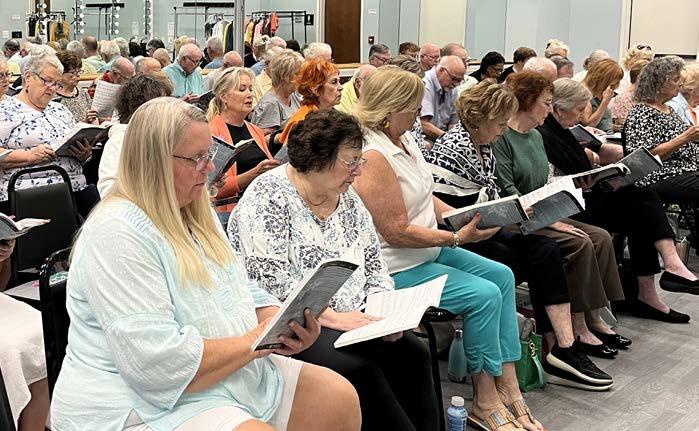
The Sun City Chorus & Orchestra is set to perform its spring show, “Classic Broadway,” at Sun City’s Magnolia Hall on May 7 and 8 at 7 p.m., and May 9 and 10 at 2:30 p.m.
From a fun arrangement of Cole Porter’s “Another Op’nin, Another Show” to dramatic selections from “Wicked” and “Les Miserables,” “Classic Broadway” presents a gamut of musical styles, stories and emotions performed by a chorus of more than 70 mixed voices and a full, professional orchestra. Steve Musselman, SCCO president, said, “I am amazed at the complexity to mount these programs. I am appreciative of our member volunteers who also do the committee work behind the scenes, and of course our artistic director, Art Hansen, and assistant director, Lorraine Hansen; it takes a village. Of course, we are most appreciative of our audiences. We had record attendance this past holiday season and expect to grow even more audience members with our second added matinee. We can’t wait!”
Who doesn’t love Broadway musicals? Musical directors Art and Lorraine Hansen have selected some of the best. While featuring audience favorites primarily from musicals of the 1960s, 1970s and 1980s, such as “Applause,” “Bye Bye Birdie,” “Annie,” “Spamalot” and “My Fair Lady,” the program also includes older iconic tunes as well as
numbers from newer musicals such as “Hairspray,” “The Producers,” “Avenue Q,” “Wicked” and “Les Miserables.”
Art Hansen explained that he shapes the program with a balance of lighter and darker selections to keep the audience and performers engaged.
“I really just shape the whole program around that idea, so I put ‘Hairspray’ just before the end of the first act, and the more dramatic pieces from ‘Les Mis’ at the end of the program,” he said. He added, “Most theatrical pieces are the Romeo and Juliet story told in a different way. Whether it’s ‘Annie,’ ‘Bye Bye Birdie,’ or ‘Wizard of Oz,’ it’s all a woman falls in love with a man, a man falls in love with a woman, one loses the other until the end when they get back together.”
Musicals tend to tell stories of love, romance, loss and gain that focus on funny, happy, challenging and complex human relationships.
In addition to the chorus numbers, the SCCO Orchestra will perform “Salute to Richard Rodgers,” arranged by John Moss, and “Curtain Up!,” arranged by Bob Krogstad.
Sun City Hilton Head residents and others in the community are invited to celebrate Mother’s Day weekend with this “Classic Broadway” concert.
Tickets, $28, are available online at www.SCHHChorus.org, by phone at 843941-9729, by email at suncitytix@gmail. com, or at the Magnolia Hall box office on Monday, Wednesday and Friday from 9 to 11 a.m.







A newly released novel set in Savannah brings together themes of faith, friendship and personal healing through the lives of three women whose paths converge in unexpected ways.
“Covenant,” written by Jeanne Coston and published in December 2025, follows three central characters who arrive at a Victorian home in Savannah on Christmas Eve, each carrying personal struggles and unresolved pasts. The story unfolds as their lives intersect, exploring how relationships and faith shape their journeys forward.
According to the book’s description, the novel centers on Selah, a newly appointed caretaker of the home; Sarahi, described as a “generational curse-breaker”; and Sofia, a character navigating questions of identity and purpose. Their meeting sets in motion a series of events that challenge each woman to confront past experiences and reconsider how they approach healing and trust.
The narrative is framed as a story grounded in spiritual themes rather than traditional elements often associated with the word “coven.” The title, “Covenant,” reflects a focus on connection and shared
purpose, particularly among women whose bond develops over time.
The Savannah setting plays a central role in the story, with the Victorian home serving as both a physical and symbolic gathering place. Coastal surroundings and seasonal timing, particularly the Christmas setting, provide a backdrop for the unfolding relationships.
The book is available in paperback and digital formats through major online retailers.
As the first installment in a projected series, “Covenant” introduces characters and themes that are expected to continue in future volumes, with a focus on how shared experiences can lead to transformation over time.
A Lowcountry-based speaker and communication coach is set to release a new book aimed at helping readers strengthen their message and confidence.
Dr. Jonas Gadson, known professional-
ly as “Mr. Enthusiastic!,” will release his latest e-book, “Mastering Your Message: Pick Up Your Mic! We Need To Hear Your Voice!,” on April 30. The book focuses on communication skills in both professional and personal settings.
Gadson, a corporate trainer and motivational speaker, draws on decades of experience in business and leadership development.
The new book centers on the idea that effective communication is a key factor in achieving personal and professional goals. Gadson emphasizes preparation and clarity as essential components of strong messaging.
“If you cheat yourself in your preparation, it will show up in your presentation,” Gadson said in materials announcing the release.
The book has received endorsements from speakers and authors including Dr. Willie Jolley and Dr. Cheryl Wood, both known for work in leadership and personal development.
The book continues a series of publications focused on communication, leadership and personal growth.
“Mastering Your Message” encourages readers to develop confidence in public speaking and to communicate with purpose in a range of environments, from business settings to everyday interactions.
Gadson said his goal is to help individuals recognize the value of their voice and use it effectively.
“Your message matters,” he said.
The e-book will be available online beginning April 30. www.jonasbonus.com.














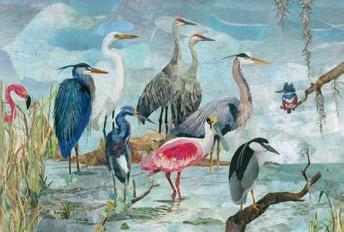











(It’s not me)
By Tracy Winslow Contributor
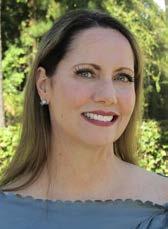
Sometimes I forget I’m a complete idiot. I just go about my day doing things, blissfully unaware of the fact that I am, apparently, a complete moron. Thank goodness I have teenage daughters to frequently remind me that I know absolutely nothing.
“Hey Mom, can you come up to Charleston and take me to a doctor’s appointment? I have to tell them I have a ride.”
“Of course. Why do you need a ride?”
“Oh, they won’t let me drive after surgery.”
Surgery? What surgery? Did I miss a family meeting where they casually discussed my teenager having surgery?
“Yeah, an endoscopy. I have to be put under so they can see what’s going on with my stomach. I can’t drive home because of the anesthesia.”
Sigh…Since she was a baby, any time stress entered my daughter’s life, it went right to her stomach. It could be good stress, like a birthday party. “I can’t wait to go” quickly became “I can’t go because I might puke.”
Worse was negative stress—like the time her baby tooth came out. Something she had been desperate for, teasing me for months that she’d “lost it” (and proudly handing me a kernel of corn). But then it actually happened, and she spiraled so hard, begging me to “put it back in”. She melted down to the point that she turned
a milestone into a full-blown catastrophe, vomited, and ended the night asleep on the bathroom floor.
I have taught her coping mechanisms her entire life. As a card-carrying member of the Panic Attack Society, I am very aware of how something slightly disruptive can send your entire body into a dumpster fire of chaos. She is well-versed in self-regulation - deep breathing, grounding, getting her body back to baseline - without needing to carry barf bags everywhere. But an endoscopy?
Now, as her mother, I feel like this is information that should have maybe… crossed my desk. Floated by me in a casual text. Been whispered into the void in my general direction. Instead, I’m getting the “by the way, I’ll be unconscious” update like it’s a quick Target run.
“Okay,” I say, trying to sound like a calm, informed adult who definitely knows what’s happening in her own family. “When is this?”
“Friday.”
It is, at this moment, Tuesday.
Perfect. Big fan of the three-business-day notification system for medical procedures that require me to shuffle my entire life around and drive four hours for an unnecessary appointment.
“Honey, there’s nothing wrong with your stomach. This is just how you react to stress. It’s anxiety—that’s all.”
“Ok, MOM. Whatever. I have researched this and I know that there is something medically wrong with me. It is NOT anxiety. There is an issue. A MEDICAL ISSUE. YOU DON’T EVEN KNOW MOM, OK?” Her screech teetering on the brink of hysteria.
Silly me, I forgot that I just met her and also that I am a complete idiot.
“I didn’t think it was a big deal that I scheduled this, Mom.”

This is the same child who once declared a full emotional crisis because her sock “felt weird,” but we are now casually scheduling medical procedures like it’s a nail appointment.
I pick her up to go to the hospital and she’s chattering away like this whole thing is just some normal occurrence instead of one involving anesthesia that could kill her.
The nurse tells me that the entire process takes about an hour, which now gives me 59 and a half minutes to panic, overthink, and spiral into the very specific fear that she’s actually sick and I’ve been ignoring her. That I have somehow harmed my child through sheer, unintentional incompetence. That she’s going to die and it’s my fault because I decided it was “just anxiety.”
You know. Light waiting room thoughts. I’m almost a puddle when the doctor finally comes to get me.
“I’ve looked at everything,” the doctor says. “I don’t see anything concerning.”
Terrific. Love that for us. Deep sigh of relief.
“I’ll run some blood work,” he adds, “but everything looks normal.”
And then she looks at him and says,
“Oh… so does that mean my mom was right? Is it just anxiety?”
The doctor nods. “It could be.”
“Kind of like I have been saying for your entire life. Remember how I’ve been saying this? For your whole life?”
“Oh, okay, Mommy. Can I have some snacks? My tummy is hungry.”
And that concludes today’s episode of Mom Was Right.
Tracy Winslow is the owner of the premier yarn store, Low Country Shrimp and Knits. When she isn’t sherpa-ing her child to unnecessary medical appointments, she’s hunting down the best yarn for life in the Low Country—especially during the season when she briefly considers why it isn’t socially acceptable to leave the house naked… until she passes a full-length mirror and remembers exactly why. Learn to knit, crochet, or needle felt so you have a perfectly valid excuse to stay inside where the air conditioner lives. www.shrimpandknits.com



By Tamela Maxim Contributor
Day 30
Our morning safari began at 8:15, as bushbuck slipped through the undergrowth, warthogs trotted confidently across the grass, and zebras grazed in the soft early light. By 9:00 a.m., we entered Ol Pejeta Conservancy, home to the world’s last northern white rhinos. The sanctuary spans 700 acres of savannah and woodland, guarded around the clock to protect its precious residents from poachers. Despite their name, white rhinos are not white. The term originated from a linguistic misunderstanding—Dutch settlers described them as wijd, which means wide-mouthed. Over time, that morphed into white, and the misnomer stuck. Their cousins, the black rhinos, have pointed lips suited for munching on shrubs rather than grass.
We learned that only three northern white rhinos remain—all female. The last male, Sudan, died in 2018 without an heir.

At the rhino cemetery nearby, where Sudan is buried among victims of poaching, I found myself in tears.
But that sorrow soon turned to wonder. Earlier, I joked that I wanted to see a Rothschild’s giraffe under a rainbow—and unbelievably, that wish came true. There it stood, at the end of a rainbow after a brief shower.
The rest of the morning brought elephants, gazelles, cape buffalo, and lions chasing zebras—foiled when a flock of tattletale guinea fowl loudly alerted the herd. Before lunch, we watched cape buffalo wallowing in mud. They looked so very happy. The mud has a significant cooling effect, making up for their limited sweat glands, and it also helps with parasite control. A thick layer of mud suffocates ticks, lice, and mites. Once the mud dries, the buffalo will rub everything off on rocks and trees. Fascinating.
A torrential downpour washed out our 4 p.m. safari, but at least it didn’t interfere with our after-lunch camel ride. The day ended happily with some extra time before dinner to relax and write in my journal.


We woke to a surprisingly cold morning and zipped up our until-now-unused warm jackets before leaving Sweetwaters at 7 a.m. Black backed jackals darted across the landscape as our driver, Sande,
shared stories of traditional matchmaking. A dowry, he explained, is not payment for a bride but a symbolic bond between families. Should the marriage falter, the matchmaker and the entire community step in to help restore harmony.
As we passed mile after mile of Arabica coffee farms, Sande continued weaving local history and folklore into the journey. We learned that locals prefer their beer warm, and that the town of Karatina earned its name from the locals’ mispronunciation of “quarantine” when cattle were held there before sale during colonial times.
One of the most startling sights on the road to the Karen Blixen Museum was of the khat transporters—drivers racing at breakneck speed in modified vehicles to deliver the highly perishable stimulant leaves from Meru and Embu. Police are instructed not to interfere as the khat vehicles race toward Somalia or the Nairobi airport for export. According to a December 3, 2025, AFA Kenya report, the country
ENDING CONT. ON PAGE 37

FROM PAGE 36
exports 13–17 tons of khat daily. The sheer scale—and the speed—was astonishing. We eventually reached the Karen Blixen Museum, the former farmhouse and coffee plantation of the author of Out of Africa. Built in 1912, the home—Mbogani House—still holds many of Blixen’s original furnishings and personal items. The surrounding suburb, now simply called Karen, is one of Nairobi’s most affluent areas. The visit to Karen Blixen’s farm and home was one of the highlights of my trip! We ended the day at the Eka Hotel, ready for our final morning in Kenya.
Our last day began at the Giraffe Center, founded in 1979 to protect the endangered Rothschild’s giraffe. At the time, only 130 remained in the wild. Today, thanks to decades of conservation work, more than 1,000 live in Kenya. From a raised wooden platform, we were able to feed and gently pet these long-necked, longpurple-tongued, gentle giants.
Next, we visited the Sheldrick Wildlife Trust, where orphaned baby elephants are raised with extraordinary care. Milking a wild elephant – not such a good idea. Keepers use giant bottles of baby formula to sustain the calves until they are ready to return to the wild.
Our final stop was Kobe Tough, a workshop
where women artisans craft exquisite, beaded jewelry and leather goods. I purchased a necklace, and Witress—owner of Namaste Safaris— insisted I needed earrings to match. I protested, but he was right. The artisans made my custom earrings on the spot, and they are now among my favorite souvenirs.
After lunch and dinner in Nairobi, the long journey home began with airport arrival at 7:30 p.m., passport line at 8:00, a 10:45 p.m. overnight flight to London, a nine hour layover, a ten hour flight to Dallas, a final connection, and—at last—arrival in Savannah just after midnight, two days later on July 2.
These final three days in Kenya were a whirlwind of beauty, surprises, and unforgettable wildlife encounters. My month in East Africa was far too short yet profoundly moving. It deepened my understanding not only of the extraordinary animals that depend on our protection, but also of the culture, history, and people who steward this breathtaking corner of the planet. The memories—joyful, heartbreaking, and awe filled—will stay with me always.
Tamela is a proofreader and book editor; she hosts paint parties for adults, art and drama camp for kids, and is the art teacher at May River Montessori. www.tamelamaxim.com www. artposseproductions.com











By Dr. Jean Harris Contributor
I was fortunate that my parents introduced me to golf at age 11. Playing golf helped me mature into a child who had dedication, not only to golf but also to my schoolwork. I learned time management at an early age.
The game helps children develop into responsible adults. It teaches traits such as honesty, courtesy, problem-solving and how to control emotions.
As an individual sport, it teaches children that they alone are responsible for their actions. They can’t blame referees, coaches or other players.
It is also something you can enjoy with family and friends. My son and I are very close because we played a lot of golf together when he was growing up. He now plays with his own son. I now love playing with my son and grandson, something I could not do in many other sports.
Golf also helps children with hand-eye coordination and balance. Overweight children can get into shape by walking the course and carrying their clubs.
Compared with football, soccer, basketball or baseball, children are less likely to
get injured and it is a lifetime sport.
Parents interested in getting their children started can contact the First Tee of the Lowcountry, PGA Junior League or LPGA Girls Golf. Many courses also offer junior lessons and play days during the summer months.
Learning from a qualified golf professional is important. Children should be fitted with proper equipment for their size. Starter sets are affordable, and many golf shops allow trade-ins as children grow. Cutting down adult clubs is not recommended because they are too heavy and the grips are too large.
Looking back, I would tell my parents that introducing me to golf was one of the best things they ever did for me. Sixty years later, I still enjoy being around the game almost every day. I feel fortunate to work in a profession I love, where teaching and playing never gets boring.
Introducing the game at a young age can create lasting benefits. It is never too early to share golf with children or grandchildren.
Dr. Jean Harris is an LPGA Master Professional and teaches at local golf courses. jean.golfdoctor.harris@gmail.com; golfdoctorjean.com

By Kevin Fitzpatrick Contributor
The year was 2013, I had retired from full time public school teaching in November of 2012 and I really had no plan. I had been working in one form or another since I first started delivering papers in the Bronx when I was 10 years old (73 as of this writing to give you perspective). Sue was still teaching full time in the burning cauldron that is Special Education, and was encouraging me to make a plan. Long story, significantly shortened, I ventured less than a mile down the road to a Catholic K-8 school, started subbing and was quickly offered a part time position. A position I accepted with the caveat that if I wasn’t having fun, I’d give a month’s notice and leave. The first quarter I was already regretting my choice as middle

school – I had one 6th, one 7th, and one 8th grade class – is a different beast than the 37 years I had spent teaching high school mathematics.
Then, oddly, a switch flipped after the Thanksgiving break. I not only found myself having fun, but looking forward to each day. The main reason was one of the three classes I taught. The magic that was that 7th grade class made all my doubts wash away. The entire group was very special, and when they left 8th grade in June, I was particularly sad.
You can imagine my excitement when I was notified that one of those kids, now 25, was going to be on the newly redone Star Search on Netflix. TJ Salta, who in seventh and eighth grade was a quiet, studious and occasionally anxious young man, chose to pursue magic after an injury sidelined him from his first love, lacrosse. I saw him several years after he graduated, performing at a local state senator’s home, and he was, frankly, remarkable. He worked as hard at his new love as he did in the classroom mastering algebra, and I made sure to be in front of my TV to see him in 2026.

Spoilers ahead. If you haven’t seen the finale, stop reading now.
Each event leading up to the finale was outstanding. I watched, I cheered, I voted and yes, teared up when he was chosen as the overall winner.
It made me reflect on how similar teaching — and life in general — is to being a magician. You want to keep people engaged and occasionally amazed. You don’t reveal everything at once, and you don’t always show what’s behind the curtain. Instead, you invite them to believe in possibility — to see that what once seemed impossible can happen right before their eyes, and that they might not only do it themselves, but even improve upon it.
Like magicians, teachers also rely on “volunteers” to move the lesson forward, and one measure of success is how many are eager to step up and take part.
That brings me to the point of this piece. When Sue and I fully retired in June 2021 and began discussing our next chapter, I asked her — one last time — for a volunteer. She was my audience of one as we considered where to go and what to do next. Hesitantly, she stepped onto the
“stage” I had constructed in the form of possible destinations, and after a little figurative abracadabra and sleight of hand, she agreed to come along for the ride.
At this point, I would love to close out with some Warren Zevon, but it really calls more for some Bruce so I’ll work in both. The title of the piece is actually one of my favorite Warren songs, “For My Next Trick, I’ll Need a Volunteer.” Thank you TJ for bringing this one back to mind. But, it’s a verse from Thunder Road that really needs to play us out today, as a reminder of the faith that my volunteer put in the choices we made.
“Don’t run back inside Darling, you know just what I’m here for
So you’re scared, and you’re thinking That maybe we ain’t that young anymore Show a little faith, there’s magic in the night”

Kevin Fitzpatrick is a retired teacher who, along with his wife Sue (also a retired teacher) is enjoying exploring life in the lowcountry and all it has to offer.
By Wendy Kushel Contributor
There is a curious phenomenon that plays out every day in workplaces, stores, phone calls, and parking lots—a subtle difference in how direct communication is received depending on who is speaking.
Picture a simple scenario. A person walks into a bar and says, calmly and clearly, “Some of your patrons have moved a parking cone where my van is supposed to be parked. Can you please ask them to move it?” No raised voice. No hostility. Just a straightforward request.
Now change only one variable: who is speaking.
When that statement comes from a
man, it is often received as reasonable, even authoritative. The likely response?
“Yes, sir,” followed by immediate action. The tone is interpreted as efficient and to the point.
When the same words come from a woman, the reaction can shift. The response may include a subtle correction:
“You don’t have to be so aggressive.”
The tone hasn’t changed—but the interpretation has.
This isn’t about volume. It isn’t about intent. It’s about perception.
Research has long pointed to this dynamic. Studies in social psychology and workplace behavior, including widely cited research from Harvard Business School, have found that identical behaviors may be evaluated differently based on gender. In one well-known study, participants rated a fictional manager described as decisive and assertive. When the manager had a male name, those traits were seen as leadership strengths. When the same description was assigned a female name, those traits were more likely to be labeled as



abrasive or difficult.
The pattern extends beyond tone. Walk into a business with both a man and a woman present, and many people—regardless of background—will instinctively assume the man is in charge. On the phone, a male voice is often met with immediate deference, while a female voice may be questioned, redirected, or asked to “confirm” authority.
Even in sales and operations, subtle disparities appear. Industry reports have suggested that response rates to outreach can vary depending on perceived gender, with some analyses indicating that emails or calls from male-identifying names receive higher callback rates in certain sectors, particularly in manufacturing and technical services. While the exact percentages vary by study and industry, the pattern is consistent enough to raise eyebrows. None of this is loud. None of it is dramatic. That’s what makes it so easy to overlook.
The most striking part is how easily clarity gets mistaken for confrontation.

A firm, direct statement—delivered without emotion—can still be retold later as “yelling” or “being aggressive,” even when no such behavior occurred. The words stay the same; the story changes.
This isn’t about assigning blame or drawing battle lines. It’s about noticing the small, almost invisible filters through which communication passes. The tone heard is not always the tone given.
And in business, where clarity is currency, that difference matters.
Wendy Kushel is the owner of Wendala’s LowCountry Sugar Scrub, LLC based in Bluffton. Drawn to the beauty and personal care industry, Wendy founded her company in 2020. Her background includes stand-up comedy, film, TV and a lot of sales and marketing. For more information about Wendala’s® LowCountry Sugar Scrub visit www. lowcountrysugarscrub.com or call/text 843-949-8933.

By LaNelle Fabian Contributor
National Healthcare Decisions Day is April 16. It is a reminder to take the time to review and update your advance directives, and if you don’t have any in place, we recommend Five Wishes as a tool to aid in the process. Have you ever had to make care decisions for someone else? It is a task that can be very difficult, but also rewarding if the decision-maker knows they are honoring their loved one’s wishes.
Advance care planning is the process of making and discussing decisions about the medical care and treatments you would want or not want at the end of life, and choosing a decision-maker who will speak for you if you ever become too sick or injured to communicate for yourself. It is an opportunity to allow your voice to be heard even when you cannot express your wishes on your own. This is an ongoing process that should begin at age 18 and be revisited as you experience changes in your health, your closest support system and what matters most to you. Advance care planning is a gift for loved ones and health care providers, preparing them to make decisions based on your choices and priorities.
According to a landmark report from the Institute of Medicine (2014), 70 percent of older adults who need to make medical treatment decisions are unable to do so for themselves. A comprehensive review of studies on

advance care planning (Yadav et al., 2017) found that only about one-third of U.S. adults had documented their endof-life care preferences to help guide their loved ones and doctors. However, about 80 percent of Americans agree that these conversations are important (Genewick et al., 2018).
Five Wishes is a guide that helps you think about and communicate what matters most to you. Once properly completed and signed, it becomes a legal document. Inspired by Mother Teresa’s work with people who are dying, it is written with clear, easy-to-follow instructions and thoughtful suggestions. Five Wishes was created by


the nonprofit organization Aging with Dignity, with assistance from the American Bar Association and health care experts.
Five Wishes addresses:
1. Choosing the person you want to make health care decisions for you when you cannot make them for yourself
2. The kind of medical treatment you want or do not want (living will)
3. How comfortable you want to be
4. How you want people to treat you
5. What you want your loved ones to know
Unique to Five Wishes are wishes 3, 4 and 5. These wishes are especially meaningful to loved ones, who may not know what to do when someone they care for is very ill and dying. They may not know how to help or provide comfort. These wishes provide insight into what is comforting to that person and offer simple ideas to help ease the way.
LanelleLaNelle Fabian, Director of Community Engagement, at FRIENDS of Caroline is a Certified Presenter of Five Wishes and offers presentations free to the community. Presentations are available to groups of any size including employees, churches, book clubs/wine & cheese with friends, and community gatherings. If you are interested in learning more and booking a presentation, please contact LaNelle at 843-525-6257 or lanelle@fochospice.org.
• Family Primary Care
o Men & Women’s Health Care
• B12 Shots
• Bio-Identical Hormone
Replacement Therapy
• Weight Loss
o Semaglutide
o Tirzepatide
o Lipotropic B12
o Phentermine
• Laser Treatments
o Hair Removal
o Skin Resurfacing
o Vein Removal
o Dark Spots
o Nail Fungus
o Acne
• IV Therapy
• Esthetician Services

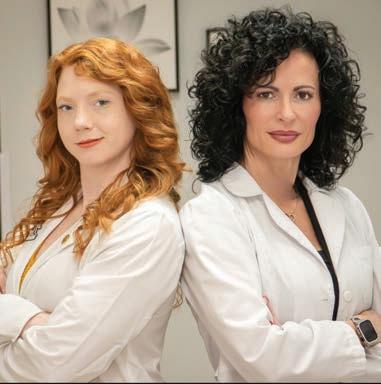
By Paul Tollefson Contributor
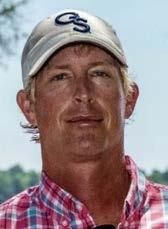
There was a time when the beaches of Hilton Head Island felt almost untouched. There were miles of shoreline where you could walk for half a day and never see another soul. The wind moved through the sea oats and the Atlantic rolled in slow, steady lines toward a quiet island that still felt wild.
For a small group of surfers in the early 1970s, those empty beaches became their world.
Back then, the surf scene on Hilton Head was tiny. Just a handful of people who knew each other and shared the same simple routine: watch the ocean, grab a board and paddle out when the conditions looked right.
Mike Lynes had grown up on the island and knew those beaches well. Around that same time, Rick Lawson arrived, along with Nanci Polk-Weckhorst, who would become one of the most influential figures in the island’s surf culture. Others drifting in and out of the lineup included Hamp Sewell and Charley Lovely, all part of that early crew that built a small but tight-knit surf community.
The boards they rode were classic longboards, often nine feet or longer. Big, heavy boards by today’s standards, but perfect for the soft, rolling Atlantic swells that reached the South Carolina coast.
And the places they surfed might surprise people today. Sea Pines had waves. The stretch around the old William Hilton Inn on South Forest Beach broke well when the swell lined up. North Forest Beach had its moments too, along with the Shipyard area. Singleton Beach was another favorite, and back then it felt wide open and quiet.
The island itself looked very different in those days.
At Singleton Beach, some of the old houses had already washed away or been torn down, leaving reminders buried in the sand. Burkes Beach looked different, too. Today it stretches wide and clean, but in the early days pluff mud and oyster shells still scattered the shoreline.
Nanci Polk-Weckhorst remembered surfing there one day and spotting a dead wild hog on the sand while wild dogs circled nearby. It was a raw kind of place, where wildlife and ocean still met without much in between.
Though small, the Hilton Head surf scene stayed connected to the wider East Coast surf world. Surfers traveled to competitions along Florida’s east coast and to events around Charleston and Folly Beach.
Even those trips felt simpler.

Gavin Daly, part of the younger generation that followed, remembers how different it all was. At Folly Beach, a narrow sandy path often cut through the grass to the ocean, and surfers would change in the bushes before heading out.
Surfing wasn’t the only board sport catching on.
Like others across the country, the Hilton Head crew got into skateboarding, kneeboarding and eventually windsurfing, which grew popular in the 1980s. Charley Lovely, who lived in the Folly Field area and built circular staircases, took up surfing later and became heavily involved in sailboarding.
As the island grew through the late 1970s and early 1980s, so did the surf community.
A turning point came around 1984 when Nanci Polk-Weckhorst opened NanSea’s surf shop in Triangle Square. At a time when many beach businesses focused on tourists, NanSea’s was different. It was a true surf shop run by surfers for surfers.
For many local kids, it was the only place to find a quality surfboard.
Nanci also ran her custom canvas business from the shop, but NanSea’s quickly became a gathering place. She and her husband, Jerri Weckhorst, played a key role in helping the next generation get started.


They sponsored young surfers traveling to competitions, drove them to events and sometimes helped cover entry fees. More importantly, they created a sense of community.
Gavin Daly remembers Nanci as a mother figure to many younger surfers. She helped get boards into the hands of kids who wanted to surf and helped build a strong group of up-and-coming surfers through the 1980s and 1990s.
“They had a certain style and stoke about them,” he said. “You always wanted to be around them.”
The lessons they passed down went beyond surfing. They taught younger surfers to respect the beach, the water and themselves.
It wasn’t always gentle.
Byron Sewell remembers traveling to competitions and gathering around bonfires after long days in the water. That generation didn’t soften its words. They told you exactly what they thought.
It was a tougher approach, but one that shaped the younger surfers in lasting ways.
That group included Gavin and Jevon Daly, Byron Sewell, John Hagins, Mike Bishop, Murray Boughman, Wee Winn, Jeremy Lee, Pat Mills, Trent Malphrus and Reggie Delacruz, all kids who grew up watching and learning.
Wee Winn and Reggie Delacruz remember the Shipyard break particularly well. When two jetties sat out front of the old Marriott, the waves there were among the best on the island.
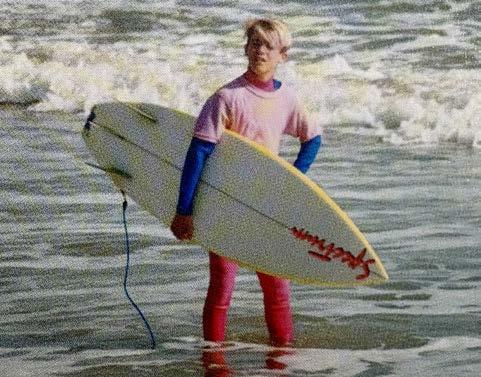
Reggie remembers how they handled the strong drift along the beach. They would leave a car near the old Holiday Inn, paddle out at Shipyard and surf their way down the shoreline.
“It was a lot easier than fighting the current.”
Both men say respect defined the surf community. Everyone respected those who came before them and respected each other.
Looking back, they agree on something else.
Hilton Head during those years was a special place and a special time.
Other figures helped shape the island’s board culture. John Tolly, owner of SunnyDaze Surfboards, was a wellknown local surfer. Glenn Baroncini later introduced paddleboard surfing to the island.
The influence of Hilton Head’s surf culture eventually reached beyond the island.
Justin Quintal, who spent part of his early childhood on Hilton Head before moving to Florida, went on to become the World Longboard Champion in 2020.
Today, the island looks very different.
Hotels and homes stand where empty dunes once rolled toward the ocean. Families fill beaches where surfers once waited quietly for the next set.
But those who were there in the early days will tell you something hasn’t changed.
The ocean still rolls in the same way.
And the small group of surfers who first chased waves along Hilton Head’s quiet shoreline helped create a culture that carried through generations of island kids who followed them into the water.
Jerri Weckhorst passed away a few years ago, but many still remember the role he and Nanci played in building that community.
In the end, it was never just about surfing.
It was about friendships, respect for the water and the kind of memories that come from chasing waves on an island that once felt like it belonged only to the wind, the tide and a few surfers waiting on the next set.
Paul Tollefson is the Director of Tennis at the Hampton Hall Club. After moving from Hilton Head to Bluffton he became enthralled with the history of the town and the people and cultures that call it home. He has found a passion in writing and enjoys being able to share the stories and pictures of long-time locals. He is the co-creator of the Facebook page “Bluffton Then and Now.”





By Nick Martin Contributor

Geopolitical tensions and disruptions to global energy supply often lead to higher gas prices at the pump. Amid the current conflict in Iran, oil prices have surged to above $100 per barrel for the first time since 2022. Although the US is a net exporter of oil, Americans are not immune to rising global oil prices that push gasoline costs higher. Oil is a global market, so when prices rise, they increase across the board, including in countries like the US that export more oil than they import. However, despite global market pressures, US drivers actually pay among the lowest gas prices at the pump. The reason has less to do with domestic oil production and more
to do with fuel taxes.
Europe has higher fuel taxes as governments prioritize energy conservation, which leads to higher electric vehicle market share and reduced overall auto ownership. By contrast, the US federal gasoline tax hasn’t increased since 1993. At the bottom end of the price spectrum are some of the Organization of the Petroleum Exporting Countries, where gasoline is sometimes priced below the input cost of crude. On the domestic front, gas prices can vary widely by state with differences driven by state-level taxes.
There have been significant shifts in how reliant American consumers are on gasoline. For instance, gas prices currently account for only 1.7% of a typical household budget, an all-time low and less than half of its share three decades ago. This reflects improvements in fuel economy: A typical new light-duty vehicle gets 30 miles to the gallon, up from 20 miles per gallon three decades ago.
The cumulative impact of higher gasoline prices on a typical household wouldn’t reach $1,000 even if gasoline were to stay at $4 per gallon through the end of the year. That said, lower-income


households are feeling the pinch given that they spend a higher share of income on fuel and other necessities. Higher income households, which account for a disproportionate share of consumer spending, are less sensitive to what happens at the pump.
Typically, during periods of geopolitical tensions or disrupted oil supply, the government has certain levers it can pull to partially ease prices at the pump, including a suspension of the state gasoline tax. While suspending gas taxes lowers prices for consumers in the short term, the action runs the risk of creating a hole in state budgets that will eventually need to be filled. Beyond tax policy, governments may also act to stabilize supply. Examples include the recent multinational release of crude oil from emergency stockpiles and temporary lifting of US sanctions on Russian and Iranian crude in response to disruptions caused by the Iran conflict.
At the federal level, the US Environmental Protection Agency (EPA) is set to suspend summertime blending requirements for gasoline. Under normal circumstances, fuel companies are required to change the gasoline formula during the



summer driving season to reduce smog. The EPA’s authority to waive this rule has been used historically in cases of Gulf Coast refining disruptions after hurricanes. The resulting savings are typically $0.10 to $0.30 per gallon, varying based on regional fuel market dynamics.
The bottom line
Increased gas prices are an often unavoidable result of global energy disruptions, even for a country that produces more oil than it consumes. While higher prices can create near-term pressure, gasoline today represents a much smaller share of overall US household spending than in past decades. Government actions can help soften price spikes, but options are limited.
Nick Martin is a financial planner and the founder of Bluffton Financial Planning. Bluffton Financial Planning is not a registered broker/dealer, and is independent of Raymond James Financial Services. Investment advisory services offered through Raymond James Financial Services Advisors, Inc.

By Rev. Dr. Nannette Pierson Contributor
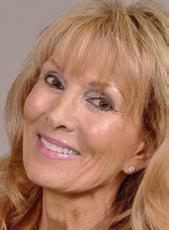
Are there hurts beyond healing? Brokenness beyond repair? Misery beyond a miracle? Sickness beyond restoration? When we find ourselves in what I call our Cemetery Season, the answer to these questions remains consistent. With God, all things are possible.
Luke 8:43-48 suggests that a faith that presses on will find the miracle in the most unexpected place. This unnamed woman has gone everywhere, tried everything. Her situation had stigmatized her social standing in the community, as the Levitical laws rendered her ritually unclean, which meant she couldn’t be with her family or friends, join the other women around Jacob’s well to discuss the gossip of the day, or worship at her temple and hear God’s Word proclaimed, “Hear, O Israel, the Lord is One!” She was cut off from her community, excommunicated from her ethnic heritage, separated from her spiritual birthright, and it was religion that kept this woman in bondage when she was bleeding.
Can you imagine the isolation? Visualize the victimization. Picture the pain. I’m certain that some of us have been shut out by others who believe they’re better than the rest; more holy, healthy, educated, more successful, powerful or popular. We don’t have to dig deep to understand what this unnamed woman was experiencing. We know what it is like to be treated differently just because of our lack of experience on the job, shortage of degrees, choice of friends, learning differences, addictions, color, yes, and even gender. To deal with people who treat us unkindly and heartlessly just because they have the power to do so.
We also know what it is like to have people who look and act just like us, go to school or work with us, laugh and cry with us, call us their friend, only to make our situation far worse instead of better, just like the unnamed woman. Suffering. There’s so much pain in our world and in our lives. So what can we do to stop the bleeding and heal the hurt? I went back to this woman in Luke because she is a living example of survival for those who want to live. She exhausted
all her resources and couldn’t be near anyone unless they were willing to be considered unclean. But through one good friend, she heard reports about a man named Jesus who was working miracles. She knew because of her unclean status she wouldn’t be able to come out publicly and state her condition, so she decided to get lost in the crowd, hoping no one would notice.
The day came when the miracle man made a stop in her town, and hundreds gathered around him. She said to herself, “If I can just touch his robe, I’ll be made well.” She snuck up behind Jesus and touched the hem of his robe, and in her touch, she was telling God where it hurt. Are you hurting? Maybe because of a rebellious child or grandchild, a substance-addicted family member, the death of a loved one, or a friend struggling with depression and not wanting to live another day. Hurting because of the injustice in our very own community, let alone our country and the world. Hurting because of neglect or abuse, separation or divorce. Hurting from an illness that’s not getting better but only worse. Or simply hurting because of the loneliness, emptiness and hollowness of your life, and the childhood scars and grown-up wounds that just won’t heal.
There’s no indication that she had ever met Jesus or seen him perform a miracle. But she must have heard reports about what Jesus had done. He spoke the words, “Peace, be still,” and the howling wind and rough sea obeyed. It is said he only spoke the word and the servant of the centurion was healed, and most shocking, he raised Lazarus from the dead.
I wonder, have you heard the reports about Jesus and what he can do? Scripture doesn’t tell us what, but we do know that something deep within her reached out in faith, a faith that allowed her to receive the cure for her condition, the deliverance of her disease and the healing for her heart.
This unnamed woman touched Jesus with such great faith it drew power out of him. She did not let culture confine her or gender ground her. She did not let pain paralyze her or patriarchy pulverize her. She did not let the severity of the situation suppress her or render her invisible. Oh no, she did not. She pressed on through the sweat, the smell and the embarrassment.
Religion kept this woman in bondage, but the Savior made her whole, and with just the touch of the hem of his garment, she found herself cured.
You want to hear today’s message, his
word for us across the centuries, five simple words: “Tell God where it hurts.” That’s the message for times such as these. Because God has a miracle for the somebody and the nobody, for the learned and the unlearned. A miracle for the pulpit and the pew. For the one who has three job offers and for the one still unemployed. A miracle for the corporate executive and the one who cleans that office. God has a miracle for each one of us if we just press through in faith.
Jesus looked and saw this no-name woman and called her “daughter.” Her reaching out to touch the hem of his garment healed her bleeding. His words healed her soul.
If we want to be healed, we must be bold enough to tell God where it hurts. And if you tell God where it hurts, heaven and earth will exchange a holy kiss. Divinity will perform a dance on the stage of eternity. And grace and mercy will give thunderous applause.
Rev. Dr. Nannette Pierson, Itinerant Elder in the African Methodist Episcopal Church and Pastoral Associate at Campbell Chapel A.M.E. in Bluffton, SC




Come join our vital, creative, enthusiastic, inclusive synagogue for monthly Shabbat and Holiday worship, study, and social events! Please give us a call at 843-321-9216 for more information! We look forward to welcoming you! www.templeosehshalom.org 8:30am Outdoor Worship
By Annelore Harrell Contributor
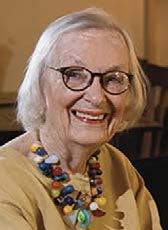
Spring is here. Saint Patrick has left more than a few hangovers from parade celebrations, viewers of spectacular sunsets over our local saltwater rivers suffer and endure sand gnats gnawing at exposed body parts, pecan trees and fig trees sneak out trusting green, and vines of yellow jasmine, purple wisteria and the glorious white Cherokee rose, which have cheerfully strangled anything in their path, justify their existence by bursting into color and fragrance, driving honeybees into gourmet ecstasy.
Best of allm the azaleas are in bloom. Azaleas, genus Rhododendron, love the acidic soil of our South Carolina Lowcountry, its protective cover of oak and palmetto, its misting of dew before the sun rises. Unfortunately, many gardeners, afflicted

with OCD neatness, are among us, and this gift from Asia is, in many places, manicured, trimmed and confined, allowing only the most determined blooms to peek through the greenery barricade.
Azaleas were meant to fly free, reaching ever upward in graceful arms to the sky above.
Savannah, our neighbor across the way, has long been noted for its attention to all things green. And to azaleas.
True to their nature, after World War I, to celebrate, Savannahians named a road, at least a piece of it, Victory Drive and proceeded to plant it with azaleas and palmettos.
This was no ordinary road.
Beginning at Tybee Island on the Atlantic Ocean and ending at San Diego on the Pacific, U.S. Highway 80 was known as the Dixie Overland Highway.
One particular strip, a little over two miles, ran from the Thunderbolt River in the east to Bull Street in the west and was a double-lane road with a gracious-sized median. Eureka. This was it. Perfect. They would plant azaleas that grew so well in Savannah. From alba white to salmon and fuchsia, azaleas ran the gamut
of pink. They would plant hardy fuchsia Formosa azaleas and shade-providing palmettos two by two and march them down the way — a tribute to fallen veterans and better than any solid granite monument.
And they did.
This seemed like such a good idea, they planted more Formosa, more palmettos on both sides of the road, also known as U.S. Highway 80, also known as Tybee Road, all the way to Lazaretto Creek in the east and beyond Bull Street to U.S. Highway 17.
And it was beautiful.
I remember in the 1940s how Frieda (Pete) Struck of Savannah’s Park and Tree Commission was in charge of their care. Her office was a small, nondescript gray stone building opposite Popeye’s Chicken on Bull Street, where the train tracks cross Victory Drive.
Azaleas have shallow roots, are happiest in swamps and need to be watered.
In Savannah’s summertime, with temperatures reaching extreme levels, Struck would have employees fill water tank trucks and make sure the plants received the water they needed.
Out on Tybee Road, I can still visualize inmates from the local Brown Farm, a
Chatham County disciplinary facility, wearing black-and-white striped cotton uniforms, cutting weeds as a guard watched, shotgun over his arm.
One way or another, those azaleas were taken care of.
Today, Victory Drive still has azaleas, knee-high and reduced to haphazard zigzag rows.
“A traffic visual hazard,” they said. “Can’t have those azaleas blinding our view.”
No one touched the palmettos. They still stand, two by two.
But in those long-ago years, dressed in Easter finery, we walked — no, we promenaded — down the center of the median on Victory Drive, under the archway of glorious Formosa blooms overhead. And it was fine.
Annelore Harrell’s journey is a tapestry woven with fascinating experiences and extraordinary accomplishments. Even at 92 in 2025, Annelore’s energy and zest for life continue to inspire. Annelore Harrell’s story is a testament to living with passion, resilience, and an unquenchable thirst for adventure.