
Aging can be a revelation. All the truths we ran from, the wisdom we didn’t have time for, catches up with us — if we let it.
I stumbled upon abstract painting in late 2011, when I was 61. I still had three children living at home, but the youngest was 15. Suddenly I had some time to myself, so I thought, Why not try something new?
Out of nowhere and with no art background at all, I decided to buy a canvas, paint and brushes and give abstract painting a try.

months after that exhibit, I rented a studio space, had my first business cards made, and created accounts on Facebook and Instagram. The following year I had a website where I could post images of my work.
I never expected to learn so much about technology. In fact, I had made up my mind that I was not going to get into technology.
By Carolyn Ellis
I loved it. I had no idea that painting would save my life, but it surely did. Becoming an abstract artist got me creating, thinking, asking questions, learning to find my way as an artist and connecting with people, saving me from stagnation and boredom.
Just a year after trying it out, I was painting daily and had landed an exhibit of my work at a local coffee shop. Six
All that changed when I began to paint and exhibit my artwork. That’s when I got my first smartphone and learned how to text, email and post photos on social media. (While my friends saw me as a tech whiz, the truth is any child can do what I do!) My interest in painting saved me from essentially letting the world pass me by.
Soon I started calling myself an abstract artist. Since 2011, when I first started painting, my enthusiasm for painting and creating has only grown. Longevity experts say that having a
The Beacon is a monthly newspaper dedicated to infor m, serve and enter tain the citizens of the Greater Baltimore area, and is privately owned. Other editions ser ve Howard County, Maryland and Greater Washington, D.C.
Subscriptions are available via first-class mail ($50) or third-class mail ($20), prepaid with order. Maryland residents: add 6% for sales tax. Send subscription order to the office listed below.
Publication of advertising contained herein does not necessarily constitute endorsement. Signed columns represent the opinions of the writers, and not necessarily the opinion of the publisher.
Gordon Hasenei, Publisher, CEO
Steve Gurney, Associate Publisher
Margaret Foster, Editor
Kyle Gregory, Art Director
Roger King, Vice President of Operations
Advertising Representatives:
Jill Joseph, Steve Levin, M.K. Phillips
Ana Preger Hart, Assistant Editor
Tori Cleveland, Editorial Assistant
Stuart & Judy Rosenthal, Founders
sense of purpose in our lives can help us live longer. With all of these positive changes in my life, I can’t help but wonder how others might find their passion, too.
Here are some ideas to consider:
1. Identify something you’ve always wanted to do — fly a plane, dance, cook, act, write, sew — and then just get started. Local community centers, libraries and senior centers are great places to begin your search.
2. If you have no clear interest in anything, you might consider just picking something and giving it a try. That’s what I did. I have no art training, and yet painting exploded on my scene and totally changed my life.
3. Taking a group class is a great way to open the door to an activity you overlooked in the past and make new friends. Daytime classes will most likely have older people in them. Look for classes on tai chi, chair yoga, water aerobics, etc. Trying Googling senior clubs,
and you’re sure to find lots of ideas: hiking clubs, garden clubs or composting groups.
4. Volunteer. If you’re into serviceoriented groups, there are many organizations out there that need volunteers. Search AmeriCorps Seniors Retired and Senior Volunteer Program at americorps. gov. Or get more involved in your church, mosque or synagogue.
5. If you already have a skill, consider sharing it one way or another. For instance, you could mentor a young business owner or help teenagers write their college essays.
My experiences as an abstract artist have saved me from believing that getting older is the end of anything. Our later years are actually the beginning of amazing clarity, understanding and wisdom.
Carolyn Ellis, a native Washingtonian, now lives outside Dallas, where she continues to paint and write. See her paintings at carolynellisart.com.
Readers are encouraged to share their opinions on any matter addressed in the Beacon as well as on political and social issues of the day. Mail your Letter to the Editor to The Beacon, 3720 Farragut Ave., Suite 501, Kensington, MD 20895 or email info@thebeaconnewspapers.com.
Please include your name, address and telephone number for verification.
Dear Editor:
I look forward to picking up the Beacon when I go grocery shopping. I’ve lived in Baltimore County for close to seven decades.
I happened to pick up the Howard County Beacon in Elkridge, and it definitely had more content than the Baltimore Beacon.
Glen Cunningham Halethorpe, MD


The Beacon, 3720 Farragut Ave., Suite 501 Kensington, MD 20895

(301) 949-9766 • Email: info@thebeaconnewspapers.com Website: www.theBeaconNewspapers.com
Submissions: The Beacon welcomes reader contributions. Deadline for editorial is the 1st of the month preceding the month of publication. Deadline for ads is the 1st of the month preceding the month of publication. See page 23 for classified advertising details. Please mail or email all submissions.
From the Editor: We have exciting news about our Baltimore and Howard County editions. Starting in July, both of those editions will be combined into one larger newspaper. We will continue to publish plenty of content tailored to people over 50: articles about health, money, travel and local artists and productions. As ever, thank you for reading the Beacon in our 38th year in print.
Dear Editor:
As a card-carrying member of the
June 21
Boomer generation, I can officially state that growing up in Canton was a unique yet all-American experience, and it ain’t what it used to be.
I was born and raised directly across the street from Canton Elementary; the school was a stone’s throw away from my marble front steps and still is. Today when new folks move on the block, they are amazed when I point out my old kindergarten classroom.
In the summer, the rec center kept me and every kid in a 10-block radius busy in softball leagues, stick ball, shows and arts and crafts. In the winter, besides basketball leagues, ping-pong tournaments and shooting pool, you could take up tap dancing and even learn to play an instrument.
You don’t find this any longer anywhere. It was truly a community school, way ahead of the curve.
Roland Moskal Baltimore
FATHER’S DAY HAMFEST EXPO
Join the Baltimore Amateur Radio Club for its annual Father’s Day Hamfest Expo on Sun., June 21 from 8 a.m. to noon, at the Arcadia Volunteer Fire Company grounds, 16020 Carnival Ave., Upperco. The event features a market with miscellaneous items, tailgating, amateur radio gear, electronics, radio control, disaster preparedness items, food and door prizes. Attendance is $8 or $12 per tailgating space. For more information, visit w3ft.com/w3ft-barc-hamfest-expo-2026.

With Tom Smith, Regional Manager, Business Development, Family & Nursing Care
As healthcare systems continue to emphasize shorter hospital stays and more seamless post-acute care, one critical moment that can help determine the success of a patient’s recovery journey is the transition from hospital to home.
Whether a patient is returning home after surgery, illness, or rehabilitation, effective discharge planning and coordinated home care can make all the difference in reducing readmissions and promoting lasting recovery.
The first 48 hours after discharge from a hospital or rehab are critical to the safety and health of patients. This small window of time is when they are often at their weakest and at the greatest risk for a fall or other adverse event, which can result in a return trip to the hospital.
Preventing hospital readmissions during this period not only improves patients’ quality of life but also saves hospitals and the healthcare system as a whole a tremendous amount of money.
Yet, there is often a gap in care from the time a patient is released from the hospital until their rehabilitation or Medicare services begin. That’s where responsive, compassionate home care can make a big impact.
Closing the Gap with Responsive, Compassionate Care
Family & Nursing Care
partners closely with hospital discharge planners, social workers, rehabilitation teams, and other healthcare professionals to ensure clients experience a smooth, safe, and supported journey home. The company’s dedicated team is available 24/7 to coordinate services — often within hours of discharge.
From transportation home to immediate in-home assistance, medication reminders, mobility support, and meal preparation, caregivers provide compassionate, personalized care that builds confidence and comfort from day one.
“Our healthcare partners know that time is of the essence when someone is discharged,” said Mitch Markowitz, Vice President of Business Development at Family & Nursing Care. “That’s why we’ve made responsiveness part of our DNA. Half of our new clients start receiving care within 24 hours of contacting us — and three-quarters within 48 hours of their first call to us.
“When someone is discharged from the hospital or rehab, the first 24-48 hours after is when they are at their weakest and most likely to be readmitted. Being able to step in that quickly can have a real impact on recovery, safety, and peace of mind for everyone involved.”
A Trusted Partner in Every Transition
With more than five decades of experience, Family & Nursing Care

has become a trusted partner to leading hospitals and healthcare organizations across the region. By bridging the gap between hospital and home, the company helps ensure that every client receives the continuity, compassion, and support they need to thrive.
To learn more about our services, call us at 410-697-8200 or visit our website at familynursingcare.com.
DENTIST’S
If you eat dried fruits, crackers, citrus or yogurt, brush your teeth afterward
FOOD AND MOOD
Probiotics may help improve sleep and symptoms of depression
TICK SEASON
New Lyme disease vaccine candidate shows 73% effectiveness
POWER VITAMIN
Exhausted and mentally foggy? A vitamin B12 deficiency may be the culprit
By Lauran Neergaard
Scientists created virtual replicas of patients’ diseased hearts so precise that blocking a dangerous irregular heartbeat in these digital “twins” showed doctors how to better treat the real thing.
One of the first clinical trials of these custom models suggests it might improve care for ventricular tachycardia, a notoriously difficult-to-treat arrhythmia that is a major cause of sudden cardiac arrest, blamed for about 300,000 U.S. deaths a year.
The study, conducted by researchers at Johns Hopkins University, was a small first step. The Food and Drug Administration allowed the digital twin technology to guide treatment for just 10 patients, and much larger studies will be needed.
But the results reported last month in the New England Journal of Medicine come as doctors increasingly are exploring how a technology long used in aerospace and other industries might be harnessed for better health, too.
Dr. Jeffrey Goldberger, a heart specialist at the University of Miami who wasn’t involved with the study, experimented with more rudimentary iterations 15
years ago and praised the new findings.
“This is what we envisioned,” he said.
A new type of model
Doctors have long used 3D models, both physical and computer-generated ones, to simulate disease and practice techniques. But Hopkins biomedical engineer Natalia Trayanova said true digital twins predict how a real organ can react to different treatments. Her lab is pioneering colorful interactive models developed with an advanced MRI scan and other data from each patient.
“We treat the twin before we treat the patient,” Trayanova said. “Did it work? And if it did, are there new things that arise” that will require more or different care?
The heart’s electrical system powers our heartbeat. Ventricular tachycardia is a super-fast heartbeat triggered when an electrical wave short-circuits in the organ’s bottom chambers, the ventricles, and prevents them from pumping blood out to the body.
“You see this heart that is basically quivering,” Trayanova said.
Medication can help, but the main treatment is ablation, when doctors
thread catheters to the heart to burn misfiring tissue. But it’s a bit trial-and-error, as patients spend hours under anesthesia while doctors determine where to aim. Repeat ablations are common, and many patients have an implanted defibrillator as backup.
Enter Trayanova’s digital twins of patients’ ventricles. Colors swirl on a computer screen — blue, green, yellow and orange — showing how the heart’s electrical wave moves across the chamber’s healthy areas before getting stuck on damaged tissue. It’s trapped in a circular motion that she compares to the swirl of a hurricane.
“It allows me to recreate the functioning of the patient’s organ and then predict what is the best way to ablate,” she said.
The technology locates a dysfunctional region where the electrical wave repeatedly hits. Virtually ablating it will show if that solves the problem or if another arrhythmia forms that also will need zapping.
“Then we poke it again,” she explained.
Trayanova’s team created customized ablation targets for each of the 10 study
participants. Cardiologists transferred them to a mapping system they use as a guide and aimed just at those targets instead of hunting their own.
More than a year later, eight patients had no arrhythmias, while two experienced only a single brief episode while they were healing — better than the treatment’s typical 60% success rate, said Dr. Jonathan Chrispin, a Hopkins cardiologist and the study’s lead author. All but two also stopped their anti-arrhythmia medicine.
More importantly, cardiologists may burn away less tissue by targeting “specifically the areas that we think are critically important,” Chrispin said. “We could potentially make these procedures shorter, safer, more effective.”
The Hopkins team hopes to study the digital twin approach in a larger study with other hospitals, and has begun a trial using it to treat a more common type of irregular heartbeat called atrial fibrillation. Other researchers are studying digital twins for cancer care. —AP
By Jessica Levinson
For many allergy sufferers, spring can bring more than just a shift in the weather — it can trigger a range of uncomfortable symptoms, including sneezing, coughing, congestion and more.
While pollen in the air is a common culprit, certain foods can also worsen allergic reactions, due to their inflammatory properties, histamine levels or immune responses. Knowing which foods to avoid can help you navigate the season with fewer allergy flare-ups.
1. Nuts: Tree nut allergies are common, but did you know that seasonal allergies to tree pollen could make you more sensitive to certain nuts?
For example, people with birch tree pollen allergies are more likely to have allergic reactions to hazelnuts and almonds. This is because the proteins in these nuts are similar to those found in birch tree pollen, causing cross-reactivity.
2. Chamomile: Chamomile is widely
used for its calming properties, but it can also trigger allergic reactions in people with a history of severe pollen allergies.
According to registered dietitian
Bid-Lose Francisque, MPH, RD, LDN, “Chamomile contains proteins that may cross-react with birch pollen, leading to allergic reactions such as skin rashes, respiratory issues or, in rare cases, anaphylaxis.”
If you’re prone to allergies, it’s best to consult with a healthcare professional before using chamomile tea, supplements or essential oils.
3. Certain fruits and vegetables: If you’re allergic to birch tree pollen, ragweed or grass pollen, certain fruits and vegetables may trigger allergic reactions. This is due to a condition known as oral allergy syndrome (OAS), or pollen food allergy syndrome (PFAS), where the immune system mistakes proteins in raw fruits and vegetables for similar proteins in pollen. Depending on which pollen you’re al-
lergic to, here’s what to avoid:
Ragweed pollen: Bananas, cucumbers, watermelon, honeydew, cantaloupe and zucchini
Grass pollen: Tomatoes, cantaloupe, watermelon, honeydew and oranges
Birch tree pollen: Peaches, pears, apples, plums, carrots, celery, kiwi, apricots and cherries
4. Spicy foods: While spicy foods can help clear your sinuses temporarily, they can also irritate your body and worsen allergy symptoms, says registered dietitian Lindsay Fencl, RD, CD. Spicy peppers, such as jalapeños, habaneros and chili peppers, contain capsaicin, a compound that stimulates the production of histamines.
If you’re sensitive to histamines, consider cutting back on spicy foods during allergy season to avoid additional irritation.
5. Alcohol: Many alcoholic beverages, including beer, red wine, sparkling wine and fermented and aged alcohols, con-
tain high levels of histamines, which can trigger inflammation and allergic reactions.
If you’re sensitive to histamines, opt for lower-histamine alcoholic drinks, such as white wine or clear spirits, and avoid beverages with sulfites.
6. Dairy products: The relationship between dairy products and allergy symptoms is complex.
“Traditional observational studies may show a higher risk of hay fever in individuals who drink milk, but genetic testing indicates the opposite,” according to registered dietitian Alexandria Hardy, RDN, LDN, of Pennsylvania Nutrition Services.
“There is plenty of anecdotal evidence surrounding dairy consumption and allergy symptoms — mucus production and sneezing being the top offenders — but more research is needed to determine if dairy foods are protective or
By Howard LeWine, M.D.
Q: What happens during sleep that makes you snore?
A: When you sleep, the small muscles that keep the pharynx (the back of your throat) open relax. This allows tissue to flop into the airway, essentially narrowing the opening.
When the airway narrows too much, it disrupts the airflow, making it turbulent. This causes the surrounding tissue to vibrate, producing the noise we know as snoring.
If you have excessive daytime sleepiness along with loud snoring, your snoring may be more than a nuisance. The problem may be sleep apnea, or some other type of sleep-disordered breathing.
In sleep apnea, the airway becomes blocked or breathing muscles stop moving. Breathing temporarily stops or becomes shallower hundreds of times each night. The clues that you may have sleep apnea include:
• Loud snoring four or more times per week
• Someone telling you that you periodically stop breathing or gasp during sleep
• Daytime drowsiness, such as dozing off during the day when you are not busy or active, or when you are driving or stopped at a light
From page 4
harmful for seasonal allergy sufferers.”
Some dairy-rich foods like yogurt and aged cheese may contain histamines, which can trigger an allergic reaction in sensitive individuals.
If dairy worsens your allergy symp-
• Morning headaches
• A large neck (collar size): 16 inches or more in women, 17 inches or more in
men
If you suspect that you may have sleep apnea, talk with your doctor. The usual first test to confirm the diagnosis is a special sleep study, which can be taken at home or in a sleep lab.
For sleep apnea, lifestyle changes — especially weight loss — can lead to significant improvement. Wearing a nighttime mask that delivers continuous positive airway pressure (CPAP) remains the most commonly prescribed go-to therapy.
In addition, the GLP-1 receptor agonist tirzepatide (Zepbound) is approved to treat sleep apnea in people that are significantly overweight or obese.
For some people, snoring may be temporary. For example, a cold or allergies can swell the nasal passages. Being exposed to smoke and other fumes can cause some people to snore.
Other causes of snoring include:
• A particularly large uvula (the coneshaped tissue that hangs down the back of your throat)
• A deviated septum
• Enlarged tonsils, adenoids (tissue near the tonsils) or tongue
• An elongated soft palate (this is the
toms, consider opting for dairy alternatives, such as oat milk, coconut yogurt or other plant-based options, during allergy season.
Real Simple magazine provides smart, realistic solutions to everyday challenges. © 2026 Dotdash Meredith. All rights reserved. Used with permission. Distributed by Tribune Content Agency, LLC.
If you are grieving the loss of a spouse or partner, talking to others might help. A JSSA-led group meets virtually on the second and fourth Fridays of each month from 10:30 a.m. to noon. To register, call (240) 800-5772 and press 2 for hospice.
roof of your mouth)
• A small jaw
• Poor muscle tone in the tissues around the upper airway
Here are some simple things you can try to dial down the decibels:
• If you sleep on your back, switch to your side. You might try sewing a tennis ball into the back of your pajamas to keep you from rolling onto your back.
• Limit alcohol. Alcohol is a muscle relaxant, including the muscles around
your throat. Sleeping pills sometimes have the same effect.
• Another option is a consultation with your dentist to discuss whether a type of mouth guard that repositions the jaw and the tongue might stop the snoring.
Howard LeWine, M.D., is an internist at Brigham and Women’s Hospital in Boston and assistant professor at Harvard Medical School. For additional consumer health information, please visit health.harvard.edu.
© 2026 Harvard University. Distributed by Tribune Content Agency, LLC.
For free materials about area housing communities, just complete and clip this coupon and mail, or take a picture and email, to the Beacon.
o Brightview Senior Living (See ad on page 9)
o Charlestown/Erickson (See ad on page 6)
o Christ Church Harbor Apts. (See ad on page 10)
o Oak Crest/Erickson (See ad on page 6)
o Park View Laurel (See ad on page 14)
o Park View Towson (See ad on page 14)
o Park View Fullerton (See ad on page 14)
o Park View Rosedale (See ad on page 14)
o Pickersgill (See ad on page 7)
o Roland View Towers (See ad on page 11)
o Virginia Towers Apts. (See ad on page 13)
o Warren Place Apts. (See ad on page 17)
o Westminster House (See ad on page 21)
o Exercise & Sleep Study/mPATH (See ad on page 8)
All-inclusive care and support to help you live well at home and in your community.

HEALTHY MEALS & ENGAGING ACTIVITIES
Stay active, connected, and nourished

where you need it
o Smell Test Study (See ad on page 8)
o Spring Clinical Trial (See ad on page 8)
Name
Address City State Zip
Phone (day) (evening)
Check the boxes you’re interested in and return this form to: The Beacon, 3720 Farragut Ave., Suite 501 Kensington, MD 20895 or take a picture and email to housing@thebeaconnewspapers.com
By Ria Bhagwat
When we snack on delicious foods like candy and popcorn, they begin negatively affecting our health, specifically, our teeth.
“Food plays a major role in oral health, often more than most people realize,” said dentist Sandip Sachar, DDS.
“While genetics can influence tooth enamel strength, salivary flow and gum susceptibility to periodontitis, diet is a
controllable factor that has a daily impact on cavity risk, gum disease, enamel wear and oral microbiome balance.”
While we typically associate enamelharming foods with sugary nutritional profiles, there are other sneaky snacks that do the same — if not more — damage as sugar.
Too much dried fruit consumption can
If you are 60+ and interested in bike rides around Maryland, you can join the Cycling Seniors of Baltimore County for free. On Thu., June 4 between 10 a.m. and noon, ride 12, 16 or 28+ flat miles on the Torrey C. Brown (NCRR) Trail. Meet at the Bentley Springs parking lot. To become a member, visit bit.ly/BaltimoreCountycycling. For more information about the bike ride or the program, contact Karen Cicmance at karencicmanec2@ gmail.com or (443) 928-0132.
Make a difference in the lives of Baltimore County residents as a volunteer ombudsman. You will be trained to advocate for residents’ rights and to enhance the quality of life for long-term care residents. Training is required and held each spring and fall at the Parkville Senior Center, 8601 Harford Rd., Baltimore. For more information, call (410) 887-4200.
do more harm than good.
Dried fruit is “a highly concentrated source of sugar and extremely sticky,” Sachar said. “They cling to the teeth for prolonged periods of time [and] can feed cavities, causing bacteria, and prolong exposure time to acid — acid is the main source of tooth enamel erosion.”
Eating acidic foods can be less harmful when you pair them with healthy meals, which stimulate saliva production and dislodge sugary particles in the teeth more easily.
Saltine crackers and chips are an easy, go-to snack — but not without some harmful tendencies.
“The starch contained in these breaks down into simple sugars and becomes pasty when chewed,” Sachar said.
“This allows them to easily stick to and get lodged between the teeth. Many people do not associate them with cavities, but they can be just as harmful as candy.”
Fruits offer some sort of nutritional value, which means they shouldn’t be wiped clean from your diet. However, excessive consumption of citrus fruits
can be slightly damaging to your dental health.
“Lemons, oranges, grapefruits and other citrus fruits are highly acidic and can erode tooth enamel over time,” Sachar said.
After eating citrus fruits, wait 30 minutes before brushing your teeth to remove surface-level sugars while protecting softened enamel.
Yogurt is a crowd favorite when it comes to probiotics, but read the nutritional label before buying flavored yogurt to ensure it’s not too heavy on the sugar. Plain yogurt is best.
Another seemingly healthy food that can sneakily cause damage? Granola bars.
“These are often marketed as healthy foods and snacks; however, they often combine sticky textures with high sugar content, especially when they include honey and dried fruit,” Sachar said.
Real Simple magazine provides smart, realistic solutions to everyday challenges. Online at realsimple.com.
© 2026 Dotdash Meredith. All rights reserved. Used with permission. Distributed by Tribune Content Agency, LLC.

By Densie Webb
Anyone who’s ever been anxious or stressed out and developed diarrhea, stomach pain or nausea is instinctively aware of the connection between the brain and the gut.
But while that connection was suggested as early as the 1800s and has its roots in ancient medicine, it has only recently been dubbed the “gut-brain axis.” Recent research is focusing on the link between gut health and mental health.
It turns out that the gut, specifically the teeming bacteria that live in your large intestine, regularly communicate with your brain in a variety of ways, and your brain talks back, contributing to or lessening anxiety and depression.
In fact, the connection is so important that the gut is sometimes referred to as the “second brain.”
If the bacteria in the gut is out of balance, the communication between the brain and the gut is disrupted, and can result in a host of physical and psychological conditions.
The large intestine is home to trillions of bacteria, some good and some bad, that release a variety of molecules into the bloodstream and determine to a large extent how hormones, neurotransmitters, and immune cells affect your mental health.
While everyone’s microbiome is different, depending in part on genetics, diet as well as prebiotics and probiotics can shift the balance, potentially having a positive effect on mental health.
Probiotics are live microorganisms found in foods like yogurt, kimchi, kefir and miso, and in some supplements that, if consumed regularly, can improve the bacterial balance in the gut.
Prebiotics are complex carbohydrates and fiber that provide nourishment to the “good” bacteria in the gut and help to shift the microbiome in the right direction.
While most studies have been done in animals, the findings from a small human study from Queen’s University in Ontario, Canada, suggested that adding specific strains of probiotic bacteria to the diet may significantly improve symptoms of depression.
Another study, out of Poland, found that adding probiotics to standard medications for depression may be able to reduce the severity of depression symptoms and improve cognitive function. In fact, a number of studies have highlighted the relationship between a stressed gut and a stressed brain.
Negative changes in the gut microbiome after infection with Covid-19 has been suggested as a possible contributor to the “brain fog” that is sometimes a symptom of long Covid.
How
There is also growing interest in the effect of probiotics on post-traumatic stress disorder and sleep disturbances, but research in those areas is in the early stages.
A UK study of 89 adults with sleep impairments found that, compared to a pla-
This free support group, facilitated by the American Lung Association, connects people with lung conditions such as asthma, COPD, pulmonary fibrosis and emphysema, with tools to stay active and healthy. The meeting takes place on Wed., June 10 from 11:30 a.m. to 12:30 p.m. at Keswick, 700 W. 40th St. To register, visit choosekeswick.org/product/ better-breathers-club or call (410) 662-4363 between 9 a.m. and 4:30 p.m.

cebo, sleep quality improved over the short term with daily intake of Bifidobacterium longum. Mental fatigue was reduced and energy was increased after eight weeks, versus placebo.
In a small study out of Ireland, 20 male students reported significantly improved overall sleep quality and duration of sleep during university exams while taking Bifidobacterium longum, although there was no improvement in self-reported stress.
The type of probiotics given in both animal and human studies has varied, but a recent research review article suggested that probiotics containing Lactobacillus and Bifidobacterium seem to have the most impact on improving mental health symptoms.
But because neither strain of bacteria is able to take up permanent residence in the gut, they have to be taken regularly to have a long-lasting effect.
The exact mechanisms for how changes in the gut microbiome either positively or negatively affect mental health, especially depression and anxiety, aren’t completely understood, but researchers have some understanding of the connection.
Signals from the vagus nerve, which runs from the brain to the large intestine
on both sides of the body and is a major component of the immune system, are carried from the brain, to the heart, to the digestive system and back again. It’s a constant two-way communication that can impact mental health. Stressinduced changes in the gut may not only affect mental health; these changes may also increase susceptibility to gastrointestinal disorders and infection.
As researchers gain a better understanding of how the gut microbiome affects brain function, it could pave the way for better therapies and approaches to prevention of mental health conditions such as anxiety and depression. Those could include probiotics and dietary changes, such as increasing intake of fermented foods and fiber.
However, because of the limited number of studies, experts are unable to currently provide recommendations for the type of probiotics that would be most effective and what the optimal dose should be.
Reprinted with permission from Environmental Nutrition, a monthly publication of Belvoir Media Group, LLC, (800) 829-5384, EnvironmentalNutrition.com. © 2026 Belvoir Media Group. Distributed by Tribune Content Agency, LLC.





Pickersgill assisted living residents are rarely in l their rooms! Instead, , theyy’re out and about— participating in a community activity or event or dining with friends.

Living in n this community—ttucked d into a beautiful West Towson neighborhood —you or your lo beau enjoy a warm welcome and daily activities, and they’ll appreciate the will enjo paths, beautifully landscaped grounds, lovely gardens and more walking path






Each assisted liv g resident enjoys three chef-prepared meals per day, ing re y services, medication administration, help with daily housekeeping and laundry se quest, and all included in a reasonable monthly tasks and more—always by reques o all of the fee. Each h resi s dent also has access to all Pickersgill ameni l ties. private, full bath, and residents are Our assisted living g residences include a priv wish. This is a lifestyle dedicated to encouraged to decorate their homes as they al staff. independence and assured by a caring, professional sttaff. fessional sta





By Beacon staff
A new vaccine for Lyme disease has proven to be more than 73% effective, according to Pfizer and Valneva, a French biotech company.
In addition, the new vaccine had no safety concerns, according to findings from a phase-three study called Vaccine Against Lyme for Outdoor Recreationists (VALOR).
After Pfizer released results of the study in March, the company announced plans to seek FDA approval for the vaccine
According to the CDC, about 476,000 Americans are diagnosed and treated each year. People aged 51 to 60 make up about a quarter of those affected by Lyme disease.
“Lyme disease can cause potentially serious consequences — where individuals
We are looking for older adults (65+) to participate in a research study on personalized exercise. Learn how a tailored exercise program can help you feel stronger and improve your health and well-being. You will be compensated for your time and participation upon successful completion of the study.
For more information, please scan the QR code, call 443-692-7169 or email mpathstudy@jh.edu



Approved February 28, 2024 Principal Investigator: Dr. Junxin Li - IRB # 00396390
and families face symptoms that can disrupt daily life, work and long-term health — and there is currently no vaccine available,” Annaliesa Anderson, Ph.D., Pfizer’s senior vice president and chief vaccines officer, said in a statement.
“These results bring us a step closer to our goal of delivering a much-needed vaccine to help protect against Lyme disease,” added Thomas Lingelbach, CEO and board member of Valneva, which partnered with Pfizer to develop the vaccine.
The randomized study of 9,400 people in the U.S., Canada and Europe compared the effects of four doses of the trial vaccine
to a placebo.
Early symptoms of Lyme disease include fever, fatigue, headache, stiff neck and muscle and joint pain — but not always the telltale bullseye rash. Left untreated, it can progress to arthritis, heart problems and neurological symptoms.
The first and only FDA-approved Lyme disease vaccine was only on the market for a few years. Its manufacturer, the company now known as GlaxoSmithKline, discontinued the vaccine in 2002, citing lack of consumer demand.
So far, antibiotics are the only effective treatment for the disease.
The OPAL Center is a virtual senior center that offers free online programs for adults 50 and older. Upcoming events include “Morning Brew and Medicare Review,” “Stroke Awareness” and “I’ll Have What They’re Having: The Science of Sexuality and Aging.” To participate in OPAL’s programs and view available classes, complete the form at baltimorecountymd.gov/departments/aging/centers/opal, email theopalcenter@ baltimorecountymd.gov or call (410) 887-1929. (You do not need to reside in Baltimore County to participate in OPAL programs.)

Ongoing smell loss may be one of the most important signals of brain health as we age.
A new study from The Michael J. Fox Foundation for Parkinson’s Research is exploring this link. We’re calling on everyone with and without Parkinson’s to request a simple scratch-and-sniff test and contribute to important research.
Request your test at
or scan the QR code.
Request your test at 877-525-PPMI (7764) mysmelltest.org/beacon or scan the QR code.


By Jonel Aleccia
The blockbuster GLP-1 drugs that have reshaped the treatment of diabetes and obesity may help prevent multiple substance use disorders — and reduce the tragic outcomes they cause, a large new study finds.
An analysis published in March in a medical journal looked at electronic health records from more than 600,000 U.S. Veterans Affairs patients with diabetes.
It found that those treated with medications such as Ozempic and Mounjaro were less likely to develop addictions to alcohol, nicotine, cocaine, opioids and other substances than those treated with a different class of drugs.
In those already addicted, the GLP-1 drugs were linked to lower risks of hospitalization, overdose and death, according to the study.
The new results suggest — but don’t prove — that the weight-loss medications may be able to target the underlying source of cravings that affect the more than 48 million Americans with substance use disorders.
“They’re actually working against the root cause of all these different addictions,” said Dr. Ziyad Al-Aly, the study’s lead author and a chief researcher at the VA St. Louis Health Care System.
Previous studies have suggested that the drugs known as GLP-1s, or glucagon-like peptide-1 receptor agonists, could reduce addictions by targeting the brain’s reward pathways. But those studies have been small and often limited to one substance.
For this study, one of the largest to date, Al-Aly and his colleagues analyzed data from the electronic records of more than 600,000 Veterans Affairs patients with diabetes over three years. They compared people who received GLP-1 drugs with those treated with medications that lower blood sugar.
The patients were divided into seven parallel trials that analyzed the risk of developing addictions to multiple substances including alcohol, cannabis, cocaine, nicotine and opioids. Another trial looked at the risk of specific harms among people with existing addictions when they took the different types of medication.
What the researchers found
Al-Aly and his colleagues found that people starting the GLP-1 drugs had lower risks of developing addiction to multiple substances.
Compared with the other medications, people taking the GLP-1 drugs had a reduced risk of addiction: 18% for alcohol, 14% for cannabis, 20% for both cocaine and nicotine and 25% for opioids.
In patients who already had substance use disorders, starting the GLP-1s was linked with a 31% lower risk of emergency department visits, 26% lower risk of hospitalizations, 25% lower risk of sui-
cidal thoughts or attempts, 39% lower risk of overdose and 50% lower risk of death.
Overall, the study found that GLP-1 drugs likely prevented seven cases of substance use disorder and 12 incidents involving serious harm for every 1,000 users over three years, Al-Aly said.
limits of the study
While the data is promising, the study had its limitations. It was conducted within the VA health system, which serves a population that is mostly older, white and male, although Al-Aly said the results were consistent in more than 35,000 women. It also includes data only from people with diabetes, not the general population.
As an observational study, the new analysis showed that the GLP-1s are associated with reduced risk of substance use disorders and harms, not that the
drugs themselves caused the reduction.
‘New tool in our toolbox’
The new findings are striking, said Dr. Lorenzo Leggio, a National Institute on Drug Abuse clinical director who wasn’t involved in the study.
“Even though we don’t fully understand the mechanism, somehow the GLP-1 system is tackling addiction biology and the foundational system that underlies all these disorders,” he said.
Diabetes and weight-loss trials have shown that the GLP-1 drugs target hormones in the gut and the brain that control appetite and feelings of fullness, cutting down on what’s described as “food noise,” or intrusive thoughts of food.
In the same way, this study indicates the drugs may tamp down “alcohol or drug noise,” Leggio said.
Growing evidence that GLP-1s might prevent substance use disorders is exciting, said Dr. Anna Lembke, a Stanford University addiction medicine specialist.
“We haven’t really had a new tool in our toolbox from a pharmacotherapy perspective to treat addiction in a long time,” she said.
The new findings don’t justify prescribing GLP-1 drugs to prevent or treat substance use disorders, Al-Aly said. That evidence would need to come from randomized controlled clinical trials that directly compare the use of the drugs against a placebo, or dummy medication. Several such trials are pending, Leggio noted.
“The consequence in terms of chronic disease of these addictive drugs is actually gigantic in our society,” Leggio said. —AP



By Kimberly Olsen
Dear Mayo Clinic: We have a new fitness facility nearby. The pool schedule shows a number of water fitness classes. I’d like to try one to add variety to my regular fitness routine, but can I really get a good workout in water?
A: Regular exercise provides a wide range of benefits, including weight management, improved cardiovascular health and sleep quality.
But for many people, common forms of exercise, such as walking, running and weight training, are a struggle due to pain, weakness, mobility issues or fear of falling.
Aquatic exercise is an excellent way to focus on fitness in a gravity-reduced environment. Here’s why:
Buoyancy. When standing waist-deep in water, buoyancy reduces your body weight by half, making this form of exercise very low-impact. This significantly
Ongoing
reduces the stress on your weightbearing joints and bones.
Support. Water provides support for people with balance problems. The constant movement of water during a workout also challenges a person’s balance. Resistance. Water’s viscosity slows movement and provides resistance, making aquatic exercise a great resistancetraining workout. With less joint stress, people find they can work out longer and do more repetitions.
All these benefits make water exercise a good, overall workout that improves strength, cardio and flexibility. As with any exercise, check with your healthcare team before starting a new routine.
1. Aquatic exercise is versatile. Aquatic exercise offers a variety of options and techniques for almost all levels of physical ability. These range from ba-
The H.P. Rawlings Conservatory & Botanic Garden, constructed in 1888, comprises five greenhouse areas and a half-acre garden. Volunteers work with plants, interact with guests or assist with administrative tasks. Make a one-time commitment or volunteer on a regular schedule. The Conservatory is located at 3100 Swann Dr., Baltimore. For more information and to sign up, visit rawlingsconservatory.org/volunteer, email conservatoryvolunteering@gmail.com or call (410) 396-0008.
Ongoing
Junior Achievement is seeking volunteers to mentor K-12 students in person, online or in a hybrid setting. Training is provided, and flexible scheduling allows you to set your own time commitment. Sign up at centralmaryland.ja.org/volunteer/volunteer-now. For more information, call (443) 394-7211.

sic, such as walking in the water, to more high-level aerobic activities, such as deep-water running or swimming.
Standing exercises often are performed in water that’s waist to chest deep, and they typically focus on improving range of motion/flexibility, balance and strength. Resistance training can be amplified by simply increasing the speed and range of movement or adding equipment that increases drag, such as webbed mitts, paddles, noodles or bands.
2. You don’t need to know how to swim
Having a basic knowledge of swimming or water safety is a good idea for anyone who’s around water, but aquatic exercise doesn’t necessarily involve swimming. For many of the movements, you only need to be able to stand in the water.
3. Water temperature is important.
Aquatic exercise in lower water temperatures (82° F) is generally best for higher-level intensity exercise or people who are prone to overheating, such as those who are pregnant, obese or have multiple sclerosis.
Warmer temperatures (84° to 92° F) are better for people with arthritis, fibromyalgia or pain, as well as those who are frail.
4. Be aware of your abilities
With the increased ease of exercise in water, people often can tolerate longer exercise sessions. You may be more fatigued than expected after an aquatic exercise session.
5. Consider group exercises to mix it up
Group aquatic exercise classes are a great way to socialize, build connections,
find support, increase accountability and stay motivated. Classes often are led by instructors who have special training in exercising in an aquatic environment.
Amping up your water workout on your own or in a class may include resistance equipment such as:
Foam dumbbells : Lightweight on land, they provide resistance underwater through flotation.
Water weights: Strap-on ankle or wrist weights increase resistance during arm and leg exercises.
Hand paddles and resistance gloves: They enhance strength training.
Buoyancy belt: Helps keep your head above water in the deep end while leaving your hands free. You can run, lift weights and do other workouts using your hands without having to tread water.
People often enjoy working out more in water than on land. When they’re not in pain or afraid of falling and are having fun, it encourages them to exercise more consistently. You can even get in a good workout without getting your hair wet.
—Kimberly Olsen, Physical Therapy, Mayo Clinic Health System, Mankato, Minnesota
Mayo Clinic Q & A is an educational resource and doesn’t replace regular medical care. This Mayo Clinic Q&A represents inquiries this healthcare expert has received from patients. For more information, visit mayoclinic.org.
© 2026 Mayo Foundation for Medical Education and Research. All Rights Reserved. Distributed by Tribune Content Agency, LLC.
Stop by GreenDrop’s location at 204 Baltimore Pk., Bel Air, to donate lightly used clothing, shoes, blankets, kitchenware and household goods, which will provide critical funding for the American Red Cross. Drive up, and an attendant will collect your items and provide you with a tax receipt. The location is open daily from 10 a.m. to 6 p.m.

Have you ever been told your blood work is “normal,” yet you still feel exhausted, foggy or just not like yourself?
I see this all the time. As a pharmacist, one of the most overlooked nutrient issues I encounter is vitamin B12 defi ciency, especially in people whose lab results technically fall within the “normal” range.
The problem is that labo ratory reference ranges are wide. What’s considered nor mal on paper may not be op timal for your brain, nerves or energy levels. In other words, you can be “low-normal” and still feel pretty terrible.

helps carry oxygen through your bloodstream, low levels can leave your tissues under-fueled.
Then there’s brain fog. I once had a friend call me about his wife, who had been placed in a nursing facility with suspected early dementia. I suggested checking her B12. She was deficient.
By Suzy Cohen
After replenishment, her mind became clear again, and she went home! That case has stayed with me because it’s a reminder: Sometimes what looks like a neurological disease is simply a nutrient deficiency.
ble or just “flat.” It’s subtle but very real. Even your appearance can shift. B12 deficiency can lead to a pale complexion, sometimes with a faint yellowish tone. And then there’s digestion. B12 absorption depends on stomach acid and a protein called intrinsic factor. Your ability to absorb B12 can decline if you take certain medications — what I call drug muggers. Metformin is just one of many meds that deplete B12.
Here’s something else people don’t realize: Taking B12 alone isn’t always the best solution. The B vitamins work as a team. When you take one in isolation long-term, you can create imbalances.
That’s why a well-formulated B complex is often a smarter approach.
Sometimes the body whispers before it shouts. And when it comes to B12, those whispers are worth listening to.
If this sounds like you, don’t stop here. I cover testing, medications that deplete B12 and smart supplement strategies on my website. Head to suzycohen.com and sign up for my free newsletter for practical tips you can use right away.
This information is opinion only. It is not intended to treat, cure or diagnose your condition. Consult with your doctor before using any new drug or supplement.
Suzy Cohen is a registered pharmacist and author of The 24-Hour Pharmacist and Real Solutions from Head to Toe.
Vitamin B12 is essential for red blood cell formation, nerve health, DNA synthesis and even mood regulation. When levels dip, your body often whispers before the deficiency shows up definitively on your labs.
One of the most common clues is fatigue that doesn’t improve with rest. This isn’t just being tired; it’s that dragging, heavy exhaustion that makes even simple tasks feel harder. Because B12
JUNETEENTH
Tingling or numbness in your hands and feet is another classic sign that occurs early on (before your labs prove a deficiency). That’s because B12 supports the protective coating around your nerves called the myelin. When that’s compromised, signals don’t travel properly. Some people describe it as pins and needles or even a burning sensation.
Mood changes can also show up quietly. B12 plays a role in the biochemical pathways that regulate neurotransmitters like serotonin and dopamine. When levels drop, you might feel more anxious, irrita-
Hosted by singer Black Assets, Walters Art Museum’s Juneteenth celebration features live musical performances by Jabari Exum and Amadou Kouyate. This free event takes place on Sat., June 13 from 3 to 4:30 p.m. at 600 N. Charles St., Baltimore. Register at thewalters.org/ event/juneteenth-2026. For more information, call (410) 547-9000.

Join the Annapolis Film Society for a special screening of The Essence of Eva, a film portrait of legendary singer Eva Cassidy, featuring previously unheard songs and exclusive archival footage. This event takes place on Thu., June 4 at 7 p.m. at the Maryland Hall Bowen Theatre, 801 Chase St., Annapolis. Tickets are $22 and can be purchased at bit.ly/EvaCassidyfilmscreening. For more information, visit annapolisfilmsociety.eventive.org/welcome or call (410) 263-3444.




By Brian O. Butler
Most people think their tax burden will shrink in retirement. But for many, the opposite is true.
Like a snowball rolling down a mountain, taxes that start small can grow larger and eventually threaten to bury your income, your retirement quality and your legacy.
Even though the One Big Beautiful Bill (OBBB) preserved much of today’s lower-rate environment, that doesn’t mean retirees are in the clear.
The U.S. still faces record debt levels, growing entitlement obligations and a complex web of hidden taxes that quietly chip away at retirement income. The avalanche risk hasn’t disappeared; it’s just less obvious.
Where the avalanche starts
The “tax avalanche” doesn’t begin with a sudden policy change. It begins with success: A career of disciplined saving in
tax-deferred accounts such as 401(k)s and IRAs. Every dollar that grows in those accounts is a future tax liability.
Once you begin required minimum distributions (RMDs), those withdrawals are taxed as ordinary income, and that can push you into higher brackets just when you thought life would slow down.
It’s not just income taxes that take a bite. RMDs can cause up to 85% of your Social Security benefits to become taxable and can trigger higher Medicare premiums through income-related monthly adjusted amount (IRMAA) surcharges. Those extra costs can quietly add thousands to your annual tax bill.
Then comes spousal tax risk, a tax hazard few couples anticipate.
When one spouse passes away, the surviving partner’s filing status changes from “married, filing jointly” to “single,” effectively cutting the standard deduction in half and accelerating bracket creep.
The widow’s penalty can raise taxes
just as household income drops.
Why the danger is growing
Even without the looming “sunset” that once defined tax headlines, rates are unlikely to stay this low forever. The government’s long-term obligations, such as Social Security, Medicare and rising interest on the national debt, will eventually demand higher revenue.
Future tax increases might not come from higher brackets alone; they can emerge through stealthier channels such as deduction limits, surtaxes or benefit phaseouts.
Meanwhile, demographic shifts mean more retirees are drawing income from the same tax-deferred sources. The system itself is built to collect more as people live longer and rely more heavily on retirement accounts.
That’s why proactive planning remains just as crucial today as it was before the bill.
How to slow (or stop) the slide
You can’t stop snow from falling, but you can build barriers that keep it from becoming destructive. Here are practical ways to control the slope before small issues turn into a tax avalanche.
Diversify your tax buckets. Balance savings among taxable, tax-deferred and tax-free accounts. This flexibility lets you draw from the most efficient source each year to manage your tax bracket and control how much income appears on your return.
Use strategic Roth conversions With today’s rates still historically low, small, controlled Roth conversions can move money from taxable territory to taxfree growth. Spreading conversions over several years helps you manage brackets and avoid Medicare or Social Security taxation surprises.
Monitor RMD exposure. Project future
See TAX AVALANCHE, page 14
Dear Savvy Senior,
What are the absolute lowest-cost smartphone plans for seniors who mainly talk and text but need a little cellular data for email and occasional use? I’m currently paying $40 a month and hoping to cut that down.
—Looking to Save
Dear Looking,
You’re asking a smart question. Many seniors pay far more for smartphone service than they actually use. If most of your phone activity is calls, texts, email and light web browsing, there’s usually no need to spend $40 or more a month. The good news: plenty of low-cost carriers now cater to light users who want reliable service without the extra cost.

ers, MVNOs can offer basic service for a fraction of the cost of major carriers, while still providing nationwide coverage. Here are some of the best options available now.
According to Consumer Reports, Mint Mobile is a top value among low-cost smartphone plans. For $15 per month, you get unlimited talk and text plus 5 gigabytes (GB) of data. The catch: you pay for a full year upfront ($180 plus taxes), but for seniors comfortable paying annually, it’s a smart way to lock in savings. Mint runs on T-Mobile’s network and works with most unlocked phones.
tion on the same reliable T-Mobile network.
For people who barely use their phone, Ultra Mobile’s PayGo plan is the absolute cheapest option right now. At just $3 per month plus fees, it includes 100 minutes, 100 text and 100 MB of data, with extra usage costing only a few cents per minute, text or MB. It’s ideal for anyone who mainly needs a phone for emergencies, and it also runs on T-Mobile’s reliable network.
Tello is another flexible option, with plans starting at $8 per month for 300 minutes, unlimited text and 2 GB of data. You can easily add more minutes or data in small, inexpensive increments, making it ideal for seniors who want control over their costs.
sure to check into the federal Lifeline Assistance Program. Lifeline provides a $9.25 monthly discount on phone or internet service.
You may qualify if you receive benefits such as Medicaid, SNAP (food stamps), Supplemental Security Income (SSI), public housing assistance or Veterans Pension. You may also qualify based on income alone if your household income is below 135% of the federal poverty level — currently $21,546 for one person or $29,214 for two.
To learn more or apply, visit lifelinesupport.org. If approved, you can choose from participating providers in your area, and in some cases even apply the discount to service you already have, if your provider participates.
The cheapest plans today mostly come from mobile virtual network operators (MVNOs), smaller carriers that lease coverage from major networks like T-Mobile, Verizon and AT&T.
Because they don’t run their own tow-
If you want a similar plan without the upfront commitment, T-Mobile Connect is worth a look. For about $15 per month, you get the same 5 GB of data and unlimited talk and text, with no contract and the flexibility to switch plans month to month. It’s an easy, low-commitment op-
Finally, US Mobile offers a plan starting at $10 per month (paid annually) for unlimited talk and text plus 4 GB of data. Simple, affordable, and straightforward, it’s a solid choice for seniors who want coverage without extra bells and whistles.
If your budget is especially tight, be
Before switching plans, make sure your phone is unlocked and compatible with the new carrier’s network. A quick compatibility check on the provider’s website can help ensure a smooth transition and keep your savings on track.
Send your questions or comments to questions@savvysenior.org, or to Savvy Senior, P.O. Box 5443, Norman, OK 73070.
By Julia Hammid
“What’s wrong with me? I feel so stupid!”
My client Joan (not her real name) and I were looking at her iPad together. Joan retired from a long career as a social worker. She raised three children and manages all her own affairs. At 83 she’s still elegant, articulate and active in her social circle.
Still, she was humbled by this tablet. “Why does this iPad make me feel like a bumbling kindergartener?” she asked.
Although Joan didn’t really want an iPad (or a smartphone, for that matter), her children surprised her with one for her birthday. They promised it would open the magical world of the internet for her and make life much more convenient.
In reality, it only made her feel inept, frustrated and ashamed. When her son set it up for her, his fingers flew across the screen as he showed her all kinds of “apps” and websites. Once he was gone, she said, everything he said was just a blur.
But she was embarrassed to keep calling her son for help. Whenever she did, he would tell her to “tap” this or “scroll” that or enter a “login,” which sounded like a foreign language.
The truth is that learning to use technology is like learning a new language. It can also feel like finding yourself in an unfamiliar city with no map, where you
can’t read the signs.
Being at ease with technology doesn’t have to do with being smart. It’s just a result of how your brain works as well as having had opportunities to learn bit by bit.
We live in a time when having an aptitude for technology and being young enough to have grown up with it is an advantage.
It’s sad and unfair that people who are older and/or don’t have enough of that aptitude can end up feeling left out, frustrated and foolish.
Explaining this to Joan helped relieve some of her anxiety and gave her hope that she could learn to use her iPad and smartphone.
Learning to use these gadgets is like learning to drive or becoming better at a sport. It takes repetition, attention to detail and focusing on only a few things at a time.
As I got to know Joan, I found ways to explain things in ways that made sense to her. Little by little, she became comfortable checking her email and eventually looking at her medical records, shopping for things and even searching for information online.
I told Joan to call me if she got stuck, and most often I could just remind her of





some small detail so she could get going again. Now she no longer feels lost and helpless when faced with a screen.
Often, people who are comfortable using technology are not necessarily good at explaining it or teaching it to others. Trying to get help from relatives or friends who whiz around their phones or tablets can often be frustrating and even end up causing tension in the relationship when you don’t “get it” as quickly as they think you should.
I first started helping people learn to use computers more than 20 years ago. Back then my first “lesson” was to reassure them that they did not have to learn to use these strange new machines.
But today, computers are only one of the wide range of digital devices that
have invaded every corner of our lives: mobile phones, smart TVs, tablets, Alexas, video doorbells, etc. Something new comes out almost every month, and with updates or newer versions, you may have to learn to use them all over again! These days it’s almost impossible to shop for essential items, much less manage your bank account or get medical care, without having an email address or cell phone number. Even when you go to a store, restaurant or office in person you may be forced to use an app or be confronted with a screen to sign in or place your order.
There are plenty of books, YouTube















From page 12
RMDs early (ideally before you turn 73) and look for opportunities to reduce account balances through partial withdrawals, Roth conversions or qualified charitable distributions (QCDs). A little foresight can prevent forced distributions later.
Plan for the surviving spouse Model what your taxes would look like if
one spouse passes away. Consider converting more while both spouses are alive, reviewing beneficiary designations and maintaining enough liquid assets for flexibility during life transitions.
Manage your income thresholds Watch the breakpoints for Social Security taxation and IRMAA brackets. Staying below those levels can reduce your total tax drag without changing your lifestyle. Review annually. Tax rules, health-
Learn the right way to downsize from Katie Swinson, a senior real estate specialist and occupational therapist, and Heather Murphy of Abilities Network, a nonprofit senior move management organization. Enjoy light refreshments, then tour Brightview Perry Hall afterward. This free event takes place on Thu., June 4 from 2 to 3:30 p.m., at 9657 Belair Rd., Honeygo. For more information and to reserve a spot, visit bit.ly/downsizingworkshop.
care costs and personal circumstances shift constantly. An annual review with your financial professional helps you stay nimble and ahead of potential changes.
Avoid the ‘do nothing’ trap
Many retirees assume that because the OBBB extended the current tax framework, they have time to relax. But procrastination can quietly narrow your options.
Once RMDs start or a spouse dies, it’s harder to melt the snowball. Taxes can compound just as investments do, only in reverse.
Think of each dollar you move strategically as a shovel of snow cleared from the slope. It might not seem like much now, but over time, it can mean the difference between staying above the surface and being buried by unintended consequences.
A tax avalanche isn’t triggered by one
The Greens at Hammonds Lane - 410-421-7223
Park View at Furnace Brance - 227-240-6288
Park View at Severna Park - 443-940-6735
Ednor Apartments 1 - 443-903-2847
Ednor Apartments 2 - 443-407-8882
The Greens at Irvington Mews 1 - 227-240-8179
The Greens at Irvington Mews 2 - 240-209-4809
Park Heights Place - 410-210-4889
Park View at Ashland Terrace - 443-233-0366
Park View at Coldspring - 443-238-0106
Cove Point Apartments 1 - 227-240-8710
Cove Point Apartments 2 - 240-981-5172
Evergreen Senior Apartments - 443-232-0241
The Greens at English Consul - 443-241-7976
The Greens at Liberty Road - 443-241-5393
The Greens at Logan Field - 844-431-2949
The Greens at Rolling Road - 443-280-9913
Park View at Catonsville - 240-303-8481
Park View at Dundalk* - 443-296-5284
Park View at Fullerton - 240-732-1542
Park View at Miramar Landing - 443-278-2376
- 443-419-6451
Park View at Towson - 443-870-4234
Park View at Woodlawn - 443-331-2914
Eastern Shore
Park View at Easton - 443-329-9511 Harford County
Park View at Bel Air - 240-929-8123
- 443-578-3548 Park View at Ellicott City 1 - 240-923-7396 Park View at Ellicott City 2 - 227-997-7416
Park View at Emerson - 443-396-2110
Park View at Snowden River - 443-806-8105
Park View at Bladensburg* - 443-960-7019
Park View at Laurel - 443-332-7143
Park View at Laurel 2 - 443-648-9714
bad decision; it’s caused by inertia. The risk comes from doing nothing and assuming that today’s lower rates will last forever. Even in a post-OBBB world, retirees face growing hidden liabilities: RMDs, spousal penalties and income-based surcharges that add complexity to every withdrawal.
The goal isn’t to avoid taxes altogether, but to pay them smartly, over time, in ways that protect your income and your family’s future.
Don’t wait. With proactive planning, diversification and steady guidance, you can keep the avalanche in check and enjoy a retirement that feels stable, predictable and secure.
This article was written by and presents the views of our contributing adviser, not the Kiplinger editorial staff. You can check adviser records with the SEC or with FINRA. © 2026 The Kiplinger Washington Editors, Inc. Distributed by Tribune Content Agency, LLC.
From page 13
videos and classes promising to teach you about computers, smartphones, tablets, etc.
Books are outdated before they’re even published. Classes try to be everything to everybody (though they can be helpful in some cases).
I’ve found that the best way to learn is one-on-one. That’s because each person learns and thinks differently. Each of us has our own strengths and challenges, not to mention different devices and different things we need to do with them.
With just a little patience and time, and perhaps the right coach, almost everyone can become confident and proficient with their devices.
Remember, it’s not you who’s dumb; it’s technology! There are much more important things in life, but if you want to learn to use technology, you can. Check your local library or senior center for free technology classes. For more information about Julia Hammid’s classes, see the classified ad on page 23.
Baltimore County Home Team volunteers provide friendly in-home and telephone visits in their neighborhoods for adults 60 and older who lack social support and are at risk of social isolation. This position requires a six-month commitment of about one hour per week. For more information or to apply, call (410) 887-4141 or email hometeam@baltimorecountymd.gov.

By Sandi Barrett
At the crossroads of Central and Eastern Europe is the surprisingly beautiful, sophisticated and affordable country of Romania. The picturesque Carpathian Mountains dominate the landscape, cutting through Romania’s center and most famous region, Transylvania.
My husband, Chris, and I love exploring new-to-us countries, so we were excited to sail the lower Danube River with Avalon Waterways. The tour scheduled several days to explore Romania, and Bran Castle, the inspiration for Dracula’s castle, was a must-see on this trip.
Growing up in a Western democracy, I found it fascinating to learn about the communist history of Eastern Europe. In 1989, the Romanian Revolution lifted the Iron Curtain, and Romania made its global debut as a democracy. That year Nicolae Ceaușescu, the president of communist Romania, was executed for crimes against his people.
Romania’s people are charming and resilient after living under an oppressive regime for 40 years. Its diverse population comes from its shifting borders, with people from Ukraine, Hungary, Serbia, Bulgaria and Moldova.
Dubbed “Little Paris,” the capital city, Bucharest, is pleasantly modern with a hip, cosmopolitan vibe. The city has a hodgepodge of communist-era concrete apartment blocks, glass and steel skyscrapers, as well as charming 18thcentury architecture in Old Town. Its main thoroughfare, Calea Victoriei (Victory Avenue), is dotted with trendy shops, inviting cafés, historic churches and beautiful homes, adding a cultured ambiance to this centuries-old city.
In the center of Bucharest, the Royal Palace was the official residence of Romanian kings and queens until 1947, when the country became a republic. It’s now the National Museum of Art of Romania, which holds the country’s art collection. Occasionally the Romanian royal family hosts diplomatic meetings and events in the former Royal Palace.
We gaped at a few other architectural wonders in Bucharest, including the Romanian Athenaeum, an ornate concert
hall; the historic, five-star InterContinental Athénée Palace Hotel; and the massive Palace of Parliament — the second-largest administrative building in size globally, just behind the Pentagon.
Bibliophiles will love the fairytale-like atmosphere at the iconic Cărturești Carusel. Bucharest’s famous Old Town bookstore offers six floors of books, winding staircases and a bistro to sip a strong brew while enjoying a good read.
Three hours north of Bucharest is Brașov, world-renowned for Bran Castle. Traversing the Romanian countryside on the way there transports you back to a pre-industrial farming era. Villages surrounded by hectares of corn, wheat, barley, oats, beets and potatoes stretch across a wide plateau, giving way to foothills and the towering Carpathian Mountains.
Perched on a prominent outcrop, Bran Castle is a stunning medieval fortress built in 1377. One famous visitor, Vlad the Impaler, was considered the inspiration for Bram Stoker’s Dracula It was later home to Queen Marie of Romania, granddaughter of the United Kingdom’s Queen Victoria.
On the night of our visit, the moon cast a hazy glow across the grounds and the steep, rocky path to the castle. It was perfectly creepy for our Dracula adventure.
As part of our Avalon Waterways excursion, we were treated to a private showing and traditional dinner in the castle. Not having to wait in a long line and jockey for better views allowed us time to explore at a leisurely pace. We were served a traditional Romanian brandy and several local dishes, including a delicious mushroom stew.
Another spot to visit in Brașov is the Black Church. Situated in the heart of Bra ș ov’s Old Town, the 14 th-century church was built by German Saxons. In 1689, a devastating citywide fire left behind smoke-blackened walls, giving the church its moniker. The Black Church houses one of the largest pipe organs in Eastern Europe, and we were treated to a delightful mini concert.
Peleș Castle
The centerpiece of the charming town

of Sinaia is a stunning architectural masterpiece in the German Neo-Renaissance style: Peleș Castle. The former summer residence of the Romanian royal family, it dominates the city’s landscape.
Wandering through some of the 160 rooms, I couldn’t imagine living in such luxury. Walls adorned with exquisite art, crystal chandeliers made from Italian Murano glass, a massive library with a secret passage to the king’s rooms and expensive antiquities capture your eye at every turn. The castle was the first in Europe to have electricity. The late 19th-century marvel was built with hot and cold running water, central heating, a telephone and an elevator.
King Carol I, who lived in Peleș Castle until his death in 1914, amassed a collection of 4,500 armory artifacts. The weaponry display, including a fully outfitted knight on his armored horse, is one of the finest collections of 15th- through 19thcentury pieces.
If you go
Round-trip airfare to Bucharest starts at $680. Traveling by river cruise offers the convenience of unpacking only once while you visit multiple destina -
tions. We thoroughly enjoyed our lower Danube River cruise on the Avalon Passion , which can accommodate 164 passengers (avalonwaterways.com).
Bucharest is a thriving city with a vibrant, contemporary feel. One of the finest hotels in Bucharest is the InterContinental Athénée Palace, located near high-end shops and classic European cafés.
In the center of Old Town Bucharest is a historic restaurant perfect for resting and refueling after a day of exploration. With stained glass and a Gothic interior, Caru’ cu bere offers hearty and delicious local cuisine; I enjoyed the highly recommended bean soup in a bread bowl.
If you prefer an upscale, modern dining experience, CAJU by Joseph Hadad is a wonderful option. The casually elegant atmosphere sets the stage for an exciting, cuisine-focused repast.
In Brașov we stayed at the Kronwell Hotel (kronwell.com), a modern respite for the explorers of Romania. When I’m traveling, I love to find traditional restaurants that serve classic local dishes. La Ceaun in Brașov is a casual spot for just such dining; their dishes are hearty Romanian fare at its best.
By Cherrie Woods
If I didn’t know better, I might think Greensboro, North Carolina, was named for its abundance of trees and parks, one of the reasons I’ve visited four times and plan to return again.
With beautiful parks, gardens and trails, outdoor enthusiasts will find plenty to keep them active and engaged.
In reality, however, Greensboro, founded in 1808, was named after Revolutionary War figure Nathanael Greene. He was commander of the American forces in the 1781 Battle of Guilford Courthouse.
Over time, I’ve come to appreciate the city for more than its natural beauty. Greensboro’s deep civil rights history, food, events, affordable hotels and a growing list of places I still hope to visit keep drawing me back.
Sit-ins began here
One of the most powerful places in Greensboro is the International Civil Rights Center & Museum at 134 S. Elm Street, on the main thoroughfare.
Opened in 2010 in the National Historic Landmark F.W. Woolworth Building, the museum was the site of the country’s first sit-in, on February 1, 1960. Four Black students from North Carolina A&T State University took seats at Woolworth’s whites-
only lunch counter and refused to leave. Their quiet act of protest helped ignite the Civil Rights Movement nationwide.
Visitors can see the restored lunch counter, and 13 galleries document the struggle for justice and equality in America through artifacts, photographs and interactive displays.
Less than a mile away is the Historic Magnolia House at 442 Gorrell Street, another Black history site. Purchased by the Gist family in 1949, the Magnolia House was the first hotel of prominence in Greensboro to welcome people of color.
African Americans traveling through the South during the Jim Crow era found the hotel listed in The Negro Motorist Green Book. Many legendary figures passed through its doors, including James Brown, Ray Charles, James Baldwin, Jackie Robinson and Sam Cooke.
Today, Magnolia House is one of the few former Green Book sites still open to guests.
After a long day of sightseeing, I enjoy visiting Greensboro’s many excellent restaurants and casual eateries. One of my favorite stops is Yum Yum Better Ice Cream (1219 Spring Garden St.). Known for homemade ice cream and hot dogs,
it’s popular with locals and students. The lines can get long, but they move quickly. The peach ice cream is a must-have.
I also like Stamey’s Barbecue (two locations) for hot dogs and peach cobbler. The cobbler alone is worth the visit.
For excellent soul food I enjoy lunch at the upscale Luxe Soulfood & Cocktails (403 N. Elm St.). The warm, intimate restaurant has a menu that includes savory sandwiches, fresh salads and hearty soul food entrees. I ordered the grilled salmon with cheesy mac and greens — delicious! And of course, peach cobbler, since I love all things peach.
In May 2025, I attended and volunteered for the Greensboro Bound Book Festival, an annual downtown event in a variety of indoor spaces that draws thousands of readers, writers, publishers and scholars. The festival includes author panels, workshops, documentary screenings and musical performances, creating a vibrant experience where readers and writers share stories and ideas.
Every September, locals and visitors can enjoy live music at the three-day North Carolina Folk Festival. Featuring artists across more than 20 genres, the festival blends live music, food and art
Do you find it difficult to use a standard phone? Do people ask you to repeat yourself during telephone conversations? Do you miss important calls because you can’t hear the phone ring? The Maryland Accessible Telecommunications (MAT) program is here to help by giving Maryland residents the opportunity to apply for State-provided telecommunications equipment to independently make and receive calls. Once you qualify, a skilled evaluator meets with you to determine the best device to support your day-to-day communications. The MAT program has a variety of equipment solutions to support clearer communication, including:
• Amplified phones
• Tablets
• Ring signalers
• Phones with large and/or high contrast buttons
• Captioned Telephones
• And more
For more information: 800-552-7724 | 410-767-7253 (Voice/TTY) 410-801-9618 (Video Phone) | MDMAT.org
into a dynamic cultural experience.
Drawing more than 135,000 attendees each year, the festival brings together artists from North Carolina and around the world.
Past performers have included jazzpop band Sammy Rae & The Friends, hip hop group Arrested Development, bluegrass band Steep Canyon Rangers and blues guitarist Lightnin’ Wells, reflecting the event’s wide musical range.
On another visit in early December, a friend drove us through the Sunset Hills neighborhood for the Christmas balls displays. Residents decorate their trees with glowing balls made from chicken wire and string lights. The annual display, started in 1996, runs from Thanksgiving through mid-January, and a festive 5K run and walk happens on the evening of December 12 this year.
For me, Greensboro offers something special: a blend of history, culture, hospitality and greenery that makes every visit refreshing — and keeps me looking forward to the next one.
Greensboro is about a five-and-a-halfhour drive away. For hotel and restaurant recommendations, as well as upcoming events in town, see visitgreensboronc.com.
By Martha Steger
If you visit Detroit, don’t be surprised to hear the names Henry Ford and Motown in the same sentence. After all, the city is famous for both cars and music.
A trip to Michigan’s largest city reveals how much these influences have changed American life in little more than a century.
A good place to start a tour of the area is the Henry Ford Museum, located in Dearborn, 20 minutes outside Detroit.
The museum is part of Greenfield Village, an 80-acre living history site where costumed interpreters share stories about life in different eras.
Allow a full day to immerse yourself in the village, which is populated with replicas of 100 historic buildings such as Thomas Edison’s laboratory and the Wright brothers’ workshop. You can catch a ride on historic vehicles such as steam trains or Model Ts. I found the exhibit of U.S. presidents’ cars, along with historic farm equipment, particularly interesting. (Greenfield Village is open from April through November.)
Though cars and music get the biggest share of tourists’ attention in Detroit, the city’s stunning architecture deserves a

long look. For instance, the Westin Book Cadillac Hotel, where I stayed to enjoy the indoor pool and hot tub, is a prime example of Renaissance Revival style. The grand, 33-story hotel, enhanced with Venetian ornamentation, opened in 1924 but was abandoned by the 1980s. After a $200 million restoration, it re opened in 2008.
I enjoyed a brisk 30-minute walk from the hotel to the Detroit River, which forms part of the bor der between the U.S. and the Canadian province of Ontario. While I didn’t cross over, a lot of residents as well as passport-toting travelers capitalize on Canada being just a bridge away.
A visit to Detroit wouldn’t be complete without a visit to the Detroit Institute of Arts, which displays more than 65,000 works of art from ancient to modern times, including works by Monet, Van Gogh, Picasso and Diego Rivera.

Interestingly, the river was the most active emigration point on the border for fugitive U.S. slaves in the 19th century; its location was less risky than fleeing to Mexico, which involved passing through slaveholding states. To find out more, visit Detroit’s Charles H. Wright Museum of African American History, which is staging ongoing special events this year to celebrate its 60th anniversary.


Very good — though pricey — restaurants are close by. I opted for less expensive spots to sample “The Detroiter,” a classic Coney Island-style slider, which includes a simple patty, caramelized onions, pickles, ketchup and mustard on a steamed bun with the cheese at the bottom.
The Motown Museum’s 50,000-square-foot expansion is expected to open in spring 2027. Although construction was still underway at the site of “Hitsville,” the nickname of the original recording studio for Motown Records, it didn’t hinder me from enjoying the sound of Motown’s legendary musicians as soon as I entered the building: The Temptations, The Supremes, Marvin Gaye and Stevie Wonder, all of whom lived in the city.
Not wanting to leave Michigan without a
visit to Frankenmuth, the German-style town that claims “the world’s largest Christmas store,” I headed there next. After checking out Bronner’s Christmas Wonderland and some of the heritage area’s other 40 shops, I took a boat tour on Frankenmuth’s peaceful Cass River via FunShips, which serves wine and chocolates. Next, I traveled 90 miles northwest to Mount Pleasant to see the Ziibiwing Center of Anishinabe Culture. The Midwest’s premier American Indian museum presents the history, culture and traditions of the Saginaw Chippewa Indian Tribe. A cup of corn soup made by the Saginaw Chippewa owner at the nearby Cup of Joy restaurant was the perfect antidote for a chilly day. Mount Pleasant is also home to the Soaring Eagle Casino and adjacent waterpark and hotel.
Homestyle restaurants throughout the area serve family-style meals, such as the thin, crispy-crusted fried chicken at the Bavarian Inn Restaurant in Frankenmuth. But since German comfort food is an area staple, I saved my appetite for schnitzel, sauerbraten and bratwurst.
Heading back to the airport in Detroit, I felt as though I were leaving a different country to return home.
For more information, see VisitDetroit. com and MeetMtP.com.



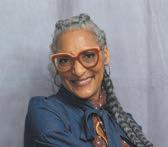
By Hannah Collins
Former Beacon writer Robert Friedman, 92, has traveled the world, interviewed celebrities and published seven books.
His latest title, Wolf on the Trail, published last fall, revisits a familiar character from his previous novels: a detective and Auschwitz survivor
Friedman started writing almost seven decades ago. In 1953, he was drafted into the U.S. Army in preparation to join the American forces in the Korean War. Luckily, the war ended shortly after he completed basic training.
After returning home, he used G.I. Bill funds to attend Ohio State University, where he graduated in three years with high honors and a Bachelor of Science in journalism.
“I wanted to write, and I didn’t want to write in a corner by myself,” Friedman said. “I wanted to be involved with people and the world. I wanted to know what was going on, and I wanted to write about it.”
He then traveled to Sweden to attend the English graduate school at the University of Stockholm, a school attracting
students from every English-speaking country in the world. There, he spent a year studying Swedish literature.
He briefly lived in Paris and then Greece, where he worked for a newspaper called the Athens News, followed by a stint at the U.S. military publication Stars and Stripes while living in Germany.
In the 1980s, Friedman landed in San Juan, Puerto Rico, where he lived for almost 30 years. He worked as reporter, editor and columnist for The San Juan Star, interviewing the likes of Jackie Kennedy Onassis, Leonard Bernstein, Dizzy Gillespie and Muhammad Ali. But the locals interested him more than visiting celebrities.
“Their world was screwed up, with their relationship to the United States. They were struggling all the time to make ends meet. But there was something very sympathetic about them, and that’s why I stayed,” he said.
During his time in Puerto Rico, Friedman also worked as the Caribbean correspondent for the New York Daily News,

writing a weekly Sunday column about the island.
He met his wife, Virginia, in Puerto Rico, and they raised two daughters there. When the girls approached their teenage years, the family decided to move back to the States.
ing to his move to Silver Spring, Maryland. Friedman then began writing profiles and theater reviews for the Beacon for more than a dozen years.
Life as a transplant






“It was just time to move on,” Friedman said. “I wanted my daughters to see what the United States was like. Although Puerto Rico is part of the United States, the culture is different.”
He became the Washington, D.C. correspondent for The San Juan Star, lead-
Last year Friedman moved to a retirement home near his daughter in Maplewood, New Jersey, less than an hour from his childhood home in the Bronx. Friedman calls himself a “journalist turned novelist.” Initially, as a full-time
WRITER, page 20





By Margaret Foster
Change, whether internal or external, is one of the gifts of a long life.
So says Carla Hall, who in her six decades has been an accountant, runway model, salesperson, chef, TV personality, author and restaurateur.
Now she’ll step onstage to star in a one-woman show about her life, Please Underestimate Me. She co-wrote the autobiographical play and will perform its world premiere at Olney Theatre Center in Olney, Maryland, on June 3.
“I’m reconnecting with the parts of myself, while I’m also sharing the story,” Hall said in an interview with the Beacon She intends “to live out loud and to really explore why I’m here — to not play it safe,” she said.
Now 61, Hall, who lives in Washington, D.C., says she wouldn’t trade her current life for her earlier years.
“I have no qualms about aging,” Hall said. “I feel the wisdom, and I appreciate the confidence that I have that I didn’t have as a younger person.”
In fact, she said, “I really want people to lean into that wisdom that we have gar-
nered over the years.”
Instead of fighting the passage of time, older adults can show the younger generation how to age well, assuring them that “this age is going to be amazing. You can step into your confidence, and you will own all of the pieces of yourself,” she said.
“We are giving our power away to younger people by saying, ‘I want to look like you, I want to be like you, I want to change my face and my body like yours’ — and I refuse to do it.”
As a child in Nashville, Tennessee, Hall was a self-described “theater kid,” putting on plays and puppet shows at summer camp at Sewanee, the University of the South. Acting ran in the family; one of her uncles was an actor, and she watched him perform on Broadway in the Tony Award-winning musical Bubbling Brown Sugar Hall followed her older sister, Kim, to Howard University, and graduated with a degree in accounting. After two years as a CPA at Price Waterhouse in Tampa,
though, she decided to quit and move to Paris to be a model (she’s an inch shy of six feet tall).
“My grandmother said, ‘It is your job to be happy, not to be rich,’ and I truly embody that,” she said.
In fact, it was her grandmother, Freddie Mae Glover, who first taught Hall to cook. Hall discovered her cooking prowess by perfecting her grandmother’s biscuit recipe.
After a few years overseas, where Hall learned to appreciate fine cuisine, she moved back to D.C. and, with the encouragement of some friends, started a lunch-delivery business “as a fluke,” she said. “I was always doing something. I was always selling something, whether it was water filters or what — girl, I was always doing it. I was always creating a job.”
Glover paid for her to attend culinary school, L’Academie de Cuisine in Bethesda, Maryland, but her memory began to slip, first in her recipes. She died of Alzheimer’s before she could see her granddaughter graduate.
Hall began as a sous chef in D.C. ho-
tels and worked her way up to executive chef. She got her big television break when she was 44, after she had learned how to “work her quirk,” as she puts it. That’s when she landed a spot on Bravo’s “Top Chef” reality show in 2008, becoming an audience favorite, thanks to her humor and authenticity. She later became a judge on that show after cooking live on “Good Morning America,” serving up her granny’s meatloaf and treats like lemon ginger cake in a tin can.
Then she hopped over to Food Network, judging cooking shows on that cable channel. She then co-hosted the Emmy-winning ABC daytime TV show “The Chew” for seven years.
With her easygoing, big-sister advice, Hall appears as comfortable with celebrities as she is with her fans. She has hobnobbed on live television with the likes of Jimmy Fallon, Drew Barrymore and a few Muppets (Cookie Monster and the Swedish Chef, of course).
By the time she opened a restaurant of her own in Brooklyn, New York, in 2016,
See CARLA HALL, page 21

journalist, he would work on his novels in the evenings. When The San Juan Star folded in 2008, Friedman began writing novels full-time.
“After a while, my novels became more important,” he said. “My novels became something that I loved writing.”
While he is a believer that authors “write what [they] know,” he says they also write about what they’ve read. Some of his favorite authors include Philip
Jumbles: OUNCE SHYLY PEBBLE FLAUNT
Answer: The most popular sitcom episodes featuring the Brady family were the -- BEST OF

Roth, Norman Mailer, William Kennedy, Ralph Ellison, James Joyce and Fyodor Dostoevsky.
Friedman’s published novels include The Odyssey of Pablo Camino, The Defining Sea and Ulysses in San Juan, which were published as The Puerto Rico Trilogy, as well as Caribbean Dreams, Under a Dark Sun, and Island Wildlife: Exiles, Expats and Exotic Others
The Puerto Rico Trilogy features the character D.I. Wolf, a Polish-Jewish concentration camp survivor who has come to Puerto Rico to rebuild his life.
“Wolf is a conglomeration of several people I met — Jewish refugees who lived in Puerto Rico in the ‘70s and the ‘80s,” Friedman said.
June 26
Wolf reappears in Friedman’s newest novel, Wolf on the Trail, which follows Wolf’s quest to find the disappeared wife of a real estate mogul.
Friedman’s passion for Puerto Rico has led him to want to share his experiences there with readers and to bring attention to the island’s political situation. He notes that Puerto Rico, despite technically being a commonwealth, is “like a high-class colony of the United States, which would be the last thing [Puerto Ricans] would admit.”
When asked if he had plans for future novels, Friedman replied, “Well, I’d like to write one more book, and I think in my 92nd year, I’m almost capable,” he joked. “I’m almost ready to do it.”
EXHIBITION RECEPTION
Visit the Patricia Barland Gallery on Thu., June 25 from 6 to 8 p.m., to celebrate Chesapeake Arts Center’s 25th Anniversary Exhibition. This free event takes place at 194 Hammonds Ln., Brooklyn Park. The show explores light as both a medium and a concept, featuring artwork that glows under UV/blacklight. The reception is free, with complimentary drinks and snacks. RSVP at bit.ly/25thanniversaryexhibition. For more information, call (410) 636-6597 or email info@chesapeakearts.org.
Beacon founder Stuart Rosenthal



Hall had made a name for herself. Although that restaurant, Southern Kitchen, closed the following year, some of its dishes are on the brand-new menu at her new one. Bumblebirds opened in D.C. in March with its fried chicken named after her other grandmother, Thelma.
Hall helps out at the new restaurant from time to time, welcoming guests as if they’re family.
After all, she said, they are “the reason I have a job. And I like people. That’s my superpower: I genuinely like people.”
From kitchen to theater
Hall got the idea for the memoir-play during a career pause in 2018, when “The Chew” ended.
“I was looking around for my next project, and I thought, what about a variety show like ‘The Carol Burnett Show’?” she said. As she told WTOP, “I wanted to be the Black Carol Burnett.”
Friends helped her shape that idea into a variety show of vignettes from her life, from summer camp to television. One friend was all in: Leslie Thomas, showrunner of “The Chew,” surprised Hall by saying she’d help out on the project. Thomas and her partner, Lori Kaye, started working on the script with Hall three years ago.
Last year Hall told an interviewer for the New York Times about the script in progress.
“When I read a profile of her in the
New York Times in which she said she was working on a one-woman show, I immediately called her and said, ‘Let’s workshop this right now,’” said Jason Loewith, Olney Theatre Center’s artistic director. Hall and her sister, who lives in Olney, are frequent audience members there.
Behind the scenes, Hall has been practicing for the stage for years. She appeared on “General Hospital” and voiced a few animated shows years ago, and more recently she hired an acting coach and has been honing her skills in any way she can.
“I knew I wanted to do it, but I can’t just walk out and do a play,” she said.
She appeared on “Gossip Girl” and did a few voiceovers for NPR. “I was really in it and trying to change my focus to this [acting]. So it wasn’t, like, just put me in, coach,” she said.
During Please Underestimate Me, Hall will invite volunteers from the audience to join her onstage to deliver a line or two. An audience cameo as a hairstylist, for instance, should get some laughs, she said.
Although she’s mildly worried about forgetting her lines — after all, she’ll be onstage for more than an hour — Hall trusts that her audience will be forgiving.
“Being that I’m menopausal, I have brain farts,” she admitted. “I can work my way through it, but it is a concern.”
Volunteer life heals
When Hall isn’t in all-day rehearsals, she’s likely with her husband, Matt Lyons, or volunteering her time.
BCASCO, the Baltimore County Association of Senior Citizens Organizations, will hold its 48th Annual Luncheon on Fri., June 12 from 11:30 a.m. to 2:30 p.m. at Brightview Mays Chapel, 12261 Roundwood Rd., Timonium. Speakers will include Baltimore County Executive Kathy Klausmeier and Baltimore County Department of Aging Director Heang K. Tan. Admission checks for $30 can be mailed to P.O. Box 262, Randallstown, MD. For more information, call Beth Wiseman at (410) 484-6866 or email bwiseman84@hotmail.com.

“I grew up watching my grandparents give back,” she said. “It has been a part of who I am.”
It may come as no surprise that Hall volunteers for organizations that fight hunger, like Chef José Andrés’ World Central Kitchen Chef Network, DC Central Kitchen and Feeding America. She has helped pack a million meals with AARP Foundation’s Summer of Service to Seniors.
She also prioritizes children (she’s the mother of a stepson) and gives her time to St. Jude Children’s Research Hospital as well as 4-H, GenYouth, Helen Keller International and Beyond Bedtime, a reading program. Here in D.C., she’s the culinary ambassador for the Smithsonian National Museum for African American History and Culture’s café.
Her other cause is Alzheimer’s (she volunteers for the Alzheimer’s Association), in honor of her grandmother. Hall herself has the gene for late-onset Alzheimer’s. She tries to stave if off by getting brain scans, exercising and eating well.
“You can kick the can down the road if you take care of yourself, right?” she said
When she’s helping others, whatever the cause, Hall finds a sense of purpose. Volunteering has been her compass in times of transition.
“When you’re in the doldrums or you feel like you’re lost, [if] you do something for someone else, it sort of heals that part of you that is lacking,” she said. “It just feels good to give back.”
Hall, whose motto is “Say yes. Adventure follows, then growth,” often encourages her viewers to keep an open mind through life. She certainly has.
“I love having new experiences,” she said. “I realize that that’s not everybody, but I think everybody can find a thing that makes them happy and to try new things, even if it’s in your city, going a new route home. Because you’ll find something.”
Carla Hall in Please Underestimate Me runs from June 3 to July 12 at the Mulitz-Gudelsky Theatre Lab at the Olney Theatre Center, 2001 Olney-Sandy Spring Rd., Olney, MD. Those 65 and older get $5 off most weeknight performances. For tickets, go to tickets.olneytheatre.org or call the box office at (301) 924-3400.





By
Across
1. Navajo neighbors
5. Madagascan mammal
10. Fancy-schmancy
14. Direction from the University of Southern California to the University of South Carolina
15. Place to see monster trucks
16. Brand purchased by BP Amoco in 2000
17. “The one who died by house, or the one who died by water?”
19. Start to -graph or -site
20. California and maki rolls
21. Animal hiding in FREELANCE
22. Pepper picker, Piper
23. Word in the New Year’s Eve song
25. Crimson Glory, followed by Angel Face, and then Iceberg
27. 1974 Sportsman of the Year
29. Electronically surveil
31. Main product sold at 16
32. Type of bread or whiskey
33. Bewilder
35. Tuxedo requirement
37. Subway operator in NYC or Balt.
39. Six couples in this puzzle who walked down the isle
45. Devotee
46. Fondue feature
47. Jamboree
48. Legally required ingredient in mayonnaise
51. Read-a-thon organizer
53. “Pick a number from one to ___”
55. Little devil
56. The first one in heaven, for a while
59. Raggedy Ann or Andy
61. Baked potato topping
62. Kung ___ chicken
64. Cattle rustler avengers
67. Used a hoverboard
68. Group removed from the lineup
70. Mysterious warning sign
71. Gives a point to a post
72. University that is an acronym for LONE
73. Direction from George Washington University to Washington University
74. Coldplay concert meet-up, maybe
75. “___ timer for 30 minutes”
Down
1. Chops up
2. Island older than Maui
3. 60-point font on fraternity rush posters, perhaps
4. In need of hydrocortisone
5. Thermodynamic principle
6. Pennsylvania’s fourth largest city
7. “The ___ is still running”
8. Make the toilet work again
9. “Go, team go!”
10. Defeater of rock
11. Graduation speaker
12. Off-kilter
13. Raspy-voiced
18. “This word is four letters and starts with H,” for example
22. Green sauce
24. Erode
26. Had a taste, at Costco
27. Too many results from Google searches
28. Once around the racetrack
30. Bowler’s target
34. Character in Ernest Saves Christmas
36. Sense of self
38. Month for National S’mores Day
40. Suffer a grave ___ in judgement
41. Prepare to hear bad news
42. Good deal at the marine supply store
43. Cabinet-maker’s wood
44. Deplete
48. Holding account
49. “Get out of here”
50. Moves between figure skating jumps
52. Nanny from abroad
54. They take you to the big house in The Big Easy
57. “However, in the unlikely ___ ...”
58. Ungracefully tall
60. Brain parts
63. Half of all binary digits
65. Disrespectful brat
66. Bart’s teacher at Springfield Elementary
68. Deli order
69. Good abbr. for a good guess
The Beacon prints classified advertising under the following headings: Business & Employment Opportunities; Caregivers; Computer Services; Entertainment; For Sale; For Sale/Rent: Real Estate; Free; Health; Home/ Handyman Services; Miscellaneous; Obituaries; Personals; Personal Services; Vacation Opportunities; and Wanted. For submission guidelines and deadlines, see the box on the right.
CAVEAT EMPTOR!
The Beacon does not know ing ly ac cept obscene, offensive, harmful, or fraudulent advertising. However, we do not investigate any advertisers or their products and cannot accept responsibility for the integrity of either. Respondents to classified advertising should always use caution and their best judgment.
EMPLOYMENT & REAL ESTATE ADS: We will not knowingly or intentionally accept advertising in violation of federal, state and local laws prohibiting discrimination based on race, color, national origin, sex, familial status or handicap in connection with employment or the sale or rental of real estate.
MOBILE HAIR & NAIL SERVICES - WE COME TO YOU. Professional Licensed Hair Stylist. Women and Men’s Services All Hair Types. Cuts, Styles, Roller Sets, Color, Perms, Men’s Cuts & Facial Grooming, Manicures & more. Call 4104151760.
PROPER PLACEMENT REFERRAL SERVICE for the Elderly — Needing to locate the proper assisted living for your loved one according to his/her health disorders? There’s no charge to locate the proper assisted living. Give M’s Scott a call at 443.712.4964 and leave a message.
PATIENT, PRACTICAL, PERSONAL & IN-PERSON, 20+ years experience. Don’t let tech frustrate you. Get comfortable & confident with smartphones, tablets, laptops, TV, Alexa & more. Learn how to avoid scams. Julia: 4434362612, tech.coach4all@gmail.com.
PRIME TIMERS OF BALTIMORE is a welcoming community for mature gay and bisexual men. The Prime Timers offer social activities that cater to the mind and body. We meet for dinners, a book club, potlucks, hiking, tours, bowling, and more! Join us! Visit baltimoreprimetimers.org or email info@ptbalto.org for info.
UP TO $15,000.00 OF GUARANTEED LIFE INSURANCE! No medical exam or health questions. Cash to help pay funeral and other final expenses. Call Physicians Life Insurance Company 8662121092 or visit www. Life55plus.info/beacon
2 CEMETERY LOTS, part of estate sale, for sale in Crest Lawn Gardens of Memories of Howard County. 11K per lot, includes vault. Contact 3046710387.
NEW BOOK RELEASE: TWENTY ONE AND BROKEN 3rd edition. By Maryland author Janie M. Zheng. A raw, emotional story about love, heartbreak, and personal growth. Published on Barnes & Noble May 9. Search “Janie M. Zheng” to find the book online.
NEW WINDOWS FROM WINDOW NATION.
Special money saving offer zero down, zero payments, zero interest for TWO years AND buy 2 windows and get 2 FREE! Offer is valid for select models. Labor not included. Other restrictions apply. Call Window Nation today! 8559092278.
SEEKING GROUND-LEVEL ROOM OR STUDIO APT. (Dundalk/Essex/Bayview). 61 y/o disabled man needs a groundlevel room or studio in the Dundalk, Essex or eastern area of Baltimore. I have no kids, pets, bugs, drugs or drama. I’m a nonsmoker with no destructive tendencies and a clean criminal record. As a former Landlord myself I know how important it is to respect the Owner’s property. You can reach me at edwardwladkowski6@gmail.com, or by phone 2407122281.
UNFURNISHED 2 BEDROOM APT at the ground level, no steps, parking in front of the door. Month to month lease. Electric fireplace, washing machine, eatin kitchen, compact rooms. $800/month includes half bge and water. Located just shy of balt county on perimeter of balt city 4438971517.
SELLING YOUR HOME?? Why Pay 56% Commission? My Fee only 1%! Full ServiceNot Full Price! Save Thousands in Commissions. www.Baltimorediscountrealtor.com.
All classified ads must be submitted and paid for online, via our website, www. thebeaconnewspapers.com/classifieds.
Deadlines and Payments: To appear in the next issue, your ad text and payment must be entered by the 5th of the preceding month for Baltimore and Howard County editions; by the 20th for Washington edition.
Cost will be based on the number of characters and spaces in your ad:
• $25 for 1-250 • $35 for 251-500 • $50 for 501-750 (maximum length).
The website will calculate this amount for you.
Note: Maryland contractors must provide a valid MHIC number.
• Each real estate listing qualifies as one ad. • All ads are subject to publisher’s discretion. Payment will be refunded if unacceptable for any reason.
To place your classified ad, visit www.thebeaconnewspapers.com/classifieds
WANT TO BUY A HOME? Need Down Payment Money? $20k Down Payment/Closing Cost $$ Available. www.Getdownpaymentmoney.com. Robert Holmes Realtor 22 yrs experience C 4437948297 Samson Properties O 4433178125.
MOBILEHELP, America’s Premier Mobile Medical Alert System. Whether You’re Home or Away. For Safety and Peace of Mind. No Long Term Contracts! Free Brochure! Call Today! 12406509189.
PORTABLE OXYGEN CONCENTRATOR May Be Covered by Medicare! Reclaim independence and mobility with the compact design and longlasting battery of Inogen One. Free information kit! Call 8558510949.
DENTAL INSURANCE from Physicians Mutual Insurance Company. Coverage for 400 plus procedures. Real dental insurance NOT just a discount plan. Do not wait! Call now! Get your FREE Dental Information Kit with all the details! 18443661003 www.dental50plus.com/320 #6258
NO MORE CLEANING OUT GUTTERS. Guaranteed! LeafFilter is the most advanced gutter protection for your home, backed by a noclog guarantee and lifetime transferrable warranty. Call today 18559776078 to schedule a FREE inspection and no obligation estimate. Plus get 20% off! Seniors and military save an additional 10%. Restrictions apply, see representative for warranty and offer details.
THE BATHROOM OF YOUR DREAMS in as little as 1 day. Limited Time Offer $1000 off or No Payments and No Interest for 18 months for customers who qualify. BCI Bath & Shower. Many options available. Quality materials & professional installation. Senior & Military Discounts Available. Call Today! 18556530087.
DON’T LET THE STAIRS LIMIT YOUR MOBILITY! Discover the ideal solution for anyone who struggles on the stairs, is concerned about a fall or wants to regain access to their entire home. Call AmeriGlide today! 18663655170.
BECOME A PUBLISHED AUTHOR. We want to Read Your Book! Dorrance PublishingTrusted by Authors Since 1920. Book manuscript submissions currently being reviewed. Comprehensive Services: Consultation, Production, Promotion and Distribution. Call for Your Free Author’s Guide 18339920110 or visit dorranceinfo.com/ beacon
PAYING TOP CASH FOR ANTIQUES AND COLLECTIBLES. House calls made with prompt, courteous service seven days a week and 25 years of experience! Buying toys, trains, militaria, glassware, advertising merchandise, paper items and much more! Contact Mason or Megan at: 4433068816.

Practical
Real-life
Legal
And