
Tamil Nadu Theatre Owners Urge
Tamil Nadu Owners Urge
Tamil Nadu Theatre Owners Urge
Tamil Nadu Owners Urge Government to Relax Setback Rules Government Relax Setback Rules Government to Revive Cinemas to Cinemas to Revive Cinemas to Cinemas to Revive Cinemas
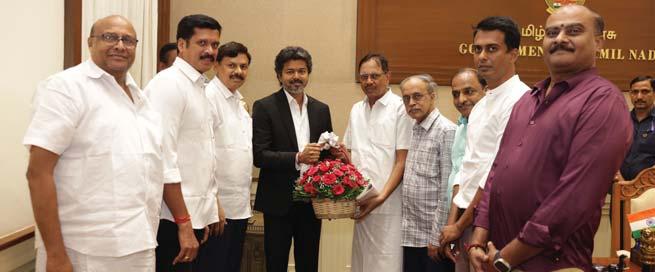
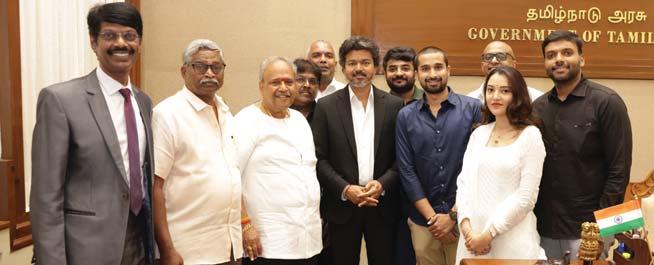
Following a congratulatory meeting with the newly sworn-in Chief Minister of Tamil Nadu Vijay, representatives of the theatre owners’ association have submitted a memorandum containing key demands. Among these, a crucial proposal has emerged from the industry to relax the current building setback rules, a move that stakeholders believe could revitalise the struggling single-screen theatre sector and benefit small-budget filmmakers.
Currently, under the Chennai Metropolitan Development Authority (CMDA) and Directorate of Town and Country Planning (DTCP) regulations, commercial structures—including cinema halls—must maintain a mandatory 20-foot setback on all four sides. Industry insiders point out that while many older single-screen theatres possess ample compound space to construct additional miniscreens, this rigid 20-foot rule makes obtaining building approvals nearly impossible.
To address this roadblock, the association has urged the government to amend the Tamil Nadu Combined Development and Building Rules (TNCDBR).
CM Vijay Allows To Screen Five Shows
Tamil Nadu CM Vijay has amended the state’s cinema rules, allowing all theatres to screen five shows daily for the first seven days of a new Tamil film’s release. The relaxation also applies to weekends and holidays, eliminating the need for separate government or licensing permissions.
Their proposal suggests reducing the setback requirement to 10 feet on three sides, while maintaining the standard required distance only at the main entrance.
“Converting loss-making singlescreens into multi-screen facilities is the only way forward. Relaxing the setback rules to 10 feet will allow owners to utilise their own land effectively,” an association executive stated.
Industry experts highlight that this regulatory relaxation would bring a threefold benefit to Tamil cinema:
• Economic Lifeline for Owners: It will prevent the permanent closure of iconic single-screens by allowing them to transition into profitable multi-screen ventures.
• Boost for Small Producers: An increase in the state’s overall screen count will ensure that small-budget movies get adequate showtimes, even during big-star releases.
• Risk Mitigation for Distributors: Multiplex-style upgrades in traditional centres will boost box-office collections and protect distributor investments.
The association plans to submit a detailed supplementary petition directly to the Ministry of Housing and Urban Development and the CMDA to fast-track this amendment.
At the heart of the associations' appeal is the urgent need to streamline bureaucratic regulations. In an era where digital operations have entirely replaced physical film reels, exhibitors argue that government compliance remains stuck in the past.
Chief among their administrative demands is the total elimination of the ‘Project Operator License’—a regulation deemed completely redundant in today’s fully digitised projection booths. Furthermore, the delegation has pressed for the standard licensing period of cinema
halls to be extended to a uniform three years, reducing the annual administrative overhead that plagues operators.
To expedite growth and modernisation, the industry is also calling for a single-window clearance system for the construction and modification of multiplexes. The proposed framework would mandate district authorities to process and grant permissions within a strict two-week window, bypassing months of procedural delays.
The financial architecture of moviegoing in Tamil Nadu has long been governed by rigid price caps. Theatre owners argue that these legacy caps fail to reflect the modern reality of skyrocketing electricity tariffs, real estate inflation, and advanced audio-visual technology investments.
The 10-point charter proposes a standardised, tiered ticket pricing structure to accommodate both premium experiences and mass entertainment:
• Premium Formats: A maximum cap of INR 450 for large-format premium screens (such as IMAX or specialised PLF screens).
• Standard Multiplexes: An increase in the base cap from the current INR 188 to INR 200 to help multi-screen operators offset rising operational overheads.
• Single Screens & Normal Theatres: A standardised upper limit of INR 300.
Parallel to ticket revisions, exhibitors are urging the state government to waive the local entertainment tax on Tamil-language films. By removing this localised levy, theatre owners believe they can keep entry-level ticket prices attractive enough to boost footfalls and bring families back to the silver screen en masse.
Movie lovers in East Kameng witnessed a landmark moment as OCC Cinema officially opened its doors in April 2026, at Type-I, Seppa, in Arunachal Pradesh’s East Kameng district. The launch marks the arrival of Seppa’s first premium cinema destination, bringing a modern theatrical experience to the region for the very first time. The grand inauguration was led by Meku Mangam, mother of Octu Mangam, in the presence of enthusiastic moviegoers and residents. Equipped with comfortable seating, crystal-clear sound, and advanced projection technology, OCC Cinema aims to deliver a high-quality entertainment experience to audiences in Seppa. The opening received an overwhelming response
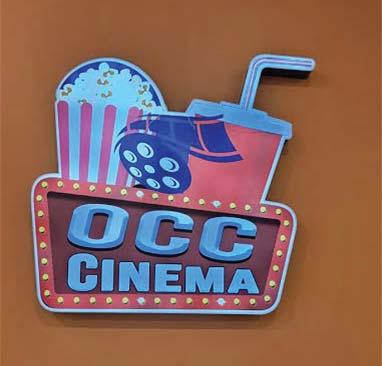
from cinema lovers, many of whom had long awaited a dedicated communal entertainment space in the district. With tickets available both on BookMyShow and at the theatre box office, OCC Cinema is set to become Seppa’s new hub for big-screen entertainment and movie culture.
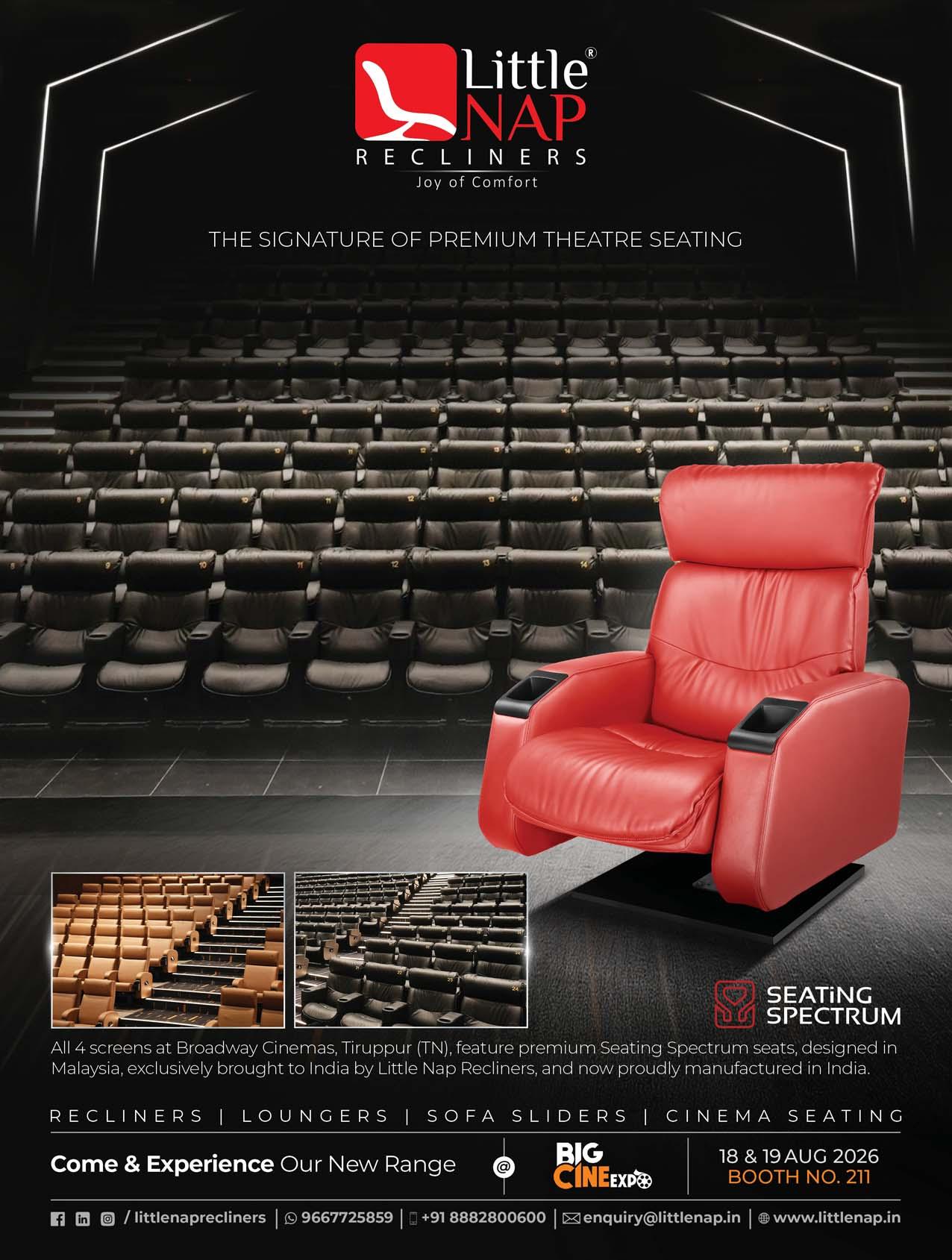
A new strategic agreement has been recently signed with 3,000 seats to be delivered across Connplex Cinemas properties over the next 6 months, the single largest order in the partnership's history, and a testament to seven years of getting it right. This partnership marks a shift in how Indian cinema thinks about the audience experience. For too long, the seat was an afterthought; the film was the product. Connplex Cinemas and Little Nap Recliners have argued, screen by screen, that the seat is
the product. Their shared footprint now stretches across 10+ states, dominantly in Tier 2 and Tier 3 cities where audiences, many experiencing premium cinema for the very first time, are discovering what it means to watch a film in genuine comfort. As Connplex eyes hundred more screens across new states, Little Nap scales alongside as its exclusive seating partner. Every new Connplex city is a new Little Nap installation, a new audience, a new recliner, the same promise.
UFO Moviez (UFO), India's largest cinema integrator, announced an exclusive tie-up with China Film Group for their Hollywoodapproved Premium Large Screen Format (PLF) - CINITY, for the Indian market. Said Tony Zhang, CEO from China Film Technology, " CINITY creatively integrates in a Premium Large Screen Format, the best qualities of cinema technology today, namely, 4K resolution, 3D, high brightness, high frame rate (HFR), high dynamic range (HDR), a wide colour gamut, and immersive sound. CINITY is committed to advancing innovation in film technology and promoting the deep integration and continuous innovation of film and technology. It continuously pushes forward the technological progress and product R&D of high-format films, improves the related industry chain, and drives quality upgrades across the industry through technology. It endeavours to render directors' creative intentions with greater detail and evoke emotional resonance with audiences. By reinforcing a differentiated experience from television and streaming platforms, it redefines entertainment lifestyles to draw more people to theatres for an unparalleled sense of enjoyment and fulfilment." Rajesh MishraExecutive Director- UFO MOVIEZ said, "Cinema viewing habits are evolving along with the film-making patterns to cater to the changing audience tastes and sensibilities. Viewers are looking towards technologies and formats that give them a larger-than-life experience, especially in the case of films in
Premium Large screen Formats. Cinity's PLF will provide a platform to Indian exhibitors looking to provide a Premium Large Screen experience in line with the best of industry standards for cinegoers to experience cinema in its truest form on a grand scale and unmatched quality. We are excited to bring this leading technology to India to cater to the growing demand for Premium Large Screen Format. UFO, in association with Cinity, will bring in the best Hollywood films as well as Indian films in Cinity Format by setting up a laboratory in India.
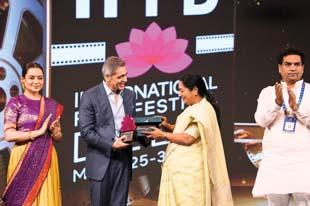
Ajay Bijli, Managing Director of PVR INOX, has been conferred the ‘Capital’s Pride’ award by Rekha Gupta, Hon’ble Chief Minister of Delhi, in recognition of his extraordinary contribution to Indian cinema and for taking a Delhi-born exhibition vision to the world stage. The ‘Capital’s Pride’ distinction celebrates leaders who embody Delhi’s defining traits, including bold ambition, global outlook, and cultural leadership. It recognises individuals whose work transcends enterprise to shape how India is experienced and perceived worldwide. In 1997, at a time when cinema exhibition in India was fragmented and in decline, he
founded PVR Cinemas and ignited the country’s multiplex revolution. With a steadfast commitment to international standards of sound, projection, design, and hospitality, he redefined the moviegoing experience for a new India. What was once a theatre visit became a curated cultural experience. Under his leadership, the Indian exhibition evolved from legacy single screens to premium, technology-driven multiplex environments comparable to the finest global markets. The landmark merger of PVR and INOX in 2023 further consolidated this transformation, creating the world’s fifth-largest listed multiplex chain and positioning India as a formidable global exhibition power. This scale enabled a more integrated national cinematic ecosystem where regional language cinema from across India could command premium platforms alongside mainstream Hindi films, strengthening India’s creative diversity. Bijli’s leadership has firmly placed the Indian exhibition on the international map. His keynote address at CinemaCon in Las Vegas, the first Indian in over a decade to receive that platform, marked a defining shift: India was no longer observing global cinema trends; it was shaping them. As a prominent voice at the PM Modi-led WAVES Summit, he continues to advocate for the creative economy as a pillar of India’s global identity, ensuring that Indian exhibition remains at the forefront of technological and narrative innovation. He serves on the Board of Trustees of Mumbai Academy of the Moving Image (MAMI), is a founding member of the Multiplex Association of India (MAI), and is a member of The Film and TV Producers Guild of India. From Delhi’s neighbourhood cinema to the world’s most influential stage

for motion pictures, Ajay Bijli’s journey mirrors the capital’s own evolution, which is confident, outward-looking, and culturally assertive. In conferring the ‘Capital’s Pride’ honour, Delhi celebrates a visionary who did more than build screens. He built scale. He built standards. And he built an experience that carries the confidence of the capital to audiences across the world.
Dolby Laboratories continues to see strong momentum for its cinema server solutions, with Qube Cinema continuing to expand its adoption of Dolby servers across its network, reflecting their reliability and seamless integration within large-scale deployment environments. Qube, a leading provider of digital cinema technology and services, has an established ecosystem that spans content mastering, distribution, and in-cinema solutions. The company deploys a mix of technologies based on operational requirements, including both its own servers and third-party systems. The continued adoption of Dolby servers highlights their reliability, performance, and seamless integration within Qube's broader service stack, particularly across workflows such as content ingestion, advertising, and digital cinema delivery. This development reflects ongoing confidence in Dolby's cinema products and reinforces its continued commitment to the category. It also signals growing industry validation, with a key global player further expanding its use of Dolby's server technology. Dolby remains focused on supporting exhibitors and
technology partners worldwide with solutions designed to deliver consistent, high-quality cinema experiences.
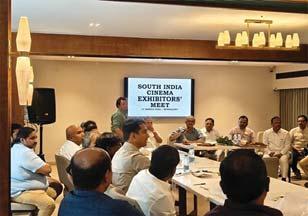
In a significant act for betterment, the Tamil film industry has opted to release new films only after getting a clearance letter from April. Exactly a month ago, exhibitors across South India, in a recent meeting, expressed their angst over movies releasing on OTT within a few days of theatrical release. In the meeting, they also decided that films across South India should have an 8-week theatre-toOTT release window. Moreover, producers should submit the OTT acquisition letter to the theatre owners' association as proof, and films will be screened in theatres only after the exhibitors have carefully vetted it. R Panneerselvam, General Secretary - Tamil Nadu Theatre and Multiplex Owners' Association, said, "Starting from this week, we have requested that every producer submit their letters for us to screen the film. We will do so only after receiving the clearance letter, and we are clear about that. This is the only move that will help theatres thrive. We have also decided to talk to actors who are a part of web series, and a few more resolutions will be taken based on their cooperation." Tiruppur Subramaniam, President of Tamil Nadu Theatre Owners and Exhibitors' Association, said, "For
films releasing on/from Tamil New Year weekend, the clearance has to be submitted in advance to the association as proof that they will have an 8-week window before the film releases on the OTT platform. They can show the proof around Tuesdays and Wednesdays every week before it is time for the film releases on a Thursday or a Friday."
Dolby Laboratories, a global leader in immersive entertainment experiences, and LA Cinema announced the launch of Tamil Nadu’s first Dolby Cinema in Thiruverumbur, Trichy, redefining the moviegoing experience for audiences across Tamil Nadu. This milestone marks the fourth Dolby Cinema in India and represents a significant expansion of Dolby’s premium cinema experience in one of the country’s most culturally vibrant film markets. The Dolby Cinema auditorium opened for public with the screening of the highly anticipated Michael, released in Dolby Vision and Dolby Atmos. Located within LA Cinema’s latest property in Thiruverumbur, Trichy, Dolby Cinema has been purpose-built to deliver Dolby’s most advanced and immersive moviegoing experience. The launch underscores the growing demand for premium moviegoing experiences in regional markets and reinforces Dolby’s commitment to expanding its footprint across India. A premium offering for moviegoers, Dolby Cinema unlocks the full emotional impact of every film, combining the ultra-vivid picture quality of Dolby Vision and the
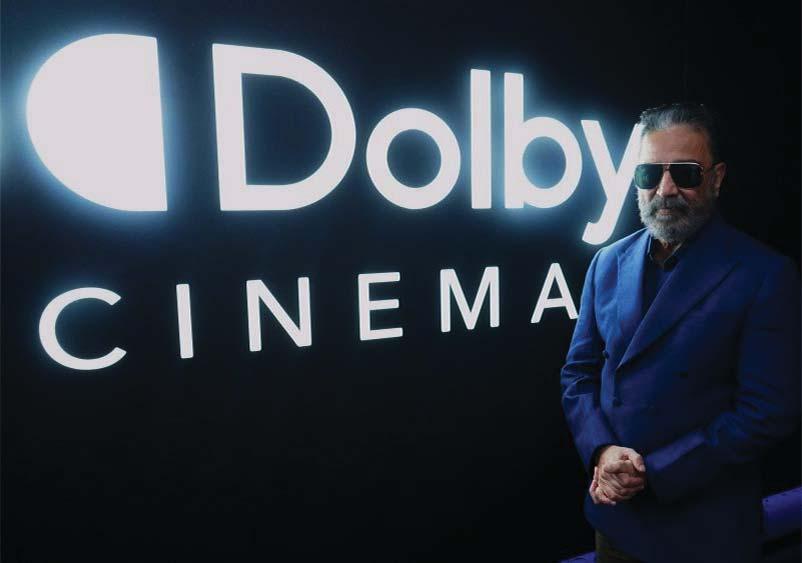
immersive audio of Dolby Atmos with inspired design. With Dolby Vision, audiences experience extraordinary brightness, deeper darks, and a wider colour spectrum that brings stories to life with striking realism. Dolby Atmos transports guests inside the story
with multidimensional sound that flows all around the audience, including overhead, creating a powerful and lifelike sensory experience. Together, these innovations faithfully deliver the filmmaker’s creative vision, placing audiences at the heart of the action.
The experience is further elevated by the signature Dolby Cinema design, featuring a spectacular wall-to-wallto-ceiling curved screen, precisionengineered acoustics, and distraction-free architecture. Every seat is carefully optimised to ensure clear sightlines and consistent audio-visual excellence, creating a true ‘best seat in the house’ experience. With LA Cinema in Trichy becoming home to the first Dolby Cinema in Tamil Nadu, the launch positions Trichy as a key destination for premium entertainment in the region and strengthens LA Cinema’s commitment to offering world-class exhibition experiences. Sameer Seth, Director, Marketing – India, Dolby Laboratories, commented, “We are thrilled to bring Dolby Cinema to Tamil Nadu for the very first time. Tamil audiences have a deep-rooted passion for cinema and storytelling, and this launch in Trichy reflects our
commitment to delivering the most spectacular and immersive experiences to moviegoers across India. As the fourth Dolby Cinema in the country, this milestone represents an important step in our journey to expand premium cinema experiences beyond metro cities and into key cultural hubs.”
Joseph Francis Adaikalaraj, Managing Director, LA Cinema, spoke on the occasion, “Introducing Tamil Nadu’s first Dolby Cinema at LA Cinema is a proud and landmark moment that reflects our legacy of innovation. LA Cinema has been an early adopter of Dolby’s groundbreaking innovations – we were among the pioneers of Dolby Atmos in India and were the first to bring that immersive sound experience to a balcony-seated screen. Today, we take that commitment a step further. Within our massive six-screen 1,520-seat multiplex, our specially designed 456-seat Dolby Cinema auditorium serves as the crown jewel. It allows us to offer an unmatched moviegoing experience— one that combines breathtaking visuals, powerful sound, and a distraction-free space to truly elevate how films are experienced. Our vision has always been to bring the very best global cinema innovations to Trichy, and this collaboration with Dolby makes that a reality.”
Kamal Haasan, Actor, Director, Producer, who inaugurated LA Cinema at Thiruverumbur, shared his excitement, “I’m proud that the first Indian film with Dolby SR (Spectral Recording) was created by Rajkamal Films International way back in 1995. It takes courage to be the first to try something new, and I hope more of my friends in the industry will take that leap. To me, cinema is like a joint family; it truly comes alive only when everything comes together. With Dolby Cinema, that collective experience reaches an
entirely new level. My relationship with the Adaikalaraj family has been longstanding, and I would like to congratulate them on opening Tamil Nadu’s first Dolby Cinema in Trichy.” The launch comes as the content offerings in Dolby continue to grow, with over 860 theatrical features released or confirmed to be released in Dolby Vision and Dolby Atmos to date globally, including all of the top 20 highest grossing films worldwide in 2025 as well as popular India titles like Baahubali: The Epic, Kantara: A Legend - Chapter 1, War 2, Game Changer, Pushpa: The Rule - Part 2 to name a few. With this opening, LA Cinema joins the global network of Dolby Cinema exhibitors spanning 15 countries, further strengthening Dolby’s commitment to bringing world-class cinematic experiences to audiences across India.
Asian Cinemas is preparing to take the moviegoing experience to the next level with a fresh and ambitious plan aimed mainly at attracting Gen Z audiences back to theatres.
The leading South Indian multiplex chain recently revealed that its future cinema properties will not just focus on movies, but also on creating lifestyle and social spaces for young audiences. According to the management, upcoming theatre complexes are being designed with cafeterias, stand-up comedy auditoriums, and dedicated IT work zones where employees can comfortably sit and work. This marks a major shift in how theatres are being planned in India, turning cinema halls into multi-purpose entertainment and community spaces rather than just movie
destinations. In another interesting move, Asian Cinemas is also introducing healthier food options starting from the release of Peddi The theatre chain plans to offer multiple new diet-based food choices for audiences, including low-carb meals, protein diet options, vegan food, Jain food, and several other healthy alternatives. This is being seen as a rare and refreshing initiative from an Indian theatre chain, especially at a time when audiences are becoming more health-conscious and selective about food choices while visiting cinemas. With changing audience habits and increasing competition from OTT platforms, this new strategy from Asian Cinemas could become a game-changing move in redefining the future of theatrical entertainment in India. The focus on creating social hubs rather than just screening venues addresses a key concern—giving young audiences a compelling reason to choose theatres over home streaming.

PVR INOX Pictures teams up with Khooni Monday and HorrorCon India as Exclusive Experience Partners to launch what is being positioned as India’s first large-scale immersive horror theatrical experience with the screening of
HOKUM. The experience aims to transform a conventional movie screening into an immersive fan-led horror event, combining cinema, creator culture, live engagement, and experiential storytelling under one roof. The collaboration brings together PVR INOX Pictures with Khooni Monday – one of India’s largest horror-focused digital content communities with over 10 million followers alongside HorrorCon India, which has generated over 2 billion digital impressions and welcomed more than 25,000 attendees across its editions. Together, the partners aim to tap into the rapidly growing demand for fandom-driven entertainment experiences among young Indian audiences. Directed by Damian McCarthy, HOKUM is a gothic supernatural horror film starring Adam Scott as an author who arrives at a mysterious hotel in Ireland, only to uncover disturbing secrets and paranormal occurrences tied to the property. The film recently premiered at the South by Southwest Film & TV Festival and has drawn attention for its atmospheric storytelling, psychological tension, and visual treatment. As part of the collaboration, co-branded HOKUM installations and promotional experiences will run across select cinema locations in Delhi NCR leading up to the event. HorrorCon India and Khooni Monday will also be featured as Exclusive Experience Partners within the film credits. The on-ground experience has been designed to extend the world of HOKUM beyond the screen through interactive storytelling formats and immersive engagement zones. Attendees will experience themed horror installations, tarot card reading spaces, a movie-inspired hotel check-in setup, creator interactions, social-media-led
engagement spaces, and horrorthemed photo experiences designed specifically for fan participation and digital engagement. The event will also feature a live audience interaction session hosted by Divay Agarwal, focusing on horror storytelling, fandom culture, and the growing popularity of immersive genre entertainment in India. The collaboration also reflects the growing influence of creator-led communities and fandom-driven entertainment in India, particularly among Gen Z and young millennial audiences. With immersive experiences increasingly shaping global entertainment trends, the partners aim to create a new benchmark for theatrical horror engagement in the country.
In a significant leadership development within India's exhibition sector, MovieMax Cinemas has appointed Rajeev Sharma as its Joint Chief Executive Officer, marking a strategic move to accelerate growth and strengthen its market position. Rajeev brings over two decades of leadership experience across diverse industries, with a proven
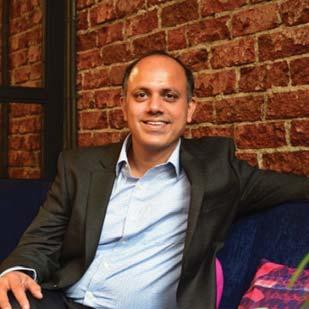
track record of building businesses, driving expansion, and leading highperforming teams. His appointment is expected to play a pivotal role in shaping the next phase of growth for MovieMax as the cinema industry continues to evolve in a competitive and rapidly transforming landscape. Before this role, Rajeev served as Chief Executive Officer at formerly NY Cinemas, now Devgn CineX, where he was instrumental in scaling operations and expanding the brand's footprint, particularly across Tier II and Tier III markets. His leadership focused on creating a differentiated cinema experience that balanced local relevance with global standards, contributing to the brand's strengthening position in the multiplex ecosystem. He also led NY VFXWAALA, a division of Ajay Devgn Films, where he oversaw operations in the visual effects space, further deepening his understanding of the broader film and entertainment value chain. In addition, Rajeev was the Founder and Managing Director of CredenZeal Services, a venture through which he has driven business consulting, international partnerships, and cross-sector expansion initiatives. Earlier in his career, he held leadership roles across organisations, including the ADF Group and Samsung Electronics, building strong expertise in sales, distribution, and business transformation. In his new role, Rajeev is expected to lead strategic growth, operations, and expansion at MovieMax Cinemas, with a focus on enhancing brand recall and scaling the company's presence in the Indian multiplex industry. His appointment signals the company's intent to strengthen leadership depth and navigate the evolving dynamics of theatrical exhibition with renewed momentum.

Legendary playback singer Asha Bhosle passed away on Sunday, April 12th, in Mumbai at the age of 92, marking the end of an era that shaped the sound of Hindi cinema for decades. Bhosle had been admitted to the Breach Candy Hospital on Saturday evening. Bhosle was born on September 8, 1933, in Sangli, Maharashtra, to Deenanath Mangeshkar and his wife Shevanti. Deenanath Mangeshkar, a classical singer and actor, passed away when Asha Bhosle was nine. The family later moved to Kolhapur and then to Mumbai, where Bhosle and her elder sister Lata Mangeshkar began their careers in films as singers and actors. By 1943, she recorded the hit number ‘Chala Chala Nav Bala’ for the Marathi film Majha Bal. Her debut in Hindi films came in 1948 with the song ‘Saawan Aaya’ for Chunariya, though her songs in Andhon Ki Duniya were released earlier the same year. Her first solo Hindi film song was for Raat Ki Rani in 1949. Bhosle was honoured with the Dadasaheb Phalke Award in 2000 and the Padma Vibhushan in 2008. She won two National Film Awards for Best Female Playback Singer for ‘Dil Cheez Kya Hai’ (Umrao Jaan, 1981) and ‘Mera Kuch Samaan’ (Ijaazat, 1987), along with several other popular awards. Her career spanned more than eight decades.
The much-anticipated mythological epic Ramayana has made a powerful impact at CinemaCon 2026, signalling a major shift in how Indian films are being positioned on the global stage. A widely circulated invite by exhibition industry veteran John Fithian called attendees to experience the world of Ramayana at the Milano III Ballroom, where exclusive footage and presentations were showcased. The tone of the message was clear and confident, suggesting that the film is not just another large-scale Indian production but a serious attempt at creating a truly global blockbuster that can stand alongside the biggest Hollywood franchises. This presence at CinemaCon was not symbolic but strategic, as the maker's organised private screenings, industry interactions, and large-scale presentations aimed at key distributors and exhibitors from across North America, Europe, Latin America, and Australia. Such a focused international outreach is rarely seen for an Indian film at this level and highlights the intent to secure a wide and impactful global release. The film's positioning among major Hollywood titles at the event further reinforced its
ambition to compete on a worldwide scale rather than being confined to regional success. Producer Namit Malhotra played a central role in communicating this vision, emphasising that global audiences are now actively seeking fresh stories and new cultural perspectives. He described Ramayana as a project that blends universal emotions with cuttingedge technology, aiming to deliver an experience that resonates across borders. His statements reflected a strong belief that Indian storytelling, when presented with the right scale and technical finesse, has the potential to achieve global dominance and redefine industry benchmarks. Adding to the excitement, actor Yash, who portrays Ravana in the film, also contributed to the growing buzz with insights into the narrative structure and character treatment. It was revealed that the first part of the film may explore parallel arcs, with limited direct interaction between key characters early on, suggesting a layered storytelling approach that builds towards a larger conflict. Early glimpses and visual material showcased at the event reportedly impressed attendees, particularly in costume

design, world-building, and the quality of visual effects. Directed by Nitesh Tiwari, Ramayana is being developed as a two-part cinematic epic with a scale that is unprecedented in Indian cinema. The film features Ranbir Kapoor as Lord Ram, Sai Pallavi as Sita, and Yash as Ravana, forming a powerful ensemble cast that combines star power with strong acting credibility. The project is backed by major production houses and international collaborators, ensuring that both creative and technical aspects meet global standards. One of the most talkedabout aspects of the film is its massive budget, which is reported to be among the highest ever for an Indian production. This financial scale is being utilised to create world-class visual effects, detailed set designs, and immersive storytelling techniques that aim to rival top-tier global films. The makers are also investing heavily in advanced technology, including high-end VFX pipelines and innovative cinematic tools, to ensure that the film delivers a visually spectacular experience. The musical dimension of Ramayana further elevates its global appeal, with legendary composer AR Rahman collaborating with internationally acclaimed composer Hans Zimmer. This rare partnership is expected to produce a powerful and emotionally resonant soundtrack that complements the film's grand narrative while also appealing to international audiences. The release strategy is equally ambitious, with the first part scheduled for a Diwali 2026 release, followed by the second instalment in 2027. The makers are planning a wide multi-language release along with advanced dubbing and localisation techniques to ensure accessibility
across global markets. This approach reflects a clear intention to position Ramayana not just as an Indian film but as a worldwide cinematic event.
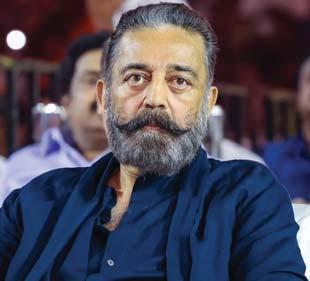
Veteran actor and filmmaker Kamal Haasan has urged the Tamil Nadu government to introduce a mandatory 8-week OTT release window for Tamil films, citing concerns about declining theatrical revenues and the sustainability of cinema halls across the state. In a detailed letter addressed to Tamil Nadu
Chief Minister C. Joseph Vijay, Kamal Haasan proposed six key measures aimed at strengthening the cinema business, with special focus on theatrical sustainability and OTT regulations. According to national media reports, the meeting highlighted critical challenges faced by the Tamil film industry. Among all the suggestions mentioned in the letter, the request for a mandatory 8-week OTT release window has sparked major discussion across the industry. Kamal Haasan stated that theatres are struggling due to the increasing trend of films arriving on OTT platforms within a very short time after theatrical release. According to him, this
practice is affecting theatre revenues and reducing the overall lifespan of movies on the big screen. To address this issue, he requested the Tamil Nadu government to regulate and officially implement an 8-week OTT window for all Tamil films. This would mean that movies can only arrive on streaming platforms after completing at least eight weeks in theatres. The actor believes that such a move would help theatre owners, distributors, and exhibitors sustain their businesses while also protecting the theatrical experience. Besides the OTT window suggestion, Kamal Haasan proposed multiple reforms for the growth of Tamil cinema. His recommendations included launching a state-owned OTT platform for Tamil content, reducing local body entertainment tax, forming a stronger anti-piracy team, allowing five shows per day in theatres, and introducing production incentives for films shot extensively in Tamil Nadu. Kamal Haasan’s proposal about the OTT release gap has already become a major talking point among producers, exhibitors, and trade circles. While theatre owners are likely to welcome the idea, discussions are expected regarding how streaming platforms and producers may respond to such regulations. In recent years, the debate over theatrical windows has become increasingly important across Indian cinema. Many filmmakers and exhibitors believe that longer exclusive theatrical runs can help revive theatre culture and improve box office performance. With one of Indian cinema’s most respected voices now officially raising the issue, the conversation around OTT regulations in Tamil cinema is expected to gain serious momentum in the coming days.
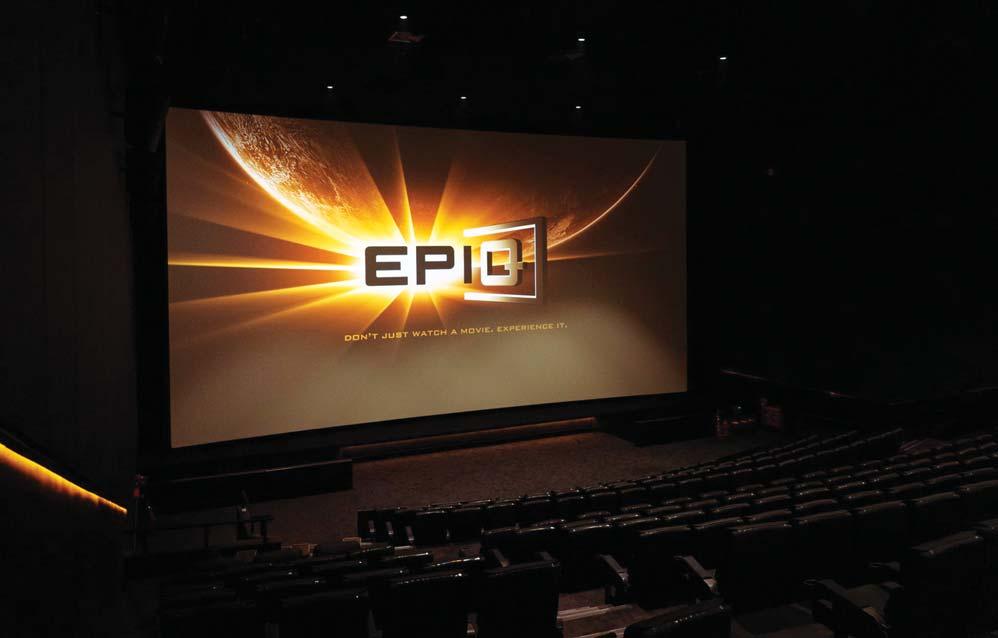
The evolution of theatrical exhibition continues to gain momentum as audiences increasingly seek immersive, technologically advanced environments that elevate the act of moviegoing beyond simple viewing. Large format auditoriums are becoming central to this shift, combining scale, precision, and comfort to create a more engaging and sensory-rich experience. In line with this growing demand, a new premium large-format screen has now arrived in Pune, marking a significant moment in the city's cinema landscape.
Introducing EPIQ in Pune
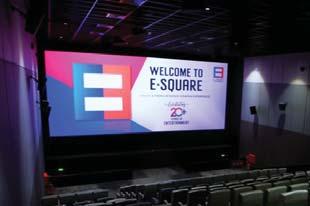
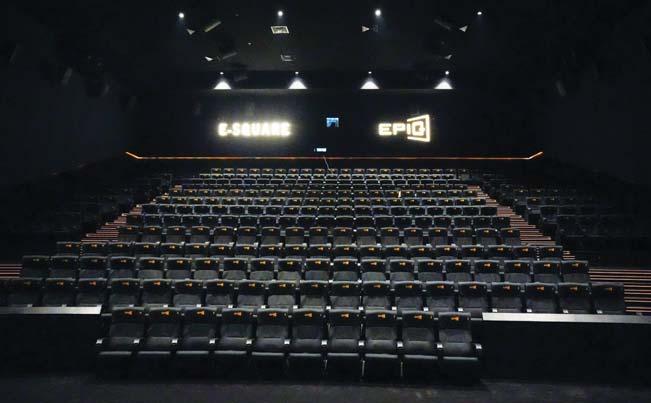
Pune has welcomed its first EPIQ screen at E-Square Cinemas, V J Happiness Street, Hinjawadi, bringing a new level of cinematic presentation to the region. Designed with a strong focus on scale, visual clarity, and audience comfort, the auditorium sets a benchmark for premium exhibition formats in western India. At the core of the experience is a wall-towall large-format screen that enhances visual immersion. The auditorium is built with a stadium-style seating layout, accommodating 310 seats in a custom-designed configuration that ensures unobstructed sightlines from every position. This
meticulous design approach allows viewers to experience consistent image quality and optimal viewing angles regardless of where they are seated.
The EPIQ auditorium integrates a suite of cutting-edge technologies that collectively define its premium
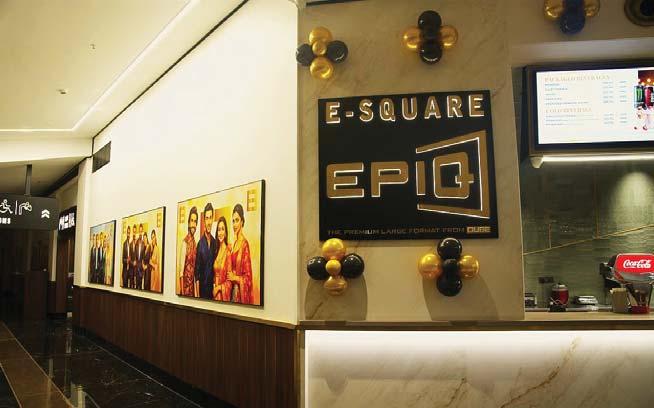
large-format identity. It features Barco 4K RGB laser projection, delivering high brightness levels, superior contrast, and accurate colour reproduction. This ensures that images appear vivid, sharp, and true to the filmmaker's intent. Complementing the visual system is Dolby Atmos immersive audio, powered by a 64-channel setup. This advanced sound technology allows for precise audio placement, creating a three-dimensional soundscape that moves dynamically around the audience. The result is a deeply immersive auditory experience that enhances storytelling through sound. The auditorium also incorporates an optimised 1.89 to 1 screen aspect ratio, making it versatile for both flat and scope formats. This
"At E-Square Cinemas, our focus has always been on delivering extraordinary experiences to our audiences. EPIQ represents everything we believe in: scale, technology, and the magic of cinema at its finest. Being one of the earliest Multiplex Chains in Maharashtra, we are delighted to partner with Qube Cinema to bring this landmark format to our origin city, Pune, and we are confident that our audiences will be thrilled by what awaits them."
– Hemant Manmohan Panchamiya, Managing Director, E-Square
ensures that films of varying aspect ratios are presented in their best possible form, maximising screen utilisation and visual impact.
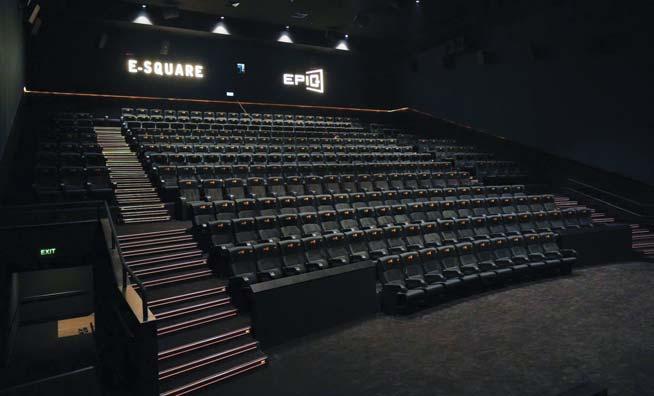
Beyond projection and sound, the auditorium's design plays a crucial role in shaping the overall experience. The use of matte black interiors minimises light reflection, further improving contrast and visual clarity on screen. The edgeto-edge screen design eliminates distractions, drawing the audience's focus entirely into the cinematic world. The seating, developed by Pen Workers, is tailored to provide both comfort and durability, supporting extended viewing without fatigue. Combined with the stadium layout, this ensures a premium viewing environment that
"EPIQ was born in South India, and for years it has set the benchmark for premium cinema in the region. Taking EPIQ to Pune and to West India is a moment we've been building towards, signalling that EPIQ is no longer a regional story, but a truly national one. E-Square is the perfect partner to make this debut: a multiplex with a legacy of putting audiences first and a genuine commitment to the best possible moviegoing experience. We are proud to bring EPIQ to Maharashtra."
– Harsh Rohatgi, Chief Executive Officer, Qube Cinema
prioritises both ergonomics and immersion. This holistic approach to cinema design demonstrates E-Square's commitment to quality across formats, catering to a wide range of audience preferences while maintaining a consistent level of technological excellence.
A key differentiator of the EPIQ format lies in its approach to content mastering. Films are specially processed by Qube Cinema into EPIQ-optimised Digital Cinema Packages. This process ensures that each title is fine-tuned to leverage the full capabilities of the large format system, including brightness, contrast, and audio dynamics. This level of optimisation allows audiences to experience films as intended for large format exhibition, offering a noticeable upgrade over standard presentations.
The launch in Pune represents the eleventh EPIQ screen in India and marks the format's expansion into western markets. Prior installations across cities such as Sullurpet, Coimbatore, Calicut, Madurai, Thanjavur, Hyderabad, Thrissur, Rajapalayam, and Chennai have established a strong presence in the southern region. The Pune addition signals a strategic move toward broader national adoption. This expansion reflects a wider trend within the Indian exhibition industry, where premium formats are increasingly seen as essential to attracting audiences back to theatres. As viewing habits evolve and competition from home entertainment grows, formats like EPIQ offer a compelling reason to experience films on the big screen.
This adds another dimension to the viewing experience, particularly for
“It was a matter of great pride for Pen Workers to be part of this venture for supplying seats to E-Square. This is the first EPIQ Screen in western India, and the technical parameters were very challenging in this project. The angle of vision had to be changed in almost every row to maintain the sightlines, and this is also the first EPIQ Screen which has recliners in the mid rows of the auditorium. And we are definitely very proud to be associated with E-Square for this project.”
– Anmol Kashmiri, Partner, Pen Workers Seating
upcoming large-scale releases that are designed to take advantage of 3D technology. Anticipated titles such as The Super Mario Galaxy Movie, Dune-3, Toy Story 5, and Avengers Doomsday are expected to benefit from this enhanced presentation format, offering audiences a more immersive and visually dynamic experience.
With the introduction of EPIQ, Pune's cinema ecosystem takes a significant step forward in embracing premium large format exhibition. The combination of advanced projection, immersive audio, thoughtful design, and content optimisation positions this new auditorium as a key destination for moviegoers seeking a superior theatrical experience. As the EPIQ network continues to expand, its presence in Pune not only strengthens its national footprint but also reinforces the growing importance of innovation in shaping the future of cinema.
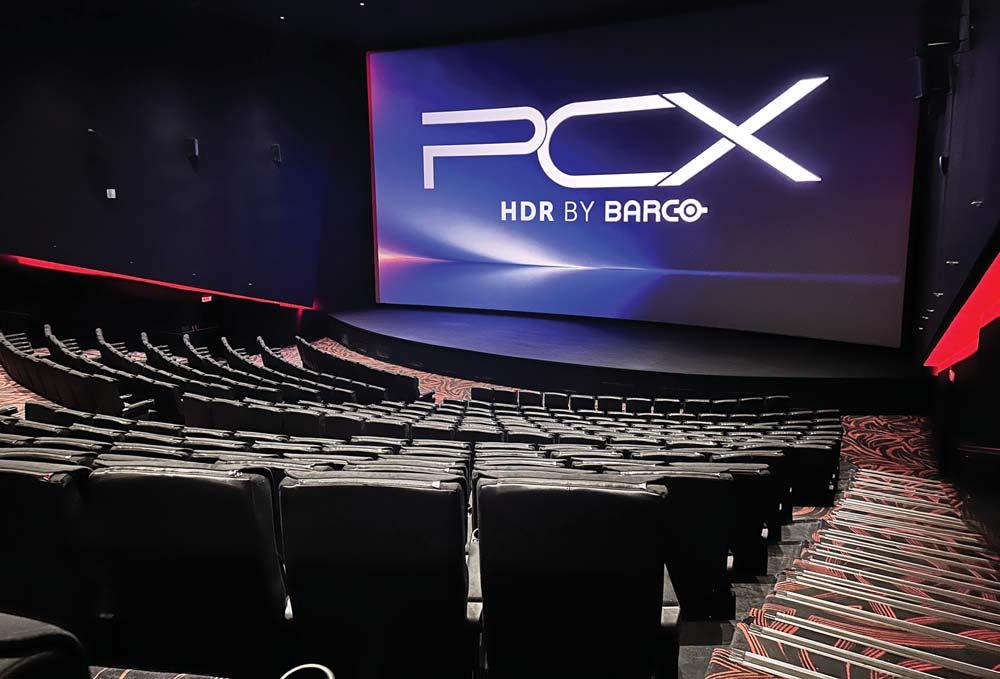
Premium cinema today is increasingly defined by presentation quality as much as screen scale. Advanced large-format auditoriums are now integrating 4K laser HDR projection, higher brightness levels, expanded colour volume, and deeper contrast to create a more immersive theatrical experience. One of India’s leading cinema destinations has now introduced a technologically engineered HDR auditorium built around nextgeneration laser projection, advanced Lightsteering technology, and precision-tuned immersive presentation systems.
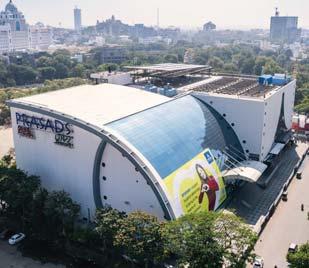
Over the years, Prasads multiplex has built a reputation as one of India's most technologically progressive cinema destinations. The venue became nationally recognised with the launch of India's first IMAX theatre in 2003, establishing itself as a destination cinema experience for audiences across Hyderabad and neighbouring regions. This was followed by early adoption of digital 4K projection in 2014, Dolby Atmos immersive sound in 2015, and Barco's flagship dual laser systems in 2022. The launch of PCX HDR by Barco represents the next stage in that
progression, with a renewed emphasis on image fidelity and HDR grade presentation.
The Philosophy behind PCX HDR
The concept behind the new auditorium goes beyond simply offering a larger screen.
The primary objective of the refurbishment was to improve perceived image realism through significantly higher brightness, deeper blacks, and enhanced contrast performance. Traditional cinema projection systems typically operate around 48 nits of brightness, limiting dynamic range and highlight detail. PCX HDR by Barco pushes theatrical brightness levels up to approximately 300 nits, enabling HDR-style image performance within a large auditorium environment. This enhancement allows brighter highlights, improved shadow detail, richer colour volume, and more
lifelike visual presentation. Unlike many premium large format auditoriums that primarily focus on screen dimensions, the new HDR auditorium combines scale with advanced image processing and high brightness projection technology.
At the centre of the auditorium is a Barco 4K Laser HDR projection system powered by Lightsteering technology. This proprietary system dynamically redistributes light across the screen, selectively enhancing brightness in areas where it is most needed while maintaining darker black levels elsewhere in the image. The result is improved contrast perception without compromising screen size. Highlights appear significantly brighter, darker scenes retain greater detail, and colour reproduction benefits from an expanded perceived colour volume approaching and extending beyond conventional DCI P3 presentation standards.
The projector delivers native 4K DCI resolution and stable laser-based luminance, ensuring consistency in presentation quality over extended
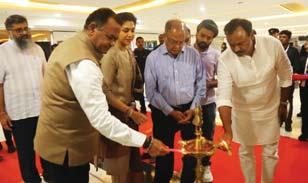
periods. The auditorium also incorporates a fully DCI-compliant playback system with HDRcompatible content workflows and integrated cinema server processing optimised for high-bitrate playback.
The PCX HDR by Barco project was not simply a projection upgrade. The auditorium underwent a complete refurbishment to support HDR cinema performance. The renovation included installation of a new flat aspect ratio screen optimised for HDR presentation, redesigned interiors, upgraded
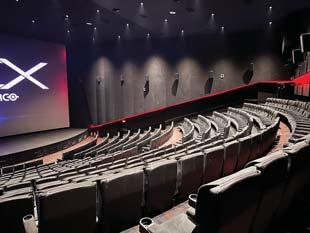
seating, improved acoustics, and recalibrated auditorium geometry. The approximately 390-seat venue was rebuilt with careful consideration for brightness perception, sound precision, and visual isolation.
The design language follows a minimalist approach, intentionally avoiding visually distracting decorative elements. Darkened low reflectivity surfaces help preserve perceived black levels by minimising light bounce within the auditorium. Viewing angles were carefully optimised for the flat format screen, while acoustic reflections were controlled to improve audio clarity and spatial precision. Every architectural and material decision was ultimately guided by one objective: maximising image contrast and immersion.
Complementing the HDR visual system is a fully integrated Dolby Atmos audio setup designed to deliver object-based immersive sound reproduction. The auditorium features an approximately 53-speaker configuration that includes screen channels, side surrounds, rear surrounds, overhead height channels, and dedicated subwoofer arrays. Dolby Atmos technology allows sound objects to move precisely within three-dimensional space, creating a more natural and spatially accurate sound environment for viewers. The acoustic recalibration carried out during refurbishment was intended to ensure that the auditorium's sound performance matched the enhanced visual capabilities of the HDR projection system.
One of the most challenging aspects of the project involved adapting an HDR-capable projection to an existing large auditorium structure.
"Prasads Multiplex has always focused on introducing technologies that enhance the core cinematic experience. With PCX HDR by Barco, we are addressing one of the most important aspects of modern cinema, image quality. The ability to deliver higher brightness, deeper contrast, and improved colour performance allows audiences to experience films with a level of visual fidelity that was previously not possible in traditional projection systems."
– Akkineni Ramesh Prasad, Managing Director, Prasads Multiplex
HDR projection demands strict control over ambient light and reflective surfaces because even minor reflections can reduce perceived contrast performance. Retrofitting the technology within legacy auditorium dimensions required careful redesign of interiors, screen wall construction, masking systems, and seating geometry. Uniform brightness perception across seating areas was another major challenge. Since HDR presentation relies heavily on highlight visibility and black level consistency, ensuring a balanced experience throughout the auditorium became a critical design consideration. Additional engineering challenges included heat management, power

requirements, calibration precision, and maintaining stable luminance across a large screen environment.
The auditorium screens a wide range of content, including Telugu releases, Hindi films, Hollywood titles, Tamil cinema, and other regional productions. Large format films and visually intensive productions particularly benefit from the enhanced HDR presentation capabilities. Hyderabad remains one of India's strongest theatrical markets, driven by high per capita cinema attendance, strong Telugu film culture, and growing demand for premium exhibition formats.
The introduction of HDR by Barco at Prasad's Hyderabad marks a milestone moment for premium cinema in India. HDR laser presentation brings stories to life with extraordinary contrast, brightness, colour, and clarity, creating a more immersive and emotionally powerful experience for audiences. We are especially proud to build on our partnership with Prasad, a true pioneer with deep roots in India’s remarkable cinematic heritage. Together, we share a belief that innovation should elevate the art of moviegoing while making spectacular cinema accessible to more people.
– Gerwin Damberg, EVP, Barco Cinema
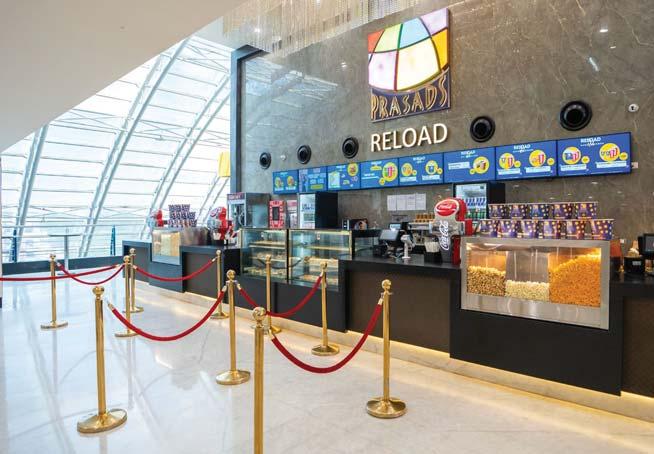
The multiplex itself continues to attract a destination audience willing to travel specifically for large screen and premium format experiences. In addition to its cinema offerings, the property integrates food and beverage concessions, entertainment facilities, and retail experiences within the larger mall ecosystem, reinforcing its role as a comprehensive entertainment destination.
The launch of PCX HDR by Barco signals a broader shift in premium theatrical exhibition toward higher image fidelity and enhanced presentation quality. As consumers increasingly adopt HDR standards, cinemas are now evolving to offer comparable improvements on a much larger scale. Rather than competing solely on screen size, the next generation of premium cinema experiences is likely to be defined by contrast performance, colour accuracy, immersive sound, and overall presentation precision. With its latest technological investment, the Hyderabad-based multiplex positions itself at the forefront of that transition, continuing a legacy of exhibition innovation that has shaped India's premium cinema landscape for more than two decades.
In the evolving landscape of cinema exhibition in India, modern multiplexes are no longer just venues for watching films; they are immersive entertainment destinations designed to engage audiences at multiple levels. Within this context, this well-established property at India Expo Plaza in Greater Noida has emerged as a significant milestone, redefining the expectations of urban moviegoers through a combination of strategic planning, technological advancement, and curated guest experiences.
Positioned within a rapidly developing commercial hub, Miraj Cinemas has quickly established itself as a key attraction within the complex. Its success reflects a broader shift in audience behaviour, in which convenience, comfort, and quality are as critical as content itself.
Located on the third floor of India Expo Plaza in Knowledge Park-II, Greater Noida, the property benefits from its proximity to educational institutions, corporate hubs, and residential clusters. This positioning ensures a steady influx of diverse audiences, including students, professionals,
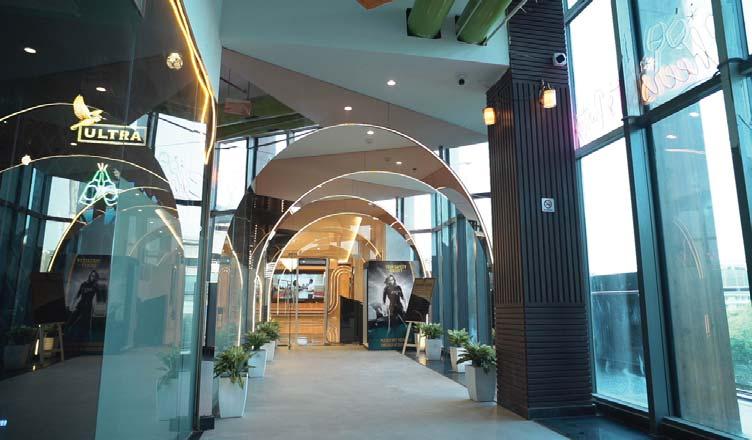
and families. The multiplex operates within the Delhi-NCR region, a highly competitive cinema market dominated by established national and international chains. Despite this, Miraj Cinemas has carved out a distinct identity by focusing on accessibility without compromising on premium features. Its integration within a larger commercial complex enhances its visibility and footfall,
making it not just a standalone entertainment venue but a central component of the mall's ecosystem.
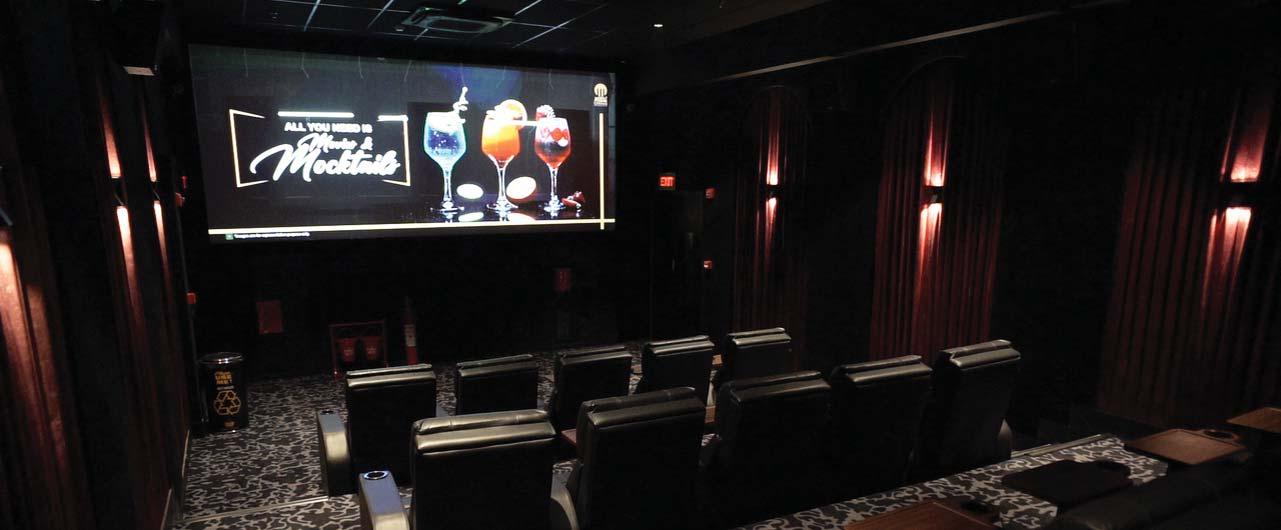
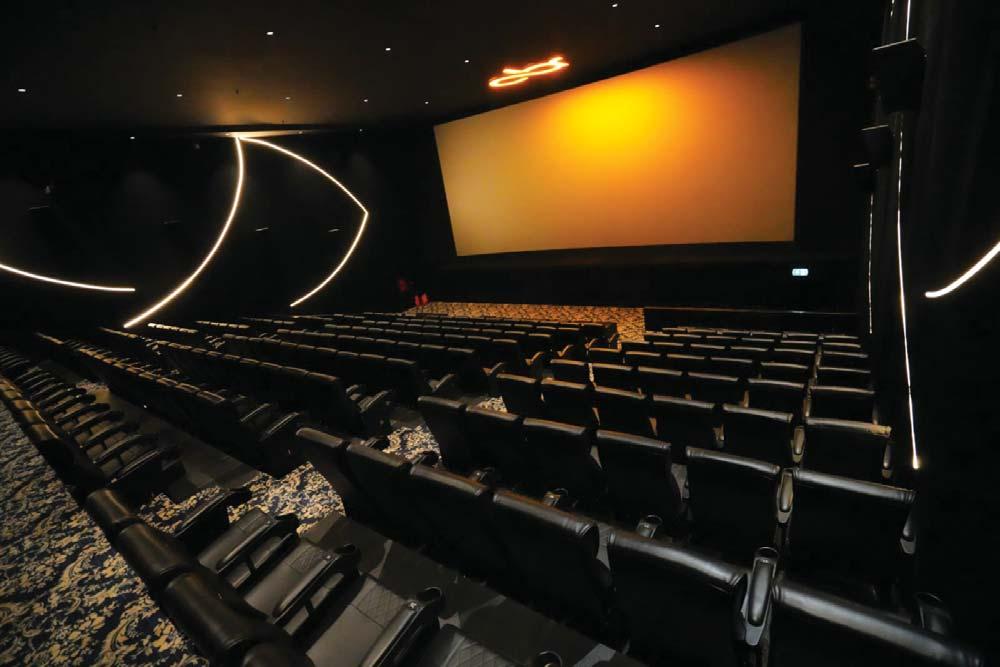
The theatre has been conceptualised as a compact yet efficient multiplex, featuring four screens with a total seating capacity of 291. The seating configuration includes 269 classic seats and one
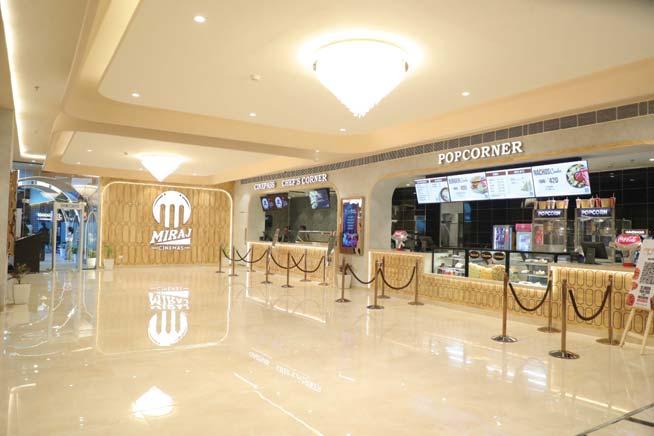
exclusive auditorium equipped with 22 recliners, offering a tiered experience that caters to varying audience preferences. This balanced approach allows the property to maintain affordability while still delivering a premium viewing option for those seeking enhanced comfort. The presence of recliners, in particular, aligns with evolving consumer expectations for luxury within cinema spaces. Unlike larger multiplexes that rely on scale, this property emphasises optimisation, ensuring that every auditorium is designed for maximum visibility, acoustics, and occupancy efficiency.
A defining feature of the multiplex is its emphasis on advanced projection and sound technology. Equipped with 2K projection systems and Dolby sound, the theatre ensures a high-quality audio-visual experience that meets contemporary industry standards. These technologies contribute significantly to immersion, allowing audiences to engage deeply with on-screen narratives. The clarity of projection and precision of sound design are particularly crucial in enhancing the impact of highintensity genres such as action and drama. The integration of

"NCR continues to be a key strategic market for us, and Greater Noida is emerging as an important growth corridor driven by strong infrastructure, commercial development, and increasing consumer demand for premium entertainment. India Expo Plaza gives us access to a highly dynamic catchment comprising residents, young professionals, students, and business visitors.
The strong initial response further validates our expansion strategy of investing in high-potential markets with experience-led cinema destinations. We see this property evolving into one of our key flagship locations in the region."
–
Bhuvanesh
Mendiratta,
Managing Director, Miraj Entertainment
such systems reflects a broader commitment to quality, positioning the property as a competitive alternative to larger multiplex chains in the region.
The success of any cinema ultimately depends on its programming strategy, and this property has demonstrated a keen understanding of audience dynamics. The release of the blockbuster Dhurandhar - The Revenge proved to be a turning
point, driving exceptional footfalls and setting new performance benchmarks for the theatre. Multiple daily showtimes and strong occupancy trends indicate robust demand for well-curated content. The programming approach appears to prioritise a mix of mainstream commercial cinema and diverse language offerings, ensuring relevance across demographic segments. This adaptability is particularly important in a region like NCR, where audience preferences are varied and constantly evolving.
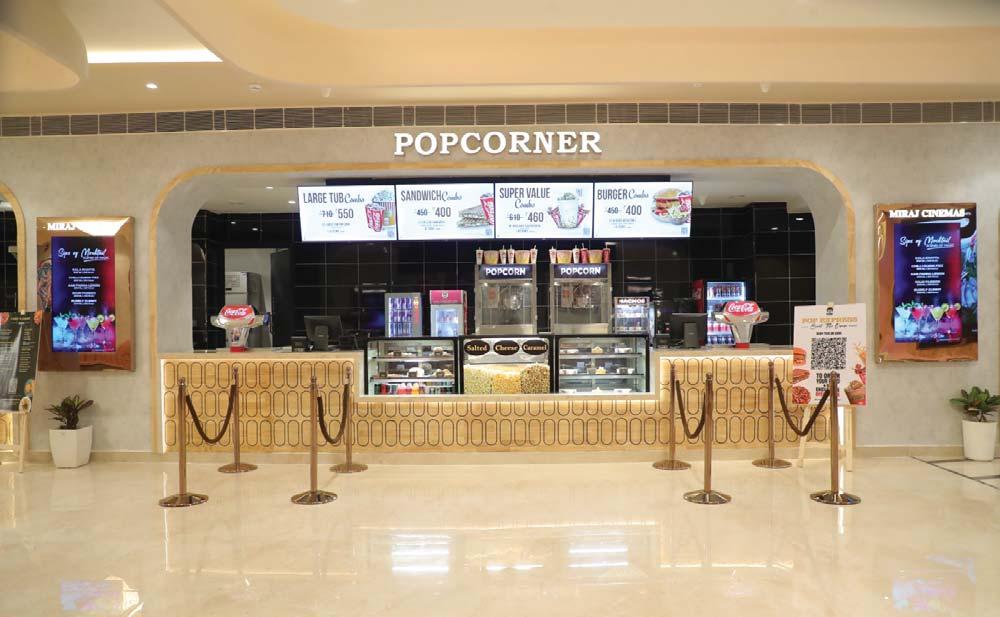
Recognising that modern audiences seek more than just a film screening, the property incorporates a vibrant food and beverage offering through its Chef's Corner. This multi-cuisine setup transforms the cinema visit into a holistic outing, encouraging longer dwell times and repeat visits. Additionally, the availability of amenities such as digital ticketing, parking facilities, air conditioning, and mobile ticket access further streamlines the customer journey. Such features not only enhance convenience but also align with the expectations of tech-savvy urban consumers who value seamless experiences.
One of the standout aspects of the multiplex is its ability to deliver a premium experience at an accessible price point. By maintaining a relatively smaller scale while investing in key experiential elements, the property
achieves a balance that appeals to a wide audience base. This model is particularly effective in emerging urban centres like Greater Noida, where there is a growing demand for quality entertainment options without the premium pricing associated with luxury multiplexes. The theatre's consistent performance suggests that this approach resonates strongly with local audiences, contributing to sustained occupancy levels and positive word-of-mouth.
The early success of the property has positioned it as one of the most notable recent launches in the region. Its ability to generate strong numbers, especially during major film releases, highlights its operational strength and market relevance. In a competitive landscape, such performance is indicative of effective planning, execution, and audience engagement strategies.
The multiplex not only meets existing expectations but also sets
new benchmarks for similar developments in Tier-2 and emerging urban markets.
The India Expo Plaza multiplex represents a forward-thinking approach to cinema exhibition in India. By combining strategic location, optimised infrastructure, advanced technology, and enhanced guest experiences, it successfully bridges the gap between affordability and premium quality. Its rapid rise as a preferred entertainment destination underscores the importance of understanding audience needs and adapting to changing consumption patterns. As the cinema industry continues to evolve, such models are likely to play a crucial role in shaping the future of theatrical exhibition across the country.
In essence, the property stands as a testament to how thoughtful design and execution can transform a cinema into a comprehensive entertainment hub, one that not only attracts audiences but keeps them coming back.
The modern cinema experience is no longer confined to a screen and a seat. It is an orchestration of technology, design, comfort, and emotion that transforms storytelling into something deeply immersive. In an era where audiences seek more than passive viewing, this cinema in Vijayawada is creating the buzz with it’s innovative vision for the audience who feel every bit of a movie unhinged.
The all new NEO SCREEN X - ABR Cinemas stands as a bold response to this shift, built on a simple yet powerful philosophy that cinema
should not just be watched but experienced. Rather than functioning as a conventional movie theatre in Vijayawada, this venue positions itself as a destination
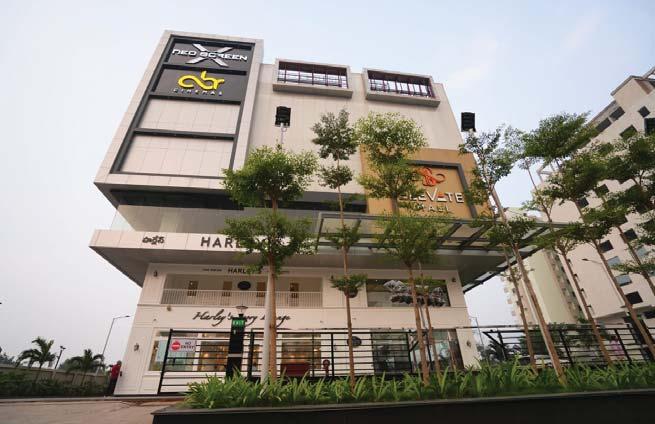
where every visit feels like a curated event. By blending advanced technology with luxury design and hospitality, it transforms film exhibition into a multi-sensory journey that engages audiences from the moment they step inside.
At the core of the experience lies a commitment to visual immersion. Powered by industry-grade 4K laser projection systems from Christie projected on a Galalite screen, the theatre delivers exceptional clarity, contrast, and brightness. The proprietary Neo Screen X format enhances this further by offering carefully designed viewing angles that ensure optimal visibility from every seat. The result is a viewing environment where audiences feel
enveloped by the screen rather than separated from it.
Sound plays an equally vital role in shaping the cinematic journey. With the integration of Dolby Atmos alongside Dolby 7.1 systems, the theatre creates a multidimensional audio landscape. Every whisper, movement, and explosion is rendered with precision, allowing sound to travel dynamically across the space. This object-based audio design places the audience at the centre of the narrative, enhancing emotional depth and realism.
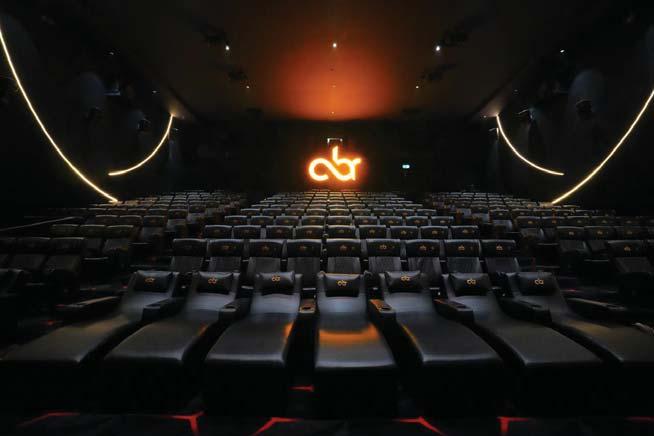
Seating is treated not as a utility but as a defining part of the experience. Plush recliners and premium seats are ergonomically designed to provide maximum comfort, with generous spacing that elevates the sense of exclusivity. The combination of 36-inch recliners and premium seating layouts creates an environment where every guest enjoys a first-class viewing experience, whether attending alone or with family.
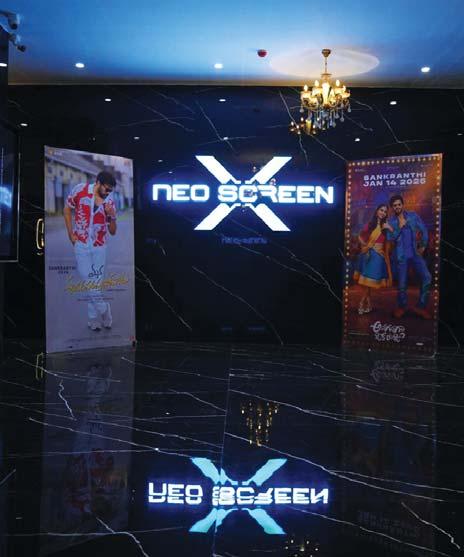
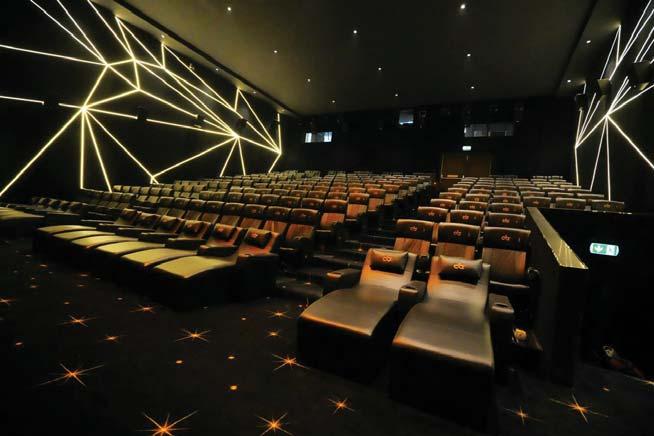
The design language of the cinema extends beyond functionality into visual storytelling. From grand lobby architecture to carefully curated ambient lighting, every element reflects modern sophistication. Cinematic corridors guide the audience through the space, while textures, materials, and lighting work together to create an environment that feels both immersive and refined. The venue is crafted not just as a theatre, but as a visually striking destination.

The auditorium is engineered as a high-performance environment where projection, acoustics, and spatial design operate in harmony. A fully integrated digital cinema system ensures seamless playback and consistent quality across all screenings. Advanced sound systems from partners such as JBL and Pulz, combined with precision-engineered acoustics, contribute to an experience where technology serves storytelling rather than overshadowing it.
“At ABR Cinemas, our vision with Neo Screen X was to bring Vijayawada audiences a truly premium large-screen cinema experience that goes beyond conventional movie viewing. While it's not a true 270-degree Screen X format, we have focused on delivering exceptional visuals, immersive Dolby Atmos sound, and luxurious comfort to create a world-class theatrical experience. We are proud that Neo Screen X has become one of the city's most sought-after premium cinema experiences for movie lovers looking for something special.”
– P R K Anil Kumar, Chief Executive Officer & Founder, ABR Cinemas
Programming is aligned with the immersive nature of the venue. The focus remains on visually rich films, blockbuster releases, and audience favourites across multiple languages. Primary emphasis is placed on Telugu cinema, reflecting the regional audience, alongside Hindi and English films. Dubbed versions further expand accessibility, ensuring that content resonates with a diverse audience base.
Creating such a space required overcoming significant architectural and technical challenges. With the experience and confidence of the architect Kiran Surayavamsi Thakur, the overall development had structural constraints that demanded innovative design solutions without altering existing column layouts. Material sourcing, seating optimisation, and the integration of advanced lighting systems required precision execution, and the outcome was indeed splendid, considering the challenges. Additionally, managing heat, acoustics, and silent airflow through high-capacity HVAC systems from Daikin ensured comfort without compromising performance.

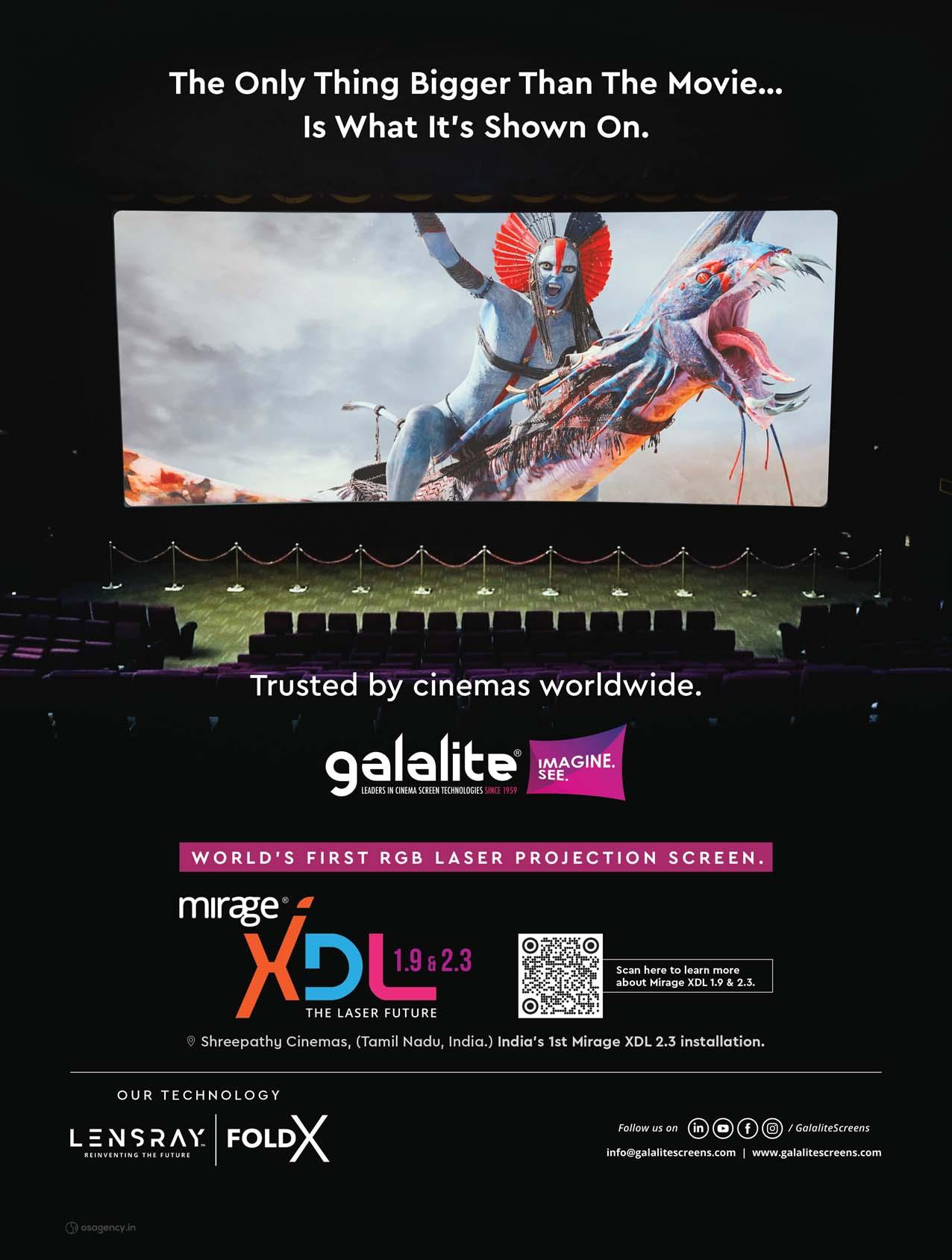
“The installation of the Mirage 2.2 screen at ABR NeoX Cinemas, Vijayawada, showcases how premium screen technology enhances the cinematic experience. Designed for exceptional brightness, colour accuracy, and contrast, Mirage 2.2 gain delivers stunning visuals and immersive viewing across the auditorium. We're proud to partner with ABR NeoX Cinemas in bringing audiences a superior movie experience powered by Galalite screens, innovation and visual excellence.”
– Yusuf Galabhaiwala, Director, Galalite Screens
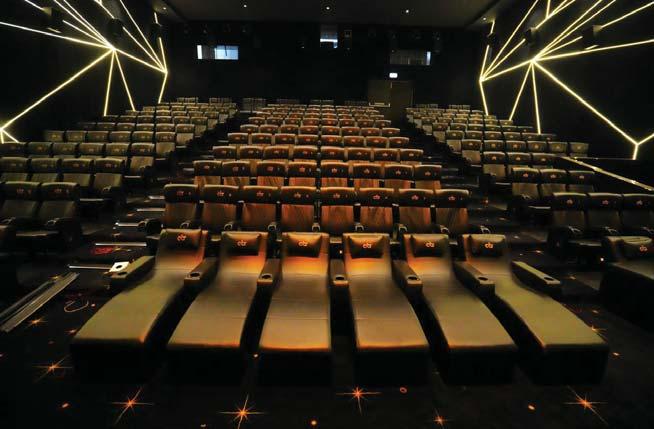
Food and beverage offerings are designed to complement the premium nature of the experience. Rather than standard concessions, the cinema emphasises quality, hygiene, and curated service. All vendors comply with regulations set by the Food Safety and Standards Authority of India, ensuring safety and consistency. The approach reflects a broader commitment to delivering not just entertainment, but a complete lifestyle experience.
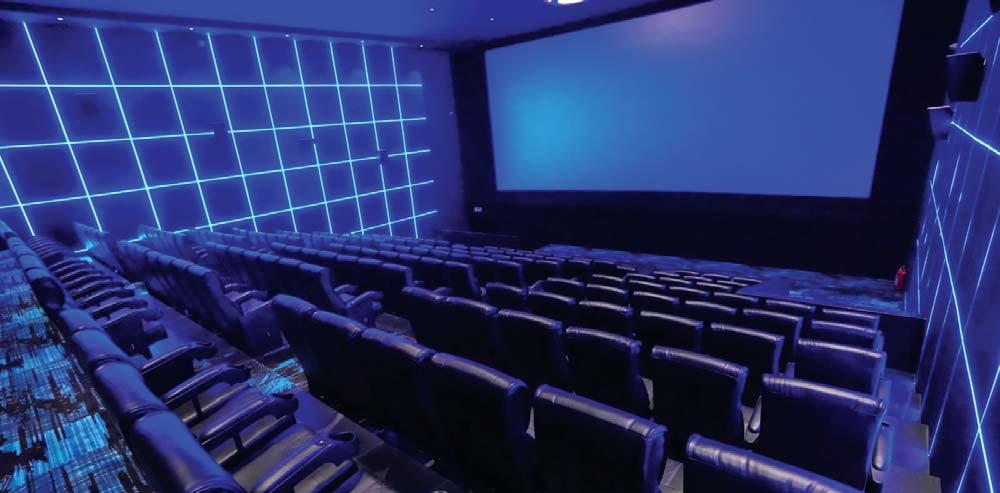
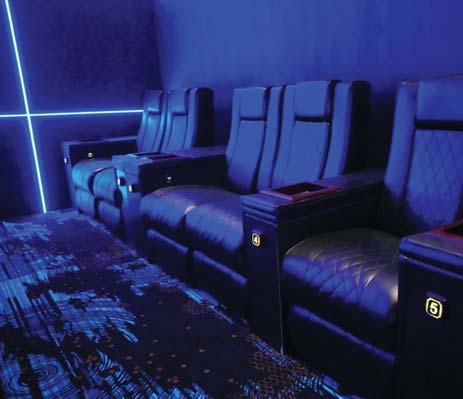

Located in Vijayawada, a rapidly growing urban centre, the cinema caters to a vibrant moviegoing culture where film releases are celebrated as social events. Young audiences drive frequent visits and early show demand, while families prioritise comfort and safety for weekend outings. Working professionals contribute to the growing demand for premium seating and elevated viewing formats.
By combining immersive technology, luxury design, and experiential storytelling, the theatre establishes a clear identity in a competitive market. It moves beyond the idea of simply screening films and instead creates an environment where audiences feel part of the story. In doing so, it sets a new benchmark for cinema exhibition, where every visit becomes memorable, emotional, and deeply engaging.
"At ABR Cinemas, the focus was on delivering a truly immersive and high-fidelity cinematic sound experience. Vijayawada audiences have a deep appreciation for sound quality, and the ABR management was clear that the system needed to meet the highest standards of performance and reliability. For this project, we deployed Pulz's flagship Isowave speaker systems along with Pulz Point Source Surrounds, engineered to provide clarity, impact, and uniform coverage across the auditorium. The objective was not just loudness, but precision, intelligibility, and an engaging cinematic experience that complements modern film soundtracks. We are delighted to partner with ABR Cinemas in creating what we believe will be one of the finest cinema audio experiences in the region."
– Anirvan Ghose, Managing Director, Pulz Electronics
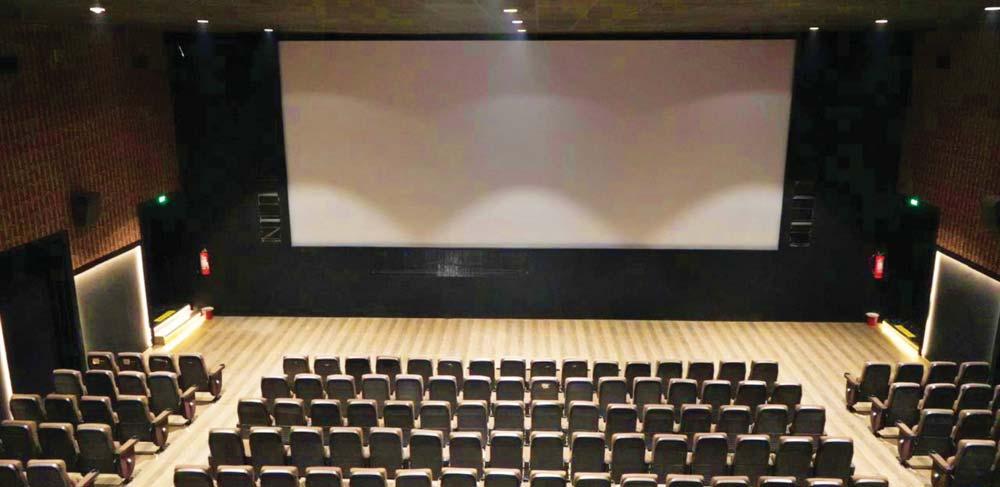
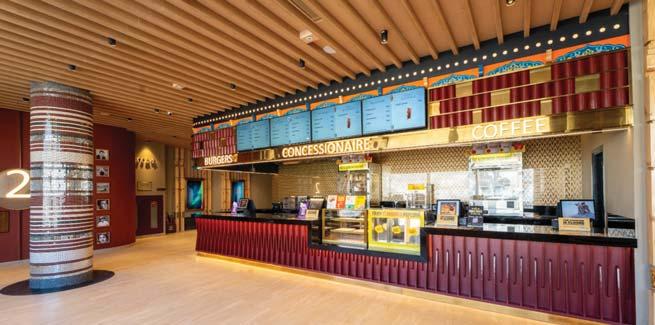
Cinema exhibition is rapidly transforming with advanced technology and immersive innnovations. The revival of this historic single-screen theatre signals more than just a reopening. It reflects a deeper shift in how audiences reconnect with the theatrical experience. The resurgence of legacy cinema spaces is emerging as a meaningful counterpoint to the rise of multiplex chains and digital consumption, blending nostalgia with modern expectations. This renewed interest highlights the enduring emotional and cultural value of traditional moviegoing. BHARATMATA
A Legacy Rooted in Community Situated in the heart of Mumbai's mill district, Bharatmata Cinema carries a legacy that dates back to 1937, when it first opened as Lakshmi Theatre before being renamed in 1941. Over the decades, it evolved into a cultural hub,
especially for working-class audiences in areas like Lalbaug and Parel. It became widely known for showcasing Marathi cinema, building a loyal audience base and playing a significant role in regional film culture. For generations, the theatre was more than just a
screening venue. It was a shared social space where communities gathered, celebrated stories, and built collective memories. Its identity became closely tied to the cultural fabric of the neighbourhood, reinforcing the importance of cinema as a communal experience.
"Bharatmata Cinema holds a special place in the hearts of Mumbai audiences, and reviving this heritage cinema is a matter of great pride for us. Our vision is to bring back the culture of single-screen cinemas while upgrading the experience for today's audiences and keeping cinema-going accessible to everyone."
– Rajat Haksar, Owner, One Cinemas
After remaining shut for several years, the cinema has now been reopened following an extensive restoration, thanks to the partnership between One Cinemas and Mukta A2 Cinemas. The revival has been driven by a vision to preserve its heritage while making it relevant for contemporary audiences. The approach has not been about replacing the past, but about carefully integrating modern advancements without losing the theatre's original character. The restoration reflects a growing industry trend where heritage cinemas are being repositioned as accessible, community-driven entertainment destinations. Rather than competing directly with multiplexes, these spaces are carving a niche by offering authenticity combined with upgraded comfort.
The upgraded Bharatmata Cinema now delivers a significantly enhanced viewing experience.
The theatre has been equipped with Dolby Surround Sound and 2K laser projection, ensuring improved audio-visual quality that meets current exhibition standards.
Seating has also been reimagined with the introduction of recliners and sofas, creating a more comfortable and premium environment for audiences. In addition to technological upgrades, the food and beverage offerings have been refreshed,

"This partnership between One Cinemas and Mukta A2 Cinemas is built on a longterm vision of growing the cinema business together and expanding quality cinema experiences across markets. Reviving heritage cinemas like Bharatmata is an important step towards preserving cinema culture while building the future of exhibition together."
– Satwik Lele,
Chief Operating Officer, Mukta A2 Cinemas
contributing to a more complete and enjoyable cinema outing. Despite these enhancements, special care has been taken to retain the theatre's nostalgic aesthetic, allowing audiences to experience both familiarity and modernity within the same space.
The reopening of Bharatmata Cinema represents a broader shift within the exhibition sector. As audience expectations evolve, single-screen theatres are no longer defined by limitations but are being reimagined as unique experiential venues. The focus is increasingly on comfort, accessibility, and community engagement.
This transformation also addresses a critical gap in the market. While multiplexes often cater to premium urban audiences, revitalised single screens have the potential to remain inclusive, ensuring cinema continues to be accessible to a wider demographic. The balance between affordability and enhanced experience becomes key in sustaining long-term footfall.
Beyond infrastructure and technology, the revival carries cultural significance. It signals a renewed emphasis on the collective experience of watching films on the
big screen. At a time when individual viewing on digital platforms dominates, spaces like Bharatmata Cinema bring back the shared energy of theatrical storytelling. The initiative also reinforces the importance of preserving cinematic heritage. By restoring such venues, the industry not only safeguards history but also reintroduces it to newer generations. This continuity ensures that cinema remains rooted in its cultural origins while adapting to future demands.
The comeback of Bharatmata Cinema highlights a sustainable model for the future of exhibition.
It demonstrates how heritage properties can be revitalised through thoughtful upgrades, strategic partnerships, and a clear understanding of audience sentiment. The success of such initiatives could encourage similar restorations across other regions. Ultimately, the reopening is not just about bringing back a theatre. It is about reimagining the role of cinema in society, where tradition and innovation co-exist. As exhibition formats continue to evolve, the revival of legacy spaces adds a vital layer to the ongoing conversation around cinema culture, audience engagement, and the enduring magic of the big screen.
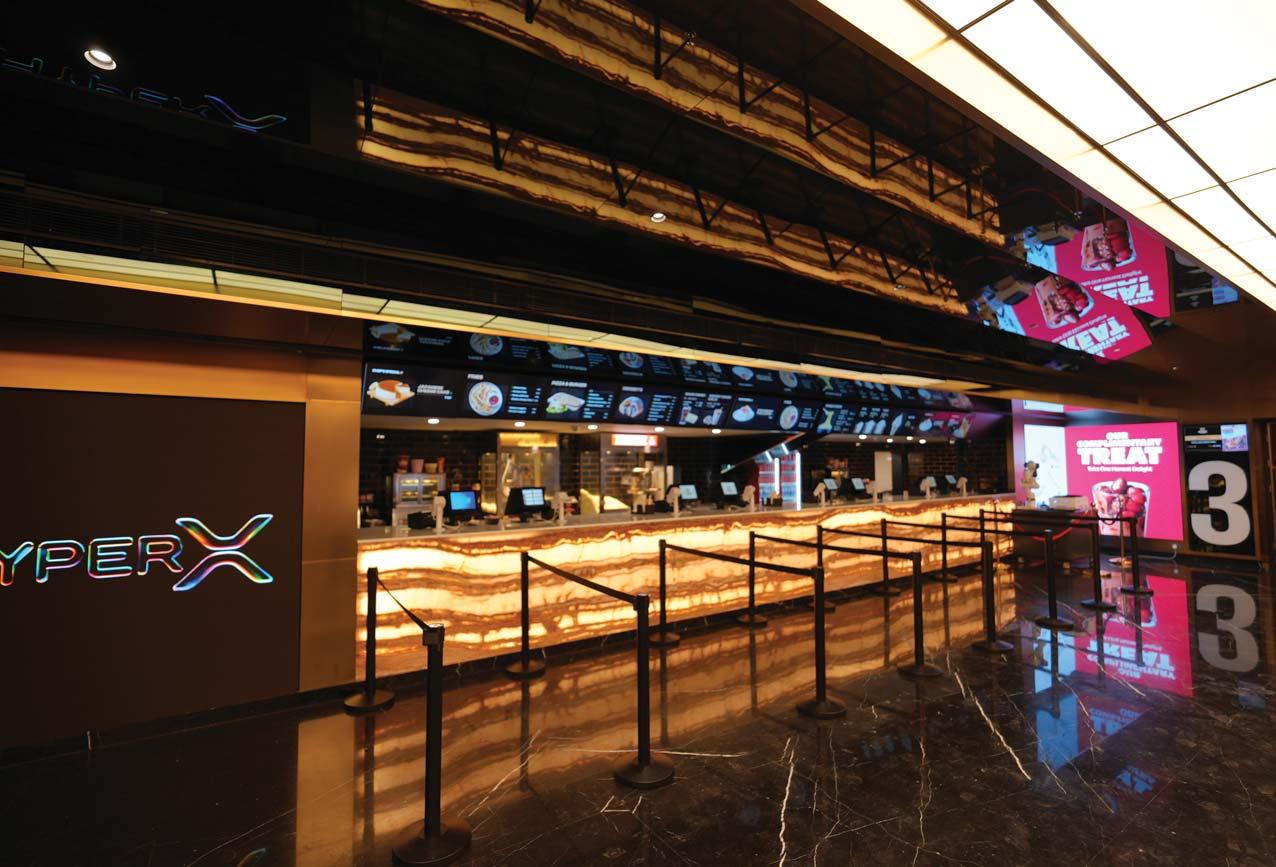
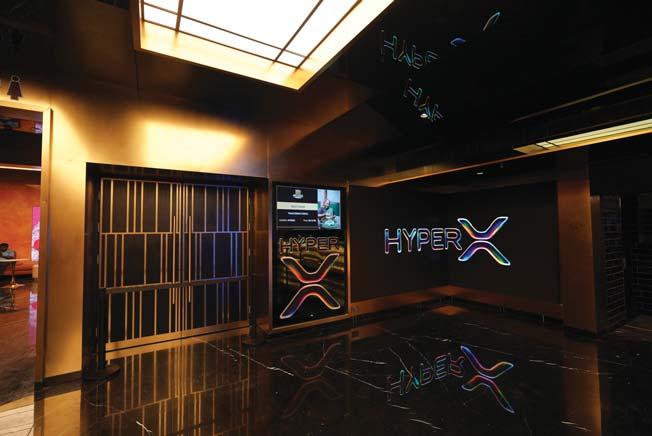
As cinema exhibition evolves beyond traditional movie screenings, premium multiplexes are increasingly focusing on premium large format presentation with immersive design, advanced audio-visual technology, luxury seating, gourmet F&B, and event-style experiences. And Broadway Cinemas has left no country unturned to bring its patrons some of the world’s most creative global menu on their platter with the most talked about PLF screens, ‘HyperX’ and ‘Vivid’ at their latest Tiruppur property for the Ultimate Movie Experience!!! In an exclusive conversation with TheatreWorld, the leadership behind Broadway Cinemas, Managing Director, Satish Kumar; Chief Operating Officer, Tejal Satish and Project Director, Neha Satish, discuss their approach to giving the world’s best for their moviegoers...
What makes Broadway Cinemas, Tiruppur special?
Broadway Cinemas Tiruppur was designed as a cinema destination that is premium in design yet accessible in price, with a strong focus on immersive presentation. All four screens feature large flatscreen formats, laser projection, immersive sound, and luxury stadium seating. We also wanted each auditorium to have its own identity. HYPERX is more contrast-
focused, with deeper blacks, stronger image depth, and a very immersive Atmos experience, while VIVID is designed to feel brighter and more visually vibrant, especially for star-driven regional films. We are working with partners like UFO Moviez, who collaborate closely with the production side to enable us to present films in the most immersive way possible. The scale, precision, and sensory impact of our PLF screens are what
fundamentally distinguish the premium theatrical experience from standard theatres.
What makes HyperX and Vivid PLF unique compared to the traditional PLF screens in the market today?
One of the most important aspects of premium cinema projection technology is screen contrast. Today, technologies like Dolby Cinema and HDR focus on extremely
high contrast ratios. Since human vision perceives contrast logarithmically, not exponentially a jump from 5,000:1 to 1 million: 1 may look massive on paper, but the visible improvement to the human eye is far smaller. That’s where formats like HyperX and Vivid stand out. They deliver a high-contrast, visually satisfying experience that feels impactful in real-world viewing, not just in technical specifications. For us, this creates the right balance between premium technology and affordability, allowing audiences to enjoy an advanced PLF experience without excessive ticket pricing.
Do you believe PLFs are the future of theatrical exhibition in India?
Absolutely. Initially, cinemas moved away from very large screens because of the high operational costs involved, especially with lampbased projection systems and the challenge of air-conditioning such large auditoriums. Later, when laser projection emerged, the technology still wasn’t advanced enough to deliver sharp image quality on massive screens without issues like pixelation. Now, projection technology has evolved significantly, enabling premium large-format experiences with both scale and quality. In many ways, the industry is returning to the original essence of cinema, the big-screen experience.
How does technology like Barco laser projection elevate the viewing experience?
As a technology partner, Barco has been extremely supportive in helping us identify the right projection solutions for our requirements. Indian cinema, especially regional films, often features richer colours and more vibrant visual palettes compared to many Hollywood films, so it was
important for us to optimise the presentation accordingly. Beyond image quality, their support in areas such as preventive maintenance, timely shipping, and minimising downtime has also been very valuable operationally. We have had a strong experience working with Barco in Coimbatore and continue to value that partnership, while also recognising that companies like Christie Digital Systems offer excellent cinema solutions as well.
How do immersive sound formats like Dolby Atmos enhance storytelling for the audience?
Dolby Atmos remains the most immersive audio experience available today. While other 3D audio formats and enhanced 7.1 systems exist, the depth, precision and spatial separation that Atmos deliver works exceptionally well consistently. Where many exhibitors fall short is
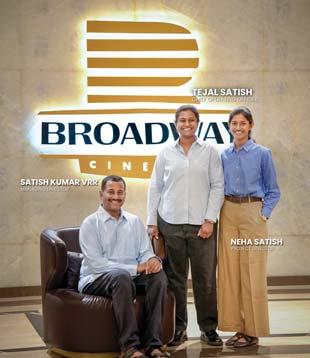
Satish Kumar, Managing Director
Tejal Satish, Chief Operating Officer
Neha Satish, Project Director Broadway Cinemas
in the execution. Some may advertise a 64-channel Atmos setup, but compromises in engineering and wiring often reduce the actual channel separation to far less. At Broadway, we ensured that when we say 64-channel Atmos, it genuinely delivers full 64-channel separation. With the right engineering and
Transforming an existing theatre into a modern multi-auditorium cinema, both spatially and functionally, was a stiff challenge. We succeeded!
– Prof. LS Jayagopal, Structural Consultant
calibration, the Atmos experience is unmatched, and we wanted to stay true to that standard.
How does this property stand out in terms of design and audience experience?
In a cinema, the experience begins the moment guests enter the property, not just when the film starts. At Broadway Cinemas Tiruppur, we wanted to create a space that feels immersive, premium, and emotionally transporting from the lobby itself. A lot of attention went into the interiors, lighting, materials, and spatial design to create a cinematic atmosphere inspired by Broadway’s signature palette of gold, black, and metallic finishes. The idea was to transport people into a grand space where they could disconnect from everyday stress. We aimed to create something Tiruppur had never seen before, with bold, surreal design elements that feel unexpected and make guests pause and think, “Wow, where am I?”
Tell us about the unique concept of your projection and the projection booth.

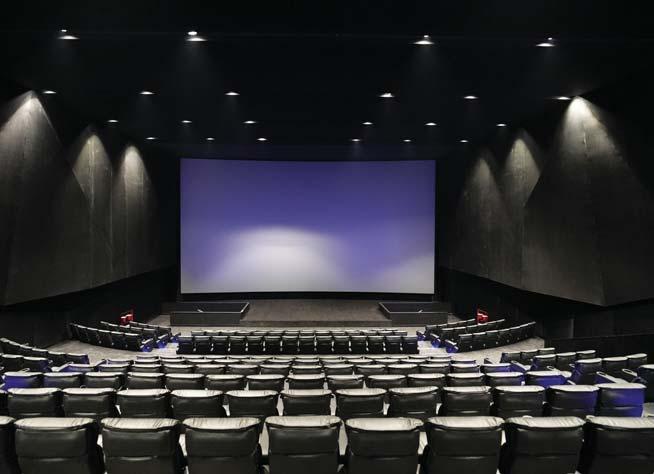
Space constraint was one of our biggest challenges, and is for any multiplex project being converted from a single screen. So we redesigned the projection area, adopting a cantilevered hanging projector outside the building to maximise seating while meeting PWD regulations. With structural design from Prof. L.S. JayaGopal, these cantilevered projection structures in the HyperX and Vivid auditoriums improved both space efficiency and the customer experience.
We are delighted to partner with Broadway Cinemas Tiruppur, supplying our premium, professional cinema sound systems to power their screens. This collaboration is dedicated to elevating the moviegoing experience with state-of-the-art acoustic technology, delivering pristine audio clarity, deep bass extension, and seamless spatial precision for every guest. United in our commitment, we strive to redefine entertainment standards and foster unforgettable, fully immersive experiences for audiences across the region.
– Daniel Gao, Director, Fidek
How do you balance affordability with a premium, indulgent cinema experience?
Affordability is extremely important to us, both as exhibitors and within the framework of governmentregulated ticket pricing. While ticket prices have limitations, we have more flexibility in areas like F&B, which contributes significantly to our revenue. We believe that if you offer high-quality products and experiences, audiences are willing to spend. At the same time, delivering a premium experience does not mean charging an excessive price, but just enough to differentiate the experience while the investment remains feasible. Our focus is on operational efficiency, managing costs smartly so that we can offer a premium cinema experience at an affordable price point.
How important is F&B innovation in driving repeat footfalls in modern indulgence?
It is very important because today audiences no longer come to the cinema just for the film. And what makes it more memorable, exciting, or surprising is the overall ambience and experience. We regularly introduce themed desserts, international flavours, and
Some cinemas serve popcorn. Broadway Cinemas serves passports. The journey begins long before the opening credits roll. The scent of coconut-laced Lamingtons drifts through the lobby, Japanese cheesecakes sit beside Korean delicacies, and somewhere between the counters, a chilled glass of Lyari Doodh Soda quietly transports guests to the bustling streets of Karachi. Inspired by the owners’ travels across the world, the multiplex has transformed its food menu into a cinematic atlas; one where every snack carries the memory of a city, a culture, or a

limited-time items that are still accessible in pricing, usually around INR 200–300. For many guests in Tiruppur, these are experiences they may not usually find locally, which creates excitement, word-ofmouth, and repeat visits beyond just movie watching.
What inspired the addition of global gourmet cuisines to the menu?
We love travelling, and many of our food ideas come from experiences we’ve had around the world. On a recent trip to Japan, we discovered a fried cream sando at Age.3, where people would queue for over an hour just to try it. We brought that inspiration back, worked closely with our chef, and created our own version at Broadway Cinemas. That’s always been the idea — to bring global food experiences into
late-night discovery made thousands of miles away. From Japan’s beloved Fried Cream Sando and 7-Eleven-style desserts to Italy’s silky gelato and cream buns, Germany’s Berliner doughnuts, French pastries, Mexican loaded nachos, and American hot dogs, the concession stand feels less like a theatre counter and more like an airport terminal for flavours.
But what truly sets the experience apart is the playful way films and food merge into one spectacle. A towering Na’vi Burger arrives for Avatar, Gold Rush celebrates

the cinema space and let audiences discover new flavours as part of the larger moviegoing journey. In many ways, cinema is curiosity, and food is too.
Tiruppur is not traditionally seen as a premium cinema market. What gave you the confidence to invest here?

Coolie, Idli Kadai gets its own comforting Ghee Podi Idli, while Madharasi inspires fiery Molaga Bhajji. Even desserts become part of the storytelling, with Fantastic 4 paired with classic Australian Lamingtons and Michael reimagined as a rich Chocolate Truffle Cake. In an age where cinemas are searching for new ways to bring audiences back to theatres, Broadway Cinemas has found its answer not just on the screen, but on the plate, turning every movie outing into a global culinary experience that audiences remember long after the credits fade.
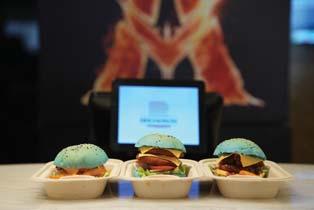
In Tiruppur, there have not been premium cinemas, but Tiruppur has had the highest concentration of cinemas forever. So there are still so many standalone independent screens that are actively running here, whereas throughout the state, you have had a lot of shutdowns. So the love for cinema existed here, whereas the right direction of how
Broadway Cinemas has partnered with Seating Spectrum to deliver highquality, ergonomically engineered seating designed for the most comfortable cinema experience. A great chair isn’t one you want to sit in. It’s one you never want to leave.
– Chua Chiong Heng, Managing Director, Seating Spectrum
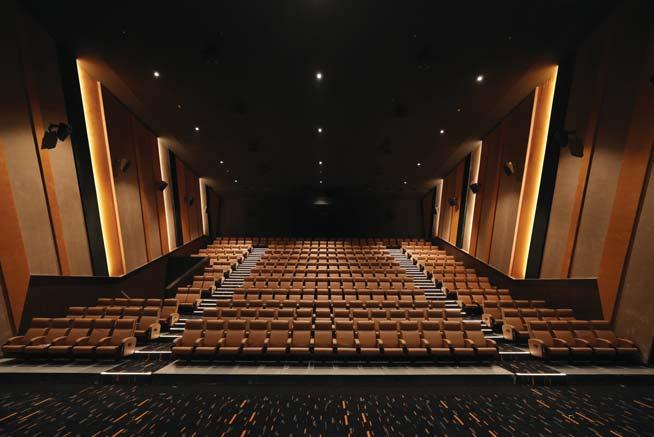
the investment, what kind of premium format to give, didn’t exist. So due to our proximity to this region, due to our experience and success with Coimbatore, for us, Tiruppur was not a question of whether it works or is feasible. Tiruppur didn’t need to be convinced to go to the movies; it simply deserved premium formats like HYPERX and VIVID that matched its passion for cinema.
Are audiences in tier-2 cities becoming more qualityconscious about the cinema experience?
The rise of OTT platforms has increased audience awareness of different languages, genres, and storytelling styles, encouraging people to explore cinema more
seriously as a form of entertainment. In tier-two cities, entertainment options are still limited, so the focus is increasingly on delivering the best possible theatrical experience. At Broadway Cinemas, audiences treat moviegoing like an event. In places like Tiruppur, it’s common to see large groups, families, college friends, or school batches coming together to celebrate films as a shared experience. For them, going to the cinema feels similar to attending a concert, sports event, or festive outing. That’s why we try to ‘eventise’ every major release.
Beyond just screening the film, we build excitement through music, trailers, themed experiences, gourmet food, giveaways, and fan activities.
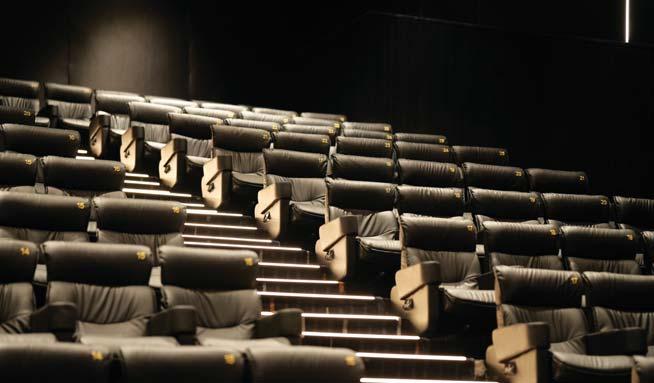
What does the perfect cinema experience mean to you? Like on a personal ground?
A perfect cinema experience always begins with a well-made and meaningful film. No matter how good the ambience or technology is, the experience ultimately depends on the quality of the movie itself. It’s exciting to see studios now moving beyond sequels and franchises to create more original films, both internationally and in regional cinema. Beyond the film, the overall experience matters just as much, the comfort of entering, parking without feeling rushed, welcoming staff, good air conditioning, clean spaces, quality food, and a disciplined audience that respects the viewing experience. When all these elements come together, it creates a truly memorable cinema outing and one leaves with a smile on the face.
How do regional film preferences influence programming decisions in this location?
At Broadway Cinemas, we now operate five premium formats: IMAX, EPIQ, Gold, HyperX, and Vivid; each catering to a different audience segment. This variety also gives us greater flexibility in programming and film scheduling. For example, during the release weekend of Project Hail Mary and Dhurandar: The Revenge, Project Hail Mary was the more internationally anticipated title, while Dhurandar had certain exclusivity demands that could have pushed out IMAX shows. Because we had multiple premium formats available, we were able to negotiate effectively by offering sufficient shows for Dhurandar in other premium auditoriums, while ensuring shows for Project Hail Mary in IMAX. Many exhibitors without multiple premium formats
Some theatres show movies. Broadway Cinemas Tiruppur engineers entire worlds around them. Here, technology is not simply installed; it is designed to disappear, allowing pure immersion to take over. The crown jewels, HyperX and VIVID PLFs, are conceived around the dramatic themes of cosmic singularity and infinite cinema, both a collapse of reality itself.
With a towering 58ft x 31 ft curved screen, native contrast of 5,000:1, powered by cutting-edge 4K laser projection, and invisible speakers seamlessly integrated into a 64channel Dolby Atmos system, HyperX transforms the auditorium into a sensory void where the boundaries between audience and screen begin to dissolve. Supported by Barco Cinema technologies, every frame is rendered with exceptional blacks, brightness, vibrance, and precision, creating an experience that feels less like watching a film and more like stepping directly into it. Alongside it, Vivid PLF stands at 57ft x 30ft, a celebration of visual brilliance, built to elevate every image through enhanced colour reproduction, high contrast projection, and striking
brightness, ensuring every scene appears intensely lifelike and vibrantly alive.
Adding to the uniqueness of both HyperX and Vivid is Broadway’s thoughtful integration of cantilevered projection structures, a structural innovation rarely discussed, yet central to the customer experience. A cantilever, anchored firmly at one end while extending unsupported into space, allows the projection system to be suspended efficiently, creating additional seating space in limited real estate without disrupting auditorium aesthetics or norms compliance. By introducing this engineering solution, Broadway Cinemas has improved both spatial efficiency and visual comfort, removing unnecessary structural intrusion and preserving the seamless grandeur of its premium auditoriums. In Tiruppur, cinema architecture, structure and technology work hand in hand, proving that true immersion is not created by the screen alone, but by every invisible detail designed around it.
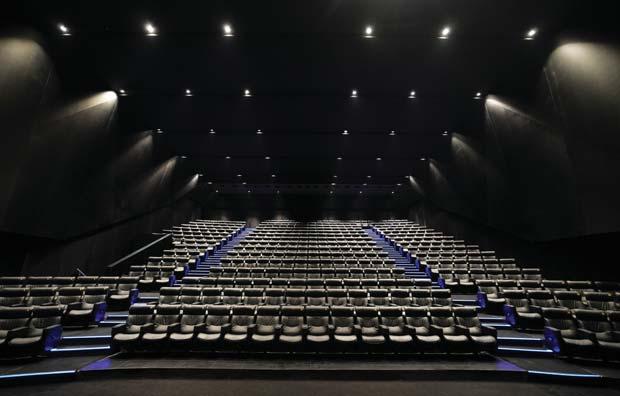
may not have that flexibility and are forced to dedicate their best screen to one strongest-performing titles, which is more often a regional release.
What are the biggest challenges in operating a premium multiplex today?
I believe content management has become a major strength for premium multiplexes today, but the bigger challenge lies in people management. We invest significantly in hiring and training freshers for guest service and operations, only to see many leave within a few months for marginal salary increases elsewhere. Along with employees, valuable operational knowledge and service standards are also lost, making attrition a constant challenge despite our focus on training and employee welfare. Another major challenge is the rise of social media and influencer culture. While we always work to resolve guest concerns and improve the overall experience, negative content often spreads much faster than positive experiences online. In some cases, situations may even be misrepresented for visibility and engagement, creating additional marketing challenges for us. At the same time, we are trying to balance
Broadway Cinemas Tiruppur was one of the most challenging projects we’ve worked on, primarily because the civil shell was already nearing completion when we came in. The existing structure presented several circulation and spatial constraints, yet the vision was to create the most compact multiplex in Tiruppur with a truly immersive large-format experience. Designing the PLF auditorium required extensive coordination with the structural consultants to maximise the screen size within the limitations of the existing slab and shell conditions. The lobby design was equally complex, with low ceiling heights, split circulation pockets, and a centrally placed lift shaft. By integrating materials such as metal sheets, fabric finishes, and carefully layered lighting, we were able to create a refined visual identity. Strategic placement of LED elements further enhanced the spatial experience, giving the lobby a distinctive character.
– Eranna Yekbote, Chief Architect, Era Architects
premium, experience-driven cinema offerings with affordable ticket pricing. While many global markets are moving toward automation and self-service models, the Indian exhibition industry continues to remain highly labour-intensive, making long-term employee retention increasingly difficult.
How do you see Broadway Cinemas evolving over the next five years?
Internally, our goal is to scale Broadway Cinemas to 50 screens over the next five years, God willing. A key part of that vision is ensuring that every property features at least one differentiated premium experience, whether that is a luxury auditorium, a premium large format screen, or newer immersive concepts like 4DX and ScreenX,
which are still largely unavailable across many non-metro markets in India. Over the next five years, we see ourselves staying strongly
focused on technology, immersive presentation, and bringing worldclass cinema experiences to emerging markets beyond the metros.
As young leaders in shaping modern cinema experiences, what has been the biggest learning so far?
Tejal: I look up to my father for lessons. He’s been in the industry since 1986, and he still brings the same passion, discipline and dedication to work every single day. My biggest learning from him is that effort never stops, and if you truly love what you’re building, that effort becomes deeply fulfilling. I genuinely love cinema exhibition and everything around it.
Neha: No two days in this industry are ever the same, and that change is constant, has been one of my biggest learnings. Technology, guest experience, food, and comfort standards are always evolving, and maintaining quality requires continuous effort. What once felt intimidating has now become something I truly enjoy, and being part of an industry that keeps evolving is both exciting and deeply rewarding.
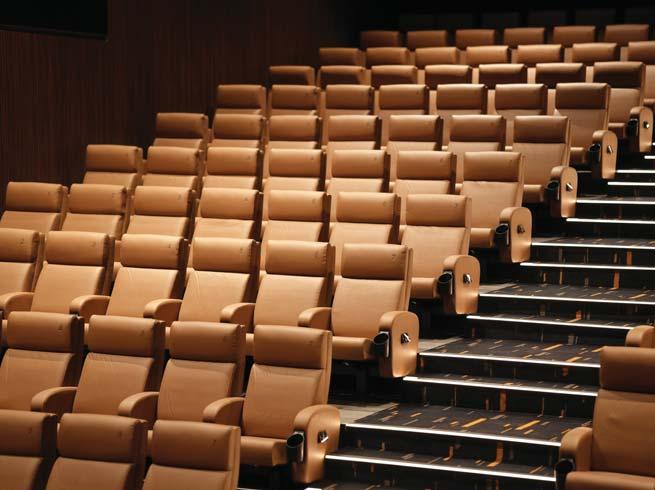
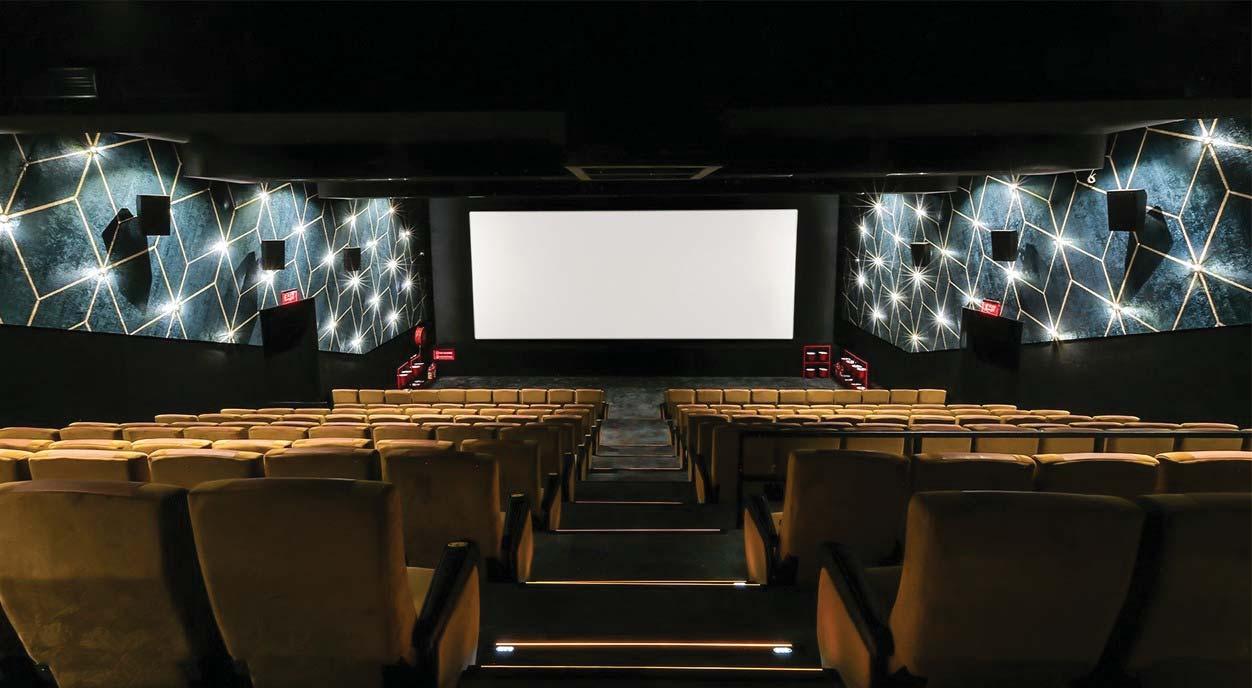
Cinema spaces today are no longer confined to the act of watching a film. They have evolved into immersive environments where architecture, technology, and storytelling converge to shape a complete sensory journey. Across emerging urban and semi-urban landscapes, there is a growing emphasis on reimagining existing structures into contemporary entertainment destinations that resonate with changing audience expectations.
Within this context, Ganesh Cinemas emerges as a compelling example of adaptive transformation.
Located along the Trichy Madurai highway in Melur, it has evolved into a prominent entertainment hub, combining accessibility with a premium viewing experience for audiences across the region. The project reflects a broader shift

in cinema design, in which legacy spaces are not discarded but thoughtfully reinterpreted to meet modern expectations.
Technology and Audience Comfort
The property incorporates a 2-screen auditorium with advanced audio-visual systems to create a high-performance viewing environment. The use of laser projection and immersive sound technologies enhances visual clarity, depth, and realism, aligning
"Through a refined interplay of light, texture, and spatial form, the project shapes an immersive atmosphere where cinema begins long before the first frame unfolds."
– Ar. Anand N P, Dezign and Construction Studio
the experience with contemporary exhibition standards. Audience comfort is further elevated through a thoughtfully curated seating strategy that includes a range of options, from standard seats to premium recliners and lounge formats. This diversity ensures that the space caters to varied preferences, making the overall experience more inclusive.
Equipped with QSC sound systems known for delivering precise and consistent audio coverage across auditoriums, the cinema ensures a balanced and immersive sound experience for every seat.
Complementing this is the integration of RGB laser projection, which strengthens visual performance. Seating solutions have been developed in collaboration with Pen Workers, alongside premium lounger and sofa options by Little Nap Recliners, collectively enhancing both comfort and user experience.
The design approach conceptualised and executed by Dezign and Construction Studio is rooted in the idea of dual narratives coexisting within a unified architectural language. Each auditorium is conceived as a distinct experiential environment rather than a repetition of a standard template. One auditorium draws from a palatial vocabulary, where deep red and blue draperyinspired elements evoke grandeur and a sense of theatrical nostalgia. The second auditorium adopts a more contemporary expression, defined by three-dimensional

"Our intention with Ganesh Cinemas was never just to renovate an existing space, but to create a theatre experience that feels modern, immersive, and welcoming to a diverse audience. The transformation of challenging and underutilised areas into fully functional auditoriums was a key part of this vision. Working with Dezign & Construction Studio, we were able to achieve a balance between design, comfort, and technology. From the grand lobby to the distinct character of each screen, every detail has been thoughtfully executed. What stands out most is how the project brings together visual appeal and performance, creating a space that not only looks premium but also enhances the overall moviegoing experience. We believe Ganesh Cinemas sets a new benchmark for theatres in this region."
– Manoj Kumar, Managing Partner, Ganesh Cinemas
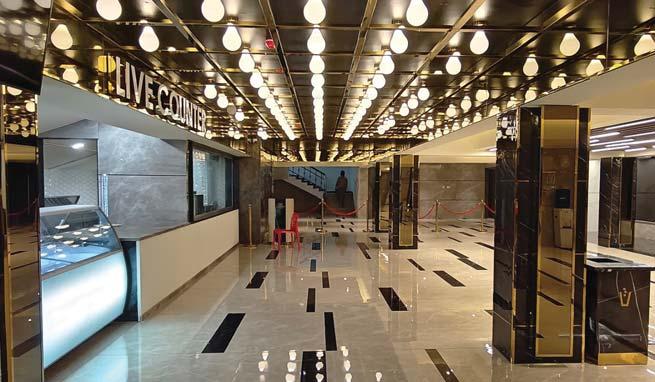
patterned walls in green and gold tones, creating a refined and immersive atmosphere. This contrast allows the cinema to address diverse audience preferences while maintaining overall spatial coherence.
A defining strength of the project lies in its adaptive reuse strategy. The primary auditorium has been
significantly restructured into a flat screen format with improved viewing geometry and a newly introduced gallery seating system. This transformation enhances sightlines and elevates overall audience comfort. The second auditorium represents a more unconventional intervention. Developed from a former parking space beneath an earlier screen, it demonstrates intelligent vertical integration and efficient use of
space. Despite its origins, the space achieves a complete cinematic experience, underscoring the potential of rethinking underutilised areas. A centrally aligned corridor connects both auditoriums, ensuring intuitive circulation and seamless access to shared amenities.
The lobby is designed as more than a transitional zone. It acts as a carefully curated prelude to the cinematic journey. Spatial layering, material richness, and lighting design come together to establish a strong sense of arrival. Mirrored ceiling panels combined with bespoke chandeliers create depth and visual dynamism. Geometric marble flooring with brass inlays reinforces axial movement and spatial clarity. Concession counters and live food areas function as vibrant focal points, enhanced by illuminated signage, digital displays, and warm pendant lighting that introduce rhythm and energy. Even functional elements such as queuing systems are elevated through the use of gold-finished stanchions and velvet ropes, adding a theatrical quality to everyday interactions.
The facade establishes a bold yet refined identity within the surrounding urban fabric. Vertical
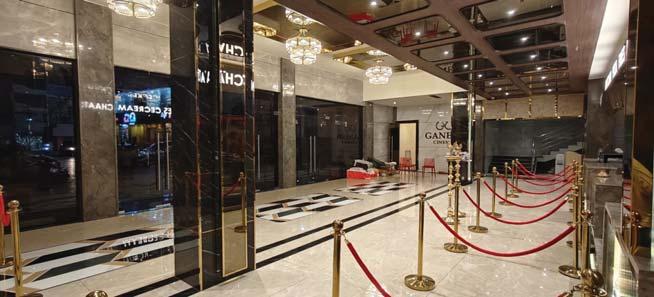
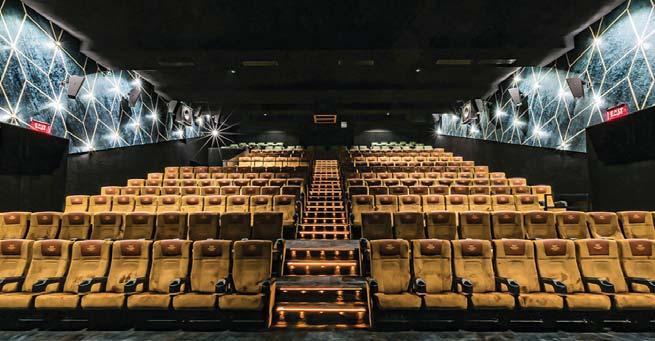
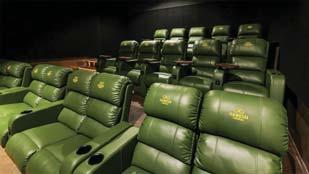
fins integrated with linear lighting create a rhythmic composition that enhances the perceived scale of the structure. Digital display panels allow the exterior to remain dynamic, adapting to changing cinematic content. At the ground
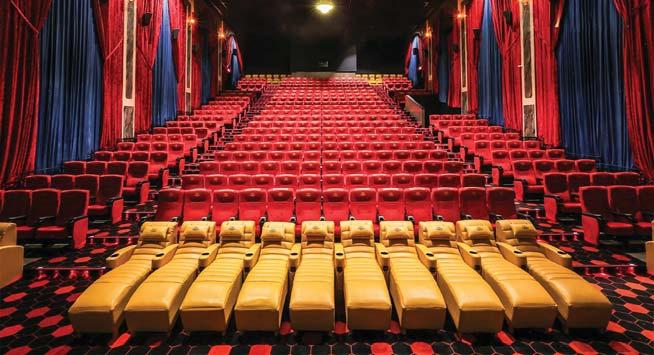
level, transparency fosters a visual connection between the interior and exterior, inviting engagement and reinforcing accessibility.
Ganesh Cinemas demonstrates how thoughtful design can transform limitations into strengths. By reworking existing volumes and integrating modern technologies with a strong spatial narrative, the project redefines what a contemporary cinema experience can be. It stands as an example of how architecture can elevate exhibition spaces beyond functionality, creating immersive environments where the experience begins long before the first frame appears on screen.
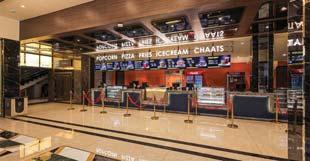
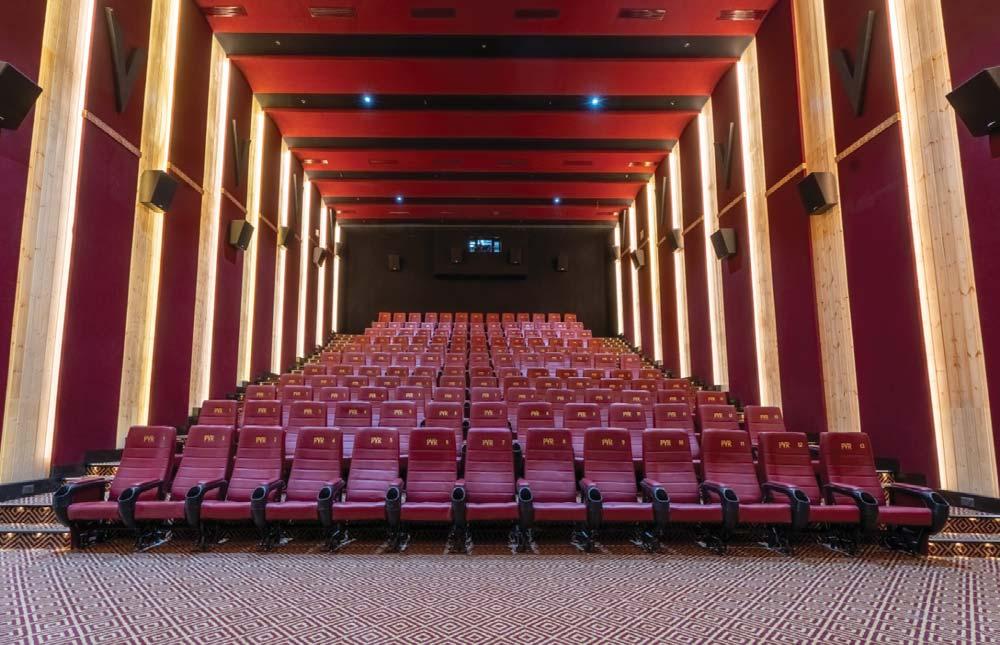
A landmark achievement in modern infrastructure has reached one of the world's most elevated regions, bringing a world-class cinematic experience to a community nestled high within the Himalayas. Situated at an extraordinary altitude of 11,500 feet above sea level, this new two-screen facility stands as the highest multiplex in the nation. It represents a significant cultural shift for a region celebrated for its spiritual heritage and breathtaking mountain vistas, offering residents and travellers alike access to advanced entertainment technology within a warm and sophisticated environment. This development bridges the gap between remote landscapes and urban luxury, creating a modern ecosystem that fosters creativity and tourism in a truly unique setting.
In a move that blends high-octane entertainment with high altitude serenity, PVR INOX has officially inaugurated Leh's first multiplex.
Perched at a staggering 11,500 feet above sea level, this two-screen facility now holds the title of the highest multiplex in India, bringing a
modern cinematic experience to the heart of the Himalayas. Located in Solar Colony, Saboo, along the scenic Leh-Manali Bypass Road,
"Launching a multiplex in Leh is a truly proud moment for us. Few places in the world offer a setting as extraordinary as Ladakh, and bringing the world-class cinema to 11,500 feet reflects our commitment to reaching audiences everywhere. This destination blends the magic of movies with the majesty of the mountains, making it a remarkable addition to the PVR INOX journey."
– Ajay Bijli, Managing Director, PVR INOX
the property is a standalone landmark designed to harmonise with the tranquil landscape of Ladakh. This launch is a pivotal milestone for the region, where modern theatrical infrastructure was previously limited, and marks a significant achievement in PVR INOX's Franchise Owned Company Operated (FOCO) expansion model.
A defining feature of this new multiplex is its thoughtful architectural design, which respects the aesthetic and environmental spirit of Ladakh. Rather than imposing a standard urban structure onto the landscape, the cinema is built as a standalone property that blends seamlessly with the quiet residential surroundings of Saboo. The design emphasises open views and natural light, allowing the majestic mountain backdrop to remain the protagonist of the space. The interiors are crafted to provide a warm and cosy refuge from the harsh Himalayan climate, utilising materials that offer comfort without sacrificing modern sophistication. Large windows in the common areas act as living frames for the mountain vistas, ensuring that the transition from the rugged outdoors to the polished cinema foyer feels organic and inviting.
Operating a cinema at such an extreme altitude presented unique technical hurdles. At 11,500 feet, the thin mountain air naturally weakens sound waves, which can lead to a hollow or diminished audio experience in standard setups. To overcome this, PVR INOX collaborated with Pulz and utilised precision-engineered German audio
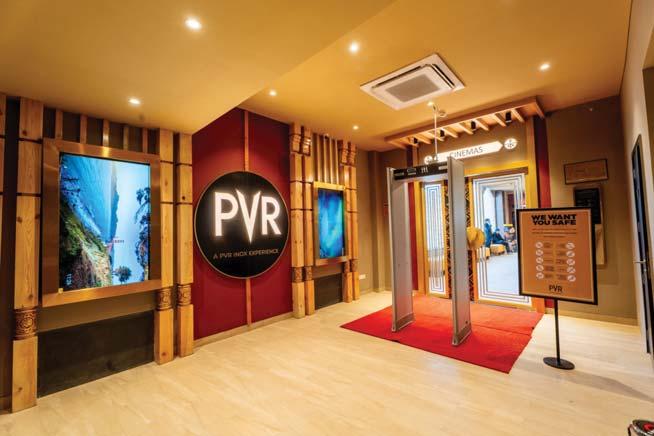

"Each time we enter a new region, our goal is to create a space that fits naturally into its environment while elevating the community's entertainment experience. Launching India's highest multiplex in Leh is a proud moment for us as it reflects our commitment to innovative, design-led expansion and our belief that world-class cinema should reach audiences everywhere."
– Sanjeev Kumar Bijli, Executive Director, PVR INOX
components to create a custom sound system. This specialised integration ensures that the audio
quality remains rich and immersive, rivalling the best urban theatres in the world.
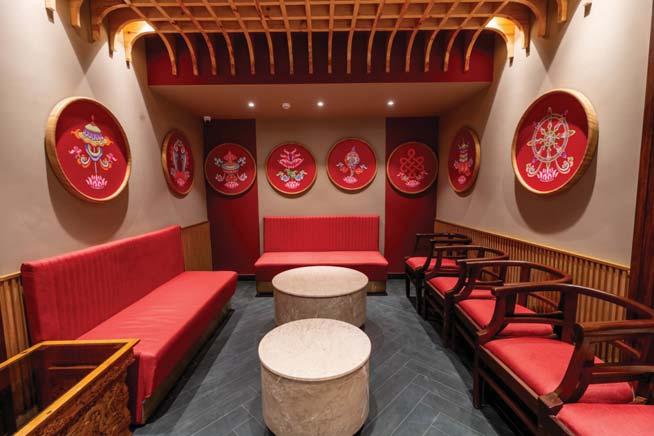
The multiplex is equipped with a suite of modern technologies to ensure residents and travellers enjoy world-class viewing:
2K Digital Projection: Delivers crisp visuals for every screening.
Dolby 7.1 Surround Sound: Complements the custom audio for deep spatial immersion.
Next Gen 3D Support: Ready to handle major global blockbusters with sharp detail and depth.
A Global Culinary Hub in the Clouds
In addition to its cinematic offerings, the property introduces a ground-breaking culinary destination for the region through a multi-brand global food court. Created through a strategic partnership with Devyani International, this expansive dining area successfully brings world-renowned flavours to one of the highest inhabited locations on the planet. By hosting a diverse selection of iconic international brands such as KFC, Pizza Hut, Costa Coffee, and Vaango, the facility ensures that visitors can enjoy familiar global comfort food alongside traditional local hospitality.
The architectural layout of the dining space maximises its unique location, featuring seating areas designed to provide panoramic views of the surrounding Himalayan peaks. This fusion of premium dining and high definition cinema effectively redefines the local social landscape, evolving the property from a simple theatre into a vibrant community hub. It serves as a central gathering point where residents can socialise, and international tourists can find familiar amenities, all while
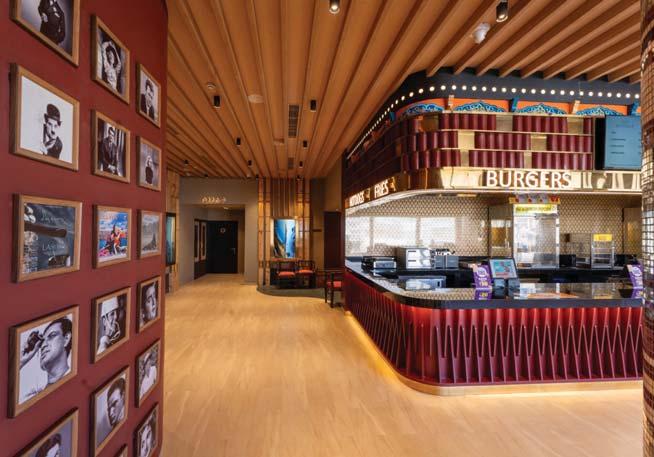
immersed in the serene beauty of the mountains. This multifaceted approach not only enhances the visitor experience but also sets a new benchmark for integrated leisure and lifestyle infrastructure in high-altitude terrains.
Beyond serving as a simple commercial expansion, the establishment of this cinematic landmark functions as a vital cultural bridge that connects the remote high-altitude terrain with the broader creative pulse of the nation. By providing a sophisticated venue for storytelling, the multiplex acts as a catalyst for local expression, offering Himalayan filmmakers and artists a professional platform to showcase their work while inspiring a new generation of creative talent
within the local community. The project also serves as a strategic pillar for the regional economy by significantly enhancing the tourism ecosystem. Travellers visiting the mountains now have access to premium leisure facilities that complement their adventurous itineraries, potentially extending their stay and increasing local engagement. This evolution signals a transformative chapter for the region, demonstrating that geographical isolation is no longer a barrier to quality. It proves that even the most secluded valleys can sustain the same elite standards of entertainment and infrastructure found in the most developed urban centres, ultimately fostering a more inclusive and modern social landscape for the future.