
The Aotearoa Circle has a deadline. If nature loss is not halted and reversed by 2035, Aotearoa New Zealand, will reach a tipping point with lasting consequences for our economy, communities and global standing.
Guided by our Guardians and operating through a unique public-private Partnership, we’re working at pace with our Partners and Rangatahi Advisory Panel to avoid that future.
We tackle the most pressing climate change and nature scenario challenges facing our key sectors - from agriculture and energy to seafood, transport, finance, and tourism.
We do this by delivering practical, cross-sector solutions that reduce risk, strengthen resilience, and create the potential for lasting prosperity for generations to come.
Formed in 2019, our co-founder Sir Rob Fenwick stated at the time that, “Time is running out for the treasures of nature that we love, and it is worth using every last breath, all of our collective energy, to save our land and secure our future.”
Sir Rob’s vision continues to inspire and guide us each day.
“Time is running out for the treasures of nature that we love, and it is worth using every last breath, all of our collective energy, to save our land and secure our future.”
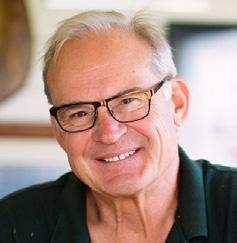
SIR ROB FENWICK Co-Founder
This Impact Report marks an important milestone for The Aotearoa Circle. It provides a clear account of what we’ve collectively delivered, with our Partners, since The Circle was formed in 2019, against our shared vision. It also reflects the insights of some of Partners on the impact of our work and the progress we’re making.
This report is also a moment to ‘pause and reflect’ on what state we want to leave Aotearoa New Zealand in at the conclusion of our tenure. It points to our shared responsibility to strengthen both our economy and the natural environment that sustains it, for current and future generations.
There is no doubt we have a long way to go. The environment has absorbed a magnitude of pressures for as long as it can, but the fractures are now undeniable: rising sea levels, soil erosion, pest incursions, land instability, flooding, and increasingly extreme weather.
Scientific and economic forecasts are no longer theoretical - they are today’s reality. And climate change is just one consequence of the long-term neglect of nature.
Building greater resilience requires restoring and protecting our natural capital and thinking in new ways about how we boost investment.
Over the past six years The Circle has delivered trusted, practical solutions with our Partners but failure to fully recognise and act on the fundamental link between a healthy environment and a resilient economy remains deeply concerning.
As Professor Nathalie Seddon, Founding Director of the Nature-based Solutions Initiative and The Agile Initiative at the University of Oxford recently shared1 , “Nature is not a nice to have. It’s critical national infrastructure. When we destroy it, we expose this country [United Kingdom] to escalating risks, floods,
fires, heat waves and food insecurity. When we protect and restore it, we can build resilience, create jobs and strengthen the foundations of a safe, happy and prosperous community and country.”
Our Partners understand this. It is evident in the way they show up - contributing tirelessly to our workstreams, legal opinions, climate and nature scenarios, and reports as well as their own strategies.
The challenge we face is broader: building a shared understanding across sectors and society that nature is not a peripheral concern, but the backbone of our economy and our future prosperity. It’s a challenge that extends beyond directors, politicians and political cycles. It’s one that needs collective action across the public and private sector. And this report forms part of our new start line.
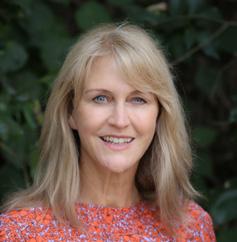
VICKI WATSON Chief Executive The Aotearoa Circle
1 https://www.ox.ac.uk/news/2025-12-03-expert-comment-national-emergency-briefing-nature-not-nice-have-it-critical-national
“Rob wanted companies and government sectors to talk to each other to make positive decisions for New Zealand that didn’t wait for legislature. We’ve got a threeyear election cycle. And he just thought, we can’t wait any more for governments to make us do the right thing, we have to just start doing it anyway. I know that he’d be incredibly proud of what The Circle’s done. But also, I think he would think we have to try harder.”
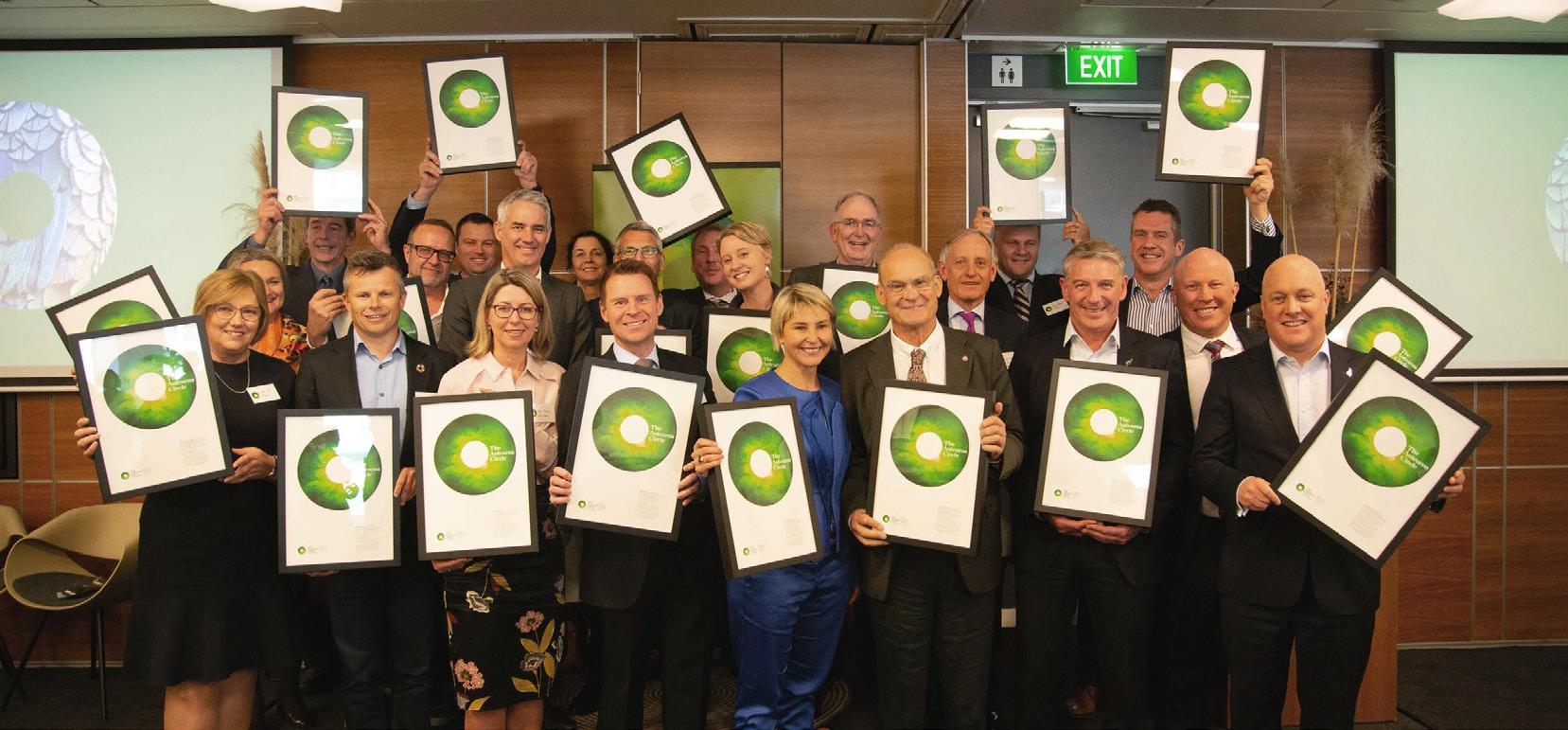
The Aotearoa Circle places the contributions and achievements of our Partners and collaborators at the forefront of our work. While recognition is never our primary aim, it is deeply encouraging to receive affirmations of confidence from respected leaders in our space.
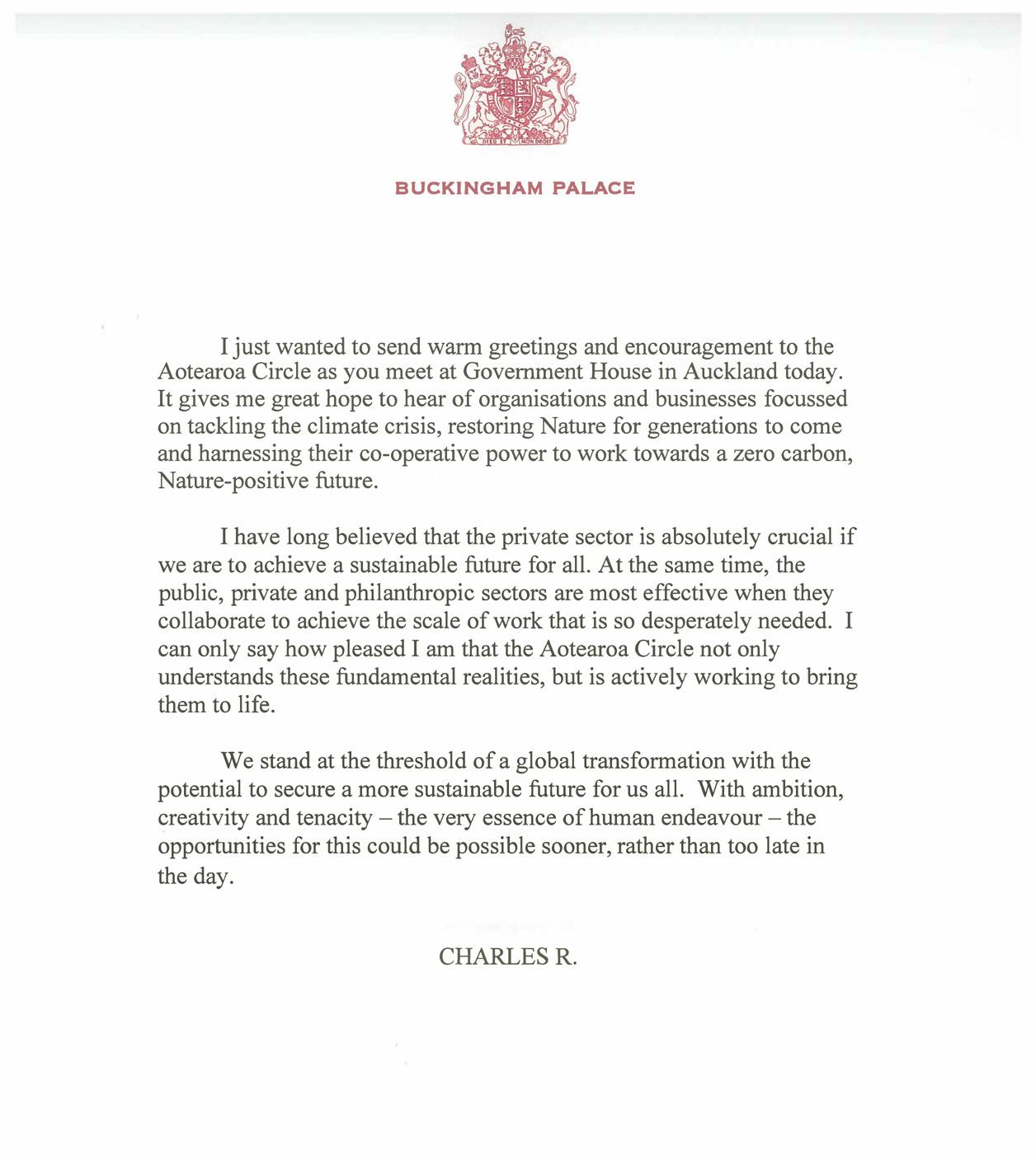
It was particularly meaningful to receive recognition from the highest office of the Commonwealth, underscoring the significance and impact of this collective effort.
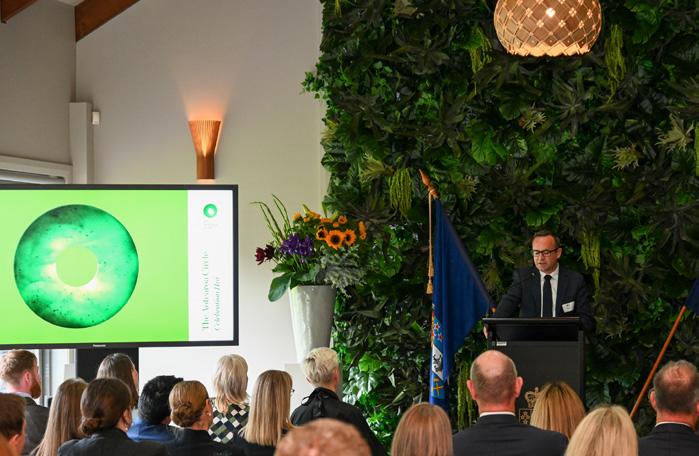
In November 2024, The Aotearoa Circle received a letter from His Majesty King Charles III, recognising and commending the work we’re undertaking. The letter was read aloud at our end-of-year celebration hui by Her Excellency, the Right Honourable Dame Cindy Kiro, Governor-General of New Zealand and Co-Patron of The Aotearoa Circle, at Government House.
Reflecting on His Majesty’s words, Dame Cindy said:
“The Aotearoa Circle epitomises the ambition, creativity and tenacity, His Majesty refers to in his letter, in their determination to secure a more sustainable future. By encouraging proactive next steps with regards to climate adaptation and the restoration of our vital natural capital, The Aotearoa Circle gives us hope for a way forward.”
“His Majesty’s support is both an honour and a source of motivation for The Circle, strengthening our resolve to continue working collaboratively to protect and restore our natural capital for future generations.”
Vicki Watson - Chief Executive, The Aotearoa Circle
“The Aotearoa Circle epitomises the ambition, creativity and tenacity, His Majesty refers to in his letter, in their determination to secure a more sustainable future. By encouraging proactive next steps with regards to climate adaptation and the restoration of our vital natural capital, The Aotearoa Circle gives us hope for a way forward.”
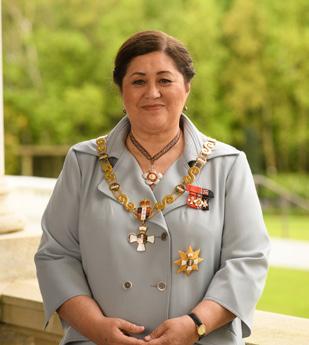
RT. HON DAME CINDY KIRO Governor General of New Zealand
Over the past six and a half years, The Aotearoa Circle has been on a journey of discovery, collaboration and action.
With the support of public and private partners, we’ve produced more than 50 deliverables including sector reports, scenarios, opinions and insights all aimed at helping New Zealand’s business community to be better prepared for a markedly different natural and economic environment as pressure on nature, and the assets we draw on to fuel our economy, intensifies.
At the same time, The Circle has grown its network of partners from 27 in 2019 to 64 at the end of 2025. This has further broadened understanding of the connection between nature and our economy.
This Impact Report, the first for The Aotearoa Circle, speaks to this work but as our collective knowledge has evolved, so too has the urgency of our mission: to restore and protect Aotearoa’s natural capital by recognising and valuing our economic reliance on our natural assets.
We all understand the role ecosystems play in our daily lives from healthy soils supporting farmers and growers to clear waterways enabling efficient power generation, and native forests purifying our air. But there remains a need for greater understanding that our biodiversity and ecosystems are the lifeblood of our economy, and that many are on life support.
This report captures where we are today - a snapshot of progress, challenges, and opportunities - and underscores the uniqueness of The Circle and why immediate and informed action is vital.
It reflects not just the work of The Aotearoa Circle, but the commitment of a growing circle of partners dedicated to enabling a more resilient economy supported by a strong and healthy environment.
Thank you to our Partners, our fellow Guardians, Rangatahi Advisory Panel and Vicki and the team at the Circle for progressing this work.
The Aotearoa Circle has an operating horizon to 2035 – an exit date that has been deliberately chosen to ensure urgency and focus in all that we do. By that time, we must have significantly accelerated momentum and driven meaningful action towards restoring Aotearoa New Zealand’s natural ecosystems or, we will have surpassed critical thresholds. Our workstreams and actions are deliberately designed to deliver on this ambition.
While time is therefore pressing - and the broader macro environment remains challenging - we’re mindful of recognising the progress we have made together. That progress reflects the growing strength and commitment of our Partner base, demonstrated through genuine collaboration and a desire to do the right thing for their organisation but also our country. That commitment is being reflected in Partner strategies, leadership and decision-making and an alignment with our mission.
OUR STRATEGY FOR 2022-2025 HAS BEEN FOCUSED ON THREE PRIORITY AREAS:
1. Change Leadership Mindset
2. Remove Barriers
3. Sell the Vision
In 2025, we developed and finalised an Impact Framework with the support of the Ākina Foundation. The model was tested with our Leading Partners. The resulting framework is intended to capture what changes occur for leaders, Boards, and organisations as a result of being part of The Aotearoa Circle and measurements to drive the design and evaluation of future activities we lead.
“Natural capital is a long-term mission. Success isn’t measured solely by hectares planted or reports published - it’s measured by whether systems work better, collaboration is easier, and having climate and nature are embedded in decision-making across society.”
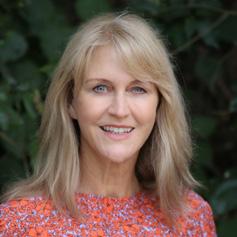
VICKI WATSON Chief Executive The Aotearoa Circle
Leaders prioritise and recognise natural capital
System level roadblocks to change are removed
Discussions are held at Executive and Board level
ENERGY
Chris Jewell
Bella Takiari-Brame
Low Carbon Energy Roadmap
This map outlines our journey since the launch of our first project in 2020. Each box is interactive. Click on any one to explore further information.
RESILIENCE Champions Group
ENERGY PwC NZ
Energy Sector Climate Scenarios
TRANSPORT KPMG NZ
Transport Sector Climate Scenarios
NATURAL INFRASTRUCTURE PLAN
TNFD LEADING PARTNER BOOTCAMP PwC NZ
LEGAL OPINION 1.0
Chapman Tripp
Managing Climate Risk
LEGAL OPINION 2.0
Chapman Tripp
Legal duties of trustees to consider climate
CLIMATE ADVICE
Chapman Tripp
Climate Toolkit for Directors
LEGAL OPINION 3.0
Chapman Tripp
Director duties to consider nature
TNFD PARTNER BOOTCAMP & GOVERNANCE BOOTCAMP PwC NZ & Deloitte RANGATAHI ADVISORY PANEL COHORT 1
GLOBAL ESG REPORTING
Chapman Tripp
Protecting NZ’s Competitive Advantage
RANGATAHI
NATURE FINANCE FORUM
Chapman Tripp
Regulatory Barriers to Investing in Nature
In October 2025, The Circle invited our Leading Partners (ANZ, ASB, BNZ, Fonterra, Genesis, Ministry for the Environment, Silver Fern Farms, Westpac, Zespri) to provide feedback on our shared work and the benefits of our Partnership. The results were clear.
1. New collaboration
2. Increased knowledge
3. A sense of ‘you’re not alone’
1. Actionable reports
2. Legal opinions
3. Climate scenarios
4. Bootcamps, workstream workshops and webinars
“Getting the shared thinking and quality resources to advance natural capital solutions for New Zealand (e.g. climate scenarios, Natural Infrastructure Plan, low emissions shipping report),” - Leading Partner, The Aotearoa Circle
SHARED IMPACT & CASE STUDIES
• 95% of respondents said they had used Circle outputs to inform their organisation’s strategy.
• 80% of respondents reported Circle involvement had accelerated nature-positive conversations at Board/Leadership levels.
• 70% felt more confident in advocating natural capital investment.
When it comes to tackling New Zealand’s natural capital challenges, the majority say their organisation is aware of relevant nature and climate risks and opportunities.
In response to whether involvement with The Circle has accelerated nature-positive conversations or considerations by boards and leadership teams, one Leading Partner shared:
“It has sharpened our focus on how best to work with the private sector to meet their needs and the needs of ministers around market led approaches – with specific relevance to RM reform and national direction.”
It has “allowed discussion to be supported by independent reporting as an example.”
Most Leading Partners rated their Partnership with The Circle as ‘highly valuable’ or ‘valuable’ based on our work being programme-focused, delivering consistently, engaging well with government, and supporting actionable insights.
1. Collaboration and practical tools are the strongest perceived benefits.
2. Reports, legal opinions and workshops drive tangible action within partner organisations.
3. Natural capital and climate-related decisionmaking remain top strategic concerns; Circle support here is highly valued.
4. Internal awareness across Boards and wider teams could be improved to amplify impact.
5. Data, measurement, and scenario planning are the most requested areas for further support.
Our Active Partners shared similar sentiments about Partnership benefits:
TOP 5 OUTPUTS RANKED BY ACTIVE PARTNERS
1. Reports
2. Workstream workshops
3. Webinar insights
4. Parliamentary events and networking opportunities
5. Scenario analysis work
TOP 5 MOST UTILISED RESOURCES
1. Sector climate scenarios
2. Roadmaps
3. Toolkits
4. Legal opinions
5. Future Fit Shipping report
WHAT ACTIVE PARTNERS WANT FROM US:
• More case studies (66%)
• More engagement, governance guidance, strategy support
• Networking opportunities with other Partners.
TOP 5 BENEFITS RANKED BY ACTIVE PARTNERS:
1. Increased knowledge
2. Understanding of systems work and new collaboration
3. Realising you are not alone
4. Learning and development opportunities
“[Partnership with the Circle] has sharpened our focus on how best to work with the private sector to meet their needs and the needs of ministers around market led approaches – with specific relevance to RM reform and national direction.”
LEADING PARTNER
The Aotearoa Circle
“At Rabobank, we support farmers to balance adaptation, innovation and accessing the tools and technology they need. That’s why we became a founding shareholder in AgriZero NZ, which is helping accelerate the development and adoption of technologies that reduce agricultural emissions without compromising profitability or productivity. It’s also why we’re a partner of The Aotearoa Circle. The Circle’s partnership principle means we can collectively tackle challenges impacting our environment and economy together.”
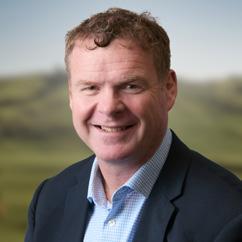
TODD CHARTERIS Chief Executive Rabobank
“A lot of the time we sit back, we’re not engaging. It’s quite hard to sometimes bridge between industry and government. The Circle is a really, positive forum in terms of having that public-private relationship. And the number of businesses involved - it’s a very, very big group of New Zealand businesses so that’s fantastic. I think it also takes the conversation to a level that’s hard to have individually.”
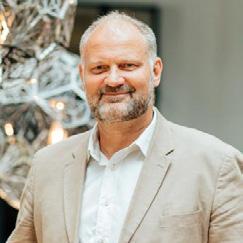
SIMON LIMMER Chief Executive Indevin Group
“One of the things that I love about The Circle’s work is that what we’ve done in a number of our projects in recent times, is we’ve brought together sectors. So, when individual businesses operate in isolation of either the wider sector in which they’re operating or the wider community they’re operating in, it’s really easy to discount everything that’s happening around them in terms of other forces that might be impacting on their businesses, but also the impacts that they might be having downstream. So, by sectors coming together and thinking about their common interests, particularly in terms of common resources, but also how across the supply chains there are those dependencies and changing circumstances, lifts them up from the immediate business to actually thinking about that wider context. “
JAMES PALMER Secretary for the Environment Ministry for the Environment
“A clear message from the hui, and the essence really of being a partner of The Aotearoa Circle, is that there is strong collaboration to make things right, to head in the right direction. But sometimes we all need reminding of the facts and why restoring our environment and natural resources should be a priority for us all.”
GRANT WEBSTER Chief Executive Tourism Holdings Limited
“I think Sir Rob, were he still with us, would be feeling a somewhat surreal combination of pride and sorrow.
The Aotearoa Circle continues to deliver eloquent and authoritatively researched insights into the state of New Zealand’s ‘natural infrastructure’, and to provide decision-makers across the economy with the tools they need to reverse today’s declines.
But one can’t help but weep at the continuing failure to embed all of that wisdom at the very heart of the way in which wealth is created today.”
SIR JONATHON PORRITT Co-Patron
Aotearoa Circle
“From the start, Sir Rob Fenwick challenged us to bring government and business together to create a truly New Zealand Inc approach to climate and sustainability. That Partnership is I believe very strong but what makes The Circle special is that it isn’t a lobbying group – it’s a space for collaboration, alignment and practical solutions. Sometimes government needs to step back, and sometimes business needs to step forward. The Circle allows both to work together toward common purpose.
If I reflect on my time as a Guardian, one of the things I’m most proud of, and impressed by is the creation of the Rangatahi Advisory Panel (RAP). The passion and impatience of our younger leaders is inspiring – they demand that we act faster and better. It gives me huge confidence in New Zealand’s future.”
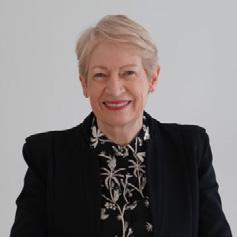
“Whether they’re listed companies or small businesses, they will typically be thinking about long term value. Obviously, you can’t take your eye off the ball - you still need to survive. So it’s about balancing short term wins with long term value and recognising that we’re talking about natural resources. We are not entitled to these resources; we don’t own them. You shouldn’t see them as liabilities or think, oh, we’d better do something about that. Instead, it’s about recognising that we are borrowing from these resources and considering the legacy we leave behind.”
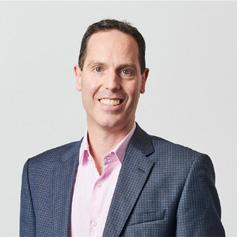
CAROLYN TREMAIN Former Chief Executive MBIE
“We believe that the most powerful tool we have isn’t data or design: it’s collaboration. No single organisation can solve these challenges alone. That’s why we work closely with builders, designers, scientists, policymakers, and communities to co-create solutions that work in the real world. Our Partnerships, like the one we have with the Aotearoa Circle, helps to align our efforts, share knowledge, and speed up progress.”
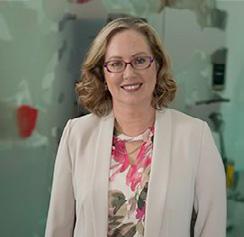
CLAIRE FALCK Chief Executive BRANZ
STEW HAMILTON Chief Executive Officer Mercury
“The Aotearoa Circle has shown the power of Partnership in action. From the Sustainable Finance Forum to TNFD bootcamps and engaging Directors on nature-related risk, the Circle has demonstrated how different sectors can co-design the future together. Now, to transition to a nature positive economy, we need to scale that spirit of collaboration. That means shared data platforms, blended finance mechanisms, aligned voluntary and regulatory frameworks, and long-term Partnerships. It also means creating space for indigenous leadership and community priorities in shaping solutions. At Nature Positive we are dedicated to supporting this transition.”
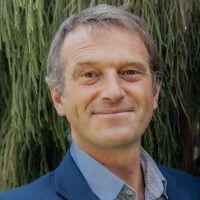
DR. ROBIN MITCHELL Chief Executive Nature Positive
“The guidance, initiated by the Aotearoa Circle, is important because it provides a credible, universal and transparent starting point from which to work from.”
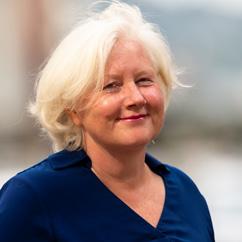
CATHERINE MCGRATH Chief Executive Westpac New Zealand
“The Aotearoa Circle’s 2020 report on the seafood industry’s future, Climate-related risk scenarios for the 2050s, makes no bones about the fact that whichever climate change scenario the world achieves, the New Zealand seafood industry needs to meet these risks head on – at sea, on the land, and in our communities. Amongst the great work the Aotearoa Circle is doing, the marine group is now supporting the development of a Seafood Sector Adaptation Strategy to look at how the sector can manage those risks going forward.”
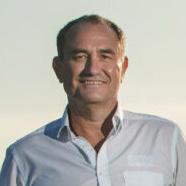
DOUG PAULIN Chief Executive Sealord
“Part of the initial brief from Sir Rob Fenwick for The Aotearoa Circle was for the public and private sectors to collaboratively find solutions. We see our role as working with the public sector on his initiatives. For example, Sir Rob helped to create the Waste Minimisation Act, which we support. Through this, funding is generated which could be invested in circular economy infrastructure that achieves a national outcome.”
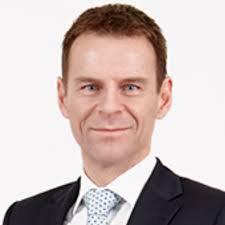
CHRIS AUGHTON Chief Executive EnviroNZ
“Nature is NOT a subsidiary of our human economy; we are a wholly owned subsidiary of Nature. It was this disturbing, incredibly persistent ecological illiteracy that persuaded Sir Rob Fenwick and myself to establish the initiative that eventually became the Aotearoa Circle. This illiteracy is not unique to New Zealand; it is aggressively global. But New Zealand is as blessed as any other country in the world in terms of its own stores of natural capital – which makes the post-colonial squandering of that capital all the more reprehensible. This is how we articulated the central priority for the Circle in the first paper we drew up together, with a passing nod to the economist David Ricardo’s theory of comparative advantage:
“Our purpose is to convene a high-level group of CEOs (in both government and business) to develop a new Investment Strategy for enhancing the natural assets on which New Zealand’s economy depends, making more of its unique competitive advantages in this area.”
“I think Sir Rob, were he still with us, would be feeling a somewhat surreal combination of pride and sorrow. The Aotearoa Circle continues to deliver eloquent and authoritatively researched insights into the state of New Zealand’s ‘natural infrastructure’, and to provide decision-makers across the economy with the tools they need to reverse today’s declines. But one can’t help but weep at the continuing failure to embed all of that wisdom at the very heart of the way in which wealth is created today.”
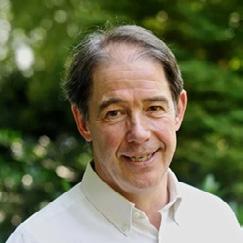
SIR JONATHON PORRITT Co-Patron
The Aotearoa Circle
In 2025, The Aotearoa Circle broke new ground with the launch of The Circle We Keep, our first podcast series. From the outset, our ambition was clear: to create something more than just another sustainability podcast.
The Circle We Keep explores Aotearoa New Zealand’s journey to restore and better value the natural resources that underpin our economy and wellbeing. While the country depends heavily on these resources, the pressures they face cannot be addressed by any single sector or organisation acting alone.
Series one host, Circle Guardian Izzy Fenwick spoke with public and private sector leaders working alongside The Aotearoa Circle to confront these challenges. Together, they shared insights, innovative approaches, and discussed pathways toward a more resilient environmental and economic future.
We were incredibly grateful for the calibre of our guests, including several Partner CEOs and senior leaders, and for the depth and quality of the conversations they brought to the series. We were also heartened by the warm response from listeners and encouraged by the strong viewership to date. Planning for season two is now underway.
THANK YOU TO OUR SEASON 1 GUESTS:
• Series trailer: Lady Jennie Fenwick
• Episode 1: James Palmer, Secretary for the Environment
• Episode 2: Stew Hamilton, Chief Executive, Mercury
• Episode 3: Grant Webster, Chief Executive, Tourism Holdings Limited
• Episode 4: Alana Lampitt, Partner, Chapman Tripp
• Episode 5: Simon Limmer, Chief Executive, Indevin Group
• Episode 6: Vicki Watson, Chief Executive, The Aotearoa Circle
PODCAST STATS
2k
Views across all episodes
375
Subscribers gained across 3 platforms
206
Watch hours across 6 episodes
Unique partners across five years
Retention of our founding Partners
30 Workstreams completed
47
Reports and deliverables produced
50 Webinars held
18 Public speaking engagements
17 Guardians
1k+
Workstream participants
30
Rangatahi Advisory Panel members
8k
Virtual event attendees
25k+
Views of our reports
1.5k+
Physical event attendees

The Ministry for the Environment (MfE) is a foundational Partner of The Aotearoa Circle contributing deeply to our work since our inception. The team at MfE have played a pivotal role in multiple Circle workstreams, reports, and fora combining government expertise with collaboration to create actionable insights that support New Zealand’s environmental and economic resilience.
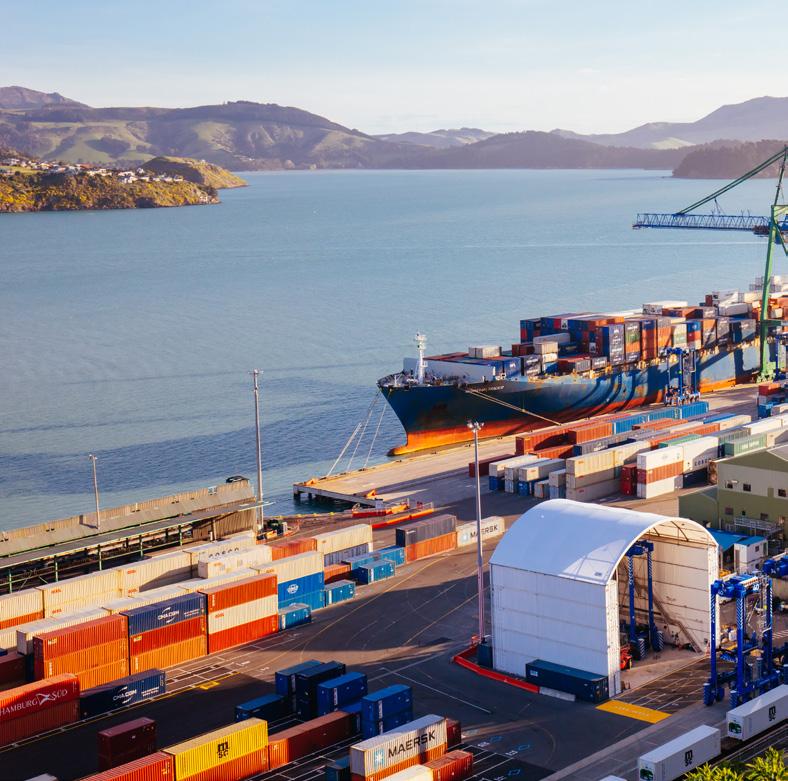
David Ross, Principal Advisor | Kaitohutohu Mātāmua, International & Strategic Partnerships at MfE cites a recent example in the form of our Future Fit Shipping Report which was delivered by Deloitte New Zealand for The Circle in May 2025.
MfE was a key contributor alongside other valued Circle Partners and stakeholders including private and public entities in Australia. Collectively they helped shape a report that underscores the economic importance of green shipping for New Zealand’s export growth. It also highlights opportunities for greater publicprivate collaboration and identifies regulatory barriers requiring coordination across several government portfolios. But it also showcases that addressing the risks, and opportunities, that decarbonisation presents, spans multiple agencies.
David says while the government engages in international negotiations on emissions, the Circle’s process for developing reports such as Future Fit Shipping has involved practical coordination among relevant New Zealand and Australian government agencies including MfE.
“The report provides government with recommendations and practical guidance to help determine next steps for maritime decarbonisation.
And this work is important. New Zealand’s Going for Growth framework aims to double the value of exports by 2034. With 99.7% of trading volume and 81% of trade value tied to the maritime industry, export growth relies on resilient shipping routes and the availability of lowemissions fuels.”
The report’s analysis, based on Deloitte modelling, shows that delayed decarbonisation could cost New Zealand $17.5–$94.1 billion in GDP by 2050 due to reduced supply chain resilience and decreased competitiveness in international markets. This scenario assumes that the International Maritime Organization introduces a greenhouse gas levy and that global regulatory and consumer shifts reduce New Zealand exports by 5–15% by 2050 if no action is taken.
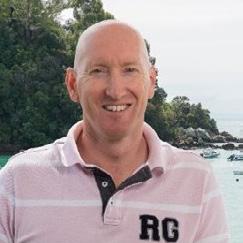
DAVID ROSS Principal Advisor
Kaitohutohu Mātāmua Ministry for the Environment

Reporting on nature is the first step toward shifting to nature-positive business outcomes. With biodiversity loss ranked among the top global risks by the World Economic Forum, momentum is growing for action.
The Taskforce on Nature-related Financial Disclosures (TNFD) helps organisations assess and disclose their nature-related impacts, dependencies, risks and opportunities.
The TNFD’s LEAP framework offers practical, flexible guidance to help businesses understand how they interact with nature, evaluate impacts, assess material risks, and prepare to respond - even before disclosure becomes mandatory.
Nature risk can feel complex and overwhelming, but businesses don’t have to start from scratch. Scoping your assessment using existing data is a powerful first move toward understanding your relationship with nature and building long-term resilience.
In 2024, The Circle ran TNFD bootcamps with the support of PwC New Zealand. As a Partner of The Aotearoa Circle, Air New Zealand has been actively involved across several workstreams including senior staff participating in our Taskforce on Nature-related Financial Disclosures (TNFD) workshops.
This involvement helped inform the airline’s approach and contributed to the development of its nature strategy which was presented to the airline’s board.
Laurissa Cooney, Independent Non-Executive Director on the Air New Zealand Board notes that the strategy was well received when presented at a board meeting, reflecting the value of this collaborative work.
“Presentations have also included updates on initiatives such as Air New Zealand’s Every Corner Project, which empowers registered charities, schools and kura, iwi and hapū to give back to nature. The programme has delivered $1.2 million in funding, helping bring more than 100 projects to life across Aotearoa.”
Air New Zealand supports the Circle’s unified approach and shares a strong commitment to sustainable prosperity and to reversing the decline of New Zealand’s natural resources. The airline has also supported the Circle’s biodiversity workstream and contributed to the development of the Future Fit Shipping and Alternative Fuels report with Deloitte New Zealand, released in late 2025.
“Presentations have also included updates on initiatives such as Air New Zealand’s Every Corner Project, which empowers registered charities, schools and kura, iwi and hapū to give back to nature. The programme has delivered $1.2 million in funding, helping bring more than 100 projects to life across Aotearoa.”
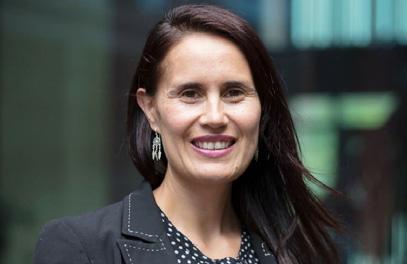
LAURISSA COONEY Non-Executive Director Air New Zealand


Genesis was a participant in the first cohort of the Circle’s Taskforce on Nature-related Financial Disclosures (TNFD) Bootcamp in 2023.
Delivered by PwC New Zealand, the workstream supported participants to apply the ‘LEAP’ approach – helping organisations locate, evaluate and assess nature-related issues, and prepare for disclosure.
Kate Ferguson, Sustainability Lead at Genesis says involvement was a great way to grow capability alongside other businesses.
“It was also a great chance to understand our naturerelated impacts, dependencies, risks and opportunities in a shared learning environment. “At that time, the TNFD framework was still under development. Having PwC New Zealand doing the legwork behind the scenes to ensure the bootcamp was working to the most current version was incredibly helpful.”
Kate shares that post the workshop series, Genesis had its own strategic session within the key people from the Environment, Strategy, Risk, ESG and Sustainability Teams. “We applied LEAP to our New Zealand-based operations and develop a nature risk register,” she says. “We already understood a lot about our nature impacts, how they are monitored and managed. We were however then able to better articulate the naturerelated opportunities of protecting our most important dependency – uninterrupted access to freshwater. This included not only positive outcomes for the health of these ecosystems, but the improved relationship benefits with mana whenua.”
Kate says the outcomes from that session and subsequent discussions served as an important input into the development of Genesis’ Community Investment Strategy.
“Our strategy includes a pou for ‘Protecting and Restoring Nature’ with principles to support mana whenua aspirations and outcomes for freshwater.”
The imperative for corporate to disclose their understanding of reliance on natural capital, and efforts to sustain this, driven by TNFD, contributed to a business case within Genesis for growing community investment for this work.
“As a result, we were able to allocate $1million per annum, at this point through to 2030, to protecting and restoring nature around our communities including the Tongariro Power Scheme,” Kate explains.
“It also enabled a number of initiatives including supporting Tūwharetoa with their Pā Tuna programme to restore populations of tuna (eels) above dams and other infrastructure required by Genesis power scheme on the western slopes of Mount Ruapehu.”
Kate adds that the TNFD core metrics, learned through the bootcamp, also informed disclosure metrics as Genesis continues to grow and align reporting on nature-related issues. She says that other positive outcomes include:
• Being better positioned if TNFD does become mandatory.
• A successful business case happening sooner than would have otherwise occurred
• Stronger reputation and deeper relationship benefits.
• Shared learnings with other sustainability leaders that have enabled Genesis to ‘go quicker’
• And importantly, environmentally positive outcomes including enhancements of vulnerable species.
On top of involvement in the Circle’s TNFD bootcamps, the Board of Genesis also attended The Aotearoa Circle’s Governing Natural Capital workshop in October 2024, led by Deloitte Partner, Louise Aitken.
Kate explains that because of the Circle workshop, the Board requested an update on Genesis’ naturerelated issues which were delivered in a separate Board workshop in April 2025 by the wider sustainability team.
“Because of our involvement in the TNFD bootcamp, and wider work to date, we were able to quickly and thoroughly reassure our directors and illustrate the opportunities the Community Investment Strategy presented. While so much of our climate-related issues are grounded in ‘risk’, nature is an area we can be much more proactive, and opportunity focused.
“As sustainability leads, we need to be scanning the horizon for what’s coming next. As we look to quantify the value of our climate-related risks, connecting them to our identified nature-related dependencies and risks is a solid next step.”
READ MORE ON TNFDS HERE
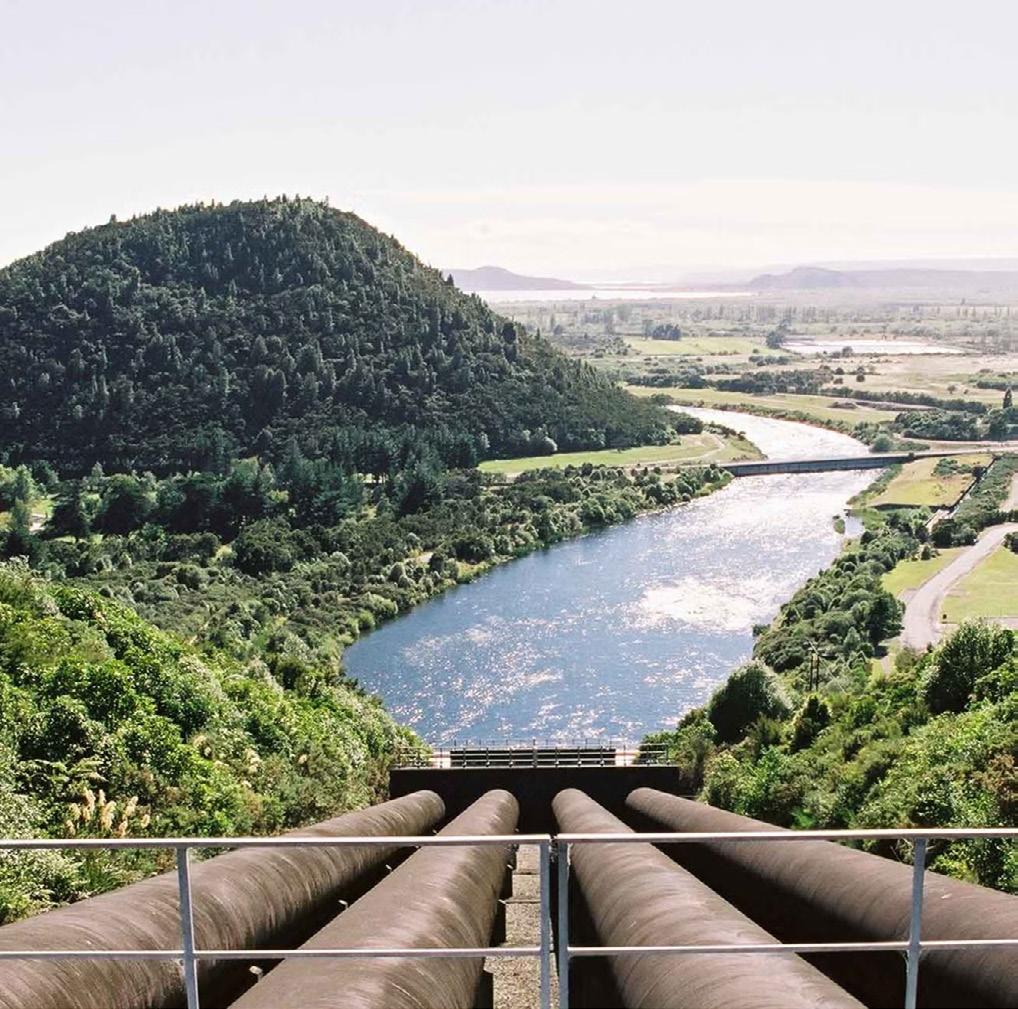
“As a result, we were able to allocate $1 million per annum, at this point through to 2030, to protecting and restoring nature around our communities including the Tongariro Power Scheme.”

KATE FERGUSON
Sustainability Lead
Genesis Energy

Pāmu has long understood that environmental sustainability underpins economic prosperity. However, understanding the impacts of climate change on Aotearoa’s agricultural sector and responding to the physical and transitional risk and opportunities with specific, actionable initiatives is complex.
To enable a sustainable business that is adapting to a changing climate Pāmu needed a robust climate transition plan.
Pāmu was actively involved with development of agriadaptation scenarios, led by The Aotearoa Circle. Staff participated directly in the discussion and development phases, providing the team with new knowledge and contributing their own expertise and perspective to the final outcome.
The agri-adaptation scenarios served as a foundational tool for the Pāmu Climate Transition Plan, delivering value in three key areas:
• From Sector to Specifics: The work provided a uniform robust “sector-level understanding.” This allowed further sector discussions and identification of collaboration opportunities across the value chain.
• Informing Plans: Pāmu used the scenarios as a foundation to build their own business-specific risks and opportunities. The scenarios were instrumental in the creation of the Pāmu Climate Transition Plan.
• Reporting Transparency: In the 2023 Pāmu Climate-Related Disclosure (CRD), Pāmu explicitly referenced the drivers of change identified by The Aotearoa Circle. Using this established framework validated the assumptions used for disclosures.
Perhaps the most significant benefit of the agriadaptation scenarios is the alignment it created across the industry.
“Having agreed adaptation scenarios across the agricultural sector has meant that we can collaborate with other agricultural peers and sector participants on resilience actions, as we have all started from the same base analysis and understanding.” - Sam Bridgman, Head of Sustainability, Pāmu Landcorp Farming Limited.
READ THE SCENARIOS
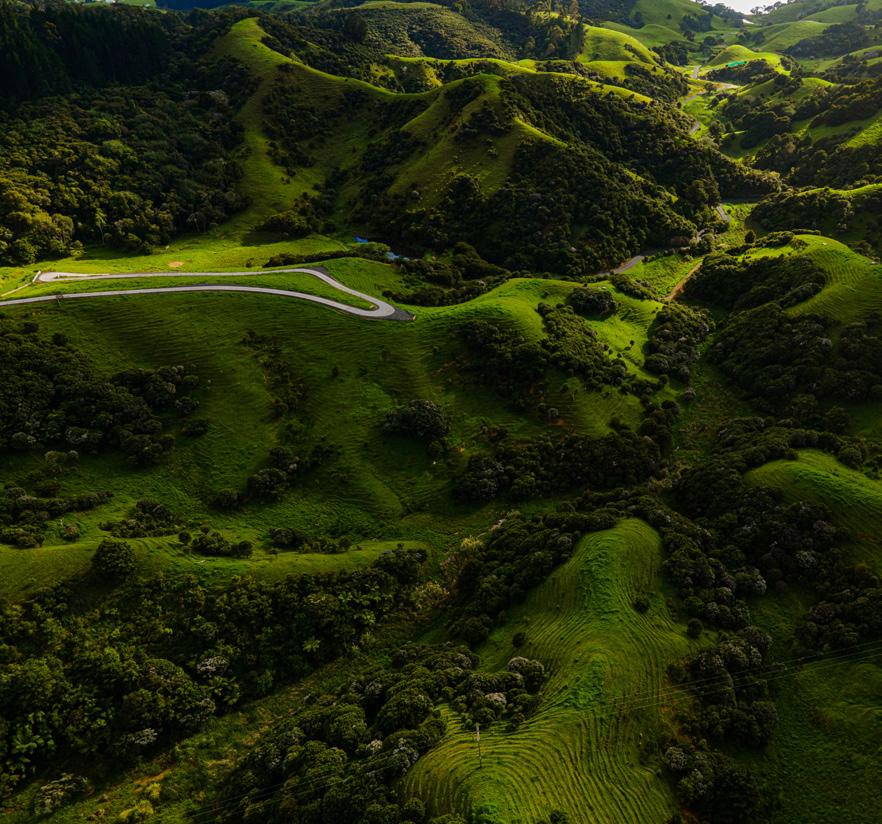
“Having agreed adaptation scenarios across the agricultural sector has meant that we can collaborate with other agricultural peers and sector participants on resilience actions, as we have all started from the same base analysis and understanding.”
SAM BRIDGMAN Head of Sustainability
Pāmu Landcorp

Accelerating investment in sustainable farming is critical for Aotearoa New Zealand. Agricultureour largest economic earner-is highly exposed to climate impacts such as droughts, floods and shifting growing conditions.
In 2021, The Aotearoa Circle launched the Sustainable Agriculture Finance Initiative (SAFI) to help accelerate investment and future-proof the sector. Led by a steering group that includes major banks ANZ, ASB, BNZ, Westpac and Rabobank alongside the Ministry for Primary Industries, with secretariat support from EY, SAFI provides guidance designed to unlock capital, align with global frameworks, and promote bestpractice farming.
SAFI aims to support Kiwi farmers to improve environmental performance while meeting the evolving expectations of governments, markets and communities around sustainable production. As the name suggests, SAFI investments are intended to be safe for the environment, ethically sound, and resilient for future generations.
Importantly, SAFI also reflects emerging international frameworks and standards through the International Platform on Sustainable Finance (IPSF), ensuring that progress made in Aotearoa New Zealand is recognised and credible on the global stage. At the same time, it builds on the sustainability standards already in use by New Zealand growers and farmers.
Westpac introduced the Sustainable Farm Loan and the underlying Sustainable Farm Standard in 2023 to help farmers strengthen on farm sustainability, build climate resilience, and recognise the essential role nature plays in productive farming systems.
“Our ability to move at pace was made possible by The Aotearoa Circle, which convened the Sustainable Agriculture Finance Initiative (SAFI) and published the SAFI Guidance in 2021. This guidance created the first shared framework and minimum requirements for on farm sustainability, which Westpac translated into a practical, auditable, New Zealand specific standard. This enabled the development of both the Westpac Sustainable Farm Standard and the Sustainable Farm Loan.”
Just over two years on, customer feedback has been strongly positive and uptake has been significant:
“Almost half of Westpac’s agribook now uses the Sustainable Farm Loan and is committed to lifting on farm sustainability performance. Audit data shows meaningful improvements in sustainability practices, water management, and climate resilience. In 2024, customers improved their sustainability progress scores by an average of 7%, with 10% achieving gains of more than 20% and some exceeding 40%. More recently, the first cohort has completed its two year audits, and the vast majority passed with flying colours-demonstrating real progress and deep engagement with the programme.” - Reuben Tucker, Managing Director, Institutional Banking, Westpac New Zealand
More info here: Farmers working hard to future-proof their farms.
Climate change poses an existential challenge to Aotearoa New Zealand’s seafood sector. Rising ocean temperatures, ocean acidification, sedimentation, shifting species distributions, changing consumer expectations, evolving regulation, and escalating fuel costs are no longer future risks - they are already reshaping when, where, and how we fish and farm.
Through our public–private Partnership, we brought together industry, science, iwi/Māori and government to confront a challenging but essential question: what might the future look like under climate change, and how can the sector adapt?
In 2020, The Aotearoa Circle led the development of Aotearoa’s first-ever Seafood Sector Climate Scenarios. These were designed not as forecasts, but as plausible narratives exploring how climate change and its intertwined physical and transition risks, might unfold by mid- to late-century.
As New Zealand introduced mandatory climate-related disclosures, the XRB required all Climate Reporting Entities to undertake scenario analysis and encouraged sector collaboration where possible. The seafood sector’s early work helped demonstrate the value of this approach and paved the way for similar exercises across other parts of the economy.
In 2025, we reconvened the sector to deliver a worldfirst update: an expanded set of seafood climate scenarios that introduced a mandated third scenario and, for the first time, integrated climate, nature, and te ao Māori perspectives. This work provided a more holistic, intergenerational view of risk, opportunity, and resilience–as well as strengthened the sector’s ability to plan for an uncertain future.
• In Aotearoa New Zealand, the scenarios were discussed in depth with the External Reporting Board (XRB) and shared with international standard-setting leaders from the ISSB and Australian Financial Reporting Council. The work was also presented to the Ministry for Primary Industries’ Fisheries New Zealand team and referenced at the Institute of Directors’ Climate Governance Forum.
• Internationally, the work was shared at a KPMG UK ‘lunch and learn’ session for employees, generating strong interest in the methodology and its relevance to emerging nature-related risk work, particularly within financial services.
Scenario analysis is a proven tool for challenging assumptions and moving beyond business-as-usual thinking. By applying this approach at a sector level, we created a shared foundation that organisations could use to test strategies, investments, and policy decisions under uncertainty. This collective approach also enhanced consistency and comparability across organisations - a benefit later recognised in guidance from the External Reporting Board (XRB).
• Together, these engagements helped build understanding, credibility and momentum for integrated climate and nature scenario analysis, positioning the seafood sector’s experience as a practical reference point for others navigating climate and nature-related risks.
Cross-sector impact was also achieved:
“Conversations with The Circle and Alec Tang (KPMG) on their Seafood Integrated Scenarios report, which weaves together climate change, nature, and Te ao Māori, prompted thinking within Mercury about how Te Ao Māori perspectives could be woven through our own scenario development and risk and opportunity identification.”

EVENING
Sustainability & Strategy Analyst
Mercury
Sealord’s Doug Paulin discussed the impact of our scenarios in his 2024 Partner Perspective:
“The Aotearoa Circle’s Climate Scenarios outlining potential changes in deepwater conditions for the seafood industry, particularly in relation to the moana and rising sea temperatures, have helped us identify the key issues Sealord needs to focus on. Without this work, we would have needed to invest significant resources to commission research that may not have been as robust, potentially leading to decisions based on less accurate data.”
DOUG PAULIN Chief Executive Sealord
The Circle’s seafood climate scenarios have helped Sealord identify key deepwater risks for the seafood industry, saving us significant cost and enabling better, data-driven decisions.
DOUG PAULIN Chief Executive Sealord
Building on insights from the sector climate scenarios, The Aotearoa Circle - supported by KPMG New Zealand and a cross-sector Leadership Group - developed the Seafood Sector Adaptation Strategy (SAS). The strategy provided a framework for understanding climate risks and opportunities across the sector and helped identify priority areas for action.
Following this, a three-year programme produced practical adaptation toolkits for the inshore, deepwater, and aquaculture sectors, developed collaboratively by a sector-led Implementation Group.
The toolkits were developed through intensive workshops facilitated by the Cawthron Institute and Earth Sciences New Zealand, where stakeholders explored climate pressures on snapper, hoki, and salmon. Using the Cawthron Institutes Climate Adaptation Pathways Planning process, sector leaders co-designed adaptation pathways ranging from immediate interventions to long-term, transformative responses.
The Implementation Group then developed the workshop outputs into the Seafood Adaptation Toolkits. The toolkits provide practical, action-focused guidance for implementing climate adaptation plans, reflecting real-world needs and priorities, ensuring they’re ready to put into practice. Designed for those leading adaptation across the inshore, aquaculture, and deepwater sectors, the toolkits support long-term resilience and competitiveness in a changing climate.
Beyond individual species, the Implementation Group also developed a set of Cross-Cutting Initiativesbusiness cases and high-level project plans to help the sector address broader, sector-wide challenges that require coordinated action between industry and government at the leadership level.
Recognising the vital and ongoing role of Iwi in Aotearoa’s seafood sector, The Aotearoa Circle commissioned KPMG New Zealand to develop resources to help organisations embed Tiriti-based approaches.
These documents offer a clear overview of the legal and political context of Māori in the sector, alongside
actionable guidance to support the meaningful implementation of the Seafood Adaptation Toolkits while upholding Te Tiriti o Waitangi.
Throughout the project, the toolkits were communicated, tested and refined through a range of conferences and sector events. Initial adaptation pathways and cross-cutting initiatives were presented at the 2024 Seafood New Zealand Conference. Snapper adaptation pathways were tested with industry at the 2024 Federation for Commercial Fishermen Conference, while the salmon adaptation pathways were referenced at the 2025 Aquaculture New Zealand Conference and the Adaptation Futures Conference.
Since release, the toolkits have been applied across the seafood system:
• Within Cawthron’s Climate Adapted Finfish (CAF) programme, the toolkits have provided background information and practical ideas that continue to guide adaptation planning meetings with individual salmon companies.
• The toolkits’ Cross-Cutting Initiatives have served as reference documents for Earth Sciences New Zealand, outlining key climate change impacts for fisheries.
• This work is also making an impact internationally. Our approach to co-designing and visualising seafood sector adaptation pathways and climate impacts has informed Sea Change Australia’s case studies on developing adaptation capacity and pathways for fisheries and aquaculture. CSIRO Environment’s Principal Research Scientist, Jess Melbourne-Thomas says, “We are grateful of the generosity of The Circle in sharing ideas and learnings. Our results and graphics are being shared back to the sector to help the ongoing development of climate-resilient options for strong and healthy fisheries and aquaculture sectors in Australia under climate change.”
READ THE STRATEGY, CROSS-CUTTING INITIATIVES, AND TOOLKITS


KEY SEAFOOD WORKSTREAM STATS:
22
Major deliverables
160+
Stakeholders & contributors
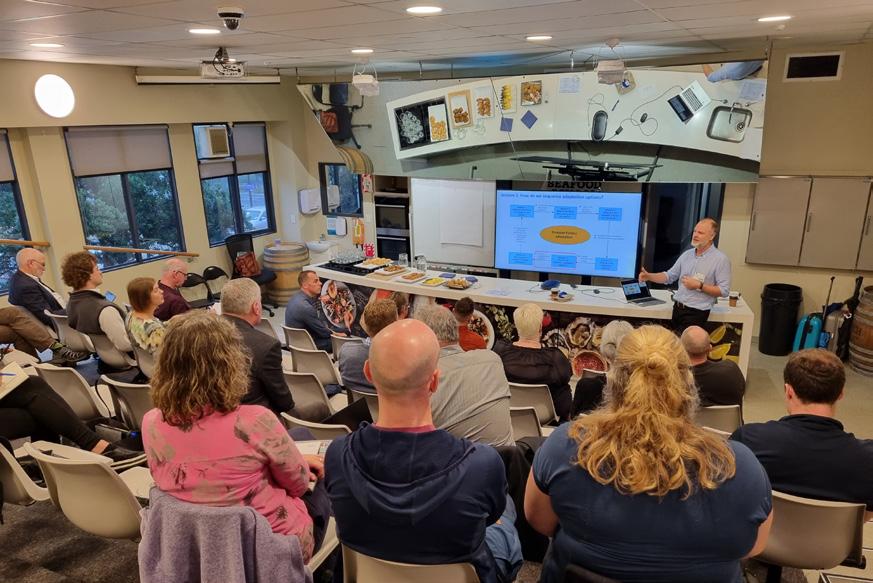
80+
Meetings & workshops
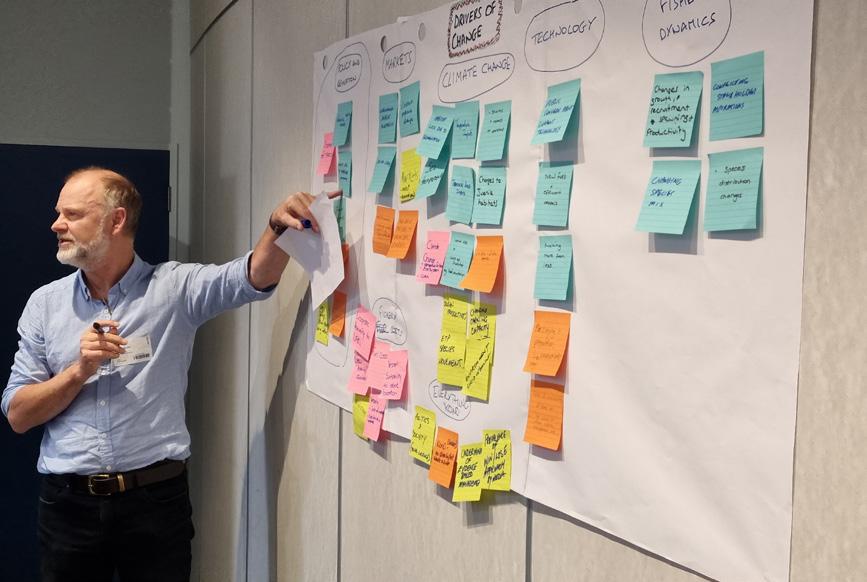
571
Webinar attendees
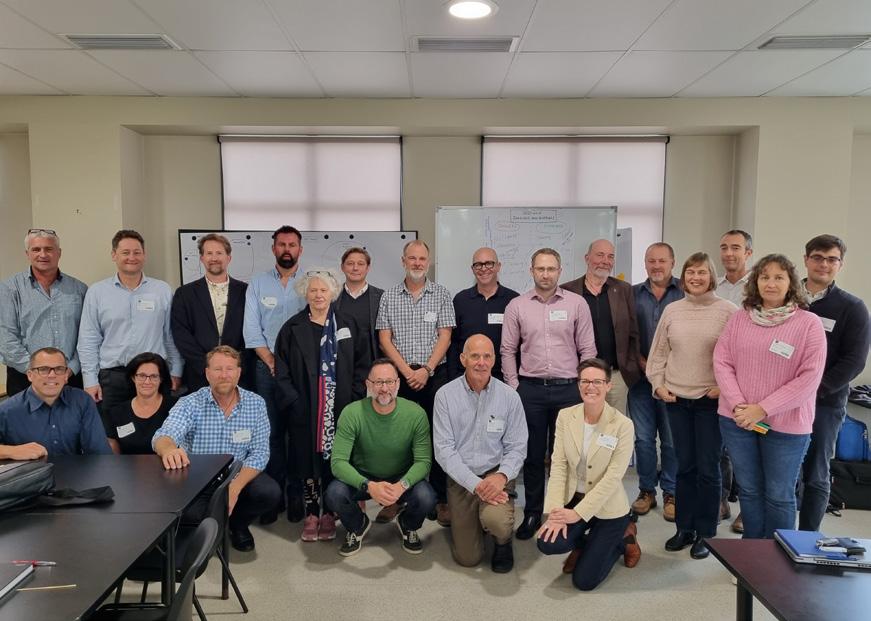
“We are grateful of the generosity of The Circle in sharing ideas and learnings. Our results and graphics are being shared back to the sector to help the ongoing development of climateresilient options for strong and healthy fisheries and aquaculture sectors in Australia under climate change.”
COVID may feel like a chapter long closed, but for pockets of our economy, the recovery has only just begun. The journey to restore the health of our environment is equally challenged.
In June 2020, The Circle held the inaugural Fenwick Forum (named after our co-founder, Sir Rob Fenwick), bringing together senior public and private leaders to explore how we might ‘build back better’ from COVID-19. More specifically, how recovery plans might support the transformation of New Zealand’s food systems, energy systems and transport systems to be productive, inclusive and sustainable.
The aim was to create a pragmatic set of actions to accelerate progress against a list of existing initiatives/ ideas. While new initiatives and ideas are important, due to the time pressures to commence the next phase of our recovery, it was felt that an increased level of focus should be given to more mature initiatives as that had the potential to move quickly to implementation.
The outcome was a single action-oriented report that captured outputs and provided a guide for a variety of government agencies, business groups, NGOs and others. The report was released in an election year (2020) with recognition that action and success in terms of recommendations, would require both commitment and follow through from both business and government.
The Fenwick Forum highlighted opportunities for co-ordinated action but also the need for a mindset shift whereby sustainability is seen as core to an organisation’s purpose and long- term vision. Post the Forum, people were invited to develop working groups around key initiatives and Government agencies were invited to review identified initiatives to determine what could be achieved within work programmes and funding – as well as where new funding and/ or programmes were needed. Businesses were also encouraged to act where they could with consideration for future planning and funding needs.
The Fenwick Forum led to several impactful workstreams actioned by The Aotearoa Circle, including the Mana Kai initiative, the Low Carbon Energy Roadmap, and the energy sector and transport sector climate scenario work.
FENWICK FORUM STATS
Forum events held online across two weeks
SENIOR LEADERS POLLED:
85%
Said they would change or accelerate investment plans to collaborate for a bigger goal
219
Participants from across the public and private sectors
83%
Wanted a balance between sustainable, value principles and ‘shovel ready’ job creation
28
Rangatahi Advisory Panel members appointed to ensure future voices are heard
76%
Felt New Zealand was being timid addressing the environment in recovery plans
Restoring and protecting nature in a rapidly changing climate requires more than good intentions, it demands strategic investment, new financial tools and bold leadership.
In Aotearoa New Zealand, where our economic resilience is tightly interwoven with the health of our natural systems, sustainable finance is a critical enabler of action.
Nature-based solutions such as wetland restoration, native reforestation and regenerative agriculture are examples of powerful tools for both climate adaptation and mitigation. But these solutions are often underfunded or undervalued - or simply not well understood in traditional financial systems.
To unlock their potential at scale, we must shift capital flows toward outcomes that regenerate ecosystems, support biodiversity and build long-term resilience.
Recognising this need, The Aotearoa Circle’s very first workstream focused on the key enabler: finance. We established a Sustainable Finance Forum (SFF) in 2019 - a landmark collaboration of more than 200 stakeholders across a core Leadership Group, Technical Working Group and those independently consulted, from across New Zealand’s finance sector, government, iwi, civil society and academia.
A draft 2030 Roadmap for Action was published in October 2019 for wide consultation and to also build awareness of the need to shift capital flow. A dedicated NZ Herald supplement with commentary editorials from some New Zealand’s leading CEOs helped build knowledge and understanding of this opportunity.
The final report, the 2030 Roadmap for Action, released in 2020, is a comprehensive plan to redesign our financial system to serve a more inclusive, sustainable, and nature-aligned economy.
This work was led by Co-Chairs Matt Whineray (formerly, NZ Superfund) and Karen Silk (formerly, Westpac), with EY New Zealand acting as the secretariat.
To carry this work forward, The Aotearoa Circle launched the Centre for Sustainable Finance: Toitū Tahua in July 2021 - an independent entity with a mandate to coordinate the roadmap’s implementation across the finance system, accelerate innovation and unlock investment in the kinds of outcomes that will secure a thriving future for generations to come.
The Aotearoa Circle continues to champion finance as one of its core strategic pillars advocating for a future where nature is not an externality but a foundational asset.
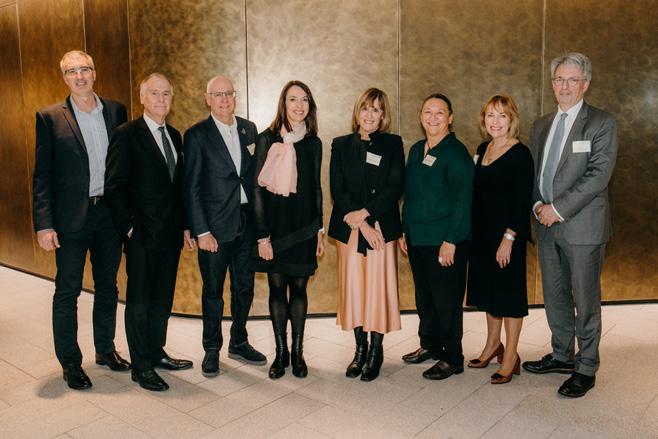
Awareness of the work The Circle is developing and delivering is increasing but so too is our voice.
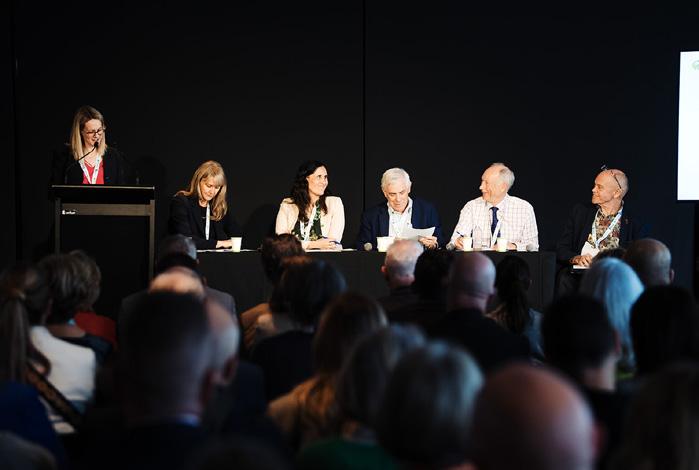
The Circle’s leadership and mahi continues to be recognised and sought after across Aotearoa and internationally through a growing number of invited speaking engagements.
Co-Chair Laurissa Cooney has represented The Circle at a range of events, sharing insights on our kaupapa and the role of leadership in restoring nature and strengthening economic resilience.
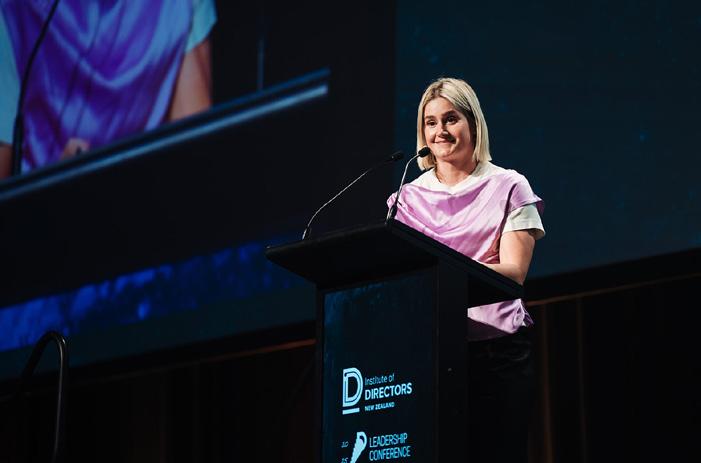
Our Chief Executive, Vicki Watson, is also being increasingly invited to speak at major conferences, alongside Guardian Izzy Fenwick, reflecting strong demand for The Circle’s independent voice and expertise.
In total, The Circle has contributed to 18 conferences over the past two years.
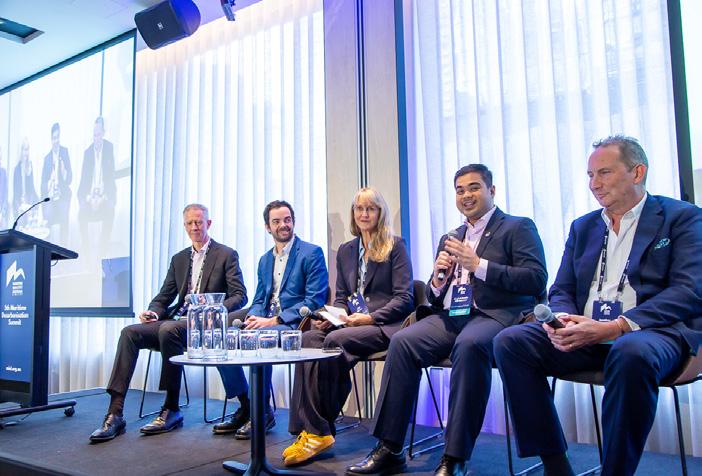
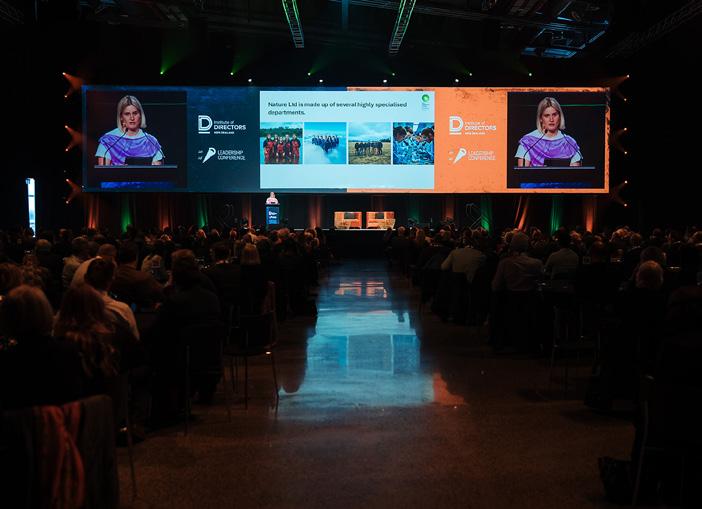
In 2025, Izzy delivered a keynote address at the Institute of Directors Climate Governance Forum, as Guardian of The Aotearoa Circle. Framing nature as the ultimate “critical supplier” for businesses, the speech challenged boards to treat ecological decline as a core governance and financial risk - a perspective that resonated widely across New Zealand’s business community.
“Foresight isn’t fearmongering, it’s governance. And the directors who act on it will be the ones remembered for steering their organisations through the age of ecological risk.” – Izzy Fenwick
The speech resonated and led to multiple repeat invitations for Izzy to deliver it at the New Zealand Accountants Association, the Westpac Sustainable Finance Summit, and an adapted version at the Tourism Industry Summit. Internationally, it was referenced in discussions around New York Climate Week.
This speech not only strengthened the conversation on nature-related governance in New Zealand it also demonstrated the growing appetite for leadership that integrates environmental and financial foresight.
Climate change adaptation in Aotearoa New Zealand’s agriculture sector is urgent. This is no longer a future risk; it is a lived reality. Events such as Cyclone Gabrielle in February 2023, alongside floods, droughts and fires across the motu, have reinforced a stark truth: as the climate warms, extreme weather events will become more severe and more frequent impacting us all including our farmers.
The implications extend far beyond individual farms.
Food and fibre sector export revenue is expected to rise 3% to $62 billion in the year to 30 June 2026, following a 13% increase in 2024–25. The sector underpins regional livelihoods and our national prosperity.
But when our soil, land, water and ecosystems are compromised, so too is food and fibre production.
In response, The Aotearoa Circle convened meetings with the agriculture sector to move from awareness to action in early 2022.
In April that year a diverse group of farmers, growers, foresters, government representatives, supermarkets, NGOs, regulators and technical experts came together to build a shared understanding of climate risk and develop a practical, sector-wide pathway for adaptation.
This work was led by the Circle and Co-Chairs Jenny Cameron (MPI) and Craig Ellison (Sanford Director), with PwC New Zealand acting as Secretariat.
The outcome was the Agri-Sector Climate Change Scenarios and Adaptation Roadmap, launched on 7 June 2023. Grounded in robust climate scenario analysis, the roadmap assessed sector-wide risks across three plausible climate futures, including a 1.5°C and a 3°C+ world. It identified key barriers to adaptation and translated complex, long-term risk into a clear and practical framework to support decisionmaking across the sector.
The roadmap was presented to diverse audiences, including a special workshop at the 2023 IFAMA E Tipu World Conference, the 2023 Biodiversity Forum, Fieldays, and a public launch webinar, which attracted more than 275 registered participants.
Importantly, the Agriculture Adaptation Roadmap has catalysed other sector-led initiatives by The Circle ensuring the roadmap serves as a foundation for ongoing action rather than a static report. Some of the resulting initiatives include:
• Modern Genetic Technologies
• Future Fit Shipping
• Natural Capital Regional Resilience
• Funding Pathways Map
The Agri-Sector Climate Change Scenarios and Adaptation Roadmap is intended to be used around board tables, within management teams, on marae and in ‘town halls’ across the motu. It calls on leaders to choose action over delay, collaboration over fragmentation, and courage over complacency. While the scenarios explored what might be, the true impact of this work will be measured by what we choose to do next.
“The
road ahead is long and will require collaboration. A broadbrush approach is essential to our success. Above all, this will require leadership, a strong demonstration of commitment to make the necessary changes. While the rest of the world may do their own thing, we must do ours. We must be good ancestors.”
CRAIG ELLISON Co-Chair, Agri-Adaptation Roadmap
Tourism plays a vital role in Aotearoa New Zealand’s identity and economy. In the financial year ended 2024, it was the country’s second-largest export earner, generating a direct contribution of $17 billion to our GDP.
Our landscapes, ecosystems and cultural heritage underpin the sector’s value proposition and global brand. When these natural environments are degraded - through floods, droughts, biodiversity loss, coastal erosion or glacier retreat - the foundations of the tourism sector are weakened, along with regional prosperity.
As with agriculture, the tourism sector is also experiencing the consequences of a warming climate with severe extreme weather events putting pressure on experiences, infrastructure and our natural environment.
In 2022 The Aotearoa Circle convened tourism business owners and operators, mana whenua, policy makers, scientific and economic experts, environmental practitioners and mātauranga Māori specialists to develop a shared understanding of climate risk and a collective pathway for adaptation.
The work was led by Co-Chairs Laurissa Cooney (Air New Zealand), Penny Nelson (Department of Conservation) and Takurua Mutu (MDA Experiences) with PwC New Zealand acting as the secretariat.
The result was the Tourism Sector Climate Change Scenarios and Adaptation Roadmap. The roadmap explores multiple plausible climate futures and translates complex, long-term risks into a practical framework for action. It emphasises regenerative pathways - enabling a tourism sector that gives back to communities, enhances the Mauri of people and place, supports mana whenua in their role as kaitiaki, and contributes to long-term prosperity.
Grounded in a Te Ao Māori framework, the roadmap adopts Māori values and principles to guide action. It recognises that tourism is part of a wider web of relationships - between people, land, water and ecosystems - and that resilience can only be
built through collaboration across the sector, with government, and with other parts of the economy.
The resulting roadmap is intended to drive collaborative action across business, sector, leadership and government. It calls on leaders to choose action over delay, collaboration over fragmentation, and courage over complacency. While the scenarios explore what might be, the true impact of this work will be measured by what we choose to do next.
As with the Agri Roadmap, this work catalysed the Future Fit Shipping and Natural Capital Regional Resilience workstreams.
The Tourism Adaptation Roadmap was launched via a public webinar in 2023, attracting more than 150 attendees. The report was also presented at the Tourism Industry Aotearoa (TIA) Tourism Summit in November 2022, a Tourism Association Network webinar in May 2023 followed by a TIA member webinar in June 2023. A few months later, the roadmap was shared at the Waikato Tourism Symposium by Guardian and Co-Chair, Laurissa Cooney.
“I genuinely believe - perhaps to a fault - that tourism can, and does, benefit people’s lives. That belief brings an opportunity and a responsibility: to reinvest, to measure what matters, and to focus consciously on doing tourism right. When we do, the benefits multiply. Tourism can engage people’s hearts, their cultural heritage and the environment in positive ways. If we put the right pieces in place and embrace that mindset, tourism can truly be a force for good.” - Grant Webster, Chief Executive, Tourism Holdings Limited, 2025
“At
Tourism Holdings Limited, we still use The Circle’s Tourism Climate Change Scenarios report on an annual basis in conjunction with other indicators around the world to help us understand what’s coming and what’s next.”
GRANT WEBSTER Chief Executive Tourism Holdings Limited
Shipping is the backbone of Aotearoa New Zealand’s economy. Almost all our trade moves by sea - 99.7% by volume and 81% by value - making the decarbonisation of shipping both a climate imperative and an economic one. With exports exceeding $74 billion and imports over $80 billion in the year to March 2025, maintaining competitive, low-carbon access to global markets is critical to our future prosperity.
Recognising the scale of this challenge, The Aotearoa Circle launched the Future Fit Shipping workstream to explore how New Zealand can decarbonise its maritime sector while remaining a resilient trading nation.
Decarbonising shipping cannot be achieved by individual companies acting alone. It requires coordinated action across shipping lines, ports, energy providers, government, iwi, finance, and international Partners. The Aotearoa Circle commissioned Deloitte New Zealand to examine the barriers and opportunities for maritime decarbonisation and to support a joinedup, cross-sector approach.
The resulting Future Fit Shipping report draws on insights from more than 50 stakeholders across Aotearoa New Zealand and Australia and from across the system. By convening these voices, The Aotearoa Circle created a platform for collaboration that would not otherwise exist.
opportunity for a green shipping corridor with Australia and presents four alternative fuel roadmaps to support informed decision-making.
Importantly, the analysis also highlights the cost of delay. One finding that has resonated strongly with industry is the estimated $17.5 billion in avoided costs for New Zealand if action is taken early, ahead of anticipated International Maritime Organization measures such as a global levy.
Since its release, Future Fit Shipping has helped shift industry dialogue from ambition to action:
• Clean-tech leader Dr Paul Bennet of Biowave publicly referenced the report, with its economic analysis cited in formal start-up presentations.
• Industry leaders have reached out directly to share how the report is informing strategy and investment decisions.
• The report has been referenced in national media coverage on the future of marine biofuels and shipping infrastructure.
• The Circle’s Chief Executive, Vicki Watson, was invited to speak at the Maritime Industry Australia Ltd (MIAL) conference in 2025 on incentivising maritime decarbonisation, highlighting the role of policy, economic incentives, and innovation in accelerating the energy transition while maintaining competitiveness.
• The Circle also presented the report’s findings directly to New Zealand Ports Chief Executives, and the boards of Port Otago, and Maritime New Zealand in 2025.
The report sets out practical pathways for decarbonising shipping, including increased use of renewable fuels, stronger trans-Tasman Partnerships, and targeted infrastructure investment. It explores the
The Future Fit Shipping Report is a demonstration of The Circle’s role as a catalyst for system-level change - bringing together diverse stakeholders, grounding ambition in evidence, and helping chart pathways that protect both our economy and our environment.
“From an Indevin perspective, partnering with The Aotearoa Circle has real value because it brings together businesses that understand New Zealand’s unique context. As an export-led industry (and nation) on the other side of the world, we are highly dependent on shipping and logistics, yet individually our wine industry is small on a global scale. Working collectively (and connected) is the only way NZ Inc can have meaningful influence, and protect our long term economic success.
“The Future Fit Shipping workstream is strategically important for Indevin Group because shipping is one of the largest contributors to our emissions footprint, accounting for around 43% of our total emissions. If we are serious about our sustainability goals and longterm commercial resilience, it is critical to be part of the solution and have a seat at the table. Supply chains today are no longer just about cost, service, and quality - its resilience, agility and sustainability that are now equally critical, and shipping is an area where progress can have a disproportionate impact.
“More broadly, New Zealand’s shipping system is fragmented, with small, competing ports and limited access to newer, more efficient vessels. The Future Fit Shipping work helps shift the conversation from individual interests to what will best serve New Zealand as a whole, really the entire objective of The Aotearoa Circle. This is closely tied with Indevin’s purpose of, “Inspired by nature, crafted with care and growing connections” - the shared knowledge and connections is key here. That collective approach is essential if we are to strengthen our social license to operate, reduce our environmental impact, and demonstrate that emissions reduction and commercial success can go hand in hand for the primary export sector.”- Tracy Malone - Logistics & Customer Operations Manager, Indevin Group
“The Aotearoa Circle’s Future Fit Shipping workstream and report not only augmented Zespri’s work on green shipping, but broadened efforts and awareness of green shipping opportunities for our wider economy. We have better insights into how decarbonising our shipping routes could help protect and expand market access and the role it could play in strengthening New Zealand’s international reputation and overall competitiveness.” - Carolyn Mortland, Executive Officer Sustainability, Zespri
“The Future Fit Shipping work helps shift the conversation from individual interests to what will best serve New Zealand as a whole, really the entire objective of The Aotearoa Circle.”

TRACY MALONE Logistics & Customer Operations Manager Indevin Group

New Zealand’s regions are diverse, but they share climate vulnerabilities. The escalating issue of nature degradation as a direct consequence of climate change presents an urgent challenge to ecosystems worldwide.
The Bay of Plenty’s prosperity for example rests fundamentally on the health of its natural capital. Our region’s unique natural systems - coastlines, rivers, forests, soils, and marine environments-underpin every major sector: from kiwifruit, dairy, and aquaculture, to tourism, infrastructure, and community wellbeing. More than 70% of New Zealand’s export earnings are naturedependent, and in the Bay of Plenty, this connection is even more pronounced.
In New Zealand, the National Adaptation Plan (2022) recognises the growing risks posed by climate change and sets out strategies for building resilience. However, translation of plans into tangible actions remains a significant challenge. It is only through collaborative and integrated approaches that we can hope to address the complex challenge of climate-induced nature degradation, safeguarding both the planet’s biodiversity and our future.
In 2024, the Circle initiated a regional resilience workstream with support from PwC New Zealand. The Bay of Plenty region was chosen because of its sector breadth, growth and climate related challenges and opportunities.
workstream reached the finish line.
The outcome is a credible and influential group of regional leaders – a Champions Group - who are now aligned and committed to taking the findings forward into tangible action. This is a significant achievement in itself: moving beyond discussion to shared ownership and implementation.
The group’s shared purpose is to progress an integrated approach to strengthening the region’s Natural Capital Resilience, through the power of public and private sectors working together.
“The impact of this work has extended well beyond the region. The analysis and approach have generated strong interest nationally, with numerous enquiries from other councils seeking to understand the methodology and explore undertaking similar work in their own regions. This level of replication interest underscores the value, relevance and influence of the workstream and demonstrates its potential to drive wider regional resilience outcomes across Aotearoa New Zealand.” –Vicki Watson , Chief Executive, The Aotearoa Circle
Pā Ropata , a Co-Chair of the report, and Tīwaiwaka champion says, “We have an opportunity with this workstream to put our heads together and plan our future in a way that ensures that those who follow us, for generations beyond counting, will thrive in this beautiful place we call our home. We are the leaders. It is for us to make it happen.”
The workstream convened and led some of the most complex and challenging conversations in our programme of work to date. The process brought together multiple stakeholders with differing, and at times competing, priorities, yet through facilitation, evidence-based analysis and trusted leadership, the
For 2026, the focus of the Champions Group is developing strategic coherence, progressing marine resilience work and enhancing understanding about the opportunities the report highlighted. While the work is being led regionally, the Circle remains connected with the Champions Group and committed to celebrating and sharing impacts and learnings for the region but also wider New Zealand.
“Most importantly, this work brings us together, and the key for us will be the Champions working together in the future and bringing more people on to keep action happening.
I do think this work is replicable and I encourage other regions to undertake a similar project because the benefits are huge - social to economic – not just for Bay of Plenty, but for New Zealand.”

FIONA MCTAVISH Chief Executive Bay of Plenty Regional Council
Energy underpins every aspect of life in Aotearoa New Zealand and is the country’s second-largest source of emissions, accounting for 38% of total emissions (MfE 2023). Transforming the energy system is therefore critical to addressing the climate crisis and securing long-term prosperity for Aotearoa New Zealand.
The Low Carbon Aotearoa: Energy Roadmap to 2030 was developed to inform Government thinking on a new national energy strategy, but its purpose quickly broadened. Developed over ten months by a Leadership Group and Technical Advisory Group drawn from across the energy system, the roadmap sets out a clear vision for a low carbon, equitable, secure and regenerative energy system. It recognises that while Aotearoa benefits from a highly renewable electricity system, the greatest challenges – and opportunities –lie in decarbonising transport, industrial process heat, buildings and other hard-to-abate sectors, and calls for urgent, coordinated action this decade.
Grounded in the He Ara Waiora framework, the roadmap embeds a Te Ao Māori perspective in energy transition decision-making, placing the environment at the centre of wellbeing and emphasising Partnership between Crown and Māori to unlock innovation, address energy hardship and enable iwi-led investment.
This work was led by Co-Chairs Bella Takiari-Brame (formerly ACC, The Lines Company, Maniapoto Māori Trust Board) and Chris Jewell (Lodestone Energy, formerly Genesis) with EY New Zealand acting as secretariat.
A defining impact of the Roadmap lies in the quality of collaboration and shared learning it has fostered, and in the work it has catalysed beyond the roadmap itself. The phased, inclusive approach enabled robust debate and alignment across sectors that do not often work together, and directly prompted the development of The Aotearoa Circle’s Energy Sector Climate Change Scenarios . These scenarios build on the roadmap’s foundations by exploring plausible future pathways for the energy system, strengthening longterm strategic thinking and supporting more resilient decision-making across government and industry.
The mahi has been actively communicated to key audiences across government, industry and the professional community. In November 2021, Co-Chair Bella Takiari-Brame joined a high-profile panel at the Chartered Accountants Australia and New Zealand online event Navigating climate risks and opportunities, alongside the then Minister of Climate Change Hon James Shaw, Qantas Group CFO Vanessa Hudson and Professor Ross Garnaut AC.
Later that month, Co-Chair Chris Jewell addressed the Offshore Future Energy Forum in New Plymouth, focused on emerging offshore energy opportunities, speaking immediately after the Minister of Energy and Resources Hon Megan Woods.
To strengthen collective understanding across the Leadership Group and Technical Advisory Group, a dedicated speaker series was convened, featuring sector leaders and international experts:
• Circle Co-Patron, Sir Jonathon Porritt, who emphasised the urgency of decisive action before 2030
• Ezra Hirawani, founder of Nau Mai Rā, who spoke to Māori-led solutions and addressing energy hardship
• Brian Cox, Executive Officer of the Bioenergy Association of New Zealand, who explored the role of bioenergy in decarbonising hard-toabate sectors
• Celine Luke, Director, Energy Transition –Policy and Regulation at EY Melbourne, who provided insights into distributed energy systems and market design
Progress on the Roadmap was formally briefed to officials at the Ministry of Business, Innovation and Employment (MBIE) in November 2021, and the work was presented at the Downstream Conference in March 2022, further extending its reach across the energy sector.

“The Circle’s Energy Sector Climate Scenarios have been valuable in helping shape our thinking around our own scenarios. They’ve supported a structured and shared understanding of the sector and the potential futures that we might face as a sector.”
JESSICA BEVIN Head of Strategy & Growth Portfolio Mercury
Over several years, The Aotearoa Circle has partnered with Chapman Tripp to develop a growing body of legal guidance that has helped reshape how climate and nature risks are understood, governed and acted on.
What began in 2019 as a foundational question, to what extent (if at all) are New Zealand company Directors permitted or required to consider climate change in decision-making - has since evolved into a connected library of impactful reports spanning director and trustee duties, climate and nature-related financial risk, emerging disclosure expectations, and the regulatory settings needed to unlock investment in nature.
The 2019 legal opinion, provided by Chapman Tripp, established a critical baseline: climate change presents a foreseeable and potentially material financial risk, and directors and investment managers are required to identify, assess and manage it like any other financial risk. This provided much-needed clarity at a time when climate considerations were often treated as
discretionary or outside the scope of core governance duties.
As awareness and regulation accelerated, the work moved from principle to practice. The 2020 Climate Toolkit for Directors reinforced that climate governance is not simply a compliance exercise, but central to longterm resilience, strategy and liability management
In 2021, a further legal opinion extended this analysis to trustees, confirming that duties of prudent investment and acting in beneficiaries’ best interests require trustees to assess and respond to material climaterelated investment risk.
Together, these pieces established climate risk as business risk, reinforcing the need to embed it within governance, investment and decision-making and disclosures.
In 2023, the work took a significant step forward by extending established climate risk principles to naturerelated risks and natural capital.
With New Zealand’s economy deeply dependent on nature - particularly across primary production, tourism and manufacturing - the degradation of natural capital presents growing and often underestimated risk. Biodiversity loss and the decline of ecosystem services, compounded by climate change, are now recognised as a national and global crisis with major economic The 2023 opinion ‘Director Duties to Consider Nature’ made clear that directors of naturedependent businesses must consider foreseeable and material risks arising from biodiversity loss, ecosystem service decline and natural capital degradation. It also highlighted the strong synergies between climate and nature governance, encouraging boards to build on existing climate risk systems rather than start from scratch.
“The (2023) Opinion was another bridge for us between emerging legal duty and future-fit commercial strategy. By confirming that nature is a fiduciary imperative, we had even greater confidence to double-down on a Nature Positive future. For Silver Fern Farms nature is an undeniable path to protecting long-term value.”
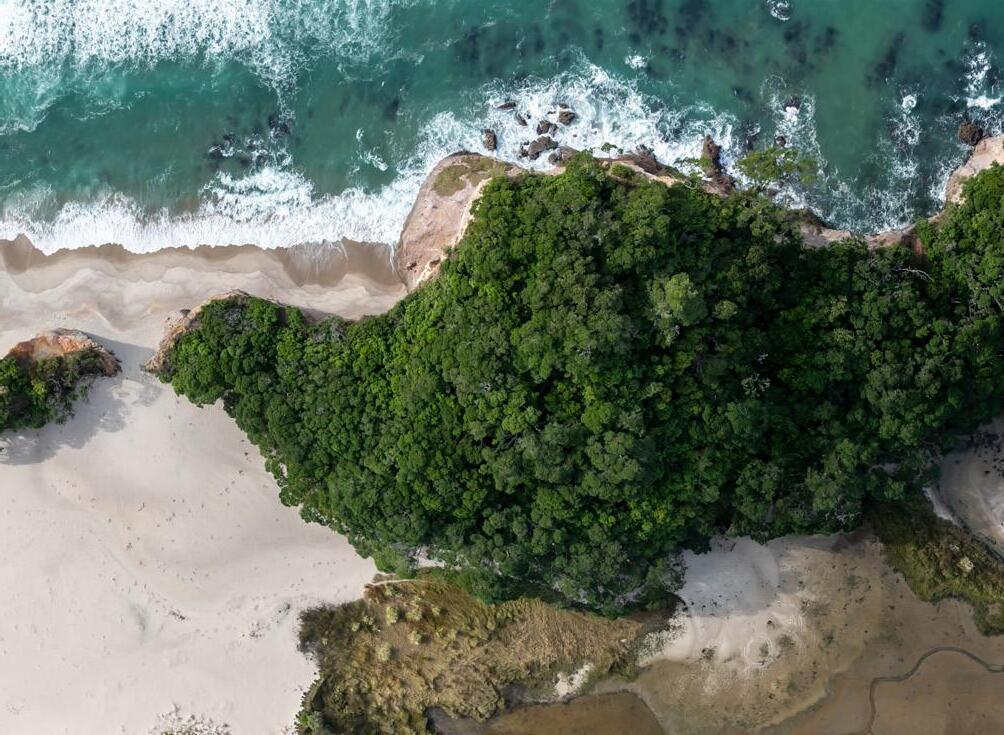
DAN BOULTON Chief Executive
Silver Fern Farms
Alongside Director and trustee duties, the work broadened to the external forces shaping business behaviour. Protecting New Zealand’s Competitive Advantage positioned climate and sustainability disclosure, trade measures and supply-chain expectations as strategic issues for NZ Inc, highlighting how global regulatory shifts increasingly influence market access, capital flows and competitiveness.
• The 2023 legal opinion on directors’ duties to manage nature-related risk directly informed the development of The Aotearoa Circle’s Taskforce for Nature-related Financial Disclosures (TNFD) Bootcamps, led by PwC New Zealand.
• Delivered in 2023 and expanded in 2024, the executive-level programme supported organisations to move from legal obligation to practical implementation, building capability in identifying and managing nature-related impacts, dependencies, risks and opportunities using the globally recognised TNFD framework and a te ao Māori lens.
• The programme also fostered shared learning and cross-sector momentum through cohort engagement and involvement of the Rangatahi Advisory Panel.
Notably, at the time of the report, 80% of New Zealand’s exports by value go to markets where mandatory ESG reporting is already in force or proposed - making proactive engagement with these developments essential for global-facing businesses. This insight has been widely shared and voiced.
Finally, Investing in New Zealand’s Natural Assets turned the lens toward solutions, identifying practical legal and regulatory barriers that constrain private investment in nature and outlining actions to unlock capital at scale. This work connects governance expectations with system-level reform, reinforcing that managing climate and nature risk is not only about avoiding harm, but also about enabling resilience, restoration and long-term value creation.
In a rapidly changing climate and nature landscape, our Partnership with our Partners (through Chapman Tripp) has helped equip New Zealand’s leaders with legal confidence and practical insight to navigate risk, seize opportunity and support a more resilient, nature-positive economy.
In response to interest from TNFD Bootcamp participants, The Aotearoa Circle partnered with Deloitte New Zealand to deliver a bespoke two-day Governing Natural Capital course for Directors. More than 25 Directors participated with the course translating evolving legal duties and market expectations into practical governance tools, equipping Directors (and Boards) with the confidence, questions and next steps needed to embed nature into strategy, oversight and long-term value creation.
“Past reports by The Aotearoa Circle and Chapman Tripp have provided a clear, well evidenced articulation of the legal implications, and reputational and strategic importance of effective climate and nature integration. In particular ‘The Business of Nature: Emerging Expectations on Directors to Manage Nature-Related Risk’ and ‘Protecting New Zealand’s Competitive Advantage’.
Throughout our own journey to mandatory climate reporting, these legal opinions and insights have supported key conversations with our leadership underscoring that climate and nature risk management is no longer optional. In particular, the reports made the economic opportunity clearer, including market access, building greater capability and agility to serve our customers brilliantly in a fast-changing climate, and strengthening reputation.”
REBEKAH CAIN Chief Sustainability Officer BNZ
“Chapman Tripp’s analysis confirmed that in our highvalue markets, sustainability is no longer optional - it’s the price of entry. Their mapping of global disclosure requirements validated our strategy: being Nature Positive is not just an environmental ambition, it is our license to trade.”

KATE BEDDOE Chief Sustainability & Risk Officer
Silver Fern Farms
“The TNFD bootcamps were a significant contributor to building capability across Mercury. We had a couple of groups participate, which created strong value through bringing people together across roles and functions, enabling shared understanding and meaningful crosspollination of ideas and perspectives on nature-related risks, dependencies, and opportunities.”
JESSICA BEVIN Head of Strategy & Growth Portfolio Mercury

The concept of a Rangatahi Advisory Panel (RAP) was founded in the Circle’s Fenwick Forum in 2020. As part of its development, a Future Voice Forum was held, which highlighted the critical importance of ensuring future generations have a seat at the table.
We launched the RAP at our hui at Parliament in 2023 outlining why it’s such an important group at a time of growing urgency around climate and nature degradation. Over the past three years, the RAP has developed to become a powerful and respected voice for young leadership, cross-sector collaboration and intergenerational change.
For the Rangatahi themselves, being apart of the panel is an opportunity to champion the future that they want – one that is thriving by enhancing our natural capital. Across diverse backgrounds in science, finance, agriculture, energy and law, a yearly-average eight members on the panel are actively involved in shaping our work and outcomes for Aotearoa’s future.
Past RAP have met with the Minister for Climate Change (August 2024) and Her Excellency, Dame Cindy Kiro, The Governor General of New Zealand (November2024) as well as advising on key Circle workstreams, participating in our annual hui at Parliament and interacting with our Guardians (Board).
In 2025, the RAP was actively involved in contributing to the development of the Natural Infrastructure Plan through a Future Voices Forum. They also undertook policy training with the Ministry for the Environment and the Department of the Prime Minister and Cabinet in July 2025.
Alongside this mahi, the Circle has had the pleasure of interviewing many of these passionate and inspiring young leaders for a RAP Perspective series to share what drives them and how they see our future unfolding. Read more here.
Many share our sense of urgency and optimism. As Nicola Mulvay, a legal advisor and Mercury RAP
representative, puts it: “I worry that the things we take for granted - pristine nature, clean water, the freedom to explore - won’t always be there.”
That sense of potential, alongside the fear of loss, comes through strongly across the panel.
Aleida Powell joined the RAP as Genesis Energy’s representative in 2025 and says the experience has broadened her understanding of sustainability beyond her own sector, helping her see how energy, nature and community interact.
For others, the panel is an opportunity to bridge worlds. Aaron Hewson, representing AGMARDT, says being a part of the RAP has helped him link scientific thinking with policy and practice, something he describes as “real influence, not just consultation.”
Others have pointed to the benefit of breaking out of silos, sharing insights with business leaders, government and Iwi/Māori Partners, and listening deeply to diverse perspectives to build better solutions.
One of the most meaningful outcomes of the RAP is the confidence, connection and capability Rangatahi build through their involvement. Panel members take what they learn back into their workplaces, amplifying insight and inspiring others. As Hannah Mason, BNZ’s RAP representative, shares, being part of the panel “feels like a ripple effect of positive change.”
As Ministry for the Environment RAP representative Lauren Aspoas says, “Young people are often overlooked in important conversations around sustainability, yet we’re going to inherit the world and the consequences of today’s decisions. So, I think it’s essential for young people to have a say in these decisions.”
Whether advising on natural capital, economic resilience, climate responses or nature-positive futures, the Rangatahi Advisory Panel continues to help shape a pathway that listens to future voices - and takes them seriously.

“It was great to meet The Aotearoa Circle Rangatahi Advisory Panel today. New Zealand’s youth will be some of the most impacted by a changing climate, and their perspective is critical to the future of climate policy.
Today they tabled with me their feedback on the Government’s draft second emissions reduction plan, which will be considered as we finalise the plan by the end of the year. Awesome work team.”
HON SIMON WATTS Minister of Climate Change 2024
We surveyed our Leading Partners in October 2025 and asked if our focus needed to shift for the coming decade. Their feedback was clear.
They asked for:
• A clearer story on why action is needed to restore and protect our natural capital and the expected outcomes of climate change on our environment and economy
• An expansion of nature scenarios and the methodology used
• The addressing of system-level barriers to investing in and restoring nature for stronger resilience
• Stronger governance, measurement, and quantification tools
• Support of the advancement of low emissions shipping by government and infrastructure collaboration
• Data and quantification of natural capital
• Robust methodologies and nature scenario planning
• Executive-level guidance for decision-making.
Comments included:
“Action, and why now, what the outcome could be isn’t clear for New Zealanders or New Zealand business.”
“Prioritise what is important for New Zealand’s resilience - what do we actually need from nature, and what is the response we should be taking as a country.”
“There is still work to be done on ensuring that the conversation is continuous through political cycles.”
“It remains a challenging environment for investment. To unlock capital for nature-based solutions, we need better tools to measure and demonstrate their full value and impact.”
Our response:
• We will clearly articulate, in commercial and economic terms, why protecting and investing in Aotearoa New Zealand’s natural capital is essential to long-term productivity, competitiveness and economic resilience.
• We will continue to emphasise that the ongoing decline of natural systems represents a material economic and financial risk, not solely an environmental concern.
• We will support the Partners in boardroom and executive-level discussions to accelerate a shift in thinking from nature as a cost or constraint to nature as a strategic asset.
• We will provide information and resources to inform the teams working across our Partner organisations.
• We will remain apolitical while strengthening public–private collaboration to unlock practical pathways for investment.
• We will champion robust, trusted data and measurement frameworks, and actively share what emerging evidence is telling us about impacts, risks and value creation.
• We will provide evidence for the removal of structural and regulatory barriers that limit investment in nature-based solutions.
• We will act with integrity, credibility and urgency, recognising the narrowing window for meaningful impact.
We will continue to revisit and evolve our Impact Framework to ensure alignment with Partner expectations.

VICKI WATSON Chief Executive The Aotearoa Circle
CO-FOUNDER

SIR ROB FENWICK
Co-Founder - The Aotearoa Circle
CO-PATRONS
CO-CHAIRS

HER EXCELLENCY, THE RT HON DAME CINDY KIRO, GNZM, QSO DStJ
Governor-General of New Zealand
SIR JONATHON PORRITT
Co-Founder - The Aotearoa Circle

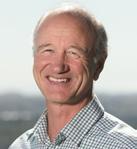
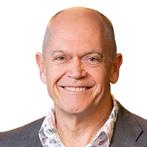

LAURISSA COONEY
Director - Air New Zealand, Rabobank NZ, Goodman Property Ltd, Ngā Tāngata Tīaki Chapter Zero Steering Committee Member
JAMES PALMER
Chief Executive - Ministry for the Environment, Secretary for The Environment
FORMER PATRONS
Rt Hon Dame Patsy Reddy as the Governor-General of New Zealand
FOUNDING GUARDIAN
Vicky Robertson - Former Secretary for The Environment

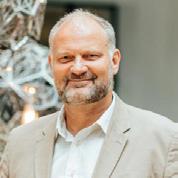
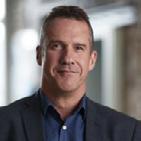
ANNABELL CHARTRES
Director - Trade Aid NZ
BRUCE WILLS
Chair - Ravensdown, Biodiversity Hawkes Bay, Director - FMG Insurance
DAVID CARTER
Executive Chair - Beca
Trustee - University of Auckland Foundation
Director - Meridian Energy
IZZY FENWICK
Chief Executive - Climate Foundation NZ
PENNY NELSON
Director-General - Department of Conservation
SIMON LIMMER
Chief Executive - Indevin Group
Director - AgriZero, Invivo & Co
VOLKER KUNTZSCH
Chief Executive - Cawthron Institute
Trustee - Citizens of the Sea
FORMER GUARDIANS
Fraser Whineray, 2019-2021
Sir Chris Mace, 2020-2021
Malcolm Alexander, 2019-2020
Stephen England-Hall, 2019-2022
Jane Taylor, 2019-2024
Carolyn Tremain, 2020-2025








Air New Zealand
Alliance Ecology
Bay of Plenty Regional Council
Beca
Bioeconomy Science Institute
Boffa Miskell
BRANZ
Cawthron Institute
Chapman Tripp
Contact Energy
Deloitte New Zealand
Department of Conservation
DLA Piper
DNA Design
Earth Sciences New Zealand
EnviroNZ
EY
IDEEA Group
Indevin Group
Kerridge & Partners
KPMG New Zealand
Land Information NZ
Local Government New Zealand
MartinJenkins
Mercury
Ministry for Primary Industries
Ministry of Business, Innovation & Employment
Ministry of Foreign Affairs & Trade
Ministry of Transport
Moana New Zealand
Nature Positive Limited
New Zealand King Salmon
New Zealand Post
New Zealand Trade & Enterprise
Ngāi Tahu Holdings
As at February 2026
Ngāpuhi Asset Holdings Limited
Ngāti Whātua Ōrākei Whai Rawa Ltd
Pāmu
Port of Tauranga
PwC New Zealand
QBE
Rabobank
Ravensdown
RealNZ
Rio Tinto | NZAS
Sanford
Sealord
Sudima Hotels
T & G Global Limited
Te Puni Kōkiri
Toitū Envirocare
Tourism Holdings Limited
Tourism New Zealand
Wellington City Council


VICKI
WATSON Chief Executive
JO JALFON Director - Communications

JESS HOPKINS
Communications & Digital Delivery
HANNAH DOOLEY
Executive Assistant, Events & RAP
“We know what is happening, we know what we must do –now, we must simply do it.”
— Sir Rob Fenwick, March 2020