

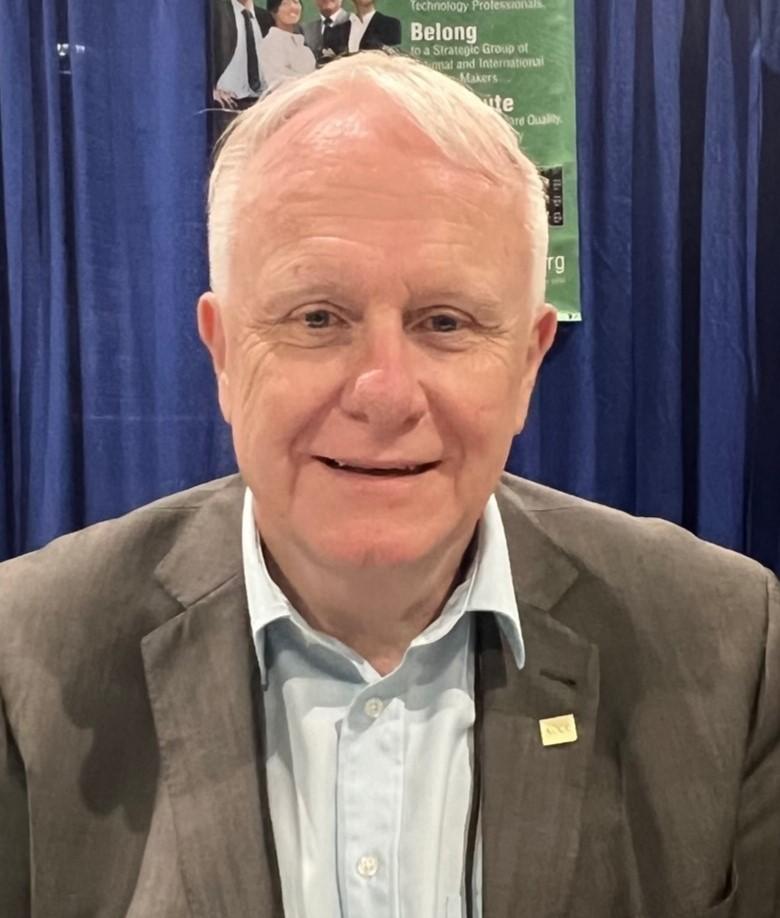
The autumn season is here, and I hope everyone was able to take some personal time over the summer months. Our new operating year 2024-25 began on August 16th with confirmation of the Board of Directors by ACCE membership. I want to personally thank all the Board members for their continued commitment to the ACCE and our profession. Your engagement truly makes a difference to everyone in the CE/HTM profession.
Our 2024-2025 educational webinar series kicked off in September and will continue throughout the year.
Thanks to the generosity of the co-sponsors: Crothall Healthcare, Medimizer, Sodexo Healthcare, and TRIMEDX, we are able to offer the series to ACCE members free of charge.
The October 10th webinar is entitled “Addressing the Expanding IoMT Attack Surface” and November’s edition will cover “Standardizing HTM’s Scope of Practice.” As we all know, the role and “scope of practice” of HTM/CE Departments varies widely across different organizations. This session will discuss the benefits of more standardized HTM/CE services in terms of “what” HTM does, “on what” HTM performs work, and “with whom” and “for whom” HTM accomplishes work.
Through to October 16th, the ACCE BOK Committee is continuing with the CCE InstructorLed Study Group examination prep webinars to support CCE exam candidates in preparing for their November written examination.
Effective August 31st, Ilir Kullolli, a key member of our leadership team at the ACCE for many years, reluctantly resigned from his current role as ACCE Immediate Past President. Ilir has served in no less than 8 positions on the ACCE Board of Directors over the last 12 years and is, to my knowledge, the longest serving ACCE Board member. ACCE members have learned a great deal from him over the last decade. Personally, I have relied heavily on Ilir as a mentor during my time on the ACCE Board and I know that even though he is no longer a Board member, I will continue to seek his sage advice in the future. We thank Ilir for his tremendous contribution to the ACCE and the entire CE / HTM field.
Following the ACCE Bylaws, the Board selected and appointed a new Immediate Past President from among the former Presidents of the College. I am happy to announce that Arif Subhan has accepted the position as Interim ACCE Immediate Past President for the remaining portion of 2024-2025 term.
The ACCE is a nearly entirely volunteer-powered organization and if you are interested in lending a helping hand, please reach out by completing this online form or contact us at secretariat@accenet.org

Kim Greenwood, President
College of Clinical Engineering
This column provides example questions and information regarding preparation for the CCE exam. The questions are based on topics from the ACCE Body of Knowledge survey and the CCE Study Guide, Version 13. Note that the instructors for the ACCE CCE Prep courses, and the writers for this column, do NOT have any affiliation with the CCE Board of Examiners and have no access to the actual exam questions. If you have specific topics you would like us to cover please contact editor@accenet.org
1) Electromagnetic Interference (EMI)/Radiofrequency Interference (RFI) Management (5.1.P) When implementing new technology at a hospital that uses wireless technology, what range per the WMTS ((Wireless Medical Telemetry Service) do you need to ensure does not interfere with the hospitals telemetry systems?
a. 174-216, 315-345, 470-668 MHz range
b. 608 – 614, 1395 – 1400, and 1427 – 1432 MHz range
c. 608 – 614, 450-470 MHz range
d. 512-520, 845-864 MHz range
2) Budget Development (5.8.A) What categories should NOT be included when completing an annual budget for your Clinical Engineering Department?
a. Salary, Wages, and Benefits
b. Test Equipment
c. Cleaning Supplies for preparing medical equipment/ rooms for patient care
d. Time & Materials Vendor Expenses
3) Help Desk/Dispatching/Call Tracking (5.4.C) You are asked to complete an analysis of streamlining how service events are captured through a consolidated call center for your Health System. What factors should be
ACCE News
ACCE News is the official newsletter of the American College of Clinical Engineering (ACCE).
Managing Editor
Ted Cohen tedcohen@pacbell.net
Co-Editor
Sonja Markez editor@accenet.org

considered when presenting a business proposal in support of or against the consolidated call system?
a. Ability to provide tech support for initial troubleshooting to most frequent reported problems
b. Hours of operations based on historical times call are placed
c. CMMS functionality to capture key elements of the service events and transfer calls
d. A & B
e. All of the Above
4) Capital Planning (5.1.D) What items should be included in the purchasing agreement for new technology?
a. Operating Manual, Service Manual, Training for CE, Software Upgrades for Life, Software Bill of Materials (SBOM), MDS2
b. Operating Manual, Service Manual, Closest Parts Depot, Field Service Engineer Name
c. Software Bill of Materials (SBOM), Closest Parts Depot, Field Service Engineer Name
d. Service Manual, Most Common Parts Failures, Service Manual, Closest Parts Depot
(Answers on page 13)
Circulation & Address Corrections
Suly Chi, ACCE Secretariat secretariat@accenet.org
Advertising Dave Smith advertising@accenet.org
ACCE News is a benefit of ACCE membership; nonmembers may subscribe for $75 per year. To subscribe e-mail: secretariat@accenet.org
Copyright © 2024 by ACCE
To our esteemed members,

At ACCE, our commitment is to provide clinical engineers, healthcare technology management professionals, and those in the healthcare industry with unparalleled resources and opportunities. Our ability to consistently exceed member expectations is a testament to the unwavering dedication of our Officers and Committees.
In alignment with our mission and to continue delivering exceptional value, we announce an update to our membership fee structure, effective January 1, 2025. This adjustment, the first in over a decade, reflects the necessary response to rising operational costs and our pledge to maintain the highquality content our members have come to expect. This membership fee adjustment is equivalent to an annual ~2% increase over more than a decade.
The revised fees will apply to Individual, Fellow, Associate, Corporate, and Institutional membership categories. You will find details of the membership fee below:
We are grateful for your continued support and understanding of the need for this
adjustment. Should you have any inquiries or require further clarification, please do not hesitate to reach out to us.
With appreciation, Kim Greenwood

(As per applicable international revisions, we will update countries listed here.)
Country of Residency 1
Andorra
Antigua and Barbuda
Aruba
Australia
Austria
Bahamas, The Bahrain
Barbados
Belgium
Bermuda
Brunei
Canada
Channel Islands
Chile
Croatia
Cyprus
Czech Republic
Denmark
Equatorial Guinea
Estonia
Finland
France
Germany
Greece
Greenland
Hong Kong SAR, China
Hungary
Iceland
Ireland
Israel
Italy
Japan
Korea, Rep.
Kuwait
Latvia
Liechtenstein
Lithuania
Luxembourg
Macao SAR, China
Malta
Mauritius
Monaco
Nauru
Netherlands
New Zealand
Norway
Oman
Panama
Poland
Portugal
Puerto Rico
Qatar
Romania
Russian Federation
San Marino
Saudi Arabia
Seychelles
Singapore
Slovak Republic
Slovenia
Spain
Sweden
Switzerland
Taiwan
Trinidad and Tobago
United Arab
Emirates
United Kingdom
United States
Uruguay
Virgin Islands (US)
Country of Residency 2
Albania
America Samoa
Argentina
Azerbaijan
Belarus
Belize
Bosnia and Herzegovina
Botswana
Brazil
Bulgaria
China
Colombia
Costa Rica
Libya
Macedonia, FYR
Malaysia
Maldives
Marshall Islands
Mexico
Mongolia
Montenegro
Namibia
Palau
Paraguay
Peru
Serbia
South Africa

Cuba
Dominica
Dominican Republic
Ecuador
Fiji
Gabon
Grenada
Iran, Islamic Rep.
Iraq
Jamaica
Jordan
Kazakhstan
St. Lucia
St. Vincent and the Grenadines
Suriname
Thailand
Tonga
Tunisia
Turkey
Turkmenistan
Tuvalu
Venezuela, RB
Country of Residency 3
Afghanistan
Algeria
Angola
Armenia
Bangladesh
Benin
Bhutan
Bolivia
Burkina Faso
Burundi
Cambodia
Cameroon
Cape Verde
Central
African Republic
Chad
Comoros
Congo, Rep
Cote d'Ivoire
Djibouti
Egypt, Arab Rep.
El
Salvador
Eritrea
Ethiopia
Gambia, The
Georgia
Ghana
Guatemala
Guinea
Guinea-Bissau
Guyana
Haiti
Honduras
India
Indonesia
Kenya
Kiribati
Kosovo
Kyrgyz Republic
Lao PDR
Lebanon
Lesotho
Liberia
Madagascar
Malawi
Mali
Mauritania
Micronesia, Fed. Sts.
Moldova
Morocco
Mozambique
Myanmar
Nepal
Nicaragua
Niger
Nigeria
Pakistan
Papua New Guinea
Philippines
Rwanda
Samoa
Sao Tome and Principe
Senegal
Sierra Leone
Solomon Islands
Somalia
South Sudan
Sri Lanka
Sudan
Swaziland
Syrian Arab Republic
Tajikistan
Tanzania
Timor Leste
Togo
Uganda
Ukraine
Uzbekistan
Vanuatu
Vietnam
West Bank and Gaza
Yemen, Rep.
Zambia
Zimbabwe
White House Panel at Healthcare Safety Forum Moderated by ECRI President and CEO
The White House Office of Science and Technology Policy (OSTP) convened key health organization leaders, patient and workforce advocates, healthcare system executives, and Biden-Harris Administration officials for a Healthcare Safety Forum on World Patient Safety Day on September 17th
tient’s voice, addressing unexpected harm events, workforce safety and wellbeing, and making healthcare safer by design.
“The achievements of today’s panelists deserve to be celebrated and shared broadly with the healthcare community,” said Marcus Schabacker. “They avoided the common trap many healthcare leaders fall into when faced with perennial safety issues: they re-

Marcus Schabacker, MD, PhD, the president and CEO of ECRI, moderated a panel at this forum to highlight successful practices that improve patient and workforce safety outcomes.
The Healthcare Safety Forum is designed to catalyze public and private action to achieve a milestone 50% reduction in patient and workforce harm towards the goal of zero preventable harm, and elevate best practices and build on the momentum of recent efforts to enhance patient and workforce safety.
Leaders from Cincinnati Children’s Hospital, MedStar Health and Prisma Health joined the panel moderated by ECRI to discuss empowering the pa-
fused to troubleshoot safety incidents in silos as isolated events. Instead, they led transformation in their organizations, rooted in systems-based thinking, human factors engineering principles, patient engagement, and workforce-just culture. At ECRI, we advocate for all these elements which comprise a holistic approach to safety, quality and equity. I’m proud to lead the panelists in a vital discussion about how this approach to healthcare can be scaled and applied in other care settings and institutions.”
The Healthcare Safety Forum featured speakers from the White House OSTP, Duke University, Department of Veterans Affairs, Agency for Healthcare Research and Quality, John A. Hartford

Foundation, President’s Council of Advisors on Science and Technology (PCAST), EndSepsis, Pittsburgh Regional Health Initiative, and the Deputy Assistant Secretary of Defense for Health Services Policy and Oversight.
“Patients deserve assurance that their safety is never compromised,” added Schabacker. “Every patient should feel confident in the system, knowing they will receive the highest quality care. Our healthcare workforce deserves support that enables them to reconnect to the passion that inspired them to join the profession in the first place: helping people by delivering compassionate care. It’s time to refocus on what truly matters putting people back at the center of healthcare.”
Recognizing that the home environment is an integral but overlooked component of the healthcare system, the U.S. Food and Drug Administration (FDA) recently announced its Home as a Healthcare Hub initiative. In a July 25 public meeting, ECRI weighed in with recommendations on the initiative, which aims to foster intentional design of housing spaces that allow people to more easily use medical devices and engage in healthcare at home.
The FDA initiative involves creating an augmented reality/virtual realityenabled home prototype hub. The goal is for device developers and other stakeholders to use the hub to visualize structural and design elements for more seamless integration of healthcare in the home setting, enabling patients to self-manage their clinical needs.
During the meeting, ECRI shared insights based on decades of experience conducting research, accident investigations, medical device testing, and evaluating ECRI’s database of patient (Continued on page 6)

(Continued from page 5)
harm incidents and “near misses” (the largest database of its kind) to identify alarming trends.
ECRI named challenges with homeuse medical devices the number-one health technology hazard of 2024. That, as well as the inherent complexity of many medical devices, led ECRI to stress to the FDA the importance of the following strategies in improving healthcare at home:
• Increase user-centered testing for home-use devices
• Prioritize cybersecurity in the connected home environment
• Establish a method for home health patients to report device issues and get support
• Focus on ease of use in the design of device-user interfaces, considering the needs of patients with physical limitations, disabilities, and varying levels of technology literacy
• Provide simple and concise instructions without medical jargon for home-use medical devices
• Plan for checkpoints in the medical device lifecycle that require a trained medical professional (e.g., equipment set-up, maintenance and repairs, ongoing training)
• Improve the device recall process so patients using home as their healthcare hub receive timely information.
“This initiative represents a laudable effort by the FDA with potential to improve health equity and accessibility for underserved populations,” said ECRI Vice President for Device Safety, Scott Lucas. “In advancing the Home as a Healthcare Hub initiative, we call on the FDA and leaders across the healthcare ecosystem to prioritize patient safety and strive to achieve zero preventable harm in the delivery of care. That commitment is especially critical as we adopt and modify nontraditional environments to become places where patients can receive quality healthcare.”
Keep in touch and let us know your thoughts on how ECRI can better help our clinical engineering community.
Ismael Cordero Senior Project Engineer, Device Safety, ECRI
icordero@ecri.org
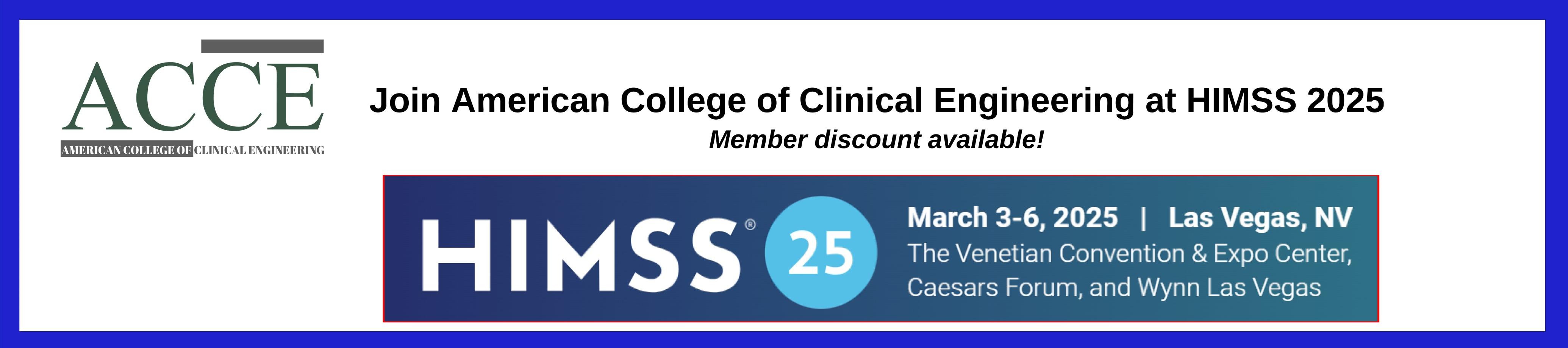
ACCE is a HIMSS25 Collaborator organization. ACCE members are eligible to register for the conference at a Collaborator Rate (same as the HIMSS member rate) to attend HIMSS25. To get the Collaborator Rate, ACCE members must use ACCE’s unique collaborator code when prompted during the registration process: GC25ACCE Stay tuned for more detailed information on the 2025 ACCE CE-IT Symposium to be held on Monday, March 3, 2025. Click here for the agenda at-a-glance. Book your HIMSS25 hotel today at authorized hotels
In this issue, we will highlight the journey of two ACCE past presidents.
Izabella A. Gieras, MS, MBA, CCE, CSSBB, FACCE, AAMIF
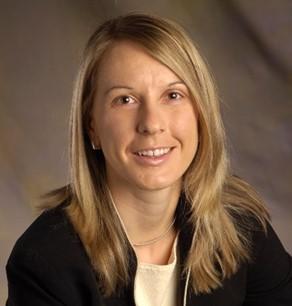
Izabella Gieras
Director, Clinical Engineering , Huntington Hospital/Cedars-Sinai Medical Center izabella.gieras@cshs.org
Since October 2021, Izabella has served as the Director of the Clinical Engineering Departments at Huntington Hospital in Pasadena and Cedars Sinai Medical Center in Beverly Hills, CA as part of the recent affiliation between the two hospitals. Before coming to Huntington in 2010, Izabella worked as the ARAMARK Healthcare Director of the Clinical Engineering department at The Mount Sinai Medical Center in New York City. Prior to that, she was with William Beaumont Hospital as the Director of Technology Management. Izabella leads a team of clinical engineering technicians, project coordinators, clinical and systems engineers, as well as administrative staff. The departments support equipment maintenance, technology management, risk assessment, safety and new equipment evaluations and acquisitions, as well as medical device integration for over 40,000 devices.
As the past president of ACCE (American College of Clinical Engineering) and because of her involvement in healthcare technology management,
Izabella has been invited to present on medical technology, human factors engineering, and healthcare safety at conferences worldwide, including HTAi (Healthcare Technology Assessment International), HIMSS (Healthcare Information and Management Systems Society) and AAMI (Association for the Advancement of Medical Instrumentation).
Izabella holds a B.S. in Electrical Engineering from the University of Cape Town in South Africa, a M.S. in Biomedical Engineering from the University of Connecticut, and an MBA from Walsh College in MI. Izabella has also received a CSSBB (Certified Six Sigma Black Belt) from the Certification Board of the American Society of Quality and has a CCE (Clinical Engineering Certification) from the U.S. Board of Examiners and Healthcare Technology Certification Commission. Additionally, Izabella received the Healthcare Technology Management Leadership award in 2015 from AAMI and the Professional Achievement in Management/ Managerial Excellence Award from ACCE in 2016.
Jennifer Jackson, MS, CCE, FACCE

Jennifer Jackson
Sr. Director, Business Development
Masimo Corporation jjackson@masimo.com
Currently, Jennifer serves as the Sr. Director of Business Development at Masimo Corporation in Irvine, CA. In this role, she leads the team responsible for developing the strategy for 3rdparty interoperability. She has also executed successful business development agreements with several technology and healthcare delivery partners. These partnerships have included applications for emerging trends related to hospital process automation, interoperability, the application of “wearables” technologies in and out of the inpatient setting, and strategic telehealth services.
Prior to her role at Masimo Corporation, Jennifer served as the Executive Director of Clinical Engineering and Device Integration at Cedars-Sinai Health System in Los Angeles, CA. In this position, she led strategic efforts to build medical device and integration programs based on service line requirements. Some notable accomplishments include the implementation of an enterprise-level unified communications platform leveraging Hill Rom (Voalte) and Connexall, the integration of BD/Carefusion/Alaris IV pumps with a bidirectional communication interface to EPIC’s electronic medication administration record, and a successful cross-disciplinary quality improvement initiative to reduce the risk of adverse events related to opioidinduced respiratory depression. Outside of work, She enjoys exploring distant lands, going on hikes with her pups, cooking Mexican and Italian cuisine, and gaming with her child. She earned her Biomedical Engineering B.S. at Boston University, where she attended the College of Engineering from 1992 to 1996. She also completed the MBA program at Babson College from 2003 to 2005.
(Continued on page 8)
(Continued from page 7)
Gieras: I have been involved with ACCE since 1998 when I started my clinical engineering internship at UCONN. The journey has taken me through many different positions on the Board as well as the Committees. I have been involved with the ACCE Board since 2001, and served as ACCE President from 2004-2006.
Jackson: For a very, VERY long time (circa 2003 -2004). I have been involved with the ACCE Board since 2005, and served as ACCE President from 2008-2010.
Gieras: I love it and hope we can continue to welcome more women into the field.
Jackson: Being a woman in engineering has been a journey full of both challenges and triumphs, and I’ve experienced it all. Graduating with honors in Biomedical Engineering was an incredible achievement, and my successful career in Clinical Engineering reaffirmed my belief that talent and dedication can shine through any barriers. Throughout my career in the healthcare delivery setting, I’ve always focused on the work, the impact, and the innovation. I’m proud to have navigated a field where, for the most part, my gender never felt like a hindrance. The emphasis was always on my skills and contributions, and that’s a testament to the progressive nature of the field. However, my experiences at a couple of organizations in the medical device industry has brought to light some of the persistent challenges women face. It’s disheartening, but it’s also a reminder of why it’s so important for us to advocate for change and support one another. Even in these tough situations, I remain hopeful. The presence of such attitudes
only reinforces the need for more women to lead and to create environments where everyone is valued for their contributions, regardless of gender. I believe that our collective efforts can shift the culture in engineering towards one of greater inclusivity and respect. I’m committed to being a part of that change, and I’m inspired by the growing number of women and allies working to make the field more equitable. Every challenge is an opportunity to make a difference, and I’m excited to see how the future unfolds for women in engineering.
Who/what was your greatest influence/advocate for choosing clinical engineering?
Gieras: During my last year of my BSEE degree in South Africa, I was exposed to several elective courses in clinical engineering. This peaked my interest and led to my further pursuit as a career.
Jackson: I was fortunate to have a close friend recommend a Clinical Engineering job opportunity at Brigham & Women’s. I had already worked for the organization immediately after graduating from Boston University so it felt like I was coming back home. From there, I had inspirational leaders both in the Biomedical Engineering department and with our business partners (Nursing, Anesthesiology, etc.) that made sure that I knew that the work I was doing was important and valued by many. Then I attended my first ACCE meeting in Minneapolis, MN and I knew there and then that I had found my tribe. I am so very grateful to Patricia Volpe, Jeffrey Cooper, Michael Fraai, Julian Goldman, MD. and Izabella Gieras (and SO MANY OTHERS) for exposing me to Clinical Engineering.
What surprises you in clinical engineering?
Gieras: Everyday there is something new in our field, new technology, new
innovations, new people we meet. Jackson: What continues to surprise me is that, for all that Clinical Engineers and HTM professional do in healthcare, it is still a relatively unknown profession. Thanks to organizations like ACCE and their Advocacy Committee, that is changing, but I feel we still have a lot of work to do to encourage others to consider Clinical Engineering as a profession.
Gieras: Don’t be afraid to learn more about the field; we have so many options within CE, I am sure there is a fit for everyone
Jackson: Clinical Engineering is such an important profession because it truly does cover all stages of the clinical technology lifecycle. We write clinical and technical requirements. We manage budgets and spending with precision. We answer the phone (or pager) at 2AM on Saturday when something isn’t working as expected. We lead the RCAs (Root Cause Analysis) that sometimes requires us to ask very difficult questions of people who are at their most vulnerable, professionally. We are leaders and managers of teams that report to us directly, peripherally, or not at all (CEs are the original Influencers are we not?). There truly is something for everyone with our profession. AND, I suspect it is the engineering discipline with the highest number of women employed throughout the ranks. Believe me, this is something that you miss when it is gone (or you no longer work formally in Clinical Engineering any longer.
Erin Sparnon, MEng Member, Advocacy Committee
Erin.sparnon@gmail.com

On June 28th, the Supreme Court issued a decision in Loper Bright Enterprises v. Raimondo, which overturned the legal doctrine known as Chevron Deference. Since 1984, it required Courts to give broad deference to a government agency’s interpretation of ambiguous Federal law. Under Loper Bright, courts must now instead “exercise independent judgment [and] not defer to an agency interpretation of the law simply because the statue is ambiguous.”

It’s shaken up the industry. In a July 9th AdvaMed webinar, Selina P. Coleman, partner at the Life Sciences Health Industry Group, called it “a landmark supreme court decision, which is ushering in a seismic shift in the balance of power between agencies and courts.”
This decision could have a wideranging impact on many aspects of business in America, including medical devices and healthcare technology management. It might also elevate the importance of standards, making them more vital in the lawmaking process.
The potential new role of standards
To start, overturning Chevron deference does not change the function of regulatory agencies, nor does it limit Congress’s power. Agencies like EPA and FDA retain the rulemaking authority granted to them by congress. Once established and made known, agency rules still have the force of law.
Now, though, courts can exercise more discretion in reviewing any challenges to agency interpretations of law, reducing the likelihood that an agency issuing a new rule will go unchallenged.
The role of voluntary consensus standards in supporting medical device regulation may not lessen in this new environment. “When FDA recognizes a standard, they’re saying they will accept conformance with that standard as evidence to support a manufacturer’s claim of compliance with related regulations. But meeting the standard is not required. You don’t have to use the standard,” explained Joe Lewelling, vice president of industry at AAMI. “Right now, it is not clear that Loper Bright would hinder FDA’s current practice.”
In fact, standards might become more important, he said. “They will allow the FDA, in partnership with the medical device stakeholders, to declare what is necessary for safety and effectiveness without putting those specific details in the statutory requirement as well.”
Diane Wurzburger, Vice-Chair of Industry for AAMI’s Board of Directors, is the Executive of Regulatory Affairs, Developed Markets, and Global Strategic Policy for GE Healthcare. She agrees that standards will continue to be very important as they bring “an aspect of objectivity.”
“Many standards set criteria that are black and white,” she told AAMI News. “Very simplified, it’s ‘yes’ or ‘no’ it’s either going to meet the spec or it doesn’t meet the spec” which is a level of clarity desired by regulators and companies alike.
Ending Chevron deference allows different interpretations of a regulation and “that’s where there may be an opportunity for a work product of AAMI [or another standard developer] to help clarify what an interpretation means or is intended to be,” she added.

How will it make a difference? To be determined.
What will actually happen is up in the air, in part because the ruling is so recent, and it did not wipe any current regulations off the books. The decision in Loper Bright Enterprises v. Raimondo only applies to new or pending litigation, and did not retroactively affect rulings on past challenges to regulation. However, a ruling issued by the Court three days after Loper Bright in Corner Post Inc. v. Board of Governors, found that the six-year statute of limitations to challenge agency rules under the APA (Administrative Procedure Act) was triggered not by the issuance of the regulation but from the date a party suffered injury as a result of the rule. This finding greatly expands the universe of regulations that may be challenged. As such, a new business may challenge an old regulation that was formerly upheld under proChevron framework.
“It could work in several directions, so it’s very complicated and may not have the impact everybody predicts” said Jeff Gibbs, Director at Washington, D.C.-based law firm Hyman, Phelps & McNamara. “We live in a very big country with a lot of legal issues and a lot of legal systems. It’s not a simple decision that’s just going to have a clearly visible outcome.”
Patricia Griffin is general counsel for the American National Standards Institute (ANSI), which coordinates the U.S. voluntary consensus standardization system. She told AAMI News that “there are many unknowns regarding Loper, including whether the decision will have any impact on the federal government’s reliance on voluntary consensus standards, what kind of deference will remain now that Chevron is gone, how many new challenges will be permitted under Corner Post (issued after Loper), how congress and the judiciary will respond to the chal-
(Continued on page 10)
(Continued
lenges brought about by these landmark decisions, whether voluntary consensus standards will become more important in the regulatory/ congressional context, or how these cases impact current debates about standards Incorporated By Reference.” She noted that amicus briefs may carry more weight in the future, because these filings may provide more context for judges interpreting statutes.
At the July 9th AdvaMed seminar, David A. Bender, Senior Associate at the Life Sciences Health Industry Group, presented an analysis of past challenges to FDA, CMS, and EPA. They found that when circuit courts applied Chevron deference in their ruling, agencies won over 93% of cases. Agencies only won 38.5% of cases when courts reviewed agency action de novo. Since 2000, FDA won in every appellate opinion that applied Chevron deference.
With Chevron deference ended, Coleman posits that there will be “more emphasis on technical legislation drafting to the extent that clarity can be achieved through Congress and stakeholder support.” Industry stakeholders, including standards developers, may also be called on to collaborate with lawmakers to help work clarifiedspecific language into legislative drafting. “Industry input will become more valuable on the front end before statutes are enacted to try to get things right the first time, which we know can be a tall order,” she said.
Wurzburger expects it to take six months to a year to see some clarity. “Maybe there’s going to be some cases to help us understand how those decisions are going to be made,” she said. We can’t say “whether some courts will continue to provide deference to the agencies while others will not.”
But the impacts may not be as widespread as Chevron had already been weakened by decades of other court rulings, added Lewelling. “Chevron had been dying the death of 1,000 cuts for some time now… Loper Bright wasn’t the first case restricting its impact, but it does appear to put the nail in the coffin of the Chevron deference.”
Daniel Visnovsky Manager, Media Relations AAMI dvisnovsky@aami.org

We welcome our newest members, approved by the Membership Committee, and supported by the Board of Directors:
Jason Walewski Corporate/Associate Senior Site Manager TRIMEDX MI/USA
Julianna Fuqua Individual Clinical Engineer
Danial Salimizad Individual Manager, Plant Operations & Maintenance
Mark Millevile Institutional Individual Clinical Systems Engineer IV
Leopoldo Yabar Individual Advisor and Teacher
Ibrahim Aldoreh Individual Supervisor, Biomedical Engineering Technology
Jaspinder S. Ratth Institutional/Associate Clinical Engineer II
Liana Lucky Institutional Individual Biomedical Engineer
Gregory Johnson Institutional Individual Chief, HTM
Rachel H. Molnar Institutional/Associate Biomedical Engineer
Mercedes Rivas Individual Bench Technician
Tarique Ali Individual Biomedical Engineer
Elizabeth West Student Student/Biomedical Engineering
Amy Klemm, MS, CCE Membership Committee Chair Amy.s.klemm@gmail.com
Alaska Native Tribal Healthcare Consortium AK/USA
Lennox & Addington County General Hospital Ontario/Canada
Kaiser Permanente MD/USA
Peruvian University Cayetano Heredia CT/USA
Humber River Health Ontario/Canada
Cedars Sinai CA/USA
Veterans Affairs DC/USA
Augusta VA GA/USA
Veterans Affairs GA/USA
Schiller Americas FL/USA
SA Healthcare Cape Town/South Africa
University of Connecticut CT/USA

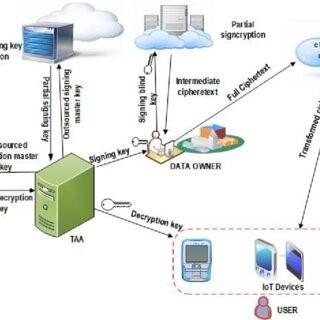
In today’s healthcare environment, it is increasingly crucial to integrate health information into clinical engineering workflows. As hospitals and healthcare facilities strive to enhance patient outcomes and operational efficiency, clinical engineers are tasked with ensuring that medical technologies are effective and seamlessly integrated with health information systems. This integration is essential for optimizing the use of medical devices, facilitating data-driven decisionmaking, and ultimately improving patient care.
At the heart of this integration lies clinical engineers’ need to collaborate closely with IT departments, clinical staff, and management. Effective communication and teamwork are paramount in creating a cohesive environment where health information can be utilized to inform engineering decisions. For instance, when a new medical device is introduced into a hospital, clinical engineers must work alongside IT professionals to ensure that the device’s data output can be effectively captured and integrated into the existing electronic health record (EHR) systems. This collaboration not only enhances the device’s functionality but also allows for real-time patient data monitoring, thus improving clinical decision-making.
advocating for adopting universally accepted standards, such as Health Level Seven International (HL7) and Digital Imaging and Communications in Medicine (DICOM), clinical engineers can facilitate smoother data integration processes and ensure that critical health information is readily available to clinicians.
Furthermore, integrating health information involves more than just technical compatibility; it requires a keen awareness of workflow processes within the clinical setting. Clinical engineers must analyze and understand the end-user workflows to design and implement systems that maintain existing practices. This demand necessi-
flows becomes even more pronounced.

One of the primary challenges in integrating health information into clinical engineering workflows is the variability in data formats and standards across different medical devices. Many devices generate data in proprietary formats, making it difficult to standardize information across the healthcare system. Clinical engineers must thoroughly understand these data formats and work to develop solutions that enable interoperability. By
of clinical operations and the ability to anticipate potential challenges during implementation. For example, when integrating a new monitoring device into the workflow, clinical engineers must consider how the data it generates will be accessed and utilized by healthcare providers, ensuring that the information enhances rather than hinders their ability to deliver care. Moreover, as healthcare increasingly moves towards value-based care, the importance of integrating health information into clinical engineering work-
Clinical engineers are essential in ensuring that technologies meet clinical requirements and support the goals of improving patient outcomes and reducing costs. By utilizing health information analytics, they can identify trends in device performance and patient outcomes, enabling informed decisions on equipment procurement, maintenance, and upgrades, ultimately enhancing resource allocation and patient care. Furthermore, integrating health information supports regulatory compliance and safety. Clinical engineers ensure that medical devices adhere to safety standards and are monitored for performance issues. By incorporating health information systems into their workflows, they can streamline incident reporting and device tracking, facilitating the timely identification of safety concerns and enabling prompt corrective actions to maintain patient safety. Integrating health information into clinical engineering workflows is vital for enhancing care quality in healthcare settings. Collaboration among clinical engineers, IT departments, and clinical staff fosters effective use of health information technology.
Fabiola Martinez, MS, PhD Chair, IFMBE/CED boardchair@ced.ifmbe.org

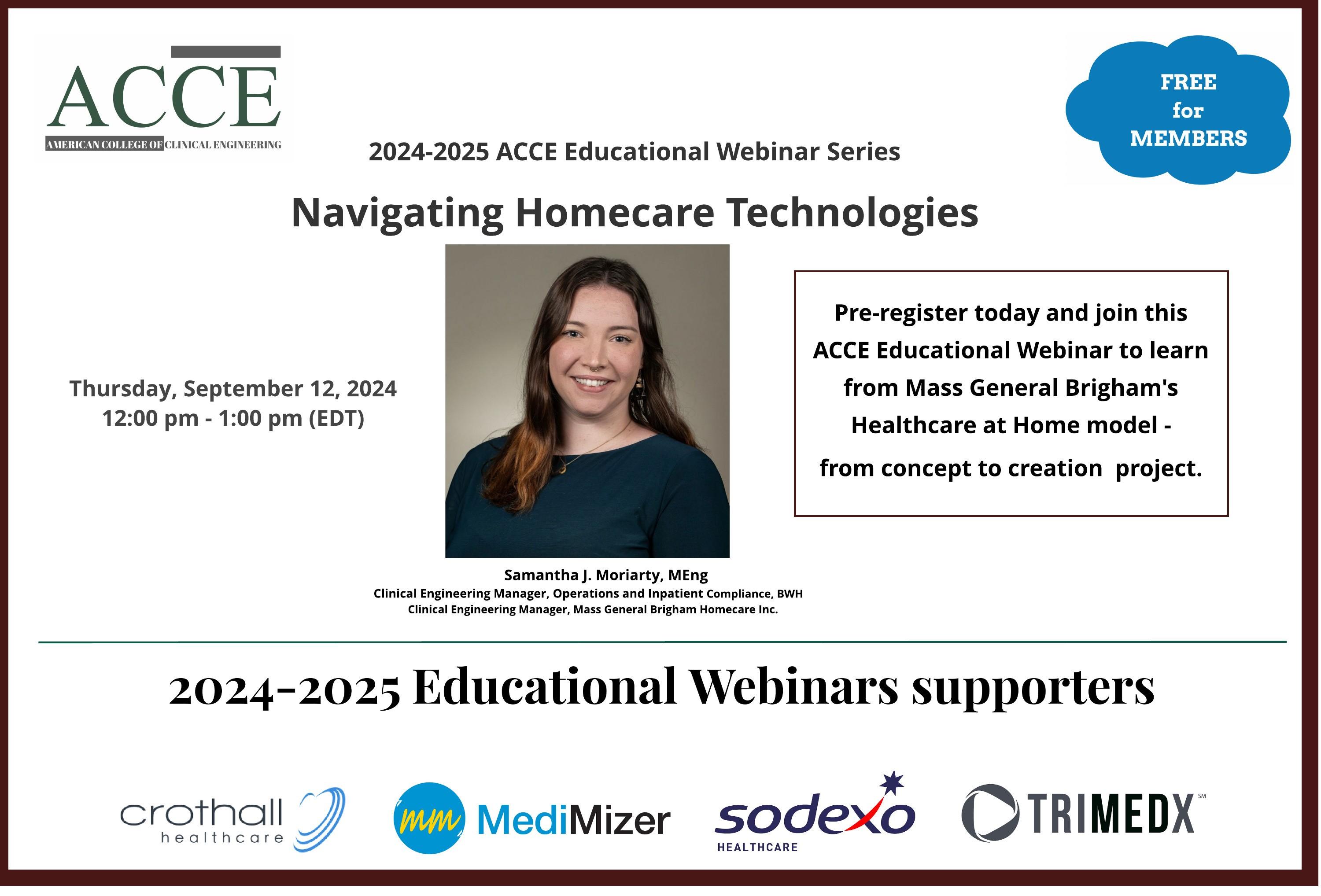
In ACCE’s 2024-2025 Educational inaugural webinar session, Navigating Homecare Technologies: Mass General Brigham’s Healthcare at Home Model, speaker Sam Moriarty provided a comprehensive overview of Mass General Brigham’s innovative Healthcare at Home program. The session highlighted the importance of home health programs and the critical role healthcare technology management (HTM) plays in their success. Moriarty covered the history of Mass General Brigham’s homecare initiative while highlighting the conceptual framework and implementation strategy of the program, emphasizing technical support, regulatory compliance, and process improvement. The discussion addressed the program’s success, including geographic expansion and strategic partnerships with Best Buy Health. Moriarty concluded by underscoring the program’s positive impact on patient outcomes, operational efficiency, and scalability, offering a glimpse into its future potential and long-term sustainability.
In case you missed the live session, you may review the presentation material on the ACCE website by logging in to your member’s account.
Priyanka Shah
Session Moderator and Education Committee Member. pshah@ECRI.org
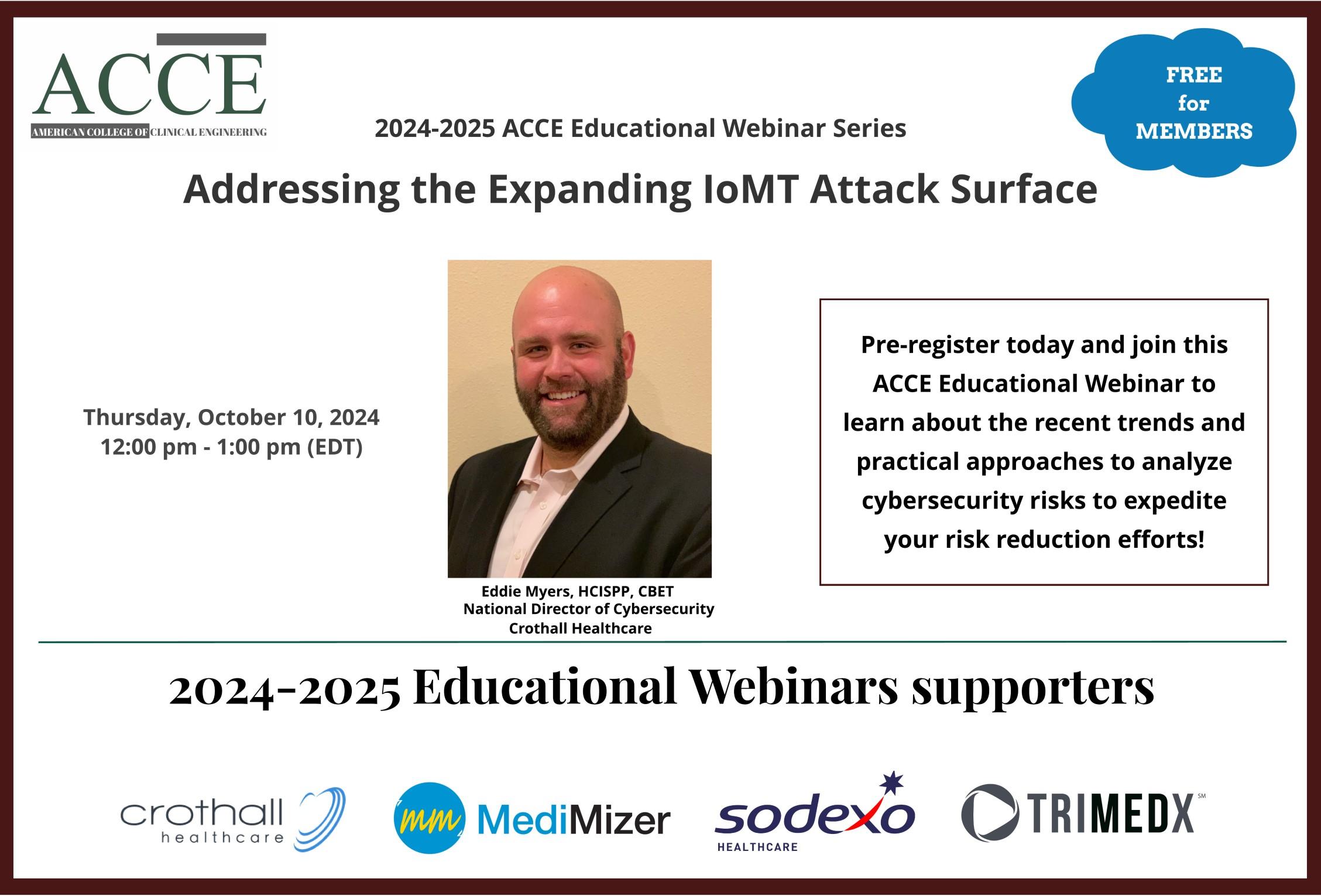
The Educational webinar series is scheduled to continue with Session #2 on October 10th covering the topic: Addressing the Expanding IoMT Attack Surface. Register today and join our speaker Eddie Myers to learn about the recent trends and practical approaches to analyze cybersecurity risks to expedite your risk reduction efforts.
Session#3 on November 14th will cover the topic: Standardizing HTM’s Scope of Practice. Register here.

Pre-register today and join our panelists to discuss the benefits of more standardized HTM/CE services in terms of “what” HTM does, “on what” HTM performs work, and “with whom” and “for whom” HTM accomplishes work.
Suly Chi
Webinar Coordinator
sulyc@accenet.org

Correct answer: A
Correct answer: B
Explanation: The Wireless Medical Telemetry Service (WMTS) is in the 608 – 614, 1395 – 1400, and 1427 –1432 MHz range. To help alleviate additional interference to wireless medical telemetry devices, the FCC took action to establish the Wireless Medical Telemetry Service (WMTS) in 2002.
Correct answer: C
Explanation: Multiple factors should be included to complete a budget. Salary, wages, and benefits are among the highest direct costs for the department. Be sure to include dollars for promotions, annual raises and net increase in the headcount. Test Equipment is essential for the team to perform the required test for PMs and repairs properly and should be planned for replacement on a routine basis. Vendor spend, whether time and materials or contract, is a key to accurate budgeting. If possible, analyze vendor spend over a three-year cycle or greater. One year doesn’t often provide accurate trends. Cleaning supplies for medical equipment should be included in the EVS budget.
Correct answer: E
Explanation: The analysis should demonstrate the value of adding/consolidating the team. To complete the business case in favor or against, the following questions should be answered for a complete proposal: Will the team collect details, or will the team be able to offer initial troubleshooting? Depending on the skill and competency, it will change the budget for salary and wages. How (if at all) will it impact the FTE headcount in the CE department? What hours of the day need to be staffed? Could certain hours be staffed to troubleshoot, and other hours be planned for recording details only? What features do you need to add/ customize in your CMMS to allow for the change in process? All of the answers from the question will help determine the feasibility of the proposal.
Explanation: Purchase Agreements are critical to success beyond the initial purchase. Multiple factors should be considered. The Operating Manual is crucial for the clinical staff to have the operating instructions, which include equipment pre-checks, step-by-step instructions for using the device, cleaning procedures, instructions for use, consumable lists, and troubleshooting steps. The Service Manual is essential for Clinical Engineering as it includes PM procedures, steps for troubleshooting, frequent error codes, test equipment needed for proper completion of safety checks, and acceptable output ranges. Including training as part of the purchase agreement solidifies the ability of the team to pursue training to complete the work in-house after the warranty ends. Even if the training is first look, it will improve uptime over the life of the equipment. Software upgrades for life could save your organization hundreds of thousands of dollars, as most devices have operating systems that need continuous upgrades to stay current with new applications. Including details that may be dated or change over time, such as closest parts deport or the field service engineer’s name, are not value add for the life of the equipment.
References
1. Study Guide V13
2. https://www.fcc.gov/wireless/bureau-divisions/ mobility-division/wireless-medical-telemetry-servicewmts
3. 47 CFR Part 95

Jennifer Nichols, CCE CE Body of Knowledge/CCE Promo Chair jennie_nichols@yahoo.com

The Journal of Clinical Engineering is a compilation of articles, papers, and extensive manuscripts relevant to clinical/biomedical engineering or biomedical technology. Subject matter directly relates to the engineering or technology involved in patient care and treatment or technology in the broad field of health care delivery.
ACCE members receive a discounted subscription to the Journal of Clinical Engineering for only $99! (Originally $378). You must login to the ACCE website to view the code.


can be made to take the written exam in most major cities around the world at computer-based testing facilities managed by Prometric. If you have any question, please contact HTCC Secretariat at certification@accenet.org 14 Nov 2024
1:00
2024-2025
and