
A Letter From Our Executive Director
However you choose to engage — with your time, your financial support, or by visiting our preserves and taking part in our programs — you are part of work that truly matters. As spring unfolds, I’m grateful for the opportunity to share our work with you.
Expanding Our Preserve System
Investment in high-impact conservation on private lands has never been more urgent or more promising. Our commitment to land ownership remains our greatest strength for pursuing a deep conservation vision: stewarding land permanently, opening it to the public free of charge, and restoring habitats and wildlife.
Right now, we are advancing major land acquisitions that will conserve more than 35,000 acres of extraordinary landscapes across California and Arizona. Among them is the 1,400-acre Eel Rock property in Humboldt County, the next “jewel” in the Eel River Emerald Necklace and a key connection to the future Great Redwood Trail, with opportunities to enhance steelhead habitat and cultural stewardship.
In Ventura County, the Sespe Foothills Acquisition Project continues to build momentum and will protect essential habitat and anchor a wildlife corridor between the Topatopa and Santa Monica Mountains for mountain lions, California condors, butterflies and more.
Recommitting to Rewilding
Our commitment to restoration is moving into large-scale action this summer as we break ground on major restoration projects to renew rivers, forests, and coastal wetlands. We are also advancing efforts to reintroduce keystone species, including beaver, elk, bighorn sheep, and native fish, where they once
Gifts of the Earth
Before his passing in 2025, Wildlands cofounder David Myers was writing a collection of essays. The following pages include one of his completed pieces, a reflection of his spirit and Wildlands’ philosophy.
shaped healthy ecosystems. Subscribe to our email list for rewilding updates from across the preserve system.
Investing in the Future
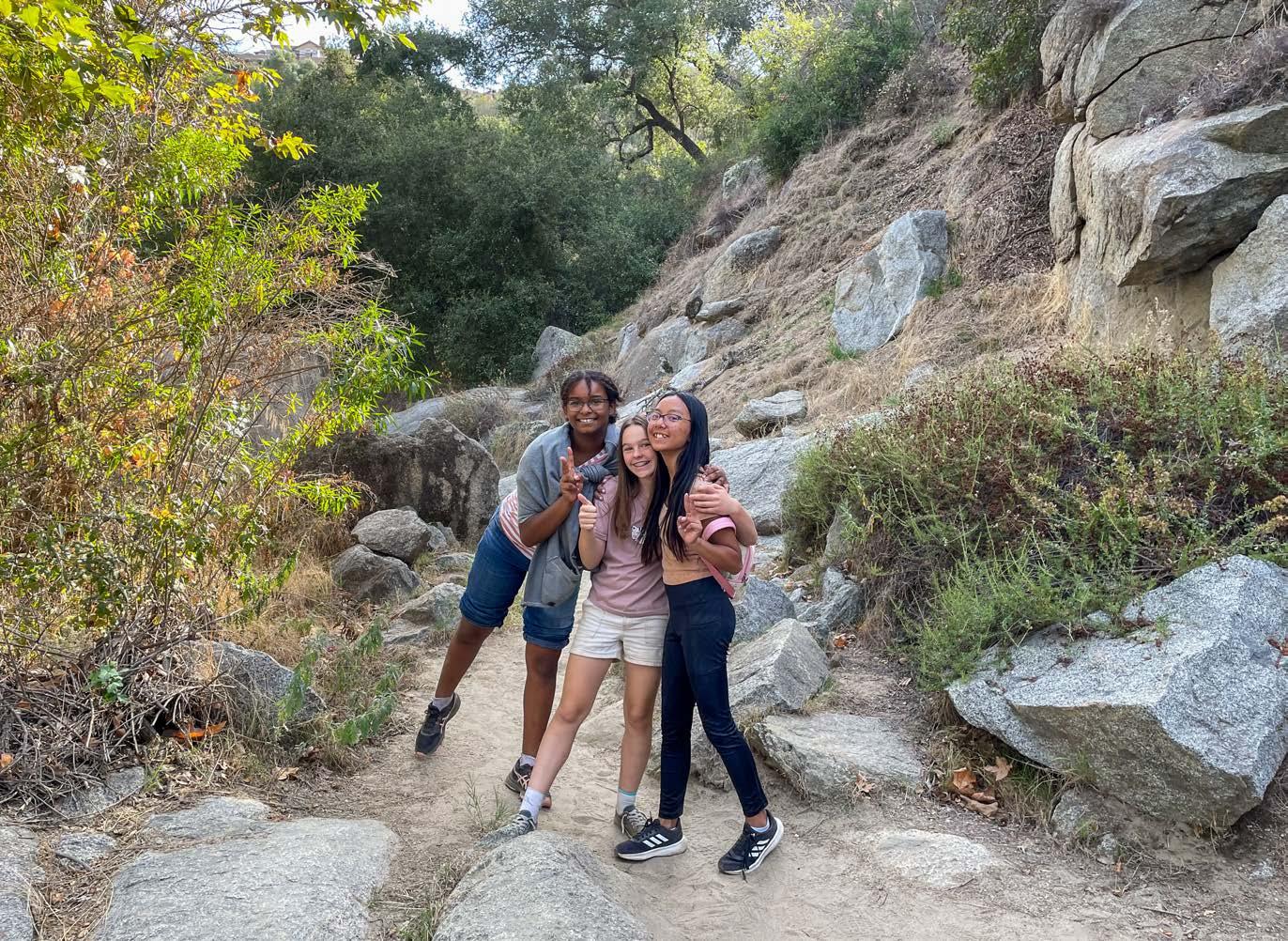
The impact of this work extends beyond acreage through our outdoor education programs. Challenges around student social and emotional well-being have been widely documented, and teachers in these programs continue to see them firsthand. Through naturalist-led programs that nurture curiosity, quiet exploration, and meaningful time outdoors, children rediscover resilience, confidence, and a sense of belonging in the natural world.
Your time, energy, generosity, and belief in this work make our impact possible. Thank you for supporting our “wildest” ambitions and for your partnership in building a more resilient planet for the remarkable life forms that call it home.
Warm regards,

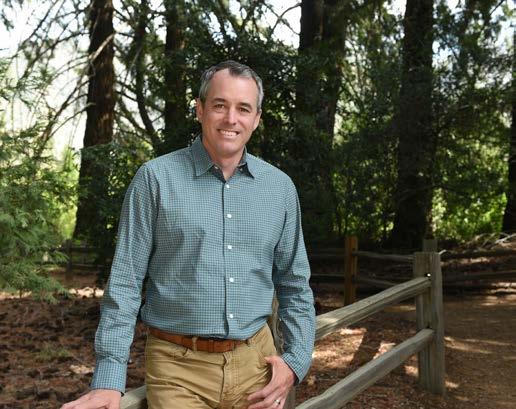
Frazier Haney Executive Director
Behold the Beauty
Our Core Beliefs and Principles
Behold the Beauty is more than a motto, it’s our guiding philosophy. It reflects the belief that nature is the source of life, and that people are part of it.
In wild places, we find stillness, belonging, and a sacred connection that reveals who we are beyond the noise of daily life.
To Behold the Beauty is to slow down, be mindful, and foster love and respect for life in all its forms.
First Tenet
The Earth is sacred.
We are committed to boldly protecting the Earth through private land acquisition and securing these lands forever with the strongest legal means possible.
Second Tenet
Access to nature is a birthright. Our preserves and programs are open to all people for free every day, reducing the socioeconomic barriers that promote disconnection from the natural world.
Third Tenet
Children are the future protectors of the Earth. Each generation inherits the beauty of the natural world and the responsibility to care for it. Our free outdoor education programs, with a particular focus on youth from disadvantaged communities, help cultivate the next generation of stewards and conservation leaders.
Fourth Tenet
Nature is resilient.
We work with nature to heal human impacts to the beauty of the land, restart natural processes, and rewild native species.
Fifth Tenet
Modern environmental crises pose an urgent threat to the Earth and people.
To address the climate, extinction, and pollution crises, we focus on projects that are truly additional to existing compliance and regulation, and respect the intrinsic value of nature.
Sixth Tenet
Saving land is a permanent commitment. Every conservation project carries with it a
promise: to remain committed to protecting, stewarding, and advocating for these places so they remain wild and whole for those who come after us.
Seventh Tenet
Beauty calls us to act. Wherever there is a place of great beauty and biodiversity, people will be given the eyes to see it, the mind to understand it, and the passion to protect it. We support and lead advocacy efforts by those who have answered that call.
Eighth Tenet
Humans are a part of and not separate from nature.
We welcome passive recreation at our preserves, ensuring use of the land is consistent with the protection of its wild character. By placing these limits, we uphold both the beauty of nature and our place within it.
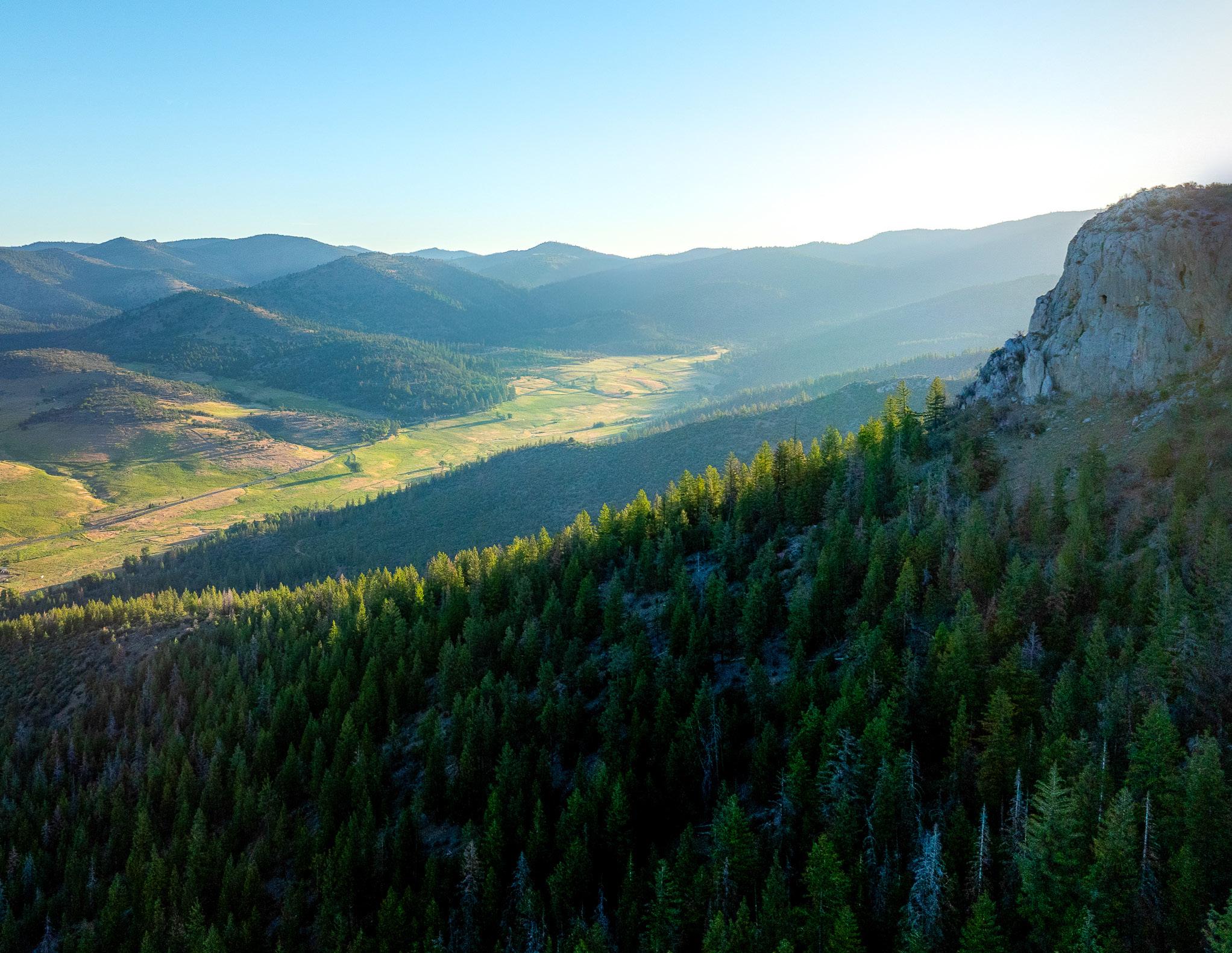
On the cover: Lovers Leap rock formation overlooks AP Ranch in Siskiyou County. The property will expand Beaver Valley Headwaters Preserve to more than 20,000 acres. Photo courtesy of California Outdoor Properties.
by
Photo
Gary Peplow
GIFTS OF THE EARTH
SANTA MARGARITA RIVER TRAIL PRESERVE
FALLBROOK, CALIFORNIA
by David Myers
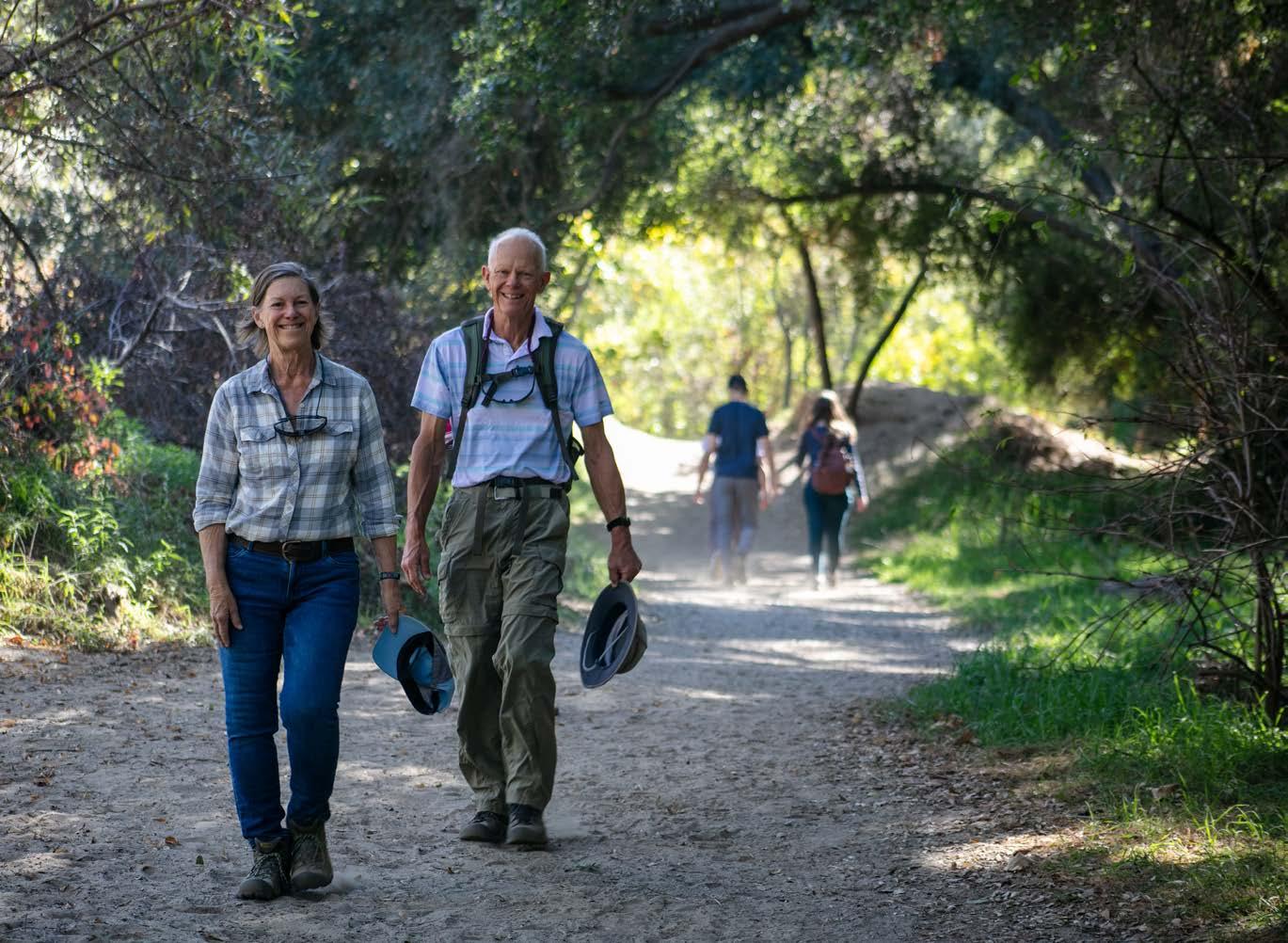
THE GIFT TO WALK THIS EARTH, which you can’t jump off, lives at Santa Margarita River Trail Preserve, as it’s honored at all 24 Wildlands preserves. Hiking under elephant-limbed oaks, looking at the ripples of the largest undammed river in Southern California, aware you’re on one of the toprated trails in San Diego County, visitors often ask rangers, “Why doesn’t The Conservancy charge an entrance fee?” A Ranger may respond, “Wildlands believes, ‘If you have to pay to visit Nature, you have been dispossessed of your birthright.’” Free access breaks down socioeconomic barriers that prevent members of our society, who need Nature most, from having access. Wildlands' co-founders believed, “If Carnegie could build free libraries across America, The Wildlands Conservancy can build free Nature preserves.” Our Outdoor Discovery Programs teach children that the Earth is our home— charging a fee would make that a disingenuous teaching. Opening for free is not only a core belief, it’s an organizational platform. The Conservancy uses its free access to remind visitors that we are all co-owners of over 635 million acres of public land, that two of its managers—The Forest Service and Bureau of Land Management (BLM)—open hundreds of millions of acres of Western lands for free outdoor recreation. Our Public Lands remind us, in America, you need not be rich or well-born to have access to our Nation’s magnificent lands. Public Land is a uniquely American right that belongs to us all alike. We must be vigilant that private interests don’t wastefully exploit our Public Lands or privatize what belongs to us all by a sale to a few. This Gift of the Earth includes lands administered by our National Park Service—Lands that, to many Americans, represent the Beauty of our Nation’s Soul.
Opportunities like this — where protection, restoration, rewilding, and public access come together across an entire watershed — are generational and shape the future conservation legacy of the landscape.
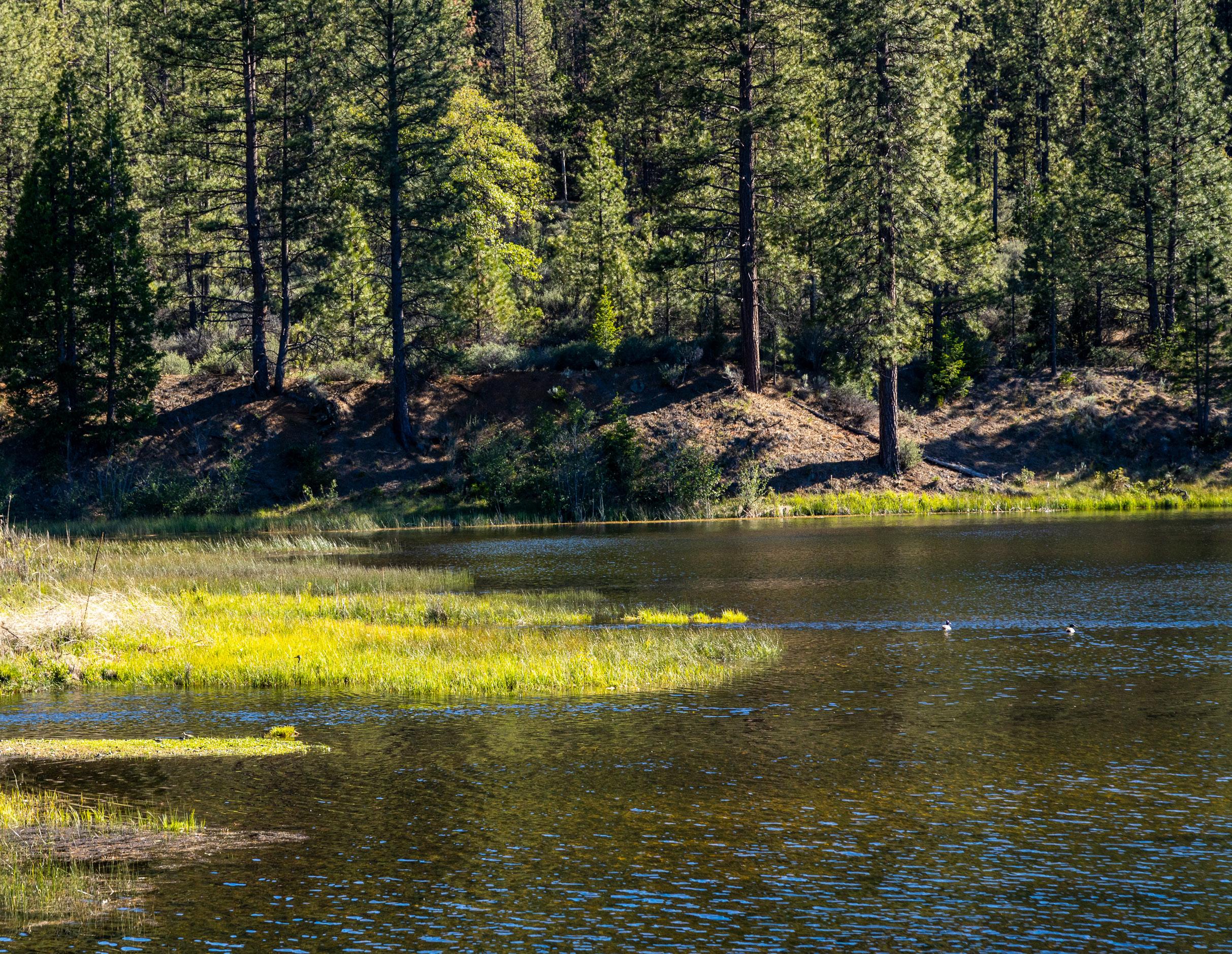
Snow-fed streams wind through the western reaches of Siskiyou County, moving through forest and open meadow before joining the East Fork of the Scott River. Along the way, cold, clean water shapes habitat that salmon and other wildlife depend on, sustaining one of the most ecologically important river tributaries in the Klamath watershed.
The Wildlands Conservancy is working to acquire the historic AP Ranch: 14,177 acres, protecting the headwaters of the East Fork Scott River and opening the door to major ecological restoration and rewilding projects. The acquisition would expand Beaver Valley Headwaters Preserve to more than 20,000 acres, and combined with a 10-year stewardship agreement on 33,000 acres of adjacent U.S. Forest Service lands, it would bring the conservation project area to over 50,000 acres, advancing coordinated stewardship across a broader landscape.
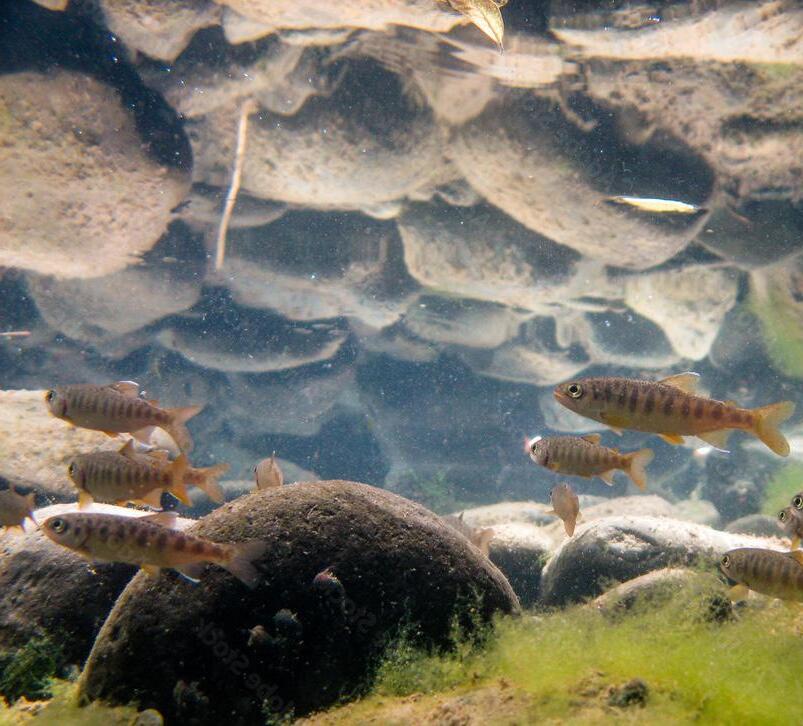
In total, the expanded Preserve would protect more than 10 miles of the East Fork Scott River and key tributaries, an ecologically rich system essential to the recovery of native fish, including coho salmon and steelhead.
These waterways also support beaver, a keystone species that plays an important role in shaping habitat. Through dam-building, beavers slow and store water, reconnect floodplains, and create
A Safe Haven in Siskiyou County
Expanding Beaver Valley Headwaters Preserve
wetlands that support a wide range of species. As part of our approach to rewilding, we work with partners like the Quartz Valley Indian Reservation, the Karuk Tribe, Lomakasti Restoration Project, CalTrout, and the Scott River Watershed Council to restore habitat and species that support these natural processes, strengthening the function and resilience of the entire system.
Bordering the Klamath National Forest, the landscape supports American goshawk, mountain lions, black bears, and elk, and lies within the expanding range of gray wolves. Protecting this land will help maintain a connected system where wildlife can move and thrive: through conifer forests and oak woodlands, into grassland meadows and riparian habitats.
The Wildlands Conservancy is in a critical phase of raising private and public support to secure the property and guide its long-term stewardship. Once protected, the land will be held as part of Wildlands’ preserve system and managed through a comprehensive plan focused on restoring essential habitat, supporting native species, and advancing our long-term vision to rewild this landscape and open it to the public.
Opposite page: AP Ranch includes abundant water resources important for wildlife. Photo courtesy of California Outdoor Properties. This page: Juvenile coho salmon (Oncorhynchus kisutch).
Opportunities like this — where protection, restoration, rewilding, and public access come together across an entire watershed — are generational and shape the future conservation legacy of the landscape. For those looking to make a lasting impact, AP Ranch represents a chance to help shape the future of this landscape for generations to come.
A Quiet Return
Rewilding & Public Access at Enchanted Rocks Preserve
There’s a particular type of silence in the high desert of Central Oregon. A calmness that feels truly wild. Wind moving through bunchgrass, canyon wrens’ cascading calls into a dry wash, and the tea-colored John Day River carving through rimrock and painted badlands make this region something special.
In 2021, The Wildlands Conservancy acquired the historic Cherry Creek Ranch, a working cattle ranch near Mitchell, Oregon. Now known as Enchanted Rocks Preserve, the property was acquired as a strategic investment to protect Oregon’s Painted Hills landscape and its adjacent public lands.
The Preserve sits at the confluence of Cherry Creek and the John Day River, with 8 miles of creek and 2 miles of river frontage, nestled among public lands and forming a vital connective piece in a larger conservation landscape.
With the land protected, restoration work started immediately. We eliminated the intense, year-round cattle grazing. Then, in spring 2025, we removed a failing 1928 concrete dam near the confluence — a structure that had blocked threatened fish, including Middle Columbia River
summer steelhead and Chinook salmon, from the entire Cherry Creek watershed for nearly a century. Its removal reestablishes natural stream processes and marks a significant step toward restoring habitat connectivity and ecological resilience.
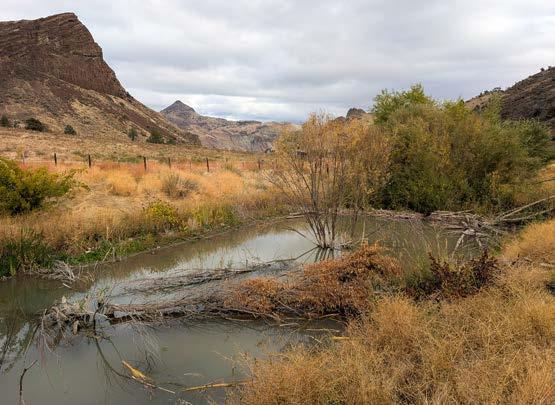
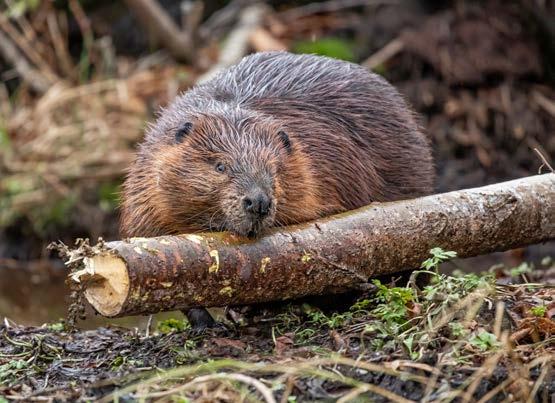
And nature is responding: beavers are moving back into the watershed, playing a critical role as ecosystem engineers — slowing and storing water, reconnecting floodplains, and quietly rebuilding the health of the creek's aquatic and stream-side habitat one bend at a time.
Opening Enchanted Rocks to free daily public access for hiking, fishing, camping, mountain biking, and other forms of passive recreation is central to our mission and the next step for the Preserve. To get there, we are building the infrastructure needed to bring that vision to life: a ranger station, researcher and staff housing, an office workspace, parking, interpretive signage, and trails. Primitive campsites along the John Day River are also planned, in keeping with the area’s growing draw for river recreation.
From landscape-scale restoration to free public access, this is the work your support makes possible, and we’d love to have you with us as it unfolds at Enchanted Rocks Preserve.
This page: A beaver-engineered pool on Cherry Creek. Photo by Frazier Haney. Opposite page: Looking out across Enchanted Rocks Preserve, a silver ribbon of the John Day River, surrounded by fascinating geology, is just visible in the distance. Photo by Landon Peppel.
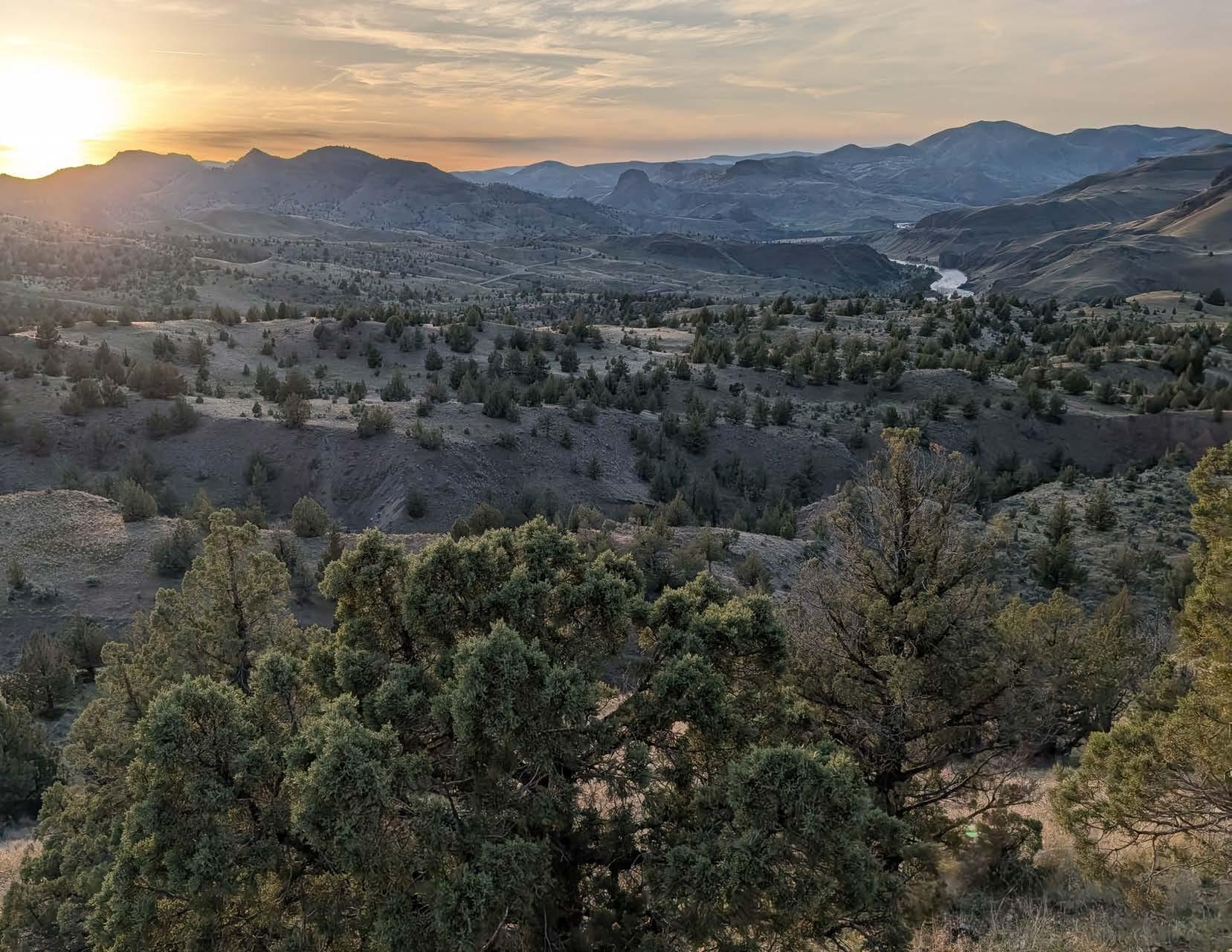
Enchanted Rocks is one of the most beautiful places in the West — wild, remote, and waiting to be discovered. It should be open to everyone free of charge. That's what we're raising the capital to make happen.
- Alex Varner, John Day River Regional Director


Our Mission
To preserve the beauty and biodiversity of the earth and to provide programs so that children may know the wonder and joy of nature.


California
NORTH COAST
Beaver Valley Headwaters Preserve (2021)
Seawood Cape Preserve (2019)
Eel River Estuary Preserve (2008)
Sounding Seas Dunes Reserve (2006)
EEL RIVER CANYON
Emerald Waters Reserve (2019)
Eel River Canyon Preserve (2021)
Spyrock Reserve (2005)
SONOMA COAST
Jenner Headlands Preserve (2013)
Estero Americano Coast Preserve (2015)
EASTERN SIERRA NEVADA
West Walker River Preserve (2019)
Two Rivers Preserve (2015)
CENTRAL COAST RANGES
Rana Creek Preserve (2023)
Wind Wolves Preserve (1996)
SAN BERNARDINO MOUNTAINS
Bluff Lake Reserve (2000)
Bearpaw Reserve (2002)
Galena Peak Wilderness Reserve (1996)
Oak Glen Preserve (1996)
CALIFORNIA DESERT
Pioneertown Mountains Preserve (1995)
Whitewater Preserve (2006)
Mission Creek Preserve (1995)
SOUTH COAST
Mariposa Reserve (2005)
Santa Margarita River Trail Preserve (2018)
Oregon
JOHN DAY RIVER
Enchanted Rocks Preserve (2021)
Utah
FOUR CORNERS
Speaking Springs Preserve (2023)
Albert
S. — Al to those who know him — found
The Wildlands Conservancy the way many people do: by showing up. He signed a register at Whitewater Preserve, got on the mailing list, and before long had made his first gift.
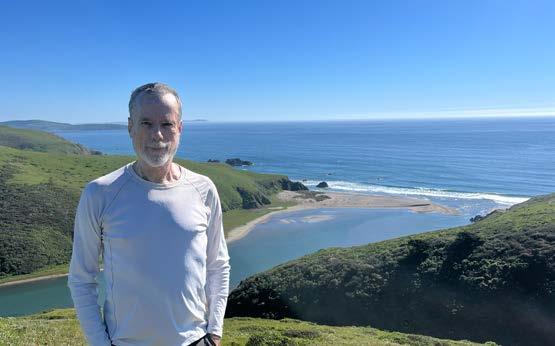
Since then, he has visited preserves around the West, talked with staff, and most recently walked the coastal bluffs of Estero Americano Coast Preserve (pictured).
Along the way, his connection has grown into something deeper: Al has made Wildlands the largest beneficiary of his estate. Recently, we asked him about wild places, free access, and what keeps him coming back.
What first connected you to The Wildlands Conservancy, and what continues to inspire your support today?
I got on Wildlands' mailing list by signing a register at Whitewater Preserve, the first preserve I visited. A few months later, after an inspirational trip through red-rock country in Utah and Arizona, I received a fundraising email about acquiring Cottonwood Wash, a beautiful red-rock canyon. I decided to get involved by donating to the acquisition of what has now become Speaking Springs Preserve. Since then, I've visited six preserves and been struck by their beauty. Wildlands' commitment to public access and dedication to instilling a love for nature in future generations are also very important to me.
Is there a landscape or moment on a preserve that has stayed with you?
I visited Enchanted Rocks Preserve the day after visiting the nearby John Day Fossil Beds National
Open to Everyone, Free, Forever
A Donor Conversation
Monument. I was impressed that the river canyon at the Wildlands preserve was even more beautiful than the one in the national monument.
Similarly, when I visited Wind Wolves Preserve, I felt the facilities were superior to those in most state parks. I realized that Wildlands is creating preserves comparable to the best our country has to offer.
Wildlands is rooted in the belief that access to nature is a birthright. How does that resonate with you?
My love of nature began early, with childhood vacations in the Great Smoky Mountains where I first learned to hike. Ever since, I feel uplifted when I behold the beauty of an inspiring landscape. All children, and especially those in underserved communities, should have the opportunity to experience the transcendence of the natural world. Then, hopefully, they will want to protect it.
What inspired your decision to make a legacy gift, and what do you hope it will accomplish?
One hundred percent of my estate will go to charitable organizations, but Wildlands will receive the largest share. Because Wildlands is a relatively small organization, I feel that my legacy gift can have a larger impact here than it would elsewhere. I also feel more personally connected to Wildlands, and land conservation is my highest priority.
What do you wish more people knew about The Wildlands Conservancy and the work being done across the West?
I'd like more people to understand how a rather small organization is making a big difference. Visiting a Wildlands preserve is a great way to start.
Where Carmel Valley Runs Wild
Opening Rana Creek Preserve
Towalk through Rana Creek Preserve is to encounter a California that is increasingly rare: a landscape of oak woodlands, spring-fed creeks, and open ridgelines stretching toward the Pacific.
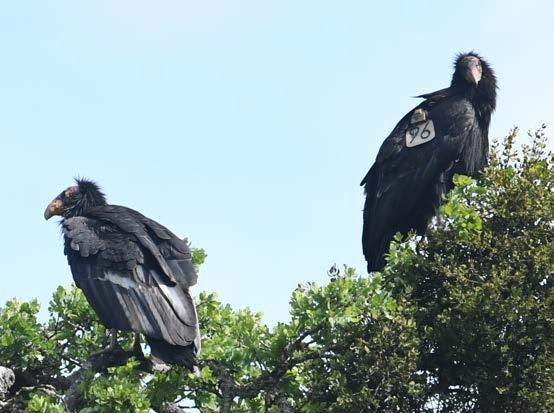
Situated between the Salinas Valley and the Santa Lucia Range in the upper Carmel Valley, Rana Creek is one of the largest historic landholdings in the range, with 12,422 contiguous acres ranging from 500 to 3,400 feet in elevation. It is a place of remarkable biological diversity: golden eagles patrol the thermals above exposed ridges, mountain lions move quietly through the oak understory, and on rare and fortunate days, a California condor, or two, comes to rest in gnarled oaks. The Preserve is co-stewarded by The Wildlands Conservancy and the Esselen Tribe of Monterey County, a partnership that honors both its ecological significance and its deep cultural roots.
In July 2023, The Wildlands Conservancy completed a $40 million acquisition of the property, funded through a combination of private generosity and public support. Since then, we have brought on a dedicated Preserve Manager to begin guiding Rana Creek's transformation, stewarding its sweeping landscape and laying the groundwork for a public access and environmental education program worthy of this place.
Rewilding is central to our long-term vision for Rana Creek. Tule elk were once native to this landscape, and returning them is among our most ambitious goals. We have already begun habitat assessments, and while much careful planning remains, including working with neighboring stakeholders and coordination with wildlife agencies, we are actively moving toward the day when elk once again roam these hills.
What Comes Next
The motto at the core of our mission — Behold the Beauty — reflects a commitment to sharing majestic places with others so that everyone can enjoy something quintessentially human. The chance to walk beneath a canopy of valley oaks or watch the light fade over the Santa Lucias is not a privilege, but a birthright.
To make that vision real, we are launching a campaign to raise public and private funds for a two-year planning and permitting process. This work begins with listening: engaging local stakeholders, Tribal partners, and community members to ensure that public access and education programs are developed thoughtfully and in step with the Preserve's natural and cultural values.
With a successful planning and permitting phase, Rana Creek Preserve can open for free daily public access while we raise additional funds and build the planned infrastructure. Outdoor education programs will follow, designed to inspire the youth of Monterey County, especially those from under-resourced communities, through meaningful connection with the natural world, through trails, outdoor classrooms, and hands-on experiences with this landscape.
The opportunity to shape the future of this land, for wildlife, for community, and for generations to come, is one we hope you'll be part of.
This page: California condors (Gymnogyps californianus) visit Rana Creek in spring 2024. Opposite page: An existing road system loops around Rana Creek Preserve's oak-laden landscape could be the foundation of the future trail system. Photos by Elba Mora.
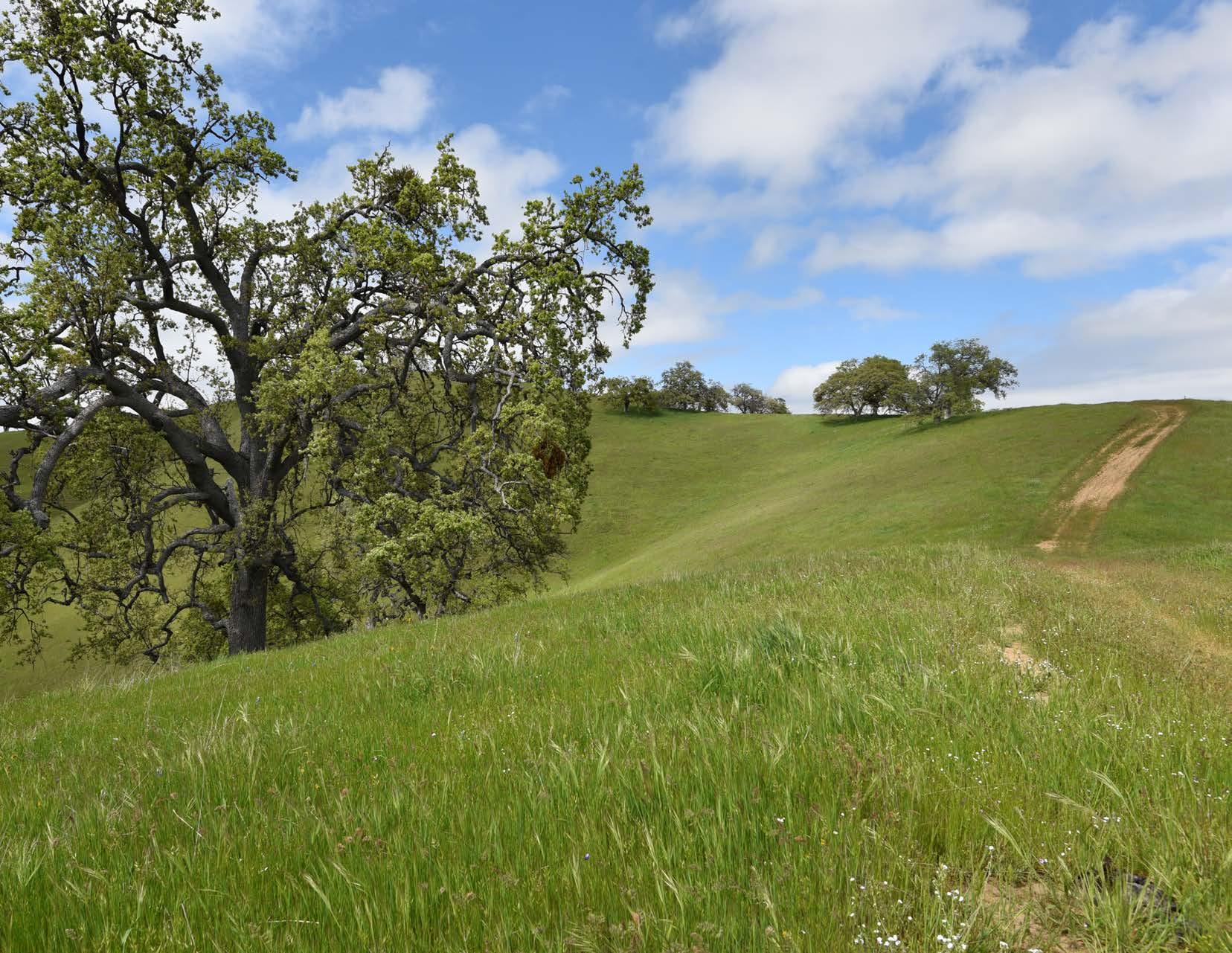
The chance to walk beneath a canopy of valley oaks or watch the light fade over the Santa Lucias is not a privilege, but a birthright.
A Fiscal Year in Review
Year Ending June 30, 2025
The Wildlands Conservancy’s financial results for the fiscal year ending June 30, 2025 reflect deepening work across all of our program areas: land conservation, stewardship, restoration and rewilding, and public access and outdoor education.
We advanced acquisitions that will protect significant landscapes. And we did the hard, essential work that makes conservation last: stewarding the lands we hold, advancing restoration to rewild native species, and planning for the public access and outdoor education programs that invite people into these places.
Our revenue reflects our core operating activities and donor support. Spending increased as we invested more deeply across our programs. Our total assets reflect a modest decrease, the result of selling a non-conservation property, part of how we manage our land holdings and support our mission-based work over time.
To our donors, partners, and supporters: thank you. The steady work of this year is the foundation everything else is built on, and it would not be possible without you.
With gratitude,

Jennifer Francis Chief Financial Officer


Mission-Focused Investments
Program Expense Ratio
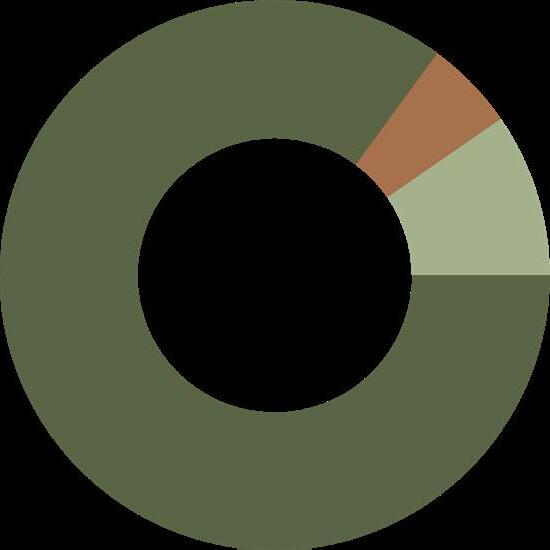
Conservation Land Acquisition
The Wildlands Conservancy focused on conserving extraordinary landscapes through land acquisition. During fiscal year 2025, we advanced multiple major acquisitions totaling more than 35,000 acres in the West.
Stewardship, Restoration & Rewilding
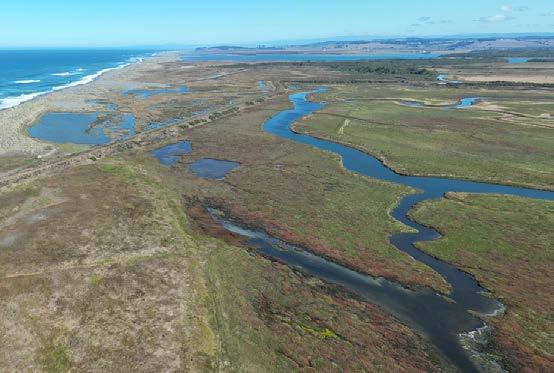
Large-scale ecological restoration projects were initiated at a number of our preserves, including a major milestone at the Eel River Estuary Preserve where one of the most ambitious tidal restoration efforts on private land on the West Coast received conditional approval of its coastal development permit, clearing the path to restore approximately 500 acres of tidal wetlands and reconnect critical habitat for salmon and other native wildlife.
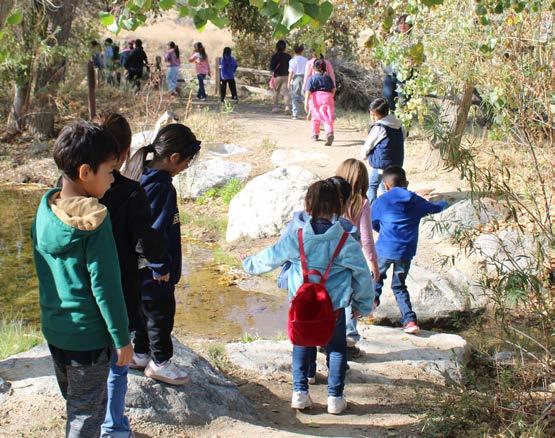
The Wildlands Conservancy's preserves welcomed more than 1.5 million visitors for free passive recreation. Public access planning advanced at two newer properties being prepared to open in keeping with the organization's founding mission. More than 15,000 students participated in free, naturalist-led outdoor education programs during the year, the vast majority from underserved and economically disadvantaged communities — part of a cumulative total of more than 1.3 million youth served since the program's founding in 1998
Year Ending June 30, 2025

39611 Oak Glen Rd., Bldg. 12 Oak Glen, CA 92399
(909) 797-8507 getinvolved@wildlandsconservancy.org
To preserve the beauty and biodiversity of the earth and to provide programs so that children may know the wonder and joy of nature.
Chris Carrillo Carrillo Law
Daniel Gelbaum
Emily Gelbaum
Four Freedoms Fund
Frazier Haney
The Wildlands Conservancy
Board of Directors
Eric Helmle Earthwalker Fund, LLC
Carl Pope Inside Straight Strategies
Matt Ritter California Polytechnic State University
April Sall California Desert Coalition
Mike Sweeney Conservation International
Joan Taylor Sierra Club California/Nevada Desert Committee
Charles Thomas Outward Bound Adventures