Issue No. 19 / Spring 2026



Issue No. 19 / Spring 2026
By Madilyn Drywater / News Editor
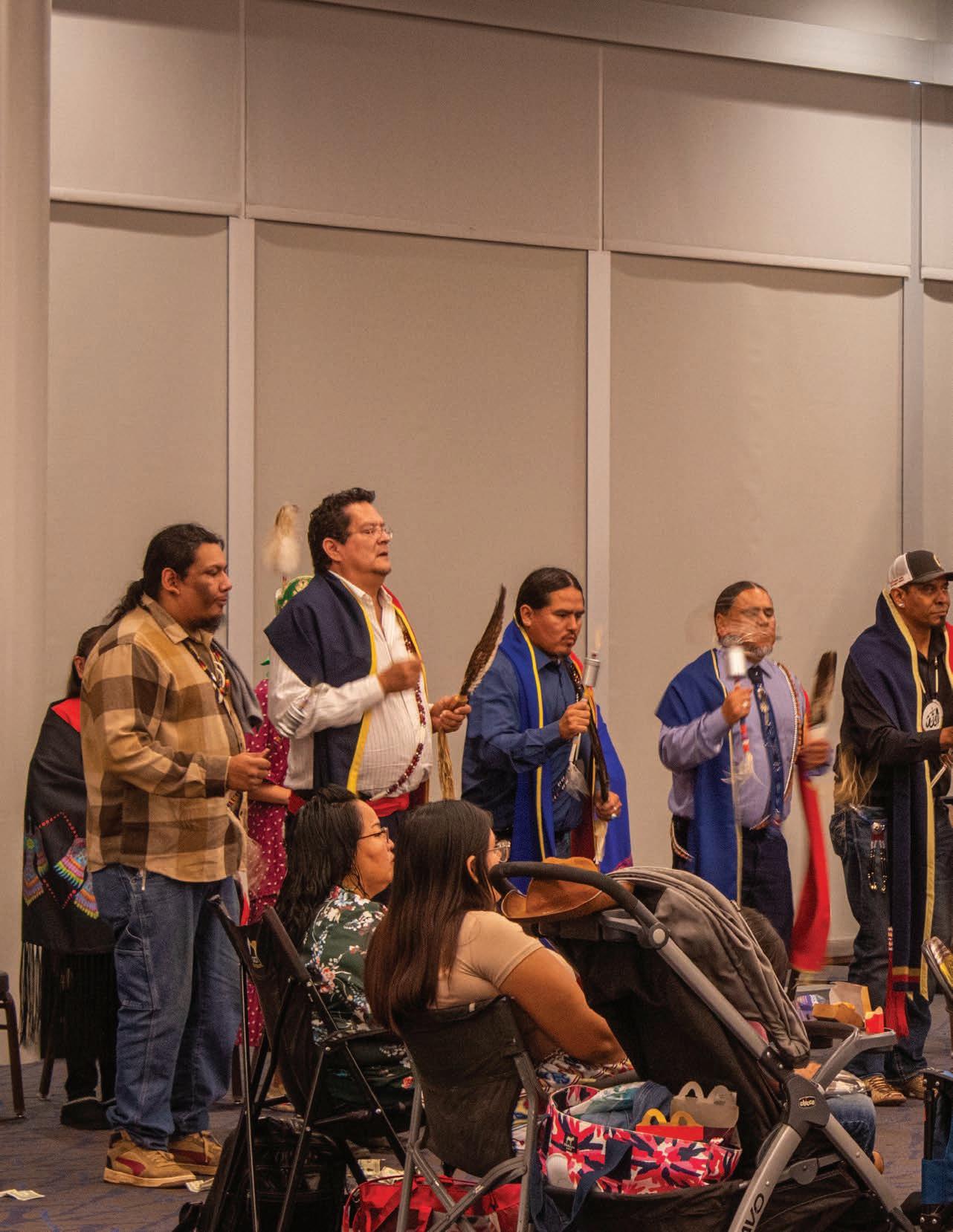
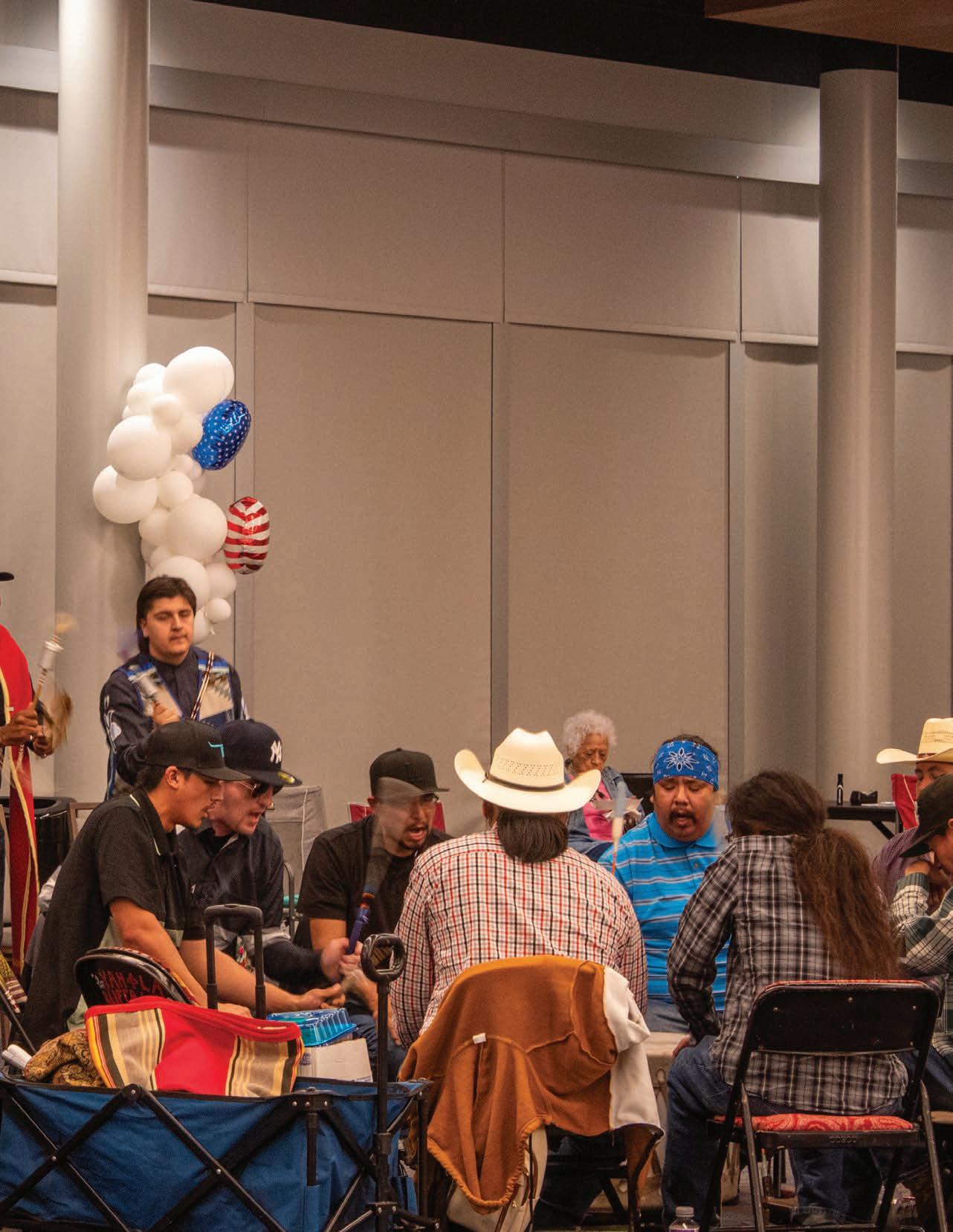
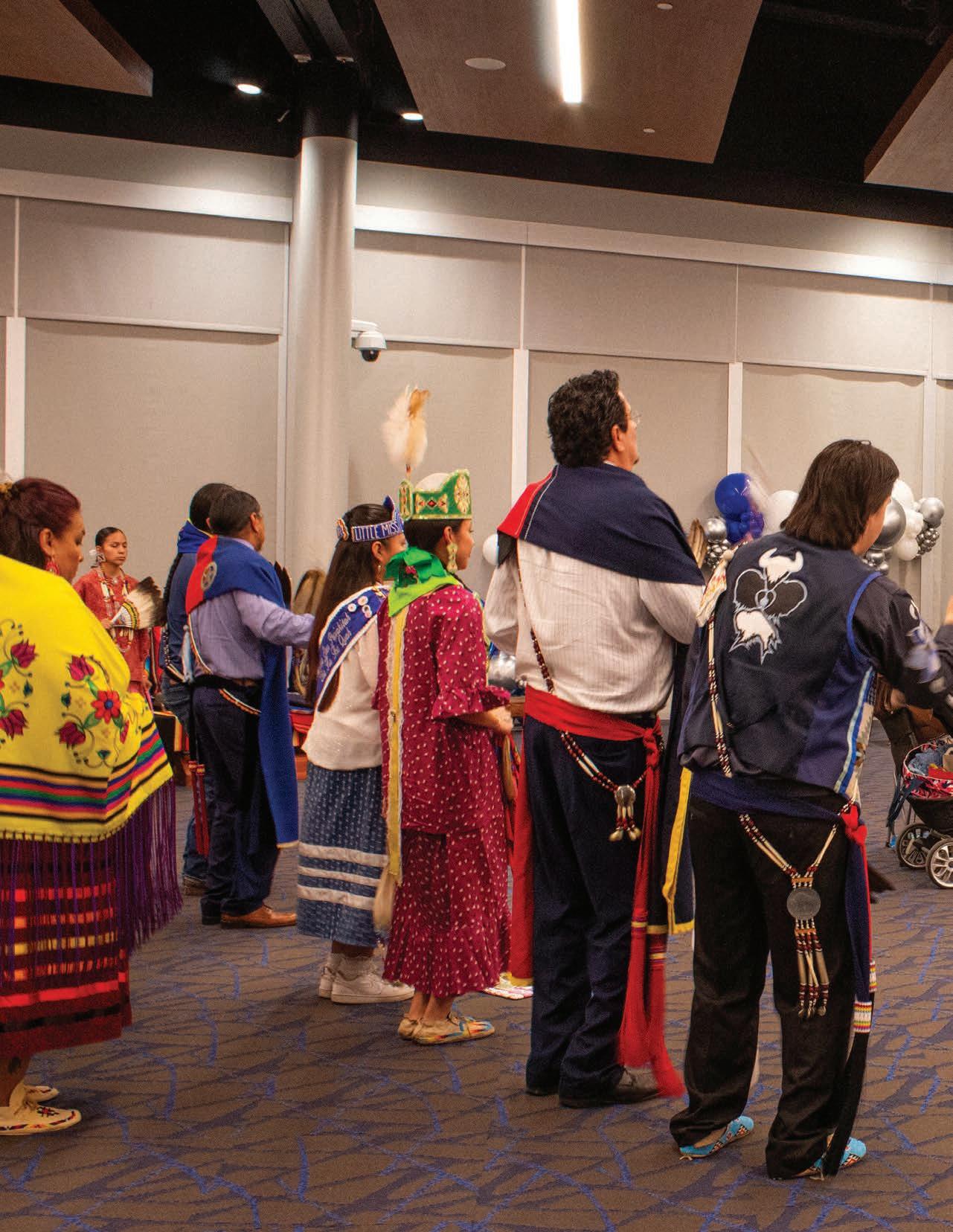
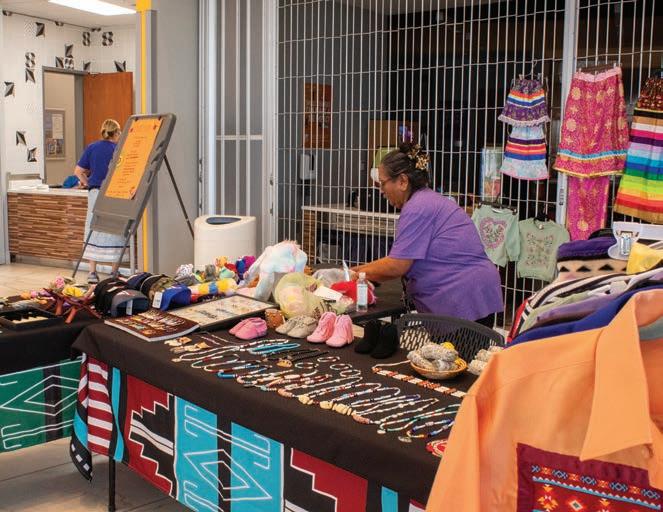
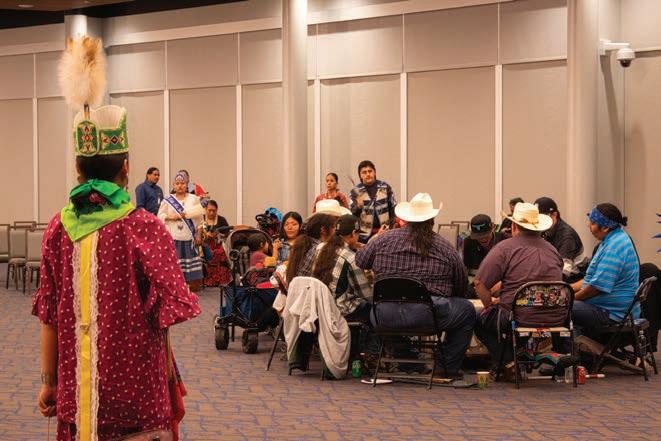
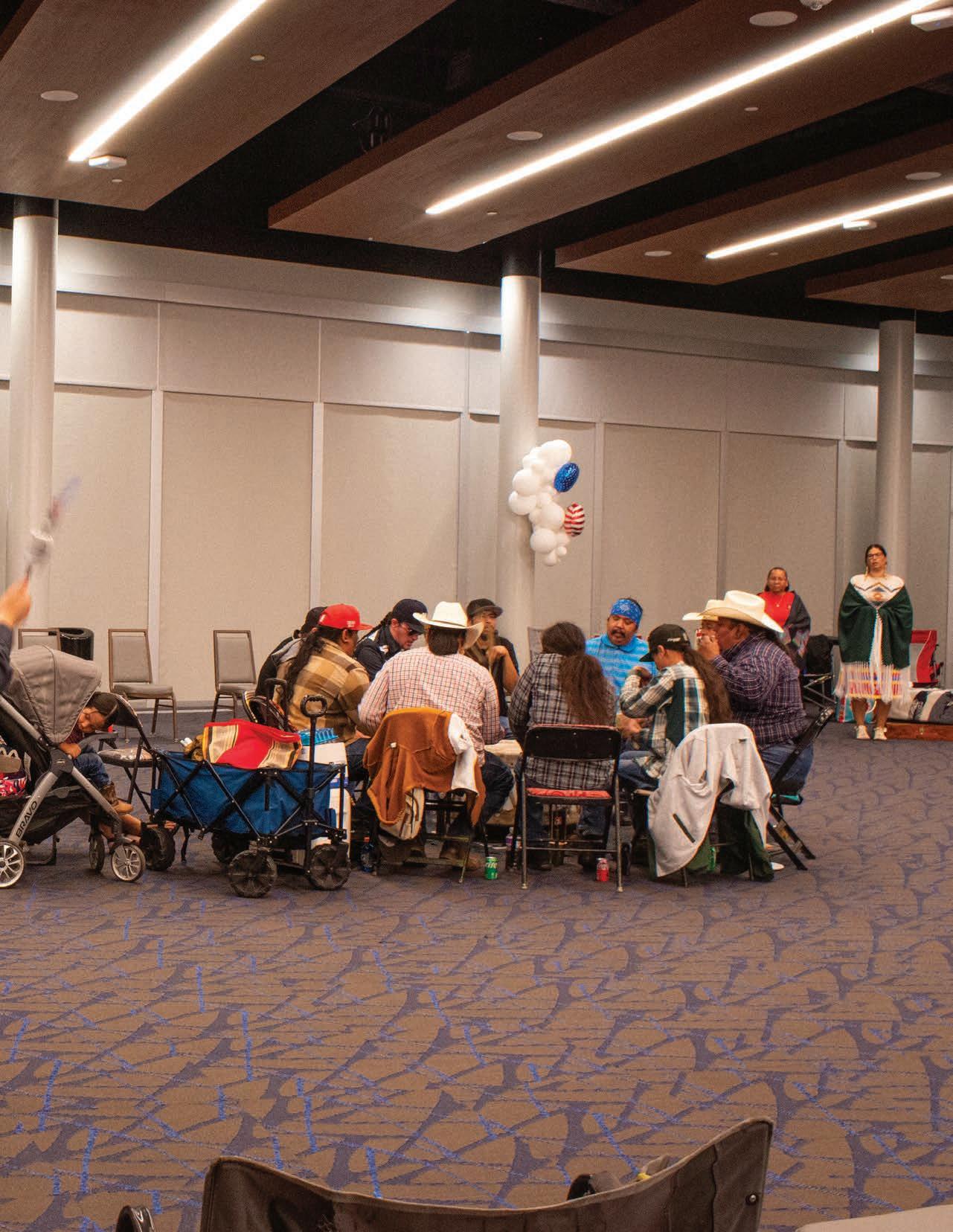
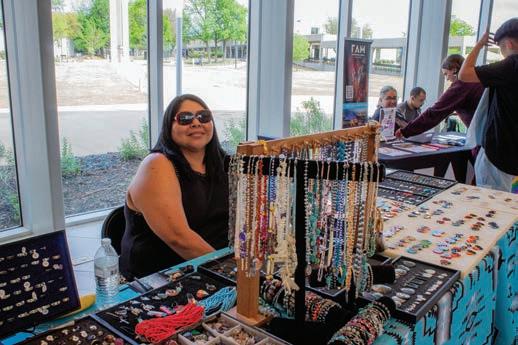
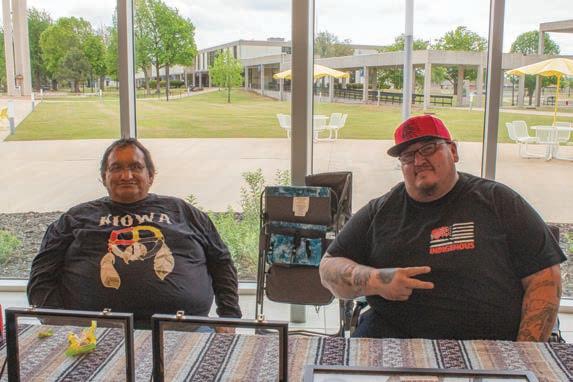
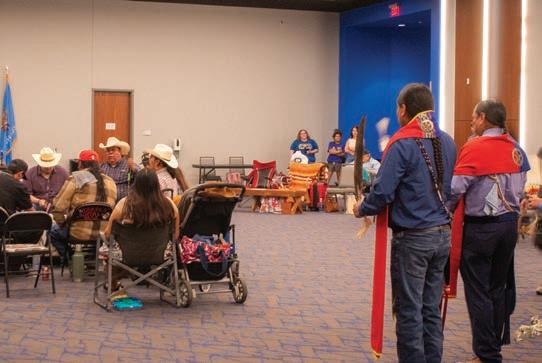
Rose State College hosted its annual powwow, which was sponsored by the Rose State College American Indian Association, and held in the Jeanie Webb Student Union on April 11. The powwow featured a grand entry dance, gourd dance, as well as contests for men’s straight, fancy and traditional dances and women’s buckskin, cloth, fancy shawl and jingle dances. During the powwow, there were various vendors that sold Native American beadwork, jewelry and ribbon skirts. The 2026 Rose State Powwow featured a dance called Two-Steps. Two-Steps is a Native American dance where the head lady dancer picks her dance partner. The powwow this year also had dancers from the Iowa tribe of Oklahoma. The Rose State Powwow saw roughly 450 to 500 visitors this year, a little less than their average attendance. While the powwow serves as a celebration of Native American culture, it also raises some money that goes back into Rose State College American Indian Association.
“We do some raffles and some auctions, and we do a cake walk as well,” said Professor Matt Despain, Director of Native American Studies. “We’ll have people donate 50-60 cakes, and then we will raffle those cakes off. All the money raised goes right back into the club.”
The Rose State Powwow also gives many Rose State alumni, who were once a part of the Rose State American Indian Association a chance to come back and celebrate their culture.
“We joined the American Indian Association [at Rose State] and helped along that year we were here, and then we started to help host the powwows here over the years,” said Eric Ladu, a Rose State alumni and member of the Rosebud Sioux tribe. “So we just come back about two or three times a year, depending on different events.”
Every year, the Rose State Powwow offers an opportunity for celebration of Native American culture, a chance for dancers across various tribes to celebrate their culture and for Rose State alumni, once part of the Rose State American Indian Association, to celebrate as well.

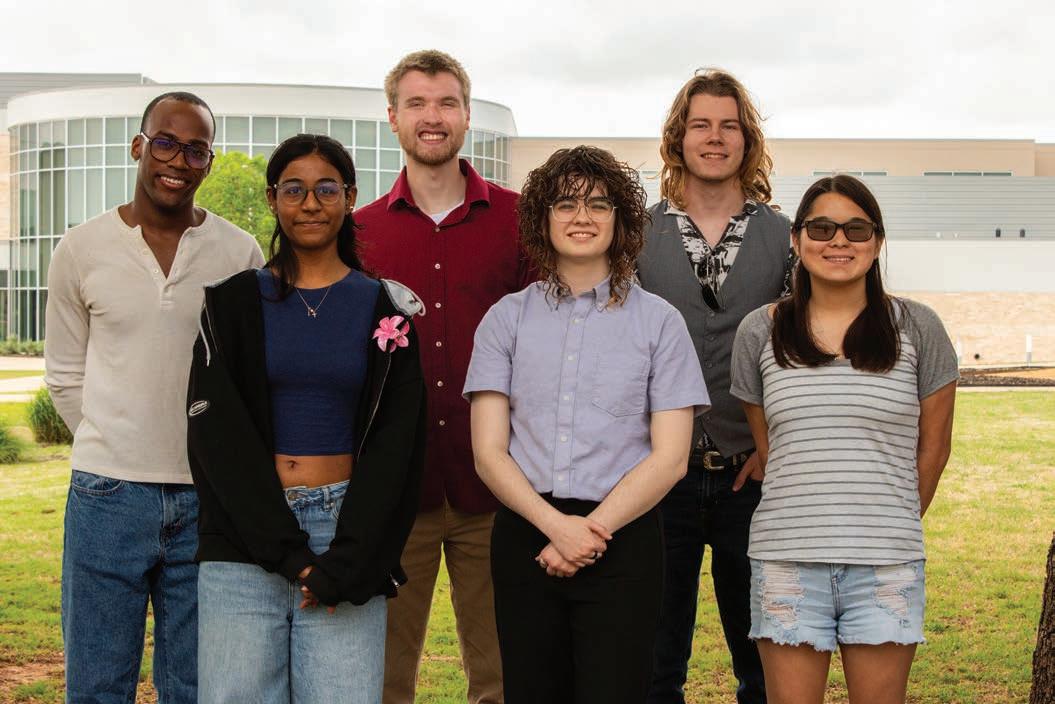
Top left to right: Kalen Sirls, Shannon Little, Xander Strickland
Bottom left to right: Pennina Jackson, Michelle Johnson, Madilyn Drywater
Editor-in-Chief & Graphic Design
Michelle Johnson
Assistant Editor
Shannon Little
News Editor
Madilyn Drywater
Assignment Editor
Kalen Sirls
Online Editor
Xander Strickland
Photography
Editor
Pennina Jackson
Digital Content & Engagement
Editor
Ilias Bertrand
Reporters
Amelia Beaty
Michael Howard
Amour Ivy
Cadence Jordan
Jericho Warner
Emma Wilson
Cartoonists
Shannon Little
Student Publications Adviser
Darcy Delaney-Nelson

Letters From the Editors • P.2
Finals Week How To... Ways to prepare for finals • P.4
5 of the Easiest Flowers to Start Your Garden Flowers to grow this season • P.5
Film Photography The art of analog photography • P.7
Flooding in Collings Castle
The castle appears unique after heavy showers • P.10
Back to the Moon Artemis II flies by the moon • P.12
The Beginning of Tornado Season Stay weather aware • P.13
Thunder Up(grade)
8 reasons the new OKC arena will be the loudest in the NBA • P.14
Rose State Brings ‘Big Fish’ to Life Onstage
BTS look at the Rose State Theatre Department • P.16
The Highly Anticipated ‘Steel Ball Run’ Anime Gets Only One Episode Fans demand an answer from Netflix • P.27
Movie Spotlight
‘A Silent Voice’ and ‘Eleanor the Great’ Review • P.30
Norman Medieval Fair 50th Anniversary and vendors • P.17
RSC Annual Powwow • P.18
Listening to the Land
A personal journey into Cherokee mythology • P.20
Rebuilding Raiders
Rose State relaunches Alumni Association • P.22
New Era of Wellness
Rose State celebrates Raider Care Clinic grand opening • P.23
Love Story: John F. Kennedy Jr. and Carolyn Bessette
A deep dive into the story behind the scenes • P.32
Why Does Disney Keep Making Remakes When did the focus change • P.34
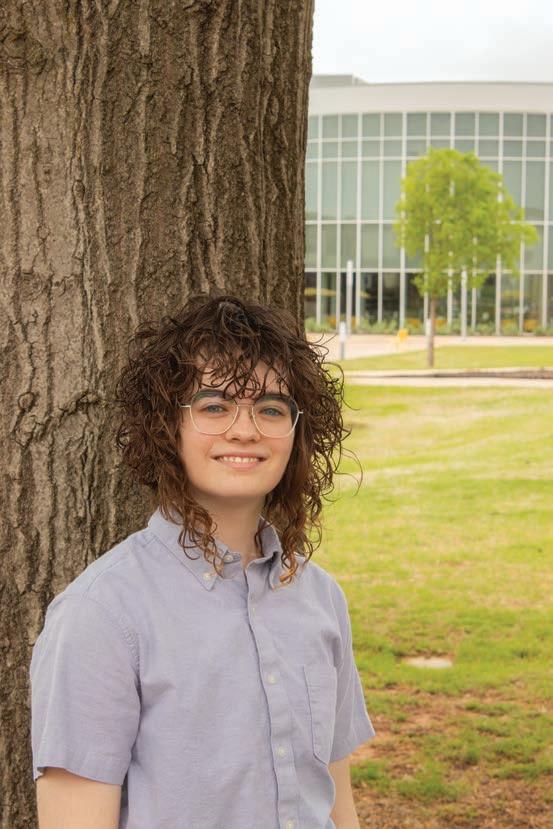
It’s bittersweet to be writing this, as this will be my last magazine for the Rose State Media Group. I’m going to miss hanging out in the newsroom, the silly conversations our group would have and all the time poured into creating. This is my last semester here, and I will be graduating with an associate degree in Multimedia Digital Design. Things are gonna change a lot for me going forward.
I’m very proud of my work and growth over the past three years, and I feel more ready than ever to start my career. I’m thankful for everyone who has been with me during this part of my life, and especially Mrs. Darcy for getting to work here. I plan on continuing my path as a graphic designer, and I can’t wait to see where my work takes me.
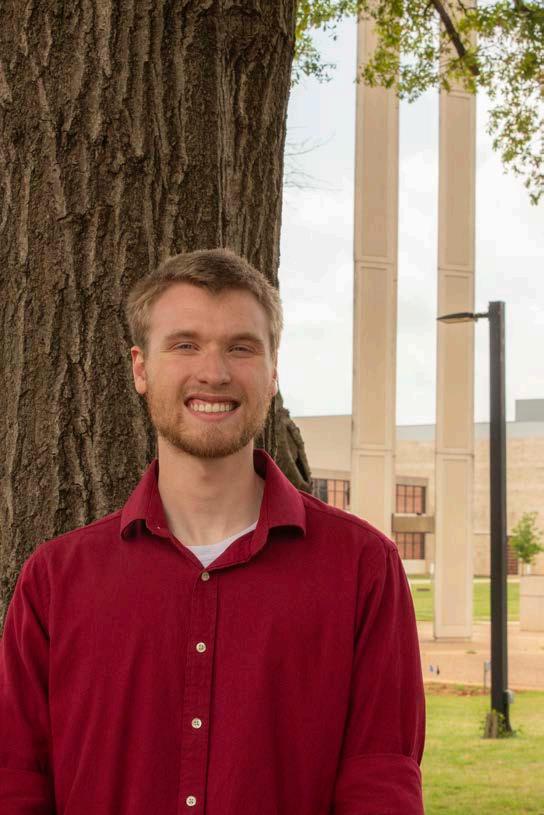
It’s been fun to be Michelle, but I will likely be known as Mikey or Malachi from now on.
Michelle Johnson Editor-in-Chief & Graphic Design
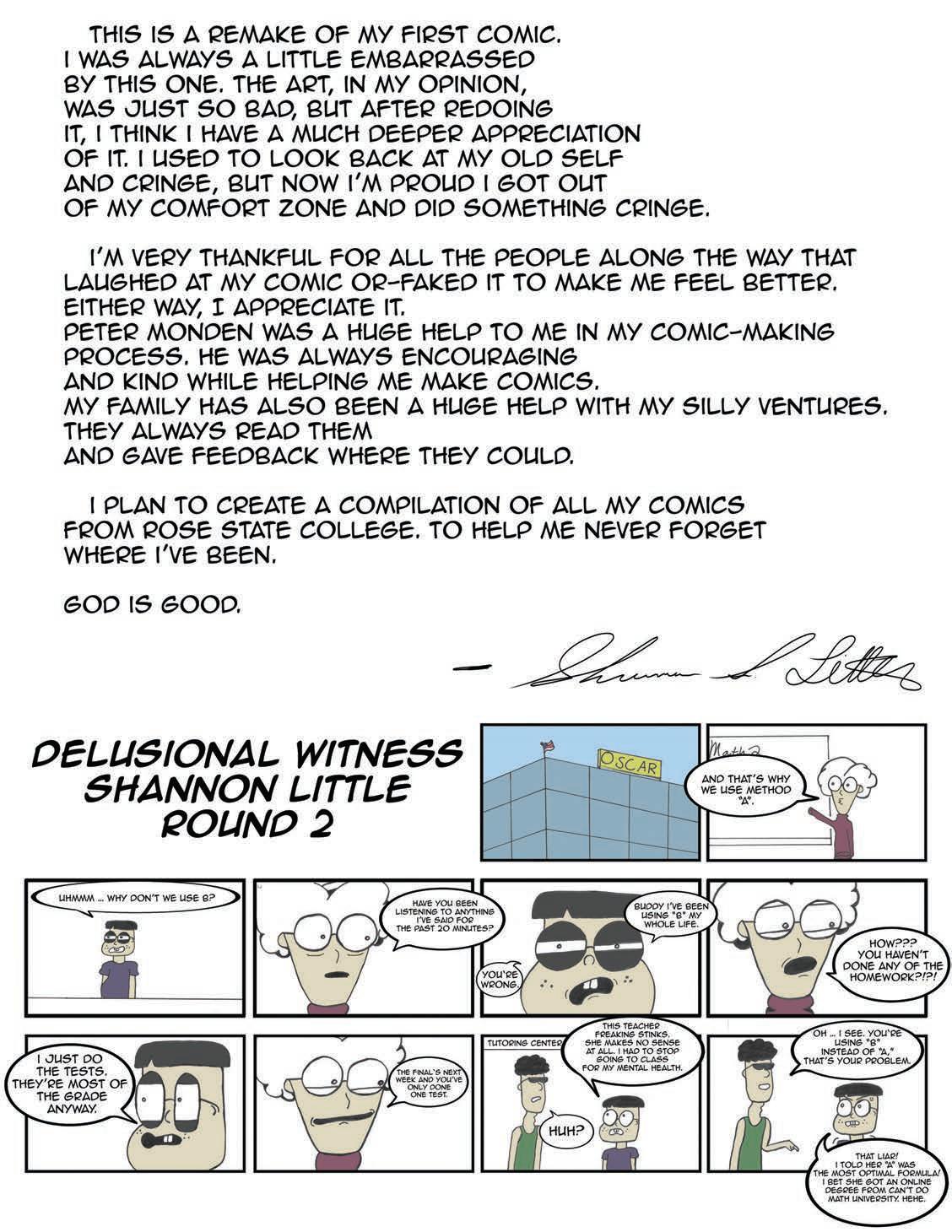
My name is Shannon Little, and this will be my third year here at Rose State, but only my second with the Rose State Media Group. I’m pursuing a Business Associate of Science degree and plan to transfer to the University of Oklahoma in the fall of 2026. This is my last semester here at Rose State College. During my time here, I feel like I have decided on what type of person I would like to become. I would like to thank our Editor-In-Chief Michelle Johnson for putting up with my silly antics and offensively late submissions. I would then like to thank Peter Monden for helping me settle into the paper and showing me how to efficiently procrastinate. Lastly, I would like to thank Darcy Delaney-Nelson for helping us at the Rose State Media Group grow as writers and people. I’m going to miss the teachers and faculty that helped me through my time here, as well as the students I befriended along the way to graduation.
Shannon Little Assistant Editor


By Amour Ivy / Reporter
The one week students spend all semester preparing for it: Flashcards, highlighters and allnighters are only prerequisites to the mental, and sometimes, physical toll that finals week can have on a person. Whether studying for an exam, completing a lab or filming a video project, there can be strain directly tied to seeking an education. Of course, scholars have their essential guides and assistance. College professors and faculty have one shared goal of success for their pupils. However, the pupil has to be in the room, pencil or keyboard in hand, with the tools to triumph. That is why students need methods that work not only work to achieve a certain grade, but work to absorb the information and be able to use it later on.
Simply reading the material is not enough because tools need a technique, which is why there are a few methods of studying that raise the percentage of a student’s chance to prosper during this time of intense mental training.
One popular practice is self testing, but with a twist. Commonly, students will reread the information in their notes as a way to memorize it. Yet, there may be a more effective route to the goal. Instead of just rereading, perhaps the students could try removing the aforementioned notes from their desk and rewrite the notes from memory alone. This technique aids its participants in being able to discern what they already know from what they may be struggling with. In studying, memorization is often the intention and, because of that, cramming is popular as well among the younger demographic. Despite how favored this method is, it might not be the most productive. Imagine if, instead of cramming, students reviewed their material over timed intervals. Reviewing on the day after, then three days later, and eventually, a week later. This method supports memorization stretched across a time period.
“I manage my anxiety with isolation,” said Ameia Booker, sophomore psychology student attending the University of Chicago. “During finals week, between class periods, I’ll find a corner in the library or someplace to have a moment with myself. Usually, I allocate ten minutes for these sessions and I leave my phone in my backpack.”
Booker is no stranger to stress. Juggling academics, debate club, and law internships proved to have long standing effects, Booker said.
“The most realistic advice I’ve been given is that grades are just a letter,” Booker said. “Academic success can be both beneficial and detrimental. Accomplishments can come with validation and a heightened self-esteem, as well, they can accompany emotional strain and bodily fatigue. That is my experience, at least.”
Booker’s approach to pressure is level-headed and clear. She strives for excellence, but doesn’t expect perfection. Sophomore accounting major, Tobias Hurte, attends Western Governors University and offers a similar, but simpler perspective.
“The advice I would give is, no matter the outcome, don’t give yourself negative feedback. Always take something positive from it.”
What Booker and Hurte have in common is their reluctance to criticize themselves further than needed. Both individuals state in their response that while attainment isn’t the goal, it also shouldn’t be the cost of something much bigger, such as health or attitude. Speaking of success, Hurte shared what his personal definition of the word is.
“After finals week, I am looking for improvement,” Hurte said. “Seeing the improvement makes me want to strive faster towards my goal.”
In the end, finals week is more than a test of students’ knowledge, it is a reflection of how they utilize self-care while learning. The methods used and time spent means a great deal to all parties involved, scholars and professors alike, but they are not worth the expense of well-being. As Booker and Hurte suggest in their own ways, success isn’t perfection. Success is the balance of progress and the ability to walk away knowing you have learned something, nevertheless what mark is on the paper.

With spring officially here, there are more opportunities to do fun and exciting things outdoors, such as going out to the lake, attending a music festival or visiting the zoo. One of the common things some people do is venture to local garden nurseries to look at the flowers that. While looking at the many flowers that bloom during spring, some may be enticed to start their own garden. Here are some of the top 5 easiest flowers to plant when starting a garden.
No matter if someone is planting geraniums, marigolds or petunias, these flowers can be a great starting point for someone desiring to create their own garden this spring season, or for any experienced gardener who wishes to add new flowers to their gardens, as well.
1
Marigolds bloom often between late spring and early winter and come in a variety of colors such as yellow, orange and red. Marigolds are often lowmaintenance and require little water, and, once planted, they will continue to sprout annually when properly cared for through the seasons. Marigolds also act as a natural bug repellent due to their strong scent.

2
Zinnias often sprout early in the summertime and bloom in a matter of weeks. These flowers come in an array of colors such as red, pink and orange. Zinnias, much like marigolds, require little water. Zinnias need a lot of sunlight to bloom properly, often requiring six hours of sun. These flowers also attract various insects, such as butterflies and bees, which can help a garden to be more visually appealing.
3
Pansies bloom from early spring to summer and come in a variety of colors, such as blue, purple, yellow and red. These flowers can survive unpredictable weather conditions and require little maintenance and often thrive in cooler temperatures. Pansies are unique because they are edible and are often used in salads and desserts, if the flowers are taken care of properly.
4
Petunias typically begin to bloom in the springtime and continue to sprout throughout the summer. Petunias come in a variety of colors, such as pink, red, purple, white and yellow and, much like zinnias, petunias help a garden to be more vibrant. However, when planting petunias, regular watering and six hours of sunlight are encouraged for the flowers to thrive. Petunias can also quickly adjust to new environments, making them easy to transfer from one pot to another.
5
Lastly, geraniums often sprout between late spring and early winter, and come in various colors such as red, pink and white. Zinnias and geraniums require regular watering and sunlight to thrive. If geraniums are properly cared for, these flowers are incredibly adaptable and can survive a little longer than other annual flowers due to their ability to be planted anywhere from a regular garden to pots.




Story and photos by Shannon Little / Assistant Editor
Film photography (also called analog photography) has seen a resurgence in recent years. Like most things, it can be traced back to our tendency to romanticize the past. The beautiful, grainy and authentic feeling of film brings a fresh and nostalgic look to the world.
Analog photography is not cheap and definitely not for everyone. Digital is expensive too, but it depends on what you are using it for. Just using your phone camera is very inexpensive, while a professional setup is going to be much more pricey. Film stock prices have been rising due to a shrinking supply. Kodak (a film manufacturing company) used to be one of the most successful companies in the world, but was almost killed by the advent of digital cameras. “Infinite photos” was the biggest draw of digital photography. With 35mm film, you can get anywhere from 24 to 36 exposures from a roll. Analog is expensive, costing around $8-$15 per roll. Added to the development costs, a single photo can cost anywhere from $0.50-$0.70.
Film cameras can be found for some reasonable prices. Most models were made from the ‘50s to the ‘90s. In that era, cameras were built to last, with most models being sturdy and very reliable to this day. Most have their manuals digitally scanned and still have parts readily available (but I don’t think you should buy a project camera). Buy a fully operational one. An entry-level camera can go for $40-$100, depending on what you’re looking for.
But why bother? The photos take time to develop and they are more expensive and limited by the number of photos per roll.
Most things in life are more satisfying when you have to work for them, and you see the work pay off. The delayed satisfaction of waiting for your photos to develop is tantalizing. You can finally see if what you captured is as mesmerizing as what you thought it would be, or an utter waste of time and money.
With limited shots, you must focus on everything and make it perfect. In digital, you can take dozens of shots and find the perfect one, but in analog, you try your best to make the faultless shot, but the beauty is in the faults, the imperfections.
There is some editing in the color correction process of film when it is turned from a negative to a color photo. But it depends on who is developing it. Walmart isn’t going to
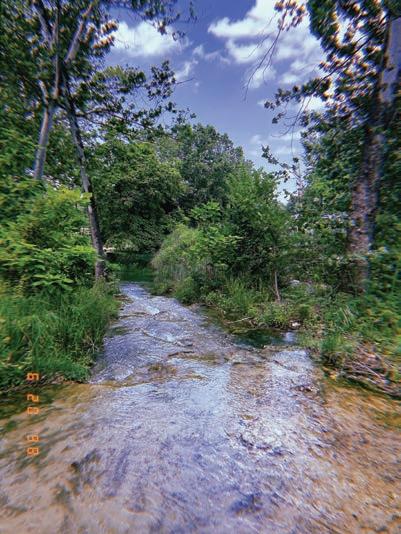
This photo was taken with a phone app to replicate the “film” look.
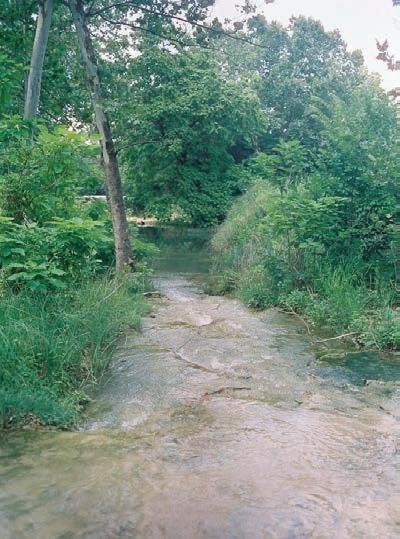
This photo was taken on my film camera. I don’t really like my photo, but I still think it beats the phone replication.
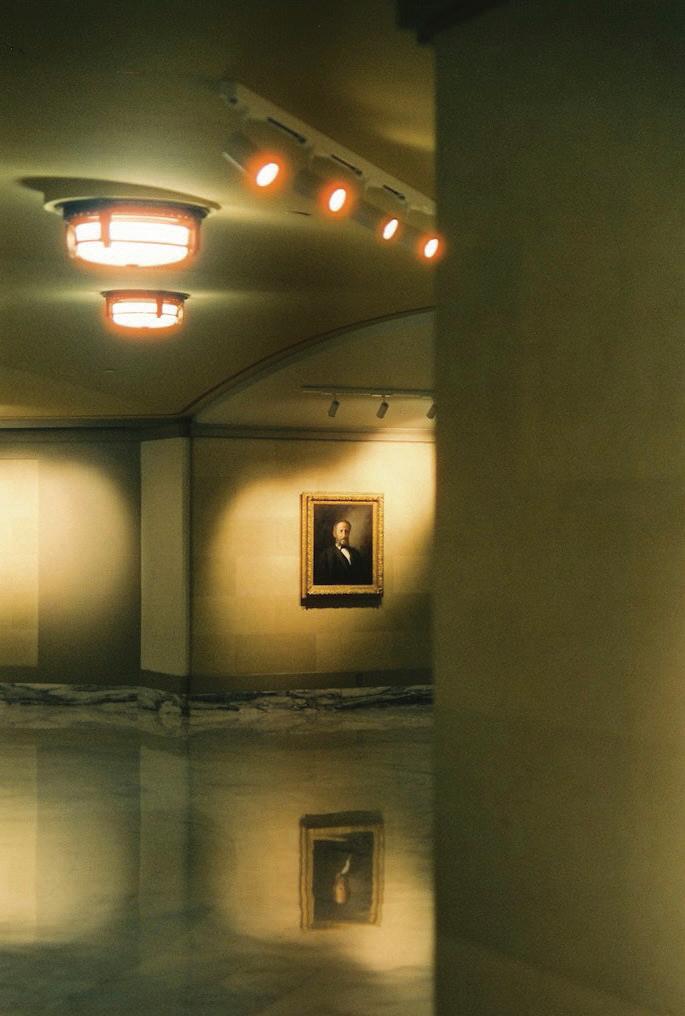
This photo was taken with a film stock called CineStill. It is a tungsten film to mimic movie film stock, for indoor photos. The red halos around lights is a signature look.
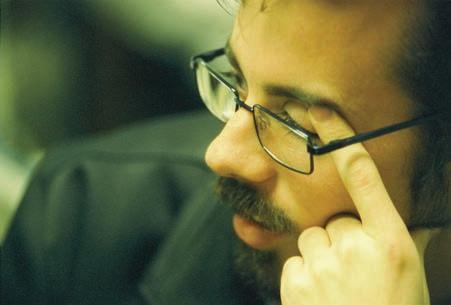
This was taken with a borrowed lens. It had great zoom, but i couldn’t figure out focus on anything that was farther than 5 feet away.
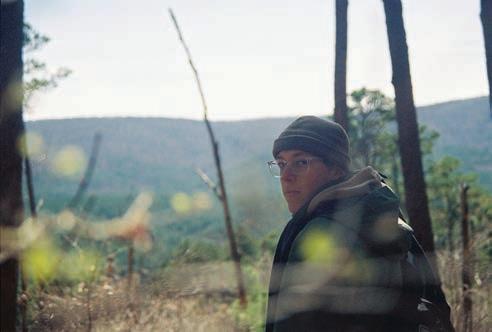
This was taken with a Fuji Film 400, for outdoor. The colors are much more balanced.
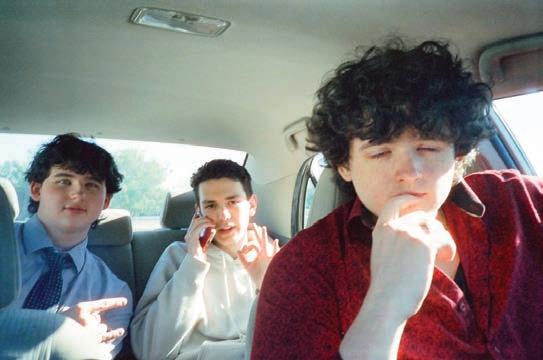
This was one of the first photos I ever took with a film camera. The film I used was CineStill 800, which is an indoor/nighttime film. As you can see the colors are a bit off, but I really like how the colors burst with blotches of orange and red.
put much time into the correction, while a local store like Bedfords Camera & Video is going to give you the best look. When you scan and develop yourself, you have control over how it’s corrected.
A photographer isn’t any less of a photographer for using a digital over analog. They are two different sections in the medium of photography. Both have their upsides and downsides, but film is something special — a different and engaging medium that is lost to the average person.
The feeling of analog photography can be hard to describe. It’s the feeling of a time forgotten and found; a happy memory from simpler times. Early Generation Z is the last generation to experience life without cellphones and the analog world. They remember VHS tapes, Polaroids and incandescent bulbs. Film photography is nostalgic, a reminder of times long gone. It was a moment captured, not digitally manufactured.
Story and Photos by Xander Strickland / Online Editor


Collings Castle is a structure built by Dr. Ellsworth Collings from the University of Oklahoma in the 1930s. Designed to match the aesthetics of castles from medieval England, Collings Castle was constructed from a blend of native rough-hewn stone and concrete. The castle may have been inspired by the likes of Ashby de la Zouch Castle and Hadrian’s Hall.
The castle has stood mostly intact for nearly 100 years, and its ruins are located just a short walk away from Turner Falls in Davis, Oklahoma. Earlier this month, on the night of April 3, severe storms wracked the area, drenching the castle in heavy rain and filling the nearby river far past its banks. The castle was transported to the landscape of old England that weekend, with the heavy rains matching the catastrophic flooding from historically wet summers and damp winters that were common in the 13th and 14th centuries in Europe.
Photos taken before and after the storm capture Collings Castle in different aesthetics. As the storms loomed overhead, the castle brooded dark and gray against the dim greens and browns of the forested hillside. It resembled the German Black Forest in the West Midlands of England, Tolkien’s inspiration for Mirkwood in “The Lord of the Rings.” After the storms had broken, the castle seemed to shine in green and gold. The fractured clouds spilled forth radiant sunlight, which the trees drank in and beamed out their brightest greens. The breaking sky was reflected in puddles of standing water that would not drain. Whole levels of the castle would have been impassable for medieval residents, such was the extent of the flooding. Outside, the normally gentle river roared fiercely, and Turner Falls itself overflowed with colossal force. The entire area seemed to have been enchanted with the essence of medieval England that weekend, suffused with an atmosphere that transcended space and time.

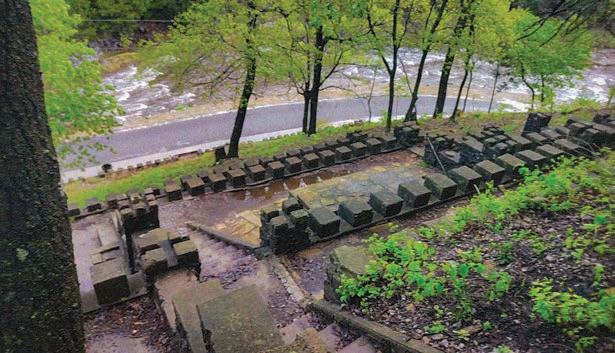



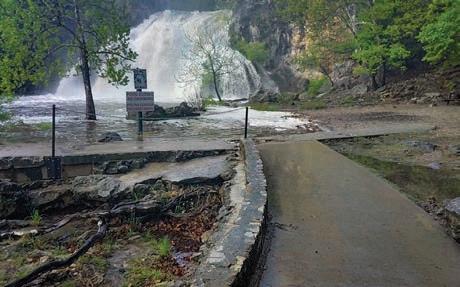
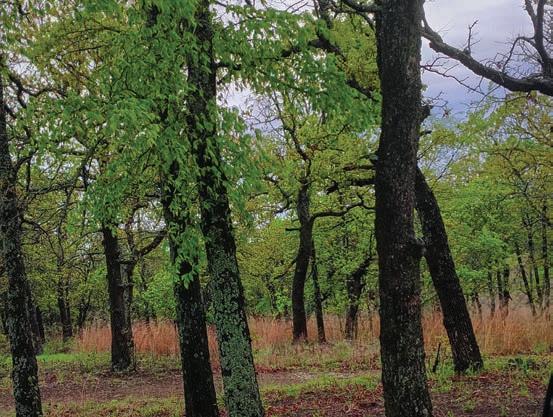
What was once gently flowing rivulets across concrete bridges became a force which bars exit. The waterfall’s power increased a hundredfold after the flood. The castle sat in radiant green hues as the morning sun washed away the rainclouds. The rooftops and levels with poor drainage had almost a foot of standing water.
Story and photos by Michelle Johnson / Editor-in-Chief & Graphic Design
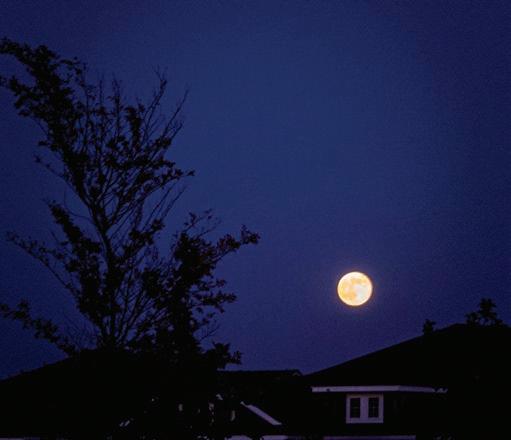
On April 1, NASA launched the Artemis II mission. For the first time in over 50 years , humans returned to the moon’s vicinity.

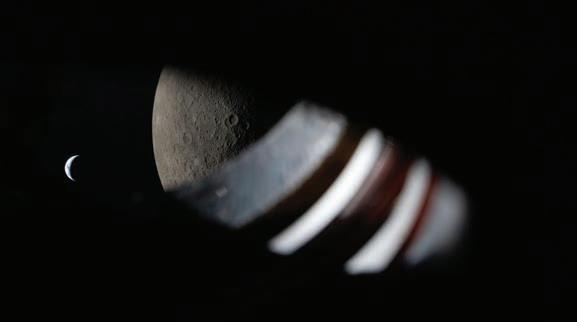

The focus of this mission was to send four astronauts aboard the Orion spacecraft, named Integrity, to do a flyby around the moon. NASA astronaughts Commander Reid Wiseman, pilot Victor Glover, mission specialist Christina Koch and mission specialist Jeremy Hansen from the Canadian Space Agency made up the crew. The mission tested the spacecraft’s capabilities with astronauts onboard while the crew made lunar observations and evaluated the onboard equipment.
This mission produced breathtaking photos as people on Earth watched Integrity’s journey through space. There was a breath of positivity around this mission, from both the crew and the people tuned in. One of the highlights on the mission was the naming of a crater. Hansen suggested naming a previously unnamed crater “Carroll” in memory of Wiseman’s late wife. The crew embraced each other and shared in the moment.
Ten days later, the Orion splashed down in the Pacific Ocean. The crew made it back home safely. This mission was a success, with the plans for the next mission already underway.
By Emma Wilson / Reporter
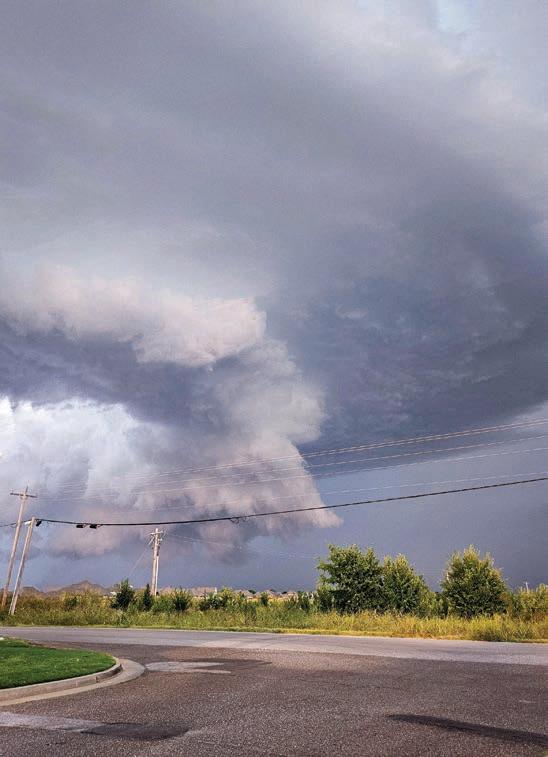
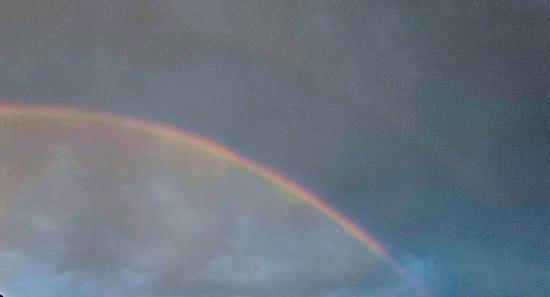
With the beginning of spring being thrust upon Oklahomans, people are already cleaning out their shelters. Tornado warnings are on rise during these first few weeks of the season.
On April 3, a tornado warning went off in the Oklahoma City metro area, including Midwest City. Alerts were going off on people’s phones, streets and televisions. The risks included damaging winds, large hail, tornadoes and flooding.
“TAKE COVER NOW! Move to a storm shelter, safe room, or an interior room on the lowest floor of a sturdy building. Avoid windows. If you are outdoors, in a mobile home, or in a vehicle, move to the closest substantial shelter and protect yourself from flying debris.”
This warning from the National Weather Service has become an all-too-familiar sound in Oklahoma and Tornado Alley.
With tornado season still being in its beginning stages, people need to stay safe and protected from these natural disasters. Having a safety bag that includes, bottled water, canned food, a flashlight or lantern, a battery-operated or crank NOAA weather radio, a First Aid Kit and other essential items like prescription medication, important documents and supplies for children or pets are crucial to staying safe during a tornado emergency.
Tornado disasters are dangerous and should be taken as a serious threat to someone’s life. Keeping an eye on the weather and having a tornado safe place is key to surviving a tornado threat. Tornadoes are extremely dangerous and should be treated as such. Stay alert and stay alive.


By Cadence Jordan / Reporter
Exciting news is happening right in our own backyard. The massive project to build a new home for the OKC Thunder is officially shifting from paper plans to power tools. City officials broke ground on the new arena March 26, and the buzz in downtown is electric. Here are 8 things you need to know about Oklahoma City’s $900 million “Basketball Palace.”
Just two days before the groundbreaking, the Thunder and Continental Resources announced a 15-year naming rights partnership.
Local Roots: Continental Resources is an Oklahoma City–based company and the world’s largest privately held oil and natural gas producer.
The “Coliseum” Vibe: The name is a nod to the spirit of competition and excellence. As OKC Mayor David Holt said, “Great cities build great buildings. Rome has the Colosseum. And now, so will Oklahoma City.”

Beyond the name on the building, the deal includes a major commitment to funding literacy and education programs across Oklahoma.
Advancing Education: Will Syring, vice president of Corporate Partnerships for the Thunder, notes that the collaboration between the NBA, Continental, and the City of OKC goes well beyond the court. Programs include Thunder Cares, Continental Orb and other literacy initiatives for school districts.
“What we’ve accomplished together to date made this a natural next step. This expanded collaboration goes beyond naming rights; it represents a meaningful commitment to community investment,” Syring said.
Holt noted that this is the fourth downtown arena project in the city’s history (the first was built in 1937 with the Civic Center). This is now officially the most ambitious public project in OKC, with a budget that ranks it among the top 5 most expensive arenas ever built globally.
Timeline to Tip-Off: With the site cleared and construction underway, teams (Flintco and Mortenson) are mobilizing. The goal is a late summer 2028 opening—just in time for the 2028–2029 NBA season.
“Every three decades, for a century, the people of Oklahoma City have reinvested in this critical building, understanding that it is the centerpiece of our city’s identity,” Holt said.


Taking a page from the world’s best sports districts, the new arena will feature an expanded “Thunder Alley,” a popular dedicated fan activity zone at street level that stopped during the pandemic.
Right at Home: Designed as a “living room” for the city, it will be a place where fans can gather before games, even without a ticket, to enjoy the downtown energy and celebrate the Thunder.
The arena is being built on the site of the former Cox Convention Center (the old Myriad), directly across from the Myriad Botanical Gardens.
One with Nature: This location on the north side of Reno Avenue creates a seamless “sports and nature” corridor in the heart of the city.
And this is long-term symbiosis: once the Thunder move in (late summer 2028), they are contractually committed to staying in OKC through at least 2053.
The new arena, designed by MANICA Architecture, will look like something out of a sci-fi movie. Its most striking feature is a 360-degree glass curtain wall.
Skyline Views: This isn’t just for looks, it will offer panoramic views of the downtown skyline from the interior concourses and reflect Oklahoma’s famous sunsets each evening.
As Thunder chairman Chairman Clay Bennett said, “Continental Coliseum is so unique and evokes a sense of pride in the strength and resilience of our community.”
Even though the new arena will be larger in square footage than the current Paycom Center (at least 750,000 square feet), it may actually have slightly fewer seats.
Loud with Legroom: One of the biggest complaints about Paycom Center was cramped seating in “Loud City.” Fewer seats mean more space and more room to get loud. Architects still push camaraderie among fans. The upper-level seats are designed to be much closer to the court, ensuring that “Loud City” stays the loudest home-court advantage in the NBA.
While the Thunder are the main attraction, the venue is designed to bring major concerts and events that currently bypass OKC for cities like Dallas or Tulsa.
Wired for Sound: With state-of-the-art acoustics and advanced rigging capabilities, the arena aims to become the premier entertainment hub of the Great Plains and the Southwest.
“This arena will be one of one. Its beauty and magnificence will speak to the city that we wish to be the city that we are,” Holt said.

By Michael Howard / Reporter
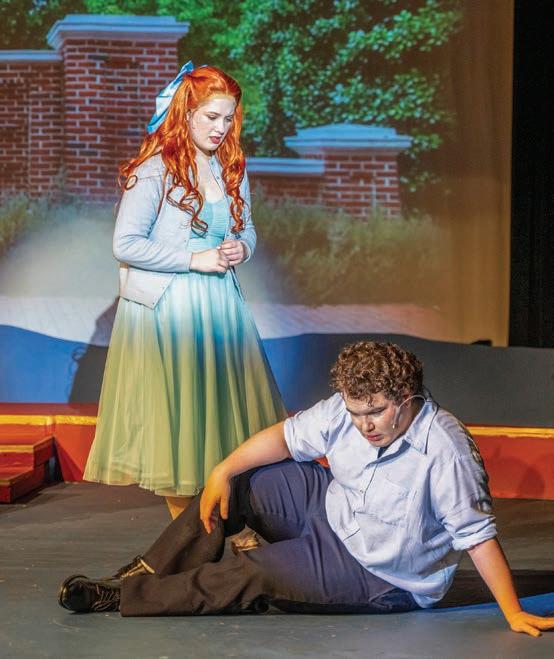
Rose State Theatre Department presented the musical “Big Fish” March 5-8 in the H.B. Atkinson Theater. The production brought a story filled with legacy, humor and heartfelt emotion to the stage. “Big Fish” is based on the novel by Daniel Wallace, Rose State Theatre Alumna and Adjunct Faculty Kimberly Thomas-Cobb brought this show to life.
Along with Brandon Tellez, theatre major, serving as assistant director and stage manager, the music and lyrics of Andrew Lippa and book by John August captivated audiences with its imaginative storytelling.
The story follows Edward Bloom, a man with exaggerated tales about his life, as his son searches for the truth behind them. The musical explores themes of family, legacy and the meaning people create through storytelling.
Jonathan Lehew, who played Don Price in the production, described his character as a “comedic villain.”
“I can see parallels between Don Price and Edward Bloom,” he said. “Don never thought he could do anything, so he never tried. Edward thought the same thing, but he actually tried”
Lehew said that he originally wanted the role of Carol the Giant but has grown to love playing Don Price.
“His character really teaches you the lesson that you never know until you try,” he said. “He waits for opportunities instead of taking action.”
Rehearsals were sometimes chaotic, Lehew said. Preparing for the show could be stressful, but the supportive environment created by the production team helped him and others succeed.
“We had really good teachers, directors and choreographers,” he said. “They were patient, encouraging and they made it easy to learn everything quickly.”
Tellez oversaw the cast and crew, ensuring the show ran smoothly and stayed aligned with director ThomasCobb’s vision. Seeing the production come to life filled Tellez with a sense of pride.
“One of the most magical things I’ve seen,” he said. “No one is getting paid to be here. Everyone is choosing
to be here. That creates a level of passion you can’t get anywhere else.”
The first performance was grand, Tellez said.
While the show’s conclusion felt different from the first night, most were sad to see it end.
“It was bittersweet, sad to see it go, happy we were done with that work for now,” Tellez said.
The one thing Tellez wants the audience to feel after the performance is the need to see another musical.
Lehew wants the audience to laugh and enjoy the show.
The Rose State Theatre Department just closed an Old West version of Shakespeare’s “Romeo and Juliet,” with “Charlotte’s Web” and “Corduroy” set to open this summer. For more information on upcoming performances, visit rosestatetheatre.org.
Story and photos by Xander Strickland / Online Editor
Reaves Park once again turns into a 14th-century village for the 50th time since the Norman Medieval Fair launched in 1977.
What began as a small gathering at the University of Oklahoma has grown into the state’s biggest weekend event, and it’s still one of the few places where fairgoers can experience a festival of this scale without paying an admission fee.
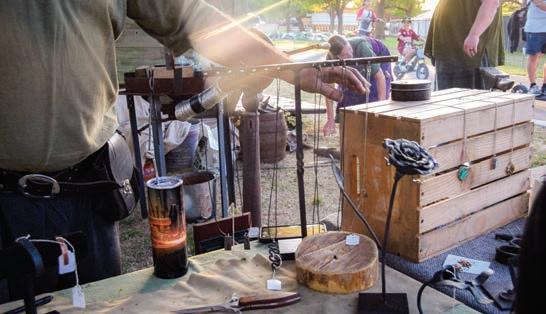
Jim Stubbs of Heart Forged Blacksmithing said his group has been there striking iron rain or shine for over a decade.
Heart Forged Blacksmithing is also part of the Saltfork Blacksmithing Association, which charges a $40 annual fee to join. Stubbs also shared some of the experimental projects he has been working on.
“It’s a Damascus pendant,” Stubbs said as he held the necklace. “This is made from baling wire from our hay bales.”
The fee at Saltfork covers one individual or a whole family, and the group holds a blacksmithing conference every October.
Stubbs said the association is working on reestablishing regular meetings every Saturday. More information can be found at saltforkcraftsmen.org.
Stubbs shared that the blacksmithing group is made up of all hobbyists, so they have other jobs, marking this as a passion-driven forté.
Another blacksmith heated iron in their on-site fire as he made a twisted post while Stubbs spoke.
“I’ve been doing this, probably 15, 16 years,” Stubbs said. “At one point, the blacksmith made everything, you know, a town could survive or disappear if they had a blacksmith.”
He said more often than not, the blacksmiths were epicenters because they made everything.
“They made the pots, they made the pans, they made
the forks, the spoons,” he said.
Even beyond shoeing horses, Stubbs said some blacksmiths in the medieval period were even considered magicians because they could make things that other people couldn’t.
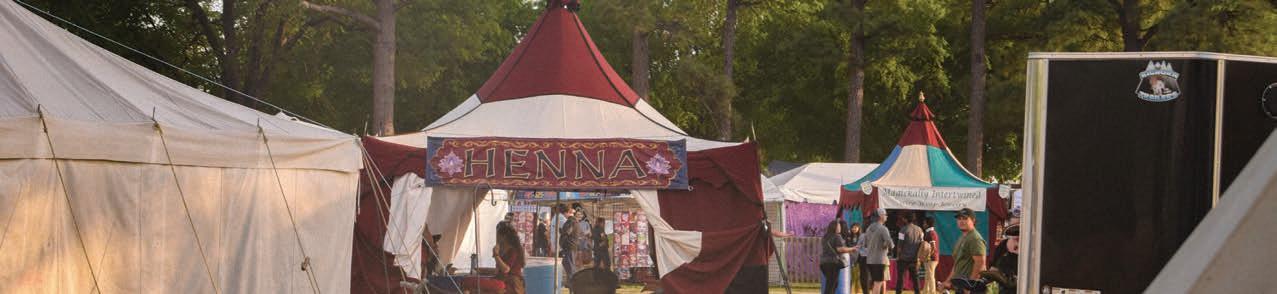
On the more art-focused side of the fair, henna shop manager Rachel Fae shared that her shop freehands all of their design work, and that designs start at $10.
“It’s nice that it’s free to come in here,” she said about the fair. “Most fairs and events you have to pay to get in,” Fae said.
When asked what she wanted to tell the people of Rose State College, Fae’s answer was simple.
“Come get some henna,” she said.
Before the gates even opened for the April 10–12 weekend, the Norman Public Library hosted a series of discussions on everything from medieval herbology to the history of the fair itself. On the grounds, 200-plus artisans and full-contact jousting have made the event a local staple that keeps people coming back.
The smell of turkey legs and cut grass wafted through the air Friday as the sun began to wind its way toward the horizon, marking the conclusion to the first day of the 50th anniversary of the Norman Medieval Fair.




By Amelia Beaty / Reporter

As someone who enjoys learning about mythology as a whole, I’m consistently expanding my knowledge base on the mythologies of different cultures where I can. Recently, I took a dive into Cherokee mythology after realizing that I knew nothing about it, or really any other Native American mythology, despite being a member of the Cherokee Nation.
So much of our literature and focus on mythology happens to surround an origin in Western culture, and overlooks the mythologies of other cultures, aside from Egyptian mythology, which experienced heightened interest in the 1920s following the discovery of King Tutankhamen’s tomb.
I find the lack of interest in Native American mythology rather sad, though not surprising. When mythology is taught in schools, it is often taught as a tool of literary analysis, as it is a favored tool of modern and classical authors to draw allusions and create symbolism that draws upon common knowledge of Greek, Roman or Norse mythologies. There is far less literary reference to Native American mythology, and therefore, it tracks that it would be focused on far less in an early academic setting. Even so, mythology reveals so much about the history of the culture it exists within, and not learning anything about the history or mythology of the cultures that came before us seems a significant waste of an opportunity, especially considering the large Native American population in Oklahoma.
When I research mythology, I like to analyze what their stories say about their culture, so on top of covering the creation story, I’m also trying to find out what those stories reveal about the culture in which they exist.
First, I’m going to lay the groundwork for the environment, both spiritual and material, that these myths take place within. The way Cherokee mythology was structured, there is an Upper World, called Galun lati, This World and the Underworld, called Unetlanvhi. This world hangs from four cords at the cardinal directions, which hold the land above the water.
The creation story is as follows. All animals used to exist in the Upper World, but it became far too cramped for them. The Water Beetle decided to come into This World, which was covered in water, and make a place for itself. Slowly, it gathered mud on top of the ocean until there was enough land that more animals could come down and live on it, and the land was connected to the cardinal cords.
It is here that I find it important to emphasize the context in which mythologies exist. They serve as a lens through which people who lived hundreds or thousands of years ago viewed and made sense of the world. When there is a reference to the directions of North, South, East and West being cords that hang the world, it implies an interpretation of the earth as if it is flat, which brings to mind a modern stereotype of people who believe the world is flat, and we can easily regard the story as ridiculous. However, these stories exist within a cultural context to make sense of a world where scientific and widespread knowledge of the exact functions of the planet and our world is sparse, and people must work off of observation.
Take the myth of Hades and Persephone, for example. The Greeks used this tale to explain the changes in the seasons. When Persephone is with her mother, she allows plants to grow. When Persephone is with Hades in the underworld, her mother causes vegetation to die because she is sad her daughter is away from her, and this is a yearly cycle, explaining the changes in the seasons. The knowledge that the earth is tilted at 23 degrees, meaning that one hemisphere is faced further

away from the sun than the other for half a year, was not common knowledge, and naturally, a culture that placed high value and explanation on natural phenomena on the gods would attribute the changes of the season to them. A culture believing that the natural world is different from reality due to limited information is not a testament to the intelligence of the people who lived during that time and should not be treated as such.
As I continued my research, I observed the importance of the number 7. Many cultures attach significance to numbers. In Chinese culture, the number 4 is avoided because it is associated with bad luck. Ancient Egyptians and Jews honored the number 12, and there is evidence that the Norse held the number 9 to some kind of significance due to the prevalence of the 9 realms. In Cherokee mythology, all plants and animals were ordered shortly after their creation to stay awake for seven days. The only animals to succeed in this task were the owl and the panther, who were gifted the ability to see at night. The successful trees were evergreen trees, like cedar, pine, spruce, holly and laurel trees. This is meant to explain their medicinal properties and the properties of keeping their leaves. I found it interesting that more focus was given to the plants and animals in this story than to their creator. While researching, I was unable to find any definitive identity of a creator within Cherokee mythology, and multiple sources specifically stated that the creator was unknown.
A difference between this mythology and many other mythologies is that Cherokee mythology, at least in the creation story, focuses more on nature and animals than on the creators. This stuck out to me. Every other mythology I’ve studied, though I will not claim that this difference is exclusive to Cherokee mythology, is focused on a humanoid being in charge. The Greek gods resemble humans, as do the Norse, and many others. And yet, instead of a higher being shaping the land, Cherokee mythology describes the water beetle gathering mud atop an empty ocean until the land becomes large enough for the animals from the upper plane to come down and live upon. A great buzzard came down and flapped its wings so much that it carved the mountains. The mountains referenced in this specific story are the Appalachian Mountains, as the Cherokee originally lived in that region. Instead of a deity having domain over an aspect of the world, it is the aspects themselves that are the focus of their origins, rather than their creator.
As for the origin of humanity, I always appreciate the consistent mild strangeness that comes with any origin story of humanity, no matter the culture, and this mythology is no exception. The story goes that the first two humans that existed were brother and sister. One day, the brother grabbed a fish, struck his sister with it, and said, “Multiply,” which is exactly what happened. She gave birth to a new human every seven days before she had populated the world enough that the frequency was reduced to yearly. My immediate observations were that the way the first two people got there was not regarded as an important detail within the narrative, but rather their rapid multiplication.
Cherokee mythology, as far as I have learned and researched thus far, is extremely nature-centric, rather than humanity-centric. Many mythologies feature gods with power over their respective domains, but the Cherokee place the power and importance on the domains themselves. I know I’ve only scratched the surface of researching and learning about Cherokee Mythology and Native American mythology as a whole. It’s a shame there is so little observation about Native American mythologies in our current society, but if there is a wish to know more information, it is my responsibility to seek that information.

By Jericho Warner / Reporter
courtesy of Kenneth Beachler
Rose State is building connections between alumni and current students with its newly relaunched Alumni Association. Organizers intend for the program to create an environment that encourages the exchange of ideas, support of students, celebration of alumni and the fostering of a lasting Raider community.
The association is designed to offer opportunities in networking, mentorship and involvement even after students graduate. By keeping ties after graduation, alumni can provide knowledge, wisdom, guidance and share experiences that help current students navigate their journey at Rose State.
The association kicked off by having its first meeting on March 26. The gathering brought alumni and current students together in fellowship to meet one another, share their life experiences and reconnect with friends and former classmates. Alumni members talked about their current careers, reflected on their time at Rose State, and the changes that Rose State has made since they attended as students.
Anna Grace Webb, a Rose State recruiter who has played a significant role in relaunching the association, explained how she feels the program can help students.
“I think that students often become detached from their first college if they transfer, and opportunities like the alumni association give them the ability to stay connected with Rose State years down the line,” Webb said.
In her role, Webb helps her students adjust to college life, motivates them to participate in healthy campus activities and encourages them to get involved in campus activities such as clubs. She expressed
how much joy she has being a part of helping shape students and make them feel comfortable during their time at Rose State.
“I remember having people who were able to help me during my time at Rose State and being able to pass down that knowledge to my students by giving them confidence and helping them gain essential life skills is such a great opportunity,” Webb said.
The meeting also gave another organizer the chance to share her perspective on how the alumni association can add value to Rose State.
Anita Poole-Endsley, Executive Director at Rose, emphasized the role that the alumni play in supporting current students.
“I think it gives students something they can look forward to,” she said. “It lets them know the relationships and friendships they have built along the way don’t end when they graduate.”
Poole-Endsley added that alumni play an important part in student success by reinforcing the value of connecting.
“I think that building the alumni association will help build community and help people renew the connections they built during their time at Rose State,” she said.
The association is still in its early stages, is expected to continue growing. Rose State Alumni Association will try to find a direct connection between their current students and the alumni of the school. Another meeting will be held later this month and students are invited to attend to learn more about themselves, explore their path at Rose State and fellowship with others.
Students interested in getting involved or attending future meetings can contact organizers via email at awebb@rose.edu or apoole-endsley@raider.rose.edu.
By Cadence Jordan / Reporter
Photos courtesy of Kenneth Beachler
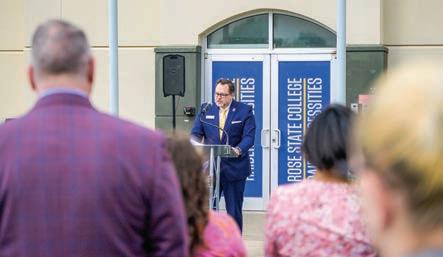
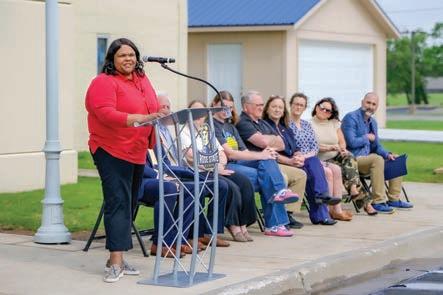
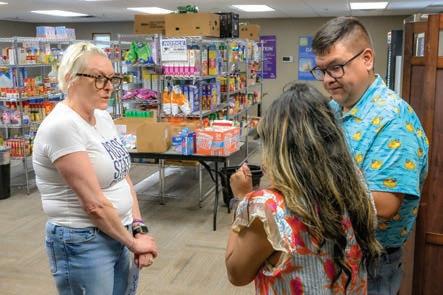
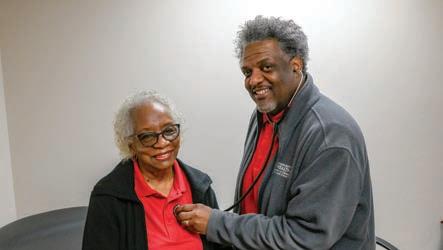
Rose State College expanded support for students and the community on Wednesday, April 15, with a ribbon-cutting ceremony for the Raider Care Health Clinic, a new on-campus facility designed to provide accessible, affordable health care to students, faculty, staff and the surrounding community.
Located in the Raider Care and Resource Center, the clinic addresses a long-standing need for convenient medical services. College officials say the initiative reflects a broader commitment to removing barriers that can stand in the way of student success.
“Raider Care reflects who we are as a college: studentfocused, community-centered and committed to removing barriers to success,” said Rose State President Travis Hurst during the ceremony. “When students are healthy and supported, they are better able to focus on their education and reach their goals.”
The ceremony featured remarks from college officials, a student representative and representatives of Community Health Centers of Oklahoma. The ribbon-cutting was followed by a tour of the facility. As the blue ribbon fell, a crowd of nearly 100 attendees cheered, marking the culmination of a two-year planning and construction process.
Raider Care operates through a partnership with Community Health Centers of Oklahoma and functions as a full-service urgent and preventive care center. Services include primary care, lab services, case management, dental services and Healthy Start services. The facility also provides access to mental health support and assistance with basic needs.
Rose State Regent Brandon Clabes highlighted the significance of the partnership, noting that Community Health Centers of Oklahoma has a long-standing mission to provide comprehensive care regardless of a patient’s insurance status or income.
“By bringing Community Health Centers of Oklahoma directly onto campus, Raider Care connects students and members of the broader community to high-quality care that might otherwise be out of reach,” Clabes said. “This is not just convenient, it is transformative.”
For many students, the clinic offers critical health and wellness support without requiring them to miss classes. Grace Gregory, former Student Senate vice president who helped draft the initiative, reflected on early discussions and the project’s impact.
“We talked a lot about the challenges students face, including accessing health care, managing stress and having enough resources to get through the semester,” Gregory said. “Raider Care is more than a program. It is a reminder to every student that they are supported, valued and not alone.”
The facility includes three private examination rooms, an on-site laboratory for diagnostic testing and a dedicated mental health consultation office. Clinic staff say the space is designed to meet the needs of a community college population, many of whom balance coursework with jobs and family responsibilities.
In addition to treating physical ailments, Raider Care will work alongside with the college’s existing counseling services, allowing for seamless referrals when students need mental health support.
Funding for the project was secured through a combination of state funds and private donations, helping ensure long-term sustainability while keeping services affordable. Most major insurance plans are accepted, and a slidingscale fee is available for those without coverage.
As the semester winds down, the opening of Raider Care stands as a significant milestone for the academic year and a visible investment in student well-being.
“This is a place where care meets opportunity,” Hurst said. “It is where students, faculty, staff and community members can find the support they need to move forward.”
The clinic is now open and accepting patients. Appointments can be scheduled by calling 405-807-0087. Registration forms are available online at communityhealthok.org or can be completed in person.
Monday and Wednesday: 8 a.m. to 5 p.m.
Tuesday and Thursday: 3 p.m. to 6 p.m.
Friday: Closed

Story and photos by Michelle Johnson / Editor-in-Chief & Graphic Design
The first episode of “Steel Ball Run” premiered on Netflix March 19. This was a 47-minute special covering the first stage of the Steel Ball Run race. As of April 11 on MyAnimeList, the show currently sits at No. 2 under “Sousou no Frieren” in anime.
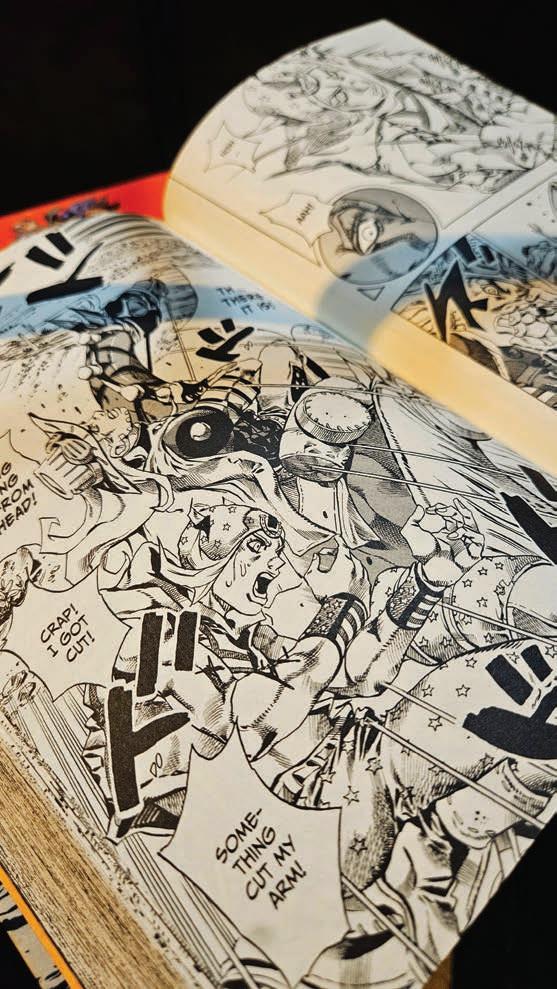
For those unfamiliar with “Steel Ball Run,” it is part seven of the manga series “Jojo’s Bizarre Adventure” set in 1890s America, in a different universe from the other parts of Jojo’s. “Jojo’s Bizarre Adventure” is an ongoing manga series by Hirohiko Araki. In “Steel Ball Run,” racers from all over the world come to race on horseback across the U.S. for a $50 million prize. There are nine stages of the race in total, starting in San Diego and ending in New York City.
“Steel Ball Run” is considered to be one of the most highly rated manga of its time, earning the No. 2 spot on MyAnimeList in manga. This series was published in 2004 and finished in 2011, with 24 volumes.
“Steel Ball Run” is praised for its art, characters and fun storytelling.
In the special, there were many changes made to adapt the first stage. For instance, one of the first characters we meet has their origin story cut off, while one of our main characters has more revealed about them early on. Most of the other changes weren’t as dramatic and made for a more concise introduction. If they had left everything in it would have taken much longer for the race to get started and probably would have been split into two episodes. I believe the first episode made for a great introduction, and had us kick off the start of the race with a satisfying conclusion for the first stage.
The use of CGI in anime is controversial. Anime is largely a 2D animated medium, so anytime CGI is introduced, it is hotly debated. Animating will be a challenge with the number of horses and the movement that happens throughout the story. It appeared that in some scenes, they would use CGI

when there were a lot of horses to animate, or during intense movement. Despite this, it blended very well and was almost unnoticeable.
Some of my favorite scenes in the episode happened toward the end of the race as the tension reached its peak. There was an excellent freeze frame at the finish line as the audio ducked out when the winner crossed.
After the launch of the first episode, things went quiet from Netflix. There was almost no news on when the next episode would be released, or a series release plan. It is atypical to drop one episode of a show and disappear. In an interview on Anime Trending, director Yasuhiro Kimura did not allude to when viewers could see another episode.
“I want to see it soon, too! When will it be? I don’t know,” he said.
Fans started to theorize that the production team did not finish animating the series based on the comment. This is not unusual for an animated show. As an example, a show could animate up to half or more of a season and start releasing episodes, while finishing the rest during that airtime. With no other news or communication from Netflix or any other distributor, fans were getting impatient.
Netflix and Jojo’s fans don’t have the best history together. When Netflix acquired the distribution rights of Jojo’s they had released part six of Jojo’s, “Stone Ocean” in batches. Typically, anime airs weekly. Fans get to react to the episode and discuss it with each other, keeping everyone in the loop each week. This isn’t how Netflix releases its shows, however. “Stone Ocean” was released in three 12-episode batches with eight-month wait periods. Fans blame Netflix for killing the hype of “Stone Ocean” because it was released in batches due to how anime story beats flow differently.
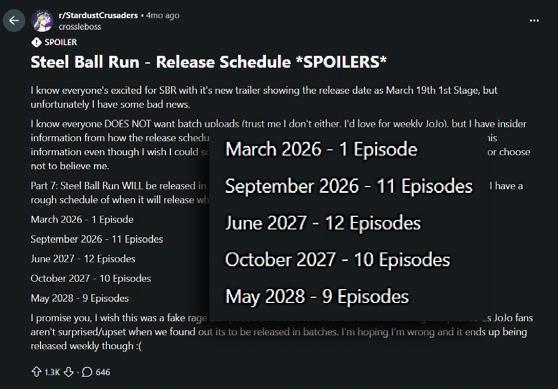
There were many discussions among fans worried about show mismanagement and what leakers had to say. A Reddit user under the name crossleboss had posted a leak for “Steel Ball Run” months before the release of the first episode, and fans believe this might be similar to Netflix’s actual release plan.
If this is true, this means the show will be released in batches and the next episode won’t even come out within the next couple of months.
The outrage over the silence has led to one of the biggest fandom movements across the internet. On any page of social media under Netflix there was a terrifying gif of Johnny, one of the main characters in the story, being shared with fans asking, “Where’s the second episode?” Fans even started to boycott Netflix and cancel their subscriptions.
A week after the first episode premiered, Netflix announced stage 2 will be in 2026 with a teaser trailer. Fans continued the outrage due to the continued lack of information. Fans kept asking,
“Does this mean each stage will be a batch?” “How will releases work since each stage has a different length?” “Why even release the first episode?”
“I feel like I should just read the SBR manga instead at this point,” said Reddit user FrontEntrepreneur825.
Brands such as KFC and Clash of Clans started hopping on the trend, posting the Johnny meme on their pages and advertisements.
A French manga translator had even commented.
“Steel Ball Run is a story built on tension, suspense and anticipation, arc by arc, week by week,” said Anthony Prezman on X. “Batch-releasing it neutralizes what makes it work narratively.”
On April 6, Netflix posted a clear statement.
“Thank you for all the incredible support for ‘STEEL BALL RUN JoJo’s Bizarre Adventure.’ The series is currently in production and will be available for everyone to enjoy. We are planning a split-cour release across the entire run of episodes. The next cour (2nd STAGE) will begin streaming in fall 2026 on Netflix, with one new episode released each week. This release schedule is part of our original plan and reflects the wishes of the production committee. Your passion and enthusiasm mean a great deal to everyone involved in the preparation. We appreciate your patience and continued support as we work to bring you the 2nd STAGE,” Netflix Anime posted on YouTube.

The fans started to calm down after this, satisfied with the answers and glad Netflix would be releasing weekly.
It’s incredibly bizarre to me to release a highly anticipated show with only one episode, and plan to release the rest of it way later. As an audience member I would look forward to at least a month or two out before the show releases after a special like this, while the hype is still high. If they had waited to release the special, there would be more sustained hype and viewership. This dropoff can also lead to total disinterest for new fans, as there is nothing to pick up and follow here in the near future.
Despite fans getting their weekly episodes, it looks as if they will still be batches, since only stage two was announced for 2026. Leakers and fans still predict the show will end in late 2027 to early 2028. Since they will be in a spit-cour format there could be more episodes to look forward to, or shorter gaps in wait time in future releases. Hopefully, “Steel Ball Run” will be successful despite this rocky start.
While fans wait, anyone interested in the anime can pick up the manga. However, the manga hasn’t even been fully translated into English despite its popularity. There are currently six volumes published in English.

Story and photo by Pennina Jackson / Photography Editor
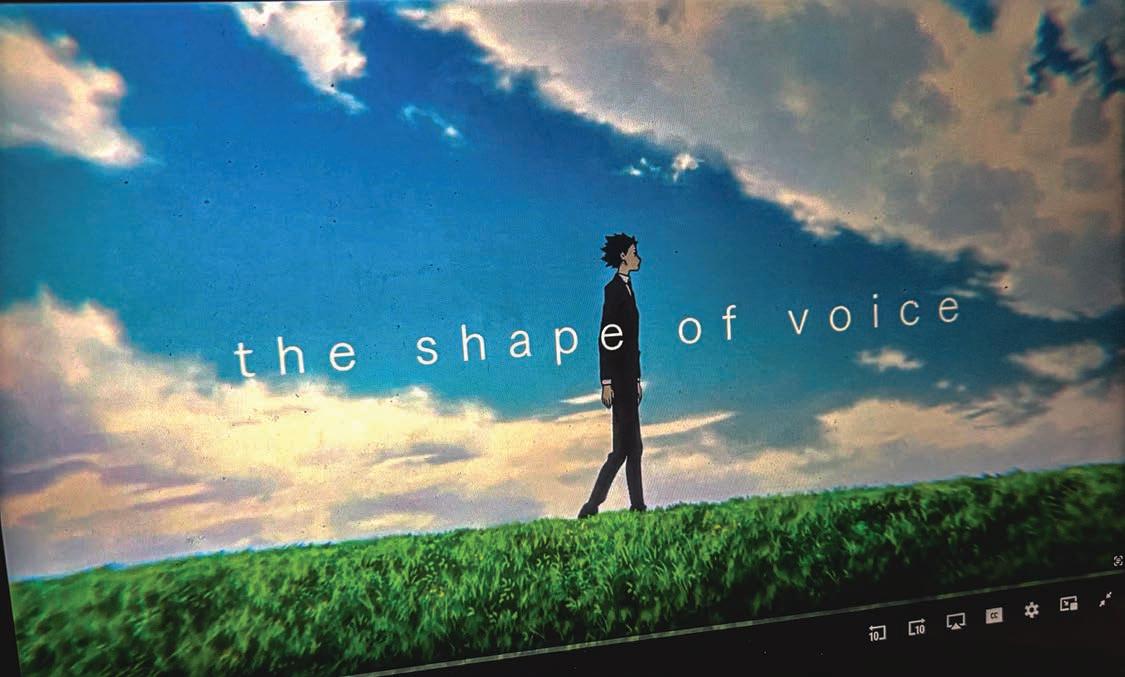
“A Silent Voice” is a heartfelt anime movie that sensitively and realistically tackles challenging subjects like bullying, guilt and redemption. The film, which was directed by Naoko Yamada, centers on Shota Ishida, a teenager who is troubled by his previous behavior as well as his decisions toward Shoko Nishimiya, a hearing-impaired girl whom he harassed in elementary school. In an effort to make things right, he goes looking for her years later.
The film is known for its realistic depiction of consequences. It illustrates how profoundly Shoya and Shoko are impacted by what happened rather than offering quick forgiveness or straightforward solutions. Pain, miscommunication and a sincere desire to connect form their relationship, which grows gradually.
The animation has a delicate, expressive visual style that conveys emotion through visual storytelling like silence and body language. The audience is frequently put in Shoko’s shoes and the difficulties she experiences are highlighted by effective use of sound.
Overall, “A Silent Voice” is about understanding and development. It highlights the value of empathy and the bravery required to confront past mistakes. The film is touching, emotional and it conveys a positive message about forgiveness and the process of moving on.
By Madilyn Drywater / News Editor
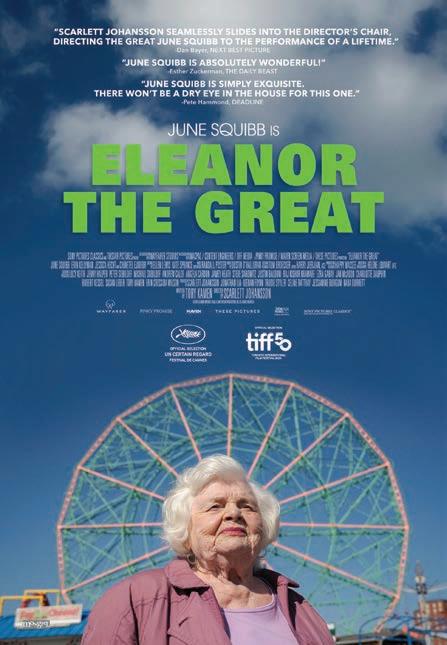
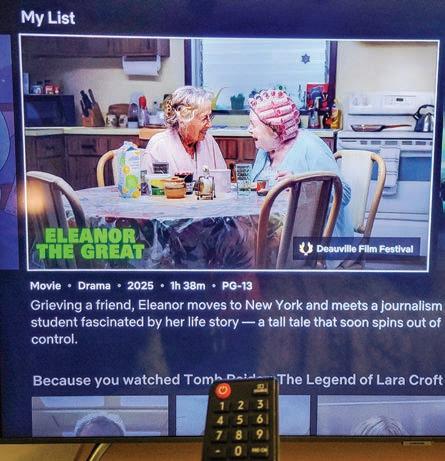
As I was scrolling through Netflix one day, searching for a movie that piqued my interest, I stumbled across “Eleanor the Great.” This film is about a sarcastic old lady who moves back to New York City while silently grieving her best friend, who was a Holocaust survivor.
“Eleanor the Great” was released in 2025 and was Scarlett Johansson’s directorial debut. All these factors, including the film being directed by Johansson, ultimately made me want to watch this movie and see how Johansson was as a director.
“Eleanor the Great” tells the story of the sarcastic and witty elder, Eleanor, who moves back to New York and lives with her daughter, Lisa, after the death of her best friend, whom she is still grieving. When Lisa signs Eleanor up for a singing group, Eleanor goes, reluctantly, but soon wanders into a support group for Holocaust survivors. Eleanor is then mistaken as a Holocaust survivor, and when asked to share her story, Eleanor begins to tell the survivor story of her friend, Bessie, which she tells as her own. As the group listens intently, the story catches the eye of Nina, a student journalist who had just recently lost her mother. After the meeting, Nina and Eleanor begin an unlikely friendship, which ends up with Nina featuring Eleanor’s “Survivor Story” for a class project.
“Eleanor the Great” scored a 66% on the Rotten Tomatoes meter and has a rating of 6.6/10 on IMDb. Some critics found the film to be predictable in some ways, while others felt that the film’s script needed to be fleshed out more; many critics often praised actress June Squibb for her performance as Eleanor. However, despite the critics, general audiences found “Eleanor the Great” to be “sweet, moving, touching,” with some audiences saying that they cried during the movie as well.
In my opinion, I found “Eleanor the Great” to be an emotional film that was able to grapple with very complex topics, such as grief and how grief can affect an individual. I also found the main character, Eleanor, to be funny and very witty, and I enjoyed her performance the most on screen. Overall, I would recommend this movie to anyone looking for a lighthearted, emotional and thoughtprovoking film to enjoy.
By Kalen Sirls / Assignment Editor
Hulu’s “Love Story: John F. Kennedy Jr. and Carolyn Bessette” revisits one of America’s most captivating modern romances, that of John F. Kennedy Jr. and Carolyn Bessette-Kennedy. The series offers a deeper look at a relationship that unfolded under relentless public scrutiny long before the age of social media.
At its core, the docuseries frames their relationship as a paradox: a deeply private love story forced into a very public spotlight. Kennedy, often referred to as “America’s prince,” carried the legacy of the John F. Kennedy name, while Bessette, a Calvin Klein publicist, became an unexpected style icon. The show thoughtfully explores how their identities clashed. His inherited fame and her reluctant celebrity contrast each other, creating a tension between a life he was born into and one she never asked for, ultimately revealing how differently they navigated the same spotlight.
What sets “Love Story” apart from typical celebrity documentaries is its emphasis on media pressure. Through archival footage and commentary, it becomes clear that their relationship wasn’t just romantic; it was also performative in the eyes of the public. The paparazzi culture of the 1990s played a central role, almost acting as a third character in their marriage. It shaped not only how they were seen in public but also how they experienced their own relationship.

Even though she was accomplished in her own right, Bessette-Kennedy was often seen simply as Kennedy’s wife, her own achievements and personality lost in the public gaze. The series shows how Bessette-Kennedy essentially had to give up her life as she knew it, trading her independence and privacy for a role she never fully chose. Her look, how she acted, even her facial expressions were picked apart, showing how women in the spotlight are judged far more harshly than men. The show makes you feel how her sense of self was slowly drowned out by what others wanted her to be, raising big questions about independence and staying true to yourself.
This dynamic shows how quickly admiration can turn into objectification. Bessette-Kennedy became more image than person—her clothes, her mannerisms, even her silence were endlessly picked over. Instead of being allowed to live privately, she became a symbol. The series really drives home how exhausting and isolating it can be to be watched and judged at every turn—a feeling that still rings true today.
The documentary addresses the pressures of Kennedy’s career with George magazine and the couple’s attempts to maintain normalcy in an abnormal life. Still, the series steers clear of exaggeration, portraying these challenges with nuance and sensitivity. This approach allows viewers to see them not just as icons, but as two individuals navigating love under extraordinary circumstances.
Ultimately, the story is shadowed by the tragic 1999 plane crash that claimed both Kennedy’s and BessetteKennedy’s lives. Rather than exploiting the tragedy, the series treats it as a quiet, inevitable conclusion—one that underscores the fleeting nature of their story. In a media landscape. Still grappling with the ethics of celebrity coverage, “Love Story: John F. Kennedy Jr. and Carolyn Bessette” feels surprisingly current. It serves as both a romantic narrative and a reflection on fame, privacy and gender dynamics—reminding viewers that behind every highly publicized relationship is a deeply human story, often shaped as much by outside forces as by the people within it.

By Madilyn Drywater / News Editor
In 1996, Disney released their first official live-action remake film, “101 Dalmatians,” and have since released many live-action adaptations of their classic films, including “The Little Mermaid,” “Beauty and the Beast,” “Alice in Wonderland” and “Snow White.”
Oftentimes, critics have had mixed reviews over Disney’s live-action remakes, with the live-action versions of “The Jungle Book” receiving high praise while the version of “Snow White” received less favorable reviews. One of the main arguments when discussing Disney live-action remakes is whether or not the live- action remake should remain true to its source material or not.
When creating live-action reboots of their classic films, Disney has often deviated from their original film’s storyline. An example of this is the ending of the live-action “Lilo and Stitch” movie, which has Lilo and Nani ending up separated, while in the original movie, Lilo and Nani stay together. Although the general reviews gave the live-action movie high praise, some critics were skeptical of the new changes made to the story. Nevertheless, Disney continues to remake their classic films due to feelings of nostalgia and desire to reach a wider audience.
“I think you do have to take your audiences’ emotions into consideration because you’re trying to create realistic scenarios that people can engage with on an emotional level,so I think not taking your audience’s emotions into account then you are doing yourself a disservice,” said Marcus Mallard, Film Studies and Digital Media program coordinator.
Due to the debate over why Disney continues remaking their films, and why some live-action remakes perform better than others, it raises other questions, such as what makes a movie a “classic” and what goes into defining a “classic” movie.
It’s a movie that a director got famous off of, and one that you will continue to watch. A movie doesn’t have to be old to be a classic, stated Piper Morett, a Film Studies and Digital Media major.
Ultimately, whether someone is a fan of the original Disney films or their remakes, Disney and their films still hold a special place in the hearts of many.


Story and photo by Pennina Jackson / Photography Editor
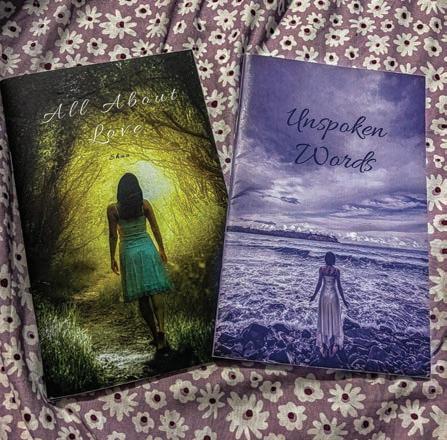
This article is a reflection of Varshaa Navaneethan’s journey, a close friend of mine who has poured her heart and soul into something truly meaningful. Navaneethan has committed herself to writing poetry that expresses her innermost feelings, ideas, experiences and all the love around her. She honestly and inspiringly brings her inner world to life through her words. Here, I want to draw attention to both her love of poetry and the narrative that influenced her voice.
“Reading stories and poems has always been my favorite thing to do,” said Navaneethan, the voice behind the poetry. “I never really pursued writing my own stories, even though I liked the idea when I was younger.”
She mentions that over time, the quiet idea grew into something more personal and she found herself wanting to use poetry to express her emotions.
“Feelings should be seen, felt and experienced, which is why I wanted to share what I was going through,” Navaneethan said.
The center of all those emotions and feelings that she poured into poetry is what we call love.
Check out @shaaapoetry on Instagram for more poetry.
I’ll be patient, I’ll be strong
Hoping one day, our love will belong
I’ll wait for you, through the depths of time
For your love, I’ll climb the highest mountain sublime
Every moment with you, my heart takes a flight
In this love, I’ll hold on forever, day and night
As we embark on separate journeys, new chapters unfold
Know that my love for you will never grow old
What am I going to do without you by my side?
But I’ll treasure the memories, with love as my guide
We’ll meet new faces, create new memories too
But the love we share, it always shine through
Will our paths cross again, in the future unknown?
Will destiny reunite us, as seeds of love are sown?
We may walk different paths, but our hearts will stay true
For the love I have for you, it will always renew.
Through ups and downs, we stand tall
In this friendship, I give my all
In moments of doubt, you lift me up high
With your unwavering support, I can touch the sky
You’ve taught me the meaning of true friendship
A bond that’s unbreakable, an eternal kinship
As time goes on, our friendship will endure
In this life and the next, of that I’m sure
You can never be replaced, my dear
Forever in my heart, you will always be near.
They say eyes never lie
But why did yours lie?
Or did I mistake it for something else?
Why did you look at me in a way no one would?
Made me think I’m special for you
Now making me fall for you
Why does it hurt when there is nothing between us?
What did you do to me for me to feel this way?
I wouldn’t say it’s your fault
It’s mine, to think you liked me too