15th Street

Men’s Soccer head coach wins Coach of the Year for second
By Danny Fritts Sports Writer
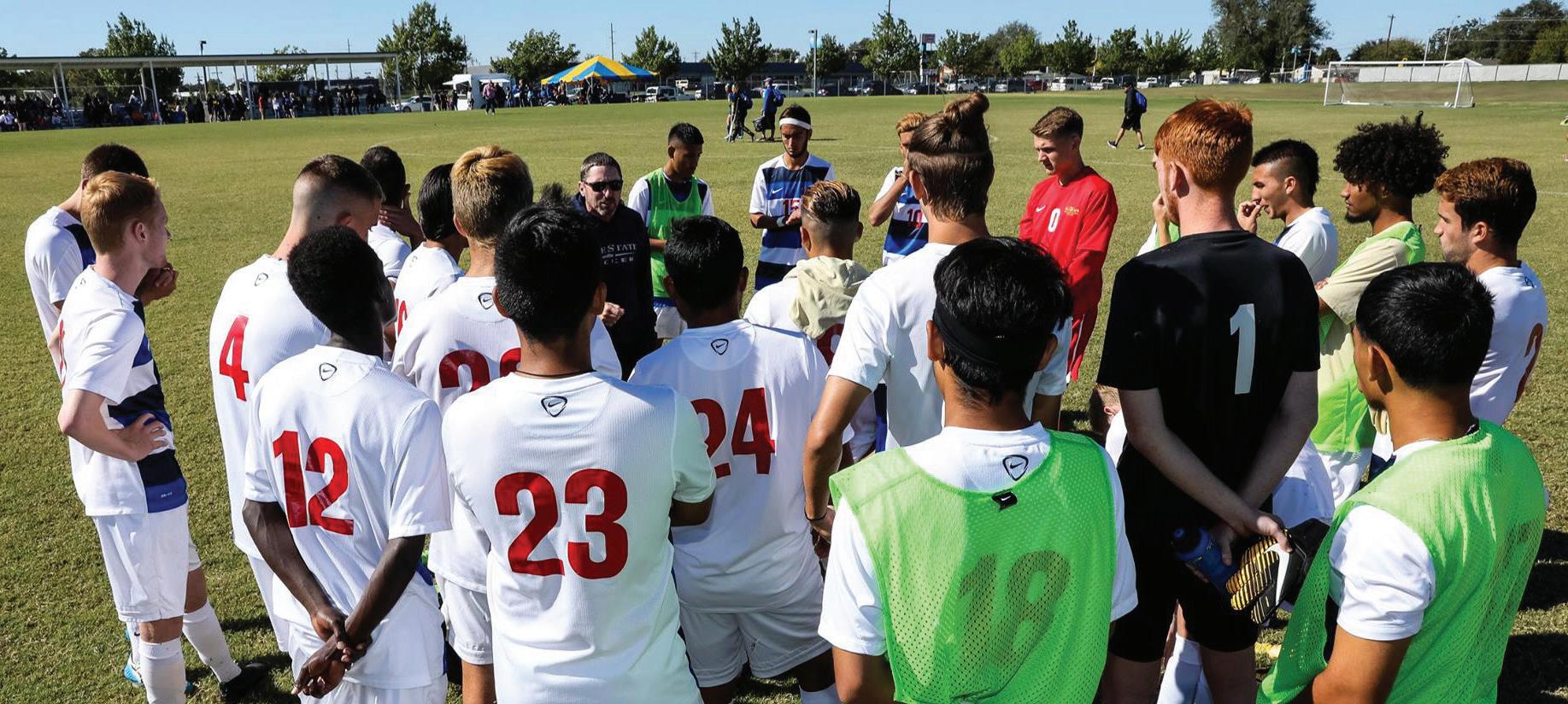
Billy Martin, head coach for Rose State’s Men’s Soccer team, won Coach of the Year in Region II for the second time. Martin has been the head coach for Rose State since 2014.
During his time at Rose State, he has played a large role in revamping the soccer program. Martin led his team to a Regional Championship
victory over NEO 2-0.
"Coach Billy Martin has been a great addition to Rose State College,” said Taylor McCool, Coordinator for Athletic Activities and Wellness Enrollments. “He has continued to recruit great athletes and won conference two years in a row as well as Coach of the Year. He is a valuable member to our team and has helped Rose State Athletics grow and break history by advancing to Districts. We look forward to the coming years to see how Rose
State Soccer will grow.”
Besides Coach Martin’s accomplishments, some players received awards as well.
Women’s Head Soccer Coach Damon Solomon earned his 100th career victory Friday, Nov. 3 as the Raiders defeated Hill College in double overtime. The next day, the women’s team came up short against Tyler Junior College 3-1 in the District Championship game.
See SOCCER SEASON RECAP, Page 6.
Women’s 2017 All-Region Team
Ravella Fisher: second selection
Simone Ryan: second selection
Alexis Sanders: first selection Notable Individual Accomplishments
Men’s
Michael Bush: second selection
Jack Rose: second selection
Owen Wheeler: first selection
By Mina Onar News Editor
Finals are approaching faster than students realize. Even though students do not like the idea of finals, it signifies the end of the semester. Here are four tips on how to prepare for finals.
Make a weekly to-do list to make sure you have everything under control and you do not miss anything like homework and quizzes.
Tidy up your space and only concentrate on your studies. Your study space is one of the most important things to keep organized. Go to the LRC to fully concentrate on your
studies. And whenever you need a break, you can enjoy coffee and snacks at the Underground.
Timing yourself helps you study without feeling overwhelmed. We cannot live without checking Instagram or Snapchat or Facebook or Twitter… Well, clearly we need social media to be alive. Time
yourself for 30-minute study sessions and give a 10-minute break between them. This will keep you going throughout studying for finals.
Sleep Well. Sleeping is so important, especially before/ after focusing on our studies. Be sure to get a good night’s sleep before and after a long studying day.
By Haley Humphrey Staff Writer
Community colleges are rising in rankings. They are proving to Americans that they are indeed a force to be reckoned with when it comes to educational significance. Graduation rates are increasing along with a sense of accomplishment across several generations attending community college entities in not just Oklahoma, but nationwide.
This progress was depicted in the success of Cameron University and Rogers State University, with both schools starting as two-year structures. Through the years of rapid growth that both schools experienced, legislation was passed, and the mission of each college shifted its focus to new goals. These goals eventually transformed into these colleges becoming four-year institutions.
According to bestcolleges.com, Rose State is ranked No. 14 in Oklahoma. Statistics show that Rose State flourishes each year, growing larger as more students from across Oklahoma, the United States and other countries choose this community college as their first choice to attain an associate degree in any of the 60 programs offered.
With an influx of students there is an inundation of diversity and change.
But what kind of change can Rose State look for in its future?
With the involvement of leadership on and off campus, buzz has stirred among students raising assessments of Rose potentially becoming a fouryear establishment.
What is less commonly known is that this buzz has been floating around for years among many stu-

dents from every age and group, according to Rose State President Jeanie Webb. Once students near graduation from Rose State, they feel a sense of gloom because they have enjoyed their time at the college and wish that it did not have to end after two years.
While watching and being part of Rose State’s growth process in different aspects for 20 years, Webb lights up about the excitement that many students feel toward this idea.
A feeling of elation about an idea circulating among students on campus is something to be proud of, however, is this idea worth pursuing? The planning of this conversion is complex in many ways.
Webb deconstructed what would have to happen for this idea to formulate into action.
“It depends on how you are constitutionally or statutorily put together. Politically, it would be very difficult because we are an open-door type college and you would have to change
the mission of the college,” she said. “You would have to have approval not only through your board, but through the State Regents; legislatively, you would have to be changed.”
While opportunities would sprout from this transition, even more would be unavailable to students of various ages. Transitioning from a two-year to a four-year college would affect the overall acceptance rates, making it harder for both high school students who do not test well on the ACT, and adults who are working to finish certain classes to obtain a degree.
Having looked at the history of Rose State and how it has positively affected the Midwest City community and beyond, Tamara Pratt, Vice President for External Affairs and Marketing at Rose State, commented, “All those things that make us special, would in theory, be lost.”
Webb agreed, “It would decrease opportunities.”
Rose State provides students with
by Mina Onar
a small classroom setting and professors who maintain a hands-on atmosphere, willing to go above and beyond in making sure that students are learning to the best of their ability. This kind of relationship furthers success and preparation for the next step in the chosen direction of each student, therefore building confidence.
While change is not bad and Webb and Pratt welcome it, at this moment in time, Rose State is standing firm on its decision to remain a two-year institution.
But this is not to say the idea is completely out of the question in the long-term.
If there is a need from the state and community and the timing is right, who knows what could happen? Rose State is constantly evolving and focusing on what is best for its students. With fearless leadership, options are always open.
“Everything will fail if you do nothing different,” Webb said.
Campus clubs provide lifelong friendships, sense of belonging
By Courtney Burleigh Staff Writer
They’re no stranger to most campuses; we join them, we engage in them, we create them and we enjoy them. As a student, most of us have been in at least one. When students search to create new bonds, meet new people and bring their interests to life, they turn to clubs.
“Students find lifelong friends in groups like these,” said Paige Stramski, a recruiter who works closely with student organizations and engagement at Rose State. “Another benefit is just being involved in something.”
She goes on to say that it can help academically, as well.
“There are studies that show improved academic success when students are involved in campus activities ... Joining a student organization can really help you academically and socially,” she said.
“You can find so many people to study with, play games with or just be friends with.”
With so many benefits, why don’t more students join?
Well, it isn’t necessarily because they don’t want to. Stramski stated she thinks some students don’t join because of their schedules.
“A lot of our students have jobs while going to school either parttime or full-time and some of those
students also have families to take care of,” Stramski said. “It’s hard to prioritize something like an organization when you have a million other things on your plate.”
Jaz Harmon is a student who has always been known to be very involved in various student activities throughout middle school, high school and college.
When asked what motivates students to join clubs, Harmon said they “improve the morale of students as they meet new people and gain lifelong friendships and connections ... free food and free stuff is the original motivator [as well as] seeing what they are all about.”
Stramski said without clubs, schools and students would suffer.
“Our student organizations work so hard to create a fun environment for our students and if they were to go away, it would have a severely negative impact on the livelihood of our campus,” she said. “I think student organizations are so essential in improving a student’s overall experience. From personal experience, my time in college strongly improved when I became involved in things around campus. Not only is it fun, but there are so many opportunities for leadership roles and resume additions to help you later on down the road when applying for jobs.”
For information about Rose State clubs and organizations, visit rose. edu.
Grant provides funds to
By Kat Tabak Circulation Manager
Rose State’s Engineering and Science division, along with University of Oklahoma’s Aerospace Engineering Program, was awarded a three-year Advanced Technology Education grant from the National Science Foundation. The colleges are collaborating to explore and make progress in the area of unmanned aircraft systems curriculum.
Steven Fowler, professor of engineering at Rose State, took part
in a conference in Washington, D.C., representing Rose State as the principal investigator for the grant, and one of the grantees. The conference was for other grantees, as well as those who are also taking part in the National Science Foundation ATE program to discuss more about the program, the grant and what the money would be going toward.
Rose State intends to use the grant money to work toward including more materials that focus on small projects involving the unmanned aircraft systems. This would also include developing
some programs for outreach to K-12 schools in the area.
“Part of the grant money is going towards hiring on a full-time faculty member at Rose who, as an adjunct, has been a great help and resource in some of the analyzing and work with drones that has been going on at Rose already,” Fowler explained. “The grant money in total is about $800,000; however, while that sounds like a lot, the money does not actually go that far.”
Fowler also said the grant money will be spent on purchasing more equipment for the Engineering and
Science division, such as purchasing a more modern 3-D printer that is capable of using some of the more lightweight, really strong materials as unmanned aircraft systems are built using really lightweight but durable materials.
“Right now, unmanned aircraft systems are at the point GPS was so many years ago; it is something that is just starting to be explored, so there is no telling how they may look or what might happen with them years from now,” Fowler said.
For more information on this program, contact Fowler at sfowler@rose.edu.
By Bailey Walker Staff Writer
Student Senate
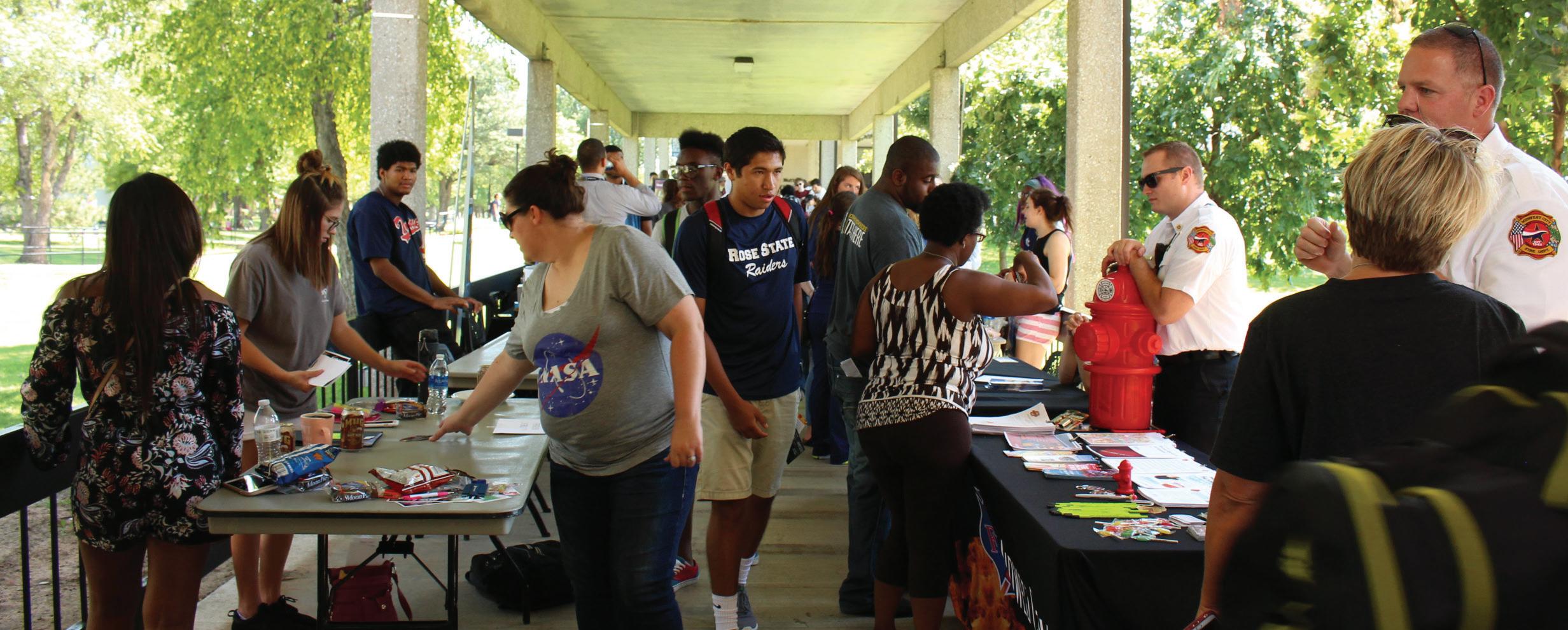
Senate elections have come to an end and Rose State now has 16 elected seats filled. The legislative season started at 2 p.m. Sept. 12 in LRC, Room 231. But what exactly will the senators be doing in their chamber?
Student Senate President Kailey Kelpine has the power to introduce legislation but not to vote. She runs senate sessions and maintains order. Kelpine described the process: “Specific time is allotted to speakers recognized by the chair and bills are introduced and discussed. These bills can be actions like increasing the number of trashcans on campus or hosting events, but they can also be establishing dorm housing, starting the soccer team or hearing parking appeals.”
Wielding an arsenal of funds and administrative authority, Student Senate is incredibly powerful — given adviser Alicia McCullar signs off. Not everyone is aware of Student
Senate’s influence; however, Kelpine understands its influence. She said she wants to have more of the general population involved in Student Senate, attending meetings, influencing senators and letting their voices be heard.
“We are really trying to push outreach because there [are] only 25 of us,” Kelpine said, referring to 16 elected, four executives and five division-appointed members. “We can’t be all of the opinions. We are trying to bring in more voices so we can really tackle what people want.”
Prime issues Student Senate wants to address include more sports programs, adult student outreach and promoting club growth and continuation. Here are some new and not-so-new clubs that help with Student Senate’s mission to grow campus involvement.
Civox
Local political insiders Deanna Williams and Sonja Sparks founded Civox, a nonpartisan civic organization based around local political participation. Civox plans to provide connection between the public and key information like city council meeting dates and voting dates. The
group aims to increase participation among the public by spreading information and holding voter registration drives, including mail-in ballot forms in order to make sure people can vote. Other Civox plans include hosting Student Senate town halls and debates.
Contact deanna-williams@raider. rose.edu or sonja-sparks@raider. rose.edu for more information.
Black Student Association
Centered around community and campus connection, the Black Student Association aims to promote student engagement and social support structures for students. Anyone is welcome to join the BSA. The club is focused on black issues and culture and encourages student participation. Terrance Grayson is the BSA adviser. He described the group as more student-led and operated.
“[It's about] helping each other connect one another with resources that help them become successful,” Grayson explained. He spoke brightly and candidly and it was apparent that he is passionate about - and emotionally connected to - what he does.
“A lot of our club members - especially the officers - are really connecting with the campus, joining student senate and getting scholarships,” Grayson said. Last year the BSA attended the Big 12 Black Student Government conference in Austin, Texas, connecting students with an even larger network beyond the local community.
Democratic Socialists of America Bernie Sanders ramped up participation among young people and others who were previously uninvolved in America’s political system and campaigned on a platform further left than any mainstream candidate in decades. The way to make a difference in political matters is through organization - students of Rose State are doing just that.
The Rose State Democratic Socialists of America are hitting the scene this year as a means of bringing socialism and leftist organization to the community. The core tenants of the DSA are those of equality, both social and economic. Huge socioeconomic gaps exist between racial groups, sexes, genders and classes. The core of socialism is to close these gaps and increase political participation across the board. The Democratic Socialists are committed to making a fairer economic system for all people. The Rose State DSA is focused on community and locally-based politics and outreach, getting involved in city, county and state affairs and connecting the public with information relevant to them. Voter registration drives, charity donations, community events and rallies and protests are all things the Rose State DSA hopes to organize.
For more information, contact DSA Adviser Darcy Delaney at ddelaney@rose.edu or DSA President Bailey Walker at bailey-walker@ raider.rose.edu.
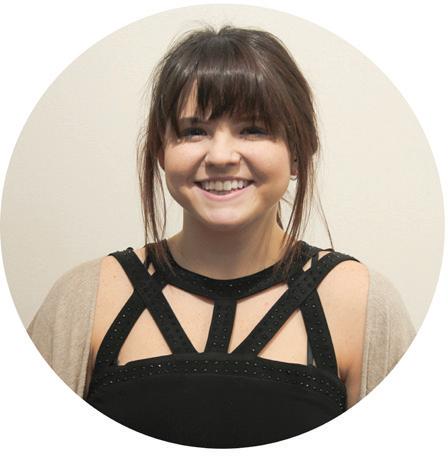
Sierra Cheyenne Clark
Age: 19
Hometown: Davis
Major: Pre-Med
Position in Student Senate:
Elected Senator Hobbies/Interests: Being outside & reading
After Rose I plan to: Attend UCO to achieve my bachelor’s
My hope is to pursue a career in: Pediatrics
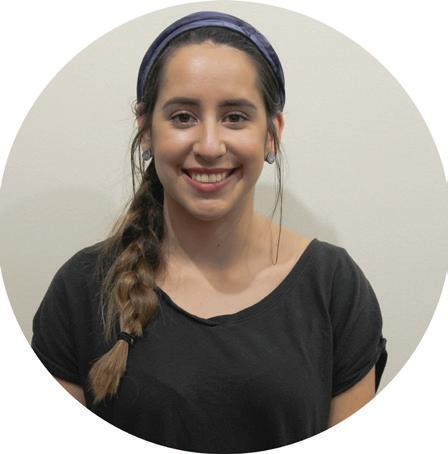
April Rayne Gonzalez
Age: 18
Hometown: Oklahoma City
Major: Bio-medical EngineeringBiology
Position in Student Senate:
Elected Senator
Hobbies/Interests: Playing viola, playing with my dog and sudoku. After Rose I plan to: Go to the University of Texas in Austin
My hope is to pursue a career in: Bio-medical engineering
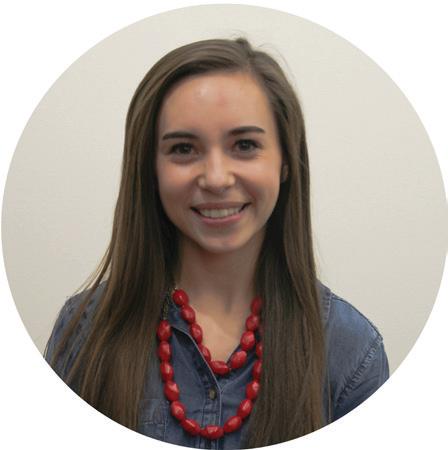
Christine Keefe
Age: 19
Hometown: Midwest City
Major: Radiology
Position in Student Senate:
Elected Senator
Hobbies/Interests: Playing sports and reading.
After Rose I plan to: Go to the University of Oklahoma to further my education
My hope is to pursue a career in: Radiology
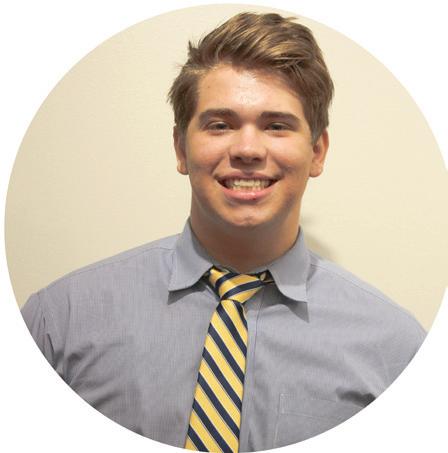
Dillon Williss
Age: 19
Hometown: Norman
Major: Pre-Med
Position in Student Senate: Science & Engineering Division
Merit Appointee
Hobbies/Interests: Ultimate frisbee
After Rose I plan to: Attend UCO
My hope is to pursue a career in: Nursing
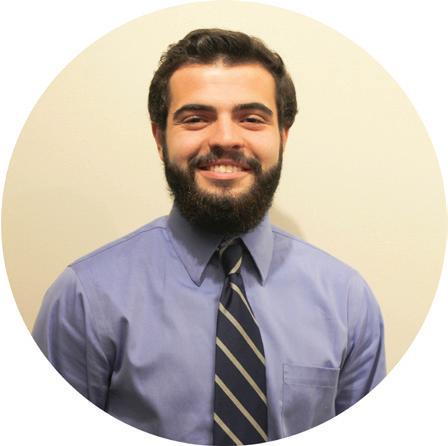
Matthew Hayes
Age: 18
Hometown: Del City
Major: Liberal Studies
Position in Student Senate:
Elected Senator
Hobbies/Interests: Hanging out with people, and I like traveling.
After Rose I plan to: Go to culinary school for baking
My hope is to pursue a career in: Baking
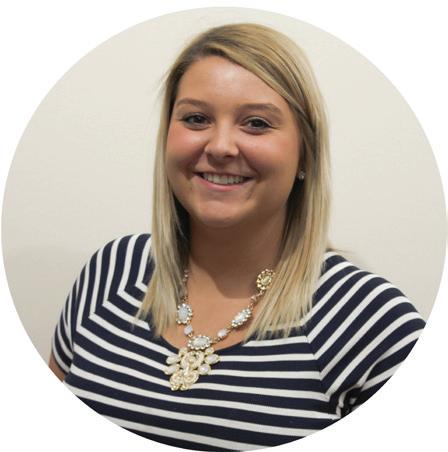
Torrie Hartman
Age: 20
Hometown: Midwest City
Major: Enterprise Development
Position in Student Senate: Social Sciences Division Merit Appointee
Hobbies/Interests: RSC leadership and my family and friends.
After Rose I plan to: Pursue my business degree and have a family
My hope is to pursue a career in: Business
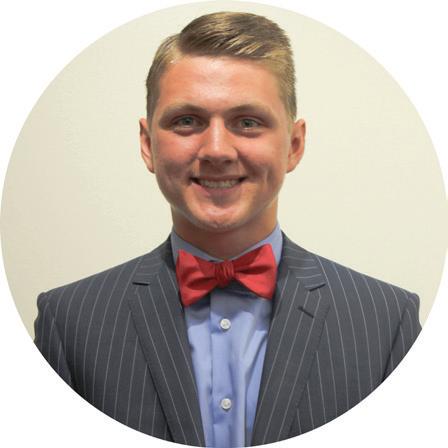
Reed Austin James Age: 18
Hometown: Edmond
Major: Psychology
Position in Student Senate: Elected Senator
Hobbies/Interests: Playing soccer
After Rose I plan to: Attend OCU
My hope is to pursue a career in: Psychology
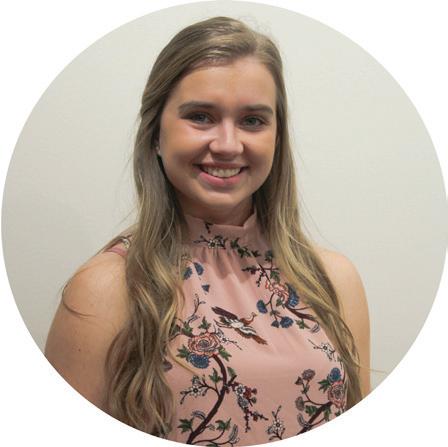
Heather Maker
Age: 18
Hometown: Edmond
Major: Business
Position in Student Senate: Elected Senator
Hobbies/Interests: Hanging out with family and friends.
After Rose I plan to: Attend UCO
My hope is to pursue a career in: Business management & event coordinating
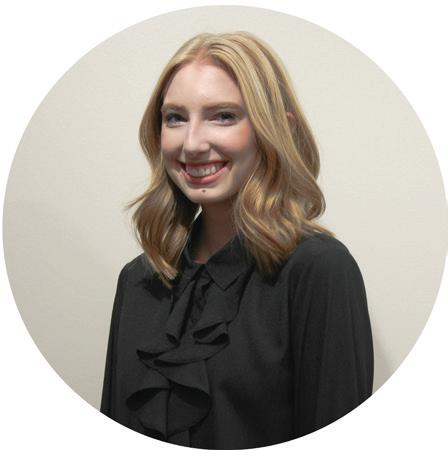
Lauren Parker Age: 18
Hometown: Guthrie
Major: General Science
Position in Student Senate: Elected Senator
Hobbies/Interests: Singing, modeling and spending time with friends.
After Rose I plan to: Attend grad school at Northeastern State University
My hope is to pursue a career in: Optometry
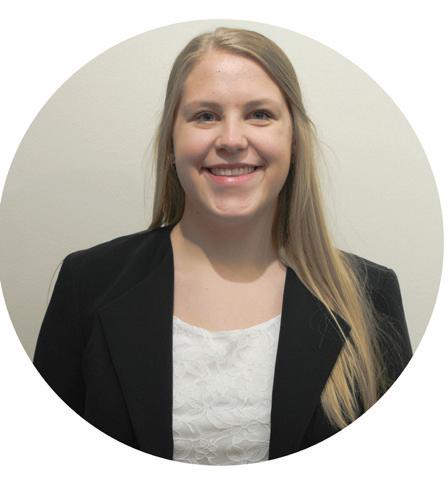
Brennah Kostelecky Age: 19
Hometown: Oklahoma City
Major: Criminal Justice
Position in Student Senate:
Elected Senator
Hobbies/Interests: School and volleyball
After Rose I plan to: Attend the University of Central Oklahoma
My hope is to pursue a career in: Forensic science
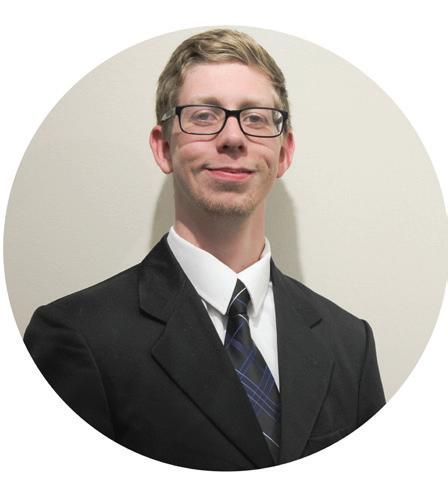
Jakob J. Harmon Age: 18
Hometown: Jones
Major: Music Education
Position in Student Senate: Humanities Division Merit Appointee
Hobbies/Interests: Playing instruments and reading
After Rose I plan to: Go to UCO
My hope is to pursue a career in: Collegiate music education
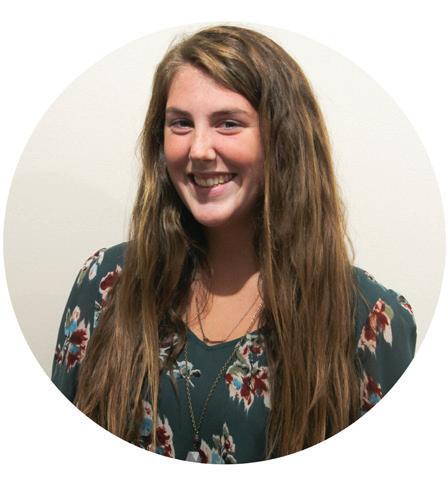
Katelyn Lawson
Age: 18
Hometown: Oklahoma City
Major: Business
Position in Student Senate:
Elected Senator
Hobbies/Interests: Singing and tennis
After Rose I plan to: Transfer to a four-year college
My hope is to pursue a career in: Something business-related
By Toni Ross Assistant Editor
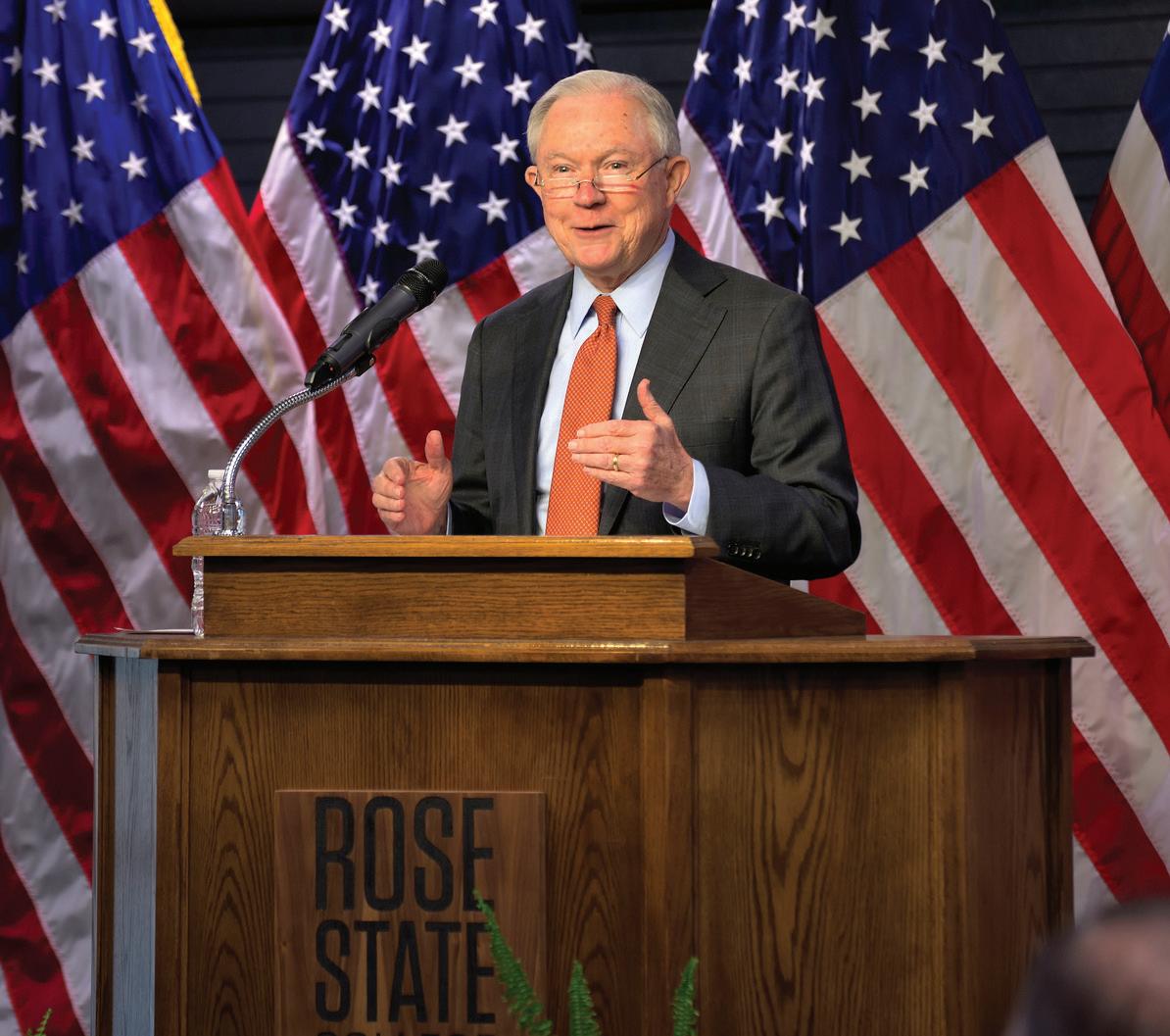
United States Attorney General Jeff Sessions arrived at Rose State on Thursday, Oct. 19 to address the Oklahoma Sheriff’s Association. Currently there are 22,000 members in the National Sheriff’s Association and 4,000 in Oklahoma.
Sessions spoke briefly in regards to the state of emergency that has been called on the opioid epidemic and the rising rates of violence toward law enforcement.
He addressed the opioid epidemic with statistics, “64,000 Americans died by drug overdose in 2016,” and for those under the age of 50, drug overdose is the leading cause of death.
“Despite the national surge in violent crimes and the record num-
ber of drug deaths over the last two years, there is a move for even lighter sentencing in federal courts,” Sessions continued. “If we want to bring down federal prison population, we need to bring down our crime.”
Sessions turned his attention to the OSA and violence against police officers from the general public.
“We’ve seen a shocking and unacceptable level of violence toward police in this country,” he said. During this year, five police officers in Oklahoma lost their lives in the line of duty. He continued with more statistics of officers in the United States that are victims to violence.
Sessions concluded the conference with these remarks: “I’m here today on behalf of President Trump and the Department of Justice to say thank you, I’m proud to stand with you. The Department of Justice is proud to stand with you.”
By Courtney Burleigh Staff Writer
As a nation, it is safe to conclude that the current political climate in the U.S. is the most divisive it’s been in recent years. However, millennial college students are more involved than they have ever been, and they are making sure their voices are being heard.
Who are millennials? They are not only people born after the 90s; Pew Research Center defines a millennial as a person who was born around or after the year 1980. Ranging between 18 and 35, just as many millennials participated in the 2016 election as baby boomers, according to NPR.org. So, what is it about this generation that prompted them to become so active?
“I do believe that this election was a great awakening to many college students who went out and stumped for Bernie, but were left disenchanted,” said Dr. Emily Stacey, Rose State political science professor. “I think those same students are extremely discouraged and [are being] directly impacted by the Trump administration policies, and have little more they can do than become involved in their politics.”
She went on to say that the policies such as Deferred Action for Childhood Arrivals are having a “direct impact on the future and success of young people in this country.”
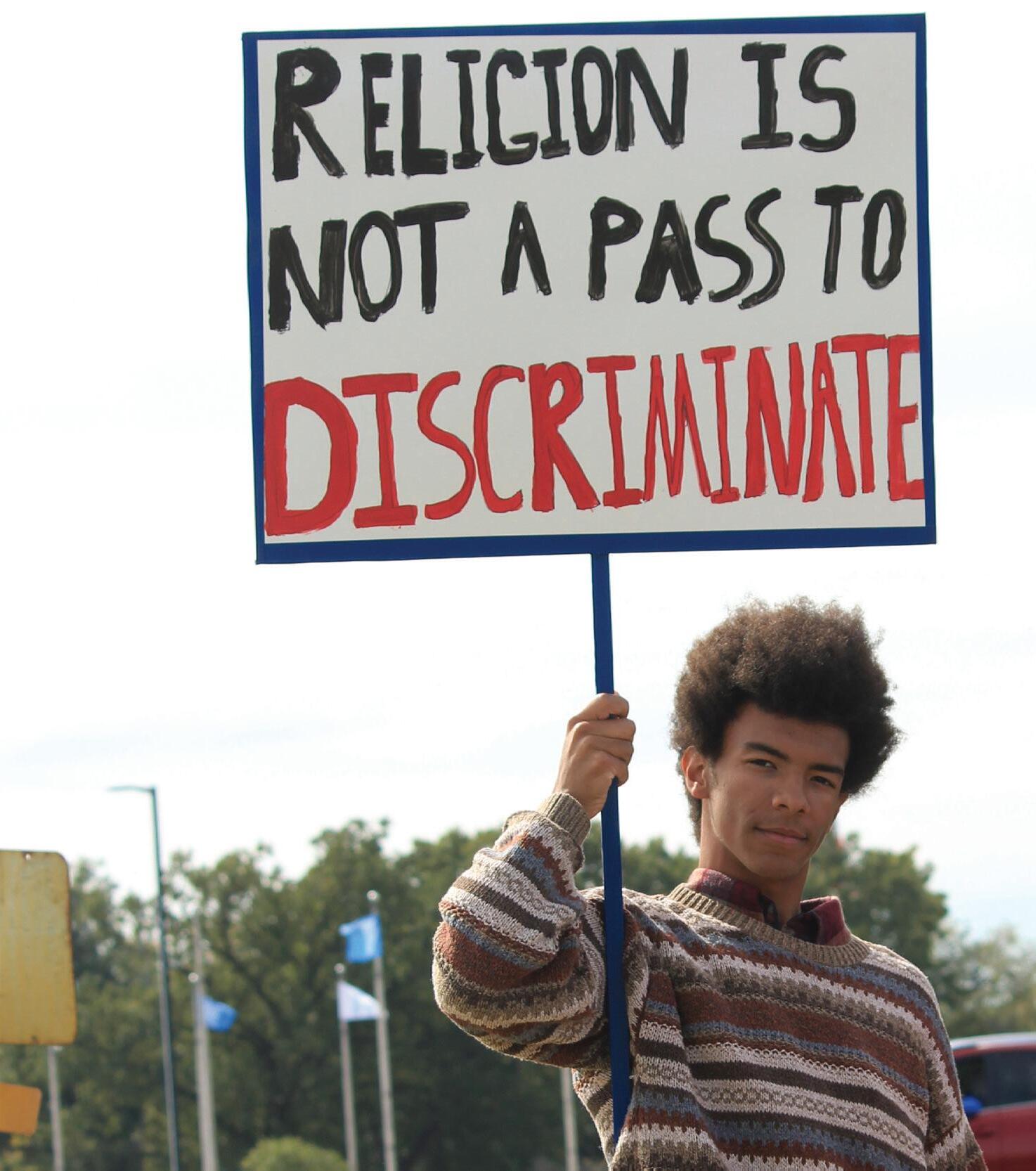
Rose State Emmanuel Boadu talked about being politically active on social media. In terms of importance, he said in this day and age, being politically active on social media is good as it can aid politicians in being discovered and expanding their audience.
Stacey’s point was similar. “It’s all
about how groups or individuals use the technology,” she said. “You are seeing a rise in what is known as ‘hashtag activism’ or the use of social media platforms to create awareness of a social/political issue, mobilize support and hopefully transcend the online to the public sphere.”
“Millennials and Gen Z have a
unique opportunity to reinvigorate the American political protest/engagement scene through the skilled use of social media to bring supporters to their cause,” Stacey added.
Political engagement also means picking a side; so with whom are millennials siding?
According to Wisconsin Public Radio, most college freshmen today identify as liberal, or left-leaning, a stark contrast to their first survey given in 1966. Why is this?
“I think that liberals have identified the issue that youth care about more,” Stacey said. “Near that time (1970s) you got the environment and green movement rising throughout the U.S. ... Environmental issues solidified a liberal voting bloc on campuses that was continued through the rebuking of conservative policies that were counter to the youth [such as the] War on Drugs, trickledown economics, Gulf War, etc.”
She continued by adding that socialist ideology is becoming more prevalent on college campuses around the nation.
“You tend to be more idealistic about work and the utopian nature of a government that is more responsive to the needs of the citizens,” she said.
Rose State students have the option to join one (or more) political clubs and organizations on campus. These clubs include Civox, Democratic Socialists of America (DSA) and College Republicans. For more information, contact Student Activities at 733-7372.
By Madi Zick Staff Writer
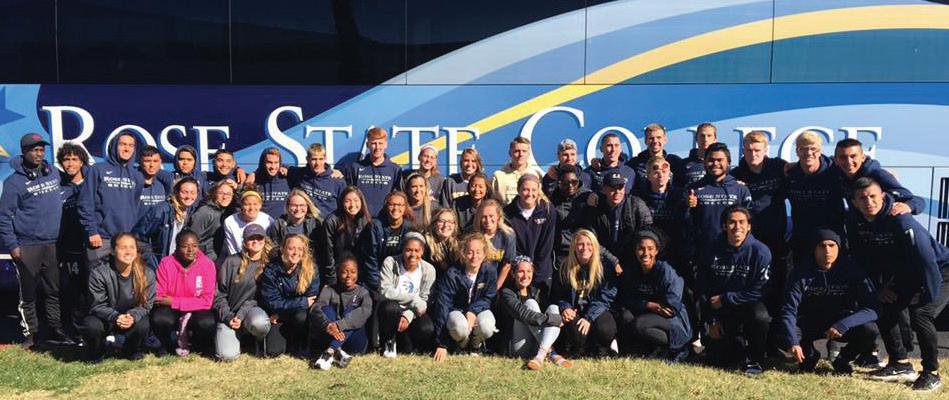
The Raiders’ soccer season has come to an end. The men’s soccer team ended its season with a record of 13-5-2, while the women’s team ended with a record of 15-7. The men’s team made it to the district semi-finals and lost in penalty kicks to Kansas City Kansas Community College. The women’s team made it to the district finals and lost 3-1 to Tyler Junior College.
Jack Rose, sophomore and center back, said his favorite part of the season was winning the region championship. He said he wished they could have made it further in the season, but is thankful for Rose State giving him a “stepping stone into a four-year college.”
Overall, “we grew better as a team, had a stronger bond and it has been a great bunch of guys to be around,” Rose said. Rose was named to the All-Region Team for the second time, and is planning on continuing soccer after his time at Rose State.
Fisher, sophomore
for the women’s soc
cer team, thought beating Hill Junior College in the district semi-finals, after losing to them previously, was her favorite part of the season.
“Rose State soccer helped me deal with real life situations and figure out how to handle them,” Fisher said.
While Fisher wishes the team would have been the regional and district champions and gone to Florida, she was very proud of how the team played this season. Fisher was also selected to be on the 2017 All-Re -
gion team and plans to continue soccer after Rose State. The coaches also celebrated additional achievements this year. Women’s Head Coach Damon Solomon won his 100th NJCAA game at the District Tournament, and Men’s Head Coach Billy Martin received the honor of Region II Head Coach of the Year for the second consecutive year.
Even though they are out for this season, both teams improved their records from last year and are excited to work hard in the spring for the upcoming season.
By Cade Einerson Staff Writer
Most students attend Rose State for an education, no matter the field of study or the intention. But what most do not necessarily see is the athletic side of it as well. For students who are not involved in sports at Rose State, it can be easy
to overlook the big names who actually began their athletic careers at Rose State.
Brent Weaver of the Florida Marlins and Jeremy McBryde of the San Diego Padres, in addition to countless others, continued their success at a DII or higher university.
According to Rose State women’s softball player Kacey Taylor, sports at the community college level can buy a little time.
We are seeking qualified teachers with CDA or higher to join our team! Visit us at 830 SW 31st Oklahoma City, Oklahoma, or contact us at 405-631-1466.
“It gives us an extra two years to get recruited by fouryear programs,” Taylor said.
This allows community college athletic programs to become a training ground for university-level sports programs.
Another side of athletics people do not often see is the GPA standard they have to meet to stay eligible.
Not only do student athletes have to meet a minimum GPA requirement to be eligible to play, but they have to study the game on and off the field and some even have jobs.
“Athletes at the high school level I have seen succeed at a higher level in academics than non-athletic students,” said Yvonne Hensley, a 30-year school teacher at Edmond Memorial High School.
By Austin Russell Sports Writer
Some fans call this game just another game while others call it a new rivalry. The reason, everyone knows, is because former Oklahoma City Thunder player Kevin Durant left and went to Golden State and then won a championship. When the two teams played last season, there was some trash talk between
Russell Westbrook and Durant, but the Warriors came out on top both games.
Bryan Jennings, athletic director and head boy’s basketball coach at Bethel High School, had some interesting things to say about the upcoming game.
“I have always enjoyed watching the Thunder play over the years and enjoy watching Westbrook play because of his heart and passion for the game. This is always an emotional game and I enjoy it a lot because of
the history with Kevin Durant, so I think it will be fun,” Jennings said.
With the addition of Carmelo Anthony and Paul George to the roster, the Thunder were thought to have a greater chance. However, with their losses currently outnumbering their wins, fans are wondering when the Westbrook, Anthony and George trio will catch its stride.
“I have been watching the Thunder play ever since they be-
came a team in OKC and I was pretty sad and angry when Kevin Durant left to go play for another team,” Rose State nursing major Joshlyn Robertson said. “I will be looking very forward to this game because of the new players that we got in the off-season, and I think we will win at least one and hopefully two of the meetings this season.”
This first meeting between these teams will take place Nov. 22 at the Chesapeake Energy Arena in Oklahoma City.
By Jonathan Goudeau Sports Writer
The Oklahoma Sooners found themselves on the right side of a heart-stopping 62-52 win against Oklahoma State in Stillwater.
Offense was the story of the game as both teams combined for 1,437 yards and 114 points, the most in series history.
Sooner quarterback Baker Mayfield broke Landry Jones’ five-year-old record for most passing yards in a game with 598 yards on 24 of 36 with five touchdowns and two interceptions; he added one touchdown on the ground, helping the Sooners amass 785 total yards of offense. He also set a Big 12 record with a touchdown pass in 22 straight Big 12 games.
Wide receiver Marquis Brown had a career day himself by hauling in nine catches for 265 yards and two
touchdowns. Tight end Mark Andrews snagged three catches for 102 yards. Running back Rodney Anderson led in rushing with 111 yards and one touchdown on 21 carries. Running back Trey Sermon added 81 yards and the game-sealing 53-yard touchdown on 10 carries.
The Cowboys rolled up 652 total yards of offense, 448 of them from quarterback Mason Rudolph. Rudolph finished 28 of 54 with five touchdowns and two interceptions.
Running back Justice Hill had a career 228 yards and two touchdowns on 30 carries. Wide receiver James Washington managed to corral seven passes for 128 yards and a touchdown before leaving the game with a high ankle sprain. Wide receiver Tyron Johnson finished with four catches for 118 yards and two touchdowns. Wide receiver Marcell Ateman made six catches for 64 yards and two touchdowns.
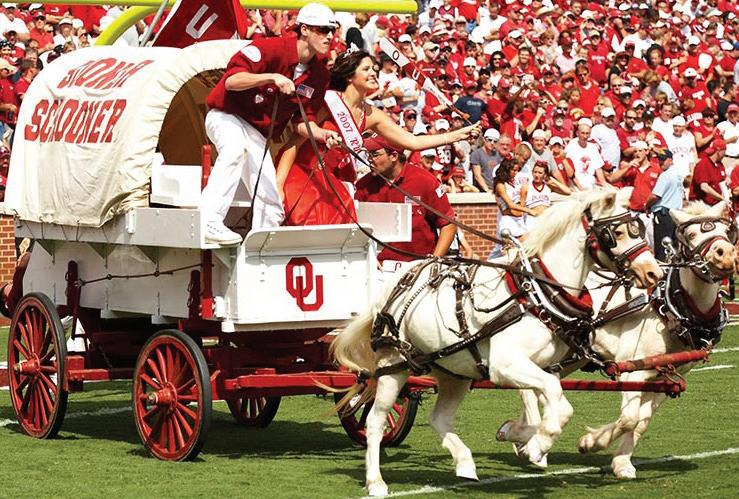
After one score and a pair of stops to start the game, both teams lit up the score boards, scoring on 11 of the next 13 drives to make it a 38-38 game at the half.
The third quarter was more of a defensive affair as both teams opened the half with a pair of punts. The Sooners would come up with their first turnover of the game as linebacker Ogbonnia Okoronkwo recovered a Rudolph fumble that resulted in three points, giving the Sooners a 41-38 lead.
OSU got as far as the OU 3-yard line before safety Will Johnson intercepted Rudolph in the end zone, and three plays later, Anderson busted 43-yards into the end zone to give the Sooners a 48-38 lead heading into the fourth quarter.

Rudolph found Johnson for a 33yard touchdown to open up the fourth quarter and cut the Sooner lead to three. Two plays later, May -


field linked up with Marquise Brown again, this time for a 77-yard touchdown. On the following drive, Rudolph found Johnson for an 18-yard touchdown to make it 55-52.
Following a Mayfield interception and a Cowboy turnover on downs, Sermon sealed the deal with a 53yard touchdown run with 42 seconds left to secure the win and drop OSU Head Coach Mike Gundy to 2-11 against his rival.
With the win, the Sooners moved to 8-1 on the season (5-1 Big 12) and remained in contention to play for a Big 12 and possibly a national championship. The Sooners return home to face TCU in another possible Big 12 Championship and national championship eliminator. The Cowboys (7-2, 4-2 Big 12) travel to Ames, Iowa, to take on Iowa State.
By Scott Sharkey Staff Writer
Out of the Power 5 conferences in the Football Bowl Subdivision (FBS) of college football one conference has been talked about more than the rest. That conference is the Big 12. It used to be that the Big 12 was talked about in a positive way. But lately, the conference has been under an abundance of heat from other conferences around the country as well as the college football playoff committee. Even college football fans have been asking questions and looking at the Big 12 in a negative way. Some fans, the committee and other conferences don’t look at the Big 12 as a legitimate conference anymore. Ever since the conference split just before the 2011 season, the conference has not been the same. The Big 12 has really only
had two or occasionally three teams that have represented the conference well and has kept the legendary conference alive. Those teams are Oklahoma, Texas Christian University, Oklahoma State and either Kansas State or West Virginia.
Two of the primary reasons the Big 12 is not looked at as a legitimate conference anymore are because the conference doesn’t have a championship game anymore, and the historic Texas Longhorns have had multiple disappointing seasons.
According to Kenny Miller, Defensive Coordinator of the Westmoore Jaguars, since every team in the conference isn’t competing at a high level, the conference loses respect.
The Big 12 as a whole has not been competing at a high level because not everyone is pulling their own weight. Of course, you have Kansas, Iowa State, Baylor and Texas Tech, which are the
teams that have not been doing well and are kind of receiving the blame for all of the heat. But people have been wondering where in the world Texas has been. Texas used to win 1012 games a season, but for the past five seasons they have been lucky to win seven games. Texas is a blue-blood college football school that is supposed to win Big 12 championships or at least be a contender. But lately they have really been going through a rough patch with the transitioning of three coaches since 2011 and losing their season opener to Maryland. This cannot happen; in order for the conference to get back in the conversation of competing for the college football playoff, Texas needs to get back to where they were. Oklahoma, Oklahoma State, and TCU have carried the conference on their backs since 2011 and for the legitimacy to come back to the conference
then it can’t just be Oklahoma and Oklahoma State carrying the load. That can easily add to the fire because then fans, the committee and conferences will think there are only two good teams in the conference and that all of the other teams are bad.
The Atlantic Coast Conference, Big 10 and Southeastern Conference have all been rumored to have extended offers to Oklahoma, asking them to leave the Big 12 and join their conference. Sources say wherever Oklahoma goes, Oklahoma State has agreed to move with them if it is the right time. Both schools have accomplished everything within the conference. It may be the perfect time for a big move.
“Having Oklahoma and Oklahoma State move together to the same conference would strengthen the rivalry and bring exciting games to the schedules,” said Tim Tharp, Rose State professor of English and speech.

By JaNae Williams Staff Writer
Despite the many touting America as “the greatest country in the world,” there is still a stark reality we all face daily. Threats exist all around us. The idea of clear and present danger is not a new sensation in America. Even before the 9/11 terror attacks in 2001, Americans watched attacks play out on our nation’s soil. Is it actually possible to stop these acts from happening? Would it be possible to remove the threat by prohibiting the entrance of certain ethnic, racial or religious groups into the country? Terror attacks and their perpetrators are a complex issue with moving parts that do not always have simplified answers available.
According to the FBI, “Terrorism is defined in the Code of Federal Regulations as ‘the unlawful use of force and violence against persons or property to intimidate or coerce a government, the civilian population, or any segment thereof, in furtherance of political or social objectives.’”
Focusing on terrorism in regard to political motivation often leads to the assumption that those committing the acts are perpetrators who belong to certain racial or religious groups. In fact, because of the rhetoric that exists regarding so called “radical Islamic terrorists,” one of the president’s first actions in office was the signing of an executive order banning the immigration of citizens from Iran, Iraq, Libya, Somalia, Sudan, Syria and Yemen.
Yet, research from Reveal from The Center for Investigative Journalism, the FBI, Politfact.com and the think tank New America all show the number of terrorist attacks on American
soil carried out by right-wing extremists nearly triples those carried out by Muslim extremists. Subsequently, the number of attacks both perpetrated and foiled combined is nearly twice as high among far-right extremists as it is among jihadists. In addition, New America’s research shows that prior to the Pulse nightclub shooting in Orlando, people killed by far-right attackers also outnumbered those killed by Islamic terrorists.
So why is so much of a focus placed on “radical Islam” if most attacks are not at the hands of members of these groups? It comes down to the fact that placing blame on “foreigners” is far easier for most than accepting that Americans can commit these kinds of atrocities. But for a reminder, we need only to look to Oklahoma City’s own tragic encounter with terrorism. Timothy McVeigh committed the single most deadly terrorist attack on U.S. soil prior to 9/11. Timothy McVeigh was an Irish-American United States citizen and a decorated Army veteran. Timothy McVeigh was someone most would have considered an upstanding man prior to his commission of one of the most egregious acts of domestic terrorism in our country’s history. And still, commit the crime he did.
We cannot allow a person’s ethnicity, national origin, citizenship or religion to decide whether we think they are capable of terrorism. Even amongst those tracked by New America as Islamists, “who are accused of jihadist terrorism related crimes in the United States since 9/11, 85 percent of them were either U.S. citizens or U.S. legal residents, and about half were born American citizens.”
Buddhist. Muslim. Christian. Hindu. Black. White. Middle-Eastern. Hispanic. No one factor makes a person a terrorist. Terrorism exists

because there are evil people within every group in the world. Indoctrination. Propaganda. Misinformation. Ethnocentrism. Suprema-
by
cy. Ostracization. All of these contribute to radicalization. Terrorism exists because not all people place the same value on all human lives.

20 First Day of Thanksgiving Break
Willie Nelson & Family Performing at the Jones Assembly at 8 p.m. All ages are welcome.
Thanksgiving Day
Black Friday
Oklahoma City Thunder vs. Detroit Pistons.

28
Day of Thanksgiving
RSC Holiday Lighting
Rose State College invites the Midwest City community to watch the lighting ceremony and enjoy holiday festivities all around the campus at 5:30 p.m. on Campus Mall
For more information, visit 15thstreetnews.org.
RSC Swim Club
Hendrix Invitation at Conway, Arkansas
Opening weekend of Storyland Christmas
Charles J. Johnson Central Park in Town Center Plaza, Midwest City.
It’s a Wonderful Life held at 7:30 p.m. at the H.B. Atkinson Theatre
For more information, visit 15thstreetnews.org.
02
RSC Swim Club
Hendrix Invitation at Conway, Arkansas
Steven Curtis Chapman
Council Road Baptist Church, Bethany at 7 p.m.
R Kelly
The Criterion at 9 p.m.
Papa Roach
Diamond Ballroom at 7 p.m.
It’s a Wonderful Life
7:30 p.m. at the H.B. Atkinson Theatre
03 It’s a Wonderful Life
2 p.m. at the H.B. Atkinson Theatre
04
RSC Choral/Vocal Fall Concert
Hudiburg Center at 7 p.m.
RSC Jazz Band
Hudiburg Center at 8:30 p.m.
RSC Oklahoma Tax Workshop
Professional Training Center, Room 114 from 9 a.m. - noon
RSC Federal Tax Workshop
Professional Training Center, Room 114 from 1-5 p.m.
07
RSC Women on the Rise conference
Community Learning Center auditorium from 4:30-8:30 p.m.
It’s a Wonderful Life
7:30 p.m. at the H.B. Atkinson Theatre
08
09
10
11
12
It’s a Wonderful Life
7:30 p.m. at the H.B. Atkinson Theatre
Nighlight 5k Run
Joe B. Barnes Regional Park, Midwest City at 5:45 p.m.
It’s a Wonderful Life
7:30 p.m. at the H.B. Atkinson Theatre
Trans-Siberian Orchestra
Chesapeake Energy Arena at 3 p.m. and 7 p.m.
It’s a Wonderful Life
2 p.m. at the H.B. Atkinson Theatre
Submissions for RSC Pegasus deadline
For more information visit 15thstreetnews.org.
RSC last day of regular class sessions
RSC Nursing Science Pinning and Recognition ceremony
Hudiburg Chevrolet Center theatre at 7 p.m.
Wind Ensemble concert
Hudiburg Chevrolet Center CC 128 at 7 p.m.
19
Last day of RSC Fall Semester
RSC tuition payment deadline with a $40 penalty
RSC application for spring graduation deadline
By Makenzie Cornell Staff Writer
The holiday season is full of festivities and with them come a lot of food, sweets and nonstop eating. According to Calorie Control Council, the average person will consume more than 4,500 calories on Thanksgiving Day. But that should not scare anyone away from enjoying a delicious meal.
Most students at Rose State have a hard time staying healthy during this time of year.
“It’s actually so difficult for me to stay in shape during the holidays,” Kelsey Miller, Rose State business major, said. “I come from a family of great cooks, so every year I have to change out of my Thanksgiving outfit and put on some sweatpants because I definitely get a food baby.”
Follow these few tips for a regret-free holiday: Drink plenty of water
Thirst can sometimes feel like hunger. Make sure you are staying hydrated.
A traditional feast usually means a table full of our favor ite foods, but the desire to eat everything shouldn’t consume you. Savor your food and drink plenty of water with your meal. After you’ve finished your first round of food, pause and enjoy the company around you. If you are still hungry, go put your elastic pants on and get ready for the sec ond round.
Dessert
Eat it, because you deserve it. If you cannot decide between pump kin or pecan pie, have a thin slice of each.
Exercise It can be tempting to nap after eating all that food. Instead, go for a walk or play yard games with
family or friends. Even helping in the kitchen
can burn off a few calories. Enjoy the holidays

your New Year’s Resolutions
By Payton Hayes
It’s November, Thanksgiving is just around the corner and the cooler weather is already here. Stay warm, healthy and satisfied with this easy-to-make fall soup recipe.
Details:
• Serving: about 10 servings per slow cooker
• Serving Size: 1 cup
• Prep Time: 10 minutes
• Cook Time: 5-6 hours in slow cooker
Ingredients:
• 1 lb broccoli florets, minced
• 2 large carrots or 12 baby carrots, minced
• 1 medium onion, diced
• 6 cups water or vegetable broth
• 1 lb (half block) Velveeta cheese, cubed
• 3 cups shredded cheddar cheese

Instructions:
• Put all of the ingredients into slow cooker, except cheeses.
• Cook on high for 4 to 5 hours.
• Add in cheese after 4 to 5 hours of cooking and 10 cook for another 30 to 60 minutes.
• Stir and add salt and pepper to taste.
• Enjoy.
Optional:
• Add plain brown rice for extra texture and thickness
• Add parsley for extra flavor
• Best served with garlic-topped Italian or French bread, slightly toasted
Editor-in-Chief,
Cade Einerson
Danny
Austin
Scott
Lane
Madi
Staff
Ariel
Courtney
Makenzie
Katie
Ashley
Reginal
Yesenia
Haley
Bella
Hayley
Marshall
Dalton
Jared
Bailey
JaNae
Letters to the Editor
The 15th Street News welcomes and encourages letters to the editor. Letters should be a maximum of 300 words and are subject to editing for obscenity, clarity and space. Submissions must include name, major and phone number. 15th Street News reserves the right to not publish submitted letters.
Letters to the editor may be hand-delivered to FA110.
Policies
The 15th Street News is published monthly and is a designated public forum. Student editors have the authority to make all content decisions without censorship or advance approval. Columns, commentaries and letters to the editor are personal opinions of the writers and do not necessarily reflect the views of 15th Street News or other students, faculty or administrators of the college.
Anyone having a complaint may contact the Editor-in-Chief, 733-7400.
15th Street News is a member of OCMA, OPA, ACP, Great Plains Journalism Association, and the Society of Professional Journalists.
This publication is printed by the Edmond Sun, issued by RSC and authorized by the Advisor of Student Publications.
RSC in compliance with Titles VI and VII of the Civil Rights Act of 1964, as amended, Executive Order 11246, as amended, Title IX of the Education Amendments of 1972, Americans with Disabilities Act of 1990 and other federal laws and regulations does not discriminate on the basis of race, color, sex, age, national origin, religion, disability, sexual orientation or status as a veteran in any of its policies, practices or procedures.
This includes, but is not limited to, admissions, employment, financial aid and educational services.