Mobile Museum of Tolerance visits Jewish Community Center
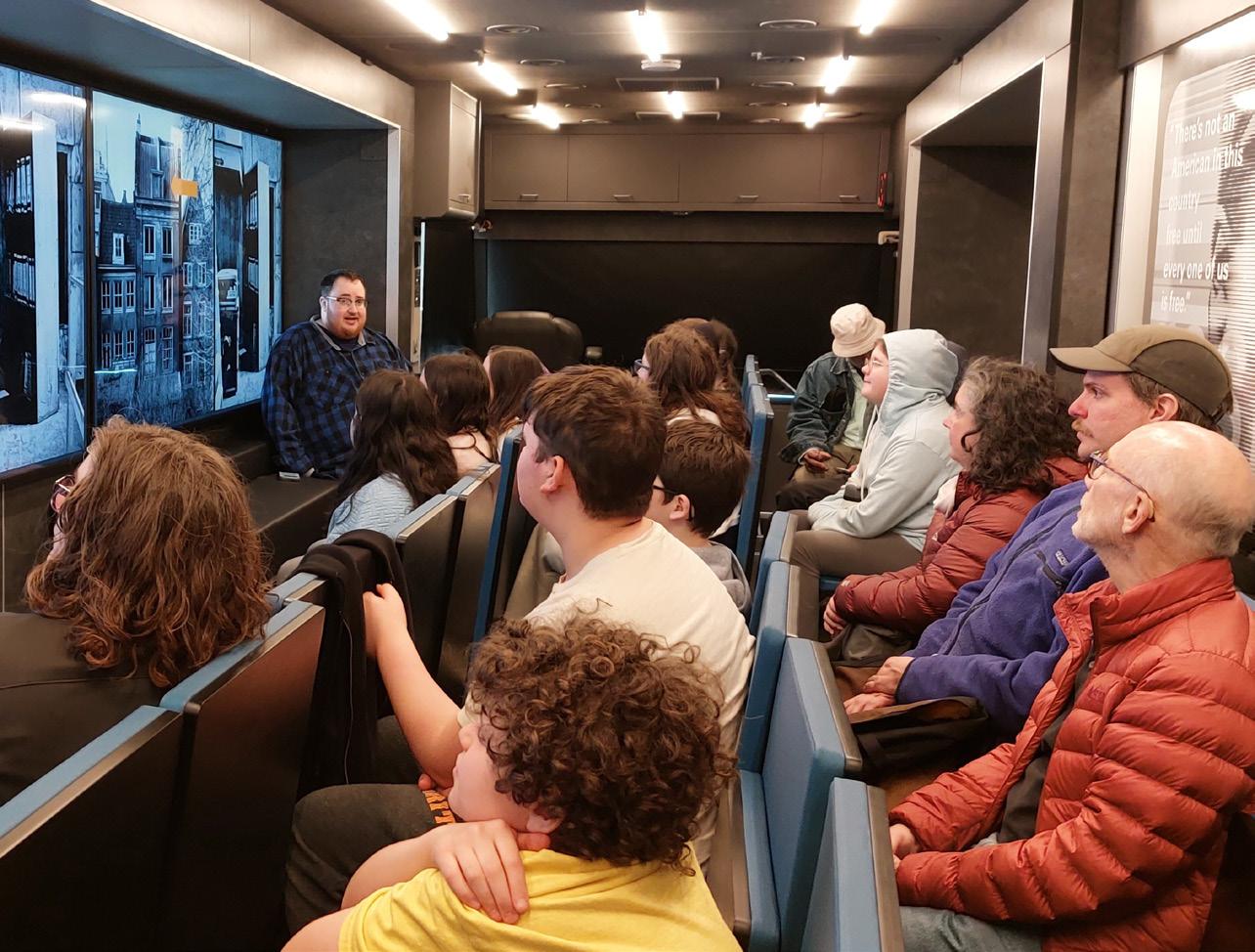
The Mobile Museum of Tolerance made a stop at the Springfield Jewish Community Center to provide education to children in grades 5-12.
Page 2
Final funding secured for new $12.4M East Springfield Branch Library
The final funding hurdle for the new East Springfield Branch Library was cleared on April 13, when the City Council approved a $4.58 million bond for a portion of the $12.42 million project.
Page 3
Peddling ordinance restricts food trucks on private property
After months of crafting amendments to the city’s peddling and soliciting ordinance, the City Council debated the specifics around hours of operation and permit fees before passing the new rules on April 7.
Page 4
Steve Athas named Springfield’s Hometown Hero
By Sarah Heinonen sheinonen@thereminder.com
SPRINGFIELD — Stephen
Athas walked onto Picknelly Field with his boss, Parks, Buildings and Recreation Management Executive Director Thomas Ashe and a friend, expecting there to be projects for him to do. Instead, more than 75 friends, family and former athletes were gathered. Mayor Domenic Sarno warmly greeted him with a hug and dozens of people followed suit, hugging him or shaking his hand.
The people had gathered to honor the local icon and fixture of the Springfield sports community as a “Hometown Hero.”
“As Steve and Pete and I were walking in, I don’t think Steve knew what was going on, and I’m not convinced he still knows what’s going on,” Ashe said. Athas later laughed, “I thought I was putting more banners up.”
David Morales, general manager of Wellpoint Health Solutions, which created the Hometown Hero award, explained its origins in 2025. “We wanted to figure out how we can be a part of the community and do this in a way that we honored people who served us, us as community, as residents of the commonwealth,”
Morales said. It partnered with 98.5 The Sports Hub to solicit nominations from across the state. Last year, Wellpoint and the radio station honored Springfield Police Officer Nestor Santos, who was a bystander shot during a 2024 incident. His injuries left him blind in one eye.
When considering Athas as a nominee, Morales quoted Ryan McCollum as saying, “This is the guy.”
“A hometown hero is someone who goes above and beyond and does remarkable things in
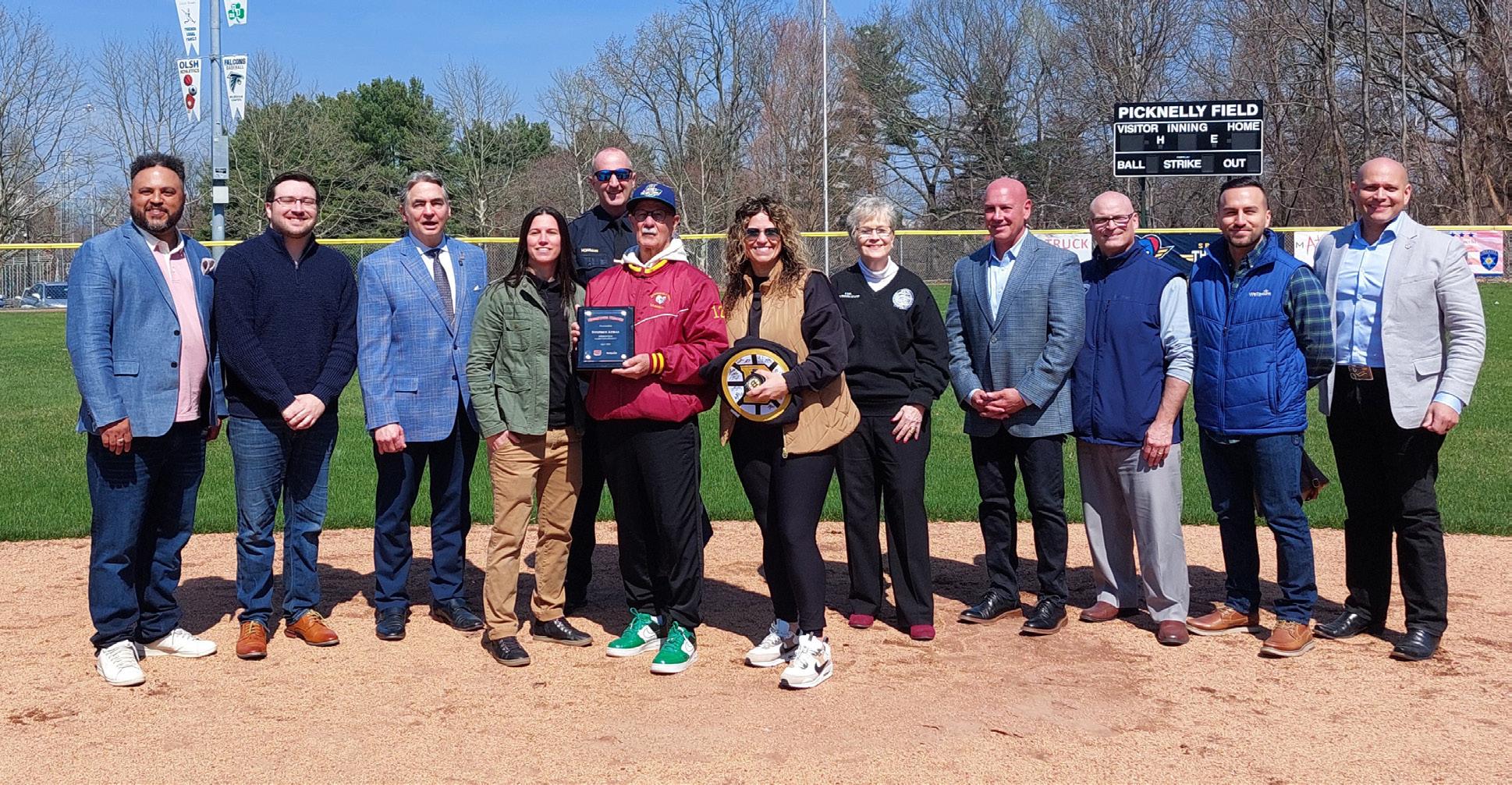
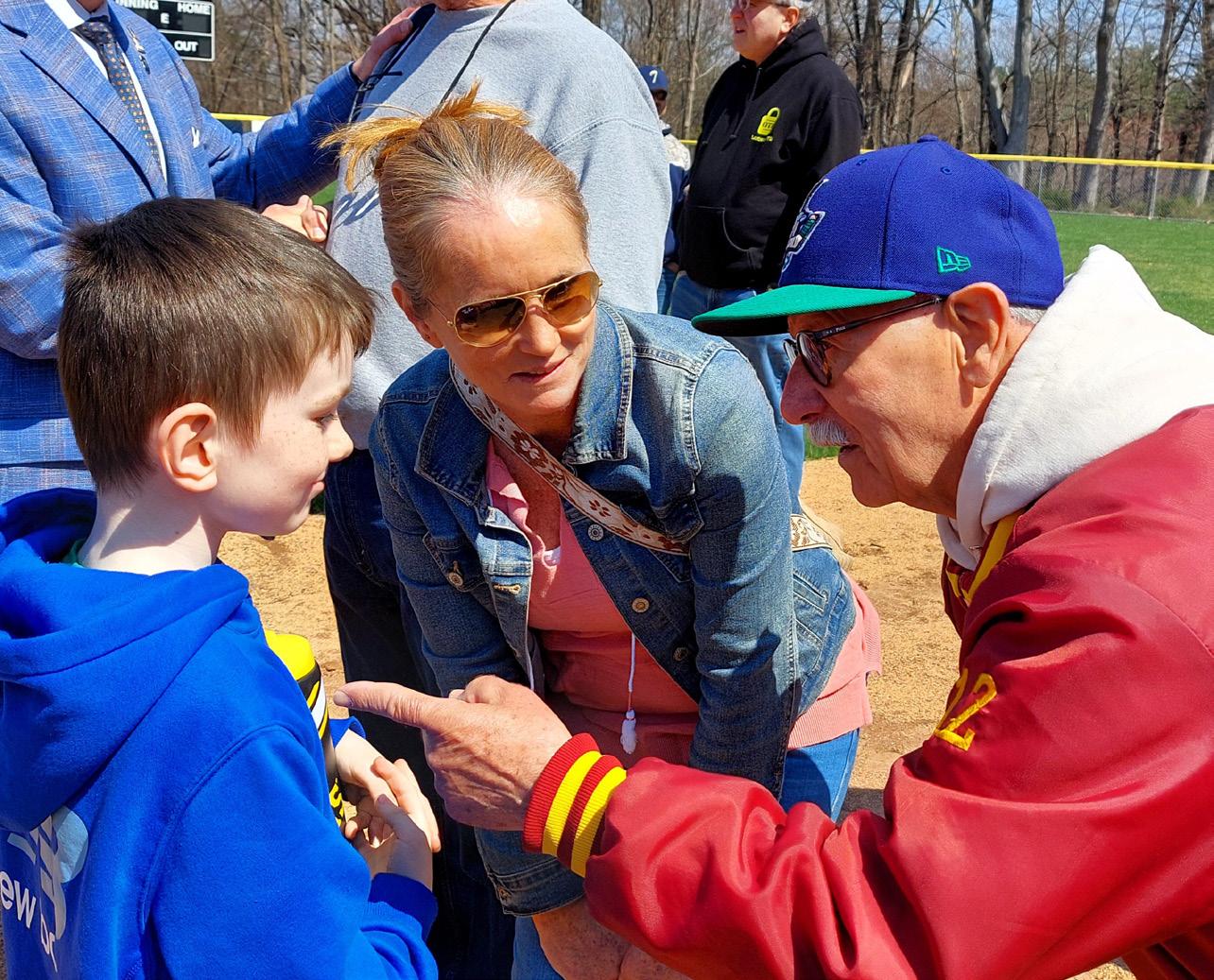
Above: Coach Stephen Athas holds a plaque recognizing him as a “Hometown Hero.” He is flanked by his daughters, Jessica and Jamie Athas; Springfield Mayor Domenic Sarno; City Councilor Kateri Walsh; Parks, Buildings and Recreation Director Tom Ashe; Hampden County Sheriff Nick Cocchi; Sheriff’s Deputy Robert Hoffman; Wellpoint Health Solutions General Manager Dave Morales; Ryan McCollum and representatives of 98.5 The Sports Hub. At right: Stephen Athas gives advice to Tommy McLaughlin, while his mother Katie Ryan looks on. Reminder Publishing photos by Sarah Heinonen
the shadows for their community” with “integrity” and “caring.” He addressed Athas, “What I’ve heard today, my friend — remarkable.”
Athas was presented with a plaque, a Boston Bruins jersey, signed by the entire team, a hockey puck and two tickets to an upcoming game.
Stepping up to the
the
said, “For the first time in my life, I don’t know what to say.” He joked, “There are many more people much more deserving than I, but I’ll take it.”
Athas said, “It takes a village and I’m just part of that village. I’m part of a village in sports.
I’m
the heart and soul of Picknelly Field, for many years putting in hours and days too nu-
SPRINGFIELD
podium,
famously verbose Athas
part of a village in education. I’m part of a village in the city of Springfield, that I dearly love.” Ashe called Athas “an icon” and said, “He’s
See HERO on page 2
Mobile Museum of Tolerance visits Jewish Community Center
By Sarah Heinonen sheinonen@thereminder.com
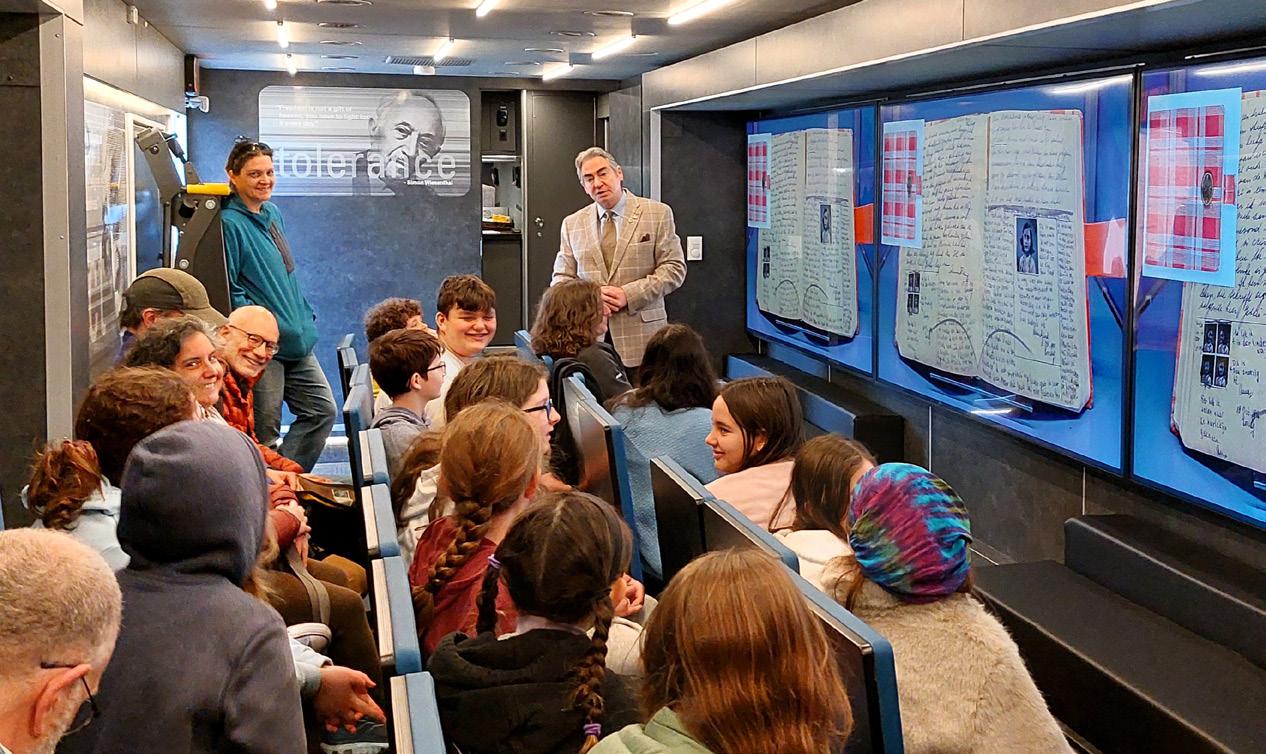
LONGMEADOW — Brian Strafach looked around the small, rectangular space where more than a dozen middle schoolers sat with the handful of adults who accompanied them. A black-andwhite photo of a narrow building was displayed on a large screen that spanned the entirety of one wall. An arrow pointed to a window at the top of the building in the Netherlands where Otto Frank, his wife Edith Frank, their daughters, Margot and Anne, and four other people hid in an attic for two years during World War II.
“What would you take with you if you had to live there?” Strafach asked the students. Oneby-one, they raised their hands and suggested food, books, blankets and games.
The lesson on Anne Frank, her family and their fate during the Holocaust was not taught in a classroom or traditional history museum. Instead, the students were learning inside a large blue bus parked outside the Springfield Jewish Community Center in Longmeadow. The lesson is just one of several that take place in Mobile Museums of Tolerance.
Partway through the lesson, Springfield Mayor Domenic Sarno arrived and spoke to the children about the importance of learning about the Holocaust. He shared stories about seeing serial numbers tattooed on the arms of concentration camp survivors. While some people deny
Continued from page 1
merous to count as he creates an exceptional ballfield experience for young players to enjoy.” He praised Athas for the pride he puts into the city’s parks and facilities, not just at Picknelly Field, but also at Greenleaf Park and Clodovaldo Concepcion Community Center. “You can count on Steve to respond at a moment’s notice, no matter the time of day or night, to take care of any and all issues that might arise.”
Athas’s true contribution to Springfield, however, is the
that the Holocaust happened, he said, “We always have to remember our past and our history, so it isn’t repeating.”
Sarno said, “The Jewish people are a proud people,” and he thanked the JCC for hosting the Mobile Museums of Tolerance.
The first Mobile Museum of Tolerance began operating in Chicago, Illinois, in 2021. Now, there are nine mobile museums in California, Florida, New York and Massachusetts. The traveling classrooms offer students in grades 5-12, age-appropriate lessons on the Holocaust, the Civil Rights Movement and
coaching and mentorship he has dedicated his life to. An inductee into the Western Massachusetts Baseball Hall of Fame, he was a basketball coach at Springfield Technical Community College, operated an adult basketball league at Hubbard Park, was a board member of the Springfield Soccer League and John L. Sullivan Baseball League.
John “Sully” Sullivan said he has known Athas since “the Greenleaf Community Center, when I was a kid. Anybody and everybody knew him.” He said what makes Athas so beloved is “his personality and how much he cares about you.”
Describing Athas as “caring, iconic, dedicated, stays behind
combating hate speech through digital literacy.
“One of our goals is to leave students inspired to learn more,” said Strafach, the Mobile Museum of Tolerance lead educator for the Northeast. He said the content is designed to add to what students learn in schools. Strafach said the mobile museums, which often visit schools, community centers and houses of worship, can be requested to visit anywhere, provided there are six parking spaces available for the bus to park. The programming is free of charge, and in Massachusetts, it is funded through the
the scenes,” Sarno said, “I go back with him to my younger days being a rec leader at old Emerson Wight Park in the South End. And the thousands of young people that he has coached, but more importantly, has put his arm around their shoulders, making sure that they’re going in the right direction.”
Athas does not seek commendations and acclaim. Instead, “When he sees the young ball players, male or female, doing well down the road, that’s his accolade,” Sarno said,
“Coach is the type of guy who has coached many children,” said Hampden County Sheriff Nick Cocchi. “Those players have become coaches, coaches
state Department of Elementary and Secondary Education.
The programs are historical resources, and while they do not teach about current events, they help students “reflect on how they treat each other,” Strafach
that are here. Coach continues to coach, and the players that have become coaches, have turned another generation of coaches over to our community.” He spoke about the “power and the influence that he had on [children’s] lives, to bring joy to their Saturdays and Sundays, and in practice.”
Athas’s daughters, Jamie Athas and Jessica Athas, were among the people who attended the ceremony. Jessica said some of her earliest memories were watching her father coach at STCC. “I’d watch him build relationships with his players, and even at that age, I could see the respect they had for him and the respect he gave right back,”
CORRECTION
said. “We want students to walk away understanding that we have models from the past that show how to treat people today.”
To learn more about the Mobile Museums of Tolerance, or to request a visit, go to mmot.com.
she said. “He has this incredible ability to make people feel seen, valued and cared for.”
Despite Athas’s dedication to coaching, she said, “My dad did all this while making sure my sister and I never wanted for anything. He always had time for homework, playing catch. He never missed a game or practice and always on the sidelines, cheering us on — sometimes, a little too loudly.” Jessica said her father instilled in his children the values of “respect, hard work, showing up every day and being involved.”
Jessica said her father was beloved by the community because, “That is the impact of a life spent showing up for others.”
In the April 16 edition of The Reminder in the story titled “Gubernatorial candidate Shortsleeve visits Agawam,” it was incorrectly reported that Brian Shortsleeve stated the state budget had increased from $48 million in 2022 to $65 million in 2026. He stated the budget increased from $48 billion to $65 billion. Reminder Publishing regrets the error.
Above, from left: Springfield Mayor Domenic Sarno joins middle school students, their chaperones and educators stand in front of a Mobile Museum of Tolerance that visited the Springfield Jewish Community Center. Springfield Mayor Domenic Sarno addresses a group of middle school students during a lesson about Anne Frank and the Holocaust inside a Mobile Museum of Tolerance. At right, An educator with Mobile Museums of Tolerance asks students a question during a lesson about Anne Frank and the Holocaust.
Reminder Publishing photos by Sarah Heinonen
Springfield Branch Library
By Sarah Heinonen sheinonen@thereminder.com
SPRINGFIELD — The final funding hurdle for the new East Springfield Branch Library was cleared on April 13, when the City Council approved a $4.58 million bond for a portion of the $12.42 million project.
Springfield also received a $6.83 million grant from the Massachusetts Libraries Board of Commissioners. The remaining $1 million was raised through outside funding, including a $500,000 earmark secured for the project by U.S. Rep. Richard Neal.
Ward 2 City Councilor Michael Fenton, who represents the neighborhood, said, “We’ve been working on this for the better part of a decade.” He said circulation numbers are high and described the library as “one of the last true neighborhood branches” and the “jewel of the neighborhood.”
The existing library was built in 1932. After a plan to renovate and expand the building was found to be more costly than new construction, the decision was made to demolish the saltbox-style
building and build a new one on the same site.
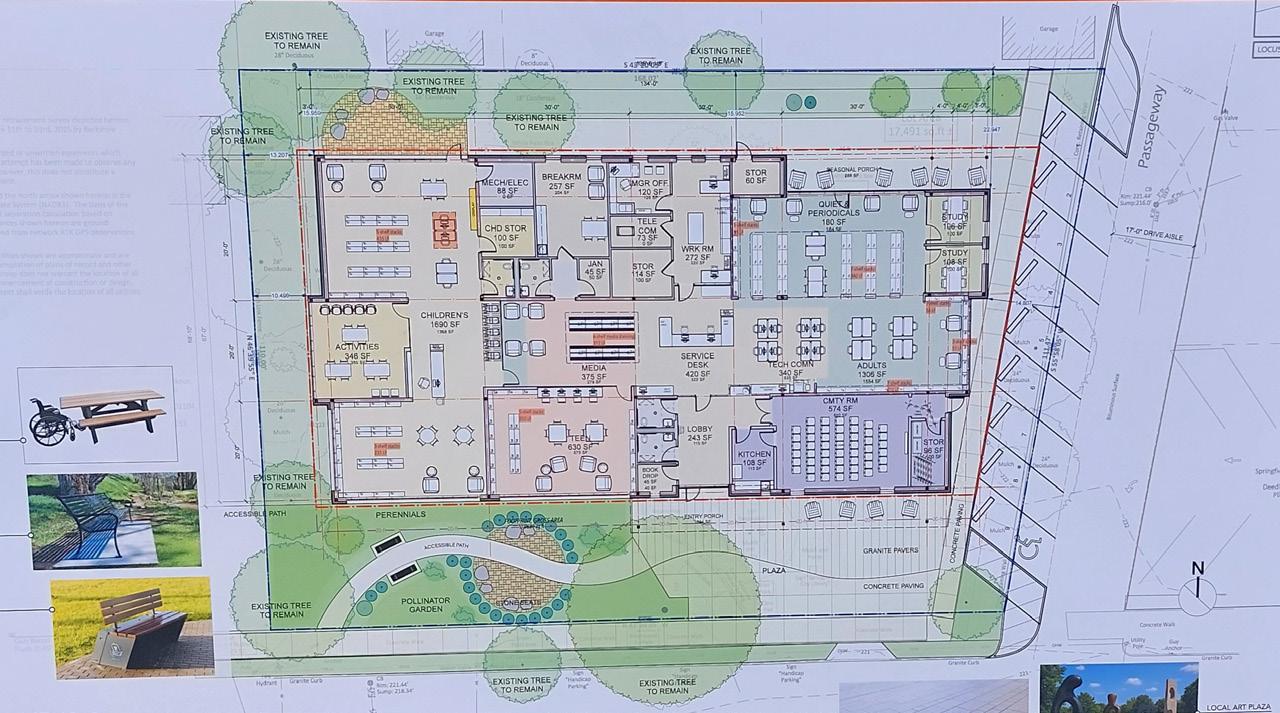
The design phase of the project is complete. Rather than the 3,000 square feet of space now available, the new library will offer 8,500 square feet, with dedicated spaces for adults, teens and children. There will be a community room, an activities space and a seasonal porch.
At a press conference about the project, Sarno called the library “a vital part of the East Springfield neighborhood.” He added,
“Where other places are downsizing or shutting down libraries, the city of Springfield we’ve done the exact opposite.” He delivered a proclamation to Library Director Molly Fogarty and Assistant Director for Public Services Jean Canosa Albano.
“One of the great stories in Springfield is its library system,”
Neal said. “The libraries here, they constitute one of the great visionary moments in this history. The individuals, the philanthropists that came before us, what they were able to do in making sure
The floorplan for the new East Springfield Branch Library. Reminder Publishing photo by Sarah Heinonen
Ordinance restricts food trucks on private property
By Sarah Heinonen sheinonen@thereminder.com
SPRINGFIELD — Food truck owners beware. There are new rules for mobile eateries operating on private property in Springfield. After months of crafting amendments to the city’s peddling and soliciting ordinance, the City Council debated the specifics around hours of operation and permit fees before passing the new rules on April 7.
DPW Director Chris Cignoli explained that the amendment was needed because, in the past, food trucks have stationed themselves in private parking lots, often without the owner’s knowledge. Some trucks set up near bars at 2 a.m., hoping to catch the crowds leaving after last call. Such operations in and around residential neighborhoods have led to complaints about noise and trash.
Food trucks operating in the public way have long been required to obtain a permit. The ordinance now requires the same
of those on private property. The permit process will require a notarized letter from the property owner. All utilities must be self-contained as food trucks are prohibited from connecting to the property’s utilities.
During the April 7 meeting, Ward 5 City Councilor Lavar Click Bruce suggested three or more food trucks operating simultaneously be considered a “food truck park” and require a special permit from the City Council. He also suggested a setback of 50 feet between a truck and a residence, or 100 feet if the truck uses a generator, and a setback of 100 feet from fuel pumps. The council passed these provisions without debate.
The issues of hours of operation and permit fees resulted in a great deal of discussion.
Click-Bruce was in favor of limiting hours to 7 a.m. to 11 p.m. with a permit required from the council to operate beyond those hours. However, At Large City Councilor Jose Delgado pointed
out that the noise ordinance has a 10 p.m. cut off.
Ward 8 City Councilor Zaida Govan suggested extending the hours for Fridays and Saturdays to 1 a.m. “They say Springfield’s dead,” she said, adding, “We want Springfield to have a nightlife.” Ward 7 City Councilor Gerry Martin countered with 12:30 a.m. as a cut off, saying he wanted to protect residents. At Large City Councilor Kateri Walsh said it “makes a lot of sense” to have later weekend hours.
Click-Bruce was not sold. He said, “It’s imperative that the city keep track of what’s going on in the city.” A permit for late night food trucks would accomplish that, he said. Hurst agreed. Govan reluctantly agreed, rescinding her motion for later weekend hours.
The draft ordinance called for a six-month permit of $450, with a renewal fee of $150. Click-Bruce argued that the fee was exorbitant and wanted no
fee for the permits. Govan said, “These are micro businesses.” She worried that a fee on top of the cost of fuel and rent to property owners would “be putting people out of business.”
Ward 1 City Councilor Maria Perez offered a compromise of $250 for six months, with a $100 renewal fee. Ward 3 City Councilor Melvin Edwards seconded the motion.
Cignoli explained that the fees cover processing, monitoring and enforcement. Delgado told him that he understood the desire for food truck operators to “have some skin in the game,” but pointed out that they already pay other fees to the city. Cignoli said they pay for permits from the Police Department, Fire Department and Health and Human Services, but said, “So does every restaurant in the city.” He said that restaurants also pay property taxes. Edwards noted that many restaurant owners also pay rent for their storefront.
After hearing that food truck
operators pay fees totaling $610 to city departments each year, Perez amended her motion, requesting the fee be set at $250 per year with a $100 renewal. Martin said that it was “the cost of doing business” and that $250 per year was “pretty doable.”
“Why are we making it so hard for small businesses to operate in this city?” asked At Large City Councilor Kateri Walsh. Sharing a similar sentiment, At Large City Councilor Justin Hurst said, “We’re stifling businesses” with “astronomical” fees. He said he would not support a fee of more than $125 per year.
“If you have a minimal fee, brick-and-mortar restaurants are going to go bananas,” Cignoli cautioned. Hurst responded that their fees should be lowered, too.
A vote on a yearly fee of $250 failed. Ward 6 City Councilor Victor Davila motioned for a $125 annual fee, which passed with a vote of 9-1, with only Edwards dissenting.
Council wary of 5-year contract for future school meal vendor
By Sarah Heinonen sheinonen@thereminder.com
SPRINGFIELD — The City Council approved a Springfield Public Schools plan to offer a food service one-year contract with four one-year extensions, but not before expressing serious concerns about which vendor would be chosen and the terms of the contract.
A March audit of Springfield’s $30 million contract found that the city has been overcharged, and $300,000 worth of improvements were never made. Other concerns were also identified by City Auditor Young No and the audit committee.
Springfield has had a contract with Sodexo since 2016. It was not until this year’s audit that
issues were identified with Sodexo’s services. Superintendent Sonia Dinnall said the School Department had “taken the audit seriously. We have put protocols and policies in place to ensure we provide more oversight.”
At Large City Councilor Justin Hurst said No and his staff are “doing an amazing job. And I want to give Auditor No credit for uncovering a lot of money that the city of Springfield was missing out on.” He described the auditor as a “watchdog.”
Hurst asked if the School Department planned to keep Sodexo as its vendor.
“With everything going on, I’d be surprised if we kept the same vendor,” said Chief Financial and Operations Officer Patrick Roach, but acknowledged that
Sodexo is one of the five vendors expected to bid on the contract. Roach explained that a fiveyear contract would make the bidding process more competitive. “In the food service world, when a new vendor comes in, they have to do a lot of hiring. There’s 400 employees and staff,” he said. There are additional training and equipment costs, he explained. For this reason, vendors usually lose money in the first year, break even the second in the second year and begin making a profit in the third. Because the existing vendor does not have those added costs, it usually can bid lower than competitors. If a company can spread the cost out over five years, it can offer a more competitive bid.
At Large City Councilor Jose Delgado asked how a one-year contract with four one-year renewals is different than a fiveyear contract. Roach said that if the School Department is unsatisfied with the vendor at any time, they can decide not to renew the contract. However, he noted that
Library
Continued from page 3
that each neighborhood had at least a branch library. You drive by the Carnegie Library, or you visit Carnegie Library at State Street
157 Papers: Albemarle Rd., Arcadia St., Barclay St., Chiswick St., Fairway Dr., Franklin Rd., Lincoln Pk., Whitmun Rd., Woodmont Rd.
the process to select a new vendor would take about six months, so he expected to use the vendor for “at least two years” before they would end the contract.
Ward 6 City Councilor Victor Davila confirmed with Roach that the city owns the facility where school meals are prepared and the recipes for meals. He said he would support the five-year contract span but wanted to see a copy of the contract “when the ink is dry.” Delgado and Ward 5 City Councilor Lavar ClickBruce also wanted to see the final contract. State law requires the council to approve five-year contracts because it wants the body to oversee the process, Ward 2 City Councilor Michael Fenton said. He was not in favor of approving such a long contract space without knowing who the vendor would be or the terms of the contract.
Ward 7 City Councilor Gerry Martin agreed. “This will kind of walk away from a lot of the authority the council has over this to a vendor we’re not really sure
at night, now, when it’s lit, it’s a spectacular testament to what they all believed.”
about,” he said.
Fenton asked if City Council President Tracye Whitfield or a proxy could participate in the vendor selection. After hesitating, Roach said the committee’s positions were outlined, but he could “kick off” a member in favor of the City Council president. Fenton said that was not his intent but asked Roach to “look into” allowing a councilor to participate.
Ward 8 City Councilor Zaida Govan said she hoped Fenton’s request would be honored and pointed out that Martin is the liaison to the School Committee. Delgado, who was on the audit committee, said he was “pretty appalled” by Sodexo’s conduct, but felt reassured by the changes the School Department had made to ensure it does not happen again. With a vote of 10-3, the council approved the School Department’s plan for a more competitive bidding process. Martin, Fenton and Click-Bruce voted against the five-year contract length.
Neal continued, “I’ve never heard it summed up better than when Jack Kennedy traveled to Amherst College to dedicate the Frost Library. At the Frost Library, Jack Kennedy said, ‘Libraries are memories.’” He said, “I think that at a time when there’s such polarization and such strife and disagreement among all of us as members of the American family, this is something we can all rally to.” Construction will begin in summer 2027 and last about 18 months.
35 Papers: Arbor Ln., Greenwood Rd., Oak Ridge Dr., Old Orchard Rd. 61 Papers: Gary Dr., Pidgeon Dr., Raymond Dr., Ruth Dr., Sawmill Dr.
228 Papers: Echo Hill Rd., Highmoor Dr., Meeting House Ln., Rice Dr., Ridge
Way Finders gets $1M from MassHousing for homes
By Sarah Heinonen sheinonen@thereminder.com
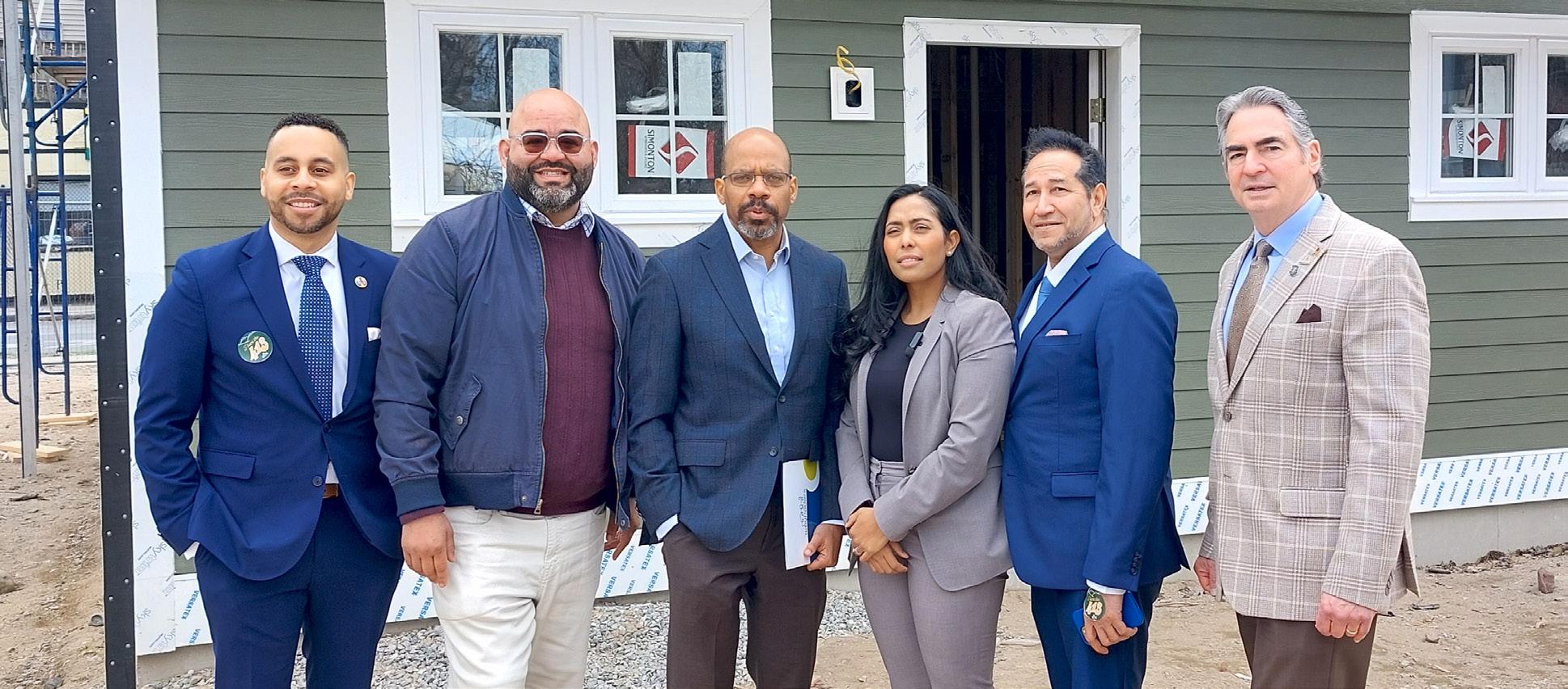
SPRINGFIELD — There are no walls yet inside a new single-family home under construction on Union Street, just the two-by-four frames where the walls will be. But standing in the structure, one can already imagine the possibilities for the family that will one day call it home.
The property at 524 Union St. is one of the homes being constructed and renovated through Way Finder’s City of Homes initiative. Way Finders purchases vacant, blighted properties from the city at a discount and either renovates the existing home or constructs a new one on the site. The properties are then sold at affordable housing prices through a city-run lottery.
On April 13, Secretary of Housing and Livable Communities Juana Matias visited the site to announce that Way Finders would receive $1 million for phase two of the initiative. The funding is part of $8 million investment in 10 homebuilding organizations across the state through MassHousing’s Neighborhood Stabilization Program. Tony Richards, vice president of strategic community investment for MassHousing, explained that the program provides “targeted capital and technical assistance” to help municipalities and organizations “produce and preserve affordable housing.”
Way Finders previously received $1.6 million for the initial phase. The initiaitve is also funded through partnerships with philanthropic organizations, including the MassMutual Foundation. Richards said Way Finders is one of 10 organizations across the state to be awarded funding through the program. Those 10 organizations will use the funding to restore 49 affordable homes, and 34 of them will offer homeownership opportunities. Since 2022, the Neighborhood Stabilization Program has committed over $21 million, which resulted in 5,500 units of affordable housing, 86 of which are homeownership units.
The Neighborhood Stabilization Program “strengthens neighborhoods, creates homeownership opportunities,” and “gives communities the investment they need and deserve,” Matias said. “That is exactly why we are here recognizing what’s happening in Springfield. Way Finders will use the funding to support the City of Homes Initiative. They’re redeveloping three vacant, cityowned lots into new affordable homes and rehabilitating a vacant two-family home into an opportunity for a first-time homebuyer.”
The three new construction homes and single two-family home will create four opportunities for homeownership and one rental opportunity for people making 80% of the area’s median income. In Springfield, it was $67,000 for an individual or $95,650 for a family of four in 2025.
Matias said, “A home is more than four walls a roof. It is stability, it is dignity, it is safety. It is a place where children do their homework, where families gather at the end of the day and where people begin to imagine a better future for themselves and the next generation.” She went on to talk about the various strategies the HealeyDriscoll administration is pursuing to expand access to housing. “There is no one solution to the housing crisis,” she said, adding that funding organizations like Way Finders is “part of the broader strategy.”
Mayor Domenic Sarno said, “Way Finders has been a great partner.” He recalled driving around Springfield 20 years ago with a former Way Finders CEO who pointed out the properties that could be renovated into home ownership opportunities. Sarno said that Way Finders’s City of Homes initiative gives people of “all creed, color and background,” a chance at homeownership and puts long-vacant properties back on the tax roll.
“There’s great need around this, but there’s great impact we
can have,” said Wayfinders President and CEO Keith Fairey.
State Sen. Adam Gomez spoke about his own experience with housing insecurity. He said it was a full circle moment.
“Everyone in the city of Springfield should be guaranteed the right to own their own homes,” Gomez said. The properties that are a part of phase two of the City of Homes are in the Old Hill and McKnight neighborhoods, which Gomez represents in the Legislature. “This is exactly what community-based development should look like: local organizations working with the state and delivering real results.”
Gomez said, “This isn’t just about housing. This is about dignity, stabilization. This is about neighborhood revitalization. This is about taking properties that once represented decline and turning them into symbols of opportunity, resilience.”
State Rep. Carlos Gonzalez said, “We don’t want to talk about social services, we want to talk about economic development, homeownership, because that’s the key to success. We want to talk about not employees, we want to talk about employers, and that’s where we need to invest our money. We don’t only want to be producers, we want to be consumers of economic advantages that bring about economic wealth and bring generational wealth to our communities.”
He added, “Housing is the key to economic development and how goes housing in Massachusetts, goes Massachusetts, because that is going to bring back people to Massachusetts.”
Fairey said property on Union Street had been vacant for more than a decade “creating blight in the neighborhood, creating a place for bad things to happen. Now, this is going to be a place where people can raise their children, a place where people can find comfort, where people can go forward from here every day and contribute to the city of Springfield and beyond.”
Five homes are currently under construction through phase one of the City of Homes initiative. “As long as there’s a need and we can cobble together the resources, we’re going to keep doing it until there’s not more homes to do.” He added, “We can’t save all of them, but we’re saving some of them.”
Fairey noted that the home across the street was under construction through a different organization and paid for with a previous round of Neighborhood Stabilization funds. Pointing to the surrounding homes, he said, “Imagine this corner five years ago, vacant property, vacant property, vacant property. Now, look at the impact it is having. Look at what it will inspire from other homeowners in the neighborhood, and the wealth that it will create for those homeowners as well.”
Speaking with Fairey and Matias, Sarno said that without programs like Neighborhood Stabilization, it would be difficult to find a developer willing to tackle the redevelopment of single houses. He said, “A little government investment primes the pump.”
To learn more about the City of Homes initiative or apply for the home buying lottery, visit wayfinders.org/about/real-estate-development/city-of-homes.
Every week we will provide you with a complete listings of deaths from the preceding week from throughout Greater Springfield. We are doing this as a convenience to our readers in case you miss an obit in the daily paper. We hope you find this useful and that you will refer to it weekly.
CHICOPEE
Gerald F. Deady
Joyce L. Duquette
Jeannine M. Martell
Suzanne J. Morrissette
Barbara K. Parent
Jeffrey Phaneuf
EAST LONGMEADOW
Thomas Cocchi
Mildred D’Amato (Cangro)
William J. Jamieson
Peter A. Kumiega
Thomas D. Stevens
Norman R. Tremblay
HAMPDEN
Thomas Franco
HOLYOKE
Marilyn J. Angers
Edward F. Dupont
Jane E. Masse
LONGMEADOW
Adele Barden
Rolland A. Rivest III
LUDLOW
David M. Fernandes
Daniel J. Jurkowski
Robert MacGregor Gonzaga “Tina” Teles (Dos Santos)
Shirley A. Webb
SOUTH HADLEY
Charles A. Boulais Jr.
Marilyn A. Kenney
Rosemary Lane
Roland W. Laramee
Monica M. Lindberg
SPRINGFIELD
Shirley B. Berard
Sean C. Driscoll
Susan B. Mantoni
Gilbert F. Rua
E. Thorpe
Managing Editors: Dennis Hackett, Ryan Feyre
Staff Writers: Sarah Heinonen, Deb Gardner, Amy Porter, Trent Levakis, Cliff Clark, Tyler Garnet, Peter Tuohy
Graphic Design Manager: Beth Thurber
Graphic Design Department: Leigh Catchepaugh, Lorie Perry, Sophia McClellan, Susan Bartlett, Jim Johnson-Corwin, Molly Arnio
Sales Manager: Scott Greene
Account Executives: Matt Mahaney, Paula Dimauro, Lisa Nolan, Jeanette Grenier, Paul Poutre, Andy Shaw, Laura Tassistro
Classified Account Managers: Roxanne Miller-Longtin, Evan Marcyoniak, Shannon Spada
Sales Support: Carolyn Napolitan
Financial Department: Nancy Banning
of bounds.
WESTERN NEW ENGLAND VS UNIVERSITY OF HARTFORD
LACROSSE
The Western New England Men’s Lacrosse team defeated the University of Hartford 11-10 on April 8, at Western New England University in Springfield, MA.
REMINDER SPORTS PHOTOS TAKEN BY DAVID HOSMER
Jeffrey Wojtowicz tracks the ball from his goalie position.
Anthony Gesino stretches trying to save the ball from going out
Bryce Brusa tries to get around the defense.
TJ Dalicandro shields the ball from the stick check.
Josh Gagnon looks for a lane from the wing.
Chance Starrett celebrates the comeback OT win.
The Golden Bears mob their goalie after the exciting comeback victory.
Logan Proctor gets the shot off in traffic.
Anthony Gesino gets the pass off before the hit at midfield.
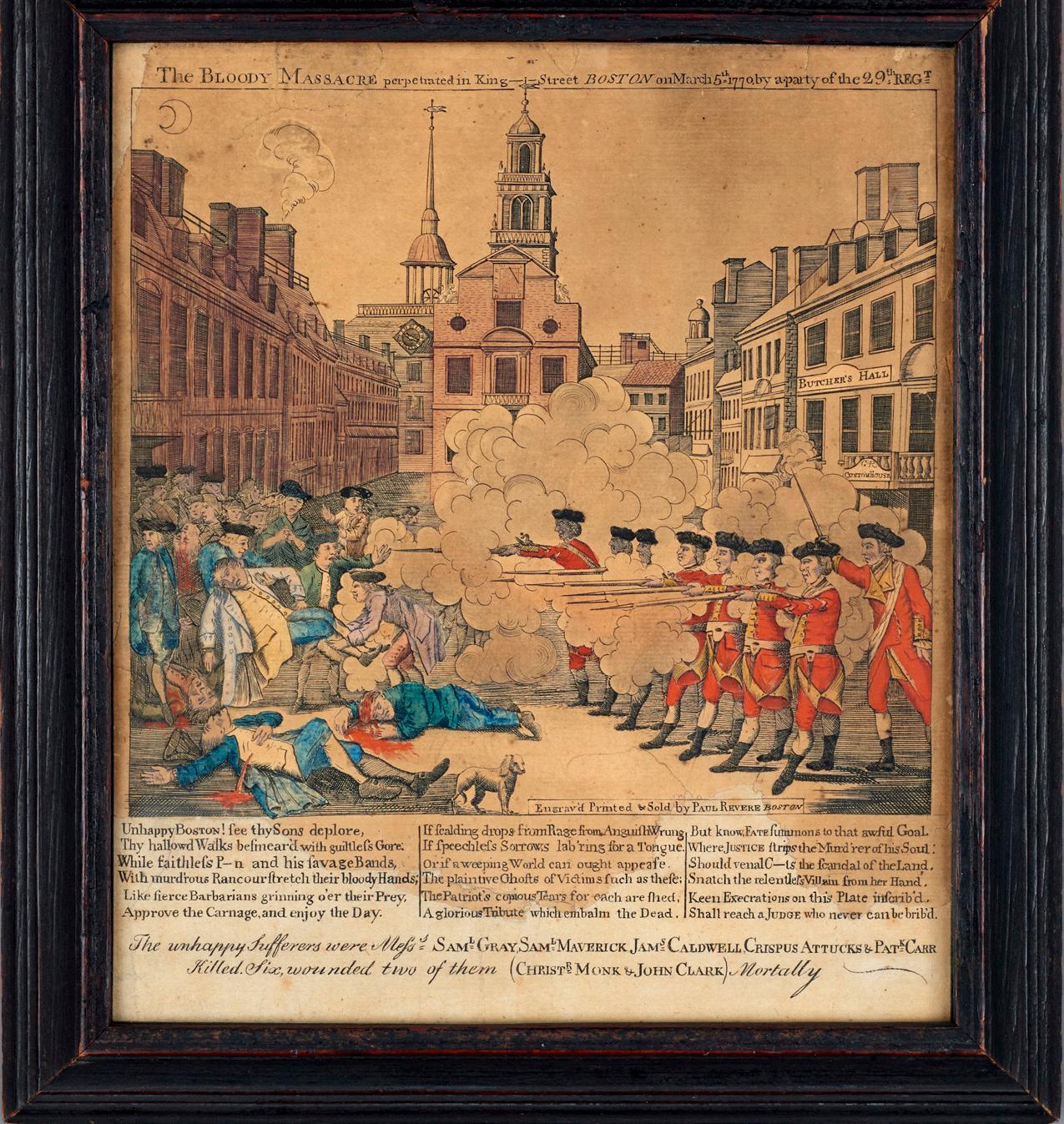
DEERFIELD — As the nation approaches the 250th anniversary of the American Revolution, Historic Deerfield’s 2026 season is centered on bringing the Revolutionary era to life as a lived, local experience in Western Massachusetts.
Starting April 18, visitors can explore the era through a new series of exhibitions that examines the Revolutionary period from multiple perspectives: political, cultural, aesthetic and deeply personal.
Drawing from its extensive collections and the stories of local residents, Historic Deerfield’s upcoming exhibitions illuminate how the Revolution was experienced, debated and understood both in New England and across the Atlantic world.
The three exhibitions include “Picturing the Revolution, Dressing the Revolution, Fashion and Politics 1760-1789” and “A Town Divided, Deerfield in the Age of the Revolution.” The first two exhibitions will run from April 18 to Jan. 3, 2027 while the third exhibition will run from April 18 until Jan. 2, 2028.
Together, the exhibitions reveal how images shaped political narratives across the Atlantic world; how garments, textiles, and adornment became declarations of allegiance; and how one rural Massachusetts town grappled with the upheaval transforming an empire into a republic. Ac-
cording to organizers, by placing Deerfield within the wider currents of Revolutionary thought and commerce, these exhibitions illuminate Western Massachusetts’ essential role in the birth of the nation.
Historic Deerfield Marketing and Communications Director Danaë DiNicola said that during the spring and summer, Historic Deerfield is offering hands-on and
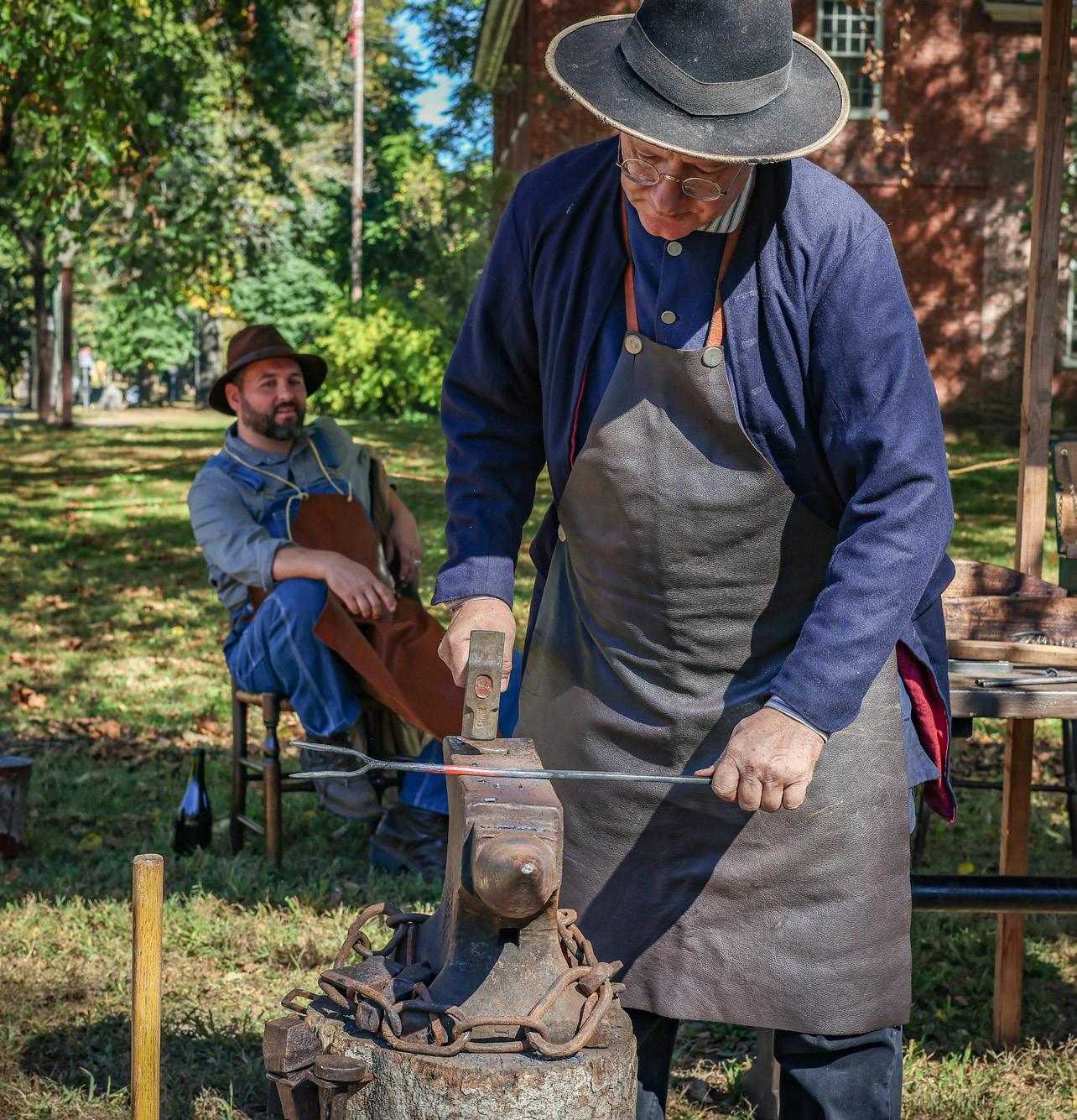
immersive programs that connect visitors directly to 18th-century life. These programs include weekly trade demonstrations like blacksmithing, tailoring, and pottery; hearth cooking programs featuring historically significant foods like election cake; and family-focused activities at the Discovery Center that explore Revolutionary espionage through coded messages and invisible ink.
Special events include Wooly Wonders in early May, which highlights the agricultural and textile traditions that underpinned the colonial economy, and a Juneteenth Witness Stones Walking Tour that expands the Revolutionary narrative by honoring the lives of enslaved people in Deerfield, including Prince, an enslaved man who sought self-emancipation.
Later in the season, Historic Deerfield is collaborating with Plays in Place to present “A Stake in the Ground: 1774,” a series of outdoor, site-specific performances set on the eve of the Revolution.
“Altogether, the season invites visitors to explore the Revolution not as a distant story, but as something that unfolded in homes, workshops and communities like Deerfield,” DiNicola stated.
quite important to Historic Deerfield, particularly because this region played a meaningful role in that history,” DiNicola stated. “Our goal is not just to commemorate the anniversary, but to encourage thoughtful engagement with it.”
She continued, “This 250th anniversary of the Revolution has given us the opportunity to unify our offerings and allowing us to explore a topic from unexpected angles.”
DiNicola said most of Historic Deerfield’s daytime offerings, including exhibitions, trade demonstrations, hearth cooking programs, and Discovery Center activities, are included with general admission and do not require advance registration.
Historic Deerfield is a museum of early American life located in an authentic 18th-century New England village in the Connecticut River Valley. Through its preserved historic houses and extensive collection of decorative arts, it offers visitors a chance to engage directly with the material and cultural history of early America.
DiNicola said Historic Deerfield generally offers a robust lineup of exhibitions, demonstrations, and public programs, but has unified the theme of the American Revolution into a lot of its offerings this season. “Recognizing the 250th anniversary of the American Revolution was
Historic Deerfield is open Wednesdays through Sundays, as well as Monday holidays, from 9:30 a.m. to 4:30 p.m. Visitors can purchase tickets upon arrival at the Hall Tavern Visitor Center or at the Flynt Center of Early New England Life.
However, certain special programs and events, such as “A Stake in the Ground: 1774,” do require advance tickets, which can be purchased through Historic Deerfield’s website. Readers can find more information at historic-deerfield.org.
General admission is $20 for adults and $5 for youth ages 13–17; children 12 and under receive free admission as do Historic Deerfield members and Deerfield/South Deerfield residents.
From left: Picturing the Revolution. A blacksmithing exhibit taking place during Historic Deerfield’s 2025 season.