
n o T re d ame and s ain T m ary’s
students march for sexual assault survivors
Game day silent protest raises awareness for sexual assault on local college campuses
By CATHERINE OWERS
a ssociate news editor
o n s aturday afternoon, approximately 50 students participated in a silent march to raise awareness for survivors of sexual assault on college campuses, following the path of the n otre d ame m arching b and as it marched across campus toward n otre d ame s tadium before the football game against m assachusetts.
o rganizer m adeline l ay, a junior at s aint m ary’s, said the march was also meant
to show solidarity with all those who have been impacted by sexual assault. “ i t wasn’t meant to be antagonistic,” she said. “ we just wanted to take this in a positive direction, because we feel like a lot of times protests or marches or whatever — they’re very angry and vicious and they’re directed toward the perpetrators. i n this case, we wanted it to be about the people trying to change things. we wanted this to be supportive and

smc announces first-year election results
By KATHRYN MARSHALL
a
ssociate saint
mary’s
editor
l ast week, s aint m ary’s s tudent g overnment
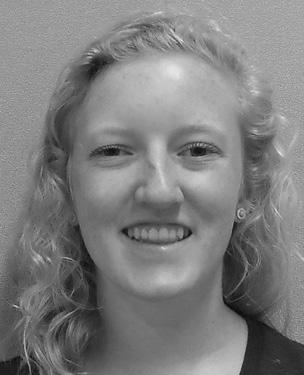
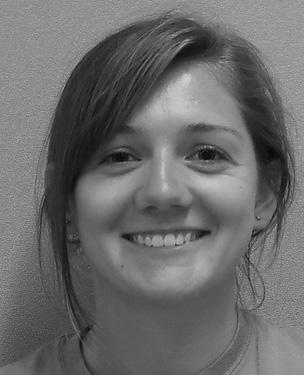
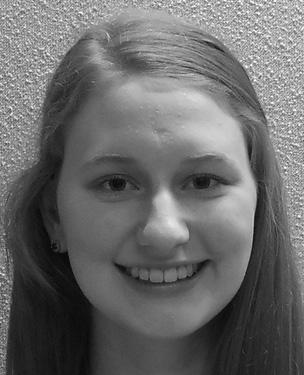
a ssociation ( sga ) announced the results of the first-year student government elections. s ofia s cott and s ophia Johnson won the positions of president and vice president of the class of 2019, and Jordan m yers and a nnie g regory
were elected class senators. s cott said she has been part of various student governments for six years and enjoys being a leader among her classmates. s he chose to run for the position of president because she wants to have a voice to make a difference in her class, she said.
“ i wanted our class to not just be another class who graduates from s aint
m ary’s, but one who is remembered for what we have done,” s cott said. “ i am most excited about being able to lead and represent our class at such a special place.”
NDSP reports theft near lake
Observer Staff Report
a male student was robbed on the path around s t. Joseph’s lake in the early hours of s ept. 27, notre d ame s ecurity p olice ( ndsp ) announced in a crime alert email sent to students s unday morning.
The student was on the path near the power plant at around 1:50 a.m. when he was approached by “a person or
persons,” who then took his cell phone out of his hands and pushed him down, the email said. no injuries were reported in the email, and no description of the suspect or suspects was provided.
“c ommunity members are encouraged to travel in groups or contact o’ snap for a safety escort at (574)-6315555 or via the nd mobile app Transit icon,” the email said.
EPA representative lectures on climate change
By MARGARET HYNDS news editor
Just days after p ope Francis’s arrival in the u s and address to the nation’s leaders, e nvironmental p rotection a gency ( epa ) administrator g ina m c c arthy spoke on campus Friday afternoon to both students and the press, discussing climate change and n otre d ame’s recently announced efforts to reduce its carbon footprint and integrate a variety of sustainable energy sources.
i n the next five years, the

u niversity will cease burning coal in its campus power plant, and by 2030 it plans to halve its carbon emissions, u niversity president Fr. John Jenkins said last week.
a t Friday’s press conference, m c c arthy quoted Francis’s words earlier in the week and stressed the importance of the nation getting behind efforts to prevent further climate change.
“ o n wednesday, during remarks at the w hite h ouse, the h oly Father p ope Francis said, ‘ w hen it comes to the care of our common home, we are living

s cott’s goals for the year include bringing a color run to campus, implementing green initiatives and raising money for the see
at a critical moment in history,’” she said. “ i ndeed the p ope, p resident o bama and countless other world leaders have made it clear that the time to action climate change is now, and that all of us — whether in the public, private, academic or faithbased communities — have a role to play in addressing this global challenge for the sake of our kids and especially for those most vulnerable. That’s why we must act today.
“a nd i have to say, the

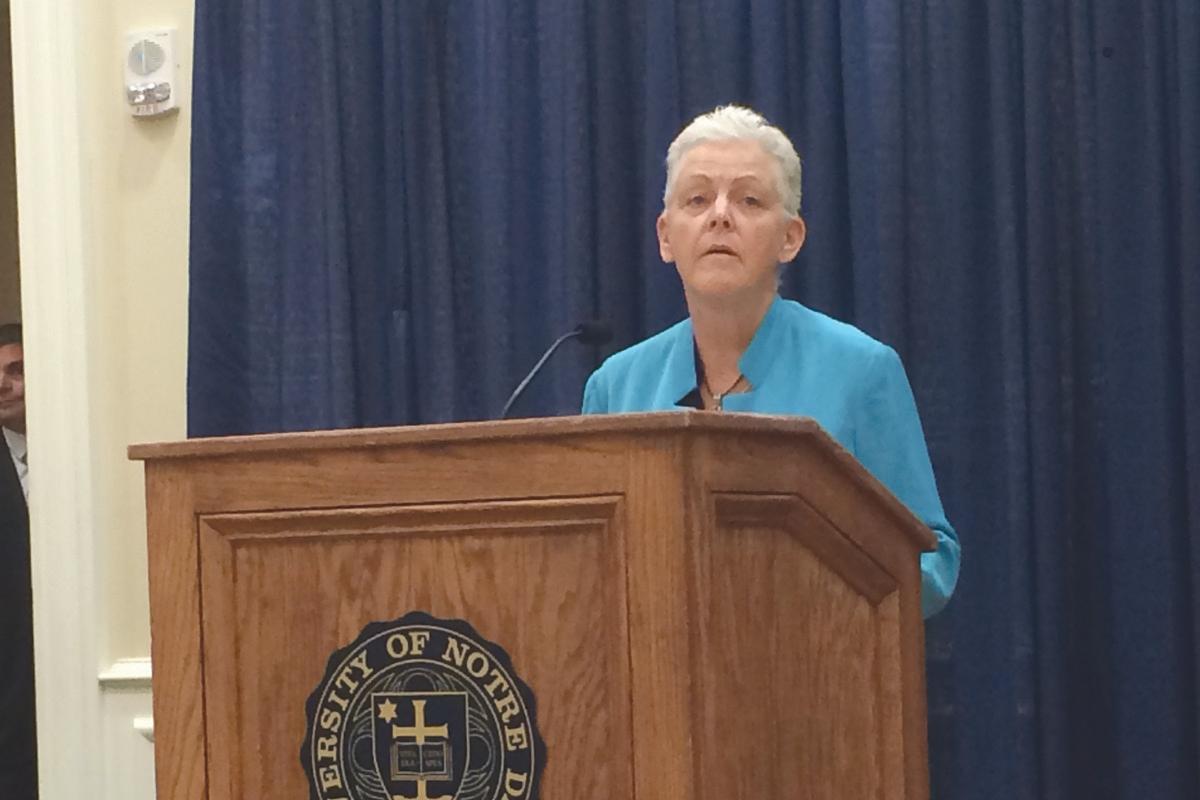

Photo courtesy of Gaju Gatera
Fifty students participated in a silent march Saturday before the football game against Massachusetts to display solidarity for those affected by sexual assault.
MARGARET HYNDS | The Observer
Gina McCarthy talks about climate change and Notre Dame’s future efforts to increase sustainable energy efforts.
(574) 631-4540 scene@ndsmcobserver.com
(574) 631-8767 photo@ndsmcobserver.com
631-8839 Policies
Question of the Day:
What is your favorite outdoor activity?

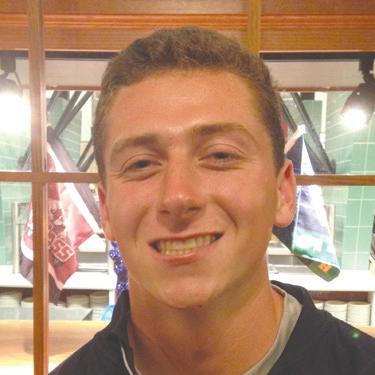

JP Bruno sophomore Zahm house
“g oing whale watching with my friend ryan.”
John Sexton sophomore Keough hall “g olf.”
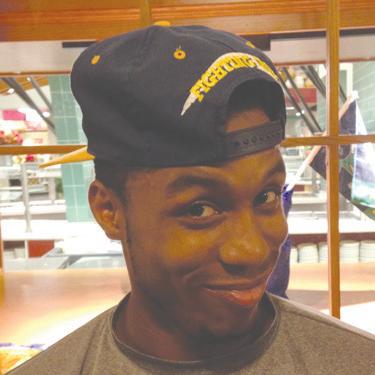
Brandon Aubrey junior o’neill hall “play sports.”

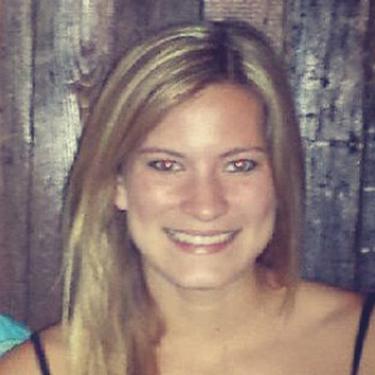
Emily Gust sophomore breen-phillips hall
“i really like to go camping and mountain climbing.”
Pierre Byrne sophomore dillon hall “spikeball.”
Jenn Blum junior walsh hall
“skiing in steamboat, colorado.”

|
Pope Francis arrived in Philadelphia on Saturday, the last stop on his U.S. tour, and said Mass at Cathedral Basilica of Saints Peter and Paul. Roughly 500 Saint Mary’s and Notre Dame students traveled by bus to see the Pope on his first U.S. visit.
Today’s Staff
Corrections
The observer regards itself as a professional publication and strives for the highest standards of journalism at all times. we do, however, recognize that we will make mistakes. i f we have made a mistake, please contact us at (574) 631-4541 so we can correct our error.
Monday
Germany’s Confrontation with the Holocaust
O’Shaughnessy Hall
4:30 p.m.-6 p.m. Opening reception.
Integral Ecology Geddes Hall
7 p.m.-8 p.m. Lecture series discussing Pope Francis and the planet.
Tuesday
Climate Investing Conference Keynote
115 McKenna Hall
7:30 p.m.-8:30 p.m.
Environmentalist Paul Hawken will speak.
Workshop: Getting Started in Research Brownson Hall
4 p.m.-5 p.m. Learn research strategies.
Wednesday
Dirty Book Sale Stepan Center 9:30 a.m.-4 p.m.
Annual sale of dusty or slightly damaged books.
Reading Hammes Bookstore
7:30 p.m.-8:30 p.m.
Authors Valerie Sayers and Liam Callanan will be in attendance.
Thursday
Team Time for the Arts Morris Inn
2:30 p.m.-4:30 p.m. First fundraiser for NDCAC.
Artful Yoga Snite Museum of Art
4 p.m.- 5 p.m.
Relax with yoga in the O’Shaughnessy West Gallery.
Friday
ND Volleyball Joyce Center
7 p.m.-9 p.m.
The Irish take on the Eagles at home.
Movie Night Coleman-Morse Center
9:30 p.m.-11:30 p.m. Free screening of the movie “Rudy.”
ANNEMARIE SOLLER
The Observer
Panel dialogues Pope’s encyclical over climate
By COURTNEY BECKER news writer
before n otre d ame took on m assachussetts on s aturday, a panel composed of n otre d ame faculty convened in Jordan h all of s cience to discuss “ s cience, r eligion and e nvironmental c hange: h ow it r elates to the encyclical the p ope h as i ssued.”
p anel moderator m ary g alvin, dean of the c ollege of s cience, said the discussion is particularly timely given that p ope Francis has been speaking about his encyclical, " l audato si’" and the moral obligation to solve the issue of climate change during his visit to the u nited s tates.
“ p ope Francis in a statement said ‘ c limate change is a problem that can no longer be left to future generations,’” g alvin said. “‘ w hen it comes to the care of our
common home, we are living at a critical moment.’”
The first panelist, d avid l odge, professor of biology and director of the n otre d ame e nvironmental c hange i nitiative, began the panel by giving some historical context.
“a t the intersection of science and religion, you can’t just jump into any modern document and think that it can be taken entirely at face value,” he said. “ you want to think about how the scientific community … might react to such a document.
The history of the interaction between c hristianity and science has been, to say the least, a little fraught on occasion.”
l odge spoke specifically of the conflicts between g alileo, d arwinism and environmentalism and the c hurch. h e said these are three examples “on which
it’s difficult to even entertain a serious, polite conversation sometimes” between the c hurch and the scientific community.
“At the intersection of science and religion, you can’t just jump into any modern document and think that it can be taken entirely at face value.”
David Lodge professor biology
“a nd into that context steps p ope Francis,” l odge said. “a nd p ope Francis and the encyclical really provide some just wonderfully refreshing surprises in this context. … p ope Francis takes science really seriously
… so scientists can read this document and feel perhaps pleasantly surprised given the context i described.”
l odge also said Francis writes in the encyclical that environmental change should be a moral concern for humans everywhere, not just those who are directly affected by it at this moment in time or those who place an intrinsic value on the lives of other creatures.
“ i n the encyclical p ope Francis says ‘ i nterdependence obliges us to think of one world with a common path,’” l odge said. “ g od does not only love us, the p ope says, he loves all the other critters, too, and that’s the basis of the moral obligation.”
p anelist g eorges e nderle, professor of international business ethics said people need to accept climate change is a problem in the
world today.
“ i think it is very crucial to open our eyes and face reality,” he said. “This is not just the opinion of a few people studying philosophy, but i think it’s an urgent need which is emphasized by the p ope in this encyclical.”
“ c limate change is an enormously complex and urgent problem,” e nderle said. “ we need new dialogue, and the p ope, in his address to the joint session and to c ongress … urges us to talk together, to seek together and to have a dialogue, because only then will we have a chance to address those important issues. we need action at all levels. The rule of law in a country is a public good, which means everybody benefits from it, and a war is a public bad. e verybody is affected by it.
professor links posterity, sustainability and arts
By GABRIELA MALESPIN news writer
John sitter, mary lee duda professor of literature, discussed the relationship between sustainability, posterity and liberal arts in his lecture saturday, “w hat’s posterity ever done for us?:
literature and the Future.”
sitter’s lecture, part of the snite museum of art’s “saturday scholars series,” highlighted specifically how the liberal arts can help us understand the role of sustainability, and how sustainability in turn, allows us to understand our place in the world
paid a dverT isemen T
and the responsibility we have towards future generations or “posterity”.
“sustainability is about transmission of things of value to future generations,” sitter said. “ ... it invokes the idea of meeting the needs of the present without compromising the ability of future

generations to meet theirs.”
sitter discussed how posterity and the emphasis society places on it are indicative of our relationship to our environment and reveal our attitudes toward sustainability.
posterity, defined as the future generations or descendant of mankind, was emphasized by historical figures such as the founding fathers and was used as a measure to discuss the impact of our actions in a historical context. sitter said discussion and concern towards posterity has decreased since the latter half of the 20th century, and society places a lesser importance on posterity than previous generations. additionally, sitter said authors attribute this change in perspective to the rapid and abrupt changes and advancements in society and technology since post-war expansion.
“we need to learn to talk seriously about posterity, and that to do so, we begin to bring some of the most basic facts about our species into light of robust conversation,” sitter said.
sitter also discussed the role of sustainability, and how sustainability and the liberal arts are interconnected. he said while liberal arts and humanities do not initially appear to have any relationship to the study of sustainability and ecology, liberal arts can allow us to understand humanity’s interaction with our environment.
sitter said the traditional distinction between the liberal arts and the sciences implies there is still a distinction between manmade creations and the natural world, when in fact this distinction no longer exists.
“The blurring or interpenetration of scientific and humanistic study now leads, whether we
want to or not, to new ways of understanding where we are, ” sitter said.
sustainability studies, like the liberal arts, generally aims at a deeper understanding of ourselves in our world, sitter said. sitter said literature remains an example of how the humanities can expand the conversation on sustainability. The prominence of post-apocalyptic and dystopian science fiction for example, is one of the ways writers examine our current relationship towards the natural environment, and how they can predict and bring to the surface the problems and practices that society proliferates on the natural world, he said.
“literature alone cannot release us from our temporal claustrophobia, but it has done and what it can do is give us an engagement with the future that has less to do with its explicit content and more to do with its investment in sustainability, through its resistance to mere consumption and consumerism, its resistance to the marketplace of disposability,” sitter said. according to sitter, humanities are also instrumental in contemplating why we value our environment and our relationship toward it. sitter emphasized the need to include our relationship and treatment of the environment within ethics.
“a n ethical system for our day has to be able to take into account the natural environment as seriously as traditional ethics have taken our relationship to each other,” sitter said. “sustainability is not just about getting the science right or the technology right. it’s about meanings and values."
Contact Gabriela Malespin at gmalespi@nd.edu
SMC student shares effects of bullying
By ALLISON SANCHEZ
news writer
This week’s installment of Justice Friday at s aint mary’s focused on the issues of bullying and highlighted ways to identify and respond to bullying
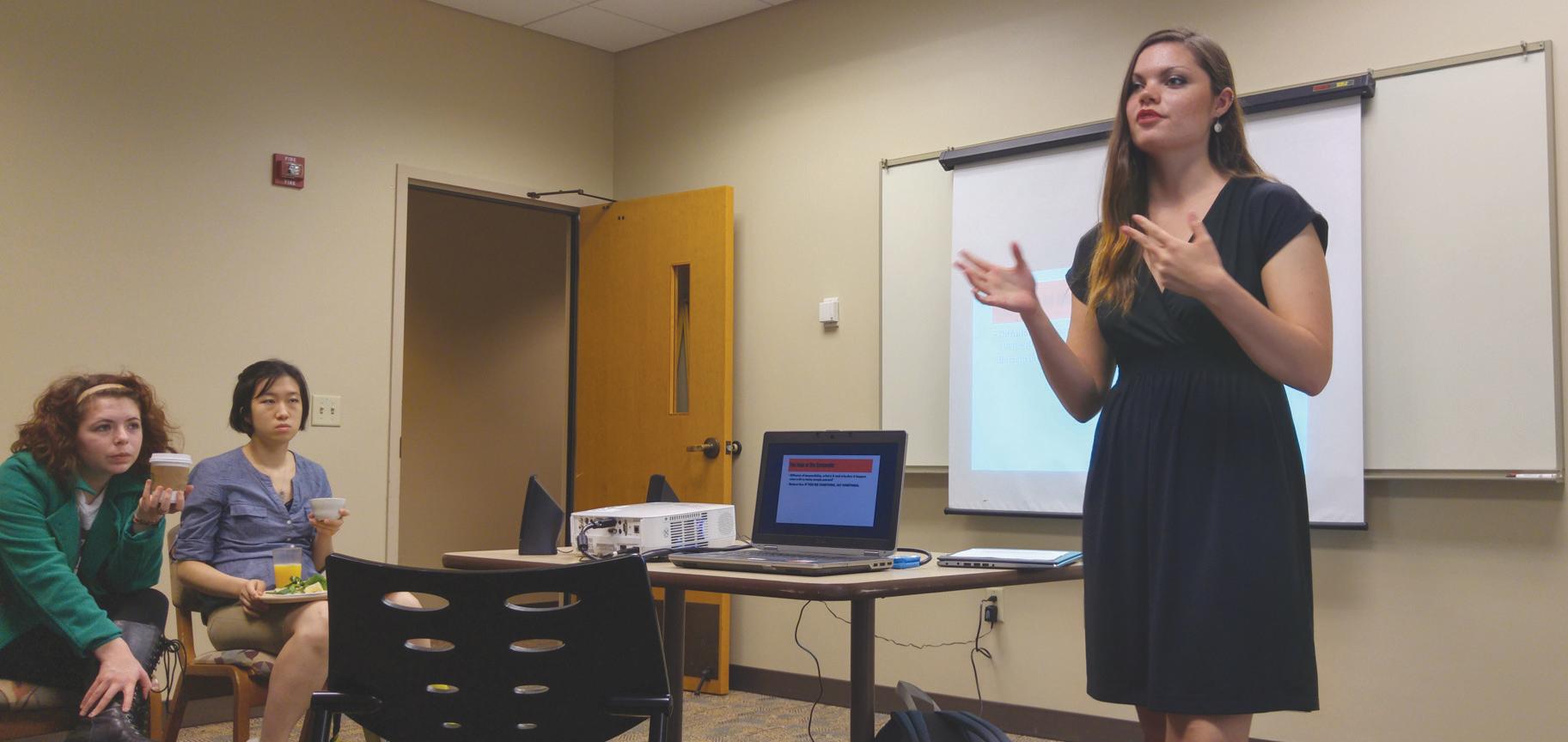
The discussion was hosted by junior Katie d wyer. she centered her discussion on defining modern bullying and showing that it affects students of all ages.
d wyer said, in general, bullying can be defined as a form of aggressive behavior in which someone intentionally and repeatedly causes another person injury or discomfort.
she said there are several categories and subcategories of bullying such as physical, verbal, unspoken, passive aggressive and cyberbullying.
d wyer said, from her perspective, cyberbullying is the modern form of bullying.
“it has such an impact on today’s society, especially in this country. … it can involve hurtful messages, posts, and videos,” d wyer said. “hacking accounts, imitating others or pretending to be the person you’re bullying, gossiping or online exclusion are all forms of online bullying.”
d wyer said there is potential that there is overlap in teens that have been bullied online and have bullied others.
“o ver half of teens have been bullied online, and about the same number have been the perpetrators of cyberbullying.”
d wyer addressed some of the negative effects of bullying.
“o ne in 10 high school dropouts say they left school because of bullying. … bullying victims are at increased risk for depression, anxiety, sleep problems and poor school adjustment. … bullying perpetrators are at increased risk for violent behavior, substance abuse and academic problems,” she said.
Furthermore, bullying and harassment has been linked to almost 75 percent of school shootings, d wyer said.
d wyer said more than half of all bullying situations stop when another peer intervenes. she said school-based bullying prevention programs decrease bullying by up to 25 percent.
“ we need to put emphasis on people seeking out a trusted adult and determining if the behavior falls outside of the student code of conduct or the state laws.”
d wyer mentioned how important it is for s aint mary’s women to support one another.
“ w hy would we bring each other down when we should be trying to stick together?” she said
d wyer invited audience members to ask questions and contribute to a dialogue about
bulling. s ophomore morgan matthews shared her thoughts on women bullying women.
“ w ith women, it’s mostly passive aggressive confrontation, even if you say something to somebody because they’re bullying you. They never let go, women always have [the confrontation] in the back of their mind,” matthews said.
d wyer ended the discussion by offering support to any victims of bullying.
“[ bullies] were wrong. w hen you feel like you’re inferior, you’re really not, you are equal to your peers,” she said.
“nobody is below you but nobody is above you either. That is something that you grow up to realize. you have to make it there to realize that … there is more to life than being the victim of bullying. There are
brighter days to come. “ d wyer shared the phone number of the suicide prevention lifeline, 1-800-273-8255.
The Justice Fridays discussions take place every Friday from 12 to 12:50 p.m. in c onference room a and b of
MONICA VILLAGOMEZ MENDEZ | The Observer
Junior Katie Dwyer leads a discussion addressing the correlation of modern bullying with the increased risk of mental health problems and talks about technology’s role in modern bullying.
conference focuses on carbon energy reduction
By ALEX CAO news writer
o n Tuesday, the m endoza c ollege of b usiness will host various companies and speakers at m cKenna h all for a conference titled, “ c limate i nvesting: Transition to a l ow- c arbon world.”
l eo b urke, director of the g lobal c ommons i nitiative at m endoza and director of the conference, said he hopes to discuss the investing opportunities in greener technologies and the impact those investments can make.
“ o f all the energy produced today, 85 percent is coming from fossil fuels,” b urke said. “ we need to significantly slow that down or make a change. i n order to do that, we need to invest money: invest money in renewable technologies, invest money in microgrids, invest money in new infractures of all kinds ... it all takes money. This impact investing is an important tool or an important approach we can use to make that transition.”
The conference will take place all day Tuesday and wednesday with an opening
march
con T inued F rom page 1
make this a positive thing.”
p articipants in the march wore white bandanas over their mouths to symbolize and honor the voiceless victims of sexual assault, l ay said, and carried signs with information and statistics about sexual assault on college campuses.
“ we really wanted to
prayer from u niversity p resident Fr. John Jenkins.
The panels will discuss “ c limate and c arbon,” “ i nvestment p erspectives,”
“ i ndustry p olicy and p erspectives,” “ g lobal p erspectives” and “ n ew o pportunities and a n ew g eneration,” as well as keynote addresses.
b urke said he received massive support and influ -
“The Pope’s encyclical gave a wind in the back, so to speak, for the conference and his visit to the United States ... reemphasizing the need for caring for the earth.”
Leo Burke conference director
ence for this conference from his interactions with panelists and the vatican recently discussing environmental issues.
“ i t was very much [an inspiration],” b urke said. “The p ope’s encyclical gave a wind
encourage people in the community to stand up for these individuals, for the survivors, for the allies and just for people who are passionate about this and for people who are making strides already at their universities, whether it be for policy change or through other groups,” she said.
The majority of the responses to the march were positive, l ay said.
“it was really incredible
paid a dverT isemen T

in the back, so to speak, for the conference and his visit to the u nited s tates ... reemphasizing the need for caring for the earth. a ll of this makes this time for the conference very timely.”
v ince c ushing, chief technology officer ( c T o ) of the conference’s largest sponsor, energy company Q c oefficient, said he wants the conference to go beyond discussion and incite action.
“ i know a lot of people with a lot of good opinions and good policies,” c ushing said. “ b ut when it comes to [people] executing and doing things, i don’t really have a really long list. s o i thought this would be a great opportunity to see people from n otre d ame accomplish something, not just talk about it.
“ p oliticians talk about [the environment] all the time and everybody talks about how it’s important to clean up the environment, even the p ope does that. w hat we’re short on is people who turn that around, execute on that and accomplish something, not letting the rest of our lives be worse off.”
s peaker Joyce c offee,
because i ’ve been working on this for months — all of us have. it was kind of amazing to finally see it come to fruition. … p eople were clapping and they were saying ‘Keep doing what you’re doing, never stop fighting,’” she said. “p eople were really supportive, and it was incredible, actually.”
l ay said she believes the march achieved its goal of bringing awareness to the issue of sexual assault.
“ w hen we finally stood in front of the stadium and we were looking out facing the library, you could just see people holding their thumbs up,” she said. “a s we were marching, people were reading the signs and you could hear the shock in their voice, like ‘o h my g od, how did i not know this?’ … i think it’s going to start a lot of conversations, and that was kind of the point of it.”
The march was the first event sponsored by the organization i ’m s omeone, l ay said.
“[The organization] was started by six individuals who were really passionate about this cause because we live in this environment,” she said. “This was one thing we all agreed on, that we felt passionate about stopping. we really want to put an end to it, and we felt like the best way to do that was to really get out there and talk about it.
i ’m s omeone is not
managing director of the nd - gain project, another co-sponsor of the conference, said the conference will raise awareness to the
“No conference is going to be the end-all-be-all by itself. This conference is a stone in a wall that contains other stones that enable something that could be erected. I have great faith that when talented people come together...with the wish to make change that something new can happen.”
Leo Burke conference director
climate-investing opportunities in assisting those most susceptible the harmful effects of climate change “ o ur data shows that
people in rural countries are at least ten times more likely to experience an climate change impact than those in wealthy countries at any given year,” c offee said. “The new innovative place for climate investing is adaptation. Those companies that seek out these opportunities have amazing collateral benefits, bringing people out of poverty, ... decreasing the bottom line, decreasing global conflict. a ll of these are enhanced by investments that should be furthered by the corporations sponsoring the conference.”
b urke said his greatest hope for this conference is that it will be a part of lasting change.
“ n o conference is going to be the end-all-be-all by itself,” b urke said. “This conference is a stone in a wall that contains other stones that enable something that could be erected. i have great faith that when talented people come together ... with the wish to make change that something new can happen.”
Contact Alex Cao at acao@nd.edu
affiliated with n otre d ame or s aint m ary’s, l ay said. “ we really wanted to make it not about any particular school. … we’re not affiliated with any club, college or university, and we are made up of students from s aint m ary’s, h oly c ross, n otre d ame, iusb [and] members of the community.”
Contact Catherine Owers at cowers@nd.edu
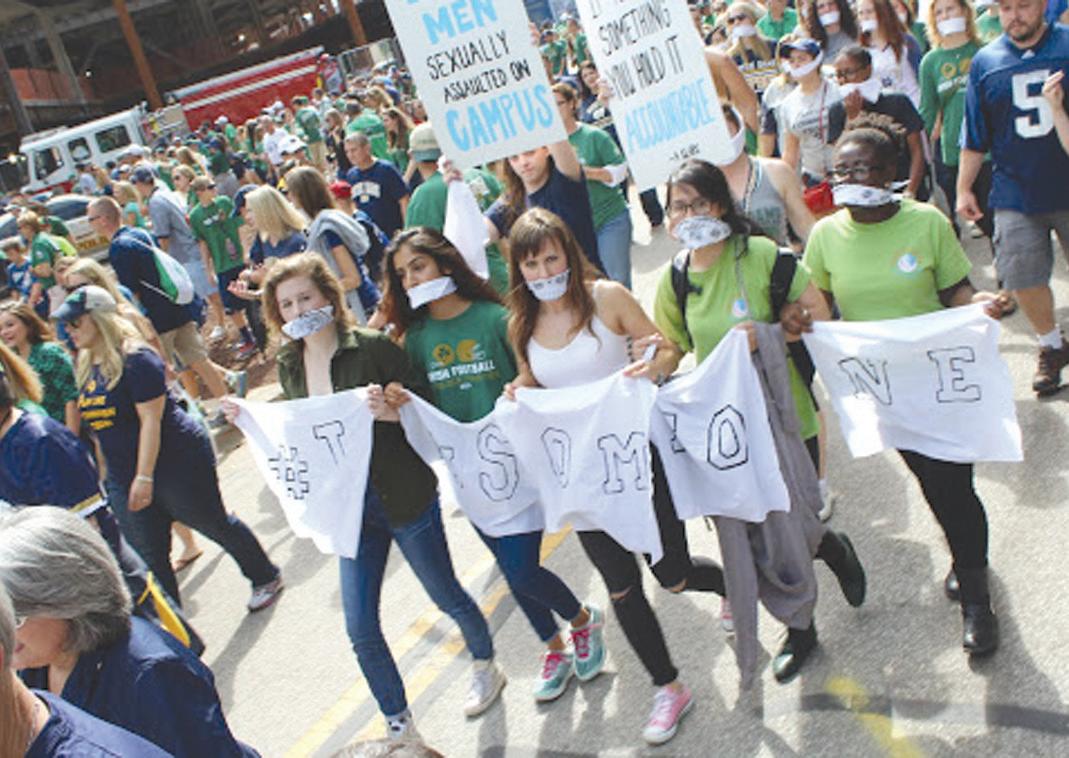

Photo courtesy of Gaju Gatera
Saturday students from Saint Mary’s, Notre Dame, Holy Cross and IUSB marched together in support of survivors of sexual assault.
Photo courtesy of Gaju Gatera
Students wore white handkerchiefs over their mouths to indicate the voicelessness of survivors of sexual assault.
pope’s time in washington was indeed personal for me, not just as a c atholic but as someone who has been in the fight against climate change for many years.
“h is trip reaffirmed the tide really has turned … that we’re past the old days of debating the science and making incremental progress, and right now we do have solutions available to us so that we can take actions now that are not just good at addressing climate but that are also good for our economy and those most vulnerable,” she said.
mc c arthy described notre dame’s plans for the integration of sustainable energy and reduction of carbon emissions as “an opportunity to demonstrate what the pope’s moral responsibility actually looks like.”
“The steps we are taking here today at nd are something that i want to make sure everybody knows and is celebrating, because they are a tremendous example of bringing life to the pope’s challenge; of recognizing that we have a moral responsibility and we do have actions that we can and must take today,” she said. “i want to explain to everybody just how excited i am to be on this campus, under this president’s leadership and actually tackling this issue in a way that’s going to add value to the campus, but perhaps more importantly bring life to the intersect of faith and values that the challenge of climate change demands.
“That is really so well aligned with the message of this pope. a nd i commend the university of nd for setting ambitious goals and efforts in taking action already to reduce their carbon footprint, which they expect to halve by 2030. That is what leadership and that is what stewardship actually looks like,” she said.
e xecutive v ice p resident John a ffleck- g raves also spoke, detailing further what the university hopes and plans to do in the coming years in regards to renewable energy.
a s the university works through its coal cessation plan, he said, it has explored and is currently working on a number of other energy strategies.
“a t the moment, we’re using a lot of natural gas, we’re looking at creating our first geothermal field set to go in after next June as we complete the research building on the east side of campus,” he said. “ we’re going to have a geothermal field under the parking area there, and we’re looking at other geothermal fields in several places on campus.”
i n addition to geothermal energy, a ffleck- g raves said notre d ame is investigating other avenues to create a more
“diversified strategy.”
“[ we’re] moving more and more towards renewable energy, so we arrive at a situation where most of our energy will come from renewable sources,” he said. “ ... we’re looking at a hydroelectric plant on the river. we’re working with the city of s outh b end, and that’s in the planning and approval stages. There’s a lot of regulation that goes around that.
“ we’re also looking at solar, particularly in some of the parking fields that we have, where we have large open areas that we can maybe put solar on top of parking structures, and maybe a little bit of solar on top of roofs.”
w hen asked about the cost of moving from traditional sources of energy to renewable sources, a ffleck- g raves said he did not foresee that being a large issue for the university. The cost of investing in things like a geothermal field would be high, he
said, but after the field goes in there would no longer be installation costs associated with it.
“i wouldn’t say it’s new money, it’s an element of new money but also the redirection of money. … i nstead of a new coal fire burner, we’ll invest in another alternative source,” he said.
mc c arthy said because climate change is a reality now, action needs to be taken immediately to protect the disadvantaged and future generations.
“it’s not just about the challenge of keeping our children safe in the future, but it is all about protecting them today, protecting the most vulnerable and making sure we meet the president’s call for us to take action and meet that moral responsibility,” she said.
Contact Margaret Hynds at mynds@nd.edu
e lections
the community as a whole,” s cott said.
v ice president Johnson said she looks forward to
class’ senior week, she said. s cott and Johnson have been brainstorming about numerous ideas and look forward to getting started, she said.
“ i am excited to implement our ideas and see a tangible difference that s ophia and i can make not only in our class, but also in
e ncyclical
a nd so, if you say … the climate issue is a public bad, we have to think about how to address it.”
The third panelist, Joyce c offee, managing director of notre d ame g lobal a daptation i ndex ( nd - gain ), said she believes through his encyclical, the p ope has made the issue of climate change a human rights issue that is not just for a mericans to think about in terms of how it affects first-world countries such as the united s tates.
“The p ope has really put the
working alongside s cott as they lead their class through the first year at s aint m ary’s.
s pecifically, one of her main goals is to focus on hearing everyone’s voice, she said.
“ i t is extremely important to me that everyone gets a chance to give input about their ideas, a lesson i learned in the time i was involved
question of climate change firmly and unequivocally as a human rights question,” she said. “Those living in lower
in student government during my high school career,” Johnson said. “ s ometimes it is better to take a step back and offer new insight into a situation.”
n ewly elected class senator m yers also plans to keep the entire class informed about student government issues as well as increase involve -
ment in campus events, she said. s he intends to incorporate lessons of leadership,
those in rich countries on an annual basis. o ur data also showed that it would take more than 100 years for low-
“The Pope has really put the question of climate chang firmly and unequivocally as a human rights question. Those living in lower incomes in least-developed countries experience 10 times more climate impacts than those in rich countries on an annual basis.”
Joyce Coffee managing director Notre Dame Global Adaption Index
incomes in least-developed countries experience 10 times more climate impacts than
paid a dverT isemen T
er income countries to reach the level of resilience that we enjoy in upper-income
cooperation and problemsolving from high school stu -
dent government to achieve these goals, she said.
“ i intend to use the lessons of governmental integrity to find a voice for students,” m yers said, “a s the class of 2019 senators, a nne [ g regory] and i would really like reaching out to the student body to allow the students to also have an active role in student government.”
countries, and this disproportionate risk is something the p apal encyclical calls out.”
c offee also spoke to ndgain ’s mission, saying the organization’s mission of service to justice, educating the next generation of leaders and increasing the world’s awareness about the need to adapt to climate change, lines up with p ope Francis’s call to action in his encyclical.
“ we believe that if we can increase the uptick of investments that save lives and improve livelihoods in the face of global shifts, we will in fact be addressing that incredible call to action that is throughout the p apal encyclical,” c offee said. “ we will actually be seizing opportunities for these collateral benefits of climate adaptation … the p ope spoke to. … c limate adaptation lifts more out of poverty. … c limate adaptation can help decrease armed conflict, especially when that conflict is driven by droughts and food insecurity.”
a lan h amlet, assistant professor in the department of civil environmental engineering and earth sciences, said the encyclical makes the need to address water as a part of this discussion clear.
“a lmost everything that we care about, in a global context right down to our daily lives, is very connected with water,” he said. “The encyclical does an absolutely great job of laying down the connections between social, technical, economic and so forth, all of those systems. a nd embedded in almost all of those issues is water.”
h amlet said the world needs to move away from looking to past water trends to predict future ones and to move past the damage report into solutions.
“There’s a great need, in the water sector, to move beyond the use of historical records for our planning,” h amlet said. “ we assume that the variability we’ve seen in the past with historical records is
g regory also participated in student government in high school and is excited to be part of the decision making process at the c ollege, she said. a long with creating unity in the first-year class, g regory also intends to unify clubs across campus, she said.
“ s ince i am assuming a leadership role within the [first-year] class, i think it is crucial that i get to know all of my fellow classmates,” g regory said. “This year i hope to create friendships with all of my classmates so they feel comfortable coming to me with concerns and ideas.”
Contact Kathryn Marshall at kmarsh02@saintmarys.edu
a crystal ball of sorts for the future. w ith climate change, that idea is really gone and we need to use models instead of observations. … we also need to move beyond the damage report. … it is an extensive, formidable list, but we need now to move beyond saying what is going to break to saying how we are going to try to fix it.”
d espite the panelists’ praise of p ope Francis’s encyclical for addressing many critical issues, they also voiced concerns about certain aspects, such as its specificity to which it did not address other topics that they felt should be mentioned.
d uring her introduction, g alvin said notre d ame is already taking necessary steps to meet the challenge presented in the p apal encyclical.
“This is a critical time which will require all of us to act,” she said. “a t notre d ame, Fr. John Jenkins announced this week, on monday, that notre d ame will cease burning coal in five years and cut co 2 emissions in half by 2030.”
The panelists also spoke about the unique role notre d ame may play as a c atholic university in carrying out the mission presented by p ope Francis in his encyclical.
“i came upon the line [in the encyclical] that said, ‘ young people demand change,’” c offee said. “‘They wonder how anyone can claim to be building a better future without thinking of the environment degradation and suffering of the excluded.’ i thought that sounds so much like the mission statement here. … i think that we have a real opportunity here to further that quest for human solidarity within the curriculum, action and work that happens at our university that impact society, to really bring more service to justice through the university’s efforts to educate the next generation of leaders.”
Contact Courtney Becker at cbecker3@nd.edu
Sofia Scott president class of 2019
Sophia Johnson vice president class of 2019
Jordan Meyers senator class of 2019
Annie Gregory senator class of 2019
The Francis frenzy
l et kids be kids
For one of my psychology classes this semester, i have the opportunity to spend time in the e arly c hildhood d evelopment c enter ( ecdc ) on campus. For the class, we are required to spend 75 minutes in a classroom once a week to observe a child of our choice and write a case study at the end of the term. b eing in the ecdc has been an eye-opening experience. w hile i have observed my chosen buddy’s behavior, i have realized some of the greatest things about being four years old again.
The other day i sat at the coloring table, picked up a whale stencil, grabbed a fresh c rayola marker and traced it. Then i asked one of my little friends to help me decorate it. we had so much fun adding polka dots and a smile to the whale that i traced another whale, then another and another. The stress about an upcoming exam and the 60 pages of reading i had to do that night melted away with each whale. The only worry i had was that i wouldn’t be able to finish coloring because my 75 minutes were almost up. youngsters also get to take naps, read the books they want to read and, most importantly, be naïve.
The innocence of childhood is becoming a thing of the past. Kids are getting cell phones at younger and younger ages and pushing l egos aside for i p ad apps.
Kids need to be kids for a long enough time to allow their brains to develop properly. i understand it is convenient to put an i p ad in front of your child but staring at a screen isn’t letting their imagination flow and doesn’t help their decision-making skills.
b ecause kids have access to technology at younger ages, children are able to find things on the i nternet that are too mature for them, which destroys their innocence. i f today’s youth didn’t have as much permission to use the i nternet, i honestly believe there would be less acting out, underage drinking, etc.
s ometimes i want to go back to being oblivious to the world and the negative news you hear as soon as you walk through the door of adulthood, but i know that’s not possible. i want to believe in s anta c laus again and not know what the latest terrorist act is.
s o here is my challenge: l et kids be kids. l imit their usage of technology and have them spend more time outside and play with simple toys like blocks, trucks and stencils. i f kids ask about current events or mature topics, parents should be honest but gentle. c ommunicate with them at a level they understand. p reserve their innocence and enjoy it before the angst of teenaged years hit.
Contact Alex Winegar at awineg01@saintmarys.edu
The views expressed in the Inside Column are those of the author and not necessarily those of The Observer.
Fr. Joe Corpora guest column
e ver since i learned p ope Francis would make an apostolic journey to the u nited s tates, i set a goal to meet him. i didn’t care what city — d c ., n ew york or p hiladelphia. i just wanted to meet him.
m onths ago, i began contacting friends who might be able to help me get a ticket to one of the events. a priest i know was in charge of the m ass at m adison s quare g arden in n ew york c ity. i told him i would begin practicing to be the lectern, if necessary, and i could meet the p ope when he preached from the lectern. Through a friend i was able to get a ticket to the m ass of c anonization. The ticket arrived s ept. 15, the Feast of o ur l ady of s orrows, the patronal feast of the c ongregation of h oly c ross. i had my “speech” all prepared if i had the chance to meet the h oly Father. “ s anto p adre, yo te amo. y te doy muchas gracias por todo lo que estás haciendo por la i glesia y por el mundo. ... h oly Father, i love you. a nd i thank you very much for everything you are doing for the c hurch and for the world.”
i had the great privilege of concelebrating the m ass of c anonization of Junípero s erra. The h oly Father presided. w hen i arrived at the n ational s hrine, the desire to meet p ope Francis personally began to fade away. w hile i would have liked to meet him, i was simply grateful, so grateful to see him and to concelebrate a m ass that he would preside at. i also wanted to listen closely to his homily.
i loved his homily. The “mercy p ope” is really a man of mercy. h e spoke so beautifully in s panish, reminding us that darkness and error and sin never have the last word when it comes to g od. w hat has the last word is the “oil of hope.” h e used that phrase several times and when he did, he moved his hand as though he were massaging someone with the oil of hope.
s everal things were so clear as he preached. h e is a man of g od. h e is a man of mercy. h e believes what he preaches. i would even say he is what he preaches. i thought, “ i could go to confession to him, because he would anoint me with the oil of hope and the oil of mercy.” p ope Francis does not have only ecclesial authority. h e also has moral authority. i believe what he preaches, because he is the p ope, but more so because he speaks from his own encounter and life with Jesus. h e knows Jesus and in his travels, in his life, in his person, he makes Jesus known.
a s i walked through the crowds of thousands before and after the p apal m ass, i was really struck by how much s panish i heard. i t is just a sign of the current and future reality of the
c atholic c hurch in the u nited s tates. i know all the data and all the numbers, but i was still amazed by so many people speaking s panish. a fter the m ass, i took the subway from the n ational s hrine to the stop near the hotel where i stayed. The subway was filled with thousands of people who were coming from the m ass. w hen i walked from the subway to the hotel, many people asked me, “ d id you see him?” The entire city was alive with Francis Frenzy. “ yes, i saw him,” i was happy to say.
p ope Francis is a rock star like no other. watching him in the p apal p arade was amazing. h e has the unique ability to deflect all the adulation and praise and truly point to o ur l ord. a s he waves on the right and then on the left, it’s clear this is not about him. i t’s about g od. h e wants to draw peoples’ attention and sights to g od, not to him.
a t the end of a beautiful day in d c ., i thought to myself … i did not get to meet p ope Francis today. Far more important than meeting him, he inspired me to want to love his boss more … and my boss. i n his person and in his words, he encourages us to love g od more and to be better messengers of his mercy. i can hear him saying, “ i t’s not important you meet me. i want you to meet Jesus, the incarnation of g od’s mercy and love.”
Friday afternoon, the h oly Father visited o ur l ady, Queen of a ngels c atholic s chool in e ast h arlem. i had the great honor of providing some commentary on the usccb ’s live feed about his visit. The usccb told me they would send me his speech in advance of his visit to the school. s everal hours before he arrived, i received an email that read “From the h oly s ee p ress o ffice. e mbargoed until 4:00 p.m.” i ’m sure that i will not receive many more e-mails with those words in the subject line.
i loved watching the h oly Father interact with the children, teachers and parents at o ur l ady, Queen of a ngels s chool. h e was so happy and so engaging. h ere again i was surprised and pleased to see how many students spoke to the h oly Father in s panish. This is a sign of the c hurch’s real attempt in the past six years to actively recruit l atino children and families to c atholic schools. The h oly Father had to be pleased with his visit to the school because he was able to see first hand that the c hurch continues her mission to educate children of immigrants.
i love p ope Francis. ¡ v iva el p apa! ¡ v iva!
Fr. Joe Corpora is the Director of University-School Partnerships in the Alliance for Catholic Education (ACE). He also serves in Campus Ministry. He is a priest in residence in Dillon Hall.
The views expressed in this column are those of the author and not necessarily those of The Observer.

Alex Winegar news writer
running away with it
Irish offense breaks out for highest point total since 1996 in blowout win
Notre Dame Stadium. It was the first of two scores on the day for Prosise,
Notre Dame must be more consistent moving forward

Brian Plamondon sports writer
o n the surface, notre d ame defeated m assachusetts soundly s aturday, winning 62-27 and out-gaining the m inutemen 681 yards to 450.
Those numbers, however, don’t tell the whole story.
notre d ame’s inconsistent play against m assachusetts was troublesome, not only because it was against a middling m id-a merican c onference team but also because that’s become the norm for the i rish so far this season.
The question of stability, or lack thereof, all starts on defense for the i rish. This unit looked like one of the most fearsome in the country when suffocating Texas, porous against a run-of-themill v irginia offense, then stout again when defending g eorgia Tech’s triple option last week.
By KIT LOUGHRAN sports writer
Five rushing touchdowns and 457 total rushing yards paved the way for no. 6 notre dame’s 62-27 win over massachusetts on s aturday at notre dame stadium.
The i rish (4-0) out-ran the m inutemen (0-3) by more than 300 yards on their way to 681 total offensive yards and notre dame’s highest scoring output since 1996.
“ we were pretty good up front offensively,” i rish head coach brian Kelly said. “ we were able to control the line of scrimmage around the football today.
“i think that was the big difference in the ballgame.”
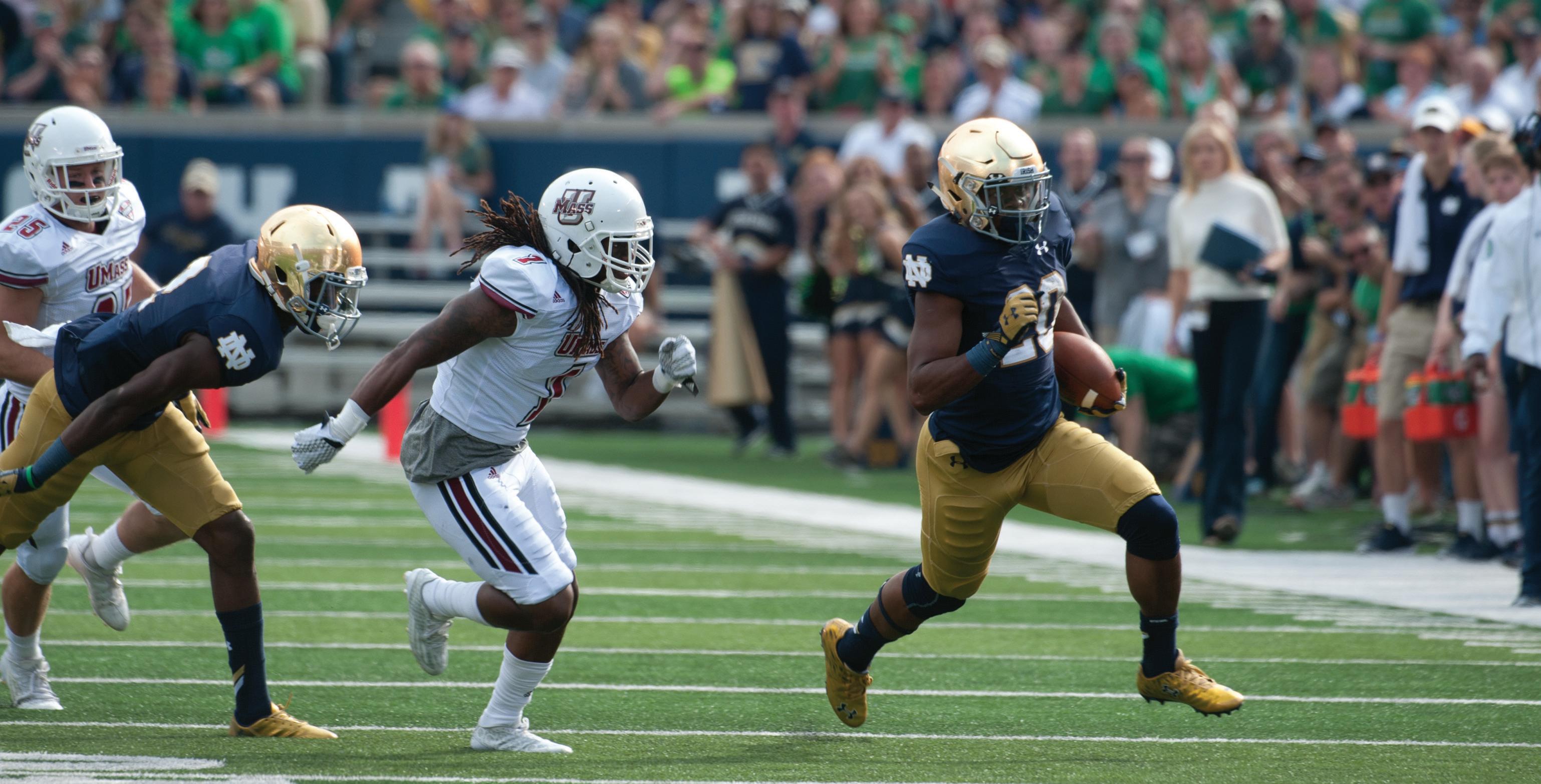
s enior running back c .J. p rosise opened the scoring on a 57-yard rush to put the i rish on the scoreboard with 6:02 remaining in the first quarter. p rosise rushed for two touchdowns and 149 yards on 15 carries and became the first notre dame player with three straight 100-yard games since darius walker in 2005.
The m inutemen, though, kept the i rish within striking distance in the first half, shrinking notre dame’s lead from 14-0 to 14-13 and then again from 21-13 to 21-20.
“a ny team that plays notre
Player of the game
c.j. P rosise
Ir I sh sen I or runn I ng back
For the third game in a row, c .J. p rosise ran all over notre dame’s opponent, going for 149 yards and two scores during s aturday’s win over m assachusetts. p rosise now has exactly 600 rushing yards on the season.
Quote
dame is going to bring their best game,” p rosise said.
“ we knew they were going to come out with some trick plays and do whatever they could to stay in the game.”
w ith four minutes left in the first half, the game reached its turning point.
The i rish defense held massachusetts to a single yard on three plays after sophomore punter Tyler newsome and junior cornerback d evin butler combined to pin the m inutemen at their own one-yard line.
Freshman receiver c .J. s anders then responded with
“You’ve got to give it to the offensive line today.”
Trio of backs paces Irish run attack to big game
By RENEE GRIFFIN sports writer
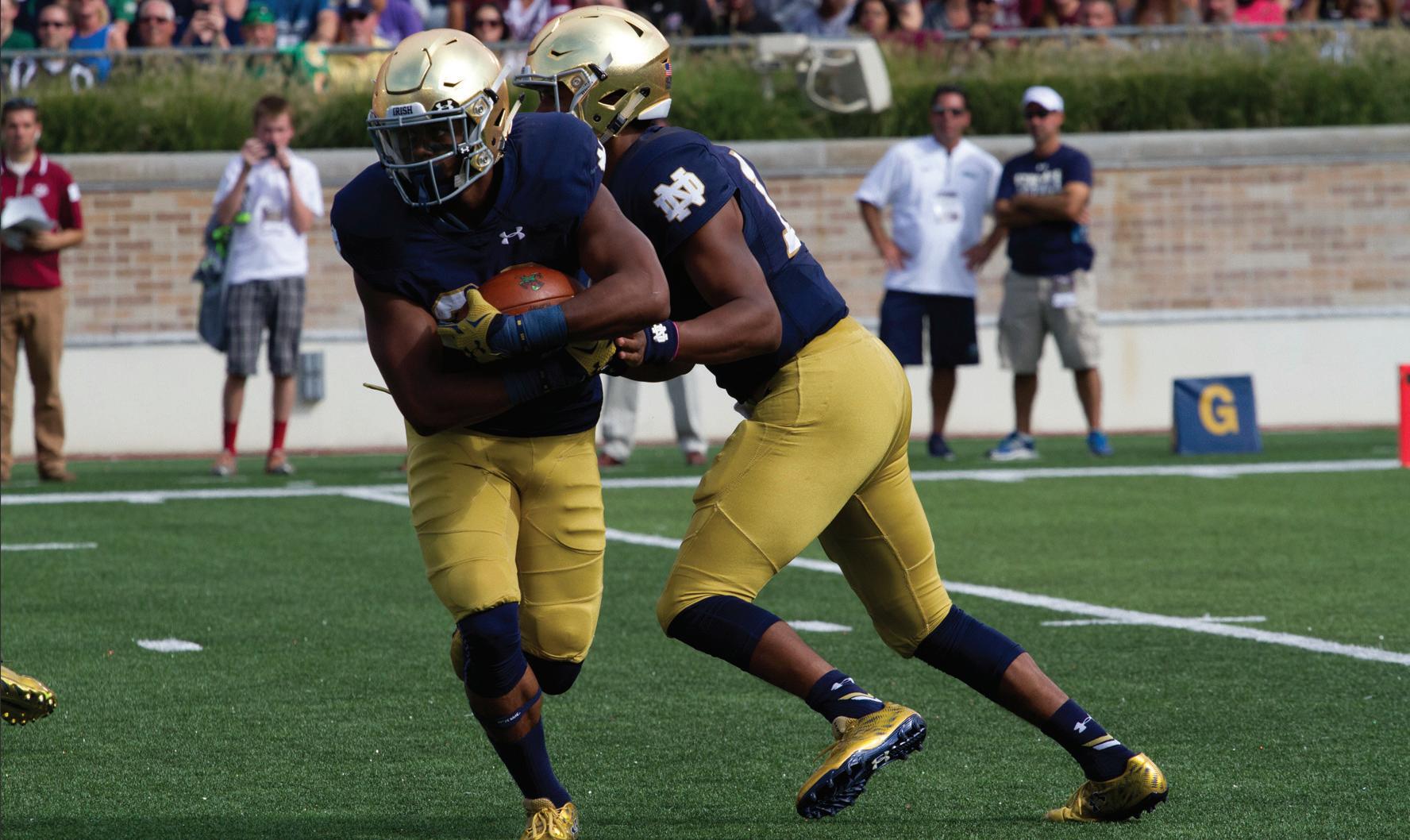
s enior c .J. p rosise got the rushing attack rolling right away for no. 6 notre d ame in its 62-27 rout of m assachusetts on s aturday, breaking the 100-yard mark before the first quarter and giving the i rish the lead with his 57-yard sprint to the end zone about nine minutes in. unlike the last few games, though, p rosise was not the only rusher to put up big numbers. h is 149 yards and two touchdowns came early, as he stayed on the sidelines for much of the second half. The rest of notre d ame’s whopping 457 yards on the ground — the first time the team has broken the 400-yard mark since 1996 — came primarily from freshman running backs Josh a dams and d exter w illiams, with freshman quarterback b randon w imbush adding 92 yards, highlighted by a
EMILY KRUSE | The Observer
Irish senior running back C.J. Prosise turns the corner during his first-quarter, 57-yard touchdown run that opened the scoring in Notre Dame’s 62-27 win over Massachusetts on Saturday at
who topped 100 rushing yards for the third consecutive game.
Quarterbacks
deshone Kizer completed a respectable 68 percent of his passes but only totaled 207 yards. although the interception was partially receiver will Fuller’s fault, Kizer still has plenty of room for improvement. both Kizer and freshman backup brandon wimbush looked great running the football, however.
running backs
c.J. prosise continued to dazzle, racking up 149 yards on 15 carries. he broke one for a 57-yard touchdown, although that wasn’t even the longest run of the day. Freshman Josh adams scored from 70 yards out and was electric as well, rushing for 133 yards on the day. Freshman dexter williams also impressed, scoring his first career touchdown in the third quarter.
receivers
This grade could have been a lot higher had two long bombs to junior will Fuller and freshman equanimeous st. brown not been called back for various reasons. as it was, the receivers still had a respectable day. Fuller and chris brown led the way, while amir carlisle achieved a season high with five catches.
offensive line
although the irish will face many tougher defensive fronts than massachusetts, notre dame’s line looks scary good. They won the battle in the trenches again, paving the way for 457 rushing yards with an average of 9 yards per carry. The group was solid in pass protection as well.
Defensive line
although the minutemen scored their first three touchdowns on the ground, take away the 83-yard score and the defensive line limited the massachusetts running game from getting much going. add in six Qb hurries and a sheldon day sack and it was a good outing.
linebackers
The group of notre dame linebackers had a solid game as well, topped by James onwualu’s best performance of the season. he finished with four tackles, two of them for losses, and a sack. Jaylon smith and Joe schmidt both had six tackles for this irish group.
Defensive backs
This grade is heavily based on the fact notre dame finally had its first interception of the season, courtesy of cole luke. outside of that play, the group kept everything from quarterback blake Frohnapfel in front of them. The secondary did, however, fall for another trick play that almost cost them.
sPecial teams
This grade is also based mostly on one play: freshman c.J. sanders’ 50-yard punt return, notre dame’s first since 2009. sanders was fun to watch, weaving in and out of massachusetts defenders. Kicker Justin yoon’s second paT miss in as many weeks could be cause for concern.
coaching
give brian Kelly credit for making sure his team didn’t come out flat against the minutemen. even with high energy on the irish sideline, Kelly struggled developing a game plan to put massachusetts away early.
brown on a seven-yard touchdown pass with six seconds left in the first half to give the i rish a 35-20 halftime lead.
a 50-yard punt return. he cut at the 35-yard line, again at the 10 and then ran straight into the end zone to put the i rish up 28-20 with 3:21 left in the half. s anders’s touchdown return marked the first for notre dame since g olden Tate’s touchdown return against p ittsburgh in 2009.
“i was really excited,” s anders said. “it was 21-20 at the time, and i told my guys to give me some time, and i’ll make a play. i knew the punt return shifted momentum. i was thankful and blessed that i was able to help the team.”
“They were running up to me,” s anders said. “i think that was the first one since g olden Tate.
“everybody was really excited. They haven’t seen that in a while.”
s ophomore quarterback d e shone Kizer connected with senior receiver c hris
a fter the break, the i rish let the m inutemen only find the end zone once more, while notre dame added three more touchdowns to its total.
“ we had to come out after halftime and score,” p rosise said. “a fter that, it just took off and we got our confidence up.”
The i rish have now rushed for more than 200 yards in five straight games, dating back to their 2014 music c ity bowl win over lsu. The last time notre dame started a season with four-straight 200yard rushing games was 1989, when the i rish hit the mark 11 games in a row. it also marks the longest streak at any point in the season since the i rish ran for at least 200 yards in six consecutive games in 2000.
Kizer was 15 of 22 passing for 207 yards, recording two touchdowns and one interception, while freshman
quarterback brandon w imbush was 3 of 5 passing for 17 yards in relief. adding to the i rish running game, w imbush scored on a 58-yard run late in the third quarter. Junior receiver w ill Fuller also added his sixth touchdown catch of the season for the i rish.
“[The game today] was great,” Kizer said. “The offensive line was balling like no other today.
“hopefully we can continue to get into a routine in the way that we prepare, and that i prepare, for each game when it comes to the small things. i learned from some mistakes from last game in terms of how i should prepare the night before, so things worked a little better this week.”
Kizer and the i rish take these lessons as they head into their next game at no. 12 c lemson on s aturday.
Contact Kit Loughran at kloughran@nd.edu
offense shines in victory
Observer Staff Report
no. 6 notre dame cruised to a win s aturday over m assachusetts with a 62-point explosion — the highest output since 1996 — as it set a number of offensive records for the brian Kelly era.
The biggest issue with notre dame this weekend was its consistency from the first half to the second half. a lthough each position group played well as a whole, the team struggled to put away a weak massachusetts team until later than expected.
Play of the game
c.j. san D ers’ 50-yar D
massachusetts down just one late in the first half, the upset seemed within
The freshman receiver, however, had
r acking up rushing yards
The 1996 season was also the last time notre d ame ran for more than 400 yards in a game as they did s aturday, finishing with 457 yards on the ground and five rushing touchdowns.
m any of those yards came from senior running back c .J. p rosise and freshman running back Josh a dams, who with 149 and 133 yards respectively became the first duo of i rish runners to each break the 100-yard mark in one game since Theo r iddick
and c ierre wood did it in 2012. p rosise’s performance in particular was a milestone. it was his third consecutive game with more than 100 yards, a feat not accomplished by a notre dame running back since 2005 when darius walker did it. o ver those three games, p rosise has run for 495 yards, the most for an i rish back in a three-game span since Julius Jones in 2003.
touchdowns all around until m assachusetts freshman running back marquis young ran the ball into the end zone early on s aturday, notre dame had yet to allow points in the first quarter of any 2015 game. however, the i rish defense did force a three-and-out on the m inutemen’s opening drive, just as they have done in every other game this season.
helping the i rish strike back, freshman running back d exter w illiams, freshman quarterback brandon w imbush and sophomore quarterback d e shone Kizer all recorded their first career rushing touchdowns.
Junior wide receiver w ill Fuller was a more familiar face in the end zone. h is second-quarter touchdown grab was the 22nd of his career, tying him for fourth in the school record books for receiving scores.
Four of the i rish touchdowns went for 35 yards or more, the most the team has had in a single game to this point in 2015. a mong the long plays was a 50-yard punt return by freshman wide receiver c .J. s anders, the first punt return for a score since g olden Tate did it in 2009 and the first at notre d ame stadium since Tom Zbikowski took one back in 2006.
AMY ACKERMANN | The Observer
Irish sophomore quarterback DeShone Kizer hands off to senior running back C.J. Prosise during Notre Dame’s 62-27 win over Massachusetts on Saturday at Notre Dame Stadium.
keeper he took 58 yards for a touchdown.
w illiams also recorded his first collegiate score when he skittered in from 14 yards out in the third quarter, and he had 48 yards by the end of the day.
a dams had to wait until the fourth quarter for his touchdown, the third of his career and the last i rish score of the night. h e outran m inutemen defenders 70 yards to the goal line and finished with 133 total rushing yards for a personal high.
“ i ’ve had a lot of carries the last couple games, so it was good to get a little rest today,” p rosise said. “ i know the fans are going to be happy to see that this freshman class that came in this year is really good. They had a lot of people score today, and i think in the future those guys are going to be making some big plays here.”
a dams even played significant time when the game was close, at one point 21-20 in the second quarter.
i rish head coach b rian Kelly said he came in s aturday with the intention of dispersing the carries more than in the first three games, giving p rosise a break after he took the bulk
of the load in those wins.
“The young backs stand out to me; a dams and w illiams getting in was very, very important to us,” Kelly said. “ we probably redlined c .J. a little bit. … it was nice to see [ a dams] run well.
“a nd then d exter obviously is a very gifted player, and we saw that today. h e’s got great speed. h e’s just still learning, but i think we all saw today what kind of athletic ability he has.”
p rosise, Kelly and sophomore quarterback d e s hone Kizer, who ran nine times for 42 yards, all credited n otre d ame’s offensive line for the dominant rushing the team has enjoyed so far.
“ you’ve got to give it to the offensive line,” Kizer said.
“ n o matter who’s running behind that, there’s going to be some sort of a hole or some sort of gap.
“ i f the young guys are patient, they’re going to get their yards.”
Kizer also complimented the young runners on their performance and noted how their different approaches could make the n otre d ame running game harder to defend.
“ d exter is an explosive style of guy,” Kizer said. “Josh kind of runs the ball a little different; he likes getting north and south a little more, and it brings a little more of a variance to the
however, it will prove much costlier.
a gainst m assachusetts, it was a tale of two halves.
The m inutemen put up 20 points on the i rish in the first half, putting a short-lived scare into the notre d ame faithful. a fter the i rish forced three consecutive three-and-outs to begin the game, the defense went into hibernation mode and allowed m assachusetts to score on three successive drives in the first half. a lthough the scouting report highlighted m assachusetts’ quality air attack, it still came as a total surprise when the m inutemen kept pace with the i rish and gained 276 yards of total offense in the first half alone.
w ith a c lemson offense next on the docket that sports prolific playmakers such as quarterback d eshaun watson, that’s alarming.
To the notre d ame defense’s credit, it righted the ship in the second half and made m assachusetts look like the mac foe it is. They held the m inutemen to just seven points that came in garbage time with notre d ame’s backups in the game. i f notre d ame’s defense disappears for a half against a different team,
way the i rish are going to run the ball.”
n one of the three backs whose legs carried the i rish to the convincing victory over m assachusetts have significant experience at the position, as p rosise was thrust into the starting role when junior back Tarean Folston tore an acl in the first game and had just converted from receiver during the spring.
Kelly said that along with p rosise’s natural running ability, the addition of firstyear running backs coach a utry d enson has been key to the team’s success on the ground.
“a utry d enson does a great job,” Kelly said. “ h e’s our all-time leading rusher here at n otre d ame. h e’s able to have conversations about the position that are real in the way that he’s played the position, so he can really impact [ p rosise] with a lot of knowledge, so that’s been very helpful with his learning curve.”
The trio of p rosise, a dams and w illiams, along with contributions at the quarterback position, will look to continue the current i rish streak of five games with more than 200 rushing yards when they visit c lemson next week.
Contact Renee Griffin at rgriffi1@nd.edu
o n offense, it was quarterback d e s hone Kizer that lacked consistency. To be fair, Kizer has been the starting quarterback at notre d ame for all of two weeks. b ut notre d ame can only go as far as its signal caller, and he is certainly experiencing his fair share of growing pains. o ne wouldn’t be able to tell from his stat line — 15 of 22 passing for 207 yards, two touchdowns and an interception — but Kizer continues to miss a lot of throws. That was something i rish head coach b rian Kelly even admitted after the game, although he balanced that statement by mentioning Kizer’s ability to self-correct.
For a quarterback with only two career starts, Kizer’s decision-making is on its way to becoming his strong suit, as he has demonstrated the poise of a crafty veteran at times. a gainst m assachusetts, however, he showed the same flaws as he did against g eorgia Tech. h is execution on certain throws left those watching scratching their heads. s ome found the turf well short of his receivers, while others were completions that did not hit receivers in-stride. Kizer has exceeded expectations and

notre D ame 7, massachusetts 0 c.J. prosise 57-yard run (Justin yoon kick)
6:02 remaining Drive: Eight plays, 95 yards 3:06 elapsed
notre D ame 14, massachusetts 0 deshone Kizer 7-yard run ( yoon kick)
0:19 remaining Drive: 10 plays, 80 yards, 4:26 elapsed
notre D ame 14, massachusetts 6 marquis young 83-yard run (lucas blake kick blocked)
0:00 remaining Drive: One play, 78 yards, 0:19 elapsed
notre D ame 14, massachusetts 13 sekai lindsay 1-yard run (mike caggiano kick)
11:17 remaining
Drive: 10 plays, 50 yards, 3:33 elapsed
n otre Dame 21, massachusetts 13 will Fuller 26-yard pass from Kizer ( yoon kick)
7:47 remaining Drive: 10 plays, 74 yards, 3:30 elapsed
n otre Dame 21, massachusetts 20 Jamal wilson 1-yard run (caggiano kick)
6:44 remaining
Drive: Three plays, 75 yards, 1:03 elapsed
n otre Dame 28, massachusetts 20
c.J. sanders 50-yard punt return ( yoon Kick)
3:21 remaining
done enough to get the i rish comfortably by so far. b ut his consistency, not necessarily problematic against a team of m assachusetts’ caliber, must be improved upon with the i rish playing more formidable opponents down the road.
now four games into the 2015 season, Kelly said he knows what the “heartbeat” of his football team is. For a group that has aspirations to play well into January, its time for Kelly and his coaching staff to coax a little bit more out of the i rish. it was an impressive win all things considered against m assachusetts, but in order to compete with the likes of c lemson and usc , the defense can’t disappear for three series in a row and fans shouldn’t have to worry about potentially easy throws finding the dirt.
b oth Kizer and the defense have shown flashes of brilliance in recent weeks. it is time for them to perform on a consistent basis. The place they must start is none other than one of the biggest stage in all of college football, under the lights in d eath valley.
Contact Brian Plamondon at bplamond@nd.edu
The views expressed in this column are those of the author and not necessarily those of The Observer.
n otre Dame 35, massachusetts 20 chris brown 7-yard pass from Kizer ( yoon kick)
0:06 remaining Drive: 10 plays, 74 yards, 1:21 elapsed
n otre Dame 42, massachusetts 20 prosise 16-yard run ( yoon kick)
12:02 remaining Drive: Seven plays, 73 yards, 2:58 elapsed
n otre Dame 48, massachusetts 20 dexter williams 14-yard run ( yoon kick failed)
9:28 remaining Drive: Two plays, 30 yards, 0:35 elapsed
n otre Dame 55, massachusetts 20 brandon wimbush 58-yard run ( yoon kick)
2:18 remaining Drive: Five plays, 85 yards, 2:13 elapsed
n otre Dame 62, massachusetts 20 Josh adams 70-yard run ( yoon kick)
8:34 remaining Drive: Four plays, 82 yards, 1:37 elapsed
n otre Dame 62, massachusetts 27 shakir nesmith 33-yard pass from ross comis (caggiano kick)
3:35 remaining Drive: 10 plays, 77 yards, 4:59 elapsed
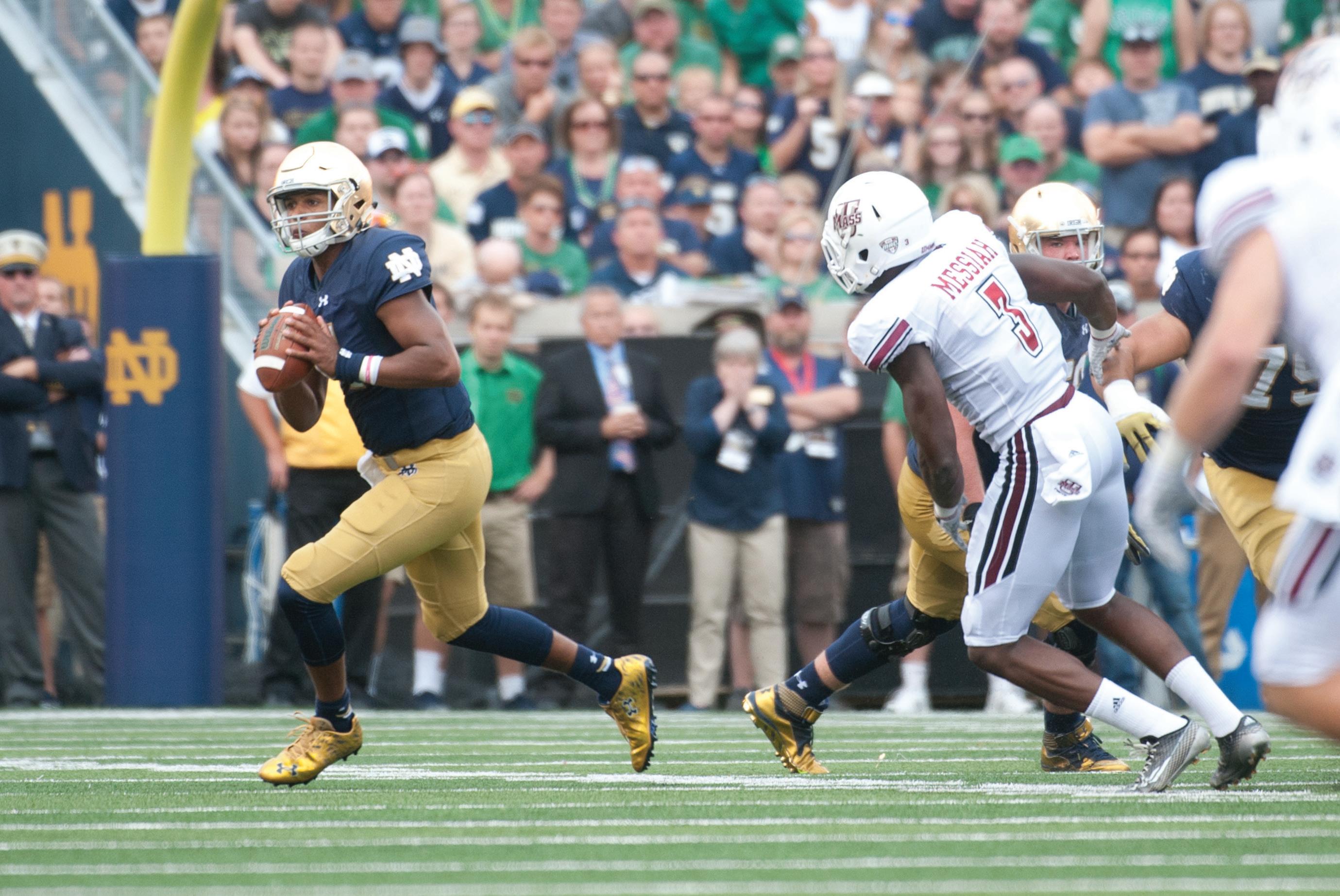
ran for a touchdown in the win, and on his first pass attempt,
also had a would-be touchdown pass called back due to an Irish penalty.
irish offense massive in Win
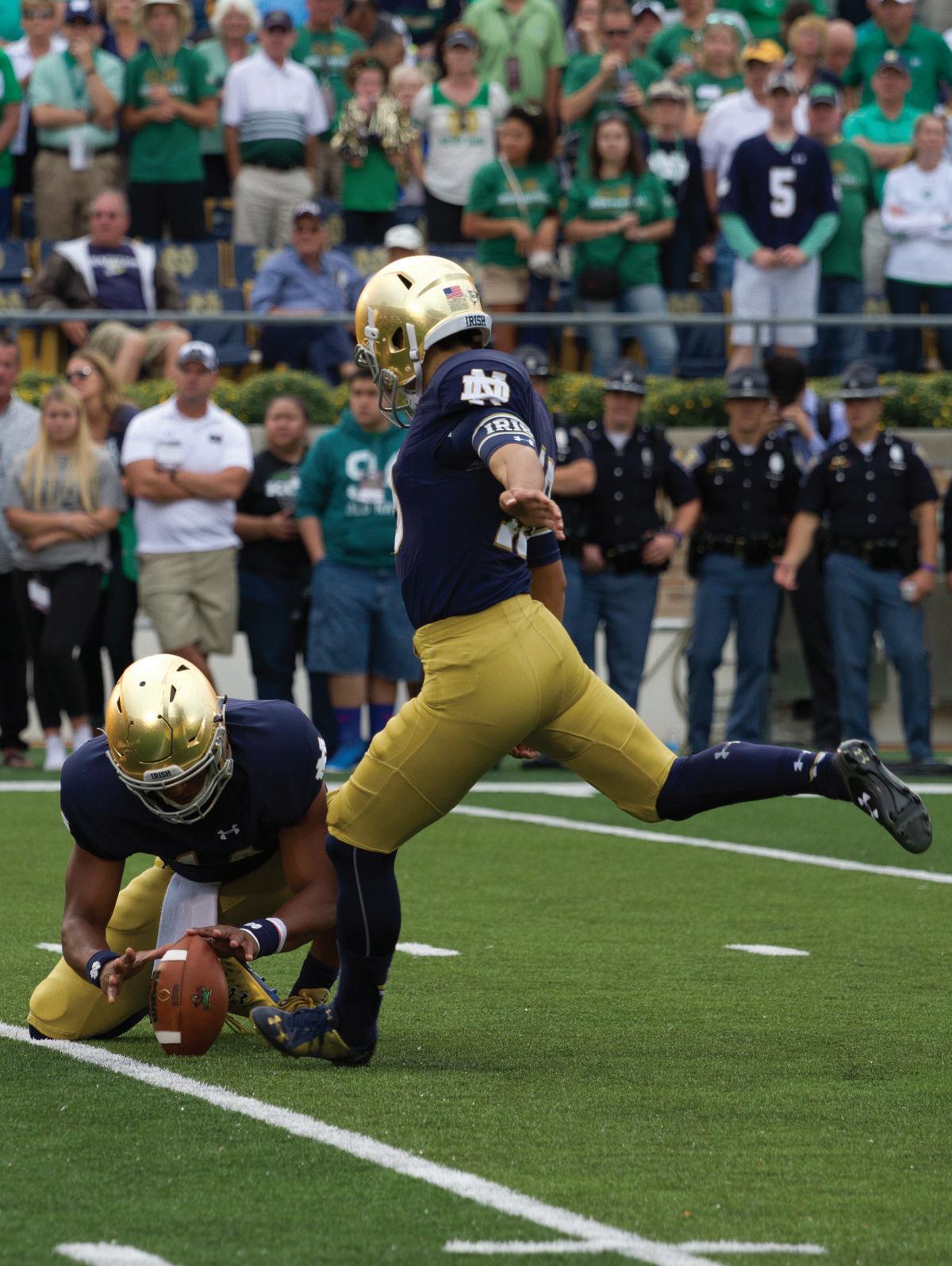
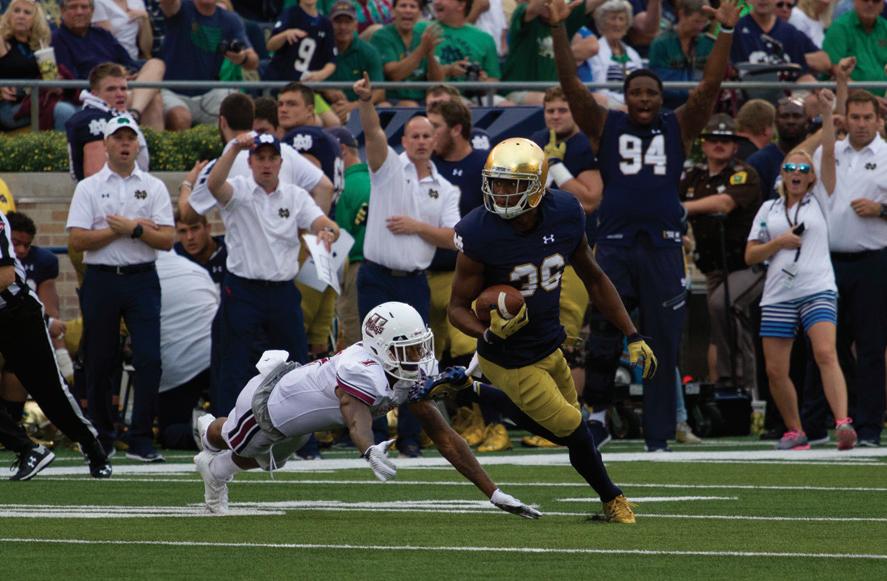
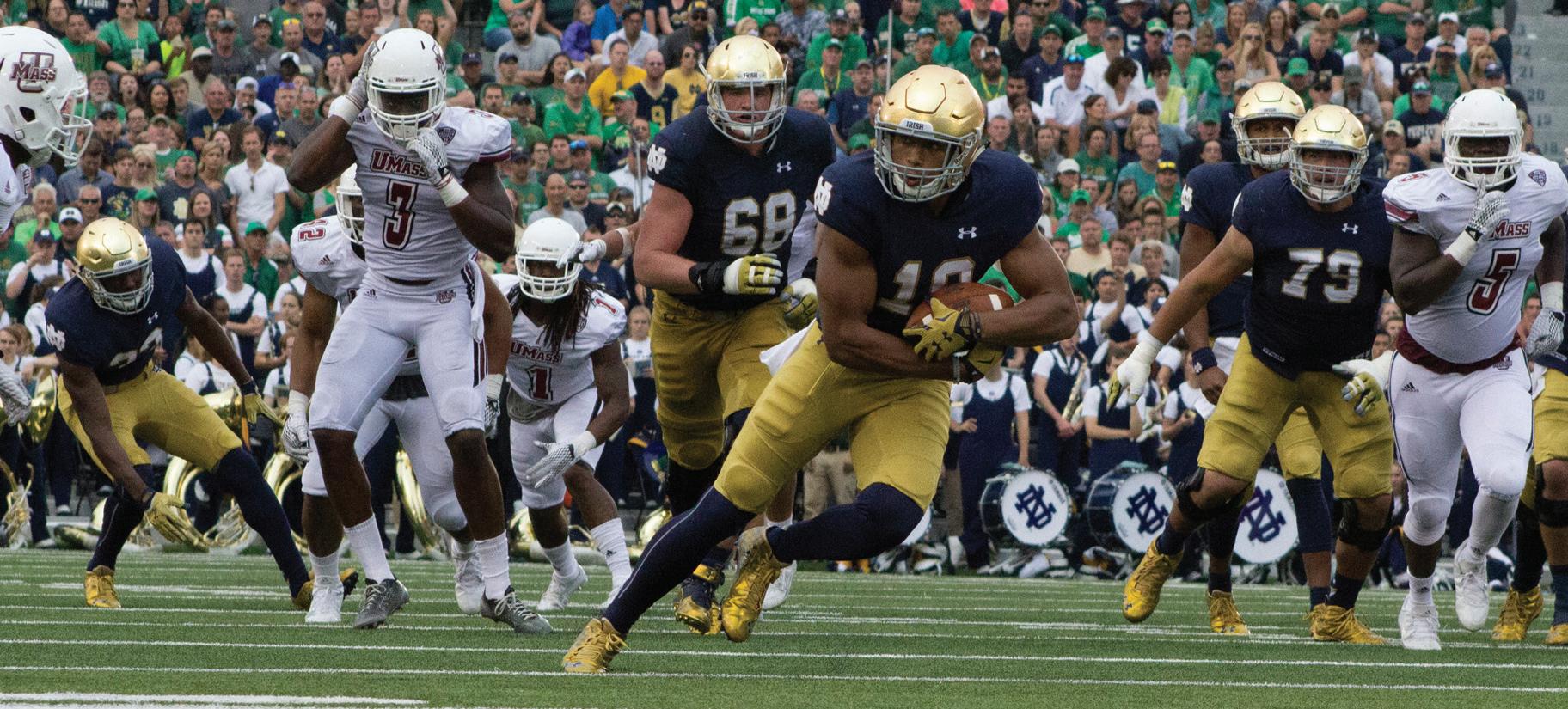
Eight different Irish players found the end zone Saturday as Notre Dame hung 62 points, its highest outlay since 1996, on an overpowered Massachusetts squad. C.J. Sanders had the first punt return for a touchdown in Brian Kelly’s tenure late in the first half, and C.J. Prosise continued his strong start to the season, topping 100 yards rushing for the third consecutive game and running for two scores.

EMILY KRUSE | The Observer
Irish freshman quarterback Brandon Wimbush rolls out to pass during his Notre Dame debut Saturday. Wimbush
had a deep throw to junior receiver Will Fuller, which was ruled incomplete after a video review. Wimbush
KAT ROBINSON | The Observer Freshman tight end Alizé Jones runs down the field following a reception during Notre Dame’s 62-27 win over Massachusetts. Jones was one of eight Irish players to catch at least one pass in Saturday’s victory.
AMY ACKERMANN | The Observer
Junior cornerback Cole Luke looks upfield after his interception in Notre Dame’s 62-27 win Saturday.
KAT ROBINSON | The Observer
Graduate student receiver Amir Carlisle hauls in a catch Saturday at Notre Dame Stadium.
AMY ACKERMANN | The Observer
Irish freshman kicker Justin Yoon kicks an extra point Saturday. Yoon has missed an extra point in two straight games.
w hilst perusing the i nternet (and by the i nternet, i of course mean b uzzfeed) this morning, after under-toasting my bagel and spilling my coffee all over me, the kitchen and my computer, i came across an article that read “The s horeditch c ereal c afé was a ttacked b y a nti- g entrification p rotesters.”
o K, i know the title is not all that attention grabbing, but the reason i stopped was because, while studying abroad in l ondon, i happened to visit that particular café, which is better known as the c ereal Killer c afé. i did indeed purchase very overpriced a merican cereal, which to be honest was not the best use of my limited funds, but c’est la vie. a nd in the pit of my stomach, i knew that after reading this article, i was going to regret my purchase of a “ d ouble r ainbow:” Froot l oops, Fruity p ebbles, freeze dried marshmallows and strawberry milk.
n ow for a little background on the c ereal Killer c afé. o n its website, the café boasts of 120 different kinds of cereals, 30 different varieties of milk and 20 different toppings. n ames like “chocopotomas,” “bran gran, thank you ma’am” and “unicorn poop” are written on a chalkboard, and cereal from around the world plasters every wall, including lots of limited edition products that must have expired years ago. b asically, this is a hipster tourist’s dream. r idiculous names,
a cereal question
overpriced food and, of course, the perfect place to i nstagram the hell out of your particular cereal. a nd yes, i went there. m ake what you will of that.
The fact that this café is the target of an antigentrification group is hardly surprising. c ereal Killer c afé is a beacon for the middle class who want to experience “ s horeditch,” but only from the inside of an artsy café. i t’s on b rick l ane, a street that has a diverse history and is situated in the middle of the e ast e nd, which is slightly edgier but still a very classic example of gentrification. h owever, i was surprised to see the group who decided to riot outside the c afé was in fact c lass war, an anarchist group we had learned about in my p olitics of p rotest class in l ondon.
c lass war started out as a newspaper written among a small group of anarchist friends that gradually grew larger. a t 8 p.m. s aturday, members gathered outside the c ereal Killer c afé, wearing masks and bearing torches, and proceeded to throw paint at the windows. o n a website devoted to the protest, the organization described part of its reasoning for the riot: “ o ur communities are being ripped apart — by r ussian oligarchs, s audi s heiks, i sraeli scumbag property developers, Texan oil-money tw*ts and our own home-grown e ton toffs.”
w hatever you think about its methods, c lass war does have a point. g entrification plagues many major cities. wealthier people move in to historically working-class neighborhoods, pushing up the prices until it is impossible for the
inhabitants who have lived there for years to continue to feasibly do so. w hile there are benefits to having wealthier inhabitants (streets are safer, jobs are created and there are more store options, including better groceries), they change the character of a neighborhood, and not necessarily for the better. s o much is lost when the diversity of a neighborhood changes and you force inhabitants who have lived there, worked hard to be there and formed the character and culture of that area for so long to leave. r ioting may not be the best form of discussion, but it certainly forces people to face the hard questions.
n ow, i don’t really think the c ereal Killer c afé is going to bring an end to the culture of e ast e nd and b rick l ane. i t probably won’t even last that long; Fads die, and eventually people are going to realize they are wasting their money on overpriced cereal. There will be some new hipster thing everyone in the l ondon study-abroad group is thrilled to try, and i will probably be right there along with them.
b ut maybe also stop in at that little corner shop or “caff” that’s been there for the past 50 years, and give them a little bit of your time and money as well.
Kitty Baker is a senior program of liberal studies and film, television and theatre major and proud Cavanaughty. She can be reached at cbaker7@nd.edu
The views expressed in this column are those of the author and not necessarily those of The Observer.
What is an education worth?
The price for a n otre d ame education is $64,775. o ther elite universities across the nation have similar or even higher tuition costs. a s the figures continue to rise, they have helped to change the perception of higher education. o nce a necessity for inculcating the virtues that sustain a free and democratic polity, colleges and universities are now perceived in a more utilitarian manner; cash is the input, return on investment in the form of a lucrative job is the output.
The new c ollege s corecard, developed by the d epartment of e ducation, draws on data from the Treasury d epartment and irs to aggregate the costs and benefits of more than 7,000 colleges and universities across the nation. The database is clearly cost-focused, examining average cost per year after financial aid, graduation rates and the median earnings of graduates.
s tudents and parents become consumers, and colleges and universities become production facilities that meld students into marketable commodities. p resident o bama calls this approach a way to “get the most bang for your educational buck.”
i nterestingly, c ollege s corecard does not provide a ranking of schools like for-profit peers such as The p rinceton r eview or u s n ews and world r eport. Following intense pressure from college administrators, the p resident walked
back his statement in 2013 that the government was going to rate and rank colleges by studying the “value” they provide to students.
d ue to the complexity of the data and the question of whether or not a federal agency should be able to rank private schools, the government’s decision not to rank colleges was wise. yet, on the scorecard’s homepage, a sort of implicit ranking exists. a button on the bottom invites users to “check out these schools,” where one can find “23 four-year schools with low costs that lead to high incomes” and “15 public four-year colleges with high graduation leading to high incomes.”
i n the database, n otre d ame’s “average annual cost” is listed as $27,845 and its “salary after attending” is $69,400. i t is important to note that the average annual cost appears lower than it might be in actuality, as it only reflects average cost to those who are recipients of federal financial aid.
Though the c ollege s corecard database may be a potentially helpful tool for federal financial aid qualifiers, the underlying message this initiative sends is that the value of n otre d ame, and that of 7,000 other schools in the u nited s tates, is measured by their monetary returns. This explicit favoritism toward accumulation of wealth leads to larger questions about the purpose of education as a whole.
The four years we spend on this beautiful campus has more to do with the growth of our hearts and minds than the growth of our bank accounts. a s a ristotle once said, “knowing yourself is the beginning of all wisdom.” e ducation is not merely
about finding the right answer; it is knowing how and why we arrived at that conclusion in order to appreciate the process. c ampus should be a place where complex issues are confronted, preconceived notions are challenged and faculties of critical thinking are stimulated.
u niversities such as n otre d ame that strive for something more than mere return on investment — notably the education of the entire person — are given short shrift by examining mere financial metrics.
Those who examine only returns on investment discount the benefits that careers in social services, education, non-profits, service in the military and local government provide to society. m oreover, such a misplaced focus impedes vocational discernment and the pursuit of knowledge for its own sake, not for its particular ends. m ajors such as history, theology, the liberal arts and philosophy suddenly become “less useful” and are not taken seriously.
i n a world where, in the words of w illiam wordsworth, only “getting and spending” seem to matter, we must reclaim education’s original end: fostering the development of heart and mind so that we may better serve g od and each other.
Kate is a junior majoring in the program of liberal studies and minoring in philosophy, political science and economics. She hails from Pittsburgh and is a proud member of Breen-Phillips Hall. Contact her at khardima@nd.edu.
The views expressed in this column are those of the author and not necessarily those of The Observer. 9
Kitty Baker british i nvasion
Kate Hardiman a nnuit coeptis
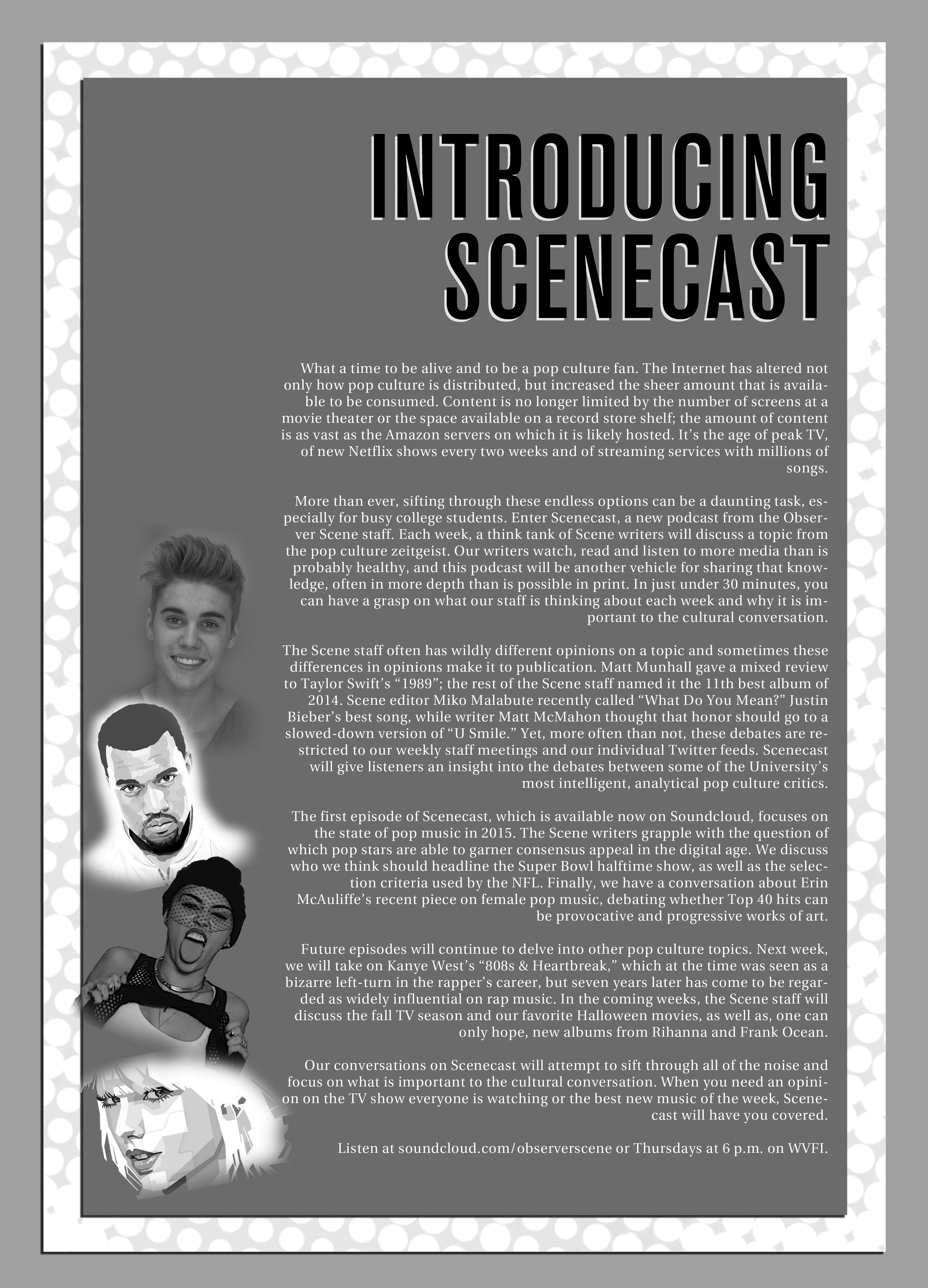


want to know how to get a good workout without getting out of your seat? watch the season two premiere of “how to g et away with murder” ( h Tgawm ). This latest shonda r himes series is centered on prestigious law professor and criminal defense lawyer a nnalise Keating, played by v iola davis, the first a frican-a merican actress to win an e mmy award in the drama category. i f you saw last season in its entirety, you understand how the series does a heck of a job when it comes to twists, surprises and cliffhangers. The series practically left its viewers in a dark, confused, comatose-like seven-month hiatus after the season finale ended by revealing the shocking death of rebecca sutter, the love interest of wes gibbins.
This episode introduces a new murder case: adopted siblings c aleb and c atherine hapstall are accused of murdering their affluent parents. They don’t play too large of a role in the episode except at the very end.
The season premiere was so full of twists and surprises that the revelation of who murdered sutter was overshadowed by everything else. bonnie w interbottom, Keating’s uber-loyal associate, tied a bag around sutter’s head while she was bound up in the basement. i did not expect it and i’m sure no one else did either. w interbottom was so uninvolved with the whole scandal last season. she was practically the only main character who did not know the truth about the murder of Keating’s cheating, scheming husband. w hen the body of sutter was first discovered, Frank delfino, the other associate, suspected Keating, but Keating also suspected delfino. Then, both suspected gibbins and even put him to the test. he passed and was believed to be innocent. s oon enough, Frank suspects l aurel, an intern like gibbins. everyone was playing the blame game, and in my opinion, everyone was likely. e xcept for bonnie. m ind blown.
but this was clearly the first of many unexpected revelations and twists. at the beginning of the episode, we are introduced to a mysterious woman, eve, who seems to know Keating very
well. it’s also clear they have a bad history. Keating was trying to save the object of her love affair — a gorgeous hunk of man, ex-detective nate l ahey — from death row after she framed him for the murder of her own husband. Twisted, i know.
eve turns down the case, only for Keating to visit her apartment. That’s when we find out a little about her past. Keating and eve were lovers, but Keating, presumably, ended the relationship messily when she began seeing her now-dead husband. but wait, there’s more. They still have feelings for each other. a nd they rekindle this love with a somewhat pg -13 kiss.
The biggest surprise is at the end, and we’re given another typical “h Tgawm” cliffhanger. Fast forward two months, we’re at the two siblings’ creepy, old mansion. The entire duration of this last scene, we hear the Keating narrating, “statistically, if you’re going to be murdered, your killer will be someone you know ... an acquaintance, a friend, a family member ... your lover. w hy is that?” we hear a gunshot, we see gibbins run for his life, and we see a wounded Keating lying on the ground
in her blood and gasping for her life. The end. Fin. Finito. That was it. The ending marks another week of wondering what could’ve happened. w ho shot her? was it gibbins? w hy were they at the hapstalls’ mansion? d id she die? she couldn’t have died. how would the “h Tgawm” series survive if they kill off Keating? They can’t. i’m just praying she’ll be fine. happy thoughts, wei. happy thoughts. on another note, we get to see the fine, young c onnor walsh get serious with a geeky oliver hampton. c onnor wasn’t the “dating type of guy,” but he’s changed a lot since then. he and his boyfriend are now “officially a boring, domesticated, co-habitating couple.” a nd it’s super cute. new episodes air each Thursday night at 10 p.m. on abc . For those who want to revisit the first season, you can watch it in its entirety on netflix. until Thursday, i’ll continue to formulate theories of what the ending meant.
Contact Wei Lin at wlin4@nd.edu. The views expressed in this column are those of the author and not necessarily those of The Observer.

By MIKO MALABUTE scene editor
l ast week, the two leading rappers of the “new school,” d rake and Future, linked up for the collaborative mixtape “ w hat a Time to b e a live.” w hile the pair aren’t the first artists people naturally expect to link up for a project, sometimes it is indeed true the whole is greater than the sum of its parts. Future, best known for his simplistic — albeit infectious — songs laced with an a uto-Tuned, hit-making voice, seemed to find a niche with d rake’s versatile delivery, as the two churned out multiple “party banger” songs thanks in large part to producer metro b oomin (who might be best known for his work on ilovema Konnen and d rake’s “Tuesday”).
however, Future was far from the true star of the mixtape. i’m still a fan of his work — as i said, he keeps putting out hits that get stuck in my head
for days at a time (especially because they’re easy to remember). b ut d rake was the one who truly stood out to me on this project, especially on the song “30 for 30 Freestyle.”
no, it did not use the “30 for 30” theme song on repeat like i hoped it would, but the song still embodied the essence of the award-winning sports documentary series, to the point that i almost expected d rake to begin his verse with the series’ trademark “ w hat if i told you ... “ opening.
o n the track, d rake reflects on his nearly 15-year music career, starting by doing what rappers do and puffing out his musical chest. “c onspiracies to end my run and send me a message / 40, did you get the message? / c ause i just checked my phone and i didn’t get it.” yes, it’s a typical rapper’s material (and, for that matter, atypical d rake material), but it does underline a bit of the progress d rake has undergone, from angsty, emotional teenage rapper
to a man confident in his place atop today’s music industry.
“ wrote this [expletive] on a bumpy flight on a summer night / Flying over c hattanooga, out here trying to spread the movement.” no longer “ w heelchair Jimmy,” dependent on his role in “d egrassi” to get a buzz, d rake has expanded his own fame and pull to firmly establish his own “ovo” brand. s afe to say, that brand has indeed taken off — just take a look at the kind of pull he has with nba franchise Toronto r aptors. a s he boasts, “i got a club in the r aptors arena / c hampionships, celebrations during regular seasons.” but this track isn’t simply d rake rattling off his accomplishments. a nyone who has seen one of the “30 for 30” documentaries knows the most interesting parts of each one are when they profile the lows along with the highs of that sports team/figure. d rake also opens up (in more typical d rake fashion) about himself, specifically to the
very beginning of his own rapping career with a reflection of his song “c loser to my d reams” from his first project, “c omeback s eason.” he contemplates, “i just listened to ‘c loser to my d reams’ / w ide eyed and uneducated at 19 / i can’t rap like that, all young and naive / not after all of the [expletive] i’ve seen and the things i believe.”
it’s simply interesting to see the growth and transformation d rake has undergone through a 15-year music career that still somehow feels young. b ecause of his seeming omnipresence in the current musical landscape, it is easy to lose sight of the overall transformation d rake has undergone: from “d egrassi” child star to musical superstar on top of the rapping world. w hat a time to be alive, indeed.
Contact Miko Malabute at mmalabut@nd.edu
Wei Lin a ssistant managing editor
step back from the big Ten love

Alex Carson a ssociate sports editor
For at least one more week, o hio s tate and m ichigan s tate are the consensus no. 1 and no. 2 teams in the nation, occupying the top slots in both the ap and c oaches polls.
That’s neat and all, and it makes the b ig Ten, a conference we all laughed at a couple years ago, look pretty good.
The same way we should’ve pumped the brakes on calling the b ig Ten “dead” after the second week of the season last year, can we hold off on calling the conference “good” again after four this season?
w ith the exception of two games that won’t tell us much — p enn s tate and r utgers both have a rmy left — the league’s nonconference slate is done and dusted and, quite frankly, there’s not much there that impresses.
l et’s look at the conference’s five still-unbeaten teams and work our way down from there.
o hio s tate is good. most fans would agree to that, despite how rusty the b uckeyes have looked in their four tune-up games — and let’s be honest, that’s all they really were.
m ichigan s tate is also good. e ven with what utah did in its 62-20 dismantling of o regon on s aturday night, the s partans’ home win over the d ucks is still a solid one, but it’s the only one they carry into the b ig Ten campaign; wins over western m ichigan, a ir Force and c entral m ichigan tell us little more than nothing.
n orthwestern, which now sits 16th in the ap top 25, could actually be solid, based on its opening-week home win over s tanford and week 3 win at d uke, who took down g eorgia Tech this past week. The w ildcats have found their success through their defense and have the luxury of avoiding both the b uckeyes and s partans in crossover games — they could be the most likely team to find their way to i ndianapolis to face o hio s tate or m ichigan s tate in the b ig Ten championship game.
p ast that? yawn.
unbeaten i ndiana’s best win so far is probably western Kentucky, while beating p ittsburgh is 4-0 iowa’s highlight thus far. a mongst the league’s 3-1 teams, the outlook gets a
little grimmer: now-n o. 22 m ichigan, whose loss is to that aforementioned utah squad, trounced byu, which looks kind of good, and m innesota and w isconsin lost to a pair of top-15 squads — n o. 4 T cu and n o. 13 a labama, respectively — but that’s all there is to offer. r emember, i llinois got drilled at n orth c arolina, and p enn s tate lost to Temple.
b oth m aryland and p urdue lost at home to b owling g reen, and r utgers is a dumpster fire of drama. n ebraska is irrelevant at best.
The point?
i f we’re looking to a n orthwestern team to be the savior of the conference’s west division, it might not say much that is good about the overall health of the conference. s aturday night saw the league’s best win [ o regon] fall flat off the face of the earth, leaving n orthwestern’s triumph over the c ardinal the only one the b ig Ten has over a top-25 opponent thus far.
g ranted, it’s not as if other conferences have more outside of league play, but it’s a stark reminder the conference really hasn’t done that much to prove itself yet — and it won’t really have much opportunity to do so.
w hen the dust settles in d ecember, there will probably a team from the b ig Ten in the playoff; s tatistically speaking, it’s a good bet, especially given everything that’s happened.
i f the cards fall right, the loser of the m ichigan s tateo hio s tate game could well find itself in the playoffs too, though that’s not a particularly likely situation.
b ut to start unnecessarily declaring the conference is “back” because of one singular win — the s partans’ over o regon, which now looks a lot less impressive — falls nothing short of being irresponsible.
b etween now and d ecember, games will be played. upsets will occur, i ndiana will lose at least one game, r utgers will maybe have coaches and there’s no way n orthwestern runs the table.
Though who knows?
l et’s just not make such silly statements this early.
Contact Alex Carson at acarson1@nd.edu
The views expressed in this Sports Authority are those of the author and not necessarily those of The Observer.
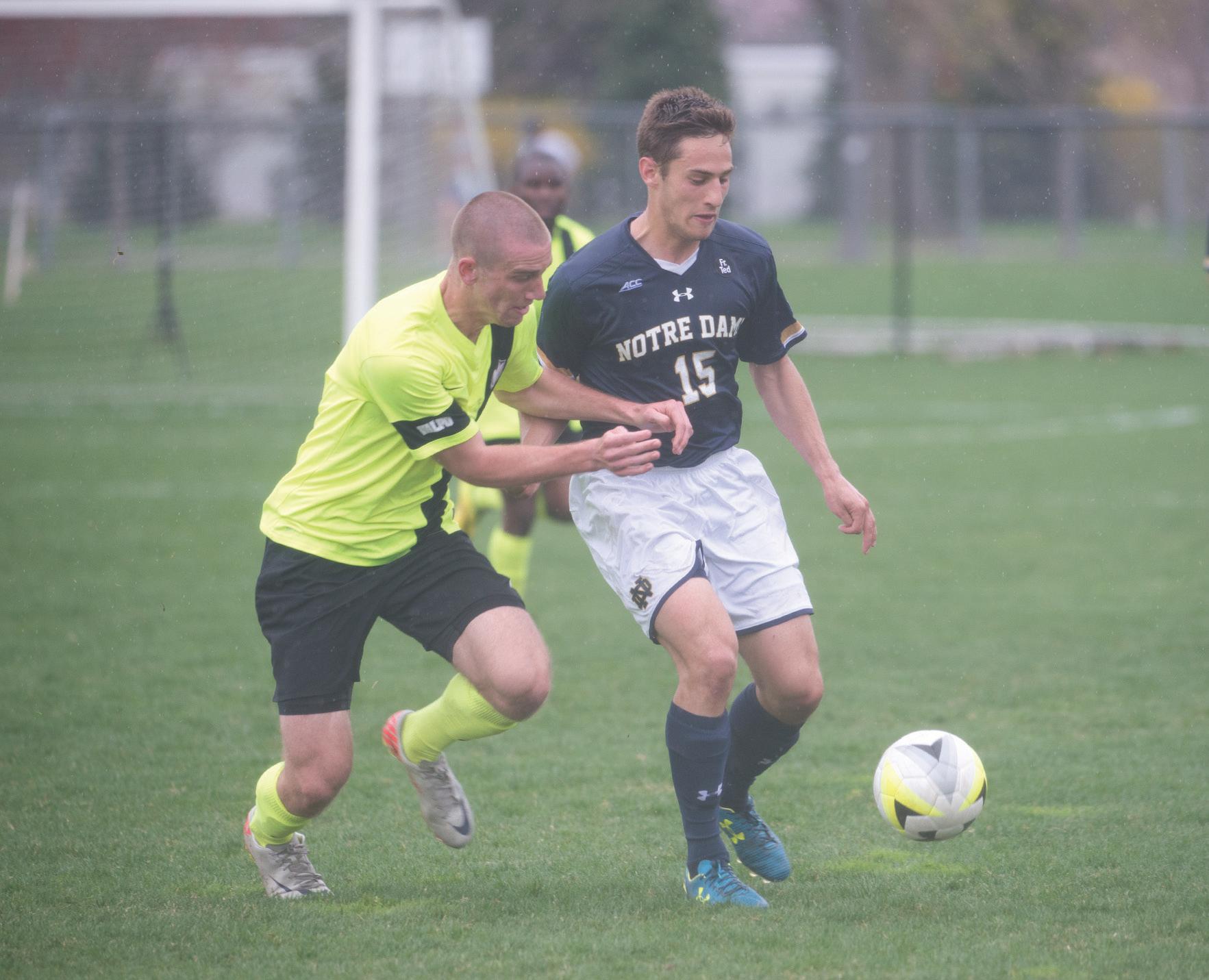
occer
con T inued F rom page 16
best teams in the acc ,” l achowecki said. “i think everyone remembers our result against them in the ncaa tournament last year, so it’s good to beat them.
“i wouldn’t say it makes up for it, but it’s nice to beat a team you have a rivalry with. i’m sure we’ll see them again down the road and they’ll want to get revenge. That’s what happened last year.”
The i rish came close to opening the scoring less than a minute after kickoff, as sophomore forward Jeffrey Farina set sophomore forward Jon gallagher free on goal, but g allagher shot wide of the near post. Fewer than two minutes later, v irginia sophomore midfielder Jake rozhansky had a close-range header in the box, but his effort was comfortably caught by i rish junior goalkeeper c hris hubbard, who would not be seriously challenged by the c avaliers again in the first half.
the end of senior midfielder patrick hodan’s free kick, but also headed the ball wide.
i n the end though, notre dame broke through in open play, as a patient passing move deep in c avalier territory ended with hodan finding g ormley in the box, who calmly slotted the ball into the corner of the goal in the 36th minute.
The second half started slowly, with a blocked Farina shot providing one of the few early chances, but the course of the game suddenly turned in the 70th minute by a red card: v irginia junior forward r iggs l ennon, who had returned to the field after receiving injury treatment only two minutes earlier, was sent off for violent conduct against junior defender matt habrowski.
i rish head coach bobby c lark said the red card allowed his team to control the game.
“The red card of course had a huge impact, you can see that the game changed after that,” c lark said. “once you go down a man it’s very hard to chase the rest of the game, so that made it very easy for us to keep control of the game, and we did that for the most part.”
it didn’t take the i rish long to make the most of their numerical advantage, as in the 78th minute, Farina flicked a long throw from l achowecki on to panken, who beat a defender and shot beyond c aldwell’s reach.
Contact Daniel O’Boyle at doboyle1@nd.edu m s
almost instantly however, winning a penalty within a minute of the restart. s enior midfielder Todd w harton converted the opportunity, sending hubbard the wrong way.
The i rish restored their two-goal advantage in the 81st minute when sophomore midfielder blake Townes won the ball high up the field and was able to get the ball to Farina, who squared the ball across the face of the goal to Klekota, who tapped the ball into a wide-open net.
The i rish almost brought their goal total to four in the final minute, with gallagher finding himself alone against c aldwell on a counterattack, but the c avaliers goalkeeper got his fingertips to the shot and sent it wide.
The c avaliers had only five shots to notre dame’s 13, and c lark said he was impressed by the way his team restricted v irginia’s scoring opportunities.
The i rish pressured the c avaliers throughout the first half with dangerous set pieces. First, a free kick 20 yards from goal from junior defender brandon aubrey was tipped over the crossbar by v irginia sophomore goalkeeper Jeff c aldwell. From the resulting corner, aubrey headed the ball across the face of the goal, but Klekota could only manage a header wide. aubrey then found himself on
The c avaliers began to claw their way back into the game
“The way we played that game is the way we try to play every game,” c lark said. “The game will dictate whether you press them high up the field or defend deep in your own half. i think we did both very well, and apart from the penalty, we didn’t give them much of a chance to get the ball and a good look at goal.”
The i rish will next be in action Tuesday, when they take on marquette at a lumni stadium at 7 p.m.
AMY ACKERMANN | The Observer
Senior midfielder Evan Panken dribbles away from a defender during a Spring exhibition game against Valparaiso on April 19. Panken had one goal in Friday’s win against Virginia.

with a shot.
a fter williams’ shot, the game opened up with irish sophomore midfielder Taylor Klawunder putting a header on goal and junior goalkeeper Kaela l ittle making a save on Florida state freshman midfielder Kaycie Tillman.
Klawunder’s header proved to be the best chance the irish got in the second half.
in the 73rd minute, senior forward a nna maria gilbertson left the game with an injury and Jacobs received a yellow card for an aggressive play challenging the Florida state goalkeeper.
irish senior forward brittany von rueden also earned a yellow card in the waning moments of the game for arguing with the referee as the seminoles hung on for the victory.
romagnolo said the team’s second half offensive
page 16
seniors had a particularly good weekends in a labama.
“i want to highlight two seniors who did a really great job,” he said. “e ric [ s chnurrenberger] and Kenny [ s abacinski] played really well.They really stuck out to me as having strong tournaments in particular. They’ve proven they can win at this level, to handle the competition we put in front of them, and they’re continuing to improve, which is really exciting for me to see.”
Friday, s chnurrenberger defeated c olumbia senior e ric r ubin (7-6, 6-4) and
performance was due to a lack of effort.
“i don’t think anything happened [offensively],” romagnolo said. “There were very few good passes connected in the attacking half. i don’t think we found each other in good areas of the field, and i don’t think their runs were very good.”
with the loss to Florida state, notre dame completed the toughest part of its schedule on paper, and naughton said the team will try to put the loss out of its mind moving forward.
“These games are done and over with,” naughton said. “There’s really not much we can do about the result. so we’re not going to dwell on it. we’re going to focus on moving forward and getting prepared for the next game we have coming up.”
The irish will play against miami on Friday in coral gables, Florida.
Contact Marek Mazurek at mmazurek@nd.edu
was a part of the doubles tandem with fellow senior Quentin monaghan that beat a labama freshman m azen o sama and senior b ecker o’ s haughnessey on s aturday (6-3).
For his part, s abacinski pulled out a victory over a labama sophomore d anny Kerznerman on s aturday (60, 6-2).
The i rish have a quick turn around as they begin preparation for the i T a a ll-a merican championships at m ichael c ase Tennis c enter in Tulsa, o klahoma, which kick off with qualifying on s aturday and conclude o ct. 11.
Contact Hunter McDaniel at hmcdani1@nd.edu
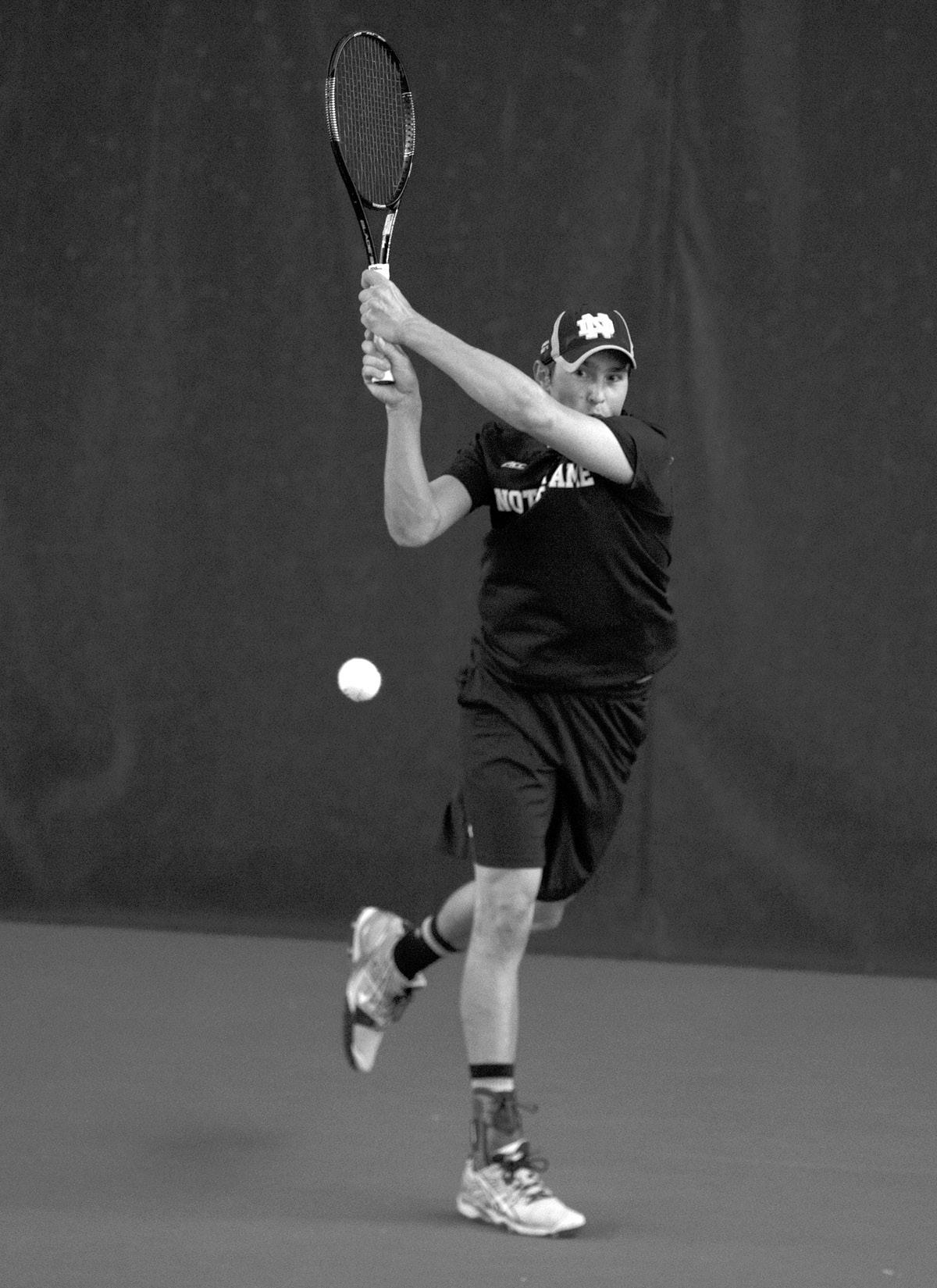
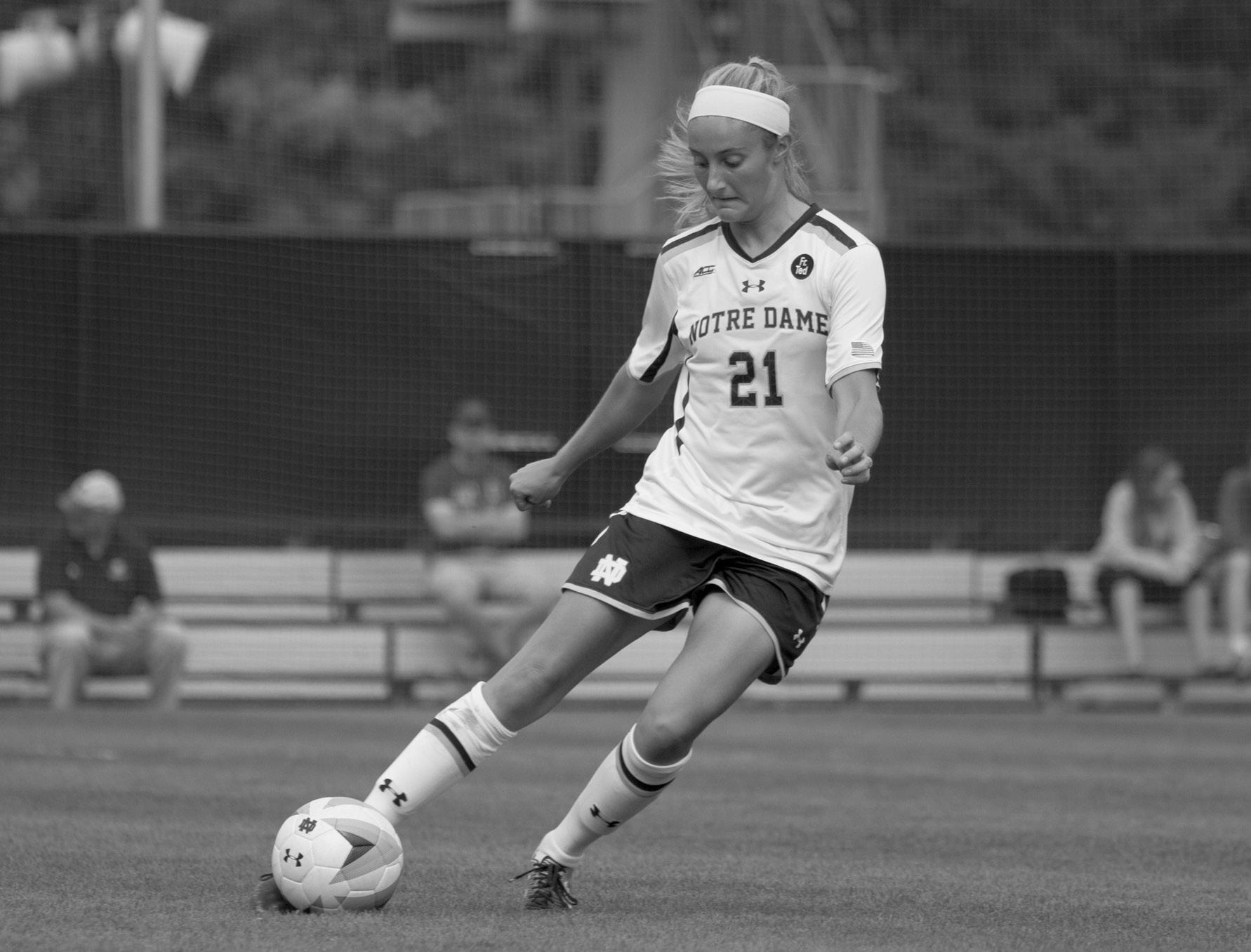
Volleyball
set, 25-21.
The seminoles then got off to a fast start in the third set to take a 17-6 lead and cruised to a 25-12 set win to secure a match victory.
dilfer again led notre dame with 18 assists while Fry accounted for nine points; sophomore outside hitter sydney Kuhn chipped in with a .263 attack percentage and team highs in both kills and digs, eight and nine respectively.
after the pair of setbacks, irish head coach Jim mclaughlin tried to take the focus off wins and losses, instead focusing on the team’s development.
“we gotta stay processdriven and not worry about outcome,” mclaughlin said. “we have to fight through this. it’s hard to go through, you know? and the only way you get through it is by making the improvements and getting through it, but we gotta stay in the process. if we do that we can come out of this for sure.”
as the irish try to bounce back from two conference losses, mclaughlin said the team has a lot of work to do.
“[we have to fix] everything. we gotta take care of every phase of the game,” he said. “we’ve made some progress but there’s just so much out there that we have to make. but i just think once we unraveled a little bit, we lost our energy and then we unraveled more. but we just gotta stay process-driven and keep working.”
The irish will look to break their current four-match losing streak when they host boston college at purcell pavilion on Friday at 7 p.m. before hosting syracuse on sunday at noon.
Contact Hunter McDaniel at hmcdani1@nd.edu
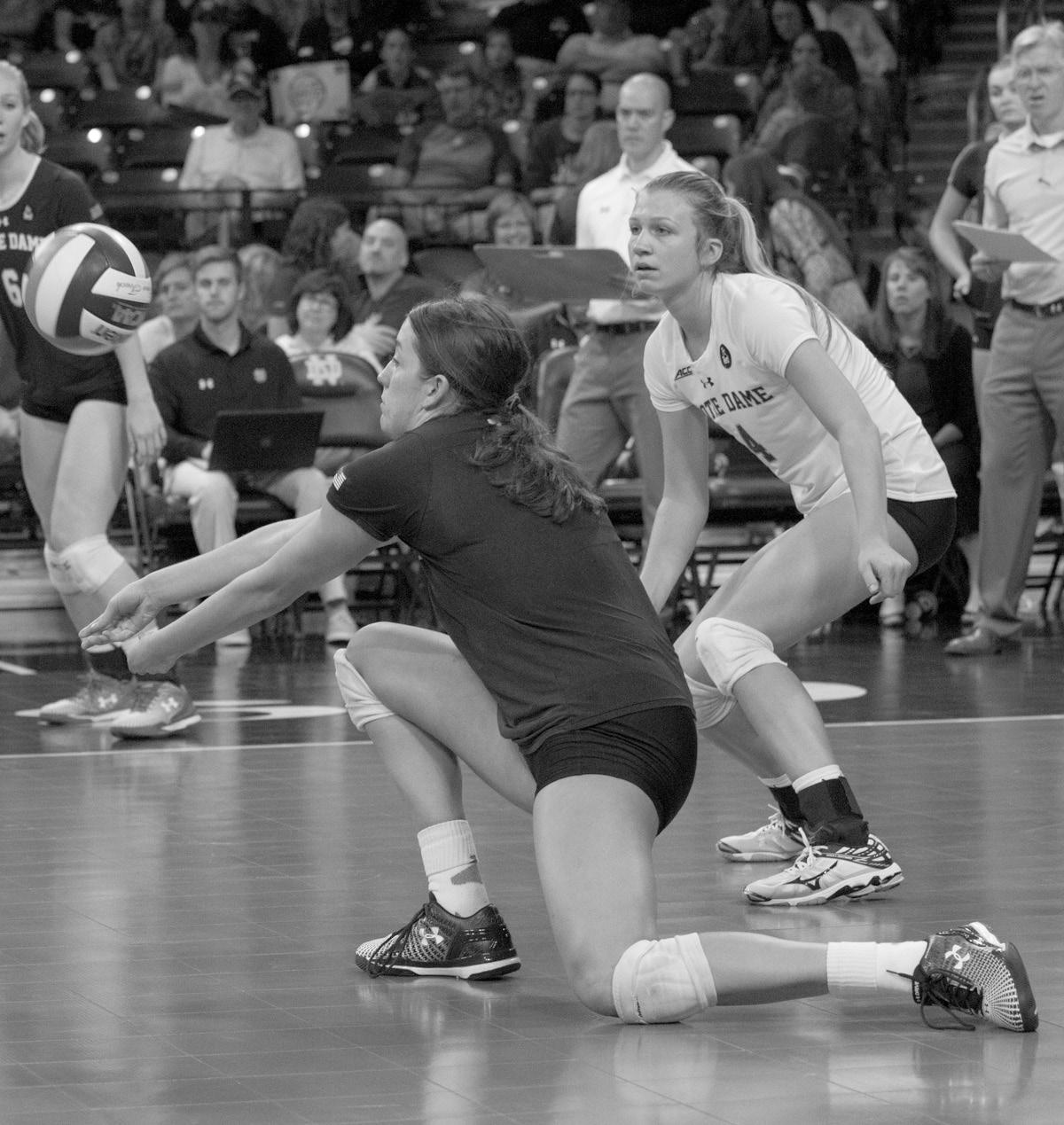
dverT
EMMET FARNAN | The Observer
Irish senior defender Brittany Von Rueden looks to pass during a 1-0 loss against Florida State on Sunday at Alumni Stadium. Von Rueden played all 90 minutes in Notre Dame’s loss, its second in ACC play.
EMMET FARNAN | The Observer
Sophomore outside hitter Sydney Kuhn digs a ball during Notre Dame’s 3-0 loss against Florida State on Sunday afternoon.
MICHAEL YU | The Observer
Senior Eric Schnurrenberger hits a backhand during Notre Dame’s win against Kentucky on Feb. 2, 2014 at Eck Tennis Pavilion.
Puzzle by Lynn Lempel
Annual subscriptions are available for the best of Sunday crosswords from the last 50 years: 1-888-7-ACROSS. AT&T users: Text NYTX to 386 to download puzzles, or visit nytimes.com/mobilexword for more information. Online subscriptions: Today’s puzzle and more than 2,000 past puzzles, nytimes.com/crosswords ($39.95 a year). Share tips: nytimes.com/wordplay. Crosswords for young solvers: nytimes.com/learning/xwords. ANSWER
For answers, call 1-900-285-5656, $1.49 a minute; or, with a credit card, 1-800-814-5554.
Happy Birthday: Think before you react. don’t jump to conclusions or make assumptions. Focus on yourself and how you can make improvements that will ensure your happiness and well-being. strive for perfection as well as living within your means. don’t allow emotions to take over or hinder your ability to get things done. your numbers are 5, 13, 23, 26, 32, 38, 44.
ARIES (March 21-April 19): stay grounded, even if someone tries to upset you emotionally. Focus on your personal needs and doing things that you find exciting. love is on the rise, and avoiding feelings of jealousy will keep an important relationship running smoothly.
TAURUS (April 20-May 20): g et things out in the open if you are having a problem with someone. Knowing where you stand and what you can expect will help you make better choices. a day trip will bring you clarity and open up your options.
GEMINI (May 21-June 20): don’t follow someone without questioning what’s in it for you. make positive changes to the way you live and who you hang with and it will be easier to break the habits and routines that cost you financially and emotionally.
CANCER (June 21-July 22): move things around to suit your needs. g et out in your community and see if there is something you can do to bring about positive changes. don’t let someone’s negativity get you down. remember, actions speak louder than words. make a difference.
LEO (July 23-Aug. 22): you’ll inspire the people you talk to today. your expressive and engaging way of presenting your ideas and plans will draw someone special to your side. an opportunity must not be overlooked. romance is highlighted.
VIRGO (Aug. 23-Sept. 22): you’ll be able to see the big picture, but that doesn’t mean you should neglect the fine details that require a little more attention. ask questions and challenge anyone who you feel may be offering false information.
LIBRA (Sept. 23-Oct. 22): your involvement in matters that concern you will give you a platform to use your skills in order to make a difference. romance is encouraged and will help improve your personal life. a change of scenery will make your life better.
SCORPIO (Oct. 23-Nov. 21): don’t trust anyone with your money, your possessions or your ideas. Try to develop a project by yourself or with someone you know you can trust. a change to your routine will make your life better.
SAGITTARIUS (Nov. 22-Dec. 21): put your time and effort into selfimprovements, not into trying to change others. not everyone will be overjoyed with the changes you make, but that will make it easier for you to weed out who you want in your circle and who you don’t.
CAPRICORN (Dec. 22-Jan. 19): Focus on the people in your life who mean the most to you. make a difference to someone who has something to offer in return. sharing will bring you satisfaction and open up options that you never considered in the past.
AQUARIUS (Jan. 20-Feb. 18): Tell the people you love exactly how you feel, and you will get an interesting response that will warm your heart. love is on the rise, and children and family affairs will lead to greater unity and prosperity.
PISCES (Feb. 19-March 20): look out for your own interests or someone will take advantage of you. make changes to your home that will give you greater freedom to follow creative pursuits. an opportunity to make money from home looks promising.
Birthday Baby: You are outgoing, entertaining and farsighted. You are unique and compassionate.
Jumble | david hoyT and JeFF KnureK
men’s soCCer | nd 3, cavaliers 1
nd knocks off 10-man
v irginia in budding rivalry
By MAREK MAZUREK sports writer
i n a meeting of the past two national champions, n o. 6 n otre d ame emerged triumphant, beating n o. 4 v irginia 3-1 at a lumni s tadium on Friday night.
The c avaliers (5-1-2, 1-1-1 acc ), who were reduced to 10 men in the 70th minute, were undefeated in their 12 games, including an ncaa tournament victory over the i rish (6-2-1, 2-1-0) last season, but goals from junior forward m ark g ormley, senior midfieder e van p anken and senior midfielder c onnor Klekota ensured a n otre d ame victory.
i rish graduate student defender and co-captain m ax l achowecki said beating such a strong conference rival was important for the i rish.
“ i t was a great win, especially against one of the
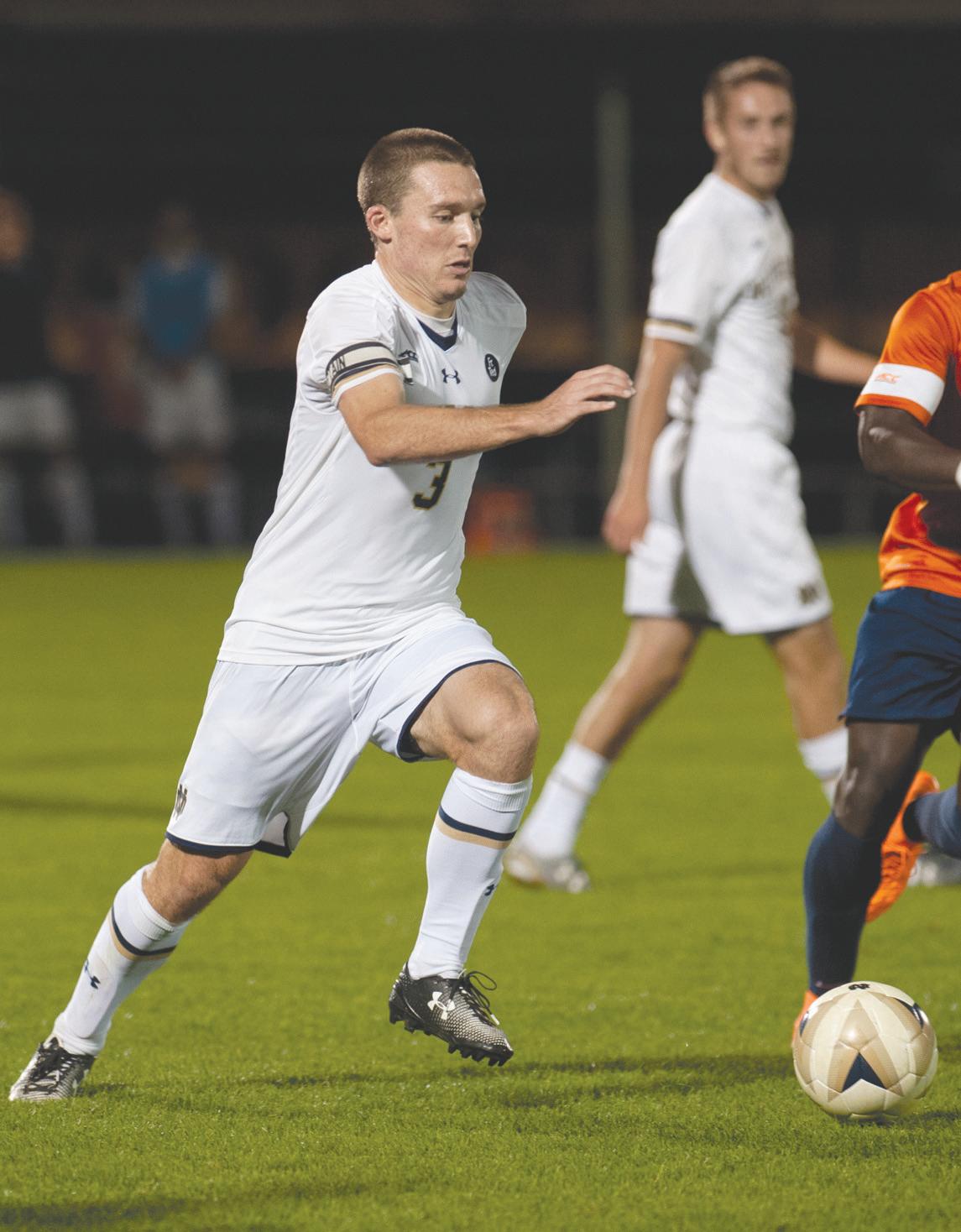
squad competes away from home
By HUNTER McDANIEL sports writer
The i rish continued their fall tournament schedule this weekend, as 10 of 13 players traveled to Tuscaloosa, a labama, for the c rimson Tide Four in the Fall tournament.
i rish head coach r yan s achire said n otre d ame had a productive trip in a weekend that included matches against c olumbia, a labama and s outh Florida.
“o verall, it was a good experience for our team, no question about it,” s achire said. “ i t was a really high level of competition. we saw some really good teams down there. a nd that’s our goal for our players in the fall, to expose them to the highest level of competition we can. From that perspective it was good.” d espite picking up a handful of victories against each team they played, s achire said n otre d ame could have performed better over the
weekend.
“ we always want to win more than we do,” s achire said. “ s ometimes you come home with a little bit of a sour taste thinking you could’ve grabbed a couple more wins. we know there were some matches we could’ve won. There were some guys that could’ve played well. we have three weeks now until the regional championships that we’re hosting. we’re coming home with a really good feel for what we need to do to get ready.”
i n the coming weeks, the i rish will compete in i ntercollegiate Tennis a ssociation ( i T a ) events, starting with the a lla merican championships next week in Tulsa, o klahoma, and the us T a / i T a national indoor championships in n ovember.
n otre d ame will look towards a number of upperclassmen this year, and s achire said a pair of his
nd women’s soCCer | Florida sTaTe 1, nd 0
No. 3 Seminoles top No. 16 Irish
By BEN PADANILAM sports writer
notre d ame came down from its emotional high s unday afternoon as no. 3 Florida s tate came into a lumni s tadium and beat the no. 16 i rish, 1-0.
Following an upset win over no. 1 v irginia on Thursday, i rish head coach r omagnolo said she was frustrated with her team’s mentality and effort s unday.
“ we need to be more professional in how we approach games,” r omagnolo said. “ we can’t choose when we’re going to play hard. we have to play hard and have composure in every opportunity we have.”
The first half was a backand-forth affair as both sides saw good scoring chances, but only the s eminoles (9-1-1, 2-0-1 acc ) managed to take advantage.
Thirty-five minutes into the game, a trio of Florida s tate players broke away
from the i rish defense to score an easy goal when redshirt junior forward b erglind Thorvaldsdottir fed freshman forward e lin Jensen to put the s eminoles ahead. s enior defender Katie naughton said the goal was due to a defensive breakdown.
“i think they did a great job of finding the open player,” naughton said. “it kind of sucked us out on the defense. They were able to find the open player and got a nice shot off. l ittle bit of a breakdown on our end. it’s going to happen every now and again.”
Though the i rish (8-2-1, 1-2-0) entered the second half trailing, they came out with momentum as freshman forward natalie Jacobs created a scoring opportunity that was narrowly ruled offside. d espite notre d ame’s early pressure, however, the s eminoles nearly answered back after senior forward c heyna w illiams hit the post
nd Volleyball | louisville 3, nd 0; Florida sTaTe 3, nd 0
Notre Dame drops pair of conference games
By HUNTER McDANIEL sports writer
notre dame kicked off its acc slate with two losses over the weekend, falling at home in straight sets to both l ouisville and no. 17 Florida state.
The i rish (5-9, 0-2 acc ) started strong in Friday night’s matchup against l ouisville (84, 2-0), but struggled for the rest of the match in a three-set loss. notre dame led 22-18 late in the first set, but was unable to hold the lead; l ouisville then handled the rest of the match on its way to a three-set, 25-23, 25-19, 25-16 sweep.
sophomore outside hitter sam Fry led the i rish in the loss against the cardinals with a strong showing; her .421 attack percentage on 10 kills with two blocks kept the i rish in the match, while sophomore captain and setter maddie dilfer added 23 assists.
sunday afternoon, the i rish welcomed no. 17 Florida state (9-4, 2-0) to p urcell pavilion, and though the seminoles also won in straight sets, notre
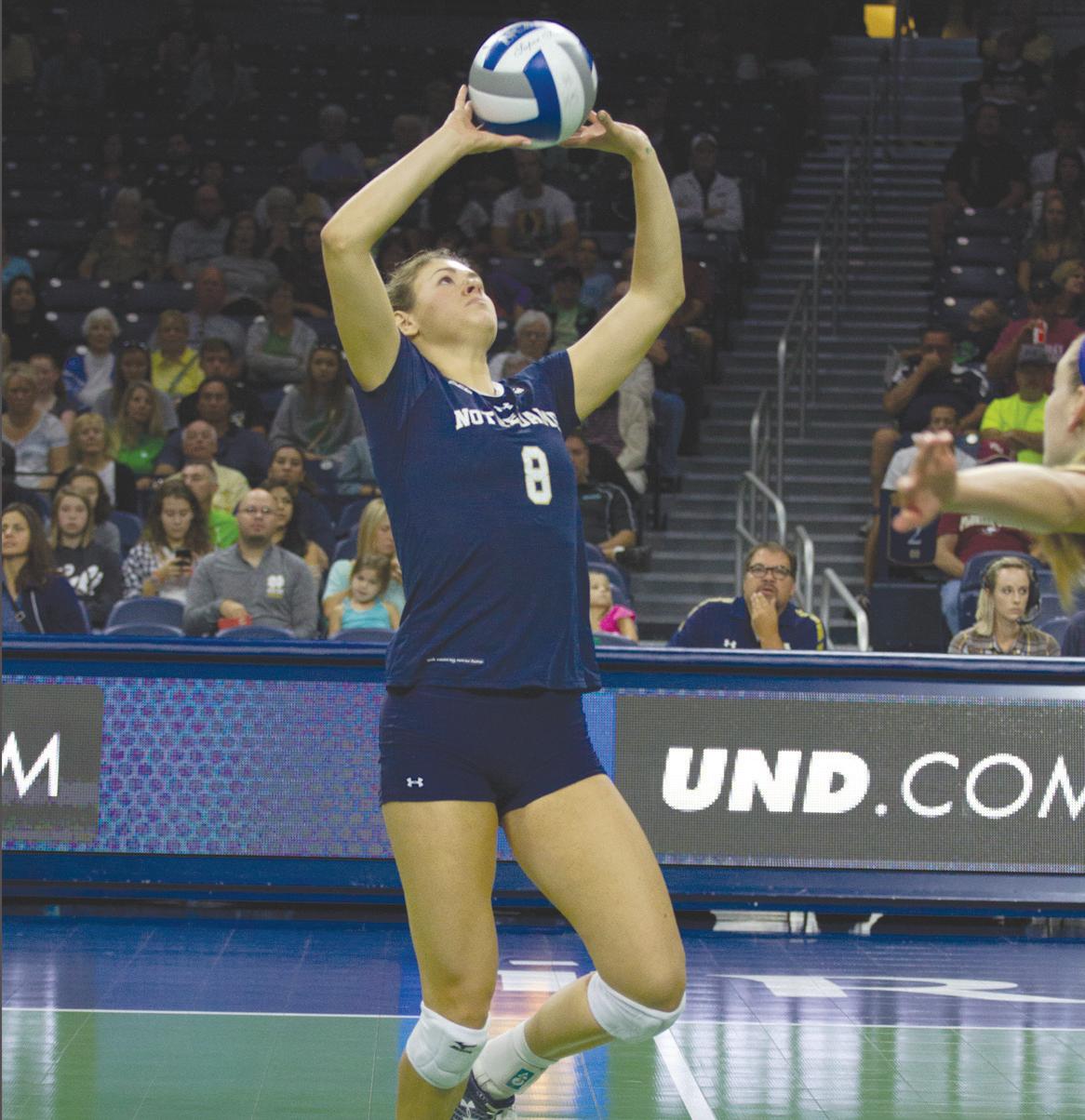
a fter dropping a close first set 25-20, the i rish put together a strong run
dame hung around for the first two sets.
in the second
set to take a quick 13-5 lead. however, they were unable to hold it and dropped the second
EMMET FARNAN | The Observer
Sophomore setter Maddie Dilfer sets the ball during the Irish loss on Sunday against Flordia State at Purcell Pavilion.
EMMET FARNAN | The Observer
Senior midfielder Connor Klekota dribbles past a defender during Notre Dame’s 3-1 victory over Virginia on Friday.
men’s tennis | crimson Tide Four in The Fall