As a result of wildlife crime, millions of animals die or are killed in transit each year.
The center will remain behind the scenes to ensure the protection of the animals — many of which are considered evidence in ongoing criminal cases. We will provide the shelter and support they need until they are healthy enough to travel, at which point they will be moved to organizations equipped to care for them long-term.
Wildlife trafficking is a complex issue, but we are committed to doing everything we can for the animals caught in the crossfire. This renovated space will serve as a safe haven for those needing care and time to recover after being stolen from their native homes.
As a member of the Wildlife Trafficking Alliance, The Living Desert is also committed to:
• Reducing consumer demand for illegally traded wildlife and wildlife products;
• Advancing laws, regulations, and policies that reduce illegal wildlife trade; and
• Providing a cooperative and coordinated response protocol for the care and welfare of confiscated wildlife.
As we continue raising awareness, reducing demand, and providing compassionate care for trafficked animals, we are making a real and lasting impact.
Most Americans (74%) oppose wildlife trafficking but are largely unaware that they may be contributing to the problem. In fact, the United States is one of the leading destinations for illegally trafficked wildlife and wildlife products.
Here’s how you can help: Avoid buying products made from ivory, rhino horn, or other illegal wildlife parts. Adopt pets responsibly by choosing licensed shelters and reputable breeders.
Learn more about the ways you can advocate for animals at NotAPet.net.
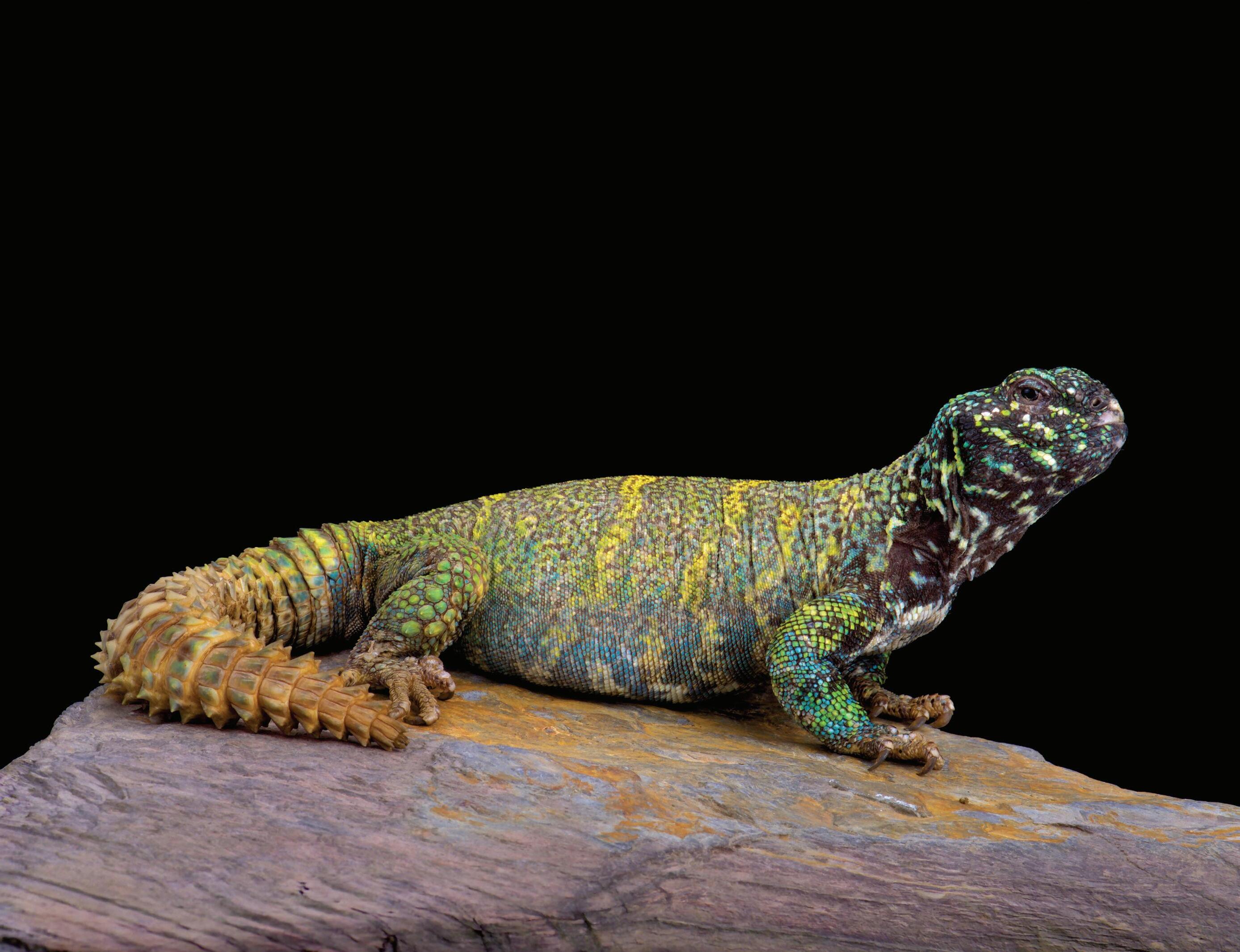
Ornate spiny-tailed lizard
Meet Our Local Reptiles
By Dr. James Danoff-Burg, Vice President of Conservation
THE COACHELLA VALLEY is one of the greatest biodiversity hotspots in North America, thanks in part to the great diversity of reptile species we have here in our beautiful valley. We are sometimes referred to as a “lizard wonderland” because we are at the intersection of three distinct desert geographical areas, with almost 50 native reptile species!
Here are some favorites that you may encounter as you explore our local deserts:
Rattlesnakes
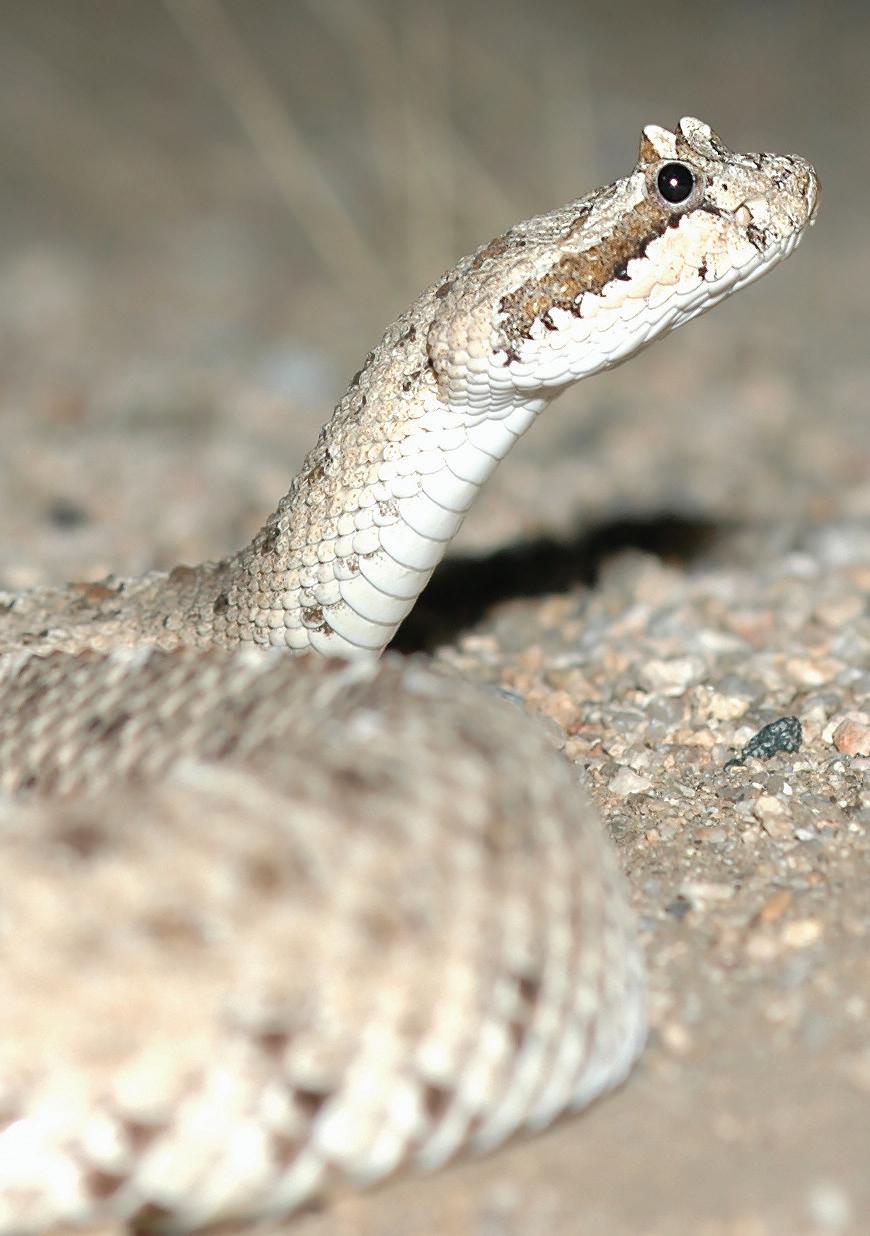
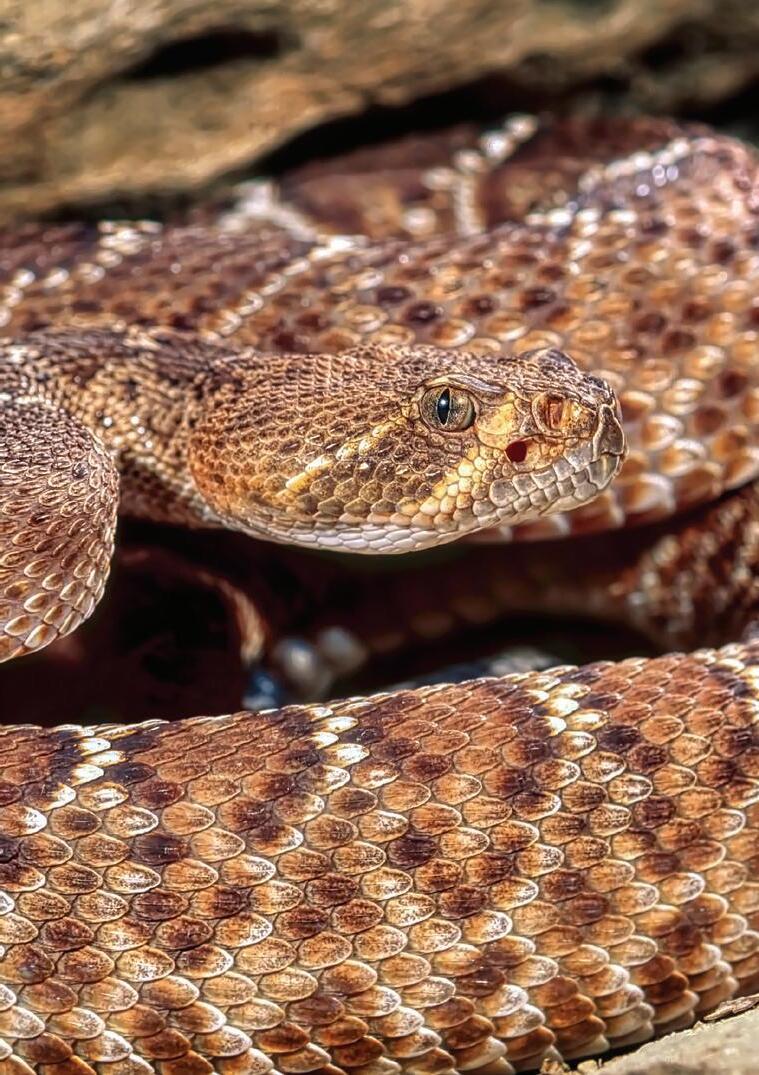
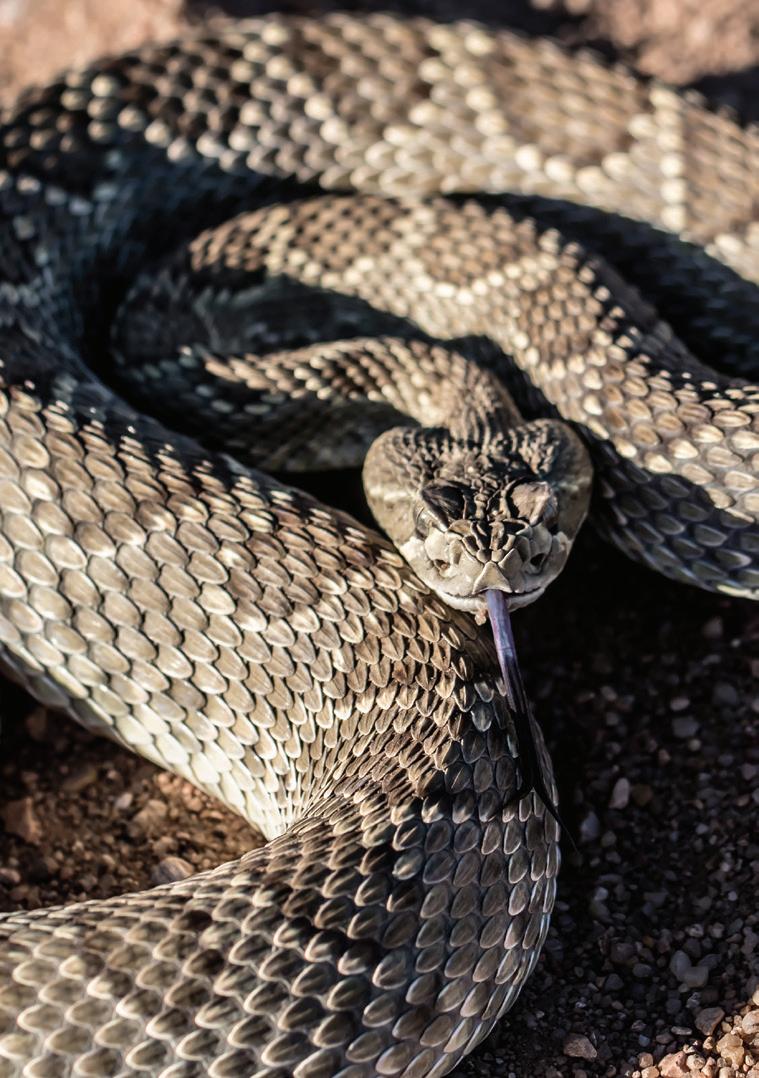
The sidewinder and Mojave rattlesnake are among the most commonly encountered rattlesnake species in the Coachella Valley, but all rattlesnakes are venomous and should be treated with caution if encountered. They are most active at dawn, dusk, and during the night to avoid the desert heat. In the winter, they brumate in rock crevices.
Safety tip: When hiking, stay on designated trails, wear sturdy footwear that covers your ankles, and watch your step, especially near rocks and dense brush. Rattlesnakes typically only strike when they feel threatened.
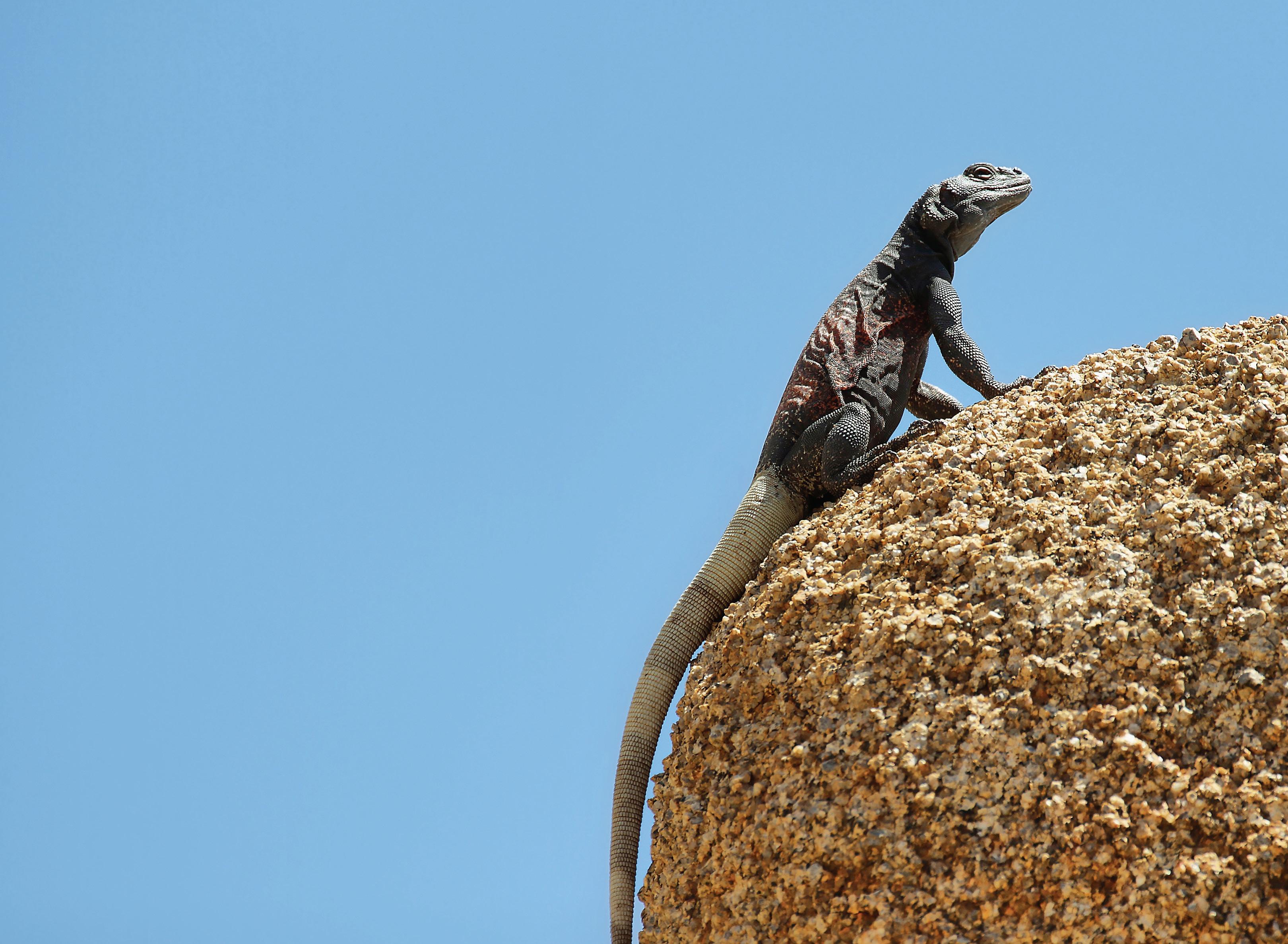
Chuckwalla
Chuckwallas are large herbivorous lizards often seen with their bodies flattened to maximize heat absorption and blend into the surrounding landscape, helping them avoid aerial predators.
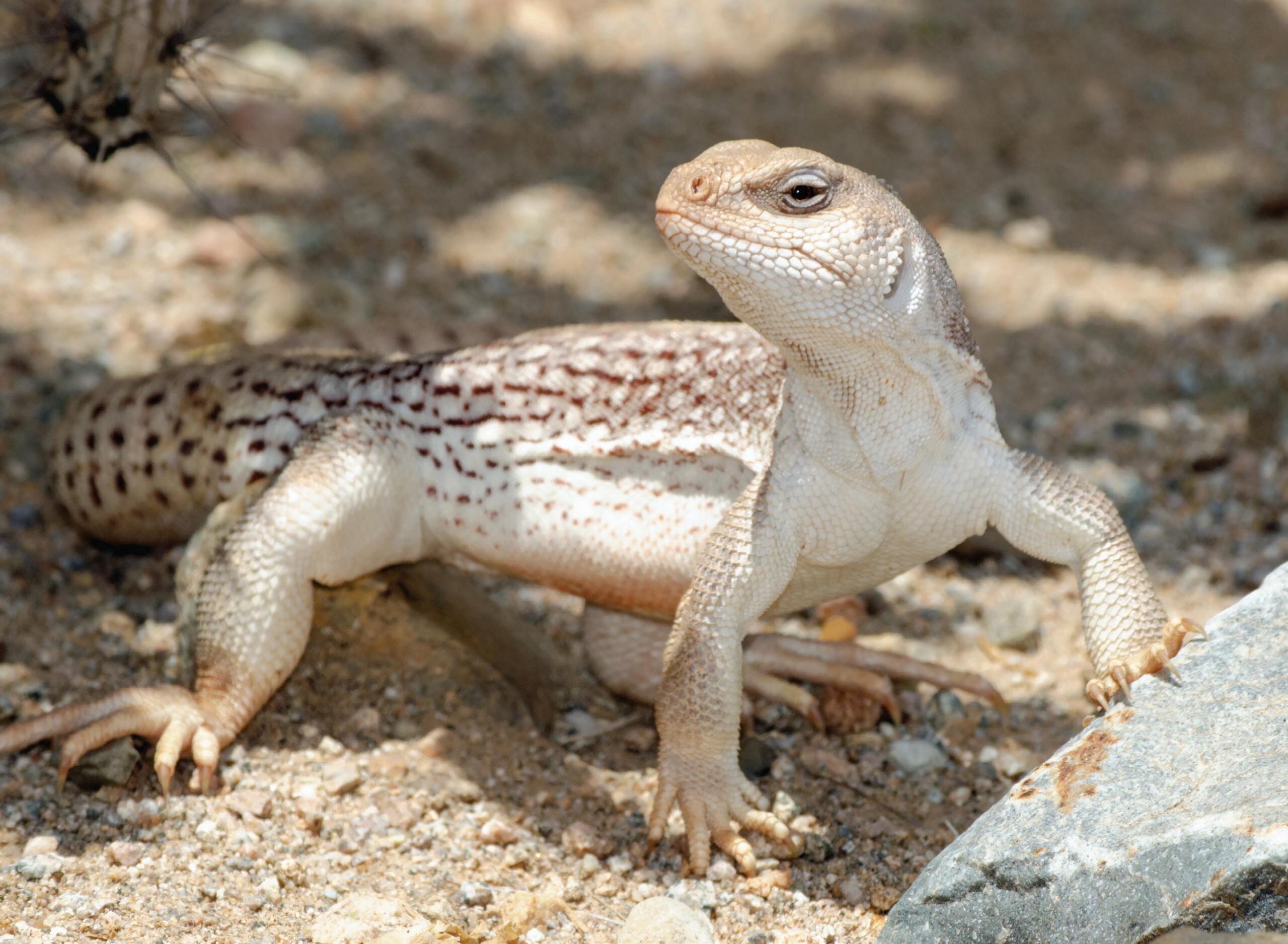
Averaging 16 inches in length, the desert iguana is pale gray to beige with a dark, intricate pattern along its back and sides. They are typically found in shrubby habitats dominated by creosote bushes, which they rely on for both food and shelter.
On cool mornings, you may see some of these otherwise reclusive beauties sunning themselves on trails or on roads. For your safety — and theirs — do not try to touch them or pick them up. They will not chase or attack you, as this could lead to harm for them as well. Share the habitat by admiring them from a distance and, together, we will all be able to continue to treasure our lizard wonderland!
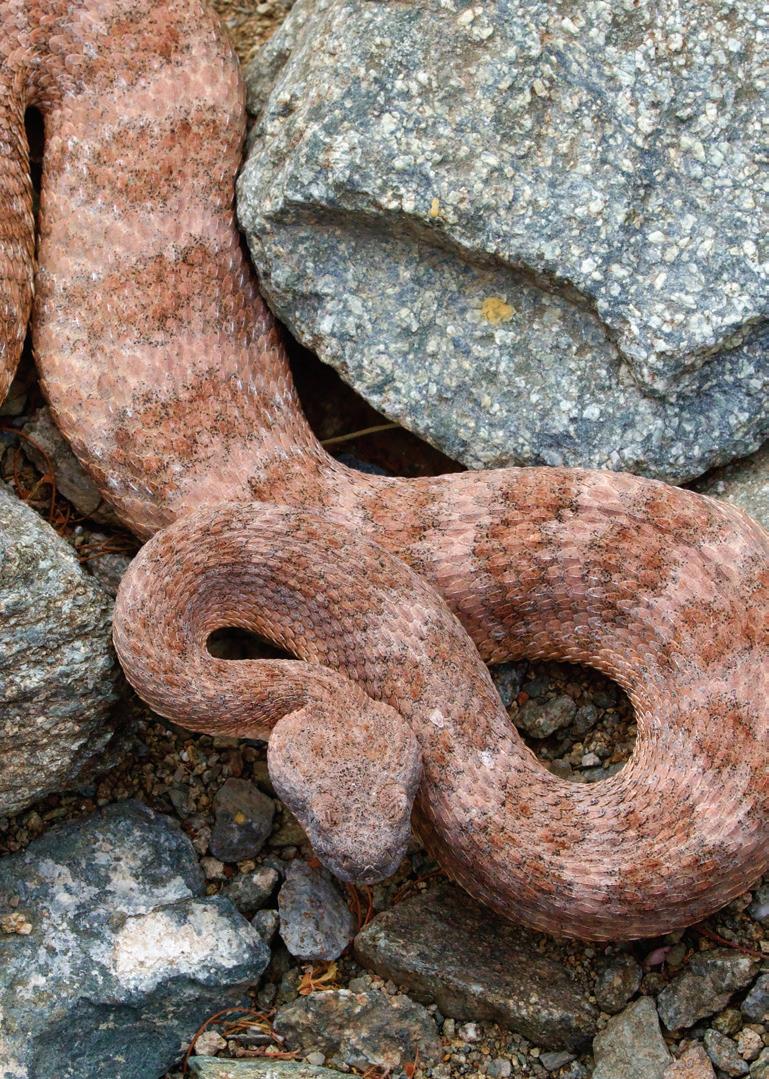
Mojave Rattlesnake Red Diamond Rattlesnake
Mission: Pollination… and More!
By Dr. Anna Young, Vice President of Learning and Impact and Dr. Luis Ramirez, Curator of Conservation
AT THE LIVING DESERT ZOO AND GARDENS , our mission is conserving desert ecosystems and inspiring people to protect them. Since healthy deserts cannot exist without pollinators, protecting them is part and parcel of our mission — and the focus of several recent initiatives.
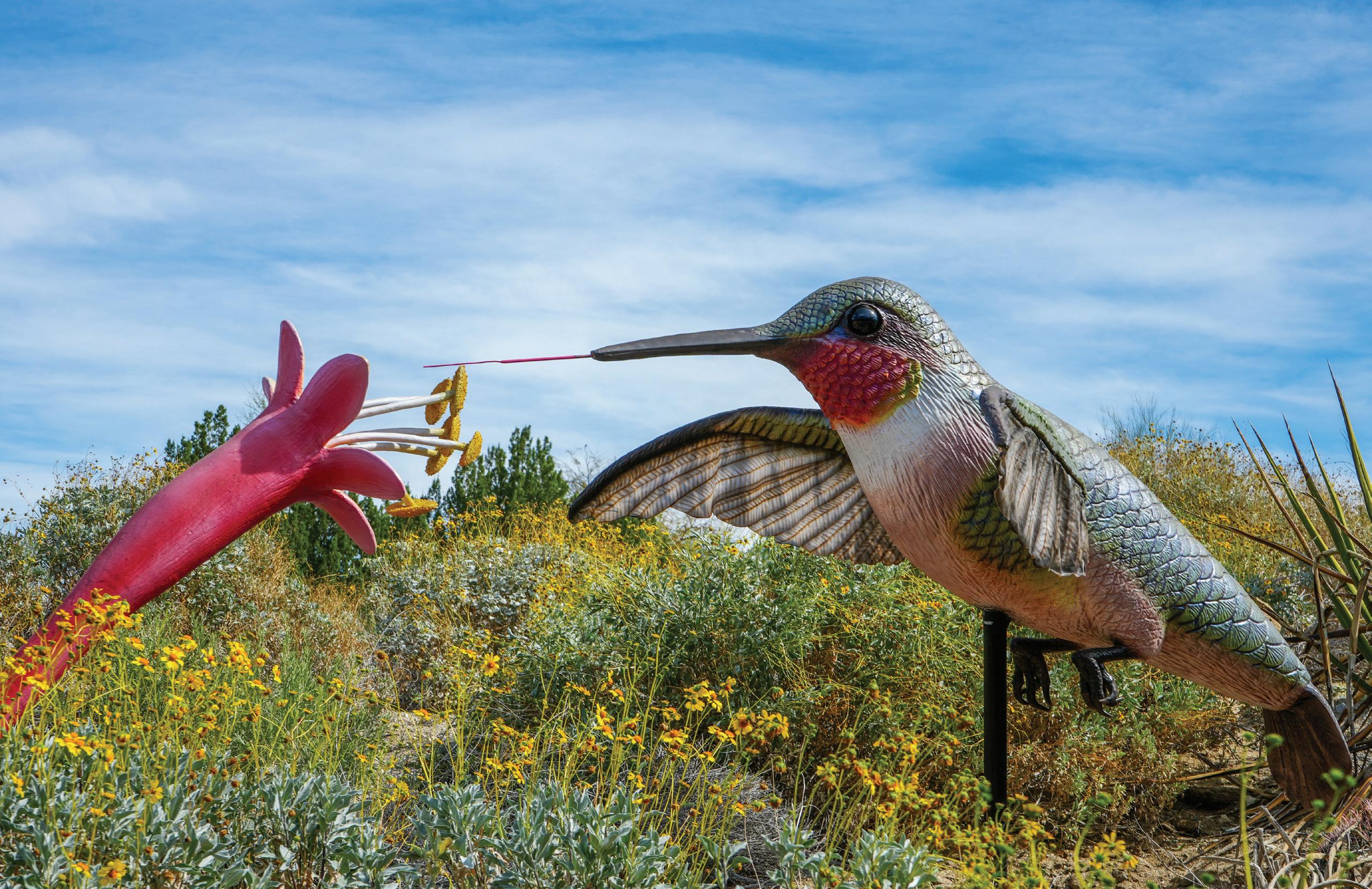
From January through April, we invited guests to go on their own conservation adventure through Mission: Pollination!, a special exhibit that highlighted some of the desert’s smallest yet most powerful heroes.
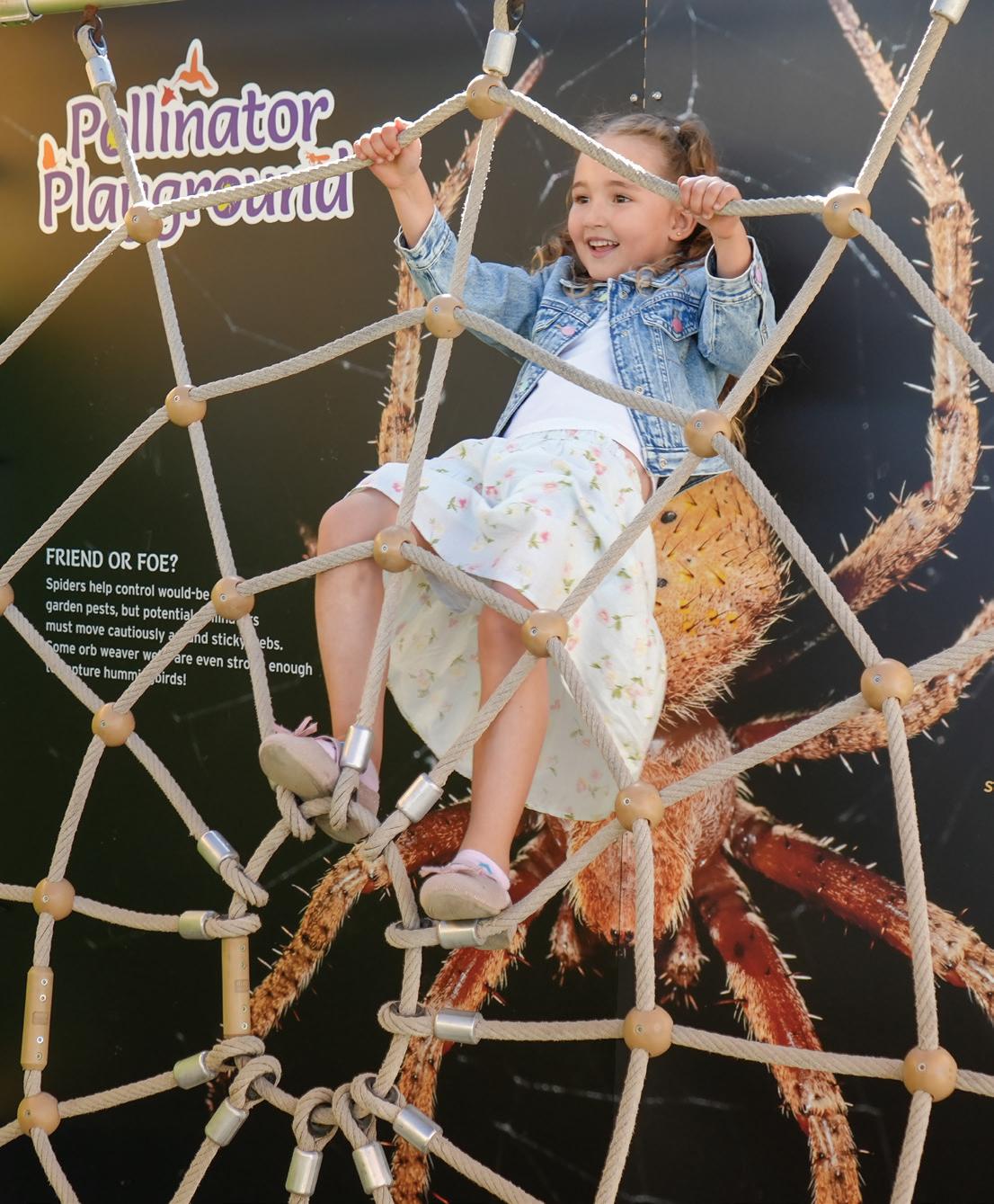
Through larger than life animatronic pollinators, interactive riddles, and a playful maze, guests of all ages explored the incredible diversity of pollinator species and the important roles they play. Participants became part of the solution, joining a themed conservation team, solving clues, and completing their mission. This immersive experience reminded our community that protecting pollinators protects the desert itself.
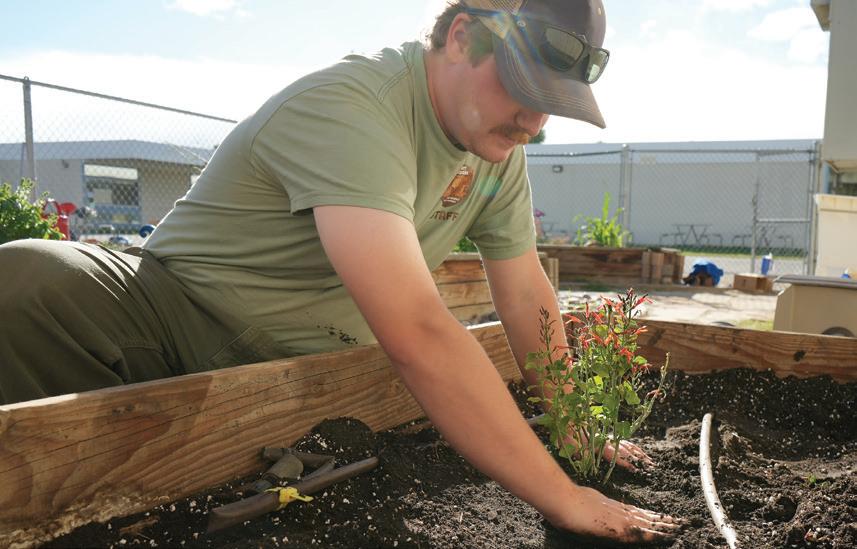
Meanwhile, our team has been working throughout the Valley to increase and expand spaces where pollinators can thrive. During the last five years, the Conservation department has installed more than 45 Pollinator Pathway Gardens across the Coachella Valley, adding
At Mission: Pollination!, guests could climb, crawl, and explore while learning how Earth’s tiny but mighty heroes keep ecosystems thriving.
over 800 native plants that we propagated from seed collected in those areas. These gardens provide migratory and resident insect and bird pollinators with much-needed access to natural resources in urban areas across the region. This project provides habitat, food, and nesting resources for local animals while also improving the urban experience for people living nearby. In this way, we are working to create a greener, cooler, and more biodiverse Coachella Valley, benefiting both people and nature.
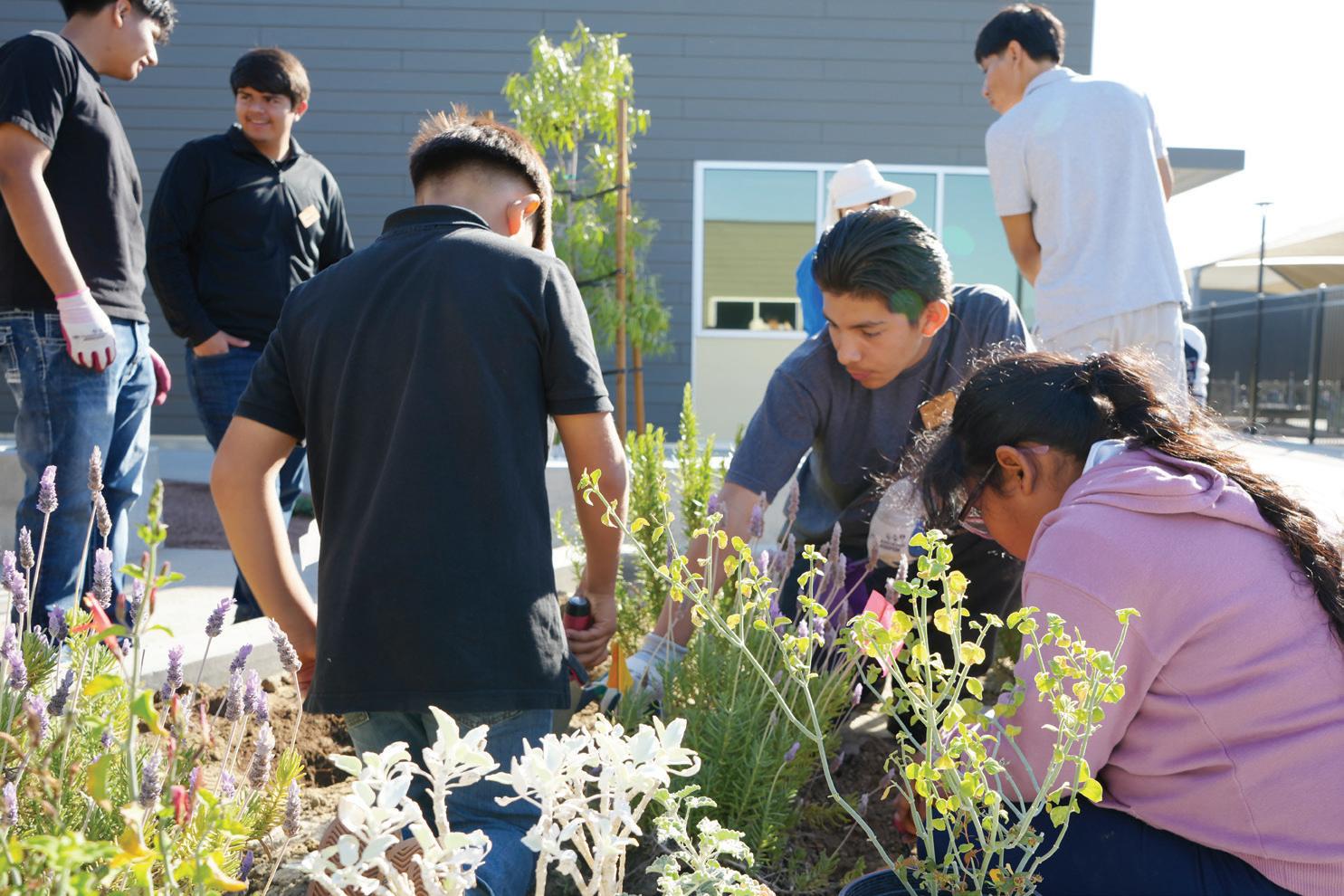
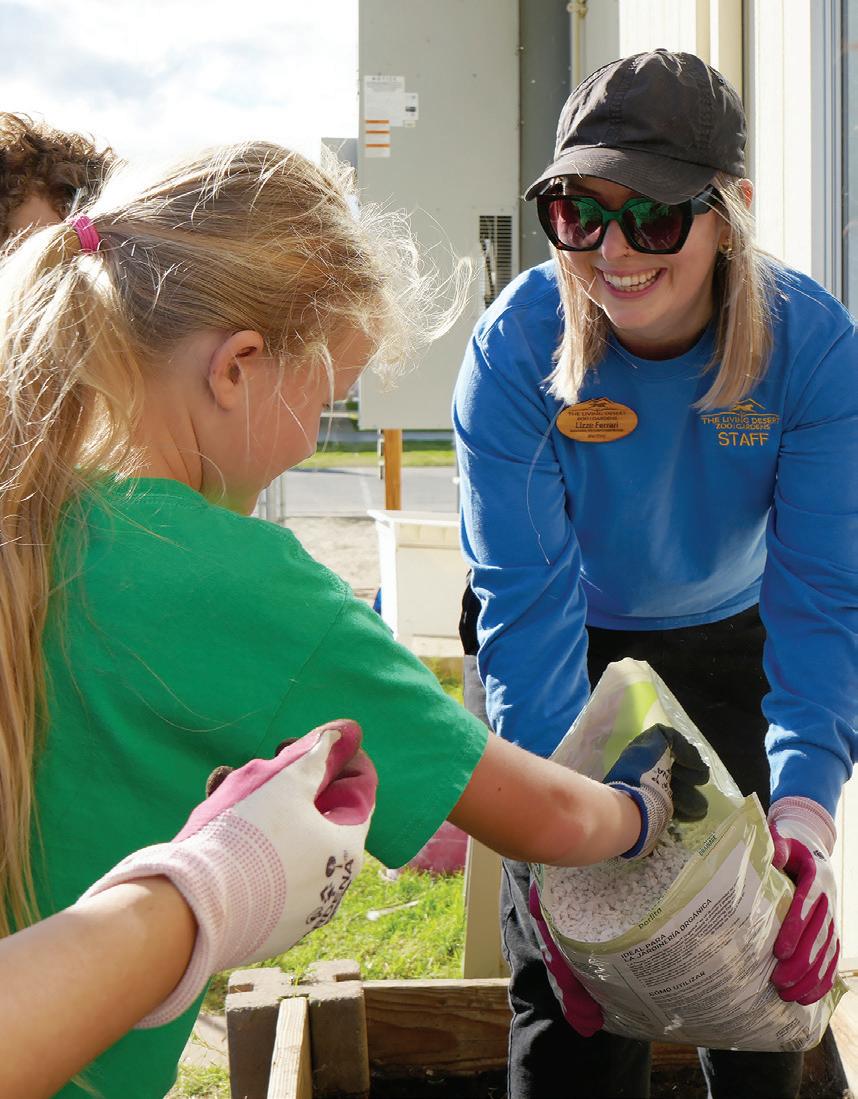
Through the Desert Defender Challenge, we invited local schools to turn conservation into action through simple, meaningful choices that protect desert ecosystems. Winning schools earned something truly special, a trip to the Zoo for their entire school, and a native garden planted right on their campus.
Just like the Pollinator Pathway installations, these gardens provide habitat for pollinators, birds, and other wildlife while using less water and thriving in desert conditions. They also become outdoor classrooms where students can observe nature, learn about desert ecosystems, and see firsthand how their actions make a difference. By empowering students to care for native landscapes, the Desert Defender Challenge helps grow the next generation of environmental stewards, one school garden at a time.
From planting native habitats on Zoo grounds and throughout Southern California, to educating schools and communities, to encouraging guests to plant native at home and choose pollinator friendly plants, we are committed to creating real world change.
Pollinator Pathways and our Desert Defender Challenge, we’re connecting the community with nature while providing pollinators the habitats and resources they need to thrive.
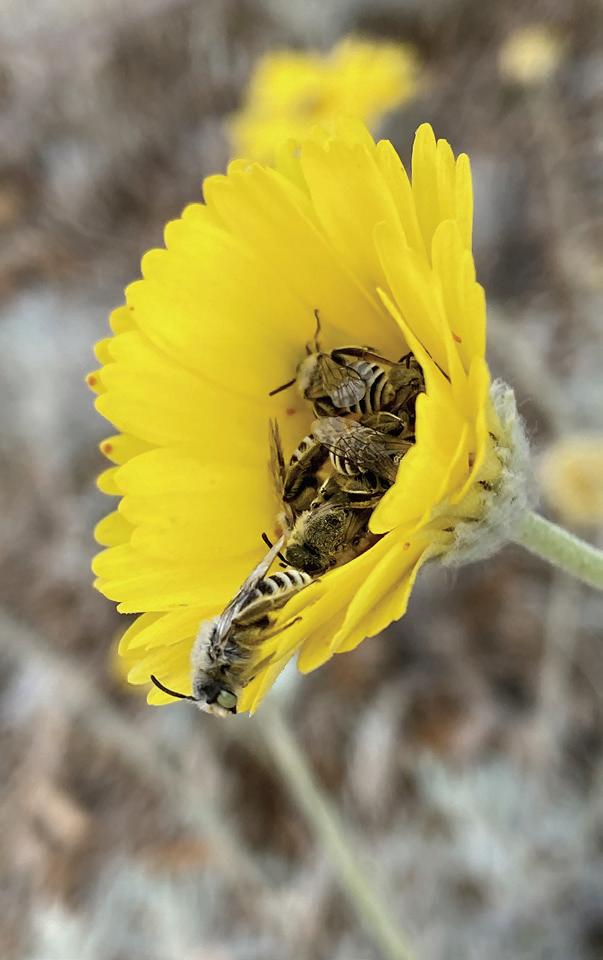
Pollinators are essential to life as we know it. Nearly 75% of flowering plants rely on them for reproduction, and one in three bites of the food we eat is made possible by pollinators.
Through
Supporter Spotlight
By Jeff Petrovic, Chief Development Officer
WHEN KARLA KJELLIN-ELDER
AND HER HUSBAND, JEFF ELDER, first visited The Living Desert Zoo and Gardens, they were simply looking to explore one of the Coachella Valley’s most unique destinations. Little did they know, they would find something much more meaningful than a single day’s adventure.
Their introduction began with a tour led by the Development department, during which they gained a deeper understanding of The Living Desert’s impact on the local community, its conservation work around the world, and its vision for the future. Since then, Karla and Jeff have immersed themselves in The Living Desert. From behind-the-scenes tours with staff to unforgettable animal encounters with their family, their visits have become a cherished tradition. Their granddaughter’s love for wallabies quickly became a highlight, along with symbolically adopting animals like the fennec fox and baby peccaries. A visit to the Tennity Wildlife Hospital offered a firsthand look at the level of care and expertise provided to the animals in our care.
“The experiences we’ve had here with our family have been priceless,” they shared.
Whether watching the African painted dogs play in their pond, enjoying peaceful walks through the desert trails, or taking in the magic of WildLights during the holidays, each visit has offered something new. The giraffe habitat and surrounding landscapes remind them of safaris they’ve taken in Africa, bringing those memories full circle.
Their involvement has grown beyond visits. Jeff now serves on the Board of Trustees and is active on the Investment and Finance Committees, gaining insight into both the opportunities and challenges ahead. Karla has expanded her engagement through Women for the Wild, and together they have
supported events like Zoobilee, even volunteering on the gala committee.
“With all of this and more, how could we not want to give back?” the couple said.
Their first major gift supported the wallaby habitat and Wallaby Lounge, inspired in part by their granddaughter’s enthusiasm for the species. As their connection to the mission deepened, so did their desire to invest in its future. Supporting Lion Ridge became a natural next step, helping bring to life a bold new habitat that will connect guests to wildlife in powerful and lasting ways. “We’re excited to be part of what’s ahead.”
For more information on how you can make an impact, please
Jeff Petrovic, Chief Development Officer –
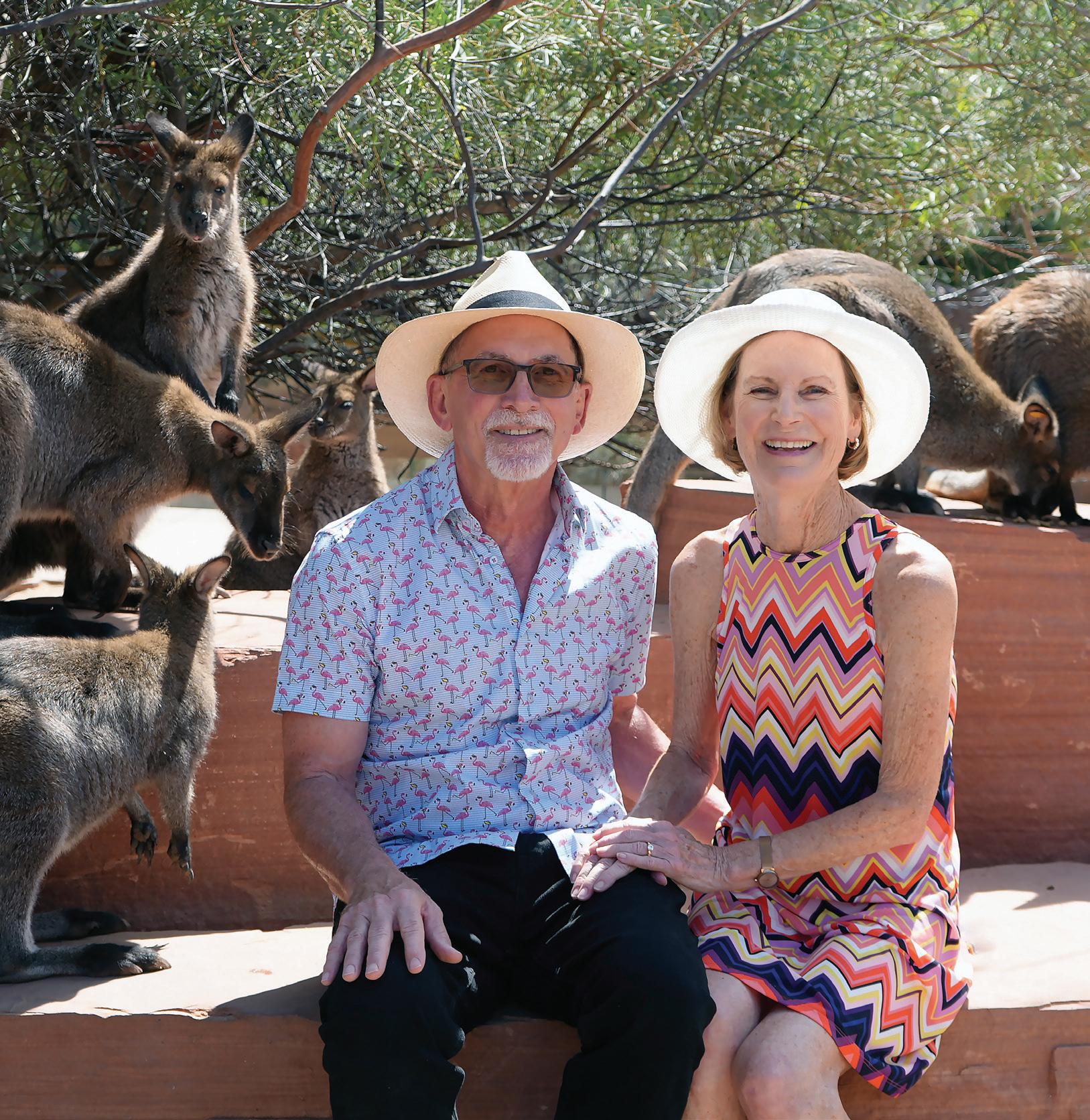
One of Karla and Jeff's favorite spots at The Living Desert is in Australian Adventures, alongside the Bennett’s wallabies.
WILDFILE
CELEBRATING MILESTONES
Preparing for the “Mane Event”
By Allen Monroe, President/CEO
The Living Desert Zoo and Gardens is proud to announce we will be breaking ground on Lion Ridge, our transformative new lion habitat and conservation experience, later this year. This milestone represents years of vision, planning, and dedication — and marks the beginning of an exciting new chapter for our organization.
Lion Ridge reflects our continued commitment to advancing wildlife conservation, expanding
educational opportunities, and inspiring the next generation of Desert Defenders.
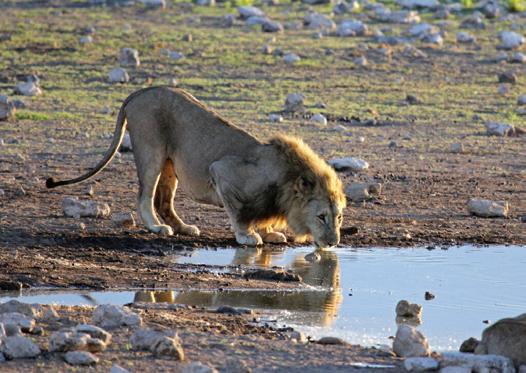
Lions are among the most iconic animals on Earth, yet their future in the wild is increasingly uncertain. Today, fewer than 20,000 lions remain, occupying only a fraction of their historic range. Habitat loss, human-wildlife conflict, poaching, and dwindling prey populations continue to drive their decline. Ensuring their survival will require global awareness, collaborative conservation efforts, and meaningful action.
Lion Ridge will serve as both an immersive guest experience and a powerful platform for conservation
storytelling. Designed to deepen connections between people and wildlife, the habitat will showcase the majesty of lions while highlighting the urgent need to protect them. Through engaging educational opportunities and conservation partnerships, Lion Ridge will help amplify the critical work being done to secure a future for this vulnerable species.
Development will unfold over the next two years, and we look forward to sharing progress with you along the way. We invite our community, members, and supporters to follow the journey as Lion Ridge takes shape, leading to the grand opening of this extraordinary new destination in Fall 2028.
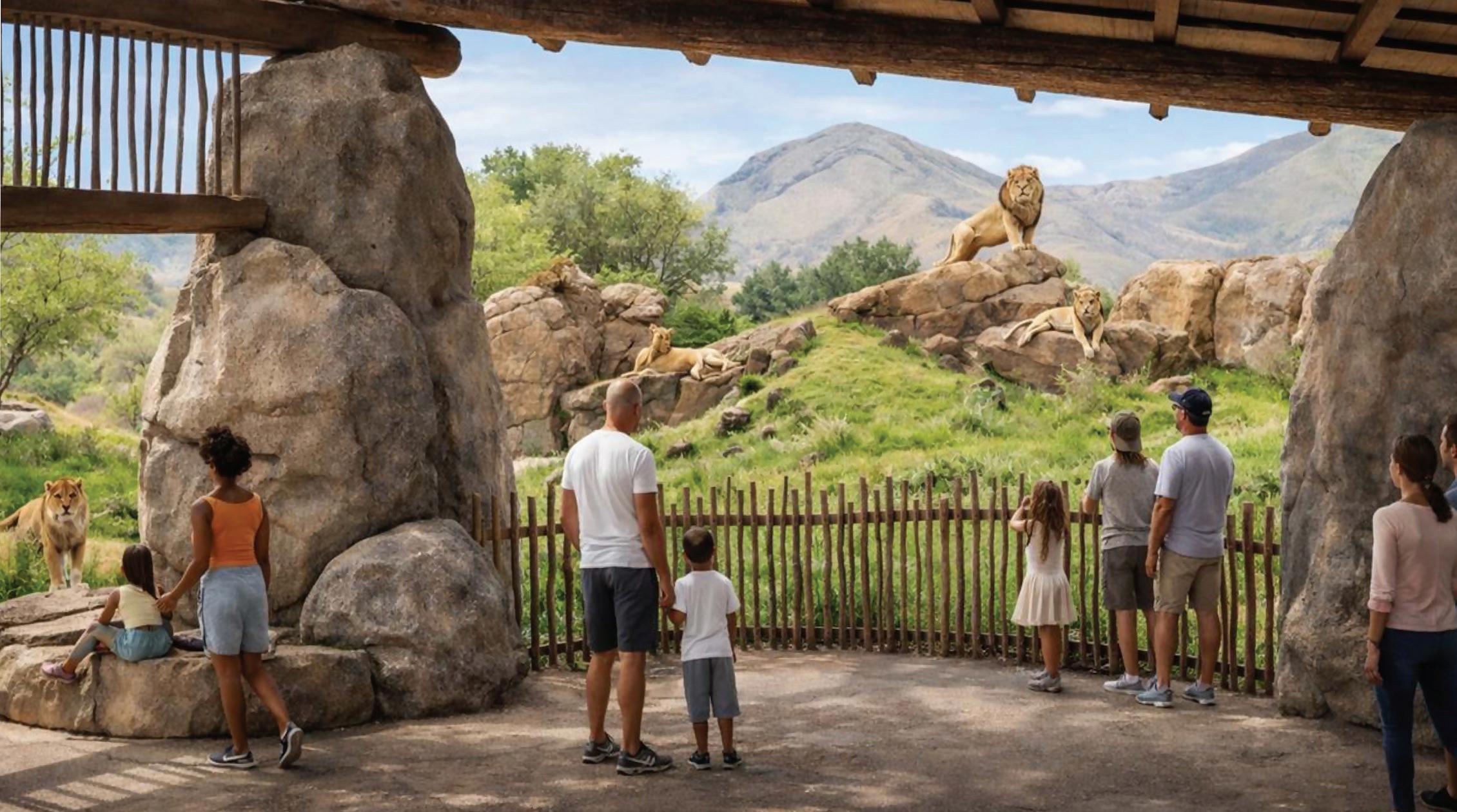
Rendering of Lion Ridge
CELEBRATING MILESTONES
Honoring Our Longest Serving Team Member
For 36 years, Angela “Angie” Woods has been a steady presence behind the scenes at The Living Desert Zoo and Gardens. After serving as Executive Assistant to all three of the Zoo’s Presidents/ CEOs, she has decided to retire. What began as a temporary assignment in 1989 became a long-term career at the Zoo. Over that time, Angie has witnessed some of its most pivotal turning points firsthand, including the opening of Eagle Canyon, the Zoo’s first major animal habitat development.
“We weren’t just a nature trail anymore,” Angie said. “It put us on the map as a world-class facility with desert conservation and preservation at the forefront.”
For Angie, the people have always made The Living Desert special. She credits the organization’s “Best Day Ever” philosophy — for both guests and staff — as part of what made her stay for 36 years.
Nancy Scott begins her 10,000 hours of volunteer service
First addax born at The Living Desert
Giraffe Savanna opens
Karen Sausman retires as CEO
Though she never expected to remain at one organization for so long, Angie says she found her niche at The Living Desert, combining her administrative and bookkeeping skills with meaningful conservation work. “It was the perfect job for me,” she said. “I got to do my small part in helping to save animals around the world.”
Across her tenure, Angie watched the Zoo expand in ways few could have imagined at the start of her career — from the addition of giraffe, cheetahs, and Village
May 2025
Bobcats rescued
June 2025
IUCN CSS-BC opens at The Living Desert
Allen Monroe joins as CEO
Australian Adventures opens
January 2026
Rami, the addax is born
Late 2026
Lion Ridge development begins
Rhino Savanna opens
“It was the perfect job for me. I got to do my small part in helping to save animals around the world.”
WaTuTu, to the Tennity Wildlife Hospital and Conservation Center, Rhino Savanna, Australian Adventures, and now Lion Ridge on the horizon.
“I am excited that we will be breaking ground for Lion Ridge soon. Knowing that it is really going to happen is truly an exciting milestone for The Living Desert.”
In many ways, Angie’s retirement marks the end of an era at The Living Desert, but both Angie and The Living Desert look forward to the next chapter with excitement.
Angie celebrates her retirement with President/CEO Allen Monroe (left) and Board Chairman Bill Appel (right)
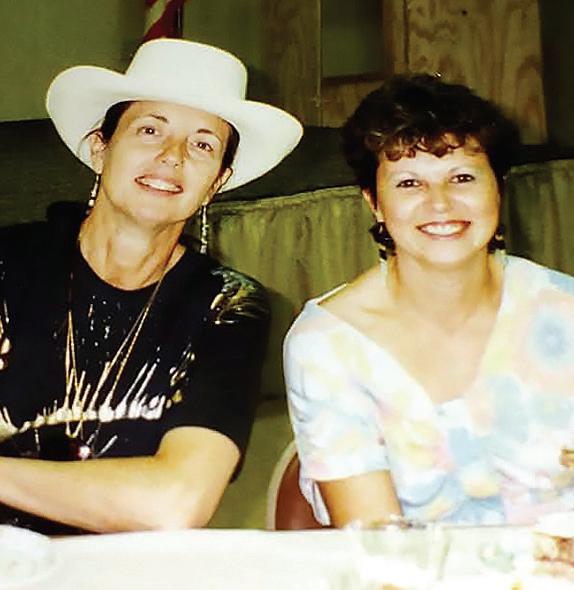
Angie Woods (right) with founding CEO Karen Sausman (left)
CELEBRATING MILESTONES
A Milestone Moment for a Vounteer
After more than three decades of service, Nancy Scott has reached 10,000 hours volunteering with The Living Desert. In recognition of this extraordinary milestone, we caught up with Nancy to chat about what volunteering means to her. For one thing, she says, it’s not about the number. “I’ve never thought about volunteering in terms of hours accumulated,” she says, “but rather what gets
accomplished in any given time period. It has meant spending time promoting animal wellness and conservation through minor actions.”
Initially drawn to the Zoo for its native gardens, Nancy became a member in 1988 and soon began volunteering on weekends and holidays. After a stint helping in the Gardens department, she transitioned to working with the animals. Cleaning animal habitats led to many unforgettable moments, from the kestrel who
tried to land on her head to a blackfooted cat whose paw “would habitually extend out from a hiding place to attack shoelaces.” Other fond memories include the antics of Amber and Radar as young coyotes, watching cougars Sierra and Sedona grow up, and helping get the Sonoran Aviary ready for its first animal inhabitants.
“I hope others — visitors, volunteers, and staff — are fortunate enough to experience The Living Desert in different ways as much as I have.” Thanks, Nancy!
The Bobcats Turn One!
It’s been just over a year since bobcats David and JoAnn came to stay at The Living Desert, after being rescued as kittens near Eugene, Oregon. In honor of this milestone, Animal Care Curator Renee Barnett reflects on their incredible journey, which she calls “a story about teamwork, care, and a shared commitment to giving them the best chance to thrive.”
“I was lucky enough to be part of the mission to safely bring the young siblings from Oregon to California,” she shares. “The drive is something I’ll never forget — a long, careful road trip with plenty of stops along the way to feed, hydrate, and check on the kittens. Once they arrived, the Animal Care team worked in shifts to hand-raise the kittens, providing everything they needed, from proper nutrition to medical
attention and a safe, nurturing space to grow.”
The once-fragile kittens have since grown into confident, curious young bobcats. “One of the most special things about them is their bond. They’re always together — playing, exploring, and keeping each other company,” says Barnett. “Whether they’re tumbling around in the grass or perched high up in a tree, they always seem to put on a show.”
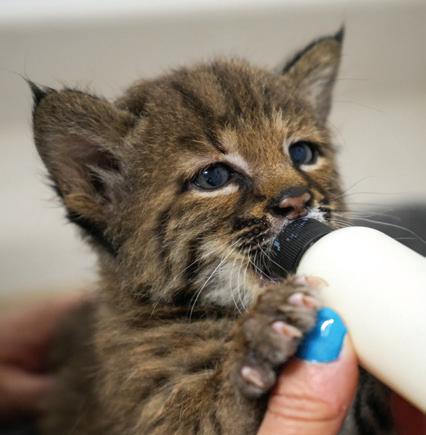
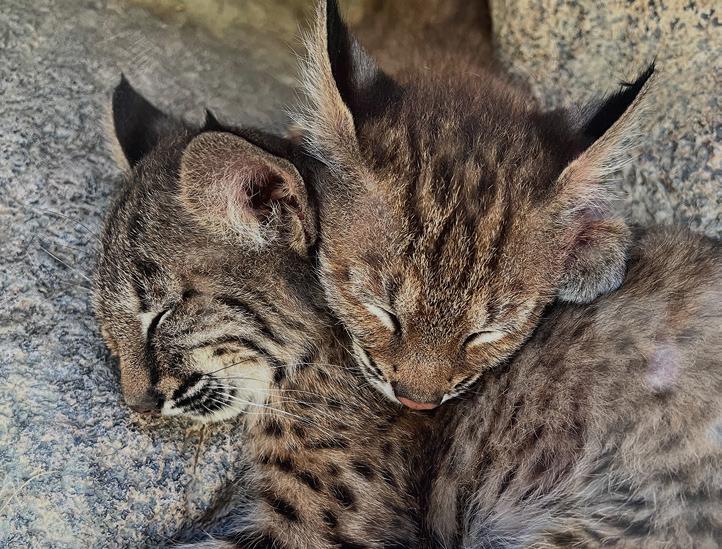
Bobcat cubs – June 2025
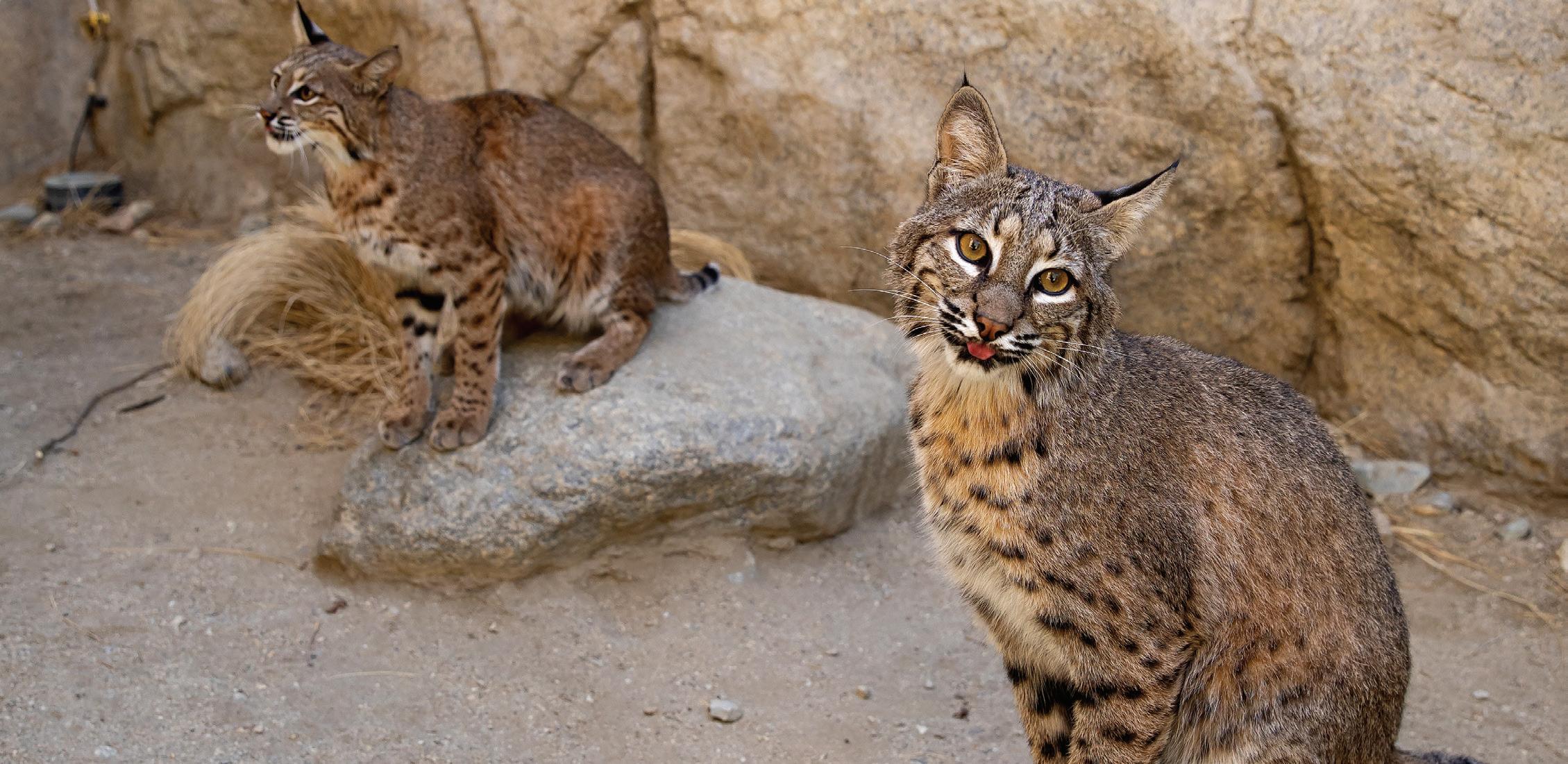
JoAnn and David – May 2026
CELEBRATING MILESTONES
A Social Science
Success
The Living Desert’s new IUCN (International Union for Conservation of Nature) Center for Behavior Change, which opened last summer, is already making a global impact by training the conservation professionals in skills needed to most effectively work to address the human dimensions of wildlife conservation.
This spring, the Center hosted its first workshop at The Living Desert, introducing participants across the Coachella Valley to social science research — an essential tool for understanding how people’s attitudes and actions affect conservation.
The team then brought this work international, leading an intermediate data analysis course at the College of African Wildlife
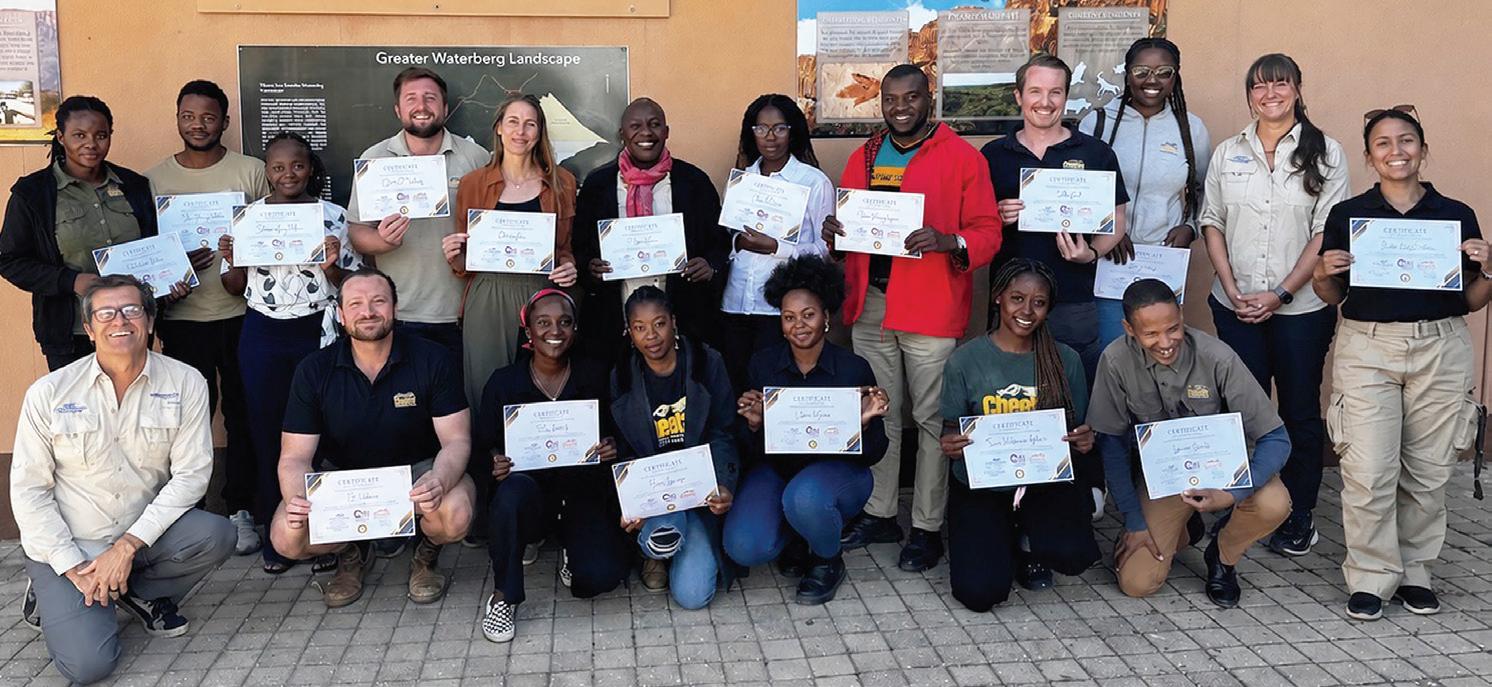
Management in Mweka, Tanzania. Most recently, they delivered a highly successful training in social sciences at the Cheetah Conservation Fund in Namibia, where researchers and local partners demonstrated inspiring dedication to wildlife conservation. These workshops equip conservationists with skills to better understand communities,
design effective outreach, and create lasting behavior change that benefits wildlife. Strong partnerships formed in Tanzania and Namibia are paving the way for exciting future collaborations. By connecting science with people, The Living Desert is helping protect species not just locally, but around the world.
A Precious Addax Addition
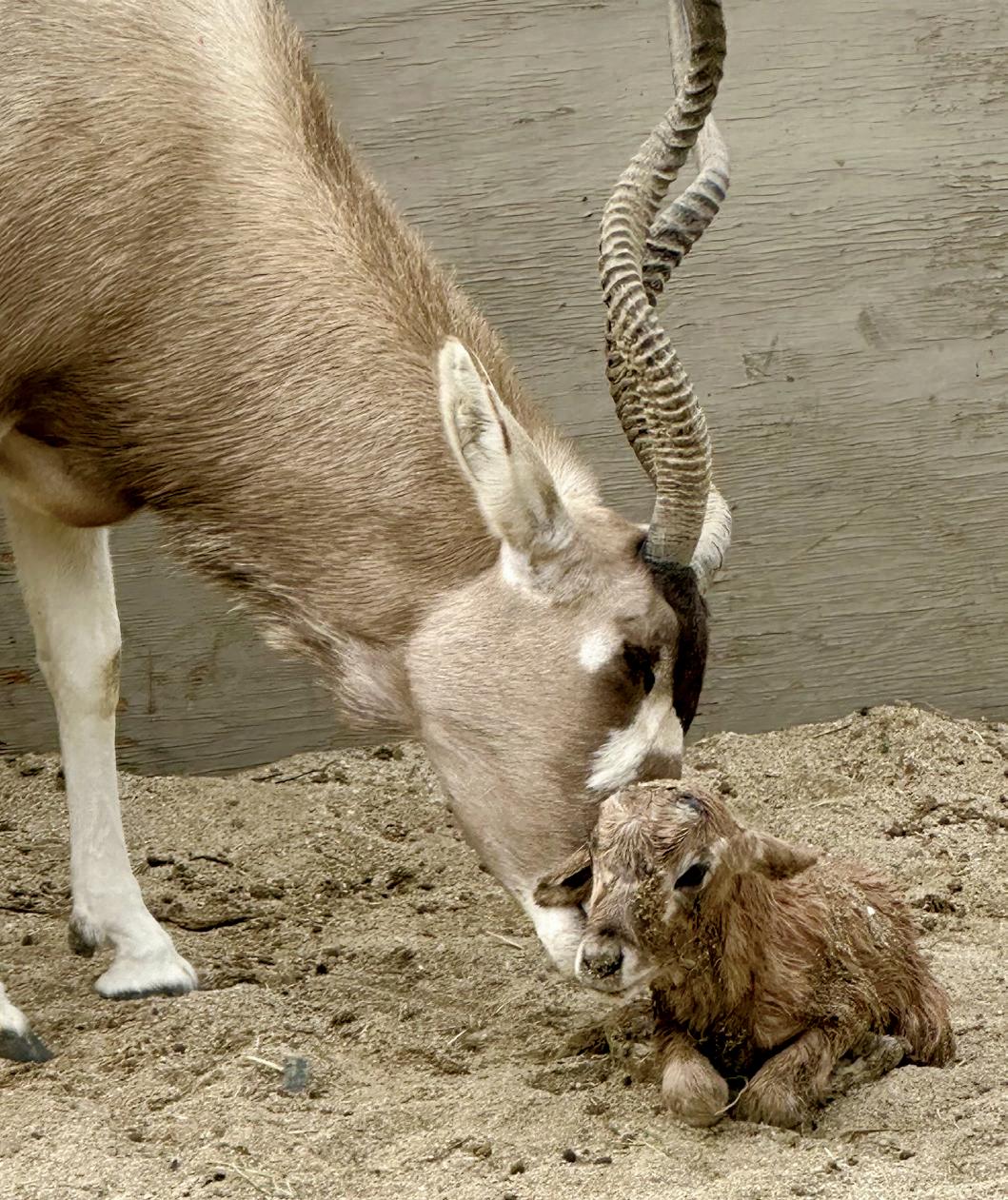
For a species with fewer than 100 individuals remaining in the wild, the birth of every addax calf matters. On January 21, 2026, Freya, one of our addax females, gave birth to a healthy male calf. As both Freya and the calf’s father, AJ, are first-time parents, the birth represents a major milestone for our herd and an important new genetic lineage for this critically endangered species.
The calf, recently named Rami (meaning “archer” in Arabic), made his public debut on January 31. After exploring the habitat with Freya, he was successfully introduced to the rest of the herd. Freya has quickly proven to be a protective and attentive mother. Like the rest of the herd, Rami serves as an ambassador for his wild counterparts, helping guests connect with a species on the brink of extinction. “I would suggest coming soon, because he is growing like a weed!” says Lucas Barmeyer, Assistant Animal Care Curator. “He is already about the size of a medium-tolarge dog and getting bigger by the minute.”
Photo by Lucas Barmeyer,
Dr. James Danoff-Burg (front left) and Katie Shaw (second from right) celebrate the completion of their social science training workshop with the Cheetah Conservation Fund in Namibia.
EVENTS CALENDAR SUMMER 2026
Summer Hours
June 1
Through September 30, The Living Desert is open from 7:00 a.m.–1:30 p.m. daily, with the last admission at 12:30 p.m. During this time, the carousel and hiking trails will be closed.
Oasis Splash Pad
Summer Hours
Daily, 8 a.m.–1 p.m.
Access to the splash pad is included with your membership or park admission and is the perfect place to splash, play, and beat the heat. Visit LivingDesert.org/SplashPad to learn more.
Walking Club
Tuesdays and Thursdays, 7–8:30 a.m.
Lace up and set off on an exciting members-only walking adventure at The Living Desert! During this 2-mile journey, you’ll uncover fun Zoo facts and trade your favorite wildlife stories. Afterwards, refuel with a complimentary iced tea and coffee at Bighorn Cafe.
Travel with The Living Desert
Scan the QR code or visit LivingDesert.org/Events for more information about upcoming events.
Summer ZooCamp
Select dates in June
Summer is the perfect time for young adventurers to explore, imagine, and discover! ZooCampers in grades K-10 will learn about wildlife through STEM activities, arts and crafts, up-close animal encounters, and more. Advanced registration in required, visit LivingDesert.org/ZooCamp to learn more.
New Volunteer Orientation
July 11, 1–3 p.m.
Volunteers at The Living Desert are integral to the Zoo, helping to share our mission of desert conservation with guests each day. Learn how you can join the team at LivingDesert.org/Volunteer.
Regular Hours Return
October 1
The Living Desert returns to its regular hours of 8 a.m.–5 p.m. daily, with last admission at 4 p.m. At this time, the hiking trails and carousel will also re-open.
Experience extraordinary, custom-designed wildlife journeys with The Living Desert. Guided by local experts and conservation specialists, these small-group adventures combine comfort, authenticity, and unforgettable encounters with nature — while directly supporting global wildlife conservation efforts.
To reserve a spot or receive a full itinerary, contact Lin Conrad at 760-674-4684 or LConrad@LivingDesert.org
A Baja
Wildlife & Conservation Adventure
February 14-22, 2027
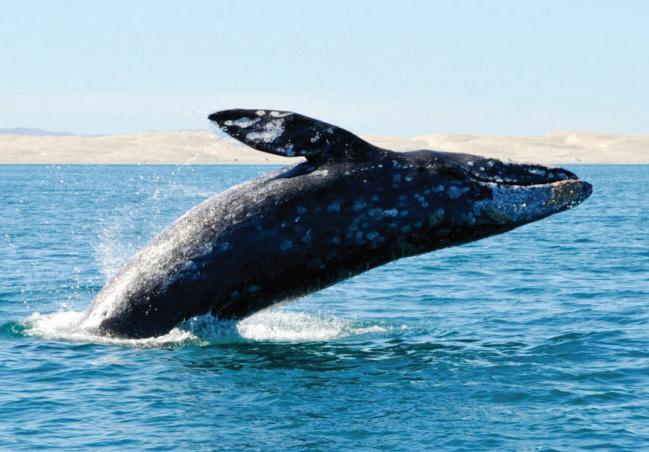
Experience the best of Baja California on a oneof-a-kind conservation expedition. From the wildlife-rich El Vizcaíno Biosphere Reserve and the inspiring Peninsular Pronghorn Recovery Center to unforgettable whale encounters at Ojo de Liebre Whale Sanctuary and wine tasting in the beautiful Valle de Guadalupe, this journey offers an extraordinary combination of nature, conservation, and culture.
Where Cheetahs Run: A Wild Journey to Namibia
Summer 2028
Exact dates to be announced
Experience the untamed beauty of Namibia on a 16-day journey through one of Africa's most captivating landscapes. This adventure offers an unforgettable blend of natural wonder, wildlife encounters, and conservation legacy. Along the way, visit the renowned Cheetah Conservation Fund to see conservation in action and gain a deeper understanding of the efforts helping protect Namibia's wildlife for generations to come.
SUMMER SPOTLIGHT
Preparing for Fireworks Season
Fireworks add fun and spectacle to summer celebrations, but as many pet owners know, they can also cause anxiety. To ensure the comfort of the animals here at The Living Desert, we monitor any firework activity happening in the Valley, from Palm Springs all the way to Coachella. Knowing ahead of time when shows will occur allows us to prepare the proper materials for each animal and to give them choices of where to spend their time. On nights when firework shows are taking place, animals are given access to their favorite spaces, whether that is an outdoor habitat or an indoor den. We make their bedding extra cozy, provide enrichment such as puzzles to keep them busy, and turn on radios and noise machines to drown out the sounds. Then, we monitor the animals’ behavior to see if we need to modify anything in the future.
These tools help us ensure a stress-free environment for our animals. If your pet is afraid of fireworks, try these tips to keep them comfortable:
► Create a cozy space with extra bedding
► Provide some of their favorite toys and treats
► Turn on soft music or a white noise machine
► For extra distraction, give them a new puzzle toy
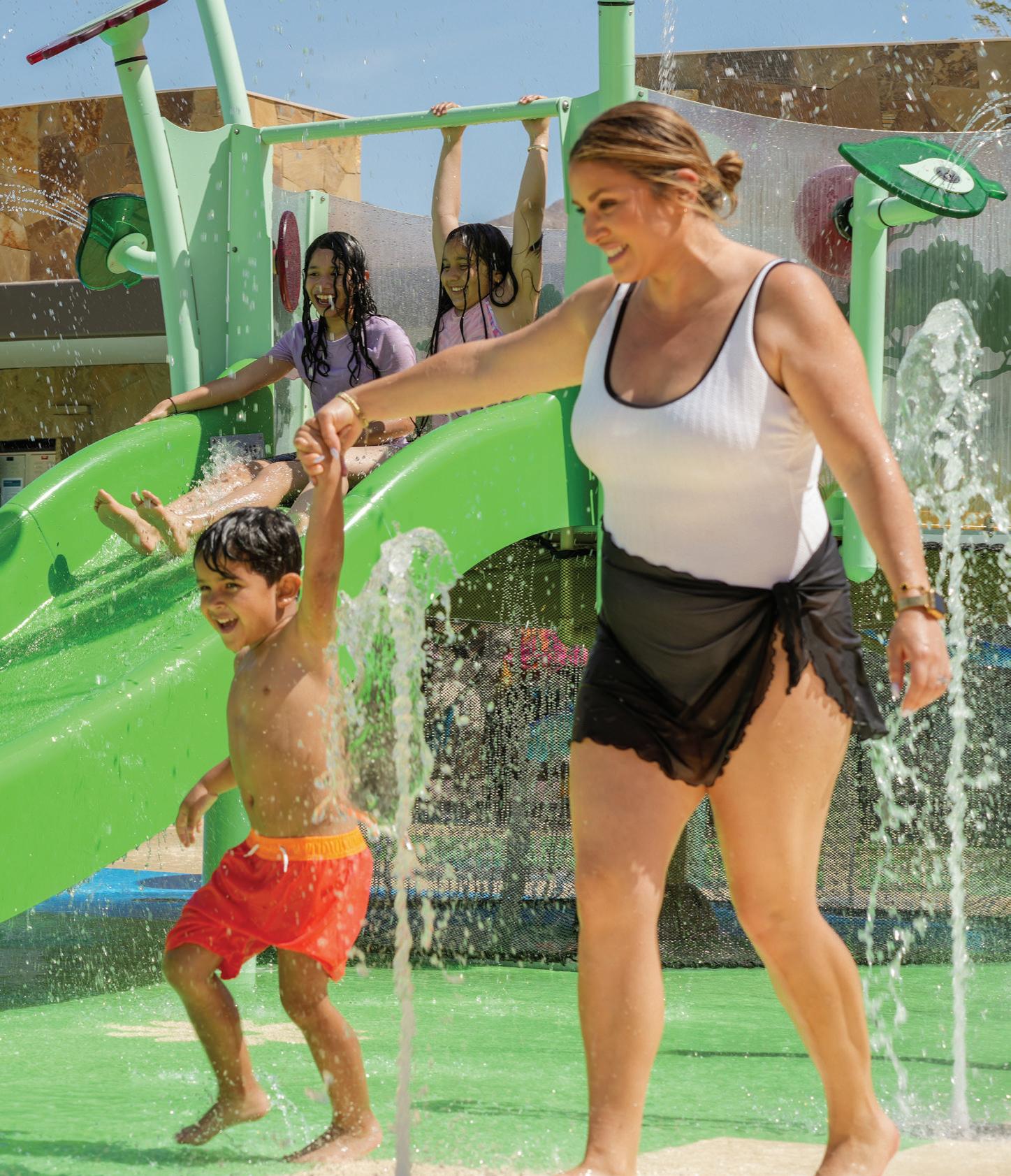
Turn up the summer fun and turn down the heat at the Oasis Splash Pad. Open daily from 8 a.m. – 1 p.m. — FREE for members.
Photo by Madison Hampton, Animal Care Keeper
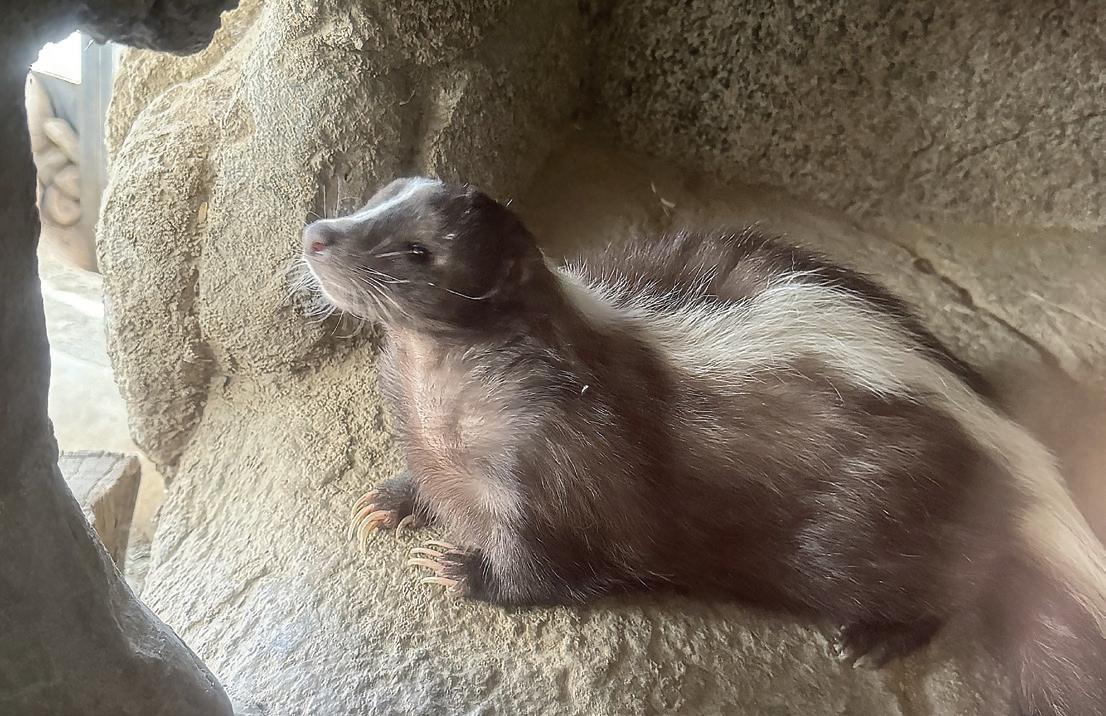
Striped skunk Mischief peers out of his den
Kids
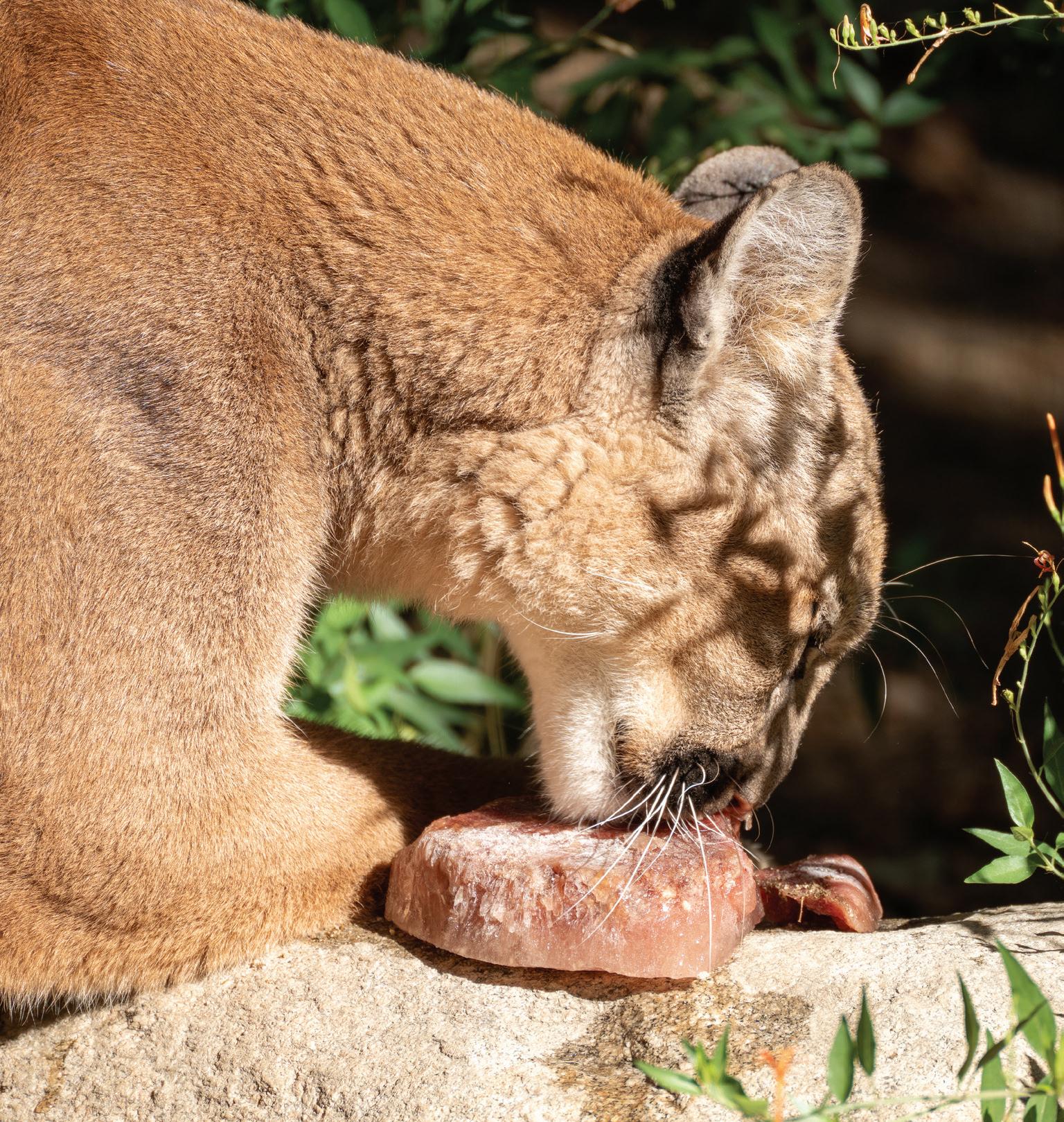
When the weather is hot, animals at The Living Desert keep cool!
This recipe will help you make an ice treat for your pet, like the ones animals at The Living Desert receive to chill out.
SUPPLlES
Recipe for your pet!
1. Choose a bowl or ice/cake mold. (At the Zoo, we like to use silicone shaped molds!)
2. Put some of your pet's favorite treats into the container. You can make it extra fun for your family by choosing treats of a certain color or theme.
3. Add enough water to cover the treats, plus a few drops of food dye if you want colored ice.*
4. Place the mold in the freezer for 24 hours.
5. Find a spot that can get wet and messy, then get your camera ready to capture the adorableness. Remove the ice treat from the mold, and offer it to your pet!
6. Observe your pet’s behavior. Do they lick the treat? Bite it? Do they drink the melted water? Do they lay down in the cold spot left by the treat?
*Pro Tip: Create a rainbow layered treat by freezing a few treats in water, then adding a new layer on top of the already frozen layer. This time, use your food dye to color the water. Refreeze and repeat until you’ve filled the mold.
Giving your pet an ice treat is an easy way to keep them active, even in the heat of the summer. And they'll be as cool as a mountain lion on a hot summer's day at The Living Desert!
SEE A HERO IN ACTION
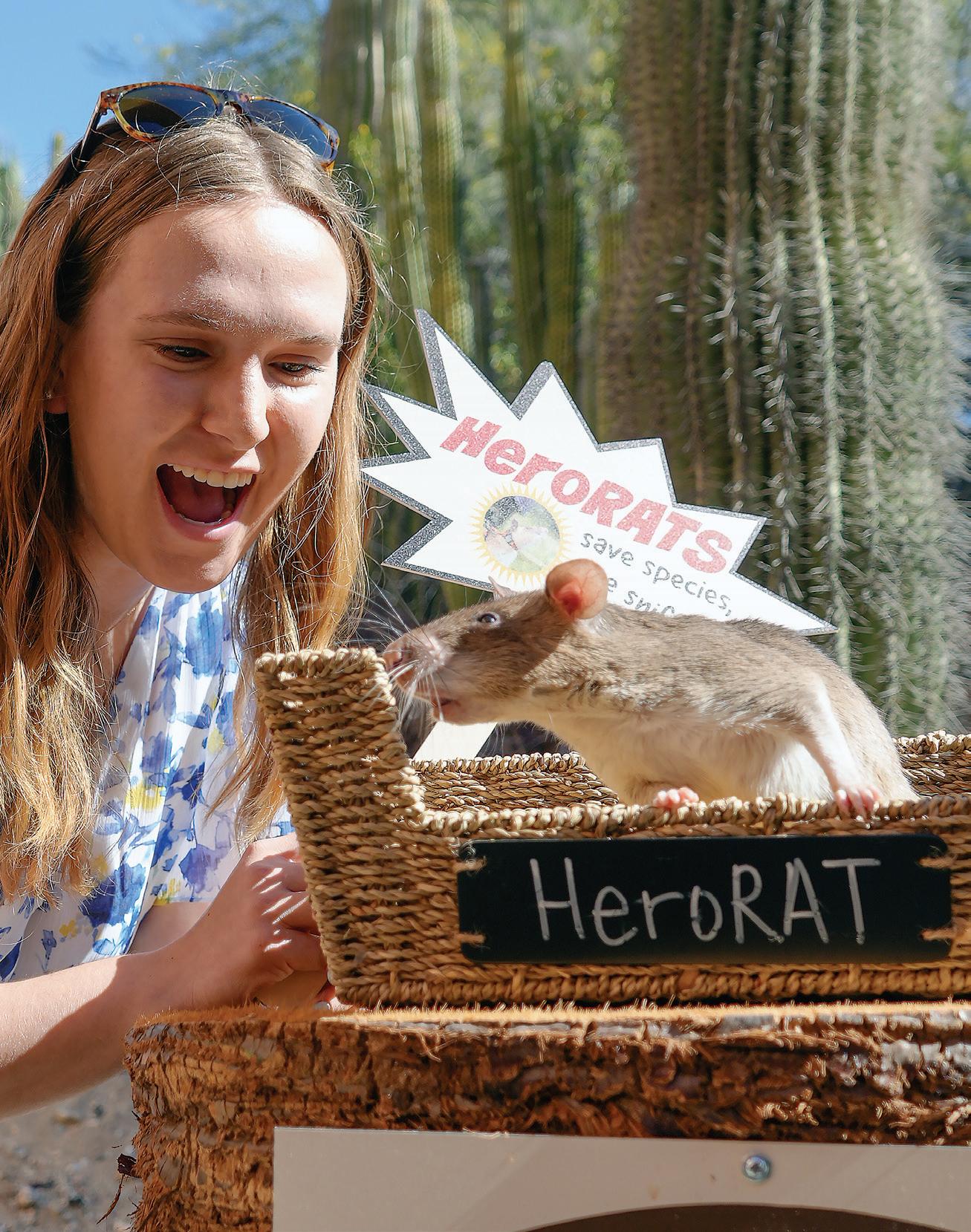
Our unique Rats to the Rescue Encounter puts you face-to-face with a trained HeroRAT. Watch a live scent-detection demonstration, learn how they are helping to end wildlife trafficking, and snap a photo with one of the smallest conservation heroes you’ll ever meet.