Sector

Sector
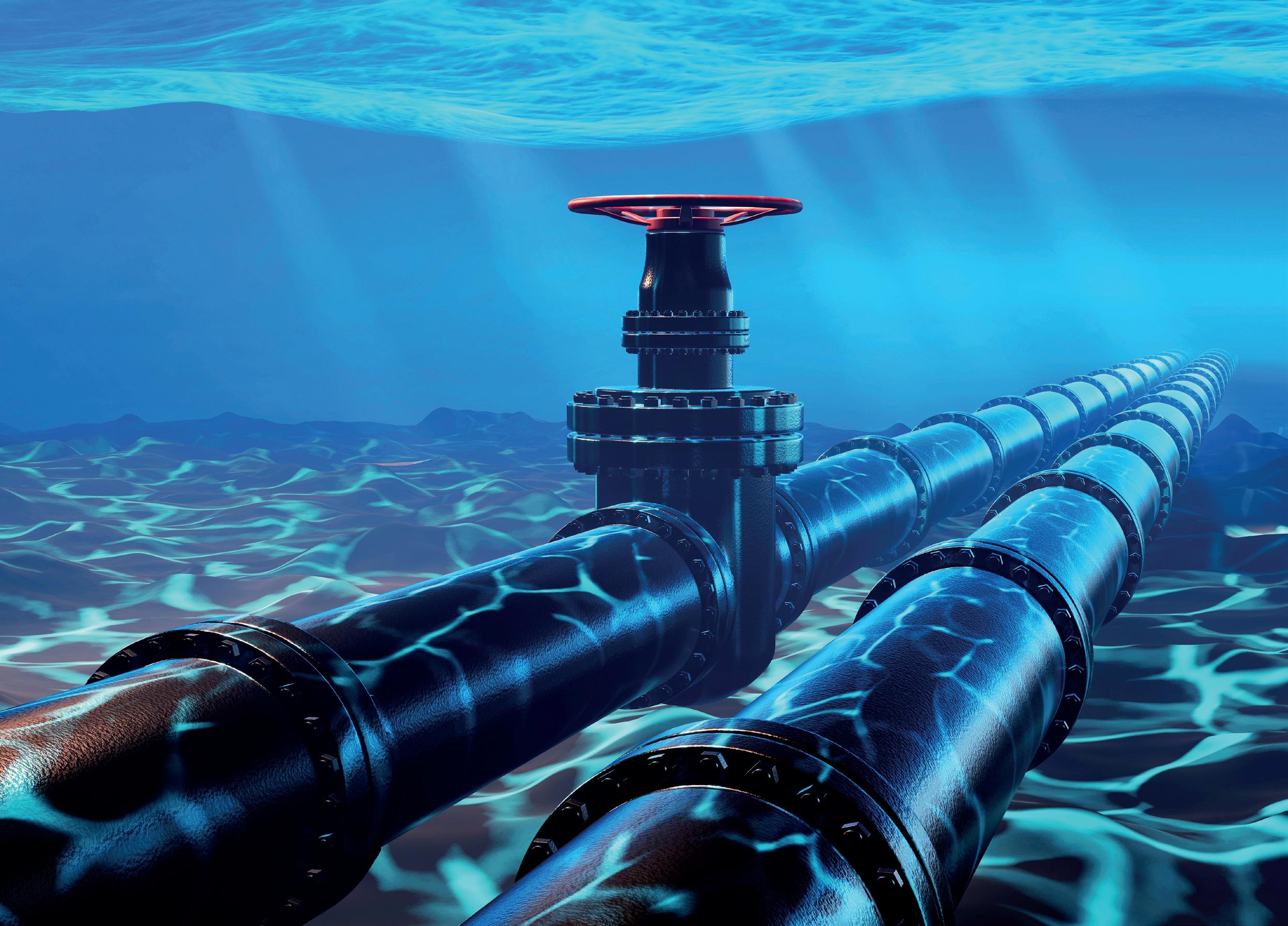
At the bottom of the Santos Basin, over 180km off the coast of Rio de Janeiro, the Búzios field produces oil and associated gas. Since 2025, that gas reaches the market via Rota 3, a pipeline linked to Gaslub, Petrobras' petrochemical complex where gas is processed. While efficient, this system will not be sufficient to meet Brazil's growing gas demand.
The conflict in the Middle East has sharpened the focus of countries on gas security, exposing the need for diversified supply. Brazil is no exception: expanding gas output, developing infrastructure and securing supply deals are priorities.
Natural gas production in Brazil is expected to grow by 2035, driven by major upstream projects. These include Equinor's Raia project, with FID approved and start-up by 2028, alongside Petrobras' FID approved SEAPs projects, which are expected to contribute to increased domestic supply from 2030 onwards. SEAPs are expected to produce more than 15 MMcm/d of gas.
Other projects await confirmation. The Orca field, by Shell, had its FID announced for oil, but not for gas. Should it proceed, the gas would be transported to shore via the Mexilhão and Uruguá fields, connected to the Orca field by pipelines of 114km and 79km respectively. The Aram and Alto do Cabo Frio fields, both being developed by Petrobras, remain sub-commercial at this stage as details need to be assessed.
Despite this project pipeline, it is estimated that from 2040 onwards they will not be sufficient to offset the decline in pre-salt production. Brazil will need discoveries coming onstream. The Equatorial Margin is an option, however discoveries there will require the development of export infrastructure to the coast.
To offset this, Brazil relies on imports: Bolivian gas, transported via the Gasbol pipeline; imported LNG – under contract mainly with the US and Trinidad and Tobago. Due to power market demand, Brazil has been expanding power plants powered by gas and LNG; evidenced by more long-term LNG contracts being signed. Spot contracts continue to be used to cover demand peaks and the dispatch of thermal power plants.
In the future, Brazilian gas demand could be partially met by imports from Argentina's Vaca Muerta shale, either via LNG or pipeline. In December 2025, Eneva completed its first imports from Argentina, following earlier volumes from Bolivia, as part of efforts to diversify supply.


However, challenges remain significant. While gas at the wellhead in Vaca Muerta is priced at around US$3.50/ MBTU, transport through Bolivia, taxes and distribution costs raise the final price in Brazil to approximately US$12-13/MBTU – well above the US$7/MBTU level considered competitive. In addition, Argentine exports are seasonal, as domestic demand during winter absorbs most production.
Bolivia, Brazil's primary external supplier, faces declining production and risks curtailing exports to Brazil beyond 2030. A reversal of this trend depends on the government attracting foreign investment to fund exploration. This year, the Bolivian president, Rodrigo Paz, signalled a shift from two decades of state-led economic policy, announcing that he is working on policies to attract foreign investment in hydrocarbons. The country has been receiving statements from Brasília about the need of more gas exports.
Argentina is also advancing LNG projects. The FLNG project by Southern Energy, currently under FEED stage, would have capacity to export 27 MMcm/d of gas.
The Sierra Grande project, by YPF, under FEED phase, envisages two phases: the first involving the installation FLNG to reach production of up to 6 mtpa of LNG, requiring around 40 MMcm/d of gas from Vaca Muerta; the second, adds two new FLNG units with incremental capacity of 12 mtpa each, with each FLNG producing approximately 9 Bcm of gas per year.
Three routes have been studied for bringing Argentine gas to Brazil by pipeline. The first is a flow reversal of Gasbolgas which would enter via Rio do Sul but would require the construction of a section from Uruguaiana to Porto Alegre to connect to the existing system. The second option is a pipeline via the Paraguayan Chaco, passing through Paraguay. The third is a pipeline via Uruguay, entering through Rio Grande do Sul.
For any of these routes, economic viability depends on firm demand from Brazilian industry. The steel and fertiliser industries could be the anchors that justify investment in new infrastructure. Ultimately, Brazil's gas future will depend not just on resource availability, but on the timely development of infrastructure and the creation of stable, long-term demand.
Rodrigo Matsuda Junior Energy Consultant rodrigo.matsuda@the-eic.com

Welcome to the June 2026 edition of Inside Energy. We are living through one of the most transformative eras in the history of our industry. It isn't just about navigating change anymore – it's about leading it. Every day, I see our members turning ambition into operational reality, proving that the supply chain is the engine of the energy transition. This month's issue captures that spirit, bringing you the stories, strategies and innovations that are shaping the future.
A standout feature this month is our exclusive one-to-one interview with Stephanie Gopaul, Consulting Partner at ERM. She shares her hard-won expertise on navigating the booming African market for renewable energy, unpacking the socio-political challenges and vast opportunities that developers face in the region. It is an essential read for anyone looking to understand project financing and stakeholder engagement in this market.
In this edition, we dive into how artificial intelligence and automated penetration testing are reshaping risk management at machine speed and how advanced cryogenic engineering is bringing greater flexibility to terminal operations. Alongside these technical breakthroughs, our regional teams bring you market updates from every corner of the globe – from offshore momentum in the US Gulf Coast and Brazil to critical infrastructure investments across Europe, Asia Pacific and the Middle East.
Equally compelling is our guest editorial from Dr Colin Elcoate, Managing Director for the MENA Region at Levidian. He explores the exciting role of graphene in the energy transition, charting its journey from theoretical potential to real-world use across the supply chain. Alongside our sector analyses and global member updates, there is plenty inside to inspire your next strategic move.
Stuart Broadley CEO, EIC



Operator: Petrobras Value: US$3.9bn
Petrobras has taken the final investment decision (FID) for the project. Additionally, the anticipated signing of the EPC contract with SBM was in May 2026. The tenders for acquiring wet christmas trees are ongoing and other tenders are to be launched in 2026.
For information on these and more than 17,000 other current and future projects we are tracking please visit EICDataStream
Operator: Phelan Green Energy Value: US$500m
Phelan Green, via its subsidiary Phelan eFuels, has selected Honeywell UOP's Fischer-Tropsch (FT) Unicracking™ technology for its eSAF facility in Saldanha Bay, South Africa. The plant will produce over 140,000 tonnes per year of eSAF for the EU and UK markets. Construction is scheduled to begin in Q4 2026.
Operator: Hy2gen Value: US$1bn
Plug Power has been contracted to supply a 275MW electrolyser system for the project. The firm was awarded the FEED contract for its GenEco PEM system as Hy2gen looks towards reaching an FID in 2027.
Operator: TotalEnergies Value: US$15bn
JGC Corporation and Hyundai Engineering & Construction have been awarded the contract to construct the LNG production plant for the project. The facility will adopt electric-driven compression technology, E Drive, which replaces conventional gas turbines.
Operator: Hanwha Engineering and Construction Value: US$2.6bn
Financial close has been reached on the 390MW Shinan Uido offshore wind project, with capital deployment set to begin in Q2 2026. Once operational, the wind farm will supply clean power to several strategic industry clusters in the region.
Operator: EDF Renewables
Value: US$700m
The Department for Energy Security and Net Zero has approved the 800MW solar farm. The project has received a Development Consent Order (DCO), which enables it to progress towards construction. Completion is expected in 2029.
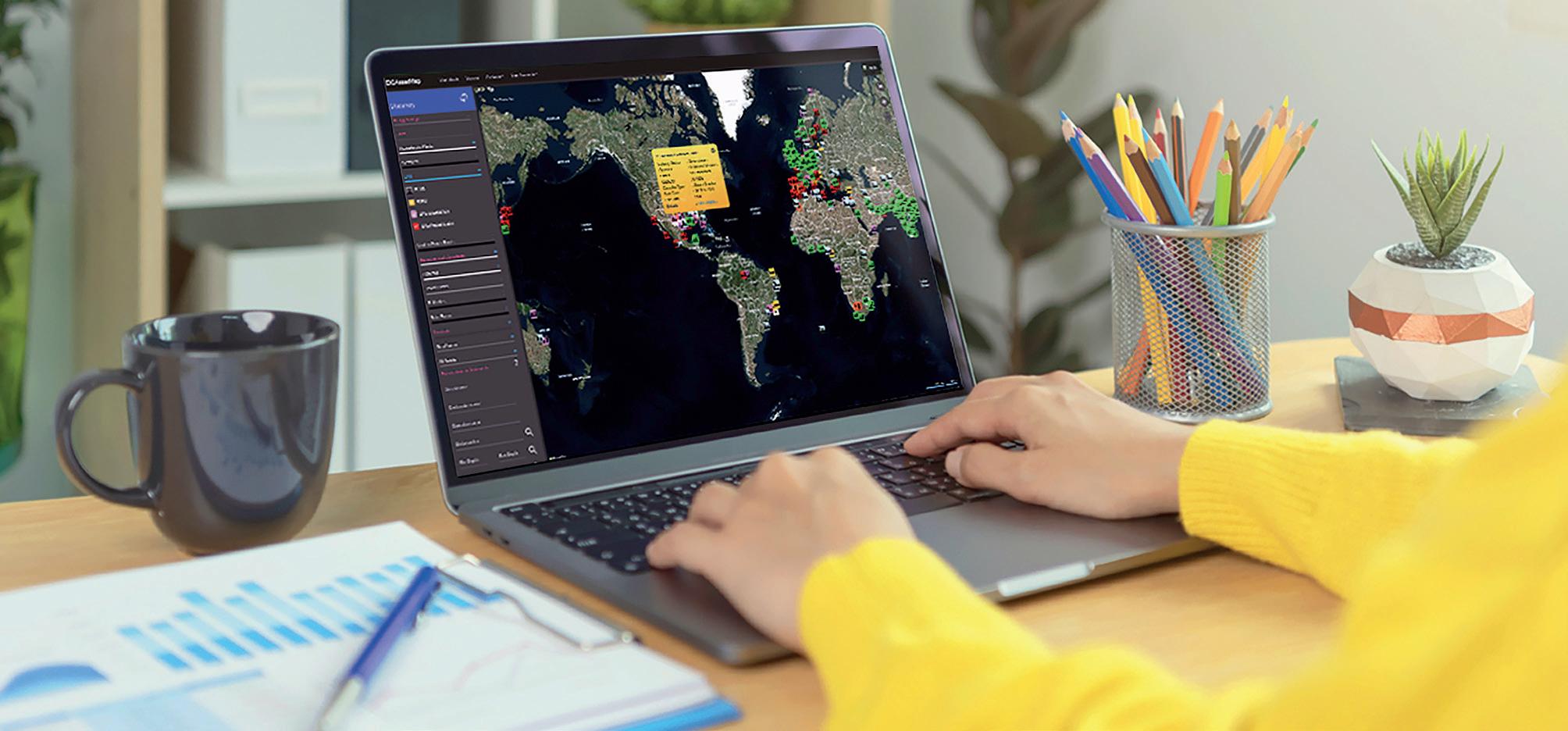

Are you up to date on the latest project developments in the energy market? The EIC’s leading market intelligence database – EICDataStream – contains information on energy projects and associated contracting activity from the inception stage all the way through to construction and commissioning.
• Access details on over 17,000 CAPEX projects across all energy sectors
• Identify business opportunities and inform your business development strategies
• Explore a truly global database, updated daily by an international team of analysts
• Stay up to date with project developments, including information on tenders and awards
• Get insights into what your existing clients are doing and identify potential new clients
• Have a direct interface with analysts for local knowledge and insights
• Access insight and country reports with in-depth data on specific sectors and markets

EICSupplyMap maps the capabilities of supply chain companies that operate across all energy industries. These industries cover renewables, oil and gas, power, nuclear and energy transition technologies like energy storage, carbon capture and hydrogen.
• Identify the supply chain local to your region, giving you the opportunity to engage with potential new clients.
• Find the supply chain capability in 16 regions, now covering the UK, France, Germany, Spain, Italy, Netherlands, Norway, UAE, Oman, Saudi Arabia, Malaysia, Singapore, Indonesia, Japan, US and Brazil
• An in-depth look at profiles of more than 11,500 energy sector supply chain companies.
• Make smarter decisions by targeting your offering to international developers/operators and contractors matching your capability with international energy projects.

ERM partner Stephanie Gopaul specialises in capital project delivery in Africa. She has worked on major infrastructure projects in the region for the last eighteen years, partnering with renewable energy developers, builders, operators and investors in numerous countries, including Morocco, South Africa, Egypt, Kenya and Tanzania. In this interview, she shares her hard-won insights into the challenges, opportunities and local idiosyncrasies developers can expect in the exciting and fast-growing African market for renewable energy.
The potential for new renewable energy projects in Africa is vast. In 2024, about 600m people, equal to 40% of Africa's total population, lacked access to electricity. Most new energy projects still rely on fossil fuels. However, solar energy is now rapidly becoming the most cost-effective energy source in many African countries, offering ample opportunities for renewable energy developers.
Although the prospects are good, setting up renewable energy projects in Africa is not for the faint of heart. Developers need to possess the expertise and local knowledge to navigate Africa's unique socio-political landscape, including local variations in regulatory predictability and energy policies. Developers should also anticipate a highly competitive investor environment and ensure they can answer probing questions, such as about the robustness of their off-take agreements.
QWhere in Africa do you see the most renewable energy activity?
What factors make those areas particularly attractive for renewable energy development?
We see the most renewable energy development activity in South Africa, Egypt, Morocco and Kenya. These countries have emerged as leaders due to a combination of favourable natural resources, stable policies and favourable investment frameworks. South Africa provides 17% of Africa's total renewable energy capacity, Morocco hosts the Noor Ouarzazate Solar Complex which is one of the largest concentrated solar power plants in the world and Kenya is the seventh-largest geothermal producer in the world.
Are any areas emerging as potential new renewable energy 'hot spots'?
Yes – we are seeing exciting progress in Rwanda, Tunisia, Tanzania and Algeria. Rwanda, for example, is pioneering decentralised solar minigrids and community-based electrification models aimed at improved rural energy access and Tunisia has committed to sourcing 30% of its energy from renewables by 2030, with largescale solar and wind projects already underway.
According to the IEA, private sector clean energy investment in Africa has more than doubled since 2019, from approximately US$17bn to nearly US$40bn in 2024. What's driving this investor interest?
In my experience working closely with investors and developers across Africa, I've seen a noticeable shift in how the private sector views clean energy opportunities on the continent. Firstly, solar PV has become the most cost-effective power source in many African countries, especially in regions where grid access is limited.
Secondly, policy reforms in countries like South Africa and Egypt have made a real difference. For example, clearer regulatory frameworks and more transparent procurement processes have boosted investor confidence. These help reduce risk and make long-term planning more feasible.


AQAnother major driver is the rise of climate finance and ESG mandates. Many institutional investors are under pressure to align with sustainability goals and Africa offers high-impact opportunities that also meet these mandates.
I've also noticed a growing interest in energy access startups, particularly in off-grid and commercial-industrial solar. The emergence of venture capital and private equity in this space has diversified the investment landscape, bringing in new players who are willing to take calculated risks.
All of this reflects a broader confidence in Africa's renewable energy potential. From what I've seen, there's a real sense that Africa isn't just catching up – it's helping shape the global energy transition.
What are private investors most likely to scrutinise in a renewable energy project? What mistakes do developers most commonly make that jeopardise their ability to get project financing?
Private investors tend to scrutinise regulatory predictability and the stability of energy policies. They also typically want to see bankable power purchase agreements (PPAs) with creditworthy offtakers, and they will analyse project feasibility, including resource assessments and financial modelling and risk mitigation instruments such as guarantees and insurance.
QDevelopers have to compete for financing, so it's important that they are diligent about meeting investors' expectations. When we work with developers, we help them avoid common mistakes, like underestimating off-taker risk or failing to secure robust risk mitigation instruments. We also see many developers neglect robust community engagement, which can lead to delays or opposition. That's why we make sure that all our clients have a meaningful community engagement plan.
Can you share examples of how ERM has helped clients navigate complex stakeholder landscapes, particularly where local communities, governments and international lenders have competing objectives?
QAI've found that navigating stakeholder complexity is often the most critical and nuanced part of any project. We've supported clients in contexts where community concerns, government priorities and lender requirements weren't just misaligned – they were fundamentally at odds with each other. What's helped us consistently is our commitment to early, transparent and inclusive engagement.
One example is when our team developed the stakeholder engagement plan, where we had to balance the expectations of international lenders (who required strict adherence to IFC performance standards) with local community concerns around environmental impact and access to information.
We ran multi-phase engagement processes, ensuring vulnerable groups were identified and consulted and that a robust grievance mechanism was in place. That early groundwork helped build trust and avoid delays.
On another project, we supported a client navigating national and provincial/statelevel dynamics that directly influenced community sentiment and regulatory processes.
Our team leaned heavily on local networks and senior advisors with deep experience in government and civil society. That allowed us to tailor our engagement strategy in a way that respected local sensitivities while still meeting international expectations.
What I've learned is that meaningful engagement isn't about ticking boxes – it's about listening, adapting and building trust. Whether it's through participatory planning sessions, site visits, or political and media monitoring, we make sure every voice is heard and reflected in the project design.
In your experience, what are the key factors that help build trust and resilience in community relationships throughout the renewable project lifecycle?
ABuilding trust and resilience with communities isn't just a best practice – it's a necessity. Projects succeed or stall based on how well we engage, listen and deliver on promises.
For me, it starts with early and continuous engagement and having consistency helps us build credibility and avoid surprises later on.
Transparent communication is another cornerstone. In many African countries, we work with local partners to support stakeholder engagement. We don't just share project updates; instead, we strive to create space for meaningful feedback and mechanisms for this feedback to be acted upon.
Benefit-sharing mechanisms are also important. I've seen how local employment, infrastructure investment and training can shift community sentiment from scepticism to support.
We also prioritise culturally sensitive approaches. In our work, we tailor engagement methods to reach women, youth and vulnerable groups, using local languages and formats that respect community norms and values. That inclusivity makes a real difference in how projects are received.
When should developers expect to partner with both private and public investors on blended financing models? How can this be done successfully?
Blended finance works best when there’s a clear structure for risk-sharing and a strong alignment of interests between public and private partners. Transparency in governance and reporting is also important, especially when international lenders are involved. I’ve worked on opportunities where we had to carefully separate core and optional services, price them strategically and ensure the scope was lean enough to qualify for direct awards, while still meeting lender expectations.
But it’s not just about the funding, it’s also about the relationships. Successful blended finance requires developers to engage early with development finance institutions (DFIs), understand their priorities and build trust. You and your team often support the full lifecycle of a project’s development, construction and operation. How do you use this comprehensive perspective to anticipate and mitigate risks?
Being a committed partner throughout the entire lifecycle of a project enables us to be proactive and tackle risks earlier. By integrating technical due diligence, regulatory analysis and stakeholder engagement from the outset, we can help clients avoid costly surprises and delays.
For example, during the design phase, we assess environmental and social risks, while during construction, we ensure compliance with permitting and safety standards. During the operational phase, we monitor performance and adjust strategies in response to evolving regulatory or market conditions. This holistic view ensures that risks are not only identified early but also managed continuously throughout the project lifecycle.

www.fluorocarbon.co.uk
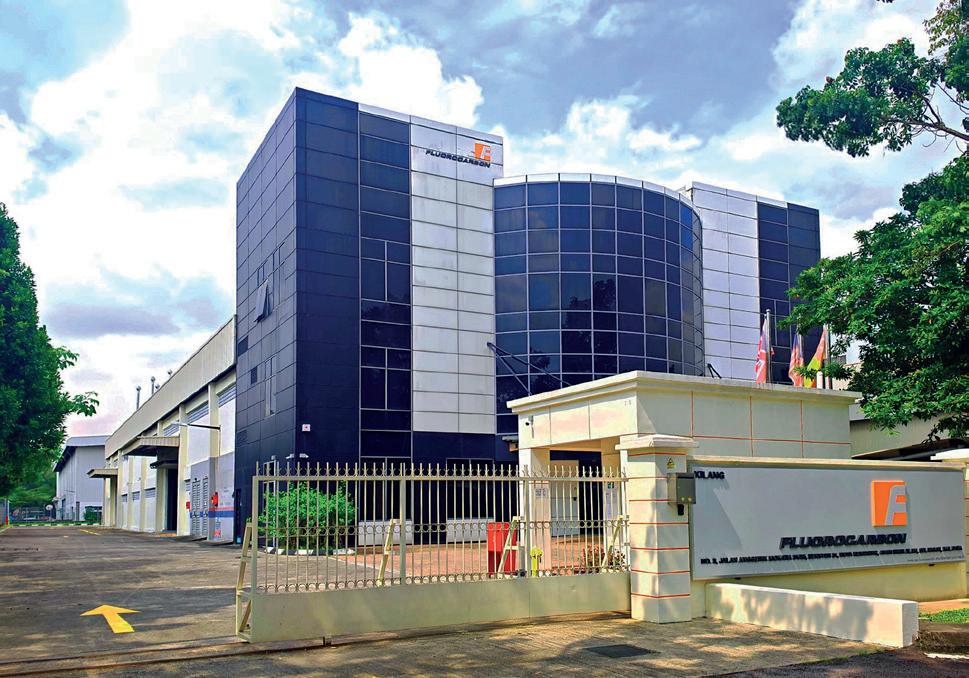
Fluorocarbon, a UK-based specialist in supplying highperformance polymers and precision-engineered components to multiple advanced materials sectors, has expanded its global operations with the opening of a new manufacturing facility in Malaysia. The new site strengthens the company's ability to support customers across the fast-growing Asia Pacific (APAC) region, including industries critical to the global energy transition.
Strengthening regional supply and collaboration Malaysia was selected as the location for Fluorocarbon's latest expansion due to its growing role as a hub for advanced manufacturing and its strategic position within the APAC region. The new facility enables shorter lead times, improved supply chain resilience and closer technical collaboration with customers throughout Southeast Asia and beyond.
Part of a connected

The investment represents an important step in Fluorocarbon's long-term strategy to bring advanced material expertise closer to customers operating in sectors such as oil and gas, the hydrogen economy and renewables, aerospace and semiconductor manufacturing. These industries rely on high-performance materials capable of operating in demanding environments involving extreme temperatures, pressures and chemical exposure.
Beyond supplying materials and components, Fluorocarbon works closely with customers as a technical partner to develop application-specific solutions. By combining deep material knowledge with precision machining and engineering capabilities, the company collaborates with customers to understand the unique demands of each application, from sealing and cryogenic performance to wear resistance and chemical compatibility. This collaborative approach enables the development of tailored solutions that improve reliability, extend component life and support the performance requirements of highly regulated and mission-critical industries.
By maintaining unified manufacturing processes and rigorous quality control, Fluorocarbon ensures that customers receive the same performance, traceability and reliability regardless of where their components are produced. This is particularly important for industries such as energy and aerospace, where compliance and operational reliability are essential.
The new Malaysia facility represents an important step in strengthening how we support customers across the region. By combining Fluorocarbon's global engineering expertise with local manufacturing capability, we can work more closely with our customers, respond faster and deliver the consistent quality they expect worldwide.
Omair Arif, Site Manager, Fluorocarbon Sdn Bhd

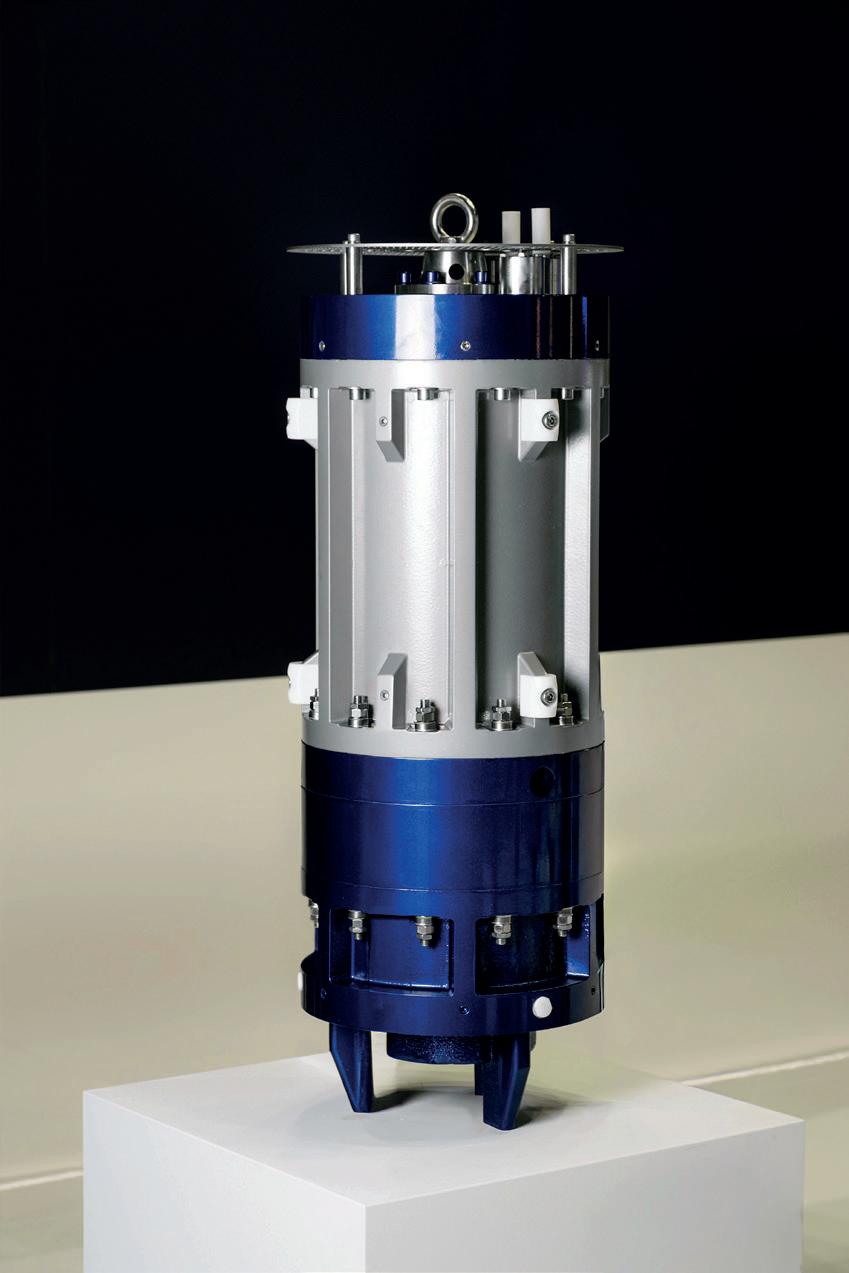
Vanzetti Engineering is expanding its product portfolio by introducing a new family of submerged pumps, the ESKIMO retractable series with flow rates from 70m3/hr up to 500m3/hr and a head of up to 240m.
With increasing demand for alternative energy and growing pressure to reduce emissions, terminals are proving to be a flexible solution that can bring LNG to where it is needed. In parallel, the LNG shipping market is experiencing significant growth. LNG-fuelled ships offer an alternative to traditional fuel, helping to reduce emissions to comply with increasingly stringent regulations, in turn generating growing demand for port infrastructure and dedicated terminals.
The ESK-IMO Series is used in the industrial field in smallscale terminals with a capacity of <1MTPA, million tonnes per year and in the marine field where the retractable pumps are used as emergency pumps or cargo/stripping pumps for emptying tanks in the event of malfunction and/ or necessary maintenance on the main pumps.
A special feature of the ESK-IMO retractable pump is that it does not require the tank to be emptied for maintenance. This is an important added value considering that the tanks of small scale LNG terminals are subject to very long maintenance intervals. As the maintenance interval of the pump is generally shorter than that of the tank, it is a huge advantage to be able to remove the pump and carry out maintenance without taking the tank out of service because it makes the process quicker and easier for both the user and the terminal itself.
In the marine sector, the ESK-IMO Series allows for greater flexibility in maintenance activities, making it possible to empty atmospheric tanks (operating at a pressure of less than 1 bar) in order to service the tank itself or the installed pumps.
For more information please visit: www.vanzettiengineering.com
AVK Industrial Sales AG
Grundstrasse 24 6343 Rotkreuz Switzerland
Contact Sabine Fanger, Marketing and Sales Excellence Manager
Telephone +41 41 798 22 33
sfanger@avkindustrial.com
Web
www.avkvalves.com
AVK Industrial Sales AG is dedicated to creating growth opportunities by empowering AVK sales and industrial production companies.
The company is part of the AVK Group. Founded in 1941, the AVK Group employs more than 5,300 people worldwide and comprises over 100 companies, with an annual turnover of €1.212bn.
The company develops and manufactures valves, hydrants and accessories for water and gas distribution, wastewater treatment and fire protection, as well as advanced products and solutions for a wide range of industrial sectors.
SP Bari-Modugno km 1,5 – 70026 Modugno (BA) Italy
Contact Tina Luciano, General Manager
Telephone +39 0805 367 063
tina.luciano@bellinosrl.com
Web
www.bellinosrl.com
Custom engineering. Bellino Srl is your trusted partner for control valves and topside valves for FPSOs. For 40 years, the company's business has been control.
It manufactures valves in all materials, except cast iron and plastic. It supports you at every stage, from preliminary sizing to final delivery, ensuring complete and personalised support. Internal production: the entire process is carried out internally (excluding heat treatments and NDT) for maximum quality control.
Unique value points: Flexibility: adaptability in processes and products to meet every need. Speed: timely responses and fast deliveries.
Non-standard solutions on request: customised valves on request. Size optimisation: Bellino Srl simplifies the final steps of the design, reducing the workload of EPCs. Economic efficiency: reduction of the total cost of the valve, from purchase to maintenance. Customised design: tailored sizing and design based on the valve's service specifications.
5711 Ashley Spring Ct Katy, Texas 77494 US

Contact Joshua Castell, Technical Manager
Telephone +1 713 259 3962
joshua.castell@ccrgusa.com
Web
https://ccrgusa.com/
Working closely with the company's principals, CCRG is a leading supplier in the field of fired and non-fired heater transfer and process equipment in the oil, gas and petrochemical industry, supplying fired heaters, waste heat recovery units and heat recovery steam generators for both the onshore and offshore industry, along with associated ancillary items. CCRG technologies are targeted towards improving the operational efficiencies and emissions of new and existing equipment in line with the common goals of tomorrow's net zero policies.
NEW PRIMARY MEMBER
Celtic Marine & Logistics
3888 South Sherwood Forest Blvd Bldg 1 Baton Rouge, LA 70816 US

Contact Keith Chappell, CFO
Telephone +1 225 752 2490
Email kchappell@celticgroup.com
Web www.celticmarine.com
Celtic Marine & Logistics develops and delivers independent costeffective transportation services that are uniquely designed to meet the specific needs of each of its clients. The company uses its vast knowledge in the transportation and logistics industry to deliver a full service solution.
Celtic Marine & Logistics staff of highly skilled, experienced and motivated professionals allows it to manage millions of tons of cargo annually, including ferro alloys, minerals, limestone, coal, carbon products, fertiliser, cement, salt, iron substitute units, metals, steel, pipe, frac sand, proppants, liquids and other bulk or break-bulk commodities.
Celtic International Shipping Agency is a full-service shipping agency firm that strives to offer clients the highest level of customer service in the industry.
Combined House, Kirkhill Drive Kirkhill Industrial Estate, Dyce Aberdeen AB21 0EU UK
Contact James Petrie, Operations Manager
Telephone +44 (0)1224 724 177
Email james@combinedpumps.com
Web
www.combinedpumps.com
Combined Pumps has been in the chemical injection and transfer pump business for more than 20 years. Operating out of its manufacturing facility in the heart of Dyce, Aberdeen the company has been servicing the oil and gas industry worldwide providing chemical injection solutions, pressure test systems and fluid transfer pumps.
Combined Pumps can offer a complete pumping solution depending on requirements and needs of clients. Combined Pumps offers a unique pumping solution through its range of specially designed and manufactured pump systems.
Combined Pumps designs, engineers and manufactures all of its own pump systems onsite at its Aberdeen facility. Combined Pumps also holds ISO 9001 accreditation illustrating its commitment to quality and certification. In addition to manufacturing its own pump products, Combined Pumps also has capacity for elastomer seal engineering and manufacturing.
NEW PRIMARY MEMBER
Gati Petrochem E&A Sdn Bhd
No 13A-G & 13A-1
Jalan Hillpark 6/1 Hillpark 3, 43500 Semenyih Selangor, Malaysia
Contact Saiful Hifzudeen bin Abdul Jalil, Head of Department (Project & Sales)
Telephone +603 8723 6230
+6012 7663 150
Email saiful@gati.com.my
Web https://gati.com.my/
Gati Petrochem, a Petronas-licensed company (License No 766387-P), is the exclusive representative of PROTEGO® Germany, FIKE USA and GOETZE® Germany.
With over a decade of trusted partnerships with Petronas, ExxonMobil, Shell, Yinson and Mubadala, the company delivers more than high-quality safety equipment – it provides engineering solutions that protect people, assets and the environment.
Gati Petrochem's product range includes flame arrestors, pressure vacuum relief valves, rupture discs, explosion protection systems, flame detectors and safety valves for industrial applications. Gati is committed to reliability, innovation and safety excellence across the oil, gas and petrochemical sectors.
Infinite
11180 State Bridge Rd Unit 305 Alpharetta GA 30022 US
Contact Maximiliano Scarano, Regional Marketing Manager –EMEA & Americas
Telephone +1 309 339 5763
Email maximiliano.scarano @infinite-uptime.com
Web www.infinite-uptime.com
Infinite Uptime is a global industrial AI company that delivers predictive and prescriptive maintenance solutions to improve equipment reliability and manufacturing performance.
Founded in 2015, the company leverages proprietary sensors, advanced analytics and its PlantOS™ Manufacturing Intelligence platform to monitor industrial assets in real time and detect potential failures before they occur.
By combining artificial intelligence with domain expertise, Infinite Uptime helps manufacturers reduce unplanned downtime, increase efficiency and optimise energy use. Serving diverse industries such as energy, steel, cement, chemicals and pharmaceuticals, the company enables data-driven, outcome-focused operations across plants worldwide.
Midas Events Management
Unit 3-56, Jesselton Quay Central Tanjung Lipat
Jalan Tun Fuad Stephens
88400 Kota Kinabalu Sabah, Malaysia
Contact
Dolly Jimayol, Director
Telephone +6088 889 858
Email info@midaseventsm.com
Web www.midaseventsm.com
Midas Events Management (MEM), a business unit of Falconet Resources Sdn Bhd, has been organising impactful business events since 2012.
Its portfolio includes major exhibitions and conferences across the oil and gas, renewable energy, travel and lifestyle sectors in Sabah.
MEM has earned multiple international accolades, including regional and global awards for excellence in corporate event management.
Backed by a dedicated team of experienced professionals, MEM delivers end-to-end event solutions – from strategic planning to creative execution – with a strong commitment to quality and impact.
Herries Road
Sheffield S6 1HP UK
Contact
Adam Dudley, Strategic Business Development Manager
Telephone 0161 866 6999
adam.dudley@murraysteels.com
Web www.murraysteelproducts.com
Murray Steel Products is one of the UK and Ireland's largest suppliers of steel plate, profiles and structural steel.
It has in-house processing operations that allow it to meet exact requirements, along with the systems and accreditations needed to meet stringent quality standards. The company's extensive in-house processing includes state-of-the-art steel profiling, plate cutting, ink jet marking and drilling machinery.
One of the most trusted names in the UK metals industry, Murray Steel Products has an established purchasing operation leveraging relationships with high-quality steel mills which allow it to support both long-term contract requirements and short lead-time orders.

PO Box 889
PC 100
Muscat
Sultanate of Oman
Contact

Davinder Khindey, Head of Corporate Communications
Telephone +968 7990 5166
Email davinder.khindey @ohigroup.com
Web www.ohigroup.com
OHI Group is one of Oman's largest privately owned diversified business groups, bringing together market-leading companies across a broad portfolio of sectors through its subsidiaries, associate companies and strategic joint ventures.
Since its establishment in 1976, OHI has been driven by the power of partnership and the belief that lasting success is built through collaboration, trust and shared value creation. By cultivating strong relationships with employees, principals, customers, vendors, shareholders and the wider community, the Group has built a legacy defined by resilience, innovation and sustainable growth.
Today, OHI plays an active role in supporting the region's evolving economic and energy landscape. Through its operations across energy, engineering and construction, technology, defence and security, finance, logistics, media, travel and tourism and training and education, the Group continues to deliver integrated solutions that support national development, infrastructure advancement, industrial progress and long-term sustainability across Oman and the wider GCC region.
Ernst-Diez-Straße 6
A-9020 Klagenfurt am Wörthersee Austria
Contact
Helena Dimitrovska, Office Management
Telephone +43 508 988
Email office@set-solutions.net
Web https://set-solutions.net/
SET Sustainable Energy Technologies GmbH is an Austrian technology company based in Klagenfurt, specialising in the development and industrialisation of electro-mechanical variable-speed gearboxes.
The company's flagship product, SETCON®, delivers industryleading speed control for large pumps and compressors across the energy, oil and gas and industrial sectors – achieving up to 97% system efficiency.
Backed by over 35 years of experience and more than 30 patent families, SET combines engineering excellence with a clear sustainability mission. As a contributor to the global energy transition, SET provides smart, reliable and CO2 –reducing drive solutions – making SET a trusted partner for operators seeking maximum efficiency and long-term performance.
Westcon Redes e Conectividade Industrial
Rua Álvaro Rodrigues 288 CEP 04582-000 São Paulo, SP Brazil

Contact Erik Maran, Director
Telephone +55 11 5561 7488
Email erik@wii.com.br
Web www.wii.com.br
Westcon Redes e Conectividade Industrial is a Brazilian company specialising in industrial networks, OT connectivity, OT cybersecurity and control and data acquisition systems for critical environments.
With over 30 years of experience, the company supports end users, system integrators and EPCs in designing and implementing reliable communication architectures for the factory floor.
Westcon is recognised by PI (PROFIBUS & PROFINET International) as a PICC (PI Competence Center) and PITC (PI Training Center).
In addition to distribution, Westcon provides engineering services, certified training programmes and technical support, helping customers improve availability, security and performance in their operations.




by
For more than a decade, graphene has attracted significant attention from both academia and industry. Much of that attention has been driven by headline claims around its theoretical properties, which, while technically valid at a very small scale, have not translated easily into real-world applications.
As a result, graphene has often felt closer to promise than practical reality.
Increasingly, however, the conversation is shifting. In the context of the energy transition, where improving efficiency, resilience and performance across existing systems is becoming increasingly important, there is growing interest in materials that can deliver incremental but meaningful gains.
Graphene is starting to find its place within that more practical framing.
If you speak to operators, contractors or manufacturers, the interest in graphene is not new. The need for better-performing materials is constant, whether that is to improve durability in harsh environments, increase efficiency, or reduce the overall material intensity of systems.
Graphene aligns well with these challenges. Improvements in conductivity, barrier performance and thermal behaviour are directly relevant across large parts of the energy value chain, from infrastructure through to emerging areas such as energy storage.
However, industry tends to move cautiously. Performance on paper is not enough.
What matters is whether a material can be supplied reliably, whether it behaves consistently and whether it can be integrated without introducing unnecessary complexity.
That is where graphene has historically struggled.
The importance of doing the basics well
The underlying issue has been production.
Earlier approaches tended to fall into one of two categories: very highquality material produced in small quantities at high cost, or larger volumes with variability that made it difficult to use with confidence.
Neither is particularly helpful in an industrial setting.
What industry requires is something far more straightforward: a material that is consistent, repeatable and available in meaningful quantities.
In other words, graphene needs to behave like any other engineered material within the supply chain.
There are now clear signs that this is becoming achievable.
Linking production to the energy system
One of the more interesting developments is the emergence of methane-based production routes.
In simple terms, these processes split methane into its constituent parts, producing solid carbon in the form of graphene. As part of that same process, hydrogen is also generated.
The hydrogen is not the primary driver in this context, but it does mean that graphene production can sit
more naturally alongside parts of the evolving energy system, rather than being entirely separate from it.
More broadly, this approach offers a way to turn carbon into something useful, while connecting production to existing infrastructure and widely available feedstocks. It also opens up the possibility of producing material closer to where it is ultimately used, with clear advantages from both a cost and supply chain perspective.
From small-scale trials to meaningful deployment
What is encouraging is that graphene is increasingly being tested in real operating environments.
Across a number of early deployments and trials, we are seeing it incorporated into performance fluids, polymers and coatings and explored in construction materials where durability and lifecycle performance are critical. It is also being evaluated in areas such as energy storage and thermal management, where improving efficiency and managing heat are becoming increasingly important, particularly in energy-intensive systems such as data centres.
These are practical applications with defined requirements, rather than speculative use cases.
As volumes increase into tonne-scale production, the conversation shifts. It becomes less about whether something works in principle and more about how it can be implemented reliably in practice.
A global opportunity, with regional momentum
This transition is not confined to any single geography. It is being driven by a broader need across the energy sector to improve efficiency and sustainability.



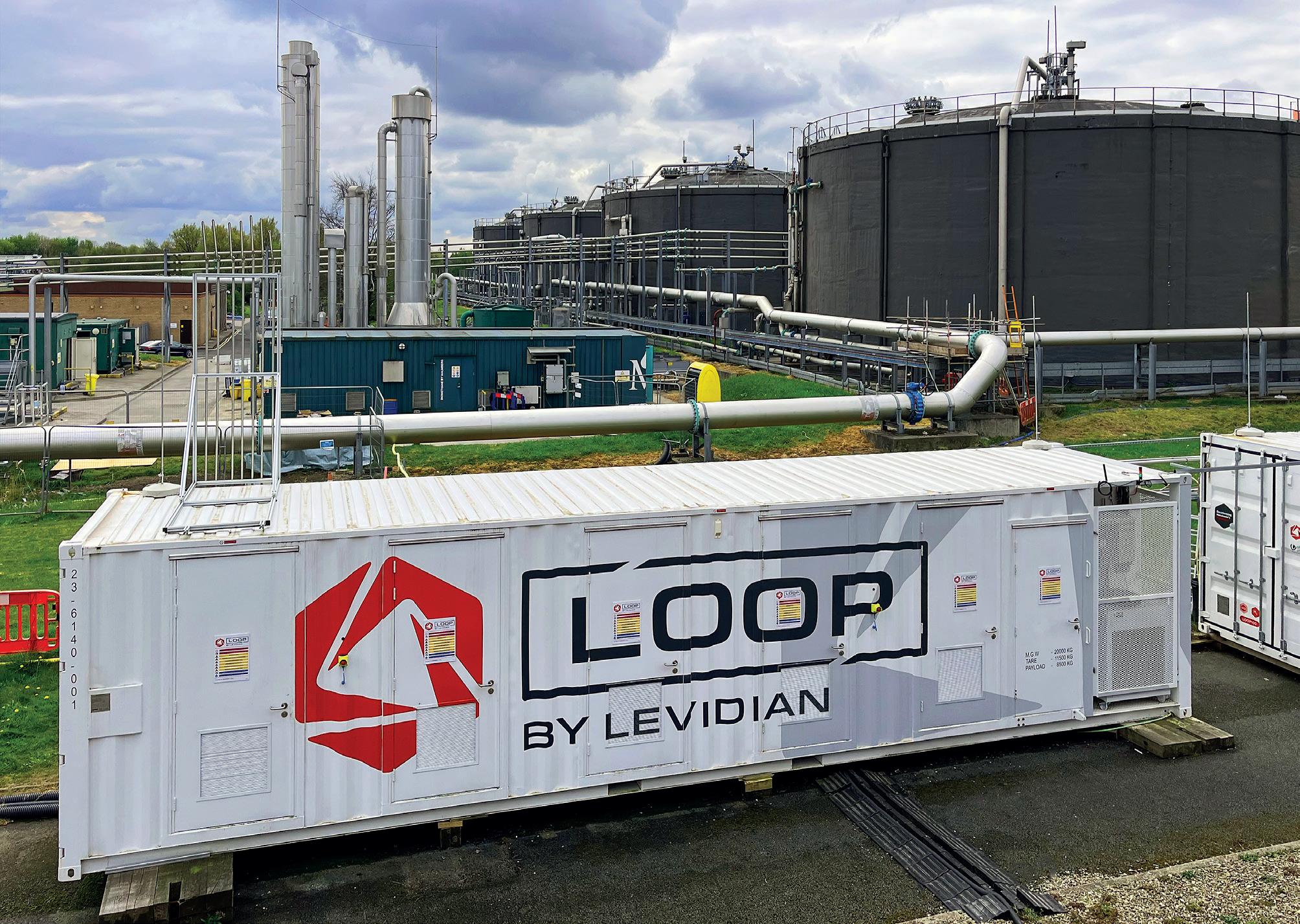
more quickly. The Middle East is a good example, where access to feedstock, strong industrial capability and a clear strategic focus on diversification are creating the conditions for faster deployment. What stands out is the focus on scale and localisation. Projects are being developed with long-term implementation in mind, rather than as isolated demonstrations and there is a clear intent to build new value chains around advanced materials.
Graphene is one part of that wider shift.
For graphene to move beyond early adoption, a few things will be important.
Consistency of production remains fundamental. Industry needs confidence that material will perform in the same way over time and at increasing volumes. Ease of integration is equally important, as solutions that require significant process change will inevitably face resistance. And, as ever, the commercial case must stand up, with clear and measurable benefits.
These are not unique challenges. They are the same hurdles that any new material must overcome before it becomes widely adopted.
The difference now is that graphene is starting to meet them.
There is a tendency with new technologies to focus on potential, and graphene has been no exception.
What is emerging now is a more grounded view – one that recognises graphene not as a standalone solution, but as a useful and increasingly practical material that can support the evolution of the energy system.
In that sense, it is perhaps best understood not as a breakthrough in isolation, but as part of a broader shift towards better, more efficient materials across industry.
And as production continues to improve and applications become more clearly defined, its role is likely to become steadily more established.
Levidian is an advanced materials company helping industries improve performance, cut costs, build resilient supply chains and lower carbon emissions.
Energy efficiency has become a board level margin and risk issue, but many industrial organisations are struggling to turn intent into sustained results, according to a new report from ABB.
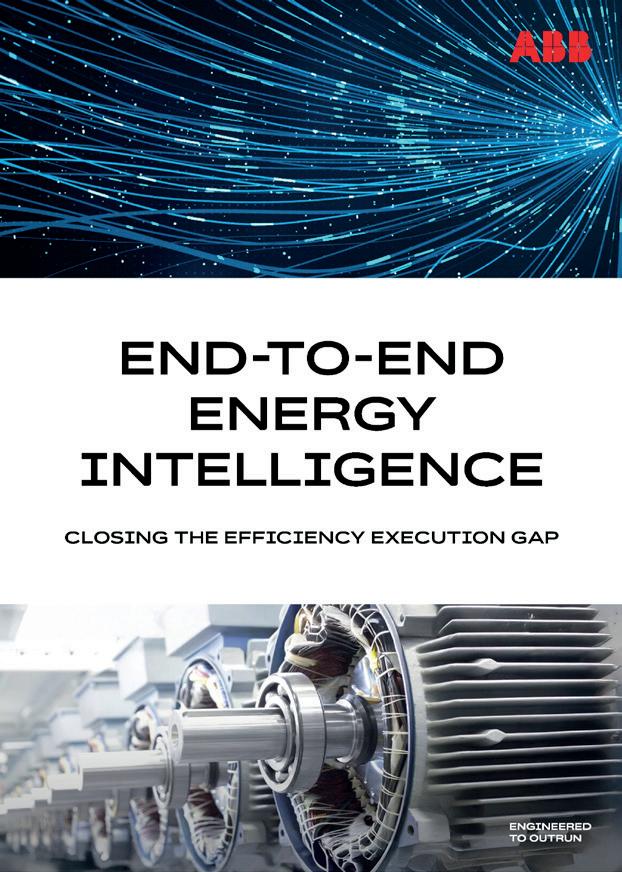
Based on a survey of 2,700 senior decision makers across 15 countries and 15 industries, the study, developed in partnership with Sapio Research, finds that 63% have already invested in energy efficiency and a further 29% plan to within the next 12 months. Yet, progress is increasingly constrained by execution gaps.
Energy still absorbs around a quarter of operating costs on average and nearly 60% of companies say rising energy costs continue to threaten profitability, despite calmer wholesale markets. The issue is not lack of ambition or funding. For executives, the challenge has shifted from reacting to price spikes to managing persistent price volatility and structural exposure.
Execution, not intent, is now the differentiator
The study shows that digital readiness has gone mainstream, with two thirds (67%) of respondents already using or ready to deploy digital energy management tools. However, readiness alone does not guarantee results. Only 37% consistently apply total cost of ownership (TCO) when making investment decisions – despite eight in ten (81%) agreeing it should guide purchasing.
Renewables alone are not enough The research also points to a growing risk of 'post renewables complacency'. Among organisations that have switched to renewable energy sources (39% of respondents), more than one third report a reduced focus on energy efficiency.
Cost is no longer the main blocker – it has fallen from 50% to 43% since 2022. What's holding companies back now are organisational silos, skills gaps and a lack of usable data.
Erich Labuda, President, Motion Services division, ABB
While renewables lower the carbon intensity of energy, they do not reduce the volume consumed – meaning significant efficiency gains remain untapped, even for companies that have already secured green power. As a result, opportunities to strengthen resilience, control long term costs and reduce exposure to volatility are being left on the table.
The next phase of the industrial energy transition will be defined by delivery capability. While activity levels are high across businesses, efforts remain shallow, lacking co-ordination and long term structure.

AIS is delighted to announce the acquisition of aquaculture technology company Imenco Aqua.
Imenco Aqua is headquartered in Sunndalsøra, with an additional facility in Haugesund, Norway and its own dedicated production facility in Puerto Montt, Chile. The company brings deep expertise in aquaculture systems, including technologies that support fish welfare, oxygenation, feed efficiency and biomass monitoring.
This acquisition marks another significant milestone following AIS' 2025 acquisition of Ovun, further bolstering the company's presence in the marine sector. The integration of Imenco Aqua aligns with AIS' longterm strategic vision, significantly increasing its presence in aquaculture, a growing and noncyclical market.
With Imenco Aqua's specialist aquaculture product range, AIS will not only expand its marine product suite but also establish its first presence in Chile, providing opportunities for AIS products within the region, while deepening its footprint in Norway, one of the world's leading marine markets.
As part of the acquisition, AIS will welcome new employees in Norway and in Chile to the AIS Group. Once fully integrated, Imenco Aqua will become part of the AIS Marine division, managed through Ovun in Norway. AIS is not planning any significant changes to the day-to-day operations, and its teams will work together to develop a new strategy as a combined group, focusing on opportunities for cross-selling and growth.
AIS is an award-winning global leader in materials science technology for the protection of critical infrastructure.
Amarinth, a world-leading, net-zero designer and manufacturer of low lifecycle cost centrifugal pumps and associated equipment, primarily for the offshore and onshore oil and gas industries; nuclear and renewable energy generation; defence; desalination; process and industrial markets, has successfully completed the manufacture and delivery of a £1.5m order for four bespoke API 675 chemical injection skid packages destined for Nigeria's Soku and Gbaran LNG fields, located in the Niger Delta.
The Niger Delta presents some of the most arduous operating conditions in the world. To ensure the long-term integrity of the assets operated by Renaissance Africa Energy Company Limited, which supplies feed gas to the Nigeria LNG (NLNG) plant at Finima, Bonny Island, Amarinth's skids will perform precision chemical injection duties that are fundamental to preventing pipeline corrosion and scale build-up. The delivered order consists of two specialised packages:
• Package 1: Biocide Injection Skid and Oxygen Scavenger Injection Skid.
• Package 2: Biocide Injection Skid and Scale Inhibitor Injection Skid.
The skids are built to the most robust API 675 standards. They feature sophisticated instrumentation, including actuated valves and remote monitoring transmitters, allowing operators to manage precise chemical dosages from central control rooms.
Recognising the logistical challenges of the Niger Delta, Amarinth engineered these skids for a minimal installation footprint. Each unit was fully pre-assembled and factorytested, including all structural elements and critical spare parts, to ensure they arrived 'ready-to-run'. This approach minimises hazardous onsite labour and streamlines the commissioning process within existing site infrastructure.
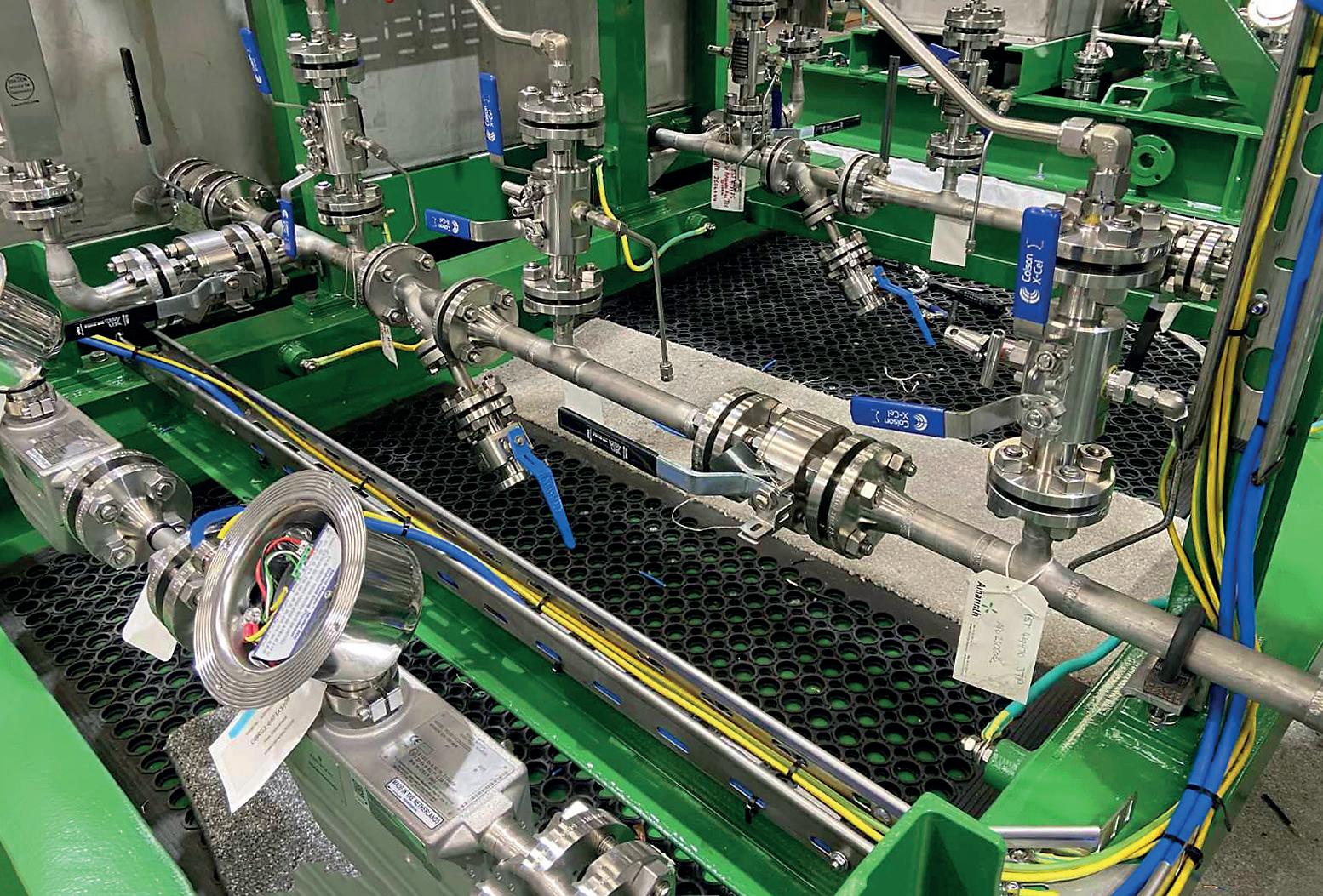
For the Soku LNG field project, Amarinth demonstrated its agility by engineering a bespoke frame designed to carry the skid packages and which fit over the footprint of the facility's existing concrete plinths. This allowed for seamless integration within the dimensions of the standing building without the need for costly civil works.
Logistics were a primary consideration from the outset. Amarinth engineered the skids ensuring they could be housed within standard shipping containers. This also ensured that the equipment could be transported via Nigerian road networks without requiring special permits or dispensations, significantly reducing lead times and transit costs.
The successful delivery of this contract was supported through collaboration with Elkarino Nigeria Ltd, which bridged the gap between international engineering excellence and regional execution. By combining Amarinth's world-class design capabilities with Elkarino's on-theground support and understanding of Nigeria's operational landscape, the project was completed to the highest local and international standards.
i For more information: www.amarinth.com

DEEP Manufacturing, a specialist in wire arc additive manufacturing (WAAM) and hybrid manufacturing solutions, is expanding its US manufacturing presence with the launch of a state-of-the-art facility in Houston, bringing large-scale additive manufacturing capability closer to customers in energy, defence and the maritime sectors.
The move strengthens domestic manufacturing capacity for highintegrity components at a time when global supply chains remain under pressure, enabling faster production and delivery of large, complex parts used in critical industrial infrastructure.
DEEP Manufacturing's new 50,000 sq ft facility represents a major step in the company's global expansion and forms part of a wider US$10m investment in US advanced manufacturing capability planned by the end of 2026.
The facility is already up and running ahead of full operations in May.
i For more information: www.deepmanufacturing.com

DNV, the independent energy expert and assurance provider, issued its annual Energy Transition Outlook (ETO) for the UK, finding that the UK's energy transition risks being delayed by a lack of 'whole system' thinking. The main findings from this year's ETO indicate that the country is transitioning fast – but not fast enough to hit the UK's decarbonisation targets, namely Clean Power 2030, Nationally Determined Contribution (NDC) 2035 and net zero by 2050.
Indeed, the forecast suggests the UK will fall short of its 2035 NDC target (agreed in Paris in 2015), with emissions reduced by only 33%, roughly half of what is needed to achieve the goal. Buildings and transport demand remain the biggest blockers, with two thirds of UK homes predicted to still be using gas boilers and more than half the cars on the roads remaining fossil fuelled in 2035.
According to the report, which highlights how the country remains a decarbonisation leader globally, the UK will not achieve net zero by 2050 and will still emit 130MtCO₂e (million metric tons of carbon dioxide equivalent) per year, an 84% reduction from 1990.
DNV finds that while the 2030 Clean Power aim is closer, the UK will still significantly rely on gas. The country will double its wind and triple its solar capacity within the next four years, reaching 107GW of variable renewables, but will still require unabated gas for 15% of its electricity generation.
Longer term, wind, solar, nuclear and other renewables will provide 85% of low-carbon energy by 2060, with imported fossil fuels supplying the remaining 15%. Energy security, meanwhile, will rest not on imported fuels but on domestic generation, storage and flexible demand.
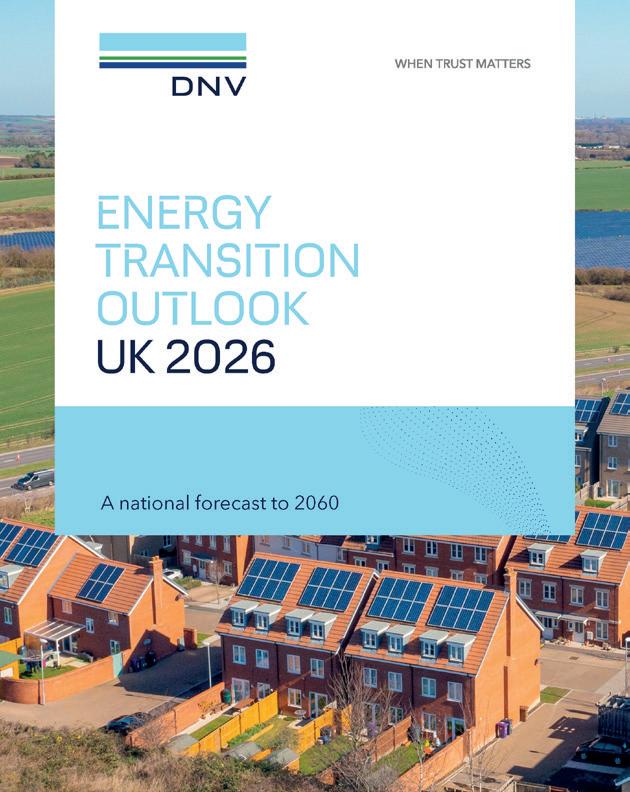
By 2050, despite not reaching net zero, energy demand will have fallen by a quarter and the UK's primary energy supply will continue to shift away from fossil fuels to low carbon sources, with the former representing 15% of primary energy by 2060 (versus 75% today). In terms of data centres, electricity demand will rise from 8TWh today to 70TWh by 2060.
It is not a case of renewables versus oil and gas, it is not supply versus demand and it is not generation versus transmission – it is all these facets combined to drive a cleaner energy future. Quite simply, we are risking progress by siloing debates around the energy transition, focusing narrowly on individual elements rather than the whole system.
Hari Vamadevan, Senior Vice President, and Regional Director, UK & Ireland, Energy Systems, DNV
The decarbonisation of the UK economy is, however, affordable and average house bills are expected to reduce by 20% compared to 2021 levels.
Download the full UK ETO 2026 report here: www.dnv.com/energytransition-outlook/uk/
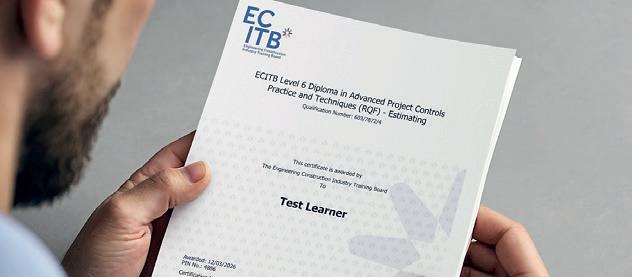
The Engineering Construction Industry Training Board (ECITB) is taking steps to help tackle qualifications fraud with the launch of a new certificate validation tool.
As the industry-led skills body for engineering construction in the UK, the ECITB designs and awards a wide range of qualifications, covering craft, technical and professional and management disciplines.
The ECITB Awarding Organisation (AO), which develops and quality assures regulated qualifications in England, Wales and Scotland, has created a new feature for all its regulated certification to combat the issue of fraud.
Each year millions of regulated qualifications are awarded to learners across Britain. The UK government says the value of the regulated market in England alone is over £800m in entry fees and millions more in salaries where qualifications lead to employment in licensed and regulated sectors.
It warns that "qualification fraud is an ever-present risk" and so regulators, government bodies and awarding organisations, like the ECITB AO, are working together to develop a coherent approach across at-risk sectors.
When the QR code on a certificate is scanned, this will take users to a validator tool on Creatio, which is one of the ECITB's two new online platforms for regulated qualifications.
If the QR code is valid, the learner's name, the qualification title and certification date will be shown on screen. If this information does not match the certificate, it is invalid.
ECITB qualifications are the only ones designed specifically for engineering construction. Through consultation with engineering construction industry (ECI) employers, they are tailored to meet the needs of industry.
For more information: www.ecitb.org.uk
Excitation control specialist
Excitation & Engineering Services (EES) attended the Steam Turbine and Generator User Group (STGUG) conference recently, to present a system refurbishment case from Carsfad Power Station's excitation architecture. Deepal Trikha, graduate electrical engineer at EES, delivered the presentation, demonstrating how hardware and software upgrades to decades-old synchronous machines can extend their service lifetime to match the facilities they support.
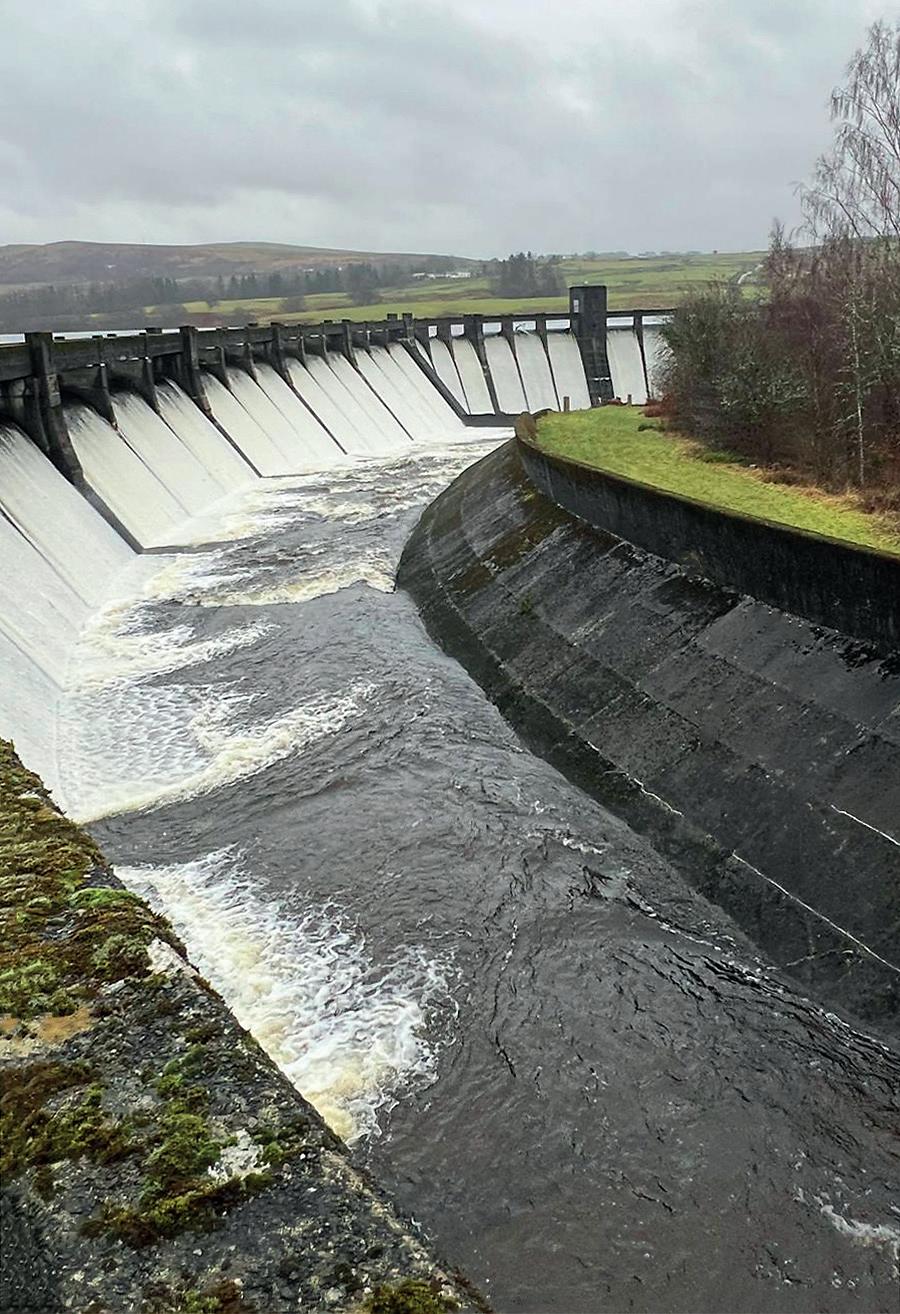
Commissioned in 1936 as part of the Galloway Hydro-Electric Scheme, Carsfad, Dumfries and Galloway, was one of the few remaining UK power stations with an operating DC commutator-based excitation system. The system was designed for flexible, rapid-response operations with a 12MW hydroelectric generating unit.
Carsfad's original excitation architecture had remained operational in the plant for 90 years. This meant it was vulnerable to brush and commutator wear, parts that are now obsolete and the generator's reliability depended on the mechanical condition of these almost century-old components.
In the original system, the automatic voltage regulator (AVR) controlled a shaft-mounted DC exciter, with DC transferred to the generator field through a mechanical field switch.
Electrical contractor Quartzelec removed the DC exciter and the mechanical field switch and supplied the replacement brushless exciter, while EES was responsible for the control and integration aspects such as the AVR modelling and system retuning. AC excitation power is now generated by a brushless excitation system and rectified on the rotor using a rotating diode bridge.
This upgrade ensures that DC is supplied directly to the generator field without the need for mechanical commutation or switching.
The project eliminated mechanical components and their maintenance requirements, from the excitation system. Following the changes, the voltage step response was noticeably faster, an improvement achieved without introducing instability or excessive overshoot.
Excitation & Engineering Services Ltd (EES) is an industry leader in specialist excitation control systems both in the UK and throughout the world. Its professional consultancy service is backed by comprehensive handson support covering emergencies/ breakdowns, routine maintenance, system testing/diagnostics, up to date system replacement and training.

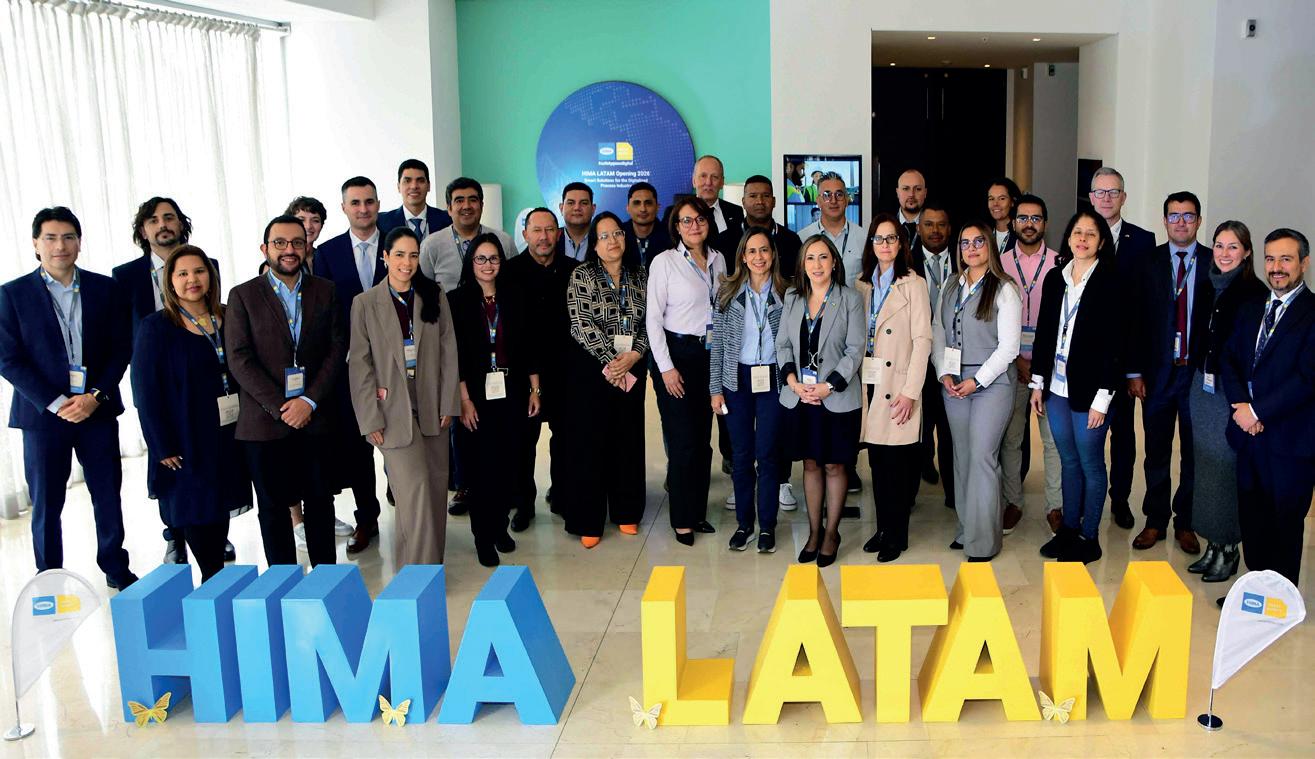
The HIMA Group, a leading global provider of safety-related automation solutions for the process and railway industries, continues to expand its footprint in Latin America with the official opening celebrations of its new entities in Lima, Peru and Bogotá, Colombia, pictured above.
HIMA has been active in the region in collaboration with partners since 1995 and has built up an extensive installed base of safety systems across numerous projects. Following the establishment of its legal entity in Argentina in 2021 and in Colombia and Peru in 2025, this executive exchange marks the next milestone in strengthening the company's presence in the region.
Today, local HIMA safety experts provide sales, engineering, project management and comprehensive aftersales services, including long-term maintenance contracts across all key markets, supported by the global HIMA organisation. Where the company does not maintain a direct presence, it relies on a strong network of 14 trusted partners across Latin America, all certified through the HIMA Partner Program to ensure consistent expertise, quality and service.
i For more information: www.hima.com/en

LRQA, a leading global risk management partner, has partnered with AI security innovator, Simbian, to introduce continuous, AI-powered penetration testing – combining autonomous testing with experienced cyber specialists to help organisations manage risk at machine speed.
As cyber attacks are enhanced by increasingly automated approaches from threat actors and regulatory expectations around operational resilience continue to rise, traditional annual penetration testing models are under growing pressure to scale.
In sectors such as financial services and technology, where applications are updated constantly, the gap between rapid software change and infrequent validation can leave exploitable weaknesses undetected for months.
The Simbian AI Pentest Agent performs on-demand testing that adapts dynamically to how applications respond. Unlike traditional vulnerability scanners that generate theoretical alerts based on static rules, the agent determines whether vulnerabilities can be exploited in practice and prioritises them based on real-world business impact.
This allows organisations to assess newly disclosed security vulnerabilities immediately, rather than waiting for the next scheduled assessment, helping to reduce mean time to remediation.
LRQA ensures this autonomous capability operates within recognised ethical hacking methodologies and established governance frameworks, embedding continuous AI-driven testing within a structured risk management approach.
The capability has been piloted in controlled environments to validate its ability to identify exploitable weaknesses and business logic flaws that static scanning alone may miss. Designed to operate safely in live systems, it includes safeguards to prevent disruption, provides full visibility into what was tested and why and ensures all data remains secure.
As attackers increasingly use automation to scale their activity, this partnership offers a shift in cyber strategy for boards and risk leaders: continuous validation, strengthened by human expertise, embedded within a disciplined risk management approach.
For more information: www.lrqa.com
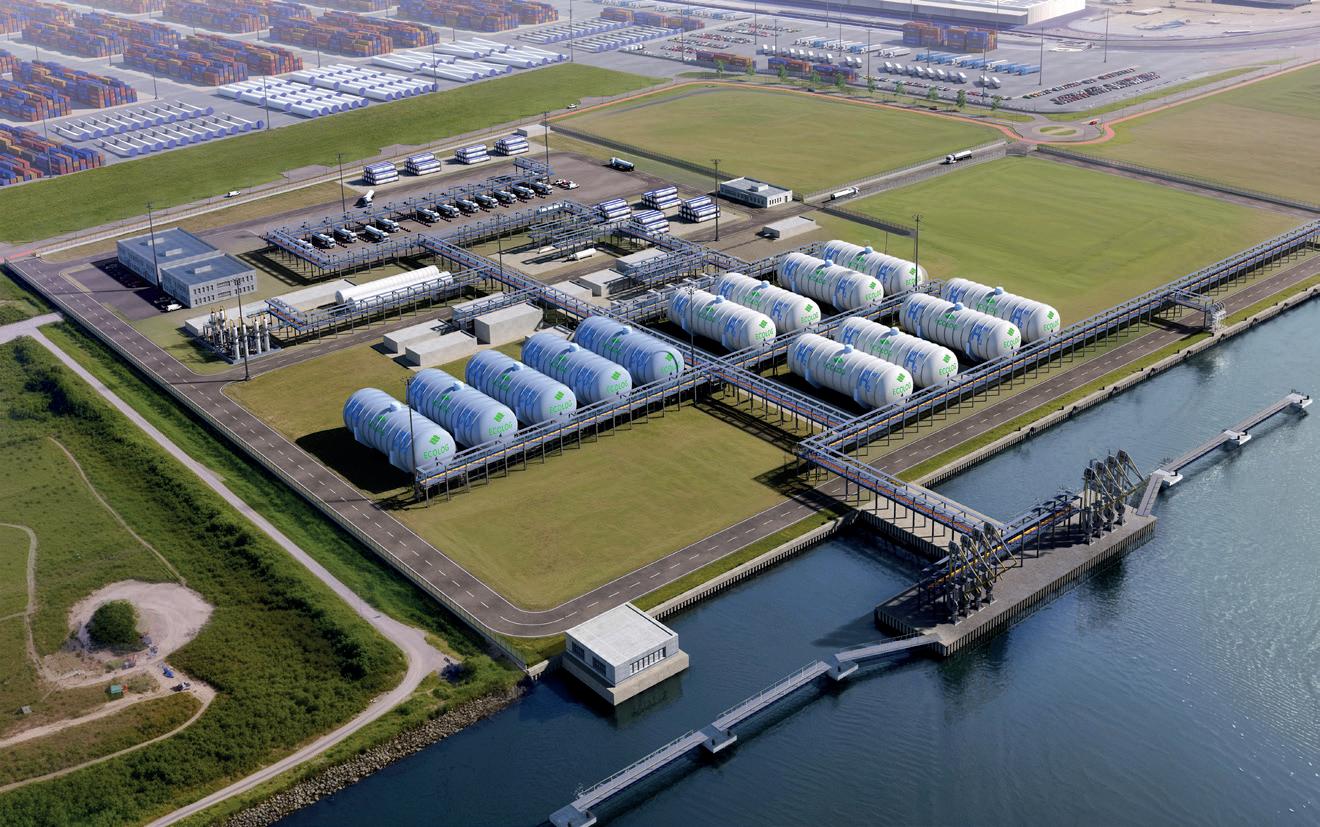
Mott MacDonald, the global engineering, management and development consultancy, has been appointed as owner's engineer for the pioneering EcoLog Terminal Amsterdam, the world's first commercial-scale facility designed to import liquid hydrogen (LH2) and export liquid CO2 (LCO2).
As owner's engineer, Mott MacDonald will provide multidisciplinary oversight across planning, design and construction, verifying that the project meets the highest standards of quality, safety, efficiency and delivery performance. It will also undertake independent assurance of design deliverables, support risk management activities, confirm technical designs and assure project progress.
The company's vast portfolio in the Netherlands make it well attuned to the Dutch market.
EcoLog's terminal is being developed in the port of Amsterdam, the Netherlands and, complemented by EcoLog's purpose-designed LH2 vessels, will be a key part of newly emerging global energy supply chains. The first phase of the terminal is expected to be completed by the end of 2030, with initial annual throughput capacity of 200,000 tonnes LH2 and 1.8m tonnes LCO2. This can subsequently be expanded to 600,000 and 4.25m tonnes, respectively.
The dual-purpose EcoLog Terminal Amsterdam is designed as an open-access, third-party terminal. It will enable largescale import, storage and distribution of both gaseous and liquid hydrogen for industrial and mobility applications across north west Europe. In a unique design feature, the terminal will use the cold energy released during LH2 regasification to liquefy the CO2, improving overall energy efficiency and reducing operational emissions. The terminal will boast multiple transport modalities, including two hydrogen pipeline connections (high and low-pressure), a CO2 pipeline connection, a truck loading facility, a barge jetty and a rail connection. The facility will function as a logistical axis to distribute imported hydrogen to destinations in the region, while also consolidating CO2 flows for reuse or overseas permanent storage.
For more information: www.mottmac.com
Siemens Energy has finalised the investment plans presented at its Capital Market Day in Charlotte (North Carolina) last November: the company is investing US$1bn to ramp-up manufacturing in the US and will also significantly expand its workforce.
The US is experiencing an unparalleled surge in electricity demand. The country is rapidly expanding data centres, artificial intelligence infrastructure and next generation industrial electrification. Meeting this growth requires the accelerated deployment of modern, resilient grid infrastructure and a substantial increase in power generation capacity.
This tremendous investment in a critical part of our power grid supply chain underscores President Trump's success in expanding supply chain access and bringing major manufacturing back to America. We appreciate great partners like Siemens Energy.
Doug Burgum, Secretary of the US Department of the Interior
The programme will include several brownfield expansions, increasing transformer production and servicing plus strengthening the manufacturing of large gas turbines on American soil. It also includes construction of a brand-new factory in Mississippi.
Siemens Energy will create more than 1,500 highly skilled roles in manufacturing, operations and engineering to help deliver more power to more people throughout the country. Siemens Energy places great importance on providing high quality education, training and development opportunities that enable people at all stages of their careers to make a lasting contribution to the future of the energy industry in the US.
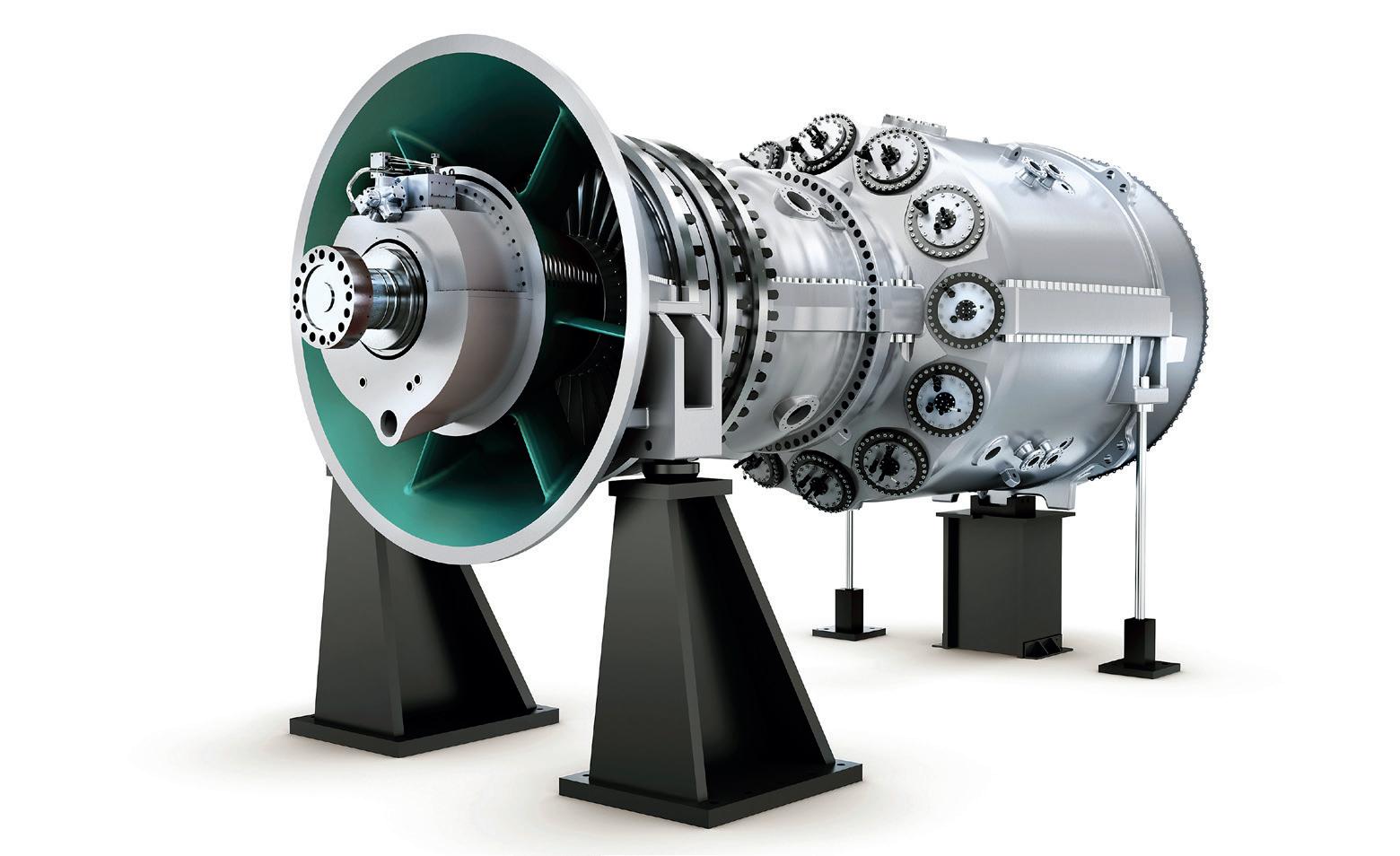
Siemens Energy is investing in these sites in the US:
Mississippi (Greater Richland Area): constructing a new high-voltage switchgear facility to build essential grid components. The facility also plans to hire up to 300 new employees and will include a state-ofthe-art training centre.
North Carolina (Charlotte, Winston-Salem and Raleigh): increasing manufacturing and servicing capabilities for large power transformers and resuming gas turbine manufacturing in Charlotte; producing gas turbine parts in Winston-Salem; and expanding grid technology project execution, engineering and sales alongside research and development in Raleigh.
Florida (Orlando and Tampa): growing the Tampa facility to manufacture more blades and vanes, critical parts in the supply chain for gas turbines. In Orlando, upgrading research and development capabilities at the company's Innovation Center, including building an artificial intelligence digital grid technologies laboratory with NVIDIA. Also relocating and modernising the headquarters to Orlando's Lake Nona community to provide an enhanced experience for employees and ensure continued growth in the region.
Alabama (Fort Payne): expanding production of copper and insulation electrical components for generators, creating 120 new jobs.
New York (Painted Post) and Texas (Houston): upgrading facilities that manufacture and service compression equipment used to move gas and liquids through pipelines.
Siemens Energy's history in the US dates to the 1880s, when the company began early electrification activities and opened its first US manufacturing site in Pittsburgh in 1887. Siemens Energy was spun off to become a separately listed energy technology company from Siemens AG in 2020 and now operates as fully independent. With more than 12,000 employees across 25 facilities (including eight manufacturing locations) Siemens Energy has a strong and deep-rooted footprint in the US, further shaped by legacy brands such as Westinghouse and Dresser Rand, which have become an important part of the company's legacy. Today, approximately 25% of US power generation relies on Siemens Energy technologies.
The company has a proven track record of delivering critical technologies and capacity to the US energy system. Last fiscal year, nearly 29% of Siemens Energy's global order volume went to the US.
Additionally, Siemens Energy works with almost 5,000 US suppliers, placing annual orders worth approximately US$1.52bn which strengthens value creation nationwide. The company also contributes to the US economic cycle through taxes and duties amounting to approximately US$600m each year.
Together, these payments amount to more than US$10bn over five years, highlighting the company's long-term commitment to the US market.
i
Autonomous subsea robotic systems developer Cellula Robotics has chosen Sonardyne navigation and positioning technology for its longrange autonomous underwater vehicle (AUV) platforms.
For a number of AUV programmes, the company has ordered multiple Sonardyne SPRINT-Nav X navigation systems – Sonardyne's highest grade underwater navigation system.
The company has also selected Sonardyne's AvTrak 6 for tracking, communications and mission control.
Part of the package/purchase is multiple Sonardyne Ranger 2 Ultra-Short BaseLine (USBL) positioning and communications systems for both AUV end users and demonstration and testing.
Cellula is shifting the dial on what underwater endurance and persistence look like. Sonardyne's navigation and positioning technologies ensure its AUVs can fulfil demanding security, survey and research missions, where accurate navigation and reliable communications are absolutely critical.
Aidan Thorn, Marine Robotics Business Development Manager, Sonardyne
The move reflects Cellula's focus on delivering the most reliable, persistent and accurate performance available for detect, inspect and protect missions.
Cellula's range includes the almost 12m-long hydrogen fuel-cell powered Guardian and Porter AUVs, supporting long-range surveillance and cargo delivery respectively. Both have up to 45 days endurance and a 5,000km range enabling extended deployments, with 5,000 litre capacity payload bays.
Cellula has the 8.5m-long Envoy AUV. Also hydrogen fuel cell powered, it's designed for surveillance and data gathering, including by anchoring at the seabed for periods.
Ranger 2 systems are Gyro USBL variants. These combine heading, pitch, roll and an acoustic transceiver in one pre-calibrated unit, simplifying vessel deployment and boosting accuracy.
Sonardyne is recognised as a world leader in the design and manufacture of underwater acoustic positioning, inertial navigation, wireless communications and sonar technologies and services for the offshore energy, defence and science sectors.
www.sonardyne.com
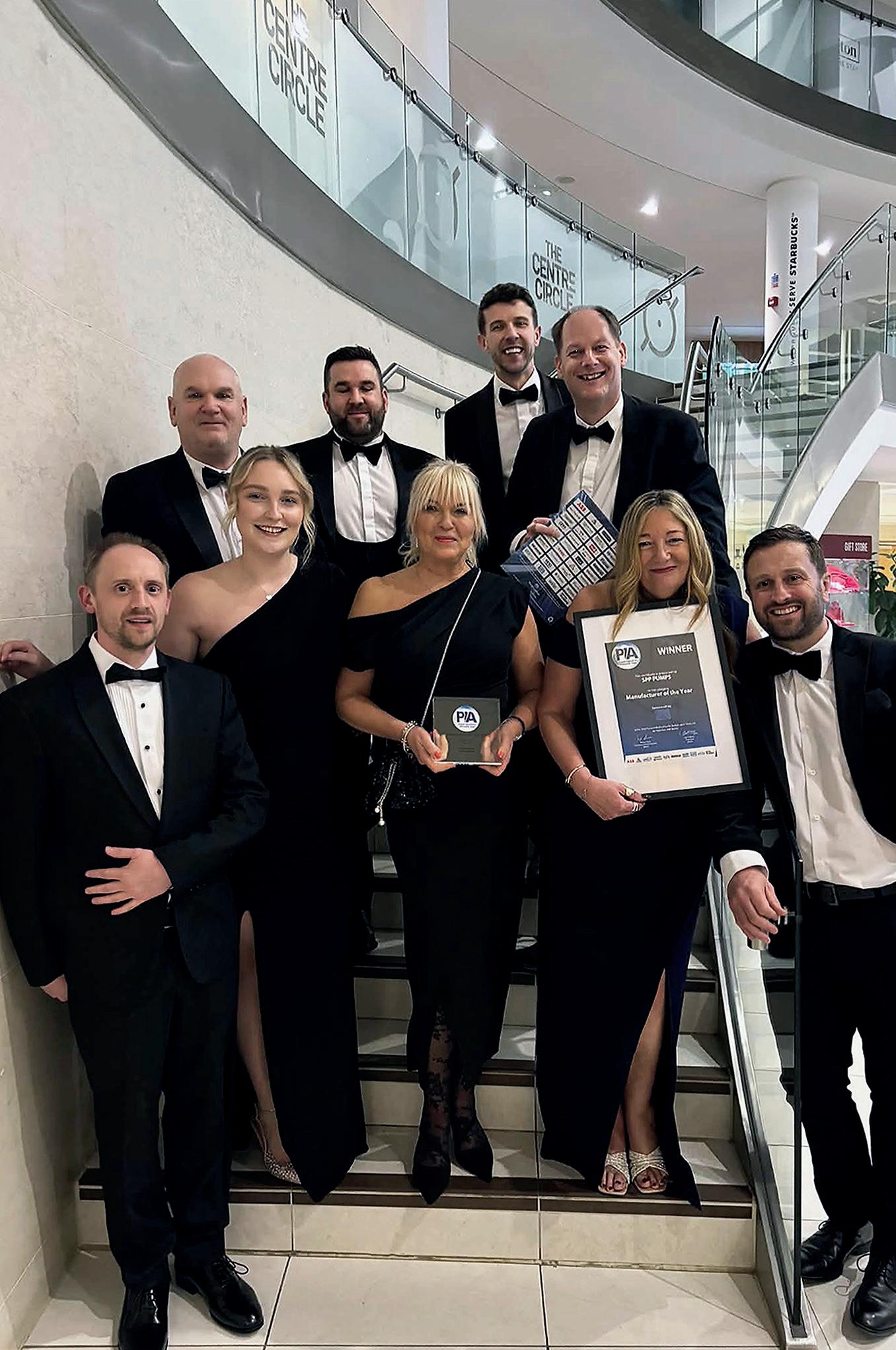
SPP Pumps, a leading manufacturer of centrifugal pumps and systems, is delighted to announce its recognition as Manufacturer of the Year at the prestigious Pump Industry Award (PIA), marking an unprecedented fourth consecutive win in 2023, 2024, 2025 and now 2026, recognising the company's engineering and contributions to the pump industry.
This is a testament to SPP Pumps leadership in the field. From flood risk reduction to fire protection, water management to process and chemical pumping, SPP Pump's products are installed in a variety of critical industries and applications.
This award is a meaningful representation of our commitment to industry excellence and manufacturing expertise. With a robust team of highly skilled and dedicated people, we pride ourselves on the quality, reliability and service provided to our customers around the world.
Robert Tichband, COO, SPP Pumps UK
SPP represents high quality British manufacturing and standards on a global scale. It designs, manufactures and delivers to global markets, with over 60% of sales as customengineered, made to order products and 70% of trade outside the UK.
Not only does this award recognise the manufacturing excellence that SPP Pumps provides, it is also proof of the importance and reliability of the after-sales service division, which provides customer service for installed pumps through field service, planned maintenance, spares supply and regional repair centres.
The judges felt that SPP Pumps achieved significant recognition from contractors and customers in service areas such as innovation, product delivery, technical expertise and after sales service.
SPP Pumps is constantly striving to provide better products, services and solutions for the global market. This award sets the benchmark for pump industry manufacturing and with its fourth win in a row now celebrated, SPP Pumps looks to this coming year's continued improvement and investment in innovation.
We want to use every opportunity to connect with our members, so please follow us on LinkedIn –EIC (Energy Industries Council)
Below you’ll find a selection of some of the exciting EIC activities and useful industry information we’ve shared through our social media channels.
EIC (Energy Industries Council)
Gain insights into GNA – Gás Natural Açu, Latin America's largest natural gas-fired power complex and its growing role in energy security and the transition: https://lnkd.in/d9gmUWD2
EIC (Energy Industries Council)
In this episode, Stuart R Broadley FEI speaks with Davide De Silvio, MASTERWATT, on the growing role of electric heating in supporting energy security: https://lnkd.in/dvwMzRef
EIC (Energy Industries Council)
Outgoing President Syed Saggaf shares insights from his tenure leading MOGSC, one of Malaysia's most influential industry associations: https://www.linkedin.com/in/syedsaggaf/







The global wind industry is set for significant growth both in the near and long-term future. A strong supply chain is needed to deliver the ambitious targets, opening unparalleled opportunities for companies who are currently working in wind, or can adapt their technologies to this hugely important sector.
The world's leading wind industry event –WindEnergy Hamburg is happening from 22-25 September 2026.
The who's who of the international wind community will gather in Germany, along with 43,000 attendees, offering exhibiting companies an unrivalled opportunity to expand their network and generate brand awareness across the four days.
With the increased need for energy security dominating conversation, now is the time to ensure your company is positioned to capitalise on upcoming developments across the sector:
• 2025 saw the highest number of offshore wind projects to reach a final investment decision on an annual basis. 15 projects with a combined capacity of over 11GW reached this critical decision. Supported by various subsidy mechanisms, projections through to 2030 show that we will continue to see more growth in capacity additions in the offshore wind sector. Of the total 91GW of global capacity expected to be added, Europe will account for over 50GW, with North Sea markets leading the way.
• Between 2030 and 2035, the sector is set for unprecedented growth. Should all proposed developments move forward, a further 120GW of the 347GW of announced capacity will come online in Europe. These projects are all at the early stages in the development cycle and will offer opportunities for growth for not only the existing supply chain, but also for companies looking to enter the market.
• Governments are clearly supportive of the industry and recognise the requirement to work collaboratively to develop the sector and its projects. This was highlighted by the announcement made in January 2026 where nine North Sea countries signed the 'Investment Pact for the North Seas' alongside the industry and the transmission system operators.

This agreement has seen governments commit to building 15GW of offshore wind per year between 20312040 while also agreeing to de-risk the offshore wind investments.
The longer term ambition is to have 300GW of offshore wind capacity in the North Seas by 2050. As part of the agreement, industry also committed to mobilising €1tn of economic activity and to invest €9.5bn in the entire value chain, including manufacturing, port infrastructure and vessels.
Located in a prime position in Hall B1, the EIC is proud to manage the UK Pavilion at the show which represents a variety of companies that offer innovative products, services and solutions tailored to meet the needs of the onshore and offshore wind sectors.
We offer companies three options to participate in the show:
• Shell Scheme Stand from £12,500
• Pod from £6,995
• Sponsorship from £3,495
UK Pavilion exhibitors benefit from an exclusive package of added value benefits including the use of a private lounge area offering refreshments and seating, a networking reception, a dedicated UK stand contractor with premium shell scheme design and enhanced promotion by way of social media, website and email coverage.
The EIC will also host a Business Breakfast on the first morning of the show offering the perfect opportunity to hear from leading wind experts and network ahead of the show opening.
If you are interested in exhibiting as part of the UK Pavilion please email us at: internationaltrade@the-eic.com
Camilla Tew Director, International Trade camilla.tew@the-eic.com

We are delighted to reflect on the success of our newest flagship event, the Energy 360o Summit, held in London in May. An evolution of our previous North Sea Decarbonisation Conference, this year's summit adopted a more energy-agnostic approach, better reflecting the current and emerging energy mix across the UK and Europe.
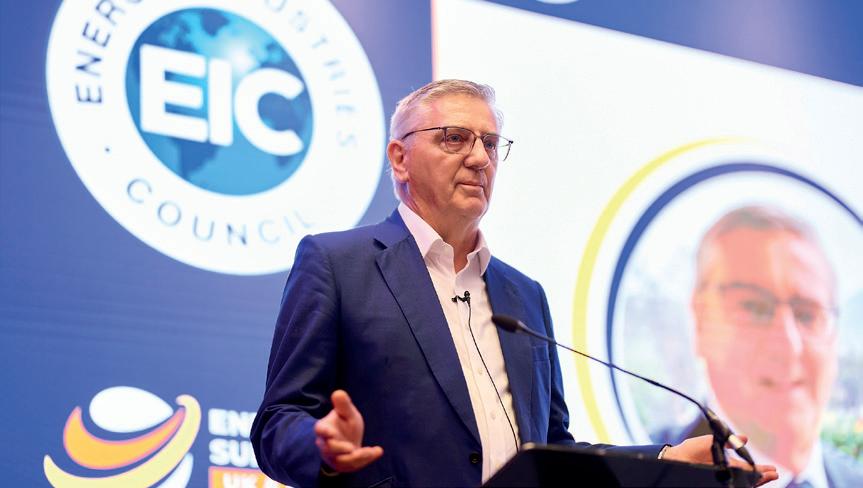
Over two packed days, we welcomed more than 130 delegates from across the energy value chain. The programme featured a strong line-up of speakers, including a keynote from Soichi Kawai, head of hydrogen business, UK & Europe at Kawasaki, who shared insights into innovative hydrogen applications.
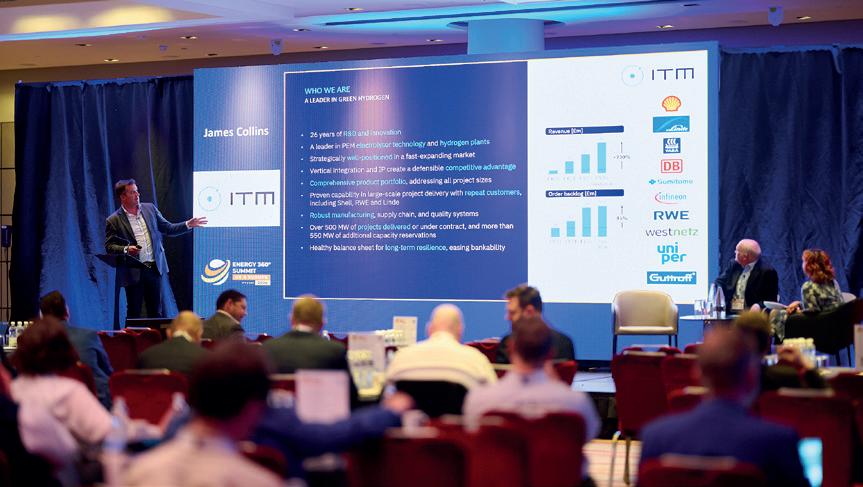
We extend our thanks to our event partners TRS Staffing Solutions and Reflex Marine, as well as all exhibitors who helped make the event such a success.
Looking ahead, the team will be in Manchester this month for Global Offshore Wind, where we will be exhibiting – please do come and visit us at Stand A1.
We are also excited to share that bookings are now open for the Energy Exports Conference (EEC), taking place in Aberdeen from 2-4 September.
To find out more about attending or how to get involved in our upcoming events, please contact: eventsuk@the-eic.com
In this edition, we are also pleased to continue recognising companies reaching milestones of continuous membership with EIC this year. Knowing how valuable many of our members find engaging with EIC, it is fantastic to see organisations celebrating 5, 10, 20 and even longer-term membership milestones.

This year, we are delighted to recognise a further group of organisations for their continued commitment and support and we look forward to presenting them with their certificates across the coming months.
20 YEARS
Halliburton Manufacturing and Services Limited
Taylor Hobson Ltd trading as Solartron ISA
TechnipFMC plc
VWS Westgarth Ltd
15 YEARS
Saint-Gobain ISOVER
10 YEARS
Pharos Marine Automatic Power Ltd
The Monobuoy Company
5 YEARS
ACL Impact Ltd
Belzona Ltd
Buhlmann Rohr-Fittings-Stahlhandel GmbH + Co KG
Carboline Global Inc
Elevon AS
Engineering Construction Industry Training Board
Fire & Gas Detection Technologies Inc
Genesis Oil and Gas Consultants Ltd
Johnson Matthey Plc
NKT A/S
PCM Europe SAS Penspen Ltd
Speedcast
T.EN Corporate Services
TP-Products AS
Kim Stephen
Regional Director, UK kim.stephen@the-eic.com
We are hopefully now entering a period of relative stability, albeit within an environment that remains fluid and subject to ongoing change. Recent developments, including shifts in regional policy and market positioning, serve as a reminder that while conditions may have settled, they are far from static.
Last month saw a welcome return to in-person events, and it was a pleasure to re-connect with many of you at our sessions alongside Make It In the Emirates, Energy Markets in a Time of Uncertainty and our Oman Petroleum & Energy Show (OPES) Evening Reception. Hopefully, we will have a few more opportunities to meet face-to-face ahead of the summer break.
Looking ahead, we can expect an extremely busy final quarter across the region, with several key events postponed earlier in the year now rescheduled for September and October.
Globally, the Energy Exports Conference (EEC) will take place in Aberdeen from 2-3 September, continuing to provide an important platform for companies looking to expand internationally and connect with key stakeholders across the energy value chain.
I’m also pleased to share that interviews for the 10th edition of our Survive & Thrive Insight Report have now concluded. Once again, the stories highlight the resilience, adaptability and strategic thinking that define this industry. The report will launch in July, followed by the World Energy Supply Chain Awards (WESCAs) on 22 October 2026. Best of luck to all this year's participants.
Our preparations are already well underway for what promises to be a significant period. ADIPEC 2026 is firmly on the horizon and early indicators suggest that it will be a standout event, with a strong focus on the UAE's evolving role post-OPEC. Our ADIPEC Networking Breakfast and inaugural Golf Day are already seeing strong demand, with limited places remaining.
While the near-term outlook remains uncertain, the underlying strength of the market and the ambition of companies operating within it continue to stand out. As always, the EIC team is here to support, whether through market intelligence, connections, or simply providing a forum to listen and share.
Ryan McPherson
Regional
Director,
Middle East, Africa, Russia & CIS ryan.mcpherson@the-eic.com

The UAE has confirmed plans to increase oil production capacity to 5m barrels per day by 2027, accelerating its strategy following its exit from OPEC. The move reflects a desire for greater flexibility and faster decision-making in a rapidly evolving energy landscape, while positioning the UAE as a key contributor to global energy security.
Baker Hughes has secured significant orders from QatarEnergy to provide turbomachinery and related equipment for its LNG expansion projects. The awards support ongoing development of Qatar's gas capacity, reinforcing its position as a leading global LNG supplier. The contracts highlight continued investment in largescale energy infrastructure and the role of advanced technology in improving efficiency and output.
Saudi Aramco is accelerating development of its US$100bn Jafurah gas project, positioning the Kingdom as a major global natural gas supplier. The project, one of the largest shale gas developments outside the US, is expected to significantly boost gas output and generate billions in additional revenue. The initiative supports Saudi Arabia’s broader strategy to expand its role in global gas and LNG markets.
April was a dynamic and highimpact month for EIC APAC, marked by a strong regional presence and meaningful engagements across key markets. We successfully delivered programmes and strengthened stakeholder connections in Kuala Lumpur, Shanghai, Tokyo and Jakarta.
Kuala Lumpur
We kicked off the month in Kuala Lumpur, where EIC APAC took part in Solar & Storage Live Malaysia as a collaborator contributing both through a panel session and an exhibition booth. As April coincided with Eid al-Fitr, we also hosted an internal celebration with our KL team, joined by Stuart Broadley, who was visiting from the UK, pictured below.
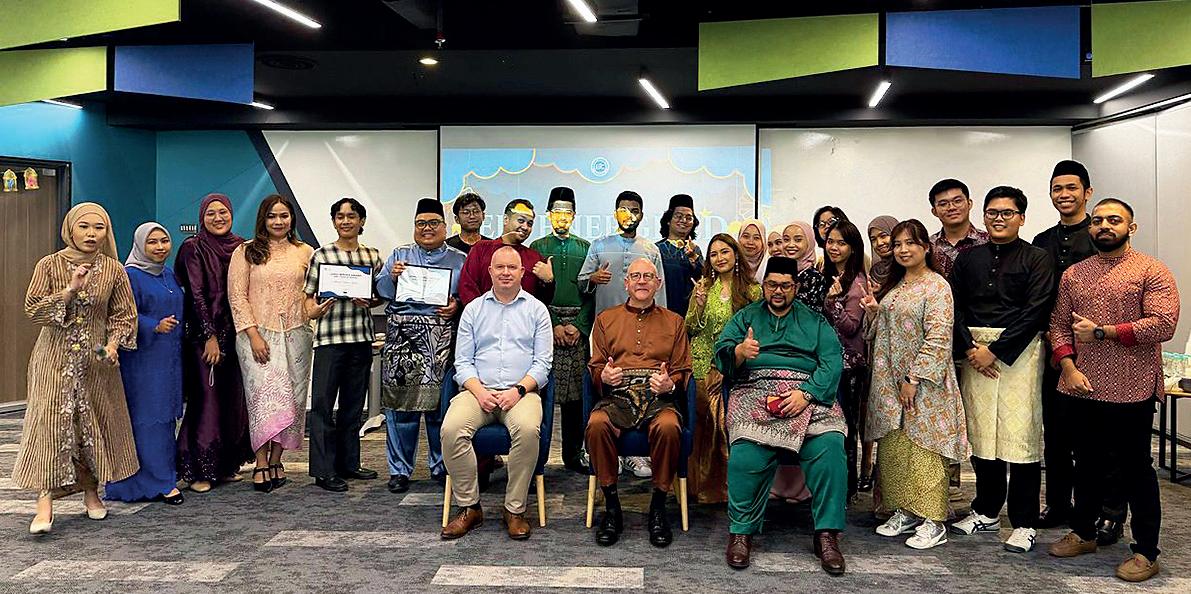
Our engagements continued with a visit to the British High Commission Kuala Lumpur, where we met HE Ajay Sharma to discuss EIC's role in advancing Malaysia's energy transition agenda. We also strengthened industry ties through a session with Petroliam Nasional Berhad (PETRONAS), engaging with Ir Norafizal Mat Saad and his team, followed by a productive meeting with Malaysia Petroleum Resources Corporation (MPRC), where we met its president, Yazid Jaafar.
Academia also formed a key part of our outreach, with a visit to Universiti Tenaga Nasional (UNITEN), where we were warmly received by Prof Ir Dr Khairul Salleh Mohamed Sahari and his team at the National Energy Center. We wrapped up our visit with a podcast session, where we explored Malaysia's evolving energy transition landscape and the opportunities it presents for industry collaboration.
As part of members engagement, we had our leadership roundtable discussion where we invited our global ambassadors and member companies to discuss among others the impact of the Iran war, expansion of Malaysian companies beyond borders and creating sustainable ecosystems.
Shanghai
It was a good visit to Shanghai for EIC together with our CEO Stuart Broadley. In Shanghai, we held a series of strategic engagements to strengthen EIC's regional presence. We began with Emily Hemmings discussing opportunities to expand EIC's reach and contribute to the energy supply chain. This was followed by a productive session with Sabrina Cheng from Intellis Global on potential collaboration to establish a local office and mobilise resources for stronger representation, alongside a podcast with her CEO on China's energy ecosystem. We also connected with Rachel (Lichi) Hsueh from FTI Consulting to explore partnership opportunities, before concluding with a visit to EIC member BIA | Bureau Industry Assurance, where Li Shengtan shared valuable insights on current industry challenges and outlook.
The highlight of the trip was the EIC Breakfast Shanghai, attended by approximately 100 participants. This was a major milestone for EIC, a step in the right direction to establish our presence. In conjunction with this, the following day we had a visit to Cosco Shipyard where we were given a tour of their magnificent ship repair and ship building capabilities.
Tokyo
In Tokyo, we began our engagements with the Department for Business and Trade (DBT), meeting Thomas Cross and Yuki Yoshida to exchange views on Japan's evolving energy landscape. We then connected with Richard Lyle from the British Chamber of Commerce in Japan and Intralink Japan, exploring opportunities to collaborate and navigate the Japanese market.
We were also honoured to visit Japan Organization for Metals and Energy Security (JOGMEC), where Ichiro Takahara and his leadership team shared insights into Japan's efforts to secure stable energy and resource supply. We concluded with a visit to Tokyo Gas Asia Pte Ltd, where Yukimaro Murata and the team welcomed us for a productive discussion, including sharing our energy projections based on EIC's database and research.
Jakarta
We concluded April with our EIC Beyond Borders series in Jakarta, where we welcomed approximately 100 participants that included stakeholders and our member companies. We had speakers from PT Perusahaan Gas Negara Tbk and BP Indonesia, sharing some insights on the energy market and opportunities in Indonesia. We also had our member companies sharing session from Konnect xD and Alypz Sdn Bhd.
Syed Saggaf
Regional Director, Asia Pacific syed.saggaf@the-eic.com
Over the past few months, the North and Central America region has continued to gather industry leaders to share their expertise and opportunities in the region with delegates attending the dynamic calendar of events put forward by the team.

On Tuesday 31 March, the EIC returned to Louisiana to host the event: Opportunities with SLB and Worley, in partnership with the Lafayette Economic Development Authority (LEDA) and the Louisiana Oil and Gas Association (LOGA). Held at the Petroleum Club of Lafayette, this event welcomed a full house of delegates for a discussion focused on the ever-evolving US Gulf Coast energy landscape.
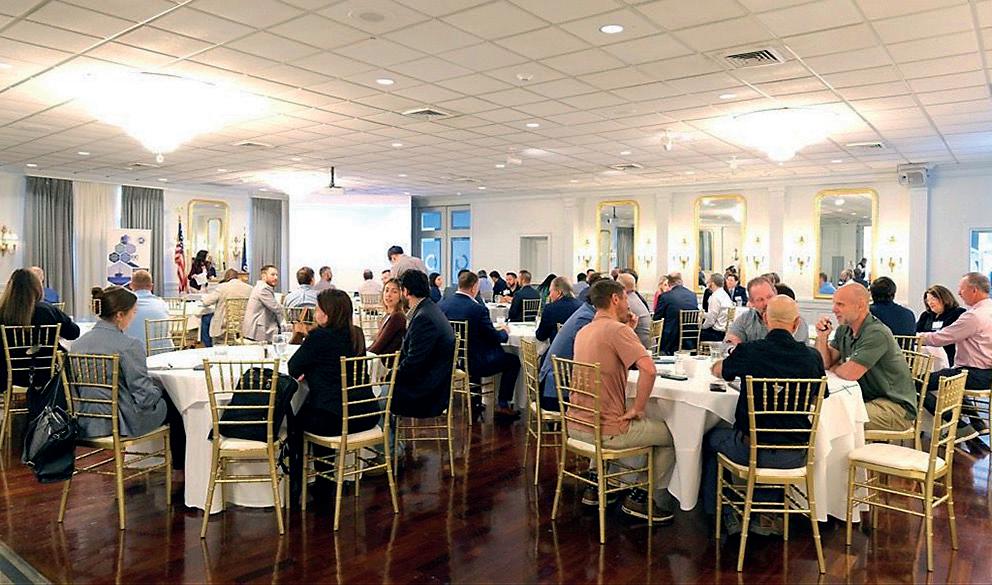
Speakers also highlighted the importance of infrastructureled development strategies to support production and energy security in the region as well as the growing role of carbon capture and hydrogen projects. A special thank you to Gold Sponsor, Stella Maris, and Bronze Sponsor, OEG, who helped make this event possible as well as our featured speakers: Guldana Mekeyeva, Procurement Manager – North America Offshore Houston, SLB; and Phil Zito, Ports and Marine Terminals, Director, Worley.
During April, the EIC continued its Breakfast in Houston series and welcomed Hanwha Ocean. The session opened with a comprehensive scene setter covering the North American energy landscape, with a particular focus on LNG projects, offshore E&P and key assets across the oil and gas sector, setting the stage for meaningful conversations around regional developments and emerging opportunities. Weverton Nazario, Head of Operations & Maintenance, Hanwha Ocean delivered an engaging overview of the company, highlighting its extensive work across commercial vessels, naval ships and energy plants and reinforcing its significant role in shaping the future of the energy supply chain. A special thank you to Hanwha Oceana for joining us.
In April we visited several external events including The Energy Needs of Data Centers Texas Conference and ALJ's 7th American LNG Forum, American Data Centers Forum and Hydrogen and CCUS Conference. I provided a market overview covering the state of play of these sectors.
Amanda Duhon, VP & Regional Director, North & Central America amanda.duhon@the-eic.com
According to local US energy sources, national hydropower generation is projected to rise by 5% in 2026, recovering from previous record lows despite Western snow droughts. While output remains slightly below the ten-year average due to winter heat waves and early snowmelt, recent atmospheric rivers have boosted regional supply. The Northwest expects a 17% increase in generation compared to 2025, while California's reservoirs currently sit above historical averages. Although spring and summer water supplies may be limited in some areas, the industry anticipates that hydropower will provide roughly 6% of the nation's total electricity this year.
Local US industry sources have reported an influx in decommissioning activities approaching, as US Gulf Coast platforms reach the end of their productive lifespans. Over the next decade, removals are expected to accelerate, with US Gulf liabilities currently estimated at nearly US$40bn. Operators will likely spend over US$3.5bn on these activities through to 2030, driven by aging deepwater assets commissioned in the 1980s and 1990s that can no longer be maintained or upgraded. While international markets have historically led this sector, decommissioning is now rapidly expanding within the US, joining other major global players such as Australia and the UK in this transition.
We are planning to host a Naval and Offshore Construction Forum in Rio on 10 June to gather the community to understand the challenges of this sector. 29 June brings a new EIC Overseas Delegation to Guyana.

Next up, on 13 August is the 2026 edition of EIC Connect Energy Brazil. It provides a platform for EIC members and non-members to connect with prospective clients and/or potential suppliers through a series of highlevel panels and one-to-one/meet-the-buyer meetings. This event offers an ideal opportunity to network and establish new business opportunities, covering not only established markets such as E&P, subsea and gas, but also emerging energy sectors such as biofuels, hydrogen, CCS and data centres.
The event will feature five key panels – E&P, Data Centres, Subsea, Gas and Green Energy – in addition to prescheduled business rounds, promoting direct interactions between operators, EPC contractors and suppliers. We are pleased to confirm the participation of MODEC, SBM Offshore and Petrobras. To book, please visit: www.the-eic.com/Events/EICConnect/ConnectBrazil
Together with the development of a variety of new FPSO projects, Petrobras is also focusing on strengthening its position in the downstream business, notably in the fertiliser industry. At the beginning of 2026, the company re-started production at the FAFEN-BA and FAFEN-SE plants, two units that were rented to a private company in 2020 and had been hibernated for three years before Petrobras signed a deal to regain operations of the two plants in 2025. Petrobras has also announced the final investment decision (FID) for the UFN-III plant, located in the city of Três Lagoas-MS. The company has announced an investment of around R$1bn, re-starting construction works in the plant that had been halted since 2015. Petrobras' intentions are to ramp up fertiliser production in the country and make Brazil less dependent on importation.
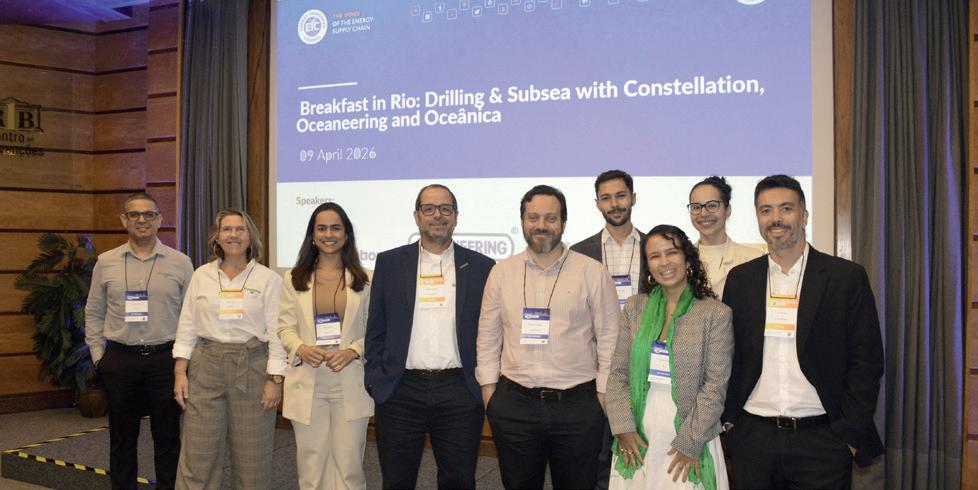
It is important to mention April's Breakfast in Rio: Drilling & Subsea with Constellation, Oceaneering and Oceânica, pictured above. The current state of the Brazilian offshore sector was evident in the discussions during the event: thriving activity, projects progressing and a supply chain increasingly prepared to deliver with efficiency and innovation.
Oceânica highlighted its consistent growth, supported by a robust contract backlog, a fleet of 18 vessels and more than 50 ROVs, as well as significant investment in professional training and initiatives aligned with the ESG agenda. Oceaneering provided a comprehensive overview of the complexity of subsea operations in deep waters, reinforcing its global leadership position in ROVs and its strong presence in Macaé. Constellation Oil Services presented its track record in offshore drilling, with more than 40 years of continuous operation in Brazil.
Clarisse Rocha, Director – Americas clarisse.rocha@the-eic.com
Brazilian giant operator Petrobras is expected to conclude a significant number of tenders looking for a group of new FPSO units until 2028, as stated by local Brazilian industry sources. The operator has disclosed to potential contractors that it will begin seven new bidding processes by the end of this period, adding up to a pair of large tenders already ongoing. Those two current processes are concerning the P-91 FPSO (Búzios 12), with a tendering process that has been running since October 2025 and the other concerning the Albacora field revitalisation project, that has five main company candidates competing. The two tendering processes are scheduled to be closed in the first half of the year.