
The GCC countries have long relied on the oil and gas sector, with hydrocarbon production and exports continuing to serve as one of the primary sources of government revenue and economic stability. Despite ongoing efforts to diversify their economies under longterm national strategies such as Saudi Arabia's Vision 2030, the UAE Energy Strategy 2050 and Oman Vision 2040, the region remains closely tied to developments in global energy markets. The escalation of the USIsrael-Iran conflict on 28 February 2026 has therefore had profound implications for the GCC energy sector, exposing vulnerabilities in regional supply chains while reinforcing the importance of energy security and infrastructure resilience.
One of the most immediate consequences of the conflict was the disruption of maritime trade through the Strait of Hormuz following restrictions imposed by Iran on vessel movements through the strategic waterway and damage to several GCC energy assets. The closure of the Strait and resulting export constraints forced Saudi Aramco to suspend production at the Safaniya, Zuluf, Marjan and Abu Safah fields. Continued disruptions have complicated shipping schedules, increased transportation costs and insurance premiums and created uncertainty for buyers and exporters alike. These developments have highlighted the extent to which regional economies remain exposed to geopolitical risks despite years of investment in economic diversification. In parallel, the UAE's decision to exit OPEC and OPEC+, effective 1 May 2026, has become more significant in the current environment, as it gives the country greater flexibility to adjust production levels independently in response to changing market conditions and supply disruptions.
The conflict has also directly affected critical energy infrastructure in the region. In Qatar, attacks on Ras Laffan Industrial City damaged LNG Trains 4 and 6 at the country's flagship export complex, reducing liquefaction capacity and prompting extensive repair and rehabilitation activities. As the world's largest LNG export hub, disruptions at Ras Laffan have implications that extend well beyond Qatar, affecting global gas markets and supply security. However, recovery efforts are progressing, with engineering contractors including Chiyoda Corporation and Technip Energies supporting the repair and rehabilitation of the damaged LNG trains.
Recognising the strategic risks associated with reliance on the Strait of Hormuz, Saudi Arabia and the UAE have accelerated investments in alternative export infrastructure.
Saudi Arabia has increasingly utilised its East-West Pipeline, enabling crude oil exports through Red Sea terminals while bypassing the Strait altogether. Likewise, the UAE is fast-tracking the development of a new WestEast Pipeline to supplement the existing Abu Dhabi Crude Oil Pipeline, with completion targeted by 2027. These projects are intended to enhance export flexibility, reduce dependence on vulnerable maritime chokepoints and support access to international markets during periods of geopolitical instability.

Despite the challenging environment, contract activity across the GCC energy sector has remained ongoing. National oil companies and developers continue to advance strategic oil and gas and power projects to support long-term production objectives and meet growing domestic energy demand. Since March 2026, 32 contracts have been awarded across the GCC, with the upstream sector recording the highest level of activity. Notable awards include the April 2026 engineering, procurement, construction and installation (EPCI) contracts under Aramco's Long-Term Agreement (LTA) Programme, CRPO 154 and CRPO 155, for the Safaniyah Field, awarded to Saipem and the May 2026 detailed design contract for QatarEnergy's Bul Hanine Oil Field expansion, awarded by COOEC to Wood plc.
However, while contract activity indicates that strategic projects are still moving forward, market feedback suggests that progress on the ground remains uneven. Project execution has slowed, with some developments experiencing delays as companies prioritise asset rehabilitation and restoration. At the same time, governments, national oil companies and industry players have responded by strengthening energy security measures, investing in alternative export routes and continuing to advance strategic projects despite the uncertainty.
Although tensions have begun to ease, full normalisation of maritime traffic and energy exports is expected to take time. The region's ability to remain adaptable will be critical to sustaining energy supply and investor confidence. Over the longer term, economic recovery is expected to gain momentum, with investment in renewable energy and energy security initiatives likely to further support the GCC's diversification agenda.
Shaheera Shaharuzzaman Energy Analyst – Middle East & North Africa (GCC) siti.shaheera@the-eic.com


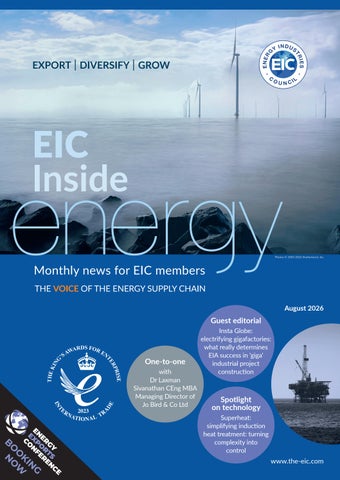
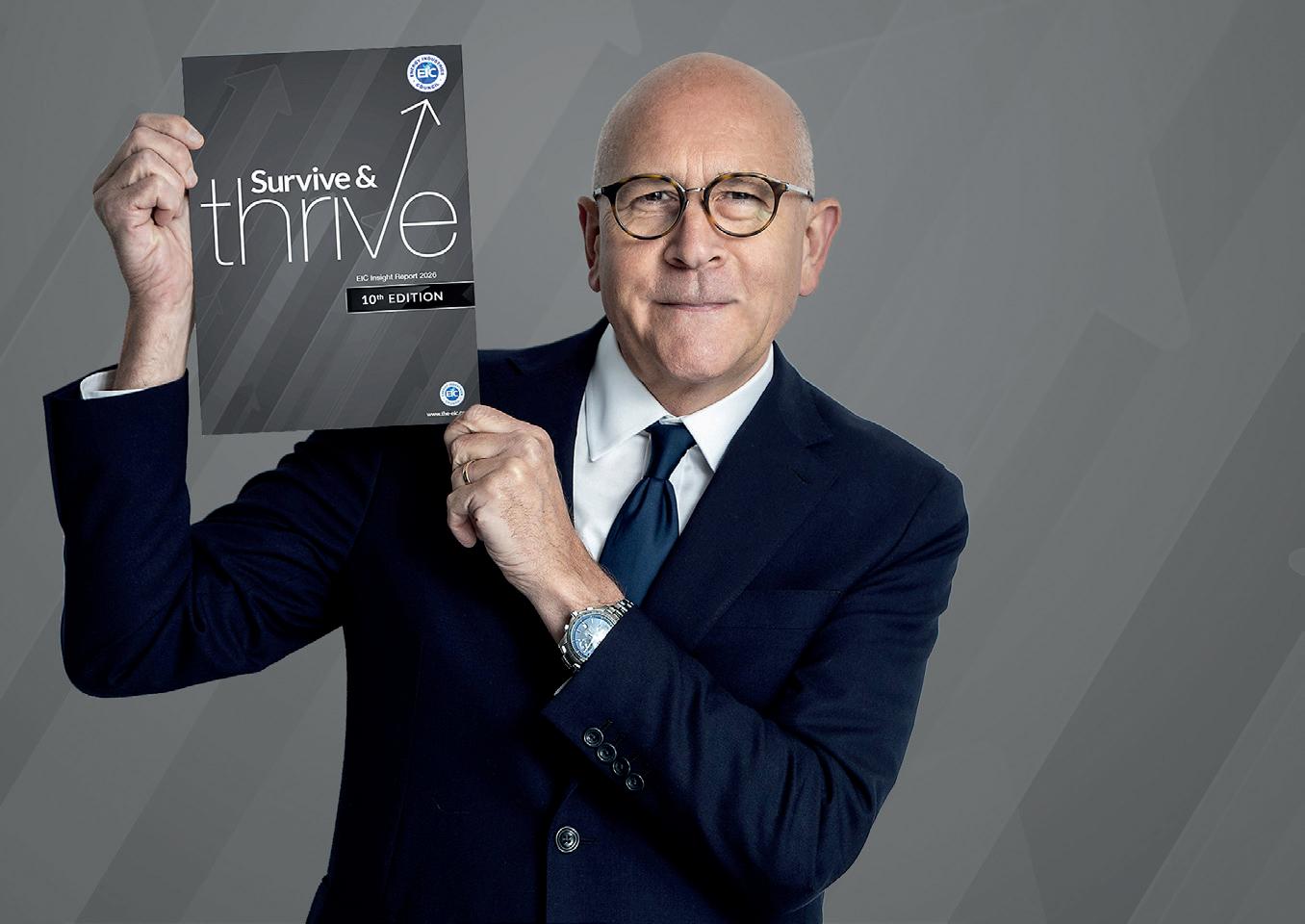
We reach an important milestone with the release of the 10th edition of our Survive & Thrive Insight Report. What started in 2016 analysing 26 UK businesses has grown into a global initiative tracking 136 supply chain companies across Europe, the Middle East, Asia Pacific and the Americas. The findings show an industry growing strongly while remaining selective about where it takes risks. To mark a decade of tracking supply chain strategies, our World Energy Supply Chain Awards (WESCA) are expanding this year with new ceremonies in Berlin and Milan alongside our established host cities.
Inside this edition, our one-to-one interview features Dr Laxman Sivanathan, managing director of Jo Bird & Co Ltd, as the company marks 40 years of manufacturing lifesaving equipment storage. He discusses how continuous investment in product development keeps their equipment reliable in offshore environments. In our guest editorial, Insta Globe looks at what it really takes to execute electrical, instrumentation and automation work on industrial gigafactories, explaining why workforce co-ordination is as important as technical expertise. We also feature two technology spotlights: Dräger introduces H2S sensors capable of automated selftesting, while Superheat demonstrates how digital controls bring standardisation to onsite induction heat treatment.
Looking ahead, the Energy Exports Conference – Energy Security Edition returns to Aberdeen on 2-3 September. Against shifting geopolitical dynamics and increasing demand for reliable energy systems, understanding where global investment is flowing has never been more important. With over 1,500 attendees expected, EEC provides direct access to project decision-makers across hydrogen, wind, nuclear, carbon capture and conventional energy. I encourage you to join us and explore how your organisation can support a secure and resilient global energy future.
Stuart Broadley, CEO, EIC
Operator: Druk Green Power Corporation Value: US$1.7bn
The Government of Bhutan and World Bank have signed a financing agreement worth US$515m for the project. With this announcement, major financing has been secured and the project has reached FID.
For information on these and more than 17,000 other current and future projects we are tracking please visit EICDataStream
Operator: Power2X Value: US$50m
An FID has been made for the project and has moved into the construction phase. John Cockerill will provide 20MW of alkaline electrolysers with Rely contracted as the EPC contractor.
Operator: Acelen Value: US$1.5bn
Acelen Renewables has closed US$1.5bn (R$7.5bn) in financing to begin construction of the first phase of the project. AFRY has been selected to provide owner's engineering and construction management for the project.
Operator: BW Energy Value: US$408m
BW Energy has announced the project's final investment decision. First production is expected in Q1 2028. The project will be developed via three wells and a converted jack-up (BW Energy Jasmine rig, now called Akoum) to a wellhead platform template with a 12-slot wellbay.
Operator: Masdar Value: US$4bn
Sungrow signed an agreement with Masdar to supply 7.5GWh of energy storage systems (ESS) and 2.6GW of PV inverter solutions for the project. JinkoSolar has also signed a deal with Masdar to supply 2GW of Tiger Neo solar PV modules to the project.
Operator: Delfin LNG Value: US$5bn
Delfin Midstream has issued a positive FID for the US$5bn first phase of the project. Global Infrastructure Partners (GIP), Mitsui OSK Lines (MOL) and Vitol are its lead financial and strategic backers. Samsung Heavy Industries has the EPC contract for the FLNG vessel.
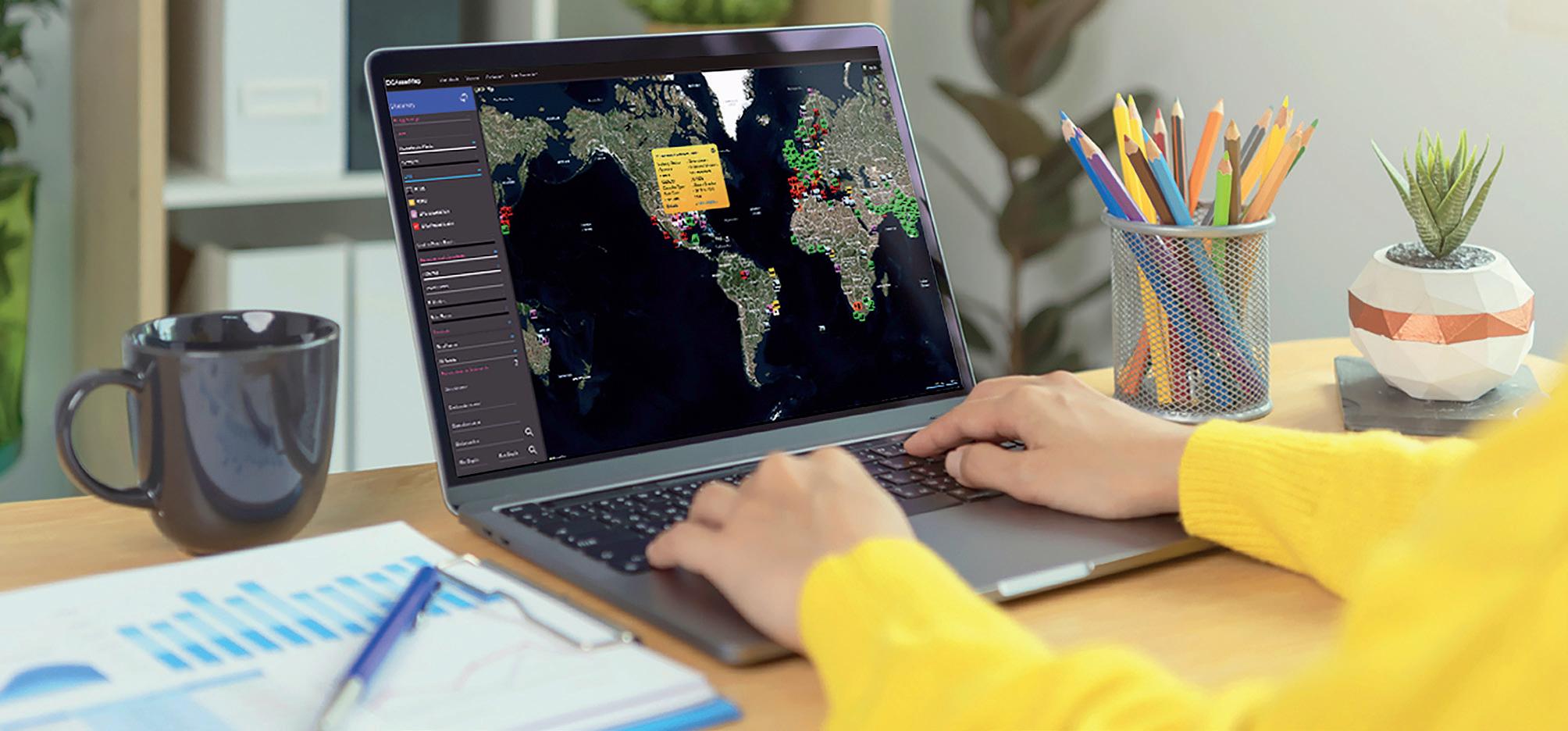

Are you up to date on the latest project developments in the energy market? The EIC’s leading market intelligence database – EICDataStream – contains information on energy projects and associated contracting activity from the inception stage all the way through to construction and commissioning.
• Access details on over 17,000 CAPEX projects across all energy sectors
• Identify business opportunities and inform your business development strategies
• Explore a truly global database, updated daily by an international team of analysts
• Stay up to date with project developments, including information on tenders and awards
• Get insights into what your existing clients are doing and identify potential new clients
• Have a direct interface with analysts for local knowledge and insights
• Access insight and country reports with in-depth data on specific sectors and markets

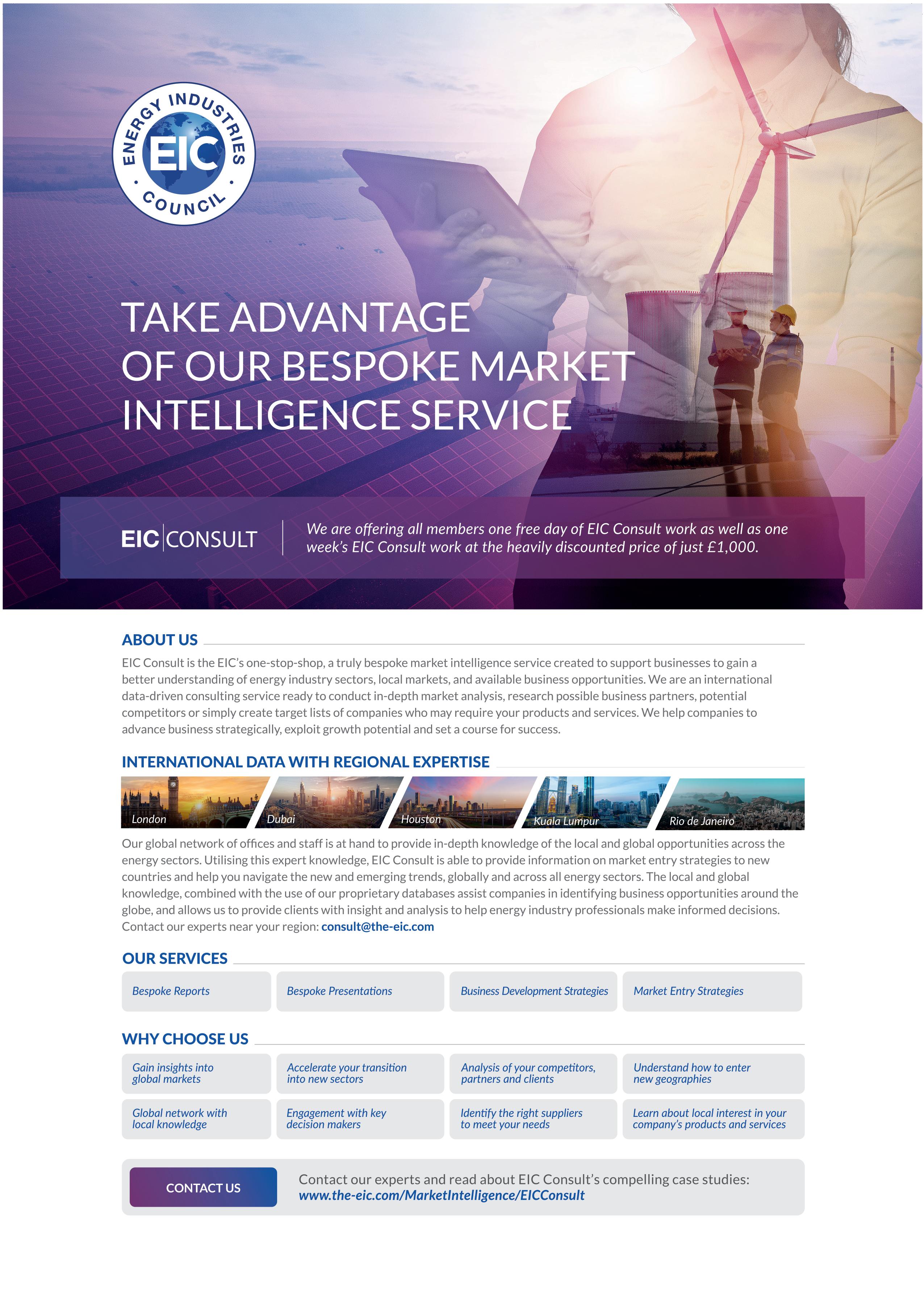
EICSupplyMap maps the capabilities of supply chain companies that operate across all energy industries. These industries cover renewables, oil and gas, power, nuclear and energy transition technologies like energy storage, carbon capture and hydrogen.
• Identify the supply chain local to your region, giving you the opportunity to engage with potential new clients.
• Find the supply chain capability in 16 regions, now covering the UK, France, Germany, Spain, Italy, Netherlands, Norway, UAE, Oman, Saudi Arabia, Malaysia, Singapore, Indonesia, Japan, US and Brazil
• An in-depth look at profiles of more than 11,500 energy sector supply chain companies.
• Make smarter decisions by targeting your offering to international developers/operators and contractors matching your capability with international energy projects.
by Konstantīns Mihailovs, Chief Technical Officer, Insta Globe
Electrifying gigafactories: what really determines EIA success in 'giga' industrial project construction
As investment in gigafactories continues to grow, the demand for deep electrical, instrumentation and automation (EIA) expertise has never been greater.
These flagship projects are often described in terms of their size and technological sophistication. They are often highly interconnected operating environments, with tens of thousands of I/O points, hundreds of PLCs, drives and network nodes and multi-layered power distribution systems. This technological complexity increases nonlinearly as the project scales.
Yet from an EIA perspective, when projects encounter difficulties, the root cause is often not technology itself. More commonly, it is a shortage of the right skills, insufficient planning, poor communication or inadequate control of quality. While every facility has its own technical requirements, the same lesson emerges repeatedly across large industrial EIA deployments: successful delivery comes down to a combination of strong technical expertise and disciplined project execution.
The lessons Insta Globe has learned from working on some of Europe's largest industrial developments reveal a simple truth: whether the project involves semiconductor manufacturing, battery recycling, wood processing, or pulp and paper facilities, delivering EIA works at scale is not merely a technical undertaking. Ultimately, it is a management challenge.
Giga projects are not fundamentally different from an EIA perspective
There is a tendency to view gigafactory developments as a completely different category of project.
Yet experienced EIA professionals often see things differently. Regardless of the facility size, the fundamental building blocks remain largely the same. Cables, sensors, control systems, instrumentation, power distribution equipment, automation networks and lighting are still installed using the same known principles. What truly changes is the scale of execution.
As projects become larger, coordination becomes significantly more demanding. This is not only a question of managing interfaces between various engineering disciplines. It is also about efficiently co-ordinating very large EIA teams.
At this scale, a minor co-ordination issue, documentation gap or quality deviation that would remain manageable on a smaller project can quickly multiply across hundreds of workers, thousands of installation points and several contractors.
A major industrial project may involve dozens of electricians working simultaneously across multiple areas, installation teams operating alongside commissioning teams and several EIA contractors sharing responsibility for different parts of the facility. All must work to common standards, follow the same documentation, maintain consistent quality levels and deliver according to a single project schedule.
The challenge is ensuring that hundreds of interconnected activities, often performed by multiple organisations, progress in a co-ordinated manner without compromising quality, safety or schedule.
As project scale increases, effective communication and co-ordination become key success enablers.

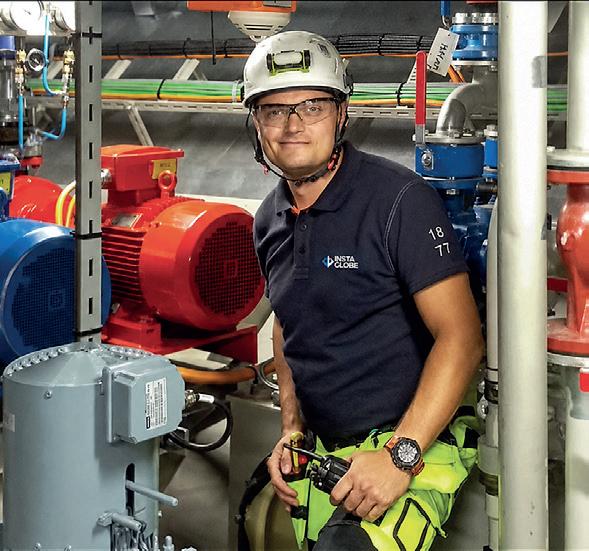

One of the most common causes of project disruption is the assumption that all electricians are interchangeable. They are not.
Many industrial projects rely on labour sourced through recruitment agencies. While this approach can quickly increase headcount, it often fails to address more important questions: does the assembled workforce possess the specific skills required for the task? Can they work as a co-ordinated entity to deliver to the required quality standards?
A technician capable of installing lighting and power outlets may not necessarily possess the skills required to address complex electrical integration tasks. When the wrong skills are deployed, the consequences quickly become visible. Productivity falls, quality issues emerge and schedules begin to slip.
Eventually, many clients find themselves facing a familiar problem: the project is running out of time and specialist teams must be brought in to recover the situation.
Perhaps the most important lesson from large industrial projects is that success is rarely the result of individual expertise alone. It comes from teams. Teams that have worked together for years. Teams that understand each other's strengths. Teams that communicate effectively. Teams that share responsibility for quality, safety and project outcomes.
Large industrial facilities are built through thousands of individual actions. Yet what ultimately determines success is whether those actions are co-ordinated effectively. Transparency, accountability and clear ownership of issues become essential factors influencing outcomes.
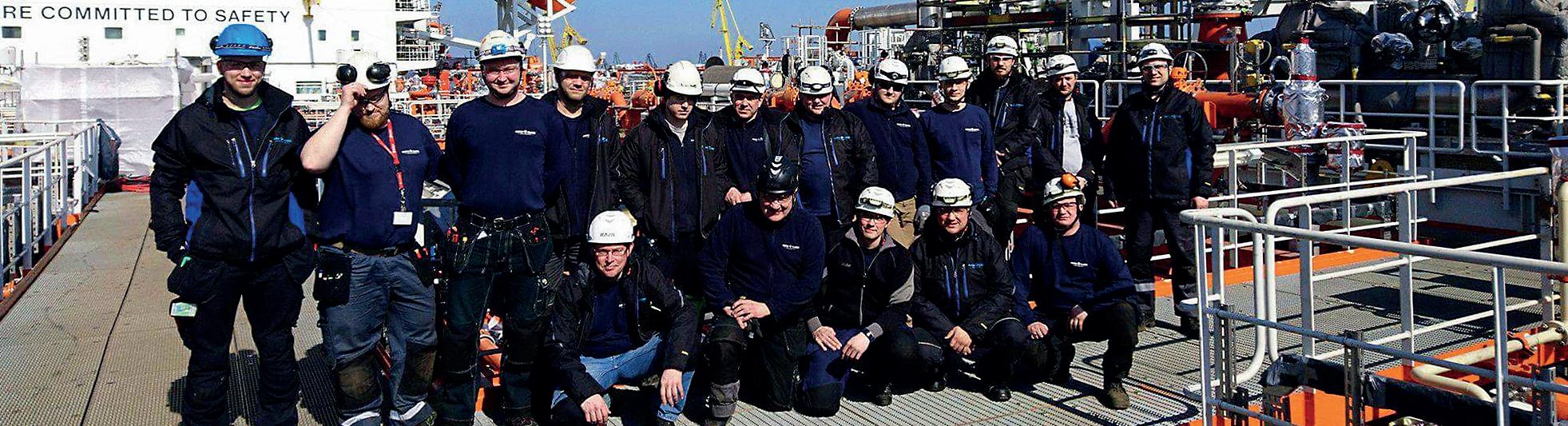
Commissioning requires a different skillset
The importance of expertise becomes even more apparent during commissioning. Installation is about executing according to design. Commissioning is about understanding how the entire system functions and its individual components interact under real operating conditions.
When a system does not perform as expected, the challenge is rarely solved by looking at a drawing alone. Commissioning technicians must understand cause-and-effect relationships, diagnose root causes and identify corrective actions. This requires a fundamentally different skill set from installation.
It also requires continuous learning.
Industrial technologies continue to evolve, equipment manufacturers introduce new solutions and automation systems become increasingly sophisticated.
Effective commissioning personnel must constantly expand their knowledge to remain effective. In commissioning work, experience matters because it accelerates problem-solving when project schedules leave little room for error.
Quality cannot be left until the end
Another lesson from large industrial projects is that quality cannot be inspected into a project during final commissioning. By the time a major issue is discovered at the end of construction, correcting it is often costly and disruptive. The most effective quality management strategies rely on continuous verification throughout the project lifecycle.
Intermediate inspections, systematic checks and ongoing supervision allow issues to be identified while corrective actions remain relatively simple. This approach reduces rework, improves productivity and significantly lowers project risk.
Technical excellence and execution discipline must work together
Industrial projects are becoming larger, more automated and increasingly demanding. Clients are no longer looking for EIA contractors that simply provide labour. They need partners capable of understanding complex systems, supporting commissioning activities, maintaining rigorous quality standards and helping manage project risk. Achieving this requires more than manpower.
It requires experienced personnel, strong technical leadership, robust quality processes and effective project execution.
The most successful projects are those where technical expertise and operational discipline reinforce one another from the first installation activity through to final commissioning. In large industrial EIA projects, neither is sufficient on its own. Both are required to deliver safely, efficiently and on schedule.
The future of industrial construction will undoubtedly involve more automation, more digitalisation and more advanced technologies.
But the fundamental challenge will remain unchanged. Delivering complex EIA projects is not just about cables and sensors. It is about teams, communication, accountability and execution.
From full-scale electrification to urgent instrumentation support, Insta Globe is trusted to step in fast, get systems online and deliver results that last.
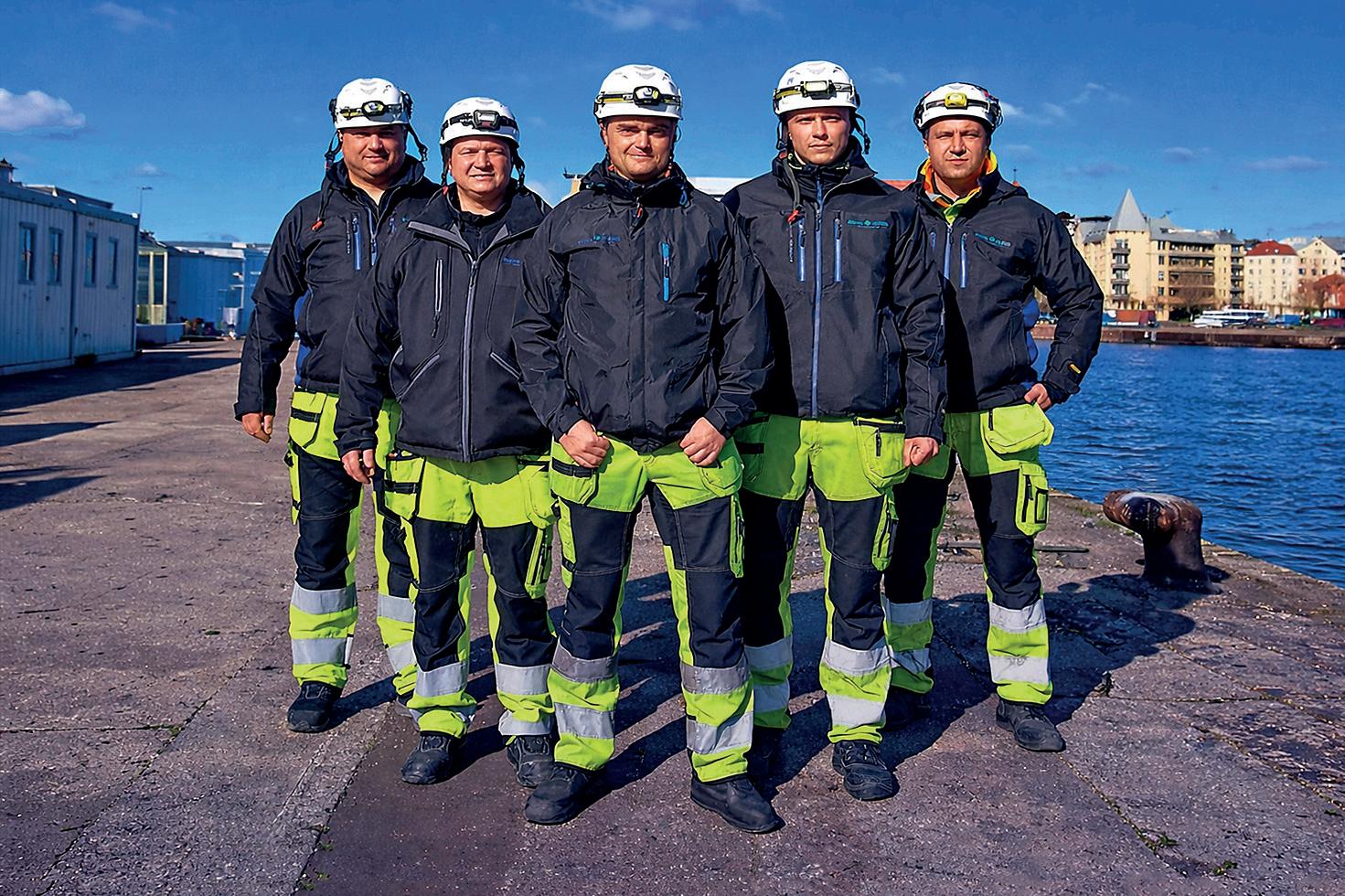

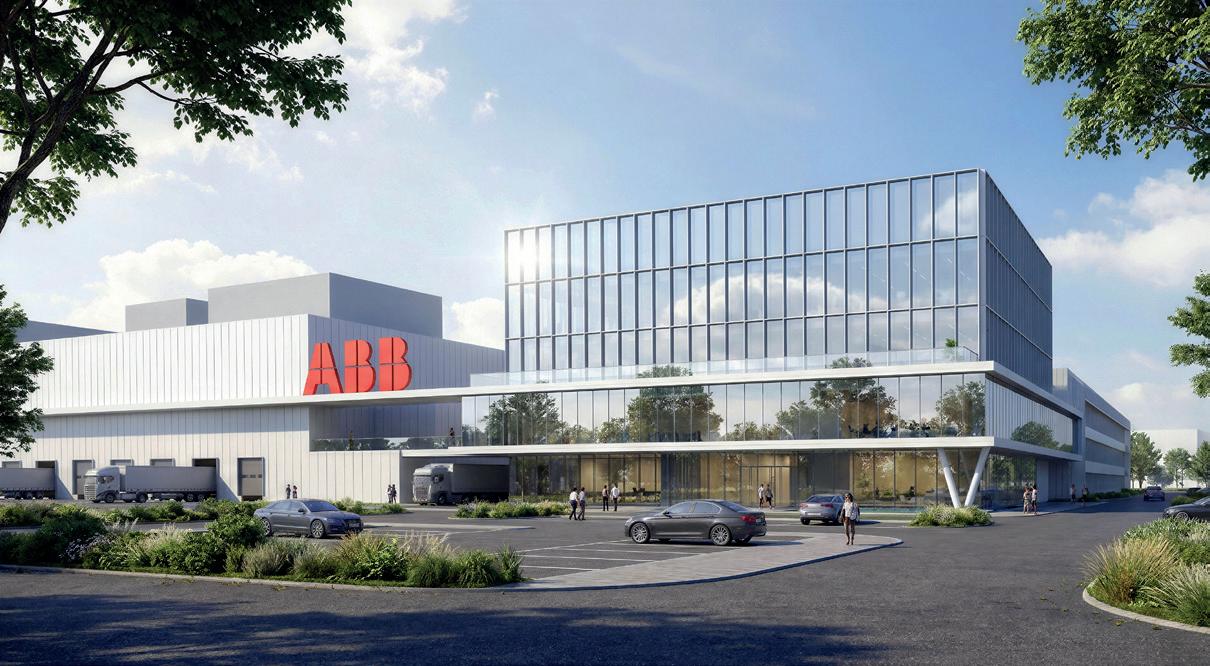
ABB is investing in a new, state-of-the-art campus in Nanjing, China. With this investment, ABB will have a second Chinese campus dedicated to drive products in addition to its existing site in Beijing. The Nanjing campus, which will see the consolidation of other ABB warehouses, will consist of a customer experience centre, OEM Hub for product and application demonstrations and customer testing and training, as well as production and R&D facilities. The new Nanjing campus is designed to enhance local support for customers, expand service capabilities and enable ABB to meet growing demand more efficiently. It will also benefit from an increased level of automation in the production of drives.
China remains one of the largest and most strategically important markets for ABB, offering strong growth potential across multiple industrial sectors. Around 85% of ABB's products that are sold in China are manufactured in China. This investment marks a significant step in strengthening ABB's 'local-for-local' strategy and is aligned with the government's efforts towards industrial energy efficiency.
The Nanjing campus, located in the heart of the Yangtze River Delta, one of China's most important industrial clusters, offers strong logistical advantages, highly developed transportation infrastructure and wellestablished local supplier networks. Together with ABB's existing Beijing site, the two locations will form a co-ordinated operational network, enabling ABB to deliver stable, reliable drive products and a holistic customer service across China.
ABB is a global technology leader in electrification and automation, enabling a more sustainable and resourceefficient future. By connecting its engineering and digitalisation expertise, ABB helps industries run at high performance, while becoming more efficient, productive and sustainable so they outperform.
The company has over 140 years of history and around 110,000 employees worldwide. The facility, which will include several new production lines, is anticipated to be completed in 2027.
Investing in Nanjing reflects our confidence in the long-term potential of the Chinese market and our commitment to supporting customers closer to where they operate. This new campus will further enhance our local presence and help drive sustainable growth for our business in China.
Tuomo Hoysniemi, ABB Drive Products Division President
The Nanjing campus exemplifies our commitment to intelligent and efficient manufacturing. With its energy-efficient design and highly automated production capabilities, this facility will streamline the entire process: from customer demand, intelligent production, to service support, delivery and end-toend value chain covering the whole product lifecycle.
Yu Wang, Head of Business Line China, ABB Drive Products
Draeger Safety UK Limited

DRÄGER RELEASES REVOLUTIONARY NEW TECHNOLOGY CALLED SENSOR ALIVE
What if an H2S sensor could perform its own maintenance?
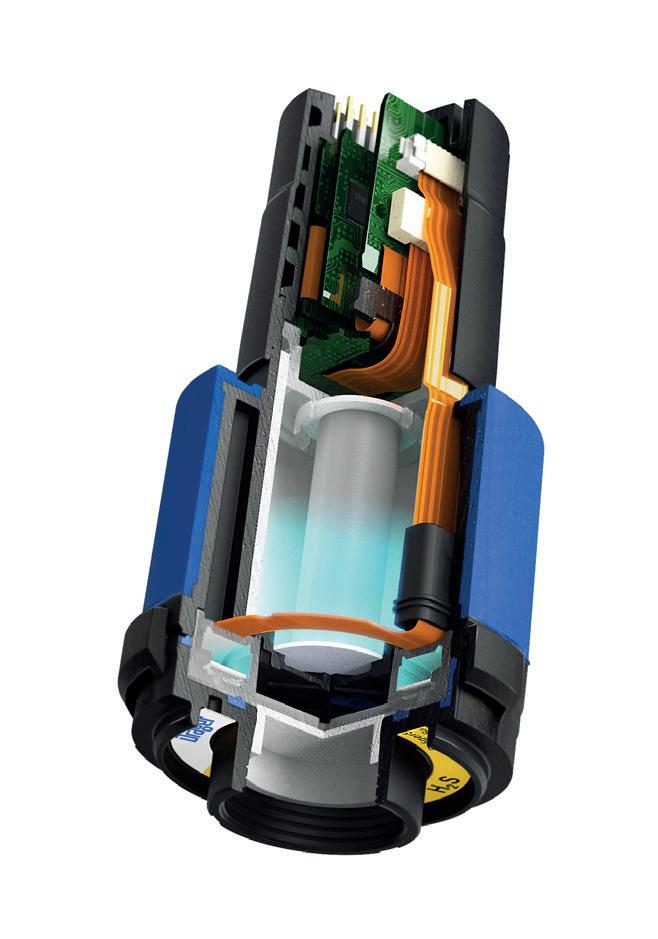
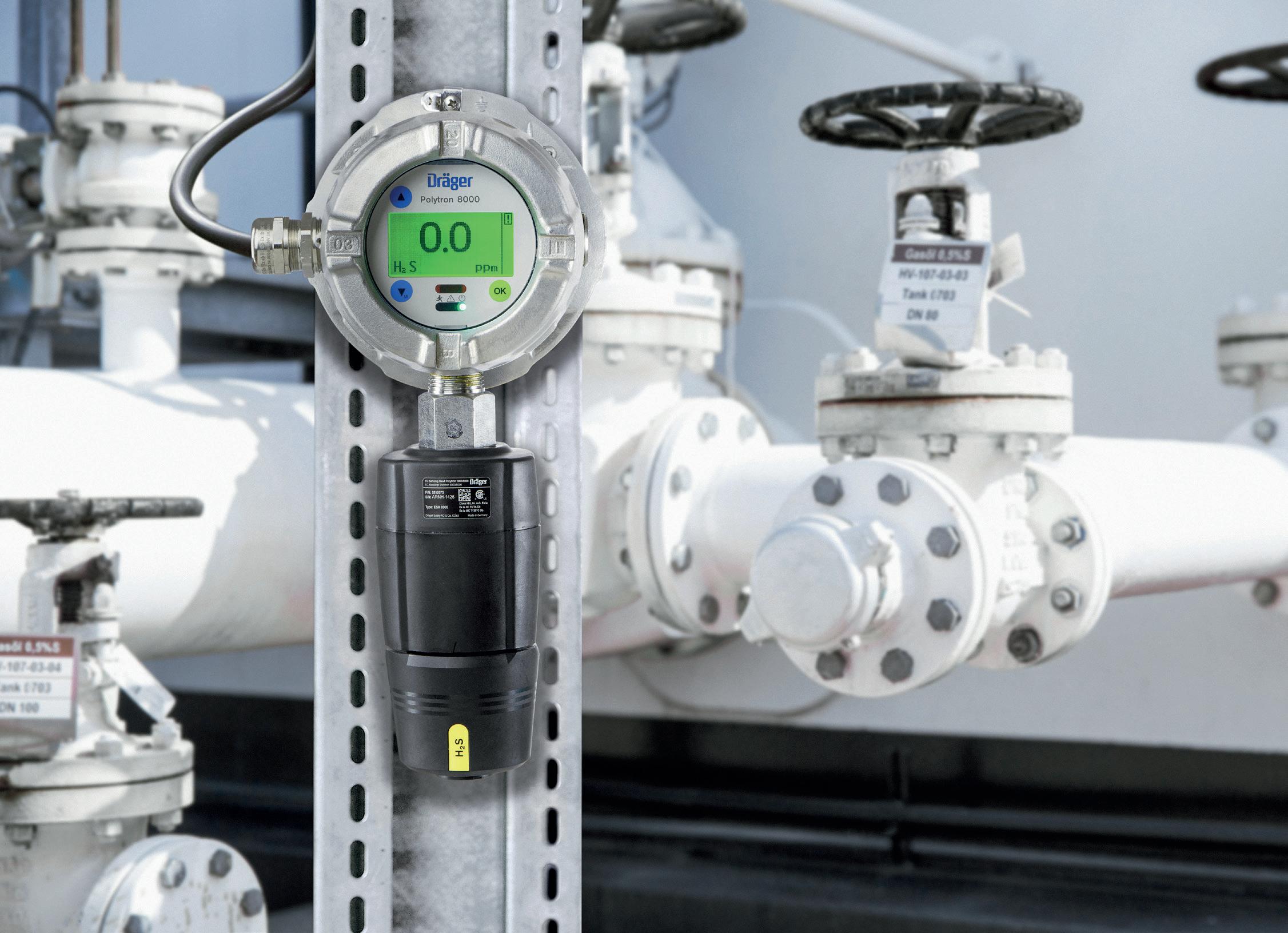
Dräger has released a revolutionary new technology called Sensor Alive, where the sensor itself can generate its own H2S test gas to perform a response check every day, with no manual intervention whatsoever. This is different to traditional self-test functions, which typically focus on electrical checks of the device, or generate an acoustic signal to check filter performance as opposed to directly applying gas to give a true reflection of sensor health.
Sound too good to be true? That's only half of the benefits…
This technology can be accessed with minimal spend; it is retrofittable to your existing Polytron 8100 transmitters. When you're ready to upgrade your H2S sensor, choose Dräger Sensor Alive technology. You get access to automatic daily sensor bump testing, which checks and reports filter clogging with no human intervention; this is particularly helpful for hard to reach sensors.
Data is sent back via HART signals to your control system and can be extracted to your SCADA system.
Dräger manufactures medical and safety technology products. The company protects, supports and saves people's lives around the world in hospitals, with fire departments, emergency services, authorities and in mining as well as industry. Founded in Lübeck in 1889, Dräger has grown into a worldwide, listed enterprise in its fifth generation as a family-run business. Dräger has more than 16,000 employees worldwide and is present in over 190 countries around the globe. In 2025, the company generated net sales of €3.482bn.
Dräger technology is used all over the world. Dräger operates in around 50 countries with its own sales and service companies directly on location where its customers are.
Get your sensors working harder for you –choose Dräger’s Sensor Alive.
Get in touch Any EIC members who wish to be profiled in this section please contact us... Email info@the-eic.com
NEW KUALA LUMPUR NETWORKING MEMBER
ACADS Engineering (M) Sdn Bhd
No 14, Jalan Industri Usj 1/3 Taman Perindustrian Usj 1 47600 Subang Jaya Selangor
Malaysia
Contact
Caemen Tang, Managing Director
Telephone +60 12 769 1413
Email caemen@acads.com.my
Web https://acads.com.my/
ACADS Engineering (M) Sdn Bhd is a Malaysian engineering company specialising in industrial gas and energy solutions. The company provides supply, installation, commissioning and maintenance services for LPG, natural gas and process gas systems across various industries.
ACADS Engineering offers a wide range of products such as gas regulators, valves, metering systems, pressure control equipment, gas detection systems and monitoring solutions.
With a focus on safety, reliability and technical excellence, the company supports customers through customised engineering solutions, project execution, technical consultation and aftersales services. ACADS Engineering is committed to delivering efficient and sustainable gas system solutions that meet industry standards and customer requirements.
Goodwin International Ltd
Ivy House Foundry
Hanley
Stoke-on-Trent ST1 3NR UK
Contact Rafi Raza, Sales Director

Telephone +44 (0)1782 220 211
Email rraza@goodwingroup.com
Web
www.goodwininternational.co.uk
Goodwin International is globally recognised and approved for its design, manufacture and supply of dual plate check valves, axial check valves and actuated axial isolation and control valves to the worlds hydrocarbon, energy and process industries. Located in the heart of England in Stoke-onTrent, Goodwin International is an engineering company of diverse skills, capabilities and product and is a wholly owned subsidiary of the Goodwin PLC group of companies.
The Group's core activities lie in engineering, refractories and investment powders and is trans-global in its activities.
With over 1.6m valves in service from over 40 years of supply, Goodwin International Ltd provides a comprehensive level of customer service supported by a representative network and its own overseas offices in Brazil, Korea, China and Japan.
NEW KUALA LUMPUR NETWORKING MEMBER
Reach Ten
Communications Sdn Bhd
Lot 11056, AT 612
Level 6, Block A1 ICOM Square, Jalan Pending 93450 Kuching, Sarawak
Malaysia
Contact
Nur Rabizah binti Adeni, Chief Strategic Officer
Telephone +60 82 266 888
Email rubyadeni@reach10.com
Web www.reach10.com
Reach Ten Holdings Berhad is a Malaysian digital infrastructure and telecommunications company listed on the Main Market of Bursa Malaysia Securities Berhad.
The Group delivers integrated connectivity solutions through satellite communications, fibre optic networks, telecommunications infrastructure and managed services.
With extensive experience supporting government agencies, telecommunications operators and industrial sectors, including energy and oil and gas, Reach Ten provides reliable connectivity for missioncritical operations across urban, offshore and remote environments.
The Group is committed to advancing Malaysia's digital transformation through innovative technologies, strategic partnerships and resilient infrastructure that connect businesses, industries and communities.

Induction heating is increasingly preferred for industrial onsite heat treatment, offering faster heat-up, improved uniformity and a safer alternative to flame-based methods. However, while the technology itself has advanced, field deployment often lags, leaving teams to manage inconsistent workflows, manual programming and fragmented documentation on their own.
This disconnect introduces variability. Differences in operator experience, setup practices and data capture can lead to delays, rework and reduced confidence in results, particularly as expectations for quality assurance and traceability continue to rise.
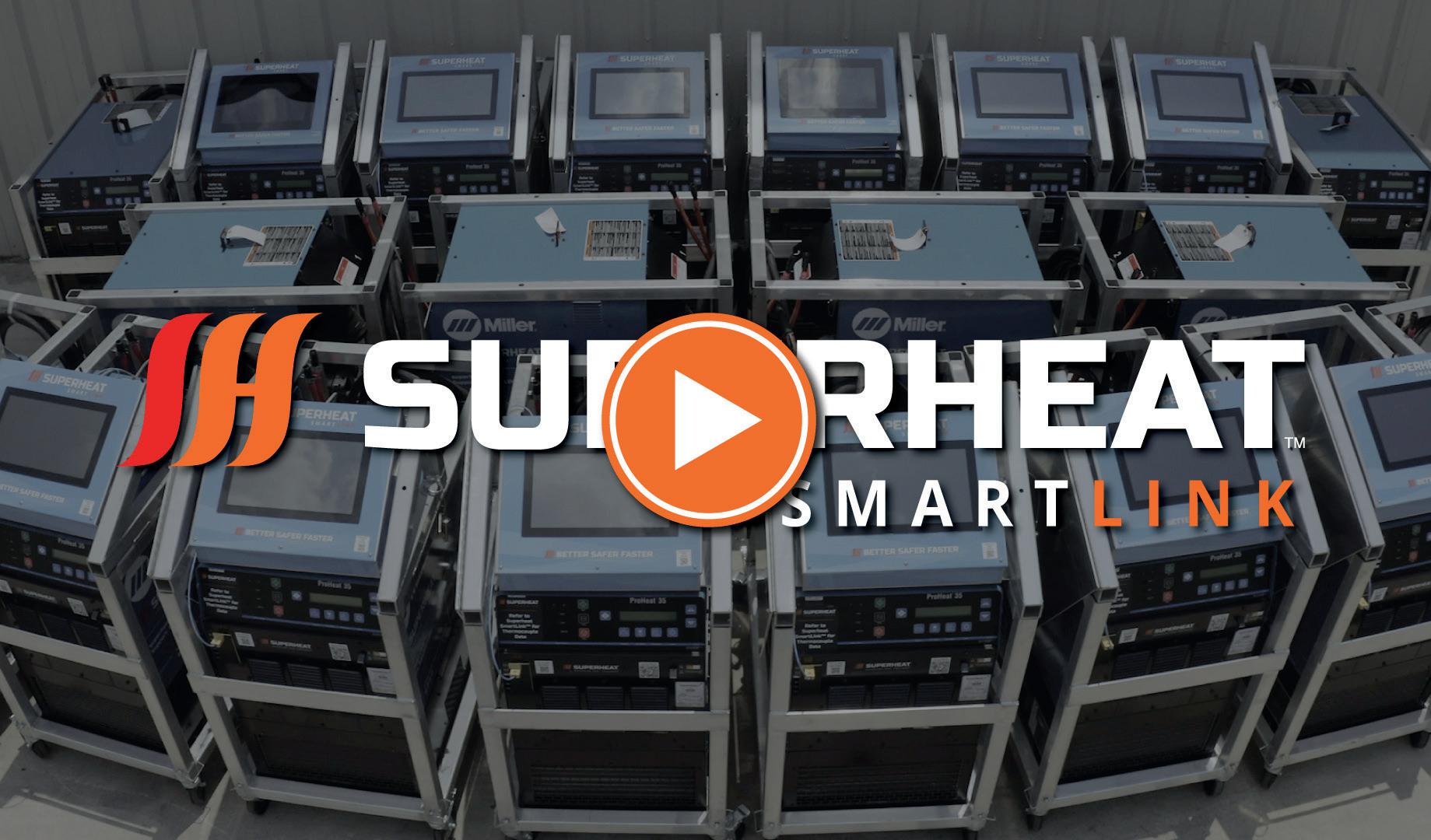
A more integrated approach addresses these challenges by combining equipment, digital tools and technical support into a unified solution. Built around Miller ProHeat™ 35 consoles, Superheat's SmartLink™ technology introduces a digital control layer that simplifies operation, standardises programming and improves consistency across job sites.
Through an intuitive interface, operators can manage heat cycles, monitor performance and execute work with greater precision, reducing reliance on manual inputs and individual interpretation. The result is more repeatable outcomes, regardless of crew size or experience level.
Superheat SmartLink™ also strengthens quality processes by integrating automated data capture and digital documentation directly into the workflow. Heat cycle records are stored, organised and easily exported, improving traceability while reducing administrative burden on field teams. Equally important, built-in support resources, from guided setup tools to remote and onsite technical expertise, help to bridge experience gaps and ensure reliable execution.
As induction adoption grows, success is no longer defined by access to equipment alone, but by how effectively it's integrated into a controlled process.
To learn how induction heat treatment can be tailored to your specific project scope, contact Superheat today.
Customised packages and support models are available to fit any project requirement. Visit https://www.superheat.com/ Call 1.888.508.3226

with Dr Laxman Sivanathan CEng MBA, Managing Director, Jo Bird & Co Ltd
Jo Bird & Co Ltd is an internationally recognised leader in the design and manufacture of lifesaving and fire safety equipment storage. Established at its Bason Bridge site in Somerset in 1986, the company marks 40 years in business this year, supplying composite, injection-moulded and rotationally moulded cabinets and chests to operators across oil and gas, defence, commercial marine, offshore energy and wider industrial sectors, including BP, Shell, Equinor, ExxonMobil, Petrobras and Ørsted.
To start, could you tell us a bit about your background and what led you to your role as managing director of Jo Bird & Co Ltd?
My route into the business was through engineering research rather than the shop floor. I joined Jo Bird in 2015 as an Engineering Doctorate (EngD) candidate through the University of Bristol, sponsored by Jo Bird, working closely with the team on product development, before being appointed research & development manager in 2019, the same year I became a Chartered Engineer with the IMechE, again with Jo Bird's sponsorship. As soon as I submitted my EngD thesis I started an MBA at Robert Gordon University. There was no time to waste and juggling it with full-time work and family commitments was no small feat. I was fortunate enough to win 2nd prize in the EIC Rising Star Award, which covered 50% of my tuition fees and was interviewed for it by Stuart Broadley, CEO of EIC. Jo Bird sponsored the other 50%, so between the company and EIC the whole MBA was funded. It feels fitting that this interview is appearing in EIC's own magazine. That academic grounding, combined with hands-on experience across manufacturing and exports, fed into my appointment as the company's fourth managing director when Guy Atkins moved to become chairman in November 2024, following Guy and, before him, our founder, Jo Bird. It's a role I feel a real sense of responsibility taking on, particularly in our 40th year.
AQWhat does your role involve dayto-day and what are some of the key priorities for the business as it marks 40 years this year?
Day-to-day, my focus is on making sure the business keeps the standards that have earned its reputation: product quality, certification and delivery, while continuing to invest in people and equipment. Safety and quality are non-negotiable; we hold Lloyd's Register Type Test Approval and ABS on many of our cabinet ranges alongside ISO 9001 and ISO 14001 certification and maintaining that requires constant attention. One key priority is digitalisation, both in the products themselves and in the way we operate as a business. Having marked our 40th anniversary this year, the priority now is turning that celebration into momentum for the next chapter: continued investment in R&D, sustainability and the people who will carry the business forward and making sure we keep innovating rather than resting on 40 years of reputation.
AQJo Bird has grown from a single cabinet manufacturer at Bason Bridge in 1986 to a global supplier trusted by some of the world's largest energy companies. What do you think has driven that growth and what recent investment has supported it?
Consistency and adaptability. We've continuously refined our cabinet ranges, from the original Firebird GRP cabinets

to the injection-moulded SOS100/101/300 range and our customisable JB series, so that we can protect lifesaving equipment in almost any environment, from Category 5 cyclonic winds to polar conditions. That reputation was recognised with two Queen's Awards for International Trade, in 2013 and 2018. More recently we've invested in digitalisation: automating CAD drawings, using AI assist across both operations and sales and introducing automation into parts of our manufacturing process. We've also integrated real-time, per-product carbon tracking into our ERP system, so we can provide carbon data at individual order, product and company level, giving customers a clear, verifiable picture of the environmental impact of what they're buying, not just our word for it. Alongside that we've invested in sustainability more broadly, including a growing rooftop solar array and a material innovation pipeline: a recycled PET resin formulation for our cabinet backs and door that targets around 160 tonnes of CO2 a year off that material alone and diverts an estimated 81,700 plastic bottles a year from landfill, plus early evaluation of a bio-based natural fibre as a lower-carbon alternative to some of the glass fibre reinforcement we currently use. It's that combination of product reliability and continuous investment, digital and physical, that keeps customers coming back.

AQOffshore wind and the wider energy transition are becoming an increasingly important part of the market. How is Jo Bird positioning itself for that and what role does sustainability play in your operations?
Offshore wind is a real growth area for us. We've already supplied cabinets into wind turbine projects, and it sits alongside oil and gas, commercial shipping and defence as a core market for the business. Operators in that space expect the same certification and design life (over 20 years) that our traditional energy customers demand, so it's a natural extension rather than a departure. Sustainability runs through both what we make and how we make it. In 2025 we added a further 10kW of solar capacity, taking our total installed capacity to 40kW and those panels are now fully online, more than tripling our annual solar generation since 2021/22. Solar now accounts for around 40% of our total electricity usage on site and that figure should climb further once the new panels have been through a full year. That work also saw us install 120mm thick insulation over the roof to boost energy efficiency and safely remove the old asbestos roofing, ensuring a safer, greener and more sustainable workspace. We're also removing LPG from our operations entirely, cutting out another fossil fuel source on site. Our products are built to last the length of a project rather than be replaced and on the manufacturing side we're reducing waste and increasing our use of recycled materials.
Looking ahead, where do you see the biggest opportunities for Jo Bird?
I see the biggest opportunities in the energy transition and in growing our international distributor network further. We're a UK manufacturer with a genuinely global customer base and demand for compliant, durable safety equipment storage isn't going away; if anything, tightening safety regulation across the marine and offshore sectors makes it more important. Continuing to invest in R&D, so that our products stay ahead of that regulation rather than simply meeting it, is where I want to focus.
And finally, what do you enjoy most about being part of Jo Bird's story and leading the company into its next chapter?
Honestly, it's the people and the history.
Jo Bird founded this company in 1986 and built it on values of quality and service that are still exactly how we operate today and Guy took that further over nearly two decades as managing director. To be trusted with the next chapter, in our 40th year, means a great deal to me. Nothing beats seeing a product we designed here in Somerset out protecting lives on a platform or vessel on the other side of the world. That's what makes the job worthwhile.
Now marking 40 years since its establishment at Bason Bridge, Somerset in 1986, Jo Bird continues to combine engineering expertise with a focus on sustainability, innovation and quality to protect life-saving equipment in some of the world's most demanding environments.
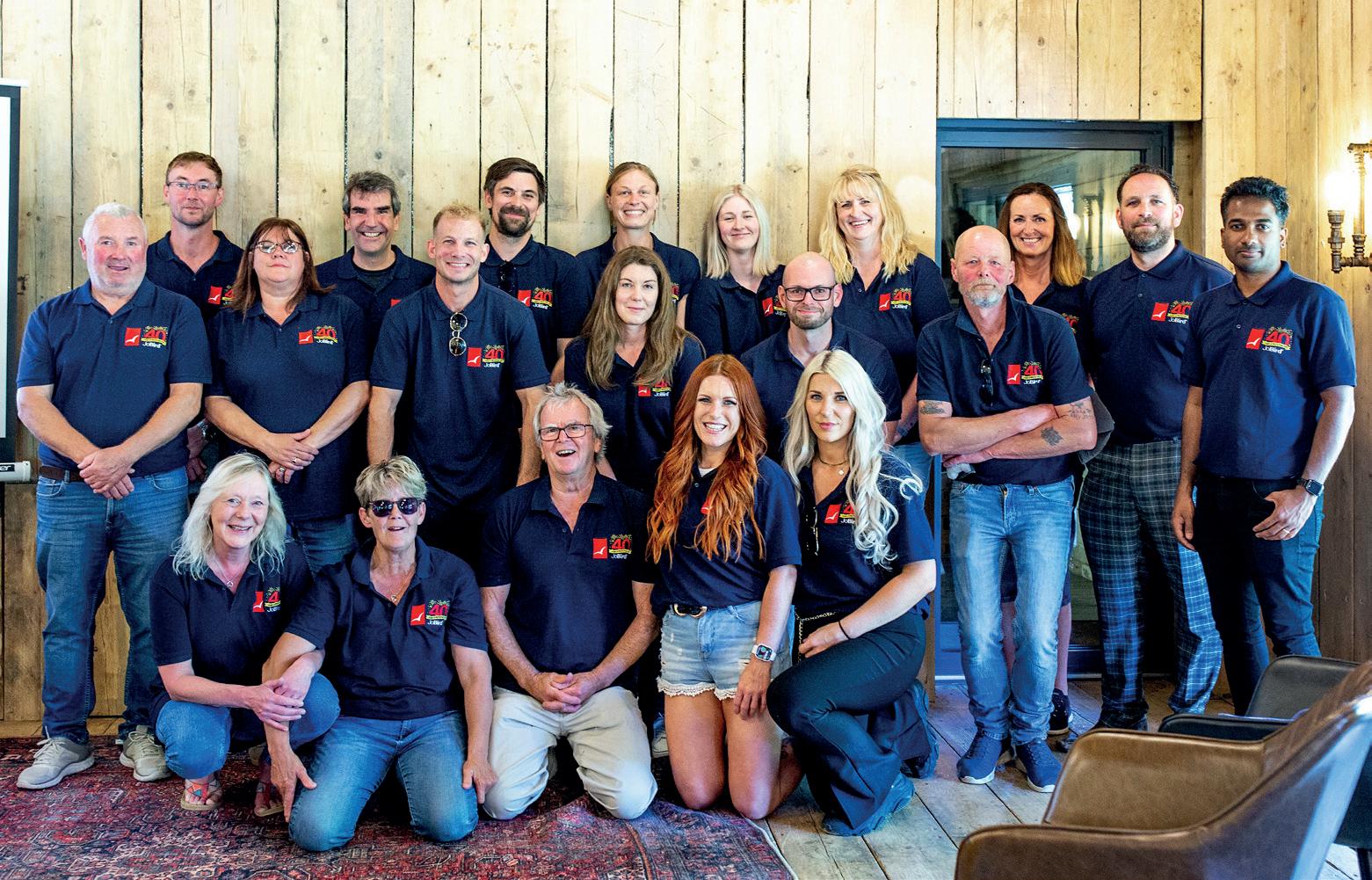








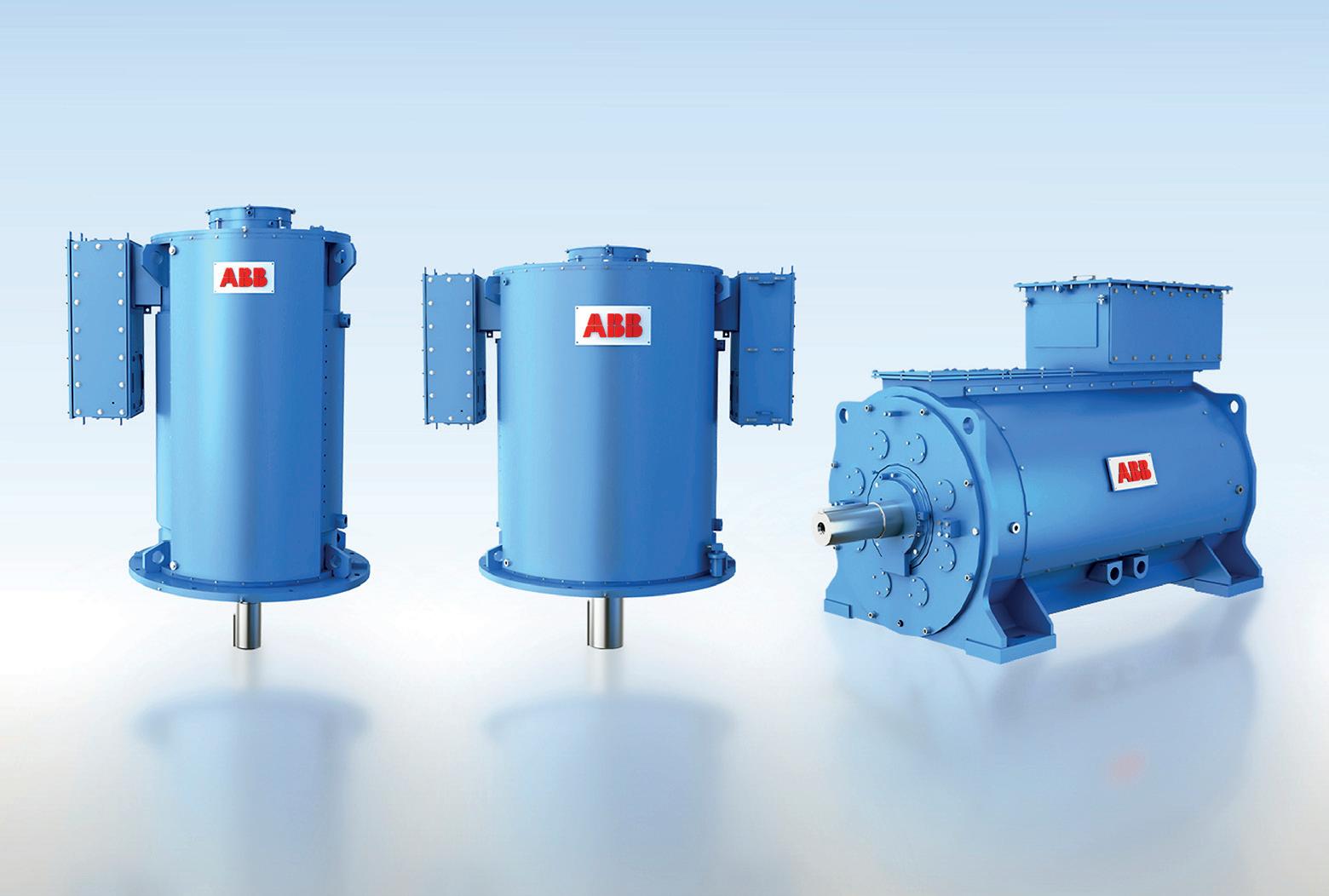
ABB has announced the global launch of its next-generation series of permanent magnet (PM) motors with water-jacket cooling, extending its portfolio of high-efficiency electric motors. The new PM motor series is designed to support growing cross-industry demand for compact, energy-efficient and low-noise solutions. Additionally, the motors are designed for operation with ABB frequency converter drives, enabling optimised system configurations and flexible integration into modern electrification architectures.
The new motor series enables business owners across a range of industries to advance decarbonisation goals while optimising design and operational performance. In particular, the marine industry stands to benefit as it is in the midst of a transformation driven by the global shift towards electrification, hybridisation and the adoption of alternative fuels.
Permanent magnet motors are increasingly recognised as a core technology for next generation vessels, enabling higher efficiency, reduced noise and improved manoeuvrability – especially for tugboats, offshore support vessels, ferries and hybrid ships.
The motor series is also available for a number of other industrial variable-speed drive applications, including both geared and direct-drive configurations, underpinning the cross-industry suitability. Currently offered in frame sizes 500 and 710, with power ratings up to 5MW, larger frame sizes are feasible and can be supported, allowing the platform to scale with future application and industry requirements.
Drawing on more than three decades of permanent magnet technology leadership, ABB's new PM motor delivers premium efficiency up to 98%, outstanding torque density and significantly reduced losses across the full operating range. This efficiency translates directly into lower energy consumption, reduced fuel or battery use and significantly avoided CO2 emissions over the equipment's lifecycle.
This new permanent magnet series combines ABB's latest advances in magnet technology, cooling innovation and engineering to deliver more power in less space –with the reliability and lifecycle performance the industry expects from ABB.
Tatu Jarvenpaa, Business Line Manager for Motors and Generators, ABB
The motor's innovative waterjacket cooling system, combined with an optimised mechanical structure, provides thermal performance without requiring external fan units or top coolers.
This allows customers to benefit from up to 60% reduction in mounting volume, 30-40% lower vertical height and 5-15% lower weight compared with conventional alternatives – critical advantages for L-drive azimuth thrusters, electric tugboats, offshore support vessels and other applications where machinery space is constrained.
The motor features a fully enclosed rotor design, advanced magnet protection and ABB's patented PM module technology to prevent corrosion and withstand demanding environments. A uniform innerloop cooling architecture improves temperature stability around magnet modules and coil ends, enhancing demagnetisation resistance and long-term reliability.
Customers also benefit from ABB's global service presence, lifecycle support capabilities and application expertise, providing reliability and confidence throughout the motor's operational life.

These contract wins highlight ASCO's growing presence across Australia and our ability to deliver integrated solutions from planning through to execution.
Mike Pettigrew, Group Chief Executive Officer, ASCO
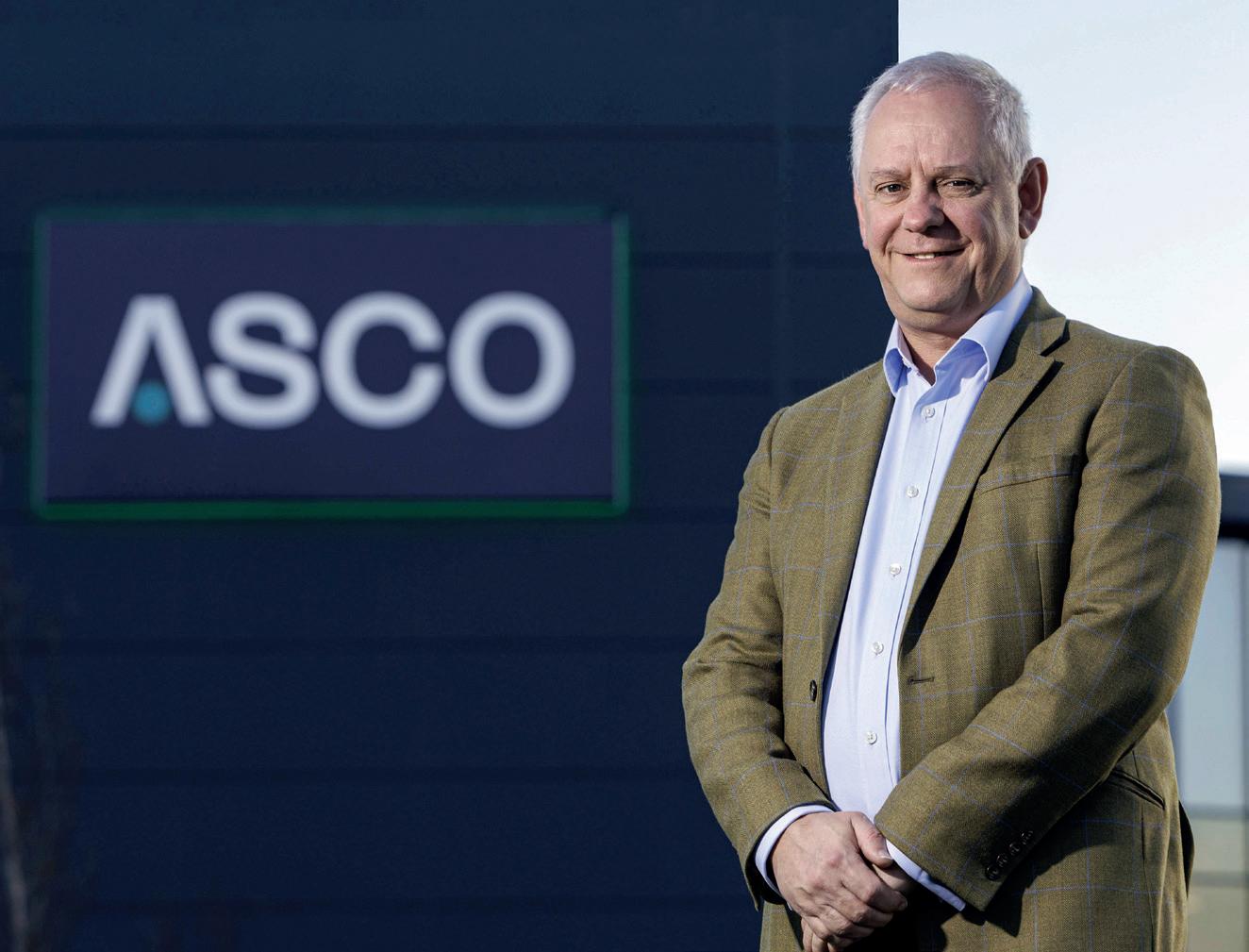
ASCO, a leading logistics, materials and operations management specialist, has recently secured four significant contracts across Australia, totalling A$33.2m.
The contracts cover ASCO's NORM environmental services, logistics, supply base and camp management service lines. The awards mark another step in ASCO's Australian growth, expanding its role across critical energy projects nationwide.
Building on ASCO's recently established NORM capability in Dampier, it will support Birdon in connection with a major decommissioning project off the north west coast of Western Australia. Deploying radiation safety officers (both onshore and offshore) and specialist NORM detection and monitoring equipment from May through to November 2026.
The company has also secured a multi-year logistics services contract with Global Resource Recovery, supporting chemical recovery, reclamation and recycling activities across a range of critical industrial sectors. Operating from Darwin, ASCO will leverage its national linehaul capability and integrated logistics services with the provision of domestic transport and co-ordination, storage and various equipment hire. The contract has an initial three-year term with extension options.
Also in Darwin, ASCO has been engaged by ZOMC to provide integrated marine agency services including supply base, logistics, regulatory support and port services in support of a major float over project in the Northern Browse Basin.
In another key award, ASCO has secured long-term involvement in the Waitsia Gas Plant in the Perth Basin, where it will deliver camp and camp management services for Mitsui E&P Australia's (MEPAU) activities under a four-year contract. This seven-figure agreement significantly strengthens ASCO's presence in Western Australia's onshore gas sector.
The project awards mark a strong start to the year following a successful 2025 for ASCO. The business has also recently unveiled its refreshed brand identity and established its NORM services in Australia, while also expanding its footprint in Norway and Canada.
i For more information: www.ascoworld.com

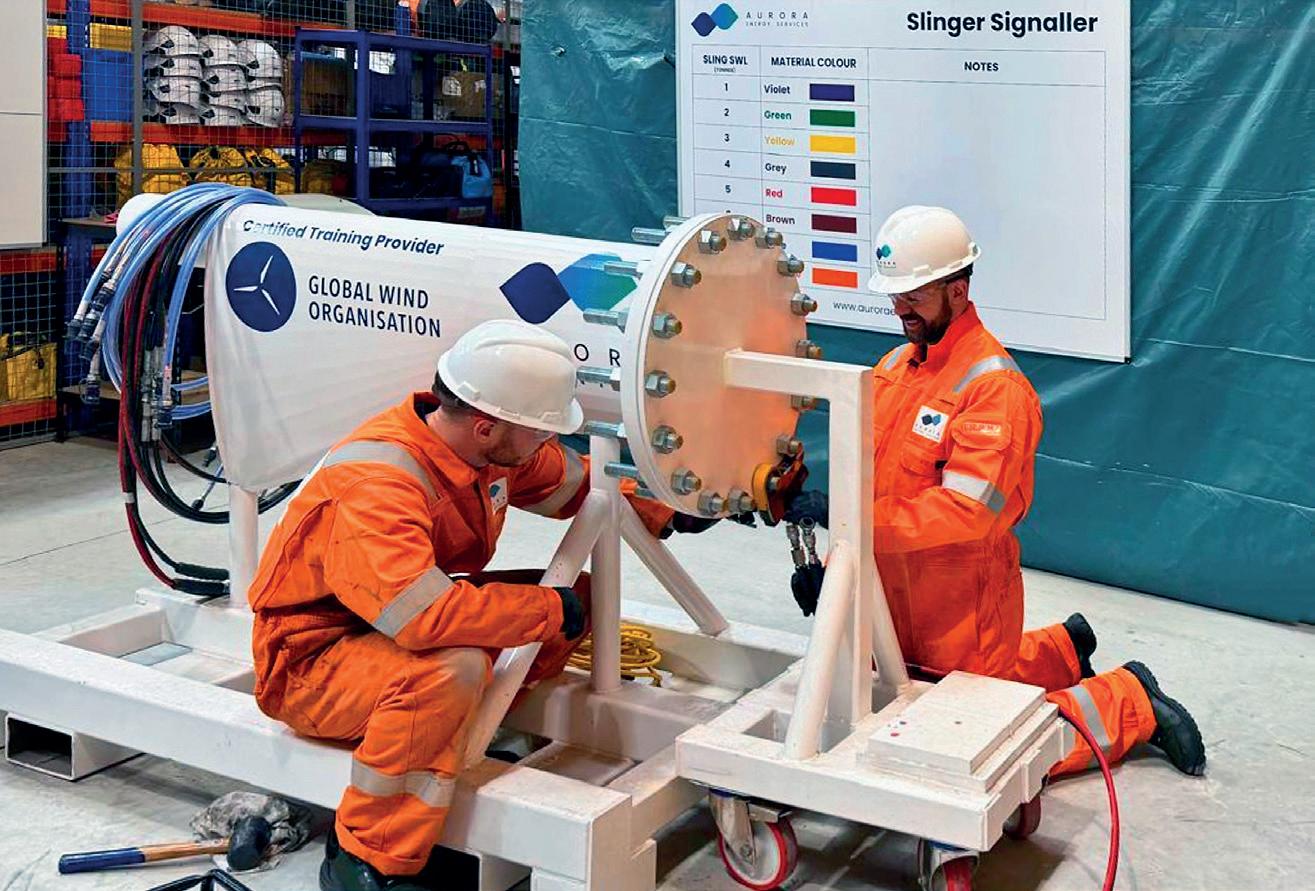
Aurora Energy Services (Aurora) is tackling a skills shortage in renewable energy by training military service leavers who will be 'site ready' to take up posts in the wind sector.
Delivered at Aurora's Renewable Energy Training Centre in Inverness – the largest facility of its kind in the Highlands – the course has been specifically designed to convert military service leavers into immediately deployable personnel for onshore and offshore wind projects.
Two of the participants on the seven-week Military to Wind pilot programme – which is supported by industry training bodies – have already been offered jobs.
The pilot programme aligns with broader efforts from government and industry bodies to support workforce transition and was jointly funded by the Ministry of Defence and the Engineering Construction Industry Training Board (ECITB), which played a key role in shaping the course standards.
Participants will attain industryrecognised qualifications, including Global Wind Organisation (GWO) training, advanced rescue and safety certifications and ECITB-accredited competencies, alongside additional modules covering wind turbine safety rules and technical theory.
i For more information: www.auroraenergy.co/en-gb
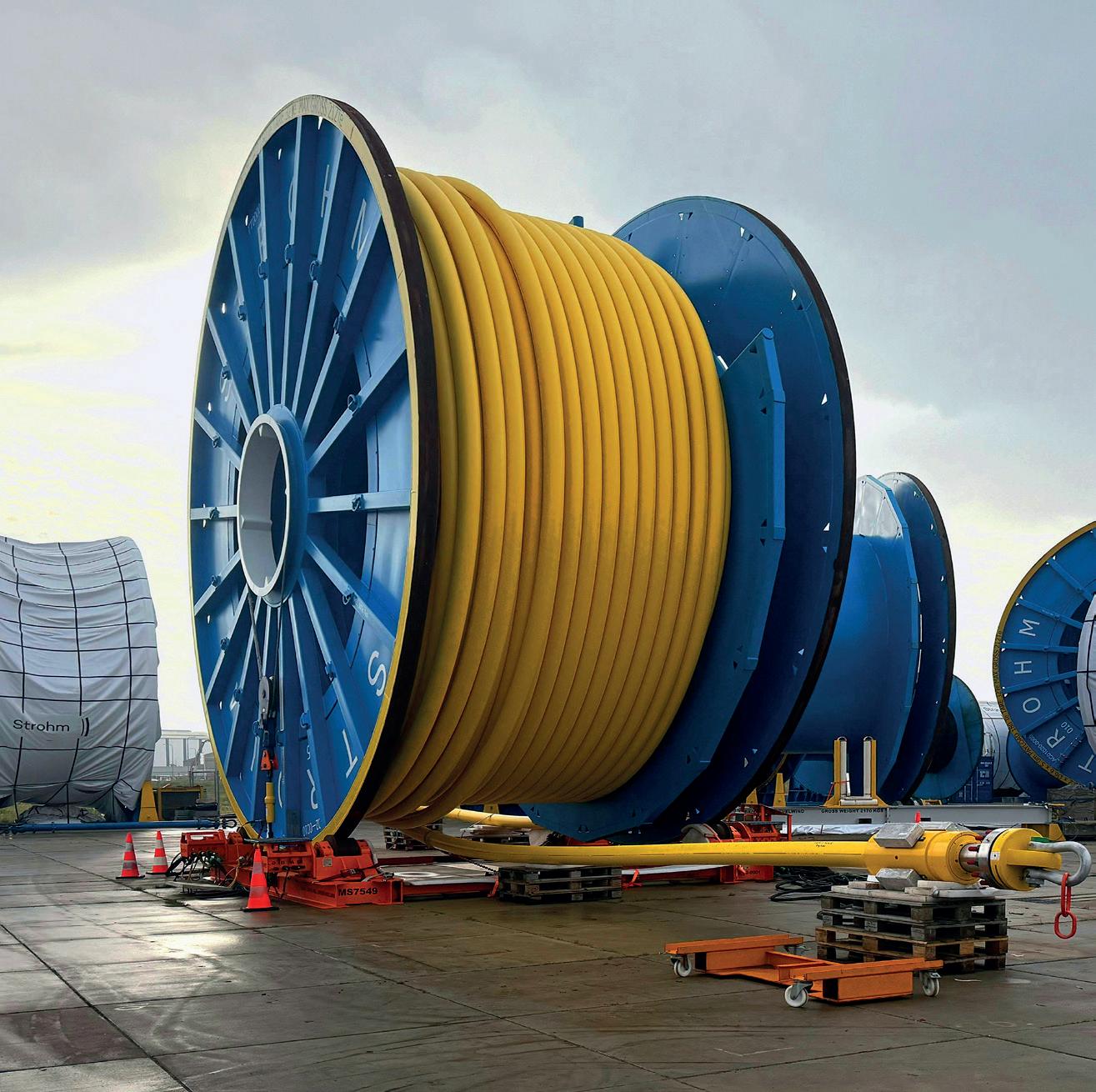
Baker Hughes, the energy technology company and thermoplastic composite pipe (TCP) manufacturer Strohm have signed a memorandum of understanding to develop and qualify a hybrid flexible pipe (HFP) for ultradeepwater risers and flowline applications.
As deepwater basins account for a growing share of global hydrocarbon production, operators are increasingly seeking innovative solutions to develop ultradeep resources with lower risk and reduced costs. The HFP being jointly developed is a lightweight, corrosionresistant solution, which can be deployed for flowline and riser applications in water depths exceeding 3000 metres.
The HFP solution combines the capabilities of TCP and conventional flexible pipe. In this approach, TCP replaces the standard carcass, liner and the pressure armour, while maintaining tension armour, outer protective coating and end-fittings. The integrated system delivers the tension capability of a conventional flexible pipe and the smooth bore and light weight of a TCP.
The product will be approximately 50% lighter than a conventional flexible pipe. This means that even at water depths exceeding 3000 metres, the total suspended weight will be approximately 40% lower when compared to conventional pipes in lesser water depths.
The newly designed solution allows operators and contractors to use existing installation vessels, without the need for costly and time-consuming adaptations.
The HFP solution is currently under development, with qualification pipes being manufactured for testing. The integrated solution is expected to become available from 2028.

Costain, the infrastructure solutions company and A E Yates, the civil and structural engineering delivery specialist, have brought on board Hyperion Robotics to deliver lowcarbon concrete sleepers for a landmark East Coast Cluster project on Teesside.
Northern Endurance Partnership's (NEP) onshore CO2 gathering system will provide the CO2 transportation and storage infrastructure for Teesside-based carbon capture projects. Costain is the delivery partner to NEP with A E Yates providing civil engineering services.
Costain and A E Yates will work with Hyperion to produce approximately 90 high-strength concrete pipe support bases, or sleepers, along 1.3km of onshore CO2 pipelines across Teesside using its advanced robotic manufacturing and digital technology.
Hyperion's technology eliminates formwork and enables precise, repeatable production of the sleepers. This approach, when compared to traditional precast solutions, will require less soil excavation, reduce concrete and steel use by 40% and carbon emissions by up to 50%.
The engineering-led solution is up to ten times stronger than traditional structures despite being up to 60% lighter thanks to a thin, reinforced base design. This will enable faster and safer installation of the sleepers, which will also be manufactured offsite to reduce onsite labour and plant.
Costain is also the delivery partner for Net Zero Teesside Power (NZT Power), which aims to be the world's first gasfired power station with carbon capture and storage. To date, approximately 200 people from Costain are delivering and managing the engineering, procurement and construction (EPCm) elements of the NZT NEP OSBL project, in addition to approximately 100 designers and engineers based in Manchester.
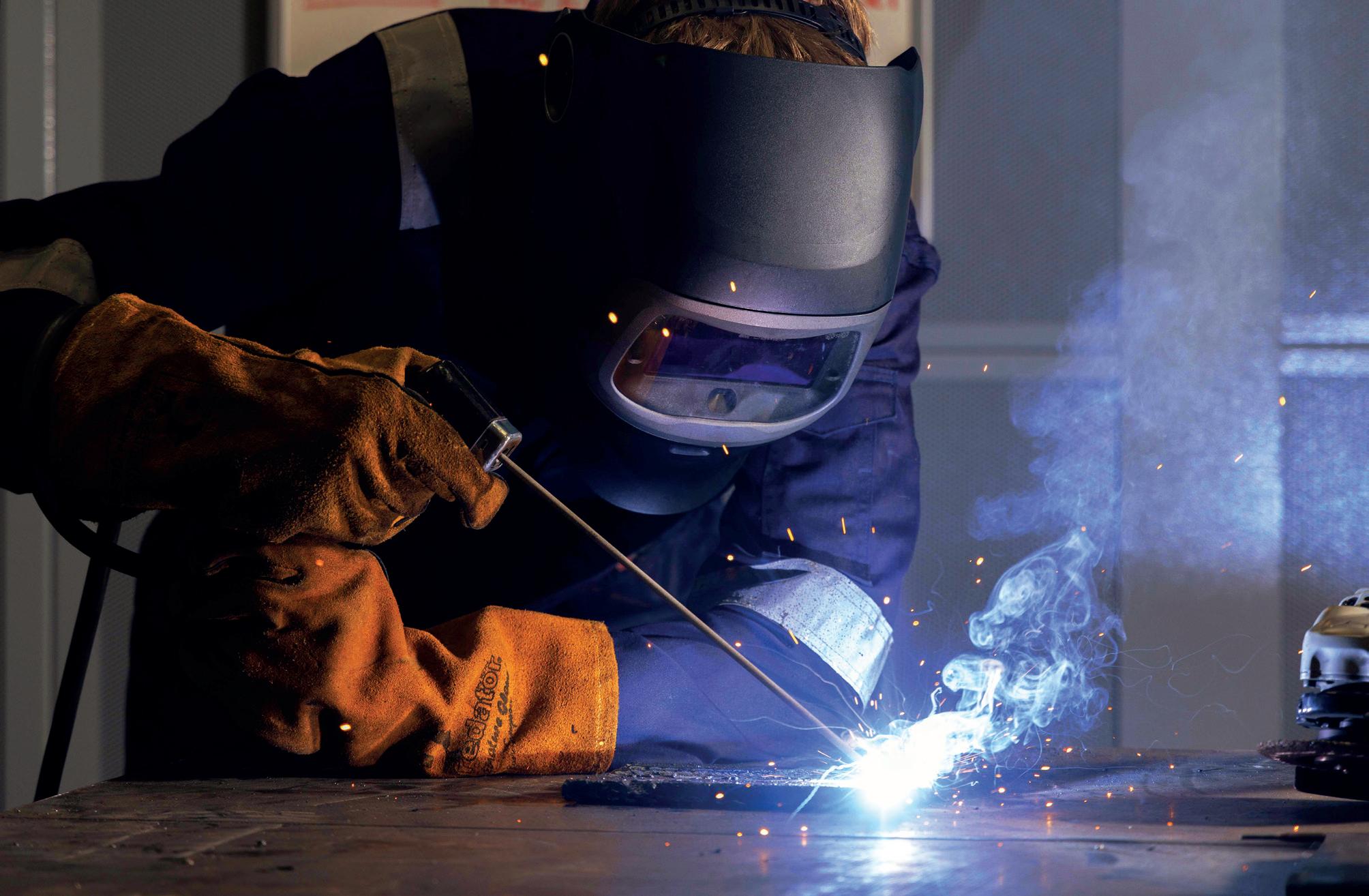
An upskill welding programme has been developed to help address a predicted 47% increase in demand for welders across the engineering construction industry (ECI).
The Engineering Construction Industry Training Board’s (ECITB) Labour Forecasting Tool predicts that the number of welders required in the ECI could rise to more than 2,150 by 2030, up from 1,470 in 2025.
To help tackle this industry-wide shortfall in skilled welders, the ECITB has released a six-week programme designed to upskill individuals with limited or basic welding experience, developing their knowledge and skills through a blended learning approach.
Following a successful pilot, the ECITB is calling for training providers to deliver the Multiposition Fillet Welding (MMA) programme as part of a wider rollout across the UK.
The programme provides a structured pathway from foundational welding skills to multi-position MMA welding capability and technical test readiness. It is delivered through a blend of theory and practical training, enabling learners to progressively develop their welding capability and underpinning technical knowledge.
As well as those with limited experience, the programme is designed for learners seeking to transition into welding roles or those requiring structured development before formal welder testing to verify competence.
The theory element provides essential knowledge to support safe, compliant and high-quality welding practice. The practical component develops capability across increasing levels of complexity, focusing on technique, control, consistency and quality, aligning with industry expectations.
Learner progress is measured via the completion of a course workbook, a multiple-choice knowledge test and a practical observation and assessment.
Attracting, upskilling and retaining an agile, diverse and competent workforce in sufficient numbers to meet projected growth in demand is a big priority of our Leading Industry Learning strategy 2026-30.
While this programme has a particular focus on supporting workforce requirements within the nuclear sector, it also has strong cross-sector relevance and is suitable for a wide range of engineering construction environments.
Andrew Hockey, Chief Executive, ECITB
The programme launch is part of the ECITB's ongoing work to increase the number of skilled workers in craft roles like welding.
The ECITB helps strengthen welding capability through industry-aligned training standards, regulated qualifications, technical training and tests that verify competence and support employer assurance.
ECITB Scholarships are also available.
For example, the ECITB Awarding Organisation launched a new Level 2 Diploma in Introduction to Welding in Engineering Construction Operations which prepares candidates for a welding career in the ECI.
Training providers wishing to deliver the upskill welding programme should email: programmeadmin@ecitb.org.uk
Find out more about the ECITB's welding training courses, tests and qualifications at: www.ecitb.org.uk/ professional-development/technicaland-trade/welding/
i For more information: www.ecitb.org.uk
HFI is pleased to announce the establishment of its Eastern Mediterranean regional office in Limassol, Cyprus – a strategic step in the continued development of HFI and its international operating footprint.
The opening of the Cyprus office supports HFI's objective to widen its regional focus, extending more deeply into key energy markets in the Eastern Mediterranean: Cyprus will serve as a hub for the region from Italy (recognising the key role played by Eni and Saipem in the MENA energy market) round to Tunisia, including Greece, Israel, Egypt and Libya.
Cyprus offers a stable legal environment in the European Union, within the euro currency zone and with a strong foreign investment regime and benign pro-business taxation system. It has positive connectivity with the Middle East, North Africa and Europe, and is emerging as a jurisdiction of choice for energy sector regional holding companies.
Energy markets are increasingly prioritising diversification of supply, infrastructure and transit routes and materially increasing strategic and investment interest in the Eastern Mediterranean region. The Energy Industries Council's EICDataStream currently tracks approximately 107 major energy sector projects in the Eastern Mediterranean across upstream oil and gas, refineries, petrochemicals, nuclear and renewables – representing over US$585bn in opportunities.
For further information on how HFI can support your business expansion in the Eastern Mediterranean and to arrange a meeting with Hugh Fraser, Managing Partner, please contact: sally.reeves@hfi-consulting.com
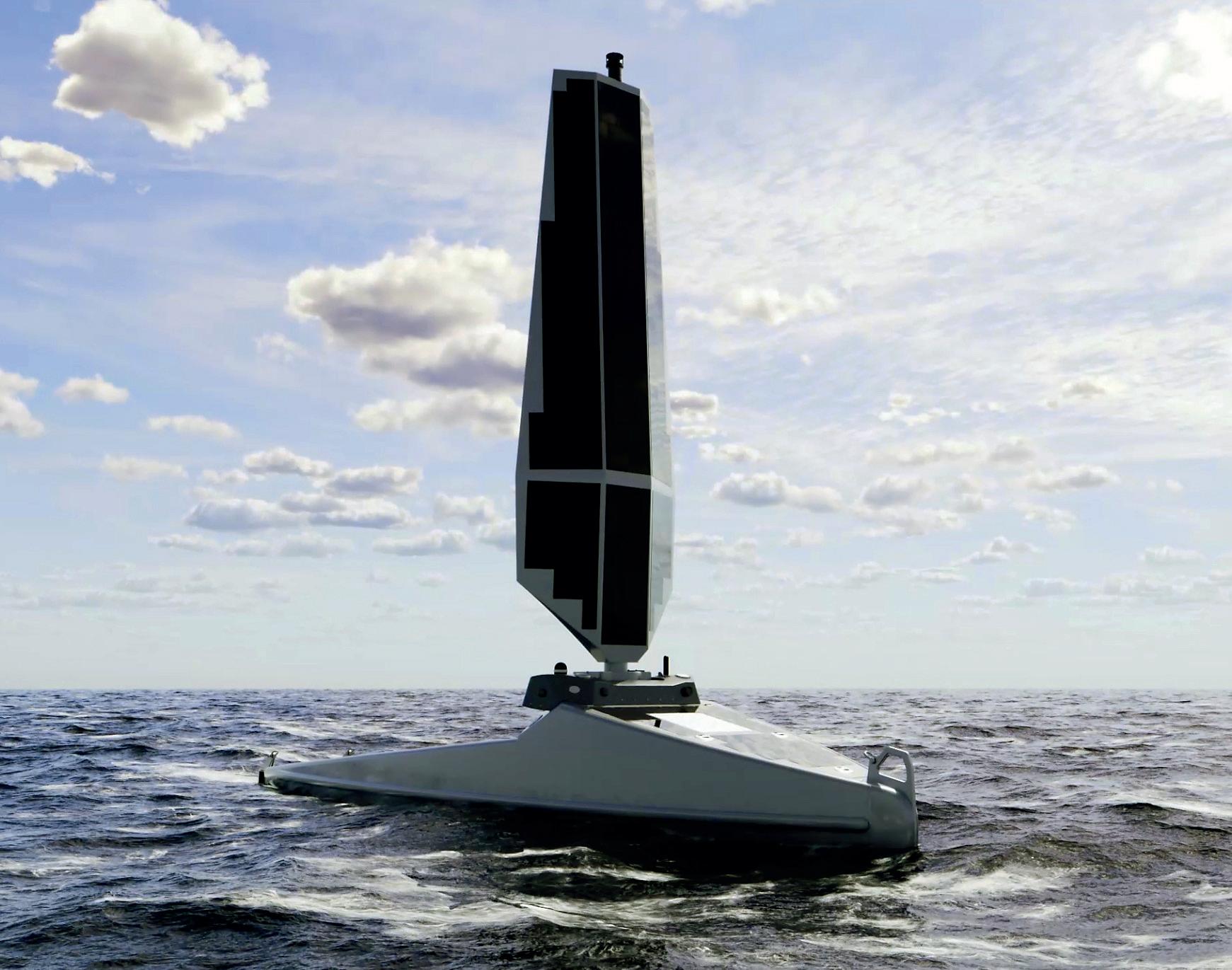
James Fisher and Sons plc (James Fisher), has announced its minority participation in the Series D funding round of US-based Ocean Aero, creator of the Triton Autonomous Underwater and Surface Vehicle (AUSV).
This partnership brings together James Fisher and Ocean Aero's complementary capabilities in marine monitoring and subsea intervention of offshore energy assets and critical underwater infrastructure. The wind and solar powered Triton is the next generation, low-emission autonomous subsea vessel that can meet the growing demand for net zero, smart, sustainable solutions, enhancing James Fisher's position in a rapidly evolving market.
Ocean Aero designs, manufactures and operates the world's first and only AUSV, the Triton. Operating both above and below the surface, the Triton collects and transmits data from any location without the need for onboard or nearby crews.
The technology aligns closely with James Fisher's dual-use strategic approach, across offshore energy and defence verticals, allowing access to cutting-edge technology for customers.
Ocean Aero’s autonomous platform complements our established marine and subsea capabilities and strengthens our ability to deliver innovative solutions for our customers across the Group. This is exactly the type of technology that supports James Fisher's long-term strategic direction.
Sean Huff, Head of Ventures & Chief Digital Officer, James Fisher
James Fisher is a global provider of unique marine solutions, operating at the heart of the blue economy. With centuries of experience and technical expertise, the company solves complex challenges in some of the world's most demanding environments.
Global engineering, management and development consultancy
Mott MacDonald has entered into a partnership with the Renewable Construction Academy (RECOA) to develop specialised content for online delivery. Content from Mott MacDonald's internal Renewable Academy will be adapted for delivery via RECOA's digital learning platform and made available to the wider industry, strengthening skills and capability across the global renewable energy market.
Since its launch in 2018, Mott MacDonald's Renewable Energy Academy has supported the development of renewable energy capability, with multiple cohorts of employees participating globally.
The programme brings together technical specialists from across regions and disciplines, combining structured learning with real-world project experience to deepen understanding of renewable energy generation, construction and delivery.
Under the partnership, Mott MacDonald will adapt selected modules from its established Renewable Energy Academy into online learning content hosted on the RECOA platform. The collaboration brings together Mott MacDonald's technical excellence and project experience with RECOA's specialist training infrastructure, making high-quality renewable energy learning accessible to a wider external audience.
The adapted modules will draw on Mott MacDonald's real-world project experience across renewable energy generation, with the first module focusing on battery energy storage (BESS), reflecting current industry challenges, emerging technologies and best practice.
As the global demand for renewable energy accelerates, the need for practical, industry-led training continues to grow. Through this partnership, Mott MacDonald aims to support capabilitybuilding across the market by sharing knowledge developed through its global energy practice.
This partnership reflects our commitment to supporting the renewable energy sector through knowledge-sharing and skills development.
Sam Carter, Renewable Energy Academy Director, Mott MacDonald
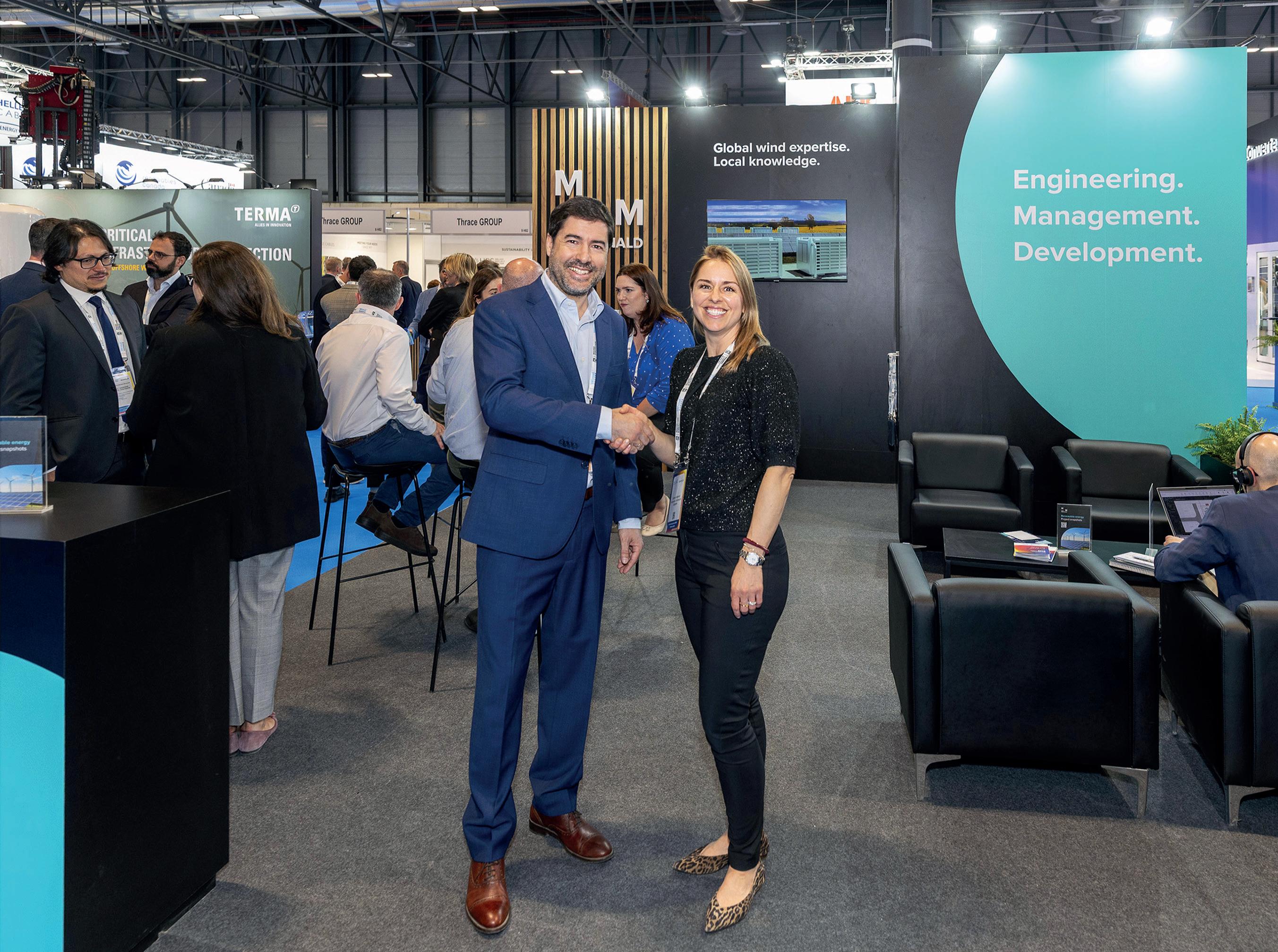
The partnership was formally marked at WindEurope Conference, where Inaki Perez, Mott MacDonald's global market leader for renewables and energy storage, was photographed alongside Michelle Adamick from RECOA.
i For more information: www.mottmac.com
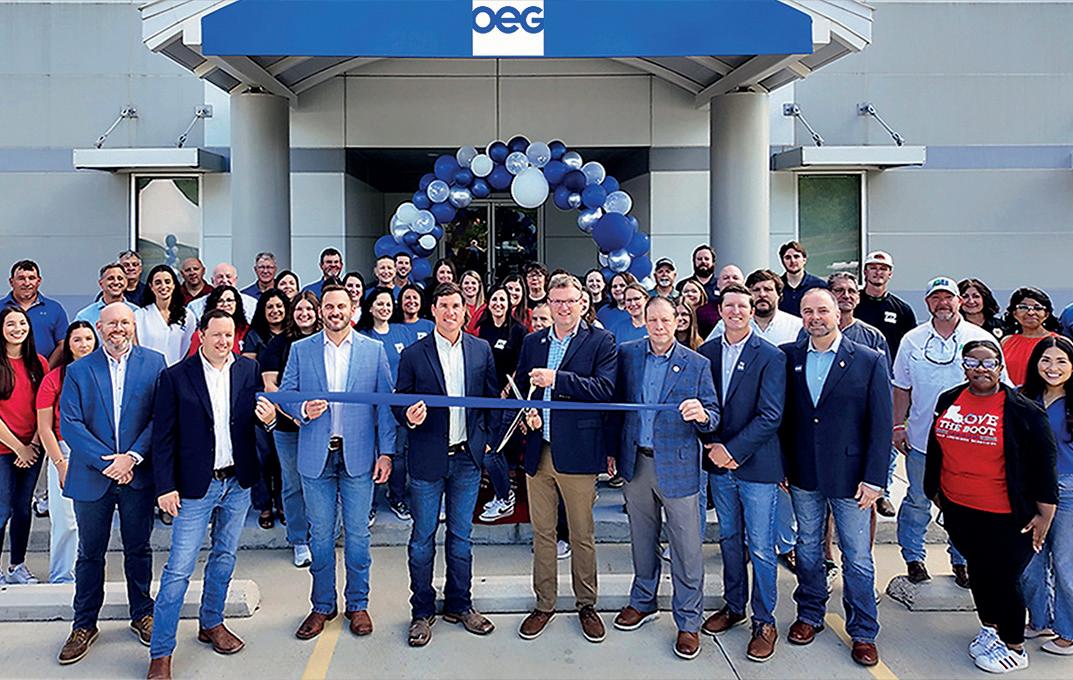
OEG has opened a new North American regional head office in Broussard, Louisiana, providing cargo logistics equipment and engineering solutions for customers in the region.
The opening, pictured below, welcomed employees, customers, vendor partners, press and community leaders to celebrate the milestone and tour the new facility located at 1001 Old Spanish Trail Hwy N, Broussard, Louisiana 70518. A ribbon cutting ceremony with Broussard Chamber of Commerce marked the event, along with crawfish boil, live music, vendor partner demos and a display of selected equipment from OEG's extensive fleet.
Located in the heart of South Louisiana's energy corridor, the North American facility marks a significant investment in the company's continued growth across the Gulf Coast and broader North American energy and industrial markets.
The Broussard headquarters will support OEG's growing operations in the United States, Canada and Mexico.
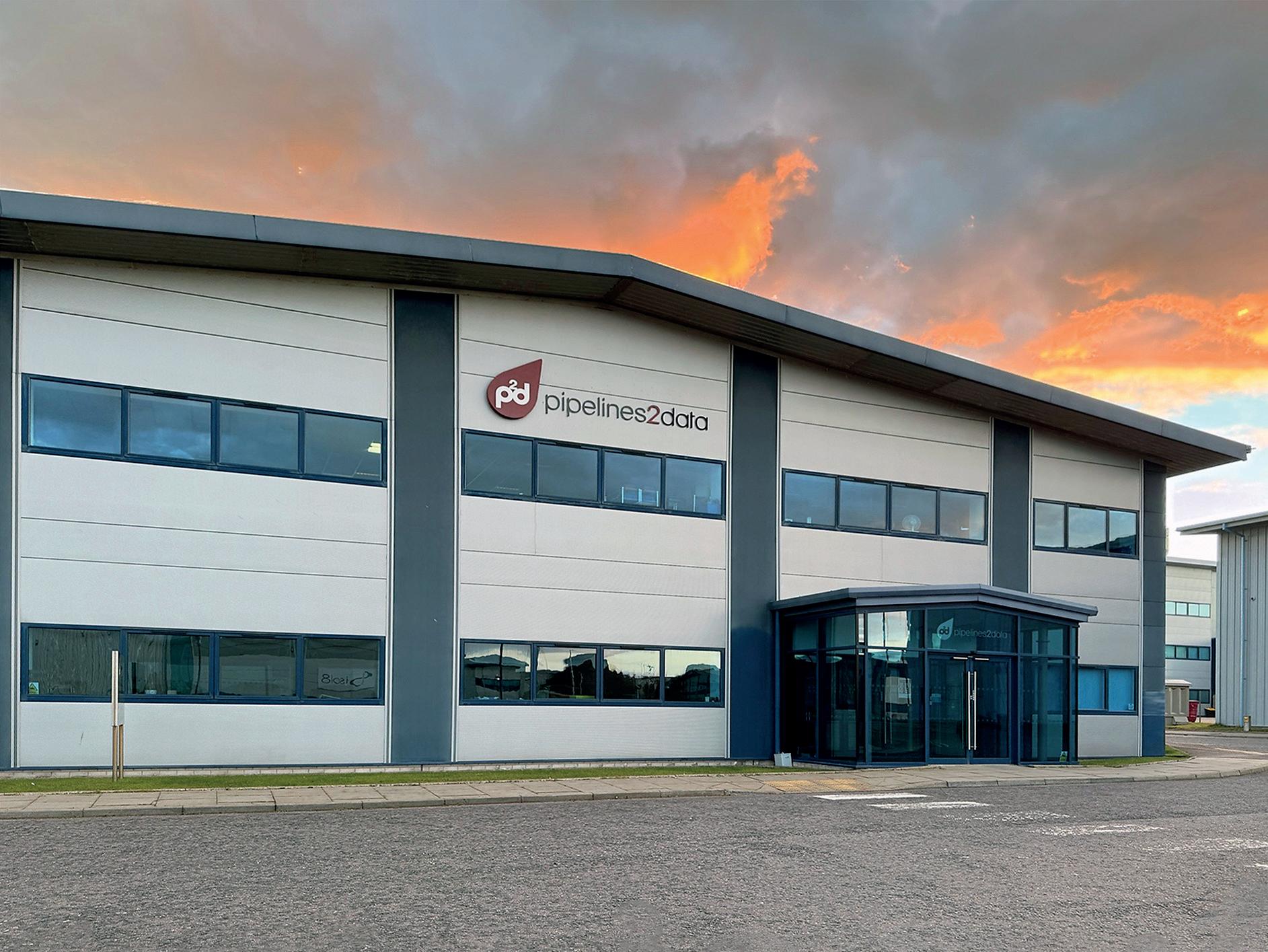
STATS Group (STATS) has announced the acquisition of Aberdeen-based pipeline intelligence and cleaning specialist Pipelines 2 Data (P2D) in a strategic move designed to expand its global pipeline integrity and maintenance service offerings and enhance the company's current suite of pipeline integrity products and services.
Aberdeen-headquartered STATS, which employs more than 500 staff across operational bases in the UK,
Australia, Canada, Malaysia, UAE, Oman, Qatar, Saudi Arabia and the US, is a market leader in the supply of pressurised pipeline isolation, hot tapping and line stopping services which enables safe and efficient maintenance and repair of onshore, topsides and subsea pipeline infrastructure.
Backed by parent company Mitsui & Co Ltd (Mitsui), the deal forms part of a long-term plan to build a comprehensive pipeline services platform combining inspection, diagnostics, maintenance and repair capabilities.
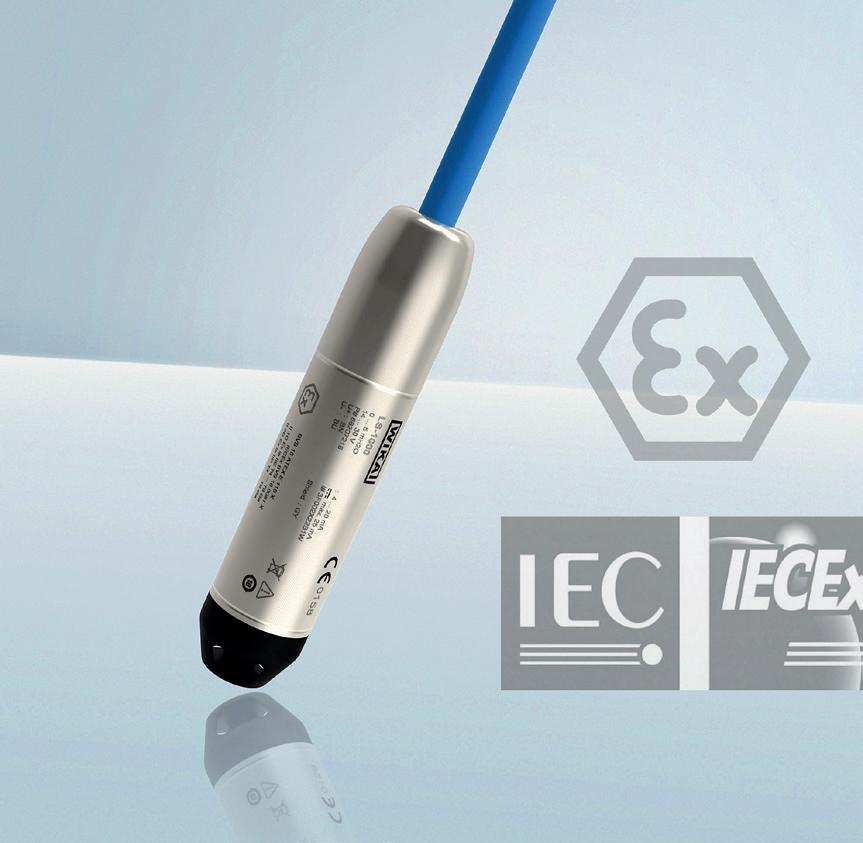

The LS-1000 submersible pressure sensor from WIKA is now certified in accordance with the European ATEX and international IECEx directives. The sensor continuously measures the level of liquid media in industrial environments. Thanks to the new approvals, companies can now also use it in hazardous areas of ATEX zone 0 and 1 as well as IECEx zone 0, 1 and 2. This applies to numerous applications, for example in the process, wastewater and environmental technology and power generation industries. Typical applications include wastewater lifting stations, pumping stations and oil and fuel tanks.
Optimal long-term stability of 0.2% ensures precise measured data and minimal signal drift. Thanks to its robust design, the stainless steel submersible pressure sensor is permanently sealed in accordance with ingress protection IP68. A specially developed cable provides effective strain relief and potting of the cable inlet provides additional protection. Each individual device undergoes a helium leak test during the final inspection. Even the smallest leaks and hairline cracks are detected here.
The submersible pressure sensor is maintenance-free, minimising failures, downtimes and total cost of ownership. It can be operated with a 5V battery, as the energy-saving ratiometric output signal consumes less than 5mA. This places such a low load on the battery that it does not need to be replaced for many years.
WIKA is known worldwide for precise measurement solutions – from pressure and temperature to level, force and flow. As a reliable partner, WIKA combines decades of experience with consistent innovation, turning measured value into measurable added value.

We want to use every opportunity to connect with our members, so please follow us on LinkedIn –EIC (Energy Industries Council)
Below you’ll find a selection of some of the exciting EIC activities and useful industry information we’ve shared through our social media channels.
EIC (Energy Industries Council)
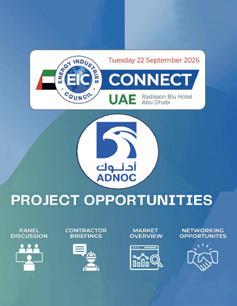
We’re excited to announce ADNOC Group as one of the featured speakers at the upcoming UAE Connect 2026 on 22 September. Secure your place now: https://lnkd.in/dybeUDns
EIC (Energy Industries Council)
The Energy Exports Conference (EEC) 2026 – Energy Security Edition is now offering a range of exhibition and sponsorship opportunities. Visit: https://lnkd.in/e_zhefmf


EIC (Energy Industries Council)
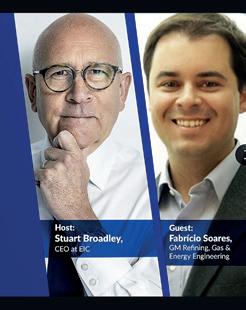
I am joined in Rio by Fabricio Soares, General Manager for Refining, Gas and Energy Engineering at Petrobras, for an in-depth conversation. Visit: https://lnkd.in/eyk-x28j


Belait, Brunei Darussalam

Offshore Northern Seas (ONS) 2026
EICDataStream/AssetMap
Asia Pacific Energy Market Outlook
GotoWebinar 27 August Business Presentation
Breakfast in Rio: Offshore Opportunities
Rio de Janeiro with Hanwha Ocean, Helix Energy and Ecovix
1 September Corporate Entertainment
EIC Pre-Networking Cocktail 2026
Kuala Lumpur
1 September Business Presentation North America EICDataStream
2 September Corporate Entertainment
EEC Gala Dinner
P&J Live, Aberdeen
2-3 September Export Showcase
Energy Exports Conference 2026
P&J Live, Aberdeen
2-3 September EIC CONNECT
EIC CONNECT Oil & Gas Asia
Kuala Lumpur
2-4 September Overseas Exhibition
Oil & Gas Asia (OGA) 2026
Kuala Lumpur Convention Centre
4 September Corporate Entertainment
EEC Golf Day 2026
Craibstone, Bucksburn 8 September Business Presentation
Doing Business in the USA
EIC Houston Office


13 August 2026 • Rio de Janeiro
9 September Business Presentation
10 September Business Presentation
EIC Breakfast in Houston
EIC Houston Office with Oceaneering and Baker Hughes
10 September Business Presentation
Breakfast in Rio: Gas & Power Opportunities
Rio de Janeiro with Eneva and Weatherford
16 September Business Presentation North America EICDataStream
21-24 September Overseas Exhibition
ROG.e 2026
Riocentro, Rio de Janeiro, Brazil
21 September Corporate Entertainment
EIC CONNECT UAE Evening Reception
The Club, Abu Dhabi
22 September EIC CONNECT
EIC CONNECT UAE
Radisson Blu Hotel & Resort, Abu Dhabi Corniche
22-25 September Overseas Exhibition
WindEnergy Hamburg 2026
Hamburg, Germany
22 September Business Presentation
Breakfast in Rio: Doing Business in the USA
Américas Barra Hotel, Rio de Janeiro
23 September Corporate Entertainment
Rio Samba & Gas during ROG.e 2026
Bar do Zeca Pagodinho, Rio de Janeiro


August sees the return of Offshore Northern Seas (ONS), a key bi-annual conference and exhibition in the International Trade teams' calendar and we are delighted to return to Norway and bring the UK pavilion to Hall 5. ONS will take place in Stavanger, Norway on 24-27 August.
ONS is the leading meeting place for everyone interested in energy. As the leading conference and exhibition connecting the broader energy industry, it has grown into a global energy meeting place connecting international suppliers and operating companies. With more than 72,600 visitors and 1,100+ exhibitors from over 100 nations, there is no doubt that ONS has secured itself as one of the world's largest meeting places and the reference point for energy transition to new cleaner renewable solutions.
One of the highlights of ONS is the ONS+ festival where Stavanger Harbour is transformed into a small urban village offering attendees the opportunity to unwind after a long day at the exhibition. Pavilions placed alongside the harbour offer food, drinks and music as well as being the hosts for debates, discussions and presentations.
Norway has a pivotal role in the oil and gas industry. The country has played a stabilising role in the world's oil and gas supply, particularly in aiding assistance to Europe's energy crisis due to the absence of Russian supplies. According to EICDataStream, Norway leads the upstream sector in the number of projects up to 2030 and is placed 9th in terms of CAPEX. Besides its relevance in the oil and gas sector, the country recognises the importance of renewable energy and energy transition, as a major market in the carbon capture sector.
UK and EIC member companies are leading the way offering innovative products and services renowned worldwide for adding real value to projects and the local supply chain.

The EIC invites you to visit the UK pavilion in Hall 5, block 5110, to explore how the supply chain's innovations can benefit your company.
If you missed the chance to be a part of ONS in 2026 and can't wait until it returns in 2028, fear not.
The EIC will be hosting the EIC international pavilion at Offshore Europe in Aberdeen on 7-9 September 2027. Don't miss the opportunity to be a part of Europe's leading offshore exhibition and conference for better energy futures. The EIC pavilion has the prime location in Hall 1, encompassing the full entrance of the hall, ensuring all stands will get the maximum footfall coming into and leaving Hall 1.
Camilla Tew, Director, International Trade camilla.tew@the-eic.com
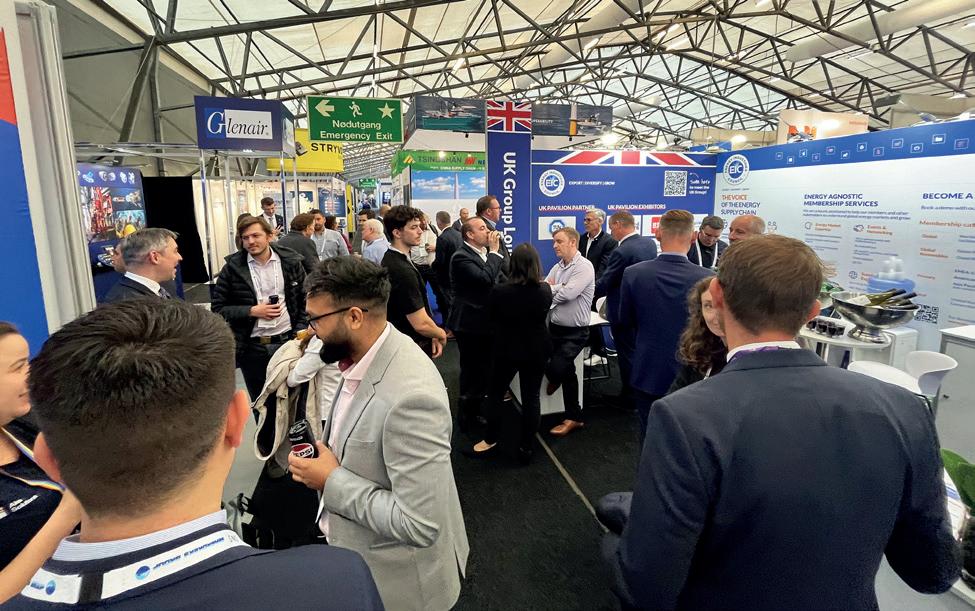
With just one month to go, preparations are entering their final stages for the Energy Exports Conference (EEC) 2026 – Energy Security Edition, taking place on 2nd September at P&J Live, Aberdeen.
Recognised by many attendees as 'a year's worth of networking in one week', EEC remains one of the most influential events in the global energy calendar, providing a platform for operators, contractors, developers, government representatives and the supply chain to connect, collaborate and identify future business opportunities.
This year's Energy Security edition comes at a pivotal time for the industry, with energy resilience, security of supply and international collaboration continuing to shape investment decisions across global markets.
The conference and exhibition is set to welcome more than 1,500 delegates, featuring international delegations, project updates, market intelligence and thought leadership sessions focused on tangible opportunities around the world. Exhibitors and sponsors will also have the opportunity to book prearranged one-to-one meetings with buyers and international delegations, creating valuable opportunities to discuss projects, partnerships and new business opportunities.
The agenda will explore key themes including energy security, hydrogen, carbon capture and storage (CCS), offshore wind, nuclear, future fuels and international decommissioning. Delegates will gain insight into both established and emerging export markets through regional sessions focused on opportunities in the UAE, Iraq, Italy, Canada, South America and China.
EIC members attending EEC are encouraged to meet with Kainah McAdams, membership manager for Scotland, who will be attending throughout the conference. Whether you're looking for a refresher on your membership benefits, want to learn more about EICDataStream, or would like to explore profile-raising opportunities, Kainah will be on hand to help you maximise the value of your membership.


At the conclusion of day one, delegates will come together for the highly anticipated EEC Gala Dinner, an evening of Scottish hospitality, networking and relationship building, featuring local food and drink and a traditional Scottish ceilidh. The week concludes with the EEC Golf Day, offering a more informal setting to strengthen relationships and continue conversations started during the conference.
A special thank you goes to Bureau Veritas, who return for a second consecutive year as Strategic Partner of EEC.
There is still time to secure your place at EEC 2026. Attendance at the conference is free of charge for EIC members, making it an excellent opportunity to gain access to market intelligence, international project updates and unrivalled networking opportunities.
To book your place, visit the EIC website. For exhibition and sponsorship opportunities, please contact EEC@the-eic.com for further information.
Kim Stephen, Regional Director, UK kim.stephen@the-eic.com
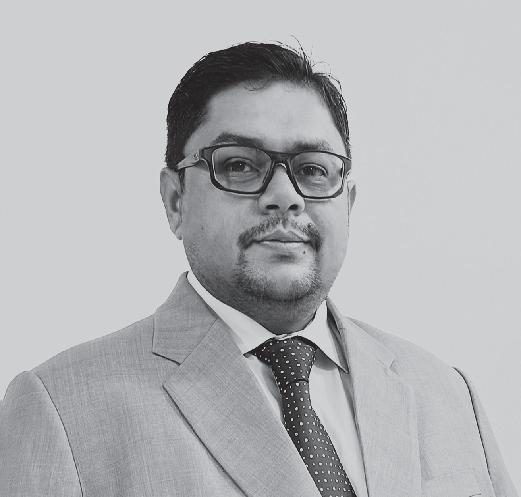
I hope this update finds you well and enjoying a welldeserved summer break after what has been a challenging 2026 for many to date. Hopefully we will continue to see a period of stability alongside an increase in the level of project activity across the region.

This month sees the publication of the 10th edition of our Survive & Thrive Report. The report has become a unique resource for the energy supply chain, showcasing the resilience, innovation and success of companies operating across our industry. I would encourage everyone to take the time to read it and explore a few of the featured case studies. To accompany the report, our CEO, Stuart Broadley, has also recorded a series of insightful podcasts, which are well worth listening to. We look forward to celebrating these achievements at our World Energy Supply Chain Awards (WESCAs), where the winners will be announced in Dubai on 22 October. Thank you to everyone who participated in this year's report and the very best of luck to all of our finalists.
EIC Connect UAE 2026 will now take place on 22 September, having been rescheduled from earlier in the year. We are delighted to present a refreshed programme that reflects the latest developments and priorities shaping the UAE energy sector. We have already confirmed an outstanding line-up of speakers from ADNOC, Bechtel, ENEC, Euro Mechanical, Kent, Lamprell, NMDC and Petrofac, with additional speakers to be announced in the coming weeks. Further details of the programme and booking information can be found on our website. We look forward to welcoming you to what promises to be another great event.
I also look forward to returning to Aberdeen in September for the Energy Exports Conference (EEC), taking place from 2-3 September. The conference continues to provide an important platform for companies looking to expand internationally and connect with stakeholders from across the global energy value chain.
ADIPEC 2026 is now only a few months away and is already shaping up to be another landmark event for the industry, with growing focus on the UAE's evolving role post-OPEC and the wider future of regional energy investment. Our ADIPEC Networking Breakfast and inaugural Golf Day are both anticipated to sell out so don't delay in booking. As the largest and most influential event on the energy calendar, ADIPEC promises once again to deliver unmatched opportunities for those in attendance.
Ryan McPherson
Regional Director, Middle East, Africa, Russia & CIS ryan.mcpherson@the-eic.com

Dubai Electricity and Water Authority (DEWA) has announced the launch of DEWA International, a wholly owned subsidiary that will develop conventional and clean energy and water projects worldwide. The new company will leverage DEWA's expertise in project development, operations, financing and digital innovation to deliver projects in partnership with governments and private sector organisations across global markets. The move reflects Dubai's ambition to export its successful utility model internationally while strengthening its position as a global leader in energy, water, sustainability and infrastructure development.
Spanish engineering company Técnicas Reunidas has secured two EPC contracts for upstream oil and gas production facilities in the Middle East, reinforcing its strong position in one of the world's most active energy markets. The projects are understood to support a national oil company's production expansion plans. The awards further strengthen Técnicas Reunidas' regional portfolio and underlines continued investment in upstream oil and gas infrastructure across the Middle East, creating opportunities throughout the wider energy supply chain.
June started with the Asia Pacific Green Hydrogen (APGH) Conference and Exhibition at Borneo Convention Centre Kuching, hosted by Sarawak Ministry of Energy and Environmental Sustainability (Meesty) and organised by Borneo Business Connect. EIC is the supporting organisation for this event.
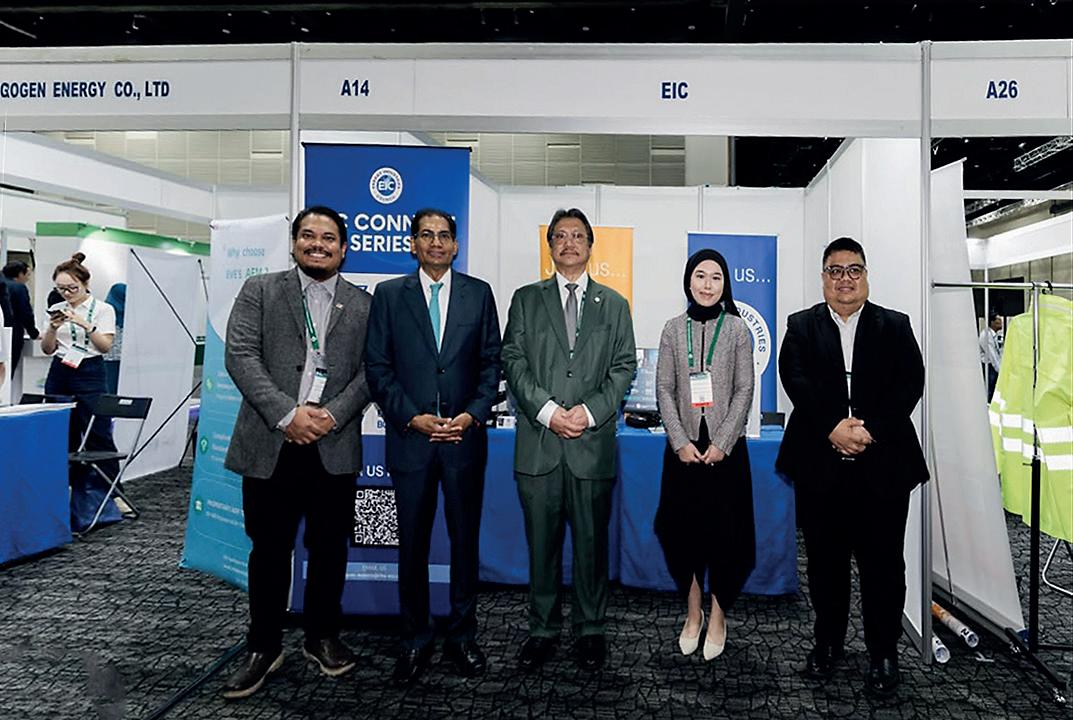
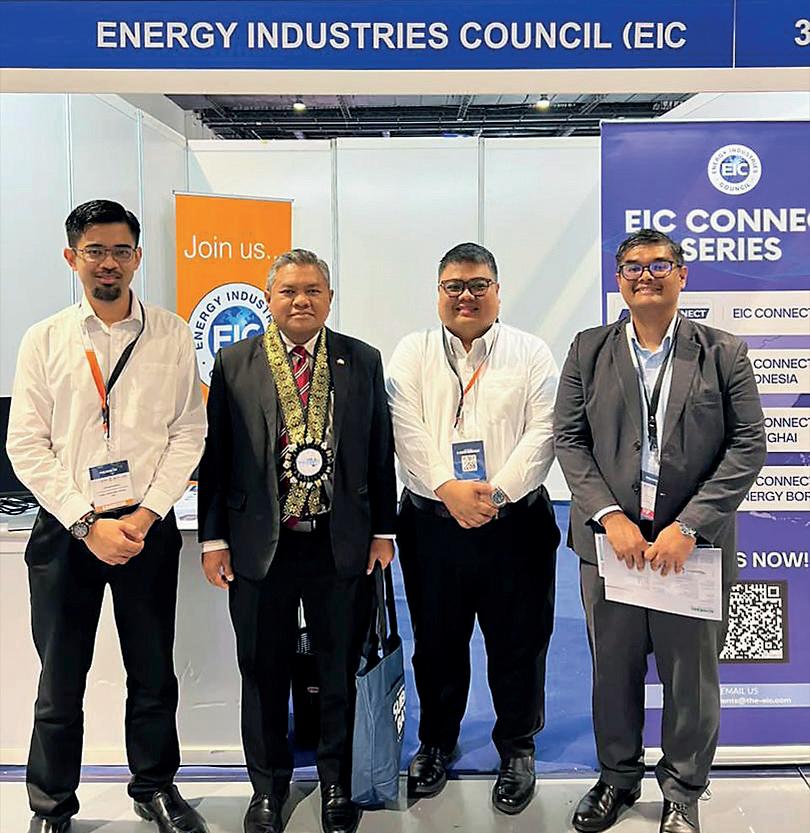
As the Philippines' premier maritime, shipbuilding and offshore exhibition, the event brings together international industry leaders, technology providers, shipbuilders, offshore operators and supporting industries to showcase the latest innovations and strengthen collaboration across the maritime value chain. It also reinforces the Philippines’ position as one of the world's leading shipbuilding nations, currently ranked as the fourth largest shipbuilding industry globally.
EIC's participation reflects our commitment to supporting the region's maritime and offshore sectors by connecting businesses, sharing market intelligence and fostering new opportunities across the Asia Pacific energy and industrial supply chain.
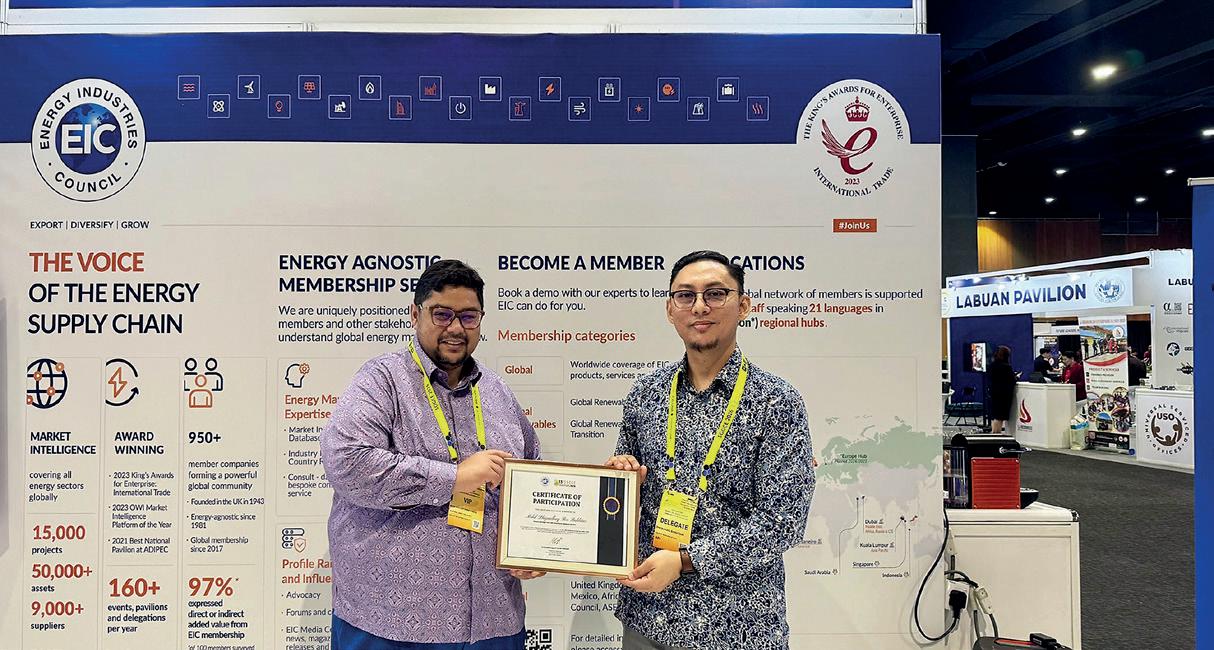
One of EIC APAC's most important engagements in Malaysia is the Sabah Oil and Gas Conference and Exhibition (SOGCE), now celebrating its 13th edition.
Personally, this marks my fifth consecutive year attending SOGCE, making this year's event particularly meaningful. I was deeply honoured to be invited to deliver the keynote address at the opening ceremony, titled Energy Reality: How APAC Players Can Capture Emerging Energy Opportunities.
The keynote explored the realities of today's evolving energy landscape and highlighted how Asia Pacific stakeholders can position themselves to seize emerging opportunities by balancing energy security, affordability and the transition towards a lower-carbon future.
We were also proud to host the EIC Business Lounge, providing our members with a platform to showcase their capabilities through a series of speaking sessions. It was a great opportunity to engage with energy industry players from across Malaysia, exchanging insights, strengthening relationships and highlighting the expertise of EIC members within the region's energy sector.
Syed Saggaf Regional Director, Asia Pacific syed.saggaf@the-eic.com
The EIC is pleased to announce a strong line-up of upcoming events across the region, bringing together industry leaders, members and key stakeholders to address emerging trends, market opportunities and the challenges shaping the future of the energy sector.

Kicking off the programme, the EIC Breakfast in Houston – Opportunities with Kiewit and Siemens Energy will take place on 30 July. This session will provide valuable insights into regional opportunities, alongside the chance to connect with industry peers and strengthen business networks.
On 10 September, the EIC Breakfast in Houston –Opportunities with Oceaneering and Baker Hughes, will focus on strategic developments and project activity across the Americas. EICDataStream is tracking US$8.8bn in CAPEX linked to Oceaneering and US$175.5bn associated with Baker Hughes, highlighting significant growth potential across oil and gas, renewables and power.
The programme continues on 30 September with the Workshop: AI in the Energy Supply Chain, examining how artificial intelligence is transforming supply chain efficiency while shaping future market dynamics.
On 1 October, the Great Shift Change Webinar with TRS and WSP, will address the evolving workforce landscape, exploring the impact of generational shifts in talent development, project delivery and long-term competitiveness.
US-based power developer Invenergy has joined a growing list of companies choosing to relinquish their offshore wind leases in exchange for government reimbursement. Through a settlement reached with the Department of the Interior, the company will give up its four offshore wind leases spanning the New York Bight, California's Central Coast and the Gulf of Maine. In return, Invenergy will be partially reimbursed for funds previously paid to the government, which it plans to reinvest in natural gas power projects across Indiana, Wisconsin, Iowa, Kansas and Missouri, along with geothermal energy initiatives in the western US.
EIC Houston will host its flagship WESCAs on 22 October 2026. This prestigious event will spotlight North and Central America finalists and Survive & Thrive participants who have demonstrated resilience and growth in challenging markets, bringing together key industry decision-makers for an evening of networking and celebration.
Together, these events reinforce the EIC's commitment to delivering timely market intelligence, expert insight and high-value networking opportunities, supporting members in navigating a rapidly evolving energy landscape.
Amanda Duhon
VP & Regional Director, North & Central America amanda.duhon@the-eic.com
US independent APA Corporation has announced a deal to acquire a fellow independent Alaskan energy company, strengthening its presence on the North Slope ahead of a planned drilling campaign in the winter of 2026-2027. The Houston-based firm revealed that it has entered into an agreement to purchase Savant Alaska for approximately US$70m. The deal provides APA with additional assets to support the appraisal and development of an oil discovery it is currently evaluating in Alaska's North Slope. As part of the transaction, APA will take ownership of Savant's Badami facility, which has a capacity of 40,000bpd, along with its Arctic Alaskan oil and gas infrastructure.
Please go to page 26 to see upcoming events around the world

Clarisse Rocha

EIC Connect Energy Brazil 2026, on 13 August, will feature a strong lineup of confirmed speakers from companies including Petrobras, SBM, Modec, CSN, MSGAS, TBG Schneider Vallourec, Topsoe, Oceanpact, Subsea7 and Yinson. The event aims to encourage networking and support business development across established segments such as E&P, subsea and gas, while also highlighting emerging sectors including biofuels, hydrogen, CCS and data centres.
In addition, EIC is organising Rio Samba and Gas alongside ROG.e 2026, which will take place from 21-24 September in Rio de Janeiro, Brazil. Recognised as Latin America's premier oil and gas event, ROG.e brings together industry professionals to exchange knowledge, discuss the energy transition and promote innovation and business growth. We encourage companies and professionals to participate in this year's exhibition and connect with key stakeholders shaping the future of the energy industry.
On 20 October, the EIC Energy Procurement Summit will return following the success of its inaugural edition, which attracted more than 100 attendees.
Petrobras has signed two memoranda of understanding (MoUs) with Ocyan and Saipem to advance integrated offshore decommissioning solutions in Brazil. Both agreements cover plug and abandonment (P&A) activities, subsea decommissioning and technical and operational collaboration aimed at improving the efficiency, sustainability and innovation of end-of-life asset projects. While the Ocyan partnership focuses on developing integrated decommissioning solutions, the Saipem agreement also includes evaluating potential partnerships with specialised companies and assessing logistical alternatives, such as the use of drilling rigs and vessels. The initiatives support Petrobras' US$9.7bn decommissioning programme through to 2030, which includes the removal of production platforms, the abandonment of around 500 wells and the decommissioning of 1,800km of flexible risers.
The event has established itself as a dedicated forum for procurement professionals working across the energy sector. This year's programme will bring together buyers, industry specialists and senior leaders to explore topics including sustainable procurement practices, strategic sourcing and procurement governance. Discussions will also cover the evolving role of procurement within organisations, the impacts of tax reform, effective negotiation strategies and key supply chain developments expected for 2027.
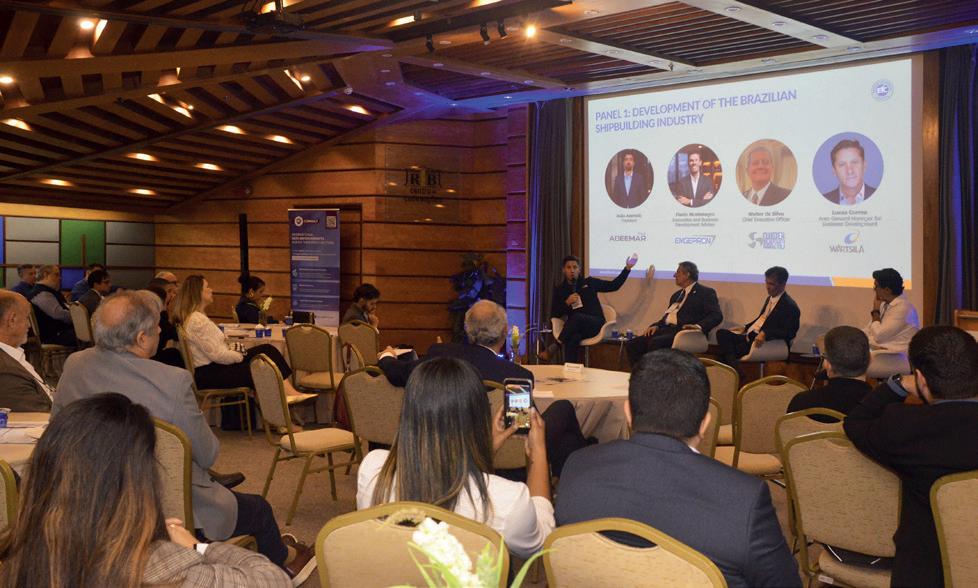
Looking back at June, EIC held the first EIC Forum: Naval Edition, pictured above, bringing together CEOs, executives, operators, shipowners, shipyards, government representatives and industry associations involved in the development of Brazil's maritime and shipbuilding sector.
Clarisse Rocha, Director – Americas clarisse.rocha@the-eic.com
Brazil's Ministry of Mines and Energy (MME) has established the rules for the 2026 Capacity Reserve Auction (LRCAP), the country's first large-scale procurement of battery energy storage systems (BESS). The auction, scheduled for 2 and 4 December 2026, will include one round prioritising projects with BNDES-certified local content and another open to all eligible projects. Successful bidders will receive 15-year capacity contracts starting in August 2028. The initiative aims to strengthen grid reliability, improve the integration of renewable energy, increase system flexibility and support the growth of Brazil's domestic battery storage industry.