HŌMAI TŌ MANAWA NEI E TŪ
AGM AT OWAE
WHAITARA SIGNALS
A NEW DIRECTION
KA ORA KĀINGA RUA
TAPUIRAU WHENUA ENDURES FOR FUTURE GENERATIONS
TE RAU MATATOI O TE TAU
CELEBRATING OUR CHARLES BAILEY
SCHOLAR AIRANA NGAREWA
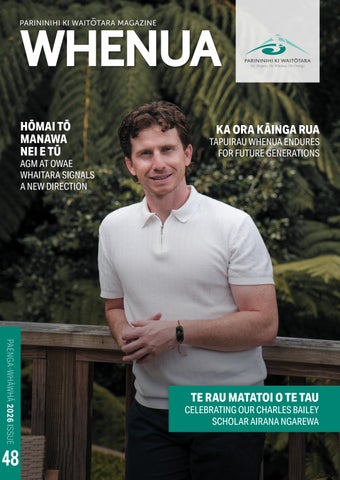
HŌMAI TŌ MANAWA NEI E TŪ
AGM AT OWAE
WHAITARA SIGNALS
A NEW DIRECTION
TAPUIRAU WHENUA ENDURES FOR FUTURE GENERATIONS
TE RAU MATATOI O TE TAU
CELEBRATING OUR CHARLES BAILEY
SCHOLAR AIRANA NGAREWA
PKW HALF YEARLY
9am, Saturday 11 April 2026.
Aotearoa Pā, 63 Hastings Road, Okaiawa. Full details on page 39.
PKW TRUST HALF YEARLY GENERAL MEETING
Following PKW Half-Yearly Meeting. Saturday 11 April 2026.
Aotearoa Pā, 63 Hastings Road, Okaiawa. Full details on page 39.
PKW 50TH ANNIVERSARY CABARET 5.30pm, 11 April 2026.
TSB Hub, Te Hāwera Full details on page 39.
18 KA ORA KĀINGA RUA TAPUIRAU WHENUA ENDURES FOR FUTURE GENERATIONS
22 KORIKORI E TE IWI RENEWABLE ENERGY 101
26 KURATAIAO KI NGĀTI MARU FOURTH KURATAIAO FLOURISHES IN MARU COUNTRY
PARININIHI KI WAITŌTARA
Postal PO Box 241
New Plymouth 4340
Physical 35 Leach Street
New Plymouth 4310
Tel +64 (6) 769 9373
Email office@pkw.co.nz
Web pkw.co.nz
Raymond Tuuta 34 18
30 TARANAKI TŪ MAI HE PUNA KĒ, HE PUNA TANGATA, HE PUNA KŌRERO, HE PUNA WĀNANGA KI ŌPUNAKĒ 2025
34 TARANAKI TŪ KI UTA TŪ KI TAI
BREATHING NEW LIFE INTO TARANAKI MARAE AND PĀ
38 WHAKATAURIA TE TUPUA, WHAKATAURIA TE TAWHITO KI ŌPUNAKĒ
TUHINGA REO MĀORI NĀ TONGA KARENA
WHENUA MAGAZINE
Editor
Aisha Ross
Deputy Editor
Puna Wano-Bryant
Graphic Design
tgm creative
Feature and Taranaki
Tū Mai Photography
Quentin Bedwell of iStudios
CONTRIBUTORS
Shona Geary
Polly Catlin-Maybury
Tonga Karena
Michelle Cruickshank iStudios
PKW
SpotX Media
Frank Communications
Isthmus (Concept Sketches) Tawhitinui, Ōkare ki Uta, Ōākura Marae/ Pā Trustees
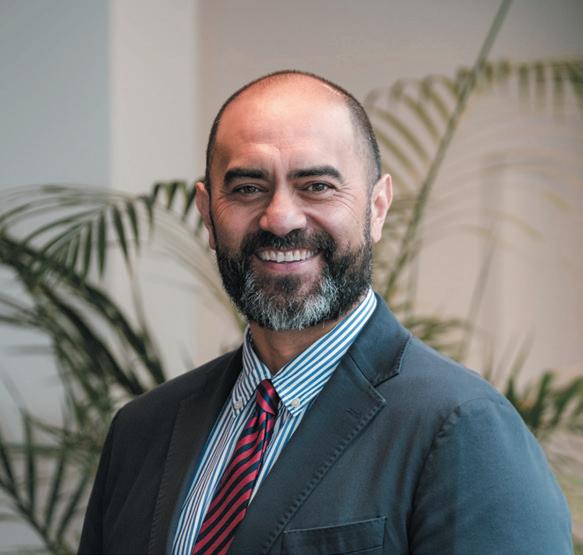
Aisha Ross - Te Rau Matomato, Chief Executive Officer
Ka ara ko Te Kurupū, ko Patutūtahi, ko Kumea‑mai‑te‑Waka, ko Taiporohēnui ki Manawapou Ka herea te whenua, ka herea te tangata Tangata Tōmua, Whenua Tōmuri.
From the legacy of raupatu and the Crown’s control of the West Coast Settlement Reserves, Parininihi ki Waitōtara was established in February 1976 as an act of resistance and self-determination, so that Taranaki whenua would be retained collectively, controlled by its people, and protected for generations to come.
Fifty years on, we gather shoulder to shoulder again to honour that origin, celebrate our resistance, and renew our resolve.
This year we celebrate our 50th anniversary, this issue of Whenua conveys a strong sense of movement, resilience, and collective purpose. Throughout our whenua, whānau, and kaupapa, there is a clear message that Parininihi ki Waitōtara and Taranaki iwi whānui honour their whakapapa while progressing with confidence. Rau Te Tai Ākina is driven by tides of encouragement, momentum, and intentional change.
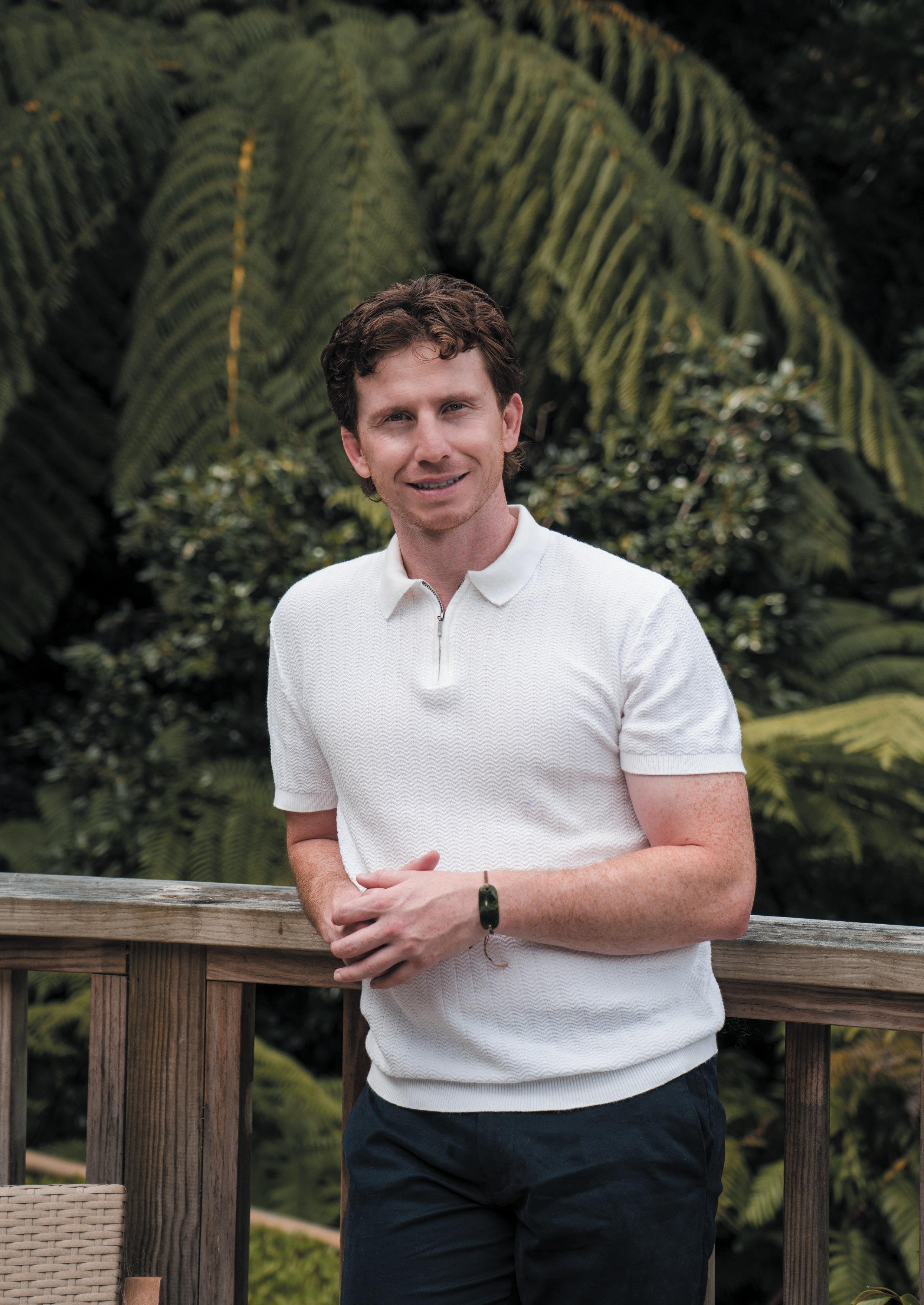
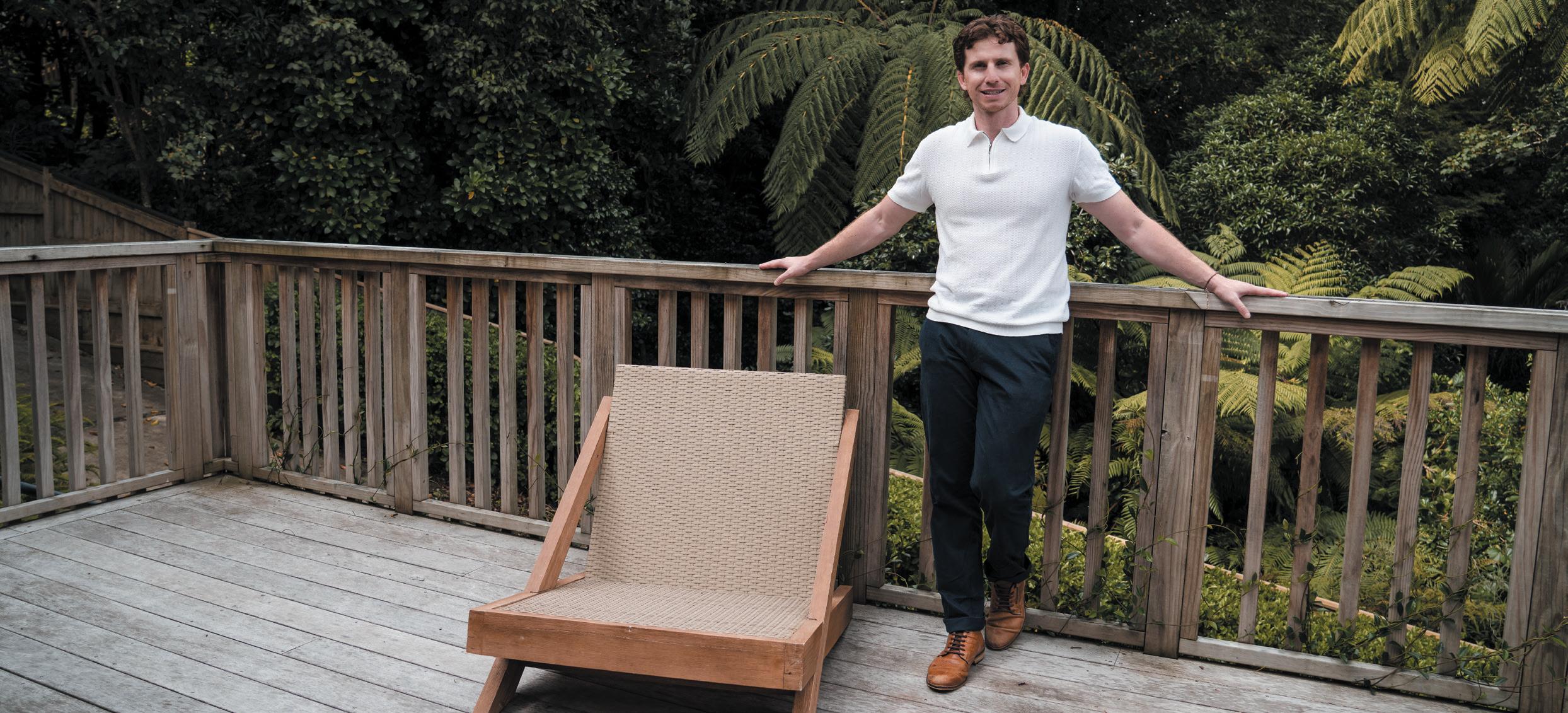
This issue also celebrates excellence and aspiration through Te Rau Matatoi o te Tau, recognising our Charles Bailey Scholar, Airana Ngarewa. His achievements demonstrate the power of opportunity, education, and whakapapa. As a proud uri of Taranaki, he and his whānau carry forward the essence of Tangata Tōmua, Whenua Tōmuri, continuing their tūpuna legacy with intent and integrity.
Our commitment to whenua and te taiao remains unwavering. ‘Ka ora kāinga rua’ is reflected in the endurance of Tapuirau whenua, safeguarded to ensure it continues to sustain future generations. We will continue to engage with our Rau Titikura on the potential of Tapuirau whenua.
As part of our Rau Te Tai Ākina – Whenua, Whānau, and Whakapapa commemorations, this issue features updates on upcoming 50th Anniversary activities.
WE LOOK FORWARD TO SEEING YOU AT OUR HALF-YEARLY ANNUAL HUI ON SATURDAY 11 APRIL AT AOTEAROA PĀ, FOLLOWED THAT EVENING BY OUR CABARET EVENT AT THE TSB HUB TE HĀWERA.
Please ensure you get your tickets for you and your whānau.
Together, these stories convey a deeper narrative: a kaupapa in response to raupatu, strengthened through our collective resolve, and dedicated to a future where whenua, whānau, and whakapapa are treasured. As we mark this 50th year, we do so with gratitude for the enduring resilience of our tūpuna and confidence in the journey ahead.

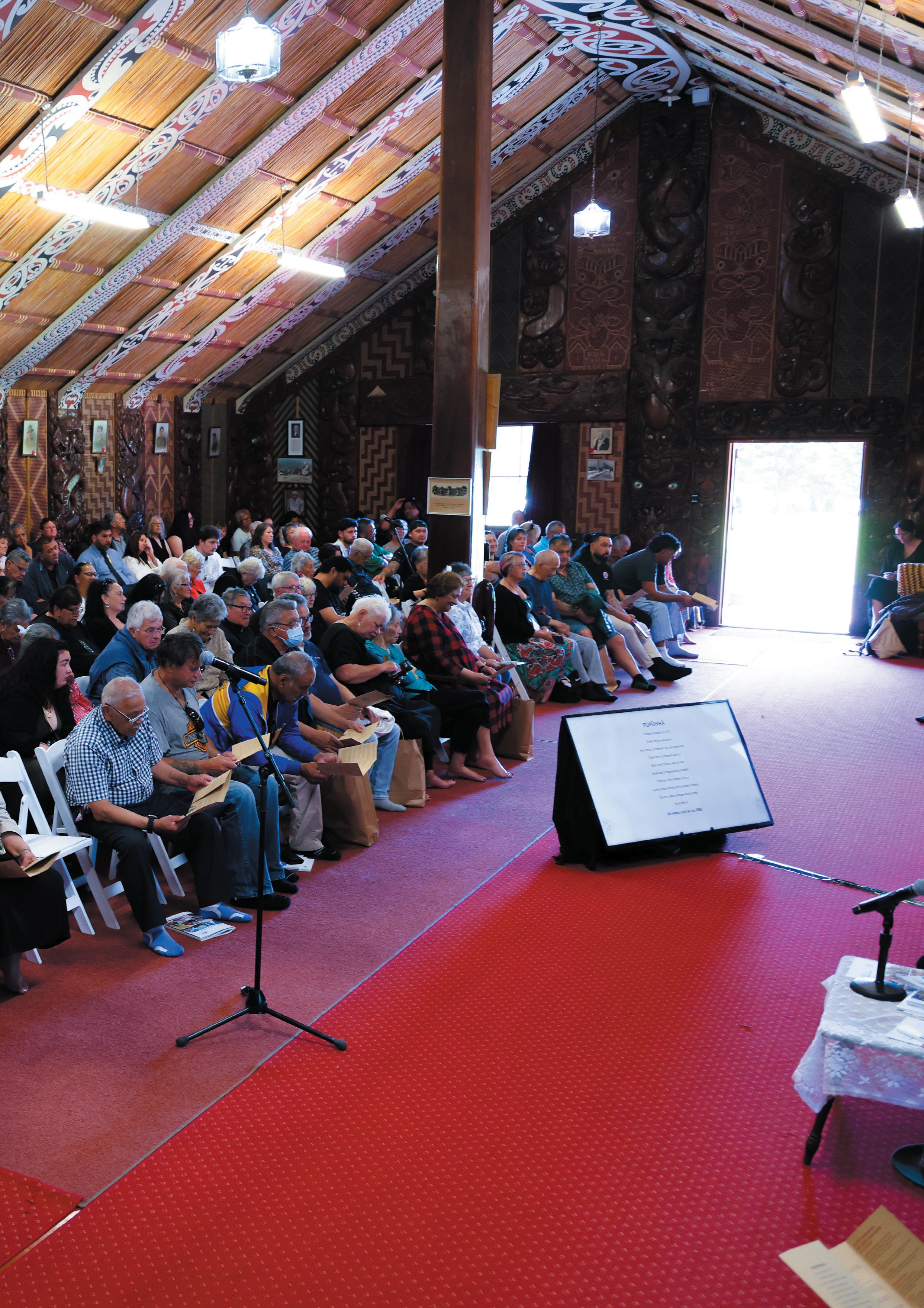
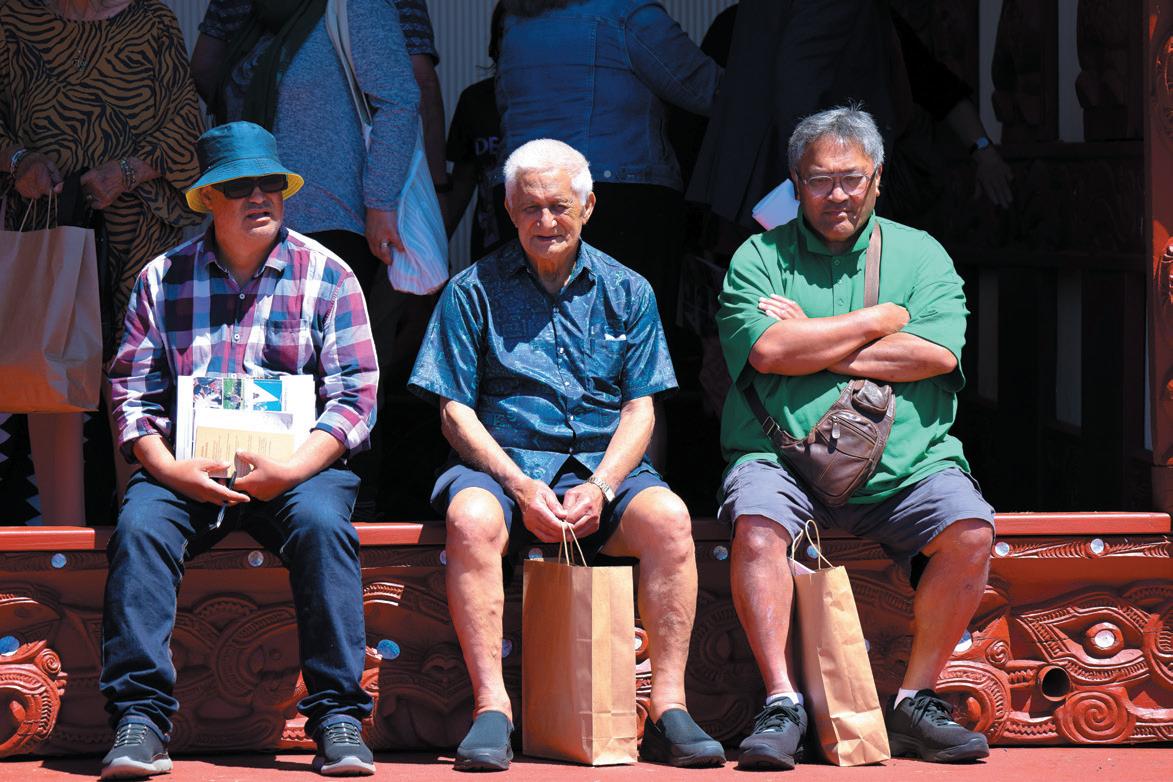
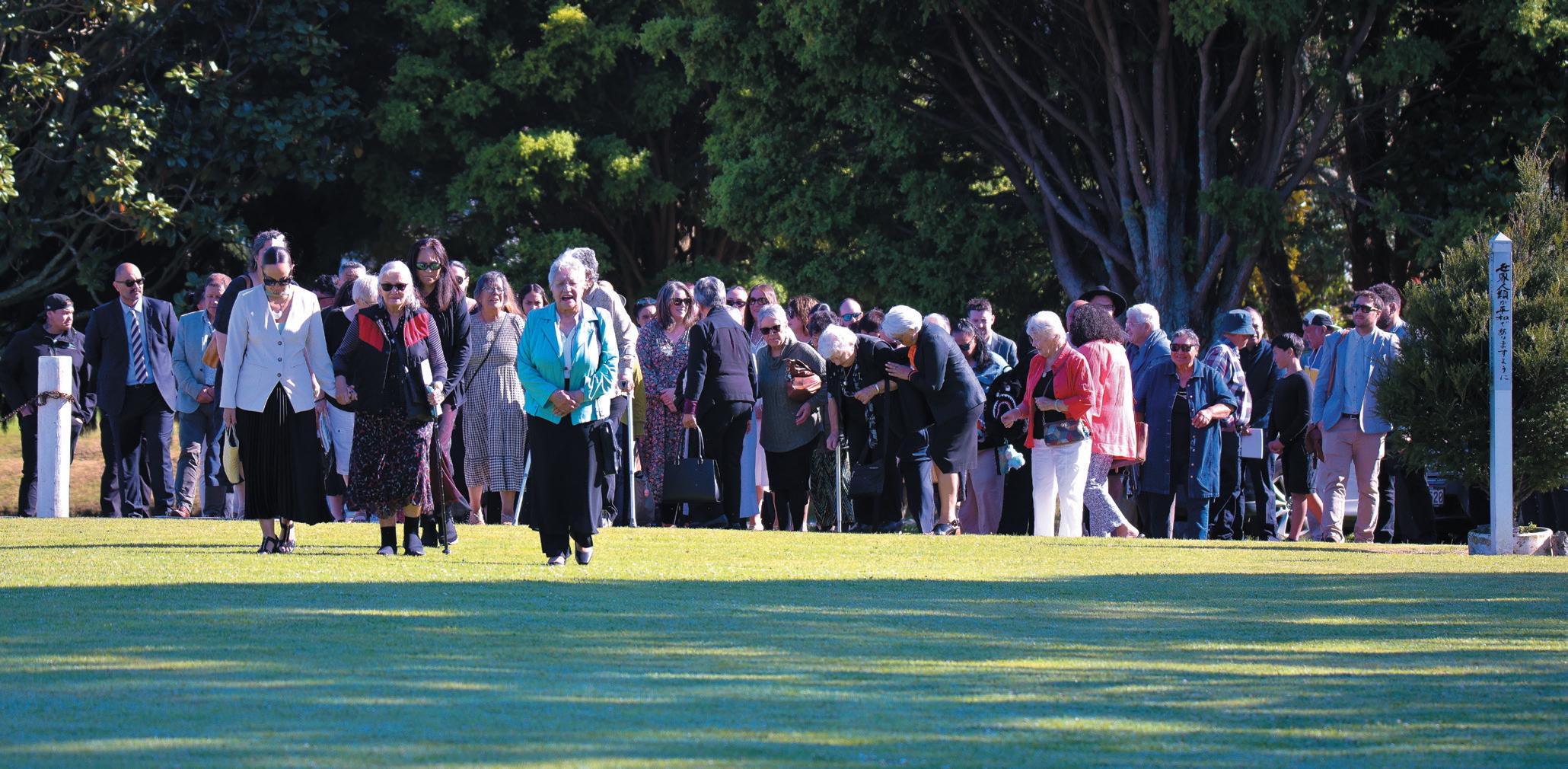
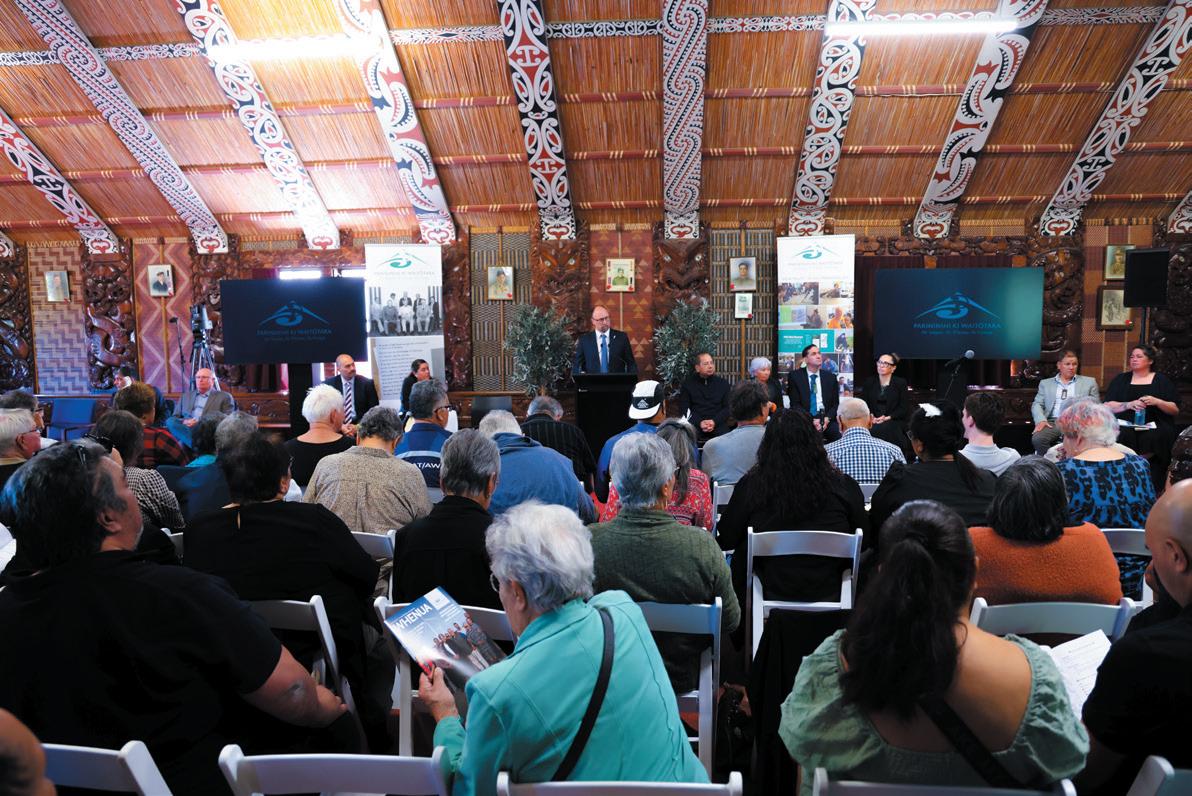
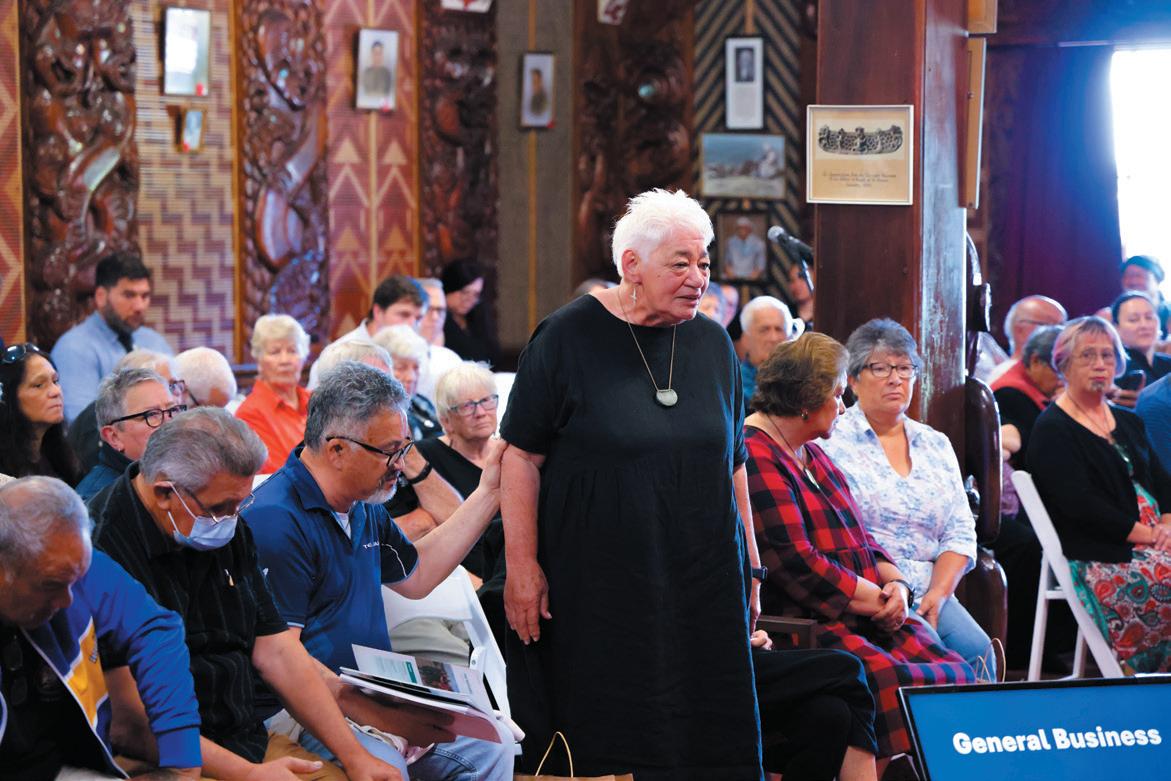
The Parininihi ki Waitōtara 2025 AGM was an opportunity to reflect on a positive 12-months, both in terms of progress against the refreshed strategic direction of the Incorporation and financial performance as it approaches its 50th year.
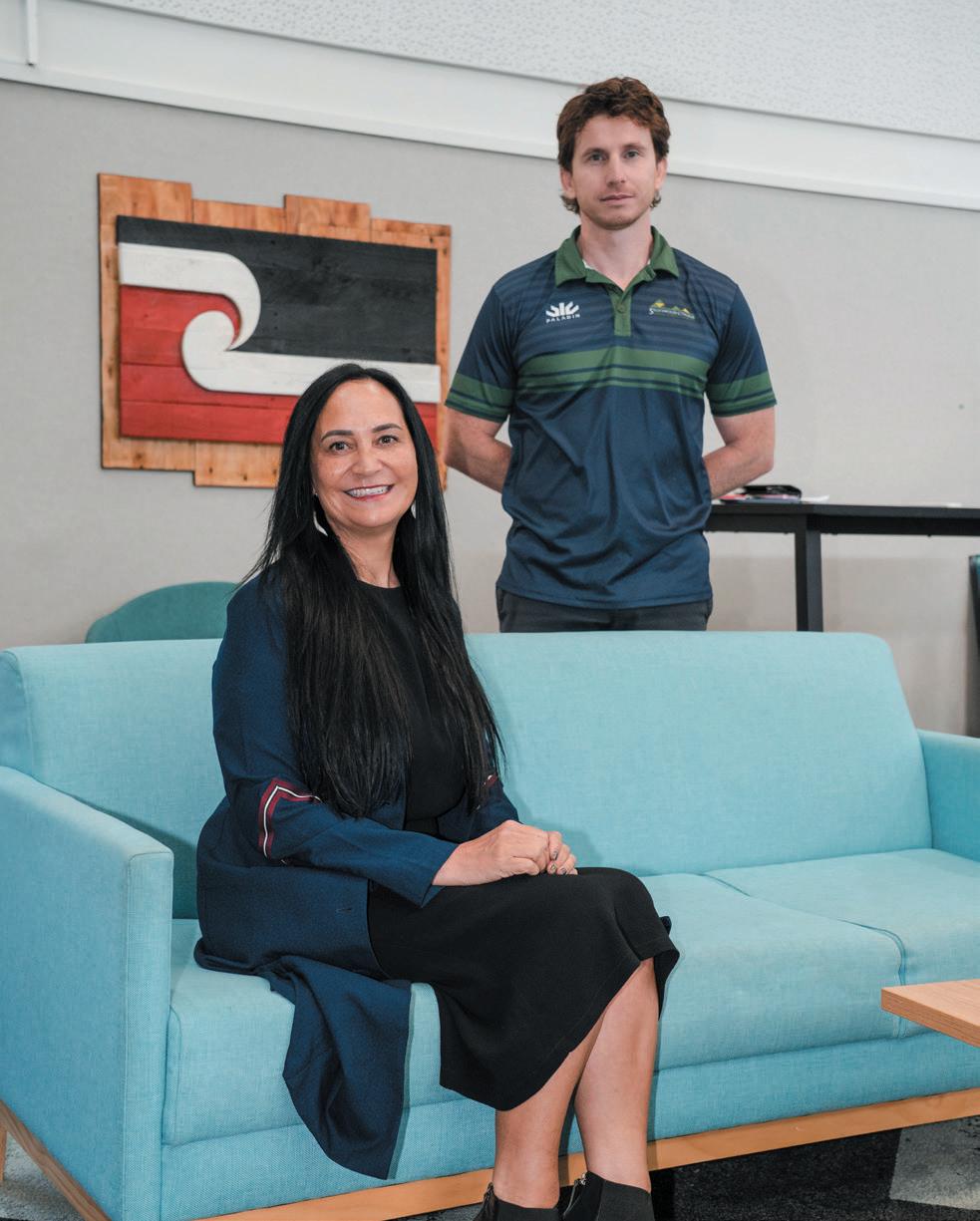
Te Rau Toi Ariki/Chair of Te Rau Rengarenga/PKW Committee of Management Dion Tuuta was pleased to see the number of Te Rau Titikura who attended the hui at Owae Marae.
“The continued interest in the Incorporation’s activities from our shareholders is fantastic to see and we welcomed their pātai and kōrero,” he said.
An outline of the refreshed strategic approach and an evolved strategic direction reminded attendees of the intent to diversify the investment portfolio to address the over-exposure to Dairy and provide stability and consistent returns over the long-term.
“We are working towards a new era for PKW where our investment focus is on food and fibre, property, renewable energy, and innovation,” says Dion. “Our whenua tūpuna is our foundation, and our strategic focus leverages the legacy we have to deliver against our purpose to make positive contributions to our people now, and build wealth for the generations to come.”
In terms of financial performance, there was an uplift in Group revenue, which contributed to an Operating Profit before Tax of $14.1m (up $4.9m from 2024). This was due to a strong dairy performance thanks to a high Fonterra milk price, and a 10% increase in rental revenues after a positive result from the 7-yearly rent review process. The Net Profit after Tax of $25.4m (up $35m from 2024), along with the Total Assets increased by $20.9m to $383.5m, was a positive result based on the paper increase in value of our corpus whenua.
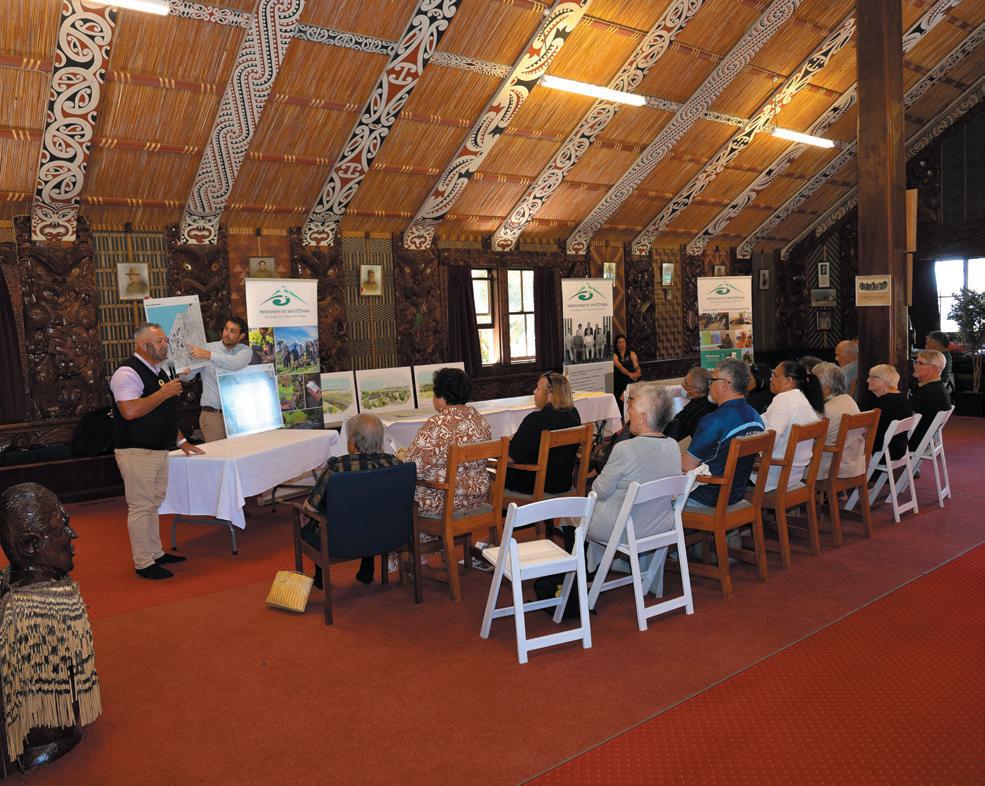
Aisha Ross, PKW Te Rau Matomato/Chief Executive Officer, provided an overview of the year’s operational highlights, which included the continued focus on strengthening iwi and hapū relationships and our participation with Te Matatini.
“We were honoured to support the outstanding manaakitanga of Te Kāhui Maunga of all pahake who attended Te Matatini,” he said. “Both Te Rau Manawaora and the Incorporation were proud to be an enabling partner in an event which was the very definition of kotahitanga – coming together in a common kaupapa to celebrate what it is to be Māori.”
“The first wāhi tapu, the puna wai at Oika, has been protected on whenua tūpuna in a proactive collaboration with, hapū, marae, PKW and a lessee. Recent site mahi has also started on whenua tūpuna at Ōhāngai. These are both good examples of what is achievable, and we are looking forward to the ongoing commitment with other lessees to protect wāhi tapu on corpus whenua.”
Further progress has been made in the diversification space with the investment in renewable energy business Pioneer Energy as part of the Tōtara Energy LP partnership, a consortium of Māori entities which includes Tauhara North No 2 Trust, Te Ngakinga o Whanganui Investment Trust, Tupu Angitu, Ngāti Kahungunu ki Wairarapa Tāmaki-nui-a-Rua Investment Trust, Ngāti Awa Asset Holdings and Parininihi ki Waitōtara.
“THE OPPORTUNITIES THAT RENEWABLE ENERGY PROVIDES TO DIVERSIFY WHENUA-BASED INVESTMENTS INTO AREAS LIKE RENEWABLE ENERGY, CREATING HIGH-VALUE DEVELOPMENTS ACROSS TARANAKI AND DELIVERING LASTING BENEFITS FOR OUR TAIAO AND OUR PEOPLE.
THIS IS A ONCE-IN-A-GENERATION OPPORTUNITY TO HELP LEAD THE TRANSITION TO A RENEWABLE ENERGY FUTURE.”
Aisha Ross - PKW Te Rau Matomato /Chief Executive Officer
Project Takahuri Whenua encompasses food and crop production trials that could provide alternative landuse options and is progressing well, with crops such as kumara and garlic showing real potential.
Plans for an integrated multi-use approach to a 20ha site in Puketapu rohe that could bring together housing, retirement living, protection of wāhi tapu, and local amenity are also progressing.
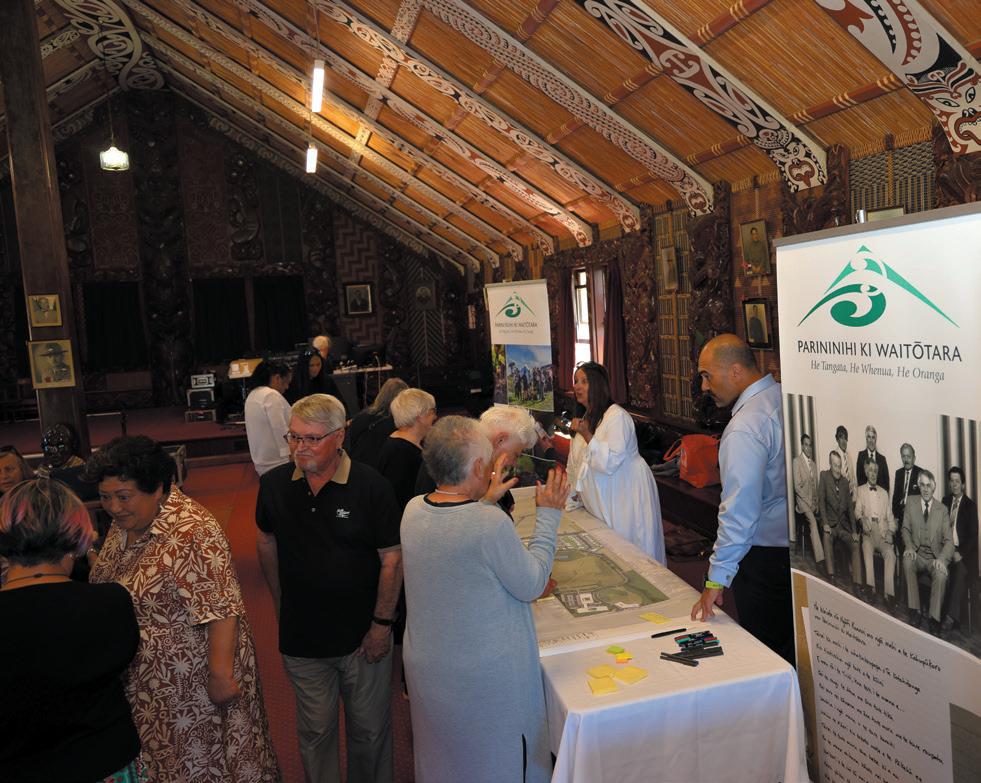
“The workshop after the hui about the Tapuirau Integrated Development Plan was well received. While the site has genuine potential, there are some realities of property development that need to be considered, and we are still on a journey of discovery and possibility. We are working closely with Puketapu Hapū and NPDC on this kaupapa and will continue to update Te Rau Titikura” said Aisha.
The Investment Advisory Committee has been established and is already having a positive effect with significant input into the Investment Policy Statement.
The hui then looked forward to the focus of the upcoming year, which includes the acknowledgement and celebration of the Incorporation’s 50th year –Rau Te Tai Ākina.
“It is important that we recognise this milestone” says Dion. “I don’t think we can truly understand how significant an undertaking our forebears faced in establishing our Incorporation. They prevailed against overwhelming challenges to provide us with the access to opportunities that they were denied.”
“The existence of Parininihi ki Waitōtara Incorporation is testament both to their vision and our tenacity to deliver on it. We are still a young organisation, and we will continue to leverage this ancestral endowment to maximise opportunities for whānau to thrive.
“WE NEED TO KEEP GOING, KEEP OUR FOCUS AND KEEP TELLING OUR STORIES. TIME IS ON OUR SIDE, AND WE NEED TO BE PATIENT AND SMART, TAKING NO UNDUE RISKS. OUR TŪPUNA ARE LOOKING DOWN ON US AS WE CARRY THEIR LEGACY FORWARD, AND WE WANT TO MAKE THEM PROUD.”
Dion Tuuta - Te Rau Toi Ariki/Chair of Te Rau Rengarenga/ PKW Committee of Management
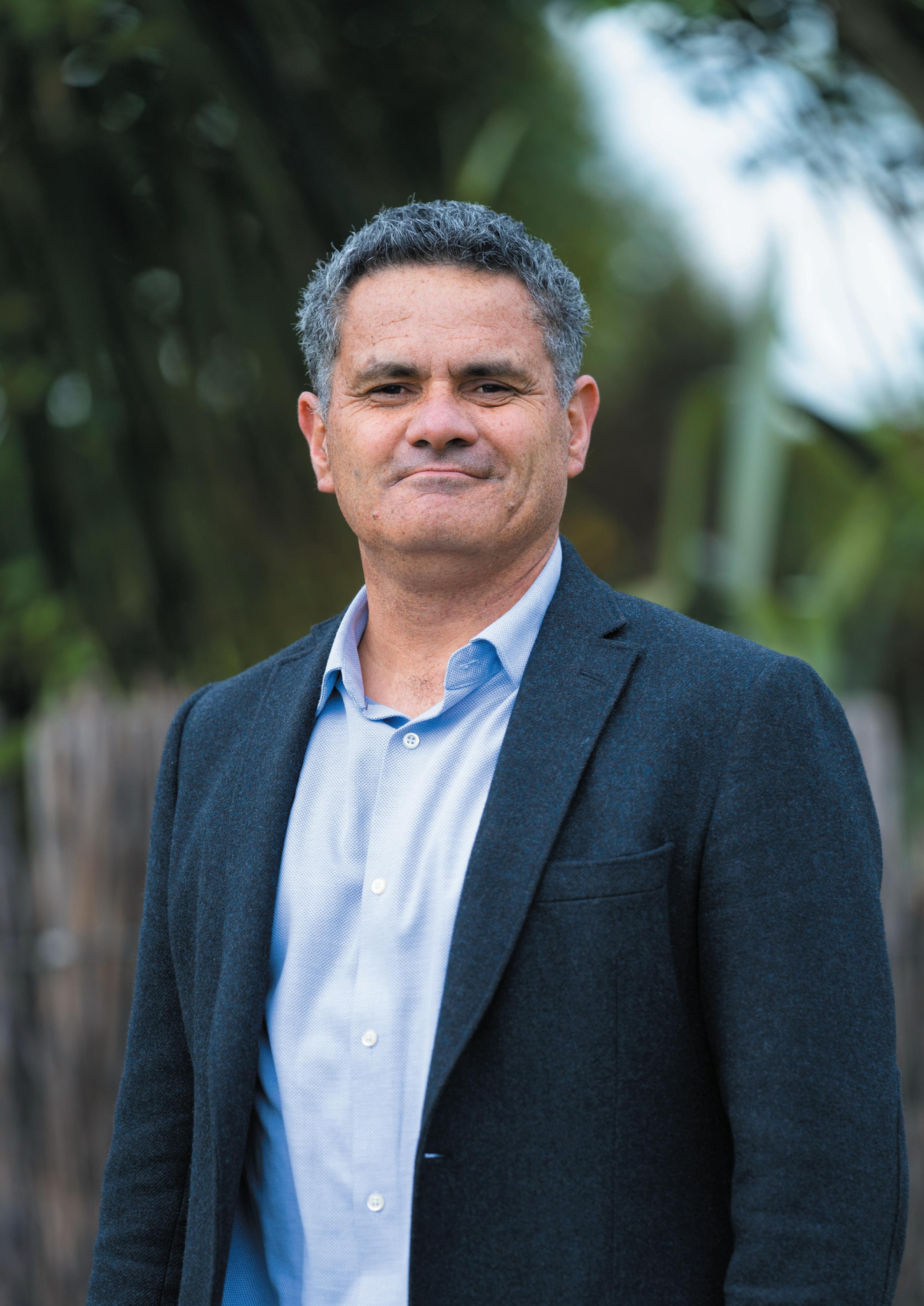
Dr Will Edwards
Taking a seat around the Parininihi ki Waitōtara (PKW) Board table is not a new experience for Will Edwards (Ngāruahine, Taranaki, Tāngahoe, Pakakohi, and Ngāti Ruanui).
This is the second time he has been elected to the position, bringing with him once more a whānau legacy and contribution that spans decades.
PKW is a family affair for the Edwards whānau, with Will’s grandfather (after whom he is named) Ahi Pene (Bill) Edwards playing an instrumental role in the creation of the Incorporation. His uncle Brian was a member of one of the first Committees of Management, and his sister Hinerangi Edwards gave 13 years of service to PKW shareholders most notably as Te Rau Toi Tauira/Chairwoman of Te Rau Manawaora/PKW Trust.
“I remember when I was seven years old accompanying my grandfather sometimes as he travelled considerable distances to talk to the old people about what was happening to our land and asking them to sign the petition,” says Will. “He put in an enormous amount of legwork to make PKW a reality to stop the haemorrhaging of our whenua. It wasn’t easy, and I know he, along with the others, had to make some hard decisions in order to build the legacy we carry today.”
Will also remembers the discussions around the dinner table about PKW, and the pretty fiery AGMs where challenging conversations and differing points of view were shared with the passion you would expect.
“They knew that the decisions they made were laying down a kaupapa for the generations to come, and I feel a real sense of responsibility to them to carry it on,” says Will. “I have a lot of respect for our old people who made the best decisions they could under the most challenging of circumstances. Hopefully my grandchildren and great grandchildren will feel the same sense of respect for me and my generation, and the decisions we are making now on their behalf. PKW is a multi-generational kaupapa, not only for my family, but for all our shareholders. There’s a sense of responsibility that sits on all our shoulders.”
He decided to stand for another term on the Board because he is excited about the possibilities and new perspectives of Te Rau Manawanui/ Executive Leadership Team, and the potential of the refreshed strategy and diversification plans for the PKW investment portfolio.
“I am very happy about the direction PKW is moving in, towards the renewable energy sector,” he says. “My time with Ara Ake (a government-funded entity focused on developing clean energy technologies in Aotearoa) has
given me insight into what renewable energy has to offer and the technologies we could be a part of. It also more fully aligns with the values we hold as kaitiaki of our taiao.”
He is eager for PKW to shift from a passive role, like the Incorporation’s involvement with the Waipipi Wind Farm, to a much more proactive position in the sector.
“Capital investment in this space would make us part of the ownership structure, providing us with valuable expertise we can leverage, as well as the returns our shareholders expect. It could also directly benefit our Nanny’s and Koro’s with cheaper energy bills down the track,” he says.
“THE POTENTIAL LONG-TERM INVESTMENT BENEFITS ARE EXTREMELY POSITIVE – BUT WE MUST ENSURE WE DO OUR DUE DILIGENCE AND EXERCISE FISCAL RESPONSIBILITY IN ORDER TO MAKE GOOD DECISIONS.”
Dr Will Edwards
Will is looking forward to a different experience as a member of the Committee of Management this time, without the lockdowns and restrictions of the COVID-19 pandemic preventing him from spending time with the people who matter – the shareholders.
“That’s where I like to be, out talking to people, at the hui, at the tangi, sharing a cup of tea and kōrero so I can have my finger on the pulse of what our whānau are thinking and feeling,” he said. “I can then bring back those perspectives to the table so we can discuss and consider them, make sure they are part of our kōrero and decisionmaking process.”
“We are facing an uncertain future, I believe, and we need to make the right decisions now, just like they made 50 years ago on our behalf, to help those who are to come.
“It wasn’t easy for people like my Uncle Brian, and I owe it to him and my tūpuna to sharpen our focus, take nothing for granted, and bring the foresight they showed to the kaupapa we are creating today.
“I am proud to have been elected to this position and responsibility. 50 years seems to have gone by very quickly, and I am sure the next 50 will too. I am looking forward to playing my part to ensure that PKW grows and strengthens over that time.”
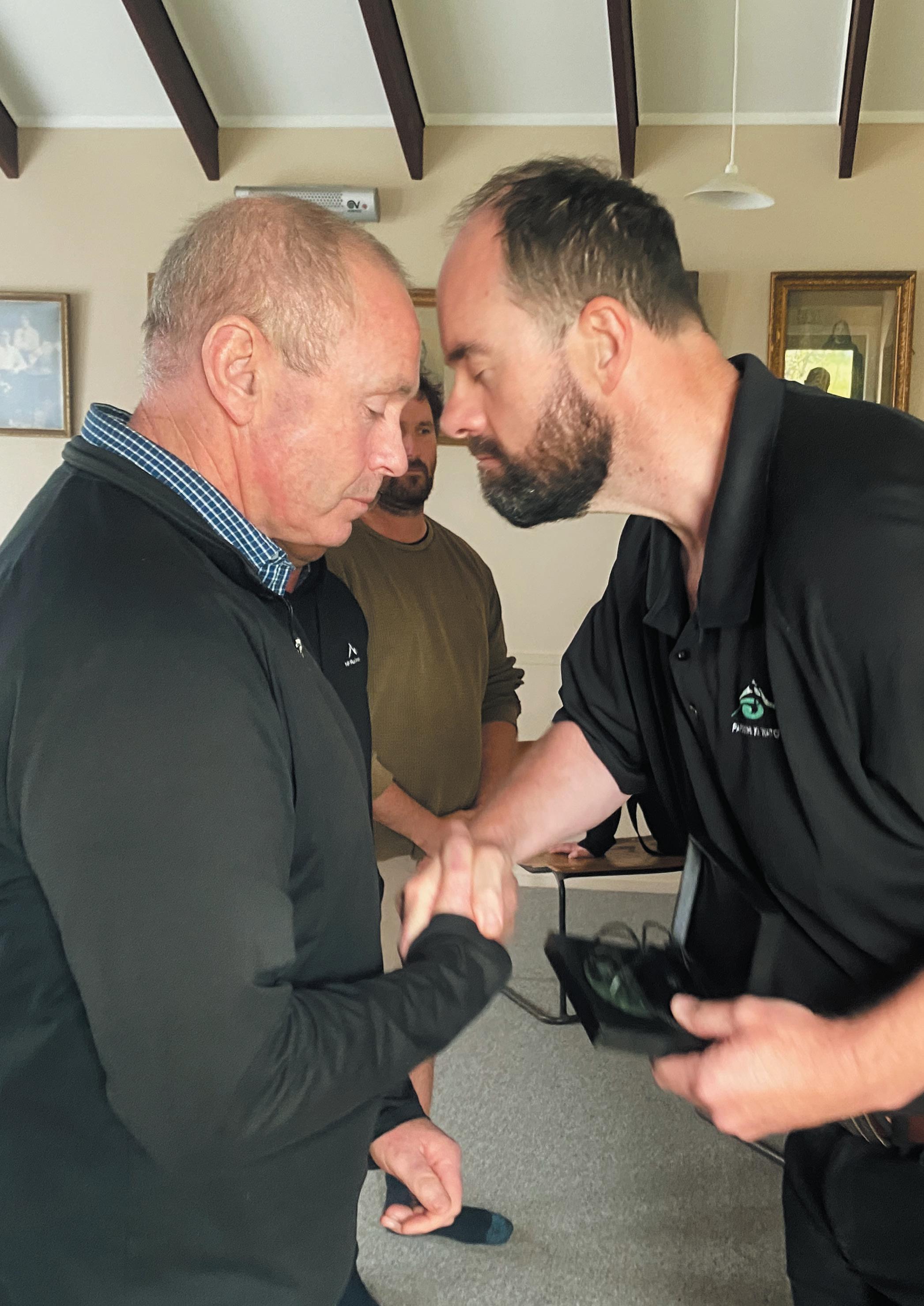
KA TUPU TE RAU KI TĪTAHI TAMAAHUROA
The connection between Parininihi ki Waitōtara kaimahi and tangata whenua was renewed and strengthened at the recent Whānau Day at Ōeo Pā.
Hosted by Tītahi Tamaahuroa hapū, the day provided an opportunity for kaimahi and PKW business partners to take the time to listen to the stories and the thoughts and views of those who whakapapa to the land they work on every day.
“Bringing together tangata whenua and our PKW kaimahi (including farmers, taiao, and service support teams) to understand marae and hapū aspirations as kaitiaki, and to align our work to give effect to those aspirations, is an important part of the PKW calendar,” says Jacqui King, Te Rau Whakapuāwai / Head of Corporate Services.
“We are grateful to the hapū for hosting us and helping kaimahi to understand the importance of the role they play in managing and protecting their whenua.
“It is a day that kaimahi enjoy and appreciate too – we had more than 65 attend this time, our best turnout so far.”
Will and Maakere Edwards spoke to the gathering, giving insights into the history of the hapū and pā and the whakapapa connections they held with PKW.
“They also spoke to hapū expectations of us as PKW kaimahi and members of the wider community, and of our role as on the ground kaitiaki in maintaining the balance that supports the mauri of the whenua and the awa that cross it,” added Jacqui. “Hearing these views directly from hapū, in their own voices, is essential — it gives their kōrero the weight it rightly carries.”
Whānau Days are held twice a year and also offer opportunities for business updates, acknowledging long service, and recognising achievements, along with a fun and interactive cultural component. This year featured learning a waiata – leading to a friendly waiata-off!
The rangi/tune of the waiata ngeri was written by tūpuna and the score composed by Te Rautitikura and draws on the exact wording of the petition of the original owners’ action group that sought support from shareholders to take control of their own destiny. It is a significant marker of the history of PKW and the legacy it carries for future generations.
“It’s not often you get to sing with your workmates,” said Jacqui with a laugh, “But everyone gave it a good go, and it was a fun, if not somewhat competitive, session. I think it’s best to say everyone came out as winners in the end!”
The tikanga and ceremony of holding the day at the marae was also an experience for kaimahi – particularly for one wahine who has not long joined the organisation and has only recently connected to her taha Māori.
“It was her first time on a marae, and she described how special the moment was for her,” said Jacqui. “Facilitating these cultural connections are all part of the responsibility we hold for our kaimahi whānau, and one we take seriously as a Māori employer.”
Kaimahi were interested in the He Papa, He Tupu, He Ora updates, particularly in the strategic direction of Papatupu, the PKW investment portfolio, which calls for significant diversification to create balance and stability for the Incorporation.
Several 10-year service awards were also presented, serving as a reminder of the longevity of the organisation as it marks its 50th anniversary this year, and of its ongoing commitment to serving shareholders for generations to come
“As a founding member of PKW and an early Committee of Management member, Brian Edwards - Will’s unclehelped shape the beginnings of the incorporation,” says Jacqui. “Seeing Will now serve on that same Committee reflects an enduring commitment to service within the whānau across generations.”
“Being in the presence of our tūpuna on the walls of the marae, including Will’s grandfather Bill Edwards (whose photograph sat directly above our presentation screen as a quiet tohu for us all), as well as hearing from their descendants, was deeply meaningful. It was their vision and foresight that led to the establishment of PKW Incorporation in 1976. Being surrounded by them and welcomed with such aroha by our Ōeo Pā whānau, was a humbling reminder of the responsibility we carry today as we continue their legacy.”
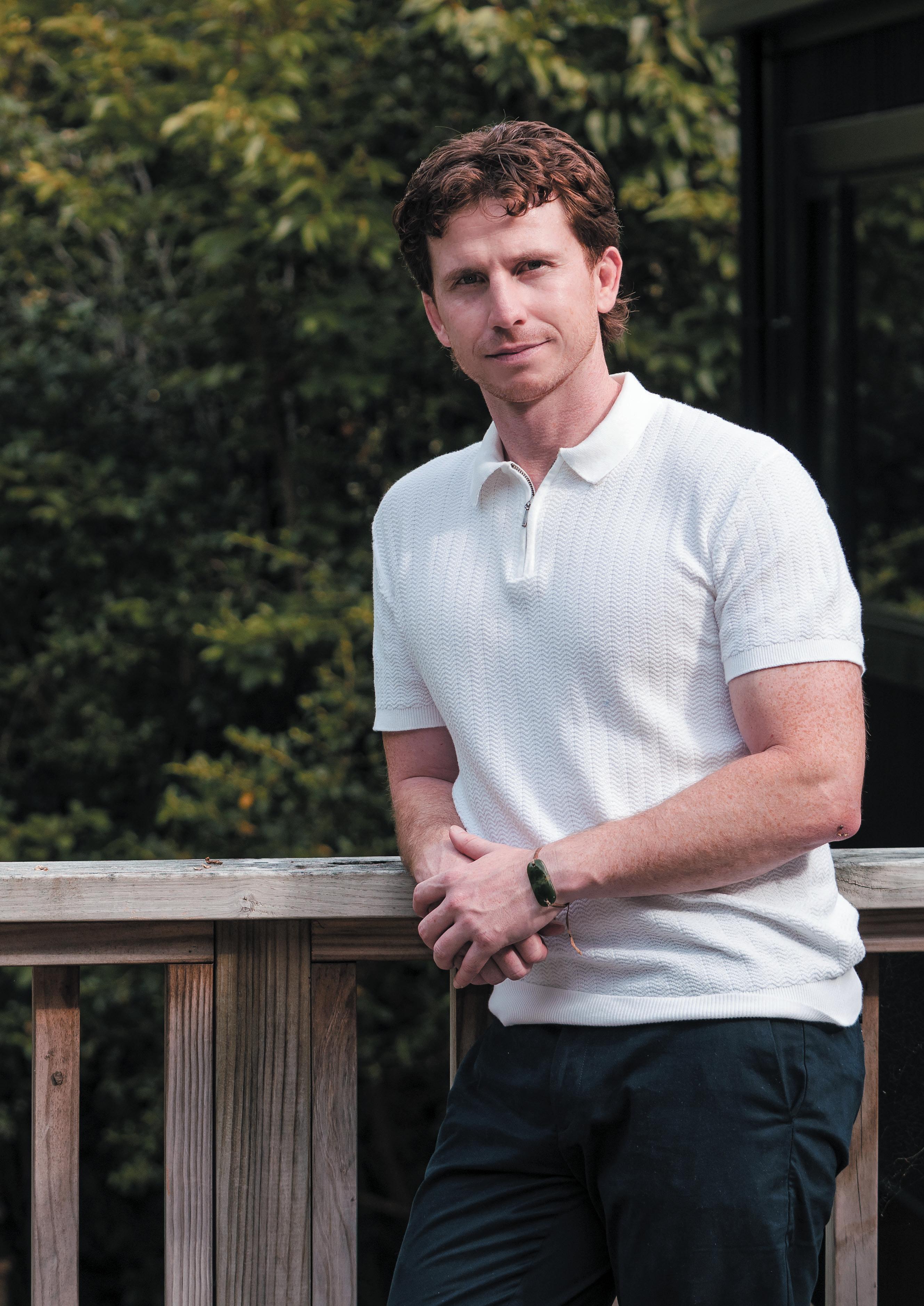
Te Rau Matatoi / 2025 Charles Bailey Scholar, Airana Ngarewa is riding a wave, te tai ākina
The Parininihi ki Waitōtara scholarship supports his completion of a PhD in the philosophy of te reo Māori, a field of study still in its infancy.
“There is only an introductory book by Georgina Tuari Stewart and another by my PhD supervisor Carl Mika. So I’m caught up in a massive wave, being swept along by something really new and exciting. I really love the thinking, the formulation of ideas,” Airana says.
His thesis looks at the origins of te reo Māori and its relationship with those who use it.
“Kupu aren’t simply symbols but are deeply connected to te āo Māori and demand a certain respect. They are intrinsically made up of mauri, tapu, mana and we can trace certain kupu like ‘tihei mauri ora’ back to our ātua.”
Airana’s studies through the University of Canterbury allow him to work extramurally, focusing on Taranaki narratives while living in the place that has nurtured him since birth.
Of Ngāti Ruanui, Ngaa Rauru, and Ngā Ruahine whakapapa, with strong connections to Pakakohi and Tangahoe, Airana grew up as one of five siblings in Pātea.
The whānau always lived within a few kilometres of their marae, where his koko, Hemi Ngarewa, was chair of the Pariroa Pā Trust for 25 years.
“For my generation, our job on the marae was playing touch outside on the ātea rather than inside learning anything. We were always connected to the spaces but it wasn’t until I was an adult that I became deeply connected to the stories and the language.”
Examining the history of Taranaki reo and tikanga is something Airana could not do without being on the whenua. His academic work focuses on reo usage left by tohunga and university lecturer Ruka Broughton and Māori language Treaty claim leader, Dr Huirangi Waikerepūru.
“I want to write about home while at home.”
Home is also the inspiration for Airana’s two highly rated novels and a short story collection, The Bone Tree (2023), The Last Living Cannibal (2025) and Pātea Boys / Ngāti Pātea (2024). Now 31, he stumbled into writing books as a way of being taken seriously when he was younger.
“IT SEEMED TO ME, IF I DIDN’T WANT TO BE IGNORED, I HAD TWO SOLUTIONS – TO GET A
PHD BESIDE MY NAME, AND TO WRITE BOOKS.
YOUR BIO GOES ON THE BACK PAGE. READERS HAD TO FINISH THE BOOK BEFORE FINDING OUT WHO I WAS. IT WAS A WAY OF SNEAKING PAST ASSUMPTIONS.”
Airana Ngarewa - Te Rau Matatoi 2025
Airana’s relative youth was no hindrance to his success.
The Bone Tree, about the love between two orphaned brothers raised in the shadow of Taranaki Maunga, topped the New Zealand best sellers’ list for 12 weeks. Pātea Boys / Ngāti Pātea, a bilingual collection of short stories, is a recommended text for Years 9 and 10 classrooms nationally.
His is not the typical writer’s road to publication filled with a childhood love of school and books.
“I definitely didn’t like school but it felt like school didn’t like me either. We were in our own little struggle there. I always enjoyed stories and learning, just not in that environment.
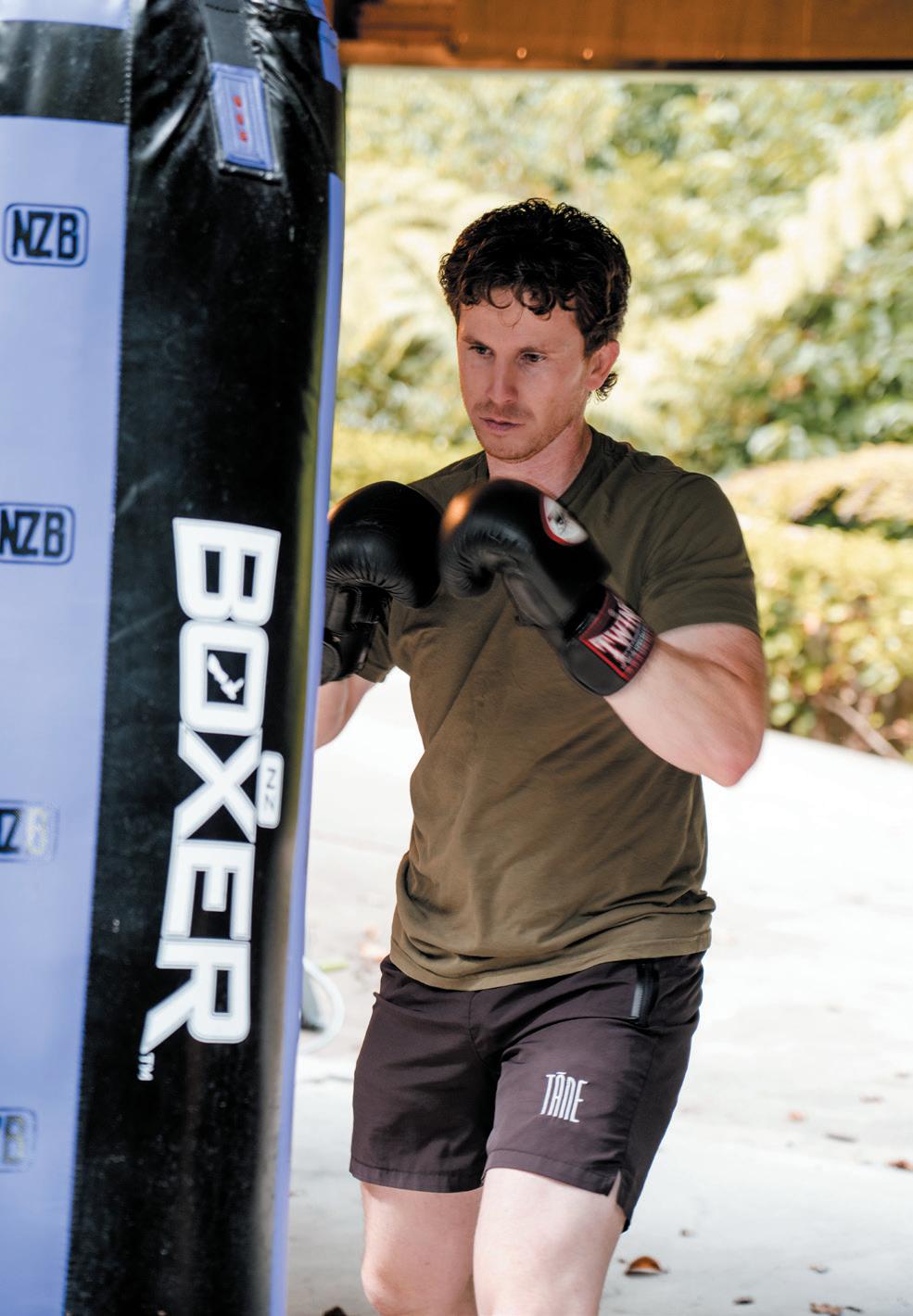
“I rediscovered learning through the martial arts. I was at Massey University getting through a degree in sport and exercise and my mind was set on becoming a professional MMA (Mixed Martial Arts) fighter. That realm was decorated with learning, all the different philosophies, styles and techniques embedded within it.”
Just as Airana has been swept up in his PhD studies, so the pull of books and good writing resonated in the aftermath of his first loss as a cage fighter.
After delving into the consequences of repeated blows to the head, he put away his dreams of becoming a professional fighter. The horizon opened wide and he threw himself into reading.
With that came the compulsion to tell his own stories of home, of the loss of te reo, of migration to the city, and the erosion of trust that whānau have in institutions.
Airana spins a good yarn. He fills his pages with colloquialisms and everyday reo. He takes cheeky jabs at characters and builds tension by going close up on the action.
At stage events like the Auckland Writers’ Festival, rangatahi familiar with Pātea Boys / Ngāti Pātea line up to have their arm signed or photo taken with the “famous” author.
“Part of the appeal is that I don’t carry myself in a way they think a writer would. Meeting someone like me who goes from fighter to writer allows them to question their ideas about the world.
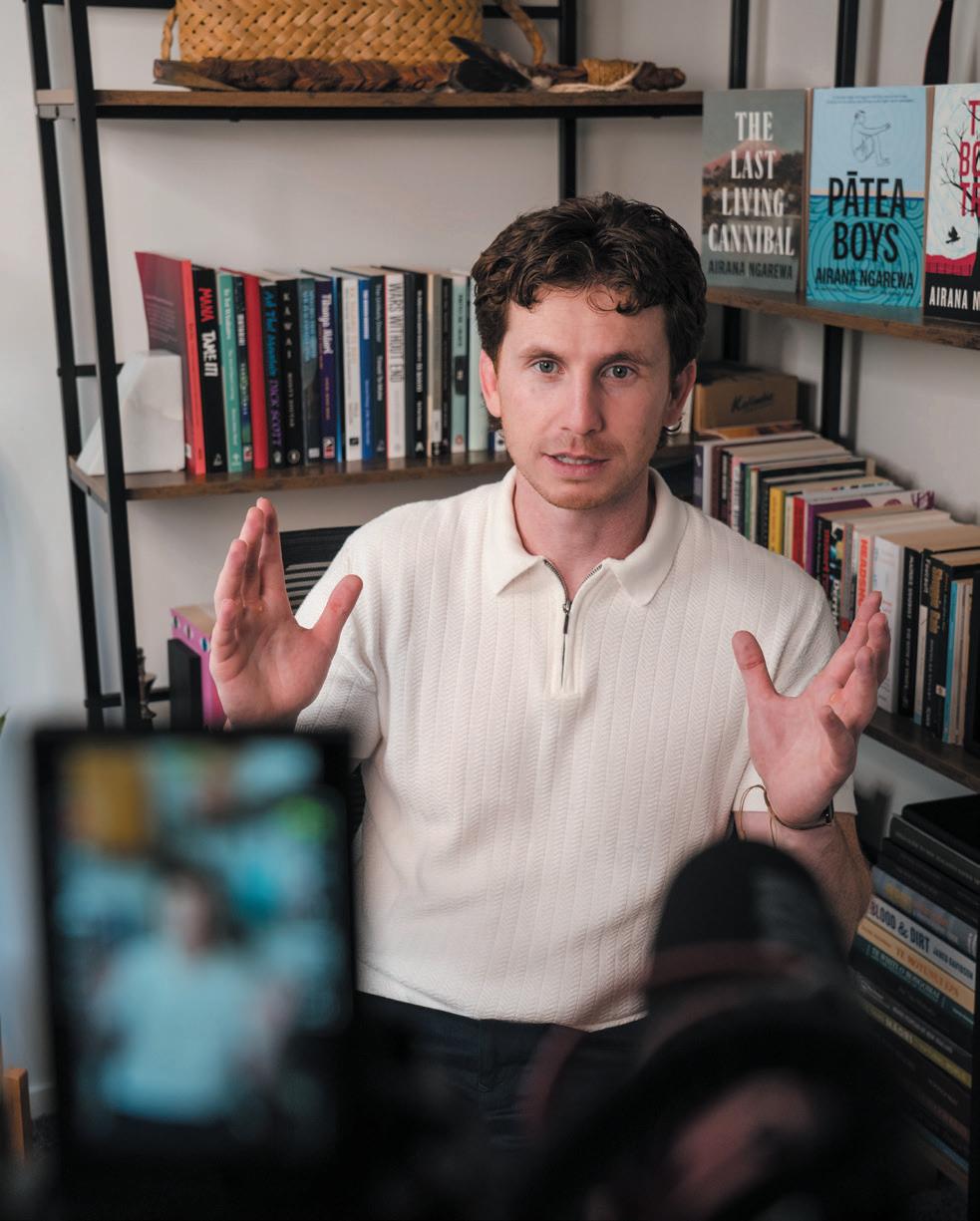
“They ask about me as a person and I talk about getting kicked out of school, what I’ve got wrong, and still ended up where I am. Their interest is very sweet. It says a lot about this generation that they concern themselves with the human experience.”
Airana spends his weekdays with tauira like these. He is the kaiako reo Māori and Deputy Principal at Spotswood College in New Plymouth.
His aunty, Nicola Ngarewa, is the principal. It was a pivotal conversation with Whaea Nicola, combined with disillusionment in a sports career, that got him into teaching.
Perhaps it was also the pull of his Nan and Koko, Hemi and Colleen Ngarewa. Colleen was the Principal at Pātea Primary School. Hemi trained as a teacher after the Pātea freezing works closed, becoming head of te reo Māori at the same school. Pātea Boys / Ngāti Pātea is dedicated to them.
Airana’s latest book, The Last Living Cannibal, is set around the Taranaki Māori men who refused to fight in World War two because of the severity of the land confiscations.
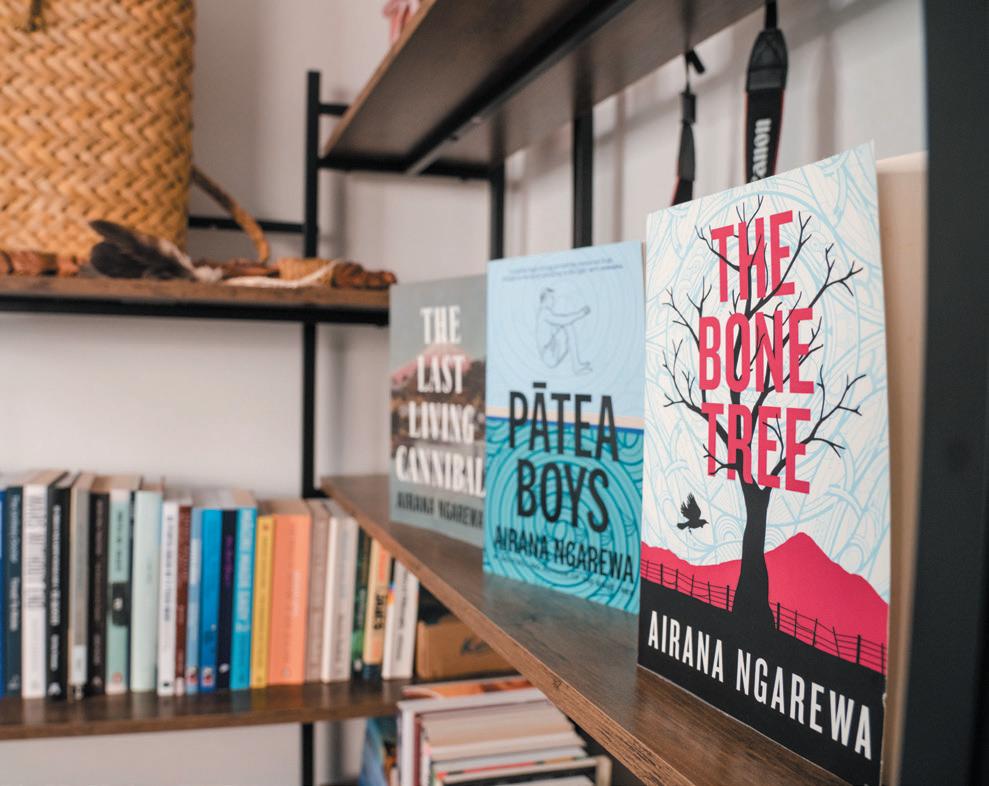
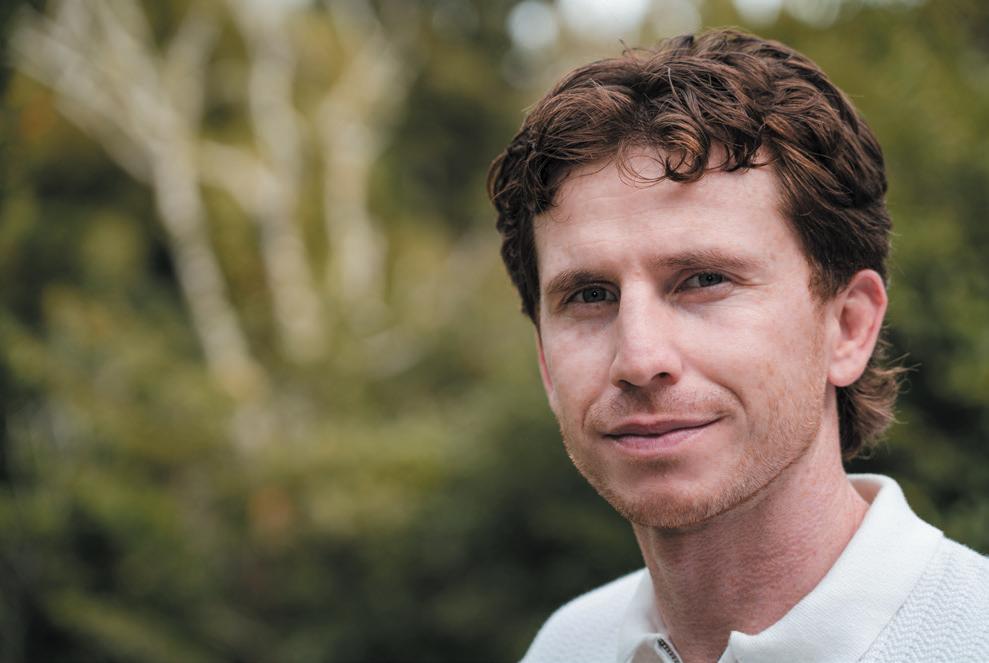
“The kōrero of confiscation is the kōrero of Parininihi ki Waitōtara. It has always been of great importance to me and features a lot in my writing. My world is reo, my world is storytelling and history. Any entity advocating for those things, I’m advocating for that entity also.”
He is deeply grateful for the connections with alumni and the support of PKW to finish his PhD, planned for August this year. He can take another year if that is what life demands of him.
“I get thrown into these things and my job is to keep up. Completing a PhD you almost have to cover yourself in a dogskin cloak to be protected from every possible angle of attack in defending your thesis,” Airana says.
Not that he is complaining. He speaks with gratitude of all the “legends” in his life who wrapped him in a cloak when he needed it.
“To those in the front and in the back who’ve helped me become the man I’ve become. To the kohanga van drivers, kohanga teachers, those who prepare the kai and all the different kaupapa. All have had a significant impact on me.”
If Airana were writing his own story, he would say that life almost conspired against him, but with the love and care of so many, he somehow kept his head above the tide.
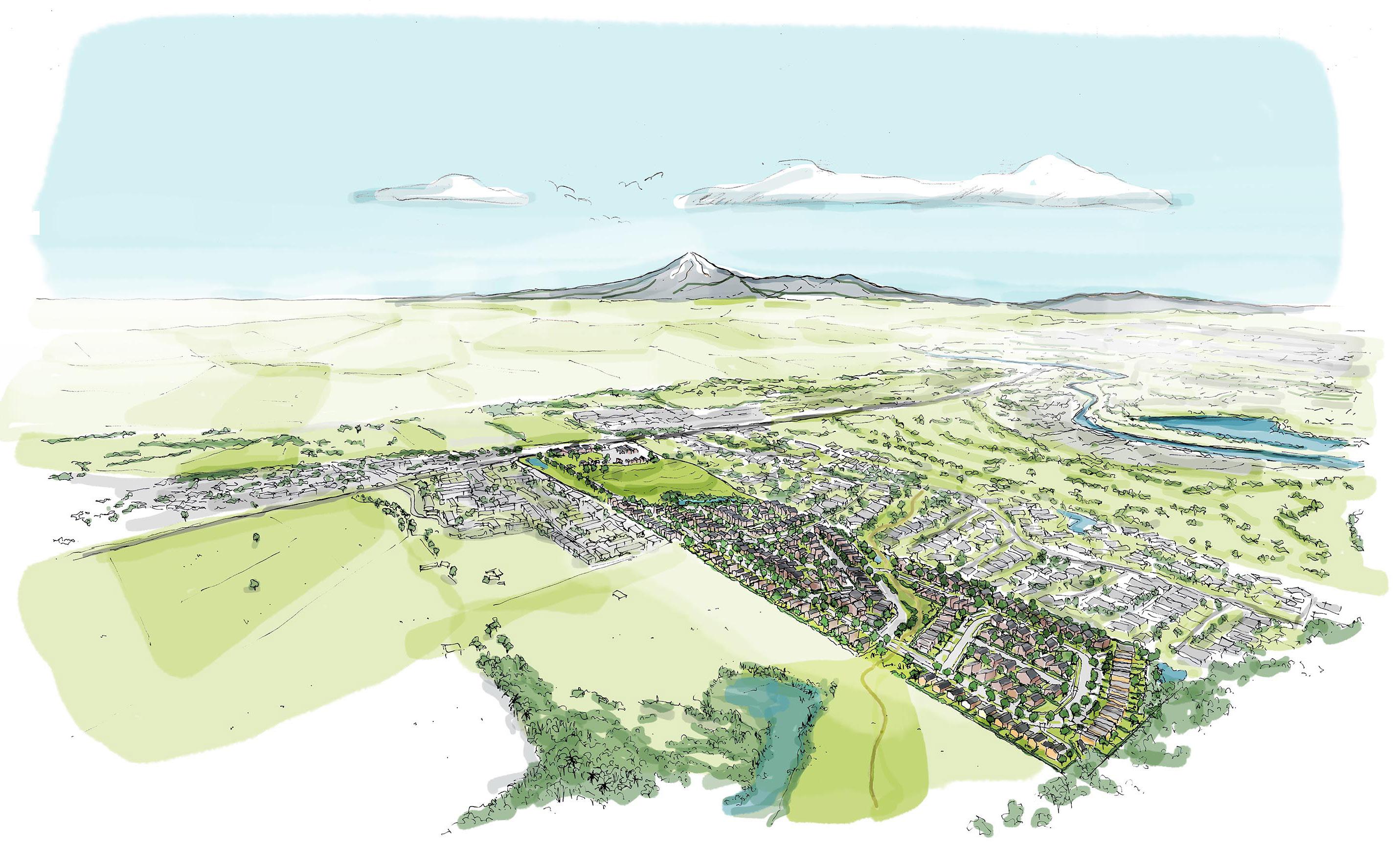
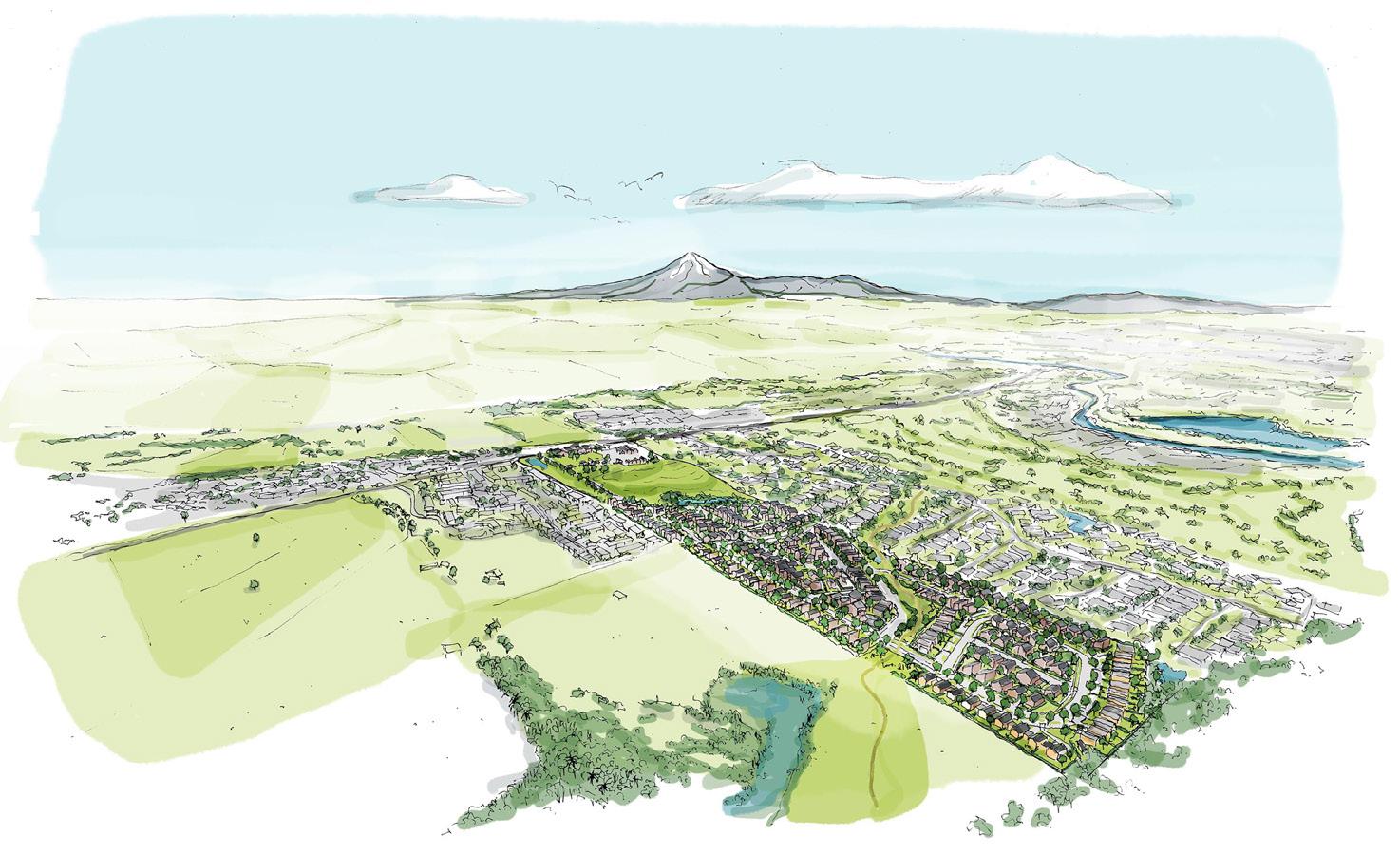
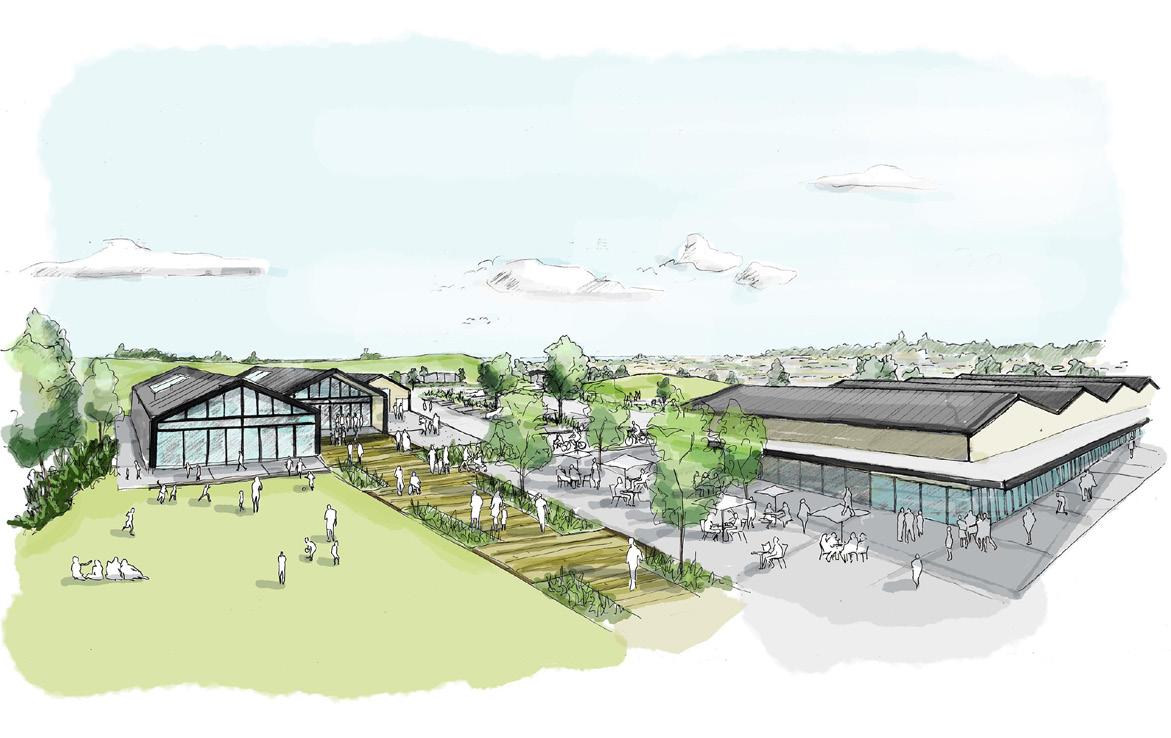
Parininihi ki Waitōtara unveiled a vision for a mixed-use, integrated, intergenerational development at Tapuirau at an open workshop with Rau Titikura / Shareholders.
The workshop, held after last year’s AGM at Owae Marae, was the latest in a number of opportunities to share information about the project, including the 2023 Rautaki Refresh engagements, 2024 and Shareholder Road Shows.
Following positive feedback responses from Rau Titikura, PKW has continued working with Puketapu Hapū representatives to progress the concept. They are now inviting Rau Titikura to endorse the next steps through a resolution process by postal vote and information hui.
THE
PROPOSED PROJECT WILL TRANSFORM A 20-HECTARE BLOCK OF WHENUA
TŪPUNA NEAR BELL
BLOCK FROM A DRY STOCK FARM INTO A MIXEDUSE DEVELOPMENT FEATURING FOUR DISTINCT PRECINCTS: AN AGED CARE / RETIREMENT VILLAGE, A RESIDENTIAL DEVELOPMENT, THE ON-GOING PROTECTION OF TAPUIRAU PĀ, AND A HAUORA HUB WITH COMMUNITY RETAIL.
The Tapuirau block runs between the moana and Pohutukawa Place, between The Links subdivision and Summerset Retirement Village. The parcel of whenua including Tapuirau Pā and Urupā was set aside in 1854 as a Native Reserve. In 1887, the Māori Freehold Land title for Tapuirau was granted to 20 owners, and a Certificate of Title was eventually issued in 1905 under the West Coast Settlement Reserves Act. However, while the 20 owners held the title to the whenua, the subsequent creation of a Leasehold Title granted occupancy rights to a third party under what would soon become a perpetual lease regime.
Today PKW holds the title to both the whenua and the perpetual lease, and has created a plan to optimise these to create long-term, holistic benefits for Rau Titikura.
“With considered and careful planning, we can develop the land in a way that returns long-term financial, cultural, social and ecological benefits to our Rau Titikura and their whānau. Importantly, our approach allows retention of ownership and control of whenua Māori,” explains Parininihi ki Waitōtara Te Rau Whakahono Pito/General Manager Property Richard Buttimore.
“As with any development on whenua inherited by PKW through the leasehold regime, protecting and enhancing connection with the land and access to it, and any sites of cultural significance on it, is paramount,” he says.
Tapuirau is a significant pā site, and whānau know of at least one rangatira who is buried there. The area surrounding Tapuirau has many pā, lagoons and locations that would have been used extensively by Puketapu. Working with Puketapu Hapū historian Anaru Wilkie, PKW has already identified several areas of interest and expects to find more as the development progresses.
“Puketapu Hapū has a deep connection to this whenua and anything we do there needs to honour that. We will continue to adopt an ‘adapt and avoid’ strategy when we uncover areas of historic and cultural significance.”
“We don’t know what we may find or where it will be, but we’re actively working with Puketapu to understand the historical layer so that we can ensure the protection and preservation of these sites while also developing a valuable long-term asset for shareholders,” says Richard, noting that many PKW shareholders may have a whakapapa connection to Tapuirau.
“Knowing that Parininihi ki Waitōtara understands, respects and values the connection Puketapu has with this whenua gives us confidence that any development will be done respectfully. It’s an opportunity to protect what we know is there, and learn more about our whenua and tūpuna,” says Puketapu Hapū Manager Kelly Moeahu.
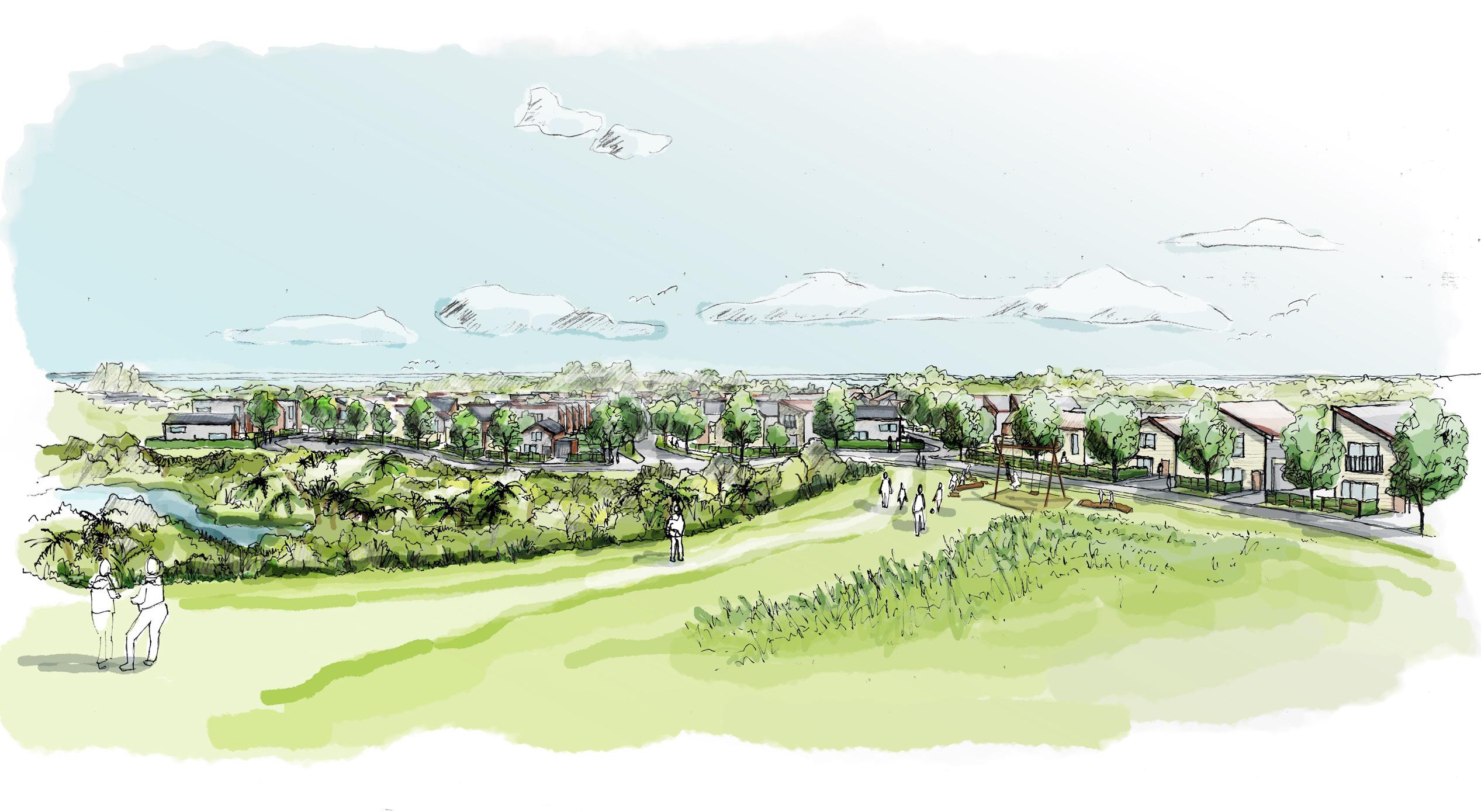
Another bottom line for this project is continued ownership and control of the land.


“A development of this size needs vast amounts of capital. While most developers would look to develop and sell to finance a project like this, that is not an option for us, our Committee of Management won’t sell this land.” says Richard.
The solution lies in an unlikely source - The West Coast Settlement Reserves Act. One of the many concepts introduced by this legislation were perpetual leases. Although Māori might legally own a piece of land, someone else would separately own the right to occupy it and make decisions about how it was used and cared for.
Historically perpetual leases have alienated Māori from access to their whenua, but PKW intends to use the legislation for their benefit. They will apply to the Māori Land Court to divide the current single leasehold interest, into multiple lots in much the same way a developer might subdivide their land into separate titles.
“Our knowledgeable legal representatives and internal expertise have found a legislative pathway to be able to do this,” explains Richard.
“This opens a new way to develop the whenua. We create the ability to joint venture with aligned partners to develop the land. They can bring the capital while PKW retains ownership of the land and control over the future land-use,” says Richard.
He says the value of the perpetual leases will allow PKW to negotiate joint venture terms that will provide longterm benefits to shareholders.
“Another bottom line for PKW is that returns need to be more than just financial. While dollar returns are clearly an important piece of the puzzle, the project needs to deliver cultural, social and ecological benefits too,” says Richard.
He acknowledges this plan comes with a small opportunity cost but believes the ability to protect and enhance the whenua, strengthen connection to it, and develop valuable assets that produce long-term outcomes, far outweighs this.
“THIS IS A WIN-WIN OPPORTUNITY WITH MULTIPLE BENEFITS FOR OUR SHAREHOLDERS AND THEIR WHĀNAU, FROM PUTTING MORE RENTAL PROPERTIES INTO THE MARKET, TO SUPPORTING LOCAL BUSINESSES WITH PREFERENTIAL PROCUREMENT OPPORTUNITIES AND PROTECTING AND ENHANCING THE LAND FOR FUTURE GENERATIONS.”
Richard Buttimore - PKW Te Rau Whakahono Pito/ General Manager Property.
The next step is securing shareholder support for a resolution to the Māori Land Court to divide the single leasehold interest into multiple leases. At the same time, PKW will continue to work with hapū and Council on a resource consent application and start talking to valuealigned potential partners.
On approximately 8.5 hectares at the coastal end of the Tapuirau block, a lifestyle village is being considered for development. PKW will partner to develop and operate a specialised facility. They are proposing a 50:50 joint venture with a third party who can bring capability and capital to the table.
The preferred partner will need to be an experienced operator who shares PKW’s values and is willing to enter into a long-term partnership which honours PKWs nonnegotiable bottom lines.
Next to the lifestyle village, a residential rental development is being proposed. These homes will be developed in smaller blocks via partnerships with a range of developers. The whenua and homes will remain in PKW ownership, with the ongoing rental income benefitting shareholders.
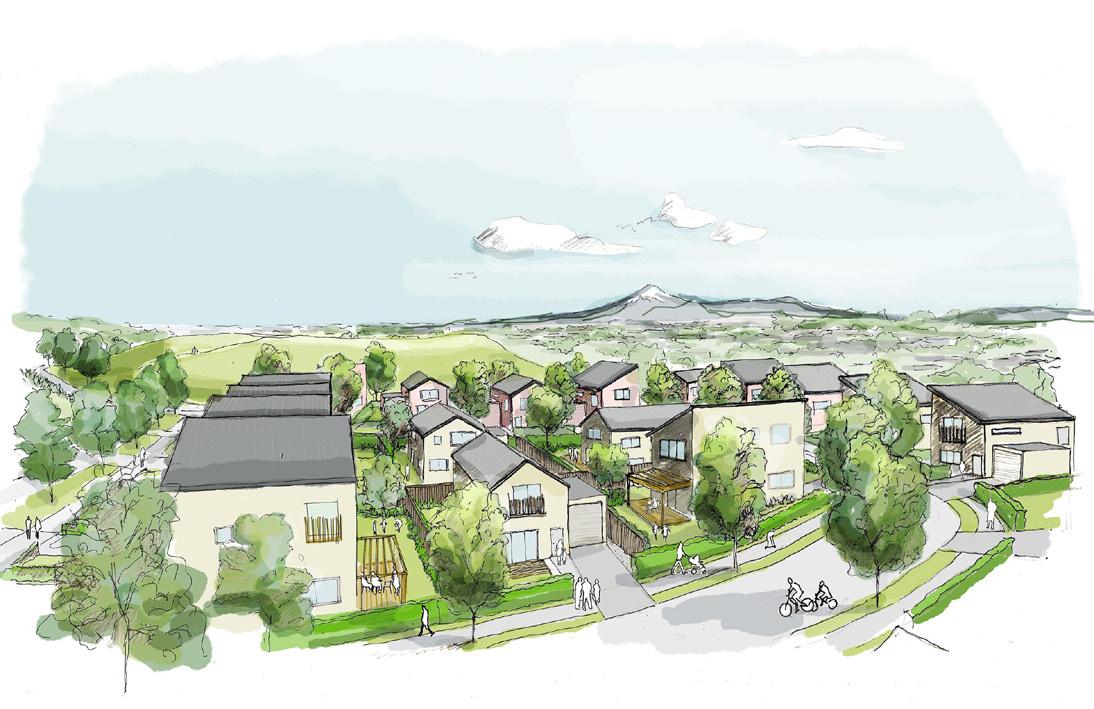
A Hauora Hub with a selection of community retail services is planned for the Pohutukawa Place end of the block. The vision for the Hauora Hub is that GP and community health providers will be supported with complementary health and wellbeing services, for example, a pharmacy and physiotherapy practice.
“WE
WANT TO BUILD A STRONG, RESILIENT COMMUNITY AT TAPUIRAU AND A CRUCIAL ELEMENT IS HAVING KEY SERVICES THE COMMUNITY NEEDS AND WANTS NEARBY. WE ARE NOT TALKING BIG BOX RETAILERS BUT RATHER THE KIND OF BUSINESSES THAT SUPPORT THE LOCAL COMMUNITY, FOR EXAMPLE CHILDCARE OR A LOCAL CAFÉ OR DAIRY”
Richard Buttimore - PKW Te Rau Whakahono Pito/ General Manager Property.
Between the proposed residential development and Hauora Hub is Tapuirau Pā and Urupā. As part of the proposed development, this area will be protected and preserved as a culturally significant greenspace, maintaining connection and access to the whenua for Puketapu uri.
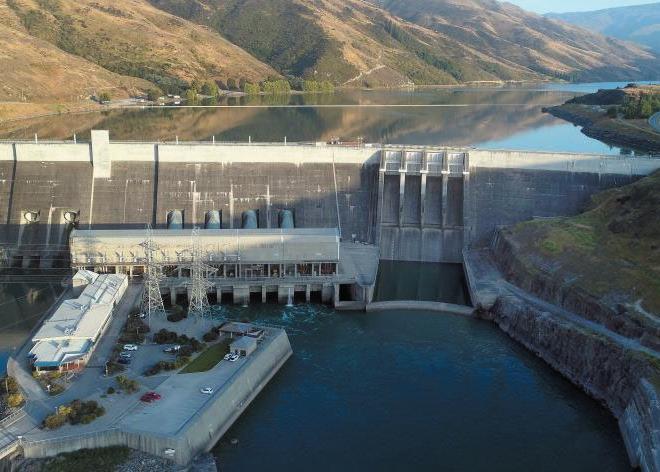
Electricity is made at power stations using different energy sources like:
A Water (hydro)
B Steam from underground heat (geothermal)
C Wind
D Sunlight (solar)
E Natural gas
New Zealand already gets most of its electricity from renewable sources like hydro and geothermal. But we still rely on gas-powered stations to provide backup when renewable energy is low, for example, when lakes are dry or the wind isn’t blowing.
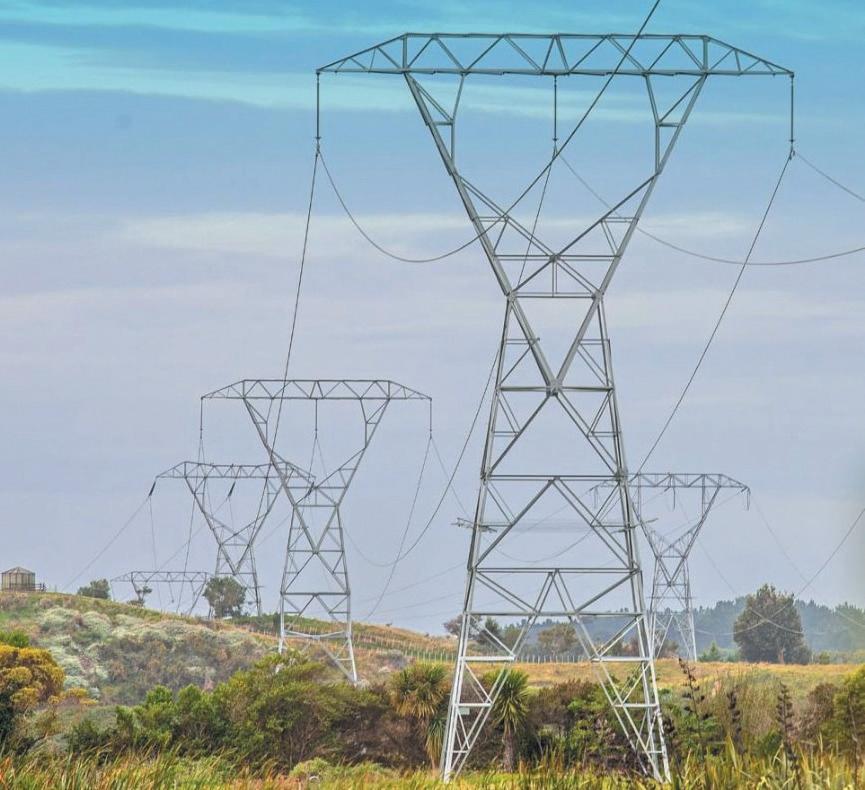
Once electricity is generated, it travels long distances through high-voltage transmission lines (the national grid).
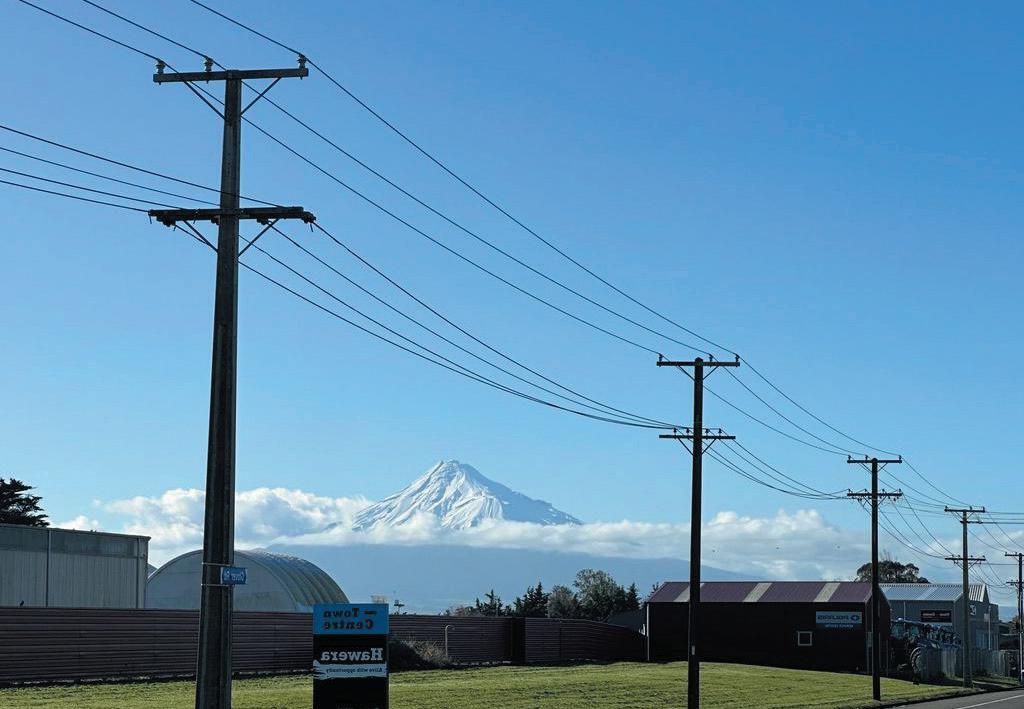
From there, it moves into local distribution networks - like the one operated by Powerco here in Taranaki - which deliver electricity to homes, farms, schools and businesses.
Your electricity retailer buys power from generators in the wholesale market, then sells it to you. That’s what shows up on your monthly bill.
Electricity demand in New Zealand is expected to grow as we:
• Switch to electric vehicles
• Industry moves away from coal and gas
• Use more electric heating
At the same time, our supply of natural gas has been declining in recent years. That’s created challenges during periods of high demand, especially in winter or during dry hydro years.
To keep up, we’ll need to create more electricity generation in the future.
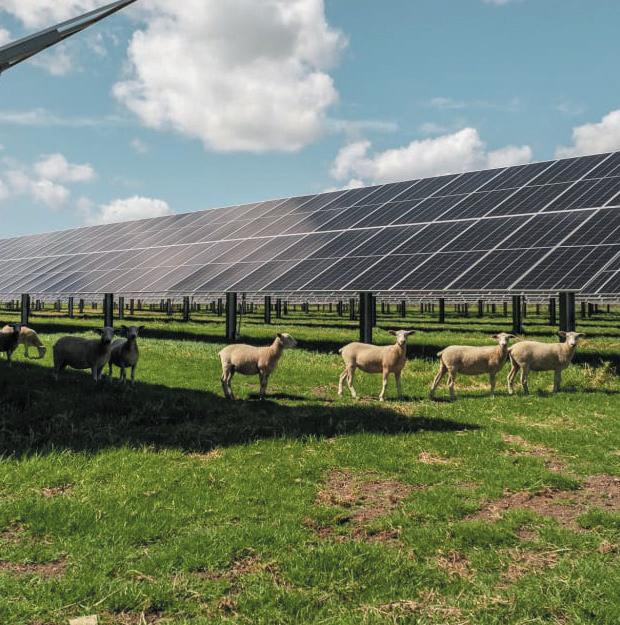
Solar and wind farms are two of the fastest-growing ways to generate new electricity.
• Solar farms turn sunlight into electricity during the day
• Wind farms generate power when the wind is blowing
Because they depend on the weather, they work alongside other sources like hydro or battery storage to keep the system balanced.
Electricity from solar panels is converted into a usable form and stepped up in voltage before connecting into the local network.
Solar farms are also designed so land can continue to be used for farming, such as grazing sheep beneath the panels, and can be removed at the end of their life (around 30–35 years), allowing the land to return to other productive uses.
Taranaki has played a key role in New Zealand’s energy system for decades through oil and natural gas.
As the country moves toward cleaner energy, renewable electricity, including solar and wind, presents an opportunity to continue that legacy in a new way.
Projects like solar farms can generate electricity locally while still allowing land to be farmed, supporting both energy supply and regional economic development.
HOW MUCH ELECTRICITY DOES A TYPICAL HOME USE?
The average New Zealand household uses around 7,000–8,000 kWh per year (That’s about 20–22 kWh per day).
7,000–8,000 kWh per year 20–22 kWh per day
Source: lowcarbonpower.org/r/NZ
Source: https://www.ea.govt.nz/your-power/new-zealands-electricity-sector/
NGĀTI MARU
FOURTH KURATAIAO FLOURISHES IN MARU COUNTRY
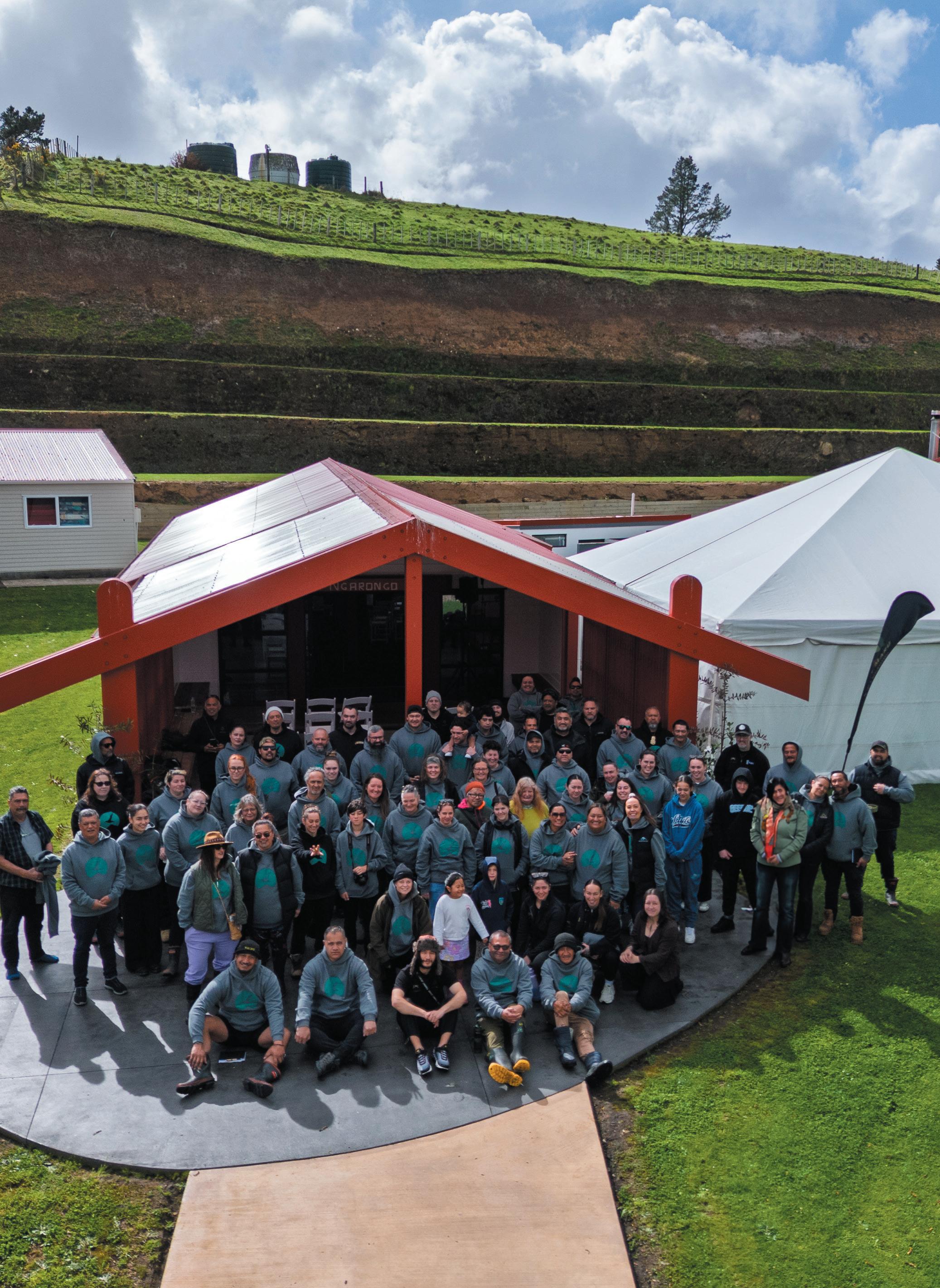
For 43 years Te Rau Manawaora/PKW Trust has focused on seeding potential to grow and sustain its people. The fourth Kurataiao, hosted by Ngāti Maru at Te Ūpoko o te Whenua Marae last September, was a powerful illustration of this vision in action and an example of PKW, Rau Titikura and Iwi working together for the betterment of all.
Kurataiao was developed by Te Rautitikura/ GM Shareholder & Taiao Engagement Puna Wano-Bryant and her team as a vehicle to unite Taranaki Iwi around the common kaupapa of caring for the natural environment. 2025 was the first time Kurataiao was led by Iwi with the support of PKW.
“When Puna and her team developed the Kurataiao framework and stood up that first wānanga four years ago they planted a seed. Then PKW grew that taonga, nurturing the young seedling until it was strong enough to be given out and flourish under the care of Iwi, with continued support from PKW,” explains PKW Trust Te Māngai Rau Titikura / Shareholder Representative, Angela Awatea Kerehoma.
“MOVING FORWARD, EACH IWI WILL INVITE THE KURATAIAO INTO THEIR ENVIRONMENT AND DELIVER A KURA SHAPED BY THE NATURAL WORLD THEY INHABIT.”
Awatea Kerehoma - PKW Trust Te Māngai Rau Titikura / Shareholder Representative
Haki Keogh, Tumu Whakawhanake Mātauranga / General Manager of Te Heru Māpara (Ngāti Maru Training and Education provider), took up the challenge of heading the development of the first Iwi-led Kurataiao.
“Puna extendeed a tono on the closing day of the third Kurataiao, and I thought it would be a nice thing for us to do. Puna does a lot for us, for Te Heru Māpara and Ngāti Maru, so it felt appropriate to give back to the kaupapa, especially given how important taiao, education, and training are for Ngāti Maru,” says Haki.
“It was also a good opportunity for us to learn from others who are further along in this space and have more experience. Being able to share some of what we’re doing, talk about how we approach the taiao, and reflect on our learnings helped us get a sense of whether we’re on the right track.”
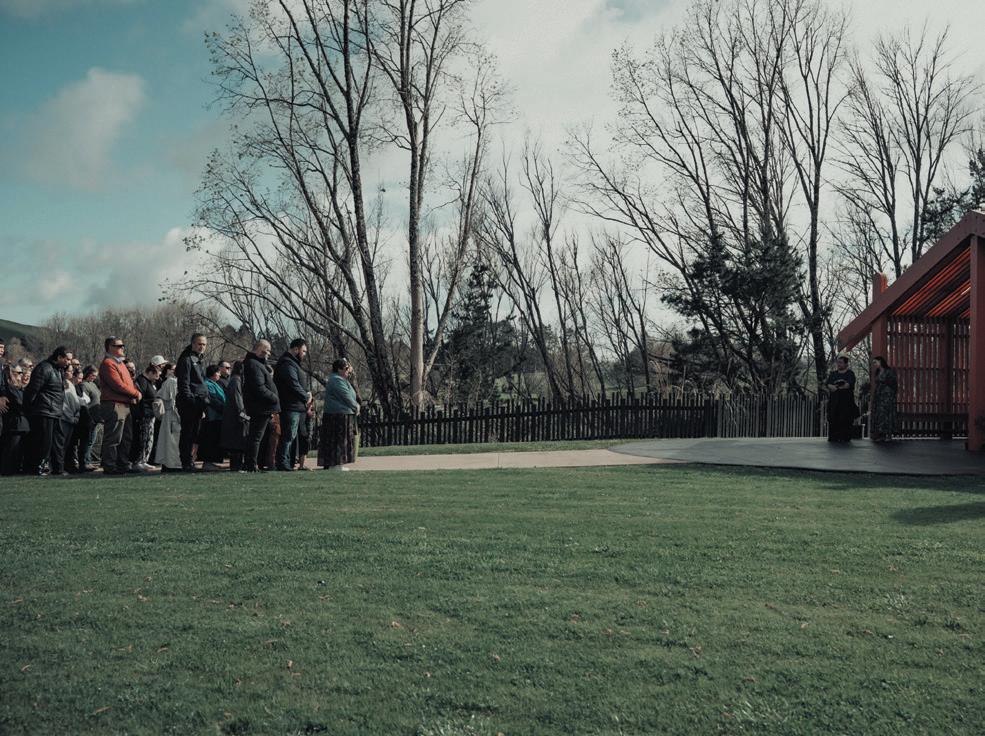
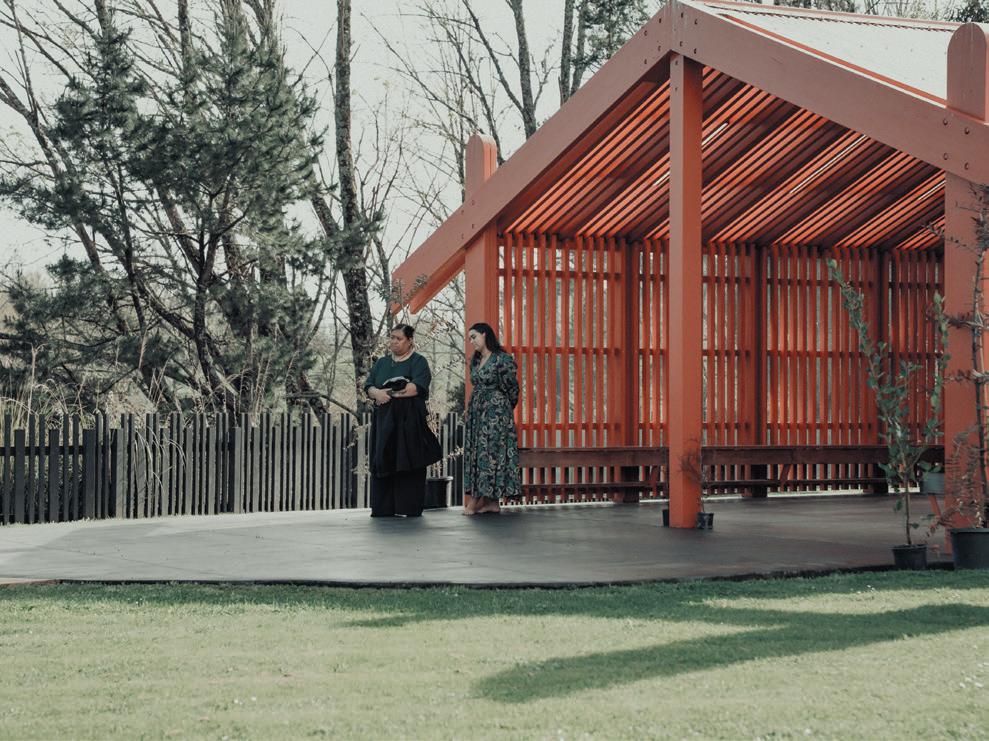
Rau Pupuru Tikanga Tamzyn Pue me te Kahurangi Skelton-Pue ngā reo karanga
Using the framework developed by PKW, Haki and his team set about creating a two-day Ngāti Maru centric programme that honoured the legacy PKW had created.
“We wanted it to be meaningful. We may only get this opportunity once every eight years so we wanted to do the best we could. While being unapologetically Māori and Maru centric, we wanted the experience and the speakers to be intentional and specific to the kaupapa and for each person to leave feeling they valued their participation.”
The programme Ngāti Maru put together included speakers from inside the Iwi and those who they engage and partner with, including other leaders in the taiao that reflect their aspirations.
“We put the wish list on the board and then massaged it into a programme until it felt right and truly reflected how we see the world and our connection to the taiao. It
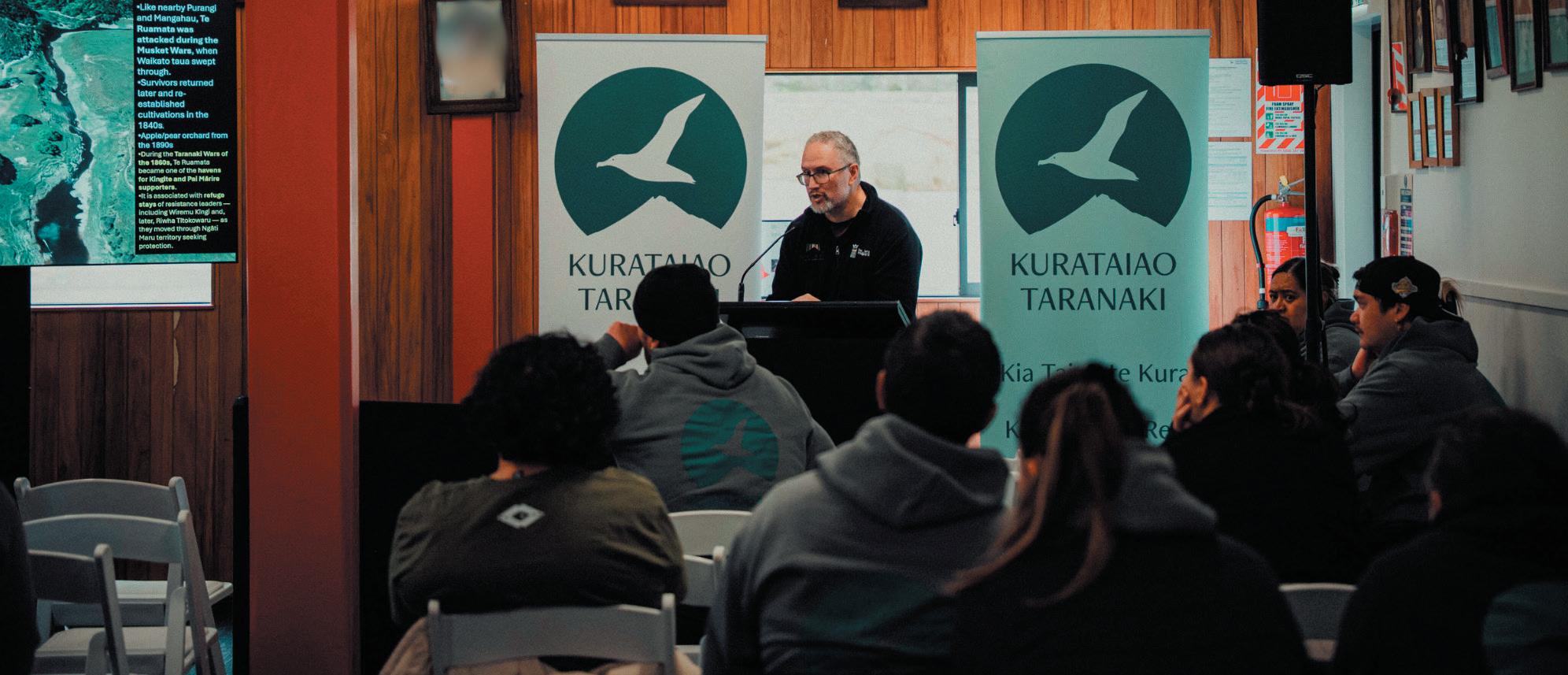
included showcasing the mahi our rangatahi are doing in solar energy projects and Tupu-ā-nuku, as well as the conservation and work-readiness mahi they’re involved in. We also showcased the work of Dave Hare, founder of Tree Machine, and the ecological restoration mahi of the 800 Trust. All these kaupapa give rangatahi the opportunity to be on the whenua, learning through planting, pest management and restoration, and building skills that matter,” says Haki.
Over two days the presentations spoke to the three key aspects of the Kurataiao framework; kia taiao te kura (knowledge and expertise on environmental practice and mahi taiao), kia taiao te reo (language and tikanga related to te taiao), kia taiao te mouri tangata whenua (connection to the taiao and upholding the importance of mouri and kaitiakitanga).
The keynote speaker was Ngāti Maru rangatahi Te Kahurangi Skelton-Pue who shared her recently completed Masters and gifted copies to Ngāti Maru and the Kurataiao. Environmental planner Kasey Bellamy shared the Ngāti Maru Strategic Taiao plan. Tamzyn Pue shared a selection of Iwi rerenga kōrero relevant to the taiao, focusing on new words and concepts that participants could add to their kete of reo and mātauranga, such as w’āriki kokonati (coconut matting) used for water filtration.
Two special guest speakers who lead mahi in other parts of the country delivered presentations that spoke to the way Ngāti Maru approaches the taiao.
“Riki Solomon had everyone captivated for more than two hours as he talked about the importance of maramataka and how it influences te taiao. It wasn’t so much telling us
what our maramataka was but showing us the importance of knowing everything’s interconnected - the moon, the weather patterns, even just the noise we hear in the taiao are all indicators of what’s going on,” says Haki.
“Erina Wehi-Barton was a speaker I chased for a long time. She spoke about integrating taiao mātauranga Māori with current farming practice. Erina’s kōrero was a perfect fit given PKW is in the business of managing farms, and we believe that we need to work with our farmers to find a common way to care for the whenua.”
While planning was paramount to the success of this Kurataiao, one of the most moving and memorable parts was more spontaneous.
Just a day or two prior, Ngāti Maru and the PKW taiao team visited Mangaoapa to bless a piece of whenua before some planting began. Ngāti Maru Kaumātua Rumātiki found a toki, an adze made of Pūrangi stone (a type of Argillite stone highly prized by the iwi) at the site.
“YOU MIGHT WALK THAT WHENUA FOR YEARS AND NEVER FIND A TAONGA LIKE THIS, A TANGIBLE CONNECTION TO OUR ANCESTORS THAT ONCE LIVED AND WALKED IN THIS PART OF THE ROHE — YET THERE IT WAS. IT WAS A TOHU, A SIGN, AND WE FELT IT WAS APPROPRIATE TO PRESENT IT AS OUR KOHA TO THE KAUPAPA.”
Haki Keogh - Tumu Whakawhanake Mātauranga / General Manager of Te Heru Māpara
“In the kōrero Rumātiki spoke about wanting to give PKW or the Kurataiao a taonga in recognition of coming to Maru whenua and allowing us to host this important kaupapa. He reflected that just as the Toki is incompletely made, our work within the taiao will also never be finished, thus we must remain committed to this kaupapa,” says Haki.
Awatea takes up the second part of the story.
“Part of the beautiful kōrero from the hau kāinga was that it was not for Ngāti Maru, the giver of the mouri, to provide the vessel which the mouri was carried in. Overnight our PKW whānau was able to respond to that call.”
“From our Parihaka whānau came the kono that the mouri rests in, woven by the whānau of ‘Auntie’ Maata Wharehoka.”
Awatea, a weaver herself, decorated a hue/gourd that was grown in the māra at the papa kāinga of Pounamu and Te Kahurangi Skelton-Pue. She explains some of the symbolism embedded in her contribution.
“The hue protects the kono, in which the mouri is bedded. For the locking mechanism, I was inspired by the whakataukī ‘Whiria te muka tangata’. It means ‘weave the people together’ symbolising collaboration, unity, and the strength found in bringing people together. It emphasises that, like flax fibres, individuals are stronger when woven into a collective, creating supportive and resilient outcomes.”
"Ki' tū ngā Manawa-kawa-pari-tonga ki te whaiao, ki te ao mārama Tihe i a Maru ora!"
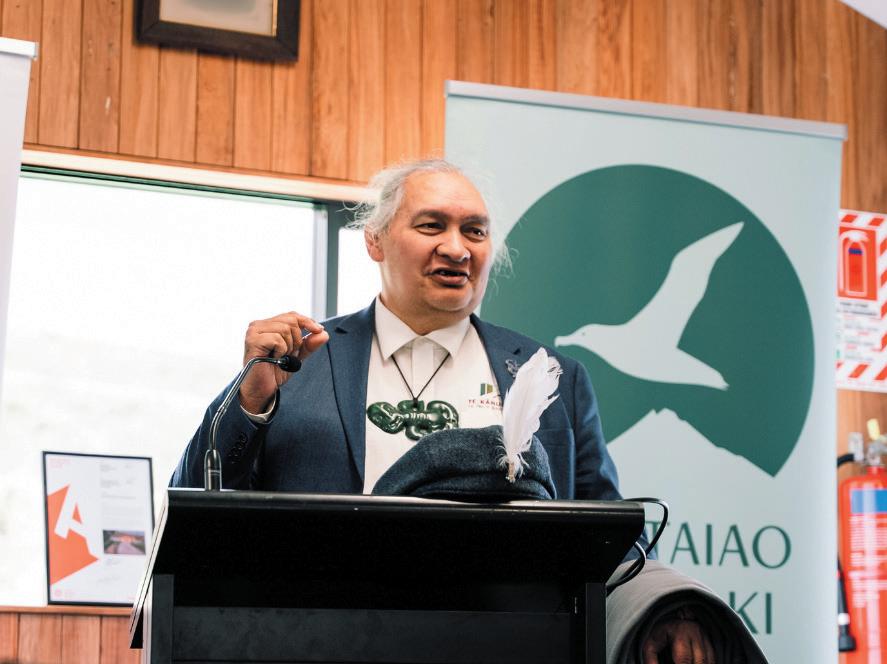
“I used muka to express the strength of Iwi working together. There are eight whenu for the eight Iwi of Taranaki. They come together to join at a central point, then splay apart before coming back together again, and then separating once more. This speaks to the common purpose of Kurataiao and how we will always come back together”
“The tohu of Kurataiao is a toroa flying above Taranaki Maunga so I included the white feathers, and under those, there are also wing feathers of the toroa symbolising strength and the carrying of this kaupapa forward.”
After receiving the taonga, PKW passed it on to this year’s hosts, Taranaki Iwi.
“Kurataiao is about our eight Iwi collaborating at all levels to build a network and a system of knowledge in and around the taiao. From strategy and policy drivers, to boots on the ground,” says Awatea.
“Right from the start Kurataiao had its own traction and its own breath. We might go a 12-month period where we are doing our own mahi in our own geographical location but every year we wānanga.
“It’s whanaungatanga – everyone comes together to celebrate and be inspired by each other, contribute to discussions and hear what’s happening with each other’s projects,” she says.
Haki agrees, summing it up this way.
“Rather than have eight cars go up the same driveway, the Kurataiao is us saying, ‘Let’s just jump in a van and talk about stuff while we go together’.”
TARANAKI TŪ MAI 2025
HE PUNA KĒ, HE PUNA TANGATA, HE PUNA KŌRERO, HE PUNA WĀNANGA KI ŌPUNAKĒ 2025
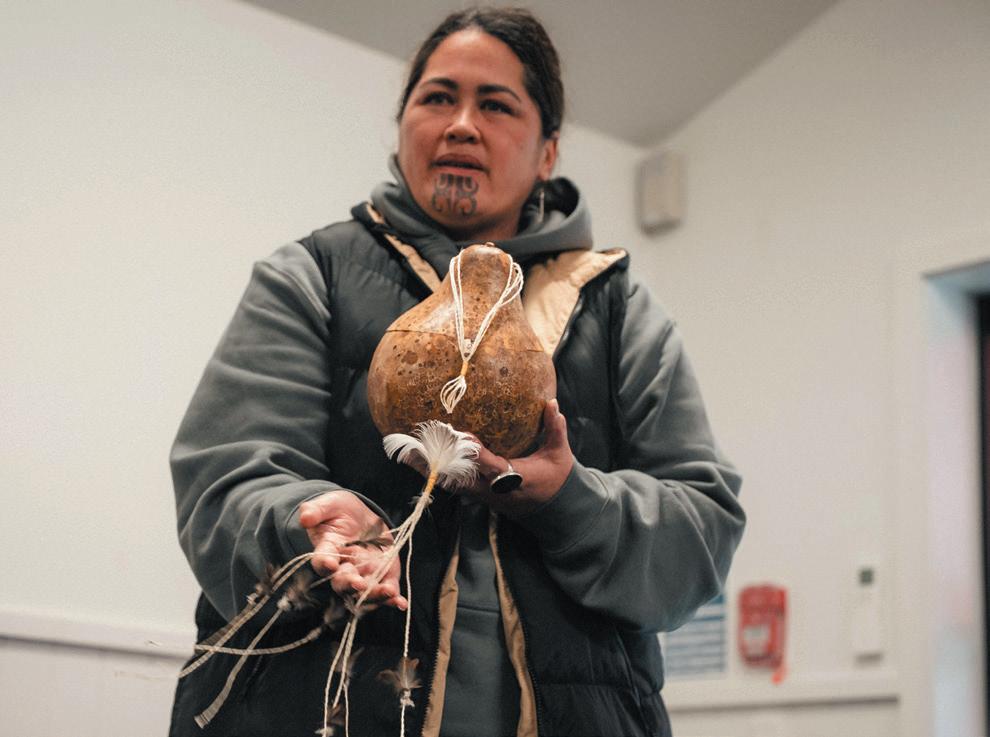
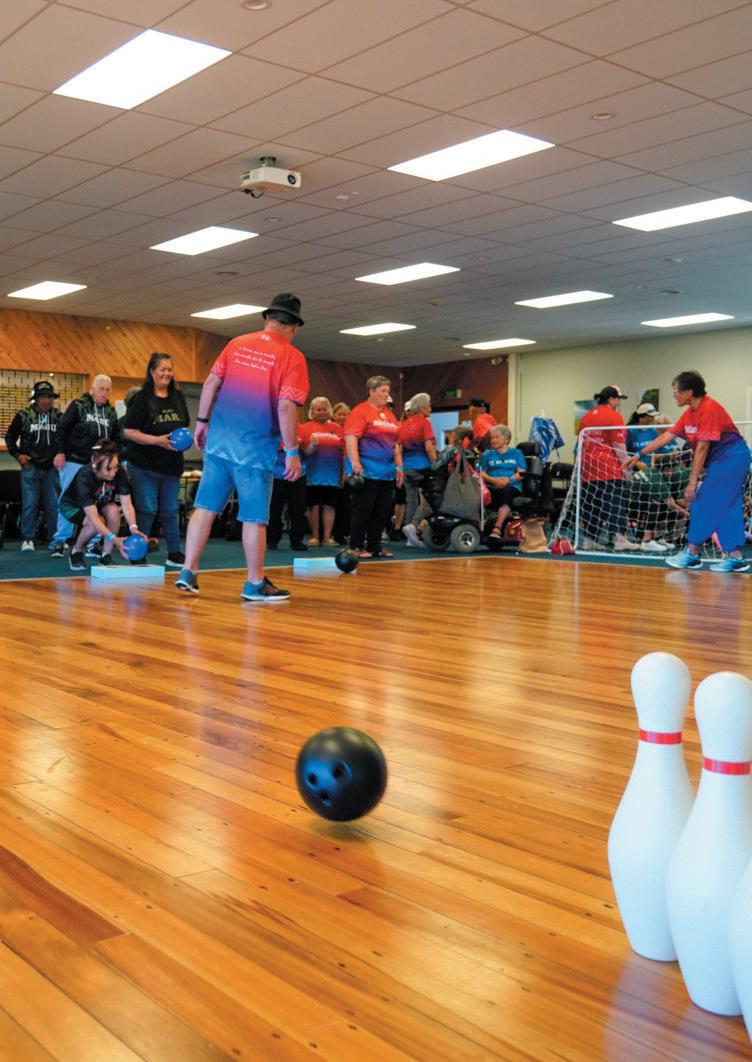
Taranaki Tū Mai 2025 Pahake of Ngāti Maru and Ngāruahine in the “battle of the bowls”
When a section of Surf Highway 45 was closed to make room for ngā uri o Taranaki at November’s Taranaki Tū Mai, it was a sign the biennial event had “taken flight”.
“Fuelled by whakapapa and pride,” says Puna WanoBryant, Te Rautitikura/General Manager, Shareholder and Kaitiakitanga Engagement.
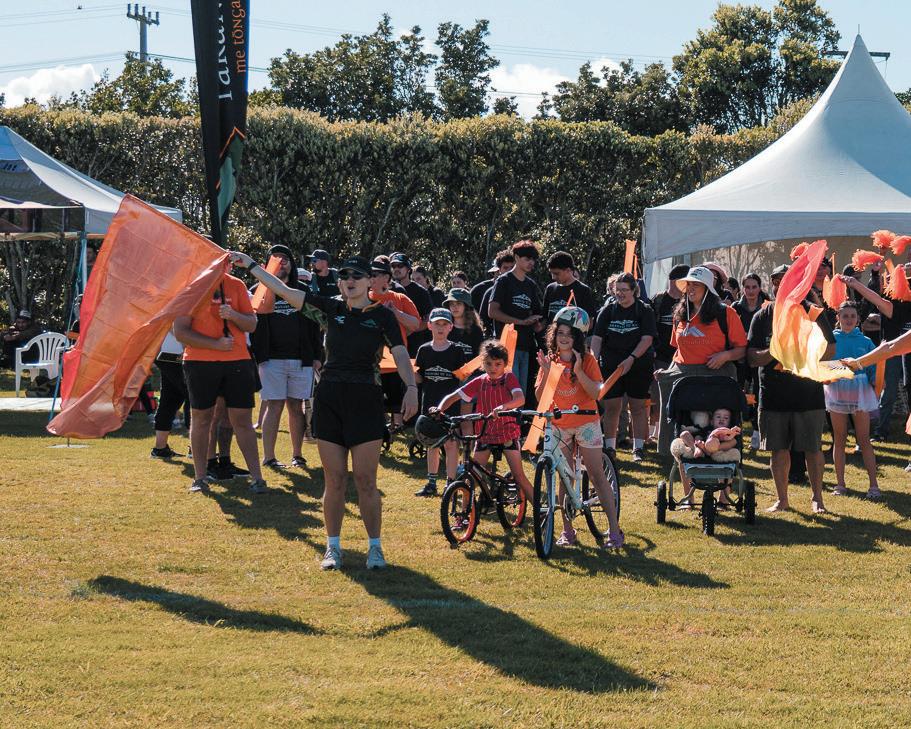
Hosted by Taranaki Iwi, 6000 uri of the eight Taranaki iwi gathered for a long weekend of ‘friendly’ competitions, team sports and cultural activities.
“Saturday’s state highway road closure was a massive achievement that joined the two Ōpunakē venues, the events centre and high school. It connected us all in one place,” Puna says.
Te Rau Manawaora, the PKW Trust, has supported the celebration’s unifying kaupapa since its small beginnings in 2007.
Taranaki Tū Mai Trust Chairperson for all that time, Wharehoka Wano, is rightly proud of their achievements.
“The festival was founded on three pou - kotahitanga, whānaungatanga, Taranakitanga - and it’s working. We’re bringing people back. They’re reconnecting, some after being away for generations. Tū Mai is a gateway for them.”
The first event in Whaitara in 2009 attracted around 200 people.
“In 2013 we started bouncing it around the mounga. Ngaa Rauru hosted in Wairoaiti/Waverley and doubled the numbers.
“By 2017 Ngāruahine saw a jump to 2000 as PostSettlement Governance Entities started using the opportunity for uri engagement. At last year’s event in Ōpunakē, registrations were three times that.
“Because more uri, especially from outside the rohe, are wanting to connect back with their iwi, whenua and
Chess champ Rongomaiira Luke represents Te Atiawa
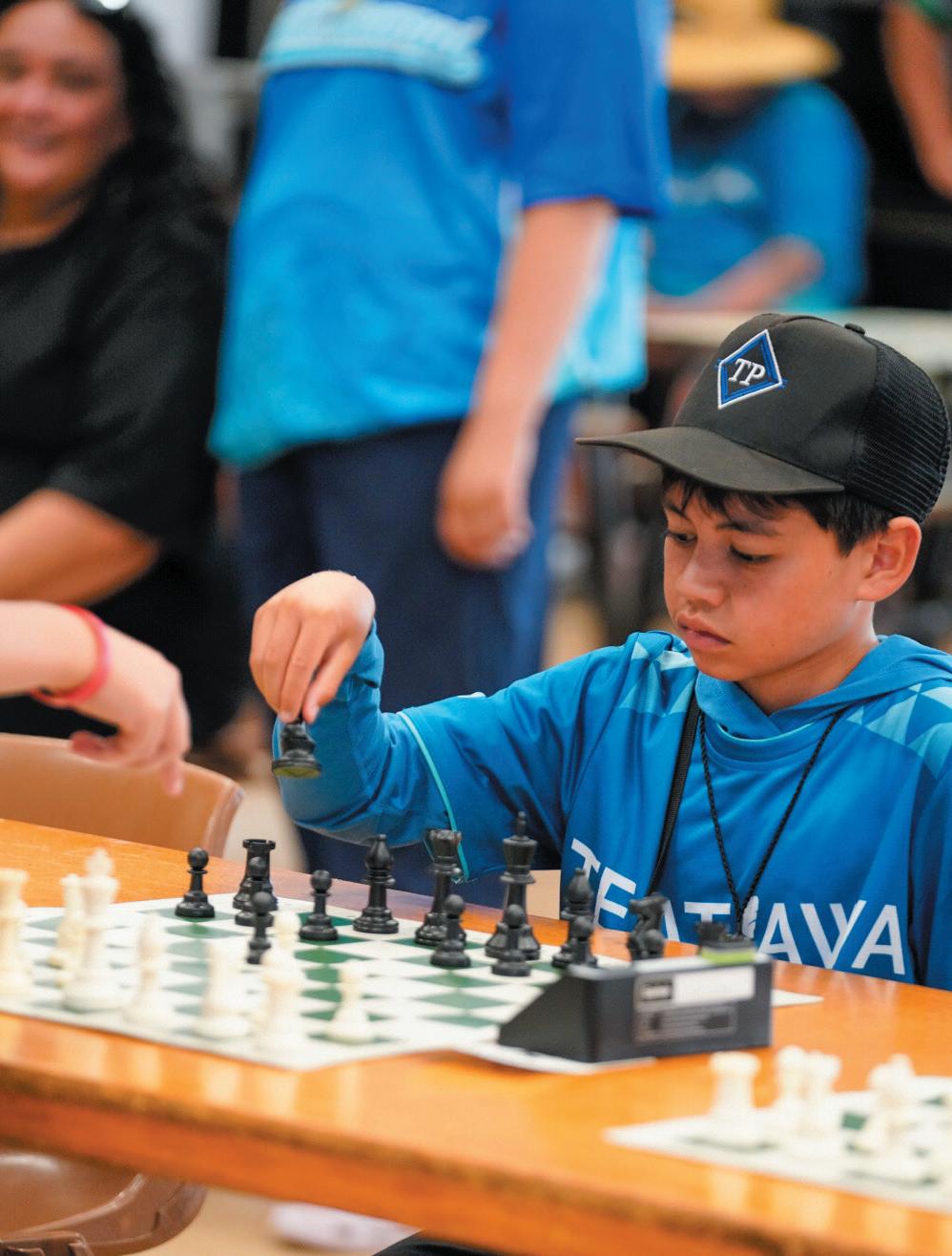
mounga we’re looking at including more Taranakitanga discussions and knowledge sharing in the future,” Wharehoka says.
Cultural activities in 2025 included wānanga, a hīkoi to Te Nāmu Pā, maara kūmara activities, kapa haka and tautohetohe. Sports ranged from bowls, darts and golf to rugby league 9s, netball, volleyball, touch and softball. Euchre and surfing were new additions.
Hosting the giant get-together was a huge undertaking. Tumu Whakarito/Chief Executive of Te Kāhui o Taranaki, Damon Ritai, says lessons learnt from hosting Te Matatini earlier in the year were invaluable.
“We knew getting the logistics right was key. We had to have great communication with the different iwi coordinators and the volunteers. We relied on heavy lifting from our Taiao team who were behind the hangi that fed 3,500 people, and Sustainable Taranaki helped make recycling a permanent feature.”
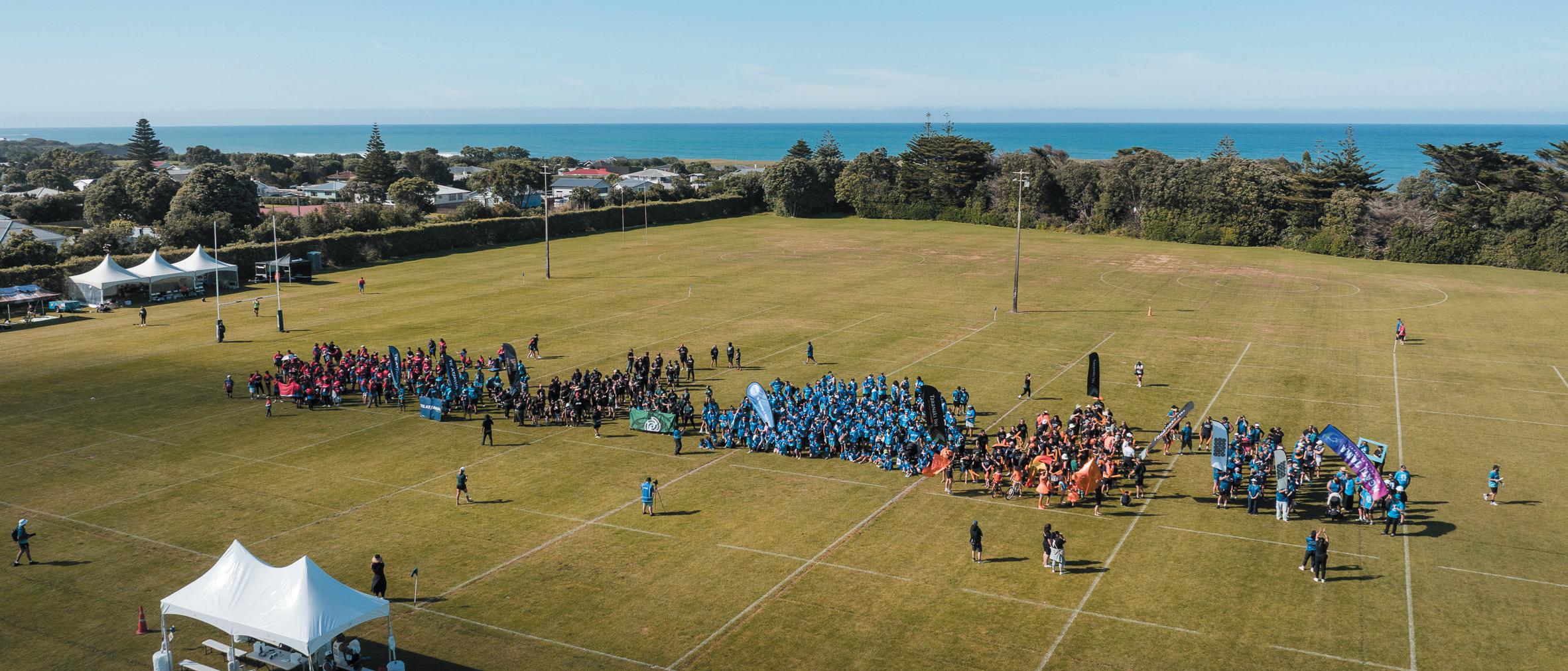
SMOOTH ORGANISATION, OUTSTANDING KAI AND BRILLIANTLY FINE WEATHER CULMINATED IN A FIERCELY COMPETITIVE, FUN WEEKEND AFTER WHICH NGĀTI RUANUI TOOK OUT THE TOP TROPHY.
Puna is conscious that at a politically galvanising time, events like this allow everyone to celebrate and enjoy who they are as uri of Taranaki.
“Many of our iwi leaders play big political roles nationally. Here they could come home, put on their iwi T-shirts, and be one the whānau.”
When PKW celebrates its 50th Anniversary this year many of the same uri will gather again to learn more about their history and remember our shared legacy of raupatu and resilience.
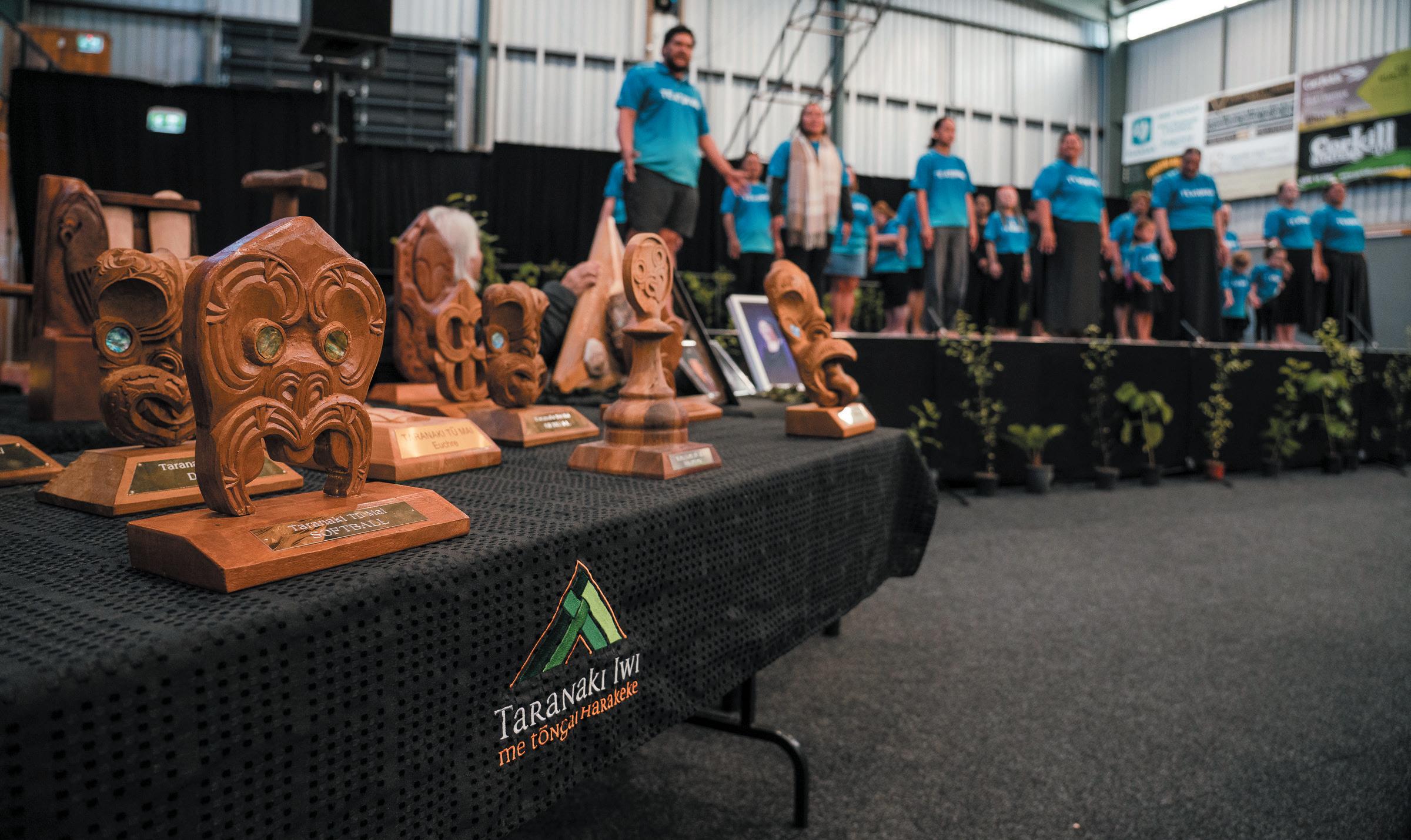
“Many of us are PKW shareholders so we’re one and the same,” Damon says. “The mouri that Tū Mai creates is unification around the mounga. The competitions are great but what holds us together is the mounga.”
Wharehoka acknowledges the longstanding association with PKW, not only through its community grant contributions for every festival including 2025.
“I’ve been stoked they’re present, rocking their iwi colours. I was a little third former in 1976 and remember the establishment of PKW because one of the leading koroua, John Kerehoma, was my teacher. A big mihi to them all for their foresight back then.
“Because we’re aligned, our role as Taranaki Tū Mai Trust is to support PKW with their anniversary events where we can.”
As Tū Mai starts another hosting rotation around the mounga - Te Atiawa is up next in 2027 - and PKW looks back on 50 years, Whare takes heart in the new generations coming through.
“I’M REALLY PROUD OF WHAT WE’VE ALL ACHIEVED. FOR PKW THE GRANDKIDS FROM THOSE EARLY DAYS HAVE COME THROUGH, AND ARE READY TO LEAD PKW AND TŪ MAI INTO THE FUTURE!”
Wharehoka Wano - Taranaki Tū Mai Trust Chairperson
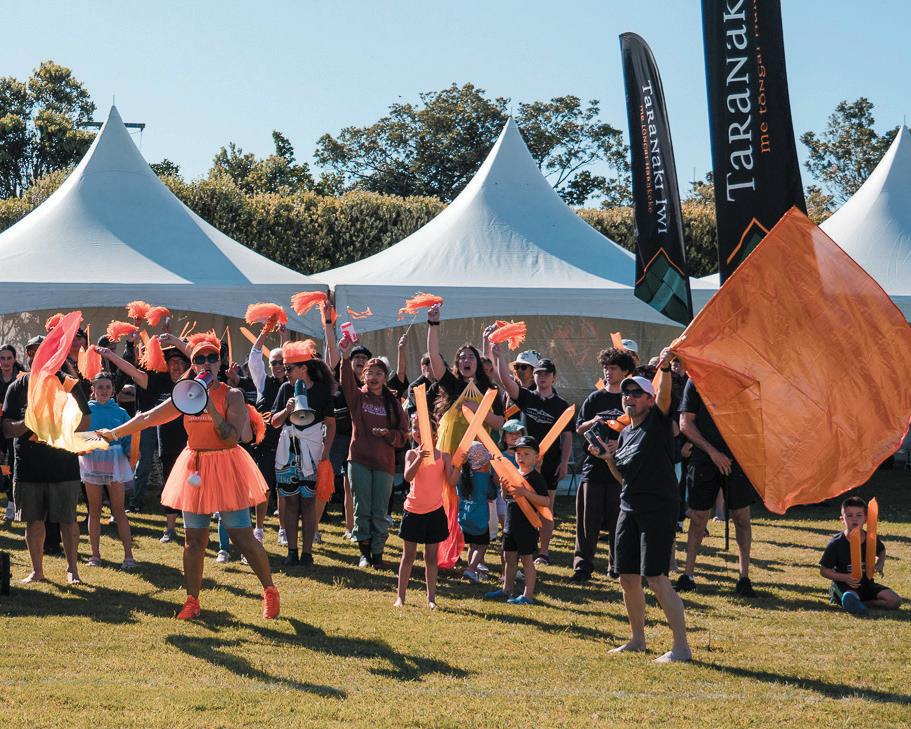
Taranaki Iwi Hosts lead the chants for the march past
We provide support by offering strategic guidance, fostering connections and relationships, and championing excellence in Māori business practices.
• Māori Entrepreneurial Confidence Cadetship and Mentoring Programmes
• Inclusion of Māori enterprise Regular networking events
• Increased competency in businesses Professional Development opportunities
Ngāmotu House, Level 5/139 Devon Street West, New Plymouth Taranaki
Email admin@htpkt.maori.nz Website htpkt.maori.nz
“Rebuilding our wharekai strengthens our capacity to be who we are, to gather, to grieve, to celebrate, to learn, and to stand as a united people,” says Donna Ngatai, a trustee of Tawhitinui Pā.
She adds projects like this realise the aspirations of their tūpuna.
“They envisioned a thriving, self-determining hapū with strong foundations. By investing in our buildings, we are ensuring our tamariki and mokopuna inherit places where they feel a deep sense of belonging and responsibility.”
Donna’s words are echoed by trustees from all three pā, who are receiving support from Te Rau Manawaora/PKW Trust for recently completed renovations.
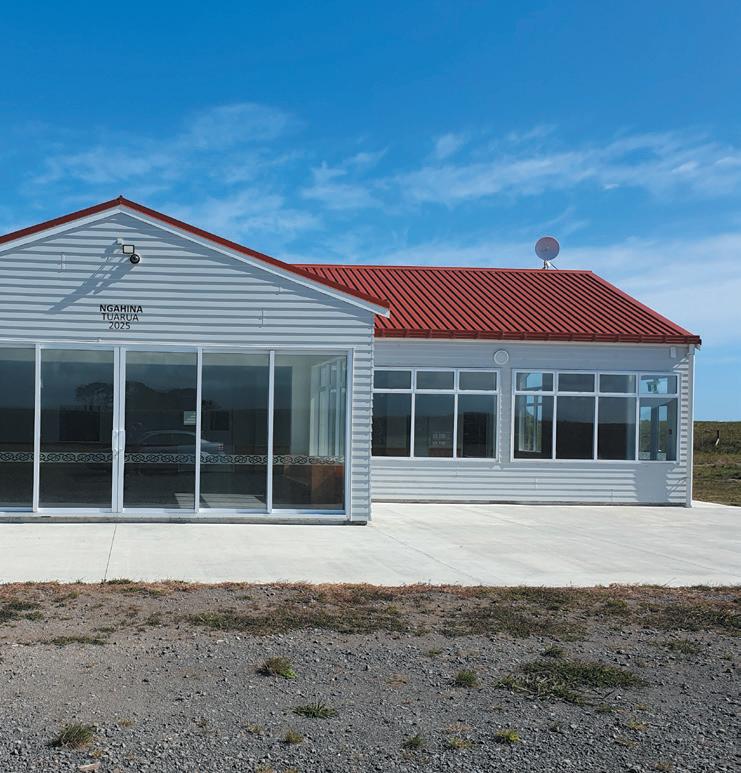
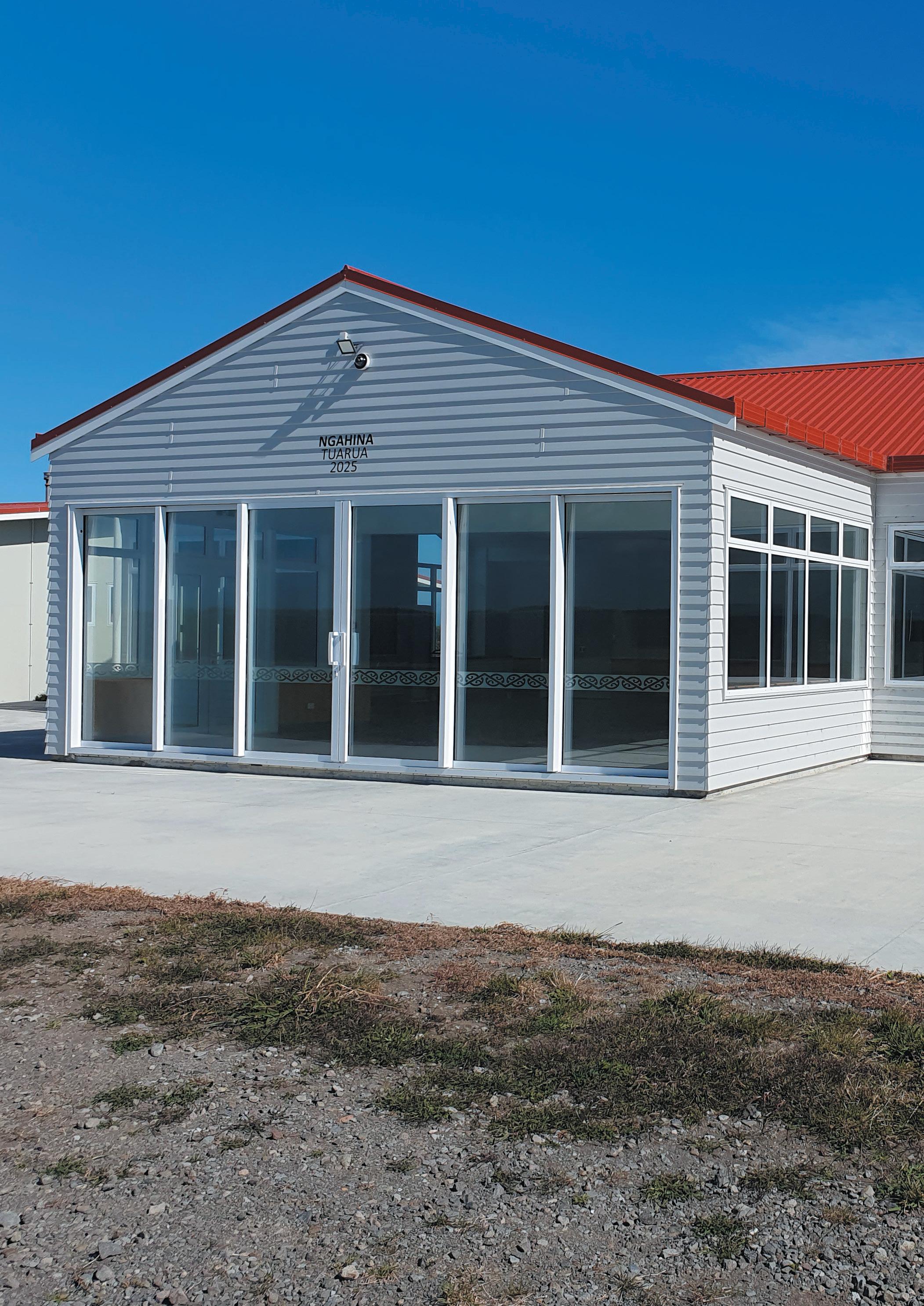
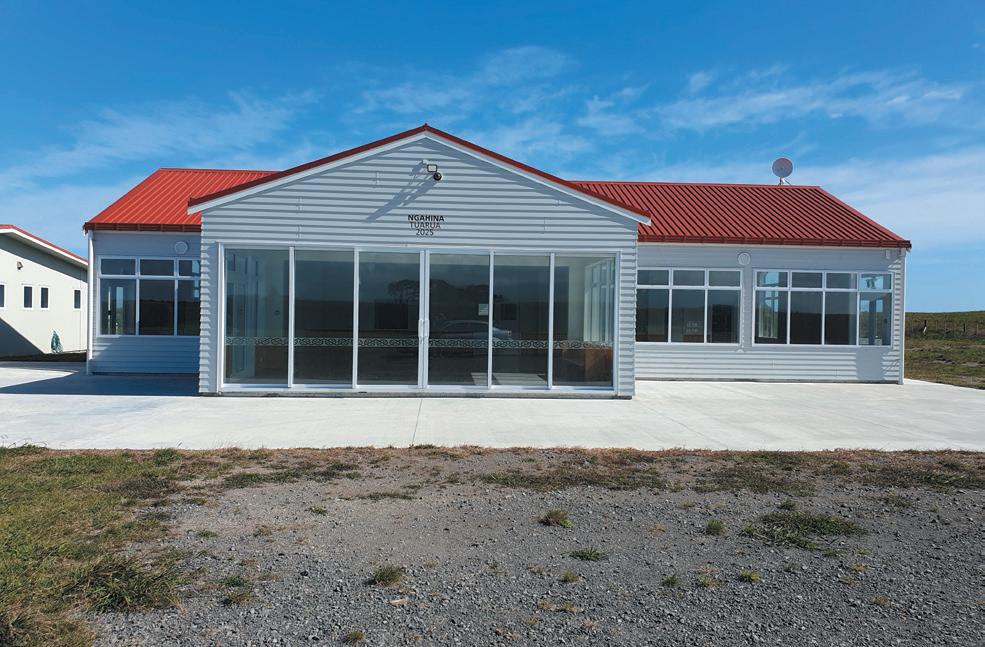
The grants were for the rebuilding of Ngahina Tuarua wharekai ($20,000); a new marae complex nearby at Taikātu Pā ($40,000 over 6 years); and to Ngāti Tairi for significant improvements at Ōakura Pā ($20,000).
Demolishing the old Ngahina brought back poignant memories for former Tawhitinui Pā chairperson Sid Ngatai.
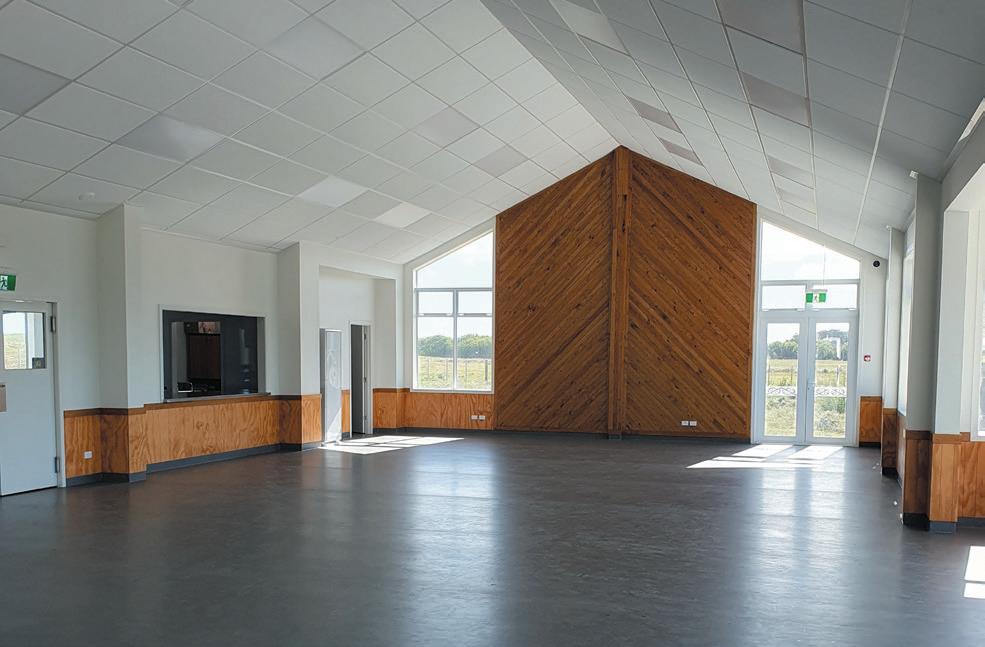
“As little boys we laid the floor with our fathers and uncles. It was tongue and groove. 65 years later I helped uplift it and put it back on the end walls. It’s laid in the profile of the roof and our mounga. It looks beautiful,” Sid says.
The original Ngahina was built with many small donations - a bag of nails, a tin of paint. Over time the building deteriorated to the point it was no longer safe.
Trustee Raymond Eynon says fundraising for the new build was challenging at times, with the marae digging deep into its investment savings to make up a shortfall.
Raymond took over as project manager when Jack Rangiwahia sadly passed away in 2024.
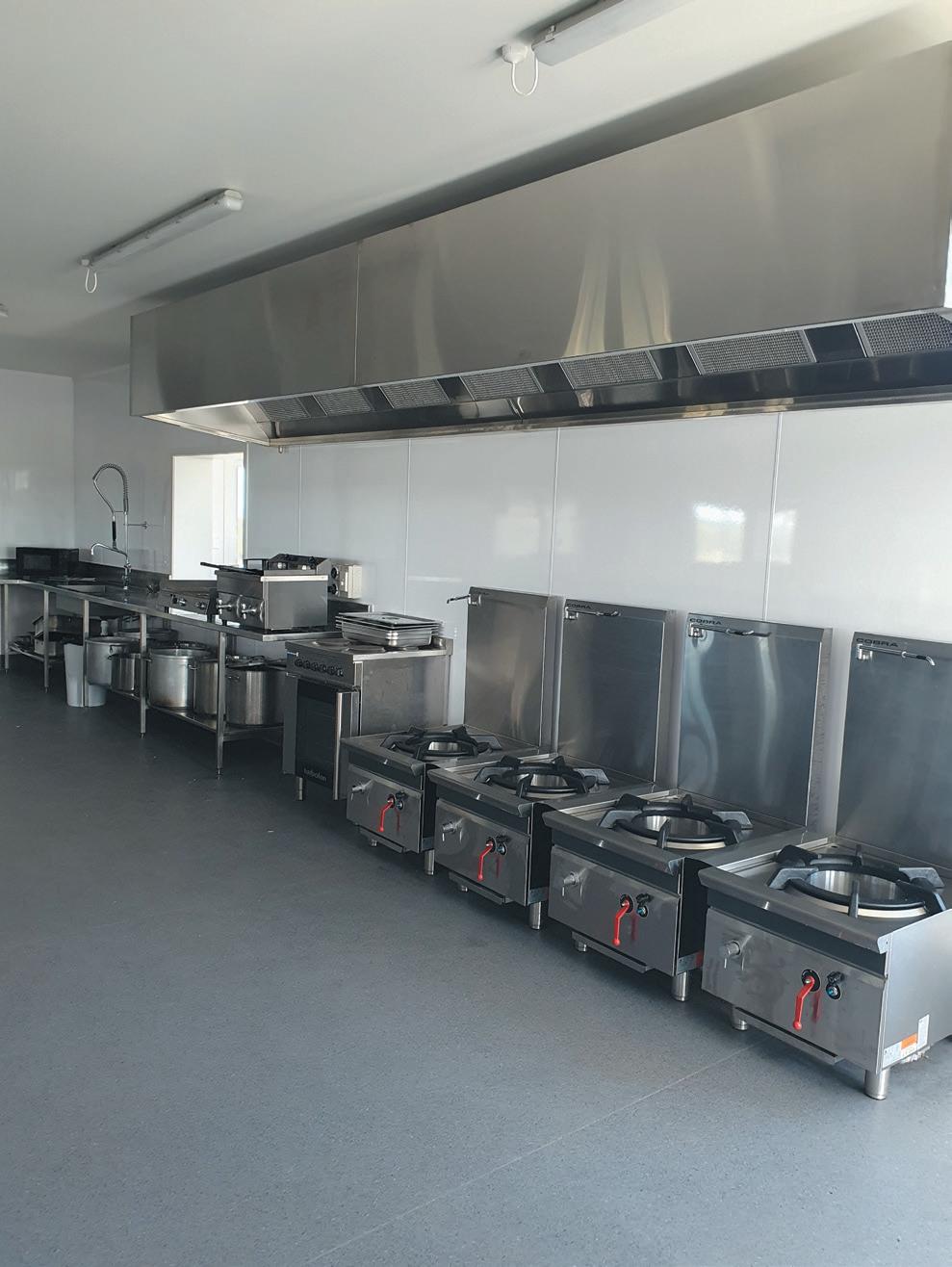
“It is a very warm building with a lovely view of the mounga. Big doors let the breeze through on hot days and we can cater for 130 people,” Raymond says.
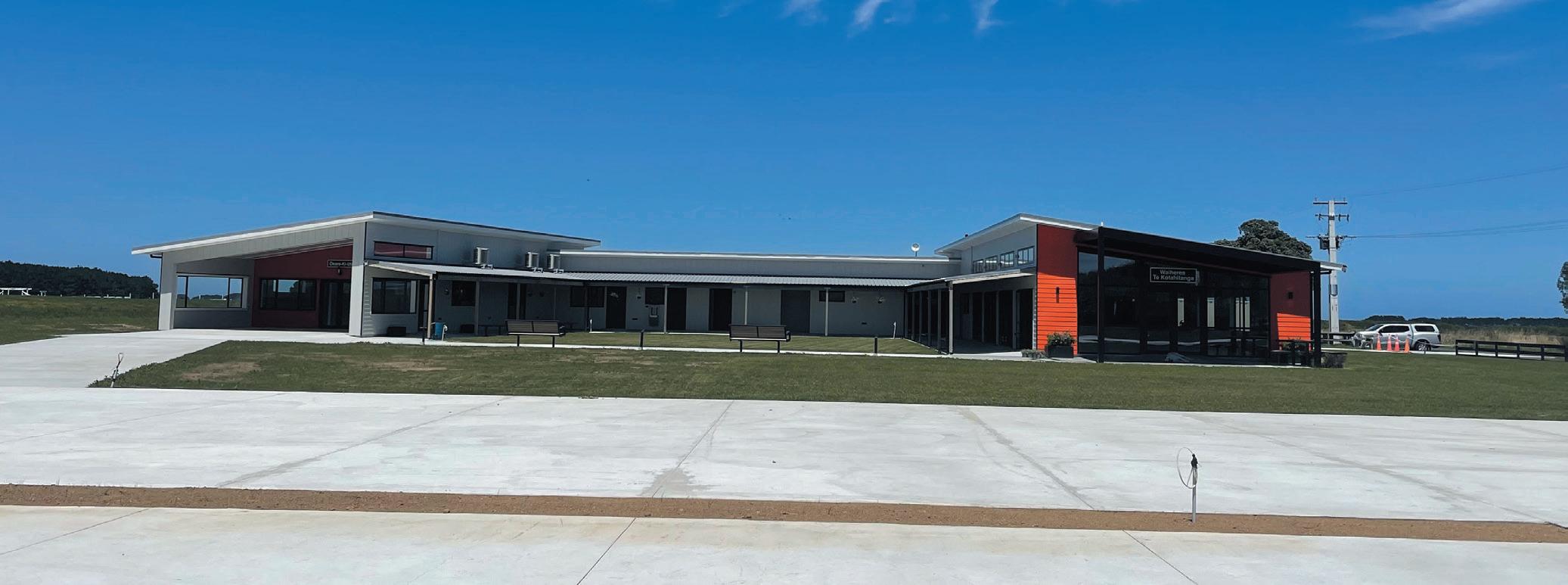
A few kilometres away, Ōkare-Ki-Uta Marae is completely new. The original marae was built in 1938, then pulled down in the 1990s.
“AFTER ALL, ŌKARE-KI-UTA MARAE IS A HOME FOR THE NEXT GENERATIONS, WHERE THEY CAN LEARN, WHERE OUR STORIES ARE TOLD AND WISDOM PASSED ON, OUR SONGS ARE SUNG, AND OUR FUTURE IS NURTURED.”
Linda Elgar, Trustee, Ngāti Hāua 16 Trust and Ngāti Hāua Māori Reservation
Trustee Linda Elgar says they were determined to restore a sense of cultural identity, a sense of place.
“We wanted to firmly secure our cultural practices and spiritual identity, to maintain the tribal structure of our Taikātutanga and Hapūtanga.”
Sitting on Māori Reserve whenua at Taikātu Pā, the complex has beautiful interconnecting buildings that form a C shape facing the Taranaki Maunga.
“For us it’s about honouring the aunties and uncles who are still with us today, all aged 90 years plus, who remember the old marae. Others, who worked hard for this dream, have passed away. I feel we’ve done well by them.”
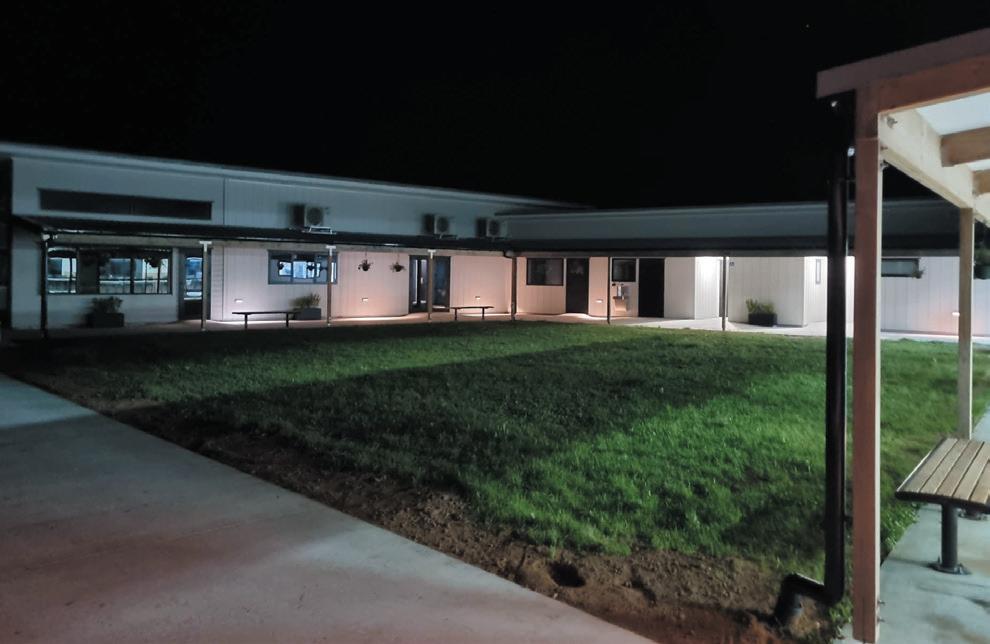
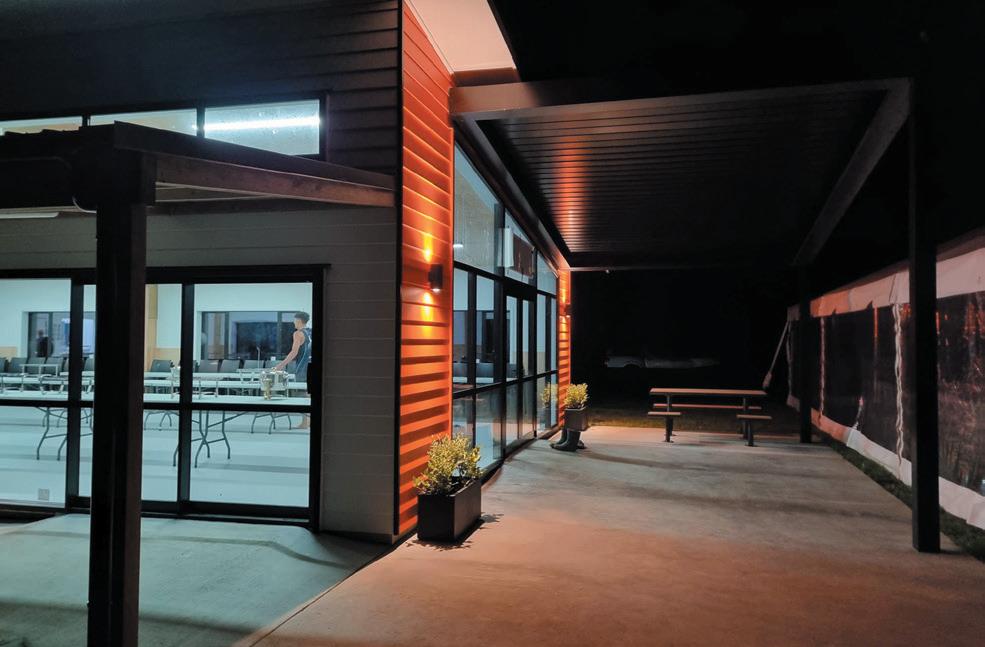
On the building’s inner curve are mahua/porches with seating and a grassy courtyard providing shelter from southerly winds. Another design decision was to forgo art and whaikairo/carvings, for now.
“We’re pretty sure we’re going to pass that over to the next generation,” Linda says. “There’s a resurgence of toi whakairo in South Taranaki and it’ll be a way our kids can add their mark and make it theirs.
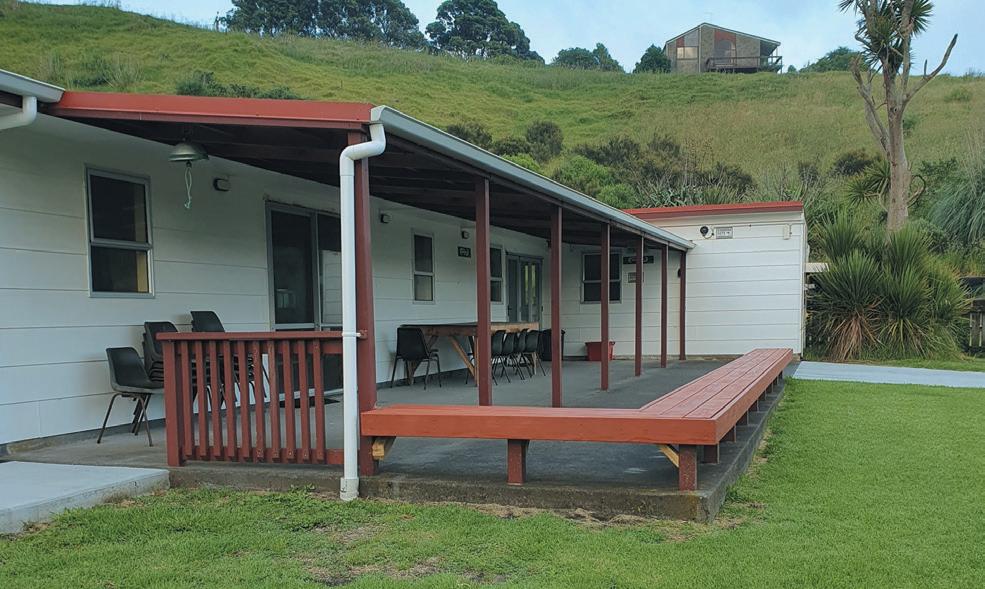
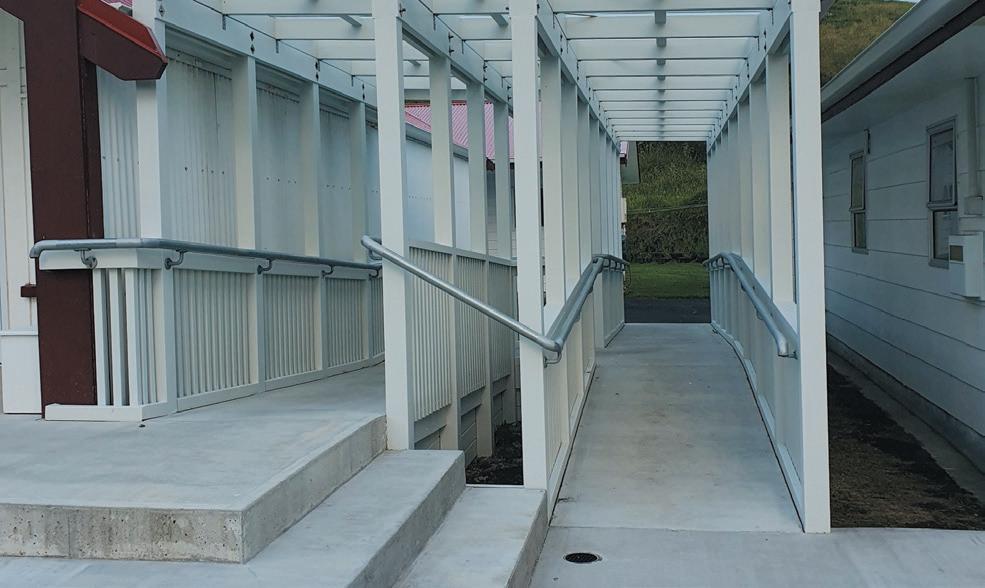
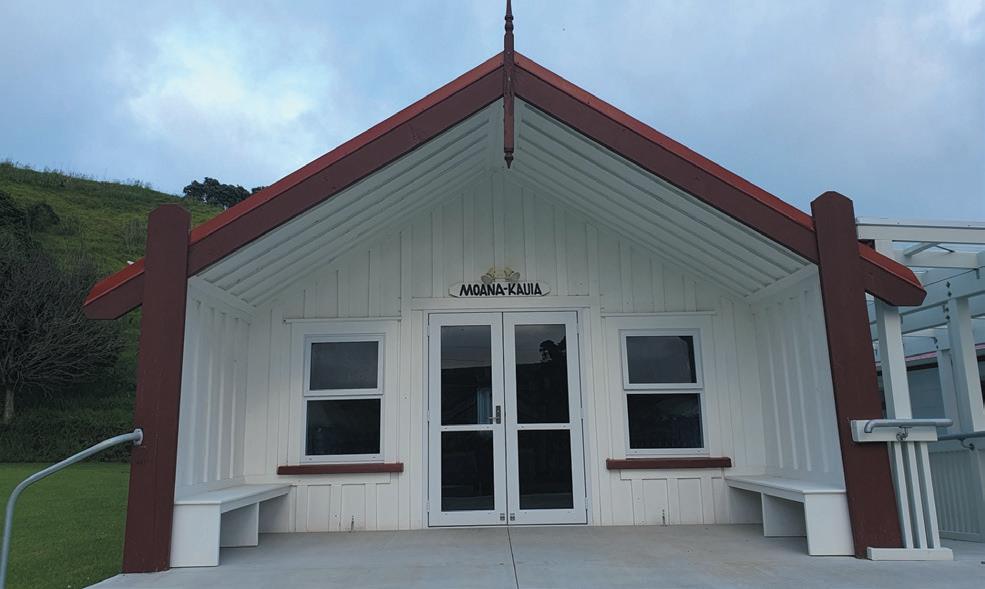
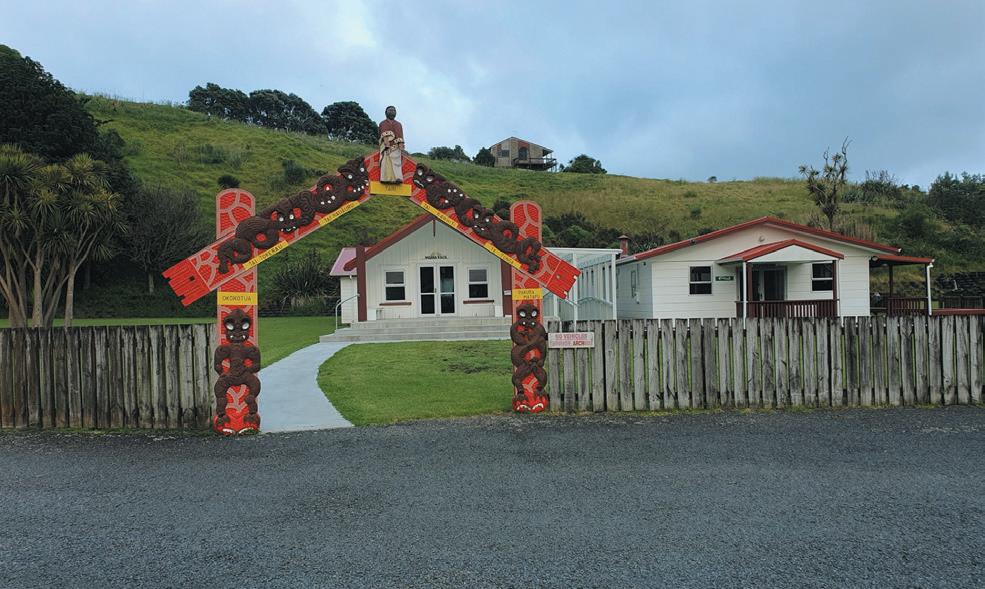
Up the coast at Ōakura Pā, Ōkorotua Marae has undergone renovations to replace the foundations of the wharekai and make the buildings accessible to everyone.
The 100-year-old piles needed urgent replacement, opening an opportunity for trustees to undertake the bigger project. Now a wheelchair-friendly path leads to Moana Kauia wharenui and ramps join the buildings.
“Some of our kaumātua have mobility or visibility issues. It’s heartwarming to see them now able to get around easily and to comfortably attend significant events like tangi,” chairperson Jacqui King, says.
Jacqui acknowledges the hard work of all the trustees in getting the work done for the benefit of the Ngāti Tairi whānau and wider community.
Other repairs included replacing the spouting and downpipes, reroofing the wharepaku, putting new seating on the mahau and installing safety glass on windows.
Trustee Cathryn Buttimore describes the funding from PKW as “a shot out of the dark” that enabled them to finish the project in its entirety.
“It really lifted our spirits that they trusted and backed us,” Cathryn says. “Every time I come down the drive and see her (Ōkorotua Marae) I want to squeal! She’s beautiful, a welcoming home with a big heart.”
There are more renovations planned.
“Once you start you have to keep going. Back in the 1970s she was in a state of repair. We’re determined not to let that happen again.”
Nā Tonga Karena,
He puna kē, he puna kē, he puna tangata, he puna kōrero, he puna wānanga i māpuna mai ai ki roto i a Ngāti Tamarongo ki te taone iti o Ōpunakē. Ka tau mai te tupua o Taranaki Tū mai me hōna whakapātaritari. Ka karamuimui te matarau, ka rāhiri te punenga, ka korikori te hāpai ō, ka manawa takiwhenua te kaupapa – ka tūwhenuakura te kura o Taranaki Tū mai. He ritenga nui, he māhere roa, he whatiwhati kō, he tuarā wera, he hapainga i te mouri ora i amohia ake ai e Taranaki iwi. Heoi, ko rauna i te maunga ia rua tau tēnei o ngā kaupapa whakakotahi i ngā iwi, engari, nō roto ana mai i ngā tatauranga i mou i a wai te mouri – ko te tikanga kia riro mā Te Ati Awa hei hāpai. Ko te tau i pahure i tērā tau – he tau roa te tau, he tau takitaki i te tokopae tāngata te tau – ka mutu, ka ara ake te te ihu o te toa o Taranaki ki te pōwhiri i te motu i tae mai ai ki te reo karanga o te Matatini. Kāore te tuara i koropiko i te nui o ngā mahi engari, ko te aroha a Taranaki iwi ki hōna whanaunga o Te Atiawa, kia tukuna ki rātou te mouri o Taranaki Tū mai. Ka ea i reira, ka tau ki te ika unahi nui.
Ka rūpeke ngā iwi ki te Kura Kaupapa o Tamarongo, ka tiritiria te ngārahu tapu, ka rere te oha a tētehi ki tētehi, ka tukuna te mauō ki te tahuaroa – ka kōtamutamu te kōrero, ka hari, ka koa, ka tau te āio –ko Taranaki whānui tēnei e tauawhiawhi nei rātou i a rātou.
Heoi, ka tū te kura wānanga, he kōrero-ā-iwi, he mahi whakatoatoa, he mahi whakahīhī, ka matike ko te tīma hākinakina, ka maranga ko ngā kākā waha nui ki te whiu kupu, ka hōkai te waewae, ka hiki te tukemata i te kapa haka, ka peipei te kāhui kaiwhakawā i hā rātou kupu, ka hurō, ka pakipaki, ka ūmere te hunga mātakitaki, ā, ka tau te ruhiruhi ki runga i te iwi i te reka o te hāpainga i te kaupapa. He kaupapa ora, he kaupapa whakakotahi i te mana o te iwi. He rū haerenga, ā, ka ora rū i te kai whakatonu, ka mutu, ko te ūtanga nui o te kai me te kōrero me te mana o te toa i ūtaina ki runga i a Aotea waka, otira, ki runga i a Ngāti Ruanui. Ka whakawhiwhia te taonga nui o te toa mo Taranaki tū mai. Ka noho tēnei kaupapa nui whakahirahira hei hoa haere mā ngā tini kaupapa o roto i a Taranaki whānui. E whakatairanga ana i te ora o te tangata, ā, ka pūtētia ngā kupu kōrero, kia tiketike mai rā tātou. Ka korikori te iwi, ā, ka mākona te ngākau tangata i te pai o ngā mahi, ka tutuki te kaupapa. Heoi anō tā te kaituhi nei he mihi ki te whakaaro rangatira kia poupoua ake tēnei kaupapa – he whare tūranga kōrero tēnei ināianeime whao ki te mahara, me whakairo ki te ngākau, me whakaniko ki te reo. Taranaki tū mai – kia ora rā!
HALF YEARLY GENERAL MEETING
NOTICE IS HEREBY GIVEN THAT the Half-Yearly General Meeting of Shareholders will be held at Aotearoa Pā, 63 Hastings Road, Okaiawa on Saturday 11 April 2026. Live streaming is available.
9.00am - Pōwhiri and registrations 10.15am - Meeting commences
LIVE STREAMING
Enter this link to register for live stream access: https://pkw.co.nz/half2026
Please note: online voting is not available.
HALF YEARLY GENERAL MEETING
NOTICE IS HEREBY GIVEN THAT the Half-Yearly General Meeting of Beneficiaries will be held immediately following the Half-Yearly General Meeting of the PKW Incorporation .
To register for the hui, please contact PKW by phone: 0800 759 462 or email: office@pkw.co.nz.
Aisha Ross - Secretary
BUSINESS AGENDA
• Apologies
• Confirmation of Minutes of 2025 Half-Yearly General Meeting
• Presentation on Performance to 31 December 2025
• Tapuirau Property Development Opportunity Update
• General Business
BUSINESS AGENDA
• Apologies
• Confirmation of Minutes of 2025 Half-Yearly General Meeting
• Financial Performance to 31 Dec 2025
• Scholarship Recipient Presentation
• General Business
TSB Hub, Te Hāwera | 11 April 2026 from 5.30pm Tickets $50 | www.pkw.co.nz
35 Leach Street | New Plymouth 4310 Taranaki | New Zealand
Copyright 2026 Parininihi ki Waitōtara