











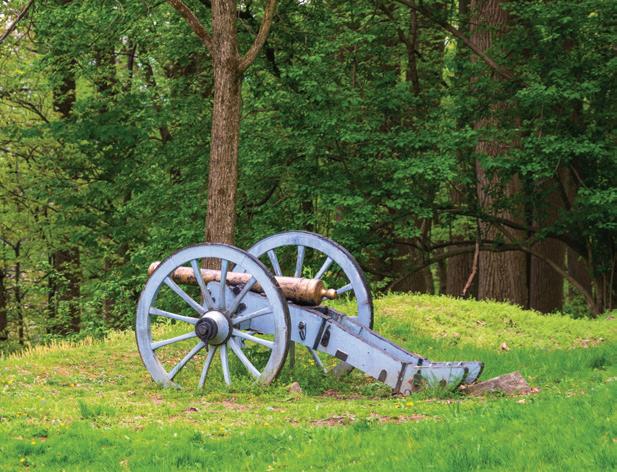
Even though Texas was not a U.S. State until 1845, Texas was a vital supply base for Spain’s war against Great Britain.
Bill Dante
Stars and stripes go way beyond the 4th of July. They’re a fashion statement that’s anything but basic across every outfit type. Lisa Dante


There are several factors to consider including finding the best ingredients and formulas. Abby Kurth

The area in Upstate New York is home to over 140 family-owned wineries spread across 11 glacial lakes.
Jim Peterson
Whether you’re hosting or attending a poolside gathering, these are the perfect pool snacks for summer parties.
Discover southern hospitality and majestic breathtaking mountain scenery nestled in the Blue Ridge Mountains. Asheville, North Carolina, is home to the largest privately owned home in the USA. Nancy Foster
In South Texas, these summer shade loving, heat-tolerant varieties can perform beautifully - offering a cool respite from the relentless summer sun.
Calvin Finch
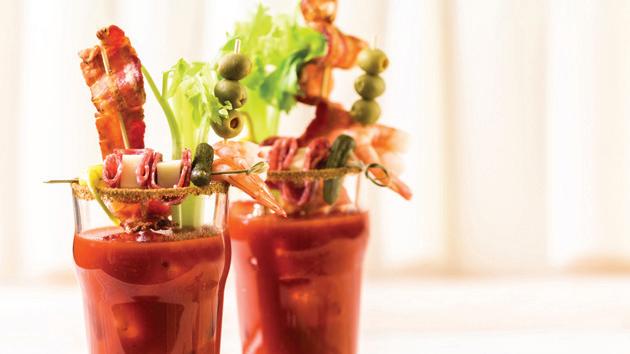
This savory, spicy brunch cocktail topped with an elaborate over-the-top garnish essentially doubles as a meal!


EDITOR-IN-CHIEF
CREATIVE DIRECTOR
PHOTOGRAPHERS
CONTRIBUTORS
LISA DANTE
KEITH CHESTER
JOSH HUSKIN
LISA DANTE
MARC HESS
DR. JUSTIN PHILLIPS, L.Ac
LISA DANTE
DR. RICHARD BRUCE WINDERS
ALBERT FLORES
NANCY FOSTER
SHERIFF JAVIER SALAZAR
JIM PETERSON
BILL DANTE
DENISE PAYNE
ABBY KURTH, MPH, MS
CALVIN FINCH, PH.D.
ILLUSTRATOR
JEREMIAH TEUTSCH
CONTRIBUTING PRODUCTION STAFF
JOSH LOPEZ, SAMANTHA MUSCAT-SCHERR, GABRIELA ALTAMIRANO
Happy Semiquincentennial!! I love writing that, even though I end up checking the spelling two or three times. It’s the official name of the 250th birthday of the United States!
How did you celebrate? Maybe you spent the day with family enjoying a traditional backyard BBQ. Many people celebrated by attending some of the spectacular, once in a lifetime tributes that happened all over the country and others took the pathway of quiet reflection.
My family will be celebrating all year long! We are tried and true Texans but my husband has deep family roots in Baltimore. He can trace his heritage all the way back to several Revolutionary War patriots.
I’m a first generation American and I believe America is still the greatest country in the world! This country was founded on the idea that ordinary people can govern themselves. It was revolutionary back in 1776! I hope you enjoy this commemorative issue. Read all about how Texas played a major part in the Revolution.
The oppressive Texas summer heat is upon us. You may want to take a majestic, scenic trip to the cooler clime of North Carolina. Or maybe check out the Finger Lakes area of Upstate New York. Read all about it in our travel and wine articles.

If you plan on spending as much time as possible in the pool this summer, then sunscreen is a must and so are great summer snacks. We’ve got you covered! Literally.
Thank you to our readers and advertisers for your continued support. Your passion for our stories is what drives us to bring you content that matters. We couldn’t do it without you! And again, let me just say……
Happy Semiquincentennial !!
Lisa Dante Editor-In-Chief

DID YOU KNOW THAT TEXANS SIGNIFICANTLY AIDED THE AMERICAN REVOLUTIONARY WAR?
by BILL DANTE
This year the USA is celebrating 250 years of independence! We all know that on July 4th, we celebrate the most important milestone in our country’s history!
But how did Texas, which wasn’t even a state until 1845, play an important role in the Revolution?
Well, in a nutshell, Texans supplied vital food and financial resources to the Spanish forces under General Bernardo de Gálvez, which helped open a crucial southern front against the British.
That’s right. San Antonians actually helped George Washington during the last 4 years of the 1776 Revolutionary War.
Back then, Texas was known as New Spain or colonial Mexico to many. Like I mentioned, Texas didn’t even become a state until 1845. That’s nine years after the battle at The Alamo!
The Revolutionary war actually began in 1775. That following year in July, after many revisions, a declaration of independence was declared by our country’s forefathers. But the war carried on until 1783. I didn’t know that!
Like all wars, you have to feed your soldiers.
Without food you have no army strong enough to fight enemies and in this case it was the British. Over the years there were many times that food became scarce.
Going back to San Antonio and Mexico, the Spanish arrived in Vera Cruz, on the gulf of Mexico, in the year 1519. That was over two hundred years before any war with the 13 colonies on the east coast against the British.
Now here is the good news and saving grace, in the southwest, besides settlements, the Spanish introduced the horse and cattle.
What a fascinating connection! It’s amazing how these threads of history tie together. So, the Spanish indeed introduced cattle along with horses, and those free-ranging herds, thousands, really thrived in regions like New Spain/ Texas.
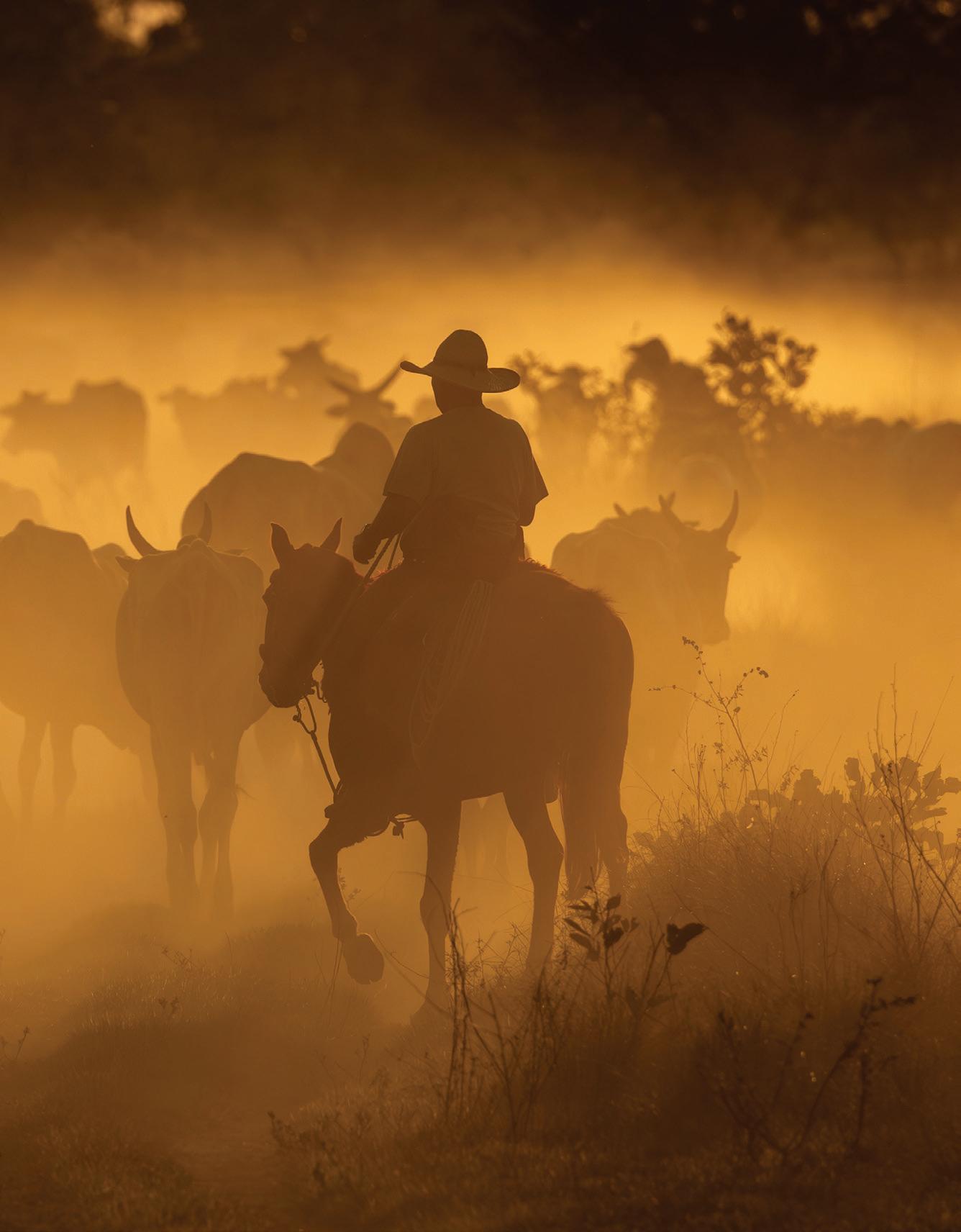
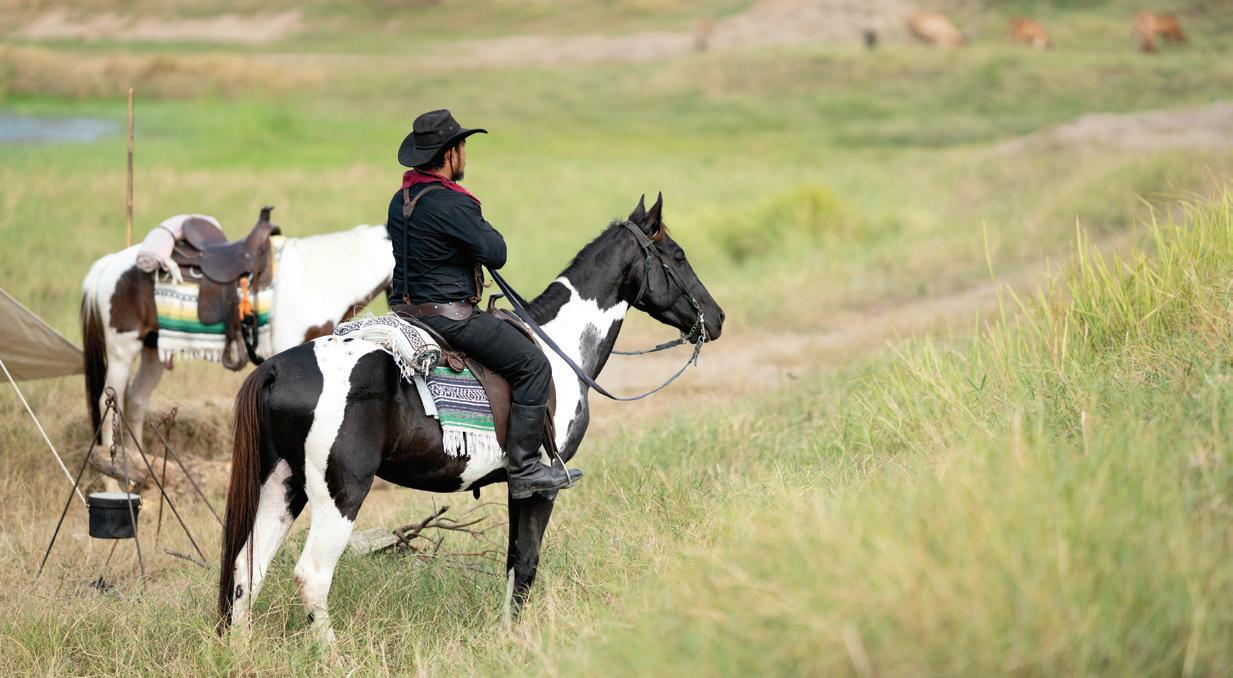
By the late 1770s, the early vaqueros—the original cowboys of the region drove cattle hundreds of miles.
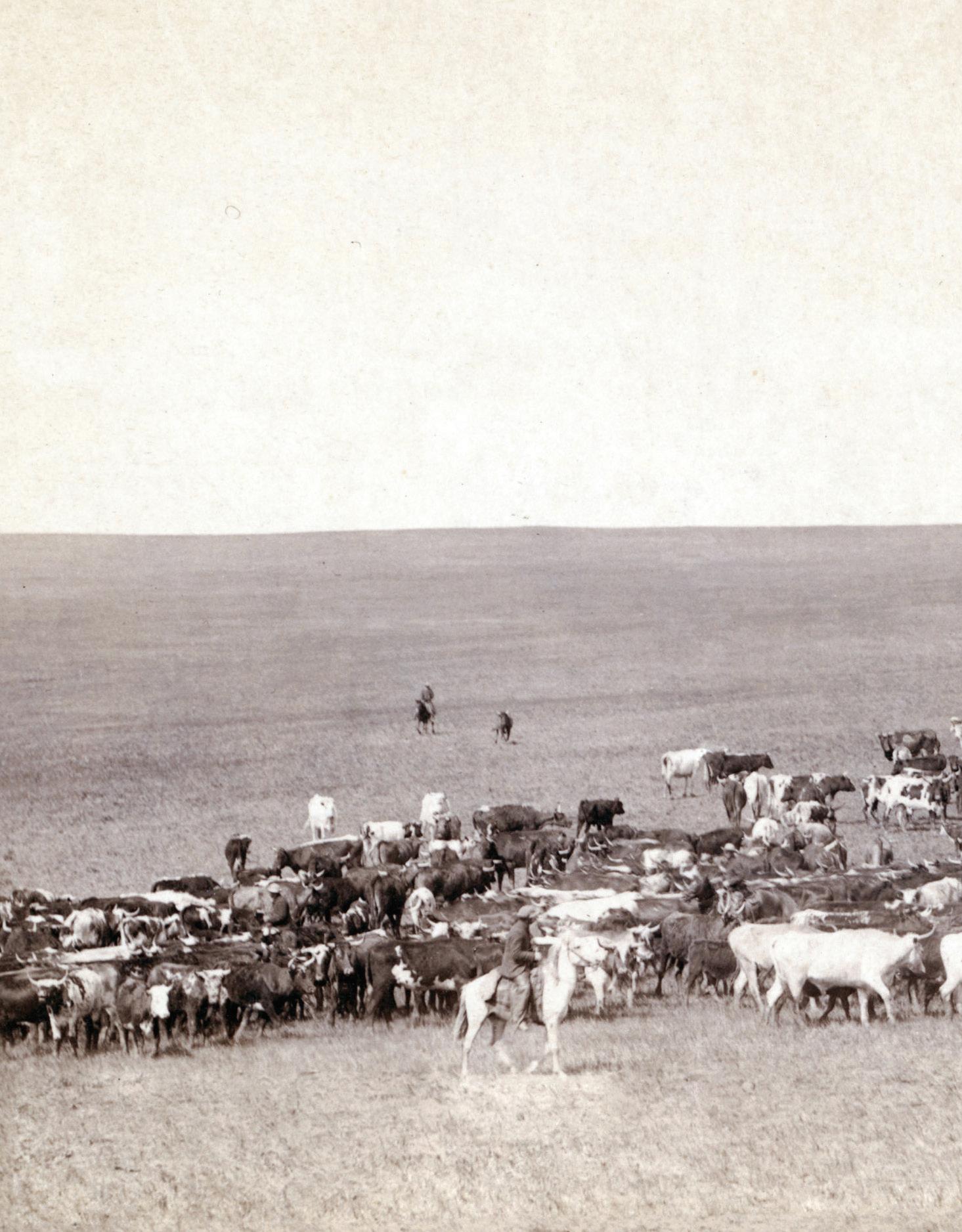
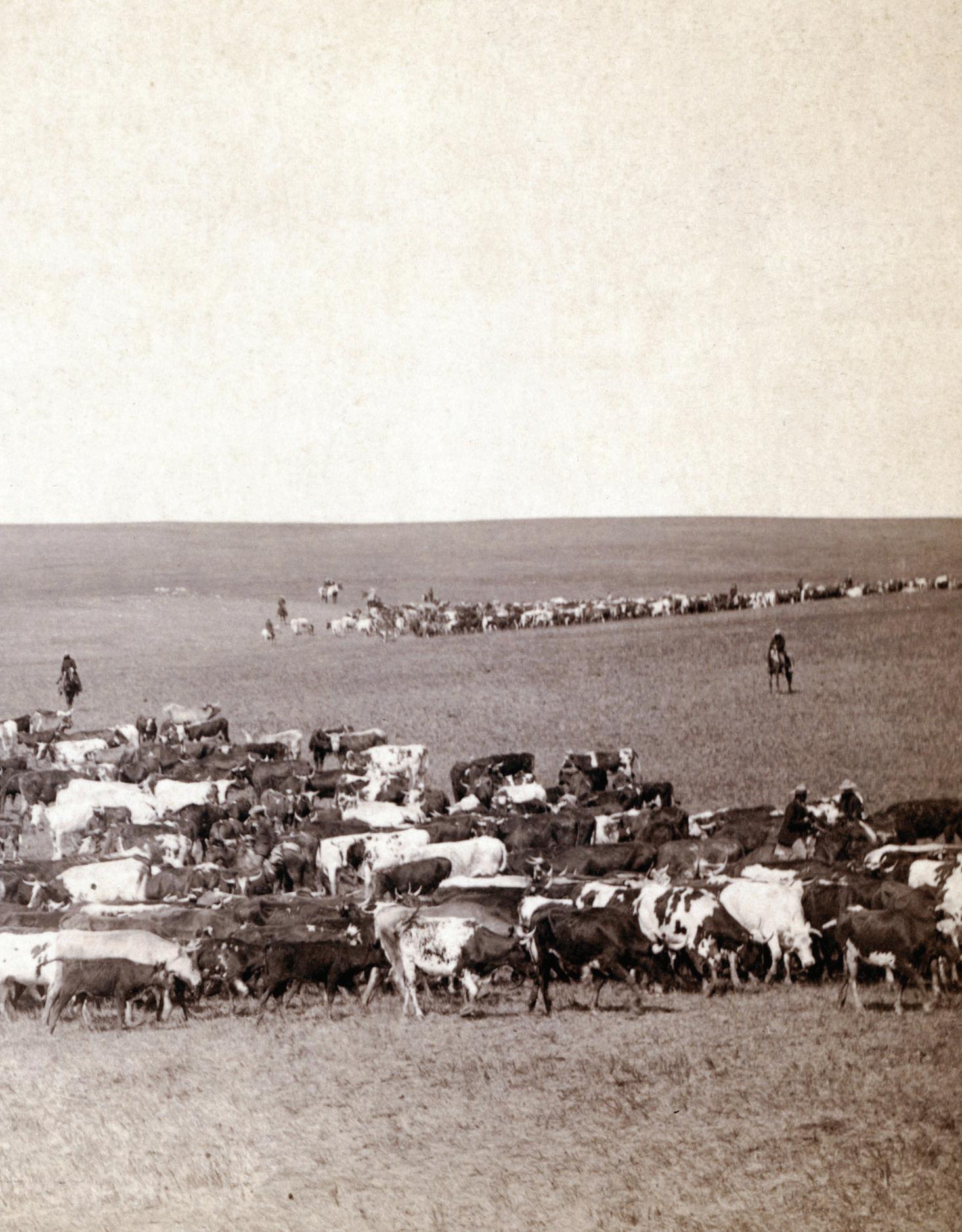
Between 1779 and 1782, thousands of longhorn cattle were driven from Texas missions and ranches in San Antonio and La Bahía to feed the soldiers who defeated the British in Louisiana and Florida.

And it’s pretty incredible to think that those cattle drives ultimately helped feed George Washington’s troops during the Revolutionary War.
Some of the first actual settlers to San Antonio were Spaniards from the Canary Islands.
They were sent by the Spanish crown to settle in what is now San Antonio in the 1730s. A lot of them received land grants in the area from the king of Spain.
The Canary Islanders, along with missionaries founded a settlement called San Fernando de Béjar, which is, of course, part of present-day San Antonio. Actually many of their descendants still live there today. It’s a really unique piece of Texan history!

Two parts came together that lead to the cattle being sent to the Revolutionary War…. soldiers and patriots.
The first was a Spanish general that was responsible for keeping the British away from the gulf coast and present day Louisiana.
The Mexican general I am referring to was actually also the Spanish Governor, Bernardo de Gálvez, who played a crucial role in pushing the British out of the gulf region during the American Revolution.
On the flip side of the story, you had vaqueros like Simón de Arocha, who was one of the well-known cowboys in San Antonio at the time.
He and other vaqueros were responsible for driving thousands of cattle from New Spain into Louisiana to supply the Spanish and American forces.
So you see, it all ties together: Gálvez was the one orchestrating the push against the British in Louisiana, and the vaqueros were crucial in keeping the supply lines moving.
But, there was much more in the interest of Spain. The Spanish military along with the important San Antonio food supply was to make sure that Spain kept ownership and control of Louisiana areas. Because other colonial powers were interested in a land grab, like the French and the colonies.
The situation in Louisiana back then was quite a complex chess game between colonial powers. So originally, Louisiana was a French territory. But after the Seven Years’ War, the French secretly ceded Louisiana to Spain in 1762.


So when Bernardo de Gálvez was pushing the British out during the American Revolution it was definitely in Spain’s interest to secure and hold on to that territory for themselves. It wasn’t just about pushing the British out; it was also about solidifying Spain to keep control in a formerly French-held area.
If you know your country’s history then you’re aware that France and Spain were both allies of the American colonies.
It really was a larger game of international influence. Spain, as I mentioned had its own interests, but there were also other colonial powers watching closely. It was definitely not just a two-player game.
So as I said, in the Revolutionary War, both Spain and France had their own reasons for supporting the American colonies. France, for instance, saw an opportunity to weaken its longtime rival, Britain. By supporting the colonies, France could indirectly strike at Britain without entering into an all-out war right away—and of course they hoped to regain some influence in North America and the Caribbean.



As for Spain, they had similar motivations. They wanted to curb British power and regain territories or maintain influence in the Gulf of Mexico and the Caribbean.
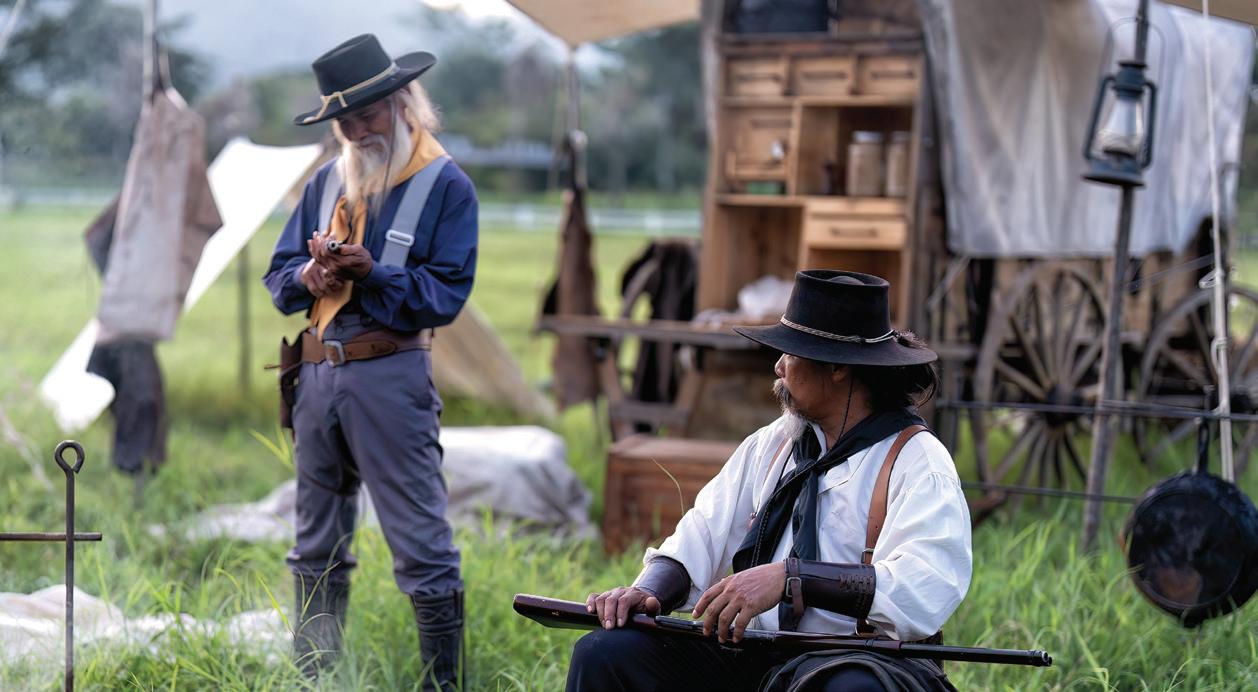
Spain officially joined the war on the side of the colonies in 1779, and they never really signed a formal alliance like the French did. But they did provide crucial support, particularly in places like the Gulf Coast, where they helped drive out the British and really stretched British resources thin.
One of the things that evolved was the
formation of the Sons and Daughters of the Revolutionary War.
Both the Sons of the American Revolution (SAR) and the Daughters of the American Revolution (DAR) were founded in the late 19th century.
The Sons of the American Revolution (SAR) was established on April 30, 1889, which coincided with the 100th anniversary of George Washington’s inauguration as the first President of the United States. It was formed during a period of increased interest in the

nation’s revolutionary heritage, and it’s open to men who can prove they are lineal descendants of patriots who supported the American Revolution.
The Daughters of the American Revolution (DAR) followed shortly after, founded on October 11, 1890. It grew out of a similar revival of patriotic sentiment and a desire among women to honor their Revolutionary War ancestors. Originally, women were excluded from the men’s organizations, so they created their own society dedicated to preserving the memory and spirit of those who contributed to American independence.
In terms of international membership: Both the SAR and DAR have extended membership to descendants of patriots who supported the American Revolution, regardless of where they reside. For example, the SAR has an international society that includes members from places like Mexico, Spain, France and Australia. The DAR is similarly open to women who can trace their lineage back to revolutionary patriots, and they have members from diverse backgrounds around the world.


My family fought against the British, which I traced and have even visited the graves of my direct forefathers.
In most of the large cities in the United States you can find local chapters. They are always open to helping new members.
Together, let’s take advantage of being able to celebrate our 250th anniversary this year. There are lots of things going on from the smallest towns to our largest cities, especially right here in Texas.
Happy 250th Birthday to the United States and God Bless Texas….and America!!



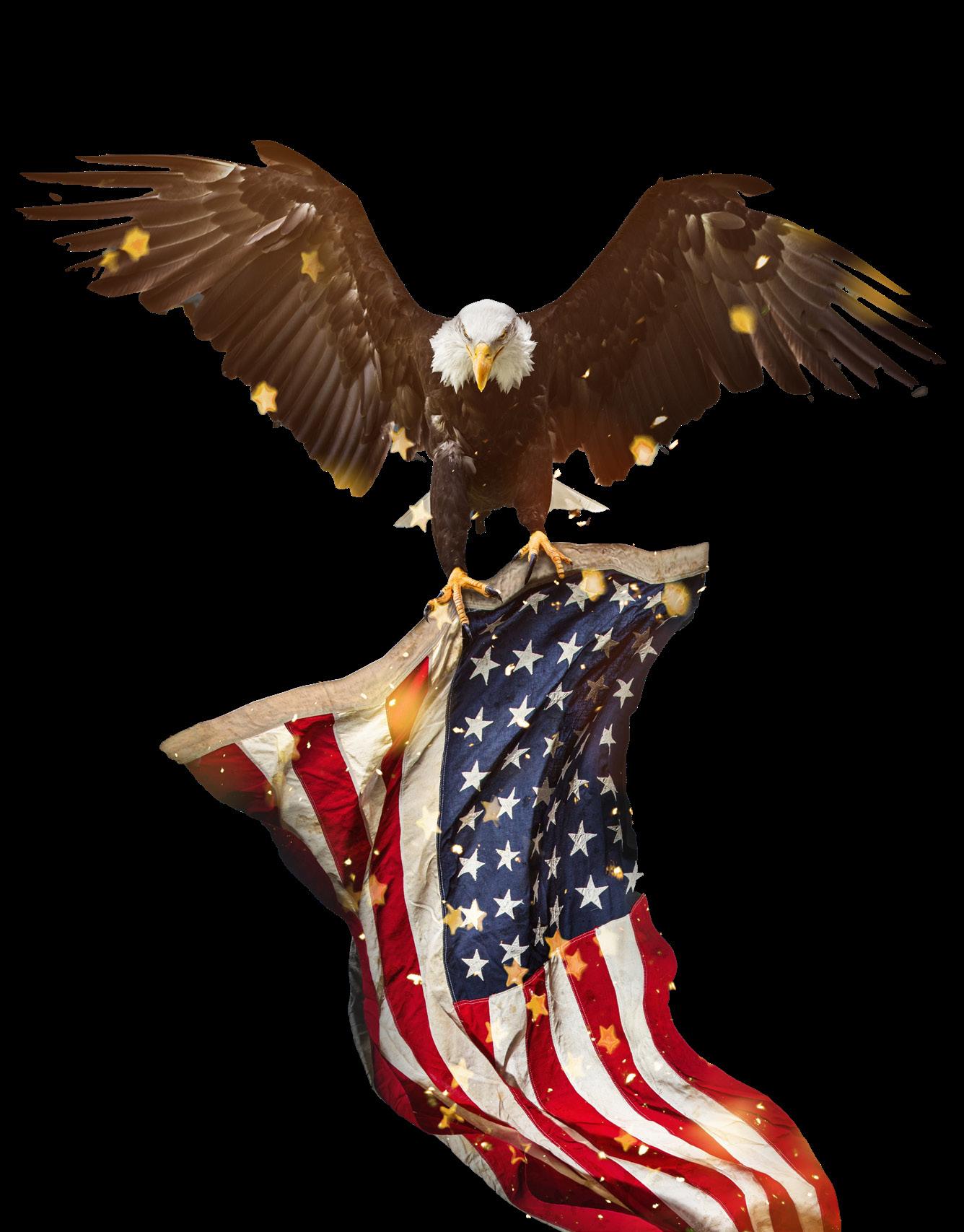
It’s no coincidence that the iconic thirteen stripes on the U.S. flag are influencing summer fashion. Consider the fact that it has been officially 250 years since the adoption of the Declaration of Independence.
There’s no better symbol or representation of patriotism in America than the stars and stripes on the US flag. Why not celebrate the USA’s 250th milestone birthday all year long? Summer fashion takes us way beyond the traditional red, white and blue patriotic colors that we saw everywhere on the 4th!
It goes without saying that stripes are officially the pattern of the summer, shifting from subtle basics to bold, joyful and athletic statements. This season’s hottest trends include wide-stripe trousers, cabana inspired matching sets, and asymmetrical color blocking.







Wide -Stripe Pants: The must-have bottoms this season are wide-legged, tailored, and feature bold vertical stripes paired with high-neck tanks and ballet flats.
Cabana & Beach Vibes: Vacation-ready deck chair stripes are dominating everything from oversized shirts to tote bags and beach shorts.
Athleticism: Sporty, uneven, and high-contrast striped polos and knits are everywhere, blending street wear with classic activewear.
Jumbo And Joyful Colors: The season’s aesthetic is “more is more,” embracing clash-heavy, energetic colors and uneven widths instead of basic, uniform lines.





Play With Proportions: Pair a striped shirt with a classic white trouser or linen shorts, or vice versa, to let the pattern pop without overwhelming your look.
Elongate Your Silhouette: Vertical stripes are an incredible slimming and height-boosting hack when worn in matching stripe-on-stripe combos.
Lean Into Maximalism: Don’t be afraid to mix different stripe directions or wear clashing bright colors - it’s highly encouraged this summer.
Remember, striped accessories are an effortless way to wear the print without committing to headto-toe patterns. Whether it’s a bright cabana tote, a structural silk bandana, or classic socks, they add a punch or contrast that anchors neutral, minimalist wardrobes and elevates everyday vacation outfits.








There’s something undeniably captivating about stripes—a pattern so fundamentally simple yet infinitely sophisticated. When building a wardrobe around stripes, focus on quality over quantity. Look for pieces crafted from premium cotton that will maintain their color and vibrancy over time. Whether you gravitate toward timeless Breton stripes or contemporary interpretations by today’s most innovative designers, the right striped garment or accessory becomes a trusted companion for countless styling adventures.




by ABBY KURTH, MPH, MS CLINICAL NUTRITIONIST & WELLNESS COACH
Walk down the sunscreen aisle of any pharmacy, and you’ll likely be overwhelmed by the choices. SPF 30 or SPF 100? Mineral or chemical? Lotion, spray, stick, or gel? Water-resistant or sport formula?
With so many options, it’s easy to wonder whether one sunscreen is truly better than another. The good news is that choosing the right sunscreen doesn’t have to be complicated. Understanding a few key principles can help you select a product that is safe and effective while fitting your lifestyle and skin type

We love to have fun in the sun, but the sun is a source of several types of ultraviolet (UV) radiation. Although invisible to the human eye, UV rays penetrate the skin and can cause both immediate and long-term damage, including skin cancer, premature aging, wrinkles, and age spots. Those aren’t much fun.
UVA rays penetrate deeply into the skin and accelerate aging. The damage isn’t just cosmetic—itcan also increase the risk of skin cancer, especially melanoma. UVA rays can penetrate through clouds and glass, so my friend who wears gloves while driving is making a smart choice.
UVB rays primarily affect the outer layers of the skin and are the main cause of sunburn. They also play a significant role in the development of skin cancer and tend to be strongest during midday hours.
The SPF (Sun Protection Factor) listed on sunscreen indicates how well a product protects against UVB rays, but it does not tell you much about UVA protection. For protection against both, look for a broad-spectrum sunscreen.
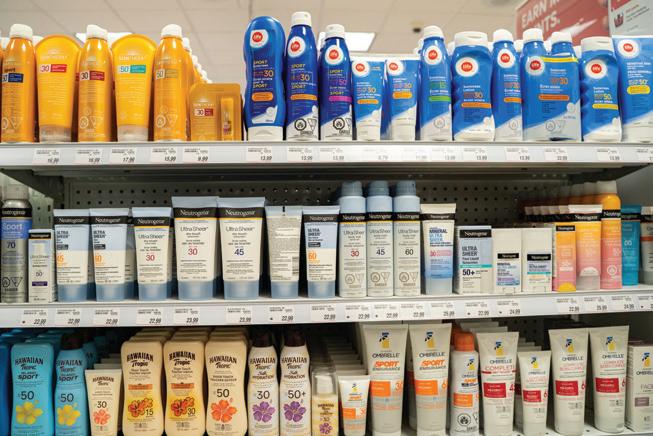



Many people focus on avoiding severe burns, but even moderate daily exposure can contribute to longterm skin damage. In reality, UV rays are with us all year long - even on cloudy days - and are intensified when reflected by snow, water, sand, or concrete. You can’t hide! UV protection should be a year-round habit, not just a summertime precaution.
The UV Index is a useful tool that measures the strength of ultraviolet radiation at a given location and time. Checking the UV Index before spending time outdoors can help you determine how much protection you need.
You can also estimate your UV exposure by looking at your shadow. If your shadow is taller than you are, UV exposure is generally lower. If your shadow is shorter than you are (like at high noon), UV radiation is high, and extra protection is needed.

Consumers often search for the perfect sunscreen, but the most effective sunscreen is the one you’re willing to apply consistently. That said, there are some helpful guidelines for choosing a sunscreen that is both effective and safe.
One of the biggest debates in sun protection involves mineral and chemical sunscreens.
Also called physical sunscreens, these products use ingredients such as zinc oxide or titanium dioxide. Mineral sunscreens sit on the skin’s surface and reflect or scatter UV radiation. They are generally better tolerated by sensitive skin and are often preferred for young children.
Some formulas may leave a white cast or feel heavy, although tinted options are available for darker skin tones.
According to Joel Fuhrman, MD, “Certain products use nanoparticles of titanium dioxide and zinc oxide to make the sunscreen more easily absorbed by the skin and therefore more transparent; there have been concerns that these small particles could penetrate the skin and enter the bloodstream.” Translation: Avoid mineral products with nanoparticles.
Chemical sunscreens contain ingredients that absorb UV radiation before it damages the skin. They are often preferred for daily use because they spread easily and are invisible on the skin. Unlike mineral sunscreens that offer immediate protection, chemical sunscreens should be applied about 15 minutes before sun exposure.
It’s best to avoid chemical sunscreens containing oxybenzone and OMC (octyl methoxycinnamate), which are among the most concerning ingredients. These compounds are endocrine disruptors that may interfere with the body’s natural hormones. The coral reefs will also thank you for avoiding products that contain these ingredients.


The Environmental Working Group (EWG) publishes an annual sunscreen guide. Out of approximately 1,700 products reviewed, only about one in four met their standards. The EWG recommends avoiding spray sunscreens. Not only can they be difficult to apply evenly and effectively, but there are also concerns about risk to the lungs from inhaling the spray and contamination with benzene, a known carcinogen.
The organization also recommends avoiding extremely high-SPF products. SPF 30 blocks about 97% of UVB rays, while SPF 50 blocks about 98%. That mere extra percentage point may lead some people to believe they can stay in the sun much longer than is actually advisable.
Lastly, sunscreens containing vitamin A (retinyl palmitate) are best avoided. Some research suggests that vitamin A compounds may react with UV radiation in ways that could potentially increase skin damage.
The EWG website publishes a yearly list of recommended products. This year’s list includes sunscreens from Badger, Babo Botanicals, All Good, Derma E, and Stream2Sea.

Choose Water Resistance Wisely:
If you’ll be swimming, sweating, or exercising outdoors, choose a water-resistant sunscreen. Labels typically indicate whether protection lasts for 40 or 80 minutes in water.
No sunscreen is truly waterproof, so reapplication is important after swimming, heavy sweating, or towel drying, and at least every two hours during prolonged sun exposure.
Many people apply too little sunscreen. Adults generally need about one ounce—roughly enough to fill a shot glass—to adequately cover the body.
I confess to being an “under-applier” because I’m often concerned about what I’m putting on my skin. But I plan to find one recommended by the EWG and confidently slather away!
Children are particularly vulnerable to UV damage because their skin is more sensitive. Significant sun exposure during childhood can increase the risk of skin cancer later in life.
Teaching sun-safety habits early can provide protection for a lifetime. Including common-sense practices like sun-protective clothes and hats, or avoiding the sun during peak times will serve your child well.
Commonly missed spots include the ears, lips, neck, back of the hands, tops of the feet, scalp, hairline, and around the eyes.
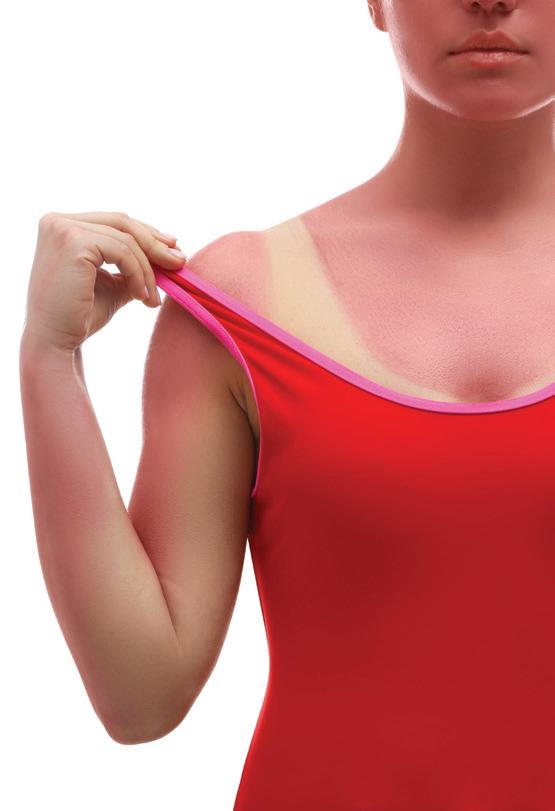
And has anyone ever had that painfully burned strip of skin around the bathing suit line? Ouch!


Some plant oils offer a small amount of natural sun protection. Calendula oil, for example, has demonstrated an SPF of around 15 in some studies. While plant oils should never be relied upon as primary sun protection, calendula can be soothing for sunburned skin.
Aloe vera is another well-known remedy for sunburn. Topical products containing vitamin C, vitamin E, and niacinamide may also help neutralize oxidative damage and reduce inflammation after sun exposure.

Choosing the best sunscreen comes down to a few essential principles: select a broad-spectrum product, use at least SPF 30, match the formula to your skin type (oily, dry, sensitive, or darker tone), and apply it generously and consistently.
Sunscreen is more than a beauty product—it’s one of the most effective tools available for preventing premature aging and reducing the risk of skin cancer.
Your future skin will thank you.


Abby Kurth, MPH, MS, is a Clinical Nutritionist + Wellness Coach. Her book, Wellness is More Than Weight: Easy Steps to Change Your Health Habits and Your Life, addresses ways to manage stress and ideas for making healthy habits successful. A quiz to find what is needed to make your own healthy habits and other information is available free at abbykurthnutrition.coach.



by JIM PETERSON, WINE ENTHUSIAST & INSTAGRAM WINE INFLUENCER
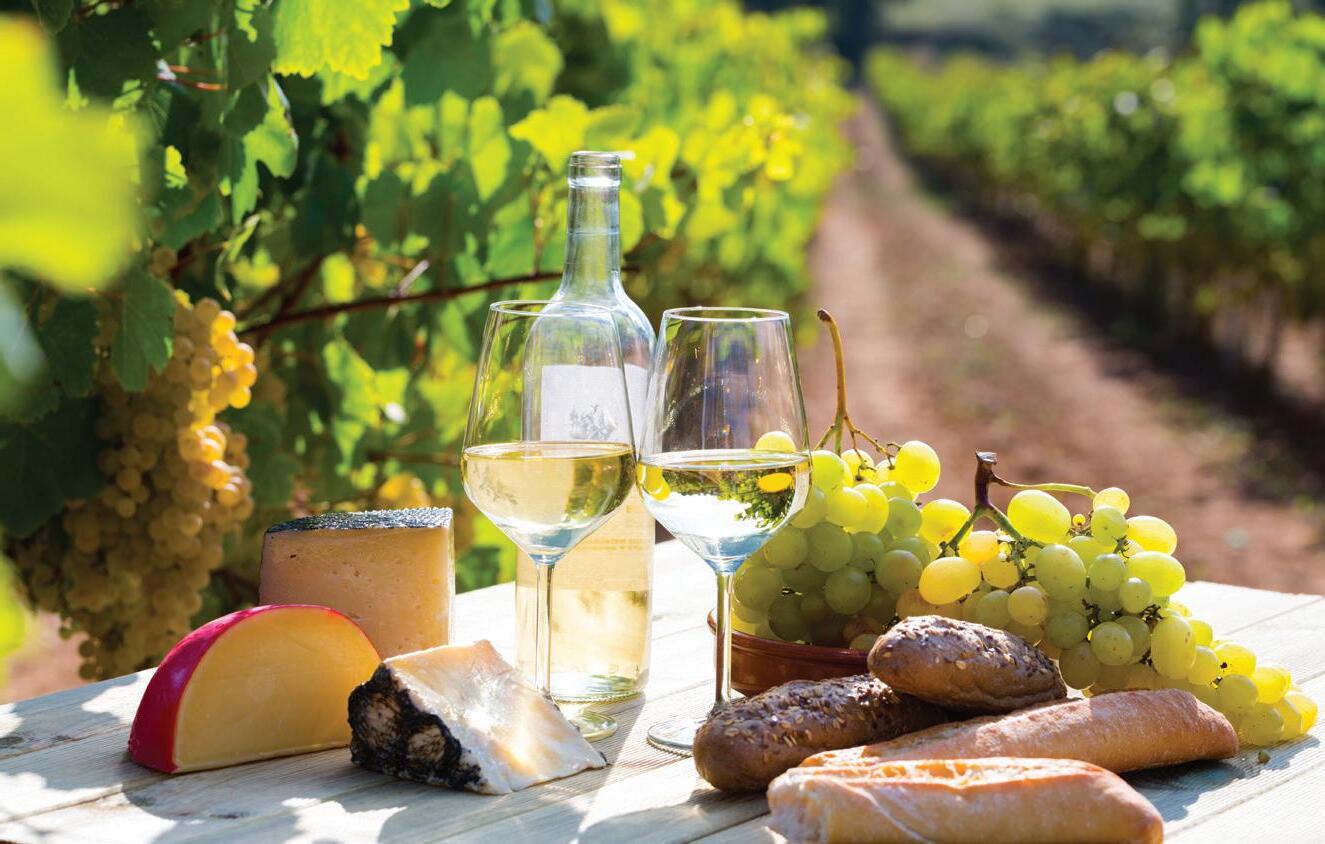
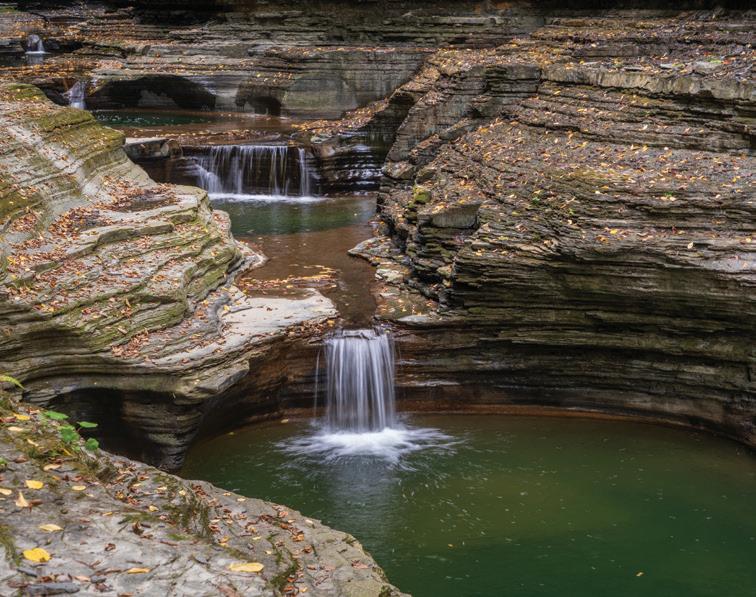
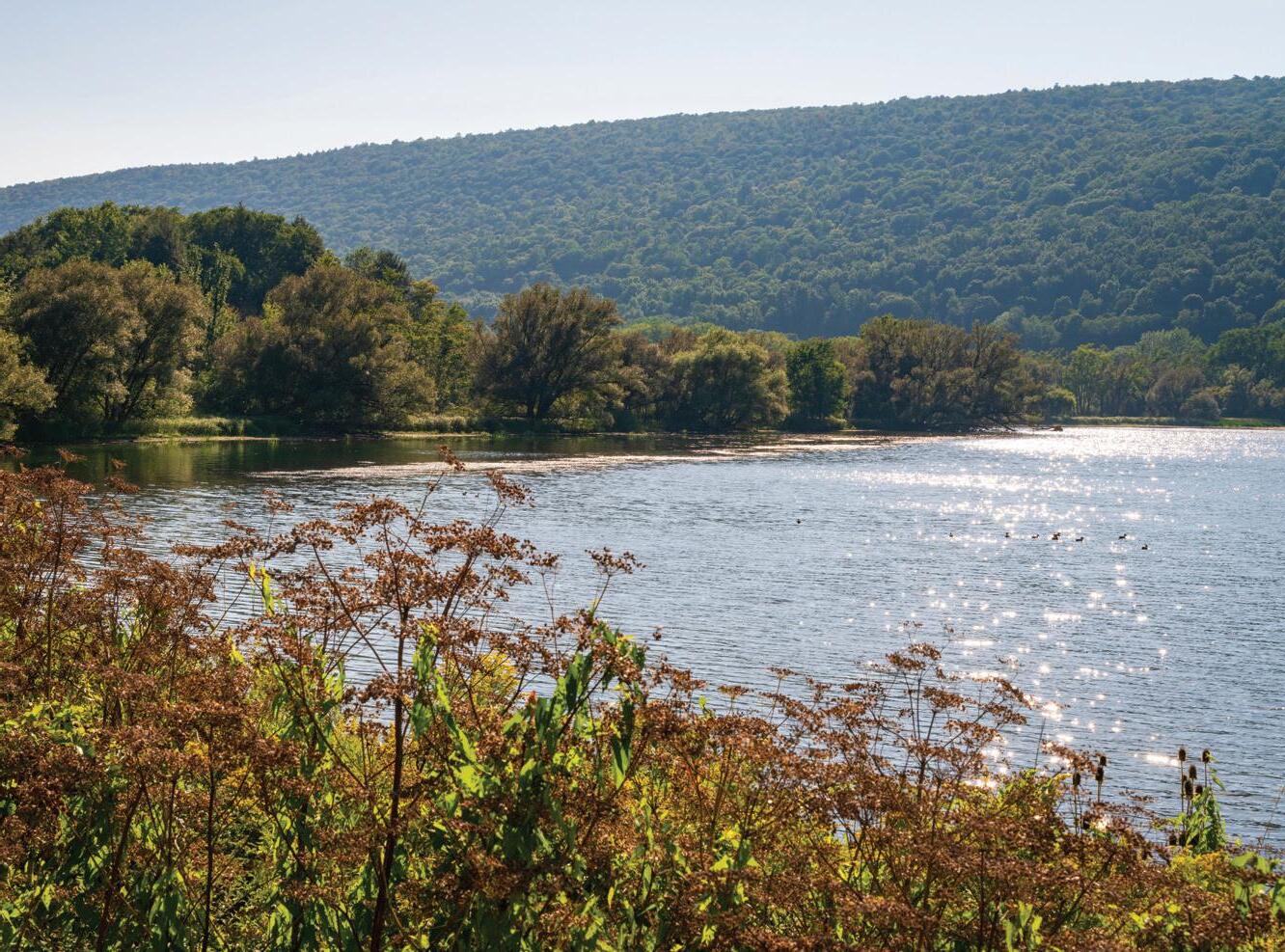
Tucked away in the rolling hills of upstate New York, the Finger Lakes Wine Region has quietly become one of America’s most exciting and distinctive wine destinations. Carved by ancient glaciers, the eleven deep, slender lakes create a cool-climate paradise where world-class Rieslings, elegant red wines, and new styles of Chardonnay and sparkling wines are gaining notice among wine enthusiasts. What began decades ago as a handful of pioneering wineries has blossomed into nearly 150 producers crafting expressive, terroir-driven wines that will both surprise and please your palate.
During my recent visit I experienced stunning lake views, innovative winemaking, and memorable wines. This is a wine region that is refreshingly unpretentious but has an undeniable appeal for pretty much every kind of wine lover, whether you’re a casual sipper or a serious collector. Nowhere is this more evident than in the Finger Lakes’ signature grape: Riesling.
The Finger Lakes wine region (now referred to as FLX by the wine world) has its roots from around 1830 when the first plantings of native American grapes found success. An early commercial winery gained renown for their sparkling wines in the late 1800s, but prohibition devastated the local industry. The recovery of the FLX wine industry began in the 1950s and 1960s with Dr. Konstantin Frank, a Ukrainian immigrant, and Charles Fournier, a French winemaker from the Champagne region.
The greatest impact of these two pioneers was the introduction of European grapes (Vitus vinifera), proving they could survive the cold-climate nature of FLX. Riesling, first planted in 1958, eventually became the dominant grape after Dr. Frank’s Riesling wines were a great success with their bright acidity, floral aromas, and unique mineral characteristics. Legislation passed in the 1970s made it easier for small producers to open boutique wineries, and the race was on. That leads us straight to another pioneering winemaker for the region: Hermann J. Wiemer.
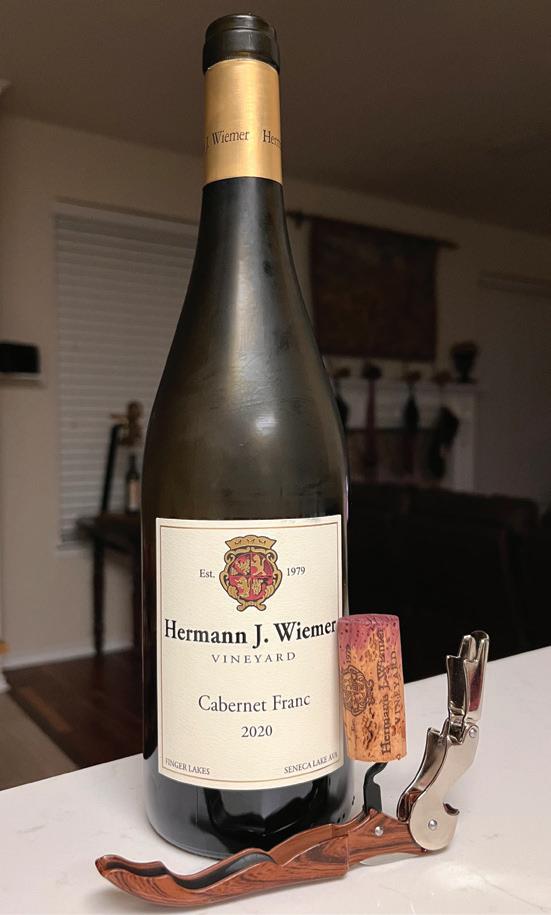
Hermann Wiemer comes from a winemaking family in Bernkastel, a village in the Mosel River region of Germany. He moved to upstate NY in the late 1960s and eventually purchased a former soybean farm on Seneca Lake and began hand-grafting and planting European vines. His first wine release was in 1979, and his high-quality Riesling further helped establish FLX as a serious wine region. For clarification, the German pronunciation is “Veemuhr” but most everyone has used the Americanized “Wee-mer” from the start.

The winery team had me from the moment I sat down at my tasting, as they started by saying, “We understand you like bubbles.” Hah! I had never tasted their sparkling wines, so that was intriguing. They served me four exceptional Rieslings, and the German style influence was evident. The HJW Riesling (grown on the farm) was the standout for me. I greatly enjoyed tasting the lineup of Gewurztraminer, Chardonnay, Pinot Noir, Blaufränkisch, and Cabernet Franc. The HJW Chardonnay and the Magdelena Vineyard Cabernet Franc both found a spot in my suitcase.

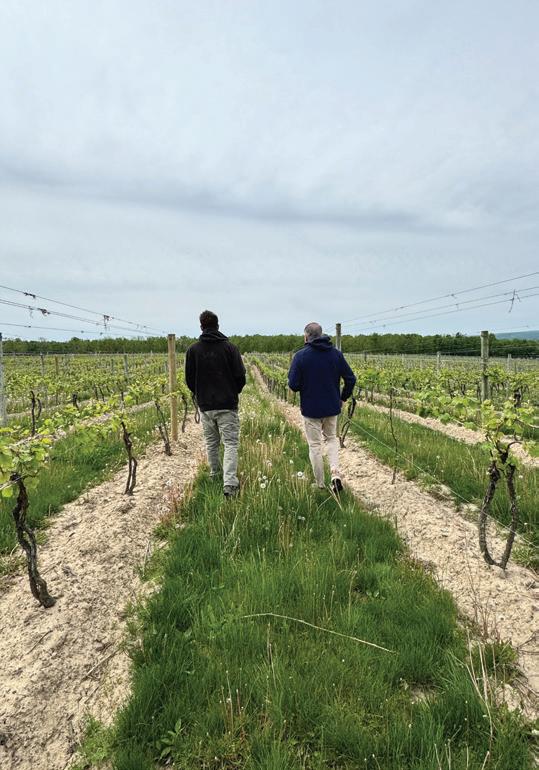
Not all the FLX innovators were European, so let me introduce you to the founder of Boundary Breaks Vineyard, Bruce Murray. He purchased his farm on the East side of Seneca Lake in 2008 with a vision to make high-quality Riesling. There were no vineyards on the farm, so he began the hard work of site preparation and vineyard development. Rather than have his own winery production facility, he delivers his grapes to select wineries that oversee the winemaking for him. His first vintage of his new Riesling was 2011. The name “Boundary Breaks” comes from the two deep gorges (breaks) forged by glaciers that form the northern and southern boundaries of the property.
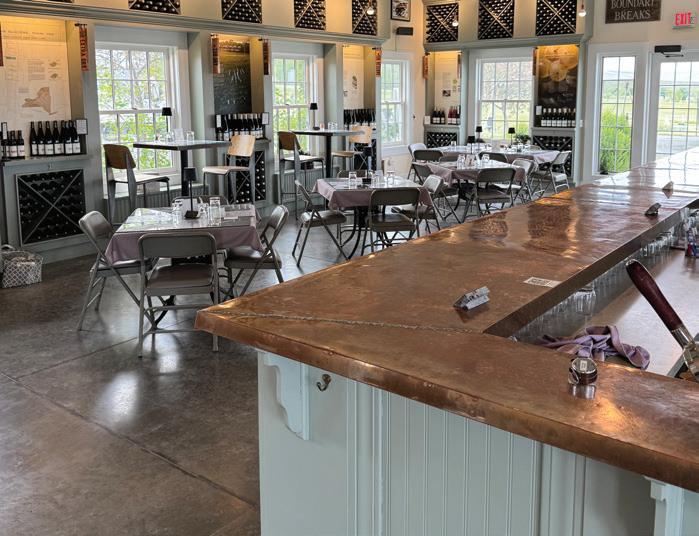
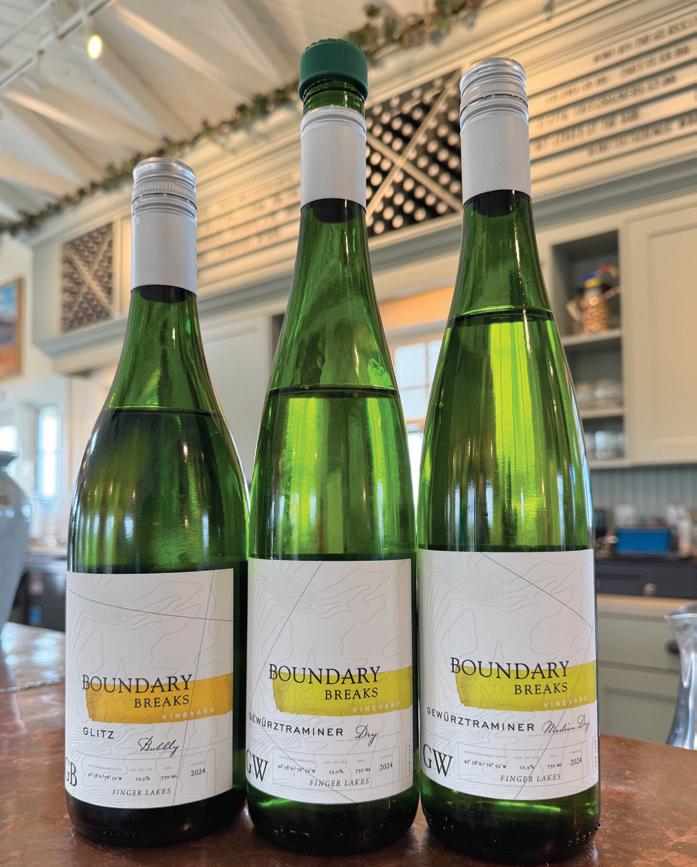
Touring the vineyards with the vineyard manager, Kees Stapel, was amazing. I saw the precision and detail they emphasize with their farming. Kees states their philosophy simply, “Great wine is made in the vineyard.” In that respect, vintages of the Riesling Dry No. 239 have made Top 100 lists from both Wine Enthusiast and Wine Spectator. A visit to their tasting room offers spectacular views and spectacular wines. The Rieslings were most memorable for me, especially the No. 239 and the Ice Wine.
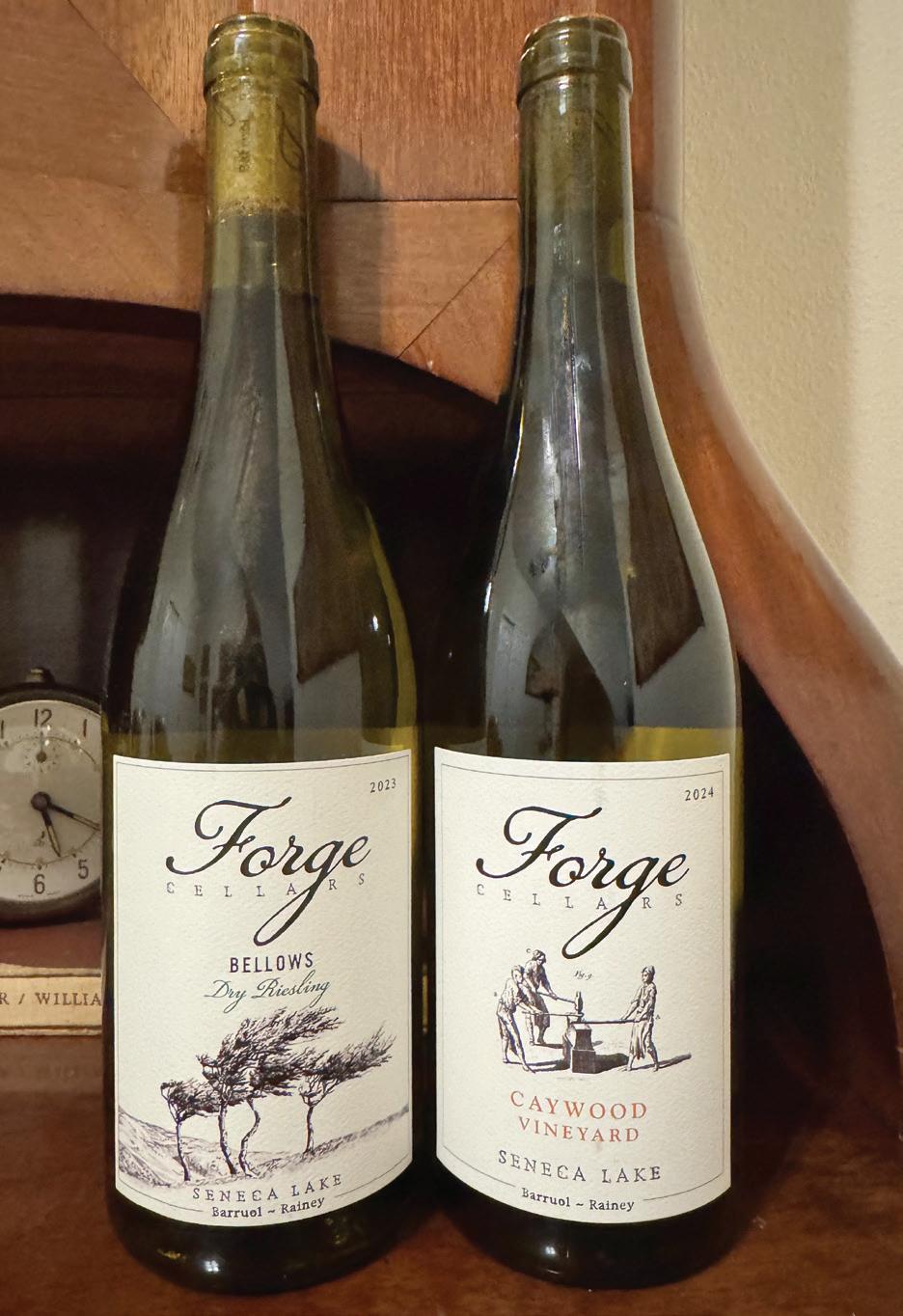
Forge Cellars, also on the east side of Seneca Lake, is a fascinating wine project. It’s the partnership between an American, Rick Rainey, and a French Rhône Valley winemaker, Louis Barruol. I had an extensive conversation with Rick as we tasted his wines. Interestingly, every single wine they make is from a single site. As Rick says, “We were very keen on vineyard and place. We are site makers, not varietal makers. Our job is to tell the story of the neighborhood.” To back this up, all the wines are made similarly to ensure each maintains its unique singular expression.
I especially enjoyed the estate owned Bellows Vineyard Dry Riesling, which struck me as being in the style of a dry Riesling from Alsace, France. The Caywood Vineyard Chardonnay bowled me over with its subtle oak and elegant minerality. It was easy to see why my good wine friends insisted Forge Cellars was a must-visit for this trip. The wines are stellar.
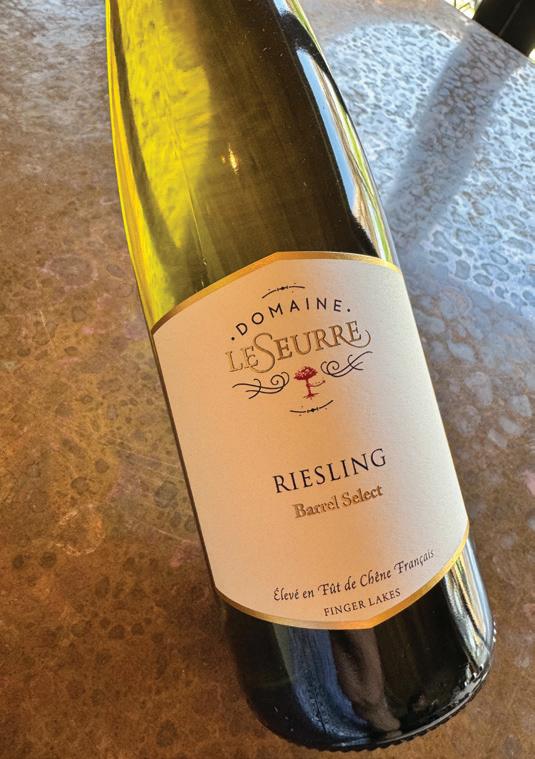
The French-born husband and wife team of Céline & Sébastien LeSeurre released the first vintage of Domaine LeSeurre in 2012. Sébastien is a 6th generation winemaker from the Aube region in Champagne. The couple met at a New Zealand winery, but as they continued to work various wine regions, they decided to plant roots on Keuka Lake in FLX. My tasting started with the 2023 Riesling Terroir d’Excellence. This is from 50-yearold vines, vinified in 100% stainless steel. It reminded me of a German Rheinhessen Riesling - beautifully dry with hints of petrol on the nose, while the palate had distinct citrus and stone fruit components with a lively acidity.
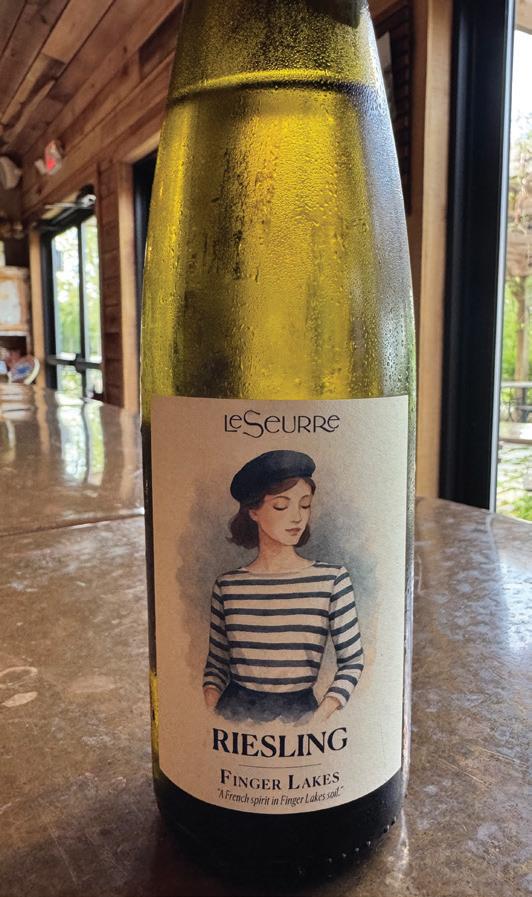
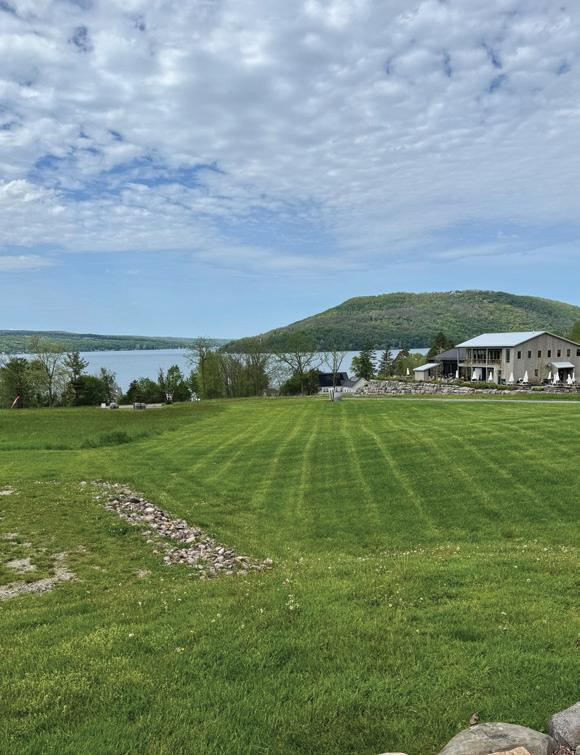
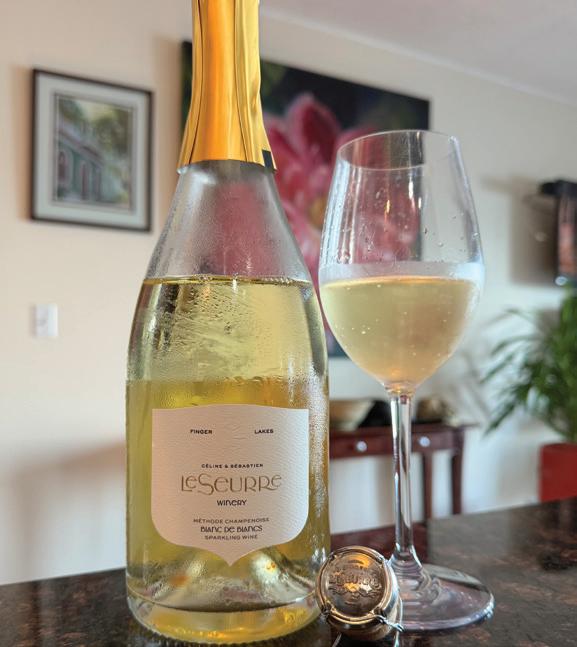
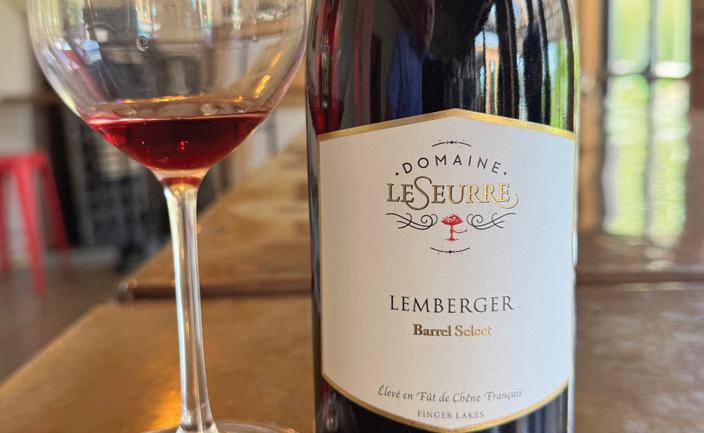
The rest of the lineup was fantastic too – with more Rieslings, Gewurtztraminer, Chardonnay, Pinot Noir, Lemberger (aka Blaufränkisch), Cabernet Franc, and even a Bordeaux blend. I couldn’t resist trying their 2012 Blanc de Blancs sparkling wine, which Sébastien aged on the lees for seven years. His Champagne roots made their imprint with every sip. Domaine LeSeurre is a must-visit (and a must-taste) in FLX. With beautiful views and crazy good wines, this winery deserves your attention.
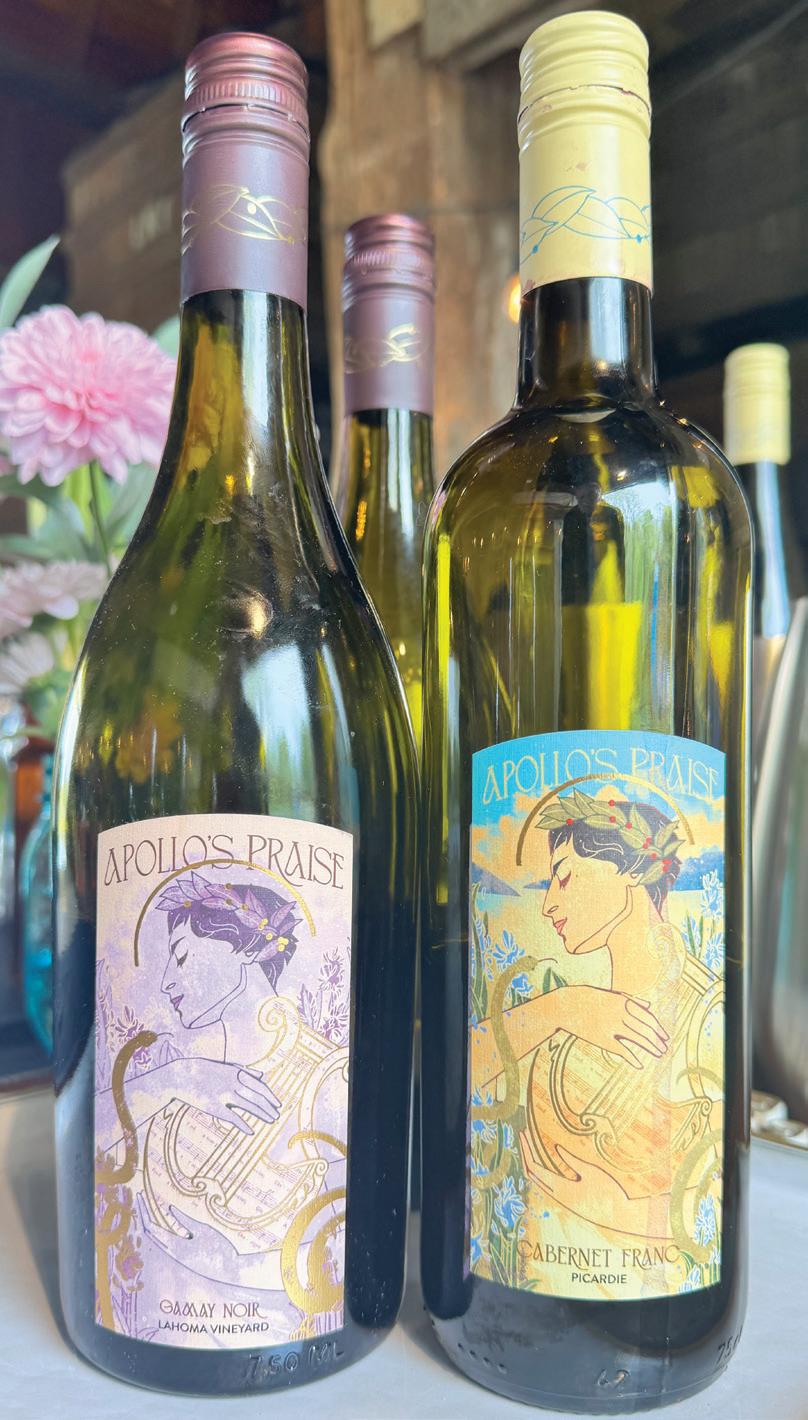
For such a young winery, Apollo’s Praise already has a devoted “cult following” amongst wine lovers. It’s the brainchild of husband-and-wife local winemakers Kelby Russell and Julia Hoyle. They started their own project with a 2023 vintage release after they purchased the Lahoma Vineyard site near the southern end of Seneca Lake. They run tastings out of a rustic old barn on the property, and that makes for a unique experience. The stylistic differences between Kelby and Julia show in the various wines where Kelby focuses on single grape / single block wines, while Julia prefers to blend various blocks to find the perfect balance in her wines. The Rieslings and Chardonnay were super interesting, and the reds were bright and juicy as I would expect from a cooler climate. I brought home the 2025 Dry Riesling, along with the 2025 Nutt Road Vineyard Dry Rosé of Cabernet Franc. Both were insanely delicious.
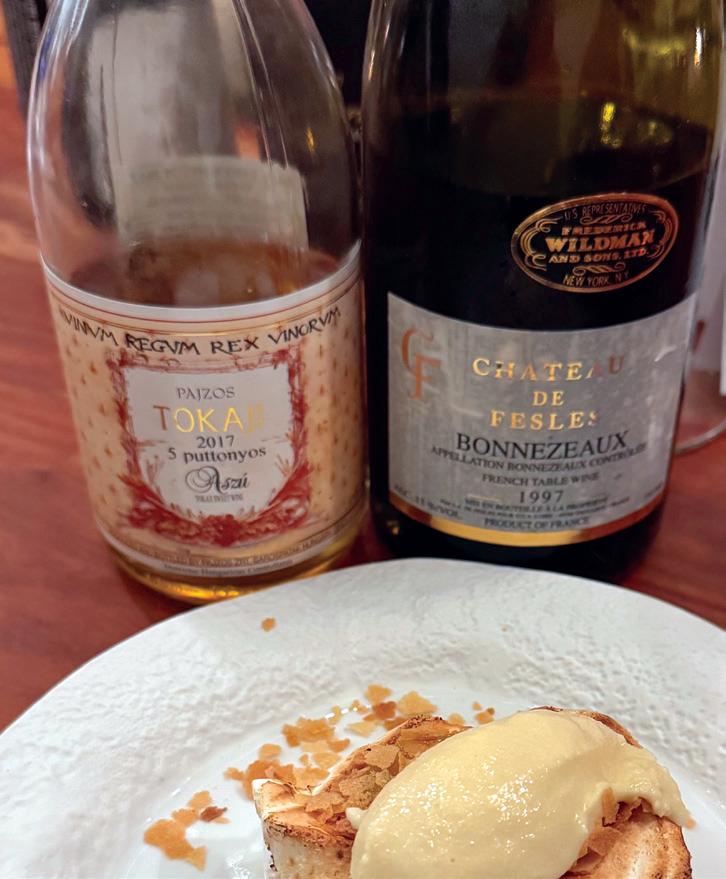

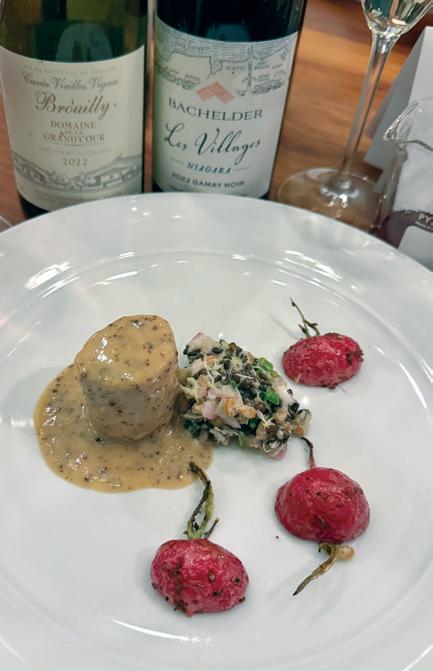
Peter Weis grew up in the Zell Mosel region of Germany. He met his wife Ashlee while working in FLX. They eventually started Weis Vineyards with the first vintage in 2017. The Weis Rieslings have a definite Mosel influence, so they were appealing to me. The reds surprised me with rather overt tannins given the cool climate. The Saperavi red wine I tasted greatly benefited from having been opened the day prior, and a taste from a newly opened bottle confirmed the red wines do indeed need to breathe and open up to bring out the fruit. The bustling tasting room has a “choose four” tasting menu, so my advice is to lean into the Riesling and white wine selections while you enjoy the pretty view of Keuka Lake.



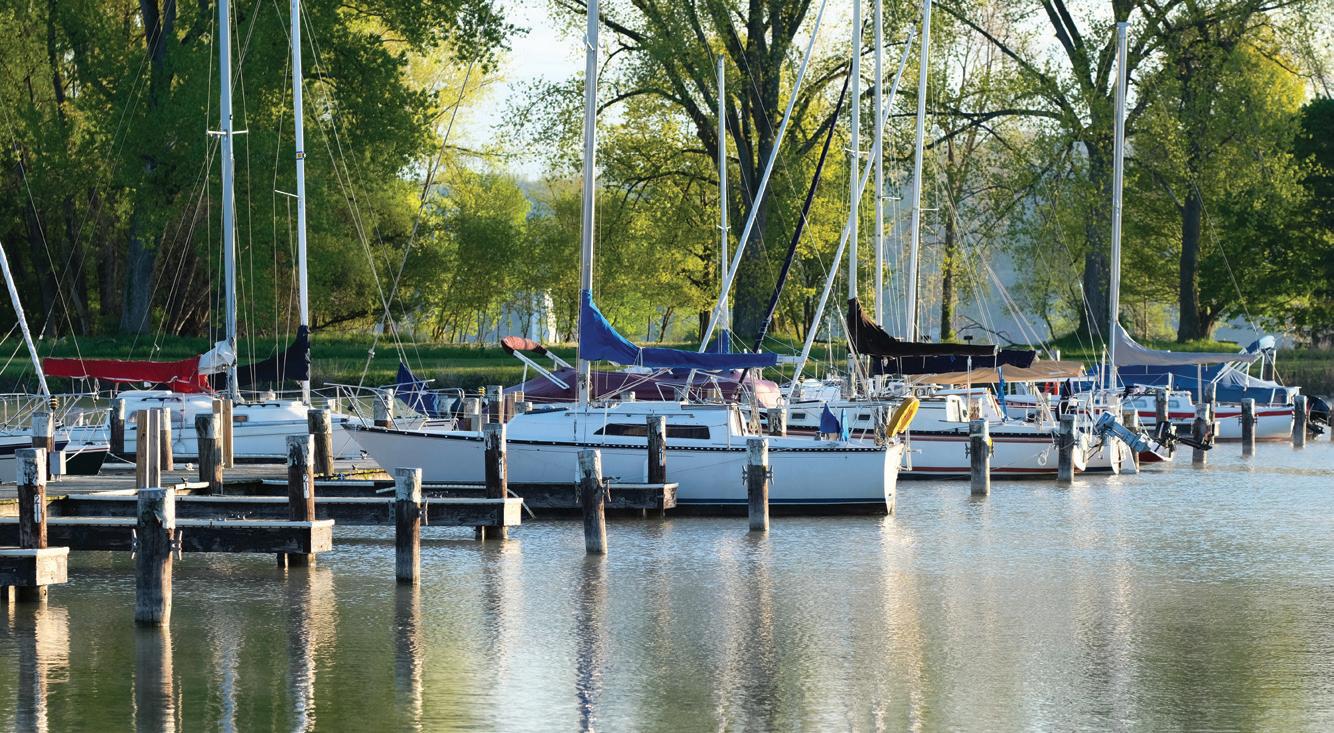
The FLX region is easily accessible by flying into Rochester and renting a car. The town of Geneva, on the northern tip of Seneca Lake, is a great place to stay. There are many options for lodging, and some great dining options too. While you can make appointments for wineries, most of the tasting rooms are open daily and will happily accommodate walk-ins if you prefer to be spontaneous. I had superb fine dining experiences at Port’s Cafe and FLX Table in Geneva. My favorite lunch spot was the bakery and deli at Tabora Vineyards, but if you are in the Kueka Lake area then you owe it to yourself to “get Switzed” at the The Switzerland Inn.
The Finger Lakes Wine Region is one of the most compelling and approachable wine destinations in America. This is where cool-climate finesse meets genuine hospitality. The wines of FLX consistently deliver memorable bottles that overdeliver on quality and character, and there is something for every palate. When it comes to FLX wines, the future of American wine is tasting better than ever. Cheers!

Follow Jim on Instagram, @tx_wine_pilot, for more wine tips and reviews.
Jim Peterson is a retired U.S. Air Force officer who mainly flew the A-10 fighter jet. He has ties to the wine business going back over 25 years, has visited many wine regions, tasted the world’s top wines, and is an avid wine collector. His business, The Texas Wine Pilot, offers customized in-home wine tastings, corporate wine tastings, executive wine training, a wine concierge service, and wine collecting consultations. Visit txwinepilot.com or email him at jim@txwinepilot.com for more information.

There ain’t no party like a pool party, and what makes it more special is celebrating the 250th birthday of the USA!
While we’re always excited to float around with a beach-y cocktail on an inflatable flamingo, we’d be nothing without an incredible spread of pool party-friendly foods and recipe ideas to keep us swimming until the sun goes down. No matter what body of
water you dive into this summer (beach, pool, lake, river, heck, even a kiddie pool…), you gotta have your snacks. Sometimes when we’re busy playing pool volleyball, we end up just snacking throughout the day. Sounds like a dream!
Here are a few delicious and refreshing no-cook recipes that will help you get back to playing Marco Polo ASAP!

• 16 oz sour cream
• 1 oz ranch dressing mix (e.g., 1 standard packet or spicy ranch)
• 1/2 cup mayonnaise (preferably Duke’s)
• 6-8 oz sharp or mild cheddar cheese, freshly shredded
• 1 tsp crushed red pepper flakes (plus extra for garnish)
• 1/2 tsp garlic powder
• 1/4 tsp cayenne pepper
• 1/4 tsp paprika
• 1/4 tsp freshly ground black pepper
• Optional: 4 oz softened cream cheese (for extra thickness)
• For Serving: Saltine crackers or crunchy toast points
Combine: In a large mixing bowl, thoroughly mix the sour cream, mayonnaise, and ranch seasoning.
Spice & Mix: Stir in the shredded cheddar, crushed red pepper flakes, garlic powder,black pepper, cayenne, and paprika.
Chill: Cover the bowl tightly with plastic wrap and refrigerate for at least 30 minutes to allow the flavors to meld (chilling for a few hours or overnight is even better).
Serve: Garnish with an extra pinch of red pepper flakes (or bacon bits!) and serve cold.

Texas Cowboy Caviar
This classic Cowboy Caviar recipe—also known as Texas Caviar—is a fresh, vibrant cross between a bean salad and a chunky salsa. It takes only 15 minutes of hands-on prep time and requires absolutely no cooking.
Ingredients
The Salad Base
• Black beans: 1 can (15 ounces), drained and thoroughly rinsed
• Black-eyed peas: 1 can (15 ounces), drained and thoroughly rinsed
• Sweet corn: 1½ cups (freshly cut off the cob, canned, or thawed from frozen)
• Roma tomatoes: 2 medium, finely diced
• Red bell pepper: 1 medium, stemmed, seeded, and finely diced
• Red onion: ½ cup, finely diced
• Jalapeño: 1 medium, finely minced (remove seeds and ribs for less heat)
• Fresh cilantro: ½ cup, finely chopped
• Avocados: 2 large, ripe, diced (added right before serving)
The Zesty Dressing
• The Salad Base
• Olive oil: ¼ cup extra-virgin olive oil
• Red wine vinegar: 2 tablespoons
• Lime juice: Juice of 1 fresh lime
• Garlic: 2 cloves, finely grated or minced
• Ground cumin: 1 teaspoon
• Sugar: 1 teaspoon (or honey)
• Sea salt: 1¼ teaspoons (adjust to taste)
• Black pepper: Ground to taste
• The Zesty Dressing
• Olive oil: ¼ cup extra-virgin olive oil
• Red wine vinegar: 2 tablespoons
• Lime juice: Juice of 1 fresh lime
• Garlic: 2 cloves, finely grated or minced
• Ground cumin: 1 teaspoon
• Sugar: 1 teaspoon (or honey)
• Sea salt: 1¼ teaspoons (adjust to taste)
• Black pepper: Ground to taste
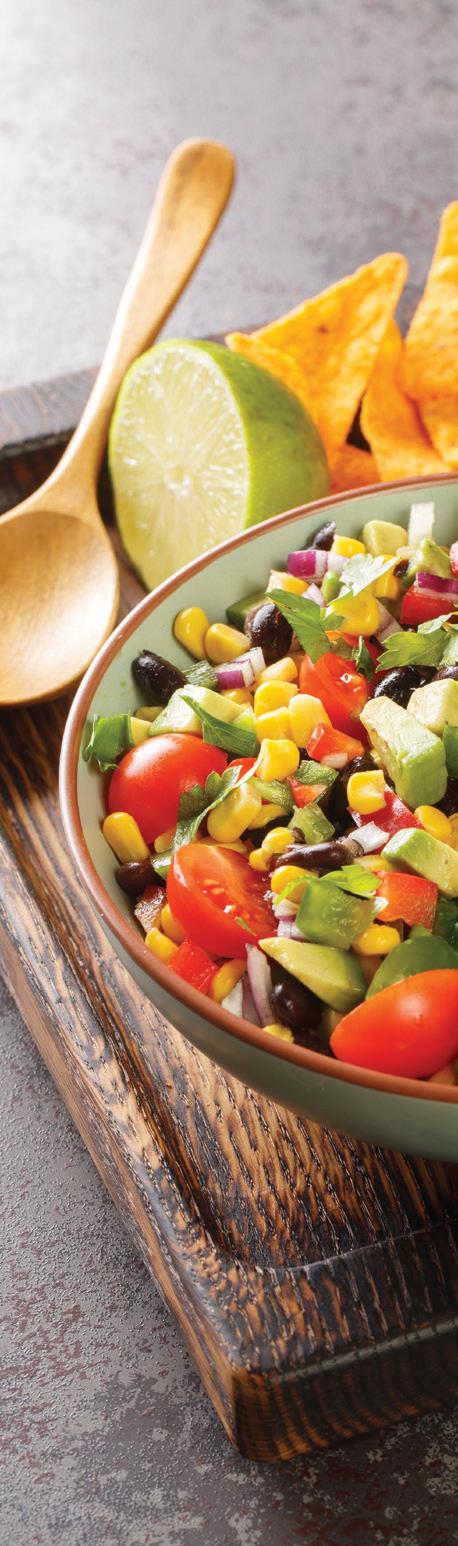
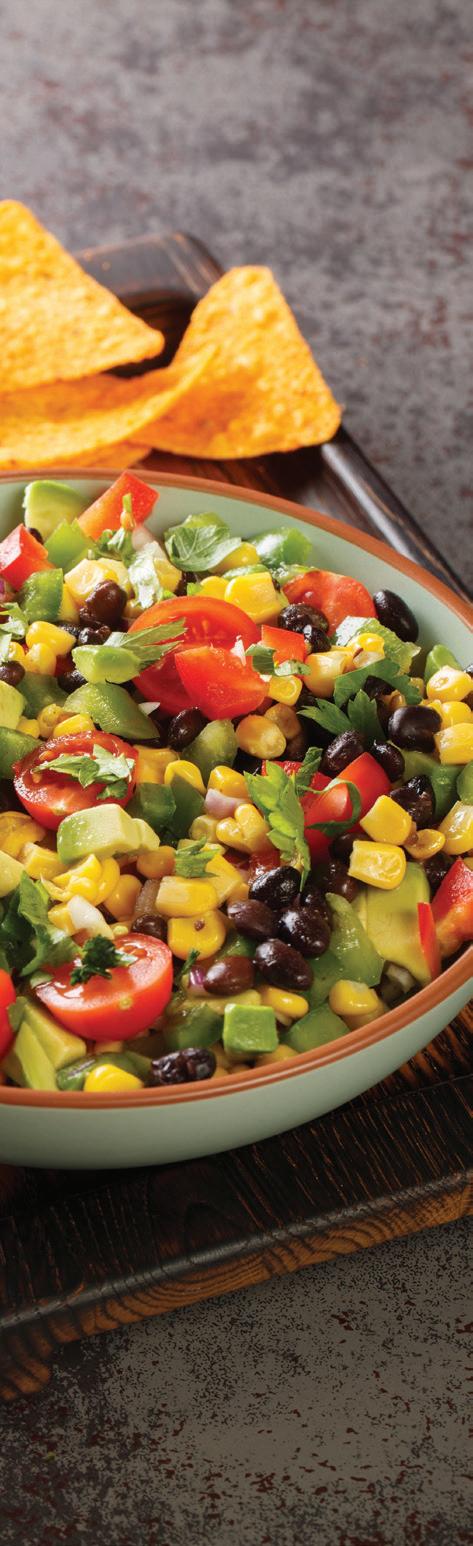
1. Combine the Base Ingredients: In a large mixing bowl, stir together the rinsed black beans, black-eyed peas, corn, diced tomatoes, bell pepper, red onion, jalapeño, and cilantro.
2. Whisk the Dressing: In a separate small bowl or glass measuring cup, whisk together the olive oil, red wine vinegar, fresh lime juice, grated garlic, ground cumin, sugar, salt, and black pepper until completely smooth.
3. Toss and Marinate: Pour the dressing over the bean and vegetable mixture and toss gently until everything is evenly coated. For the absolute best flavor, cover the bowl and chill it in the refrigerator for at least 30 to 60 minutes. This allows the juices to marry and pickle the vegetables slightly.
4. Add Avocado and Serve: Right before you are ready to serve, gently fold in the diced avocado pieces. This prevents the avocado from mashing or turning brown while sitting in the acidic dressing. Give it one final stir, taste to adjust the salt or lime juice if needed, and serve cold alongside a large bowl of tortilla chips.
• Chop Uniformly: Aim to dice all your fresh vegetables to roughly the same size as the beans. This makes it much easier to scoop with a chip and ensures you get a little bit of every flavor in a single bite.
• Drying the Beans: After rinsing your canned beans and corn, let them drain thoroughly or pat them dry. Excess water can dilute the zesty homemade dressing.
• Leftovers: You can store any leftovers in an airtight container in the fridge for up to 3 to 4 days. If you plan to make this recipe days in advance, simply leave the avocado out and dice it into the individual portions right before eating.
This classic 7-layer dip is a no-bake, crowd-pleasing appetizer featuring perfectly stacked layers of seasoned refried beans, flavorful guacamole, taco-spiced sour cream, cheese, and fresh vegetable toppings. It takes just 20 minutes to prepare in a standard 9x13-inch or 7x11-inch baking dish, or make individual servings as shown.
Ingredients
• Layer 1 (Beans): 1 can (16 ounces) refried beans mixed with 1 tablespoon taco seasoning.
• Layer 2 (Guacamole): 2 cups guacamole (store-bought or made from 3 mashed avocados, 1 tbsp lime juice, and a pinch of garlic salt).
• Layer 3 (Sour Cream): 16 ounces sour cream blended with 1 tablespoon taco seasoning.
• Layer 4 (Salsa): 1 cup thick, chunky salsa, thoroughly strained of excess liquid.
• Layer 5 (Cheese): 2 cups finely shredded Cheddar or Mexican-blend cheese.
• Layer 6 (Olives & Tomatoes): ½ cup drained, sliced black olives and 2 diced Roma tomatoes.
• Layer 7 (Onions & Herbs): 1/3 cup thinly sliced green onions and 1/4 cup chopped fresh cilantro
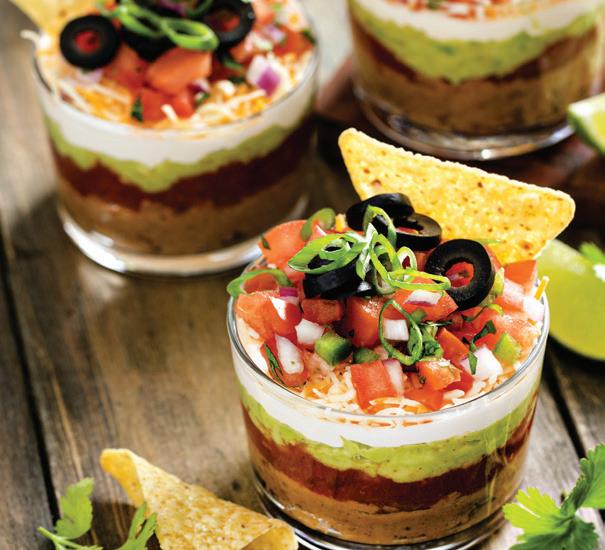
1. Prep the bean base: Whisk the refried beans and taco seasoning in a bowl until smooth. Spread evenly across the bottom of your serving dish.
2. Add the guacamole: Carefully spoon the guacamole over the bean layer and smooth it out with a spatula.
3. Layer the sour cream: Mix the sour cream with the remaining taco seasoning. Spread it completely over the guacamole layer to seal it from the air and prevent browning.
4. Spread the salsa: Spread the well-drained salsa evenly over the sour cream layer.
5. Build the toppings: Sprinkle the shredded cheese evenly over the salsa. Top with the diced Roma tomatoes, sliced black olives, green onions, and fresh cilantro.
6. Chill and serve: Cover the dish with plastic wrap and refrigerate for at least 1 hour before serving cold with sturdy tortilla chips.
• Drain the liquids: Always strain your salsa and squeeze excess juice out of the diced tomatoes to keep the dip from getting watery or soggy.
• Seal the avocado: Spreading the sour cream all the way to the edges of the dish locks out oxygen, keeping your guacamole bright green for up to 24 hours.
This quick Chicken Caesar Pasta Salad uses spiral rotini to trap the creamy dressing in every twist, making it the perfect mashup for a summer cookout or a filling meal prep lunch..
• 8 ounces rotini pasta (about half a standard box)
• 2 cups cooked chicken, diced or shredded (rotisserie chicken works perfectly)
• 3 cups Romaine lettuce, chopped into bite-sized pieces
• 1 cup cherry or grape tomatoes cut in half lengthwise
• 1 cup seasoned croutons
• ½ cup Parmesan cheese, freshly grated or shaved
• ¾ cup creamy Caesar salad dressing (adjust to personal preference)
• Salt and cracked black pepper, to taste

1. Boil the pasta: Cook the rotini in a large pot of salted boiling water until it reaches an al dente texture. Drain the pasta thoroughly.
2. Chill the rotini: Rinse the drained pasta immediately under cold tap water to stop the cooking process and bring it down to room temperature. Shake off all excess water.
3. Assemble the base: Toss the cooled rotini, cooked chicken, chopped Romaine lettuce, and halved tomatoes together in a large mixing bowl.
4. Dress and season: Pour the Caesar dressing over the mixture. Add the grated Parmesan cheese, salt, and pepper, then toss gently until everything is evenly coated.
5. Garnish and serve: Scatter the croutons over the top right before serving to preserve their crunch. Serve immediately.
• Prevent soggy lettuce: If you are preparing this dish in advance for a party or meal prep, mix everything except the lettuce and croutons. Fold those in just before serving so they stay crisp.
• Amp up the flavor: Add half a cup of cooked, crumbled bacon or a handful of sliced black olives to introduce a smoky or briny element.
• Keep it creamy: Pasta absorbs liquid as it sits. If your leftovers look dry the next day, simply splash in a tablespoon of milk, water, or extra dressing to loosen it back up.
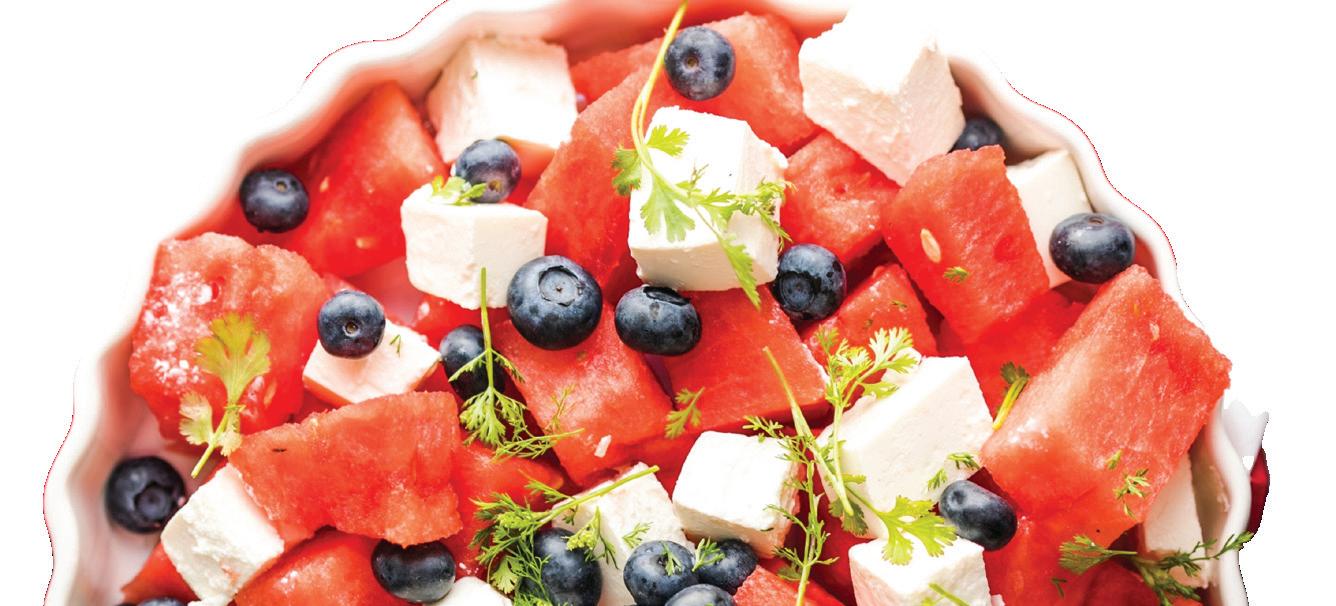
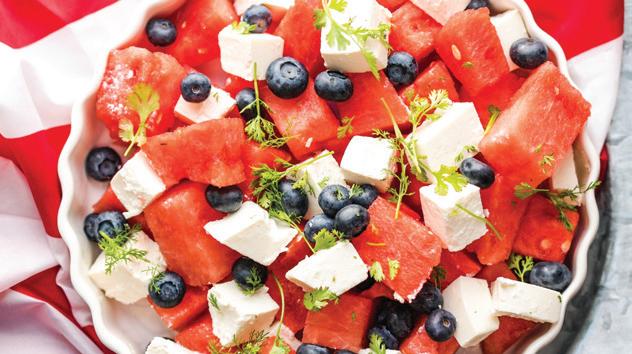
A watermelon, feta, and blueberry salad is a refreshing, sweet, and savory dish that combines crisp summer fruit with salty cheese and zesty lime vinaigrette. It makes a perfect side dish for warm-weather cookouts or holiday gatherings.
• Watermelon: 6 cups, cubed into bite-sized pieces
• Blueberries: 1 pint (about 2 cups), rinsed
• Feta cheese: 4 ounces, crumbled or diced
• Fresh mint leaves: 1/4 cup, finely chopped
• Olive oil: 2 tablespoons
• Lime juice: 2 tablespoons (freshly squeezed)
• Honey: 1 to 2 teaspoons
• Salt: A small pinch
1. Prep the fruit: Cut your watermelon into uniform cubes and place them into a large serving bowl. Add the rinsed blueberries and the freshly chopped mint leaves.
2. Whisk the dressing: In a separate small bowl, whisk together the olive oil, fresh lime juice, honey, and a pinch of salt until fully combined.
3. Toss and dress: Drizzle the vinaigrette over the fruit mixture and toss everything together very gently to coat the pieces without crushing them.
4. Add the cheese: Sprinkle the crumbled feta cheese over the top just before serving. Give it one final, very light fold so the cheese does not dissolve or break apart too much..
• Serve it immediately: Watermelon sheds water rapidly once it mixes with salt and dressing, so it is best to assemble this right before eating.
• Add some crunch: For an extra layer of texture, you can crown the salad with a handful of toasted sliced almonds or chopped pistachios.
• Make ahead style: If you need to prepare early, store the cubed watermelon, berries, and dressing in separate containers in the fridge, then mix them together at the last minute.


by NANCY FOSTER
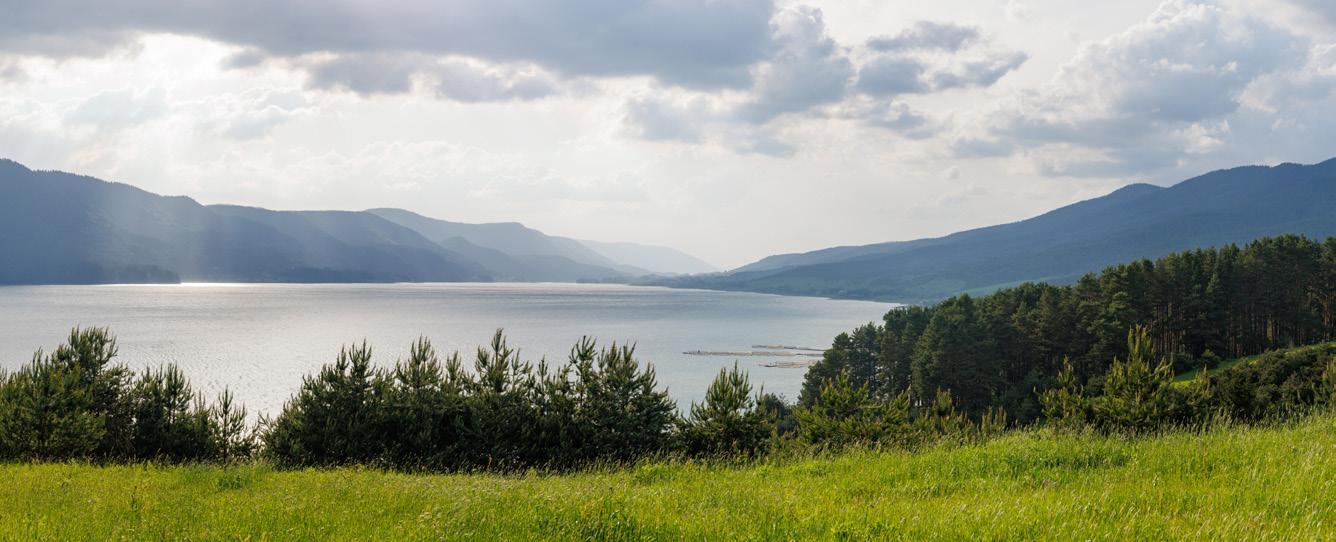
Are you thinking of ways to escape the sizzling Texas summer – even for a little while? Many families are split on the perfect solution. While some prefer the cooling waters of the beach, others find their respite surrounded by cool mountain air.
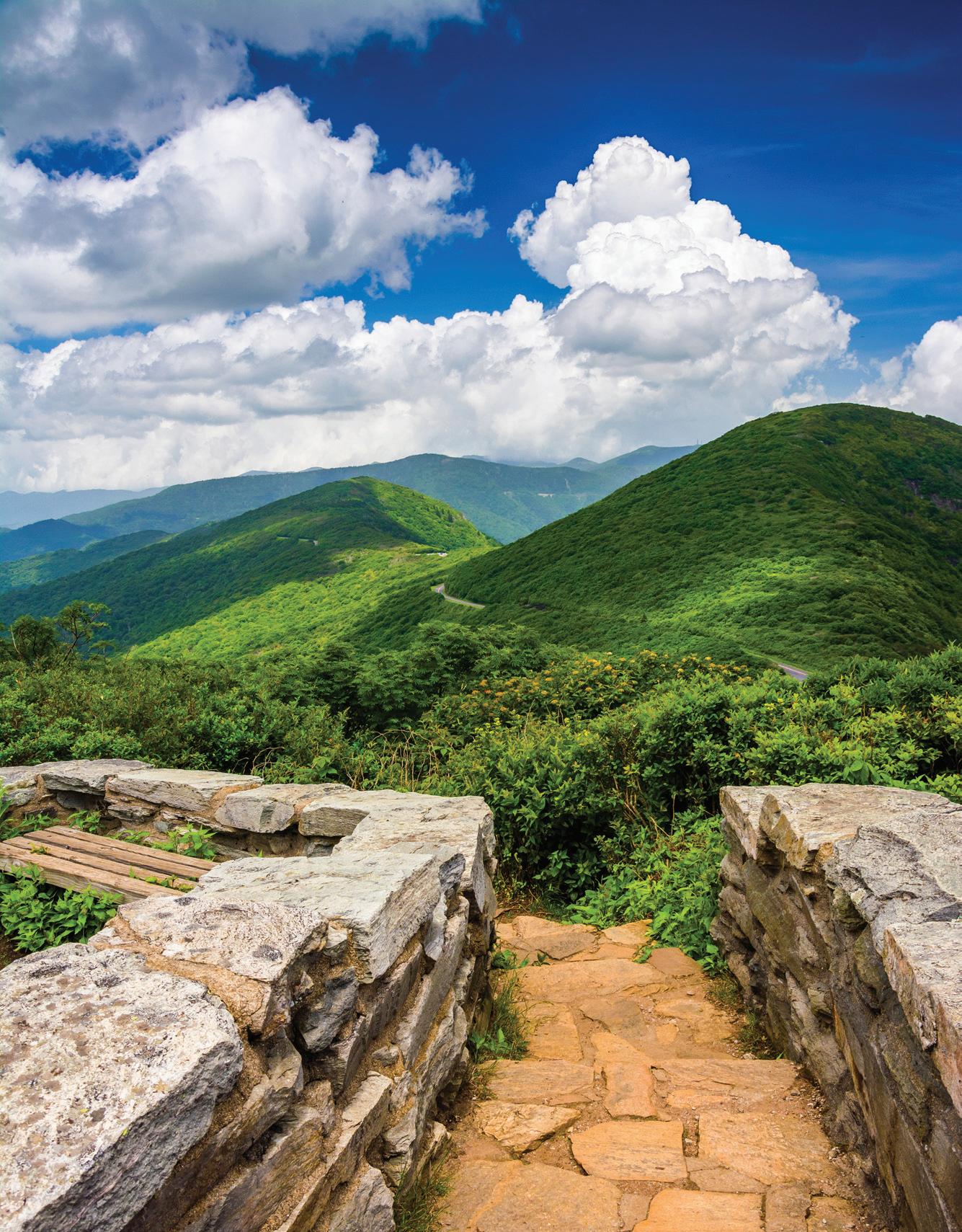
If you happen to be the mountain type, consider visiting Asheville and Blowing Rock, two of my favorite North Carolina escapes in the Blue Ridge Mountains. If you haven’t discovered that scenic region yet, here are reasons to consider it. Cool mountain air, lush green foliage, winding roads, icy mountain streams and charm everywhere you look all add up to a memorable holiday, and it’s perfect for all ages.
You may have an immediate thought about Asheville, relating to the devastating September 2024 flood when Hurricane Helene roared through North Carolina and caused catastroph-

ic damage. Flash floods, power outages, road washouts and record rainfall crippled much of the area…but, North Carolinians are strong, resilient, resourceful people – just as Texans are – and with help from outside, they worked feverishly to recover, not only for the residents who live there but because tourism is a vital part of their economy. Tremendous strides have been made, and although some visible scars still remain, for the most part, these beautiful communities are ready to welcome you – with friendly people, unparalleled beauty, and tons of things to do.
So, how do you get to Asheville from Texas? It’s a matter of choice. Air service does fly into Asheville Regional Airport or, if you prefer driving, it’s about 1200 miles, and if you’re into RVs or camping or aren’t limited on time, that may be the way to go.
The Charm and Beauty of Asheville
Asheville has a population of 94,500, and an elevation of 2,134 feet. For many centuries, the Cherokee people called this area home and following settlement it was officially incorporated in 1797. This vibrant community has historical, natural and cultural charm.
While nature lovers might thirst to explore the scenic Blue Ridge Parkway, Asheville is deserving of at least two nights, so let’s suggest a few proven highlights.
Several scenic RV and campgrounds are within a 10- to 20-minute drive of downtown Asheville, or, if you prefer something with more creature comforts, consider the novel Wrong Way River Lodge & Cabins with its 16 tiny A-frame cabins and tranquil views of the French Broad River. Maybe you love lodging
that is unique and memorable. If so, definitely consider Asheville Earth & Sky Dwellings. This charmer, once featured on the TV show The Treehouse Guys, is a family-owned hideaway that features 20 eclectic structures including treehouses, underground hideaways, a spaceship and a magical tent. Will you choose Wizards Hollow, Alchemy with its 12’ indoor spiral slide or maybe the Windswept Castle?
Downtown properties you’re bound to like are the beautifully appointed historic Haywood Park Hotel. Housed in the iconic Bon Marché building, it pampers guests in luxury amid touches of the past and modern upscale comforts. And…pet-friendly retreat packages are available. A delightful add-on special is a history tour in an authentic Model A or Model T auto through Mountaineer Motor Tours. How fun!


If the glamour of F. Scott and Zelda Fitzgerald enchants you, book yourself into Zelda Dearest, an award-winning 20-room hotel centered around four clustered and beautifully restored houses, each named for one of Zelda’s sisters. A third option is the ultra-trendy The Radical in the River Arts district. Its early 20th-century architecture blends beautifully with modern industrial design and a delightful artistic flair. Request a riverfront room and see why this haven was rated No. 2 in USA Today’s 10 Best New Hotels. Extend your evening with a stop at The Roof for craft cocktails and stunning sunset views.
How can we possibly describe the amazing Biltmore? Start with sprawling, historic, grandiose and unique, all rolled into one. Built as a country home for George Vanderbilt, grandson of famed industrialist Cornelius Vanderbilt, the French Renaissance chateau is considered the largest privately-owned residence in the U.S. Poor George lived there less than 20 years, having died in 1914 of complications from an emergency appendectomy, but descendants have maintained the 250-room manse in an opulent yet tasteful manner.


Visitors today can choose between daytime tours of the estate and grounds or an overnight stay on the magnificent property. The selfguided daytime tour offers visitors a comprehensive look at the home’s architectural details, distinctive art and furnishings, and sheer opulence of the estate. The Biltmore sits on 8,000 acres, so allow a minimum of two hours to stroll through manicured formal and informal gardens, tour the towering glass-ceilinged Conservatory, or visit the winery and sample Biltmore’s award-winning varietal wines.
Three choices for on-site lodging are offered and all bring touches of elegant sophistication – the Village Hotel, the Inn on Biltmore Estate and the Cottages. And for starry-eyed travelers, consider the captivating Luminere™ package (available only until October 18) that combines spectacular nighttime lighting with a signature musical score. And trust us on this one – the more you explore biltmore.com, the more convinced you’ll become that this belongs on your “gotta go” list.

in Asheville
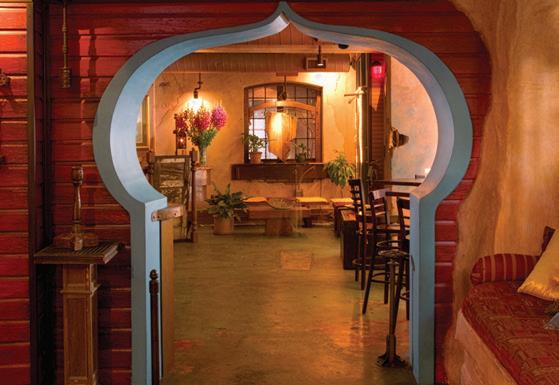
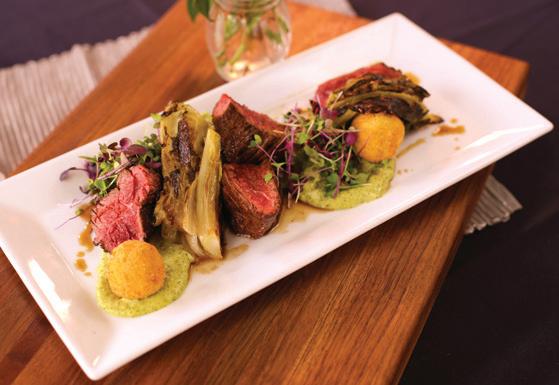
As for Asheville’s dining scene, it’s eclectic and jammed with fabulous choices. A musttry Asheville favorite is Zambra (reservations recommended), known for its intimate atmosphere and Spanish-inspired tapas. Here’s where you’ll go to relax, unwind and indulge against a backdrop of century-old stone walls while you sip an exotic Spanish wine and savor small plate favorites such as Yellowtail Ceviche, Belgian Style Mussels and Ossetra Caviar.
Another Asheville favorite is Early Girl Eatery. Head to its downtown location for hearty breakfasts and farm-to-table ingredients sourced from area producers. A must-try is their cinnamon battered biscuits, baked fresh daily. Yum.
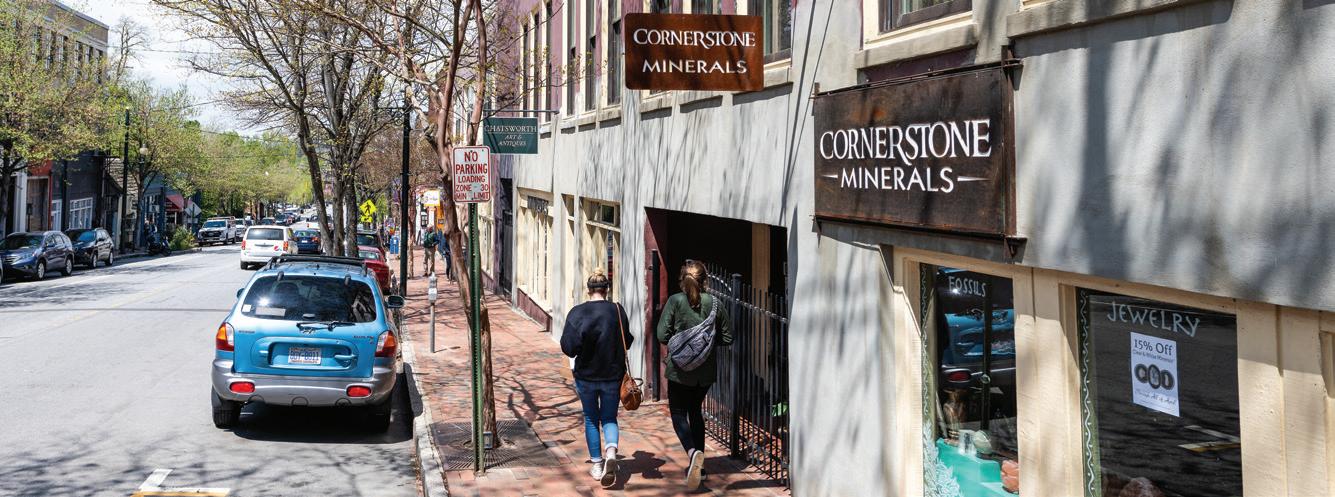
Of course, you’ll want to see other Asheville attractions, so take time to visit the River Arts District, named one of the Best Arts Districts by USA Today. This vibrant cultural hub bursts with shops, eateries and galleries, all locally owned and staffed by friendly merchants. Also consider a side-trip to Montgomery Sky Farm, a James Beard Foundation 2026 semifinalist. This culinary adventure on a 50-acre working farm combines regenerative farming, private dining experiences and animal rehab and rescue programs. Sign on for the farm tour and picnic combo for an experience you won’t soon forget.

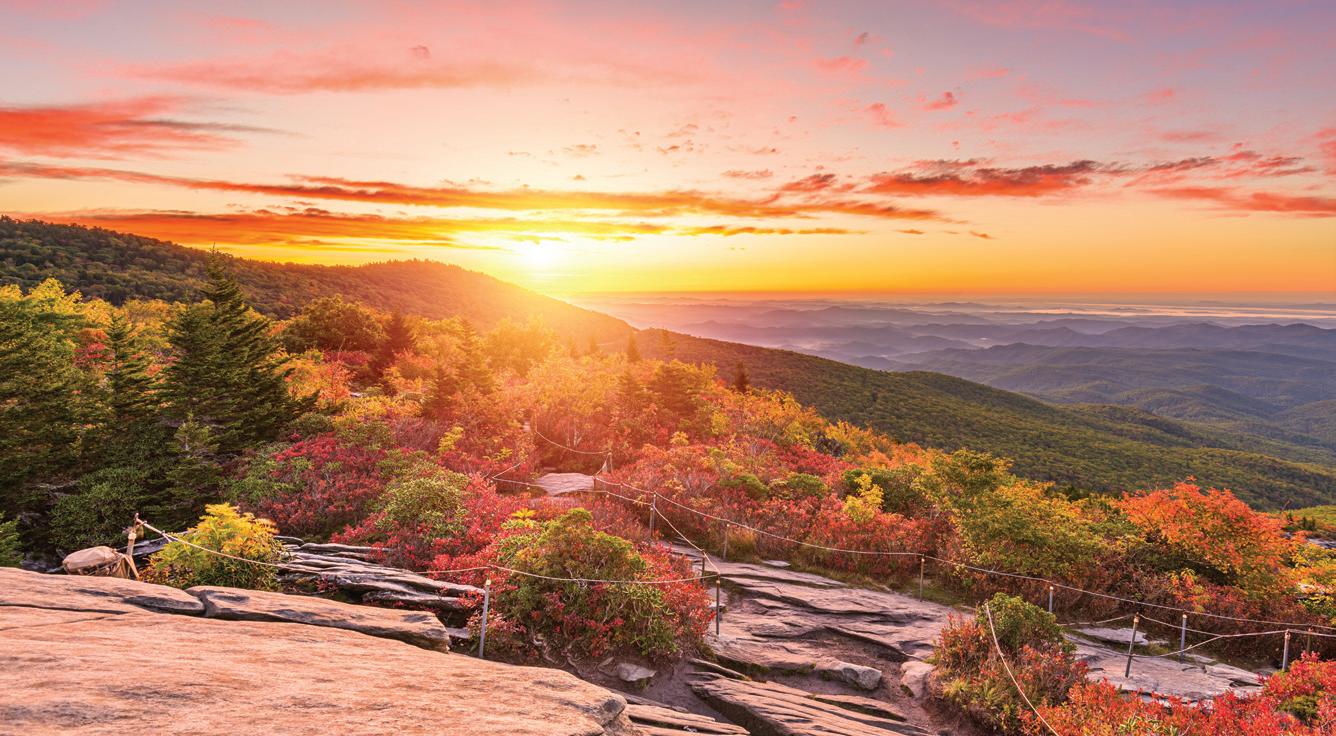
The 90-mile drive between Asheville and Blowing Rock stretches along some spectacular parts of the Blue Ridge Parkway. Most travelers leaving downtown will access the parkway from MP 382 or 384. Expect a slower drive than you’re used to in Texas.
Blowing Rock, population about 1,400, elevation about 3,500, sits astride the Eastern Continental Divide and is the quintessential charming Appalachian town with plenty of things to do.
Here’s a valuable tip: Internet service and GPS can be sketchy on those mountain roads, so take heed of the parkway’s mileposts.
Most of the parkway is 35 mph because of the geography, but that’s just fine. You don’t want to miss the sights of the green canopy of trees lining the winding roads, or colorful coneflowers, Turk’s cap lilies and blackeyed Susans that burst forth in summer.
Along the way, optional side stops tempt
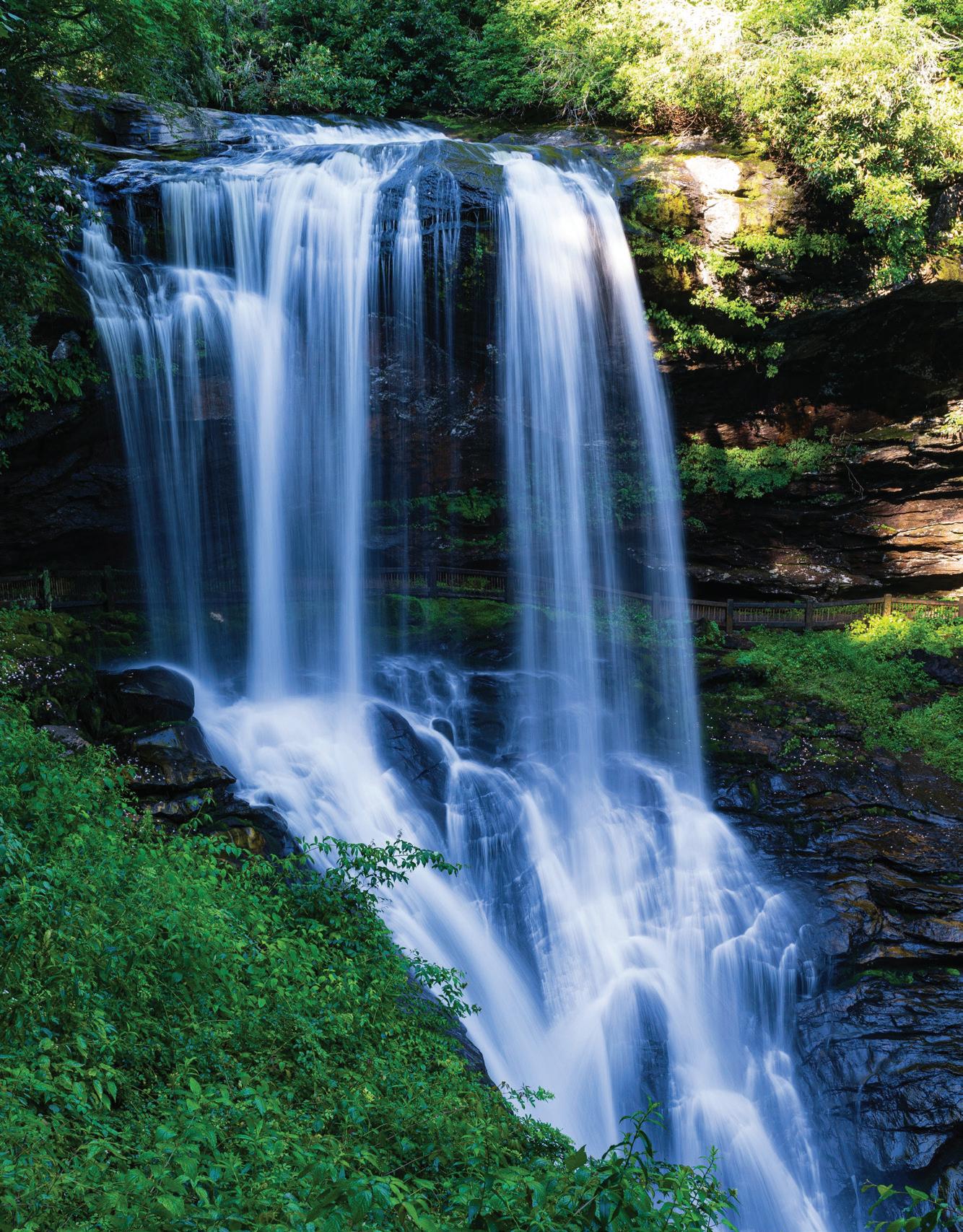
you to linger. Craggy Gardens on MP 364 yields sweeping mountain views while the “don’t miss” Linville Falls and Gorge near MP 316 will astonish you with the falls that flow over the steep-walled gorge. View the spectacle from four equally amazing lookout points and take pause to enjoy hiking trails, have a picnic, or even try your hand at trout fishing. And, if you’re looking for a well-appointed campground or RV park, you’ve found it.
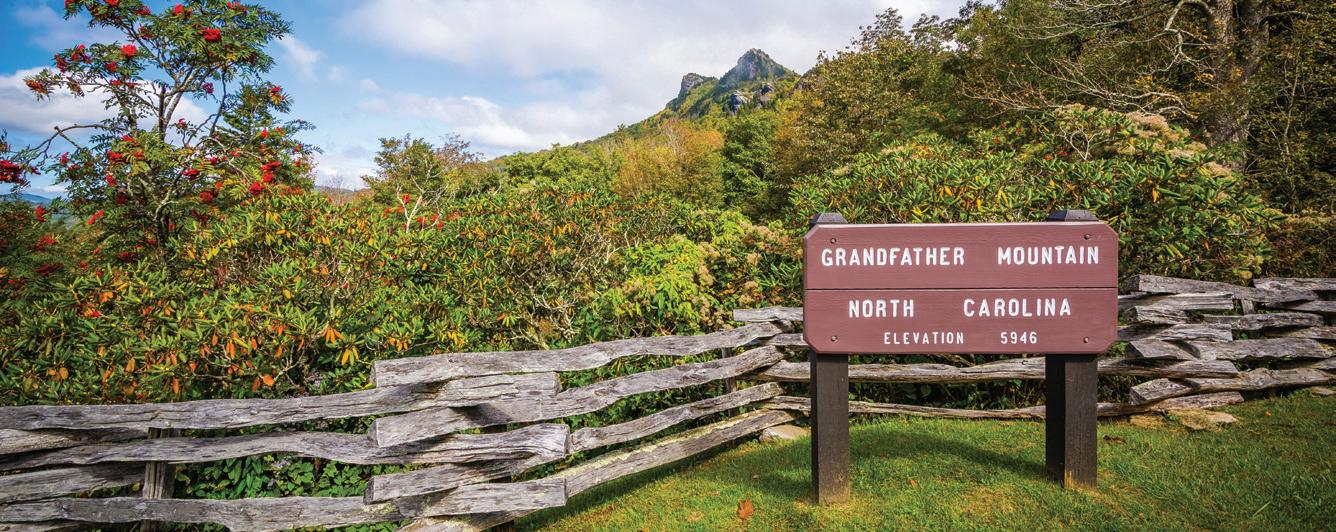
Near MP 304, the Blue Ridge Parkway curves around the mountains on the sweeping Linn Cove Viaduct, one of the parkway’s most photographed stretches, highlighted by jaw-dropping S-curves. Near MP 305, Grandfather Mountain State Park invites visitors to cross its Mile High Swinging Bridge, a 228-foot suspension bridge spanning an 80-foot chasm that stretches above rocky peaks with panoramic mountain views. Nearby Julian Price Park offers canoe and kayak rentals, earthyscented trails and excellent camping options.

Plan to spend two nights here and soak up the mountain beauty and warm friendliness that’s always evident in this tight-knit community. Among the inviting lodging choices are two that are so unique you may have trouble choosing. The in-town Chetola Resort is a former estate property with historic touches. Ask for a room overlooking Chetola Lake, indulge with an Equani Rock Hot Stone Massage and stay long enough to get out on the water with a float trip or guided fly-fishing trip
along a meandering country stream.
Another fine choice is the early 1890sbuilt Inn at Ragged Gardens, located downtown. The amenities in this 12-room property definitely come with a wow factor in the Tree House room with its double-sided fireplace or the English Rose Suite with its separate sitting room. Their onsite Best Cellar restaurant features dining space inside the wine cellar and wine cave. Maybe your first dinner in Blowing Rock will be their pan-seared North Carolina mountain trout!
Since we’re talking dining choices, if you’re an adventurous foodie, try out the intimate Restaurant at Gideon Ridge, a James Beard Award semifinalist in 2024 that proudly features farmto-table cuisine. Another to try is The Gamekeeper where hearty menu items include grilled elk striploin and sumac roasted duck breast.
The town of Blowing Rock is very walkable and features the Blowing Rock Art & History Museum plus tons of galleries and shops to tempt you. A few you might like are Bent Tree Furniture, Gaines Kiker Silversmith, and Appalachian Outfitters. But you no doubt want more of the outdoors, so if you’re into hiking or getting out on the water, Julian Price Park, (MP 296.7 on the parkway) offers kayak and canoe rentals plus a restful scenic campground.
Of course, Grandfather Mountain is the frosting on the cake and serves up challenging hiking trails — 13 different ones — adjacent to the Blue Ridge Parkway. (Note: At press time, some trails remain closed due to storm damage so check their website for availability.) Don’t miss the thrilling 228-foot suspension footbridge that spans an 80-foot chasm at the Mile High Swinging Bridge. Take time to visit the Wilson Center with its nature-themed interactive exhibits, all in Grandfather Mountain State Park. Keep an eye out for critters – you might see eagles, bears, cougars, elk and more.
Want something unique? Take a guided Grandfather by Night twilight hike. Going in September? Maybe you’d like to join the hawk watch as naturalists count these fascinating birds.
For man-made, wild west fun, North Carolina style, head to the Tweetsie Railroad theme park where you can pan for gold, visit the Deer Park Zoo, and catch a ride on a historic steam locomotive taking a three-mile loop through the mountains. This family-friendly theme park includes exhilarating rides such as the Bullwhip, Chair Lift to Miner’s Mountain, a carousel and Tilt-A-Whirl.
If you like to plan your getaway around local special events, equine enthusiasts should target one of the oldest horse shows in the country, the Blowing Rock Charity Horse Show that runs July 21-26 and July 28-August 2 with a focus on hunters and jumpers.
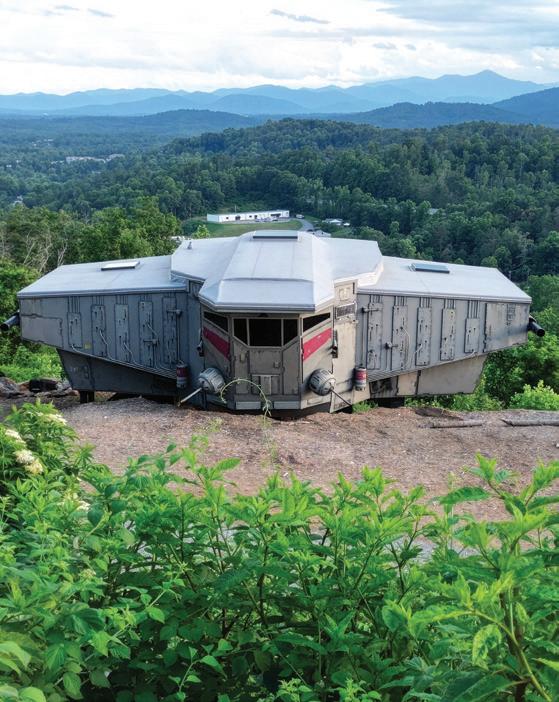
Journey to a realm where the ordinary transforms into the extraordinary: Earth and Sky Dwellings

Step into a world of magic, wonder, and unparalleled charm: Earth and Sky Dwellings

Now that you’ve had a teaser of the wonders of two picturesque towns in the Tar Heel State, maybe you’d like to learn more – and maybe stay longer. Other area towns are worth extending your stay such as the charming boroughs of Boone and Banner Elk. Or maybe you’d like to go later in the year. Fall brings with it a riot of color with vivid red maples, the goldenyellow leaves of hickories, russet-colored white oaks and the clear yellows of birch trees. Winter appeals with snow tubing, cozy picturesque cabins with fireplaces and seasonal comfort foods. And definitely something to think about is Christmas at Biltmore, held November 3, 2026 to January
10, 2027. During the estate’s magical Candlelight Christmas Evenings, visitors are immersed in the same holiday spirit that dates to 1895. Definitely unforgettable. For destination info on most of the listings above, visit exploreashville.com, blowingrock.com, and blueridgeparkway.com

Nancy Foster has authored more than 400 articles for national, regional and local magazines and newspapers, including regular contributions to Allegiant airlines inflight magazine, My Non-Stop Life. She heads Foster Tourism Marketing based in Kerrville and has clients in the hotel and attraction industry, including the Museum of Western Art in Kerrville.



by CALVIN FINCH, PH.D. HORTICULTURIST

If you have a shady yard it’s especially appreciated this time of the year; your air conditioning bills are less and while it’s hot to be outside, it beats being out in the sun.The one disadvantage is that there are fewer plants that prosper in the shade than there are for the sun. Here are some good shade plants to consider:
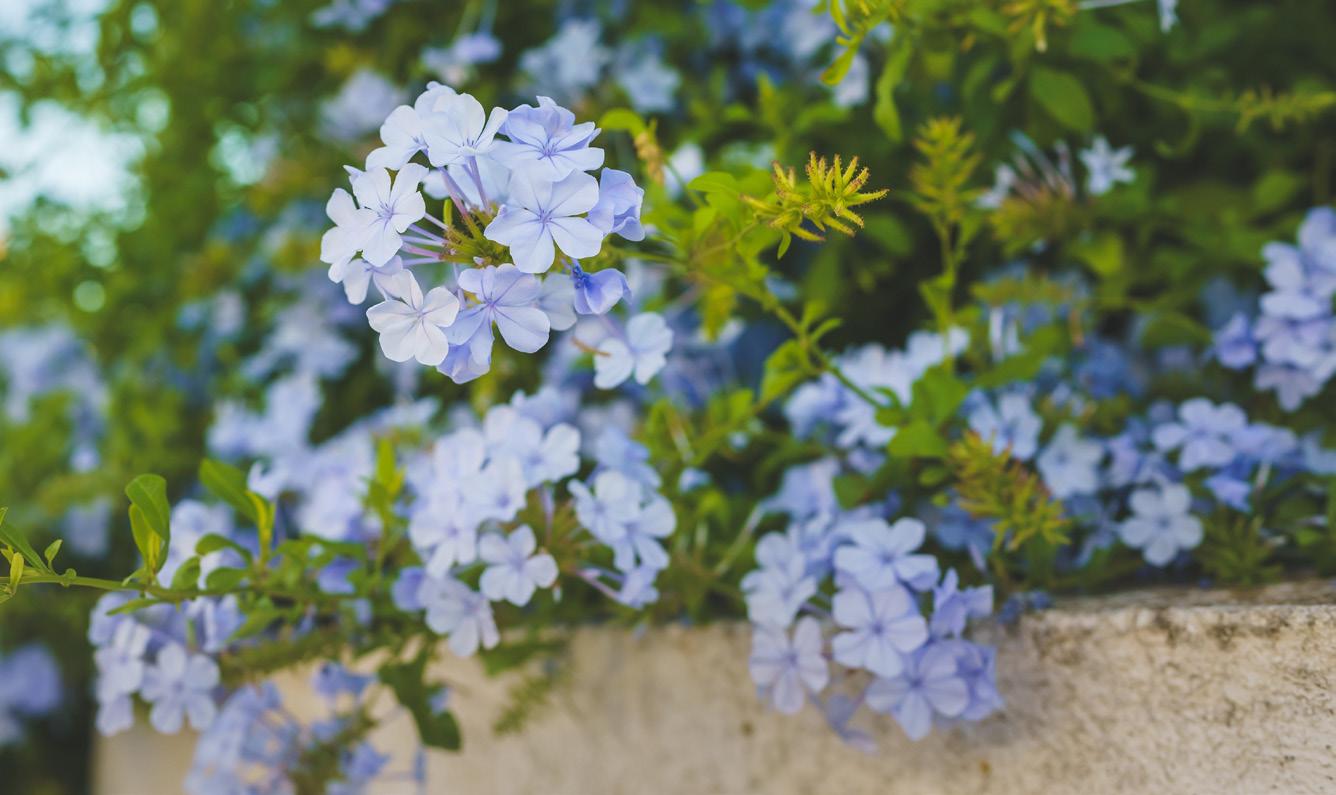
Blue Plumbago is not a disciplined grower for an orderly border but if you can tolerate a “natural, sprawling look” the plant will provide sky-blue blooms from late spring until late autumn. The flowers are quarter-size and are very showy on the 3—4-foot plant of light green foliage. Butterflies love Plumbago.
It used to be on some deer-proof lists but I believe it is now eaten by the hungry deer in all neighborhoods. The ideal light condition for Plumbago is morning sun but it tolerates more shade and even full sun. Plumbago freezes back to the ground most winters and is a good xeriscape plant.
Turk’s Cap comes in a small and large version. The small version is about 5-feet tall with nickel-size red flowers. The larger version may reach 8-feet tall with half-dollar-size blooms. Turk’s Cap is a favorite hummingbird plant. The plants are ideal to cover large areas under trees or other shady sites. Most winters Turk’s Cap is evergreen.


Firespike (Odontonema strictum) has shiny green foliage that is attractive enough to use as an indoor plant. The plant will reach 10 or 12-feet tall on sites that are sheltered enough that it does not freeze back. On most sites, however, it reaches about 3-feet tall with a flower stalk that rises another 1—2-feet. The flowers appear in late summer and persist into the fall. They are small, deep-red tubular blooms arranged around the stalk. Hummingbirds like firespike almost as much as firebush (Hamelia patens) and firespike blooms in deep shade. Use it in a container to bring autumn hummingbirds to the shady patio just like you would use firebush in a container in the sun. Unfortunately, deer will eat firespike foliage and stems.


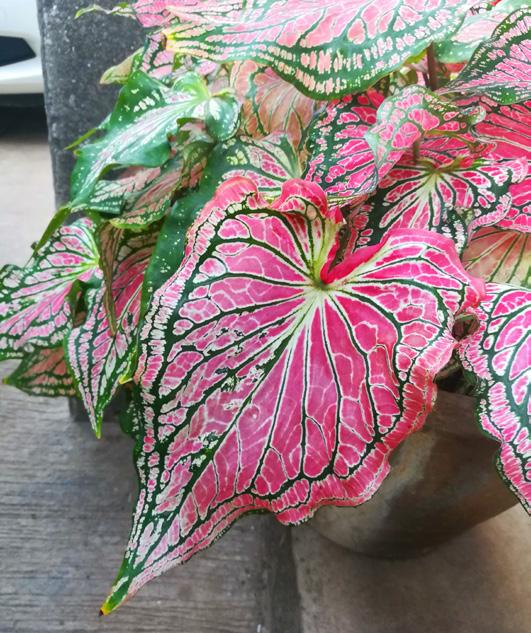
Caladiums are at their best in the shade garden now and will look good until the first frost. They are planted for their colorful foliage—many variations of white and red. The bulbs are planted in May and can be removed from the soil in November or December to be stored in a paper sack in a cool dry room until next year. Some winters the bulbs survive to resprout in the spring, especially if the winter temperatures are mild and the soil is very well drained. Caladiums are prone to rotting in cold wet soil. I find it is easiest just to leave the bulbs in place and buy new started bulbs in early summer. Deer find caladiums to be delectable so plant them inside the fence if deer live in your neighborhood.
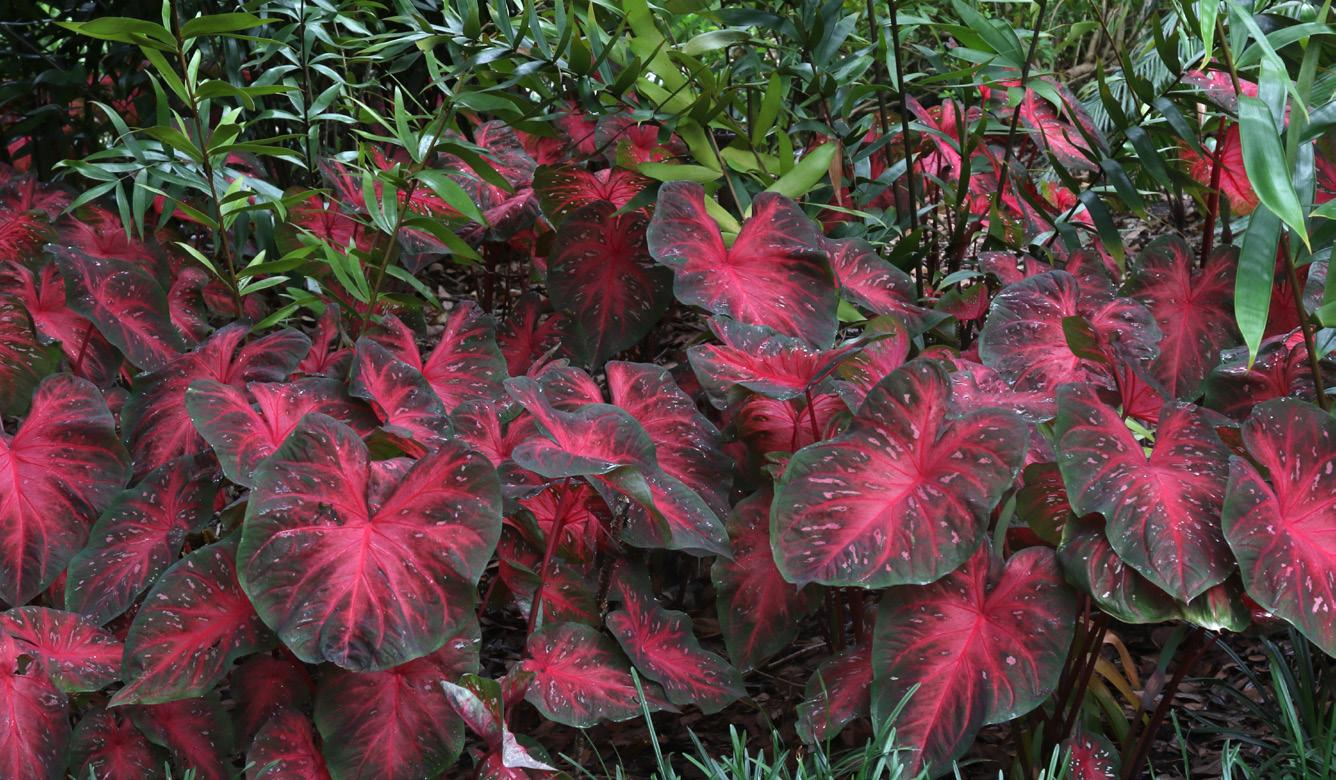
A great shade garden rotation involves caladiums and cyclamens. In November or December cut off the caladium foliage and plant cyclamen in between the caladium bulbs. Cyclamen is blooming when you buy the plants and blooms until the weather gets hot in April or May. The flower colors available in the South Texas market are deep red, pink, pure white, and maroon. Plant them about 1.5—2-feet apart so that the foliage and blooms can be admired as specimens. The foliage reminds some gardeners of large African violet leaves. The major weakness of cyclamen as a winter shade plant is the cost. Individual plants can be $5--$25. That is a steep cost for a mound of foliage and blooms 1-foot wide and 8-inches tall even if it is the prettiest plant in the winter landscape.
Cyclamen works equally well in containers or well prepared raised beds. The easiest combination may be to sink 1-quart pots in the planting area. Some of the roots survive over the summer but so far I have not found the ideal way to keep them alive and healthy enough to make a good show the next winter.
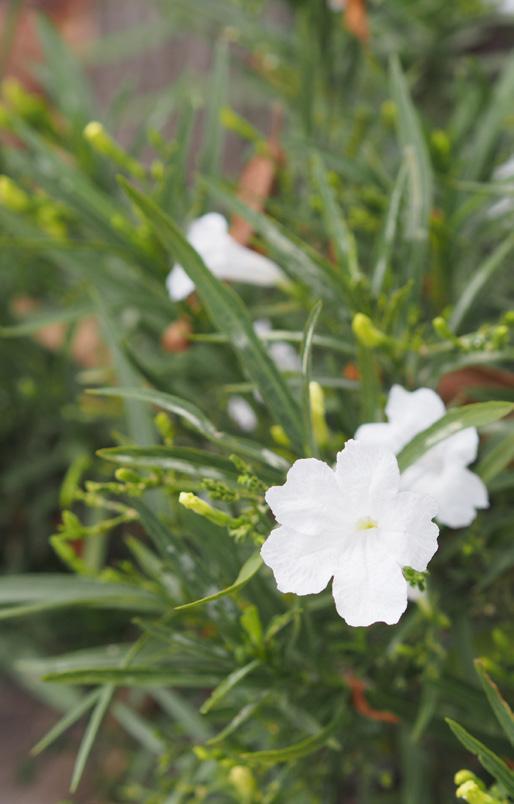
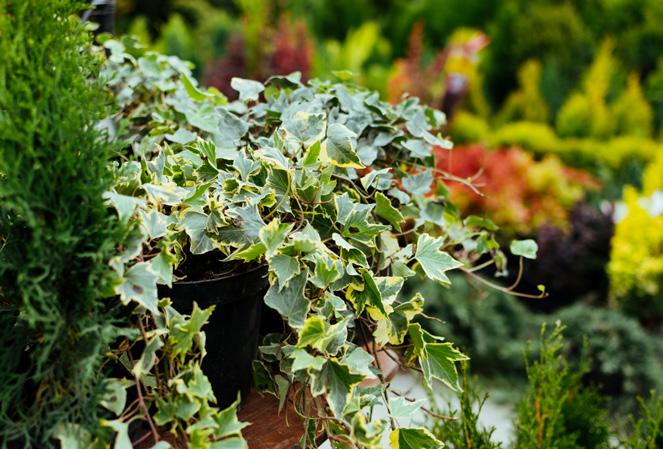
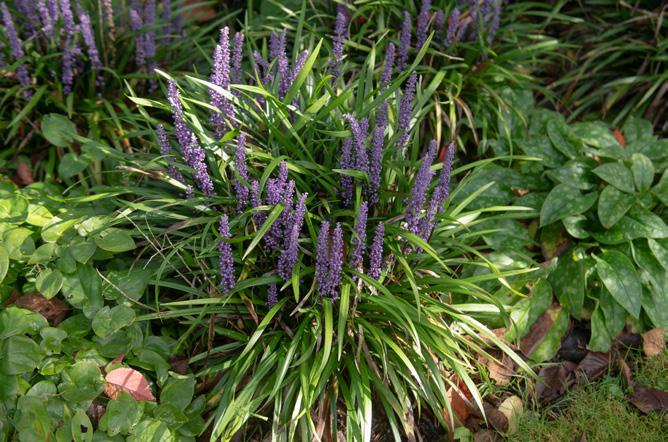
For groundcovers in the shade consider Texas Gold or Blazing Star columbine, Katy or Bonita Ruellia, or monkey grass in addition to Asiatic jasmine and English ivy. The columbines do best under deciduous trees. They bloom in March and April. In dapped or morning sun the dwarf Ruellias will bloom all summer. In deep shade the foliage makes an attractive groundcover 8-inches tall.
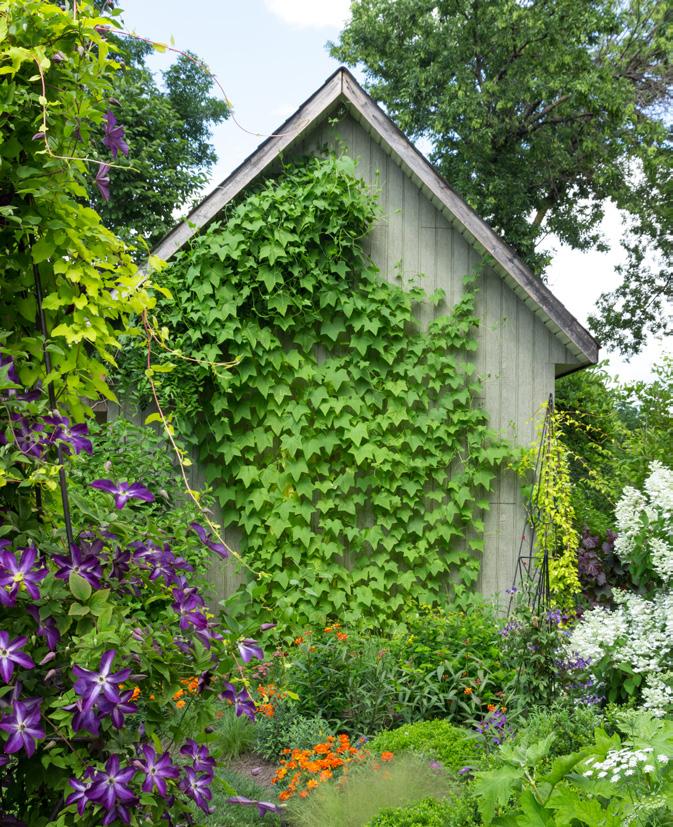
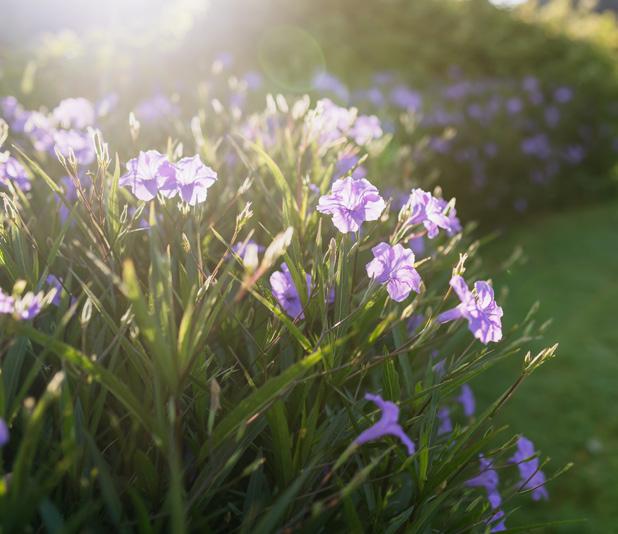
Remember, shade gardening in South Texas requires balancing deep, dappled light with intense heat and high humidity. Because of the region’s long, blistering summers, you may want to prioritize drought-tolerant, native plants that can survive harsh conditions while utilizing a thick layer of organic mulch to retain crucial soil moisture.

Keep the celebration of the 250th anniversary of the United States going all year long with this popular, savory cocktail with a distinct combination of spices and flavorings.
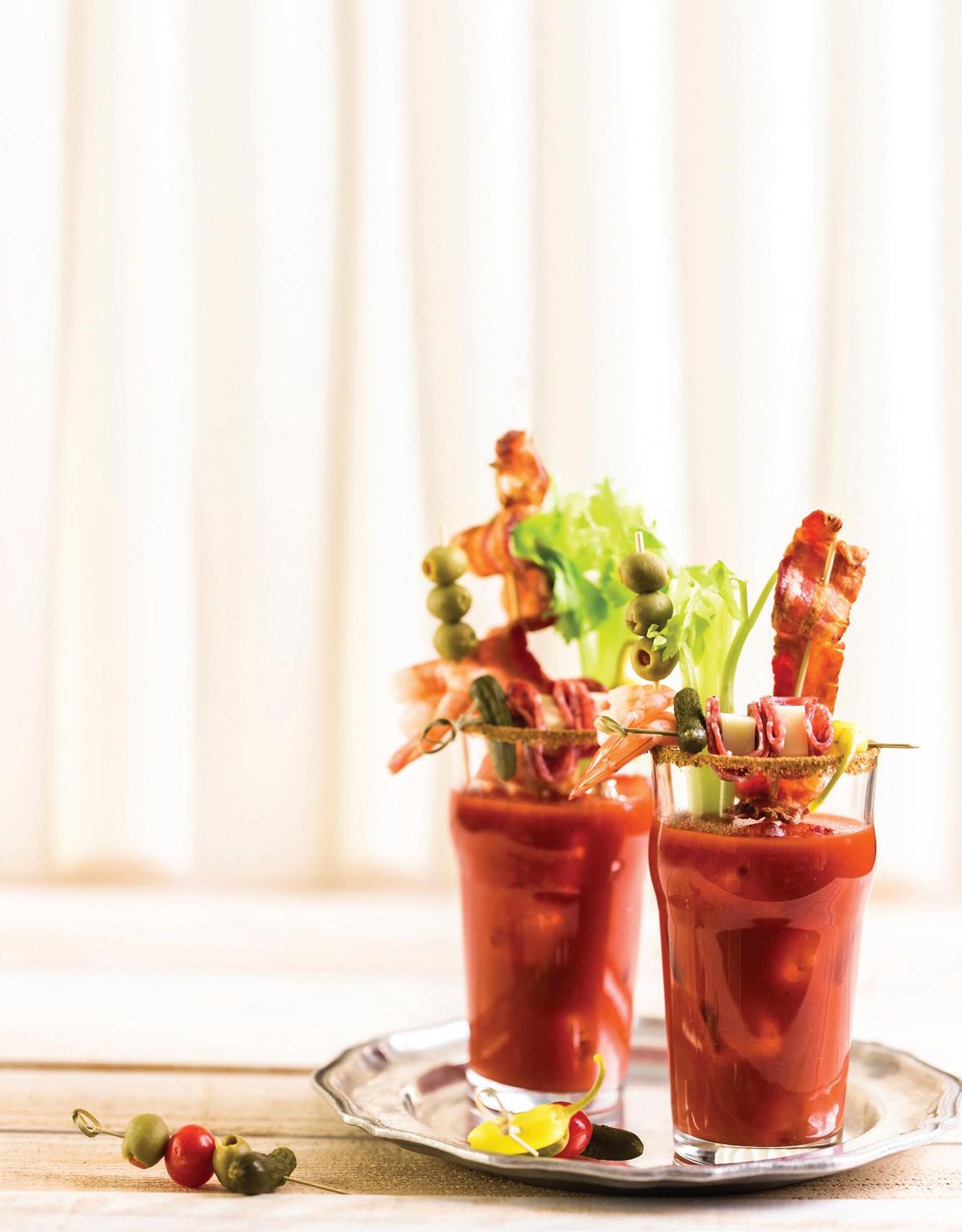
This ultra-spicy Bloody Mary packs a serious punch! It combines vodka, premium tomato juice, fresh horseradish, and a touch of heat, then gets topped with a skewer of fiery “firecracker” garnishes to create the ultimate brunch cocktail.
INGREDIENTS: (Per Cocktail)
For the drink:
2 oz vodka
6 oz tomato juice
1 oz freshly squeezed lemon juice
1 tsp prepared horseradish
1 tsp Worcestershire sauce
2 - 3 dashes of hot sauce (Tabasco, Cholula, or your favorite)
Pinch of smoked paprika & celery salt
Ice cubes
PREPARATION:
1. Rim the Glass: Rub a lemon or lime wedge along the rim of a tall pint or Collin’s glass, then dip it into a shallow mix of Tajín or celery salt and kosher salt.
2. Combine and Chill: Add all liquid ingredients and seasonings into a mixing glass with ice. Gently stir and pour into prepared glass.
3. Garnish: Use your imagination. If using a skewer, start with heavy items at the bottom so they rest securely on the rim.
Layer everything from savory meats to pickled veggies!