MAGAZINE
As we present the sixth issue of the Terberg Environmental magazine, I’m proud to reflect on a year defined by innovation and flexibility. These principles reflect the core values at the heart of our organisation and they have guided us through a period of exciting growth and transformation.
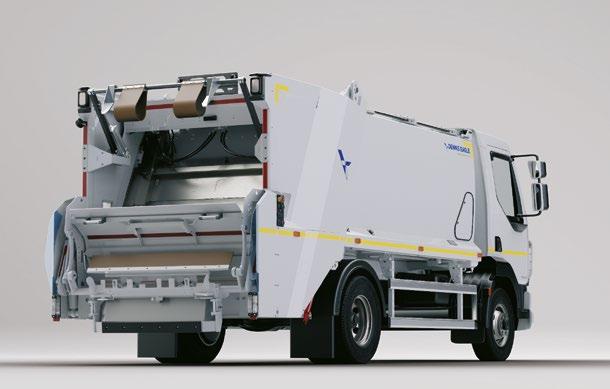
We have now officially launched the Olympus MIDI. This new refuse collection body fills a critical gap in our product range, offering a compact yet capable solution to operate within a compact footprint while offering a generous payload. Designed from the ground up with advanced engineering methods, the Midi includes a new hydraulic compaction system, integrated bin lift, and intuitive in-cab interface. This product was born from listening to our customers, identifying a need, and responding with precision and purpose.
Innovation like this doesn’t happen in isolation; it’s the result of close collaboration between our design engineers, production teams, and service experts – many of whom have been with us for years. Their experience, creativity and drive are what make Terberg Environmental a leader in our field. As we continue to grow, we remain focussed on investing in our people and creating opportunities for them to thrive.
Our agility as a business is reflected in our continued expansion. 2025 marked a major milestone for our production capacity with the expansion of our manufacturing facilities in Spain, Germany, Belgium and Malaysia. This represents an increase in our capacity as well as reinforcing our ability to meet growing global demand without compromising on quality. By modernising our operations, we’re better positioned to meet rising global demand while maintaining the standards our customers expect from us.
While Terberg Environmental is evolving to meet increasing demand, the waste collection industry itself is also evolving. New types of waste collection are being introduced and mandated around the world. Food waste regulations in particular are emerging across Europe and beyond, with municipalities and private operators alike seeking vehicles to handle these specialised requirements. Our response has been swift and strategic, with our selection of leakproof and anticorrosive vehicles already making an impact. This is a clear example of how we use our agility to stay ahead of industry shifts and support our customers in meeting new challenges.
Safety remains a cornerstone of our design philosophy. Through advanced hydraulic systems, intuitive interfaces, rigorous testing protocols, and strict adherence to guidelines, we prioritise operator wellbeing at every stage of development. The Olympus MIDI is the perfect example of this, with features that reduce noise, improve ergonomics, and simplify maintenance.
Looking ahead, we remain committed to staying ahead of industry shifts. Our global footprint continues to grow, with positive updates from subsidiaries in the Netherlands, Belgium, and the UAE – each contributing to our shared success. Throughout this issue, you’ll find stories that reflect our global presence, our technological leadership, and the people who make it all possible. From after-sales care teams providing excellent service in the field to teams pioneering digital tools like Terberg Connect, every feature is a reminder that our strength lies in our shared purpose.
Thank you for your continued trust in Terberg Environmental. I hope this magazine offers useful insights and a deeper appreciation for the work we do together.
Tim Conlon CEO, Terberg Environmental
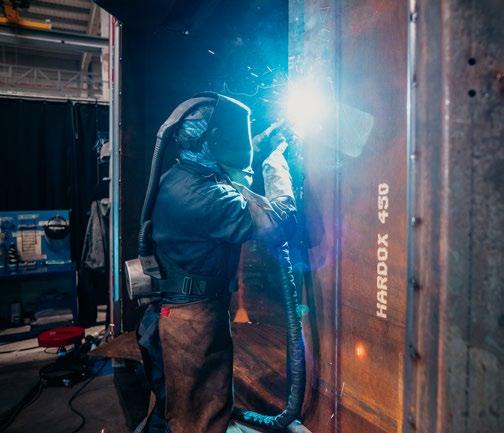
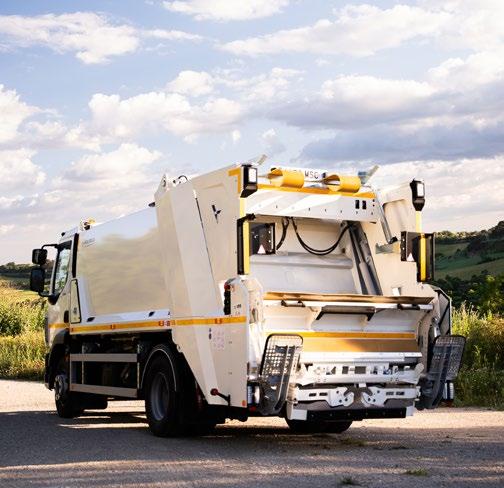
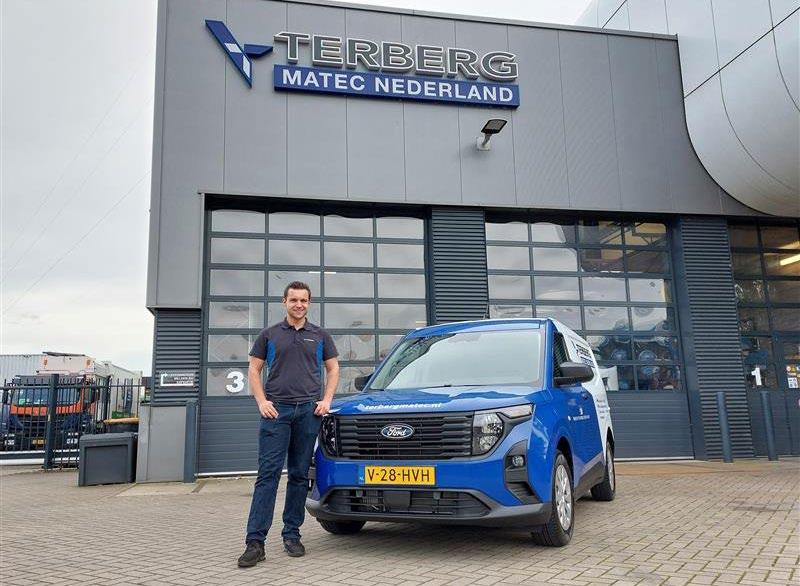
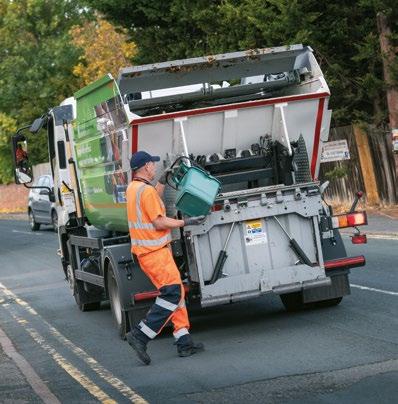
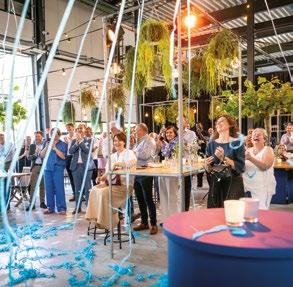
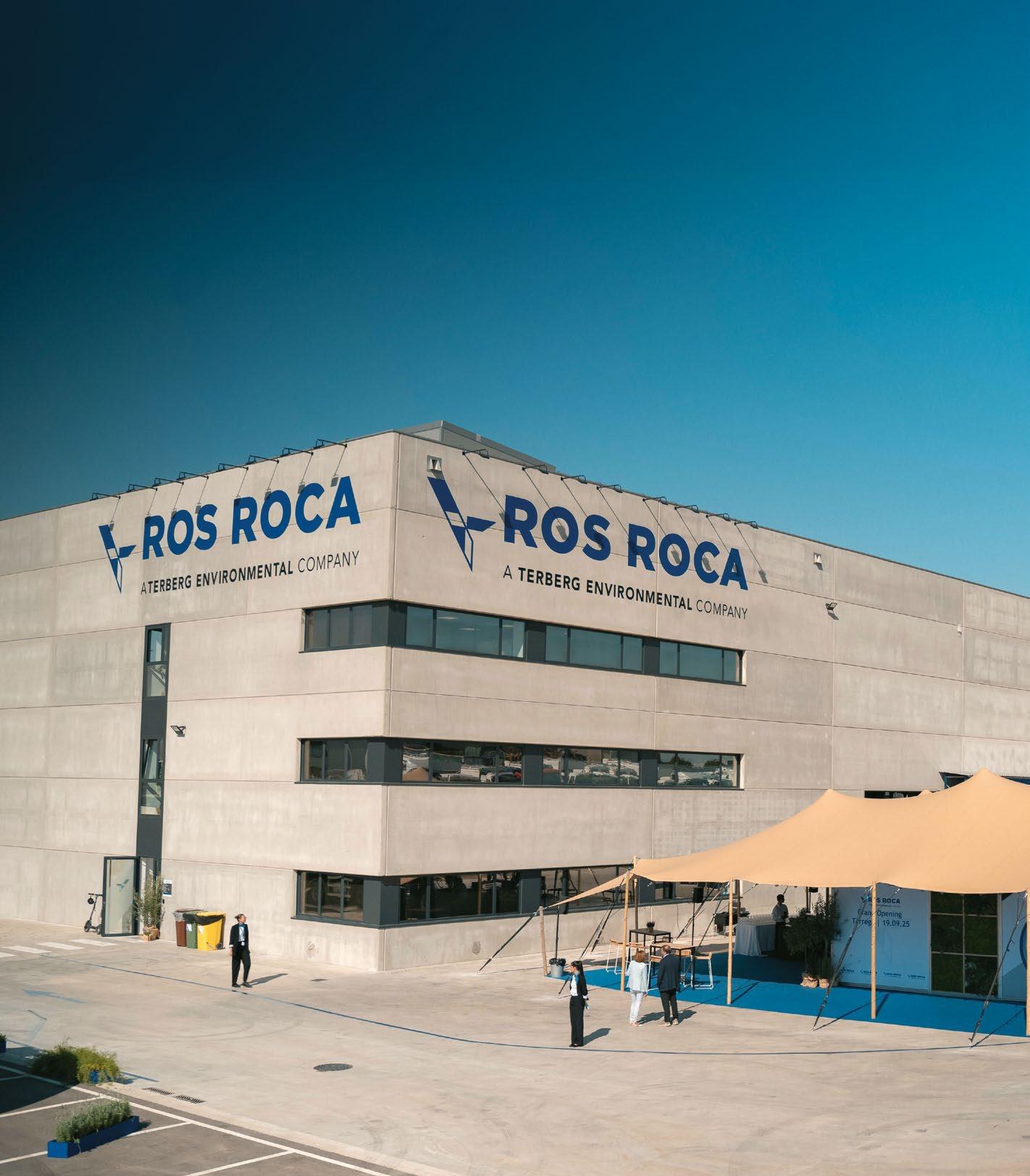
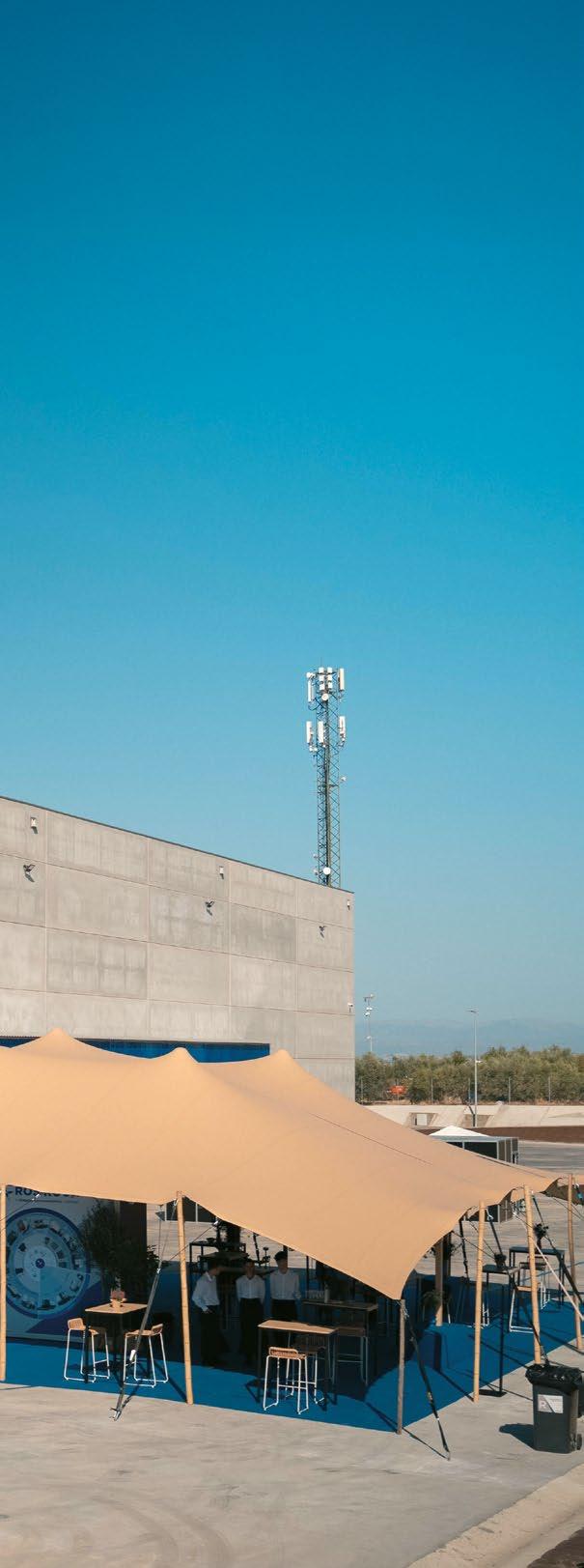
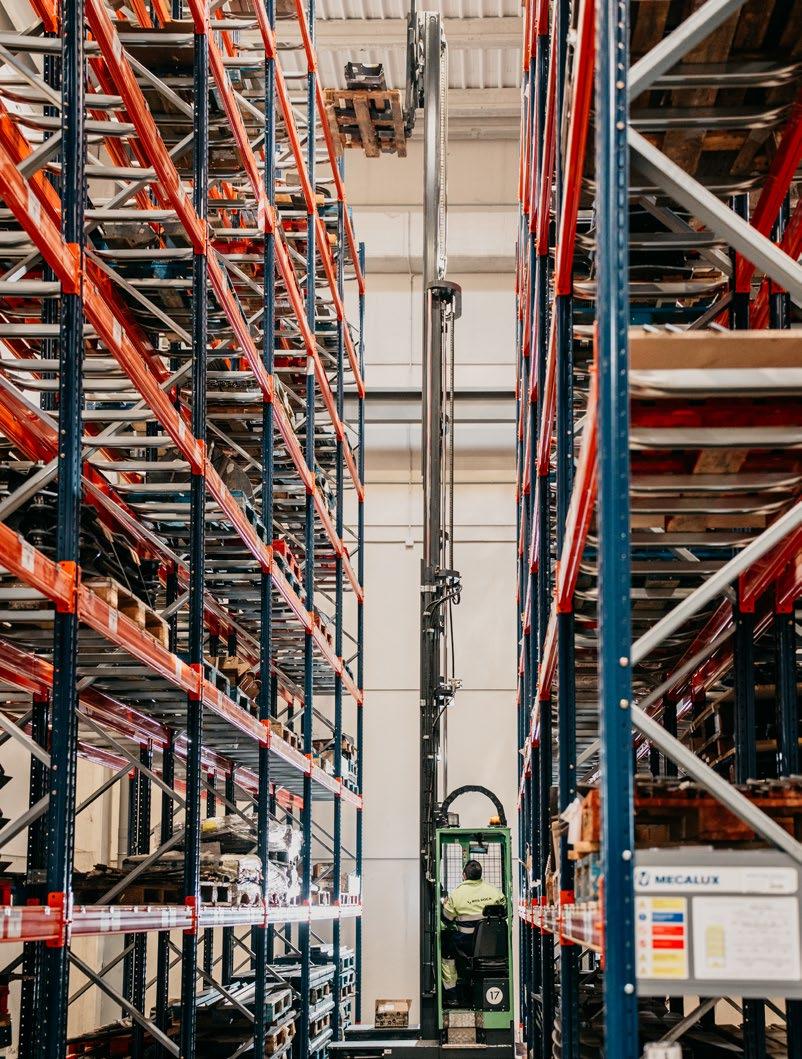
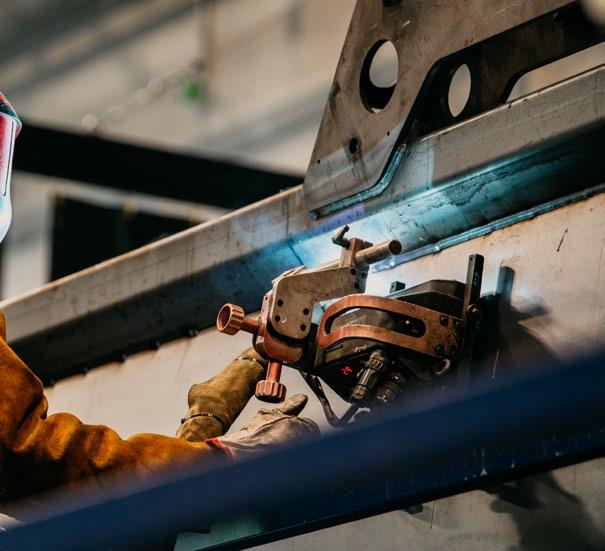
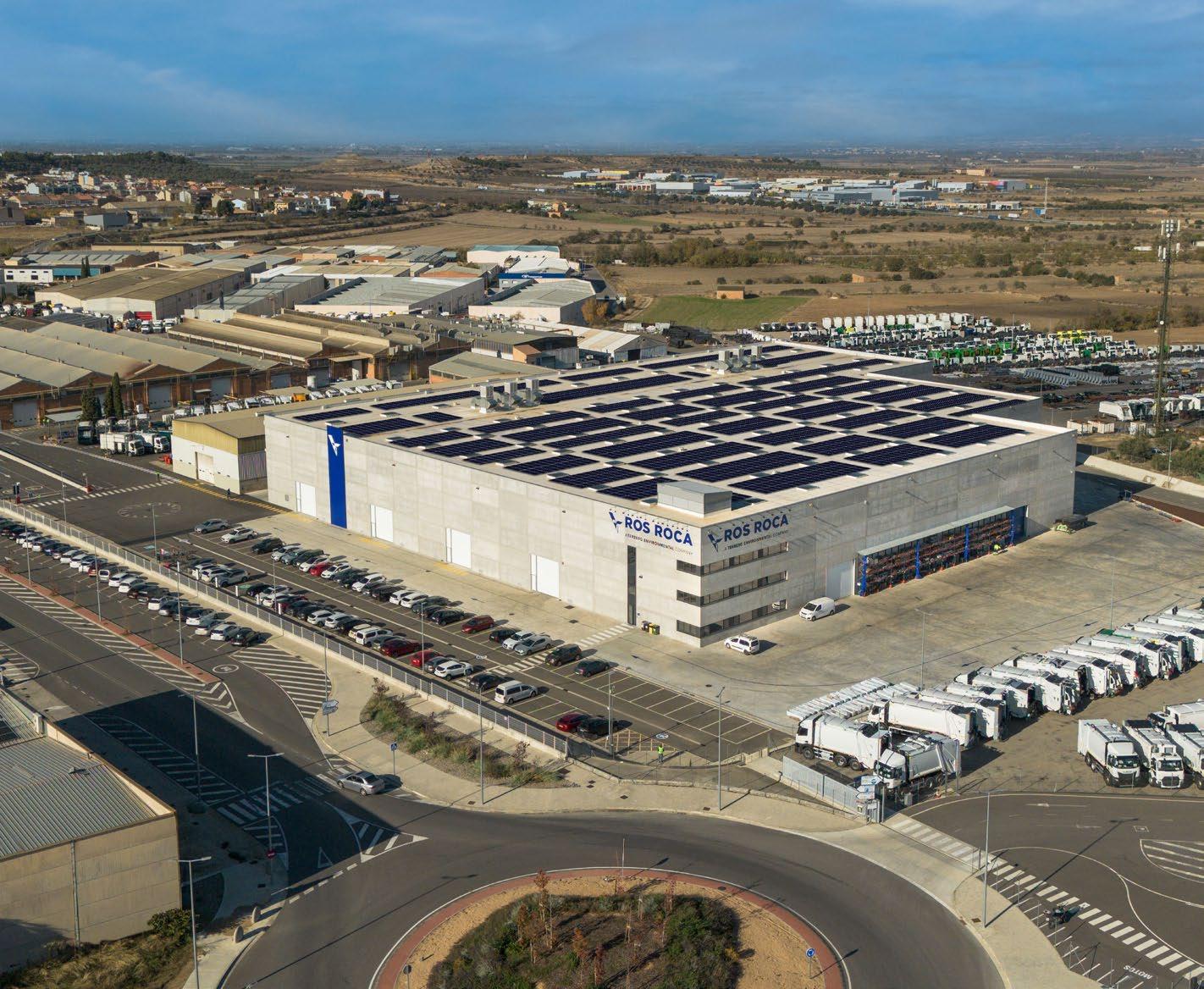
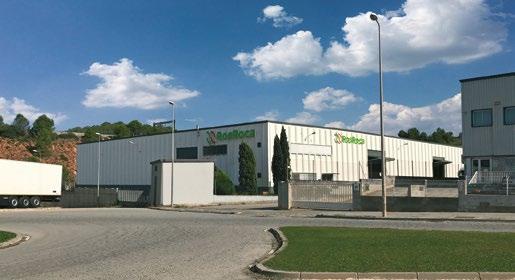
Terberg Environmental is continuing its global growth strategy with a major new expansion at one of its key production facilities. In 2024, Terberg Special Vehicles opened a new plant in the USA and expanded its plant in the Netherlands. At the same time, Terberg Environmental set up a major new plant in Singapore and some smaller facilities internationally. Now the spotlight is on Tàrrega where Ros Roca has successfully expanded its production capacity with a new facility.
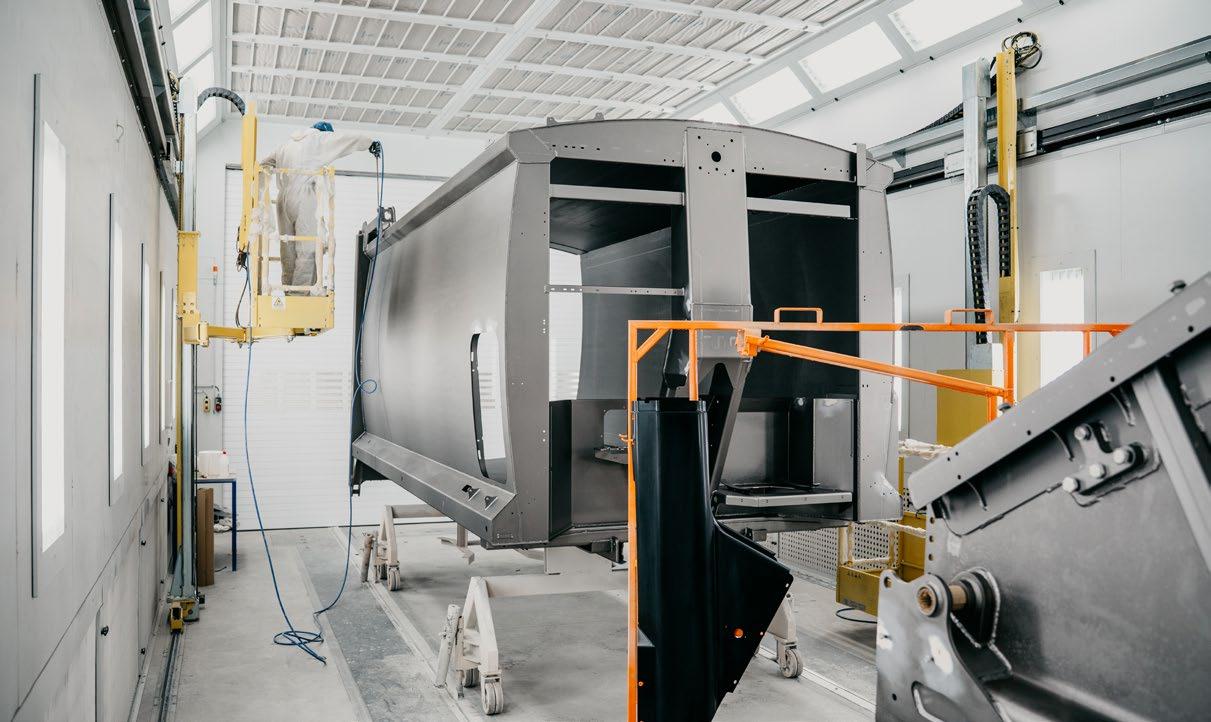
“This new space and layout will provide a high level of flexibility to adapt to the changing trends and evolution of the different European markets. By increasing the level of customisation of the final product, we can attune our output to the needs of our customers. The new facilities allocate a growing space to the PDI (pre-delivery inspection) and the introduction of the latest technologies (IA) to increase the focus on quality assurance.”
– Pere Petit, COO
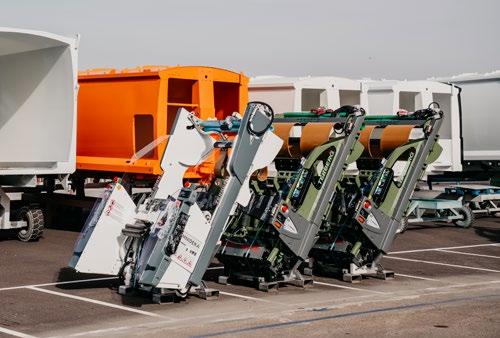

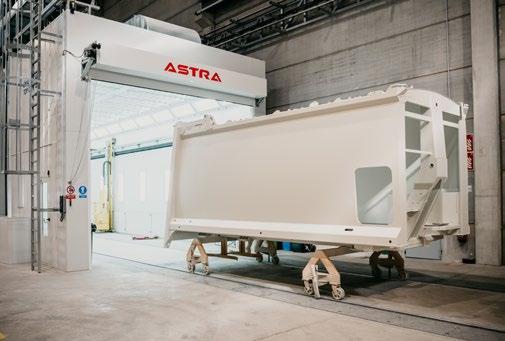
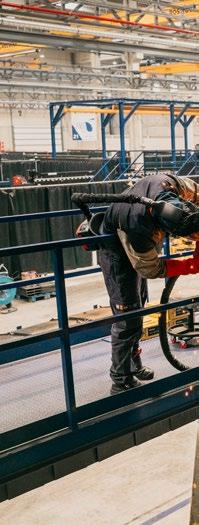
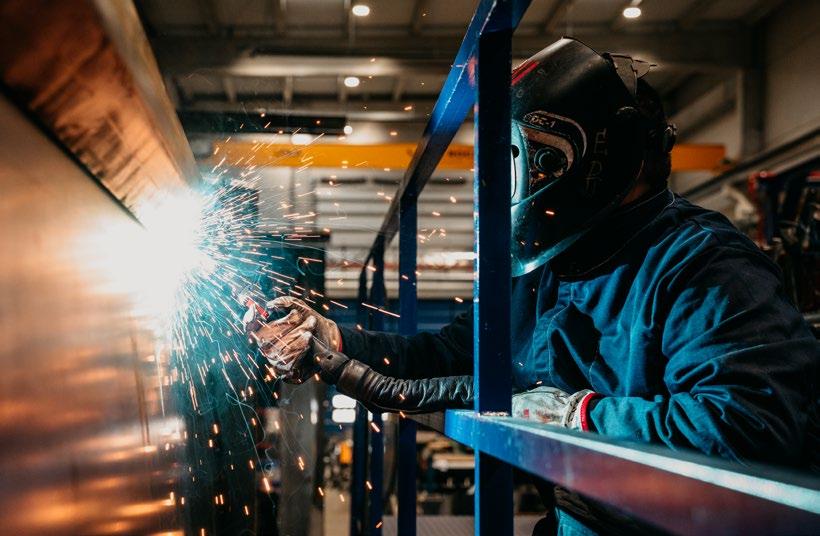
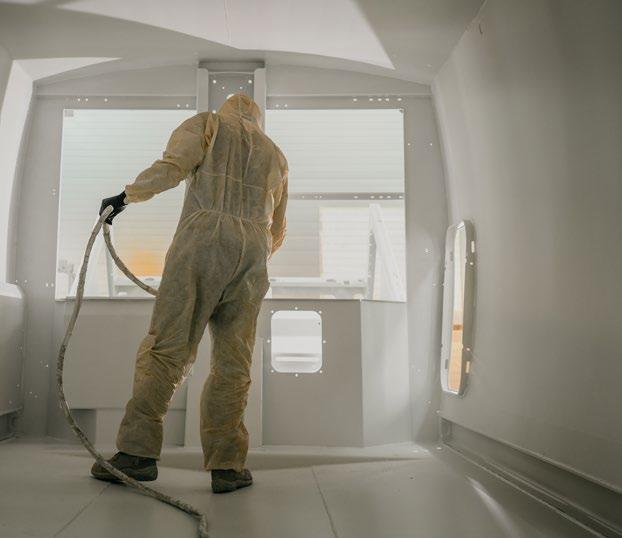
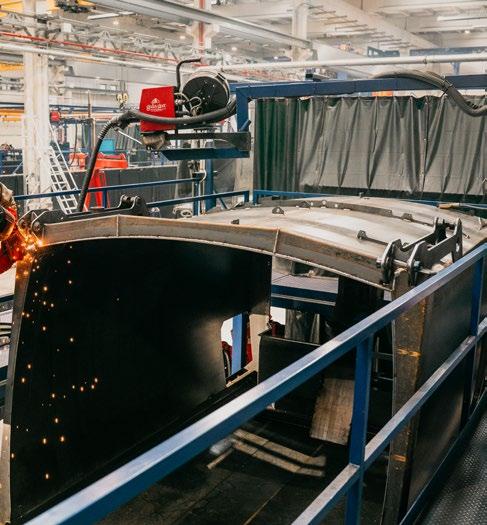
The expansion will provide resources to optimise the processes and layout to improve efficiency.
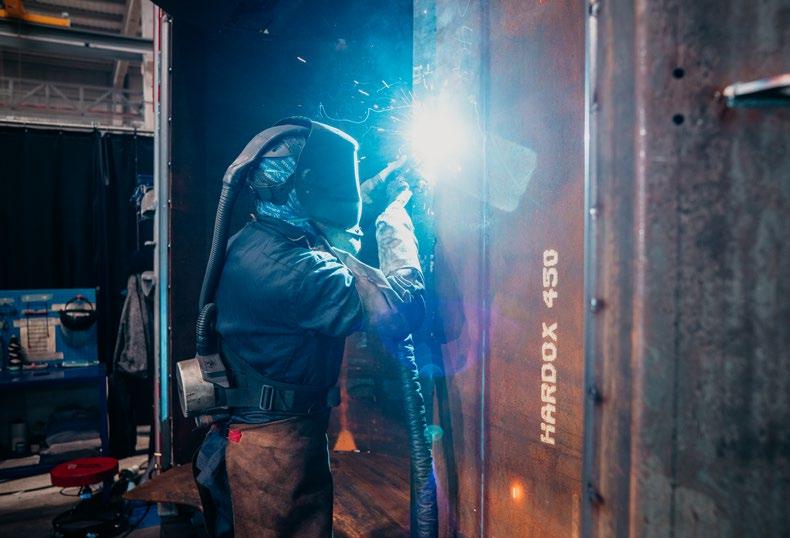
The Ros Roca production plant at Tàrrega in the north east of Spain has 566 employees and a current production output of over 1200 RCVs every year. Although this plant has expanded organically over the decades to meet the growing production volume, it has reached a tipping point and new facilities are required to continue meeting the growing demand.
The expansion will provide resources to optimise the processes and layout to improve efficiency. The new area will provide space for future developments as well. The employees will enjoy a more comfortable and ergonomic working environment.
Pere Petit, Chief Operating Officer explained, “We have to frame this investment as delivering our objective for the factory to become a key supply hub for the delivery of RCV units to Continental Europe. We can produce FBU (Full Body Unmounted) kits in Tàrrega in a very efficient way; with the combination of the mounting facilities at our subsidiaries in Warsaw (Poland), Genk (Belgium) and Emstek (Germany) we have achieved a full reach of the European markets with a very high level of customisation adapted to the differing requirements of each region.”
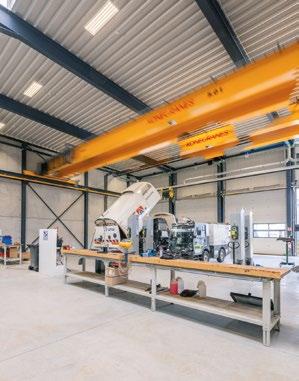
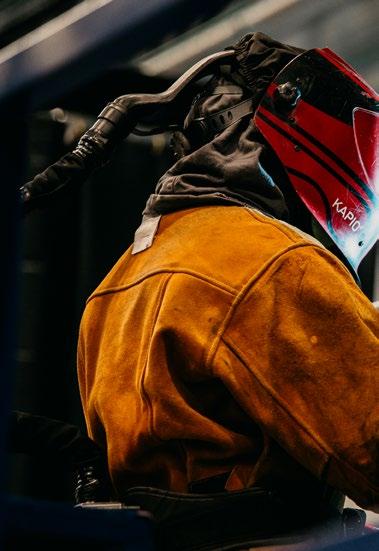
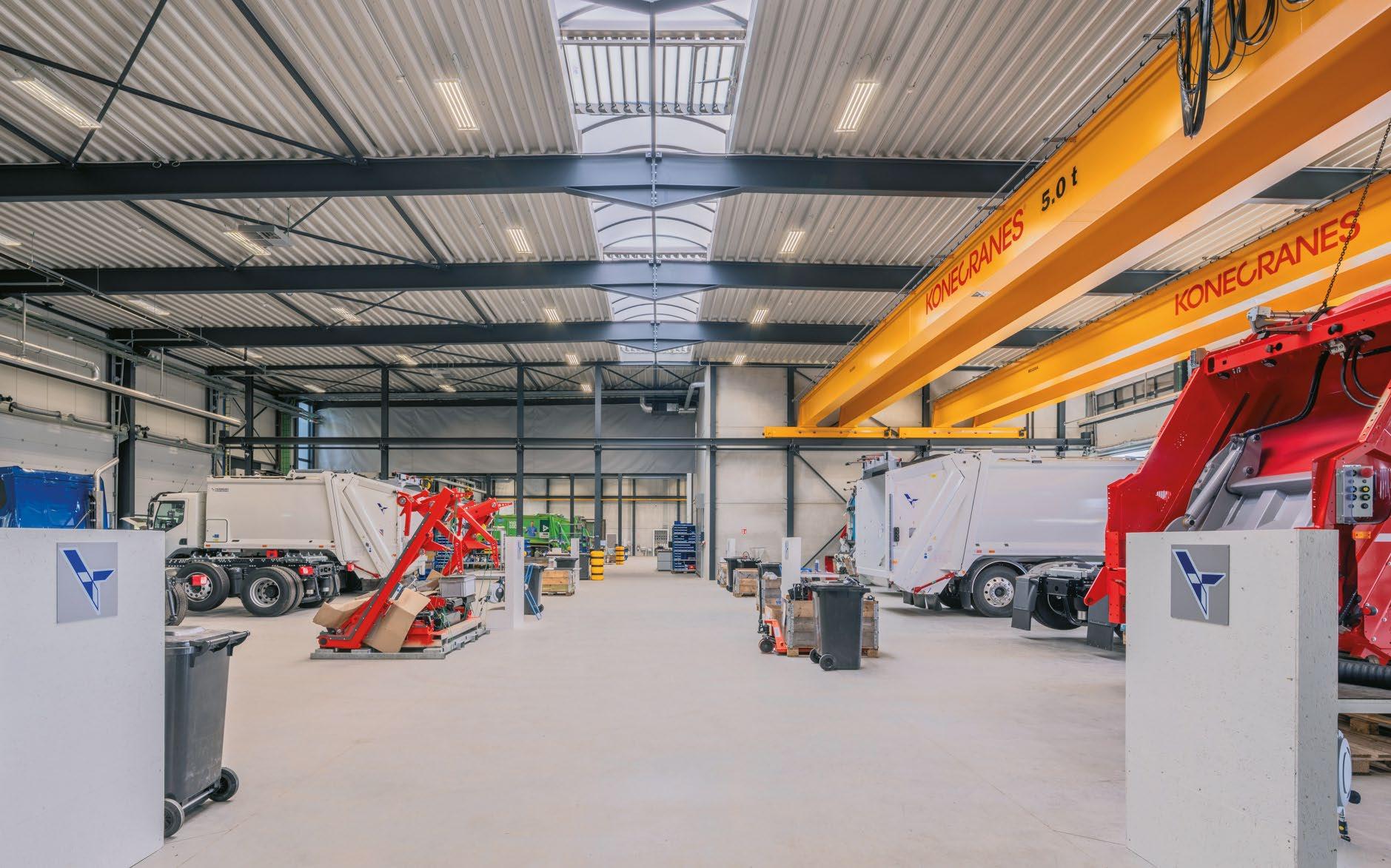
Construction of this new 10,000 m² building finished early in 2025. Over the following months the building services installations, overhead crane, welding stations, shot blasting booth and paint line were installed. Production at the new facility commenced in September. With the new layout, Olympus bodies and other products will be manufactured and
painted in the new building, to then be mounted on chassis in the existing building.
Plant Manager Josep Pedra added, “One of the main challenges during the expansion project was the need to continue operations in the existing facilities while managing an increase in production and building the new factory. The hard work and support of our team have ensured that we maintained our production levels while working on the project. We have also reserved an area for the introduction of robotic welding stations in future.
In line with the sustainability policy of the Royal Terberg Group, we are installing solar panels and getting more electric forklift trucks. We are adopting water-borne paints which are not only more sustainable but also offer better performance. Altogether, the expansion project will result in a reduced environmental impact, lower costs and a better working environment.
We need the additional manufacturing capacity to meet the rising demand for our products such as the Olympus SLM. In addition to fully assembled vehicles and unmounted bodies, we also produce body kits which are then assembled and mounted on chassis by other Terberg Environmental businesses, for example in the UAE, Singapore and Malaysia and, in future, in Colombia. The rising demand proves that more and more customers have confidence in Terberg Environmental products, and that’s something to be proud of.”
Developing the Olympus MIDI allowed us to design a completely new and much more efficient hydraulic compaction system.
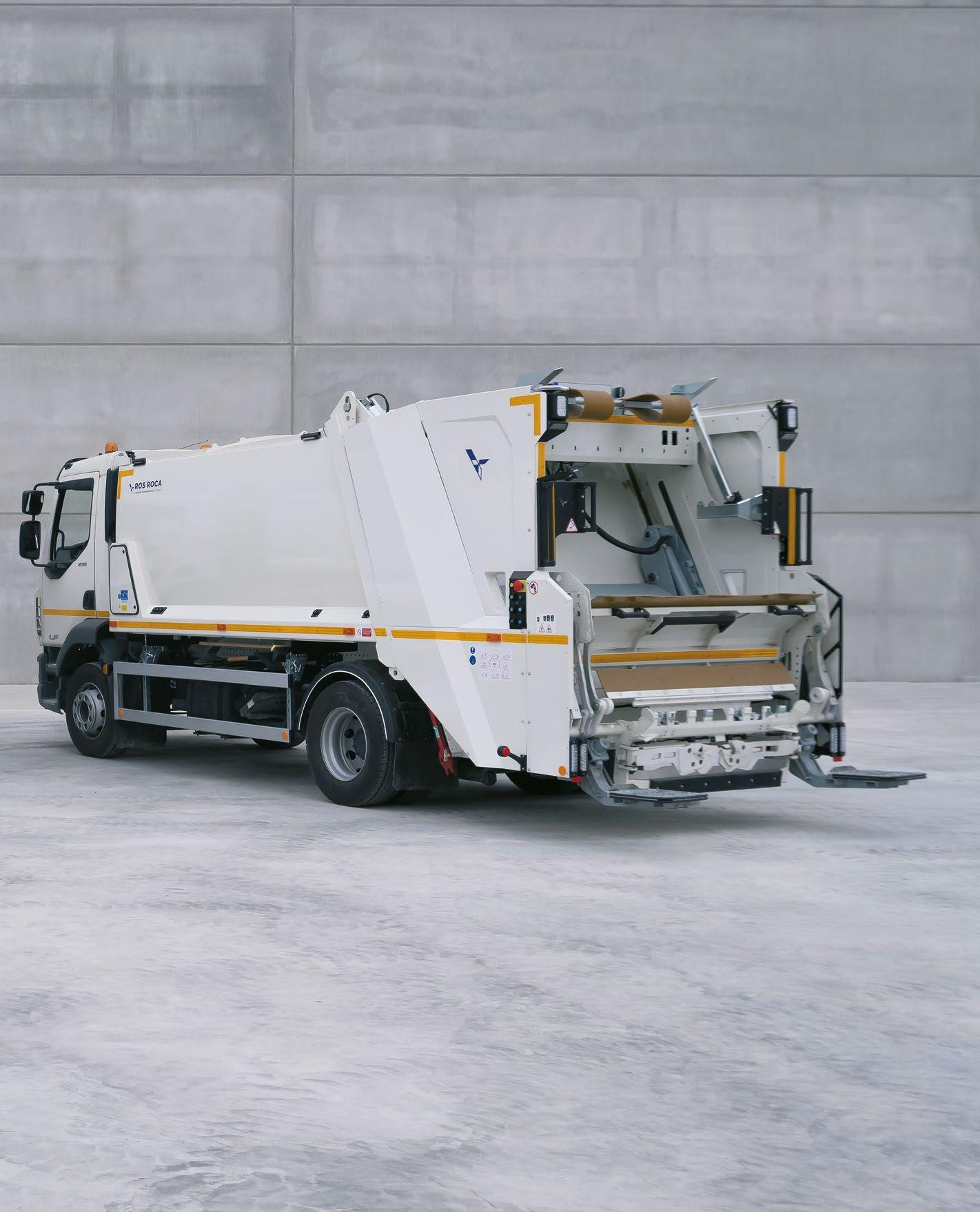
Introducing the latest innovation in our RCV body lineup: the Olympus MIDI. Designed from the ground up using advanced engineering methods and modern technology, the Olympus MIDI fills the gap between our standard Olympus (up to 27 m³) and the Olympus MINI (up to 8 m³). This new option caters to customers whose requirements fall in-between that range. With a capacity of 10 to 12 m³, the Olympus MIDI strikes a balance between compact size and generous payload.
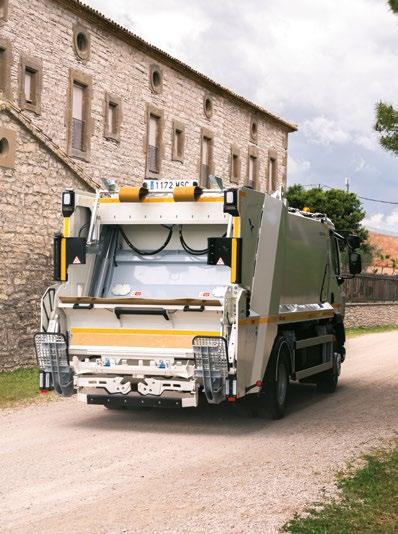

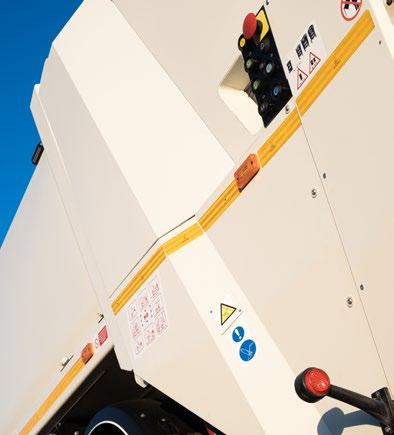
We have also created a new integrated bin lift, the MOC2, with improved kinematics, autogather, and a lifting capacity of 500 kg.
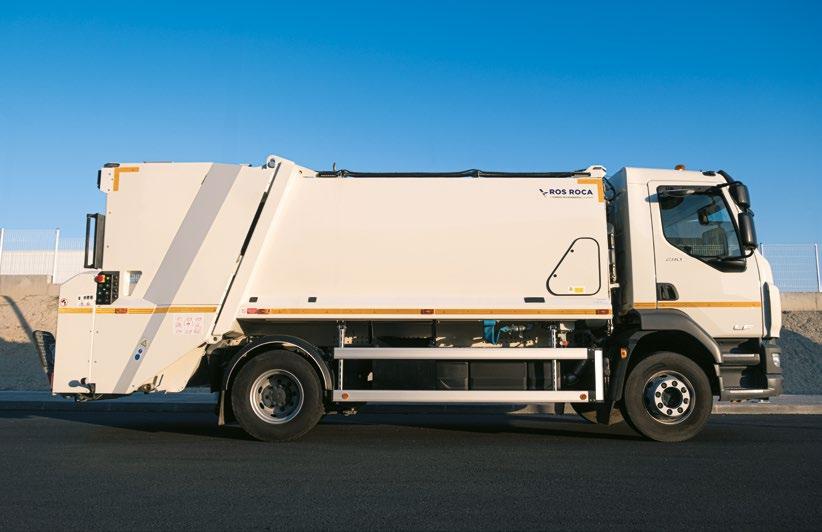
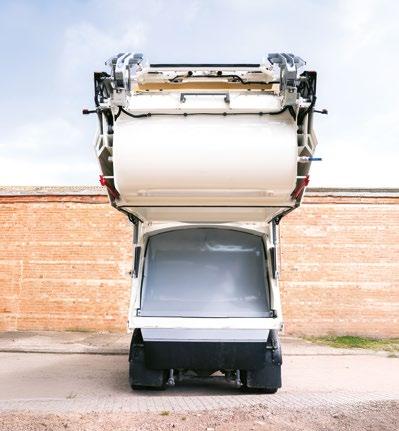
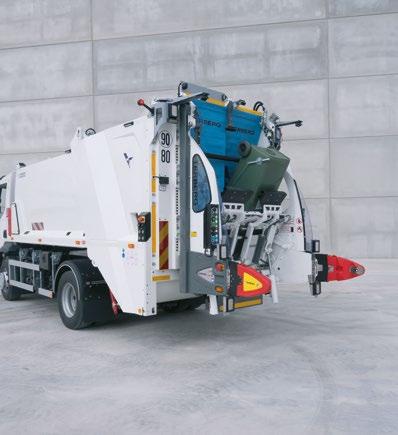
Joan Bergada, Product and Industrial Development Manager explained, “The Olympus MIDI is a completely new design for chassis in the 12-16 tonne class. We used FEA (Finite Elements Analysis) extensively to optimise the body strength and payload, and then stress-tested everything to verify the calculations. We started working on the design in February 2023 so it’s great to see our ideas now becoming reality - I really enjoyed working in our design team.
Developing the Olympus MIDI allowed us to design a completely new and much
more efficient hydraulic compaction system. Basically, you need less diesel or less energy to compact the refuse. This is the result of completely re-engineered hydraulic blocks and piping, with a new layout and optimised components. That reduces pressure drops and unnecessary heating of the hydraulic oil in the system. Reducing the noise level was also important because that’s part of our EcoDesign procedure and certification.
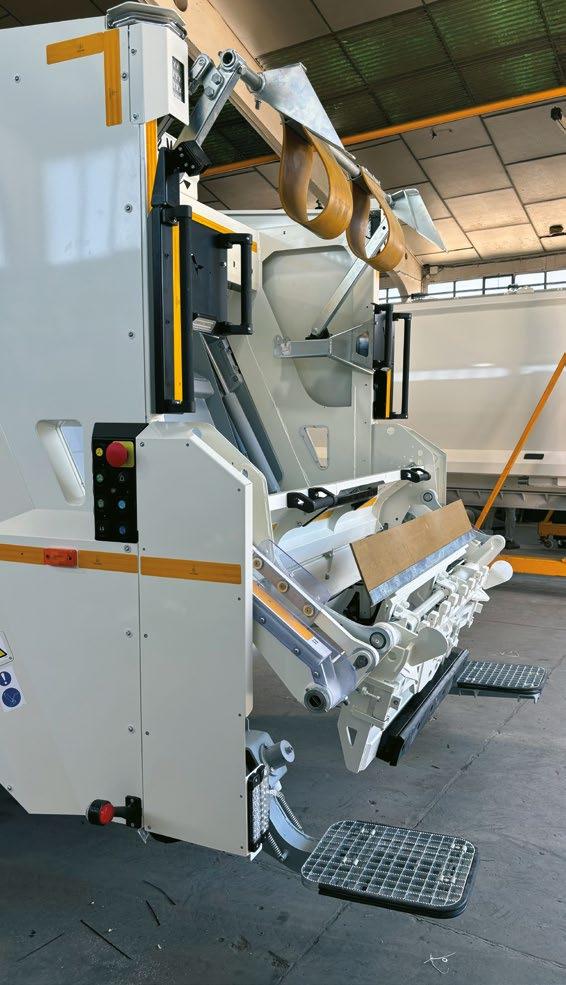
We have also created a new integrated bin lift, the MOC2, with improved kinematics, autogather, and a lifting capacity of 500 kg.
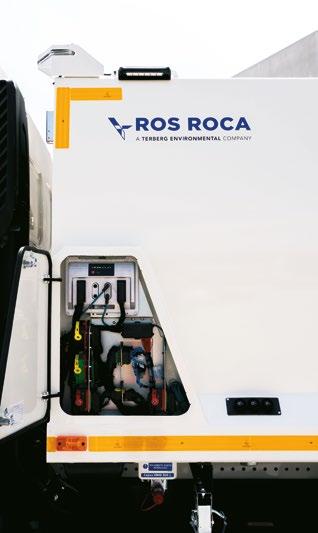
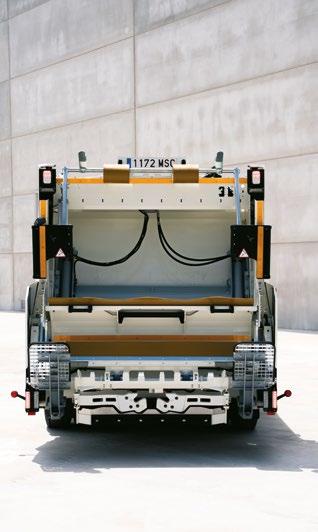
Of course, the Olympus MIDI can also be fitted with other bin lifts. There are only two lubrication points, so routine maintenance takes little time.
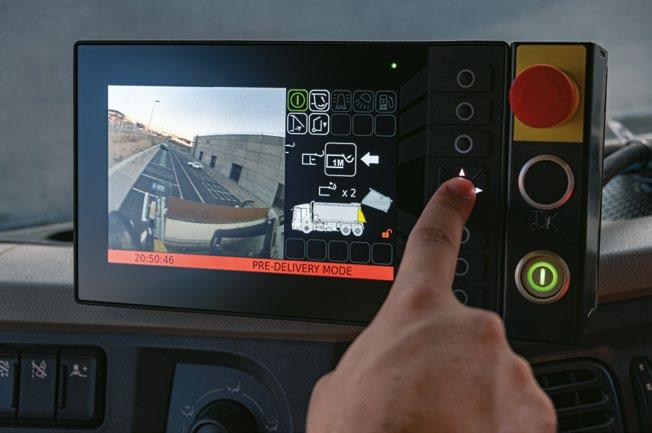
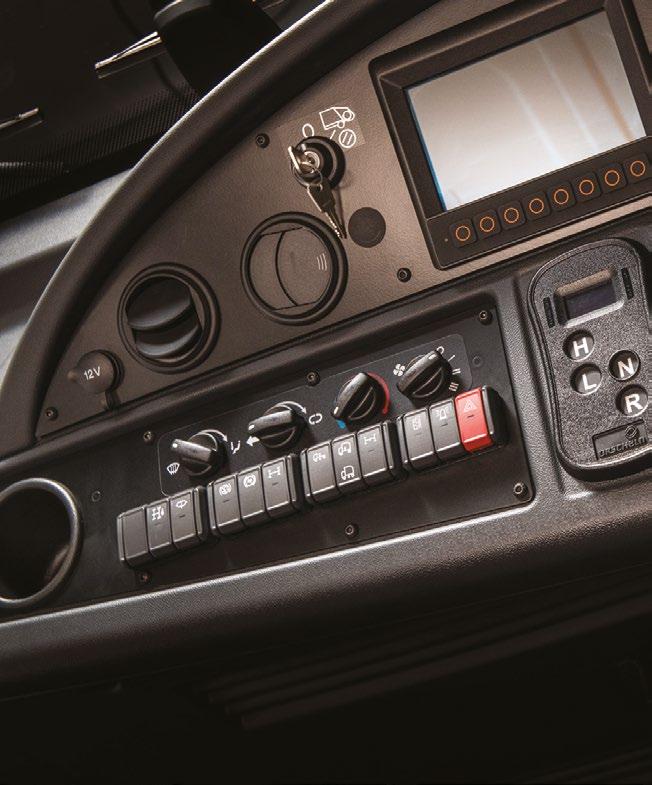
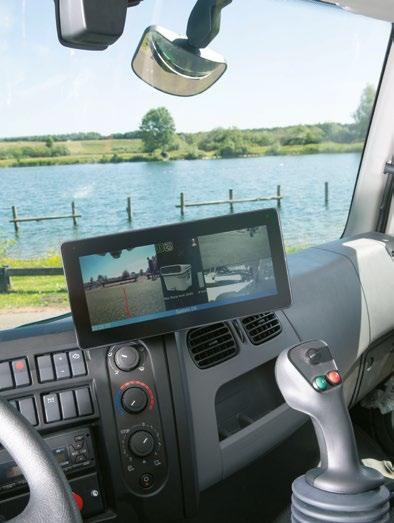
The Olympus MIDI has an HMI display in the cab to provide the driver with information about a range of operating parameters and help with troubleshooting. Additionally, our Terberg Connect system provides fleet managers with detailed information about all their vehicles.
The Olympus MIDI aims for the renowned Terberg Environmental combination of
high quality and low TCO. We have spent around a year testing it in Tàrrega where our factory is located. Both drivers and loaders have given us positive feedback about the manoeuvrability and easy operation of the unit. That was followed by tests in a larger city and in the UK.
I’m now looking forward to the completion of the MIDI’s rollout across every market. We already have orders from five different countries. I think it really offers our customers a great product with an unbeatable payload in this market segment.”
Small, two-wheeled bins can be lifted and lowered fully automatically. Howeverfor safety reasons-that is not permitted for the larger, four-wheeled trade (commercial) containers. So, when our autogather system detects one of those it just lifts it up slightly and then waits for the operator to complete the rest of the cycle under manual control. In some markets this function is known as Single Man Trade (SMT).
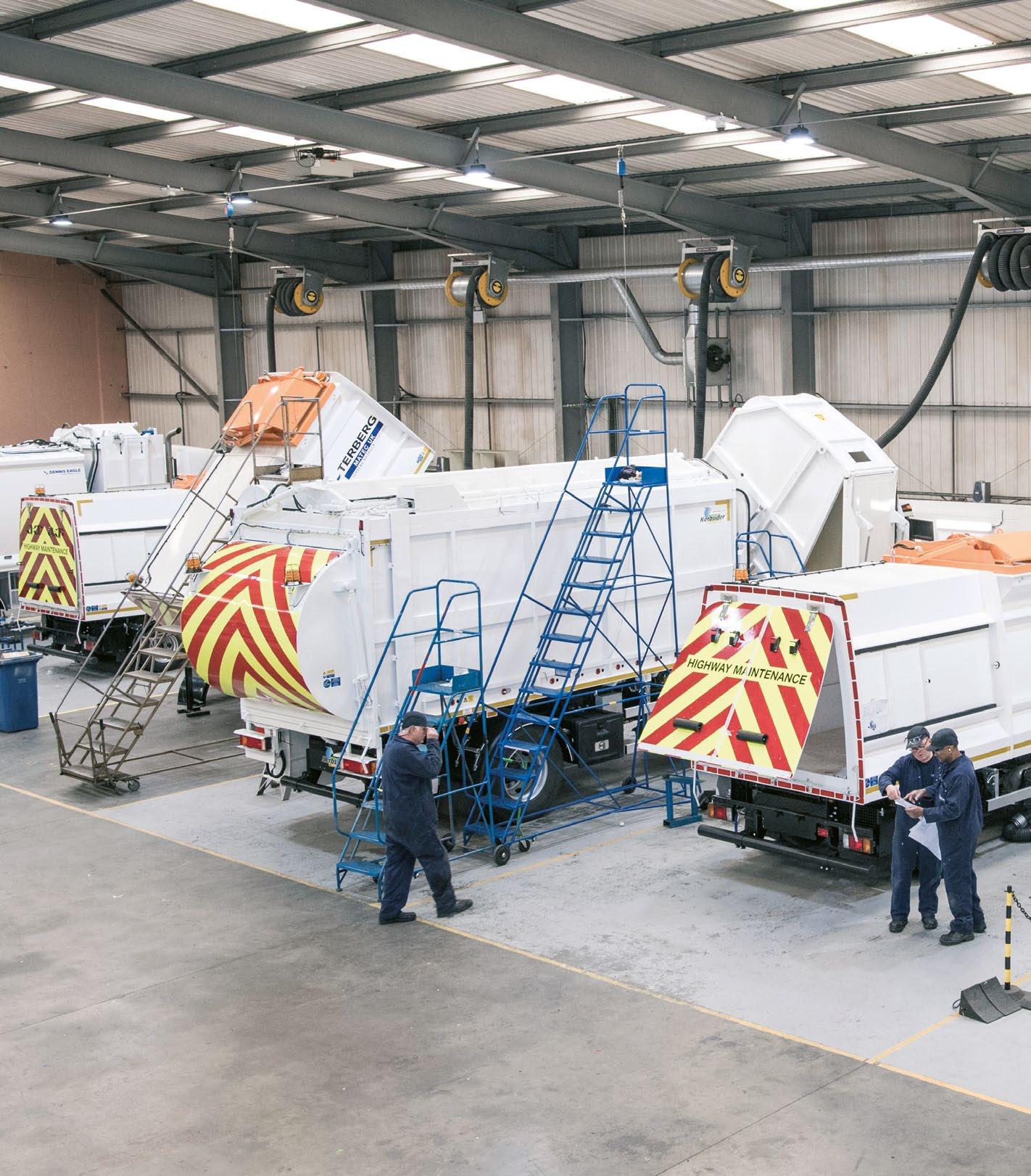
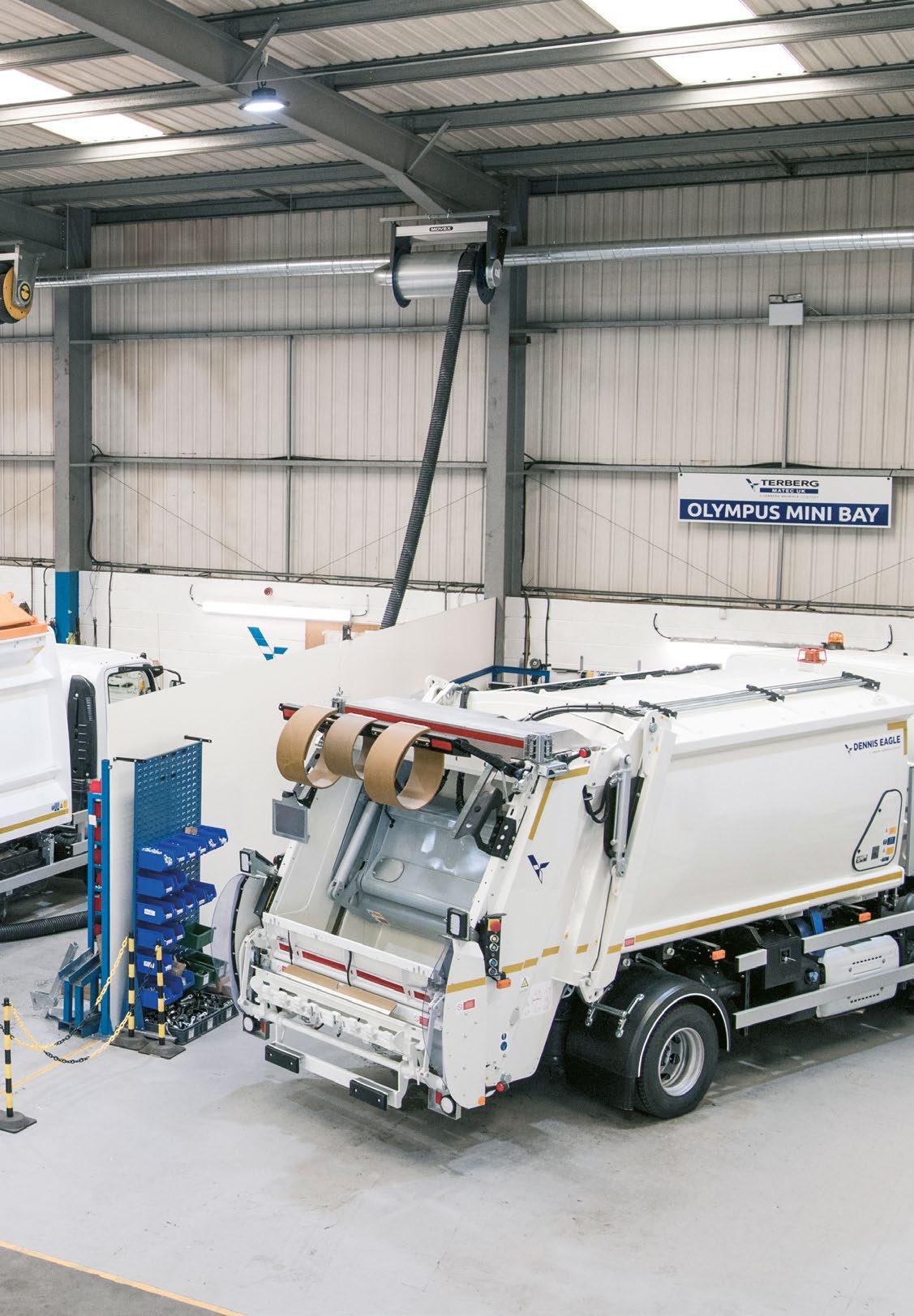
Customer care extends far beyond the initial purchase; it’s embedded in every stage of the product’s life cycle. The Terberg commitment to delivering a low Total Cost of Ownership (TCO) is rooted in the durability, efficiency and reliability of our products, but equally critical to maintaining this attractive TCO is comprehensive aftersales support. Providing effective and efficient vehicle servicing, spare parts supply, and proactive advice all help extend the lifespan of each vehicle.
>
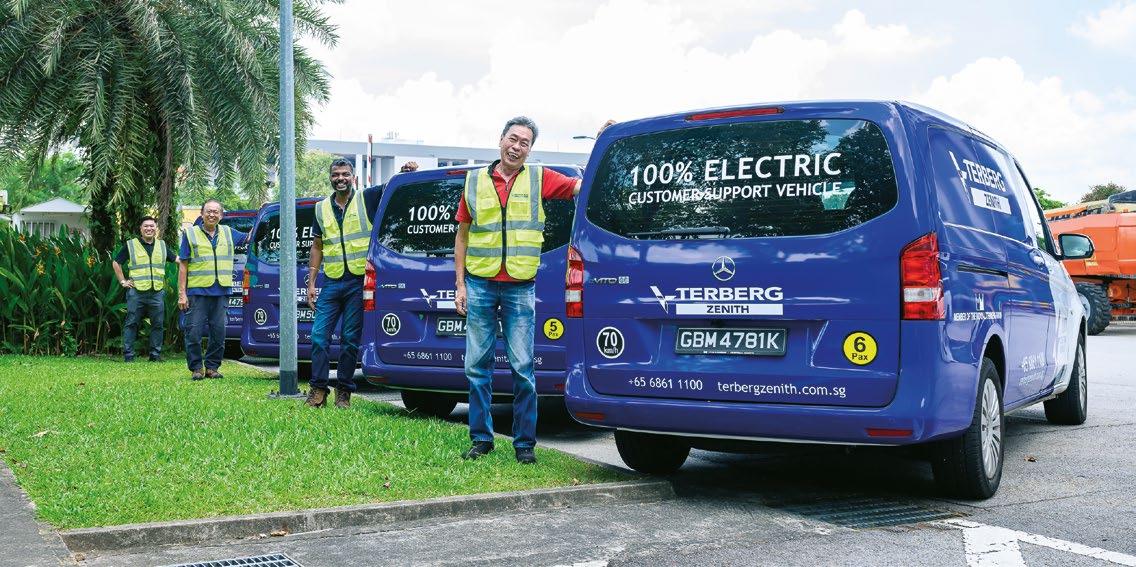
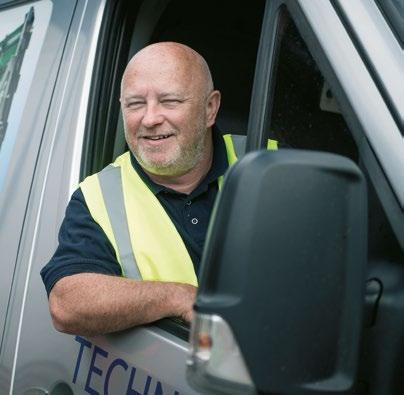
When we set up a new subsidiary or appoint a distributor we immediately start developing the servicing organisation as a priority.
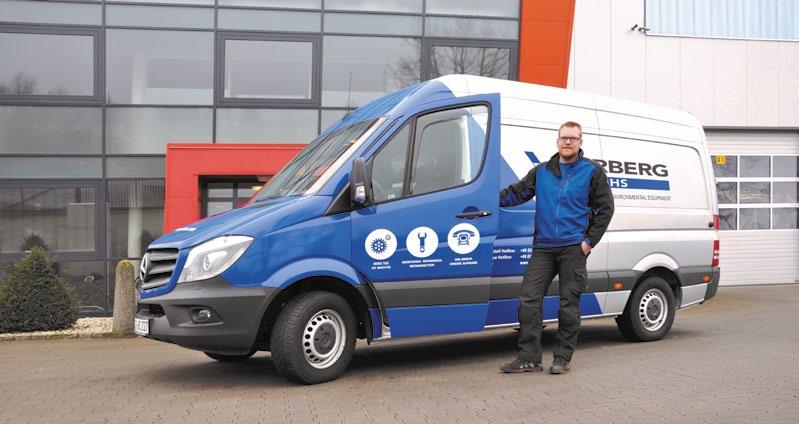
One of Terberg’s key policies is that servicing should be just as good in emerging markets as it is in countries where we have been established for decades. In other words, when we set up a new subsidiary or appoint a distributor we immediately start developing the servicing organisation as a priority. Terberg Environmental service teams undertake routine scheduled maintenance as well as repairs. Routine maintenance is usually undertaken at customer premises while major repairs and overhauls are done in our workshops. We also provide spare parts and advice to customers who service their vehicles in-house. Three Terberg Environmental service managers told us about how they enable their teams to provide excellent service in their markets.
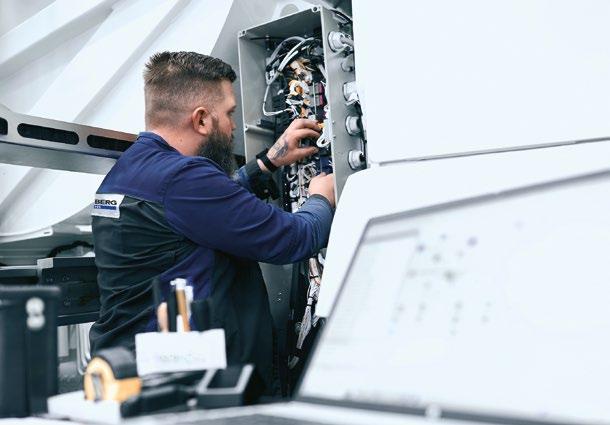
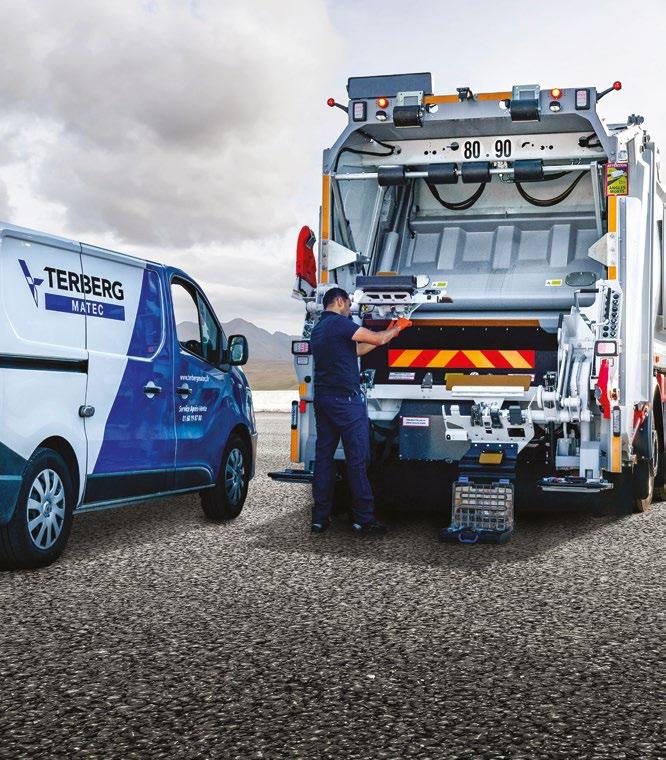
“Given the complexity of the equipment, our mechanics need two to three years of training to cover the whole product range. Their most important tools are technical knowledge, documentation, and a service van with the right tools and spare parts. In most cases they are able to resolve issues quickly and get the equipment up and running again. One of the things we focus on is effective communications, and our customers tell us we do that better than the competition.”

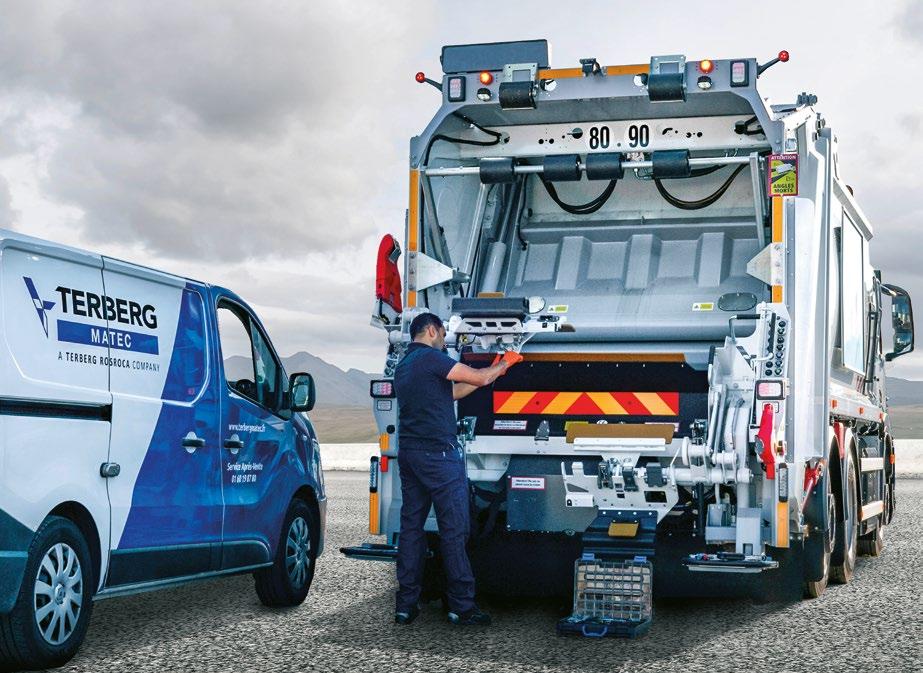
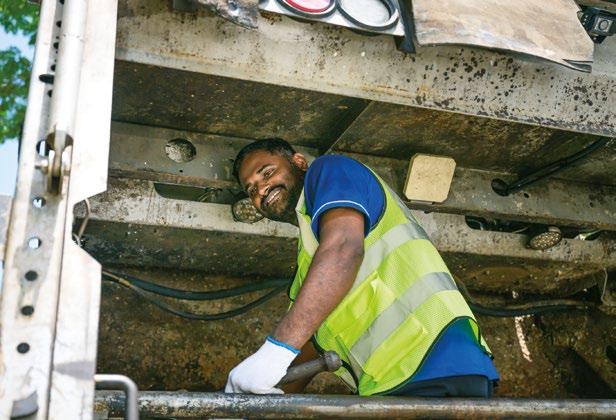
“As we are setting up more businesses worldwide, they adopt service support systems similar to those at Terberg Matec UK. That allows us to deliver excellent service, everywhere. As these businesses develop their own systems they focus on minimising the number of customer vehicles that are off the road, and maximising the first-time fix rate. Terberg Connect is obviously a key element in their service offerings.”

The resulting high first-time fix rate saves our customers downtime –they can continue their refuse collection operations efficiently without hiring replacement vehicles.
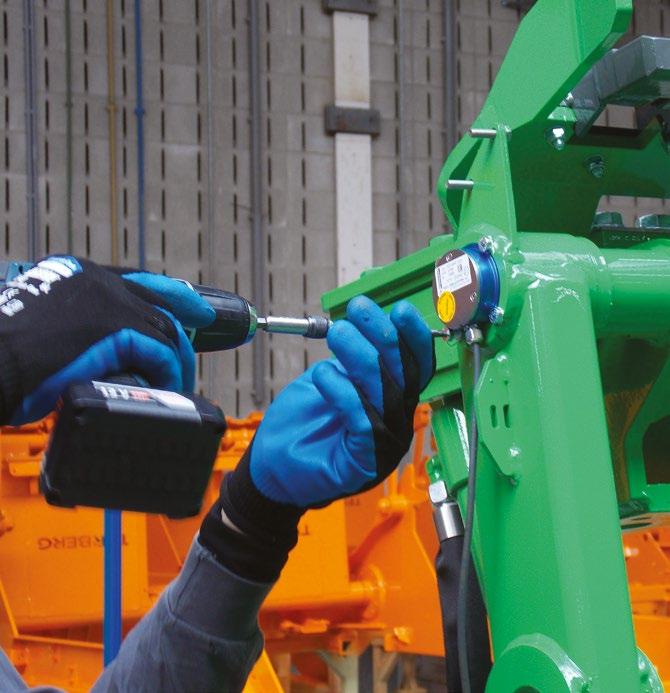
“I trained with Terberg Matec UK and I’m now implementing their approach here. Basically, we want to be number one on the Polish market in terms of service. We have eight service vans covering the country, working on both Terberg RCVs and Bucher sweepers. One of our roles is to inform customers about the best way to use their valuable equipment. That is particularly relevant with complex units such as sweepers.”

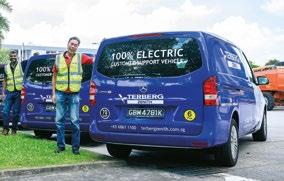
All the service managers we interviewed mentioned how valuable the data provided by Terberg Connect is. It enables them to resolve around 10% of service requests remotely – often issues due to operator error. Initial remote diagnosis also means that if an engineer has to go to the customer’s site they can bring the required parts with them. In most cases that means there is no need for a repeat visit for the same issue. The resulting high first-time fix rate saves our customers downtime – they can continue their refuse collection operations efficiently without hiring replacement vehicles.
Superior build from quality materials
Long vehicle lifespan
Proac tive suppor t from exper ts
Indus tr yleading low tot al cos t of owner ship ( TCO)
Terberg recently celebrated its 155th anniversary – a symbol of our focus on the long term. We apply this same focus when designing and building our products. Given the continuing expansion of Terberg, in both volume of production and geographical presence, it’s clear that many of our customers share that vision of longevity for their fleets of refuse collection vehicles.
Our focus on the long term is not just a family tradition, but equally based on economic principles. The premise is simple: a low Total Cost of Ownership (TCO) is achieved through intentional product design. Terberg Environmental products are designed for long life, low downtime, and minimal end-oflife disposal costs, with the added potential for residual value.
Despite not always having the lowest initial cost, Terberg Environmental products will have longer lives and consequently cost less overall. The ease of servicing — supported by the Terberg Connect telemetry system — and good availability of spare parts both contribute to minimised downtime. Less downtime means there is less disruption to operations, less need to reschedule collection rounds, less inconvenience to local residents and trade customers, and less need to hire replacement vehicles.
Diesel and electricity are often cited as a major operating cost of RCV fleets. Our continuing effort to optimise the design of our chassis, bodies and bin lifts helps reduce these costs. Our range of bin lifts with electrohydraulic systems are a good example. These do not require the engine RPM to be increased during the lift cycle. This not only reduces fuel consumption but also the noise level. Elsewhere in this magazine you can read about our new Olympus MIDI with its re-engineered hydraulic system.
RCVs contain a lot of materials and embodied energy, so maximising their life makes them more sustainable. Similarly, a lower energy consumption leads to lower emissions. The reduced noise level of some of our vehicles benefits both the crew and local residents. It also means refuse can be collected earlier or later in the day, when there is less traffic and the round can be completed more quickly.
When in the market for an RCV, prices can vary between vehicles that seem to have similar features. It can be tempting to consider only the initial cost, but it’s important to consider these factors which can save you even more money in the long term:
• Cost of maintenance
• Build quality
• Vehicle up-time
• Estimated total vehicle lifespan
• Quality of life features
• Operator safety and comfort
• Operator usability
Although a Terberg RCV may not always have the lowest price tag, the savings over the course of the vehicle’s life will often make up this difference and more - both in pure monetary terms as well as time and effort saved.
A selection of representative products from each product group in the Terberg Environmental catalogue
When people are asked to visualise a waste collection vehicle, they typically think of an operator handling bags or bins and loading them into the back of a Refuse Collection Vehicle (RCV), specifically a rear-loading RCV.
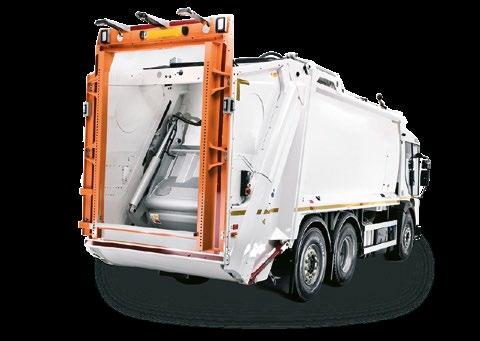
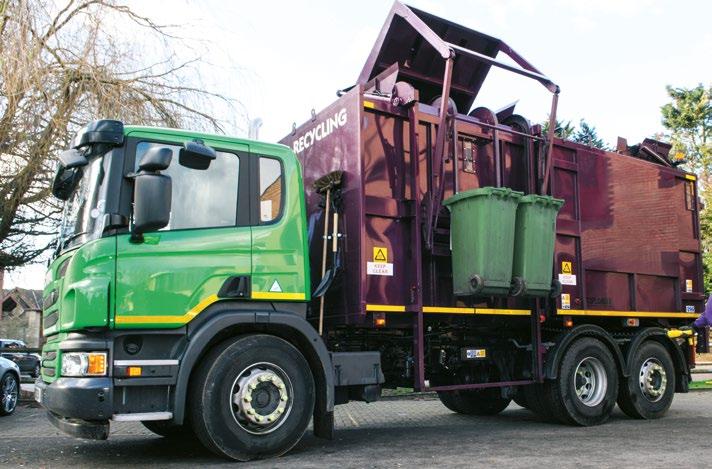
The most common configuration of the Olympus RCV body is built with a single compartment, widely used to collect large volumes of a single waste stream at a time.
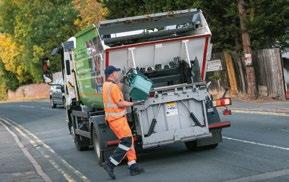
The robust Olympus is constructed from high-quality steel, with special grades chosen for high-wear areas such as the floor. It is designed with flexibility in mind to handle refuse, recycling, or food waste. The shape and nearly seamless construction prevents leachate leakage common when collecting liquid-heavy food and bio waste streams. This hard-working all-rounder fits perfectly in to almost any waste collection fleet.
Volume: 10 - 27 m³
Body Width: 2230 – 2530 mm
Overall Body Length: 4725 - 7935 mm
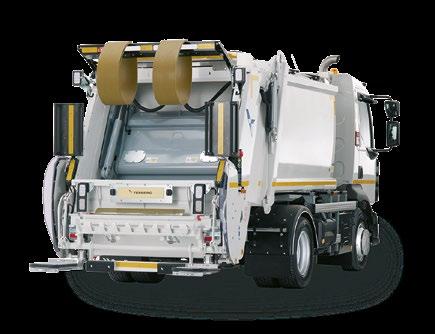
The Olympus MINI is a compact version of the Olympus, designed for use in restricted access area without sacrificing performance.
Perfect for city centres and narrow country lanes, the Olympus MINI combines durability and manoeuvrability. Its efficient design makes it ideal for waste collection in areas where space is limited. Despite its compact size, the Olympus MINI maintains the same highquality construction as the full-sized Olympus, ensuring reliable performance on almost any collection route.
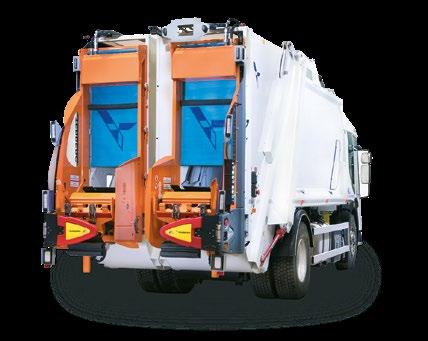
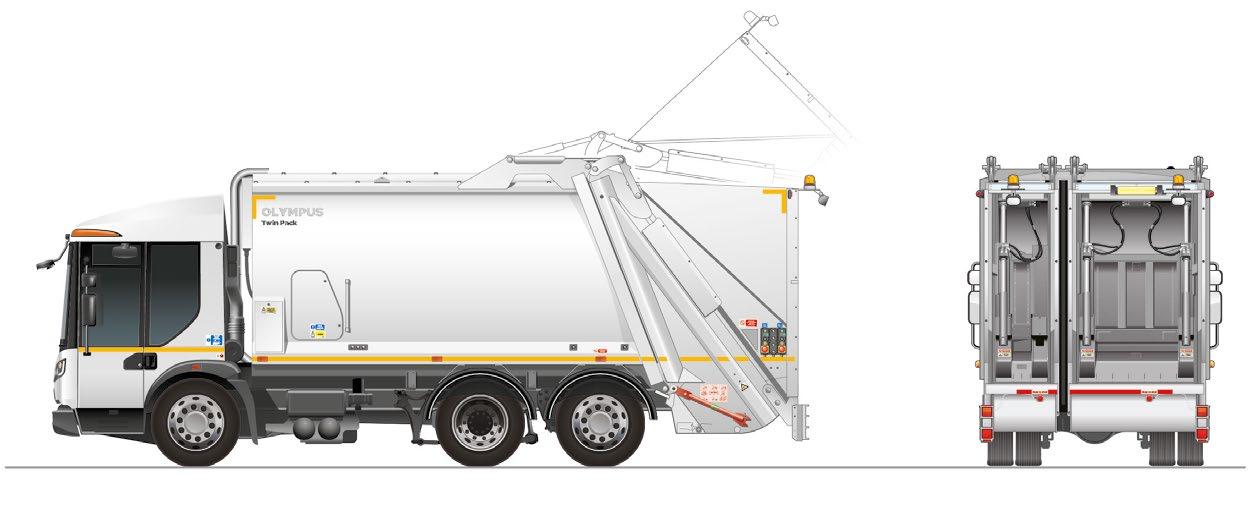
The Olympus TWIN PACK is one of the most popular options among the Olympus variants for situations demanding the collection of multiple waste streams without cross-contamination.
Available in a 65:35 or 50:50 split configuration, the Olympus TWIN PACK is designed to improve efficiency on routes with both residual waste and recycling collections. The twin body compartments have independent tailgates and operation, ensuring protection from cross-contamination during all stages of collecting and unloading. Also available in Narrow and Wide variants.
Volume: 6 - 10 m³
Body Width: 2000 mm
Overall Body Length: 4030 – 5487 mm
Volume: 12 - 27 m³
Body Width: 2250 – 2550 mm
Overall Body Length: 5010 – 7910 mm
Bin lifts are a vital component in modern waste collection operations, enabling crews to empty containers safely and efficiently. By reducing manual lifting and tipping, a bin lift system significantly reduces the risk of injuries while improving the productivity and efficiency of collection routes. As a leader in the market, we’re proud to offer a diverse range of bin lift systems to suit domestic and commercial collections, different material streams and containers.
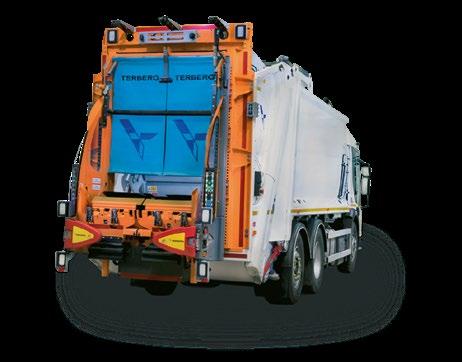
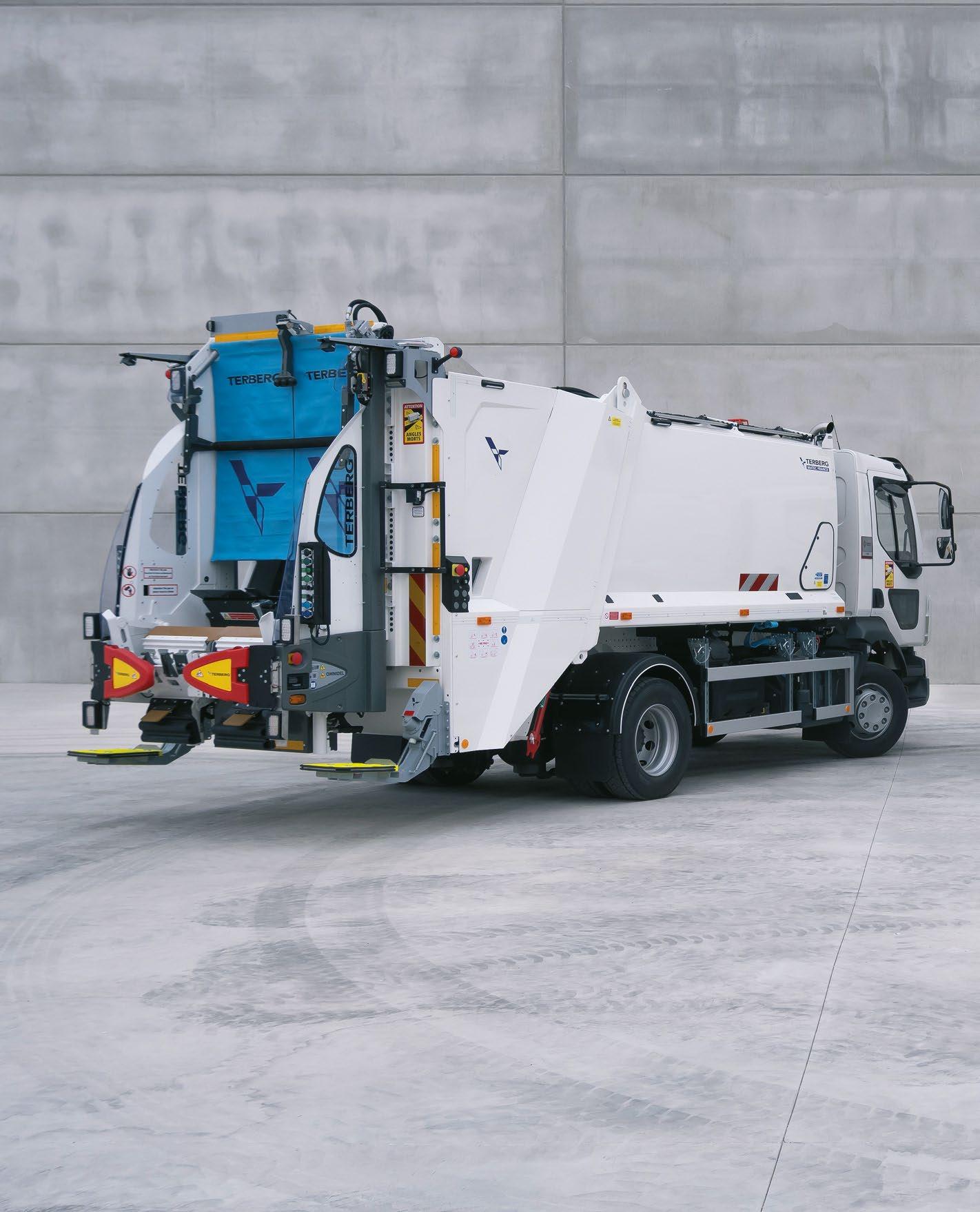
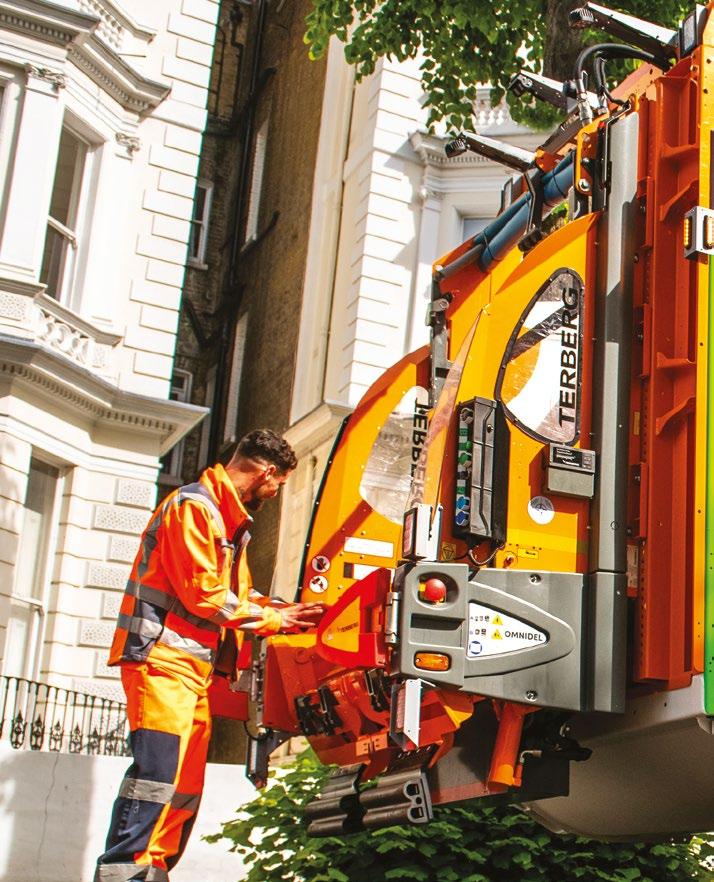
Our class-leading OmniDEL is a versatile and robust low-level automatic bin lift system, compatible with a wide variety of containers. Offering twin lifting chairs that are perfect for high volume, high density urban collections of two-wheeled bins.
High-quality components and feature-packed that the OmniDEL is a great choice for any waste management operation. It is known for its reliability and durability, as well as being easy to operate and maintain. Also available as Electric, Triple (for split bodies), or FW (Full Width) to provide the best available access to the tailgate.
Weight: 595 kg
Operation Mode: Automatic & Manual
Handling Capacity: 160 kg (Split) / 500 kg (Linked)
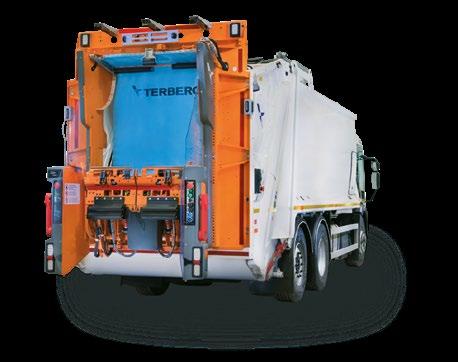
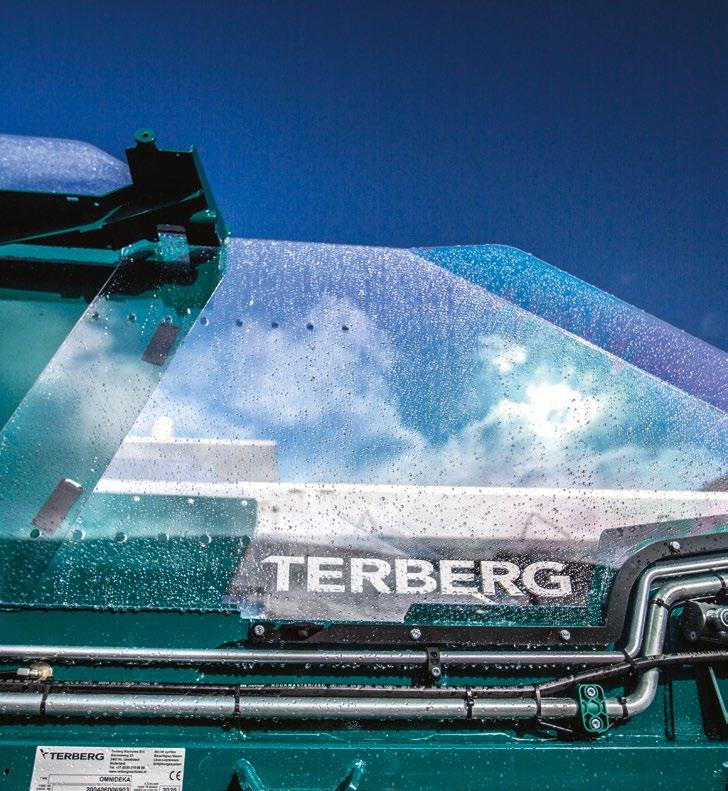
The OmniDEKA is our powerful high-level automatic bin lift system that seamlessly switches between 2-wheel and 4-wheel container lifting modes.
As our front line high-level automatic bin lift, the OmniDEKA offers flexibility on every front. It is compatible with a wide range of RCV bodies (including our Olympus series) and can be mounted between heights of 1150 and 1675mm. On a collection route, the OmniDEKA offers ultra-strong lifting power and fast cycle times. With its high-rave rail you can optimise the bins emptied per packing cycle ratio.
Weight: 650 kg
Operation Mode: Automatic & Manual
Handling Capacity: 160 kg (Split) / 750 kg (Linked)
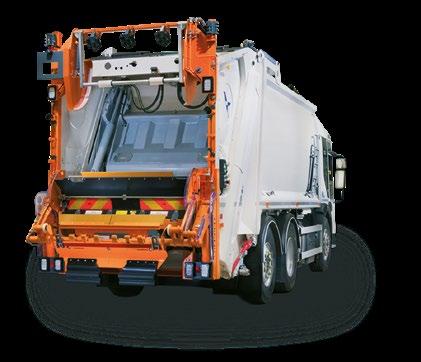
This fully-featured commercial bin lift is heavy duty, flexible, and equipped to make it a perfect fit for charge-by-weight operations.
The OmniTRADE stands out from the crowd with its robust build and advanced features, ensuring safe and efficient operation. As standard, there is 4-wheel container recognition, Auto Gather, Single Button Tip, and Intelligent Speed Selection. These features combined with its smooth lift operation make the OmniTRADE a premier trade bin lift.
Weight: 685 kg
Operation Mode: Manual
Handling Capacity: 160 kg (2-wheel) / 750 kg (Wheel)
Side loaders are a practical and efficient solution in waste collection. They have gained popularity across European countries as well as some areas of North and South America. Their design allows a single operator to handle bin collections from the confines of the cab, reducing labour costs, maintaining safety, and improving productivity. With great manoeuvrability, the SpeedLINE range from Terberg works well in densely populated areas where efficiency and adaptability are key, as well as in more rural areas with longer distances to landfills.
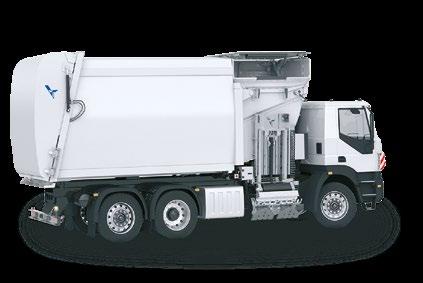
This SpeedLINE is designed to efficiently handle large containers up to 3200 l with its unique large-volume press.
Robust design has made this SpeedLINE a versatile solution for collection of a large variety of containers. Using fast lifting cycles, it can also handle emptying 2 and 4-wheel containers between 60 and 1100 l.
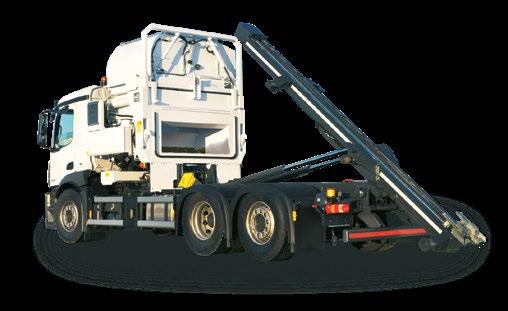
Maximise efficiency with the CWS removable body system, meaning that full bodies can be de-mounted and an empty body mounted on the collection vehicle to allow collections to continue.
This vehicle cleverly separates collection from disposal, allowing the transfer and discharge of full bodies to landfill via more economical vehicles. This SpeedLINE’s changeable body system makes it quick, safe, and easy to swap in an empty body, ensuring that collections are smooth and efficient.
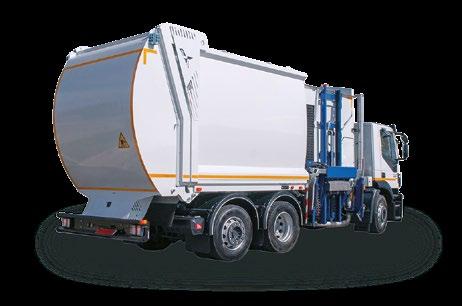
Our latest innovation and addition to the side loader range, the SpeedLINE SLM, designed to future-proof the collection of side loader containers.
Designed initially as a solution to handle the side loader containers used in Spanish cities, this powerhouse side loader is now operating in 6 countries across 3 continents. Its generous compaction hopper, lifting capacity, two leachate tanks, and proportional hydraulics system give the SpeedLINE SLM incredible flexibility, ease of use and efficiency.
Volume: Up to 28 m³
Compactor Volume: 4 m³
Lifting Capacity: Up to 1500 kg
Volume: 24 – 28 m³
Compactor Volume: 2.3 m³
Lifting Capacity: Up to 700 kg
Volume: 15 – 28 m³
Compactor Volume: 4.7 m³
Lifting Capacity: Up to 1200 kg
Front loaders are the preferred vehicles for managing substantial amounts of commercial and industrial waste. Engineered for high-capacity rounds, our front loaders are highly effective in servicing large volume containers at business establishments, apartment complexes, and industrial locations. Their robust construction and time-saving single-man operation make them an indispensable tool for handling bulk waste efficiently.
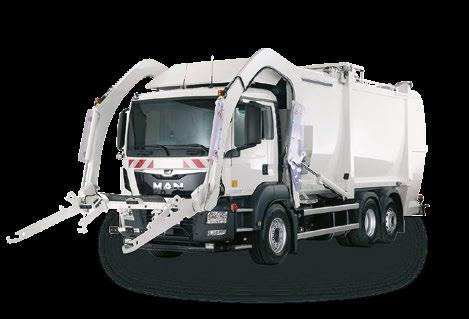
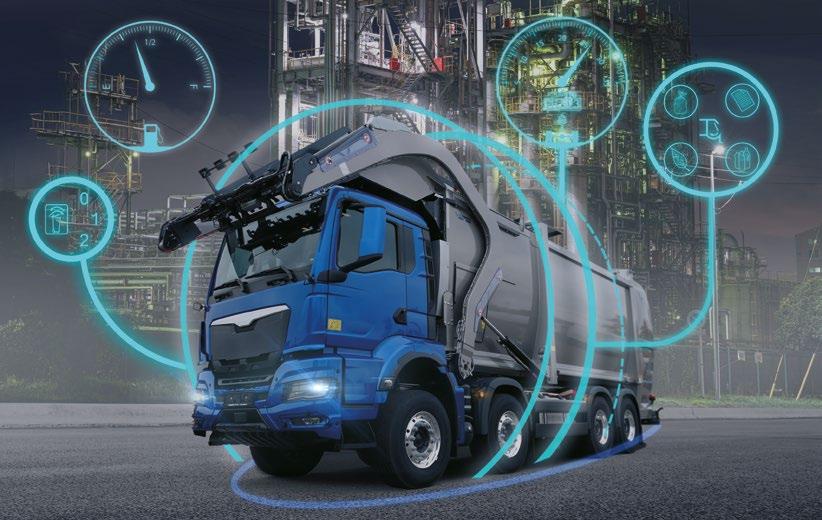
The ultimate front end loader (FEL) for single-person operation with large volume capacities and exceptional manoeuvrability, this MegaLINE closes the process chain for collection and transport and removes the need for skip loaders.
The MegaLINE FLF 8 offers amazing volumes up to 43 m³. With the 3900 mm wheelbase option, this MegaLINE turns in 3 metres less than comparable competitors. The innovative design offers 30% more volume than comparable products of the same length, ensuring fewer trips and more productivity.
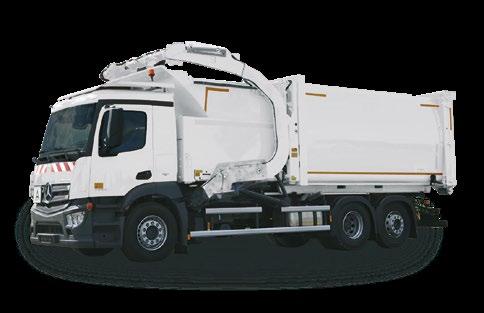
The versatile MegaLINE offers the flexibility of a swappable body system combined with the large-volume capacity of a front loader.
With the CWS system, your operator can efficiently swap full containers for empty ones, maximising the uptime of your FEL RCV. Designed with user-friendly controls and robust construction, the MegaLINE FLS 7 ensures reliable performance and durability in demanding environments.
Volume: 30 - 43 m³
Lifting Capacity: 3600 kg
Container Handling: 120 l to 10 m³
Volume: 26 - 31.5 m³
Lifting Capacity: 2500 kg
Container Handling: 120 l to 8 m³
MegaLINE FLF 8 The innovative design offers 30% more volume than comparable products of the same length, ensuring fewer trips and more productivity.
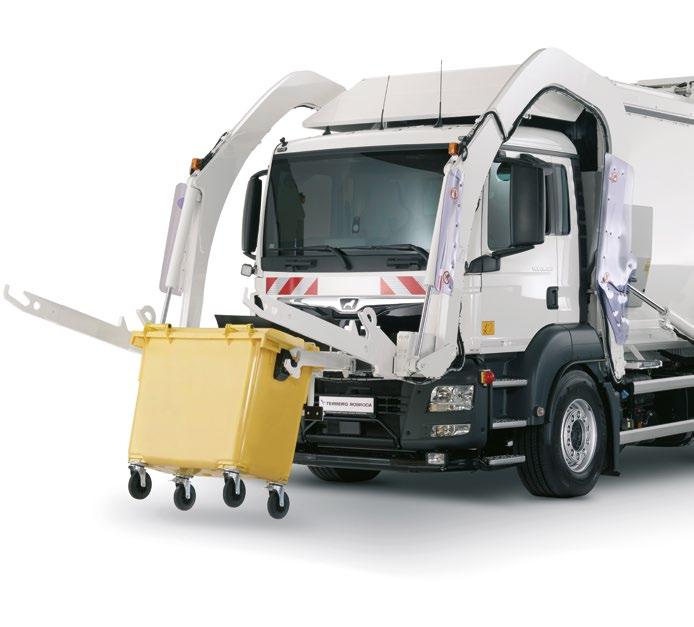
The nature of organic and food waste collection demands that collection vehicles are designed and purpose-built around the unique properties of the materials. We offer several vehicle options designed to maintain strict hygiene standards and regulation compliance while collecting biodegradable refuse. These leak-proof vehicles ensure that moisture-rich materials are transported safely in a covered body, preventing spillage and contamination. By enabling proper collection and disposal of organic and food waste, our solutions play a crucial role in supporting sustainable waste management practices.
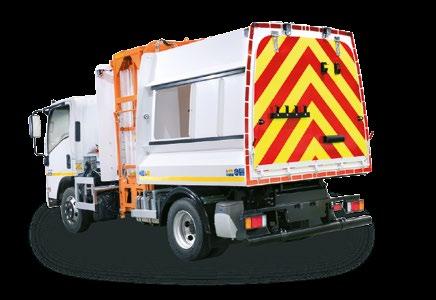
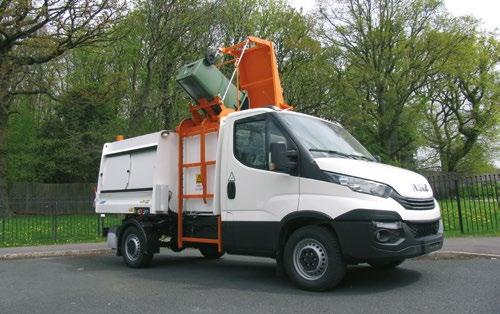
Our Polymer Bodied Utility Vehicle (PBUV) is ideal for low to mid-volume organic collections with excellent payload benefits and superb corrosion resistance.
The PBUV will carry leachate-rich materials safely and in accordance with relevant regulations while maintaining maximum payload versus body weight. It has been developed for the tough demands of food and other organic waste collections.
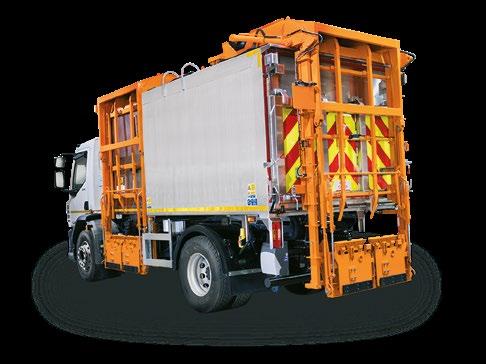
For larger-scale operations, the ABTL (Aluminium Bodied Toploader) provides a lightweight yet durable solution with the capacity to swallow up to 30 m³ of materials.
The ABTL range offers solutions that segregate recyclables at the source allowing collection of more than one stream. This facilitates high-purity material streams that require no further processing following collection and transportation.
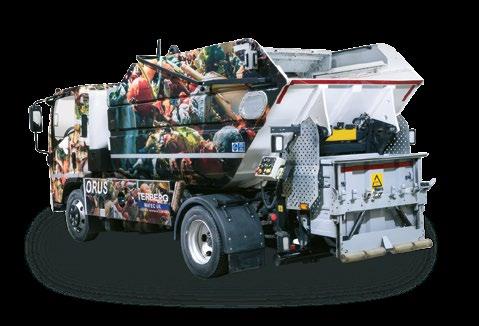
The ORUS series caters to urban environments requiring compact yet efficient waste collection solutions and is available in various body configurations.
Despite its compact size, the ORUS delivers big performance. Its leakproof and smoothsided body allows for unhindered hand loading or discharge of containers. With an impressive tip angle, the ORUS can even empty its contents into bulk containers over walls if needed.
Volume: 6.5 to 8.5 m³
Application: Food waste, multi-task utility Container Handling: 120 L – 360 L
Volume: 20 to 30 m³
Application: Food waste, glass, ABP Container Handling: 140 L – 1280 L
Volume: 5.5 to 14 m³
Application: Food waste, recycling Container Handling: 120 L – 1280 L
Our bin washer vehicles provide a mobile, fast and efficient method to clean and sanitise containers, eliminating the need for manual washing. These vehicles are designed to handle a range of bin sizes, ensuring they remain safe and ready for use in both residential and commercial settings.
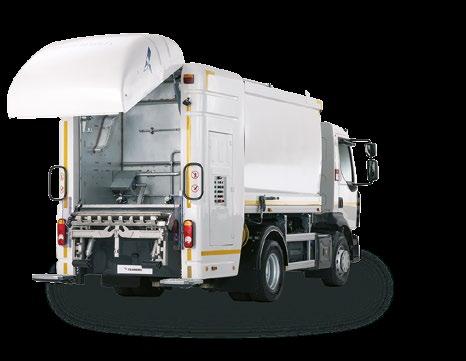
The Cold Water Washing System provides an efficient and eco-friendly solution for bin cleaning using high-pressure cold water.
These rear-loading container washing vehicles use highly pressurised streams of cold water to blast grime from waste containers.
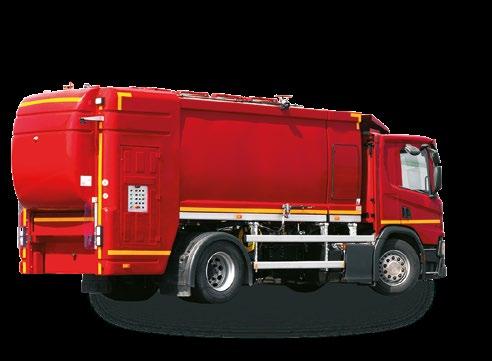
This vehicle takes bin rinsing to the next level by using high-temperature water to eliminate stubborn grime, grease, and bacteria.
While the high-pressure jets work to reduce stubborn residues, high-temperature water helps to loosen resides and sanitise.
Cold Water Washing System
These rearloading container washing vehicles use highly pressurised streams of cold water to blast grime from waste containers.
Pump Performance: 122 l/min at 120 bars
Rotating heads for deep cleaning
Container Handling: 80 L – 1300 L
Volume: 50 l/min at 150 bars
Cleans at 60–70°C for deeper sanitation
Container Handling: 80 L – 1300 L

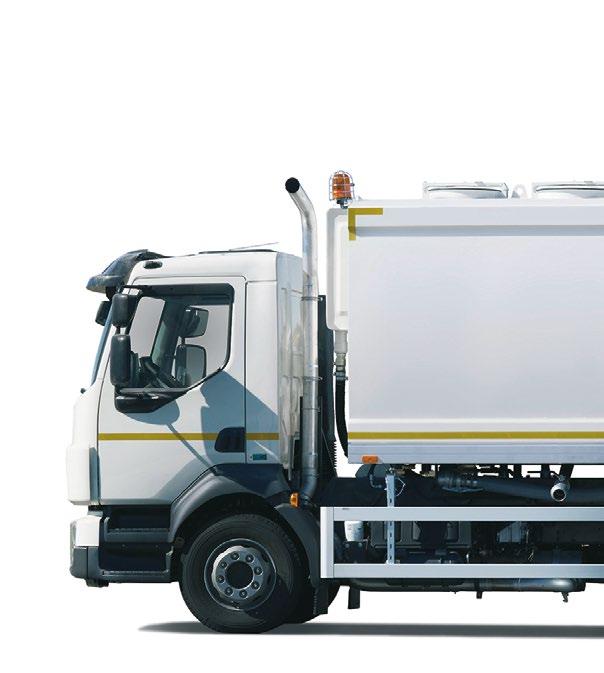
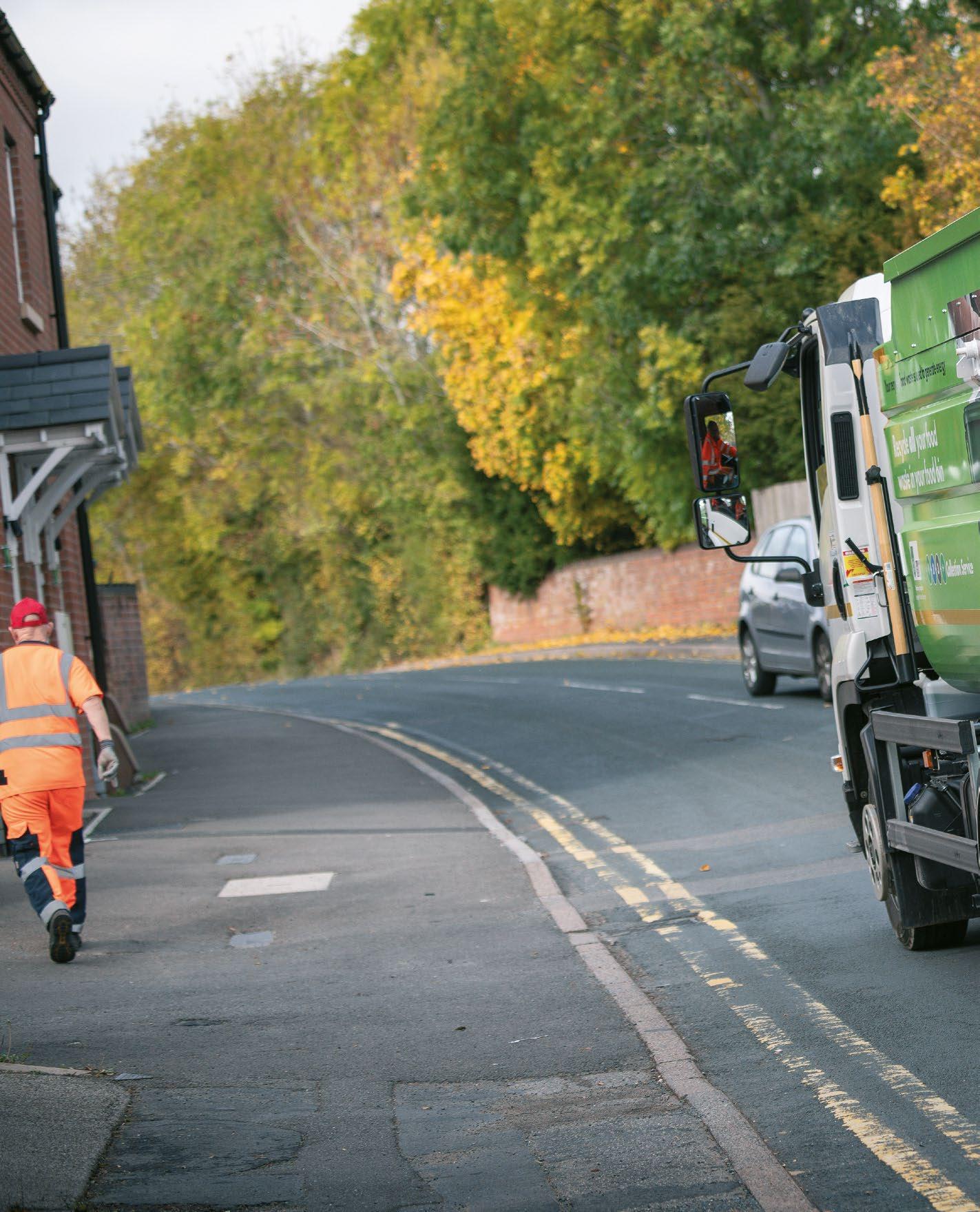
Food waste has a significant environmental impact, caused by both its production and disposal. Currently, around 10% of food in the EU is wasted — around 59 million tonnes per year. According to the UN FAO, food loss and waste account for about 8% of total anthropogenic greenhouse gas emissions.
To reduce this impact, food waste must be collected and processed separately. The EU has made it clear that this is a pressing issue which calls for strict regulations.
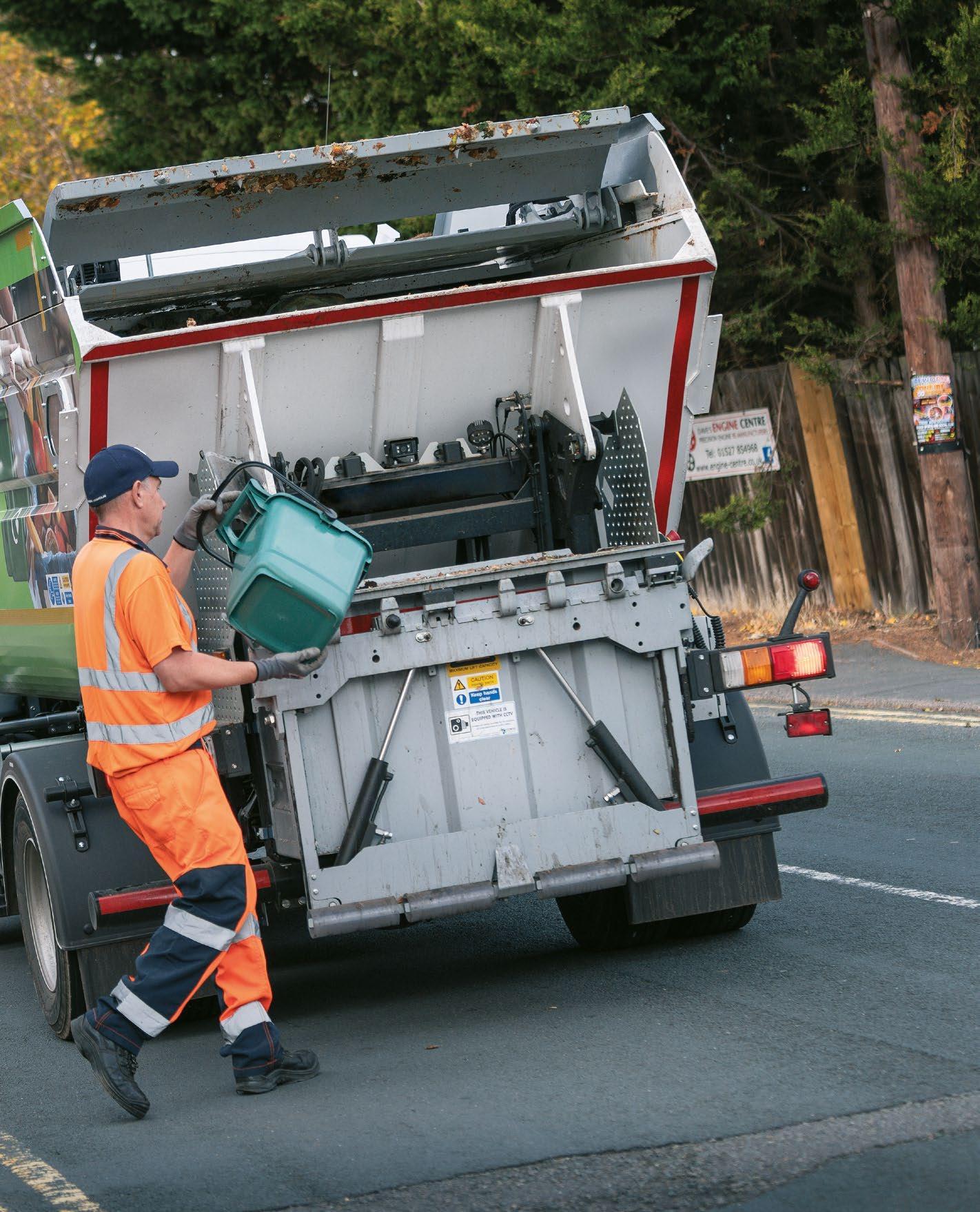
Terberg Environmental has developed a range of vehicles to cover every approach to food waste collection.
The EU Platform on Food Losses and Food Waste (FLW) has been formed to bring together institutions and experts to define relevant measures and share best practices. Finally, the EU is committed to meeting the UN Sustainable Development Goal Target to halve per capita food waste at the retail and consumer level by 2030. It has become clear that in the EU and across the globe, the landscape of waste collection is changing; it’s imperative to prepare for food waste collection as a permanent component of it.
The roll out of food waste collection is varying across the EU and non-EU countries are also taking action. For example, England is introducing weekly household food waste collections in 2026. Some states in the US have banned sending food waste to landfills, promoting composting and anaerobic digestion instead. Sweden has had similar legislation for decades.
These developments increasing the demand for specialist collection vehicles. Terberg Environmental has anticipated this and developed a range of vehicles to cover every approach to food waste collection.
Food waste collection and processing methods vary widely between regions. Hence, we supply a range of vehicles with different capacities and loading methods, with or without compaction. Options also include bin and body rinsing systems for collection vehicles. We also supply high-pressure washing systems for bins, fitted to an RCV or a dedicated vehicle.
One of the challenges when collecting food waste is that it has a high moisture content, up to 50%. This can lead to corrosion and to environmental pollution if the liquid leaks from the vehicle. There is also a risk of odours and spoilage, especially in hot weather. Finally, the bins must be sealed effectively, otherwise they will attract rodents and flies.
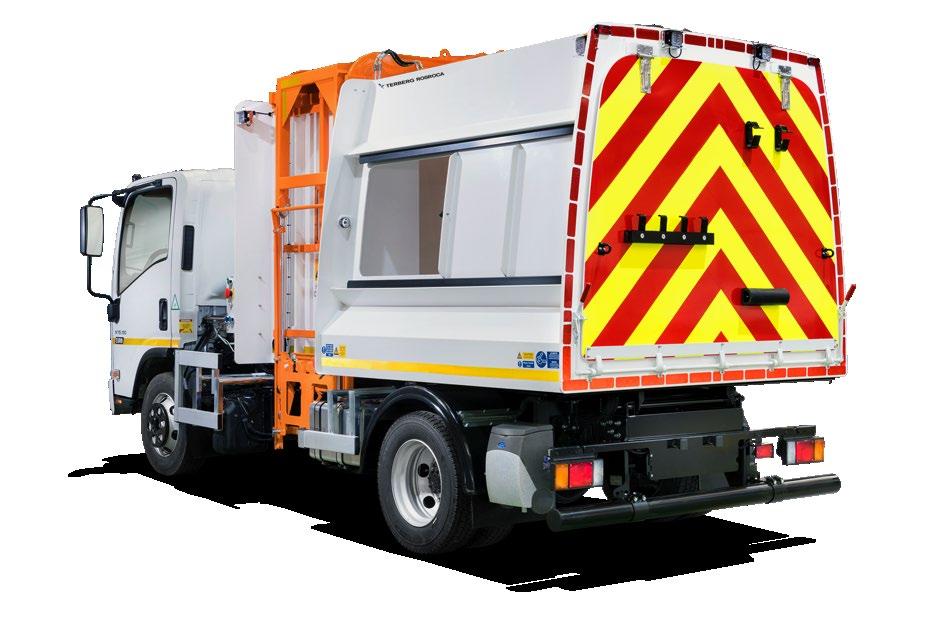
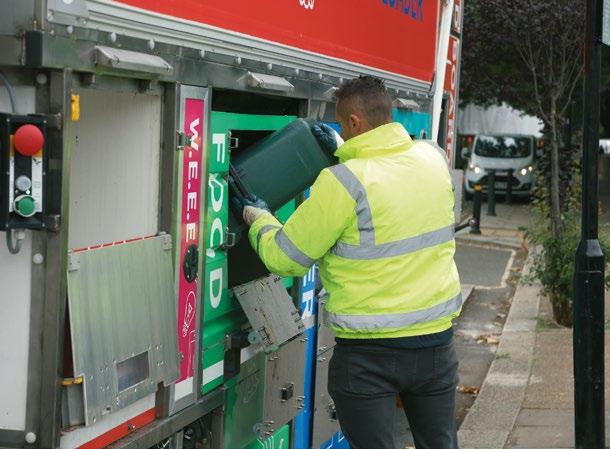
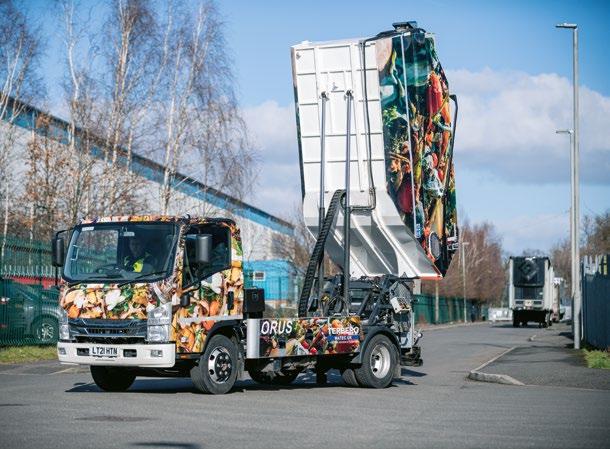
A smaller vehicle is a good option in areas with weekly household food waste collections. Our PBUV is optimised for hand loading and does not compact the waste. The slightly larger ORUS, with compaction system, is used by many local authorities and refuse collection contractors. Its capacity ranges from 5 to 14 m³. This vehicle is an excellent choice for dealing with small household caddies and bins and also larger bins for blocks of flats.
In some areas larger vehicles are more efficient and can also make collections from commercial premises. Olympus DUO and ONE PASS rear loaders are popular choices for collecting food waste and other waste
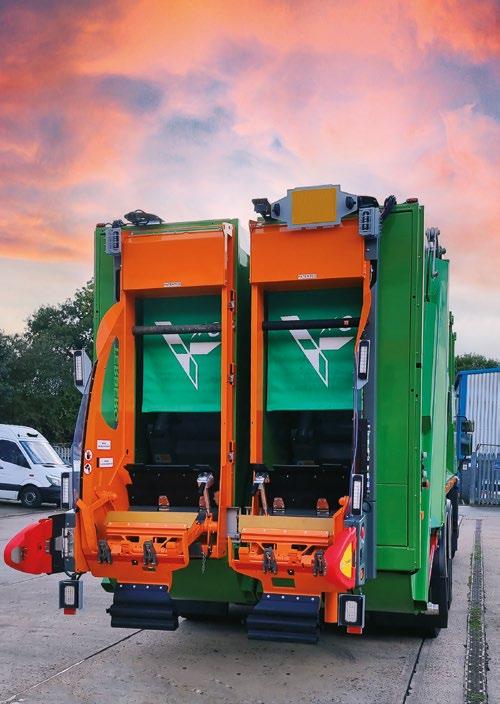
streams at the same time. The liquid-tight pod between cab and RCV body ensures adherence to food waste regulations. We also offer air extraction systems to improve the work environment of the operatives.
Other operators in the EU prefer a rotating RCV as the continuous rotation of the collection drum maintains the moisture content of the collected material, which is beneficial for certain waste processing operations.
Finally, our Aluminium Body Top Loader (ABTL) is purpose-built for collecting larger volumes of food waste. Its 25 to 32 m³ aluminium body has fully welded seams and anti-corrosive properties to allow it to handle high moisture content without leaking.
Food waste collection and processing methods vary widely between regions. Hence, we supply a range of vehicles with different capacities and loading methods, with or without compaction.
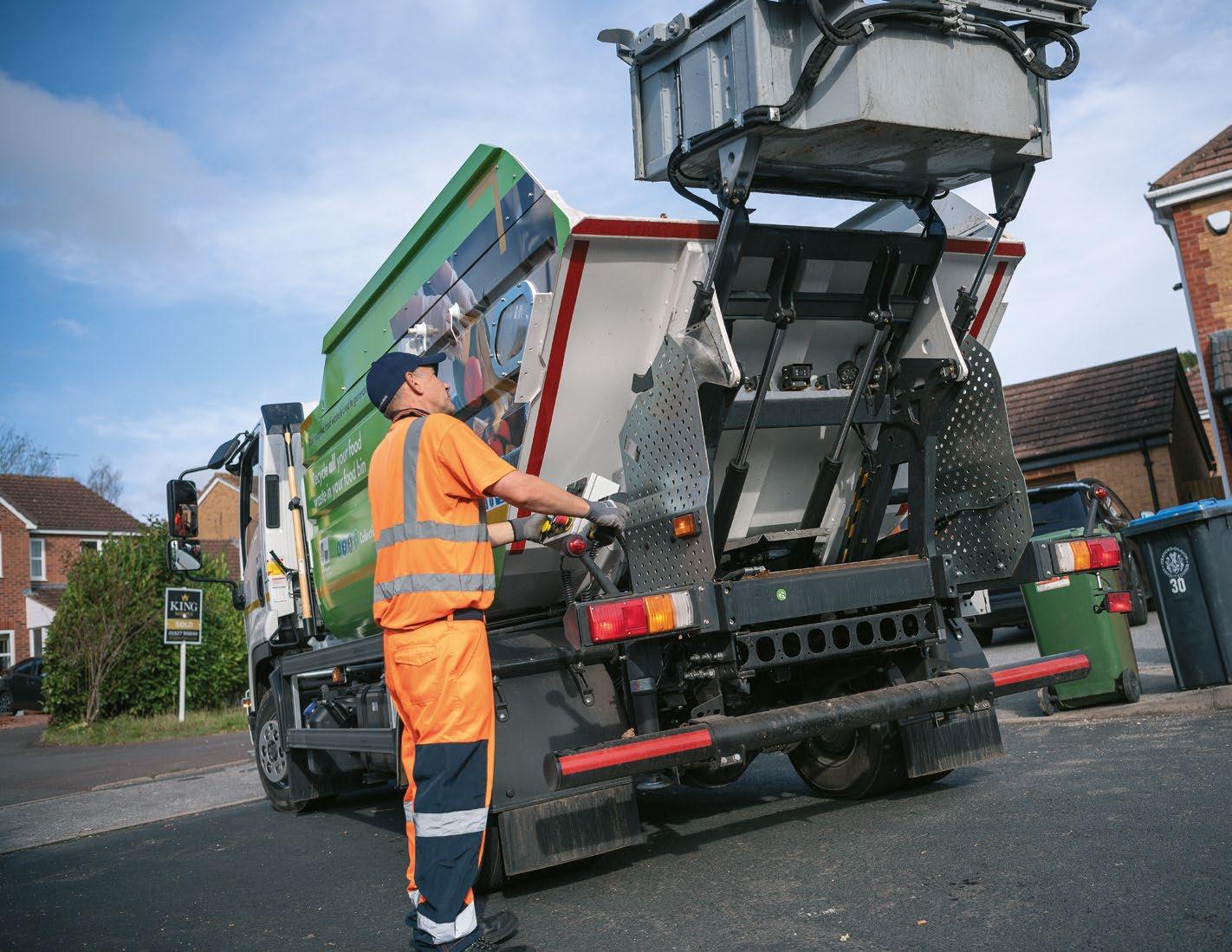
Improving food waste collection is an important topic in the United Kingdom. This article focusses on England, where all local authorities have to provide weekly food waste collections from households from March 2026.
Households will place the waste in caddies, with optional liners, and then place the caddy outside for emptying. Blocks of flats will be provided with larger bins which residents can empty their caddies into.
These weekly collections will require local authorities, or their contractors, to make significant investments in collection vehicles, caddies and bins, supported by central government funding. Most authorities are likely to opt for dedicated food waste RCVs in the 7.5 to 12 tonne class. The Terberg Matec product range includes the PBUV, a smaller vehicle without compaction, optimised for hand loading. However, most authorities need a compaction function as provided by our ORUS RCV.
Commercial food waste collection
There are also new regulations covering commercial food waste collection from the hospitality and food industry. Many operators are using our ABTL for that. It is a larger (25 to 32 m³) aluminium body and highly resistant to corrosion from food waste, offal and chicken manure. The two bin lifts at the rear and the side make collection rounds easier and help fill the body effectively.
Will Marzano
We anticipated the change in collection regime quite early on.
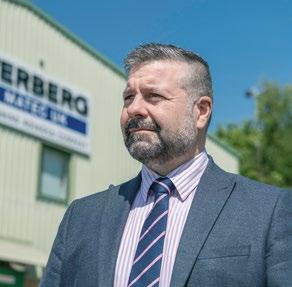
Will Marzano, Managing Director of Terberg Matec UK said, “The ORUS body has a capacity of 5 to 14 m³ and can be mounted on chassis in the 3.5 to 16 tonne class. The most popular versions are the ORUS 6 and ORUS 7HD mounted on 7.5 t and 11/12 t chassis. The bin lift can be used with a transfer bin which the loaders take up and down the road to empty the caddies into. For safety the vehicle has a dedicated rack to stow the transfer bin when driving at higher speeds. The bin lift can also handle the larger containers used at flats. We offer a range of options such as holders for the rolls of caddy liners issued to households. To keep the equipment clean we can fit rinsing systems for the body and bin. We anticipated the change in collection regime quite early on — that gave us a head start over the competition and enabled us to win many orders for these vehicles.
To support the growing Terberg fleet we are expanding our already well-established national service operation with more service engineers and service centres. In some areas we provide support through the Dennis Eagle after-sales network.”

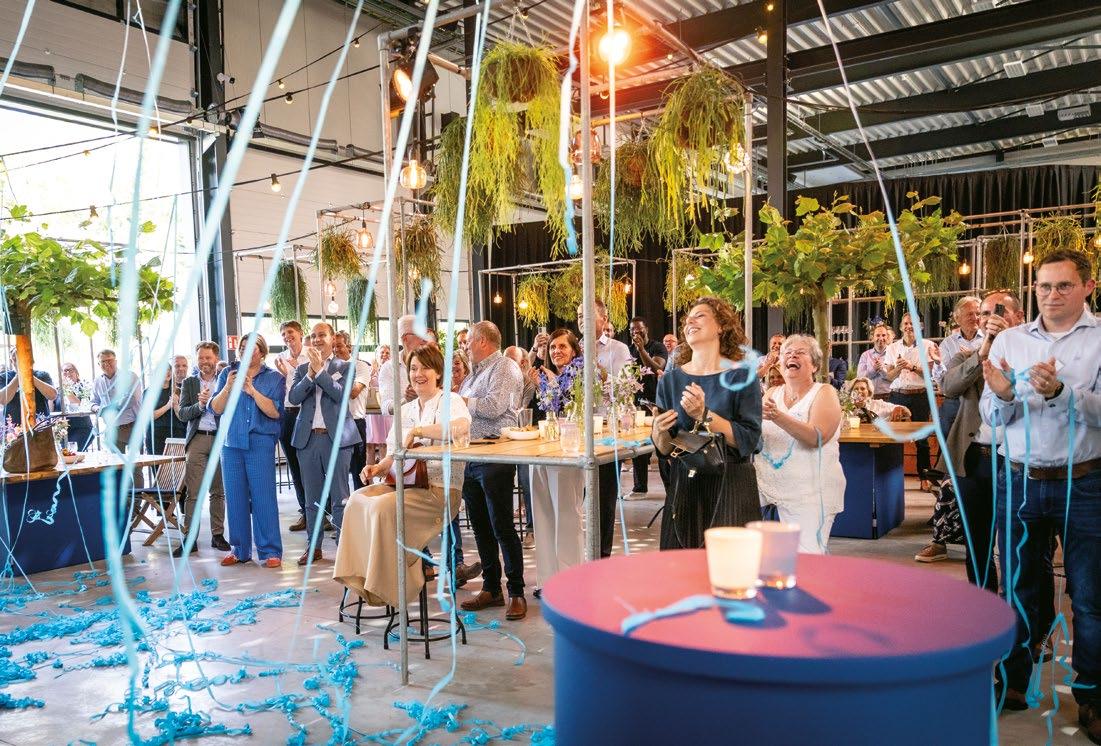
Ruud van Dijk recently took charge of the operations in Belgium and the Netherlands. Originally an electronics engineer, he also has a lot of experience leading teams in successful commercial endeavours.
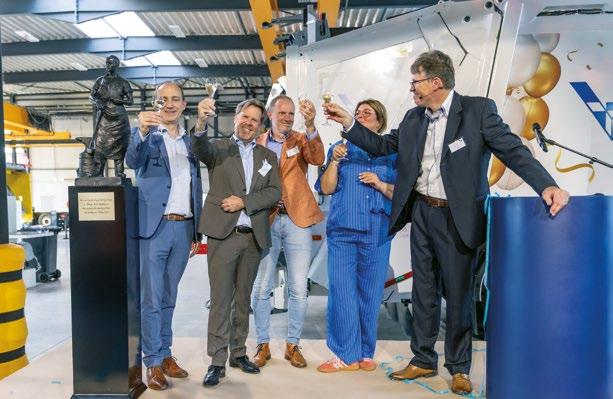
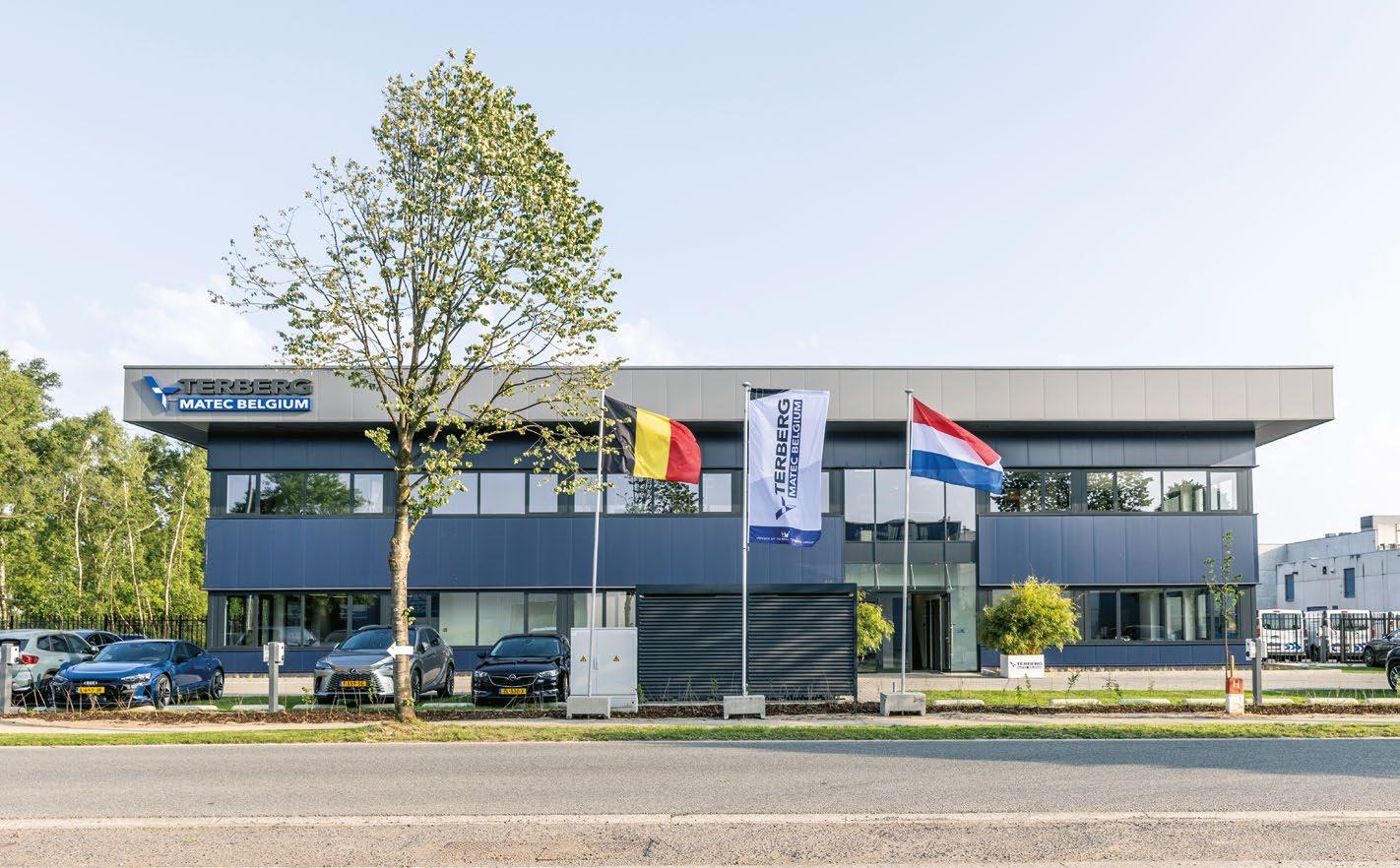
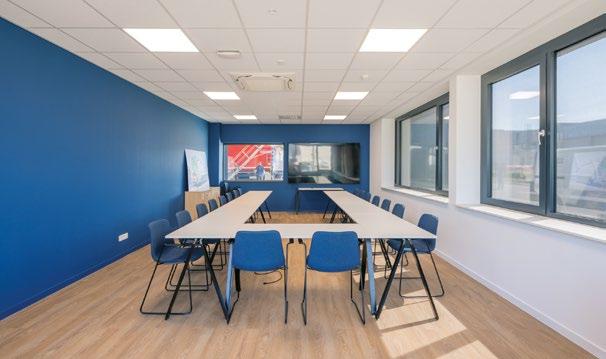
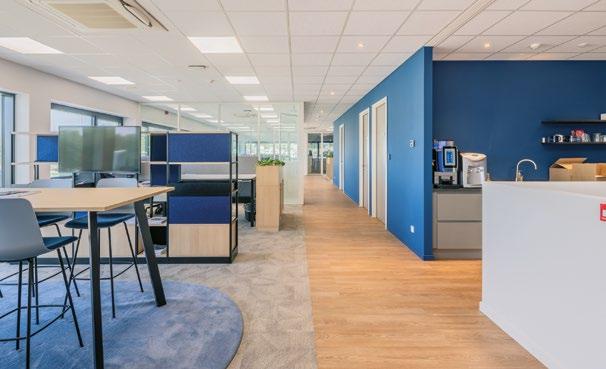
In February 2025, Terberg Matec Belgium relocated to their new, custom-designed building in Genk. With a floor area of 14,000 m² it is many times larger than the old facility. There are 12 servicing bays for RCV and sweeper maintenance and repairs.
Historically, RCVs for customers in Belgium, the Netherlands and Luxembourg were assembled at the Ros Roca plant in Spain. This required extensive transport operations, as a truck can only carry one RCV. A new transportation process has been designed to improve efficiency and sustainability. Each truck from Spain now carries three Olympus bodies to Belgium, while the bin lifts come directly from IJsselstein in the Netherlands. Once delivered to Genk, the bodies and bin
lifts go to the 12 assembly bays (also known as “marriage stations”) for mounting on the chassis provided by our customers. This new approach, similar to that recently introduced at other Terberg Environmental operations, enables Terberg Matec to meet the growing demand for RCVs, provide customers with a better service and reduce carbon emissions due to transport.
The new building has been designed to provide a much better setting for receiving customers and handing over vehicles. In line with the Royal Terberg Group’s environmental policy, it has been fitted with solar panels, a heat pump, a water recycling system and other green features.
Ruud van Dijk
Our new recruits enjoy working on our complex products which incorporate mechanical, hydraulic and electronic systems.
Ruud van Dijk explained, “Of course, we have been very busy training new personnel, for both the servicing and assembly operations. Our new recruits enjoy working on our complex products which incorporate mechanical, hydraulic and electronic systems. The small teams give them opportunities to learn quickly and to take the initiative.”
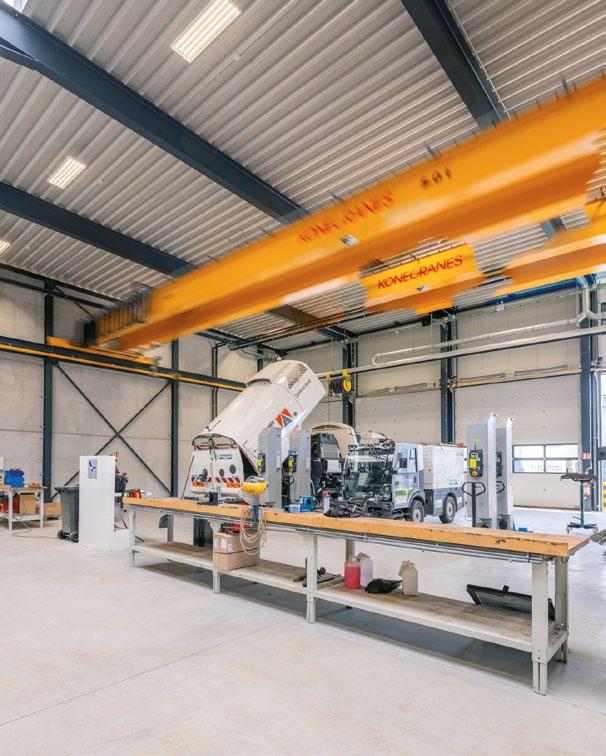
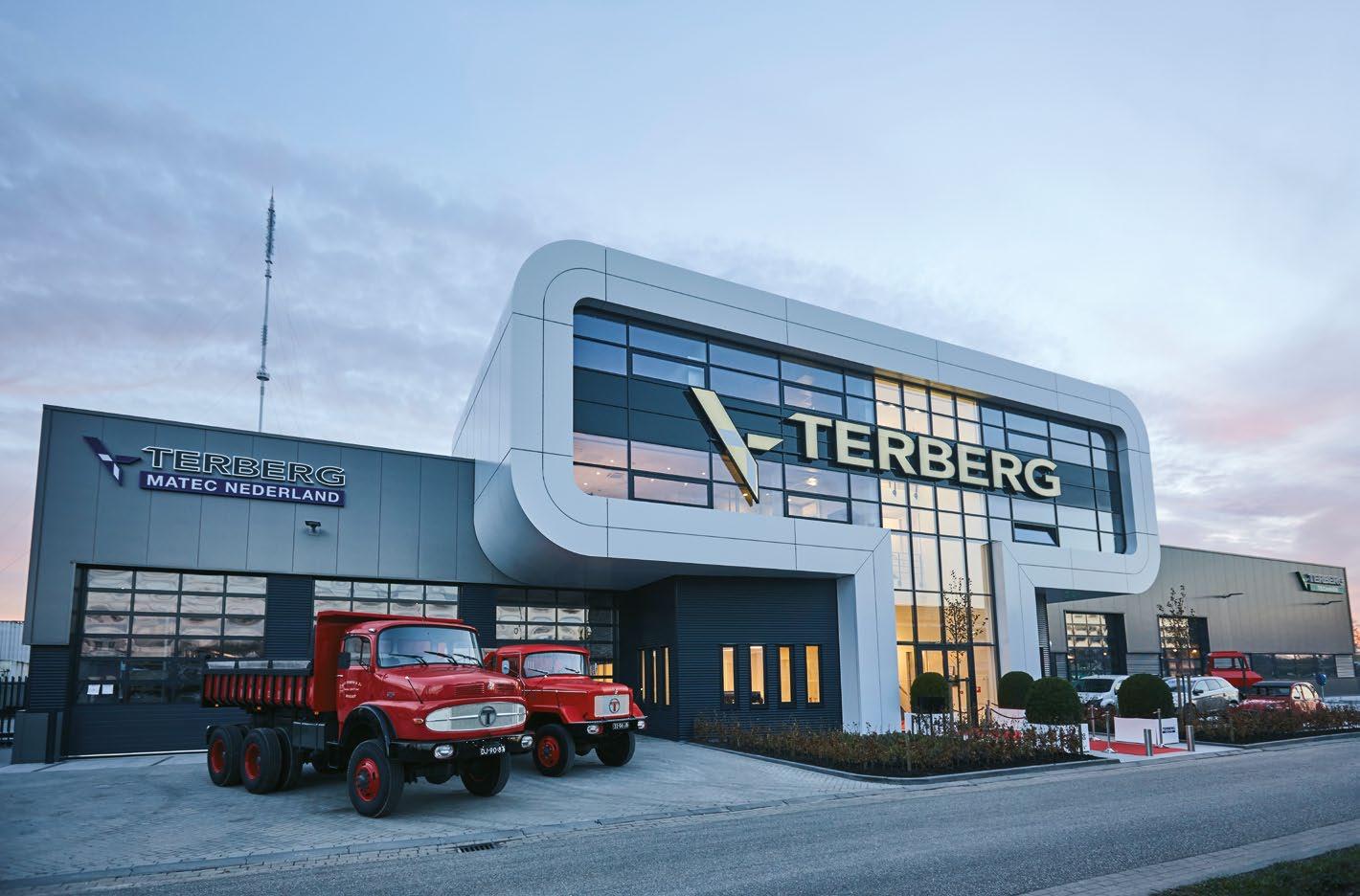
Sales of both Terberg RCVs and Bucher sweepers have been steadily growing in the Netherlands.
Ruud van Dijk added, “The market appreciates our high quality products and the electric options. There is a growing demand for single operator RCVs. Large underground containers which residents place their refuse in are becoming a common feature in many towns in the Netherlands. These are emptied by our Olympus VERTEX product That works well and reduces the amount of litter on the road. In rural areas Terberg HS side loaders, operated from the cab by the driver, are an attractive option. However, given the many narrow roads
in the country, traditional rear loading vehicles will always be needed.”
The advanced technology in our products makes them safe and efficient. Conversely, it can also make servicing and troubleshooting quite challenging for new fitters. Terberg Matec is now developing systems where a highly experienced fitter at the workshop can support colleagues working at customer sites. This is supported by Terberg Connect telematics and enables us to serve customers more quickly while at the same time training less experienced service personnel in advanced diagnostics.
The advanced technology in our products makes them safe and efficient.
Joan Bergada Designing a new vehicle such as the Olympus MIDI usually takes two years.
OLYMPUS TWIN PACK
Innovation, sustainability and providing a good working environment are among the Royal Terberg Group’s core values. They are also key drivers of the product design process at Terberg Environmental. This process starts with defining the product functions and performance. Next, health and safety, technical standards, and the total cost of ownership are considered and incorporated into the design brief. Our product designers always focus on the customers during this design process. Three of them explain how they approach a typical design project, which can take two years for a complete RCV.
Joan Bergada
“Our design process begins with defining requirements, such as dimensions, weights, performance, target cost and sustainability.
Health and safety is integrated from the start, using a formal risk assessment process. We analyse market trends and the competition to maintain our position as a market leader and provide innovative solutions. Sometimes that means taking risks to avoid being just a market follower. We consider new technologies, materials and digitalisation, always making sure they actually improve the product and meet relevant standards. Ensuring
sustainability means optimising the materials and the energy consumption during the life of the product, and ensuring it can be recycled. During most projects we work with other Terberg Environmental companies and benefit from their expertise.
Safety features can be complex and include systems to reduce both human error and intentional incorrect operation. When designing a vehicle we also include features
to avoid collisions and enhance visibility. The increasing complexity of our products means effective training of both operators and service personnel is essential.
Designing a new vehicle such as the Olympus MIDI usually takes two years. Once we have the basic design we use computer simulation to assess it and then we undertake field tests to determine the actual performance and reliability. Customer feedback from those tests is very valuable. After that we finalise the design.”
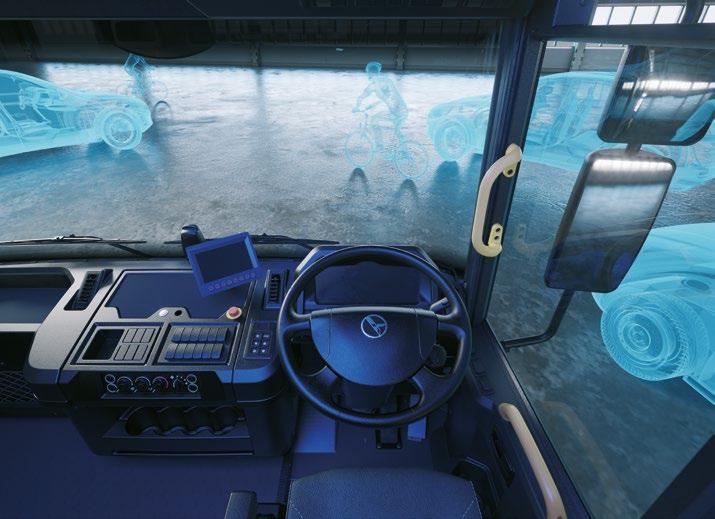
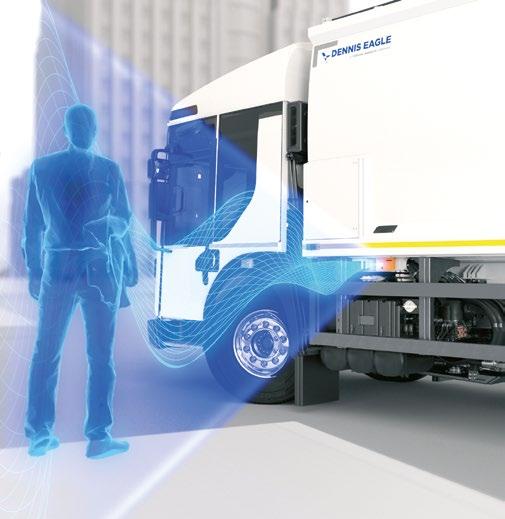
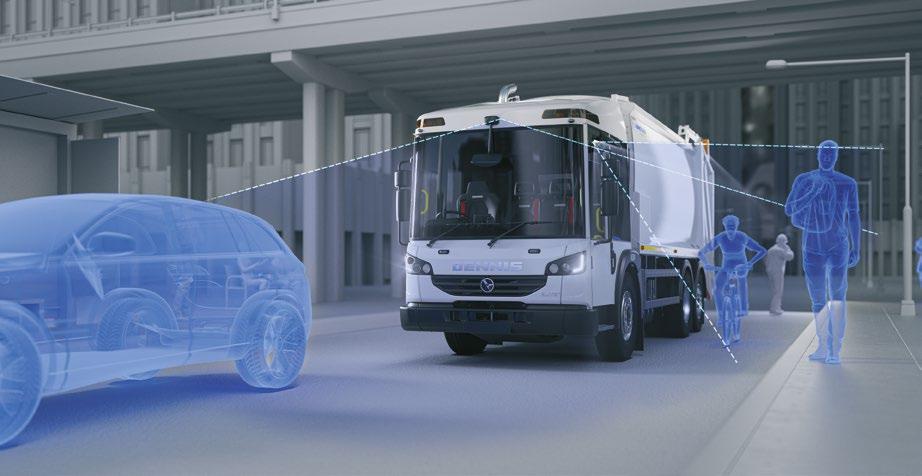
As a chassis manufacturer our designs are greatly influenced by the General Safety Regulations.
These aim to protect vulnerable road users such as pedestrians and cyclists and require radar sensors on the front, side and the rear of vehicles and a camera on the front. Safety features we implemented earlier include lane departure warning and collision mitigation.
The EU Machinery Directive will be replaced by the Machinery Regulation. That aims to ensure that a product is not just safe when it is first sold but also throughout its operational life. That means we need to provide more detailed technical product information to our customers. Terberg is represented on the standards committees so we are well aware of the upcoming changes. In the UK we also submit our chassis and lifters to third-party certification.
Jon Sayers We constantly want to increase the safety and efficiency of our products.
We constantly want to increase the safety and efficiency of our products, often based on user feedback. I work closely with my colleagues at Ros Roca and Terberg Machines and I’m also in contact with our Terberg Special Vehicles division as we often use the same components in our vehicles.”
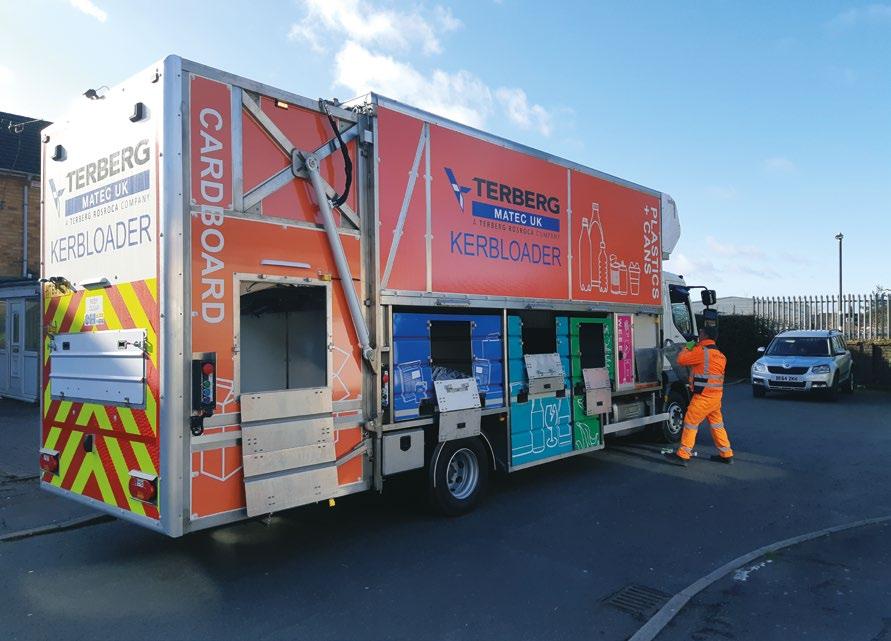
“One of the inputs to our designs is European standard EN1501 Refuse collection vehiclesGeneral requirements and safety requirements.
It consists of five parts covering rear, side and front loading vehicles, bin lifts and noise tests. The standard addresses the safety, performance and environmental impact of RCVs. It covers not just the design but also the construction and operation of the vehicles. Terberg is represented on the committee which develops this standard.
Feedback from customers, sales and after-sales all contribute to improvements to existing products and the development of new products. Our Kerbloader® is a good example. We first developed it 15 years ago, based on a specific UK demand. Since then we have improved it based on feedback from customers and internal teams, for example we are now using aluminium and composites which results in a higher payload. We have also improved the compaction cycle programmes for faster operation. The health, safety and wellbeing of the vehicle crew is another constant consideration.”
David Walker
Our Kerbloader® is improved based on feedback from customers and internal teams.
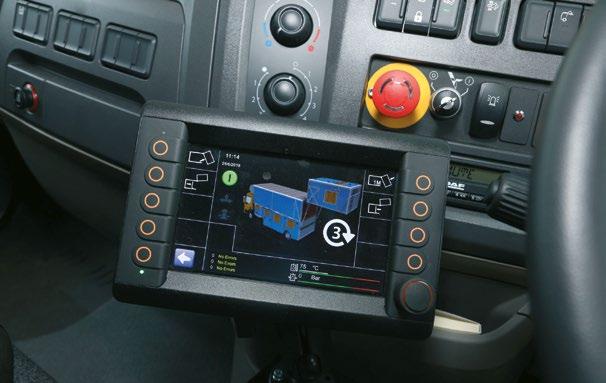
European Standard EN 1501: This multi-part document defines general requirements and safety standards that cover all the common types of RCVs. By trusting and adhering to this standard, we ensure that our vehicles meet the highest safety standards and function efficiently.
EU Machinery Directive: This defines essential health and safety requirements for the design and construction of machinery placed on the European market. By ensuring machinery is safe for use by workers, it helps reduce the risk of accidents through enforcing safe design and proper maintenance.
Local standards: In addition to the European safety standards, we also maintain compliance with standards in the regions our global subsidiaries operate in.
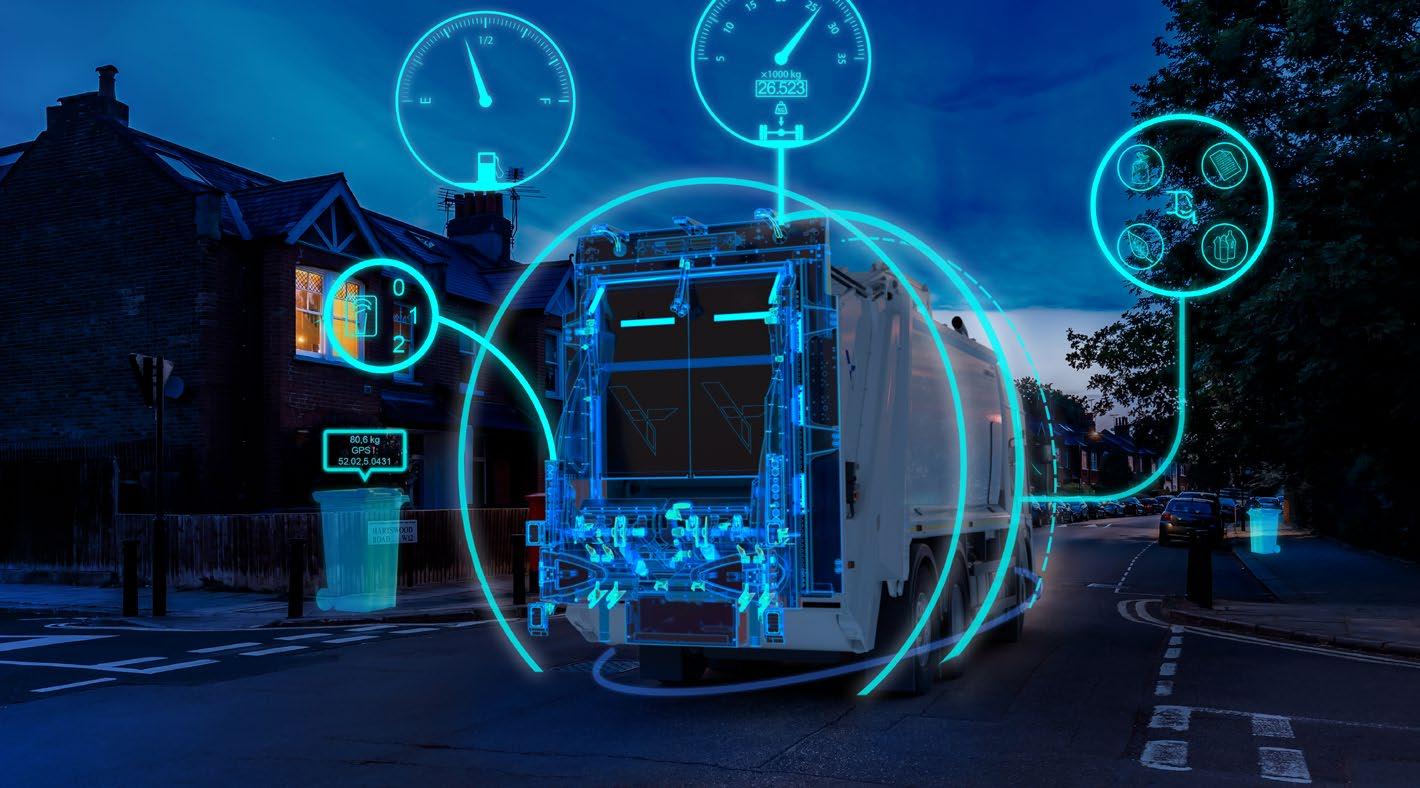
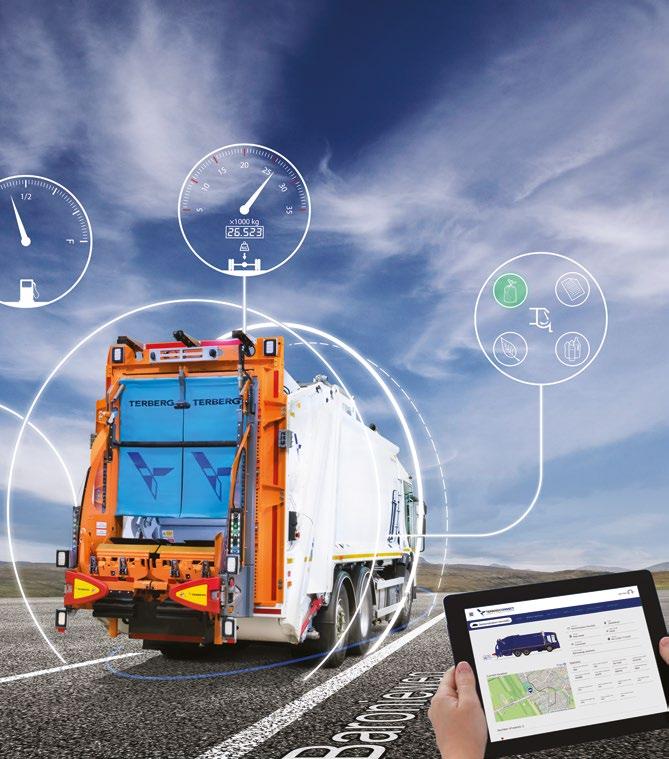
Terberg Connect - remote two-way diagnostics platform, developed from the ground up specifically for Terberg products.
Built for the demands of modern waste collection, Terberg Connect delivers real-time data from bin lifts, refuse bodies, and vehicle chassis—empowering fleet managers, contract managers, operators, and service engineers alike.
At its core is a rugged, IP69K-rated module that captures over 3,000 signals per vehicle. This data is processed on-board and transmitted securely via mobile networks to a browser-based interface, accessible from anywhere.

Scan to learn more about Terberg Connect and how to get in touch!
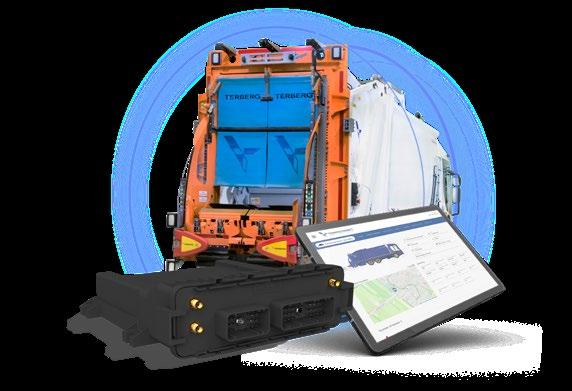
For fleet and contract managers, this means optimised route planning, reduced downtime, and better cost efficiency. For drivers and operators, it’s a system that works with them— alerting to issues like overweight bins or low tyre pressure. And for service engineers, it enables remote diagnostics, software updates, and even real-time setting adjustments. This means issues can often be resolved before a van is dispatched.
With its digital twin interface, Terberg Connect offers a live, visual representation of each vehicle, making remote support feel like you’re right beside the machine.
Whether you’re managing a fleet or maintaining one, Terberg Connect keeps your operations moving—smarter, faster, and more sustainably.
Route optimisation, remote diagnostics, real-time vehicle status monitoring
Contract managers
Lower Total Cost of Ownership (TCO), transparent performance data
Intuitive and responsive system, real-time alerts
Service engineers
Remote troubleshooting and updates, fewer field callouts
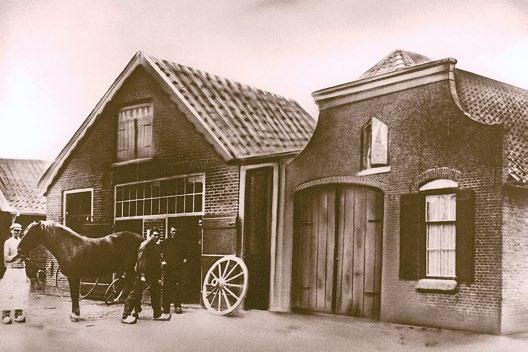
1869
Johannes Bernardus Terberg set up a blacksmith in Benschop.
1949
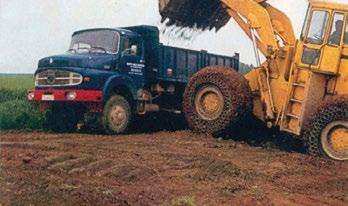
Selling modified American army trucks for civilian use.
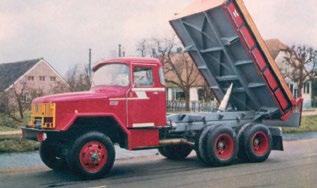
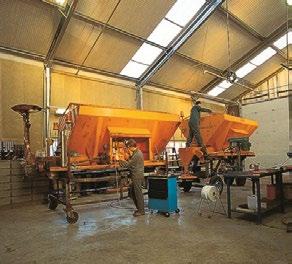
1966
Delivery of first Terberg 6x6 dump truck - the SF1200.
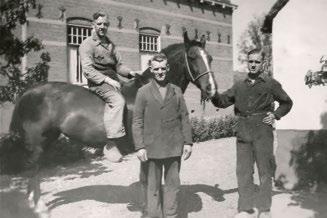
Early 1900s
Selling bicycles, repairing cars, supplying spare parts.
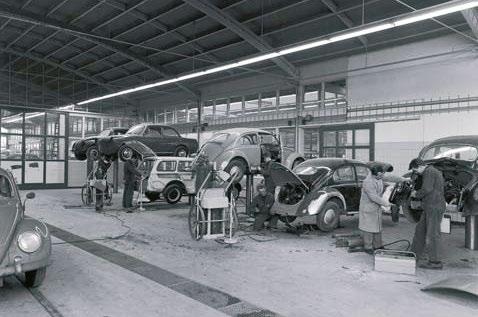
1958
The workshop in IJsselstein.
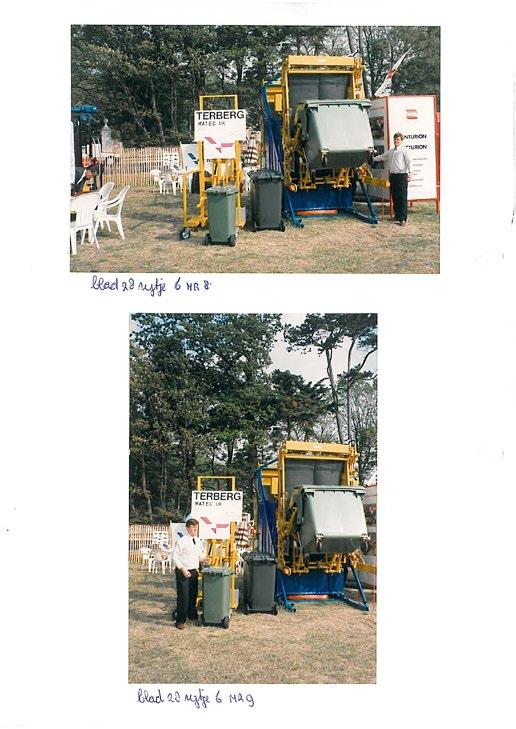
1975
Establishment of Terberg Machines Environmental Equipment.
1972
First Terberg trucks exported to customers in Western Europe and Middle East.
1988
1989
Terberg Matec UK established in Warrington, England.
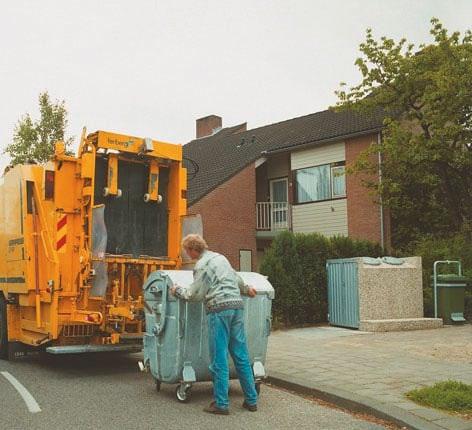
Production begins of the first bin lifts.
1995
Acquisition of what will become Terberg Matec Benelux (later Terberg Matec Belgium).
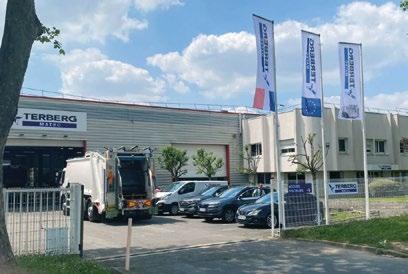
1996 Establishment of Terberg Matec France.
1990
Establishment of Terberg Matec Nederland.
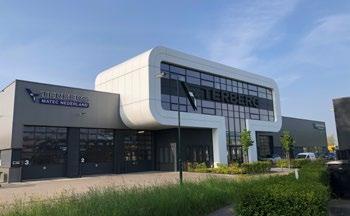
Dennis Eagle acquired by RosRoca.
Terberg RosRoca Group (later Terberg Environmental) formed when the environmental division of Royal Terberg Group merged with Ros Roca Environment, a Spanish group based in Tàrrega. This also brought subsidiaries Resitul, Dennis Eagle, SAS (France), and HS (Germany) into the fold.
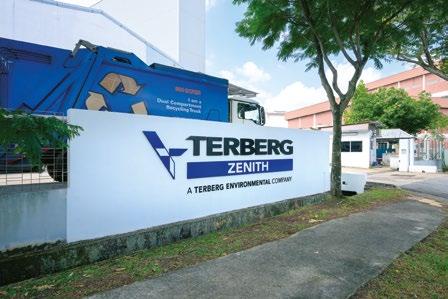
Terberg Environmental strengthens its presence in ASEAN region with the acquisition of Zenith Engineering PTE Ltd, IG Zenith Sdn Bhd and a new industrial site in Singapore. Terberg Matec Latam (TML) established.
Terberg Matec Polska founded.
TRRVM established.
Acquisition of Terberg Control Systems B.V. and Terberg Automotive B.V.
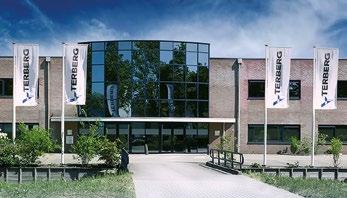
2024
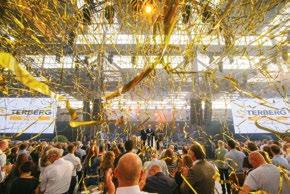
Celebrating 155 years of Terberg.
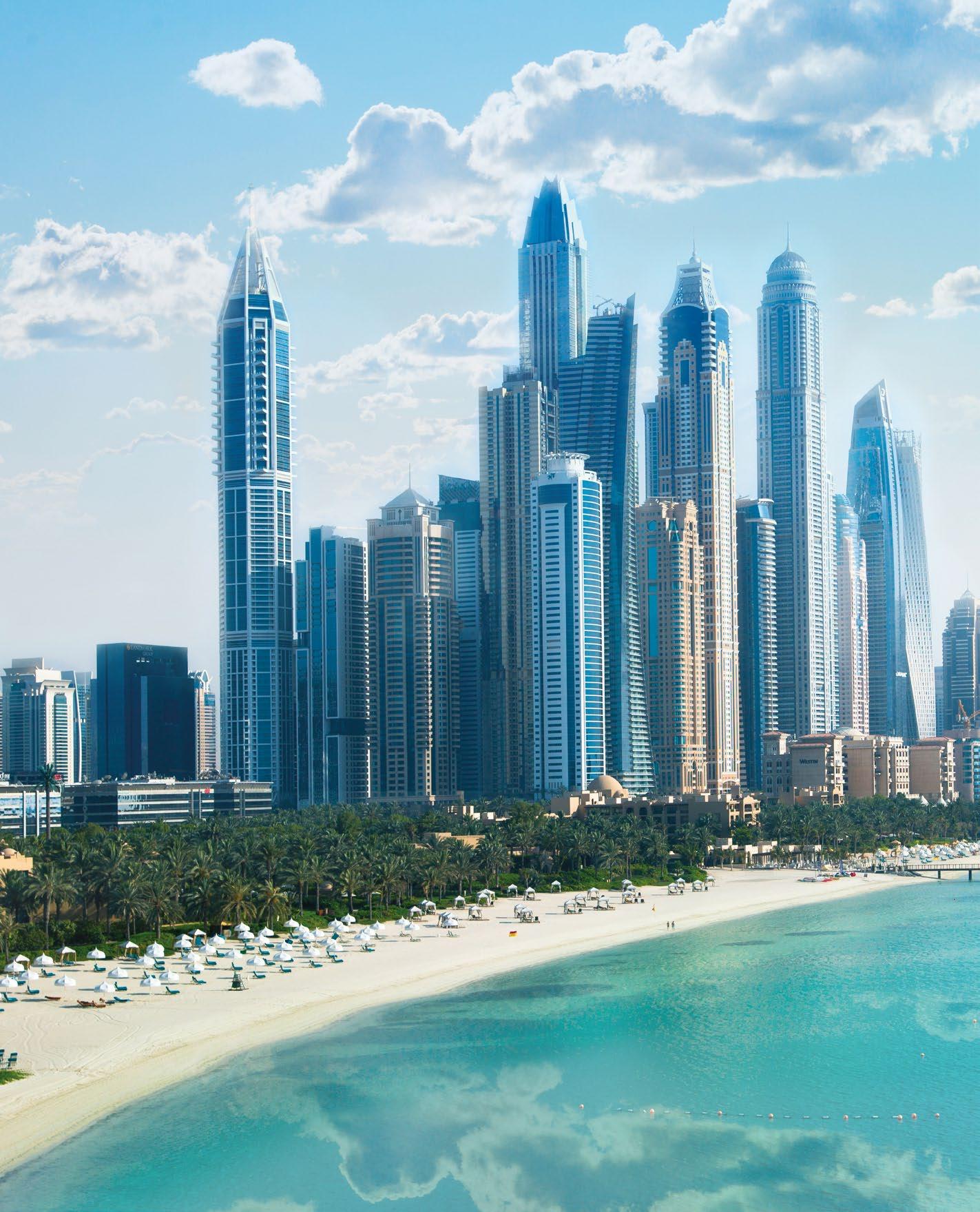
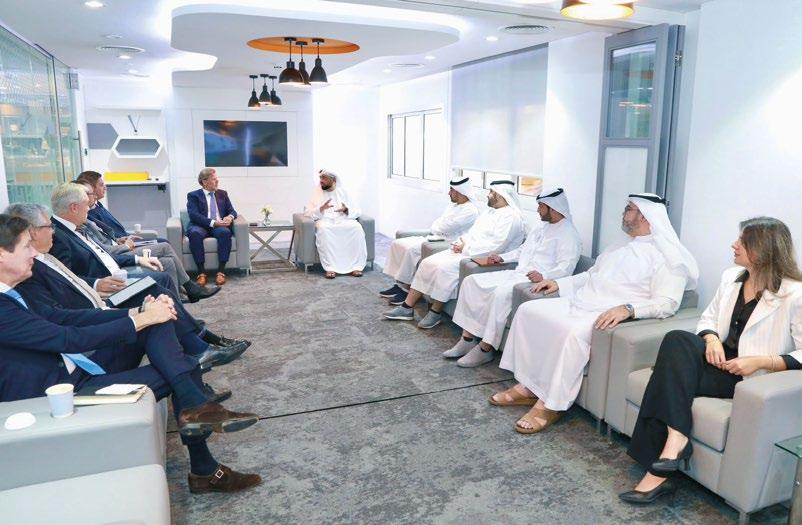

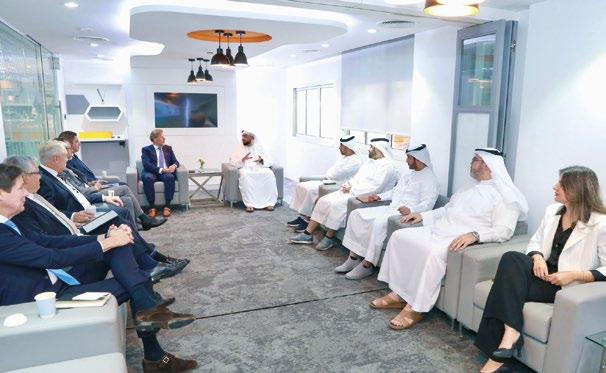
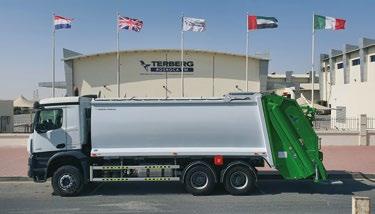
Terberg RosRoca Vehicle Manufacturing (TRRVM) in Dubai, United Arab Emirates, has hit the ground running since they opened for business in 2020 – in more ways than one. They have more than doubled their headcount over the past three years. In 2024, they met and exceeded their goals, assembling and mounting 30% more RCV bodies than initially planned. This was accomplished through hard work and determination, necessitating working in two shifts to meet market demand.
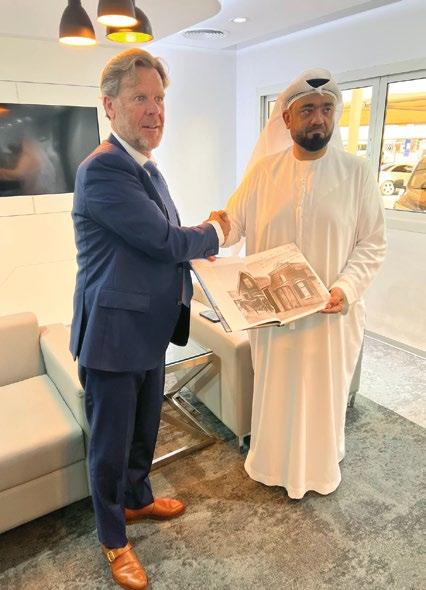
After winning a major tender to supply RCVs for the city of Abu Dhabi, TRRVM are now bidding for a follow-up contract for the city’s outlying areas. They also won a recent tender for close to 100 units for Muscat, the capital of Oman. All these projects have made TRRVM the market leader in this region, just a few years after opening for business.
Success built on people and product quality
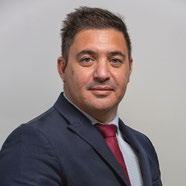
Managing Director Pierangelo Marfella said, “Our customers understand that high quality vehicles, built to European standards, might have a higher initial cost but represent excellent value for money. They benefit from fewer breakdowns, less downtime and a quick response to their servicing and repair needs. They appreciate that we are an OEM – not just a trading company – and that we have local stocks of spare parts.
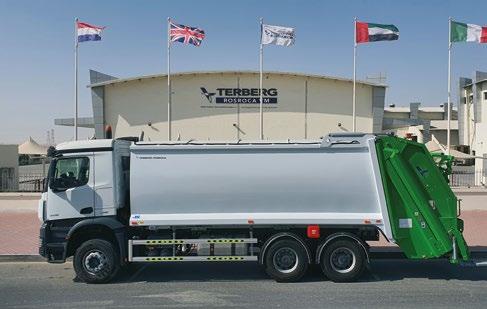
We have a fleet of mobile workshops for servicing the RCV bodies and bin lifts, as well as a fully equipped workshop here at our base for more extensive repairs. The chassis are serviced by their suppliers.
Pierangelo Marfella
We have a fleet of mobile workshops for servicing the RCV bodies and bin lifts.
Of course, we spend a lot of energy on developing and training everyone in our team. For example, now that the demand for electric vehicles is growing, we are working with the chassis suppliers to train our mechanics to work safely on those units. Something that’s particularly important to me is that our salespeople have in-depth technical knowledge and can advise customers about the best products and options for their applications. Having such a good team also means that we can now explore the options to expand further in this region – there are promising markets out there.”
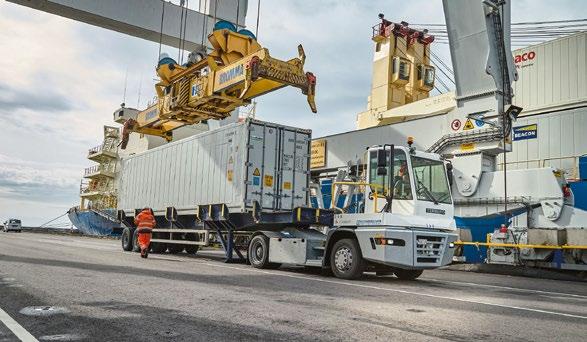
Terberg Special Vehicles designs and manufactures terminal tractors, yard trucks, and specialist vehicles. Their robust, high-performance vehicles can be seen in ports, distribution centres and industrial sites. Their portfolio prominently features fully electric models as well as vehicles using drive by wire systems for automation. As part of the Royal Terberg Group, they share the same commitment to durability, advanced engineering, and environmental responsibility. In 2024, Terberg Special Vehicles made significant strides in its operations and introduced several new products.
Working to meet increasing global demand, Terberg Special Vehicles has been expanding its operations. Most recently, they saw expansions of factories in the Netherlands and Malaysia while several subsidiaries have been working to increase their capacity for after-sales service.
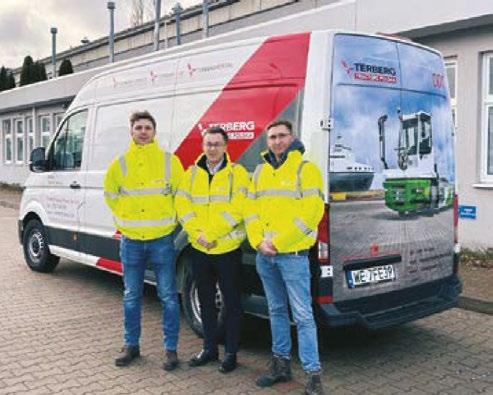
In September 2024, Terberg Tractors Polska launched operations. This marks a significant milestone for expansion in Central and Eastern Europe.
General Manager Łukasz Bąk said, “Establishing a subsidiary in this strategic location will allow us to better serve our growing customer base and capitalise on these emerging opportunities.
Sharing the location with Terberg Matec Polska has provided us with invaluable support. Additionally, Terberg Kinglifter has their national sales representative situated in the same building. Co-location of multiple companies from different Terberg divisions will create cost advantages as well as crossdivisional commercial and operational synergies.”
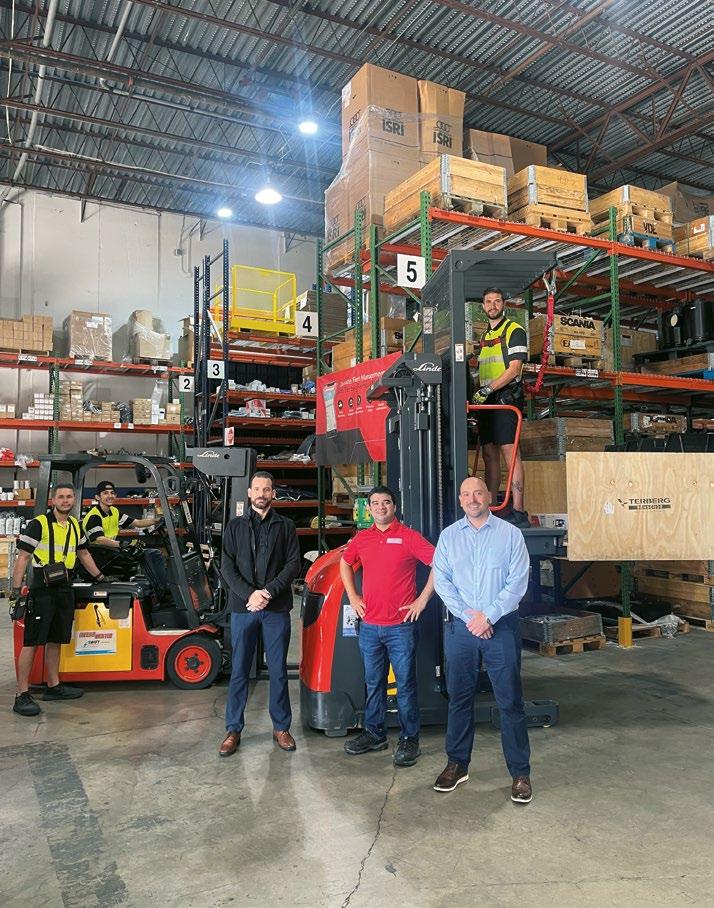
One year prior in September 2023, the Terberg Taylor Americas after-sales warehouse relocated to a larger facility in Miami. This move has allowed them to increase their stock of parts and grow their team. The facility is provides approximately 10,000 sq. ft. or 930 sq. m.
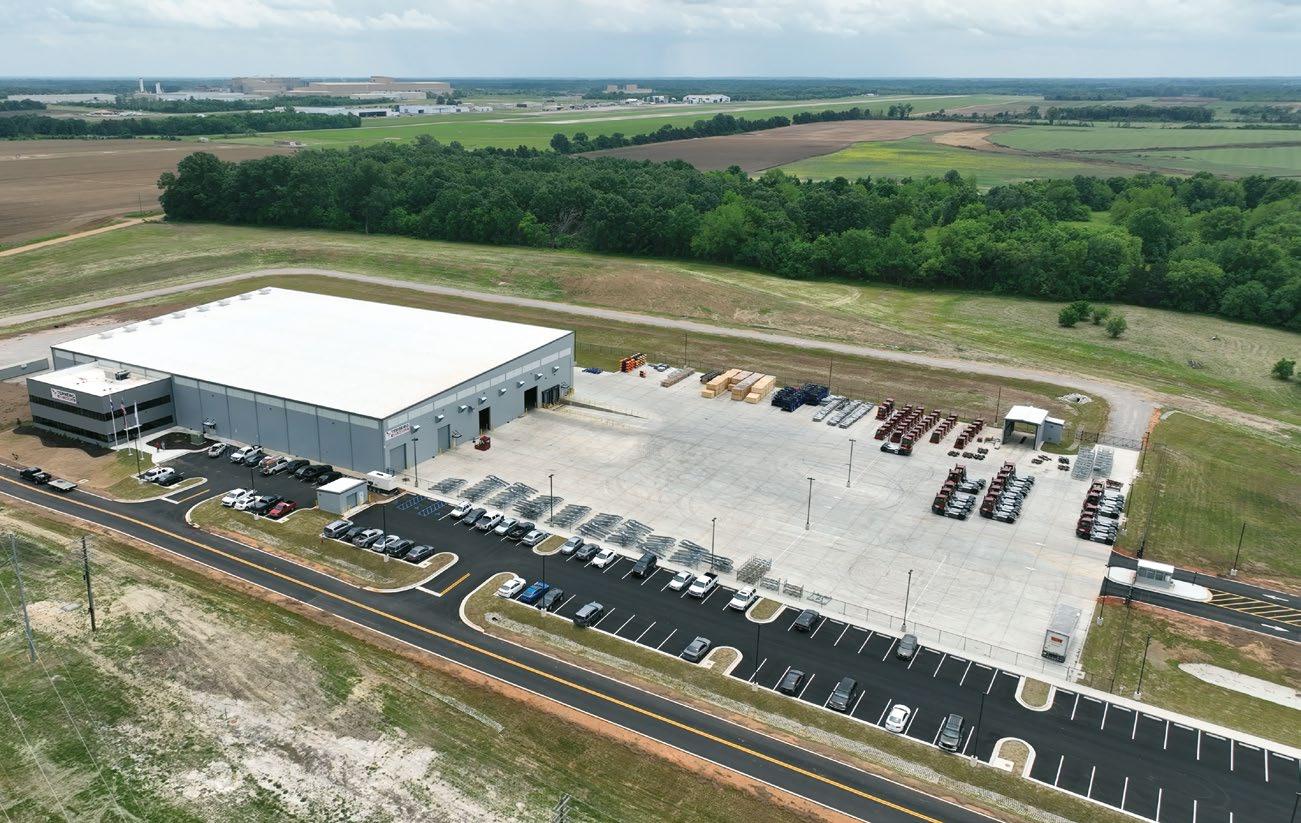
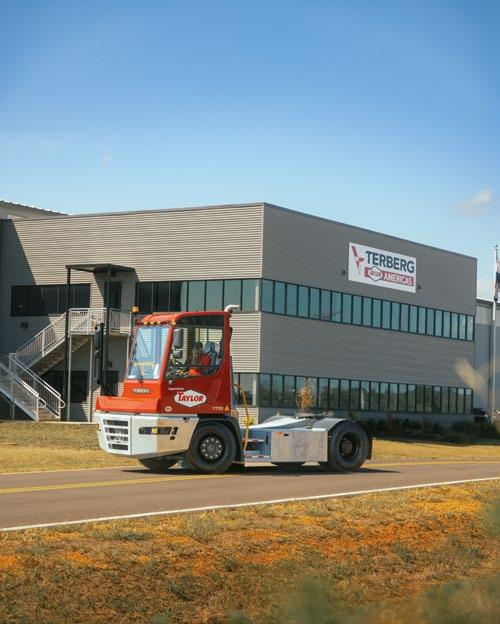
The exciting news in North America kept rolling in – in May 2024, the Terberg Taylor Americas manufacturing facility was officially completed. The world-class manufacturing facility in Columbus, Mississippi was developed to mirror the proven production process of the Benschop Netherlands facility. The grand opening was marked by a ceremony. Notable attendees included Robert Taylor, President of Terberg Taylor Americas, Godfried Terberg, Chairman of the Board of the Royal Terberg Group and Rob van Hove, CEO of Terberg Special Vehicles.
In early 2024, the new YT223CC container carrier was introduced. It features a redesigned cabin with improved ergonomics and functionality. It’s an alter native to conventional roll-off tippers in the waste disposal industry. As with other Terberg models, the Container Carrier is characterised by low fuel consumption, low maintenance costs and a high production rate.
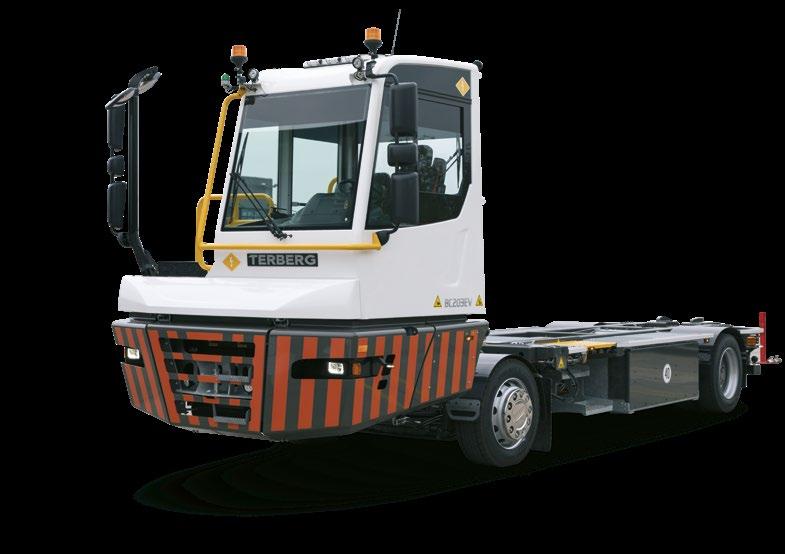
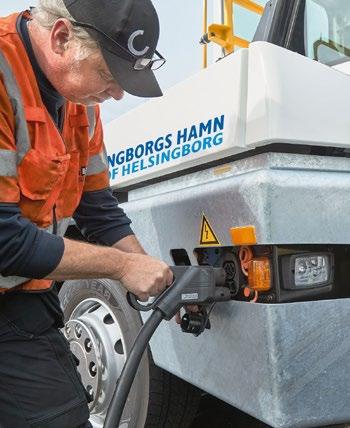
Two new developments were made in the Terberg Special Vehicles EV line-up. The BC203EV is the latest in the BC series designed to handle Swap Bodies for logistics within distribution centres. The first units were delivered to customers in June 2024.
Later in the year, the RT253EV proof-ofconcept unit was demonstrated in Rotterdam to a crowd of industry experts. This vehicle was developed to facilitate electrification of RoRo terminals, a feat that requires overcoming many logistical challenges such as battery
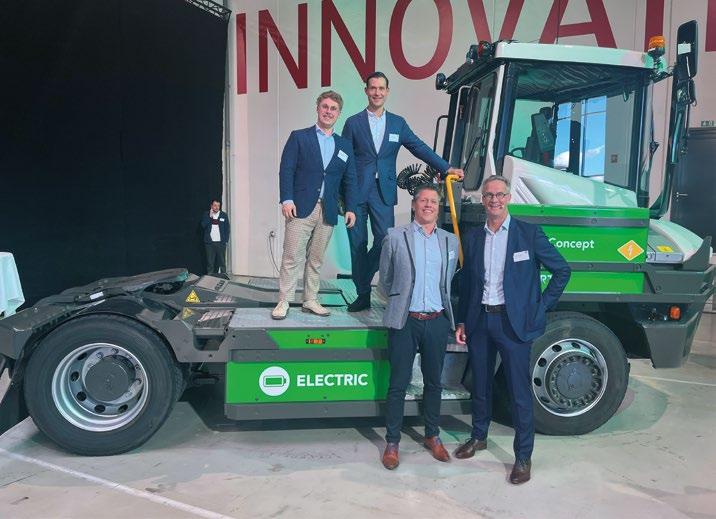
3 space and low headroom. In early 2025, it was taken on a tour of 8 ports in the UK and Ireland, receiving positive feedback from drivers and terminal operators.
Rounding out the latest innovations in the Terberg Special Vehicles product line is the new YT193 DOT. This version of the YT tractor is specially designed to meet the requirements set forth by the Department of Transportation for roadworthiness in the United States of America.
As a global group, Terberg Environmental’s divisions operate in 12 different countries. Each company is united by one mission, to create cleaner and greener communities through innovation in waste management technology.
As a family-owned business with a legacy of innovation and focus on sustainability, we’re looking for people who want to make a difference. Whether you’re an engineer, technician, administrator, or anything in between, you’ll find a place here to grow and thrive.
Our people are our greatest asset. Together, we’ve created a culture built on support, collaboration, and a shared commitment to quality.
We’ve recently launched a new recruitment platform with a centralised hub for vacancies.
Applying with us is now faster, more transparent, and designed with applicants in mind. Whether you’re applying for your first role or your next big move, the journey starts here.
Scan the QR code to get started.


Sonia Santos
Terberg Resitul PORTUGAL
Established in 2005, encompassing three facilities providing nationwide coverage, a fully optimised parts warehouse and capable service workshops. Terberg Resitul delivers our products and a great service to the Portuguese market.

Ruud van Dijk
Terberg Matec Nederland & Terberg Matec Belgium NETHERLANDS & BELGIUM
Our Dutch and Belgian companies serve their respective markets (and Luxembourg) with rear, side and front loading RCVs, bin lift systems and street cleaning technology.

Marco Overbeek Terberg Machines NETHERLANDS
Established in 1974 and responsible for the design and manufacture of our bin lift systems, weighing & identification technology and Terberg Connect.

Chiel ter Laak Terberg Automotive NETHERLANDS
Acquired by Terberg in 2022, Terberg Automotive specialises in hardware and software solutions, notably driving the ongoing development of the Terberg Connect remote diagnostics system.

Piotr Pawlowski Terberg Matec Polska POLAND
Operating in a key, growing market, our subsidiary in Poland continues to experience strong growth and an increased market share.

Will Marzano Terberg Matec UK UNITED KINGDOM
Our UK design and manufacturing centre for a range of specialist dry recyclable and organic waste collection vehicle bodies.

Keith Day Dennis Eagle Ltd UNITED KINGDOM
A trusted manufacturer of precision-made vehicles since 1907, providing Terberg Environmental with a pioneering range of vehicle chassis and RCVs.


Roberto Torre/ Josep Pedra Ros Roca SPAIN
Offers a range of rear, side & front loaders, bin lifts, bin wash systems, sweepers, water tankers & sprinklers with over 65 years of experience.

Ulrich Zschenderlein Terberg HS / TE Austria GERMANY / AUSTRIA
Combining more than 150 years’ experience, Terberg HS is a specialist manufacturer of side and front loading RCVs and a distributor for our rear loading RCVs and bin lift systems.

Benoit Boton Terberg Matec France FRANCE
Established in 2020, but leveraging over 40 years of expertise in the French waste management sector to offer a full spectrum of Terberg Environmental products and extensive after-sales support through an expanding network of facilities across France.
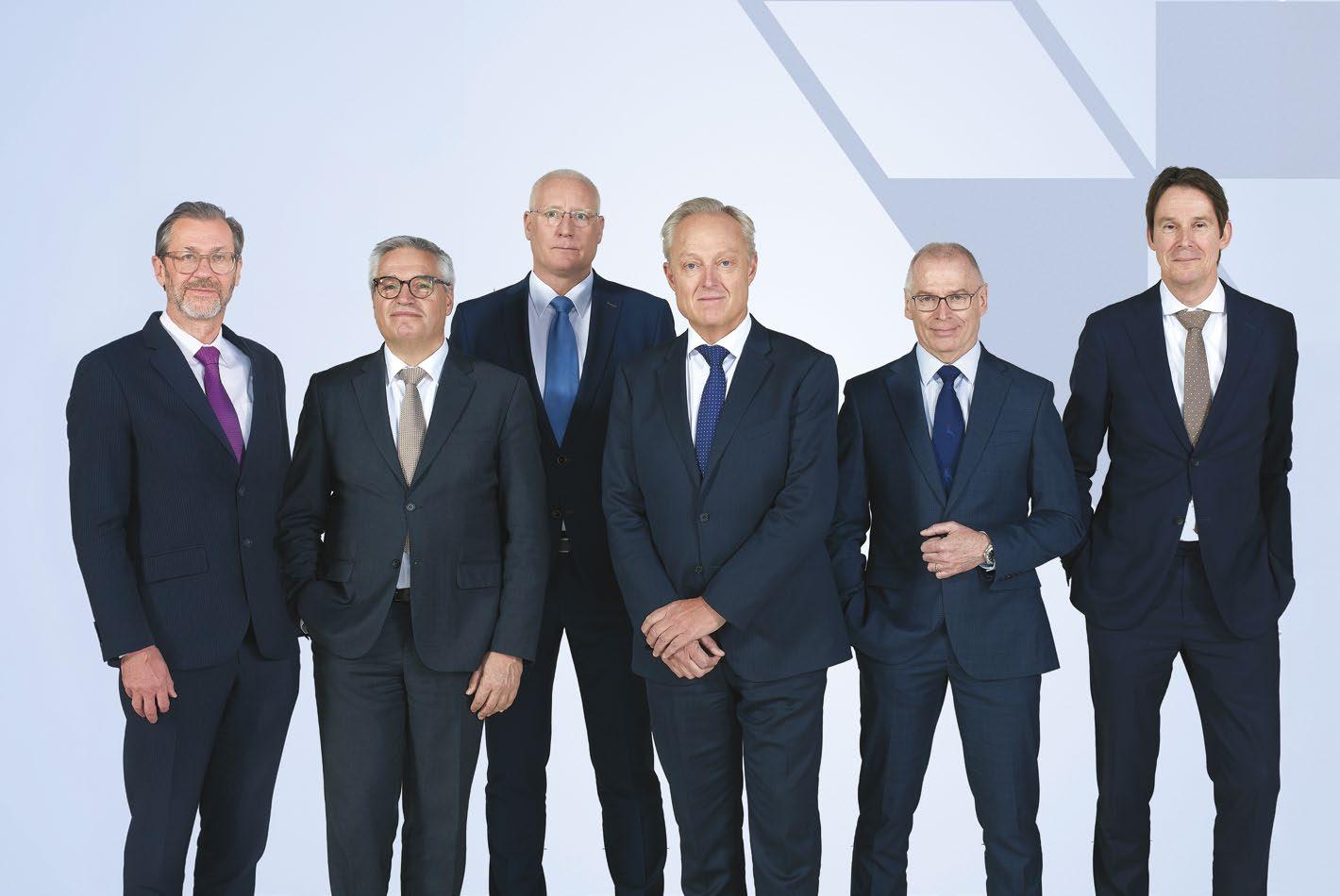

Pierangelo Marfella
Terberg RosRoca Vehicle Manufacturing
EMIRATE OF DUBAI
Established in 2020, the company has rapidly gained traction and built a solid reputation in the region. Located at the heart of the Middle East, it manufactures our RCV bodies locally to serve the Waste and Recycling industries in the GCC.

Xavier Lecha
EnviroRent SPAIN
EnviroRent offers short to medium-term rental and sales of used RCV collection trucks and municipal street cleaning equipment in the Spanish market.

Ana Alcerro
Terberg Matec Latam COLOMBIA
To better serve the Latam market, the business was established in Bogotá in 2023. Fast forward a year, with a move to a dedicated workshop and plans underway to assemble bodies locally by the end of 2025.

Jeremy Boanson-James
Terberg Zenith & Terberg Zenith Malaysia
SINGAPORE & MALAYSIA
Established in late 2023 through acquiring a longstanding regional partner, Terberg Zenith focus on enhancing waste management solutions for the ASEAN region, are committed to exceeding expectations and contributing to Terberg Group’s sustainable development goals.
Croatia
Autobus d.o.o. Zagreb autobus.hr
Cyprus Spyros Houtris and Sons Ltd Larnaca houtris.com
Czech Republic
Hanes s.r.o. Prague hanes.cz
Denmark Phoenix Danmark A/S Brøndby phoenixdanmark.dk
Estonia
Alwark OÜ
Tallin alwark.ee
Greece A.KAOUSSIS S.A. Athens kaoussis.gr
Hungary Unikomtech Gép Kft. Kozármisleny unikomtechgep.hu
Isle of Man Outdoor Plant & Power Braddan opandp.com
Latvia SIA “Alwark” Marupes Novads alwark.lv
Liechtenstein Terberg HS GmbH Emstek terberg-hs.de
Lithuania UAB “Alwark” Vilnius alwark.lt
Luxembourg Terberg Matec Belgium bvba Genk terbergmatec.be
Northern Ireland Manvik Plant and Hire Ltd Belfast manvikplant.com
Norway
Steco Miljø AS Lier steco.no
Republic of Ireland Munster Vehicle Sales Cork mvscork.ie
Republic of Ireland Setanta Vehicle Sales Ltd Drimnagh setantatrucks.ie
Slovakia
Hanes Slovakia s.r.o. Trnava hanes-slovakia.sk
Switzerland Qubag Fahrzeugbau AG Oberbipp qubag.ch
TERBERG ZENITH
Morocco Isotec
Saudi Arabia / Sultanate of Oman / Bahrain / Qatar / Kuwait / Lebanon / Israel / Jordan / Egypt Terberg RosRoca Vehicle
Manufacturing Dubai / UAE terbergrosrosavm.ae
Asia Terberg Zenith Singapore Terbergzenith.com.sg
Hong Kong
MAN Truck And Bus Hong Kong Limited Hong Kong mantruckandbus.com
Vietnam Tien Ngoc Company Ho Chi Minh tienngoc.com
Australia
Australia Penske Commercial Vehicles Wacol penske.com.au/dennis-eagle
New Zealand Penske Commercial Vehicles Wiri penske.com.au/dennis-eagle
Argentina / Bolivia / Chile / Costa Rica / El Salvador / Guatemala / Honduras / Mexico / Nicaragua / Panama / Paraguay / Peru / Dominican Republic / Uruguay
Terberg Matec Latam terbergmatec.lat
Argentina Scorza GS
Brazil
GC Brazil
Chile Gersa
Ecuador Eagletrade
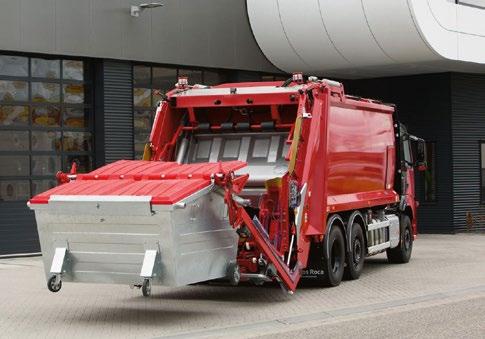
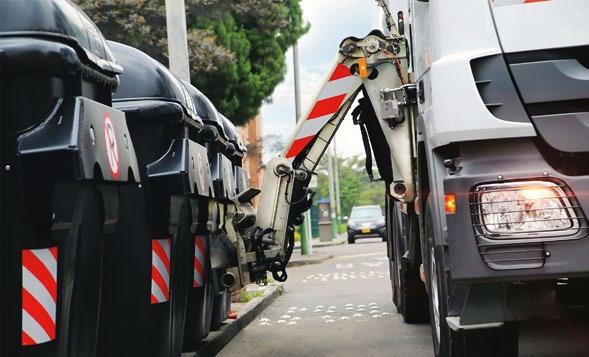
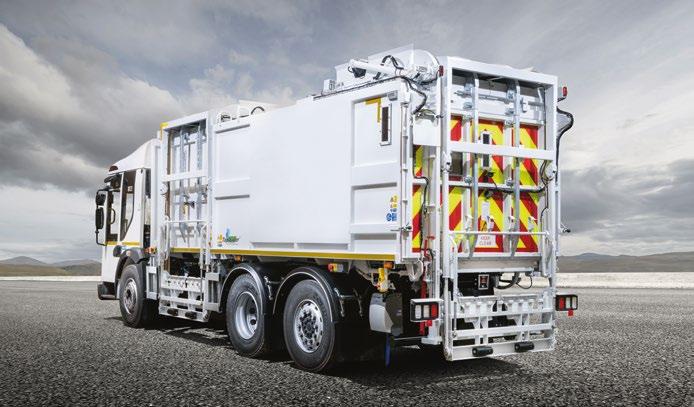
Terberg Environmental manufactures and supplies a wide range of innovative refuse collection (RCV) bodies, robust bin lifts, non-compaction recycling vehicle bodies, underground waste systems, side and front loading vehicles, weighing and identification hardware and a whole host of other waste and recycling collection equipment.
Terberg shunting tractors are used in over 120 countries. These vehicles are an efficient option for handling trailers and swap bodies. The range includes yard tractors, RoRo tractors, industrial tractors and road/rail tractors which are used in ports, distribution centres, heavy industry, railway shunting yards, tunnelling sites and airports.
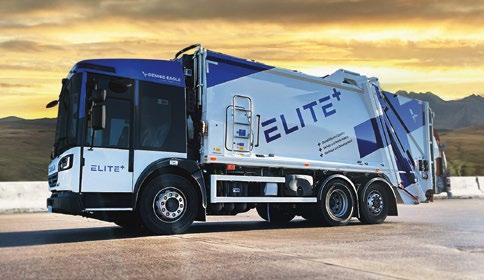
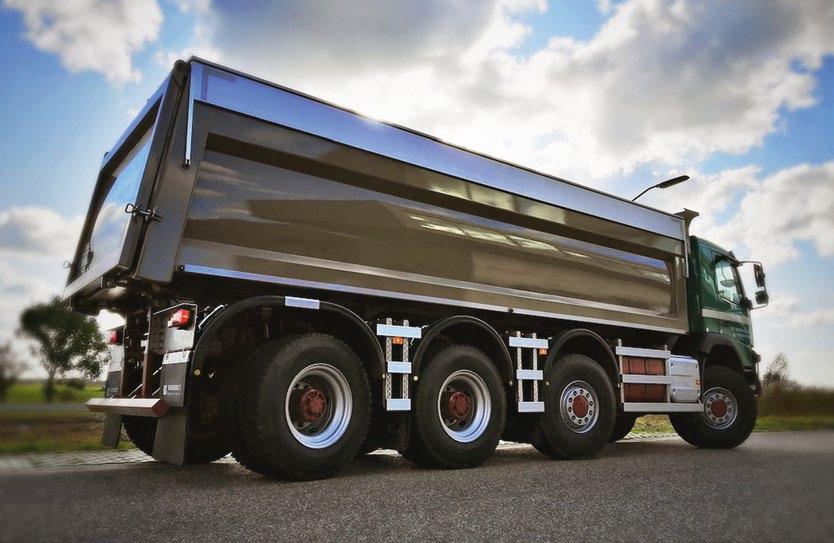
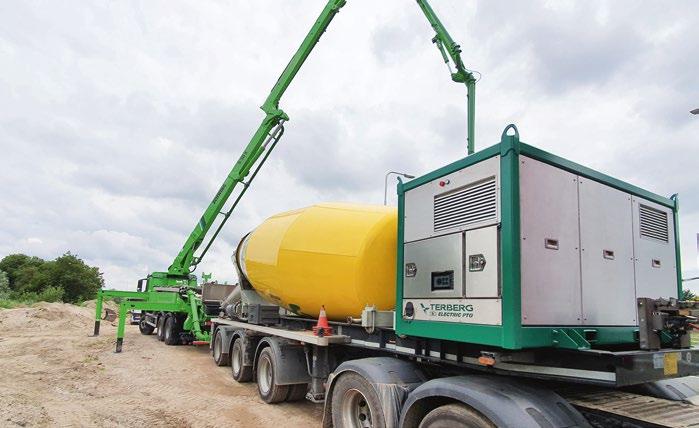
Terberg Techniek fits additional axles to Volvo trucks and supplies axle kits worldwide. Our X-Track auxiliary front wheel drive system is fitted to forestry, construction and municipal vehicles. These modifications enable vehicles to carry heavier loads and operate on poor surfaces.
Terberg Techniek also modifies vehicles for police, defence and industrial applications. The modifications include changing the wheelbase of trucks, fitting container handling systems and cranes, and fitting specialist equipment.
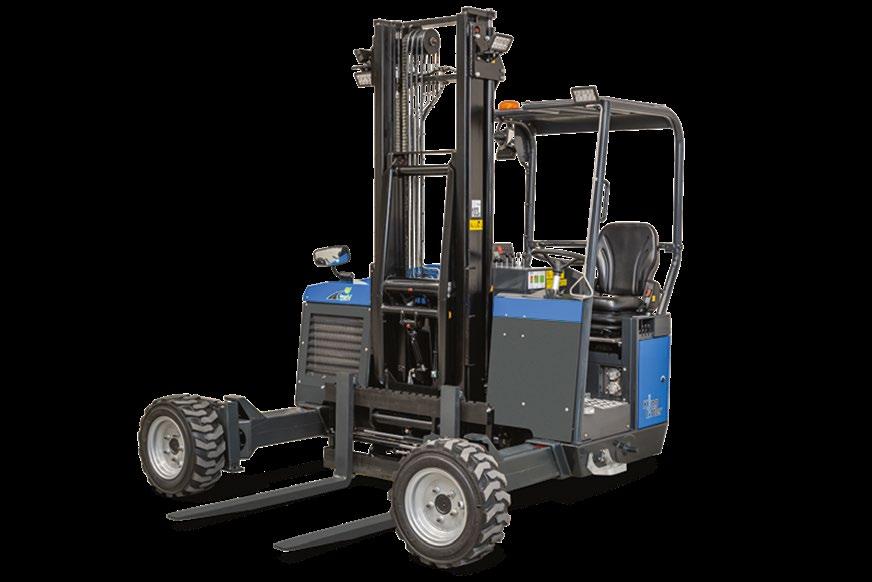
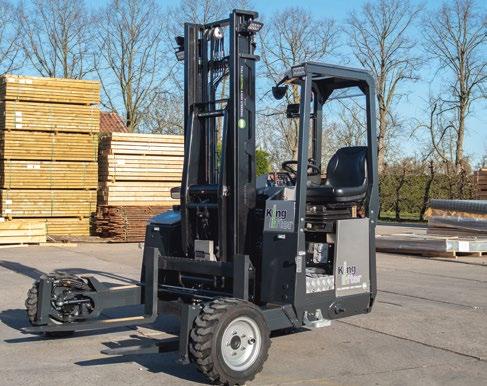
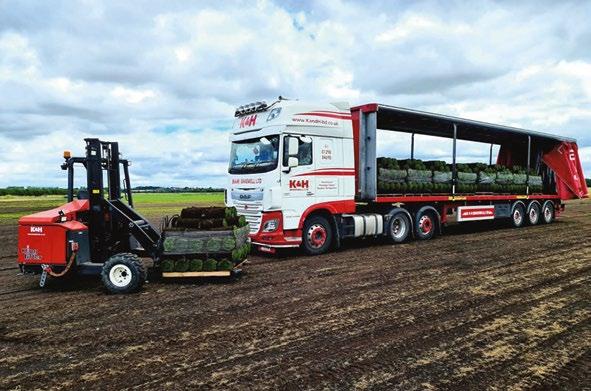
Kinglifter truck-mounted fork lift trucks help make delivery operations more efficient. They are available with a capacity of 1.5 or 2.5 tonnes, end or side-loading and with single or three-wheel drive. Their low weight means they can operate in settings where conventional fork lift trucks cannot be used.
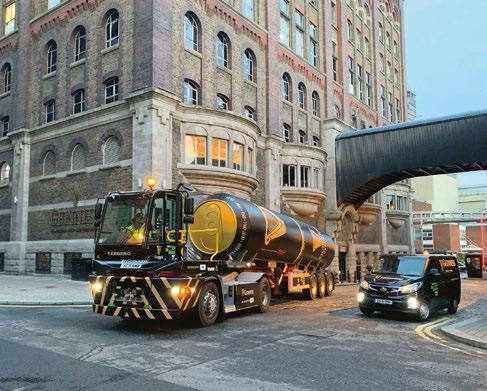
For 155 years, the Royal Terberg Group of companies have been driven to provide the best to the worlds specialist vehicle markets. With 34 operating companies in 14 countries, Terberg is a multinational independent supplier of (specialist) vehicles and vehicle systems. The Royal Terberg Group have been moving forward with an emphasis on invention, innovation, transformation and value creation.
Creating value in specialist vehicle markets
New developments are constantly taking place in the world of transport, waste management and logistics, from operational strategies to driveline technology. Companies and governments are constantly looking for opportunities to make their transport, distribution, warehousing or waste collections as optimal and profitable as possible.
Terberg wants to offer solutions to maximize the availability of vehicles and improve efficiency. This allows companies and governments to keep their transport and transport activities operational and up-to-date with optimal investments.
Focussed on sustainability
We consider the impact of our operations on people and the environment. We consider the following key issues in the running of our business:
• Reducing energy consumption.
• Workplace conditions.
• Creating a cleaner workplace and environment.
• Using natural resources sustainably.
• Developing sustainable technology
• Social policies and our relationship with the region.
Electric vehicles
We are taking the lead in this area, in all of our industry divisions. We now have valuable years of shared experience in the development and manufacture of electric vehicles. This shared experience benefits all Terberg businesses as we continue to develop an improved generation of EVs.
In addition to the electrification of our solutions, we are working with hydrogen technology to power our machines of the future.
Every year the Royal Terberg Group makes a donation to the Terberg Foundation. The objectives of the Foundation are:
• To contribute to the independence of disadvantaged people, and so contribute to a better society.
• To contribute to good education, healthcare, and the care for young people and the elderly.
We strive to:
• Offer customers in specialist markets high-quality products with a low Total Cost of Ownership, rather than focussing on the lowest initial price.
• Supporting the entrepreneurial spirit of the operating companies and helping them to expand into new markets and products.
• Offering employees rewarding careers.
• Ensuring the continuity of Terberg as a family business.
EUROPE
T ER B ERG B EN SCHO P (The Netherlands)
T ER B ERG T R AC TO R S N E D ER L A N D (The Netherlands)
TERBERG DTS UK (United Kingdom)
TERBERG SPEZIALFAHRZEUGE (Germany)
TERBERG TRACTORS BELGIUM (Belgium)
M A NU P O R T (Italy)
T ER B ERG M PM IR EL A N D (Ireland and Northern Ireland)
TERBERG FEYTER IBERIA (Spain and Portugal)
T ER B ERG T R AC TO R S P OLSKA (Poland)
MIDDLE EAST
T ER B ERG M I D D L E E A S T (United Arab Emirates)
TERBERG TAYLOR AMERICAS GROUP (United States)
TERBERG TAYLOR AMERICAS MANUFACTURING (United States)
TERBERG TAYLOR AMERICAS (United States)
TERBERG TAYLOR AMERICAS RENTAL & LEASE (United States)
ASIA PACIFIC
TERBERG TRACTORS MALAYSIA (Malaysia)
TERBERG MANUFACTURING & ASSEMBLY (Malaysia)
TERBERG SERVICES SOLUTIONS (Malaysia)
HITECH AUTO (Singapore)
TERBERG KCL (Hong Kong and Singapore)

EUROPE
T ER B ERG M ACH IN E S (The Netherlands)
TERBERG MATEC NEDERLAND (The Netherlands)
TERBERG AUTOMOTIVE (The Netherlands)
T ER B ERG M AT EC B ELGI U M (Belgium)
TERBERG MATEC FRANCE (France)
T ER B ERG M AT EC P O L SK A (Poland)
TERBERG HS (Germany)
ROS RO C A (Spain)
ENV IRO R EN T X X I (Spain)
R E SI T U L (Portugal)
D ENN I S E AGL E (United Kingdom)
TERBERG MATEC UK (United Kingdom)
MIDDLE EAST
TERBERG ROSROCA VEHICLE MANUFAC TURING (United Arab Emirates)
AMERICAS
TERBERG MATEC LATAM (Colombia)
ASIA PACIFIC
ZENITH ENGINEERING (Singapore)
IG ZENITH (Malaysia)
T ER B ERG T ECHN IEK (The Netherlands)
EUROPE
T ER B ERG K IN GL IF T ER (The Netherlands)
T ER B ERG K IN GL IF T ER (Germany)