
2025 Sustainability report and impact report


It is with great pleasure that I have the honour of presenting Tellure Rota S.p.A.’s Sustainability Report for the year 2025. I would also like to share its contents with all of you—our customers, partners, suppliers, employees, institutions and local communities.
Each year, this document continues to be enhanced as part of a journey that Tellure Rota embarked upon some time ago, aligned with the latest Global Reporting Initiative (GRI) standards. This ongoing process further confirms the Company’s steadfast commitment to a more sustainable, responsible and aware future, grounded in the transparency as well as integrity that have always distinguished us.
During 2025, Tellure Rota continued to pursue its technical and manufacturing mission, providing an increasingly wide range of industrial wheels of the highest quality and reliability. This has enabled us to face the current challenges of the global market with resilience and determination, while initiating a new cycle of multi-year investments that will ensure continuity in the Company’s development.
In the following pages, you will find an overview of all activities relating to environmental, social and governance matters, which have always accompanied our daily commitment to making Tellure Rota an increasingly solid, reliable and sustainable organisation.
Our long-term vision guides our corporate strategy, requiring us to maintain a rigorous focus on our customers, ensure swift decision-making, rely on the strength of our professional expertise, and recognise that our people are a vital resource, driven by motivation and enthusiasm. We are convinced that these factors underpin the results the Company has achieved to date and will continue to achieve in the future.
We actively promote the well-being of our employees, suppliers and partners, contributing to environmental improvement. Furthermore, we ensure that all operational activities become increasingly sustainable with respect to the surrounding ecosystem.
We respect the entire supply chain, aware that sound relationships and fairness (demonstrated through timely payments) represent the proper recognition of all those upstream and downstream of our production process. This creates a virtuous path of shared excellence, generating products and services that increasingly meet the growing demands of the industry of which we are all part.
On behalf of the Board of Directors of Tellure Rota S.p.A., I would also like to thank all Tellure Rota employees who, once again this year, have contributed to maintaining high standards of corporate performance in terms
Finally, I would like to express my gratitude to all of you, our stakeholders, for your esteem, trust and respect, which continue to strengthen Tellure Rota’s reputation in the market.
Carlo Bertani
METHODOLOGICAL NOTE
As confirmation of our commitment to ESG matters, although we do not fall within the scope of entities required to report under current legislation (Directive (EU) 2022/2464 (Corporate Sustainability Reporting Directive), transposed in Italy by the Italian Legislative Decree No. 125 of 6 September 2024) we have chosen to continue voluntarily along our path of reporting environmental, social and governance impacts. This is achieved through the preparation of this Sustainability Report.
During 2025, we strengthened our methodological approach by updating our sustainability topics in light of the requirements introduced by the CSRD and the principles of the Voluntary Sustainability Reporting Standards for non-listed SMEs (VSME). This was done with the aim of progressively aligning our reporting system with the new European standards.
The definition of the contents to be reported is the outcome of a structured process of analysis of the internal and external context, articulated in the following phases: updating and review of the relevant ESG topics, in line with the CSRD/VSME requirements; involvement of company management and the heads of the main departments: Management and Ownership, Administration, Risk Analysis, Technical Office, Human Resources and Marketing; implementation of an external stakeholder engagement initiative.
In particular, we promoted a structured dialogue with around twenty representatives of the main stakeholder groups. These included customers, suppliers, agents, trade associations and training bodies.
The revised sustainability topics, aligned with the CSRD, were submitted to stakeholders with the aim of gathering assessments, priorities and suggestions for improvement.
Dialogue with stakeholders enabled us to: validate the relevance of the topics identified in relation to external expectations; identify any emerging issues requiring attention; strengthen the integration between corporate strategy and sustainability.
The reporting methodology we adopt continues to reference the GRI Universal Standards (2021 version), progressively integrated with the principles and disclosures required by the VSME. This is done with a view to gradual convergence towards the requirements laid down by the CSRD.
This Sustainability Report refers to the 2025 reporting year, from 1 January to 31 December 2025, and represents a further step in our journey to consolidate Tellure Rôta’s system for managing and monitoring ESG performance.
CONTRIBUTION TO THE SDG S
By integrating sustainability into our corporate strategy, we align our business objectives with the Sustainable Development Goals (SDGs) defined by the United Nations in the 2030 Agenda. For us, contributing to the achievement of the SDGs means seizing an important opportunity to promote sustainable development at global level, progressively integrating environmental, social and economic sustainability into our strategic and operational choices.
STAKEHOLDERS' ENGAGEMENT
Stakeholders’ engagement is an essential element in the corporate management of projects or initiatives that impact various interested parties. Engaging stakeholders effectively means ensuring that their interests, needs, and concerns are taken into account, contributing to the overall success of the programme. Our objective is to take into account the interests of the various stakeholders, integrating them into our strategic decisions with a view to optimising the company’s operations.
In the table below we identify our main stakeholders, mapping the main communication channels and the needs/expectations of each of them.
Employees
Customers
Suppliers
Finance and control
Website and LinkedIn, Sustainability Report, Meetings with management, Plenary sessions, Training programmes, Whistleblowing channel
Website, LinkedIn, corporate and product documentation, trade fairs, visits by area managers and agents, visits to the company, telephone and email contacts
Website, visits to suppliers' premises, visits to the company, telephone and email contacts
Digital channels: website and LinkedIn
Regular and ad hoc meetings for review and ordinary management; Board of Statutory Auditors
Working for a company whose values and principles they share, contributing positively to its growth, in a calm environment where individuals can express themselves
To find a partner to resolve industrial handling issues, a supplier of reliable products who can meet service requirements. This is while complying with all industry regulations and European directives on products and corporate conduct.
To work with a reliable, fair, and financially solid partner
The assurance that the company is managed ethically and in a financially sustainable manner, that it grows in accordance with the annual industrial plan and budget, and that it is able to adapt to future market needs flexibly and effectively
Financial sector (banks, insurance companies)
Local institutions
Universities and research centres
Digital channels: website and LinkedIn
Regular and on-demand meetings with the relevant organisational units
Digital channels: website and LinkedIn; Sustainability Report; participation in shared network projects; regular and on-demand meetings
A company which can produce sustainable and growing financial statements each year, honour its loans and debts with financial institutions and suppliers on time, and become an organisation to which additional services can be offered and sold.
A company's ability to ensure ongoing production in the area over time, with attention to various aspects of sustainability, to support the well-being of employees living locally and the work of other companies (suppliers)
Digital channels: website and LinkedIn; Sustainability Report; regular and on-demand meetings
Collaboration to bring university research into the industrial sphere, through internship and placement projects for students in the company and research projects with direct industrial application carried out at the universities
MATERIALITY MATRIX
To define the areas and topics to be included in the 2025 Sustainability Report, we updated our materiality analysis. This was done to identify and prioritise the issues most relevant to our business and our external stakeholders, in line with the evolving European regulatory framework.
Topics considered “material” are those that reflect the economic, environmental and social impacts generated by the organisation and that are significant for stakeholders, as they may influence their assessments and decisions.
The 2025 update followed a structured process that involved:
Analysis of the reference regulatory context and review of the ESG topics previously identified, in order to align them with the new European requirements;
Sector benchmark analysis to identify the main topics addressed by competitors and key industry operators;
Implementation of an external stakeholder engagement initiative involving around twenty representatives from the main stakeholder groups (customers, suppliers, banking institutions, agents, trade associations and training providers).
Stakeholders and a group of employees were asked to complete a questionnaire designed to assess the relevance of the revised and updated sustainability topics.
For each topic, respondents were asked to assign a score from 1 to 5 reflecting both the perceived significance of Tellure Rôta’s impacts and the priority that should be given to managing that area.
The assessments collected were analysed and aggregated in order to identify the topics of greatest relevance for internal and external stakeholders.
The results made it possible to build the 2025 materiality matrix. This matrix graphically represents the priorities emerging from the consultation process and constitutes the reference framework for defining the contents to be reported.
The matrix incorporates the perspectives of both internal and external stakeholders, together with the findings of the context analysis and the Company's progressive alignment with the principles of the CSRD. For us it represents a guidance tool that helps to steer the path of continuous improvement we have undertaken in the ESG sphere.
Relevance for stakeholders
FINANCIAL RESPONSIBILITY
MATERIALITY MATRIX
SOCIAL RESPONSIBILITY
Management of supplier relations
Outflows of resources
Climate change mitigation
Air pollution
Water usage
Inflows of resources
Hazardous substances
ENVIRONMENTAL RESPONSIBILITY
End-user safety and information
Equal treatment and equal opportunities for all
Waste management
Occupational health and safety
Training and skills development
Community engagement
Employee protection and well-being
Corporate culture, as well as active and passive corruption
Relevance for Tellure
Rôta
STRATEGIC PRIORITIES IDENTIFIED
In particular, the following areas emerge as priorities:
End-user safety and information, which is positioned at the top of the matrix and represents the topic with the highest average score (4.4/5).
Stakeholders recognise product quality and safety as a distinguishing feature and as having a direct and tangible impact on people and operators.
Occupational health and safety,, which is located among the areas of high relevance, confirming the focus on worker protection as an essential prerequisite for creating sustainable value.
Training and development of human capital, considered a strategic lever for the continuous improvement of corporate performance and for strengthening long-term competitiveness.
Employee protection and well-being, which consolidates the central role of the social dimension in stakeholders’ perceptions.
Equal treatment and opportunities for all, indicated as a relevant topic in terms of fairness, inclusion and the promotion of skills.
Management of supplier relationships, recognised as a key aspect of responsible business conduct across the value chain.
Taken together, these priorities portray a company with a strong commitment to social responsibility and product quality, together with a significant focus on managing relationships across the supply chain.
ENVIRONMENTAL AREAS AND SCOPE FOR IMPROVEMENT
Environmental topics (air pollution, circular economy, climate change, waste management) fall within a medium–high relevance band.
Stakeholders acknowledge the efforts already undertaken by the company. They also express the expectation that strategies in the climate sphere and in circular design will be further strengthened. In particular: circular-economy logistics (waste and outflows of resources) are appreciated, but design oriented towards reducing material inflows still represents an area for development;
hazardous substances management is considered adequately controlled and with residual impact, indicating trust in the control systems adopted.
The overall average score (3.5 out of 5) confirms a solid and structured perception of the impacts generated by Tellure Rôta.
The results provide the basis for updating ESG strategic priorities and for defining improvement objectives in the short and medium term. This is done in line with the evolving European regulatory framework and stakeholder expectations.
“TO
STRIVE FOR IMPROVEMENT AT ALL TIMES”
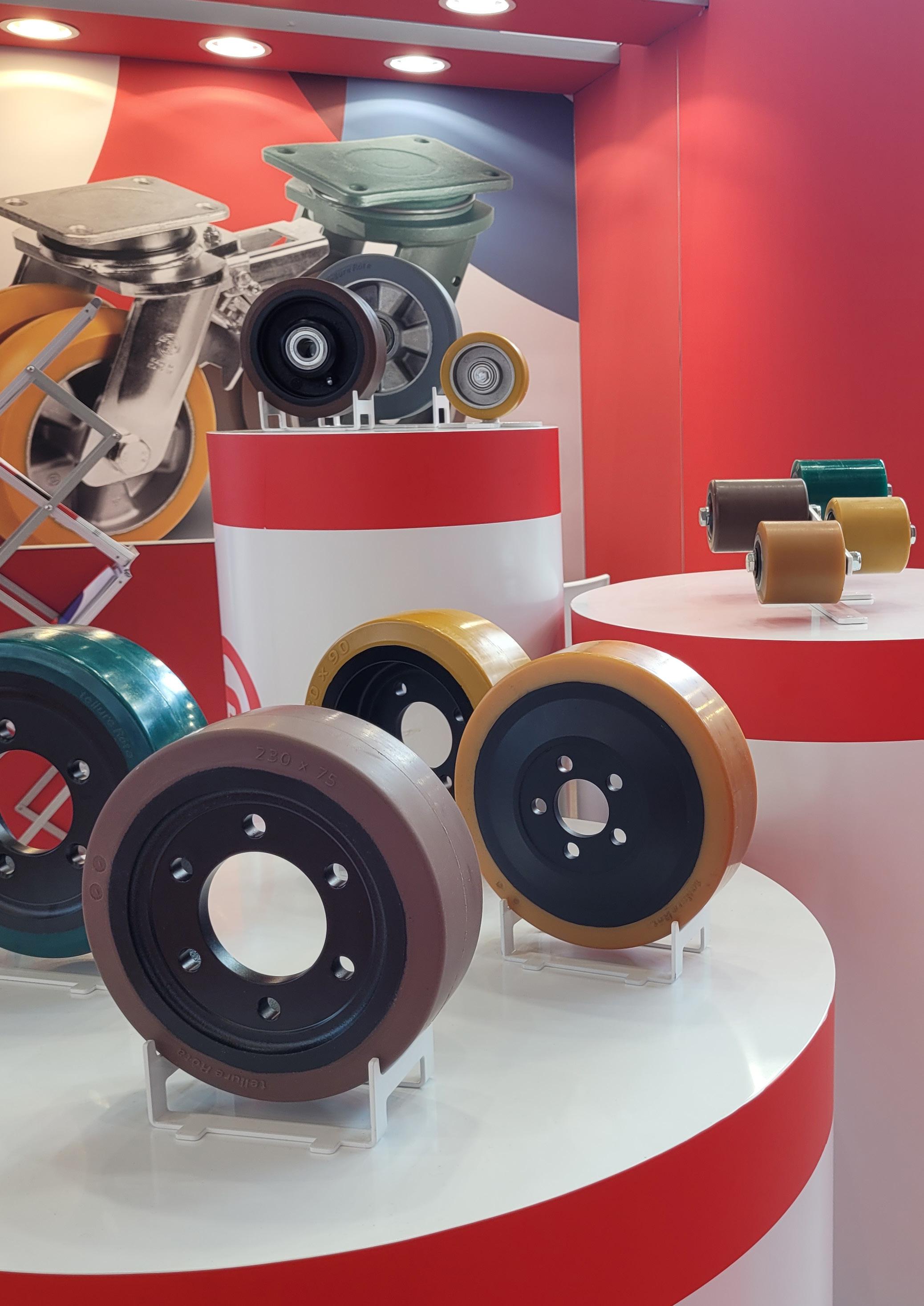
The company strives daily to meet customers' handling needs in the civil and industrial sectors, through the design, production and sale of wheels and castors.
The company is committed to the continuous improvement of its product, process, service and solutions, ensuring consistent quality, seeking innovative solutions, and paying attention to the people working in the company, the community in which it operates, and the environment.
COMPANY HISTORY COMPANY MISSION
Tellure Rôta was founded in 1953 as a mechanical craft company and, after just three years, specialised in the production of wheels and castors.
From the very beginning, its growth path has been guided by a constant commitment to innovation, embracing the continuous improvement of
products, processes, organisation, and services.
Today, alongside its business objectives, Tellure Rôta has also adopted common benefit goals, becoming a Benefit Corporation. Furthermore, since November 2024, it has been part of the Elesa Group.
1953•1980
Foundation of the artisan company in Modena
Registration of the trade mark and conversion into a joint stock company
Establishment of a chemical-physical laboratory for the formulation of polyurethane wheel coverings and for product testing
Promotion of the creation of a work group between European wheel manufacturers to write the first national and international legislations concerning wheels and castors.
Production of 2,000 wheels/day with 100 employees
1980•2000
Transfer of the headquarters and production from Modena to Formigine in a 10,000 sq.m factory
Investments in automatic lines with an increase in production capacity to 30,000 wheels/day, with 110 employees
First wheels manufacturer to obtain ISO 9001:1994 Quality certification
2000•2010
Update of the ISO 9001:2000 Quality Certification
ISO 14001:2004 environmental certification obtained. Publication of the company's first Sustainability Report
Expansion of the production site, with the acquisition of a contiguous plant of 3,000 sq.m
Reorganisation of production processes according to the principles of Lean Production
Computerisation of logistic flow for customer order preparation with Manufacturing Execution System (MES) through warehouse management with Warehouse Management System (WMS) and Radio Frequency
Occupational health and safety certification OHSAS 18001:2007, with an integrated Quality, Environment and Safety management system
2010•2020
Implementation of lean thinking principles in the design process
Accreditation of the Test & Research Lab with the Emilia-Romagna region “Rete Alta Tecnologia” (high-technology network)
Expansion of the production site through the acquisition of a contiguous 1,500 sq.m facility dedicated to the production of wheels made from thermoplastic material
Update of Quality and Environment Certifications in compliance with ISO 9001:2015 and ISO 14001:2015 standards and of Safety certification according to ISO 45001:2018
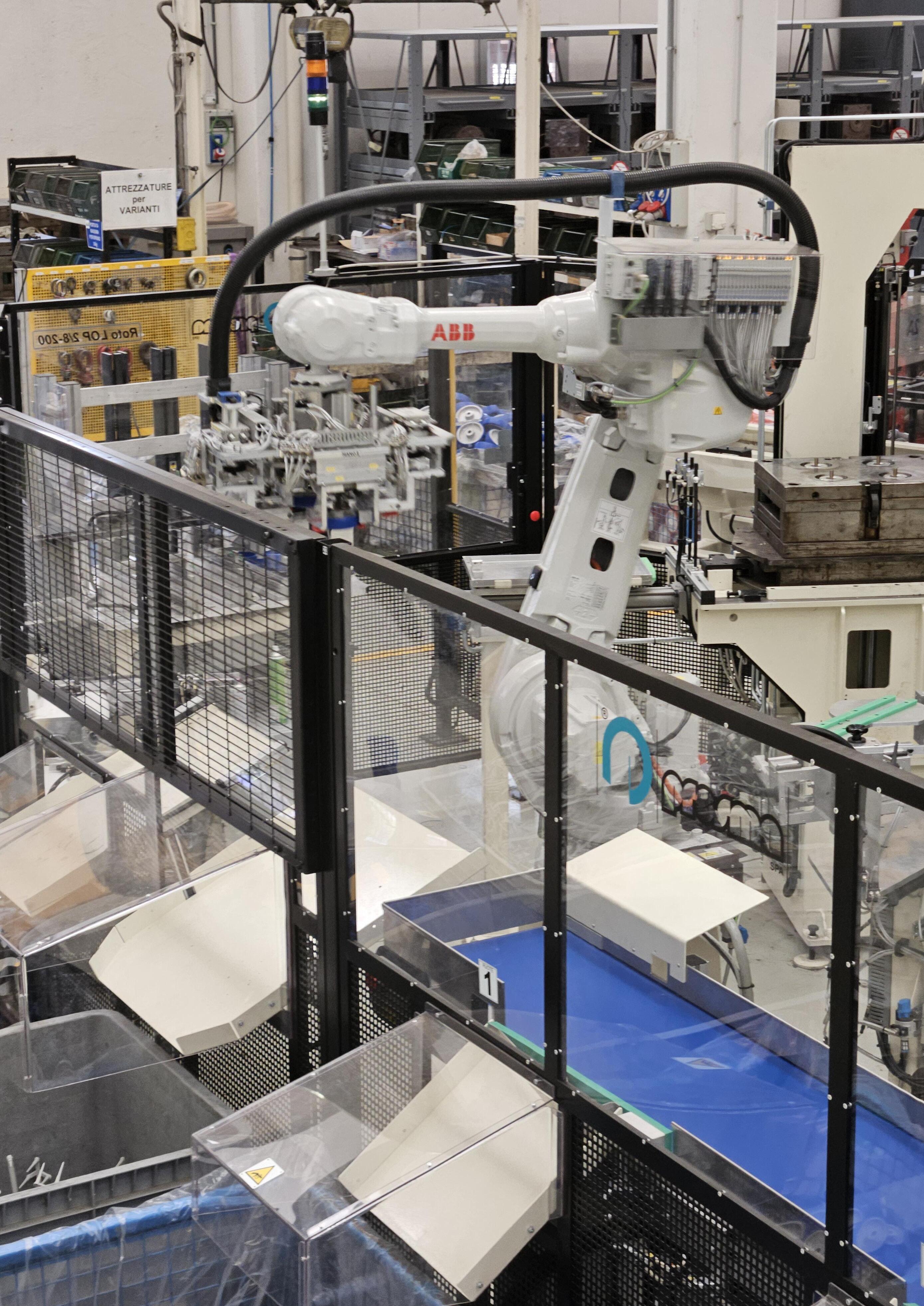
New robotic production line for manufacturing polyurethane wheels and rollers
Implementation of a new integrated management system
IN 2020
Tellure Rôta becomes “Historical brand of national interest”
The company’s bylaws formally establish its status as a “Benefit Corporation”
AEOF “Authorised Economic Operator” certification
Further expansion of the production facility
2024
Tellure Rôta was acquired 60% by Elesa S.p.A., an Italian company that is a leader in the design and production of standard components for the mechanical and automation industries
2025
Adoption of the Organisational Model 231 – Code of Ethics
Completion of the expansion of the building dedicated to the polyurethane department and new shipping area
ORGANISATION GOVERNANCE
Tellure Rôta is a joint-stock company with fully paidup share capital of 3,640,000 euro. The shareholding structure consists of Elesa S.p.A., which holds 60% of the shares, and L.M. S.p.A., the Lancellotti family’s financial and property holding company, which owns the remaining 40%.
In November 2024, Elesa S.p.A., a leading Italian company in the design and production of standard components for the mechanical and automation industries, acquired a majority stake in Tellure Rôta, ushering in a new phase in the company’s ownership and governance structure.
Corporate governance is entrusted to the Board of Directors, chaired byCarlo Bertani, Chief Executive Officer of Elesa. The Board also includes Fabio Invernizzi and Alex Pollini, both managers at Elesa, who serve as Chief Executive Officers. Elena Lancellotti and Emanuela Lancellotti, who until November 2024 respectively held the roles of Chair and Chief Executive Officer of Tellure Rôta, retain positions on the governing body as Directors.
Operational management of the company is entrusted to Giorgio Mercalli, General Manager.
The Board of Directors defines the strategic guidelines of the business, oversees the main economic decisions and approves initiatives relating to Sustainability and Corporate Social Responsibility. It integrates these topics into the company’s development path.
Oversight of the adequacy of the organisational, administrative and accounting structure is performed by the Board of Statutory Auditors, composed of:
Diana Rizzo, Chair
Paolo Francesco Maria Lazzati, Statutory Auditor
Bidoggia Elenio, Statutory Auditor
Tellure Rôta also benefits from the support of Metodo S.r.l., an audit firm based in Milan.
To ensure compliance with the Organisation, Management and Control Model adopted pursuant to the Italian Legislative Decree No. 231/2001, the company has also established a Supervisory Body, responsible for monitoring the functioning, effectiveness and observance of the Model, as well as promoting its updating when necessary.
The Supervisory Body is composed of:
Elenio Bidoggia, Chair
Federico Bigoni, Secretary
Andrea Zanini, Member Below is the 2025 organisational chart.
MEMBERSHIP TO ASSOCIATIONS
Over time, the company has joined various trade associations (both sector-specific and general) including some specialised in metalworking. The aim has been to create opportunities for technical exchange, collaboration, and regulatory, technological, and social updates with peers from other companies. In particular, it adheres to:
Confindustria Emilia Romagna: the main regional organisation representing industrial companies in Emilia-Romagna.
ANIMA: the industrial trade organisation within the “Confindustria” system that represents companies in the mechanical engineering sector.
UCIR-ECMA: Unione Costruttori Italiani di Ruote
(Italian association of castors and wheels manufacturers) ed Unione Costruttori Europei di Ruote (European association of castors and wheels manufacturers)
CSR Association (Corporate Social Responsibility): this is a network that any company in Italy can join and participate in to contribute to global change

CERTIFICATIONS, ORGANISATIONAL AND SUSTAINABILITY TOOLS
In carrying out our business activities, alongside our goals of growth and value creation, we also pursue objectives of common benefit. We operate in accordance with the principles of responsibility, sustainability and transparency towards people, local communities and the environment.
Consistent with this approach:
We strive for the continuous improvement of our processes, paying particular attention to reducing the environmental impacts generated by corporate and production practices.
We promote a positive and safe working environment by supporting job quality, health and safety, professional development, and the growth of individual skills. This commitment is also reflected in our corporate welfare initiatives and support measures.
We pay close attention to limiting the environmental impacts of our operations, including the proper management, recovery and recycling of waste and production scrap.
We support a conscious and responsible management of the business, based on dialogue and collaboration with our stakeholders. From this perspective, we participate in associations and business networks that promote the dissemination of good sustainability practices. We also support
non-profit organisations, foundations and thirdsector entities engaged in assisting people, combating poverty and reducing inequalities.
To strengthen our governance and control system, in 2025 we adopted the Organisation, Management and Control Model pursuant to the Italian Legislative Decree No. 231/2001 and the related Code of Ethics. These tools represent a further safeguard in promoting fair, transparent and responsible behaviour in the conduct of business activities. They help to prevent risks and to foster a culture based on integrity, legality and compliance with rules.
Over time we have also consolidated our commitment through the achievement of various certifications. In particular, we have implemented an Integrated Quality, Environment and Safety System compliant with ISO 9001, ISO 14001 and ISO 45001 standards.
We have also obtained Authorised Economic Operator status and a legality rating of two stars plus, confirming the attention we devote to sound management, regulatory compliance and corporate responsibility.

OUR MARKET OFFERING
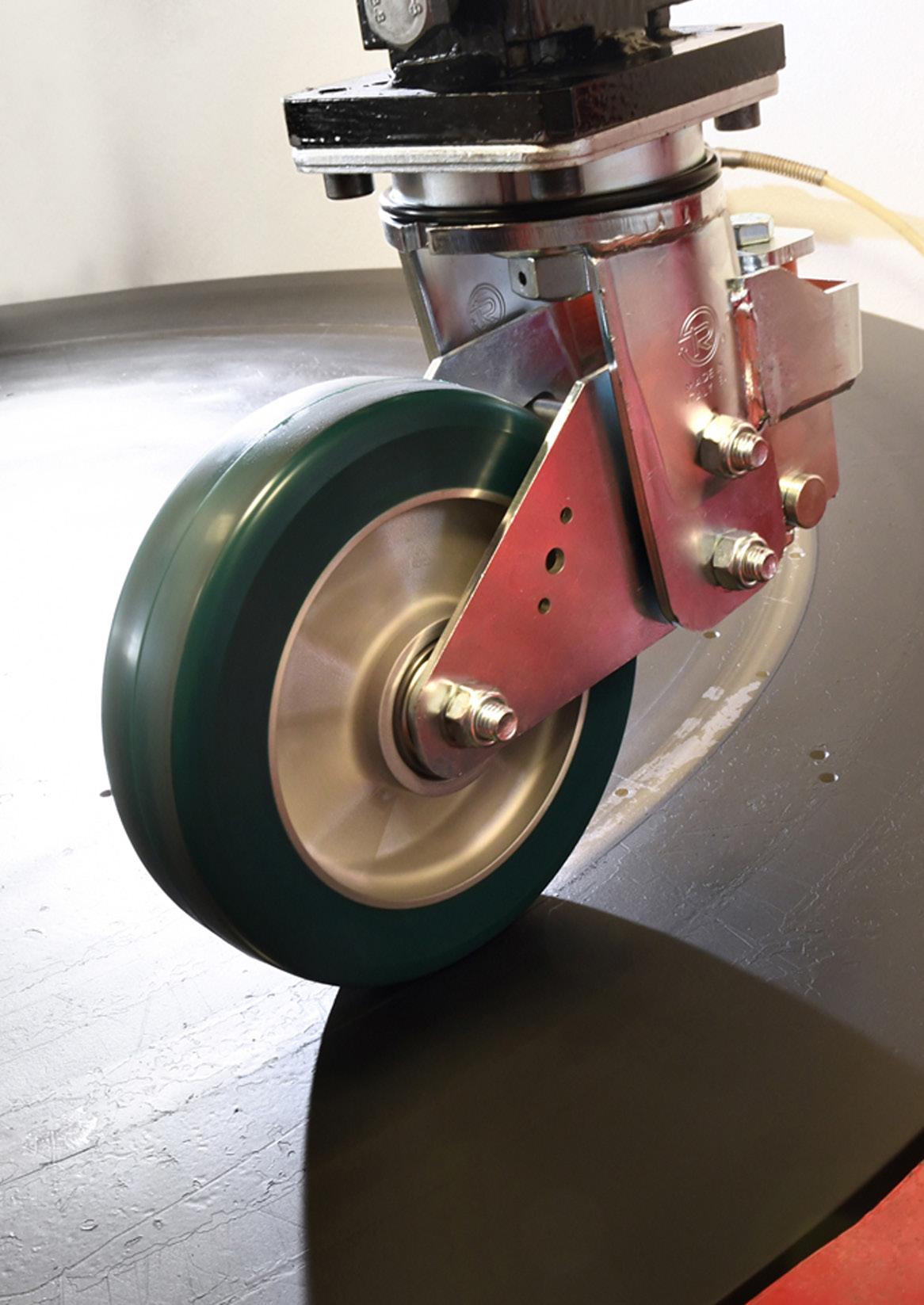
We design, manufacture and market a range of more than 10,000 product types, including wheels, rollers, castors and handling accessories for industrial, commercial and domestic applications.
Alongside our standard offer, we also develop customised solutions, built on listening to customer needs and designed to provide targeted, effective responses aligned with specific usage contexts.
We design and manufacture our wheels to ensure reliable performance in a wide variety of application conditions: heavy loads, sustained speeds, extreme temperatures, irregular surfaces and particularly demanding environments. Production takes place internally at our three plants in Formigine, which cover atotal production area of 15,000 m². Our production processes are organised according to Lean Production, an approach focused on reducing waste, continuous improvement, operational efficiency, flexibility and sustainability.
Alongside our production activities, we make continuous investments in research and development with the aim of offering the market innovative solutions validated across all stages of design. These stages range from the choice of materials and the study of geometries to the application of new technologies. In this area, since the 1970s, our TRLab Test & Research, laboratory has been operating, accredited since 2011 within the Emilia-Romagna High Technology Network.
Through TRLab, we support not only our internal activities but also external companies by making our expertise available to them. We offer services in the use of advanced materials and technologies, in defining the most suitable characteristics of wheels and castors based on customers’ application requirements, and in testing elastomeric, thermoplastic and metallic materials, as well as finished products.
For those who handle materials every day, choosing the most appropriate wheel is a decisive factor. This is why our search for new solutions aims to reduce operators’ physical effort, increase the safety of activities and contribute to people’s well-being, the prevention of accidents and the protection of health at work.
Our wheels can also help to reduce the energy consumption of towing equipment and extend the intervals between maintenance operations. This means less effort for operators and a lower impact on the environment. Wheels do not only move materials: they accompany ideas, projects and concrete needs.
For this reason, our range is designed to meet a wide variety of requirements, from the lightest applications, such as those related to furniture. It also includes systems equipped with specific accessories and special solutions developed together with customers to address complex technical challenges.
In 2025 we introduced 236 new product codes. As standard products, we launched on the market a range of twin electrowelded castors with brake, intended for the handling of heavy-duty and very heavy-duty loads, along with further range extensions, focused mainly on spare parts for material handling. As always, a significant share of the new codes concerns special products, developed to offer our customers increasingly complete solutions for industrial handling. This confirms our ability to innovate and to respond flexibly to market demands.
The expansion of the product range will continue over the coming years. In the first months of 2026, we plan to broaden our ranges of wheels for public applications, introduce a wheel version with a stabilising foot, launch coloured versions of our polyamide wheels, and present new combinations for our high-performance polyurethane wheels TRPowerHigh.
VALUE CHAIN
Tellure Rôta has always specialised in the design, manufacture and distribution of wheels and castors intended for multiple areas of use, from industry to civil applications and everyday contexts.
Our products reach the end customer both directly, through sales from our head office, and via a network of specialised distributors with strong technical expertise in the product.
We work with manufacturers of trolleys, systems and machinery who
integrate our solutions directly into their equipment. We also work with major industrial players, to whom we provide a direct, technical and customised service.
Our business retains a strong base in Italy, which accounts for about half of our turnover. It also extends internationally to more than 70 countries, with a significant presence in Europe, particularly in France, Germany, Spain, the United Kingdom and Belgium. Sales in Asian and African markets are also increasing.
THE SALES NETWORK
The presentation of our products on the market is managed by our internal sales team and by a network of sales agents operating throughout Italy and in certain foreign markets.
Every year we organise a meeting with all Italian agents, complemented by area meetings held over the course of the year. These occasions are important opportunities for updates and discussion: they make it possible to share product and corporate news, analyse market trends and gather useful insights from the field.
For foreign markets, coordination of the sales force is entrusted to area managers responsible for the different geographical areas. Here too, ongoing dialogue with the sales network helps us to understand better the characteristics of each market and to ensure continuous operational support.
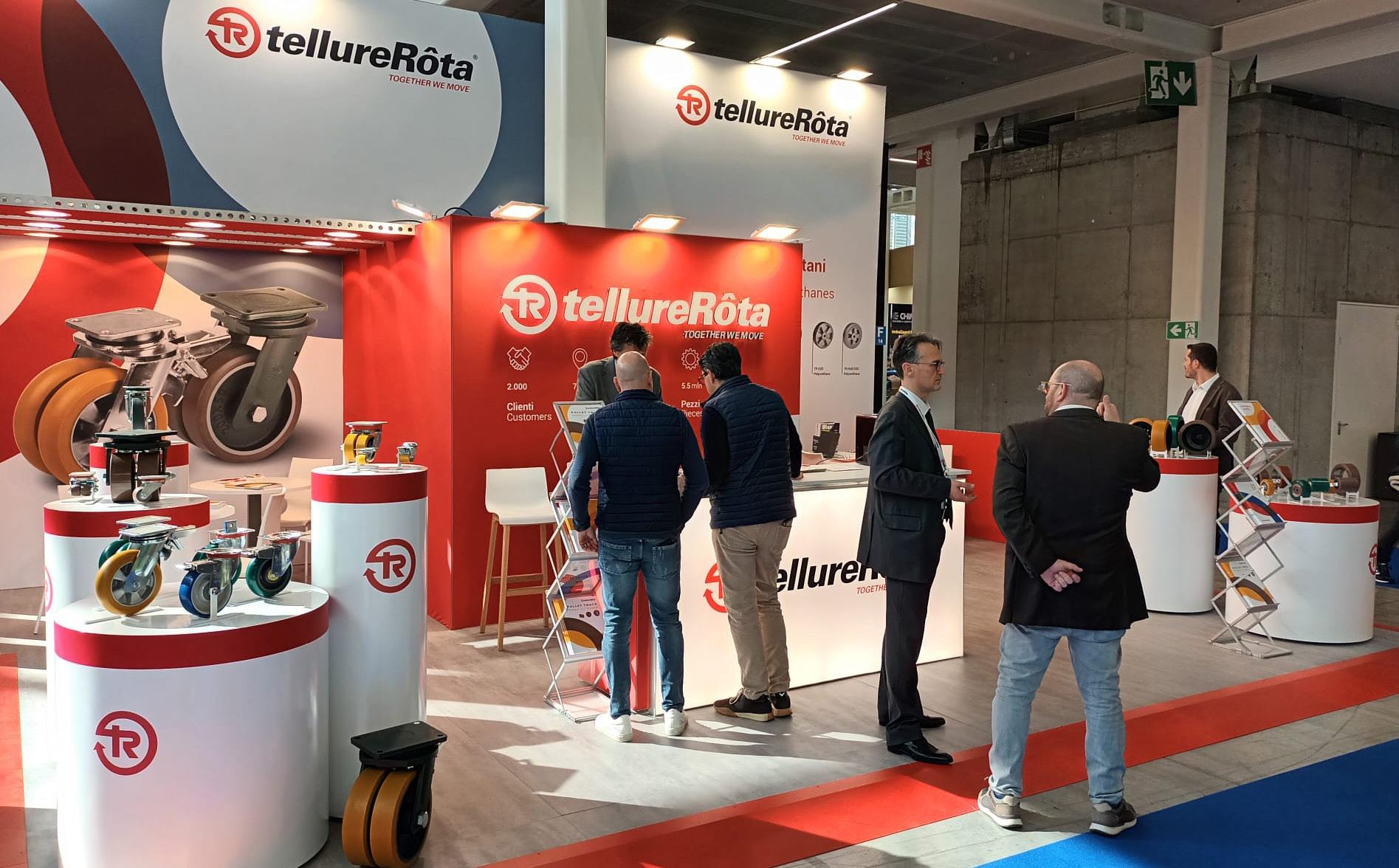
We also take part every year, both directly and through our distributors, in trade fairs and industry events in
Italy and abroad. The aim is to strengthen our market presence, meet customers and partners, and present our solutions to different industrial sectors.
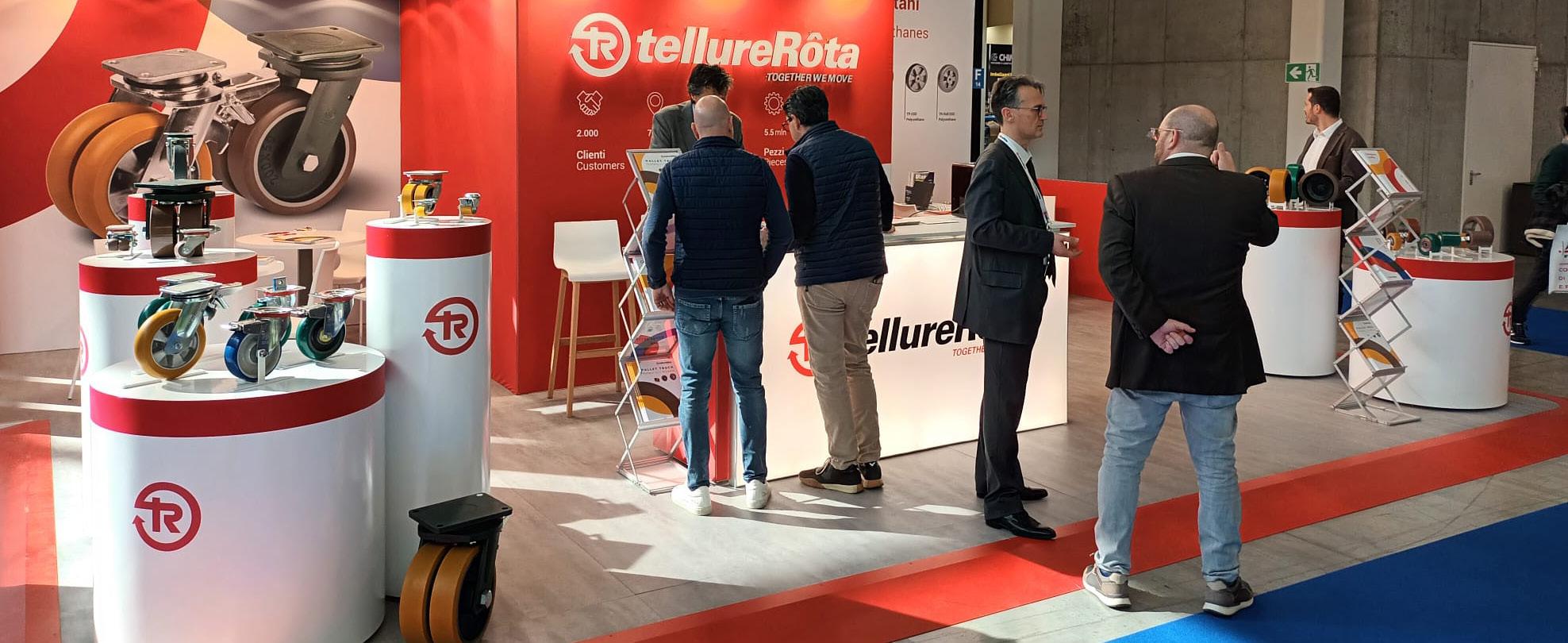
In 2025, the most significant events were Mecspe in Bologna (Italy) and Logimat in Stuttgart (Germany), both held in March, and MetalMadrid in Madrid (Spain) in November. In addition, our TRLab – Test & Research laboratory took part in R2B – Research to Business in Bologna in June.
We were also present alongside our distributors at Mecspe Bari (with Tecnica Industriale in November 2025) and at Ouest Industrie (with Erem in May 2025).
Lastly, there were numerous opportunities to participate in Open House events organised by our distributor customers, providing the opportunity to meet with their end customers across different regions.
OUR CUSTOMERS
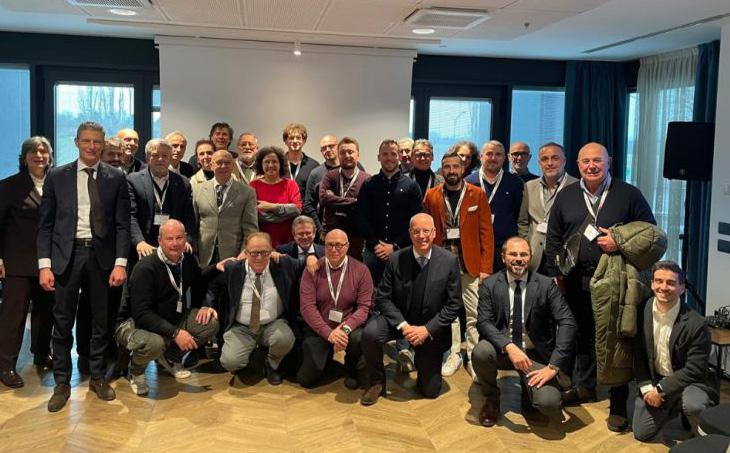
In 2025 we worked with 1,721 customers, 1,233 in Italy and 488 abroad, operating in very different sectors and application contexts.
Our wheels and rollers are used in numerous areas, including: waste bin containers; mobile scaffolding and towers; pallet trucks and forklifts; trolleys for internal handling in the food, automotive, textile, mechanical and electronic sectors; Automated Guided Vehicles (AGVs) and Autonomous Mobile Robots (AMRs); tipping bins;
Robotic systems for material handling in industrial environments. Working on a daily basis with such a diverse customer base is an important source of stimulus for us. It drives us to develop flexible, customised responses, both in product selection and in the quality of the service provided.
In the first months of 2026 we also plan to open an e-shop dedicated to professional Italian customers, with the aim of making the purchasing experience even simpler, more direct and more accessible.
In the second half of 2026 we will carry out our Customer Satisfaction survey, integrating the usual questions with those introduced by the Organisation, Management and Control Model 231.
NON-COMPLIANCE MANAGEMENT
For Tellure Rôta, quality is not limited to compliance with certification requirements. It is a daily commitment that also involves the ability to listen to, analyse and carefully manage every report received.
Within our ISO 9001, -compliant quality management system, we constantly monitor complaints relating both to products and to services, with the aim of identifying causes, intervening effectively and improving over time.
Every report is recorded by the after-sales office and forwarded to the most appropriate function for handling.
Even when an issue stems from misunderstandings, ordering errors or other specific customer needs, our approach remains focused on collaboration and on seeking the most appropriate solution.
In 2025 total complaints amounted to273, a further decrease compared with 296 in 2024 and380 in 2023
The reduction compared with the previous year was around -8%, while compared with 2023 the decrease was around -28%.
The decline affected both service complaints, which fell from 178 in 2024 to 162 in 2025, and product complaints, which decreased from 118 to 111
Even considering items subject to complaints, 2025 shows a positive trend. Items subject to service complaints totalled 5,458, equal to 0,12% of all items sold, down from0.16% in 2024 and 0.26% in 2023. For product complaints, the items involved totalled 3,484, with an incidence of 0.08%, an improvement compared with 0.13% in 2024 and 0.12% in 2023.
of items subject to service reports/complaints
Number of items subject to product reports/complaints
PROCUREMENT POLICY
At Tellure Rôta, the procurement process is managed by the Purchasing Department, which oversees all the main operational stages. These include identifying and selecting suppliers, negotiating terms and conditions, inspecting incoming goods, and verifying administrative documentation prior to payment.
Every purchase is closely monitored to ensure production continuity, material quality and compliance with deadlines. This approach enables us to maintain high standards while at the same time developing reliable, fair and long-lasting relationships with our suppliers.
SUPPLIER
EVALUATION AND SELECTION
In selecting supply partners we regard quality as a fundamental requirement, but not the only one. We also assess environmental commitment, respect for people’s rights and the adoption of behaviours consistent with sustainability principles.
To this end, we use a specific questionnaire through which we gather information on environmental, social and governance aspects. Among the elements taken into consideration are, for example, holdingISO 14001, certification, publishing a Sustainability
Report and adhering to a Code of Ethicsconsistent with the principles of the Organisation, Management and Control Model 231
In 2025, 108 questionnaires were sent to assess suppliers against ESG criteria, covering environmental, social and governance aspects. Responses were received from 47 suppliers, corresponding to a response rate of 44%; of these, 23 were newly onboarded.
SUPPLIERS
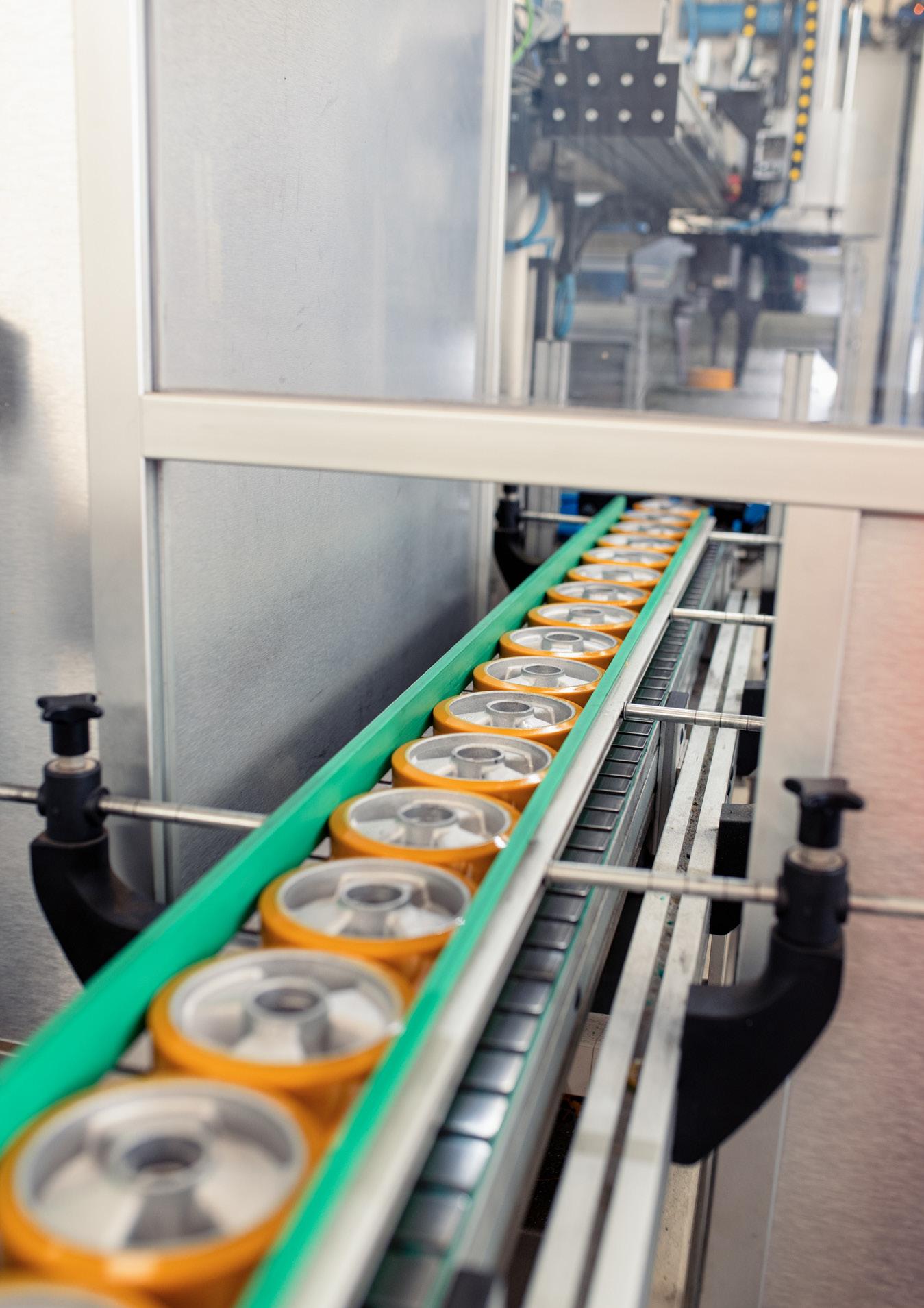
The management of the supply chain is a central element for Tellure Rôta in ensuring production continuity, product quality and the reliability of the service provided to customers. Relationships with suppliers are built on principles of fairness, transparency and collaboration, with the objective of consolidating stable partnerships consistent with the company’s technical, operational and organisational needs.
In 2025 total expenditure on suppliers exceeded 21 million euro. The largest share relates to the purchase of raw materials, which accounts for 60% of total expenditure, followed by services and subcontracting.
Expenditure by area
With regard to the geographical distribution of suppliers, in 2025 Tellure Rôta worked with 391 suppliers Most of these are located within the regional area (defined as local area), with 218 suppliers, followed by 150 national suppliers, , 18 European suppliers and 5 non-European suppliers.
94%
of suppliers are based in Italy
This data highlights a strong rooting of the supply chain in Italy and, in particular, at regional level. At the same time, relationships with foreign partners are maintained where these meet the company’s needs.
Suppliers by area
ECONOMIC RESPONSIBILITY
GENERATED AND DISTRIBUTED ECONOMIC VALUE
For us at Tellure Rôta, economic sustainability is an essential foundation. Without solid financial stability, we would not be able to build projects capable of lasting over time. However, being sustainable does not only mean ensuring that the accounts are balanced. It means creating shared value for all the people and stakeholders we interact with every day, from employees to suppliers, from credit institutions to local communities.
When our company performs well, it generates wealth. This wealth does not remain confined within the organisation, but spreads through the context in which we operate, feeding our ecosystem. This is the meaning of economic value generated and distributed. It measures how much we are able to give back to the local area, to people and to partners who contribute to our activities every day.
We believe that genuinely sustainable economic growth must go hand in hand with responsible use of resources and a fair distribution of the value created.
For several years we have chosen to interpret our financial statements with a broader, more transparent, stakeholder-oriented perspective. This
approach takes concrete shape in an internal reclassification methodology developed to identify and clearly calculate the Value Added generated by Tellure Rôta.
In recent years, our turnover has remained substantially stable and, since joining the Elesa Group, we have focused our efforts on embarking on a path to strengthen our market presence over the next three years. This will be achieved by integrating our commercial strategy with the introduction of an e-commerce channel (now essential for serving the market), and by establishing new partnerships aimed at strengthening our distribution network outside Italy.
At the same time, foundations were laid for new investments both in logistics (a new automatic warehouse for pallets of finished/saleable products) and in new machinery to increase production capacity and reduce delivery times.
For this reason operating costs rose in the 2025 financial year, as the groundwork was laid for all the investments – including in human capital – that will be fully implemented over the 2026 and 2027 financial years.
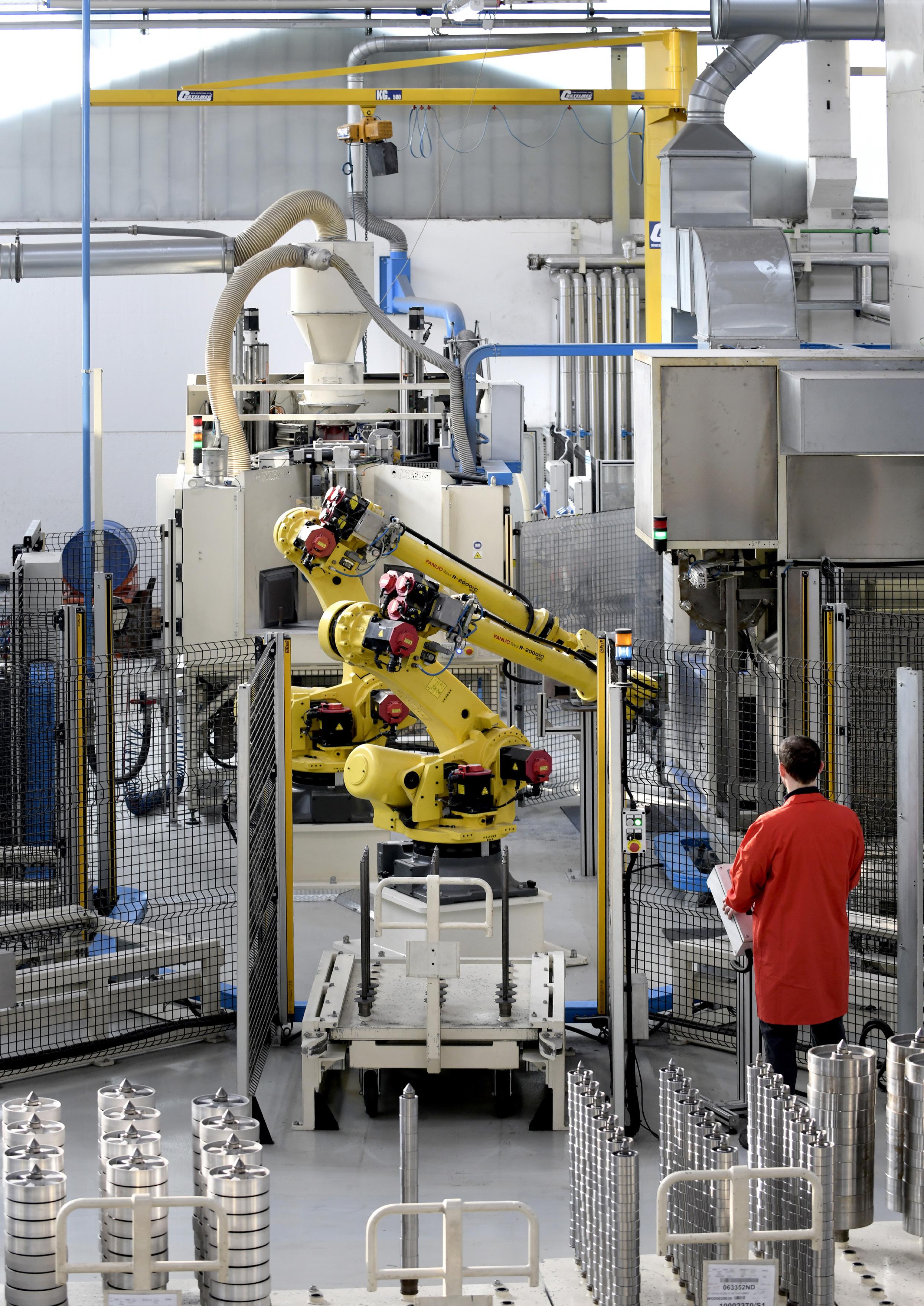
The production, logistics and consultancy activities undertaken in 2025 to achieve the objectives set out in the 2026–2028 Business Plan reduced part of the margins generated in previous years. In addition, the international context prevented us from generating further revenue, with sales revenue declining slightly by 2.4%.
In 2025 overall turnover remained stable, with an increase of 2.1% in the Italian market and a decrease of -6.4% in foreign markets. One of the main reasons for the shortfall in foreign turnover was the sharp slowdown in the Ecology sector, which recorded a decline of -22.6%. Excluding the Ecology sector, total company turnover would have essentially broken even (-0.4%).
We received a number of significant forms of financial support, which enabled us to strengthen our investments and continue to innovate. Specifically, we obtained Euro 14,045 as a capital grant for instrumental investments, as well as a tax credit of Euro 85,000 related to the Industry 4.0 programme. In addition, we received other contributions totalling Euro 150,782, broken down as follows:
9,000 euro from Fondimpresa, in support of continuous training 12,500 euro from Fondirigenti, for training programmes dedicated to our team 50,000 euro from RER under the “Skills Strengthening” call for proposals 79,282 euro from Invitalia, for Industry 4.0 projects financed through the NRRP.
INVESTMENTS IN ASSETS
We confirm, in line with previous years, our intention to invest decisively in the industrial future of Tellure Rôta. Our investments in capital goods focus mainly on automatic systems and mechanical machinery and equipment, which total 1,350,000 euro and represent the main item in the investment plan. Alongside these, we have also allocated significant
resources to equipment and moulds for products, supporting production development and the continuous improvement of our processes. We have also planned investments inoffice equipmentand in licences and software related to the management information system
In parallel with the investments mentioned above,
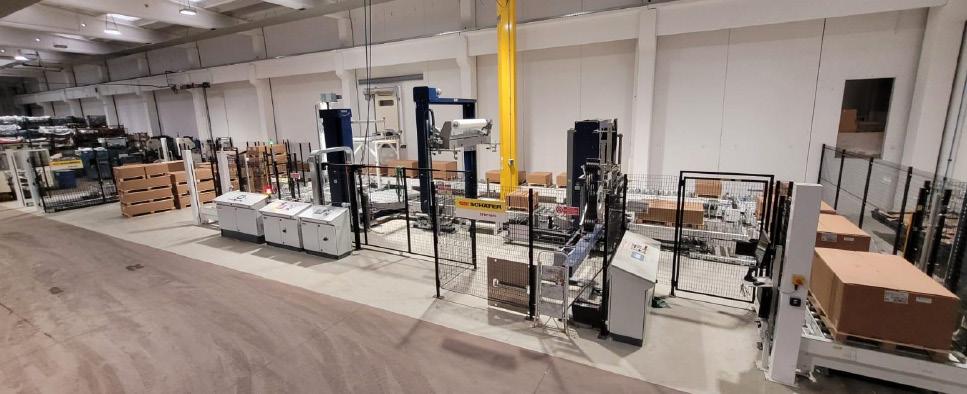
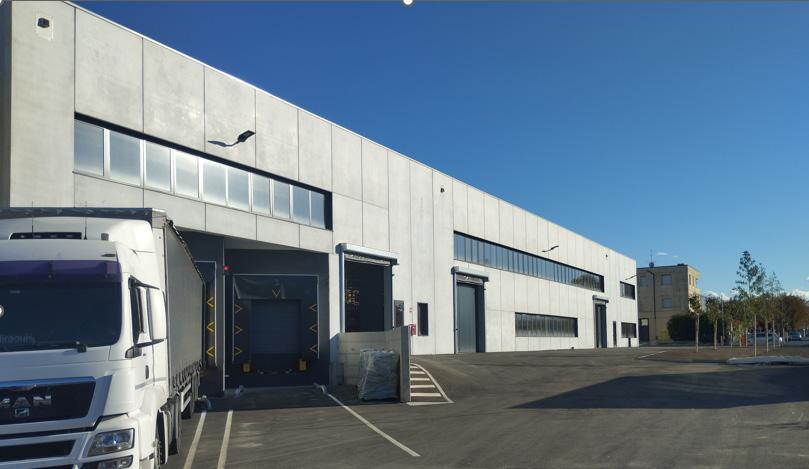
further projects were launched in 2025 that will come to fruition in spring 2026, such as the new website and the e-commerce platform for the Italian market, and during 2027, such as the automatic warehouse for pallets of finished products. This investment is part of a logistics reorganisation process which, in 2025, saw the completion of the expansion of the plant known as S2, with a new shipping area fully equipped with loading bays for vehicles.
Overall, 2025 points to a clear direction: we want to continue innovating, strengthen our production capacity and make our company increasingly modern, efficient and ready to respond to market needs.
Every investment represents a concrete step towards more advanced processes, increasingly reliable products and a robust corporate structure capable of tackling tomorrow’s challenges with energy.
ORGANISATION, MANAGEMENT AND CONTROL MODEL
Since September 2025 we have adopted the Organisation, Management and Control Model pursuant to the Italian Legislative Decree No. 231/2001, as a key pillar of our internal control system, risk management and, more broadly, our governance framework.
The Model was developed on the basis of an in-depth risk assessment, designed to identify the areas and business processes potentially exposed to the risk of committing the predicate offences envisaged by the Decree. The document is structured into a General Section and several Special Sections, dedicated to the categories of offences considered relevant for our organisation.
The Model defines an integrated set of protocols, procedures and preventive controls designed to govern the performance of sensitive activities. It also ensures stronger oversight of decision-making processes.
In particular, it promotes the traceability of decisions, proper segregation of duties and compliance with the principles of transparency, fairness and legality. The system established by the Model is integrated with our Code of Ethics and internal policies, helping to strengthen a structured approach to regulatory compliance and responsible business management. To oversee effective implementation of the Model, we have set up a Supervisory Body, composed of three professionals external to Tellure Rôta, with
independent powers of initiative and control. This body is tasked with monitoring the functioning, observance and adequacy of the Model, as well as promoting its updating in line with regulatory, organisational and operational developments.
To ensure appropriate information and training on the Model 231, we have designed different programmes according to the target audience. Specifically, we organised an in-person course of around 30 minutes for operational staff, delivered in small groups of about 10 people, an in-person course of around 2 hours for senior roles, and an e-learning programme for office staff, scheduled for completion in 2026.
The Model is also shared with new hires , so that they can become familiar from the outset with its principles, contents and rules of conduct. We have also put in place specific information activities for suppliers, all of whom have received a communication on the adoption of the Organisation, Management and Control Model 231. They have been asked to comply with its principles and provisions in the course of their relationship with Tellure Rôta.
We have also activated dedicated channels for reporting potential breaches, including through the whistleblowing system, which are managed in accordance with the principles of confidentiality and protection of the reporting party.
CLIMATE CHANGE: FINANCIAL IMPLICATIONS,
RISKS AND OPPORTUNITIES
Understanding the direction we want to take also means taking a close look at the environment in which we operate and assessing what is happening within the organisation.
During the year, we therefore updated our assessment of the main risks and opportunities associated with external and internal changes that may affect our business.
This is an important step in enabling us to act with greater awareness and to support informed decisionmaking over the long term.
Our assessment of the external context focused on: environmental factors, including climate change, extreme weather events, pollution and availability of natural resources, all of which may have a significant impact on our business operations;
socio-economic and technological developments, such as technological innovation, sustainabilityrelated market trends, availability of appropriate infrastructure, financial support mechanisms, and initiatives promoted by stakeholders and competitors; regulatory and legal developments, which require continuous monitoring and ongoing updates.
Internally, the assessment covered: strategic priorities, such as entering new markets, developing innovative products and selecting certified suppliers; production aspects, including upgrades to facilities, changes to layouts, introduction of new substances or materials, and waste management practices; human resources, with particular attention to skills, company culture, organisational changes and people’s involvement in processes.
TAX STRATEGY AND TRANSPARENCY
We manage tax risk responsibly and with due care, guided by principles of honesty, integrity and full compliance with applicable legislation.
Our aim is to ensure accurate tax management, prevent errors and irregularities, accurately calculate our tax liabilities and maintain a transparent and constructive relationship with the tax authorities.
We consider tax compliance to be an integral part of our corporate credibility. Complying with legislation, deadlines and procedures applicable in the countries where we operate is more than a legal obligation—it is fundamental to the way we conduct our business.
In our dealings with the tax authorities, we are committed to responding promptly, clearly and accurately, fostering a relationship built on trust and transparency.
We reject all forms of aggressive tax planning. Our decisions are always driven by sound commercial, organisational or operational considerations, in line with our values and our commitment to corporate social responsibility. Should any significant changes to our tax strategy arise, we are committed to communicating them clearly to the relevant authorities, following a prior assessment of the associated risks and potential implications.
In 2025, these principles were incorporated into the Parent Company's Code of Ethics and aligned with its provisions, further strengthening a company culture built on transparency, integrity and shared responsibility.
COMMUNITY SUPPORT
We believe that every company is an integral part of the community in which it operates and that its role extends beyond its business activities. For Tellure Rôta, supporting the community means contributing to initiatives that create shared value, strengthen ties with the local community and promote collective well-being.
Between 2022 and 2025, we maintained our commitment to the local community by allocating
at least 0.03% of our annual revenue each year to projects, services and initiatives that deliver local benefits. This commitment reflects our values and is shared across the organisation.
In 2025, we invested a total of €9,115 in community initiatives. This amount includes direct donations, the value of time our staff dedicated to charitable activities, and the costs incurred to offer flu vaccines to employees who chose to participate.
We chose to support various organisations, all active in areas valuable to our local community:
The MUMIT Cultural Association, to support the brand museum
The Porta Aperta Association, through a contribution to the "New Beds for the Madonna del Murazzo Reception Centre" project
ADI Design Museum Milano, through the donation of 40 wheels
The Formigine Parish, through the donation of 50 wheels
We are also members of the Via Aldo Moro Business Association, which supports the shared management and maintenance of the avenue's green areas.
The initiative involves local businesses in improving the surrounding environment and enhancing shared spaces for the benefit of the wider community.
SOCIAL RESPONSIBILITY
At Tellure Rôta, our people are a fundamental part of the way we do business. We believe that the Company's growth is driven by the daily contribution of our people, who bring expertise, responsibility and a collaborative spirit to their work. For this reason, we are committed to providing fair working conditions, supporting professional development and recognising the contribution every individual makes to the organisation.
We strive to foster a positive, safe and respectful working environment where everyone feels welcomed, valued and fully part of the Company. By listening to our people, we gain a better understanding of their needs and can develop initiatives that promote wellbeing, improve the quality of working life and enhance the overall day-to-day experience of our people.
Valuing diversity and promoting equal opportunities are fundamental to
our organisational culture. We are committed to ensuring that women and men have equal opportunities to develop their careers, fulfil their potential and contribute fully to achieving our shared objectives.
To this end, we seek to create a working environment that attracts talent, supports its development, encourages collaboration and recognises individual commitment.
In 2025, Tellure Rôta reaffirmed its commitment to employment stability. The vast majority of employment relationships are governed by permanent contracts, reflecting our aim to build lasting professional relationships.
Where compatible with organisational requirements, we also consider parttime working arrangements to help employees achieve a better work-life balance.
As part of our ongoing commitment to improving the sustainability and efficiency of our processes, in 2025 we implemented a new digital time and attendance management system based on solutions developed by Zucchetti
The project included the introduction of next-generation time recording terminals, integrated with the Company's information systems. This initiative forms part of a wider programme to digitalise our HR processes, making the management of working time and, more broadly, employee relations simpler, more accurate and more transparent.
The adoption of the new time recording terminals represents the first step in a broader development programme, with further digital initiatives planned. These include the creation and rollout of a dedicated employee app, enabling employees to access documents relating to their employment directly, including attendance records, payslips and their Certificazione Unica (Italian Tax Certification).
From a sustainability perspective, digitalising time and attendance management will progressively reduce paper consumption and support the transition towards paperless document management. Through these initiatives, we aim to make our internal processes more efficient, accessible and aligned with our commitment to responsible environmental practices.
WORKFORCE
As at 31 December 2025, the total workforce comprised 185 people, including 164 employees and 21 temporary agency workers. This figure represents a slight increase compared with 2024, when the total number of people employed was 180. The 2025 workforce consisted of 64 women and 121 men. Five employees belong to protected categories.
Considering employees only, the male component remains predominant, with 102 men and 62 women. This distribution is also reflected across the main professional categories: men account for approximately 61% of manual workers and approximately 60% of office workers.
Compared with the previous year, the number of employees remained substantially stable. The number of temporary agency workers increased, however, from 15 to 21, supporting the Company’s operational and production requirements.
The average age at Tellure Rôta is 48, with a majority of employees over 50 (52%).
Employees by age
At Tellure Rôta, employment stability is a key element of our relationship with our people. The Company considers continuity of employment not only an important factor in organisational strength, but also a key condition for fostering trust, a sense of belonging and opportunities for long-term development.
In 2025, the contractual structure continued to reflect this approach: almost all employees were employed under permanent contracts. Of the 164 employees, in fact, 163 had a permanent employment contract, representing more than 99% of the total.
Working arrangements also confirm a model predominantly based on full-time employment. In 2025, 162 out of 164 employees worked full time, representing approximately 99% of the total, while part-time arrangements applied to 2 people.
During 2025, we recorded 7 termination of employment and 6 new hires, resulting in a substantially stable workforce. Comparison with previous years confirms a limited level of turnover.
Overall, the data confirm Tellure Rôta’s commitment to investing in long-term employment relationships, valuing employees’ continued contribution to the Company and accompanying organisational development through targeted recruitment. Contractual stability, limited reliance on temporary employment and low turnover represent significant elements of the Company’s approach towards its people.
EMPLOYEE TRAINING
In 2025, we confirmed our commitment to developing our people by continuing to invest in training programmes designed to strengthen technical, organisational and transferable skills. For us, training is an essential tool for supporting the Company’s development, fostering employees’ professional development and preparing us to face future challenges with greater awareness.
The activities carried out covered a wide range of areas, confirming a broad and integrated approach to skills development. A significant share of training hours was dedicated to specialist and role-specific programmes, including the project management course, polyurethane training, industrial costing and PLC programming courses, which represent key areas for managing technical and production processes effectively.
We also continued training activities in quality, environment, health and safety, while investing in digital and organisational skills through courses on cybersecurity awareness, privacy, Excel, Microsoft 365 Copilot and Copilot Chat, as well as initiatives focused on managing office dynamics and complex interpersonal situations.
A further area of focus concerned managerial development and organisational improvement, with programmes dedicated to competency assessment, measuring the achievement of objectives, effective leadership, strengthening the employer brand to support talent retention and training on the Model 231
Overall, 2025 training activities supported: the development of technical and specialist skills; training updates on quality, environment, health and safety matters; the strengthening of digital and IT skills; awareness of cybersecurity, privacy and compliance; organisational and managerial improvement; the onboarding and support of new employees; the adoption of operational approaches focused on continuous improvement, also through WCM principles. During the year, each person participated in an average of 18 hours of training.
This represents a tangible investment, developed based on the specific needs of different roles, with the aim of supporting and enhancing each employee’s professional development journey.
The increase compared with the previous year mainly concerned managers, middle managers, office workers and manual workers, confirming a broader investment across the different professional categories. In particular, training hours dedicated to managers and middle managers increased significantly, supporting managerial and organisational development.
SALARY
At Tellure Rôta, we are committed to promoting a fair remuneration system aligned with the principles of equity, inclusion and skills enhancement.
Monitoring pay differences between women and men represents an important tool for understanding organisational developments and identifying areas requiring attention
In 2025, the gender pay gap among manual workers remained very limited: the average gross annual salary of women was 1% lower than that of men. This figure highlights a substantial level of pay equality within this professional category and represents a further improvement compared with the -2% recorded in 2024.
The situation is different among office workers, where the gap in average gross annual salary between women and men widened from -26% in 2024 to -34% in 2025
This gap does not necessarily reflect a difference in pay for the same role, but is influenced by the different distribution of women and men across the category: men are more prevalent in roles involving higher levels of responsibility and seniority, while some female employees work part time, affecting the overall average.
From an overall pay equity perspective, the ratio between the highest salary in the Company and the average salary of other employees was 4.35, slightly down from 4.46 in 2024. This figure indicates that
the highest salary is just over four times the average salary of other employees, confirming an overall balanced system without excessive concentration.
SUPPLEMENTARY AGREEMENT
In 2025, no changes were made to the company-level supplementary agreement, signed in June 2024 and valid until 31 December 2027.
The agreement therefore continues to represent an important reference point for improving the working conditions of Tellure Rôta employees and confirms the constructive dialogue between the Company and trade union representatives.
The structure of the variable performance bonus also remained unchanged, linked to four factors: company profitability; productivity; quality; revenue growth compared with the previous year.
The agreement introduced a higher maximum bonus amount compared with the previous agreement, as well as an increase in the minimum value, ensuring appropriate recognition even in less favourable conditions.
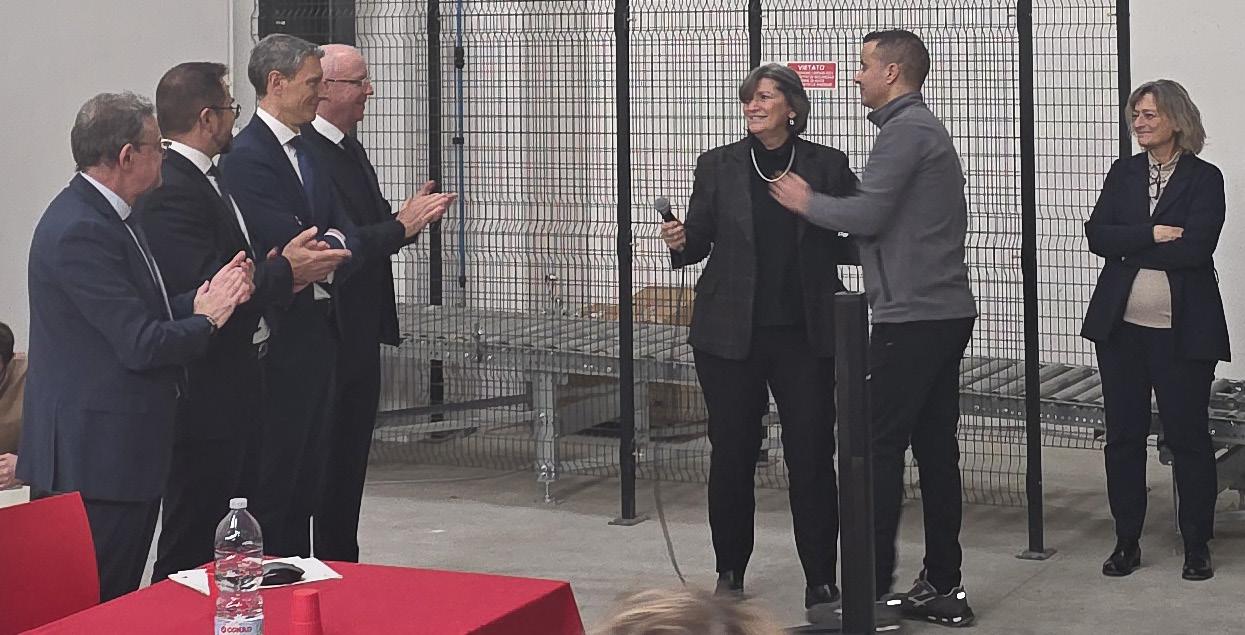
In December 2025, elections were held to renew the Company’s trade union representatives. The newly elected representatives are Mr Agnaou Mounsif, Mr Berni Alex and Ms D’Eredità Anna.
PERFORMANCE EVALUATION
During 2025, we implemented a structured performance and skills development evaluation system, which we see as a strategic tool for enhancing human capital and continuously improving organisational performance. The process is based on a company-wide competency model, structured around technical and professional skills, or hard skills, transversal skills, or soft skills, and managerial skills. This model was developed in line with Tellure Rôta’s strategic objectives and the organisation’s changing needs.
As part of this initiative, we also formalised a system of job titles and job descriptions, with the aim of clearly defining the roles, responsibilities and skills required for each organisational position. Overall, approximately 40 positions were mapped, helping to make human resources management more transparent, consistent and structured.
Each competency is associated with observable behavioural indicators, allowing development levels to be assessed in a more objective and consistent manner. Competency assessment are carried out
annually through formal tools, including evaluation forms, self-assessment forms and one-to-one meetings.
The process involves the active participation of both department managers and employees, promoting a participatory, transparent and dialogue-oriented approach.
The assessment results are then used to define individual or group development plans, which may include training activities, upskilling and reskilling programmes, job rotation and coaching and mentoring initiatives.
To build and operationalise the entire system, we organised training programmes dedicated both to those providing regular feedback, particularly managers, and to those receiving it, namely employees. In this way, we aim to make feedback a practical development tool, supporting not only employee growth but also the strengthening of managerial skills.
WORK-LIFE BALANCE
At Tellure Rôta, we promote welfare initiatives and work-life balance measures to support the everyday well-being of our people and help them achieve a better balance between their professional and personal lives.
During 2025, we continued to strengthen our corporate welfare system, focusing in particular on
formalising agreements with local professionals to make the opportunities available to employees more accessible and better organised.
Among our main welfare initiatives is the AON Welfare platform, which is available to all employees. Through the platform, employees can choose to allocate all or part of their annual performance bonus
to welfare services and benefits. A further element of flexibility is provided by contractual remote working arrangements for office staff whose roles are compatible with this way of working. The agreement allows employees to work remotely for up to 1.5 days per week, with unused days not carried over, helping them to manage their personal and working time more effectively.
Alongside these welfare initiatives, Tellure Rôta also offers a range of employee benefits and nonmonetary advantages, including: Company cars and fuel cards are provided for certain roles to facilitate travel and better support activities in the field
Flexible management of Severance Pay (TFR): employees who choose to set aside their severance pay with the Company can request an advance (either partial or total) once a year, without needing to provide any justification
Benefits from our Supplementary Agreement. These include a voucher worth Euro 50 for the purchase of customised safety shoes for specific medical conditions. In addition, they cover reimbursement for work-related orthotic insoles and access to the company canteen, with 80% of the costs covered by the Company
These measures reflect our commitment to creating a more supportive, inclusive and sustainable working environment, capable of responding to the needs of our people while supporting the organisation's ongoing development through increasingly structured initiatives.
In 2025, four employees took parental leave, evenly split between two women and two men.
Of these, three returned to work and resumed their roles, while one employee subsequently left the Company.
GROWING TOGETHER: OUR COMMITMENT TO SCHOOLS
We believe that helping to shape the future also means being present when young people begin exploring their interests and considering their future paths.
For this reason, we welcome opportunities to engage with local schools, opening our doors to provide a place for learning, dialogue and discovery.
In 2025, we welcomed a second-year lower secondary school class from the "Fiori" Institute as part of the “School orientation – Companies in Schools” project, organised in collaboration with the Municipality of Formigine.
The initiative provided a valuable opportunity to introduce students to the world of work, showcase the different professional roles within our Company, and encourage them to look to the future with curiosity.
For us, investing in young people means creating genuine opportunities for growth while helping to build positive relationships between schools, the local community and businesses.
OCCUPATIONAL HEALTH AND SAFETY
At Tellure Rôta, occupational health and safety represents a concrete and daily responsibility towards all the people who work within the Company. We do not consider them merely a regulatory requirement, but an essential part of the way we work and care for our people. Our commitment is to create safe working conditions in which everyone feels protected, listened to and able to carry out their activities with awareness and responsibility. For this reason, we have adopted an internal occupational health and safety management system compliant with Italian Legislative Decree No. 81/08. This is aligned with Italian regulations and integrated with UNI EN ISO 45001 principles.
Our objective is to prevent risks, protect people’s well-being and ensure orderly, controlled and safe working environments. To achieve this, we adopt an operational and participatory approach based on several key elements: continuous training to increase awareness of safe working practices; regular preventive checks; constant monitoring of working conditions; active involvement of employees, including through the collection and analysis of reports.
We recognise that each department has its own characteristics, activities and specific risks. For this reason, we carry out targeted assessments, taking into account the processes, equipment and machines
used. In the event of an accident or near miss, we analyse what happened in order to understand the causes and define corrective actions to prevent recurrence.
We regularly update the Risk Assessment Document (DVR) and the DUVRI (Interference Risk Assessment Document) relating to activities carried out by external companies within our facilities. These tools enable us to maintain a strong focus on risks and manage prevention and protection measures in a structured way.
The Company also has a Workers’ Health and Safety Representative (RLS), a point of reference whom employees can contact to report concerns, doubts or suggestions for improvement. Reports are then shared with the Head of the Prevention and Protection Service (RSPP), who assesses them and, where necessary, initiates the appropriate actions.
We have also established a specific procedure for managing near misses
Each event is recorded, investigated and used as a learning opportunity, because even incidents that do not result in harm can help us improve. For us, safety starts with everyone’s attention: it is an ongoing journey built day after day through prevention, listening, shared responsibility and collaboration.
HEALTH AND SAFETY TRAINING
At Tellure Rôta, we believe that people’s growth also depends on having access to appropriate tools, structured development paths and concrete learning opportunities. For this reason, we have established a clear and shared procedure for managing skills and
training. This is with the goal of ensuring that anyone working in key areas such as quality, environment, health and safety has the necessary knowledge, remains continuously up to date and has full awareness of their role.
In December, alongside the election of the new company-level trade union representatives, the Workers’ Health and Safety Representative (RLS) was confirmed: Mr Agnaou Mounsif.
For each organisational position, we identify the required competencies, evaluate performance, identify training needs and verify the effectiveness of the training activities carried out. Each step is shared with the people involved and accurately recorded, as traceability and transparency are fundamental elements of our way of working.
The system also defines how rules, information and guidance relating to quality, environment and safety are communicated, both internally and externally.
We want everyone to be aware of the impact of their work, both in terms of product compliance and in relation to environmental protection and occupational health and safety.
Overall responsibility for the training process rests with the General Manager. The annual planning of health and safety training is instead managed by the Human Resources Manager, in collaboration with the
WORKPLACE INJURIES
In 2025, 8 workplace injuries were recorded, an increase compared with the 3 cases recorded in 2024 and the 2 cases recorded in 2023
This figure highlights an increase in workplace injuries compared with the previous two years and therefore represents a priority area of focus for us.
Our occupational health and safety management system, compliant with ISO 45001, continues to represent a fundamental tool for systematically managing risks associated with Company activities.
RSPP and RLS, including as part of the Management Review process.
Each Department Head, with the support of the Human Resources Department and using the competency assessment form, contributes to identifying the training needs of their area and defining targeted development paths designed to fill competency gaps, update existing skills, or develop new ones in view of organisational, regulatory or operational changes.
In 2025, we delivered 828 hours of training dedicated to the environment, health and safety. This figure compares with 1,079 hours in 2024 and 1,244 hours in 2023, confirming our commitment to maintaining a strong focus on topics that are central to corporate responsibility, prevention and shared growth.
The increase in recordable workplace injuries in 2025 will be analysed with the aim of identifying any recurring causes, strengthening preventive measures and fostering a stronger safety culture across all working environments.
Our objective remains to strive towards zero workplace injuries, strengthening a safety culture based on shared responsibility, prevention and the effective protection of people.
No occupational diseases were recorded during the year.
ENVIRONMENTAL RESPONSIBILITY
At Tellure Rôta, environmental protection is an integral part of the way we conduct our business. We manufacture wheels and rollers for industrial applications, but our growth cannot be separated from responsible resource management and awareness of the impacts generated by our activities.
The environmental challenges characterising the current landscape require attention, vision and the ability to take concrete action. We are aware of the role that a manufacturing company like ours can play and, for this reason, we have chosen to implement an Integrated Management System certified according to ISO 9001 and ISO 14001 standards This tool enables us to combine quality, efficiency and respect for the environment, integrating these principles into our production, organisational and decision-making processes.
Our commitment goes beyond regulatory compliance. Through the Integrated Environmental Authorisation
(AUA), we monitor and manage the environmental aspects related to our activities, operating with responsibility and transparency. Likewise, we carefully apply the most up-to-date European requirements, including the REACH Regulation and legislation concerning isocyanates, to ensure the safe management of chemical substances and contribute to the protection of people’s health and the environment.
We believe that improvement is achieved above all through daily and measurable actions: preventing pollution, limiting energy consumption, reducing waste and using resources in an increasingly efficient way.
These are the objectives we continue to pursue, involving our people, suppliers and partners in a shared journey. Because building a more sustainable future means acting together, creating value for the Company, the local community and the planet.
INCOMING MATERIALS
At the heart of Tellure Rôta’s product quality is a precise choice: starting with carefully selected materials. Every component that enters our production cycle is thoroughly evaluated. This is because we know that final quality begins right there, with how we handle raw materials from the very start.
We mainly use sheet metal, steel, and polyurethane prepolymer: these are the core of our production. In addition, we use other materials such as tubes, castiron hubs, rubber and thermoplastic rings. These products enable us to offer solid, reliable, and highperformance wheels and rollers.
During the production processes, we also use paints, adhesives, and solvents to give our products functionality but also a refined appearance. Greases
and diathermic oils, on the other hand, help us keep the machinery that makes all this possible in perfect condition.
Packaging is also critical: wooden pallets, cardboard boxes, stretch film and shrink wrap ensure that each product arrives intact and well protected at its destination.
Behind every material chosen, there is thought, care, and responsibility. Because doing our job well also means taking care of every detail, with seriousness and passion.
In the following table, we have listed the main materials used in 2025 compared with the previous two years:
ENERGY CONSUMPTION WITHIN THE ORGANISATION
In 2025, our energy consumption reflected the performance of the production, logistics and operational activities carried out within the organisation. Carefully monitoring the energy we use enables us to better understand our impacts, identify potential areas for improvement and guide our decisions towards increasingly efficient and responsible energy management.
Electricity purchased from the grid amounted to 2,872,083 kWh, representing an increase of approximately +6.9% compared with 2024 and +8.9% compared with 2023. This trend should be considered in relation to production activity levels and the energy requirements of our facilities.
Natural gas consumption, mainly used for heating premises and supporting business processes,
also increased. In 2025, consumption amounted to 466,665 Sm³, representing an increase of approximately +13.8% compared with the previous year and +25.3% compared with 2023.
With regard to our company vehicle fleet, which includes cars, vans and vehicles used to support operational and logistics activities, we consumed 14,148 litres of diesel fuel and 869 litres of petrol in 2025.
Both types of fuel consumption increased compared with 2024, resulting in an overall increase of 18.9% This increase was driven by the higher number of journeys made by vehicles used for goods handling, aimed at ensuring greater production flexibility, as well as by increased travel by sales personnel to strengthen our presence in the Italian market.
Energy consumption within the organisation (MWh)
Note: compared with previous editions, the data for 2023 and 2024 have been recalculated using MWh as the
and comparability of the data presented.
ENERGY INTENSITY
To understand how efficiently we are using the energy available to us, we rely on a simple yet meaningful indicator: energy intensity, which is the ratio between energy consumed and revenue generated. In 2025, this value was 0.23 MWh per €1,000 of turnover, slightly higher than the 0.21 recorded in 2024.
GREENHOUSE GAS EMISSIONS
Climate change represents one of the main environmental, social and economic challenges of our time and requires a concrete commitment from everyone. For Tellure Rôta, this means first and foremost recognising the responsibility associated with our activities, understanding the impacts we generate and identifying actions to reduce them.
In 2025, we continued our analysis and monitoring of greenhouse gas (GHG) emissions, focusing on Scope 1 and Scope 2, in accordance with the guidelines of the Greenhouse Gas Protocol. This approach enables us to measure our emissions in a structured way, rely on concrete data and guide future improvement actions with greater awareness.
SCOPE 1 EMISSIONS
Scope 11 emissions include those generated directly by activities under our control, such as the combustion of natural gas for heating and the use of fuels for our company vehicle fleet.
In 2025, our direct emissions amounted to 994.21 tCO2e, an increase compared with previous years. The overall increase was approximately +15.4% compared with 2024 and +25.2% compared with 2023. The main component remains stationary combustion, primarily related to heating, which generated 954.51 tCO2e in 2025.
This figure increased by 15.1% compared with 2024 and 26.8% compared with 2023, in line with the rise in natural gas consumption recorded during the year.
Emissions from mobile combustion, relating to the company vehicle fleet, also increased compared with 2024: in 2025 they amounted to 39.70 tCO2e, compared with 33.53 tCO2e in 2024. This represents an increase of approximately +18.4% compared with 2024, while a slight reduction of approximately -2.2% was recorded compared with 2023.
This trend confirms the importance of continuing to carefully monitor direct emission sources, identifying potential energy efficiency measures and optimising business mobility, with the aim of progressively reducing the climate impact of our activities.
SCOPE 1: 994.21 t CO 2 e
Scope 1
SCOPE 2 EMISSIONS
Scope 22 emissions represent indirect emissions associated with the purchase of electricity used within the organisation. These are therefore emissions generated during the production of the energy purchased from the grid and consumed to power our activities.
In 2025, we calculated Scope 2 emissions according to two approaches: location-based and marketbased. For both methods, in order to ensure a more consistent and comparable analysis over time, we also updated the emission factors applied to previous years.
Using the location-based method, which considers the average energy mix of the national grid, 2025 emissions amounted to 620.12 tCO2e. This figure increased compared with the previous two years, with growth of approximately +6.9% compared with 2024 and +8.9% compared with 2023.
Using the market-based method, which considers emissions associated with purchased energy based on available contractual instruments, 2025 emissions amounted to 1,267.15 tCO2e, showing the same percentage increases as the location-based approach compared with previous years. 2
SCOPE 2 lb: 620.12 t CO 2 e
1,614.33 t CO 2 e
EMISSIONS INTENSITY
To assess whether our environmental impact is proportionate to the Company’s growth, we measure the emission intensity: how much CO2 we emit for every Euro of revenue.
In 2025 this value was 0.047 kg CO2 per Euro, slightly higher than the 0.045 kg CO2 in 2024 and the 0.043 kg CO2 in 2023.
MANAGEMENT OF AIR POLLUTANT EMISSIONS
In an industrial context such as ours, monitoring air emissions is fundamental for ensuring compliance with applicable regulations and, at the same time, making a concrete contribution to reducing our environmental impact.
For this reason, we carefully manage emissions generated by our production activities, adopting control and abatement systems that enable us to keep pollutant concentrations well below authorised limits.
Periodic monitoring, data recording and the integration of this information into our environmental management system allow us to continuously oversee our environmental performance, identify any variations and take timely action whenever required.
The data collected in 2025 confirm that all monitored emission sources remained fully compliant with applicable threshold values.
The table below presents data on the emissions of various pollutants measured during our production activities over the last three years, expressed in mg/Nm³ and compared with regulatory limits. The fact that all values remain within regulatory limits represents a positive result. We intend to consolidate this achievement through continuous monitoring, equipment maintenance, attention to production processes and the progressive identification of technical solutions aimed at reducing environmental impacts.
USING WATER AS A SHARED RESOURCE
Water is a valuable shared resource, and for this reason we are committed to managing it responsibly. In our production context, its use is mainly linked to operation of equipment and systems and daily activities.
In 2025, we withdrew 2.83 megalitres of water from the public water supply network, recording a progressive reduction in water usage over the three-year period, with a decrease of approximately 20% compared with 2024 and approximately 33% compared with 2023. After being used in production processes, the water is discharged into the sewage system in compliance with local wastewater regulations.
We continue to regularly monitor consumption with the aim of identifying potential inefficiencies, reducing waste and promoting increasingly conscious and efficient use of this resource.
The decrease recorded in 2025 confirms our commitment to responsible water management and represents a positive result in our journey towards improving environmental performance.
WASTE MANAGEMENT
At Tellure Rôta, we believe that every stage of our work should be guided by responsibility and care, including when it comes to waste.
Waste generated by our production activities represents an important aspect of environmental management and, for this reason, we are committed to monitoring, classifying and managing it correctly, prioritising recovery whenever possible.
In 2025, we generated a total of 1,556 tonnes of waste. This figure represents a reduction compared with 2024, when waste generated amounted to approximately 1,608 tonnes. Following the increase recorded in 2024 compared with 2023, 2025 therefore marks a positive reversal of this trend, with an approximately 3% reduction in total waste generated.
The majority of waste produced consists of nonhazardous waste, accounting for approximately 96% of the total. This mainly includes materials related to production and logistics processes, such as metals, plastic, wood, paper and cardboard,
which can be recovered through dedicated recovery channels. Hazardous waste amounted to 62,336 kg, representing approximately 4% of the total
This figure is substantially in line with 2024, when hazardous waste accounted for 3.8%, while remaining lower than in 2023, when it represented 4.8% of the total.
A particularly significant aspect concerns waste destination. In 2025, we sent 1,484,844 kg of waste for recovery, corresponding to approximately 96% of total waste generated. This result confirms our commitment to valorising waste as a resource, reducing reliance on disposal and contributing concretely to the principles of the circular economy.
Overall, the 2025 data confirm a responsible approach to waste management focused on continuous improvement: total waste generated decreased, the share of hazardous waste remained limited, and the percentage of materials sent for recovery remained very high.
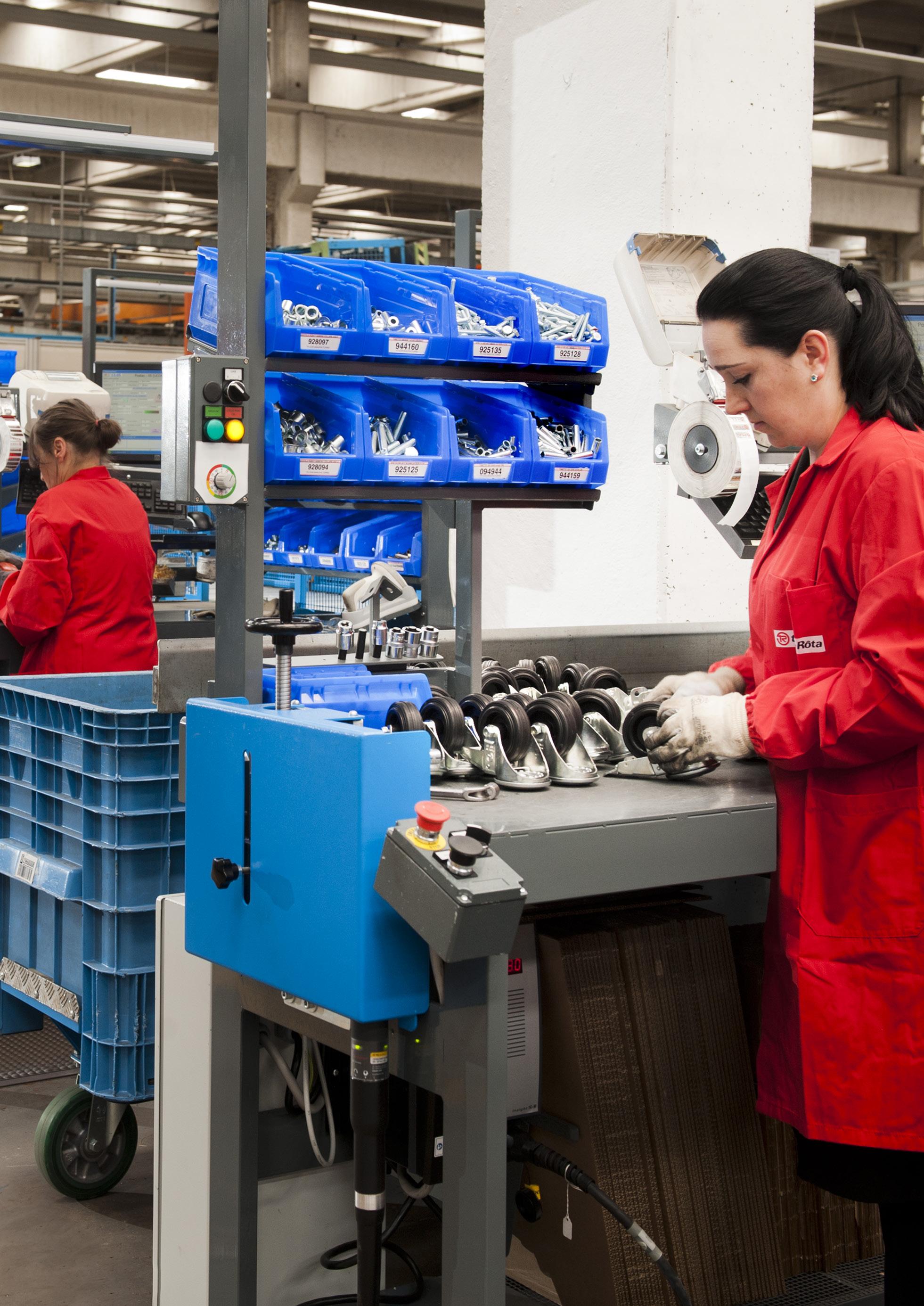
IMPACT REPORT
TELLURE RÔTA, BENEFIT CORPORATION
Being a Benefit Corporation represents a new and conscious way of doing business, capable of combining profit with a commitment to the common good. For us, this means having included in our Articles of Association a commitment to pursuing objectives that go beyond financial performance, contributing to collective well-being and the creation of shared value for society.
This legal status was introduced by the Italian Decree-Law No. 1882 of 17 April 2015. Although it currently does not provide direct economic benefits or special incentives, for us, it is a choice of responsibility.
It is our way of moving beyond the “profit at any cost” mindset and investing in the well-being of the community, placing the social value of our actions at the centre.
Today we are part of a network of over 5,500 Benefit Corporations in Italy, and with this impact report we fulfil the transparency requirement mandated by law.
Our Sustainability Report, made according to the GRI methodology, describes our corporate policies
and actions related to sustainability, highlighting our concrete commitment to stakeholders and the community.
In the following document, we present the five Common Benefit Goals we have set ourselves. For each objective, we describe the activities carried out in 2025 to achieve it and the commitments undertaken for 2026.
2025 was a particularly demanding year, during which Tellure Rôta was engaged at all levels in the process of integrating tools, knowledge and expertise with Elesa.
This process required time, energy and significant involvement from the organisation.
Although we were not able to complete all the activities planned for the year, we nevertheless contributed to all Common Benefit Goals, with different levels of progress and implementation.
In the process of analysing and monitoring our impact objectives, we are supported by Davide Clò, our Administrative Manager, who has been appointed by the Board of Directors to coordinate and guide our sustainability mission.
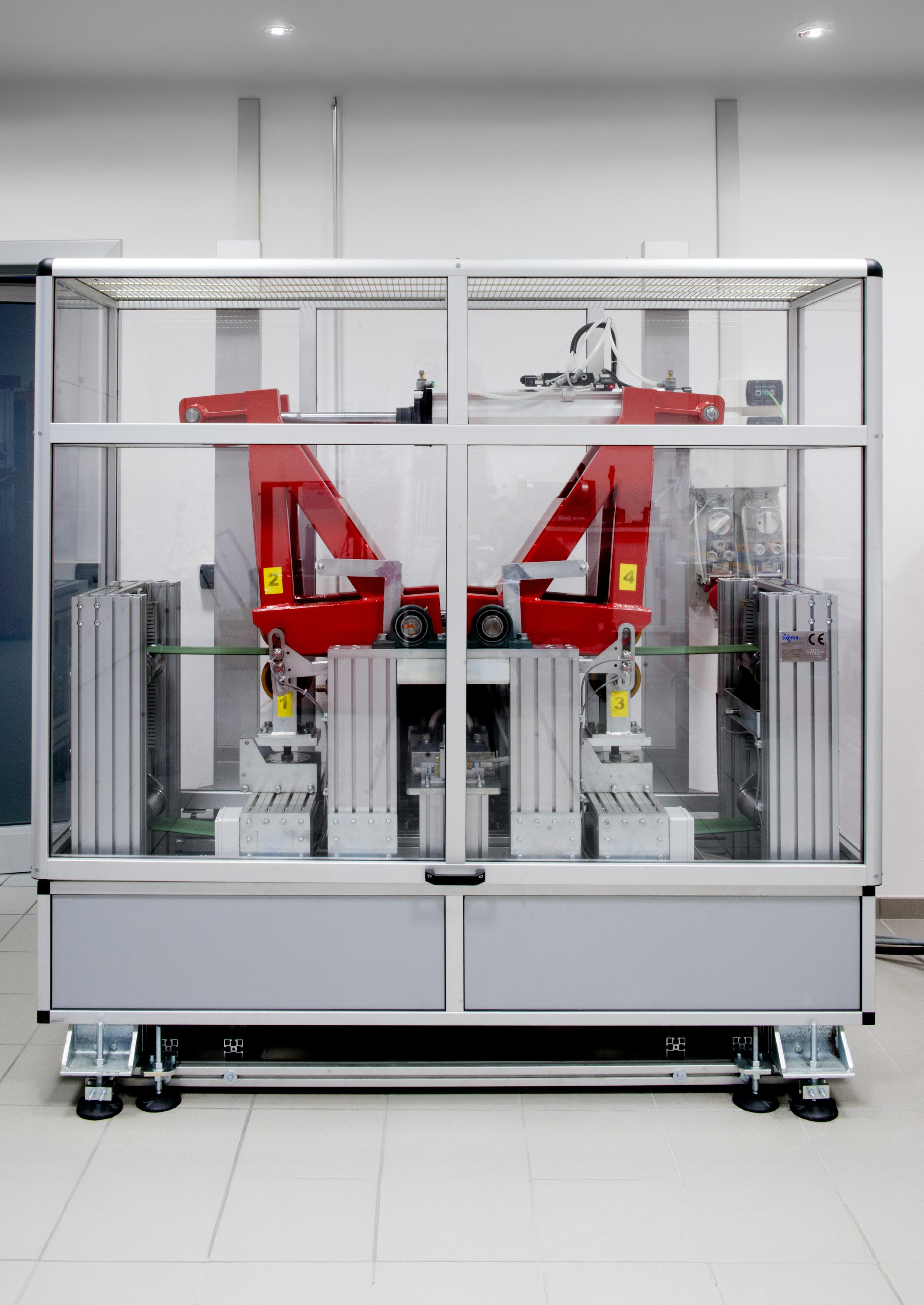
1
OBJECTIVE
Continuous innovation towards the sustainability of processes and environmental impacts of all business practices.
The first Common Benefit objective concerns the impacts that responsible management of business processes can generate on the environment.
The digitalisation of active and passive workflows represents an important opportunity to improve our ESG performance, helping reduce the use of material resources, such as paper and consumables, and making the collection and management of energy and employee data more efficient. At the same time, it enables greater information traceability, promoting transparency, reducing the margin of human error and ensuring more effective management of the entire value chain.
The analysis of the new management system has been postponed to the second half of 2026. As a result, no processes were digitalised in 2025. Given
the importance of this objective, we have decided to carry it forward into 2026, recognising that, as it depends on the implementation of the new ERP system, it may be deferred until 2027. Meanwhile, paper consumption has not yet decreased, as it is directly linked to the digitalisation process. The personnel management software, however, was launched as a pilot project for the Research and Development and Human Resources Departments and will gradually be rolled out to other departments.
Also in 2025, although we sent fewer questionnaires to suppliers compared with the previous year — decreasing from 155 to 108 suppliers involved — the sample remains significant, and the response rate increased by approximately 5 percentage points, from 38.7% to 43.5%. This result highlights an improvement in the quality of the process.
Ongoing analysis of our supply chain is essential for identifying the positive and negative impacts and risks associated with our activities.
Digitalise personnel management
monitor consumption and reduce paper and printing through the digitalisation of commercial documentation
Software identified. Pilot test carried out among Human Resources and Sales Office personnel (12 people)
Year 2024:
Paper used: 1,422 Kg
No. of toner cartridges used: 32
Year 2025:
Paper used: 1,676 Kg
No. of toner cartridges used: 34
Achieve a 50% response rate by increasing supplier engagement 108 questionnaires sent to suppliers; 47 responses received, corresponding to 43.5%
LOOKING
AHEAD TO 2026
We will continue the digitalisation process for workflows, which will also contribute to the progressive reduction of paper consumption. We will work towards achieving a 50% response rate to supplier questionnaires and aim to extend the use of the management software to all employees. We also plan to introduce dedicated apps enabling employees to access payroll documents and book the company canteen services directly from their mobile phones.
OBJECTIVE
The fostering of a positive work environment through actions that promote quality and work safety, professional growth and the development of potential, including the adoption of company welfare measures.
Employee well-being is an increasingly important priority. It represents a tangible investment that strengthens employees' engagement with the Company while generating positive outcomes. At Tellure Rôta, however, it is first and foremost a matter of values. We believe that employee well-being extends beyond the time spent at work and can also have a positive impact on employees' personal lives, individual development and overall fulfilment.
This commitment is reflected in our initiatives to raise awareness of work-related stress, alongside training on occupational health and safety and a wide range of professional development topics, as described in the chapter dedicated to social responsibility.
Closely linked to our training activities is our competency mapping initiative. This analysis
was carried out to identify training gaps and highlight employees' potential for future upskilling opportunities.
Our support for employees also extends to their personal and family needs. During the year, a total of 408 hours of family leave were taken.
This type of leave is provided for under Italian legislation. While its approval is at the Company's discretion, all requests received during the year were promptly approved.
We also continue to offer remote working arrangements to all employees with at least one year of service who do not work in production departments. This confirms our commitment to promoting a better work-life balance.
Moreover, remote working is not only a valuable tool for supporting employee well-being, but also an important factor in attracting younger workers, who increasingly value the opportunity to balance professional development with quality of life.
training for the HR manager on managing of work-related stress situations
HR Manager completed 16 hours of training on managing of work-related stress situations
Implement a company platform with training hours Competency mapping completed to identify training gaps and employees' development potential
Monitoring of flexible working requests received and the number of requests accepted
During the year, a total of 408 hours of discretionary family leave were taken (approximately 50 working days)
Support and monitor remote working arrangements 31 employees made use of remote working, for a total of 6,276 hours
LOOKING AHEAD TO 2026
One of our objectives is to raise awareness among all department heads about work-related stress. This will enable them to recognise its warning signs, report them promptly and, above all, help prevent it by promoting healthy and balanced working practices. We will also continue to respond effectively to employees' personal needs by promoting flexible working arrangements such as part-time work, leave and remote working.
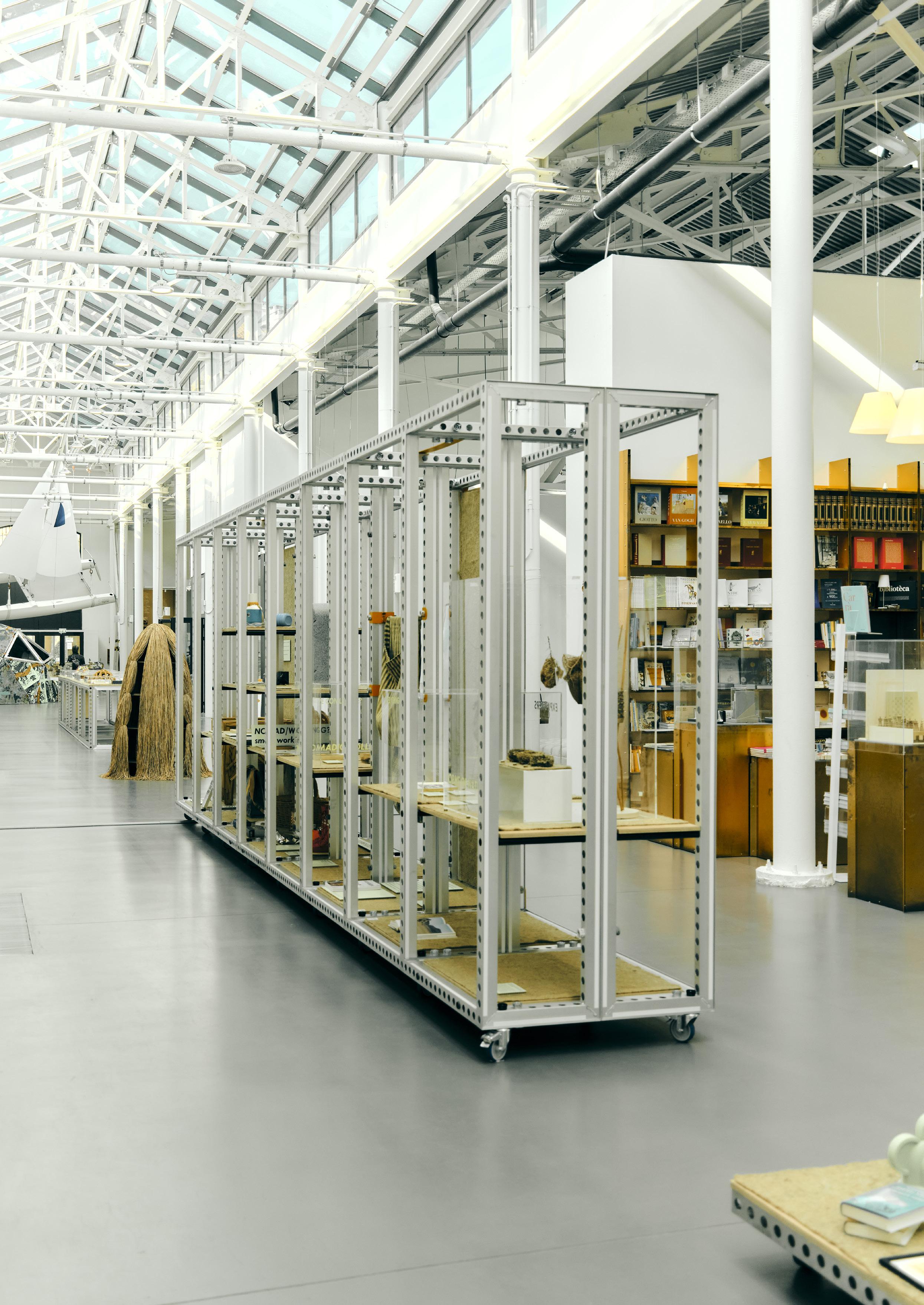
3
OBJECTIVE
Improvement of business processes and activities impacting the environment by recycling our own production scraps and waste.
This third objective focuses on the Company's ability to operate more responsibly and addresses two key areas: packaging and production waste
The "Packaging" pilot project, launched in 2024, was completed in 2025 and involved a total of 20 customers. As a result, all customers will switch to external packaging free from plastic film in 2026. A project was also launched to replace bubble-
2025 commitments
Analysis of the factors generating production scrap and reduction of production waste
wrap-like plastic filling and protective material with shredded paper.
As regards the recycling of production waste, our waste recycling rate remained at 95%, broadly in line with the previous year.
The production scrap rate, however, increased slightly from 1.26% in 2024 to 1.32% in 2025.
This increase was due to the introduction of two new polyurethane production machines, which required a testing and implementation phase.
Results and Activities carried out
No. of pieces in 2025: 4,405,692 No. of scrapped pieces: 58,355 2025 rejects: 1.32%
Two new polyurethane production machines with new manufacturing processes were introduced in 2025 and required testing and implementation
Monitoring of the proportion of waste sent for recycling More than 95% of waste was recycled
Analysis of the Company fleet for future replacement with more environmentally friendly vehicles
Expansion of the number of customers switching from plastic film packaging to cardboard packaging
LOOKING AHEAD TO 2026
No Company-owned vehicles were replaced with lower-emission vehicles
100% of the customers switched to cardboard box packaging without external plastic film.
A project was launched to replace bubble-wrap-like plastic filling material inside our packaging with shredded paper
In 2026, we will launch the project to replace bubble-wrap-type plastic filling material inside our packaging with shredded paper to protect packaged products.
We will continue to monitor production scrap, with the objective of achieving a steady reduction in the amount of wheels rejected during production. Finally, we plan to begin replacing diesel vehicles in our Company fleet with hybrid vehicles.
4
OBJECTIVE
Promoting collaborative dialogue with stakeholders and active participation in associations and business networks to spread good sustainability practices.
We are convinced that no company can grow alone. For this reason, we consider it essential to build and maintain strong relationships with all the people and organisations that are part of our ecosystem: those who work with us, those who use our products, and the community in which we operate.
These relationships, built on shared values, help us improve and create value for those around us. For us, this means listening to and actively engaging our key stakeholders: customers, employees, management and local communities.
In 2025, we organised an in-person meeting involving 20 representatives from different categories of external stakeholders. Participants were invited to complete a questionnaire to gather their views on the actual and potential impacts that our Company has on the environment, people and communities. This dialogue helps us move beyond a purely internal perspective, embrace different viewpoints and take into account our stakeholders' suggestions, expectations and needs. As in 2024, we continued to
2025 commitments
Greater engagement of external stakeholders, including customers
Ongoing participation in school orientation initiatives, work-school programmes, and collaboration with associations and non-profit organisations
LOOKING AHEAD TO 2026
share Tellure Rôta's Impact Report with our internal stakeholders, namely our employees. The aim was to increase awareness of the values underpinning the Benefit Corporation model and fostering a culture of sustainability.
Participation in business associations and networks also represents an important opportunity for dialogue. It enables us to learn from others, share experiences and promote the sustainable business practices that guide our work. In 2025, we took part in a plenary meeting of the Corporate Social Responsibility Association, of which we have been a member for many years.
Our commitment to schools also continued. During the year, one of our employees volunteered to deliver training and orientation sessions at two educational institutions, sharing their expertise to support younger generations.
Finally, our project to maintain the green areas along Via Aldo Moro also continued in 2025. Under this initiative, we manage the external green spaces at our own expense in collaboration with other companies located on the same street, relieving the Municipality of Formigine of this responsibility.
Results and Activities carried out
20 stakeholder representatives took part in the materiality assessment. They represented the following stakeholder groups: customers, suppliers, agents, banks, trade associations and training organisations.
Publication of the first Impact Report on the Company portal. Maintenance of green areas in collaboration with neighbouring companies
Participation in the Corporate Social Responsibility Association meeting to define the objectives for 2025.
Pro bono training at the Corni Institute on digital communication and personal branding (2 hours).
Pro bono training at the Fiori Institute as part of a school-business school orientation project (2.5 hours)
We will continue strengthening our relationships with the local community and with the networks of which we are part. We will remain an active member of the Corporate Social Responsibility Association, contributing our time, expertise and resources. We will also continue our commitment to schools by providing free training sessions and school orientation.
5
OBJECTIVE
Support to non-profit organisations, foundations and third sector entities that provide support to people and combat poverty and inequality.
Our fifth objective encourages us to look beyond the boundaries of our Company by strengthening our contribution to community well-being and promoting, among other organisations, a business culture that places greater emphasis on social responsibility.
We believe that companies can play a meaningful role in the positive development of the communities in which they operate. For this reason, we are committed to listening to the needs of the community and supporting organisations that work every day to improve the quality of life of the most vulnerable
2025 commitments
Prepare a company policy for donations and charitable contributions
Support through know-how, donations or sustainable purchases benefiting local associations and non-profit organisations
LOOKING AHEAD TO 2026
people. We provide this support in a variety of ways, including donations of goods and charitable contributions.
During the year, we financially supported a project promoted by the Porta Aperta Association in Modena to equip reception facilities in the city with new beds. These centres provide essential support—including meals, accommodation and access to showers— to people experiencing severe economic hardship, homelessness or people in situations of significant vulnerability.
We also donated 50 wheels to the Parish of S. Bartolomeo in Formigine, where they were used to facilitate the movement of recreational equipment.
Results and Activities carried out
In 2025, the procedure governing charitable contributions was formally incorporated into the Company's Code of Ethics
Donation of 50 wheels to the Parish of Formigine. Participation in the "New Beds for the Reception Centre" project promoted by the Porta
Association, together with financial support for the initiative
We will continue to support social cooperatives and social enterprises, recognising the value of their contribution to the community. At the same time, we will continue to pay close attention to the needs and requests of the local organisations around us, offering support whenever possible through practical initiatives, including the donation of goods.
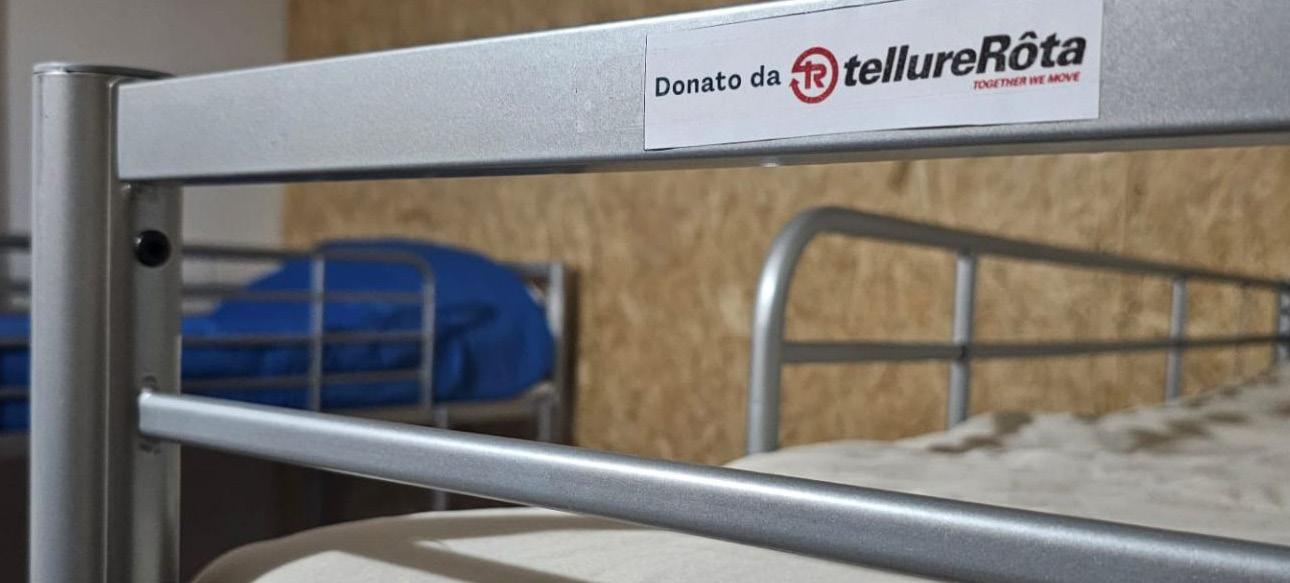
Aperta
GRI CONTENT INDEX
Tellure Rôta S.p.A. has reported the information cited in this GRI content index for the period 01.01.2025–31.12.2025 with reference to the GRI Standards.
2-15
2-16
2-20
2-22
2-24
2-25
2-26
2-27
2-28
415 PUBLIC POLICY
415-1 Political contributions N/A
416 CUSTOMER HEALTH AND SAFETY
416-1 Assessment of health and safety impacts for product and service categories 19, 23-24
416-2 Incidents of non-compliance concerning the health and safety impacts of products and services 23-24
417 MARKETING AND LABELLING
417-1 Requirements for product and service information and labelling 19, 23
417-2 Incidents of non-compliance concerning information and labelling on products and services None
417-3 Incidents of non-compliance concerning marketing communications None
418 CUSTOMER PRIVACY
418-1 Proven complaints relating to breaches of customer privacy and the loss of customer data None
Copyright: Tellure Rôta S.p.A. 2025
Methodological consulting: Mediamo Area Sostenibilità S.r.l SB Graphic design project: Mediamo S.r.l SB